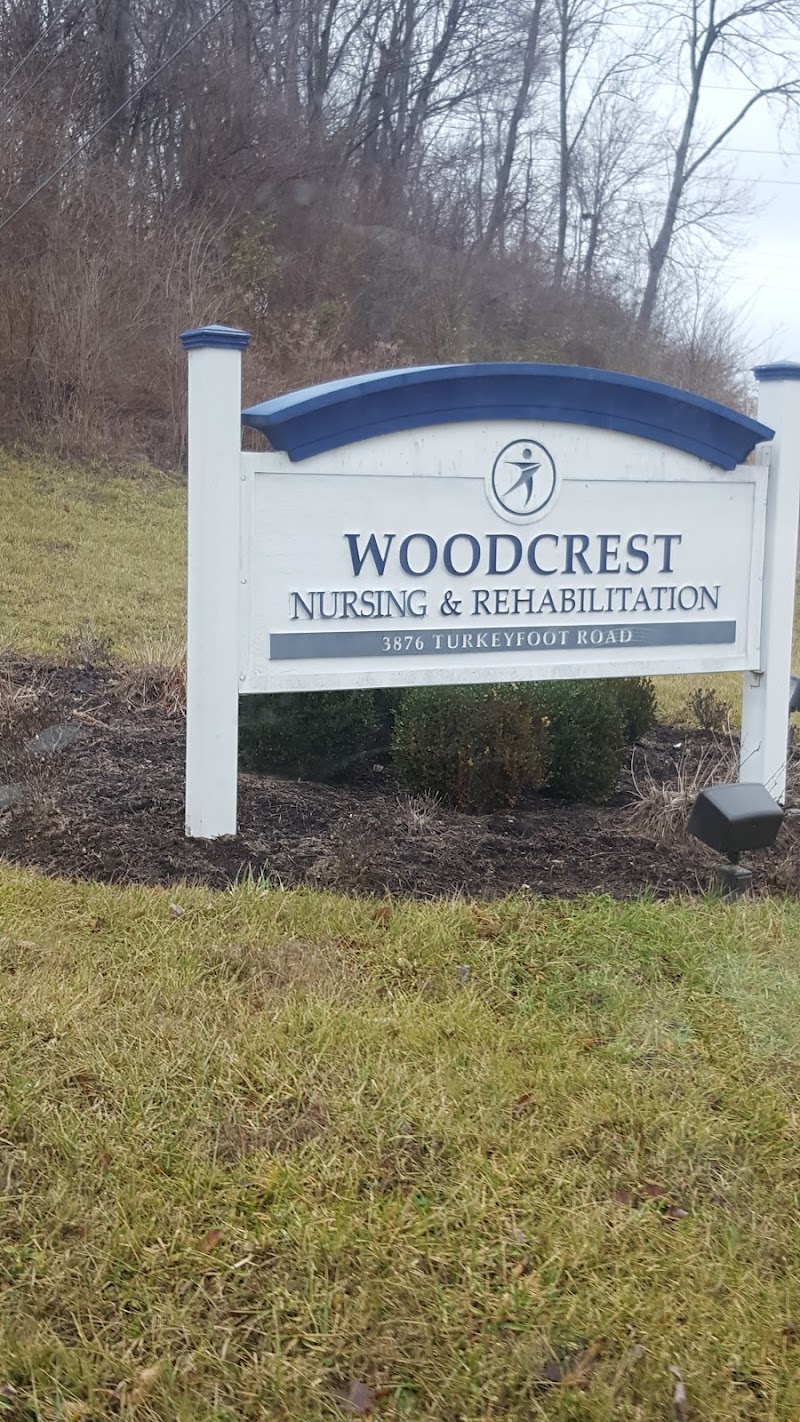
WOODCREST NURSING AND REHABILITATION CENTER
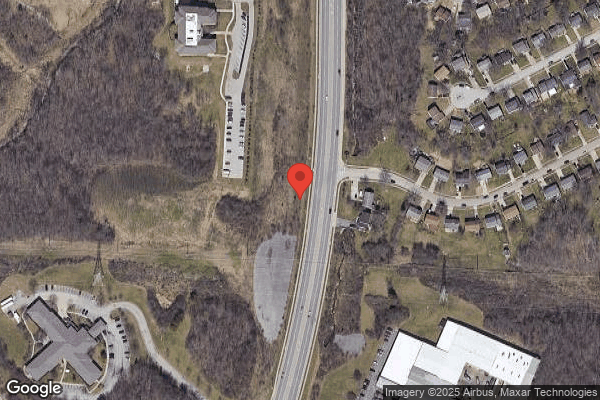

3876 TURKEYFOOT ROAD, ELSMERE, KY 41018 (859) 342-8775
For profit - Corporation 127 Beds BENJAMIN LANDA Data: November 2025
Trust Grade
80/100
#88 of 266 in KY
Last Inspection: May 2025

Inspected within the last 6 months. Data reflects current conditions.

Overview

Woodcrest Nursing and Rehabilitation Center has a Trust Grade of B+, indicating it is above average and recommended for families considering care options. It ranks #88 out of 266 facilities in Kentucky, placing it in the top half, and #3 out of 8 in Kenton County, showing only two local options are better. Unfortunately, the facility is experiencing a worsening trend, with issues increasing from one in 2019 to two in 2025. Staffing is a notable weakness here, with a rating of 2 out of 5 stars and a concerning level of RN coverage, being lower than 90% of Kentucky facilities. Specific incidents of concern include inadequate infection control practices, such as transporting dirty linens improperly, and a medication error rate exceeding acceptable limits, indicating potential risks in care quality.

Trust Score
B+
80/100
In Kentucky
#88/266
Top 33%
Safety Record
Low Risk
No red flags
Inspections
Getting Worse
1 → 2 violations
Staff Stability
○ Average
37% turnover. Near Kentucky's 48% average. Typical for the industry.
Penalties
✓ Good
No fines on record. Clean compliance history, better than most Kentucky facilities.
Skilled Nurses
⚠ Watch
Each resident gets only 22 minutes of Registered Nurse (RN) attention daily — below average for Kentucky. Fewer RN minutes means fewer trained eyes watching for problems.
Violations
✓ Good
Only 3 deficiencies on record. Cleaner than most facilities. Minor issues only.
★★★★☆
4.0
Overall Rating
★★☆☆☆
2.0
Staff Levels
★★☆☆☆
2.0
Care Quality
★★★★☆
4.0
Inspection Score
Stable
2019: 1 issues
2025: 2 issues

The Good

  • Full Sprinkler Coverage · Fire safety systems throughout facility
  • No fines on record
  • Staff turnover below average (37%)

    11 points below Kentucky average of 48%

Facility shows strength in fire safety.

The Bad

Staff Turnover: 37%

Near Kentucky avg (46%)

Typical for the industry

Chain: BENJAMIN LANDA

Part of a multi-facility chain

Ask about local staffing decisions and management

The Ugly 3 deficiencies on record

May 2025 2 deficiencies
CONCERN (D)

Potential for Harm - no one hurt, but risky conditions existed

Unnecessary Medications (Tag F0759)

Could have caused harm · This affected 1 resident

Based on observation, interview, record review, and review of the facility's job description, the facility failed to ensure that its medication error rate was less than five percent. Two errors out of...

Read full inspector narrative →
Based on observation, interview, record review, and review of the facility's job description, the facility failed to ensure that its medication error rate was less than five percent. Two errors out of 33 opportunities resulted in a 6.06% error rate. The findings include: Record review of the Licensed Practical Nurse (LPN) job description, updated 4/19/2024, listed essential functions of this position, including administration of medications and treatments, following approved nursing techniques. Review of the May 2025 Medication Administration Record (MAR) for Resident (R) 1 revealed Atorvastatin 20 milligrams (mg) and Loratadine 10 mg was ordered for administration between 7:00 PM and 10:59 PM. Observation on 05/20/2025 at 9:10 AM revealed LPN3 prepared two medications ordered for R1 that were scheduled for bedtime administration. Atorvastatin 20 mg was a low dose of a drug intended to lower cholesterol and triglycerides, and Loratadine 10 mg was an antihistamine medication used to treat seasonal allergies. During interview on 05/20/2025 at 9:12 AM with LPN3, she stated she understood that these medications were scheduled at night, and they were pulled in error. She stated she did not feel there would be any adverse effect. However, she stated had it been another type of medication, it could have caused the resident a problem. During interview on 05/21/2025 at 11:47 AM with the contracted Pharmacist, he stated that while he did not expect the incident would cause harm, the efficacy of the Atorvastatin given in the morning would be questionable since lipid production was typically higher in the evening and therefore more likely to have the intended result. In addition, he stated the potential of the resident drinking grapefruit juice would be higher in the morning with breakfast, and that could also decrease the desired outcome. Regarding the loratadine 10 mg, he stated because it had the potential to cause drowsiness, it could adversely affect the resident's activity level during the daytime. He also stated the maximum daily dose of this medication was 10 mg. He stated, if the medication was inadvertently given again, at bedtime, as originally scheduled, it could increase the drying effect of the medication, which in some residents could cause dizziness, dry oral mucosa, or similar anticholinergic responses. During interview on 05/21/2025 at 10:22 AM with the Director of Nursing (DON), she stated it was her expectation that medications would be administered according to the physician's orders. During interview on 05/22/2025 at 9:46 AM with the Administrator, he stated it was his expectation that physician orders would be followed as written and that facility policies would be followed. He added that it was important to follow these orders to decrease potential harm to the resident.
CONCERN (F)

Potential for Harm - no one hurt, but risky conditions existed

Infection Control (Tag F0880)

Could have caused harm · This affected most or all residents

Based on observation, interview, record review, and review of the facility's policy, the facility failed to establish and maintain an infection prevention and control program designed to provide a saf...

Read full inspector narrative →
Based on observation, interview, record review, and review of the facility's policy, the facility failed to establish and maintain an infection prevention and control program designed to provide a safe, sanitary, and comfortable environment and to help prevent the development and transmission of communicable diseases and infections affecting all facility residents, with a current census of 110 residents. 1. Observation of the Laundry Room on 05/20/2025 revealed the facility laundry area was not maintained in a clean and sanitary manner. 2. Observation of Housekeeper (HSK) 1 on 05/20/2025 revealed she walked into the dirty utility room carrying a bag of contaminated linen slung over her shoulder and up against her person. 3. Observation of HSK2 on 05/20/2025 revealed she transported clean linen against her person and through the clean area and into the dirty utility room. The findings include: Review of the facility's policy titled, Infection Prevention and Control Program [IPCP], undated, revealed the facility maintained an infection prevention and control program designed to provide a safe, sanitary, and comfortable environment and to help prevent the development and transmission of communicable diseases and infections per accepted national standards and guidelines. Per the policy, all staff was responsible for adhering to IPCP policies, including the use of PPE and hand hygiene according to established procedures. Review of the facility's Housekeeping/Laundry Management and Procurement Agreement, dated 08/31/2018, revealed the facility entered into an agreement with Healthcare Service Group (HSG), to provide all housekeeping and laundry services at the facility. 1. Observation of the facility's Laundry Room on 05/20/2025 at 8:32 AM revealed the dirty utility room had two trash bins pushed against the sink, one of which was overflowing with both bagged and unbagged trash. There were two large utility bins filled with dirty laundry. The sink was blocked by the dirty laundry bins and a trash barrel, preventing staff from accessing it for hand hygiene. Furthermore, the sink was filled with clean mop heads. Further observation revealed no personal protective equipment (PPE) was available for staff to use when sorting contaminated laundry. Further observation on 05/20/2025 at 8:32 AM revealed a wall-mounted utility sink was located in the dirty utility room. It contained dirty, stagnant water. A gallon container of chemicals was sitting on the right rim of the sink, while various cleaning tools and chemicals were also nearby. Additional observation revealed a yellow mop bucket, heavily stained and containing an unwashed wet mop, was present in the room. Directly under the sink, there was a black milk crate filled with tools. Cleaning brushes and brooms leaned against the wall, and a dirty red floor scrubber pad hung from the faucet of the sink. Per observation, the floor itself was visibly stained and scattered with dirt and debris. Furthermore, there were three pillows and multiple large shipping boxes full of linen stacked on top of each other and pushed up against the dirty trash bin. The room also contained brooms and a dustpan, both full of debris and multiple bags of trash and laundry were on the floor. Continued observation on 05/20/2025 at 8:32 AM of the washroom revealed the floor area between two large industrial washing machines appeared heavily worn and stained from water and detergent residue. There was evidence of rust and grime around the bases of the machines. The rest of the washroom floor was similarly stained and contained dirt and debris. There were two utility bins full of dirty laundry obstructing a handwashing sink and eyewash station. Several brooms were present, along with a dustpan that was filled with debris. In one corner of the room, debris had been swept up and pushed to the side. A clean Hoyer lift sling was hanging next to the brooms, with its straps touching the ground and resting in the dirt and debris. Additionally, a face shield was lying on the floor on top of one of the brooms, and gloves were stored on top of a bucket of washing chemicals. Additionally, observation of the laundry area on 05/20/2025 at 8:32 AM revealed the dryer room area was unkempt. The floor was visibly stained and contained dirt, debris and trash. The counter was overflowing with clothing, and the space underneath it was used for storage of clothing and linens not protected from contact with the floor. 2. Observation of the laundry area on 05/20/2025 at 8:45 AM revealed HSK1 walked into the dirty utility room carrying a bag of contaminated linen slung over her shoulder and up against her person. During an interview with HSK1 on 05/20/2025 at 8:45 AM, she stated she did not have a bin to transport the dirty linen, and it was too heavy to carry. She stated she was unaware that carrying contaminated linen against her person was an infection control issue. She stated she was employed by HSG and had been provided infection control training upon hire. She stated it was important to follow infection control policies to prevent the spread of germs. 3. Observation of HSK2 on 05/20/2025 at 8:50 AM revealed she transported clean linen against her person and through the clean area and into the dirty utility room. During an interview with HSK2 on 05/20/2025 at 8:50 AM, she stated she should not walk clean linen through the dirty areas of the laundry room. She stated doing so could contaminate the clean laundry. She stated she had received infection control training through HSG. During an interview with the Assistant Manager of Environmental Services (EVS AM1) on 05/20/2025 at 8:55 AM, she stated she worked for HSG. She stated she was concerned about the cleanliness of the room, and it was dirty and it shouldn't look this way. The EVS AM1 stated the laundry attendant was responsible for maintaining cleanliness in the area, and she worked for the contracted laundry service. She stated linen should be transported away from the body, and clean mops, Hoyer lift (mechanical lift used to transport residents from one surface to another) slings, and other supplies must not be stored in a dirty laundry area to avoid cross-contamination. Additionally, she stated keeping the laundry area clean was essential to prevent the spread of infection. During an interview with EVS AM2 on 05/20/2025 at 8:55 AM, she stated linen should be transported away from the body to avoid cross-contamination. She stated HSK1 and HSK2 had been educated to transport linen away from their person. She stated clean clothing and linen should be taken out through the clean area and not back through the dirty utility room. During an interview with HSG's Housekeeping Account Manager (AM) on 05/21/2025 at 11:35 AM, he stated HSG had a contract with the facility to provide housekeeping and laundry services. He stated he was responsible for overseeing the housekeeping and laundry departments. He stated the area was in a bad state because there was very little storage space for the washing supplies, resulting in a cluttered area. The AM further stated his team had been working on cleaning up the space. He stated it was important for his staff to adhere to IPCPs to prevent the spread of infection. He stated clean and dirty items should never be mixed, and staff should not carry linens against their bodies. Additionally, he stated housekeeping staff should not transport clean linens through the area designated for dirty linens. He stated his staff had received education regarding the proper handling and transportation of laundry and linens. The AM stated it was his expectation that staff maintained a clean and sanitary laundry area to help prevent the spread of germs. During an interview with the Infection Preventionist (IP) on 05/21/2025 at 11:15 AM, she stated the facility adhered to the Centers for Disease Control and Prevention (CDC) guidelines for infection control. The IP stated staff should not carry linen against their bodies, as this practice could lead to cross-contamination. She stated it was her expectation that all staff members, including contracted vendors, complied with the facility's infection prevention and control policies (IPCP). The IP stated following these policies was important for the prevention of infectious disease and to ensure a safe home for the residents. During an interview with the Director of Nursing (DON) on 05/21/2025 at 11:25 AM, she stated it was her expectation that all staff members, including contracted vendors, adhered to the facility's IPCP. She stated all staff received infection control training upon hire and periodically throughout the year. In addition, the DON stated staff was updated on current CDC guidelines when they changed. The DON stated, if nursing leadership observed any lapses in infection control practices, immediate intervention would take place, including on-the-spot education for staff and a review of their competencies. Furthermore, she stated following facility policy and CDC guidelines was important for preventing disease and ensuring the safety of both staff and residents. During an interview with the Administrator on 05/21/2025 at 11:00 AM, he stated the facility had contracted with HSG to manage the facility's housekeeping and laundry services. When asked who had oversight over the management company, he stated, I oversee them. He stated he frequently audited the laundry, but he had not been in there recently. He stated it was important to maintain a clean and sanitary laundry environment to prevent cross contamination and the spread of infections. He stated it was his expectation that HSG staff followed the facility's infection control policies and kept the laundry areas clean. He further stated that maintaining infection control measures was crucial for the safety of the residents.
Sept 2019 1 deficiency
CONCERN (D)

Potential for Harm - no one hurt, but risky conditions existed

Resident Rights (Tag F0550)

Could have caused harm · This affected 1 resident

Based on observation, interview, record review, and review of the facility's Policies, it was determined the facility failed to treat each resident with respect and dignity and care in a manner and in...

Read full inspector narrative →
Based on observation, interview, record review, and review of the facility's Policies, it was determined the facility failed to treat each resident with respect and dignity and care in a manner and in an environment that promoted maintenance or enhancement of his or her quality of life, recognizing each resident's individuality, for two (2) of forty-two (42) total sampled residents (Resident #11 and Resident #55). Observations during the lunch meal service, on 09/10/19, revealed staff used labels to identify residents requiring assistance with meals during meal service and ignored resident requests for assistance with meals. The findings include: Review of the facility's Policy titled, Resident's Rights, undated, revealed the facility believed residents had the right to a dignified existence, self-determination and communication with and access to persons and services inside and outside the facility. Further review revealed the facility would ensure residents were treated with respect and dignity and would promote and facilitate resident self-determination through support of resident choice. Continued policy review revealed the facility would support each resident in exercising his/her rights. Review of the facility's Policy titled, Abuse, Neglect and Misappropriation of Property, revised on 06/2019, revealed the facility prohibited the abuse, neglect and/or misappropriation of property of residents/patients by anyone, which included staff, family, and/or visitors. Further review revealed the facility worked proactively to establish an environment of safety and protection for residents/patients. 1. Review of the clinical record revealed the facility re-admitted Resident #11, on 07/06/18 with diagnoses including Dementia without Behavioral Disturbance, Unspecified Convulsions, Anxiety Disorder, Atherosclerotic Heart Disease and Osteoarthritis. Review of Resident #11's Annual Minimum Data Set (MDS) Assessment, dated 06/11/19, revealed the facility assessed Resident #11 to have a Brief Interview for Mental Status (BIMS) score of zero (0) out of fifteen (15), which indicated the resident had severe cognitive impairment. Further review of the Annual MDS Assessment revealed the facility assessed the resident to require extensive physical assistance of two (2) staff for bed mobility, transfers, dressing, toilet use and personal hygiene. Continued review of the MDS revealed the facility assessed Resident #11 as requiring extensive physical assistance of one (1) staff with eating. Observations during lunch meal service, on 09/10/19 at 12:27 PM, revealed Certified Nursing Assistant (CNA) #1, standing at the entrance of the second floor dining room, shouting out, Who's got the feeder table? Further observations revealed Resident #11 was seated at the assisted table located just behind CNA #1 with his/her head hanging down towards his/her lap. Continued observations revealed staff members seated at the assisted table directing Resident #11 and other residents in the dining room to sing. However, when Resident #11 and others were unable to properly recite the words to the song staff had directed him/her to sing, CNA #1, CNA #3, and Kentucky Medication Aide (KMA) #1 began laughing and making jokes about the funny words residents had used. Additional dining room observations revealed Resident #11 and other residents not laughing along with staff members. 2. Review of the clinical record revealed the facility re-admitted Resident #55 on 03/01/19 with diagnoses including Dementia without Behavioral Disturbance, Parkinson's Disease, Anxiety Disorder and Hereditary and Idiopathic Neuropathy. Review of Quarterly MDS Assessment, dated 07/28/19, revealed the facility assessed Resident #55 as having a BIMS score of four (4) out of fifteen (15), which indicated the resident had severe cognitive impairment. Further review of Quarterly MDS Assessment revealed the facility assessed the resident to require extensive physical assistance of two (2) staff for bed mobility, transfers, dressing and toilet use. Continued review of the MDS revealed the facility assessed Resident #55 as requiring extensive physical assistance of one (1) staff with eating and personal hygiene. 2) Observations during lunch meal service, on 09/10/19 at 12:27 PM, revealed Resident #55 having difficulty getting food items from his/her plate, onto the eating utensil and to his/her mouth related to shaking and dropping the food back onto the plate or into his/her lap. Further observations revealed Resident #55 raised his/her hand, as if to request staff assistance with the meal, on three (3) separate occasions with no staff response. Continued observations revealed staff directing residents to sing instead of assisting Resident #55 with his/her request. Interview with CNA #1, on 09/11/19 at 10:35 AM, revealed she should not have referred to the assisted dining table as feeder table but was not aware this was a dignity issue as she had not received education or training related to this topic. Further interview with CNA #1 revealed she never thought about it before now but could see how it could make the residents that required assistance with meals feel humiliated, degraded or embarrassed. Continued interview revealed staff should be talking with residents and not amongst themselves during the resident meal service. CNA #1 revealed staff should engage the resident and have resident focus on dining experience while encouraging and assisting the resident to eat. Additional interview with CNA #1 revealed staff should never laugh or make jokes about the residents as this could cause feelings of humiliation, embarrassment and violate the resident's dignity. Interview with CNA #2, on 09/11/19 at 2:24 PM, revealed it was never appropriate to say feeder table because it was degrading and could be humiliating to the residents. Further interview revealed staff should always respect residents and maintain the resident's right to dignity. Continued interview with CNA #2 revealed staff were to communicate with and engage residents during the dining experience. Additional interview revealed staff were never to request that residents perform for them and should allow residents to initiate if they wished to sing. CNA #2 added if staff are aware residents have dementia or other memory problems, staff should not request residents to do things that the staff are aware they may be unable to do. In addition, staff should never laugh when residents are not able to do things they are asked to do. She stated this could be humiliating, frustrating or make our residents feel bullied. Staff were to assist residents as needed and as requested. Interview with CNA #3, on 09/13/19 at 10:00 AM, revealed it was not acceptable or appropriate to request residents to sing, laugh at residents when they were not able to sing, or to use feeder table to describe the assist to dine table. Further interview with CNA #3 revealed staff were to respect the resident's right to dignity at all times. CNA #3 added laughing when residents were unable to sing songs staff had directed residents to sing could have been perceived as humiliating, degrading or embarrassing to the residents, which was a violation of each resident's right. Continued interview revealed staff were to assist residents as needed and as requested. Interview with KMA #1, on 09/13/19 at 10:15 AM, revealed staff were to engage residents in the dining experience and involve residents in activities such as singing if the residents initiate it and not make it appear as though staff were having residents perform for them, as this was a dignity and respect issue. Further interview with KMA #1 revealed staff were to assist residents as needed and as requested. Interview with the Unit Manager, on 09/13/19 at 10:55 AM, revealed her expectation was for staff to respect and engage residents in a dignified manner. Further interview with Unit Manager revealed she was disappointed to learn her staff had requested confused residents to sing and when resident no longer understanding or remembering the words, staff laughing at them. Continued interview revealed she expected staff to speak with/about resident needs and engage resident in the dining experience. Additional interview revealed residents should not have to raise his/her hand to request assistance, staff should make rounds in the dining room to ensure all resident's needs were being met. The Unit Manager added staff have been educated and were expected to never use feeder table to identify an assisted dining table. Staff were expected to provide excellent customer service at all times while maintaining the resident's dignity and privacy and providing respect at all times. Interview with Director of Nursing (DON), on 09/13/19 at 11:22 AM, revealed the facility had no policy on Assistance with Meals, Activities of Daily Living for Dependent Resident or Dementia Care. The DON revealed the nursing assistants were trained on all these subjects during their training classes and were provided quiz exams to determine each staff member's levels of understanding following the training. In addition, the DON added the nursing assistants were given quizzes annually on Dementia care to ensure understanding. Further interview with DON revealed the expectation was for staff to maintain resident dignity and privacy at all times. Staff were expected to engage residents in the dining experience. Staff were expected to anticipate and meet resident needs. A resident should never have to raise his/her hand when having difficulty with a meal in the dining room. Per interview, this was a dignity issue and could be demeaning, embarrassing and a safety concern for the resident. Continued interview revealed staff were never to identify the assisted dining table as a feeder table as this too was demeaning and degrading for residents and a violation of Resident Rights. The DON stated staff were expected to follow the guidelines and honor the Resident's Rights. My expectations are that Resident's Rights are honored and dignity preserved. Interview with Licensed Nursing Home Administrator, on 09/13/19 at 11:35 AM, revealed it was her expectation that staff preserve the resident's dignity while honoring and respecting the Resident's Rights at all times.
Understanding Severity Codes (click to expand)
Life-Threatening (Immediate Jeopardy)
J - Isolated K - Pattern L - Widespread
Actual Harm
G - Isolated H - Pattern I - Widespread
Potential for Harm
D - Isolated E - Pattern F - Widespread
No Harm (Minor)
A - Isolated B - Pattern C - Widespread

Questions to Ask on Your Visit

  • "Can I speak with families of current residents?"
  • "What's your RN coverage like on weekends and overnight?"

Our Honest Assessment

Strengths
  • • Grade B+ (80/100). Above average facility, better than most options in Kentucky.
  • • No major safety red flags. No abuse findings, life-threatening violations, or SFF status.
  • • No fines on record. Clean compliance history, better than most Kentucky facilities.
  • • Only 3 deficiencies on record. Cleaner than most facilities. Minor issues only.
Concerns
  • • No significant concerns identified. This facility shows no red flags across CMS ratings, staff turnover, or federal penalties.
Bottom line: Generally positive indicators. Standard due diligence and a personal visit recommended.

About This Facility

What is Woodcrest's CMS Rating?

CMS assigns WOODCREST NURSING AND REHABILITATION CENTER an overall rating of 4 out of 5 stars, which is considered above average nationally. Within Kentucky, this rating places the facility higher than 99% of the state's 100 nursing homes. This rating reflects solid performance across the metrics CMS uses to evaluate nursing home quality.
How is Woodcrest Staffed?

CMS rates WOODCREST NURSING AND REHABILITATION CENTER's staffing level at 2 out of 5 stars, which is below average compared to other nursing homes. Staff turnover is 37%, compared to the Kentucky average of 46%. This relatively stable workforce can support continuity of care.

What Have Inspectors Found at Woodcrest?

State health inspectors documented 3 deficiencies at WOODCREST NURSING AND REHABILITATION CENTER during 2019 to 2025. These included: 3 with potential for harm.
Who Owns and Operates Woodcrest?

WOODCREST NURSING AND REHABILITATION CENTER is owned by a for-profit company. For-profit facilities operate as businesses with obligations to shareholders or private owners. The facility is operated by BENJAMIN LANDA, a chain that manages multiple nursing homes. With 127 certified beds and approximately 111 residents (about 87% occupancy), it is a mid-sized facility located in ELSMERE, Kentucky.
How Does Woodcrest Compare to Other Kentucky Nursing Homes?

Compared to the 100 nursing homes in Kentucky, WOODCREST NURSING AND REHABILITATION CENTER's overall rating (4 stars) is above the state average of 2.8, staff turnover (37%) is near the state average of 46%, and health inspection rating (4 stars) is above the national benchmark.

What Should Families Ask When Visiting Woodcrest?

Based on this facility's data, families visiting should ask: "Can you walk me through typical staffing levels on day, evening, and night shifts?" "Can I visit during a mealtime to observe dining assistance and food quality?" "How do you handle medical emergencies, and what is your hospital transfer rate?" "Can I speak with family members of current residents about their experience?" These questions are particularly relevant given the below-average staffing rating.

Is Woodcrest Safe?

Based on CMS inspection data, WOODCREST NURSING AND REHABILITATION CENTER has a clean safety record: no substantiated abuse findings (meaning no confirmed cases of resident harm), no Immediate Jeopardy citations (the most serious violation level indicating risk of serious injury or death), and is not on the Special Focus Facility watch list (a federal program monitoring the lowest-performing 1% of nursing homes). The facility has a 4-star overall rating and ranks #1 of 100 nursing homes in Kentucky. While no facility is perfect, families should still ask about staff-to-resident ratios and recent inspection results during their visit.

Do Nurses at Woodcrest Stick Around?

WOODCREST NURSING AND REHABILITATION CENTER has a staff turnover rate of 37%, which is about average for Kentucky nursing homes (state average: 46%). Moderate turnover is common in nursing homes, but families should still ask about staff tenure and how the facility maintains care continuity when employees leave.

Was Woodcrest Ever Fined?

WOODCREST NURSING AND REHABILITATION CENTER has no federal fines on record. CMS issues fines when nursing homes fail to meet care standards or don't correct problems found during inspections. The absence of fines suggests the facility has either maintained compliance or corrected any issues before penalties were assessed. This is a positive indicator, though families should still review recent inspection reports for the full picture.

Is Woodcrest on Any Federal Watch List?

WOODCREST NURSING AND REHABILITATION CENTER is not on any federal watch list. The most significant is the Special Focus Facility (SFF) program, which identifies the bottom 1% of nursing homes nationally based on persistent, serious quality problems. Not being on this list means the facility has avoided the pattern of deficiencies that triggers enhanced federal oversight. This is a positive indicator, though families should still review the facility's inspection history directly.