BELMONT TERRACE NURSING AND REHABILITATION CENTER

7300 WOODSPOINT DRIVE, FLORENCE, KY 41042 (859) 371-5731
For profit - Corporation 151 Beds ENCORE HEALTH PARTNERS Data: November 2025 6 Immediate Jeopardy citations
Trust Grade
0/100
#205 of 266 in KY
Last Inspection: April 2025

Within standard 12-15 month inspection cycle. Federal law requires annual inspections.

Overview

Belmont Terrace Nursing and Rehabilitation Center has received a Trust Grade of F, indicating poor performance with significant concerns. Ranked #205 out of 266 facilities in Kentucky, it is in the bottom half, and #3 out of 3 in Boone County, meaning there are no better local options. Despite an overall trend of improvement in the number of issues reported, decreasing from 32 in 2024 to 4 in 2025, the facility still faces serious challenges, including a concerning staffing turnover rate of 73%, which is much higher than the state average. The facility has incurred $35,980 in fines, indicating compliance problems that are higher than 84% of Kentucky facilities. Specific incidents of concern include failing to notify a physician about significant changes in a resident's condition and not following care plans for chronic pain management, which raises serious questions about the quality of care provided. While there are some improvements, families should weigh these significant weaknesses when considering this facility.

Trust Score
F
0/100
In Kentucky
#205/266
Bottom 23%
Safety Record
High Risk
Review needed
Inspections
Getting Better
32 → 4 violations
Staff Stability
⚠ Watch
73% turnover. Very high, 25 points above average. Constant new faces learning your loved one's needs.
Penalties
✓ Good
$35,980 in fines. Lower than most Kentucky facilities. Relatively clean record.
Skilled Nurses
⚠ Watch
Each resident gets only 22 minutes of Registered Nurse (RN) attention daily — below average for Kentucky. Fewer RN minutes means fewer trained eyes watching for problems.
Violations
⚠ Watch
54 deficiencies on record. Higher than average. Multiple issues found across inspections.
★☆☆☆☆
1.0
Overall Rating
★☆☆☆☆
1.0
Staff Levels
★☆☆☆☆
1.0
Care Quality
★☆☆☆☆
1.0
Inspection Score
Stable
2024: 32 issues
2025: 4 issues

The Good

  • Full Sprinkler Coverage · Fire safety systems throughout facility
  • No fines on record

Facility shows strength in fire safety.

The Bad

1-Star Overall Rating

Below Kentucky average (2.8)

Significant quality concerns identified by CMS

Staff Turnover: 73%

27pts above Kentucky avg (46%)

Frequent staff changes - ask about care continuity

Federal Fines: $35,980

Above median ($33,413)

Moderate penalties - review what triggered them

Chain: ENCORE HEALTH PARTNERS

Part of a multi-facility chain

Ask about local staffing decisions and management

Staff turnover is very high (73%)

25 points above Kentucky average of 48%

The Ugly 54 deficiencies on record

6 life-threatening 2 actual harm
Apr 2025 4 deficiencies
CONCERN (D) 📢 Someone Reported This

A family member, employee, or ombudsman was alarmed enough to file a formal complaint

Potential for Harm - no one hurt, but risky conditions existed

Free from Abuse/Neglect (Tag F0600)

Could have caused harm · This affected 1 resident

Based on observation, interview, record review, review of the facility's Incident Reports, and review of the facility's policies, the facility failed to keep residents free from abuse and neglect for ...

Read full inspector narrative →
Based on observation, interview, record review, review of the facility's Incident Reports, and review of the facility's policies, the facility failed to keep residents free from abuse and neglect for 3 of 11 sampled residents, Resident (R) 36, R40, and R169. 1. On 02/28/2025, R36 reported to a day shift State Registered Nurse Aide (SRNA) that the previous night shift SRNA purposefully removed his call device from the wall and replaced it with something plastic so he would be unable to use the call device during the previous night shift. The day shift SRNA observed R36's call device was not plugged in, and a plastic device had been put in the call device port. 2. On 11/15/2024, R169 walked into R40's room. R40 hit R169, causing a nose bleed. R40 fell while hitting R169, injuring her ankle. The findings include: Review of the facility's policy titled, Abuse Prohibition, revised 07/01/2019, revealed potential hires were screened for history of abuse, neglect, and mistreatment. It also stated potential hires would have a license verification completed, and required background checks were done. Further review revealed all employees received training on abuse prevention, abuse identification, and reporting of abuse. It also stated any employee alleged to have committed an act of abuse would be immediately removed from duty, pending investigation. Review of the facility's policy titled, Resident Rights, effective date 08/13/2024, stated, The facility will make every effort to support each resident in exercising his/her right to assure that the resident is always treated with respect, kindness, and dignity. 1. Review of R36's admission Record revealed the facility admitted him on 02/23/2023 with diagnoses of functional quadriplegia, autonomic neuropathy, and myoneural disorder with bed confinement status. Review of R36's quarterly Minimum Data Set [MDS], with an Assessment Reference Date (ARD) of 03/07/2025, revealed a Brief Interview for Mental Status [BIMS], a test for cognitive impairment, was not conducted because resident is rarely/never understood. The assessment of memory/recall ability revealed R36 was able to recall the current season, location of his room, staff name and faces, and where he was currently located and was able to make decisions regarding daily life tasks. Further review revealed R36 did not have any indicators of hallucinations, delusions, no physical or verbal behavioral symptoms, and had functional range of motion limitation on both sides, upper and lower extremities, that made him dependent in all care areas. Review of R36's Care Plan Report, revealed a focus area, initiated on 03/23/2023, of threatening to call state or corporate on staff when need or want could not be met immediately, excessive use of call light, manipulative behaviors, making false accusations of staff, using racial slurs, screaming out, and making sexual remarks to staff. Further review revealed interventions included providing a flat call light to be kept within reach. Review of the facility's Initial Investigation Report, dated 02/28/2025, revealed the incident occurred on 02/27/2025 at approximately 9:00 PM, and R36 reported it to SRNA9 on 02/28/2025 at approximately 3:00 PM. Per the report, upon notification by R36, SRNA9 immediately returned the call light to working order and reported the allegation and findings to management, appropriate notifications were made, and the investigation was initiated. Further review of the report revealed the Administrator interviewed SRNA8, and she admitted to removing the call light from the wall due to being unable to shut off and had forgotten to tell the oncoming shift. Per the report, SRNA8 also stated she had forgotten to place a work order for repair; and SRNA8 was placed on leave pending the investigation. Review of facility's Final/5 Day Investigation Report, dated 03/05/2025, revealed a full investigation was completed and findings substantiated the call light was unplugged, but it could not be proven it was an intentional action. Per the report, all staff received training on call lights and the abuse policy; all residents were interviewed that had a high BIMS; all low BIMS score residents had a skin assessment; and no other issues were identified. The report stated a facility-wide audit of all call lights did not identify any issues with the call system or individual devices, including R36's call device, which was identified to be in working order. Review of SRNA8's employee file revealed a date-of-hire of 04/10/2024. Further review revealed a background check, adult caregiver misconduct registry, sex offender registry, and licensure verification had been performed. Additional review revealed on 04/23/2024, SRNA8 signed she completed and acknowledged the employee code of conduct and the policy for adult protection, abuse, neglect, and resident rights. In an interview with R36 on 04/23/2025 at 9:18 AM, he stated a night shift SRNA removed his call light device from the wall and placed a plastic syringe cap in the port to keep him from being able to use the call light because she did not like him. R36 stated, during the night, he would have verbally called out to get help if needed, and he did not feel isolated, but it made him mad. R36 stated he told the oncoming SRNA the following morning about what the night SRNA did, and she immediately re-connected his call device and told someone. R36 stated he had not seen the SRNA since that incident, had no issues from the event, and had not had any further incidents with his call device. The State Survey Agency (SSA) Surveyor attempted to interview SRNA8, who no longer worked at the facility, by telephone on 04/22/2025 at 8:00 PM, and a second attempt was made on 04/23/2025 at 7:30 PM. However, with both attempts, there was no answer, and no voicemail was available. The SSA Surveyor attempted to interview SRNA9, who no longer worked at the facility, by telephone on 04/23/2025 at 11:26 AM, but the only available contact number provided was not a working number. In an interview with the Maintenance Director on 04/23/2025 at 9:35 AM, he stated he was involved in the call light audit during the investigation, and no devices or system issues were identified as having malfunctioned, including the specialty call device used by R36. He stated Maintenance was available 24 hours a day by phone, and his contact information was located on all units. He stated any issue with a call device was considered high priority, and a device that was not functioning should have been called into him. He stated he would have come to the facility and replaced or repaired the device if needed. He stated his expectation was for a work order to be placed by staff who identified the issue. He stated review of his work order electronic tracking system revealed no work order was placed on the corresponding dates of the incident for R36's call device. In an interview with the Director of Nursing (DON) on 04/24/2025 at 3:19 PM, she stated abuse of residents by any staff member was unacceptable, and any allegation of abuse or neglect by an employee required immediate suspension. She stated, after any allegation of abuse, mandatory staff education should be instituted based on the specifics of the allegation. She stated the facility doing pre-employment background checks and verifying the abuse registry were important for screening potential employees. In an interview with the Administrator on 04/24/2025 at 2:55 PM, he stated he was notified by a staff member, whom he could not recall, that R36 had complained that a night shift SRNA had purposefully removed his call device from the wall and placed a plastic device in its place, so he would not continue to call out during her shift. The Administrator stated he interviewed R36 who told him the same story, and he made the required notifications. He stated, in his interview with SRNA8, she admitted to removing the device due to a malfunction, and she had forgotten to put in a work order or pass it off to day shift in report. The Administrator stated, during the investigation, all call lights were tested as well as the call system and no malfunctions were identified, including with R36's call device. He stated the finding of the investigation was the event occurred, but intent could not be determined. So, he stated, out of an abundance of caution, SRNA8 was separated from employment. 2. Review of the facility's Investigation Report, dated 11/15/2024, revealed on 11/15/2024, R169 was walking down the 300 Hall when she entered R40's room. Per the report, R40 did not like that R169 was in her room, stood up from her wheelchair, and hit R169 in the face. The report stated when R40 hit R169, R40 fell, hurting her ankle. The report stated R169 had a nosebleed, the physician was notified, and the physician ordered an x-ray for R40's ankle and to monitor R169's nose. The investigation revealed both residents did not remember the incident. Per the report, the residents were immediately separated, and R40 was placed on one-on-one supervision. The report stated both residents' families were notified as well as the physician, Office of Inspector General, Department for Community Based Services, law enforcement, and the Ombudsman. Per the report, a 72 hour psychosocial monitoring was performed which revealed no concerns, and the x-ray of R40's ankle was negative for acute injury. The report stated the facility was able to verify that the incident occurred, and a stop sign was placed on R40's room door to prevent wandering residents from entering. a. Review of R40's admission Record revealed the facility admitted the resident on 01/17/2024 with diagnoses to include unspecified dementia, epilepsy, and chronic obstructive pulmonary disease (COPD). Review of R40's quarterly MDS, with an ARD of 10/30/2024, revealed the facility assessed the resident to have a BIMS score of three of 15, indicating R40 was severely cognitively impaired. Observation on 04/24/2025 at 9:56 AM revealed R40 was sitting in a wheelchair. The resident was dressed in street clothes and was clean, with no odors or visible injuries. R40 did not show any signs of fear or anxiety. In an interview with R40 at the time of the observation, she stated she had not been harmed in the facility. She further stated, They better not, my father is a cop. She also stated she felt safe in the facility. b. Review of R169's admission Record revealed the facility admitted the resident on 02/17/2024 with diagnoses which included Alzheimer's disease, glaucoma, and degenerative disease of the nervous system. Review of R169's quarterly MDS, with an ARD of 08/25/2024, revealed the resident was not given a BIMS score because she was rarely/never understood. Observation on 04/24/2025 at 10:04 AM revealed R169 was sitting in the dining room. R169 was clean and did not have any odors or visible injuries. R169 did not show any signs of fear or anxiety. R169 was unable to be interviewed because of her cognitive status. In an interview with SRNA13 on 04/24/2025 at 10:14 AM, she stated she worked the evening of the event, 11/15/2024. SRNA13 stated she was down the hall, and staff heard a noise. She stated she and a nurse ran down the hall, and she heard R40 yell, You better get out of this room. She stated, when she got to the room, she saw R40 hit R169 in the face, and R40 fell. SRNA13 stated she took R169's vital signs and cleaned her nose. She stated R169 was not afraid, but she was confused because she did not know why R40 had hit her. In an interview with Licensed Practical Nurse (LPN) 4 on 04/24/2025 at 10:30 AM, she stated she worked the evening of the event, 11/15/2024. She stated she was at the end of her shift when she heard someone scream. She stated she ran down the hall and saw R40 hit R169 and fall. She stated she helped R40 up, and R40 stated, She [R169] was in my room. She stated she redirected both residents. She stated R40 told her that R40's ankle hurt. She stated R40 was sent out for an ankle x-ray. She stated both residents were placed on 15 minute checks. She stated R169 did not show signs of pain. She stated there had been no change in either residents' behavior. In an interview with the Social Services Director on 04/24/2025 at 2:52 PM, she stated if there was a resident-to-resident altercation, she did a psychosocial visit with each resident for three days. In an interview with the Director of Nursing (DON) on 04/23/2025 at 3:53 PM, she stated the main thing she did to prevent abuse was to educate staff so they knew if residents had certain behaviors, to monitor them closely. She also stated staff was proactive to prevent abuse. She stated staff met as a team to determine if any changes in resident behavior needed to be addressed. She stated staff did a 72 hour assessment of each resident if there was an altercation. She stated staff was trained to provide individualized care. In an interview with the Administrator on 04/23/2025 at 4:03 PM, he stated the main thing he did to prevent abuse was to do background checks and to train the staff. He stated staff was taught to monitor residents for any change in behaviors, and they knew to keep the residents safe. He stated staff was also taught to report abuse immediately. He stated he talked with residents, and they had resident council meetings. He stated whenever there was an allegation, he interviewed the residents involved. He stated the first thing staff was taught to do was to separate the residents and make sure they were safe. He stated staff then put the residents on one-on-one supervision. He stated he reported all allegations of abuse within two hours.
CONCERN (D) 📢 Someone Reported This

A family member, employee, or ombudsman was alarmed enough to file a formal complaint

Potential for Harm - no one hurt, but risky conditions existed

Transfer Notice (Tag F0623)

Could have caused harm · This affected 1 resident

**NOTE- TERMS IN BRACKETS HAVE BEEN EDITED TO PROTECT CONFIDENTIALITY** Based on interview, record review, and review of the facility's policies, the facility failed to notify the State Guardian and a...

Read full inspector narrative →
**NOTE- TERMS IN BRACKETS HAVE BEEN EDITED TO PROTECT CONFIDENTIALITY** Based on interview, record review, and review of the facility's policies, the facility failed to notify the State Guardian and a representative from the Office of the State Long-Term Care (LTC) Ombudsman of its intentions to discharge a resident and the reasons for the discharge in writing for 1 of 27 sampled residents, Resident (R) 219. R219 was transferred to a Behavioral Health (BH) facility on 11/02/2024 from the facility for a psychiatric evaluation. On 11/11/2024, the Discharge Planner (DCP) at the BH facility notified the State Guardian that after discussions with the facility, the facility would not be accepting R219 back. The facility did not communicate this with the State Guardian or obtain the approval of the State Guardian. Additionally, the facility did not provide a written 30-day notification of transfer/discharge to the State Guardian or the office of the State Long-Term Care Ombudsman. The findings include: Review of the facility's policy titled, Transfer/Discharge Notice, revised 01/27/2025, revealed when the facility anticipated discharge, a post discharge plan of care was developed with the participation of the resident and with the resident's consent. The policy did not address the required 30-day Notice of Transfer/Discharge. Review of the facility's policy titled, Bed Hold, revised 01/27/2025, revealed the facility would provide written information to residents and/or their representatives regarding the bed hold policy. Per the policy, it ensured compliance with federal regulations and state Medicaid requirements while maintaining the rights and care continuity of residents. Review of an Acute Change in Condition Note, dated 11/02/2024 at 12:05 PM, found in R219's electronic medical record (EMR), revealed the resident was combative with staff. According to the note, R219 threw a coffee cup at a nurse and then began throwing computers from the nurse's station after threatening to punch the staff. Additionally, the note stated R219 directed racial slurs toward the staff. Per the note, the nurse failed to document the facility to which the resident was being transferred. According to the note, the State Guardian was not notified. The note stated, Family notification: self. Date notified: 11/02/2024 12:00 PM. Review of a Transfer and Discharge, notification, dated 11/02/2024 at 12:30 PM, revealed it was completed upon R219's transfer to the local emergency room. It stated that R219's Guardian was notified on 11/02/2024. It was recorded that R219 was unable to sign the form. Additionally, it was noted that a copy of the form was mailed to CHFS. However, there was no documentation explaining when, where, or how the form was sent to the responsible party. Review of a General Note, dated 11/02/2024 at 7:00 PM, found in R219's EMR, revealed the facility's nurse spoke to the nurse from the Behavioral Health (BH) facility. The note stated, They will be admitting resident for a 3-10-day program. Resident will discharge back to this facility thereafter. Supervisor notified. Additionally, it was documented that the BH facility would notify R219's State Guardian of the admission. Review of a Discharge Planner Clinical Note, dated 11/08/2024 at 11:44 AM, revealed the Discharge Planner at the BH facility attempted to call the Administrator. The note stated, Writer called [the facility] and asked to speak with an administrator in regard to [R219] Admin did not answer and writer left a VM with call back information. Review of a Discharge Planner Clinical Note, dated 11/08/2024 at 11:50 AM, revealed the Discharge Planner at the BH facility emailed R219's Guardian to inform him of R219's discharge date . According to the note, the Discharge Planner was unable to speak with staff at the facility. Review of an e-mail dated 11/11/2024, from the Discharge Planner at the BH facility to R219's State Guardian, revealed the Discharge Planner informed R219's Guardian that the facility would not readmit R219. Review of a Discharge Planner Clinical Note, dated 11/11/2024 at 12:43 PM, revealed the Discharge Planner at the BH facility called the facility in regard to R219. According to the note, [The facility] is not accepting [R219] and the Dr will not accept him back. Review of a Discharge Planner Clinical Note, dated 11/11/2024 at 12:48 PM, revealed the Discharge Planner at the BH facility emailed R219's Guardian. The note stated the Guardian was emailed informing him that R219 was not able to return to the facility. Review of an email from R219's Guardian to the Discharge Planner at the BH facility on 11/12/2024 at 8:54 AM, revealed the Guardian wrote that he was unaware that the facility would not accept R219 back. Review of an email from the Discharge Planner at the BH facility on 11/12/2024 at 8:59 AM, revealed she told the Guardian that the Director of Nursing at the facility informed her, due to R219's behavior, the facility's physician would no longer treat R219. Review of an email from R219's Guardian to the Discharge Planner at the BH facility on 11/12/2024 at 9:17 AM, revealed the Guardian wrote that he was still trying contact someone with [the facility] about the situation and the reasons for refusal to readmit. Review of an email from R219's Guardian to the Discharge Planner at the BH facility on 11/12/2024 at 4:18 PM, revealed that Guardian Services still planned to have R219 return to the facility when he was ready for discharge. Review of an email from the Supervisor of Guardian Services for the Cabinet for Health and Family Services (CHFS) to the facility's Administrator, dated 11/12/2024, revealed the Supervisor noted concerns about the facility refusing to allow R219 to return. She stated that no Discharge Notice had been issued, and without such notice, R219's rights were violated. Review of a letter from R219's Guardian to the Secretary of the CHFS, dated 11/18/2024, revealed it was in regard to an appeal of involuntary discharge from the facility and request for a stay of discharge. The letter stated, when the facility sent R219 to the local emergency department (ED) on 11/02/2024, it did not issue a bed hold notice or a discharge notice. Per the letter, the State Guardianship Office was made aware of the transfer only after the local hospital contacted them. The letter stated, on 11/02/2024, the local ED transferred R219 to a Behavioral Health (BH) facility for ongoing treatment. Per the letter, although R219 was ready to be discharged back to the original facility, on 11/11/2024, the BH facility informed the Guardian that the facility declined to readmit him. Further review of the letter revealed that, as of the date of the letter, the facility had not issued a written discharge notice despite being requested to do so, and they [the Guardian] had retained legal counsel to request a stay of discharge. Review of a letter from the Legal Aid Counsel to the facility's Administrator, dated 11/20/2024, revealed she had been retained to represent R219 because the facility wrongfully dumped [R219] at the hospital and refused to readmit him. Review of an email from the facility's Administrator to the Psychiatric Hospital, dated 11/21/2024 at 10:20 AM, revealed the Administrator requested documentation that R219 was not a danger to self or others. Review of an email from the facility's Administrator to R219's Counsel, dated 11/21/2024 at the 11:21 AM, revealed if R219 did not pose a threat to himself or others, the facility would readmit R219. Review of an Order Staying Discharge, dated 11/22/2024 and filed on 11/26/2024, revealed the facility was prohibited from taking any further actions or steps toward discharging R219. According to the Order, the State Guardian, on behalf of R219, claimed the facility took actions to involuntarily discharge R219 without a notice of discharge or notification of bed hold. Review of R219's Face Sheet found in the resident's EMR revealed the facility initially admitted the resident on 09/10/2023 with diagnoses to include dysphagia, schizophrenia, and bipolar disorder. Review of the R219's annual Minimum Data Set [MDS], with an Assessment Reference Date (ARD) of 09/18/2024, revealed the facility assessed the resident to have a Brief Interview for Mental Status [BIMS] score of eight of 15, which indicated the resident had moderate cognitive impairment. During an interview with the Business Office Manager (BOM) on 04/22/2025 at 2:25 PM, she stated the nurse was responsible for completing the Transfer/Discharge sheet, which included the reason for transfer or discharge, the facility to which the resident was being transferred, and an explanation of the Bed Hold policy. She stated the white copy was given to the resident to take to the hospital; the yellow copy was kept for the resident's EMR; and the pink copy was provided to the resident's responsible party. She stated the facility would mail the pink copy to the resident's Power of Attorney (POA), Resident Representative (RR), or resident's State Guardian. She stated the notice was sent by regular mail, and the yellow copy would indicate mailed if it had been sent. Additionally, she stated the Ombudsman received last month's transfer/discharge information at the beginning of each month. She stated she gave R219 a copy of the bed hold policy and mailed a copy to the Resident's Guardian. During an interview with the Director of Nursing (DON) on 04/22/2025 at 2:35 PM, she stated the floor nurse on duty was responsible for notifying the resident, the resident's representative (RR), and/or the guardian about the provider's order for transfer. She stated the resident's representative was informed of the reason for the transfer and the facility to which the resident was being transferred. The DON stated nursing staff was responsible for completing the Transfer/Discharge form, which included the reason for the transfer or discharge, the name of the facility where the resident was being transferred, and an explanation of the Bed Hold policy. The DON stated the nurse must ensure the receiving hospital received a report on the resident, including the reason for the transfer. She stated, while these notifications should occur in a timely manner, they could sometimes be delayed in emergency circumstances. The DON stated the nurse should complete the bed hold/transfer paperwork, which accompanied the resident. She stated one copy of the paperwork was scanned into the resident's chart. Additionally, the DON stated the Business Office followed up with the resident's representative or guardian on the next business day. She stated notification to the RR was important to ensure compliance with the resident's rights. During a telephone interview with R219's Legal Counsel (LC) on 04/24/2025 at 8:36 AM, she stated she was retained by the State Guardian's Office in 11/2024 after R219 was not allowed to return to the facility from the BH facility on 11/11/2024. She stated there was no notice of discharge provided to the Guardian. Furthermore, the LC stated, according to the Guardian, he and the Discharge Planner at the BH facility had difficulty reaching anyone at the facility to discuss the matter. She stated the Guardian was told by the Discharge Planner on 11/11/2024 that the facility would not be readmitting R219. The LC stated on 11/20/2024 she sent the facility's Administrator a letter that she was retained as R219's counsel because the facility dumped R219 at the hospital and refused to readmit him. She stated she also notified the facility's Administrator that she had filed a motion to stay his discharge. During an interview with the Guardian on 04/24/2025 at 9:36 AM, he stated, on 11/02/2024, R219 exhibited a change in condition to include behaviors. He stated the facility sent R219 to the local ED, and R219 was not admitted to that hospital but was sent to a BH facility on the same day. The Guardian stated, on 11/04/2024, R219 was admitted to the local hospital from the BH facility due to having seizures and was discharged back to the BH facility on 11/06/2024. The Guardian stated R219 went from the BH facility to a Psychiatric hospital on [DATE], and finally returned to the facility on [DATE] after a Court Order staying the discharge. The Guardian stated he was informed by the Discharge Planner at the BH facility that the facility would not accept R219 back due to needing a higher level of care and continued behavioral issues. He stated both he and the Discharge Planner would contact the facility regarding R219; however, no one at the facility would return their calls. He stated, We did not receive a bed hold or notice of discharge. Additionally, the Guardian stated the facility did not accept R219 back until the facility was presented with a stay of discharge by R219's counsel. During a telephone interview with the District LTC Ombudsman on 04/22/2025 at 10:25 AM, she stated R219 was sent to a Behavior Health (BH) facility on 11/02/2024. She stated when the BH facility's Discharge Planner attempted to notify the facility of R219's anticipated discharge, they would not return her calls. The Ombudsman stated the facility did not want to take R219 back because they felt he was not appropriate for the facility due to recent behaviors. She stated the District LTC Ombudsman's office was not notified of the facility's intention to discharge R219 after his transfer to the BH facility in November 2024. She stated the facility did not notify her in writing with a 30-day Notice of Discharge letter, and that was why they had to bring him back to the facility. She stated she notified Legal Aid of the situation when she was made aware. She stated, When there is a non-admit, a discharge appeal is made to legal aid. She stated R219 stayed longer than necessary at the BH facility, ultimately being sent to the State Psychiatric Hospital. The Ombudsman stated the facility had a history of sending off [residents] to the hospital and dumping. She stated the facility did not communicate well with the Ombudsman on necessary matters. She stated she received emails from the facility at the beginning of the next month regarding all prior month's transfer/discharges. During an interview with the facility's Administrator on 04/23/2024 at 11:30 AM, he stated R219 was sent to a BH facility on 11/02/2024, for evaluation, due to his inappropriate outbursts and conduct toward staff. The Administrator stated he did not send a Notice of Transfer/Discharge to R219's Guardian or Ombudsman after the transfer to the BH facility because it was not their intent to refuse to readmit R219. He stated the BH facility transferred R219 to the State Psychiatric Hospital (SPH) on 11/14/2024. He stated upon R219's arrival at the SPH, the facility then required documentation from the physician treating R219 to confirm that he was no longer a danger to himself or others. Furthermore, the Administrator stated the only delay in transferring R219 back to the facility was waiting for the paperwork indicating R219 did not pose a potential harm to himself or others. He stated R219 was admitted back into the facility from the SPH on 11/26/2024. During continued interview with the Administrator on 04/23/2024 at 11:30 AM, he stated R219 exhibited numerous behaviors over his course of stay at the facility that caused over $10,000 in damage to equipment. He stated R219 displayed verbal and physical abuse toward staff. He stated R219 wanted to move to a personal care home, but his appointed State Guardian would not allow it due to R219's health situation, which required a higher level of care and a modified diet. He stated once the facility conducted a modified barium swallow (MBS) study, which R219 passed, he was later able to transition to a lower level of care. The Administrator stated once back from the SPH, and after he passed the MBS study, R219 continued to have outbursts, prompting the facility to provide the resident and his representatives with a 30-day Notice of Transfer/Discharge. He stated R219 was discharged from the facility to a lower level of care in early 2025. During an additional interview with the Administrator on 04/23/2025 at 3:00 PM, he stated, despite R219 being under the care of the facility's in-house psychiatric service, R219 exhibited continued disruptive behaviors, including breaking property and striking a nurse with a pill crusher. He stated these episodes were becoming more frequent and severe. The Administrator stated the facility determined that R219 needed inpatient psychiatric services. He stated the reason for discharge was not related to the resident's clinical or behavioral condition. He stated he was only concerned about R219's potential to endanger himself and the safety of others within the facility. The Administrator stated it was important to follow the facility's policy to ensure compliance related to all transfers and discharges. During an interview with the Regional [NAME] President (RVP) on 04/23/2025 at 3:00 PM, he stated the facility could address the resident's activities of daily living (ADL) and medical needs. However, they noted the resident would become upset, leading to property destruction. The RVP maintained the reason for discharge was not related to the resident's clinical or behavioral condition. He stated that adhering to the facility's discharge policy was important to remain compliant. During an interview with the Medical Director on 04/24/2025 at 5:36 PM, she stated the facility initiated R219's transfer due to behavioral issues and R219's need for continuous one-on-one care. She stated the facility offered both inpatient and outpatient psychiatric services, and the contracted psychiatric provider had oversight of R219's behavioral health needs. Additionally, she stated the facility would not refuse to readmit R219 because of behavioral concerns. The Medical Director stated the facility had adequate staff to care for R219. She stated she was not consulted about the plans for R219's discharge after he was admitted to the Psychiatric Hospital in 11/2024.
CONCERN (E)

Potential for Harm - no one hurt, but risky conditions existed

Deficiency F0883 (Tag F0883)

Could have caused harm · This affected multiple residents

**NOTE- TERMS IN BRACKETS HAVE BEEN EDITED TO PROTECT CONFIDENTIALITY** Based on interview, record review, review of the Centers for Disease Control and Prevention (CDC) document, and review of the fa...

Read full inspector narrative →
**NOTE- TERMS IN BRACKETS HAVE BEEN EDITED TO PROTECT CONFIDENTIALITY** Based on interview, record review, review of the Centers for Disease Control and Prevention (CDC) document, and review of the facility's policy, the facility failed to provide immunization as required or appropriate; to ensure the resident or the resident's representative had the opportunity to refuse immunizations; and failed to ensure the medical record included documentation of the resident's or resident representative's education regarding the benefits and potential side effects of immunizations for 5 of 6 sampled residents, Resident (R) 23, R50, R74, R99, and R103. The findings include: Review of the facility's policy titled, Influenza and Pneumococcal Immunization Policy, dated 08/13/2024, revealed to minimize the risk of influenza and pneumococcal disease, the facility ensured that each resident or their representative received education on immunization benefits and potential side effects. Per the policy, residents were offered annual influenza immunization and could refuse it, while pneumococcal immunization was offered unless medically contraindicated. The policy stated medical records must detail that education was provided and whether the resident received the immunization. The policy stated a resident or the resident's legal representative could refuse the vaccine for any reason, and if a vaccine was refused, the refusal would be documented in the resident's medical record. Review of the Centers for Disease Control and Prevention's (CDC) document Recommended Vaccines for Adults, updated 10/26/2024, revealed the CDC recommended all adults [AGE] years of age or older should receive the pneumococcal vaccine (PCV) unless indicated otherwise by the physician. In addition, at least one year after the last PCV13 dose, adults should receive one dose of PCV20 or one dose of PCV21. Also, the document stated if the previous vaccination history was unknown, one dose of PCV15, PCV20, or PCV21 should be given. 1. Review of R23's Resident Face Sheet revealed the facility admitted the resident on 03/19/2019 with diagnoses including anemia, Alzheimer's disease, and depression. Review of R23's quarterly Minimum Data Set [MDS], found in the resident's Electronic Health Record (EHR), with an Assessment Reference Date (ARD) of 04/18/2025, revealed the facility assessed the resident to have a Brief Interview for Mental Status [BIMS] score of three out of 15, indicating the resident was severely cognitively impaired. Review of R23's immunization status revealed there was no documented evidence the resident had received the recommended pneumococcal immunizations. Additionally, it was documented that R23 refused the immunization. A Vaccine Consent Form, provided by the facility, showed Refused in the signature line with an unrecognizable date. The form was not completed with the type of vaccine refused. Additionally, the facility did not provide documentation of R23's vaccine education. 2. Review of R50's Resident Face Sheet revealed the facility admitted the resident on 09/25/2017 with diagnoses including malnutrition, liver failure, and dysarthria (facial muscle weakness) due to traumatic brain injury. Review of R50's annual MDS, found in the resident's EHR, with an ARD of 02/11/2025, revealed the facility assessed the resident to have a BIMS score of 14 out of 15, indicating the resident was cognitively intact. Review of R50's immunization status revealed the resident received his last Pneumovax (pneumococcal PCV13) immunization on 02/12/2018. Based on CDC recommendations, R50 should receive one dose of PCV20 or one dose of PCV21 at least one year after the last PCV13 dose. Additionally, the facility did not provide documentation of pneumococcal vaccine refusal or education. During an interview with R50 on 04/21/2025 at 11:30 AM, he stated he had not been offered a pneumonia vaccine since his admission. He stated it had been longer than five years since his last pneumonia immunization. 3. Review of R74's Resident Face Sheet revealed the facility admitted the resident on 09/17/2021 with diagnoses including cancer, anemia, and coronary artery disease. Review of R74's quarterly MDS, found in the resident's EHR, with an ARD of 12/03/2024, revealed the facility assessed the resident to have a BIMS score of 14 out of 15, indicating the resident was cognitively intact. Review of R74's immunization status revealed no documentation of a pneumococcal vaccination refusal. Per CDC guidelines, if the previous vaccination history was unknown, one dose of PCV15, PCV20, or PCV21 should be given. 4. Review of R99's Resident Face Sheet revealed the facility admitted the resident on 11/14/2024 with diagnoses including Alzheimer's disease, malnutrition, and dementia. Review of R99's quarterly MDS, found in the resident's EHR, with an ARD of 02/06/2025, revealed the facility assessed the resident to have a BIMS score of zero out of 15, indicating the resident had severe cognitive impairment. Review of R99's immunization status revealed she received the Pneumococcal PCV13 vaccination on 08/27/2019. According to CDC recommendations, R99 should receive one dose of PCV20 or one dose of PCV21 at least one year after the last PCV13 dose. Additionally, the facility did not provide documentation of pneumococcal vaccine refusal or education. 5. Review of R103's Resident Face Sheet revealed the facility admitted the resident on 09/17/2021 with diagnoses including type 2 diabetes mellitus, disorders of the immune mechanism, and congestive heart failure. Review of R103's quarterly MDS, found in the resident's EHR, with an ARD of 03/28/2025, revealed the facility assessed the resident to have a BIMS score of 14 out of 15, indicating the resident was cognitively intact. Review of R103's immunization status revealed there was no documented evidence the resident had received the recommended pneumococcal vaccine. Per CDC guidelines, if the previous vaccination history was unknown, one dose of PCV15, PCV20, or PCV21 should be given. Additionally, it was documented that R103 refused the Prevnar 15 immunization (no date). A Vaccine Consent Form, provided by the facility, revealed the word Refused in the signature line on 11/13/2024. However, the form did not specify who refused the vaccination, and the form was not completed with the type of vaccine refused. Additionally, the facility did not provide documentation of R103's vaccine education. During an interview with the Infection Preventionist (IP) on 04/24/2025 at 3:55 PM, she stated the facility followed the CDC's recommendation for all immunizations and vaccines. She stated she was unsure why residents had not received their recommended vaccination. She stated she expected all residents to receive vaccinations according to the CDC's recommended guidelines. The IP stated it was important to follow the CDC's recommendations and the facility's infection prevention and control program (IPCP), including influenza and pneumococcal vaccines, to prevent the spread of disease and infections that could be controlled with vaccines and immunizations. During an interview with the Regional Nurse Consultant (RNC) on 04/22/2025 at 10:45 AM, she stated the facility lacked much of its surveillance data and documentation, including resident vaccine and immunization records. She stated this issue arose when a former infection preventionist self-terminated her position [01/13/2025]. The RNC stated the former infection preventionist destroyed electronic data and took the infection surveillance binder, along with other infection prevention records, with her when she left the facility. The RNC stated, while the facility had been updating resident immunization records, it had not conducted an audit of pneumococcal vaccinations. During additional interview with the RNC on 04/24/2025 at 11:25 AM, she stated, I truly don't think we will find documentation of updated [immunization] records. The RNC stated residents should get vaccinated to protect themselves and others from infectious diseases. During an interview with the Administrator on 04/24/2025 at 3:48 PM, he stated he expected all of the facility's policies to be followed. When asked who was responsible for monitoring the infection prevention program, he stated the IP was responsible to oversee the facility's infection prevention and control program (IPCP) and monitor for infectious disease. The Administrator stated it was important for the health and safety of residents and staff to follow the facility's IPCP related to immunization to prevent the spread of infections. During an interview with the Medical Director on 04/24/2025 at 5:36 PM, she stated when residents were admitted , the admission nurse asked them or their representative about their vaccination history. She stated all residents were offered vaccines. She stated the unit managers ensured that residents' vaccinations were up-to-date. The Medical Director stated it was important for residents to receive their vaccines to protect both themselves and others in the facility from the spread of infectious disease.
CONCERN (F)

Potential for Harm - no one hurt, but risky conditions existed

Infection Control (Tag F0880)

Could have caused harm · This affected most or all residents

Based on observation, interview, record review, review of the Centers for Disease Control and Prevention (CDC) guidelines, and review of the facility's policy, the facility failed to implement its inf...

Read full inspector narrative →
Based on observation, interview, record review, review of the Centers for Disease Control and Prevention (CDC) guidelines, and review of the facility's policy, the facility failed to implement its infection prevention and control policies and procedures and identify and correct problems relating to infection prevention practices, for 1 of 27 sampled residents, Resident (R) 84. The facility also failed to provide sanitary storage of residents' supplies to help prevent the development and transmission of communicable diseases and infections, which had the potential to affect all of the current 114 residents. 1. Observation of the 200 Hall revealed R84 was seated in his wheelchair self-ambulating down the hall outside of his room with his suprapubic catheter bag anchored to the underside of the seat of the wheelchair. The bag was dragging on the floor as he ambulated. 2. Observation of the Employee Locker Room and the Central Supply Storage Room revealed multiple boxes of resident supplies were stored on the floor. The findings include: Review of the Centers for Disease Control Infection Control and Prevention's Catheter-Associated Urinary Tract Infections (CAUTI) Prevention Guide, updated 04/12/2024, revealed it was part of Standard Precautions. Further review revealed infection prevention and control practices should be employed for management of catheters and associated drainage systems to include ensure the urine drainage bag was kept off the floor. Review of the facility's policy, Infection Control, dated 08/04/2024, revealed the facility's infection prevention and control program (IPCP) was intended to maintain a safe, sanitary, and comfortable environment to help prevent and manage the transmission of disease and infection. Continued review of the policy revealed the facility would establish guidelines for the implementation of Standard Precautions. 1. Review of an admission Record, found in R84's electronic medical record (EMR), revealed the facility admitted R84 on 03/14/2022 with diagnoses to include anemia, atrial fibrillation, and congestive heart failure. Review of R84's quarterly Minimum Data Set [MDS], found in R84's EMR, with an Assessment Reference Date (ARD) of 02/25/2025, revealed a Brief Interview for Mental Status [BIMS] score of nine out of 15, which indicated the resident had moderate cognitive impairment. Review of the Comprehensive Care Plan, dated 01/07/2025, revealed R84 was care planned for an indwelling supra-pubic catheter due to urethral stricture/obstructive uropathy. The goal, revised on 11/26/2024, revealed the resident would have no signs and symptoms of urinary tract infection through the next review. Interventions initiated on 04/09/2024, included to keep the catheter drainage bag off the floor. Observation of the 200 Hall on 04/21/2025 at 11:07 AM, revealed R84 was seated in his wheelchair and self-ambulating down the hall outside of his room. R84's suprapubic catheter drainage bag was anchored to the underside of the wheelchair's seat and dragged on the floor as he ambulated up and down the hall. During an interview with Licensed Practical Nurse (LPN) 2 on 04/21/2025 at 11:17 AM, she stated catheter bags needed to be secured to the wheelchair in a manner that prevented them from dragging on the floor. LPN2 stated this was an infection control issue and should be addressed to reduce the risk of urinary tract infections. During an interview with the Director of Nursing (DON) on 04/24/2025 at 3:29 PM, she stated catheter collection bags should never touch the floor. She stated it should be anchored to the bed or a wheelchair so that urine drains away from the bladder and should never touch the floor. She stated staff should clean the bag if it touched the ground. She stated it would not be replaced unless the integrity of the catheter bag was compromised. The DON stated the facility did not have a policy for the care of catheter bags. 2. a. Observation of the Employee Locker Room on 04/23/2025 at 8:10 AM, revealed approximately 40 visible boxes of resident supplies. Of those, 13 were stored on the floor in an unsanitary manner. Several of the boxes stored directly on the floor were opened. Additionally, an opened bag containing suction canister tops was also on the floor and spilling out. There were two bags of resident briefs on the floor. One of these bags was torn open, and two of the canister tops were observed directly on the floor. Other boxes contained drinking straws, urinary drainage bags, briefs, tissues, water pitchers, sharp containers, bed pads, pads, and aqua packs. b. Observation of the Central Supply Storage Room on 04/23/2025 at 8:15 AM, revealed multiple boxes containing resident supplies were found stored on the floor: During an interview with State Registered Nurse Aide/Central Supply Manager (SRNA/CSM) 5 on 04/23/2025 at 8:15 AM, referring to the storage room, she stated, I'm just letting you know that it's a mess. SRNA/CSM5 stated boxes should not be placed on the floor due to the risk of water damage or contamination from pest and other contaminants, which could lead to infection control issues. She stated she had requested additional storage space and shelving from the Administrator. She stated there was not a lot of storage for resident supplies. She stated the night shift staff used the employee lounge to store supplies because the storage room was locked during the night shift. She stated storing boxes off the floor was important to prevent the spread of infection. During an interview with the Infection Preventionist (IP) on 04/23/2025 at 9:30 AM, she stated her concern with opened boxes and bags with supplies being stored on the floor would be that the supplies could become contaminated and spread infection. She stated storing boxes off the floor was important to prevent the spread of infection. During an interview with the Regional Nurse Consultant (RNC) on 04/24/2025 at 11:25 AM, she stated it was her expectation that the facility staff followed the facility's infection control policies to prevent the spread of infectious disease. She stated it was important for the health and safety of residents. During an interview with the Director of Nursing (DON) on 04/24/2025 at 3:29 PM, she stated it was her expectation that all facility staff followed the facility's IPCP to prevent the spread of infections and disease to ensure the health and safety of residents and staff. During an additional interview with the IP on 04/24/2025 at 3:55 PM, she stated the facility followed the CDC's recommendation for infection control. The IP stated it was important to follow the CDC's recommendations and the facility's infection prevention and control program (IPCP) to prevent the spread of disease and infections and to protect residents from healthcare associated infections. During an interview with the Administrator on 04/24/2025 at 3:48 PM, he stated he expected all of the facility's policies to be followed. When asked who was responsible for monitoring the infection prevention program, he stated the IP was responsible to oversee the facility's IPCP and monitor for infectious disease. During an interview with the Medical Director on 04/24/2025 at 5:36 PM, she stated it was her expectation that the facility's leadership and staff followed the facility's IPCP to prevent the spread of infection. The Medical Director stated it was important for the health and safety of the facility's residents.
Mar 2024 32 deficiencies 2 Harm
SERIOUS (G)

Actual Harm - a resident was hurt due to facility failures

Pressure Ulcer Prevention (Tag F0686)

A resident was harmed · This affected 1 resident

**NOTE- TERMS IN BRACKETS HAVE BEEN EDITED TO PROTECT CONFIDENTIALITY** Based on observation, interview, record review, and review of the facility's policy, it was determined the facility failed to pr...

Read full inspector narrative →
**NOTE- TERMS IN BRACKETS HAVE BEEN EDITED TO PROTECT CONFIDENTIALITY** Based on observation, interview, record review, and review of the facility's policy, it was determined the facility failed to provide services to prevent pressure ulcers for one (1) of one hundred and four (104) sampled residents (Resident #3). Resident #3's admission Minimum Data Set (MDS) Assessment, dated 01/09/2023, indicated the resident had no skin breakdown. However, thirty-seven (37) days from admission the Advanced Practice Registered Nurse (APRN) documented a wound on Resident #3's left ischium (lower part of the hip) as moisture associated breakdown. Additionally, seventy-one (71) days from admission the APRN documented Resident #3's wound as a stage 4 pressure wound. Observation during the survey revealed Resident #3 sat in a heavily soiled brief, which caused the dressing to be displaced. Further observation revealed staff failed to encourage the resident to off-load pressure from the wound for longer than two (2) hours. The findings include: Review of the facility's policy, Prevention of Pressure Injuries, revised 04/2020, revealed the facility was to provide care to prevent pressure ulcer development, to include repositioning on a schedule as determined by the interdisciplinary care team (IDT), choose a repositioning frequency based on the resident's risk factors, and to remind residents to change positions if they were able to reposition independently. Further review revealed pressure ulcer prevention also included cleaning the resident promptly after incontinence episodes. Review of Resident #3's admission Record revealed the facility admitted the resident on 01/03/2023 with diagnoses including paraplegia, spina bifida, epilepsy, and colostomy status. Review of Resident #3's admission MDS Assessment, dated 01/09/2023, revealed the facility assessed the resident to have a Brief Interview for Mental Status (BIMS) score of thirteen (13) of fifteen (15), indicating the resident was cognitively intact. Further review revealed the facility assessed the resident as dependent on staff for bed mobility and transferring. Continued review revealed the facility assessed the resident's skin as free from pressure ulcers. However, the facility did assess the resident as at risk for pressure ulcer development. Review of Resident #3's Discharge (return anticipated) Minimum Data Set (MDS) Assessment, dated 03/06/2023, revealed the facility identified the resident as having a stage 3 pressure ulcer that was not present on admission. Review of Resident #3's Quarterly MDS Assessment, dated 01/21/2024, revealed the facility assessed the resident to have a BIMS score of thirteen (13) of fifteen (15), indicating the resident was cognitively intact. Further review revealed the facility assessed the resident as having a stage four (4) facility acquired pressure ulcer. Continued review revealed the facility assessed Resident #3 as dependent on staff for bed mobility and transfers. Additional review revealed the facility assessed the resident to be able to roll a manual wheelchair 150 feet once seated in the wheelchair. Review of Resident #3's care plan, initiated 01/04/2023 and last updated 01/11/2024, revealed the facility identified the resident was at risk for pressure ulcer development and included interventions such as assisting and encouraging the resident to reposition every one (1) to two (2) hours due to decreased sensation in his/her lower extremities. Further review revealed the facility noted in the interventions that Resident #3 preferred to stay up in his/her wheelchair for long periods of time without taking breaks back in bed. However, the facility failed to include resident-centered interventions to encourage the resident to shift his/her weight for off-loading in the wheelchair. Continued review revealed the facility failed to include interventions to address the need to ensure the wound bed remained as dry as possible, due to the resident's urostomy/ileostomy (surgically created outlet on the abdomen for passage of urine), which frequently leaked. Review of Resident #3's [NAME] (care plan form utilized by State Registered Nursing Assistant (SRNA)), dated 02/27/2024, revealed the [NAME] described Resident #3 as requiring accommodation for cognitive limitations by reminders and demonstration of care tasks. Further review revealed the [NAME] described Resident #3 as requiring encouragement and assistance from staff with turning and repositioning every one (1) to two (2) hours. Review of Resident #3's Progress Notes from the electronic health record (EHR) revealed, on 02/15/2023, Licensed Practical Nurse (LPN) #10 documented Resident #3 had a newly identified area of Moisture Associated Skin Damage (MASD), which was the first note documenting the wound on Resident #3's left ischial tuberosity (lower part of the pelvis, or sit bones). Further review revealed on 02/21/2023, the Advanced Practice Registered Nurse (APRN) assessed the wound as MASD that was slow to heal, but not worsening. Per record review, on 03/01/2023, the APRN documented Resident #3's wound as a stage 3 pressure ulcer (involved the full thickness of the skin and might extend into the subcutaneous tissue layer), which was facility acquired. In continued review, on 03/21/2023, the APRN documented the wound as a stage 4 pressure ulcer (extended deeper than a stage 3, exposing underlying muscle, tendon, cartilage, or bone). The note also stated Resident #3 came back to the facility from the hospital, where he/she had undergone surgical debridement (the cutting away of dead, damaged, or infected tissue to improve the healing potential of the remaining healthy tissue) of the wound. Review of Resident #3's Wound Clinic Progress Note, dated 04/14/2023, revealed Resident #3 was in the hospital from [DATE] through 03/13/2023 for surgical debridement of his/her pressure ulcer. The wound clinic documented the debridement went into the bone, but noted the hospital did not obtain cultures of the tissue to determine if osteomyelitis (infection of the bone) was present. Review of Resident #3's Hospital Discharge summary, dated [DATE], revealed Resident #3 was admitted to the hospital for treatment of osteomyelitis and intravenous antibiotics. Review of Resident #3's Wound Clinic Progress Note, dated 01/09/2024, revealed the clinic physician evaluated Resident #3's wound and recommended continued off-loading (removing weight) to the wound. In an interview on 02/26/2024 at 6:28 PM, Resident #3 stated he/she developed pressure ulcers while a resident in the facility from staff leaving him/her in bed too long. He/she further stated that, due to short-term memory problems secondary to a seizure disorder, he/she was dependent on staff for repositioning reminders, as well as physical assistance. Resident #3 stated he/she wanted to be in his/her wheelchair to move about in the facility to maintain mobility and strength in his/her upper arms, as well as to participate in activities and socialize with other residents. 1. Observation on 02/29/2024 at 3:39 PM, revealed the Activities Aide and State Registered Nurse Aide (SRNA) #17 failed to identify that Resident #3's urostomy/ileostomy was leaking, even when there were wet spots on the floor beneath the resident's wheelchair, and the area smelled of urine. In an interview on 02/29/2024 at 1:57 PM, the Activities Aide stated she was not certified to provide hands-on care such as incontinence care for residents, so she could not assist Resident #3 with incontinence needs. She further stated she would have asked an SRNA for assistance if she had noticed the wet spot under Resident #3's wheelchair. In an interview on 02/29/2024 at 4:21 PM, SRNA #17 stated she did not notice the urine odor or wet spot on the floor under Resident #3's wheelchair while the resident was at activities that afternoon. Observations on 02/28/2024 from 2:22 PM through 2:38 PM, 02/29/2024 from 1:30 PM through 3:46 PM, and on 03/01/2024 from 12:22 PM through 12:51 PM, revealed no instances of Resident #3 picking at his/her ostomy wafer. Observation on 03/03/2024 at 3:28 PM, revealed Resident #3 sat in his/her wheelchair in the doorway to his/her room, with a wet spot noted on his/her clothing, urostomy/ileostomy bag bulging beneath the resident's clothing, and a moderate sized puddle beneath his/her wheelchair, with a strong odor of urine noted. During interview at the time of the observation, Resident #3 stated he/she did not recall when staff had last emptied his/her urostomy bag or checked to see if his/her brief was wet. Resident #3 stated that due to spina bifida, he/she had no sensation below the waist and was unable to recognize when he/she was wet and notify staff of his/her need to be changed. Resident #3 stated he/she knew that staff believed he/she picked at the urostomy wafer, causing it to leak, but Resident #3 denied engaging in this behavior. In further interview, Resident #3 stated he/she was not sure how long his/her urostomy had been leaking. Observation on 03/03/2024 at 3:38 PM revealed SRNA #3 and SRNA #23 assisted Resident #3 back to bed and removed heavily saturated briefs; both aides commented that the resident appeared to have been wet for a while. In continued observation, SRNA #23 noted a small leak in Resident #3's urostomy appliance between the wafer and the skin and commented that the dressing to the resident's pressure wound had also become saturated and fallen off. In an immediate interview, SRNA #23 stated SRNA #20 was assigned to Resident #3 from 7:00 AM to 3:00 PM and had left the facility after finishing her shift. SRNA #23 further stated she did not know when the last time SRNA #20 had checked Resident #3's urostomy/ileostomy bag and brief. In an interview on 03/04/2024 at 12:29 PM, SRNA #20 stated she had checked and emptied Resident #3's urostomy/ileostomy bag at 1:30 PM. In further interview, she could not provide an explanation for why the resident was found in saturated briefs by 3:30 PM. In an interview on 03/06/2024 at 2:38 PM, Licensed Practical Nurse (LPN) #7 stated SRNAs needed to check Resident #3's briefs every two (2) hours because the resident's urostomy leaked frequently and keeping his/her wound area free from urine was important for healing. LPN #7 further stated the facility did not have a mechanism for holding staff accountable for changing a resident's briefs. 2. Continuous observation on 02/29/2024, from 1:30 PM through 3:46 PM, revealed staff failed to remind Resident #3 about repositioning (which would off-load his/her weight) in his/her wheelchair and failed to assist him/her with repositioning as per the resident's care plan. In an interview on 02/29/2024 at 4:21 PM, SRNA #17 stated she saw Resident #3 in his/her wheelchair in the dining room for an extended period of time earlier in the afternoon. Per interview, SRNA #17 stated Resident #3 was able to lift up using his/her arms to reposition while in the wheelchair but required cueing due to short-term memory problems. SRNA #17 stated she failed to remind and encourage Resident #3 to reposition in his/her wheelchair while sitting in the wheelchair during activities as per the care plan and [NAME]. In an interview on 03/03/2024 at 3:32 PM, SRNA #3 stated it was not possible to reposition Resident #3 in his/her wheelchair. SRNA #3 stated the only repositioning option was for Resident #3 to go back to bed after two (2) hours of being in the wheelchair unless he/she refused. In an interview on 03/06/2024 at 2:38 PM, LPN #7 stated she took care of Resident #3 frequently but had no idea the resident was able to use his/her arms to push up off the wheelchair to off-load pressure from his/her wound. LPN #7 stated therapy goals and interventions were not included on the care plans where nursing staff could see them. Per interview, LPN #7 stated that lack of communication made it difficult for nurses and SRNAs to know the residents' abilities and encourage the residents to participate in their care to achieve their highest practicable well-being. In an interview on 03/06/2024 at 1:59 PM, Occupational Therapist (OT) #1 stated during the last time Resident #3 was on caseload in 08/2023, he/she could perform wheelchair push-ups in which the resident would place his/her hands on the arms of the wheelchair and lift his/her body off the seat of the wheelchair. She stated the resident would need reminders to do this due to cognitive limitations. OT #1 stated Resident #3 would benefit from selecting a schedule to go back to bed to better offload the wound. In an interview on 02/28/2024 at 8:11 AM, the Wound Care Nurse stated, in his opinion, the biggest obstacle to healing Resident #3's wound was keeping it dry. He stated Resident #3 would receive the most benefit from offloading if he/she would agree to lie in bed after being up in the wheelchair for a maximum of three (3) hours. In an additional interview on 03/07/2024 at 1:47 PM, the Wound Care Nurse stated, he had not made a precise recommendation on the time that Resident #3 needed to be repositioned, but the standard of practice for wound prevention and healing was to reposition every two (2) hours. Per interview, the wound care nurse believed having a schedule for getting Resident #3 up and a scheduled time determined by the resident to lie back down in bed for offloading would be beneficial to balance the resident's preference with the need to promote wound healing. However, he stated the facility had not attempted this intervention. The Wound Care Nurse stated he had not consulted physical and occupational therapy about increasing Resident #3's ability to use his/her upper body to off-load pressure from the wound while in the wheelchair. The Wound Care Nurse stated he wondered if the therapy department could help the team develop a resident specific cushion to accommodate Resident #3's preference to socialize during the day, while providing pressure relief. However, he stated the facility had not explored that possibility. In an interview on 03/05/2024 at 10:30 AM, the Advanced Practice Registered Nurse (APRN) stated she believed Resident #3's insistence at being up in his/her wheelchair was a major barrier to wound healing. The APRN stated staff should be assisting/reminding the resident to shift his/her weight while sitting in the wheelchair and the resident should be kept dry. In an interview on 03/08/2024 at 10:10 AM, Director of Nursing (DON) #1/Resource Nurse stated she had been the interim DON for two (2) weeks but had been in the facility off and on for several months. She stated she did not know Resident #3 well and could not speak to specific interventions that were appropriate for his/her wound healing. DON #1 stated her expectations for care for any resident that had an actual wound or potential skin breakdown would be to reposition the resident every two (2) hours as needed, depending on the resident's ability to move independently, and to provide incontinence care timely. Per interview, DON #1 stated it was unacceptable for a resident to be sitting in the hallway with urine dripping onto the floor, as Resident #3 had been observed on 03/03/2024. In an interview on 03/08/2024 at 11:13 AM, Director of Nursing (DON) #2 stated she started working in the facility on 02/27/2024, the day after the State Survey Agency team entered. Per interview, DON #2 stated one of her first priorities was learning about residents with facility acquired pressure ulcers. DON #2 further stated she educated Resident #3 on the importance of taking breaks from the wheelchair throughout the day, but the resident only agreed when DON #2 informed Resident #3 that this was the recommendation of the Wound Care Nurse. DON #2 stated she was not aware of Resident #3's memory problems, and the facility would need to provide the resident with frequent cueing, rather than one-time education, for it to be effective. In an interview on 03/08/2024 at 4:25 PM, the Administrator stated her expectation was for staff to ensure Resident #3's wound remained free of urine. She further stated that meant staff needed to check on the resident frequently to prevent his/her briefs and wound dressing from becoming saturated.
SERIOUS (H) 📢 Someone Reported This

A family member, employee, or ombudsman was alarmed enough to file a formal complaint

Actual Harm - a resident was hurt due to facility failures

Comprehensive Care Plan (Tag F0656)

A resident was harmed · This affected multiple residents

**NOTE- TERMS IN BRACKETS HAVE BEEN EDITED TO PROTECT CONFIDENTIALITY** 8. Review of Resident #86's Face Sheet revealed the facility admitted the resident on 09/28/2020 with diagnoses of metabolic enc...

Read full inspector narrative →
**NOTE- TERMS IN BRACKETS HAVE BEEN EDITED TO PROTECT CONFIDENTIALITY** 8. Review of Resident #86's Face Sheet revealed the facility admitted the resident on 09/28/2020 with diagnoses of metabolic encephalopathy, dysphagia, and chronic kidney disease. Review of Resident #86's Quarterly Minimum Data Set (MDS) Assessment, Section C, dated 02/21/2024, revealed there was no score on the resident's BIMS. The resident was assessed as rarely/never understood. Review of Resident #86's Comprehensive Care Plan, revised 08/11/2023, revealed an intervention that included the skin around the gastrostomy (G-tube) site was monitored, skin care was performed, and dressing placed as ordered. Observation of Resident #86's G-tube insertion site on 02/28/2024 at 8:18 AM, revealed the absence of a gauze dressing. Additional observation revealed the insertion site was not clean, with crusted areas that surrounded the insertion site and a dime-sized amount of dried yellowish-white drainage. No odors were noted. In an interview with LPN #5 on 02/28/2024 at 8:18 AM, she stated she was Agency staff but had worked at the facility for a year. She further stated a tube feed insertion site should be cleaned daily and should have a gauze dressing in place against the skin. In an interview with Licensed Practical Nurse (LPN) #5 on 03/01/2024 at 8:55 AM, she stated the care plan was the plan of care for each resident, and it should be specific to that resident. She stated it should always be followed because that was how staff could make sure the resident received proper care. LPN #5 stated if the care plan was not followed, then staff was not meeting the needs of the resident. In an interview with Licensed Practical Nurse (LPN) #1 on 02/29/2024 at 2:20 PM, she stated all staff needed to know what residents were care planned for and use the interventions in place to prevent any incidents or bad care. She stated if the care plan was not followed for residents, staff members were not doing what they were supposed to do for that resident to get the best possible care. LPN #1 stated only management staff updated care plans. She stated management did not want floor staff making changes because that resulted in too many mistakes. However, she stated the floor nurse was to complete the risk management assessment and list an intervention on it. She stated, once the management team arrived, the information was reviewed, and it was determined if that intervention should be placed on the care plan. She stated if the intervention was put into use, it would be provided to floor staff during report. In an interview with Registered Nurse (RN) #2 on 03/05/2024 at 2:20 PM, she stated the care plan was used to tell the story of a resident, how to care for them, and what interventions were used for that specific resident. She stated by following the care plan, staff ensured the resident was provided correct and necessary care. RN #2 stated nurses triggered tasks for aides when new interventions were added. RN #2 stated if the care plan was not followed by all staff, the resident might not get the care they needed, and the resident could be harmed. In an interview with the Director of Nursing (DON) #2 on 03/07/2024 at 3:01 PM, she stated she expected all staff to follow the care plan when they provided care for residents. She stated if a nurse found an intervention that no longer worked, she was to report that to management and management would discuss the concern and see if a new intervention was needed. The DON also stated she only wanted Unit Managers and other management to update care plans. She stated she felt too many mistakes could be made with all nurses working on the floor making changes to care plans, especially with agency staff. The DON stated it was very important for care plans to be current, have correct interventions, and be followed by all staff. She stated aides were to reference their Kardex when providing care, and all questions were to be directed to the nurses. She stated if the care plan was not followed, residents would not get the care they needed. The DON stated aides and nurses were trained on the use of care plans/Kardex during orientation. In an interview with the Administrator on 03/08/2024 at 4:35 PM, she stated she expected staff to follow all policies and procedures of the facility. She stated she expected staff to work together to find interventions for the care plan that worked for that resident and follow those interventions. She explained it was very important for all staff to follow and reference the care plan when providing care to residents to ensure all residents received the proper care. Based on observation, interview, record review, and review of the facility's policies, it was determined the facility failed to develop and implement a comprehensive person-centered care plan for each resident that included measurable objectives and timeframe's to meet a resident's medical, nursing, and mental and psychosocial needs for eight (8) of one hundred and four (104) sampled residents (Resident #3, #63, #112, #101, #105, #126, #71, and #86). 1. Resident #3 developed a Stage 4, facility-acquired avoidable pressure ulcer. The facility failed to develop and implement a Comprehensive Care Plan (CCP) for Resident #3 to prevent development of a pressure ulcer by offloading (shifting weight) and to ensure the wound bed of the pressure ulcer remained as dry as possible, due to the resident's urostomy/ileostomy (surgically created outlet on the abdomen for passage of urine), which frequently leaked. 2. Resident #63 eloped from the facility on 06/11/2022. The facility failed to develop and implement interventions on Resident #63's care plan to prevent the elopement. 3. Resident #112 eloped from the facility on 10/16/2022. The facility failed to develop and implement interventions on Resident #112's care plan to prevent the elopement. In addition, the facility failed to identify and develop an intervention on the care plan for Resident #112's inability to consent to sexual activity with any other person. 4. Resident #101 engaged in sexual activity with another resident. The facility failed to identify and develop an intervention on the care plan for Resident #101's inability to consent to sexual activity with any other person and to ensure his/her safety. In addition, the facility failed to implement the CCP for Resident #101 which directed staff to use the Language Line or interpreter services to effectively communicate with the resident. This led to the facility's inability to properly assess Resident #101's needs. 5. Resident #105 had an indwelling urinary catheter. The facility failed to implement Resident #105's care plan related to maintaining the catheter bag off the floor, providing a dignity bag, and utilizing a leg bag when appropriate. 6. Resident #126 had a gastrostomy (G-tube) for feedings. The facility failed to implement care plan interventions to prevent skin excoriation around the G-tube insertion site. 7. Resident #71 expressed concerns about his/her wheelchair brake not working properly, and the fear of falling during a transfer if his/her wheelchair moved. The facility failed to develop a care plan intervention to ensure staff was aware of the resident's concerns and put a plan in place to prevent the chair from moving. 8. Resident #86 had a G-tube for feedings. The facility failed to implement care plan interventions to prevent skin excoriation around the G-tube insertion site. The findings include: Review of the facility's policy, Comprehensive Person-Centered Care Plans,dated 03/2022, revealed person-centered care plan interventions were derived from a thorough analysis of information gathered as a part of the comprehensive assessment and were to address the underlying causes of the problem area, not just the symptoms. Further review revealed the care plan included measurable objectives and timeframes and described services furnished to the resident to attain or maintain his/her highest practicable physical, mental, and psychosocial well-being. Additionally, the policy revealed the care plan reflected currently recognized standards of practice for problem areas and conditions. Review of the facility's policy, Resident's Rights, dated 11/28/2016, revealed the resident had the right to receive the services and/or items included in the resident's plan of care. 1. Review of Resident #3's admission Record revealed the facility admitted the resident on 01/03/2023 with diagnoses including paraplegia, spina bifida, epilepsy, and colostomy status. Review of Resident #3's Quarterly Minimum Data Set (MDS) Assessment, dated 01/21/2024, revealed the facility assessed the resident to have a Brief Interview for Mental Status (BIMS) score of thirteen (13) of fifteen (15), indicating the resident was cognitively intact. Further review revealed the facility assessed the resident as having a Stage 4 facility acquired pressure ulcer and dependent on staff for bed mobility and transfers. Additional review revealed the facility assessed the resident to be able to roll a manual wheelchair 150 feet once seated in the wheelchair. Review of Resident #3's care plan, initiated 01/04/2023 and last updated 01/11/2024, revealed the facility identified the resident was at risk for pressure ulcer development and included interventions such as assisting and encouraging the resident to reposition every one (1) to two (2) hours due to decreased sensation in his/her lower extremities. Further review revealed the facility noted in the interventions that Resident #3 preferred to stay up in his/her wheelchair for long periods of time without taking breaks back in bed. However, the facility failed to include resident-centered interventions to encourage the resident to shift his/her weight for off-loading in the wheelchair. Continued review revealed the facility failed to include interventions to address the need to ensure the wound bed remained as dry as possible, due to the resident's urostomy/ileostomy (surgically created outlet on the abdomen for passage of urine), which frequently leaked. Review of Resident #3's Kardex (care plan form utilized by State Registered Nurse Aides (SRNAs)), dated 02/27/2024, revealed the Kardex described Resident #3 as requiring accommodation for cognitive limitations by reminders and demonstration of care tasks. Further review revealed the Kardex described Resident #3 as requiring encouragement and assistance from staff with turning and repositioning every one (1) to two (2) hours. In an interview on 02/26/2024 at 6:28 PM, Resident #3 stated he/she developed pressure ulcers while a resident in the facility from staff leaving him/her in bed too long. He/she further stated that, due to short-term memory problems secondary to a seizure disorder, he/she was dependent on staff for repositioning reminders, as well as physical assistance. Resident #3 stated he/she wanted to be in his/her wheelchair to move about in the facility to maintain mobility and strength in his/her upper arms, as well as to participate in activities and socialize with other residents. Continuous observation on 02/29/2024, from 1:30 PM through 3:46 PM, revealed staff failed to remind Resident #3 about repositioning in his/her wheelchair and failed to assist him/her with repositioning. Observation on 02/29/2024 at 3:39 PM, revealed staff failed to identify that Resident #3's ileostomy was leaking, even when there were wet spots on the floor beneath the resident's wheelchair and the area smelled of urine. In an interview on 02/29/2024 at 4:21 PM, SRNA #17 stated she saw Resident #3 in his/her wheelchair in the dining room for an extended period of time earlier in the afternoon. Per interview, SRNA #17 stated Resident #3 was able to lift up using his/her arms to reposition while in the wheelchair but required cueing due to short-term memory problems. SRNA #17 stated she failed to remind and encourage Resident #3 to reposition in his/her wheelchair while sitting in the wheelchair during activities. In an interview on 03/06/2024 at 2:38 PM, Licensed Practical Nurse (LPN) #7 stated SRNAs needed to check Resident #3's briefs every two (2) hours because the resident's urostomy leaked frequently and keeping his/her wound area free from urine was important for healing. LPN #7 further stated if keeping the wound free from urine was not already included as an intervention on the care plan, it should have been. LPN #7 stated the physical and occupational therapy goals and interventions were not included on the care plans where nursing staff could see them, so they could not incorporate those interventions in other areas of care, such as wound off-loading. In an interview on 02/28/2024 at 8:11 AM, the Wound Care Nurse stated, in his opinion, the biggest obstacle to healing Resident #3's wound was keeping it dry. He stated Resident #3 would receive the most benefit from offloading if he/she would agree to lay back in bed after being up in the wheelchair for a maximum of three (3) hours In additional interview on 03/07/2024 at 1:47 PM, the Wound Care Nurse stated it was the role of nursing management to add interventions to the care plan. Per interview, the wound care nurse believed having a schedule for getting Resident #3 up and a scheduled time determined by the resident to lie back down in bed for offloading would be beneficial to balance resident preference and need to promote wound healing, but the facility had not attempted this intervention. In an interview on 03/05/2024 at 10:30 AM, the Advanced Practice Registered Nurse (APRN) stated staff should be assisting/reminding Resident #3 to shift his/her weight while sitting in the wheelchair according to the care plan. In an interview on 03/08/2024 at 3:52 PM, the Minimum Data Set Coordinator (MDSC) stated adding care plan interventions for wound care was the responsibility of the Wound Care Nurse. She stated she attended Interdisciplinary team (IDT) meetings but did not recall the team discussing the difficulty with keeping Resident #3's wound dry. The MDSC stated she did not know what interventions were included for Resident #3's wound care. In an interview on 03/08/2024 at 4:25 PM, the Administrator stated she expected care plans for wound care to be resident-centered and to address the root cause of the resident's problem. She further stated the Wound Care Nurse and the APRN took care of wound care interventions. 2. Review of Resident #63's Face Sheet revealed the facility admitted the resident on 12/08/2020 with diagnoses of chronic obstructive pulmonary disease (COPD), epilepsy, and vascular dementia unspecified severity with agitation. Review of Resident #63's Quarterly Minimum Data Set (MDS) Assessment, dated 03/15/2022, revealed the facility did not complete a Brief Interview for Mental Status (BIMS), and assessed the resident for partial to moderate assistance for toileting transfer, self-showering, upper/lower body dressing, putting on and taking off shoes, and independent ambulation without an assistive device. The facility assessed the resident to be absent of any behaviors. The previous Annual MDS Assessment, dated 10/19/2021, revealed the facility assessed the resident to have a BIMS score of eleven (11) of fifteen (15), signifying moderate cognitive impairment. Review of Resident #63's Comprehensive Care Plan (CCP), initiated 07/12/2021, with a focus area for elopement risk related to the resident's expressed desire to leave the facility prematurely, not medically ready for discharge. Interventions were for staff to monitor the nature and circumstances of attempted elopement; during specific activities and involvement with other residents, watch for exit seeking; encourage the resident to participate in activities; allow the resident to express his/her feelings; provide empathy and encouragement; familiarize the resident with his/her belongings and surroundings; redirect the resident when near exits; and check wander guard for placement and operation (07/12/2021). Additionally, staff was to use redirection techniques with television, snacks, and activities (01/02/2022) and observe for risk factors and exit seeking behaviors (06/17/2022). Review of the facility's investigation, dated 06/11/2022, revealed the written statement from State Registered Nurse Aide (SRNA) #44 who reported after picking up breakfast trays on 06/11/2022, Resident #63 went to the 100 Hall Nurse's Station and told staff he/she was going to leave, and they were holding him/her hostage and against his/her will. She noted, after the supervisor talked with Resident #63, and he/she appeared fine, Resident #63 eloped from the facility. In an interview with Licensed Practical Nurse (LPN) #1 on 02/29/2024 at 2:20 PM, she stated once Resident #63 started showing signs of exit seeking behavior on 06/11/2022, he/she should have been placed on increased supervision. She stated any time a resident showed signs he/she might try to leave the facility, staff members should continue to watch them until they were sure the behavior was no longer present. She stated if the behavior was present for more than twenty-four (24) hours, it needed to be reported to management, and the management team would discuss it and determine what new interventions should be established. She stated it was reasonable to use one-to-one (1:1) supervision or fifteen (15) minute checks for exit seeking, to make sure the resident did not get out of the facility. 3. Review of Resident #112's Face Sheet revealed the facility admitted the resident on 08/02/2022 with diagnoses of dementia with agitation, dysphagia oral phase, and Alzheimer's (10/11/2022). Review of Resident #112's Quarterly Minimum Data Set (MDS) Assessment, dated 05/03/2023, revealed the facility assessed the resident to have a Brief Interview of Mental Status (BIMS) score of six (6) of fifteen (15), signifying severe cognitive impairment. The resident was noted without behaviors during this assessment. He/She was assessed for partial/minimal assistance with toileting hygiene, maximum assistance for showering, supervision for upper/lower body dressing, and set-up/clean-up for all bed mobility. The resident was assessed to walk 150 feet independently. Review of Resident #112's Comprehensive Care Plan (CCP) revealed the facility initiated an Elopement care plan, related to the resident's exit seeking behaviors and related to cognitive loss and dementia (08/08/2022). The interventions were to monitor the nature and circumstances of exit seeking during activities; encourage the resident to participate in activities of choice; use and monitor security bracelet (wander guard) per protocol (Administrator stated they did not have a wander guard policy/procedure); divert the resident's attention by giving objects to hold; familiarize resident to his/her own belongings (08/08/2022); as appropriate redirect resident if near exits or doorways; ensure supervision during smoke breaks (10/12/2022); use wander guard as ordered (05/04/2023); and staff was to observe for risk factors/triggers for exit seeking behaviors, increased wandering, and to offer diversions (10/11/2023). Further review revealed there was no intervention developed to address Resident #112's inability to consent to sexual activity with any other person. Review of the facility's final report, undated, revealed, on 10/11/2022, Resident #112 was discovered outside the facility, nearby the local golf course, and had exited the facility while on a smoking break. The report stated the resident was outside the facility for approximately fifteen (15) minutes. Per the report, the resident was placed on one-to-one (1:1) supervision upon return, and when the resident's wander guard was checked for proper operation, there was no wander guard on the resident. In an interview with SRNA #9 on 02/27/2024 at 9:43 AM, she stated Resident #112 had a history of wandering and getting into other residents' property. She stated she believed the resident was care planned for extra supervision and for the wander guard. SRNA #9 stated the care plan should always be current and old interventions should have been removed. SRNA #9 stated staff was expected to follow the care plan/Kardex for every resident, and if staff did not follow the plan, a resident could be hurt or not get the proper care he/she needed. In an interview with Licensed Practical Nurse (LPN) #1 on 02/29/2024 at 2:20 PM, she stated Resident #112 required a lot of redirection. She stated the resident often wandered up near the front door, and that was a concern. LPN #1 stated any concerns needed to be documented on the care plan. 4. Review of Resident #101's Face Sheet, revealed the facility last admitted the resident on 10/22/2022 for a change in mental status. Previously the resident was admitted on [DATE] for diagnoses of calorie malnutrition, mild cognitive impairment, and unspecified hearing loss in both ears. The facility diagnosed the resident with dementia on 02/21/2024. Review of Resident #101's admission Minimum Data Set (MDS) Assessment, dated 03/02/2022, revealed no Brief Interview for Mental Status (BIMS) score was indicated. The facility did not identify any behaviors present at this time. It was noted the resident was independent for all self care, needed some help for indoor mobility, and was not assessed for walking related to safety concerns. Section A, to identify the resident's language and desire for an interpreter was not completed. Review of Resident #101's Quarterly MDS Assessment, dated 05/01/2023, revealed the facility failed to identify a BIMS and no behaviors were noted. Section A, for the resident's language and desire for an interpreter was also incomplete. Review of Resident #101's Comprehensive Care Plan revealed the facility was to ensure the availability and functioning of adaptive resources/equipment specifically the language line, message/communication board, cue cards, etc. and to provide preferred (primary) language interpreter services such as the language line as indicated (10/26/2022). Further review revealed there was no intervention developed to address Resident #101's inability to consent to sexual activity with any other person. Review of Resident #101's Progress Notes, from 02/25/2022 to 03/04/2024, revealed sixteen (16) times staff referred to the resident's language barriers as a reason for their inability to communicate with the resident and/or assess the resident. In an interview with State Registered Nurse Aide (SRNA) #8 on 02/27/2024 at 12:20 PM, she stated aides did not have access to the care plans, but aides could see tasks linked to the Kardex. She stated the Kardex was the information used to know how to care for each resident. SRNA #8 stated she never used a Language Line with Resident #101, and she did not know how to access a language line for help. She stated when she worked with Resident #101, she usually pointed at an item and used one-word phases, and they seemed to do okay. SRNA #8 stated she could not recall if the use of a Language Line was noted on the resident's Kardex. She stated it was important to follow the Kardex because that information was what was needed to give the resident the best care. In an interview with Licensed Practical Nurse (LPN) #5 on 03/01/2024 at 8:55 AM, she stated she knew the resident was care planned for the use of a Language Line, but she had never been told how to contact a Language Line or any kind of interpreter services. In an interview with Registered Nurse (RN) #2 on 03/05/2024 at 2:20 PM, She stated she could not recall if Resident #101 was care planned for the use of a Language Line, but she did not ever recall using the Language Line to communicate with the resident. She stated she treated the resident like she would any other resident who had dementia and low cognitive ability. In an interview with State Registered Nurse Aide (SRNA) #7 on 03/01/2024 at 1:49 PM, she stated once she arrived for her shift at 7:00 AM on 06/26/2023, she was told by the off going shift to watch Resident #101 and Resident #112 because they had showed sexual behavior toward each other in a room. She stated the two (2) residents had been separated at that time. SRNA #7 stated she went to locate the residents, and she observed Resident #101 and Resident #112 in the dining room engaging in sexual behavior. Review of the facility's Five Day report, dated 06/29/2023, revealed Resident #101 and Resident #112 had been found together in bed, engaged in intimate activity prior to the incident in the dining room. In an interview with the Director of Nursing (DON) on 03/07/2024 at 3:01 PM, she stated if Resident #101 and Resident #112 were found in bed together prior to being found in the dining room engaged in sexual contact, the nursing staff on that shift should had put an intervention in place to keep the two (2) separated or provide extra supervision for both residents to prevent further prohibited contact. 5. Review of Resident #105's admission Record revealed the facility admitted the resident on 01/15/2024 with diagnoses including metabolic encephalopathy (alteration in consciousness due to brain dysfunction), urinary tract infection, and hemiplegia (partial paralysis) following cerebral infarction (stroke). Review of Resident #105's admission Minimum Data Set (MDS) Assessment, dated 01/22/2024, revealed the facility assessed the resident to have a Brief Interview for Mental Status (BIMS) score of fourteen (14) of fifteen (15), indicating the resident was cognitively intact. Further review revealed the facility assessed the resident to have an indwelling catheter, to be always incontinent of bowel, and to need staff supervision for toileting hygiene. Review of Resident #105's care plan, dated 01/16/2024, revealed the facility identified the resident as requiring an indwelling catheter and included interventions such as keeping the catheter off the floor and providing catheter care twice daily and as needed. Further review revealed catheter interventions, such as providing for privacy, which included the use of a privacy bag. Observation on 02/26/2024 at 5:38 PM, 02/27/2024 at 10:03 AM, 02/28/2024 at 2:39 PM and at 3:46 PM, revealed Resident #105's catheter drainage bag dragging on the ground beneath his/her wheelchair. Observation on 02/26/2024 at 5:38 PM, 03/05/2024 at 1:44 PM, 03/06/2024 at 3:40 PM, and on 03/07/2024 at 8:20 AM revealed the facility failed to have a dignity bag covering Resident #105's catheter bag. Observation on 03/07/2024 at 9:01 AM revealed State Registered Nurse Aide (SRNA) #20 failed to pull the curtain around Resident #105's bed when she pulled Resident #105's covers off his/her bed to assist the resident with morning hygiene and catheter care. SRNA #20 left the room and let the door open, leaving the resident exposed to the hallway. Continued observation on 03/07/2024 at 9:19 AM, revealed SRNA #3 knocked on the door and opened it. Resident #105 flinched and moved his/her hands in front of his/her genitals. SRNA #3 quickly closed the door but opened and closed it again without knocking with the resident still exposed for catheter care. In an interview on 03/08/2024 at 12:28 PM, SRNA #20 stated she did not realize she did not close the door behind her when she left Resident #105 uncovered. SRNA #20 stated she had received no facility specific training on processes at the facility and did not know what interventions were listed in residents' care plans. In an interview on 03/02/2024 at 11:15 AM, Licensed Practical Nurse (LPN) #7 stated residents with catheters, including Resident #105, should always have a dignity bag in place according to the care plan. In another interview on 03/06/2024 at 8:24 AM, LPN #7 stated she put a leg bag on, and the resident was care planned to be able to use it. However, she stated other staff kept switching it back to a traditional bag that ended up dragging on the floor. 6. Review of Resident #126's admission Record revealed the facility readmitted the resident on 12/21/2023 with diagnoses that included moderate protein-calorie malnutrition, emphysema, and cerebral infarction. Review of Resident #126's Quarterly Minimum Data Set (MDS) Assessment, with a reference date of 12/23/2023, revealed the facility assessed the resident to have a Brief Interview for Mental Status (BIMS) score of seven (7) of fifteen (15), which indicated the resident had severe cognitive impairment. Review of Resident #126's Comprehensive Care Plan (CCP) revealed the facility identified the resident to have enteral nutrition requiring tube feeding by a gastrostomy (G-tube) initiated on 12/21/2023. Continued review revealed the interventions included staff was to 1) clean the skin around the stoma and keep a dressing applied as ordered; 2) inspect the skin around the stoma site for signs and infections; 3) inspect the tube for inward or outward migration; and 4) observe for leakage and monitor absence or presence of drainage and or signs or symptoms of infection at the tube site. Observation on 03/01/2024 at 8:35 AM of Resident #126's G-tube site, with State Registered Nurse Aide/Kentucky Medication Aide (SRNA/KMA) #12, revealed the site was excoriated (chafing/wearing off of skin) and had an area covering the upper half portion of the tube insertion site where a dried dark brown crusted substance had formed. There was no dressing covering the G-tube insertion site. Additional observation on 03/01/2024 at 1:25 PM revealed Resident #126's G-tube site remained excoriated, with the dried dark brown crusted substance remaining on the upper half of the tube insertion site. There was no dressing covering the G-tube insertion site. During an interview with Licensed Practical Nurse (LPN) #7 on 02/29/2024 at 8:05 AM, she confirmed Resident #126 had a G-tube, stated floor nurses were responsible for providing treatments to the residents. She emphasized the importance of following the care plan to ensure the resident received appropriate care to manage his/her G-tube site to prevent infections and skin breakdown. During an interview on 03/03/2024 at 11:15 AM, LPN #1 stated nurses could update the care plan, but it was usually the Unit Managers that added an intervention. She stated for a G-tube site, nurses should clean the skin around the stoma and keep a dressing applied if ordered. Additionally, she stated the nurse should check drainage and or signs or symptoms of infection at the tube site. In an interview on 03/08/2024 at 3:52 PM, the Minimum Data Set Coordinator (MDSC) stated adding care plan interventions for G-tube sites was the responsibility of the Unit Manager. The MDSC stated she did not know what interventions were included for Resident #126's G-tube site management. During an interview with Director of Nursing (DON) #1 on 03/08/2024 at 10:15 AM, she stated it was her expectation that all staff provided residents with competent care including performing ordered treatments and following the care plan. During an interview with DON #2, the current DON, on 03/08/2024 at 11:43 AM, she stated a tube feed insertion site should always be cleaned and covered with a split gauze dressing. DON #2 stated it was important to follow the care plan to provide proper site care for tube feed insertion sites to prevent infections and excoriation. During an interview with Resident #126's healthcare provider on 03/05/2024 at 10:30 AM, she stated Resident #126's G-tube was placed because the resident had experienced aspiration pneumonia, and the resident was currently stable. She further stated it was important for Resident #126 to receive G-tube site care as care planned and ordered to prevent complications and to assess for infection at the insertion site. 7. Review of Resident #71's Face Sheet revealed the facility admitted the resident on 11/13/2023 with diagnoses of fracture to right femur, infection due to right hip prosthesis, and obesity. The resident was admitted for rehabilitation [NAME][TRUNCATED]
CONCERN (D)

Potential for Harm - no one hurt, but risky conditions existed

Resident Rights (Tag F0550)

Could have caused harm · This affected 1 resident

2. Review of Resident #103's medical record revealed the facility admitted the resident on 04/06/2022 with diagnoses that included congestive heart failure, retention of urine, and type 2 diabetes mel...

Read full inspector narrative →
2. Review of Resident #103's medical record revealed the facility admitted the resident on 04/06/2022 with diagnoses that included congestive heart failure, retention of urine, and type 2 diabetes mellitus. A review of a Quarterly MDS Assessment, dated 12/22/2023, revealed the facility assessed Resident #103 to have a Brief Interview for Mental Status (BIMS) score of nine (9) out of fifteen (15) indicating moderate cognitive impairment. Further review of the assessment revealed the resident had an indwelling suprapubic catheter. A review of Resident #103's Comprehensive Care Plan, not dated, revealed the resident's suprapubic catheter was placed due to urethral stricture/obstructive uropathy. However, the plan did not address the drainage bag or privacy concerns. Observation of Resident #103, on 02/26/2024 at 5:00 PM, revealed the resident was sitting in bed with a catheter urine bag anchored to the bed frame. The urine drainage catheter bag was uncovered, and the resident's bed was visible from the hallway as the privacy curtain was not pulled. During an interview with Resident #103, on 02/26/2024 at 5:00 PM, he/she stated the staff did not cover the urine catheter bag with a dignity cover. He/she stated he/she had not been offered a dignity cover, but would like to have one. During an interview with SRNA #1, on 02/26/2024 at 6:02 PM, she stated it was important to have a bag covering a resident's catheter bag to provide privacy. In a further interview, SRNA #1 stated she did not know why Resident #105 did not have a dignity bag over his/her catheter. During an interview with LPN/Unit Manager #2, on 02/26/2024 at 6:52 PM, she stated residents with catheters, should always have a dignity bag cover in place. LPN #2 stated she was not sure why Resident #103 did not have a dignity cover over his/her urine collection bag. During an interview with LPN/Unit Manager #1, on 02/26/2024 at 5:25 PM, she stated residents with catheters, should always have a dignity bag cover in place. She stated as a Unit Manager, she would make initial rounds at the start of each shift and eyeball each resident. LPN/Unit Manager #2 stated she checked Foley (brand of catheter) bags, urinals, call lights, and bed positions. She stated she was not sure how she missed that Resident #103 did not have a dignity cover over his/her urine collection bag. During an interview with DON #2, on 03/08/2024 at 11:12 AM, she stated residents should always have a dignity bag cover in place. DON #2 further stated providing for residents' privacy regarding catheter care was important to resident dignity. In an interview with DON/IP #1, on 03/08/2024 at 8:55 AM, she stated residents with catheters, including Resident #103, should always have a dignity bag cover in place. She stated that ensuring a resident's privacy concerning catheter care was important for maintaining the resident's dignity. During an interview the Administrator, on 03/08/2024 at 4:45 PM, she stated it was her expectation staff follow the facility's policy and protect the residents' right to privacy and dignity. She stated the importance of ensuring that urinary collection bags were always covered with a dignity bag, was to maintain the residents' privacy and dignity. Based on observation, interview, record review, and facility policy review, it was determined the facility failed to ensure a dignified existence for two (2) of one hundred and four (104) sampled residents (Residents #105 and #103). Resident #105 was not afforded privacy, as the State Registered Nursing Assistant (SRNA), did not close the curtain before performing catheter care. Additionally, Resident #105 was observed with no dignity bag for his/her catheter on 02/26/2024, 03/05/2024, 03/06/2024, and 03/07/2024. Resident #103 was not provided a privacy bag for his/her catheter in order to afford privacy, prevent embarrassment, and respect and dignity. The findings include: Review of the facility's policy, Resident Rights Under Federal Law, dated 11/28/2016, revealed the resident had the right to a dignified existence. 1a) Review of Resident #105's admission Record revealed the facility admitted the resident on 01/15/2024 with diagnoses that included metabolic encephalopathy (alteration in consciousness due to brain dysfunction), urinary tract infection, and hemiplegia (partial paralysis) following cerebral infarction (stroke). Review of Resident #105's admission Minimum Data Set (MDS) Assessment, dated 01/22/2024 revealed the facility assessed the resident with a Brief Interview for Mental Status (BIMS) score of fourteen (14) out of fifteen (15), which indicated the resident was cognitively intact. Further review revealed the facility assessed the resident to require an indwelling catheter, always incontinent of bowel, and required staff supervision for toileting hygiene. Continued review revealed Resident #105 needed staff supervision or touching assistance for transfers. Review of Resident #105's care plan, dated 01/16/2024, revealed the facility identified that the resident required an indwelling catheter and included interventions such as keeping the catheter off the floor, and providing catheter care twice daily and as needed. Further review revealed catheter care interventions included providing privacy, which included use of a privacy bag. Observation on 03/07/2024 at 9:01 AM revealed SRNA #20 failed to pull the curtain around Resident #105's bed when she pulled Resident #105's covers off his/her bed to assist the resident with morning hygiene and catheter care. Further observation revealed SRNA #20 left the room to get clean clothes for the resident, and left the door open. This left the resident uncovered, exposed to the hallway, wearing only a sweatshirt and an incontinence brief. Continued observation revealed SRNA #20 returned at 9:19 AM, shut the door, again failed to pull the curtain around the bed, and removed the resident's brief to provide catheter care. Per observation, while the resident's genitals were exposed, SRNA #3 knocked on the door, SRNA #20 said Yes? and Resident #105 flinched and moved his/her hands in front of his/her genitals. In further observation, SRNA #3 quickly closed the door, but opened and closed it again without knocking at 9:20 AM, with the resident still exposed for catheter care. In an interview on 03/08/2024 at 12:28 PM, SRNA #20 stated she did not realize she did not close the door behind her when she left Resident #105 uncovered, wearing only a shirt and a brief. In further interview, SRNA #20 stated she did not know the curtain should be pulled around the resident's bed, providing privacy in case someone opened the door without knocking. An interview was attempted with Resident #105 on 02/26/2024 at 5:38 PM; however, the resident declined to answer the questions. 1b) Observations on 02/26/2024 at 5:38 PM, 03/05/2024 at 1:44 PM, 03/06/2024 at 3:40 PM, and on 03/07/2024 at 8:20 AM revealed the facility failed to have a dignity bag covering Resident #105's catheter bag. In an interview on 03/08/2024 at 12:28 PM, SRNA #20 stated she did not notice Resident #105 did not have a dignity bag when he/she was in bed that morning. She further stated dignity bags should always be in place. In an interview on 03/02/2024 at 11:15 AM, Licensed Practical Nurse (LPN) #7 stated residents with catheters, including Resident #105, should always have a dignity bag in place. In an interview on 03/08/2024 at 10:10 AM, the Director of Nursing (DON) #1/Resource Nurse stated she expected staff to pull the curtain when providing catheter care and keep the door closed if the resident was uncovered. DON #1 further stated providing for residents' privacy regarding catheter care was important for the resident's dignity and showing the resident that staff cared for them as a person. In an interview on 03/08/2024 at 11:13 AM, Director of Nursing (DON) #2 stated staff should provide for every resident's privacy. In an interview on 03/08/2024 at 4:25 PM, the Administrator stated she expected staff to pull the curtain and keep the door closed while providing catheter care to give the resident privacy and respect. She further stated catheter collection bags should be covered with a dignity bag at all times because the resident deserved privacy.
CONCERN (D)

Potential for Harm - no one hurt, but risky conditions existed

Deficiency F0552 (Tag F0552)

Could have caused harm · This affected 1 resident

**NOTE- TERMS IN BRACKETS HAVE BEEN EDITED TO PROTECT CONFIDENTIALITY** Based on interview, record review, and review of the facility's policy, it was determined the facility failed to ensure the righ...

Read full inspector narrative →
**NOTE- TERMS IN BRACKETS HAVE BEEN EDITED TO PROTECT CONFIDENTIALITY** Based on interview, record review, and review of the facility's policy, it was determined the facility failed to ensure the rights of the residents or his/her representative were observed for either the resident or the resident's representative to plan and participate in the care planning process for one (1) of one hundred and four (104) sampled residents (Resident #66). Resident #66 stated that he/she was not involved in his/her care planning. Record review revealed there were no notes in Resident #66's chart for the last care plan meeting on 01/11/2024. The findings include: Review of the facility's policy titled, Care Plans, Comprehensive Person-Centered, revised March 2022, revealed the resident and his/her representatives would be involved in the care planning process. Per policy review, the Interdisciplinary Team (IDT), in conjunction with the resident and his/her family or legal representative, developed and implemented a comprehensive, person-centered care plan for the resident. Continued review revealed the resident and the resident's legal representative (to the extent possible) and other appropriate staff or professionals as determined by the resident's needs or as requested by the resident were part of the care planning process. Further review revealed the resident was to be informed of his/her right to participate in his/her treatment. Review of the facility's Resident Rights Policy, undated, revealed the resident had the right to be informed of (unless medically contraindicated and documented by a physician in the resident's medical record), and participate in his/her treatment, including the right to be fully informed in language that he/she can understand of his/her total health status, included but not limited to, his/her medical condition; the right to participate in the development and implementation of his/her person-centered plan of care. Review of Resident #66's medical record revealed the facility admitted the resident on 01/12/2021, with diagnoses that included schizoaffective disorder, bipolar type; cognitive communication deficit, generalized anxiety disorder, and essential primary hypertension. Review of Resident #66''s admission Minimum Data Set (MDS) assessment dated [DATE], revealed the facility assessed the resident to have a Brief Interview for Mental Status (BIMS) score of 15. This score indicated the resident had no cognitive impairment. During an interview on 02/27/2024 at 12:48 PM with Resident #66, he/she stated that he/she did not have care conferences and he/she was not involved in his/her resident centered plan of care. During an interview on 03/07/2024 at 7:56 AM with Social Services Staff #2 and #8, they stated that Resident #66 had a care conference on 01/12/2024. Social Services Staff #2 and #8 were asked to provide proof of attendance of Resident #66 to the care conference on 01/12/2024. They both stated they were unable to find a note in the resident's chart documenting this conference and Resident #66's attendance. They stated the Interdisciplinary Attendance Log for Resident #66 did not have the 01/12/2024 care conference listed and had not been updated. Review of the facility's Interdisciplinary Attendance Log for Resident #66's care conferences revealed no documented care conferences since 04/27/2023. Review of Resident #66's chart revealed notes entered by Social Services Staff #2 for care conferences held on 07/12/2023 and 10/10/2023. Both notes stated, Care conference held today with Resident #66. Patient (resident) states no concern. No needs at this time. Patient will remain LTC (long term care) and full code. In an interview on 03/08/2024 at 3:10 PM with Director of Nursing (DON) #1, she stated she was unsure about when care conferences were held and who was invited (including the resident). She stated she did not know the facility's care conference process. In an interview on 03/08/2024 at 3:18 PM with MDS Coordinators #10 and #11, they stated that every resident had a care conference quarterly, annually, and if a change in status occurred. They stated residents and their representatives were notified in advance and were encouraged to attend. The care conferences were (until recently) held in the residents' rooms. MDS Coordinators #10 and #11 stated the interdisciplinary team was composed of Social Services Staff, the MDS Nurses, unit managers, a nurse and a State Registered Nursing Assistant (SRNA), and the resident attended the care conferences. They stated Nutrition Services and Therapy, if applicable, were involved. In an interview on 03/08/2024 at 3:40 PM with the Administrator, she stated that she expected all residents to be involved in their conferences. She stated the current process for a care conference included that the resident was transported to the Social Services Staffs' office and the resident along with the IDT (interdisciplinary team) discussed the resident's needs and preferences for his/her care. She stated care conferences were held quarterly and if the resident had a change in status. The Administrator was interviewed related to no documented evidence of a care conference for Resident #66 in January 2024, when he/she was due for a quarterly care conference and MDS assessment. The Administrator stated this was an oversight in documentation, the resident had the care conference and he/she was included in the meeting.
CONCERN (D)

Potential for Harm - no one hurt, but risky conditions existed

Deficiency F0578 (Tag F0578)

Could have caused harm · This affected 1 resident

**NOTE- TERMS IN BRACKETS HAVE BEEN EDITED TO PROTECT CONFIDENTIALITY** 3. Review of Resident #57's Face Sheet revealed the facility admitted the resident on [DATE] with diagnoses including extrapyram...

Read full inspector narrative →
**NOTE- TERMS IN BRACKETS HAVE BEEN EDITED TO PROTECT CONFIDENTIALITY** 3. Review of Resident #57's Face Sheet revealed the facility admitted the resident on [DATE] with diagnoses including extrapyramidal and movement disorder, acute and chronic respiratory failure, and cognitive communication deficit. Review of Resident #57's Quarterly Minimum Data Set (MDS) Assessment, dated [DATE], revealed the facility assessed the resident to have a Brief Interview for Mental Status (BIMS) score of ten (10) out of fifteen (15), indicating moderate cognitive impairment. Review of Resident #57's Comprehensive Care Plan with a revision date of [DATE], revealed a focus of an established Do Not Resuscitate (DNR) order in place with the intervention that the Advance Directive was reviewed with the resident and/or healthcare decision maker quarterly. Review of Resident #57's Treatment Administration Record (TAR), dated 02/2024, revealed the resident was a Do Not Resuscitate status. However, review of Resident #57's medical record revealed there was no signed Advance Directive in the chart. The State Survey Agency (SSA) Survey requested documentation that the facility had reviewed Advance Directive materials with the resident or representative upon the resident's admission, quarterly, or thereafter. However,, the facility failed to produce it. Interview with Resident #57 was attempted on [DATE] at 5:49 PM. However, Resident #57 was unable to answer the SSA Surveyor's questions. Interview with Resident #57's guardian was attempted on [DATE] at 9:08 AM. The SSA Surveyor left a voicemail message, but a return call was not received. In an interview on [DATE] at 1:39 PM, the Social Services Director (SSD) stated the Admissions Coordinator handled the signing of a resident's Advance Directive upon admission. She further stated if a resident was not of sound mind at the time of admission, the resident's representative would sign. The SSD stated if a resident's mental status improved after admission, she would expect someone to review the Advance Directive with the resident. During an interview on [DATE] at 8:40 AM and [DATE] at 10:10 AM, the Admissions Coordinator stated she had been employed at the facility for less than one (1) month. She stated her role was to go over the admissions paperwork with the resident and family when the resident was admitted . Further, she stated she could not attest that Advance Directive education was given to residents before her employment. In an interview with the Director of Nursing/Infection Preventionist (DON/IP) #1 on [DATE] at 8:55 AM, she stated the Regional Director of Business Marketing (RDBM) and the Admissions Coordinator handled educating residents regarding Advance Directives. Further, she stated usually, residents were designated as full codes upon admission unless an Advance Directive was signed. DON/IP #1 stated that Advance Directive information was included in every admission pack. She stated the RDBM performed weekly audits to make sure each resident had an Advance Directive or had signed a declination form. She stated it was important to ensure each resident was offered education on Advance Directives so that staff was informed of what each resident had decided and that their decisions were honored. During an interview on [DATE] at 10:20 AM with the Regional Director of Business Marketing (RDBM), she stated the Advance Directive Policy and Record was now part of the facility's new admission paperwork. She stated that under the new ownership, all residents were asked if they had an Advance Directive or if they want one executed. She stated the Admissions Coordinator provided residents with information on how to complete an Advance Directive. The RDBM stated if a resident had a low BIMS' score, the resident's representative would be offered the information. The RDBM stated she was not aware of any specific audits since 10/2023. She further stated it was very important to understand the resident's care preferences and adhere to his/her expressed wishes. During an interview with the Administrator on [DATE] at 4:38 PM, she stated it was her expectation that education related to advance directives was provided to every resident admitted to the facility. She further stated she expected evidence of an Advance Directive or the denial of one documented in every resident's electronic medical record (EMR). The Administrator stated she did not know the policy for Advance Directives, but a resident's code status was listed on the dashboard in his/her electronic medical record. In an interview with the Administrator on [DATE] at 4:45 PM, she stated all residents should have had the opportunity to review his/her Advanced Directives. She stated that Advanced Directive information was included in every admission pack. Based on interview, record review, and review of the facility's policies, it was determined the facility failed to follow its policy regarding Advanced Directives for three (3) of one hundred and two (102) sampled residents (Residents #22, #57, and #103). Review of Residents #22's, #57's, and #103's medical records revealed the facility failed to ensure the resident's right to create an Advance Directive concerning their medical care, including the right to accept or refuse treatment. The findings include: Review of the facility's policy titled, Advance Directive Policy and Record, not dated, revealed the facility would recognize and implement the resident's right under state law to make decisions concerning his/her medical care including the right to accept or refuse medical treatment and the right to create Advance Directives. Review of the facility's policy titled, Advance Directives, revised 12/2016 revealed the facility displayed information regarding a resident's advance directive status prominently in his/her medical record. Review of the facility's policy titled, Resident Rights, revised 02/2021, revealed federal and state laws guaranteed certain basic rights to all residents. Per the policy, these rights included the resident's right to participate in decision-making regarding his or her care. Review of the facility's policy titled, Resident Rights Under Federal Law, dated [DATE], revealed the facility was required to inform and provide written information to all adult residents concerning the right to accept or refuse medical or surgical treatment and, at the resident's option, formulate an Advance Directive. 1. Review of Resident #22's Face Sheet revealed the facility admitted the resident on [DATE] with diagnoses to include chronic kidney disease, type 2 diabetes mellitus, and bipolar disorder. Review of Resident #22's Quarterly Minimum Data Set (MDS) Assessment, dated [DATE], revealed the facility assessed the resident to have a Brief Interview for Mental Status (BIMS) score of thirteen (13) of fifteen (15), indicating an intact cognitive response. Review of Resident #22's Comprehensive Care Plan, not dated, revealed the facility care planned for the resident as having an established Advance Directive and/or Do Not Resuscitate (DNR) status, initiated on [DATE]. Further review revealed interventions, revised on [DATE], included that the healthcare decision-maker shall participate in decisions regarding medical care and treatment throughout the resident's stay; activate an Advance Directive as indicated; and, review the Advance Directive with the resident and or healthcare decision maker quarterly. Review of Resident #22's Physician's Order sheet revealed there was a verbal DNR order dated [DATE]. However, review of Resident #22's medical record revealed there was no signed Advance Directive in the resident's chart. In addition, despite a request from the State Survey Agency (SSA) Survey for documentation the facility had reviewed Advance Directive materials with the resident or representative upon the resident's admission, quarterly, or thereafter, the facility failed to produce it. During an interview with Resident #22 on [DATE] at 1:00 PM, the resident stated he/she could not remember if the facility asked him/her about formulating an Advance Directive. Resident #22 stated he/she did not have an Advance Directive. 2. Review of Resident #103's Face Sheet revealed the facility admitted the resident on [DATE] with diagnoses to include congestive heart failure, retention of urine, and type 2 diabetes mellitus. Review of Resident #103's Quarterly MDS Assessment, dated [DATE], revealed the facility assessed the resident to have a BIMS' score of nine (9) of fifteen (15), indicating moderate cognitive impairment. The resident had a state-appointed guardian. Review of Resident #103's Comprehensive Care Plan, not dated, revealed the facility care planned the resident to have chosen Full Code status, initiated on [DATE]. Further review revealed interventions, revised on [DATE], that included the resident would have Cardiopulmonary Resuscitation (CPR) initiated in the absence of a pulse. Review of Resident #103's Medication Administration Record, dated 02/2024, revealed the resident was a Full Code status. However, review of Resident #103's medical record revealed there was no signed Advance Directive in the chart. In addition, despite a request from the State Survey Agency (SSA) Survey for documentation the facility had reviewed Advance Directive materials with the resident or representative upon the resident's admission, quarterly, or thereafter, the facility failed to produce it. During an interview on [DATE] at 8:40 AM and [DATE] at 10:10 AM, the Admissions Coordinator stated she did not know why Residents #22 and #103 did not have signed Advance Directives. She stated they were admitted under the former owners. During an interview on [DATE] at 10:20 AM with the Regional Director of Business Marketing (RDBM), she stated she did not know why Residents #22 and #103 did not have signed Advance Directives. However, she stated she was made aware that Resident #103 had a new state-appointed guardian. The State Survey Agency (SSA) Surveyor left a voicemail for Resident #103's appointed state guardian, on [DATE] at 10:10 AM. However, no response was received.
CONCERN (D)

Potential for Harm - no one hurt, but risky conditions existed

Deficiency F0603 (Tag F0603)

Could have caused harm · This affected 1 resident

**NOTE- TERMS IN BRACKETS HAVE BEEN EDITED TO PROTECT CONFIDENTIALITY** Based on observation, interview, record review and review of the facility's policy, it was determined the facility failed to pro...

Read full inspector narrative →
**NOTE- TERMS IN BRACKETS HAVE BEEN EDITED TO PROTECT CONFIDENTIALITY** Based on observation, interview, record review and review of the facility's policy, it was determined the facility failed to protect residents from involuntary seclusion for one (1) of one hundred and four (104) sampled residents (Resident #112). On 03/03/2024 at 7:45 PM, State Registered Nurse Aide (SRNA) #26 was observed escorting Resident #112 to his/her room and shutting the door tight, preventing the resident from opening the door and exiting the room. SRNA #26 stated he had not been told by the facility that he was not allowed to close the door on a resident who lacked the ability to open the door at will and/or without the resident asking for the door to be closed. The findings include: Review of the facility's policy titled, Identifying Type of Abuse, dated 04/2021, revealed abuse was defined as the willful infliction of injury, unreasonable confinement, intimidation or punishment with resulting harm, pain or mental anguish. Review of Resident #112's Face Sheet, revealed the facility admitted the resident on 08/02/2022 with diagnoses of dementia with agitation, dysphagia oral phase, and Alzheimer's Disease(10/11/2022). Review of Resident #112's Quarterly Minimum Data Set (MDS) dated [DATE], revealed the facility assessed the resident with a Brief Interview of Mental Status (BIMS) score of six (6) of fifteen (15) which indicated severe cognitive impairment. The resident was noted to have no behaviors during this assessment. The facility assessed the resident to require partial/minimal assistance with toileting hygiene, maximum assistance for showering, supervision for upper/lower body dressing and set-up/clean-up for all bed mobility. The facility assessed the resident to be able to walk 150 feet independently. Review of Resident #112's Comprehensive Care Plan (CCP) revealed the facility initiated an elopement care plan. Interventions related to the resident's exit seeking behaviors and cognitive loss and dementia (08/08/2022) included: monitor the nature and circumstances of exit seeking during activities, encourage the resident to participate in activities of choice, use and monitor security bracelet per protocol, divert the resident's attention by giving objects to hold, familiarize resident to his/her own belongings (08/08/2022), as appropriate redirect resident if near exits or doorways, and ensure supervision during smoke brakes. Further review revealed staff were to observe for risk factors/triggers for exit seeking behaviors, increased wandering and to offer diversions (10/11/2023) and use wander guard as ordered (05/04/2023). Continued review of Resident #112's CCP, revealed the facility completed a focus area noting the resident had a history of rummaging through other residents' belongings; and taking food and other items which did not belong to him/her (04/10/2023). Staff were to remove the resident from environment, if needed, gently guide the resident from the environment while speaking in a calm voice (04/10/2023). The fall care plan also noted the resident lacked safety awareness (02/13/2024) and staff were to guide the resident from the environment (02/13/2024). Observation of Resident #112 on 03/03/2024 at 3:15 PM, revealed Resident #112 was seated in the 200 Hall television room, on the couch. At 3:45 PM, the resident was observed walking down the 200 hall, back and forth. At 4:00 PM, a staff member from the 200 Hall, ushered the resident to his/her room. Observation on 03/03/2024 at 4:20 PM, revealed Resident #112 exited his/her room and went toward the 200 Hall television room. At 4:40 PM, the resident was observed walking up and down the 200 hall. The resident got close to the 200 Hall Nurse's Station and a staff member took the resident to his/her room, and left him/her there. At 4:50 PM, the resident exited his/her room and headed toward the 200 Hall Nurse's station, then toward the 200 Hall television room. The resident sat on the couch and bothered nobody. Observation on 03/03/2024 at 6:37 PM, revealed Licensed Practical Nurse (LPN) #9/300 Hall Unit Manager (UM), took Resident #112 to his/her room, and came out fifteen (15) minutes later with a bag with a dirty brief in it. The resident returned to the 200 Hall television room. Observation on 03/03/2024 at 6:40 PM, revealed SRNA #28 escorted Resident #112 back to his/her room. After the SRNA left the room, Resident #112 exited his/her room and went back to the 200 Hall television room. Observation on 03/03/2024 at 6:45 PM, revealed SRNA #26 saw Resident #112 walking in the 200 Hall and he escorted the resident to his/her room, after he placed Resident #112 in the room, he turned around and pulled the door with both hands and closed it tight. Also, Resident #112's roommate stated he/she liked the door open as he/she could feel a breeze. An interview was attempted with Resident #112's Roommate on 03/03/2024 at 6:50 PM; however, the resident was not interviewable, unable to answer questions. In an interview with SRNA #26 on 03/03/2024 at 6:55 PM, he said he took Resident #112 back to his/her room because that was what everyone else did. He also stated he did not know he could not pull the door shut, if the resident was not physically able to open the door. He also stated again, he had not had any education since he started working at the facility in January 2024. He said he was a travel SRNA from from another state. In an interview with SRNA #28 on 03/03/2024 at 7:05 PM, related to taking Resident #112 to his/her room, she explained staff did that to cut down on the resident's wandering, because they did not want him/her to be close to the front door. Observation on 03/03/2024 at 7:45 PM, with LPN #9/300 Hall Unit Manager and Resident #112 revealed LPN #9 went and got Resident #112 from the 200 Hall television room and asked him/her to come to the room. The resident returned to the room. State Survey Agency Surveyor, LPN #9, and Resident #112 entered room [ROOM NUMBER], and LPN #9 closed the door completely. Resident #112 was asked to open the door, he/she placed his/her hand on the door handle, turned it and attempted to pull the door open, the door did not budge, the resident went to his/her bed to lay down. LPN #9 then pulled the door opened herself and stated she could barely pull the door open as it was hard to do. In an interview with LPN #9/300 Hall UM on 03/03/2024 at 7:50 PM, she stated Resident #112 was allowed to walk around the facility. She explained the resident only needed to return to his/her room for check and change and meal times, if he/she wanted to. The UM stated staff should not usher the resident back to his/her room for any other reason. She also stated the door could not be closed if the resident was not able to open it, she stated that would be involuntary seclusion. She also stated she had discussed the situation with SRNA #26 and explained to him, he could not shut the door unless the resident asked for it to be closed and the resident was allowed to walk around the facility. The UM stated, it was an educational moment. In a interview with LPN #1/100 Hall UM on 03/07/24 at 2:18 PM, she said putting a resident in the room and shutting the door when a resident could not open it or get out would be involuntary seclusion and the facility did not do that. She stated the resident's door should not be closed unless the resident asked for it to be closed or during care. LPN #1 stated Resident #112 was an elopement risk, she said if anyone makes it out that door it would be Resident #112. LPN #1 said staff did usher Resident #112 back to his/her room often, to help prevent the resident from getting out. She stated staff needed to be sure residents did not hang out around the front door, because there was not always a staff member up there. In an interview with Advanced Practice Registered Nurse (APRN) on 03/07/2024 at 9:30 AM, she explained she had never seen Resident #112 show any fluctuation in his/her mood. She stated the resident always had a flat affect and he/she just smiled and nodded when spoken to. She said in her professional opinion it would be very difficult to determine any type of psychosocial harm on Resident #112 because the resident's affect never changed. In an interview with the Director of Nursing (DON) on 03/07/2024 at 3:01 PM, she explained involuntary seclusion would be if a resident could not open the door on their own, if staff used a seatbelt and the resident could not take it off, leaving a non-mobile resident in the bed without access to the call light or preventing residents from being around others. The DON stated that was a type of abuse and would not be tolerated. She said LPN #9 informed her of the information about Resident #112 shortly after she was told about it. Not to seclude a resident, it is abuse, it is emotional because we are here to take care of them and they cannot advocate for themselves. She said the residents are here to be protected. In an interview with the Administrator on 03/08/2024 at 4:35 PM, she said when it came to closing a resident's door it really depended on the situation. She stated some residents would not sleep without their door being closed. She said staff would need to follow the resident's routine, and meet their needs, if that was what the resident wanted. The Administrator also stated, the door should not be closed when a resident could not open the door on their own. She stated Resident #112's door was broken at the time of the observation and it was being fixed.
CONCERN (D) 📢 Someone Reported This

A family member, employee, or ombudsman was alarmed enough to file a formal complaint

Potential for Harm - no one hurt, but risky conditions existed

Investigate Abuse (Tag F0610)

Could have caused harm · This affected 1 resident

**NOTE- TERMS IN BRACKETS HAVE BEEN EDITED TO PROTECT CONFIDENTIALITY** Based on interview, record review, and review of the facility's policy, it was determined the facility failed to provide a compl...

Read full inspector narrative →
**NOTE- TERMS IN BRACKETS HAVE BEEN EDITED TO PROTECT CONFIDENTIALITY** Based on interview, record review, and review of the facility's policy, it was determined the facility failed to provide a complete and thorough investigation into the allegation of sexual abuse for two (2) of one hundred and four (104) sampled residents (Resident #101, and Resident #112). The facility failed to investigate the report, which involved Resident #101 and Resident #112, who were both severely cognitive impaired, were found in bed together with their hands down each other's pants and; failed to prevent further potential abuse while the investigation was in progress. The facility reported to state agencies on 06/26/2023, that Resident #101 and Resident #112 engaged in inappropriate sexual relations. The facility's report revealed Resident #101 had a Brief Interview of Mental Status (BIMS) score of 99 and Resident #112 had a BIMS of six (6). Both BIMS scores indicated the residents had severe cognitive impairment and therefore could not consent to sexual encounters of any kind. The facility noted in their report that Resident #101 and Resident #112 were initially found in bed together. It was noted the two (2) were separated and later were found in the dining room engaged in the second sexual encounter. The facility failed to provide any documented evidence the first allegation of Resident #101 and Resident #112 being found in bed together was investigated. The findings include: Review of the facility's policy titled, Identify Types of Abuse, dated 04/2021, revealed sexual contact with a resident who lacked the cognitive ability to consent was considered non-consensual and therefore constituted abuse. The policy also revealed the resident's capacity to consent to sexual conduct was carefully evaluated as part of the initial assessment and care planning process. The interdisciplinary team was to consult with the ethics committee or legal counsel whenever there was a question of capacity to consent. The resident's capacity to consent must be monitored and re-evaluated over time, based on changes to his/her physical, mental and/or psychosocial status. Review of the facility's policy titled, Abuse, Neglect, Exploitation or Misappropriation- Reporting and Investigating, dated 04/2021, revealed all reports of abuse must be thoroughly investigated by facility management. The policy revealed the individual who conducted the investigation would at a minimum, review the documentation and evidence; and review medical records to determine the resident's physical and cognitive status. Further review revealed the individual would observe the alleged victim including interaction with staff and other residents. They would also review interviews of the person reporting the incident; witnesses; the resident or representative; the resident's attending physician; staff members on all shifts who had contact with the resident during the period of the incident; the resident's roommate; and, review all events leading up to the allegation and document the investigation completely and thoroughly. 1a. Review of Resident #101's Face Sheet, revealed the facility last admitted the resident on 10/22/2022 for rehabilitation for pneumonia, mild cognitive impairment of uncertain/unknown etiology and unspecified hearing loss. The facility identified a new diagnosis of unspecified dementia, mild with other behavioral disturbances on 02/21/2024. It was noted in the resident's file, that he/she was non-English speaking. However, interviews revealed the facility was unable to use a language line/interpreter with this resident. Review of Resident #101's Quarterly Minimum Data Set (MDS) Assessment, dated 05/01/2023, revealed no BIMS score was documented (due to language barrier and inability to determine). Further review revealed there were no behaviors noted, and the resident walked independently without assistance of staff or devise. The MDS also revealed the resident required supervision for Activities of Daily Living (ADL) care except for toileting/transfer, it was noted the resident required substantial assistance. Review of Resident #101's physician orders revealed the facility started the resident on Depakote 125 milligrams (ml) three (3) times per day for dementia and Fluoxetine 20 mg, one (1) time daily for dementia on 02/22/2024. Review of Resident #101's miscellaneous records, revealed no documented evidence psychiatric services followed up with the resident after the incident. However, it was noted in the investigation that the resident was evaluated by psychiatric services after the incident. Review of Resident #101's Comprehensive Care Plan (CCP) provided by the facility with their incident information, revealed the facility identified a Focus Area for Resident #101. Further review revealed the Focus Area included; the resident engaged in sexual behavior with a female resident (initiated on 06/27/2023). The goal stated the resident would not exhibit episodes of sexual behaviors with other residents thru the next review date (initiated on 06/27/2023, and revised on 12/06/2023). Interventions included: to approach the resident in a non-judgmental way, if in public area provide privacy for the resident; distract and redirect to positive activity as needed, and to encourage attendance of an activity of the resident's choice. Additionally, there were changes made to Resident #101's care plan on 02/13/2024 in which it was noted the resident touched self in sexual manner. 1b. Review of Resident #112's Face Sheet, revealed the facility admitted the resident on 08/02/2022 with diagnoses of dementia with agitation, dysphagia oral phase, and Alzheimer's (10/11/2022). Review of Resident #112's Quarterly Minimum Data Set (MDS) dated [DATE], revealed the facility assessed the resident with a BIMS score of six (6) out of fifteen (15) signifying severe cognitive impairment. The resident was noted without behaviors during this assessment. The facility assessed the resident to require partial/minimal assistance with toileting hygiene, maximum assistance for showering, supervision for upper/lower body dressing and set-up/clean-up for all bed mobility. The facility assessed the resident to be able to walk 150 feet independently. Review of Resident #112's miscellaneous section of the medical records, revealed the resident was seen by in house psychiatric services on 07/07/2023, however there was no mention of the incident on 06/26/2023. Review of Resident #112's Comprehensive Care Plan (CCP) revealed a Focus Area initiated on 06/27/2023 in which the resident engaged in sexual touching with a male resident. Further review revealed that with a BIMS' score of six (6) and cognitive impairment, it was noted the resident required observation of these behaviors. The noted goal was the resident would have no further sexual behaviors with other as resident unable to cognitively give consent (initiated 06/27/2023 and revised on 02/13/2024). The facility put the following interventions in place: alert the in house psychiatric services about the incident; distract resident and redirect to positive activity as needed, if sexual behavior noted, gently remove the resident from the area; be non-judgmental of behaviors and report to the Medical Director as needed; request activities to invite; offer to escort to activity programs of choice; and room change to another unit (initiated 06/27/2024). In an interview with State Registered Nursing Assistant (SRNA) #7 on 03/01/2024 at 1:49 PM, she said once she arrived for her shift at 7:00 AM on 06/26/2023, she was told by the off going shift to watch Resident #101 and Resident #112 because they had showed sexual behavior toward each other in a room. She said the two (2) residents had been separated at that time. SRNA #7 explained she went to locate the residents and she observed Resident #101 and Resident #112 in the dining room. She stated Resident #101 had his/her genitalia exposed and his/her hand down Resident #112's shirt. Resident #112 had both of his/her hands around Resident #101's genitalia and moved his/her mouth toward the resident's genitalia with his/her mouth open. SRNA #7 stated she lightly intervened so not to scare the residents and told them they were not allowed to do that and separated them again. SRNA #7 stated she walked both residents back to their room. She stated Resident #112 walked in front of her and Resident #101 walked behind her. She also explained, prior to this day the two residents spent a lot of time together, held hands, watched movies and ate meals together, but nothing sexual. SRNA #7 stated, this incident was concerning because both residents were cognitively impaired and therefore were not allowed to engage in sexual activity of any kind. She also stated Resident #101 had a history of stripping off his/her clothes. In an interview with the Social Services Assistant (SSA) on 02/29/2024 at 12:13 PM, she explained she had been in her position for one (1) year and her background was childcare and working in the food industry. She explained her experience in Long Term Care was all hands-on learning over the past year. The SSA explained as part of her current job duties, she completed Sections A, B, C, D, E, Q and V of the Minimum Data Set. She also stated the facility used the Brief Interview of Mental Status (BIMS) to determine if a resident could consent to sexual relationships or sexual activity of any kind. The SSA stated any resident assessed with an eight (8) or below, signified the resident had a severe cognitive impairment and therefore could not consent for sexual activity. In an interview with the Director of Social Services (DSS) on 03/01/2024 at 2:51 PM, she explained Resident #101 and Resident #112 walked around the facility and held hands, previously. She explained the two (2) residents were not required to have no contact with each other. She stated Resident #112 had a state guardian and the state guardian never said Resident #112 could not see Resident #101. The DSS stated she did not complete any type of assessment on residents to determine if the resident was able to consent to sexual activity. She stated she assessed residents for past trauma. In continued interview with the DSS on 03/01/2024 at 2:51 PM, she explained she had delegated much of her work to the SSA. She said her assistant completed most of the required social services assessments on the residents. When asked if she met daily to get briefed by her assistant she stated, We share an office. Attempted an interview with LPN #10 worked on 06/26/2023, and on 03/04/2024 at 3:00 PM; there was no answer and voice message left. She no longer worked at the facility. Attempted interview with LPN #10 on 03/05/2024 at 2:15 PM, no answer and voice message left. In an interview with Registered Nurse (RN) #2 on 03/05/2024 at 4:51 PM, she stated she could not recall a date but said it was about one (1) year ago, she was given information during report about Resident #101 and Resident #112's sexual contact and the need to keep an eye on them. She stated she was told they were caught in bed together. RN #2 stated Resident #101 at the time was at the far end of the hall and walked up and down the hall and sat in the television room on the 300 Hall. The RN stated the resident kept to himself/herself and she never witnessed him/her engage in any inappropriate behavior. She also stated Resident #112 wandered around and that was all she was able to recall about the resident. She stated a resident who had impaired cognitive functioning could not have sexual contact with another person. In an interview with Advanced Practice Registered Nurse (APRN) on 03/07/2024 at 9:30 AM, she stated she would not have been involved in a case where two (2) residents with low cognitive functioning or who were not cognitively impaired were engaged in sexual activity unless there was a medical outcome of some sort. She stated that would be handled by the facility and/or psychiatrics services. The APRN explained she had never seen Resident #112 show any fluctuation in his/her mood. She stated the resident always had a flat affect, and smiled and nodded when spoken to. During the interview she stated in her professional opinion it would be very difficult to determine any type of psychosocial harm because the residents' affect never changed. In an interview with the Director of Nursing (DON) on 03/07/2024 at 3:01 PM, she explained the SSA was responsible for gathering all of the information related to conducting the investigation. She stated she would consider the SSA the abuse police. She stated the SSA was not responsible for doing the investigations, only for ensuring the investigation was complete prior to being sent to state agency as their final report. The DON stated the Administrator was responsible for all abuse allegations. In an interview with the Administrator on 03/08/2024 at 4:35 PM, she stated since the facility was under new ownership in October 2023, they did not have access to all of the documents from the former owners. She stated she would expect for any allegation of abuse or any mistreatment of a resident to be fully investigated. Review of the facility's initial and final reports completed by the previous Administrator, in reference to the 06/26/2023 case with Resident #101 and Resident #112, there was no mention of the first incident other than, the two were found in bed together.
CONCERN (D)

Potential for Harm - no one hurt, but risky conditions existed

Assessment Accuracy (Tag F0641)

Could have caused harm · This affected 1 resident

**NOTE- TERMS IN BRACKETS HAVE BEEN EDITED TO PROTECT CONFIDENTIALITY** Based on observation, interview, record review, and review of the Centers for Medicare and Medicaid Services (CMS) Minimum Data ...

Read full inspector narrative →
**NOTE- TERMS IN BRACKETS HAVE BEEN EDITED TO PROTECT CONFIDENTIALITY** Based on observation, interview, record review, and review of the Centers for Medicare and Medicaid Services (CMS) Minimum Data Set (MDS) 3.0 Resident Assessment Instrument (RAI) Manual, it was determined the facility failed to ensure the MDS assessment accurately reflected the resident's status for two (2) of one hundred four (104) sampled residents (Residents #52 and #55). Resident #55's MDS assessment revealed the resident did not wear oxygen. However, the State Survey Agency (SSA) surveyor observed the resident wearing oxygen. Review of Physician's Orders revealed an order for oxygen. Additionally, the facility failed to assess dental care for Resident #52. The findings include: 1. Review of Resident #55's Face Sheet revealed the facility admitted the resident on 06/04/2021 with diagnoses of asthma, acute and chronic respiratory failure with hypoxia, obstructive sleep apnea, heart failure, and tracheostomy. Review of Resident #55's Physician Orders revealed the resident had an order for oxygen two (2) liters nasal cannula to maintain oxygen saturations greater than ninety percent (90%). Review of Resident #55's Quarterly MDS, dated [DATE], revealed Resident #55 did not wear oxygen. Observation of Resident #55, on 03/05/2024 at 11:12 AM, revealed the resident was wearing oxygen, via nasal cannula, at two (2) liters. In an interview with Registered Nurse (RN) #3, on 03/05/2024 at 1:58 PM, she stated she changed the oxygen tubing for Resident #55 weekly and monitored the oxygen concentrator daily to make sure it was set at two (2) liters. 2. Review of Resident #52's Face Sheet revealed the facility admitted the resident on 09/12/2018 with diagnoses of traumatic brain injury (TBI), dementia, and disorders of the immune mechanism. Review of Resident #52's admission MDS, dated [DATE], revealed the facility assessed the resident for obvious or likely cavities or broken natural teeth. Further review of Resident #52's medical record revealed no documentation that the resident was seen by a dentist until 08/09/2023. Review of Resident #52's Quarterly MDS, dated [DATE], revealed the facility assessed the resident with a Brief Interview for Mental Status (BIMS) score of eight (8) out of fifteen (15) which indicated the resident was moderately cognitively impaired. Further review revealed the facility assessed Resident #52 under section L (oral/dental status) for no discomfort or difficulty with chewing. Observation of Resident #52, on 02/26/2024 at 4:59 PM, revealed the resident had several oral cavities in his/her front lower mouth. During interview with Resident #52 at the time of the observation, the resident stated he/she had difficulty chewing and his/her teeth were loose. Review of Resident #52's dental record from a state university healthcare clinic, dated 08/09/2023, revealed the resident had cracked and decayed teeth, and also a retained root. Further review revealed the provider referred Resident #52 for oral surgery. In a telephone interview with a scheduler at the university healthcare clinic, on 03/07/2024 at 1:21 PM, she stated Resident #52 had an appointment scheduled on 08/31/2023, but failed to show. During interview with the Social Service Director (SSD), on 03/08/2024 at 3:10 PM, she stated she could not find documentation where she sent a follow up referral to the university healthcare clinic after Resident #52 missed the appointment on 08/31/2023. She stated she was going to enter a new referral for Resident #52.
CONCERN (D) 📢 Someone Reported This

A family member, employee, or ombudsman was alarmed enough to file a formal complaint

Potential for Harm - no one hurt, but risky conditions existed

ADL Care (Tag F0677)

Could have caused harm · This affected 1 resident

Based on observation, interview, record review, and review of the facility's policy, it was determined the facility failed to ensure residents who were unable to carry out Activities of Daily Living (...

Read full inspector narrative →
Based on observation, interview, record review, and review of the facility's policy, it was determined the facility failed to ensure residents who were unable to carry out Activities of Daily Living (ADLs) received the necessary services to maintain good grooming, personal, and oral hygiene for one (1) of one hundred four (104) sampled residents (Resident #117). The findings include: Review of the facility's policy, Activities of Daily Living (ADLs), Supporting, revised March 2018, revealed appropriate care and services would be provided for residents who were dependent on staff for assisting with activities of daily living (ADL), with the consent of the resident and in accordance with the plan of care. The policy stated appropriate support included assistance from staff for hygiene (bathing, dressing, grooming, and oral care); mobility (transfer and ambulation, including walking); elimination (toileting); dining (meals and snacks); and communication (speech, language, and any functional communication system). Review of Resident #117's Face Sheet revealed the facility admitted the resident on 02/13/2023 with diagnoses of hemiplegia and hemiparesis following a cerebral infarction, affecting the right dominant side; chronic obstructive pulmonary disease (COPD); and dementia. Review of Resident #117''s admission Minimum Data Set (MDS) Assessment, dated 12/05/2023, revealed the facility assessed the resident to have a Brief Interview for Mental Status (BIMS) score of fourteen (14) of fifteen (15), indicating intact cognition. Further review revealed the facility assessed the resident to have total dependence on staff for ADLs. Review of Resident #117's care plan, dated 02/14/2023, revealed Resident #117 was at risk for decreased ability to perform ADLs because of the resident's diagnoses. These ADLs included bathing, grooming, personal hygiene, dressing, eating, bed mobility, transfer, locomotion, and toileting. Further review revealed a goal for Resident #117 was that ADL care needs would be anticipated and met throughout the next review period. Review of the past three (3) months shower sheets revealed Resident #117 was given a shower on the following dates: 12/19/2023, 01/11/2024, 01/21/2024, and 01/31/2024. Review of the Documentation Survey Report v2 for the past three (3) months revealed that Resident #117 was charted to have bathed/showered on the following dates: 12/02/2023, 12/05/2023, 12/12/2023, 12/19/2023, 01/05/2024, 01/12/2024, 01/23/2024, 02/13/2024, and 02/23/2024. Review of Documentation Survey Report v2 from 02/26/2024 through 02/29/2024 revealed that Resident #117 was not dressed for bed on the 3:00 PM to 11:00 PM shift for three (3) out of four (4) shifts, 02/26/2024, 02/27/2024, and 02/28/2024. Observation of Resident #117 on 02/27/2024 at 1:08 PM, revealed the resident's clothes were soiled with food, and he/she had breath with a bad odor with poor dental hygiene. Resident #117 had uncombed hair and a white, crusty substance on his/her face. Resident #117 was observed sitting in his/her wheelchair and asked twice to be put back in bed. Per observation, Resident #117 was finally put back to bed using the Hoyer Lift (a mechanical lift) by two (2) SRNAs. Further observation revealed Resident #117 had long, dirty fingernails. In an interview with Resident #117 on 02/29/2024 at 12:56 PM, the resident stated he/she had been at the facility for almost a year. Resident #117 stated he/she was not given a choice when his/her ADLs were performed. Resident #17 stated he/she used a wheelchair to move about the facility, but he/she was not able to move the wheelchair independently. Resident #117 stated he/she needed a set-up to wash his/her face or to brush his/her teeth. The resident stated that no staff aided him/her to do these things most of the time. Resident #117 stated he/she was completely dependent on others for help. Resident #117 stated he/she was not able to bathe independently and received help with a shower/bath, but it had been a long time (unable to state precisely how long) since the last shower/bath. Resident #117 stated he/she was consistently not told what staff members were going to assist him/her prior to them doing it. Resident #117 stated staff did not provide timely assistance getting him/her back to bed when he/she wanted to be transferred. Resident #117 stated staff members did not ask what clothing he/she wanted to wear but just put clothes on him/her and moved him/her to his/her chair when they wanted. Observation of Resident #117 on 03/01/2024 at 8:15 AM, revealed Resident #117 still had the same sweat pants and shirt on as the day before. Resident #117's hair was not combed, and his/her face had the dried white material from the day before. Also, Resident #117's teeth were stained, and the resident's breath had a bad odor. In an interview with SRNA #2 on 03/01/2024 at 8:15 AM, she stated that Resident #117 had been transferred to his/her wheelchair that morning by therapy staff. SRNA #2 stated she would be performing ADL care for Resident #117 later. She stated the care she would provide would be incontinence care. SRNA #2 was asked if she would help Resident #117 do oral care, wash his/her face, and comb his/her hair along with the incontinence care. She did not comment. During observation of Resident #117's care and further interview of SRNA #2 on 03/01/2024 at 8:50 AM, she stated Resident #117 was total care for his/her ADLs, but he/she was able to feed himself/herself. SRNA #2 stated she gave the resident a choice as to when she did his/her care, and the observation revealed SRNA #2 asked Resident #117 if it was ok for her to do the resident's incontinence/perineal care. Per observation, SRNA #2 did not wash Resident #117's face, perform oral care, or comb the resident's hair at any time during the care performed. SRNA #2 raised the bed to working height but did not raise the bed rails or did not have another SRNA on the opposite side of the bed to prevent the resident from rolling out of the bed. SRNA #2 did not change Resident #117's pants or shirt. He/she still wore the same pants and shirt from the previous day. SRNA #2 stated if a resident refused care she would tell the nurse. SRNA #2 did not return to Resident #117's room to perform any other ADLs in the forty-five (45) minutes the SSA Surveyor remained in the hallway observing. Observation of Resident #117 on 03/01/2024 at 1:11 PM, revealed the resident still had on the same clothes as earlier in the day. His/her hair was still not combed. His/her face had white material still on the left cheek, and his/her breath had not changed from earlier. However, on 03/01/2024 at 12:55 PM, personal care activity was charted as being done. In an interview on 03/01/2024 at 10:29 AM with Licensed Practical Nurse (LPN) #1, she stated Resident #117 could wash his/her face and perineal area when in the shower but needed to be prompted. She stated the resident sometimes did not want to do things for himself/herself if he/she knew that someone would do it. LPN #1 stated if a resident refused care the SRNA needed to let the nurses know so they could have a conversation with the resident for find out why he/she was refusing care. LPN #1 stated staff would document refusals in the shower book or resident's chart, and if residents had a high BIMS score, staff would have them sign the shower form stating the refusal. LPN #1 stated if the BIMS for the resident was low (indicating cognitive impairment), then the care provider would try to persuade the resident to allow care. LPN #1 stated the goal for all residents was to maintain or improve the resident's current level of functioning, and Resident #117 was no different. LPN #1 stated the facility expected, before any patient care was given and irrespective of the resident's BIMS score, that all staff members explained what care was to be given. She stated Resident #117 did not complain of pain nor show signs of pain with ADLs, but if the resident did, she would stop care immediately and find out what was hurting him/her. She stated staff and residents were aware that Resident #117 was currently in OT (occupational therapy) and in restorative therapy for PT (physical therapy) as well as for speech therapy and dining. Observation of Resident #117 on 03/02/2024 at 7:40 AM, revealed the resident was still asleep in bed. He/she was observed to be in a hospital gown. In an interview with DON #1 on 03/08/2024 at 10:10 AM, she stated her expectations for a total care resident was that staff followed the care plan in performing his/her care. She stated that staff should get the resident up, perform incontinence care, dress them, and perform other ADLs such as oral care, washing his/her face and hands, and combing his/her hair. She stated staff needed to do whatever the resident needed to get him/her ready for the day. She stated this could include taking the resident to the dining room or activities, or bathing and feeding the resident. DON #1 stated residents should have oral care a minimum of twice daily. DON #1 stated residents should receive two (2) showers or baths a week, with bed baths in between. In an interview with the Administrator on 03/08/2024 at 4:45 PM, she stated it was her expectation that all staff was well-versed with the policies related to their job duties and adhered to all facility policies and procedures.
CONCERN (D)

Potential for Harm - no one hurt, but risky conditions existed

Deficiency F0679 (Tag F0679)

Could have caused harm · This affected 1 resident

Based on observation, interview, record review, and review of the facility's policies, it was determined the facility failed to ensure an ongoing program of activities was developed to meet the indivi...

Read full inspector narrative →
Based on observation, interview, record review, and review of the facility's policies, it was determined the facility failed to ensure an ongoing program of activities was developed to meet the individual needs of two (2) of one hundred and four (104) sampled residents (Residents #55 and #117). The facility failed to provide individualized activities based on the comprehensive assessment, the care plan, and the personal preferences of each resident. The findings include: The State Survey Agency (SSA) Surveyor requested a policy on activities for review on 02/29/2024 at 8:54 AM. However, the Activities Director stated the facility did not have one. Review of the facility's policy, Resident Rights, revealed residents had the right to make choices on matters that were significant to the resident, including activities, schedules (including sleeping and waking times), health care, and providers of heath care services consistent with his or her interests, assessments, and care plan. Further review revealed residents had the right to participate in community activities inside and outside of the facility, interacting with members of the community. Per the policy, unless a legitimate reason could be shown, residents would be permitted and encouraged to go outside the facility for these activities and as the residents wished. The policy stated if the residents refused such activities, it should be documented. Review of the facility's policy, Signing Residents Out, revised August 2006, revealed the sign-out process for residents wishing to leave the facility. Review of the Activities Calendar for March 2024 revealed two (2) group activities daily, one-on-one activities, and when the residents received The Daily Chronicle newsletter. The calendar also had the monthly Resident Council Meeting scheduled. The calendar had religious television (TV) programs and channels listed for Sundays. Observation on 02/29/2024 at 9:54 AM, revealed staff members were assisting residents to the dining room for 10:30 AM Bingo. No reminders were announced for this event or any event during the survey, while the State Survey Agency Surveyors were in the building. 1. Review of Resident #55's admission Record revealed the facility admitted the resident on 06/04/2021 with diagnoses including acute and chronic respiratory failure with hypoxia; epilepsy, unspecified, not intractable, without status epilepticus; and chronic obstructive pulmonary disease (COPD). Review of Resident #55's Quarterly Minimum Data Set (MDS) Assessment, dated 02/01/2024, revealed the facility assessed Resident #55 to have a Brief Interview for Mental Status (BIMS) score of fifteen (15) of fifteen (15), indicating the resident had intact cognition. Review of Resident #55's Care Plan, dated 11/23/2023, revealed the resident had been care planned for a focus of the resident would have opportunities to make decisions/choices for self-directed involvement in meaningful activities. Interventions included the resident's interests of reading materials such as mystery books; crosswords/puzzles/games; lying down to rest; praying; thinking; and watching TV and movies. In addition, the care plan stated it was important for the resident to participate in religious services/practices such as attending services, receiving communion, and praying; and to learn more about computers, science, and a second language. Further review revealed the resident had been care planned, initiated on 04/15/2022, for a focus of being able to sign himself/herself out of the facility as desired. In an interview with Resident #55 on 02/27/2024 at 10:00 AM, the resident stated that he/she did not like the activities provided by the facility because they were childlike and simplistic. The resident stated the facility used to shop for the residents but no longer did this. Resident #55 stated he/she was told by the past Administrator that the facility did not pay employees to shop for residents. However, he/she stated the facility still shopped for tobacco products for residents. The resident stated there were no outings ever planned for residents, and only individuals that were able to sign themselves out could leave the facility. The resident stated these individuals could ride the bus to go places in the community. Resident #55 stated he/she liked to sew, but some of his/her possessions were thrown away. The resident stated his/her sewing kit was in the items thrown away. Observation of Resident #55's Room on 02/27/2024 at 10:00 AM, revealed the resident had snacks at the bedside and personal possessions on the window ledge and in the clear plastic container stored under the window. Resident #55 was able to get himself/herself out of bed unassisted and moved about the room unaided. In an interview with Social Services Staff Members #2 and #8 on 02/29/2024 at 8:36 AM, they stated the Activities Director and his staff oversaw resident participation in activities. Social Services Staff Member #8 stated the Administrative Assistant and the Business Office Manager obtained funds for activities. Social Services Staff Member #8 stated she did help Resident #55 set up transportation for outings in the community because Resident #55 was care planned to be able to leave the facility, unescorted, whenever he/she wanted. In another interview with Resident #55 on 03/05/2024 at 10:53 AM, the resident stated that he/she did not like the activities held at the facility. Resident #55 stated that he/she would like to go shopping or have staff shop for him/her (like they once did). The resident stated he/she wished the facility would have outings such as trips to the movies, dinner, or the casino. During the interview the resident stated he did not like to join activities and preferred to do solitary activities, but one-on-one activities had never been discussed with him/her. The resident stated the Activities staff had never offered to bring items for doing personal activities, such as puzzles, crafts, or books to read. Resident #55 stated many of the activities were too simplistic. The resident stated, for example, he/she went to a word game activity, which he/she felt was geared toward children. Resident #55 stated he/she was wanting something to stimulate his/her mind, and the word game activity did not. The resident stated he/she did not need assistance with setting up activity materials and did not need adaptations to be able to do an activity. Resident #55 stated he/she was independent and could do activities if resources were provided. He/She stated the way he/she was notified of activities was by looking at the calendar on the wall in his/her room. The resident stated the facility used to have weekly Mass, but since COVID the facility no longer did this. Resident #55 stated the chapel was now used for storage. Resident #55 had books lying on his/her bedside table. The resident stated a friend had sent the book to him/her; it was not provided by the facility. Observation of Resident #55's room on 03/05/2024 at 10:53 AM, revealed he/she had three (3) books and a computer on his/her bedside table. There was no activities calendar posted in the room. In an interview with Registered Nurse (RN) #3 on 03/05/2024 at 2:08 PM, she stated she did not assist a resident in participating in the activities of his/her choice because she was too busy. She stated that she would make sure that care activities were carried out around any activities the resident wanted to attend. She stated Resident #55 was completely independent and able to make choices on his/her own. RN #3 stated she did not encourage activities participation or ask Resident #55 why he/she did not go to group activities. She stated, in general, nursing staff would help residents get ready and get to the activities if they were unable to take themselves. RN #3 said she did not know which (if any) activities Resident #55 liked to participate in. She also stated that nursing staff did not have the time to provide care planned activities if the Activities staff was not available to do them. 2. Review of Resident #117's admission Record revealed the facility admitted the resident on 02/13/2023 with diagnoses that included hemiplegia and hemiparesis following cerebral infarction affecting right dominant side; chronic obstructive pulmonary disease, unspecified; and encephalopathy, unspecified. Review of Resident #117's Quarterly Minimum Data Set (MDS) Assessment, dated 12/14/2023, revealed the facility assessed the resident to have a Brief Interview for Mental Status (BIMS) score of fifteen (15) of fifteen (15), indicating intact cognition. Review of Resident #117's Care Plan, dated 02/13/2023, revealed a focus of to encourage and facilitate the resident's activity preferences. Interventions for this focus included: the resident was to have pet visits; to keep up with the news by discussions with another person, group discussions, or listening to the radio; to use a computer, do crosswords/puzzles/games, listen to music, look out the window, lie down/rest, meditate, pray; and to watch and listen to the television (TV). In addition the care plan stated it was important for the resident to do his/her favorite activities; to go outside when the weather was good to eat and drink, play games or sports, garden, nap, sit, talk, visit, tan, walk, bird watch, and observe wildlife. Observation of Resident #117 on 02/27/2024 at 1:08 PM, revealed the resident was in his/her wheelchair facing the wall. No activities were nearby on Resident #117's bedside table to keep the resident occupied. Resident #117 was unable to move himself/herself around the room using the wheelchair. The television (TV) set was not on. The facility's Activities Calendar was posted on the door of the cabinet in Resident #117's room. However, the font on the calendar was too small to read from where Resident #117 was sitting. Observation of Resident #117 on 02/29/2024 at 12:56 PM, revealed the resident was sitting in his/her wheelchair again, facing the bed. His/her bedside table held two (2) pudding cups but no spoon (Resident #117 asked for a spoon). There were no activities on the table. Resident #117 was sitting staring at the wall. The TV set was not on. Observation of Resident #117 on 03/01/2024 at 1:11 PM, revealed he/she was once again sitting in his/her wheelchair facing the wall with no activities on the bedside table, and the TV set was not on. In an interview with Resident #117 on 02/27/2024 at 3:45 PM, the resident stated he/she did not attend group activities because it was too difficult to get ready and to get to the activity. Resident #117 stated staff would get him/her prepared and assist him/her to the activity if he/she wanted to go. Resident #117 then stated he/she did not really like the topics of the activities, and it was a lot of trouble to go to for (him/her) not to like what they do. Resident #117 stated he/she would like to go outside and have some gardening activities offered. In an interview with Licensed Practical Nurse (LPN) #7 on 02/29/2024 at 9:11 AM, she stated activities were normally announced over the intercom about fifteen (15) minutes before they started. LPN #7 stated the process for getting interested residents to the activities was the State Registered Nurse Aide (SRNA) would ask residents if they wanted to go to the activity. She stated if a resident wanted to go, the SRNA would help transport him/her if he/she was unable to get to the activity per self. She stated that ADLs and resident care were done around activities. LPN #7 stated, for example, there was typically a morning activity, that occurred after medication administration and breakfast but before lunch, and another activity before dinner. She stated if nursing and SRNA staff knew that a certain resident wanted to attend an activity, they would make sure the resident was awake, dressed, and able to go. She stated if a resident refused to go to group activities, nursing staff would identify why the resident did not want to participate. LPN #7 was asked specifically if she encouraged Resident #117 to participate in group activities, and if he/she declined (which Resident #117 stated he/she did), why did he/she did not want to attend. LPN #7 stated she had encouraged Resident #117 to go to an activity such as Bingo, but he/she declined. She stated the resident told her that he/she did not like the activity. However, she stated, even though residents did decline participation in group activities, they could do solitary activities instead. LPN #7 stated the Activities staff could bring coloring books, seek-and-finds, etc. for residents to do in their rooms. In another interview with Resident #117 on 02/29/2024 at 12:56 PM, the resident stated he/she had never been involved in choosing activities that he/she wanted to do. Resident #117 stated he/she did not like the activities provided at the facility, and he/she had never been asked for input on what activities to do. The resident stated he/she would like to go outside. Resident #117 stated staff did not take those residents that did not smoke outside. Resident #117 stated Activities staff never brought activities to his/her room to do individually, and he/she was not interested in coloring or word searches. That's all they ever bring, stated Resident #117. Resident #117 did have a TV and stated he/she liked to watch TV, mostly the news. Resident #117 stated an activities list was given to them daily. Resident #117 stated the facility never took him/her out of the facility. The resident stated he/she had no choice in when he/she was showered (bathed), ate, or had other ADLs performed. Resident #17 stated he/she liked to garden but they never do anything with gardening at the facility. In an interview with the Activities Director (AD) on 02/29/2024 at 8:54 AM, he stated the activities team was composed of the Activities Director and another individual at the present time. He stated another activity staff member position was recently vacated when that individual was fired. The AD stated he found out what activities residents wanted by asking residents at the resident council or through one-on-one visits, done by his assistant. The AD stated the Activities Assistant would visit bed bound residents to find out what activities they would like to do, and then they provided one-on-one activities for a bed bound resident as a priority. He stated the one-on-one activities were geared to the individual resident and his/her preferences and abilities. The AD stated if there was time left during the day, those that could attend group activities were able to participate in the one-on-one activities. He stated that the turn out for group activities was so good that the facility did not have a place other than the dining room to have activities. He stated residents could learn about what activities would be held and when they would be held by looking at the monthly calendars posted in every room and in common areas such as the dining room. The AD stated he attended daily morning staff huddles. He stated, at these huddles, he informed staff of the day's planned activities and would ask them to invite and assist residents that needed assistance to the activities. In continued interview with the Activities Director (AD) on 02/29/2024 at 8:54 AM, he stated all supplies needed for activities were provided by his budget or volunteer donations. He said he had a low budget but tried to stretch the budget to do as many activities as he could. The AD stated all residents were able to go outside, though some needed supervision to be outside while others could come and go freely. He stated he did some of the activities on the calendar outside, weather permitting. The AD stated the facility's van was currently broken and had been since 10/2023. He stated they did not take residents outside the facility to do activities, but some residents were able to use public transportation to go to activities in the community. The AD stated it was too time consuming and they did not have the staff to do shopping for residents. He stated they were in the process of setting up tablets to allow residents to shop online. In an interview with the Administrator on 03/08/2024 at 4:45 PM, she stated it was her expectation that all staff was well-versed with the policies related to their job duties and adhered to all facility policies and procedures.
CONCERN (D) 📢 Someone Reported This

A family member, employee, or ombudsman was alarmed enough to file a formal complaint

Potential for Harm - no one hurt, but risky conditions existed

Quality of Care (Tag F0684)

Could have caused harm · This affected 1 resident

**NOTE- TERMS IN BRACKETS HAVE BEEN EDITED TO PROTECT CONFIDENTIALITY** 2. Review of the facility's policy titled, Enteral Nutrition, revised 11/2018 revealed staff caring for residents with feeding t...

Read full inspector narrative →
**NOTE- TERMS IN BRACKETS HAVE BEEN EDITED TO PROTECT CONFIDENTIALITY** 2. Review of the facility's policy titled, Enteral Nutrition, revised 11/2018 revealed staff caring for residents with feeding tubes were trained on how to recognize and report complications related to skin breakdown around the feeding tube insertion site. Review of the facility's policy titled, Resident Rights Under Federal Law, dated 01/28/2016, revealed the resident had the right to receive the services and/or items included in the plan of care. (a). Review of Resident #86's face sheet revealed the facility admitted the resident on 09/28/2020, with diagnoses that included epilepsy, metabolic encephalopathy, and fistula of vagina to large intestine. Review of Resident #86's Quarterly MDS assessment dated [DATE] revealed no documented score related to the resident's cognitive status was assessed as severely cognitively impaired. Review of Resident #86's comprehensive care plan, revised 08/11/2023 revealed a focus regarding the resident's enteral feeding tube to meet the resident's nutritional needs, with a goal for no complications through next review. Continued review revealed care plan interventions that included monitoring the skin around the feeding tube site, performing skin care for that area, and the dressing being placed as ordered. Review of Resident #86's physician's orders revealed tube feeding site care ordered 08/17/2023. Further review of the orders revealed the site was to be cleaned daily with soap and water, area patted dry, and split gauze applied. Review of Resident #86's physician's orders dated 02/28/2024 revealed a new order for Bacitracin (a triple antibiotic ointment) ointment to be applied topically to the tube site every day and evening shift for dermatitis for seven (7) days. Review of Resident #86's Treatment Administration Record (TAR) for 02/2024, revealed there was no documented evidence nursing staff initialed Resident #86's treatment for his/her tube feed insertion site. Observation on 02/28/2024 at 8:18 AM, of Resident #86's J-tube site revealed a crusted area surrounded the tube insertion site, with a dime-sized amount of dried light yellowish white drainage. Further observation revealed no visual evidence of the split gauze dressing ordered to be applied around the insertion site. During an interview with Licensed Practical Nurse (LPN) #5 on 02/28/2024 at 8:18 AM, she stated she was agency staff nurse; however, had worked at the facility for a year. She further stated a tube feed insertion site should be cleaned daily and should have a gauze dressing in place against the skin around it. Based on observation, interview, record review, and facility policy review, it was determined the facility failed to ensure residents received treatment and care in accordance with professional standards of practice for three (3) of one hundred four (104) sampled residents (Residents #91, #86, and #126). 1. On 03/02/2024, the facility failed to ensure Resident #91's sacral wound dressing was changed as ordered by the physician to be completed on every day shift. 2(a). Observation of Resident #86's jejunostomy tube (J-tube; a soft, plastic tube placed through the skin of the abdomen into the midsection of the small intestine) site revealed the area surrounding the J-tube insertion site was crusted with an approximate dime-sized amount of purulent drainage. Continued observation revealed no visual evidence of the ordered gauze dressing to cover that area. 2(b). Observation of Resident #126's gastrostomy tube (g-tube) site revealed the area surrounding it was excoriated (reddened) and, the upper half portion of the insertion site had a dried dark brown crusted substance. In addition, there was no gauze dressing covering the insertion site. The findings include: Review of the facility's policy titled, Pressure Injury Risk Assessment Level III, dated March 2020 stated the purpose of the policy/procedure was to provide guidelines for the structured assessment and identification of residents at risk for developing new pressure injuries or worsening of existing pressure injuries. Continued review revealed a requirement to assess, document, initial and date, report information in accordance with facility policy and professional practice standards and notify the attending physician if new skin alteration was noted. 1. Review of Resident #91's electronic medical record (EMR) in the facility's Point Click Care (PCC) computerized system, revealed the facility admitted the resident on 11/09/2023, with primary diagnoses of kidney cancer, type 2 diabetes mellitus with hyperglycemia, and respiratory disorders. Further review of the EMR revealed Resident #91 also had a diagnosis of below the knee amputation (BKA). Review of the Quarterly Minimum Data Set (MDS) assessment dated [DATE], revealed the facility assessed Resident #91 to have a Brief Interview for Mental Status (BIMS) score of fourteen (14) out of fifteen (15), which indicated the resident was cognitively intact. Continued MDS review revealed the facility assessed Resident #91 as having limited mobility and requiring assistance of two (2) when turning in bed. Review of Resident #91's care plan revealed the facility care planned the resident for limited mobility, with interventions which included assistance of two (2) staff when turning, using a urinal, and a brief for bowel maintenance. Per review, on 06/17/2023 an intervention was developed to turn/reposition Resident #61 every one (1) to two (2) hours as determined by tissue tolerance and as the resident would allow. Continued review revealed on 08/17/2023, the facility care planned Resident #91 for decreased mobility, refusal to be turned or repositioned at times related to preferred positioning while in bed; and incontinence of urine/bowel. Observation of Resident #91 on 02/28/2024 at 8:59 AM, revealed Resident #91 to be lying on a pressure reducing mattress with no bottom sheet covering the mattress. Continued observation revealed Resident #91's right leg was wrapped in an Ace bandage from the knee to the ankle. Further observation revealed the resident's left leg had an Ace bandage starting at the amputation site below the knee and moving up the leg past the knee. Observation revealed Resident #91's visible skin appeared intact. Observation was made on 03/01/2024 at 8:40 AM, of wound care being provided by Registered Nurse (RN) #4/Wound Care Nurse, performing Resident #91's dressing changes to his/her right leg venous ulcer, and to the left venous wound on the lateral side of his/her left knee, and the below the knee amputation (BKA) site. During the observation of Resident #91's wound care, RN #4/Wound Care Nurse told the resident, I have changed the dressings on your right and left leg. I have a meeting to go to and will be back after the meeting to change the dressing on your back side. In an interview on 03/02/2024 at 9:09 AM with Resident #91, he/she stated Damn they forgot to come back on 03/01/2024, and change the dressing on my bottom. The resident stated he/she was supposed to have his/her dressings changed daily; however, the newer nurses did not listen to him/her when they were changing his/her dressings. Resident #91 confirmed his/her sacral dressing had not been changed. Review of Resident #91's physicians' orders dated 11/09/2023, revealed orders for the resident to have all dressings changed every day shift to his/her wounds. Review of Resident #91's Treatment Administration Record (TAR) revealed on 03/01/2024, dressing changes were documented by LPN #4 for the resident's left lateral leg and right lower leg ulcers, and his/her sacral dressing. Observation on 03/02/2024 at 9:52 AM, of State Registered Nursing Assistant (SRNA) #10 and SRNA #6 turning Resident #91 onto his/her right side to check for the dressing on his/her sacral wound. Continued observation revealed no dressing was observed when the resident's soiled brief was removed. In interview, at the time of the observation, SRNA #10 stated If a dressing comes off during brief change the dressing should be replaced. In interview on 03/02/2024 at 10:19 AM, RN #4/Wound Nurse stated, I know what happened. I had changed Resident #91's dressings on his/her legs earlier in the day and forgot to come back and change the dressing on his/her sacrum. He stated he thought what happened was the nurse thought he had changed all of Resident #91's dressings; however, the nurse did not go back and check to make sure all of the resident's wound care had been provided. RN #4/Wound Nurse further stated he needed to provide additional training for all of the nurses on double checking resident's wound care to ensure it was provided as ordered. In interview on 03/03/2024 at 8:17 AM, Resident #91 stated they came in yesterday and changed the dressings on my legs, but not on my lower back. Observation at the time of the interview revealed the Ace bandages used for dressing coverage were on. Further observation revealed neither the right leg or left BKA amputation wound had a date or initials on the dressings. Review of Resident #91's TAR for 03/02/2024, revealed no documented evidence of a nurse's initials to indicate the dressing change for the resident's left stump wound. In interview on 03/04/2024 at 9:51 AM, RN #4/Wound Nurse stated, I will talk to the staff about making sure the dressings are dated and initialed. In interview on 03/08/2024 at 3:38 PM, DON #1 stated RN #4 was the facility's Wound Care Nurse, and was responsible for taking all the pictures of wounds weekly; documenting on residents' wounds in their charts; and completing dressing changes when his (RN #4) schedule allowed it. DON #1 stated RN #4/Wound Care Nurse was to communicate his findings with our APRN if there were concerns about a resident's wounds, such as not healing adequately. The DON stated she was not aware Resident #91's sacral wound dressing was not changed on 03/01/2024. In interview on 03/08/2024 at 2:08 PM, the Administrator stated it was her expectation the Wound Care Nurse and all other nurses to strive to provide the best possible care for all the facility's residents. 2(b). A review of Resident #126's medical record revealed the facility readmitted the resident on 12/21/2023 with diagnoses that included moderate protein-calorie malnutrition, emphysema, ulcerative proctitis, and cerebral infarction. A review of Resident #126's Quarterly Minimum Data Set (MDS) Assessment, with a reference date of 12/23/2023, revealed the resident's Brief Interview for Mental Status (BIMS) score was seven (7) out of fifteen (15), which indicated the resident had severe cognitive impairment. The resident was non-interviewable. A review of Resident #126's Comprehensive Care Plan (CCP) revealed the facility identified the resident to have enteral nutrition requiring tube feeding by a gastrostomy-tube (g-tube), with interventions which included staff to administer the formula by pump as ordered; staff to clean the skin around the stoma and keep dressing applied as ordered; staff to inspect the skin around the stoma site for signs of infections and to inspect the tube for inward or outward migration and observed for leakage and to monitor absence or presence of drainage and or signs or symptoms of infection at the tube site, ensuring provision of enteral nutrition care initiated on 12/21/2023. A review of Resident #126's physician's History and Physical dated 08/24/2023 revealed the resident required enteral feedings due to aphasia secondary to a cerebral vascular accident. A review of Resident #126's physician's orders revealed an order dated 12/21/2023, for his/her G-tube insertion site to cleanse the site daily with soap and water. Observation on 03/01/2024 at 8:35 AM of Resident #126's G-tube site, with a State Registered Nurse Aide/Kentucky Medication Aide (SRNA/KMA) #12, revealed the site was excoriated and an area covering the upper half portion of the tube insertion site where a dried dark brown crusted substance had formed. There was no dressing covering the G-tube insertion site. An additional observation on 03/01/2024 at 1:25 PM revealed the resident's shirt was lifted to an exposed G-tube site. Observation revealed the G-tube site remained excoriated, with the dried dark brown crusted substance remaining on the upper half of the tube insertion site. There was no dressing covering the g-tube insertion site. During an interview with DON #1 on 03/08/2024 at 10:15 AM, she stated she served as interim DON for the last two (2) weeks while the facility waited for the new DON to start. DON #1 stated it was her understanding and expectation agency staff had training on all competencies when they came to work in the facility. She stated it was her expectation all staff provided residents with competent care. DON #1 stated all newly hired nurses, including agency staff nurses undergo orientation before starting work. She stated a list of nurse competencies was given to newly hired and agency nurses, which included a checklist that was to be completed before being assigned to work. DON #1 stated the checklist also included caring for a tube feed insertion site. She stated that nurse leaders offered training and performed competency checkoffs. DON #1 stated she performed observations to ensure staff were competent based on the education they received. She further stated she expected all staff to do anything a resident needed within their scope of practice. In addition, DON #1 stated it was also her expectation for tube feeding insertion sites to be cleaned daily and covered with a dressing. During an interview with DON #2, the current DON, on 03/08/2024 at 11:43 AM, she stated a tube feed insertion site should always be cleaned and covered with a split gauze. She stated the sites were cleansed with normal saline or wound cleanser or based on the doctor's orders. DON #2 stated she expected a dressing to be in place over any tube feed insertion site. She further stated she expected staff to follow doctor's orders regarding dressings for tube feed sites. DON #2 stated it was important to provide proper site care for tube feed insertion sites to prevent infections and excoriation (chafing/wearing off skin). She further stated she performed random audits to check for nursing competencies. During an interview with the Administrator on 03/08/2024 at 4:00 PM, she stated she was not directly involved with training related to the management of residents with tube feeding. She stated new nurses and agency nurses had a list of checkoffs that must be met before working, including care of a tube feed insertion site. The Administrator further stated she expected all staff to know the policies for their department.
CONCERN (D)

Potential for Harm - no one hurt, but risky conditions existed

Deficiency F0692 (Tag F0692)

Could have caused harm · This affected 1 resident

Based on observation, interview, record review, and review of the facility's policy, it was determined, the facility failed to maintain acceptable parameters of nutritional status, to include weight, ...

Read full inspector narrative →
Based on observation, interview, record review, and review of the facility's policy, it was determined, the facility failed to maintain acceptable parameters of nutritional status, to include weight, for one (1) of one hundred four (104) residents (Residents #126). The facility failed to ensure physician's orders for Resident #126's enteral tube feedings were followed. The findings include: Review of the facility's policy titled, Enteral Nutrition, and revised 2018, revealed the facility would provide adequate nutritional support through enteral nutrition to residents as ordered. Per policy review, residents who were receiving enteral nutrition would have appropriate recommendations for interventions to enhance nutrition. Further review of the policy revealed staff caring for residents with feeding tubes were to be trained on how to recognize and report complications associated with the insertion of the feeding tube such as skin breakdown around the insertion site. Review of Resident #126's medical record revealed the facility readmitted the resident on 12/21/2023, with diagnoses that included moderate protein-calorie malnutrition, emphysema, and cerebral infarction. Review of Resident #126's Quarterly Minimum Data Set (MDS) Assessment, with a reference date of 12/23/2023, revealed the facility assessed the resident to have a Brief Interview for Mental Status (BIMS) score of seven (7) out of fifteen (15), which indicated the resident had severe cognitive impairment. Review of Resident #126's Comprehensive Care Plan (CCP) revealed the facility identified the resident to have enteral nutrition requiring tube feeding by a gastrostomy (g-tube) initiated on 12/21/2023. Continued review revealed the interventions included staff to: administer the tube feeding formula by pump as ordered; clean the skin around the stoma and keep a dressing applied as ordered; inspect the skin around the stoma site for signs and infections; inspect the tube for inward or outward migration; observe for leakage and monitor absence or presence of drainage and or signs or symptoms of infection at the tube site; and ensure provision of enteral nutrition care. Review of Resident #126's physician's History and Physical dated 08/24/2023, revealed the resident required enteral feedings due to a diagnosis of aphasia (a language disorder that affects how a person communicates) secondary to a cerebral vascular accident. Review of the Weights and Vitals Summary for Resident #126 dated 02/28/2024, revealed the resident weighed 173 pounds (lbs) on 08/23/2023 by bed scale. Continued review revealed on 02/23/2024, Resident #126 was noted to have weighed 151 lbs by wheelchair, which was a -12.72 % or a 22 lb weight loss in six (6) months. Review of the Registered Dietitian (RD) Consult/Follow-Up Progress Report dated 02/16/2024, revealed the RD reviewed Resident #126's weights with the interdisciplinary team (IDT). Per review of the report, the resident preferred not to receive tube feedings throughout the day due to the resident being engaged in activities during the day. Continued review revealed the RD noted Resident #126's weight as currently stable, and discontinued the current tube feeding order. Further review revealed the RD increased Resident #126's total volume to accommodate the resident being off the tube feeding during the day. Additionally, the RD recommended Jevity 1.5 calories (CAL) at 60 milliliters (mL) per hour, for sixteen (16) hours per day or until 960 ml total nutrient was delivered. Review further revealed the RD also recommended free water flushes of 145 ml every four (4) hours. Review of a physician's order dated 2/19/2024 revealed Resident #126 was ordered enteral feed of Jevity 1.5 CAL at 60 mL per hour, for sixteen (16) hours per day or until 960 ml total nutrient delivered with a free water flush of 145 ml every four (4) hours. Review of the Provider's Note dated 02/20/2024, revealed the facility assessed Resident #126 and a chart review was conducted by the dietician for a tube feeding consult. Continued review of the Note revealed the dietician noted Resident #126's oral intake was ninety-one (91) percent (91%). Per review of the note, the resident was currently ordered Jevity 1.5 CAL at 55 ml per hour for twenty (20) hours with water flushes of 165 mLs every four (4) hours. Continued review revealed the provider noted Resident #126 was also on a diet with thin liquids, and had a weight gain of 1.7 % and a weight loss of 13.3% over three (3) months. Further review revealed the provider documented she agreed with the Dietician's plan to discontinue the current enteral order and to order Jevity 1.5 CAL administered continuously via a pump increased to sixty (60) mLs per hour, for sixteen (16) hours per day or until 960 mLs total nutrient delivered, with a free water flush of 145 ml every four (4) hours. Additional review revealed the tube feeding was to be disconnected during a downtime between 8:00 AM and 4:00 PM. Review of the Medication Administration Record (MAR) dated 02/2024, revealed an order dated 02/20/2024 for Resident #126's tube feeding one (1) time a day, Jevity 1.5 CAL administered continuously via pump at 60 mL per hour, for sixteen (16) hours per day or until 960 mLs total nutrient was delivered with a free water flush of 145 mLs every four (4) hours. Further review of the MAR revealed the tube feeding was to be disconnected between 8:00 AM and 4:00 PM. Observation on 02/26/2024 at 6:45 PM, revealed Resident #126 in his/her room sitting in a wheelchair with the tube feeding connected and running. Continued observation revealed the tube feeding pump was set at 55 mLs, not the ordered 60 mL per hours ordered. Additionally, observation revealed the water flush was set to 100 mLs every four (4) hours, not the 145 mLs every four hours as ordered. Per observation, the graduated cylinder was dated 02/15/2024. Further observation revealed the graduated cylinder (measuring container) and two (2) syringes used for flushing Resident #126's feeding tube were stored on a shelf. Observation on 02/27/24 at 9:38 AM revealed a bottle of Jevity 1.5 CAL hanging with a bag of water. Observation of the tube feeding pump was set to pump at 55 mLs per hour with a flush of 100 mLs of water flush every four (4) hours (not 60 mLs per hour of Jevity 1.5 CAL of tube feeding and 145 mLs per four hours of water flush as ordered). Further observation revealed the graduate cylinder with the date of 02/15/2024 remained in Resident #126's room. Review of the nursing progress notes dated 02/27/2024 at 11:20 AM, revealed LPN #1 documented, G-tube patent and infusing as ordered. Observation on 02/28/2024 at 7:50 AM, revealed Resident #126 was hooked up to the tube feeding via the pump. Continued observation revealed the tube feeding pump was set at 55 mL per hour with a flush of 100 mLs of water flush every four (4) hours. Observation on 02/29/2024 at 8:05 AM, revealed Resident #126 sitting up in his/her bed, hooked up to his/her Jevity 1.5 CA, with the pump set to 55 mL per hour with a flush of 100 mLs of water flush every four (4) hours. During an interview with Licensed Practical Nurse (LPN) #7 on 02/29/2024 at 8:05 AM, she stated Resident #126's tube feeding pump was set at an incorrect dosage. LPN #7 reviewed the physician's order dated 02/19/2024 for Resident #126, which noted the resident was ordered enteral feed of Jevity 1.5 CAL at 60 mL per hour, for sixteen (16) hours per day or until 960 mL total nutrient delivered with a free water flush of 145 mL every four (4) hours. After reviewing the physician's order, she stated she was responsible for turning off the pump at 8:00 AM; however, she had not verified the dosage. LPN #7 stated the evening nurse was responsible for setting the tube feeding parameters. She further stated she was unaware Resident #126's tube feeding order had changed. During an interview on 03/03/2024 at 11:15 AM, LPN #1 stated she made initial rounds at the start of each shift to Eyeball each resident. She stated at that time, she checked residents' Foley (brand of indwelling catheter) bags, urinals, call lights, bed positions, and all their tube feed pumps. LPN #1 stated the evening nurse was responsible for administering the tube feedings as part of their medication pass. She further stated she was aware Resident #126's tube feeding order had changed, but she could not explain why the pump was set to the previously discontinued ordered amount. During an interview with Director of Nursing (DON) #1 on 03/05/2024 at 9:55 AM, she stated the medication nurse should confirm the orders for tube feeding and set the appropriate tube feeding parameters based on the provider's orders. She stated it was important for nurses to follow the enteral feeding orders as written to ensure the resident received his/her tube feeding as ordered for maintaining his/her weight and wound healing. The DON further stated it was her expectation that staff followed all enteral feeding orders as written. During an interview with Resident #126's healthcare provider on 03/05/2024 at 10:30 AM, she stated Resident #126's g-tube was placed because the resident had experienced aspiration pneumonia, and the resident was currently stable. She stated however, because Resident #126 was eating and drinking orally, he/she was now only connected to the tube feeding for eight (8) hours at night. The healthcare provider stated she could not speak to the RD's reasoning for changing the dosing of the Jevity. She further stated it was important for Resident #126 to receive tube feedings as ordered to maintain his/her weight and for wound healing. During an interview with DON #2 on 03/08/2024 at 11:12 AM, she stated the medication nurse should double-check the tube feeding orders and adjust the tube feeding settings, accordingly, based on the healthcare provider's instructions. She stated it was important to adhere to residents' enteral feeding orders to ensure that the resident maintained their weight. Additionally, DON #2 stated that it was her expectation for staff to follow the enteral feeding orders as written, and follow orders related to cleaning around the g-tube site. During an interview with the Administrator on 03/8/2024 at 4:45 PM she stated it was her expectation nursing staff followed provider orders as written. She stated it was important to follow the provider orders to maintain the health and well-being of the residents.
CONCERN (D)

Potential for Harm - no one hurt, but risky conditions existed

Unnecessary Medications (Tag F0759)

Could have caused harm · This affected 1 resident

Based on observation, interview, record review, and review of the facility's policy, it was determined the facility failed to ensure the medication error rate was less then five percent (5%). Observat...

Read full inspector narrative →
Based on observation, interview, record review, and review of the facility's policy, it was determined the facility failed to ensure the medication error rate was less then five percent (5%). Observation during medication administration on 02/28/2024 revealed the nurse made eight (8) medication errors out of thirty (30) opportunities for a medication administration error rate of 26.67%. Observation also revealed Resident #63 and Resident #37 resided in the same room, and Licensed Practical Nurse (LPN) #6 administered eight (8) medications to Resident #63 that were prescribed for Resident #37. The findings include: Review of the facility's policy, Administering Medications, revised April 2019, revealed medications were administered in a safe and timely manner and as prescribed. Further review revealed the Director of Nursing supervised and directed all personnel who administered medications and/or had related functions. Continued reviewed revealed medications were administered in accordance with prescriber orders, including any required time frame. Review of the policy also revealed the individual administering the medication checked the label three (3) times to verify the right resident, right medication, right dosage, right time, and right method/route of administration before giving the medication. Continued review revealed medications ordered for a particular resident could not be administered to another resident, unless permitted by state law and facility policy, and approved by the Director of Nursing. Review of Resident #63's admission Profile revealed the facility initially admitted him/her on 12/08/2020 with diagnoses including chronic obstructive pulmonary disease, unspecified epilepsy, and vascular dementia. Review of Resident #37's admission Profile revealed the facility initially admitted him/her on 02/23/2023 with diagnoses including parkinsonism, glaucoma, hepatic failure, and dementia. During interview with Licensed Practical Nurse (LPN) #6 on 02/28/2024 at 7:54 AM, she stated she was an agency nurse, and this was her first day in the building. She stated she was having challenges with logging into the computer to start and would need help. Observation of LPN #6 on 02/28/2024 at 7:58 AM, revealed she returned to the medication cart, sanitized hands, knocked on Resident #63 and Resident #37's door, and entered the room where only the resident by the door was present. Further observation revealed LPN #6 asked the resident, using Resident #37's name, if she could take his/her blood pressure, and Resident #63 acknowledged she could. Further observation revealed LPN #6 performed the blood pressure measure and then returned to the cart to prepare medications. Continued observation revealed LPN #6 removed individual packaged pills from medication boxes labeled with Resident #37's name. While LPN #6 was preparing medications, observation revealed the resident got up to go to the restroom. LPN #6 called to him/her and stated, Hold on (using Resident #37's name), I've got your pills. The State Survey Agency (SSA) Surveyor asked LPN #6 if the resident was Resident #63 or Resident #37 for confirmation, and she stated he was (Resident #37's name). Additional observation revealed the resident had ambulated from the bed to near the bathroom door, stopped to take pills, asked LPN #6 how long he/she had been at the facility, and LPN #6 stated she did not know, and she would have to look. The resident then ambulated to the bathroom. LPN #6 called to him/her, using (Resident #37's name), to ask if he/she needed help and if he/she had any pain, then exited after his negative reply. Observation also revealed his/her breakfast had been delivered, so the resident sat down to eat upon return to his/her bed. The SSA Surveyor said good morning to the resident and introduced self. The resident greeted in return and identified self by name. However, it was Resident #63's name rather than Resident #37's name. Observation of the Medication Administration Record (MAR) revealed Resident #63 had received six different medications that were prescribed for Resident #37. These medications were 1) Benztropine 0.5 milligrams (mg) by mouth (po), used to treat symptoms of Parkinson's disease or involuntary movements due to the side effects of certain psychiatric drugs (antipsychotics such as Chlorpromazine/Haloperidol); 2) Ferrous Sulfate 325 mg po, an iron supplement used to treat or prevent low blood levels of iron (such as those caused by anemia or pregnancy); 3) Protonix 40 mg po, used to treat certain stomach and esophagus problems (such as acid reflux); 4) Singulair 10 mg po, used to control and prevent symptoms caused by asthma (such as wheezing and shortness of breath) or before exercise to prevent breathing problems during exercise (bronchospasm); 5) Celecoxib 100 mg po, a non-steroidal anti-inflammatory medication used to treat migraines, osteoarthritis, ankylosing spondylitis, and other conditions; and 6) Norco 7.5/325 mg po, a medication used to treat pain that included the narcotic hydrocodone and acetaminophen. Review of Resident #63's Physician's orders revealed he/she had no orders for Resident #37's medications given to Resident #63 in error. During interview with Licensed Practical Nurse (LPN) #6 on 02/28/2024 at 8:05 AM after the SSA Surveyor had spoken to Resident #63, she stated she realized she had made medication errors and was heading to report the incident to the Director of Nursing (DON) and to get guidance for the facility's process for handling medication errors. The SSA Surveyor asked her to demonstrate where she had just charted. Review of the MAR revealed she had charted the medications were administered to Resident #37. During interview with DON #1 on 02/28/2024 at 8:15 AM, she stated LPN #6 had reported to her and DON #2 and would be working with them on the process. She stated she had reviewed the medications given to Resident #63 in error. During additional interview with LPN #6 on 02/28/2024 at 8:23 AM, she stated she was informed in shift report that the top name outside the door was the resident in the bed by the window, and the bottom name was for the resident in the bed by the door. She further stated she asked the resident if he/she was (Resident #37's name), and the resident told her yes. LPN #6 stated she now knows it was the wrong name, but Resident #63 answered to it. She stated she had notified the DON, the Advanced Practice Registered Nurse (APRN), and Resident #63's daughter. LPN #6 stated the daughter's only concern was for the Norco because Resident #63 did not normally receive it. She stated she had a day of orientation with another nurse last week and did not receive any other paper instructions for facility information and routines. Observation, during the interview, revealed the APRN approached LPN #6 and verbally added orders for Resident #63. These orders were for vital sign measures every two (2) hours for twenty-four (24) hours and to encourage fluid intake for twenty-four (24) hours. During interview with the APRN on 02/28/2024 at 8:28 AM, she stated she was notified of the medication error, that Resident #63 received his/her roommate's medications. In further interview, she stated she reviewed Resident #63's medication record and confirmed he/she had no allergies to the medications he/she received. In continued interview, she stated she expected nurses to follow accepted standards of practice. She further stated she was not sure what went wrong with identifying the resident. During interview with DON #1 on 03/08/2024 at 10:09 AM, she stated agency staff members were expected to come with competencies established. She further stated her expectation was that nurses followed the five rights, which included asking the resident his/her name as an identifier and using the photo on the chart to confirm the identity of the resident. She stated if the resident could not tell the nurse his/her name, the nurse should then ask a co-worker if the resident's identity was unclear. During interview with the Administrator on 03/08/2024 at 3:19 PM, she stated she expected nursing staff to know the five rights, including the right resident and right medication. She stated she expected the staff to look at the picture on the Medication Administration Record (MAR) and to ask the resident his/her name. She stated she expected staff membes to know what medications they were giving.
CONCERN (D)

Potential for Harm - no one hurt, but risky conditions existed

Deficiency F0760 (Tag F0760)

Could have caused harm · This affected 1 resident

**NOTE- TERMS IN BRACKETS HAVE BEEN EDITED TO PROTECT CONFIDENTIALITY** Based on observation, interview, review of the [NAME] website nursing references on medication administration, Nursing Rights of...

Read full inspector narrative →
**NOTE- TERMS IN BRACKETS HAVE BEEN EDITED TO PROTECT CONFIDENTIALITY** Based on observation, interview, review of the [NAME] website nursing references on medication administration, Nursing Rights of Medication Administration, and review of the facility's policy, it was determined the facility failed to ensure it was free of significant medication errors for one (1) of one hundred four (104) sampled residents (Resident #63). Observation during medication administration on 02/28/2024 revealed the nurse failed accurately identify residents in their room resulting in Resident #63 receiving medications prescribed for Resident #37. The findings include: Review of the facility's policy, Administering Medications, revised April 2019, revealed medications were administered in a safe and timely manner and as prescribed. Further review revealed the Director of Nursing supervised and directed all personnel who administered medications and/or had related functions. Continued reviewed revealed medications were administered in accordance with prescriber orders, including any required time frame. Review of the policy also revealed the individual administering the medication checked the label three (3) times to verify the right resident, right medication, right dosage, right time, and right method/route of administration before giving the medication. Continued review revealed medications ordered for a particular resident could not be administered to another resident, unless permitted by state law and facility policy, and approved by the Director of Nursing. Review of the [NAME] nursing reference, 8 Rights of Medication Administration, dated 05/28/2011, published by Lippincott Nursing Center, https://www.nursingcenter.com/ncblog/may-2011/8-rights-of-medication-administration, revealed for medication administration, the first right was the right patient (resident). Further review revealed the steps to ensuring medication was given to the right resident included to check the name on the order and the patient (resident), to use two (2) resident identifiers, to ask the patient (resident) to identify himself/herself, and when available, to use technology such as a bar code system. Review of the nursing reference, Nursing Rights of Medication Administration, dated 09/04/2023, published by the National Institute for Health's National Library of Medicine, revealed the first right was the right patient (resident). Further review revealed the right patient indicated determining that a patient (resident) receiving the medication was the intended recipient for whom it was prescribed. Continued review revealed the best practice was that nurses asked patients (residents) to provide their full name aloud, checking medical wristbands if appropriate. Additional review revealed it was not advisable to address patients (residents) by first name or surname alone in the event there were more than one patient (resident) on a unit with the same name. Further review revealed patients (residents) might have altered mentation to the point where they were unable to identify themselves correctly. It stated, in these circumstances, nurses were advised to confirm identity through alternative means with appropriate due diligence. Review of Resident #63's admission Profile revealed the facility initially admitted him/her on 12/08/2020 with diagnoses including chronic obstructive pulmonary disease, unspecified epilepsy, and vascular dementia. Review of Resident #63's Quarterly Minimum Data Set (MDS) Assessment, dated 01/25/2024, revealed the facility assessed the resident to have a Brief Interview for Mental Status (BIMS) score of thirteen (13) of fifteen (15), indicating intact cognition. Review of Resident #63's Medication Administration Record (MAR) on 02/28/2024 at 8:58 AM revealed the morning medications scheduled for him/her were: 1) Acetylcysteine 600 milligram (mg) by mouth (po), used to loosen thick mucus in chronic lung disease; 2) Ellipta Fluticasone Aerosol powder, 100 micrograms/actuation one (1) puff, inhaled orally, used to prevent wheezing; 3) Cholecalciferol (Vitamin D), 2000 units po; 4) Mirtazapine 15 mg po, used to treat depression; 5) Olanzapine 2.5 mg po, used to treat schizophrenia and bipolar disorder; 6) Dilantin 50 mg, 2 tablets po, used to prevent or treat seizures; 7) Lorazepam 0.5 mg po, used to treat anxiety; 8) Namenda 10 mg po, used to slow the progression of Alzheimer's disease; 8) Buspirone 7.5 mg po, used to treat anxiety; and 9) Hydralazine 25 mg po, used to treat high blood pressure. Further review of Resident #63's Physician's Orders revealed the resident was prescribed Enoxaparin Sodium, an anticoagulant or blood thinner, 60 mg daily by subcutaneous injection. Review of Resident #37's admission Profile revealed the facility initially admitted him/her on 02/23/2023 with diagnoses including parkinsonism, hepatic failure, and dementia. Observation of Licensed Practical Nurse (LPN) #6 on 02/28/2024 at 7:58 AM, revealed she returned to the medication cart, sanitized her hands, knocked on Resident #63's and Resident #37's door, and entered the room where a resident was by the door. Further observation revealed LPN #6 asked the resident, using Resident #37's name, if she could take his/her blood pressure, and the resident acknowledged she could. Observation revealed the LPN did not directly asked the resident to identify himself/herself. Further observation revealed LPN #6 performed the blood pressure measure then returned to the cart to prepare medications. Continued observation revealed LPN #6 removed individual packaged pills from medication boxes labeled with Resident #37's name. While LPN #6 was preparing medications, observation revealed the resident got up to go to the restroom. LPN #6 called to the resident and stated, Hold on (Resident #37's name), I've got your pills. She further asked the resident if he/she wanted Lactulose (used to treat constipation and hepatic encephalopathy), which the resident declined. The State Survey Agency (SSA) Surveyor asked LPN #6 if the resident was Resident #63 or Resident #37 for confirmation, and she stated he/she was (Resident #37's name). Additional observation revealed the resident had ambulated from the bed to near the bathroom door and stopped to take the medication. The resident asked LPN #6 how long he/she had been at the facility, and LPN #6 stated she did not know, and she would have to look. Observation revealed the resident then ambulated to the bathroom. LPN #6 called to the resident, using Resident #37's name, to ask if he/she needed help and if he/she had any pain, then exited after his/her negative reply. Observation also revealed his/her breakfast had been delivered, so the resident sat down to eat upon return to his/her bed. The SSA Surveyor told the resident good morning and introduced self with name. The resident greeted in return and identified self by name, but it was Resident #63's name rather than Resident #37's name. Observation of the Medication Administration Record (MAR) revealed Resident #63 had received Resident #37's medication which was: 1) Benztropine 0.5 milligrams (mg) by mouth (po), used to treat symptoms of Parkinson's disease or involuntary movements due to the side effects of certain psychiatric drugs (antipsychotics such as Chlorpromazine/Haloperidol); 2) Ferrous Sulfate 325 mg po, an iron supplement used to treat or prevent low blood levels of iron (such as those caused by anemia or pregnancy); 3) Protonix 40 mg po, used to treat certain stomach and esophagus problems (such as acid reflux); 4) Singulair 10 mg po, used to control and prevent symptoms caused by asthma (such as wheezing and shortness of breath) and before exercise to prevent breathing problems during exercise (bronchospasm); 5) Celecoxib 100 mg po, a non-steroidal anti-inflammatory medication used to treat migraines, osteoarthritis, ankylosing spondylitis, and other conditions; and 6) Norco 7.5/325 mg po, a medication used to treat pain that was a combination of the narcotic Hydrocodone and acetaminophen. During interview with Licensed Practical Nurse (LPN) #6 on 02/28/2024 at 8:05 AM after the SSA Surveyor had spoken to Resident #63, she stated she realized she had made medication errors and was heading to report the incident to the Director of Nursing (DON) and to get guidance for the facility's process for handling medication errors. The SSA Surveyor asked her to demonstrate where she had just charted. Review of the MAR revealed she had charted the medications were administered to Resident #37, even though they were erroneously given to Resident #63. During interview with DON #1 on 02/28/2024 at 8:15 AM, she stated LPN #6 had reported to her and DON #2 and would be working with them to address the medication error. She stated she reviewed the medications given to Resident #63. During additional interview with LPN #6 on 02/28/2024 at 8:23 AM, she stated she was informed in shift report that the top name outside the door was the resident in the bed by the window, and the bottom name was for the resident in the bed by the door. She further stated she asked the resident if he/she was (Resident #37's name), and he/she replied, Yes. She stated she had notified the DON, the Advanced Practice Registered Nurse (APRN), and Resident #63's daughter. LPN #6 stated the daughter's concern was for the Norco because Resident #63 did not normally receive it. She stated she had a day of orientation with another nurse last week and did not receive any other guidance. Observation, during the interview, revealed the APRN approached LPN #6 and verbally added orders for Resident #63. These orders were for vital sign measures every two (2) hours for twenty-four (24) hours and to encourage fluid intake for twenty-four (24) hours. During interview with APRN on 02/28/2024 at 8:28 AM, she stated she was notified of the medication error, that Resident #63 received his/her roommate's medications. In further interview, she stated she reviewed Resident #63's medication record and confirmed he/she had no allergies to the medications he/she received. She stated her expectation was that nurses followed accepted standards of practice. The APRN stated she was not sure what went wrong with identifying the resident. During interview with LPN #7 on 03/07/2024 at 3:25 PM, she stated to be sure the right resident received the right medication, staff should look on the MAR for the resident's photo and should ask the resident his/her name. In further interview, she stated if the resident could not say his/her name, then the nurse should use the resident's photo and room number. Also, she stated the residents' names for each room were by the door, with the top name for the first bed, and the bottom name was the resident in the bed by the window. She also stated she had worked at the facility for three (3) years, so she did not remember details but felt like she was taught this. LPN #7 stated the bottom line was to just ask the resident his/her name. She stated, if she was still concerned because the resident could not tell her/his name, she would ask another staff member to confirm the resident's identity. During interview with Registered Nurse (RN) #1 on 03/07/2024 at 4:11 PM, she stated she had learned from practice that to be sure to give the right medication to the right resident, staff should ask the resident's name and date of birth . RN #1 stated looking at the photo on the MAR was important, especially for a nurse who was new. She further stated she would ask another staff member to confirm a resident's identity if she was uncertain. RN #1 stated she did not get much orientation when she started and was expected to know everything. She stated she had no formal process for orientation. During interview with the Consultant Pharmacist on 03/08/2024 at 9:29 AM, she stated the Benztropine was the lowest dose of the range commonly given. She stated there would be no issues with one (1) dose of Ferrous Sulfate. She stated, without knowing more about the resident, she felt the Protonix in one (1) dose was not a concern. The Consultant Pharmacist stated for the Singulair, if the resident was having respiratory issues, it would just require monitoring and should not cause a drop in blood sugar. She stated the Celecoxib would be of concern because he/she was receiving other blood thinners, and Resident #63 also had Stage 3 Kidney Disease. In continued interview, she stated the Norco dose would be for someone with an acute injury and pain. The Consultant Pharmacist stated it could cause sedation and dizziness, so anything that might impair the resident's ability to walk might cause harm. She stated administering medications to the wrong resident was a significant medication error. During interview with DON #1 on 03/08/2024 at 10:09 AM, she stated agency staff members were expected to come with competency established. She further stated her expectation was that nurses followed the five rights, including asking the resident his/her name as an identifier and using the photo on the chart to confirm the identity of the resident. In continued interview, she stated if the resident could not tell the nurse his/her name, the nurse should then ask a co-worker if the identity was unclear. She stated this incident represented a significant medication error. During interview with the Administrator on 03/08/2024 at 3:19 PM, she stated she expected staff who administered medications to know the five rights of medication administration, the right resident, right medication, the right dose, the right route, and the right time. She further stated she expected the staff to look at the picture on the MAR and to ask the resident his/her name. The Administrator stated she expected staff to know what medications they were giving.
CONCERN (D)

Potential for Harm - no one hurt, but risky conditions existed

Deficiency F0761 (Tag F0761)

Could have caused harm · This affected 1 resident

Based on observation, interview, record review, and review of the facility's policy, it was determined the facility failed to have an effective system to ensure the residents' medications were properl...

Read full inspector narrative →
Based on observation, interview, record review, and review of the facility's policy, it was determined the facility failed to have an effective system to ensure the residents' medications were properly labeled for two (2) of one hundred and four (104) sampled residents (Residents #128 and #285). On 02/28/2024, State Registered Nurse Aide/Kentucky Medication Aide (SRNA #12/KMA #1) failed to properly label and store drugs in accordance with currently accepted professional principles. She put Resident #285's and #128's medications in medication cups and put them in the top drawer of the medication cart. There was no label on the medication cups indicating the names of the residents. The findings include: Review of the facility's policy, Medication Labeling and Storage, revised 02/2023, revealed medications and biologicals were stored in the packaging, containers, or other dispensing systems in which they were received. Only the issuing pharmacy was authorized to transfer medications between containers. Per the policy, each resident's medications were assigned to an individual cubical, drawer, or other holding area to prevent the possibility of mixing medications of several residents. The policy stated the medication label included, at a minimum: medication name, prescribed dose, strength, expiration date, resident's name, route of administration, and appropriate instructions and precautions. Observation on 02/28/2024 at 8:06 AM, of the top drawer of the 100 Unit front medication cart with Kentucky Medication Aide (KMA) #1, revealed there were two (2) unlabeled medication cups filled with medications. Review of the Medication Administration Record (MAR) with KMA #1 at that time revealed one (1) cup belonged to Resident #128 and contained the following medications: 1) Amiodarone 200 milligrams (mg), used to treat cardiac dysrhythmias; 2) Aspirin 81 mg, used to prevent a heart attack or stroke; 3) Apixaban 5 mg, used to treat or prevent blood clots; 4) Lisinopril 20 mg, used to treat high blood pressure; 5) Metformin 500 mg, used to treat high blood sugar in diabetics; and 6) Potassium 40 milliequivalents; and 7) a Multi-Vitamin. Review of the Medication Administration Record (MAR) with KMA #1 on 02/28/2024 at 8:06 AM, revealed another cup belonged to Resident #285 and contained the following oral medications: 1) Ativan 0.5 mg, used for anxiety; 2) Buspirone 5 mg, used to treat depression; 3) Coreg, 3.12 mg, a heart medication; 4) Pantoprazole 20 mg, used to treat esophageal reflux disease; 5) Senna 8.6 mg, used to treat constipation; 6) Sertraline 25 mg, used to treat depression; 7) Simvastatin 40 mg, used to treat high cholesterol; and 8) Cyanocobalamin 1000 micrograms, a form of Vitamin B12. During interview with KMA #1 on 02/28/2024 at 8:07 AM, she stated Resident #285 did not want to take her/his medications after she had put them in the medication cup. KMA #1 stated Resident #128 was walking in the hall, and she did not want to give them while he/she was in the hall. She further stated it was possible that the medications could have been given to the wrong resident, and if that occurred, it could have harmed the residents. KMA #1 then discarded the two (2) medication cups. During interview with Director of Nursing (DON) #2 on 03/08/2024 at 11:14 AM and during a telephone interview on 03/13/2024 at 10:03 AM, she stated she expected the nurse to store medications in the medication cart according to the facility's policy. She also stated she expected each medication to be labeled with the name of the resident.
CONCERN (D)

Potential for Harm - no one hurt, but risky conditions existed

Deficiency F0800 (Tag F0800)

Could have caused harm · This affected 1 resident

Based on observation, interview, and review of the facility's policies, it was determined the facility failed to provide residents with a nourishing, palatable, well-balanced diet that met the daily n...

Read full inspector narrative →
Based on observation, interview, and review of the facility's policies, it was determined the facility failed to provide residents with a nourishing, palatable, well-balanced diet that met the daily nutritional and special dietary needs, taking into consideration the preferences of each resident for two (2) of one hundred and four (104) residents (Resident #58 and #70). Observation of the tray line service on 02/26/2024, revealed Resident #58 was ordered a controlled carbohydrate (CCHO) diet with large portions of vegetables but only received one (1) small scoop of potato salad and one (1) small scoop of mashed potatoes. In addition, there were no alternative/substitutions for the CCHO diet. Observation of the dinner meal on 03/01/2024, revealed Resident #70 did not receive fish, as identified on the residents list of personal preference for fish at lunch and supper meal. The findings include: Review of the facility's policy titled, Therapeutic Diets, revised October 2017, revealed therapeutic diets were prescribed by the attending physician to support the resident's treatment and plan of care and in accordance with his or her goals and preferences. Continued review revealed snacks were to be compatible with the therapeutic diet order. Review of the facility's policy, Policy and Procedure Manual: Therapeutic Diets, copyrighted 2019, revealed the facility would provide a therapeutic diet that was individualized to meet the clinical needs and desires of a patient/resident to achieve his/her outcomes/goals of care. Continued review revealed the available therapeutic diets should coincide with the therapeutic diets on the facility's menu extensions. 1. Review of Resident #58's admission Record revealed the facility admitted the resident on 01/03/2018 with diagnoses to include chronic respiratory failure with hypoxia, type 2 diabetes mellitus with diabetic polyneuropathy, and gastro-esophageal reflux disease (GERD). Review of Resident #58's Quarterly Minimum Data Set (MDS) Assessment, dated 02/16/2024, revealed the facility assessed the resident to have a Brief Interview for Mental Status (BIMS) score of fifteen (15) of fifteen (15), indicating intact cognition. Continued review of the MDS assessment revealed Resident #58 was on a mechanically altered diet, which required a change in texture of food or liquids. Review of Resident #58's Comprehensive Care Plan (CCP), dated 01/08/2018, revealed Resident #58 was at risk for malnutrition related to a diagnosis of diabetes mellitus with goal to maintain intact skin, tolerate diet order, and stay hydrated through the next review. Continued review of the CCP revealed Resident #58 had interventions for staff to honor food preferences, to offer alternate choices as needed, and to provide diet as ordered, which was dysphagia advanced (mechanical soft) with ground meats, CCHO, and large vegetable portions per Resident #58's request. Review of Resident #58's Physician Orders, dated 12/28/2023, revealed Resident #58 was ordered to receive a mechanical soft, consistent, constant, or controlled carbohydrate diet (CCHO) with regular, thin consistency, and large vegetable portions. Observation of the tray line services on 02/26/2024 at 6:26 PM, revealed Resident #58 was ordered a CCHO diet with large portion vegetables. However, the resident received one (1) small scoop of potato salad and one (1) small scoop of mashed potatoes, and there were no alternative/substitutions for the CCHO diet. Continued observation revealed the menu selection only had one (1) option for the supper meal, which included a chicken patty sandwich, potato salad, succotash, and applesauce. During an interview with [NAME] #1 on 02/26/2024 at 6:26 PM, she stated there was no alternative menu available for the specialized diets such as renal diets or CCHO diets. She stated the only difference for the CCHO diets was those residents got diet condiments; otherwise, the tray was the same as regular diets, including the desserts. [NAME] #1 stated each meal should have an alternate meal to give the resident choices in case the resident did not want the main menu items. Furthermore, [NAME] #1 stated she only used one (1) scoop for serving instead of the different sized scoops for serving. [NAME] #1 stated she was aware she should be using different size serving scoops for resident meals. [NAME] #1 stated by only using one (1) size for the serving of the food, it potentially caused a resident to not get a large or double portion but having all those different sizes of scoops got in the way of food service. [NAME] #1 stated the dietary staff should honor meal preferences because this was what residents preferred and everybody had different tastes with foods. Observation of Resident #58's breakfast tray on 02/29/2024 at 8:41 AM, revealed Resident #58 had french toast with syrup and oatmeal for breakfast with orange juice. Continued observation revealed Resident #58 had regular syrup instead of diet syrup. During an interview with Resident #58 on 02/29/2024 at 8:41 AM, Resident #58 stated he/she had not been offered a diabetic diet since his/her admission to the facility. Resident #58 stated the facility never offered alternatives for the main menu items, he/she should get a bedtime snack so his/her sugar would not drop overnight. However, Resident #58 stated only certain residents received a bedtime snack, and he/she did not receive one consistently. 2. Review of Resident #70's admission Record revealed the facility admitted the resident on 05/28/2021 with diagnoses to include chronic obstructive pulmonary disease (COPD), anemia, unspecified cirrhosis of the liver, vitamin B12 deficiency. Review of Resident #70's Quarterly MDS Assessment, dated 11/16/2022, revealed the facility assessed the resident to have a BIMS score of eleven (11) of fifteen (15), indicating moderate cognitive impairment. Review of Resident #70's CCP, dated 06/03/2021, revealed Resident #70 had a potential nutritional risk related to cirrhosis of the liver, anemia, and vitamin B12 deficiency (added 01/17/2024) with a goal to tolerate diet order. Continued review revealed Resident #70 had interventions to honor food preferences and to provide diet as ordered by the Physician. Review of Resident #70's Physician Orders, dated 06/03/2021, revealed Resident #70 was ordered to receive a regular diet with regular consistency. Observation of the tray line on 03/01/2024 at 5:50 PM, revealed Resident #70 had a personal preference for fish at lunch and supper on Fridays. However, Resident #70 did not receive fish at the supper meal. Observation of Resident #70's supper tray revealed Resident #70 received spaghetti with meat sauce, green beans, garlic bread, and tropical fruit. During an interview with Resident #70 on 03/01/2024 at 6:18 PM, Resident #70 stated he/she did not get fish for the supper meal. Resident #70 stated because of religious preference, he/she had requested fish for both the lunch meal and the supper meal, but it was rare for (him/her) to get it. Additionally, Resident #70 stated he/she had asked for some type of fish instead of spaghetti but was told by Licensed Practical Nurse (LPN) #9 that the kitchen did not have any fish available. During an interview with the Registered Dietician (RD) on 03/01/2024 at 1:20 PM, she stated she defined liberalized diets as more than regular, mechanical soft, and pureed. The RD stated liberalized diets included things like, for diabetic diets (CCHO), sugar substitutes and for renal diets to change the verbiage to low potassium foods. The RD stated there should be substitutions for every meal, especially for the specialized diets. The RD stated the Interim Dietary Manager (IDM) did food preferences, and the staff should honor those preferences. The RD stated it was important for staff to follow the Physician's orders because the Physician knew the residents and what health issues could be helped with a proper diet. The RD stated it was important to honor resident food preferences so the residents would eat and not lose weight. The RD stated it was important for the kitchen staff to be trained so they knew how to safely handle food and properly read tray cards. During an interview with the Interim Dietary Manager (IDM) on 03/06/2024 at 3:30 PM, she stated she was responsible for ensuring the tray ticket matched the Physician's order, and she had been observing the tray line and noticed the staff had made some mistakes. The IDM stated neither herself or the kitchen staff had been trained on the specialized diets like CCHO, and the dietary staff had not been doing anything different with the specialized diet trays. The IDM stated the dietary staff would honor food preferences if a resident had something specific they wanted to eat. The IDM stated the kitchen did not have an always available menu, but that was something she was working on so residents would have meal options different from the main menu. During an interview with the Interim Director of Nursing (IDON) on 03/08/2024 at 10:10 AM, she stated she expected the kitchen staff to follow the tray tickets per the Physician's order, and she would expect the dietary staff to follow specialized diets, liquids as ordered, and any special utensils that had been recommended. The IDON stated if not specific (like double protein or double meats) then double portions meant double of everything on the menu for that meal. The Interim DON stated staff should follow any resident's preferences, and if a resident got a tray with something that was listed as an allergy or a dislike, then her expectation was the resident would get a new tray without the item which was an allergy, preference, or dislike. She stated there should be an alternate or substitute for each item on the menu. The IDON stated the risk for not following a CCHO diet could be a resident would have abnormal blood sugars, which was not controlled by the diet ordered by the Physician. The IDON stated all staff went through the facility orientation so they learned policies and procedures to ensure their job duties were done safely and competently. Additionally, the IDON stated each staff member got hands on training in whatever department that staff member would be working in for the facility. The IDON stated it was important for all staff members to be properly trained so they could do the job to the best of their abilities. During an interview with the Administrator on 03/08/2024 at 3:02 PM, she stated it was her expectation for the dietary staff to follow Physician's orders and to honor food preferences unless the preferences went against diet consistency. The Administrator stated there should be a main menu, an alternative menu, and an always available menu. The Administrator stated the facility had plenty of food to honor specialized diets and food preferences. The Administrator stated the residents had complained of cold food, but when she came to the facility, the residents received their food on Styrofoam plates and cups. The Administrator stated she changed this practice when she became the Administrator, and it was her expectation the residents received a nutritional diet which met their individual needs.
CONCERN (D) 📢 Someone Reported This

A family member, employee, or ombudsman was alarmed enough to file a formal complaint

Potential for Harm - no one hurt, but risky conditions existed

Menu Adequacy (Tag F0803)

Could have caused harm · This affected 1 resident

**NOTE- TERMS IN BRACKETS HAVE BEEN EDITED TO PROTECT CONFIDENTIALITY** Based on observation, interview, record review, and facility policy review, it was determined the facility failed to follow the ...

Read full inspector narrative →
**NOTE- TERMS IN BRACKETS HAVE BEEN EDITED TO PROTECT CONFIDENTIALITY** Based on observation, interview, record review, and facility policy review, it was determined the facility failed to follow the menu and provide the required nutritional needs for one (1) of one hundred and four (104) sampled residents (Resident #50). The findings include: Review of the facility's Nutritional Assessment Policy, dated 10/2017, revealed the resident's nutritional assessment identified special food formulations and calorie, protein, fluid needs. Review of the facility's Resident Rights Under Federal Law Policy, dated 11/28/2016, revealed it was required by the facility that each resident be treated with respect and dignity and cared for in a manner and in an environment that promoted maintenance or enhancement of his/her quality of life, and recognized each resident's individuality. Review of Resident #50's face sheet revealed the facility admitted Resident #50 on 04/10/2015 with diagnoses including traumatic amputation of left lesser toe, end stage renal disease, and Type 2 diabetes. Review of Resident #50's Quarterly Minimum Data Set (MDS) Assessment, Section C, dated 01/24/2024, revealed a Brief Interview for Mental Status (BIMS) score of fourteen (14) out of fifteen (15), which indicated intact cognition. Review of Resident #50's Comprehensive Care Plan, last reviewed 12/19/2023 revealed the facility assessed the resident as nutritionally at risk with an intervention in place for diet as ordered. Review of Resident #50's physician's ordered diet, dated 02/19/2024 revealed a regular consistency diet. Further review revealed the following was ordered: eggs x two (2) and bacon x two (2) slices at breakfast daily; double protein/meat at lunch on non-dialysis days; double dessert at dinner; snack at bedtime. Review of Resident #50's Weights and Vitals Summary dated from 08/2023 - 02/2024 revealed no decrease in weight. Observation on 02/26/2024 at 5:49 PM revealed Resident #326 yelled, I'm hungry, I'm hungry. Observation on 02/26/2024 at 6:28 PM revealed Resident #50's chest of drawers on the right side of his/her room was filled with extra food items. Observation of Resident #50's lunch meal on 02/29/2024 at 12:37 PM revealed he/she received one (1) serving of protein/meat. Resident #50's lunch tray contained only one slice of ham. Further observation revealed Resident #50's meal card which specified double meat/protein. Observation on 03/04/2024 at 7:57 PM on the 200 Hall revealed snacks passed that night was mini-Rice Krispie treats, plain potato chips, fig [NAME] cookies, or single serve applesauce, and tea. Observation revealed a small quantity of items on the snack cart. During an interview with Resident #50 on 02/26/2024 at 5:04 PM, he/she stated the food portions they received were not adequate. He/she stated a couple of weeks ago for dinner they had a small salad and spaghetti sauce with no pasta. Resident #50 shared a photograph he/had taken of the meal. Observation of the picture revealed a small serving of salad and a serving of pasta sauce with no pasta. A second photo the resident had taken was of a breakfast meal. Observation of the photo revealed one donut and orange juice for breakfast. Resident #50 stated the portions they received most of the time were about the amount to serve a two-year-old. He/she further stated it was hit or miss, but most of the time he/she did not get double protein/meat. Resident #50 stated he/she went to dialysis on Mondays, Wednesdays, and Fridays. In an interview on 02/27/2024 at 2:38 PM Resident #50 stated he/she was upset by the lack of protein provided by the kitchen last night. His/her meal consisted of a cornbread square, seasoned greens, and a cookie. I am a dialysis patient and I received dialysis yesterday (Monday), so I needed the extra protein. Resident #50 provided a picture of the meal from the prior evening to verify what was served. He/she stated I need three (3) times the amount of protein a regular person requires because dialysis takes all the protein out of the blood. The dialysis clinic provides me with these protein shakes which I drink but they are not giving me enough protein to help replace what was lost during treatment. I am concerned I have to use these protein meals to increase my protein. During an interview with Resident #50 on 02/29/2024 at 8:24 AM, he/she stated he had already finished breakfast. He/She stated he/she consumed two (2) pieces of French toast, powdered eggs, and two (2) pieces of bacon. Resident #50 stated he/she was upset about the lack of protein in last night's dinner. He/she further stated he/she was served greens or spinach, one (1) piece of cornbread, and a cookie. Resident #50 showed a picture of the meal to two (2) surveyors. During an interview with Resident #53 on 02/26/2024 at 5:25 PM, he/she stated the food was fair, but servings were small. Resident #53 further stated sometimes at night he/she was hungry. During an interview with Resident #89, on 02/26/2024 at 5:57 PM, he/she stated the food needed work and the servings were small. During an interview with Dietary Aide #6 on 03/03/2024 at 4:52 PM, she stated the resident's meal ticket listed any special diets or portion sizes and that was how she knew what to put on his/her tray. During an interview with Dietary Aide #2 at 4:54 PM, he stated he looked at the meal ticket to know if a resident had any special dietary requirements. During an interview with SRNA #8 on 03/03/2024 at 5:13 PM, she stated she checked meal tickets against trays to make sure diets and/or portions were followed. She further stated she contacted dietary if she found any mistakes. During an interview with the Dietary Manager on 03/06/2024 at 3:35 PM, she stated she had only worked as the Dietary Manager since 02/07/2024. She stated the cook and the first dietary aide ensured residents' dietary orders and preferences were correct on the meal trays. The Dietary Manager stated accuracy of the tray tickets was her responsibility. She further stated she had recently performed observations of the tray line for quality purposes. The Dietary Manager stated mistakes were observed and she implemented training to reeducate kitchen employees on diet types. The Dietary Manager stated she purchased the snacks but did not pass them. She stated whoever oversaw snacks for the day chose which ones to pass. She stated it was required all residents were offered a bedtime snack. The Dietary Manager stated if a resident had orders for double meat/protein, that would be listed on the meal ticket. She further stated, she completed an audit of meal tickets against orders when she started as the manager, and all were accurate at this point. The Dietary Manager stated if a change was made to a resident's diet, she received a communication slip from nursing. However, the Dietary Manager stated she still double checked the communication slip against the physician order and verified the diet order and the meal ticket were the same. During an interview with Director of Nursing (DON) #1 on 03/08/2024 at 10:10 AM, she stated she expected staff to follow the meal tray tickets no matter what was listed on them. DON #1 stated, if the ticket listed double portions, she expected a double portion to be served. During an Interview with Administrator on 03/08/2024 at 4:00 PM, she stated the Nutritional Assessment Recommendations (NAR) meetings were how she monitored nutrition in residents. She further stated, the Registered Dietician (RD) made recommendation for residents at risk for nutritional deficits. The Administrator stated that residents had not complained to her recently about the food. She further stated the residents were upset a couple of months ago because there was a fire in the kitchen and a lot of cold foods were served in January and February. The Administrator stated specific nutritional and meal requirements for residents were listed on their meal tickets.
CONCERN (D)

Potential for Harm - no one hurt, but risky conditions existed

Deficiency F0804 (Tag F0804)

Could have caused harm · This affected 1 resident

Based on observation, interview, and review of the facility's policies, it was determined the facility failed to provide food that was palatable, attractive, and at an appetizing temperature for three...

Read full inspector narrative →
Based on observation, interview, and review of the facility's policies, it was determined the facility failed to provide food that was palatable, attractive, and at an appetizing temperature for three (3) of one hundred and four (104) sampled residents (Residents #35, #66, and #113). The findings include: Review of the facility's policy, Policy and Procedure Manual: General Food Preparation and Handling, dated 2019, revealed food items would be prepared to conserve maximum nutritive value, develop and enhance flavor, and keep free of harmful organisms and substances. Review of the facility's policy, Policy and Procedure Manual: HACCP and Food Safety, dated 2019, revealed the Director of Food and Nutrition Services and the Registered Dietician should determine the appropriate temperature ranges for the food service operation. Continued review revealed it was noted the United States Department of Health and Human Services Food Code used the minimum safe temperature requirement of 41 degrees Fahrenheit (F) for cold foods and 135 degrees F for hot foods. 1. Observation of Resident #35's supper tray on 02/26/2024 at 6:45 PM, revealed Resident #35 had only taken a few bites of the meal and was not offered a substitution. During an interview with Resident #35 on 02/26/2024 at 6:45 PM, Resident #35 stated his/her chicken sandwich was cold and did not taste good. 2. Observation of Resident #113's supper tray on 02/26/2024 at 6:50 PM, revealed Resident #113 had only taken a few bites of the meal and was not offered a substitution. During an interview with Resident #113 on 02/26/2024 at 6:50 PM, Resident #113 stated the food looked and tasted horrible and the portion size was small enough to only fill a small child up. Resident #113 stated he/she was never offered an alternative meal, and his/her family brought in snacks for him/her to eat so he/she would not be hungry. 3. In an interview with Resident #66 on 02/27/2024 at 12:50 PM, the resident stated his/her food was cold for most meals. In another interview with Resident #66 on 03/07/2024 at 9:09 AM, the resident stated his/her meals were now just medium cold. Resident #66 stated the food would be good if it was at the appropriate temperature. Resident #66 stated when his/her food was cold he/she sometimes would ask staff for food that was warm or hot, and the kitchen would make him/her something else. However, the resident stated, most of the time, he/she would not ask them for hot food. Resident #66 stated he/she did not like to complain because the staff was already too busy. In an interview with State Registered Nurse Aide (SRNA) #19 on 03/07/2024 at 8:50 AM, she stated because Resident #66 was at the end of the 200 Hall, he/she was one (1) of the last residents to get his/her food. SRNA # 19 stated Resident #66 frequently told her that his/her food was cold. SRNA #19 stated she was not allowed to rewarm the food. Therefore, she stated she went to the kitchen and asked them to make fresh food for Resident #66. Observation on 03/01/2024 at 12:00 PM of food temperatures taken during lunch service, revealed the temperature of the pudding was too high at 41.5 degrees F. Observation on 03/01/2024 at 12:53 PM, revealed the cart for the 200 Hall was delivered, and the dietary aide alerted the staff that the last cart was on the hallway. Multiple staff were observed passing in the hallway, but they did not attempt to start passing the trays in the cart. Observation of the last cart of trays for the 200 Hall on 03/01/2024 at 1:07 PM, revealed one (1) aide started passing trays, and the temperatures on the test tray that were not in range were as follows: fish (106.6 degrees F), macaroni and cheese (106.5 degrees F), and coleslaw (51.1 degrees F). Observation on 03/03/2024 at 4:42 PM of [NAME] #1 putting food in the kitchen steamer table revealed the temperature of the pureed vegetable soup was 180.7 degrees F. However, observation of the pureed test tray on 03/03/2024 at 5:54 PM, revealed it was the last tray on the hallway. The IDM tested the temperature of the foods on the tray, which showed the temperature of the pureed vegetable soup was only 128.3 degrees F. During an interview with the Registered Dietician (RD) on 03/01/2024 at 1:20 PM, she stated every resident should be served meals which promoted good nutritional values, and the food should be palatable. Furthermore, the RD stated if a resident received food which was deemed to be cold by the resident, it was her expectation that the resident received a new tray. The RD stated prior to the current Interim Dietary Manager (IDM) coming to the facility, the kitchen staff did not keep up with daily temperature logs. The RD stated if residents were served hot foods with insufficient temperatures, the risk to the residents could be a foodborne illness with symptoms such as fever, diarrhea, and vomiting. During an interview with the IDM on 03/06/2024 at 3:30 PM, she stated the temperature was based on the palate of the residents. The IDM stated if the resident felt the food was cold or did not taste good, then she expected staff to get a new tray for that resident. During an interview with the Interim Director of Nursing (IDON) on 03/08/2024 at 10:10 AM, she stated it was her expectation that every resident received a hot meal unless the resident preferred a cold sandwich. The Interim DON stated dietary staff should follow any resident preferences, and if a resident got a tray with something that was listed as an allergy or a dislike, then her expectation was the resident would get a new tray without the item which was an allergy or dislike. She stated there should be an alternate or substitute for each item on the menu. The IDON stated every resident deserved to have an appetizing meal. The IDON stated the risk of residents not eating well would be weight loss, skin breakdown, and eventual death. During an interview with the Administrator on 03/08/2024 at 3:45 PM, she stated the residents had complained of cold food, but when she came to the facility, the residents received their food on Styrofoam plates and cups. The Administrator stated she changed this practice when she became the Administrator. She stated she did not feel cold food was still an issue. She stated there had not been grievances for food temperature since she opened the dining room back up and had dietary to serve residents food out of hot plates instead of Styrofoam containers. She stated if the resident received cold food, staff could use the microwaves in the dietary rooms on their units to re-heat the food. She stated grievances for food were now related to the resident disliking the food. The Administrator stated she expected all residents to receive a nutritional diet which met their individual needs.
CONCERN (D)

Potential for Harm - no one hurt, but risky conditions existed

Deficiency F0883 (Tag F0883)

Could have caused harm · This affected 1 resident

Based on interview, record review, review of the Centers for Disease Control and Prevention (CDC) document, and review of the facility's policies, it was determined the facility failed to provide immu...

Read full inspector narrative →
Based on interview, record review, review of the Centers for Disease Control and Prevention (CDC) document, and review of the facility's policies, it was determined the facility failed to provide immunization as required or appropriate; to ensure the resident or the resident's representative had the opportunity to refuse immunizations; and failed to ensure the medical record included documentation of the resident's or resident representative's education regarding the benefits and potential side effects of immunizations for one (1) of one hundred four (104) sampled residents, Resident #128. The findings include: Review of the facility's policy, Vaccination of Residents, revised 10/2019, revealed all residents would be offered vaccines that aided in preventing infectious disease unless the vaccine was medically contraindicated or the resident had already been vaccinated. Per the policy, before receiving vaccinations, the resident or legal representative would be provided information and education regarding the benefits and potential side effects of the vaccinations, and all education would be documented in the resident's medical record. Furthermore, residents would be assessed for their current vaccination status upon admission. The policy stated a resident or the resident's legal representative could refuse the vaccine for any reason, and if a vaccine was refused, the refusal would be documented in the resident's medical record. Review of the facility's policy, Pneumococcal Vaccine, revised 03/2022, revealed the facility offered residents immunization against pneumococcal disease following current CDC guidelines and recommendations. Further review revealed residents would receive an assessment of pneumococcal vaccination status within five (5) working days of the resident's admission if not conducted before admission. Per the policy, before receiving vaccinations, the resident or legal representative would be provided information and education regarding the benefits and potential side effects of the vaccination, and all education would be documented in the resident's medical record. Review of the Centers for Disease Control and Prevention's (CDC) document Vaccines and Immunizations, reviewed 11/16/2023, revealed the CDC recommended all adults sixty-five (65) years of age or older should receive the pneumococcal vaccine unless indicated otherwise by the physician. Review of Resident #128's medical record revealed the facility admitted the resident on 01/11/2024 with diagnoses to include type 2 diabetes mellitus, atrial fibrillation, cerebral infarction, and respiratory disorders. Review of Resident #128's MDS Assessment, with a reference date of 01/18/2024, revealed the facility assessed the resident to have a Brief Interview for Mental Status (BIMS) score of twelve (12) of fifteen (15), which indicated the resident had moderate cognitive impairment. The resident was his/her responsible party. Review of Resident #128's immunization status revealed there was no documented evidence the resident had received the recommended pneumococcal immunizations. Additionally, there was no documented evidence Resident #128 declined the vaccination. During an interview with Resident #128, on 03/02/2024 at 10:25 AM, the resident stated he/she could not remember having received the pneumonia vaccine. Furthermore, Resident #128 did not recall being offered any vaccines by the facility. During an interview with Director of Nursing/Infection Preventionist (DON/IP) #1, on 03/05/24 at 3:55 PM, she stated the facility followed the CDC's recommendation for all immunizations and vaccines. She stated she was unsure why Resident #128 had not received his/her recommended vaccination. Further interview revealed DON/IP #1 expected that all residents received vaccinations according to the CDC's recommended guidelines. The DON/IP stated it was important to follow the CDC's recommendations for IPC to prevent the spread of disease and infections. During an interview with the Administrator, on 03/08/2024, at 4:45 PM, she stated she expected that all of the facility's policies were followed. When asked who was responsible for monitoring the infection prevention program, she stated that DON/IP #1 was brought in to provide interim leadership and oversee the infection prevention and control program at the facility when the former DON left. Additionally, she stated that corporate leadership provided a Regional Resource Nurse to assist with providing education and guidance to nurse leadership and staff. According to the Administrator, they had appointed an Assistant Director of Nursing (ADON) to take over as the new IP. The Administrator stated she expected all staff members to be responsible for infection control and to follow the facility's infection control policies and procedures. She stated it was important to prevent the spread of infection and communicable diseases.
CONCERN (E)

Potential for Harm - no one hurt, but risky conditions existed

Deficiency F0558 (Tag F0558)

Could have caused harm · This affected multiple residents

**NOTE- TERMS IN BRACKETS HAVE BEEN EDITED TO PROTECT CONFIDENTIALITY** 3. Review of the facility's policy titled, Answering the Call Light, revised 09/2022, revealed the facility was to ensure a resi...

Read full inspector narrative →
**NOTE- TERMS IN BRACKETS HAVE BEEN EDITED TO PROTECT CONFIDENTIALITY** 3. Review of the facility's policy titled, Answering the Call Light, revised 09/2022, revealed the facility was to ensure a resident's call light was to be accessible to the resident. a). Review of Resident #5's admission Record revealed the facility admitted the resident on 11/10/2023, with diagnoses which included chenille (paralysis of one side of the body) following a cerebral infarction (stroke), epilepsy (seizure disorder), and need for assistance with personal care. Review of Resident #5's Quarterly MDS assessment dated [DATE], revealed the facility assessed the resident with a BIMS score of eleven (11) out of a possible fifteen (15), indicating the resident was moderately cognitively impaired. Further MDS review revealed the facility assessed the resident as dependent on staff for transfers and toileting hygiene. Review of Resident #5's care plan dated 01/11/2024, revealed the facility identified the resident as visually impaired and at risk for falls. Continued review revealed the interventions included always keeping the resident's call light in reach. Observation on 03/02/2024 at 8:19 AM, revealed Resident #5 sitting in his/her wheelchair with the call light lying on his/her bed out of the resident's reach. Observation on 03/07/2024 at 9:11 AM, revealed the call light for Resident #5 was out of reach, lying on the floor. In an interview on 03/02/2024 at 8:31 AM, State Registered Nurse Aide (SRNA) #19 stated she had not noticed Resident #5's call light being out of his/her reach. SRNA #19 stated she would go fix it immediately because the resident needed the call light to alert staff if he/she needed anything. In an interview on 03/07/2024 at 12:28 PM, SRNA #20 stated she had not noticed the call light being out of reach of Resident #5 when she was in the room performing morning rounds around 9:00 AM that morning. She stated staff needed to ensure call lights were always in reach of each resident. b). Review of Resident #105's admission Record revealed the facility admitted the resident on 01/15/2024 with diagnoses including metabolic Encephalopathy (alteration in consciousness due to brain dysfunction), urinary tract infection, and chenille (partial paralysis) following cerebral infarction (stroke). Review of Resident #105's admission MDS assessment dated [DATE], revealed the facility assessed the resident with a BIMS score of fourteen (14) out of fifteen (15), indicating the resident was cognitively intact. Continued review revealed the facility assessed Resident #105 as having an indwelling catheter, always incontinent of bowel, and needing staff supervision for toileting hygiene. Further review revealed the facility additionally assessed Resident #105 as needing staff supervision or touching assistance for transfers. Review of Resident #105's care plan dated 01/16/2024, revealed the facility care planned the resident as at risk for falls and dependent on staff for assistance with Activities of Daily Living (ADLs). Further review revealed the facility had not included interventions regarding Resident #105's use of the call light in his/her care plan. Observation on 03/07/2024 at 9:11 AM, revealed Resident #105's call light lying on the floor, out of reach of the resident. In an interview on 03/07/2024 at 12:28 PM, SRNA #20 stated she had not noticed Resident #105's call light being out of reach of the resident when in his/her room performing morning rounds that morning around 9:00 AM. SRNA #20 further stated staff needed to ensure residents' call lights were always in reach. In an interview on 03/08/2024 at 10:10 AM, DON #1/Resource Nurse stated call lights needed to be in reach for residents at all times. She further stated call lights were the mechanism residents used to call for staff assistance to get their needs met. In an interview on 03/08/2024 at 11:13 AM, DON #2 stated her expectation was for residents' call lights to always be in reach of residents at all times. In an interview on 03/08/2024 at 4:25 PM, the Administrator stated call lights should always be within reach of the resident. She further stated it was her expectation staff ensured the call light was in reach as the last thing they did before leaving the resident's room when finished providing care. 4. Record review revealed the facility admitted Resident #1 on 01/06/2021, with diagnoses to include Paranoid Schizophrenia, Bipolar Disorder, and Dependence on renal dialysis. Review of the Quarterly Minimum Data Set (MDS) assessment dated [DATE], revealed the facility assessed Resident #1 to have a BIMS' score of ten (10) indicating the resident was moderately cognitively impaired. Review of the Annual MDS assessment dated [DATE] revealed the facility assessed that it was very important to Resident #1 to take care of his/her personal belongings. Observation of Resident on 02/29/2024 at 2:38 PM revealed the resident was lying on his/her bed. During interview with Resident #1 at the time of the observation, the resident stated she/he had not been able to go shopping for new shoes. Resident #1 said she/he vomited on her/his shoes and could no longer wear those shoes, and needed to go shopping to get new shoes. The resident further stated the facility used to provide shopping trips for its residents; however, they no longer provided shopping trips. 5. Record review revealed the facility admitted Resident #65 on 09/04/2021, with diagnoses to include morbid obesity, handsomely (medical condition involving the rapid dissolution of damaged or injured skeletal muscle), and need for assistance with personal care. Review of the Quarterly MDS assessment dated [DATE], revealed the facility assessed Resident #65 to have a BIMS score of fifteen (15) out of fifteen (15) indicating she/he was cognitively intact. Review of Annual MDS assessment dated [DATE] revealed it was very important to go outside and participate in her/his favorite activities. In addition, further review revealed it was also very important for her/him to take care of personal items. Observation of Resident #65 on 02/29/2024 at 2:48 PM, revealed the resident was lying on his/her bed. During interview of Resident #65 at the time of the observation, she/he stated the facility used to take the residents shopping, but they no longer took residents shopping. Resident #65 stated she/he had hearing aides and needed batteries for the hearing aides in order to hear others. The resident stated she/he did not have family to go shopping for her/him. In addition, Resident #65 further stated she/he really liked peanut butter: however, he/she was not able to go to the store to purchase it. During interview with the Activities Director (AD) on 03/01/24 at 9:06 AM, he stated the facility's van was currently not working as the hydraulic pump was out of service. He stated he had not provided any outings for residents since October 2023. The AD stated he had residents who expressed interest in going on outings; however, it had been challenging as the facility did not have the means to take the residents on outings. He stated to supplement for those types of activities he had been trying to bring events into the facility. The AD stated staff had shopped for residents in the past, all the way up to October. He said when the facility's new company took over, staff stopped doing shopping for residents. The AD stated he was shopping eight (8) days a month now, and it was affecting his activities calendar. He stated shopping was overwhelming the activities department, as he was spending abut twenty-two (22) man hours per resident unit for the shopping for each unit. The AD stated activities staff had reached out to families and were attempting to provide iPhones and iPads, so they had alternative means of requiring resources for residents. . During interview with DON #1 on 03/08/2024 at 10:28 AM, she stated she was not aware that the activity department was no longer providing or able to go shopping for the residents. During interview with DON #2 on 03/08/2024 at 11:14 AM, she stated it was important for residents to be able to get items from outside the facility that were important to them. During interview with the Administrator on 03/08/2024 at 3:02 PM, she stated she had not been informed of any changes in the activity department. Based on observation, interview, record review, and review of the facility's policy, it was determined, the facility failed to provide services with reasonable accommodation of resident needs and preferences for six (6) of one hundred and four (104) sampled residents (Residents #71, #101, #5, #105, #1 and #65). 1. On 01/02/2024, the facility was notified Resident #71's wheelchair brake was broken; however, the facility failed to repair his/her wheelchair in a timely manner, placing the resident at risk for falls during transfers. The facility provided Resident #71 an another wheelchair while waiting to have his/her assigned wheelchair repaired, which had brakes that failed to hold the wheelchair in place when applied during transfers. Resident #71 reported he/she did not feel safe transferring in and out of the wheelchair, and stated he/she was concerned a fall would cause him/her more of an injury to his/her already fractured hip. 2. On admission, the facility identified Resident #101 as a non-English speaking resident, with Cantonese as his/her preferred language. However, the facility failed to ensure staff were trained and used a Language Line to prevent communication barriers with Resident #101, for necessary assessments and person-centered care. 3. Observation revealed Residents #5's and #105's call lights were out of reach leaving them unable to use the call light to request assistance. 4. In interview, Resident #1 stated he/she vomited on his/her shoes and a new pair were needed. Resident #1 stated he/she wanted to go shopping to get the new shoes and other items. However, the facility failed to make arrangements for the resident. 5. In interview, Resident #65 stated he/she was hard of hearing and wore hearing aids. The resident stated he/she needed to go shopping or have someone obtain batteries for his/her hearing aids. The findings include: Review of the facility's policy titled, Notice of Resident Rights and Responsibilities, revised March 2017, revealed the facility was to inform all residents and residents' representatives orally and in writing of the resident's rights while residing at the facility. Further review revealed the policy did not detail what resident's rights were, it only discussed how a resident could get their Residents Rights (which were posted) in the policy. 1. Review of Resident #71's Face Sheet revealed the facility admitted the resident on 11/13/2023, with diagnoses of fracture to the right femur and infection due to right hip prosthesis. Continued review revealed the facility admitted Resident #71 for rehabilitation services while awaiting a second hip surgery. Review of Resident #71's Quarterly Minimum Data Set (MDS) assessment dated [DATE] revealed the facility assessed the resident with a Brief Interview for Mental Status (BIMS) score of fifteen (15) out of fifteen (15) which indicated the resident was cognitively intact. Further review revealed the facility also assessed Resident #71 to require supervision and touch assistance for toileting hygiene, sit to stand mobility, chair to bed to chair transfer and for using the toilet. In addition, the facility noted Resident #71 was wheelchair bound, awaiting hip surgery. Review of Resident #71's Comprehensive Care Plan focus for Activities of Daily Living (ADL), revealed the facility determined the resident had impaired physical functioning related to surgical incision to his/her right hip. Further review revealed on 11/07/2023, the facility care planned Resident #71 to require the assistance of one (1) staff for all ADL care. In interview on 03/01/2024 at 9:15 AM, Resident #71 stated he/she had concerns related to his/her wheelchair. The resident explained that the brakes were broken on his/her wheelchair, and a temporary replacement wheelchair was provided for him/her while the facility waited for parts. Resident #71 stated he/she was also concerned about the replacement wheelchair because the brakes did not hold on it either. The resident stated he/she was at the facility for rehabilitation services while awaiting surgery for his/her hip. The resident explained as long as he/she had a functional wheelchair he/she could transfer alone to the bathroom and that was very important. Resident #71 stated he/she could not take a chance of falling and getting hurt. In further interview, the resident stated staff said to call for help, but he/she could not wait sometimes to get to the bathroom and had to be able to go to the bathroom alone. In interview on 02/28/2024 at 2:05 PM, the Occupational Therapist (OT) explained she contacted maintenance several weeks ago about concerns regarding Resident #71's wheelchair. The OT stated she was told a part had been ordered and the facility was waiting for that part to arrive in order for the wheelchair to be repaired. She stated she checked daily with the Maintenance Director, and had been told the part had not arrived. The OT stated she was very concerned about Resident #71 not having his/her assigned wheelchair, as that could be very serious if the resident sustained a fall because of his/her hip injury. In an interview with the Maintenance Director on 02/28/2024 at 3:01 PM, she stated she was aware of the concerns about Resident #71's wheelchair. She stated she put an order in for the part. The Maintenance Director provided a Direct Supply order history which showed a replacement brake assembly, left side for a Panacea Standard & Lightweight Wheelchair was ordered on 01/02/2024. She stated she did not have an invoice to show the part was actually ordered and she had no way of knowing when the replacement parts would arrive. The Maintenance Director further stated she could not provide any record showing she had called to check on when the part would arrive. In an interview with Resident #71 on 02/29/2024 at 9:00 AM, the resident stated his/her wheelchair had been repaired and returned for use. Resident #71 stated he/she was very happy to have his/her wheelchair back, and he/she felt safer now. 2. Review of the facility's policy titled, Notice of Resident Rights and Responsibilities, revised March 2017, revealed if a resident spoke a foreign language not commonly spoken in the facility, staff were to use the Language Line for Resident's Rights to be read in his/her language. Review of the facility's policy titled, Translation and/or Interpretation of Facility Services, revised November 2020, revealed the facility's Language Access Program was to ensure residents with Limited English Proficiency (LP) had meaningful access to information and services provided by the facility. Per policy review, the LP Coordinator was to be the Social Services Director (SD) or designee. Continued review revealed the LP Coordinator was to complete the initial language assessment and ensure all staff were aware of what language the resident spoke. Policy review revealed when written translation of vital information (for the resident) was unavailable or impractical the facility was to attempt to provide oral translation of the vital information. Further review revealed the information should be provided in a timely manner and at no cost to the resident; through: a staff member trained and competent in the skill of interpreting; a staff interpreter; contracted interpreter services; a volunteer who was trained and competent in translation services; or via a telephone interpretation service. Additional policy review revealed (the facility's) Quality Assurance and Performance Improvement (QAPI) Committee should bi-annually assess the LP program and make changes as necessary. Continued review revealed all staff were to be trained upon hire and at least annually on how to provide language access services to LP residents. Review of Resident #101's Face Sheet, revealed the facility last admitted the resident on 10/22/2022, for a change in mental status. Continued review revealed the facility previously admitted Resident #101 on 02/24/2022, for diagnoses of calorie malnutrition, mild cognitive impairment and unspecified hearing loss in both ears. The facility diagnosed the resident with dementia on 02/21/2024. Review of Resident #101's admission MDS assessment dated [DATE], revealed the facility failed to assess the resident with a BIMS' score to indicate his/her mental capacity. Further review of the MDS Assessment, Section A, revealed the facility failed to complete that section which identified Resident #101's language and desire for an interpreter. Review of Resident #101's Quarterly MDS assessment dated [DATE], revealed the facility failed to assess the resident's BIMS score, and no behaviors were noted. Continued review of the MDS Assessment revealed Section GG, which was related to assessment of the resident's Activities of Daily Living (ADL) level of care was not completed. Further MDS review revealed the facility failed to complete Section A, which assessed Resident #101's (preferred) language and desire for an interpreter. Review of Resident #101's Comprehensive Care Plan, related to communication revealed the facility was to ensure availability and functioning of adaptive resources/equipment specifically: a language line, message/communication board; cue cards; and to provide preferred (primary) language interpreter services such as a language line as indicated (10/26/2022). Review of Resident #101's progress notes dated from 02/25/2022 to 03/04/2024, revealed sixteen (16) times staff referred to the resident's language barriers as a reason for their inability to communicate with him/her and/or assess the resident. Review of the progress note dated 10/22/2022, revealed Licensed Practical Nurse (LPN) #14 noted the resident had a language deficit because he/she spoke very little English. Continued review revealed LPN #14 additionally documented Resident #101 had difficulty understanding others and being understood by others related to his/her language barrier. However, further review revealed no documented evidence any communication tools were used by the facility. Review of the facility's phone number list, revealed LPN #14 was no longer employed by the facility; and the phone number listed for the LPN was no longer in service. Review of Resident #101's progress note completed on 06/27/2023 by LPN #10, revealed she noted after a reported sexual incident involving the resident and another resident, the LPN documented a BIMS score of ninety-nine (99). Continued review revealed LPN #10 noted Resident #101's BIMS score was 99 because, We believe was due to the language barriers the resident had. Further review of the progress note revealed there was no documented evidence the nurse used a Language Line or any other communication tool in order to complete the assessment. Attempted interview with LPN #10 on 03/04/2024 at 9:00 AM and 03/05/2024 at 2:00 PM, was unsuccessful as she no longer worked at the facility, and a voice message with a call back phone number was left for her. Review of Resident #101's progress note completed by LPN #5 on 01/17/2024, revealed the facility found Resident #101 lying on the floor with a brief pulled up and another brief down around his/her ankles. Continued review revealed LPN #5 noted she was unable to discuss why Resident #101 had on two (2) briefs because of the language barrier. Further review revealed there was no documented evidence the nurse tried to use a Language Line or any other communication tool with the resident in attempts to communicate with him/her. In an interview with LPN #5 on 03/01/2024 at 8:50 AM, she stated she had worked with Resident #101 and when the resident first arrived at the facility she tried to use a Google translator application (app) to communicate with him/her; however, it had not worked out. She explained she was never informed of a Language Line she could call to get help communicating with the resident. LPN #5 also stated she had not been given any guidance on how to best communicate with residents who did not speak English as their first language. Review of Resident #101's nurse's note completed by Registered Nurse (RN) #2 dated 05/31/2023, revealed she noted the resident as unable to answer pain assessment questions after a fall due to language barriers. However, further review revealed no documented evidence the RN used a language line or any other tools to communicate with the resident. In an interview with RN #2 on 03/05/2024 at 2:20 PM, she explained she was never told about a phone number or provided any direction on how to call a Language Line to communicate with Resident #101. She said for basic needs it was not too hard to communicate with Resident #101. The RN stated she just offered the resident food. However, she further stated she could not explain how she assessed or determined Resident #101's medical needs, other than just did them like she would do for any cognitively impaired resident. Review of the Advanced Practice Registered Nurse (APRN) progress note dated 01/24/2023, revealed she had not assessed Resident #101's cognition because of language barriers. Further review revealed there was no documented evidence she attempted to use any type of communication tool, such as a language line to be able to successfully communicate with the resident. Review of Resident #101's APRN progress note dated 05/15/2023, revealed she noted the resident was very limited with the English language. Continued review revealed the APRN documented she had been unable to assess Resident #101's cognitive ability due to the language barrier. Further review revealed there was no documented evidence the APRN used a language line to communicate with the resident. Review of Resident #101's APRN progress notes, dated 11/01/2023, 11/03/2023, 12/27/2023, 01/06/2024, 01/31/2024, 02/16/2024, and 02/21/2024, revealed she noted she was unable to assess the resident's psychiatric orientation due to language barriers. Continued review revealed there was no documented evidence the APRN attempted to use a language line or any other communication tool to attempt to communicate with the resident. In an interview with APRN on 03/08/2024 at 10:30 AM, she stated she had worked at the facility for four (4) years and had provided care for Resident #101 during that time. She said she knew how to contact a language line; however, she stated she did not need a language line to communicate with the resident for his/her basic needs. The APRN stated she had no explanation for her notes in which she documented unable to assess the resident based on the language barrier. In an interview with the Director of Nursing (DON) on 03/07/2024 at 3:01 PM, she stated she was not aware of an interpreter line or service previously used by the facility. She explained she saw a sign (which said Interpreter Services) in the room where staff clocked in and the sign had recently been moved to the entrance so residents and visitors could see it. The DON stated the new owner of the facility had interpreter services and all staff were to be trained on it. The DON further stated all residents should have the appropriate assistive devices to aide in their care and those assistive devices should be provided as soon as possible. In an interview with the Administrator on 03/08/2024 at 4:35 PM, she stated staff should use interpreter services, if the need presented itself. She said, she was informed the Director of Social Services (DSS) attempted to use the interpreter services one (1) time when Resident #101 was first admitted ; however, the resident refused the services and therefore, they had not tried using it again.
CONCERN (E) 📢 Someone Reported This

A family member, employee, or ombudsman was alarmed enough to file a formal complaint

Potential for Harm - no one hurt, but risky conditions existed

Safe Environment (Tag F0584)

Could have caused harm · This affected multiple residents

**NOTE- TERMS IN BRACKETS HAVE BEEN EDITED TO PROTECT CONFIDENTIALITY** Based on observation, interview, and review of the facility's policies, it was determined the facility failed to ensure resident...

Read full inspector narrative →
**NOTE- TERMS IN BRACKETS HAVE BEEN EDITED TO PROTECT CONFIDENTIALITY** Based on observation, interview, and review of the facility's policies, it was determined the facility failed to ensure residents had a safe, clean, comfortable, and homelike environment. Observations included a strong urine and feces odor throughout the facility; cracked and misshapen ceiling tiles; dirty air intake vents; dirty floors with stains; a loose and warped metal plate in the floor; and clean and dirty items stored together. The findings include: Review of the facility's policy titled, Resident Rights, not dated, revealed residents had the right to a safe, clean, comfortable, and homelike environment. Review of the facility's policy titled, Homelike Environment, dated 2001 and revised February 2021, revealed that facility staff and management maximized, to the extent possible, the characteristics of the facility that reflected a personalized, homelike setting. These characteristics included: a clean, sanitary, and orderly environment, with pleasant neutral scents. Observation on 02/26/2024 at 4:40 PM upon entry into the facility, revealed there was a strong odor of urine and feces. When walking down the 100, 200, and 300 Hallways, Hallway 100 had the strongest smell of urine and feces. Observation revealed water stains on the ceilings on all three (3) hallways and in the entry way. The entry way had cracked and misshapen ceiling tiles. Air intake vents were dirty and discolored, and the floors were not clean in the hallways. Observation on 02/26/2024 at 5:03 PM through 5:15 PM, revealed the shared bathroom for room [ROOM NUMBER] had a lumpy brown-black object on the floor. Shared bathrooms for rooms 211, 212, 213, and 214 had the strong smell of urine, and the floors were not clean. Continued observation on 02/26/2024 at 6:05 PM revealed a red-brown stain on the wall between rooms [ROOM NUMBERS], near the handrail. Observation on 02/26/2024 at 4:49 PM and at 7:12 PM and on 02/28/2024 at 8:08 AM, revealed the second to last metal plate in the floor of the 100 Hallway was loose and warped, causing the corner to be bent upwards, creating a tripping hazard. The metal place also slid/moved when stepped on. In an interview on 02/26/2024 at 7:12 PM, State Registered Nurse Aide (SRNA) #1 stated she was worried that someone, either a staff member, visitor, or resident could trip over the loose metal plate. She stated she did not know if anyone had put in a work order for maintenance to repair it. SRNA #1 stated the plate had been loose and bent like that since at least 02/14/2024. In an interview on 03/03/2024 at 6:32 PM, Licensed Practical Nurse (LPN) #1 stated the metal plate was an access point to repair plumbing problems. The LPN stated she was aware the plate would slide out of place at times, but staff members did the best they could to keep everyone safe. She stated they notified maintenance when the plate slid out of place and needed to be repaired. In an interview on 03/07/2024 at 9:47 AM, the Maintenance Assistant stated the process for completing repairs at the facility was for staff to fill out a paper work order, or verbally tell him when something needed to be fixed. The Maintenance Assistant stated he was not aware of the warped, loose metal plate in the 100 Hallway until a couple days ago, when he replaced it with a thicker metal plate that would be less likely to [NAME] and screwed it in place so it would not shift when stepped on. In an interview on 03/08/2024 at 4:25 PM, the Administrator stated the metal plate on the 100 Hallway had not been previously repaired because staff just got used to it being like that and did not report it to maintenance. Observation on 02/27/2024 at 12:48 PM, revealed the floor in room [ROOM NUMBER] had trash that included: three (3) napkins, two (2) straw wrappers, and five to six (5-6) other small pieces of paper. It did not appear to have been cleaned. Observation on 02/28/2024 at 11:30 AM of the soiled utility room on the 100 Hallway, revealed both clean and dirty items stored together. Dirty items in the room included: two (2) cans with lids for placing dirty and soiled linens, which did not have lids. The bags were not tied up well to prevent the odor of urine and feces from emanating. A gown was thrown on the shelf that held the clean equipment/supplies. A suction pump, four (4) unused biohazard boxes, a cardboard box of biohazard bags, an easy air pump, an unopened bottle of sterile water for the humidification of oxygen were sitting on two (2) shelves. Interspersed on these two (2) shelves were cleaning supplies, a cup, and used bath supplies. Continued observation revealed a plastic two (2) drawer storage container, which contained masks, sat on the soiled floor, with one (1) side touching one (1) of the soiled linen containers. The two (2) cans that were for dirty linens were visibly soiled on the outside with brown stains, and the floor in the room was dirty with brown stains. In the dirty linen room on the 300 Hallway, clean equipment, such as oxygen concentrators and a feeding tube pump were stored along with the stained and dirty soiled linen cans and red biohazard cans. Observation on 02/28/2024 at 11:53 AM of the 300 Hallway, revealed a Hoyer Lift (mechanical lift that transferred a resident from one surface to another) that had brown staining on the bottom and where the sling hooks to the lift. The shower room floor on the 300 Hallway was visibly soiled. It contained dirty equipment, such as one (1) recliner, three (3) to four (4) bedside commodes that were soiled, a soiled Hoyer lift, and two (2) mats. Observation on 03/05/2024 at 10:27 AM in Resident #55's room revealed there was a hole in the ceiling over his/her bed. The hole had been poorly patched with a patch made of plastic/paper that did not fit completely over the hole. It was observed that no drywall mud had been placed over the patch, and the area had not been repainted. In an interview with Resident #4 on 03/08/2024 at 3:33 PM, the resident stated he/she felt the facility was not as clean as it could be. Resident #4 stated the bathroom could be cleaned more often and should be cleaned better. In an interview with State Registered Nurse Aide (SRNA) #14, SRNA #17, and SRNA #43 on 03/08/2024 at 3:58 PM, all stated they thought the facility was cleaner sometimes than it had been in the past, prior to the new owners taking over. SRNA #14 said the facility was still dirty, and prior to the new owners, the hallways and bathrooms were not cleaned, but now they were cleaned some of the time. All of the SRNAs stated dirty linens were taken out of the dirty linen room when the container was full. Further, they stated if they found blood, feces, urine, or other fluids on the floor or walls, they would put on personal protective equipment (PPE), clean it up, and call housekeeping. In an interview with Social Worker #18 on 02/28/2024 at 1:07 PM, she stated the first time she entered the facility, the smell of urine and feces were so potent that it made her want to vomit. She stated there was a drain snake in the hallway in a wheelchair, which remained there from November 16th through November 18th. She stated she visited Resident #149 daily in the week that he/she was admitted to the facility. Social worker #18 said the floors were extremely dirty, with food, debris, and napkins strewn down the hallway. In an interview with the Housekeeping Director and the Regional Housekeeping Director on 02/28/2024 at 11:15 AM, the Housekeeping Director (HD) stated she had worked at the facility for three (3) weeks. The RHD stated individual housekeeping staff members were assigned to areas. The HD stated she did a spot check of three (3) random rooms daily, and any concerns were written down and given to the housekeeping staff member to fix. She stated the staff member would then reclean any areas that were not cleaned well, and the HD rechecked to make sure the areas were clean. The HD stated that weekly she toured the entire facility to ensure that it was clean. Both the HD and the RHD stated housekeeping staff members were to clean residents' rooms as follows: sweep and mop the floors, dust, clean residents' bedside trays/carts, clean bathrooms (including sweeping and mopping the floors and wiping the walls), clean shower rooms, and clean common areas. The HD and RHD stated trash was taken out daily, but for some residents, if housekeeping knew they generated a lot of trash, it would be taken out twice daily. The HD and RHD stated the dining room was cleaned twice daily. In continued interview with the HD and RHD on 02/28/2024 at 11:15 AM, both stated there was no paper documentation of what was cleaned daily per each staff member and there was no daily cleaning log for housekeeping staff members. The RHD stated if a resident refused to allow housekeeping to clean his/her room, the housekeeper was to let their supervisor know. The RHD stated the housekeeping supervisor would talk with the nurse that was taking care of that patient (resident) to get the nurse's help with the resident allowing housekeeping to clean the room. The RHD stated if the resident continued to refuse, and it was affecting other residents, she would notify her supervisor at the corporate level, and they would get involved. The RHD stated that under no circumstances were the housekeepers to just go ahead and clean the room if the resident refused. The HD stated she did not know per policy how often handrails and walls were wiped down, but she expected the handrails to be cleaned daily and the walls in the hallways weekly. The HD stated the walls should be wiped in residents' rooms daily. The HD stated stripping, cleaning, and waxing floors was done per the pull schedule. The HD and RHD stated the pull schedule was when staff did a more thorough cleaning of a resident's room or area. In an interview with the Facility Maintenance Director (FMD) on 02/28/2024 at 2:15 PM, she stated there was a process for preventive maintenance for the building. She stated this process was to keep track of by the TELS (software) program. She stated this program told maintenance staff when to do upkeep and provided a place to record that the maintenance was performed. The FMD stated that repairs were triaged by severity, for instance a water leak was first fixed, and then the damaged ceiling tiles and drywall were fixed. The FMD stated that once the wet drywall was removed, it was then patched and painted with Kilz (to prevent mold from growing) before it was repainted. The FMD stated the metal plate in the floor of the 100 Hallway had to remain unsealed so that plumbing for the building could be accessed. In an interview with Director of Nursing (DON) #1 on 03/08/2024 at 10:10 AM, she stated she did not feel that a dirty facility that smelled of urine and feces and had observed blood, feces, or smashed bugs on the floor and wall constituted a safe, clean, comfortable, homelike environment. In an interview with the Administrator (ADM) and Regional [NAME] President of Operations (RVPO) on 03/06/2024 at 1:45 PM, both stated they were aware of the odors of urine and feces in the facility. Both stated they thought a facility that had an unpleasant odor, dirty patient rooms and bathrooms, and feces/blood on the wall, did not constitute a safe, clean, comfortable, homelike environment. Both stated that the smell was better than it was when corporate took over the facility in October 2023. During the interview, the VPO stated staff members were doing many things to address the smell and to clean the facility, such as replacing the exhaust fans throughout the building, replacing all mattresses, and encouraging residents to shower. The ADM stated these actions had not occurred under the old owners. The ADM stated she monitored the residents to make sure staff members were doing resident checks and brief changes. She stated she expected staff to check incontinent residents every two (2) hours and change them if they were soiled. The ADM stated she expected the walls and handrails to be wiped down daily. The RVPO stated the walls and ceilings were being repainted, which would seal in the odors they have absorbed over time. The RVPO stated that ceiling tiles would also be changed out. Both the ADM and the RVPO stated it was not common practice for maintenance to leave tools and other equipment such as a drain snake in the hallway.
CONCERN (E) 📢 Someone Reported This

A family member, employee, or ombudsman was alarmed enough to file a formal complaint

Potential for Harm - no one hurt, but risky conditions existed

Free from Abuse/Neglect (Tag F0600)

Could have caused harm · This affected multiple residents

**NOTE- TERMS IN BRACKETS HAVE BEEN EDITED TO PROTECT CONFIDENTIALITY** 4. Review of the Facility's Incident Report, dated 12/31/2022, revealed Resident #70 came to the nurse's station with scratches...

Read full inspector narrative →
**NOTE- TERMS IN BRACKETS HAVE BEEN EDITED TO PROTECT CONFIDENTIALITY** 4. Review of the Facility's Incident Report, dated 12/31/2022, revealed Resident #70 came to the nurse's station with scratches on his/her right arm and with scratches on his/her right side of the face. Continued review revealed Resident #70 stated his/her roommate (Resident #88) had scratched him/her after both residents had a verbal argument over access to the bathroom. Further review revealed Resident #70 was confused but aware that his/her roommate (Resident #88) needed to use the bathroom. However, Resident #70 refused to let Resident #88 have access to the bathroom as Resident #70 was using his/her bedside table (which was in front of the bathroom door) to arrange his/her flowers. Additional review of the report revealed Resident #70's scratches were cleaned with normal saline, antibiotic ointment was applied to the scratches, and his/her right forearm scratches were covered with a gauze dressing. Review of the facility's 5-day Incident Report, dated 01/04/2023, revealed the facility separated both residents immediately and moved Resident #70 to a different room, and the facility determined the allegation of resident-to-resident altercation was substantiated without significant harm. The facility determined this was an isolated event, as there was no history of physical aggression between the two (2) residents. a. Review of Resident #70's admission Record revealed the facility admitted Resident #70 on 10/28/2019 with diagnoses to include chronic obstructive pulmonary disease (COPD), chronic kidney disease (Stage 3), and bipolar disorder. Review of Resident #70's Quarterly Minimum Data Set (MDS) Assessment, dated 11/16/2022, revealed Resident #70 had a Brief Interview for Mental Status (BIMS) score of eleven (11) of fifteen (15), which indicated cognition was moderately impaired. Review of Resident #70's Change in Condition Evaluation, dated 12/31/2022, revealed Resident #70 got verbally aggressive with his/her roommate, and the altercation escalated to physical actions. Continued review of the Change in Condition Evaluation revealed both residents were separated immediately, and Resident #70 was moved to another room. Review of Resident #70's Treatment Administration Record (TAR) revealed Resident #70 had treatment initiated to his/her right arm and right side of the face on 12/31/2022. It also revealed the treatment was completed on 01/05/2023, with no signs of infection or complications noted on the TAR. Review of Resident #70's Progress Notes, entered by Licensed Practical Nurse (LPN) #21 on 12/31/2022, revealed Resident #70 came to the nurse's station with scratches to his/her right arm and right side of the face. Continued review revealed the Physician, the Family, and the Director of Nursing (DON) were notified and treatment was initiated per the Physician's Order. Review of Resident #70's Comprehensive Care Plan (CCP), dated 02/15/2022, revealed Resident #70 was at risk for distressed/fluctuating mood symptoms related to a diagnosis of bipolar disorder with a goal to have improved mood state as evidenced by Resident #70 having a calm appearance and happier demeanor. Continued review of the CCP revealed Resident #70 had interventions for Social Services to visit to provide support as needed and to re-direct Resident #70's behaviors. Additionally, the interventions included to allow Resident #70 to have time for expression of feelings; and to provide empathy, encouragement, and reassurance. Furthermore, the facility would provide Resident #70 with opportunities for choice during care/activities to provide a sense of control. Review of Resident #70's Skin Check, entered by the Advanced Practice Registered Nurse (APRN) on 01/01/2023, revealed Resident #70 had a right outer forearm scratch with surrounding purpura which measured 1.6 centimeters by 1.9 centimeters. It also stated Resident #70's scratch on the right side of the face was fainter and did not need measurement obtained as the area was faded. Continued review revealed Resident #70 had a pain rating of three (3) out of ten (10) but was on routine pain medication. Review of Resident #70's Progress Note, entered by LPN #24 on 01/02/2023, revealed Resident #70 had zero (0) out of ten (10) pain. Observation of Resident #70 on 02/26/2024 at 6:37 PM, on 03/02/2024 at 8:09 AM, and on 03/06/2024 at 3:53 PM, revealed Resident #70 was pleasant and social with both staff and other residents. Continued observation revealed Resident #70 had no behaviors and no other altercations were observed in the facility. During an interview with Resident #70 on 02/27/2024 at 9:58 AM, Resident #70 stated he/she ran over Resident #88's toes with his/her wheelchair on accident, and Resident #88 scratched his/her right arm. Continued interview with Resident #70 revealed Resident #70 stated he/she was moved to another room, and he/she did not have any other incidents in the facility. b. Review of Resident #88's admission Record revealed the facility admitted Resident #88 on 01/25/2021 with diagnoses to include intracranial abscess and granuloma, COPD, encephalopathy, and anxiety disorder. Review of Resident #88's Quarterly MDS Assessment, dated 12/30/2022, revealed Resident #88 rated a two (2) for Cognitive Skills for Daily Decision Making, which indicated Resident #88 was moderately impaired with poor decision making skills. Review of Resident #88's Progress Notes, entered by LPN #21 on 12/31/2022, revealed Resident #88 had no skin issues and no signs of pain after the incident with Resident #70. Observation of Resident #88 on 02/27/2024 at 10:58 AM, on 02/28/2024 at 8:42 AM, and on 03/03/2024 at 4:19 PM, revealed Resident #88 was pleasantly confused and not any behaviors or any other altercations in the facility were observed. The State Survey Agency (SSA) Surveyor attempted an interview on 02/27/2024 at 10:58 AM with Resident #88. However, the resident would just smile and shake his/her head and was not interviewable. During an interview with LPN #21 on 03/04/2024 at 2:45 PM, she stated she was made aware of the altercation between Resident #70 and Resident #88 when Resident #70 came up to the nurse's station and requested for his/her right arm to be checked. LPN #21 stated Resident #70 had scratches on his/her right arm and one (1) to his/her face. LPN #21 stated Resident #70 reported he/she had gotten into a disagreement with his/her roommate, Resident #88. LPN #21 stated she called administration and ended up moving Resident #70 to another room. LPN #21 stated to her knowledge Resident #70 and Resident #88 did not have any more issues with each other. Additionally, LPN #21 stated both residents were typically happy and to her knowledge, there had been no issues between the residents, who had been roommates for quite some time. LPN #21 stated she had been trained on abuse, and the process for resident-to-resident altercations involved separating both residents immediately, to assess for injuries and to make sure both residents were safe. She also stated staff would then notify the doctor, the families, and the Administrator of the incident. LPN #21 stated, if necessary, the facility staff would place a resident on one-to-one (1:1) monitoring for safety. Surveyor: [NAME], [NAME] 5. Review of the facility's Investigation Report, dated 04/04/2023, revealed findings of a confirmed resident-to-resident altercation with no harm that occurred on 04/03/2023 at 4:30 PM. Further review revealed the residents were separated, and no injuries were noted to Resident #43. Further review revealed the Administrator conducted a follow-up with both residents. The follow-up revealed neither resident experienced changes in their usual routines or exhibited signs of distress. Additionally, the facility's investigative report revealed, when the incident occurred, the hallway was overcrowded for a scheduled smoke break and increased stimulation likely exacerbated the situation. Review of the witness statement from State Registered Nurse Aide (SRNA) #4, dated 04/03/2023, revealed she observed Resident # 142 walking aggressively toward another resident. SRNA #4 redirected Resident #142 back to the unit, and he/she turned and walked away. However, on the 200 Hall, Resident #142 walked by Resident #43 and hit him/her on the arm. a. Review of Resident #43's Face Sheet revealed the facility admitted the resident on 10/20/2014 with diagnoses of partial paralysis of left side related to a stroke, epilepsy, and muscle weakness. Review of Resident #43's Annual Minimum Data Set (MDS) Assessment, Section C, dated 01/15/2024, revealed the facility assessed the resident to have a Brief Interview for Mental Status (BIMS) score of seven (7) of fifteen (15), which indicated a severe cognitive impairment. Review of Resident #43's Progress Note, dated 04/03/2023, revealed no visible injuries or behavior changes after the incident with Resident #142. b. Review of Resident #142's Face Sheet revealed the facility admitted the resident on 05/12/2022 with diagnoses of Alzheimer's Disease, dementia, and chronic obstructive pulmonary disease (COPD). Review of Resident #142's Quarterly MDS Assessment, Section C, dated 12/10/2023, revealed the facility was unable to obtain a BIMS score due to severe impairment. Further review revealed Resident #142 was rarely or never understood. Review of Section E, dated 12/10/2023, revealed indicators for aggressive behaviors toward others. Review of Resident #142's Care Plan, revised 06/09/2022, revealed he/she had a history of attempting to hit other residents and staff. Further review revealed interventions were in place that included removal of Resident #142 from the environment if needed, communication through a calm voice, and diversion through alternate activities or choices. Review of Resident #142's Progress Note, dated 04/03/2023, revealed the resident was walking the halls and tried to pick a fight with a male resident on the 300 Hall. Further review revealed staff was able to redirect Resident #142 in another direction at which time he/she walked down the 200 Hall, passed another resident in his/her wheelchair (Resident #43), and smacked him/her on the arm. Further review revealed Resident #142 was mildly agitated, but able to be redirected at that time with no further incident. Observation of Resident #142 on 02/29/2024 at 10:37 PM on the 200 Hall, revealed he/she attempted to enter another resident's room but was redirected by staff. Observation of Resident #142 on 03/04/2024 at 1:07 PM, revealed he/she attempted to enter the conference room while the door was opened. Further observation revealed staff calmly redirected Resident #142 without incident. During an interview with State Registered Nurse Aide (SRNA) #5 on 02/27/2024 at 12:53 PM, she stated she had only worked at the facility about six (6) weeks. She stated she received eight (8) hours of orientation prior to working the floor. SRNA #5 stated she was trained on abuse, infection control, resident rights, and dementia care. She further stated any abuse, whether resident-to-resident or staff-to-resident should be reported immediately. During an interview with SRNA #7 on 03/01/2024 at 1:03 PM, she stated she had training upon hire for abuse, neglect, missing items, and recently had online module trainings from the new company that took over. During an interview with Director of Nursing (DON) #1 on 03/08/2024 at 10:10 AM, she stated it was her understanding and expectation that agency staff already received training, including abuse training, when they came to the facility. DON #1 stated when abuse was reported, the first step was to ensure the resident was safe. She further stated notifications were made to supervisors, administration, physician, and family. DON #1 stated the alleged abuse was reported to the proper agencies and a facility investigation initiated. DON #1 stated if the alleged abuse was resident-to-resident, the residents were separated. Additionally, she stated the facility might have to place a resident on one-to-one (1:1) supervision for safety. She stated, if staff was involved, the facility would suspend the staff member pending an investigation. DON #1 stated she expected zero tolerance for abuse of any kind in the facility. DON #1 stated it was her expectation for all staff to follow the facility's policies, and if the staff had any questions, the staff could call her anytime to answer those potential questions. During an interview with the Administrator on 03/08/2024 at 3:02 PM, she stated the process to prevent resident-to-resident abuse was to separate the residents immediately and start an investigation. The Administrator stated she expected the investigation to begin immediately after the altercation occurred, and it should be done by interviewing staff and having the charge nurse complete a head-to-toe assessment on the residents involved. She stated the facility conducted abuse training almost every day. She stated the administrative staff conducted daily huddles to communicate to floor staff what happened and what the plan was for the altercation. She stated it was her expectation that all staff working, including housekeeping and dietary, to be a part of the daily huddles. The Administrator stated she was the person who conducted abuse training. She further stated the training included what the types of abuse were, to whom to report abuse, when to report abuse, and what documentation needed to be completed after an altercation occurred. The Administrator stated there was a zero tolerance for abuse in the facility. The Administrator stated it was her expectation for staff to follow policies, which were in place to protect both staff and residents. Additionally, the Administrator stated if staff did not follow those policies, then disciplinary action would occur. During another interview with the Administrator on 03/08/2024 at 4:38 PM, she stated she expected staff to know policies for their department(s). The Administrator stated abuse was an ongoing monthly education topic. She further stated part of that education included training to help staff become more observant. The Administrator stated she expected staff to try to determine the cause of a resident's aggressive behavior to prevent altercations before they occurred. 2. Review of Resident #115's admission Record revealed the facility admitted the resident on 02/25/2023 with diagnoses including a history of traumatic brain injury, unspecified intellectual disabilities, and adjustment disorder with anxiety and depressed mood. Review of Resident #115's Quarterly Minimum Data Set (MDS) Assessment, dated 01/19/2024, revealed the facility assessed the resident to have a Brief Interview for Mental Status (BIMS) score of fifteen (15) of fifteen (15), indicating the resident was cognitively intact. Further review revealed the facility assessed the resident as having unspecified intellectual disabilities. Review of Resident #115's care plan, revised 08/11/2023, revealed the facility assessed the resident as having aggressive behaviors toward staff. Interventions included adjusting care delivery based on the triggers of the resident's behavior and gently guiding the resident from the environment while speaking in a calm voice. Review of the facility's Investigation Report, dated 03/31/2023, revealed on 03/27/2023, Housekeeper #3 attempted to keep Resident #115 away from a resident with whom he/she had a previous altercation. Per record review, Resident #115 responded to the attempted redirection by calling Housekeeper #3 a racial slur. In further review, the investigation included written statements from staff, including Licensed Practical Nurse (LPN) #16, who revealed Housekeeper #3 threatened to hit the resident if he/she stated that word again. In an interview on 02/26/2024 at 6:12 PM, Resident #115 could not recall the event and denied any history of being verbally or physically abused in the facility. In an interview on 03/04/2024 at 5:44 PM, Housekeeper #3 stated she recalled Resident #115 calling her a racial slur. She stated she told another housekeeper, while standing in the hallway where the resident could hear, that the resident was lucky she did not hit him/her in the mouth. Per interview, Housekeeper #3 stated she knew she should not have stated that but had an emotional reaction to the disrespect of the racial slur. Housekeeper #3 stated the facility did not provide her with any training on how to handle residents who had aggressive verbal and physical behaviors. In an interview on 03/07/2024 at 2:23 PM, Licensed Practical Nurse (LPN) #16 stated she heard Resident #3 use a racial slur towards Housekeeper #3 and heard Housekeeper #3 state she would smack the resident in the mouth for saying that word. In further interview, LPN #16 stated Housekeeper #3 did not hit the resident, only threatened to do so. During an interview with SRNA #7 on 03/01/2024 at 1:03 PM, she stated she had often been called racial slurs and verbally threatened by residents, but she had learned to remove herself from those situations. In an interview on 03/08/2024 at 10:10 AM, the Director of Nursing (DON) #1/Resource Nurse stated she was not aware of the specifics of the abuse allegation involving Housekeeper #3 and Resident #115. She stated she expected staff to follow the care plan for residents who had behaviors to know how to respond. DON #1 stated she had talked to some staff members individually about verbally aggressive residents, particularly the use of racial slurs, but had not done a staff-wide education on how to handle those situations. DON #1 stated she did not know what training housekeeping staff had received regarding abuse prevention and handling residents with behaviors. In an interview on 03/08/2024 at 4:25 PM, the Administrator stated she was not working at the facility at the time of the event between Resident #115 and Housekeeper #3; however, she expected staff to handle their emotions, no matter what the residents said to them. She further stated she knew it was a common problem with Resident #3 and some others that had dementia, and the facility identified a need for crisis training. She stated crisis training had not yet been provided to staff. Based on observation, interview, record review, review of the facility's investigation reports, and review of the facility's policies, it was determined the facility failed to protect residents from abuse and neglect for eight (8) of one hundred and four (104) sampled residents (Residents #101, #112, #115, #152, #70, #88, #142, and #43). 1. Staff observed Residents #101 and #112 on two (2) separate occasions on 06/26/2023 engaged in sexual activity. Both residents were cognitively impaired and therefore unable to provide consent. 2. Resident #115 was verbally abused by a housekeeping staff who had not been trained on abuse on 03/27/2023. 3. Resident #152 was sent to hospital wearing two soiled briefs on 01/07/2024, indicating facility neglect. 4. On 12/31/2022, Resident #70 stated his/her roommate (Resident #88) had scratched him/her after both residents had a verbal argument over access to the bathroom. 5. On 04/03/2023, Resident #142 passed by Resident #43 in the 200 Hall and struck Resident #43 in the arm, with no apparent injuries. The findings include: Review of the facility's policy, Identify Types of Abuse, dated 04/2021, revealed in order to prevent abuse, staff education, training and support, and a facility-wide culture of compassion and caring was required. Also, in order for staff to prevent abuse, they must know how to identify abuse. Further review revealed abuse of any kind against residents was strictly prohibited. Continued review revealed physical abuse included, but was not limited to hitting, slapping, biting, punching, or kicking. Additional review revealed verbal abuse included any verbal, written, or gestured communication (including sounds) directed at a resident within hearing distance, regardless of his or her ability to comprehend or disability. Per the policy, sexual contact with a resident who lacked the cognitive ability to consent was considered non-consensual and therefore constituted abuse. The policy stated the resident's capacity to consent to sexual conduct was to be carefully evaluated as part of the initial assessment and care planning process. The policy stated the Interdisciplinary Team (IDT) was to consult with the ethics committee or legal counsel whenever there was a question of capacity to consent. Further, the resident's capacity to consent must be monitored and re-evaluated over time, based on changes to his/her physical, mental and/or psychosocial status. The policy identified neglect as having knowledge and ability to provide care and services, but choosing not to. Review of the facility's policy, Abuse, Neglect, Exploitation and Misappropriation Prevention Program, dated 04/2021, revealed a facility-wide commitment to protect residents from abuse, neglect, exploitation, or misappropriation of property by anyone including other residents. 1. In an interview with SRNA #7 on 03/01/2024 at 1:49 PM, she stated once she arrived for her shift at 7:00 AM on 06/26/2023, she was told by the off-going shift to watch Resident #101 and Resident #112 because they had showed sexual behavior toward each other in a room. She stated the two (2) residents had been separated at that time. SRNA #7 stated she went to locate the residents and that was when she found them in the dining room, seated next to each other. She stated Resident #101's genitalia was out of his/her pants, and Resident #112 had both hands on it, with his/her mouth open and moving toward the genitalia She also stated, Resident #101 and Resident #112 usually spent time together, often held hands as they walked together, watched movies together, and ate meals together. However, she stated she had not seen them do anything sexual until this date. She stated both residents were cognitively impaired and therefore were not allowed to engage in sexual activity of any kind. Review of the facility's Final Investigation Report, involving Residents #101 and #112, related to the incident on 06/26/2023, revealed a skin assessment was completed on the residents, and no issues were identified. Also, both residents were checked for a change in mood or behaviors, and none were noted. Review of the facility's Five Day Report, dated 06/29/2023, revealed Resident #101 and Resident #112 had been found together in bed, engaged in intimate activity, prior to the incident in the dining room. a. Review of Resident #101's Face Sheet, revealed the facility last admitted the resident on 10/22/2022 for rehabilitation for pneumonia, mild cognitive impairment of uncertain/unknown etiology and unspecified hearing loss. The facility identified a new diagnosis of unspecified dementia, mild with other behavioral disturbances on 02/21/2024. It was noted in the resident's file, he/she was non-English speaking. Review of Resident #101's Quarterly Minimum Data Set (MDS) Assessment, dated 05/01/2023, revealed no Brief Interview for Mental Status (BIMS) score was documented (due to language barrier and inability to determine), no behaviors noted, and the resident walked independently without assistance of staff or device. The MDS also revealed the resident required supervision for Activities of Daily Living (ADL) care, except for toileting transfer where it was noted the resident required substantial assistance. Review of Resident #101's Physician Orders revealed the facility started the resident on Depakote 125 milligrams (mg) three (3) times per day for dementia and Fluoxetine 20 mg, one (1) time daily for dementia on 02/22/2024. Review of Resident #101's miscellaneous records tab in the Electronic Medical Record (EMR), revealed no documented evidence psychiatric services followed up with the resident after the 06/26/2023 incident as noted in the facility's final investigative report. Review of Resident #101's Comprehensive Care Plan (CCP), initiated 06/27/2023, revealed the resident engaged in sexual behavior with another resident, and as a goal, the resident would not exhibit episodes of sexual behaviors with other residents through the next review date (initiated on 06/27/2023, and revised on 12/06/2023). Further review revealed interventions to approach the resident in a non-judgmental way; if in public area, provide privacy for the resident; distract and redirect to a positive activity as needed; and to encourage attendance of an activity of the resident's choice. Additionally, there were changes made to Resident #101's care plan on 02/13/2024 in which it was noted the resident touched self in sexual manner. The facility added an intervention of a room change on 02/14/2024. Observation of Resident #101 on 02/26/2024 at 5:00 PM, revealed the resident was very small in stature and was sleeping under the covers. Observation of Resident #101 on 02/28/2024 at 8:07 AM, revealed the resident was in bed sleeping, and staff helped the resident sit up to eat. However, the resident laid back down to go back to sleep. b. Review of Resident #112's Face Sheet revealed the facility admitted the resident on 08/02/2022 with diagnoses of dementia with agitation, dysphagia oral phase, and Alzheimer's (10/11/2022). Review of Resident #112's Quarterly Minimum Data Set (MDS) Assessment, dated 05/03/2023, revealed the facility assessed the resident to have a Brief Interview for Mental Status (BIMS) of six (6) of fifteen (15), which indicated severe cognitive impairment. The resident was noted without behaviors during this assessment. He/She was assessed for partial/minimal assistance with toileting hygiene, maximum assistance for showering, supervision for upper/lower body dressing, and set-up/clean-up for all bed mobility. The resident was assessed to walk 150 feet independently. Review of Resident #112's miscellaneous section of the medical records, revealed the resident was seen by in-house psychiatric services on 07/07/2023; but, there was no mention of the incident on 06/26/2023. Review of Resident #112's Comprehensive Care Plan (CCP) revealed a focus area, initiated on 06/27/2023, in which the resident engaged in sexual touching with resident, had a BIMS score of six (6), and it was related to cognitive impairment. It also stated the resident required observation of these behaviors. The goal was the resident would have no further sexual behaviors with others as resident was unable to cognitively give consent (initiated 06/27/2023 and revised on 02/13/2024). The following interventions were established: alert the in-house psychiatric services about the incident, distract the resident and redirect to a positive activity as needed; if sexual behavior was noted, gently remove the resident from the area; be non-judgmental of behaviors and report to the Medical Director as needed; and offer to escort to activity programs of choice and a room change to another unit (initiated 06/27/2023). Observation of Resident #112 on 02/29/2024 at 8:00 AM, revealed the resident lying in his/her bed, eating chicken nuggets. The resident's wander guard (a device to prevent elopement) was present on the resident's ankle. At 8:03 AM, Resident #112 exited the room and headed toward the 200 Hall TV room. Observation of Resident #112 on 03/02/2024 at 7:55 AM, revealed the resident was seated on his/her bed. After a minute the resident exited his/her room and headed toward the 200 Hall Nurse's Station. The resident wandered down the 200 Hall to the dining room and turned around and headed back to the 200 Hall TV room, and he/she sat on the couch. The resident did not engage with anyone. In an interview with SRNA #41 on 03/07/2024 at 1:25 PM, she stated if she saw two (2) residents engaged in sexual activity, she would tell the nurse and have the nurse separate them. She stated sometimes residents could be aggressive. She stated staff would have to know which residents could or could not have sexual relationships because there were some residents who considered themselves girlfriend and boyfriend. She stated breaking up those sexual relationships could violate their rights. SRNA #41 stated residents who had dementia or another impairment would have to be assessed to determine if they could have sexual relationships. She also stated residents who could not consent would have to be provided appropriate supervision. In an interview with the Social Services Assistant on 02/29/2024 at 12:13 PM, she stated her experience in Long Term Care was all hands-on learning over the past year in her position. The Assistant stated, as part of her current job duties, she completed Sections A, B, C, D, E, Q and V of the Minimum Data Set. She also stated the facility used the Brief Interview for Mental Status (BIMS) score to determine if a resident could consent to sexual relationships or sexual activity of any kind. The Assistant stated any resident assessed with an eight (8) or below signified the resident had a severe cognitive impairment and therefore could not consent for sexual activity. In an interview with the Director of Social Services (DSS) on 03/01/2024 at 2:51 PM, she stated Resident #101 and Resident #112 walked around the facility and held hands, previously. She stated the two (2) residents were not required to have no contact. She stated Resident #112 had a state guardian, and the state guardian never said Resident #112 could not see Resident #101. The DSS stated she did not complete any type of assessment on residents to determine if the resident was able to consent to sexual activity. She stated she assessed residents for past trauma. The DSS stated she delegated much of her work to the Social Services Assistant. She stated the Assistant completed most of the required social services assessments on the residents. When asked if she met daily to get briefed by her assistant her answer was, We share an office. However, the DSS was not able to answer many of the questions asked and stated the Assistant completed those items. Attempted interview with Licensed Practical Nurse (LPN) #10 on 03/04/2024 at 3:00 PM. There was no answer, and a voice message was left. LPN #10 was the nurse on duty on 06/26/2023, but she no longer worked at the facility. Attempted interview with LPN #10 on 03/05/2024 at 2:15 PM. There was no answer, and a voice message was left. Attempted interview with LPN #10 on 03/07/2024 at 8:45 PM. There was no answer, and a voice message was left. In an interview with LPN #1 on 03/07/2024 at 2:18 PM, she stated residents with severe cognitive impairment could not consent or engage in sexual relationships. She stated if staff observed two (2) residents in such a position, the nurse would need to separate the residents and gently redirect the residents. LPN #1 stated staff would need to continue to watch the residents if they were together or just watch for them if they wandered the facility on their own. She stated Resident #101 and Resident #112 would still be allowed to eat dinner and walk together holding hands. LPN #1 expressed knowledge of Resident #112's previous history of high attention seeking behaviors toward male residents. LPN #1 stated she was not sure if Resident #112's attention seeking behaviors were on the care plan. Review of Resident #112's care plan, revealed he/she was not care planned for attention seeking behaviors with other residents. In an interview with Registered Nurse (RN) #2 on 03/05/2024 at 4:51 PM, she stated she could not recall a date, but it was about one (1) year ago, when she was given information during report about Resident #101 and Resident #112's sexual contact and told staff members they needed to [NAME]
CONCERN (E) 📢 Someone Reported This

A family member, employee, or ombudsman was alarmed enough to file a formal complaint

Potential for Harm - no one hurt, but risky conditions existed

Deficiency F0602 (Tag F0602)

Could have caused harm · This affected multiple residents

**NOTE- TERMS IN BRACKETS HAVE BEEN EDITED TO PROTECT CONFIDENTIALITY** Based on interview, record review, review of the facility's incident report forms and policy, it was determined the facility fai...

Read full inspector narrative →
**NOTE- TERMS IN BRACKETS HAVE BEEN EDITED TO PROTECT CONFIDENTIALITY** Based on interview, record review, review of the facility's incident report forms and policy, it was determined the facility failed to ensure residents remained free from misappropriation of property for six (6) of one hundred and four (104) sampled residents (Residents #11, #42, #65, #122, #148, and #150). Resident #127 took items belonging to the five (5) of the six (6) residents. 1. The facility identified Resident #127 as responsible for multiple allegations of misappropriation of other residents' property which included taking $100 from Resident #148 on [DATE], and $15 from the same resident on [DATE]; and taking $10 from Resident #65 on [DATE]. 2. On [DATE] at 7:00 AM, at shift change it was identified a blister pack containing thirteen (13) pills of Hydrocodone 5/325 mg and three (3) Gabapentin tablets of 100 mg were missing during the shift change narcotic count. The missing medications belonged to Resident #11 and Resident #150. 3. LPN #1 stated in interview Resident #127 came to her with an iPad and offered to sell it to her for ten dollars ($10.00). The LPN stated told the Administrator who identified the iPad as Resident #142's. 4. Additionally, the wallet and passport belonging to Resident #122 were reported as missing, and were located in Resident #127's room. The findings include: Review of the facility's policy titled, Abuse, Neglect, Exploitation or Misappropriation, dated 04/2021, revealed upon receiving any allegations of abuse, neglect, exploitation, misappropriation of resident property or injury of unknown source, the administration was responsible for determining what actions (if any) were needed for the protection of the residents. Review of Resident #127's clinical record revealed the facility admitted the resident on [DATE], with diagnoses to include bipolar disorder, schizophrenia, and chronic lung disease. Review of the Quarterly Minimum Data Set (MDS) assessment dated [DATE], revealed the facility assessed Resident #127 with a Brief Interview for Mental Status (BIMS) score of seven (7) out of fifteen (15) which indicated the resident was severely cognitively impaired. Review of the admission MDS assessment dated [DATE], revealed the facility assessed the resident as independent for walking. Review of Resident #127's care plan dated [DATE], revealed the facility identified a focus for the resident noting he/she went into other residents' rooms and took the other residents' personal property and hid those items. Continued review revealed the goal was Resident #127 would not demonstrate episodes of theft by next review. Review of the care plan revealed interventions that included: increasing supervision; evaluating the need for a psychiatry/behavioral health consult; providing consistent, trusted caregivers, and structured daily routine when possible; removing the resident from the environment if needed by gently guiding the resident from the environment while speaking in a calm, reassuring voice; providing the resident with opportunities for choice during care/activities to provide her/him a sense of control; having Social Service visits to provide support, as needed; and informing the resident his/her behavior was not desirable, and explaining the legal consequences. Observation of Resident #127 on [DATE] at 9:45 AM revealed the resident sitting in a chair in front of the nurses' station on the one hundred (100) unit. During interview with Resident #127, at the time of the observation, the resident denied taking anything from another resident. 1(a). Review of Resident #148's clinical record revealed the facility admitted the resident on [DATE], and discharged him/her to the hospital on [DATE]. Further review revealed Resident #148 was transferred from the hospital to a hospice facility and expired while there. Review of the Quarterly MDS assessment dated [DATE], revealed the facility assessed Resident #148 with a BIMS' score of fifteen (15) out of fifteen (15), indicating the resident was cognitively intact. Review of the facility's initial repot revealed on [DATE], Resident #148 informed staff he/she had three hundred (300) to four hundred (400.00) dollars ($) missing from his/her wallet. Per review, Resident #148 stated he/she noted the money missing from his/her wallet on the evening of [DATE]. Continued review revealed another resident, Resident #127 was noted to have one hundred dollars ($100.00) in his/her possession on [DATE], and admitted to taking money belonging to Resident #148. Further review revealed Resident #148 did not want to involve law enforcement. Additional review of the facility's initial report revealed Resident #148 also reported on [DATE], his/her white wallet which contained $15.00 was missing. Per review of the report, Resident #127 admitted to taking the money from Resident #148, and that information was reported to law enforcement on [DATE]. The State Survey Agency (SSA) attempted to retrieve the police report; however, the police responded that no report had been found involving Resident #148 missing money. Review of the facility's Five (5) Day Follow Up/Final Report dated [DATE], revealed Resident #127 admitted to taking Resident #148's money, and one hundred dollars ($100.00) in five dollar ($5.00) bills was found in her/his possession. Continued review of the Final Report revealed Resident #148 declined law enforcement involvement. Further review of the report revealed on the morning of [DATE], Resident #148 reported his/her white wallet with fifteen dollars ($15.00) was missing. Additional review revealed Resident #127 admitted to taking the money; and fifteen dollars ($15.00) was observed in her/his possession. The money was returned to Resident #148. During telephone interview with the emergency contact for Resident #148, his/her niece, on [DATE] at 10:10 AM, the niece stated Resident #148 had a wallet. She further stated she had taken Resident #148 about eighty dollars ($80.00) in five dollar ($5.00) bills. During interview on [DATE] at 2:15 PM, State Registered Nurse Aide (SRNA) #22, who worked on the unit where Resident #148 resided, stated she knew Resident #127 took items from other residents. SRNA #22 stated when staff saw Resident #127 with a bulge in his/her pocket they checked it out. SRNA #22 further stated Resident #127 admitted to taking other residents' items. During interview with Director of Nursing (DON) #2 on [DATE] at 2:17 PM, she stated a staff member came to her and reported Resident #127 was going in an out of other resident's rooms. She stated she interviewed staff and found that Resident #127 had a history of taking items that belonged to other residents. The DON stated she had started staff education on misappropriation. In interview with DON #1 on [DATE] at 11:14 AM, she stated she had been working at the facility for about two (2) months. She stated since her arrival she had completed staff education on abuse, and used the facility's abuse policy to educate the staff. DON #1 stated she was told by an SRNA that Resident #127 had been taking items from other residents. She stated the SRNA told her Resident #127 had been going into other residents' rooms, and the SRNA was concerned that Resident #127 might take something from the other residents. DON #1 stated she planned to improve the facility's staffing, so they would have enough staff to monitor Resident #127. She stated that currently she did not have any plans to prevent Resident #127 from taking items that belonged to other residents. DON #1 further stated she was planning on providing all residents with a lock box in their rooms to place their valuables. During interview with the current Administrator on [DATE] at 3:02 PM, she stated when a resident took items from another resident, the facility contacted the resident's guardian and replaced any missing items. The current Administrator stated she expected staff to notify her of any type of abuse, neglect or misappropriation. She further stated she had been informed of Resident #127 taking items from other residents, and the resident had been better since she had been at the facility. During interview with the previous Administrator on [DATE] at 1:02 PM, she stated she was aware of Resident #127 taking items from other residents. She stated she had the police involved to attempt in deterring Resident #127 from taking other residents' personal items. 1(b). Review of Resident #65's clinical record revealed the facility admitted the resident on [DATE], with diagnoses to include heart failure, morbid obesity, and chronic pain syndrome. Review of the Quarterly MDS assessment dated [DATE] for Resident #65 revealed the facility assessed the resident to have a BIMS' score of fifteen (15) out of fifteen (15), indicating the resident was cognitively intact. Further MDS review revealed the facility also assessed Resident #64 as mobile with use of a wheelchair. Observation of Resident #65 on [DATE] at 2:48 PM, revealed the resident lying on his/her bed. Further observation revealed Resident #65 showed the SSA Surveyor a key located in his/her wallet that went to the locked top drawer of his/her bedside table. During interview at the time of the observation, Resident #65 stated someone had taken a five dollar ($5.00) bill and five (5) one (1) dollars ($1.00) bills in change from his/her wallet. Resident #65 further stated the facility replaced the money. The resident further stated he/she only kept about' five dollars ($5.00) in his/her wallet at a time. Observation on [DATE] at 10:42 AM, Resident #127 revealed the resident lying on his/her bed. During interview with Resident #127, at the time of the observation, revealed the resident stated he/she had never taken money from another resident. Resident #127 further stated he/she might have borrowed money, but had never taken money for others. Review of the facility's initial report dated [DATE] at 6:55 AM, revealed the facility noted Resident #65 reported Resident #127 had stolen a five dollar ($5.00) bill and five dollars ($5.00) in change from her/him while in his/her (Resident #65's) room. Continued review revealed Resident #65 was offered a lock box, to place his/her wallet/purse inside the drawer for safe keeping. Further review revealed Resident #65 was responsible for himself/herself, and had a guardian who was contacted regarding the missing money. Record review revealed Resident #127 denied all allegations; however, due to his/her recent history of theft, the Administrator placed Resident #127 on one-to-one (1:1) supervision for observation of the resident. Additional review revealed Resident #65 was moved to a different hallway, and requested that the police not be contacted . Review of the facility's final investigation report dated [DATE], revealed it was documented that as a result of the investigation, it was determined the allegation was not verified and was inconclusive. Continued review revealed per the SRNA, who had been working at the time, Resident #127 was not seen in the room belonging to Resident #65. Based on Resident #127 having a history of theft however, the Administrator was inclined to believe something happened in Resident #65's room that morning. Review further revealed the facility would reimburse Resident #65's five-dollar ($5.00) bill and five dollars ($5.00) in change. 2. Review of the facility's policy titled, Medication Labeling and Storage, dated 02/2023, revealed all medications were to be stored in a locked compartment and only authorized personnel were to have key access. Continued review revealed nursing staff were responsible for maintaining storage of medications, and when the medication cart was not in use and unattended, all compartments (containing medications) were to be locked. Additional review revealed controlled substances were to be separately locked in a permanently affixed compartment in which the quantity stored was minimal, in order to detect a missing dose quickly. Review of the facility's policy titled, Security of Medication Cart, dated 04/2007, revealed the nurse was responsible for securing the medication cart during medication pass to prevent unauthorized entry. Further review revealed the medication cart must always be locked when out of the nurse's view, and when not in use, must be locked and parked at the nurses' station or inside the medication room. Review of the facility's policy titled, Controlled Substances, dated 11/2022, revealed inventory of controlled substances were to be counted at the end of each shift, by the off going and on coming nurses. Continued review of the policy revealed any discrepancies occurring during the count were to be reported to the DON, who would then contact the Administrator and Pharmacist. Further review revealed any discrepancies were to be reviewed to assure any affected residents still received their medications and ensure the therapy goals were met. (a). Review of the clinical record for Resident #11 revealed the facility admitted the resident on [DATE], with diagnoses to include hemiplegia, muscle weakness, reduced mobility, and cerebral infarction. (b). Review of Resident #150's electronic medical record revealed the facility admitted the resident on [DATE], and discharged him/her on [DATE]. Further review revealed pertinent diagnoses included dislocation of right hip, anterior dislocation of left hip, and osteoarthritis. Review of the facility's initial incident report dated [DATE] at 10:45 AM, revealed during shift change the narcotic count was performed (as per policy) and LPN #23 noted a blister pack containing thirteen (13) Hydrocodone (narcotic pain medication) 5/325 milligrams (mgs) pills were missing, along with three (3) Gabapentin (an epilepsy medication also used for nerve pain) pills. Continued review revealed Resident #127 gave permission for his/her room to be searched and the empty blister pack was found in his/her bathroom, seven (7) whole pills and ten (10) half pills in a baggy were also found in the resident's room. Further review revealed Resident #127 was assessed and had normal vital signs, with Narcan (medication used to help people overdosing on an opioid) administered with minimal change, and the APRN ordered laboratory work for the resident. In review of the report, it was noted pharmacy was contacted to assist with the identification of the pills found during the search of Resident #127's room, and Resident #127 was placed on 1:1 supervision. Continued review of the report revealed Resident #127 had a reported BIMS' score of ten (10) out of fifteen (15) indicating moderate cognitive impairment, and was care planned for taking and hiding items which did not belong to him/her. Review of the initial facility report revealed notification of the incident was made to the Physician, APRN, city police department, Adult Protective Services (APS), and the Ombudsman. The facility began education with all nurses and Kentucky Medication Assistants (KMA) on [DATE]; however, the report did not specify what the education was regarding. Review of the facility's Final 5 Day Follow Up Report dated [DATE], revealed there had been no changes in mood or behavior for any of the involved residents whose medications were misappropriated, their vital signs remained stable, and there were no complaints of pain received. Continued review revealed the facility noted the family of Resident #11 and Resident #150 were notified on [DATE] at 10:00 AM, and a voice mail message was left with the State Guardian for Resident #127. Per review, the facility notified the city police department who filed a case, and the Pharmacist was notified by voice mail on [DATE] at 2:51 PM. Further review of the final report revealed the facility documented the missing medications belonging to Resident #11 and Resident #150, and the medications were replaced from the pharmacy at the facility's expense. Review further revealed the facility noted there were no visual or verbal cues indicating any psychosocial distress or harm for Resident #11 or Resident #150, and both denied experiencing any ill effects from missing their medications. In addition, record review revealed the facility documented agency night shift nurse, LPN #23 admitted to leaving the medication cart unlocked. Record review revealed the facility's findings revealed the medications were taken as a direct result of the nurse/medication aide failing to lock the medication cart. Observation, on [DATE] at 4:43 PM and at 6:20 PM, revealed a medication cart located by room [ROOM NUMBER] which was unlocked, with no staff observed near the medication cart. During the observation at 6:20 PM, Resident #127 was observed crouched down in front of the nurses' station on the 100 unit, looking at the unattended medication cart. Observation on [DATE] at 10:06 AM, and again on [DATE] at 8:45 AM, revealed Resident #127 once again crouched down in front of the nurses' station on the 100 unit, watching staff. During interview with LPN #1 on [DATE] at 2:40 PM, she stated she began her shift at 7:00 AM on [DATE], as the Unit Manager and was informed by staff narcotic medications had been found missing during the morning shift change narcotic count. She stated staff had immediately notified the DON, who notified the Administrator. LPN #1 stated staff found the blister pack for the missing Hydrocodone medication in the bathroom of Resident #127. She stated the Administrator notified the police, who came and took a report regarding the missing medication. LPN #1 stated the facility reordered Resident #11 and Resident #150's missing medications. Resident #11 nor Resident #150 missed any doses or experienced any ill effects from the event. LPN #1 stated Resident #127 had issues with taking items from others that do not belong to him/her. LPN #1 stated at the time the facility had been working at finding other placement for Resident #127 in a more appropriate place which had thus far been unsuccessful. She stated Resident #127 had been moved closer to the nurses' station where nurses and aides could keep eyes on him/her. LPN #1 stated Resident #127 would sit near the nurses' station and had been caught coming out of other residents' rooms with items not belonging to him/her. She stated Resident #127 had been found with items reported as missing by other residents. During interview with KMA #18 on [DATE] at 10:19 AM, he stated he had worked at the facility for about ten (10) years as a KMA, and could give narcotic medications unless they were ordered via suppository or gastric tube (g-tube). Observation at the time of the interview revealed KMA #18 demonstrated where narcotic medications were stored on the medication cart, and demonstrated how to unlock the cart, what drawer narcotics were stored in, and how the medication was accessed. Continued observation revealed KMA#18 demonstrated how the narcotic box inside the drawer was secured after access, and how to secure the drawer as well as the cart itself. He stated it was important to always lock and secure the medication cart every time you were done so that no one could access it while you were in a resident's room or away from the unit. KMA #18 stated he recalled an occurrence of a resident taking medications from the cart that lead to some staff education and taking a post test. He stated he did not work with the nurse involved; however, he was familiar with Resident #127, the resident that took the medications. KMA #18 stated Resident #127 stayed in the hallways and was known for taking things that did not belong to him/her. During interview with the Social Services Director (SSD) on [DATE] at 2:52 PM, she stated Resident #127 had numerous incidents with wandering in other residents' rooms and taking items that belonged to the other residents. She stated the facility had tried moving Resident #127's room multiple times; placed him/her on 1:1 observations, every fifteen (15) minute checks, all in attempts to decrease the resident's wandering and thefts. The SSD stated no intervention had worked thus far. She stated the police had been called on some occasions and they had taken a report, but to date no charges had been filed. The SSD stated she did not know why Resident #127 had not had any legal actions taken against him/her. She further stated currently she was attempting to find new placement for Resident #127; however, many facilities would not accept the resident until he/she could pass a swallow study. During interview with DON #1 on [DATE] at 10:28 AM, she stated she expected staff to be educated on medication administration during their orientation. She stated she expected all staff to do rounds to assure all medication carts were locked, and she randomly checked the medication carts. DON #1 stated there was a process in place to prevent residents from taking items that belonged to another resident. She further stated that process included the incident being reported and investigated and interventions put in place to prevent further incidents. DON #1 additionally stated all incidents were to be reported to her and the Administrator. During interview with the current Administrator on [DATE] at 3:02 PM ,she stated if a resident took something that belonged to another resident she notified the guardian and replaced the item. She stated since she had been at the facility she had provided training on abuse, which included misappropriation of resident property. The current Administrator stated she taught staff to immediately report any suspicion of abuse, within two (2) hours. She further stated she educated staff on the different types of abuse, to ensure residents were safe, and also taught staff on what 1:1 supervision entailed. During interview with the previous Administrator on [DATE] at 1:02 PM, she stated she was aware of Resident #127 taking items from other residents. She stated she had the police involved to attempt in deterring Resident #127 from taking items. 3. Review of the clinical record for Resident #42 revealed the facility admitted the resident on [DATE] with diagnoses that included quadriplegia, contracture's, and arthritis. Review of the Quarterly MDS assessment dated [DATE], revealed the facility assessed the resident to have a BIMS' score of fifteen (15) of fifteen (15), which indicated he/she was cognitively intact. In interview on [DATE] at 2:56 PM, Resident #42 stated his/her iPad (a touchscreen tablet) had been taken, but was returned. The resident stated he/she was upset that the iPad was stolen from his/her. During interview with LPN #1 on [DATE] at 10:35 AM, she stated Resident #127 came to her with an iPad and offered to sell it to her for ten dollars ($10.00). She stated she immediately reported that information to the Administrator, who found the iPad which belonged to Resident #42. LPN #1 further stated the Administrator returned the iPad to Resident #42. During interview with the previous Administrator on [DATE] at 1:02 PM, she stated she was not aware of a missing iPad, and therefore, the facility had not reported or investigated the iPad being taken from Resident #42. 4. Review of the clinical record for Resident #122 revealed the facility admitted the resident on [DATE], with diagnoses that included dementia, and urinary retention. Review of the Quarterly MDS assessment dated [DATE], revealed the facility assessed Resident #122 to have a BIMS score of thirteen (13) out of fifteen (15), indicating the resident was cognitively intact. On [DATE] at 2:46 PM, an interview was attempted with Resident #122; however, was unsuccessful as the resident thought the SSA Surveyor was a telephone repair person coming to repair his/her telephone. Resident #122 kept talking about the phone, and did not respond to the SSA Surveyor's questions. During interview with LPN #7 on [DATE] at 10:42 AM she stated she once saw Resident #127 go into his/her room looking suspicious however, did not recall the date of that observation. She stated she followed Resident #127 into his/her room and asked the resident if she/he had taken something that did not belong to him/her. LPN #7 stated Resident #127 looked at his/her bedside table, pointed to the bottom of it. She stated she looked under the bedside table and found a wallet and passport that belonged to Resident #122. LPN #7 further stated in the wallet was a credit card, and she immediately told the DON and Administrator and gave them the wallet and passport. During interview with the previous Administrator on [DATE] at 1:02 PM she stated she was aware of Resident #127 taking items from other residents. She stated she had the police involved to attempt in deterring the resident from taking items. She stated she was not aware of a wallet and passport being taken from Resident #122, and therefore, the facility had not reported or investigated the missing items taken from the resident.
CONCERN (E) 📢 Someone Reported This

A family member, employee, or ombudsman was alarmed enough to file a formal complaint

Potential for Harm - no one hurt, but risky conditions existed

Accident Prevention (Tag F0689)

Could have caused harm · This affected multiple residents

**NOTE- TERMS IN BRACKETS HAVE BEEN EDITED TO PROTECT CONFIDENTIALITY** Based on observation, interview, record review, review of the facility's investigation reports, review of the 135DE Secure Care ...

Read full inspector narrative →
**NOTE- TERMS IN BRACKETS HAVE BEEN EDITED TO PROTECT CONFIDENTIALITY** Based on observation, interview, record review, review of the facility's investigation reports, review of the 135DE Secure Care System Installation Manual, review of google.com/maps, and review of the facility's policy, it was determined the facility failed to ensure the residents' environment remained free of accident and hazards as possible and failed to identify, evaluate, and implement interventions to reduce hazards and risks for eleven (11) out of one hundred and four (104) sampled residents. The facility failed to have accurate Elopement Binders which had correct or thorough information for ten (10) residents who were at high risk for elopement (Residents #32, #43, #67, #75, #82, #88, #112, #115, #127, and #156). 2. The facility failed to provide appropriate supervision for two (2) residents to prevent elopement (Residents #63 and #112). 3. The facility failed to have an effective alarm system in place to allow for appropriate monitoring and supervision of wandering and elopement risk residents. The findings include: Review of the facility's policy, Elopement of Patient, revised [DATE], revealed the facility would assess each resident upon admission to determine if the resident was an elopement risk. Additionally, the resident would be reassessed on readmission, quarterly, and with a change in condition (CIC). Per the policy, residents determined to be an elopement risk would receive appropriate interventions to decrease that risk. Elopement was defined as any situation in which a patient left the premises or a safe area without the facility's knowledge and supervision. The policy stated the facility would have a binder located at designated areas with a picture of the resident and a completed Elopement Risk Identification Form for all residents at risk for elopement. Review of the 135DE Secure Care System, Installation Manual dated [DATE], revealed the system was not a substitute for monitoring by professional staff. Per the manual, Secure Care was designed to augment a facility's reasonable procedures for protecting residents. The manual also revealed the standard mode of operation for the exit system allowed free access of the door by nurse staff members and visitors but quietly locked the door when a transmitter (wander guard/bracelet) approached the exit door. The manual stated when the transmitter was removed from the area, the door unlocked, and access was again available to nurses, staff, and visitors. The manual stated, if a nurse staff member was required to escort a transmitter out of the protected area, an escort code could be entered into the Exit Panel keypad, which allowed both the nurse/staff member and the transmitter to pass through the perimeter without creating an alarm. 1. Review of the wander guard list provided by the facility on [DATE] revealed twenty-one (21) residents were on wander guard alerts at the time: Residents #8, #12, #32, #43, #48, #62, #63, #67, #75, #77, #82, #88, #101, #105, #112, #115, #118, #123, #127, #142, and #156. Review of the 100 Hall Elopement Binder on [DATE] at 11:02 AM, revealed Resident #127 was not listed in the book. Residents #32, #112, and #115 did not have the correct room number. Resident #156 did not have an elopement form. Review of the 200 Hall Elopement Binder on [DATE] at 11:15 PM, revealed Resident #32, #43, #67, #75, #82, #88, #112, #115, and #127 had the wrong room numbers on their forms. Review of the 300 Hall Elopement Binder on [DATE] at 1:00 PM, revealed Residents #32, #67, #75, #82, #88, #112, and #115 had the wrong room numbers in the book. Resident #127 was on the list but was not in the book, and Resident #156 was missing the elopement form. In an interview with Licensed Practical Nurse (LPN) #7 on [DATE] at 11:02 AM, she explained the purpose of the Elopement Binder was to inform staff what residents were at risk for wandering and elopements. She stated it was important that the binders were kept up-to-date because if someone was missing, the first thing staff was to do was grab the binder. She stated if the information in the binder was not up-to-date, it could delay locating the resident or starting the search. She stated she was not sure who was responsible for the upkeep of the binder to ensure it was accurate and current. In an interview with LPN #1 on [DATE] at 11:45 PM, as she took out documents and replaced documents in the elopement binder, she stated the elopement binder was used as a quick grab reference if there was a missing person alert called. She stated it would be important for the binder to be up-to-date so staff knew exactly which residents were an elopement risk or who wandered the facility. LPN #1 stated it was the responsibility of the Unit Manager to keep the binders updated. In an interview with the Administrator on [DATE] at 4:35 PM, she stated if there was an identified missing resident, each unit would bring their Elopement Binder and staff would start to look for the resident, throughout the facility and outside the building. She stated the Elopement Binder should be changed any time there was a change with the resident or if the resident no longer was an elopement risk. She stated she believed Social Services was responsible for the upkeep of the book, but she was not sure. 2. a. Review of Resident #63's Face Sheet revealed the facility admitted the resident on [DATE] with diagnoses of chronic obstructive pulmonary disease (COPD), epilepsy, and vascular dementia unspecified severity with agitation. Review of Resident #63's Quarterly Minimum Data Set (MDS) Assessment, dated [DATE], revealed the facility assessed the resident for partial to moderate assistance for toileting transfer, self-showering, upper/lower body dressing, putting on and taking off shoes, and ambulated independently without an assistive device. The facility assessed the resident was absent of any behaviors. Further review revealed staff did not complete a Brief Interview for Mental Status (BIMS) for the [DATE] MDS Assessment. However, the previous MDS (Annual), dated [DATE], revealed the facility assessed the resident with a BIMS of eleven (11) of fifteen (15), signifying moderate cognitive impairment. Review of Resident #63's Elopement Evaluation V2-V1, dated [DATE], revealed the resident was independently ambulatory and had a diagnosis of dementia. No other elopement identifiers were marked. However, the form lacked a section to identify if the resident was or was not an elopement risk. The same form was completed for Resident #63 on [DATE], [DATE], [DATE], [DATE], [DATE], [DATE], [DATE], [DATE], [DATE], and [DATE]. Review of Resident #63's electronic medical record (EMR) and Elopement Risk Assessments, revealed the facility failed to complete a quarterly Elopement Risk Assessment on 06/2021, 09/2021, 03/2022, 09/2022, 12/2022, 03/2023, 06/2023, 09/2023, and 12/2023. Additionally, the facility failed to complete an Elopement Risk Assessment upon the resident's readmission from the hospital after being gone for more than twenty-four (24) hours, on [DATE], [DATE], [DATE], [DATE], [DATE], [DATE], and [DATE]. Review of Elopement Evaluation V2-V2, dated [DATE], for Resident #63, revealed the resident was identified as an Elopement Risk. This was a different version of the previous form, and this form had an area to identify with yes/no whether the resident was at risk for elopement. Review of Resident #63's Comprehensive Care Plan (CCP), initiated [DATE], revealed it had a focus area for elopement risk related to the resident's expressed desire to leave the facility prematurely, not medically ready for discharge. Interventions were for staff to monitor the nature and circumstances of attempted elopement; during specific activities and involvement with other residents, watch for exit seeking; encourage the resident to participate in activities; allow the resident to express his/her feelings; provide empathy and encouragement; familiarize resident with his/her belongings and surroundings; redirect the resident when near exits; and check wander guard for placement and operation ([DATE]). Additionally, staff was to use redirection techniques with television, snacks, and activities ([DATE]) and observe for risk factors and exit seeking behaviors ([DATE]). Review of the facility's investigation, dated [DATE], revealed the written statement from State Registered Nurse Aide (SRNA) #44 who reported after picking up breakfast trays on [DATE], Resident #63 went to the 100 Hall Nurse's Station and told staff he/she was going to leave, and they were holding him/her hostage and against his/her will. She noted Resident #63 stated he/she was going to call the police and file charges against them. She noted she went to get her supervisor, and the supervisor returned and talked to the resident for about twenty (20) minutes. SRNA #44 noted the resident seemed fine after that. However, she noted she heard a door alarm sound and checked the patio door off the courtyard. She noted she went to Resident #63's room, and he/she was not there. She then informed her supervisor the resident was missing. Continued review of the facility's investigation, dated [DATE], revealed the written statement by Licensed Practical Nurse (LPN) #17, who reported she was notified by SRNA #44 that she could not locate Resident #63 at approximately 11:30 AM. She noted she went to the door which had alarmed, looked outside, and did not see the resident. She reported staff searched the facility, and the resident was not located. She documented the resident was found by staff at a shopping mall parking lot nearby and returned to the facility by 11:40 AM. LPN #17 reported staff completed a skin assessment, vitals, and placed the resident on one-to-one (1:1) supervision. Review of the Maintenance Director's written statement about the [DATE] elopement of Resident #63, revealed she noted she arrived at the facility at 1:00 PM and was at the door the resident reportedly exited at 1:02 PM. In an interview with the Maintenance Director on [DATE] at 10:00 AM, she stated on [DATE], she was called to the facility after staff was unable to locate Resident #63 and arrived about forty-five (45) minutes later. She stated staff called and told her the alarms on the fire exit doors were not working. She explained, once she arrived on site, she checked all twelve (12) alarmed doors, and they were functioning properly. The Maintenance Director also reported this incident was the reason she put the locator alarm system in place, which showed what door alarmed and where in the facility, to allow staff to respond to the door that triggered. She stated the 135DE Door Guardian (wander guard) system was on two (2) doors, the main entrance and the dining room door to the smoking area. She stated the door Resident #63 exited out of did not have a 135DE Door Guardian on it, but the regular fire alarm sounded which had a low ring, and staff did not hear it. Review of google.com/maps on [DATE] at 5:00 PM, revealed from the facility to the shopping center parking lot in which the resident was found was a half mile away from the facility and was a (12) minute walk. Observation of Resident #63 on [DATE] at 5:00 PM, [DATE] at 9:00 AM, [DATE] at 3:00 PM, and [DATE] at 1:00 PM, revealed the resident was sleeping, with the covers over his/her head. In an observation and interview with Resident #63 on [DATE] at 8:20 AM, the resident was very pleasant and very confused. The resident stated he/she just woke up and did not know how long he/she had been in the facility. The resident believed he/she just arrived at the facility but had in fact been there since 2021. The resident stated he/she did not remember leaving the facility at any time. Resident #63 also stated, he/she was a very able-bodied person and could do what any other person his/her age could do. The resident stated he/she only needed help with oxygen. The resident also stated he/she did not know if he/she was able to leave the facility alone. The resident still had a wander guard bracelet on. Attempted interview with SRNA #44 on [DATE] at 10:00 AM, revealed the phone number provided was no longer in service. She was no longer employed by the facility. 2. b. Review of Resident #112's Face Sheet revealed the facility admitted the resident on [DATE] with diagnoses of dementia with agitation, dysphagia oral phase, and Alzheimer's ([DATE]). Review of Resident #112's Quarterly Minimum Data Set (MDS) Assessment, dated [DATE], revealed the facility assessed the resident to have a Brief Interview for Mental Status (BIMS) score of eight (8) of fifteen (15), signifying severe cognitive impairment. The facility noted the resident was absent of any behaviors during this assessment. The MDS assessment revealed the resident was independent for all Activities of Daily Living (ADL), except for required supervision for showers. The resident was checked for elopement/wander alarm, but the wandering behavior section was not marked. Review of Resident #112's Comprehensive Care Plan (CCP) revealed the facility initiated an Elopement care plan, related to the resident's exit seeking behaviors and related to cognitive loss and dementia ([DATE]). The interventions were to monitor the nature and circumstances of exit seeking during activities, encourage the resident to participate in activities of choice, use and monitor security bracelet per protocol (Administrator stated they did not have a wander guard procedure/policy), divert the resident's attention by giving objects to hold, familiarize resident to his/her own belongings ([DATE]), as appropriate redirect resident if near exits or doorways, ensure supervision during smoke breaks ([DATE]), use wander guard as ordered ([DATE]), and staff were to observe for risk factors/triggers for exit seeking behaviors, increased wandering and to offer diversions ([DATE]). In an interview with the Administrator on [DATE] at 1:00 PM, she stated because of the ownership change which happened in [DATE], many documents and paperwork were taken out with them. She stated she would find what she could related to investigations from 2021 and 2022. Based on that information, it was determined some items from the investigations might be missing. Review of the facility's investigation into the elopement of Resident #112 on [DATE], revealed a written statement by Unknown Staff #1, which documented residents were outside of the facility, she left to use the bathroom, and when she returned, Resident #112 was outside with an aide. She noted, when the other therapist went out to help get the residents back in, I told the other therapist to make sure (Resident #112) came back in. She also noted, The therapist stated (he/she) was not out there with the new aide, stating (he/she) left. The staff member stated she went inside and told the Administrative Assistant at the front desk that physical therapy was outside, and she left. Review of a statement written by Unknown Staff #2, dated [DATE] (correct date), noted she was on the 200 Hall when a visitor asked to exit the door. The alarm was going off, there was a visitor in the lobby, and one (1) in the parking lot. She noted as the visitor walked out the door, she observed a resident walking in the parking lot. She stated she got the resident, returned him/her inside the facility, and reported to her nurse what happened. Review of a typed statement also dated [DATE], unknown author, noted a visitor was in the lobby, and he saw a resident push on the front door and exit. The statement noted the visitor alerted staff the resident had exited the building. It was noted the resident was brought back inside within thirty (30) seconds. Review of the facility's final report, undated, revealed, on [DATE], Resident #112 was discovered outside the facility and nearby the local golf course. The report stated the resident was outside the facility for approximately fifteen (15) minutes. The facility noted the resident stated he/she went for a walk. Per the report, the resident was placed on one-to-one (1:1) supervision upon return, and when the resident's wander guard was checked for proper operation, there was no wander guard on the resident. Also, the report stated the facility's findings revealed during a smoke break, Resident #112 went outside. It stated SRNA #2 observed the resident leaving the smoking area, and she thought the resident was allowed to come and go from the facility as he/she desired. The report revealed it was SRNA #2's first day working at the facility. However, the facility's investigation did not include a written statement from SRNA #2. The State Survey Agency (SSA) Surveyor attempted an interview with SRNA #2 on [DATE] at 1:00 PM, [DATE] at 10:00 AM, and [DATE] at 9:00 AM with voice messages left. However, SRNA #2 did not return the calls. In an interview with the Administrative Assistant (AA) on [DATE] at 9:43 AM, she stated she was not at work when Resident #112 eloped on [DATE]. However, she explained the resident would go to the front door and push on the keypad, but the resident also knew if he/she pushed the door it would eventually open. She stated many of the residents could read and knew the door stated to press and hold for fifteen (15) seconds and the door would open. The AA also stated if the front door did not close properly or if a person used their hand to make it close slowly, the door would not latch, and the alarm sounded. The AA reported she was not present when Resident #63 eloped either, but she knew the resident got out of the therapy door in the 100 Hall. In an interview with SRNA #41 on [DATE] at 12:49 PM, she stated it was her fourth (4th) day working at the facility. She stated when she joined the State Survey Agency (SSA) Surveyor, the alarm system to the facility was sounding, and she asked what the sound was. She stated she had asked other aides what the sound was and was told they did not know. The SRNA also stated she did not know it was an alarm the residents could set off exiting the building. SRNA #41 stated some exit seeking behaviors were if a resident constantly talked about leaving the facility, packed their bags, asked where their family was, and pulled on doors. She stated if she observed a resident with that behavior, she would redirect the resident and ask the resident to walk with her while she informed the nurse. She stated the nurse should then assess the resident and put an intervention in place. SRNA #41 stated the most important thing would be to keep eyes on the resident. In an interview with the Director of Nursing (DON) on [DATE] at 3:01 PM, she stated if staff noticed a resident was missing, staff was to immediately do a head count in their assigned area and start searching, room-by-room and any opening where a person could hide. She stated she was not sure of the exact procedure since the change in ownership. She explained she did not get her orientation/introduction because her first day on the job was the day after the SSA Surveyors entered the building. The DON stated if a resident was not found within fifteen (15) minutes, the police should be called. In an interview with the Administrator on [DATE] at 4:35 PM, she stated if staff members noticed a resident was missing, they were to call an elopement code, and all units were to bring their Elopement Binders to the center of the facility and search inside and outside the facility. She stated if the resident was not found within fifteen (15) to twenty (20) minutes, the police were to be called. She stated staff was expected to follow the facility's policy. The Administrator explained staff only had access to policies that were pertinent to their job duties. She stated if staff members wanted to request different policies, they could ask management and management would provide it for them to review, but they would not have full access to all policies. 3. Observation on [DATE] at 8:15 AM, revealed a very loud and piercing alarm sounded, and it was identified as the alarm to the door which exited to the smoking area. The door also had a wander guard alarm on it. The alarm sounded when a person with a wander guard was near the door, and if the door was held open too long. Observation on [DATE] at 8:16 AM, revealed the alarm sounded but there were not any smokers outside. In an interview with the Administrative Assistant (AA) on [DATE] at 8:16 AM, she stated the alarm triggered because of the weather: if it was windy outside or if it was too hot or cold outside. She explained there was an adjustment knob on the magnetic lock that required adjustment to ensure the door and the magnetic lock connected properly. The AA also stated staff used the door which exited to the smoking area to cut through the unit to get to the 300 Hall. Observation on [DATE] revealed the alarm sounded at 10:00 AM. The SSA Surveyor stood at the 200 Hall Nurse's Station, and the alarm was extremely loud in that area. The alarm sounded at 10:01 AM, for ten (10) seconds, 10:02 AM for ten (10) seconds, 10:14 AM for ten (10) seconds, 10:16 AM for ten (10) seconds, 10:17 AM for ten (10) seconds, 10:18 AM for twenty (20) seconds, again on 10:18 AM on/off, and 10:18 AM for thirty-five (35) seconds. Observation on [DATE] from 8:00 AM to 11:00 AM and 12:00 PM to 4:00 PM, revealed the door alarm sounded fifty-nine (59) times. Observation on [DATE] revealed the alarm sounded at 9:12 AM, on and off for five (5) seconds; 9:43 AM for fifteen (15) seconds; 9:49 AM for fifteen (15) seconds; 9:50 AM for five (5) seconds; 9:53 AM on and off for five (5) seconds; 9:54 AM on and off for five (5) seconds; and 10:24 AM on and off. Observation on [DATE], [DATE] and [DATE] revealed smoking times started at 9:30 AM, 1:30 PM, 5:30 PM, and 7:30 PM, until the three (3) units finished smoke break. During that time the alarm sounded while staff moved residents in and out of the facility. Observation on [DATE] at 1:35 PM, revealed three (3) staff seated at the 100 Hall Nurse's Station did not turn around and look at the annunciator when it was triggered as staff took residents out to smoke. The three (3) staff had their faces in the opposite direction the entire time the alarm sounded. Review of the Resident Council Meeting minutes, dated [DATE] at 12:42 PM, revealed since [DATE], there had been twelve (12) resident complaints about the volume of the alarm and the number of times the alarm sounded in a day. It was noted, one (1) resident would cry and yell, turn it off, and another resident complained it caused problems for his/her hearing aid. In an interview with State Registered Nurse Aide (SRNA) #8 on [DATE] at 12:50 PM, she stated the alarm sounded all the time, it was very loud, but staff got used to it. She stated even though the alarm sounded all the time, staff was still expected to check the box to find out which door triggered the alarm and check the door to ensure a resident had not exited the building. In an interview with SRNA #45 on [DATE] at 4:00 PM, he stated there were blue illuminators placed on the walls that went off when the alarms sounded, and based on their location, that identified which door triggered. They were placed at the front entrance. He stated other than that the annunciator at each nurse's station showed which door was triggered. He explained staff were expected to check the door that triggered the alarm. SRNA #45 stated he could see that the alarm sounding all the time could be a problem for keeping track of residents who wandered or were at risk for elopement. He stated, if a resident exited while the alarm was already triggered, staff could miss it. He stated the alarm sounded very often, and he could understand that all staff did not respond as expected. In an interview with Licensed Practical Nurse (LPN) #4 on [DATE] at 1:16 PM, she stated the alarm sounded many times a day, and it was very loud. She stated most of the time it sounded because it took too long for staff getting residents outside to smoke. She stated staff could enter a code to silence the alarm, but it still sounded because of the smokers with wander guards on. The stated LPN stated the wander guard triggered the alarm system too. LPN #4 stated the Administrative Assistant (AA) stationed at the front door monitored the alarm too. LPN #4 stated when the front door alarm sounded, the AA shut it off. In an interview with LPN #7 on [DATE] at 1:47 PM, she stated when the alarm sounded in the facility, all staff in that area were to respond to the alarm and see if a resident exited the building or tried to leave the building. In an interview with the Maintenance Director on [DATE] at 3:01 PM, she stated the alarm went off all day. She stated when Covid was in the building the residents smoked in the courtyard at the end of the 100 Hall. She stated at that time the alarm was not loud enough, and only therapy and maybe staff at the 100 Hall could hear when it sounded. She explained she was called on [DATE], when Resident #63 exited the building, and that was when the annunciator was put in. She explained the annunciator was a box which connected to the twelve (12) fire exit doors to the outside. The Maintenance Director stated the door that triggered lit up, and each of the nurse's stations could see which door had been set off. In continued interview with the Maintenance Director on [DATE] at 3:01 PM, she stated the alarm was too loud and she could probably adjust that. She stated the alarm had been discussed a lot, by staff and residents, for being too loud. She stated they needed the alarm system, but it was too loud. She stated she was not able to turn the sound volume down, and the alarm company had to do that. The Maintenance Director also stated the wander guards were part of the alarm system. The door to the smoking area had a wander guard alarm on it too. She explained the alarm could not be turned off while there was a wander guard close to the door. She stated most residents that went out to smoke had a wander guard and were in wheelchairs. She stated, while staff pushed them outside, there was no way to turn the alarm off. The Maintenance Director stated she checked the alarm function weekly to include the wander guard system. She stated sometimes the front door was too sensitive, and continued adjustments needed to be made, otherwise it could trigger from the dining room. The Maintenance Director stated she believed all staff members were expected to respond to the sounding alarm. She stated they could identify which alarm sounded by the light on the annunciator. Observation on [DATE] at 3:09 PM, revealed the facility changed the alarm sound. It was now a high pitched straight sound, and it rang far less than the previous alarm. In another interview with the Maintenance Director on [DATE] at 10:00 AM, she explained she removed the loud alarm box, and it lowered the sound of the alarm. She stated the annunciator would still work the same as before, it just was not as loud. In an interview with the Regional Maintenance Director on [DATE] at 9:00 AM, he stated he did not realize the volume of the alarm was such a big problem. He explained the system had been changed where staff who escorted residents out of the facility would have a code they could enter to temporarily pause the alarm. He stated this was so it would not trigger the entire time staff moved residents out/in who had on a wander guard system. Observation of the Maintenance Director on [DATE] at 3:00 PM, revealed she demonstrated how she did weekly checks on the alarm system and the wander guards. She had a handheld scanner, and when placed by the keypad at the door or by the wander guard, it presented a code to show if the system was working. Review of the maintenance log provided by the Maintenance Director for [DATE] to [DATE], revealed weekly door checks were completed and all doors were functioning as they should be. In an interview with the Administrator on [DATE] at 4:35 PM, she stated she could not answer the question of why the alarm system was not addressed. She stated the owner came to the facility, and the alarm was fixed. She stated the alarm would not be at the high volume any longer, but it would still go off. She stated the wander guard system would still trigger the alarm when smokers went outside, but staff members were now able to put in a code to mute the alarm while moving them in and out of the facility.
CONCERN (E)

Potential for Harm - no one hurt, but risky conditions existed

Deficiency F0726 (Tag F0726)

Could have caused harm · This affected multiple residents

**NOTE- TERMS IN BRACKETS HAVE BEEN EDITED TO PROTECT CONFIDENTIALITY** Based on observation, interview, record review, and review of the facility's policy, it was determined the facility failed to en...

Read full inspector narrative →
**NOTE- TERMS IN BRACKETS HAVE BEEN EDITED TO PROTECT CONFIDENTIALITY** Based on observation, interview, record review, and review of the facility's policy, it was determined the facility failed to ensure nurse aides were able to demonstrate competency in skills and techniques necessary to care for residents' needs, as identified through resident assessments, and described in the plan of care. Staff interviewed stated they had not received training in the areas of behavior management, catheter care, and providing for a resident's dignity. In addition, the facility failed to provide training for abuse, neglect and exploitation for one (1) out of thirty-five (35) State Registered Nursing Assistants (SRNA's). SRNA #34 stated in a phone interview that he/she was not given training for abuse neglect, and exploitation when he/she began working at the facility six (6) months ago. The findings include: Review of the facility job description titled, Nursing Assistant, undated, revealed the facility expected nursing assistants to wash their hands before and after resident care. Continued review revealed the facility expected nursing assistants to perform catheter care according to the correct procedure. Further review revealed aides were to communicate effectively and appropriately with residents. 1. Review of the facility's document, Kentucky Medicaid Nurse Aide: Testing Procedures Manual and Study Guide, dated 01/01/2024 revealed the procedure for feeding a dependent resident included sitting in a chair, facing the resident. Observation on 02/26/2024 at 6:07 PM, revealed SRNA #26 standing beside Resident #15, assisting him/her with eating. Further observation revealed SRNA #26 continued to feed Resident #15 bites of food at a rapid pace, and continued to feed the resident bites of food after he/she began coughing. In an interview on 02/26/2024 at 6:40 PM, SRNA #26 stated he was a contract travel SRNA and had been working at the facility since 01/2024. He stated the facility had not provided him any training when he started working. The SRNA stated he was went straight to the floor and to start taking care of residents. SRNA #26 further stated that he did not know he was not supposed to stand up when assisting residents with eating. In an interview on 03/01/2024 at 1:02 PM, SRNA #7 stated the facility had not provided training on resident dignity issues, such as standing to feed a resident. 2. Review of the facility's policy titled, Handwashing/Hand Hygiene, revised 08/2018, revealed hand hygiene was considered as the primary means to prevent the spread of infections. Per the policy, all personnel were to follow hand hygiene procedures to prevent the spread of infection. Observation on 03/02/2024 at 8:22 AM, revealed SRNA #19 failed to perform hand hygiene when exiting resident room [ROOM NUMBER], and then entering room [ROOM NUMBER], exiting that room and then entering room [ROOM NUMBER]. In an interview on 03/02/2024 at 8:31 AM, SRNA #19 stated she should have used hand sanitizer before entering and after exiting each of the residents' room. SRNA #19 further stated she had not received any infection control training from the facility. On 03/07/2024, during continued observation between 8:23 AM and 9:01 AM, SRNA #20 failed to sanitize her hands three (3) times when entering and exiting residents' rooms during meal tray pass. Observation on 03/07/2024 at 9:11 AM, revealed SRNA #20 placed washcloths directly in the sink without use of a basin, and the sink drain did not have a cover, so the washcloths went partially into the sink drain once they were wet. Further observation revealed SRNA #20 applied soap to the washcloths from the sink and used them to cleanse Resident #105's catheter. In an interview on 03/07/2024 at 12:28 PM, SRNA #20 stated she was a travel aide and the only training she received from the facility was from other aides who showed her where supplies were on her first day of work. She stated the facility did not provide her with training or validate her competencies in areas such as catheter care, feeding residents, or use of lifts. In continued interview, SRNA #20 stated other aides told her to sanitize her hands between every meal tray passed; however, she forgot to do so because that was not the practice in her home state. 3. Review of the facility's policy titled, Abuse, Neglect, Exploitation, and Misappropriation Prevention Program, revised 04/2021, revealed the facility was to provide staff with training on stress management and handling verbally or physically aggressive resident behavior. Review of the facility's training materials included no documented evidence of staff training for stress management or techniques to de-escalate a verbally or physically aggressive resident. In an interview on 03/01/2024 at 2:45 PM, Housekeeper #4 stated the facility had not trained her on how to handle residents with aggressive behaviors. She further stated she just had to learn on her own what to do when a resident became aggressive towards her. In an interview with SRNA #3 on 03/01/2024 at 12:06 PM, she stated that she had worked at the facility for two (2) weeks through a staffing agency. She stated the staffing agency forwarded her the facility's required education and she had to complete it online before being scheduled for a shift at the facility. SRNA #3 stated the training to the best of her recollection included abuse, neglect, and theft of items. She stated behavioral management training had not been included in the training she completed for the facility. SRNA #3 stated having worked as a SRNA before she knew how to handle difficult residents, but sometimes those residents still cussed and tried to hit out at her. She stated in those instances, she still provided the needed care and ignored the resident's behavior and did not take it personally. In an interview with SRNA #7 on 03/01/2024 at 1:03 PM, she stated she had received training on hire for abuse, neglect, missing items, and recently had completed online module training's from the new company that took over the facility. She stated from the time of her initial hire training and the new company buying the facility, there had not been any annual training provided for staff. SRNA #7 stated she had never received training on caring for difficult residents who were verbally aggressive. She stated the facility had never provided training on behavior management of residents. SRNA #7 stated she had often been called racial slurs and had been verbally threatened by residents. She further stated she had learned to remove herself from the situation. In an interview with SRNA #13 on 03/01/2024 at 2:34 PM, she stated she had been working at the facility for two (2) weeks through a staffing agency. SRNA #13 stated the facility had not provided any education on how to deal with difficult residents or on how to manage their behaviors. In an interview on 03/01/2024 at 2:48 PM, the Environmental Services Manager stated the facility had not provided her with training on how to handle residents who displayed aggressive behaviors. She further stated she had experienced a resident yelling and cursing at her for cleaning the shared bathroom. In an interview on 03/02/2024 at 8:36 AM, SRNA #15 and SRNA #19 stated the facility had not provided them training on how to de-escalate a situation when a resident displayed verbal aggression, including the use of racial slurs. They further stated multiple residents used racial slurs towards staff when they did not get their way about something, and that was upsetting to the staff involved. In an interview on 03/01/2024 at 1:02 PM, SRNA #7 stated the facility had not provided training on how to handle residents with aggressive verbal and physical behaviors, including the use of racial slurs, which multiple residents in the facility used frequently. In an interview on 03/02/2024 at 11:15 AM, Licensed Practical Nurse (LPN) #7 stated the facility's training program was inadequate, especially concerning residents with behaviors and psychosocial needs. LPN #7 stated she had pulled aides into a private area to tell them they needed to control their own emotions because there were multiple residents in the facility with mental illnesses and problematic behaviors. LPN #7 further stated however, staff still had to treat the residents with respect. In further interview, the LPN stated the lack of staff training put residents at risk for abuse. In an interview on 03/04/2024 at 5:44 PM, Housekeeper #3 stated the facility had not provided her with any training on how to deal with residents with verbal behaviors. In an interview on 03/08/2024 at 10:10 AM, Director of Nursing (DON) #1/Resource Nurse stated travelers (staff from other areas or states) and agency staff were expected to be ready to go when they arrived for work. She further stated that meant contract staff should know what practices were appropriate based on prior experience and regulatory training provided by their agencies. In an interview on 03/08/2024 at 11:13 AM, DON #2 stated she expected travelers and agency staff to receive training, just like regular staff received, so they would know what was expected of them in the facility. In an interview on 03/08/2024 at 3:05 PM, and again at 4:25 PM, the Administrator stated the person responsible for the facility's staff development and training program had resigned in early February 2024. Per interview, since the time the former educator left, the facility's management team had provided training as needed, such as abuse training when there was a reportable event. The Administrator stated abuse education was being provided to staff almost daily, and the education included all forms of abuse. She stated she identified the need for crisis training, so staff would have the skills they needed to de-escalate residents' aggression to keep everyone safe. In continued interview, she stated however, crisis training had not been provided. Per interview the Administrator stated if a resident displayed aggressive behaviors during night shift, that information was reported at the morning huddle meeting that took place every morning with management. The Administrator further stated the resident with aggressive behaviors would be assessed by staff. In addition, she stated she recognized the need to validate the competency of agency staff; however, had not implemented training and skills validation prior to the State Survey Agency (SSA) survey incitation. In continued interview with the Administrator on 03/08/2024 at 3:05 PM and 4:25 PM, she stated resident to resident abuse did occasionally happen and when it did, staff intervened immediately, separating the residents. She stated after the incident both residents would have a head-to-toe assessment completed to assess for any injuries. The Administrator stated a medication review was also performed after the incident, and laboratory (labs) tests might be ordered and the psychiatric Nurse Practitioner (NP) would be notified of the event. She stated depending on the time of the incident the residents might be evaluated the same day by the psychiatric NP. The Administrator stated if a severe behavior was present the resident might require transport to the local hospital for evaluation, or the resident would be put on one-on-one (1:1) monitoring.
CONCERN (E)

Potential for Harm - no one hurt, but risky conditions existed

Antibiotic Stewardship (Tag F0881)

Could have caused harm · This affected multiple residents

Based on interview, record review, and review of the facility's policy, it was determined the facility failed to have an effective antibiotic stewardship program to monitor antibiotic use as part of t...

Read full inspector narrative →
Based on interview, record review, and review of the facility's policy, it was determined the facility failed to have an effective antibiotic stewardship program to monitor antibiotic use as part of the overall infection prevention and control program (IPCP). Furthermore, the facility failed to incorporate monitoring and assessment of antibiotic use for five (5) of one hundred and four (104) sampled residents (Residents #20, #45 #71, #97, and #158). In addition, the facility failed to track antibiotic use in the facility and failed to report regularly on antibiotic use and resistance to the facility's leadership. The findings include: Review of the facility's policy, Antimicrobial Stewardship, dated December 2016, revealed antibiotics would be prescribed and administered to residents under the guidance of the facility's antibiotic stewardship program. The purpose of the policy was to ensure that the antibiotic stewardship program was used to monitor the use of antibiotics. 1. Review of Resident #20's admission record revealed the facility admitted the resident on 10/17/2019 with diagnoses to include congestive heart failure (CHF), chronic obstructive pulmonary disease (COPD), and chronic kidney disease (CKD). Review of Resident #20's Annual Minimum Data Set (MDS) Assessment, dated 12/18/2023, revealed the facility assessed the resident to have a Brief Interview for Mental Status (BIMS) score of fifteen (15) of fifteen (15), indicating an intact cognitive response. The MDS assessment did not indicate the resident had a diagnosis of an infection. Review of Resident #20's Physician's Orders revealed an order, dated 03/05/2024, for Levaquin (antibiotic) Oral Tablet 750 milligrams (mg) administered once daily for five (5) days for pneumonia. However, the facility failed to provide evidence of antibiotic monitoring or infection control notes for Resident #20. Review of Resident #20's Medication Administration Record (MAR) and Progress Notes, dated from 03/05/2024 to 03/08/2024, revealed no monitoring or documentation of assessment related to antibiotic therapy or adverse reactions. 2. Review of Resident #45's admission Record revealed the facility admitted the resident on 12/27/2021 with diagnoses to include COPD, type 2 diabetes mellitus, and acute and chronic respiratory failure. Review of Resident #45's Quarterly MDS Assessment, dated 01/15/2024, revealed the facility assessed the resident to have a BIMS score of fourteen (14) of fifteen (15), indicating an intact cognitive response. The MDS assessment did not indicate the resident had a diagnosis of an infection. Review of Resident #45's Physician's Orders, dated 02/25/2024, revealed an order for Cefuroxime (antibiotic) Oral Tablet 250 mg administered two times daily for ten (10) days to treat an urinary tract infection (UTI). Review of Resident #45's laboratory work revealed a urine culture and sensitivity was performed on 02/24/2024, which was positive for proteus mirabilis (a bacterium). However, the facility failed to provide evidence of antibiotic monitoring or infection control notes for Resident #45. Review of Resident #45's MAR and Progress Notes, dated from 02/25/2024 to 03/08/2024, revealed no monitoring or documentation of assessment related to antibiotic therapy or adverse reactions. 3. Review of Resident #71's admission Record revealed the facility admitted the resident on 11/13/2023 with diagnoses to include type 2 diabetes mellitus, acute osteomyelitis, and infection and inflammatory reaction due to internal right hip prosthesis. Review of Resident #71's Quarterly MDS Assessment, dated 01/19/2024, revealed the facility had assessed the resident to have a BIMS score of fourteen (14) of fifteen (15), indicating an intact cognitive response. The MDS assessment showed that the resident had a diagnosis of a wound infection. Review of Resident #71's Physician's Orders revealed an order, dated 12/14/2023, for Levaquin (antibiotic) Oral Tablet 750 mg administered once daily for methicillin sensitive staphylococcus aureus (MSSA) bacteremia to be completed when the total hip replacement was completed. However, the facility failed to provide evidence of antibiotic monitoring or infection control notes for Resident #71. Review of Resident #71's MAR and Progress Notes, dated from 12/14/2023 to 03/08/2024, revealed no monitoring or documentation of assessment related to antibiotic therapy or adverse reactions. 4. Review of Resident #97's medical record revealed the facility admitted the resident on 12/22/2022 with diagnoses to include type 2 diabetes mellitus, CKD, and moderate protein-calorie malnutrition. Review of Resident #71's Quarterly MDS Assessment, dated 01/19/2024, revealed the facility assessed the resident to have a BIMS score of fifteen (15) of fifteen (15), indicating an intact cognitive response. The MDS assessment showed that the resident had an indwelling catheter and ostomy. Review of Resident #97's Physician's Orders revealed an order, dated 03/01/2024, for Amoxicillin (antibiotic) Oral Tablet 500 mg administered two (2) times daily for nineteen (19) administrations to treat a UTI. Review of Resident #97's laboratory work revealed a urine culture and sensitivity was performed on 02/27/2024, which was positive for pseudomonas aeruginosa and enterococcus faecalis (bacteria). However, the facility failed to provide evidence of antibiotic monitoring or infection control notes for Resident #97. Review of Resident #97's MAR and Progress Notes, dated from 02/27/2024 to 03/08/2024, revealed no monitoring or documentation of assessment related to antibiotic therapy or adverse reactions. 5. Review of Resident #158's admission record revealed the facility admitted the resident on 03/05/2024 with diagnoses to include CHF, end-stage renal disease, and type 2 diabetes mellitus. An MDS assessment had not been completed. Review of Resident #158's Physician's Orders revealed an order, dated 03/06/2024, for Cefdinir (antibiotic) Oral Tablet 300 mg administered once daily for pneumonia for four (4) days. However, the facility failed to provide evidence of antibiotic monitoring or infection control notes for Resident #158. Review of Resident #158's MAR and Progress Notes, dated from 03/06/2024 to 03/08/2024, revealed no monitoring or documentation of assessment related to antibiotic therapy or adverse reactions. During an interview with the Advanced Practice Registered Nurse (APRN) on 03/05/2024 at 10:30 AM, she stated she worked under the former owners and had stayed on as a provider under the new leadership. She stated she did not have access to any medical records under the prior system. The APRN stated residents with infections were given the appropriate antibiotic. She stated she did not repeat lab work as the residents were assumed treated when the antibiotic was completed. During an interview with the former Assistant Director of Nursing/Infection Preventionist (ADON/IP) on 03/07/2024 at 2:23 PM, she stated through the recent transition of ownership in the facility, she became the Infection Prevention (IP) nurse. She stated that all staff members were trained in infection prevention and antibiotic stewardship. She stated as part of the training, nurses were instructed to keep track of the residents' progress and any adverse reactions in the progress notes while administering antibiotic therapy to residents. She stated they were also advised to inform the provider immediately if they encountered any adverse side effects from the antibiotic. She stated she maintained a binder to monitor antibiotic use in the facility. Upon resigning, she stated she handed over her documents to the current administration. During an interview with the Interim Director of Nursing/Infection Preventionist (DON/IP) #1 on 03/05/2024 at 3:44 PM, she stated she was brought in temporarily to assume the role of DON/IP after the former DON had resigned several weeks ago. She stated she had been at the facility for less than one (1) month. She stated due to the recent change in ownership and the resignation of the former DON, there was currently no antibiotic stewardship program in place at the facility. She stated the former DON was likely monitoring the antibiotic use at the facility, but she was unable to provide the State Survey Agency (SSA) Surveyor with any documentation regarding the frequency of monitoring and assessments related to antibiotic stewardship. During continued interview on 03/05/2024 at 3:44 PM with DON/IP #1, she stated during her tenure she had not been monitoring protocols or overseeing the system to monitor antibiotic use. Furthermore, she stated she had not collected or reported on data related to antibiotic usage and resistance. DON/IP #1 stated she had not documented any infection control notes. The DON/IP #1 stated that monitoring antibiotic use was important to ensure that those residents who required an antibiotic were prescribed the appropriate antibiotic and monitored for adverse side effects. During an interview with DON #2 on 03/08/2024 at 11:12 AM, she stated she had been in the position of DON for two (2) weeks. She stated the facility brought in a Regional Resource Nurse to train her in the new position as DON. She stated she identified issues concerning infection control, especially issues related to education and training. According to DON #2, the facility had hired an Assistant Director of Nursing (ADON) to take over as the new Infection Preventionist (IP). She stated as part of the new ADON/IP's duties, ADON/IP would oversee infection surveillance and antibiotic stewardship. DON #2 stated antibiotic stewardship was important to ensure residents with infections were treated appropriately, and signs and symptoms of infections were being assessed and monitored. During an interview with the Administrator on 03/08/2024 at 4:45 PM, she stated she had been in the position of Administrator since 12/2023. The Administrator stated it was her expectation that all staff was well-versed with the policies related to their job duties and adhered to all facility policies and procedures, including infection control. She stated DON/IP #1 was brought in to provide interim leadership and oversee the infection prevention and control program, including antibiotic stewardship after the former DON left. Additionally, she stated corporate leadership provided a Regional Resource Nurse to assist with providing education and guidance to nurse leadership and staff. According to the Administrator, they had appointed an ADON to take over as the new IP, and as part of her duties, she would oversee infection surveillance and antibiotic stewardship. She stated antibiotic stewardship was important for the treatment of infections to ensure that residents who required an antibiotic were prescribed the appropriate antibiotic and monitored for adverse side effects.
CONCERN (E)

Potential for Harm - no one hurt, but risky conditions existed

Deficiency F0887 (Tag F0887)

Could have caused harm · This affected multiple residents

Based on interview, record review, review of the Centers for Disease Control and Prevention (CDC) document, and review of the facility's policies, it was determined the facility failed to educate and ...

Read full inspector narrative →
Based on interview, record review, review of the Centers for Disease Control and Prevention (CDC) document, and review of the facility's policies, it was determined the facility failed to educate and offer COVID-19 immunization as required or appropriate for two (2) of five (5) sampled residents (Residents #126 and #128). In addition, the facility failed to maintain documentation of screening, education, offering, and current COVID-19 vaccination status. The findings include: Review of the Centers for Disease Control and Prevention's (CDC) document titled, Vaccines and Immunizations, reviewed 11/16/2023, revealed the CDC recommended all adults sixty-five (65) years of age or older should receive the COVID-19 vaccine unless medically contraindicated by a physician. Review of the facility's policy titled, Vaccination of Residents, revised 10/2019, revealed all residents were to be offered vaccines that aided in preventing infectious disease unless the vaccine was medically contraindicated or the resident had already been vaccinated. Per policy review, before receiving vaccinations, the resident or legal representative was to be provided information and education regarding the benefits and potential side effects of the vaccinations, and all education was to be documented in the resident's medical record. Further review revealed residents were to be assessed for their current vaccination status upon admission. In addition, policy review further revealed a resident or the resident's legal representative could refuse to have the vaccine administered for any reason, if a vaccine was refused, the refusal was to be documented in the resident's medical record. A policy addressing documentation of screening, education, and offering of COVID-19 vaccinations for residents and staff was requested. However, no policy was provided. 1(a). Review of Resident #126's medical record revealed the facility admitted the resident, on 12/21/2023, with diagnoses that included cerebral infarction, moderate protein-calorie malnutrition, emphysema, ulcerative proctitis (idiopathic mucosal inflammatory disease involving only the rectum). Review of Resident #126's Quarterly Minimum Data Set (MDS) Assessment, with a reference date of 12/23/2023, revealed the facility assessed the resident to have a Brief Interview for Mental Status (BIMS) score of seven (7) out of fifteen (15), which indicated he/she had severe cognitive impairment, and was non-interviewable. Review of Resident #126's Comprehensive Care Plan (CCP) revealed the facility care planned the resident for the potential for infection initiated on 12/28/2023. Further review of the resident's medical record revealed there was no documentation noting Resident #126 received the recommended COVID-19 vaccine or was offered the vaccine. Additionally, there was no documented evidence Resident #126 or his/her representative was offered or declined the COVID-19 vaccination. Further review revealed no documentation noting education regarding the benefits, risks, and potential side effects of the vaccine was provided to the resident. The State Survey Agency (SSA) Surveyor attempted to contact Resident #126's responsible party on 02/29/2024 at 11:57 AM; however, no return call was received. 1(b). Review of Resident #128's medical record revealed the facility admitted the resident, on 01/11/2024, with diagnoses to include type 2 diabetes mellitus, atrial fibrillation, cerebral infarction, and respiratory disorders. Review of Resident #128's Quarterly MDS Assessment, with a reference date of 01/18/2024, revealed the facility assessed the resident's BIMS score as twelve (12) out of fifteen (15), which indicated the resident had moderate cognitive impairment. Review further revealed Resident #128 was his/her own responsible party. Record review for Resident #128's immunization status revealed there was no documented evidence the resident had received the recommended COVID-19 immunizations. Additional review revealed there was no documented evidence Resident #128 declined the COVID-19 vaccination. During an interview with Resident #128, on 03/02/2024 at 10:25 AM, the resident stated he/she could not remember having received the COVID-19 vaccine, and did not recall being offered any vaccines by the facility. Review of the medical record revealed there was no documentation noting: the COVID-19 vaccine was offered to the resident; or that education regarding the benefits, risks, and potential side effects of the vaccine were provided to the resident. During an interview with the interim Director of Nursing/Infection Preventionist (DON/IP) #1, on 03/05/24 at 3:55 PM, she stated the facility followed the CDC's recommendation for all immunizations and vaccines. She stated she was unsure why Residents #126 and #128 had not received their recommended COVID-19 vaccinations. She stated the former DON/IP resigned, and she was brought in as an interim DON while the facility waited for the newly hired DON and Assistant DON/IP to go through the onboarding process. DON/IP #1 stated the facility was in the process of finding documentation related to immunizations for residents; however, she could not provide any documentation showing how the facility tracked immunizations for all residents. She further stated she had not been tracking immunizations or performing infection surveillance since she started as the Interim DON. 2. Review of State Registered Nurse Aide (SRNA) #5's employee file revealed no documented evidence noting the SRNA had received the COVID-19 vaccination, or that it was offered to the employee. Additionally, there was no documentation that education regarding the benefits, risks, and potential side effects of the vaccine was provided to the employee. During an interview with SRNA #5, on 02/27/2023 at 10:11 AM, she stated she had been employed at the facility for six (6) weeks. SRNA #5 stated she was not provided education related to the COVID-19 vaccine and was not offered the vaccine by the facility. During an interview with Director of Nursing/Infection Preventionist (DON/IP) #1, on 03/05/24 at 3:55 PM, she stated the facility followed the CDC's recommendation for all immunizations and vaccines. The DON/IP #1 stated she did not have complete vaccination records for all employees due to missing employees' files or inability to locate the files after a change in ownership of the facility. However, she stated it was important for staff to be educated about and offered the COVID-19 vaccine, and for their immunization or declination to be documented in their files. She also stated it was crucial to follow the CDC's recommendations for infection prevention and control to prevent the spread of diseases and infections. During an interview with the Administrator, on 03/8/2024, at 4:45 PM, she stated she expected all the facility's policies to be followed by staff. The Administrator stated she expected all staff members to be responsible for infection control and theymust follow the facility's infection control policies and procedures. She further stated immunizations and following CDC guidelines were important to prevent the spread of infection and communicable diseases.
CONCERN (F) 📢 Someone Reported This

A family member, employee, or ombudsman was alarmed enough to file a formal complaint

Potential for Harm - no one hurt, but risky conditions existed

Deficiency F0725 (Tag F0725)

Could have caused harm · This affected most or all residents

**NOTE- TERMS IN BRACKETS HAVE BEEN EDITED TO PROTECT CONFIDENTIALITY** Based on observation, interview, record review, and review of the facility's documents and assessment, it was determined, the fa...

Read full inspector narrative →
**NOTE- TERMS IN BRACKETS HAVE BEEN EDITED TO PROTECT CONFIDENTIALITY** Based on observation, interview, record review, and review of the facility's documents and assessment, it was determined, the facility failed to ensure sufficient numbers of nursing staff, to include nurse aides, on a 24-hour basis to provide necessary nursing care for residents in accordance with their care plans. On 03/03/2024, the facility failed to have a sufficient number of nurse aides on Sunday 03/03/2024, and triggered for low weekend staffing and a 1-star staffing rating on the Payroll Based Journal (PBJ). Residents and staff reported insufficient aides to provide timely incontinence care and insufficient nursing staff to deliver medications timely on the weekends. Additionally, Resident #152 entered the hospital on [DATE], wearing two (2) briefs which were saturated with urine upon arrival. Interview and review of the facility's staffing, revealed staffing had been significantly below the numbers required in the facility's assessment for that day. The findings include: Review of the facility's assessment, dated 01/24/2024, revealed the facility's average census was between one hundred thirty (130) and one hundred thirty-three (133). Continued review revealed the facility estimated caring for an average of forty (40) residents who were dependent on staff for toileting needs, with an additional seventy-nine (79) residents requiring assistance of one (1) or two (2) staff members for toileting. Per review of the assessment, the facility noted it had the ability to care for residents with behavioral symptoms and diagnoses including anxiety, depression, psychosis, schizophrenia, and bipolar disorder. Additional review revealed the facility identified the average range of nurse aide hours required to meet residents' needs in a twenty-four (24) hour period was two and hundred thirty (230) to two hundred and sixty (260) hours. Review of the facility's documents titled, Daily Staffing Assignment Sheet, dated 02/26/2024 through 03/08/2024, revealed the facility had under two hundred (200) State Registered Nurse Aide (SRNA) hours for six (6) of the twelve (12) days of survey which were: 02/29/2024, 03/03/2024, 03/04/2024, 03/05/2024, 03/06/2024, and 03/08/2024. Further review revealed the budgeted hours for the survey days was listed as two hundred and forty (240) nurse aide hours. Review of the Payroll Based Journal data from 2023, revealed the facility triggered for low weekend staffing and had an overall one (1) star staffing rating for the fourth quarter of the year, October, November, and December 2023. Review of the facility's document titled, Punch Detail, dated 11/01/2023 through 11/30/2023, revealed only three (3) SRNAs had been working in the facility the night of Thursday, 11/09/2023. Further review revealed there were only four (4) nurse aides working in the facility on Saturday, 11/18/2023. Observation on 02/26/2024 at 5:50 PM, revealed SRNA #26 feeding Resident #15, spooning each bite into the resident's mouth before he/she had a chance to swallow the previous bite. Continued observation revealed Resident #15 began to cough and SRNA #26 kept feeding him/her. In an interview during the observation, SRNA #26 stated the facility was short staffed and he felt he had to rush through resident care to move on to the next resident. In an interview on 02/26/2024 at 5:48 PM, Resident #116 stated he/she often had to wait over an hour for staff to answer his/her call light. Resident #116 further stated, when staff did answer the call light, they seemed rushed, and made him/her feel like they were just doing a task and did not care about him/her as a person. In an interview on 02/27/2024 at 9:33 AM, Resident #113 stated he/she had to wait for a long time for his/her call bell to be answered at night. In an interview on 02/27/2024 at 2:16 PM, Resident #55 stated he/she had to wait long periods of time for staff to answer his/her call light. In further interview, Resident #55 stated no staff member came when he/she yelled for help because another resident entered his/her room uninvited. In an interview on 02/27/2024 at 6:22 PM, Resident #3 stated it often took extended periods of time for staff to answer his/her call light. Resident #3 further stated staff told him/her that the delay in addressing his/her needs was due to short staffing. In an interview on 02/28/2024 at 11:44 AM, Resident #45 stated staff habitually turned off his/her call light, told the resident they would be back; however, failed to return to address his/her needs. In further interview, Resident #45 stated he/she felt nervous at night because there had not been enough staff to provide timely incontinence care, if he/she had a bowel movement before it was time for the next routine care round to occur. In an interview on 03/01/2024 at 1:02 PM, SRNA #7 stated the facility had problems with being short staffed, especially in October and November of 2023. She stated that, during that time, there were often only three (3) aides assigned to the 300 hall, which left each aide with almost twenty (20) residents to care for, many of which required incontinence care. SRNA #7 stated staff who were not familiar with residents would not have been able to manage that workload. She stated staffing was not sufficient to manage resident behaviors, particularly around smoke breaks. SRNA #7 further stated smokers were more likely to have behaviors if it was too cold to go out to smoke, or if they had to wait longer than normal for staff to be available to take them outside. Observation on 03/03/2024 at 3:28 PM, revealed Resident #3 sitting in his/her wheelchair in the doorway to his/her room, with a wet spot observed on his/her clothing. Further review revealed the urostomy bag was bulging beneath the resident's clothing, and a moderate sized puddle was noted beneath the resident's wheelchair. Continued observation revealed a strong odor of urine. During interview at the time of observation, Resident #3 stated he/she did not recall when staff had last emptied his/her urostomy bag or checked to see if his/her brief was wet. Further observation on 03/03/2024 at 3:38 PM revealed SRNA #3 and SRNA #23 assisted Resident #3 back to bed and removed a heavily saturated brief; with both aides commenting that the resident appeared to have been wet for a while. SRNA #23 observed a small leak in Resident #3's urostomy appliance between the wafer and the skin, and commented that the dressing to the resident's pressure wound had also become saturated and fallen off. During interview at the time of observation, SRNA #23 stated SRNA #20 was assigned to Resident #3 from 7:00 AM to 3:00 PM, and had left the facility after finishing her shift. SRNA #23 further stated she and SRNA #3 were now the only aides for the 100 hall, making them responsible for eighteen (18) to twenty (20) residents each. In an interview on 03/03/2024 at 3:53 PM, SRNA #23 stated there were frequently only two (2) aides per hallway, especially for the evening shift. She stated having only two (2) aides meant residents had to wait longer than they should to receive basic care, such as getting to the bathroom or transferring in and out of their wheelchairs. In further interview, SRNA #23 stated she had to stay late to make sure residents got their showers, because she knew other aides skipped them due to not having enough time or staff. In an interview on 03/03/2024 at 7:51 PM, SRNA #24 stated there were nights, especially in the fall of 2023, that she was the only aide on the hallway. She stated she did not recall any dates or the exact number of residents she had been responsible for on those nights; however, she stated it was over thirty (30) residents. She stated a common misconception was that night shift was not busy because residents were sleeping; however, there were multiple residents with behaviors who did not sleep at night, and it was harder to deal with them with less staff in the building. Per interview, SRNA #24 stated there were many residents in the facility that had mental illnesses and required supervision and redirection to keep them and other residents safe. Additionally, SRNA #24 stated night shift still had to provide incontinence care for all dependent residents, as well as other night time activities of daily living (ADLs) care. In an interview on 03/03/2024 at 7:38 PM, Licensed Practical Nurse (LPN) #8 stated she worked every weekend and was often the only nurse for the 200 Hallway, and was usually without a Kentucky Medication Aide (KMA) to help with medication administration. LPN #8 stated insufficient staffing had often caused her to be late with administering residents' medications. In continued interview, LPN #8 stated she had called the management team in the past to let them know she could not keep up with the heavy workload; however, they had not come in to help her. Additionally, LPN #8 stated on 03/03/2024, management had sent in extra staff, who did not typically work in the building because of the ongoing State Survey. In an interview on 03/07/2024 at 2:23 PM, LPN #16 stated she filled in as the scheduler, when the regular scheduler was out on maternity leave. She stated the minimum staffing on night shift was supposed to be one (1) nurse and two (2) aides on each hallway, for a total of six (6) aides and two (2) Kentucky Medication Aides (KMAs) splitting the three (3) halls. LPN #16 stated the level of staffing in the facility was not enough, even on night shift, given the higher acuity and number of residents on the 300 Hallway. Per interview, LPN #16 stated the census on the 300 hall was usually over fifty (50) residents. She stated she knew of aides putting two (2) briefs on residents at a time, thinking that meant they would not have to provide incontinence care as often. Per interview, LPN #16 stated staff had double briefed Resident #6, and double briefing was an unacceptable practice that would lead to skin breakdown for the residents, and would not meet the residents' dignity needs. In an interview on 03/08/2024 at 8:15 AM, the facility's regular scheduler stated she recalled having a rough time with periods of low staffing during the fall of 2023. She stated she could not recall any specific dates; however, she remembered the lowest level of staffing was two (2) aides per hallway. The scheduler further stated two (2) aides per hallway, for a total of six (6) aides was not sufficient and resulted in residents waiting for extended periods of time for incontinence care, which was not acceptable. In an interview on 03/05/2024 at 4:51 PM, Registered Nurse (RN) #2 stated she worked at the facility for five (5)years, primarily on day shift on the 300 Hall. She stated she worked either Saturday or Sunday most weeks. RN #2 stated over the past year there had not been sufficient staffing at the facility. She stated the 300 Hall had fifty-four (54) beds, and was usually staffed with three (3) aides, especially from 3:00 PM to 7:00 PM. In continued interview, RN #2 stated residents did not get sufficient care, including showers, because each aide was responsible for too many residents. Interview on 03/08/2024 at 11:15 AM, Director of Nursing (DON) #2 stated she had only been working at the facility since 02/27/2024. Per interview, she stated the facility's management team held a staffing meeting every morning to discuss staffing needs and try to fill them with facility staff first, then with agency. She stated there had been a lot of call-ins during the State Survey, but she believed the facility was covered adequately. DON #2 stated fully staffed for day shift meant: three (3) or four (4) nurse aides and two (2) nurses on the 300 hall; three (3) nurse aides, one (1) nurse and one (1) KMA/nurse on the 200 hall; and three (3) nurse aides, one (1) nurse and one KMA/nurse on the 100 hall. The DON stated earlier in the day on 03/03/2024, an SRNA told her they needed an extra staff member to help with resident behaviors because the current staffing levels did not leave enough time for managing residents' psychosocial needs. DON #2 further stated because the activities director had quit and the facility was also down an activities aide, the facility had not yet adjusted the staffing pattern to compensate for the psychosocial needs that were usually met by activities staff. In an interview on 03/08/2024 at 4:25 PM, the Administrator stated the budgeted hours listed on the daily staffing sheet reflected what the facility would need for one hundred fifty (150) residents. She stated the current census was one hundred twenty-nine (129), so the facility had adjusted down the actual number of hours worked. The Administrator indicated she was unable to clarify how the facility determined how many staff hours were reduced from the budgeted to actual hours, and how they ensured the actual hours worked were sufficient to meet resident needs. She further stated the facility only increased staffing for resident behaviors when they determined a resident required one-on-one (1:1) supervision. In continued interview, the Administrator stated she participated in daily staffing meetings to discuss staffing needs. Additionally, she stated she provided residents and their families with her cell phone number so they could call her with any concerns. 2. Review of Resident #152's Electronic Health Record (EHR) revealed the facility admitted the resident on 06/06/2023, with diagnoses to include Dementia Without Behavioral Disturbance, Overactive Bladder, and Chronic Pain Syndrome. Review of the Quarterly Minimum Data Set (MDS) assessment dated [DATE], revealed the facility assessed Resident #152 to have a Brief Interview for Mental Status (BIMS) score of zero out of fifteen (00/15), which indicated he/she was severely cognitively impaired. Continued review of the MDS revealed the facility assessed Resident #152 as requiring substantial/maximal assistance with toilet hygiene, and requiring substantial/maximal assistance with lower body dressing. Further review revealed the facility additionally assessed Resident #152 as not having any pressure (wounds); however, the resident was assessed as at risk. Review of Resident #152's Treatment Administration Record (TAR) for January 2024 revealed documentation noting the resident had last been toileted on 01/07/2024 at 2:59 PM. Review of Resident #152's progress note dated 01/07/2024 at 9:34 PM, revealed the resident experienced an acute mental status change, moaning, abdominal breathing, unable to obtain a blood pressure (b/p), and was sent out to the emergency room (ER). Review of hospital emergency department (ED) documentation revealed Resident #152 entered the ED on 01/07/2024 at 10:42 PM. Review of the hospital RN's signed note on 01/08/2024 at 1:42 AM, revealed the nurse documented Resident #152 as unable to talk or communicate; had been wearing two (2) briefs, upon arrival at the ED, which were both saturated with urine. Continued review of the RN's note revealed Resident #152 had wounds to his/her buttocks. Review of a Punch Detail Report dated 01/07/2024, revealed there were 154.5 SRNA hours (or, 143 hours not including a nurse aide in training's hours) documented for that date. Per the facility assessment review, the facility was to have provided between two hundred thirty (230) to two hundred sixty (260) nurse aide hours per day. However, based on that information, the facility was down 75.5 nurse aide hours at a minimum, although there was a nurse aide in training. Review of the Daily Staffing Sheet dated 01/07/2024, for the 100 Unit, revealed there were two (2) SRNA's scheduled from 7:00 PM onward. Review of the facility's Daily Census documentation for 01/07/2024, revealed there were thirty-eight (38) residents on the 100 Unit during that time. Interview on 03/07/2024 at 10:45 AM, DON #1 stated she had heard about the allegation of Resident #152 having two (2) briefs on when sent out to the hospital. She stated she had no idea why a resident would be sent to the hospital double-briefed,. She stated that was not something the facility condoned. During interview with SRNA #24 on 03/08/2024 at 6:27 AM, she stated there had been many nights under the previous company she had been working on the floor alone with forty (40) some residents to provide care. She stated since the new company took over in October 2023, there had only been one (1) occasion when she was by herself on the unit, and that was only for two (2) hours. She stated on 01/07/2024, she was late to arrive for work, arriving at approximately 8:15 PM. She stated she was doing her rounds, and had not yet rounded on Resident #152 around 9:00 PM or 10:00ish PM, when the nurse asked if she had seen the resident. SRNA #24 stated she went in to check on Resident #152, and he/she did not look good, was very agitated, was fighting a little bit. SRNA #24 stated she began cleaning Resident #152 up, and although she did not change him/her as he/she was not soiled, the resident did not appear to have multiple briefs on. In continued interview on 03/08/2024 at 6:27 AM, with SRNA #24 she stated when an allegation came in regarding Resident #152 being sent to the hospital with two (2) briefs on, as the aide responsible for the resident's care, she was suspended. She stated she should have done a more thorough check of Resident #152. SRNA #24 stated in the past she had observed Resident #30 with more than one (1) brief on, and that Resident #30 was formerly care planned to wear two (2) briefs. She further stated before the new company took over in October 2023, she would see residents with two (2) briefs on all the time. In addition, SRNA #24 further stated some nights there was only a few staff who worked hard and were able to meet residents' care needs. In interview with SRNA #10 on 03/07/2024 at 2:43 PM, she stated she worked with Resident #152 on 01/07/2024 from 7:00 AM until 3:00 PM, and Resident #152 was the last resident she cared for at 3:00 PM. She stated there had been three (3) staff working that day, and Resident #152 had been exhibiting aggressive behaviors, necessitating two (2) staff to provide care for him/her. SRNA #10 stated she knew when she left at 3:00 PM, there would only be two (2) staff working on the 100 unit, so she wanted to ensure Resident #152 was clean and cared for prior to leaving. When the SSA Surveyor asked the SRNA about any double briefing of residents, SRNA #10 shared when coming on shift, she would sometimes find Resident #152 double briefed, and believed it to be due to night shift working so short-handed. She stated on 01/07/2024, she believed there were thirty (30) something residents present on the unit that day, with quite a few of them who were two (2) person assist. SRNA #10 further stated the aides had frequently complained to management about the short staffing, and with the prior management nothing had been done; however, with the new company things had been better. In interview with the Administrator on 03/08/2024 at 12:39 PM, stated she had a hard time believing a resident was sent to the hospital double briefed. She stated she expected facility staff to do a head to toe assessment before residents were sent out to the hospital, and perform another assessment when the resident came back. The Administrator stated when she became aware of the allegation from the State's Adult Protective Services (APS) personnel, she started an investigation, and ended up suspending an SRNA. When the SSA Surveyor asked her about staffing discrepancies identified in comparing actual staffing with staffing needs as identified in the facility assessment, the Administrator stated the facility was not at one hundred one (151) residents, and was not at that census level at the time of the allegation involving Resident #152 on 01/07/2024. She further stated despite that, the facility tried to staff to a resident census of one hundred fifty (150), due to issues going on in the building and the fact that she was new.
CONCERN (F)

Potential for Harm - no one hurt, but risky conditions existed

Food Safety (Tag F0812)

Could have caused harm · This affected most or all residents

Based on observation, interview, record review, and review of the facility's policy, it was determined the facility failed to store, prepare, distribute, and serve food in accordance with professional...

Read full inspector narrative →
Based on observation, interview, record review, and review of the facility's policy, it was determined the facility failed to store, prepare, distribute, and serve food in accordance with professional standards for food service in the kitchen. Observation during the initial kitchen tour on 02/26/2024 revealed one (1) container of thickened orange juice, undated; a pan of chicken thawing out, unlabled and undated; one (1) dumpling bag opened, undated; and sugar cookie dough opened, undated. Further observation of the tray line area in the kitchen revealed a mop container, half filled with brown water sitting next to the tray line; a dirty rag lying on top of the garbage can lid, lying on the floor; and a light fixture over the tray line with dust noted on the fixture. Observation during the follow up kitchen tour on 02/28/2024 revealed canned spaghetti in the pantry with no delivery date; three (3) gnats were observed in the pantry; and the pantry had no thermometer. Further observation of the supply room in the kitchen revealed a sticky substance on the floor; one (1) can of beans had no delivery date; and the air conditioning unit had a broken vent at the bottom of the unit. Continued observation of the designated clean area in the kitchen revealed clean items, bowls and cups, were upright or lying sideways. The findings include: Review of the facility's policy titled, Policy and Procedure Manual: Food Storage, dated 2019, revealed the facility would provide sufficient storage to keep foods safe, wholesome, and appetizing. Continued review revealed foods would be stored at appropriate temperatures and by methods designed to prevent contamination or cross contamination. Additionally, storage areas would be free from rodent and insect infestation, dry storage rooms would have a thermometer with the temperature between 50 degrees and 70 degrees Fahrenheit (F), food should be dated as it is placed on the shelves, and all foods should be covered, labeled, and dated. Review of the facility's policy titled, Sanitization, revised November 2022, revealed all kitchens, kitchen areas, and dining areas are kept clean, free from garbage and debris, and protected from rodents and insects. Continued review revealed kitchen wastes that are not disposed of by mechanical means are kept in clean, leakproof, nonabsorbent, tightly closed containers and disposed of daily. Additionally, garbage and refuse containers are in good condition, without leaks, and waste is properly contained in dumpsters/compactors with lids (or otherwise covered). Observation during the initial kitchen tour, on 02/26/2024 at 5:00 PM, revealed one (1) dietary cook and two (2) dietary aides were working in the kitchen preparing for dinner service. Observation of the refrigerator revealed one (1) container of thickened orange juice with no open date, and a pan of chicken was thawing out for the next day's lunch with no label or date on the container. Observation of the freezer revealed one (1) dumpling bag opened, undated, and sugar cookie dough opened, and undated. Continued observation of the designated clean area in the kitchen revealed bowls air drying, including ten (10) of the bowls right side up with no covering, and a tray of clean cups with five (5) lying sideways with no covering. Further observation of the pantry revealed one (1) bag of hot dog buns opened, undated, and eight (8) cans of spaghetti sauce with no delivery date. Observation of the tray line area in the kitchen revealed a mop container, half filled with brown water, sitting next to the tray line, and a dirty rag lying on top of the garbage can lid that was lying on the floor. Further observation revealed a light fixture over the tray line with dust noted on the fixture. Observation during the follow up kitchen tour, on 02/28/2024 at 8:00 AM, revealed the canned spaghetti in the pantry still had no delivery date. Three (3) gnats were observed in the pantry, and the pantry had no thermometer. Observation of the supply room in the kitchen revealed a sticky substance on the the floor, one (1) can of beans had no delivery date, and the air conditioning unit had a broken vent at the bottom of the unit. Further observation of the designated clean area in the kitchen revealed the clean bowls and cups were still in the same place, upright or lying sideways with no covering. During an interview with the Interim Dietary Manager (IDM), on 02/26/2024 at 5:15 PM, she stated anything that was opened in the kitchen should have an open date. She further stated it was her expectation all food items opened had an open date and an appropriate label on the container. Furthermore, she stated items in the pantry should have a delivery date on them and when the items were removed from the box they were delivered in, then the dietary staff should mark the date on the cans. She stated any items that were thawing in the refrigerator should be covered with an appropriate label and date. During further interview with the IDM, on 03/06/2024 at 3:30 PM, she stated all clean dishes should be stored face down to prevent dust or debris from getting on the dish. She stated it was her expectation that all daily cleaning lists would be completed prior to dietary staff leaving each day. The IDM stated the kitchen should be swept and mopped after each meal, and the dishes were to be washed after each meal. During an interview with the Registered Dietician (RD), on 03/01/2024 at 1:20 PM, she stated it was her expectation that the kitchen would be cleaned daily, temperature logs would be completed daily, and any opened food items should be labeled and dated. During an interview with the Interim Director of Nursing (IDON), on 03/08/2024 at 10:10 AM, she stated the kitchen should be cleaned daily, and some things like the floors and dishes should be cleaned after each meal. She stated her expectation was any item opened should be labeled and dated, and if not, the item should be thrown away. She further stated the kitchen equipment used for the meal should be cleaned after each use. During an interview with the Administrator, on 03/08/2024 at 3:02 PM, she stated it was her expectation for any foods opened in the kitchen to be dated and labeled at the time the food item was opened. She stated the importance of dating opened items was to ensure foods were not used that had been opened too long, and foodborne illnesses could be the risk if items were not dated and labeled correctly. She further stated it was her expectation for the dietary staff to keep the kitchen always cleaned, and certain things would be cleaned after each meal, such as floors, dishes, and the tray line. The Administrator stated she also expected the dietary staff to utilize proper hand hygiene before, during, and after food service.
CONCERN (F)

Potential for Harm - no one hurt, but risky conditions existed

Administration (Tag F0835)

Could have caused harm · This affected most or all residents

Based on observation, interview, review of the facility's staffing documents, and review of the facility's Plan of Correction (POC) submitted for the 03/08/2024 survey, the facility failed to ensure i...

Read full inspector narrative →
Based on observation, interview, review of the facility's staffing documents, and review of the facility's Plan of Correction (POC) submitted for the 03/08/2024 survey, the facility failed to ensure it was administered in a manner that enabled it to use its resources effectively and efficiently to attain and maintain the highest practicable physical, mental, and psychosocial well-being of each resident. The facility failed to have an effective process in place to address systemic failures through the Quality Assurance Performance Improvement (QAPI) process. As a result, the facility failed to ensure standards for quality of care regarding performance improvement measures were achieved and sustained. This had the potential to affect all 129 current residents. The State Survey Agency (SSA) identified continued non-compliance in the areas of 42 CFR 483.10 Resident Rights; 42 CFR 483.24 Quality of Life; 42 CFR 483.35 Nursing Services; and 42 CFR 483.80 Infection Control. (Cross-reference F550, F677, F725, F726, F867, and F880) The findings include: Review of the facility's POC for the 03/08/2024 survey revealed the facility was to train all nursing staff on catheter care, hand hygiene, and providing resident care in a dignified manner. Further review revealed the facility would conduct regular audits to identify and correct any continued deficient practice. Continued review revealed the Administrator was responsible for ensuring adequate staffing to meet resident needs. 1. Review of the facility's document Daily Staffing Assignment Sheet, dated 05/06/2024, revealed the Administrator signed off on the schedule that only displayed 212 hours of State Registered Nurse Aide (SRNA) hours. Further review revealed the sheet the Administrator signed off on did not reflect the true staffing for night shift, as one SRNA called in for that shift. In an interview on 05/09/2024 at 6:00 PM, SRNA4 stated staffing had improved, but there were still shifts she worked recently that had been short staffed, especially for the evening hours, 3:00 PM - 11:00 PM. She further stated evening staffing levels resulted in decreased supervision of residents with behaviors and some residents missing showers because it was not possible for staff to complete all their care tasks. In further interview, SRNA4 stated there had been a lot of turnover with management at the facility, and staff was still getting to know the new management. In an interview on 05/10/2024 at 3:45 PM, the Administrator stated she verified staffing each day at the stand-down meeting with the management team in the afternoons. Per interview, if any night shift staff did not show up, she would not hear about it until the next morning. The Administrator stated she was not aware an SRNA called in for 05/06/2024 and did not have note of it in her morning meeting notes. She stated she informally interviewed staff to ask about workloads and if the staff members felt staffing was sufficient; however, she was unable to produce any evidence of these interviews. In additional interview at 5:12 PM, the Administrator stated the schedule was a work in progress, and the facility would continue to recruit new staff, as well as utilizing agency staff to ensure adequate nursing services. 2. Observation on 05/10/2024 at 10:28 AM, revealed SRNA15 removed the mechanical lift from a Resident (R) 5's room and took the lift to the clean utility room without disinfecting it. Further observation revealed SRNA15 left the clean utility room without disinfecting the mechanical lift. Observation on 05/10/2024 at 10:51 AM, revealed SRNA15 and SRNA40 were not wearing gowns to provide incontinence care, personal hygiene, and to change R163's clothes, a resident on Enhanced Barrier Precautions (EBP). Continued observation at 11:10 AM revealed LPN 28 failed to put on a gown while performing R163's sacral wound dressing care. Continued observation on 05/10/2024 at 10:51 AM, revealed SRNA40 failed to perform hand hygiene after doffing soiled gloves while providing incontinence care to R163. In an interview on 05/10/2024 at 5:12 PM, the Administrator stated she had printed and laminated signs for EBP, but failed to ensure they were posted on appropriate resident room doors to alert staff to the need to wear gowns and gloves when performing high-contact care. 3. Review of the facility's POC evidence binders revealed the facility failed to identify continued staff noncompliance with regulations related to hand hygiene, disinfection of low-level shared equipment, providing for resident dignity during care, and provision of ADL care. In an interview on 05/09/2024 at 6:00 PM, SRNA4 stated she received training on all the tags that were out of compliance on the 03/08/2024 survey. She further stated the facility management team seemed unorganized and unable to keep track of which staff members they had trained. In an interview on 05/10/2024 at 10:28 AM, SRNA15 stated she did not recall receiving recent training on disinfecting mechanical lifts. In an interview on 05/10/2024 at 2:33 PM, SRNA40 stated she recently attended training, which took almost two hours, but at the time of the interview, she did not remember if dignity had been one of the topics covered in the training. She further stated there was so much training, it was hard to remember all of the topics. Interview attempted with the Director of Nursing (DON) on 05/09/2024 at 5:40 PM and 05/10/2024 at 2:50 PM and 5:27 PM. However, the DON did not answer her phone or call the State Survey Agency (SSA) Surveyor back prior to exit on 05/10/2024. In continued interview on 05/10/2024 at 5:12 PM, the Administrator stated the facility needed to re-educate staff on disinfection of mechanical lifts. In further interview, the Administrator stated she expected staff to follow infection prevention protocols, but did not provide insight related to how the facility failed in implementing its POC related to infection control.
CONCERN (F)

Potential for Harm - no one hurt, but risky conditions existed

QAPI Program (Tag F0867)

Could have caused harm · This affected most or all residents

Based on interview, record review, review of the facility's documents, and review of the facility's Plan of Correction (POC) submitted for the 03/08/2024 survey, the facility failed to have an effecti...

Read full inspector narrative →
Based on interview, record review, review of the facility's documents, and review of the facility's Plan of Correction (POC) submitted for the 03/08/2024 survey, the facility failed to have an effective process in place to address systemic failures through the Quality Assurance Performance Improvement (QAPI) process. As a result, the facility failed to ensure standards for quality of care regarding performance improvement measures were achieved and sustained. The facility failed to effectively track staffing patterns and staff failing to provide basic care, including showers. The facility failed to ensure there was an effective system in place to accurately collect and analyze audit data, including data collected under the QAPI program, and act on available data to make improvements, and maintain substantial compliance. This had the potential to affect all 129 current residents. The State Survey Agency (SSA) identified continued non-compliance in the areas of 42 CFR 483.10 Resident Rights; 42 CFR 483.24 Quality of Life; 42 CFR 483.35 Nursing Services; and 42 CFR 483.80 Infection Control. (Cross-reference F550, F677, F725, F726, F835, and F880) The findings include: 1. Review of the facility's POC submitted for the 03/08/2024 survey revealed the Regional [NAME] President (RVP) educated the Administrator on their responsibility to ensure staffing adequate to meet resident needs. Further review revealed the Administrator and DON would review staffing needs to ensure resident needs were met and implement corrective action immediately upon discovery daily for two weeks, then three times per week for two weeks, then weekly for eight weeks, then monthly until the facility maintained substantial compliance. Review of QAPI minutes for 04/18/2024, 04/25/2024, and 04/29/2024 revealed no concerns noted about staffing. Review of POC documentation revealed the Administrator signed off on the schedule every day from 05/01/2024 through 05/06/2024, indicating she had reviewed it and found no issues. Review of the facility documents Daily Staffing Assignments, dated 05/06/2024 revealed the Scheduler and the Administrator calculated different numbers of State Registered Nurse Aide (SRNA) hours. Further review revealed neither number was correct, which the facility was not aware of until the State Survey Agency (SSA) Surveyor asked the Administrator to demonstrate her process for auditing staffing. In an interview on 05/10/2024 at 12:38 PM, the Administrator stated the staffing sheets the facility had used prior to 05/01/2024 were confusing and made it difficult to identify gaps in staffing. Per interview, the Administrator told the Scheduler to use a new form, but the Scheduler did not always comply with this directive. The Administrator continued to state the Scheduler totaled the SRNA hours incorrectly on the daily posted staffing sheet, and the facility had more than the 208 posted SRNA hours. In further interview, the Administrator was unaware an agency SRNA had called in for the night of 05/06/2024. Per interview, the Administrator stated this was not a failure of the QAPI process because if the SRNAs absence had caused any issues, the staff would have told her, and the management team would have discussed it in the morning meeting on 05/07/2024. In continued interview, the Administrator stated the number of SRNAs working on 05/06/2024 did not meet what she wanted to staff. In an additional interview on 05/10/2024 at 5:12 PM, the Administrator stated the schedule was a work in progress. She further stated the facility was considering hiring a new Scheduler. The Administrator continued to state the new system she planned to implement should make it easier to identify gaps in the schedule that had previously been missed. 2. Review of the facility's POC submitted for the 03/08/2024 survey revealed the facility was to ensure residents received Activities of Daily Living (ADL) care, including showers, as indicated with corrective action upon discovery. Further review revealed the Administrator, Director of Nursing (DON), Licensed Nurse (LN), or SRNA would conduct a visual audit on five residents three times per week for the week of 05/05/2024 to determine if staff were following the care plan for the resident with corrective action upon discovery. Review of QAPI minutes for 04/29/2024 revealed the facility identified no concerns with ADL care. Review of R55's admission Record revealed the facility admitted the resident on 06/04/2021 with diagnoses including hemiplegia (partial paralysis) following cerebral infarction (stoke), tracheostomy (tube used for breathing) status, and an essential tremor. Review of R55's annual Minimum Data Set (MDS), with an Assessment Reference Date (ARD) of 04/12/2024, revealed the facility assessed the resident with a Brief Interview for Mental Status (BIMS) score of 15 out of 15, indicating the resident was cognitively intact. Further review revealed R55 indicated choosing a shower or bed bath was very important to her. Continued review revealed the facility assessed the resident as requiring maximal assistance for bathing. Review of shower sheet binder at the 200 Hall nurse's station revealed no shower sheets for R55 for 05/01/2024 through 05/09/2024. Review of the facility's document Task: Bathing, dated 04/09/2024 through 05/09/2024, revealed the most recent shower staff documented for R55 was on 04/28/2024. Observation on 05/09/2024 at 4:08 PM, revealed R55 sitting in bed and her long hair was greasy from the root past the top of her ears. In an immediate interview, R55 stated staff had not given her a shower in over a week. She further stated she was due a shower on Sunday night, 05/05/2024, but she believed the facility must have been short staffed because her aide did not offer a shower or ask her about when she would like to shower. In continued interview, R55 stated she had not had a shower in over a week, but she was afraid of retaliation if she complained. In an interview on 05/09/2024 at 6:00 PM, SRNA4 stated she was responsible for R55 on the evening (3:00 PM to 11:00 PM) of 05/05/2024 and she should have given R55 a shower that evening, as it was a Sunday, which was when R55 preferred to shower. SRNA4 further stated, due to low staffing, she did not have time to give the resident a shower that shift. In continued interview, SRNA4 stated she was responsible for 22 residents on 05/05/2024, several of whom were exhibiting disruptive behaviors that required additional supervision that shift. 3. Review of the facility's POC for the 03/08/2024 survey revealed the facility was to train all nursing staff on catheter care, hand hygiene, disinfection of contaminated equipment, and providing resident care in a dignified manner. Further review revealed the Director of Nursing and Unit Managers were to perform regular audits to identify and correct further deficient practice. a. Review of R74's admission Record revealed the facility admitted the resident on 01/22/2019 with diagnoses including paraplegia (paralysis of lower half of body), peripheral vascular disease, and type 2 diabetes. Review of R74's annual MDS, with an ARD of 04/12/2024, revealed the facility assessed the resident with a BIMS score of 15 out of 15, indicating the resident was cognitively intact. Further review revealed R74 had an indwelling urinary catheter. Observation on 05/10/2024 at 2:40 PM revealed Licensed Practical Nurse (LPN) 14 performed catheter care for R74 by taking a clean soapy washcloth to clean the resident's genitals and catheter tubing. Further observation revealed LPN14 placed a clean washcloth in the sink, allowing water to run over it while she used the soapy one to clean. Per observation, LPN14 failed to change her gloves when she finished with the soapy cloth and reached into the sink for the cloth to rinse the soap off. In an immediate interview, LPN14 stated she should have washed her hands and applied clean gloves between cleaning and rinsing R74's catheter. She further stated she should have used a clean basin, rather than placing washcloths directly in the sink. In continued interview, LPN14 stated she had received a lot of education recently, but could not recall if catheter care was included in the education. In an interview on 05/10/2024 at 1:41 PM, LPN28 stated she received recent training on a variety of topics, but did not recall doing a return demonstration for skills on catheter care. b. Review of R163's admission Record revealed the facility admitted the resident on 04/08/2024 with diagnoses including a stage 4 pressure ulcer on her sacrum, tracheostomy (tube to help with breathing) status, and gastrostomy (feeding tube inserted into the stomach) status. Review of R163's admission MDS, with an ARD of 04/15/2024, revealed the resident was not able to be understood to complete a BIMS, and the facility assessed the resident's cognitive abilities as severely impaired. Further review revealed R163 was totally dependent on staff for activities of daily living (ADLs) including toileting hygiene and dressing. Observation on 05/10/2024 at 10:51 AM revealed SRNA40 failed to pull the curtain while R163 was naked while SRNAs were changing R163's briefs and gown. Further observation revealed each time staff opened the door to obtain supplies, R163's body was exposed to the hallway. Continued observation revealed R163's body could be seen in the shared mirror and her roommate was present in the room. In an interview on 05/10/2024 at 2:33 PM, SRNA40 stated staff received so much education all at once as part of the POC, it was hard to remember it all. She stated she had failed to perform hand hygiene and provide for R163's dignity during care because she was nervous. In an interview on 05/10/2024 at 5:12 PM, the Administrator stated she expected staff to provide for resident dignity during care. The Administrator did not provide any information on how the POC failed to correct staff failure to pull the curtain around the bed to shield the resident's body from view. c. Observation on 05/10/2024 at 10:28 AM, revealed SRNA15 removed the mechanical lift from R5's room and took the lift to the clean utility room without disinfecting it. Further observation revealed SRNA15 left the clean utility room without disinfecting the mechanical lift. In an interview on 05/10/2024 at 10:28 AM, SRNA15 stated she did not recall recent training about disinfecting shared equipment, such as mechanical lifts. Interview attempted with the Director of Nursing (DON) on 05/09/2024 at 5:40 PM and 05/10/2024 at 2:50 PM and 5:27 PM; however, the DON did not answer her phone or call the State Survey Agency (SSA) Surveyor back prior to exit on 05/10/2024. In an interview on 05/10/2024 at 5:12 PM, the Administrator stated the facility needed to re-educate staff on disinfection of mechanical lifts. She stated she expected staff to follow infection prevention protocols, but did not provide insight into how the facility's POC into infection control had failed.
CONCERN (F)

Potential for Harm - no one hurt, but risky conditions existed

Infection Control (Tag F0880)

Could have caused harm · This affected most or all residents

**NOTE- TERMS IN BRACKETS HAVE BEEN EDITED TO PROTECT CONFIDENTIALITY** Based on observation, interview, record review, and review of the Centers for Disease Control and Prevention (CDC) guidelines on...

Read full inspector narrative →
**NOTE- TERMS IN BRACKETS HAVE BEEN EDITED TO PROTECT CONFIDENTIALITY** Based on observation, interview, record review, and review of the Centers for Disease Control and Prevention (CDC) guidelines on standard precautions, hand hygiene, and disinfection of shared low-level equipment; review of the manufacturers' directions for use for the Assure Prism Blood Glucose Monitoring System and Sani-Cloth Germicidal Wipes; and review of the facility's policy, it was determined the facility failed to identify and correct problems related to infection prevention practices for 8 of 104 sampled residents (Residents #24, #31, #114, #117, #120, #154, #103 and #105). The findings include: Review of the facility's policy, Infection Control, revised in 2018, revealed the policy was intended to facilitate a safe, sanitary, and comfortable environment to prevent and manage the transmission of disease and infection. Per the policy, all personnel would be trained on infection control policies and practices upon hire and periodically thereafter. Furthermore, the policy stated the policies and procedures for infection prevention were reviewed on a regular schedule and updated as needed in response to changes in regulations and standards, new equipment, or new procedures. Review of the facility's policy, Cleaning and Disinfection of Resident Care Items and Equipment, revised 09/2022, revealed the policy stated resident care equipment including reusable items and durable medical equipment would be cleaned and disinfected according to current Centers for Disease Control (CDC) recommendations for disinfection. Review of the CDC's Guidelines provided by the facility, Core Infection Prevention and Control Practices for Safe Health Care Delivery in all Settings, reviewed 09/29/2022, revealed that reusable or shared medical equipment should be cleaned and disinfected before use on another resident or when soiled. Facilities were to adhere to the manufacturer's instructions for reprocessing. The guidelines stated that facilities should maintain separation between clean and soiled equipment to prevent cross-contamination. Further review of the guidelines revealed personnel should be trained in the correct steps for cleaning and disinfection of shared equipment and competencies should be assessed and documented initially upon assignment, whenever new equipment was used, and periodically thereafter. Review of the facility's policy, Handwashing/Hand Hygiene, revised 08/2018, revealed the policy considered hand hygiene as the primary means to prevent the spread of infections. Per the policy, all personnel would follow hand hygiene procedures to prevent the spread of infection. Review of the cleaning and disinfecting instructions for the Assure Prism Blood Glucose Monitoring System, no date, revealed to minimize the risk of transmitting bloodborne pathogens the exterior of the glucometer should be cleaned of all dirt, blood, and bodily fluids before performing the disinfection procedure, which would prevent the transmission of bloodborne pathogens. Per the instructions, the exterior of the glucometer should remain wet for the appropriate contact time according to the disinfectant's instructions. Review of the cleaning and disinfecting instructions for the Sani-Cloth Germicidal Disposable Wipe (purple lid container) revealed to clean and disinfect non-porous surfaces the user would use one (1) or more wipes as necessary to wet surfaces sufficiently and thoroughly to clean the surface. Further review revealed the user was to unfold a clean wipe to thoroughly wet the surface and allow the treated surface to remain wet for a full two (2) minutes to ensure complete disinfection of all pathogens then allow the treated surface to air dry. Review of the facility policy titled, Catheter Care, Urinary, revised 08/2022, revealed the facility was to provide care for urinary catheters to prevent urinary tract infections. Continued review revealed such care included: keeping the urinary drainage bag and tubing off the floor; using a clean basin and clean washcloth for catheter care; and ensuring the catheter drainage spout did not come into contact with a nonsterile container when emptying the bag. Observation of Shower room [ROOM NUMBER] on the 100 Hall on 02/26/2024 at 5:20 PM, revealed SRNA #1 entered Shower room [ROOM NUMBER] wearing gloves and carrying a bag filled with soiled linen and towels. During an interview on 02/26/2024 at 5:23 PM with SRNA #1, she stated it was not appropriate to wear gloves in the hallway and that carrying contaminated laundry into another area was not allowed unless it was placed in the designated dirty linen room. She stated that carrying dirty linen into a clean area could increase the risk of spreading germs. SRNA #1 further stated she had received education on IPCP. She stated she did not recall when she received the education, but stated, A while ago. She stated as per her training, staff should remove gloves and perform hand hygiene before leaving the room. She also stated contaminated linen and trash should be taken to the Dirty Utility Room immediately. Observation and Interview of Shower room [ROOM NUMBER] in the 100 Hall on 02/26/2024 at 5:12 PM, revealed a pile of dirty, wet washcloths and towels in the sink. There was also a large pile of dirty, wet towels on the floor. In an interview with SRNA #1, she stated used towels and other dirty or soiled linen should be bagged immediately and taken to the dirty utility closet where they were put into a dirty linen bin. She stated linen should not be left in the shower rooms. She stated this was important to prevent germs from contaminating other areas and to keep the facility clean. Observation of Shower room [ROOM NUMBER] in the 100 Hall on 02/26/2024 at 5:17 PM, revealed a storage shelf unit with four (4) shelves. Each shelf held bags of unused incontinence briefs. Some of the bags were open exposing clean briefs. There were several bins containing PPE in the drawers. The room also housed a Hoyer lift, which had visible dirt and stains on the base and grab bars. Also in the room was another wheelchair. In addition, there was a high-back wheelchair pushed into a shower stall. The cushion on the chair was visibly wet and soiled with moist brown matter on it. The smell of feces and urine emanated from the chair. During an interview with Licensed Practical Nurse (LPN #1), on 02/26/2024 at approximately 5:25 PM, she stated a resident had soiled the chair, and she was storing it in the shower room until staff could clean it. The LPN stated the second shower room was used for the storage of clean supplies, such as PPE and briefs, and shared equipment, such as lifts and wheelchairs. She further stated she acknowledged concerns over placing a dirty chair in with clean supplies and storing dirty with clean could cause cross-contamination of supplies. Observation of the Laundry Room on 02/28/2024 at 10:15 AM, revealed laundry was delivered to the basement via a laundry chute located on the 300 Hall. The Environmental Services Director (EVS) opened the laundry chute and multiple bags of laundry dropped into a large laundry cart. The multiple bags dropped from the chute were not properly tied, which allowed multiple pieces of loose contaminated linen to come out of the chute and drop freely into the laundry cart. During the observation, the EVS touched multiple pieces of unbagged contaminated laundry without wearing proper PPE, including a gown and gloves, and failed to perform HH after rearranging the pile of soiled linen in the laundry cart. Observation of the Dirty Utility Room, located on the 100 Hall, on 02/28/2024 at 10:35 AM, revealed one (1) trash barrel and one (1) barrel for dirty linen. The dirty linen barrel was overflowing with bagged linen by almost half of the size of the barrel preventing a lid from being placed on top to cover the dirty linen. Three (3) of the bags observed were not tied securely, and contaminated linen was falling out onto the other bags. Observation of the Dirty Utility Room, located on the 300 Hall, on 02/28/2024 at 10:45 AM, revealed one (1) trash barrel and two (2) barrels for dirty linen. One (1) dirty linen barrel was overflowing with bagged linen hanging over the rim preventing a lid from being placed on top to cover the dirty linen. One (1) contaminated linen bag was not tied securely, and contaminated linen was falling out onto the other bags. During an interview with the EVS on 02/28/2024 at 10:00 AM, she stated she was newly hired and had only been on the job for (3) three weeks. She stated all staff should be educated on IPCP upon hire; however, she stated she had not received IPCP training from the facility upon hire. She stated following established IPCP was important to prevent the spread of germs throughout the facility. During a continued interview with the EVS on 02/28/2024 at 11:15 AM, she stated any dirty linens in the room should be placed in a bag, tied, and taken to the Dirty Utility Room. She stated staff members should deposit the soiled linen in the designated linen barrel and ensure that the lid was securely placed on top. She stated, once the barrel was full, the staff should transport the barrel to the laundry chute located on the 300 Hall and empty the contaminated linen down the chute. During an interview with the Regional EVS Resource Director on 02/28/2024 at 11:15 AM, she stated soiled linen should be removed from the dirty utility room when the barrel was full and taken to the laundry chute. She stated all linen should be placed in a plastic bag and tied closed, and the barrel should be transported through the facility with the lid on. She stated staff should never overfill the barrel. During an interview with the Administrator on 02/28/2024 at 11:15 AM, she stated staff should not allow dirty linen to pile up in the Dirty Utility Rooms. She stated used linen should be bagged and tied securely before exiting the resident's room or shower areas. Per the interview, the Administrator was unsure if there was a schedule to ensure that linen was transported routinely throughout the day to prevent linen from piling up. She stated staff was expected to keep the Dirty Utility Room free from loose linen and trash. She stated the lids should be kept on the barrels during storage and transporting of linen. She stated properly bagging and transporting linen was an important part of infection control. 1) a. Review of Resident #117's admission Record revealed the facility admitted the resident on 02/12/2023 with diagnoses to include chronic obstructive pulmonary disease, cerebral infarction, and dementia. Per the resident's Annual MDS Assessment, dated 12/05/2023, the facility assessed the resident to have a BIMS score of fourteen (14) of fifteen (15), indicating an intact cognitive response. b. Review of Resident #154's admission Record revealed the facility admitted the resident on 02/15/2024 with diagnoses to include chronic obstructive pulmonary disease, cerebral infarction, and dementia. Per the resident's admission MDS Assessment, dated 02/17/2024, the facility assessed the resident to have a BIMS score of fifteen (15) of fifteen (15), indicating an intact cognitive response. c. Review of Resident #31's admission Record revealed the facility admitted the resident on 01/10/2024 with diagnoses to include acute kidney failure, type 2 diabetes, and a local infection of the skin and subcutaneous tissue. Per the resident's admission MDS Assessment, dated 01/10/2024, the facility assessed the resident to have a BIMS score of 12 of 15, indicating moderate cognitive impairment. d. Review of Resident #114's admission Record revealed the facility admitted the resident on 10/22/2022 with diagnoses to include type 2 diabetes mellitus and disorders involving the immune mechanism. Per Resident #114's Quarterly MDS Assessment, dated 01/20/2024, the facility assessed the resident to have a BIMS score of fifteen (15) of fifteen (15), indicating an intact cognitive response. Observation of the 100 Hall on 02/26/2024 at 4:40 PM, revealed the Social Services Assistant placed call lights within reach of residents. The Social Services Assistant arranged the call light for Resident #117, and when doing so, touched the resident and the resident's immediate environment, including the call light, bed stand, and bed linens. She then went over to Resident #154 and adjusted his/her call light, touching the call light and bed linens. The Social Services Assistant then exited Room the residents' room, failing to perform hand hygiene (HH) between residents. She then walked into Residents #31 and #114's room and adjusted their call lights, touching the call light and bed linens for both residents. She did not perform HH between resident care or after exiting the room. During an interview with the Social Services Assistant on 02/26/2024 at 4:55 PM, she stated she did not perform HH between residents. She stated she had received education on infection prevention and control procedures (IPCP) upon hire. She stated it was important to perform hand hygiene before and after entering the room or when providing care to prevent the spread of infection. Observation of Shower room [ROOM NUMBER] in the 100 Hall, on 02/26/2024 at 5:17 PM, revealed a Hoyer lift with visible dirt, stains, and dust on the base, swivel bar, and the grab bars, which residents touched while being transferred. The lift was being stored with a sling attached to the hooks on the swivel bar. Observation of the 100 Hall Nurse's Station, on 02/28/2024 at 11:00 AM, revealed two Nurse on a Stick (NOAS) portable vital sign machines. Both machines had visible dirt, stains, and dust on the base. The electronic screens of the machines were covered in fingerprints. During an interview with SRNA/KMA #12 on 02/28/2024 at approximately 11:05 AM, she stated she was educated to perform hand hygiene (HH) before and after providing resident care. She stated she was also educated on how to don (put on) and doff (take off) personal protective equipment (PPE). She stated she used Sani-Cloth Germicidal Wipes to wipe down shared equipment such as the portable vital sign machine and shared blood pressure wrist cuffs. SRNA/KMA #12 stated she used one (1) wipe to clean the portable vital sign machine. She stated she did not use a barrier cloth to place the equipment after cleaning. She stated she was unsure of what dwell time meant, but she thought it was how long you let it dry. SRNA/KMA #12 had to reference the container to determine the dwell time for effective disinfection using Sani-Cloth Germicidal Wipes on shared equipment. Observation of State Registered Nurse Aide/Kentucky Medication Aide (SRNA/KMA) #18 performing daily vital sign monitoring, on 02/29/2024 at 8:15 AM, revealed SRNA/KMA #18 took the NOAS into Resident #117's room and obtained a blood pressure reading. Continued observation revealed without cleaning and sanitizing the NOAS and plastic blood pressure cuff, SRNA/KMA #18 rolled the NOAS over to Resident #154's bed and obtained the resident's vital signs. SRNA/KMA #18 left the room, pushed the NOAS to the nurse's station, placed the machine against the wall, and began to chart. SRNA/KMA #18 failed to clean or sanitize the shared equipment. During an interview with SRNA/KMA #18 on 02/29/2024 at 8:35 AM, he stated he had been educated and trained on infection prevention and control practices (IPCP) upon hire and through periodic in-services. He stated he did not clean or sanitize the shared equipment. He stated per policy, staff should clean and disinfect the equipment before and after using the equipment and between residents. He further stated it was important to clean and disinfect shared equipment to prevent the spread of infection. 2). a. Review of Resident #105's admission Record revealed the facility admitted the resident on 01/15/2024, with diagnoses including metabolic encephalopathy (alteration in consciousness due to brain dysfunction), urinary tract infection, and hemiplegia (partial paralysis) following cerebral infarction (stroke). Review of Resident #105's admission Minimum Data Set (MDS) assessment dated [DATE], revealed the facility assessed the resident with a Brief Interview for Mental Status (BIMS) score of fourteen (14) out of fifteen (15), indicating the resident was cognitively intact. Further review revealed the facility assessed Resident #105 as having an indwelling catheter; always incontinent of bowel; and needing staff supervision for toileting hygiene. Observation on 02/26/2024 at 5:38 PM, revealed Resident #105's urinary drainage bag dragging on the floor underneath his/her wheelchair. An interview was attempted with Resident #105, at the time of observation; however, the resident declined to answer the State Survey Agency (SSA) Surveyor's questions. Observation on 02/27/2024 at 10:03 AM, and on 02/28/2024 at 2:39 PM and at 3:46 PM, revealed Resident #105's urinary drainage bag was dragging on the floor beneath his/her wheelchair. In an interview on 02/28/2024 at 3:01 PM, SRNA #3 stated she had not seen Resident #105's catheter bag dragging on the floor prior to the interview. She further stated keeping a resident's catheter bag off the floor was important to ensure it was kept clean. In an interview on 03/02/2024 at 11:15 AM, Licensed Practical Nurse (LPN) #7 stated Resident #105's catheter bag frequently dragged on the floor because he/she self-propelled his/her wheelchair around the facility and the bag easily became dislodged from where it was hung on the wheelchair frame. LPN #7 stated staff should reattach the drainage bag to the wheelchair when it fell off because allowing it to drag on the floor would place the resident at risk for a urinary tract infection. In continued interview, LPN #7 stated Resident #105 would benefit from a leg bag during the day to promote his/her mobility and prevent the bag from dragging on the floor. 2) b. Observation on 03/07/2024 at 9:11 AM, revealed SRNA #20 placed washcloths directly in the sink without using a basin. Continued observation revealed the sink drain did not have a cover, so the washcloths went partially down into the sink drain when staff wet them. Further observation revealed SRNA #20 applied soap to the washcloths from the sink and used those washcloths to cleanse Resident #105's catheter. In an interview on 03/07/2024 at 12:28 PM, SRNA #20 stated she had prior experience as an SRNA; however, had not received training on how to provide catheter care at the current facility. She stated no one at the facility had told her about the facility's resident care policies. SRNA #20 stated she usually would have used a basin to place the washcloths in, but could not find one, so she thought placing the washcloths in the sink would be acceptable. In further interview, she stated she had not thought about the bacteria that would be in the sink, especially in the drain. SRNA #20 further stated she might have been more careful if she had known Resident #105 had a history of urinary tract infections. In an interview on 03/08/2024 at 10:10 AM, Director of Nursing (DON) #1/Resource Nurse stated to use a washcloth that had been lying directly in the sink, without use of a basin, to cleanse a urinary catheter was an unacceptable practice by a staff member . In an interview on 03/08/2024 at 4:25 PM, the Administrator stated it was unacceptable for a staff member to use a washcloth that had been placed in the sink without a basin to cleanse a urinary catheter. She further stated that observation indicated a need for further training with staff. 3) Review of Resident #103's medical record revealed the facility admitted the resident on 02/27/2024, with diagnoses that included congestive heart failure, retention of urine, and type 2 diabetes mellitus. Review of Resident #103's Quarterly Minimum Data Set, dated [DATE], revealed the facility assessed Resident #103 with a BIMS score of nine out of fifteen indicating moderate cognitive impairment. Observation on 02/27/2024 at 10:51 AM revealed SRNA #1 removed Resident #103's suprapubic catheter drainage bag out of the dignity cover bag to show she had emptied the drainage bag. Continued observation revealed SRNA #1 did not wear gloves when handling the catheter tubing. Observation on 03/01/2024 at 8:08 AM revealed Resident #103 lying on his/her bed with his/her suprapubic catheter drainage bag touching the floor. Further observation revealed the catheter drainage bag was halfway out of the dignity bag and was also touching the floor. Observation on 03/01/2024 at 2:30 PM revealed SRNA #5 emptied Resident #103's catheter drainage bag. Continued observation revealed SRNA #5 donned gloves and placed an undated graduate urine collector directly on the floor without a barrier. Per observation, SRNA #5 performed hand hygiene (HH) and donned gloves. Continued observation revealed the SRNA took the drainage tube out of the pocket, held the drainage tube over the urine collector, and opened the valve to drain the urine. Observation revealed she clamped the valve; however, did not cleanse the end of the drainage tube before clamping it back. Further observation revealed SRNA #5 disposed of the urine in the urine collector into the toilet but did not rinse the collection container. In addition, the SRNA wiped the inside of the urine collector with a paper towel and placed it back into a plastic bag, which was hanging on the toilet. Observation on 03/03/2024 at 11:10 AM revealed Resident #103's suprapubic catheter drainage bag was not secured properly, as the bag was lying flat across the leg frame of the resident's bed. Continued observation revealed the urine flow was obstructed and was backing up into the drainage tubing because the bag was lying flat. Further observation revealed the entire length of the drainage tubing was filled with urine. Observation on 03/05/2024 at 7:46 AM, 8:01 AM, 8:16 AM, and 8:21 AM, revealed Resident #103's suprapubic catheter bag was lying on the floor under the resident's bed. During an interview with SRNA #5, on 02/29/2024 at 2:30 PM, she stated she had received infection control training upon hire. She stated she had not been trained to use a barrier pad on the floor when emptying catheter bags. Furthermore, she stated she did not know how often the graduated cylinders were changed, but she stated the night shift staff changed them. SRNA #5 stated further that she knows to use hand hygiene before donning gloves but does not know why she forgot before catheter care was provided to the resident. She stated that following infection prevention policies was important to prevent the spread of germs. During an interview with Licensed Practical Nurse/Unit Manager (LPN/UM) #1, on 03/03/2024 at 11:15 AM, she stated the catheter tubing should not have been lying on the floor as it could cause contamination and puts the resident at risk for infection. She further stated she would change the drainage bag and suprapubic catheter. During an interview with the DON/IP #1, on 03/08/2024 at 8:55 AM, she stated it was important for staff to practice hand hygiene when providing resident care. She also stated that staff were trained to place a paper towel on the floor before putting the graduated cylinder down. DON/IP #1 stated further that graduated cylinders should be rinsed, cleaned, and disinfected after use. In addition, all graduates should be labeled with the resident's name and date and were changed daily by the night shift. She stated following the facility's catheter care policy and procedures aids in preventing the spread of infection to the resident. During an interview with the Administrator, on 03/08/2024 at 4:45 PM, she stated it was her expectation that all direct care follow the facility's policies and procedures as they relate to catheter care. She stated it was important to prevent the spread of infection and communicable diseases. 4. Review of Resident #120's admission Record revealed the facility admitted the resident on 07/17/2023 with diagnoses to include Alzheimer's disease, type 2 diabetes, and disorders involving the immune mechanism. Per the resident's Quarterly MDS Assessment, dated 12/20/2023, the facility assessed the resident to have a Brief Interview for Mental Status (BIMS) score of three (3) of fifteen (15), indicating severe cognitive impairment. Observation of staff weighing a resident using a shared Hoyer lift on 03/02/2024 at 10:50 AM, revealed SRNA #15 and SRNA #17 took a Hoyer lift from the hallway and then got a sling for the lift from Shower room [ROOM NUMBER]. The lift had visible dirt, stains, and dust on the base, swivel bar, and grab bars. It was observed that the SRNAs failed to clean and disinfect the machine before using it on Resident #120. Further observation revealed, after leaving Resident #120's room, they pushed the Hoyer lift down the hall, removed the sling, and left the lift next to the Shower Room without cleaning or disinfecting it. Continued observations of SRNA #15 and SRNA #17, on 03/02/2024 at 10:50 AM, revealed the SRNAs failed to perform HH before they donned gloves to perform direct resident care on Resident #120. They weighed the resident using a Hoyer lift and then repositioned Resident #120 back into the bed. SRNA #15 and SRNA #17 doffed their gloves and did not perform HH before they exited the room. During an interview with SRNA #15 on 03/02/2024 at 11:10 AM, she stated she had received IPCP education and training under the former management. However, she also stated that she had not been assigned any new training by the current management. She stated she was not aware that the Hoyer lift had to be cleaned and disinfected after each use, and she thought that only changing the sling was sufficient. She stated it was important to perform hand hygiene before donning and after doffing gloves to prevent the spread of germs from resident-to-resident. During an interview with SRNA #17 on 03/02/2024 at approximately 11:15 AM, she stated she had received IPCP education upon hire under the former management. She stated shared equipment had to be cleaned and disinfected after each use. She stated each resident was given a clean sling for use during transfers. She further stated it was important to perform hand hygiene before putting on and after taking off gloves to prevent the spread of infection in the facility. 5. Review of Resident #24's admission Record revealed the facility admitted the resident on 03/06/2023 with diagnoses to include chronic obstructive pulmonary disease, alcohol-induced chronic pancreatitis, and other specified disorders involving the immune mechanism. Per the resident's Annual Minimum Data Set (MDS) Assessment, dated 01/17/2024, the facility assessed the resident to have a Brief Interview for Mental Status (BIMS) score of 15 of 15, indicating an intact cognitive response. Observation during glucose monitoring of Resident #24 on 02/27/2024 at 4:05 PM, revealed Licensed Practical Nurse (LPN) #2 retrieved a worn, unsealed plastic Ziploc bag from the medication cart. The bag had Resident #24's name written on it and contained one (1) Assure Prism Blood Glucose Monitor (a device for measuring blood sugar levels), a bottle of test strips, alcohol wipes, lancets, a box of insulin glargine, and one (1) insulin pen. The bag also held three (3) of Resident #24's labeled insulin syringes. LPN #2 took the bag to Resident #24's room and placed it on the bedside table without using a barrier to cover the surface. She then performed hand hygiene, put on gloves, and conducted a fingerstick test. Continued observation on 02/27/2024 at 4:05 PM, revealed after LPN #2 performed the fingerstick procedure, she put the glucometer with the contaminated test strip on the bare bedside table. She then retrieved the insulin pen from the bag and administered insulin to Resident #24 without removing the contaminated gloves or performing hand hygiene. She returned the insulin pen and glucometer to the bag and left Resident #24's room without performing hand hygiene. LPN #2 then put the bag with Resident #24's insulin supplies, including the glucometer, back into the top drawer of the medication cart. She did not clean and disinfect the glucometer. During an interview on 02/27/2024 at 4:17 PM, LPN #2 stated, I should have cleaned the glucometer before placing it back into the bag. It's what I normally do. LPN #2 stated she normally would have followed proper infection control practices but stated, I was trained to do it that way by a UM [Unit Manager]. She stated she could not recall which UM had trained her to place everything back in the bag. She stated it was important to follow IPCP and clean and disinfect equipment to prevent contamination and the spread of disease. During an interview with the Interim Director of Nursing/Infection Preventionist (DON/IP) #1 on 03/05/2024 at 3:55 PM, she stated she had been in her position for two and one-half (2.5) weeks before the survey. She stated staff should have received training on IPCP. However, she stated she could not provide documentation on whether all current staff members had completed their training on IPCP provided by the current corporation. She stated the new company took ownership in October 2023. She further stated the facility followed IPCP guidelines as per the CDC. DON #1 stated it was her expectation that all staff members were responsible for infection control and must follow the facility's infection control policies and procedures. She stated having an infection control and prevention program was important to prevent infectious and communicable diseases. During additional interview with the Administrator on 03/08/2024 at 4:45 PM, she stated she had been in the position of Administrator since 12/2023. The Administrator stated when the facility changed ownership, many employees left, and she had been hiring new staff to replace them. She also explained that all staff members were provided with IPCP training upon hire and received education and training through online courses. Furthermore, she stated agency staff underwent training before starting their first shift. The Administrator stated it was her expectation that all staff was well-versed with the policies related to their job duties and adhered to all facility policies and procedures, including infection control. During continued interview with the Administrator on 03/08/2024 at 4:45 PM, she stated that DON/IP #1 was hired to provide interim leadership and oversee the infection prevention and control program at the facility when the former DON left. However, she stated that as the Administrator, I am responsible for everybody doing their job. The Administrator stated corporate leadership provided a Regional Resource Nurse to the facility to assist with providing education and guidance to nurse leadership and staff. According to the Administrator, the facility had appointed an Assistant Director of Nursing (ADON) to take over as the new Infection Preventionist. The Administrator stated it was her expectation that all staff members were responsible for infection control and must follow the facility's infection control policies and procedures. She stated it was important to prevent the spread of infection and communicable diseases.
May 2021 18 deficiencies 6 IJ
CRITICAL (J)

Immediate Jeopardy (IJ) - the most serious Medicare violation

Notification of Changes (Tag F0580)

Someone could have died · This affected 1 resident

**NOTE- TERMS IN BRACKETS HAVE BEEN EDITED TO PROTECT CONFIDENTIALITY** Based on interview, record review, and review of the facility's policies, it was determined the facility failed to have an effec...

Read full inspector narrative →
**NOTE- TERMS IN BRACKETS HAVE BEEN EDITED TO PROTECT CONFIDENTIALITY** Based on interview, record review, and review of the facility's policies, it was determined the facility failed to have an effective system to ensure the Physician was notified when there was a significant change in condition and a need to alter treatment for one (1) of thirty (30) sampled residents (Resident #110). The facility admitted Resident #110, on [DATE], with diagnoses to include Chronic Pain; Contracture,Thoracic, Thoracolumbar, and Lumbosacral Intervertebral Disc Disorder. Resident #110 was hospitalized , on [DATE], with Altered Mental Status, Condition Decline, and Respiratory Failure. Prior to the [DATE] acute care hospitalization, the resident was receiving Oxycodone with Acetaminophen (a narcotic opioid pain reliever given for moderate to severe pain) on a every six (6) hour schedule. Review of Resident #110 medical record revealed the resident returned from the hospital to the facility, on [DATE]. The resident's discharge medication and the Physician's Orders included the same narcotic pain medication but it was ordered every six (6) hours as needed (PRN) instead of the routine administration of every six (6) hours. Moreover, the Physician's Order was for only (3) days, to start on [DATE] and end on [DATE]. However there was no documented evidence the Physician was notified that the order expired in three (3) days. Interviews with staff revealed Resident #110 continued to complain of pain. Interview with the resident revealed he/she was in constant pain and had made staff aware of his/her pain; however, no one was addressing the resident's pain. Interviews with Resident #110's Physician and Advanced Practice Registered Nurse (APRN) revealed they were aware the resident had chronic pain and had been on the narcotic pain reliever. However, they both stated they were unaware it had been discontinued as of [DATE]. In addition, the Physician stated he would have expected staff to notify him or the APRN that the resident was complaining of pain. Resident #110 was transferred to the Hospital Emergency Department (ED) on [DATE]. Review of the Admitting Physician's Note, dated [DATE], revealed the resident arrived at the ED in pain, lethargic, did not move his/her extremities, and moaned with discomfort. Per the ED record, the resident received Morphine (an opioid narcotic). The facility's failure to have an effective system to ensure the Physician was notified when there was a significant change in condition and a need to alter treatment provided to residents who required such services has caused or is likely to cause serious injury, harm, impairment or death to a resident. Immediate Jeopardy (IJ) and Substandard Quality of Care (SQC) were identified in the area of 42 CFR 483.10 Resident Rights, on [DATE] and were determined to exist on [DATE]. The facility provided an acceptable Allegation of Compliance (AoC) on [DATE], with the facility alleging removal of the Immediate Jeopardy on [DATE]. The State Survey Agency validated removal of the Immediate Jeopardy as alleged on [DATE], prior to exit on [DATE], with the remaining non-compliance at a Scope and Severity of a D while the facility develops and implements a Plan of Correction and the facility's Quality Assurance (QA) monitors to ensure compliance with systemic changes. The findings include: Review of the facility's policy titled, Change in Condition: Notification Of, revised [DATE], revealed the center must immediately inform the resident, consult with the resident's Physician, and notify, consistent with his/her authority, the resident's Health Care Decision Maker (HCDM), where there was: a need to alter treatment significantly (that was, a need to discontinue or change from an existing form of treatment due to adverse consequences, or to commence a new form of treatment). Review of the facility's policy titled, Physician/Advanced Practice Provider (APP) Notification, revised [DATE], revealed the requirement to communicate a change in the resident's condition to the Physician/APP and initiate interventions as needed or ordered. Review of the facility's policy titled, Resident Rights and Dignity, revised [DATE], revealed each resident would be cared for in a manner that promoted an enhanced quality of life, dignity, respect, and individuality. Review of Resident #110's medical record revealed the facility admitted the resident, on [DATE], with diagnoses to include Chronic Pain; Contracture, Right Hand; Contracture, Left Hand; Contracture, Right Elbow; Thoracic, Thoracolumbar, and Lumbosacral Intervertebral Disc Disorder Review of Resident #110's Quarterly Minimum Data Set (MDS), dated [DATE], revealed the resident had a Brief Interview for Mental Status (BIMS) score of eleven (11), which indicated he/she had mild cognitive impairment. Continued review revealed the facility assessed Resident #110 as having pain during this assessment period and had received scheduled or as needed (PRN) pain medication. Review of Resident #110's Comprehensive Care Plan (CCP), initiated on [DATE], revealed Resident #110 was at risk for alterations in comfort related to Osteoarthritis, muscle weakness, right upper extremity edema, contracture, hemiplegia, obesity, and polyneuropathy. The goal was the resident would achieve an acceptable level of pain control. Further, interventions included but were not limited to, administer pain medication as ordered; elevate right upper extremities with pillow; observe pain characteristics: quality, severity, location, precipitating/relieving factors; medicate resident as ordered for pain and observe for effectiveness and side effects; report to Physician as indicated. Observation of Resident #110, on [DATE] at 9:05 AM, revealed the resident yelling for a nurse. Resident was moaning and groaning in pain. Further observation revealed, the resident was lying flat on his/her back, no pillow under the right arm. The resident's hands had contractures, and the resident was unable to use the call light related to his/her contractures. Per observation resident showed non-verbal ques of pain with grimacing. Further observation revealed no one responded to the resident until the State Survey Agency (SSA) Surveyor alerted staff that the resident needed assistance. However, there was no documented evidence the Physician was notified of the resident's complaints of pain. Interview with Resident #110, on [DATE] at 9:20 AM, revealed staff did not address his/her chronic pain, and while the resident had resided at the facility since the last readmission, on [DATE], he/she had not received pain medication as needed. Further interview revealed, the resident stated, I am miserable and I hurt all the time. Per interview the resident stated when he/she tells the nurse he/she was in pain, no one would help him/her. Review of Resident #110's Vital Sign Assessment, revealed, in the month of [DATE] the only pain assessments documented were on [DATE] at 1:00 PM, rated zero (0) out of ten (10), and on [DATE] at 10:00 PM, rated zero (0) out of ten (10), despite a diagnosis of Chronic Pain. Interview with State Registered Nurse Aide (SRNA) #11, on [DATE] at 1:50 PM, revealed Resident #110 hurt all the time, especially when he/she was moved. She stated the resident could not tolerate lying on his/her right side. Further interview revealed she would notify the nurse that the resident was in pain. Review of Resident #110's Hospital ED (emergency department) Admitting Physician Note, dated [DATE], revealed the resident arrived at the ED in pain lethargic, did not move his/her extremities, and moaned with discomfort. Per the ED record, Morphine (an opioid narcotic pain reliever for acute pain) Injection four (4) mg was ordered and given. Review of Resident #110's Hospital ED Face Sheet, dated [DATE], revealed Morphine Injection four (4) mg was added to the resident's hospital medications. Interview with Licensed Practical Nurse (LPN) #8, on [DATE] at 8:26 AM, revealed if a staff member reported to her that a resident was in pain, she would first review the orders and if a resident had unrelieved pain, the policy required the nurse to notify the Physician or APP (Advanced Practice Registered Nurse, APRN) to adjust the resident's pain medication regimen. However, she stated she could not recall notifying the Physician of the resident not having an order for his/her scheduled pain medication. Interview with Agency LPN #9, on [DATE] at 2:15 PM, revealed Resident #110 had experienced a recent change in condition (CIC) resulting in a decline. In addition, LPN #9 stated she readmitted the resident on [DATE] and recalled seeing the order for the narcotics for only three (3) days; however, she did not notify the Physician or APRN, nor reconcile orders with the medications the resident was ordered prior to the hospital admission. She stated she just assumed the Physician at the hospital did not want the resident on the pain medicaton after three (3) days. Furthermore, she did not notify the Physician that the resident was complaining of pain because she felt like that was the norm for the resident. Interview with the Unit Manager (UM), on [DATE] at 1:49 PM, revealed it was the responsibility of the nurse assigned to the resident to notify the Physician or APRN of any change of condition. Further interview revealed they should document the change on a Change of Condition form in the resident's medical record. She further stated if it was not documented, then it did not happen. Interview with the Assistant Director of Nursing (ADON), on [DATE] at 4:40 PM, revealed she was not made aware that nursing staff failed to notify the Physician or the APRN to reorder the resident's scheduled narcotic pain medication after the three (3) day order had expired on [DATE]. Further interview revealed she was also not aware the resident was crying out in pain. She stated it was her expectation for staff to follow the policies and notify the Physician or APRN when there was a change in a resident's condition. However, there was no documented evidence the nursing staff notified the Physician that the resident was no longer on scheduled Oxycodone with Acetaminophen after returning from the hospital. Furthermore, there was no documented evidence the nursing staff notified the Physician of a CIC related to pain, according to facility policy. Interview with the Regional Clinical Quality Specialist (RCQS), on [DATE] at 3:40 PM, revealed it was her expectation that nursing staff follow the facility's policies. The RCQS stated, with Resident #110's pain management, there was a communication breakdown because there was no documented evidence the nursing staff notified the Physician or the APRN of a CIC related to pain, according to facility policy. Interview with the APRN, on [DATE] at 2:30 PM, revealed she was aware the resident had chronic pain and mobility issues, used opioid medications, and took Oxycodone 10/325 mg (milligrams), one (1) tablet by mouth every six (6) hours, scheduled, prior to his/her admission to the hospital on [DATE]. Per interview, staff did not make her aware upon readmission of the order expiring in three (3) days. Per interview, if she had been made aware she would have reordered the medication. Further interview revealed, staff failed to notify her that the resident was in pain and was experiencing a change of condition. Interview with the Physician, on [DATE] at 10:15 AM, revealed it was his expectation for staff to notify him or the APRN if the resident was having a change of condition. Per interview, he was unaware the resident was in pain, and that the resident's pain medication order had expired. Interview with the Director of Nursing (DON), on [DATE] at 9:18 AM, revealed that follow-up on admission/readmission orders was important to address and treat the resident appropriately. Per interview, the DON stated there was no documented evidence the nursing staff notified the Physician that the resident was no longer on scheduled Oxycodone, after returning from the hospital. In addition, she stated there was no documented evidence the nursing staff notified the Physician or APRN of a CIC related to pain. Per interview, it was her expectation for staff to follow the facility's policies. Interview with the Administrator, on [DATE] at 5:28 PM, revealed the Change in Condition/Notification of Change policy was expected to be followed to ensure the Physician was notified of changes in a resident's condition per policy guidelines. Additionally, she stated any significant change in a resident's condition was expected to be documented in the medical record. The facility provided an acceptable credible Allegation of Compliance (AoC) on [DATE] alleging removal of the Immediate Jeopardy on [DATE]. Review of the AoC revealed the facility implemented the following: 1. An audit was conducted by the Assistant Director of Nursing (ADON), Nurse Practice Educator (NPE), and Unit Managers (UM) between [DATE] and [DATE] to determine if residents had pain, had pain medications ordered, if pain medications were effective, and if pain was not relieved. The Physician/Advanced Registered Nurse Practitioner (ARNP) were notified of unrelieved complaints of pain with new orders obtained if applicable. 2. Nineteen (19) of nineteen (19) residents identified with pain issues were reassessed on [DATE] by the Director of Nursing (DON), UM's, and/or Licensed Nurse (LN) Nurse Practitioner and/or Physician to determine if a change in condition had occurred regarding pain. Areas of concern were corrected upon discovery. 3. The DON, UM, ADON, NPE, and/or Clinical Quality Specialist (CQS) initiated reeducation, beginning on [DATE], with all facility staff to include contracted staff on the facility's policy and procedures regarding: (A) Change in Condition; (B) Pain Management, including observations; (C) Stop and Watch Tool; (D) Physician/Mid-Level Provider Notification of Change in a Resident's condition; and (E) Person Centered Care Plan. A post-test was administered at the time of the reeducation that required a passing score of 100% that will be graded by the DON, UM, ADON, NPE, and/or CQS to validate understanding. Facility staff and agency staff not available during the reeducation and post-test were to be provided reeducation including a post-test by the DON, UM, ADON, NPE, and/or CQS upon day of return to work prior to providing care. Newly hired staff and contracted staff were to be provided education and post-test during orientation by the DON, ADON, CQS, NPE, UM, and/or Licensed Nurse (LN). 4. Starting [DATE], clinical observation rounds will be conducted every shift, including interviews of ten (10) staff and five (5) residents who receive pain medication to identify any change in condition including a change in pain by the DON, ADON, UM, NPE, or LN to determine if residents have experienced a change in condition regarding pain. The Physician/NP were notified and the plan of care was reviewed to ensure it reflected the current needs of the resident daily until the Immediate Jeopardy is abated. 5. Starting [DATE], the Center Executive Director (CED) and/or LN would conduct ten (10) employee questionnaires daily to determine if staff were aware of the Center's process of the Stop and Watch Tool and reporting a change in condition, including reporting resident pain to a licensed nurse, to ensure prompt interventions when a resident experienced a change in condition, until the Immediate Jeopardy is abated. 6. The results of the observations, interviews, and audits will be reviewed daily by the CED or DON corrective actions taken upon discovery of deficiencies. 7. Beginning on [DATE], the DON, UM, ADON, NPE, CQS, and/or LNs initiated reeducation with all licensed nurses and agency nurses on the facility's policy and procedures regarding: (A) Pain management to include implementing person-centered care plan with individualized person centered interventions to include monitoring pain, administering pain medications as ordered, utilizing and documenting the pain scale, and observing for non-verbal signs/symptoms of pain; (B) Pressure Ulcer prevention to include developing/implementing the care plan; (C) Person-centered care plans; and (D) Physician/Mid-Level Provider Notification of Change in a resident's condition. 8. All admissions, readmissions, and residents with changes in respiratory status since [DATE] were reviewed on [DATE] by the DON, ADON, NPE, UM, and or LNs to determine if care plans reflected patient specific interventions to include interventions to monitor respiratory status to include residents with sleep apnea, COPD, acute respiratory failure, and asthma. Areas of concern were corrected upon discovery. 9. On [DATE], the DON, UM, ADON, NPE and or CQS initiated reeducation with all licensed nurses and agency nurses on the facility's policy and procedures regarding: (A) Revision of the care plan with all admissions, readmissions, and changes in respiratory status with diagnoses to include acute respiratory failure, sleep apnea, COPD, and asthma. A post-test was administered at the time of the reeducation that required a passing score of 100% that was graded by the DON, UM, ADON, NPE, and/or CQS to validate understanding. Licensed Nursing and Agency Licensed Nursing Staff not available will be provided reeducation, including a post-test, by the DON, UM, ADON, NPE, and/or Registered Nurse upon day of return to work before providing care. New licensed nursing hires and agency licensed nurses will be provided education and post-test during orientation by the DON, ADON, NPE and/or UM. 10. Care plan audits were completed for residents with diagnoses including acute respiratory failure, sleep apnea, COPD, and/or asthma and will be completed for new admissions, readmissions, and residents with a change in condition to include a change in respiratory status to determine the care plan has resident specific interventions including respiratory assessments; and, corrective actions were taken upon discovery of deficiencies. 11. Five (5) Licensed Nursing Staff interviews were completed by the CED, DON, UM, ADON, NPE, and/or CQS to determine if staff were aware of the process of a respiratory assessment when a resident's condition warranted the assessment and per the resident's plan of care will be conducted daily until the Immediate Jeopardy is abated. 12. The DON, UM, ADON, NPE, and/or CQS completed reeducation beginning on [DATE] with facility licensed staff to include agency staff on the facility's policy and procedures regarding: (A) Pain management to include implementing person-centered care plans with individualized person-centered interventions to include monitoring pain, administering pain medications as ordered, and utilizing and documenting pain scale assessments, and observe for non-verbal signs/symptoms of pain. A medication reconciliation process is in place to review discharge orders to current orders; (B) Physician/Mid-Level Provider Notification of Change in a resident's condition; and (C) Person Centered care plans regarding resident interventions for pain. A post-test was administered at the time of reeducation that required a passing score of 100% that was graded by the DON, UM, ADON, NPE, and or CQS to validate understanding. Facility licensed staff and agency staff not available will be provided reeducation including a post-test during orientation by the DON, ADON, NPE, UM, and/or LN, before allowed to work. 13. The CED and/or LN will conduct five (5) employee questionnaires daily to determine if staff were aware of the Center's process of reporting a change in condition including pain to a licensed nurse to ensure prompt intervention when a resident experienced a change in condition until Immediate Jeopardy is abated. 14. The UM's, ADON, NPE, and licensed nurses completed skin assessments on all residents on [DATE], to ensure residents, including residents with pressure ulcers, received care per Physician's orders to promote healing and prevent additional pressure ulcers with any needed corrective action taken upon discovery. 15. The CQS reeducated the Wound Nurse regarding the facility's policy, Wound Care, on [DATE]. A post-test was administered at the time of the reeducation to validate understanding. 16. The NPE, DON, UM's, and/or ADON reeducated all licensed staff, including agency staff, regarding the requirement that residents with pressure ulcers receive care to promote healing and prevent additional pressure ulcers, to include appropriate assessment of all wounds when a wound/abscess was identified, beginning on [DATE], with a posttest requiring 100% score to validate understanding. 17. The DON, ADON, NPE or UM will conduct observation rounds and treatment administration audits to ensure residents with pressure ulcers receive care to promote healing and prevent additional pressure ulcers as per Physician's Orders starting [DATE] daily until Immediate Jeopardy is abated. 18. Quality Assurance/Performance Improvement (QAPI) meetings are occurring daily (Monday-Friday) beginning [DATE] with the interdisciplinary team, which consists of the CED, DOB, ADON, NPE, UM's, MDS, Dietary Manager, Social Services, Business Office Manager, Environmental Services, Medical Records, Maintenance, Human Resources, Registered Dietician, Activities Director, Central Supply, and Director of Rehabilitation, until Immediate Jeopardy is abated. During QAPI meetings, the current status of the AoC is discussed, including review of the audit tools, findings, and any needed corrective action. The State Survey Agency validated the implementation of the facility's AoC as follows: 1. Review of the facility's audit tool revealed the audits were reviewed, with all residents present as of [DATE]. Audits were conducted to determine the presence of pain, and the effectiveness of any pain medications ordered. Record review revealed nineteen (19) residents were identified with pain concerns, with most concerns identified consisting of pain medications not being effective, or not being effective for the length of time until the next dosage of pain medication was available. All of this information was emailed to the Nurse Practitioner (NP) by the CQS. Review of residents' medical records for residents identified, revealed residents had been reassessed by either the Physician or NP, with new orders provided as appropriate. 2. Review of nineteen (19) residents with identified pain issues revealed residents identified had been reassessed on [DATE] by the DON, UMs and/or Licensed Nurse (LN) to determine if a change in condition had occurred regarding pain. Interview with the NPE, on [DATE] at 1:30 PM, revealed, based on audits conducted by [DATE]; nineteen (19) residents were identified with pain issues. She revealed all residents had been reassessed, and staff were documenting changes in resident condition in nursing notes regarding effectiveness of pain medications. 3. Review of the facility's In-Service Sign In Sheets, dated [DATE] through [DATE], revealed all facility staff were educated in person or over the phone regarding: (A) Change in condition; (B) Pain management; (C) Stop and Watch Tool; (D) Provider notification of change; and (E) Person-centered care plans. Review of documents titled Post Test, revealed staff completed testing covering all identified areas, to include changes in resident condition, management of resident pain, Stop and Watch Tool, provider notification of change, and person-centered care plans. Interview with Admissions personnel, on [DATE] at 8:20 AM, revealed she had been educated to monitor residents for any new or worsening pain or any change in activity or changes in resident condition, the resident care plan. Admissions personnel was to report to the nurse and DON. She stated she was in-serviced on the use of the Stop and Watch tool. Interview with Laundry personnel, on [DATE] at 8:30 AM, revealed Laundry staff had been educated to monitor residents for pain or change in condition and to notify the nurse if any occurs. Laundry staff was to observe for any lack of care for the residents. Per interview Laundry personnel were in-serviced on the Stop and Watch tool. Interview with Physical Therapy Assistant (PTA) #1, on [DATE] at 8:15 AM, revealed PTA#1 had been educated to monitor for new or worsening pain and if a resident was participating less in activities or had a change in condition to report this to the nurse. Per interview, they had been in-serviced on the Stop and Watch tool. PTA #1 completed a posttest after the training. Interview with SRNA #8, on [DATE] at 8:35 AM and SRNA #27 at 8:45 AM, SRNA #25 at 8:50 AM and SRNA #28 at 9:00 AM revealed education was provided to monitor for any new or worsening pain, change in condition and the appropriate use of the resident's care plan. Any change was to be reported immediately to the nurse. Per interview, they had been in-serviced on the Stop and Watch tool and had taken a posttest after the education. Interview with the Activities Director on [DATE] at 3:40 PM revealed she had been educated in the Stop and Watch tool and the importance of the resident's care plan. She stated she was to watch for any new or worsening pain, or if a resident was participating less in activities. She stated she was to document and notify the nurse. 4. Review of AoC Audit Tool - [DATE], dated [DATE] through [DATE], revealed the facility was conducting observation rounds of ten (10) staff and five (5) residents every shift. Continued review revealed residents were interviewed to ensure they were receiving pain medications, with any changes in condition noted, assessments completed, notifications made as appropriate, and care plans updated as appropriate. Review of the staff portion for licensed staff revealed licensed staff were interviewed regarding the process for respiratory treatment, the process for reporting changes in condition, awareness of notification of the Physician or NP regarding resident pain issues and awareness of the care plan reflecting resident needs. Review of the staff portion for non-licensed staff revealed they were interviewed regarding awareness of the Stop and Watch Tool reporting of changes in resident condition regarding pain, respiratory status, or skin issues. Interview with RN #4 on [DATE] at 12:00 PM revealed she had audited nineteen (19) residents with pain. A tool called 'Stop and Watch' was used to educate staff on pain. All staff were educated and all tours of duty were included to assure no staff were missed. Interview with SRNA #8, on [DATE] at 8:35 AM, revealed education was done to monitor for any new or worsening pain or change in condition. Any change was to be reported immediately to the nurse. Per interview, she had been questioned during management rounds related to monitoring for pain and reporting to nursing staff. Interview with the Activities Director, on [DATE] at 3:40 PM, revealed she had been educated in the 'Stop and Watch' tool. She stated she was to watch for any new or worsening pain, or if a resident was participating less in activities. She stated she was to document and notify the nurse. Per interview, she had been asked during management rounds regarding awareness of the Stop and Watch Tool. 5. Review of the facility's AoC binders revealed completed documentation labeled F580 Test 2 All Staff except LN, completed by facility staff covering topics such as the Stop and Watch Tool, changes in resident condition, and person-centered resident care. 6. Interview with the DON, on [DATE] at 9:18 AM, revealed she reviewed the results of observations, interviews, and audits daily, and she ensured there was additional follow-up as needed. She stated audits had increased staff education and were helping management ensure staff followed-up with everything. She stated management had identified a need for staff improvement on documentation. 7. Review of the facility's In-Service Sign In Sheets, dated [DATE] through [DATE], revealed Licensed Nurses attended or were educated in person or over the phone regarding: (A) Pain management to include implementing person-centered care plan with individualized person centered interventions to include monitoring pain, administering pain medications as ordered, utilizing and documenting the pain scale, and observing for non-verbal signs/symptoms of pain; (B) Pressure Ulcer prevention to include developing/implementing the care plan; (C) Person-centered care plans; and (D) Physician/Mid-Level Provider Notification of Change in a resident's condition, Review of documents titled Post Test revealed licensed nursing staff completed testing covering all identified areas, to include changes in residents' condition, management of resident pain, Stop and Watch Tool, provider notification of change, and person-centered care plans. Interview with LPN #17, on [DATE] at 8:49 AM and with LPN #10 on [DATE] at 8:05 AM, LPN #3 at 9:05 AM and LPN #6 at 9:10 AM, revealed they had been educated to watch for any new or worsening pain, to implement a person centered care plan with individualized interventions, administer pain medications as ordered using the pain scale, pressure ulcers monitor and treatment and to notify the practitioner with all changes in resident conditions. Per interviews, a posttest to acknowledge understanding of the education was given. Interview with RN #4 on [DATE] at 12:00 PM revealed a tool called 'Stop and Watch' was used to educate staff on pain. All staff were educated and all tours of duty were included to assure no staff were missed. The education is to be ongoing. Staff were educated to be transparent and use open communication. RN#4 reported all staff were educated on notifying the practitioner if a resident was experiencing pain. For chronic pain, interventions were to be implemented. 8. Review of the facility's documentation revealed the NPE reviewed all residents on [DATE] that had been admitted , readmitted , or that had been identified with changes in respiratory status. The NPE identified any changes since [DATE], and ensured care plan changes were implemented as necessary. Interview with the NPE, on [DATE] at 1:30 PM, revealed she did review all residents on [DATE] that had been admitted , readmitted or identified with changes in respiratory status. 9. Review of the facility's In-Service Sign In Sheets, dated [DATE] through [DATE], revealed all licensed nurses, to include agency nurses, were educated in person or over the phone regarding revision of resident care plans for all admissions, readmissions, and changes in respiratory status for residents with diagnoses to include acute respiratory failure, sleep apnea, COPD, and asthma. Review of Clinical Competency Validation Respiratory Assessment, revealed licensed nursing staff completed testing following education. Interview with RN #4 on [DATE], LPN #17, on [DATE] at 8:49 AM and with LPN #10 on [DATE] at 8:05 AM, LPN #3 at 9:05 AM and LPN #6 at 9:10 AM, revealed they had been educated related to the revision of the resident care plan for all admissions, readmissions and changes in respiratory status for residents. Per interviews, a posttest to acknowledge understanding of the education was given. 10. Review of the AoC Audit Tool - [DATE], revealed care plan audits were conducted on new admissions, readmissions, and change in condition residents, to include a change in respiratory status, and were ongoing as of [DATE]. 11. Continued review of the AoC Audit Tool - [DATE], revealed five (5) licensed staff were interviewed d[TRUNCATED]
CRITICAL (J)

Immediate Jeopardy (IJ) - the most serious Medicare violation

Comprehensive Care Plan (Tag F0656)

Someone could have died · This affected 1 resident

**NOTE- TERMS IN BRACKETS HAVE BEEN EDITED TO PROTECT CONFIDENTIALITY** Based on observation, interview, record review, review of the facility's policy, and review of the Centers for Medicare and Medi...

Read full inspector narrative →
**NOTE- TERMS IN BRACKETS HAVE BEEN EDITED TO PROTECT CONFIDENTIALITY** Based on observation, interview, record review, review of the facility's policy, and review of the Centers for Medicare and Medicaid Services (CMS) Resident Assessment Instrument (RAI) Manual Version 3.0, it was determined the facility failed to ensure Comprehensive Care Plans (CCP) for chronic pain and pressure risk with individualized person-centered interventions were followed for four (1) of thirty (30) sampled residents, Resident #110, #114, #36 and #102. The facility identified Resident #110 as at risk for alterations in comfort related to osteoarthritis (OA), muscle weakness, right upper extremity edema, contracture, hemiplegia, obesity, and polyneuropathy. Observation of Resident #110, on 04/21/2021 at 9:05 AM, revealed the resident yelled for a nurse for appoximately two (2) minutes. No one responded to the resident until the State Survey Agency (SSA) Surveyor alerted staff that the resident needed assistance. Interview with Resident #110, on 04/21/2021 at 9:20 AM, revealed staff did not address his/her chronic pain, and while the resident had resided at the facility since the last readmission, he/she had not received pain medication as needed. Resident #110's care plan, revised on 02/27/2021, identified the resident as being at risk for pressure injuries. Interviews and record review revealed the facility failed to implement pressure sore interventions. Resident #110 developed an open right gluteal abscess 2.0 cm (length) by 3.0 cm (width) by 0.4 cm (depth), with hard surrounding tissue and moderate amounts of purulent drainage. In addition, there was development of an unstageable sacral decubitus ulcer measuring 8.0 cm (length) by 2.0 cm (width). Furthermore, a Computed Tomography (CT) of the pelvis showed a chronic calcified posterior right gluteal region hematoma in the surrounding soft tissue infiltration indicating possible soft tissue infection from the right buttock ulcer. The facility's failure to have an effective system to ensure the facility developed care plans and implemented interventions in the care plans to address the resident's assessed needs, related to pain management and pressure ulcers, has caused or is likely to cause serious injury, harm, impairment or death to a resident. Immediate Jeopardy (IJ) was identified on 04/28/2021, in the area of 42 CFR 483.21(b)(1) Comprehensive Resident Centered Care Plans, Develop and Implement Care Plans, and was determined to exist on 04/04/2021. The facility provided an acceptable Allegation of Compliance (AoC) on 04/29/2021, with the facility alleging removal of the Immediate Jeopardy on 05/06/2021. The State Survey Agency validated removal of the Immediate Jeopardy as alleged on 05/06/2021, prior to exit on 05/14/2021, with the remaining non-compliance at a Scope and Severity of a D while the facility develops and implements a Plan of Correction and the facility's Quality Assurance (QA) monitors to ensure compliance with systemic changes. The findings include: Review of the facility's policy titled, Person-Centered Care Plan, revised 07/01/2019, revealed Comprehensive Care Plans were developed to help the resident attain or maintain his/her highest practicable physical, mental and psychosocial well-being and included measurable objectives and timetables to meet a resident's medical, nursing, nutrition, and mental and psychosocial needs that were identified in the comprehensive assessments. Review of the Centers for Medicare and Medicaid Services, Resident Assessment Instrument (RAI) Manual 3.0, dated October 2016, revealed the care plan was driven, not only by identified resident issues and/or conditions, but also by a resident's unique characteristics, strengths, and needs. Furthermore, a care plan, based on a thorough assessment and effective clinical decision making, was compatible with current standards of clinical practice that provided a strong basis for optimal approaches to quality of care and quality of life needs of individual residents. The manual stated a well-developed and executed assessment and care plan re-evaluated the resident's status at prescribed intervals (quarterly, annually, or if a significant change in status occurred) using the RAI and then modified the individualized care plan as appropriate and necessary. 1. Review of Resident #110's medical record revealed the resident was admitted by the facility, on 11/14/2017. The resident had current diagnoses of Obstructive Sleep Apnea (OSA), Chronic Obstructive Pulmonary Disease (COPD), Asthma, Dysphagia, Heart Failure (HF), and Chronic Kidney Disease (CKD). Further review revealed Resident #110 had been hospitalized , from 03/20/2021 to 04/01/2021, with Sepsis and Acute Respiratory Failure. Review of Resident #110's Quarterly Minimum Data Set (MDS), dated [DATE], revealed the resident had a Brief Interview for Mental Status (BIMS) score of eleven (11), which indicated he/she had mild cognitive impairment. Continued review revealed the facility assessed Resident #110 as having pain during this assessment period and had received scheduled or as needed (PRN) pain medication. Review of Resident #110's Comprehensive Care Plan (CCP), initiated on 05/01/2013 and last reviewed on 03/01/2021, revealed Resident #110 was at risk for alterations in comfort related to osteoarthritis (OA), muscle weakness, right upper extremity edema, contracture, hemiplegia, obesity, and polyneuropathy. The goal was the resident would achieve an acceptable level of pain control. Further, interventions included but were not limited to, administer pain medication as ordered; elevate right upper extremities with pillow; observe pain characteristics: quality, severity, location, precipitating/relieving factors, medicate resident as ordered for pain, observe for effectiveness and side effects, and report to the Physician as indicated. Observation of Resident #110, on 04/21/2021 at 9:05 AM, revealed the resident yelled for appoximately two (2) minutes. Resident was heard to moan and groan and observation of resident showed non-verbal ques of pain with grimacing. No one responded to the resident until the State Survey Agency (SSA) Surveyor alerted staff that the resident needed assistance. This surveyor went to the nursing station and made SRNA #11, aware that Resident needed assistance. SRNA #11 got up and went into the room. Interview with Resident #110, on 04/21/2021 at 9:20 AM, revealed staff did not address his/her chronic pain, and while the resident had resided at the facility since the last readmission, he/she had not received pain medication as needed. Interview with the resident revealed that he/she was in pain. The resident stated, I'm miserable and I hurt. I hurt all the time. Interview with Agency LPN #9, on 04/24/2021 at 2:15 PM and 04/25/2021 at 8:15 AM, revealed all staff was to follow and implement the residents' CCP to ensure they were receiving ordered care. LPN #9 stated Resident #110 was uncomfortable with positioning and would not tolerate it well. She stated the resident would cry out in pain when turned. LPN #9's interview revealed the resident verbalization pain, but stated if the resident had pain it was Only when moved. Further stated, She/he says she's in pain but she isn't. She stated the resident was incontinent, obese, and needed frequent skin assessments. Review of the facility's Roster Matrix (a cumulative record of residents on the census, their care needs, and identified health conditions), dated 04/20/2021, revealed no indication Resident #110 had any pressure ulcers. Further review of the Comprehensive Care Plan, last reviewed 03/01/2021, revealed Resident #110 was at risk for skin breakdown as evidenced by moisture/excessive perspiration, limited mobility, diabetes mellitus, peripheral vascular disease, incontinence of bowel and bladder, medications, history of pressure ulcers, obesity, hemiplegia, anemia, and an arterial ulcer to the right second digit. The goal was for the resident to show no signs of further skin breakdown. Further review revealed interventions were to apply barrier cream with each cleansing, assist with methods of reducing friction and shear, assist the resident with turning and repositioning every two (2) hours as tolerated, float heels while in bed as tolerated, provide a low air loss (LAL) mattress to the bed, perform [NAME]/Braden assessments per policy, observe skin risk factors per protocol, and observe for localized skin problems. Further review of the Comprehensive Care Plan, last reviewed 03/01/2021, revealed Resident #110 was at risk for skin breakdown or had actual skin breakdown. The healing goals were: 1) the resident would remain free of skin tear and bruising; 2) show no signs of skin breakdown; 3) the skin tear/bruise would heal; and 4) the wound/skin impairment would heal. Further review revealed interventions were to pat skin when drying, provide treatment to skin tear per Physician order, observe for signs of infection, assist resident with turning and repositioning, observe skin for signs/symptoms of skin breakdown, evaluate localized skin problems, utilize devices to assist with turning/positioning to reduce friction and shear, weekly skin assessments by a licensed nurse, weekly wound assessment to include measurements and description of the wound, and provide wound related pain management intervention (i.e. premedicate before wound care). Further review of the Comprehensive Care Plan, last reviewed 03/01/2021, revealed Resident #110 was incontinent of urine and was unable to participate cognitively or physically in a retraining program. The goals were to have incontinence care needs met by staff to maintain dignity and comfort, and to prevent incontinence related complications. Further review revealed interventions were to check and change every two (2) hours and as needed (PRN) and to observe for skin redness/irritation and report as indicated. Interview with Agency LPN #9, 04/25/2021 at 8:15 AM, stated the wound on the hip was an abscess with drainage, and she performed a culture and sensitivity on the drainage during a dressing change. She stated the wound abscess was tiny. LPN #9 stated the area on the right buttocks was healed. Further review Resident #110's medical record revealed, on 04/22/2021, Resident #110 was transferred to the hospital Emergency Department (ED) by Emergency Medical Services (EMS), and during the triage period, hospital staff and EMS identified a sacral wound. The hospital assessed the resident to have an open right gluteal abscess, 2.0 cm (length) by 3.0 cm (width) by 0.4 cm (depth), with hard surrounding tissue and moderate amounts of purulent drainage. In addition, the record stated staff identified an unstageable sacral decubitus ulcer measuring 8.0 cm (length) by 2.0 cm (width). Furthermore, a Computed Tomography (CT) of the pelvis showed a chronic calcified posterior right gluteal region hematoma in the surrounding soft tissue infiltration indicating possible soft tissue infection from the right buttocks ulcer. Further review revealed a surgical consult revealed the abscess and sacral ulcer would require surgical debridement of necrotic tissue. Then, a palliative care (care primarily focused on alleviating pain) consult was requested by the provider because the patient has no quality of life. The resident was transferred back to the facility under Hospice Care on 04/30/2021 and expired on 04/30/2021. Review of a Braden Scale (a scale used to determine the degree of risk a resident had for developing pressure ulcers) Assessment and Skin Check dated, 04/08/2021 at 5:27 PM, revealed Resident #110's score as ten (10), which indicated high risk. Review of the Skin Check, dated 04/08/2021, revealed the nurse identified wounds to the right, second toe; right buttocks; and forehead. Review of a CIC follow-up Progress Note, dated 04/11/2021 at 9:43 AM, revealed Resident #110's skin was warm with one-plus (1+) pitting edema in bilateral feet. Review of the Skin Check, performed on 04/15/2021 at 5:27 PM, revealed no documented assessment, skin injuries, or wounds. Review of the Skin Assessment Grid, dated 04/20/2021, revealed the only remaining wounds documented as assessed, was the buttocks/right hip abscess. There was no documentation of the right first toe, second toe, or third toe. There was no documentation of the medial forehead wound. There was no documentation or description of an unstageable sacral decubitus ulcer. Interview with SRNA #18, on on 04/25/2021 at 8:20 AM, revealed when aides found a skin issue on a resident, the process was to document the finding on the Skin Assessment sheet and make the nurse aware. She further stated it was important to follow the resident's CCP. Interview with SRNA #26, on 04/26/2021 at 5:15 PM, revealed Resident #110 was a total assist, but not bedridden. She stated the resident did not refuse care, but she would have to be very gentle when providing care. She used a pillow for elevation of the right arm. However, the SSA Surveyor observations, on 04/21/2021, revealed no pillow under the resident's right arm as directed by the resident's CCP. SRNA #26 further stated it was important to follow the resident's CCP so that residents' needs were met. She stated she had performed incontinent care for Resident #110, but she did not recall seeing a wound. Interview with Agency LPN #15, on 04/26/2021 at 5:05 PM, revealed she cared for Resident #110. She stated he/she was bedridden and had skin breakdown in abdominal folds. She did not recall any other skin breakdown. She stated Resident #110 would occasionally not want to be changed. LPN #15 stated her focus was on acute residents, so the SRNA's were her eyes and ears to alert her to potential problems. She stated person-centered care plans should be implemented. Additional interview with LPN #9, on 04/27/2021 at 11:13 AM, revealed Resident #110's right buttocks area had purulent drainage like an abscess. She stated she notified the Wound Care Nurse (WCN), obtained a wound culture and sensitivity, and notified the Physician for treatment orders. She stated she did not measure the wound and estimated it to be the size of a nickel. She stated no other skin issues were present. LPN #9 stated, on 4/22/2021, the abscess was open and draining, and she had to pack it. She recalled the resident flinched during treatment and stated it was uncomfortable. She further stated that Resident #110 did not want to be disturbed. LPN #9 stated she did not document the resident's care or his/her verbal or non-verbal reactions to treatment. Interview with Registered Nurse (RN) #3, on 04/25/2021 at 8:30 AM, revealed Resident #110's had an abscess to the right buttock. Per interview, RN #3 stated SRNA's only changed the resident two (2) times or less a shift because it was too uncomfortable for the resident. RN #3 stated the resident's CCP should have be implemented. Interview with RN #2, Nurse Educator/Wound Care Nurse (WCN), on 04/25/2021 at 9:00 AM, revealed she was following Resident #110 for a wound on the toe, forehead, and shearing on the right buttock; however, she was not following the resident's abdominal fold wounds. RN #2 stated the shearing wound on the right buttock was healed, but a new wound abscess was found on the right hip area. She stated that LPN #9 did culture and dress the wound. In addition, the WCN stated the resident would grimace and moan when touched, and staff had to be gentle and procede slowing during the resident's wound care treatments. She stated she did not document Resident #110's pain level or non-verbal cues. She further stated if there was an order to do so, she would generally premedicate residents prior to wound care. Per interview, she stated it was important to follow the resident's CCP. Furthermore, she stated she should have premedicated Resident #110, per the CCP. She stated it would have been important to prevent any additional discomfort to the resident. Continued interview with the WCN, on 04/25/2021 at 9:00 AM, revealed it was her expectation that staff assessed skin, bathed, checked and changed, and turned the resident per the CCP. She stated the importance of CCP was to ensure the Resident #110 was turned a minimum of every two (2) hours, and if he/she required, more frequently to prevent pressure injuries. She stated CCP's should be personalized and updated. Further interview revealed there was currently no widespread education on newly identified skin issues. The WCN stated the facility process was to let Unit Managers know about new skin issues. She stated not all staff had been educated on Pressure Ulcer Prevention (PUP) and PUP protocols were not in place. The WCN stated the plan was to implement new training regarding the turn schedule so nursing staff and SRNA's were educated on the importance of turning residents. Additional interview with the WCN, on 04/25/2021 at 4:35 PM, revealed Agency staff was trained prior to coming to the facility on basic resident care. She stated the facility had processes to ensure competencies, which were not yet in place, for new hires, but new hires were paired with a trainer for one (1) to two (2) days, which she did not think was an adequate period of time. In addition, the WCN stated, during orientation, new staff was educated about using the CCP to personalize care, and trainers reported if there were any issues with competencies. Per interview, she stated she relied on other staff to check that agency staff was competent. Furthermore, she stated there was no follow-up from the Educator to assure competent care was provided according to the CCP and facility policies. She stated her goal was to spend one-on-one time with all staff, but for right now the process is broken. Additional interview with the WCN, on 04/27/2021 at 11:52 AM, revealed during the last treatment she did on Resident #110, she only concentrated on the abscess to the hip. She recalled documenting assessment findings on a piece of paper. She stated she received an order to pack the wound with Silvadene covered gauze. Per interview, she stated the wound was an abscess and not something that could be staged. She stated she did not measure the wound, and per policy, no photographs were obtained. The WCN stated a full skin assessment was not done. Further interviewed revealed she focused on the acute areas of skin breakdown, and nurses did a weekly skin assessment. Interview with the Regional Clinical Quality Specialist (RCQS), on 04/24/2021 at 03:40 PM, revealed it was her expectation that nursing staff utilize skilled charting to document She stated, If it was not charted, it didn't happen. RCQS stated, Stated there is a breakdown in communication. here was no documented evidence the nursing followed the resident's care plan, according to facility policy. Interview with the Director of Nursing (DON), on 05/14/2021 at 9:18 AM, revealed it was her expectation staff followed the resident's CCP, and if a resident had a pressure injury, it should be addressed in the CPC. She stated she expected nursing staff to provide the correct level of care per the person-centered care plan and as ordered by the Physician. Further interview revealed full skin assessments should be completed by nursing staff when weekly skin assessments were due. Per interview, the DON stated all residents at risk for skin breakdown should be checked, changed, and turned every two (2) hours. The DON stated SRNA's should notify the nurse of any change in the resident's condition. 2. Based on observation, interview, and record review, it was determined the facility failed to follow the individualized care plan relating to bathing and grooming of Resident #114. Record review revealed the facility admitted Resident #114 on 08/10/2021 with multiple diagnoses to include Hemiplegia Affecting the Left Dominant Side, Dysphagia, History of TIA, Cognitive-Communication Deficit, Epilepsy, Vascular Dementia with Behavioral Disturbance, Major Depressive Disorder, Generalized Anxiety Disorder, Unspecified Mood Disorder, Congestive Heart Failure (CHF), Acquired Absence of Left Leg Above Knee (LAKA), Repeated Falls, etc. Review of the Annual Minimum Data Set (MDS) dated [DATE] revealed the facility assessed the resident with a Brief Interview for Mental Status (BIMS) exam score of eight (8) of fifteen (15), and determined the resident to be moderately cognitively impaired. Review of Resident #114 Comprehensive Care Plan, last reviewed on 04/13/2021, revealed the resident required assistance with, and was dependent for Activities of Daily Living (ADL) care in bathing, grooming, personal hygiene, dressing, eating, bed mobility, transfer, locomotion, and toileting related to Limited Mobility, Cognitive Loss and Behaviors, Hemiplegia, and Left Above-Knee Amputation (LAKA), with the goal that ADL care needs will be anticipated and met throughout the next review period. Target date was 07/12/2021. Interventions included providing Resident #114 with extensive assist for toileting, dressing, and bathing. Observation of Resident #114, on 04/21/2021 at around 2:00 PM, revealed Resident #114 lying in bed with a urinal containing urine hanging on his bed rail. There was an odor detected coming from the resident's side of the room. Resident #114 also had a full beard, and his clothes and hair were disheveled. Attempts to have a conversation with Resident #114 regarding his care needs were unsuccessful. He commented that he liked pretty women. Interview with the Manager on 200 Hall (LPN #1), on 04/21/2021 at 2:15 PM, revealed residents received showers on a routine assigned schedule and as often as staff deemed necessary. In addition, the manager stated the nurse aides complete shower sheets when showers were given to their assigned residents. The shower sheets were placed in a shower book at the nurses' station. Resident #114 was assigned to receive a shower on Tuesdays and Fridays during the evening shift. Continued interview with LPN #1 (Unit Manager), revealed that based on the shower sheets in the book, she could not determine when the last time Resident #114 received a shower, or that ADL care needs were being provided as per care plan. Observation of the Shower Binder, on 04/21/2021 at 2:30 PM, located at the nurses' station, revealed Resident #114 did not have any shower sheets in the book for April. Interview with the manager again revealed she did not know why the sheets were not in the book. She stated that this was a new process, and she realized the process needed improvement. Continued interview revealed that perhaps the sheets were removed and sent to medical records already, and she would check to find out. However, no sheets were located in medical records. Interview with SRNA #22, on 04/24/2021 at 9:00 AM, employed sixteen (16) years, revealed she usually worked weekends from 7 AM-11 PM on the 200 Hall. On a good day, staffing was four (4) nurse aides; today, there were three aides working the 200 Hall. Continued interview revealed each aide was assigned two to three showers each. During the shower, the nurse aide noted any skin issues and reported any findings to the nurse. Afterward, a shower sheet was completed, and placed in the shower binder located at the nurses' station. If the shower sheet was not found in the shower book, either the nurse aide did not do the shower, or the aide failed to complete the sheet; The nurse was supposed to verify that the nurse aide conducted the shower by checking the shower sheets. She stated that the facility has been in a staffing crisis lately, and most of the staff are Agency. Interview with SRNA #19 on 04/24/2021 at 9:30 AM, employed 25 years at the facility, revealed she primarily works weekends on the 300 Hall and works typically with three to four aides. She revealed she normally was assigned two showers on her shift. She said the aides completed the shower sheets and reported any skin issues to the nurse; they then put the sheets in the shower book. Continued interview revealed that she would assume it was not done if she did not see the shower sheet in the book. Interview with LPN #11, on 04/25/2021 at 8:49 AM, employed seventeen (17) years, revealed that aides were responsible for performing resident's showers on the days the showers were due. Aides bring the shower sheets to the nurse upon completion. The aides were supposed to inform nurses if the resident refuses their shower. The nurse would then go to the resident and try to convince the resident to take a shower. If the resident continued to refuse a shower, it should be documented in the medical record. Interview again with LPN #1, on 04/22/2021 at approximately 10:00 AM, revealed Resident #114 received a good shower last evening. She revealed more attention would be given to make sure resident's care plans were implemented as outlined in their individualized care plan. 3. Record review revealed the facility admitted Resident #36 on 02/27/2019 with diagnoses to include Anoxic Brain Damage, Hemiplegia Affecting Unspecified Side, Chronic Obstructive Pulmonary Disease, Encephalopathy, Unspecified Convulsions, Dysphagia, Hypothyroidism, Congenital Deformities, Irritability and Anger, Mood Disorder, Bipolar Disorder, Unspecified Psychosis, etc. Review of the Annual Minimum Data Set (MDS), dated [DATE], revealed the facility assessed the resident with a Brief Interview for Mental Status (BIMS) exam score of three (3) of fifteen (15), and determined the resident to be moderately cognitively impaired. The resident required one person physical assist with mobility and extensive assistance with transfers due to impairment on one side. In addition, the resident was dependent for toileting, hygiene, and requires substantial/maximum assistance with shower/bath. Resident #36 was incontinent of urine. Review of Resident #36's Comprehensive Care Plan (CCP), last reviewed on 03/09/2021, revealed the resident required extensive to dependent care for all Activities of Daily Living (ADL) in bathing, grooming, personal hygiene, dressing, eating, bed mobility, transfer, locomotion, and toileting related to Anoxia and Hemiplegia. Review of Resident #36's CCP, last reviewed on 03/09/2021, revealed the resident required extensive to dependent care for all Activities of Daily Living (ADL) care in bathing, grooming, personal hygiene, dressing, eating, bed mobility, transfer, locomotion, and toileting related to Anoxia and Hemiplegia. The goal of Resident #36 ADL care was to maintain the highest capable level of ADL ability throughout the next review period. Initiated date was 03/01/2018. Target date was 06/07/2021. Interventions included providing extensive assist for personal hygiene (grooming), and bathing. Review of Resident #36's CCP, last reviewed on 03/09/2021, revealed the resident was at risk for skin breakdown as evidenced by incontinence, limited mobility, hemiplegia, and cognitive loss and decreased safety awareness, convulsions, diagnosis of herpes labialis. The goal of Resident #36 interventions were the resident would not show signs of skin breakdown for the next ninety (90) days. Initiated date was 03/01/2018. Target date was 06/07/2021. Interventions included applying barrier cream with each cleansing, assist resident with repositioning, observe for localized skin problems, observe for skin risk factors per protocol, observe skin conditions with ADL care, observe skin for signs/symptoms of skin breakdown, provide pericare/incontinence care as needed, perform a weekly skin assessment by a licensed nurse. Observation of Resident #36, on 04/21/21 at 9:30 AM, revealed the resident to have greasy, uncombed hair. The Resident's had food stuck between his/her teeth and they appeared dirty. Resident #36 reported to SSA Surveyor that he/she was in pain. Resident #36 pointed to the groin area and stated, It hurts and burns. Observation noted a strong smell of urine. Resident stated he/she was wet, and the brief under slacks appeared saturated. When asked how often he/she was changed during the day, Resident #36 replied, he/she sat in the wheelchair and was not changed until he/she was put back to bed. SSA Surveyor reported Resident #36's condition to the Unit Manager, LPN #6. Medical Records review, on 04/21/2021 at 11:10 AM, revealed a Skin Assessment was performed after SSA Surveyor alerted nursing staff that the resident was wet and uncomfortable. On 4/20/2021 at 2:12 PM, LPN #9 documented a red fungal rash to vaginal folds. Continued review of medical records revealed a Nursing Note, dated 4/21/2021 at 2:25 PM, for a change in condition (CIC). Review of the CIC notes revealed, LPN #9 assessed Resident #36 as having a rash area covering vaginal labias. The physician was notified and new orders received. Observation, on 5/11/2021 at 4:00 PM, of perineal care on Resident #36, revealed labial area was excoriated with a small amount of thick, white drainage note. Observation on 5/13/2021 at 8:30 AM, revealed Resident #36 sitting in his/her in room in a wheelchair. Resident #36 pointed to his/her groin. Per interview, Resident stated he/she had not been changed. Resident stated he/she was wet. Observation revealed a strong smell of urine and briefs were full. SSA Surveyor asked if the staff changed his/her briefs when asked, he/she replied, Not very much. When asked if staff takes him/her to the bathroom during the day, he/she stated, No. I sit all day. The resident began to cry. Staff came in and changed the resident. Review of the 300 Hall Shower Binder, on 04/21/2021 at 2:50 PM, located at the nurses' station, revealed Resident #36 had only two (2) document shower sheets, dated 03/28/21 and 04/21/2021. There was no document evidence Resident #36 received his/her showers as care planned and per facility policy for resident to receive a bath/shower at least twice weekly. Interview with the Unit Clerk, SRNA #11, on 04/28/2021 at 1:50 PM, revealed she did not know why the sheets were not in the book. She stated the nurse was responsible for making sure the shower or bed bath was completed, and should sign each shower sheet when the shower wa completed. She stated aides do a skin check with each change. Continued interview revealed Resident #36 was changed in the morning, per the Care Plan, then changed and repositioned every two (2) hours thereafter on even hours. However, further interview revealed, Resident #36 was placed in his/her wheelchair after breakfast and not changed until after lunch. Interview with SRNA #19, on 04/25/2021 at 3:43 PM, revealed she worked the 300 Unit. She stated the facility was frequently short staffed. Per interview, SRNA #19 stated she did not have enough time on some days to do job. On days when there were not enough aides, she revealed she tried to check and change each residents every two (2) hours. SRNA #19 stated, however, check and change were usually done every three (3) hours. She state aides completed shower sheets, documented skin issues, and reported to the nurse to sign. Continued interview revealed that she would assume it was not done if shower sheet were not in the shower binder. On 04/24/2021 at 2:15 PM,Interview with LPN #9, revealed showers were given every two (2) days. The policy was for the aide to report to the nurse, if a resident refused a shower so the nurse could talk with the resident. If the resident refused a second time, the Unit Manager would speak to and educate the resident on the benefits of taking regular showers. If after a third refusal, the nurse was to document the refusal on the shower sheet, and as a nursing note. LPN #9 stated that was not always the case, and shower sheets were not always completed. Interview with RN #2, Nurse Educator/Wound Care Nurse, on 4/25/2021 at 9:00 AM revealed incontinent residents should be checked and changed every two (2) hours. RN #2 stated the importance of following the Care Plan (CP) was to ensure the Resident was turned minimally every two (2) hours, [TRUNCATED]
CRITICAL (J)

Immediate Jeopardy (IJ) - the most serious Medicare violation

Deficiency F0657 (Tag F0657)

Someone could have died · This affected 1 resident

**NOTE- TERMS IN BRACKETS HAVE BEEN EDITED TO PROTECT CONFIDENTIALITY** Based on interview, record review, review of the facility's policy, and review of the Centers for Medicare and Medicaid Services...

Read full inspector narrative →
**NOTE- TERMS IN BRACKETS HAVE BEEN EDITED TO PROTECT CONFIDENTIALITY** Based on interview, record review, review of the facility's policy, and review of the Centers for Medicare and Medicaid Services (CMS) Resident Assessment Instrument (RAI) Manual Version 3.0, it was determined the facility failed to ensure Comprehensive Care Plans (CCP) were reviewed and revised to address the need for additional interventions to monitor and maintain sufficient respiratory status for one (1) of thirty (30) sampled residents (Resident #110). The facility admitted Resident #110, on [DATE] with current diagnoses of Chronic Obstructive Pulmonary Disease (COPD), Asthma, Dysphasia, Heart Failure (HF), and Chronic Kidney Disease (CKD). Resident #110 had been hospitalized , from [DATE] to [DATE] with Sepsis and Acute Respiratory Failure. In addition, Resident #110 had been sent to the hospital Emergency Department (ED), on [DATE], for edema and was returned to the facility five (5) hours later, on [DATE]. However, there was no documented evidence the facility identified the resident's risks and revised the Comprehensive Care Plan (CCP) to give direction for staff to monitor and maintain sufficient respiratory status for the resident. On [DATE], Resident #110 experienced a change in condition (CIC) with his/her respiratory status. Resident #110 was transferred to the hospital's ED (Emergency Department), on [DATE] at 5:52 PM, via Emergency Medical Services (EMS) and was admitted . Resident #110 presented to the ED in pain, lethargic and moaning with diminished lung sounds bilaterally (both sides), bilateral upper and lower extremity swelling and edema, febrile, and with an altered mental status. Resident #110 returned to the facility under Hospice Care, on [DATE], and expired on [DATE]. The facility's failure to revise the resident's care plan to address the resident's respiratory status has caused or is likely to cause serious injury, harm, impairment or death to a resident. Immediate Jeopardy (IJ) was identified on [DATE] in the area of 42 CFR 483.21(b)(2) Comprehensive Resident Centered Care Plans, Timing and Revision of Care Plans, and was determined to exist on [DATE]. The facility provided an acceptable Allegation of Compliance (AoC) on [DATE], with the facility alleging removal of the Immediate Jeopardy on [DATE]. The State Survey Agency validated removal of the Immediate Jeopardy as alleged on [DATE], prior to exit on [DATE], with the remaining non-compliance at a Scope and Severity of a D while the facility develops and implements a Plan of Correction and the facility's Quality Assurance (QA) monitors to ensure compliance with systemic changes. Refer to F695 The findings include: Review of the facility's policy titled, Person-Centered Care Plan, revised [DATE], revealed Comprehensive Care Plans were developed to help the resident attain or maintain his/her highest practicable physical, mental and psychosocial well-being and included measurable objectives and timetables to meet a resident's medical, nursing, nutrition, and mental and psychosocial needs that were identified in the comprehensive assessments. Review of the Centers for Medicare and Medicaid Services, Resident Assessment Instrument (RAI) Manual 3.0, dated [DATE], revealed the care plan must be reviewed and revised periodically, and the services provided or arranged should be consistent with each resident's written plan of care. Continued review of the manual, revealed the care plan was driven, not only by identified resident issues and/or conditions, but also by a resident's unique characteristics, strengths, and needs. Furthermore, a care plan, based on a thorough assessment and effective clinical decision making, was compatible with current standards of clinical practice that provided a strong basis for optimal approaches to quality of care and quality of life needs of individual residents. The manual stated a well-developed and executed assessment and care plan re-evaluated the resident's status at prescribed intervals (quarterly, annually, or if a significant change in status occurred) using the RAI and then modified the individualized care plan as appropriate and necessary. Record review revealed the facility admitted Resident #110 on [DATE]. The resident had diagnoses of Obstructive Sleep Apnea (OSA), Chronic Obstructive Pulmonary Disease (COPD), Asthma, Dysphagia, Heart Failure (HF), and Chronic Kidney Disease (CKD). Further review revealed, Resident #110 had been hospitalized , from [DATE] to [DATE], with Sepsis and Acute Respiratory Failure. Review of Resident #110's CCP, initiated on [DATE], revealed a focus of the resident was at risk for the potential alteration in fluid balance and he/she was at risk for fluid volume excess because of Heart Failure and Chronic Kidney Disease. The goal revealed the resident would not experience any signs/symptoms of fluid overload as evidenced by the absence of peripheral edema and dyspnea. Continued review of the CCP revealed interventions, initiated on [DATE], included staff was to observe for symptoms of edema, shortness of air (SOA) and weight gain. Further review revealed the CCP was not revised when the resident experienced a change in condition on [DATE]. Continued review of Resident #110's CCP, initiated on [DATE], revealed the resident was at risk for complications related to OSA, COPD, Asthma, and Dysphagia. The goal stated the resident would not have sign/symptoms of respiratory distress or aspiration. Further review of the CCP revealed some interventions were to administer aerosol medications as ordered/indicated; administer BiPAP as ordered; observe and report SpO2 (blood oxygen saturation) levels via pulse oximetry as ordered and as needed; and observe respiratory rate, signs/symptoms of dyspnea, abnormal breath sounds, cyanosis, and use of accessory muscles. Review of Resident #110's hospital records, dated [DATE], revealed the resident was admitted to the hospital, on [DATE], for sepsis and acute respiratory failure. Resident #110 was discharged from the hospital and returned to the facility on [DATE]. However, there was no documented evidence the CCP was revised to address the resident's respiratory status. Further review of Resident #110's medical record revealed a Physician's Order, with a start date of [DATE], to use a BiPAP machine with two (2) liters of oxygen at bedtime. In addition, the record showed an order for two (2) liters of oxygen, via nasal cannula, every shift to keep oxygen saturation levels above ninety (90) percent. Observation and interview with Resident #110, on [DATE] at 9:20 AM, revealed the resident in bed lying on his/her left side with his/her heels pressed against the mattress. There was generalized edema observed over the lower extremities, bilateral hands, and upper extremities; the left hand had an indentation where it rested against the bed. Further observation revealed the resident was on two (2) liters/minute of oxygen via nasal cannula, but the oxygen tubing was not labeled with a date or initialed. Additional observation showed the resident's BIPAP mask and tubing were on the floor. Interview with Registered Nurse (RN) #3, on [DATE] at 8:30 AM, revealed Resident #110 was in no respiratory distress throughout the evening of [DATE], until about 5:30 AM on [DATE]. Continued interview revealed at 6:30 AM, a State Registered Nurse Aide (SRNA) observed the resident with thick phlegm coming from the mouth. RN #3 stated she notified the Physician. Per interview, the Physician examined the resident that morning and ordered lab work and a chest x-ray. Further interview revealed she did not update the care plan, and she left for the day. However, she stated any licensed nurse could update care plans. RN #3 stated the care plan should have been revised to include increased monitoring for Resident #110 when he/she had the change of condition. Interview with the Physician, on [DATE] at 10:12 AM, revealed he examined Resident #110 on the morning of [DATE]. Per interview, he assessed the resident with fluid overload caused by his/her recent intravenous (IV) antibiotic therapy, and it was his intent to diurese (remove fluid) the resident. The Physician stated he gave a verbal order to the Director of Nursing (DON) directly to place an indwelling catheter, give one (1) dose of Furosemide (a diuretic used to remove excess fluid from the body) sixty (60) mg IV (intravenous), monitor lung sounds, and document strict I&O's (fluid intake and output). The Physician stated he gave the order specifically to the DON because, as an RN (Registered Nurse), she was the only nurse in the building, who could push IV Furosemide. Additionally, he stated he ordered strict I&O's and the monitoring of the resident's lung sounds to assess the resident's response to the treatment. However review of the resident's CCP revealed no documented evidence the care plan was revised to reflect these new orders. Continued review of Resident #110's Nursing Progress Note, dated [DATE] at 3:09 PM, revealed the first CIC follow-up note by LPN #9. The note stated the resident's condition had declined, and the Physician was notified. Furthermore, the note stated new orders were received to continue to hold PO (oral) medications, insert a Foley catheter for strict I&O's, and provide comfort care; there was not a specific time given for receipt of the orders. However, the resident's CCP was not revised to reflect these changes to the resident's plan of care. Interview with Agency State Registered Nurse Aide (SRNA) #21, on [DATE] at 3:04 PM, revealed she was assigned to Resident #110 on [DATE]. Per interview, she stated that when she cared for the resident, he/she was crying and complained of having no air (SOA). Per interview, SRNA #21 stated she reported this to the nurse, but did not recall if the nurse assessed the resident. She further stated no one made her aware of any revisions to the resident's care plan. She stated all she knew was the resident was sent to the hospital later that day. Review of Resident #110's Hospital ED Admitting Physician Note, dated [DATE], revealed the resident arrived at the ED in pain, lethargic, did not move his/her extremities, and moaned with discomfort. Resident #110 was admitted to the hospital with diminished lung sounds bilaterally (both sides), bilateral upper and lower extremity swelling and edema, febrile, and with an altered mental status. Resident #110 returned to the facility under Hospice Care, on [DATE], and expired on [DATE]. Interview with LPN #9, on [DATE] at 8:15 AM, revealed she was assigned to Resident #110, on [DATE] from 6:00 AM to 6:00 PM. She stated the resident was noted to have a CIC during the night shift, which was documented and reported to her at shift change. LPN # 9 stated she was up and down the hall ensuring the resident was responsive, and she monitored his/her vital signs throughout the day. However, she stated she did not revise the care plan to include increased monitoring and to include strict intake and outputs, as ordered by the Physician. She further stated she should have updated the care plan, so Resident #110 could obtain the best possible outcome and so all staff would know how to care for the resident. Telephone Interview with the Minimum Data Set (MDS) Coordinator, [DATE] at 4:20 PM, revealed every nurse had the ability to access and update the CCP, and she would expect to see updates on acute changes as they happened. Interview with the Assistant Director of Nursing/Infection Preventionist (ADON/IP), on [DATE] at 10:00 AM, revealed she was made aware of the change of condition with Resident #110 on the morning of [DATE]. She stated she expected the care plans to be revised according to the resident's condition to prevent further decline. She further stated the care plans must be accurate in order for all staff to know what care needs were to be provided. Interview with the DON, on [DATE] at 9:15 AM, revealed it was her expectation that nursing staff provide the correct level of care per the care plan and as ordered by the Physician. Per interview, it was the DON's expectation that nurses did resident assessments and charted accordingly. She further stated it was her expectation for the care plans to be revised to reflect the resident's plan of care. Interview with the Regional Clinical Quality Specialist (RCQS), on [DATE] at 3:40 PM, revealed it was her expectation that care plans were updated, when there was a CIC. Furthermore, nursing staff was to assess the resident as ordered and as in the CCP. Interview with the Administrator, on [DATE] at 2:15 PM, revealed it was her expectation for care plans to be revised when there was a change of condition. The facility provided an acceptable credible Allegation of Compliance (AoC) on [DATE] alleging removal of the Immediate Jeopardy on [DATE]. Review of the AoC revealed the facility implemented the following: 1. An audit was conducted by the Assistant Director of Nursing (ADON), Nurse Practice Educator (NPE), and Unit Managers (UM) between [DATE] and [DATE] to determine if residents had pain, had pain medications ordered, if pain medications were effective, and if pain was not relieved. The Physician/Advanced Registered Nurse Practitioner (ARNP) were notified of unrelieved complaints of pain with new orders obtained if applicable. 2. Nineteen (19) of nineteen (19) residents identified with pain issues were reassessed on [DATE] by the Director of Nursing (DON), UM's, and/or Licensed Nurse (LN) Nurse Practitioner and/or Physician to determine if a change in condition had occurred regarding pain. Areas of concern were corrected upon discovery. 3. The DON, UM, ADON, NPE, and/or Clinical Quality Specialist (CQS) initiated reeducation, beginning on [DATE], with all facility staff to include contracted staff on the facility's policy and procedures regarding: (A) Change in Condition; (B) Pain Management, including observations; (C) Stop and Watch Tool; (D) Physician/Mid-Level Provider Notification of Change in a Resident's condition; and (E) Person Centered Care Plan. A post-test was administered at the time of the reeducation that required a passing score of 100% that will be graded by the DON, UM, ADON, NPE, and/or CQS to validate understanding. Facility staff and agency staff not available during the reeducation and post-test were to be provided reeducation including a post-test by the DON, UM, ADON, NPE, and/or CQS upon day of return to work prior to providing care. Newly hired staff and contracted staff were to be provided education and post-test during orientation by the DON, ADON, CQS, NPE, UM, and/or Licensed Nurse (LN). 4. Starting [DATE], clinical observation rounds will be conducted every shift, including interviews of ten (10) staff and five (5) residents who receive pain medication to identify any change in condition including a change in pain by the DON, ADON, UM, NPE, or LN to determine if residents have experienced a change in condition regarding pain. The Physician/NP were notified and the plan of care was reviewed to ensure it reflected the current needs of the resident daily until the Immediate Jeopardy is abated. 5. Starting [DATE], the Center Executive Director (CED) and/or LN would conduct ten (10) employee questionnaires daily to determine if staff were aware of the Center's process of the Stop and Watch Tool and reporting a change in condition, including reporting resident pain to a licensed nurse, to ensure prompt interventions when a resident experienced a change in condition, until the Immediate Jeopardy is abated. 6. The results of the observations, interviews, and audits will be reviewed daily by the CED or DON corrective actions taken upon discovery of deficiencies. 7. Beginning on [DATE], the DON, UM, ADON, NPE, CQS, and/or LNs initiated reeducation with all licensed nurses and agency nurses on the facility's policy and procedures regarding: (A) Pain management to include implementing person-centered care plan with individualized person centered interventions to include monitoring pain, administering pain medications as ordered, utilizing and documenting the pain scale, and observing for non-verbal signs/symptoms of pain; (B) Pressure Ulcer prevention to include developing/implementing the care plan; (C) Person-centered care plans; and (D) Physician/Mid-Level Provider Notification of Change in a resident's condition. 8. All admissions, readmissions, and residents with changes in respiratory status since [DATE] were reviewed on [DATE] by the DON, ADON, NPE, UM, and or LNs to determine if care plans reflected patient specific interventions to include interventions to monitor respiratory status to include residents with sleep apnea, COPD, acute respiratory failure, and asthma. Areas of concern were corrected upon discovery. 9. On [DATE], the DON, UM, ADON, NPE and or CQS initiated reeducation with all licensed nurses and agency nurses on the facility's policy and procedures regarding: (A) Revision of the care plan with all admissions, readmissions, and changes in respiratory status with diagnoses to include acute respiratory failure, sleep apnea, COPD, and asthma. A post-test was administered at the time of the reeducation that required a passing score of 100% that was graded by the DON, UM, ADON, NPE, and/or CQS to validate understanding. Licensed Nursing and Agency Licensed Nursing Staff not available will be provided reeducation, including a post-test, by the DON, UM, ADON, NPE, and/or Registered Nurse upon day of return to work before providing care. New licensed nursing hires and agency licensed nurses will be provided education and post-test during orientation by the DON, ADON, NPE and/or UM. 10. Care plan audits were completed for residents with diagnoses including acute respiratory failure, sleep apnea, COPD, and/or asthma and will be completed for new admissions, readmissions, and residents with a change in condition to include a change in respiratory status to determine the care plan has resident specific interventions including respiratory assessments; and, corrective actions were taken upon discovery of deficiencies. 11. Five (5) Licensed Nursing Staff interviews were completed by the CED, DON, UM, ADON, NPE, and/or CQS to determine if staff were aware of the process of a respiratory assessment when a resident's condition warranted the assessment and per the resident's plan of care will be conducted daily until the Immediate Jeopardy is abated. 12. The DON, UM, ADON, NPE, and/or CQS completed reeducation beginning on [DATE] with facility licensed staff to include agency staff on the facility's policy and procedures regarding: (A) Pain management to include implementing person-centered care plans with individualized person-centered interventions to include monitoring pain, administering pain medications as ordered, and utilizing and documenting pain scale assessments, and observe for non-verbal signs/symptoms of pain. A medication reconciliation process is in place to review discharge orders to current orders; (B) Physician/Mid-Level Provider Notification of Change in a resident's condition; and (C) Person Centered care plans regarding resident interventions for pain. A post-test was administered at the time of reeducation that required a passing score of 100% that was graded by the DON, UM, ADON, NPE, and or CQS to validate understanding. Facility licensed staff and agency staff not available will be provided reeducation including a post-test during orientation by the DON, ADON, NPE, UM, and/or LN, before allowed to work. 13. The CED and/or LN will conduct five (5) employee questionnaires daily to determine if staff were aware of the Center's process of reporting a change in condition including pain to a licensed nurse to ensure prompt intervention when a resident experienced a change in condition until Immediate Jeopardy is abated. 14. The UM's, ADON, NPE, and licensed nurses completed skin assessments on all residents on [DATE], to ensure residents, including residents with pressure ulcers, received care per Physician's orders to promote healing and prevent additional pressure ulcers with any needed corrective action taken upon discovery. 15. The CQS reeducated the Wound Nurse regarding the facility's policy, Wound Care, on [DATE]. A post-test was administered at the time of the reeducation to validate understanding. 16. The NPE, DON, UM's, and/or ADON reeducated all licensed staff, including agency staff, regarding the requirement that residents with pressure ulcers receive care to promote healing and prevent additional pressure ulcers, to include appropriate assessment of all wounds when a wound/abscess was identified, beginning on [DATE], with a posttest requiring 100% score to validate understanding. 17. The DON, ADON, NPE or UM will conduct observation rounds and treatment administration audits to ensure residents with pressure ulcers receive care to promote healing and prevent additional pressure ulcers as per Physician's Orders starting [DATE] daily until Immediate Jeopardy is abated. 18. Quality Assurance/Performance Improvement (QAPI) meetings are occurring daily (Monday-Friday) beginning [DATE] with the interdisciplinary team, which consists of the CED, DOB, ADON, NPE, UM's, MDS, Dietary Manager, Social Services, Business Office Manager, Environmental Services, Medical Records, Maintenance, Human Resources, Registered Dietician, Activities Director, Central Supply, and Director of Rehabilitation, until Immediate Jeopardy is abated. During QAPI meetings, the current status of the AoC is discussed, including review of the audit tools, findings, and any needed corrective action. The State Survey Agency validated the implementation of the facility's AoC as follows: 1. Review of the facility's audit tool revealed the audits were reviewed, with all residents present as of [DATE]. Audits were conducted to determine the presence of pain, and the effectiveness of any pain medications ordered. Record review revealed nineteen (19) residents were identified with pain concerns, with most concerns identified consisting of pain medications not being effective, or not being effective for the length of time until the next dosage of pain medication was available. All of this information was emailed to the Nurse Practitioner (NP) by the CQS. Review of residents' medical records for residents identified, revealed residents had been reassessed by either the Physician or NP, with new orders provided as appropriate. 2. Review of nineteen (19) residents with identified pain issues revealed residents identified had been reassessed on [DATE] by the DON, UMs and/or Licensed Nurse (LN) to determine if a change in condition had occurred regarding pain. Interview with the NPE, on [DATE] at 1:30 PM, revealed, based on audits conducted by [DATE]; nineteen (19) residents were identified with pain issues. She revealed all residents had been reassessed, and staff were documenting changes in resident condition in nursing notes regarding effectiveness of pain medications. 3. Review of the facility's In-Service Sign In Sheets, dated [DATE] through [DATE], revealed all facility staff were educated in person or over the phone regarding: (A) Change in condition; (B) Pain management; (C) Stop and Watch Tool; (D) Provider notification of change; and (E) Person-centered care plans. Review of documents titled Post Test, revealed staff completed testing covering all identified areas, to include changes in resident condition, management of resident pain, Stop and Watch Tool, provider notification of change, and person-centered care plans. Interview with Admissions personnel, on [DATE] at 8:20 AM, revealed she had been educated to monitor residents for any new or worsening pain or any change in activity or changes in resident condition, the resident care plan. Admissions personnel was to report to the nurse and DON. She stated she was in-serviced on the use of the Stop and Watch tool. Interview with Laundry personnel, on [DATE] at 8:30 AM, revealed Laundry staff had been educated to monitor residents for pain or change in condition and to notify the nurse if any occurs. Laundry staff was to observe for any lack of care for the residents. Per interview Laundry personnel were in-serviced on the Stop and Watch tool. Interview with Physical Therapy Assistant (PTA) #1, on [DATE] at 8:15 AM, revealed PTA#1 had been educated to monitor for new or worsening pain and if a resident was participating less in activities or had a change in condition to report this to the nurse. Per interview, they had been in-serviced on the Stop and Watch tool. PTA #1 completed a posttest after the training. Interview with SRNA #8, on [DATE] at 8:35 AM and SRNA #27 at 8:45 AM, SRNA #25 at 8:50 AM and SRNA #28 at 9:00 AM revealed education was provided to monitor for any new or worsening pain, change in condition and the appropriate use of the resident's care plan. Any change was to be reported immediately to the nurse. Per interview, they had been in-serviced on the Stop and Watch tool and had taken a posttest after the education. Interview with the Activities Director on [DATE] at 3:40 PM revealed she had been educated in the Stop and Watch tool and the importance of the resident's care plan. She stated she was to watch for any new or worsening pain, or if a resident was participating less in activities. She stated she was to document and notify the nurse. 4. Review of AoC Audit Tool - [DATE], dated [DATE] through [DATE], revealed the facility was conducting observation rounds of ten (10) staff and five (5) residents every shift. Continued review revealed residents were interviewed to ensure they were receiving pain medications, with any changes in condition noted, assessments completed, notifications made as appropriate, and care plans updated as appropriate. Review of the staff portion for licensed staff revealed licensed staff were interviewed regarding the process for respiratory treatment, the process for reporting changes in condition, awareness of notification of the Physician or NP regarding resident pain issues and awareness of the care plan reflecting resident needs. Review of the staff portion for non-licensed staff revealed they were interviewed regarding awareness of the Stop and Watch Tool reporting of changes in resident condition regarding pain, respiratory status, or skin issues. Interview with RN #4 on [DATE] at 12:00 PM revealed she had audited nineteen (19) residents with pain. A tool called 'Stop and Watch' was used to educate staff on pain. All staff were educated and all tours of duty were included to assure no staff were missed. Interview with SRNA #8, on [DATE] at 8:35 AM, revealed education was done to monitor for any new or worsening pain or change in condition. Any change was to be reported immediately to the nurse. Per interview, she had been questioned during management rounds related to monitoring for pain and reporting to nursing staff. Interview with the Activities Director, on [DATE] at 3:40 PM, revealed she had been educated in the 'Stop and Watch' tool. She stated she was to watch for any new or worsening pain, or if a resident was participating less in activities. She stated she was to document and notify the nurse. Per interview, she had been asked during management rounds regarding awareness of the Stop and Watch Tool. 5. Review of the facility's AoC binders revealed completed documentation labeled F580 Test 2 All Staff except LN, completed by facility staff covering topics such as the Stop and Watch Tool, changes in resident condition, and person-centered resident care. 6. Interview with the DON, on [DATE] at 9:18 AM, revealed she reviewed the results of observations, interviews, and audits daily, and she ensured there was additional follow-up as needed. She stated audits had increased staff education and were helping management ensure staff followed-up with everything. She stated management had identified a need for staff improvement on documentation. 7. Review of the facility's In-Service Sign In Sheets, dated [DATE] through [DATE], revealed Licensed Nurses attended or were educated in person or over the phone regarding: (A) Pain management to include implementing person-centered care plan with individualized person centered interventions to include monitoring pain, administering pain medications as ordered, utilizing and documenting the pain scale, and observing for non-verbal signs/symptoms of pain; (B) Pressure Ulcer prevention to include developing/implementing the care plan; (C) Person-centered care plans; and (D) Physician/Mid-Level Provider Notification of Change in a resident's condition, Review of documents titled Post Test revealed licensed nursing staff completed testing covering all identified areas, to include changes in residents' condition, management of resident pain, Stop and Watch Tool, provider notification of change, and person-centered care plans. Interview with LPN #17, on [DATE] at 8:49 AM and with LPN #10 on [DATE] at 8:05 AM, LPN #3 at 9:05 AM and LPN #6 at 9:10 AM, revealed they had been educated to watch for any new or worsening pain, to implement a person centered care plan with individualized interventions, administer pain medications as ordered using the pain scale, pressure ulcers monitor and treatment and to notify the practitioner with all changes in resident conditions. Per interviews, a posttest to acknowledge understanding of the education was given. Interview with RN #4 on [DATE] at 12:00 PM revealed a tool called 'Stop and Watch' was used to educate staff on pain. All staff were educated and all tours of duty were included to assure no staff were missed. The education is to be ongoing. Staff were educated to be transparent and use open communication. RN#4 reported all staff were educated on notifying the practitioner if a resident was experiencing pain. For chronic pain, interventions were to be implemented. 8. Review of the facility's documentation revealed the NPE reviewed all residents on [DATE] that had been admitted , readmitted , or that had been identified with changes in respiratory status. The NPE identified any changes since [DATE], and ensured care plan changes were implemented as necessary. Interview with the NPE, on [DATE] at 1:30 PM, revealed she did review all residents on [DATE] that had been admitted , readmitted or identified with changes in respiratory status. 9. Review of the facility's In-Service Sign In Sheets, dated [DATE] through [DATE], revealed all licensed nurses, to include agency nurses, were educated in person or over the phone regarding revision of resident care plans for all admissions, readmissions, and changes in respiratory status for residents with diagnoses to include acute respiratory failure, sleep apnea, COPD, and asthma. Review of Clinical Competency Validation Respiratory Assessment, revealed licensed nursing staff completed testing following education. Interview with RN #4 on [DATE], LPN #17, on [DATE] at 8:49 AM and with LPN #10 on [DATE] at 8:05 AM, LPN #3 at 9:05 AM and LPN #6 at 9:10 AM, revealed they had been educated related to the revision of the resident care plan for all admissions, readmissions and changes in respiratory status for residents. Per interviews, a posttest to acknowledge understanding of the education was given. 10. Review of the AoC Audit Tool - [DATE], revealed care plan audits were conducted on new admissions, readmissions, and change in condition residents, to include a change in respiratory status, and were ongoing as of [DATE]. 11. Continued review of the AoC Audit Tool - [DATE],&q[TRUNCATED]
CRITICAL (J)

Immediate Jeopardy (IJ) - the most serious Medicare violation

Deficiency F0661 (Tag F0661)

Someone could have died · This affected 1 resident

Based on interview, record review, and review of the facility's policy, it was determined the facility failed to ensure the discharge summary process included reconciliation of all pre-discharge medic...

Read full inspector narrative →
Based on interview, record review, and review of the facility's policy, it was determined the facility failed to ensure the discharge summary process included reconciliation of all pre-discharge medications with the resident's post-discharge medications, both prescription and over-the-counter, and the resident was discharged with the correct medications for one (1) of thirty (30) sampled residents (Resident #81). The facility admitted Resident #81, on 03/12/2021, for short-term rehabilitation. On 05/05/2021, the Physician ordered to discharge Resident #81 home with medications. Licensed Practical Nurse (LPN) #3, Resident #81's nurse, reviewed the Discharge Instructions/Summary with Resident #81, and sent his/her medications from the medication cart home with the resident on 05/05/2021. On 05/07/2021, Resident #81 informed a family member that the medications he/she received from the facility at discharge included a medication that he/she did not take, Risperdal (an antipsychotic used to treat schizophrenia and other psychiatric disorders). The resident sent the family member a picture of a medication box that was labeled Risperdal 0.25 milligram (mg), with Resident #80's name on it. Resident #81 stated he/she took two (2) doses of Risperdal 0.25 mg and experienced lethargy, mental status changes, dizziness, and difficulty with memory after taking the medication. The facility's Pharmacist stated the medication, Risperdal (generic name Risperidone) could pose a moderate risk of interaction with the other prescribed medications for Resident #81. Resident #81's Attending Physician stated Resident #81 was a high-risk resident, and if the Risperdal had been taken at a higher dosage than 0.25 milligrams per day, it could cause increased sedation and a heart arrhythmia. The facility's failure to have an effective system in place to ensure each resident received the correct medications during medication reconciliation in the discharge summary process has caused or is likely to cause serious injury, harm, impairment, or death to a resident. Immediate Jeopardy (IJ) was identified, in the area of 42 CFR 483.21(c)(2) Comprehensive Resident Centered Care Plan, Discharge Summary, on 05/14/2021 and was determined to exist on 05/05/2021 and is ongoing. The findings include: Review of the facility's policy titled, Discharge Planning Process, review date 02/01/2019, revealed the discharge summary should include a reconciliation of all pre-discharge medications with the patient's (resident's) post-discharge medications (both prescription and over-the-counter). No further details were found in the policy regarding medication reconciliation. Review of Resident #81's medical record revealed the resident was admitted to the facility, on 03/12/2021, for short-term rehabilitation upon discharge from an acute care hospital episode for Alcoholic Hepatitis with Ascites, Generalized Weakness, Difficulty with Walking, and Chronic Pancreatitis. Review of Resident #81's initial Minimum Data Set (MDS) Assessment, dated 03/18/2021, revealed the facility assessed the resident to have a Brief Interview for Mental Status (BIMS) score of fifteen (15) out of fifteen (15), indicating the resident was cognitively intact. Review of Resident #81's initial care plan indicated the need for assistance with Activities of Daily Living (ADLs) including bathing, grooming, personal hygiene, dressing, transfers, locomotion and toileting related to a recent hospitalization resulting in fatigue. Discharge documents showed the need for a rolling walker for ambulation and independence in all ADLs. Further review of the record revealed initial medication orders, dated 03/12/2021, as well as changes to the orders, as indicated, throughout the course of Resident #81's stay at the facility. However, the record revealed no order for Risperidone at any time during the course of care for Resident #81. In addition, the record revealed the Physician ordered Resident #81 to be discharged home with medications, on 05/05/2021. Continued review revealed the resident was discharged per the order by LPN #3. However, there was no documented evidence of specific reconciliation of medications on the Order Summary, which was supposed to include all discharge medications and directions for administration. Further, the paper copies of Resident #81's record, kept in the hardback chart at the Nurse's Station revealed an Order Summary, including the form Medication List, but the form was blank. There was no documented list of Resident #81's discharge medications for review. Interview with Resident #81's Family Member, on 05/11/2021 at 2:12 PM, revealed, on 05/07/2021, Resident #81 called to inform her that he/she had discovered a medication box that was given to him/her from the facility. The Family Member stated Resident #81 told her the box contained a medication that was not ordered for him/her. She stated the box had thirty (30) pills of Risperdal 0.25 mg, take one (1) tablet daily. In addition, the resident told the Family Member the box was labeled with Resident #80's name, and he/she had taken two (2) doses. She stated Resident #81 reported to her that after taking the Risperdal tablets, he/she was feeling lethargic, had mental status changes, dizziness, difficulty with memory, some disorientation, and was very upset because he/she could not process thoughts or finish a sentence. The Family Member stated Resident #81 felt so bad that he/she was not able to visit with her, on 05/07/2021 or 05/08/2021; and, the resident was scheduled to see his/her primary care provider, on 05/11/2021 or 05/12/2021. Per interview, Resident #81 took photos of the medication box labeled with Resident #80's name and forwarded it to her. The Family Member stated she verified the picture of the medication box in Resident #81's possession that had Resident #80's name and was labeled Risperdal 0.25 mg, take one (1) tablet daily. Review of Resident #80's medical record revealed an order for Risperidone, 0.25 mg, with instructions to be administered by mouth one (1) time a day. Interview with LPN #3, on 05/12/2021 at 10:20 AM, revealed when a nurse discharged a resident, they sent what was in the resident's medication drawer with the resident. LPN #3 stated the actual medication boxes were sent home with the resident. Further interview revealed the face sheet and medication list were printed, and the nurse used them to instruct the resident on the discharge medications prior to his/her departure. Additional interview with LPN #3, on 05/12/2021 at 4:00 PM, revealed she discharged Resident #81, sometime after 10:00 AM on 05/05/2021. LPN #3 stated she and Resident #81 went over the medication list together with education on his/her medications. She stated, for Resident #81, she printed the facesheet and the order summary, which included all of the resident's medications and how to take them. LPN #3 stated she had been over the whole process in her memory and did not know how Resident #81 received Resident #80's medication, other than human error. She also stated that prior to Covid, the Pharmacy came through at regular intervals and reviewed all medications and stocked the medication carts. However, with current Covid restrictions, LPN #3 stated Pharmacy depended on nursing to report medication needs. Continued interview on 05/12/2021 at 4:00 PM, with LPN #3 revealed since Resident #80 was transferred from another unit in the facility, there initially must have been enough medications from his/her previous order to provide the Risperdal he/she was ordered. Review of the medication cart showed a newly delivered box of Risperidone (Risperdal) as of 05/12/2021 for Resident #80. Interview with LPN #2, on 05/12/2021 at 10:00 AM, revealed that a resident who was to be discharged received a discharge summary with upcoming appointments, a printed medication list, and a summary of care at the facility. He/she stated, We are allowed to send any non-narcotic medications home with the resident and, narcotics if there was a specific order for it. The resident would be asked about pain medication availability already at home. Residents are discharged with medications in the original boxes. Telephone interview with the Pharmacist in charge, on 05/13/2021 at 9:09 AM, revealed that the Pharmacy was not involved with discharge medications. The Pharmacist stated additional drowsiness, lethargy, and inability to concentrate would be likely side effects of Risperidone use, in combination with Resident #81's own medication regimen and/or heavy alcohol use. Interview with Resident #81's Attending Physician, on 05/13/2021 at 1:20 PM, revealed he was not knowledgeable of the discharge process, but he expected the process to be managed safely, which included sending the correct discharge medications home with the resident. The Physician stated Resident #81 was a high risk for medication administration due to potential side effects; consequently, he stated he always weighed the risk of the medication versus the benefit before prescribing medications for Resident #81. In addition, the Physician stated there would probably be no serious adverse reactions from Resident #81 taking Risperidone, with his/her other medications, if he/she only took it for two (2) days as reported, but if it were taken longer or abused, there could be increased lethargy and even a heart arrhythmia (abnormal heart rhythm). Interview with the Director of Nursing (DON), on 05/14/2021 at 9:18 AM, revealed with a resident to be discharged , the nurse would go over information about his/her care needs and what medications went home with the resident; the resident would receive whatever medications the doctor ordered. In addition, the resident signed the care summary and a copy went in the hard chart. Per interview, with medication reconciliation, she expected the nurse to compare the written list, prescription by prescription, with the actual medications to be sent home. She stated the facility followed these recommendations from Pharmacy about how the nursing staff should manage the discharge process for medications. The DON stated, in the incident with Resident #81 where an incorrect medication was sent home with the resident, the only answer she had was it involved human error. Furthermore, she stated the discharge education given to a resident was computer generated and was based on previously entered information for the resident. Interview with the Administrator, on 05/12/2021 at 2:20 PM, revealed she expected at discharge, the nurse would provide a list of medications and would go over those with the resident prior to discharge. She stated there should be printed copies, one (1) given to the resident, and one (1) placed in the resident's hard copy chart. The Administrator stated the nurse would gather the resident's medications and give them to the resident at departure. She further stated that medications were supposed to be in order in the medication cart by resident room, and she expected each resident's medications to be in the correct slot. In addition, the Administrator stated she expected nurses to reconcile the physical medication with the printed list.
CRITICAL (J)

Immediate Jeopardy (IJ) - the most serious Medicare violation

Pressure Ulcer Prevention (Tag F0686)

Someone could have died · This affected 1 resident

**NOTE- TERMS IN BRACKETS HAVE BEEN EDITED TO PROTECT CONFIDENTIALITY** Based on observation, interview, record review, and review of the facility's policy, it was determined the facility failed to en...

Read full inspector narrative →
**NOTE- TERMS IN BRACKETS HAVE BEEN EDITED TO PROTECT CONFIDENTIALITY** Based on observation, interview, record review, and review of the facility's policy, it was determined the facility failed to ensure skin assessments were completed to identify/monitor for skin breakdown along pressure ulcer prevention interventions according to standards of practice to prevent further decline for one (1) of thirty (30) sampled residents, Resident #110. On [DATE], Resident #110 was transferred to the hospital by Emergency Medical Services (EMS) and during the triage period hospital staff and EMS identified a sacral wound. The hospital assessed the resident to have an open right gluteal abscess measuring three (3.0) centimeters (cm) and draining copious amounts of purulent material. There was an unstageable sacral decubitus ulcer measuring eight (8.0) cm (length) by two (2.0) cm (width). Surgical consult revealed the abscess and sacral ulcer would require surgical debridement of necrotic tissue. Review of Infectious Disease (ID) Consult, on [DATE], revealed ID was consulted for evaluation of sepsis and antibiotic management. Possible causes for the infectious etiology included Bacteremia and soft tissue infection from right buttocks ulcer. A Computed Tomography (CT) of the pelvis showed a chronic calcified posterior right gluteal region hematoma in the surrounding soft tissue infiltration indicating possible soft tissue infections. Wound culture of right buttock showing gram negative rods. Review of the facility's Skin Assessment Grids, revealed the Wound Nurse assessed Resident #110's wounds on [DATE] and identified a new Right Hip/Buttock Abscess that measured 2.0 cm (length) by 3.0 cm (width) by 0.4 cm (depth), with hard surrounding tissue and moderate amounts of purulent drainage. However, interview and record review revealed the Wound Nurse nor other nursing staff had not identified the unstageable sacral decubitus ulcer that was assessed and identified during hospital triage. Review of the Acute Care Hospital record, dated [DATE], revealed a palliative care (treatment focused on prevention of suffering and improving quality of life) consult was requested on [DATE]. Continued review revealed the provider noted, Patient has no quality of life. Review of the Nurses Notes, dated [DATE], revealed the resident was readmitted back to the facility under Hospice Care, on [DATE], and later expired on [DATE]. The facility's failure to provide care consistent with professional standards of practice, to care for and prevent pressure ulcers has caused or is likely to cause serious injury, harm, impairment, or death to a resident. Immediate Jeopardy (IJ) and Substandard Quality of Care (SQC) were identified on [DATE], in the area of 42 CFR 483.25(b)(1) Quality of Care, Treatment/Services to Prevent/Heal Pressure Ulcers, and were determined to exist on [DATE]. The facility provided an acceptable Allegation of Compliance (AoC) on [DATE], with the facility alleging removal of the Immediate Jeopardy on [DATE]. The State Survey Agency validated removal of the Immediate Jeopardy as alleged on [DATE], prior to exit on [DATE], with the remaining non-compliance at a Scope and Severity of a D while the facility develops and implements a Plan of Correction and the facility's Quality Assurance (QA) monitors to ensure compliance with systemic changes. The findings include: Review of the facility's policy titled, Skin Integrity Management revised on [DATE], revealed the purpose was to provide safe and effective care to prevent the occurrence of pressure ulcers, manage treatment, and promote healing of all wounds. Per the policy, staff was to continually observe and monitor residents for changes and implement revisions to the plan of care. Nursing staff was to follow Standards of Practice, which included: 1) Review pre-admission information to plan for resident's needs; 2) Complete comprehensive evaluation of the resident upon admission/readmission; 3) Identify resident's skin integrity status and need for prevention interventions or treatment modalities through review of all assessment information; 4) Develop comprehensive, interdisciplinary plan of care including prevention and wound treatments, as indicated; 5) Review co-morbid conditions that may affect healing; 6) Notify Dietician and Rehabilitation Services as indicated; 7) Notify Physician/Advance Practice Provider (APP); Review care plan weekly and revise as indicated; 8) Document daily monitoring of ulcer site, with or without dressing. Daily monitoring should include status of dressing, status of tissue surrounding dressing, and adequate control of wound pain. On [DATE] at 9:05 AM, observation of Resident #110, revealed the resident yelled for a nurse, moaned and groaned as if in pain. Further observation revealed the resident was lying flat on his/her back, no pillow under the right arm, as per the care plan. In addition, the resident did not have the care planned boots on his/her feet, the residents' hands had contractures, and the resident was unable to use the call light related to his/her contractures. Per observation, the resident showed non-verbal cues of pain with grimacing. No one responded to the resident until the State Survey Agency (SSA) Surveyor alerted staff that the resident needed assistance. Further observation revealed the resident smelled of the strong odor of urine. Observation of Resident #110, on [DATE] at 1:15 PM, approximately four (4) hours later, revealed the resident lying in the same position as earlier, however there was a pillow under his/her right arm. Interview with Resident #110, on [DATE] at 9:20 AM, revealed staff did not address his/her chronic pain, and while the resident had resided at the facility since the last readmission, on [DATE], he/she had not received pain medication as needed. Further interview revealed, the resident stated I am miserable and I hurt all the time. Per interview, the resident stated when he/she told the nurse he/she was in pain, no one would help him/her. Resident #110 stated he/she was unable to turn and reposition related to the amount of pain he/she was experiencing. He/she was unaware of the last time he/she had been changed and stated he/she was wet and smelled. The resident further stated it hurt to be touched. Interview with Registered Nurse (RN) #3, on [DATE] at 8:30 AM, revealed Resident #110 used to get showers, and now, she was unaware of the last shower the resident had taken. She stated the resident refused showers because he/she was in too much pain to move. Interview with LPN #13, on [DATE] at 3:55 PM, revealed she cared for Resident #110. She stated the facility policy was to check User Defined Assessments (UDA) in the Electronic Health Record (EHR), which directed/prompted nursing staff when to assess residents. LPN #13 stated nurses charted by exception, except with change in condition. She stated UDA had a Change in Condition/Situation, Background, Assessment, and Recommendation (CIC/SBAR) alert, which prompted the user to follow-up. She stated some sections of the EHR would not allow for free-hand charting, but nursing could use the progress note section. LPN #13 stated it was important to do resident assessments and document to ensure quality care. Interview with LPN #11, on [DATE] at 8:49 AM, revealed resident weekly skin assessments were assigned to each nurse. She stated the nurses routinely has two (2) to three (3) assessments per shift. Skin assessments were documented in the medical record. Further interview revealed, the Wound Care physician came weekly and reviewed findings. She stated staff looked for skin issues during routine care and showers/baths. Further interview revealed Resident #110 was being followed by Wound Care every week for skin issues. Record review revealed the facility admitted Resident #110 on [DATE], with diagnoses to include Chronic Pain; Contracture, Right Hand; Contracture, Left Hand; Contracture, Right Elbow; Thoracic, Thoracolumbar, and Lumbosacral Intervertebral Disc Disorder. Review of the Social Services Assessment, dated [DATE], revealed Resident #110 scored an eleven (11) on the Brief Interview for Mental Status (BIMS) evaluation. Further review revealed the resident was able to express ideas and wants and was able to understand verbal content. Review of the Quarterly Minimum Data Set (MDS) assessment, dated [DATE], revealed the facility assessed Resident #110's Functional Abilities as needing substantial/maximal assistance. Resident was dependent on staff to roll left and right in the bed. Further review revealed the resident had one (1) Stage 2 ulcer, one (1) venous and arterial ulcer, and was receiving pressure ulcer/injury care. Review of the Braden Scale for Predicting Pressure Sore Risk, dated [DATE], revealed the facility assessed Resident #110 to be a severe risk for skin breakdown, with a score of eight (8). Review of the Comprehensive Care Plan (CCP), last updated [DATE], revealed Resident #110 was at risk for skin breakdown as evidenced by moisture/excessive perspiration limited mobility, Diabetes, Peripheral Vascular Disease, incontinence of bowel and bladder, medications, history of pressure ulcers, obesity, hemiplegia, arterial ulcer to right second digit. The goals were to show no signs of further skin breakdown. Further review revealed interventions directed staff to apply barrier cream with each cleansing, assist with methods of reducing friction and shear, assist the resident with turning and repositioning every two (2) hours as tolerated. In addition, staff were to float resident's heels while in bed as tolerated, provide a low air loss (LAL) mattress to bed, perform [NAME]/Braden assessments per policy, observe skin risk factors per protocol, and observe for localized skin problems. Further review revealed, Resident #110 was at risk for skin breakdown or had actual skin breakdown. The healing goals were: 1) the resident would remain free of skin tear and bruising; 3) show no signs of skin breakdown; 3) the skin tear/bruise would heal; and 4) the wound/skin impairment would heal. Further review revealed interventions to pat skin when drying, provide treatment to skin tear per physician order, observe for signs of infection, assist resident with turning and repositioning, observe skin for signs/symptoms of skin breakdown, evaluate localized skin problems, utilize devices to assist with turning/positioning to reduce friction and shear, weekly skin assessments by licensed nurse, weekly wound assessment to include measurements and description of wound, and provide wound related pain management intervention (i.e. pre-medicate). Continued review of the CCP, last updated [DATE], revealed Resident #110 was incontinent of urine and was unable to participate cognitively or physically in a retraining program. The goals were to have incontinence care needs met by staff to maintain dignity and comfort, and to prevent incontinence related complications. Further review revealed interventions were to check and change every two (2) hours and as needed (PRN), observe for skin redness/irritation and report as indicated, observe for odor, color, consistency, and amount, use absorbent products PRN. Review of the Specialty Physician's Wound Evaluation and Management Summary, revealed the Wound Physician assessed Resident #110's wounds, on [DATE], and it identified a shear wound to the Right Buttock which measured 0.2 cm (length) by 0.3 cm (width) by 0.2 cm (depth), with light serous exudate, twenty percent (20%) slough, one hundred percent (100%) granulation tissue. Abnormal granulation present within wound margins. Wound progress improved. The summary stated to apply a Primary dressing and Silver Sulfadiazine once daily for thirty (30) days; Secondary dressing - apply gauze island once daily for sixteen (16) days; Apply House barrier cream to Peri-wound three (3) times daily for twenty-three (23) days. Off-load wound; reposition per facility protocol; turn side to side and front to back in bed every one to two hours if able. Review of the Specialty Physician's Wound Evaluation and Management Summary, revealed the Wound Physician assessed Resident #110's wounds, on [DATE], and it identified a shear wound to the Right Buttock - 0.4 cm (length) by 0.6 cm (width) by 0.2 cm (depth), with light serous exudate, twenty percent (20%) slough, eighty percent (80%) granulation tissue. Wound progress deteriorated. Treatment: Primary dressing - Silver Sulfadiazine apply once daily for twenty (23) days; Secondary dressing - apply gauze island once daily for nine (9) days; Apply House barrier cream to Peri-wound three (3) times daily for sixteen (16) days. Off-load wound; reposition per facility protocol; turn side to side and front to back in bed every 1-2 hours if able. Review of the Specialty Physician's Wound Evaluation and Progress Note, revealed the [DATE] visit was rescheduled. Review of the Specialty Physician's Progress Note, revealed the [DATE] visit was rescheduled due to Resident #110 hospitalization unrelated to wounds. Review of a Nursing Note, dated [DATE] at 5:27 PM, revealed Resident #110 was readmitted to the facility after a hospitalization for Sepsis and Acute Respiratory Failure, from [DATE] to [DATE]. Review of skin check, dated [DATE], revealed the nurse identified the following skin injury/wounds: Mild bruising from intravenous (IV) to right upper chest and hands from hospital stay. Other wounds included an old, healed right buttocks scar; and scab areas to toes on right foot. No further descriptions were documented. Review of a Change in Condition (CIC) note, dated [DATE] at 1:35 AM, revealed a skin check was performed and noted the previously identified right buttock wound with treatment in place. The note did not include a description of the wound or surrounding tissue. However, the CIC note did include new orders to apply Z-Guard. Review of the Specialty Physician's Wound Evaluation and Management Summary, revealed the Wound Physician assessed Resident #110's wounds, on [DATE], and it stated the shear wound to the Right Buttock was resolved. The summary directed staff to continue to off-load wound; reposition per facility protocol; turn side to side and front to back in bed every 1-2 hours if able. A Braden Scale Assessment and Skin Check dated, [DATE] at 5:27 PM, revealed Resident #110's score as ten (10), indicating the resident was at high risk for pressure ulcer development. Review of Skin Check revealed the nurse identified wounds, including one to the Right Buttock. Review of the Specialty Physician's Progress Note, revealed the [DATE] visit was rescheduled. Review of Nursing Progress Notes, dated [DATE] at 7:00 PM, revealed Resident #110 was sent to the local emergency room for evaluation related to generalized peripheral edema and inability to obtain a blood pressure. Review of CIC follow-up Progress Note, dated [DATE] at 9:43 AM, revealed Resident #110's skin was warm with one-plus (1+) pitting edema in bilateral feet. Review revealed no evidence nursing assessed the resident for pressure wounds after identification of CIC. Interview with Licensed Practical Nurse (LPN) #9, on [DATE] at 8:15 AM, revealed she readmitted the resident on [DATE], however she failed to assess the residents skin as per policy. Review of Nursing Skin Assessment Note, dated [DATE], revealed nursing failed to assess Resident #110's skin, per policy, as evidenced by the form/document being blank. Interview with LPN #9, on [DATE] at 8:15 AM, revealed she could not recall not documenting skin assessments for Resident #110 that she was assigned to perform. She stated there were times she was unable to get assessments completed on her shifts. Review of the facility's Skin Assessment Grids, revealed the Wound Nurse assessed Resident #110's wounds on [DATE] and identified a new Buttocks Right/Hip Abscess that measured 2.0 cm (length) by 3.0 cm (width) by 0.4 cm (depth), with hard surrounding tissue and moderate amounts of purulent drainage. The Skin Assessment Grid had no identification or assessment of the sacral area. Review of the Physician's Order revealed, staff were to treat the abscess with Silvadene covered packing gauze with dry dressing daily and PRN. Review of the [DATE] TAR, revealed staff continued to cleanse Right Buttocks area with wound wash, pat dry, and apply Medihoney Wound/Burn Dressing Gel every day shift, except for [DATE] and [DATE], for shearing from start date of [DATE] until the end date of the order on [DATE], even though the wound was documented as resolved from the Specialty Physician's Wound Evaluation and Management Summary, dated [DATE]. Review of Late Entry Progress Note, dated [DATE] at 3:00 PM, revealed a change in condition (CIC) related to a skin wound or ulcer. Resident #110's vital signs were obtained and were the following: oral temperature was 97.8 degrees Fahrenheit (ºF), respirations 18 breaths per minute; pulse was 62 beats per minute and regular; blood pressure was 102/56, and oxygen saturation 98%. The resident's blood sugar was 190. The CIC note did not contain an assessment or identfication of a sacral wound. Review of Late Entry Progress Note, dated [DATE] at 11:45 PM, revealed nursing performed a skin check and identified the previous right buttock wound. However, there was no description of the wound or surrounding tissue. Review of the Nurses Progress note, dated [DATE], revealed a nickel size wound abscess to right buttocks with thick white exudate. Further review revealed there were no measurements obtained. Additional review of the note revealed new orders received to: obtain wound culture; clean site with wound cleanser; pack opening with non-medicated Iodoform gauze with Silvadene; and dry dressing BID. Interview with LPN #9, on [DATE] at 8:15 AM, revealed she assessed the resident's hip wound as an abscess, on [DATE]. She stated she did not measure the abscess; she only performed a swab of the abscess to send for culture and sensitivity. Further interview revealed the facility's policy prohibited her from taking pictures of the wound. Review of Progress Notes, dated [DATE] at 3:09 PM, revealed a decline in Resident #110's health. Resident #110's vital signs were obtained and were the following: oral temperature: 99.3 ºF; respirations 22; pulse 59 and regular; blood pressure 126/59, and oxygen saturation: 98%. Per the note, the Physician was notified and new orders were received to hold oral medications. Further review of the Progress Notes, dated [DATE] at 7:31 PM, revealed after further monitoring and review of Resident #110's declining condition, a new order was received to transport the resident to the Emergency Department (ED). Emergency Medical Services (EMS) was dispatched at 5:52 PM. Review of the EMS Run Sheet, dated [DATE] at 6:04 PM, revealed that no nurse was present in the resident's room, and no transfer information was available from the facility when Resident #110 was picked up for transport to the hospital ED. Further review revealed EMS crew stated the resident was alert to pain and felt warm. A temperature of 103.0 degrees Fahrenheit (ºF) was obtained while still in the facility. Review of ED Notes, dated [DATE] at 6:19 PM, revealed Resident #110 presented to the ED with atrial fibrillation (A-fib), generalized swelling, a fever of 101.6 degrees Fahrenheit, altered mental status, diminished lung sounds bilaterally, and faint heart tones. Lab results revealed an elevated [NAME] Blood Count (WBC) at 15.7 (reference range is 3.7 - 10.3 x 10(3)/mcl. X-ray results were positive for bilateral parenchymal opacities, which could represent edema or infection and computed tomography (CT) results showed bilateral pleural effusion. Further review revealed, Resident #110 was admitted to the hospital, on [DATE], with diagnoses, which included Sepsis, Unstageable Pressure Ulcer of Sacral Region and Right Gluteal Abscess, Morbid Obesity, and Healthcare Associated Pneumonia (HCAP). Continued review of ED Physician notes, dated [DATE], revealed Resident #110 met the criteria for Sepsis. Wound cultures were obtained from the sacral decubitus ulcer and the right gluteal abscess. Review of Surgical Consult, dated [DATE], revealed a stat consult was requested to evaluate Resident #110's wounds. Per the notes, the resident's right gluteal abscess was actively draining, likely with necrotic tissue in the base, which could use further opening and debridement. Further review of the progress note revealed the resident had an unstageable sacral decubitus ulcer measuring 8 cm (length) by 2 cm (width), which required surgical debridement. The provider wrote, Patient has no quality of life. Review of Infectious Disease (ID) Consult, on [DATE], revealed ID was consulted for evaluation of Sepsis and antibiotic management; possible causes for the infectious etiology included Bacteremia, HCAP, and soft tissue infection from right buttock ulcer. A Computed Tomography (CT) of the pelvis showed a chronic calcified posterior right gluteal region hematoma in the surrounding soft tissue infiltration indicating possible soft tissue infections. Wound culture of right buttock showing gram negative rods. Interview with State Registered Nurse Aide (SRNA) #18, on [DATE] at 8:20 AM, revealed when aides found a skin issue on a resident, the process was to document the findings on the Skin Assessment sheet, and make the nurse aware. She further stated residents were assessed every Friday by the Wound Care Nurse. She further stated Resident #110 had some areas on her toes, abdominal folds and right buttock. She stated the resident was being followed by wound care. Interview with Licensed Practical Nurse (LPN) #9, on [DATE] at 8:15 AM, revealed she was assigned to Resident #110, on [DATE]. She stated Registered Nurse (RN) #3 observed a CIC in the resident during the night shift. RN #3 documented the CIC and reported the resident's condition to her at shift change. LPN # 9 stated she was up and down the hall insuring he/she was responsive, and monitored vital signs throughout the day. LPN #9 stated vital signs were within normal limits, and the plan was to wait for labs to see what to do next; however, she added Resident #110 did not improve, was not verbally responsive, and his/her temperature was elevated. The Physician was notified, and new orders were received to send the Resident to the ED. EMS was dispatched and Resident was transferred to the hospital's ED via EMS at 5:52 PM. Interview with SRNA #19, on [DATE] at 3:43 PM, revealed she cared for Resident #110 and stated, I try to check and change residents every two hours, but it's usually more like every three hours. Further interview revealed when she was providing care to the resident on [DATE] she noticed the area to the residents right hip she notified the nurse on duty. She stated the area was red and open with white drainage coming out of area. SRNA #19 stated she did not observe the resident's buttocks, because once she identified the right hip wound she stopped providing care and got the nurse. Interview with Agency LPN #9, on [DATE] at 8:15 AM, revealed Resident #110 was incontinent, obese, and needed frequent skin assessments. LPN #9 identified the wound on the hip as an, abscess with drainage, on [DATE], and stated she performed a culture and sensitivity on the drainage during a dressing change. She stated the wound abscess was tiny. She stated she did not perform an additional skin assessment once the area to right hip was located, she only assessed that area, she did not look any further on the resident's sacral area. She stated the plan was to wait for labs to see what to do next; however, she added Resident #110 did not improve, was not verbally responsive, and his/her temperature was elevated. LPN #9 stated the resident was uncomfortable with positioning and would not tolerate it well. She stated the resident would cry out in pain when turned. The Physician was notified, and new orders were received to send the resident to the ED. Further interview with LPN #9, on [DATE] at 11:13 AM, revealed Resident #110's right buttock area had purulent drainage like an abscess. She stated she notified the Wound Care Nurse, obtained a wound culture, and notified the Physician for treatment orders. She stated she did not measure the wound and estimated it to be the size of a nickel. Further interview revealed she monitored the wound for drainage and checked for further deterioration during dressing changes, and charted when care was completed. Per interview, she stated no other skin issues were present. LPN #9 stated, on [DATE], the abscess was open and draining, and she had to pack it. She recalled that he/she flinched during treatment and stated it was uncomfortable. She further stated, Resident #110 didn't want to be bothered. LPN #9 stated she did not the document care or the resident's verbal or non-verbal reactions to treatment. Interview with Agency LPN #15, on [DATE] at 5:05 PM, revealed she cared for Resident #110. She stated he/she was bedridden and had skin breakdown in abdominal folds. She did not recall Resident #110 having any other skin breakdown and stated the SRNA's were her eyes and ears regarding identifying new skin issues. Interview with RN #3, on [DATE] at 8:30 AM, revealed wound shear on Resident #110's right buttock had healed; however, the resident did have an abscess to right buttock. RN #3 stated she did not do a full skin assessment because she only treated the wound areas she was assigned. RN #3 stated, Aides changed Resident #110 no more than two times a shift due to it being too uncomfortable for the resident. Interview with RN #2, Nurse Educator/Wound Care Nurse, on [DATE] at 9:00 AM, revealed nursing had identified a new wound abscess to Resident #110's right hip area. She stated, LPN #9 did the culture and dressing. She stated resident would, grimace and moan when touched, and staff had to go very slowly, and gently during the resident's wound care treatments. She stated staff nurses would follow-up with Resident #110's weekly skin checks and he/she was followed by the Wound Care Physician. She stated Wound Care Physician rescheduled in-house appointments with Resident #110 due to his/her hospitalization. She could not recall why the wound consult visit on [DATE] was rescheduled. RN #2 stated she notified the physician about the new abscess. RN #2 was not aware Resident was refusing care. Per interview, he/she was care planned (CP) to be turned per facility schedule. She stated it was her expectation that staff assess skin and turn resident per the CP. Further interview revealed there was currently no widespread education on newly identified skin issues. She stated the facility process was to let Unit Managers know about new skin issues. She stated not all staff had been education on Pressure Ulcer Prevention (PUP) and PUP protocols were not in place. RN #2 stated the plan was to implement new education regarding turn schedule. Subsequent interview with RN #2, on [DATE] at 4:35 PM revealed that Agency staff was trained prior to coming to facility on basic resident care. She stated the facility had processes to ensure competencies, which were not yet in place, for new hires. New hires were paired with a trainer for one to two days, which she stated, Personally, I don't believe that was enough time. Trainers report if there were any issues with competencies. She relied on other staff to check that staff was competent. There was no follow-up from the Educator to assure competent care was provided according facility policies. She stated that her goal was to spend one-on-one time with all staff, but for right now, The process is broken. Additional interview with RN #2, on [DATE] at 11:52 AM, revealed during Resident #110's last treatment, done on [DATE], she only concentrated on the abscess to the hip. She recalled documenting her assessment on a piece of paper and was did not recall she failed to document her assessment in the chart. She received an order to pack with Silvadene covered gauze. She stated the wound was an abscess and not something that could be staged. She stated she did not measure the wound, as directed per the policy. RN #2 stated, We didn't do a full skin assessment. Further interview revealed it was her process to focus on the acute area, and nurses did a weekly skin assessment. Interview with Assistant Director of Nursing (ADON), on [DATE] at 4:40 PM, revealed it was her expectation that nurses assess and document what they did. She stated, If you didn't document, it didn't happen. She further stated nursing staff should fully assess using the CIC Tool. She stated she was aware of Resident #110's abscess and knew it was assessed by the Wound Care Nurse. ADON stated it was not an expectation that nursing did a full skin assessment when made aware of a new skin condition; however, she stated it would be important to fully exam the entire area to determine full extent of wound. Interview with the Director of Nursing (DON), on [DATE] at 9:18 AM, revealed it was her expectation staff followed the resident's comprehensive care plan, and care plans should be updated if any type of pressure injury was found. It was the DON's expectation that nursing staff provide the correct level of care per the care plan and as ordered by the physician Further interview revealed it was her expectation that full skin assessments were completed by nursing staff when weekly skin assessment were due. Interview with the Regional Clinical Quality Specialist (RCQS), on [DATE] at 3:40 PM, revealed it was her expectation that staff followed care plans, and updated as needed, when there was a CIC or a new pressure/wound was identified. Furthermore, nursing staff was to assess the resident and chart findings. She stated, If it was not charted, it didn't happen. The facility provided an acceptable credible Allegation of Compliance (AoC) on [DATE] alleging removal of the Immediate Jeopardy on [DATE]. Review of the AoC revealed the facility implemented the following: 1. An audit was conducted by the Assistant Director of Nursing (ADON), Nurse Practice Educator (NPE), and Unit Managers (UM) between [DATE] and [DATE] to determine if residents had pain, had pain medications ordered, if pain medications were effective, and if pain was not relieved. The Physician/Advanced Registered Nurse Practitioner (ARNP) were notified of unrelieved complaints of pain with new orders obtained if applicable. 2. Nineteen (19) of nineteen (19) residents identified with pain issues were reassessed on [DATE] by the Director of Nursing (DON), UM's, and/or Licensed Nurse (LN) Nurse Practitioner and/or Physician to determine if a change in condition had occurred regarding pain. Areas of concern were corrected upon discovery. 3. The DON, UM, ADON, NPE, and/or Clinical Quality Specialist (CQS) initiated reeducation, beginning on [DATE], with all facility staff to include contracted staff on the facility's policy and procedures regarding: (A) Change in Condition; (B) Pain Management, including observations; (C) Stop and Watch Tool; (D) Physician/Mid-Level Provider Notification of Change in a Resident's condition; and (E) Person Centered Care Plan. A post-test was administered at the time of the reeducation that required a passing score of 100% that will be graded by the DON, UM, ADON, NPE, and/or CQS to validate understanding. Facility staff and agency staff not available during the reeducation and post-test were to be provided reeducation including a post-test by the DON, UM, ADON, NPE, and/or CQS upon day of return to work prior to providing care. [TRUNCATED]
CRITICAL (J)

Immediate Jeopardy (IJ) - the most serious Medicare violation

Respiratory Care (Tag F0695)

Someone could have died · This affected 1 resident

**NOTE- TERMS IN BRACKETS HAVE BEEN EDITED TO PROTECT CONFIDENTIALITY** Based on observation, interview, record review and review of the facility's policies, it was determined the facility failed to h...

Read full inspector narrative →
**NOTE- TERMS IN BRACKETS HAVE BEEN EDITED TO PROTECT CONFIDENTIALITY** Based on observation, interview, record review and review of the facility's policies, it was determined the facility failed to have an effective system to ensure residents' respiratory care needs were consistently met for one (1) of thirty (30) sampled residents (Resident #110). The facility admitted Resident #110 on [DATE]. The resident had current diagnoses of Obstructive Sleep Apnea (OSA), Chronic Obstructive Pulmonary Disease (COPD), Asthma, Dysphagia, Heart Failure (HF), and Chronic Kidney Disease (CKD). Resident #110 had been hospitalized , from [DATE] to [DATE] with Sepsis and Acute Respiratory Failure. In addition, Resident #110 had been sent to the hospital Emergency Department (ED), on [DATE], for edema and returned to the facility five (5) hours later, on [DATE]. On [DATE], Resident #110 experienced a change in condition (CIC) with his/her respiratory status. Interview and record review revealed nursing staff did not implement respiratory care interventions for the resident on [DATE], as ordered by the Physician. Nursing staff failed to administer the resident's ordered Furosemide (a diuretic used to remove excess fluid from the body) sixty (60) mg intravenously (IV), monitor lung sounds; failed to perform strict fluid intake and output (I&O), and, failed to monitor the resident for his/her deteriorating condition. Record review and interview revealed staff failed to notify the Physician that Resident #110 refused to wear his/her mask that delivered Bi-level Positive Airway Pressure (BiPAP), a mask with tubing attached to a machine that delivered bi-level positive airway pressure while sleeping to keep the airway open and improve oxygenation, used to treat OSA) at night. Resident #110 was transferred to the hospital's ED (Emergency Department), on [DATE] at 5:52 PM, via Emergency Medical Services (EMS) and was admitted . According to the hospital ED records, the resident arrived lethargic and moaning with diminished lung sounds bilaterally (both sides), bilateral upper and lower extremity swelling and edema, febrile, and with an altered mental status. Resident #110 returned to the facility under Hospice Care, on [DATE], and expired on [DATE]. The facility's failure to provide respiratory care to meet the needs of the resident, has caused or is likely to cause serious injury, harm, impairment or death to a resident. Immediate Jeopardy (IJ) and Substandard Quality of Care (SQC) were identified on [DATE], in the area of 42 CFR 483.25(i) Quality of Care, Respiratory Care, and determined to exist on [DATE]. The facility provided an acceptable Allegation of Compliance (AoC) on [DATE], with the facility alleging removal of the Immediate Jeopardy on [DATE]. The State Survey Agency validated removal of the Immediate Jeopardy as alleged on [DATE], prior to exit on [DATE], with the remaining non-compliance at a Scope and Severity of a D while the facility develops and implements a Plan of Correction and the facility's Quality Assurance (QA) monitors to ensure compliance with systemic changes. The findings include: Review of the facility's policy titled, Respiratory Management, revised on [DATE], revealed the purpose of the policy was to provide appropriate respiratory services. Further review revealed residents would be assessed for the need for respiratory services as part of the nursing assessment process. If respiratory care was needed it would be performed by a licensed nurse who had been trained. Furthermore, the nurse would consult with the Physician/Advanced Practice Provider (APP) when a resident was not responding to treatment provided by nursing; or, a resident's condition worsened. Review of the facility's policy titled, Bi-level Positive Airway Pressure, revised [DATE], revealed this treatment was used and provided via a mask connected to a machine that delivered positive airway pressure therapy for the treatment of OSA and to augment ventilation as a non-invasive positive pressure ventilator (NIPPV). Review of the facility's policy titled, Change in Condition (CIC): Notification Of, revised on [DATE], revealed the facility must immediately consult with the resident's Physician and notify him/her when there was a need to change an existing form of treatment or start a new form of treatment. Review of the facility's policy titled, Physician/Advanced Practice Provider (APP) Notification, revised on [DATE], revealed if the resident had a CIC, the Physician or APP must be notified to address new or changed interventions as needed. Per policy, if a resident had a CIC, a licensed nurse must observe and collect information about the resident's condition and report these findings to the Physician or APP (Advanced Practice Registered Nurse/APRN). Review of the facility's policy titled, Nursing Documentation, revised on [DATE], revealed the purpose of nursing documentation was to communicate the resident's status and provide complete, comprehensive, and accessible accounting of care and monitoring provided. Further review revealed the resident's record would specify what nursing interventions were performed. Review of the facility's policy titled, Assessment: Nursing, revised on [DATE], revealed the purpose of a nursing assessment was to determine the resident's condition and clinical needs. Further review revealed the assessment process must include direct observation and communication with the resident, as well as communication with licensed and non-licensed direct care staff on all shifts. Per facility policy, the Physician or APRN was to be notified of all CIC assessment results. Review of the facility's policy titled, Intake and Output, revised on [DATE], revealed the purpose was to ensure nursing staff recorded total fluid intake and output to track the resident's fluid balance. Per policy, nursing staff was to record all intake amounts including fluids taken by mouth and the amount of IV (intravenous) fluids infused; and nursing staff was to record all output amounts including urine in milliliters (ml). Further review of the policy revealed intake and output (I&O) totals were to be recorded in the resident's medical record. Review of the facility's policy titled, Taking Medication and Treatment Orders, revised on [DATE], revealed verbal orders were given face-to-face to a nurse by a practitioner who was in the facility, and verbal orders were not an accepted standard of practice and could only be used in an emergency situation. Continued review revealed the person taking the orders could only take the order from a credentialed physician or other authorized practitioner, as allowed by state regulations. Further review of the policy revealed the person obtaining orders must document verbal orders, with the prescriber's name and title, name and title of the person receiving the order, date, month, year, and time. The prescriber's signature must be obtained per state regulation. Review of Resident #110's medical record revealed the facility admitted the resident, on [DATE]. Further review revealed the resident had current diagnoses, which included Obstructive Sleep Apnea (OSA), Chronic Obstructive Pulmonary Disease (COPD), Asthma, Dysphagia, Heart Failure (HF), and Chronic Kidney Disease (CKD). Review of Resident #110's Social Services Assessment, dated [DATE], revealed the resident scored an eleven (11) out of fifteen (15) on the Brief Interview for Mental Status (BIMS) evaluation, indicating the resident was cognitively intact. Further review revealed the resident was able to express ideas and wants, and was able to understand verbal content. Review of Resident #110's Plan of Care (POC), initiated on [DATE], revealed the resident was at risk for complications related to OSA, COPD, Asthma, and Dysphagia. The goal stated the resident would not have signs/symptoms of respiratory distress or aspiration. Further review of the POC revealed interventions included to administer aerosol medications as ordered/indicated; administer BiPAP as ordered; observe and report SpO2 (blood oxygen saturation) levels via pulse oximetry as ordered and as needed; and observe respiratory rate, signs/symptoms of dyspnea, abnormal breath sounds, cyanosis, and use of accessory muscles. Continued review of the care plan revealed the resident had the potential for alteration in fluid balance and impaired renal function with interventions to include observing for symptoms of edema, shortness of air (SOA), and weight gain. Review of Resident #110's Nursing Notes, dated [DATE] at 8:59 AM, revealed the resident was tachycardia, pulse one-hundred eighty (180) beats/minute; 02 sat 89% with 02/NC at two (2) liters per minute. Further review revealed Resident #110 complained of left sided chest pain. Resident denied nausea/vomiting, his/her skin was warm and dry to touch. But the resident stated he/she was feeling hot during night hours. Continued review revealed the resident was alert, oriented, and verbally responsive x 2; with no difficulty in breathing; and, the resident denied shortness of breath. The APRN was notified with new orders to send the resident to the emergency room. Review of Resident #110's hospital records, dated [DATE], revealed the resident was admitted to the hospital, on [DATE], for sepsis (widespread infection) and acute respiratory failure. Resident #110 was discharged from the hospital and returned to the facility on [DATE]. Review of Resident #110's Physician's Orders, dated [DATE], revealed orders for the use of a BiPAP machine with two (2) liters of oxygen at bedtime. In addition, the order stated for the resident to use two (2) liters of oxygen, via nasal cannula, every shift to keep oxygen levels above ninety (90) percent. Continued review revealed a Physician's Order for Advair Diskus Aerosol Powder Breath, Activated (an inhaler used to treat COPD, Asthma) 250-50 micrograms (mcg) per dose, inhale one (1) puff orally two (2) times a day for Asthma, with a start date of [DATE]. Further review of Resident #110's medical record revealed a Treatment Order, dated [DATE], to change oxygen tubing weekly, and label each component with date and initials, every day shift, every Thursday. Review of Resident #110's Nursing Notes, dated [DATE] at 7:00 PM, revealed the on call APRN was notifie of resident's generalized peripheral edema and not being able to obtain a blood pressure on the resident. Further review revealed new orders obtain to send the resident to the emergency room for furrther evaluation. Review of Resident #110's hospital records, dated [DATE], revealed the resident was sent to the ED, on [DATE], for edema and lab tests. The resident returned to the facility on [DATE], after spending approximately five (5) hours in the ED as an outpatient. Observation and interview with Resident #110, on [DATE] at 9:20 AM, revealed the resident in bed lying on his/her left side with his/her legs crossed, one over the other, with his/her heels pressed against the mattress. There was generalized edema observed over the lower extremities, bilateral hands, and upper extremities; the left hand had an indentation where it rested against the bed. Further observation revealed the resident was on two (2) liters/minute of oxygen via nasal cannula, but the oxygen tubing was not labeled with a date or initialed, which was not according to the treatment order. Additional observation revealed the resident's BIPAP mask and tubing were on the floor, and the resident stated, My life is miserable. Record review revealed Resident #110's lung sounds were assessed on [DATE] at 6:00 AM. However, there was no documented evidence that nursing monitored the resident's lung sounds throughout the day to assess for the resident's worsening condition. Further review revealed there was no documented evidence the nurses assessed an apical pulse on the resident even though the resident had a diagnosis of AFIB. Interview with Licensed Practical Nurse (LPN) #9, on [DATE] at 8:15 AM, revealed Resident #110 routinely refused his/her BiPAP treatment. She stated nurses should document refusals on the MAR (Medication Administration Record). Per interview, she could not recall if the Physician was aware of the resident's repeated refusals to wear the BiPAP. Record review revealed no documentation of notification to the Physician of the resident's refusal to wear the BiPAP. Interview with Registered Nurse (RN) #3, on [DATE] at 8:30 AM, revealed Resident #110 refused the BiPAP and wanted it off most nights because it was noisy and interfered with sleep. She stated she did not recall if the Physician had been notified of the resident's refusal to wear BiPAP. Interview with the Physician, on [DATE] at 9:23 AM, revealed the nurses did not make him aware of Resident #110's non-compliance with wearing the BIPAP at night. He further stated it would have helped the resident with his/her respiratory illness. Record review revealed Resident #110 refused to wear the BIPAP on ten (10) out of twenty (20) nights in the month of [DATE]. However, there was no documented evidence nursing staff provided encouragement and education related to the refusal of care related to wearing the BIPAP at night. Continued review of Resident #110's Nursing Progress Note, dated [DATE] at 6:05 AM, revealed Registered Nurse (RN) #3 observed Resident #110 with frothy, thick mucous in his/her mouth and throat. RN #3 noted the resident's oxygen saturation (SpO2) was ninety-two (92) percent on two (2) liters/minute of oxygen via nasal cannula. Per the Note, a nursing assessment at 6:00 AM, revealed the resident had abnormal lung sounds (rales, rhonchi, wheezing) and complained of chest pain. Further review revealed the assessment of the resident showed a resting pulse rate of one-hundred fifteen (115) beats per minute (BPM), respirations of eighteen (18) per minute, temperature of 97.6 degrees Fahrenheit, and a blood pressure (BP) of 95/48 millimeters of mercury (mmHg). The note stated Resident #110 was not wearing his/her BIPAP. In addition, the note stated RN #3 notified the Physician of Resident #110's condition and new orders were given for lab work and a chest x-ray. Continued interview with RN #3, on [DATE] at 8:30 AM, revealed Resident #110 was normal until about 5:30 AM, and at 6:30 AM, a State Registered Nurse Aide (SRNA) observed the resident with thick phlegm coming from his/her mouth. RN #3 stated she notified the Physician. Per interview, the Physician examined the resident that morning and ordered lab work and a chest x-ray. Interview with the Physician, on [DATE] at 10:12 AM, revealed he examined Resident #110 on the morning of [DATE]. Per interview, he assessed the resident with fluid overload caused by his/her recent IV antibiotic therapy, and it was his intent to diurese (remove fluid) the resident. The Physician stated he gave a verbal order to the Director of Nursing (DON) directly to place an indwelling Foley (brand of indwelling catheter) catheter, give one (1) dose of Furosemide sixty (60) mg IV, monitor lung sounds, and document strict I&O's. The Physician stated he gave the order specifically to the DON because, as an RN, she was the only nurse in the building, who could push IV Furosemide. Additionally, he stated he ordered strict I&O's and the monitoring of the resident's lung sounds to assess the resident's response to the treatment. Further, the Physician stated a staff nurse informed him that following the ordered treatment, Resident #110 was diuresed of approximately two (2) liters of fluid. Per interview, when the resident's condition did not improve, he transferred him/her to the ED for more aggressive measures. Record review revealed Resident #110 was transferred to the hospital, via EMS, on [DATE] at 5:52 PM. Interview with the DON, on [DATE] at 9:15 AM, revealed she assessed Resident #110, on [DATE], in the morning, and told the unit LPN to call the doctor to send the resident out. She stated she documented the assessment; in addition, she stated, according to the facility's policy verbal orders were given in emergency situations by the Physician to an RN. Per interview, the facility's policy dictated that verbal orders were transcribed on an order sheet and signed by the Physician. When asked if she had ever taken a verbal order from a Physician, she replied, No. When asked if Furosemide had been taken out of the emergency box (e-Box), she replied, No. The DON further stated that no one gave Resident #110 Furosemide IV on [DATE], as ordered. She stated the unit LPN was given the order to give Furosemide. In addition, the DON stated the Physician also gave the unit LPN verbal orders to place an indwelling Foley catheter, monitor lung sounds, and document strict I&O's. The DON indicated she first heard about the Physician's orders in the afternoon, however she could not recall the exact time. Additional interviews with the DON on [DATE] at 9:15 AM and review of the resident's records revealed no documented Physician's Orders for Furosemide sixty (60) mg IV, Foley catheter placement, monitoring and assessing lung sounds, strict I&Os, or to provide comfort care. Furthermore, continued review of the Nursing Progress Notes, dated [DATE], revealed no documented nursing assessment by the DON, as stated per interview. Continued review of Resident #110's Nursing Progress Note, dated [DATE] at 3:09 PM, revealed the first CIC follow-up note by LPN #9. The note stated the resident's condition had declined, and the Physician was notified. Furthermore, the note stated new orders were received to continue to hold PO (oral) medications, insert a Foley catheter for strict I&O's, and provide comfort care. However, there was not a specfic time given for receipt of the orders. Interview with LPN #9, on [DATE] at 8:15 AM, revealed RN #3 observed a CIC in Resident #110 during the night shift, which was documented and reported to her at shift change. LPN # 9 stated she was up and down the hall ensuring the resident was responsive and monitored his/her vital signs throughout the day. LPN #9 stated the plan was to wait for lab results to see what to do next; however, she added Resident #110 did not improve, was not verbally responsive, and his/her temperature was elevated. LPN #9 stated the Physician gave orders regarding Resident #110 to the DON, not the LPN's on the unit. In addition, she stated she was not aware whether or not the resident had received Furosemide sixty (60) mg IV or that the Physician wanted the resident diuresed. She stated she did not perform any IV diuresis, but a catheter was placed in the morning to monitor strict I&O's and for comfort care. She recalled the resident's urine output was about fourteen hundred (1400) ml's. Per interview, she stated she did not document any I&Os, was unaware of any chest pain for the resident, and did not document any abnormal lung sounds because they were clear based on the night shift nurse's finding. According to LPN #9, around 11:00 AM, Resident #110 complained he/she could not swallow, so the Physician ordered nothing by mouth and to hold oral medications. The LPN stated Resident #110 was very edematous. She stated she assessed the resident and auscultated clear lung sounds; however, she did not document her assessment. LPN #9 stated the assessment should have been documented to keep an accurate record of the resident's condition. Further interview revealed LPN #9 continued to monitor the resident's mental status, provide comfort care, and monitor his/her status of distress for a further decline in condition. Again, LPN #9 revealed she did not document the assessments and stated the facility needed a better tool for documentation because it could be overwhelming. She recalled she documented a general note later in the afternoon. LPN #9 stated the resident required a higher level of care, which the facility could not provide, and she wanted the resident sent to the hospital. She stated the UM called the Physician, and she received an order to transfer the resident to the hospital. Record review revealed there were no documented assessments for lung sounds, strict I&Os or monitoring of Resident #110's condition, on [DATE] from 6:00 AM to 3:09 PM to ensure the resident's care needs were identified. In addition, there was no documented evidence LPN #9 performed the ordered care. Interview with the Pharmacist on, [DATE] at 3:31 PM, revealed if a needed medication was not on hand, it was pulled from the e-Box. Per interview, two (2) vials of Furosemide (forty) 40 mg were kept in the e-Box, and to audit what was used from the e-Box, nursing staff must fill out a requisition form and fax it to Pharmacy. According to the Pharmacist, the Pharmacy delivered the facility an e-Box, on [DATE], and picked it up, on [DATE]. The Pharmacist stated the e-Box was missing two (2) Furosemide (forty) 40 mg/4 ml vials; however, Pharmacy did not receive a faxed inventory form requesting replacement. However, interview with the DON revealed she did not administer the Furosemide. Review of the Hospital Emergency Department (ED) Notes, dated [DATE] at 6:19 PM, revealed Resident #110 presented to the ED with Atrial Fibrillation, Generalized Edema, Altered Mental Status, a fever of 101.6 degrees Fahrenheit, diminished lung sounds bilaterally, and faint heart tones. Lab results revealed an elevated [NAME] Blood Cell (WBC) count at 15.7 (reference range is 3.7 to 10.3). Further review revealed chest x-ray results were positive for bilateral parenchymal opacities, which could represent edema or infection, and the computed tomography (CT) results of the lungs showed bilateral pleural effusions. Review of the Hospital History and Physical (H&P) for Resident #110, dated [DATE] at 11:19 PM, revealed Resident #110's principal problems were Sepsis (widespread infection of the blood stream), Atrial Fibrillation, Healthcare-Associated Pneumonia (HCAP), Anemia, and Cor Pulmonale (an abnormal enlargement of the right side of the heart as a result of lung disease). A broad spectrum antibiotic and diuretic were ordered. Interview with Agency State Registered Nurse Aide (SRNA) #21, on [DATE] at 3:04 PM, revealed she had cared for Resident #110 and stated he/she required total assist for everything due to contractures. SRNA #21 stated Resident #110 usually had swollen extremities. She stated that when she cared for the resident recently, he/she was crying, complained of no air, and slept all day. Per interview, SRNA #21 stated that she reported the resident's condition to the nurse but did not recall if the nurse assessed the resident. Interview with Agency LPN #10, on [DATE] at 9:40 AM, revealed she was aware Resident #110 had bilateral edema in all extremities. However, there was no documented evidence that nursing staff assessed the resident's edema during the skin assessment on [DATE]. Interview with the Assistant Director of Nursing/Infection Preventionist (ADON/IP), on [DATE]at 10:00 AM, revealed resident assessments should be completed and documented according to policy. She stated it was her expectation that if a resident had a change of condition related to respiratory, that an assessment should be completed and documented in the clinical record. Further, the ADON stated the provider was to be notified. Continued interview with the DON, on [DATE] at 9:15 AM, revealed she expected nursing staff to provide the correct level of care. Per interview, it was the DON's expectation that nurses did resident assessments and charted accordingly. Interview with the RCQS, on [DATE] at 3:40 PM, revealed it was her expectation that when a resident had a change of condition, it was her expectation for it to be documented in the resident's clinical record; furthermore she expected the staff to follow the resident's plan of care and notify the Physician. Furthermore, nursing staff was to assess the resident and document the results. Interview with Administrator, on [DATE] at 2:15 PM, revealed it was her expectation for staff to follow the facility's policy related to assessments and follow the Physician's Orders, as per policy. The facility provided an acceptable credible Allegation of Compliance (AoC) on [DATE] alleging removal of the Immediate Jeopardy on [DATE]. Review of the AoC revealed the facility implemented the following: 1. An audit was conducted by the Assistant Director of Nursing (ADON), Nurse Practice Educator (NPE), and Unit Managers (UM) between [DATE] and [DATE] to determine if residents had pain, had pain medications ordered, if pain medications were effective, and if pain was not relieved. The Physician/Advanced Registered Nurse Practitioner (ARNP) were notified of unrelieved complaints of pain with new orders obtained if applicable. 2. Nineteen (19) of nineteen (19) residents identified with pain issues were reassessed on [DATE] by the Director of Nursing (DON), UM's, and/or Licensed Nurse (LN) Nurse Practitioner and/or Physician to determine if a change in condition had occurred regarding pain. Areas of concern were corrected upon discovery. 3. The DON, UM, ADON, NPE, and/or Clinical Quality Specialist (CQS) initiated reeducation, beginning on [DATE], with all facility staff to include contracted staff on the facility's policy and procedures regarding: (A) Change in Condition; (B) Pain Management, including observations; (C) Stop and Watch Tool; (D) Physician/Mid-Level Provider Notification of Change in a Resident's condition; and (E) Person Centered Care Plan. A post-test was administered at the time of the reeducation that required a passing score of 100% that will be graded by the DON, UM, ADON, NPE, and/or CQS to validate understanding. Facility staff and agency staff not available during the reeducation and post-test were to be provided reeducation including a post-test by the DON, UM, ADON, NPE, and/or CQS upon day of return to work prior to providing care. Newly hired staff and contracted staff were to be provided education and post-test during orientation by the DON, ADON, CQS, NPE, UM, and/or Licensed Nurse (LN). 4. Starting [DATE], clinical observation rounds will be conducted every shift, including interviews of ten (10) staff and five (5) residents who receive pain medication to identify any change in condition including a change in pain by the DON, ADON, UM, NPE, or LN to determine if residents have experienced a change in condition regarding pain. The Physician/NP were notified and the plan of care was reviewed to ensure it reflected the current needs of the resident daily until the Immediate Jeopardy is abated. 5. Starting [DATE], the Center Executive Director (CED) and/or LN would conduct ten (10) employee questionnaires daily to determine if staff were aware of the Center's process of the Stop and Watch Tool and reporting a change in condition, including reporting resident pain to a licensed nurse, to ensure prompt interventions when a resident experienced a change in condition, until the Immediate Jeopardy is abated. 6. The results of the observations, interviews, and audits will be reviewed daily by the CED or DON corrective actions taken upon discovery of deficiencies. 7. Beginning on [DATE], the DON, UM, ADON, NPE, CQS, and/or LNs initiated reeducation with all licensed nurses and agency nurses on the facility's policy and procedures regarding: (A) Pain management to include implementing person-centered care plan with individualized person centered interventions to include monitoring pain, administering pain medications as ordered, utilizing and documenting the pain scale, and observing for non-verbal signs/symptoms of pain; (B) Pressure Ulcer prevention to include developing/implementing the care plan; (C) Person-centered care plans; and (D) Physician/Mid-Level Provider Notification of Change in a resident's condition. 8. All admissions, readmissions, and residents with changes in respiratory status since [DATE] were reviewed on [DATE] by the DON, ADON, NPE, UM, and or LNs to determine if care plans reflected patient specific interventions to include interventions to monitor respiratory status to include residents with sleep apnea, COPD, acute respiratory failure, and asthma. Areas of concern were corrected upon discovery. 9. On [DATE], the DON, UM, ADON, NPE and or CQS initiated reeducation with all licensed nurses and agency nurses on the facility's policy and procedures regarding: (A) Revision of the care plan with all admissions, readmissions, and changes in respiratory status with diagnoses to include acute respiratory failure, sleep apnea, COPD, and asthma. A post-test was administered at the time of the reeducation that required a passing score of 100% that was graded by the DON, UM, ADON, NPE, and/or CQS to validate understanding. Licensed Nursing and Agency Licensed Nursing Staff not available will be provided reeducation, including a post-test, by the DON, UM, ADON, NPE, and/or Registered Nurse upon day of return to work before providing care. New licensed nursing hires and agency licensed nurses will be provided education and post-test during orientation by the DON, ADON, NPE and/or UM. 10. Care plan audits were completed for residents with diagnoses including acute respiratory failure, sleep apnea, COPD, and/or asthma and will be completed for new admissions, readmissions, and residents with a change in condition to include a change in respiratory status to determine the care plan has resident specific interventions including respiratory assessments; and, corrective actions were taken upon discovery of deficiencies. 11. Five (5) Licensed Nursing Staff interviews were completed by the CED, DON, UM, ADON, NPE, and/or CQS to determine if staff were aware of the process of a respiratory assessment when a resident's condition warranted the assessment and per the resident's plan of care will be conducted daily until the Immediate Jeopardy is abated. 12. The DON, UM, ADON, NPE, and/or CQS completed reeducation beginning on [DATE] with facility licensed staff to include agency staff on the facility's policy and procedures regarding: (A) Pain management to include implementing person-centered care plans with individualized person-centered interventions to include monitoring pain, administering pain medications as ordered, and utilizing and documenting pain scale assessments, and observe for non-verbal signs/symptoms of pain. A medication reconciliation process is in place to review discharge orders to current orders; (B) Physician/Mid-Level Provider Notification of Change in a resident's condition; and (C) Person Centered care plans regarding resident interventions for pain. A post-test was administered at the time of reeducation that required a passing score of 100% that was graded by the DON, UM, ADON, NPE, and or CQS to validate understanding. Facility licensed staff and agency staff not available will be provided reeducation including a post-test during orientation by the DON, ADON, NPE, UM, and/or LN, before allowed to work. 13. The CED and/or LN will conduct five (5) employee questionnaires daily to determine if staff were aware of the Center's process of reporting a change in condition including pain to a licensed nurse to ensure prompt intervention when a resident experienced a change in condition until Immediate Jeopardy is abated. 14. The UM's, ADON, NPE, and licensed nurses completed skin assessments on all residents on [DATE], to ensure residents, including residents with pressure ulcers, received care per Physician's orders to promote healing and prevent additional pressure ulcers with any needed corrective action taken upon discovery. 15. The CQS reeducated the Wound Nurse regarding the facility's policy, Wound Care, on [DATE]. A post[TRUNCATED]
CONCERN (D)

Potential for Harm - no one hurt, but risky conditions existed

Deficiency F0602 (Tag F0602)

Could have caused harm · This affected 1 resident

**NOTE- TERMS IN BRACKETS HAVE BEEN EDITED TO PROTECT CONFIDENTIALITY** Based on interview, record review, and review of the facility's policies, it was determined the facility failed to protect resid...

Read full inspector narrative →
**NOTE- TERMS IN BRACKETS HAVE BEEN EDITED TO PROTECT CONFIDENTIALITY** Based on interview, record review, and review of the facility's policies, it was determined the facility failed to protect residents from abuse related to Misappropriation of resident property for one (1) of thirty (30) sampled residents (Resident #93). On 01/17/2021, Resident #93 reported that he/she did not receive a bag with two (2) candy bars and two hundred forty dollars ($240) which was left for him/her at the front door when staff was not available to receive the items. The findings include: Review of the facility's policy titled, Abuse Prohibition, dated 04/09/2021, revealed misappropriation of resident property was defined as the deliberate misplacement, exploitation, or wrongful, temporary or permanent use of a resident's belongings or money without the resident's consent. Review of Resident #93's medical record revealed the facility admitted the resident, on 12/18/2021, with diagnoses of Atrial Fibrillation, Hypertension, and Diabetes Mellitus Type 2. Review of Resident #93's Quarterly Minimum Data Set (MDS), dated [DATE], revealed the Brief Interview for Mental Status (BIMS) score was fifteen (15) of fifteen (15), indicating the resident was cognitively intact. Review of the facility's Incident Report, dated 01/18/2021, revealed, on 01/17/2021, Resident #93 reported he/she never received a brown bag with two (2) candy bars and two hundred forty dollars ($240) which was left for him/her at the front door when staff was not available to receive the items. Resident #93 subsequently found his/her wallet and credit/debit cards missing from the brown paper bag in a [NAME] Dog Box. Interview with Resident #93, on 04/14/2021 at 10:30 AM, revealed he/she had a missing wallet with credit cards, debit cards, and two hundred twenty-six dollars ($266). This amount was different from the initial facility investigation of two hundred forty dollars ($240). The resident stated he/she asked the spouse of a good friend to withdraw three hundred dollars ($300) from his/her bank account and buy some items, including lunch. The resident stated he/she had paid the friend's spouse forty dollars ($40) dollars to do this. Per interview, Resident #93 stated the spouse delivered his/her wallet, and the money/cash was to be placed into a brown paper bag and put into a cardboard box that held the resident's meal, a [NAME] hot dog. The resident stated he/she did not remember which staff member delivered the meal to him/her and did not know if the police were contacted. Review of the facility's Investigation Report related to Resident #93 revealed a bank receipt, dated 01/16/2021 at 5:43 PM, which showed a three hundred forty dollar ($340) withdrawal. Review of the Police Report Incident, revealed the Director of Nursing (DON) reported the incident on 01/21/2021, the incident remained open, and the spouse of the good friend refused to be interviewed. Interview with State Registered Nurse Aide (SRNA #9), on 04/14/2021 at 3:22 PM, revealed she heard the alarm going off at the front door, and she checked to see if a resident was trying to exit the facility. She stated she saw a person at the front door, and the person had brought in a box of stuff and was looking for Resident #93. SRNA #9 stated she instructed the person to leave the package between the doors, and she would take it to Resident #93. Per interview, SRNA #9 stated she returned to assisting smokers back into the facility, and after she finished this, she went up front and picked up the box that was between the doors. She stated she did not open the box but noticed the box had pictures of [NAME] Dogs on top. SRNA #9 further stated she took the box straight to Resident #93 and then returned to the 200 Unit. Interview with the Director of Nursing (DON), on 05/14/2021 at 9:18 AM, revealed she notified the police of the incident, and the police spoke with Resident #93. Per interview, during the COVID - 19 lockdown, visitors were not allowed inside the building and any packages were to be dropped off and left at the main entrance between the front doors. Per interview, it was her expectation that all items that were brought to the facility by resident's family and friends would be delivered to that resident. Interview with the Administrator, on 04/17/2021 at 4:00 PM, revealed, during the COVID -19 lockdown, packages and items for the residents were delivered to the main entrance, between the front doors. She stated Resident #93 reported his/her brown bag was found in the package; however, the resident was missing his/her wallet, money, and credits cards. The Administrator stated, during the facility's investigation, the spouse of Resident #93's friend did not want to be contacted concerning the missing money. Per interview, she stated SRNA #9 told her she was bringing residents back into the facility from a smoke break and told the visitor to leave the package between the front doors, and she would be back to pick-up the item and deliver it to Resident #93. Per interview, the items were left at the front door unattended to by staff. The Administrator stated, during the course of the investigation, SRNA #9 stated she did not look into the box, and the police were contacted. Continued interview revealed it was her expectation that all items left at the front door for residents would be delivered to the residents. Per interview, the facility has a policy related to abuse and misappropriation of a resident's property and it was her expectation that all staff would follow the facility's policy.
CONCERN (D)

Potential for Harm - no one hurt, but risky conditions existed

ADL Care (Tag F0677)

Could have caused harm · This affected 1 resident

2. Review of Resident #36's medical record revealed the facility admitted the resident, on 02/27/2019, with diagnoses to include Anoxic Brain Damage, Hemiplegia Affecting Unspecified Side, Chronic Obs...

Read full inspector narrative →
2. Review of Resident #36's medical record revealed the facility admitted the resident, on 02/27/2019, with diagnoses to include Anoxic Brain Damage, Hemiplegia Affecting Unspecified Side, Chronic Obstructive Pulmonary Disease (COPD), Encephalopathy, Unspecified Convulsions, Dysphagia, Hypothyroidism, Congenital Deformities, Irritability and Anger, Mood Disorder, Bipolar Disorder, and Unspecified Psychosis. Review of Resident #36's Annual Minimum Data Set (MDS) Assessment, dated 02/17/2021, revealed the facility assessed the resident with a BIMS score of three (3) of ten (10) and determined the resident to be severely cognitively impaired. Per the assessment, the resident required a one (1) person physical assist with mobility and extensive assistance with transfers due to impairment on one (1) side. In addition, the resident was dependent for toileting, hygiene and required substantial/maximum assistance with shower/bath; Resident #36 was incontinent of urine. Review of Resident #36's Comprehensive Care Plan (CCP), last reviewed on 03/09/2021, revealed the resident required extensive to dependent care for all Activities of Daily Living (ADL) in bathing, grooming, personal hygiene, dressing, eating, bed mobility, transfer, locomotion, and toileting related to Anoxia and Hemiplegia. Observation of Resident #36, on 04/21/2021 at 9:30 AM, revealed the resident to have greasy, uncombed hair. The resident had food stuck between his/her teeth, and they appeared dirty. Resident #36 reported to the State Survey Agency (SSA) Surveyor that he/she was in pain, pointed to the groin area, and stated it hurt and burned. Further observation noted a strong smell of urine, and the resident said he/she was wet, with the brief under his/her slacks appearing saturated. When asked how often he/she was changed during the day, Resident #36 replied that he/she sat in the wheelchair and was not changed until he/she was put back to bed. The SSA Surveyor reported Resident #36's condition to the Unit Manager, LPN #6. Continued review of Resident #36's medical records revealed a Skin Assessment, dated 04/20/2021 at 2:12 PM. Per the assessment, LPN #9 documented a red fungal rash to vaginal folds. In addition, a Nurse's Note, dated 04/20/2021 at 2:25 PM, for a change in condition (CIC) revealed LPN #9 assessed Resident #36 as having a rash area covering vaginal labia. Further, the record revealed a Skin Check, completed on 04/20/2021 at 2:12 PM, which documented a red fungal rash to vaginal folds. Per the record, the Physician was notified, and new orders were received. Observation, on 5/11/2021 at 4:00 PM, of perineal care on Resident #36, revealed the labial area was excoriated with a small amount of thick, white drainage noted. On 5/13/2021 at 8:30 AM, observation and interview revealed Resident #36 sitting in his/her room in a wheelchair; Resident #36 pointed to his/her groin. Per interview, the resident stated he/she had not been changed, and he/she was wet. Observation revealed a strong smell of urine, and his/her brief was full of urine. In addition, the resident stated his/her briefs were not changed very often, and he/she sat all day. Review of the 300 Unit Shower Binder, on 04/21/2021 at 2:50 PM, located at the nurse's station, revealed Resident #36 had only two (2) documented shower sheets, dated 03/28/2021 and 04/21/2021. Interview with the Unit Clerk, SRNA #11, on 04/28/2021 at 1:50 PM, revealed she did not know why the sheets were not in the book. Per the interview, the nurse was responsible for making sure the shower or bed bath was completed and signed when the shower was completed. Continued interview revealed Resident #36 was changed in the morning, per policy, then changed and repositioned every two (2) hours, after that he/she was changed on even hours. She stated SRNA's did a skin check with each change. In addition, she said Resident #36 was placed in his/her wheelchair after breakfast and changed after lunch. 3. Review of Resident #102's medical record revealed the facility admitted the resident, on 12/16/2020, with diagnoses to include Anoxic Brain Damage, Hemiplegia Affecting Unspecified Side, Chronic Obstructive Pulmonary Disease (COPD), Spinal Stenosis, Hypertension, Hypothyroidism, Anxiety Disorder, Major Depressive Disorder, Schizoaffective Disorder, Bipolar Disorder, and Muscle Weakness. Review of Resident #102's Annual Minimum Data Set (MDS) Assessment, dated 02/17/2021, revealed the facility assessed the resident with a BIMS score of zero-zero (00) and determined the resident to be severely cognitively impaired. The assessment documented the resident required a one (1) person physical assist with mobility. Per the assessment, the resident needed extensive assistance with personal hygiene and was incontinent of bowel and bladder. Review of Resident #102's Comprehensive Care Plan, last reviewed on 03/09/2021, revealed that the resident required assistance with Activities of Daily Living (ADL) for bathing, grooming, personal hygiene, dressing, transfer, and toileting to muscle weakness and chronic disease, compromising functional ability. Observation of Resident #102, on 04/20/2021 at 4:20 PM, revealed his/her hair was greasy, and the resident smelled of urine. Interview with Resident #102, on 04/20/2021 around 4:25 PM, revealed he/she had issues with the ability of staff to help residents take showers and clean up. The resident states he/she was trying to get staff to help him/her take a bath because he/she smelled. He/she further reported waiting for over thirty (30) minutes for linen. Per interview, Resident #102 stated, There were never any washcloths when you need them. And by the time the towels get here, there isn't enough staff to help us. Further interview revealed he/she was scheduled to receive two (2) showers a week, but resident #102 stated that never happened. Observation of the linen cart on the 300 Unit, on 04/20/2021 at 4:40 PM, revealed no wash clothes or towels on the cart. Review of the 300 Unit Shower Binder located at the nurse's station for Resident #102's completed shower sheets revealed three (3) completed shower sheets for March, dated 03/16/2021, 03/29/2021, and 03/30/2021. Further review revealed four (4) completed shower sheets for April, dated 04/06/2021, 04/13/2021, 04/16/2021, and 04/20/2021. Resident #102 was scheduled to receive showers on Tuesday and Friday during the evening shift. Interview with the Director of Nursing (DON) on 05/15/2021 at 9:18 AM, revealed Resident #102 would frequently refuse to take his/her showers. Interview with LPN #9, on 04/24/2021 at 2:15 PM, revealed showers were given per schedule every two (2) days. If the resident refused a shower, the aide must report to the nurse, who would talk with the resident. If the resident refused a second time, the Unit Manager would speak to them and educate the resident on the benefits of taking regular showers. If after a third refusal, the nurse was to document the refusal on the shower sheet and as a nursing note. LPN #9 stated that was not always the case, and shower sheets were not always completed. Interview with LPN #11, on 04/25/2021 at 8:49 AM, employed seventeen (17) years at the facility, revealed that SRNA's were responsible for performing residents' showers on the days the showers were due. She stated they bring the shower sheets to the nurse upon completion. LPN #11 stated SRNA's were supposed to inform nurses if the resident refused his/her shower, so the nurse could go to the resident and try to convince him/her to take a shower. LPN #11 stated that it should be documented in the medical record if the resident continued to refuse a shower. Continued interview with the Director of Nursing (DON) on 05/15/2021 at 9:18 AM, revealed resident personal care was to be completed every day. She stated it was her expectation that residents get their showers as scheduled and as needed, and personal hygiene was to be performed. Per the interview, the DON stated she was unaware of the concerns expressed by the residents. Based on observation, interview, record review, and review of the facility's policy, it was determined the facility failed to ensure residents who were unable to carry out Activities of Daily Living (ADLs) received the necessary services to maintain good grooming, personal and oral hygiene for three (3) of thirty (30) sampled residents (Resident #114, Resident #36, and Resident #102). Resident #114 was observed to be unshaven with full facial hair, unclean and messy clothing, and an unpleasant body odor. Observation of Resident #36, on 04/21/2021, revealed the resident had greasy uncombed hair. The resident had food stuck between his/her teeth, and they appeared dirty. Further observation noted a strong smell of urine, and the resident stated he/she was wet, with the brief under his/her slacks appearing saturated. Observation of Resident #102, on 04/20/2021, revealed his/her hair was greasy, and the resident smelled of urine. Interview with Resident #102, revealed he/she had issues with the ability of staff to help residents take showers and clean up. The findings include: On 04/20/2021 at 10:00 AM, a request was made for the facility's policy related to nursing staff providing residents with personal care, grooming, and oral hygiene. The Regional Clinical Director and Administrator stated the facility did not have a policy related to providing residents with personal care, grooming, and oral hygiene. They followed the standards of care in the Gerontological Standards of Practice guidelines. Review of the facility's Federal Resident Rights under Federal Law and Facility Responsibilities Policy, effective date, 06/11/1996, reviewed 01/25/2018, and revised 03/01/2018, revealed residents have the right to be treated with respect and dignity in a manner and in an environment that promotes maintenance or enhancement of his or her self-esteem and self-worth; recognizing each resident's individuality, as well as honor and value his/her input. Further review revealed it was the facility's responsibility to incorporate the patient's (resident's) goals, preferences, and choices into care. Review of the facility's Kentucky Resident Rights and Facility Responsibilities policy, undated, revealed residents have a right to be treated with consideration, respect, and full recognition of his/her dignity and individuality. Further review revealed residents have the right to be suitably dressed at all times and given assistance when needed in maintaining body hygiene and good grooming. 1. Review of Resident #114's medical record revealed the facility admitted the resident, on 08/10/2021 with diagnoses to include Hemiplegia Affecting the Left Dominant Side, Dysphagia, History of Transient Ischemic Attack (TIA), Cognitive-Communication Deficit, Epilepsy, Vascular Dementia with Behavioral Disturbance, Major Depressive Disorder, Generalized Anxiety Disorder, Unspecified Mood Disorder, Congestive Heart Failure (CHF), Acquired Absence of Left Leg Above Knee, and Repeated Falls. Review of Resident #114's Annual Minimum Data Set (MDS) Assessment, dated 04/09/2021, revealed the facility assessed the resident with a Brief Interview for Mental Status (BIMS) score of eight (8) and determined the resident to be moderately cognitively impaired. The assessment revealed the resident required a two (2) person physical assist with mobility and extensive assistance with weight-bearing due to impairment on one (1) side. In addition, the assessment revealed the resident was dependent for toileting, hygiene and required substantial/maximum assistance with shower/bath. Per the assessment, Resident #114 was occasionally incontinent of urine and always incontinent of bowel. Review of Resident #114's Comprehensive Care Plan (CCP), initiated on 07/11/2018 and last reviewed on 04/13/2021, revealed the resident required assistance with and was dependent for, Activities of Daily Living (ADL), care in bathing, grooming, personal hygiene, dressing, eating, bed mobility, transfer, locomotion, and toileting related to limited mobility, cognitive loss and behaviors, Hemiplegia, and left above-knee amputation (LAKA). A review of the Goal initiated on 07/16/2018 and revised 06/17/2020, revealed the resident's ADL care needs would be anticipated and met throughout the next period-target date 07/12/2020. Interventions included providing Resident #114 with extensive assist for dressing, bathing, and toileting. Observation of Resident #114, on 04/21/2021 around 3:25 PM, revealed Resident #114 lying in bed with a urinal containing urine hanging on his/her bed rail, and a strong unpleasant odor detected from the resident's side of the room. Per the observation, Resident #114 also had a full beard that looked unclean, and his/her clothes and hair were disheveled. Attempts to interview Resident #114, on 04/21/2021 at 3:25 PM, concerning his/her care needs were unsuccessful. He/she did not answer the questions, only responding that staff helped him/her with care needs. Interview with the Unit Manager on the 200 Unit, Licensed Practical Nurse (LPN) #1, on 04/21/2021 at 3:45 PM, revealed residents received showers on a routine assigned schedule and as often as staff deemed necessary. In addition, the Manager said the State Registered Nurse Aides (SRNA) completed shower sheets when showers were given to their assigned residents. Then, the shower sheets were placed in a shower book at the nurse's station. LPN #1 stated Resident #114 was assigned to receive a shower on Observation of the shower binder, on 04/21/2021 at 3:50 PM, located at the nurse's station, revealed Resident #114 did not have any shower sheets in the book for April. Further interview with the Manager on 04/21/2021 at 3:50 PM, revealed she did not know why the sheets were not in the book. She stated this was a new process, and she realized the process needed improvement. In addition, she said that perhaps the sheets were already removed and sent to medical records, and she would check to find out. However, she did not locate any shower sheets belonging to Resident #114 in the Medical Records department. Interview with SRNA #22, on 04/24/2021 at 9:00 AM, employed sixteen (16) years at the facility, revealed she usually worked weekends, from 7:00 AM to 11:00 PM, on the 200 Unit. She stated, on a good day, staffing was four (4) nurse aides; today, there were three (3) aides working the 200 Unit. Continued interview revealed each aide was assigned two (2) to three (3) showers, and during the shower, the SRNA noted any skin issues and reported any findings to the nurse. In addition, she stated afterward, a shower sheet was completed and placed in the shower binder located at the nurse's station. Furthermore, she said if the shower sheet was not found in the shower book, either the SRNA did not do the shower, or the aide failed to complete the sheet. Per interview, she stated the nurse was supposed to verify that the nurse aide conducted the shower by checking the shower sheets. SRNA #22 stated the facility had been in a staffing crisis lately, and there was currently a lot of Agency staff. Interview with SRNA #19, on 04/24/2021 at 9:30 AM, employed twenty-five (25) years at the facility, revealed she primarily worked weekends on the 300 Unit and worked typically with three (3) to four (4) aides. She revealed she usually was assigned two (2) showers on her shift. She said the aides completed the shower sheets and reported any skin issues to the nurse; they then put the sheets in the shower book. Continued interview revealed that she would assume the shower was not done if she did not see the completed shower sheet in the book.
CONCERN (D)

Potential for Harm - no one hurt, but risky conditions existed

Deficiency F0697 (Tag F0697)

Could have caused harm · This affected 1 resident

**NOTE- TERMS IN BRACKETS HAVE BEEN EDITED TO PROTECT CONFIDENTIALITY** Based on observation, interview, record review, and review of the facility's policy, it was determined the facility failed to ha...

Read full inspector narrative →
**NOTE- TERMS IN BRACKETS HAVE BEEN EDITED TO PROTECT CONFIDENTIALITY** Based on observation, interview, record review, and review of the facility's policy, it was determined the facility failed to have an effective system to ensure pain management was provided to residents who required such services. The facility failed to ensure pain medication was available to the resident per the Physician's Orders, the Comprehensive Care Plan, and the goals and preferences for one (1) of thirty (30) sampled residents (Resident #110). The facility admitted Resident #110, on [DATE], with diagnoses that included Chronic Pain and Thoracic, Thoracolumbar, and Lumbosacral Intervertebral Disc Disorder. Resident #110 was hospitalized , on [DATE], with Altered Mental Status, Condition Decline, and Respiratory Failure. Prior to the [DATE] acute care hospitalization, the resident was receiving Oxycodone with Acetaminophen (a narcotic opioid pain reliever given for moderate to severe pain) on a every six (6) hour schedule. When Resident #110 returned from the hospital to the facility, on [DATE], the resident's discharge medication and the Physician's Orders included the same narcotic pain medication but it was ordered every six (6) hours as needed (PRN) instead of the routine administration of every six (6) hours. Moreover, the Physician's Order was for only (3) days, to start on [DATE] and end on [DATE]. The nursing staff at the facility failed to notify the Physician or the Advanced Practice Registered Nurse (APRN) to reorder the resident's scheduled narcotic pain medication after the three (3) day order had expired on [DATE]. Interviews with staff revealed Resident #110 continued to complain of pain; interview with the resident revealed he/she was in constant pain and had made staff aware of his/her pain. Interviews with Resident #110's Physician and APRN revealed both were aware the resident had chronic pain and had been on the narcotic pain reliever. However, both stated they were unaware it had been discontinued as of [DATE]. The Physician and APRN stated, if they had known Resident #110 had stopped receiving the scheduled narcotic pain medication, they would have reordered it. In addition, the Physician stated he would have expected staff to notify him or the APRN that the order had expired. The facility's failure to have an effective system in place to ensure pain management was provided to residents who required such services has caused or is likely to cause serious injury, harm, impairment or death to a resident. Immediate Jeopardy (IJ) and Substandard Quality of Care (SQC) were identified on [DATE], in the area of 42 CFR 483.25(k) Quality of Care, Pain Management, and were determined to exist on [DATE]. The facility provided an acceptable Allegation of Compliance (AoC) on [DATE], with the facility alleging removal of the Immediate Jeopardy on [DATE]. The State Survey Agency validated removal of the Immediate Jeopardy as alleged on [DATE], prior to exit on [DATE], with the remaining non-compliance at a Scope and Severity of a D while the facility develops and implements a Plan of Correction and the facility's Quality Assurance (QA) monitors to ensure compliance with systemic changes. The findings include: Review of the facility's policy titled, Pain Management, revised [DATE], revealed each resident would have an individualized, interdisciplinary care plan which would be developed to address and treat his/her pain to maintain the highest possible level of comfort. Additionally, a licensed nurse should conduct a pain assessment and reassessment. The resident would be reassessed upon admission/readmission, quarterly, and with change in condition (CIC) or change in pain status. Further, the policy stated the care plan would be evaluated for effectiveness, and revised until satisfactory pain management was achieved. Per policy, at a minimum of daily, patients would be evaluated for the presence of pain by making an inquiry of the resident or by observing for signs of pain; residents who had unstable pain management would be indicated on the twenty-four (24) hour Summary Report. In addition, staff would report any observation or communication of pain to the nurse responsible for that resident. The policy stated the attending physician or APRN would be consulted as indicated. Per policy, the nurse would document on the Medication Administration Record (MAR) when an as needed (PRN) pain medication was administered. Further, the nurse would monitor the resident to evaluate the efficacy of the interventions. Review of the facility's policy titled, Change in Condition: Notification Of, revised on [DATE], revealed the facility must immediately notify and consult with the resident's physician when there was a need to change an existing form of treatment or to commence a new form of treatment. Review of the facility's policy titled, Assessment: Nursing, revised on [DATE], revealed the purpose of a nursing assessment was to determine the resident's condition and clinical needs. Further review revealed the assessment process must include direct observation and communication with the resident, as well as communication with licensed and non-licensed direct care staff on all shifts. Per policy, the physician or APRN was to be notified of all change in condition (CIC) assessment results. Review of the facility's policy titled, Nursing Documentation, revised on [DATE], revealed the purpose of nursing documentation was to communicate the resident's status and provide complete, comprehensive, and accessible accounting of care and monitoring provided. Further review revealed the resident's record specified what nursing interventions were performed. Review of Resident #110's medical record revealed the facility admitted the resident, on [DATE], with diagnoses that included Chronic Pain; Contracture, Right Hand; Contracture, Left Hand; Contracture, Right Elbow; Thoracic, Thoracolumbar, and Lumbosacral Intervertebral Disc Disorder; Chronic Respiratory Failure with Hypoxia; and Dysphagia. Review of Resident #110's Quarterly Minimum Data Set (MDS) Assessment, dated [DATE], revealed that on the Pain Assessment Interview, the resident self-reported to have had constant pain within the last five (5) days, making it hard for him/her to sleep. Furthermore, he/she rated the experienced pain at a two (2) out of ten (10), with ten (10) being the worst. Further review revealed Resident #110's score on the Brief Interview for Mental Status (BIMS) was nine (9), indicating the resident was cognitively intact. Review of Resident #110's MAR, dated 03/2021, revealed the resident was receiving Oxycodone 10/325 mg (milligrams), one (1) tablet by mouth every six (6) hours, routinely scheduled and not as needed (PRN). Review of Resident #110's Hospital Discharge summary, dated [DATE], revealed the resident was discharged with Oxycodone/Acetaminophen 10/325 mg (milligrams), one (1) tablet by mouth every six (6) hours PRN for acute pain, for up to three (3) days, expiring after [DATE]. Further review revealed during the month of [DATE], the resident received as needed, every four (4) hours, Acetaminophen (a non-narcotic pain reliever for mild pain) 325 milligrams (mg), two (2) tablets, on [DATE] at 4:33 AM and at 9:11 AM, both documented as being effective. Per the record, Acetaminophen was again administered to the resident, on [DATE] at 1:00 AM, and, on [DATE] at 4:56 AM. Further, with these administrations, there was no documentation of level of pain, source, or type of pain the resident was experiencing. Review of Resident #110's Care Plan, last reviewed on [DATE], revealed the resident was at risk for alteration in comfort related to osteoarthritis (OA), muscle weakness, right upper extremity edema, contractures, hemiplegia, obesity, and polyneuropathy. The care plan goal was to achieve an acceptable level of pain control. Further review revealed pain interventions included: 1) observe for pain, and attempt non-pharmacological interventions to alleviate pain, and document effectiveness; 2) observe pain characteristics: quality, severity, location, and precipitating/relieving factors; 3) utilize the pain scale for assessment; 4) medicate as ordered for pain, observe for effectiveness and side effects, and report to physician as indicated; 5) observe for non-verbal signs/symptoms of pain; 6) complete pain assessment per protocol; 7) assist to a position of comfort, utilizing pillows as appropriate position devices as needed; 8) observe for change in mood or mental status; and 9) observe for behavioral symptoms for underlying cause, e.g. pain. Observation of Resident #110, on [DATE] at 9:05 AM, revealed the resident yelled for a nurse. Resident was moaning and groaning in pain. Per observation resident showed non-verbal ques of pain with grimacing. No one responded to the resident until the State Survey Agency (SSA) Surveyor alerted staff that the resident needed assistance. However, there was no documented evidence the Physician was notified of the resident's complaints of pain. Additional observation of Resident #110, on [DATE] at 9:20 AM, revealed the resident in bed lying on his/her left side with his/her legs crossed, one over the other, and his/her heels pressed against the mattress; shiny bilateral hands with contractures; and generalized edema was noted over the lower extremities, bilateral hands, and upper extremities. Further observation revealed the resident presented with oily, uncombed hair, and he/she smelled of urine. Interview with Resident #110 revealed he/she communicated verbally, his/her speech was clear, and he/she was able to understand and be understood when speaking. Continued observation revealed the resident's right arm was hanging at the right side of the bed and was not supported with a pillow as noted in the plan of care. In addition, the resident did not have an adaptive call bell equipment as care planned and required for use with the resident's bilateral hand contractures; the resident yelled for staff every time assistance was needed. The SSA Surveyor pressed the call bell to get staff to assist the resident; however, after five (5) minutes, the SSA Surveyor notified State Registered Nurse Aide (SRNA) #11 (the only staff available at the Nurse's Station) that the resident was in pain and needed a nurse immediately. Interview with Resident #110, on [DATE] at 9:20 AM, revealed staff did not address his/her chronic pain, and while the resident had resided at the facility, he/she had not received pain medication as needed. The resident stated his/her current level of pain was a ten (10), using a scale of one (1) to ten (10) with ten (10) being the worst pain. Additionally, the resident stated that his/her chronic and uncontrolled pain had prevented his/her mobility. Per interview, the resident stated activities of daily living (ADL's) produced increased pain, and at times, the pain was unbearable. The resident stated due to his/her pain, he/she could no longer transfer to a wheelchair and was bedridden, rendering him/her unable to participate in activities. Further interview revealed, the resident stated I am miserable and I hurt all the time. Per interview the resident stated when he/she told the nurse they wee in pain, no one would help him/her. Interview with the Activity Assistant (AA), on [DATE] at 11:10 AM, revealed Resident #110 was unable to attend group activities and was sleeping a lot more. The AA stated the resident used to get up in a wheelchair and go to Bingo, but had not recently been able to do so due to pain issues. Review of Resident #110's Quarterly Minimum Data Set (MDS) Assessment, dated [DATE], revealed that on the Pain Assessment Interview, the resident self-reported to have had constant pain within the last five (5) days, making it hard for him/her to sleep. Furthermore, he/she rated the experienced pain at a two (2) out of ten (10), with ten (10) being the worst. Resident #110's score on the Brief Interview for Mental Status (BIMS) was nine (9), indicating the resident was cognitively intact. Review of Resident #110's MAR, dated 03/2021, revealed the resident was receiving Oxycodone 10/325 mg (milligrams), one (1) tablet by mouth every six (6) hours, routinely scheduled and not as needed (PRN). Review of Resident #110's Hospital Discharge summary, dated [DATE], revealed the resident was discharged with Oxycodone/Acetaminophen 10/325 mg (milligrams), one (1) tablet by mouth every six (6) hours PRN for acute pain, for up to three (3) days, expiring after [DATE]. Review of Resident #110's Social Services Assessment, dated [DATE], revealed the resident scored an eleven (11) out of fifteen (15) on the Brief Interview for Mental Status (BIMS) evaluation, indicating the resident was cognitively intact. Further review revealed the resident was able to express ideas and wants, and was able to understand verbal content. Review of Resident #110's Quarterly MDS Assessment, dated [DATE], revealed, on the Pain Assessment Interview, the resident self-reported to have had constant pain within the last five (5) days, making it hard for him/her to sleep. Furthermore, he/she rated the experienced pain at an eight (8) out of ten (10), with ten (10) being the worst. There was no documented evidence the nursing staff notified Resident #110's Physician of a CIC (change in condition) related to increased pain because the pain level had increased from a rating of two (2), on [DATE], or followed the resident's care plan related to pain, according to the facility's policy. Furthermore, review of the resident's MAR, revealed the resident did not have an opioid/narcotic pain reliever ordered after [DATE]. Review of Resident #110's Change of Condition Transfer Form to the acute care hospital, dated [DATE], revealed the resident was sent to the ED, on [DATE], for generalized edema, atrial fibrillation, and anemia; the resident remained in the ED for approximately five (5) hours. The transfer form, completed by Licensed Practical Nurse (LPN) #13, revealed a numerical pain level of zero (0) out of ten (10) was documented on the MAR for Resident #110, on [DATE] at 10:00 PM. Review of the residents MAR revealed no documented evenidence of a numberical pain assessement since [DATE]. Therefore, Resident #110 had gone nine (9) days without a documented pain assessment on the MAR. Per the facility policy nursing staff would evaluate for the presence of pain daily. However, review of Resident #110's Vital Sign Assessment, revealed, in the month of [DATE] the only pain assessment documented was on [DATE] at 1:00 PM and [DATE] at 10:00 PM. The resident's pain was rated for the 1:00 PM and 10:00 PM assessments was zero (0) out of ten (10). Review of Resident #110's Situation, Background, Assessment, and Recommendation (SBAR) Note, dated [DATE] at 6:00 AM, revealed the resident's CIC evaluation. Resident #110 complained of chest pain. Vital signs included: pulse of one-hundred fifteen (115) beats per minute (BPM), respirations of eighteen (18) per minute, and blood pressure (BP) of 95/58 mmHg (millimeters of mercury). The SBAR showed there was no documented evidence, per the Care Plan directives, that staff evaluated the intensity, location, and duration of the chest pain; utilized the pain scale; observed or evaluated non-verbal signs/symptoms of pain; or provided medication to the resident to relieve pain. Resident #110 was sent to a local hospital Emergency Department (ED) and was admitted as an inpatient. Review of Resident #110's Hospital ED Admitting Physician Note, dated [DATE], revealed the resident arrived at the ED lethargic, did not move his/her extremities, and moaned with discomfort. Per the ED record, Morphine (an opioid narcotic pain reliever for acute pain) Injection four (4) mg was ordered and given. Review of Resident #110's Hospital ED Face Sheet, dated [DATE], revealed Morphine Injection four (4) mg was added to the resident's hospital medications. Review of Resident #110's Hospital ED Advanced Practice Provider (APP) note, dated [DATE] at 6:19 PM, revealed the resident presented with pain upon arrival to the hospital and moaned with discomfort. Review of Resident #110's Hospital History and Physical (H&P), dated [DATE] at 11:19 PM, revealed the resident experienced pain upon arrival to the hospital. The ED Hospitalist documented the resident had a large ulcer on his/her sacrum that was painful. Review of Resident #110's Hospital Palliative Care APP's note, dated [DATE] at 3:28 PM, revealed the resident presented with several wounds and a painful large wound. Further review of the Palliative Care Note revealed Resident #110 had been ordered Morphine four (4) mg intravenous (IV) every three (3) hours PRN related to wound pain. Interview with State Registered Nurse Aide (SRNA) #11, on [DATE] at 1:50 PM, revealed Resident #110 hurt all the time, especially when he/she was moved. She stated the resident could not tolerate lying on his/her right side. SRNA #11 stated the resident had a hand touch call light (required only a touch to call the nurse). However, the SSA Surveyor observed, on [DATE] at 9:20 AM, the resident did not have an adaptive hand touch call light. Interview with Agency SRNA #21, on [DATE] at 3:04 PM, revealed Resident #110 yelled when he/she needed help and was a total assist for everything, including feeding, changing, and turning due to contractures and chronic pain in both hands. SRNA #21 stated, You can barely touch the resident, and (he/she) will scream out in pain. Per interview, she stated Resident #110 was in chronic pain and usually had bilateral edema in all extremities. SRNA #21 stated she would report Resident #110's pain to the nurses. Interview with SRNA #19, on [DATE] at 1:43 PM, revealed she had cared for Resident #110. SRNA #19 stated Resident #110 complained of chronic pain in his/her right arm and would scream out in pain when touched, moved, or when checked for incontinence or when change in clothing was performed. She stated when residents complained of pain, staff repositioned them, provided comfort measures, and if unrelieved, informed the nurse. SRNA #19 stated if something further needed to be done, the aides could go directly to the Unit Manager. In addition, SRNA #19 stated she would and did report Resident #110's pain to the nurses. Interview with Registered Nurse (RN) #3, on [DATE] at 8:30 AM, revealed Resident #110 did not complain, but if he/she needed assistance he/she would yell out for staff instead of using the call light. RN #3 stated she relied on the SRNA's to alert her about a resident's pain status, and it was important for SRNA's to tell nurses if residents were in pain so the Physician or APRN could get something ordered. Further interview revealed RN #3 utilized a numerical pain scale with alert residents, and a non-verbal scale if a resident was crying, moaning, or was unable to verbalize pain. Interview with LPN #13, on [DATE] at 3:55 PM, revealed she worked with Resident #110 and stated that he/she suffered from chronic pain, especially in the right arm. LPN #13 stated she would expect to see a pain level assessed if the resident was verbal, and if nonverbal, she would expect the nurse to assess for nonverbal cues. She stated she relied on aides to alert her to any CIC they saw in a resident, but she did not recall aides alerting her to Resident #110's pain. LPN #13 stated Resident #110 was getting scheduled pain medication prior to his/her [DATE] admission to the hospital. Per interview, upon readmission to the facility from the hospital, nurses completed a medication reconciliation and then would review the orders with the Physician or the APRN to determine new orders. In addition, she stated the resident would continue on hospital discharge orders until seen by the Physician or APRN. Furthermore, LPN #13 stated any resident that was on a scheduled narcotic pain medication and was sent back from the hospital with it ordered on an as needed (PRN) basis, should have the order clarified with the Physician or the APRN. Per interview, LPN #13 stated she would have questioned why Resident #110 was sent back to the facility on a three (3) day supply of narcotics after being on scheduled narcotics prior to admission. However, LPN #13 stated an agency nurse probably would not have questioned the order because he/she would not be as familiar with the residents. Additionally, LPN #13 stated the nurses were responsible for readmission assessments, which included observing for signs and symptoms of pain. She stated it was not good nursing practice to fail to do this, and it was important to do resident assessments and accurate documentation to ensure quality care was given. Telephone interview with Agency LPN #14, on [DATE] at 10:26 AM, revealed she worked all units and had cared for Resident #110 four (4) or five (5) times. Per interview, LPN #14 stated Resident #110 complained of pain anytime he/she was asked. LPN #14 recalled the last time she was assigned to him/her, there was an order for Oxycodone with Acetaminophen for three (3) days for chronic pain in the right arm. Further interview revealed she did not notify the Physician or APRN about continuing the medication because she assumed it would be addressed due to the resident's need for it related to chronic pain. Interview with the Unit Manager (UM), on [DATE] at 1:49 PM, revealed upon admission or readmission, it was the responsibility of the UM to reconcile hospital discharge orders and inform the on-call physician for review. She stated the UM then faxed the Physician's Orders to the Pharmacy and notified the Assistant Director of Nursing (ADON) via text of the admission. Per interview, the UM updated the Care Plan and documented in the Nursing Progress Notes of the admission or readmission. The UM stated she then notified the staff nurse on the unit of his/her assignment to the resident. Interview with Agency LPN #10, on [DATE] at 9:40 AM, revealed she was aware of Resident #110's chronic pain. LPN #10 stated, (He/she) complains of pain with every change. She stated the resident did not open the left hand due to pain. Additionally, LPN #10 stated Resident #110 had bilateral edema in all extremities. Additional interview with Agency LPN #10, on [DATE] at 1:49 PM, revealed she did not recall that she updated Resident #110's Quarterly MDS Pain Assessment Interview, on [DATE], in which she documented Resident #110's self-reported pain as constant, moderate pain and rated it at an eight (8) out of ten (10) with ten (10) being the worst. LPN #10 stated if the resident reported pain and rated it as an eight (8), an assessment and administration of pain medication would be indicated. However, LPN #10 stated she did not know Resident #110 was not being given medication for his/her chronic pain and thought he/she was receiving scheduled narcotics. Furthermore, LPN #10 stated no one had followed-up on Resident #110's discharge orders and medication reconciliation, upon the resident's readmission on [DATE]. LPN #10 stated the importance of medication reconciliation, follow-up, and assessment was to make sure the resident was comfortable and his/her needs were being met. Interview with the Nurse Educator/Wound Care Nurse, RN #2, on [DATE] at 9:00 AM, revealed she was following Resident #110 for wounds on his/her toe, forehead, and shearing on the right buttock. Per interview, RN #2 stated she would have to be very gentle with Resident #110 when moving the resident's extremities to perform wound care because of his/her issues related to chronic pain. Furthermore, RN #2 stated Resident #110, when touched, would moan and grimace. RN #2 stated she did not document Resident #110's non-verbal pain response to care and treatments or his/her pain level. Further interview revealed if there was an order for pain medication, she would generally premedicate residents prior to wound care. RN #2 did not recall providing pain medication to Resident #110 prior to wound care treatments. Interview with the ADON (Assistant Director of Nursing), on [DATE] at 4:40 PM, revealed she was not made aware that nursing staff failed to notify the Physician or the APRN to reorder the resident's scheduled narcotic pain medication after the three (3) day order had expired on [DATE]. She stated all readmissions were reviewed in clinical meetings, but she did not recall reviewing Resident #110's hospital discharge orders. Per interview, it was the ADON's expectation that nursing staff clarified orders with the provider, so the correct orders were followed. Furthermore, she stated she expected nurses to assess and document resident's assessments, using the numerical pain scale of one (1) to ten (10) with ten (10) being the worst pain, and for nonverbal residents, using the Morse Pain Scale (uses faces to mimic pain levels). The ADON stated it was important to use the pain scale to understand better a person's pain and to measure the effectiveness of treatment. In addition, the ADON stated she expected nursing staff to assess pain according to what the resident self-reported and to never assume the degree to which a resident was in pain because it could harm residents, stating Pain is what the resident says it is. Per interview, it was the ADON's expectation that nursing staff would notify the Physician or APRN for a resident's unresolved pain or clarification of orders should there be any question regarding a resident's care to ensure the resident was comfortable and correct care was being given. However, record review revealed there was no documented evidence the nursing staff notified the Physician that the resident was no longer on schedule Oxycodone with Acetaminophen after returning from the hospital. Furthermore, there was no documented evidence that the nursing staff notified the Physician of a CIC related to pain, according to facility policy. Interview with the Regional Clinical Quality Specialist (RCQS), on [DATE] at 3:40 PM, revealed it was her expectation that nursing staff utilized skilled charting to document the resident's pain level using a scale of one (1) to ten (10) with ten (10) being the worst pain, as well as assess for nonverbal pain cues. Per interview, it was important to assess, using a pain scale, to indicate the resident's response to questions about pain to determine treatment and alleviate suffering. The RCQS stated staff should not assume a resident's tolerance of pain, and pain was what the resident considered as pain. Per interview, she was not aware Resident #110 was not receiving scheduled pain medication. Furthermore, she stated nursing staff was to reassess the resident's pain level after administration of pain medications for effectiveness and document its effectiveness on the Medical Administration Record (MAR). The RCQS stated, with Resident #110's pain management, there was a communication breakdown because there was no documented evidence the nursing staff notified the Physician or the APRN of a CIC related to pain, according to facility policy. Further interview with the RCQS, revealed the DON reviewed each resident's pain level scores; if the resident was rated at a 0, she did not follow-up with the resident. Additional interview with the RCQS, on [DATE] at 5:06 PM, revealed it was the nurse's responsibility to ensure medications were verified with the Admitting/Readmitting Physician and necessary prescriptions were obtained and sent to the Pharmacy. Per interview, after an admission/readmission, it was also the Unit Manager's responsibility to contact the on-call provider for necessary prescriptions. The RCQS stated it was important that residents received ordered pain medication to ensure optimum care, effective treatment, and control of pain, according to facility policy. Interview with the APRN, on [DATE] at 2:30 PM, revealed she was aware the resident had chronic pain and mobility issues, used opioid medications and took Oxycodone 10/325 mg (milligrams), one (1) tablet by mouth every six (6) hours, scheduled, prior to his/her admission to the hospital on [DATE]. However, nursing staff did not make her aware the Oxycodone 10/325 mg, one (1) tablet by mouth every six (6) hours as needed for pain was only prescribed for three (3) days and was PRN. She stated Resident #110 had chronic pain and that most recently in the last months, she changed the resident's pain medication from PRN to scheduled, four (4) times a day for better pain control. Per interview, if she had known, she would have ordered to continue the scheduled Oxycodone 10/325 mg four (4) times a day. However, record review revealed no documented evidence the nursing staff notified the APRN that the resident was no longer on scheduled Oxycodone after returning from the hospital. Furthermore, there was no documented evidence the nursing staff notified the APRN of a CIC related to pain, or followed the resident's care plan related to pain, according to facility policy. She further stated it was her expectation for staff to inform her if there was a discrepancy with orders. The APRN stated she would have ensured Resident #110 had his/her pain medication. Interview with the Physician, on [DATE] at 10:15 AM, revealed he was aware the resident was receiving Tylenol for pain; however, he was not aware the Oxycodone 10/325 mg four (4) times a day, scheduled, had not been renewed after a three (3) day prescription from the acute care facility. He stated he would have expected staff to notify him or the APRN that the order had expired. Per interview, expiring medications were put into a book that was on each unit, which he or the APRN reviewed on each visit to the facility. However, the Physician stated there were no view alerts to let the providers know if a medication was expiring, the nursing staff was responsible for the alert. Further interview revealed, before reducing a narcotic that the resident had taken for a period of time, he looked at the duration the resident had been on the narcotic and could gradually decrease the frequency or the dosage given. He stated, in reducing narcotic pain medication, or at any time, he depended on nurses to inform him if a resident was having or continued to have pain or had increasing pain. There was no documented evidence the nursing staff notified the Physician the resident was no longer on scheduled Oxycodone after he/she returned from the hospital. Interview with the Director of Nursing (DON), on [DATE] at 9:18 AM, revealed residents with pain should have a pain assessment completed; the pain assessment was triggered in the Electronic Medical Record (EMR) and alerted the nurse to assess and document interventions. The DON stated it was important to assess, using a pain scale, to indicate the resident's response to questions about pain to address and treat the resident appropriately. Regarding resident admission orders, the DON stated the reconciliation was a work in progress for the unit nurse and the UM, who were responsible for new admissions and readmission reconciliations and following-up if any questions or for clarifications. She stated she expected nurses to assess for pain when a resident returned from the hospital, and if a resident had a complaint of pain, the nurse would discuss his/her assessment with the Physician, who would follow-up, possibly with new orders. The DON stated that follow-up on admission/readmission orders was important to address and treat the resident appropriately. Per interview, the DON stated there was no documented evidence the nursing staff notified the Physician that the resident was no longer on scheduled Oxycodone, after returning from the hospital. Interview with the Administrator, on [DATE] at 5:28 PM, revealed she expected residents with pain to have pain management per standards of practice; pain should be assessed and documented when noted. Continued interview revealed she expected pain me[TRUNCATED]
CONCERN (D)

Potential for Harm - no one hurt, but risky conditions existed

Medication Errors (Tag F0758)

Could have caused harm · This affected 1 resident

**NOTE- TERMS IN BRACKETS HAVE BEEN EDITED TO PROTECT CONFIDENTIALITY** Based on observation, interview, record review and review of the facility's Policy, it was determined the facility failed to rev...

Read full inspector narrative →
**NOTE- TERMS IN BRACKETS HAVE BEEN EDITED TO PROTECT CONFIDENTIALITY** Based on observation, interview, record review and review of the facility's Policy, it was determined the facility failed to review medication orders that were written on an as needed basis (PRN) for psychotropic drugs limited to 14 days and for the attending physician or prescribing practitioner to evaluate the resident for the appropriateness of the medication for one (1) of thirty (30) sampled residents (Resident #84). Resident #84 had a Physician's order, dated 03/16/2021, for Ativan (psychotropic medication) one-half (0.5) milligram (mg) to be administered through the G-tube (gastric/feeding tube) every eight (8) hours as needed for anxiety. The order failed to contain a fourteen (14) day stop date or documentation of rationale in the resident's medical record indicating the appropriateness for the PRN order to be extended beyond the fourteen (14) days and the duration for the PRN order. The findings include: Review of the facility's Policy titled Psychotropic Medication Use, dated 11/28/2016, revealed PRN orders for psychotropic drugs were limited to fourteen (14) days. If the attending physician or prescribing practitioner believed that it was appropriate for the PRN order to be extended beyond 14 days, he or she should document their rationale in the resident's medical record and indicate the duration for the PRN order. Per the policy, PRN orders for Anti-psychotic drugs should be limited to fourteen (14) days and should not be renewed unless the attending physician or prescribing practitioner evaluates the resident for the appropriateness of that medication. All medications used to treat behaviors must have a clinical indication and be used in the lowest possible dose to achieve the desired therapeutic effect. All medications used to treat behaviors should be monitored for efficacy, risks, benefits and harm adverse consequences. Review of the medical record revealed the facility admitted Resident #84 on 09/28/2020 with diagnoses to include Epilepsy, Unspecified Disorder of Adult Personality and Behaviors. Review of Resident #84's Minimum Data Set (MDS), dated [DATE], revealed the facility assessed the resident to be cognitively severely impaired. Continued review revealed the resident was receiving antipsychotic, antianxiety, and antidepressant medications. Review of Resident #84 Physician's Orders, dated 03/16/2021, revealed an order for Ativan one-half (0.5) mg to be administered through the resident's G-tube every eight (8) hours as need (PRN) for anxiety. Continued review of the Physician's Order revealed the order failed to have a stop date. Review of Resident #84's medical record revealed no documented evidence the Physician or prescriber assessed the resident for the appropriateness to extend the Ativan beyond fourteen (14) days. Further review revealed there was no documented evidence of his/her rationale to continue the medication with a duration or stop date for the PRN order. Continued review revealed no documented evidence a pharmacy review was completed for the Physician ordered Ativan, dated 03/16/2021. Review of Resident #84's Medication Administration Record (MAR), dated 03/2021, revealed an active order for Ativan one-half (0.5) mg was ordered on 03/16/2021 to be administered via G-tube every eight (8) hours PRN for Anxiety. Continued review revealed Ativan one-half (0.5) mg was administered on 03/19/2021 at 1:20 AM, 03/20/2021 at 12:57 PM and 03/28/2021 at 12:00 AM. Review of Resident #84's Medication Administration Record (MAR), dated 04/2021, revealed an active order for Ativan one-half (0.5) mg was ordered on 03/16/2021 to be administered via G-tube every eight (8) hours PRN for Anxiety. Continued review revealed Ativan one-half (0.5) mg was administered on 04/01/2021 at 11:48 PM. Interview with the Pharmacist, on 04/23/2021 at 11:39 AM, revealed she reviewed resident medications on a monthly basis and had a process to send the facility a report of the medication reviews with recommendations. Per interview, the report would be sent by E-mail to the Administrator and the Director of Nursing, (DON). Continued interview revealed another pharmacist completed the review during the 03/17/201 period and failed to make recommendations for Resident #84's Ativan. She stated the order for Ativan, dated 03/16/2021, did not have a stop date or rational and was missed by the pharmacy review. Further interview revealed the pharmacy failed to send recommendations for Ativan on their medication review report. Interview revealed that as part of her process, she reviewed the previous medication recommendations and if they were not signed by the physician she would re-issue the recommendations. She further stated that after the review of the PRN medications, she would issue the recommendations pertaining to Resident #84's antipsychotic medications to include if the prescribing practitioner believed that it was appropriate for the PRN order to be extended beyond 14 days, to document their rationale in the resident's medical record and indicate the duration for the PRN order. Interview with the Advanced Registered Nurse Practitioner (ARNP), on 04/23/2021 at 12:05 PM, revealed it was a part of her responsibility to review the pharmacy recommendations and to enter a stop date or rationale for medications to be continued. Continued interview revealed she looked over the medications and possible gradual dose reductions (GDR), reviewed the medications for stop date, and rationale by the Psychiatric Physician and monitored for medication side effects. Continued interview revealed, the pharmacy recommendations reports were sent to the DON; however, she had not seen many recommendations recently. Further interview revealed she had not seen a pharmacy recommendation for Resident #84's Ativan. Per interview, when ordering a PRN Psychotropic medication, it should be limited to fourteen (14) days. Interview with the DON, on 04/14/2021 at 9:18 AM, revealed the facility's process was for pharmacy to complete their review and send a report to the facility. The report would be given to the Physician or provider to determine if he/she wanted to change from a PRN status to a standard scheduled order or to discontinue the medication. Continued interview revealed it was her expectation for all Psychotropic medication PRN orders to be temporary and limited to fourteen (14) days and after that timeframe for the Physician or provider to make a determination to continue the medication with a stop date, schedule the medication or discontinue the medication with the rationale for the action to be documented in the resident's medical record, per the facility's policy. Interviewed with Administrator, on 04/28/2021 at 5:15 PM, revealed the facility's procedure was for pharmacy to perform their reviews and send a report to the facility. Continued review revealed the report would be given to the Physician or provider for review of the recommendations and any actions. Per interview, the facility recently identified a breakdown in the current process in receiving the pharmacy recommendations and addressing the recommendations in a timely manner. Further interview revealed it was her expectation that pharmacy consultation reports were received, reviewed and action taken on the recommendations in a timely manner, per the facility's policy. She stated the failure to properly monitor these medications would keep residents from functioning at their highest practical level.
CONCERN (E)

Potential for Harm - no one hurt, but risky conditions existed

Free from Abuse/Neglect (Tag F0600)

Could have caused harm · This affected multiple residents

**NOTE- TERMS IN BRACKETS HAVE BEEN EDITED TO PROTECT CONFIDENTIALITY** Based on interview, record review, and review of the facility's policies, it was determined the facility failed to protect resid...

Read full inspector narrative →
**NOTE- TERMS IN BRACKETS HAVE BEEN EDITED TO PROTECT CONFIDENTIALITY** Based on interview, record review, and review of the facility's policies, it was determined the facility failed to protect residents from resident-to-resident abuse for four (4) of thirty (30) sampled residents (Residents #24, #68, #71, and #235). On 02/28/2021, Resident #24 slapped Resident #71 for inviting someone into their shared room, and Resident #71 slapped Resident #24 back. On 02/20/2021, Resident #65 struck Resident #235 in their shared room, as Resident #235 was in the room going through Resident #65's possessions. On 03/29/2021, Resident #334 observed Resident #68 taking food from a tray at the nurse's station. Resident #334 thought Resident #68 was stealing his/her food and stabbed Resident #68 with a fork. The findings include: Review of the facility's policy titled, Abuse Prohibition, dated 04/09/2021, revealed physical abuse was prohibited and included hitting, slapping, pinching, kicking, as well as controlling behavior through corporal punishment. 1. Review of Resident #71's medical record revealed the facility admitted the resident, on 12/10/2020 with diagnoses of Atrial Fibrillation, Hypertension, Diabetes Mellitus Type 2, and Arthritis. Review of Resident #71's Quarterly Minimum Data Set (MDS), dated [DATE], revealed the facility had assessed the resident to have a Brief Interview for Mental status (BIMS) score of five (5) out of fifteen (15), indicating the resident had severe cognitive impairment. Review of the facility's Incident Report revealed, on 02/28/2021, Resident #24 slapped Resident #71 for inviting someone into their shared room. Resident #71 slapped Resident #24 back. Interview with Resident #71, on 04/13/2021 at 10:45 AM, revealed he/she denied hitting or being hit by Resident #24, and denied ever being hurt by anyone. Resident #71 stated he/she felt safe in the facility. Review of Resident #24 medical record revealed the facility admitted the resident, on 07/30/2020 with diagnoses of Anemia, Cirrhosis, Asthma, and Malnutrition. Review of Resident #24's Quarterly Minimum Data Set (MDS), dated [DATE], revealed the facility had assessed the resident to have a Brief Interview for Mental Status (BIMS) score of fifteen (15) out of fifteen (15), indicating the resident was cognitively intact. Interview with Resident #24, on 04/13/2021 at 10:30 AM, revealed Resident #71 was touching his/her table and then he/she smacked Resident #24 on the face. Resident #24 stated the smack did not hurt Resident #71, but he/she did not remember the incident. Per interview, Resident #24 denied hitting Resident #71 first, even though this was reported in the incident report. Resident #24 stated there were no problems between the two (2) residents, but Resident #71 was relocated to another room. Interview with Social Services (SS) #2, on 04/13/2021 at 2:35 PM, revealed she worked on the 200 Unit and 300 Unit, and investigated the altercation between Resident #71 and Resident #24, which occurred on 02/28/2021. SS #2 stated, in her interview with Resident #24, the resident stated he/she slapped Resident #71 for inviting another resident into the room. SS #2 stated she visited Resident #71, who denied being hit at all. Interview with the Administrator, on 04/14/2021 at 4:00 PM, revealed the facility conducted an investigation of the altercation between Resident #24 and Resident #71, on 02/28/2021, when the residents were roommates. She stated it started because Resident #71 wanted to invite a friend into the room, and Resident #24 did not want the friend to enter the room. In addition, she stated, after the altercation, Resident #71 was moved to another room. Per interview, prior to this incident, there had been no issues between the two (2) residents, and there had not been any further issues between the residents. 2. Record review revealed the facility admitted Resident #65, on 07/22/2020 with diagnoses to include Dementia without Behavior Disturbance, Disorientation, HTN, and Osteoarthritis. Review of Resident #65's Quarterly Minimum Data Set Assessment, dated 03/21/2021, revealed the facility assessed the resident to have a Brief Interview for Mental Status (BIMS) score of three (3) out of fifteen (15), indicating the resident was severely cognitively impaired. Review of the facility's incident report, dated 02/24/2021, revealed that on the weekend of 02/21/2021, Resident #65 struck Resident #235 when Resident #235 was in the shared room going through Resident #65's possessions. Continued review of Resident #65's medical record revealed a visit from the Social Services (SS) following the incident, for a Psychosocial visit with Resident #65. Per the Psychosocial progress note, dated 02/22/2021, the resident recalled no specifics as to why or what happened and he/she did not recall the event. However, the note stated Resident #65 did recall an altercation with someone. In addition, the note stated the resident believed that he/she was punched in the face and that he/she punched someone else in the face. Interview with Resident #65, on 04/13/2021 at 11:00 AM, revealed the resident did not remember hitting Resident #235. However, Resident #65 recalled someone had gone through his/her stuff. Review of Resident #235's medical record revealed he/she was admitted on [DATE] with diagnoses to include Dementia, Adult Failure to Thrive, and Cognitive Communication Deficit. Review of Resident #235's Quarterly Minimum Data Set Assessment, dated 03/03/2021, revealed the facility assessed the resident to have a Brief Interview for Mental Status (BIMS) score of three (3) out of fifteen (15), indicating the resident was severely cognitively impaired. Interview with SS #1, on 04/13/2021 at 2:55 PM, revealed she worked on the 100 Unit and investigated the event. She stated this was an isolated incident without previous issues. Resident #65 hit Resident #235 in the back of the head with a closed fist, after Resident #235 accidentally went to the wrong closet, Resident #65's closet, and started going through his/her belongings. Review of State Registered Nurse Aide (SRNA) #23's written statement, dated 02/21/2021, revealed Resident #235 had been going through Resident #65 things and said it all belonged to him/her. Interview with SRNA #23, on 04/27/2021 at 8:56 AM, revealed Resident #65 hit Resident #235 in the back of the head. She stated Resident #65 thought Resident #235 was stealing his/her things. In addition, SRNA #23 separated the two (2) residents and alerted the nurse. Review of Licensed Practical Nurse (LPN) #18's written statement, dated 02/20/2021, revealed SRNA #23 was alerted to Resident #65 and Resident #235 fighting. Further review of the statement revealed Resident #235 was found by Resident #65 going through his/her things, and Resident #65 told the other resident he/she was not going to be robbed. In addition, the statement documented Resident #65 was observed hitting Resident #235 three (3) times in the back of the head with a closed fist, and the physical exam of Resident #235's head showed a pink scratch to the neck. Interview with LPN #18, on 04/27/2021 at 9:05 AM, revealed she was sitting at the nurse's station, when SRNA #23 informed her of the altercation between Resident #65 and Resident #235. She stated SRNA #23 separated Resident #65 and Resident #235. In addition, she stated she checked both residents for injury and found a pink spot on the back of Resident #235's head. Interview with the Administrator, on 04/14/2021 at 4:00 PM, revealed Resident #235, on 02/20/2021 was very confused and would pilfer through other residents' belongings. She stated staff witnessed the punching by Resident #65, with a closed fist, to Resident #235's head. Per interview, the Administrator said Resident #235 received a scratch on the back of the neck. In addition, she stated both residents were immediately separated, rooms were changed, and there was increased staff supervision of the residents. 3. Review of Resident #334's medical record revealed the facility admitted the resident, on 02/25/2021, with diagnoses to include Dementia without Behavioral Disturbance, Cognitive Communication Deficit, Macular Degeneration, and Reduced Mobility. Review of Resident #334's admission Minimum Data Set (MDS) Assessment, dated 03/04/2021, revealed the facility assessed the resident to have a Brief Interview for Mental Status (MDS) score of seven (7) of out of fifteen (15), indicating the resident had cognitive impairment. Review of the facility's Final Investigation Report, dated 04/01/2021, revealed, on 03/29/2021, Resident #334 saw Resident #68 near the nurse's station taking food off a tray, which Resident #334 believed contained his/her food. Resident #334 poked Resident #68 in the back with a fork, and both were immediately separated. In addition, the report stated staff walked with Resident #334, around until he/she was calm. The report stated the skin assessment of Resident #334 revealed no areas of concern; however, Resident #68's skin assessment, on 03/29/2021, revealed abrasions to the upper mid-back and right scapula. Review of Resident #68's medical record revealed the facility admitted the resident, on 01/15/2021, with diagnoses to include Traumatic Subdural Hemorrhage, Difficulty in Walking, Cognitive Communication Deficit, and Encephalopathy. Review of Resident #68's Quarterly MDS Assessment, dated 03/16/2021, revealed the facility assessed the resident as severely cognitively impaired. Interview with the Assistant Director of Nursing (ADON), on 04/13/2021 at 11:06 AM, revealed Resident #334 had poked Resident # 68 in the back with a fork. She stated the two (2) residents were separated, and Resident #68's back was examined. Further, the ADON stated Resident #68's back had the appearance of small abrasions. Per interview, the ADON stated Resident #68 told her he/she was okay. Interview with Social Services #1, on 04/13/2020 at 2:57 PM, revealed she had visited with Resident #334 and Resident #68 after the incident. She stated both residents did not recall the incident, and the incident occurred because Resident #334 thought he/she saw Resident #68 take food off of his/her tray at the nurse's station. Per interview, she stated Resident #334 was not happy Resident #68 was taking his/her food, so he/she struck Resident #68 with a fork to the back. In addition, Social Services #1 stated this was an isolated incident, Resident #68 was very confused, and since the incident, both residents had been separated from each other without further incident. Interview with the Administrator, on 04/22/2021 at 8:55 AM, revealed Resident #334 was walking by and thought Resident #68 was taking, stealing his/her food, so Resident #334 poked Resident #68 with a fork. She stated staff removed Resident #334 from the area and walked the halls with him/her until calm. In addition, the Administrator said Resident #68's skin assessment revealed scratches to his/her back from the fork. Continued interview with the Administrator, on 04/22/2021 at 8:55 AM, revealed the facility has an abuse policy that prohibits abuse of any type to include resident-to-resident abuse. She stated staff were trained upon hire, yearly and as needed on the facility's abuse policy that included all types of abuse. Per interview, the facility monitors residents for behaviors and implements actions per the behaviors.
CONCERN (E)

Potential for Harm - no one hurt, but risky conditions existed

Drug Regimen Review (Tag F0756)

Could have caused harm · This affected multiple residents

**NOTE- TERMS IN BRACKETS HAVE BEEN EDITED TO PROTECT CONFIDENTIALITY** Based on interview, record review, and review of the facility's Policy, it was determined the facility failed to ensure the cons...

Read full inspector narrative →
**NOTE- TERMS IN BRACKETS HAVE BEEN EDITED TO PROTECT CONFIDENTIALITY** Based on interview, record review, and review of the facility's Policy, it was determined the facility failed to ensure the consultant pharmacist's recommendation from the monthly medication regimen reviews (MRR) were received, reviewed, and acted upon by the Attending Physician or Advanced Registered Nurse Practitioner (ARNP) for five (5) of thirty (30) sampled residents (Residents #49 #64, #101, #114 and #125). The Pharmacist made monthly MRR reports on each resident and sent the medication irregularities to the facility via email. However, there was no documented evidence the facility regularly provided the reports to the care providers in a timely manner or reviewed the reports in the Quality Assurance and Performance Improvement (QAPI) meetings, as per policy. The findings include: Review of the facility's Policy, Medication Regimen Review, effective [DATE] and revised [DATE], revealed that when the MRR Consultant Report was received from the Consultant Pharmacist, the Center Nurse Executive (CNE) would provide copies to the attending physician and the Medical Director. The MRR Consultant Report, that required a response from the attending Physician, including all reports of irregularities, would be filed in the physician's communication folder. The attending Physician/Advanced Registered Nurse Practitioner (ARNP) must review each MRR Consultation Report, document a response, sign, and return the report to the facility within 30 days of the date of the MRR Consultant Report. Continued review revealed the facility would review the MRR Consultation Reports and Quarterly Quality Assurance Reports in the QAPI meeting. The review would be documented in the QAPI minutes. The CNE or designee would ensure follow-up of the pharmacist's recommendations. If the attending physician/ARNP did not choose to follow the Pharmacist's recommendation, it was his/her responsibility to document the clinical reason in the medical record. Copies of MRRs were maintained in the facility either as part of the patient's (resident's) medical record or in a special file according to applicable law. Review of the Pharmacy's policy titled, Medication Regimen Review, for Long Term Care Facilities Receiving Pharmacy Products and Services from Pharmacy, effective [DATE] and [DATE], revealed the Consultant Pharmacist would conduct MRRs if required, under a Pharmacy Consultant Agreement and make recommendations based on the information available in the resident's health record. The Pharmacist would address copies of residents' MRRs to the Director of Nursing and/or the attending Physician and the Medical Director. Facility staff should ensure that the attending Physician, Medical Director, and Director of Nursing were provided with copies of the MRRs. The facility should encourage the Physician/Prescriber or other Responsible Parties receiving the MRR and the Director of Nursing to act upon the recommendations contained in the MRR. The attending Physician should document in the resident's health record that the identified irregularity had been reviewed and what action had been taken to address it. Review of the facility's Quality Assurance Performance Improvement (QAPI) meeting agenda, for 2021 revealed that MRR Consultation Reports were not on the agenda for review as per the facility's policy. Review of the Pharmacy Consultant Pharmacist Medication Regimen Reviews Summary report, dated February 1, 2021, through February 26, 2021, revealed the consultant pharmacist presented one hundred fifty-three (153) reviews performed, with (80) recommendations presented. However, there was no documented evidence the reports had been reviewed or documentation of actions taken. Review of the Pharmacy Consultant Pharmacist Medication Regimen Reviews Summary report dated [DATE] through [DATE] revealed there were one hundred fifty-six (156) reviews performed, with seventy-two (72) recommendations presented. However, there was no documented evidence the reports had been reviewed or documentation of actions taken. 1. Medical record review revealed the facility admitted Resident #49 on [DATE], with diagnoses that included Acute Embolism and Thrombosis of Unspecified Deep Veins of Right Lower Extremity, Coagulation Defect and Dementia. Review of the Annual Minimum Data Set (MDS)for Resident #49, dated [DATE], revealed the facility assessed the resident to have a Brief Interview for Mental Status (BIMS) score of thirteen (13) out of fifteen (15) indicating the resident was cognitively intact. Review of the Physician's Orders for Resident #49's, dated [DATE], revealed Apixaban (anticoagulant) five (5) mg to be administered orally two (2) times daily, Aspirin eighty-one (81) mg to be administered one (1) time daily and Clopidogrel Bisulfate Tablet (antiplatelet) seventy-five (75) mg to be administered once daily. Review of the Pharmacy Medication Regiment Review report for Resident #49, dated [DATE], revealed the consultant pharmacist made recommendations to consider discontinuing Apixaban, Aspirin Low strength and Clopidogrel since the resident had been receiving since 10/2019. Continued review of the Pharmacy Medication Regiment Review revealed the recommendation(s) had been made previously on [DATE], [DATE], and [DATE]. Per the report, there was increased risk for serious, potentially fatal bleeding, concurrent use of Apixaban or Edoxaban and medications, which may increase the risk for bleeding, should be used with caution. Per the report, the manufacturer recommended against the concomitant use of anticoagulants and stated that long-term safety of concomitant aspirin or NSAID (nonsteroidal antiinflammatory drugs) use had not been studied. If both therapies were to continue, it was recommended that the prescriber document an assessment of risk versus benefit, indicating that it continued to be a valid therapeutic intervention for this individual; and (b) the facility's interdisciplinary team (IDT) should ensure ongoing monitoring for effectiveness and potential adverse consequences. Continued review of the Pharmacy Medication Regimen Review report revealed the Health Care Provider failed to acknowledge the pharmacy's recommendations until [DATE]. On [DATE], the provider discontinued the Clopidogrel and Aspirin. 2. Medical record review revealed the facility admitted Resident #64 on [DATE], with diagnoses that include Paraplegia, Chronic Kidney Disease, Above Knee Amputation of Right and Left Leg, Major Depressive Disorder, Unspecified Mood Affective Disorder and Anxiety Disorder. Review of the Quarterly Minimum Data Set (MDS) Resident #64, dated [DATE], revealed the facility assessed the resident to have a Brief Interview for Mental Status (BIMS) score of fifteen (15) out of fifteen (15) indicating the resident was cognitively intact. Review of the Physician's Orders for Resident #64, revealed an order dated [DATE] for Amitriptyline (antidepressant) fifty (50) mg to be administered orally each night at bedtime. Continued review revealed an order dated [DATE] for Olanzapine (antipsychotic) five (5) mg to be administered orally each day. Further review of the Physician's Orders revealed an order, dated [DATE], for Duloxetine (antidepressant) sixty (60) mg to be administered orally each day. Review of the Pharmacy Medication Regimen Review report for Resident #64, dated [DATE], revealed the consultant pharmacist made recommendations for a gradual dose reduction (GDR) of Amitriptyline fifty (50) milligrams (mg) administered every night at bedtime (QHS) with the initial order dated 05/2020; Olanzapine five (5) mg administered daily with the initial order dated [DATE] and Duloxetine sixty (60) mg administered daily initially ordered [DATE]. Per the report, recommended the GDR should be attempted in two (2) separate quarters, with at least one (1) month between attempts within the first year in which an individual was admitted on psychotropic medication or after the facility initiated such medicines, and then annually unless clinically contraindicated. If the therapy was to continue, it was recommended that the prescriber document in the resident's medical record an assessment of risk versus benefit; documentation of specific target behavior, desired outcome, and the effectiveness of individualized, non-pharmacological interventions e.g., cognitive behavioral therapy, and the facility's interdisciplinary team ensured ongoing monitoring for effectiveness and potential adverse consequences. Continued review of the Pharmacy Medication Regimen Review report, revealed the Health Care Provider failed to acknowledge the pharmacy's recommendations for the medications until [DATE], with a stamped signature and a stamped message indicating no change. There was no documented evidence an explanation or rationale for the decision was provided, per the facility's policy. 3. Medical record review revealed the facility admitted Resident #101 on [DATE] with diagnoses that included Chronic Kidney Disease, Muscle Weakness, Cerebellar Stroke Syndrome, Vascular Dementia without Behavior Disturbance, Major Depressive Disorder, Cerebral Infarction, Acute Failure to Thrive and Generalized Anxiety Disorder. Review of Resident #101's Quarterly Minimum Data Set (MDS), dated [DATE], revealed the facility assessed the resident to have a Brief Interview for Mental Status (BIMS) score of fifteen (15) out of fifteen (15), indicating the resident was cognitively intact. Review of the Physician's Orders for Resident #101 revealed an order, dated [DATE] for Citalopram (antidepressant) twenty (20) mg to be administered orally daily and an order for Olanzapine (antipsychotic) five (5) mg to be administered orally daily for expressions or indications of distress related to dementia. Continued review revealed a Physician's Order, dated [DATE], for Gabapentin (anticonvulsant) one hundred (100) mg to be administered orally two (2) times each day. Further review of the Physician's Oders revealed an order, dated [DATE], for Oxycodone HCL (opioid analgesic) five (5) mg to administer two (2) tablets orally every six (6) hours. Review of of the Pharmacy Medication Regimen Review report for Resident #101, dated [DATE], revealed the consultant pharmacist requested a prompt response to repeated medication review recommendations from [DATE] and [DATE]. Continued review revealed the medications for review were Olanzapine five (5) mg daily for expressions or indications of distress related to dementia, Citalopram twenty (20) mg daily, Gabapentin one hundred (100) mg administered two times each day and Oxycodone HCL five (5) mg tablets to administer two (2) tablets orally every six (6) hours. The rationale for this recommendation was that CMS (Centers for Medicare and Medicaid) required that antipsychotics used to treat expressions or indications of distress related to dementia be evaluated quarterly with documentation in the resident's medical record regarding continued clinical appropriateness. Olanzapine five (5) mg daily and Citalopram twenty (20) mg daily was last ordered by the physician on [DATE]. Gabapentin one hundred (100) mg twice daily was last ordered on [DATE], and Oxycodone five (5) mg was ordered [DATE]. However, there was no documented evidence the MD (medical doctor) responded to the recommendations until [DATE]. 4. Medical record review revealed the facility admitted Resident #114, on [DATE], with diagnoses that included Hemiplegia Affecting the Left Dominant Side, Dysphagia, History of TIA (transient ischemic attack/stroke), Cognitive Communication Deficit, Epilepsy, Vascular Dementia with Behavioral Disturbance, Unspecified Mood Disorder, Major Depressive Disorder and Generalized Anxiety Disorder. Review of the Annual Minimum Data Set (MDS) for Resident #114, dated [DATE], revealed the facility assessed the resident to have a Brief Interview for Mental Status (BIMS) score of eight (8) out of fifteen (15), indicating the resident was moderately cognitively impaired. Review of the Physician's Orders for Resident #114 revealed an order, dated [DATE], for Quetiapine (antipsychotic) twelve and one-half (12.5) mg to be administered orally each night at bedtime for anxiety. Review of the Pharmacy Medication Regimen Review report for Resident #114, dated [DATE], revealed this was a repeat Pharmacy recommendation with the original recommendation made on [DATE] for the facility to respond promptly to consider a trial discontinuation of Quetiapine twelve and one half (12.5) mg at bedtime (QHS), while concurrently monitoring for a reemergence of target behaviors and/or withdrawal symptoms. The resident was receiving Quetiapine QHS for expressions or indications of distress related to dementia. Per the recommendation, the rationale was that CMS required that antipsychotics, used to treat expressions or indications of distress related to dementia be evaluated quarterly with documentation in the resident's medical record regarding continued clinical appropriateness. Quetiapine was ordered for this resident on [DATE]. However, there was no documented evidence the MD responded to the recommendations until [DATE]. 5. Medical record review revealed the facility admitted Resident #125 on [DATE] with diagnoses that included Pneumonia, Multiple Sclerosis, Alzheimer's Disease Unspecified, Dementia, Abnormal Posture, Cognitive Communication Deficit, Hemiplegia, Anxiety Disorder and Major Depressive Disorder. Review of the Quarterly Minimum Data Set (MDS) for Resident #125, dated [DATE], revealed the facility assessed the resident to have a Brief Interview for Mental Status (BIMS) score of eleven (11) out of fifteen (15), indicating the resident was moderately impaired cognitively. Review of the Physician's Orders for Resident #125 revealed an order, dated [DATE], for Citalopram (antidepressant) thirty (30) mg to be administered once each day and Lorazepam (benzodiazepine - anti-anxiety) one-half (0.5) mg to be administered orally every twelve (12) hours. Review of the Pharmacy Medication Regimen Review report for Resident #125, dated [DATE], revealed the consultant pharmacist repeated the first recommendation made on [DATE] regarding Resident #125's medications. The medications for review were Citalopram thirty (30) mg daily and Lorazepam one-half (0.5) mg every twelve (12) hours, both medications were initially ordered on [DATE]. Per the report, the rationale for this recommendation was a GDR should be attempted in two (2) separate quarters, with at least one (1) month between quarters. If the therapy was to continue, it was recommended that the prescriber document in the resident's medical record an assessment of risk versus benefit, contain specific target behavior, desired outcome, and the effectiveness of individualized, non-pharmacological interventions, e.g., cognitive behavioral therapy, and the facility's interdisciplinary team ensures ongoing monitoring for effectiveness and potential adverse consequences (e.g., drowsiness, nausea, headache). However, there was no documented evidence the MD responded to the recommendations until [DATE]. Phone interview with the Clinical Pharmacist Consultant, on [DATE] at 11:39 AM, revealed the Pharmacy provided pharmacy services on a contractual basis. The Pharmacy had remote access to the facility's Electronic Medication Administration Record (eMAR). She revealed the process for conducting Medication Regimen Review (MRR) involved looking at certain classifications of medications such as psychotropic medications, such as Prozac, Abilify, Depakote (not used for seizures), used for behaviors. Continued interview revealed during their review, they reviewed the resident's medical record. They look at medications, dosages, indications, and based on regulations, inform the facility of their recommendations. Per interview, the Pharmacist usually recommended only reducing one medication at a time so that if there was a reaction to the dose reduction, it was easier to know which drug the resident had a response. Continued interview revealed a twelve (12) week waiting period between each decrease to determine which drug affected the resident. In addition to looking at regulation requirements, the Pharmacist also looked at the resident's progress notes, nurses' notes, and psych notes. She stated the Medication Regimen Reviews were conducted monthly. Continued interview revealed the Pharmacist sent a summary report of irregularities and recommendations via email monthly to the Director of Nurses (DON) and the Administrator. Interview with the Nurse Practitioner (ARNP), on [DATE] at approximately 12:00 PM, revealed she had been employed approximately one year as the Nurse Practitioner Consultant to the facility. She stated it was a part of her responsibility to review the Pharmacy Medication Regimen Review and take appropriate actions as needed. Further interview revealed the pharmacy sent MRR findings and recommendations to the facility. She stated the nursing staff would give these recommendations to the ARNP and the MD. Continued interview revealed that receiving those reports was often sporadic and not provided on a routine basis. She stated for a while, she did not see many; however, she started seeing more of them recently. The ARNP stated when she received pharmacy recommendations, she responded to them. Interview with the Assistant Director of Nurses (ADON), on [DATE] at 5:00 PM, revealed she had been the ADON since [DATE]. Per interview, oversight of MRR was not one of her roles and responsibilities; however, the expectation was that the reports were received, reviewed, and acted upon timely. She stated that MRRs were performed, so that all medications were reviewed and tracked for proper usage and efficacy. In addition, the expectation was that each resident's psychotropic drug regimen and other medications requiring GDR were managed and monitored to promote their highest level of functioning and that recommendations were responded to promptly by the MD or ARNP. She added that the pharmacy kept track to see if the resident had been on the medication too long and without adverse effects. In addition, if recommendations were made, and there was no response to the recommendations, staff would need to find out where the breakdown occurred. She stated there should be documented rationale(s) for not taking the recommendation. Interview with the Regional Clinical Quality Director, on [DATE] at 2:37 PM, revealed she was the acting DON. She stated the MRR process was that the Pharmacist would perform a chart review, put together a monthly report, and fax the information to the facility. The DON would receive the report and disseminate the reports to staff and others who needed it. The reports were reviewed, and agreed upon recommendations were entered into the electronic health record (PCC). For those recommendations not approved by the provider, a rationale was placed in the resident's medical record. Continued interview revealed it was her expectation that staff and providers review the reports, make appropriate recommendations, and act accordingly. In addition, she said the facility switched from paper to iPad entries into the medical record, and there was a breakdown in the process when the changeover occurred. The facility was looking at this entire process, and making changes to ensure that medication reviews were received and delivered to the appropriate personnel more efficiently. She stated the facility could not provide evidence of emails/faxes of MRR irregularity reports sent to the DON and/or Administrator by the Pharmacist or documentation that the appropriate provider received the report. Interview with the Administrator, on [DATE] at 5:34 PM, revealed she absolutely expected MRR reports to be appropriately received, reviewed, and actions taken. Adding she wanted to start a new process based on the recent revelation that there was a breakdown in the current process. Per interview, as soon as an irregularity was received or a recommendation was made, the team would sit down and address the concern promptly. The additional step would become a part of the new process to assure that everything was done as required and per their policy. She stated Pharmacy recommendations had gotten lost in faxes and emails. She stated the rationale for monitoring medications or failure to monitor medications properly would keep residents from functioning at their highest practical level.
CONCERN (E)

Potential for Harm - no one hurt, but risky conditions existed

Deficiency F0757 (Tag F0757)

Could have caused harm · This affected multiple residents

**NOTE- TERMS IN BRACKETS HAVE BEEN EDITED TO PROTECT CONFIDENTIALITY** Based on interview, record review and review of the facility's policy, it was determined the facility failed to ensure each resi...

Read full inspector narrative →
**NOTE- TERMS IN BRACKETS HAVE BEEN EDITED TO PROTECT CONFIDENTIALITY** Based on interview, record review and review of the facility's policy, it was determined the facility failed to ensure each resident's drug regimen was free from unnecessary drugs and psychotropic drug regimen was managed and monitored to promote or maintain the resident's highest practicable mental, physical, and psychosocial well-being. The facility failed to ensure that medication gradual dose reduction (GDR) recommendations from the consultant pharmacist were received and responded promptly by the care providers, to ensure residents did not receive unnecessary drugs or failed to indicate that the continued use of the drug to be a valid therapeutic intervention for five (5) of thirty (30) sampled residents (Resident #49, #64, #101, #114 and #125). The findings include: Review of the facility's policy, Medication Regimen Review, (MRR) effective date [DATE], and revised [DATE], revealed that when the MRR Consultant Report was received from the Consultant Pharmacist, the Center Nurse Executive (CNE) would provide copies to the attending physician and Medical Director. The MRR Consultant Reports that required a response from the attending Physician, including all reports of irregularities, would be filed in the physician's communication folder. The attending Physician/Advanced Registered Nurse Practitioner (ARNP) must review each MRR Consultation Report, document a response, sign, and return the report to the Center. The facility must receive a response from the practitioner within thirty (30) days of the date of the MRR Consultant Report. The facility would review the MRR Consultation Reports and Quarterly Quality Assurance Reports in the QAPI meeting and document them in the QAPI minutes. The CNE or designee would ensure follow-up of the pharmacist's recommendations. If the attending physician/ARNP chose not to follow the Pharmacist's recommendation, it was his/her responsibility to document the clinical reason in the medical record. Copies of the MRRs were maintained in the facility either as part of the patient's (resident's) medical record or in a special file according to applicable law. Review of the Pharmacy's policy titled Psychotropic Medication Use, effective [DATE], and revised [DATE], revealed a psychotropic drug was any medication that affects brain activities associated with mental processes and behavior. The facility should comply with the Psychopharmacologic Dosage Guidelines created by the Centers for Medicare and Medicaid Services (CMS), the State Operations Manual (SOM), and all other applicable laws relating to the use of psychopharmacologic medications, including gradual dose reductions. The facility should ensure that the ordering Physician/Prescriber reviews the medication plan and considers a gradual dose reduction (GDR) of psychotropic medications for finding the lowest effective dose unless a GDR was clinically contraindicated. The Physician/Prescriber should document the clinical rationale for why any additional attempted dose reduction at that time would be likely to impair the resident's function or increase distressed behavior. Review of the Pharmacy's policy titled Medication Regimen Review, for Long Term Care Facilities Receiving Pharmacy Products and Services from Pharmacy, effective [DATE] and [DATE], revealed the consultant pharmacist would conduct MRRs if required, under a Pharmacy Consultant Agreement and make recommendations based on the information available in the resident's health record. The Pharmacist would address copies of residents' MRRs to the Director of Nursing and/or the attending Physician and the Medical Director. Facility staff should ensure that the attending Physician, Medical Director, and Director of Nursing were provided copies of the MRRs. The facility should encourage the Physician/Prescriber or other Responsible Parties receiving the MRR and the Director of Nursing to act upon the recommendations contained in the MRR. The attending Physician should document in the resident's health record that he/she reviewed the identified irregularity and what action was taken to address it. Review of the facility's Quality Assurance Performance Improvement (QAPI) meeting agendas, for 2021 revealed that MRR Consultation Reports were not on the agenda for review. 1. Record review revealed the facility admitted Resident #49 on [DATE], with diagnoses to include Dementia, Acute Embolism and Thrombosis of Unspecified Deep Veins of Right Lower Extremity, and Coagulation Defect. Review of Resident #49 Annual Minimum Data Set (MDS), dated [DATE], revealed the facility assessed the resident to have a Brief Interview for Mental Status (BIMS) score of thirteen (13) out of fifteen (15) indicating the resident to be cognitively intact. Review of Resident #49's Physician's Orders, dated [DATE], revealed Apixaban (anticoagulant) five (5) mg was ordered to be administered orally two (2) times daily, Aspirin Tablet eighty-one (81) mg to be administered orally one (1) time daily and Clopidogrel Bisulfate Tablet (antiplatelet) seventy-five (75) mg to be administered orally once daily. Review of Resident #49 Pharmacy Medication Regiment Review report, dated [DATE], revealed the consultant pharmacist made recommendations to consider discontinuing Apixaban, Aspirin Low strength and Clopidogrel since the resident had been receiving these medications since 10/2019. Continued review of the Pharmacy Medication Regiment Review report revealed the repeated recommendation(s) dated [DATE], [DATE], and [DATE]. Per the report, there was an increased risk for serious, potentially fatal bleeding, with the concurrent use of Apixaban or Edoxaban and medications, which may increase the risk for bleeding, and should be used with caution. Per the report, the manufacturer recommended against the concomitant use of anticoagulants and stated that long-term safety of concomitant aspirin or NSAID use had not been studied. Combination therapy with an antiplatelet agent may be an appropriate choice in select higher risk individuals. Continued review revealed if concomitant therapy was to continue, it was recommended that the prescriber document an assessment of risk versus benefit, indicating that it continued to be a valid therapeutic intervention for this individual; and (b) the facility's interdisciplinary team ensured ongoing monitoring for effectiveness and potential adverse consequences (unusual bruising, bloody or black tarry stools, red or dark brown urine, abdominal pain or swelling, bleeding gums or nose). Any of these symptoms should be reported to the prescriber immediately. Further review of the Pharmacy Medication Regimen Review report revealed the Health Care Provider failed to acknowledge the pharmacy's recommendations until [DATE]. On [DATE], the provider discontinued the Clopidogrel and Aspirin. 2. Record review revealed the facility admitted Resident #64 on [DATE], with diagnoses to include Paraplegia, Chronic Kidney Disease, Above Knee Amputation of Right and Left Leg, Major Depressive Disorder, Unspecified Mood Affective Disorder and Anxiety Disorder. Review of the Quarterly Minimum Data Set (MDS) for Resident #64, dated [DATE], revealed the facility assessed the resident to have a Brief Interview for Mental Status (BIMS) score of fifteen (15) out of fifteen (15) indicating the resident was cognitively intact. Review of Resident #64's Physician Orders revealed an order dated [DATE] for Amitriptyline (antidepressant) fifty (50) mg to be administered orally every night at bedtime. Continued review revealed an order dated [DATE] for Olanzapine (antipsychotic) five (5) mg to be administered orally daily. Further review revealed an order, dated [DATE], for Duloxetine (antidepressant) sixty (60) mg to be administered orally daily. Review of the Pharmacy Medication Regimen Review report, dated [DATE], revealed the consultant pharmacist made recommendations for a gradual dose reduction (GDR) on Resident #64's Amitriptyline fifty (50) milligram (mg) to be administered every night at bedtime (QHS), ordered on [DATE]; Olanzapine five (5) mg, ordered on [DATE]; and Duloxetine sixty (60) mg daily, ordered on [DATE]. Per the report, the GDR should be attempted in two (2) separate quarters, with at least one month between attempts within the first year in which an individual was admitted on psychotropic medication or after the facility had initiated such medicines, and then annually unless clinically contraindicated. If the therapy was to continue, it was recommended that the prescriber document an assessment of risk versus benefit; the documentation should contain documentation of the specific target behavior, desired outcome, and the effectiveness of individualized, non-pharmacological interventions, e.g., cognitive behavioral therapy, and the facility's interdisciplinary team ensured ongoing monitoring for effectiveness and potential adverse consequences, e.g., nausea, appetite changes, falls, etc.). Continued review revealed, the health care provider acknowledged the pharmacy's recommendations on [DATE], with a stamped signature and a stamped message of no change. However, there was no documented evidence an explanation or rationale for the decision was documented in the resident's medical record, as per policy. 3. Record review revealed the facility admitted Resident #101 on [DATE] with diagnoses to include Chronic Kidney Disease, Muscle Weakness, Cerebellar Stroke Syndrome, Vascular Dementia without Behavior Disturbance, Major Depressive Disorder, Cerebral Infarction, Acute Failure to Thrive and Generalized Anxiety Disorder. Review of Resident #101's Quarterly Minimum Data Set (MDS), dated [DATE], revealed the facility assessed the resident to have Brief Interview for Mental Status (BIMS) score of fifteen (15) out of fifteen (15) indicating the resident to be cognitively intact. Review of the Physician's Orders for Resident #101 revealed an order, for Citalopram (antidepressant) twenty (20) mg to be administered orally each day and an order for Olanzapine (antipsychotic) five (5) mg to be administered orally daily for expressions or indications of distress related to dementia. Continued review revealed an order, dated [DATE], for Gabapentin (anticonvulsant) one hundred (100) mg to be administered orally two (2) times a day. Further review revealed an order, dated [DATE], for Oxycodone five (5) mg to be administer two (2) tablets orally every six (6) hours. Review of the Pharmacy Medication Regimen Review report, dated [DATE], revealed the consultant pharmacist requested a prompt response to repeated medication review recommendations made on [DATE] and [DATE] of Resident #101's medications. The medications requested for review were Olanzapine five (5) mg daily for expressions or indications of distress related to Dementia, Citalopram twenty (20) mg daily, Gabapentin one hundred (100) mg administered two (2) times a day, and Oxycodone HCL five (5) mg to be administered two (2) tablets every six (6) hours. The rationale for this recommendation was that CMS required that antipsychotics to treat expressions or indications of distress related to Dementia be evaluated quarterly with documentation regarding continued clinical appropriateness. Olanzapine and Citalopram were last ordered on [DATE]. Gabapentin was last ordered on [DATE], and Oxycodone was ordered on [DATE]. On [DATE], the MD declined the recommendations stating the GDR was clinically contraindicated for this individual, adding a GDR attempt at this time was likely to impair this individual's function or cause psychiatric instability by exacerbating an underlying medical condition or psychiatric disorder as documented and the resident was stable on the regimen. 4. Record review revealed the facility admitted Resident #114 on [DATE] with diagnoses to include Hemiplegia Affecting the Left Dominant Side, Dysphagia, History of TIA, Cognitive-Communication Deficit, Epilepsy, Vascular Dementia with Behavioral Disturbance, Major Depressive Disorder, Generalized Anxiety Disorder and Unspecified Mood Disorder. Review of Resident #114's Annual Minimum Data Set (MDS), dated [DATE], revealed the facility assessed the resident to have a Brief Interview for Mental Status (BIMS) score of eight (8) out of fifteen (15) indicating the resident to be moderately cognitively impaired. Review of Resident #114's Physician's Orders revealed an order, dated [DATE], for Quetiapine (antipsychotic) twelve and one-half (12.5) mg to be administered orally at bedtime for anxiety. Review of the Pharmacy Medication Regimen Review report, dated [DATE], revealed the consultant Pharmacist repeated the recommendation made on [DATE] for the facility to respond promptly to consider trial discontinuation of Resident #114's Quetiapine twelve and one-half (12.5) mg at bedtime (QHS), while concurrently monitoring for a reemergence of target behaviors and/or withdrawal symptoms. Continued review revealed the resident was receiving Quetiapine for expressions or indications of distress related to Dementia. The rationale for this recommendation was that CMS required that antipsychotics used to treat expressions or indications of distress related to Dementia, was evaluated quarterly with documentation regarding continued clinical appropriateness. The care provider ordered the Quetiapine on [DATE]. On [DATE], the Physician documented to decline the recommendation stating the GDR was clinically contraindicated for this individual. Further review of the Physician's decline revealed a GDR attempt at this time was likely to impair this individual's function or increase distress behavior as documented; however, there was no documented evidence of behaviors listed or documented on the response. 5. Record review revealed the facility admitted Resident #125 on [DATE] with diagnoses to include Pneumonia, Multiple Sclerosis, Alzheimer's Disease Unspecified, Dementia, Abnormal Posture, Cognitive-Communication Deficit, Major Depressive Disorder, Anxiety Disorder and Hemiplegia. Review of Resident #125's Quarterly Minimum Data Set (MDS), dated [DATE], revealed the facility assessed the resident to have a Brief Interview for Mental Status (BIMS) score of eleven (11) out of fifteen (15), indicating the resident to be moderately impaired cognitively. Review of Resident #125's Physician's Orders revealed an order, dated [DATE], for Citalopram (antidepressant) thirty (30) mg to be administered orally daily and Lorazepam (benzodiazepine - anti-anxiety) one-half (0.5) mg to be administered orally every twelve (12) hours. Review of the Pharmacy Medication Regimen Review report, dated [DATE], revealed the Consultant Pharmacist repeated the first recommendation made on [DATE] regarding Resident #125's medications. The medications for review were Citalopram thirty (30) mg daily and Lorazepam one-half (0.5) mg every twelve hours, both ordered on [DATE]. The rationale for this recommendation was a GDR should be attempted in two (2) separate quarters, with at least one month between quarters. If the therapy was to continue, it was recommended that the prescriber document an assessment of risk versus benefit, it contained specific target behavior, desired outcome, and the effectiveness of the individualized, non-pharmacological interventions, e.g., cognitive behavioral therapy and the facility's interdisciplinary team ensured ongoing monitoring for the effectiveness and potential adverse consequences (e.g., drowsiness, nausea, headache). Continued review revealed the Physician responded to the recommendations on [DATE]. On [DATE], the MD declined the recommendation stating a GDR was clinically contraindicated for this individual. A GDR attempt at this time was likely to impair this individual's function or increase distress behavior as documented; however, there was no documented evidence of behaviors listed or documented in the response. Phone interview with Clinical Pharmacist Consultant, on [DATE] at 11:39 AM, revealed the pharmacy provided pharmacy services to the facility on a contractual basis. The pharmacy had remote access to the facility's electronic eMar. She reported the process for conducting Medication Regimen Review (MRR) and Gradual Dose Reduction (GDR) involved looking at certain classifications of medications such as psychotropic meds, such as Prozac, Abilify, Depakote (not used for seizures), used for behaviors. They look at dosages, indications, and based on regulations, inform the facility when it was time to consider a GDR. Per interview, the Pharmacist usually recommended only reducing one medication at a time. If there was a reaction to the dose reduction, it was easier to know which drug. Continued interview revealed there should be a twelve (12) week waiting period between each decrease to determine which drug affected the resident. In addition to looking at regulation requirements, the Pharmacist would also look at the resident's progress notes, nurses' notes, and psych notes twice a year based on the regulations. She stated for Dementia purposes, the review was conducted quarterly and the Medication Regimen Reviews were conducted monthly. Further interview revealed the Pharmacist sends a summary report of irregularities and recommendations via email monthly to the Director of Nurses (DON) and the Administrator. Interview with Advanced Registered Nurse Practitioner (ARNP), on [DATE] at approximately 12:00 PM, revealed she had been employed for about one year as a Nurse Practitioner Consultant to the facility. Continued interview revealed it was part of her responsibility to review the Pharmacy recommendations and to take action on the recommendations. She stated that the Pharmacy sends the MRR and GDR findings and recommendations to the facility. The ARNP stated she was unsure of the method, but she knew that the staff received the recommendations from the DON. The nursing staff gave the recommendations to the ARNP and the MD. Continued interview revealed that receiving the reports were often sporadic and not provided on a routine basis. She stated for a while, she did not see many; however, she started seeing more of them recently. In addition, she stated the facility would sometimes talk to the MD about GDR, and they followed the doctor's orders. She stated that when she received pharmacy recommendations, she responded to them. Interview with the Assistant Director of Nurses (ADON), on [DATE] at 5:00 PM, revealed that oversight of the MMR and GDR was not one of her roles and responsibilities; however, the expectation was that the reports were received, reviewed, and acted upon timely. She stated that MRRs and GDRs were to be reviewed and tracked for proper usage and efficacy. In addition, the expectation was that each resident's psychotropic drug regimen and other medications requiring GDR were managed and monitored to promote their highest level of functioning and that recommendations were responded to promptly by the MD or ARNP. The ADON stated there needed to be a documented rationale for not taking the recommendations. She added that the Pharmacy kept track to see if the resident had been on the medication too long and without adverse effects. In addition, if the Pharmacist made recommendations, and there were no responses to the recommendations, staff would need to determine the breakdown. Interview with the Regional Clinical Quality Director, on [DATE] at 2:37 PM, revealed she was acting for the DON, as the DON was out of the facility. She stated the Center's Nurse Executive was the DON. Per the interview, the GDR process was a part of the MRR process. She reported the Pharmacist would perform a chart review, put together a monthly report, and fax the information to the facility. The DON received the report and disseminates the report to staff and others who needed it. Per interview, the reports were reviewed, and agreed upon recommendations were entered into the electronic health record (PCC). For those recommendations not approved by the provider, a rationale would be placed in the medical record by the provider. Continued interview revealed it was expected that staff and providers review the reports, make appropriate recommendations, and act accordingly. In addition, she said the facility switched from paper to iPad entries into the medical record, and there was a breakdown in the process when this occurred. Continued interview revealed the facility was looking at this entire process and making changes to ensure that medication reviews were received and delivered to the appropriate personnel more efficiently. She stated she could not provide evidence of emails/faxes of Pharmacy recommendation reports sent to the DON and/or Administrator by the Pharmacist that they were placed in the MD/Practitioner's box. Interview with the Administrator, on [DATE] at 5:34 PM, revealed she absolutely expected the GDRs reports to be appropriately received, reviewed and acted upon timely per the facility's policy. Per interview, she wanted to start a new process based on the recent revelation that there was a breakdown in the current process. She stated as soon as an irregularity was received or a recommendation was made, the team would sit down and address the concern promptly. The additional step would become a part of the new process to assure that everything was done as required. Continued interview revealed the MRR and GDR process was important so residents would not be on unnecessary medications. This new process would also apply to psychotropic medications. Both MRRs and GDRs would be addressed in the same email and handled the same way. Further interview revealed in the past, that there was a breakdown in this process. She stated that recommendations got lost in faxes and emails. She stated the failure to monitor medications properly kept residents from functioning at their highest practical level.
CONCERN (E)

Potential for Harm - no one hurt, but risky conditions existed

Infection Control (Tag F0880)

Could have caused harm · This affected multiple residents

**NOTE- TERMS IN BRACKETS HAVE BEEN EDITED TO PROTECT CONFIDENTIALITY** Based on observation, interview, record review, and review of the facility's policies, the Centers for Medicare and Medicaid Ser...

Read full inspector narrative →
**NOTE- TERMS IN BRACKETS HAVE BEEN EDITED TO PROTECT CONFIDENTIALITY** Based on observation, interview, record review, and review of the facility's policies, the Centers for Medicare and Medicaid Services (CMS), the Center for Disease Control and Prevention and the Kentucky Department for Public Health (Health Department) state guidelines for COVID - 19 it was determined the facility failed to establish and maintain an infection prevention and control program designed to provide a safe, sanitary, and comfortable environment and to help prevent and control the development and transmission of communicable diseases. Observation, on 04/13/2021, revealed staff failed to properly doff and dispose of personal protective equipment (PPE) and perform hand hygiene after providing resident care. Observation revealed staff failed to empty contaminated linen and trash causing storage barrels to overflow and prevent secure closure. Contaminated trash and linen barrels were stored in a shower room actively used for residents. Continued observation revealed multiple staff failed to redirect a resident in transmission based precautions(TBP) to wear a mask. Further observations revealed staff failed to store dirty linen separately from resident's medical equipment and clean linen. Observation, on 04/21/2021, revealed staff members failed to perform hand hygiene after obtaining vital signs and providing care to residents; failed to disinfect shared medical equipment between resident uses. Observation, on 05/14/2021, revealed a staff nurse failed to remove gloves and hand sanitize after performing blood glucose monitoring. Further observation revealed staff nurse failed to sanitize a shared glucometer, after use. The findings include: Review of the Facility's policy, COVID-19, dated 03/27/2020 and revised 11/15/2020, revealed the purpose of the policy was to prevent the development and transmission of COVID-19. Further review revealed the facility would follow the local public health and state regulations, when applicable, and implement universal use of facemasks/N-95 respirators and eye protection while in the facility. Removal of PPE (personal protective equipment) was to be performed prior to exiting the resident's room, followed by hand hygiene. Furthermore, staff would perform hand hygiene per the Centers for Disease Control and Prevention (CDC) guidelines and the corporation's Health Care policy. Furthermore, staff would assist/remind residents to complete hand hygiene as needed. Per policy, residents on transmission based precautions must wear a facemask, perform hand hygiene, limit movement in the facility, and perform social distancing. Review of the facility's policy, Standard Precautions, dated 09/01/2004 and revised 11/15/2020, revealed the purpose of the policy was to reduce the risk of transmission of epidemiologically important microorganisms by direct or indirect contact. Facility staff would: 1) perform hand hygiene before and after all resident contact; 2) wear gloves when exposure to blood, body fluids or potentially contaminated intact skin was likely, and when exposed to non-intact skin, wound drainage, or drainage tubes; 3) change gloves after contact with the resident or resident's environment, between tasks and procedures on the same individual, and after contact with material that may contain a high concentration of microorganisms; 5) remove gloves after contact with a patient and/or the surrounding environment (including medical equipment) using proper technique to prevent hand contamination; 6) wear gloves and PPE as needed when handling equipment soiled with blood/and or body fluids; 7) not use reusable equipment for the care of another individual until it had been cleaned and disinfected appropriately; 8) remove and bag PPE and perform hand hygiene before exiting a room; and 9) remove bagged PPE from room and discard. Review of the facility's policy, Hand Hygiene, dated 02/15/2001 and revised 11/15/2020, revealed the purpose of the policy was to improve hand hygiene practices and reduce the transmission of pathogenic microorganisms. Facility staff would perform hand hygiene 1) before and after all resident contact; 2) before an antiseptic procedure; 3) after contact with blood or other body fluids, even if gloves were worn; and 4) after contact with the resident's environment. Review of the facility's policy, Contact Precautions, (dated 02/15/2001 and revised 06/15/2019), revealed that in addition to Standard Precautions, Contact Precautions would be used for diseases transmitted by direct or indirect contact with the resident or the resident's environment. The purpose of the policy was to reduce the risk of transmission of epidemiologically important microorganisms by direct or indirect contact. Facility staff must wear gown and gloves when entering resident's room. Prior to exiting resident's room, staff must remove and bag gown and gloves, and wash hands. Soiled and bagged PPE must be discarded in a soiled utility room. Further review revealed dedicated personal care equipment or disposable equipment was to be used. If use of common equipment was unavoidable, clean and disinfect equipment before use with another resident. Review of the facility's policy, Droplet Precautions, dated 09/04/2004 and revised 11/15/2020, revealed the purpose of the policy was to prevent transmission of infectious agent by droplets. Facility staff must wear gown, gloves and surgical mask when entering the room. Prior to exiting room, staff must remove and bag PPE, and perform hand hygiene. Soiled and bagged PPE must be discarded in a soiled utility room. Further review revealed dedicated personal care equipment or disposable equipment was to be used. If use of common equipment was unavoidable, clean and disinfect equipment before use with another resident. Observation on, 04/12/2021 at 2:10 PM, on the 100 Unit's transmission based precaution (TBP) hall, revealed biohazard linen and trash being stored in a shower room actively used for residents' showers. Linen and trash barrels stored in the shower room were overflowing with contaminated bags, and not covered. Observations, on 04/14/2021 at 11:15 AM, revealed stored medical equipment (i.e., Hoyer lift (brand of mechanical lift) and wheelchairs) in the shower room on the 200 Unit. Further observation of the shower room revealed two (2) covered barrels, one with dirty linen and one with dirty trash, stored approximately three (3) feet away from the clean linen stored on a large uncovered linen cart. Observations, on 04/14/2021 at 2:12 PM, on the 200 Unit revealed pungent urine and fecal odors in the front end of the hall. Observation of the shower room revealed bagged trash and soiled linen heaped in barrels without secured lids. Observation of room [ROOM NUMBER] on 04/14/2021 at 2:20 PM, revealed there was no trash bag for contaminated PPE. Interview with State Registered Nurse Aide (SRNA) #2, on 04/12/2021 at 2:15 PM, revealed PPE was to be doffed inside the room, bagged in clear plastic bags, and placed in biohazard hampers in hallway. Per interview, when the hampers were full, bags were tied up and disposed of in barrels located in the shower room. Barrels were to be taken to the dumpster at 11:00 AM, and 3:00 PM, or when full. SRNA #2 stated it was important to dispose of contaminated trash to prevent the spread of infection. Further interview revealed staff should use alcohol-based hand rub (ABHR) or soap and water before and after patient care to reduce the spread of infection. Interview with SRNA #6, on 04/14/2021 at 11:30 AM, revealed that dirty linens and trash were bagged and disposed of in the shower room with the medical equipment and clean linen. Staff was responsible for emptying the large barrel containers when they were full. SRNA #6 Stated it was important to dispose of contaminated trash to prevent the spread of infection. Interview with LPN #2, on 04/14/2021 at 2:25 PM, revealed PPE was doffed inside the room, then bagged in clear plastic bags. Dirty bags were placed in the biohazard hampers in hallway. She stated contaminated gloves disposed of in biohazard hamper for trash. Observation, on 04/13/2021 at 9:25 AM, revealed a resident in TBPs come off the unit with no mask. The resident walked down the hall, past non-isolated residents, to the courtyard for his/her smoke break. Multiple residents in TBPs gathered with non-isolated residents at the 100 Unit Nurses' Station to get cigarettes. Isolated TBP residents shared the smoke break area with non-isolated residents. Social distancing was not observed. Observation, on 04/14/2021 at 10:15 AM, revealed residents on the 100 Unit walking and sitting in the hall without masks, or with masks below the nose. Social distancing was not observed. Observation, on 04/21/2021 at 3:15 PM, in the Front Lobby, revealed a resident walking out of the 100 Unit without a mask and talking to staff. Staff failed to redirect the resident to put on a mask. Observation, on 04/21/2021 at 3:17 PM, revealed several residents congregated around the nursing station on the 100 Unit. Residents were not social distanced and several residents were wearing their mask below their nose. Further observation revealed staff did not redirect or educate the residents on the importance of wearing a mask. Interview with Licensed Practical Nurse (LPN) #3, on 04/21/2021 at 3:20 PM, revealed many of the residents on the 100 Unit were noncompliant. LPN #3 stated staff tried to redirect and educate residents. The LPN stated the importance of educating residents to wear mask was to prevent the spread of infection. Observation, on 04/22/2021 at 9:45 AM, revealed an empty intravenous (IV) bag and tubing in room [ROOM NUMBER]. The IV bag and tubing were not dated, timed, or initialed. Observation, on 04/20/2021 at 11:15 AM, revealed Resident #16's oxygen (O2) tubing was not dated or initialed. Observation, on 04/20/2021 at 4:05 PM, of room [ROOM NUMBER], revealed the oxygen tubing was not dated or initialed. Further observation revealed the trash can in the room was overflowing with tubing, and an O2 concentrator humidifier, was dated 04/14/20. Observation, on 04/21/2021 at 9:05 AM, of Resident #110, revealed O2 tubing was not dated or initialed. Continued observation revealed the resident's Bi-level Positive Airway Pressure (BiPAP) mask and tubing were not inside a protective bag and were on the floor. Observation, on 04/21/2021 at 3:30 PM, on the 300 Unit, revealed SRNAs #14 and #15 obtained vitals on both residents in room [ROOM NUMBER]. Staff failed to clean and sanitize the shared equipment between residents. Staff did not clean the rolling vital sign machine. Furthermore, SRNA #15, and SRNA #15 did not perform hand hygiene between residents, or prior to leaving the room. Interview with SRNAs #14 and #15, on 04/21/2021 at 3:35 PM, revealed that they did not know to wipe down the shared equipment between residents. Both stated they were agency staff, and employed at the facility for two (2) weeks. SRNA #14 and #15 stated they did not receive infection control training upon assignment at this facility. Per interview, both stated they did not receive orientation at this facility. The SRNAs were unable to explain why sanitizing equipment and using hand hygiene was important. Observation with the Assistant Director of Nursing/Infection Preventionist (ADON/IP), on 04/21/2021 at 9:35 AM, revealed a rolling vital sign machine plugged into the wall. The machine's base was covered with dust and dirt; and, the screen display was not clean and covered with fingerprints. Interview with the ADON/IP, on 04/21/2021 at 935 AM, revealed the rolling vital sign machine cart was dirty. She stated, per policy, shared equipment was to be cleaned and disinfected between residents. The ADON/IP stated the importance of cleaning shared equipment between residents was to reduce the spread of infection. Observation on 04/21/2021 at 3:40 PM, on the 200 Unit, revealed the dirty rolling vital sign machine, which the SSA Surveyor had shown to the ADON/IP at 9:35 AM, in a different location on the unit. It had not been cleaned. Observation, on 04/20/2021 at 12:05 PM, revealed several staff members failed to sanitize their hands between serving meal trays to Rooms 315A, 315B, 316A, and 316B. Furthermore, staff failed to provide hand hygiene to residents in Rooms 315A, 315B, 316A, and 316B prior to meal pass. Observation, on 04/20/2021 at 10:05 AM, of the Front Lobby, revealed a staff member pulled his/her mask down to talk to another staff member as they clocked out and left the building. Observation, on 05/11/2021 at 3:51 PM, revealed LPN #16 failed to remove gloves and hand sanitize after performing blood glucose monitoring Resident #102, and handling a test strip. Further observation revealed LPN #16 failed to sanitize the shared glucometer after use. Furthermore, LPN #16 placed the contaminated glucometer into the medication cart drawer, which held other medical supplies, without first sanitizing. Interview with LPN #16, on 05/11/2021 at 3:51 PM, revealed she was not aware she failed to remove her gloves and perform hand hygiene after performing the fingerstick on Resident #102. Per interview, LPN #16 stated she did not disinfect the glucometer because she did not have bleach wipes on the medication cart. She stated the importance of cleaning shared medical equipment, proper doffing of PPE, and performing hand hygiene, was to prevent cross contamination and the spread of infection. LPN #16 did not use the glucometer on another resident and stated she would clean it before using it again, further stating she always cleans it with the Micro-Kill wipes and lets it sit for a five (5) minute dry time. She had completed her medication pass, and took the cart to the nurses' station to clean. She stated the carts have two (2) glucometers, so that one can dry if the other needs to be used. Further interview revealed it is policy to disinfect the glucometer and any medical equipment that is shared between residents. In addition, it is policy to remove soiled gloves and hand sanitizes after resident care/procedures. Interview with SRNA #4, on 04/14/2021 at 10:59 AM, revealed staff should use ABHR before and after resident care. If soiled, hands should be washed with soap and water. SRNA #4 further stated soiled item were bagged inside the room and then placed in hampers in the hallway. She stated when the hampers were full, the bags were emptied into trash and the linen barrels were stored in a shower room. Per interview, SRNA #4 stated wheelchairs and lifts, along with clean linen carts, were stored together with the dirty linen and trash. She stated staff was responsible for emptying the large barrel containers when they were full, usually two (2) times a shift. Further interview revealed staff had been educated to wipe off shared medical equipment with bleach wipes. She stated the rolling vital sign machine was cleaned at the end of each shift, and not in between resident rooms. SRNA #4 Stated the importance of cleaning the equipment and using hand hygiene between residents was to reduce the risk of infection. Interview with LPN #3, on 04/14/2021 at 2:30 PM, revealed PPE was doffed inside the room. Staff should use ABHR before and after patient care. If soiled, hands should be washed with soap and water. N-95 masks were to be worn in the TBP unit. LPN #3 stated soiled linen and trash were bagged in clear plastic bags inside the room, the bag was placed in hampers located in all the hallways. Continued interview revealed staff emptied the hampers into the barrels in the clean shower room throughout the day. She stated, Well that's how we do it today. Tomorrow might be different. Interview with RN #2, Nurse Educator, 04/25/2021 at 4:35 PM, revealed Agency staff was trained prior to coming to the facility. She stated, There's a process to ensure competencies, which is not yet in place for new hires. Per interview, all new hires were paired with a trainer for one (1) to two (2) days to orientate. RN #2 stated, Personally, I don't believe that was enough time. Trainers report if there were any issues with competencies related to resident care, or infection control and prevention practices. She stated she relied on other staff to check that staff was competent. RN #2 stated she did not currently follow up with an employee who lacked competencies. Per interview, she stated, The goal was to spend one-on-one time with all staff, but for right now, the process was broken. It was important to have competent staff so residents would receive safe, quality care, and infection control measures were followed. Interview with the ADON/IP, on 04/25/2021 at 10:00 AM, revealed it was her expectation that nasal cannulas and O2 tubing should be dated and initialed when changed. Per policy, BiPAP tubing and masks were stored in a plastic bag. The ADON/IP stated it was her expectation that tubing and masks were kept off the floor. Per interview, ADON/IP stated if not stored properly then a resident could experience a respiratory infection. Further interview revealed it was her expectation that IV bags and tubing should be dated and initialed when hung according to the facility's policy. She stated dating and initialing IV bags and tubing was important in order to know when it was hung and which nurse administered the IV medication. She stated she expected staff to perform hand hygiene with ABHR, or soap and water, before and after each resident's care. Per interview, she educated staff to use gel when going in and out of rooms. Furthermore, staff must hand sanitize before and after donning and doffing of all PPE. She stated PPE was to be doffed inside the resident's room. She stated it was never appropriate to doff PPE in the hallway. Staff were to bag contaminated PPE and place in hampers. She stated it was the responsibility of staff to empty hampers and barrels when full. Continued interview with the ADON/IP revealed she expected staff to wear masks properly, over the mouth and nose, and to redirect residents to wear masks appropriately to decrease the risk of spreading COVID-19. Further interview revealed it was her expectation that all equipment was thoroughly sanitized between each resident use, and dry times were followed. Shared medical equipment, such as Hoyer lifts and the rolling vital sign machine, were sanitized between each resident use. Furthermore, it was the ADON/IP's expectation that dirty linen and trash were stored separately from clean supplies/linen, and soiled trash, linen, and equipment were kept out of clean areas used for resident care. She stated it was important to prevent contamination of clean supplies, and stop the spread of infection. Continued interview with the ADON/IP revealed all staff received infection control and prevention (ICP) education upon hire. Updates were shared at monthly staff in-services and staff meetings. She stated updates to policy and process changes were provided by word-of-mouth, handouts, and in-services. The ADON/IP further stated staff received post- education tests to ascertain knowledge. Per interview, nursing leadership (DON, ADON/IP, Nurse Educator, and Unit Managers) monitored for compliance, however she could not produce documentation of staff monitoring audits. Interview with the Director of Nursing (DON), on 05/14/2021 at 9:30 AM, revealed staff was given training on infection control upon hire. She stated the facility's IP audited staff for ICP compliance. Further interview revealed the purpose of proper hand hygiene and doffing of PPE was to decrease the risk of transmission of infection. Continued interview revealed that the DON monitored staff to ensure they followed proper ICP practices. Per interview, O2 tubing should be changed weekly, and it was to be dated and initialed by the nurse when changed. She stated that all tubing and masks were stored off the floor to prevent infection. The DON stated it was her expectation that all staff followed the facility's policy and procedures related to ICP. Interview with the Administrator, on 04/24/2021 at 12:00 PM, revealed all staff had received ICP education. Staff was aware that contaminated items should be stored separately from clean items. Per interview, she stated staff was given opportunity to be involved in quality improvement efforts. Per interview, monthly town hall meetings were attended by all staff. The Administrator stated there was no formal process for staff to offer feedback related to quality improvement, but stated, I have an open door policy for all staff. She stated it was the responsibility of leadership (Administrator, DON, ADON/IP, Nurse Educator, and Unit Managers) to audit for compliance. She stated leadership audited staff for compliance, however, she stated there was no documentation of staff ICP audits. Per interview, it was the Administrator's expectation that all staff maintain ICP guidelines at all times. The importance was to decrease the potential spread of infection.
CONCERN (F)

Potential for Harm - no one hurt, but risky conditions existed

Safe Environment (Tag F0584)

Could have caused harm · This affected most or all residents

**NOTE- TERMS IN BRACKETS HAVE BEEN EDITED TO PROTECT CONFIDENTIALITY** Based on observation, interview, and review of the facility's policy, it was determined the facility failed to provide a comfort...

Read full inspector narrative →
**NOTE- TERMS IN BRACKETS HAVE BEEN EDITED TO PROTECT CONFIDENTIALITY** Based on observation, interview, and review of the facility's policy, it was determined the facility failed to provide a comfortable homelike environment for four (4) of thirty (30) sampled residents (Residents #84, #88, #108, and #114) and three (3) unsampled residents (Residents #41, #59, and #96). Observations conducted, on 04/12/2021 through 04/15/2021; 04/22/2021 through 04/28/2021; and 05/11/2021 through 05/14/2021, revealed strong urine and fecal odors were present upon entering the facility and throughout the areas of the facility where residents resided. Interviews with staff and residents revealed concerns had been voiced to Administration related to odors in the facility. The findings include: Review of the facility's policy titled, Resident Rights, dated 03/01/2018, revealed residents had the fundamental right to considerate care that safeguarded their personal dignity along with respecting cultural, social, and spiritual values. Further review of the policy revealed the facility complied with and communicated those rights to residents in a language and/or by a means of communication that ensured understanding. On 05/13/2021 at 1:00 PM, a request was made for the facility's policy related to providing residents with a comfortable homelike environment. The Administrator stated the facility did not have a policy related to providing residents with a comfortable homelike environment. Observations on 04/12/2021 at 11:45 AM, 12:30 PM, 4:05 PM, and 5:10 PM revealed strong odors on the 200 and 300 Units, with less pronounced odors present in the lobby and on the 100 Unit. Observations on 04/13/2021 at 9:00 AM, 1:42 PM, and 4:45 PM revealed strong fecal odors on the 200 Unit. Observations on 04/14/2021 at 8:02 AM, 9:37 AM, 11:10 AM, 12:26 AM, and 2:23 PM revealed strong fecal odors on the 200 and 300 Units. Observations on 04/15/2021 at 7:50 AM and 8:50 AM revealed extremely overpowering urine and fecal odors on the 200 Unit. Observations on 04/22/2021 at 9:10 AM, 11:30 AM, and 1:50 PM revealed strong odors on the 200 Unit. Observation on 04/27/2021 at 9:50 AM revealed strong foul odors on the 200 and 300 Units. In addition, observation, on 04/27/2021 at 4:45 PM, revealed strong odors on the 100 Unit. Observations on 04/28/2021 at 8:00 AM during the tour revealed foul odors on the 200 and 300 Units. In addition, on 04/28/2021 at 9:25 AM, when in the conference room on the 200 Unit, State Survey Agency Surveyors smelled foul odors when the door was opened to the hallway. 1. Observation on 04/14/2021 at 8:35 AM with Resident #59 who resided on the 200 Unit revealed a twelve (12) inch area on the bottom sheet that was stained with dried feces. The top sheet had large dark dried areas. Interview with Resident #59, on 04/14/2021 at 8:35 AM, revealed there were foul odors all the time. Resident #59 stated the sheets were last changed two (2) days ago. Resident #59 further stated, I don't like this. It smells and makes me feel dirty. I'm leaving here soon. I just cover it up so I don't look at it until they change it. When I ask them to change the linen they will if they have linen, but they are out of linen frequently. 2. Observation of Resident #114's room, on 04/14/2021 at 9:00 AM, revealed a strong odor coming from his/her side of the room. Interview with Resident #114, on 04/14/2021 at 9:00 AM, revealed he/she did not like the odors, and they made him/her feel dirty. 3. Observation of Resident #84's room, on 04/13/2021 at 4:50 PM, revealed the resident was calm and clean, but there was a strong odor present in the room. Interview with Resident #84, on 04/13/2021 at 4:50 PM, who resided on the 100 Unit, revealed he/she had concerns about the shared bathroom and with the continuous daily unpleasant odors. 4. Observation of Resident #88's room, on 04/12/2021 at 11:14 AM, revealed a strong odor was present in his/her room. Interview with Resident #88, on 04/12/2021 at 11:14 AM, revealed the resident wore a face mask when going to therapy to help him/her not smell the odors in the hallway. 5. Observation of Resident #108's room, on 04/12/2021 at 12:45 PM, revealed odor was present in his/her room. Interview with Resident #108, on 04/12/2021 at 12:45 PM, revealed the resident had to keep his/her door shut due to the unpleasant odors in the hallway. 6. Observation of Resident #41's room, on 04/14/2021 at 8:40 AM, revealed unpleasant odors were present in his/her room. Interview with Resident #41, on 04/14/2021 at 8:40 AM, revealed he/she was bothered by the smell. 7. Observation of Resident #96's room, on 04/14/2021 at 8:45 AM, revealed there was a foul odor in the resident's room. Interview with Resident #96, on 04/14/2021 at 8:45 AM, revealed foul odors were present all the time, and he/she was bothered by the smell. Resident #96 stated he/she attempted to keep the door shut to keep the odors out of the room, but the odors were still present. Interview with an Emergency Medical Services (EMS) worker, on 04/26/2021 at 5:33 PM, revealed he had come to the facility on several occasions and each time there was a foul odor, and the residents looked unkempt. Interview with the Assistant Director of Nursing (ADON), on 04/13/2021 at 10:49 AM, revealed foul odors were present in the facility. The ADON stated she was not aware of the reason for the odors and did not know how or if the facility was addressing the odors. Interview with the Director of Nursing (DON), on 05/14/2021 at 10:43 AM, revealed the facility had had several issues with plumbing. She stated on 04/19/2021 maintenance from the facility repaired the toilets in rooms [ROOM NUMBERS] on the 300 Unit; on 05/12/2021 maintenance from the facility repaired a sink in room [ROOM NUMBER] on the 100 Unit. Furthermore, she stated an outside plumber replaced eighty (80) feet of drain lines in the basement under the 300 Unit on 05/12/2021. The DON reported housekeeping rounds had been increased. In addition, she stated nursing staff had included monitoring for appropriate disposal of soiled materials during every two (2) hour rounds. Interview with the Administrator, on 04/27/2021 at 5:45 PM, revealed she was aware there was a foul odor in the facility, and it could be coming from a toilet that was currently not in use on the 200 Unit. Additional interview with the Administrator, on 05/12/2021 at 2:25 PM, revealed there was a generalized foul odor in the facility. Moreover, the Administrator stated she took responsibility for it because her position mandated that she had oversight of the facility.
CONCERN (F)

Potential for Harm - no one hurt, but risky conditions existed

Deficiency F0761 (Tag F0761)

Could have caused harm · This affected most or all residents

**NOTE- TERMS IN BRACKETS HAVE BEEN EDITED TO PROTECT CONFIDENTIALITY** Based on observations, interview, record review and review of the facility's policy, it was determined the facility failed to en...

Read full inspector narrative →
**NOTE- TERMS IN BRACKETS HAVE BEEN EDITED TO PROTECT CONFIDENTIALITY** Based on observations, interview, record review and review of the facility's policy, it was determined the facility failed to ensure drugs and biologicals were stored in an orderly manner and labeled in accordance with currently accepted professional principles and include the expiration date for six (6) of thirty (30) sampled residents (Residents #7, #80, #81, #130, #335 and #336). On 05/05/2021 the facility discharged Resident #81 home with medications; however, on 05/07/2021 resident #81 noticed he/she had medication belonging to Resident #80. Observation on 05/13/2021 at 9:30 AM revealed Resident #7's fluticasone 50 microgram nasal spray was in the medication cart drawer with Resident #2's medications. Three (3) other residents' medications, Resident #335, Resident #130, and Resident #336, were also observed in the medication cart drawers that were labeled for other residents' rooms. The findings include: Review of Medication Storage policy Storage and Expiration Dating of Medications, Biological's, Syringes and Needles, dated October 2016, revealed the facility should ensure that medications and biological's are stored in an orderly manner in cabinets, drawers, carts, refrigerators/freezers of sufficient size to prevent crowding. 1. Review of Resident #81's medical record revealed the resident was admitted to the facility, on 03/12/2021, for short-term rehabilitation upon discharge from an acute care hospital episode for Alcoholic Hepatitis with Ascites, Generalized Weakness, Difficulty with Walking, and Chronic Pancreatitis. Review of his/her initial Minimum Data Set (MDS) Assessment, dated 03/18/2021, revealed the facility assessed the resident to have a Brief Interview for Mental Status (BIMS) score of fifteen (15) out of fifteen (15), indicating the resident was cognitively intact. Further review of the record revealed initial medication orders, dated 03/12/2021, as well as changes to the orders, as indicated, throughout the course of Resident #81's stay at the facility. However, the record revealed no order for Risperadol at any time during the course of care for Resident #81. In addition, the record revealed the Physician ordered Resident #81 to be discharged home with medications, on 05/05/2021. Continued review revealed the resident was discharged home with medications per the order, by Licensed Practical Nurse (LPN) #3. Interview with Resident #81's Family Member, on 05/11/2021 at 2:12 PM, revealed, on 05/07/2021, Resident #81 called to inform her that he/she had discovered a medication box that was given to him/her from the facility. The Family Member stated Resident #81 told her the box contained a medication that was not ordered for him/her. She stated the box had thirty (30) pills of Risperadol 0.25 mg, take one (1) tablet daily. In addition, the resident told the Family Member the box was labeled with Resident #80's name, and he/she had taken two (2) doses. Per interview, Resident #81 took photos of the medication box labeled with Resident #80's name and forwarded it to her. The Family Member stated she verified the picture of the medication box in Resident #81's possession that had Resident #80's name and was labeled Risperadol 0.25 mg, take one (1) tablet daily. Review of Resident #80's medical record revealed an order for Risperadol, 0.25 mg, with instructions to be administered by mouth one (1) time a day. Interview with LPN #3, on 05/12/2021 at 10:20 AM, revealed when a nurse discharged a resident, they sent what was in the resident's medication drawer with the resident. LPN #3 stated the actual medication boxes were sent home with the resident. LPN #3 stated she had been over the whole process in her memory and did not know how Resident #81 received Resident #80's medication, other than human error. She also stated that prior to COVID, the Pharmacy came through at regular intervals and reviewed all medications, medication storage in the cart, and stocked the medication carts. However, with current COVID restrictions, LPN #3 stated Pharmacy depended on nursing to store medications. Telephone interview with the Pharmacist in charge, on 05/13/2021 at 9:09 AM, revealed the Pharmacy was not involved with discharge medications. Interview with the Director of Nursing (DON), on 05/14/2021 at 9:18 AM, revealed with medication reconciliation, she expected the discharging nurse to compare the written list, prescription by prescription, with the actual medications to be sent home. She stated the facility followed these recommendations from Pharmacy about how the nursing staff should manage the discharge process for medications. The DON stated, in the incident with Resident #81 where an incorrect medication was sent home with the resident, the only answer she had was it involved human error and Resident #80's medication must have been stored in Resident #81's drawer. Interview with the Administrator, on 05/12/2021 at 2:20 PM, revealed she expected medications to be stored in an orderly manner per their policy. She said medications should be in order in the medication cart by resident room, and she expected each resident's medications to be in the correct slot. 2. Observation on 05/13/2021 at 9:30 AM revealed Resident #7's fluticasone (corticosteroids) 50 microgram nasal spray was in Resident #2's drawer. Resident#2's drawer was labeled 101-2. Resident #7's medication drawer was labeled 102-2. Observation on 05/13/2021 at 10:00 AM revealed Resident #335's medications were in drawer labeled 117-1. Resident #335's room was #115-1. Observation on 05/13/2021 at 10:30 AM revealed Resident #130's medications were in the drawer labeled 118-1. Resident #130's room was 117-2. Observation on 05/13/2021 at 10:35 AM revealed Resident #336's medications were in the drawer labeled 118-1. Resident #336 resided in room [ROOM NUMBER]-1. Interview on 05/13/2021 at 10:05 AM with LPN #17 revealed Resident #335 used to be in room [ROOM NUMBER] and moved to room [ROOM NUMBER]-1. LPN #17 also reported Resident #130 moved from room [ROOM NUMBER]-1 to room [ROOM NUMBER]-2. Interview on 05/13/2021 at 9:35 AM with LPN #6 revealed medications should be stored in the medication carts in separate compartments for each resident labeled by the resident's room number. She stated the front compartment of the drawer was for the resident in bed #1 and the second compartment was for the resident in bed #2. She said when she found a medication stored in the wrong compartment she moved it. She further stated she was an agency nurse and she did not know if the facility performed routine cart audits on medication storage. Interview on 05/14/2021 with the Director of Nursing (DON) at 9:18 AM, revealed she audited the medication carts, as well as the Assistant Director of Nursing (ADON), the nurse educator, and the unit managers. She revealed staff had been doing the audits for about one year, with pharmacy doing cart audits prior to the pandemic. She revealed she was uncertain if there was documentation regarding cart audits conducted by staff, and she was also unaware of any cart audit policy, or of frequency of cart audits. Interview with the administrator on 05/12/2021 at 2:20 PM, revealed it was her expectation that medications be in order in the cart by resident room, and that they should be stored orderly and not be stored in compartments labeled for other residents.
CONCERN (F)

Potential for Harm - no one hurt, but risky conditions existed

Food Safety (Tag F0812)

Could have caused harm · This affected most or all residents

Based on observation, interview and review of facility's policy, it was determined the facility failed to keep food in a safe and sanitary environment as determined by observations during initial and ...

Read full inspector narrative →
Based on observation, interview and review of facility's policy, it was determined the facility failed to keep food in a safe and sanitary environment as determined by observations during initial and continued tour of the kitchen. Observations on 04/20/2021 and 04/21/2021 revealed a fan in the dish room was covered with a dust-like substance and the floors underneath and behind equipment with food debris. Observation of the resident nourishment refrigerators on three (3) of three (3) resident care units, revealed food products not labeled or dated for expiration. The findings include: Review of the facility policy titled Food: Safe handling for Foods from Visitors, dated 07/2019, revealed the responsible facility staff member, would ensure the food brought to the facility was easily distinguishable from the facility food. Continued review revealed the responsible staff member would ensure the food was in a sealed container to prevent cross contamination and would label the food with the resident's name and the current date. Review of the facility policy titled Snacks, dated 09/2017, revealed snacks would be assembled, labeled, dated, and delivered to resident care areas. Review of the facility form titled Master Cleaning Schedule, from 03/01/2021 through 04/22/2021, revealed the schedule had assigned areas of the kitchen to be cleaned daily, weekly, monthly and quarterly. Continued review revealed the cleaning duties of sweeping the floors, wet mop and light scrub, the three (3) compartment sink, oven, steam table, coffee machine and dish machine was assigned to be completed daily, once by the AM cook and once by the PM cook. However, review of the Master Cleaning Schedule form, dated 03/01/2021 through 04/22/2021, revealed the form had been signed as completed by one shift and not the second shift, per the facility's process. Review of the facility form titled Sanitation Audit Report, dated 03/19/2021 revealed it was utilized by the dietary staff for kitchen sanitation inspections. Continued review of the the report revealed no documented evidence floor surfaces, around and underneath equipment was audited for sanitation. Further review of the Food Storage Section of the report, revealed the food bulk bins were not dated. The Sanitation Audit Report revealed under Corrective Action Plans the staff were educated to label and date the bulk bins and the house shakes with individual thaw dates. The Corrective Action Plan included the bulk bins and the individual house shakes were then labeled and dated. Observation during the initial Kitchen tour, on 04/20/2021 at 10:27 AM, revealed an electric fan in the dish room. Continued observation revealed the fan was located on the clean side of the dishwasher and was covered in a dust like substance. Observation of the kitchen, on 04/21/2021 at 11:30 AM, revealed food crumbs on the floor around the wall, underneath the equipment, preparation tables and the dishwasher. Observation of the 200 Unit nourishment room refrigerator, on 04/21/2021 at 8:55 AM, revealed health supplemental shakes were in two (2) drawers of the refrigerator. Continued observation revealed the health shakes had no dates of expiration. Further observation of the refrigerator revealed two (2) take out brown bags located on the shelf with no resident identification or dates on the bags. Observation of the 300 Unit nourishment refrigerator, on 04/21/2021 at 9:15 AM, revealed five (5) health shake supplements with no expiration date. Continued observation revealed personal staff lunches and food products with no label or date. Observation of the 100 Unit nourishment refrigerator, on 04/21/2021 at 9:20 AM, revealed two (2) personal staff lunches in the refrigerator. Continued observation revealed five (5) health shakes with no date of expiration. Interview with [NAME] #1, on 04/23/2021 at 8:03 AM, revealed she swept and mopped the kitchen production area each shift. Per interview, she tried to sweep and mop behind the equipment to prevent buildup of grease, food and to prevent bugs from entering the facility. Interview with Dietary Aide #2, on 04/23/2021 on 8:40 AM, revealed the kitchen should be swept and mopped throughout the day and as needed using sanitizer bleach and water in bucket. She stated she tried to sweep underneath the tables and behind equipment each shift. Per interview if debris was left under the equipment it could cause cross contamination and attract bugs. Continued interview revealed snacks and health shakes were placed onto to a tray, and staff dated the tray, not the individual shakes. The items were then delivered to each unit where nursing staff would take the items off the tray and place the individual health shakes into the refrigerator. Interview with Dietary Aide #1, on 04/23/2021 at 8:08 AM, revealed she swept the area around her, behind, and underneath the dish machine daily. Dietary Aide #1 stated she tried to look underneath the dish machine daily. Per interview, she stated it was important to sweep and mop underneath the dish machine daily because the debris could attract bugs into the kitchen and into the food. Continued interview revealed the resident unit's nourishment refrigerator snacks should be dated and labeled with the expiration date. She stated the health shakes should be dated with the date of expiration when they were sent to the units. Interview with State Registered Nurse Assistant (SRNA) #11, on 04/23/2021 at 1: 47 PM, revealed food brought to the facility by a resident's family must be labeled, dated and resident room number on the food item. Per interview, if a food item was not labeled and dated correctly, it should be thrown away because there would be no way to determine if the product was good to eat or drink. SRNA #11 stated staff were to store their personal food items in the staff break room and not in the resident nourishment refrigerator. Interview with Licensed Practical Nurse (LPN) #9, on 04/23/2021 at 2:21 PM, revealed she had observed sandwiches not labeled and dated appropriately and health shakes that have no expiration dates. Per interview, the food brought to the facility by a resident's family should be labeled and dated. LPN #9 stated staff were to store their personal food items in the staff break room and not in the resident nourishment refrigerators. Interview with LPN #3, on 04/23/2021 at 2:43 PM, revealed dietary staff were responsible to bring the resident snacks. She stated she did not know if the snacks brought by dietary were labeled and dated. Per interview, the food brought to the facility by a resident's family needed to be identified and labeled with the resident's name and date received. LPN #3 stated staff had refrigerators in the break room and should not store their personal food in the resident's refrigerator. Interview with the Dietary Manager (DM), on 04/23/2021 on 8:30 AM, revealed staff should sweep and mop the kitchen at the end of each shift and as needed for spills with a bucket of bleach solution, per the facility's process. He stated staff should try to reach under the kitchen equipment and to the wall if possible. The DM stated at times, the staff needed to go down on their hands and knees to reach the very tight spots and move tables to reach behind the equipment. He stated this would help to remove debris, prevents ants and other bugs, or rodents, from contacting with the food and other equipment surfaces to prevent cross contamination. The DM stated the fan in the kitchen should be cleaned regularly to prevent dust from accumulating and contaminating the clean dishes. Further interview revealed snacks taken to the resident units should be labeled and date, per the facility's process. He stated the health shakes should be dated with an expiration date. Interview with Director of Nursing (DON), on 04/14/2021 at 9:18 AM, revealed food items in the resident nourishment refrigerators should be labeled and dated per the facility's policy. She stated if a food item was not labeled and dated, it could potentially be harmful to residents and should be discarded. Per the DON, facility food and food brought in by a resident's family should be separated. She stated food items brought by a family member should be labeled with the resident's name and dated. Per interview, staff food items should be stored in the break room and not the resident nourishment refrigerator. She stated she expected the kitchen and storage areas to be cleaned, per the facility's policy, for infection control. Interview with Administrator, on 04/24/2021 at 11:54 AM, revealed her expectations for the food service sanitation in the kitchen to be cleaned on regular basis and often as needed per the facility's policy. She stated the food debris left under the equipment would encourage pests to enter the facility. Per interview, all resident snacks and food brought into the facility by family should be identified labeled and dated per the facility's policy.
CONCERN (F)

Potential for Harm - no one hurt, but risky conditions existed

Administration (Tag F0835)

Could have caused harm · This affected most or all residents

Based on observation, interview, review of the Director of Nursing's Job Description, review of the Administrator's Job Description, and review of the facility's policies, it was determined the facili...

Read full inspector narrative →
Based on observation, interview, review of the Director of Nursing's Job Description, review of the Administrator's Job Description, and review of the facility's policies, it was determined the facility's administration failed to ensure it was administered in manner that enables it to use its resources effectively and efficiently to attain or maintain the highest practicable physical, mental foe its residents. Observations of the 100, 200, and 300 Units and specific residents' rooms revealed urine and fecal odors on each unit and in residents' rooms throughout the facility. Interviews with residents and staff revealed there were unpleasant, foul odors in the facility and in their rooms which were concerning to them. Interviews with the Administrative staff revealed they were aware of the unpleasant, foul odors, and it was their responsibility to manage them, but they had failed to eliminate the odors. The findings include: Review of the facility's policy titled, Resident Rights, dated 03/01/2018, revealed residents had the fundamental right to considerate care that safeguarded their personal dignity along with respecting cultural, social, and spiritual values. Further review revealed the facility would comply with resident rights which stated a facility must treat each resident with respect and dignity and care for each resident in a manner and in an environment that promoted maintenance or enhancement of his or her quality of life. Review of the facility's policy titled, 483.70 Administration, undated, revealed the facility would be administered in a manner that enabled it to use its resources effectively and efficiently to attain or maintain the highest practicable physical, mental, and psychosocial well-being of each resident. Further review revealed the facility would conduct and document a facility wide assessment to determine what resources were necessary to care for its residents competently during both day-to-day operations and emergencies. Review of the facility's Job Description for Administrator, dated 01/01/2016, revealed the Administrator's job was to create an environment where staff members were highly engaged and were focused on providing the highest level of clinical care and compassion to residents and families. Continued review revealed the Administrator was to create a culture of Service Excellence which focused on the resident's experience, and was responsive to patient (resident)/families concerns and grievances. Additional review revealed duties and responsibilities of the Administrator included promoting adherence to applicable legal requirements, standards, policies and procedures. Review of the facility's Job Description for Director of Nursing (DON), dated 01/01/2016, revealed the DON led the facility's clinical team to fulfill its mission and values. In addition, the position had overall accountability for providing leadership, direction, and administration of day-to-day operations associated with direct patient care. Per the job description, the DON created a culture of Service Excellence which focused on the resident's experience and was responsive to the resident's or the family's concerns and grievances. In addition, further review revealed the DON implemented and assured adherence to the organization's policies and procedures. Per the job description, the DON was responsible for the overall resident experience. Further review revealed the DON completed daily rounds on the units to observe residents and to determine if their needs were being met. Observations on 04/12/2021 at 11:45 AM, 12:30 PM, 4:05 PM, and 5:10 PM revealed strong odors on the 200 and 300 Units, with less pronounced odors present in the lobby and on the 100 Unit. Observations on 04/13/2021 at 9:00 AM, 1:42 PM, and 4:45 PM revealed strong fecal odors on the 200 Unit. Observations on 04/14/2021 at 8:02 AM, 9:37 AM, 11:10 AM, 12:26 AM, and 2:23 PM revealed strong fecal odors on the 200 and 300 Units. Observations on 04/15/2021 at 7:50 AM and 8:50 AM revealed extremely overpowering urine and fecal odors on the 200 Unit. Observations on 04/22/2021 at 9:10 AM, 11:30 AM, and 1:50 PM revealed strong odors on the 200 Unit. Observation on 04/27/2021 at 9:50 AM revealed strong foul odors on the 200 and 300 Units. In addition, observation, on 04/27/2021 at 4:45 PM, revealed strong odors on the 100 Unit. Observations on 04/28/2021 at 8:00 AM during the tour revealed foul odors on the 200 and 300 Units. In addition, on 04/28/2021 at 9:25 AM, when in the conference room on the 200 Unit, State Survey Agency Surveyors smelled foul odors when the door was opened to the hallway. Interview with Resident #59, on 04/14/2021 at 8:35 AM, revealed there were foul odors all the time. Resident #59 further stated, I don't like this. It smells and makes me feel dirty. I'm leaving here soon. I just cover it up so I don't look at it until they change it. When I ask them to change the linen they will if they have linen, but they are out of linen frequently. Observation of Resident #114's room, on 04/14/2021 at 9:00 AM, revealed a strong odor coming from his/her side of the room. Interview with Resident #114, on 04/14/2021 at 9:00 AM, revealed he/she did not like the odors, and they made him/her feel dirty. Observation of Resident #84's room, on 04/13/2021 at 4:50 PM, revealed there was a strong odor in the room. Interview with Resident #84, on 04/13/2021 at 4:50 PM, who resided on the 100 Unit, revealed he/she had concerns about the continuous daily unpleasant odors. Observation of Resident #88' room, on 04/12/2021 at 11:14 AM, revealed a strong odor was present in his/her room. Interview with Resident #88, on 04/12/2021 at 11:14 AM, revealed the resident wore a face mask when going to therapy to prevent him/her from smelling the odors in the hallway. Observation of Resident #108's room, on 04/12/2021 at 12:45 PM, revealed an unpleasant odor was present in his/her room. Interview with Resident #108, on 04/12/2021 at 12:45 PM, revealed the resident had to keep his/her door shut due to the unpleasant odors in the hallway. Observation of Resident #41's room, on 04/14/2021 at 8:40 AM, revealed unpleasant odors were present in his/her room. Interview with Resident #41, on 04/14/2021 at 8:40 AM, revealed foul odors were present and he/she was bothered by the smell. Observation of Resident #96's room, on 04/14/2021 at 8:45 AM, revealed there was a foul odor in the resident's room. Interview with Resident #96, on 04/14/2021 at 8:45 AM, revealed foul odors were present all the time, and he/she was bothered by the smell. The resident stated he/she attempted to alleviate the odors by keeping the door shut, but the bad odors were still present. Interview with an Emergency Medical Services (EMS) worker, on 04/26/2021 at 5:33 PM, revealed he had come to the facility on several occasions and each time there was a foul odor and the residents looked unkempt. Interview with the Assistant Director of Nursing, (ADON) on 04/13/2021 at 10:49 AM, revealed foul odors were present in the facility. She stated she was not sure where the odors originated or why they were present and did not know how or if the facility's administration was addressing them. Interview with the Director of Nursing (DON), on 05/14/2021 at 10:43 AM, revealed the facility had experienced several issues with plumbing, some of which maintenance had been working on. She stated she was aware of the odors throughout the facility. Interview with the Administrator, on 05/12/2021 at 2:25 PM, revealed she was aware of the foul odors in the facility. Furthermore, the Administrator stated she took responsibility for it because her position mandated that she had oversight of the facility.
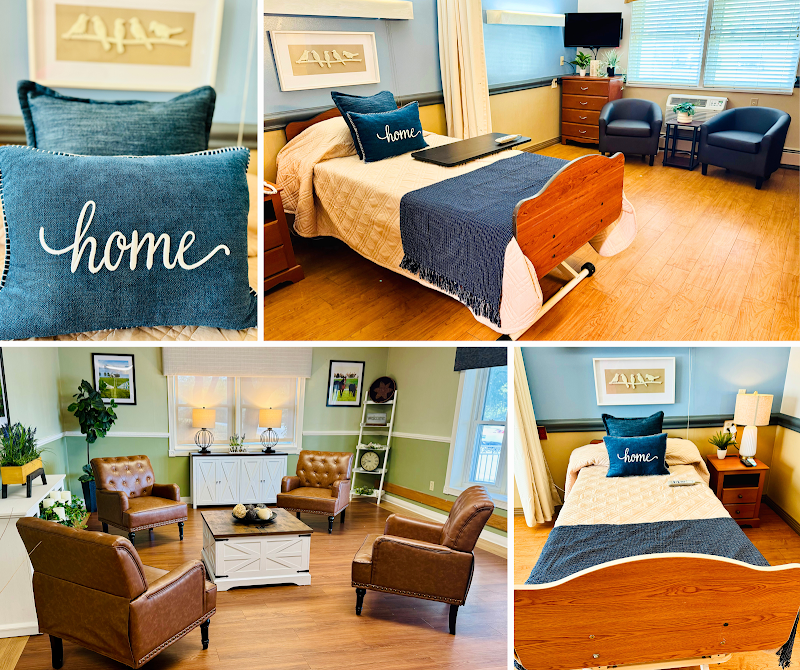
Understanding Severity Codes (click to expand)
Life-Threatening (Immediate Jeopardy)
J - Isolated K - Pattern L - Widespread
Actual Harm
G - Isolated H - Pattern I - Widespread
Potential for Harm
D - Isolated E - Pattern F - Widespread
No Harm (Minor)
A - Isolated B - Pattern C - Widespread

Questions to Ask on Your Visit

  • "What changes have you made since the serious inspection findings?"
  • "What safeguards are in place to prevent abuse and neglect?"
  • "Why is there high staff turnover? How do you retain staff?"
  • "Can I speak with families of current residents?"
  • "What's your RN coverage like on weekends and overnight?"

Our Honest Assessment

Strengths
  • • Licensed and certified facility. Meets minimum state requirements.
Concerns
  • • Multiple safety concerns identified: Federal abuse finding, 6 life-threatening violation(s), 2 harm violation(s), $35,980 in fines, Payment denial on record. Review inspection reports carefully.
  • • 54 deficiencies on record, including 6 critical (life-threatening) violations. These warrant careful review before choosing this facility.
  • • $35,980 in fines. Higher than 94% of Kentucky facilities, suggesting repeated compliance issues.
  • • Grade F (0/100). Below average facility with significant concerns.
Bottom line: This facility has a substantiated abuse finding. Extreme caution advised. Explore alternatives.

About This Facility

What is Belmont Terrace's CMS Rating?

CMS assigns BELMONT TERRACE NURSING AND REHABILITATION CENTER an overall rating of 1 out of 5 stars, which is considered much below average nationally. Within Kentucky, this rating places the facility higher than 0% of the state's 100 nursing homes. A rating at this level reflects concerns identified through health inspections, staffing assessments, or quality measures that families should carefully consider.

How is Belmont Terrace Staffed?

CMS rates BELMONT TERRACE NURSING AND REHABILITATION CENTER's staffing level at 1 out of 5 stars, which is much below average compared to other nursing homes. Staff turnover is 73%, which is 27 percentage points above the Kentucky average of 46%. High turnover can affect care consistency as new staff learn residents' individual needs. RN turnover specifically is 72%, which is notably high. RNs provide skilled clinical oversight, so turnover in this role can affect medical care quality.

What Have Inspectors Found at Belmont Terrace?

State health inspectors documented 54 deficiencies at BELMONT TERRACE NURSING AND REHABILITATION CENTER during 2021 to 2025. These included: 6 Immediate Jeopardy (the most serious level, indicating potential for serious harm or death), 2 that caused actual resident harm, and 46 with potential for harm. Immediate Jeopardy findings are rare and represent the most serious regulatory concerns. They require immediate corrective action.

Who Owns and Operates Belmont Terrace?

BELMONT TERRACE NURSING AND REHABILITATION CENTER is owned by a for-profit company. For-profit facilities operate as businesses with obligations to shareholders or private owners. The facility is operated by ENCORE HEALTH PARTNERS, a chain that manages multiple nursing homes. With 151 certified beds and approximately 111 residents (about 74% occupancy), it is a mid-sized facility located in FLORENCE, Kentucky.

How Does Belmont Terrace Compare to Other Kentucky Nursing Homes?

Compared to the 100 nursing homes in Kentucky, BELMONT TERRACE NURSING AND REHABILITATION CENTER's overall rating (1 stars) is below the state average of 2.8, staff turnover (73%) is significantly higher than the state average of 46%, and health inspection rating (1 stars) is much below the national benchmark.

What Should Families Ask When Visiting Belmont Terrace?

Based on this facility's data, families visiting should ask: "What changes have been made since the serious inspection findings, and how are you preventing similar issues?" "What safeguards and monitoring systems are in place to protect residents from abuse or neglect?" "How do you ensure continuity of care given staff turnover, and what is your staff retention strategy?" "Can you walk me through typical staffing levels on day, evening, and night shifts?" These questions are particularly relevant given the facility's Immediate Jeopardy citations, the substantiated abuse finding on record, the facility's high staff turnover rate, and the below-average staffing rating.

Is Belmont Terrace Safe?

Based on CMS inspection data, BELMONT TERRACE NURSING AND REHABILITATION CENTER has documented safety concerns. The facility has 1 substantiated abuse finding (meaning confirmed case of resident harm by staff or other residents). Inspectors have issued 6 Immediate Jeopardy citations (the most serious violation level indicating risk of serious injury or death). The facility has a 1-star overall rating and ranks #100 of 100 nursing homes in Kentucky. Families considering this facility should ask detailed questions about what corrective actions have been taken since these incidents.

Do Nurses at Belmont Terrace Stick Around?

Staff turnover at BELMONT TERRACE NURSING AND REHABILITATION CENTER is high. At 73%, the facility is 27 percentage points above the Kentucky average of 46%. Registered Nurse turnover is particularly concerning at 72%. RNs handle complex medical decisions and coordinate care — frequent RN changes can directly impact care quality. High turnover means new staff may not know residents' individual needs, medications, or preferences. It can also be disorienting for residents, especially those with dementia who rely on familiar faces. Families should ask: What is causing the turnover? What retention programs are in place? How do you ensure care continuity during staff transitions?

Was Belmont Terrace Ever Fined?

BELMONT TERRACE NURSING AND REHABILITATION CENTER has been fined $35,980 across 6 penalty actions. The Kentucky average is $33,439. While any fine indicates a compliance issue, fines under $50,000 are relatively common and typically reflect isolated problems that were subsequently corrected. Families should ask what specific issues led to these fines and confirm they've been resolved.

Is Belmont Terrace on Any Federal Watch List?

BELMONT TERRACE NURSING AND REHABILITATION CENTER is not on any federal watch list. The most significant is the Special Focus Facility (SFF) program, which identifies the bottom 1% of nursing homes nationally based on persistent, serious quality problems. Not being on this list means the facility has avoided the pattern of deficiencies that triggers enhanced federal oversight. This is a positive indicator, though families should still review the facility's inspection history directly.