FULTON NURSING AND REHABILITATION, LLC


1004 HOLIDAY LANE, FULTON, KY 42041 (270) 472-1971
For profit - Corporation 60 Beds SIMCHA HYMAN & NAFTALI ZANZIPER Data: November 2025
Trust Grade
45/100
#224 of 266 in KY
Last Inspection: May 2025

Inspected within the last 6 months. Data reflects current conditions.

Overview

Fulton Nursing and Rehabilitation, LLC has a Trust Grade of D, which means it is below average and has some concerning issues. It ranks #224 out of 266 facilities in Kentucky, placing it in the bottom half, but it is the only nursing home in Fulton County. The facility is improving slightly, as the number of issues decreased from five in 2019 to four in 2025. Staffing is a major concern, with a low rating of 1 out of 5 stars and a high turnover rate of 58%, which is above the state average. Although it has not received any fines, there were specific incidents noted, such as improperly stored food in the kitchen and failure to perform necessary mental health screenings for residents, indicating ongoing quality and safety issues despite some strengths like average RN coverage.

Trust Score
D
45/100
In Kentucky
#224/266
Bottom 16%
Safety Record
Low Risk
No red flags
Inspections
Getting Better
5 → 4 violations
Staff Stability
⚠ Watch
58% turnover. Above average. Higher turnover means staff may not know residents' routines.
Penalties
✓ Good
No fines on record. Clean compliance history, better than most Kentucky facilities.
Skilled Nurses
⚠ Watch
Each resident gets only 20 minutes of Registered Nurse (RN) attention daily — below average for Kentucky. Fewer RN minutes means fewer trained eyes watching for problems.
Violations
○ Average
9 deficiencies on record. Average for a facility this size. Mostly minor or procedural issues.
★☆☆☆☆
1.0
Overall Rating
★☆☆☆☆
1.0
Staff Levels
★☆☆☆☆
1.0
Care Quality
★★★☆☆
3.0
Inspection Score
Stable
2019: 5 issues
2025: 4 issues

The Good

  • Full Sprinkler Coverage · Fire safety systems throughout facility
  • No fines on record

Facility shows strength in fire safety.

The Bad

1-Star Overall Rating

Below Kentucky average (2.8)

Significant quality concerns identified by CMS

Staff Turnover: 58%

12pts above Kentucky avg (46%)

Frequent staff changes - ask about care continuity

Chain: SIMCHA HYMAN & NAFTALI ZANZIPER

Part of a multi-facility chain

Ask about local staffing decisions and management

Staff turnover is elevated (58%)

10 points above Kentucky average of 48%

The Ugly 9 deficiencies on record

May 2025 4 deficiencies
CONCERN (D)

Potential for Harm - no one hurt, but risky conditions existed

Deficiency F0645 (Tag F0645)

Could have caused harm · This affected 1 resident

Based on interview, record review, and review of the facility policy, the facility failed to complete a pre-admission screening and resident review (PASARR) for individuals with a mental disorder prio...

Read full inspector narrative →
Based on interview, record review, and review of the facility policy, the facility failed to complete a pre-admission screening and resident review (PASARR) for individuals with a mental disorder prior to admission for 1 of 3 residents (Resident (R)14). Additionally the facility failed to refer R14 for a Level II PASARR following inpatient psychiatric treatment on 11/01/2024, 2 days following admission to the facility, and again on 02/28/2025. The findings include: Review of the facility policy, Resident Assessment-Coordination with PASARR Program, revised on 03/14/2023, revealed the facility would coordinate assessments with the PASARR program. Per review, coordinating the assessments with the PASARR program was to ensure individuals with a mental disorder, intellectual disability, or a related condition received care and services in the most integrated setting appropriate to their needs. Continued review revealed all applicants to the facility were to be screened for serious mental disorder or intellectual disabilities (ID) and related conditions in accordance with the state Medicaid rules for screening. Policy review revealed a PASARR Level 1 was the initial pre-screening that was completed prior to admission. Further review revealed, any resident who exhibited a newly evident or possible serious mental disorder, intellectual disability or a related condition, was to be referred promptly to the state mental health or ID authority for a Level II resident review. In addition, review revealed examples listed included a resident exhibiting behavioral, psychiatric, or mood related symptoms, that suggested the presence of a mental disorder where dementia was not the primary diagnosis. Review further revealed a resident transferred, admitted or readmitted to the facility following an inpatient psychiatric stay or equally intensive treatment was also to be referred. Review of the Resident Face Sheet for R14, revealed the facility admitted the resident on 10/30/2024, with diagnoses to include: schizophrenia, unspecified; depression, unspecified; and generalized anxiety disorder. Review of the Quarterly Minimum Data Set (MDS) Assessment with an Assessment Reference Date (ARD) of 03/04/2025, revealed the facility assessed R14 to have a Brief Interview for Mental Status (BIMS) score of 15 out of 15, indicating the resident was cognitively intact. In interview with R14 on 05/20/2025 at 11:20 AM, she stated she had been at the facility for about six months. She said she previously lived at a personal care home; however, had gotten pneumonia and went to the hospital. R14 reported she came to the facility from the hospital. She stated the facility had sent her out for what they called behaviors twice since she had been admitted at the facility. R14 further stated she did not know what a PASARR assessment was. Interview with the Director of Nursing (DON) on 05/22/2025 at 3:37 PM, she stated she had been the facility's interim DON since 05/06/2025. She said she thought admissions staff and the social worker were supposed to do the PASARR assessments. The DON explained the admission Director usually got the resident referral and was to check the resident's history. She stated a diagnosis of schizophrenia might trigger a Level II PASARR assessment; however, she did not think it meant they needed one. The DON further stated the facility had a mental health provider that took care of most of the mental health things. She additionally stated R14 probably should have had a Level II PASARR assessment completed. In interview with the Administrator on 05/22/2025 at 4:08 PM, she stated she was responsible for completing the PASARR Level I assessments, and that was completed on the day of a resident's admission. She said the PASARR asked about the resident's diagnoses, change in conditions or change in function. The Administrator stated hospitalization on a behavioral health unit (BHU) would not indicate a PASARR Level II assessment needed to be completed. She further stated she was unable to recall what R14's behaviors had been when she was sent to the BHU on 11/02/2024 and on 02/18/2025.
CONCERN (D)

Potential for Harm - no one hurt, but risky conditions existed

Deficiency F0657 (Tag F0657)

Could have caused harm · This affected 1 resident

Based on interview, record review and review of the facility policy, the facility failed to review and revise the comprehensive care plan (CCP) following readmission to the facility from a behavioral ...

Read full inspector narrative →
Based on interview, record review and review of the facility policy, the facility failed to review and revise the comprehensive care plan (CCP) following readmission to the facility from a behavioral health unit (BHU) for 1 of 24 sampled residents, (Resident (R)14). The findings include: Review of the facility policy, Comprehensive Care Plans revised 02/20/2025, revealed it was the facility's policy to develop and implement a comprehensive person-centered care plan for each resident consistent with resident rights. Continued policy review revealed the comprehensive person-centered care plan was also to include measurable objectives and time frames to meet a resident's medical, nursing, and mental and psychosocial needs that had been identified in the resident's comprehensive assessment. Further review revealed the CCP was to be reviewed and revised by the interdisciplinary team (IDT) after each comprehensive and quarterly Minimum Data Set (MDS) Assessment. Review of the Resident Face Sheet for R14, revealed the facility admitted the resident on 10/30/2024, with diagnoses that included: generalized anxiety disorder; schizophrenia, unspecified and depression, unspecified. Review of the Quarterly Minimum Data Set (MDS) Assessment with an Assessment Reference Date (ARD) of 03/04/2025, revealed the facility assessed R14 as having a Brief Interview for Mental Status (BIMS) score of 15 of 15, that indicated the resident was cognitively intact. Review of the Comprehensive Care Plan dated 11/01/2024 for R14, revealed the facility had identified a focus problem for behavioral symptoms for the resident related to resisting care, activities of daily living (ADL) care, medications, treatments, showers, urinating on the floor, and liking to sit on the floor. Per review, the goals statement read, resident would not exhibit resistance to care. Continued review revealed the interventions dated 11/01/2024 included: involving R14 in her care; administering medications as ordered and observing for effectiveness; and reporting any adverse side effects. Further review of the 11/01/2024 interventions revealed: allowing R14 to choose options, explain the consequences of refusal of therapy, medications, and care; maintaining a calm approach and environment for the resident. In addition, review of the interventions revealed to obtain a psych consult/psychosocial therapy; praising R14 when her behavior was appropriate; and when the resident began to resist care, stop and try the task later, and do not force the resident to do the task. In interview on 05/20/2025 at 11:20 AM, R14 stated she had been admitted to the facility for about six months. R14 said she previously lived at a personal care home, but got pneumonia and was transferred to the hospital. She stated she was admitted to the facility after being discharged from the hospital. R14 reported the facility had sent her out (to a behavioral health unit) for what they called behaviors two times since she had been admitted to the facility. She further stated she did not know what a PASARR assessment was. Review of the hospital Discharge Summary dated 02/28/2025, revealed a referral had been made to the BHU from the patient's (P14's) skilled nursing facility (SNF) due to her, seeing people in her bathroom, threatening to kill her roommate, and threatening to harm herself. Per review, the SNF staff reported R14's Celexa (antidepressant) and risperidone (antipsychotic) were recently increased due to the patient's agitation, verbal impulsivity, and risk to self and others, with no change in her behavior. Continued review revealed R14 was admitted to the BHU for medical stabilization. Further review revealed under, My Safety Plan it was noted R14 had schizophrenia symptoms and confusion. Additional review of the My Safety Plan section the goals for R14's healthy behavior included: referring her to be seen by the in house psychiatric (psych) provider; encouraging her to participate in daytime activities; avoiding caffeine in the evening; pairing her with a roommate that she would get along with; and have others remind her she was in a safe place. Review of the Nursing Progress Note dated 02/15/2025 at 9:29 PM for R14, revealed the resident was convinced people were after her, and kept calling staff into her room saying someone was in the bathroom and trying to get her. Per review, staff reassured R14 no one was in the restroom and she was safe. Continued review revealed R14 began screaming that her roommate had a fork and was going to try to kill her and she was afraid. Further review revealed the nurse explained to R14 that her roommate had a fork to eat her food with. In addition, review revealed R14 then screamed no one needs a fork, and proceeded to exit the room to sit at the nurse's station. Review of the Nursing Progress Note dated 02/15/2025 at 9:36 PM for R14, revealed the resident kept asking for the phone to call the police, saying people were after her. Further review revealed staff continued to reassure R14 she was safe here: (at the facility) and no one was after her. Review of the Nursing Progress Note dated 2/16/2025 at 4:25 PM for R14, revealed the resident continued to act out towards employees by stating she was going to hurt them if she did not get what she asked for. Further review revealed R14 wanted the cordless phone which was being used by another resident. Review of the Nursing Progress Note dated 02/16/2025 at 10:01 PM for R14, revealed the resident continued with behaviors towards staff, threatening to harm staff if they did not do what she said. Further review revealed R14's anger was only directed at staff at that time, and had shown no anger toward other residents at the time. Review of the Nursing Progress Note dated 02/17/2025 at 9:57 AM for R14, revealed the resident's increased behaviors, aggression, and paranoia continue. Review of the Nursing Progress Note dated 02/18/2025 at 3:36 PM for R14, revealed a new order was received to send the resident to the behavioral health center for treatment secondary to hallucinations, delusions and threatening behavior towards staff and others. Per review, the nurse left a voicemail with a hospital BHU with no response received at the time. Further review revealed the nurse called another geriatric psychiatric behavioral health center and gave information on R14, as well as faxing the information, and was awaiting a return call. Review of the Nursing Progress Note dated 02/18/2025 at 5:37 PM for R14, revealed, I have called the ambulance to transport resident to the BHU's emergency room (ER) for evaluation for admittance to the BHU. Review of the Comprehensive Care Plan dated 11/01/2024 for R14, revealed the facility failed to revise the resident's care plan with her documented behaviors. In interview with the Interim Director of Nursing (DON) on 05/22/2025 at 3:37 PM, she stated a resident's care plan was to be reviewed and revised by the facility's interdisciplinary team (IDT) when the resident returned from a hospital stay. She said the care plan as a whole was to be reviewed, and said the purpose of the care plan was for it to reflect all of the care for the resident. The DON reported she expected residents' behaviors to be noted on their care plan, both current behaviors and the history of any behaviors. She further stated R14's care plan should have included documentation of her behaviors and her diagnosis of schizophrenia. The DON additionally said she thought residents' care plans should be followed, and the CNA's were told of new changes regardless. In interview with the Administrator on 05/22/2025 at 4:08 PM, she stated care plan were reviewed and revised daily in the facility's daily clinical meeting. She reported residents' care plans were based and built off of each resident's needs. The Administrator further stated if residents had specific problems those should be placed on their care plan. She also said she expected staff to residents' revise care plans when needed.
CONCERN (D)

Potential for Harm - no one hurt, but risky conditions existed

Infection Control (Tag F0880)

Could have caused harm · This affected 1 resident

Based on observation, interview and review of facility policy, the facility failed to establish and maintain an infection prevention and control program designed to provide a safe, sanitary, and comfo...

Read full inspector narrative →
Based on observation, interview and review of facility policy, the facility failed to establish and maintain an infection prevention and control program designed to provide a safe, sanitary, and comfortable environment and to help prevent the development and transmission of communicable diseases and infections for 1 of 24 sampled residents (Resident (R)3). The findings include: Review of the facility policy, Infection Prevention and Control Program, revised 01/2025, revealed the facility would establish and maintain an infection prevention and control program designed to provide a safe, sanitary and comfortable environment and to help prevent the development and transmission of communicable diseases and infections. Continued review revealed all staff should assume all residents were potentially infected or colonized with an organism that could be transmitted. Per review, during the course of providing resident care, hand hygiene should be performed in accordance with the facility's established hand hygiene procedures. Further review revealed all staff should use personal protective equipment (PPE) according to the established facility policy governing the use of PPE. Review of the facility policy, Hand Hygiene, dated 03/22/2022, revealed, all staff were to perform proper hand hygiene procedures to prevent the spread of infection to other personnel, residents, and visitors. Further review revealed that applied to all staff working in all locations within the facility. Review of the facility policy, Perineal Care, dated 12/20/2020, revealed, it was the practice of the facility to provide all incontinent residents' perineal care during routine bathing and as needed. Per review, the provision of incontinent care was in order to promote cleanliness and comfort; prevent infection to the extent possible; and prevent and assess for skin breakdown. Continued review revealed perineal care referred to the care of the external genitalia and anal areas. Further review revealed staff were to perform hand hygiene and put on gloves, and apply other PPE as appropriate. In addition, review revealed staff were to cleanse a resident's buttocks and anus from front to back, vagina to anus in females using a separate washcloth or wipe. Review of the facility policy, Handling Soiled Linen, revised on 06/12/2023, revealed it was the facility's policy to handle, store, process, and transport linen in a safe and sanitary method to prevent the spread of infection. Per review, all used linen should be handled using standard precautions and treated as potentially contaminated. Continued review revealed used or soiled linens should be collected at the bedside and placed in a linen bag or a designated lined receptacle. Review of the admission Face Sheet for R3 revealed the facility admitted the resident on 02/23/2025, with diagnoses to include: unspecified dementia, mild without behavioral disturbance; hypertension; and depression. Review of the Quarterly Minimum Data Set (MDS) Assessment, with an Assessment Reference Date (ARD) of 05/07/2025, revealed a Brief Interview for Mental Status (BIMS) score of three out of 15, indicating severe cognitive impairment. Observation on 05/21/2025 at 10:05 AM, revealed LPN 1 told the State Survey Agency (SSA) Surveyor R3 needed assistance, and the the SSA Surveyor knocked on the resident's door, and went in the room, R3 was observed standing and holding onto the overbed table. Per observation, R3 had no pant on and her socks appeared to be wet. When the SSA Surveyor observed the left side of R3's bed the floor was wet and the resident's pants were lying on the floor. LPN 1 was then observed to enter R3's room wearing PPE, which included a gown, face mask, and gloves, although the resident was not on any type of precautions. Per observation, LPN 1 wet two (2) washcloths in the sink; however, did not assist R3 to the bed or provide privacy for the resident. Continued observation revealed LPN 1 took a wet washcloth and wiped R3's buttock area, then using the same washcloth, she wiped between R3's legs, and threw the soiled washcloth to the floor. Further observation revealed LPN 1 dried R3 with a towel then threw the towel on the floor with the soiled washcloths. In addition, observation revealed LPN 1 went to the closet, and without removing her gloves, opened R3's closet and obtained a clean brief and proceeded to dress the resident in a facility gown. Observation further revealed LPN 1 then removed her face mask and gown, obtained the soiled linen from floor and placed it in a linen bag and doffed her soiled gloves. In interview with LPN 1 on 05/21/2025 at 3:49 PM, when asked about providing perineal care, she stated she had worked as a nurse's aide, but she had never gotten certified. LPN 1 stated she had worn PPE when providing R3's care as she thought it was required if the resident was on enhanced barrier precautions (EBP). She said she wiped R3 using a washcloth starting with the back (buttock area) then moved to the resident's front. LPN 1 reported she threw the soiled washcloths and towel on the floor; however, should not have done that. She stated she had not been paying attention to what she was doing and was just trying to get the job done. LPN 1 stated further stated she could not remember in what order she removed her PPE, but should have removed her gloves first. In interview with the Director of Nursing (DON) on 05/22/2025 at 3:37 PM, she stated she had been the DON since 05/06/2025. She said she expected all staff to provide care the residents needed in the proper manner. The DON further stated all staff were expected to follow the facility's infection control policy and guidelines when providing residents' incontinence care. She additionally said that included appropriately donning and doffing PPE, handling soiled linens and performing hand hygiene. In interview with the Administrator on 05/22/2025 at 4:08 PM, she stated she expected staff to provide proper incontinence care for residents, and follow the facility's infection control guidelines. She said she expected staff to follow the appropriate steps when donning (applying) and doffing (removing) their PPE. The Administrator reported soiled linens were not to be placed on the floor and she expected staff to dispose of soiled linens in the appropriate manner. She further stated all staff were expected to follow the facility's infection control policies and procedures.
CONCERN (F)

Potential for Harm - no one hurt, but risky conditions existed

Food Safety (Tag F0812)

Could have caused harm · This affected most or all residents

Based on observation, interview, and review of facility policy, the facility failed to store foods in accordance with professional standards for food service safety. Observation during the initial kit...

Read full inspector narrative →
Based on observation, interview, and review of facility policy, the facility failed to store foods in accordance with professional standards for food service safety. Observation during the initial kitchen tour on 05/20/2025 at 9:05 AM, with the Dietary Manager, revealed multiple items stored in the reach in cooler that were not labeled or dated or the use by date had passed. The findings include: Review of the facility policy, Food Storage: Cold, undated, revealed, it was the facility's policy to ensure all time temperature control for safety, frozen and refrigerated food items to be appropriately stored in accordance with the guidelines of the Food and Drug Administration's (FDA's) Food Code. Continued review revealed all food items were to stored properly in covered containers, labeled and dated and arranged in a manner to prevent cross contamination. Observation of the facility's kitchen area on 05/20/2025 at 9:05 AM, revealed in the reach in cooler three opened containers of blackberries that were dried out, not labeled or dated and covered with a white substance. Continued observation of the reach in cooler revealed two (2) containers of opened blueberries, that were dried out, not labeled or dated and contained mold; a container with three hard boiled eggs that was not labeled or dated; and a bowl of white rice with a use by date of 05/11/2025 (nine days prior to the observation). In interview with the Dietary Manager on 05/20/2025 at 9:30 AM, he stated all items were to be labeled and dated prior to being stored in the coolers. He stated all kitchen staff were responsible for checking the coolers each day; however, it was not a task assigned to anyone specifically. The DM further stated he expected all kitchen staff to follow policies and guidelines. He also stated residents could become ill if served food that was expired or not stored properly. In interview with the Administrator on 05/22/2025 at 4:08 PM, she stated she expected the food services staff to follow their guidelines. She stated all food items should be labeled and dated before being stored. The Administrator further stated outcomes for patients were that they could become sick if served food that was not stored properly.
Jan 2019 5 deficiencies
CONCERN (D)

Potential for Harm - no one hurt, but risky conditions existed

Assessment Accuracy (Tag F0641)

Could have caused harm · This affected 1 resident

**NOTE- TERMS IN BRACKETS HAVE BEEN EDITED TO PROTECT CONFIDENTIALITY** Based on observation, interview, and record review, and review of the Resident Assessment Instrument (RAI) Version 3.0 User Manu...

Read full inspector narrative →
**NOTE- TERMS IN BRACKETS HAVE BEEN EDITED TO PROTECT CONFIDENTIALITY** Based on observation, interview, and record review, and review of the Resident Assessment Instrument (RAI) Version 3.0 User Manual, it was determined the facility failed to ensure one (1) of sixteen (16) sampled residents received an accurate assessment, reflective of the residents status (Resident #21). Observation revealed Resident #21 was independent with ambulation and transfers with a walker, and was observed coming out of the bathroom independently. However, review of the Significant Change Minimum Data Set (MDS) assessment, dated 12/23/18 revealed the resident required more assistance than the assessment reflected. Additionally, the therapy department had assessed the Resident and determined an improvement in functional ability on 01/10/19. However, there was not documented evidence a Significant Change in Status Improvement had been initiated. The findings include: Interview with the MDS Coordinator on 01/29/19 at 11:24 AM, revealed the facility does have a policy related to significant change MDS; the RAI Manual was used for reference. Review of the RAI Manual Version 3.0 User Manual, stated the Significant Change in Status Assessment (SCSA) is a comprehensive assessment for a resident that must be completed when the Interdisciplinary Team (IDT) has determined that a resident meets the significant change guidelines for either major improvement or decline. A significant change is a major decline or improvement in a resident's status that impacts more than one area of the resident's health status; and requires interdisciplinary review and /or revision of the care plan. When a resident's status changes and it is not clear whether the resident meets the SCSA guidelines, the nursing home may take up to fourteen (14) days to determine whether the criteria are met. After the IDT has determined that a resident meets the significant change guidelines, the nursing home should document the initial identification of a significant change in the resident's status in the clinical record. There is a determination that a significant change (either improvement or decline) in a resident's condition from his/her baseline has occurred as indicated by comparison of the resident's current status to the most recent comprehensive assessment and any subsequent Quarterly assessments. The Assessment Reference Date (ARD) must be less than or equal to fourteen (14) days after the IDT's determination that the criteria for the SCSA are met (determination date plus fourteen (14) days). Record review revealed the facility admitted Resident #21 on 09/14/18 with diagnoses which included Alcoholic Hepatic Failure without Coma; Methicillin Resistant Staphylococcus Aureus Infection as the cause of disease classified elsewhere; Alcohol Dependence; Pressure ulcer of right buttock; adult failure to thrive and weight loss. Review of the Significant Change MDS assessment dated [DATE] revealed the facility assessed Resident #21's cognition as moderately impaired with a Brief Interview of Mental Status (BIMS) score of eight (8) which indicated the resident was interviewable. Further review of the Significant Change MDS assessment, dated 12/23/18, revealed Resident #21 required limited assist of one (1) staff for bed mobility, transfers, ambulation in the corridor and toileting. In addition, the resident required extensive assistance of one (1) staff for personal hygiene, dressing, and bathing. Review of the MDS further revealed the resident was not steady and required human help to stabilize when moving seated to standing, walking with assistive devices, turning to fact the opposite direction, moving on and off the toilet, and surface to surface transfers. Review of the Physical Therapy Treatment Encounter Notes, dated 01/10/19, completed by Physical Therapy Assistant (PTA) #1, revealed Resident #21 progressed from using a wheelchair to ambulation in the facility, and the resident improved balance and functional activity level. Observation of Resident #21 on 01/27/19 at 10:22 AM revealed the resident was in his/her room sitting on the side of the bed. Using his/her walker, he/she rose to a standing position and walked out of the room and down the hallway independently with steady balance. Observation of Resident #21 on 01/28/19 at 9:07 AM revealed the resident was up ambulating in his/her room with the use of a walker independently. He/she entered the bathroom and exited a few minutes later, independently with steady balance. Observation of Resident #21 on 01/29/19 at 9:00 AM revealed the resident was sitting in the commons area, then rose from the chair and ambulated in the hallway with the use of a walker. He/she was able to rise from the chair and walk independently. Interview with Certified Nurse Assistant (CNA) #1 on 01/29/19 at 12:03 PM revealed Resident #21 needs very little assistance with bathing, dressing and grooming. CNA #1 stated she sets up the needed supplies for bathing, dressing, and grooming for the resident, and the resident completes his/her own bathing, dressing, and grooming every day. The CNA stated the resident also transfers and ambulates independently with a walker. Interview with PTA #1 on 01/29/19 at 11:40 AM, revealed she had been working with Resident #21 on safety awareness and making sure he/she uses the walker. PTA #1 stated the resident has had an improvement in physical abilities, however, his/her safety awareness is not good. The PTA further stated the resident had a significant improvement since 12/23/18 and the improvement was identified on 01/10/19. Interview with Certified Occupational Therapy Assistant (COTA), on 01/29/19 at 11:40 AM revealed Resident #21's improvement was discussed in the Interdisciplinary Team (IDT) meeting on 01/12/19. Interview with the MDS Coordinator on 01/29/19 at 11:24 AM and 12:06 PM revealed she is a member of the IDT and attends the meetings regularly. She stated a significant change in status improvement had not been initiated for Resident #21. She stated therapy usually alerts her to an improvement, however, she did not recall any discussion related to the resident's improvement in activities of daily living. Additionally, the MDS Coordinator stated she was not aware how long the resident had been ambulating independently as she did not recall any discussion in the IDT meetings. She further stated the initiation of significant change in status improvement was an oversight.
CONCERN (D)

Potential for Harm - no one hurt, but risky conditions existed

Deficiency F0657 (Tag F0657)

Could have caused harm · This affected 1 resident

**NOTE- TERMS IN BRACKETS HAVE BEEN EDITED TO PROTECT CONFIDENTIALITY** Based on observation, interview, and record review, it was determined the facility failed to revise the care plan for one (1) of...

Read full inspector narrative →
**NOTE- TERMS IN BRACKETS HAVE BEEN EDITED TO PROTECT CONFIDENTIALITY** Based on observation, interview, and record review, it was determined the facility failed to revise the care plan for one (1) of sixteen sampled residents (Resident #21). Observation and staff interviews revealed Resident #21 was independent with ambulation and transfers with a walker, and was observed coming out of the bathroom independently. In addition, the resident was able to complete personal hygiene, and bathing, after supplies were set up by staff. However, the comprehensive care plans were not updated to accurately reflect the resident's improved abilities. The findings include: Interview with the Administrator on 01/29/19 at 10:19 AM, revealed the facility did not have policies for care plan revisions. She stated the facility was owned by another company at that time, and did not have policies. The Administrator further stated the facility followed federal and state guidelines when updating care plans. Interview with the Minimum Data Set (MDS) Coordinator on 01/29/19 at 11:24 AM, revealed the facility does have a policy related to care plan revision; the Resident Assessment Instrument (RAI) Manual is used for reference. Review of the RAI Manual Version 3.0 User Manual, Section 2.7 revealed the resident's care plan must revised based on changing goals, preferences and needs of the resident and in response to current interventions. Record review revealed the facility admitted Resident #21 on 09/14/18 with diagnoses which included Alcoholic Hepatic Failure without Coma; Methicillin Resistant Staphylococcus Aureus Infection as the cause of disease classified elsewhere; Alcohol Dependence; Pressure ulcer of right buttock; adult failure to thrive and weight loss. Review of the Significant Change MDS assessment dated [DATE] revealed the facility assessed Resident #21's cognition as moderately impaired with a Brief Interview of Mental Status (BIMS) score of eight (8) which indicated the resident was interviewable. Further review of the Significant Change MDS, dated [DATE], revealed Resident #21 required limited assist of one (1) staff for bed mobility, transfers, ambulation in the corridor and toileting; extensive assistance of one (1) staff for personal hygiene, dressing, and bathing; and, was not steady and required human help to stabilize when moving seated to standing, walking with assistive devices, turning to face the opposite direction, moving on and off the toilet, and surface to surface transfers. Review of the Comprehensive Care Plan, initiated on 12/18/18, revealed Resident #21 had an Activities of Daily Living (ADL) self-care performance deficit related to confusion and impaired balance. Further review revealed the interventions were the resident required limited assistance with bathing/showering and for dressing; supervision/limited assist of one (1) staff for toileting; and the resident is independent with supervision and cues for transfers. However, observations of Resident #21 on 01/27/19 at 10:22 AM, 01/28/19 at 9:07 AM, and 01/29/19 at 9:00 AM revealed he/she was using his/her walker, and able to rise to a standing position and walk down the hallway independently with steady balance. In addition, the resident was observed to enter the bathroom and exit a few minutes later, independently with steady balance on 01/28/19 at 9:07 AM. Review of the Physical Therapy Treatment Encounter Notes, dated 01/10/19, completed by Physical Therapy Assistant (PTA) #1, revealed Resident #21 had progressed to ambulation in the facility, was no longer using wheel chair, and had improved balance and functional activity level. Interview with Certified Nurse Assistant (CNA) #1 on 01/29/19 at 12:03 PM revealed Resident #21 needs very little assistance with bathing, dressing and grooming. CNA #1 stated she sets up the needed supplies for bathing, dressing, and grooming, for the resident, and he/she complete his/her own bathing, dressing and grooming. The CNA revealed the resident also transfers and ambulates independently with a walker. Interview with PTA #1 on 01/29/19 at 11:40 AM, revealed she had been working with Resident #21 on safety awareness and making sure he/she uses the walker. PTA #1 stated the resident has had an improvement in physical abilities, however, his safety awareness is not good. The PTA additionally stated the resident has had a significant improvement since 12/23/18. Interview with Certified Occupational Therapy Assistant (COTA), on 01/29/19 at 11:40 AM revealed Resident #21's improvement was discussed in the Interdisciplinary Team (IDT) meeting on 01/12/19. Interview with the MDS Coordinator on 01/29/19 at 11:24 AM and 12:06 PM revealed she is a member of the IDT and attends the meetings regularly. She stated she had not updated the care plans to reflect the change in the resident's abilities. She stated therapy usually alerts her to an improvement, however, she did not recall any discussion related to the resident's improvement in activities of daily living. Additionally, the MDS Coordinator stated she was not aware how long the resident had been ambulating independently or requiring less assistance with ADL's. She further stated updating the care plans was an oversight.
CONCERN (D)

Potential for Harm - no one hurt, but risky conditions existed

Deficiency F0692 (Tag F0692)

Could have caused harm · This affected 1 resident

Based on interview and record review, it was determined the facility failed to ensure a resident maintains acceptable parameters of nutritional status, such as usual body weight for one (1) of sixteen...

Read full inspector narrative →
Based on interview and record review, it was determined the facility failed to ensure a resident maintains acceptable parameters of nutritional status, such as usual body weight for one (1) of sixteen (16) sampled residents (Resident #17). Record review revealed Resident #17 had significant weight loss identified on the 12/13/18. On 12/20/18, the Registered Dietitian recommended Medpass (a dietary supplement) ninety (90) milliliters (mL) three (3) times per day with nursing medication passes to offset poor nutritional intakes; however, there was no documented evidence the Medpass supplement was ordered or initiated, and the resident had continued weight loss. The findings include: Interview with the Administrator on 01/29/19 at 10:19 AM, revealed the facility did not have policies for weight loss or nutritionally at-risk residents in December 2018. She stated the facility was owned by another company at that time, and did not have policies. The Administrator further stated the facility followed federal and state guidelines when providing care to their residents. Record review revealed the facility admitted Resident #17 on 03/14/16 with diagnoses which included muscle weakness and Vascular Dementia. Review of Significant Change Minimum Data Set (MDS) assessment, dated 12/13/18, revealed the facility assessed Resident #17's cognition as severely impaired with a Basic Interview of Mental Status (BIMS) score of seven (7) which indicated the resident was not interviewable. Further review revealed the resident had weight loss of five (5) percent in the last month or ten (10) percent in the last six (6) months; the resident was not on a physician-prescribed weight-loss regime; he/she received a mechanical altered diet; and required extensive assistance to eat. Review of the Monthly Weight Report revealed Resident #17 weighed 199.6 pounds in November 2018; 188.9 pounds in December 2018; and 187.5 pounds in January 2019. From November to December 2018, the resident lost 10.7 pounds (5.3 percent); and from December 2018 to January 2019, the resident lost 1.5 pounds. Review of the Registered Dietitian's (RD's) Progress Note, dated 12/20/18 at 1:41 PM, revealed Resident #17 had a weight loss of 5.3 percent for thirty (30) days, currently with poor oral intake and was assisted with meals per nursing. Current weight is 188.9 pounds, November 2, 2018 weight was 199.6 pounds. Recommend Medpass, ninety (90) mL, three (3) times per day with nursing medication passes to offset poor nutritional intakes at this time. However, review of the Physician Order Sheet for January 2019, and December 2018 and January 2019 Medication Administration Record (MAR) revealed there was no documented evidence an order for Medpass supplement was written or the supplement was given to the resident. Review of the Nursing Progress Notes from 12/20/18 to 01/27/19 revealed no documented evidence of notification of the physician related to the RD's recommendations. In addition, review of Progress Notes revealed there was no documented evidence the RD re-assessed the resident for weight changes or the effectiveness of the recommended intervention again prior to the start of the survey on 01/27/19 (for over a month). Interview with Licensed Practical Nurse (LPN) #2 on 01/29/19 at 9:20 AM, revealed an order for Medpass supplement was not on the MAR. LPN #2 stated she had not been administering the Medpass to Resident #17 because it was not on the MAR to be done. Interview with Registered Nurse (RN) #1, Unit Manager, on 01/29/19 at 9:55 AM revealed the RD's recommendations were passed on to her per the Director of Nursing. RN #1 stated when she receives the dietary recommendations, she notifies the physician to get orders for the recommended supplement or diet. RN #1 further stated she did not remember a recommendation for Medpass for Resident #17 in December. The RN stated the resident did not have a supplement or Medpass ordered. Interview with the Administrator on 01/29/19 at 9:35 AM and 9:50 AM revealed the RD is at the facility every week to two (2) weeks. The Administrator stated when the RD makes recommendations, she and the DON receive the paper work and pass along to the Unit Manager; and the Unit Manager follows up on the recommendations with a call to the physician to obtain orders. Interview with the Registered Dietitian (RD) on 01/29/19 at 11:44 AM revealed any recommendations she makes go to dietary, the DON, the MDS Coordinator, and the Administrator. The RD stated she reviews resident weights at the first of the month and any significant weight loss is monitored throughout the month. However, Resident #17 was identified with significant weight loss on 12/20/18 and a recommendation was made, but the effectiveness of the supplement was not reviewed for over one (1) month. Additionally, the RD stated she did not re-evaluate the resident because she had already assessed him/her and made recommendations. She did not realize the recommendation was still pending physician's order (for over a month). Interview with the Physician on 01/29/19 at 3:28 PM revealed she was aware of the resident's weight loss, but had not ordered a supplement for him/her.
CONCERN (D)

Potential for Harm - no one hurt, but risky conditions existed

Deficiency F0761 (Tag F0761)

Could have caused harm · This affected 1 resident

Based on observation, interview, and review of the facility's policy and procedure, it was determined the facility failed to ensure drugs used in the facility are labeled in accordance with currently ...

Read full inspector narrative →
Based on observation, interview, and review of the facility's policy and procedure, it was determined the facility failed to ensure drugs used in the facility are labeled in accordance with currently accepted professional principles. On 01/28/19, observation of medication room refrigerator, revealed medication not dated when opened per facility policy. The findings include: Review of the facility's policy titled, Storage of Medication, last revised April 2007, revealed medications requiring refrigeration must be stored in a refrigerator located in the drug room at the nurses' station or other secured location. The policy further stated medications must be stored separately from food and must be labeled accordingly. Review of the facility's policy titled, Labeling of Medication Containers, last revised April 2007, revealed all medications maintained in the facility shall be properly labeled in accordance with current state and federal regulation. Observation of the refrigerator in the medication room, on 01/27/19 at 2:44 PM, revealed one (1) vial of Tubersol (tuberculin protein derivative) solution opened and not dated. Interview with the Pharmacy Consultant on 01/28/19 at 1:25 PM, revealed Tubersol should be dated when opened because it expires thirty (30) days from the date opened. Interview with Licensed Practical Nurse (LPN) #1, on 01/27/19 at 2:45 PM, revealed the vial of Tubersol should have been dated when opened. She stated all nursing staff are taught during their orientation to date multi-dose medications. She revealed the nurses should know to date the vials when opened as they are trained in orientation. Interview with the Director of Nursing (DON), on 01/29/19 at 3:14 PM, revealed she expected the nurses to date multi-dose vials such as Tubersol because the solution expires thirty (30) days after opening. She stated nursing staff are educated on dating of medications during their orientation upon hire.
CONCERN (F)

Potential for Harm - no one hurt, but risky conditions existed

Food Safety (Tag F0812)

Could have caused harm · This affected most or all residents

Based on observation, interview, and facility policy review, it was determined the facility failed to ensure food was stored, prepared, distributed, and served in accordance with professional standard...

Read full inspector narrative →
Based on observation, interview, and facility policy review, it was determined the facility failed to ensure food was stored, prepared, distributed, and served in accordance with professional standards for food service safety. Observation of the kitchen, on 01/27/19 at 11:05 AM, revealed food stored in the refrigerator was not dated. Review of the facility Census and Condition, dated 01/27/19, revealed forty (40) of forty-one (41) residents received their meals from the kitchen. The findings include: Review of the facility policy titled, Refrigerators and Freezers, last revised December 2014, revealed all food shall be appropriately dated to ensure proper rotation by expiration dates. Use by dates will be completed with expiration dates on all prepared food in refrigerators. Refrigerators and freezers will be kept clean, free of debris, and mopped with sanitizing solution on a scheduled basis and more often if necessary. 1. Observation of the refrigerator, on 01/27/19 at 11:05 AM, revealed a tray containing fifteen (15) individual cups of applesauce with lids not dated. Further observation of the refrigerator revealed food debris on the bottom shelf. 2. Observation of the freezer, on 01/27/19 at 11:05 AM, revealed food debris on the floor of the freezer and blotches of dark black grime. Interview with Dietary Aide #1 on 01/28/19 at 12:03 PM, revealed kitchen staff clean food debris daily on the shelves, and all food items should be dated when opened or when prepared and placed in refrigerator for later use. Interview with the Dietary Manager on 01/28/19 at 12:50 PM, revealed she expected all food items stored in the refrigerator to be dated when dispensed into individual serving cups. She stated she expected the refrigerators and freezers to be kept clean. She further stated visible food debris or spills should be cleaned when staff see them.
Understanding Severity Codes (click to expand)
Life-Threatening (Immediate Jeopardy)
J - Isolated K - Pattern L - Widespread
Actual Harm
G - Isolated H - Pattern I - Widespread
Potential for Harm
D - Isolated E - Pattern F - Widespread
No Harm (Minor)
A - Isolated B - Pattern C - Widespread

Questions to Ask on Your Visit

  • "Why is there high staff turnover? How do you retain staff?"
  • "Can I speak with families of current residents?"
  • "What's your RN coverage like on weekends and overnight?"

Our Honest Assessment

Strengths
  • • No major safety red flags. No abuse findings, life-threatening violations, or SFF status.
  • • No fines on record. Clean compliance history, better than most Kentucky facilities.
Concerns
  • • Grade D (45/100). Below average facility with significant concerns.
  • • 58% turnover. Above average. Higher turnover means staff may not know residents' routines.
Bottom line: Trust Score of 45/100 indicates significant concerns. Thoroughly evaluate alternatives.

About This Facility

What is Fulton Nursing And Rehabilitation, Llc's CMS Rating?

CMS assigns FULTON NURSING AND REHABILITATION, LLC an overall rating of 1 out of 5 stars, which is considered much below average nationally. Within Kentucky, this rating places the facility higher than 0% of the state's 100 nursing homes. A rating at this level reflects concerns identified through health inspections, staffing assessments, or quality measures that families should carefully consider.
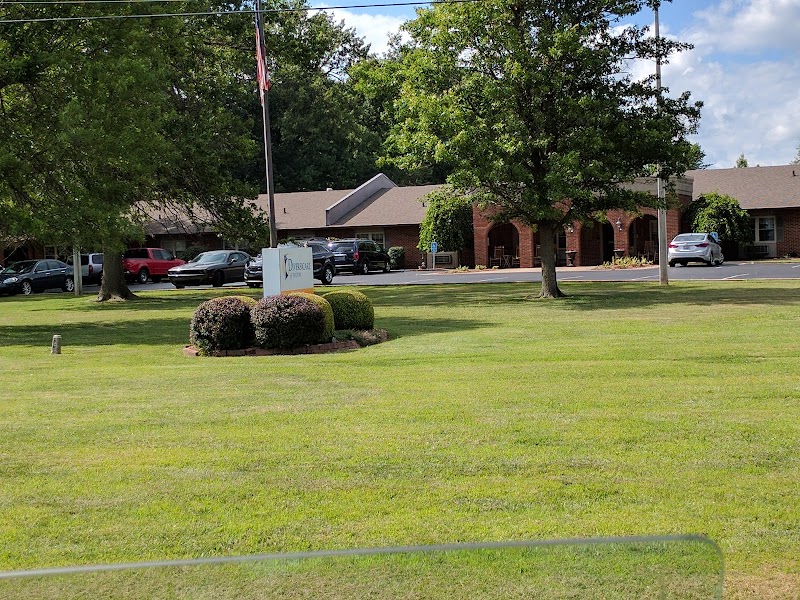
How is Fulton Nursing And Rehabilitation, Llc Staffed?

CMS rates FULTON NURSING AND REHABILITATION, LLC's staffing level at 1 out of 5 stars, which is much below average compared to other nursing homes. Staff turnover is 58%, which is 12 percentage points above the Kentucky average of 46%. High turnover can affect care consistency as new staff learn residents' individual needs.

What Have Inspectors Found at Fulton Nursing And Rehabilitation, Llc?

State health inspectors documented 9 deficiencies at FULTON NURSING AND REHABILITATION, LLC during 2019 to 2025. These included: 9 with potential for harm.
Who Owns and Operates Fulton Nursing And Rehabilitation, Llc?

FULTON NURSING AND REHABILITATION, LLC is owned by a for-profit company. For-profit facilities operate as businesses with obligations to shareholders or private owners. The facility is operated by SIMCHA HYMAN & NAFTALI ZANZIPER, a chain that manages multiple nursing homes. With 60 certified beds and approximately 54 residents (about 90% occupancy), it is a smaller facility located in FULTON, Kentucky.
How Does Fulton Nursing And Rehabilitation, Llc Compare to Other Kentucky Nursing Homes?

Compared to the 100 nursing homes in Kentucky, FULTON NURSING AND REHABILITATION, LLC's overall rating (1 stars) is below the state average of 2.8, staff turnover (58%) is significantly higher than the state average of 46%, and health inspection rating (3 stars) is at the national benchmark.

What Should Families Ask When Visiting Fulton Nursing And Rehabilitation, Llc?

Based on this facility's data, families visiting should ask: "How do you ensure continuity of care given staff turnover, and what is your staff retention strategy?" "Can you walk me through typical staffing levels on day, evening, and night shifts?" "Can I visit during a mealtime to observe dining assistance and food quality?" "How do you handle medical emergencies, and what is your hospital transfer rate?" These questions are particularly relevant given the facility's high staff turnover rate and the below-average staffing rating.

Is Fulton Nursing And Rehabilitation, Llc Safe?

Based on CMS inspection data, FULTON NURSING AND REHABILITATION, LLC has a clean safety record: no substantiated abuse findings (meaning no confirmed cases of resident harm), no Immediate Jeopardy citations (the most serious violation level indicating risk of serious injury or death), and is not on the Special Focus Facility watch list (a federal program monitoring the lowest-performing 1% of nursing homes). The facility has a 1-star overall rating and ranks #100 of 100 nursing homes in Kentucky. While no facility is perfect, families should still ask about staff-to-resident ratios and recent inspection results during their visit.

Do Nurses at Fulton Nursing And Rehabilitation, Llc Stick Around?

Staff turnover at FULTON NURSING AND REHABILITATION, LLC is high. At 58%, the facility is 12 percentage points above the Kentucky average of 46%. High turnover means new staff may not know residents' individual needs, medications, or preferences. It can also be disorienting for residents, especially those with dementia who rely on familiar faces. Families should ask: What is causing the turnover? What retention programs are in place? How do you ensure care continuity during staff transitions?

Was Fulton Nursing And Rehabilitation, Llc Ever Fined?

FULTON NURSING AND REHABILITATION, LLC has no federal fines on record. CMS issues fines when nursing homes fail to meet care standards or don't correct problems found during inspections. The absence of fines suggests the facility has either maintained compliance or corrected any issues before penalties were assessed. This is a positive indicator, though families should still review recent inspection reports for the full picture.

Is Fulton Nursing And Rehabilitation, Llc on Any Federal Watch List?

FULTON NURSING AND REHABILITATION, LLC is not on any federal watch list. The most significant is the Special Focus Facility (SFF) program, which identifies the bottom 1% of nursing homes nationally based on persistent, serious quality problems. Not being on this list means the facility has avoided the pattern of deficiencies that triggers enhanced federal oversight. This is a positive indicator, though families should still review the facility's inspection history directly.