OWENSBORO HEALTH MUHLENBERG COMMUNITY HOSPITAL LTC
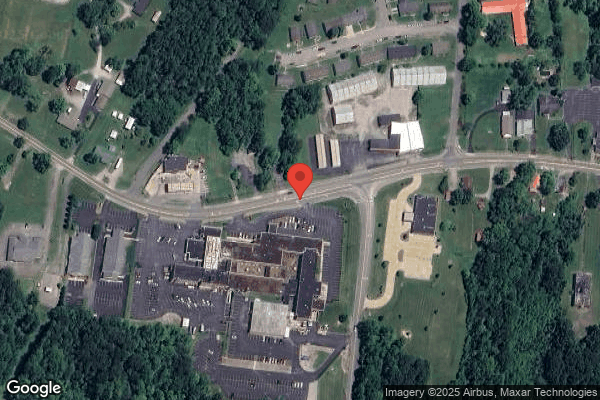

440 HOPKINSVILLE STREET, GREENVILLE, KY 42345 (270) 338-8433
Non profit - Other 45 Beds Independent Data: November 2025
Trust Grade
80/100
#64 of 266 in KY
Last Inspection: January 2025

Within standard 12-15 month inspection cycle. Federal law requires annual inspections.

Overview

Owensboro Health Muhlenberg Community Hospital LTC has a Trust Grade of B+, indicating it is above average and recommended for care. It ranks #64 out of 266 facilities in Kentucky, placing it in the top half, and is #2 out of 3 in Muhlenberg County, meaning only one local option is slightly better. The facility's trend is improving, with issues decreasing from 5 in 2023 to 2 in 2025. Staffing is a strong point, boasting a 5/5 star rating and a turnover rate of 32%, which is significantly lower than the state average. However, there are concerns, including a failure to provide the required RN coverage for eight consecutive hours on 13 days in 2024, and food safety issues where items were not properly labeled or dated, posing potential risks to residents. Overall, while there are strengths in staffing and a good Trust Grade, the facility has some areas that need attention, particularly regarding nursing coverage and food safety practices.

Trust Score
B+
80/100
In Kentucky
#64/266
Top 24%
Safety Record
Low Risk
No red flags
Inspections
Getting Better
5 → 2 violations
Staff Stability
○ Average
32% turnover. Near Kentucky's 48% average. Typical for the industry.
Penalties
✓ Good
No fines on record. Clean compliance history, better than most Kentucky facilities.
Skilled Nurses
✓ Good
Each resident gets 67 minutes of Registered Nurse (RN) attention daily — more than 97% of Kentucky nursing homes. RNs are the most trained staff who catch health problems before they become serious.
Violations
○ Average
9 deficiencies on record. Average for a facility this size. Mostly minor or procedural issues.
★★★★☆
4.0
Overall Rating
★★★★★
5.0
Staff Levels
★★★★☆
4.0
Care Quality
★★★☆☆
3.0
Inspection Score
Stable
2023: 5 issues
2025: 2 issues

The Good

  • 5-Star Staffing Rating · Excellent nurse staffing levels
  • 4-Star Quality Measures · Strong clinical quality outcomes
  • Full Sprinkler Coverage · Fire safety systems throughout facility
  • No fines on record
  • Staff turnover below average (32%)

    16 points below Kentucky average of 48%

Facility shows strength in staffing levels, quality measures, fire safety.

The Bad

Staff Turnover: 32%

14pts below Kentucky avg (46%)

Typical for the industry

The Ugly 9 deficiencies on record

Jan 2025 2 deficiencies
CONCERN (F)

Potential for Harm - no one hurt, but risky conditions existed

Deficiency F0727 (Tag F0727)

Could have caused harm · This affected most or all residents

Based on interview, record review, and review of the Facility Assessment, it was determined the facility failed to ensure the services of a Registered Nurse (RN) were utilized for at least eight conse...

Read full inspector narrative →
Based on interview, record review, and review of the Facility Assessment, it was determined the facility failed to ensure the services of a Registered Nurse (RN) were utilized for at least eight consecutive hours a day, seven days a week. The facility failed to provide eight consecutive hours of RN coverage for 13 days between 07/01/2024 and 09/30/2024. This failure affected all persons residing in the facility on those 13 days, as the residents did not receive the required minimum nursing services. The findings include: Review of the Facility Assessment Staffing Plan, dated 07/2024 and revised 11/2024, revealed the facility received a one-star rating on staffing due to a high number of days without an RN on site daily. The facility had an RN house supervisor available 24 hours a day in the attached acute hospital. Due to her supervising in the attached acute hospital and not being assigned eight consecutive hours to the long-term care facility, the RN house supervisor's hours were not reflected on the Payroll Based Journal (PBJ) report. Review of the facility's PBJ Staffing Data Report, dated 07/01/2024 through 09/30/2024, revealed there was no RN coverage for eight consecutive hours for the following 13 dates: 07/06/2024, 07/07/2024, 07/27/2027, 08/03/2024, 08/04/2024, 08/24/2024, 08/25/2024, 09/07/2024, 09/14/2024, 09/21/2024, 09/22/2024, 09/28/2024 and 09/29/2024. Interview with Certified Nursing Assistant (CNA) 6, on 01/07/2025 at 11:50 AM, revealed no evidence of RN coverage eight consecutive hours each day of the week, as she stated the facility had a Licensed Practical Nurse (LPN) who managed the units on weekdays and weekend shifts. Interview with CNA4, on 01/07/2025 at 11:59 AM, revealed no evidence of RN coverage eight consecutive hours, seven days a week, as she stated the facility had an LPN that worked as the unit manager on the floor weekdays and weekends, and she did not think they have an RN at night either. In interview with RN2 on 01/09/2025 at 2:00 PM, she stated she thought the facility had RN coverage on the weekends and she was not aware that an RN had to be in the facility all seven days per week, including weekends. In an interview with RN3 on 01/09/2025 at 2:14 PM, she stated she was aware the facility had to have RN coverage. RN3 stated that they tried to have RN coverage on the weekends but there was not always an RN working in the facility on the weekend, although the attached hospital had a house supervisor who was available. In an interview with LPN1 on 01/09/2025 at 2:38 PM, she stated the facility did not have an RN on the weekends and she was not aware that the facility was required to have RN weekend coverage. In an interview with the Director of Nursing (DON) on 01/07/2025 at 12:10 PM, she stated she had been the DON for about a year. She stated the facility does not have an RN on most weekends, but there is an RN that works every third weekend. The DON stated that there was an RN manager in the attached hospital who covers the long-term care unit; however. the hospital RN did not work eight consecutive hours on the weekends when the facility has no other RN coverage. In a follow up interview with the DON on 01/09/2025 at 4:20 PM, she stated she was aware that the facility should have an RN working seven days a week, eight consecutive hours a day, and confirmed the hospital house supervisor could not be counted.
CONCERN (F)

Potential for Harm - no one hurt, but risky conditions existed

Food Safety (Tag F0812)

Could have caused harm · This affected most or all residents

Based on observation, interview, and review of facility policy, the facility failed to store food in accordance with professional standards for food service safety. Refrigerated foods were not dated, ...

Read full inspector narrative →
Based on observation, interview, and review of facility policy, the facility failed to store food in accordance with professional standards for food service safety. Refrigerated foods were not dated, labeled, and/or discarded in a timely manner. These failures had the potential to affect 34 of 34 residents in the facility who consumed food from the kitchen. The findings include: Review of the facility policy titled, Food Safety Management System, revised 12/06/2024, revealed leftover foods must be properly labeled and date marked. The policy also stated that leftover foods must be discarded if required by local, state, or provincial health department regulation, but failed to identify specific discard dates. Observation during the initial kitchen tour on 01/07/2025 at 12:03 PM, with the Dietary Supervisor, revealed the cold prep cooler contained a small container of a red jelly-like substance that was not labeled or dated which the Dietary Supervisor identified as cranberry sauce, and a large container of pineapple chunks that was not labeled or dated. Additional observation revealed a large container of vanilla pudding, two containers of chopped pears, and two containers of fruit cocktail that were dated 01/02/2025 - 01/04/2025, as well as a large full container of applesauce, and a container of sliced cucumbers that were dated 01/03/2025 - 01/05/2025. In an interview with the Dietary Supervisor on 01/07/2025 at 12:15 PM, she stated she expected staff to label and date all food items before placing them in the coolers. She stated leftovers were to be dated for three days out (from the original use date) and the items were to then be discarded in three days. She stated the evening shift dietary aide was responsible for checking the cold prep cooler and was supposed to remove any expired items. In an interview with the Administrator on 01/09/2025 at 5:10 PM, she stated she expected the dietary staff to follow their policies for labeling and dating food items. She stated there could be consequences if residents were served expired or outdated foods.
Nov 2023 5 deficiencies
CONCERN (D)

Potential for Harm - no one hurt, but risky conditions existed

Report Alleged Abuse (Tag F0609)

Could have caused harm · This affected 1 resident

Based on observation, interview, record review and facility policy review, it was determined the facility failed to ensure that an alleged allegations of physical abuse was reported to the State Agenc...

Read full inspector narrative →
Based on observation, interview, record review and facility policy review, it was determined the facility failed to ensure that an alleged allegations of physical abuse was reported to the State Agency and local law authorities immediately, but no later than two (2) hours after the allegations were made for one (1) of twelve (12) sampled residents ( Resident #15). During a Resident Council Meeting on 11/15/2023 at 2:06 PM, Resident #15 stated he/she reported an allegation of abuse last week to the Nursing Supervisor/ However, the allegation was not reported to the Abuse Coordinator until 11/15/2023. Additionally, the facility failed to notify the State Survey Agency (SSA) of the allegation. The findings include: Review of the facility's policy, Abuse and Abuse Prevention, revised 05/2023, revealed all residents would be free from abuse, neglect, exploitation, misappropriation of resident property, corporal punishment, and involuntary seclusion, including freedom from physical or chemical restraints not required to treat a resident's medical symptoms. All alleged violations involving abuse, neglect, exploitation or mistreatment, including injuries of unknown source and misappropriation of resident property, would be reported immediately to the administrator or designee. All owners, operators, employees, managers, agents, or contractors should report to the state agency and one or more law enforcement entities. any reasonable suspicion of a crime against an individual who was a resident of or was receiving care from the facility. Review of Resident #15's Demographics revealed the facility admitted the resident on 05/03/2018 with diagnoses which included Depression, Hemiplegia/Hemiparesis and Anxiety. Review of Resident #15's Quarterly Minimum Data Set (MDS) Assessment, dated 08/22/2023, revealed the facility assessed the resident as having a Brief Interview for Mental Status (BIMS) of fifteen (15) out of fifteen (15) indicating the resident was cognitively intact. Review of the Facility Investigation dated 11/17/2023, completed by the Nursing Supervisor (NS), revealed she was made aware by the Wound Care nurse on 11/15/2023 that Resident #15 stated Certified Nursing Assistant (CNA) #2 had grabbed him/her by the left arm leaving a bruise on 11/12/2023. The NS assessed Resident #15's left arm and did not find any bruising or redness but did note a small bruise to the left hand. Further, the NS interviewed Resident #15 when he/she indicated the bruise was from CNA #2 turning him/her and grabbing him/her by the arm during a bath on 11/12/2023. The NS interviewed CNA #2 on 11/15/2023 and the CNA denied the allegation and was not working on 11/12/2023. The findings of the facility investigation were that the complaint did not support evidence of abuse. The resident stated bruising was from grabbing the left arm, not hand, on 11/12/2023. There was no evidence of any injury to the arm. There was bruising between the digits but did not appear to be a bruise from being grabbed. CNA #2 did not work on 11/12/2023 which was the night the alleged incident occurred. Review of a facility witness statement dated 11/15/2023, and completed by the Wound Care (WC) Nurse, revealed a Certified Nursing Assistant (CNA) had reported to her that Resident #15 had a small bruise on the left hand, between the thumb and first digit. The WC nurse assessed Resident #15's left hand finding a small circular bruise. The WC nurse stated Resident #15 stated that CNA #2 had pulled his/her arm. The WC nurse reported the allegation to the Director of Nursing (DON). Review of a facility witness statement dated 11/15/2023, and completed by the Nursing Supervisor, revealed Resident #15 stated CNA #2 had put a bruise on his/her left hand while CNA #2 rolled him/her over to give a bath on 11/12/2023. Review of a facility witness statement dated 11/15/2023, and completed by Certified Nursing Assistant (CNA) #2, revealed she was not working the night the allegation was made. Further review of the statement revealed she always used the blue pads to turn residents, never by their body parts because she knew their skin was tender and fragile. During an observation on 11/15/2023 at 2:10 PM revealed Resident #15 had a quarter sized green-yellow bruise to his/her left hand. During a Resident Council Meeting on 11/15/2023 at 2:00 PM, Resident #15 stated CNA #2 was rolling him/her over during a bed bath causing a bruise on the top of his/her left hand on 11/12/2023. During an interview with Resident #15 on 11/16/2023 at 2:30 PM, he/she stated CNA #2 grabbed his/her left hand on 11/12/2023 while turning him/her in the bed during a bath. Resident #15 stated CNA #2 pulled him/her toward her by his/her hand. He/she stated this was not reported immediately but the Wound Care (WC) Nurse noticed the bruise during his/her weekly skin assessment and that is when he/she reported the incident. Resident #15 stated he/she had a stroke and was dependent on the staff for transfers and care due to his/her paralysis. During an interview with Certified Nursing Assistant (CNA) #2 on 11/15/2023 at 3:27 PM, she stated she was not working during the time of the alleged abuse incident. She stated she was made aware of the allegation on 11/15/2023 when the nursing supervisor called her and she then came into the facility and wrote a statement. CNA #2 stated she would notify the nurse or nursing supervisor immediately of abuse. She stated she regularly provided care to Resident #15 and the resident never voiced any concerns during care. CNA #2 further stated she received training on abuse at least annually which was done online. She stated she knew exactly what to do and would never abuse an elderly person. During an interview with the WC nurse on 11/15/2023 at 2:51 PM, she stated a CNA had reported to her that Resident #15 showed her a bruise on his/her hand and alleged someone had pulled his/her arm on 11/12/2023. The WC nurse assessed Resident #15 on 11/13/2023 and determined the bruise did not appear new as it was small and green to yellow in color. She stated Resident #15 alleged CNA #2 had pulled his/her arm on 11/12/2023 causing the bruise. The WC nurse stated she reported the alleged incident on 11/14/2023 around noon to the Director of Nursing (DON). She further stated abuse should be reported immediately to the DON, nursing supervisor or the Administrator. During an interview with the Nursing Supervisor on 11/15/2023 at 2:59 PM, she stated the wound care nurse reported the allegation of abuse to the DON on 11/14/2023. She stated she had left work early on 11/14/2023 so she initiated the investigation on 11/15/2023. The Nursing Supervisor stated the facility did not follow their abuse policy and the allegation should have been reported immediately. During an interview with the Director of Nursing (DON) on 11/16/2023 at 9:45 AM, she stated she had been out of town and the nursing supervisor made her aware of the abuse allegation this morning. She stated the Nursing Supervisor started an investigation on 11/15/2023 and she expected abuse to be reported to her or any administration staff immediately. The DON stated she would not allow staff to mistreat the residents. During an additional interview with the DON on 11/17/2023 at 11:00 AM, she stated she should not have to report Resident #15's allegation of abuse to an outside agency because she did not feel like it was abuse. She stated she was responsible for reporting abuse to the state agency. The DON stated she expected staff to report any abuse allegation to her immediately or the employee could be terminated. Further, she stated if not reported, it could potentially cause serious harm to the resident and the resident could show psychological issues. During an interview with the Administrator on 11/17/2023 at 4:33 PM, she stated she expected all abuse allegations to be reported immediately and an investigation should be initiated at that time to protect residents. She further stated she expected any alleged abuse to be reported to the State Agency.
CONCERN (D)

Potential for Harm - no one hurt, but risky conditions existed

Comprehensive Care Plan (Tag F0656)

Could have caused harm · This affected 1 resident

**NOTE- TERMS IN BRACKETS HAVE BEEN EDITED TO PROTECT CONFIDENTIALITY** Based on observation, interview, record review, and facility policy review, it was determined the facility failed to develop and...

Read full inspector narrative →
**NOTE- TERMS IN BRACKETS HAVE BEEN EDITED TO PROTECT CONFIDENTIALITY** Based on observation, interview, record review, and facility policy review, it was determined the facility failed to develop and implement a Comprehensive Care Plan (CCP) for one (1) of twelve (12) sampled residents (Resident #24). Observations and record review revealed Resident #24 was being treated for a wound however, there was no documented evidence a care plan had been implemented to include wound care. The findings include: Review of the facility's policy. Careplan's Comprehensive, revised 02/2023, revealed an individualized comprehensive care plan that included measurable objectives and timetables to meet the resident's medical, nursing, mental and psychosocial needs would be developed for each resident. Review of Resident #24's Demographics revealed the facility admitted the resident on 08/03/2022 with diagnoses which included Alzheimer's Disease with Behavioral Disturbances, Diabetes Mellitus Type II, and Thrombocytopenia. Review of Resident #24's Quarterly Minimum Data Set (MDS) assessment dated [DATE], revealed the facility assessed Resident #24 as having a Brief Interview for Mental Status (BIMS) of ninety-nine (99) indicating the resident chose not to participate in the assessment. Review of a Nurse Progress Note dated 11/07/2023 and documented by the Wound Care (WC) Nurse, revealed Resident #24 had an area to his/her right outer foot that was a hard knot with reddish/purple discoloration and did not seem to cause the resident pain. The WC nurse reported to the Advanced Practice Registered Nurse (APRN). Review of a Nurse Progress Note dated 11/08/2023 and documented by the WC Nurse, revealed she had completed a skin assessment on Resident #24 and noted the resident's right outer foot had a ruptured and the WC nurse painted the area with a Betadine swab. Review of a Nurse Progress Note dated 11/12/2023 and documented by Licensed Practical Nurse (LPN) #1 revealed Resident #24 had some break through right foot and great toe pain noted. Repositioned resident for comfort and Betadine swab applied the to area. Review of a Nurse Progress Note dated 11/16/2023 and completed by the WC Nurse revealed Resident #24 had an open blister area to right outer foot, painted with Betadine, allowed to dry and Covaderm placed. Review of Order Report dated 11/10/2023 by the APRN, revealed an order to apply Betadine swab to Resident #24's right outer foot blister daily for seven (7) days. During observation of Resident #24's wound care performed on 11/16/2023 at 1:55 PM by the WC Nurse revealed Resident #24 had a wound that was approximately quarter sized, with dark brown well-defined edges on his/her right foot. Further observation of the wound revealed the area had a purple center located on his/her right foot distal to the fifth digit and no drainage present. Resident #24 tolerated the procedure without any complaints. During an interview with the WC Nurse on 11/16/2023 at 1:55 PM, she stated Resident #24's wound initially appeared as a blister approximately eight (8) days ago. The WC Nurse stated the resident was assessed by the medical doctor and the Advanced Practice Registered Nurse (APRN) who gave orders for wound care to begin. She stated Resident #24's wound had actually began to heal however, the resident had bumped his/her foot on his/her wheelchair yesterday ultimately irritating the wound again. The WC Nurse stated any licensed nurse could implement a care plan. During an additional interview with the WC Nurse on 11/17/2023 at 9:45 AM, she stated she should have implemented a care plan for wound care for Resident #24. She stated she was responsible for implementing the care plan but had gotten busy, was working as a nurse on the floor and had just forgotten to do one. The WC Nurse further stated if a care plan was not implemented or interventions were not revised, it could cause a delay in a resident's care needs. She stated it could potentially cause an infection or the resident could not receive the care they may need. During an interview with the Director of Nursing (DON) on 11/16/2023 at 1:38 PM, she stated any nurse could implement a care plan or add an intervention. She stated Resident #24 did not have a care plan in place for his/her wound and whoever started the wound care should have been the one to do so. The DON stated she expected staff to ensure care plans were implemented and interventions revised to reflect resident care because if that was not done, staff would not know how to care for the residents. During an interview with the Administrator on 11/17/2023 at 4:33 PM, she stated she expected care plans to be individualized, associated with assessments, be reassessed and have an ongoing update to reflect the resident's individual needs. She further stated a care plan should be revised or implemented with any significant change.
CONCERN (D)

Potential for Harm - no one hurt, but risky conditions existed

Deficiency F0657 (Tag F0657)

Could have caused harm · This affected 1 resident

**NOTE- TERMS IN BRACKETS HAVE BEEN EDITED TO PROTECT CONFIDENTIALITY** Based on interview, record review, and review of the facility's policy, it was determined the facility failed to review and revi...

Read full inspector narrative →
**NOTE- TERMS IN BRACKETS HAVE BEEN EDITED TO PROTECT CONFIDENTIALITY** Based on interview, record review, and review of the facility's policy, it was determined the facility failed to review and revise each resident's Comprehensive Person Centered Care Plan for one (1) of twelve (12) sampled residents (Resident #33). Resident #33 had a significant weight loss of nineteen percent (19%) from 07/02/2023 to 11/10/2023, with no revisions made to his/her plan of care. The findings include: Review of facility the policy's policy, Care Plans - Comprehensive, dated 02/2022, revealed, an individualized comprehensive care plan that included measurable objectives and timetables to meet the residents medical nursing mental and psychological needs would be developed for each resident. Assessments of residents were ongoing and care plans were revised as information about the resident and the residents condition change. The care plan Interdisciplinary Team (IDT), and or clinical staff were responsible for the review and updating of care plans when there had been a significant change in the residents' condition, when the desired outcomes were not met, when the resident had been readmitted to the facility from a hospital stay, and at least quarterly. Review of Resident #33's electronic medical record (EMR) revealed the facility admitted the resident on 07/26/2022 with diagnosis which included Type 2 Diabetes Mellitus, Chronic Obstructive Pulmonary Disease (COPD), and Atrial Fibrillation. Review of Resident #33's Quarterly Minimum Data Set, dated [DATE], revealed the facility assessed the resident to have a Brief Interview for Mental Status (BIMS) score of ten (10) of fifteen (15) indicating moderate cognitive impairment. Further review of the MDS Assessment, Section K, revealed the facility identified the resident as having experienced a significant weight loss. Review of Resident #33's Care Plan, initiated on 08/01/2023, revealed Resident #33 had nutrition risk factors related to weight loss or gain, functional decline in activities of daily living (ADL's), and received a therapeutic diet. Resident #33's goal stated that weight would be maintained at one hundred seventy-three (173) pounds (lbs.), plus or minus eight (8) lbs. Interventions included, assist dietary in obtaining providing food and beverage likes, accurately monitor and record daily intake of food and fluids, consult with physician regarding removing dietary restrictions as allowed by medical condition, weigh resident weekly or as ordered by the physician, evaluate medications for possible appetite suppression, food drug interactions, and or nausea, set up tray, open cartons, cut up food, and provide a consistent carbohydrate diet. During an interview with Certified Nursing Assistant (CNA) #6 on 11/17/2023 at 11:53 AM, she stated Resident #33 sometimes received a supplement (Boost) on the meal tray and sometimes they got one from the nourishment room. She stated Resident #33 did not usually drink the supplement and that the nurses were aware. CNA #6 stated Resident #33 required set up assistance with meals and typically ate in his/her room. She stated resident care plans were in binders at the nurses' station and if something new was added the Director of Nursing (DON) told staff. During an interview with the Registered Dietitian (RD) #1 on 11/17/2023 at 3:40 PM, she stated she ran up on Resident #33's weight loss while doing the Quarterly MDS assessment in October. She stated she gave no additional recommendations as Resident #33 already had two different supplements ordered. RD #1 stated she did not know what the facilities process for updating care plans was but she would expect supplements to be on the care plan. In an interview with the Director of Nursing (DON) on 11/17/2023 at 4:09 PM, she stated it was the responsibility of the nurses to initiate and revise the care plan. She stated Resident #14's care plan should have been revised with changes in medication in June. The DON stated she expected staff to review and revise the care plan when changes occurred. In an interview with the Administrator on 11/17/2023 at 4:30 PM, she stated she expected care plans to be developed, implemented, and reviewed and revised, based on the residents' needs. She stated the care plans should have been revised when the residents had a change or return from a hospital stay.
CONCERN (D)

Potential for Harm - no one hurt, but risky conditions existed

Deficiency F0692 (Tag F0692)

Could have caused harm · This affected 1 resident

Based on observation, interview, record review, and review of the facility's policy, it was determined the facility failed to maintain acceptable parameters of nutritional status, including usual body...

Read full inspector narrative →
Based on observation, interview, record review, and review of the facility's policy, it was determined the facility failed to maintain acceptable parameters of nutritional status, including usual body weight for one (1) of four (4) sampled residents for weight loss of a total sample size of twelve (12) (Resident 33). Resident #33 had a significant weight loss of nineteen percent (19%) from 07/02/2023 to 11/10/2023. The findings include: Review of the facility's policy, Weight Protocol, Nutritional Risk, dated 02/2022, revealed the long-term care unit strived to maintain each resident at the appropriate weight for that resident and that all residents were screened for nutritional risk. An accurate weight of all residents should be obtained on admission and be weighed according to the physicians' orders but at a minimum monthly. The physician and the multidisciplinary care team would address unintended weight loss or gain in order that all residents were assessed for nutritional risk. Further review revealed the residents current weight would be compared to the previous weight obtained and a significant weight variant would indicate the need for reweigh a significant weight loss or gain was defined as a five percent (5%) or greater difference within thirty (30) days a seven and one half percent (7.5%) or greater difference within ninety (90) days or a ten percent (10%) or greater within one hundred eighty (180) days. If it was determined that a significant weight loss or gain had occurred it should be reported immediately to the charge nurse, clinical care coordinator, and or the Resident Assessment Instrument (RAI) Coordinator to initiate a change of status. The physician should be notified and appropriate orders received to address the issue. Consultation with the dietitian should be included. Review of Resident #33's electronic medical record (EMR) revealed the facility admitted the resident on 07/26/2022 with diagnosis which included Type 2 Diabetes Mellitus, Chronic Obstructive Pulmonary Disease (COPD), and Atrial Fibrillation. Review of Resident #33's Quarterly Minimum Data Set Assessment, dated 10/10/2023, revealed the facility assessed the resident as having a Brief Interview for Mental Status (BIMS) score of ten (10) of fifteen (15) indicating moderate cognitive impairment. Further review of the assessment revealed the facility assessed Resident #33 as requiring set up help with eating, required a therapeutic diet, and identified the resident as having experienced a significant weight loss. Review of Resident #33's Care Plan, initiated on 08/01/2023, revealed Resident #33 had nutrition risk factors related to weight loss or gain, functional decline in activities of daily living (ADL's), and received therapeutic diet. Resident #33 goal stated that weight would be maintained at one hundred seventy-three (173) pounds (lbs.), plus or minus eight (8) lbs., and that resident would consume greater than seventy-five (75%) percent of meals. Review of Resident #33's EMR weight record revealed Resident #33 weighed one hundred eighty-two (182) pounds on 07/02/2023 and one hundred forty-seven pounds (147) on 11/10/2023, which represented a loss of nineteen percent (19%). In an interview with Certified Nursing Assistant (CNA) #6 on 11/17/2023 at 11:53 AM, she stated she had only worked at the facility a few months and had provided care for Resident #33. She stated Resident #33's appetite was not great and she reported to the nurse when a resident did not eat. CNA #6 stated weekly weights were obtained on the weekends and if a difference of five pounds, the nurse would have them reweigh the resident. In an interview with Licensed Practical Nurse (LPN) #3 on 11/17/2023 at 2:40 PM, she stated when residents were identified as a weight loss, they were typically placed on weekly weights she stated she was unsure if Resident #33 received supplements but thought that he/she was at risk for weight loss. In an interview with Registered Dietitian (RD) #2 on 11/17/2023 at 3:01 PM, she stated she worked remotely and was contracted through the facility. She stated she attended weekly meetings following the MDS schedule. RD #2 stated Resident #33 received supplements three times a day, but she was unaware of who administered the supplements. During an interview with Registered Nurse (RN) #1 on 11/17/2023 at 3:23 PM, she stated if residents had a change in their eating habits the nursing assistants would typically report that, and she would inform the Advanced Practice Registered Nurse (APRN). She stated Resident #33 had a decreased appetite since returning from the hospital in July. She stated he/she received supplements on the meal tray. During an interview with the Registered Dietitian (RD) #1 on 11/17/2023 at 3:40 PM, she stated she was a contract employee and had worked on and off for the facility since June 2023. She stated she ran up on Resident #33's weight loss while doing the quarterly MDS assessment. She stated she believed she notified the clinical team and that she gave no additional recommendations as Resident #33 had supplements ordered. During an interview with the Nursing Supervisor (NS) on 11/17/2023 at 4:00 PM, she stated she was part of the Inter-Disciplinary Team (IDT), and they had care conference weekly and as needed. She stated weekly weights were obtained on weekends and that every resident gets weighed weekly unless daily weights were ordered. The Nursing Supervisor stated she was unsure why Resident #33's weight loss was not discovered earlier. During an interview with the Director of Nursing (DON) on 11/17/2023 at 4:09 PM, she stated some residents were at risk for weight loss when they got sick. She stated Resident #33 was hospitalized in July and had been declining since that time. The DON stated Resident #33 was weighed weekly and that the RD reviewed the weights in the electronic record. She stated we (the family) knew Resident #33 was losing weight and refusing the supplements. The DON further stated they had failed to document the refusals. She stated Resident #33's intake varied and that he/she had snacks in his/her room that the family had provided. During an interview with the Administrator, on 11/17 2023 at 4:30 PM, she stated she expected the IDT to collaborate on a weekly basis. She stated the facility was using a contracted RD and that she attended the care conferences weekly. The Administrator stated she expected staff to follow the facility policy on weights and monitor the resident's for weight loss.
CONCERN (E)

Potential for Harm - no one hurt, but risky conditions existed

Food Safety (Tag F0812)

Could have caused harm · This affected multiple residents

Based on observation, interview, and facility policy review, it was determined the facility failed to store food in accordance with professional standards for food service safety. The facility census ...

Read full inspector narrative →
Based on observation, interview, and facility policy review, it was determined the facility failed to store food in accordance with professional standards for food service safety. The facility census was forty (40) and thirty-nine (39) residents received meals from the kitchen and had the potential to be affected. Observation, during initial tour of the kitchen, revealed opened food items that were not labeled or dated. The findings include: Review of the facility's policy, Food Receiving and Storage, dated 02/2022, revealed, foods would be received and stored in a manner that complies with safe food handling practices. All food stored in the refrigerator or freezer would be covered labeled and dated with a use by date. Observation of the facility's kitchen on 11/14/2023 at 6:40 PM, revealed there was a container of four (4) biscuits and a container of bacon not dated or labeled in the walk-in cooler. During an interview with the Certified Dietary Supervisor on 11/14/2023 at 6:45 PM, she stated she expected all opened food items located in the refrigerator or freezer to be labeled and dated. She stated items not dated or labeled should have been removed and discarded, as there was a potential for food borne illness if such items were used.
Oct 2022 2 deficiencies
CONCERN (D)

Potential for Harm - no one hurt, but risky conditions existed

Deficiency F0554 (Tag F0554)

Could have caused harm · This affected 1 resident

Based on observation, interview, record review, and review of the facility's policy, it was determined the facility failed to ensure one (1) of eighteen (18) sampled residents were assessed for the ca...

Read full inspector narrative →
Based on observation, interview, record review, and review of the facility's policy, it was determined the facility failed to ensure one (1) of eighteen (18) sampled residents were assessed for the capability to safely self-administer their medications. Observation and interview, on 10/10/2022 at 9:30 AM, revealed staff left medications in Resident #32's room unattended for him/her to self-administer. Record review revealed no documented assessments completed for the resident to self-administer medications. The findings include: Review of the facility's policy titled, Self-Administration of Medications, revised 01/2022, revealed if medications were ordered by the practitioner for a medication to be kept at bedside, there may be self-administration of medications by non-hospital staff such as patients or family members. These medications should be limited to: Antacids, Topical Anesthetic Throat Spray, Rescue Inhalers, Vaseline Lip Therapy, and Topical Over-the-Counter products. The nursing staff would train, supervise and document the competency of the patient and/or family member before allowing self-administration of an ordered medication in the facility to assure safe, accurate use of the medication. Review of Resident #32's medical record revealed the facility admitted the resident on 09/01/2020 with diagnoses which included Anemia, Hypertension, and Arthritis. Further review revealed there was no documented evidence the resident has been assessed to self-administer medications. Review of Resident #32's Annual Minimum Data Set (MDS) assessment, dated 09/19/2022, revealed the facility assessed the resident to have a Brief Interview for Mental Status (BIMS) score of fifteen (15) out of fifteen (15) which indicated the resident was cognitively intact and interviewable. Review of Resident #32's Current Scheduled Medications, dated October 2022, revealed the resident was ordered to receive Lopressor (50) milligrams (mg) two (2) times daily, Mucinex twelve (12) hour six hundred (600) mg two times daily, Diovan one hundred and sixty (160) mg daily, Zyrtec ten (10) mg daily, and Colace one hundred (100) mg daily. Observation on 10/10/2022 at 9:30 AM, during initial tour, revealed the surveyor observed five (5) medications in a calibrated dose cup inside a clear-lidded denture cup in Resident #32's room. Interview with Resident #32, on 10/10/2022 at 9:30 AM, revealed staff placed the medications inside the denture cup because the resident was not ready to take the medications at that time. Interview with Registered Nurse (RN) #2, on 10/10/2022 at 9:40 AM, revealed she was pretty sure Resident #32 was assessed to self-administer medications. She stated she had planned to return to Resident #32's room, but had not yet made it. Additionally, RN #2 stated the resident wanted to use the restroom before taking the medications observed by the surveyor inside the denture cup. Observation on 10/10/2022 at 9:42 AM, revealed RN #2 entered Resident #32's room and watched the resident take the medications observed inside the denture cup by the surveyor at 9:30 AM. Interview with the Wound Care Nurse, on 10/12/2022 at 9:48 AM, who was observed during medication administration task by the surveyor, indicated there were no residents in the facility who self-administered their medications. She further stated medications should not be left unattended in a resident's room. Interview with RN #1, on 10/12/2022 at 10:18 AM, revealed there were no residents in the facility who self-administered their medications. She stated medications should not be left unattended in a resident's room. Interview with the Director of Nursing (DON), on 10/12/2022 at 4:21 PM, revealed the facility currently did not have any residents who were assessed as capable of self-administering their medications. She further stated she expected no medications be left at the resident's bedside.
CONCERN (D)

Potential for Harm - no one hurt, but risky conditions existed

Infection Control (Tag F0880)

Could have caused harm · This affected 1 resident

Based on observation, interview, record review, and review of the facility's policy, it was determined the facility failed to establish and maintain an infection prevention and control (IPC) program d...

Read full inspector narrative →
Based on observation, interview, record review, and review of the facility's policy, it was determined the facility failed to establish and maintain an infection prevention and control (IPC) program designed to provide a safe, sanitary, and comfortable environment and to help prevent infection for one (1) of three (3) sampled (Resident #35). Observation on 10/11/2022 at 3:14 PM, revealed State Registered Nurse Aide (SRNA) #1 failed to change her gloves and perform hand hygiene between dirty and clean tasks, while providing incontinence care to Resident #35. The findings include: Review of the facility's policy titled, Hand hygiene, dated 08/19/2022, revealed, Hand hygiene was a general term used by the Centers for Disease Control and Prevention (CDC) and the World Health Organization (WHO) to refer to handwashing, antiseptic handwashing, antiseptic hand rubbing, and surgical hand asepsis. Further review revealed in order to protect a patient from health care-associated infection, hand hygiene should be performed routinely and thoroughly. The use of an alcohol-based hand rub was appropriate for decontaminating the hands before direct patient contact; before putting on gloves; before inserting an invasive device; after contact with a patient; when moving from a contaminated body site to a clean body site during patient care; after contact with body fluids, excretions, mucous membranes, nonintact skin, or wound dressings (if hands aren't visibly soiled); after removing gloves; and after contact with inanimate objects in the patient's environment. Review of Resident #35's medical record revealed the facility admitted the resident on 09/09/2022 with diagnoses which included diagnoses of Alzheimer's Disease and Non-Alzheimer's Dementia. Review of Resident #35's admission Minimum Data Set (MDS) assessment, dated 09/16/2022, revealed the facility assessed the resident to have a Brief Interview for Mental Status (BIMS) score of three (3) out of fifteen (15), which indicated the resident was severely cognitively impaired. Further review of the assessment revealed the resident was totally dependent on staff for toilet use, and was incontinent of bladder and bowel. Review of Resident #35's Comprehensive Care Plan, dated 09/19/2022, revealed the resident was a high risk for infection, with interventions to include directing staff to utilize proper hand-washing techniques and personal protective equipment as indicated. Further review of the care plan revealed the resident was incontinent of bladder and bowel, with interventions which included directing staff to turn, dry, and cleanse the resident every two (2) hours and as needed. Review of Resident #35's, Current Scheduled Medications, dated 10/10/2022, revealed an order directing staff to administer Cipro five hundred (500) milligram (mg) by mouth every twelve (12) hours to treat a urinary tract infection. Observation on 10/11/2022 at 3:14 PM, revealed State Registered Nurse Aide (SRNA) #1 was providing incontinence care to Resident #35. SRNA #1, with gloved hands, unsecured the resident's soiled incontinence brief and pushed the brief down through the resident's legs. SRNA #1 then used a basin of water to wet and apply soap to a clean washcloth. She cleansed the resident's right and left groin area, then separated the genital area with one gloved hand and then cleansed in a downward motion. Without changing her gloves, she obtained a clean washcloth, wet it in the same basin of water, and rinsed the resident's perineal area. SRNA #1, with the same gloved hands, turned the resident to the right side and removed the soiled brief. With the same gloved hands, SRNA #1 wet a washcloth and applied soap in the same water basin. SRNA #1 wiped front to back and a small amount of bowel movement was observed on the washcloth. She repeated front to back with a new cloth, until no bowel movement was observed on the washcloth. With the same gloved hands, SRNA #1 used a clean washcloth to rinse the area and then obtained a clean towel to pat the area dry. Without changing her gloves, she applied a clean brief, placed a positioning wedge behind the resident's back and obtained a pillow from a shelf and placed it between the resident's legs. SRNA #1 then touched the bedrail controls and adjusted the height of the bed prior to removing her soiled gloves. Interview with SRNA #1, 10/11/2022 at 3:14 PM following the incontinence care observation, SRNA #1 stated the facility policy did not specify when gloves should be changed, but that soiled gloves should be changed while providing care. Interview with SRNA #2, on 10/12/2022 at 3:30 PM, revealed gloves should be changed before a clean brief was applied during incontinence care. Interview with SRNA #4, on 10/12/2022 at 3:34, revealed when providing incontinence care, gloves should be changed before applying a clean brief and when completed, before offering water, and before ensuring everything was in the resident's reach. Additional interview on 10/12/2022 at 3:41 PM, with SRNA #1, revealed gloves should be changed between cleansing the resident's front and the back areas. She further stated she did not change the gloves during incontinence care provided to Resident #35. Interview with the Nurse Educator, on 10/12/2022 at 3:50 PM, revealed gloves were to be changed when the staff finished cleaning the resident and when the gloves were soiled. The Nurse Educator further stated the standard of practice was to change gloves when going from a dirty task to a clean task. Interview with the Registered Nurse Infection Preventionist (RN IP), on 10/12/2022 at 4:00 PM, revealed gloves should be changed anytime the gloves were soiled. She further stated when staff were performing incontinent they should dispose of soiled gloves, perform hand hygiene, reapply new gloves, prior to applying a clean brief. The RN IP stated gloves were contaminated if used to separate the resident's genital area during care due to potential mucus, urine, or bowel movement. Additionally, she stated gloves should be changed when moving from a dirty task to a clean task. Interview with the Director of Nursing (DON), on 10/12/2022 at 4:24 PM, revealed she expected gloves to be changed during incontinence care, especially if bowel movement was involved. The DON indicated everything that was touched was contaminated.
Understanding Severity Codes (click to expand)
Life-Threatening (Immediate Jeopardy)
J - Isolated K - Pattern L - Widespread
Actual Harm
G - Isolated H - Pattern I - Widespread
Potential for Harm
D - Isolated E - Pattern F - Widespread
No Harm (Minor)
A - Isolated B - Pattern C - Widespread

Questions to Ask on Your Visit

  • "Can I speak with families of current residents?"
  • "What's your RN coverage like on weekends and overnight?"

Our Honest Assessment

Strengths
  • • Grade B+ (80/100). Above average facility, better than most options in Kentucky.
  • • No major safety red flags. No abuse findings, life-threatening violations, or SFF status.
  • • No fines on record. Clean compliance history, better than most Kentucky facilities.
  • • 32% turnover. Below Kentucky's 48% average. Good staff retention means consistent care.
Concerns
  • • No significant concerns identified. This facility shows no red flags across CMS ratings, staff turnover, or federal penalties.
Bottom line: Generally positive indicators. Standard due diligence and a personal visit recommended.

About This Facility

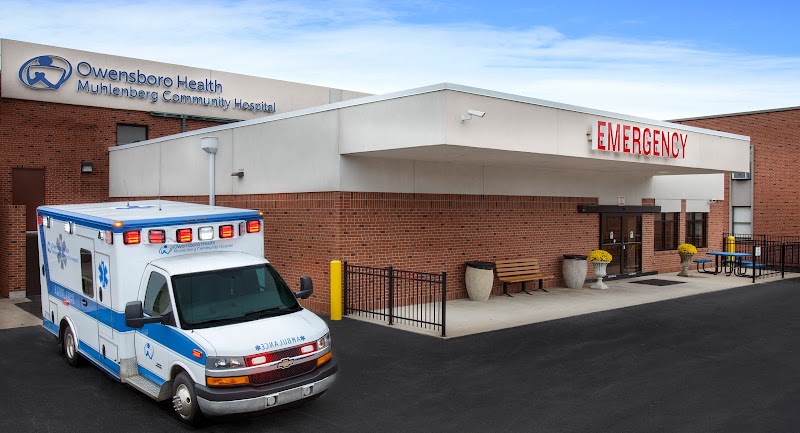
What is Owensboro Health Muhlenberg Community Hospital Ltc's CMS Rating?

CMS assigns OWENSBORO HEALTH MUHLENBERG COMMUNITY HOSPITAL LTC an overall rating of 4 out of 5 stars, which is considered above average nationally. Within Kentucky, this rating places the facility higher than 99% of the state's 100 nursing homes. This rating reflects solid performance across the metrics CMS uses to evaluate nursing home quality.
How is Owensboro Health Muhlenberg Community Hospital Ltc Staffed?

CMS rates OWENSBORO HEALTH MUHLENBERG COMMUNITY HOSPITAL LTC's staffing level at 5 out of 5 stars, which is much above average compared to other nursing homes. Staff turnover is 32%, compared to the Kentucky average of 46%. This relatively stable workforce can support continuity of care.

What Have Inspectors Found at Owensboro Health Muhlenberg Community Hospital Ltc?

State health inspectors documented 9 deficiencies at OWENSBORO HEALTH MUHLENBERG COMMUNITY HOSPITAL LTC during 2022 to 2025. These included: 9 with potential for harm.

Who Owns and Operates Owensboro Health Muhlenberg Community Hospital Ltc?

OWENSBORO HEALTH MUHLENBERG COMMUNITY HOSPITAL LTC is owned by a non-profit organization. Non-profit facilities reinvest revenue into operations rather than distributing to shareholders. The facility operates independently rather than as part of a larger chain. With 45 certified beds and approximately 37 residents (about 82% occupancy), it is a smaller facility located in GREENVILLE, Kentucky.
How Does Owensboro Health Muhlenberg Community Hospital Ltc Compare to Other Kentucky Nursing Homes?

Compared to the 100 nursing homes in Kentucky, OWENSBORO HEALTH MUHLENBERG COMMUNITY HOSPITAL LTC's overall rating (4 stars) is above the state average of 2.8, staff turnover (32%) is significantly lower than the state average of 46%, and health inspection rating (3 stars) is at the national benchmark.

What Should Families Ask When Visiting Owensboro Health Muhlenberg Community Hospital Ltc?

Based on this facility's data, families visiting should ask: "Can I visit during a mealtime to observe dining assistance and food quality?" "How do you handle medical emergencies, and what is your hospital transfer rate?" "Can I speak with family members of current residents about their experience?"

Is Owensboro Health Muhlenberg Community Hospital Ltc Safe?

Based on CMS inspection data, OWENSBORO HEALTH MUHLENBERG COMMUNITY HOSPITAL LTC has a clean safety record: no substantiated abuse findings (meaning no confirmed cases of resident harm), no Immediate Jeopardy citations (the most serious violation level indicating risk of serious injury or death), and is not on the Special Focus Facility watch list (a federal program monitoring the lowest-performing 1% of nursing homes). The facility has a 4-star overall rating and ranks #1 of 100 nursing homes in Kentucky. While no facility is perfect, families should still ask about staff-to-resident ratios and recent inspection results during their visit.

Do Nurses at Owensboro Health Muhlenberg Community Hospital Ltc Stick Around?

OWENSBORO HEALTH MUHLENBERG COMMUNITY HOSPITAL LTC has a staff turnover rate of 32%, which is about average for Kentucky nursing homes (state average: 46%). Moderate turnover is common in nursing homes, but families should still ask about staff tenure and how the facility maintains care continuity when employees leave.

Was Owensboro Health Muhlenberg Community Hospital Ltc Ever Fined?

OWENSBORO HEALTH MUHLENBERG COMMUNITY HOSPITAL LTC has no federal fines on record. CMS issues fines when nursing homes fail to meet care standards or don't correct problems found during inspections. The absence of fines suggests the facility has either maintained compliance or corrected any issues before penalties were assessed. This is a positive indicator, though families should still review recent inspection reports for the full picture.

Is Owensboro Health Muhlenberg Community Hospital Ltc on Any Federal Watch List?

OWENSBORO HEALTH MUHLENBERG COMMUNITY HOSPITAL LTC is not on any federal watch list. The most significant is the Special Focus Facility (SFF) program, which identifies the bottom 1% of nursing homes nationally based on persistent, serious quality problems. Not being on this list means the facility has avoided the pattern of deficiencies that triggers enhanced federal oversight. This is a positive indicator, though families should still review the facility's inspection history directly.