Henderson Nursing and Rehabilitation Center
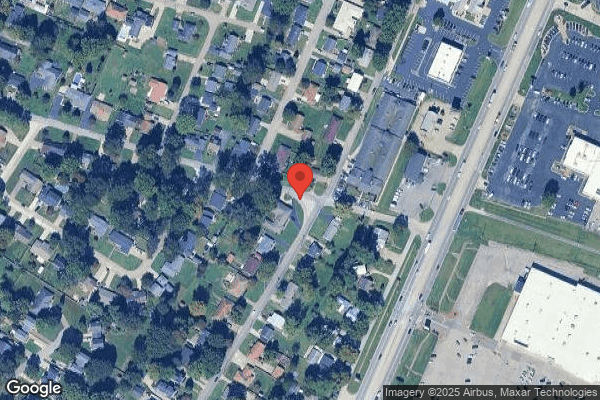
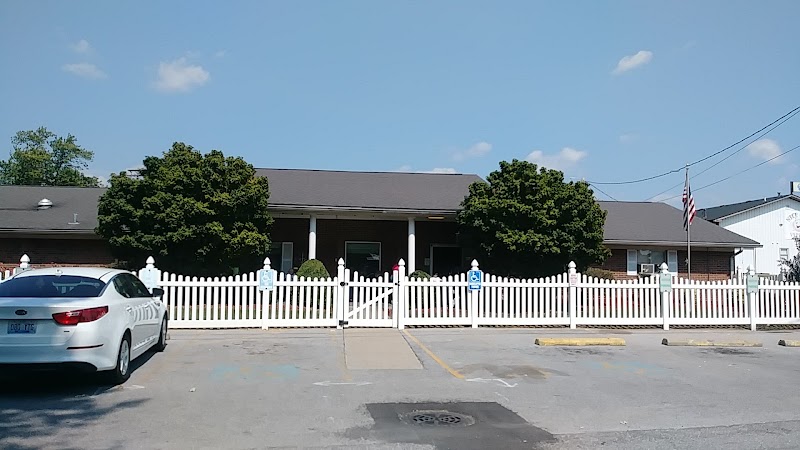
2500 North Elm Street, Henderson, KY 42420 (270) 826-9794
For profit - Corporation 90 Beds BENJAMIN LANDA Data: November 2025
Trust Grade
65/100
#110 of 266 in KY
Last Inspection: May 2025

Inspected within the last 6 months. Data reflects current conditions.

Overview

Henderson Nursing and Rehabilitation Center has a Trust Grade of C+, which means it is slightly above average but not outstanding. Ranking #110 out of 266 facilities in Kentucky places it in the top half, and it is the best option among the two facilities in Henderson County. The facility has shown improvement over the years, with issues decreasing from five in 2021 to four in 2025. Staffing is a concern, as it received a rating of 2 out of 5 stars and has a turnover rate of 38%, which is better than the state average of 46%, indicating some stability but room for improvement. While there have been no fines, there are several concerning incidents, such as expired medications not being removed from medication carts and failures in implementing care plans for residents, which could affect their well-being. Overall, the facility has strengths in its ranking and lack of fines but weaknesses in staffing and specific care practices that families should consider.

Trust Score
C+
65/100
In Kentucky
#110/266
Top 41%
Safety Record
Low Risk
No red flags
Inspections
Getting Better
5 → 4 violations
Staff Stability
○ Average
38% turnover. Near Kentucky's 48% average. Typical for the industry.
Penalties
✓ Good
No fines on record. Clean compliance history, better than most Kentucky facilities.
Skilled Nurses
○ Average
Each resident gets 32 minutes of Registered Nurse (RN) attention daily — about average for Kentucky. RNs are the most trained staff who monitor for health changes.
Violations
⚠ Watch
15 deficiencies on record. Higher than average. Multiple issues found across inspections.
★★★☆☆
3.0
Overall Rating
★★☆☆☆
2.0
Staff Levels
★★☆☆☆
2.0
Care Quality
★★★☆☆
3.0
Inspection Score
Stable
2021: 5 issues
2025: 4 issues

The Good

  • Full Sprinkler Coverage · Fire safety systems throughout facility
  • No fines on record
  • Staff turnover below average (38%)

    10 points below Kentucky average of 48%

Facility shows strength in fire safety.

The Bad

3-Star Overall Rating

Near Kentucky average (2.8)

Meets federal standards, typical of most facilities

Staff Turnover: 38%

Near Kentucky avg (46%)

Typical for the industry

Chain: BENJAMIN LANDA

Part of a multi-facility chain

Ask about local staffing decisions and management

The Ugly 15 deficiencies on record

May 2025 4 deficiencies
CONCERN (D)

Potential for Harm - no one hurt, but risky conditions existed

Comprehensive Care Plan (Tag F0656)

Could have caused harm · This affected 1 resident

Based on observation, interview, record review, and review of facility policy, the facility failed to implement a comprehensive person centered care plan for 2 of 23 sampled residents, (Resident (R)50...

Read full inspector narrative →
Based on observation, interview, record review, and review of facility policy, the facility failed to implement a comprehensive person centered care plan for 2 of 23 sampled residents, (Resident (R)50, and R42). 1. Review of R50's comprehensive person centered care plan revealed the resident was to wear left and right hand and knee splints daily for six days. However, observation on 05/13/2025 at 12:03 PM and 2:18 PM, on 05/14/2025 at 9:10 AM, 11:23 AM , on 05/15/2025 at 9:20 AM and 11:30 AM of R50, revealed two hand splints lying on the resident's bedside table; and observation on 05/16/2025 at 10:18 AM revealed the hand splints were located in R50's closet. Additionally, observation on 05/13/2025 at 12:03 PM and 2:18 PM, on 05/14/2025 at 9:10 AM, 11:23 AM revealed R50 lying on her bed with no knee splints in place and her knees drawn up to her chest. 2. Review of R42's comprehensive person centered care plan revealed the resident was not to have chips and was to be supervised with all (oral) intake. However, observation on 05/13/2025 at 11:42 AM and 2:48 PM, revealed R42 self-propelling throughout the facility while eating a bag of potato chips unsupervised. The findings include: Review of the facility policy, Comprehensive Care Plans, Standard of Practice, reviewed on 04/2025, revealed an individualized comprehensive care plan that included measurable objectives and timetables to meet the resident's medical, nursing, mental, and psychosocial needs was to be developed for each resident. Continued review revealed, each resident's comprehensive care plan was designed to identify problem areas, reflect the resident's needs, reflect treatment goals, timetables and objectives. Per review, the comprehensive care plan was also to identify professional services that were responsible for each element of care, and aid in preventing or reducing declines in the residents. Further review revealed functional level care plans were reviewed and updated when there was a significant change in the resident's condition, when the desired outcome was not met, or when the resident was readmitted to the facility from a hospital stay and at least quarterly. 1. Review of the, admission Face Sheet for R50 revealed the facility admitted the resident on 06/29/2021, with diagnoses to include: persistent vegetative state; epilepsy, intractable, without status epilepticus: and encounter for attention to tracheostomy. Review further revealed R50 developed contractures to an unspecified joint of the left and right wrist on 02/20/2023. Review of the Significant Change in Status Minimum Data Set (MDS) Assessment, with an Assessment Reference Date (ARD) of 04/20/2025, revealed under section B the facility assessed R50 as being in a persistent vegetative state. Further review revealed the Brief Interview for Mental Status (BIMS) assessment area had not been completed. Review of the Comprehensive Care Plan for R50 dated 06/13/2024, revealed the facility identified a focus problem that read splint and or brace assistance, the resident required the use of a splint/brace to prevent further contractures related to persistent vegetative state, anoxic brain damage, contracture of unspecified joint, and contracture of muscle. Per review, the interventions included: removing the Posey splints as needed to inspect skin; inspecting the splints for damage and reporting to therapy immediately; and removing splints as needed for ADL care. Continued review revealed the interventions also included: restorative nursing rehabilitation (rehab; for 90 days; and passive range of motion to bilateral lower extremities. Further review revealed the target goals dated 06/14/2024 were that the resident would tolerate resting hand splint to right hand without pain for five hours daily as resident allowed from 9:00 AM to 2:00 PM, six days a week through next review. In addition, review revealed the target goals also included: the resident would tolerate grip splint to left hand without pain for five hours daily as resident allowed from 9:00 AM to 2:00 PM, six days a week through next review. Review further revealed the target goals additionally noted the resident would tolerate Posey splints to bilateral knees without pain for six hours daily as resident allowed from 9:00 AM to 3:00 PM, six days a week through next review. However, observation on 05/13/2025 at 12:03 PM and 2:18 PM, on 05/14/2025 at 9:10 AM, 11:23 AM , on 05/15/2025 at 9:20 AM and 11:30 AM of R50, revealed two hand splints lying on R50's bedside table and the resident had no splints in place as per the care plan. Observation on 05/16/2025 at 10:18 AM, revealed the hand splints were located in R50's closet and the resident had no hand splints in place as per the care plan. Observation on 05/13/2025 at 12:03 PM and 2:18 PM, on 05/14/2025 at 9:10 AM, 11:23 AM also revealed R50 lying on her bed with no knee splints in place as per the care plan and she had her knees drawn up to her chest. In interview with Restorative Aide (RA) 8 on 05/16/2025 at 9:45 AM, she stated she was told that morning by the Director of Rehab (DoR) that R50 was to resume restorative services including the splinting next week. She reported when residents went on restorative programs she received training from the DoR and signed a paper. RA 8 said R50 was to have left and right hand splints and knee splints to both legs, and was to wear the splints six hours a day. She stated R50 received passive range of motion (ROM) to her extremities before the splints were applied. The RA further stated the restorative binder had all residents' restorative programs in it. In interview with Kentucky Medication Aide (KMA) 4 on 05/15/2025 at 9:57 AM, she stated she was providing care for R50 and the resident required total care. She stated resident information was located on the computer that information told staff what care a resident needed. KMA 4 said she did recall seeing R50's splints and assumed they were applied by therapy. When asked by the State Survey Agency (SSA) Surveyor about R50's knee splints and hand splints lying on the overbed table, she reported therapy was responsible for applying the splints. The KMA further stated she was not sure if R50 had restorative programs and she did not know who, other than therapy, would apply the resident's splints. In interview with the Unit Manager (UM)/Restorative Nurse on 05/16/2025 at 11:10 AM, she stated she just started overseeing the facility's Restorative Programs in April of this year. She stated therapy communicated with her when residents were given a restorative program. The UM/Restorative Nurse reported she updated the residents' care plans and included the restorative information in the restorative binder for staff. She said she had received R50's communication form just this week for the hand splints; however, had not received a form for the knee splints. The UM/Restorative Nurse explained therapy did splinting when residents were receiving their services. She said R50 had received splinting for a long time and that was why it was care planned. The UM/Restorative Nurse further stated as the restorative program had not been written the care plan was not being followed. 2. Review of the admission Facesheet for R42 revealed the facility admitted the resident on 03/13/2020, with diagnoses that included: Idiopathic Epilepsy; Dysphagia; and Profound Intellectual Disabilities. Review of the Quarterly MDS Assessment with an ARD of 02/11/2025, revealed the facility assessed R42 to have a BIMS score of zero out of 15, indicating the resident was rarely or never understood. Review of R42's comprehensive care plan revealed the facility had developed a dietary care plan with an implementation date of 06/19/2020, with interventions that included a regular diet with thin liquids advanced dysphagia consistency. Further review revealed the interventions further noted R42 was to have: supervision with all intake: have no chips, bread, whole potatoes, or caffeinated beverages; and finger foods as allowed. In interview with UM of unit 1 and 2 on 5/16/25 at 11:28 AM, she stated care plans were double checked in the morning meetings and clinical meeting to see if staff were implementing the care plans. She further stated she did not think staff would not follow R42's care plan and let her walk around with something that she should not have. In interview with the Director of Nursing (DON) on 05/16/2025 at 11:32 AM and at 11:40 AM, she stated her expectations for implementing residents' care plans was for the interventions to be placed into the facility's Resident Care Profile for the nursing assistants. She reported care plans were reviewed in the morning meetings and nurses could access the care plan interventions from the point of login in order to know how to provide care for the resident. The DON further stated any new orders put into the facility's computer system were to be included in the resident's care plan as well. In interview with the Administrator on 05/16/2025 at 11:56 AM, she stated she expected facility staff to follow residents' care plans and implement interventions.
CONCERN (D)

Potential for Harm - no one hurt, but risky conditions existed

Deficiency F0688 (Tag F0688)

Could have caused harm · This affected 1 resident

Based on observation, interview, record review and review of facility policy, the facility failed to ensure residents with limited range of motion received appropriate treatment and services to preven...

Read full inspector narrative →
Based on observation, interview, record review and review of facility policy, the facility failed to ensure residents with limited range of motion received appropriate treatment and services to prevent further decrease in range of motion (ROM) for 1 of 23 sampled residents, (Resident (R)50). R50 was care planned with interventions to have left and right wrist and knee splints daily for six days. However, observation revealed two hand splints lying on R50's bedside table or located in the resident's closet. Additionally, observation revealed R50 did not have knee splints on while in bed and the resident's knees were drawn up to her chest. The findings include: Review of the facility policy, Restorative Nursing Standards of Practice, revised 12/2023, revealed the facility strived to promote a restorative nursing program that encourages all residents to attain or maintain their highest practical level of function. Per review, residents were to be evaluated for potential nursing restorative nursing needs on admission, quarterly, and with a change in condition. Continued review revealed a restorative nursing program might be developed independently by nursing. Further review revealed the dedicated restorative nursing process owner, a licensed nurse, was to complete a periodic evaluation of the resident's progress and goals at a minimum of quarterly, to determine any required changes to their restorative nursing program. In addition, review revealed a restorative program progress note was to be documented in the resident's medical record within the seven day assessment look back period. Review of R50's admission Face Sheet, revealed the facility admitted the resident on 06/29/2021, with diagnoses that included: encounter for attention to tracheostomy; persistent vegetative state; and epilepsy intractable, without status epilepticus. Review revealed R50 had developed contractures to an unspecified joint of the left and right wrist on 02/20/2023. Review of the Significant Change in Status Minimum Data Set (MDS) Assessment with an Assessment Reference Date (ARD) of 04/20/2025, revealed under section B the facility assessed R50 as being in a persistent vegetative state and the Brief Interview for Mental Status (BIMS) assessment was not completed. Review of the, Restorative Monthly Summary, dated 04/08/2025 and created on 05/16/2025, revealed, resident has bilateral posy splints to knees six hours daily for 90 days, and passive ROM to bilateral lower extremities (BLE) for 15 minutes daily for 90 days, passive ROM to BUE, left grip splint and right-hand resting hand splint. Continued review revealed, resident was progressing with splinting to bilateral knees and passive ROM to BLE with restorative programs. Further review revealed R50 continued with good progress, passive range of motion bilateral upper extremities, left grip splint, and right resting hand splint added to program. Review of the Restorative Monthly Summary dated 04/30/2025 and created on 05/16/2025, revealed, the bilateral posy splints to knees six hours daily for 90 days; passive ROM to BLE for 15 minutes daily for 90 days; and passive ROM to BUE, left grip splint, and right resting hand splint. Per review, R50 was progressing with splinting to bilateral knees and passive ROM to BLE restorative programs; passive ROM to BUE left grip splint and right resting hands splint. Review further revealed R50 continued with good progress. Resident tolerating well, will continue at this time. However, observation of R50 on 05/13/2025 at 12:03 PM and 2:18 PM, on 05/14/2025 at 9:10 AM, 11:23 AM , on 05/15/2025 at 9:20 AM and 11:30 AM, revealed two hand splints lying on the resident's bedside table and the resident had no splints in place. Observation on 05/16/2025 at 10:18 AM, also revealed hand splints located in R50's closet and the resident had no hand splints. Additionally, observation on 05/13/2025 at 12:03 PM and 2:18 PM, on 05/14/2025 at 9:10 AM, 11:23 AM also revealed the resident had her knees drawn up to her chest while lying on her bed with no knee splints in place. In interview on 05/16/2025 at 9:45 AM, Restorative Aide (RA) 8 stated she was responsible for the facility's resident restorative programs. She said the restorative program included ambulation, transfers, ROM and splinting. RA 8 explained the purpose of the restorative programs was to improve or maintain a resident's function. She stated R50 had been on restorative services for a year or more; however, had to the hospital and received therapy when she came back. RA 8 reported restorative staff were not currently doing the restorative programs or the splinting for R50. She said the Director of Rehab (DoR) had told her that morning that R 50 was to resume restorative services including splinting next week. The RA reported R50 got left and right hand splints and knee splints to both legs, and was to wear the splints six hours a day. She further stated R50 received passive ROM to her extremities before the splints were applied. In addition, she said she received training from the DoR when residents went on restorative programs and she signed a paper after the training. In interview on 05/16/2025 at 10:02 AM, the Physical Therapist (PT) stated R50 had been receiving PT services to manage her spasms and keep her knees from getting tight. She said R50 had knee splints and that she had been wearing them for a while. The PT reported R50's last therapy treatment day was 05/13/2025, and she had been responsible for applying the resident's knee splints while she was receiving therapy services. She stated at the end of treatment on 05/13/2025, she gave the Rehab Director a form with her recommendations for restorative services. The PT said she provided training to the RA's on applying and removing the splints. She further stated her expectation had been for the RA's to start the programs for R50 the next day, as there was a potential for the resident to decline due to her muscle tone. The PT additionally said the knee splints only controlled the knees and helped keep R50 out of a frog position. In interview on 05/16/2025 at 10:49, the Director of Rehab (DoR) stated R50 was not currently on their caseload and had been discharged from therapy services on 05/08/2025. She stated when residents were discharged from therapy services a discharge notice was given to the Restorative Nurse. She reported she expected restorative programs to start immediately, and discharge training was provided to the RA's on how to apply and remove any devices. The DoR said R50 had worn splints for years and there had been no changes made to her splinting programs. She stated she was responsible for applying R50's hand splints while she had been on the therapy case load. The DoR explained she had not been aware R50 had not been wearing the hand splints since she was discharged from therapy services. She further stated R50's hand splints had been maintaining and preventing her from declining. In interview on 05/16/2025 at 11:10 AM, the Unit Manager (UM)/Restorative Nurse stated she just started overseeing the facility's Restorative Programs in April of the current year. She said therapy made her aware of restorative programs through the Therapy to Restorative Communication form. The UM/Restorative Nurse explained a resident would not get restorative programs until the necessary information was placed in the restorative binder. She reported she had received R50's Communication form just this week regarding the hand splints; however, had not received a form for the resident's knee splints. The UM/Restorative Nurse said when residents were receiving therapy, therapy did residents' splinting. She further stated the RA's applied and removed residents' splints when on the restorative program. In interview on 05/16/2025 at 11:32 AM, the Director of Nursing (DON) stated she had been the facility's DON for one month. She said when a resident required a restorative program, therapy communicated with the UM/Restorative Nurse on what the program was for each resident and whether it was to be done by RA's or the staff on the floor. She stated she did not know how it was communicated to staff. The DON reported she expected restorative programs to be initiated timely so that programs could be started as the residents could potentially have negative outcomes.
CONCERN (D)

Potential for Harm - no one hurt, but risky conditions existed

Deficiency F0808 (Tag F0808)

Could have caused harm · This affected 1 resident

Based on observation, interview, record review, the facility failed to ensure residents received and consumed foods in the appropriate form or the appropriate nutritive content as prescribed for 1 of ...

Read full inspector narrative →
Based on observation, interview, record review, the facility failed to ensure residents received and consumed foods in the appropriate form or the appropriate nutritive content as prescribed for 1 of 23 sampled residents, (Resident (R)42). R42 had a diet order for supervision with all (oral) intake and to have no chips. However, observation on 05/13/2025 at 11:42 AM and 2:48 PM, revealed R42 self-propelling throughout the facility while eating a bag of potato chips unsupervised. The findings include: A policy was requested however, the Administrator stated the facility did not have a policy related to the deficient practice. Record review revealed the facility admitted R42 on 03/13/2020, with diagnoses that included Dysphagia, Idiopathic Epilepsy, and Profound Intellectual Disabilities. Review of the Quarterly Minimum Data Set (MDS) Assessment with an Assessment Reference Date (ARD) of 02/11/2025 for R42, revealed the facility assessed the resident as having a Brief Interview for Mental Status (BIMS) score of zero out of 15, indicating the resident was rarely or never understood. Review of R42's Diet Order dated 02/05/2025, revealed the resident had a regular advanced Dysphagia diet ordered that required supervision with all intake, no chips, bread, whole potatoes, or caffeinated beverages. Review of R42's lunch meal tray card dated 05/13/2025, revealed the resident was to be supervised during meal times. Further review of the lunch meal tray card revealed R42 had diet restrictions that included no potato chips, bread, whole potatoes, or french fries. However, observation of Resident 42 on 05/13/2025 at 11:42 AM and at 2:48 PM, revealed R42 self-propelling a wheelchair throughout the facility while eating a bag of potato chips unsupervised. In interview on 05/16/2025 at 11:12 AM, Licensed Practical Nurse (LPN) 4 stated nursing placed residents' diet orders in the computer and dietary checked to make sure they matched what the resident received. She stated if a resident's meal tray and meal ticket were not correct they took the tray back to the kitchen and got them to fix it. LPN 4 said R42 had a history of grabbing things off the snack cart all the time. She reported R42 did not like it when you try to take things away from her and that might have been why she had the bag of chips. LPN 4 further stated if she saw R42 on the hall with something she tried to take it away from her for her own safety. In interview on 5/16/2025 at 11:28 AM, the Unit Manager (UM) of units 1 and 2 stated if Resident 42 picked things up sometimes it was very hard to get it back from her. She said sometimes staff tried to get the resident to trade the restricted item for something she could have. The UM stated sometimes that worked and sometimes it did not. She reported most likely someone might have tried to take the chips away from her but were unsuccessful. The UM stated she did not think staff would just let R42 walk around with something she was not supposed to have. She further stated a possible outcome of R42 having food she should not have, could be the resident getting strangled or choked and no one was supervising her. In interview on 05/16/2025 at 11:40 AM, the Director of Nursing (DON) stated they had to keep an eye on R42 because she was a wanderer and went in and out of other residents' rooms and took their things. She said the staff had to constantly take things away from R42 that she was not supposed to have. The DON reported a potential outcome for R42 having a restricted food item, was she could potentially have a choking episode and aspirate on the food, especially chips. She further stated R42 was supposed to be on increased supervision only if she was eating or drinking. In interview on 05/16/2025 at 11:56 AM, the Administrator stated one day R42 had a (chip) bag, but it had been empty. She stated R42 like to take things off of tables and desks because she liked the colors of the bags and was very sneaky. The Administrator said somehow R42 just gets a hold of things she should not have; however, she expected staff to follow residents' dietary orders and care plan.
CONCERN (D) 📢 Someone Reported This

A family member, employee, or ombudsman was alarmed enough to file a formal complaint

Potential for Harm - no one hurt, but risky conditions existed

Infection Control (Tag F0880)

Could have caused harm · This affected 1 resident

Based on observation, interview, record review, and review of facility policy, the facility failed to establish and maintain an infection prevention and control program designed to provide a safe, san...

Read full inspector narrative →
Based on observation, interview, record review, and review of facility policy, the facility failed to establish and maintain an infection prevention and control program designed to provide a safe, sanitary and comfortable environment and to help prevent the development and transmission of communicable diseases and infections for 1 of 5 residents sampled for wound care out of the total sample of 23 residents (Resident (R)21). Staff providing R21's wound care failed to utilize proper hand washing during the resident's wound care procedure. The findings include: Review of the facility policy, Hand Hygiene, undated, revealed hand hygiene meant cleaning your hands by using either handwashing (washing hands with soap and water) or using hand sanitizer. Per review, hand hygiene was to be performed; before and after glove use; and before and after having contact with blood, body fluids or excretions, mucous membranes, non-intact skin, or wound dressing. Review further revealed gloves were to be changed and hand hygiene performed before moving from a contaminated body site to a clean body site during resident care. Review of the Face Sheet for R21 revealed the facility admitted the resident on 11/13/2024, with diagnoses which included: pressure wound to right heel; asymptomatic human immunodeficiency virus (HIV) infection status; acute kidney failure; and anxiety disorder. Review of the Significant Change Minimum Data Set (MDS) Assessment, with an Assessment Reference Date (ARD) of 04/11/2025, revealed the facility assessed R21 to have a Brief Interview for Mental Status (BIMS) score of 15 out of 15, which indicated the resident's cognition was intact. During observation on 05/15/25 at 3:38 PM of wound care to R21's right heel revealed the Wound Care Nurse (WCN) failed to wash her hands after removing the soiled dressing. Per observation, the WCN rolled the soiled dressing up in the right hand glove. Continued observation revealed however, after placing the soiled glove containing the soiled dressing in the trash, the WCN donned another glove on her right hand. Observation revealed she then proceeded to cleanse the right heel wound. The Registered Nurse/MDS Nurse (who was assisting the WCN) picked up R21's foot after it was cleansed; however, placed the foot back on the soiled absorbent pad, then picked the resident's foot back up at the request of the WCN. Further observation revealed the clean wound dressing was applied without the nurses re-cleansing the wound. During interview on 05/15/2025 at 4:25 PM, with the RN/MDS Nurse she stated she thought she placed the foot back down on a clean area of the absorbent pad and not on dirty area. She further stated she should not have laid R21's foot down to ensure the foot stayed clean. During an interview with the WCN on 05/16/2025 at 9:05 AM, she stated she should have washed her hands after removing the soiled dressing and before donning new gloves. She further revealed she should always wash her hands before and after gloving. In interview with the Administrator on 05/16/2025 at 10:38 AM, she stated she expected staff to wash their hands prior to donning gloves. She stated she also expected staff to wash their hands after doffing their gloves. The Administrator further stated she expected staff to follow the facility policies as written. During an interview with the Director of Nursing (DON) on 05/16/25 at 10:43 AM, she stated she expected staff to wash their hands prior to donning gloves and between removal and donning new gloves. She said she also expected if a wound had been cleansed prior to the new dressing application, the wound should not be placed back on the soiled barrier. The DON reported if that occurred the wound would require re-cleaning. She further stated she expected staff to follow the facility's handwashing and wound care policies as written.
Apr 2021 5 deficiencies
CONCERN (D)

Potential for Harm - no one hurt, but risky conditions existed

Deficiency F0657 (Tag F0657)

Could have caused harm · This affected 1 resident

**NOTE- TERMS IN BRACKETS HAVE BEEN EDITED TO PROTECT CONFIDENTIALITY** Based on observation, interview, record review and facility policy review, it was determined the facility failed to revise the C...

Read full inspector narrative →
**NOTE- TERMS IN BRACKETS HAVE BEEN EDITED TO PROTECT CONFIDENTIALITY** Based on observation, interview, record review and facility policy review, it was determined the facility failed to revise the Comprehensive Care Plan for one (1) of twenty-four (24) sampled residents (Resident #3). The facility failed to ensure Resident #3's Comprehensive Care Plan was revised to include the intervention for bladder cycling related to the Physician's Order received on 04/08/2021. The resident's care plan was not revised to include the intervention until 04/26/2021, fourteen (14) days after the order was received. The findings include: Review of the Centers for Medicare and Medicaid Services (CMS) Resident Assessment Instrument (RAI) Manual dated 10/2018, revealed residents' care plans were to be reviewed and revised based on the resident's needs, changing goals, preferences and in response to current interventions. Record review revealed the facility admitted Resident #3 on 10/18/2020, with diagnoses which included: Obstructive and Reflux Uropathy; Sepsis; Metabolic Encephalopathy; Acute Cystitis with Hematuria; and Urinary Tract Infection. Review of Resident #3's Quarterly Minimum Data Set (MDS) assessment dated [DATE], revealed the resident was assessed to have a Brief Interview for Mental Status (BIMS) score of six (6) which indicated moderate cognitive impairment. Continued record review revealed Resident #3 had documentation dated 04/08/2021, related to a Urology appointment which noted a Physician's Order for bladder cycling for the resident. Review of Resident #3's Comprehensive Care Plan, revealed a care plan for potential for alteration in bladder elimination due to obstructive and reflux (the backward flow of urine from the bladder in the kidneys) uropathy (a disorder involving the urinary tract) with an onset date of 10/19/2020. Continued review of the care plan revealed Resident #3 had a Suprapubic catheter, with an intervention dated 04/26/2021 for bladder cycling (bladder re-training after catheter use). However, record review revealed the Physician's Order for the bladder cycling was dated 04/08/2021. Therefore, Resident #3's care plan was not revised to include the bladder cycling intervention until sixteen (16) days after the order was received. Observations on 04/27/2021 at 10:50 AM and 3:17 PM, revealed Resident # 3 had a Suprapubic catheter which had the tubing clamped off. Interview on 04/27/2021 at 04:19 PM with Resident #3 revealed the resident used the toilet without assistance. Interview on 04/27/2021 at 04:07 PM, with Licensed Practical Nurse (LPN) #3, revealed Resident #3 was pretty independent and he/she had a Suprapubic catheter. Per interview, Resident #3 had been on a bladder cycling schedule since 04/15/2021, (seven [7] days after the Physician Order was received for the bladder cycling). According to the LPN, the resident's catheter tubing was capped off as the Physician wanted Resident #3 to attempt urinating on his/her own. Interview on 04/29/2021 at 4:35 PM, with the Minimum Data Set (MDS) Coordinator revealed she had updated Resident #3's care plan with the intervention regarding bladder cycling on 04/26/2021. The MDS Coordinator and Unit Manager (UM) #1, who was also present during the interview, revealed they did not know why Resident #3's care plan update regarding the bladder cycling had been missed after the order was received. They stated however, the care plan should have been revised with the bladder cycling intervention on 04/09/2021, after the order for it was received on 04/08/2021. Further interview revealed the MDS Coordinator and UM #1 participated in the facility's daily Interdisciplinary Team (IDT) meeting during which resident's new Physician's Orders were reviewed and their care plans revised, as necessary. An additional interview on 04/30/2021 at 1:35 PM with UM#1, revealed nursing staff and the facility's IDT oversaw residents' care plans and were to ensure the residents' care plans were revised, as necessary. Interviews on 04/29/2021at 4:41 PM and on 04/30/2021 at 11:35 AM, with the Director of Nursing (DON) revealed Physician's Orders and residents' care plans were normally reviewed during the facility's morning meeting. Per interview, the DON's expectation was that Resident #3's care plan would have been revised with the bladder cycling intervention on 04/09/2021, after the order was received on 04/08/2021. Further interview revealed the MDS Coordinator was to ensure residents' care plans were revised with the necessary interventions. The DON further revealed the MDS Coordinator was ultimately responsible for maintaining residents' care plans.
CONCERN (D)

Potential for Harm - no one hurt, but risky conditions existed

Pressure Ulcer Prevention (Tag F0686)

Could have caused harm · This affected 1 resident

**NOTE- TERMS IN BRACKETS HAVE BEEN EDITED TO PROTECT CONFIDENTIALITY** Based on observation, interviews, record review and facility policy review, it was determined the facility failed to ensure resi...

Read full inspector narrative →
**NOTE- TERMS IN BRACKETS HAVE BEEN EDITED TO PROTECT CONFIDENTIALITY** Based on observation, interviews, record review and facility policy review, it was determined the facility failed to ensure residents received the necessary care and services to promote healing and prevent infection for one (1) of twenty-four (24) sampled residents, Resident (#33). Observation of a dressing change for Resident #33 revealed the nurse failed to ensure reusable resident care equipment was cleaned and sanitized before and after each use. The findings include: Review of the facility policy titled, Cleaning and Disinfection of Resident-Care Items and Equipment, revised on 10/2018 revealed resident care equipment which included reusable items and durable medical equipment were to be cleaned and disinfected according to current Centers for Disease Control and Prevention (CDC) recommendations for disinfection and the Occupational Safety and Health Administration (OSHA) Bloodborne Pathogens Standard. Continued review revealed reusable items, such as stethoscopes and durable medical equipment, etc. were to be cleaned and disinfected or sterilized between resident use. Record review revealed Resident #33 was admitted to the facility on [DATE] with diagnoses which included: Contractures of the Right Elbow, Wrist, and Upper Arm Muscle; Anxiety Disorder; Muscle Weakness; and Reduced Mobility. Review of the Quarterly Minimum Data Set (MDS) dated [DATE] revealed the facility had assessed Resident 33's Brief Interview for Mental Status (BIMS) score as a three (3) indicating severe cognitive impairment. Continued review revealed the facility also assessed Resident #33 to require extensive assistance with all Activities of Daily Living (ADLs). Review of Resident #33's Physician Orders revealed an order dated 04/29/2021, which noted Santyl External Ointment (a debriding agent) 250 unit/gram was to be applied between 7:00 AM and 6:59 PM to the unstageable wounds on the resident's left and right heel and the Stage IV pressure ulcer wound on his/her right heel. Continued review of the Order revealed the Santyl order instructions included cleansing the wound, patting it dry, applying the Santyl Ointment to the wound bed and covering with a dry dressing. Observation of wound care for Resident #33 on 04/29/2021 at 10:34 AM, revealed Registered Nurse (RN) #1 retrieved scissors from her uniform pocket and without cleaning and sanitizing the scissors initiated cutting a hydrogel dressing. Observation revealed RN #1 placed the hydrogel dressing into the wound bed of Resident #33's right heel ulcer, then covered the heel with a dry dressing and secured it with tape. Further observation revealed RN #1 placed Resident #33's socks back on his/her feet, then placed the contaminated scissors back in her uniform pocket. Interview with RN #1 on 04/29/2021 at 11:08 AM, revealed she should have cleaned and sanitized her scissors before using them to prevent causing any type of infection for Resident #33. Per interview, she also should have cleaned and sanitized the scissors prior to replacing the scissors back into her uniform pocket. Interview with Unit Manager (UM) #1 on 04/30/2020 at 12:00 PM, revealed scissors and all reusable resident care items were to be cleaned and sanitized prior to each use to prevent the spread of infection. Per interview, the items were to also be cleansed and sanitized after each use. Interview with the Interim Director of Nursing (DON) on 04/30/2021 at 11:35 AM, revealed scissors and all other reusable resident care items were to be cleaned and sanitized before using them for cutting residents' wound dressings. Per interview, scissors and all other reusable resident care items were to be cleaned and sanitized after each use to prevent the spread of infection.
CONCERN (D)

Potential for Harm - no one hurt, but risky conditions existed

Deficiency F0808 (Tag F0808)

Could have caused harm · This affected 1 resident

**NOTE- TERMS IN BRACKETS HAVE BEEN EDITED TO PROTECT CONFIDENTIALITY** Based on observation, record review, interview and facility policy review, it was determined the facility failed to ensure all r...

Read full inspector narrative →
**NOTE- TERMS IN BRACKETS HAVE BEEN EDITED TO PROTECT CONFIDENTIALITY** Based on observation, record review, interview and facility policy review, it was determined the facility failed to ensure all residents requiring a therapeutic diet prescribed by the Physician received the diet as ordered for one (1) of twenty-four (24) sampled residents (Resident #56). Resident #56 had a Physician ordered dietary change for a therapeutic diet which the facility failed to implement immediately. The findings include: Review of the facility policy entitled, Therapeutic Diets, revision date of 09/2017, revealed all residents were to have a Physician ordered diet which included regular, therapeutic and modified texture diets. Continued review revealed the licensed nurse accepting the diet order from the prescriber was to complete and sign the facility's Diet Requisition Form. Further review revealed the licensed nurse was to ensure the Diet Requisition Form included the diet ordered by the prescriber, any food allergies and specific food preference requests. In addition, review revealed all residents' diets were prepared in accordance with the guidelines in his/her individualized plan of care, and the facility's Diet Manual. Review of the Centers for Medicare and Medicaid Services (CMS) Resident Assessment Instrument (RAI) Manual dated 10/2018, page K-11 defines a therapeutic diet as a diet intervention ordered by a health care practitioner as part of the treatment for a disease or clinical condition manifesting an altered nutritional status, to eliminate, decrease, or increase certain substances in the diet (e.g., sodium, potassium) . Record review revealed the facility admitted Resident #56 on 11/25/2019, with diagnoses which included: End Stage Renal Disease with dependence on Renal Dialysis, Vitamin B12 and Iron Deficiency Anemia, Supraventricular Tachycardia, and [NAME] (blood in stool). Review of the Annual Minimum Data Set (MDS) assessment dated [DATE], revealed the facility assessed Resident #56 with a Brief Interview for Mental Status (BIMS) score of two (2) two which indicated the resident was severely cognitively impaired. Further review of the MDS Assessment revealed the facility assessed Resident #56 to require extensive assistance with all Activities of Daily Living (ADLs). Review of Resident #56's Comprehensive Care Plan revealed an alteration in fluid balance care plan was noted which was related to the resident's diagnoses of End Stage Renal Failure with dependence on Dialysis, Dysphagia, history of Cerebrovascular Accident (CVA) with Hemiplegia. Continued review of the care plan revealed the interventions included providing the diet and fluids for the resident as per the Medical Doctor's (MD's) order. Further review of the Comprehensive Care Plan revealed a care plan regarding nutrition alteration 04/27/2021, which was related to the resident's significant weight loss over the past thirty (30), sixty (60), ninety (90), and one hundred and eighty (180) days. Per review of this care plan the interventions included provision of dietary snacks or supplements as ordered by the MD, with a start date of 04/28/2021. Additional review revealed other interventions noted for Resident #56 were for the resident to receive double protein at meals, fortified oatmeal at breakfast, and fortified mashed potatoes at lunch. Review of Resident #56's Physician Orders revealed an order dated 04/28/2021, which noted the resident was to receive double protein with meals, fortified oatmeal at breakfast and fortified mashed potatoes at lunch. Review of Resident #56's Progress Notes revealed Notes dated 04/28/2021 at 12:16 PM and 1:18 PM documented by Unit Manager (UM) #1. Continued review revealed UM #1 had documented add fortified oatmeal at breakfast, fortified mashed potatoes at lunch, and double protein at meals. Further review revealed the Nurse Practitioner (NP) was notified of the new orders received, and the resident's Power of Attorney (POA) was also notified. Review of the Diet Requisition Form dated 04/28/2021 timed 12:30 PM for Resident #56, revealed it was signed by UM #1 and noted the Physician's Order for the resident to receive fortified oatmeal at breakfast, fortified mashed potatoes at lunch and double protein with meals. Observation on 04/29/2021 at 8:38 AM, revealed Certified Nursing Assistant (CNA) #14 was assisting Resident #56 with eating his/her breakfast meal. Interview with CNA #14, at the time of observation, revealed Resident #56 usually ate his/her meals well. Further observation revealed no fortified oatmeal or double protein present on Resident #56's meal tray. Review of the meal tickets dated from 04/28/2021 through 04/29/2021, revealed no documented evidence of the Physician ordered fortified oatmeal for breakfast, fortified mashed potatoes at lunch or double protein present on Resident #56's meal tray tickets. Interview with the facility's District Culinary Manager (DCM) on 04/29/2021 at 9:37 AM and 11:30 AM, revealed if a resident received recommendations or orders for a dietary change, staff were to complete the dietary form and ensure the dietary department received the form completed by nursing staff. Per interview, the dietary department was informed immediately by nursing staff of any dietary changes for residents. The DCM stated after receiving a resident's dietary change the facility's Dietary Manager or Assistant Dietary Manager made the necessary changes in the meal tracker program. The DCM stated he had not received any dietary change notification for Resident #56 and had checked for any resident dietary changes that morning (04/29/2021). Continued interview revealed dietary changes were noted on the residents' meal tray tickets and were to be implemented during the next meal which followed the dietary change notification. Per the DCM, he had checked for a Physician's Order or any new changes noted on Resident #56's meal tray tickets; however, had not found any dietary changes documented for the resident. The DCM further stated he could not track the time stamp of dietary changes on the residents' charts. In an additional follow-up interview on 04/30/2021 at 8:17 AM, with the DCM revealed on 04/29/2021, after discussion with the Surveyor, he had received the dietary changes of fortified foods and double protein for Resident #56. He stated the Physician ordered dietary changes Resident #56 had been implemented as soon as UM #1 sent the changes to the dietary department. Interview on 04/29/2021 at 9:40 AM, with the Assistant Dietary Manager (ADM) revealed she had not made any dietary changes for Resident #56 in the meal tracker program or on the resident's meal tray ticket that day. The ADM stated dietary changes were given to the dietary staff they. Further interview revealed however, she failed to look and see if any dietary changes had been made. Interview on 04/29/2021 at 9:47 AM, with UM #1 revealed when dietary changes were made the information was placed in the facility's computer system under the diet section, or the supplemental meds tab section depending on what the change was. Per interview, if the recommendation was from the Dietician, then a Physician Order was obtained for the recommendation. UM #1 stated the resident's family was notified of the dietary change(s), and a progress note made in the resident's medical record. Continued interview revealed a dietary requisition paper filled out and given to dietary staff. The UM stated nursing staff would follow up in the facility's Interdisciplinary Team (IDT) meeting to ensure the dietary change(s) had been made. Further interview revealed the IDT meeting had not occurred on 04/29/2021; however, Resident #56's dietary recommendations should have been put in place. The UM further revealed it had been a little crazy around there and that might have been why the resident's dietary recommendations had not been made. Interview on 04/29/2021 at 10:40 AM, with the Director of Nursing (DON) revealed when dietary changes were made for residents the process was for the dietary recommendation to be placed in the facility's computer system under the diet area, and the supplement meds tab if a medication was recommended. Per interview, if the dietary recommendations came from the Dietician, then a Physician's Order for the recommendation was obtained, and the resident's family notified of the change(s). The DON revealed nursing staff were to make a note in the Progress Notes section of the resident's medical record documenting the dietary changes. Further interview revealed nursing staff were also to complete a Dietary Requisition Form noting the dietary changes for the resident and ensure if was provided to dietary staff. In addition, the DON stated Resident #56's new dietary changes should have been done by now.
CONCERN (E)

Potential for Harm - no one hurt, but risky conditions existed

Deficiency F0761 (Tag F0761)

Could have caused harm · This affected multiple residents

Based on observation, interview, and review of the facility's policy, it was determined the facility failed to ensure all residents' drugs and biologicals which were expired were removed from all medi...

Read full inspector narrative →
Based on observation, interview, and review of the facility's policy, it was determined the facility failed to ensure all residents' drugs and biologicals which were expired were removed from all medication administration areas in order to prevent possible administration to residents. The findings include: Review of the facility policy titled, Administering Oral Medications Level III Purpose, undated, revealed, staff were to check the expiration dates on all residents' medications and return any expired medications to the Pharmacy. Observation 04/29/2021 at 10:10 AM, of the refrigerator located in the facility's Medication Prep Room, revealed one (1) bottle of Omeprazole Suspension 20 milligrams/milliliter (mg/ML) with an expiration date of 03/21/2021. Observation on 4/30/2021 at 9:18 AM of the Hall 1 medication carts #1, #2 and #3 and the Hall 2 medication carts #1, #2 and #3 revealed the following expired medications: *Ondansetron 4 mg tablets (tabs), 4 tabs with an expiration date of 02/15/2021 *Loperamide 2 mg, 13 tabs - with an expiration date of 02/08/2021 *Ibuprofen 800 mg, 8 tabs, with an expiration date of 04/17/2021 *Loperamide 2 mg, 23 tabs with an expiration date of 04/27/2021 *Loperamide 2 mg, 16 tabs with an expiration date of 09/10/2020 *Diphenhydramine 29 caps with an expiration date of 04/11/2021 *Acetaminophen 325 mg 7 tabs with an expiration date of 04/17/2021 *Ondansetron 4mg 11 tabs, with an expiration date of 11/21/2020 *Bisacodyl 5 mg, 5 tabs with an expiration date of 02/23/2021 and 14 tabs with an expiration date of 04/17/2021 *Acetaminophen 325 mg 14 tabs, with an expiration date of 02/09/2021 and 28 tabs with an expiration date of 02/16/2021 *Ondansetron 4 mg 31 tabs, with an expiration date of 04/01/2021 *Glucagon injectable 1mg - with an expiration date of 08/2020 *Ondansetron 4 mg 10 tabs with an expiration date of 03/08/2021 *Loperamide 4 mg 14 tabs with an expiration date of 04/11/2021 *Loperamide 2 mg - 18 tabs with an expiration date of 03/29/2021 *Acetaminophen 325 mg 6 tabs with an expiration date of 02/09/2021 *Acetaminophen 325 mg 18 tabs with an expiration date of 02/21/2021 *Acetaminophen 325 mg 10 tabs with an expiration date of 02/21/2021 and 30 tabs with an expiration date of 02/03/2021. Interview with Registered Nurse (RN) #4 on 04/29/2021 at 10:10 AM, revealed expired medications were to be removed from medication storage areas including the medication refrigerator. Interviews on 04/30/2021 with Kentucky Medication Aide (KMA) #11 at 9:18 AM, KMA #12 at 9:35 AM, and KMA #13 at 9:43 AM revealed all expired medications should have been removed from the carts to protect residents. Interview with Licensed Practical Nurse (LPN) #1 on 04/30/2021 at 11:05 AM, revealed medication carts were checked daily on the night shift. Per interview, all expired medications should have been removed from the medication carts when night shift checked the carts. Interview with LPN #2, the Unit Manager on 04/30/2021 at 11:22 AM, revealed she was not aware of a facility policy regarding expired resident medications. Per interview, the medication carts were checked weekly on Wednesday nights by the night shift nurses; however, she was unaware of expired medications being on the medication carts. Interview with the Interim Director of Nursing (DON) on 04/30/2021 at 11:38 AM, revealed the facility had recently changed to using a new Pharmacy as was new to her position, having been in it for only a few weeks. She stated therefore, she was not aware there were expired medications remaining on the carts from the previous Pharmacy. She revealed the new Pharmacy Consultant had been in the facility recently; however, the Interim DON was unable to provide documented evidence the Pharmacy Consultant had checked the medication carts for expired medications. She revealed she had not performed audits of the medication carts as of the time of the interview. Continued interview revealed the Interim DON had posted a document entitled, Night Shift Responsibilities, undated. Review of the Night Shift Responsibilities, document revealed it stated, Go thru med carts and remove any discontinued medications, expired meds and medications from discharged /deceased residents.
CONCERN (E)

Potential for Harm - no one hurt, but risky conditions existed

Food Safety (Tag F0812)

Could have caused harm · This affected multiple residents

The facility failed to prepare, distribute and serve food in accordance with professional standards for food service safety as related to the kitchen floor not being clean. Review of facility policy t...

Read full inspector narrative →
The facility failed to prepare, distribute and serve food in accordance with professional standards for food service safety as related to the kitchen floor not being clean. Review of facility policy titled, Environment, revision date of 09/2017, revealed All food preparation areas, food service areas, and dining areas will be maintained in a clean and sanitary condition. The Dining Services Director will ensure that the kitchen is maintained in a clean and sanitary manner, including floors, walls, ceilings, lighting and ventilation. Observation on 04/27/2021 at 9:51 AM, while on initial tour of the kitchen with the Dietician, it was noted the floors were dirty with dirt, debris and dirty paper towels noted in the floor. Interview with the District Manager of Dietary, on 04/30/2021 at 8:13 AM, revealed that the dietary staff are expected to keep the floor clean. States that they usually clean the floor between breakfast and lunch. He would expect the floor to be free from debris and dust.
Oct 2019 6 deficiencies
CONCERN (D)

Potential for Harm - no one hurt, but risky conditions existed

Resident Rights (Tag F0550)

Could have caused harm · This affected 1 resident

2. Record review revealed the facility admitted Resident #35 on 11/07/18 with diagnoses which included Dementia, Cognitive Communication Deficit, Generalized Anxiety Disorder, and Major Depressive Dis...

Read full inspector narrative →
2. Record review revealed the facility admitted Resident #35 on 11/07/18 with diagnoses which included Dementia, Cognitive Communication Deficit, Generalized Anxiety Disorder, and Major Depressive Disorder. Review of the Quarterly Minimum Data Set (MDS) assessment, dated 09/13/19 revealed the facility assessed Resident #35's cognition as severely impaired with a Brief Interview of Mental Status (BIMS) score of six (6) which indicated the resident was not interviewable. Observation of Resident #35 on 10/29/19 at 2:37 PM and 10/31/19 at 9:04 AM revealed there was facial hair to chin and upper lip. Interviews with the resident at these times revealed he/she would like to get rid of it but he/she has no razor, and the hair on his/her face made him/her feel dirty and he/she wanted to hide from others because of the hair. Interview with Resident #35's Power of Attorney (POA) by phone, on 10/31/19 at 10:15 AM revealed she has asked the nurses, the people that come into the resident's room, and the people who sit at the front and back nurses stations, time and time again to cut the resident's facial hair but no one does it. The POA further revealed she told them that she would pay the beautician to have it done but no one calls and she bought the resident a $20 dollar shaver to keep in his/her room but someone stole it. She stated the resident would be so upset if his/her mind was all there and he/she realized he/she had long whiskers on his/her face. Interview with CNA #5 on 10/31/19 at 9:07 AM revealed he was caring for Resident #35 that day and could shave Resident #35, but he had never done it before. He stated could shave the resident later in the day, but not at this time. Interview with Unit Manager on 10/31/19 at 9:16 AM revealed staff could remove the hair for Resident #35 but the resident may not agree because he/she likes to stay to him/herself in room. The Unit Manager interviewed Resident #35 with surveyor present and he/she stated he/she had no money to pay for shave. The Unit Manager told the resident no money was needed, it would be free. Interview with the DON and Regional Nurse on 10/31/19 at 11:17 AM revealed the DON would have someone come down and shave Resident #35's chin to remove facial hair. The DON stated the residents should be shown respect and dignity which included making sure the resident's are properly groomed including removal of facial hair. Based on observation, interview, record review, facility policy review, and review of The Lippincott's Textbook for Nursing Assistants, it was determined the facility failed to treat two (2) of twenty-one (21) sampled residents with respect and dignity (Residents #44 and #39). Observation on 10/30/19 revealed Certified Nurse Aide (CNA) #3 failed to keep Resident #44's upper body covered while providing incontinent care. In addition, staff failed to ensure Resident #39's facial hair was removed. The findings include: Review of the facility policy titled, Quality of Life-Dignity, not dated revealed each resident shall be cared for in a manner that promotes and enhances quality of life, dignity, respect and individuality. Residents shall be treated with dignity and respect at all times. Treated with dignity means the resident will be assisted in maintaining and enhancing his or her self-esteem and self-worth. Residents shall be groomed as they wish to be groomed (hair styles, nails, facial hair, etc.). 1. Record review revealed the facility admitted Resident #44 on 09/08/19 with diagnoses which included Dementia, Muscle Weakness, and Anxiety Disorder. Review of the Quarterly Minimum Data Set (MDS) assessment, dated 09/17/19 revealed the facility assessed Resident #44's cognition as severely impaired with a Brief Interview for Mental Status (BIMS) score of six (6) which indicated the resident was not interveiwable. Further review of the MDS revealed the resident required total assist of two (2) for hygiene and toileting. Observation on 10/30/19 at 1:59 PM revealed Resident #44's door was slightly open, and after knocking on the door and entering the room, surveyor observed the privacy curtain was not pulled and Resident #44 was lying in bed with only a brief on, completely exposed with the bed sheet and cover lying around the resident's ankles. Further observation revealed Resident #44 was attempting to cover the chest area with his/her crossed arms. Interview with CNA #3 on 10/30/19 at 2:15 PM revealed she guessed the door had been left open by another CNA. CNA #3 stated if the resident had been covered and the curtain drawn, the resident would not have been exposed. She stated she gets in a hurry at times. Interview with the Staff Development Coordinator (SDC) on 10/31/19 at 1:00 PM revealed when giving resident care, the door should be shut, the curtain pulled, and the resident covered to provide privacy at all times. The SDC stated she did annual competencies and monthly education that covers this. Interview with the Director of Nursing (DON) on 10/31/19 at 1:50 PM, revealed she expected the privacy curtain to be pulled closed, and the resident to be covered during care to protect their privacy and dignity.
CONCERN (D)

Potential for Harm - no one hurt, but risky conditions existed

Comprehensive Care Plan (Tag F0656)

Could have caused harm · This affected 1 resident

Based on observation, interview, record review, and review of the Resident Assessment Instrument (RAI) Manual, it was determined the facility failed to ensure the facility must develop or implement a ...

Read full inspector narrative →
Based on observation, interview, record review, and review of the Resident Assessment Instrument (RAI) Manual, it was determined the facility failed to ensure the facility must develop or implement a comprehensive person-centered care plan for two (2) of twenty-one (21) sampled residents (Resident #39, and #49). Resident #39 and the Resident's Power of Attorney wanted the resident facial hair removed when groomed by staff; however, the care plan did not address the removal of the resident's facial hair. In addition, Resident #49 was care planned for extensive assist of two (2) persons for transfers; however, observation on 10/31/19 revealed only one staff transferred the resident from chair to bed and bed to chair. The findings include: Interview on 10/31/19 at 11:17 AM with the Director of Nursing (DON) revealed the facility did not have a Comprehensive Care Plan policy; however, the RAI manual was used for a guideline for Comprehensive Care Plans. Review of the RAI Manual As required at 42 CFR 483.21(b), the comprehensive care plan is an interdisciplinary communication tool. It must include measurable objectives and time frames and must describe the services that are to be furnished to attain or maintain the resident's highest practicable physical, mental, and psychosocial well-being. The care plan must be reviewed and revised periodically, and the services provided or arranged must be consistent with each resident's written plan of care. Good assessment is the starting point for good clinical problem solving and decision making and ultimately for the creation of a sound care plan. The CAA's provide a link between the MDS and care planning. The care plan should be revised on an ongoing basis to reflect changes in the resident and the care that the resident is receiving. 1. Record review revealed the facility admitted Resident #39 on 11/07/18 with diagnoses which included Dementia, Cognitive Communicating Deficit, Generalized Anxiety Disorder, and Major Depressive Disorder. Review of the Quarterly Minimum Data Set (MDS) assessment, dated 09/13/19 revealed the facility assessed Resident #39's cognition as severely impaired with a Brief Interview of Mental Status (BIMS) score of six (6) which indicated the resident was able to answer simple questions without difficulty. Further review of the MDS revealed the resident required extensive assist of one person for grooming. Observation of Resident #35 on 10/29/19 at 2:37 PM and 10/31/19 at 9:04 AM revealed there was facial hair to chin and upper lip. Interviews with the resident at these times revealed he/she would like to get rid of it but he/she has no razor, and the hair on his/her face made him/her feel dirty and he/she wanted to hide from others because of the hair. In addition, interview by phone with Resident #35's Power of Attorney (POA) on 10/31/19 at 10:15 AM revealed she asked the nurses, the people that come into the resident's room, and the people who sit at the front and back nurses stations, time and time again to cut the resident's facial hair but no one does it. The POA further revealed she told them that she would pay the beautician to have it done but no one calls and she bought the resident a $20 dollar shaver to keep in his/her room but someone stole it. However, review of the Self Care Deficit Comprehensive Care Plan and Certified Nurse Aide (CNA) Care Plan , both dated 12/27/18, revealed no interventions to address the removal of facial hair. Interview with CNA #5 on 10/31/19 at 9:07 AM revealed he was caring for Resident #35 that day and could shave Resident #35, but he had never done it before. Interview with the DON and Regional Nurse on 10/31/19 at 11:17 AM revealed the DON expected the resident's ADL Comprehensive Care Plan to include the removal of facial hair. She further revealed the staff go by the Practice Standards in removing facial hair from residents. 2. Record review revealed the facility admitted Resident #49 on 09/18/19 with diagnoses which included, Anxiety Disorder and Unspecified Dementia with Behavioral Disturbance. Review of the admission MDS assessment, dated 09/25/19 revealed no BIMS was attempted since the resident was rarely or never understood. Further review revealed the facility assessed the resident's cognitive skills for daily decision making were severely impaired. Review of the Comprehensive Care Plan for Self Care Deficit dated 10/01/19 revealed an intervention for transfers: extensive assist of two. Observation on 10/31/19 at 8:53 AM revealed CNA #5 held Resident #49 in front of the wheelchair with his arms under the resident's arms and CNA #4 was behind the resident and wheelchair with a brief in her hand. The resident would not stand up and CNA #5 said lets put him/her in the bed. They proceeded to sit the resident back in the wheel chair, rolled the resident to the bed, and then CNA #5 picked the resident up from under his/her arms and pivoted the resident to the bed without the assistance of CNA #4. Peri care was completed and then CNA #5 picked him/her up again by himself and placed him/her back into the chair. The staff was not talking with the resident and the resident was lashing out trying to grab onto something. He/She appeared out of control/flaying about. Interview with CNA #5 on 10/31/19 at 1:05 PM revealed he knew the resident was a two assist and that there were two CNA's in the room; however, only one CNA assisted in transferring the resident. Interview with the DON on 10/31/19 at 11:53 PM revealed the staff should follow the Comprehensive Care Plan according to the transfer status. The DON stated the transfer status is also listed on the CNA care plans for each resident. She revealed the care plan is in several places to include the kiosk (computer system) and a book on the nursing station desk.
CONCERN (D)

Potential for Harm - no one hurt, but risky conditions existed

ADL Care (Tag F0677)

Could have caused harm · This affected 1 resident

Based on observation, interview, record review, facility policy review, and review of The Lippincott's Textbook for Nursing Assistants, it was determined the facility failed to ensure a resident who i...

Read full inspector narrative →
Based on observation, interview, record review, facility policy review, and review of The Lippincott's Textbook for Nursing Assistants, it was determined the facility failed to ensure a resident who is unable to carry out activities of daily living receives the necessary services to maintain good grooming for one (1) of twenty-one (21) sampled residents (Resident #39). Resident #39 and the resident's Power of Attorney (POA) both want the resident's facial hair removed when groomed; however, observations on 10/29/19 and 10/31/19 revealed the resident had facial hair on chin and upper lip. The findings include: Review of the facility policy,Quality of Life-Dignity, not dated revealed, each resident shall be cared for in a manner that promotes and enhances quality of life, dignity, respect and individuality. Residents shall be treated with dignity and respect at all times. Treated with dignity means the resident will be assisted in maintaining and enhancing his or her self-esteem and self-worth. Residents shall be groomed as they wish to be groomed (hair styles, nails, facial hair, etc.). Review of The Lippincott's Textbook for Nursing Assistants, A Humanistic Approach to Caregiving, not dated, in Unit 3 Basic Patient/Resident Care; Assisting with Shaving revealed, some women experience the growth of coarse facial hair as they age and may request your help with removing this unwanted hair. If a woman is unable to shave her legs, armpits, or face and wants to do so, you should help her as necessary. Record review revealed the facility admitted Resident #35 on 11/07/18 with diagnoses which included Dementia, Cognitive Communication Deficit, Generalized Anxiety Disorder, and Major Depressive Disorder. Review of the Quarterly Minimum Data Set (MDS) assessment, dated 09/13/19 revealed the facility assessed Resident #35's cognition as severely impaired with a Brief Interview of Mental Status (BIMS) score of six (6) which indicated the resident was not interviewable. Further review of MDS revealed the resident needed extensive assist of one for grooming. Review of the Self Care Deficit Comprehensive Care Plan dated 12/27/18 for assist of one with Activity of Daily Living related to dementia, anxiety and depression with additional risk for decline secondary to impaired cognition, revealed no interventions for facial hair removal. Observation of Resident #35 on 10/29/19 at 2:37 PM revealed there was facial hair to chin and upper lip. Interview with the resident at the time revealed he/she would like to get rid of it but he/she has no razor. He/she stated there was a friend on another hall that would probably do that for me. Observation on 10/31/19 at 9:04 AM revealed Resident #35 was sitting in room looking at newspaper. He/She still had facial hair and stated she wanted it removed. He/She revealed the hair on his/her face made him/her feel dirty and he/she wanted to hide from others because of the hair. Interview with Resident #35's PoA by phone, on 10/31/19 at 10:15 AM revealed she has asked them time and time again to cut the resident's facial hair and trim his/her nails but no one does it. She stated she has requested this of all the nurses and the people that come into his/her room. She revealed she did not know who the DON was so she had not told her but she had told the people that sit at the front and back nurses stations. The POA further revealed she told them that she would pay the beautician to have it done but no one calls. She stated she bought the resident a $20 dollar shaver to keep in his/her room but someone stole it. She revealed she would really appreciate the surveyor's help in getting the resident's facial hair removed. She stated the resident would be so upset if his/her mind was all there and he/she realized he/she had long whiskers on his/her face. Interview with Certified Nurse Aide (CNA) #5 who was caring for Resident #35, on 10/31/19 at 9:07 AM, revealed he could shave Resident #35, but he had never done it before. He stated he could get to the resident later in the day, but not right at this time. Interview with Unit Manager on 10/31/19 at 9:16 AM revealed staff could remove the hair for Resident #35 but the resident may not agree because he/she likes to stay to him/herself in room. The Unit Manager interviewed Resident #35 with surveyor present and he/she stated he/she had no money to pay for shave. The Unit Manager told the resident no money was needed, it would be free. Interview with the Director of Nursing (DON) and Regional Nurse on 10/31/19 at 11:17 AM revealed the DON expected the resident's care plan to be person centered. The DON stated she would have someone come down and shave Resident #35's chin to remove facial hair. The DON stated the residents should be shown respect and dignity which included making sure the resident's are properly groomed including removal of facial hair.
CONCERN (D)

Potential for Harm - no one hurt, but risky conditions existed

Tube Feeding (Tag F0693)

Could have caused harm · This affected 1 resident

Based on observation, interview, and record review, it was determined the facility failed to ensure a resident who is fed by enteral means receives the appropriate treatment and services, for one (1) ...

Read full inspector narrative →
Based on observation, interview, and record review, it was determined the facility failed to ensure a resident who is fed by enteral means receives the appropriate treatment and services, for one (1) of three (3) tube fed residents, in a selected sample of twenty-one (21) residents (Resident #19). Observation on 10/29/19 revealed Resident #19's bottle of Two Cal and bag of water were being administered per feeding tube; however, further observation revealed the bag of water and bottle of two cal were not labeled with the resident's name, date, and time. The findings include: Interview with the Administrator on 10/31/19 at 1:24 PM revealed the facility did not have a policy related to changing and labeling enteral feeding bottles and water bags. Record review revealed the facility admitted Resident #19 on 02/24/16 with diagnoses which included Dysphagia, and Hemiplegia and and Cerebrovascular Disease Review of the Quarterly Minimum Data Set (MDS) assessment, dated 08/20/19 revealed the facility assessed Resident #19's cognition as severely impaired with a Brief Interview for Mental Status (BIMS) score of zero (0) which indicated the resident was not interveiwable. Observation on 10/29/19 at 11:03 AM revealed Resident #19 had a gastronomy tube feeding running at sixty-three (63) milliliters (ml) per hour with a bag of water and a bottle of Two cal (feeding) hanging. Further observation revealed the bottle and bags were almost empty, and neither had a resident's name, room number, date, or time documented on them Interview with Licensed Practical Nurse (LPN) #1 on 10/29/19 at 11:15 AM revealed she agreed there was no documentation on the feeding bottle or water bag to indicate the resident's name, room number, start date, time, or the nurse that hung the feeding. LPN #1 stated there was an identification sticker on there but guessed it had fell off. Further observation of the bottle of Two cal at this time revealed a place on the bottle to write the resident's name and room number, the start date and time, and infusion rate, but was left blank. Interview with the Staff Developmental Coordinator (SDC) on 10/31/19 at 1:03 PM revealed an enteral feeding was good for twenty-four( 24) hours, so the new bottle should include the resident's name, room number, date, time, and rate of delivery. She stated the nurses are taught this during nursing orientation, and it is standard practice. Interview with the Director of Nursing (DON) on 10/31/19 at 1:47 PM revealed it was night shift's responsibility to change out the tubing and water bottle, but whoever changes the empty bottle of feeding is responsible for putting the resident's name, date, and time, on the new bottle.
CONCERN (D)

Potential for Harm - no one hurt, but risky conditions existed

Deficiency F0761 (Tag F0761)

Could have caused harm · This affected 1 resident

Based on observation, interview, and review of the facility's policy, it was determined the facility failed to ensure drugs and biological's used in the facility must be labeled in accordance with cur...

Read full inspector narrative →
Based on observation, interview, and review of the facility's policy, it was determined the facility failed to ensure drugs and biological's used in the facility must be labeled in accordance with currently accepted professional principles, and include the appropriate accessory and cautionary instructions, and the expiration date when applicable related to one (1) Triceba Insulin pen found on one (1) of four (4) medication carts, that was not dated when opened. The findings include: Review of the facility policy, titled Labeling of Medication Containers, not dated, revealed all multi-dose vials should be labeled with the date they were opened. Observation of four (4) medication storage carts, on 10/29/19 at 4:15 PM, revealed the split hall medication cart #1 had one pen of Triceba Insulin with no date when it was opened. Interviews on 10/31/19 with the Director of Nursing (DON) at 1:47 PM, Staff Development Coordinator (SDC) at 2:00 PM, and Licensed Practical Nurse (LPN) #3 at 2:02 PM, revealed any multi-dose vial of medication should be dated when opened by whoever opened it.
CONCERN (D)

Potential for Harm - no one hurt, but risky conditions existed

Infection Control (Tag F0880)

Could have caused harm · This affected 1 resident

Based on observation, interview, record review, and facility policy review, it was determined the facility failed to ensure staff used proper hand hygiene during incontinent care for one (1) of twenty...

Read full inspector narrative →
Based on observation, interview, record review, and facility policy review, it was determined the facility failed to ensure staff used proper hand hygiene during incontinent care for one (1) of twenty-one (21) sampled residents (Resident #18). Observation of Resident #18's incontinent care provided on 10/29/19 revealed Certified Nurse Aides (CNA's) #1 and #2 failed to remove gloves and wash hands after providing incontinent care and failed to wash the wheelchair prior to placing the resident back in the wheelchair after he/she had a urinary incontinent episode in it. The findings include: Review of facility policy titled, Perineal Care, not dated, revealed the purpose of the procedure was to provide cleanliness and comfort to the resident, to prevent infections and skin irritation, and to observe the resident's skin condition. The policy further revealed Procedure steps include wet a wash cloth and apply soap or cleansing agent. Wash the entire perineal area and inner thighs, rinse and dry. Instruct or assist the resident to turn to his/her side, and wash and rinse the rectal area thoroughly Discard disposable items, remove gloves and discard, wash and dry hands thoroughly. Reposition the bed covers and make the resident comfortable. Record review revealed the facility admitted Resident #18 on 06/22/19 with diagnoses which included Dementia without behavioral disturbance, Prostatic Hyperplasia, and Generalized Muscle Weakness. Observation of Resident #18's incontinent care by CNA #1 and CNA #2, on 10/29/19 at 3:33 PM, revealed the CNA's transferred the resident from his/her wheelchair due to him/her being wet from being incontinent. The CNA's then removed the resident's wet clothing, and washed the peri area and stool from the rectum. Further observation revealed CNA #2 applied a clean brief and clothing and the two (2) CNA's assisted the resident back to his/her wheel chair, without changing their gloves, washing their hands, or washing the wheel chair seat prior to returning the resident back to the seat. Interview with CNA #1 and CNA #2, on 10/29/19 at 3:50 PM, revealed they were unable to recall what step was left out with the procedure. When CNA #2 was told by surveyor they failed to change gloves, wash hands or clean wheelchair, he stated he was nervous and just forgot. Interview with the Staff Development Coordinator, on 10/31/19 at 1:06 PM, revealed she educated staff constantly on following the facility Infection Control policy and to always wash hands and change gloves whenever going from a dirty area to a clean area. Interview with the Director of Nursing (DON), on 10/31/19 at 1:53 PM, revealed she expected staff to wash their hands, especially when going from dirty to clean.
Understanding Severity Codes (click to expand)
Life-Threatening (Immediate Jeopardy)
J - Isolated K - Pattern L - Widespread
Actual Harm
G - Isolated H - Pattern I - Widespread
Potential for Harm
D - Isolated E - Pattern F - Widespread
No Harm (Minor)
A - Isolated B - Pattern C - Widespread

Questions to Ask on Your Visit

  • "Can I speak with families of current residents?"
  • "What's your RN coverage like on weekends and overnight?"

Our Honest Assessment

Strengths
  • • No major safety red flags. No abuse findings, life-threatening violations, or SFF status.
  • • No fines on record. Clean compliance history, better than most Kentucky facilities.
  • • 38% turnover. Below Kentucky's 48% average. Good staff retention means consistent care.
Concerns
  • • 15 deficiencies on record. Higher than average. Multiple issues found across inspections.
Bottom line: Mixed indicators with Trust Score of 65/100. Visit in person and ask pointed questions.

About This Facility

What is Henderson Nursing And Rehabilitation Center's CMS Rating?

CMS assigns Henderson Nursing and Rehabilitation Center an overall rating of 3 out of 5 stars, which is considered average nationally. Within Kentucky, this rating places the facility higher than 99% of the state's 100 nursing homes. This mid-range rating indicates the facility meets federal standards but may have areas for improvement.

How is Henderson Nursing And Rehabilitation Center Staffed?

CMS rates Henderson Nursing and Rehabilitation Center's staffing level at 2 out of 5 stars, which is below average compared to other nursing homes. Staff turnover is 38%, compared to the Kentucky average of 46%. This relatively stable workforce can support continuity of care.

What Have Inspectors Found at Henderson Nursing And Rehabilitation Center?

State health inspectors documented 15 deficiencies at Henderson Nursing and Rehabilitation Center during 2019 to 2025. These included: 15 with potential for harm.

Who Owns and Operates Henderson Nursing And Rehabilitation Center?

Henderson Nursing and Rehabilitation Center is owned by a for-profit company. For-profit facilities operate as businesses with obligations to shareholders or private owners. The facility is operated by BENJAMIN LANDA, a chain that manages multiple nursing homes. With 90 certified beds and approximately 75 residents (about 83% occupancy), it is a smaller facility located in Henderson, Kentucky.

How Does Henderson Nursing And Rehabilitation Center Compare to Other Kentucky Nursing Homes?

Compared to the 100 nursing homes in Kentucky, Henderson Nursing and Rehabilitation Center's overall rating (3 stars) is above the state average of 2.8, staff turnover (38%) is near the state average of 46%, and health inspection rating (3 stars) is at the national benchmark.

What Should Families Ask When Visiting Henderson Nursing And Rehabilitation Center?

Based on this facility's data, families visiting should ask: "Can you walk me through typical staffing levels on day, evening, and night shifts?" "Can I visit during a mealtime to observe dining assistance and food quality?" "How do you handle medical emergencies, and what is your hospital transfer rate?" "Can I speak with family members of current residents about their experience?" These questions are particularly relevant given the below-average staffing rating.

Is Henderson Nursing And Rehabilitation Center Safe?

Based on CMS inspection data, Henderson Nursing and Rehabilitation Center has a clean safety record: no substantiated abuse findings (meaning no confirmed cases of resident harm), no Immediate Jeopardy citations (the most serious violation level indicating risk of serious injury or death), and is not on the Special Focus Facility watch list (a federal program monitoring the lowest-performing 1% of nursing homes). The facility has a 3-star overall rating and ranks #1 of 100 nursing homes in Kentucky. While no facility is perfect, families should still ask about staff-to-resident ratios and recent inspection results during their visit.

Do Nurses at Henderson Nursing And Rehabilitation Center Stick Around?

Henderson Nursing and Rehabilitation Center has a staff turnover rate of 38%, which is about average for Kentucky nursing homes (state average: 46%). Moderate turnover is common in nursing homes, but families should still ask about staff tenure and how the facility maintains care continuity when employees leave.

Was Henderson Nursing And Rehabilitation Center Ever Fined?

Henderson Nursing and Rehabilitation Center has no federal fines on record. CMS issues fines when nursing homes fail to meet care standards or don't correct problems found during inspections. The absence of fines suggests the facility has either maintained compliance or corrected any issues before penalties were assessed. This is a positive indicator, though families should still review recent inspection reports for the full picture.

Is Henderson Nursing And Rehabilitation Center on Any Federal Watch List?

Henderson Nursing and Rehabilitation Center is not on any federal watch list. The most significant is the Special Focus Facility (SFF) program, which identifies the bottom 1% of nursing homes nationally based on persistent, serious quality problems. Not being on this list means the facility has avoided the pattern of deficiencies that triggers enhanced federal oversight. This is a positive indicator, though families should still review the facility's inspection history directly.