CHRISTIAN HEALTH CENTER

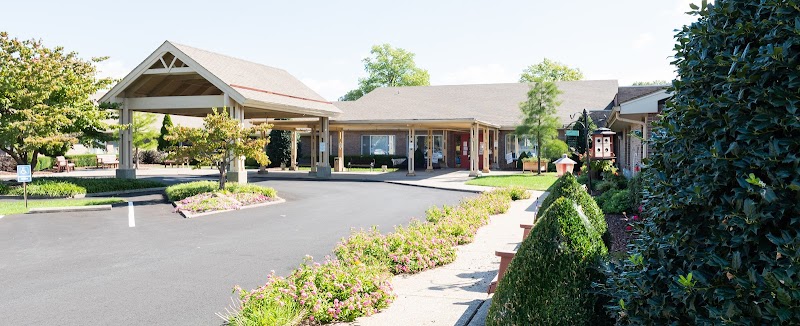
200 STERLING DRIVE, HOPKINSVILLE, KY 42240 (270) 885-1166
Non profit - Church related 114 Beds CHRISTIAN CARE COMMUNITIES Data: November 2025
Trust Grade
90/100
#5 of 266 in KY
Last Inspection: March 2025

Within standard 12-15 month inspection cycle. Federal law requires annual inspections.

Overview

Christian Health Center in Hopkinsville, Kentucky, has a Trust Grade of A, indicating it is excellent and highly recommended for families seeking care for their loved ones. It ranks #5 out of 266 facilities in Kentucky, placing it in the top tier of nursing homes in the state, and is the best option among four local facilities in Christian County. The facility is improving, having reduced its issues from four in 2020 to zero by 2025, which is a positive trend for prospective residents. Staffing is rated good at 4 out of 5 stars, though the turnover rate is average at 53%, which is slightly higher than the state average. Importantly, there have been no fines recorded, indicating compliance with regulations. However, recent inspections highlighted concerns such as improper infection control practices, including a nurse failing to wash her hands before administering medication and not following care plans for residents requiring oxygen. Overall, while there are strengths in its rankings and compliance, families should consider the noted areas for improvement regarding care practices.

Trust Score
A
90/100
In Kentucky
#5/266
Top 1%
Safety Record
Low Risk
No red flags
Inspections
Getting Better
4 → 0 violations
Staff Stability
⚠ Watch
53% turnover. Above average. Higher turnover means staff may not know residents' routines.
Penalties
✓ Good
No fines on record. Clean compliance history, better than most Kentucky facilities.
Skilled Nurses
○ Average
Each resident gets 38 minutes of Registered Nurse (RN) attention daily — about average for Kentucky. RNs are the most trained staff who monitor for health changes.
Violations
○ Average
10 deficiencies on record. Average for a facility this size. Mostly minor or procedural issues.
★★★★★
5.0
Overall Rating
★★★★☆
4.0
Staff Levels
★★★☆☆
3.0
Care Quality
★★★★★
5.0
Inspection Score
Stable
2020: 4 issues
2025: 0 issues

The Good

  • 4-Star Staffing Rating · Above-average nurse staffing levels
  • Full Sprinkler Coverage · Fire safety systems throughout facility
  • No fines on record

Facility shows strength in staffing levels, fire safety.

The Bad

Staff Turnover: 53%

Near Kentucky avg (46%)

Higher turnover may affect care consistency

Chain: CHRISTIAN CARE COMMUNITIES

Part of a multi-facility chain

Ask about local staffing decisions and management

The Ugly 10 deficiencies on record

Mar 2020 4 deficiencies
CONCERN (D)

Potential for Harm - no one hurt, but risky conditions existed

Comprehensive Care Plan (Tag F0656)

Could have caused harm · This affected 1 resident

Based on observation, interview, record review, and facility policy review. it was determined the facility failed to ensure care plan interventions were implemented for one (1) of twenty (20) sampled ...

Read full inspector narrative →
Based on observation, interview, record review, and facility policy review. it was determined the facility failed to ensure care plan interventions were implemented for one (1) of twenty (20) sampled residents (Residents #56). Resident #56 was care planned to receive oxygen (O2) at two (2) liters per minute (lpm); however, observations revealed Resident #56's oxygen concentrator was set at 1.5 LPM or 2.5. The findings include: Review of the facility's policy titled, Care Plan, Comprehensive, last revised July 2013, revealed an individualized Comprehensive Care Plan that includes measurable objectives and timetables to meet the resident's medical, nursing, mental and psychological needs is developed for each resident. However, the policy did not address the implementation of care plan interventions. Record review revealed the facility admitted Resident #56 on 10/21/17, with diagnoses which included Chronic Systolic Congestive Heart Failure. Review of the Quarterly Minimum Data Set (MDS) assessment, dated 01/16/2020, revealed the facility assessed Resident #56's cognition as not intact with a Brief Interview for Mental Status (BIMS) score of ninety-nine (99), which indicated the resident was not interviewable. Review of Resident #56's Comprehensive Care Plan for Congestive Heart Failure, dated 08/09/19, revealed an intervention to provide O2 at two (2) lpm per nasal cannula (n/c), as needed (PRN). However, observations on 03/09/19 at 11:25 AM and 12:34 PM, revealed Resident #56's O2 cannula was in place and O2 was turned on with a reading of 1.5 lpm. Further observations on 03/10/2020 at 8:38 AM and on 03/11/2020 at 8:22 AM, revealed Resident #56's O2 cannula was in place and O2 concentrator was turned on with a reading of 2.5 lpm. Interview with Registered Nurse (RN) #1 on 03/11/2020 at 8:45 AM, revealed Resident #56's O2 was care planned to be on at two (2) lpm. She stated the nurse should check the O2 concentrator at least once per shift to ensure correct setting. RN #1 further revealed staff should follow what is on the resident's care plan while providing daily care. Phone interview with RN #3 on 03/11/20 at 1:39 PM, revealed she could not recall Resident #56's exact order for O2 setting but she recalled checking the O2 concentrator on the morning of 03/10/2020 and again that afternoon before she gave the resident pain medication. She acknowledged care plans should be followed. Interview with the Director of Nursing (DON) on 03/11/19 at 2:46 PM, revealed licensed nurses were responsible for ensuring the care plan were followed related to administering O2.
CONCERN (D)

Potential for Harm - no one hurt, but risky conditions existed

Incontinence Care (Tag F0690)

Could have caused harm · This affected 1 resident

Based on observation, interview, record review, and facility policy review, it was determined the facility failed to ensure two (2) of three (3) residents who were incontinent of bladder in the select...

Read full inspector narrative →
Based on observation, interview, record review, and facility policy review, it was determined the facility failed to ensure two (2) of three (3) residents who were incontinent of bladder in the select sampled of twenty (20) residents received appropriate treatment and services to prevent urinary tract infections to the extent possible (Residents #23 and #66). Observations of incontinent care for Resident #23 and Resident #66 revealed staff failed to follow its policy regarding incontinence care, bladder/perineal care and infection control by contaminating the cleaning process and using improper handwashing techniques. The findings include: Review of the facility policy titled, Incontinence Care, Bladder/Perineal Care, last revised August 2016, revealed the purpose of this procedure is to provide cleanliness and comfort to the resident, to prevent infections and skin irritation, and to observe the resident's skin condition. Further review of the policy revealed instructions to apply soap or skin cleansing agent to clean washcloth and wash periarea using clean technique, remove the disposable gloves, discarding them into designated container, and to wash hands after pericare has been provided and prior to reposition the covers or touching any other surfaces in patient area. 1. Record review revealed the facility admitted Resident #23 on 11/02/16, with diagnoses which included Hemiplegia following Cerebral Infraction affecting right dominant side. Review of the Quarterly Minimum Data Set (MDS) assessment, dated 12/17/19, revealed the facility assessed Resident #23's cognition as intact with a Brief Interview for Mental Status (BIMS) score of fourteen (14) which indicated the resident was interviewable. Review of Resident #23's Comprehensive Care Plan for at risk for infection and at risk for injury related to right sided hemiparesis and has a urinary tract infection dated 11/3/16, revealed an intervention to provide incontinence care after each episode per facility protocol and according to standards of care. Observation of perineal (peri) care on 03/11/2020 at 9:49 AM, for Resident #23 revealed State Registered Nurse Aide (SRNA) #1 soiled her gloves, and placed the dirty washcloth back in the water basin that she used for pericare, then picked up a clean washcloth soaking in the contaminated water, and continued providing peri care. SRNA #1 then proceeded to change the water in the basin, leaving her soiled gloves on. SRNA #1 touched the bedding and turned the resident without changing her soiled gloves. After finishing repositioning Resident #23, SRNA #1 removed her gloves without washing her hands, then picked up the trash and left the room without washing her hands. Interview with SRNA #1 on 03/11/20 at 10:18 AM revealed placing the dirty washcloth in water with clean washcloths was an infection control issue and could contribute to the resident developing an UTI. She stated she should have removed her gloves immediately after they became soiled, and washed her hands. Interview with Registered Nurse (RN) #2 on 03/11/20 at 10:37 AM, revealed placing soiled washcloths back into the water basin and wetting clean washcloths or reusing any washcloths in this water basin would be a cross contamination and infection control issue and may contribute to the development of an UTI. Interview with Director of Nursing (DON) on 03/11/20 at 02:41 PM, revealed CNA's were responsible for pericare and she expected them to use infection control protocols to prevent cross contamination and infection during pericare. The DON stated she expected the CNA's to not put a soiled washcloth back in the water basin after using, to change gloves, empty basin if contaminated, and take soiled gloves off at bedside to ensure proper sanitation and infection control. 2. Record review revealed the facility admitted Resident #66 on 05/22/14 with diagnoses which included Atrial Fibrillation, Coronary Artery Disease, Hypertension, and Chronic Obstructive Pulmonary Disease. Review of the Quarterly MDS assessment, dated 02/04/2020, revealed the facility assessed Resident #66's cognition as intact with a BIMS' score of fifteen (15) which indicated the resident was interviewable. Interview with Resident #66 on 03/10/20 at 9:13 AM revealed she has an UTI because staff do not clean him/her often enough, and he/she had been on antibiotics for the last seven (7) days and continues to have symptoms of itching and burning. Review of Resident #66's Comprehensive Care Plan for at risk and has history of actual impaired skin integrity with occasional moisture associated skin damage revealed interventions to check for incontinence every two (2) hours and at night; and, to provide pericare, clean and dry skin if wet or soiled. Observation of Resident #66's pericare on 03/11/2020 at 5:35 PM revealed SRNA #1 failed to use infection control measures when he/she touched the wipes container with soiled gloved hand and used that same soiled glove hand to continue giving pericare to resident. Further observation revealed SRNA #1 did not remove glove after performing pericare and proceeded to touch the resident's linen, bedside dresser, and bedpan, before finally removing the soiled glove. Interview with SRNA #1 on 03/11/20 at 10:16 AM revealed she should have pulled soiled gloves off after touching resident's periarea and before touching the container of wipes and returning to provide pericare. She stated it was the facility's policy and it violated infection control procedure when she touched Resident #66's bed linens, dresser, and bed pan, before taking the soiled glove off. She stated these actions could contribute to UTI's in residents. Interview with RN #2 on 03/11/20 at 10:43 AM, revealed it was a cross contamination and infection control issue for a staff member to use soiled gloved hand to touch wipes container and then retouch resident's peri area with same gloved hand. She stated touching other items such as residents dresser, bed linens and bed pan before removing soiled glove was also an infection control and cross contamination issue and was not an acceptable standard of practice. Interview with DON on 03/11/20 at 02:41 PM, revealed once a staff's gloved hand giving pericare is lifted off the perineal area, it is considered soiled and gloves need to be removed, hands washed, and hands re-gloved before continuing pericare area care and touching any other objects, for example, wipes container, linens, dresser or bed pan. She stated touching any object with soiled glove is an infection control issue and is not standard protocol and that staff has been educated numerous times on facility policy and standards of care. She revealed she expected staff to follow facility policy and standard precautions when providing any care to residents.
CONCERN (D)

Potential for Harm - no one hurt, but risky conditions existed

Respiratory Care (Tag F0695)

Could have caused harm · This affected 1 resident

Based on observation, interview, record review, and facility policy review, it was determined the facility failed to provide oxygen (O2) therapy according to the Physician's Order and Care Plan for on...

Read full inspector narrative →
Based on observation, interview, record review, and facility policy review, it was determined the facility failed to provide oxygen (O2) therapy according to the Physician's Order and Care Plan for one (1) of two (2) residents receiving oxygen in the selected sampled of twenty (20) residents (Resident #56). Observations on 03/09/2020, 03/10/2020, and 03/11/2020, revealed staff failed to administer O2 at 2 liters per minute (lpm) via nasal cannula (n/c) for Resident #56, as ordered. The findings include: Review of the facility's policy, Oxygen Therapy - Concentrator, last revised 01/23/2012, revealed oxygen therapy is administered only as ordered by a physician or as an emergency intervention until an order can be obtained. The physician's order will specify the type of O2 delivery mechanism, e.g., cannula, mask, etc. and the rate of flow of oxygen. The policy further revealed before administering oxygen, and while the resident is receiving oxygen therapy, assessments should be completed to include vital signs and to check the oxygen concentration. Record review revealed the facility admitted Resident #56 on 10/21/17, with diagnoses which included Dysphagia following Cerebral Infarction, Hemiplegia following Cerebral Infarction affecting left non-dominant side, Dysphagia Oropharyngeal Phase, Muscle Weakness, Rheumatic Aortic Stenosis, Chronic Systolic Congestive Heart Failure. Review of the Quarterly Minimum Data Set (MDS) assessment, dated 01/16/2020, revealed the facility assessed Resident #56's cognition as not intact with a Brief Interview for Mental Status (BIMS) score of ninety-nine (99), which indicated the resident was not interviewable. Review of Resident #56's Comprehensive Care Plan for Congestive heart Failure, dated 08/09/19, revealed an intervention to provide O2 at two (2) lpm per n/c, as needed. Review of Resident #56's Physician's Orders dated 03/09/18, revealed an order to administer O2 at 2 lpm via n/c to maintain O2 saturation > 90 %, as needed (PRN). Observations on 03/09/19 at 11:25 AM and 12:34 PM, revealed Resident #56's was wearing n/c to nares with O2 turned on and set at 1.5 lpm. Observations on 03/10/2020 at 8:38 AM and on 03/11/2020 at 8:22 AM, revealed Resident #56's was wearing n/c to nares and O2 was turned on and set at 2.5 lpm. Interview with Registered Nurse (RN) #1 on 03/11/2020 at 8:45 AM, revealed Resident #56's O2 was ordered to be on 2 lpm. She stated nurses should check O2 settings at least once per shift to ensure correct settings. RN #1 further revealed staff should follow what is on the resident's care plan and physician's order. Phone interview with RN #3 on 03/11/20 at 01:39 PM, revealed she could not recall the exact order for the O2 settings for Resident #56 but she recalled checking the machine and O2 level on the morning of 03/10/2020 and again that afternoon before she gave the resident pain medication. She stated care plans and physician's orders related to oxygen and all medications and treatments should be followed. She made mention that looking at the setting on the machine can be subjective to person's looking and their position when eyeing it and maybe she should pay more attention to ensure the settings are on the line at the appropriately ordered mark. Interview with the Director of Nursing (DON) on 03/11/19 at 2:46 PM, revealed the licensed nurses were responsible for verifying physician orders and care plans related to administering O2. She stated she expected the nurses to follow physician orders and care plans when administering O2.
CONCERN (D)

Potential for Harm - no one hurt, but risky conditions existed

Deficiency F0761 (Tag F0761)

Could have caused harm · This affected 1 resident

Based on observation, interview, and review of the facility's policy and procedure, it was determined the facility failed to ensure drugs used in the facility were labeled in accordance with currently...

Read full inspector narrative →
Based on observation, interview, and review of the facility's policy and procedure, it was determined the facility failed to ensure drugs used in the facility were labeled in accordance with currently accepted professional principles. On 03/09/2020, observation of the medication room refrigerator revealed one (1) vial of Tubersol (tuberculin protein derivative) solution opened and expired. The findings include: Review of the facility's policy titled, Storage and Expiration of Medications, Biological's Syringes, and Needles, last revised 10/31/2016, revealed the facility shall not use outdated drugs or biological's and all such drugs shall be returned to the dispensing pharmacy or destroyed. Observation of the refrigerator in the 100 hall medication room, on 03/09/2020 at 3:36 PM, revealed a vial of Tubersol, dated opened on 02/04/2020. However, the medication expired thirty (30) days after opening (03/05/2020); and it was still available for use. Interview with Licensed Practical Nurse (LPN) #1, on 03/09/2020 at PM, revealed the vial of Tubersol should have been discarded because it expired after thirty (30) days. She stated all nursing staff were taught during their orientation to date multi-dose medications and to dispose of expired medications. Interview with the Director of Nursing (DON), on 03/11/2020 at 2:31 PM, revealed she expected the nurses to discard expired medications such as Tubersol because the solution expires thirty days after opening. She stated nursing staff are educated on expiration dates of medications during their orientation upon hire.
Dec 2018 6 deficiencies
CONCERN (D)

Potential for Harm - no one hurt, but risky conditions existed

Deficiency F0558 (Tag F0558)

Could have caused harm · This affected 1 resident

Based on observation, interview, record review, and review of the facility's policy/procedure, it was determined the facility failed to ensure the right to reside and receive services in the facility ...

Read full inspector narrative →
Based on observation, interview, record review, and review of the facility's policy/procedure, it was determined the facility failed to ensure the right to reside and receive services in the facility with reasonable accommodation of resident needs and preferences except when to do so would endanger the health or safety of the resident or other residents, for one (1) of twenty-eight (28) sampled residents (Resident #38). Observations during the survey revealed the resident's call light was not accessible to him/her. The findings include: Review of the facility's policy/procedure, titled Call Light System, revised 12/11/18, revealed each resident would be provided with a functional call light system within his/her reach. Explanation on how to use the call light would be provided to the resident if necessary. Record review revealed the facility admitted Resident #38 on 09/20/18 with diagnoses which included Cerebral Infarction, Muscle Weakness, Impaired Cognition related to Cerebral Infarction and Vascular Dementia. Review of the admission Minimum Data Set (MDS) assessment, dated 10/08/18, revealed the resident had a Brief Interview for Mental Status (BIMS) score of nine (9), which indicated the resident was interviewable. Further review of the MDS revealed he/she required extensive to total assist for activities of daily living (ADLs). Review of the Comprehensive Care Plan, dated 10/12/18, revealed place call light within easy reach of resident. Observation, on 12/12/18 at 9:00 AM, revealed Resident #38 was moaning with facial grimacing, and was restless in the bed. Further observation revealed the call light was not in his/her reach and he/she was unable to call for assistance. Observation, on 12/13/18 at 3:15 PM, revealed his/her call light was clipped to his/her bed above the resident's left shoulder. Further observation revealed the resident was unable to reach the call light after several attempts were made by the resident. When asked by the surveyor if he/she could reach his/her call light, the resident shook his/her head no. Interview with Certified Nurse Aide (CNA) #6, on 12/13/18 at 1:30 PM, revealed she was suppose to check the call light every thirty (30) minutes; however, she was unsure what the facility policy stated, related to checking call lights. She stated she had been trained to check call light placement. Interview with CNA #7, on 12/13/18 at 1:45 PM, revealed she had been trained to check call lights, and to ensure the resident's call light was in reach. Interview with the Director of Nursing (DON), on 12/13/18 at 8:22 AM, revealed her expectations were that all residents had access to the call light, and rounds were to be made by the staff every two (2) hours to ensure the call lights were in reach. She stated it was everyone's responsibility to ensure the call lights were accessible to the residents.
CONCERN (D)

Potential for Harm - no one hurt, but risky conditions existed

Transfer Notice (Tag F0623)

Could have caused harm · This affected 1 resident

**NOTE- TERMS IN BRACKETS HAVE BEEN EDITED TO PROTECT CONFIDENTIALITY** Based on interview and record review, it was determined the facility failed to ensure a copy of the notice of transfer/discharge...

Read full inspector narrative →
**NOTE- TERMS IN BRACKETS HAVE BEEN EDITED TO PROTECT CONFIDENTIALITY** Based on interview and record review, it was determined the facility failed to ensure a copy of the notice of transfer/discharge was sent to a representative of the Office of the State Long-Term Care Ombudsman, for one (1) of twenty-eight (28) sampled residents (Resident #97). Resident #97 was transferred to the local hospital on [DATE]; however, the facility failed to send notification of the transfer/discharge to the Ombudsman. The findings include: Interview with the Director of Clinical Operations (DCO), on 12/13/18 at 2:40 PM, revealed the facility did not have a policy related to Ombudsman notification. Record review revealed the facility admitted Resident #97 on 09/21/16 with diagnoses which included Hypertension and Chronic Obstructive Pulmonary Disease (COPD). Further record review revealed the resident required immediate transfer to the local hospital on [DATE] with a diagnosis of Cerebrovascular Accident (CVA), and was subsequently transferred to Vanderbilt hospital on [DATE]. Further record review revealed the facility readmitted the resident on 12/08/18. Additional record review revealed no documented evidence that a copy of the transfer/discharge notice was sent to the Ombudsman. Interview with the Assistant Social Services Director (SSD), on 12/13/18 at 1:30 PM, revealed the former SSD left in October 2018, and she had not completed any Ombudsman notifications, as she was unaware she had to do so. She stated the former SSD was responsible for training her and did not tell her about notifying the Ombudsman about resident transfer/discharge. Interview with the Director of Nursing (DON), on 12/13/18 at 2:30 PM, revealed she expected Social Services to know to contact the Ombudsman about transfers/discharges, and expected Social Services to do so. Interview with the DCO, on 12/13/18 at 2:40 PM, revealed she knew the Assistant SSD was educated on notification of the Ombudsman, as she conducted the training on 12/12/16, with power points. She stated there was also a meeting two (2) days later, to review all of the information.
CONCERN (D)

Potential for Harm - no one hurt, but risky conditions existed

Comprehensive Care Plan (Tag F0656)

Could have caused harm · This affected 1 resident

Based on interview, record review, and review of the facility's policy/procedure, it was determined the facility failed to ensure it developed and implemented a comprehensive person-centered care plan...

Read full inspector narrative →
Based on interview, record review, and review of the facility's policy/procedure, it was determined the facility failed to ensure it developed and implemented a comprehensive person-centered care plan for each resident that included measurable objectives and timeframes to meet a resident's medical, nursing, and mental and psychosocial needs that are identified in the comprehensive assessment, for one (1) of twenty-eight (28) sampled residents (Resident #55), related to not revising the care plan after falls nor developing a person centered care plan. The findings include: Review of the facility's policy Care Plans, Comprehensive revealed an individualized Comprehensive Care Plan that includes measurable objectives and timetables to meet the resident's medical, nursing, mental and psychological needs is developed for each resident. Each resident's Comprehensive Care Plan has been designed to incorporate identified problem areas, incorporate risk factors associated with identified problems, build on the resident's strengths, reflect treatment goals and objectives in measurable outcomes, aid in preventing or reducing declines in the resident's functional status and/or functional levels, and enhance the optimal functioning of the resident by focusing on rehabilitative program. Care plans are revised as changes in the resident's condition dictate. Care plans are reviewed at least quarterly and more frequently if warranted by a change in the resident's condition. Record review revealed the facility admitted Resident #55 on 08/08/18 with diagnoses which included Alzheimer's Disease with late onset, Muscle Weakness, Difficulty with Walking, Chronic Obstructive Pulmonary Disease (COPD), and Polyneuropathy. Review of the Quarterly Minimum Data Set (MDS) assessment, dated 10/29/18, revealed the resident had a Brief Interview for Mental Status (BIMS) score of four (4), which indicated the resident was not interviewable. Further review of the MDS assessment, Section G, revealed the resident required extensive assist of two (2) for transfers and ambulation; however, did not occur during the assessment period. Review of the Comprehensive Care Plan, dated 08/08/18, revealed the resident was at risk for injury related to a history of falls with a left (L) ankle injury, related to Alzheimer's Dementia with confusion, disorientation, memory problems, decreased safety awareness, weakness, and was currently non-ambulatory. Review of the care plan revealed a revision on 11/12/18 after a fall; however, further record review revealed the care plan had not been revised after falls which occurred on 11/18/18 and 11/25/18, according to the Post Event Evaluation/Assessments. Interview with the Regional Nurse Consultant (RNC), on 12/13/18 at 9:05 AM, revealed whoever identified the concern would be responsible for revision of the care plan to reflect the most current updated interventions for the identified problem areas. Interview with the Director of Nursing (DON), on 12/13/18 at 8:22 AM, revealed the Comprehensive Care Plans should be followed as written.
CONCERN (D)

Potential for Harm - no one hurt, but risky conditions existed

Deficiency F0657 (Tag F0657)

Could have caused harm · This affected 1 resident

Based on interview, record review, and review of the facility's policy/procedure, it was determined the facility failed to ensure the care plan was reviewed and revised by the interdisciplinary team a...

Read full inspector narrative →
Based on interview, record review, and review of the facility's policy/procedure, it was determined the facility failed to ensure the care plan was reviewed and revised by the interdisciplinary team after each assessment, including both the comprehensive and quarterly review assessments, for two (2) of twenty-eight (28) sampled residents (Residents #55 and #57). Review of the Comprehensive Care Plan revealed the care plan had not been revised after falls events. The findings include: Review of the facility's policy Care Plans, Comprehensive revealed an individualized Comprehensive Care Plan that includes measurable objectives and timetables to meet the resident's medical, nursing, mental and psychological needs is developed for each resident. Each resident's Comprehensive Care Plan has been designed to incorporate identified problem areas, incorporate risk factors associated with identified problems, build on the resident's strengths, reflect treatment goals and objectives in measurable outcomes, aid in preventing or reducing declines in the resident's functional status and/or functional levels, and enhance the optimal functioning of the resident by focusing on rehabilitative program. Care plans are revised as changes in the resident's condition dictate. Care plans are reviewed at least quarterly and more frequently if warranted by a change in the resident's condition. 1. Record review revealed the facility admitted Resident #55 on 08/08/18 with diagnoses which included Alzheimer's Disease with late onset, Muscle Weakness, Difficulty with Walking, Chronic Obstructive Pulmonary Disease (COPD), and Polyneuropathy. Review of the Quarterly Minimum Data Set (MDS) assessment, dated 10/29/18, revealed the resident had a Brief Interview for Mental Status (BIMS) score of four (4), which indicated the resident was not interviewable. Further review of the MDS assessment, Section G, revealed the resident required extensive assist of two (2) for transfers and ambulation; however, did not occur during the assessment period. Review of the Comprehensive Care Plan, dated 08/08/18, revealed the resident was at risk for injury related to a history of falls with a left (L) ankle injury, related to Alzheimer's Dementia with confusion, disorientation, memory problems, decreased safety awareness, weakness, and was currently non-ambulatory. Further review of the care plan revealed a revision on 11/12/18 after a fall; however, further record review revealed the care plan had not been revised after falls which occurred on 11/18/18 and 11/25/18, according to the Post Event Evaluation/Assessments. 2. Record review revealed the facility admitted Resident #57 on 10/03/18 with diagnoses which included Left (L) femur fracture, Trochanter fracture of the right (R) femur, COPD, Chronic Pain, Meniere's Disease, Hearing loss, Muscle wasting and Atrophy. Review of the Significant Change MDS assessment, dated 11/21/18, revealed he/she had a BIMS score of twelve (12), which indicated the resident was interviewable. Review of Section G of the MDS assessment revealed the resident required extensive assist of two (2) for transfers and ambulation, however, did not occur during the assessment period. Review of the Comprehensive Care Plan, revised 10/16/18, revealed he/she was care planned for injury related to history of falls. Review of the Nursing Progress Notes, dated 10/19/18, 10/25/18, and 11/18/18, revealed the resident had falls with injuries. Further review of the Comprehensive Care Plan revealed no revisions were made after each of the resident's falls. Interview with the Regional Nurse Consultant (RNC), on 12/13/18 at 9:05 AM, revealed whoever identified the concern would be responsible for revision of the care plan to reflect the most current updated interventions for the identified problem areas. Interview with the Director of Nursing (DON), on 12/13/18 at 8:22 AM, revealed the Comprehensive Care Plans should be followed as written.
CONCERN (D)

Potential for Harm - no one hurt, but risky conditions existed

Deficiency F0744 (Tag F0744)

Could have caused harm · This affected 1 resident

Based on observation, interview, record review, and review of the facility's policy/procedure, it was determined the facility failed to ensure a resident who displays or is diagnosed with dementia, re...

Read full inspector narrative →
Based on observation, interview, record review, and review of the facility's policy/procedure, it was determined the facility failed to ensure a resident who displays or is diagnosed with dementia, receives the appropriate treatment and services to attain or maintain his or her highest practicable physical, mental, and psychosocial well-being, for three (3) of twenty-eight (28) sampled residents (Residents #34, #55, and #67). The findings include: Review of facility's policy titled, Behavioral Health Services Policy, last updated 11/11/17, revealed It is the policy of the facility that each resident must receive and the facility must provide the necessary behavioral health care and services and medically-related social services to attain or maintain the highest practical physical, mental and psychosocial well-being, in accordance with the comprehensive assessment (483.20) and plan of care. The facility will provide sufficient staff to provide direct services to residents with the appropriate skills sets to provide nursing related services. The Interdisciplinary team will utilize information from the PASARR process as well as to complete a comprehensive assessment of resident's needs, strengths, goals, life history and preferences using the Resident Assessment Instrument (RAI) specified by the Center for Medicare/Medicaid (CMS). 1. Record review revealed the facility admitted Resident #34 on 11/23/12 with diagnoses which include Alzheimer's Disease with late onset, Unspecified Dementia without Behavioral Disturbances and Dementia with Lewy Bodies. Review of the Quarterly Minimum Data Set (MDS) assessment, dated 09/27/18, revealed the facility assessed Resident #34's cognition as intact with a Brief Interview for Mental Status (BIMS) score of ten (10), which indicated the resident was inteviewable. Review of Section I, revealed the resident had an active diagnosis of Alzheimer's Disease and Non-Alzheimer's Dementia. Review of the Comprehensive Care Plans and Certified Nurse Aide (CNA) care sheets, revealed no documented evidence a Dementia care plan had been developed. Observation, on 12/11/18 at 9:20 AM, 12:39 PM, and 3:40 PM, and, on 12/12/18 at 9:00 AM, revealed Resident #34 was lying in bed. Interview with Resident #34, on 12/13/18 at 9:00 AM, revealed she/he did not want to get up out of bed, and preferred watching television. 2. Record review revealed the facility admitted Resident #67 on 03/29/18, with diagnoses which included Alzheimer's Disease with late onset and Dementia with Behavioral Disturbances. Review of the Quarterly MDS assessment, dated 11/20/18, revealed the facility had assessed Resident #67's cognition as severely impaired with a BIMS score of three (3), which indicated the resident was non-inteviewable. Review of Section I, revealed he/she had an active diagnosis of Alzheimer's Disease, Non-Alzheimer's Dementia and Dementia with behavioral disturbances. Review of the Comprehensive Care Plans and CNA care sheets revealed no documented evidence a Dementia care plan had been developed. Observation, on 12/13/18 at 11:00 AM and 2:10 PM, revealed Resident #67 was lying in the bed, eyes closed, covered with a blanket pulled up to his/her shoulders. Interviews, on 12/13/18 at 12:20 PM, 12:29 PM, and 12:37 PM, respectively, with CNA #1, CNA #2 and CNA #3, revealed there was no specific guidance on the nurse aide care guide when providing care for a resident who had a diagnosis of Dementia or Alzheimer's. The CNAs stated they provided the basic care needs to all residents just the same, but it would be nice if the nurse aide care guide gave some specifics or ideas on how to care for a resident who had Dementia or Alzheimer's. They stated they just guessed and did the best they could. Interview with the MDS Coordinator, on 12/13/18 at 2:14 PM, revealed Social Services was responsible for Developing the Dementia care plans. She stated, when reviewing Resident #34's and Resident 67's care plan, she did not see a specific care plan that addressed Dementia or Alzheimer's Disease. She revealed it was ultimately the responsibility of the MDS department to ensure a care plan was developed. Further interview revealed when reviewing the nurse aide care guides for the residents with a diagnosis of Dementia and Alzheimer, there was nothing to guide or help the nurse aides when providing care for a resident with Dementia. She stated the nurse aide care guide only addressed the basic care needs of the residents. Interview with the Assistant Director of Nursing (ADON), on 12/13/18 at 3:15 PM, revealed she would have expected a comprehensive care plan to have been developed for a resident with the diagnosis of Dementia and Alzheimer's. Further interview revealed she and the Unit Manager (UM) from each unit created the nurse aide care guides, based on Physician's orders and information from the Comprehensive Care Plan. She further stated, the CNA care guide sheets need to be more specific related to providing care for Dementia residents for our CNAs, as they provide the bulk of the care for our residents. Interview with the Regional Nurse Consultant (RNC), on 12/13/18 at 1:09 PM, revealed when reviewing Resident #34's and Resident 67's care plans, she did not see an individual care plan that addressed a diagnosis of Dementia or Alzheimer's Disease, and according to the new guidance and F-tag 744, she expected a care plan to be created. She stated Social Services was responsible for developing the Dementia care plan and the previous Social Service Director (SSD) would have been responsible for creating the care plan; however, she is no longer with this facility, and our new person just started today. She further stated, It's sad, but I am owning our mistakes, and care plans need to be specific on how to provide care for a resident with Dementia. She further revealed the new SSD started today, and she will be training her specifically, and will ensure she is aware to develop a care plan for all residents with the Diagnosis of Dementia or Alzheimer's. 3. Record review revealed the facility admitted Resident #55, on 08/08/18 with diagnoses which included Alzheimer's Disease with late onset, Muscle Weakness, Difficulty with Walking, Chronic Obstructive Pulmonary Disease (COPD), and Polyneuropathy. Review of the Quarterly MDS assessment, dated 10/29/18, revealed the resident had a BIMS score of four (4), which indicated the resident was not interviewable. Review of the Comprehensive Care Plan, dated 08/08/18, revealed the resident was care planned for risk for injury related to a history of falls with a left (L) ankle injury related to Alzheimer's Dementia with confusion, disorientation, memory problems, decreased safety awareness, weakness, and currently non-ambulatory. Further review revealed care plan interventions included Remind resident to call for assistance before getting out of bed and to use transfer assist devices, staff to provide verbal or tactile cues for safety measures, staff to explain room arrangement, and staff to encourage slow transitional changes in position. Interview with the RNC, on 12/13/18 at 9:05 AM, revealed the care plans were updated in the MyUnity database and should reflect the most current update/interventions for the identified problem areas. Interview with the Director of Nursing (DON), on 12/13/18 at 8:22 AM, revealed the Comprehensive Care Plans should provide appropriate interventions for residents with Dementia.
CONCERN (E)

Potential for Harm - no one hurt, but risky conditions existed

Infection Control (Tag F0880)

Could have caused harm · This affected multiple residents

**NOTE- TERMS IN BRACKETS HAVE BEEN EDITED TO PROTECT CONFIDENTIALITY** Based on observation, interview, record review, and review of the facility's policies/procedures, it was determined the facility...

Read full inspector narrative →
**NOTE- TERMS IN BRACKETS HAVE BEEN EDITED TO PROTECT CONFIDENTIALITY** Based on observation, interview, record review, and review of the facility's policies/procedures, it was determined the facility failed to establish and maintain an infection prevention and control program designed to provide a safe, sanitary and comfortable environment and to help prevent the development and transmission of communicable diseases and infections, for six (6) of twenty-eight (28) sampled residents (Residents #1, #9, #23, #56, #85, and #94). Observation during the survey revealed Registered Nurse (RN) #1 removed medication from a package with her bare hands and put the medication on top of the medication cart prior to administration. Also, during a PEG Tube medication pass, RN #1 did not wash her hands prior to donning gloves. The plunger (of the syringe) used to administer the PEG Tube medication was on the Resident #85's bare stomach, and she proceeded to use the plunger. In addition, observation of Resident #1's wound care, on 12/12/18, revealed RN #1 failed to provide infection control measures before, during, and after wound care. Furthermore, the facility failed to ensure proper perineal care was provided for Resident #94. The findings include: Review of the facility's policy and procedure, titled Infection Control Policy, last revised March 2016, revealed the goals of the Infection Control Program were to provide a safe, sanitary and comfortable environment and to help prevent development and transmission of disease and infection. 1. Record review revealed the facility admitted Resident #85 on 04/11/05 with diagnoses which included Vascular Dementia, Dysphagia, Glaucoma, and Major Depressive Disorder. Observation, on 12/12/18 at 8:15 AM, revealed the resident was in bed awake, and was alert and oriented. Interview with the resident revealed he/she had no concerns at this time. Observation of Resident #85's medication administration, on 12/12/18 at 8:15 AM, revealed RN #1 prepared medications for administration via a PEG Tube and laid the pills on top of the medication cart. She transferred the pills from the package to the medication cup with her bare hands, dropped one (1) package of medication in the side disposal bin of the medication cart, and took the medication out and administered medication through the resident's PEG Tube without washing her hands, or donning gloves. Further observation revealed she laid the plunger of the syringe, used to administer the medications, on the resident's bare abdomen. Interview with RN #1, on 12/13/18 at 8:49 AM, revealed she put the pill in her bare hand, and stated this was what they do all the time. She stated it could be an infection control issue laying the plunger on the resident's stomach, when administering the PEG Tube medications. Interview with the Director of Nursing (DON), on 12/13/18 at 9:00 AM, revealed her expectations were that the nurse should wash his or her hands before administering medications, and dispose of medications that were on top of the medication cart. She stated if the pill became contaminated in any way, dispose of it and pull a new pill. She also stated not to take any pill out of the package with his or her bare hands, use proper infection control practices during administration of tube medications, and not let the syringe touch the resident. Interview with the Assistant Director of Nursing (ADON)/Staff Development Coordinator (SDC)/Infection Control (IC) Nurse, and Unit Manager (UM) of Unit 100, on 12/13/18 at 8:35 AM, revealed infection control was part of the scheduled inservices. She revealed when an issue was identified, the staff received education related to the deficient practice. She stated new employees received infection control education during orientation and inservice education was provided several times throughout the year. She stated the big inservice was held in December for all staff. She revealed it was her expectation the nurse would not lay a pill on top of the medication cart, or remove the pill from the package with her bare hands. She stated she expected the nurse to wash his or her hands before donning gloves to administer tube medications. Interview with the Administrator, on 12/13/18 at 9:00 AM, revealed her expectation was infection control procedures would be followed by everyone, and not following the process would not be tolerated. 2. Review of the facility policy, Wound Care, dated December 1998 and updated August 2016, revealed this procedure may involve potential and/or direct exposure to blood, body fluids, infectious diseases, air contaminants, and hazardous chemicals. The procedure is to provide guidelines for the care of wounds to promote healing. Protective barriers include handwashing, gloves, gown, designated waste disposal, mask goggles and face shield. Equipment needed included gloves, dressing material, disposable cloths, antiseptic as order and personal protective equipment. Steps include: 1. Wash your hands thoroughly before beginning the procedure. 2. Assemble the equipment and supplies necessary to perform the procedure. Date and initial all bottles and jars upon opening. Wipe all nozzles, foil packets, bottle tops, etc., with alcohol pledget before opening. 3. Proceed to the resident's room with the equipment and supplies. 4. Knock before entering the room. 5. Identify yourself and ask the resident's permission to perform the procedure. 6. Explain the procedure. 7. Close the door. 8. Pull the cubicle curtain around the bed for privacy. 9. Use disposable cloth to establish clean field. Place clean field on resident's over bed table. If table is soiled, wipe with clean towel. All items for reuse must be placed back on the clean field after use. 10. Place all items to be used during procedure on the clean field. 11. Position resident. Place disposable cloth next to resident (under the wound) to serve as a barrier to protect the bed linen and other body sites. 12. Put on exam glove. Loosen tape and remove dressing. 13. Pull glove over dressing and discard into appropriate receptacle. Wash hands. 14. Wear exam gloves for holding gauze to catheter irrigation solutions that are poured directly over the wound. 15. Wear sterile gloves for new or deep wound, wounds which bleed, when physically touching the wound, or holding a moist surface over the wound. 16. Dress wound. [NAME] tape with initials, time, and date and apply to dressing. 17. Be certain all clean items are on clean field. 18. Place barrier cloth and soiled items into designated container. Remove gloves and discard into designated container. Wash your hands. 19. Use clean field saturated with alcohol to wipe over bed table. 20. Wipe items with alcohol as indicated, (i.e., outside of containers that were touched by unclean hands, scissor blades etc.). 21. Wash your hands. Record review revealed the facility admitted Resident #1 on 03/26/18 with diagnoses to include Anorexia, Hypertension, Anemia, Dementia, Alzheimer's Disease, Chronic Pain, and Chronic Kidney Disease. Review of the Quarterly Minimum Data Set (MDS) assessment, dated 11/23/18, revealed the facility assessed Resident #1's cognition as moderately impaired with a Brief Interview for Mental Status (BIMS) score of ten (10), which indicated the resident was interviewable. Review of Section M, for skin conditions, revealed the resident had one (1) stage two (2) pressure ulcer. Review of the Physician's order, dated 12/04/18, revealed cleanse with Normal Saline (NS), pat dry, and apply a small polymen shape dressing to the open wound. Review of the care plan for skin integrity, pressure ulcer to pelvic region stage two (2) active status, revealed impaired skin will show no signs of infection through next review, goal date 02/20/18, and treatment per Physician's orders. Observation of wound care for Resident #1, on 12/12/18 at 11:47 AM, provided by RN #1, revealed she sanitized her hands with hand gel at the nurse's station, prior to entering Resident #1's room. She knocked on the door, repositioned the bed, repositioned Resident #1 over on his/her side, removed a pillow from the resident's back, placed the pillow at the top of the bed, and laid wound care supplies on top of the resident's pillow. She then pulled the privacy curtain, unattached the resident's brief, and applied gloves on both hands, without washing her hands. The RN removed the resident's soiled dressing, and laid the soiled dressing on the resident's cloth pad. She removed the right glove after removing the soiled dressing, applied a new glove obtained from the resident's pillow, without washing her hands. She applied a new glove to the right hand, washed the resident's wound area with NS and opened a dressing package, applied a new dressing to an area on his/her buttocks after applying the dressing to the coccyx area, all done with the same gloves. She picked up the soiled bandage supplies with her gloved right hand and repositioned the resident. She placed a pillow under the resident's back side with the same dirty glove, placed the same cloth pad back under the resident, removed her gloves, and wadded up the soiled supplies in her bare hand. She left the room, and used a hand gel out of a dispenser outside of the resident's room. Interview with RN #1, on 12/12/18 at 12:15 PM, revealed there was nothing she would have done differently regarding the care she provided for Resident #1. She stated, people are obsessed with washing their hands and changing their gloves. She revealed she had used hand gel at the nurse's station prior to entering the resident's room, and did not feel the need to wash her hands prior to providing actual care for the resident. She did not feel the need to wash her hands after leaving the room, because there was hand gel out in the hall that can be used after leaving the room. She did not see a problem with placing the soiled dressing and supplies on the resident's personal bedding, and did not feel the need to use a bag for the soiled dressings. She stated there was no need to wash her hands between glove changes, because this was not a sterile procedure, it was just a simple dressing change. Further interview revealed she did not think there was any infection control concerns regarding the dressing change for Resident #1. Interview with the SDC, on 12/13/18 at 8:34 PM, revealed it was her expectation that all staff practice infection control measures, such as washing hands and wearing gloves prior to dressing changes, placing a bag at the foot of the bed for soiled dressings or linens, removing gloves, and washing hands prior, during and after providing wound care. She stated it was basic nursing infection control practice we all learned in nursing school. However, it sounds like some staff have become lax regarding infection control concerns. Interview with the DON, on 12/13/18 at 8:22 AM, revealed it was her expectation as the DON, that nurses were expected to wash their hands prior to providing care, and during care as needed, between changing gloves, any time the gloves become soiled, and always prior to leaving the room. In addition, all soiled items/linen were to be bagged prior to leaving the room. Staff should prepare a clean work area with a barrier, and never use the residents' bedding as a work area. She stated all these issues would be an infection control concern. She stated It's a nursing standard of practice, basic Nursing 101, and ultimately my responsibility to ensure staff follow the infection control policy. 3. Review of the facility's Standards of Practice titled Mosby's Textbook for Nursing Assistants, undated, revealed the following under the Female Perineal section: Wash hands, put on gloves, fill a wash basin with warm water and put the basin on the over bed table, remove any wet or soiled incontinence products, remove and discard gloves, practice hand hygiene, put on clean gloves, wet the washcloths, perform perineal care. Under post procedure section: Remove and discard gloves, practice hand hygiene, put on clean gloves, provide clean and dry linens and incontinence products as needed. Record Review revealed the facility admitted Resident #94 to the facility on [DATE] with diagnoses to include Neurogenic Bladder and Diabetes. Review of the Quarterly MDS, dated [DATE], revealed the resident had a BIMS score of fifteen (15), indicating the resident was cognizant. Further review of the MDS revealed he/she was always incontinent of urine and frequently incontinent of bowel. Observation of perineal care by Certified Nurse Aide (CNA) #4, on 12/12/18 at 10:30 AM, revealed the CNA took wet washcloths, put them in a dry towel, put the towel with washcloths on the over bed table, and proceeded to do perineal care for Resident #94. After completing care, the CNA touched the divider curtain with contaminated hands, got a clean brief from a dresser drawer, put the brief on the resident with the same contaminated gloves, pulled the resident's gown down, touched the siderail with the same gloves, put a dirty brief in the garbage bag, and then took the contaminated gloves off. Interview with CNA #4, on 12/12/18 at 10:45 AM, revealed she had been a CNA for twenty (20) years and stated she did not know she needed to change gloves after doing perineal care, before touching items in the room or the resident's gown, siderail or clean brief. She further stated she could see how not changing her gloves would be an infection control issue. Interview with Resident #94, on 12/11/18 at 12:02 PM, revealed he/she had a Urinary Tract Infection (UTI) at the present time and was on antibiotics. Review of the Physician's orders revealed the resident was ordered Macrobid (Antibiotic specific for UTI's) one hundred (100) milligrams (mg) starting on 12/09/18 for seven (7) days. Review of the Comprehensive Care Plan revealed the resident was care planned for Risk for Infection, initiated 03/01/17, related to a history of UTI's with interventions to monitor for signs/symptoms of UTI. Also, he/she was care planned for Impaired Skin Integrity related to incontinence, initiated on 03/01/17, with interventions to check for incontinence every two (2) hours and as needed, change if wet/soiled, and use pads/briefs to manage incontinence. Interview with CNA #1, on 12/13/18 at 2:42 PM, revealed she had worked at the facility for three (3) years. She stated for perineal care, she used a different washcloth for each area, washed front to back, changed gloves as soon as she was done with perineal/incontinent care, as this would be an infection control issue to be touching things in the room with the dirty gloves on. Interview with CNA #5, on 12/13/18 at 2:50 PM, revealed she had worked at the facility for twenty-one (21) years. She stated with perineal care/incontinent care, the CNAs checked the residents every two (2) hours, knocked on the door before entering the room, washed hands, put on gloves, washed from front to back, and take gloves off after doing perineal care. She stated it would be an infection control issue to touch things in the room or on the resident's bed with dirty gloves. Interview with the ADON/SDC, on 12/13/18 at 8:34 AM, revealed it was her expectation that staff change gloves or wash their hands after doing perineal/incontinent care, before touching anything in the resident's room. She further stated her plan was to do in-services on infection control, and was in the process of doing some in-services now. Interview with the DON, on 12/13/18 at 8:21 AM, revealed her expectation was staff would wash their hands before and after care, remove gloves after doing perineal/incontinent care and wash his or her hands, not touch any items on the resident's bed, or in the room with contaminated gloves. 4. Review of the facility's policy, Wound Care, dated 12/1998 and updated 08/2016, revealed the purpose is to provide guidelines for the care of wounds to promote healing. Steps in the procedure include wash hands thoroughly before beginning the procedure. Assemble the equipment and supplies necessary to perform the procedure. Wipe all nozzles, foil packets, bottle tops, etc., with alcohol pledget before opening. Use disposable cloth to establish clean the field. Clean table prior to placing the barrier. Remove old dressing with gloves and wash hands. [NAME] sterile gloves to place new dressing after cleaning wound. Wash your hands after dressing applied. Record review revealed the facility admitted Resident #23 on 08/23/13 with diagnoses which included Chronic Obstructive Pulmonary Disease (COPD), Essential Hypertension, Rheumatoid Arthritis, and Type II Diabetes Mellitus with Diabetic Neuropathy. Review of the Quarterly MDS, dated [DATE], revealed a BIMS score of fifteen (15), which revealed the resident was cognitively intact and interviewable. Observation of RN #1, on 12/11/18 at 9:45 AM, revealed she performed a finger stick blood sugar on Resident #23 without the use of gloves. Interview with RN #1, on 12/11/18 at 10:45 AM, regarding performing finger sticks without gloves, revealed it would probably be a good idea to use gloves. Interview with Resident #23, on 12/13/18 at 2:47 PM, revealed most nurses used gloves, but some did not. He/she revealed he/she wanted the staff to use gloves so the nurses did not give him/her any bad germs. 5. Record review revealed the facility admitted Resident #9 on 02/16/18 with diagnoses which included Chronic Atrial Fibrillation, Other Disorders of Peripheral Nervous System, Degenerative Disc Disease in Lumbar Region, Spondylosis, Tracheostomy, Heart Failure, Chronic Kidney Disease, Pressure Ulcer Right Buttock Stage IV, Traumatic Brain Injury, Essential Hypertension, and Dysphagia. Review of the Quarterly MDS, dated [DATE], revealed a BIMS score of ten (10), which indicated the resident was moderately cognitively impaired; however, upon interview, the resident was able to give only one (1) word answers. Observation of wound care for Resident #9, on 12/12/18 at 1:37 PM, revealed a Stage IV wound to the coccyx. Observation revealed a grape fruit sized affected area including the coccyx and upper buttocks bilaterally. An egg size opened wound was noted on the coccyx with a straw size open area, with tunneling of 1.5 centimeters (cm) around the upper edge of the wound. The nurse opened a barrier and placed it on the over bed table without cleaning the table, then laid her supplies onto the barrier, which included spray wound cleaner, sterile 4x4s, a pair of sterile gloves and paper tape. She proceeded to put on non-sterile gloves and removed the dirty dressing, folding her dirty dressing into her gloves as she removed them. She then went to the bathroom and washed her hands. She came back, put on sterile gloves, then opened the dressings. She removed her scissors from her pocket and an alcohol wipe to clean the scissors. Further observation revealed she did not clean her scissors, and placed barrier on prior to the dressing change. She cleansed the wound bed with wound cleanser and used q-tips to cleanse the undermining area. She then packed the undermining area with silverseal dressing and covered with a 4x4 dressing and paper tape. She told the resident she was done. The nurse rolled up the dressings and barrier, and placed them in the trash. She removed her gloves and left the room. Further observation revealed the resident's roommate was in the bathroom and the nurse could not wash her hands. The nurse stopped outside the room and used a hand cleanser. She took the dirty bags of soiled trash to the trash receptacle bare handed. Interview with the nurse revealed she should have cleaned the over bed table prior to putting the barrier down and should have removed her scissors from her pocket, cleaned them, and placed them on the barrier, prior to the start of the wound care. She revealed she should have cleaned the over bed table after the dressing change was completed, donned gloves after removal of soiled gloves, and washed her hands. She stated, before picking up soiled trash, she should put on non-sterile gloves. Further interview revealed she placed the resident at risk for infection by not following the care plan/orders as written for clean technique. 6. Record review revealed the facility admitted Resident #56 on 09/21/16 with diagnoses which included Chronic Multifocal Osteomyelitis and Benign Prostatic Hyperplasia with Lower Urinary Tract Symptoms. Review of the Quarterly MDS revealed a BIMS score of fifteen (15), which indicated the resident was cognitively intact and interviewable. Interview with RN #2, on 12/12/18 at 3:06 PM, revealed the resident had multiple issues with his/her catheter leaking and had been changed a total of six (6) times in the last two (2) months. Further interview with RN #2 revealed the resident was sent to see a urologist for the same thing, who ordered for the catheter to be irrigated with 100 milliliters (ml) of normal saline, since the resident had an increased amount of sediment in his/her bladder. Observation during the provision of catheter care revealed the nurse did not clean the over bed table prior to placing supplies on the table. Further observation revealed she did not clean the over bed table after removing the used supplies. Additional interview with RN #2 revealed she should have cleaned the table prior to placing the barrier on the table and after using the over bed table. Interview with the ADON/SDC, on 12/13/18 at 8:33 AM, revealed she was the Infection Control nurse and had scheduled education for infection control for December this year. In-services were mandatory and wound care was talked about in orientation. She also revealed she worked two (2) days a week as the wound care nurse. She expected hand washing prior to doing peri care, after peri care was completed, and before touching any resident's clothing, curtain, call light, etc. Also, she stated she expected staff to remove gloves and wash hands prior to carrying soiled linen or trash, and they should not touch door knobs prior to removing gloves or washing hands. Interview with the DON, on 12/13/18 at 8:22 AM, regarding infection control issues revealed she expected nurses to wash their hands according to the policy in place. They also should knock on the door and announce who they are and wait for the resident to ask them to come in. She stated they should wash their hands prior to peri care, remove gloves, wash hands, and not wear soiled gloves out of the room. She stated, during wound care, they should clean the over bed table, put down a barrier and clean the over bed table after care. She also revealed ultimately it is my responsibility to make sure the nurses are following infection control policies.
Understanding Severity Codes (click to expand)
Life-Threatening (Immediate Jeopardy)
J - Isolated K - Pattern L - Widespread
Actual Harm
G - Isolated H - Pattern I - Widespread
Potential for Harm
D - Isolated E - Pattern F - Widespread
No Harm (Minor)
A - Isolated B - Pattern C - Widespread

Questions to Ask on Your Visit

  • "Can I speak with families of current residents?"
  • "What's your RN coverage like on weekends and overnight?"

Our Honest Assessment

Strengths
  • • Grade A (90/100). Above average facility, better than most options in Kentucky.
  • • No major safety red flags. No abuse findings, life-threatening violations, or SFF status.
  • • No fines on record. Clean compliance history, better than most Kentucky facilities.
Concerns
  • • No significant concerns identified. This facility shows no red flags across CMS ratings, staff turnover, or federal penalties.
Bottom line: Generally positive indicators. Standard due diligence and a personal visit recommended.

About This Facility

What is Christian's CMS Rating?

CMS assigns CHRISTIAN HEALTH CENTER an overall rating of 5 out of 5 stars, which is considered much above average nationally. Within Kentucky, this rating places the facility higher than 99% of the state's 100 nursing homes. This rating reflects solid performance across the metrics CMS uses to evaluate nursing home quality.
How is Christian Staffed?

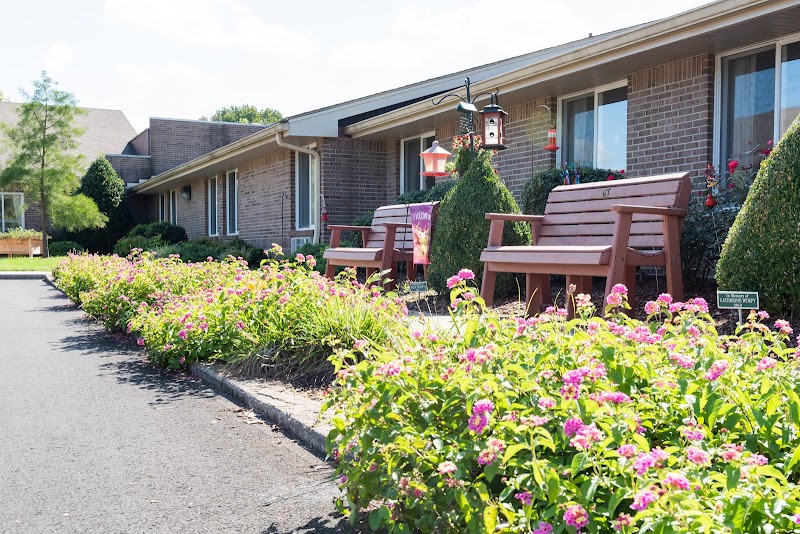
CMS rates CHRISTIAN HEALTH CENTER's staffing level at 4 out of 5 stars, which is above average compared to other nursing homes. Staff turnover is 53%, compared to the Kentucky average of 46%.

What Have Inspectors Found at Christian?

State health inspectors documented 10 deficiencies at CHRISTIAN HEALTH CENTER during 2018 to 2020. These included: 10 with potential for harm.
Who Owns and Operates Christian?

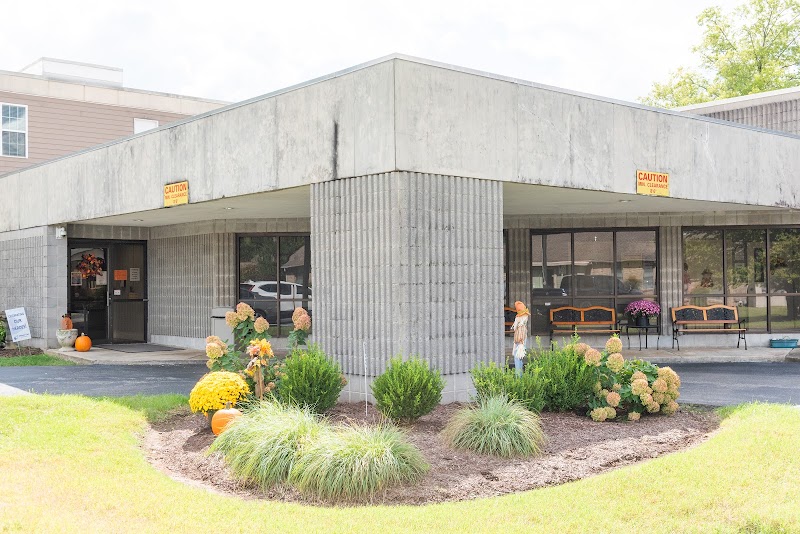
CHRISTIAN HEALTH CENTER is owned by a non-profit organization. Non-profit facilities reinvest revenue into operations rather than distributing to shareholders. The facility is operated by CHRISTIAN CARE COMMUNITIES, a chain that manages multiple nursing homes. With 114 certified beds and approximately 105 residents (about 92% occupancy), it is a mid-sized facility located in HOPKINSVILLE, Kentucky.

How Does Christian Compare to Other Kentucky Nursing Homes?

Compared to the 100 nursing homes in Kentucky, CHRISTIAN HEALTH CENTER's overall rating (5 stars) is above the state average of 2.8, staff turnover (53%) is near the state average of 46%, and health inspection rating (5 stars) is much above the national benchmark.

What Should Families Ask When Visiting Christian?

Based on this facility's data, families visiting should ask: "Can I visit during a mealtime to observe dining assistance and food quality?" "How do you handle medical emergencies, and what is your hospital transfer rate?" "Can I speak with family members of current residents about their experience?"

Is Christian Safe?

Based on CMS inspection data, CHRISTIAN HEALTH CENTER has a clean safety record: no substantiated abuse findings (meaning no confirmed cases of resident harm), no Immediate Jeopardy citations (the most serious violation level indicating risk of serious injury or death), and is not on the Special Focus Facility watch list (a federal program monitoring the lowest-performing 1% of nursing homes). The facility has a 5-star overall rating and ranks #1 of 100 nursing homes in Kentucky. While no facility is perfect, families should still ask about staff-to-resident ratios and recent inspection results during their visit.

Do Nurses at Christian Stick Around?

CHRISTIAN HEALTH CENTER has a staff turnover rate of 53%, which is 7 percentage points above the Kentucky average of 46%. Moderate turnover is common in nursing homes, but families should still ask about staff tenure and how the facility maintains care continuity when employees leave.

Was Christian Ever Fined?

CHRISTIAN HEALTH CENTER has no federal fines on record. CMS issues fines when nursing homes fail to meet care standards or don't correct problems found during inspections. The absence of fines suggests the facility has either maintained compliance or corrected any issues before penalties were assessed. This is a positive indicator, though families should still review recent inspection reports for the full picture.

Is Christian on Any Federal Watch List?

CHRISTIAN HEALTH CENTER is not on any federal watch list. The most significant is the Special Focus Facility (SFF) program, which identifies the bottom 1% of nursing homes nationally based on persistent, serious quality problems. Not being on this list means the facility has avoided the pattern of deficiencies that triggers enhanced federal oversight. This is a positive indicator, though families should still review the facility's inspection history directly.