LANDMARK OF LANCASTER REHABILITATION AND NURSING C
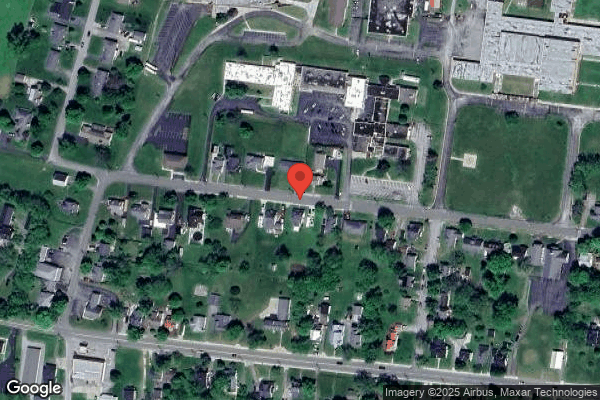
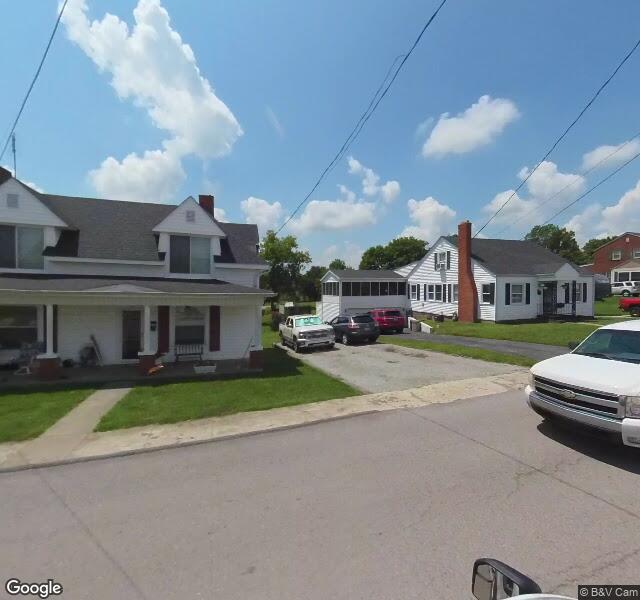
308 WEST MAPLE AVENUE, LANCASTER, KY 40444 (859) 792-6844
For profit - Limited Liability company 96 Beds INFINITY HEALTHCARE CONSULTING Data: November 2025
Trust Grade
50/100
#232 of 266 in KY
Last Inspection: July 2024

Within standard 12-15 month inspection cycle. Federal law requires annual inspections.

Overview

Landmark of Lancaster Rehabilitation and Nursing Center has received a Trust Grade of C, indicating that it is average-neither particularly good nor bad among nursing homes. It ranks #232 out of 266 facilities in Kentucky, placing it in the bottom half, but it is the only option in Garrard County. Unfortunately, the facility is worsening, with the number of issues reported increasing from 2 in 2019 to 5 in 2024. Staffing is a mixed bag; while the turnover rate is relatively low at 38%, the center's staffing rating is poor at 1 out of 5, meaning there may not be enough staff to provide adequate care. On a positive note, the facility has not incurred any fines, which is a good sign. However, there are concerning issues regarding RN coverage, which is lower than 88% of Kentucky facilities, indicating that residents may miss critical care. Specific incidents noted by inspectors include food served at unsafe temperatures, unmarked expired food items in the kitchen, and cleanliness issues in resident rooms, all of which pose potential health risks. Overall, while there are some strengths, the facility has significant areas that need improvement.

Trust Score
C
50/100
In Kentucky
#232/266
Bottom 13%
Safety Record
Low Risk
No red flags
Inspections
Getting Worse
2 → 5 violations
Staff Stability
○ Average
38% turnover. Near Kentucky's 48% average. Typical for the industry.
Penalties
✓ Good
No fines on record. Clean compliance history, better than most Kentucky facilities.
Skilled Nurses
⚠ Watch
Each resident gets only 20 minutes of Registered Nurse (RN) attention daily — below average for Kentucky. Fewer RN minutes means fewer trained eyes watching for problems.
Violations
○ Average
7 deficiencies on record. Average for a facility this size. Mostly minor or procedural issues.
★☆☆☆☆
1.0
Overall Rating
★☆☆☆☆
1.0
Staff Levels
★★★☆☆
3.0
Care Quality
★★☆☆☆
2.0
Inspection Score
Stable
2019: 2 issues
2024: 5 issues

The Good

  • Full Sprinkler Coverage · Fire safety systems throughout facility
  • No fines on record
  • Staff turnover below average (38%)

    10 points below Kentucky average of 48%

Facility shows strength in fire safety.

The Bad

1-Star Overall Rating

Below Kentucky average (2.8)

Significant quality concerns identified by CMS

Staff Turnover: 38%

Near Kentucky avg (46%)

Typical for the industry

Chain: INFINITY HEALTHCARE CONSULTING

Part of a multi-facility chain

Ask about local staffing decisions and management

The Ugly 7 deficiencies on record

Jul 2024 4 deficiencies
CONCERN (D) 📢 Someone Reported This

A family member, employee, or ombudsman was alarmed enough to file a formal complaint

Potential for Harm - no one hurt, but risky conditions existed

Infection Control (Tag F0880)

Could have caused harm · This affected 1 resident

**NOTE- TERMS IN BRACKETS HAVE BEEN EDITED TO PROTECT CONFIDENTIALITY** Based on observation, interview, record review, and review of facility policies, it was determined the facility failed to establ...

Read full inspector narrative →
**NOTE- TERMS IN BRACKETS HAVE BEEN EDITED TO PROTECT CONFIDENTIALITY** Based on observation, interview, record review, and review of facility policies, it was determined the facility failed to establish and maintain an infection prevention and control program to provide a safe, sanitary and comfortable environment and to help prevent the development and transmission of communicable diseases and infections for one (1) 1 of 34 sampled residents, Resident (R)78 Observation on 07/09/2024 at 9:48 AM, revealed signage on R78's room door, stating Special Droplet/Contact Precautions. Further observation revealed State Registered Nurse Aide (SRNA)3 exited R78's room and removed her mask and gown in the hallway, and then carried the soiled mask and gown across the hall. She then used her gloved hand to engage the keypad to open the door to the room labeled Men's Shower/Biohazard, where she disposed of the soiled mask, gown, and gloves in a trash receptacle in the room. The findings include: Review of the facility policy titled, Infection Control/Isolation Guidelines effective date 02/14/2023 and last revised 04/12/2024, revealed for any type of precaution, remove gown and gloves and perform hand hygiene prior to exiting the resident's environment/room. Review of the facility policy titled, Use of Personal Protective Equipment (PPE) When Caring for Patients with Confirmed or Suspected Covid-19, issued by the Centers for Disease Control (CDC), dated 06/03/2020, revealed the three (3) step process for Doffing (taking off the gear), included: 1) remove gloves, 2) remove gown and 3) Health Care Professional may now exit the patient room. Review of R78's medical record Face Sheet, revealed the facility admitted the resident on 10/03/2023 with diagnoses including metabolic encephalopathy, severe protein-calorie malnutrition, and major depression. Review of R78's Physician's Orders, dated 06/27/2024, revealed orders for Transmission Based Contact/Droplet Isolation-COVID-19. Review of R78's laboratory data, dated 07/02/2024, revealed a positive Covid-19 result. Observation on 07/09/2024 at 9:48 AM, revealed signage on R78's room (E-09) door, stating Special Droplet/Contact Precautions. Further, the signage stated, only essential personnel should enter this room. If you have questions, ask the nursing staff. Everyone, including visitors, doctors and staff must: Clean hands when entering and leaving the room. Wear a mask: (Fit tested N-95 or higher required when performing aerosol-generating procedures). Wear eye protection (face shield or goggles). Gown and glove at the door. Keep the door closed. Use patient dedicated or disposable equipment. Clean and disinfect shared equipment. Further observation on 07/09/2024 at 9:48 AM, revealed SRNA3 exited R78's room and removed her mask and gown in the hallway, and then carried the soiled mask and gown across the hall, and used her gloved hand to engage the keypad to open the door to the room labeled, Men's Shower/Biohazard. She then disposed of the soiled mask, gown, and gloves in a trash receptacle in the room, and washed her hands. During interview, on 07/09/2024 at 9:48 AM, with SRNA3, she stated she had worked at the facility for three (3) months and was educated on infection control, but could not remember the guidance on whether she should remove the Personal Protective Equipment (PPE) before exiting an isolation room or after exiting the room. SRNA3 further stated she disposed of her PPE including gown, mask and gloves in the regular trash can in the shower/biohazard room. She stated she knew she was supposed to discard her gloves prior to using the key pad. She stated she did wash her hands immediately after removing her gloves. During a follow up interview, on 07/11/2024 at 9:00 AM, with SRNA3, she stated since speaking with the State Agency Representative on 07/09/2024, she had gone to her supervisor to ask for clarification related to removing PPE, and was informed PPE was to be removed inside the room prior to exiting. SRNA3 further stated, normally she would have thrown the PPE in the trash just outside the door way, but when she exited the room the trash bin was gone so she had to take the soiled PPE to the biohazard room. She stated she should have removed her mask, gown and gloves and then washed her hands prior to exiting room E-09. During interview on 07/10/2024 at 5:05 PM, with the Assistant Director of Nursing/Infection Preventionist (ADON/IP), she stated staff should don PPE prior to entering a Covid positive room, and after providing care, remove the soiled PPE including mask, gown, and gloves, and place it in the garbage can inside the room. The ADON further stated, biohazard cans were no longer mandatory for disposing COVID PPE. Per interview, after doffing PPE in an isolation room, staff should exit the room, and then use the closest hand sanitizer to perform hand hygiene. She stated it was not acceptable for staff to exit an isolation room wearing PPE, and remove it outside the room. During further interview, on 07/10/2024 at 5:05 PM. with the ADON/IP, she stated staff should never wear gloves out in the hall, and it was not acceptable to wear gloves when coming out of any precaution room because staff could cross contaminate objects such as door knobs, and through cross contamination, could cause other residents, visitors or staff to become ill. She stated if she saw staff coming out of an isolation room wearing dirty gloves, she would write the staff member up. She stated she educated all new hires on how to don and doff PPE during orientation, but she did not check them off until they had worked on the floor a few days and then she would audit them. In further interview, she stated sometimes due to her busy schedule, she did not get to audit all staff members. During an interview, on 07/12/2024 at 2:42 PM, with the Administrator, she stated it was her expectation all facility infection control policies and regulations be followed and all staff be [NAME] related to infection control guidelines to prevent the spread of infection.
CONCERN (E)

Potential for Harm - no one hurt, but risky conditions existed

Safe Environment (Tag F0584)

Could have caused harm · This affected multiple residents

Based on observation, interview, and facility policy review, the facility failed to provide a safe, clean, comfortable, and homelike environment. Observation during initial tour of the facility, on 07...

Read full inspector narrative →
Based on observation, interview, and facility policy review, the facility failed to provide a safe, clean, comfortable, and homelike environment. Observation during initial tour of the facility, on 07/09/2024 from 8:30 AM until 9:55 AM, revealed resident room doors had scuff marks at the bottom of the doors; resident rooms and bathrooms had scuff marks on the floors; resident rooms had sticky floors, and there was a strong urine odor. This affected Rooms and/or bathrooms for PN9, PN10, PN12 PN13, PN14, PN15, PN16, and PN17. Additionally, observation on 07/09/2024 at 9:15 AM, of the flooring outside Room PN13, revealed the white tile and brown flooring was chipped at the entrance to the room. The findings include: Review of the facility's policy, titled Resident Rights, effective 11/28/2016, revealed the facility must provide residents with a safe, clean, comfortable, and homelike environment, including but not limited to receiving treatment and supports for daily living safely. Review of the facility's Memorandum on Preventive Maintenance Program, revised 08/18/2014, revealed maintenance staff would check all nurses' stations and housekeeping carts during morning rounds to pick up the Maintenance Request Logs and take care of the requests as time allows. Continued review revealed if an issue was urgent in nature, it would be addressed immediately. Review of the facility's Environment of Care Procedure for Cleaning Residents' Rooms, undated, revealed the facility had a purpose to provide a clean, attractive, and safe environment for residents, visitors, and staff. Continued review revealed the facility used basic disinfectant to clean surfaces and floors. Additionally, housekeeping staff would immerse the mop in the bucket of disinfectant cleaner and wring it out, but the mop should be wet enough to allow the disinfectant cleaner to dwell on the floor, which allowed the disinfectant to work. Observation on 07/09/2024 of Room PN9 at 8:30 AM; Room PN15 at 9:22 AM; and Room PN17 at 9:48 AM, revealed the rooms had sticky floors. Observation on 07/09/2024 of the bathroom in Room PN9 at 8:43 AM; bathroom in PN10 at 8:50 AM; bathroom in PN14 at 9:14 AM; bathroom in PN13 at 9:20 AM; and bathroom in PN15 at 9:24 AM, revealed strong urine odors. Observation on 07/09/2024 of the doors for Room PN10 at 8:44 AM; and PN12 at 9:07 AM, revealed scuff marks on the bottom of both doors. Observation on 07/09/2024 at 9:15 AM, revealed the white tile and brown flooring was chipped at the entrance to Room PN13. Observation on 07/09/2024 at 9:27 AM, of the flooring in Room PN16; and at 9:55 AM, of the bathroom flooring in room PN17, revealed scuff marks on the floors. During interview with Resident (R)12, on 07/09/2024 at 8:34 AM, she stated the floor in her roomwas usually sticky. R12 further stated, they mop it sometimes, but it's dirty water. You can't clean with dirty water. During an interview with R29, on 07/09/2024 at 9:27 AM, she stated the scuff marks on the floor in her room had been there since her admission to the facility in January 2024. R29 stated the staff told her the scuff marks were made when the bed was moved and the wheels of the bed scuffed the floor. During an interview with State Registered Nursing Assistant (SRNA)2, on 07/09/2024 at 8:56 AM, she stated she had seen the scuffed marks and the chipped flooring, but she figured someone else had already reported this and therefore she didn't fill out a work order. SRNA2 stated she could smell the urine smell in rooms on the PN unit. She further stated most residents on the PN unit were able to take themselves to the bathroom and some residents did not flush the commode afterwards, which resulted in the urine scent. During an interview with Licensed Practical Nurse (LPN)3, on 07/10/2024 at 8:56 AM, she stated she had worked in the facility since November 2023 and most of the scuffed areas on the doors and floors had been there since she was hired. Further, she stated she was aware of the chipped tile and flooring. LPN3 stated she had noticed these environmental issues in the facility, and although she had received education related to filling out work orders and turning them in during orientation, she had not filled out a work order on any of these concerns. She further stated she had told housekeeping about the sticky floors and the urine smells and they would clean the resident rooms, but the floors were still sticky. LPN 3 stated she felt the urine smell was due to residents who were incontinent and dribbled on themselves. During interview with LPN4, on 07/10/2024 at 10:05 AM, she stated she was educated in orientation over work orders. LPN4 stated she was trained on how to fill one out, and where to put it for maintenance staff. LPN4 stated she was not aware of the chipped tile and flooring and therefore and not completed a work order for those issues. She further stated she had noticed the sticky floors. LPN4 stated she saw housekeeping sweeping and mopping the floors, but it didn't seem to help with the sticky floors. LPN4 stated she had nasal issues and could not smell any urine scent. During an interview with Housekeeper (HSKP)1, on 07/09/2024 at 10:01 AM, she stated she could smell urine in the hallway and she was in the process of cleaning and mopping. HSKP1 stated she thought the stickiness of the floors was due to the type of disinfectant they had to use on the floors, but she had not reported the issue to anyone because she thought staff knew this about the floors. She stated housekeeping staff cleaned and mopped the resident rooms and bathrooms daily, and at intervals the rooms and bathrooms were deep cleaned which involved moving the furniture around and cleaning everything in the room, and mopping and dusting. HSKP1 stated she had not paid attention to the chipped tile and flooring, but was aware of the scuffed areas on the hallway and in resident rooms. HSKP1 stated the scuff marks were from staff moving the beds in the rooms. During an interview with the Maintenance Director, on 07/12/2024 at 2:06 PM, he stated he had worked in the facility since 2006. He further stated he was also head of housekeeping at the facility. Per interview, the facility had recently implemented the technology for safer environment and life safety compliance (TELS), which was a computer program designed for staff to place work orders for maintenance staff to review what needed repaired in the facility. However, he stated the facility was still using paper work orders during the transition phase. The Maintenance Director stated there were no current work orders for environmental issues in the facility on the TELS system or the paper system. During continued interview with the Maintenance Director, on 07/12/2024 at 2:06 PM, he stated he made rounds daily in the facility, but relied on the floor staff to report any environmental issues. He stated he just mainly looked at the bigger issues for concerns like plumbing or ceiling issues and did not pay attention to the floors which had been chipped. He stated he planned on bringing up these new issues in the next morning meeting with the rest of the team. He stated his staff had recently started painting scuffed areas on the doors, but no other environmental issues were on the table to be fixed at this time. The Maintenance Director stated he tried to spot paint areas monthly, but it did not always happen. In further interview, he stated the housekeeping staff would deep clean two (2) rooms monthly, but would deep clean rooms as needed. He stated deep cleaning involved pulling out all of the furniture and cleaning the floors, dusting the shelves, and cleaning the bathroom commodes along with bathroom flooring. During an interview with the Director of Nursing (DON), on 07/12/2024 at 3:02 PM, she stated she expected the residents to have a safe, clean environment. The DON stated she expected her staff to alert the maintenance staff and the housekeeping staff for any issues, in order for repairs or housekeeping issues to be taken care of in a timely manner. The DON stated she was not aware of any environmental issues in the facility, but the facility did have normal wear and tear as it was an older building. The DON further stated she was unaware of the sticky floors but she was aware of the urine smell which she attributed to routine incontinence care of the residents. During an interview with the Administrator, on 07/12/2024 at 4:20 PM, she stated the residents had the right to a comfortable and clean environment. She stated she made rounds daily in the facility and talked with the residents and staff. The Administrator stated she expected her staff to fill out work orders for any repairs or maintenance needed in order for maintenance staff to address these concerns. When questioned about the sticky floors in resident rooms and bathrooms and the urine scent, she stated housekeeping staff worked hard to keep the facility clean. She stated the residents had the right to a comfortable and clean environment.
CONCERN (F) 📢 Someone Reported This

A family member, employee, or ombudsman was alarmed enough to file a formal complaint

Potential for Harm - no one hurt, but risky conditions existed

Deficiency F0804 (Tag F0804)

Could have caused harm · This affected most or all residents

Based on observation, interview, and review of facility policy, the facility failed to ensure residents receive food and drink at a safe and appetizing temperature. Observation on 07/09/2024 at 12:50...

Read full inspector narrative →
Based on observation, interview, and review of facility policy, the facility failed to ensure residents receive food and drink at a safe and appetizing temperature. Observation on 07/09/2024 at 12:50 PM, of the lunch test tray, revealed the following temperatures: milk 55.5 degrees Fahrenheit (F), juice 57 degrees F, and pureed pork tenderloin 110-degrees F. Point of service temperature for the pureed pork tenderloin was not hot enough; and point of service temperatures for the milk and juice were not cold enough, resulting in these temperatures being in the danger zone. The findings include: Review of facility's policy titled Food Storage, dated 08/12/2023, revealed all food stock and prepared food products are to be stored at safe temperatures ranges at all times. However, the policy did not address what point of service temperatures should be. A policy related to food temperatures at point of service was not submitted for review. Review of https://www.fda.gov/food/buy-store-serve-safe, content current as of 03/05/2024, revealed per the Food and Drug Administration (FDA), keep hot foods at 140°F or warmer, and cold foods at 40°F or colder. The Danger zone is 40-140 degrees F. Review of Resident Counsel Minutes, dated February 2024, revealed concerns with food not cooked properly. Review of Resident Counsel Minutes, dated March 2024, revealed concerns of cold food, soggy bread, and tough hamburger. Review of Resident Counsel Minutes, dated April 2024, revealed concerns of cold burgers and hard bread. During interview, on 07/09/2024 at 9:27 AM, with Resident (R) 37, he stated the eggs were not hot, and he would like another piece of toast. The resident was sitting up in bed eating breakfast which consisted of cereal, eggs, coffee, juice, milk, and chopped/minced bacon in a bowl. During the Group Interview, conducted by the State Agency Representative, on 07/10/2024 at 2:00 PM, interviews with residents revealed food such as hamburgers were served too cold to taste good. Further interview revealed portion sizes were too small, and milk and juices were not cold. Observation on 07/09/2024 at 12:50 PM, of the last meal tray on the last food cart (test tray), which was removed from an insulated meal cart, revealed temperatures as follows: milk 55.5 degrees Fahrenheit (F), juice 57 degrees F, pureed pork tenderloin 110 degrees F, pork tenderloin slices 135 degrees F, chopped meat 140 degrees F, mashed potatoes 145 degrees F and sweet potato 172.9 degrees F. Therefore, the point of service temperature for the pureed pork tenderloin was not hot enough; and the point of service temperatures for the milk and juice were not cold enough, resulting in these temperatures being in the danger zone. During an interview with the Dietary Manager (DM), on 07/09/2024 at 5:50 PM, he stated there had been a shortage of milk cartons, and he would need to keep the milk on ice in order for it to maintain the appropriate temperature after being placed on the cart. In continued interview, he stated he would have to check the temperatures of the meat more often to ensure it stayed above the recommended temperatures. The DM further stated when hot food temperatures dropped to dangerous levels or if cold food/drink temperatures were not held at a cold enough temperature, it could cause food borne illnesses to residents. During further interview, he stated it was his responsibility to keep the food temperatures within normal limits and out of the danger zone. Per interview, he had only been in this position for a month, and was working on properly training dietary staff. During an interview, on 07/10/2024 at 9:18 PM, with Cook1, she stated the steam table kept the temperatures about 189 degrees F, which was the desired temp. Cook1 stated she would check the well water temperature before she put the food into the steamer to make sure it was at least 182 degrees or more; then she would check the food temperatures right before she plated the food for the first cart only and write the food temperatures down on the production sheet/log. Cook1 stated the steam table would keep food hot for an hour and half, and then the meat temperatures would decrease. She further stated when the temperatures dropped below safe levels, she could not serve the food, because residents could get sick. During interview, with the Regional Dietary Manager (RDM), on 07/12/2024 at 3:45 PM, she stated she had recently started in her position, and had not yet been to the facility. She further stated the Dietary Manager received the new education/training packets for the dietary staff and was responsible for providing that education. Per interview, the requirements for training included three (3) days of onsite training for the cooks, and two (2) days of onsite training for the Dietary Aides (DA). The RDM stated she was not sure if the Dietary Manager had started the training, as he was fairly new to the position. Attempts to contact the Dietician by phone, on 07/10/2024 at 8:09 PM, and 07/11/2024 at 4:53 PM, were unsuccessful. Interview with the Administrator, on 07/09/2024 at 6:00 PM, revealed the facility Dietician was out of the country at this time. During further interview with the Administrator, on 07/09/2024 at 6:00 PM, she stated it was her expectation appetizing and palatable food and drink was served to residents to encourage them to increase the amount they ate and drank. Improved nutrition and hydration status could help prevent, or aid in the recovery from illness or injury. She further stated it was her expectation all meals be served within optimal temperature ranges. The Administrator stated, failure to maintain temperatures at optimal temperatures could result in residents becoming ill.
CONCERN (F) 📢 Someone Reported This

A family member, employee, or ombudsman was alarmed enough to file a formal complaint

Potential for Harm - no one hurt, but risky conditions existed

Food Safety (Tag F0812)

Could have caused harm · This affected most or all residents

Based on observation, interview, and review of facility policies, the facility failed to store, prepare, and serve food in accordance with professional standards for food service safety. Observation ...

Read full inspector narrative →
Based on observation, interview, and review of facility policies, the facility failed to store, prepare, and serve food in accordance with professional standards for food service safety. Observation during the initial kitchen tour, on 07/09/2024 starting at 8:25 AM, revealed the reach in refrigerator contained a bottle of chocolate syrup, a container of cottage cheese, a one (1) pound bag of shredded cheddar cheese, two (2) 32 ounce containers of dairy drink, two (2) gallons of whole milk, one (1) box of cake mix, and a two (2) pound bag of powdered sugar which were all opened and were not labeled with the date opened. Also, there was a one (1) gallon jug of thousand island dressing and a quart of sour cream which were both opened and were not labeled with the date opened and both items were expired according to the manufacturer's expiration date. Additionally, observation during the initial kitchen tour, on 07/09/2024, revealed the walk-in refrigerator, contained a cart with eight (8) trays containing cups of pre-poured portions of juice, tea, and milk without secure covers; lids were either off or floating in the beverage. Also the walk-in refrigerator contained two (2) opened gallon jugs of milk with no opened date; and a tray with two (2) fruit cups and three (3) cups of applesauce which were opened and uncovered. Also, observation during the initial kitchen tour, on 07/09/2024, of the walk in freezer, revealed an opened blue plastic bag containing mixed frozen vegetables, with no opened date. Further observation during the initial kitchen tour, on 07/09/2024, revealed the filter on the juice dispenser was covered with gray matter. Moreover, observation on 07/09/2024 at 11:55 AM, during the lunch tray line, revealed the same cups of pre-poured portions of juice, tea and milk cups that were in the walk in refrigerator earlier during initial tour, without secure covers, were being placed on resident trays. The loose and missing lids were placed on the cups as the drinks were placed on the residents' trays. Furthermore, observation on 07/10/2024 at 4:50 PM, revealed Cook1 left the steam table, going to the clean dish area with gloves on to obtain clean dishes; and then returned to the steam table without performing hand hygiene and donning new gloves. Additionally, observation on 07/10/2024 at 4:50 PM, revealed Dietary Aide6, who had a beard, was observed plating beans in bowls during tray line without wearing a beard guard or hair net. In addition, observation on 07/10/2024 at 5:15 PM, revealed Dietary Aide1 placed drinks and utensils on the meal trays during tray line without wearing gloves; and was observed pulling at or touching mask and/or face. The findings include: 1. Record review of the facility document titled, Dietary Manager Responsibility, undated, revealed it was the Dietary Manager's (DM) responsibility to ensure all food was stored properly, covered, labeled, dated, and outdated food removed. Review of the facility's policy titled, Labeling and Dating Foods, reviewed 07/30/2023, revealed the purpose of the policy was to decrease the risk of food borne illness. Foods are labeled with the date received, the date opened and the date by which the item should be discarded. Once opened these items are refrigerated and labeled with the date opened and with discard or use by date. Bulk condiments with a Best if Used By date such as catsup, mustard and salad dressings are shelf stable for longer periods as indicated by Best if Used By date. Observation during the initial kitchen tour, on 07/09/2024 starting at 8:25 AM, revealed the following: Observation of the reach in refrigerator revealed a bottle of chocolate syrup, a container of cottage cheese, a one (1) pound bag of shredded cheddar cheese, two (2) 32 ounce containers of dairy drink, two (2) gallons of whole milk, one (1) box of cake mix, and a two (2) pound bag of powdered sugar, which were all opened and were not labeled with the date opened or date by which the item should be discarded. Additionally, a one (1) gallon jug of thousand island dressing and a quart of sour cream were both opened and were not labeled with the date opened or date by which the item should be discarded; and both items were expired according to the manufacturer's expiration date. Observation of the walk-in refrigerator, revealed a cart with eight (8) trays containing cups of pre-poured portions of juice, tea, and milk without secure covers; lids were either off or floating in the beverage. Several cups in the trays were standing in the liquid. Also noted in the walk-in refrigerator were two (2) opened gallon jugs of milk with no opened date or date by which the item should be discarded. Additionally, there was a tray with two (2) fruit cups and three (3) cups of applesauce which were opened and uncovered. Observation of the walk in freezer, revealed an opened blue plastic bag containing mixed frozen vegetables, with no opened date or date by which the item should be discarded. 2. Further observation during the initial kitchen tour, on 07/09/2024 starting at 8:25 AM, revealed the filter on the juice dispenser was covered with gray matter. 3. Observation on 07/09/2024 at 11:55 AM during the lunch tray line, revealed the same cups of pre-poured portions of juice, tea and milk cups that were in the walk in refrigerator earlier during initial tour without secure covers, were being placed on resident trays. The loose and missing lids were placed on the cups as the drinks were placed on the residents' trays. 4. Observation on 07/10/2024 at 4:50 PM, revealed Cook1 was behind the steam table preparing trays. Cook1 left the steam table going into the clean dish area with gloves on, to obtain clean dishes. She then returned to the steam table without washing hands and changing gloves. During interview with [NAME] 1, on 07/10/2024 at 4:50 PM, she stated she was unaware she could not leave the steam table to go get clean dishes. She then stated, by leaving the steam table and coming back without washing her hands and changing gloves, she could contaminate the food and cause residents to become sick. 5. Review of the facility's policy titled Hair Restraints/Jewelry/Nail Polish, revealed Food and Nutrition Services employees shall wear hair net, hat, or hair restraint at all times. The policy did not address beard nets. Observation on 7/10/2024 at 4:50 PM, revealed Dietary Aide6, who had a beard, was observed plating beans in bowls during tray line without wearing a beard guard or hair net. During interview with Dietary Aide (DA)6, on 07/10/2024 at 6:00 PM, he stated he didn't know he was to wear a beard guard and hair net. However, he stated he could see how by not wearing the beard guard and hair net, hair could fall into the food. He stated he had some training related to dietary sanitation, but couldn't recall when he received the training. 6. Observation on 07/10/2024 at 5:10 PM, revealed Dietary Aide1 placed drinks and utensils on the meal trays during tray line without wearing gloves. Additionally, Dietary Aide1 was observed pulling at or touching mask and/or face. During interview with the Dietary Manager, on 07/09/2024 at 6:15 PM, he stated he had only been in his position for a month, and he was working on getting everything in the kitchen in order. He stated it was his responsibility to make sure all food was dated when opened with the opened date, prior to placing it back in the refrigerators and freezers. Further, he stated any foods or drinks should be sealed properly before placing them in the refrigerators or freezer. Per interview, the cups of pre-poured milk and juice which did not have tight lids and were not properly sealed, should have been disposed of and should not have been served during the lunch meal on 07/09/2024. Furthermore, he stated the juice dispenser should have been cleaned, and he was working on creating a schedule of duties for kitchen staff. Additional interview with the Dietary Manager, on 07/11/2024 at 9:35 AM, revealed all dietary staff needed to wear a hair net or a hat, and if they had a beard, they were to wear a beard net. In continued interview, he stated it was his expectation food was stored, prepared and served in a sanitary manner to prevent cross contamination. He further stated he had a certification in Serve Safe and Food Handler, and would be training dietary staff on kitchen expectations and infection control. He stated it was his expectation staff followed dietary policies. During interview with the Administrator, on 07/11/2024 at 10:30 AM, she stated it was her expectation dietary staff wore hair nets or hats; and wore beard guards when they had a beard. Further, she stated when dietary staff was working behind the steam table, and moved to another part of the kitchen, they were to wash hands and don new gloves prior to working at the steam table again. In continued interview, she stated dietary staff was to wear gloves when working in the kitchen plating food or placing utensils or drinks on the meal trays. Further, staff was to use good hand hygiene in the kitchen after touching their face or mask. She stated dietary staff was to follow facility dietary policies and regulations related to storing, preparing, and serving food.
Mar 2024 1 deficiency
CONCERN (D) 📢 Someone Reported This

A family member, employee, or ombudsman was alarmed enough to file a formal complaint

Potential for Harm - no one hurt, but risky conditions existed

Deficiency F0806 (Tag F0806)

Could have caused harm · This affected 1 resident

Based on observation, interview, record review, and facility policy review, the facility failed to ensure food preferences were honored for one (1) of eight (8) sampled residents (Resident #8) related...

Read full inspector narrative →
Based on observation, interview, record review, and facility policy review, the facility failed to ensure food preferences were honored for one (1) of eight (8) sampled residents (Resident #8) related to his/her food dislikes and preferred food/drink requests. The findings include: Review of the facility's policy titled, Resident Diet History and Food Preference Guidance, dated 05/09/2023, last reviewed 02/14/2024, revealed, All residents would be interviewed for a diet history with food and beverage preferences documented. Continued review revealed tray enhancements such as high-calorie, high-protein foods, fortified foods, and other food interventions were to be initiated as needed to maintain nutritional parameters. Further review revealed Food and beverage preferences would be noted on the tray ticket and honored at meal services when possible. Record review revealed the facility admitted Resident #8 on 11/21/2022, with diagnoses of other diseases of the Pancreas, dysphagia, and spondylosis. Continued review of Resident #8's record revealed a physician's order for the resident to receive a regular texture diet with thin liquids. Further record review revealed no documented evidence of a contraindication for the resident to receive orange juice. Review of the breakfast menu for 03/14/2024 revealed bacon listed as the only meat on the menu. Review of the temperature logs for 03/14/2024 revealed no documentation noting sausage patties were listed, the only sausage noted was ground sausage and pureed sausage. Review of Resident #8's tray card dated 03/14/2024, revealed for breakfast, daily the resident was to receive milk, orange juice, yogurt, fruit, fortified foods, toast, and sausage. However, observation on 03/14/2024 at 8:35 AM, revealed Resident #8's breakfast tray contained a French toast slice, bacon, cottage cheese, a cup of fruit, milk, and a red liquid in a glass. Further observation revealed no visual evidence of the resident's preferred orange juice or sausage. Review of Resident #8 's tray card dated 03/15/2024 revealed breakfast daily: milk, orange juice, yogurt, fruit fortified foods, and bacon. However, observation on 03/15/2024 at 8:40 AM, of Resident #8's meal tray revealed eggs, a slice of toast, gelato (a type of ice cream), and orange juice. Further observation revealed no visual evidence of the resident's preferred sausage. In interview with Resident #8 on 03/14/2024 at 8:35 AM, the resident stated he/she had notified staff of his/her dislike of bacon and had requested to have sausage only. Resident #8 stated he/she continued receiving bacon on his/her tray frequently in spite of his/her requests. The resident stated he/she had also requested orange juice on his/her tray for meals, but only received the orange juice occasionally. Resident #8 further stated he/she did not want and had requested not to have cottage cheese and fruit for breakfast, but continued to receive those foods on his/her breakfast tray. During an interview with the Regional Dietary Manager (DM) on 03/15/2024 at 4:00 PM, he stated he was aware residents' food preferences should be honored if at all possible. He stated if a resident's choice and preference was for sausage, rather than bacon, there was always the availability of bacon and sausage every morning to meet that choice. The Regional DM stated he was not certain why Resident #8's tray card had sausage listed, but staff had placed bacon on the tray instead. The Regional DM stated the facility's process was for residents' dietary orders and preferences to be placed into the computer system, and from there the resident's tray card was printed with each meal for staff to know what to place on their tray. During an interview with the Administrator (ADM) on 03/15/2024 at 4:30 PM, she stated she expected residents' preferences to be honored. She stated the contracted agency staff for the kitchen was a pilot program that started in November, and she was uncertain of how long the pilot program was to be in place. The ADM further stated the prior Dietician left last week, and the Regional DM was the facility's interim at that time.
May 2019 2 deficiencies
CONCERN (D)

Potential for Harm - no one hurt, but risky conditions existed

Safe Environment (Tag F0584)

Could have caused harm · This affected 1 resident

2. Observation of room E15 on 05/30/19 at 10:45 AM revealed a heavily soiled area with loose tile and a hole in the wall under the packaged terminal air conditioner (PTAC) unit. Further observation o...

Read full inspector narrative →
2. Observation of room E15 on 05/30/19 at 10:45 AM revealed a heavily soiled area with loose tile and a hole in the wall under the packaged terminal air conditioner (PTAC) unit. Further observation of the PTAC unit in room E13 on 05/30/19 at 10:52 AM revealed it was heavily soiled, dirty, and in need of cleaning. Interview with the Maintenance Director on 05/30/19 at 11:02 AM confirmed that room E15 needed new baseboard and that it needed to be cleaned. Further interview with the Maintenance Director confirmed that room E13 needed to be swept and was in need of cleaning. Based on observation, interview, and review of facility policy, it was determined that the facility failed to ensure a safe, clean, comfortable, homelike environment for five (5) resident rooms. Observation of resident rooms PS2, PS4, and PS6 revealed a black substance on the wall beneath the air conditioner unit. Observation of room E15 on 05/30/19 at 10:45 AM revealed a heavily soiled area with loose tile and a hole in the wall under the packaged terminal air conditioner (PTAC) unit. Further observation of the PTAC unit in room E13 on 05/30/19 at 10:52 AM revealed it was heavily soiled, dirty, and in need of cleaning. The findings include: Review of the facility's General Cleaning Policy and Procedures, not dated, revealed that cleaning staff should inspect walls by spot checking on a daily basis for damage and cleanliness. Review of the facility's daily cleaning schedule revealed that baseboards were required to be cleaned, and walls were to be dusted daily. Observation on 05/29/19 at 9:43 AM revealed the wall and baseboard under the air conditioner unit in room PS2 had black spotted areas and the baseboard was detached from the wall. Observations of room PS4 and room PS6 on 05/30/19 at 10:04 AM revealed the wall under the air conditioner units had a black substance and a rough, bumpy appearance. In addition, there was condensation on top of the air conditioner units. Review of the facility's Deep Cleaning Schedule revealed that room PS2 had been deep cleaned on 04/11/19, room PS4 was deep cleaned on 05/02/19, and room PS6 was deep cleaned on 05/03/19. Interview with the Housekeeper on 05/30/19 at 1:09 PM revealed staff deep cleaned each resident room every three months. She stated when they deep cleaned a room, they washed the walls. Further interview revealed staff were in the process of deep cleaning room PS6 and she helped wash the walls. The Housekeeper stated she observed the black substance around the air conditioner in the resident's room and she believed the substance was mold. According to the Housekeeper, the residents had been moved from the room. Interview on 05/30/19 at 1:29 PM with the Director of Maintenance/Housekeeping confirmed staff cleaned residents' rooms at least daily and deep cleaned the rooms at least every three months. He stated they were in the process of cleaning room PS6 and confirmed that room PS2 was dirty. The Director stated that four to five years ago a company told him that the white bubbly stuff on the walls was calcium deposits from the blocks/brick used to build the facility. According to the Director, the black areas were caused from moisture, but it was not mold. Interview with the Regional Director of Operations on 05/30/19 at 4:52 PM revealed her first thought when she looked at the walls in rooms PS2, PS4, and PS6 was that it looked like mold, but was reassured that it was not. She stated the Corporate Maintenance staff person stated the areas were calcium deposits coming from the block inside the walls and when the substance came out it had a black appearance. She stated it had been five years since the facility had scraped the substance from the walls and repainted. Interview with the Administrator on 05/30/19 at 4:00 PM revealed she had been the Administrator at the facility since 05/01/19. She stated she had observed the bumpiness in the walls in a couple of places the week before. She stated the Maintenance Director told her that the areas had been common at the facility for the last fifteen years and the last company said the bumpiness was calcium deposits. The Administrator stated the Maintenance Director was unable to provide documentation of the company's analysis of the substance. Further interview with the Administrator revealed when she learned there was condensation and some growth on the wall in resident room PS6 that day, she asked the Maintenance Director to clean the room. The Administrator stated she did not know what the black substance was, but thought that since there was moisture in the area it could be mold. The Administrator stated when she asked the Maintenance Director about the blackness, the Maintenance Director told her that in the past he scraped off the substance and used Kilz to paint over the area. The Administrator further stated that her concern was identifying what was on the walls and going through the facility rooms that were affected.
CONCERN (D)

Potential for Harm - no one hurt, but risky conditions existed

Staffing Information (Tag F0732)

Could have caused harm · This affected 1 resident

Based on observation, interview, and record review, it was determined the facility failed to ensure daily staffing postings contained the total number of licensed and unlicensed nursing staff responsi...

Read full inspector narrative →
Based on observation, interview, and record review, it was determined the facility failed to ensure daily staffing postings contained the total number of licensed and unlicensed nursing staff responsible for resident care per shift. Observation of the daily staff posting on 05/28/19, 05/29/19, and 05/30/19 revealed the facility posted the resident census and the total hours worked by each discipline, but failed to post the total number of staff working. The findings include: The facility did not have a policy regarding daily staff postings. Observation of the daily staff posting on 05/28/19, 05/29/19, and 05/30/19 revealed the posting included the current resident census of the facility and the total number of hours worked per discipline (Registered Nurses, Licensed Practical Nurses, State Registered Nurse Aides, and Kentucky Medication Aides). However, there was no documentation on the posting of the total number of each discipline that worked each day. Review of the past eighteen months of daily staff postings revealed they included the total number of each discipline until June 2018. The review revealed that beginning in June 2018, the postings started to contain only the census and the total hours worked per discipline. Interview with the Assistant Director of Nursing (ADON) on 05/30/19 at 1:52 PM revealed that the daily staff postings were her responsibility until June 2018. She stated in June this responsibility was taken on by the Scheduler. Interview with the Scheduler on 05/30/19 at 2:01 PM revealed she was responsible for the daily staff postings. She stated she created the posting based on the daily schedule after the morning clinical meeting and posted the total hours of each discipline and the current census. She stated she was not aware that the total number of each discipline was required information for the daily posting; therefore, she had not been posting that information. Interview with the Administrator on 05/30/19 at 4:16 PM revealed the regulation was very clear regarding the required information for the daily staff postings. She stated she was not aware the posting was required to include both the number and total hours worked for each discipline.
Understanding Severity Codes (click to expand)
Life-Threatening (Immediate Jeopardy)
J - Isolated K - Pattern L - Widespread
Actual Harm
G - Isolated H - Pattern I - Widespread
Potential for Harm
D - Isolated E - Pattern F - Widespread
No Harm (Minor)
A - Isolated B - Pattern C - Widespread

Questions to Ask on Your Visit

  • "Can I speak with families of current residents?"
  • "What's your RN coverage like on weekends and overnight?"

Our Honest Assessment

Strengths
  • • No major safety red flags. No abuse findings, life-threatening violations, or SFF status.
  • • No fines on record. Clean compliance history, better than most Kentucky facilities.
  • • 38% turnover. Below Kentucky's 48% average. Good staff retention means consistent care.
Concerns
  • • Grade C (50/100). Below average facility with significant concerns.
Bottom line: Mixed indicators with Trust Score of 50/100. Visit in person and ask pointed questions.

About This Facility

What is Landmark Of Lancaster Rehabilitation And Nursing C's CMS Rating?

CMS assigns LANDMARK OF LANCASTER REHABILITATION AND NURSING C an overall rating of 1 out of 5 stars, which is considered much below average nationally. Within Kentucky, this rating places the facility higher than 0% of the state's 100 nursing homes. A rating at this level reflects concerns identified through health inspections, staffing assessments, or quality measures that families should carefully consider.

How is Landmark Of Lancaster Rehabilitation And Nursing C Staffed?

CMS rates LANDMARK OF LANCASTER REHABILITATION AND NURSING C's staffing level at 1 out of 5 stars, which is much below average compared to other nursing homes. Staff turnover is 38%, compared to the Kentucky average of 46%. This relatively stable workforce can support continuity of care.

What Have Inspectors Found at Landmark Of Lancaster Rehabilitation And Nursing C?

State health inspectors documented 7 deficiencies at LANDMARK OF LANCASTER REHABILITATION AND NURSING C during 2019 to 2024. These included: 7 with potential for harm.

Who Owns and Operates Landmark Of Lancaster Rehabilitation And Nursing C?

LANDMARK OF LANCASTER REHABILITATION AND NURSING C is owned by a for-profit company. For-profit facilities operate as businesses with obligations to shareholders or private owners. The facility is operated by INFINITY HEALTHCARE CONSULTING, a chain that manages multiple nursing homes. With 96 certified beds and approximately 89 residents (about 93% occupancy), it is a smaller facility located in LANCASTER, Kentucky.

How Does Landmark Of Lancaster Rehabilitation And Nursing C Compare to Other Kentucky Nursing Homes?

Compared to the 100 nursing homes in Kentucky, LANDMARK OF LANCASTER REHABILITATION AND NURSING C's overall rating (1 stars) is below the state average of 2.8, staff turnover (38%) is near the state average of 46%, and health inspection rating (2 stars) is below the national benchmark.

What Should Families Ask When Visiting Landmark Of Lancaster Rehabilitation And Nursing C?

Based on this facility's data, families visiting should ask: "Can you walk me through typical staffing levels on day, evening, and night shifts?" "Can I visit during a mealtime to observe dining assistance and food quality?" "How do you handle medical emergencies, and what is your hospital transfer rate?" "Can I speak with family members of current residents about their experience?" These questions are particularly relevant given the below-average staffing rating.

Is Landmark Of Lancaster Rehabilitation And Nursing C Safe?

Based on CMS inspection data, LANDMARK OF LANCASTER REHABILITATION AND NURSING C has a clean safety record: no substantiated abuse findings (meaning no confirmed cases of resident harm), no Immediate Jeopardy citations (the most serious violation level indicating risk of serious injury or death), and is not on the Special Focus Facility watch list (a federal program monitoring the lowest-performing 1% of nursing homes). The facility has a 1-star overall rating and ranks #100 of 100 nursing homes in Kentucky. While no facility is perfect, families should still ask about staff-to-resident ratios and recent inspection results during their visit.

Do Nurses at Landmark Of Lancaster Rehabilitation And Nursing C Stick Around?

LANDMARK OF LANCASTER REHABILITATION AND NURSING C has a staff turnover rate of 38%, which is about average for Kentucky nursing homes (state average: 46%). Moderate turnover is common in nursing homes, but families should still ask about staff tenure and how the facility maintains care continuity when employees leave.

Was Landmark Of Lancaster Rehabilitation And Nursing C Ever Fined?

LANDMARK OF LANCASTER REHABILITATION AND NURSING C has no federal fines on record. CMS issues fines when nursing homes fail to meet care standards or don't correct problems found during inspections. The absence of fines suggests the facility has either maintained compliance or corrected any issues before penalties were assessed. This is a positive indicator, though families should still review recent inspection reports for the full picture.

Is Landmark Of Lancaster Rehabilitation And Nursing C on Any Federal Watch List?

LANDMARK OF LANCASTER REHABILITATION AND NURSING C is not on any federal watch list. The most significant is the Special Focus Facility (SFF) program, which identifies the bottom 1% of nursing homes nationally based on persistent, serious quality problems. Not being on this list means the facility has avoided the pattern of deficiencies that triggers enhanced federal oversight. This is a positive indicator, though families should still review the facility's inspection history directly.