GRAYSON NURSING AND REHAB CENTER
505 WILLIAM THOMASON BYWAY, LEITCHFIELD, KY 42754 (270) 259-4028
For profit - Limited Liability company 72 Beds ENCORE HEALTH PARTNERS Data: November 2025
Trust Grade
68/100
#105 of 266 in KY
Last Inspection: November 2024

Within standard 12-15 month inspection cycle. Federal law requires annual inspections.

Overview

Grayson Nursing and Rehab Center has a Trust Grade of C+, which indicates it is slightly above average but still has room for improvement. It ranks #105 out of 266 facilities in Kentucky, placing it in the top half, and is the best option out of two in Grayson County. The facility is improving, as it has reduced the number of reported issues from nine in 2018 to just one in 2024. However, staffing is a concern with a rating of 2 out of 5 stars and a turnover rate of 40%, which is better than the state average but still indicates challenges in retaining staff. Additionally, the facility has received $12,235 in fines, which is higher than 79% of Kentucky facilities, suggesting some compliance issues. Specific incidents noted by inspectors include improper food storage practices, such as expired and unsealed food items in the kitchen, which poses a risk to residents' safety. There were also concerns about medications not being properly labeled, with some being opened without dates and others expired. While the health inspection rating is good at 4 out of 5 stars, these findings highlight some areas where Grayson Nursing and Rehab Center needs to improve in order to ensure a safe and healthy environment for its residents.

Trust Score
C+
68/100
In Kentucky
#105/266
Top 39%
Safety Record
Low Risk
No red flags
Inspections
Getting Better
9 → 1 violations
Staff Stability
○ Average
40% turnover. Near Kentucky's 48% average. Typical for the industry.
Penalties
✓ Good
$12,235 in fines. Lower than most Kentucky facilities. Relatively clean record.
Skilled Nurses
⚠ Watch
Each resident gets only 27 minutes of Registered Nurse (RN) attention daily — below average for Kentucky. Fewer RN minutes means fewer trained eyes watching for problems.
Violations
○ Average
10 deficiencies on record. Average for a facility this size. Mostly minor or procedural issues.
★★★☆☆
3.0
Overall Rating
★★☆☆☆
2.0
Staff Levels
★☆☆☆☆
1.0
Care Quality
★★★★☆
4.0
Inspection Score
Stable
2018: 9 issues
2024: 1 issues

The Good

  • Full Sprinkler Coverage · Fire safety systems throughout facility
  • No fines on record
  • Staff turnover below average (40%)

    8 points below Kentucky average of 48%

Facility shows strength in fire safety.

The Bad

3-Star Overall Rating

Near Kentucky average (2.8)

Meets federal standards, typical of most facilities

Staff Turnover: 40%

Near Kentucky avg (46%)

Typical for the industry

Federal Fines: $12,235

Below median ($33,413)

Minor penalties assessed

Chain: ENCORE HEALTH PARTNERS

Part of a multi-facility chain

Ask about local staffing decisions and management

The Ugly 10 deficiencies on record

Nov 2024 1 deficiency
CONCERN (F)

Potential for Harm - no one hurt, but risky conditions existed

Food Safety (Tag F0812)

Could have caused harm · This affected most or all residents

Based on observation, interview, and review of facility policy, the facility failed to store, prepare, distribute, and serve food in accordance with professional standards for food service safety. Obs...

Read full inspector narrative →
Based on observation, interview, and review of facility policy, the facility failed to store, prepare, distribute, and serve food in accordance with professional standards for food service safety. Observation of the kitchen on 11/17/2024, revealed Cook1's hair net was not properly covering her hair while she was preparing food trays at the holding table. Additional observations of the kitchen, revealed refrigerator1 contained expired food and food that was not sealed after opening. Further, other kitchen refrigerators and freezers contained food that had been opened, but was not sealed or covered when stored. Furthermore, the kitchen dry storage area, revealed a box of spaghetti noodles in the original container, which was opened and not sealed when stored. Additionally, observation of the kitchen, on 11/20/2024, revealed breakfast freezer1 had a box of biscuits in the original package that had been opened, but not sealed or covered when stored. Also, refrigerator1 had a box of bacon in the original container that had been opened and was in a large plastic bag, but was not sealed or covered when stored. The findings include: Dietary policies related to use of hairnets was not provided. Review of the facility policy titled, Food Storage, dated 2019, revealed food would be stored by methods designed to prevent contamination. Continued review revealed leftover food would be stored in covered containers or wrapped carefully and securely. All foods should be covered, labeled, and dated in refrigerators and freezers, and would be checked to assure that foods (including leftovers) would be consumed by their safe use by dates, frozen, or discarded. Observation of the kitchen during dinner meal service, on 11/17/2024 starting at 4:20 PM, revealed Cook1 had her hair pulled up in a bun on top of her head which was covered by a hairnet. However, there was approximately 3-4 inches of hair around the sides and back of her head that was exposed while she was preparing food trays at the holding table. In an interview with Cook1, on 11/17/2024 at 4:20 PM, she stated she had worn the hairnet properly when she put it on and all her hair was covered, but she was unsure when it had pulled upward to the bun and exposed the other sections of hair. Continued observation of the kitchen on 11/17/2024 at 4:30 PM, revealed refrigerator1 had a sealed plastic container with bologna that was expired. Further, there was bacon in the original container that had been opened, but was not sealed or covered when stored. Further observation on 11/17/2024 at 4:35 PM in the hall beside the kitchen prep area, revealed a juice refrigerator with a pureed dessert cup which was unsealed. Additional observation on 11/17/2024 at 4:40 PM of the kitchen dry storage area, revealed a box of spaghetti noodles in the original container, which was opened and not sealed when stored. Continued observation on 11/17/2024 at 4:50 PM of the kitchen area which contained additional freezers, revealed 3-door Freezer1 contained a large original container of mixed vegetables, which had been opened, but was not sealed or covered. An additional observation of the kitchen, on 11/20/2024 at 9:45 AM, revealed breakfast freezer1 had a box of biscuits in the original package that had been opened, but not sealed or covered when stored. Continued observation revealed refrigerator1 had a box of bacon in the original container that had been opened and was in a large plastic bag, but was not sealed or covered when stored. In an interview with Cook1, on 11/19/2024 at 11:00 AM, she stated hairnets should be worn to prevent hair and other contaminants in residents' food. She stated not only would residents be upset if they found hair in their food, but this could potentially make them sick. She further stated the correct way to wear a hairnet was ensuring all hair was covered. In further interview, she stated food stored in the refrigerator was to be dated and with a used by date of three days. She stated if food was not being discarded past the use by date, residents could be served spoiled food and this could cause illness. Cook1 stated when food was received from the delivery truck it was to be dated with the received date. She further stated when boxes were opened and stored in the refrigerator or freezer they should be sealed and a use by date added to prevent spoilage of food or contamination. She further stated following these guidelines would ensure residents were safe. In an interview with Cook2, on 11/19/2024 at 11:15 AM, she stated hairnets were required to prevent contaminants like hair from getting into the residents' food. She further stated a hairnet should cover all of your hair. Cook2 stated a resident may get angry if they were eating and found a hair in the food and staff should work to prevent this from happening. In further interview, she stated food stored in the refrigerator that was outdated should be discarded. She stated anything stored in the refrigerator should include a use by date of 3 days. She further stated residents could get sick if food was expired and served to them. Cook2 stated all stored food items when opened were to be sealed and dated and staff should ensure they were following the facility's policies and procedures on food storage. She stated staff should do their job correctly to keep residents safe. In an interview with Cook3, on 11/20/2024 at 9:30 AM, she stated she had worked in the facility for seven months and was a breakfast and lunch cook. She further stated hairnets were important because they helped to prevent staff's hair from falling into the food. In further interview, she stated refrigerated food had a stored date and a three day use by date. She stated residents could get a food borne illness if they were served expired or contaminated food. She further stated food that had been stored after opening was to be resealed and the container closed and dated with the opened date. Cook3 stated all dietary staff was responsible to follow guidelines to ensure residents were not served food that could cause food borne illnesses. She further stated the facility was the resident's home and they should be happy and feel safe. In an interview with the Dietary Director (DD) on 11/21/2024 at 8:51 AM, she stated she expected all kitchen staff to to have hair pulled up or back with a hairnet worn to cover all hair. She stated if hairnets were not worn properly hair could fall into the food causing potential bacteria or foodborne illness for residents. In further interview, she stated when food was stored unsealed or left open to air, contamination could cause resident sickness. She stated all food items were to be sealed and covered when stored in the refrigerator or freezer. The DD stated it was her expectation staff follow the facility's policies and procedures regarding food storage and expiration dates to ensure residents were not served outdated foods in order to prevent potential sickness. In continued interview, the DD stated education was the first step when staff had not followed dietary procedures, and if staff was found non-compliant a second time, a meeting would occur for more one-on-one instruction. She stated failure to follow the facility's policies and procedures regarding hair nets and proper food storage was not acceptable because the resident's age, medical conditions, and lower immunity could increase the potential for sickness if food safety guidelines were not followed. During an interview with the Administrator, on 11/21/2024 at 10:58 AM, he stated it was his expectation dietary staff wear hairnets properly to prevent infection control concerns and to ensure resident's did not find hair in their food. Further, he stated it was his expectation staff conduct daily checks of expiration dates and throw out expired foods. He further stated food items should be sealed and covered when stored in the refrigerator or freezer. Additionally, he stated staff should follow facility policies and procedures and stay up-to-date on education and utilize that guidance to ensure resident's receive quality care.
Sept 2018 9 deficiencies
CONCERN (D)

Potential for Harm - no one hurt, but risky conditions existed

Deficiency F0582 (Tag F0582)

Could have caused harm · This affected 1 resident

Based on interview, review of the Skilled Nursing Facility Beneficiary Protection Notifications, and facility form instructions review, it was determined the facility failed to issue the appropriate a...

Read full inspector narrative →
Based on interview, review of the Skilled Nursing Facility Beneficiary Protection Notifications, and facility form instructions review, it was determined the facility failed to issue the appropriate and required Skilled Nursing Facility Advanced Beneficiary Notice (SNFABN) Residents/beneficiaries when Medicare covered services were ending for two (2) of three (3) Medicare Discharges reviewed (Resident #18 and Resident A). Review of Resident A's and Resident #18's Medicare Discharge revealed the facility did not issue a SNFABN, CMS Form 10055 for Resident A and a Notice of Medicare Non-Coverage (NOMNC), CMS Form 10123 for Resident #18. The findings included: The facility provided Form Instructions when a policy was requested. Review of the Form Instructions for the SNFABN, Form CMS-10055 revealed Medicare requires skilled nursing facilities to issue the SNFABN to original Medicare beneficiaries prior to providing care that Medicare usually covers, but may not pay for. Review of the Form Instructions for the NOMNC, CMS Form 10123, revealed the NOMNC must be delivered, even if the beneficiary agrees with the termination of service. Medicare providers are responsible for the delivery of the NOMNC. 1. Review of the Skilled Nursing Facility Beneficiary Protection Notification Review (SNFBPNR) completed by the facility revealed the facility discharged Resident 'A' from Medicare Part A services with the last covered day being 09/06/18; however, the resident still had benefit days that were not exhausted. Further review of the SNFBPNR revealed the facility did not provide the SNF ABN CMS-10055 to Resident 'A'. 2. Review of the Skilled Nursing Facility Beneficiary Protection Notification Review (SNFBPNR)completed by the facility revealed the facility discharged Resident #18 from Medicare A serviced with the last covered day being 05/07/18; however, the resident still had benefit days that were not exhausted. Further, review of the SNFBPNR revealed the facility did not provide the NOMNC, CMS Form 10123 to Resident #18. Interview with the Social Services Director (SSD) on 09/20/18 at 9:12 AM revealed she is responsible for issuing the Advanced Beneficiary Notices and the Notice of Medicare Non-Coverage notices to residents when discharges are facility initiated. The SSD stated she was not aware of and did not understand both the ABN and the NOMNC had to be issued for facility-initiated discharges.
CONCERN (D)

Potential for Harm - no one hurt, but risky conditions existed

Safe Environment (Tag F0584)

Could have caused harm · This affected 1 resident

**NOTE- TERMS IN BRACKETS HAVE BEEN EDITED TO PROTECT CONFIDENTIALITY** Based on observation, interview, and record review, it was determined the facility failed to maintain a clean environment for on...

Read full inspector narrative →
**NOTE- TERMS IN BRACKETS HAVE BEEN EDITED TO PROTECT CONFIDENTIALITY** Based on observation, interview, and record review, it was determined the facility failed to maintain a clean environment for one (1) of twenty (20) sampled residents (Resident #27). The findings included:Observations on 09/18/18 and 09/19/18 revealed Resident #27's geri-cushion was visibly soiled. The findings include: Interview with the Director of Nursing (DON) on 09/19/18 at 3:00 PM, revealed we do not have a policy on the cleaning of resident equipment. She stated she expected all resident equipment to be in good repair and clean. Record review revealed the facility admitted Resident #27 on 09/24/12 with diagnoses which include Cerebrovascular Disease, Anemia, Hyperlipidemia, Depression, and Osteoarthritis. Review of the quarterly Minimum Data Set (MDS) assessment, dated 07/12/18, revealed the facility assessed Resident #27's cognition as intact with a Brief Interview for Mental Status (BIM's) score of fourteen (14) which indicated the resident was interviewable. Review of Certified Nurse Aide [NAME] report, print date 09/20/18, revealed Resident #27 required a full Geri chair cushion. Observation on 09/18/18 at 1:04 PM, revealed Resident #27 seated up in main dining area on a long light blue Geri chair cushion with the right arm rest visibly soiled with multiple brown, grayish-white crusted stains. Observation on 09/18/18 at 3:47 PM and 4:15 PM, revealed Resident #27 remained up seated on the full length Geri chair light blue cushion, visibly soiled with brown, grayish stains with smeared food particles. Observation on 09/19/18 at 8:26 AM revealed no change to light blue geri cushion right arm cushion remains visibly soiled, with grayish, brown, white spots and dried food particles. Observation on 09/19/18 at 8:43 AM, revealed two (2) staff transferred Resident #27 back to his/her bed, and the soiled geri cushion remained in seat of chair. Interview with Certified Nurse Aide (CNA) #6 on 09/19/18 at 9:23 AM, revealed she mentioned the soiled Geri chair cushion to one (1) of the nurses several weeks back, but she could not recall the name of the nurse. She stated she never mentioned the concern to laundry, and agreed the cushion was heavily soiled, and needed to be cleaned. Interview with CNA #7 on 09/19/18 at 9:38 AM, revealed she had already spoken to laundry this morning and they were in the process of getting the resident a new clean cushion for the geri chair. She stated The cushion is very stained, and she would not want any loved one of her's to be seated on a cushion that heavily soiled. Interview with Laundry Aide #7 on 09/19/18 at 9:44 AM, revealed the nurse aides usually bring the soiled/dirty cushions to the linen closet and we pick them up, wash them and let them dry. She stated laundry has several extra cushions to exchange out while the others are being washed and dried. She further revealed she could not wash the cushion if it was not brought to the linen closet, and stated, that cushion is very soiled. Interview with Certified Medication Aide (CMA) #8 on 09/19/18 at 9:48 AM, revealed no one should sit in something so nasty looking. Interview with Resident #27 on 09/19/18 at 10:35 AM, revealed the girl came in here a little bit ago, and took the dirty cushion, and said she was taking it to laundry, and placed a clean cushion in the chair. The resident stated, it has been dirty for several weeks now, it is about time they took it to the laundry. Interview with the Director of Nursing (DON) on 09/19/18 at 3:00 PM, revealed she would hope she could trust her staff to ensure that when they see something visibly soiled, they would see that it was taken to the laundry and cleaned. She stated no one should be expected to wear or be seated in something visibly soiled and it would be common sense that the resident should not be seated in something that was heavily soiled.
CONCERN (D)

Potential for Harm - no one hurt, but risky conditions existed

Deficiency F0658 (Tag F0658)

Could have caused harm · This affected 1 resident

Based on observation, interview, record review, and review of the facility policy, it was determined the facility failed to ensure acceptable standards of quality was provided for one (1) of twenty (2...

Read full inspector narrative →
Based on observation, interview, record review, and review of the facility policy, it was determined the facility failed to ensure acceptable standards of quality was provided for one (1) of twenty (20) sampled residents (Resident #69). Observation on 09/19/18 revealed a Certified Medication Technician administered five (5) cardiovascular medications without checking Resident #69's blood pressure or pulse. The findings included: Review of the facility policy titled Medication-Orders/Reconciliation/Administration/Storage/ Labeling/Refusal/Discontinued Procedure, dated 08/17/18, revealed the purpose of this procedure is to establish uniform guidelines in the receiving, administering, storage with safe secure locations, properly labeled in accordance with current state/federal regulations, discontinuation of medications, and recording of medication orders and to ensure that all orders received by physicians are accurate and maintained accurately. Medication administration procedure included: perform pre-administration assessment (example: pulse rate or blood pressure), if necessary. Review of the Nursing 2018 Drug Handbook, revealed: A. Nursing considerations for Digoxin: monitor patient for toxicity. Toxic effects on the heart may be life-threatening and require immediate attention. Signs and symptoms of toxicity include anorexia nausea, vomiting, visual changes, and cardiac arrhythmia's. Alert: Excessively slow pulse rate (60 beats/minute or less) may be a sign of digitalis toxicity. Withhold the drug and notify prescriber. B. Nursing considerations for Lopressor: Lopressor with Hydralazine may increase levels and effects of both drugs. Monitor patient closely ad the dosage may need to adjusted. Always check patient's apical pulse rate before giving drug. If it's slower than 60 beats per minute (bpm), withhold the drug and call the prescriber immediately. C. Nursing Considerations for Lasix: Alert - Monitor weight, Blood Pressure and pulse rate routinely with long-term use. BLACK BOX WARNING -- Drug is potent diuretic and can cause severe diuresis with water and electrolyte depletion, Monitor patient closely and adjust dose carefully. D. Nursing Consideration for Hydralazine: Monitor patient's Blood Pressure, pulse rate and body weight frequently. E. Nursing Consideration for Norvasc: check blood pressure frequently when drug is initiated. Record review revealed the facility admitted Resident #69 on 08/21/18 with diagnoses which included Essential Primary Hypertension; Atherosclerotic Heart Disease; Unspecified Atrial Fibrillation; and Chronic Obstructive Pulmonary Disease. Review of the admission Minimum Data Set (MDS) assessment, dated 08/28/18 revealed the facility assessed Resident #69's cognition as intact with a Brief Interview of Mental Status (BIMS) score of fifteen (15) indicating the resident was interviewable. Review of the September 2018 Physician's Orders revealed Lasix 20 milligrams (mg) every day; Lopressor 100 mg two (2) times per day; Norvasc 10 mg every day; Digoxin 125 micrograms (mcg) every day; and Hydralazine 50 mg three times per day (TID). Observation of the Certified Medication Technician (CMT) on 09/19/18 at 8:23 AM revealed the CMT administered Digoxin (for irregular heart beat), Lopressor (for high blood pressure), Lasix (diuretic), Hydralazine (for high blood pressure), and Norvasc (for high blood pressure) and did not check the resident's blood pressure or pulse. Review of the Vital Sign Summary sheet revealed on 09/19/18 at 10:26 AM the Resident's blood pressure was 132/70 (normal range 120/80) and pulse 70 beats per minute (bpm) (normal pulse 60-100 bpm). Prior to 09/19/18, the Resident's blood pressure and pulse had not been checked since 09/16/18 at 2:07 PM. Interview with CMT on 09/19/18 at 8:30 AM revealed vital signs are not checked unless there is a doctor's order to do so. She stated she does not check vital signs (blood pressure or pulse) unless it is specified on the Medication Administration Record. Interview with the Director of Nursing on 09/19/18 11:07 AM revealed she expected the CMT to check blood pressure and pulse before administering cardiovascular medications and to at least check a pulse before giving Digoxin.
CONCERN (D)

Potential for Harm - no one hurt, but risky conditions existed

Pressure Ulcer Prevention (Tag F0686)

Could have caused harm · This affected 1 resident

**NOTE- TERMS IN BRACKETS HAVE BEEN EDITED TO PROTECT CONFIDENTIALITY** Based on observation, interview, record review, and facility policy review, it was determined the facility failed to ensure a re...

Read full inspector narrative →
**NOTE- TERMS IN BRACKETS HAVE BEEN EDITED TO PROTECT CONFIDENTIALITY** Based on observation, interview, record review, and facility policy review, it was determined the facility failed to ensure a resident with pressure ulcers receives necessary treatment and services, consistent with professional standards of practice, to prevent infection for one (1) of twenty (20) sampled residents (Resident #33). Observation on 09/19/18 revealed a licensed nurse failed to wash/sanitize his/her hands after removing soiled gloves and prior to donning clean gloves during wound care. The findings include: Review of the facility policy titled, Handwashing/Hygiene, dated 08/10/18, revealed the purpose was to provide guidelines for effective hand hygiene, in an effort to prevent the transmission of infections. Hand hygiene measures are the single most important strategy for preventing health care associated infections and each healthcare worker must adhere to the guidelines provided. Scope: applies to all employees/staff, the use of gloves does not replace hand washing, and a waterless antiseptic solution may be used an an adjunct to routine handwashing. Procedure: Indications for hand hygiene include: when coming on duty, when hands are visibly soiled, when using or having contact with medical equipment/supplies or other inanimate objects in close proximity to the patient, when entering/leaving an isolation room, before performing invasive procedures, before preparing or handling medication, and whenever in doubt-wash. Wash hands before each resident contact, before applying sterile gloves for any procedure that requires sterile technique, or applying gloves. Wash hands after coming in contact with resident's intact skin, working on a contaminated body site and then moving to a clean body site on the same resident, coming in contact with bodily fluids, resident's blood, mucous membranes, wound dressings, broken skin, etc. and hands are not visible soiled (handling specimen containers, urinals, catheters, bedpans, etc.) and after removing gloves. When using an alcohol based hand rub, it should be used only when hands are not visibly soiled. Void unnecessary touching of surfaces in close proximity to the resident to prevent both contamination of clean hands from the environmental surfaces and transmission of pathogens from contaminated hands to surfaces. Gloves are to be worn when contact with blood, bodily fluids, mucous membranes, dressings, when non-intact skin is anticipated. Gloves are a single use item. Record review revealed the facility admitted Resident #33 on 03/09/16 with diagnoses which included Hypertension, Diabetes Mellitus, Anxiety Disorder and End of Life Care related to terminal illness. Review of the Quarterly Minimum Data Set (MDS) dated [DATE] revealed the facility assessed Resident #33's cognition as intact with a Brief Interview for Mental Status score (BIMS) of fifteen (15) which indicated the resident was interviewable. Observation of Resident #33's bilateral buttocks pressure ulcer care on 09/19/18 at 8:23 AM by the Wound Care Registered Nurse (RN) revealed she removed the old dressing and placed the old dressing into the trash. She then removed her soiled gloves and immediately donned clean gloves without washing/sanitizing her hands; then cleansed the wound with normal saline and applied the clean dressings. Interview with the Wound Care RN on 09/19/18 at 8:45 AM, revealed she should have sanitized/washed her hands per the facility policy after removing the old dressing and prior to donning clean gloves. Interview on 09/19/18 at 9:15 AM with the Director of Nursing (DON) and Assistant Director of Nursing (ADON) (Infection Control Nurse) revealed the Wound Care Nurse should have followed the facility hand washing policy and washed her hands after removing the old dressing and before applying gloves.
CONCERN (D)

Potential for Harm - no one hurt, but risky conditions existed

Deficiency F0744 (Tag F0744)

Could have caused harm · This affected 1 resident

Based on observation, interview, and record review, it was determined the facility failed to ensure a resident who displays or is diagnosed with dementia, receives the appropriate treatment and servic...

Read full inspector narrative →
Based on observation, interview, and record review, it was determined the facility failed to ensure a resident who displays or is diagnosed with dementia, receives the appropriate treatment and services to attain or maintain his or her highest practicable physical, mental, and psychosocial well-being for one (1) of twenty (20) sampled residents (Resident #59). Resident #59 was had a diagnoses of Dementia with behavior; however, review of the Comprehensive Care plan revealed the care plan did not address his/her diagnosis of Dementia and had no specific interventions to address the resident's specific needs and preferences. The findings include: Interview on 09/21/18 at 9:55 AM with the Director of Nursing (DON) revealed the facility did not have a policy related to Dementia Care. She stated the staff has been trained on dementia care. Review of the Facility Care Area Assessment Process and Care planning dated 08/24/18 revealed the purpose of the procedure is to provide information about the Care Area Assessments, Care Area Triggers and the process for care plan development for nursing home residents. Record review revealed the facility admitted Resident #59 on 02/03/16 with diagnoses which included Dementia with Behavioral Disturbance, Alzheimer's Disease, Major Depressive Disorder, and Anxiety Disorder. Review of the Significant Change Minimum Data Set (MDS) assessment, dated 09/03/18 revealed the facility assessed Resident #59's cognition as severely impaired and he/she was rarely /never understood; therefore, a Brief Interview of Mental Status Score (BIMS) was not attempted. Review of Resident #59's Comprehensive Care Plans dated 02/03/16 revealed there was no care plan specific to Dementia Care. The focus of the care plan revealed the resident was dependent on staff for meeting emotional, intellectual, physical, and social needs; however, it did not address the resident's Dementia. In addition, interventions were for staff to converse with resident while providing care, encourage ongoing family involvement, invite the resident's family to attend special events, activities, and meals; and establish and record the resident's prior level of activity involvement and interests by talking with resident, caregivers, and family on admission and as necessary; however, the care plan did not specify what the resident interests were so staff would know what to talk about with the resident. Further review revealed the resident prefers to socialize with other residents and her family. In addition, the care plan revealed the resident was now bedridden after a fracture and no longer ambulates around the facility. However, there were no interventions to the residents specific needs due to Dementia and no specific activities or interests of the resident noted on the care plan. Observation of Resident #59 on 09/19/18 at 9:35 AM revealed he/she was in bed, lying on his/her back with eyes closed. Observation of Resident #59 on 09/20/18 at 8:45 AM and 10:44 AM revealed he/she was in bed and room quiet. Interview on 09/21/18 at 09:04 AM with LPN Minimum Data Set (MDS) Coordinator revealed Social Services was responsible for completing Dementia care plans. Interview with the Social Services Director on 09/21/18 at 9:09 AM regarding dementia care plans revealed the Comprehensive Care Plans should be resident centered and should include Dementia and specific interventions/tasks related to the resident. She stated the care plans were outdated and needed to be updated. She revealed since the resident broke a hip, he/she no longer walks. Interview with the Director of Nursing (DON) on 09/21/18 at 12:45 PM revealed she expected all Dementia residents to have Dementia Care Plans that were Resident Centered. She revealed the need for dementia care and care plans identified and developed during MDS and nursing assessments.
CONCERN (D)

Potential for Harm - no one hurt, but risky conditions existed

Infection Control (Tag F0880)

Could have caused harm · This affected 1 resident

**NOTE- TERMS IN BRACKETS HAVE BEEN EDITED TO PROTECT CONFIDENTIALITY** Based on observation, interview, record review, and facility policy review, it was determined the facility failed to provide a s...

Read full inspector narrative →
**NOTE- TERMS IN BRACKETS HAVE BEEN EDITED TO PROTECT CONFIDENTIALITY** Based on observation, interview, record review, and facility policy review, it was determined the facility failed to provide a safe, sanitary environment to help prevent the development and transmission of communicable diseases and infections related to inappropriate hand hygiene for two (2) of twenty (20) sampled residents (Resident #33 and Resident #221). The findings include: 1. Review of the facility policy titled, Handwashing/Hygiene dated 08/10/18 revealed the purpose was to provide guidelines for effective hand hygiene, in an effort to prevent the transmission of infections. Hand hygiene measures are the single most important strategy for preventing health care associated infections and each healthcare worker must adhere to the guidelines provided. Scope: applies to all employees/staff, the use of gloves does not replace hand washing, and a waterless antiseptic solution may be used an an adjunct to routine handwashing. Procedure: Indications for hand hygiene include: when coming on duty, when hands are visibly soiled, when using or having contact with medical equipment/supplies or other inanimate objects in close proximity to the patient, when entering/leaving an isolation room, before performing invasive procedures, before preparing or handling medication, and whenever in doubt-wash. Wash hands before each resident contact, before applying sterile gloves for any procedure that requires sterile technique, or applying gloves. Wash hands after coming in contact with resident's intact skin, working on a contaminated body site and then moving to a clean body site on the same resident, coming in contact with bodily fluids, resident's blood, mucous membranes, wound dressings, broken skin, etc. and hands are not visible soiled (handling specimen containers, urinals, catheters, bedpans, etc.) and after removing gloves. When using an alcohol based hand rub, it should be used only when hands are not visibly soiled. Void unnecessary touching of surfaces in close proximity to the resident to prevent both contamination of clean hands from the environmental surfaces and transmission of pathogens from contaminated hands to surfaces. Gloves are to be worn when contact with blood, bodily fluids, mucous membranes, dressings, when non-intact skin is anticipated. Gloves are a single use item. Record review revealed the facility admitted Resident #33 on 03/09/16 with diagnoses which included Hypertension, Diabetes Mellitus, Anxiety Disorder and End of Life Care related to terminal illness. Review of the Quarterly Minimum Data Set (MDS) assessment dated [DATE] revealed the facility assessed Resident #33's cognition as intact with a Brief Interview for Mental Status (BIMS) score of fifteen (15) which indicated the resident was interviewable. Observation of pressure ulcer care for Resident #33 to bilateral buttocks on 09/19/18 at 8:23 AM by the Wound Care Registered Nurse (RN) revealed she removed the old dressing and placed the old dressing into the trash. However, she then removed her soiled gloves, and immediately donned clean gloves without washing/sanitizing her hands. She then cleansed the wound with normal saline and applied the clean dressings. Interview with the Wound Care RN on 09/19/18 at 8:45 AM, revealed she should have sanitized/washed her hands per the facility policy after removing the old dressing and prior to donning clean gloves. Interview on 09/19/18 at 9:15 AM with the Director of Nursing (DON) and Assistant Director of Nursing (ADON) (Infection Control Nurse) revealed the Wound Care Nurse should have followed the facility hand washing policy and washed her hands after removing the old dressing and before applying gloves. 2. Review of the Long-Term Care Nursing Assistants Seventh Edition Copyright 2015 related to Urinary Catheter Care revealed the Urinary bag hangs from the bed frame, chair, or wheel. It must not touch the floor. Review of the Catheterization Implementation/Removal and Care Policy dated 08/15/18 revealed the purposes of this procedure are to provide for and maintain constant urinary drainage. The purpose of this procedure is to prevent infection of the resident's urinary tract-catheter care. A procedure point revealed the catheter tubing and drainage bag are kept off the floor and also ensure that Foley bag is covered in a dignity bag and tubing is not in contact with the floor. Record review revealed the facility admitted Resident #221's on 09/12/18 with diagnoses which included Post Cervical Fusion, Muscle Spasms, Degenerative Joint Disease, Atherosclerotic Cardiovascular Disease, Gastric Esophageal Reflux Disease, and Benign Prostatic Hypertrophy. Review of the initial Nursing assessment dated [DATE] revealed the facility assessed Resident #221 was alert and oriented and able to answer all questions appropriately. Review of the Certified Nurse Aide Care Plan Record dated September 2018 revealed the resident has a Foley Catheter with Bag Cover. Observation on 09/19/18 at 8:32 AM revealed a urinary catheter bag lying on the floor without a bag cover and extremely full and distended. Interview with Certified Nurse Aide (CNA) #5 on 09/20/18 at 3:08 PM revealed the urinary catheter bag should never be placed on the floor. She stated the bag should never be placed above the bladder and if the resident is in a wheelchair, the bag should be hung with the clip from the seat. Interview with the Assistant Director of Nursing on 09/20/18 at 9:03 AM who is also the Infection Control Nurse revealed per policy, the catheter bag should always be kept off the floor. She stated if the resident is in a wheel chair, it should be off the floor and hanging below the waist. She further revealed the policy should be followed to decrease risk of infections.
CONCERN (D)

Potential for Harm - no one hurt, but risky conditions existed

Safe Environment (Tag F0921)

Could have caused harm · This affected 1 resident

**NOTE- TERMS IN BRACKETS HAVE BEEN EDITED TO PROTECT CONFIDENTIALITY** Based on observation, interview and facility policy review, it was determined the facility failed to provide a safe, functional,...

Read full inspector narrative →
**NOTE- TERMS IN BRACKETS HAVE BEEN EDITED TO PROTECT CONFIDENTIALITY** Based on observation, interview and facility policy review, it was determined the facility failed to provide a safe, functional, sanitary, and comfortable environment for residents, staff and the public during meal observation in the [NAME] Dining Room. The findings include: Review of the facility policy titled, Instructions for the Timeliness of Cleaning of the Facility, dated 08/07/18, revealed the policy did not address water accumulating on the floor due to leaking from the ceiling. Observation 09/18/18 at 12:44 AM revealed there was water leaking from the ceiling onto the floor and an eight (8) inch in diameter puddle was noted. Interview with Maintenance staff on 09/21/18 at 8:30 AM, revealed the condensation from the ceiling had been leaking for a while and the facility was in the process of working with a Heating and Cooling company to repair the condensation leak from the ceiling. Interview with the Housekeeping Supervisor, on 09/21/18 at 11:14 AM, revealed staff try to keep the areas dry by using a dry mop when the condensation drops from the ceiling. She stated she expected the floor to remain dry for safety reasons. She stated they use a dry mop to attempt to keep the area dry. Interview with Director of Nursing (DON) on 09/21/18 at 8:50 AM, revealed she expected the floor to remain dry with no leaks. She stated the water leak was coming from condensation in the heating/cooling ductwork and the facility was in contact with a business that will make the needed repairs.
CONCERN (E)

Potential for Harm - no one hurt, but risky conditions existed

Deficiency F0761 (Tag F0761)

Could have caused harm · This affected multiple residents

**NOTE- TERMS IN BRACKETS HAVE BEEN EDITED TO PROTECT CONFIDENTIALITY** Based on observation, interview and review of the facility's policy and procedure, it was determined the facility failed to ensu...

Read full inspector narrative →
**NOTE- TERMS IN BRACKETS HAVE BEEN EDITED TO PROTECT CONFIDENTIALITY** Based on observation, interview and review of the facility's policy and procedure, it was determined the facility failed to ensure drugs and biologicals used in the facility were labeled in accordance with currently accepted professional principles, for sixteen (16) medications on three (3) of five (5) medication carts. Observation of the three (3) of five (5) medication carts revealed twelve (12) bottles of medications that were opened but not dated with open date; two (2) medications that were labeled but expired; and two medications without labels. The findings included: Review of the facility policy titled Medication- orders/Reconciliation/Administration/Storage/Labeling/Refusal/Discontinued Procedure, dated [DATE], revealed the purpose of this procedure is to establish uniform guidelines in the receiving, administering, storage with safe secure locations, properly labeled in accordance with current state / federal regulations, discontinuation of medications, and recording of medication orders and to ensure that all orders received by physicians are accurate and maintained accurately. No discontinued, outdated, or deteriorated medications are available for use in the facility. All such medications are destroyed. Labels for floor stock medications must include: the name and strength of the drug; the lot and control number; the expiration date; appropriate accessory and cautionary statements; and directions for use. 1. Observation of [NAME] I Cart A on [DATE] on 12:47 PM revealed seven (7) 12 ounce bottles of Mi-Acid (liquid antacid), two (2) 473 milliliter bottles and two (2) 10 milliters bottles of Robitussin (cough suppressant), and one (1) 12 ounce bottle of Milk of Magnesia; were not dated when opened. In addition, there was a jar of Fleet suppositories with no label to include resident identification or open date. 2. Observation of [NAME] II Odd Cart revealed an Advair Diskus (Inhaler) with an open date of [DATE]. However, according to the facility provided Expiration Dates list produced per the PCA Pharmacy, the recommended discard date for the Advair Diskus was thirty (30) days after the opening of the foil pouch. Further observation revealed a Flovent inhaler, with an open date of [DATE]. However, the Expiration Dates' list revealed the recommended discard date for Flovent inhaler was sixty (60) days after opening of the foil pouch. On addition, there was one (1) bottle of ProMod (a dietary supplement) without a resident label or date of opening. Interview with the Director of Nursing (DON) on [DATE] at 1:45 PM revealed the administrative nursing staff had a calendar of rotation to check the carts and medication rooms two (2) times per month. She stated she would expect there not to be any undated or outdated medications in the medication carts. The DON revealed a pharmacy consultant also visits monthly and checks the medication carts and the medication rooms. The DON stated all medication bottles are to be dated when opened.
CONCERN (F)

Potential for Harm - no one hurt, but risky conditions existed

Food Safety (Tag F0812)

Could have caused harm · This affected most or all residents

Based on observation, interview and review of facility policy it was determined the facility failed to ensure food was stored, prepared, distributed and served in accordance with professional standard...

Read full inspector narrative →
Based on observation, interview and review of facility policy it was determined the facility failed to ensure food was stored, prepared, distributed and served in accordance with professional standards for food service safety. Observations of the kitchen revealed dirty kitchen equipment and foods/drink in the refrigerators not dated when opened. Review of the facility Census and Condition dated 09/18/18 revealed sixty-seven (67) of seventy-one (71) residents received their meals from the kitchen. The findings included: 1. Review of the facility policy titled Food Production and Safety, dated 08/14/18, revealed the purpose is to provide clear guidelines for the preparation, delivery, and storage of safe food stuffs. It is the responsibility of all dietary staff to make sure all items placed in refrigerators are kept labeled and dated. Also, to make sure that any items in the refrigerator that are no compliant with regulations will be disposed of properly. Observation of the reach-in refrigerator on 09/18/18 at 11:10 AM revealed four (4) opened boxes of thickened liquids were not dated; a large plastic container of cottage cheese, mostly used, was not dated; and a tray of individual servings of peaches and cottage cheese, twelve (12) servings, were not dated. Interview with the Dietary Manager (DM) on 09/18/19 at 11:19 AM revealed the kitchen staff should have dated the items when opened and if they are not dated, the items are disposed of. 2. Review of facility policy titled, Food Services Cleaning Scheduled/Techniques, dated 08/14/18, revealed a cleaning schedule is to assure that the department is clean and sanitary at all times. Daily cleaning schedule includes cleaning of the microwave, blender, mixer, slicer, toaster and the can opener. Observation of the kitchen on 09/18/18 at 11:25 AM revealed the manual can opener had a brown stick substance around the edge of the blade and dried white flaky matter on the blade of the opener. Interview with the Dietary Manager (DM on 09/18/19 at 11:27 AM revealed she expected the can opener to be hand washed daily.
Understanding Severity Codes (click to expand)
Life-Threatening (Immediate Jeopardy)
J - Isolated K - Pattern L - Widespread
Actual Harm
G - Isolated H - Pattern I - Widespread
Potential for Harm
D - Isolated E - Pattern F - Widespread
No Harm (Minor)
A - Isolated B - Pattern C - Widespread

Questions to Ask on Your Visit

  • "Can I speak with families of current residents?"
  • "What's your RN coverage like on weekends and overnight?"

Our Honest Assessment

Strengths
  • • No major safety red flags. No abuse findings, life-threatening violations, or SFF status.
  • • 40% turnover. Below Kentucky's 48% average. Good staff retention means consistent care.
Concerns
  • • $12,235 in fines. Above average for Kentucky. Some compliance problems on record.
Bottom line: Mixed indicators with Trust Score of 68/100. Visit in person and ask pointed questions.

About This Facility

What is Grayson Nursing And Rehab Center's CMS Rating?

CMS assigns GRAYSON NURSING AND REHAB CENTER an overall rating of 3 out of 5 stars, which is considered average nationally. Within Kentucky, this rating places the facility higher than 99% of the state's 100 nursing homes. This mid-range rating indicates the facility meets federal standards but may have areas for improvement.
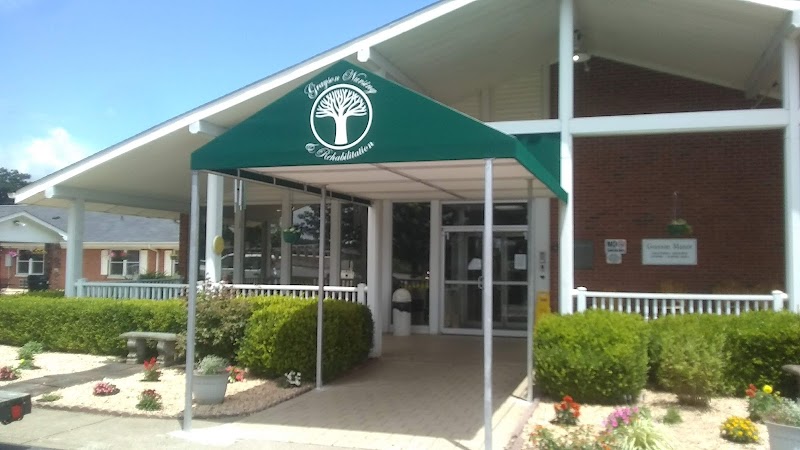
How is Grayson Nursing And Rehab Center Staffed?

CMS rates GRAYSON NURSING AND REHAB CENTER's staffing level at 2 out of 5 stars, which is below average compared to other nursing homes. Staff turnover is 40%, compared to the Kentucky average of 46%. This relatively stable workforce can support continuity of care.

What Have Inspectors Found at Grayson Nursing And Rehab Center?

State health inspectors documented 10 deficiencies at GRAYSON NURSING AND REHAB CENTER during 2018 to 2024. These included: 10 with potential for harm.
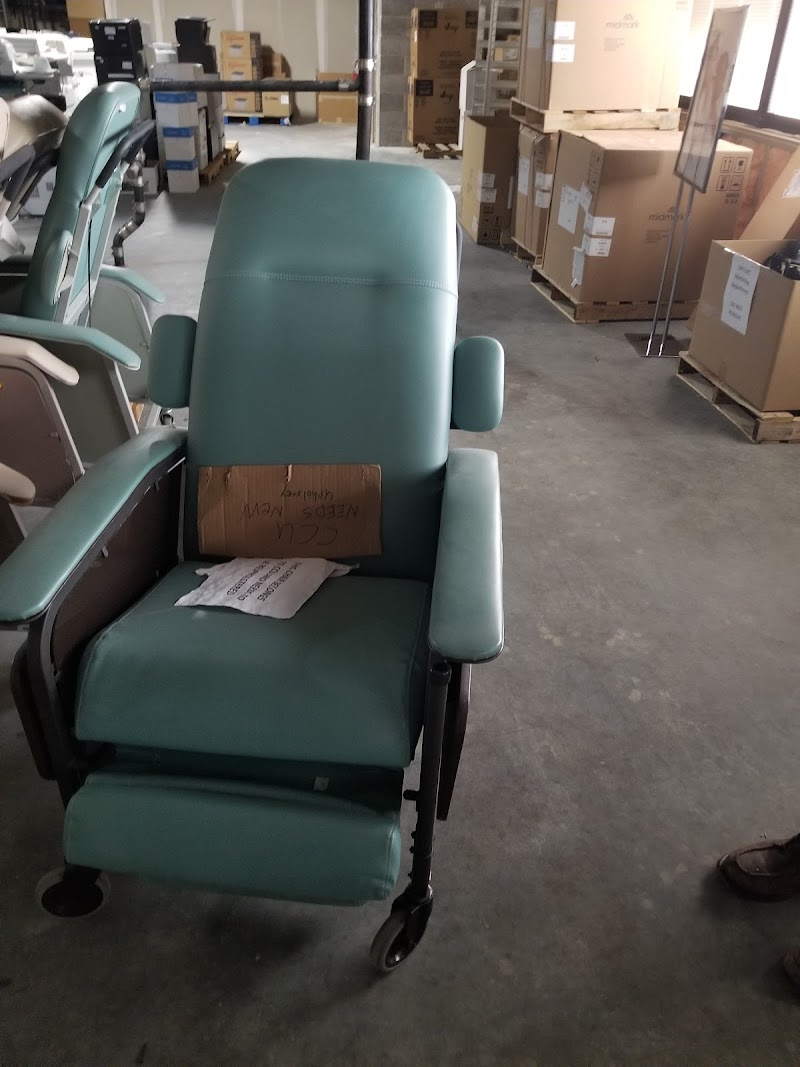
Who Owns and Operates Grayson Nursing And Rehab Center?

GRAYSON NURSING AND REHAB CENTER is owned by a for-profit company. For-profit facilities operate as businesses with obligations to shareholders or private owners. The facility is operated by ENCORE HEALTH PARTNERS, a chain that manages multiple nursing homes. With 72 certified beds and approximately 67 residents (about 93% occupancy), it is a smaller facility located in LEITCHFIELD, Kentucky.
How Does Grayson Nursing And Rehab Center Compare to Other Kentucky Nursing Homes?

Compared to the 100 nursing homes in Kentucky, GRAYSON NURSING AND REHAB CENTER's overall rating (3 stars) is above the state average of 2.8, staff turnover (40%) is near the state average of 46%, and health inspection rating (4 stars) is above the national benchmark.

What Should Families Ask When Visiting Grayson Nursing And Rehab Center?

Based on this facility's data, families visiting should ask: "Can you walk me through typical staffing levels on day, evening, and night shifts?" "Can I visit during a mealtime to observe dining assistance and food quality?" "How do you handle medical emergencies, and what is your hospital transfer rate?" "Can I speak with family members of current residents about their experience?" These questions are particularly relevant given the below-average staffing rating.

Is Grayson Nursing And Rehab Center Safe?

Based on CMS inspection data, GRAYSON NURSING AND REHAB CENTER has a clean safety record: no substantiated abuse findings (meaning no confirmed cases of resident harm), no Immediate Jeopardy citations (the most serious violation level indicating risk of serious injury or death), and is not on the Special Focus Facility watch list (a federal program monitoring the lowest-performing 1% of nursing homes). The facility has a 3-star overall rating and ranks #1 of 100 nursing homes in Kentucky. While no facility is perfect, families should still ask about staff-to-resident ratios and recent inspection results during their visit.

Do Nurses at Grayson Nursing And Rehab Center Stick Around?

GRAYSON NURSING AND REHAB CENTER has a staff turnover rate of 40%, which is about average for Kentucky nursing homes (state average: 46%). Moderate turnover is common in nursing homes, but families should still ask about staff tenure and how the facility maintains care continuity when employees leave.

Was Grayson Nursing And Rehab Center Ever Fined?

GRAYSON NURSING AND REHAB CENTER has been fined $12,235 across 5 penalty actions. This is below the Kentucky average of $33,201. While any fine indicates a compliance issue, fines under $50,000 are relatively common and typically reflect isolated problems that were subsequently corrected. Families should ask what specific issues led to these fines and confirm they've been resolved.

Is Grayson Nursing And Rehab Center on Any Federal Watch List?

GRAYSON NURSING AND REHAB CENTER is not on any federal watch list. The most significant is the Special Focus Facility (SFF) program, which identifies the bottom 1% of nursing homes nationally based on persistent, serious quality problems. Not being on this list means the facility has avoided the pattern of deficiencies that triggers enhanced federal oversight. This is a positive indicator, though families should still review the facility's inspection history directly.