Heartland Villa Nursing And Rehabilitation Center
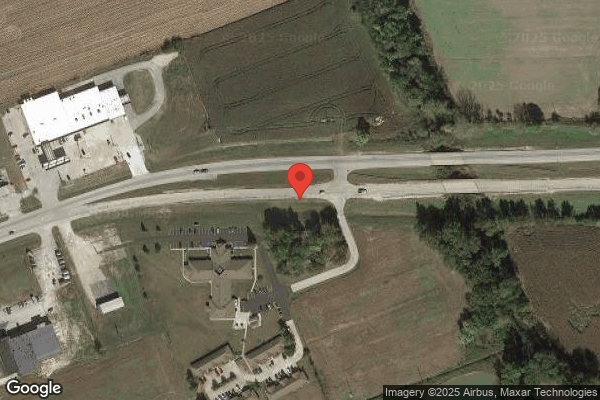

8005 US HWY 60 West, Lewisport, KY 42351 (270) 295-6756
For profit - Limited Liability company 45 Beds ENCORE HEALTH PARTNERS Data: November 2025
Trust Grade
58/100
#109 of 266 in KY
Last Inspection: September 2024

Within standard 12-15 month inspection cycle. Federal law requires annual inspections.

Overview

Heartland Villa Nursing and Rehabilitation Center has a Trust Grade of C, indicating it is average compared to other facilities. It ranks #109 out of 266 nursing homes in Kentucky, placing it in the top half, and is the only option in Hancock County. The facility's trend is improving, having reduced issues from four in 2018 to two in 2024, but concerns remain regarding staffing, which received a low rating of 1 out of 5 stars with a troubling turnover rate of 65%. While the center provides more RN coverage than 83% of Kentucky facilities, it still has a concerning total of $8,788 in fines, higher than 80% of facilities in the state. Specific incidents include a serious failure to assess a resident after a fall, resulting in severe injuries, and concerns about food safety and maintaining residents' dignity with personal care equipment. Overall, while there are strengths in the facility's ranking and improvements, significant weaknesses in staffing and specific care incidents warrant careful consideration by families.

Trust Score
C
58/100
In Kentucky
#109/266
Top 40%
Safety Record
Moderate
Needs review
Inspections
Getting Better
4 → 2 violations
Staff Stability
⚠ Watch
65% turnover. Above average. Higher turnover means staff may not know residents' routines.
Penalties
⚠ Watch
$8,788 in fines. Higher than 79% of Kentucky facilities, suggesting repeated compliance issues.
Skilled Nurses
⚠ Watch
Each resident gets only 24 minutes of Registered Nurse (RN) attention daily — below average for Kentucky. Fewer RN minutes means fewer trained eyes watching for problems.
Violations
○ Average
6 deficiencies on record. Average for a facility this size. Mostly minor or procedural issues.
★★★☆☆
3.0
Overall Rating
★☆☆☆☆
1.0
Staff Levels
★★★★★
5.0
Care Quality
★★★☆☆
3.0
Inspection Score
Stable
2018: 4 issues
2024: 2 issues

The Good

  • 5-Star Quality Measures · Strong clinical quality outcomes
  • Full Sprinkler Coverage · Fire safety systems throughout facility
  • No fines on record

Facility shows strength in quality measures, fire safety.

The Bad

3-Star Overall Rating

Near Kentucky average (2.8)

Meets federal standards, typical of most facilities

Staff Turnover: 65%

19pts above Kentucky avg (46%)

Frequent staff changes - ask about care continuity

Federal Fines: $8,788

Below median ($33,413)

Minor penalties assessed

Chain: ENCORE HEALTH PARTNERS

Part of a multi-facility chain

Ask about local staffing decisions and management

Staff turnover is elevated (65%)

17 points above Kentucky average of 48%

The Ugly 6 deficiencies on record

1 actual harm
Dec 2024 1 deficiency 1 Harm
SERIOUS (G) 📢 Someone Reported This

A family member, employee, or ombudsman was alarmed enough to file a formal complaint

Actual Harm - a resident was hurt due to facility failures

Quality of Care (Tag F0684)

A resident was harmed · This affected 1 resident

**NOTE- TERMS IN BRACKETS HAVE BEEN EDITED TO PROTECT CONFIDENTIALITY** Based on interview, record review and review of the facility's policy, the facility failed to ensure residents received prompt a...

Read full inspector narrative →
**NOTE- TERMS IN BRACKETS HAVE BEEN EDITED TO PROTECT CONFIDENTIALITY** Based on interview, record review and review of the facility's policy, the facility failed to ensure residents received prompt assessment and care for 1 of 3 sampled residents, Resident #2 (R2). On [DATE] at 8:30 PM, staff heard R2 yelling out and when Certified Nursing Assistant (CNA) 5 entered the resident's room she found R2 sitting on the floor near the foot of the bed. Staff lifted R2 from the floor and placed the resident on the bed. However, the facility failed to ensure nursing neurological (neuro) assessments and change in condition assessments (CIC) were completed for R2 after the unwitnessed fall. At approximately 12:00 AM (about 3.5 hours after the fall), R2 was screaming and yelling out with pain stating, call the ambulance, my legs are broke. R2 was sent to the emergency room (ER) for evaluation where it was determined she had a left impacted femur fracture, a thoracic compression fracture, and a traumatic subdural bleed with a midline shift. The hospital admitted R2 to its intensive care unit (ICU). On [DATE], R2 was admitted to hospice care and expired on [DATE]. The State Survey Agency (SSA) determined the deficient practice had been corrected on [DATE], prior to the initiation of the investigation. Deficient practice was determined to be Past Noncompliance. The findings include: Review of the facility's policy titled, Documentation and Charting Policy, dated [DATE], revealed services provided to a resident and/or any changes in the resident's medical or mental condition were to be documented in the resident's medical record as applicable. The documentation should include incidents, accidents, and changes in the resident's condition. Review of the facility's policy titled, Falls Policy, dated [DATE], revealed the intent of the policy was to ensure the facility provided an environment that was as free from accident hazards as possible, over which the facility had control to prevent avoidable falls/accidents. Continued policy review revealed all residents were to have a fall risk assessment upon admission, quarterly, annually, and with a significant change of condition to identify risk for falls. Review of the facility's policy titled, Neuro-Check Policy, with a review date of [DATE] (reviewed after R2's fall with no changes made), revealed the policy was to provide timely and consistent neurological (neuro) assessments for residents who had experienced a head injury, fall or other neurological concern to ensure prompt detection and response to changes in the resident's condition. Continued review revealed a neuro-check must be conducted as soon as possible after an event such as an unwitnessed fall, a witnessed fall in which a head injury, or other incident necessitating neurological evaluation. Per policy review, the assessment was to include an evaluation of the resident's level of consciousness (LOC), pupillary response, limb movement, and overall orientation. Continued review of the facility's, Neuro-Check Policy, dated [DATE], revealed a licensed nurse was to perform neuro-checks, unless a physician ordered the neuro-checks to end sooner or be continued for longer. Per the policy, the following sequence of neuro-checks was to be performed: 1. Perform neuro-checks every 15 minutes times 4 (x 4) for one hour, 2. Then every 30 minutes x 2 for one hour, 3. Then every 1 hour x 4 for 4 hours, 4. Then every 4 hours x 4 for a total of 16 hours. Further review of the facility's, Neuro-Check Policy, revealed licensed staff were to document each neuro-check, noting the time, the findings, and any significant changes. Review further revealed any changes in a resident's condition must be reported to the physician for further direction. Review of the facility's Neuro-Check Guidelines with a review date of [DATE] (dated after R2's fall), revealed for the initial assessment, the facility was to conduct a full neuro assessment as soon as possible after an event or incident in which the resident had an unwitnessed fall or a witnessed fall with observation of the resident hitting their head or any head injury. Per the review, staff were to document all neuro-checks and record the time and results of each neuro-check including any changes in the resident's condition. Further review revealed staff were also to ensure any new symptoms were reported to the physician. Review of R2's closed record revealed an admission Face Sheet found in the resident's electronic medical record (EMR). Review of the admission Face Sheet revealed the facility admitted R2 on [DATE], with diagnoses that included Alzheimer's Disease with late-onset, pathological fracture pelvic and history of falls. Review of R2's Quarterly Minimum Data Set (MDS) Assessment, with an Assessment reference Date (ARD) of [DATE], revealed the facility assessed the resident to have a Brief Interview for Mental Status (BIMS) score of five out of 15. This score indicated R2 was severely cognitively impaired. Continued MDS review revealed the facility also assessed R2 to be dependent on staff for bed mobility, transfers, and ambulation. Review of the MDS, revealed the facility assessed R2 as dependent on staff in walking 10 feet. The facility assessed R2 to use a wheelchair for mobility. Review of R2's Fall Risk Score, dated [DATE] revealed the facility assessed the resident to have a fall risk score of 16, which indicated she was considered a high risk for falls. Review of the facility's, Fall Incident Report, dated [DATE] at 8:30 PM, documented by Registered Nurse (RN) 1, revealed R2 had sustained an unwitnessed fall on [DATE] at approximately 8:30 PM (indicating the RN immediately completed the Report). Per review, Resident sitting on buttock with legs under her, and had been wearing pajama pants with footwear in place. Continued review revealed R2 was alert and oriented times one; her wheelchair was at the foot of her bed; and the resident was attempting to scoot herself on the floor. Further review revealed the facility assessed R2 with no injuries noted, and no signs or symptoms or complaints of pain voiced. Additional review revealed R2 was assisted to stand and ambulate a few steps back to her bed by CNA 5 and RN 1. The review revealed R2 tolerated the transfer well. However, there was no documented evidence indicating RN 1 completed the CIC and initiated the neuro-checks, nor obtained R2's vital signs or assessed her range of motion (ROM). Review of the Progress Note for R2 dated [DATE] at 9:35 PM, documented by RN 1 revealed the resident had been found on the floor on her buttocks, with no injuries or complaints of (c/o) pain. Per review, R2 was stating, get me up. Continued review revealed the Note had been struck through on [DATE] and noted as a late entry. Further review revealed no documentation noting RN 1 completed a Change of Condition (CIC) note, that was to be completed with any medical change. In addition, the facility failed to initiate neuro-checks after the resident's unwitnessed fall. Review of R2's Progress Note, dated [DATE] at 2:10 PM, documented by RN 1 and entered as a late entry for [DATE], revealed the nurse had been called to R2's room by CNA 5 because the resident was on the floor. Continued review revealed R2 was agitated and yelling, put me to bed. Per review, RN 1 noted her assessment of R2 which revealed the resident was sitting on her legs scooting towards the bed, wearing pj (pajama) pants and socks. Further review revealed R2 was able to stand up to get back in bed with the assist of two staff members. Additional review revealed RN 1 assessed R2 to have no abnormalities, and no pain voiced. CNA 5 and the RN assisted R2 to lie on her bed and made her comfortable, with her call light in reach, bed alarm on, and low bed in place. Review of the facility's, Acute Change in Condition (CIC) note dated [DATE] at 2:21 AM, revealed Resident is exhibiting an acute change in condition and was yelling out and complaining of severe pain to her left hip/leg and Tylenol was not effective. Per review, R2 had a fall on [DATE] at approximately 8:00 PM. Continued review revealed Date first observed: [DATE]. Things that make condition worse: touching. Record review revealed R2's vital signs dated [DATE] at 2:25 AM, revealed a blood pressure (B/P) reading of 137/75; temperature 97.3; pulse 75 and respirations 20. NEED MEASURE, AND MAYBE NORMS FOR HER Further review of the CIC note revealed R2's pain was new and the description of her pain was left hip/leg pain. Per review of the Neuro evaluation of the CIC note revealed no changes observed with the Summary of Observation/Evaluation documented as R2 had a fall on [DATE] evening at approximately 8:00 PM, but showed no signs of pain at that time. Review further revealed at approximately 1:00 AM, R2 had been lying on her bed and began yelling out in pain to her left hip/leg, and was yelling call the ambulance. Additional review revealed the physician was notified and a new order was received to sent R2 to the ER for evaluation and treatment. Review of the Hospital History and Physical Note, dated [DATE] revealed admitting diagnoses included; a traumatic right side cerebral hemorrhage with unknown loss of consciousness, compression fracture of T1 vertebrae, and a closed non-displaced impacted fracture of the left femur initial encounter. The resident was admitted to the intensive care unit with a diagnosis of intracranial hemorrhage. Review of the Physician's Note dated [DATE], revealed, meeting on [DATE] with patient's son and daughter at bedside. Patient's prognoses remains very guarded, patient remains in significant discomfort on physical restraints, nasogastric (NG) tube in place. She has severe dementia and cannot communicate her needs. Family wants to transition her care to comfort only. We will discontinue tube feeds and physical restraints and will continue end-of-life care. Hospice was consulted. In interview on [DATE] at 10:46 AM, Licensed Practical Nurse (LPN) 1 stated on [DATE], in the report she received from LPN 2, R2 had fallen the night before and had been sent to the ER. She stated RN 1 had not completed a CIC note, nor initiated neuro-checks for R2 after the resident's fall. LPN 1 explained that the facility completed neuro-checks on a paper form, which were never started for R2. However, they should have been. She stated she informed the Director of Nursing (DON) of that information. The LPN stated there was a falls binder at the desk that instructed staff on how to handle residents' falls. In interview on [DATE] at 4:18 PM, CNA 5 stated she had been charting at the nurse's station on [DATE], when she heard R2 yelling out. She stated she went to R2's room and found the resident sitting on the floor and she immediately informed RN 1. The CNA stated RN1 made sure R2 had no injuries while the resident was still lying on the floor. CNA5 stated she and RN 1 lifted R2 from up off the floor, by getting the resident up under the arms and lifted her up and put her in the bed. Per the CNA, R2 had not complained of pain. She stated R2's feet were not touching the floor enough for her to bear weight. She stated she had not seen RN 1 further assess R2 after that, nor obtain the resident's vital signs or perform ROM (range of motion). In interview on [DATE] at 7:17 AM, LPN 2 stated she arrived to work on [DATE] at 10:00 PM, and R2 had been at the nurse's station sitting in her wheelchair and had been calm and in no distress. She stated she received in report from RN 1 that R2 had experienced a fall. LPN 2 stated she was not aware that a CIC had not been completed until she started charting and realized there was not an assessment for her to follow up on. The LPN stated she checked on R2 several times and completed neuro-checks of the resident; however, she had not documented the neuro-checks on the facility's form, nor in the resident's medical record. She stated the form for R2's neuro-checks had not been started and she had not started one either. The LPN stated she had completed a CIC when R2 started yelling out and complaining of pain. Per LPN 2, she administered Tylenol which had not been effective, so she notified the Medical Director who ordered an in-house x-ray. She stated she notified R2's daughter who did not want to wait on the in-house x-ray, so she called the Medical Director back and received an order to send R2 out (to the ER). LPN 2 explained when a resident sustained a fall, an incident report was to be completed, which triggered a Change in condition assessment to be completed and documentation the medical record. She further stated unwitnessed falls should have neuro-checks initiated. In interview on [DATE] at 3:07 PM, RN 1 stated she had worked at the facility for about a year and had been a nurse for almost 30 years. She stated she had been working on [DATE], when CNA 5 made her aware R2 had been found on the floor. RN 1 stated she went to R2's room and assessed the resident for injuries. She stated R2 had no complaints and she and CNA 5 picked the resident up and sat her in her chair. RN 1 stated R2 stood on her legs without pain and slept the rest of her shift. In continued interview RN 1 stated the CIC documentation had been completed by LPN 2 and the LPN should have started the neuro-checks when she saw they had not been completed. She stated she had not completed a CIC which had been an oversight on her part. The RN stated that night ([DATE]) had been a busy night; however, she should have completed a CIC assessment and initiated neuro-checks following R2's unwitnessed fall. In interview on [DATE] at 3:07 PM, RN 1 stated the next day on [DATE], she received a call from the Assistant Director of Nursing (ADON) to come to the facility and complete documentation as her initial note lacked documentation. RN 1 stated she wrote a progress note and included more information in her late entry note. She stated she received disciplinary action and education related to the facility's falls process and documentation. In interview on [DATE] at 12:13 PM, the former Assistant Director of Nursing (ADON) stated in the early morning hours of [DATE], (she could not recall the specific time) LPN 2 notified her of R2's fall and that the resident was being sent to the ER. The ADON stated she was also told that RN 1 failed to complete a CIC assessment for R2 and failed to initiate neuro-checks for the resident after the unwitnessed fall. She stated she called RN 1 and requested the nurse come to the facility to complete her documentation as it had been lacking. The ADON further reported RN 1 should have completed the CIC assessment and initiated neuro-checks of R2 as per the facility's policy. In an interview with the Medical Director on [DATE] at 5:17 PM, he stated that he was made aware of R2s fall but could not recall the time or which nurse made him aware. He stated he expected the facility to follow policies and document when a resident has a fall or a change in condition and to initiate neuro assessment,s if applicable. In interview on [DATE] at 2:08 PM, the Director of Nursing (DON) stated she had been the DON since [DATE] and was still learning her role. She stated the nurses called her when a resident had a fall. She explained she had a missed call from RN 1 on [DATE] around 10:00 PM. The DON stated she was made aware of R2's fall when she arrived to work on [DATE]. She stated she had been told by the ADON that RN 1 failed to initiate neuro-checks or complete a CIC assessment when R2 experienced the unwitnessed fall. Per the DON, the ADON called RN 1 and had her come to the facility and complete her documentation, to change her note and add information regarding the fall. She stated when a resident sustained a fall, she expected the nurse to perform a head-to-toe assessment to check for injuries. The DON stated the head-to-toe assessment was to include obtaining the resident's vital signs, checking their ROM (range of motion), and initiating neuro-checks as per the facility's policy. She stated an incident report and Change in Condition assessment(s) should also be completed, and the resident's family and physician notified. The DON further stated the Neuro-Check Policy had only been reviewed and no changes had been made to the policy. In interview on [DATE] at 2:19 PM, the Administrator stated he had been the Administrator since [DATE], and he was still learning his role. The Administrator stated the DON and ADON made him aware of R2's fall and told him the Change in Condition assessment was incomplete. He stated he was not clinical but expected staff to follow the facility's policy and protocols related to care provided to residents. The Administrator further stated the Neuro-Check Policy had only been reviewed and no changes had been made to the policy.
Sept 2024 1 deficiency
CONCERN (D)

Potential for Harm - no one hurt, but risky conditions existed

Resident Rights (Tag F0550)

Could have caused harm · This affected 1 resident

Based on observation, interview, and record review, the facility failed to maintain dignity for one (Resident (R) 10) of 13 sampled residents. R10, who had a urinary catheter, was not provided a digni...

Read full inspector narrative →
Based on observation, interview, and record review, the facility failed to maintain dignity for one (Resident (R) 10) of 13 sampled residents. R10, who had a urinary catheter, was not provided a dignity cover for the urine drainage bag, leaving the bag visible to others. The findings include: Review of an admission record revealed the facility admitted R10 on 08/14/2024 with diagnoses including chronic kidney disease. Review of an admission Minimum Data Set (MDS), with an Assessment Reference Date (ARD) of 08/17/2024, revealed the facility assessed R10 to have a Brief Interview for Mental Status (BIMS) score of 15/15, indicating she was cognitively intact. Per the MDS, the resident had an indwelling catheter, required assistance with dressing, and had no documented behaviors or refusal of care. Review of a Comprehensive care plan, dated 08/15/2024, revealed R10 required an indwelling foley catheter due to a diagnosis of a neurogenic bladder. The care plan included an intervention that the facility would provide a privacy bag as the resident would allow. Observation of R10, on 09/05/2024 at 9:50 AM, revealed the resident was in bed in her room. R10's urinary catheter was secured to her bedside. There was no dignity cover in place on the urine drainage bag. The door to the resident's room was open, and the uncovered drainage bag, which contained urine, was visible from the hallway. During an interview with R10 on 09/05/2024 at 9:50 AM, she stated, I don't like that other people can see my urine. During an interview with Certified Nursing Assistant (CNA) 2, she stated R10's catheter should have been covered. CNA2, who was the aide responsible for the resident's care that morning, stated a catheter bag should always be covered because it was a privacy issue for the resident. Further interview revealed CNA2 had not identified that there was no privacy cover in place, and the urine drainage bag was not covered until after surveyor intervention. During an interview with CNA4 on 09/05/2024 at 6:20 PM, she stated catheters should always be covered but she did not know the reason as to why they should have a cover. During an interview with Licensed Practical Nurse (LPN) 3 on 09/05/2024 at 6:02 PM, she stated it was important for catheters to remain covered due to privacy. LPN3 further stated someone walking down the hallway could visualize the resident's urine and it was a dignity issue. During an interview with the Director of Nursing (DON) on 09/06/2024 at 3:07 PM, she stated she expected a dignity cover to always be on a catheter bag. The DON stated if staff noticed a dignity cover was not in place, they should replace it immediately. The DON further stated it was important to provide privacy for the residents and for the residents to feel comfortable. During an interview with the Administrator on 09/06/2024 at 3:21 PM, she stated she expected dignity covers to be in place unless the resident did not want it.
Aug 2018 4 deficiencies
CONCERN (D)

Potential for Harm - no one hurt, but risky conditions existed

Deficiency F0582 (Tag F0582)

Could have caused harm · This affected 1 resident

Based on interview, and review of the Skilled Nursing Facility Beneficiary Protections Notifications it was determined the facility failed to ensure the appropriate and required Skilled Nursing Facili...

Read full inspector narrative →
Based on interview, and review of the Skilled Nursing Facility Beneficiary Protections Notifications it was determined the facility failed to ensure the appropriate and required Skilled Nursing Facility Advanced Beneficiary Notice (SNFABN) was issued to one (1) of twelve (12) sampled residents residents/beneficiaries when Medicare covered services were ending (Resident #34). Review of Resident #34's Medicare Discharge, revealed the facility did not issue a SNFABN CMS Form 10055. The findings include: Interview with the Business Office Manager on 08/30/18 at 1:26 PM, revealed the facility did not have a specific policy for issuing the SNFABN and the facility follows the federal regulations/guidelines. Review of the Skilled Nursing Facility Beneficiary Protection Notification Review completed by the facility revealed the facility discharged Resident #34 from Medicare Part 'A' services with the last covered day being 03/05/18; however, the resident still had benefit days that were not exhausted. Further review of this Skilled Nursing Facility Beneficiary Protection Notification Review, revealed the facility did not provide an SNFABN form CMS-10055. Interview with the Business Office Manager on 08/28/18 at 1:35 PM, revealed she expected the facility to initiate the SNFABN per the federal guidelines. She stated the Clinical Reimbursement Coordinator (CRC) is responsible to initiate the SNFABN's for the facility. Interview with the CRC on 08/28/18 at 1:42 PM, revealed the SNFABN for Resident #34 was missed and not done. She stated she was expected to provide the SNFABN as per federal requirements.
CONCERN (D)

Potential for Harm - no one hurt, but risky conditions existed

Assessment Accuracy (Tag F0641)

Could have caused harm · This affected 1 resident

**NOTE- TERMS IN BRACKETS HAVE BEEN EDITED TO PROTECT CONFIDENTIALITY** Based on observation, interview, record review, and review of the Resident Assessment Instrument (RAI) Version 3.0 User Manual, ...

Read full inspector narrative →
**NOTE- TERMS IN BRACKETS HAVE BEEN EDITED TO PROTECT CONFIDENTIALITY** Based on observation, interview, record review, and review of the Resident Assessment Instrument (RAI) Version 3.0 User Manual, it was determined the facility failed to ensure one (1) of twelve (12) sampled residents received an accurate assessment reflective of the resident's status (Resident #39). Resident #39 fell on [DATE], however, the fall was not reflected on the Quarterly Minimum Data Set (MDS) assessment dated [DATE]. In addition, the MDS indicated the resident had a restraint, but he/she did not. Further, the resident had an order dated 02/23/18 for Risperdal, an antipsychotic medication; however, in the Antipsychotic Medication Review section of the MDS, it was coded that antipsychotic medications were not received. The findings include: Review of the RAI Manual, Version 3.0 User Manual, Section J, Health Conditions, states: · Code 0, no: if the resident has not had any fall since the last assessment. · Code 1, yes: if the resident has fallen since the last assessment. Further, the MDS Manual, Section N, Medication Received, states: · Antipsychotic: Record the number of days an antipsychotic medication was received by the resident at any time during the 7-day look-back period. Additionally, the MDS Manual, Section P, Restraints and Alarms, states: · Code 0, not used: if the item was not used during the 7-day look-back or it was used but did not meet the definition. · Code 1, used less than daily: if the item met the definition and was used less than daily. · Code 2, used daily: if the item met the definition and was used on a daily basis during the look-back period. Record review revealed the facility admitted Resident #39 on 11/13/17 with diagnoses which included Acquired Absence of Left Leg Above Knee; Malignant Neoplasm of Long Bones of Right Lower Limb; Chronic Pain; Abnormalities of Gait and Mobility; Generalized Muscle Weakness. Review of the Quarterly MDS assessment, dated 08/10/18, revealed the facility assessment Resident # 39's cognition as intact with a Brief Interview for Mental Status (BIMS) score of fourteen (14), which indicated the resident was interviewable. Further review of the Quarterly MDS Assessment, dated 08/10/18, revealed physical restraints, bed rails, were being used daily for Resident #39; however, observation on 08/28/18 at 1:23 PM revealed bilateral 1/4 side rails, bed side floor mats and a low bed were in use with no restraint identified. In addition, interview with Resident #39 on 08/29/18 at 09:22 AM revealed he/she used the side rails for positioning and moving around in bed and restraints were not being used on him/her. Further review revealed a Comprehensive Care Plan initiated on 11/22/17 and last revised on 08/13/18 revealed resident utilized 1/4 side rails for bed positioning and mobility with no restraints identified. In addition, review of the Quarterly MDS, Section J-Health Conditions, dated 08/10/18, revealed the resident had not fallen since prior assessment and the Antipsychotic Medication Review section revealed it was coded 0 indicating antipsychotics were not received. However, review of a Fall Investigation revealed Resident #39 fell on [DATE] and review of the August 2018 Physician's Orders and Medication Administration Record (MAR) revealed Risperdal (antipsychotic medication) 0.5 milligram (mg) by mouth two (2) times a day and the resident had been receiving the medication since 02/23/18. Interview with the MDS Coordinator on 08/29/18 at 3:17 PM revealed the 08/10/18 Quarterly MDS should have been coded to reflect Resident #39's fall. She stated it was not coded due to human error. She revealed certain areas are auto populated into the current MDS and she does double check the auto populated information. She stated the fall should have been coded on the MDS but she overlooked it. The MDS Coordinator also stated the resident has bilateral side rails and for some reason restraint was triggered. She further stated the MDS was coded incorrectly and she would do a correction. Interview with the Director of Nursing (DON) on 08/29/18 at 2:37 PM revealed she is unfamiliar with the MDS process and does not have a process in place to monitor the accuracy of the assessments. She stated she expected the MDS to be coded correctly and these were not. Interview with the Administrator on 08/30/18 at 8:59 AM revealed the facility uses the RAI Manual for reference when completing MDS assessments. She stated she expected the MDS's to be coded correctly and updated as needed.
CONCERN (D)

Potential for Harm - no one hurt, but risky conditions existed

Deficiency F0657 (Tag F0657)

Could have caused harm · This affected 1 resident

**NOTE- TERMS IN BRACKETS HAVE BEEN EDITED TO PROTECT CONFIDENTIALITY** Based on interview, record review, and review of the facility policy, it was determined the facility failed to revise the care p...

Read full inspector narrative →
**NOTE- TERMS IN BRACKETS HAVE BEEN EDITED TO PROTECT CONFIDENTIALITY** Based on interview, record review, and review of the facility policy, it was determined the facility failed to revise the care plan for one (1) of twelve (12) sampled Residents (Resident #39). On 06/01/18, Resident #39 fell in his/her room; however, there was no documented evidence the comprehensive care plan was updated with the corrective action or new intervention. The findings include: Review of the facility policy titled, Person-Centered Care Plan, last revised 03/01/18, revealed care plans are to be reviewed and revised by the interdisciplinary team after each assessment, including both the comprehensive and quarterly review assessments, and as needed to reflect the response to care and changing needs and goals. Record review revealed the facility admitted Resident #39 on 11/13/17 with diagnoses which included Acquired Absence of Left Leg Above Knee; Malignant Neoplasm of Long Bones of Right Lower Limb; Chronic Pain; Abnormalities of Gait and Mobility; and Generalized Muscle Weakness. Review of the Quarterly Minimum Data Set (MDS) assessment, dated 08/10/18, revealed the facility assessed Resident #39's cognition as intact with a Brief Interview for Mental Status (BIMS) score of fourteen (14), which indicated the resident was interviewable. Further review of the MDS revealed the resident was also assessed to require extensive assistance with one person assist with bed mobility, transfers, toileting and personal hygiene; and he/she is mobile with wheelchair with supervision. The resident also was assessed to have limited range of motion to the left lower extremity and was not steady when moving seated to standing and/or surface to surface but was able to stabilize without human assistance. There was no indication on the MDS that the resident had behaviors. Review of the facility provided Fall Investigation Report revealed Resident #39 fell on [DATE] at 6:20 PM with no injuries. The report indicated the resident did not lock wheel chair and was attempting to transfer without assist and the wheel chair slid from under (him/her). The Root Cause for the fall was resident impulsiveness with the corrective action/interventions being Monitor resident to prevent transfers without assistance. Review of the Comprehensive Care Plan initiated on 11/22/17 and revised on 08/13/18 revealed no documented evidence that impulsiveness was a risk factor contributing to falls. In addition, there was no documented evidence of an intervention placed on the care plan to address the 06/01/18 fall. In addition, there was no documented evidence the facility was monitoring the resident for impulsive behaviors. Interview with Resident #39 on 08/29/18 at 9:12 AM revealed he/she fell on [DATE]. Resident #39 stated the bedside mat causes him/her to fall because the wheelchair wheels hit the mat, and the wheelchair tips over. Interview with the MDS Coordinator on 08/29/18 at 2:12 PM revealed she updates the care plans. She stated she was in the process of updating all care plans, and Resident #39's care plans had not been updated even though the quarterly MDS assessment was completed on 08/10/18. She revealed the care plans are updated in the computer and the care plans in the computer are the latest ones. Interview with the Director of Nursing (DON) on 08/29/18 at 2:24 PM revealed there was no actual order that says monitor on a routine basis, even though monitoring for falls is a nursing intervention. She stated, we monitor the resident for seventy-two (72) hours, post fall and that is documented; however, monitoring after that is done with routine rounds, but it is not documented anywhere. The DON revealed the charge nurse initiates an immediate intervention and then the fall is reviewed by the Interdisciplinary team (IDT) and the care plans are updated by an appointed clinical administrative team member during the IDT meeting. The DON stated she expected the care plans to be updated with any new interventions in a timely manner. Interview with the Administrator on 08/30/18 at 8:59 AM revealed she expected the floor nurse to update the care plans with new intervention and it is the responsibility of the IDT to follow up to make sure that was done. The Administrator stated the care plans should be updated with each new intervention and accurately.
CONCERN (F)

Potential for Harm - no one hurt, but risky conditions existed

Food Safety (Tag F0812)

Could have caused harm · This affected most or all residents

Based on observation, interview, facility policy/audit review, and review of the facility Census and Condition, it was determined the facility failed to ensure food was stored, prepared, distributed a...

Read full inspector narrative →
Based on observation, interview, facility policy/audit review, and review of the facility Census and Condition, it was determined the facility failed to ensure food was stored, prepared, distributed and served in accordance with professional standards for food service safety. Observation of the kitchen, on 08/28/18, revealed a visibly soiled manual can opener, hand sanitation issues and inappropriate handling of food for the residents' lunch meal. Review of the facility Census and Condition, dated 08/28/18, revealed forty-three (43) of forty-three (43) residents received their food from the kitchen. The findings include: 1. Review of facility policy titled, Cleaning Standards, last revised 06/15/18, revealed the purpose of this policy is to ensure all food service equipment and areas are clean and sanitary. Observation of the kitchen on 08/28/18 at 10:34 AM, revealed the kitchen's manual can opener was visibly soiled with a build up of yellowish brown crusty material all over the cutting edge and the area surrounding the cutting edge. 2. Review of facility policy titled, Hand Washing, last revised 06/15/18, revealed hand washing is performed frequently and using correct hand washing technique. It further states hand washing is performed after touching bare parts of the body other than clean hands and exposed portions of arms and when moving from one task to the other. Observation of lunch trayline set up on 08/28/18 at 11:38 AM, revealed [NAME] #1 touching inside of bowls with bare fingers and side of plates residents eat off of after wiping sweat off of his face with his hands. 3. Review of the facility policy titled, Food Handling, last revised 08/08/18, revealed foods are stored, prepared and served in a safe sanitary manner. Observation of lunch trayline at 08/28/18 on 11:43 AM, revealed [NAME] #1 placed buns against his shirt on three (3) separate occasions while cutting the buns open and prior to placing the buns on plates for residents' lunch meal. Interview with Dietary Manager on 08/28/18 at 2:20 PM, revealed she expected the manual can opener to be cleaned, washed and sanitized after each use and run through the dishwasher every shift. She stated she expected staff to ensure their hands are cleaned prior to handling any clean dishes that are going to be used for the residents. She revealed she expected [NAME] #1 to not handle any foods in a manner that potentially caused an infection control issue such as placing the buns against his shirt.
Understanding Severity Codes (click to expand)
Life-Threatening (Immediate Jeopardy)
J - Isolated K - Pattern L - Widespread
Actual Harm
G - Isolated H - Pattern I - Widespread
Potential for Harm
D - Isolated E - Pattern F - Widespread
No Harm (Minor)
A - Isolated B - Pattern C - Widespread

Questions to Ask on Your Visit

  • "Why is there high staff turnover? How do you retain staff?"
  • "Can I speak with families of current residents?"
  • "What's your RN coverage like on weekends and overnight?"

Our Honest Assessment

Strengths
  • • Licensed and certified facility. Meets minimum state requirements.
Concerns
  • • 6 deficiencies on record, including 1 serious (caused harm) violation. Ask about corrective actions taken.
  • • Grade C (58/100). Below average facility with significant concerns.
  • • 65% turnover. Above average. Higher turnover means staff may not know residents' routines.
Bottom line: Mixed indicators with Trust Score of 58/100. Visit in person and ask pointed questions.

About This Facility

What is Heartland Villa Nursing And Rehabilitation Center's CMS Rating?

CMS assigns Heartland Villa Nursing And Rehabilitation Center an overall rating of 3 out of 5 stars, which is considered average nationally. Within Kentucky, this rating places the facility higher than 99% of the state's 100 nursing homes. This mid-range rating indicates the facility meets federal standards but may have areas for improvement.

How is Heartland Villa Nursing And Rehabilitation Center Staffed?

CMS rates Heartland Villa Nursing And Rehabilitation Center's staffing level at 1 out of 5 stars, which is much below average compared to other nursing homes. Staff turnover is 65%, which is 19 percentage points above the Kentucky average of 46%. High turnover can affect care consistency as new staff learn residents' individual needs. RN turnover specifically is 86%, which is notably high. RNs provide skilled clinical oversight, so turnover in this role can affect medical care quality.

What Have Inspectors Found at Heartland Villa Nursing And Rehabilitation Center?

State health inspectors documented 6 deficiencies at Heartland Villa Nursing And Rehabilitation Center during 2018 to 2024. These included: 1 that caused actual resident harm and 5 with potential for harm. Deficiencies causing actual harm indicate documented cases where residents experienced negative health consequences.

Who Owns and Operates Heartland Villa Nursing And Rehabilitation Center?

Heartland Villa Nursing And Rehabilitation Center is owned by a for-profit company. For-profit facilities operate as businesses with obligations to shareholders or private owners. The facility is operated by ENCORE HEALTH PARTNERS, a chain that manages multiple nursing homes. With 45 certified beds and approximately 42 residents (about 93% occupancy), it is a smaller facility located in Lewisport, Kentucky.

How Does Heartland Villa Nursing And Rehabilitation Center Compare to Other Kentucky Nursing Homes?

Compared to the 100 nursing homes in Kentucky, Heartland Villa Nursing And Rehabilitation Center's overall rating (3 stars) is above the state average of 2.8, staff turnover (65%) is significantly higher than the state average of 46%, and health inspection rating (3 stars) is at the national benchmark.

What Should Families Ask When Visiting Heartland Villa Nursing And Rehabilitation Center?

Based on this facility's data, families visiting should ask: "How do you ensure continuity of care given staff turnover, and what is your staff retention strategy?" "Can you walk me through typical staffing levels on day, evening, and night shifts?" "Can I visit during a mealtime to observe dining assistance and food quality?" "How do you handle medical emergencies, and what is your hospital transfer rate?" These questions are particularly relevant given the facility's high staff turnover rate and the below-average staffing rating.

Is Heartland Villa Nursing And Rehabilitation Center Safe?

Based on CMS inspection data, Heartland Villa Nursing And Rehabilitation Center has a clean safety record: no substantiated abuse findings (meaning no confirmed cases of resident harm), no Immediate Jeopardy citations (the most serious violation level indicating risk of serious injury or death), and is not on the Special Focus Facility watch list (a federal program monitoring the lowest-performing 1% of nursing homes). The facility has a 3-star overall rating and ranks #1 of 100 nursing homes in Kentucky. While no facility is perfect, families should still ask about staff-to-resident ratios and recent inspection results during their visit.

Do Nurses at Heartland Villa Nursing And Rehabilitation Center Stick Around?

Staff turnover at Heartland Villa Nursing And Rehabilitation Center is high. At 65%, the facility is 19 percentage points above the Kentucky average of 46%. Registered Nurse turnover is particularly concerning at 86%. RNs handle complex medical decisions and coordinate care — frequent RN changes can directly impact care quality. High turnover means new staff may not know residents' individual needs, medications, or preferences. It can also be disorienting for residents, especially those with dementia who rely on familiar faces. Families should ask: What is causing the turnover? What retention programs are in place? How do you ensure care continuity during staff transitions?

Was Heartland Villa Nursing And Rehabilitation Center Ever Fined?

Heartland Villa Nursing And Rehabilitation Center has been fined $8,788 across 1 penalty action. This is below the Kentucky average of $33,167. While any fine indicates a compliance issue, fines under $50,000 are relatively common and typically reflect isolated problems that were subsequently corrected. Families should ask what specific issues led to these fines and confirm they've been resolved.

Is Heartland Villa Nursing And Rehabilitation Center on Any Federal Watch List?

Heartland Villa Nursing And Rehabilitation Center is not on any federal watch list. The most significant is the Special Focus Facility (SFF) program, which identifies the bottom 1% of nursing homes nationally based on persistent, serious quality problems. Not being on this list means the facility has avoided the pattern of deficiencies that triggers enhanced federal oversight. This is a positive indicator, though families should still review the facility's inspection history directly.