CAMBRIDGE NURSING & REHABILITATION CENTER
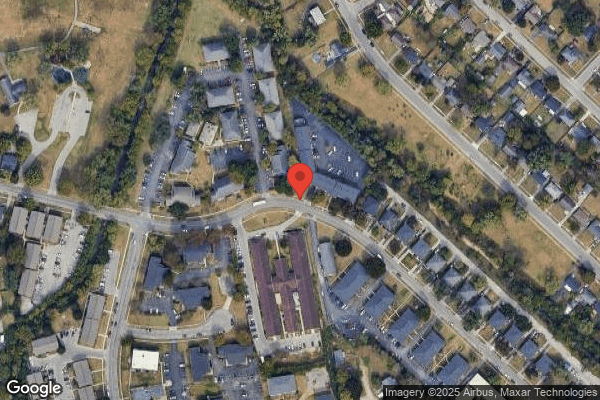
2020 CAMBRIDGE DRIVE, LEXINGTON, KY 40504 (859) 252-6747
For profit - Limited Liability company 108 Beds BLUEGRASS HEALTH KY Data: November 2025
Trust Grade
65/100
#98 of 266 in KY
Last Inspection: May 2025

Inspected within the last 6 months. Data reflects current conditions.

Overview

Cambridge Nursing & Rehabilitation Center has a Trust Grade of C+, indicating it is slightly above average in quality, but not without concerns. It ranks #98 out of 266 facilities in Kentucky, placing it in the top half of nursing homes in the state, and #4 out of 13 in Fayette County, meaning only three local options are rated higher. The facility is improving, having reduced its issues from 2 in 2024 to none in 2025, but staffing remains a significant concern with a very low rating of 1 out of 5 stars and a high turnover rate of 61%, which is above the state average. While there have been no fines, indicating compliance with regulations, there are still notable weaknesses, such as instances where residents did not receive the required assistance for safe transfers and sanitation issues in food preparation areas. On the positive side, the facility has a good health inspection rating of 4 out of 5 stars and is committed to following infection control practices, although RN coverage is lower than most facilities, potentially impacting resident safety.

Trust Score
C+
65/100
In Kentucky
#98/266
Top 36%
Safety Record
Low Risk
No red flags
Inspections
Getting Better
2 → 0 violations
Staff Stability
⚠ Watch
61% turnover. Above average. Higher turnover means staff may not know residents' routines.
Penalties
✓ Good
No fines on record. Clean compliance history, better than most Kentucky facilities.
Skilled Nurses
⚠ Watch
Each resident gets only 28 minutes of Registered Nurse (RN) attention daily — below average for Kentucky. Fewer RN minutes means fewer trained eyes watching for problems.
Violations
○ Average
9 deficiencies on record. Average for a facility this size. Mostly minor or procedural issues.
★★★☆☆
3.0
Overall Rating
★☆☆☆☆
1.0
Staff Levels
★★☆☆☆
2.0
Care Quality
★★★★☆
4.0
Inspection Score
Stable
2024: 2 issues
2025: 0 issues

The Good

  • Full Sprinkler Coverage · Fire safety systems throughout facility
  • No fines on record

Facility shows strength in fire safety.

The Bad

3-Star Overall Rating

Near Kentucky average (2.8)

Meets federal standards, typical of most facilities

Staff Turnover: 61%

15pts above Kentucky avg (46%)

Frequent staff changes - ask about care continuity

Chain: BLUEGRASS HEALTH KY

Part of a multi-facility chain

Ask about local staffing decisions and management

Staff turnover is elevated (61%)

13 points above Kentucky average of 48%

The Ugly 9 deficiencies on record

Aug 2024 2 deficiencies
CONCERN (D) 📢 Someone Reported This

A family member, employee, or ombudsman was alarmed enough to file a formal complaint

Potential for Harm - no one hurt, but risky conditions existed

Accident Prevention (Tag F0689)

Could have caused harm · This affected 1 resident

Based on observation, interview, record review, and review of the facility's policy, the facility failed to have an effective system in place to ensure residents who exhibited wandering behaviors or w...

Read full inspector narrative →
Based on observation, interview, record review, and review of the facility's policy, the facility failed to have an effective system in place to ensure residents who exhibited wandering behaviors or were assessed at risk for elopement received adequate supervision and monitoring for 1 of 10 sampled residents, Resident (R) 1. On 07/22//2024, R1 was ordered to be on 15 minute checks by the Advanced Practice Nurse Practitioner (APRN)1 due to the resident's diagnosis of dementia, high elopement risk, and history with falls. However, the order was discontinued on 07/30/2024, and the APRN1 stated she did not order the 15 minute checks to be discontinued. Therefore, on 08/02/2024 at approximately 2:00 PM, R1 exited the facility without staff knowledge, unsupervised, and unescorted. Interviews revealed the resident walked with a cane and shuffled, but was able to walk approximately 60 to 70 feet from the facility close to a two lane road. The resident was found on his knees. Per interviews, an alarm sounded to signal to staff the resident had exited the facility; however, staff failed to respond to the alarm in a timely manner. The findings include: Review of the facility's policy titled, Elopement Wander Risk Protocol, revision date 02/2023, revealed every resident would have an Elopement Risk Assessment completed on admission, quarterly, and whenever the resident experienced a significant change in status. Additional review revealed residents who were identified as risk for elopement would have interventions put in place to minimize such risk. Further review revealed residents who actually did attempt to leave the building unauthorized would be monitored every 15 minutes for 24 hours following the elopement attempt. Review of R1's Face Sheet revealed the facility admitted the resident on 02/23/2021 with diagnoses to include psychotic disorder with hallucinations, Alzheimer's, and history of falls and muscle weakness. Review of R1's quarterly Minimum Data Set (MDS), with an assessment reference date (ARD) of 05/17/2024, revealed the resident had a Brief Interview for Mental Status (BIMS) score of zero-zero (00) out of 15, which indicated the resident was severely cognitively impaired. Review of R1's Elopement Risk Assessment, dated 02/15/2024, revealed R1 did not score as an elopement risk as evidenced by only yes to was the resident physically able to leave the facility on own with or without an assistive device. Review of R1's Elopement Risk Assessment, dated 05/17/2024, revealed R1 scored as an elopement risk as evidenced by answering yes to physically able to leave facility on own with or without assistive device and yes to does resident wander in an exit seeking manner. Review of R1's Fall Risk Assessment scored him as a high fall risk on 12/04/2023, 02/15/2024, 05/17/2024, and 08/14/2024. Review of R1's Order Set, dated 05/28/2024, revealed an order for Wander Guard/Wander Elopement Device due to poor safety awareness and to update the order with the new date when the bracelet was changed. Review R1's Order Set, dated 07/30/2024, revealed the resident's 15 minute checks were discontinued. Review of R1's Comprehensive Care Plan (CCP), dated 08/22/2022, revealed a focus of at risk for complications and or injury related to behaviors and history of wandering with revision date of 07/22/2024. Continued review revealed a focus of resident liked to wander and was at risk for elopement, date initiated 03/09/2021 with revision date of 12/18/2023. Review of interventions included 15 minute checks and if exit seeking offer snack or diversional activity, with initiation date of 08/02/2024. Further review revealed interventions included to allow resident to wander through out the facility with supervision as needed, initiated on 03/09/2021 without revision date noted. Review of R1's Progress Note, dated 07/30/2024 at 10:01 AM and 11:38 AM, revealed the nurse documented that 15 minute checks were discontinued today by the Unit Manager. Review of R1's Progress Note, dated 08/02/2024, and signed on 08/08/2024, by the Advanced Practice Registered Nurse (APRN) 1, revealed R1 was being seen for increased agitation behavior and exit seeking behaviors. Additional review revealed R1 was not followed with psychiatric services for multiple psychiatric diagnoses including poor safety awareness with impulsiveness, likely due to progressive dementia and continuing decline in cognition. Per the note, since R1 was at high risk for elopement, the plan was to continue with 15 minute checks per facility protocol, referrals to facilities with locked memory care units, consult psychiatric services at next facility visit, and Wander Guard bracelet for increased safety when wandering. Review of R1's Frequent Check Flow Sheet revealed 15 minute checks were initiated on 07/22/2024 at 8:00 PM and discontinued on 07/30/2024 at 10:15 AM. Further review revealed 15 minute checks were initiated on 08/02/2024 at 2:00 PM, with no documentation noted after 08/15/2024 at 9:00 AM. Observation on 08/13/2024 at approximately 2:30 PM revealed the area where R1 was found by staff was approximately 60 to 70 feet from the emergency egress door where he exited. Additional observation, on 08/15/2024 at 1:00 PM, revealed the area where R1 was found was approximately 70 feet from a two lane road. Observation on 08/14/2024 at 10:45 AM revealed R1 walking from the bathroom toward the bed with assistance of staff with slow, unsteady, shuffle like gait with a Wander Guard bracelet to his left wrist. Observation on 08/16/2024 at 10:05 AM revealed a Wander guard bracelet to R1's right ankle. During an interview with the East Hall Unit Manager (UM) on 08/13/2024 at 2:55 PM, she stated R1 had exited the facility on 08/02/2024, she thought around 2:00 PM or 2:30 PM. She stated R1 had always had the behavior of going from unit to unit, adding he at times would voice wanting to go home. During an interview with Housekeeper (HK) 1 on 08/13/2024 at 1:20 PM, she stated she had been in a resident room approximately halfway down the [NAME] Hall past the nurses' station, and upon exiting the room, she heard a door alarm at the end of the [NAME] Hall. She stated she walked to the [NAME] Hall nurses' station, which was located between the door alarming and where she had been cleaning. She stated as she approached the station, Registered Nurse (RN) 1 was sitting at the nurses' station on the computer. She stated she asked RN1 if she heard the alarm, and then they both walked toward the sounding alarm which was an emergency egress door at the end of [NAME] Hall. She stated as they approached the door, they could see out the sunroom's windows that R1 was in a grassy area, down on one knee in front of the facility. She stated she had seen R1 earlier in the day walking around on [NAME] Hall, adding he lived on East Hall, but that was not unusual for him. She stated she asked R1 where he was going once getting outside to him, and R1 stated, I am going home. During an interview with RN1 on 08/13/2024 at 1:50 PM, she stated she was sitting at the nurses' station when HK1 came to the area and asked if she heard the alarm. She stated she and HK1 starting walking down the [NAME] Hall where the emergency egress door was alarming. She stated as they approached the door, they could see (through the sun room windows) R1 out in the grassy area in front of the facility, down on one knee. She stated they both then went to the resident, and she assessed him and found no injuries. She stated she, HK1, and R1 returned through the facility's front door. She stated, when asked if she had heard the emergency egress door alarming, she was not sure. In an interview with State Registered Nurse Aide (SRNA) 7 on 08/14/2024 at 12:05 PM, she stated R1 usually had the behavior of always walking around a lot and being confused. She stated she thought R1 had a one-to-one sitter with him on second shift but not on day shift. She stated staff just kept an eye on him. She stated when R1 wandered around the facility she would re-direct him or offer snacks and that would help most of the time. During an interview with Licensed Practical Nurse (LPN) 5 on 08/14/2024 at 1:43 PM, she stated R1 could walk as long as he had his cane. She stated she felt his confusion had worsened over the last month or so and was asking staff how do I get out of here. She stated nurses did not update care plans or add interventions, nor did she look at care plans each day. She stated R1 had been on 15 minute checks due to an altercation with his roommate but was unable to state the exact date. She stated the day he exited the building she could not remember any different behavior. During an interview with Kentucky Medication Aide (KMA)/SRNA3 on 08/14/2024 at 2:25 PM, she stated R1 was either wandering through out the facility all day going to the doors, or going in and out of other resident rooms, or sleeping all day. She stated she was in another resident room at the time of the incident. During an interview with SRNA12 on 08/19/2024 at 10:35 AM, she stated R1 was usually disoriented and wandered up and down the hallways and would go to the doors and try to open, but he had always had that behavior. During an interview with the [NAME] Unit Manager on 08/22/2024 at 10:25 AM, she stated she was in a meeting in the conference room with other staff members the day R1 left the facility but was unable to name the others in the meeting. She stated she heard the alarm sound, but she nor anyone else in the conference room responded. She stated alarms were sounding all the time, and she felt like staff was just numb to it. She stated even if staff was numb to all the alarms, her expectation was to respond immediately. During an interview with the Maintenance Director on 08/15/2024 at 9:15 AM, he stated he was working the day R1 had left the facility but could not recall if he heard the alarm. He stated he had performed the door checks and Wander Guard checks the day of the incident, and they all worked. During an interview with the DON on 08/16/2024 at 10:30 AM, she stated she was working the day R1 left the facility, and he was outside without an escort or staff. She stated she was unsure how long R1 had been outside but thought it was about five minutes or so. She stated she would be concerned for a resident's welfare and safety of being outside alone and was aware the highway was close to the facility. Further, she stated she did not investigate the resident's leaving the facility without supervision as the resident remained on the facility's property. During an interview with the DON on 08/22/2024 at 2:09 PM, she stated her expectation was for staff to follow policies to assure the safety of all residents. During an interview with APRN1 on 08/16/2024 at 11:30 AM, she stated she did not order the 15 minute checks for R1 to be discontinued on 07/30/2024. She stated R1 was a high elopement risk and discussions were held in the IDT meetings. She stated she was unable to say when the last meeting was or if there were any resolutions. When asked what concerns did she have when she learned of R1 leaving the facility, she stated his safety due to history of dementia and falls. During an interview with the Administrator on 08/16/2024 at 12:45 PM, she stated she was acting interim Administrator and had started after the incident. She stated her expectations of staff was to respond to door alarms immediately, and it was the staff's responsibility to know the signs of exit seeking behavior. She stated her expectations was that staff provided supervision of the residents. She stated staff should not rely totally on alarms. In an interview with the Regional [NAME] President of Operations on 08/22/2024 at 2:45 PM, she stated her expectations were for staff to respond immediately to any alarm as soon as they heard it.
CONCERN (E) 📢 Someone Reported This

A family member, employee, or ombudsman was alarmed enough to file a formal complaint

Potential for Harm - no one hurt, but risky conditions existed

Infection Control (Tag F0880)

Could have caused harm · This affected multiple residents

**NOTE- TERMS IN BRACKETS HAVE BEEN EDITED TO PROTECT CONFIDENTIALITY** During an interview with the Assistant Director of Nursing (ADON) on 08/15/2024 at 2:05 PM, she stated the facility followed CDC...

Read full inspector narrative →
**NOTE- TERMS IN BRACKETS HAVE BEEN EDITED TO PROTECT CONFIDENTIALITY** During an interview with the Assistant Director of Nursing (ADON) on 08/15/2024 at 2:05 PM, she stated the facility followed CDC guidelines for IPCP. She stated it was her expectation that all staff followed facility policies related to IPCP to include hand hygiene and wearing PPE. The ADON stated following infection control guidelines was important to prevent the spread of infection and cross contamination. During an interview with the DON/IP on 08/22/2024 at 2:08 PM, she stated her duties as DON/IP were to supervise all clinical staff to ensure they completed tasks to ensure the safety and well-being of all residents. She stated her expectation was that every employee followed facility protocols and procedures to ensure that residents were cared for and safe. The DON/IP stated the facility followed CDC guidelines and recommendations. She stated she educated staff immediately if there was a breach in infection control protocol. The DON/IP stated she did not conduct formal infection control audits of staff but stated, We do watch them. Per the interview, staff received infection control training upon hire, and it was reviewed many times throughout the year. She stated hand hygiene was essential to prevent the spread of infection. She stated it was her expectation that all staff performed hand hygiene before and after the care of residents by properly donning (putting on) and doffing (taking off) PPE per CDC guidelines. She stated following facility policies was important for the safety and well-being of residents and staff and to prevent the spread of infection and disease. During an interview with the Advanced Practice Registered Nurse provider on 08/17/2024 at 11:25 AM, she stated it was her expectation that staff followed provider orders related to TBP. She stated following IPCP was important to prevent the spread of infection and cross contamination. During an interview with the Interim Administrator 08/22/2024 at 2:32 PM, she stated her current job duties involved managing facility operations in all departments, including nursing. She emphasized the importance of resident safety, which was maintained through training, education, drills, testing, and quizzes. The Interim Administrator stated there was a need for continuous staff re-education and her expectation that all staff followed facility policy and IPCP. She stated nursing leadership should promptly correct breaches in infection control. She stated the facility had a 12-month rolling training program, and the DON/IP educated and audited staff regarding IPCP. The Interim Administrator stated it was her expectation for all staff to follow the facility's IPCPs, which was crucial to protect staff, residents, and visitors from infection and disease. During an interview with the Regional [NAME] President of Operations (RVPO) on 08/22/2024 at 2:45 PM, she stated that it was her responsibility to oversee the administration of operations. She stated it was her expectation for all staff to follow the facility's policies related to infection control and to maintain and adhere to IPCP in order to prevent the spread of disease. Based on observation, interview, record review, review of the facility's policy and signage, and review of the Centers for Disease Control and Prevention (CDC) Guidelines, the facility failed to maintain an infection prevention and control program designed to help prevent the development and transmission of communicable diseases and infections for 4 of 42 sampled residents, Resident (R) 9, 19, 35, and 36. The findings include: Review of the Centers for Disease Control and Prevention (CDC) guidelines Infection Control Guidance: SARS-CoV-2, dated 06/24/2024, revealed adherence to infection prevention and control practices was essential to providing safe and high quality patient care across all settings where healthcare was delivered. Further review revealed facilities should limit movement of the resident outside of the room to medically essential purposes. Review of the CDC guidelines Healthcare Provider and Facility Operational Considerations, dated 08/06/2024, revealed the CDC recommended using precautions to prevent the spread of infection while performing aerosol-generating procedures (AGPs). The CDC recommended keeping the door closed during the procedure. Further review revealed the guideline stated the Covid-19 positive resident should be in a private room, if not then the roommate should be removed from the room during the procedure. Per the guideline, if the roommate could not be removed, the curtain should be drawn between the beds, and staff should increase ventilation by cracking a window or putting a fan face-out in the window. Review of the facility's policy titled, Covid-19, revised 12/05/2023, revealed in addition to standard precautions, special droplet and contact precautions would be implemented for residents suspected or confirmed to have Covid-19 based on the CDC guidance. The policy stated the facility would follow the CDC published guidance for residents with suspected Covid-19. Further review revealed, for procedures performed on residents with known or suspected Covid-19 that were likely to induce coughing (e.g., nebulizer treatments), staff was to refer to CDC guidance. Additionally, the policy stated residents in transmission based precautions (TBP) were restricted to the room except for medically necessary procedures. Per the policy, if the resident had to leave the room, he/she would be encouraged to wear a face mask or a cloth face covering. Review of the facility's signage Special Droplet/Contact Precautions (procedure to be used) revealed everyone must, including visitors, doctors, and staff, clean hands when entering and leaving the room, wear a facemask, eye protection, and gown and glove at the door. Further review of the signage revealed when doing aerosolizing procedures, a fit tested N-95 respirator with eye protection or higher was required. Additional review revealed to keep the door closed. Review of the facility's signage Sequence for Putting on Personal Protective Equipment (PPE) (procedure to be used), revealed the gown must fully cover the torso from neck to knees, arms to end of wrists, and wrap around the back. Review of the facility's signage How to Safely Remove PPE revealed to remove all PPE before exiting the patient room except a respirator was removed after leaving the resident's room. Further review revealed if the front of the mask/respirator was contaminated-DO NOT TOUCH. Additional review revealed if hands got contaminated during mask/respirator removal, immediately wash hands or use an alcohol-based sanitizer and discard in a waste container. Review of the facility's signage Enhanced Barrier Precautions (EBP) (procedure to be used) revealed everyone must clean hands before entering and leaving the room and wear gloves and a gown for High-Contact Resident Care Activities which included changing linens. 1. Observation on 08/13/2024 at 1:00 PM revealed State Registered Nurse Aide (SRNA) 1 entered an EBP room without donning (putting on) PPE. During an interview with SRNA1 on 08/13/2024 at 1:15 PM, she stated R9 spilled a soda on the top sheet, and she changed it. SRNA1 stated she had EBP training, and the training included to always wear a gown and gloves when providing care and to wash or sanitize hands. She stated R9 had a wound, but she did not think R9 was on EBP. Review of R9's Face Sheet revealed the facility admitted the resident on 02/21/2024 with diagnoses to include morbid obesity, methicillin resistant staphylococcus aureus infection (multi-drug resistant bacteria) as the cause of disease classified elsewhere, and high blood pressure. Review of R9's Physician's Orders, dated 06/30/2024, revealed an order for EBP. Additional review of an order, dated 05/29/2024, revealed an order for wound treatment to the left gluteus. Review of R9's Comprehensive Care Plan (CCP) with initiation date of 02/22/2024 and revision date of 08/08/2024, revealed a focus identifying R9 at risk for infection related to disease process and communal living situation. Additional review revealed interventions to include EBP with initiation date of 02/29/2024 and revision date of 08/08/2024 to include infection control per facility protocol. Continued review revealed additional interventions to include infection control per facility protocol. Further review revealed the left gluteal wound had resolved with initiation date of 05/29/2024 and resolved date of 06/01/2024. 2. Observation of the East Wing on 08/15/2024 at 1:45 PM revealed a clear plastic garbage bag full of dirty linens was on the floor in the hallway outside of room [ROOM NUMBER], a droplet precaution isolation room. During an interview with SRNA 8 on 08/15/2024 at 1:50 PM, she stated staff should bag dirty linen from a transmission-based precaution (TBP) room, take the bag to the dirty linen room, and place the bag in blue bags, indicating the linen was from an isolation room. SRNA8 stated staff should not place linen on the floor. She stated following infection control protocols was important to prevent the spread of infection and cross-contamination. During an interview with the Housekeeping Supervisor on 08/21/2024 at 9:40 AM, he stated laundry from isolation rooms were bagged in the room, and staff took contaminated laundry to the dirty utility room. He stated isolation laundry was placed in a blue biohazard bag and put in a laundry bin. He stated staff then took the bin to the laundry. He stated laundry personnel were trained to wash those items separately. He further stated it was important to separate laundry to prevent the spread of infection to residents. 3. a. Observation of the East Wing on 08/15/2024 at 1:45 PM revealed R19, a roommate of R36, who was Covid-19 positive and had been exposed to Covid-19, was seated in her wheelchair in the doorway to her room with a mask on. However, it was not covering her mouth and nose. R36 was unmasked, sitting in bed, and the privacy curtain was not closed. b. Observation of the East Wing on 08/19/2024 at 12:36 PM revealed R35 in room [ROOM NUMBER], who was Covid-19 positive, sitting halfway in the doorway and halfway in the hallway, not wearing a mask. Several staff members passed the resident while handing out meal trays, but none of them encouraged him to wear a mask or return to his room. During an interview with SRNA5 on 08/19/2024 12:45 PM, she stated residents with Covid-19 and in droplet isolation precautions should remain in their rooms. She stated if the resident was in the doorway they must wear a mask. SRNA5 stated she did not see R35 out of his room and if she had seen him, she would have redirected him back to his room. SRNA5 further stated following infection prevention and control practices (IPCP) was important to prevent the spread of infection and cross contamination. During an interview with SRNA8 on 08/19/2024 at 11:05 AM, she stated if a resident was in any TBP isolation other than EBP, they should remain in their rooms. She stated if they were near the doorway or needed to leave, they were redirected to wear a mask to prevent the spread of infection to other residents and staff. During an interview with Kentucky Medication Aide (KMA)/SRNA6 on 08/14/2024 at 2:25 PM, she stated residents with Covid-19 and in droplet isolation precautions should remain in their rooms. She stated if the resident was in the doorway they must wear a mask. KMA/SRNA6 stated she did not see R19 unmasked while sitting in the doorway. She stated if she had she would have redirected her to place the mask over her nose and mouth. During an interview with Licensed Practical Nurse (LPN) 5 on 08/14/2024 at 1:50 PM and on 08/18/2024 at 12:33 PM, she stated that Covid-19 residents should remain in their rooms. She stated if they were near the doorway or needed to leave, they must wear a mask. She further stated staff should encourage residents to wear masks. LPN5 stated following IPCP was important to prevent the spread of infection to at risk residents. During an interview with Registered Nurse (RN) 1 on 08/14/2024 at 2:40 PM, she stated according to facility policy, residents with Covid-19 should remain in their rooms. She stated if they were near the doorway or needed to leave the isolation room, they must wear a mask. During an interview with the Director of Nursing/Infection Preventionist (DON/IP) on 08/17/2024 at 12:07 PM, she stated according to policy, residents under droplet precaution isolation should stay in their rooms. She stated residents in droplet precautions who were sitting in their doorways or out of their room without a mask should be encouraged to wear a mask. She stated if the resident came out of the isolation room, they must wear a mask to prevent the spread of infection to other residents, staff, and visitors. 4. Observation of the East Wing on 08/15/2024 at 2:50 PM, revealed the door to room [ROOM NUMBER], a droplet precaution isolation room, was wide open. Upon further observation, R36, who tested positive for COVID-19 on 08/13/2024, was observed having a nebulizer treatment. R36 was in the bed near the window, and her privacy curtain was not pulled. R36's roommate, R19, who was not COVID-19 positive, was in her room sitting in her wheelchair near the door during R36's treatment. R19 was wearing a mask, however it was pulled down below her chin. No source control precautions were taken to minimize the spread of potential aerosolization. During an interview with LPN3 on 08/15/2024 at 2:55 PM, she stated she was not aware R36 was receiving a nebulizer treatment. She stated that to prevent the spread of infection, the privacy curtain and door should be closed. She stated, however, that most of the residents in droplet precaution isolation had requested their doors remain open. During an interview with the DON/IP on 08/15/2024 at 9:38 AM, she stated that doors and curtains remained open upon the request of the resident. She stated that according to CDC guidelines, doors and curtains should be closed to prevent the spread of Covid-19. However, she stated the resident had the right to have the door open. 5. Observation on 08/19/2024 at 1:35 PM revealed Housekeeper 2 entered rooms [ROOM NUMBER], removed garbage bags, and replaced each with a new one without donning gloves or practicing hand hygiene. Additional review revealed she took the bags of trash in each room with her and then walked up the hall to the dirty utility room to dispose of the bags. During an interview with Housekeeper 2 on 08/20/2024 at 11:20 AM, she stated she had been employed by the facility for about one year. When asked about entering rooms [ROOM NUMBER], she stated she was replacing garbage bags, and some were empty, and some had trash in them. She stated she was unsure if she wore gloves or not, but she had performed hand hygiene in the bathrooms of each room. During an interview with the Housekeeping Supervisor on 08/21/2024 at 9:55 AM, he stated Housekeeper 2 should have donned gloves prior to emptying garbage from resident rooms, and she told him she thought she had not performed HH because she was nervous since she knew the State Survey Agency (SSA) Surveyor was observing her. He stated it was important to wear gloves anytime staff was emptying garbage to prevent the spread of germs throughout the facility. 6. Observation on 08/19/2024 at 1:40 PM revealed SRNA4 donned PPE to enter a Covid positive room, room [ROOM NUMBER]. Additional review revealed SRNA4 donned one gown which did not fully cover the back side of her clothing. Further observation on 08/19/2024 at approximately 1:50 PM revealed SRNA4 exited the same room with an N-95 respirator on and an empty food tray in hand. Continued observation revealed SRNA4 sat the food tray on the floor in hallway outside of room [ROOM NUMBER]. He then removed the N-95 respirator and placed it in a tray, ungloved, without performing hand hygiene (HH) after the placement. Further observation revealed he then bagged both the N-95 respirator and food tray, carried them to the dirty utility room, exited the dirty utility room with the food tray unbagged, and placed it on the meal trolley. During an interview with SRNA4 on 08/19/2024 at 3:10 PM, he stated before entering a Covid positive room all PPE should be donned properly, and before exiting a Covid positive room all PPE should be removed and bagged. He stated he had infection control training by the Assistant Director of Nursing (ADON) and knew that process was important to keep anyone from getting sick. During an interview with the Director of Nursing (DON) on 08/22/2024 at 2:09 PM, she stated she had held the position since 07/03/2024 and was also the Infection Preventionist (IP) nurse. She stated if an isolation gown did not fully cover the staff's clothing, they should don two gowns. She stated HH should be practiced to prevent cross contamination, and if hands were visibly soiled, staff should wash hands.
Sept 2020 3 deficiencies
CONCERN (D)

Potential for Harm - no one hurt, but risky conditions existed

Infection Control (Tag F0880)

Could have caused harm · This affected 1 resident

Based on observation, interview, and review of the facility's policies, it was determined the facility failed to establish and maintain an infection prevention and control program designed to provide ...

Read full inspector narrative →
Based on observation, interview, and review of the facility's policies, it was determined the facility failed to establish and maintain an infection prevention and control program designed to provide a safe, sanitary and comfortable environment and to help prevent the development and transmission of communicable diseases and infections to properly prevent and/or contain COVID-19. Observation of medication administration, on 09/23/2020 at 8:30 AM, revealed Licensed Practical Nurse (LPN) #1 failed to wash or re-sanitize hands between Resident #51's medication administration and Resident #39's medication administration. Further observation revealed that Licensed Practical Nurse #1 dropped a green medication capsule on the top of the medication cart, a contaminated surface, picked it up with bare hands, and placed the capsule in the medication cup to administer to Resident #39. The findings include: Review of the facility's policy, Administering Medications Policy, revised December 2012, revealed medications would be administered in a safe, timely manner and as prescribed. Further review revealed staff would follow established facility infection control procedures (e.g., handwashing, antiseptic technique, gloves, isolation precautions, etc.) for the administration of medications, as applicable. Review of the facility's policy, Handwashing Policy, dated 09/24/2014, revealed handwashing with soap and water was the best approach to hand hygiene; however, alcohol-based hand rub could be used in certain circumstances, unless hands were visibly soiled. Per policy, examples included contact with a resident's intact skin, taking blood pressure or pulse, performing a non-invasive physical assessment, lifting the resident in bed, and passing medications. Review of the facility's document Handwashing Performance Evaluation Checklist, dated 09/15/2020, revealed LPN #1 satisfactorily completed the education and competencies on handwashing. Observation of medication preparation and administration, on 09/23/2020 at 8:30 AM, revealed LPN #1, at the East Hallway Medication Cart, was preparing medications for Resident #51, who was sitting in the lobby. Further observation revealed LPN #1 reached for a pair of gloves, and one (1) glove dropped on the floor; LPN #1 discarded the dropped glove, retrieved another glove, put both gloves in her pocket, and went to Resident #51 to administer his/her medications. Per observation, LPN #1 did not wash or re-sanitize her hands before going to Resident #51 and administering his/her oral medications. Per observation, LPN #1 then donned a pair of gloves, administered two (2) sprays of Flonase Nasal Spray into each nostril of Resident #51, and removed and discarded her gloves; but, she did not wash or sanitize her hands after removing the gloves. Continued observation revealed LPN #1 prepared Resident #39's medications without washing or sanitizing his/her hands. In addition, LPN #1 dropped a green medication capsule on the top surface of the medication cart, a contaminated surface, picked it up with her bare hands, broke open the capsule, and then emptied the contents into the medication cup. Further observation revealed LPN #1 went to Resident #39's room and administered the medication that had dropped onto the medication cart. Interview with LPN #1, on 09/24/2020 at 10:35 AM, revealed she had been employed at the facility for approximately one (1) year. She stated she should have washed or sanitized her hands after picking up the glove from the floor and before administering medications to Resident #39. Further interview revealed she should have performed hand hygiene between Resident #51's medication administration and Resident #39's medication administration. In addition, LPN #1 stated she probably should have discarded the capsule dropped on the surface of the medication cart and retrieved another one. LPN #1 stated hands should be washed or sanitized when donning/doffing gloves, between resident care, and as frequently as needed. Continued interview revealed proper hand hygiene was necessary to prevent the spread of infection and keep residents and staff safe. Interview with the Assistant Director of Nursing (ADON), on 09/24/2020 at 2:00 PM, who had been employed at the facility for five (5) years and the Director of Nursing (DON), who had been employed at the facility for one (1) month revealed staff was to use hand sanitizer before and after donning and doffing gloves, and before, between, and after resident care and contacts to prevent the spread of infection. Continued interview with both revealed staff was trained on proper handwashing techniques and hand hygiene. Per interview, the ADON and DON expected staff to follow infection control guidelines and policies strictly to prevent the spread of infection. Interview with the Administrator, on 09/24/2020 at 6:15 PM, revealed she expected staff to follow infection control protocols, policies, procedures, and guidelines to include hand hygiene to prevent the spread of infection to residents and staff. Further, the Administrator said staff should be washing and/or sanitizing their hands between residents and when administering medications.
CONCERN (E)

Potential for Harm - no one hurt, but risky conditions existed

Accident Prevention (Tag F0689)

Could have caused harm · This affected multiple residents

**NOTE- TERMS IN BRACKETS HAVE BEEN EDITED TO PROTECT CONFIDENTIALITY** 3. Review of Resident #32's medical record revealed the facility admitted the resident, on 01/14/2019, with diagnoses including ...

Read full inspector narrative →
**NOTE- TERMS IN BRACKETS HAVE BEEN EDITED TO PROTECT CONFIDENTIALITY** 3. Review of Resident #32's medical record revealed the facility admitted the resident, on 01/14/2019, with diagnoses including Dementia, Hypertension, Muscle Weakness, and History of Falls. Review of the Quarterly Minimum Data Set (MDS), dated [DATE], revealed the facility assessed the resident as having a Brief Interview for Mental Status (BIMS) of nine (9) out of fifteen (15) indicating the resident was cognitively impaired. Continued review of the Quarterly MDS, section G, revealed Resident #32 required one (1) person assist for transfers. Review of Physician Orders, dated 03/18/2020, revealed Resident #32 was to perform all transfers with assist of one (1). Further review revealed a Physician Order, dated 04/21/2020, revealed Resident #32 was to transfer from the wheel chair to the bed with assist of transfer pole and one (1) person assist. Review of the CCP, dated 07/20/2020, revealed a focus on falls secondary to weakness, cognition, and history of falls. The goal was Resident #32 would remain free of injury from falls through the next review with a target date of 10/20/2020. Interventions, not dated, revealed to use the pole with assist as ordered; on 09/15/2020, non-slip grips to be used on the transfer pole for transfers. Continued review of the CCP, dated 07/20/2020, revealed Resident #32 required assistance with activities of daily living (ADL) due to Weakness, Fracture, Dementia, Pain and History of Falls. The goal was Resident #32 would continue to participate with ADL's as able through the next review with a target date of 10/20/2020. An intervention, not dated, was the resident would use the transfer pole. Review of the Daily Care Plan Record, a nurse aide care plan, not dated, revealed Resident #32 required an assist of one (1) for transfer with the pole. Review of the Bed Safety Assessment, dated 04/21/2020, revealed Resident #32 had limited bed mobility, difficulty moving to a sitting position on the side of the bed, and poor trunk control. Further review of the assessment revealed an alteration in safety awareness. Review of the Fall Incident Report, on 09/15/2020 at 5:30 PM, revealed Resident #32 had fallen from the transfer pole while trying to self transfer from the wheelchair to the bed. The resident stated his/her hand slipped while trying to self transfer. Resident #32 was assessed and had no injuries, vital signs taken, and notifications made to the Physician and family. Observation, on 09/22/2020 at 12:00 PM, revealed a transfer pole located to the left side of Resident #32's bed. Observation, on 09/24/2020 at 2:45 PM, of Resident #32's room revealed a pole beside the bed which measured three (3) inches between the bed and the pole. The transfer pole had non-slip grips wrapped around the elbow of the pole. Interview with State Registered Nurse Aide (SRNA) #1, on 09/24/2020 at 2:45 PM, revealed Resident #32 had a transfer pole near the bed. She stated it took one (1) staff to assist Resident #32 with transfers. SRNA #1 stated therapy evaluated the resident's need and use of the transfer pole. Interview with SRNA #2, on 09/24/2020 at 2:50 PM, revealed therapy trained the staff and maintenance installed the poles. SRNA #2 stated she had not worked with Resident #32. Interview with the Occupational Therapist (OT), on 09/24/2020 at 3:15 PM, revealed Resident #32 was a one (1) person assist. The OT stated therapy would train staff on transfers of residents using the pole. 4. Review of Resident #38's medical record revealed the facility admitted the resident, on 11/11/2019, with diagnoses including Dementia, Parkinson's Disease, and Age-Related Physical Debility. Review of the Quarterly MDS, dated [DATE], revealed the facility assessed Resident #38 as having a BIMS of six (6) out of fifteen (15) indicating the resident had cognitive impairment. Continued review of the MDS, section G, revealed Resident #38 required a two (2) person assist with transfers. Review of Resident #38's Physician Orders, dated 01/27/2020, revealed he/she was to use side rails and the transfer pole to right side of the bed per therapy. Review of the CCP, dated 07/24/2020, revealed a focus of the resident was at risk for injury related to falls secondary to History of Falls, Weakness, Debility, Parkinson's Disease, and Impaired Cognition. The goal for Resident #38 was to remain free of injury from falls through the next review with a target date of 02/21/2020. An intervention, dated 09/22/2020, was therapy to re-evaluate safety of the transfer pole. Further review of the CCP, dated 07/24/2020, revealed another focus of Resident #38 required assistance with ADL's related to Weakness, Debility, Unsteady Gait, Decreased Mobility, Parkinson's Disease, and Impaired Cognition. The goal was Resident #38 would remain comfortable through the end of life with a target date of 10/20/2020. Interventions were for 1/2 side rails x 2 for assistance with turning and repositioning. Review of Resident #38's Daily Care Plan Record, not dated, revealed transfers required an assist of one (1) with a stand-up life and a transfer pole at the bedside. Review of Resident #38's Bed Safety Assessment, dated 01/27/2020, revealed bed rails were assessed for safety, and the gap was assessed for risk of entrapment; the measurement should not be more than 2.5 inches from the bed to the rail. Continued review of the assessment revealed Resident #38 had limited bed mobility, poor trunk control, poor safety awareness, and difficulty moving to a sitting position on the side of the bed. Therefore, requirements for the resident were side rails for positioning, rails raised while in bed, and increased safety precautions. Review of Physical Therapy notes for Resident #38, dated 01/28/2020 through 03/09/2020, revealed the reasons for skilled services were to minimize falls, promote safety awareness, and increase lower extremity (LE) range of motion (ROM). Review of Occupational Therapy notes for Resident #38, dated 01/27/2020 to 03/22/2020, in clinical impressions, revealed Resident #38 demonstrated deficits with bilateral upper extremities (BUE) strength, trunk strength, and balance which showed an increased need for assistance with ADL's. Continued review of the Occupational Therapy Discharge summary, dated [DATE], revealed a recommendation for grab bars. Observation, on 09/22/2020 at 12:05 PM, of Resident #38's room revealed a transfer pole located to the right side of the bed. Observation, on 09/24/2020 at 3:02 PM, of Resident #38's bed showed the transfer pole was measured at 9.0 inches from the bed rail to the pole and 10.5 inches from the bed to the pole. Interview with SRNA #1, on 09/24/2020 at 2:45 PM, revealed Resident #38 had a transfer pole near the bed. She stated it took two (2) staff to assist Resident #38 with transfers using the transfer pole. Interview with SRNA #2, on 09/24/2020 at 2:50 PM, revealed he was trained by therapy on how to use the transfer poles with each Resident. SRNA stated Resident #38 required a two (2) person assist using the pole. Interview with the Occupational Therapist (OT) #1, on 09/24/20 at 3:16 PM, revealed transfers were practiced with Resident #38 with one (1) assist for cueing using the transfer pole. The OT stated pole safety awareness was encouraged. Interview with Physical Therapy (PT) #1, on 09/24/20 at 3:44 PM, stated Resident #38 was an assist of one (1) when using the transfer pole. 5. Review of Resident #72's medical record revealed the facility admitted the resident, on 08/21/2017, with diagnoses including Dementia, Muscle Weakness, Diabetes Mellitus Type 2, and Major Depression. Review of the Quarterly MDS Assessment, dated 08/07/2020, revealed the facility assessed the resident as having a BIMS of four (4) out of fifteen (15) for cognitively impaired. Continued review of the MDS, section G, revealed Resident #72 required a one (1) person assist for transfers. Review of Resident #72's Physician Orders, dated 10/22/2019, revealed the resident was to have a transfer pole at the bedside to assist with transfers. Review of Resident #72's CCP, dated 08/08/2020, revealed a focus of the resident was at risk for injury related to falls secondary to Weakness. The goal was for the resident to remain free of injury from falls through the next review with a target date of 11/08/2020. The intervention was for a transfer pole at the bedside. Review of the Daily Care Plan Record, not dated, revealed Resident #72 required transfer assistance as needed (PRN) while using the transfer pole. Review of Resident #72's Bed Safety Assessment, dated 10/22/2019, revealed bed rails were assessed for safety, and the gap was assessed for risk of entrapment; the measurement should not be more than 2.5 inches from the bed to the rail. Continued review of the assessment revealed Resident #72 had limited bed mobility, poor trunk control, poor safety awareness, and difficulty moving to a sitting position on the side of the bed. Therefore, requirements for the resident were side rails for positioning, rails raised while in bed, and increased safety precautions. Review of Resident #72's Physical Therapy Discharge Summary, for dates of service 10/22/2019 to 12/20/2019, revealed he/she had a medical history of muscle weakness, and Resident #72 transferred from chair/bed-to-chair independently. Continued review of the Physical Therapy Evaluation and Plan of Treatment, dated 10/22/2019 to 12/20/2019, revealed the reason for Resident #72's referral was for a new onset of reduced dynamic balance with increased need for assistance from others, fall risk, decrease in strength, and decrease in functional mobility. Observation, on 09/22/2020 at 12:10 PM, of Resident #72's room revealed a transfer pole located to the right side of Resident #72's bed. Observation, on 09/24/2020 at 2:33 PM, of Resident #72's bed revealed the transfer pole measured six (6) inches from the bed to the pole. Interview with SRNA #1, on 09/24/2020 at 2:45 PM, revealed Resident #72 had a transfer pole near the bed, and therapy was working currently with the resident on transfers. Interview with SRNA #2, on 09/24/2020 at 2:50 PM, revealed residents were trained by therapy on how to use the transfer pole; however, Resident #72 had not been cleared for use of the transfer pole yet. Interview with the OT #1, on 09/24/2020 at 3:10 PM, revealed Resident #72 was not cleared for use of the transfer pole. The OT stated they were working in Resident #72's room with him/her on the use of the transfer pole. In addition, staff were not transferring with the transfer pole yet because they still needed to be observed using the transfer pole with Resident #72. Interview with the PT #1, on 09/24/20 at 2:43 PM, revealed Resident #72 needed assistance with transfers by using the Hoyer Lift while the therapists continued to work with Resident #72 in his/her room with the transfer pole. Additional interview with PT #1, on 09/24/2020 at 3:00 PM, revealed Physical Therapy (PT) would recommend transfer poles for residents based on need and benefit analysis. The PT stated staff were trained on proper use of transfer poles as were residents who were cognitively able to grasp such knowledge. The PT stated residents were not assessed in accordance to the MRU in terms of being able to ambulate around the pole when it was against an adjacent object. Interview with the Maintenance Director, on 09/24/2020 at 3:10 PM, revealed he was responsible for the installment of transfer poles in resident rooms. Continued interview revealed, before installment occurred, an order was received from the Director of Nursing (DON) to place the pole. Further, he stated a weekly check was required for the poles, but he tried to do it daily. He stated he received installment instructions and orders from a third party vendor. Per interview, the Director stated he had never seen the MRU's for the transfer pole, nor did it come in the box when the pole was received. Interview with the Therapy Manager, on 09/24/2020 at 3:45 PM, revealed the department assessed all residents in therapy for their transfer needs and all potential modalities based on their needs. He stated when assessing a resident with a possible need for a transfer pole, the resident was assessed for his/her current abilities and how the transfer pole could benefit the resident. In addition, he stated PT would work with Occupational Therapy (OT) to find the best placement of the transfer pole for the resident; then, maintenance placed/installed the transfer pole. Per interview, once the pole was installed, PT would work with the resident to prompt the resident and ensure the demonstration and competencies of both staff and residents were acceptable. Continued interview revealed in-services were provided to SRNA's and nurses to ensure they were competent in using the transfer pole. He stated OT's were trained in cognition to help ???residents utilize the transfer pole that were not cognitively aware. He stated residents did not use transfer poles without the assistance of staff. Per interview, he stated he was unaware of the MRU that stated the transfer pole needed to be installed at a distance from the bed to permit the resident to be able to walk all the way around the pole due to the risk of entrapment. Interview with the DON, on 09/24/2020 4:15 PM, revealed she expected transfer poles to be used for residents for any changes or decline in condition and report to her or therapy to reassess the need for the transfer pole. In addition, she stated she, too, was in the residents' rooms multiple times and saw the transfer poles. Further, the DON stated if a resident was non-ambulatory there was not an issue of becoming entrapped, as residents required staff to use the pole. She stated she was unaware of the MRU related to the placement of the transfer pole and its proximity to an object such as the bed or the chair. Continued interview with the DON, on 09/24/2020 at 5:24 PM, revealed transfer poles were used as a safety device. She stated the residents were assessed upon admission for risk of entrapment, and there was a complete reassessment of the transfer poles quarterly. Interview with the Administrator, on 09/24/2020 at 4:35 PM and again at 6:00 PM, revealed she expected residents to remain free from accidents and hazards. She stated she was aware residents were using transfer poles in their rooms to enable movement. She stated maintenance installed the transfer pole per the instructions that came with the pole. The Administrator stated she was unaware of the MRU's warning of the entrapment and falling hazards and the recommendation for the device to be installed to allow the resident to safely walk around the pole; and if this was not done, the resident could become entrapped between the pole and the side of any object adjacent to the pole causing severe injury or death. She stated therapy would evaluate the resident and recommend the placement of the transfer pole, and maintenance would place the pole per therapy's recommendation for pole placement. She stated the transfer pole was to be used as an assistive device to help the resident and enable them to hold their position in bed. She stated the facility did not perform a risk versus benefit analysis for transfer poles because the poles were viewed as an enabling device rather than a restrictive device. The Administrator stated there was a risk using any assistive device, and the facility did not perform a risk versus benefit analysis for wheelchairs or walkers. In addition, she revealed the facility did not use side rails on the residents' beds for fear of entrapment. Per interview, she stated residents that had transfer poles currently present in their rooms were not able to get up, use the transfer poles on their own, and required staff assistance to use the pole. She further stated, the MRU of the transfer pole would take away from the benefits and independence of some residents. The Administrator stated residents felt better and were able to move about easier when the transfer pole was used. Based on interview, record review, and review of the Manufacturer's Recommendations for Use of the transfer pole, it was determined the facility failed to take appropriate precautions to ensure a safe environment to prevent avoidable accidents for five (5) of twenty (20) sampled Residents (#32, #38, #54, #70 #72). Residents #32, #38, #54, #70 #72 had a transfer pole device installed in their rooms. The facility failed to ensure the transfer devices were installed per the Manufacturer's Recommendations for Use (MRU) to prevent avoidable accidents and ensure the residents' safety. The findings include: Review of the Stander Inc. Transfer Pole, Stander Be Independent Security Pole Description pamphlet, undated, revealed the Stander Security Pole and Curve Grab Bar offered a secure and safe support structure to assist mobility patients with transferring from a sitting position to a standing position. Review of the MRU for the Stander Be Independent Security Pole, undated, Section titled, Warning Entrapment and Falling Hazard, revealed small gaps between the pole/swivel handle and other stationary objects could trap and kill. Further, it stated people with Alzheimer's Disease, Dementia, use of sedation, confusion, or frailty were at an increased risk of entrapment and falls. Further review revealed failure to comply with installation instructions, which were important, could put the user(s) at risk of entrapment or falling. Continued review revealed the MRU stated if installing the pole product next to a bed, couch, toilet, or any other object, it was recommended to not install the product closer that the user(s) ability to safely walk around the pole or there could be a possibility of becoming entrapped between the pole and the side of any object adjacent to the pole. In addition, it stated the user must be able to safely walk around the pole in every swivel handle position, and it was the user(s)' responsibility to ensure there was no possible way to become entrapped between the pole and/or pivoting handle and the side of any object adjacent to the pole. Per the MRU, more specifically, this included the bed, couch, toilet, or any other object. 1. Review of Resident #54's medical record revealed the facility admitted the resident on 12/14/2017, with diagnoses to include Dementia, Diabetes Mellitus, Chronic Kidney Disease, Major Depressive Disorder, and Essential Hypertension. Review of Resident #54's Annual Minimum Data Set (MDS), dated [DATE], revealed the facility assessed Resident #54 to have a Brief Interview for Mental Status (BIMS) score of three (3) out of fifteen (15), indicating the resident was not cognitively intact. Continued review of Section G, Functional Status, revealed the facility assessed the resident to require limited assistance and one (1) person physical assistance with bed mobility, and limited assistance and one (1) person physical assistance with transfers. Review of Resident #54's Comprehensive Care Plan (CCP) revealed a focus of the resident was at risk for falls and/or injury secondary to a history of falls, and dependence on staff for bed mobility and transfers, and resident would sit on floor when tired of ambulating, dated 08/03/2020. The goal stated Resident #54 would remain free of injury from falls through the next review. Further review revealed the approaches were to encourage the resident to be as independent as safely possible; to encourage the resident to wear nonskid footwear; to remind the resident to use the call light, ensuring its accessibility at all times; to have a transfer pole at the bedside; to position the bed against the left wall per family request; and to have therapy evaluations as needed and ordered. Review of Resident #54's Nurse Aide Care Plan revealed, under Comments, the resident had a transfer pole. Review of Resident #54's Physical Therapy - Therapist Progress and Updated Plan of Care notes, dated 01/17/2020, revealed justifications for continued skilled services included strength impairments, safety awareness deficits, lower extremity strength, decreased safety awareness, and decreased dynamic balance. In addition the notes stated bed mobility and transfer training were initiated, including the use of a transfer pole. Observation of Resident #54's room, on 09/22/2020 at 10:45 AM, revealed the resident had a transfer pole placed near his/her bed. Observation of Resident #54's room, on 09/23/2020 at 2:35 PM, revealed the transfer pole was measured to be three and a half (3.5) inches away from the resident's bed. Interview with Licensed Practical Nurse (LPN) #1, on 09/23/2020 at 3:23 PM, revealed she was caring for Resident #54 that day. She stated Resident #54 utilized the transfer pole to stabilize himself/herself during transfers. Interview with State Registered Nursing Assistant (SRNA) #1, on 09/23/2020 at 3:45 PM, revealed she was caring for Resident #54 that day. She stated Resident #54 did not ambulate great distances and utilized the transfer pole to stabilize himself/herself during transfers. 2. Review of Resident #70's medical record revealed the facility admitted the resident, on 08/12/2016, with diagnoses to include Metabolic Encephalopathy, Low Vision, Abnormal Posture, Dementia, Muscle Weakness, and Essential Hypertension. Review of Resident #70's Quarterly MDS, dated [DATE], revealed the facility assessed Resident #70 to have a BIMS score of three (3) out of fifteen (15), indicating the resident was not cognitively intact. Continued review of Section G, Functional Status, revealed the facility assessed the resident to require limited assistance and one (1) person physical assistance with bed mobility and limited assistance and two (2) person physical assistance with transfers. Review of Resident #70's CCP revealed a focus of the resident was at risk for injury secondary to Generalized Weakness, History of Falls, Diabetes Mellitus, Gait Disorder, Impaired Cognition, and Dementia. Continued review revealed Resident #70 was dependent on staff for assistance, but non-compliant in asking for assistance, dated 08/21/2020. The goal stated the resident would remain free of injury from falls through the next review. Further review revealed the approaches stated have transfer pole to the right side of the bed because the left side of the bed was against the wall; have call light within reach; and answer call light in a timely manner. Review of Resident #70's Nurse Aide Care Plan, under Comments, revealed the resident had a transfer pole. Review of Resident #'70's Physical Therapy - Recertification and Updated Plan of Care notes, dated 10/31/2019, revealed clinical impressions and reasoning for skilled services included to minimize falls, to increase lower extremity range of motion, to increase functional activity tolerance, to improve dynamic balance, and to promote safety to enhance the resident's quality of life. Further review revealed, in the section Impact on Burden of Care/Daily Life, stated the resident required the transfer pole to transfer out of bed and the mechanical lift for toileting tasks. Further review revealed interventions applied included the transfer pole, with resident and caregiver training. Observation of Resident #70's room, on 09/22/2020 at 11:25 AM, revealed the resident had a transfer pole placed near his/her bed. Observation of Resident #70's room, on 09/23/2020 at 3:25 PM, revealed the transfer pole was measured to be four (4) inches away from the resident's bed. Continued observation of Resident #70's room revealed there was not enough space between the pole and the resident's bed for the resident to safely walk around the transfer pole without the possibility of becoming entrapped. Interview with LPN #1, on 09/23/2020 at 3:23 PM, revealed she was caring for Resident #70 on that date and stated it was necessary for the resident to hold the transfer pole during transfers due to lack of strength. Additional interview with LPN #1, on 09/23/2020 at 3:30 PM, revealed she was trained during orientation on the transfer pole by the therapy department. Continued interview revealed there was no clear reason provided to her concerning any safety measures with the use of the transfer pole. Per interview, she was not sure of the safety concerns with the transfer pole; however, from many years of clinical experience, a resident's head could become trapped by the transfer pole. Interview with SRNA #1, on 09/23/2020 at 3:45 PM, revealed she was caring for Resident #70 on that date and stated the resident did not ambulate and used the transfer pole during transfers. SRNA #1 revealed training for transferring residents was given during orientation and, at other times, by therapy. She stated she was not instructed on any safety measures with use of the transfer pole. Per interview, there was a knob located on the pole that could be used to move the handles to the correct position for the resident.
CONCERN (E)

Potential for Harm - no one hurt, but risky conditions existed

Food Safety (Tag F0812)

Could have caused harm · This affected multiple residents

Based on observation, interview, and review of the facility's policy, it was determined the facility failed to store, prepare, and serve food under sanitary conditions. Observations, on 09/22/2020, o...

Read full inspector narrative →
Based on observation, interview, and review of the facility's policy, it was determined the facility failed to store, prepare, and serve food under sanitary conditions. Observations, on 09/22/2020, of the tea and water cart revealed it was not cleaned between breakfast and lunch service, and the wall/baseboard in the hall in front of the steam table revealed dried food stains. Continued observations revealed the food thermometer was not properly sanitized between food items. The findings include: Review of the facility's policy titled, Food Holding Temperatures on Food Service Line, not dated, revealed the thermometer would be sanitized with alcohol swabs between taking each food's temperature. Review of the facility's policy titled, Sanitation, not dated, revealed the facility would maintain equipment, work surfaces, walls, and floors in sanitary condition through daily, ongoing procedures. Further review revealed formal sanitation inspections in the dietary department occurred on a frequent basis, and informal sanitation inspections occurred on a daily basis. Observation, on 09/22/2020 at 11:17 AM, revealed [NAME] #3, during preparation prior to the lunch meal service laid a cleaning cloth on the ledge in front of the steam table and used an alcohol wipe to clean the stem off the thermometer between food items. However, he did not always take the alcohol wipe out of the package, but pierced the package, and he would alternate wiping between a new alcohol wipe and the cleaning cloth; the cleaning cloth was not refreshed or kept in the sanitation bucket. Observations, on 09/22/2020 at 11:45 AM to 12:00 PM, of the lunch tray line service revealed the beverage cart with opened, empty juice cartons on a cart shelf and dry loose cereal sitting on the tray holding beverages for tea and water service. Continued observations of the beverage cart revealed a used soiled bowl sitting on the cart shelf. Further observations, during the lunch tray line service, revealed the walls and baseboards in front of the tray line had the appearance of dried food particles splashed across the wall and dried on the baseboards. Cook #3 could not be reached and was not available for interview. Interview with [NAME] #1, on 09/23/2020 at 2:11 PM, revealed to sanitize the food thermometer, the sanitizer wipe must be taken out of the packet and wiped between use on each food item to prevent cross-contamination between food items. Interview with Dietary Aide #3, on 09/23/2020 at 2:18 PM, revealed the inside of the walls near the tray line and the beverage cart were cleaned every night to prevent an accumulation of germs and bacteria. Interview with [NAME] #2, on 09/23/2020 at 2:23 PM, revealed the thermometer was wiped with an alcohol pad that had been removed from the packet between food items to prevent cross-contamination of food allergens, germs, or bacteria from being transmitted from food to food. Interview with Dietary Aide #1, on 09/24/2020 at 11:14 AM, revealed alcohol wipes must be used to clean the thermometer stem between each food item to prevent cross-contamination of allergens between food products. The Dietary Aide stated she tried to clean the beverage cart between meals; however, there was very little time to do this. She stated it was important to clean the beverage cart between meals to make the cart more sanitary and to wipe down walls after supper to prevent cross-contamination and the growth of bacteria and germs. Interview with Dietary Aide #4, on 09/24/2020 at 11:30 AM, revealed the beverage cart was cleaned after lunch, but there was not enough time to clean the cart between breakfast and lunch. She stated it was important to clean the beverage cart and to wipe the walls after lunch to prevent cross-contamination and germs/bacteria from spreading. Interview with the Registered Dietitian, on 09/23/2020 at 2:33 PM, revealed the dish cloth was kept in the sanitizer bucket at all times unless it was in use to prevent cross-contamination. She stated the food thermometer stem was cleaned with an alcohol wipe between each food item to prevent cross-contamination of allergens, and it was important to clean the walls daily between meals and at the end of the night to prevent attracting insects. The Dietician stated the beverage cart was sprayed, cleaned out, and deep cleaned at night to prevent cross-contamination and the attraction of insects. Interview with the Administrator, on 09/24/2020 at 5:45 PM, revealed [NAME] #3 told the facility he used a paper towel to wipe off the food thermometer. He stated staff did not have time to clean the beverage cart between meals, and deep cleaning occurred at night. The Administrator stated walls in the kitchen and in front of the steam table were cleaned daily.
Mar 2019 4 deficiencies
CONCERN (D)

Potential for Harm - no one hurt, but risky conditions existed

Resident Rights (Tag F0550)

Could have caused harm · This affected 1 resident

Based on observation, interview, record review, and review of facility Policy, it was determined the facility failed to ensure each resident was treated with respect and dignity and cared for in a man...

Read full inspector narrative →
Based on observation, interview, record review, and review of facility Policy, it was determined the facility failed to ensure each resident was treated with respect and dignity and cared for in a manner and in an environment that promotes maintenance or enhancement of his or her quality of life for two (2) of twenty-three (23) sampled residents (Resident #45 and Resident #62). Observation on 03/12/19 and 03/14/19, revealed Resident #45 had information posted on the front of his/her room door detailing care needs. In addition, observation on 03/12/19 and 03/13/19, revealed Resident #62 had his/her name labeled in black marker, across the back of his/her sweater, down the outside of his/her pant leg and across the top of his/her socks. The findings include: Review of the facility Policy titled Quality of Life- Dignity, undated, revealed the resident shall be cared for in a manner that promotes and enhances qualify of life, dignity, respect and individuality. Further review of the Policy, revealed the resident(s) shall be treated with dignity and respect at all times. 1. Review of Resident #45's clinical record revealed the facility admitted the resident on 08/01/17 with diagnoses which included Unspecified Dementia with Behavioral Disturbances, Post Traumatic Stress Disorder, Unspecified Psychosis, Major Depressive Disorder, Panic Disorder, and Dysphagia. The facility assessed Resident #45 in the Quarterly Minimum Data Set (MDS) Assessment, dated 10/15/18, as having a Brief Interview for Mental Status (BIMS) score of three (3) out of fifteen (15) indicating severe cognitive impairment. Observation on 03/12/19 at 9:30 AM, revealed a plastic sleeve with paper documents inside on the front of Resident #45 door. The following information could be read from the front of the packet without taking the packet out of the plastic sleeve. 1. When giving resident medications, mix with strawberry jam, use small containers; 2. Resident is totally deaf without hearing aides. Not cooperative when they are being removed, especially at night. When inserted, the one with the little hook goes in the left ear, and they must be fully inserted to work. They are new and cost $5000 so we are concerned about them and the possibility of loss. Of course, they must be removed when showering, shampooing. 3. Resident wears watch on left wrist and always wants it on. 4. Resident likes to be dressed in a skirt, no slip required anymore, and matching top, of which resident has many. Also, need to wear a necklace from custom jewelry to match. 5. Resident has no concept of time and place. Resident does not remember that he/she lives in Lexington now. Resident has lived here since 2011, prior to that lived in Pennsylvania for over 60 years. 6. Resident's bed must stay as close to the floor as possible so he/she cannot get up on his/her own while in bed. Resident has a lot of strength and can pull himself/ herself out of the bed. Resident will fall. 7. Resident is not good about using walker, unless prompted. Balance is not good, but will take off walking without the walker 8. Resident's gold hoop earrings are always to stay on, along with wedding band and other little ring. 9. Resident's family will change hearing aide batteries. 10. Resident's skin needs to be moisturized daily, even if not showered, very dry skin on arms, hands and legs. Interview with State Registered Nurse Aide (SRNA) #6, on 03/14/19 at 1:27 PM, revealed she had worked at the facility for six (6) years. She stated residents were to be treated with dignity and respect and this included keeping their personal information confidential. She stated Resident #45 required assistance with feeding, and his/her daughter visited daily to assist the resident with feeding and other care. Further interview revealed the resident's daughters posted several notes to make the staff aware of the resident's care needs. She stated the note on the outside of the resident's front door was a list of things the daughter wanted staff to do for the resident daily. SRNA #6 further stated she was not sure of the facility's policy regarding signs related to care needs; however, in her opinion signs related to care needs should not be posted on the outside of the door where it was accessible for all residents, visitors, and staff not involved in his/her care to read. She stated having the sign posted on the resident's door was a dignity issue. Interview with SRNA #5, on 03/14/19 at 2:00 PM, revealed she had worked at the facility since October 2018. She stated residents were to be treated with respect, and this included providing care in a respectful manner. She further stated the sign posted with specific care needs on the front of Resident #45's door had been on the door since she first started at the facility. Further interview revealed the sign should be posted on the inside of the closet door, on the back of the door, or in a book in the resident's room, where only staff involved with the resident's care had access to the information. She further stated she had wondered about the sign being on the resident's door as it was a dignity issue, but when she asked about the sign, she was told administrative staff was aware of the sign and permitted it to be on the outside of the resident's door. Interview with the Director of Nursing (DON), on 03/14/19 at 4:45 PM, revealed she had been working at the facility since October 2018. Per interview, it was her expectation for all residents to be treated with respect and dignity. She stated the facility could post signs related to care needs in a discreet location; however, families could make requests to post signs in non-discreet locations. Further interview revealed the facility had several discussions with Resident #45's daughter regarding the signs she posted, but the daughter did not understand the progression of dementia and was adamant the signs were staying because she wanted to be sure staff knew how to care for the resident. Further interview with the DON, on 03/14/19 at 4:47 PM, revealed she wanted to walk to Resident #45's room in order to understand what the dignity issue was, related to the sign. Upon arrival to Resident #45's room, the DON stated she was not aware the sign was posted on the front door as the resident's daughter's signs were usually posted inside the resident's room. The DON stated the sign posted on the front of Resident #45's door was a dignity issue and would be removed immediately. She stated she would be having a conversation with Resident #45's daughter. Interview with the Administrator, on 03/14/19 at 5:13 PM, revealed she had worked at the facility for over ten (10) years and it was her expectation for all staff to uphold the residents' dignity. She stated her definition of dignity would be to uphold the residents' wellbeing, respect, and vision of themselves. Further interview revealed she was unaware of a sign related to care needs being posted on the outside of Resident #45's front door. She stated the resident's daughter asked to post signs and permission was given; however, signs posted on the outside of the front door was a dignity issue. 2. Review of Resident #62's clinical record revealed the facility admitted the resident on 08/22/17 with diagnoses which included Alzheimer's Disease, Unspecified Dementia with Behavioral Disturbances, and Dysphagia. The facility assessed Resident #62 in the Quarterly Minimum Data Set (MDS) Assessment, dated 01/29/18 as having a BIMS score of zero (0) out of fifteen (15), indicating severe cognitive impairment. Observation on 03/12/19 at 9:30 AM and 03/13/19 at 10:00 AM, revealed Resident #62's name was labeled in black marker, across the back of his/her sweater, down the outside pant leg and across the top of his/her sock. Interview with SRNA #6, on 03/14/19 at 1:27 PM, revealed when a resident was admitted , a black sharpie pen was used to label their clothes, and sometimes-family members would write names on the clothes. Per interview, staff were instructed to write the residents' names on the inside of the collar or on the tag as residents' names should not be on the outside of clothing for all to see. Further interview revealed the facility had several residents that had their names written on the outside of their clothes and this was a dignity issue. Interview with SRNA #5, on 03/14/19 at 2:00 PM, revealed she was assigned to Resident #62 on 03/12/19, 03/13/19 and 03/14/19, and had dressed the resident on those days. She stated all of Resident #62's sweaters and socks were labeled with his/her name on the outside, and his/her pants had his/her name written down the leg. She further stated the resident's family member labeled the resident's clothes in this manner, and administrative staff was aware. Further interview revealed she had always considered this a dignity issue, but since administration was aware, she assumed it was okay. Interview with Licensed Practical Nurse (LPN) #4, on 03/14/19 at 2:30, revealed she had worked at facility for over a year. Per interview, her definition of dignity was for all residents to be treated with respect and privacy. She stated Resident #62 had worn clothes with his/her name marked on the outside of the clothes since she started at the facility. She stated the family labeled the clothing; however, she felt this was a dignity issue and resident's name should be marked on the inside of the clothing in a inconspicuous place. Interview with the DON, on 03/14/19 at 4:45 PM, revealed, Resident #62's family labeled his/her clothing. She stated she had asked about the resident's name being on the outside of his/her clothing in the past because she thought it was a dignity issue, but she was told it was okay because the family labeled it that way. Per interview, families were educated about labeling of clothing when a resident was admitted , and to be discreet; however, it did not always happen. Interview with the Administrator, on 03/14/19 at 5:17 PM, revealed she was aware of Resident #62's clothing being labeled in black marker on the outside of the resident's clothing. She stated the resident's daughter chose to label the resident's clothing that way. Further interview, revealed upon a resident's admission, staff would review with family, how the clothing was to be marked, in a discreet location; however, the facility had no written policy or procedure related to marking clothing items with resident names. Further interview revealed she understood this was a dignity issue.
CONCERN (D)

Potential for Harm - no one hurt, but risky conditions existed

Deficiency F0678 (Tag F0678)

Could have caused harm · This affected 1 resident

**NOTE- TERMS IN BRACKETS HAVE BEEN EDITED TO PROTECT CONFIDENTIALITY** Based on interview, record review, and review of the facility's Policy, it was determined the facility failed to have an effecti...

Read full inspector narrative →
**NOTE- TERMS IN BRACKETS HAVE BEEN EDITED TO PROTECT CONFIDENTIALITY** Based on interview, record review, and review of the facility's Policy, it was determined the facility failed to have an effective system in place to ensure the resident's code status was on the Monthly Physician's Orders in the clinical record, for two (2) of nine (9) sampled residents reviewed for Advanced Directives, out of a total of twenty-three (23) sampled residents (Resident #9 and Resident #94). Review of Resident #9 and Resident #94's clinical record revealed the Monthly Physician's Orders did not include code status. The findings include: Review of the facility's Policy titled, Advanced Directives, dated 04/2008, revealed the facility would respect resident's Advanced Directives (written instruction, such as a living will or durable power of attorney for health care, relating to the provision of health care when the individual is incapacitated) in accordance with state law and facility policy. Further review of the Policy, revealed the facility would display information as to whether or not the resident has executed an Advanced Directive, prominently in the medical record. Continued review of the Policy, revealed the facility would review annually with the resident, his or her Advanced Directive, to ensure such directives are still the wishes of the resident. However, further review of the Policy, revealed the need for Physician's Orders related to code status was not addressed. Review of the facility's Policy titled, Following Physician's Orders, dated 03/2011, revealed the Physician would prescribe medications, treatments, advance directives, and other care directives. Further Policy review, revealed the facility would follow Physician's Orders as prescribed. 1. Review of Resident #94's clinical record revealed the facility re-admitted the resident on [DATE] with diagnoses to include Drug Induced Sub-Acute Dyskinesia (movement disorder causing involuntary, repetitive body movements), Atrial Fibrillation, and Heart Failure. Further review of Resident #94's medical record revealed a white sheet of paper located in the front of the chart with a sticker attached that read, Full Code. Continued review of the clinical record revealed a tab labeled, Allergies located near the middle of the resident's chart with a white sheet of paper listing the resident's current allergies. Full Code was listed at the bottom of the page in the right hand corner of the allergy page in small dark print. Review of the [DATE] Monthly pre-printed Physician's Orders, revealed orders for Full Code initiated [DATE]. However, review of the [DATE], [DATE], [DATE], February 2019 and [DATE] Monthly pre-printed Physician's Orders, revealed Resident #94's code status was not reflected on the Orders. 2. Review of Resident #94's medical record revealed the facility admitted the resident on [DATE] and readmitted the resident on [DATE] with diagnoses including Cerebral Palsy, Dysphagia, Epilepsy, Personal History of Transient Ischemic Attack, and History of (Corrected) Congenital Malformations of Heart and Circulatory System. Review of Resident #94's Monthly Physician's Orders for [DATE], revealed there was no active orders for the resident's code status. Interview with the Registered Nurse (RN) Supervisor, on [DATE] at 6:16 PM, revealed, she was one (1) of two (2) licensed staff members responsible for completing the change-over at the end of each month when the pharmacy delivered new Medication Administration Records (MARs), Treatment Administration Records (TARs) and the Monthly pre-printed Physician's Orders to the facility. Further interview revealed she and another licensed staff member ensured all Physician's Orders for all residents had been transcribed from the current month's MARs, TARs and Monthly Physician's Orders to the upcoming month's MARs, TARs and Monthly Physician's Orders. Continued interview with the RN Supervisor, revealed the facility began having problems with orders falling off the Monthly Physician's Orders and with orders that had been discontinued showing up on the Monthly Physician's Orders, once a different company bought the facility's Pharmacy. Additional interview revealed these issues were identified on or around October/[DATE] and the Director of Nursing (DON) and Administrator were aware of the problem. The RN Supervisor stated nursing staff had identified the code status was missing from the Monthly Physician's Orders and she and other nursing staff were instructed by Pharmacy and the DON to fax code status clarification orders to the Pharmacy. Further interview revealed staff should be able to check the resident's Monthly Physician's Orders to locate the resident's code status in case of an emergency (ie. The resident was found unresponsive with no respirations and no pulse). She stated staff needed code status to be on the Monthly Physician's orders in order to know if Cardiopulmonary Resuscitation (CPR) should be performed in an emergency. Telephone interview with RN #2, on [DATE] at 5:53 PM, revealed at the end of the the month, she reconciled Physician's Orders on the east unit of the facility. She stated it was her responsibility to ensure written or verbal orders from the current month were carried over to the new Physician's Orders, MARs and TARs for the upcoming month during changeover. She further stated the facility changed pharmacies in [DATE], and the new pharmacy wanted new orders written for the resident's code status before they would print them on the Monthly Physician's Orders. Further interview revealed during changeover, when she noticed there was no code status on the new months Monthly Physician's Orders, she would write in the code status. She further stated there should be an active Physician's Order for code status for each resident. Interview with the Pharmacist, on [DATE] at 6:47 PM, revealed the last facility Pharmacy was bought out by the current Pharmacy in [DATE] and therefore the Physician's Orders were on a new computer programmed system. Further interview revealed the facility notified the Pharmacy in [DATE] or [DATE] of what was found to be some computer-program glitches. Continued interview revealed the Pharmacist was aware staff were reporting some Monthly Physician's Orders were missing some orders and some had old orders on them. Additional interview with the Pharmacist, revealed he was unaware of any current concerns from the facility related to the pre-printed Monthly Physician's Orders following the faxing of clarification orders. The Pharmacist stated the pre-printed Monthly Physician's Orders sent from pharmacy should include code status; however, it was the nurse's responsibility to ensure the Monthly Physician's Orders were correct related to medications, treatments and code status, as per nursing standards of practice. Interview with the Director of Nursing (DON), on [DATE] at 7:07 PM, revealed she was aware some Monthly Physician's Orders did not reflect the residents' code status. She stated she had attempted numerous times to reach the original Pharmacy utilized by the facility, prior to the pharmacy buy-out, in an effort to resolve this issue with no results. Further interview revealed the facility noticed missing information including medication orders and code status on the Monthly Physician's Orders in November and [DATE], just after the pharmacy buy out. The DON stated she and other staff would contact the Pharmacy about these issues and pharmacy would tell them to fax clarification orders to the Pharmacy. She stated, then the Pharmacy would send the corrected Physician's Orders to the facility, but with the incorrect original date for the code status order. The DON stated she and other licensed personnel had discussion after discussion with the Pharmacy, with absolutely no resolution to the issue. Additional interview revealed the DON would be contacting the Pharmacy Manager to discuss a resolution. Further interview revealed a resident's code status should be in the clinical record, and should be current on the Monthly Physician's Orders. Interview with the Administrator, on [DATE] at 5:07 PM, revealed code status should be displayed prominently in the resident's clinical record on the Monthly Physician's Orders to ensure the resident's code status was easily accessible to staff in the unfortunate event of a crisis situation. Further interview revealed she was aware of the concern with code status and the lack of consistency with the Physician's Orders being printed out correctly by the Pharmacy. Continued interview revealed it was an issue the DON, other licensed staff, and she had been working collaboratively on and planned to resolve soon.
CONCERN (D)

Potential for Harm - no one hurt, but risky conditions existed

Accident Prevention (Tag F0689)

Could have caused harm · This affected 1 resident

**NOTE- TERMS IN BRACKETS HAVE BEEN EDITED TO PROTECT CONFIDENTIALITY** Based on observation, interview, and review of facility Policy, it was determined the facility failed to ensure the environment ...

Read full inspector narrative →
**NOTE- TERMS IN BRACKETS HAVE BEEN EDITED TO PROTECT CONFIDENTIALITY** Based on observation, interview, and review of facility Policy, it was determined the facility failed to ensure the environment remained free of accident hazards. Observation on 03/12/19, revealed five (5) of eight (8) rooms checked for water temperatures, were identified with water temperatures in excess of 110 degrees Fahrenheit (F), including room [ROOM NUMBER] which had a sink water temperature of 122 degrees F. The findings include: Review of the facility's Policy, titled Water Temperatures, revised 2009, revealed tap water in the facility shall be kept within a temperature range to prevent scalding/burning of residents. Continued review of the Policy, revealed water heaters that service residents' rooms, bathrooms, common areas, and tub/showers areas shall be set to temperatures that will not cause scalding/burning. Review of the facility Daily Audits Water Temperature Log, for temperatures obtained for the months of January, February and March 2019, revealed temperatures ranging between 101 and 110 degrees F. Observation on 03/12/19 at 10:00 AM, in room [ROOM NUMBER], revealed the bathroom sink water temperature was 118 degrees F (high), using the Office of Inspector General (OIG) State Agency Representative's thermometer, Observation on 03/12/19 at 10:04 AM, in room [ROOM NUMBER] room, revealed the bathroom sink water temperature was 118 degrees F (high), using the OIG thermometer, Interview on 03/12/19 at 3:05 PM, with the Maintenance Director, revealed to his knowledge, all water temperatures had been within a normal range of 100-110 degrees F. He stated he was unaware of water temperatures being higher than 110 degrees F. Observation on 03/12/19 at 3:12 PM, in room [ROOM NUMBER], revealed the bathroom sink water temperature was 110 degrees F, using a facility dial thermometer. Observation on 03/12/19 at 3:15 PM, in room [ROOM NUMBER], revealed the bathroom sink water temperature was 92 degrees F, (low), using a facility dial thermometer Observation on 03/12/19 at 3:18 PM, in room [ROOM NUMBER], revealed the bathroom sink water temperature was 100 degrees F, using a facility dial thermometer Observation on 03/12/19 at 3:18 PM, in room [ROOM NUMBER], revealed the bathroom sink water temperature was 100 degrees F, using a facility dial thermometer. Observation on 03/12/19 at 3:21 PM, in room [ROOM NUMBER], revealed the bathroom sink water temperature at 102 degrees, using a facility dial thermometer. Observation on 03/12/19 at 3:23 PM, in room [ROOM NUMBER], revealed the bathroom sink water temperature was 102 degrees F, using a facility dial thermometer. Interview was conducted on 03/12/19 at 3:40 PM, with the Administrator and Maintenance Director, regarding the discrepancies between temperature readings from the OIG thermometer and temperature readings from the facility thermometer. The Maintenance Director stated he did not always calibrate his thermometer before obtaining water temperatures, but he did calibrate the thermometers from time to time by immersing the thermometers in cold water until they reached 32 degrees F. Observation revealed, the Administrator retrieved a digital thermometer from the desk drawer and gave it to the Maintenance Director. Both the digital thermometer and the original facility thermometer were submersed into a cup of ice water designated for testing the thermometers. The temperature for both thermometers read thirty-two (32) degrees. Observation on 03/12/19 at 3:55 PM, in room [ROOM NUMBER], revealed the bathroom sink water temperature was 119 degrees F (high), using the facility digital thermometer. Observation on 03/12/19 at 4:00 PM, in room [ROOM NUMBER], revealed the bathroom sink water temperature was 108 degrees F, using the facility digital thermometer. Observation on 03/12/19 at 4:05 PM, in room [ROOM NUMBER], revealed the bathroom sink water temperature was 120 degrees F, using the facility digital thermometer. Observation on 03/12/19 at 4:07 PM, in room [ROOM NUMBER], revealed the bathroom sink water temperature was 122 degrees F, (high), using the facility digital thermometer. Observation on 03/12/19 at 4:11 PM in room [ROOM NUMBER], revealed the bathroom sink water temperature was 113 degrees F, (high), using the facility digital thermometer. Observation on 03/12/19 at 4:13 PM, in room [ROOM NUMBER], revealed the bathroom sink water temperature was 103 degrees F, using the facility digital thermometer. Observation on 03/12/19 at 4:15 PM in room [ROOM NUMBER], revealed the bathroom sink water temperature was 117 degrees F (high), using the facility digital thermometer. Observation on 03/12/19 at 4:18 PM in room [ROOM NUMBER], revealed the bathroom sink water temperature was 100 degrees F, using the facility digital thermometer. Interview on 03/12/19 at 4:35 PM, with the Maintenance Director, revealed the hot water heater temperature had been turned down and he was going to purchase a new digital thermometer in the morning and do a recheck of the water temperatures. Observation on 03/13/19 at 10:48 AM, in room [ROOM NUMBER], revealed the bathroom sink water temperature was 105 degrees F, using the facility digital thermometer. Observation on 03/13/19 at 10:49 AM, in room [ROOM NUMBER], revealed the bathroom sink water temperature was 111 degrees F, using the facility digital thermometer. Observation on 03/13/19 at 10:51 AM, in room [ROOM NUMBER], revealed the bathroom sink water temperature was 109 degrees F, using the facility digital thermometer. Observation on 03/13/19 at 10:52 AM, in room [ROOM NUMBER], revealed the bathroom sink water temperature was 110 degrees F, using the facility digital thermometer. Observation on 03/13/19 at 10:56 AM, in room [ROOM NUMBER], revealed the bathroom sink water temperature was 103 degrees F, using the facility digital thermometer. Interview on 03/14/19 at 3:05 PM, with Licensed Practical Nurse (LPN) #4, revealed she had not noticed water being too hot in resident rooms. Per interview, in the past residents had reported when water temperatures were not hot enough, but nobody had complained of hot water temperatures. She stated she could contact the Maintenance Director anytime, day or night, if the water temperatures were too hot or too cold. Interview on 03/14/19 at 03:14 PM, with State Registered Nurse Aide ( SRNA) # 7, revealed when residents were assisted with showers, she would feel the water herself and then have the residents feel the water to make sure it was comfortable before assisting the resident into the shower. Further interview revealed if the water was too hot, it could burn the residents. Interview on 03/14/19 at 3:45 PM, with the Maintenance Director, revealed he checked water temperatures from resident room sinks, checked the water heater thermostat readings, and checked the water heater valves to make sure there were no leaks, daily. He stated, he tried to keep the water temperature between 105 degrees F and 120 degrees F, with the goal of keeping the water temperatures at 110 degrees F. Furher interview revealed he regulated the water temperatures by adjusting the thermostat on the water heater and going back to check temperatures of water faucets in different parts of the facility after waiting fifteen (15) to thirty (30) minutes. The Maintenance Director stated he could call the company who provided maintenance services on facility equipment, if needed. Further interview revealed he was unaware the thermometer he had been using to obtain water temperatures was not working properly. Interview on 03/14/19 at 5:13 PM, with the Administrator, revealed she was not aware that the thermometer the Maintenance Director was using to test water temperatures was not working properly. Per interview, it was her expectation water be at safe and comfortable temperature ranges to ensure residents were not scalded or burned. Further interview, revealed it was her expectation staff report temperatures that were too cold or too hot for washing and bathing to the Maintenance Director.
CONCERN (D)

Potential for Harm - no one hurt, but risky conditions existed

Infection Control (Tag F0880)

Could have caused harm · This affected 1 resident

Based on observation, interview, record review, and review of the facility's policies, it was determined the facility failed to establish and maintain an infection prevention and control program desig...

Read full inspector narrative →
Based on observation, interview, record review, and review of the facility's policies, it was determined the facility failed to establish and maintain an infection prevention and control program designed to provide a safe, sanitary and comfortable environment and to help prevent the development and transmission of communicable diseases and infections for one (1) of four (4) sampled residents reviewed for infections out of a total of twenty-three (23) sampled residents (Resident #94). Observation on 03/14/19, revealed State Registered Nursing Assistant (SRNA) #8 entered Resident #94's room and failed to wash hands and don gloves prior to repositioning the resident in the bed. Further, SRNA #8 then touched the resident's face and hair with her bare hands while talking to the resident. After providing care, SRNA #8 proceeded to exit the resident's room without performing hand hygiene. The findings include: Review of the facility's Policy titled, Handwashing, dated 09/02/14, revealed handwashing with soap and water was the best approach to hand hygiene. Further review revealed handwashing would be performed promptly following any situation during which microbial contamination of hands was likely to occur (even when gloves were worn) and as promptly and as thoroughly as possible between resident contacts as well as between tasks and procedures on the same resident to prevent cross contamination. Continued review of facility's Policy, revealed handwashing would be performed after gloves have been removed and when otherwise indicated to avoid transfer of microorganisms to other residents and environments. Review of the facility's Policy titled, Infection Control, dated 09/02/14, revealed the purpose of the facility's policies and practices were intended to facilitate the maintenance of a safe, sanitary and comfortable environment and to help prevent and manage the transmission of diseases and infections. Further review revealed the primary objective for the facility's infection control policies and practices was to prevent, detect, investigate and control infections. Continued review revealed the facility would prevent infections among its resident population by utilizing proper infection control procedures that included, but were not limited to handwashing, and utilization of protective personal equipment. Additional review of the Policy, revealed all personnel would be trained on infection control policies and practices upon hire and periodically thereafter. 1. Review of Resident #94's clinical record revealed the facility re-admitted the resident on 10/10/18 with diagnoses to include History of Diseases of the Blood and Blood-Forming Organs and Certain Disorders Involving the Immune Mechanism, Non-Intractable Epilepsy, Cerebral Palsy with Abnormal Posture, Gastrostomy and Dysphagia. Review of the Quarterly Minimum Data Set (MDS) Assessment, dated 02/18/19, revealed the facility was unable to conduct a Brief Interview for Mental Status (BIMS), but assessed the resident as having severe cognitive impairment and as unable to participate in decision-making regarding tasks of daily life. Further review of the Quarterly MDS Assessment, revealed the facility assessed the resident as requiring total physical dependence of one (1) staff member for bed mobility, locomotion on/off unit, dressing, eating, toileting and personal hygiene. Observation on 03/14/19 at 8:25 AM, revealed State Registered Nursing Assistant (SRNA) #8 and Licensed Practical Nurse (LPN) #1 entered Resident #94's room to prepare him/her for medication administration and bolus tube feeding. SRNA #8 failed to provide hand hygiene or don gloves before assisting the resident to reposition by holding the resident's right arm, shoulder and hip area, and then repositioning the resident to an upright position. Further observation revealed SRNA #8 touched the resident's bed with both bare hands and then touched Resident #94's hair and face as she spoke with the resident at the bedside. Continued observation revealed SRNA #8 stroked the resident's hair and talked with the resident about his/her likes/dislikes and preferences regarding daily care. Additional observation revealed SRNA repositioned the resident's bed linens, and then exited the resident's room without washing or sanitizing her hands. Interview with SRNA #8, on 03/14/19 at 8:36 AM, revealed she was assigned to provide care for Resident #94. SRNA #8 stated she should have washed and/or sanitized her hands prior to entering the resident's room or prior to providing care for the resident for infection control purposes. Further interview with SRNA #8, revealed she should have ensured she was wearing gloves to protect the resident and herself from cross-contamination while providing care, as this was an infection control issue/topic staff was provided information and training about constantly. Continued interview revealed cross-contamination was the transfer of germs or microorganisms from one person or surface to another person or surface. Additional interview revealed she should have washed her hands prior to exiting the resident's room for the same reason; to prevent the spread of germs to others, including herself, other residents and staff members. SRNA #8 stated she was in a hurry to assist LPN #1 and wasn't thinking. Interview with LPN #1, who was assigned to administer medications and treatments to Resident #94, on 03/14/19 at 9:45 AM, revealed SRNA #8 should have washed her hands and donned gloves prior to providing care to Resident #94. Further interview revealed SRNA #8 should have worn gloves while providing care to Resident #94 as a standard precaution for infection control. LPN #1 further stated, SRNA #8 should have completed care for Resident #94 by removing her gloves and washing her hands before exiting the resident's room to prevent the potential spread of germs, illness, diseases and/or infection to other facility residents, employees, visitors/family members and anyone else coming into or leaving from the facility. Additional interview with LPN #1, revealed staff should be familiar with infection control policies/practices and procedures to prevent illness, disease and infections amongst the vulnerable population. Interview on 03/14/19 at 10:00 AM, with LPN#1/ Charge Nurse, revealed SRNA #8 should have washed her hands and donned gloves prior to providing care to Resident #94. Further interview revealed SRNA #8 should have removed her gloves and washed her hands upon completion of care and prior to exiting Resident #94's room. Continued interview revealed she expected all staff to follow the facility's policies and practices related to infection control. Additional interview revealed it was her expectation hand washing be a priority for all staff. Interview with the Director of Nursing (DON), on 03/14/19 at 7:05 PM, revealed SRNA #8 should have washed her hands prior to entering Resident #94's room and prior to exiting the resident's room. Further interview revealed SRNA #8 should have donned gloves before providing care to Resident #94. Continued interview revealed it was the DON's expectation that staff adhere to the facility's infection control policies and practices, and ensure proper hand hygiene and glove usage when providing direct resident care. Interview with the Administrator, on 03/14/19 at 7:30 PM, revealed it was her expectation staff maintain proper hand hygiene and glove usage when providing direct resident care. Further interview revealed it was also her expectation staff be familiar with facility infection control practices and procedures and know the process of cross contamination.
Understanding Severity Codes (click to expand)
Life-Threatening (Immediate Jeopardy)
J - Isolated K - Pattern L - Widespread
Actual Harm
G - Isolated H - Pattern I - Widespread
Potential for Harm
D - Isolated E - Pattern F - Widespread
No Harm (Minor)
A - Isolated B - Pattern C - Widespread

Questions to Ask on Your Visit

  • "Why is there high staff turnover? How do you retain staff?"
  • "Can I speak with families of current residents?"
  • "What's your RN coverage like on weekends and overnight?"

Our Honest Assessment

Strengths
  • • No major safety red flags. No abuse findings, life-threatening violations, or SFF status.
  • • No fines on record. Clean compliance history, better than most Kentucky facilities.
Concerns
  • • 61% turnover. Above average. Higher turnover means staff may not know residents' routines.
Bottom line: Mixed indicators with Trust Score of 65/100. Visit in person and ask pointed questions.

About This Facility

What is Cambridge Nursing & Rehabilitation Center's CMS Rating?

CMS assigns CAMBRIDGE NURSING & REHABILITATION CENTER an overall rating of 3 out of 5 stars, which is considered average nationally. Within Kentucky, this rating places the facility higher than 99% of the state's 100 nursing homes. This mid-range rating indicates the facility meets federal standards but may have areas for improvement.
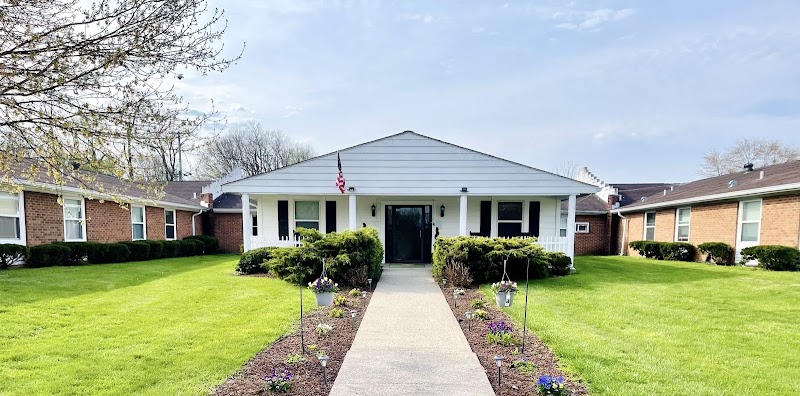
How is Cambridge Nursing & Rehabilitation Center Staffed?

CMS rates CAMBRIDGE NURSING & REHABILITATION CENTER's staffing level at 1 out of 5 stars, which is much below average compared to other nursing homes. Staff turnover is 61%, which is 15 percentage points above the Kentucky average of 46%. High turnover can affect care consistency as new staff learn residents' individual needs. RN turnover specifically is 67%, which is notably high. RNs provide skilled clinical oversight, so turnover in this role can affect medical care quality.

What Have Inspectors Found at Cambridge Nursing & Rehabilitation Center?

State health inspectors documented 9 deficiencies at CAMBRIDGE NURSING & REHABILITATION CENTER during 2019 to 2024. These included: 9 with potential for harm.

Who Owns and Operates Cambridge Nursing & Rehabilitation Center?

CAMBRIDGE NURSING & REHABILITATION CENTER is owned by a for-profit company. For-profit facilities operate as businesses with obligations to shareholders or private owners. The facility is operated by BLUEGRASS HEALTH KY, a chain that manages multiple nursing homes. With 108 certified beds and approximately 104 residents (about 96% occupancy), it is a mid-sized facility located in LEXINGTON, Kentucky.
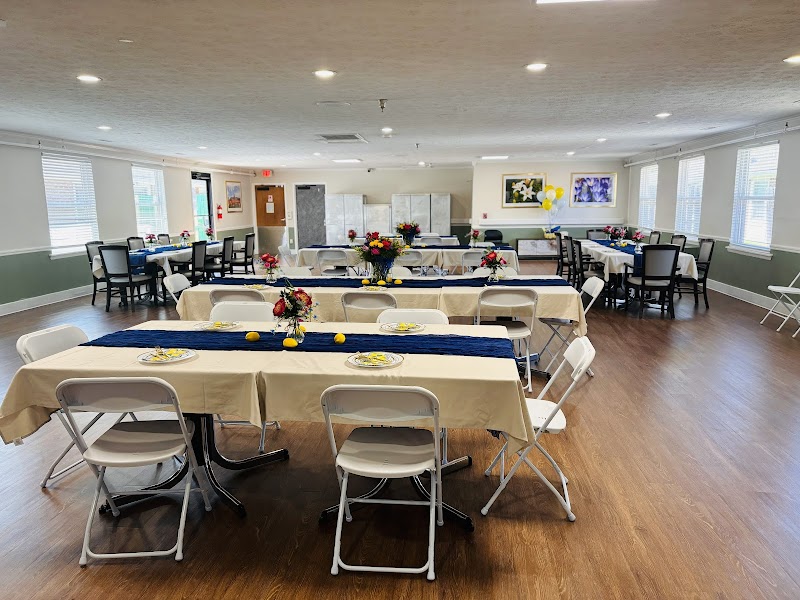
How Does Cambridge Nursing & Rehabilitation Center Compare to Other Kentucky Nursing Homes?

Compared to the 100 nursing homes in Kentucky, CAMBRIDGE NURSING & REHABILITATION CENTER's overall rating (3 stars) is above the state average of 2.8, staff turnover (61%) is significantly higher than the state average of 46%, and health inspection rating (4 stars) is above the national benchmark.

What Should Families Ask When Visiting Cambridge Nursing & Rehabilitation Center?

Based on this facility's data, families visiting should ask: "How do you ensure continuity of care given staff turnover, and what is your staff retention strategy?" "Can you walk me through typical staffing levels on day, evening, and night shifts?" "Can I visit during a mealtime to observe dining assistance and food quality?" "How do you handle medical emergencies, and what is your hospital transfer rate?" These questions are particularly relevant given the facility's high staff turnover rate and the below-average staffing rating.

Is Cambridge Nursing & Rehabilitation Center Safe?

Based on CMS inspection data, CAMBRIDGE NURSING & REHABILITATION CENTER has a clean safety record: no substantiated abuse findings (meaning no confirmed cases of resident harm), no Immediate Jeopardy citations (the most serious violation level indicating risk of serious injury or death), and is not on the Special Focus Facility watch list (a federal program monitoring the lowest-performing 1% of nursing homes). The facility has a 3-star overall rating and ranks #1 of 100 nursing homes in Kentucky. While no facility is perfect, families should still ask about staff-to-resident ratios and recent inspection results during their visit.

Do Nurses at Cambridge Nursing & Rehabilitation Center Stick Around?

Staff turnover at CAMBRIDGE NURSING & REHABILITATION CENTER is high. At 61%, the facility is 15 percentage points above the Kentucky average of 46%. Registered Nurse turnover is particularly concerning at 67%. RNs handle complex medical decisions and coordinate care — frequent RN changes can directly impact care quality. High turnover means new staff may not know residents' individual needs, medications, or preferences. It can also be disorienting for residents, especially those with dementia who rely on familiar faces. Families should ask: What is causing the turnover? What retention programs are in place? How do you ensure care continuity during staff transitions?

Was Cambridge Nursing & Rehabilitation Center Ever Fined?

CAMBRIDGE NURSING & REHABILITATION CENTER has no federal fines on record. CMS issues fines when nursing homes fail to meet care standards or don't correct problems found during inspections. The absence of fines suggests the facility has either maintained compliance or corrected any issues before penalties were assessed. This is a positive indicator, though families should still review recent inspection reports for the full picture.

Is Cambridge Nursing & Rehabilitation Center on Any Federal Watch List?

CAMBRIDGE NURSING & REHABILITATION CENTER is not on any federal watch list. The most significant is the Special Focus Facility (SFF) program, which identifies the bottom 1% of nursing homes nationally based on persistent, serious quality problems. Not being on this list means the facility has avoided the pattern of deficiencies that triggers enhanced federal oversight. This is a positive indicator, though families should still review the facility's inspection history directly.