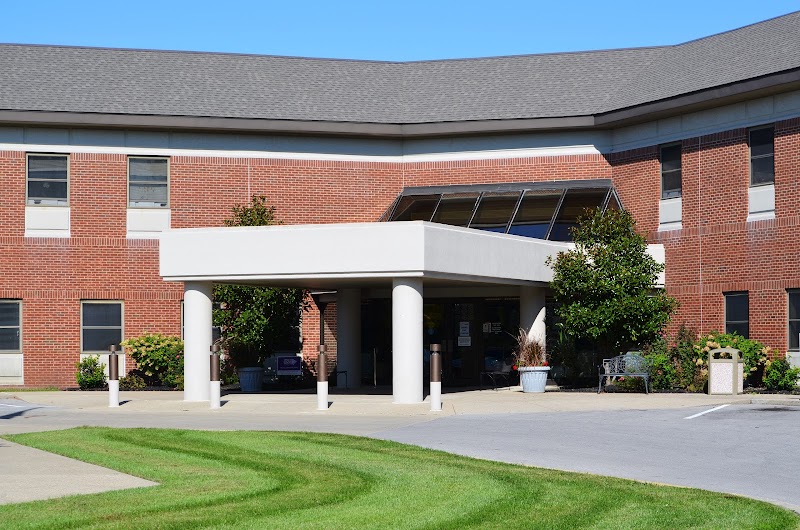
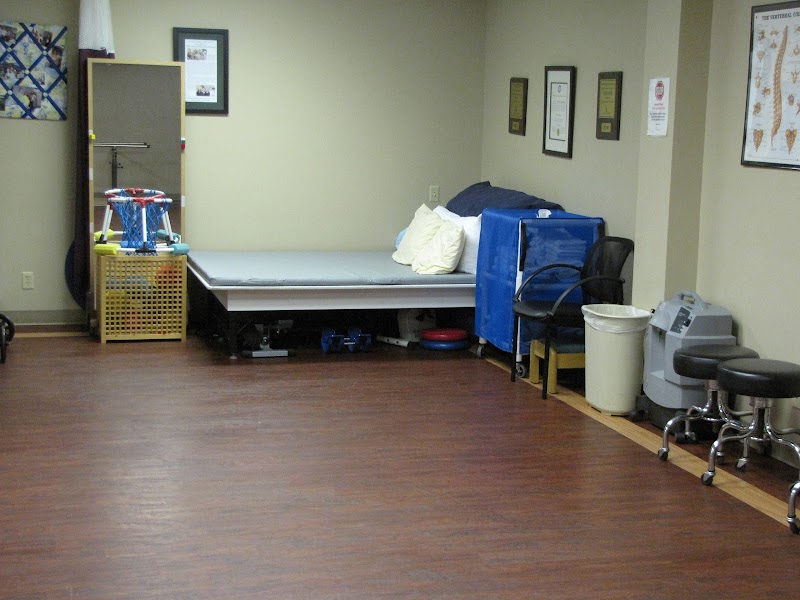
HARTLAND PARK HEALTH & REHABILITATION

1500 TRENT BOULEVARD, LEXINGTON, KY 40515 (859) 272-2273
For profit - Limited Liability company 150 Beds PRESTIGE ADMINISTRATIVE SERVICES Data: November 2025
Trust Grade
38/100
#166 of 266 in KY
Last Inspection: June 2025

Inspected within the last 6 months. Data reflects current conditions.

Overview

Hartland Park Health & Rehabilitation has a Trust Grade of F, indicating significant concerns about the quality of care. They rank #166 out of 266 facilities in Kentucky, placing them in the bottom half, and #9 out of 13 in Fayette County, meaning only four local options are worse. The facility's performance has been stable with 9 issues identified in both 2024 and 2025. Staffing is a weakness, receiving a score of 2 out of 5 stars, with a turnover rate of 52%, which is average for the state. Additionally, the facility has concerning RN coverage, being below 75% of Kentucky facilities, which can impact the quality of care. There have been serious incidents, such as a resident not receiving pain medication for over 21 hours after it was prescribed, and another resident's care plan was not adequately developed to meet dietary needs, indicating a lack of proper care planning. While the fines of $12,925 are average, the overall trust score and the number of deficiencies highlight significant areas for improvement. Families should weigh these strengths and weaknesses carefully when considering this facility for their loved ones.

Trust Score
F
38/100
In Kentucky
#166/266
Bottom 38%
Safety Record
Moderate
Needs review
Inspections
Holding Steady
9 → 9 violations
Staff Stability
⚠ Watch
52% turnover. Above average. Higher turnover means staff may not know residents' routines.
Penalties
✓ Good
$12,925 in fines. Lower than most Kentucky facilities. Relatively clean record.
Skilled Nurses
⚠ Watch
Each resident gets only 28 minutes of Registered Nurse (RN) attention daily — below average for Kentucky. Fewer RN minutes means fewer trained eyes watching for problems.
Violations
⚠ Watch
29 deficiencies on record. Higher than average. Multiple issues found across inspections.
★★☆☆☆
2.0
Overall Rating
★★☆☆☆
2.0
Staff Levels
★★★☆☆
3.0
Care Quality
★★☆☆☆
2.0
Inspection Score
Stable
2024: 9 issues
2025: 9 issues

The Good

  • Full Sprinkler Coverage · Fire safety systems throughout facility
  • No fines on record

Facility shows strength in fire safety.

The Bad

2-Star Overall Rating

Below Kentucky average (2.8)

Below average - review inspection findings carefully

Staff Turnover: 52%

Near Kentucky avg (46%)

Higher turnover may affect care consistency

Federal Fines: $12,925

Below median ($33,413)

Minor penalties assessed

Chain: PRESTIGE ADMINISTRATIVE SERVICES

Part of a multi-facility chain

Ask about local staffing decisions and management

The Ugly 29 deficiencies on record

2 actual harm
Jun 2025 9 deficiencies
CONCERN (D)

Potential for Harm - no one hurt, but risky conditions existed

Resident Rights (Tag F0550)

Could have caused harm · This affected 1 resident

Based on observation, interview, record review, and review of the facility's policy, the facility failed to treat each resident with respect and dignity and care for each resident in a manner and in a...

Read full inspector narrative →
Based on observation, interview, record review, and review of the facility's policy, the facility failed to treat each resident with respect and dignity and care for each resident in a manner and in an environment that promoted maintenance or enhancement of his or her quality of life, recognizing each resident's individuality for 2 of 28 sampled residents, Resident (R) 1 and R16. 1. Observation on 06/10/2025 of R1 revealed her indwelling urinary catheter collection bag was full of urine and not covered. The collection bag could be seen from the hallway. 2. Observation on 06/10/2025 of R16 revealed Licensed Practical Nurse (LPN) 2 administered an insulin injection to R16, in her abdomen, while the resident was seated in her wheelchair at the medication cart in the hallway. There were multiple residents and staff within sight of R16 at the time. The findings include: Review of the facility's policy titled, Resident Rights, dated 11/01/2024, revealed each resident had the right to personal privacy and to be treated with respect and dignity. 1. Review of R1's Face Sheet, found in R1's electronic medical record (EMR), revealed the facility admitted the resident on 01/03/2022 with diagnoses including cerebral palsy, epilepsy, and neuromuscular dysfunction of the bladder. Review of R1's quarterly Minimum Data Set [MDS], with an Assessment Reference Date (ARD) of 04/08/2025, revealed a Brief Interview for Mental Status [BIMS], was not assessed because the resident was rarely or never understood. Further review revealed R1 had an indwelling urinary catheter because of neuromuscular dysfunction of the bladder. Review of R1's Comprehensive Care Plan [CCP], dated 04/09/2025, revealed R1 would be free from complications from catheter use through the review period of 07/07/2025. Further review of the CCP revealed the facility care planned the resident as having a catheter. Interventions, dated 04/09/2025, included to maintain a catheter privacy bag. Observation of R1 on 06/10/2025 at 9:58 AM revealed there was no dignity cover for the resident's indwelling urinary catheter collection bag. Also, the collection bag was full of urine and could be seen from the hallway. During an interview with Unit Manager (UM) 1 on 06/10/2025 at 10:00 AM, she stated the facility used dignity bag covers, and she did not know why R1's catheter collection bag was uncovered. The UM stated the catheter collection bag should be covered to protect the dignity of the resident. 2. Review of R16's Face Sheet, found in R16's EMR, revealed the facility admitted the resident on 11/22/2022 with diagnoses including hemiplegia and hemiparesis, cerebral infarction, and type 2 diabetes mellitus. Review of R16's quarterly MDS, with an ARD of 05/23/2025, revealed a BIMS, score of zero out of 15, which indicated the resident had severe cognitive impairment. Observation of R16 on 06/10/2025 at 11:25 AM revealed LPN2 administered an insulin injection to R16 in her abdomen while the resident was seated in her wheelchair, which was positioned next to the medication cart in the hallway. During the administration of the injection, there were other residents and staff present in the hallway. During an interview with LPN2 on 06/10/2025 at 11:28 AM, she stated she was aware she could not administer medication in the dining or activity rooms. However, she stated since the injection was given in the hallway near the medication cart, she believed it was appropriate to proceed with the administration. LPN2 stated she did not provide privacy for the resident while administering the insulin injection. She stated she should have taken the resident to her room to ensure privacy. LPN2 stated it was important to provide privacy to protect the resident's dignity. During an interview with the Director of Nursing (DON) on 06/13/2025 at 5:45 PM, she stated nurses should not administer medications in the hallway. The DON further stated it was her expectation that staff treated every resident with dignity. Additionally, she stated providing privacy was essential for safeguarding each resident's dignity. During an interview with the Administrator on 06/13/2025 at 6:30 PM, she stated it was her expectation that staff provided each resident with privacy during care. She stated it was important to protect the resident and ensure dignity.
CONCERN (D)

Potential for Harm - no one hurt, but risky conditions existed

Deficiency F0602 (Tag F0602)

Could have caused harm · This affected 1 resident

Based on observation, interview, record review, and review of the facility's policy, the facility failed to keep residents free from misappropriation for 1 out of 3 sampled residents for misappropriat...

Read full inspector narrative →
Based on observation, interview, record review, and review of the facility's policy, the facility failed to keep residents free from misappropriation for 1 out of 3 sampled residents for misappropriation, Resident (R) 92. The findings include: Review of the facility's policy titled, Abuse, dated 10/01/2021 and revised on 10/20/2022, defined misappropriation as the deliberate misplacement, exploitation, or wrongful, temporary, or permanent use of the resident's belongings or money without the resident's consent. The policy also stated, The resident has the right to be free from misappropriation of resident's property. Observation on 06/11/2025 at 8:26 AM revealed Registered Nurse (RN) 1 used MiraLAX (a laxative), belonging to R92, and administered it to R95. Review of R92's admission Record, found in R92's electronic medical record (EMR), revealed the facility admitted the resident on 03/14/2022 with diagnoses of fibromyalgia, type 2 diabetes, and constipation. Review of R92's quarterly Minimum Data Set [MDS], with an Assessment Reference Date (ARD) of 05/13/2025, revealed the facility assessed the resident to have a Brief Interview Mental Status [BIMS] score of 14 out of 15, indicating R92 was cognitively intact. Review of R92's Physician's Orders, dated 05/07/2025, revealed R92 had an order for MiraLAX 17 grams every 12 hours as needed (PRN) for constipation. Review of R92's Medication Administration Record (MAR) for June 2025, revealed R92 had not received any doses of MiraLAX from 06/01/2025 to 06/13/2025. Review of R95's admission Record, found in R95's EMR, revealed the facility admitted the resident on 12/02/2022 with diagnoses of spinal stenosis, constipation, and depression. Review of R95's quarterly MDS, with an ARD of 04/04/2025, revealed the facility assessed the resident to have a BIMS score of 14 out of 15, indicating R95 was cognitively intact. Review of R95's Physician's Orders, dated 05/11/2024, revealed R95 had an order for MiraLAX 17 grams every morning for constipation. Review of R95's MAR, for June 2025, revealed R95 had received a dose of MiraLAX every morning from 06/01/2025 to 06/12/2025. During an interview on 06/11/2025 at 9:07 AM with RN1, she stated R95 was missing his MiraLAX, and it had been reordered by pharmacy the morning of 06/11/2025. She stated, when ordered early enough, it came within 24 hours. She stated she used R92's MiraLAX so R95 did not miss a dose. RN1 stated a medication should not be shared between residents. During an interview on 06/13/2025 at 5:47 PM with the Director of Nursing (DON), she stated when a medication was missing or empty, she expected staff to follow up with pharmacy and to reorder as needed. She stated staff was expected to call the provider to see if the medication should be held, administered late, or changed to something else that might be available. She stated her expectation was that staff did not borrow medications from another resident because they belonged to that specific resident, and we don't want to take things from another resident. During an interview on 06/13/2025 at 6:31 PM with the Administrator, she stated her expectation was that staff did not borrow another resident's medications, but they should notify the provider for direction on what steps should be taken. She stated, The issue is that you shouldn't borrow from another resident.
CONCERN (D)

Potential for Harm - no one hurt, but risky conditions existed

Comprehensive Care Plan (Tag F0656)

Could have caused harm · This affected 1 resident

**NOTE- TERMS IN BRACKETS HAVE BEEN EDITED TO PROTECT CONFIDENTIALITY** Based on observation, interview, record review, and review of the facility's policy, the facility failed to develop and implemen...

Read full inspector narrative →
**NOTE- TERMS IN BRACKETS HAVE BEEN EDITED TO PROTECT CONFIDENTIALITY** Based on observation, interview, record review, and review of the facility's policy, the facility failed to develop and implement a comprehensive person-centered care plan for each resident, consistent with the resident rights that included measurable objectives and timeframes to meet a resident's medical, nursing, and mental and psychosocial needs that were identified in the comprehensive assessment for 4 of 28 sampled residents, Resident (R) 2, R17, R36, and R47. The findings include: Review of the facility's policy titled, Care Planning-Comprehensive Person-Centered, undated, revealed the facility would develop and implement a comprehensive person-centered care plan for each resident that included measurable objectives and time frames to meet the residents medical, nursing, and mental and psychosocial needs as identified throughout the comprehensive resident assessment instrument (RAI) process. The policy defined person-centered care meant to focus on the resident as the locus of control and support the resident in making their own choices and having control over their daily lives. 1. Observation on 06/11/2025 at 9:45 AM revealed R36 was sleeping in bed with an indwelling urinary catheter leg bag noted to be strapped to the resident's leg. Review of R36's admission Record, found in R36's electronic medical record (EMR), revealed the facility admitted R36 on 10/12/2023 with a diagnoses of seizures, obstructive and reflux uropathy, and overactive bladder. Review of R36's quarterly Minimum Data Set [MDS], with an Assessment Reference Date (ARD) of 04/02/2025, revealed the facility assessed the resident to have a Brief Interview for Mental Status [BIMS] score of 15 out of 15, indicating the resident was cognitively intact. Review of R36's Physician's Orders, dated 11/15/2023, revealed R36 had an order for an indwelling urinary catheter. Review of R36's Care Plan revealed the indwelling urinary catheter was initially care planned on 11/15/2023. However, further review revealed the Care Plan was not updated until 06/10/2025 to add R36's preference for a leg bag. During an interview on 06/10/2025 at 10:01 AM with Registered Nurse (RN) 1, she stated R36 had always preferred his leg bag. During an interview on 06/10/2025 at 3:37 PM with Certified Nurse Aide (CNA) 6, she stated R36 always kept his leg bag on and would not use a regular urinary collection bag when he was in bed. During an interview on 06/11/2025 at 8:21 AM with R36, he stated he was having an episode of low sodium and imagining things. He was unable to answer questions related to his indwelling urinary catheter and preference for the leg bag at the time of the interview. 2. Observation on 06/11/2025 at 2:19 PM revealed R47 lying in bed sleeping. R47 had a colostomy. Review of R47's admission Record, found in R47's EMR, revealed the facility readmitted R47 on 08/27/2024 with a colostomy after a bowel resection done for a colovesicular fistula which caused frequent urinary tract infections and sepsis. Review of R47's quarterly MDS, with an ARD of 05/24/2025, revealed the facility assessed the resident to have a BIMS score of 13 out of 15, indicating R47 was cognitively intact. Review of R47's Physician's Orders, dated 09/12/2024 and 12/16/2024, revealed an order for ostomy care. Review of R47's Care Plan, dated 01/27/2025, revealed this was the first time R47 was care planned for an alteration in elimination related to a need for a colostomy, even though the resident returned to the facility on [DATE] with a colostomy. During an interview on 06/11/2025 at 2:19 PM, R47 stated she had the colostomy done last August. She stated the staff cared for her colostomy. During an interview on 06/10/2025 at 3:45 PM with Licensed Practical Nurse (LPN) 3, she stated R47 had a colostomy prior to being admitted to the facility. During additional interview with LPN3 on 06/12/2025 at 2:13 PM, she stated care plans were worked on by the MDS Nurse. She stated nurses were expected to update care plans when the MDS Nurse was not in the building. During an interview on 06/13/2025 at 7:45 AM with the MDS Nurse, she stated nurses updated care plans, and the MDS nurse reviewed them. During additional interview on 06/13/2025 at 10:41 AM with the MDS Nurse, she stated R47 should have been care planned for her colostomy upon her readmission in August 2024. The MDS nurse stated R47 did not have a colostomy when she originally came into the facility, and she was sent to the hospital and then returned with the colostomy in August 2024. She stated upon readmission, the nurse missed updating the care plan, and she did not recall if it was mentioned in their daily meetings. She stated she discovered it was missing from R47's Care Plan in January 2025, and she added it at that time. She stated the risk of not having it there was the resident might not receive the proper care. 3. Observation on 06/12/2025 at 1:49 PM revealed R17 was sleeping in bed with an indwelling urinary catheter leg bag noted to be strapped to the resident's leg. Review of R17's admission Record, found in R17's EMR, revealed the facility admitted the resident on 04/08/2025 with a diagnoses of Alzheimer's disease, anxiety, and hypertension. Review of R17's admission MDS, with an ARD of 04/12/2025, revealed the facility assessed the resident to have a BIMS score of two out of 15, indicating the resident was severely cognitively impaired. Review of R17's Physician's Orders, dated 04/15/2025, revealed an order for an indwelling urinary catheter. Review of R17's Progress Note, dated 05/20/2025, revealed R17 now had a leg bag for the catheter because the resident got up to go to the restroom and ripped the catheter out. Review of R17's Care Plan revealed the indwelling urinary catheter was initially cared planned on 04/08/2025 and revised on 05/01/2025. However, further review revealed the Care Plan was not updated to add R17's preference for a leg bag until 06/10/2025. During an interview on 06/10/2025 at 4:55 PM with R17's representative, she stated R17 was not voiding properly and required an indwelling urinary catheter to be placed. She stated R17 would forget about the catheter, and she accidentally pulled it out twice. She stated she and the facility decided to try a leg bag, and since changing to the leg bag, R17 had not pulled it out anymore. She stated she could not remember the exact date the decision was made to only use a leg bag. During an interview on 06/12/2025 at 1:49 PM with CNA10, she stated R17 wore the leg bag all the time. During an interview on 06/12/2025 at 2:00 PM with LPN5, she stated R17 had the indwelling urinary catheter placed for urinary retention. She stated she was unsure of the exact date the leg bag was placed. She stated the resident was care planned for the leg bag. During continued interview on 06/13/2025 at 10:41 AM with the MDS Nurse, she stated R17 should have been care planned sooner for the leg bag to decrease her risk of infection. During an interview on 06/13/2025 at 2:08 PM with LPN1, she stated she could not remember the date R17 was switched to a leg bag. She stated updating the care plan was a team effort, and she was not sure why it was not done. She stated it was important to keep care plans updated so staff was aware of how to care for residents. She stated the risk of always using the leg bag was that it might not drain properly and lead to an infection. 4. Review of R2's admission Record, found in R2's EMR, revealed the facility admitted the resident on 02/23/2022 with diagnoses of cerebral palsy, epilepsy, and anxiety. Review of R2's quarterly MDS, with an ARD of 04/24/2025, revealed the facility assessed the resident to have a BIMS score of zero out of 15, indicating severe cognitive impairment. Review of R2's Care Plan revealed she was not care planned for activities until 06/12/2025. Activities was added to the Care Plan with a focus of the resident prefers to participate in activities such as 1:1 activities, reading books, watching television programs in room, music therapy. During an interview on 06/12/2025 at 8:39 AM with the Activities Director, she stated R2 did not come out of her room for activities because she remained in bed all the time. She stated R2's family member preferred to do activities with R2. She stated R2 was a part of a program where she received music therapy every other week at the bedside. She stated she could add a temporary 1:1 for activities to work with R2 while her family member was hospitalized . She stated she would call R2's representative about activities. During an interview on 06/13/2025 at 1:53 PM with the Activities Aide, he stated he did bedside activities with R2, who was responsive to music and enjoyed being read to. He stated he had been doing them while her family member had been hospitalized . He stated when R2's family member was at the facility, the Activities Aides stopped by R2's room to visit and to make sure the resident had some sort of activity. He stated he usually did independent activities, but in a meeting with his Director yesterday, they discussed making R2's activities 1:1 while her family member was not present to ensure that R2 received at least 15 minutes a day. The State Survey Agency (SSA) Surveyor attempted to interview R2's representative by telephone on 06/11/2025 at 2:39 PM but was unsuccessful. During an interview on 06/13/2025 at 5:47 PM with the Director of Nursing (DON), she stated everyone was responsible for updating care plans to make sure they were up-to-date with the care being provided. She stated care plans were discussed in the staff interdisciplinary morning meetings to ensure there were no delays in care planning. She stated the morning meeting process was changed in March 2025 to eliminate things being missed on the care plan. She stated activities should be assessed upon admission and updated quarterly and as needed to make sure they kept residents engaged and involved for their psychosocial well-being. During an interview on 06/13/2025 at 6:31 PM with the Administrator, she stated it was her expectation that care plans were developed when there were changes to the resident's condition or care. She stated fully developed care plans were important to ensure the facility was providing care the residents needed.
CONCERN (D)

Potential for Harm - no one hurt, but risky conditions existed

Tube Feeding (Tag F0693)

Could have caused harm · This affected 1 resident

Based on observation, interview, record review, review of a Centers for Disease Control and Prevention (CDC) website, and review of the facility's policy, the facility failed to ensure a resident who ...

Read full inspector narrative →
Based on observation, interview, record review, review of a Centers for Disease Control and Prevention (CDC) website, and review of the facility's policy, the facility failed to ensure a resident who was fed by enteral means received the appropriate treatment and services to prevent complications of enteral feeding including but not limited to aspiration pneumonia, diarrhea, vomiting, dehydration, metabolic abnormalities, and nasal-pharyngeal ulcers for 1 of 1 sampled residents with enteral feeding, Resident (R) 2. The findings include: Review of the facility's policy titled, Enteral Tube Feeding via Continuous Pump, dated 10/01/2021, revealed residents receiving enteral feedings should have their head of bed (HOB) positioned 30 to 45 degrees (Semi-Fowlers position) for feeding, unless medically contraindicated. Review of the CDC's guidance at www.cdc.gov, Guidelines for Preventing Health-Care--Associated Pneumonia, 2003, Prevention of Aspiration Associated with Enteral Feeding, revealed, In the absence of medical contraindication(s), elevate at an angle of 30-45 degrees of the head of the bed of a patient at high risk for aspiration (e.g., a person receiving mechanically assisted ventilation and/or who has an enteral tube in place). Observation on 06/10/2025 at 9:18 AM and 06/11/2025 at 9:10 AM revealed R2 was lying in bed with her tube feeding infusing, and the head of bed (HOB) was not elevated to help decrease the risk of aspiration. Review of R2's admission Record, found in the electronic medical record (EMR), revealed the facility admitted the resident on 02/23/2022 with diagnoses of cerebral palsy, epilepsy, and dysphagia. Review of R2's quarterly Minimum Data Set [MDS], with an Assessment Reference Date (ARD) of 04/24/2025, revealed a Brief Interview for Mental Status [BIMS] score of zero out of 15, indicating R2 was severely cognitively impaired. Review of R2's Care Plan, initiated on 09/11/2023 and revised on 01/29/2024, revealed R2 was care planned for impaired gastrointestinal status related to feeding tube, gastroesophageal reflux disease (GERD), and history of constipation. Review of R2's Physician's Orders, dated 05/31/2024, revealed an order for enteral feeding every day related to dysphagia. During an interview on 06/11/2025 at 9:10 AM with Licensed Practical Nurse (LPN) 4, she stated residents receiving tube feeding should have the HOB be elevated 35 to 40 degrees. She stated R2 had pain and yelled out when her head was elevated, so she raised her head of bed slowly throughout the shift. During an interview on 06/13/2025 at 8:12 AM with the Infection Preventionist/Staff Development Coordinator(IP/SDC), she stated staff should follow the facility's policies and CDC guidelines on HOB placement for residents receiving enteral feedings. During an interview on 06/13/2025 at 5:47 PM with the Director of Nursing (DON), she stated it was her expectation that the HOB angle for any resident receiving tube feedings was to be kept at 30 degrees or greater to decrease the risk of aspiration. During an interview on 06/13/2025 at 6:31 PM with the Administrator, she stated it was her expectation for staff to follow professional standards when administering tube feedings to residents.
CONCERN (D)

Potential for Harm - no one hurt, but risky conditions existed

Respiratory Care (Tag F0695)

Could have caused harm · This affected 1 resident

Based on interview and record review, the facility failed to consistently provide respiratory treatments twice daily as ordered for 1 of 28 sampled residents, Resident (R) 12. Review of R12's digital...

Read full inspector narrative →
Based on interview and record review, the facility failed to consistently provide respiratory treatments twice daily as ordered for 1 of 28 sampled residents, Resident (R) 12. Review of R12's digital respiratory therapy log on 06/12/2025 at 7:40 PM, revealed multiple missed treatments over the past month. The findings include: On 06/12/2025, a verbal request was made for the facility's Respiratory Policy. However, the facility did not provide the State Survey Agency (SSA) Surveyor with the requested document. Review of an admission Record, found in R12's electronic medical record (EMR), revealed the facility admitted the resident on 04/03/2024 with diagnoses including dementia, cerebral infarction, and aphasia. Review of R12's quarterly Minimum Data Set [MDS], with an Assessment Reference Date (ARD) of 04/03/2025, revealed the resident had a BIMS score of zero out of 15, which indicated severe impairment. Review of an Order Summary Report, for May 2025 and June 2025 and found in R12's EMR, revealed the resident was ordered use of the Volara System (used for lung expansion therapy and the mobilization of secretions) as tolerated for 10 to 20 minutes with sodium chloride inhalation every day and night shift. Review of the Volara device's digital history therapy log on 06/12/2025 at 7:43 PM revealed a history of the days and time the respiratory treatment was administered to R12. Further review revealed the facility failed to provide R12 with 22 respiratory treatments between 05/15/2025 and 06/12/2025. The dates were as follows: 05/17/2025 AM dose; 05/18/2025 PM dose; 05/24/2025 PM dose; 05/25/2025 AM and PM doses; 05/26/2025 PM dose; 05/27/2025 PM dose; 05/28/2025 PM dose; 05/29/2025 PM dose; 05/31/2025 AM dose; 06/01/2025 PM dose; 06/02/2025 AM and PM doses; 06/03/2025 PM dose; 06/04/2025 PM dose; 06/05/2025 PM dose; 06/06/2025 PM dose; 06/08/2025 AM dose; 06/09/2025 PM dose; 06/10/2025 PM dose; 06/11/2025 PM dose; and 06/12/2025 PM dose. Review of a Progress Note, found in R12's EMR, dated 06/11/2025 at 2:35 PM, revealed a chest x-ray was ordered due to wheezing lung sounds. During an interview with R12's Power-of-Attorney (POA) on 06/12/2025 at 9:13 AM, he stated he was concerned because his mother did not receive her Volara respiratory therapy as prescribed by her pulmonologist. He stated the nursing staff was inconsistent in providing her evening treatments. Additionally, he stated on 06/11/2025, his mother experienced increased congestion and began wheezing, which necessitated a chest x-ray. He stated R12 tended to develop increased congestion when she did not consistently receive her respiratory treatments. During an interview with the Respiratory Therapist (RT) on 06/13/2025 at 2:16 PM, she stated the Volara respiratory treatment controlled R12's secretions by providing an aerosol treatment in a delivery system to enhance therapy effectiveness. She stated the system was indicated for the treatment and prevention of increased secretions and to soften R12's bronchi (tubes in the lungs). She stated the respiratory treatments were very important to mobilize R12's secretions. She stated the resident's pulmonologist ordered the treatments for twice daily. She stated she would provide the treatments when she was in the building from Monday to Thursday. She stated nursing was responsible for administering treatments when she was not available, including during nights and weekends. The RT stated it was her expectation that the specific treatment orders written by a provider were followed and administered to the resident. During an interview with the Nurse Practitioner on 06/12/2025 at approximately 3:00 PM, she stated it was her expectation that nurses administered medication as ordered by the provider. She stated following provider orders was important to maintain the resident's health, quality of life, and ensure their well-being. During an interview with the Administrator on 06/13/2025 at 5:50 PM, she stated it was her expectation for nursing staff to follow provider orders as written to maintain the health and well-being of the resident.
CONCERN (D)

Potential for Harm - no one hurt, but risky conditions existed

Food Safety (Tag F0812)

Could have caused harm · This affected 1 resident

**NOTE- TERMS IN BRACKETS HAVE BEEN EDITED TO PROTECT CONFIDENTIALITY** Based on interview, record review, and review of the State Operations Manual (SOM), the facility failed to store food in a safe ...

Read full inspector narrative →
**NOTE- TERMS IN BRACKETS HAVE BEEN EDITED TO PROTECT CONFIDENTIALITY** Based on interview, record review, and review of the State Operations Manual (SOM), the facility failed to store food in a safe manner in a nourishment refrigerator on 1 of 3 resident units, the [NAME] Unit. The findings include: Review of the SOM definitions revealed the Danger Zone meant food temperatures above 41 degrees Fahrenheit (F) and below 135 degrees F that allowed the rapid growth of pathogenic microorganisms that could cause foodborne illness. Potentially Hazardous Foods (PHF) or Time/Temperature Control for Safety (TCS) Foods held in the danger zone for more than 4 hours (if being prepared from ingredients at ambient temperature) or 6 hours (if cooked and cooled) might cause a foodborne illness outbreak if consumed. Review on 06/12/2025 at 2:50 PM of the Refrigerator Temperature Log for the [NAME] Unit, dated June 2025, revealed documentation of multiple dates the temperatures were measured above 41 degrees F. Further review revealed on 06/03/2025, the temperature was recorded as 46 degrees F; on 06/04/2025, the temperature was recorded as 42 degrees F; on 06/05/2025, the temperature recorded was 48 degrees F; and on 06/06/2025, the temperature recorded was 46 degrees F. During an interview on 06/12/2025 at 2:53 PM with Certified Nurse Aide (CNA) 2, she stated she was not sure but thought the temperature range should be between 35 degrees F and 45 degrees F. She stated if the refrigerator was not working, she would contact the maintenance person or the nurse. She stated food that was not kept at the proper temperature could spoil and cause the residents to get sick. During an interview on 06/12/2025 at 3:04 PM with Licensed Practical Nurse (LPN)/Unit Manager (UM) 1, she stated she thought the temperature range for the unit nutrition refrigerator should fall between 36 degrees F and 46 degrees F. She stated it was the responsibility of night shift staff to record the temperatures and to ensure the safety of the contents, but it was her responsibility to make sure it had been done. She stated if the food was not kept at the right temperature, food could spoil, and residents could get sick as a result. During an interview on 06/13/2025 at 5:07 PM with the Director of Nursing (DON), she stated she expected the night shift staff to monitor and record temperatures of the nutrition room refrigerators and to ensure the safety of its contents. She stated if there was a concern about the working condition of the refrigerator, staff was expected to reach out to maintenance or to notify their supervisor for further direction. She stated the appropriate refrigerator temperature was no greater than 41 degrees F. During an interview on 06/13/2025 at 6:10 PM, the Administrator stated it was her expectation that the staff would monitor and document the refrigerator temperatures and report any concerns to their supervisor. She stated if food got too warm, it could cause it to spoil and could cause the residents to get sick.
CONCERN (E)

Potential for Harm - no one hurt, but risky conditions existed

Deficiency F0578 (Tag F0578)

Could have caused harm · This affected multiple residents

**NOTE- TERMS IN BRACKETS HAVE BEEN EDITED TO PROTECT CONFIDENTIALITY** 5. Review of R2's Face Sheet, found in R2's EMR, revealed the facility admitted R2 on [DATE] with diagnoses including cerebral p...

Read full inspector narrative →
**NOTE- TERMS IN BRACKETS HAVE BEEN EDITED TO PROTECT CONFIDENTIALITY** 5. Review of R2's Face Sheet, found in R2's EMR, revealed the facility admitted R2 on [DATE] with diagnoses including cerebral palsy, epilepsy, and anxiety. Review of R2's quarterly MDS, with an ARD of [DATE], revealed the facility assessed the resident to have a BIMS score of zero out of 15, indicating severe cognitive impairment. When requested from the facility on [DATE], [DATE], and [DATE], a copy of R2's Advance Directive was not provided. However, a document Hospitality Guide Acknowledgement was provided, which was signed by R2's resident representative on [DATE]. The State Survey Agency (SSA) Surveyor attempted to interview R2's representative by telephone on [DATE] at 2:39 PM but was unsuccessful. 6. Review of R92's Face Sheet, found in R92's EMR, revealed the facility admitted the resident on [DATE] with diagnoses including depression, diabetes, and dementia. Review of R92's quarterly MDS, with an ARD of [DATE], revealed the facility assessed the resident to have a BIMS score of 14 out of 15, indicating R92 was cognitively intact. Review of R92's Care Plan, dated [DATE], revealed the R92 had an Advance Directive, with a goal of the Advance Directive would be honored through the care plan's next review. Further review revealed interventions listed were to honor the resident's Advance Directives per physician orders and to periodically review them. When requested from the facility on [DATE], [DATE], and [DATE], a copy of R92's Advance Directive was not provided. However, a document Hospitality Guide Acknowledgement was provided, which was signed by R92's Power-of-Attorney (POA) on [DATE]. During an interview on [DATE] at 9:17 AM with R92's representative, she stated a copy of R92's Advance Directive had been provided to the facility, but she was unsure of the date. During an interview on [DATE] at 2:39 PM with the Social Services Director (SSD), she stated it was important to have a resident's current Advance Directive information because a resident's wishes should be supported by the facility. She further stated it was important for the facility to honor the resident's wishes. During an interview with the Director of Medical Records (DMR) on [DATE] at 10:32 AM, she stated during the admission process, residents were allowed to provide a Power of Attorney (POA) or a Living Will. She stated she asked every resident about any Advance Directives during the admission conference, and if one was in place, she requested a copy at that time. She stated if she did not receive a copy of the Advance Directive, she contacted the family to make an additional request. The DMR stated Advance Directives were also discussed at the quarterly care plan meetings by the SSD. During an interview with the Director of Nursing (DON) on [DATE] at 5:45 PM, she stated during the admission process, residents or their representatives indicated their Advance Directives, including their preferences regarding cardiopulmonary resuscitation (CPR) or do not resuscitate (DNR) orders. She stated these preferences were documented in their medical record. The DON stated having Living Wills or POAs included in the EMR were important to ensure that residents' wishes were honored. During an interview with the Administrator on [DATE] at 6:30 PM, she stated the facility emailed the Hospitality Guide to the resident's representatives, and the representatives were to review all the information, electronically sign it, and send it back to the facility. She stated she expected the facility to obtain and retain the Advance Directive upon admission. However, she stated if the Advance Directive was not received at that time, the team would discuss the resident's wishes during the 72-hour meeting. The Administrator stated if the resident or their representative did not provide an Advance Directive, the facility would follow up with them during the quarterly care plan meeting. She stated the importance of having an Advance Directive was to ensure the resident's wishes were respected and to enable staff to honor the resident's plan of care when they were no longer able to communicate their needs. Based on interview, record review, and review of the facility's policies, the facility failed to inform and provide written information to all adult residents concerning the right to accept or refuse medical or surgical treatment and at the resident's option, formulate an Advance Directive for 6 of 28 sampled residents, Resident (R) 2, R12, R40, R85, R92, and R131. The findings include: Review of the facility's policy titled, Advance Directives, dated [DATE], revealed Advance Directives was written instruction, such as a Living Will or Durable Power-of-Attorney (POA) for healthcare, recognized under State Law (whether statutory or as recognized by the courts of the State), relating to the provision of healthcare when the individual was incapacitated. Further review revealed upon admission, the resident would be provided with information concerning the right to refuse or accept medical or surgical treatment and to formulate an advance directive if he or she chose to do so. Per the policy, facility staff should verify the resident's wishes regarding cardiopulmonary resuscitation (CPR). Review of the facility's policy titled, [Facility Name], Hospitality Guide, no date, revealed the resident had the right to be informed of, and participate in, his or her treatment, including the right to request, refuse, and/or discontinue treatment, to participate in or refuse to participate in experimental research, and to formulate an Advance Directive. Per the policy, the facility must comply with the requirements specified in code of federal regulations (CFR) part 489, subpart I (Advance Directives). This included a written description of the facility's policies to implement Advance Directives and applicable State law. 1. Review of R40's Face Sheet, found in R40's electronic medical record (EMR), revealed the facility admitted the resident on [DATE] with admitting diagnoses including hemiplegia and hemiparesis following cerebral infarction affecting right dominant side, other lack of coordination, and atherosclerotic heart disease of native coronary artery without angina pectoris. Review of R40's annual Minimum Data Set [MDS], with an Assessment Reference Date (ARD) of [DATE], revealed the resident had a Brief Interview for Mental Status [BIMS] score of 15 out of 15, which indicated the resident was cognitively intact. Review of R40's Advance Directives, found in R40's EMR under the miscellaneous tab, revealed R40 had signed the [State] Emergency Services Do Not Resuscitate [DNR] document on [DATE]. However, there was no documentation of R40's Power of Attorney (POA) or Living Will present in the resident's EMR. When requested from the facility on [DATE] at 2:19 PM, a copy of R40's Advance Directive was not provided. However, a document Hospitality Guide Acknowledgement was provided, which was dated [DATE]. Further review revealed a family member of R40 signed the document, and there was no POA or Living Will with the document. During an interview on [DATE] at 8:25 AM with R40, she stated R40's family member signed the admission paper work with a DNR. R40 stated she could not remember if the facility inquired about a POA or Living Will. 2. Review of R85's Face Sheet, found in R85's EMR, revealed the facility admitted the resident on [DATE] with admitting diagnoses including Alzheimer's dementia, unspecified; immunodeficiency, unspecified; and epilepsy, unspecified, not intractable, with status epilepticus. Review of R85's annual MDS, with an ARD of [DATE], revealed the resident had a BIMS score of two out of 15, which indicated severe cognitive impairment. Review of R85's Advance Directives, found in R85's EMR under the miscellaneous tab, revealed R85 had signed the [State] Emergency Services DNR document on [DATE]. However, there was no documentation of R85's POA or Living Will present in the resident's EMR. When requested from the facility on [DATE] at 2:19 PM, a copy of R85's Advance Directive was not provided. However, a document Hospitality Guide Acknowledgement was provided, which was dated [DATE]. Further review revealed R85's FM4 signed the document, and there was no POA or Living Will with the document. 3. Review of R131's Face Sheet, found in R131's EMR, revealed the facility admitted the resident on [DATE] with admitting diagnoses including hypertensive heart disease with heart failure, paroxysmal atrial fibrillation, and atherosclerotic heart disease of native coronary artery without angina pectoris. Review of R131's annual MDS, with an ARD of [DATE], revealed the resident had a BIMS score of three out of 15, which indicated severe cognitive impairment. When requested from the facility on [DATE] at 2:19 PM, a copy of R131's Advance Directive was not provided. However, a document Hospitality Guide Acknowledgement was provided, which was dated [DATE]. Further review revealed R131's FM1 signed the document, and there was no POA or Living Will with the document. 4. Review of R12's Face Sheet, found in R12's EMR, revealed the facility admitted the resident on [DATE] with admitting diagnoses including dementia, cerebral infarction, and aphasia. Review of R12's annual MDS, with an ARD of [DATE], revealed the resident had a BIMS score of zero out of 15, which indicated severe cognitive impairment. Review of R12's Advance Directives, found in R12's EMR under the miscellaneous tab, revealed R12 had full-code status; however, there was no documentation of an Advance Directive or Living Will. Further review of R12's EMR revealed there was no documentation in the resident's chart showing the facility reviewed the Advance Directive policy or provided written information regarding the right to create an Advance Directive. Review of the document Hospitality Guide Acknowledgement, found in R12's EMR and dated [DATE], revealed the resident's representative's (RR) signature line included the POA's initials with the word verbal noted in parentheses beside the initials. During an interview with R12's Power of Attorney (POA) on [DATE] at 9:12 AM, he stated he did not remember receiving any written information regarding his right to create an Advance Directive, nor does he recall signing any related documents. He stated R12 was a full-code and did not have an Advance Directive in place. Additionally, R12's POA stated the facility's staff had not informed him about his right to establish an Advance Directive.
CONCERN (E)

Potential for Harm - no one hurt, but risky conditions existed

Deficiency F0761 (Tag F0761)

Could have caused harm · This affected multiple residents

Based on observation, interview, record review, and review of the facility's policies, the facility failed to store drugs and biologicals in the packaging, containers, or other dispensing systems in w...

Read full inspector narrative →
Based on observation, interview, record review, and review of the facility's policies, the facility failed to store drugs and biologicals in the packaging, containers, or other dispensing systems in which they were received for 2 out of 28 sampled residents, Resident (R) 52 and R36 and 2 out of 7 medication carts, Cart 1 and Cart 2 on the Combs unit. The findings include: Review of the facility's policy titled Medication Administration, dated 09/2018, revealed, Medications are to be administered at the time they are prepared, and the resident is always observed after administration to ensure that the dose was completely ingested. Once removed from the package/container, unused medication doses shall be disposed of according to the nursing care center policy. Review of the facility's policy titled, Medication Storage, undated, revealed the nursing staff shall be responsible for maintaining medication storage and preparation areas in a clean, safe and sanitary manner, and drugs and biologicals shall be stored in the packaging, containers or dispensing systems in which they are received. 1. Observation on 06/10/2025 at 9:52 AM revealed R52 had five unidentified pills sitting on the bedside table. Review of R52 admission Record, in the electronic medical record (EMR), revealed the facility admitted the resident on 08/06/2021 with diagnoses of rheumatoid arthritis, hypertension, and anxiety. Review of R52's quarterly Minimum Data Set [MDS], with an Assessment Reference Date (ARD) of 04/28/2025, revealed the facility assessed the resident to have a Brief Interview for Mental Status [BIMS] score of 13 out of 15, indicating intact cognition. During an interview on 06/10/2025 at 9:52 AM with R52, she stated she was not sure what the medications were for or when or where they came from. She stated she thought they could have been vitamins. She also stated she was not sure how long they had been on the bedside table. During an interview on 06/10/2025 at 10:00 AM with Registered Nurse (RN) 1, she stated she was unsure what the unidentified pills were that were found on R52's bedside table. She stated she thought they were from the previous night. During an interview on 06/12/2025 at 3:40 PM with the Nurse Practitioner (NP), she stated she received a call yesterday from staff regarding R52 self-administering medications and was okay with that decision because she had worked with R52 for three years. She stated, She [R52] pretty much takes care of herself. The NP stated R52 is going to do what she wants to do. If she doesn't take them then that's on her because she makes her own decisions. When asked if other residents would be safe to find medications left out, the NP stated, I suppose not. When asked what could happen if another resident walked into R52's room and took medications that did not belong to them, she stated depends on what medication it is, and it could cause an adverse response. She stated her expectation of staff was to follow facility policy and standards of care. 2. Observation on 06/11/2025 at 8:15 AM of the Combs Unit Medication Cart 2 revealed 12 loose pills in the bottom of the second drawer. During an interview on 06/11/2025 at 8:15 AM with Licensed Practical Nurse (LPN) 4, she stated she was not sure how so many pills were at the bottom of the drawer, but sometimes they fell out of the blister packs. When asked what the concern would be about the loose pills, she stated someone could give the wrong medication. She then stated she would not give medication from the bottom of the drawer. She stated loose pills could mean a resident was charged for something they did not receive. 3. Observation on 06/11/2025 at 8:21 AM revealed RN1 prepared R36's medications by placing them into a medication cup and then placing the cup into the medication cart. Medications were not administered until 9:00 AM. 4. Observation on 06/11/2025 at 9:06 AM of the Combs Unit Medication Cart 1 revealed an unidentified, pinkish-colored tablet in a cup in the back of the top drawer. During an interview on 06/11/2025 at 9:06 AM, Kentucky Medication Aide (KMA) 1 stated the pill was a Midodrine (used to treat hypotension) for R35. She stated it fell from the package, and she did not want to waste it. She then stated she would put it back in the drawer, then corrected herself, and decided to waste it. When asked what the concern would be about leaving the medication loose in the cart without proper identification, she stated there was no way for someone to know for sure what it was or who it was for. She also stated the dose might be forgotten in the back of the drawer. During an interview on 06/13/2025 at 5:47 PM with the Director of Nursing (DON), she stated it was her expectation that staff who were administering medications verified the residents swallowed the medication. She stated this was important to ensure medications were taken at the correct time. She stated if a resident did not swallow the medicine and set it in the room, it would be a concern if another resident came into the room. She also stated staff should waste medications appropriately. She stated it was important to take care in removing medications from the cart because it wasted medications the resident had paid for. During an interview on 06/13/2025 at 6:31 PM with the Administrator, she stated it was her expectation that staff followed professional standards and guidelines to ensure residents were getting the appropriate medications at the correct time.
CONCERN (E)

Potential for Harm - no one hurt, but risky conditions existed

Infection Control (Tag F0880)

Could have caused harm · This affected multiple residents

**NOTE- TERMS IN BRACKETS HAVE BEEN EDITED TO PROTECT CONFIDENTIALITY** Based on observation, interview, record review, review of the Centers for Disease Control and Prevention (CDC) guidelines, and r...

Read full inspector narrative →
**NOTE- TERMS IN BRACKETS HAVE BEEN EDITED TO PROTECT CONFIDENTIALITY** Based on observation, interview, record review, review of the Centers for Disease Control and Prevention (CDC) guidelines, and review of the facility's policies, the facility failed to establish and maintain an infection prevention and control program designed to provide a safe, sanitary, and comfortable environment and to help prevent the development and transmission of communicable diseases and infections affecting 4 of 28 sampled residents, Residents (R) 1, R12, R22, and R68. Additionally, the deficient practice of not handling trash and linens appropriately and failure to perform hand hygiene and wear appropriate personal protective equipment (PPE) had the potential to affect all 139 current residents. Observation on 06/10/2025 of R12's room revealed an opened package of skin wipes and gloves on the sink. R12's respiratory equipment supplies, including a mask and tubing, as well as a single denture, were drying on a stained towel on a table located in the resident's bathroom. Additional observation on 06/10/2025 revealed Certified Nurse Aide (CNA) 1 was at the bedside, holding a brief, with her uniform pressed against R12. CNA1 was not wearing the appropriate personal protective equipment (PPE) for providing direct care in an enhanced barrier precaution (EBP) room. Observation on 06/10/2025 revealed the Restorative Aide ambulated R68 with a gait belt to the dining room, then removed the gait belt from R68 and placed the gait belt in her pocket without cleaning it. Observation on 06/11/2025 revealed Licensed Practical Nurse (LPN) 2 performed a blood sugar fingerstick for R22. LPN2 failed to follow any infection control practices while performing the procedure and failed to properly clean and disinfect the blood glucose meter before storage. Observation on 06/11/2025 revealed R1's indwelling urinary catheter collection bag was anchored under her recliner, and the bottom surface of the collection bag was touching the ground. Continued observation revealed LPN2 repositioned R1's catheter collection bag without first donning (putting on) PPE. Additionally, LPN2 did not perform hand hygiene before she sat at the nurses' station to type on the computer. The findings include: Review of the Centers for Disease Control and Prevention (CDC) Guidelines titled, Core Infection Prevention and Control Practices for Safe Healthcare Delivery in All Settings, dated 04/12/2024, revealed hand hygiene should be performed immediately before providing resident care and after care was completed. It stated staff should ensure the proper selection and use of PPE based on the nature of the patient interaction and potential for exposure to blood, body fluids, and/or infectious materials. Review of the facility's policy titled, Infection Control Program [ICP], undated, revealed the facility maintained an infection prevention and control program designed to address surveillance, prevention, and control of disease and infection that was consistent with CDC guidelines. Review of the facility's policy titled Enhanced Barrier Precautions [EBP], dated 03/38/2024, revealed staff would implement EBP precautions in conjunction with standard precautions to include targeted gown and glove use during high contact care activities for residents known or suspected to be infected with multi drug-resistant organisms (MDRO). Review of the facility's policy titled, Point of Care Blood Glucose Meters/PT/INR Meters Use and Cleaning, dated 03/11/2019, revealed the facility would maintain processes to prevent the spread of infection and disease and to ensure that point of care devices were utilized safely when used on multiple residents by properly cleaning the devices between each resident. Review of the facility's competency titled Assure Platinum Blood Glucose Cleaning and Disinfecting Competency, dated 02/01/2024, revealed the blood glucose meter must be cleaned and disinfected after each use. According to the instructions, this should be done using a disinfectant or germicide registered with the Environmental Protection Agency (EPA) and approved for healthcare settings. Additionally, the competency guidelines stated that to clean the meter, a disinfectant cloth should be used to wipe its surface to remove the blood and other bodily fluids. To disinfect the meter, a fresh disinfectant cloth should be used to wipe the entire surface and ensure that it remained wet for the recommended contact time according to manufacturer's instructions. Review of the Sani-Cloth Germicidal Wipe package instructions revealed to thoroughly clean and disinfect, the glucometer surface must be thoroughly wet and allow treated surfaces to remain wet three minutes, then air dry. Review of the facility policy's titled, Cleaning and Disinfecting Resident Care Items and Equipment, dated 10/01/2021, revealed reusable items were cleaned and disinfected or sterilized between residents. Review of the facility's policy titled, Gait Belt Policy Staff Acknowledgement, undated, stated gait belts must be laundered as necessary and must be clean at all times. 1.a. Observation of R12's room on 06/10/2025 at 9:15 AM revealed an opened package of skin wipes and gloves on the sink. On the floor, there were two plastic bags containing linen and trash. Further observation revealed R12's respiratory equipment supplies, including a mask and tubing, as well as a single denture, were drying on a stained towel on a table located in the resident's bathroom. b. Observation of CNA1 on 06/10/2025 at 9:32 AM revealed she was at R12's bedside, holding a brief, with her uniform pressed against the resident's bed. The CNA was wearing gloves. She stated to R12, Let's change your brief. CNA1 was not wearing a gown when she touched R12 and began high-contact direct care to R12 who was in EBP. Review of an admission Record, found in R12's electronic medical record (EMR), revealed the facility admitted the resident on 04/03/2024 with diagnoses including dementia, cerebral infarction, and aphasia. Review of R12's quarterly Minimum Data Set [MDS], with an Assessment Reference Date (ARD) of 04/03/2025, revealed the resident had a Brief Interview for Mental Status [BIMS] score of 00 out of 15, which indicated severe cognitive impairment. Review of an Order Summary Report, found in R12's EMR, revealed the resident was placed on EBP related to a gastrostomy-tube and wounds on 04/19/2025. During an interview with CNA1 on 06/10/2025 at 9:32 AM, she stated she was going to get a gown. She stated there should be gowns in the hall. However, she stated there were none when she looked. CNA1 stated gowns were also kept in the shower room. When asked why she did not don a gown before she provided direct care, she stated, I wasn't providing direct care. CNA1 stated she received ICP training upon hire and had received periodic in-service training. She stated it was important to follow infection control to help everyone from getting sick. During an interview with Unit Manager (UM) 1 on 06/10/2025 at 10:05 AM, she stated there was one PPE container on each hall for staff to use for EBP rooms. She stated staff should wear the appropriate PPE in EBP and isolation rooms. She stated a gown and gloves were necessary when providing any type of high-contact direct care for a resident under EBP. She stated according to CDC guidelines, changing briefs was considered high-contact resident care. Additionally, UM1 stated clean equipment should not be stored in the bathroom as this was unsanitary. Instead, she stated it should be cleaned, dried, and placed in a bag to prevent cross-contamination. The UM stated following ICP practices was important for the health and safety of all residents and staff. 2. Observation of the A-Hall on 06/10/2025 at 9:26 AM revealed two bags of laundry and trash were outside of a room on the floor in the hall. 3. Observation of CNA3 on 06/10/2025 at 9:39 AM revealed she was holding a bag of dirty linen and then doffed (took off) her gloves. She did not perform hand hygiene. The CNA pushed a wheelchair holding the contaminated trash bag against the wheelchair. She disposed of the trash in the dirty utility room, but did not perform hand hygiene before she continued to move the wheelchair. During an interview with CNA3 on 06/10/2025 at 9:39 AM, she stated she should not wear gloves in the hall. She stated she should have doffed her gloves and performed hand hygiene before she exited the room. She stated she should have performed hand hygiene after disposing of the contaminated trash. CNA3 stated she received training on infection control policies and procedures during orientation and multiple in-service trainings. CNA3 further stated that following ICP was important to prevent the spread of infection and cross-contamination. 4. Observation of the A-Hall on 06/10/2025 at 9:42 AM revealed Housekeeper (HSK) 1 was holding a clean privacy curtain over her shoulder. The curtain was dragging on the ground as she walked down the hall. Continued observation revealed HSK1 began to hang the curtain. During an interview with HSK1 on 06/10/2025 at 9:42 AM, she stated she was unaware the curtain was dragging on the floor and believed a bag was covering the curtain. When asked if she should hold clean linen against her person, she did not respond. When questioned why dragging a clean item on the floor could pose an infection control issue, she stated that it could spread germs. When asked if she had received ICP training, she stated, Yeah, and walked away. During an interview with the Environmental Services Supervisor (EVS) on 06/13/2025 at 8:05 AM, she stated HSK1 should not have dragged the curtain through the hall or against her person. She stated the housekeeper should not hang a contaminated curtain. She stated her staff had received ICP training, and it was her expectation that all housekeeping staff followed facility policy related to ICP to prevent the spread of infection. 5. Observation of Room A5 on 06/10/2025 at 9:58 AM revealed wash cloths on the floor. Also, clean linen was piled on top of the vanity and in the sink. During continued interview with Unit Manager (UM) 1 on 06/10/2025 at 10:05 AM, she stated linen and trash should not be left on the floor or on any surfaces in the room or hallway. She stated staff was trained to only bring in the necessary linen and to remove trash and contaminated linen after care was completed. The UM stated it was her expectation that nursing staff should conduct audits of resident rooms to ensure they were kept clean and tidy to prevent the spread of infection. UM1 stated she could not explain why the rooms were unkempt. 6. Observation of CNA4 on 06/10/2025 at 11:30 AM revealed she entered and exited three resident rooms, who residents were gone (A16, A21, and A23), while carrying a large black garbage bag and collecting water pitchers and cups for disposal. CNA4 did not wear gloves while handling the dirty pitchers, cups, straws, and trash. Furthermore, CNA4 did not perform hand hygiene between rooms. During an interview with CNA4 on 06/10/2025 at 11:30 AM, she stated every Tuesday she changed the pitchers and cups in all the resident rooms. She stated she should have worn gloves, especially when touching straws, and should have performed hand hygiene. CNA4 stated she was not aware she could not take a contaminated bag in and out of rooms. 7. Observation on 06/10/2025 at 12:07 PM revealed the Restorative Aide ambulated R68 with a gait belt to the dining room, then removed the gait belt from R68 and placed the gait belt in her pocket without cleaning it. Review of an admission Record, found in R68's EMR, revealed the facility admitted the resident on 01/20/2020 with diagnoses including hypertension, anxiety, and depression. Review of R68's quarterly MDS, with an ARD of 04/24/2025, revealed the BIMS could not be performed because of memory problems. During an interview on 06/10/2025 at 12:25 PM with the Restorative Aide, she stated she used her own gait belt and wiped it down with purple wipes between uses. She stated wipes were kept at the nurses' stations, and she kept it in her pocket. She stated if she needed a second one, then she could get another one from the therapy department. She stated that storing it in her pocket before and after cleaning could contaminate it. 8. Observation of CNA3 on 06/10/2025 at 3:30 PM, revealed she walked down the A-Hall holding a bag of contaminated linen and a bag of trash. CNA3 did not doff her gloves or perform hand hygiene prior to leaving the room and going into the hallway. During an interview with CNA3 on 06/10/2025 at 3:30 PM, she stated, I already told you I shouldn't wear gloves in the hall. When asked why she did not doff the gloves and perform hand hygiene, she stated she was not finished with what she was doing. CNA3 then walked away from the State Survey Agency (SSA) Surveyor. 9. Observation of CNA3 on 06/11/2025 at 7:35 AM revealed CNA3 transported a bag of dirty linens with gloved hands down the hall while pushing a wheelchair. After disposing of the trash in the dirty utility room, the CNA removed her PPE, however she did not perform hand hygiene before she continued to push the wheelchair down the hall. During an interview with CNA3 on 06/11/2025 at 7:39 AM, she stated she should not wear contaminated gloves in the hall due to cross contamination. When asked about the importance of hand hygiene and PPE use, she stated they were important to prevent germs from spreading. 10. Observation of CNA4 on 06/11/2025 at 7:40 AM revealed she walked down the A-Hall holding a contaminated pair of gloves and a bag of dirty linen. 11. Observation of LPN2 perform a fingerstick on 06/11/2025 at 7:50 AM revealed she took her supplies into R22's room and placed the lancet, blood glucose meter (glucometer), and the testing strip on the bedside table without first placing a barrier. Without performing hand hygiene, LPN2 donned gloves. LPN2 stuck the resident's finger with a lancet and then placed the lancet on the bedside table without a barrier. She obtained the drops of blood on the test strip and took an alcohol wipe and wiped blood from R22's finger and discarded it directly on the bare table. Further observation revealed LPN2 discarded the lancet and test strip, removed her gloves and did not perform hand hygiene before she exited the room. LPN2 placed the contaminated glucometer on the medication cart without a barrier. She then wiped the contaminated glucometer with one SaniCloth Prime wipe for 6.8 seconds and placed it on a tissue. She then put the glucometer in the medication cart drawer on top of other glucometers. She did not wear gloves or perform hand hygiene. Review of an admission Record, found in R22's EMR, revealed the facility admitted R22 on 05/04/2022 with diagnoses that included type 2 diabetes, cerebral palsy, and neuropathic bladder. Review of R22's annual MDS, found in R22's EMR, with an ARD of 05/21/2025, revealed a BIMS score of six out of 15, which indicated the resident was severely cognitively impaired. Review of an Order Summary Report, found in R22's EMR, revealed the resident was placed on EBP related to a urinary catheter and colostomy. During an interview with LPN2 on 06/11/2025 at 8:00 AM, she stated she left the glucometer on top of the cart to dry. When asked what the proper kill/dwell-time was for the disinfectant wipes she used, she stated she was taught to wipe the glucometer clean and let it dry for three to five minutes. When asked to explain what kill/dwell time meant, LPN2 was unable to explain. Continued interview revealed LPN2 reviewed the Sani-Cloth Germicidal Wipe instructions and stated the object must remain wet for a full three minutes and then be left to air dry for complete disinfection to take place. LPN2 further stated she had received training to perform fingersticks and clean and disinfect glucometers and had passed competencies during her orientation period at the facility. During an interview with the Infection Preventionist/Staff Development Coordinator (IP/SDC) on 06/11/2025 at 8:15 AM, she stated she had been in her position since March 2025. She stated she had not seen any major issues of staff failing to perform ICP to include hand hygiene or wearing appropriate PPE. She stated nursing leadership recently performed an infection control audit, and the staff performed procedures with no issues. The IP/SDC stated nurses needed to focus on the product instructions to know the exact kill-time for that particular product. The IP/SDC stated following ICP was important to prevent the spread of infection and cross contamination. Furthermore, she stated all staff received infection control training upon hire, and it was reviewed many times throughout the year. 12. Observation on 06/11/2025 at 8:09 AM revealed Registered Nurse (RN) 1, when administering medications, touched all medications with hands and without performing hand hygiene consistently and did not clean the blood pressure (BP) cuff between use on multiple residents. During an interview on 06/11/2025 at 9:07 AM with RN1, she stated Honestly, I don't clean the BP cuff between residents unless I have a resident in contact [precautions]. However, she stated cleaning it between uses would decrease the risk of cross contamination. She stated hand hygiene and not touching residents' medications with bare hands would also decrease the risk of cross contamination. 13. Observation on 06/11/2025 at 9:15 AM revealed CNA8 and CNA9 were observed going into Room C8 with a Hoyer lift (a mechanical lift used to transfer residents between surfaces shared between residents). When they exited, the Hoyer was placed in the hallway without being cleaned. During an interview on 06/11/2025 at 9:42 AM with CNA8, she stated, We might've thought each other cleaned it. She stated that cleaning between resident use decreased risks of contamination. During an interview on 06/12/2025 at 2:05 PM with CNA9, she stated she thought CNA8 had cleaned the Hoyer lift when they were finished using it. She stated this should be done between resident use for sanitation because staff did not want to spread germs. During an interview on 06/13/2025 at 6:31 PM with the Administrator, she stated it was her expectation for staff to clean shared equipment per policy, and they should not be touching residents' medications without hand hygiene and donning gloves to decrease any risks that could arise. 14. Observation of the dumpster on 06/11/2025 at 12:53 PM revealed infectious trash with used gloves, clear plastic bags opened with used briefs, and dirty gowns lying on the ground around the trash compactor dumpster. Observation of the same area on 06/11/2025 at 4:35 PM revealed the area still had the same debris scattered around the trash compactor dumpster. During an interview with the Maintenance Director on 06/13/2025 at 1:23 PM, the Director stated the maintenance department was responsible to take out the red barrel/ hazmat trash. The Director stated other trash was housekeeping's responsibility to take to the trash compactor. The Director stated the trash on the ground was a concern because of the potential for cross contamination. During an interview with the Environmental Services Supervisor (EVS) on 06/13/2025 at 11:33 AM, she stated nursing took the trash out of the residents' rooms to the soiled utility room. Then, she stated housekeeping took the trash to the dumpster. She stated there was an infection control concern for cross contamination with trash lying on the ground. She stated it was maintenance's responsibility to clean up the dumpster area. She stated the dumpster was emptied every week on Wednesday. During an interview with the Director of Nursing (DON) on 06/13/2025 at 4:40 PM, she stated the CNAs took the residents' rooms trash to the dirty utilities, and housekeeping emptied it to the dumpster. She stated her expectation was for all staff to pick up trash off the ground and dispose of it properly into the dumpster. During an interview with the Administrator on 06/13/2025 at 4:43 PM, she stated her expectation for staff was to discard trash into the dumpster. 15. Observation of the [NAME] Unit on 06/11/2025 at 3:30 PM revealed R1's catheter collection bag was anchored under her recliner, and the entire bottom surface of the collection bag was touching the ground. Further observation revealed that LPN2 repositioned R1's catheter collection bag without donning PPE first. Additionally, LPN2 did not perform hand hygiene before sitting down at the nurses' station to type on the computer. Review of an admission Record, found in R1's EMR, revealed the facility admitted the resident on 01/03/2022 with diagnoses including cerebral palsy, epilepsy, and neuromuscular dysfunction of the bladder. Review of R1's quarterly MDS, with an ARD of 04/08/2025, revealed a BIMS, was not assessed because the resident was rarely or never understood. Review of an Order Summary Report, found in R1's EMR, revealed the resident was placed on EBP related to a urinary catheter on 04/28/2025. During an interview with LPN2 on 06/11/2025 at 3:35 PM, she stated the collection bag should not touch the ground due to cross contamination. When asked if there was a concern when she touched the urine collection bag of a resident on EBP, LPN2 stated, That's not my resident; I didn't know they were on EBP. When asked if it was ever acceptable to touch a urine drainage bag without PPE, she replied, No. Furthermore, when asked what additional steps she should have taken after providing care to R1, she stated she should have immediately performed hand hygiene. During an interview with the IP/SDC on 06/11/2025 at 4:15 PM, she stated urine collection bags should not touch the ground due to cross contamination. She stated the facility had suspended LPN2 for failure to consistently follow facility ICP policies. She stated LPN2 had completed her three week orientation and had passed her competencies, but there were continued concerns with her inability to retain training/education and perform appropriate ICP. During additional interview on 06/13/2025 at 8:11 AM with the IP/SDC, she stated all competencies were audited at hire and bi-annually. She stated skill audits for nurse aides covered bathing, hair and nail care, brief change, mechanical lift transfer, and gait belts. She stated EBP education was done on-line and in-person. She stated the facility now stored PPE in the hall to provide better accessibility for staff. She stated every time a policy was changed, staff were re-educated. She stated staff was educated on the meaning of the dot next to the resident's name in the hall; told to use a face shield when emptying the catheter bag or providing catheter care; and should know contact precaution and PPE's and droplet precaution. She stated she expected staff to provide safe care, and failure to do so was not from a lack of training. During additional interview with the IP/SDC on 06/13/2025 at 10:23 AM, she stated the facility adhered to the CDC's guidelines and followed the facility's infection prevention and control policies. She stated all EBP rooms had a red dot on the door leading into the room next to the resident's name on precautions. She stated that transmission based precaution (TBP) rooms had signs on the doors leading into the room. The IP/SDC stated gowns and gloves must be worn whenever staff entered an EBP room if they provided high-level care. She stated staff should remove gloves when contaminated or after care and perform hand hygiene before they exited a resident's room. She stated new PPE should be donned if they provided additional care. According to the IP/SDC, all staff members received education related to ICP. The IP stated nursing staff should follow the facility's policies and manufacturer's guidelines to clean and disinfect the glucometer. Additionally, the IP/SDC stated she was unsure why staff did not follow EBP and infection control practices despite being educated on the importance of ICP. She stated all staff members were trained upon hire in the use of PPE and isolation precautions, including EBP. The IP/SDC stated it was her expectation that all staff adhered to the facility's policies and procedures to help prevent the spread of infections. She stated it was important for the health and safety of the residents. During an interview with the Nurse Practitioner on 06/12/2025 at approximately 3:00 PM, she stated it was her expectation that staff performed infection control and prevention processes when caring for the residents. She stated it was important to prevent the spread of infection and maintain the residents' safety and well-being. During an interview with the Director of Nursing (DON) on 06/13/2025 at 5:50 PM, she stated staff received ICP training during orientation and then annually. She stated the UMs rounded on their units frequently, ideally at least once in the morning and once in the afternoon and possibly even more often than twice a day. The DON stated UMs should actively oversee their units, assist staff as needed, and consistently monitor staff activities. She stated while they might not be present on the unit for extended periods, nursing leadership should engage with staff and monitor conditions while they were there. She stated it was her expectation that staff would reach out for guidance whenever they had questions. The DON stated, I expect them to come to us if they need clarification. Additionally, the DON stated cleaning and disinfecting shared equipment was important to prevent the spread of infection. Furthermore, she stated it was her expectation that nurses were competent in performing procedures such as glucose monitoring, ensuring they not only performed the procedures correctly but also adhered to infection control protocols while doing so. She stated it was her expectation that all staff adhered to the facility's ICP policies and followed CDC guidelines at all times to prevent the spread of infection and to maintain the safety and well-being of the residents. During an interview with the Administrator on 06/13/2025 at 6:32 PM, she stated staff should adhere to ICP protocols, including EBP, to protect both residents and staff from the spread of infections. Additionally, she stated staff should be educated and complete their competencies. The Administrator stated it was her expectation that all staff followed ICP policies. Furthermore, she stated nurse managers were expected to round as often as needed to oversee staff to ensure they were wearing the correct PPE and following facility policy. The Administrator stated it was her expectation that staff performed hand hygiene between resident care and followed established CDC guidelines and standards of care related to ICP. She stated nursing staff should adhere to all facility policies and procedures, along with CDC recommendations, for infection control during glucose checks and the cleaning and disinfection of shared equipment. She stated ICP was important for the safety and well-being of both residents and staff.
Aug 2024 9 deficiencies 2 Harm
SERIOUS (G)

Actual Harm - a resident was hurt due to facility failures

Comprehensive Care Plan (Tag F0656)

A resident was harmed · This affected 1 resident

**NOTE- TERMS IN BRACKETS HAVE BEEN EDITED TO PROTECT CONFIDENTIALITY** Based on observation, interview, record review, and review of the facility's policy, the facility failed to develop or implement...

Read full inspector narrative →
**NOTE- TERMS IN BRACKETS HAVE BEEN EDITED TO PROTECT CONFIDENTIALITY** Based on observation, interview, record review, and review of the facility's policy, the facility failed to develop or implement 2 of 36 sampled residents' Comprehensive Care Plans (CCP), Resident (R) 124 and R36. R124 returned from the hospital and reported pain, but she did not receive ordered pain medication for approximately 21 hours after it was ordered, despite care planning to administer medications per orders. (Cross Reference F689) R36's CCP was not developed with interventions to address the resident's and family's non-compliance with R36's current diet order. The findings include: Review of the facility's Comprehensive Care Plan policy, revised on 06/30/2022, revealed a comprehensive person-centered care plan was developed and implemented for each resident, consistent with a resident's rights that included measurable objectives and timeframes to meet a resident's medical, nursing, and mental and psychosocial needs. 1. Review of R124's admission Facesheet revealed the facility readmitted the resident on 03/01/2024 at 12:30 PM from the hospital, with diagnoses of new fracture of the right and left femur (upper leg), not requiring surgery. Review of R124's quarterly Minimum Data Set (MDS), with an assessment reference date (ARD) of 03/08/2024, revealed the facility assessed the resident to have a Brief Interview for Mental Status (BIMS) score of 15 of 15, indicating the resident was cognitively intact. Review of R124's Physician's Orders revealed Oxycodone 5 mg every 12 hours as needed (PRN) for pain was ordered on 03/01/2024 at 2:00 PM. Oxycodone 15 mg scheduled every six hours was ordered on 03/02/2024 at 4:52 AM. Review of R124's CCP, initiated on 10/05/2023, revealed the resident was at risk for pain. Interventions were to administer medications per orders. Review of Resident 124's pain scores, on a scale of 0 to 10, with 10 being the highest, revealed on 03/01/2024 at 3:10 PM, the pain score was 5/10; on 03/02/2024 at 9:49 AM, the pain score was 8/10; on 03/02/2024 at 1:24 PM, the pain score was 8/10; and on 03/02/2024 at 5:40 PM, the pain score was 5/10. Review of R124's Medication Administration Record (MAR) revealed R124 received 15 mg of Oxycodone on 03/02/2024 at 12:00 PM and 6:00 PM and 5 mg of Oxycodone on 03/02/2024 at 9:15 PM. Further review revealed R124 did not receive Oxycodone 5 mg PRN for pain on 03/01/2024 at 3:10 PM; on 03/02/2024 at 9:49 AM; on 03/02/2024 at 1:24 PM; and on 03/02/2024 at 5:40 PM. 2. Review of R36's admission Facesheet revealed the facility admitted the resident on 04/27/2024 with diagnoses including dysphagia, oropharyngeal phase, and major depression. Review of R36's annual MDS, with an ARD of 07/22/2024, revealed the facility assessed the resident to have a BIMS score of 15 of 15, which indicated the resident was cognitively intact. Review of R36's Physician's Orders, dated 04/27/2024, revealed a controlled carbohydrate diet, pureed texture, regular fluid, and thin consistency was ordered. Review of R36's CCP, with the admission date of 04/27/2024, revealed the area of focus, resident had dental problems related to missing teeth, dated 11/28/2023. The goal was for the resident to be free of infection, pain, or bleeding in the oral cavity through the next review date of 10/22/2024. The interventions were for a dietary consult as needed, encourage the resident to complete oral care, monitor for changes in nutritional status related to dental, and refer to dental services; the date initiated was 11/23/2023. Further review revealed no focus on the resident's/family's non-compliance with diet and education of the resident or family on the prescribed diet. Observation on 08/14/2024 at 2:23 PM revealed R36 had one small empty potato chip bag, one small full potato chip bag, and an opened package of saltine crackers on her bedside table. In an interview with R36 on 08/14/2024 at 2:24 PM, she stated she had no coughing or choking on regular food and could not eat hard-cooked hamburgers or chicken. She stated she did not pass the swallowing test at the hospital. She stated her family brought her food. In an interview with R36's daughter on 08/14/2024 at 3:59 PM, she stated the facility told them it was okay to bring in food; they monitored her. She stated R36 did not have dentures and hard-to-chew meats was difficult. She stated R93, the resident's spouse, brought food to the resident. She stated R36 tolerated fish, baked beans, and cauliflower and ate a regular texture diet before her recent hospital admission on [DATE]. In an interview with Certified Nurse Assistant (CNA) 11, Central Supply on 08/14/2024 at 3:52 PM, she stated she was not familiar with the resident's diet. However, she stated the family had a picnic with the resident and would bring food to the resident. In an interview with Speech 1 on 08/14/2024 at 2:24 PM, she stated the family brought food to the resident. She stated she educated the family on the resident's texture diet. She said she reassessed the resident in 07/2024, and the resident stated she wanted to remain on the puree diet because some foods were hard to swallow. In an interview with the B Unit Manager on 08/16/2024 at 2:39 PM, she stated speech evaluated the resident's diet texture. She stated R36's family members brought food to the resident, such as on the resident's birthday. She stated the food consisted of fried chicken, green beans, and mashed potatoes. She stated staff educated the family on the diet to prevent choking. She stated R36's spouse lived at the facility and brought R36 food. She stated R36's care plan should address the diet texture, the resident's non-compliance, and the family's non-compliance with bringing regular-texture food to R36. During interview with the MDS Coordinator on 08/16/2024 at 2:59 PM, she stated she followed the Resident Assessment Instrument manual when she developed a care plan. She stated nurses could make changes to the care plan. She stated she attended the morning meetings and discussed readmissions and any updates or changes. She stated care plans should be immediately changed and should reflect the resident's care accurately. During interview with the Director of Nursing (DON) on 08/14/2024 at 3:11 PM, she stated the resident's care plan should be fully developed, implemented, and followed to meet the resident's care needs. In an interview with the Administrator on 08/16/2024 at 3:30 PM, she stated changes in resident care were discussed in the clinical morning meeting, and the accuracy of the CCP depended on the MDS assessment. She stated she expected staff to develop and implement care plans to meet the resident's needs.
SERIOUS (G) 📢 Someone Reported This

A family member, employee, or ombudsman was alarmed enough to file a formal complaint

Actual Harm - a resident was hurt due to facility failures

Deficiency F0697 (Tag F0697)

A resident was harmed · This affected 1 resident

**NOTE- TERMS IN BRACKETS HAVE BEEN EDITED TO PROTECT CONFIDENTIALITY** Based on interview, record review, and review of the facility's policies, the facility failed to administer prescribed pain medi...

Read full inspector narrative →
**NOTE- TERMS IN BRACKETS HAVE BEEN EDITED TO PROTECT CONFIDENTIALITY** Based on interview, record review, and review of the facility's policies, the facility failed to administer prescribed pain medications timely for 1 of 2 sampled residents, Resident (R) 124. R124 returned to the facility on [DATE] at 12:30 PM, and orders were written for Oxycodone 5 milligrams (mg) every 12 hours as needed (an opioid pain medication) and Oxycodone 15 mg every six hours, for R124's fracture of the right and left femur. Observations and interviews revealed two Oxycodone 5 mg and two Oxycodone 5 mg/325 mg acetaminophen (a non-narcotic pain medication) were available in the medication emergency box, however, staff were unaware the medications were available to the resident. In addition, R124 first expressed pain to staff on 03/01/2024 at 3:10 PM. However, R124 did not receive Oxycodone until 03/02/2024 at 12:00 PM, approximately 21 hours after R124 had pain documented. (Cross Reference F656) The findings include: Review of the facility's policy titled, Ordering and Receiving Controlled Medications, dated 01/2023, revealed in an emergency situation, verbal authorization could be given by the prescriber to the pharmacist for a new order. Review of the facility's policy titled, Medication Administration, revised 01/17/2023, revealed medications were administered by licensed nurses, or other staff who were legally authorized to do so, as ordered by the physician and in accordance with professional standards of practice. Review of R124's Facesheet revealed the facility readmitted the resident on 03/01/2024 at 12:30 PM from the hospital, with diagnoses of new fracture of the right and left femur (upper leg), not requiring surgery. Review of R124's quarterly Minimum Data Set (MDS), with an assessment reference date (ARD) of 03/08/2024, revealed the facility assessed the resident to have a Brief Interview for Mental Status (BIMS) score of 15 of 15, indicating the resident was cognitively intact. Review of the Physician's Orders revealed Oxycodone 5 mg every 12 hours as needed for pain was ordered on 03/01/2024 at 2:00 PM. Oxycodone 15 mg scheduled every six hours was ordered on 03/02/2024 at 4:52 AM. Review of R124's Medication Administration Record (MAR) revealed R124 received 15 mg of Oxycodone on 03/02/2024 at 12:00 PM and 6:00 PM and 5 mg of Oxycodone on 03/02/2024 at 9:15 PM. Further review revealed R124 did not receive Oxycodone 5 mg PRN for pain on 03/01/2024 at 3:10 PM; on 03/02/2024 at 9:49 AM; on 03/02/2024 at 1:24 PM; and on 03/02/2024 at 5:40 PM. Review of Resident 124's pain scores, on a scale of 0 to 10, with 10 being the highest, revealed on 03/01/2024 at 3:10 PM, the pain score was 5/10; on 03/02/2024 at 9:49 AM, the pain score was 8/10; on 03/02/2024 at 1:24 PM, the pain score was 8/10; and on 03/02/2024 at 5:40 PM, the pain score was 5/10. During interview with R124 at the time of the observation, she stated she was a nurse and had worked at several places. She stated she had experienced back pain all her life, and she had been receiving pain medication for a long time. She stated sometimes when she came back from the hospital, it might take 24 hours before she received any pain medication. She stated this happened four months ago. She further stated she did not remember being offered an as needed Oxycodone and was in a lot of pain. The resident stated she could not remember the 03/01/2024 incident off hand. However, when asked specific questions about the incident she stated during that time the pain was sharp, hitting the muscles. She said she did not get to sleep until 2:00 AM. During interview with Registered Nurse (RN) 4 on 08/14/2024 at 9:29 AM, she stated she did not remember the incident that occurred on 03/01/2024. Review of the schedule for 03/01/2024 revealed RN4 was the nurse who admitted R124. When specifically asked if she remembered the resident being in extreme pain, she said she did not think so. When asked if there was pain medication available in the emergency medication box, she stated she did not know. She stated in the admission process for a resident, she received a discharge summary that listed the medications. She stated she called the provider and went over the list of medications from the hospital, and she reviewed them with the provider. She stated, for a controlled medication, the process was filling out a prescription request form, and faxing the form to the provider's office. She stated the hospital sometimes sent the prescription request form. During interview with the provider's Office Manager on 08/14/2024 at 1:56 PM, she stated she reviewed the office records, and they did not receive any prescription faxes on 03/01/2024. She stated, on 03/02/2024 at 6:29 AM the Advanced Practice Registered Nurse (APRN) requested six Oxycodone 5 mg tablets, and a nurse from the facility called the office at 9:50 AM requesting the medication be shipped immediately. The Office Manager also stated Oxycodone 5 mg was shipped at 10:38 AM, and the medication got to the facility at 1:09 PM on 03/02/2024. During interview with the Assistant Director of Nursing (ADON) on 08/14/2024 at 2:05 PM, she stated she expected the nursing staff to give pain medication when a resident was in pain. During interview with the Director of Nursing (DON) on 08/14/2024 at 2:16 PM, she stated she expected nursing staff to give pain medication when a resident was in pain. She stated a medication could be given from the emergency medication box if needed, and a prescription would need to be faxed to the pharmacy when the medication was used. She stated she was not sure if Oxycodone 5 mg was available in the emergency medication box. At the time of the interview, she checked the emergency medication box and stated Oxycodone 5 mg was available. Review of the list of medications in the emergency medication box revealed the box contained Oxycodone 5 mg tablets and Oxycodone-acetaminophen 5-325 mg tablets. However, the sheet did not document how many tablets were in the box. During interview with the Pharmacist on 08/16/2024 at 3:12 PM, he stated the emergency medication box contained two Oxycodone 5 mg tablets and two Oxycodone-acetaminophen 5-325 mg tablets. During interview with the APRN on 08/15/2024 at 12:21 PM, she stated she did not remember the incident on 03/01/2024. She stated the process when a resident transferred from the hospital was to review the medications with the nurse. She stated the nurse then entered the orders in the computer, and pharmacy reviewed the orders and sent the medications. She stated she knew R124 had chronic pain. During interview with the Administrator on 08/15/2024 at 3:32 PM, she stated she expected staff to follow the facility's policies.
CONCERN (D)

Potential for Harm - no one hurt, but risky conditions existed

Assessment Accuracy (Tag F0641)

Could have caused harm · This affected 1 resident

**NOTE- TERMS IN BRACKETS HAVE BEEN EDITED TO PROTECT CONFIDENTIALITY** Based on observation, interview, record review, and review of the Resident Assessment Instrument (RAI) manual, the facility fail...

Read full inspector narrative →
**NOTE- TERMS IN BRACKETS HAVE BEEN EDITED TO PROTECT CONFIDENTIALITY** Based on observation, interview, record review, and review of the Resident Assessment Instrument (RAI) manual, the facility failed to ensure an accurate assessment for 1 of 32 sampled residents, Resident (R) 36. The Quarterly Minimum Data Set (MDS), with an assessment reference date (ARD) of 05/03/2024 and the annual MDS, with an ARD of 07/22/2024, did not identify that R36 had a modified texture diet. The findings include: Review of the RAI manual, dated 10/2019, defined a mechanically altered diet as a diet specifically prepared for texture or the consistency of foods, to facilitate oral intake. Examples included soft solids, pureed foods, ground meat, and thickened liquids. It stated a mechanically altered diet should not be automatically considered a therapeutic diet. Further review revealed the manual defined a therapeutic diet as a diet intervention ordered by a health care practitioner as part of the treatment for a disease or clinical condition manifesting an altered nutritional status, to eliminate, decrease, or increase certain substances in the diet. Observation on 08/14/2024 at 2:23 PM revealed R36 had one small empty potato chip bag, one small full potato chip bag, and an opened package of saltine crackers on her bedside table. In an interview with R36 on 08/14/2024 at 2:24 PM, she stated she had no coughing or choking on regular food and could not eat hard-cooked hamburgers or chicken. She stated she did not pass the swallowing test at the hospital and had been on pureed food for a long time. Review of R36's admission Facesheet revealed the facility admitted the resident on 04/27/2024 with diagnoses including dysphagia, oropharyngeal phase and major depression. Review of the Physician's Orders, dated 04/27/2024, revealed a controlled carbohydrates diet, pureed texture, regular fluid, and thin consistency was ordered. Review of R36's Quarterly MDS, with an ARD of 05/03/2024, revealed the swallow and nutritional status section of the Quarterly MDS, dated [DATE], and the annual MDS, dated [DATE], revealed therapeutic diet was marked. However, mechanically altered diet was not marked to reflect the current diet of R36. Review of R36's annual MDS, with an ARD of 07/22/2024, revealed the facility assessed the resident to have a Brief Interview for Mental Status (BIMS) score of 15 out of 15, which indicated the resident was cognitively intact. In an interview with the Regional Registered Dietitian (RD) on 08/16/2024 at 4:25 PM, she stated she was responsible for the swallow and nutritional status section of the MDS. She stated she did not mark the mechanically altered diet section of the MDS for 05/03/2024 and 07/22/2024, which did not reflect the modified texture of the diet. She stated the MDS Nurse provided the information for the accuracy of the comprehensive care plan (CCP). In an interview with the MDS Nurse on 08/16/2024 at 2:59 PM, she stated the RD completed the swallow and nutritional status section of the MDS. She stated, in the clinical morning meeting staff discussed resident care changes. The MDS Nurse stated the MDS should reflect accurate resident care on the CCP. In an interview with the Director of Nursing (DON) on 08/16/2024 at 3:37 PM, she stated staff discussed the changes in residents' conditions in the clinical morning meeting. She stated the RD completed the swallow and nutritional status section of the MDS. In an interview with the Administrator on 08/16/2024 at 3:37 PM, she stated changes in resident care were discussed in the clinical morning meeting. She stated the MDS Coordinator completed the MDS assessment to reflect the accurate care of the resident in the care plan.
CONCERN (D)

Potential for Harm - no one hurt, but risky conditions existed

Deficiency F0726 (Tag F0726)

Could have caused harm · This affected 1 resident

**NOTE- TERMS IN BRACKETS HAVE BEEN EDITED TO PROTECT CONFIDENTIALITY** Based on interview, record review, review of the Licensed Practical Nurse (LPN) job description, review of the facility's Employ...

Read full inspector narrative →
**NOTE- TERMS IN BRACKETS HAVE BEEN EDITED TO PROTECT CONFIDENTIALITY** Based on interview, record review, review of the Licensed Practical Nurse (LPN) job description, review of the facility's Employee Handbook, review of the Kentucky Board of Nursing (KBN) website, and review of a certified letter from the KBN, the facility failed to ensure that nursing staff providing resident care was licensed. Review of LPN8's employee file revealed she performed duties as a licensed nurse in the facility, from [DATE] to [DATE], on a suspended license. The findings include: During an interview on [DATE] at 3:45 PM with the Administrator, she stated the facility did not have a policy regarding staff licensure. Review of the KBN's website, www.kbn.ky.gov, under Privilege to Practice Important Facts, revealed it's the responsibility of the nurse to notify the employer of any action taken by the BON [board of nursing] against their license. Review of the facility's job description Licensed Practical/Vocational Nurse revealed the applicant must have a valid LPN or licensed vocational nurse license in the state employed. Review of the facility's Employee Handbook, dated [DATE], revealed, Licensed and Certified employees are to furnish copies of all required degrees, certifications, licenses, transcripts, etc., which will be placed in your personnel record. Proof of current registration and/or licensure in the state you are applying for work, if the state requires registration for your profession will be required prior to beginning work and must be updated annually. Validation of license/certification must be made available to The Facility as it is renewed. This evidence of renewal becomes part of your permanent personnel record. Licensed and Certified employees who fail to renew their license and submit a copy of the renewal to The Facility will not be allowed to work until the expired license or certification is current and a copy is given to The Facility. The employee could be subject to disciplinary actions up to and including termination. Review of the facility's document Acknowledgement and Receipt of Handbook revealed LPN8 signed acknowledgment and receipt of the Employee Handbook on [DATE]. Review of a certified letter from the KBN, dated [DATE], revealed LPN8 received a letter from the KBN on [DATE], notifying LPN8 of the intent to suspend her LPN license. The letter advised LPN8 of her right to submit a written request for an administrative hearing to the KBN regarding this matter within 20 days from [DATE]. The letter stated LPN8 did not submit a written request for an administrative hearing, so LPN8 was given official notice by the KBN that, for the reasons stated in the attached letter dated [DATE], her LPN license was suspended for a period of at least two years, effective [DATE]. The letter stated LPN8 was prohibited from engaging in the practice of nursing within the Commonwealth of Kentucky, and any continued practice of nursing on her part would be in violation of Kentucky Revised Statute (KRS) 314.031(1), which was punishable by criminal sanctions. The letter stated the suspension would be public information and could be disseminated according to the regulations of the KBN, the Kentucky Open Records Act, and any other state or federal law as required. Review of LPN8's employee file revealed the facility's nursing schedule, from [DATE] through [DATE]. The nursing schedule showed LPN8 worked 82 shifts between [DATE] (the suspension of license date) to [DATE], the date of termination of employment with the facility. The State Survey Agency (SSA) Surveyor attempted to call LPN8 for interview on [DATE] at 10:27 AM, but she did not respond. During an interview on [DATE] at 2:15 PM with the Assistant Administrator, she stated LPN8 had worked as a nurse with a suspended license. She stated LPN8 was terminated once the facility discovered the suspension. During an interview on [DATE] at 2:45 PM with the Director of Nursing (DON), she stated it was important to have staff with a valid license to ensure the staff was in compliance and to ensure staff members were up-to-date with education hours. During continued interview on [DATE] at 3:45 PM with the Administrator, she stated it was important for staff to maintain an active license because they were responsible for taking care of residents and care being provided needed to be in accordance of regulation and to ensure residents safety.
CONCERN (D) 📢 Someone Reported This

A family member, employee, or ombudsman was alarmed enough to file a formal complaint

Potential for Harm - no one hurt, but risky conditions existed

Pharmacy Services (Tag F0755)

Could have caused harm · This affected 1 resident

Based on interview, record review, review of the facility's Long-Term Care Facility Self-Reported Incident Form, and review of the facility's policy, the facility failed to provide pharmaceutical serv...

Read full inspector narrative →
Based on interview, record review, review of the facility's Long-Term Care Facility Self-Reported Incident Form, and review of the facility's policy, the facility failed to provide pharmaceutical services to meet the needs of each resident for 1 of 32 sampled residents, Resident (R) 114. R114 did not receive medications as scheduled on 04/22/2024, although nursing staff had already signed that the medications were given. The findings include: Review of the facility's policy titled, Medication Administration, last revised 01/17/2023, revealed staff was expected to observe the resident's consumption of medications and sign the resident's Medication Administration Record (MAR) after medications were administered. Review of R114's admission Facesheet revealed the facility admitted the resident on 09/28/2022 with diagnoses to include unspecified dementia, type 2 diabetes mellitus without complications, and peripheral vascular disease unspecified. Review of R114's quarterly Minimum Data Set (MDS), with an assessment reference date (ARD) of 01/30/2023, revealed the facility assessed the resident as having a Brief Interview for Mental Status (BIMS) score of five of 15, indicating severe cognitive impairment. Review of R114's MAR for April 2024 revealed R114 had scheduled doses of Metformin 850 milligrams (lowered blood glucose levels), Prostat 30 milliliters (concentrated protein liquid), Protonix 40 milligrams (lowered levels of stomach acid), Xarelto 2.5 milligrams (prevented blood clots), and a blood glucose check scheduled for 6:00 PM. Review of R114's Long-Term Care Facility Self-Reported Incident Form, Initial Report, dated 04/22/2024, revealed on 04/20/2024 Family Member (F) 9 reported concerns related to R124's medication administration that occurred on the afternoon of 04/20/2024. Review of R114's Long-Term Care Facility Self-Reported Incident Form, Final Report, dated 04/26/2024, revealed F9 felt Licensed Practical Nurse (LPN) 7 was neglectful in her actions of not checking R114's blood sugar or administering his medications. Continued review revealed LPN7 realized when confronted that she had missed administering R114's medications and was apologetic to F9. Per the report, LPN7 alerted Registered Nurse (RN) 5 that R114's medications had not been administered, and RN5 administered R114's medications later than scheduled. In an interview on 08/16/2024 at 5:00 PM with LPN7, she stated she was in the process of preparing to administer medications to R114 when she got side-tracked with two other residents, one who was calling for help, and a second who asked for assistance after helping the first. She stated after she had given care to both of those residents, she started giving medications again. She stated she completely forgot to give R114 his medications until F9 came to RN5 and her around 7:15 PM. She stated she had previously filled out the MAR that she gave R114's medications, although staff was not supposed to do that. She stated that was not her normal practice, and she received education regarding proper medication administration. In an interview with RN5 on 08/16/2024 at 10:41 AM, she stated she came to work at 7:00 PM on 04/20/2024 to relieve LPN7 and had received report from LPN7. She stated as she was counting the medication cart, F9, who was visiting R114, approached her and told her R114 did not receive medications that were due. RN5 stated she confirmed with LPN7 that R114's medications were not given, obtained his vital signs, and administered his medications. R5 stated the MAR for R114's 6:00 PM medications had been checked off as given, and R114's blood sugar was checked off as well. RN5 stated F9 reported to her R114 had not received his 6:00 PM meds at 7:10 PM or 7:15 PM, and she administered them at 7:35 PM. Regarding the medications administered late, RN5 stated his Protonix 40 milligrams was the most important to be administered on time because R114 was having bad acid reflux during that time. Additionally, RN5 stated medications were normally signed out on the MAR after they had been administered to ensure the resident did not refuse any medications. She stated if LPN7 had followed procedure, she would have realized she had not given R114 his medications. In an interview with the Director of Nursing (DON) on 08/16/2024 at 2:37 PM, she stated it was her understanding R114 did not miss any medications on 04/20/2024 but did receive his medications late on that date. She stated LPN7 had gotten distracted, had not given his medications, and did not realize they had been missed until approached by F9. She stated R114's 6:00 PM medications were administered at 7:35 PM. She stated LPN7 was suspended and received reeducation prior to her return to work. She stated it was the facility's policy and her expectation that medications were not signed out as administered until they were administered, as doing so left a lot of room for medication errors. During interview with the Administrator on 08/15/2024 at 3:32 PM, she stated she expected staff to follow the facility's policies.
CONCERN (D)

Potential for Harm - no one hurt, but risky conditions existed

Deficiency F0761 (Tag F0761)

Could have caused harm · This affected 1 resident

**NOTE- TERMS IN BRACKETS HAVE BEEN EDITED TO PROTECT CONFIDENTIALITY** Based on observation, interview, record review, and review of the facility's policies, the facility failed to ensure medications...

Read full inspector narrative →
**NOTE- TERMS IN BRACKETS HAVE BEEN EDITED TO PROTECT CONFIDENTIALITY** Based on observation, interview, record review, and review of the facility's policies, the facility failed to ensure medications were secure and inaccessible to unauthorized staff and residents as evidenced by one of six medication carts. Medication cart 1 on the [NAME] unit, was unlocked and unattended on 08/12/2024. In addition, the facility failed to ensure all drugs used in the facility were labeled in accordance with professional standards, including expiration dates, for 1 of 32 sampled residents, Resident (R) 132. The findings include: 1. Review of the facility's policy titled, Medication Storage, revised 01/30/2024, revealed all drugs and biologicals would be stored in locked compartments (i.e., medication carts, drawers, refrigerators, medication rooms), and only authorized personnel would have access to the keys to locked compartments. Observation made on 08/12/2024 at 3:18 PM revealed medication cart 1 on the [NAME] Memory Care Unit was unlocked and unattended. Observation made on 08/12/2024 at 3:21 PM revealed Unit Manager 1 walked past medication cart 1 and pushed the locking device, so the cart was locked. In an interview with Registered Nurse (RN) 1 on 08/12/2024 at 4:00 PM, she stated she was unaware that she had walked away from the medication cart without locking it. She stated it was important to always keep the medication cart locked so residents, visitors, and other staff did not have access to medications that could cause harm if taken. In an interview with RN9 on 08/15/2024 at 3:40 PM, she stated she was assigned to medication cart 1 on the [NAME] Memory Care Unit for the current shift. She stated it was important to keep the medication cart locked at all times so residents who were confused did not open drawers and take medications that could cause harm. RN9 stated ensuring the medication cart was locked should be done every single time before you walked away. In an interview with Unit Manager 1 on 08/12/2024 at 4:10 PM, she stated she saw medication cart 1 was unlocked while walking past it and walked over and locked it. Unit Manager 1 stated it was the policy of the facility and the expectation that all medication carts should be locked at all times to ensure the safety of residents and to prevent diversion of medications. Unit Manager 1 stated the nurse assigned to the medication cart would receive verbal counseling and be re-educated on the facility's policy for medication storage and the importance of keeping carts locked at all times. 2. Review of the facility's policy titled, Medications and Biologicals-Labeling Of, revised 06/20/2024, revealed labels for individual drug containers must include the expiration date when applicable. Further review revealed labels for multi-use vials must include the date the vial was initially opened or accessed, and all opened or accessed vials should be discharged within 28 days unless the manufacturer specified a different date for that opened vial. Review of R132's admission Facesheet revealed the facility admitted the resident on 04/05/2024 with diagnoses of deep vein thrombosis, diabetes, and pre-glaucoma. Review of R132's Physician's Orders, start date 04/05/2024, revealed he was prescribed latanoprost ophthalmic solution 0.005%, instill one drop in both eyes at bedtime related to pre-glaucoma. Review of R132's medication administration record (MAR) for 08/2024 revealed he received the prescribed latanoprost eye drops in both eyes at bedtime, nightly from 08/01/2024 through 08/09/2024, at which time he was out of the facility. Observation made on 08/12/2024 at 3:40 PM revealed latanoprost 0.005% eye drops, multi-use vial labeled for R132, was dated as opened on 06/20/2024 on the outside of the medication box. Further observation revealed the label provided from the pharmacy on the container itself read good for 42 days after opening, with an area to write in the opened date, which was left blank, which meant the eye drops would have expired on 08/01/2024, if opened on 06/20/2024. In continued interview with RN1 on 08/12/2024 at 4:00 PM, she stated she was assigned to medication cart 1 and understood it was important to follow the manufacturer and pharmacy instructions for medications in regard to following expiration dates. RN1 stated giving expired medications to a resident could cause adverse reactions or not have the desired effects due to no longer being effective. RN1 stated it was important to have the opened date on the container because the box and the container could be separated, and staff would not know the opened date. During interview with RN9 on 08/15/2024 at 3:40 PM, she stated it was important to check multi-use medications to ensure they had been dated when opened, and the box and the container should both have a date that matched. She stated it was important not to use the medication past its expiration date, which could lead to a resident receiving medications that were not providing any therapeutic benefits. In continued interview with Unit Manager 1 on 08/12/2024 at 4:10 PM, she stated it was the policy of the facility to always write the opened date on multi-use vials and containers and also on the box they came in so, if separated, the nurse knew the opened date to ensure the medication was still okay to administer. She stated the expectation was for the nurse to check the expiration date before every administration to make sure they were not giving an out-of-date medication. In an interview with the Pharmacist on 08/16/2024 at 9:57 AM, he stated that latanoprost 0.005% eye drops were good for 42 days after being opened. He stated that the potency of the medication decreased the further out from the expiration date, but it did not cause any adverse effects if used, it just was not as beneficial. In an interview with the Director of Nursing (DON) on 08/16/2024 at 2:38 PM, she stated it was the policy and the expectation of the facility that every medication cart on every unit would be locked and secured every time the nurse was not actively removing or preparing medications at the cart. The DON stated it was important to ensure the carts were locked when unattended for resident safety that, if unlocked and accessible to residents, could result in overdosing and adverse reactions. She also stated it was important to prevent any potential drug diversion by visitors, residents, and staff. The DON stated if a medication cart was observed to be unlocked, it should be immediately secured, and the person who identified it should then report it to the nurse or unit manager to ensure nothing was missing. In addition, she stated the nurse assigned to the cart would be educated and given a verbal warning with escalation, if indicated. The DON stated the expectation and the facility's policy was to label all multi-use containers with the opened date and to follow the pharmacy's expiration date to ensure residents received effective medications. In an interview with the Administrator on 08/16/2024 at 3:26 PM, she stated it was the expectation and policy of the facility to ensure all medication carts were kept locked at all times when the nurse was away from the cart. The Administrator stated it was important to maintain security of all medications to deter drug diversion and prevent accidental ingestion by residents. She stated the facility's policy and her expectation was for all multi-use medications to be labeled when they were opened and not to be used past their expiration dates to ensure residents received effective medication.
CONCERN (D)

Potential for Harm - no one hurt, but risky conditions existed

Infection Control (Tag F0880)

Could have caused harm · This affected 1 resident

Based on observation, interview, record review, review of the Centers for Disease Control and Prevention (CDC) documents, and review of the facility's policies, the facility failed to follow infection...

Read full inspector narrative →
Based on observation, interview, record review, review of the Centers for Disease Control and Prevention (CDC) documents, and review of the facility's policies, the facility failed to follow infection control precautions for 3 of 51 residents on infection control precautions, Resident (R) 12, R71, and R124. The findings include: Review of the facility's policy titled, Infection Prevention and Control Program, revised date 12/27/2023, revealed the facility had established and maintained an infection prevention and control program designed to provide a safe, sanitary, and comfortable environment and to help prevent the development and transmission of communicable diseases and infections as per accepted national standards and guidelines. The policy stated hand hygiene shall be performed in accordance with the facility's established hand hygiene procedures. Per the policy, reusable items and equipment shall be cleaned in accordance with the facility's current procedures governing the cleaning of contaminated equipment. Review of the facility's policy titled, PSTG (Prestige) Hand Hygiene (Soap and Water and Sanitizer), undated, revealed hand hygiene shall be performed between resident contacts and after handling contaminated objects/potentially contaminated objects; before handling medications (licensed nurse); before and after handling clean or soiled dressings, linens, etc.; before performing resident care procedures; before and after providing care to residents in isolation; after handling items potentially contaminated with blood, body fluid, secretions, or excretions; and during resident care and moving from a contaminated body site to a clean body site (nurses). Review of the CDC's document Implementation of Personal Protective Equipment (PPE) Use in Nursing Homes to Prevent Spread of Multidrug-resistant Organisms (MDROs), dated 04/02/2024, revealed examples of high-contact resident care activities requiring gown and glove use for enhanced barrier precautions included wound care for any skin opening requiring a dressing. Further review revealed contact precautions were intended to prevent transmission of infectious agents, like MDROs, that were spread by direct or indirect contact with the resident or the resident's environment. 1. a. Observation on 08/15/2024 at 9:50 AM of R124's room revealed the resident was in enhanced barrier precautions and contact precautions with signage of this outside the room. Observation of the Social Service Assistant (SSA) in R124's room revealed she picked up a clip board from a surface behind the curtain. She was wearing gloves, she put the clipboard on the sink, removed her gloves, picked up the clipboard, and left the room. During interview with the SSA after she left the room, she stated it was a mistake she did not wash her hands and clean the clipboard before leaving the room. She stated she should have washed her hands and not have placed the clip board on the resident's furniture. b. Observation on 08/15/2024 at 9:59 AM revealed Licensed Practical Nurse (LPN) 4/Wound Care Nurse went into R124's room and changed R124's dressing. LPN4 wore a gown, gloves, eye shield, and a facemask. After providing wound care, she removed the gown, gloves, and mask and threw them in the trash container under the sink. She placed the eye shield on the sink and washed her hands. She picked up the eye shield from the sink, left the room, and laid it on the top of the treatment cart. She reached in the bottom drawer and removed a container of disinfectant. She cleaned the eye shield and placed it and the container of disinfectant in the bottom drawer of the treatment cart. She did not clean the top of the treatment cart. During interview with LPN 4/Wound Care Nurse at the time of the observation, she stated she should have disinfected the top of the treatment cart because there could have been infectious organism on the cart from the eye shield. 2. Observation on 08/14/2024 at 8:35 AM revealed R71 was on enhanced barrier precautions as indicated on the signage outside the room. Registered Nurse (RN) 4 removed R71's medications from the medication cards and touched the medications without wearing gloves. She then put R71's medications in a medication cup, went into the room, and administered the medication without gloves. During interview with RN4 at the time of the observation, she stated she was nervous. She stated infectious organisms could have potentially been on her hands and transferred to the resident from not wearing gloves. 3. Observation on 08/14/2024 at 3:08 PM revealed RN1 was at the bedside changing the dressing on R12's left arm. The signage on the door indicated the resident was on enhanced barrier precautions and required a gown and gloves for high contact resident care. However, RN1 did not have on a gown or gloves. During interview with RN1 on 08/14/2024 at 3:15 PM, she stated the gown was only worn when changing the dressing to R12's coccyx or when cleaning the resident. During interview with the Director of Nursing on 08/14/2024 at 3:11 PM, she stated nursing staff discussed residents on enhanced barrier precautions daily in their morning meetings. She stated they had not identified any issues with staff not following enhanced barrier precautions or hand hygiene requirements. During interview with the Infection Preventionist on 08/15/2024 at 2:30 PM, she stated it was important for staff to follow enhanced barrier and contact precautions to prevent the spread of infectious organisms. She stated she completed audits periodically to ensure staff was following the facility's policies. During interview with the Administrator on 08/15/2024 at 3:30 PM, she stated it was her responsibility to ensure the infection control policies were implemented. She stated infection control issues were discussed in the monthly Quality Assurance Performance Improvement (QAPI) meetings. She stated she was not aware of any issues with infection control.
CONCERN (D) 📢 Someone Reported This

A family member, employee, or ombudsman was alarmed enough to file a formal complaint

Potential for Harm - no one hurt, but risky conditions existed

Safe Environment (Tag F0921)

Could have caused harm · This affected 1 resident

**NOTE- TERMS IN BRACKETS HAVE BEEN EDITED TO PROTECT CONFIDENTIALITY** Based on observation and interview, the facility failed to provide a safe environment for residents, staff, and the public for o...

Read full inspector narrative →
**NOTE- TERMS IN BRACKETS HAVE BEEN EDITED TO PROTECT CONFIDENTIALITY** Based on observation and interview, the facility failed to provide a safe environment for residents, staff, and the public for one of three resident care units. The findings include: Observation on 08/12/2024 at 4:06 PM revealed the [NAME] Hall was crowded with four wheelchairs folded up against the handrail on the right side of the hallway, across from a linen cart on the left side of the hallway. In an interview on 08/16/2024 at 10:58 AM, Registered Nurse (RN) 5 stated the hallways in the facility were frequently crowded with linen carts, medication carts, meal tray carts, and extra resident equipment, such as wheelchairs. She further stated the excess equipment created a safety issue for residents trying to maneuver the hallway, especially in an emergency. RN5 stated the residents' rooms were crowded and family members often asked for wheelchairs to be placed in the hallway due to a lack of space in the resident's room. In interview on 08/16/2024 at 1:56 PM, the [NAME] Unit Manager stated the hallways needed to be kept clear for safety in case of an emergency. She further stated that on 08/12/2024, the hallway was crowded because staff had washed the four wheelchairs, but they did not have residents' names on them, so the staff members did not know where to put them. The Unit Manager stated she instructed staff to take the wheelchairs down to the therapy department so residents could use them there and keep the upstairs hallway clear. Additionally, the Unit Manager stated her expectations were for staff to store wheelchairs folded up in the residents' rooms or folded up in the shower room if the shower room was not in use. In an interview on 08/16/2024 at 2:58 PM, the Director of Nursing (DON) stated the hallways were to be kept clear of excess equipment for resident safety. She further stated wheelchairs should have been stored in resident rooms. The DON stated she expected management staff to be present on the units and assist with keeping the hallways clear. Additionally, the DON stated the hallways tended to be more crowded during mealtimes when the tray carts were on the floor in addition to regular equipment. In an interview on 08/16/2024 at 3:21 PM, the Administrator stated she expected the hallways to remain free from excess equipment for resident safety in case of an emergency.
CONCERN (E)

Potential for Harm - no one hurt, but risky conditions existed

Deficiency F0565 (Tag F0565)

Could have caused harm · This affected multiple residents

**NOTE- TERMS IN BRACKETS HAVE BEEN EDITED TO PROTECT CONFIDENTIALITY** Based on interview, record review, and review of the facility's policy, the facility failed to document, replace, and give resol...

Read full inspector narrative →
**NOTE- TERMS IN BRACKETS HAVE BEEN EDITED TO PROTECT CONFIDENTIALITY** Based on interview, record review, and review of the facility's policy, the facility failed to document, replace, and give resolution to residents who verbally told staff of items not returned from the laundry, misplaced, or stolen for 4 out of 32 sampled residents, Residents (R) 34, R46, R62, and R2. R34, R46, R62, and R2 (through her mother, R62) reported missing items to staff. The facility failed to document these items on the grievance log and find or replace these missing items. The findings include: Review of the facility's policy titled, Quality Assistance Procedure, revised 10/30/2023, revealed residents, their representatives (sponsors), other interested family members, or residents' advocates could file a quality assistance request submitted orally or written. Per the policy, the Administrator would review the findings with the person investigating the complaint to determine what corrective actions, if any would be taken. The resident or person filing the quality assistance form on behalf of the resident, would be informed of the findings of the investigation and the actions taken to correct any identified problems. Review of the Grievance Logs, dated 01/01/2024 to 07/01/2024, revealed no documentation of missing items belonging to R2, R34, R46, and R62 were logged on the sheet. Review of the Resident Council Meeting minutes, dated 05/28/2024, 06/25/2024, and 07/30/2024, revealed complaints from many residents that they had clothes missing, and there had been no resolutions or items replaced. During an observation of the Resident Council Meeting on 08/13/2024 at 2:00 PM, it was discovered that R34, R46, and R62 had told staff they were missing items. R34, R46, and R62 stated their items were not found or replaced, and the facility failed to give them any resolution. In an interview with R46 on 08/15/2024 at 9:12 AM, she stated she did not like to have her items laundered at the facility. R46 stated she never received items back from the laundry when she used the laundry service in the past. R46 stated she bought her old roommate a pajama set. She stated her roommate send it to the laundry. However, she stated the roommate never received the item back. R46 stated her nieces do her laundry for her. In an interview with R34 on 08/15/2024 at 9:45 AM, she stated she reported grievances to the nurse. She stated, if the nurse could not find the missing item, it was then reported to the Social Worker (SW). R34 stated she was missing bras and shirts, and she would love to have the shirt replaced or found. R34 stated no staff member had ever followed up with her about her missing items nor had the items been replaced. In an interview with R62 on 08/15/2024 at 1:05 PM, she stated she was missing outfits she had sent to the laundry. R62 stated she did not recall any staff member who came to her with a replacement or any resolution for her missing items. R62 stated she was the mother of R2 who was not interviewable, and they shared a room. R62 stated R2 had many missing items such as pajamas, pants, and tops. She stated her daughter must bring R2 clothes all the times due to R2's clothes not being returned from the laundry. R62 stated staff once took residents down to the laundry room to look for missing items, but they no longer allowed them to go downstairs to look for their missing items. In an interview with Certified Nurse Assistant (CNA) 10 on 08/15/2024 at 9:53 AM, she stated when residents reported missing items, she looked for them. She stated, if she did not find the items, she verbally told the charge nurse of the missing items. In an interview and observation with Housekeeping (HK) 1 for environmental, housekeeping, and laundry on 08/15/2024 at 2:45 PM, she stated a rack was outside the laundry room door of items labeled as After Hours Cart that was available for residents to look at unclaimed items. She stated these items could be claimed at any time. She stated, inside the laundry room door was a rack labeled as No Name Cart. This cart had items not labeled with the resident's name, and this cart was available for clients to be escorted down to see to avoid residents coming down to shop. She stated three other carts occupied the space in the laundry room labeled A for [NAME], B for [NAME], and C for Combs. Observation revealed the carts labeled A, B, and C contained clothing washed and dried, with same day service and delivered to the resident. HK1 stated she was unaware of why residents were not escorted to the laundry room to claim items. HK1 stated the facility had purchased a labeler, to label the residents' items. She stated she would do one room at a time, getting the inventory from Activites1 to verify each resident's items. In an interview with the Social Worker (SW) on 08/15/2024 at 10:34 AM, she stated she was in charge of all grievances. The SW stated there were grievance logs placed at each nurse's station on each unit. The SW stated the quality assistance policy stated items must be replaced for the items that were not found in the facility. The SW stated that usually staff found the residents' missing items, and the facility had a system in place to label clothing, toiletries, cell phones, and tablets for each resident. The SW stated her expectation was for staff to work hard to find the missing items and provide a resolution with 72 hours from the time the grievance was filed. In an interview with the Director of Nursing (DON) on 08/16/2024 at 2:37 PM, she stated her expectation was for staff to take a grievance request from the resident; to inform the unit nurse and social services; and to document it in the logbook provided for staff at the nurse's station in each unit. The DON stated she reviewed the grievance logbooks daily and gave each department their grievance complaints for them to resolve. The DON stated she believed it would be respectful to give residents a resolution for filed grievances, and the items should be replaced if not found. In an interview with the Administrator on 08/16/2024 at 3:21 PM, she stated grievances should be taken from any resident that was missing any items in the facility. She stated the grievances given verbally by residents or residents' representatives should be documented in the logbook provided on each unit and given to the appropriate departments for them to search and look to see if the item could be found. She stated regardless, if the item was found or not, residents deserved to have a resolution. She stated it was the residents' right to have the items replaced. The Administrator stated moving forward they would reeducate staff on how to properly document grievances. .
Sept 2019 11 deficiencies
CONCERN (D)

Potential for Harm - no one hurt, but risky conditions existed

Assessment Accuracy (Tag F0641)

Could have caused harm · This affected 1 resident

**NOTE- TERMS IN BRACKETS HAVE BEEN EDITED TO PROTECT CONFIDENTIALITY** Based on observation, interview, record review, and review of the Centers for Medicare and Medicaid Services, Resident Assessmen...

Read full inspector narrative →
**NOTE- TERMS IN BRACKETS HAVE BEEN EDITED TO PROTECT CONFIDENTIALITY** Based on observation, interview, record review, and review of the Centers for Medicare and Medicaid Services, Resident Assessment Instrument (RAI) Manual 3.0, it was determined the facility failed to ensure the Minimum Data Set (MDS) Assessment accurately reflects the resident's status for two (2) of twenty-seven (27) sampled residents (Resident #55, and Resident #102). Resident #55's Quarterly Minimum Data Set (MDS) Assessment, dated 07/28/19, revealed the resident did not receive intravenous (IV) medications within the last fourteen (14) days while not a resident at the facility. However, the resident's hospital Discharge summary, dated [DATE] revealed the resident was hospitalized [DATE] through 07/18/19, and received IV antibiotic medication. Further, Resident #102's Significant Change MDS Assessment, dated 08/23/19, revealed the resident had one (1) stage IV pressure ulcer that was present on admission or reentry; however, the Wound Evaluation and Management Summary, dated 08/20/19 revealed the resident had a Stage IV Pressure Ulcer, a Stage III Pressure Ulcer, a Deep Tissue Injury (DTI) and an Arterial Wound. The findings include: Interview with the Minimum Data Set (MDS) Coordinator, on 09/20/19 at 11:00 AM, revealed the facility utilized the Resident Assessment Instrument (RAI) Manual 3.0, as a guideline for accuracy of assessments. Review of the Centers for Medicare and Medicaid Services, Resident Assessment Instrument (RAI) Manual 3.0, dated October 2017, revealed the primary purpose of the MDS Assessment was to identify resident care problems, address resident problems in individualized care plans, and monitor the quality of care provided to residents. Additional review revealed the Assessment should be an accurate reflection of the resident's status. 1. Review of Resident #55's medical record revealed the facility admitted the resident on 06/14/19 with diagnoses including Bacteria Pneumonia, Diabetes Mellitus Type II, Neuropathy, Vascular Dementia, Post Traumatic Stress Disorder, and Major Depressive Disorder. Review of Resident #55's Physician's Orders, dated 07/15/19, revealed orders to send the resident to the emergency room for evaluation related to mental status changes. Further review revealed an order to admit/readmit the resident to skilled care, dated 07/18/19. Review of Resident #55's hospital Discharge summary, dated [DATE], revealed the resident was admitted on [DATE] and discharged on 07/18/19. Discharge diagnoses included, but were not limited to Bacterial Pneumonia. Further review revealed during the hospital course the resident received Levofloxacin (antibiotic) intravenous medication during hospitalization. Review of Resident #55's Quarterly Minimum Data Set (MDS) Assessment, dated 07/28/19, revealed the facility assessed the resident as having a diagnosis of Bacterial Pneumonia. Further, SectionO, revealed the facility assessed the resident as not receiving intravenous medications within the last fourteen (14) days while not a resident at the facility. However, the resident's hospital Discharge summary, dated [DATE], revealed the resident received IV antibiotic medication during this timeframe. 2. Review of Resident #102's medical record revealed the facility admitted the resident on 07/09/19 with diagnoses to include Peripheral Vascular Disease, Chronic Obstructive Pulmonary Disease, Heart Disease, and Anemia. Review of Resident #102's Wound Evaluation and Management Summary, dated 08/20/19, revealed the resident had four (4) wounds including: 1) Stage IV Pressure wound to the sacrum, with measurements of eight (8) centimeters (cm) length, nine (9) cm width, two (2) cm depth with 5.5 cm undermining at three (3) o'clock. 2) Unstageable Deep Tissue Injury (DTI) to the right lateral heel with measurements 1.5 cm length, 0.8 cm width, and not measurable depth. 3) Arterial wound of the right distal lateral foot, with measurements 1.5 cm length, 1.5 cm width and not measurable depth. 4) Stage III Pressure wound to the right lateral ankle, with measurements 1.2 cm width, 1.2 cm length and no measurable depth. Review of Resident #102's Quarterly Minimum Data Set (MDS) Assessment, dated 08/23/19, revealed the facility assessed the resident in Section M, as at risk for developing pressure ulcers/injuries and as having unhealed Pressure UIcers/injury. However, the MDS Assessment only captured one (1) Stage IV Pressure Ulcer and did not include the DTI, the Arterial wound, or the Stage III Pressure Wound. Interview with the MDS Coordinator, on 09/20/19 at 11:00 AM, revealed she was responsible for completing Section M and O of the MDS Assessment related to Skin, and Special Services. Additional interview revealed Resident #55, and Resident #77's medical record, including Wound Evaluations, and Hospital Discharge Summary should have been reviewed during the look back period, in order to accurately complete their MDS Assessments. Continued interview with the MDS Coordinator, revealed Resident #55's IV medications documented in the Hospital Discharge Summary; and Resident #102's wounds documented on the Wound Evaluation and Management Summary should have been captured in their MDS Assessments. Per interview, she missed the wound question due to human error. Further, she did not code the IV medications because she did not have a MAR from the hospital before the look back period ended. Further, she stated she did not have documented evidence she requested the MAR from the hospital. Additional interview revealed it was important to ensure the MDS Assessment was completed accurately because information on the Assessment drove the development and revision of the Comprehensive Care Plan and ensured care provided was the best care to meet the residents' needs. Interview with the Director of Nursing (DON), 09/20/19 at 3:08 PM, revealed the Resident Assessment Instrument (RAI) Manual was the guideline used by the facility to ensure accurate assessments were completed. Continued interview revealed the MDS Assessments for Resident #55, and Resident #102 should have been accurate related to IV medication received, and related to current wounds because this information was documented in the medical record during the Assessment look back period. Further, the MDS Assessments guided the development of the Comprehensive Care Plans and therefore the MDS Assessment was to be an accurate reflection of the resident's status to ensure residents received appropriate services and individualized care. Interview with the Administrator, on 09/20/19 at 5:48 PM, revealed the facility was to utilize the RAI Manual as a resource to ensure accuracy of the MDS Assessments. Per interview, it was important for MDS Assessments to accurately reflect a resident's current status to ensure the Care Plan was developed or revised to address each resident's individual needs and to ensure resources were provided as necessary to meet resident care needs.
CONCERN (D)

Potential for Harm - no one hurt, but risky conditions existed

Deficiency F0655 (Tag F0655)

Could have caused harm · This affected 1 resident

Based on observation, interview, record review, and review of facility Policy, it was determined the facility failed to develop and implement a Baseline Care Plan for each resident, within seventy-two...

Read full inspector narrative →
Based on observation, interview, record review, and review of facility Policy, it was determined the facility failed to develop and implement a Baseline Care Plan for each resident, within seventy-two hours, which includes the information needed to provide effective and person-centered care of the resident that meet professional standards of quality care for one (1) of twenty-seven (27) sampled residents (Resident #230). The facility admitted Resident #230 on 09/11/19, with orders for Peritoneal Dialysis, and orders for weights pre and post dialysis. Additional orders were received on 09/13/19 to adjust the peritoneal solution if post dialysis weight was 247 pounds or greater. However, there was no documented evidence the resident's Baseline Care Plan was developed and implemented related to obtaining pre and post dialysis weights or adjusting the peritoneal solution as per the orders for the timeframe reviewed 09/11/19 through 09/19/19. (Refer to F-698) The findings include: Review of the facility Care Plans-Baseline Policy, revised 07/26/17, revealed a baseline care plan to meet the resident's immediate needs shall be developed for each resident within forty-eight (48) hours of admission. The facility will develop and implement a baseline care plan for each resident that includes the instructions needed to provide effective and person-centered care. and to assure that the resident's immediate care needs are met and maintained. The baseline care plan will include, but is not limited to: initial goals based on admission orders, Physician's Orders, dietary orders, therapy orders, social services recommendations, and PASSAR recommendations, if applicable. Further review revealed the baseline care plan will include any services and treatments to be administered by the facility. Review of Resident #230's clinical record revealed the facility admitted the resident on 09/11/19 with diagnoses including: Orthostatic Hypotension, End Stage Renal Disease, Dependence on Renal Dialysis, Hypertension, Anemia, Disorders of Phosphorus Metabolism, Type 2 Diabetes Mellitus, Major Depressive Disorder, and Edema. During initial tour of the Combs Unit, on 09/17/19 at 10:30 AM, Resident #230 was observed to have significant edema in both lower legs and feet and his/her skin on both ankles was noted to be rolling over the tops of his/ her tennis shoes, which were untied and the laces loosened as much as possible. Interview with Resident #230 revealed he/she was an established peritoneal dialysis patient and the swelling in his/her lower extremities was uncomfortable and cumbersome. Further, the resident voiced concern that only low strength fluid (1.5%) peritoneal solution was being provided for peritoneal dialysis treatment, and further stated only a minimal amount of edema, if any, was removed with each nightly dialysis treatment. Additional interview revealed the facility was supposed to be taking a weight pre dialysis and post dialysis, which was not done consistently after admission. Resident #230 further stated his/her leg and ankle edema got worse after admission. Review of Resident #230's Physician's Orders, dated 09/11/19, revealed orders to start 09/12/19 for daily weights pre- and post peritoneal dialysis. Continued review revealed orders dated 09/11/19, for Bumetanide Tablet 1 milligram (diuretic medication) once a day for fluid retention. Review of Resident #230's Baseline Care Plan, which was initiated 09/12/19, revealed the resident was at risk for pain related to End Stage Renal Disease (ESRD) and peritoneal dialysis. The goal revealed the resident would have no interruption in normal activities due to pain. The interventions included identify and record previous pain history and management of pain and impact on function; monitor/document/report to Physician any side effects of pain medication; and monitor/record/report to nurse loss of appetites, refusals to eat and weight loss. Continued review of Resident #230's Baseline Care Plan initiated 09/12/19, revealed a focus of potential for dehydration or potential fluid deficit related to End Stage Renal Disease. The goal revealed the resident would be free of symptoms of dehydration and maintain moist mucous membranes, and good skin turgor. The interventions included: invite the resident to activities that promote additional fluid intake; offer drinks during one- to - one visits; ensure beverages offered comply with diet/fluid restrictions and consistency requirements; monitor for changes in mental status; monitor vital signs as ordered/per protocol and record, and notify Physician of significant abnormalities. Review of the Physician's Orders dated 09/12/19, revealed orders for peritoneal dialysis, use two (2) bags of 2.5% peritoneal solution, start at 9:00 PM, one (1) time only for one (1) day, to end on 09/13/19. Review of Physician's Orders, dated 09/13/19, revealed orders to start on 09/14/19, use 1.5% peritoneal solution bags x two (2). If the post dialysis weight is 147 (this should be 247) or greater add one (1) bag 2.5 % peritoneal solution, one (1) time a day and ensure pre and post vitals are obtained. Review of the Physician's Orders, dated 09/16/19, revealed orders to use two (2) bags of 1.5% peritoneal solution; and if post dialysis weight is 247 pounds or greater, add one (1) bag of 2.5 bag % peritoneal solution, and ensure pre and post vitals are obtained. Review of Resident #230's weights on admission, 09/11/19, revealed a weight of 244.8 pounds. On 09/15/19, there was no documented evidence of a post dialysis weight in the morning (AM) and the resident's weight obtained at 12:15 PM was recorded as 248 pounds. However, there was no documented evidence of an adjustment of the peritoneal solution as per orders. On 09/16/19, there was no documented evidence of a post dialysis weight recorded in the AM. On 09/18/19, Resident #230's post dialysis weight was not obtained in the AM and the weight obtained at 4:05 PM was recorded as 250.8 pounds. However, there was no documented evidence of an adjustment of the peritoneal solution as per orders. On 09/19/19, the resident's post weight was 245 pounds, revealing the resident's weight was back to baseline weight. Review of Resident #230's Physician's Orders dated 09/19/19, revealed orders starting on 09/20/19, to increase Bumetanide Tablet to 2 milligram, two (2) times a day for fluid retention. Review of Resident #230's Medication Administration Record (MAR), dated September 2019, revealed orders starting 09/11/19, for daily weights pre- and post peritoneal dialysis-two (2) times a day for dialysis and orders to use two (2) bags of 1.5% (percent) peritoneal solution, with a substitution of 2.5% bag of solution for one (1) of the 1.5% bags if the resident's weight was 247 pounds or more. However, there was no documentation on the MAR to indicate which strength peritoneal solution was being utilized each day for dialysis. In addition, review of the Nurse's Notes revealed no documented evidence of which strength peritoneal solution was being used from 09/12/19 through 09/19/19. Review of Resident #230's Baseline Care Plan, revised 09/19/19, revealed a focus of Renal Failure related to End Stage Renal Disease. The goal revealed the resident would resume normal daily Activities of Daily Living. The interventions included: education the resident on disease progression, review of signs and symptoms which should be reported to medical team (difficulty breathing, increased fatigue, confusion, edema, weight gain, etc.). Continued interventions included staff to monitor for edema, weight gain of over two (2) pounds a day, neck vein distension, difficulty breathing, increased heart rate, elevated blood pressure, and breath sounds. However, there was no documented evidence of interventions for daily pre and post peritoneal dialysis weights, or adjustment of peritoneal solution related to weights as per Physician's Orders on the resident's Baseline Care Plans since admission. Observation of Resident #230 on 09/18/19 at 8:45 AM, revealed his/ her lower legs and ankles were very swollen, and continued to roll over the edges of his/ her tennis shoes. Observation of Resident #230 on 09/20/19 at 9:05 AM, revealed the resident's lower legs and ankles were still edematous; however, the swelling was noticeably reduced from previous days. The resident also stated he/she had a weight loss. Interview with the Combs Unit Manager, on 09/20/19 at 9:15 AM, revealed Resident #230 was admitted with orders for peritoneal dialysis and received the weaker strength peritoneal solution due to episodes of reported hypotension while in the hospital. Further interview revealed the nurses had not documented the strength of peritoneal solution used for dialysis since the resident's admission. She stated without this documentation, staff would have no idea which solutions had been used to remove excess fluid from the body, nor if the peritoneal solution had been adjusted according to weight. Per interview, there should be documentation to provide continuity of care between the facility staff, the physicians, and the dialysis clinic. Further interview revealed the residents Baseline Care Plan care plan should provide directives to the staff on the care of a dialysis patient to prevent complications. She stated Resident #230's Baseline Care Plan was not developed nor implemented related to the resident's Physician's Orders for pre and post dialysis weight or for the adjustment of the peritoneal solution according to weight. Interview on 09/20/19 at 11:10 AM, with the Minimum Data Set (MDS) Coordinator, revealed Baseline Care Plans were to be developed up to seventy-two (72) hours after admission. She stated the Baseline Care Plan should reflect the following areas: safety, activities of daily living, eating, transferring, toileting, and any special needs should be addressed as well. She further stated the Baseline Care Plans plans should completely address a resident's special needs such as dialysis. The MDS Coordinator confirmed Physician's Orders should be included in the resident's Baseline Care Plan in order to ensure care was provided as per the orders. Further interview revealed Baseline Care Plans were important because they directed the care the resident received. Further, she stated a peritoneal resident's Care Plan should include orders related to weights as well as orders related to peritoneal solution to be used; however, she stated she was not familiar with the general care of a peritoneal dialysis resident. Interview with the Director of Nursing, on 09/20/19 at 3:00 PM, revealed nursing staff had not been recording Resident #230's pre and post dialysis weights consistently. Further interview revealed the staff nurses needed to record the type of fluid used each night in order to prevent the resident from going into a hypo- or hyper volemic state (having too little or too much fluid in the body), which could lead to the need for rehospitalization; however, the nurses failed to do this. Further interview with the DON, on 09/20/19 at 3:40 PM, revealed a resident's Baseline Care Plan should reflect all of a resident's needs including physical, medical, and emotional. Per interview, the Baseline Care Plan should address relevant potential problems which may be encountered by the resident during residence in the facility. She further stated an accurate Care Plan was essential for resident care since it drives all care the resident receives. The DON acknowledged Resident #230's Baseline Care Plan should have been developed and implemented related to the resident's peritoneal dialysis as per Physician's Orders. Interview with the Administrator, on 09/20/19 at 6:00 PM, revealed it was his expectation vital information be recorded in the charts to prevent mistakes in caring for dialysis residents. Continued interview revealed it was his expectation weights be obtained and orders followed regarding peritoneal dialysis. Continued Interview with the Administrator, revealed a resident's Baseline Care Plan should reflect the resident's care needs. Further, he stated per facility policy, the care plan ensures the staff are providing the necessary care as per Physician's Orders. The Administrator stated Resident #230's Baseline Care Plan should have been individualized for the unique needs of the resident related to peritoneal dialysis.
CONCERN (D)

Potential for Harm - no one hurt, but risky conditions existed

Tube Feeding (Tag F0693)

Could have caused harm · This affected 1 resident

Based on observation, interview, record review and review of facility Policy, it was determined the facility failed to ensure residents received appropriate treatment and services to prevent complicat...

Read full inspector narrative →
Based on observation, interview, record review and review of facility Policy, it was determined the facility failed to ensure residents received appropriate treatment and services to prevent complications of enteral feeding for one (1) of five (5) sampled residents reviewed for tube feeding out of a total sample of twenty-seven (27) residents (Resident #93). Observation on 09/17/19 at 10:45 AM, revealed Resident #93's Kangaroo dual fluid bags for tube-feeding and water, was not labeled to include the resident's identifier, or name of the tube-feeding product on the feeding bag. In addition, observation on 09/18/19 revealed a sixty (60) milliliter syringe was hanging on Resident #93's tube-feeding pole with no label to indicate resident identification or date. The findings include: Interview with the Director of Nursing, on 09/20/19 at 3:08 PM revealed the facility did not have a policy specific to labeling Kangaroo dual fluid bags for tube-feeding. Review of Resident #93's medical record revealed the facility admitted the resident on 12/09/15 with diagnoses including Dysphagia, Anoxic Brain Damage, and Protein-Calorie Malnutrition. Review of the Quarterly Minimum Data Set (MDS) Assessment, dated 08/16/19, revealed the facility assessed the resident as having a Brief Interview for Mental Status (BIMS) score of fifteen (15) out of fifteen (15) indicating the resident had intact cognition. Per the assessment, fifty-one (51) percent or more total calories the resident received were through parenteral or tube feeding and the resident received five hundred one (501) milliliters (ml) day or more of fluid intake by tube feeding. Review of Resident #93's active September 2019 Physician's Orders, revealed orders for Jevity 1.5 at sixty (60) milliliters per hour (ml/hr) for nocturnal feeding; for twelve (12) hours, on at 6:00 PM and off at 6:00 AM, for a total volume of seven hundred twenty (720) milliliters (ml). Additional review revealed an order for six hundred (600) ml water flushes every twelve (12) hours. Further review revealed an order for night shift to change feeding syringe and/or container daily on night shift and label with resident name and date. Review of Resident #93's Comprehensive Care Plan, initiated 09/07/16, revealed the resident was at risk for nutritional and fluid volume status related to at risk for infections, diuretic medication, wounds, and oral and tube-feeding diet. The goal stated the resident would not experience significant unplanned weight changes. Further review revealed documented interventions included Registered Dietitian consults as needed and tube feeding and hydration per peg as ordered. Observation on 09/17/19 at 10:45 AM, of Resident #93's Kangaroo dual fluid bags for tube-feeding, revealed written in black marker the date 09/17/19, time 5:00 AM and the initials of the nurse who hung the feeding bag. However, there was no label to indicate the type of tube feeding on the feeding bag. Observation on 09/18/19 at 9:40 AM, revealed no Kangaroo dual fluid bags hung in the residents rooms. However a sixty (60) ml syringe was hung on the tube-feeding pole with no label to indicate resident identification or date. Interview with Licensed Practical Nurse (LPN) #6, on 09/20/19 at 9:58 AM, (assigned to Resident on 09/16/19 from 7:00 PM till 7:00 AM) revealed the facility policy was to change all the tube-feeding tubing and bags on third shift, and label the supplies with the date, time, food type and nurse's initials. Per interview, best practice would be to label the feeding bag with the type of feeding to ensure everyone knew what it was in each bag and to ensure the Physician's orders were followed accurately. Interview with Registered Nurse (RN) #7, on 09/20/19 at 2:00 PM, (assigned to resident #93 on this day), revealed prior to hanging the tube feeding bag the label should be marked with the resident's name, room number, date, time, type of tube-feeding, tube feeding rate, and should be initialed by the nurse hanging the tube feeding bag. Additionally, the syringe should be dated when hung. Per interview, it was important to include all this information on the tube feeding bag label to ensure the resident was receiving the correct tube feeding at the correct rate, and to ensure the tube feeding did not hang longer than twenty-four (24) hours. Interview with the Nurse Manager, on 09/20/19 at 2:20 PM, revealed it was facility protocol and best practice to ensure tube-feeding supplies and tube-feeding was labeled with the manufacturer provided label which included the resident's name, room number, date, time, type of tube-feeding, tube feeding rate, and should be initialed by the nurse hanging the tube feeding bag, and the tube feeding syringe should be dated when hung. Per interview, it was important to ensure tube-feeding and supplies were labeled to maintain standards of practice and provide care per Physician's Orders. Interview with Licensed Practical Nurse (LPN) #5, on 09/20/19 at 2:45 PM (assigned to resident on 09/16/19 from 7:00 AM till 7:00 PM), revealed tube-feeding supplies should be labeled with the resident's name, room number, date, time, type of tube-feeding, tube feeding rate, and should be initialed by the nurse hanging the tube feeding bag. Per interview, to ensure quality care was provided tube-feeding and supplies should be labeled with the above to ensure safe, accurate care per Physician's Orders. Interview with the Director of Nursing (DON), on 09/20/19 at 3:08 PM, revealed the nurse who hung the new tube-feeding bag was responsible for ensuring needed information was marked on the tube-feeding label. Per interview, the tube-feeding syringe should be labeled with the date it was hung. Further interview revealed proper labeling was important to ensure the resident received the tube feeding as ordered, and the tube feeding supplies were changed routinely every twenty-four (24) hours. Interview with the Administrator, on 09/20/19 at 5:48 PM, revealed it was his expectation for staff to label the tube feeding with the date, time , rate and product in the bag to ensure the tube feeding was not hanging past the twenty-four (24) hours per the manufacturer's recommendations and for the safety of the resident. Further, the syringe should be dated when hung.
CONCERN (D)

Potential for Harm - no one hurt, but risky conditions existed

Deficiency F0698 (Tag F0698)

Could have caused harm · This affected 1 resident

Based on observation, interview, and review of facility Policy, it was determined the facility failed to ensure that residents who require dialysis receive such services, consistent with professional ...

Read full inspector narrative →
Based on observation, interview, and review of facility Policy, it was determined the facility failed to ensure that residents who require dialysis receive such services, consistent with professional standards of practice for one (1) of two (2) residents reviewed for Dialysis out of a total sample of twenty-seven (27) residents (Resident #230). The facility admitted Resident #230 on 09/11/19, who was an established Peritoneal Dialysis resident, and orders were received on that date for weights pre and post dialysis. Further orders were received on 09/13/19 to adjust the peritoneal solution if post dialysis weight was 247 pounds or greater. However, there was no documented evidence of consistent pre and post dialysis weights nor documented evidence the peritoneal solution was adjusted for weights above 247 pounds as per orders for the timeframe reviewed 09/11/19 through 09/19/19. (Refer to F-655) The findings include: Review of the facility Peritoneal Dialysis-Automated Policy, undated, revealed Dialysis is a renal replacement therapy that is used for residents with end stage renal disease. Further review revealed after the Peritoneal Dialysis procedure, document in the resident's medical record the date, time, procedure, assessments and exit site care given including condition of exit site and amount of any extra fluid that was removed. Document resident's response as related to the procedure. Document adverse effects noted as well as date and time of physician notification and Physician's Orders. Document nursing interventions, all assessments, including daily weights and blood pressures. Review of the National Kidney Foundation Website, Ultrafiltration in Peritoneal Dialysis (PD), revealed PD removes fluid by ultrafiltration using the lining of the belly (called the peritoneal membrane). Water moves from the blood to the PD solution through the peritoneal membrane due to a type of sugar in the Dialysate solution called dextrose. Ultrafiltration can be increased by increasing the amount of dextrose in the PD solution. PD solutions are available with three (3) different amounts of dextrose: 1.5%, 2.5 % and 4.25%. The PD clinician may increase the Dialysate dextrose if the body weight goes above the target weights. Review of the Core Curriculum for Nephrology Nurses Fifth Edition, dated 2017, revealed a Dry Weight is defined as the body's weight without excess fluid (edema). A Pre-treatment weight determines the amount of fluid in excess of the peritoneal dialysis patient's dry weight. This excess fluid should be removed with the next dialysis treatment. A peritoneal dialysis patient or the facility staff chooses the solution strength based on the amount of excess fluid to be removed. A weight taken immediately after completion of the peritoneal dialysis procedure determines how much fluid was removed during the treatment and leaving the resident at, or near the patient's dry weight. Based on principles of peritoneal dialysis, when a higher fluid removal is desired, a stronger glucose based solution is used. The strengths are as follows: one and a half (1.5)%, two and a half (2.5)%, and finally four and a quarter (4.25)%. The 1.5% solution removes the least fluid, or can add fluid to the body. The 4.25% is the strongest solution and should remove the most fluid from the body. Review of Resident #230's medical record revealed the facility admitted the resident on 09/11/19 with diagnoses including: Orthostatic Hypotension, End Stage Renal Disease, Dependence on Renal Dialysis, Hypertension, Anemia, Disorders of Phosphorus Metabolism, Type 2 Diabetes Mellitus, Major Depressive Disorder, and Edema. During initial tour of the Combs Unit, on 09/17/19 at 10:30 AM, Resident #230 was observed in a private room seated in a wheelchair. Interview with Resident #230 during the observation revealed he/she was an established peritoneal dialysis patient. A cycler (a machine which performs automated peritoneal dialysis), was located in the corner near the head of the resident's bed. There was no used lines or bags left on the machine, as it was clean and powered off. Resident #230 was noted to have significant edema in both lower legs and feet and his/her skin on both ankles was noted to be rolling over the tops of his/ her tennis shoes, which were untied and the laces loosened as much as possible. Continued interview with Resident #230, revealed most of his/her peritoneal dialysis procedures were self performed. He/she stated some staff were not confident in performance of the dialysis procedure. Further, to reduce the risk of infection, Resident #230 stated he/she would continue to perform the connection procedure in which the resident's peritoneal catheter was connected to the sterile tubing delivering and removing the dialysis fluids. Resident #230 stated he/she had been a peritoneal dialysis patient since June 2019, and also wished to perform the procedure to keep his/her skills current. Additional interview with Resident #230 revealed the peritoneal dialysis was performed at night while he/she was asleep in order to participate in therapy. During the conversation, the resident stated the swelling in his/her lower extremities was uncomfortable and cumbersome Further, the resident voiced concern that only low strength fluid (1.5%) peritoneal solution was being provided for treatment, and further stated only a minimal amount of edema, if any, was removed with each nightly dialysis treatment. Continued interview revealed the facility was supposed to be taking a weight pre dialysis and post dialysis, which was not done consistently after admission, thereby not allowing the resident to determine if his/her dry weight had been achieved. Resident #230 stated his/her leg and ankle edema got worse after admission. Review of Resident #230's Physician's Orders, dated 09/11/19, revealed orders starting 09/12/19 for daily weights pre- and post peritoneal dialysis. Further review revealed orders dated 09/11/19, for Bumetanide Tablet 1 milligram (diuretic medication) once a day for fluid retention. Review of Resident #230's Baseline Care Plan initiated 09/12/19, revealed the resident was at risk for pain related to End Stage Renal Disease (ESRD) and peritoneal dialysis. The goal stated the resident would have no interruption in normal activities due to pain. The interventions included identify and record previous pain history and management of pain and impact on function; monitor/document/report to Physician any side effects of pain medication; and monitor/record/report to nurse loss of appetites, refusals to eat and weight loss. Further review of Resident #230's Baseline Care Plan initiated 09/12/19, revealed a focus of potential for dehydration or potential fluid deficit related to End Stage Renal Disease. The goal stated the resident would be free of symptoms of dehydration and maintain moist mucous membranes, and good skin turgor. Interventions included: invite the resident to activities that promote additional fluid intake; offer drinks during one- to - one visits; ensure beverages offered comply with diet/fluid restrictions and consistency requirements; monitor for changes in mental status; monitor vital signs as ordered/per protocol and record, and notify Physician of significant abnormalities. Review of Resident #230's Physician's Orders dated 09/12/19, revealed orders for peritoneal dialysis, use two (2) bags of 2.5 % peritoneal solution, start at 9:00 PM, one (1) time only for one (1) day, to end on 09/13/19. Review of Resident #230's Physician's Orders, dated 09/13/19, revealed orders to start on 09/14/19, use 1.5% peritoneal solution bags x two (2). If post dialysis weight is 147 (this should be 247) or greater add one (1) bag 2.5 % peritoneal solution, one (1) time a day and ensure pre and post vitals are obtained. Review of Resident #230's Physician's Orders, dated 09/16/19, revealed orders to use two (2) bags of 1.5% peritoneal solution. If post dialysis weight is 247 pounds or greater, add one (1) bag of 2.5 bag % peritoneal solution, and ensure pre and post vitals are obtained. Review of the resident's weights on admission, 09/11/19, revealed a weight of 244.8 pounds. On 09/15/19, there was no documented evidence of a post dialysis weight in the morning (AM) and the resident's weight obtained at 12:15 PM was 248 pounds. There was no documented evidence of an adjustment of the peritoneal solution as per orders. On 09/16/19, there was no documented evidence of a post dialysis weight in the AM. On 09/18/19, the resident's post dialysis weight was not obtained in the AM and the weight obtained at 4:05 PM was recorded as 250.8 pounds. There was no documented evidence of an adjustment of the peritoneal solution as per orders. On 09/19/19, the resident's post weight was 245 pounds, revealing the resident's weight was back to baseline. Review of Physician's Orders dated 09/19/19, revealed orders starting on 09/20/19, to increase Bumetanide Tablet to 2 milligram, two (2) times a day for fluid retention. Review of Resident #230's Medication Administration Record (MAR), dated September 2019, revealed starting 09/11/19, orders for daily weights pre- and post peritoneal dialysis-two (2) times a day for dialysis and orders to use two (2) bags of 1.5% (percent) peritoneal solution, with a substitution of 2.5% bag of solution for one (1) of the 1.5% bags if the resident's weight was 247 pounds or more. However, there was no documentation on the MAR to specify which strength peritoneal solution was being utilized each day for dialysis. Review of the Nurse's Notes revealed no documented evidence of which strength peritoneal solution was being used from 09/12/19 through 09/19/19. Review of Resident #230's revised Baseline Care Plan, initiated 09/19/19, revealed a focus of Renal Failure related to End Stage Renal Disease. The goal stated the resident would resume normal daily Activities of Daily Living by 12/10/19. Interventions included: education of the resident on disease progression, review of signs and symptoms which should be reported to medical team (difficulty breathing, increased fatigue, confusion, edema, weight gain, etc.). Further interventions included staff to monitor for edema, weight gain of over two (2) pounds a day, neck vein distension, difficulty breathing, increased heart rate, elevated blood pressure, and breath sounds. However, there was no mention of pre and post peritoneal dialysis weights, or adjustment of peritoneal solution related to weight as per Physician's Orders on the resident's Baseline Care Plans since admission. (Refer to F-655) Observation of Resident #230 on 09/18/19 at 8:45 AM, revealed his/ her lower legs and ankles were still very swollen, and continued to roll over the edges of his/ her tennis shoes. Observation of Resident #230 on 09/20/19 at 9:05 AM, revealed his/her lower legs and ankles were still edematous; however, the swelling was noticeably reduced from previous days. The skin was no longer rolling over the edge of his/ her tennis shoes. The resident also stated he/she had a weight loss. Interview with the Combs Unit Manager, on 09/20/19 at 9:15 AM, revealed Resident #230 was admitted with orders for peritoneal dialysis. Per interview, the resident received the weaker strength peritoneal solution due to episodes of reported hypotension while in the hospital. Additional interview revealed the medical record did not contain any documentation regarding the strength of peritoneal solution used each night since the resident's admission. She acknowledged without this documentation, staff would have no idea which solutions had been used to remove excess fluid from the body. She stated there should be documentation to provide continuity of care between the facility staff, the Physicians, and the dialysis clinic. Further interview revealed new orders were received on 09/19/19 from the resident's nephrologist to increase the resident's Bumex (a medication used to remove fluid from the body) due to weight gain which was due to fluid retention. Interview with the Director of Nursing, on 09/20/19 at 3:00 PM, revealed nursing staff had not been recording Resident #230's weights consistently. She stated the resident should have had pre-weights before dialysis and post weights after dialysis consistently. She further stated the staff nurses needed to record the type of fluid used each night in order to prevent the resident from going into a hypo- or hyper volemic state (having too little or too much fluid in the body), which could lead to the need for rehospitalization. Interview with the Administrator, on 09/20/19 at 6:00 PM, revealed he expected vital information to be recorded in the charts to prevent mistakes in caring for the residents. Further interview revealed it was his expectation weights be obtained and orders followed regarding peritoneal dialysis.
CONCERN (D)

Potential for Harm - no one hurt, but risky conditions existed

Deficiency F0813 (Tag F0813)

Could have caused harm · This affected 1 resident

Based on observation, interview, and review of facility Policy, it was determined the facility failed to implement it's Food: Safe Handling for Foods from Visitors Policy, in order to ensure safe and ...

Read full inspector narrative →
Based on observation, interview, and review of facility Policy, it was determined the facility failed to implement it's Food: Safe Handling for Foods from Visitors Policy, in order to ensure safe and sanitary storage, and consumption of food items in personal refrigerators for one (1) of twenty-seven (27) sampled residents. Observation on 09/19/19 of the Combs Unit, revealed Resident #64's personal refrigerator contained a sandwich in clear plastic wrap, which was expired. In addition, there was dark tan, dried spilled liquid on both the lower and upper shelves of the unit. In addition, there was no temperature monitoring log to indicate the refrigerator temperatures were being monitored. The findings include: Review of the facility Food: Safe Handling for Foods from Visitors Policy, dated 09/20/17 revealed when food items are intended for later consumption, the responsible facility staff member will label foods with the resident's name and the current date. Further review of the Policy, revealed refrigerator/ freezers for storage of foods brought in by visitors will be properly maintained and be monitored daily to ensue foods were discarded greater than or equal to seven (7) days. Additional review of the Policy, revealed refrigerator temperatures will be monitored daily to ensure temperatures were less than or equal to forty- one (41) degrees Fahrenheit. In addition, refrigerators will be cleaned weekly. Observation on 09/19/19 at 9:10 AM of the Combs Unit, revealed Resident #64's personal refrigerator contained a sandwich in clear plastic wrap, which dated 09/09/19 and was expired. In addition, the personal refrigerator had dark tan, dried spilled liquid on both the lower and upper shelves of the unit. Furthermore, there was no temperature monitoring log to indicate the refrigerator temperatures were being monitored. Interview with the Combs Unit Manager, on 09/19/19 at 9:10 AM, revealed the sandwich in Resident #64's refrigerator should have been discarded as it was expired and she removed the sandwich. Further interview revealed, to her knowledge, the nursing staff did not monitor the contents, condition, or temperature of the refrigerators. Interview with the Acting Maintenance Manager, on 09/19/19 at 9:50 AM, revealed the Maintenance department did not monitor personal resident refrigerators, and he was not sure which department was responsible for this. Interview with the Housekeeping District Training Manager/ Acting Housekeeping Supervisor on 09/19/19 at 10:00 AM, revealed the housekeeping staff had not been monitoring the individual resident refrigerators for temperatures, cleanliness or expired foods. She produced a temperature monitoring log which revealed no monitoring had occurred since December 2018. Further interview revealed it was important to ensure the temperatures of the refrigerators were monitored, and the refrigerators were clean and free of expired foods in order to prevent food borne illnesses for the residents. Interview with the Director of Nursing (DON), on 09/19/19 at 9:45 AM, and on 09/20/19 at 3:30 PM, revealed nursing did not keep the logs for the personal resident refrigerators, and she thought maybe housekeeping or the Maintenance department was responsible for monitoring the refrigerators in the resident rooms. Further interview with the DON, revealed the refrigerators in the resident rooms should be monitored daily for temperature, cleanliness and to ensure food was not expired in order to prevent foodborne illness. Interview with the Administrator, on 09/20/19 at 6:00 PM, revealed the individual personal refrigerators should be monitored each day for temperatures in order to ensure the food contents were kept at an acceptable, safe temperature. Further interview revealed any food which exceeds the dates for safe consumption should be discarded and the refrigerators should also be kept clean. Continued interview revealed facility policy should be followed related to personal resident refrigerators.
CONCERN (D)

Potential for Harm - no one hurt, but risky conditions existed

Deficiency F0849 (Tag F0849)

Could have caused harm · This affected 1 resident

Based on interview, record review, and review of facility Policy, it was determined the facility failed to ensure a staff member was designated as responsible for working with Hospice representatives ...

Read full inspector narrative →
Based on interview, record review, and review of facility Policy, it was determined the facility failed to ensure a staff member was designated as responsible for working with Hospice representatives to coordinate the care provided by the facility staff and Hospice staff and to monitor the delivery of care for one (1) of one (1) sampled resident reviewed for Hospice services out of a total of twenty-seven (27) sampled residents (Resident #126). Although Resident #126 had been under Hospice care since 02/21/19, there was no documented evidence of Hospice visits in the EMR from 04/10/19 to 09/20/19. The facility had not identified Hospice documentation was not in the EMR until Surveyor intervention. Staff interviews revealed there was not a designated staff member responsible for working with Hospice representatives to coordinate care and to ensure Hospice information was received and documented in the Electronic Medical Record (EMR). The findings include: Review of the facility Hospice Program Policy, revised 01/28/11, revealed the facility contracts for hospice services for residents who wish to participate in such programs. Further review revealed when a resident participates in the Hospice program, a coordinated plan of care between the facility, Hospice agency and resident/family will be developed and shall include directives for managing pain and other uncomfortable symptoms and shall be revised and updated as necessary to reflect the resident's current status. Further review of the Policy, revealed the Hospice agency retains overall professional management responsibility for directing the plan of care related to the terminal illness and related conditions. This includes designation of a Hospice Registered Nurse (RN) to coordinate the implementation of the plan of care; provision of all core services (e.g., physician, nursing, medical social work, and counseling services) that must be directly provided by the Hospice employees, and cannot be delegated to the facilities as currently outlined in current Hospice regulation at Section 418.80; provision of drugs and medical supplies needed for palliation and management of the terminal illness and related conditions; and involvement of facility personnel in assisting with the administration of prescribed therapies in the plan of care. Review of Resident #126's clinical record revealed the facility admitted the resident on 10/25/17 with diagnoses including Parkinson's Disease; Arteriosclerosis; History of Transient Ischemic Attack (TIA), and Cerebral Infarction without Residual Deficits; Psychotic Disorder and Anxiety Disorder. Review of the Physician's Orders active as of 09/19/19, revealed an order dated 02/21/19 to admit to Hospice Care; no more intravenous fluids, weights, hospitals (call hospice first) and no more labs. Review of Resident #126's Comprehensive Care Plan, revised 03/08/19 revealed a focus of Self-determination related to Advanced Directive-Do Not Resuscitate (DNR) code status, and Hospice. The goal stated the resident's Advanced Directive would be honored, and the resident would receive no artificial nutrition/hydration to include tube feeding; and no transport to hospital except when care required to provide comfort that can not be in the facility. Interventions included Hospice services as of 02/21/18; no hospitalizations, no tube feeding, no IV's (intravenous), no antibiotics, no x-rays, no labs; no weights as of 02/21/18; Brief Interview for Mental Status (BIMS) scoring as applicable; document when resident does not have the capacity to make decisions and refer to legal representative; contact Physician for orders related to Advanced Directive wishes; and Advanced Directive will be reviewed with resident or responsible party quarterly, with change of condition, and PRN (as needed). Continued interventions included: resident has appointed a Health Care Surrogate/Medical Power of Attorney and is a DNR code status. Continued review of the Comprehensive Care Plan, dated 08/21/19, revealed a focus related to terminal prognosis due to disease processes and receiving Hospice Services. The goal stated the resident's comfort would be maintained. Interventions included: adjust provision of ADLs (Activities of Daily Living) to compensate for resident's changing abilities and encourage participation to the extent the resident wishes to participate; encourage the resident to express feelings and listen with non-judgmental acceptance, compassion; encourage support system of family and friends; provide therapeutic conversation and opportunities for completion of personal affairs; and work cooperatively with hospice team to ensure the resident's spiritual, emotional, intellectual, physical and social needs are met. Review of the Quarterly Minimum Data Set (MDS) Assessment, dated 09/04/19, revealed the facility assessed the resident as having a Brief Interview for Mental Status (BIMS) score of five (5) out of fifteen (15) indicating severe cognitive impairment. Further review revealed the facility assessed the resident as requiring extensive assistance of two (2) persons for bed mobility and transfers; and limited assistance of two (2) persons for walking in the room or corridor. Continued review revealed the facility assessed the resident as requiring extensive assistance of one (1) person for dressing, eating, toileting and hygiene; and as frequently incontinent of bladder and bowel. Additional review revealed the facility assessed the resident as having occasional pain; as receiving scheduled pain medication; and as receiving Hospice Care. However, review of Resident #126's clinical record revealed no documented evidence of Hospice documentation from 04/10/19 through 09/20/19. Observation of Resident #126, on 09/17/19 at 10:30 AM, revealed the resident was in a Broda chair in the dayroom area, wearing glasses, and smiling. During attempted conversation with the resident, he/she mumbled and was unable to be understood. Subsequent observation of Resident #126, on 09/17/19 at 4:35 PM, revealed the resident was in a Broda chair in the day area and the resident's eyes were closed. Observation of Resident #126 on 09/18/19 at 10:24 AM, revealed the resident was in his/her room, in a Broda chair, with family visiting. Observation of the resident on 09/19/19 at 2:21 PM, revealed the resident was in bed, utilizing a perimeter defined mattress (PDM). The right side of the bed was against the wall with a raised left grab rail and a bed alarm was in place. The resident was soft spoken, stated he/she was doing ok and was observed drinking a protein shake. Interview on 09/20/19 at 3:17 PM, with Licensed Practical Nurse (LPN) #8, revealed the Hospice Nurse usually communicated any changes and if staff had questions, they could call Hospice. Continued interview revealed Hospice staff did not provide her with any documentation when they visited, but she she thought they documented in point click care (computerized EMR). When questioned if there was a designated person in the facility who communicated with hospice, she stated all staff communicated with Hospice. Interview on 09/20/19 at 2:42 PM, with the Hospice RN, revealed she took over visiting the facility Hospice residents May 2019, and she saw Resident #126 today. Further interview revealed she visited Resident #126 weekly on average, and she communicated with the facility staff nurse assigned to the resident during her visits. The Hospice RN stated Resident #126 had a Care Plan from Hospice and she printed assessments weekly related to the care provided by Hospice which were delivered to the facility the following week by herself or another member of the Hospice team. Continued interview revealed she visited earlier in the week, but that documentation wasn't printed as of her visit today. The Hospice RN stated the facility did not have a designated person that she communicated with, but she did try to communicate with Unit Managers on each Unit and/or staff nurses and nurse aides. Interview on 09/20/19 at 12:02 PM, and on 09/20/19 at 3:23 PM, with RN #6/Unit Manager, revealed during Hospice staff visits, Hospice staff communicated with the nurse on the unit related to services provided during their visits or the need for any new Physician's orders. Continued interview revealed Hospice usually sent notes from visits which were scanned in the system by medical records. She stated Resident #126 was last seen by Hospice on 08/24/19, but she did not see that documentation nor was all of Resident #126's documentation in the EMR. Continued interview revealed the facility did not have a designated person who communicated with Hospice, but there was usually communication between Hospice and the nurse assigned to the resident or the Unit Manager. Interview on 09/20/19 at 5:10 PM, with Medical Records Staff, revealed Hospice usually mailed the records/documentation of Hospice visits to her. However, after review of Resident #126's EMR, she stated there was no documentation of Hospice visits in the record since 04/10/19. Per interview, she didn't know why Hospice stopped sending the documentation of the visits. Continued interview revealed she had not identified Hospice had stopped sending the documentation of the Hospice visits for Resident #126 until Surveyor intervention. Interview with the Director of Nursing (DON), on 09/20/19 at 4:43 PM, revealed Social Services was responsible for setting up Care Plan Meetings and inviting Hospice. Continued interview revealed Hospice was supposed to mail documentation of Hospice visits and Medical Records staff was to upload the documentation into the EMR. Per interview, when Hospice visited, any concerns were communicated directly to the nurse on duty and that nurse was to communicate the concerns to the Physician. Further interview revealed the facility did not have one (1) designated person to communicate/coordinate with Hospice. The DON was questioned regarding who was responsible to ensure Hospice documentation was obtained and entered in the resident's medical record; and she stated she would need to look at that process. Interview with the Administrator, on 09/20/19 at 5:20 PM, revealed there was some confusion as to whether the facility had a designated person to coordinate Hospice services and he thought it was determined Hospice should communicate with the Social Services department. Continued interview revealed he thought Unit Managers also had been trying to coordinate with Hospice. Further interview revealed he was not aware Resident #126 had no documentation of Hospice visits in the EMR since April, 2019, as he had only been employed as the Administrator for twelve (12) days. Per interview, if Hospice documentation was not being scanned to the resident's medical record for review, this could cause a problem with continuity of care, as there would be a lack of communication between Hospice and the facility.
CONCERN (E)

Potential for Harm - no one hurt, but risky conditions existed

Deficiency F0761 (Tag F0761)

Could have caused harm · This affected multiple residents

**NOTE- TERMS IN BRACKETS HAVE BEEN EDITED TO PROTECT CONFIDENTIALITY** Based on observation, interview and review of the facility's Policy, it was determined the facility failed to accurately label d...

Read full inspector narrative →
**NOTE- TERMS IN BRACKETS HAVE BEEN EDITED TO PROTECT CONFIDENTIALITY** Based on observation, interview and review of the facility's Policy, it was determined the facility failed to accurately label drugs and biologicals in accordance with currently accepted professional principles, and include the appropriate accessory and cautionary instructions, and the expiration date when applicable. Observation of the [NAME] Unit Treatment Cart on 09/17/19, revealed one (1) opened and undated bottle of hydrogen peroxide; two (2) opened and undated bottles of Dakin's solution; one (1) opened container of Zinc Oxide with a manufacturer's expiration date of 04/22/19; and two (2) opened containers of Magic Butt paste, one (1) with a manufacturer's expiration date of 07/04/19 and the second container with an expiration date of 07/20/19. Furthermore, observation of the Combs Unit medication cart on 09/17/19, revealed a bag with Resident #7's name containing one (1) Humalog pen which was open with no open date and unlabeled with resident identification and two (2) Humalog pens which were not open, not refrigerated and were not labeled with resident identification. In addition, review of the Combs Unit medication cart, revealed Resident #231's Novolog pen was opened, but not dated with the open date; and Resident #232's Basaglar flex pen, and two (2) Novolog flex pens were open, but not dated with the open date. In addition, undated Resident #233's Novolog flex pen was opened and not dated with the open date. The findings include: Review of the facility Policy titled, Storage of Medications, revised 06/23/16, revealed drug containers that have missing, incomplete, improper, or incorrect labels shall be returned to the pharmacy for proper labeling before storing. Per Policy, the facility shall not use discontinued, outdated, or deteriorated drugs or biologicals. All such drugs shall be returned to the dispensing pharmacy or destroyed. Continued review revealed medications requiring refrigeration must be stored in a refrigerator located in the drug room at the nurse's station or other secured location. 1. Review of the Dakin's Manufacturer's Website, revealed once Dakin's product is opened it can be kept open for at least two to three (2-3) months and still maintain stability. However, the bottle must be kept free of contamination while open, and must be stored at room temperature and protected from light. Observation of the [NAME] Unit Treatment Cart with the Combs Unit Manager, on 09/17/19 at 10:20 AM, revealed one (1) opened bottle of hydrogen peroxide without an open date; two (2) opened bottles of Dakin's solution without an open date; one (1) opened container of Zinc Oxide with a manufacturer's expiration date of 04/22/19; and two (2) opened containers of Magic Butt paste, one (1) with a manufacturer's expiration date of 07/04/19 and the second container with an expiration date of 07/20/19. 2. Review of the Manufacturer's, Novo Nordisk, Website information, updated 02/2015 for Novolog Flexpen insulin, revealed the product may be kept unopened in the refrigerator until the manufacturer's expiration date. If opened, the insulin pen should be discarded after twenty-eight (28) days. Review of the Manufacturer, [NAME] Lilly, Website information revised December 2018, for Humalog Kwikpen Insulin, revealed the product may be kept unopened in the refrigerator until the manufacturer's expiration date. If opened, the insulin pen should be discarded after twenty-eight (28) days. Review of Manufacturer, [NAME] Lilly, Website information, revised December 2018, for Basaglar Kwikpen insulin, revealed the product may be kept unopened in the refrigerator until the manufacturer expiration date. If opened, the insulin pen should be discarded after twenty-eight (28) days. Observation of the Combs Unit medication cart on 09/17/19 at 12:10 PM, with the Combs Unit Manager, revealed a bag with Resident #7's name containing one (1) Humalog pen which was open with no open date and unlabeled with resident identification and two (2) Humalog pens which were not open and were unlabeled with resident identification. Further review of the Combs Unit medication cart, revealed Resident #231's Novolog pen was opened, but not dated with the open date; and Resident #232's Basaglar flex pen, and two (2) Novolog flex pens were open, but not dated with the open date. In addition, undated Resident #233's Novolog flex pen was opened and not dated with the open date. Interview with the Combs Unit Manager, on 09/17/19 at 12:25 PM, revealed any opened medications or biologicals should be dated when opened and should be labeled with resident identification. Further interview revealed the Insulin should be kept in the refrigerator until ready to be opened. She further stated the Infection Control Nurse was responsible for performing audits of the medication carts, but she was unsure who was responsible for auditing treatment carts. Phone interview with the Pharmacist/ General Manager for the Pharmacy utilized by the facility, revealed Insulin was only good for twenty-eight days after opened and should be labeled with the open date. Interview with the Infection Control Nurse, on 09/20/19 at 12:15 PM, revealed she was responsible for monitoring the medication carts. She stated she spot checks the medication carts usually twice per week, on Tuesdays and Thursdays. She further stated she monitored the carts for medications which had been opened and undated, and expired medications. Continued interview revealed Insulin pens should be dated when opened and she was not aware there were opened and undated Insulin pens in use in the medication cart. The Infection Control Nurse confirmed Insulin pens should be refrigerated until opened for the first time and then should be placed in the medication cart. She further stated medications and biologicals should be discarded when the manufacturer's expiration date was reached. Further interview revealed she had not been checking the treatment carts Interview with the Director of Nursing (DON), on 09/20/19 at 4:10 PM, revealed some medications did not need to be labeled with the open date, because the medications were good until the Manufacturer's expiration date printed on the label. When questioned about the need to label Insulin pens upon opening, she stated they would not need to be labeled with open date because they would be used prior to twenty-eight (28) days. In addition, the DON stated treatment products should be removed from the treatment cart and not be used past the manufacturer expiration date. Interview with the Administrator on 09/20/19 at 6:00 PM, revealed all medication and treatment carts should be free of expired products. Further interview revealed all medications and biologicals should be labeled with resident identification and dated with the open date.
CONCERN (E)

Potential for Harm - no one hurt, but risky conditions existed

QAPI Program (Tag F0867)

Could have caused harm · This affected multiple residents

**NOTE- TERMS IN BRACKETS HAVE BEEN EDITED TO PROTECT CONFIDENTIALITY** Based on observation, interview, and review of facility Policy, it was determined the facility failed to maintain an effective Q...

Read full inspector narrative →
**NOTE- TERMS IN BRACKETS HAVE BEEN EDITED TO PROTECT CONFIDENTIALITY** Based on observation, interview, and review of facility Policy, it was determined the facility failed to maintain an effective Quality Assurance Performance Improvement (QAPI) Program that developed and implemented appropriate plans of action to correct quality deficiencies. This was evidenced by repeated deficiencies related to the facility's failure to ensure all bed pans and fracture pans were labeled and stored appropriately, and failure to ensure proper labeling and storage of drugs and biologicals. The findings include: Review of the facility Policy titled Quality Assessment and Performance Improvement (QAPI) Plan, dated 10/03/17, revealed QAPI provides a means to identify and resolve present and potential quality deficiencies related to resident care and safety as well as employee and visitor safety. 1. Based on observation, and interview, it was determined the facility failed to ensure all bed pans and fracture pans were bagged, stored properly and identified with resident name and room number. This was a repeat deficiency for the facility which was cited 11/20/19, related to bed pans and fracture pans stored in plastic bags and not labeled with resident identification in a shared bathroom. Review of the facility's Plan of Correction, with a compliance date of 01/15/19, revealed on 11/19/18, re-education was initiated to nurses and nursing assistants by the Staff Development Coordinator (SDC) related to infection control practices including labeling and storing of bedpans and urinals and staff was not permitted to work until education was received. The facility alleged compliance was achieved by Infection Control rounds completed daily by the Unit Manager/designee with follow up auditing by Caring Partners (department managers assigned to specific residents for customer service) to audit resident rooms for labeling and storage of bedpans, and urinals daily for three (3) days, then two (2) times per week for two (2) weeks, then weekly thereafter until substantial compliance was met as determined by the Administrator, Director of Nursing (DON), Social Services, and Assistant Director of Nursing (ADON) during the monthly Quality Assurance meetings. However, observation on 09/17/19 of the [NAME] Unit, revealed the shared bathroom for resident rooms B-5 and B-7; and B-19 and B-21, had bedpans hanging from the safety rails in plastic bags which were not labeled with resident identification. In addition, the private bathroom for resident room B-17, and the shared bathroom for resident rooms B-20 and B-22, had fracture bedpans lying on the bathroom floors and these fracture bedpans were not labeled with resident identification. Interview on 09/20/19 at 2:40 PM with the Registered Nurse (RN) [NAME] Unit Manager #6, revealed bedpans and fracture pans should be labeled with room number, and resident name, bagged, and stored off the floor in the bathrooms. Continued interview revealed she assisted with staff education concerning the proper labeling and storage of the bedpans and urinals 11/20/18 through 01/14/19 and no nursing staff was permitted to work without the education. Further interview revealed she continued to round once weekly on the [NAME] Unit checking for bedpans or urinals to ensure they were labeled with resident identification and stored properly; however, there were further concerns noted on this Survey. Interview on 09/20/19 at 2:50 PM, with the Infection Control RN/SDC, revealed staff was re-educated concerning the proper storage and labeling of the bedpans and urinals 11/20/18 through 01/14/19. Per interview, any new hires received training in orientation concerning proper identification and storage of bedpans and urinals. Further interview revealed starting 11/20/18, the facility conducted regular rounds and weekly audits for bedpans and urinals not stored or labeled properly daily for three (3) days and then two (2) times per week for two (2) weeks. Per interview, the rounds continued weekly until there was substantial compliance, and the Unit Managers continued to do audits on their units. Additional interview revealed the facility needed to step up rounding of residents rooms to ensure bedpans were marked with identification and stored correctly on all units. Interview on 09/20/19 at 3:46 PM, with the Director of Nursing (DON), revealed bedpans and fracture pans should be labeled with identification and stored correctly for infection control purposes. Per interview, nursing staff was re-educated concerning labeling and storage of bedpans 11/20/18 through 01/14/19, and were not permitted to work until they received the education. In addition, new hires still receive the education. Further, starting 11/20/18 daily rounds were conducted daily for three (3) days, then two (2) times per week for two (2) weeks. The DON stated audits continued weekly until substantial compliance was met and the audits were reviewed in the monthly QAPI meetings. Further interview revealed the facility would need to continue monitoring related to continued concerns related to storage and labeling of bedpans and fracture pans. Interview on 09/20/19 at 4:45 PM, with the Administrator, revealed the nurses and nurse aides were responsible to properly label and store the bedpans and fracture pans. Per interview, there was the potential for cross contamination if the bedpans and fracture pans were not labeled or stored properly. The Administrators stated he would recommend starting with the past plan of correction (POC) related to this deficiency and add additional monitoring. He stated the facility would use a team approach for all staff to complete the audits. 2. Based on observation, and interview, it was determined the facility failed to ensure proper labeling and storage of drugs and biologicals. This was a repeat deficiency for the facility which was cited 11/20/19 related to the failure to label multidose medications and biologicals with the open date once the product was opened including Timolol Eye drops, Lorazepam solution, control solution for glucometer, Tuberculin Purified Protein, and Insulin. Review of the facility's Plan of Correction, with a compliance date of 01/15/19, revealed on 11/19/18, the SDC initiated education to nurses and Certified Medication Technicians related to storage and labeling of biologicals and ongoing education would be included for all new hires. The facility alleged the Unit Managers and SDC would audit medication carts and refrigerators daily to include checking to ensure open dates were marked on multidose medications, and glucose control solutions daily, and checking for expired drugs and biologicals for five (5) days, then twice per week for two (2) weeks, then weekly thereafter. The audit findings would be reported to the QAPI meeting monthly for further recommendations related to monitoring. Per the POC, the medication carts were to be audited weekly to ensure compliance. The Audit logs for the [NAME], [NAME], and Combs units revealed medication cart audits were completed on 11/19/18, 11/20/18, 11/21/18, 11/22/18, and 11/23/18, 11/26/18, 11/27/18, 11/29/18, and 11/30/18. However, further review of the audits, revealed no documented evidence of audits after 11/30/18. Review of the audit sheets revealed no issues were encountered during the audits, and no corrective procedures or actions were taken as a result. Observation of the [NAME] Unit Treatment Cart on 09/17/19, revealed there was one (1) opened and undated bottle of hydrogen peroxide; two (2) opened and undated bottles of Dakin's solution; one (1) opened container of Zinc Oxide with a manufacturer's expiration date of 04/22/19; and two (2) opened containers of Magic Butt paste, one (1) with a manufacturer's expiration date of 07/04/19 and the second container with an expiration date of 07/20/19. In addition, observation of the Combs Unit medication cart on 09/17/19, revealed a bag with Resident #7's name containing one (1) Humalog pen which was open with no open date and unlabeled with resident identification and two (2) Humalog pens which were not open, not refrigerated and were not labeled with resident identification. Furthermore, review of the Combs Unit medication cart, revealed Resident #231's Novolog pen was opened, but not dated with the open date; and Resident #232's Basaglar flex pen, and two (2) Novolog flex pens were open, but not dated with the open date. In addition, undated Resident #233's Novolog flex pen was opened and not dated with the open date. Additional interview with the Infection Control/ SDC, on 09/20/19 at 12:15 PM, revealed she was involved in the Plan of Correction (POC) related to the prior year's deficiency involving labeling and storage of drugs and biologicals. She stated she and the Unit Managers audited all medication carts and medication refrigerators for concerns related labeling and storage of medications and biologicals after the Survey conducted 11/20/19. Further interview revealed there were no other audits performed to her knowledge besides the audits submitted for review. She stated she did not know why the audits were not completed as per the POC with compliance date of 01/15/19. Further interview with the DON, on 09/20/19 at 4:10 PM, revealed there would need to be further education provided to nursing staff related to storage and labeling of medications and biologicals. Further interview revealed audits for proper storage of drugs and biologicals would need to resume. Continued interview with the Administrator, on 09/20/19 at 6:00 PM, revealed all medication carts and treatment carts should be free of expired products and all medications and biologicals should be labeled with the open date once the product was opened. The Administrator stated the medication and treatment carts would be audited until compliance was reached.
CONCERN (E)

Potential for Harm - no one hurt, but risky conditions existed

Infection Control (Tag F0880)

Could have caused harm · This affected multiple residents

**NOTE- TERMS IN BRACKETS HAVE BEEN EDITED TO PROTECT CONFIDENTIALITY** 5. Review of Resident #93's medical record revealed the facility admitted the resident on 12/09/15 with diagnoses including Dysp...

Read full inspector narrative →
**NOTE- TERMS IN BRACKETS HAVE BEEN EDITED TO PROTECT CONFIDENTIALITY** 5. Review of Resident #93's medical record revealed the facility admitted the resident on 12/09/15 with diagnoses including Dysphagia, Anoxic Brain Damage, Gastro-Esophageal Reflux Disease, and Protein-Calorie Malnutrition. Review of Resident #93's active Physician's Orders, dated 09/20/19, revealed Enteral Feed orders for Jevity 1.5 at sixty (60) milliliters per hour (ml/hr) for nocturnal feeding; for twelve (12) hours, on at 6:00 PM and off at 6:00 AM, for a total volume of seven hundred twenty (720) milliliters (ml). Additional review revealed an order for six hundred (600) ml water flushes every twelve (12) hours. Further review revealed an order for night shift to change feeding syringe and/or container daily on night shift and label with resident name and date. Observation of Resident #93's room on 09/18/19 at 9:40 AM, revealed a sixty (60) ml syringe hanging on the tube-feeding pole with no label for resident identification or date. Interview with LPN #6, on 09/20/19 at 9:58 AM , who was often assigned to Resident #93, revealed the facility policy was to change all the tube-feeding syringes on third shift, and label the tube feeding syringe with the date. Interview with the Unit Manager, on 09/20/19 at 2:20 PM, revealed it was facility protocol and best practice to ensure tube-feeding supplies were labeled and dated to maintain standards of practice and provide care per Physician's Orders. Interview with LPN #5, on 09/20/19 at 2:45 PM who was often assigned to Resident #93, revealed to ensure quality care was provided tube-feeding syringes should be labeled with the resident's name and date to ensure safe, and accurate care per Physician's Orders. Interview with the DON on 09/20/19 at 4:24 PM, revealed tube feeding syringes need to be labeled with the date in order to know how long the syringe had been in use. Continued interview revealed staff was to change out the tube feeding syringes daily. The DON reviewed the Physician's Orders for Resident #44 and Resident #93 and stated there was an order to change feeding syringe and/or container daily on night shift (label with resident name and date). The DON stated if a tube feeding syringe was not changed it could be an infection control issue. Interview with the facility Administrator on 09/20/19 at 5:25 PM revealed the tube feeding syringes should be labeled with the date and resident's name. Continued interview revealed if tube feeding syringes were not labeled and dated, this could be an infection control issue. Per interview, the Administrator expected staff to follow Physician's Orders, and facility protocols. 3. Review of the facility's Policy, titled Disinfection of Bedpans and Urinals, undated, revealed disposable bedpans are for single resident use only. Continued review revealed the resident's name and/or room number should be marked on the bedpan. Further review revealed the bedpan should be stored in a plastic bag or container unless specifically care planned per resident choice and does not place other residents at risk. Observation on [NAME] Unit of the shared bathroom for resident rooms B-5 and B-7, on 09/17/19 at 9:34 AM, revealed one (1) bedpan hanging from the safety rail. Continued observation revealed the bedpan was not labeled with resident identification. Observation on [NAME] Unit of the private bathroom for resident room B-17, on 09/17/19 at 10:00 AM, revealed a fracture bedpan on the bathroom floor. Continued observation revealed the fracture bedpan was not in a plastic bag and was not labeled with resident identification. Observation on [NAME] Unit of the shared bathroom for resident rooms B-19 and B-21, on 09/17/19 at 10:03 AM, revealed two (2) bedpans hanging from the safety rail in a plastic bag. Continued observation revealed neither of the two (2) bedpans were labeled with resident identification. Observation on [NAME] Unit of the shared bathroom for resident rooms B-20 and B-22, on 09/17/19 at 10:06 AM, revealed one (1) unbagged fracture bedpan lying on the bathroom floor. Continued observation revealed the bedpan was not labeled with resident identification. Interview with State Registered Nursing Assistant (SRNA) #2, on 09/20/19 at 1:55 PM, revealed the bedpans and fracture bedpans should be labeled with the resident's room name and room number and bagged in a plastic bag. Further interview revealed the bedpans and fracture bedpans should be labeled for infection control purposes and staff should use only one bedpan or fracture bedpan per resident. Continued interview revealed the bedpans and fracture bedpans were to be bagged and stored in the bathroom hanging from the handrail. Interview with SRNA #3, on 09/20/19 at 2:00 PM, revealed the bedpans and fracture bedpans should be labeled with the resident's name and room number. Continued interview revealed if the bedpans or fracture bedpans had no identification they should be thrown away. Per interview, it was an infection control concern if the bedpans or fracture bedpans were not labeled for a specific resident. Further, bedpans and fracture pans should not be stored on the floor. Interview with Unit Manager #6, on 09/20/19 at 2:40 PM, revealed the bedpans and fracture bedpans should be labeled with the resident's name and room number. Continued interview revealed the bedpans and fracture bedpans should be placed in a plastic bag and stored hanging off the floor in the bathrooms. Interview with the DON, on 09/20/19 at 3:46 PM, revealed the bedpans and fracture bedpans should be labeled for each resident. Per interview, bedpans and fracture bedpans without a resident identifier or not in a plastic bag should be discarded. Further interview revealed there could be infection control issues if the bedpans were not properly stored or appropriately labeled with the resident's name and room number. Interview with the Administrator, on 09/20/19 at 4:45 PM, revealed the nurse and SRNAs were responsible to label and properly store the bedpans and fracture bedpans. Per interview, there was the potential for cross contamination if the bedpans and fracture bedpans were not labeled or stored properly. Per interview, any bedpans or fracture bedpans not labeled or not stored properly should be discarded. 4. Interview with the DON, on 09/20/19 at 3:08 PM revealed the facility did not have a policy specific to labeling syringes utilized for tube-feeding and water. Record review revealed the facility admitted Resident #44 on 07/13/19 with diagnoses including Traumatic Subdural Hemorrhage; and Tracheostomy Status. Review of Resident #44's Monthly September 2019 Physician's Orders, revealed orders initiated 07/24/19 for Enteral Feed Order every day and night shift Osmolite 1.5 at 60 ml/her (sixty milliliters per hour) via kangaroo pump for twenty-two (22) hours for a total of 1320 ml/day. Further review of the Physician's Orders revealed an order dated 07/24/19 for Enteral Feed Order every day and evening shift Flush tube with 30 ML's (thirty milliliters) H20 (water) via kangaroo pump for 22 hours. Additional review of the Physician's Orders revealed an order dated active 07/12/19 for Enteral Feed Order every night shift Change Feeding syringe and/or container daily on night shift (label with resident's name and date). Observation on 09/19/19 at 3:15 PM, revealed Resident #44's tube feeding syringe was not dated or labeled. Interview with LPN #5 during the observation, revealed the tube feeding syringe was supposed to be dated. Interview on 09/20/19 at 12:04 PM, with RN #2, revealed tube feeding syringes were changed every twenty-four (24) hours and the date and time was to be documented on the syringe. Per interview, if the syringe was not marked with this information, it should be thrown out and another one obtained. RN #2 reviewed Resident #44's Physician Orders and further stated the syringe was to be labeled as per the Physician's Orders. Interview on 09/20/19 at 3:30 PM, with the Unit Manager for the Combs Unit, revealed the tube feeding syringes were supposed to be changed every night, and dating the tube feeding syringe was sufficient. She stated she did not like marking resident names on the tube feeding syringe. The Unit Manager stated if the tube feeding syringe was not labeled with a date, it should be discarded and another one obtained. Further interview with the Unit Manager revealed the resident had Physician Orders to label the tube feeding syringe with name and date. 2. Review of the facility's Policy, titled Administering Medications dated 05/2018, revealed staff shall follow established facility infection control procedures (e.g. handwashing, antiseptic technique, gloves, isolation precautions, etc.) when these apply to the administration of medications. Observation of Certified Medication Technician (CMT) #1 during Medication Pass, on 09/18/19 at 11:00 AM, on the [NAME] Unit, revealed she was preparing crushed medications for Resident #93. She removed the medications from the labeled pouches and crushed all but one (1) large white capsule. The crushed medications were placed into a clear medication cup with a food product in the cup, which appeared to be pudding. CMT #1 then used her bare hands to open the capsule and pour the contents into the cup of previously crushed medications. She then administered the medication to the resident. Interview with CMT #1, on 09/18/19 at 11:00 AM, revealed she had worked for the facility for about twenty (20) years. Continued interview revealed she did not think handling a capsule with her bare hands was considered a breach of infection control since she did not touch the actual medication inside the capsule. Further interview revealed staff received inservices on medication administration at least once per year and more at times. Interview with LPN #3, on 09/18/19 at 11:05 AM, revealed CMT #1 should have used gloves to handle all medications, whether she touched the contents or not. Continued interview revealed staff was inserviced to use gloves, when handling and administering medications. She stated the staff could potentially spread disease from one (1) resident to another if they were careless. Interview with the DON, on 09/20/19 at 3:20 PM, revealed gloves should be worn while handling medications. She stated since the contents of the capsule was not touched, then no contamination occurred. However, she stated the spread of infection could be avoided if the staff used gloves. Interview with the Administrator, on 09/20/19 at 6:00 PM, revealed staff who was qualified to administer medications should be wearing gloves as they handle the medications and as they administer the medications in order to prevent the spread of infection from one (1) resident to another. Based on observation, interview, record review and review of the facility's Policies, it was determined the facility failed to establish and maintain an infection prevention and control program designed to provide a safe sanitary and comfortable environment and to help prevent the development and transmission of communicable disease and infections. Although record review and staff interview revealed Resident #380 was in contact isolation related to a multidrug resistant organism (MDRO), observation on 09/17/19 revealed there was no signage posted on his/her door to alert staff, visitors and other residents of the need to see the nurse prior to room entry to allow for instructions on precautions. In addition, observation on 09/18/19 of medication pass on the [NAME] Unit, revealed Certified Medication Technician (CMT) #1 handled a capsule with her bare hands prior to opening the capsule and pouring the contents in a cup for administration to Resident #93. Furthermore, observation on 09/17/19 of the [NAME] Unit, revealed the shared bathroom for resident rooms B-5 and B-7; and B-19 and B-21, had bedpans hanging from the safety rails in plastic bags which were not labeled with resident identification. Also, the private bathroom for resident room B-17, and the shared bathroom for resident rooms B-20 and B-22, had fracture bedpans lying on the bathroom floors and these fracture bedpans were not labeled with resident identification. Moreover, observation of Resident #93's room on 09/18/19, revealed a sixty (60) milliliter (ml) syringe was hanging on the tube-feeding pole with no label for resident identification or date; and observation on 09/19/19, revealed Resident #44's tube feeding syringe was not dated or labeled. The Findings Include: 1. Review of the facility's Policy, titled Isolation-Categories of Transmission Based Precautions, reviewed and revised 01/2019, revealed Transmission-Based Precautions will be used whenever measures more stringent than Standard Precautions are needed to prevent or control the spread of infection. Per Policy, signage will be placed on the resident's room door to alert staff and visitors of the need to see the nurse or other designee prior to room entry to allow for instructions on precautions. Review of Resident #380's medical record revealed the facility admitted the resident on 09/13/19 with diagnoses including Unspecified Dementia without Behavioral Disturbance, Cellulitis of the Left Lower Limb and Methicillin Resistant Staphylococcus Aureus (MRSA) Infection (MDRO). Review of Resident #380's Physician's Orders, dated 09/13/19, revealed orders for Cephalexin 500 milligram (mg) Capsule (antibiotic), administer one (1) capsule by mouth four (4) times a day related to cellulitis of the left lower limb with MRSA Infection. Review of the Physician's Orders, dated 09/17/19, revealed orders for Contact Precautions related to MRSA in the left foot wound. Review of Resident #380's Baseline Care Plan initiated 09/16/19 and revised 09/17/19, revealed a focus of cellulitis to the left foot, diagnosis of MRSA and contact precautions. Interventions included administering antibiotics for infection, educate the resident that prevention of cellulitis starts with good hygiene and any breaks in skin should be reported to the Physician immediately. Observation, on 09/17/19 at 10:38 AM, revealed Resident #380's room door did not have a sign on the door to alert staff and visitors of the need to see the nurse or other designee prior to room entry to allow for instructions on precautions. Continued observation revealed inside Resident #380's room, was Personal Protective Equipment (PPE) items hanging on the bathroom door. Further observation revealed the signage for contact isolation was in the container where the PPE was located. Interview with Registered (RN) #4, on 09/19/19 at 2:33 PM, revealed she was the Unit Manager. Per interview, if a resident was on contact precautions, there should be signage on the door and gown and gloves (PPE) inside the room. Further interview revealed she had placed a sign on the door when the resident was admitted ; however, it must have fallen off and someone just stuck it in the bag where the PPE was located inside the resident's room. Interview with Licensed Practical Nurse (LPN) #8, on 09/20/19 at 3:16 PM, revealed they used to place signage for contact precautions on the door, but now the signage was placed inside the resident's room. Interview with RN #5, on 09/19/19 at 3:46 PM, revealed she did not think signage was placed on resident room doors. She stated staff no longer placed signage on the doors because this was the resident's home. Interview with the Director of Nursing (DON), on 09/20/19 at 4:20 PM, revealed there should be a sign on the resident's door alerting visitors and staff to see the nurse before entering or a sign stating contact precautions. Further interview revealed if there was no signage on the door, someone could enter the room and not not take the precautions needed which could result in exposure to the person entering the room and cross contamination. Interview with the Administrator, on 09/20/19 at 5:17 PM, revealed if a resident was on transmission based precautions, there should be a sign on the door to contact staff prior to entering the room. Continued interview revealed it was his expectation that residents requiring transmission based precautions be identified and a sign be posted on the resident's door. Further interview revealed potential problems with not having signage posted on the door included cross contamination, poor infection control practices, and general exposure.
CONCERN (E)

Potential for Harm - no one hurt, but risky conditions existed

Deficiency F0919 (Tag F0919)

Could have caused harm · This affected multiple residents

**NOTE- TERMS IN BRACKETS HAVE BEEN EDITED TO PROTECT CONFIDENTIALITY** Based on observation, interview, and review of the facility's Policy, it was determined the facility failed to provide means for...

Read full inspector narrative →
**NOTE- TERMS IN BRACKETS HAVE BEEN EDITED TO PROTECT CONFIDENTIALITY** Based on observation, interview, and review of the facility's Policy, it was determined the facility failed to provide means for resident(s) to directly contact caregivers through a communication system which relays the call directly to a staff member or to a centralized staff work area. Observation on the [NAME] Unit, on 09/17/19, revealed the call light cords were wrapped around the rail beside the toilet in resident room B-16's private bathroom and the shared bathroom for resident room B-19 and B-21. The findings include: Review of the facility's Policy, titled Answering the Call Light, undated, revealed the purpose of this procedure was to respond to the resident's requests and needs. Per the policy, staff are to explain to the resident that a call system is located in his/her bathroom. Staff are to demonstrate to the resident how the call system works. Continued review revealed when the resident is in bed or confined to a chair staff should be sure the call light is within easy reach of the resident. Observation of resident room B-16, on 09/17/19 at 9:40 AM, revealed the call light cord tightly wrapped around the bathroom rail to the right side of the toilet and was not accessible from the floor. Observation, on 09/19/19 at 3:07 PM, revealed the call light cord remained wrapped tight around the bathroom rail to right of the toilet and was not accessible from the floor. Observation of the shared bathroom for resident rooms B-19 and B-21, on 09/17/19 at 10:03 AM, revealed the call light cord was wrapped with a loop around the handrail to the right of the toilet and not accessible from the floor. Continued observation, on 09/19/19 at 9:05 AM, revealed the call light cord was wrapped around the hand rail in the bathroom and was not accessible from the floor. Interview with State Registered Nursing Assistant (SRNA) #2, on 09/20/19 at 1:55 PM, revealed she worked the [NAME] Unit. Continued interview revealed some residents play with the call light cord. Per interview, the call light cord should be in reach of the resident while on the toilet and should not be wrapped around the handrail. Per interview, if the cord was wrapped around the handrail, the cord would not be accessible to a resident who fell and was on the floor. Interview with SRNA #3, on 09/20/19 at 2:00 PM, revealed she worked the [NAME] Unit. Continued interview revealed the call light cord should be within reach of the residents in the bathroom in case of a fall. Per interview, the cord should not be wrapped around the handrail for safety of the residents. Interview with the [NAME] Unit Manager, on 09/20/19 at 2:40 PM, revealed the call light cord in the bathroom should be placed in reach of the residents. Per interview, if a resident was to fall in the bathroom they might not be able to reach the call light cord if it was wrapped around the handrail. Interview with Director of Nursing (DON), on 09/20/19 at 3:46 PM, revealed if a resident fell in the bathroom, the resident would not be able to reach the call light with the cord wrapped around the handrail. Per interview, this was a safety concern for the resident(s). Interview with Administrator, on 09/20/19 at 4:45 PM, revealed the bathroom call light cord should be accessible to the residents if they required assistance. Per interview, call light cords should be available and in reach to pull in case of an emergency.
CONCERN (F)

Potential for Harm - no one hurt, but risky conditions existed

Food Safety (Tag F0812)

Could have caused harm · This affected most or all residents

Based on observation, interview and review of the facility's Policies, it was determined the facility failed to prepare, store, distribute and serve food in accordance with professional standards for ...

Read full inspector narrative →
Based on observation, interview and review of the facility's Policies, it was determined the facility failed to prepare, store, distribute and serve food in accordance with professional standards for food service safety. Observation of the kitchen, on 09/17/19 revealed a package of brown sugar had been opened and not labeled with the open date; the flour bin was not labeled with the name of the food item and was not dated with the date the bin was cleaned; and the drawer pulls on the cook's table felt greasy to the touch. In addition, observation of the kitchen tray line, on 09/17/19 during lunch meal service, revealed [NAME] #2 used the same cleaning wipe to wipe the thermometer between all food items on the tray line. [NAME] #2 then changed her gloves without washing her hands prior to donning clean gloves and continued to assist the [NAME] on the tray line. Furthermore, observation on 09/17/19 at 11:36 AM and 11:43 AM, revealed [NAME] #1 washed her hands, then turned off the wash basin faucet with her bare hands instead of using a paper towel to turn off the faucet. Moreover, observation of Dietary Aide #1 on 09/17/19, revealed she touched her clothes with her gloved hand while waiting for the lunch tray line to re-start, and did not remove her gloves and perform hand hygiene until Surveyor intervention. The findings include: Review of the facility Receiving Policy, dated 09/2017, revealed there should be safe food-handling procedures for time and temperature control in the transportation, delivery, and subsequent storage of all food items. Continued review revealed all food items should be appropriately labeled and dated through either manufacturer packaging or staff notation. Further review revealed all food items should be stored in a manner that ensures appropriate and timely utilization based on the principles of first in-first out (FIFO) inventory management. Review of the facility's Handwashing/Hand Hygiene Policy, dated 02/2018, revealed all personnel were trained and regularly in-serviced on the importance of hand hygiene in preventing the transmission of healthcare-associated infections. Continued review of the Policy, revealed all personnel should follow the handwashing/hand hygiene procedures to help prevent spread of infections to other residents and visitors. Further review revealed hand hygiene products and supplies were readily accessible and convenient for staff use to encourage compliance with hand hygiene polices. Per Policy, employees must wash their hands for twenty (20) seconds using anti-microbial or non-anti-microbial soap and water. Review of the facility's Food: Preparation, Policy, dated 09/2017, revealed all staff should use proper hand washing techniques and glove use. Continued review revealed Dining Services staff were responsible for food preparation procedures that avoid contamination by potentially harmful physical, biological, and chemical contamination. Review of the facility Daily/Weekly Cleaning Schedule, undated, revealed drawers are to be cleaned at least once a week. Interview with Dietary Manager, on 09/20/19 at 10:54 AM, revealed the facility did not have a policy related to taking food temperatures. Observation of the kitchen, on 09/17/19 at 8:57 AM, revealed an opened and undated package of brown sugar. Continued observation revealed the flour bin was not labeled with the name of the food item and was not dated with the last date the bin was cleaned. Further observation revealed the drawer pulls on the cook's table had a worn finish and the three (3) pull handles felt greasy to the touch. Observation of the kitchen tray line, on 09/17/19 at 11:24 AM, revealed while taking the temperature of the foods, [NAME] #2 used the same cleaning wipe to wipe the thermometer between all foods on the tray line. [NAME] #2 then changed her gloves without washing her hands prior to donning clean gloves and continued to assist the [NAME] on the tray line. Observation on 09/17/19 at 11:36 AM and 11:43 AM, revealed [NAME] #1 washed her hands, then turned off the wash basin faucet with her bare hands instead of using a paper towel to turn off the faucet. Observation of Dietary Aide #1 on 09/17/19 at 11:45 AM, revealed she touched her clothes with her gloved hand while waiting for the lunch tray line to re-start. Dietary Aide #1 did not remove her gloves and perform hand hygiene until Surveyor intervention. Interview on 09/20/19 at 10:20 AM, with [NAME] #1, revealed staff was to ensure food was labeled with the name of the food item as well as the receive date and use by date. She stated she did not know how long the brown sugar bad been opened. She further stated the flour bin should have been labeled with the name of the food item as well as labeled with the date the bin was cleaned. Additional interview with [NAME] #1, revealed she cleaned the cook's table as well as the drawer pulls daily and the pulls should not have been soiled and greasy. Continued interview revealed proper procedure for obtaining food temperatures on tray line was to use one (1) cleaning wipe per food item in order to prevent cross contamination between foods. Further interview with [NAME] #1, revealed dietary staff should wash hands in the proper manner and use paper towels to turn off the faucets to prevent spreading germs. Interview on 09/20/19 at 10:35 AM, with Dietary Aide #1, revealed when she touched her clothing 09/17/19 during tray line with gloved hands, she should have removed her gloves, wash hands and donned new gloves to prevent cross contamination. Interview on 09/20/19 at 10:54 AM, with the Dietary Manager, revealed all foods should be labeled with the name of the food item and the receive date and use by date. Per interview, the brown sugar should have been labeled with the open date and the flour bin should have been labeled with the name of the food item as well as the date the bin was last cleaned as the bin was to be cleaned every two (2) days. Continued interview revealed the cooks' preparation table was to be cleaned daily and the drawers and drawer pulls were to be cleaned at least weekly to prevent the potential for cross contamination of food. Additional interview revealed the process for obtaining food temperature on tray line was to use a new individual cleaning wipe for each food item to prevent introducing an allergen to other foods and to prevent cross contamination. Continued interview revealed after staff washed their hands, they should use a paper towel to turn off the hand sink faucets to prevent cross contamination. Further interview revealed staff should remove gloves and wash hands after touching clothing or other objects during tray line in order to prevent cross contamination. Interview on 09/20/19 at 4:45 PM, with the Administrator, revealed staff was to follow proper policy related to labeling and dating food items and related to ensuring the cook's table was cleaned properly and as scheduled. Further interview revealed staff should use one (1) new wipe between each food item to clean the thermometer when taking food temperatures. Continued interview revealed dietary staff should follow policies related to ensuring they were using appropriate hand washing techniques and washing hands when indicated as handwashing was the first line of defense for proper infection control.
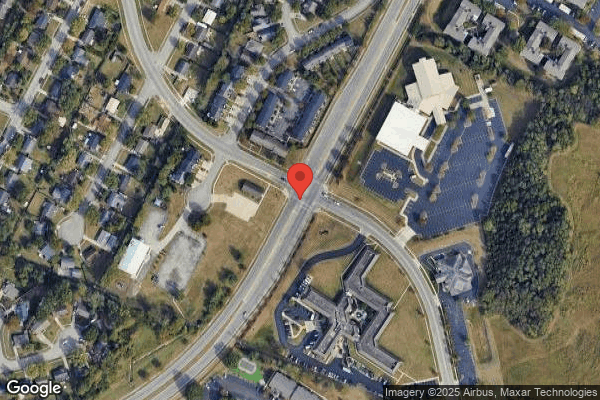
Understanding Severity Codes (click to expand)
Life-Threatening (Immediate Jeopardy)
J - Isolated K - Pattern L - Widespread
Actual Harm
G - Isolated H - Pattern I - Widespread
Potential for Harm
D - Isolated E - Pattern F - Widespread
No Harm (Minor)
A - Isolated B - Pattern C - Widespread

Questions to Ask on Your Visit

  • "Can I speak with families of current residents?"
  • "What's your RN coverage like on weekends and overnight?"

Our Honest Assessment

Strengths
  • • Licensed and certified facility. Meets minimum state requirements.
Concerns
  • • 29 deficiencies on record, including 2 serious (caused harm) violations. Ask about corrective actions taken.
  • • $12,925 in fines. Above average for Kentucky. Some compliance problems on record.
  • • Grade F (38/100). Below average facility with significant concerns.
Bottom line: Trust Score of 38/100 indicates significant concerns. Thoroughly evaluate alternatives.

About This Facility

What is Hartland Park Health & Rehabilitation's CMS Rating?

CMS assigns HARTLAND PARK HEALTH & REHABILITATION an overall rating of 2 out of 5 stars, which is considered below average nationally. Within Kentucky, this rating places the facility higher than 0% of the state's 100 nursing homes. A rating at this level reflects concerns identified through health inspections, staffing assessments, or quality measures that families should carefully consider.

How is Hartland Park Health & Rehabilitation Staffed?

CMS rates HARTLAND PARK HEALTH & REHABILITATION's staffing level at 2 out of 5 stars, which is below average compared to other nursing homes. Staff turnover is 52%, compared to the Kentucky average of 46%.

What Have Inspectors Found at Hartland Park Health & Rehabilitation?

State health inspectors documented 29 deficiencies at HARTLAND PARK HEALTH & REHABILITATION during 2019 to 2025. These included: 2 that caused actual resident harm and 27 with potential for harm. Deficiencies causing actual harm indicate documented cases where residents experienced negative health consequences.

Who Owns and Operates Hartland Park Health & Rehabilitation?

HARTLAND PARK HEALTH & REHABILITATION is owned by a for-profit company. For-profit facilities operate as businesses with obligations to shareholders or private owners. The facility is operated by PRESTIGE ADMINISTRATIVE SERVICES, a chain that manages multiple nursing homes. With 150 certified beds and approximately 138 residents (about 92% occupancy), it is a mid-sized facility located in LEXINGTON, Kentucky.

How Does Hartland Park Health & Rehabilitation Compare to Other Kentucky Nursing Homes?

Compared to the 100 nursing homes in Kentucky, HARTLAND PARK HEALTH & REHABILITATION's overall rating (2 stars) is below the state average of 2.8, staff turnover (52%) is near the state average of 46%, and health inspection rating (2 stars) is below the national benchmark.

What Should Families Ask When Visiting Hartland Park Health & Rehabilitation?

Based on this facility's data, families visiting should ask: "Can you walk me through typical staffing levels on day, evening, and night shifts?" "Can I visit during a mealtime to observe dining assistance and food quality?" "How do you handle medical emergencies, and what is your hospital transfer rate?" "Can I speak with family members of current residents about their experience?" These questions are particularly relevant given the below-average staffing rating.

Is Hartland Park Health & Rehabilitation Safe?

Based on CMS inspection data, HARTLAND PARK HEALTH & REHABILITATION has a clean safety record: no substantiated abuse findings (meaning no confirmed cases of resident harm), no Immediate Jeopardy citations (the most serious violation level indicating risk of serious injury or death), and is not on the Special Focus Facility watch list (a federal program monitoring the lowest-performing 1% of nursing homes). The facility has a 2-star overall rating and ranks #100 of 100 nursing homes in Kentucky. While no facility is perfect, families should still ask about staff-to-resident ratios and recent inspection results during their visit.

Do Nurses at Hartland Park Health & Rehabilitation Stick Around?

HARTLAND PARK HEALTH & REHABILITATION has a staff turnover rate of 52%, which is 6 percentage points above the Kentucky average of 46%. Moderate turnover is common in nursing homes, but families should still ask about staff tenure and how the facility maintains care continuity when employees leave.

Was Hartland Park Health & Rehabilitation Ever Fined?

HARTLAND PARK HEALTH & REHABILITATION has been fined $12,925 across 2 penalty actions. This is below the Kentucky average of $33,208. While any fine indicates a compliance issue, fines under $50,000 are relatively common and typically reflect isolated problems that were subsequently corrected. Families should ask what specific issues led to these fines and confirm they've been resolved.

Is Hartland Park Health & Rehabilitation on Any Federal Watch List?

HARTLAND PARK HEALTH & REHABILITATION is not on any federal watch list. The most significant is the Special Focus Facility (SFF) program, which identifies the bottom 1% of nursing homes nationally based on persistent, serious quality problems. Not being on this list means the facility has avoided the pattern of deficiencies that triggers enhanced federal oversight. This is a positive indicator, though families should still review the facility's inspection history directly.