Homestead Post Acute
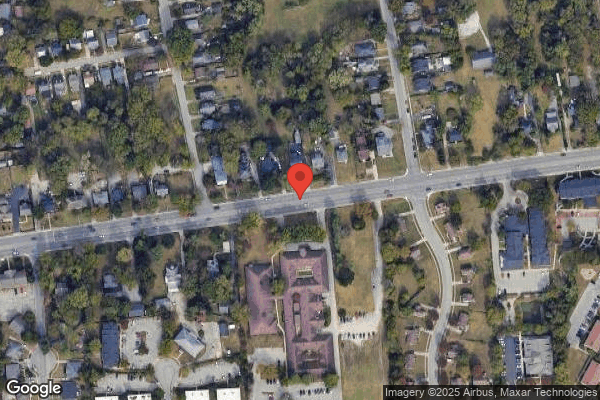

1608 Versailles Road, Lexington, KY 40504 (859) 252-0871
For profit - Limited Liability company 136 Beds PACS GROUP Data: November 2025
Trust Grade
70/100
#111 of 266 in KY
Last Inspection: September 2024

Within standard 12-15 month inspection cycle. Federal law requires annual inspections.

Overview

Homestead Post Acute has a Trust Grade of B, indicating it is a good choice among nursing homes, but not the top tier. It ranks #111 out of 266 facilities in Kentucky, placing it in the top half of the state, and #5 out of 13 in Fayette County, meaning only a few local options are better. Unfortunately, the facility is trending downward, with the number of issues increasing from 1 in 2023 to 3 in 2024. Staffing is somewhat of a concern, with a rating of 2 out of 5 stars and a turnover rate of 47%, which is average for the state. While they have no fines on record, there are significant concerns; for instance, the facility lacked a proper water management program to prevent potential pathogens, and grievances from families were not always addressed in writing, which could lead to unresolved issues. On a positive note, the quality measures received a 4 out of 5 rating, indicating good performance in health outcomes.

Trust Score
B
70/100
In Kentucky
#111/266
Top 41%
Safety Record
Low Risk
No red flags
Inspections
Getting Worse
1 → 3 violations
Staff Stability
⚠ Watch
47% turnover. Above average. Higher turnover means staff may not know residents' routines.
Penalties
✓ Good
No fines on record. Clean compliance history, better than most Kentucky facilities.
Skilled Nurses
○ Average
Each resident gets 41 minutes of Registered Nurse (RN) attention daily — about average for Kentucky. RNs are the most trained staff who monitor for health changes.
Violations
○ Average
7 deficiencies on record. Average for a facility this size. Mostly minor or procedural issues.
★★★☆☆
3.0
Overall Rating
★★☆☆☆
2.0
Staff Levels
★★★★☆
4.0
Care Quality
★★★☆☆
3.0
Inspection Score
Stable
2023: 1 issues
2024: 3 issues

The Good

  • 4-Star Quality Measures · Strong clinical quality outcomes
  • Full Sprinkler Coverage · Fire safety systems throughout facility
  • No fines on record

Facility shows strength in quality measures, fire safety.

The Bad

3-Star Overall Rating

Near Kentucky average (2.8)

Meets federal standards, typical of most facilities

Staff Turnover: 47%

Near Kentucky avg (46%)

Higher turnover may affect care consistency

Chain: PACS GROUP

Part of a multi-facility chain

Ask about local staffing decisions and management

The Ugly 7 deficiencies on record

Sept 2024 3 deficiencies
CONCERN (D)

Potential for Harm - no one hurt, but risky conditions existed

Comprehensive Care Plan (Tag F0656)

Could have caused harm · This affected 1 resident

Based on observation, interview, record review, and review of the facility's policy, the facility failed to develop and implement a comprehensive, resident-centered care plan for each resident that in...

Read full inspector narrative →
Based on observation, interview, record review, and review of the facility's policy, the facility failed to develop and implement a comprehensive, resident-centered care plan for each resident that included measurable objectives and time frames to meet a resident's medical, nursing, mental, and psychosocial needs that were identified in the comprehensive assessment for 1 of 3 residents investigated for trauma-informed care, Resident (R) 85. The findings include: Review of the facility's policy titled, Care Plans, Comprehensive Person-Centered, revised 03/2022, revealed the facility was to develop and implement a person-centered care plan for each resident that included measurable objectives to meet the residents physical and psychosocial needs. Further review revealed the care plan was to include trauma-informed services, and interventions were chosen after data gathering and careful consideration of the relationship between the resident's problem areas and their causes. Review of R85's admission Record revealed the facility admitted R85 on 11/01/2021 with diagnoses including sequelae of cerebral infarction (after-effects of a stroke), post-traumatic stress disorder (PTSD), insomnia, and recurrent depressive disorders. Review of R85's annual Minimum Data Set (MDS), with an Assessment Reference Date (ARD) of 07/02/2024, revealed the facility assessed R85's cognition with a Brief Interview for Mental Status (BIMS) score of 15 out of 15, indicating the resident was cognitively intact. Further review revealed the facility included PTSD in the list of R85's active diagnoses. Continued review revealed the facility assessed R85's mood with a Personal Health Questionnaire (PHQ)-9 (depression screening tool) score of 12 out of 27, indicating moderate depression symptoms. Review of R85's Care Plan, dated 09/17/2024, revealed the facility failed to include the resident's history of traumatic life events as one of the resident's focus areas. Further review revealed the facility failed to include interventions to mitigate potential triggers related to R85's diagnosis of PTSD. Review of R85's Psychiatric Progress Note, dated 07/03/2024, revealed R85 reported to Licensed Clinical Social Worker (LCSW) 1 that her father killed her baby brother when she was approximately four years old. Further review revealed LCSW1 wrote that she provided a copy of this note to the clinicians caring for R85's comorbid conditions. In an interview on 09/20/2024 at 2:12 PM, the Unit Manager (UM) for the 100 Hall stated she did not know if trauma informed care and interventions to mitigate triggers should be included on a care plan if the resident had a PTSD diagnosis. Per interview, the UM stated she did not see trauma interventions on R85's care plan, but she would continue to research. In additional interview on 09/20/2024 at 3:16 PM, the UM stated she determined trauma care needs should have been on R85's care plan but had not been included prior to the interview. In an interview on 09/19/2024 at 2:18 PM, the Social Services Assistant (SSA) stated he was not working at the facility when R85 was admitted . Per interview, the SSAs role in developing the comprehensive care plan was to conduct a social services history assessment, which included asking the resident about their history of traumatic life events. He further stated residents were not always willing to talk about trauma from their pasts but might disclose it to staff later. The SSA stated the interdisciplinary team should add trauma information to a care plan once a resident disclosed it. In an interview on 09/20/2024 at 3:00 PM, the Social Services Director (SSD) stated he was not familiar with the long-term care residents, including R85, as he was new to the facility and had spent much of his time coordinating discharge care needs for short term rehabilitation residents. The SSD stated his department passed along information regarding mood and cognitive assessments, but it was primarily the role of the Minimum Data Set Coordinator (MDSC) to develop comprehensive care plans, including sections dealing with mental health and psychosocial needs. In an interview on 09/20/2024 at 12:58 PM, Minimum Data Set Nurse (MDSN) 1 stated she did not work at the facility at the time R85 was admitted to the facility. She further stated her process for comprehensive assessments was to review the resident's diagnoses on admission, as well as information from social services, such as a depression screening, to develop a comprehensive care plan. MDSN1 stated she reviewed consult notes quarterly to determine if the resident had new psychiatric needs. Per interview, MDSN1 did not know why the facility failed to develop a trauma care plan for R85 when the resident had an active diagnosis of PTSD. In an interview on 09/20/2024 at 1:16 PM, the MDSC stated the facility's process for developing a comprehensive care plan included looking at the admission diagnoses and ensuring resident needs related to those diagnoses were addressed in the care plan. She stated she included psychosocial needs on care plans, but she had never seen a resident's care plan address specific trauma triggers. The MDSC stated identifying a history of trauma and trauma triggers was the role of the social services department. Additionally, the MDSC stated she did not believe information about trauma and triggers should be included on the care plans because that was personal information. Per interview, the MDSC stated she could not describe what negative effect re-traumatization might have on a resident. In an interview on 09/20/2024 at 3:19 PM, the Director of Nursing (DON) stated her expectations for care plans were for trauma triggers to be included to promote the resident's quality of life by mitigating triggers where possible. She further stated the care plan was a communication tool to be used to make staff aware of a resident's triggers so they would know how to approach the resident. The DON stated the facility had a lot of staff turnover in the social services department in the past, which had likely contributed to the facility's failure to include R85's PTSD care needs in the original care plan. Per interview, the DON was not able to describe how the facility failed to identify trauma needs during quarterly care plan reviews. In an interview on 09/20/2024 at 4:01 PM, the Administrator stated he expected psychiatric needs, including trauma-informed care, to be included in resident care plans. He further stated he could not describe how the facility failed to include trauma informed care on R85's care plan.
CONCERN (D)

Potential for Harm - no one hurt, but risky conditions existed

Deficiency F0699 (Tag F0699)

Could have caused harm · This affected 1 resident

Based on observation, interview, record review, and review of the facility's policy, the facility failed to ensure that residents who were trauma survivors received trauma-informed care, including acc...

Read full inspector narrative →
Based on observation, interview, record review, and review of the facility's policy, the facility failed to ensure that residents who were trauma survivors received trauma-informed care, including accounting for the resident's experiences in order to eliminate or mitigate triggers that may have caused re-traumatization of the resident for 1 of 3 residents sampled for trauma informed care, Resident (R) 85. The findings include: Review of the facility's policy titled, Behavioral Assessment, Intervention, and Monitoring, revised 03/2019, revealed the facility expected to provide residents with services to attain or maintain their highest level of mental and psychosocial function. Further review revealed the interdisciplinary team was to thoroughly assess each resident for a history of mental disorders, behavioral symptoms, including sleep disturbances, for underlying causes and to address any modifiable factors. Review of R85's admission Record revealed the facility admitted R85 on 11/01/2021 with diagnoses including sequelae of cerebral infarction (after-effects of a stroke), post-traumatic stress disorder (PTSD), insomnia, and recurrent depressive disorders. Review of R85's annual Minimum Data Set (MDS), with an Assessment Reference Date (ARD) of 07/02/2024, revealed the facility assessed R85's cognition with a Brief Interview for Mental Status (BIMS) score of 15 out of 15, indicating the resident was cognitively intact. Further review revealed the facility included PTSD in the list of R85's active diagnoses. Continued review revealed the facility assessed R85's mood with a Personal Health Questionnaire (PHQ)-9 (depression screening tool) score of 12 out of 27, indicating moderate depression symptoms. Review of R85's Care Plan, dated 09/17/2024, revealed the facility failed to include the resident's history of traumatic life events as one of the resident's focus areas. Further review revealed the facility failed to include interventions to mitigate potential triggers related to R85's diagnosis of PTSD. Review of R85's Psychiatric Progress Note, dated 07/03/2024, revealed R85 reported to Licensed Clinical Social Worker (LCSW) 1 that her father killed her baby brother when R85 was approximately four years old. Further review revealed LCSW1 wrote that she provided a copy of this note to the clinicians caring for R85's comorbid conditions. Review of R85's Psychiatric Progress Note, dated 09/11/2024, revealed R85 reported to LCSW1 that she saw her father shoot her baby brother while trying to kill her mother when R85 was approximately four years old. Per review, R85 reported trying to fix her brother and that she never will forget it. Observation on 09/17/2024 at 11:17 AM revealed R85 lying in bed with the curtains drawn and a blanket pulled over her face. Observation on 09/19/2024 at 10:44 AM revealed R85 in bed with the curtains drawn. Further observation revealed R85 was sleeping but woke up when Licensed Practical Nurse (LPN) 2 came in to administer her medication. In an interview on 09/19/2024 at 10:44 AM, R85 pointed to a photograph on the wall, explaining that was her mother and baby brother. R85 further stated she witnessed her father shoot and kill her baby brother when she was four years old. In continued interview, R85 stated she often had trouble sleeping at night because staff members slammed doors and made a lot of noise, which startled her. Per interview, R85 stated she had never considered if the trauma from her childhood made her more sensitive to noises such as slamming doors, but she did report she had always been a nervous person since that incident. In an interview on 09/20/2024 at 1:48 PM, State Registered Nurse Aide (SRNA) 5 stated she noticed R85's social withdrawal and depression symptoms worsened for days at a time if the resident had a disagreement with her granddaughter. SRNA5 further stated she did not know details about R85's family history but knew the resident had problems with her family in the past. In an interview on 09/20/2024 at 2:12 PM, the Unit Manager for the 100 Hall could not describe how she expected staff to care for residents with a history of trauma. Per interview, she did not know what R85's history of trauma was, nor could she describe ways staff assessed for and mitigated the resident's trauma triggers. In an interview on 09/19/2024 at 2:18 PM, the Social Services Assistant (SSA) stated he was not aware of R85's history of trauma, although he had spoken with her many times about her depression. He stated the interdisciplinary team reviewed progress notes from the psychiatric nurse practitioner, so he was not able to determine why the facility had not done further investigation into the care R85 needed related to her history of domestic violence as disclosed to the psychiatric nurse practitioner. The SSA stated R85 had a history of difficulty getting along with roommates because she was annoyed by the television being on and preferred a dark room with the curtains drawn. Additionally, the SSA stated R85 had strained family relationships at times, including with her granddaughter, who was her Power of Attorney (POA). In an interview on 09/20/2024 at 3:00 PM, the Social Services Director (SSD) stated he was not familiar with the long-term care residents, including R85, as he was new to the facility and had spent much of his time coordinating discharge care needs for short term rehabilitation residents. He further stated he did not know what the role of social services would be in caring for a resident with PTSD beyond performing a trauma history screening on admission. The SSD stated if a resident scored higher than a 10 on a PHQ-9, he would expect further investigation into the cause and interventions to address the resident's psychosocial needs. In an interview on 09/20/2024 at 3:19 PM, the Director of Nursing (DON) stated she had not been aware of R85's trauma history. She further stated she did not know how the facility had failed to assess the resident for the root cause of her PTSD and potential triggers. The DON stated her expectations for providing trauma informed care were for staff to be aware if a resident had a history of being exposed to violence, because something like loud noises could cause them to self-isolate. Per interview, the DON stated mitigating triggers would promote a resident's quality of life by allowing them to increase their socialization. In an interview on 09/20/2024 at 4:01 PM, the Administrator stated he believed the interdisciplinary team did everything they could to identify a resident's history of trauma and providing care that was psychosocially supportive. Per interview, he was not able to identify how the process of identifying R85's history of trauma and potential triggers had failed.
CONCERN (F)

Potential for Harm - no one hurt, but risky conditions existed

Infection Control (Tag F0880)

Could have caused harm · This affected most or all residents

Based on interview, record review, review of the facility's job descriptions for the Infection Preventionist and the Maintenance Director, and review of the facility's policy, the facility failed to e...

Read full inspector narrative →
Based on interview, record review, review of the facility's job descriptions for the Infection Preventionist and the Maintenance Director, and review of the facility's policy, the facility failed to establish written standards, policies, and procedures by having a documented water management program based on nationally accepted standards for all residents (census 122). The facility did not have a water management program that included a description of the building's water systems where Legionella and other opportunistic waterborne pathogens could grow and spread, flow diagrams, measures to prevent growth, testing protocols, acceptable ranges, and established ways to intervene when control limits were not met. The findings include: Review of the facility's policy titled, Infection Prevention and Control Program, dated 12/2023, revealed the infection prevention and control program (IPCP) addressed the facility-specific infection control needs and requirements identified in the facility assessment and the infection control risk assessment, and the program was reviewed annually and updated as necessary. Further review revealed the coordination and oversight of the IPCP was the responsibility of the Infection Preventionist (IP). It stated policies and procedures were the cornerstone of the IPCP, reflected the current infection prevention and control standards of practice, and followed established general and disease-specific guidelines, such as those of the Centers for Disease Control and Prevention (CDC). Review of the Job Description for the Infection Preventionist, revised date 10/2020, identified the purpose of the position was to plan, organize, develop, coordinate, and direct the facility's IPCP and its activities in accordance with current federal, state, and local standards, guidelines and regulations that governed such programs. Further review identified duties and responsibilities that included interpreting, reviewing, and modifying infection control and prevention policies and procedures as necessary. Review of the Job Description for the Maintenance Director, dated 09/2018, identified the purpose of the job was to plan, organize, develop, and direct the overall operation of the Maintenance Department in accordance with current federal, state, and local standards, guidelines and regulations governing the facility. Further review revealed essential duties included developing, maintaining, and implementing infection control and universal precautions policies and procedures to assure a sanitary environment was maintained at all times and aseptic and isolation techniques were followed by all maintenance personnel. Review of the facility's Water Management Binder, revealed the cover page read water management program free chlorine levels maintained 0.4-0.6 contact water company if not in range, and contained two pages with heading water chlorine testing (PPM) [parts per million], and a copy of the CDC document Developing a water management program to reduce Legionella growth & spread in buildings-A practical guide to implementing industry standards, dated 06/05/2017, Version 1.1. There was also a handwritten notation on the front cover, updated reviewed QA committee 1/2024, initialed by the facility's Administrator. Review of the two pages water chlorine testing (PPM) identified nine columns; date, initials, supply, station A, station B, station C, station D, 500 Hall, and kitchen. Further review revealed that the column dated 03/14/2024 for the 500 Hall had a reading of 0.61; the column dated 07/17/2024 for station D had a reading of 0.61; and the column dated 08/20/2024 for the kitchen had a reading of 0.61. However, there was no documentation of notification to the water company or actions, if any, that were taken. Further review of the binder revealed it did not contain information on the facility's specific water system, water flow diagram, measures to prevent growth of waterborne pathogens, testing protocols, acceptable ranges, and interventions taken when controls were not met. Review of the Quality Assurance and Performance Improvement (QAPI) meeting sign in sheet, dated 01/09/2024, revealed it was signed by the Medical Director, Administrator, Director of Nursing (DON), QA/Infection Preventionist (IP), Director of Rehab, Social Services Assistant, Medical Records, and Staff Development/IP. Review of the form Quality Assurance Committee Meeting, Administrator report (may be utilized as QA minutes), dated 01/09/2024, identified the section labeled V. Water management program for prevention of an outbreak for Legionnaire's Disease (LD): circled Yes and below that stated develop and implement complete policies and procedures for the inspection, testing and maintenance of the facility's water systems to inhibit the growth of waterborne pathogens and reduce the risk of an outbreak of LD. Program evaluation and testing annually. In an interview with the Maintenance Assistant on 09/19/2024 at 11:16 AM, he stated he was the former Maintenance Director at the facility, retired last year, and was re-hired to train the new Maintenance Director. He stated he had worked in maintenance for 40 years and had never heard of Legionella before this date. When asked about the facility's water testing process, he stated he checked water temperatures. When asked if the facility had a water management program or policy, he stated not to his knowledge. When asked if the facility had a water flow diagram identifying cut offs, dead legs, and possible areas of stagnated water, he stated to his knowledge there was not one. In another interview on 09/19/2024 at 11:37 AM, the Maintenance Assistant returned to the State Survey Agency (SSA) Surveyor and stated he had determined since the earlier interview that the Administrator was in charge of the water testing and had the water management program information. He also provided the SSA Surveyor with a facility map of the resident rooms with hand drawn lines labeled with water line, tank, and flow. Review of the map revealed there was no description of street locations where water entered the facility and connected to the municipal water supply or where waste water was discarded. The Maintenance Assistant also provided a paper of temperature log sheet to the SSA Surveyor with room numbers, corresponding temperatures, and signed and dated by the previous Maintenance Director on 08/13/2024, 08/21/2024, and 08/26/2024. In an interview with the Maintenance Director on 09/09/2024 at 11:20 AM, he stated he had been in that position for three (3) days, and prior to that had worked as an assistant to the previous Maintenance Director and the housekeeping department. He stated to date he had not received any education or training on the water maintenance program or testing procedures for Legionella. In an interview with the Staff Development (SD)/Infection Preventionist backup on 09/20/2024 at 9:40 AM, she stated as the backup to the IP nurse she did new hire orientation and yearly education of employees covering hand hygiene, donning (putting on) and doffing (removing) personal protective equipment (PPE), transmission-based precaution education, new employee immunization, and assisted with other duties as assigned. In a follow up interview with the SD/Infection Preventionist backup on 09/20/2024 at 2:19 PM, she stated she did work with maintenance since she also ordered nursing supplies. She stated to her knowledge the facility had a water management program, and two machines that were tested weekly for chlorine levels, which had to stay in a certain range. She stated she did not know the ranges, but results had never been out of range. She stated she had never personally performed the testing, did not know how it was performed, and had not visualized a water flow diagram of the facility. In an interview with the IP nurse on 09/20/2024 at 9:21 AM, she stated she had worked in that role for the past eight years. She stated she did not have any involvement in the water management program but had spoken to the Administrator and was assured by him that the facility did have a water management program and had conducted testing. She stated any questions pertaining to water flow diagrams or policies on water management would have to be directed to the Administrator, who was currently overseeing that program. She stated in her eight years at the facility there had not been any cases of Legionella. However, she stated, in the event a case did occur, she would be responsible to conduct the review, report, track, surveil, and educate staff. In an interview with the DON on 09/20/2024 at 3:21 PM, she stated she had general knowledge of the IPCP but did not have direct involvement in the activities. The DON stated to her knowledge there was a water management and testing program, but she could not speak to any specifics of the policy or procedures that were monitored by the IP nurse and her back up, the SD/IP nurse. The DON stated there had been a recent turn over in the maintenance department, and any further questions regarding the water management program needed to be directed to the Administrator. In an interview with the Administrator on 09/20/2024 at 9:50 AM, he stated last year the facility Maintenance Director retired, the facility filled the position, and as of last week, a change was made in the role, and a new Maintenance Director had been in the position for three (3) days. He stated the Maintenance Director that retired was asked to come back to train the newly appointed Maintenance Director, and he had assumed responsibility of the water management program until the new Maintenance Director could be trained. The Administrator stated the facility currently had a water management program that measured chlorine levels and water temperatures, which the QAPI committee updated and reviewed in 01/2024. When asked to provide a facility specific assessment of areas where opportunistic waterborne pathogens could grow and spread, flow diagrams, the facility's measures to prevent growth, testing protocols, acceptable ranges, monitoring of control measures, and established ways to intervene when control limits were not met, he stated he could not provide those documents that were specific to the facility.
Aug 2023 1 deficiency
CONCERN (E) 📢 Someone Reported This

A family member, employee, or ombudsman was alarmed enough to file a formal complaint

Potential for Harm - no one hurt, but risky conditions existed

Grievances (Tag F0585)

Could have caused harm · This affected multiple residents

Based on interview, record review, and review of the facility's policy, it was determined the facility failed to ensure grievances presented by the Family Council involving resident care were addresse...

Read full inspector narrative →
Based on interview, record review, and review of the facility's policy, it was determined the facility failed to ensure grievances presented by the Family Council involving resident care were addressed in writing. Review of the Family Council meeting minutes and responses provided by the facility revealed multiple instances of actions taken to address grievances that had not been presented to the Family Council. The findings include: Review of the facility's policy titled, Grievances/Complaints, Filing, not dated, revealed any resident, family member, or appointed resident representative could file a grievance concerning care or treatment or lack thereof, or any other concerns regarding his or her stay at the facility. The policy stated all grievances stemming from resident or family groups concerning issues of resident care would be considered, and actions on such issues would be responded to in writing, including a rationale for the response. Finally, the policy stated the person filing the grievance or complaint would be informed verbally and in writing of the findings and actions to be taken to correct any identified problems. Review of an email (electronic mail) sent to the Administrator by the Family Council President (FCP), dated 06/15/2022, regarding a 06/11/2022 Family Council Meeting, revealed the FCP identified several grievances involving resident care. These grievances included: (1) family members that called the facility after 5:00 PM often had those calls go unanswered; and (2) some staff that worked with Resident #7 were (still) deactivating the call light prior to addressing the reason the call light was activated. Review of an email response, dated 07/08/2022, from the Administrator (designated as the facility's liaison by the Family Council) to the FCP about the 06/15/2022 email, revealed some concerns that were brought up at the June 2022 Family Council Meeting were addressed in his response. However, the concern for calls going unanswered after 5:00 PM was not addressed, nor was the concern regarding staff turning off Resident #7's call light without addressing the resident's needs. In the email, the Administrator encouraged specific resident care concerns be brought to the attention of staff. Review of an email sent to the Administrator by the FCP, dated 10/14/2022, regarding a 10/08/2022 Family Council Meeting, revealed the FCP identified several grievances involving resident care. These grievances included: (1) phone calls that were not answered after 5:00 PM, Monday through Friday; (2) phone calls on the weekends were even more difficult to get a response than during the week; (3) staff members stated they were not allowed to change residents during meal service until meal trays were delivered and picked up; and (4) call lights were deactivated without the resident's needs being addressed It was noted these issues were more prevalent on weekends. Review of an email response, dated 11/11/2022, from the Administrator to the FCP, related to the 10/14/2022 email, revealed that some concerns brought up at the by October 2022 Family Council Meeting were addressed in his response. However, the concern for phone calls not being answered after 5:00 PM on week days or on weekends was only partially addressed. Further review revealed the Administrator noted the facility was searching for a part-time receptionist to cover some of the times mentioned. No response was provided regarding the staff members' statements that they were not allowed to change residents during meal service or that call lights were deactivated before the residents' needs were addressed. Review of an email from the FCP to the Administrator, dated 02/22/2023, regarding a 02/11/2023 Family Council Meeting, revealed the FCP identified several grievances involving resident care. These grievances included lack of supplies, specifically Depends (a brand of adult disposable briefs), which was especially a concern on evenings and weekends. Review of an email response, dated 03/10/2023, from the Administrator to the FCP about the 02/22/2023 email from the FCP, revealed although some concerns brought up by the February 2023 Family Council Meeting were addressed in the response, the concern for lack of supplies, specifically Depends, was not addressed. Review of an email from the FCP to the Administrator, dated 05/25/2023, regarding a 05/13/2023 Family Council Meeting, revealed the FCP identified several grievances involving resident care, that included residents continuing to be told by staff members they could not provide incontinence (change their brief, assist with toileting) care during meal times. Review of an email response, dated 06/08/2023, from the Administrator to the FCP related to the 05/25/2023 email, revealed some concerns brought up by the May 2023 Family Council Meeting were addressed. However, the ongoing concern of staff members telling residents they could not change them during meal times was not addressed. In an interview with the FCP on 08/16/2023 at 9:50 AM, and again on 08/22/2023 at 1:14 PM, he/she stated the Family Council met monthly usually on the second Thursday of every month, and averaged thirteen (13) to fourteen (14) members. The FCP stated the concerns regarding staff deactivating call lights without providing the residents' needed care, as well as concerns of staff members telling residents they could not change them during meal service, continued to be ongoing issues. Further, the FCP stated not being able to reach facility staff by phone after 5:00 PM was not uncommon. The FCP stated not all grievances brought up in the Family Council meetings were acknowledged by the Administrator, and the FCP was rarely provided information on the facility's findings or steps staff had taken to address the Family Council's concerns. In an interview, on 08/20/2023 at 4:17 PM, with the Ombudsman, she stated the FCP had a legitimate concern regarding grievances brought up in Family Council meetings not being addressed by the Administrator. She stated the FCP and the Administrator saw things differently, with the Administrator wanting to ensure issues were addressed at the individual resident level. Whereas, she stated, the FCP wanted things addressed at the facility level. She stated the response was always in writing back to the FCP; however, sometimes the response was not specific enough to really target the grievance. For example, she stated, the grievance of staff members telling residents they could not give them assistance with toileting at meal time had a response of staff educated on answering call lights. Regarding concerns brought up over supplies, to include Depends, she stated that was brought up earlier this year in the Family Council meetings. The Ombudsman stated supplies were available, but historically agency staff had not always known where to find supplies if they were not on the unit. In an interview with the Administrator on 08/18/2023 at 1:36 PM, and again on 08/23/2023 at 9:34 AM, he stated the purpose of the Family Council was to discuss things that could improve the quality of life of residents in the facility. He stated the Family Council could offer recommendations, express concerns, and should address positive things like planning activities and things for residents. The Administrator stated the FCP sent him emails with what was discussed in Family Council meetings, which included some concerns that appeared to be resident specific. However, he stated the FCP refused to provide resident names. He stated he encouraged resident specific complaints to be addressed on an individual basis, and he did not share that information in emails. During further interview, he stated the FCP shared emails with the public at large, and he did not feel it was appropriate to share that information. The Administrator acknowledged he had not responded in writing to all concerns brought up in Family Council meetings, but had ensured audits were put in place as well as staff education when concerns were identified. He stated for general concerns brought up in the Family Council meetings, he shared that the facility did education and audits. The Administrator stated when concerns were brought up in Family Council meetings that should be resident specific, but there were no residents' names. He stated the facility was limited in what they could do to address said concerns.
Dec 2019 2 deficiencies
CONCERN (E)

Potential for Harm - no one hurt, but risky conditions existed

Deficiency F0804 (Tag F0804)

Could have caused harm · This affected multiple residents

Based on observation, and interview, and review of facility Policy, it was determined the facility failed to provide each resident with food that is palatable, and at a safe and appetizing temperature...

Read full inspector narrative →
Based on observation, and interview, and review of facility Policy, it was determined the facility failed to provide each resident with food that is palatable, and at a safe and appetizing temperature. Staff interview and record review revealed food temperatures from the lunch meal tray line were not immediately documented on 12/10/19. [NAME] #1 stated she relied on memory to document food temperatures from tray line after meal service. Further, [NAME] #1 stated she obtained food temperatures for tray line from the stove and not from the steam table. In addition, observation of a test tray on 12/10/19, during the noon meal service for Unit B, revealed temperatures were not at acceptable temperatures for point of service. Furthermore, observation of a test tray on 12/12/19, during the breakfast meal service for Unit C, revealed temperatures were not at acceptable temperatures for point of service. The findings include: Review of the facility's Food Preparation and Service Policy, undated, revealed previously cooked food must be reheated to an internal temperature of 165 degrees for at least fifteen (15) seconds. The policy further stated Mechanically altered hot foods prepared for a modified consistency diet will stay above 135 degrees Farenheit (F) during preparation or they must be reheated to 165 degrees F for at least fifteen seconds. In addition, steam tables are never used to reheat foods and the temperatures of foods held in steam tables will be monitored by food service staff. The Policy Statement review revealed Food service employees shall prepare and serve food in a manner that complies with safe food handling practices. However, the Policy did not reference the acceptable temperature range of food at point of service. Observation of the kitchen on 12/10/19 at 11:10 AM, while accompanied by the Assistant Dietary Manager, revealed the kitchen staff was placing food on the steam table in preparation for meal service. The steam table food included slices of roast beef, beef gravy, roasted potatoes, mixed steamed vegetables, mechanical soft beef, mashed potatoes, pureed beef, and chicken noodle soup. Four (4) hot dogs in buns were wrapped in aluminum foil and placed on the support bars of the steam table. No temperatures were obtained once the food reached the steam table. Cold foods were located at the end of the tray line, near, but not on the steam table and included desserts and drinks. Cartons of milk were placed in two (2) picnic style coolers with ice poured over them. Food service for the unit trays began at 11:20 AM with bread or rolls placed first followed by hot foods, then cold foods. Desserts and drinks were placed on the trays last. The Assistant Dietary Manager was asked on 12/10/19 at 11:30 AM, to produce the food temperatures. Review of the temperature log dated for the week of 12/08/19 through 12/14/19, revealed no entries had been made for the lunch food temperatures on 12/10/19. Observation in the kitchen on 12/10/19 at 11:50 AM, revealed food was placed on a heated plate with an insulated bottom and cover. The food trays were then loaded onto a rolling, open sided rack cart. Further observation revealed the open sided rack was taken to Unit B by Dietary Aide #1, and placed at the nursing station at 12:03 PM. Nursing staff retrieved the trays upon arrival to the unit and placed the trays one (1) by one (1) in each resident's room. On 12/10/19 at 12:05 PM, the Surveyor asked Dietary Aide #1 to determine the temperature of a test tray for the hall on Unit B. The baked potato, and mixed vegetables which were at acceptable temperatures, but the beef slice temperature was obtained at 109 degrees F, which was not an acceptable point of service temperature. Dietary Aide #1 was questioned as to the acceptable temperature for food at point of service, and she replied that she did not know. Interview with the Assistant Food Manager, upon returning to the kitchen on 12/10/19 at 12:25 PM, revealed she was unsure why the temperatures had not been recorded prior to the lunch meal service. In this surveyor's presence, the Assistant Dietary Manager asked [NAME] #1 to record the food temperatures on the log for the lunch meal service. [NAME] #1 took the log and began to fill in temperatures without referencing any source other than her memory. Interview with [NAME] #1, during this observation, revealed she always took the temperatures at the stove, not at the steam table. She further stated she did not write the food temperatures down prior to serving. When asked if the temperatures were accurate from memory, she replied they may not be completely right, but would be close enough. All temperatures recorded by [NAME] #1 after the meal service were within acceptable range for holding temperature. A second test tray was provided on 12/12/19 at 7:35 AM, on Unit C, and temperatures were obtained by the Assistant Dietary Manager. The sausage patty temperature was obtained at 101.8 degrees Fahrenheit and the scrambled eggs temperature was obtained at 118.9 degrees, which were both below an acceptable temperature at point of service. Interview with the Assistant Dietary Manager, on 12/12/19 at 2:45 PM, revealed the food temperatures were to be obtained from the steam table right before the first meal tray was plated. Per interview, food temperatures were not to be taken from the stove. Further, the staff on the end of the line was to check the cold fruit, desserts, and milk temperatures. She stated all temperatures were to be recorded on the food temperature log. Continued interview with the Assistant Dietary Manager, revealed the safe holding temperatures of hot food was 135 degrees F and 40 degrees or less for cold foods; however, she stated the facility did not have a written policy related to food temperatures at point of service. Interview with the Director of Nursing (DON), on 12/12/19 at 3:10 PM, revealed she did not know the acceptable temperature range for food at point of service; however, she stated food should be at a palatable temperature for the residents. Further, she stated if food was not held at the proper temperatures, the result could be an outbreak of food borne illnesses. Interview with the Administrator, on 12/12/19 at 3:30 PM, revealed food temperatures should be obtained when the food was brought to the steam table and before serving. Per interview, temperatures should be recorded immediately after obtained as it was not acceptable to document temperatures from memory. He further stated the facility did not have a written policy related to food temperatures at point of service. However, he stated if foods were not served at safe temperatures the result could be food borne illness.
CONCERN (E)

Potential for Harm - no one hurt, but risky conditions existed

Food Safety (Tag F0812)

Could have caused harm · This affected multiple residents

Based on observation, interview, and review of facility policy, it was determined the facility failed to ensure food was stored, prepared and distributed in accordance with professional standards for ...

Read full inspector narrative →
Based on observation, interview, and review of facility policy, it was determined the facility failed to ensure food was stored, prepared and distributed in accordance with professional standards for food safety service. Observation during initial tour of the kitchen on 12/10/19, revealed a shelving unit contained beverage pitchers which were randomly stored upside down or right side up, leaving the tops of some pitchers open. In addition, the shelves themselves were soiled with crusty dried debris. Also, during initial tour of the kitchen, the ice machine was observed to have a shield inside the ice compartment which was covered with gray-brown residue. The findings include: Review of the facility Sanitization Policy, undated, revealed the food service area shall be maintained in a clean and sanitary manner. Additionally, all equipment, food contact surfaces and utensils shall be washed to remove or completely loosen soils by using the manual or mechanical means necessary and sanitized using hot water and/or chemical sanitizing solutions. Further review of the Policy, revealed ice machines and ice storage containers will be drained, cleaned and sanitized per manufacturer's instructions. Kitchen and dining surfaces not in contact with food shall be cleaned on a regular schedule and frequently enough to prevent accumulation of grime. Additional review of the Policy, revealed the Food Services Manager will be responsible for scheduling staff for regular cleaning of kitchen and dining areas. Food service staff will be trained to maintain cleanliness throughout their work areas during all tasks, and to clean after each task before proceeding to the next assignment. Observation during initial tour of the kitchen on 12/10/19 starting at 8:15 AM, accompanied by the Assistant Dietary Manager, revealed a shelving unit against the wall behind the steam table with four (4) shelves which held beverage pitchers. The pitchers were randomly stored upside down or right side up, leaving the tops of some pitchers open. The shelves themselves were soiled with crusty dried debris. The second shelf held a pitcher which had visible brown dried matter smeared on the inside. The pitcher was brought to the attentions of the Assistant Dietary Manager, who stated the item needed to go back through the dish machine. When asked what the residue might be, she replied she did not know. The dirty pitcher was taken to the dish machine by the Assistant Dietary Manager. The Assistant Dietary Manager acknowledged all beverage pitches should be stored upside down and the shelves should be clean and free of debris. Additional observation during initial tour, revealed the ice machine located at the entrance to the kitchen and in front of the steam table had a shield inside the ice compartment which was covered with gray-brown residue. This residue was easily removed by a cloth by the Assistant Dietary Manager at the time of discovery. Interview with the Assistant Food Services Manager, on 12/12/19 at 3:00 PM, revealed the food services department had a cleaning schedule in which the floors, tables, and shelves, were cleaned after each meal. Further interview revealed all dishes were washed and sanitized either through the dishwasher or the three (3) compartment sink. In addition all pitchers and ladles were soaked once a week in bleach water, then run through the dish machine, and should be stored upside down. Per interview, any surface or equipment coming into contact with ice, beverages, or food should be cleaned regularly to prevent contamination and possible food borne illnesses. Interview with the Administrator, on 12/12/19 at 3:30 PM, revealed the kitchen had a cleaning schedule with a rotating deep clean schedule. In addition, the Administrator stated staff was to ensure all dishes, and storage areas, were cleaned prior to storage to prevent possible contamination and to ensure all surfaces in contact with consumables were clean. Further, all equipment such as the ice machine should be cleaned on a routine schedule.
Nov 2018 1 deficiency
CONCERN (D)

Potential for Harm - no one hurt, but risky conditions existed

Deficiency F0658 (Tag F0658)

Could have caused harm · This affected 1 resident

Based on interview, record review, and review of facility Policy, it was determined the facility failed to provide services that meet professional standards for nutritional services for one (1) of thr...

Read full inspector narrative →
Based on interview, record review, and review of facility Policy, it was determined the facility failed to provide services that meet professional standards for nutritional services for one (1) of three (3) sampled residents reviewed for nutrition (Resident #56). Review of Resident #56's medical record revealed no documented evidence the resident was assessed at least quarterly by a Certified Dietary Manager or a Registered Dietician (RD). In addition, there was no documented evidence the RD was supervising the Certified Dietary Manager to ensure the residents were assessed related to nutritional status at least quarterly. The findings include: Review of the facility Nutritional Assessment Policy, dated 10/2017, revealed it was the responsibility of the Dietitian as a part of the multidisciplinary team, to estimate residents' calories, protein, nutrients, fluid needs, resident's intake if adequate to meet their nutritional need, and identify residents at risk or with impaired nutrition through the comprehensive assessment. Review of the Standard of Practice and Standards of Professional Performance for Registered Dietitian Nutritionists in Post-Acute and Long Term Care Nutrition, dated 08/2018 Volume 118 Number 9, Article titled Journal of the Academy of Nutrition and Dietetics, revised 2018, revealed the following information related to the Registered Dietician. Review of the indicators for Standard 3: Nutrition Intervention/Plan of Care, revealed the Registered Dietitian Nutritionist (RDN) identifies and implements appropriate, person-centered interventions designed to address nutrition-related problems, behaviors, risk factors, environmental conditions, or aspects of health status for an individual. Continued review of Standard 3 under section 3.6 and 3.7, revealed the Registered Dietitian Nutritionist (RDN) develops the nutrition prescription and establishes measurable Patient/client focused goals to be accomplished and defines time and frequency of care including intensity, duration and follow-up. Further review of Standard 3 under sections 3.13 A, 3.13 B and 3.13 C, revealed the Registered Dietitian Nutritionist (RDN) supervises professional, technical, and support personnel, provides professional, technical, support personnel with information and guidance needed to complete assigned activities; and monitors accuracy and completion of activities to assure compliance with program/organization quality standards and applicable regulations. Review of Resident #56's medical record revealed the facility admitted the resident on 09/08/09 with diagnoses including Hypertension, Diabetes Mellitus type 2, Anxiety and Alzheimer's Disease. Review of the Quarterly Minimum Data Set (MDS) Assessment, dated 09/09/18, revealed the facility assessed the resident as having a Brief Interview for Mental Status (BIMS) of one (1) out of fifteen (15) indicating the resident had severe cognitive impairment. Further review revealed the facility assessed the resident as receiving a mechanically altered, therapeutic diet. Review of the Providence Nutrition Assessment, dated 01/17/18, completed by the Certified Dietary Manager, revealed the RD would monitor labs, weights, diet, and skin through the next review. Review of Resident #56's last Quarterly Nutrition Review, revealed it was completed on 02/12/18, by the Certified Dietary Manager. There were no further Nutrition Reviews completed for this resident by either the Certified Dietary Manager or the RD. Review of the Resident #56's Nutrition Progress Notes, dated 02/12/18, completed by the Certified Dietary Manager, revealed the Quarterly Minimum Data Sheet (MDS) Assessment was completed with care plan updated. There was no further information. In addition, there were no further Nutrition Progress Notes completed by either the Certified Dietary Manager or the RD. Interview on 11/08/18 at 3:14 PM, with the Registered Dietitian (RD) Licensed Dietitian (LD), revealed the Certified Dietary Manager was responsible for completing Quarterly Nutrition Reviews and Quarterly Nutrition Progress Notes. She stated when there was a nutritional concern the Certified Dietary Manager was to notify her, and she would review the resident's record. Interview on 11/08/18 at 3:30 PM, with the Certified Dietary Manager, revealed it was her responsibility to obtain resident food preferences, attend care plans meetings, complete the MDS Assessments and complete Quarterly Nutrition Reviews, and Quarterly Nutrition Progress Notes. Per interview, the RD was responsible for the Annual Nutrition Reviews. Continued interview revealed she notified the RD when there was a change in a resident's nutritional status. Further interview revealed it was important for the residents to be assessed at at least quarterly to address any changes in the residents' nutritional status. However, she stated she had missed completing the Quarterly Nutrition Reviews and Quarterly Nutrition Progress Notes for Resident #56. Interview on 11/08/18 at 3:35 PM, with the Director of Nursing, revealed residents need to be assessed for nutritional risk and monitored on a consistent basis related to their nutritional needs. Continued interview revealed there needed to be a process in place to ensure the residents were assessed quarterly by the Certified Dietary Manager or RD. Interview on 11/08/18 at 3:45 PM, with the Administrator, revealed it was his expectation the Certified Dietary Manager and the RD consistently monitor the residents' nutritional status. Further interview revealed there was the potential for the resident to be at nutritional risk if not properly assessed. The Administrator stated the RD was responsible for supervising the Certified Dietary Manager to ensure the residents were being monitored related to nutritional status; however, there was no auditing process in place for this.
Understanding Severity Codes (click to expand)
Life-Threatening (Immediate Jeopardy)
J - Isolated K - Pattern L - Widespread
Actual Harm
G - Isolated H - Pattern I - Widespread
Potential for Harm
D - Isolated E - Pattern F - Widespread
No Harm (Minor)
A - Isolated B - Pattern C - Widespread

Questions to Ask on Your Visit

  • "Can I speak with families of current residents?"
  • "What's your RN coverage like on weekends and overnight?"

Our Honest Assessment

Strengths
  • • No major safety red flags. No abuse findings, life-threatening violations, or SFF status.
  • • No fines on record. Clean compliance history, better than most Kentucky facilities.
Concerns
  • • No major red flags. Standard due diligence and a personal visit recommended.
Bottom line: Mixed indicators with Trust Score of 70/100. Visit in person and ask pointed questions.

About This Facility

What is Homestead Post Acute's CMS Rating?

CMS assigns Homestead Post Acute an overall rating of 3 out of 5 stars, which is considered average nationally. Within Kentucky, this rating places the facility higher than 99% of the state's 100 nursing homes. This mid-range rating indicates the facility meets federal standards but may have areas for improvement.
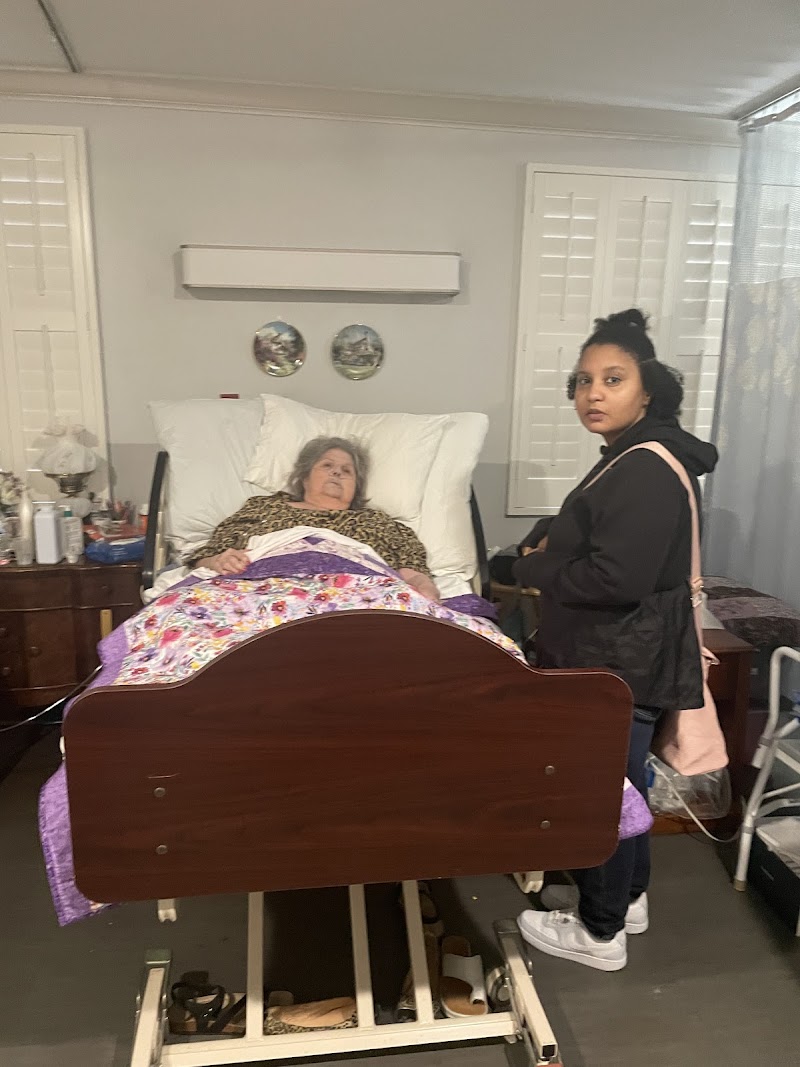
How is Homestead Post Acute Staffed?
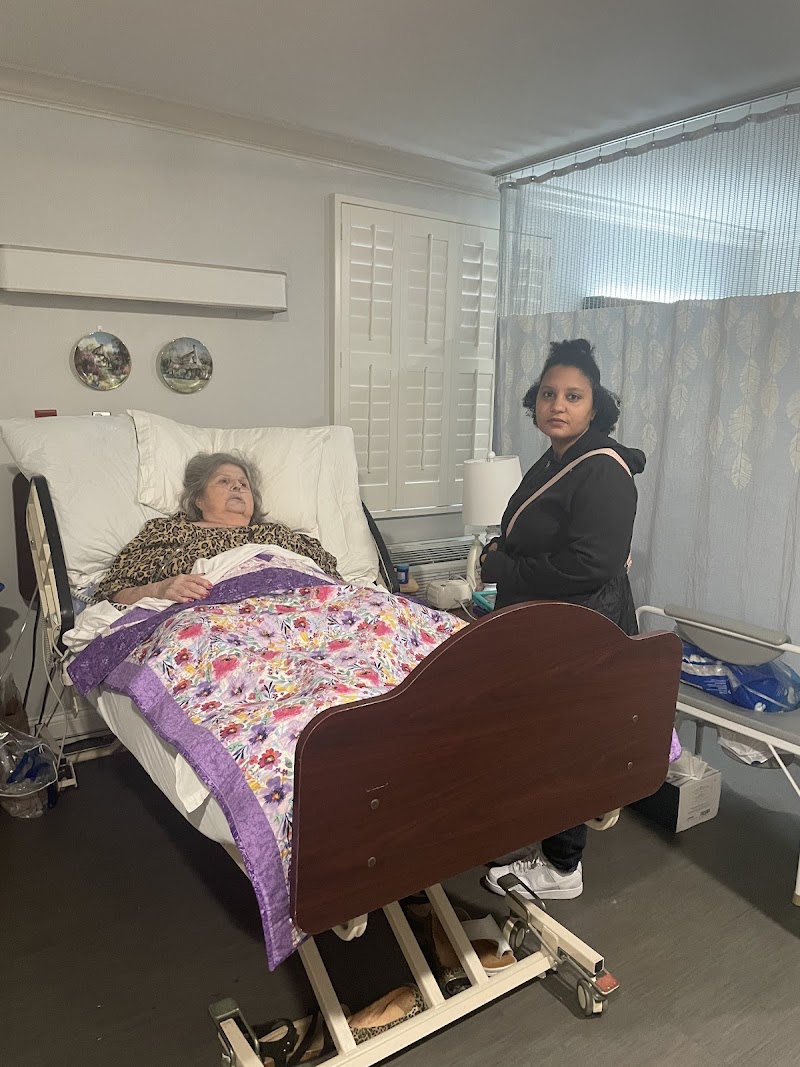
CMS rates Homestead Post Acute's staffing level at 2 out of 5 stars, which is below average compared to other nursing homes. Staff turnover is 47%, compared to the Kentucky average of 46%.

What Have Inspectors Found at Homestead Post Acute?

State health inspectors documented 7 deficiencies at Homestead Post Acute during 2018 to 2024. These included: 7 with potential for harm.

Who Owns and Operates Homestead Post Acute?

Homestead Post Acute is owned by a for-profit company. For-profit facilities operate as businesses with obligations to shareholders or private owners. The facility is operated by PACS GROUP, a chain that manages multiple nursing homes. With 136 certified beds and approximately 124 residents (about 91% occupancy), it is a mid-sized facility located in Lexington, Kentucky.

How Does Homestead Post Acute Compare to Other Kentucky Nursing Homes?

Compared to the 100 nursing homes in Kentucky, Homestead Post Acute's overall rating (3 stars) is above the state average of 2.8, staff turnover (47%) is near the state average of 46%, and health inspection rating (3 stars) is at the national benchmark.

What Should Families Ask When Visiting Homestead Post Acute?

Based on this facility's data, families visiting should ask: "Can you walk me through typical staffing levels on day, evening, and night shifts?" "Can I visit during a mealtime to observe dining assistance and food quality?" "How do you handle medical emergencies, and what is your hospital transfer rate?" "Can I speak with family members of current residents about their experience?" These questions are particularly relevant given the below-average staffing rating.

Is Homestead Post Acute Safe?

Based on CMS inspection data, Homestead Post Acute has a clean safety record: no substantiated abuse findings (meaning no confirmed cases of resident harm), no Immediate Jeopardy citations (the most serious violation level indicating risk of serious injury or death), and is not on the Special Focus Facility watch list (a federal program monitoring the lowest-performing 1% of nursing homes). The facility has a 3-star overall rating and ranks #1 of 100 nursing homes in Kentucky. While no facility is perfect, families should still ask about staff-to-resident ratios and recent inspection results during their visit.

Do Nurses at Homestead Post Acute Stick Around?

Homestead Post Acute has a staff turnover rate of 47%, which is about average for Kentucky nursing homes (state average: 46%). Moderate turnover is common in nursing homes, but families should still ask about staff tenure and how the facility maintains care continuity when employees leave.

Was Homestead Post Acute Ever Fined?

Homestead Post Acute has no federal fines on record. CMS issues fines when nursing homes fail to meet care standards or don't correct problems found during inspections. The absence of fines suggests the facility has either maintained compliance or corrected any issues before penalties were assessed. This is a positive indicator, though families should still review recent inspection reports for the full picture.

Is Homestead Post Acute on Any Federal Watch List?

Homestead Post Acute is not on any federal watch list. The most significant is the Special Focus Facility (SFF) program, which identifies the bottom 1% of nursing homes nationally based on persistent, serious quality problems. Not being on this list means the facility has avoided the pattern of deficiencies that triggers enhanced federal oversight. This is a positive indicator, though families should still review the facility's inspection history directly.