THE WILLOWS AT FRITZ FARM

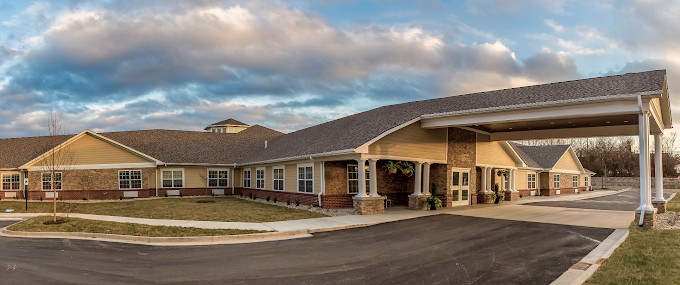
2710 MAN O' WAR BOULEVARD, LEXINGTON, KY 40515 (859) 273-0088
For profit - Limited Liability company 54 Beds TRILOGY HEALTH SERVICES Data: November 2025
Trust Grade
70/100
#138 of 266 in KY
Last Inspection: April 2025

Within standard 12-15 month inspection cycle. Federal law requires annual inspections.

Overview

The Willows at Fritz Farm has a Trust Grade of B, indicating it is a good, solid choice for families, though not the top option available. It ranks #138 out of 266 facilities in Kentucky, placing it in the bottom half, and #7 out of 13 in Fayette County, meaning only six local options are better. The facility is worsening over time, with issues increasing from 1 in 2020 to 5 in 2025. Staffing is rated average with a turnover rate of 54%, which is close to the state average, but they do have more RN coverage than 95% of Kentucky facilities, ensuring better oversight of resident care. While there have been no fines, which is a positive sign, recent inspections found concerns such as unclean conditions in one hallway and improper food storage practices, highlighting some areas needing improvement.

Trust Score
B
70/100
In Kentucky
#138/266
Bottom 49%
Safety Record
Low Risk
No red flags
Inspections
Getting Worse
1 → 5 violations
Staff Stability
⚠ Watch
54% turnover. Above average. Higher turnover means staff may not know residents' routines.
Penalties
✓ Good
No fines on record. Clean compliance history, better than most Kentucky facilities.
Skilled Nurses
✓ Good
Each resident gets 75 minutes of Registered Nurse (RN) attention daily — more than 97% of Kentucky nursing homes. RNs are the most trained staff who catch health problems before they become serious.
Violations
○ Average
8 deficiencies on record. Average for a facility this size. Mostly minor or procedural issues.
★★★☆☆
3.0
Overall Rating
★★★☆☆
3.0
Staff Levels
★★★★☆
4.0
Care Quality
★★★☆☆
3.0
Inspection Score
Stable
2020: 1 issues
2025: 5 issues

The Good

  • 4-Star Quality Measures · Strong clinical quality outcomes
  • Full Sprinkler Coverage · Fire safety systems throughout facility
  • No fines on record

Facility shows strength in quality measures, fire safety.

The Bad

3-Star Overall Rating

Near Kentucky average (2.8)

Meets federal standards, typical of most facilities

Staff Turnover: 54%

Near Kentucky avg (46%)

Higher turnover may affect care consistency

Chain: TRILOGY HEALTH SERVICES

Part of a multi-facility chain

Ask about local staffing decisions and management

The Ugly 8 deficiencies on record

Apr 2025 5 deficiencies
CONCERN (D)

Potential for Harm - no one hurt, but risky conditions existed

Deficiency F0578 (Tag F0578)

Could have caused harm · This affected 1 resident

Based on interview, record review, and facility policy review, the facility failed to inform and provide written information to all adult residents concerning the right to accept or refuse medical or ...

Read full inspector narrative →
Based on interview, record review, and facility policy review, the facility failed to inform and provide written information to all adult residents concerning the right to accept or refuse medical or surgical treatment and, at the resident's option, formulate an advance directive for 3 of 6 residents reviewed for advance directives, Resident (R) 5, R36, and R42. The findings include: Review of the facility's policy titled, Guidelines for Advance Directives, revised 09/26/2024, revealed its purpose was to ensure the facility's staff obtained and followed residents' advance directives regarding end-of-life care. Further review revealed if a resident had a living will and a durable power of attorney (POA) for health care, these documents would be scanned into the medical record by the admissions representative or designee. 1. Review of R5's Face Sheet revealed the facility admitted the resident on 12/18/2024 with diagnoses including dementia and atherosclerotic heart disease. Further review revealed Family (F) 4 was listed as R5's POA. Review of R5's admission Minimum Data Set [MDS], with an Assessment Reference Date (ARD) of 12/27/2024, revealed the the facility assessed the resident to have a Brief Interview for Mental Status [BIMS] score of one out of 15, indicating the resident was severely cognitively impaired. Review of R5's Electronic Health Record (EHR) revealed documentation of code status only. There was no evidence in the resident's chart the facility had requested and/or received a copy of R5's legal POA document. Also, the facility was unable to provide a copy of R5's legal POA document. In an interview with F4 on 04/03/2025 at 3:49 PM, she stated she was the legal POA for R5. 2. Review of R36's Face Sheet revealed the facility admitted the resident on 02/24/2024 with diagnoses including metabolic encephalopathy, pulmonary fibrosis, and need for assistance with personal care. Review of R36's annual MDS, with an ARD of 02/27/2025, revealed the resident had a BIMS score of 10 out of 15, indicating the resident was moderately cognitively impaired. Review of R36's EHR revealed documentation of code status only. There was no evidence of a living will documented or located in the resident's chart. In an interview with R36 on 04/03/2025 at 9:53 AM, she stated all of her decisions would be made by her daughter, but her husband had taken care of their end-of-life paperwork. In an interview with F5, R36's family member, on 04/03/2025 at 11:55 AM, he stated R36 had a living will, and he remembered going over it with the facility when she was admitted . 3. Review of R42's Face Sheet revealed the facility admitted the resident on 02/21/2025 with diagnoses including paralysis of left side following a stroke, osteoarthritis, and personal history of breast cancer. Review of R42's admission MDS, with an ARD of 02/25/2025, revealed the resident had a BIMS score of 13 out of 15, indicating the resident was cognitively intact. Review of R42's EHR revealed documentation of code status only. There was no evidence of a living will or evidence the facility presented living will information to the resident documented in her chart. In an interview with R42 on 04/03/2025 at 11:33 AM, she stated she had a living will but was not sure what it specified. She further stated her son took care of information like that, and he should have provided it. When shown a Living Will Packet, the resident stated it looked familiar. In an interview with the Admissions Coordinator on 04/03/2025 at 2:30 PM, he stated as soon as residents came in to the facility, he obtained their code status, introduced them to staff, and went over each paper in the admission agreement in a way they understood. The Admissions Coordinator stated he asked the resident and/or their POA if they had an advance directive in place, and if they did, he requested a copy so it could be placed in the resident's EHR. He further stated he completed a progress note in the resident's EHR that stated the resident had some type of Advance Directive, and it had been requested. The Admissions Coordinator stated the previous admissions person completed R42's admission, and he did not recall that R36 informed him of an advance directive. The Admissions Coordinator stated they periodically followed up with residents they knew had a living will or POA and just had not brought in a copy. The Admissions Coordinator was unable to be more specific than periodically. In an interview with the Director of Nursing (DON) on 04/04/2025 at 10:14 AM, she stated Admissions completed advance directive paperwork. She further stated if a resident's code status was not signed when they came in, nursing obtained the signature and scanned the documentation into the resident's EHR. The DON stated living will and POA documentation were completed and obtained by the Admission's office. The DON stated they had resident first meetings upon admission where code status and advance directives were discussed. She further stated that information was also discussed at quarterly care plan meetings, where the care plans were reviewed and discussed with staff/family/resident. The DON stated if the resident wanted to change their status that included palliative or hospice care, the doctor became involved, and their living will was addressed at that time as well. In an interview on 04/04/2025 at 11:15 AM, the Executive Director stated residents were given the opportunity upon admission, to make an advance directive if they had not already done so. She further stated they tried to get copies of existing living wills and/or POAs for the residents' medical records. The Executive Director stated if a resident stated they had an advance directive in place, the resident and family should be interviewed about their wishes at admission, so that information was known and documented until the legal documentation had been received. The Executive Director stated a resident first meeting was held right after admission and advance directives were addressed at that meeting. She further stated the subject was addressed again in quarterly care plan meetings. The Executive Director stated it was important they had regular conversations with the family, especially when a resident's health had declined. The Executive Director stated she talked with F5, and he stated R36's advance directive information was probably in some drawer at home. Additionally, the Executive Director stated communication and follow-up between the facility and the families related to advance directive documentation needed improvement.
CONCERN (D)

Potential for Harm - no one hurt, but risky conditions existed

Transfer Notice (Tag F0623)

Could have caused harm · This affected 1 resident

**NOTE- TERMS IN BRACKETS HAVE BEEN EDITED TO PROTECT CONFIDENTIALITY** Based on interview, record review, and facility policy review, the facility failed to notify the resident and the resident's rep...

Read full inspector narrative →
**NOTE- TERMS IN BRACKETS HAVE BEEN EDITED TO PROTECT CONFIDENTIALITY** Based on interview, record review, and facility policy review, the facility failed to notify the resident and the resident's representative(s) of the transfer or discharge and the reasons for the move in writing and in a language and manner they understood. The facility further failed to send a copy of the notice to a representative of the Office of the State Long-Term Care Ombudsman for 2 of 2 residents investigated for hospitalizations, Resident (R) 5 and R10. The findings include: Review of the facility's policy/document titled, Transfer/Discharge - Bed Hold Notification Process, undated, revealed a transfer/discharge notice was to be filled out at the time of transfer or discharge and included in the transfer packet that was sent with the resident. Further review revealed the Social Services Director (SSD) would notify the ombudsman as soon as possible, and this could be done via email. Additional review revealed the Business Office Manager (BOM), or designee would contact the resident/family/Power of Attorney (POA) and document the conversation in the Resident Messages portion of the resident's medical record. 1. Review of R5's Face Sheet revealed the facility admitted the resident on 12/18/2024 with diagnoses including dementia and atherosclerotic heart disease. Further review revealed Family (F) 4 was listed as R5's POA. Review of R5's admission Minimum Data Set [MDS], with an Assessment Reference Date (ARD) of 12/27/2024, revealed the facility assessed the resident to have a Brief Interview for Mental Status [BIMS] score of one out of 15, indicating the resident was severely cognitively impaired. Review of R5's Hospital Discharge Summary, revealed R5 was hospitalized from [DATE] to 01/14/2025 for right hip pain and anemia. Review of R5's electronic health record (EHR) revealed no documentation that indicated a notice of transfer was provided in writing to the resident or the resident's representative. Review of the facility's document Trilogy-Ombudsman Notification, dated 02/05/2025, revealed the facility notified the ombudsman of R5's transfer. No additional information was provided on the document that indicated information was sent in writing to the ombudsman. 2. Review of R10's Face Sheet, revealed the facility admitted the resident on 02/17/2025 with diagnoses including metabolic encephalopathy and acute kidney failure. Review of R10's MDS, with an ARD of 03/05/2025, revealed the resident had a BIMS score of 15 out of 15, indicating the resident was cognitively intact. Review of R10's Progress Note, dated 02/18/2025, revealed the resident had a sudden onset of uncontrolled muscle movements, and the resident's daughter requested R10 be sent to the hospital for evaluation. Review of R10's Bed Hold Notice, dated 02/18/2025, revealed Family (F) 6 signed the notice, and the resident was transferred to the hospital. In an interview with F6 on 04/03/2025 at 2:57 PM, she stated the facility called to notify her of R10's transfer to the hospital. She further stated she signed and received the bed hold notice when R10 was transferred to the hospital, but transfer paperwork was not provided to her. In an interview with Registered Nurse (RN) 5 on 04/04/2025 at 8:22 AM, she stated when a resident was transferred out of the facility, paperwork was sent with the patient to the receiving provider. RN5 further stated she was still on orientation and had not sent a resident out to the hospital. In an interview with RN4 on 04/04/2025 at 8:25 AM, she stated Continuity of Care Documents (CCD, information given to the provider to allow for a smooth transition of care) were given to Emergency Medical Services (EMS) when they picked up a resident for transfer. She further stated the facility had a transfer form that was filled out, but the form was not typically signed by or provided to the family. Additionally, RN4 stated there was a bed hold form that was signed by the family and/or the resident. In an interview with Licensed Practical Nurse (LPN) 2 on 04/04/2025 at 8:58 AM, she stated when a resident was transferred from the facility, transfer documentation was provided to the ambulance service or other transport person. She further stated nursing provided the bed hold paperwork to the resident/family. LPN2 stated the resident's family or representative was notified verbally of the transfer. In an interview with the Director of Nursing (DON) on 04/04/2025 at 10:14 AM, she stated for resident transfer, printed documents sent with the resident included orders, CCD, and the care plan. She further stated the resident was asked at that time about the bed hold. The DON stated she was not aware of documentation mailed to the resident and the resident's representative. In an interview with the Social Services Director (SSD) on 04/04/2025 at 10:43 AM, she stated she notified the ombudsman via email when a resident was transferred or discharged . The SSD stated she had not sent copies of transfer notifications or bed holds to residents and their families in the two years she had worked at the facility. She further stated those notifications were provided by nursing. In an interview with the Executive Director on 04/04/2025 at 11:15 AM, she stated there was a packet that was used for bed hold and notice of transfer and discharge. She further stated that families were asked about bed holds. The Executive Director stated she was unsure if copies of any of the forms were sent to the resident and their families, and she would have to check on that.
CONCERN (D)

Potential for Harm - no one hurt, but risky conditions existed

Infection Control (Tag F0880)

Could have caused harm · This affected 1 resident

**NOTE- TERMS IN BRACKETS HAVE BEEN EDITED TO PROTECT CONFIDENTIALITY** Based on observation, interview, record review, review of the enhanced barrier precaution (EBP) signage from the Centers for Dis...

Read full inspector narrative →
**NOTE- TERMS IN BRACKETS HAVE BEEN EDITED TO PROTECT CONFIDENTIALITY** Based on observation, interview, record review, review of the enhanced barrier precaution (EBP) signage from the Centers for Disease Control and Prevention (CDC), and review of the facility's policies, the facility failed to establish and maintain an infection prevention and control program designed to provide a safe, sanitary, and comfortable environment and to help prevent the development and transmission of communicable diseases and infections for 2 out of 6 sampled residents, Resident (R) 31 and R36. 1. Licensed Practical Nurse (LPN) 1 with the aid of Nursing Student (NS) 1 was observed pulling up R36 in bed prior to giving her medications. R36 had signage posted on her door that stated she was on Enhanced Barrier Precautions (EBP) for a pressure ulcer. LPN1 and NS1 only had on gloves when pulling up R36 and did not have on a gown. 2. LPN1 was observed dropping a pill on the top of the medication cart and then picking it up with her ungloved hand and placing it in the pill cup with the other pills for R31. Shortly thereafter, LPN1 was observed donning (putting on) gloves prior to giving insulin and not performing hand hygiene prior to donning the gloves. The findings include: Review of the facility's policy titled, Enhanced Barrier Precautions (EBP) Standard Operating Procedure, dated 04/01/2024, revealed the policy was to provide guidance for EBP to decrease the risk of residents becoming colonized and developing infections with multidrug resistant organism (MDRO) status. Further review revealed EBP would be in place during high contact care activities for residents with a chronic wound such as a pressure ulcer. Review of the facility's signage utilized for EBP, undated and labeled as obtained from the CDC revealed: 1) everyone must clean their hands, including before entering and when leaving the room; and 2) providers and staff must also wear gloves and a gown for the following high-contact resident care activities, such as dressing; bathing/showering; transferring; changing linens; providing hygiene; changing briefs or assisting with toileting; device use or care with a central line, urinary catheter, feeding tube, and tracheostomy; or wound care for any skin opening that required a dressing. Review of the facility's policy titled, Specific Medication Administration Procedures, revised 11/2018, revealed the procedure for administering medications in a safe and effective manner. Further review revealed staff should cleanse hands using antimicrobial soap and water or facility approved hand sanitizer before beginning medication administration, before handling medications, and before contact with a resident. Review of the facility's policy titled, Guideline for Handwashing/Hand Hygiene, revised date 02/09/2017, revealed the purpose of the policy was to state that handwashing was the single most important factor in preventing transmission of infections. Further review revealed Health Care Workers should use hand hygiene at times such as: before and after having direct physical contact with residents and after removing gloves, etc. The policy also stated hand hygiene included washing with soap and water and using alcohol-based hand rub, depending on the situation. 1. Review of R36's Face Sheet from her electronic medical record (EMR) revealed the facility admitted the resident on 02/24/20204 with the medical diagnoses of pulmonary fibrosis, stage four pressure ulcer of sacral region, and acute cystitis. Review of R36's Physician Orders from her EMR, dated 02/23/2025, revealed she had an order for staff to use EBP of wearing a gown and gloves during high contact care activities. Review of R36's Nursing Home Comprehensive (NC) Item Set Minimum Data Set [MDS], dated 02/27/2025, revealed R36 was assessed as having a stage three pressure ulcer. Review of R36's Comprehensive Care Plan [CCP], 02/23/2025, revealed R36 required enhanced barrier precautions (EBP) during high contact care related to the presence of a wound. The goal for this care planned focus was the risk for transmission of infection would be minimized with use of EBP. Interventions placed were to don (put on) and doff (remove) and dispose of Personal Protective Equipment (PPE) systematically and appropriately per policy; a face mask should be used as needed. Per the CCP, staff should perform hand hygiene before and after care, per policy; staff should utilize gown and gloves per EBP policy when performing high contact activities of daily living (ADLs) such as dressing, showering/bathing, hygiene, transfers, toileting/changing briefs, and during linen changes; and staff should also utilize gown and gloves per EBP policy during indwelling device care such as central lines, urinary catheters, feeding tubes, and tracheostomies. Observation on 04/03/2025 at 8:34 AM revealed that LPN1 and NS1 entered R36's room to give medications and did not put on PPE as specified for EBP on the signage on R36's door. Further observation revealed LPN1 and NS1 pulled up R36 in bed wearing only gloves and not gowns. In an interview on 04/03/2025 at 8:34 AM with LPN1, she stated the EBP signage posted on R36's door meant that R36 had a wound and that gown, gloves, and mask/face shield should be worn when staff provided wound care but was not needed when routine care, such as pulling up a resident in bed, was performed. In an interview with Certified Registered Medication Aide (CRMA) 5 on 04/03/2025 at 9:35 AM, she stated EBP signage on a resident's door was placed there to let staff know the resident had a wound/pressure ulcer, catheter, ostomy, intravenous catheter (IV), etc. She stated when personal care for the resident was performed, staff should don a gown and gloves and, in some circumstances, wear a mask and/or face shield. In an interview with Certified Registered Care Aide (CRCA) 1 on 04/03/2025 at 9:30 AM, she stated for a resident with EBP precautions, staff did not need to put on a gown when dropping off a meal tray but did when providing direct resident care, such as pulling up a resident in bed, changing a resident, moving a resident, or changing a resident's sheets. In a combined interview with CRCA4 and CRCA6 on 04/03/2025 at 4:55 PM, both stated EBP was used when a resident had a wound, and staff should put on a gown, gloves, and mask/face shield each time they entered the resident's room. In an interview with CRMA3 on 04/03/2025 at 4:59 PM, she stated she did not don a gown for giving medications to a resident on EBP. In an interview with Registered Nurse (RN) 1 on 04/03/2025 at 9:51 AM, she stated EBP signage on a resident's door indicated she should wear a gown and gloves when performing wound care or perineal care for a resident with a catheter. She stated when routine care such as pulling up a resident in bed was performed a gown was not needed. In an interview with RN2 on 04/03/2025 at 10:10 AM, she stated EBP signage was placed so staff knew to be cautious about not transmitting an infection to those residents who had the signage. She stated it was for residents with a wound, catheter, etc., and staff should wear a gown and gloves when providing direct contact resident care, such as pulling up a resident in bed. 2. Observation on 04/03/2025 at 9:12 AM revealed LPN1 was preparing medications for R31 and dropped a pill onto the top of the medication cart. LPN1 was observed picking up the pill using an ungloved hand and placing it into the medication cup containing R31's other medications. Shortly thereafter, at 9:17 AM, LPN1 finished giving R31 her medications with a spoon, but wearing no gloves, and she put on a pair of gloves without performing hand hygiene to give R31 her insulin injection. Review of R31's Face Sheet from her electronic medical record (EMR) revealed the facility admitted the resident to the facility on [DATE] with the medical diagnoses of dementia, epilepsy, and type 2 diabetes mellitus. In an interview on 04/03/2025 at 9:12 AM with LPN1, she stated she should have put on a glove to pick up the pill she dropped onto the top of the medication cart prior to placing it into the medication cup with the remainder of R31's medications. The State Survey Agency (SSA) Surveyor asked if the top of the medication cart was clean, and LPN1 stated it was when she started medication administration at the start of her shift. LPN1 never stated she should have discarded the dropped pill and got a new one. In an interview with LPN1 on 04/03/2024 at 9:25 AM, she stated hand hygiene should be performed before putting on and after taking off gloves. In continued interview with CRCA1 on 04/03/2025 at 9:30 AM, she stated hand hygiene should be performed before putting on or changing gloves. In continued combined interview with CRCA4 and CRCA6 on 04/03/2025 at 4:55 PM, both stated hand hygiene should be performed before and after resident care and when changing or donning gloves. In continued interview with CRMA3 on 04/03/2025 at 4:59 PM, she stated she wore gloves to give medications and would perform hand hygiene and change gloves between different medication routes (pills to eye drop). In continued interview with RN2 on 04/03/2025 at 10:10 AM with RN2, she stated staff should hand sanitize before and after putting on or taking off gloves and anytime gloves were changed. RN2 stated if she dropped a pill on top of the medication cart, she would discard the pill and get a new pill for administration. In an interview with the Assistant Director of Nursing (ADON) on 04/03/2025 at 10:48 AM, she stated her expectation was for staff to follow what the EBP signage posted on a resident's door instructed when performing care, such as giving a treatment or medication. She stated PPE (gown and gloves) should be put on prior to entering a resident's room that was on EBP precautions. She stated hand hygiene should be performed before and after care of a resident. She stated hand hygiene should also be done when changing gloves. The ADON stated if a nurse dropped a pill on the medication cart, it was her expectation that the pill be discarded and a new pill used for medication administration for that resident. She stated it was not acceptable to pick up the pill with ungloved hands and administer the pill. The ADON stated it was her expectation that during medication administration staff should wear gloves. In an interview with the Infection Prevention Nurse (IPN) who was also the Director of Nursing (DON) on 04/03/2025 at 10:40 AM, she stated EBP education was done with all staff in an online format and in person at in-services. She stated at the in-service training sessions she went over Standard Precautions, EBP, and the types of Contact Precautions along with the PPE needed when giving care. The IPN/DON stated she observed and talked with staff weekly to assess for understanding and compliance with PPE for Standard, EBP, and Contact Precautions. The IPN/DON stated staff had annual check offs for donning and doffing of PPE competencies where staff performed a return demonstration of the education. The IPN/DON stated it was her expectation when staff saw the EBP signage on a resident's door, they don the PPE outlined on the signage (gown, gloves, mask) when performing care with direct contact with the resident: bathing/showering, changing the resident, incontinence care, etc. She stated nurses should always put on a gown and gloves when entering a resident's room to give medication for a resident that was on EBP, because residents might need other care that was direct contact care. She stated pulling up a resident in bed was considered direct resident care, and staff should have worn a gown and gloves when doing so. The IPN/DON stated hand hygiene should be performed before and after care, and staff should also do hand hygiene prior to putting on gloves or changing gloves. The IPN/DON stated pills dropped on the medication cart should be discarded and should never be touched with ungloved hands. In an interview on 04/03/2025 at 6:03 PM with the Executive Director and Administrator, both stated staff should follow the signage posted on a resident's door and the facility's policy for residents who had EBP signage posted on their room door. Both stated staff only needed to put on a gown and gloves when providing direct resident care, and if a staff member stepped in a room to answer a call light or give a resident some butter, they did not need to put on PPE. However, they stated, if a staff member was pulling up a resident in bed prior to giving medications, the staff member should be wearing a gown and gloves; and hand hygiene should always be performed before touching a resident, before putting on PPE, and after resident care. They both stated, if a staff member dropped a pill onto the top of the medication cart, that staff member would need to dispose of the pill and get a new pill.
CONCERN (E)

Potential for Harm - no one hurt, but risky conditions existed

Safe Environment (Tag F0584)

Could have caused harm · This affected multiple residents

**NOTE- TERMS IN BRACKETS HAVE BEEN EDITED TO PROTECT CONFIDENTIALITY** Based on observation, interview, and review of the facility's document and policy, the facility failed to provide a clean, sanit...

Read full inspector narrative →
**NOTE- TERMS IN BRACKETS HAVE BEEN EDITED TO PROTECT CONFIDENTIALITY** Based on observation, interview, and review of the facility's document and policy, the facility failed to provide a clean, sanitary, comfortable, and homelike environment for 1 of 4 hallways, the 100 Hall. The findings include: Review of the facility's document Trilogy - Kentucky HC admission Packet 10.28.24_Combined, undated, revealed under the Resident Rights section, the resident had the right to a dignified existence, self-determination, and communication with and access to persons and services inside and outside of the facility. Review of the facility's policy titled, Urinary Catheter Care, dated 12/16/2024, revealed the facility's staff ensured there was no disconnection or leaking of urine from the catheter system. A policy that addressed homelike environment was requested but not provided. Observation on 04/01/2025 at 9:50 AM revealed a slight smell of urine upon entrance to the facility. Observation on 04/03/2025 at 9:47 AM revealed a strong urine smell in the 100 Hall. Observation on 04/04/2025 at 8:32 AM revealed a urine odor noted in the front lobby near the receptionist's desk which was located at the entrance to the 100 Hall. Observation of room [ROOM NUMBER] on 04/03/2025 at 4:13 PM revealed the Senior Director of Environmental Services (SDEV) had just shampooed the carpet, but it still smelled of urine. In an immediate interview, the SDEV stated the room smelled like urine because a catheter leaked onto the carpet. She further stated the smell might not come out, and the carpet would need to be replaced. In a telephone interview with Family (F) 3 on 04/03/2025 at 3:23 PM, he stated when his family member was a resident at the facility and resided in room [ROOM NUMBER], it was a recurrent issue that his catheter leaked. He further stated, he noted on several occasions when he visited the facility there was a towel on the floor underneath the catheter drainage bag. F3 stated there was a blue plastic bag that went around the catheter bag that kept it from leaking, but it was not always there, and the bag leaked onto the carpet. In an interview on 04/04/2025 at 8:25 AM, Registered Nurse (RN) 4 stated the resident that previously resided in room [ROOM NUMBER] was easily angered, frequently refused catheter care, and refused to let staff change his shorts when they were wet. RN4 stated anytime the resident's catheter drainage bag leaked, it was changed. She further stated Housekeeping cleaned the carpet because of the urine odor that lingered in the room, and it smelled in the hallway as well. In an interview on 04/04/2025 at 8:34 AM, the SDEV stated it was important to clean urine from the carpet so residents felt like their home was clean, and they were in a good facility. In an interview on 04/04/2025 at 8:58 AM, Licensed Practical Nurse (LPN) 2 stated if she noticed a resident's catheter bag leaked and could not determine the cause, she notified an RN to see if it needed to be replaced. She further stated she placed a dignity cover around the drainage bag, so it was contained and kept off the carpet until it was changed. LPN2 stated it was demeaning if a resident lived in a room that smelled like urine, and no one wanted that. In an interview with the Director of Nursing (DON) on 04/04/2025 at 10:14 AM, she stated their goal was the facility was kept free from odors, but incontinence issues were unavoidable. However, she further stated it was her expectation incontinence issues were cleaned immediately, and the carpet replaced if necessary. The DON stated it was initially thought the resident that previously resided in room [ROOM NUMBER] had an issue with a catheter bag that leaked. However, she stated it was later determined an aide had not properly closed the drainage bag, so in-services were held, and aides were re-educated on catheter care. The DON stated she did not remember a specific reoccurrence with the catheter leaking issue, but if it had reoccurred Environmental Services would have cleaned the carpet. The DON stated she thought the Executive Director was going to have the carpet replaced again. The DON stated the facility was a resident's home, so they tried to ensure it was kept as clean as possible without lingering odors because it was a dignity issue. In an interview on 04/04/2025 at 11:15 AM, the Executive Director stated the resident that previously resided in room [ROOM NUMBER] was very challenging and refused assistance frequently. She stated he often refused to wear briefs and missed the urinal when he tried to use it. She stated she did not recall exactly when the resident received a catheter but recalled instances where the aide had not properly clamped the catheter, and it was a constant challenge. She stated the carpet in room [ROOM NUMBER] was changed about a year ago while the resident was still in the room, and the Environmental Services Director had tried to clean it since then. She stated the carpet might have to be replaced again because no one wanted to live in a house that had an offensive odor. The Executive Director further stated they wanted the facility to be odor free, so they did not make a bad first impression.
CONCERN (E)

Potential for Harm - no one hurt, but risky conditions existed

Food Safety (Tag F0812)

Could have caused harm · This affected multiple residents

Based on observation, interview, and review of the facility's document and policies, the facility failed to store, prepare, distribute, and serve food in accordance with professional standards for foo...

Read full inspector narrative →
Based on observation, interview, and review of the facility's document and policies, the facility failed to store, prepare, distribute, and serve food in accordance with professional standards for food service safety for 1 of 2 nourishment refrigerators, near the 300 Hallway. The findings include: Review of the facility's policy titled, Food Labeling and Dating Policy, dated 04/26/2022, revealed it was the purpose of the policy to provide education and direction on the facility's food labeling and dating guidelines. Further review found it was the facility's policy and procedure to place a printed or handwritten label for any food item brought to the facility. Per the policy, this food product label should have the received on date, production date, and the use by date for the product. The policy stated the label should also have the resident's name and the initial of the staff member that made the label. Observation of the refrigerator for residents' food near the 300 Hallway on 04/03/2025 at 9:55 AM and 10:48 AM revealed two opened tubs of pimento cheese with no resident name but a handwritten date of 03/13/2025. There were also four opened yogurt containers in a bag, 12 unopened supplement shakes, and one opened bottle of an oral rehydration solution that also replaced electrolytes, with only the manufacturers' expiration date. None of those products had resident names, received dates, or initials of staff that placed them in the refrigerator. There were two opened containers of Med Pass supplement, given to residents who needed extra nutrition for wound healing and weight gain, and an opened jar of olives that had received dates, expiration dates, and who received them written on the label, but there was no resident name of to whom they belonged. Additional observation on 04/04/2025 at 9:15 AM of the refrigerator for residents' food near the 300 Hallway revealed the tubs of pimento cheese were removed. There continued to be 12 supplement shakes that were not labeled with a resident's name, a received date, and who received them. There were still two containers of Med Pass supplement and a jar of olives that had received dates, expiration dates, and who received them written on the label, but there was no resident name of to whom they belonged. In an interview with Certified Registered Care Aide (CRCA) 1 on 04/03/2025 at 9:30 AM, she stated when staff placed any food items belonging to a resident provided by their family it should be labeled with the date received, expiration date, staff initials, and resident's name. She stated she was unsure about the yogurt, supplements, olives, and pimento cheese as to whom they belonged. In an interview with Registered Nurse (RN) 1 on 04/03/2025 at 9:51 AM, she stated she was unsure as to whom the yogurt, supplements, olives, and pimento cheese belonged. She stated it was the facility's policy to label foods brought from family for residents with their name and to date them. In an interview with the Assistant Director of Health Services (ADHS) on 04/03/2025 at 10:40 AM, she stated she was unsure as to whom the items in the resident refrigerator belonged. She stated it was important for foods from an outside source to be labeled with a resident's name and the date it was opened to prevent residents from eating spoiled food. She stated it would also prevent a resident from getting another resident's food to which they could be allergic that could cause an adverse reaction from the food if consumed. In an interview with the Director of Health Services (DHS) on 04/04/2025 at 10:35 AM, she stated it was the facility's policy and procedure to place a name and date on any food brought in by a resident's family. She stated it was the duty of dietary to take care of labeling and dating the food. She stated if the food was given to a nursing staff member it was her expectation that they take it to dietary to be labeled and dated. In an interview with the Director of Dietary Services (DDS) on 04/04/2025 at 9:10 PM, he stated he did not put resident foods in the refrigerator. He stated if there were unlabeled foods in the refrigerator, he would print a label that had a received by date, expiration date, and his initials when he did the daily temperature checks. However, he stated it was not his responsibility to place the name of the resident on the food item. In an interview with the Executive Director on 04/03/2025 at 2:17 PM, she stated the facility did not have a policy specifically about food brought by family to the facility but only a general policy about any food received at the facility and how it should be labeled. She stated she did not know that all foods in the residents' refrigerator should have a resident's name on them.
Jan 2020 1 deficiency
CONCERN (E)

Potential for Harm - no one hurt, but risky conditions existed

Accident Prevention (Tag F0689)

Could have caused harm · This affected multiple residents

**NOTE- TERMS IN BRACKETS HAVE BEEN EDITED TO PROTECT CONFIDENTIALITY** Based on interview, record review, and review of the Manufacturer's Recommendation for the Stander Be Independent Security Pole...

Read full inspector narrative →
**NOTE- TERMS IN BRACKETS HAVE BEEN EDITED TO PROTECT CONFIDENTIALITY** Based on interview, record review, and review of the Manufacturer's Recommendation for the Stander Be Independent Security Pole, it was determined the facility failed to take appropriate precautions to ensure a safe environment to prevent avoidable accidents for six (6) of thirteen (13) sampled residents (Resident's #5, #6, #9, #11, #25 & #44). Residents #5, #6, #9, #11, #25 & #44 had a transfer pole device installed in their room. The facility failed to ensure the transfer device was installed per the manufacturer's recommendations for safety. The facility failed to adhere to the Manufacturer's Recommendations for the Stander Be Independent Security Pole related to WARNING ENTRAPMENT AND FALLING HAZARD. Per the Manufacturer's Recommendations, when installing the pole next to the bed, couch, toilet or any object, the pole was not to be installed closer than the user(s) ability to safely walk around the pole or there may be a possibility of becoming entrapped between the pole and the side of any object adjacent to the pole. The findings include: Review of the facility's policy titled, Resident Transfers with an effective date of 05/11/2016, which states the overview was to ensure the safety of residents and staff when performing mobility/transfer tasks. Further review revealed, upon admission, the admitting nurse and or therapy department shall determine the type of transfer device, amount of assistance required to assist with safe mobility based on assessments. Transfer status will be reviewed at least quarterly with Quarterly Observation and as needed. Review of the Stander Be Independent Security Pole Description, undated, revealed the Stander Security Pole and Curve Grab Bar offers a secure and safe support structure to assist mobility patients with transferring from a sitting position to a standing position. Review of the Manufacturer's Recommendation for the Stander Be Independent Security Pole, undated, revealed under the section titled, WARNING ENTRAPMENT AND FALLING HAZARD, small gaps between pole/swivel handle and other stationary objects can trap and kill. People with Alzheimer's disease or Dementia, or those who are sedated, confused, or frail, are at increased risk of entrapment and falls. Failure to comply with these conditions could put the user(s) at risk of entrapment or falling. Continued review revealed INSTALLATION is IMPORTANT: If installing the pole product next to a bed, couch, toilet, or any other object, Stander Inc. recommends NOT installing the product closer that the user(s) ability to safely walk around the pole or there may be a possibility of becoming entrapped between the pole and the side of any object adjacent to the pole. The user must be able to safely walk around the pole in every swivel handle position. It is the user(s) responsibility to ensure there is no possible way to become entrapped between the pole and/or pivoting handle and the side of any object adjacent to the pole. 1.) Record review revealed Resident #11 was admitted to the facility on [DATE] with the diagnoses to include Muscle Weakness, Essential Hypertension, Type 2 Diabetes, and Acute on Chronic Diastolic Congestive Heart Failure. Review of Resident #11's Annual Minimum Data Set (MDS), dated [DATE], revealed the facility assessed Resident #11 to have a Brief Interview for Mental Status (BIMS) score of fifteen (15) out of fifteen (15), indicating the resident was cognitively intact. Continued review of Section G, Functional Status, revealed the facility assessed the resident to require extensive assistance with two (2) person physical assistance with bed mobility, and extensive assistance and one (1) person physical assistance with transfers. Review of Resident #11's care plan revealed a problem with a start date of 01/13/2020, which states the resident has impairment in functional status in regards to bed mobility, transfers, toileting, and eating related to weakness and decreased mobility. The goal states Resident #11 will maintain or improve in functional status in regards to bed mobility, transfers, toileting, and eating. The approaches state to encourage the resident to be as independent as safely possible. Encourage the resident to be up for all meals. Administer medications per the Physician's order. The resident requires set up assist with eating, extensive transfer pole assist with transfers, extensive assist with bed mobility, and extensive assist with toileting. Therapy evaluation and treat as needed and ordered. Review of Resident #11's Nurse Aide Care Plan revealed under Comments, resident has a transfer pole. Review of Resident 11's Occupational Therapy - Therapist Progress and Updated Plan of Care, dated 10/09/2019, revealed the Analysis of Functional Outcome/Clinical Impression states the patient has been able to maintain strength and level of independence with self-care at one time a week. Patient recently reported a decreased bed mobility with a goal to improve. Bed mobility training initiated including the use of a transfer pole. Observation of Resident #11's room, on 01/14/2020 at 10:45 AM, revealed the resident to have a transfer pole placed near his/her bed. Observation of Resident #11's room, on 01/15/2020 at 2:35 PM, revealed the transfer pole was measured to be two and a half inches (2.5) away from the resident's bed. Interview with Resident #11, on 01/15/2020 at 3:33 PM, revealed he/she uses the transfer pole to help assist themselves out of the bed. Interview with Resident #11's Registered Nurse #1, on 01/16/2020 at 3:23 PM, revealed resident #11 utilizes the transfer pole to stabilize themselves during transfers. 2.) Record review revealed Resident #6 was admitted to the facility on [DATE] with the diagnoses to include Hypertensive Heart Disease with Heart Failure, Paroxysmal Atrial Fibrillation, and Major Depressive Disorder. Review of Resident #6's Quarterly Minimum Data Set (MDS), dated [DATE], revealed the facility assessed Resident #6 to have a Brief Interview for Mental Status (BIMS) score of fifteen (15) out of fifteen (15), indicating the resident was cognitively intact. Continued review of Section G, Functional Status, revealed the facility assessed the resident to require extensive assistance with two (2) person physical assistance with bed mobility, and extensive assistance and two (2) person physical assistance with transfers. Review of Resident #6's care plan revealed a problem with a start date of 07/25/2019, which states the resident has impairment in functional status in regards to bed mobility, transfers, toileting, and eating related to Parkinson's and weakness. The goal states the resident will maintain or improve in functional status in regards to bed mobility, transfers, toileting, and eating. The approaches state to encourage the resident to be as independent as safely possible. Encourage resident to be up for all meals. Administer medications per the Physician's order. The resident requires set up assist with eating, extensive with transfer pole assist with transfers, extensive assist with bed mobility, and extensive assist with toileting. TED hose to be on in the AM and off in the PM. Therapy evaluation and treat as needed and ordered. Review of Resident #6's Nurse Aide Care Plan revealed under Comments, the resident has a transfer pole. Review of Resident #6's Occupational Therapy - Therapist Progress and Updated Plan of Care, dated 12/18/2019, revealed the Impact on Burden of Care/Daily Life states the resident requires transfer pole to transfer out of bed and mechanical lift for toileting tasks. Observation of Resident #6's room, on 01/14/2020 at 11:25 AM, revealed the resident to have a transfer pole placed near his/her bed. Observation of Resident #6's room, on 01/15/2020 at 3:25 PM, revealed the transfer pole was measured to be ten inches (10) away from the resident's bed. Interview with Resident #6, on 01/14/2020 at 11:30 AM, revealed she/he sometimes holds the transfer pole when staff are helping clean and turn him/her. Interview with Resident #6's Registered Nurse #1, on 01/16/2020 at 3:23 PM, revealed it is necessary for the resident to utilize during incontinence care to hold the transfer pole so staff do not have to roll resident over with a lot of pressure. Continued observation of Resident #6's room revealed there was not enough space between the pole and the resident's bed for the resident to safely walk around the transfer pole without the possibility of becoming entrapped. 3.) Record review revealed Resident #9 was admitted to the facility on [DATE] with the diagnoses to include Alzheimer's Disease, History of Falls, and Essential Hypertension. Review of Resident #9's Quarterly Minimum Data Set (MDS), dated [DATE], revealed the facility assessed Resident #9 to have a Brief Interview for Mental Status (BIMS) score of four (4) out of fifteen (15), indicating the resident was severely cognitively impaired. Continued review of Section G, Functional Status, revealed the facility assessed the resident to require extensive assistance with two (2) person physical assistance with bed mobility, and extensive assistance and two (2) person physical assistance with transfers. Review of Resident #9's care plan revealed a problem with a start date of 02/06/2019, which states resident has impairment in functional status in regards to bed mobility, transfers, toileting, and eating related to weakness and decreased mobility. The goal states the resident will maintain or improve in functional status in regards to bed mobility, transfers, toileting, and eating. The approaches state the resident requires extensive assist with transfers with transfer pole, extensive assist with toileting, and extensive assist with bed mobility. Encourage resident to be as independent as possible. Administer medications as ordered. No male caregivers per resident's request. Therapy as ordered. Review of Resident #9's Nurse Aide Care Plan revealed under Comments, the resident has a transfer pole. Review of Resident #9's Occupational Therapy - Therapist Progress and Discharge summary, dated [DATE], revealed Analysis of Functional Outcome/Clinical Impression states transfer pole positioned to the right side of the bed to assist with bed mobility. Observation of Resident #9's room, on 01/14/2020 at 10:15 AM, revealed the resident to have a transfer pole placed near his/her bed. Resident was observed in bed with eyes closed with the transfer pole ten (10) inches away from the bed. 4. Record review revealed the facility initially admitted Resident #44 to the facility on [DATE] and readmitted on [DATE] with the diagnoses to include Traumatic Subdural Hemorrhage, Dementia, Anemia, Unspecified Psychosis, Femur Fracture, Unspecified lack of Coordination, Major depressive Disorder, and Anxiety. Review Of Resident #44's Quarterly Minimum Data Set (MDS), dated [DATE], revealed the facility assessed the resident to have a Brief Interview for Mental Status score of one (1) out of fifteen (15), indicating severe cognition. Continued review revealed the facility assessed the resident to require extensive assistance of two (2) person assist with each activity. Further review revealed the activity of walking within the resident's room occurred two (2) or fewer times. Record review of Resident #44's Occupational Therapy Note Daily Treatment Note, dated 05/24/19, revealed a recommendation and trial period of the transfer pole to be initiated. Further review revealed Therapy wanted to maintain functional strength by performing transfers with as much assistance from the resident as possible. Record Review of Resident #44's Occupational Therapy Discharge summary, dated [DATE], revealed Resident # 44 required moderate to maximum assistance with all functional transfers. Further review revealed resident's physical output was limited due to an underlying diagnoses and fatigue. Record Review of Occupational Therapy Plan of Care, dated 01/03/2020, revealed Resident #44 was being followed for functional decline with functional transfers. Further review revealed the resident required supervision with wheel chair mobility, moderate assistance with bed mobility, moderate assistance with toileting transfers, and moderate to maximum assistance with all other functional transfers, including maximum assistance for transfers using transfer pole. Observation of Resident #44, on 1/14/2020 at 9:30 AM, revealed the resident was sitting in a semi-private room in a reclining chair with his/her eyes closed. Continued observation revealed Resident #44's room had a transfer pole placed between the resident's bed and chair. Observation of Resident #44, on 1/14/2020 at 2:30 PM, revealed transfer pole was manufactured by Stander Inc. It measures six (6) inches in distance from the bed frame to the pole and three (3) inches from the pole to the edge of the recliner. Interview with Resident #44, on 01/14/2020 at 1:00 PM, could not be conducted due to Resident fatigue after transfer from wheel chair to bedside recliner. Interview with SRNA #1, on 01/15/2020 at 11:00 AM, revealed Resident #44 was unable to walk and was limited to his/her bed, bedside chair, and wheel chair. Further interview revealed Resident #44 utilized the transfer pole for steadiness during transfer, but was unable to ambulate or pivot during transfers. Interview with RN #1, on 01/15/20 at 11:30 AM, revealed Resident#44 utilized a Transfer Bar as assistive device used for bed mobility and transfers. Continued interview revealed Resident #44 has had a recent decline, which has led to a re-consult of occupational therapy to improve transfers and themes of mobility. Further interview revealed Resident #44 was dependent on staff of one (1) to two (2) and the transfer pole to reposition to bed, bedside chair or wheelchair. Per interview, Resident #44 was not capable of ambulation around the transfer pole due to current physical condition. Interview with Occupational Therapist #1 revealed transfer pole evaluations fall to Occupational Therapy. She revealed Resident # 44 is assigned to her and is in her current caseload due to re-consult for functional decline with functional transfers. Further interview revealed that Resident #44 required complete dependence for ambulation, and static standing required handhold support and maximal assistance to maintain position, and Resident # 44 was unable to move without loss of balance. Further interview revealed Occupational Therapist #1 was in a deciding process to determine the appropriateness of the transfer pole. 5. Record review revealed the facility admitted Resident #5 on 02/22/17, and re-admitted the resident on 04/26/18 with diagnoses to include Muscle Weakness, Low Back Pain, Fibromyalgia, Other Reduced Mobility, Lack of Coordination, and Cervicalgia. Review of Resident #5's, Quarterly MDS Assessment, dated 10/22/19, revealed the facility assessed the resident to have a Brief Interview for Mental Status score of fifteen (15) out of fifteen (15), indication the resident to be cognitively intact. Continued MDS review revealed the facility assessed the resident to require extensive assistance of two (2) plus staff. Further review revealed the ADL activity of walking in both room and corridor did not occur. Observation of Resident #5, on 01/14/2020 at 9:30 AM, revealed the resident was resting in bed with a bandage over his/her nose. Continued observation revealed the room had a transfer pole located near the resident's bed. Further observation revealed the transfer pole twelve (12) inches from Resident #5's bed and twenty-four (24) inches from the wall. Interview with Resident #5, on 01/14/2020 at 1:00 PM, revealed the resident spends most of his/her time in bed due to a physical condition. Continued interview revealed Resident #5 has a loss of functional mobility in his/her legs. Resident #5 stated therapy was working with him/her upon admission but that therapy was very hard on him/her physically. Further interview revealed the resident was incapable of walking and rarely gets up but when activity does occur, a lift was required. Resident #5 stated the transfer pole was used for turning and incontinence care. Resident #5 states he/she would be unable to get all the way around the transfer pole. Interview with SRNA #2, on 01/15/2020 at 9:30 AM, revealed Resident # 5 was completely bed-bound and does not ambulate. Resident #5 utilized the transfer pole to assist when turning was required. Further interview revealed SRNA #2 has received training on use of the transfer pole, but was not sure what the manufacturer's recommendation of placement for the transfer pole. Per interview, Resident #5 could not walk around the pole. Interview with RN # 2, on 01/15/2020 at 9:45 AM, revealed Resident #5 was bed bound and noncompliant in some forms of care; more specifically does not to do activities that require exertion. Continued interview revealed the resident utilizes the transfer pole as a security blanket while turning. RN #2 states the resident does not walk and does not get into her wheel chair much. Further interview revealed Resident #5 required extensive assistance in transfers and the use of a lift. 6. Review of the medical record revealed the facility re-admitted Resident #25 on 07/09/19 with diagnosis including Multiple Sclerosis, Muscle Weakness, Anxiety Disorder and Major Depression Disorder. Review of Resident #25's Annual Minimum Data Set Assessment, dated 12/04/19, revealed the facility assessed the resident as having a Brief Interview for Mental Status (BIMS) of fifteen (15) out of fifteen (15), indicating the resident to be cognitively intact. Further review revealed the facility assessed the resident to require two (2) person physical assist for bed mobility and transfers. Review of Resident #25's Comprehensive Care Plan with a problem start date of 12/04/19, revealed the resident has impairment in functional status in regard to bed mobility, transfers, toileting, and eating, Multiple Sclerosis and weakness. Continued review revealed the long-term goal target date of 0302/2020, the resident would maintain or improve in functional status in regards to bed mobility, transfers, toileting and eating. Further review revealed an approach start date of 12/04/19. Per the Care Plan, Resident #25 required set up, assist with eating, extensive with Hoyer lift, assist with transfers, extensive with transfer pole, assist with bed mobility and extensive assist with toileting. Observation on 01/14/2020 at 3:23 PM, of transfer pole located very close to the left side of Resident #25's bed. The transfer pole permanently attached to the ceiling and floor. Continued observation revealed little space between the bed and the transfer pole. Observation on 01/15/2020 at 2:40 PM, revealed the measurement between the mattress of the bed and the transfer pole to be two and one half (2.5) inches. Interview with Resident #25, on 01/15/2020 at 9:40 AM, revealed he/she does not use the transfer pole for mobility in bed and does not understand why the transfer pole is there by the bed. He/she continued to reveal he/she is transferred by a Hoyer lift by the staff. Continued interview revealed the staff do not like the transport pole by the bed and staff thinks it gets in the way of the Hoyer lift. Resident #25 demonstrated he/she uses the handles on the transfer pole to pull over and assist staff in providing care. Interview with Resident #25, on 01/16/2020 at 9:20 AM, revealed he/she was visited by some staff member last night, on 01/15/2020, to explain to him/her the use of the transfer pole. The staff member explained they did not want him/her to use the cabinet pull above and to the left of the bed as means to reposition for safety. Resident #25 continued to reveal the transfer pole was placed in the room by maintenance and no staff explained the need or use of the transfer pole to him/her. Per interview, the medical doctor visited on 01/15/2020 and instructed the resident to say he/she wants the transfer pole. Per interview, Therapy did not instruct him/her on the use of the transfer pole and they only stretch out his/her legs. Interview with Physical Therapist #1, on 01/16/2020 at 9:46 AM, revealed Physical Therapy (PT) did not recommend the transfer pole for resident. Per interview, the transfer pole is not a-part of his/ her bed mobility. The Hoyer lift is recommended with assist of two (2) staff for bed mobility. Interview with Director of Therapy program/Speech, on 01/16/2020 at 1:45 PM, revealed therapy did not recommend the transfer pole for the resident. Interview with Licensed Practical Nurse (LPN) #1 on the 200 unit, on 01/16/2020 at 10:20 AM, revealed the Hoyer lift was used to position Resident #25. She was trained during orientation on transfer pole but does not remember who taught the class. Resident #25 has a transfer pole and does not remember who instructed her to watch the Residents' head while using the transfer pole. Resident #25 uses the transfer pole to stabilize himself/herself. Continued interview revealed there was no clear reason provided to her concerning any safety measures with the use of the transfer pole. Per interview, she was not sure of the safety concerns with the transfer pole; however, from many years of clinical experience, a residents' head could become trapped by the transfer pole. Interview with State Registered Nurse Assistant (SRNA) # 1 200 Unit, on 01/16/2020 at 11:07 AM, revealed orientation and therapy provides training for transferring residents. She was not instructed on any safety use of the transfer pole. Per interview, there is a knob located on the pole that can be used to move the handles to position for the resident. Interview with Maintenance Director, on 01/16/2020 at 2:00 PM, revealed he was responsible for the installment of the transfer poles into the resident rooms. Continued interview revealed before installment occurs, an order is received from the Director of Nursing to place the pole. Further interview revealed a weekly check was required for the poles but he tries to do it daily. Further interview revealed he received installment instructions and orders from a third party vendor. He stated he has never seen the manufacturer's recommendations for the transfer pole, nor do they come in the box when the pole was received. Interview with the Therapy Manager, on 01/16/2020 at 3:45 PM, revealed she assesses all residents in therapy for their transfer needs and all potential modalities based on their needs. When assessing a resident with a possible need for a transfer pole, we assess their current abilities and how the transfer pole can benefit the resident. She stated Physical Therapy would work with Occupational Therapy to find the best placement for the transfer pole for the resident and then have maintenance place the transfer pole. Once the pole is installed, Physical Therapy will work with the resident to prompt the resident and ensure demonstration and competencies of both staff and residents. In-services are provided to SRNAs and nurses to ensure they are competent in using the transfer pole. She further stated Occupational Therapy are trained in cognition to help residents utilize the transfer pole that are not cognitively aware. She stated the residents do not use the transfer poles without the assistance of staff. She stated she was unaware the manufacturer recommended to place the transfer pole at a distance from the bed so as to permit the resident to be able to walk all the way around the pole due to the risk of entrapment. Interview with the Director of Nursing, on 01/16/2020 4:06 PM, revealed it was her expectation transfer poles were to be used for residents with decreased bed mobility. She stated therapy will evaluate the resident and recommend the placement of the transfer pole and maintenance will place the pole per therapy's recommendation for pole placement. She stated the transfer pole was to be used as an assistive device to help the resident and enable them to hold their position in bed. She stated the facility did not perform a risk versus benefits for the transfer poles as they viewed them as an enabler rather than a restrictive device. She stated there was a risk using any assistive device and the facility does not perform a risk versus benefits for wheelchairs or walkers. She stated the facility did not use side rails on the resident's beds for fear of entrapment. She stated the residents that have transfer poles present in their rooms currently are not able to get up, utilize the transfer poles on their own, and require staffs assistance to use the pole. She stated the facility provided ongoing monitoring of the poles by having maintenance come in and check the secureness of the pole. She state staff (nursing and SRNAs) would also be assessing the residents for any changes or decline in condition and report to her or therapy to reassess the need of the transfer pole. She stated she too is also in the rooms multiple times and visualizes the transfer poles in the resident's rooms. She stated if a resident is non-ambulatory then there is not an issue of becoming entrapped, as they require staff to utilize the pole. She further stated she does not see the transfer pole to be an entrapment risk for the resident. She stated she was unaware of the manufacture's recommendation related to the relation of placement of the transfer pole and the proximity to an object such as bed/chair. Interview with the facility's Administrator, on 01/16/2020 at 4:35 PM, revealed it was her expectation to ensure residents remain free from accidents and hazards. She stated she was aware resident were using transfer poles in their rooms and using them to enable movement. She stated maintenance installs the transfer pole per the instructions that come in with the pole. She stated she was unaware of the manufacture's warning of entrapment and falling hazard and the recommendation for the device not to be installed closer than the user(s) ability to safely walk around the pole or there may be a possibility of becoming entrapped between the pole and the side of any object adjacent to the pole.
Feb 2019 2 deficiencies
CONCERN (D)

Potential for Harm - no one hurt, but risky conditions existed

Resident Rights (Tag F0550)

Could have caused harm · This affected 1 resident

Based on observation, interview, record review, and review of the facility's Policy, it was determined the facility failed to treat each resident with respect and dignity and care for each resident in...

Read full inspector narrative →
Based on observation, interview, record review, and review of the facility's Policy, it was determined the facility failed to treat each resident with respect and dignity and care for each resident in a manner and in an environment that promoted the maintenance or enhancement of his/her quality of life for one (1) of fourteen (14) sampled residents (Resident #28). Observation on 02/05/19 at 11:41 AM revealed Registered Nurse (RN) #1 told Resident #28 to soil his/her brief when he/she requested to use the restroom during wound care. The findings include: Review of the facility's Policy titled, Resident Rights Guidelines, dated 11/2011 and revised on 05/11/17, revealed all residents have the right to be treated with dignity and respect. Further review of the Policy revealed services provided would ensure resident rights are respected and protected and provide an environment in which those rights could be exercised. Review of Resident #28's clinical record revealed the facility re-admitted the resident on 12/27/18 with diagnoses including Cellulitis of Right Lower Limb, Non-Pressure Chronic Ulcer of Lower Leg, Cognitive Communication Deficit, Difficulty Walking, Unsteadiness on Feet, Peripheral Vascular Disease, Cellulitis of Left Lower Limb, Unspecified Psychosis not due to a substance or known physiological condition. Review of Resident #28's admission Minimum Data Set (MDS) Assessment, dated 01/03/19, revealed the facility assessed the resident as having a Brief Interview for Mental Status (BIMS) score of six (6) out of fifteen (15) indicating severe cognitive impairment. Further review of the MDS Assessment revealed the facility assessed the resident to be frequently incontinent of bladder and frequently incontinent of bowel, requiring the use of adult briefs for incontinent episodes. Review of Resident #28's Physician's Orders dated 02/04/19 revealed daily orders to cleanse open wounds to bilateral lower extremities with normal saline, pat areas dry and apply Medi-honey to wound beds, covering the wounds with an abdominal (ABD) or non-adherent pad and wrapping the extremities with kerlix. Further review of the Physician's Orders revealed an order to apply Betadine to eschar on bilateral feet daily per wound care at Kentucky One Health. Continued review revealed a Physician's Order dated 02/05/19 to cleanse right upper leg with normal saline, apply Durafiber Alginate, and cover with foam dressing daily. Further review of Physician's Orders revealed additional orders on 02/05/19 for Physical Therapy (PT) to evaluate Resident #28 for Range of Motion (ROM), to encourage resident to elevate legs at all times when not in PT, Prevalon Boots at all times (remove for skin check and shower), incontinence care. Observation of wound care to Resident #28's bilateral lower extremities on 02/05/19 at 11:41 AM, performed by the Assistant Director of Nursing (ADON), who also served as facility's wound care nurse and Registered Nurse (RN) #1, revealed Registered Nurse (RN) #1 assisted in the wound procedure by holding the resident's right lower leg in a forty-five (45) degree angle as the ADON measured, cleansed and dressed the right leg wounds as per Physician's Orders. Further observation revealed Resident #28 began moaning as if to become uncomfortable. When asked by RN #1 and again by the ADON if he/she was comfortable, Resident #28 replied he/she would like to use the bathroom and stated, I'd like to go in there, and pointed to his/her right, into the bathroom, located at his/her right side. Continued observation of Resident #28's wound care revealed ADON walk away from the resident's right lower extremity without comment and obtain additional supplies. RN #1 responded to the resident's comment stating, We can't go to the bathroom right now, we're in the middle of a dressing change. But, you have a brief on so, don't worry honey, if you have an accident, we'll help get you all cleaned up. Additional observation revealed RN #1 and ADON continued to dress the resident's right lower extremity per Physician's order, applying Medi-Honey to wound beds. Additional observations revealed the resident beginning to tire as he/she moaned louder, scooting around the bed and holding his/her lower abdominal area, making it difficult for RN #1 to continue to hold the resident's right lower extremity in position for the ADON to provide wound care. Further observations revealed the ADON applied the ABD pad to the resident's wound beds upon completion of the treatment, covering the wounds thoroughly and wrapping the area with kerlix. Resident #28 again requested to go to the bathroom as the ADON wrapped the lower extremity. RN #1 replied, We cannot take you while we are changing your dressings, we can help you as soon as we are finished. Continued observations revealed resident lying his/her head back down onto the bed as if in defeat, closing his/her eyes and moaning again, holding lower abdominal area. Continued observations revealed the ADON preparing to secure the kerlix as RN#1 began removing the soiled dressing from the resident's left lower extremity to begin wound care to the area. The ADON was observed applying another pair of clean gloves, preparing supplies for the left lower leg. Resident #28 again was observed pointing to his/her right, holding lower abdominal region, moaning out as if to be in pain, now sitting straight up in the bed, looking in to the bathroom where a bed side commode was in plain view to the resident. At 12:21 PM, observation revealed the ADON and RN #1 conversing with one another and not attending to resident. The State Surveyor inquired as to when RN #1 and ADON where going to assist the resident to the bathroom as he/she requested. RN #1 and ADON assisted Resident #28 to bedside commode where he/she immediately voided. Interview with RN#1 on 02/06/19 at 4:07 PM revealed she was assigned to provide care for Resident #28 each day and felt horrible about what was said and how it came out. Further interview revealed she should have assisted the resident to bathroom as per his/her request after protecting and securing the lower extremity wound dressing. Continued interview revealed she failed to do so as resident has false sense of urgency to void or defecate and I did not want to compromise the wound knowing how well the wounds have been healing lately. RN #1 stated she should have assisted Resident #28 with his/her request to be assisted to bathroom between the right and left dressing change. Interview with the ADON, Wound Care Certified/Wound Care Nurse (ADON) on 02/06/19 at 4:23 PM revealed although she had been employed with the facility for over two (2) years, she had only been in the ADON role for the last two (2) months. Further interview revealed she didn't hear the resident request to be assisted to the bathroom and if she had heard the resident she would have covered the lower extremity wound, keeping it protected and assited the resident with his/her request. The ADON further stated it was a dignity violation to deny a resident's request to be assisted to the bathroom and she felt terrible that she did not hear Resident #28 ask to be assisted during the wound care. The ADON continued by stating she was so focused on treated the right lower extremity and doing a good job, she failed to pay attention to what was being said. Interview with the Director of Health Services (DOHS) on 02/07/19 at 5:14 PM revealed it was her expectation that staff provide quality care and services to all facility residents. Further interview revealed she would have expected RN #1 and the ADON to have assisted Resident #28 with his/her request to be assisted to bathroom as staff kept wound and resident environment from cross contamination protected. Continued interview revealed she believed RN#1 and the ADON were only trying to keep the wounds protected and were not thinking bathroom duty was a priority at the time. She stated she would expect, under the circumstances and due to the fragility to the wound and resident's condition, that staff would reassure the resident, dress the wound quickly and assist the resident to the bathroom following the completion of the dressing change. Interview with the facility's Licensed Nursing Home Administrator (LNHA) on 02/07/19 at 6:23 PM revealed it was his expectation for staff to ensure all residents were treated with dignity to ensure the best possible quality of life for the residents. Continued interview revealed it was his expectation for staff to provide quality care and services to all facility residents. Further interview with Administrator revealed it was his belief RN #1 misspoke and she should have taken resident to the bathroom if resident requested to be taken.
CONCERN (E)

Potential for Harm - no one hurt, but risky conditions existed

Food Safety (Tag F0812)

Could have caused harm · This affected multiple residents

**NOTE- TERMS IN BRACKETS HAVE BEEN EDITED TO PROTECT CONFIDENTIALITY** Based on observation, interview and review of the facility's policy, it was determined the facility failed to store, prepare, di...

Read full inspector narrative →
**NOTE- TERMS IN BRACKETS HAVE BEEN EDITED TO PROTECT CONFIDENTIALITY** Based on observation, interview and review of the facility's policy, it was determined the facility failed to store, prepare, distribute and serve food in accordance with professional standards for food service safety. The findings include: Review of the facility' policy titled Storage Guidelines dated 05/31/2016, revealed food and supplies shall be properly stored to keep foods safe and preserve flavor, nutritive value and appearance. The policy stated open packages are labeled, dated, and stored in closed containers. Observations on 02/05/19 at 9:05 am revealed a five (5) pound bag of baking cocoa open that was unlabeled and undated, a forty (40) pound bag of open [NAME] choice rice that was not dated, a five (5) pound bag of wide egg noodles open and undated, a five (5) pound bag of blueberry muffin mix with a use by sticker of 01/29/19, a bag of fish batter mix with a use by date of 07/07/18, and a five (5) pound bag of Polenta with a use by date of 07/02/18. Interview on 02/06/19 at 09:30 AM, with the Interim Director of Food Services (DFS) revealed all dietary staff should follow food storage guideline policies. The Interim DFS revealed staff should always date food items when they are opened. He further revealed it was important to date food items when opened for food safety reasons, for taste and to prevent any foodborne illness. He further stated that it was important to not serve outdated food in order to minimize the risk of foodborne illness. Interview on 02/06/19 at 3:24 PM with Dining Service Support #1, revealed staff should follow the dry food storage policy, he further stated food items should always be dated when they are opened. He stated it was important to date food items when opened to ensure the freshness of the food and to ensure the safety of the food that was served to the residents. He stated it was important to not serve outdated food related to safety concern, food freshness, and overall quality of the food being served. Interview on 02/06/19 3:44 PM, with Dining Service Support #2, revealed staff should follow the food storage policy at all times. He further stated you should label and date packages when they were opened. He stated it was important to label and date food items when opened for the overall safety of residents, to make sure the food was fresh, and to make sure food did not spoil. He further stated it was important to not serve outdated food for the overall safety of the residents, proper food handling, and reducing the risk of any foodborne illnesses. Interview on 02/07/19 8:08 AM, with the Administrator revealed staff should always follow the dry food storage policy. He stated when food was opened it should immediately be dated and labeled. He stated it was important to date food items so staff would know when they were opened and staff would know how long the food could be used after being opened. He further stated outdated food items should never be served because the food might not taste as good, and it could be harmful to the resident.
Understanding Severity Codes (click to expand)
Life-Threatening (Immediate Jeopardy)
J - Isolated K - Pattern L - Widespread
Actual Harm
G - Isolated H - Pattern I - Widespread
Potential for Harm
D - Isolated E - Pattern F - Widespread
No Harm (Minor)
A - Isolated B - Pattern C - Widespread

Questions to Ask on Your Visit

  • "Can I speak with families of current residents?"
  • "What's your RN coverage like on weekends and overnight?"

Our Honest Assessment

Strengths
  • • No major safety red flags. No abuse findings, life-threatening violations, or SFF status.
  • • No fines on record. Clean compliance history, better than most Kentucky facilities.
Concerns
  • • No major red flags. Standard due diligence and a personal visit recommended.
Bottom line: Mixed indicators with Trust Score of 70/100. Visit in person and ask pointed questions.

About This Facility

What is The Willows At Fritz Farm's CMS Rating?

CMS assigns THE WILLOWS AT FRITZ FARM an overall rating of 3 out of 5 stars, which is considered average nationally. Within Kentucky, this rating places the facility higher than 99% of the state's 100 nursing homes. This mid-range rating indicates the facility meets federal standards but may have areas for improvement.
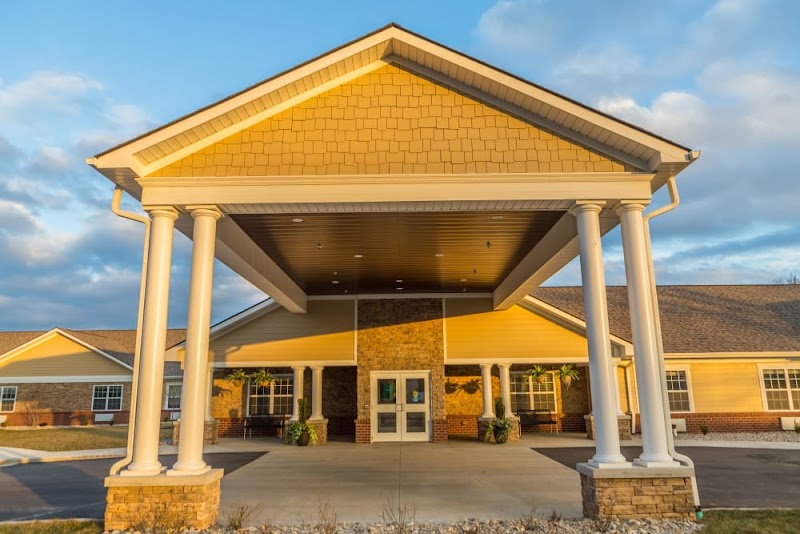
How is The Willows At Fritz Farm Staffed?

CMS rates THE WILLOWS AT FRITZ FARM's staffing level at 3 out of 5 stars, which is average compared to other nursing homes. Staff turnover is 54%, compared to the Kentucky average of 46%.

What Have Inspectors Found at The Willows At Fritz Farm?

State health inspectors documented 8 deficiencies at THE WILLOWS AT FRITZ FARM during 2019 to 2025. These included: 8 with potential for harm.
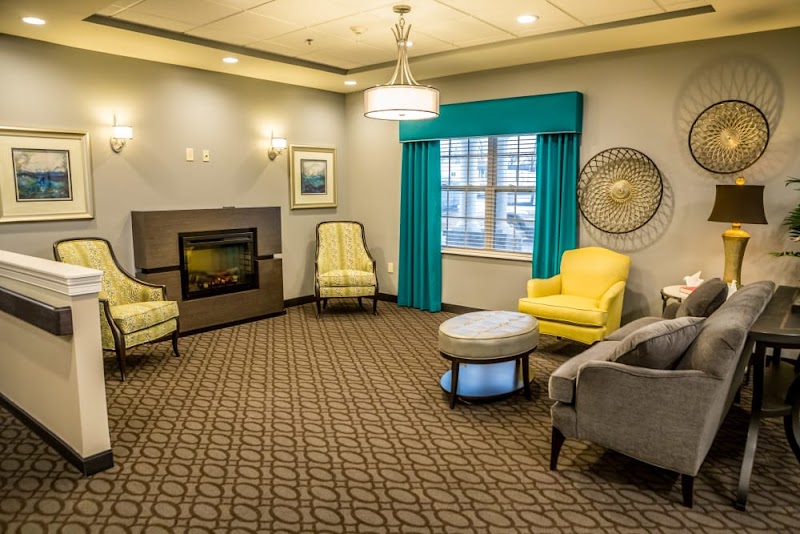
Who Owns and Operates The Willows At Fritz Farm?

THE WILLOWS AT FRITZ FARM is owned by a for-profit company. For-profit facilities operate as businesses with obligations to shareholders or private owners. The facility is operated by TRILOGY HEALTH SERVICES, a chain that manages multiple nursing homes. With 54 certified beds and approximately 50 residents (about 93% occupancy), it is a smaller facility located in LEXINGTON, Kentucky.

How Does The Willows At Fritz Farm Compare to Other Kentucky Nursing Homes?

Compared to the 100 nursing homes in Kentucky, THE WILLOWS AT FRITZ FARM's overall rating (3 stars) is above the state average of 2.8, staff turnover (54%) is near the state average of 46%, and health inspection rating (3 stars) is at the national benchmark.

What Should Families Ask When Visiting The Willows At Fritz Farm?

Based on this facility's data, families visiting should ask: "Can I visit during a mealtime to observe dining assistance and food quality?" "How do you handle medical emergencies, and what is your hospital transfer rate?" "Can I speak with family members of current residents about their experience?"

Is The Willows At Fritz Farm Safe?

Based on CMS inspection data, THE WILLOWS AT FRITZ FARM has a clean safety record: no substantiated abuse findings (meaning no confirmed cases of resident harm), no Immediate Jeopardy citations (the most serious violation level indicating risk of serious injury or death), and is not on the Special Focus Facility watch list (a federal program monitoring the lowest-performing 1% of nursing homes). The facility has a 3-star overall rating and ranks #1 of 100 nursing homes in Kentucky. While no facility is perfect, families should still ask about staff-to-resident ratios and recent inspection results during their visit.

Do Nurses at The Willows At Fritz Farm Stick Around?

THE WILLOWS AT FRITZ FARM has a staff turnover rate of 54%, which is 8 percentage points above the Kentucky average of 46%. Moderate turnover is common in nursing homes, but families should still ask about staff tenure and how the facility maintains care continuity when employees leave.

Was The Willows At Fritz Farm Ever Fined?

THE WILLOWS AT FRITZ FARM has no federal fines on record. CMS issues fines when nursing homes fail to meet care standards or don't correct problems found during inspections. The absence of fines suggests the facility has either maintained compliance or corrected any issues before penalties were assessed. This is a positive indicator, though families should still review recent inspection reports for the full picture.

Is The Willows At Fritz Farm on Any Federal Watch List?

THE WILLOWS AT FRITZ FARM is not on any federal watch list. The most significant is the Special Focus Facility (SFF) program, which identifies the bottom 1% of nursing homes nationally based on persistent, serious quality problems. Not being on this list means the facility has avoided the pattern of deficiencies that triggers enhanced federal oversight. This is a positive indicator, though families should still review the facility's inspection history directly.