The Willows at Hamburg
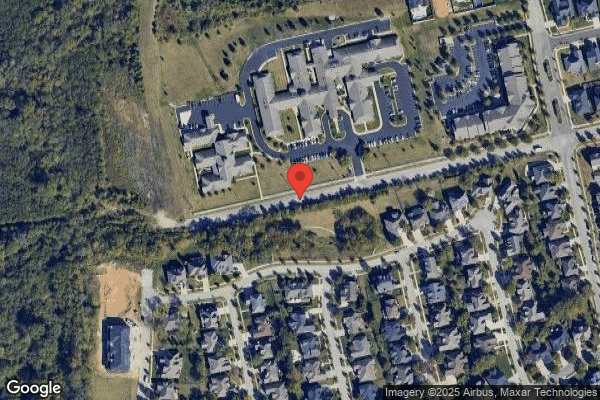
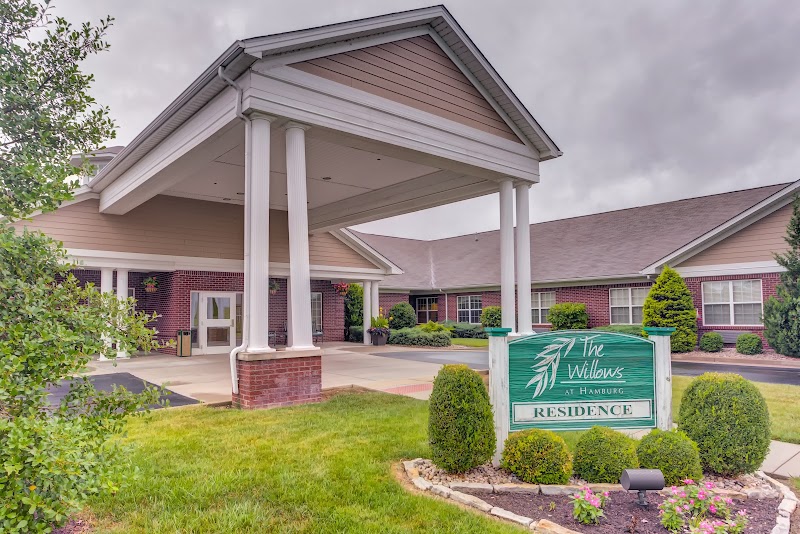
2531 Old Rosebud Road, Lexington, KY 40509 (859) 543-0337
For profit - Individual 64 Beds TRILOGY HEALTH SERVICES Data: November 2025 2 Immediate Jeopardy citations
Trust Grade
39/100
#143 of 266 in KY
Last Inspection: May 2022

Over 2 years since last inspection. Current conditions may differ from available data.

Overview

The Willows at Hamburg has received a Trust Grade of F, indicating poor performance with significant concerns about care quality. It ranks #143 out of 266 nursing homes in Kentucky, placing it in the bottom half of facilities statewide and #8 out of 13 in Fayette County, meaning there are only a few options that are better locally. The facility's trend appears stable, with two critical issues noted in both 2022 and 2024. Staffing is a relative strength, with a 4 out of 5-star rating and a turnover rate of 28%, which is significantly lower than the state average of 46%. However, it has concerning fines totaling $61,627, higher than 93% of Kentucky facilities, suggesting repeated compliance problems. Specific incidents reported include a resident being physically abused by staff, with a caregiver slapping the resident in the face during an altercation, which raises serious concerns about resident safety. Additionally, there were issues related to food sanitation, as the facility failed to maintain safe food preparation standards, indicating a lack of proper hygiene practices. While staffing is commendable, the incidents of abuse and sanitation failures highlight critical areas that families should consider when researching this nursing home.
Trust Score
F
39/100
In Kentucky
#143/266
Bottom 47%
Safety Record
High Risk
Review needed
Inspections
Holding Steady
2 → 2 violations
Staff Stability
✓ Good
28% annual turnover. Excellent stability, 20 points below Kentucky's 48% average. Staff who stay learn residents' needs.
Penalties
⚠ Watch
$61,627 in fines. Higher than 94% of Kentucky facilities. Major compliance failures.
Skilled Nurses
✓ Good
Each resident gets 48 minutes of Registered Nurse (RN) attention daily — more than average for Kentucky. RNs are trained to catch health problems early.
Violations
○ Average
6 deficiencies on record. Average for a facility this size. Mostly minor or procedural issues.
★★★☆☆
3.0
Overall Rating
★★★★☆
4.0
Staff Levels
★★★★★
5.0
Care Quality
★★☆☆☆
2.0
Inspection Score
Stable
2022: 2 issues
2024: 2 issues

The Good

  • 4-Star Staffing Rating · Above-average nurse staffing levels
  • 5-Star Quality Measures · Strong clinical quality outcomes
  • Low Staff Turnover (28%) · Staff stability means consistent care
  • Full Sprinkler Coverage · Fire safety systems throughout facility
  • No fines on record
  • Staff turnover is low (28%)

    20 points below Kentucky average of 48%

Facility shows strength in staffing levels, quality measures, staff retention, fire safety.

The Bad

3-Star Overall Rating

Near Kentucky average (2.8)

Meets federal standards, typical of most facilities

Federal Fines: $61,627

Above median ($33,413)

Moderate penalties - review what triggered them

Chain: TRILOGY HEALTH SERVICES

Part of a multi-facility chain

Ask about local staffing decisions and management

The Ugly 6 deficiencies on record

2 life-threatening
Jul 2024 2 deficiencies 2 IJ
CRITICAL (J) 📢 Someone Reported This

A family member, employee, or ombudsman was alarmed enough to file a formal complaint

Immediate Jeopardy (IJ) - the most serious Medicare violation

Free from Abuse/Neglect (Tag F0600)

Someone could have died · This affected 1 resident

Based on interview, record review, review of the facility's investigation report, and review of the facility's policies, the facility failed to protect 1 of 8 sampled residents (Resident 7 (R7)) from ...

Read full inspector narrative →
Based on interview, record review, review of the facility's investigation report, and review of the facility's policies, the facility failed to protect 1 of 8 sampled residents (Resident 7 (R7)) from physical and verbal abuse by Certified Registered Medication Aide (CRMA) 7. Review of the facility's initial Investigation Report and the witness statements from Certified Registered Care Aide 6 (CRCA6), CRCA10, and Licensed Practical Nurse (LPN) 2, revealed that on 06/07/2024 at 5:50 PM, CRCA6 and CRNA10 observed CRMA7 smack R7 across the face, after R7 had knocked CRMA7's glassess off her face. CRCA6's and CRCA10's statements revealed they both heard what sounded like R7's head hitting the wall at the same time as the smack; however, no visible marks were reported or documented. The facility's failure to have an effective system to ensure residents were protected from verbal and physical abuse was likely to cause serious injury, impairment, or death. Immediate Jeopardy (IJ) and Substandard Quality of Care (SQC) were identified on 06/21/2024 and determined to exist on 06/07/2024 at 42 CFR 483.12 Freedom from Abuse, Neglect, and Exploitation (F600) at the highest Scope and Severity (S/S) of a J. The facility was notified of the IJ on 06/21/2024. An acceptable Immediate Jeopardy Removal Plan was received on 06/28/2024 and validated before exiting on 07/03/2024. The IJ removal was on 06/15/2024. The deficient practice remained at a S/S of a D following the removal of the immediate jeopardy. The findings include: Review of the facility's policy titled, Abuse Neglect Procedural Guidelines, revised 08/29/2019, stated, Abuse is the willful infliction of injury, unreasonable confinement, intimidation or punishment with resulting physical harm, pain, or mental anguish. irrespective of mental or physical condition. Further review revealed two forms of abuse could be verbal or physical. Per the policy, verbal abuse included the use of oral communication or sounds within hearing distance of the resident, regardless of the resident's age, ability to comprehend, or disability. The policy also stated physical abuse could be with or without injury. Review of the facility's policy titled, Resident Rights Guidelines, revised 05/11/2017, revealed residents had the right to be free from physical and verbal abuse from staff, family, and other residents. Review of R7's Facesheet revealed the facility admitted the resident on 01/05/2024 with diagnoses that included unspecified dementia, pain, and abnormalities in gait and mobility. Review of R7's quarterly Minimum Data Set (MDS), with an assessment reference date (ARD) of 04/05/2024, revealed the facility assessed the resident to have a Brief Interview for Mental Status (BIMS) score of three (3) of fifteen, indicating severe cognitive impairment. Review of the Long Term Care Facility - Self Reporting Incident Form Facility Reported, dated 06/07/2024, revealed the incident between R7 and CRMA7 occurred at 5:50 PM on 06/07/2024. The report revealed this form was submitted to the Office of Inspector General/State Survey Agency (OIG/SSA) on 06/07/2024 at 7:55 PM. Review of the facility's initial Investigation Report, dated 06/07/2024 at 7:55 PM and the witness statements from CRCA6, CRCA 10, and LPN2, revealed that on 06/07/2024 at 5:50 PM, CRCA6 and CRNA10 observed CRMA7 argue and yell at R7 while preventing her from leaving an area at the end of a hall. CRMA7 was observed restraining R7 until she got loose and swung at CRMA7, knocking CRMA7's glasses from her face. CRMA7 smacked R7 across the face, with her hand. CRCA6's and CRCA10's statements revealed they both heard what sounded like R7's head hitting the wall at the same time as the smack. CRCA 6, CRCA 10, and LPN2 stated R7 exhibited increased anxiety and uncontrollable crying but no visible marks were reported or documented. Review of the skin assessment performed by LPN2, dated 06/07/2024, after the incident, revealed the bruising present on R7 could be correlated with labs recently drawn in the anti-cubital area of her left arm, and an old bruise on her right forearm could also be associated to scheduled labs. Review of CRMA7's 06/07/2024 timesheet revealed she clocked out at 6:39 PM, 50 minutes after the facility's report and witness statements indicate the incident occurred. Review of CRMA7's employee file revealed upon hire date in 2014, a previous reprimand was on file regarding her tone when talking to residents. The file revealed CRMA7 was suspended on 06/07/2024 pending an internal investigation of the incident with R7 and was terminated on 06/12/2024. Review of the statement documented by the Administrator and dictated by the Director of Health Services (DHS), dated 06/07/2024, revealed the witnesses CRCA6 and CRCA10 did not see but thought CRMA7 hit R7, and when asked, they stated, I'm not sure and CRMA7 may have hit R7 back. Per the statement, CRCA6 reported she saw CRMA7 get slapped by R7 and possibly saw CRMA7 restrain R7 against the wall. Review of the final Investigation Report, dated 06/12/2024 at 2:05 PM, revealed its findings were inconclusive and stated the written versus oral versions of these events were not the same, and there was no willful infliction of injury resulting in physical or emotional harm. The facility did, however, terminate CRMA 7 based on not following company service standards. Review of a written statement by CRMA7, dated 06/07/2024 at 7:37 PM, revealed R7 was agitated because she wanted to go out, and R7 proceeded to hit, pinch, and knee CRMA7 in the stomach area. She reported that she had R7 in the corner so she would not hurt a resident. CRMA7 reported R7 had her by the wrists, and when R7 let go of them, she knocked the glasses off CRMA7's face. CRMA7 stated, I did not retaliate by hitting her on purpose but if my arm hit her when it raised up to keep her from getting my face.I wasn't going to let her hit me. During an interview on 06/18/2024 at 1:34 PM with R7 and her husband, R7 denied memory of any events where someone had been mean with her, and she was not afraid. R7's spouse stated he recalled hearing about the incident on 06/07/02024, but he had no current concerns. He stated he was glad CRMA7 was no longer at the facility, and he was otherwise happy with his wife's care. During an interview on 06/19/2024 at 10:00 AM with CRMA7, she stated it was near the end of the shift on 06/07/2024 at 5:15 PM to 5:30 PM, when staff heard the door alarm go off. She stated R7 was wandering around and pushing another resident in a wheelchair. She stated R7 told staff they were going home. CRMA7 stated she observed R7 attempting to get a chair-ridden resident out of her wheelchair and push on the exit door, which set off the door alarm. She stated CRCA10 redirected the resident in the wheelchair and she attempted to redirect R7. She stated R7 was already agitated because she was stopped from going out the door. She stated R7 became so agitated that she became physically aggressive toward CRMA7. CRMA7 stated she felt the only way to control the situation was to manually hold R7 off. She stated R7 then got loose and smacked the glasses off her. CRMA7 stated she did not smack R7 in return, but with R7 trying to hit her, it was possible her arms went up to defend herself and she accidentally hit her. CRMA7 could not confirm or deny that she remembered any contact, stating, It all just happened so fast, I don't know. She stated she later saw R7 in the courtyard with other residents. She denied any previous disciplinary action related to staff and patient interaction. CRMA7 stated she received regular, yearly training on abuse. During an interview on 06/18/2024 at 1:11 PM, CRCA10 stated R7 had been pushing another resident around in a wheelchair, but at some point, the residents decided they wanted to go home. She stated R7 went toward the 700 Hall exit door. She stated she heard the door alarm, and she went to the door. CRCA10 stated R7 attempted to exit with the resident she was pushing in the wheelchair. She stated she and CRMA7 attempted to re-direct the residents. CRCA10 stated she got the wheelchair-bound resident out of the immediate area and turned back to R7 and CRMA7. CRCA10 stated she observed CRMA7 holding R7's arms firmly, but then R7 got loose and smacked the glasses off CRMA7's face. She stated then CRMA7 smacked R7's face, and she heard her head make contact with the wall. CRCA10 stated she reinforced verbally for CRMA7 to let R7 go, and CRCA6 went to get the nurse. During an interview on 06/19/2024 at 9:29 AM with CRCA6, she stated she was picking up dishes at the end of dinner and was working with another resident, when CRCA10 went around the corner toward the 700 Hall exit door, near the nurses' station. She stated CRNA10 reported to CRCA6 that she could see CRMA7, in the corner, physically holding R7's arms. She stated, by this time, she had joined CRCA10. She stated R7 got loose and hit the glasses off CRMA7's face. She stated she then saw CRMA7 slap R7 in response and heard R7's head hit the wall. When asked if it might have been a defensive move and the slap was accidental, CRCA6 stated, No, it all happened too fast and there was no time for R7 to have attempted to hit CRMA7 before the slap to R7. CRCA6 was asked about the statement provided by the weekend supervisor and her report that CRCA6 did not have a direct vision of events. CRCA6 stated that was not true. She stated, They have their reasons. CRCA6 stated she and CRCA10 verbally tried to get CRMA7 to just let her go. She stated CRCA10 separated R7 and CRMA7, while CRCA6 got LPN2. During a phone interview on 06/20/2024 at 8:50 AM, LPN2 stated she was at the 700 Hall nurses' station, and R7 was ambulating and pushing another resident around in a wheelchair. She stated the 700 Hall's exit door alarm sounded, and CRMA7 and CRCA10 went to it. She stated R7 became more agitated with CRMA7 as manifested by the raised voices of both R7 and CRMA7. She stated CRCA6 arrived, and CRCA10 took the wheelchair resident away from the area. She stated she could see through a glass window that CRMA7 had her arms extended out and was yelling at R7, and R7 was yelling back. She stated she and CRCA6 separated CRMA7 and R7. She stated she took R7 outside and told CRCA6 to call the DHS, which CRCA6 did at 6:20 PM. She stated R7 was very upset and hard to console for a little while, although R7 could not express why she was upset. She stated the nursing shift ended at 6:30 PM, and LPN2 observed CRMA7 counting her medications on her cart and giving a report to the oncoming shift. LPN2 stated CRMA7 clocked out but remained at the nurses' station desk, on her phone watching a video, after her shift. She stated CRMA7 did leave before LPN2, who clocked out at 7:00 PM (this was verified by LPN2's timesheet). During an interview on 06/21/2024 at 9:25 AM with the DHS and the Corporate Clinical Support present, she stated residents were allowed to wander because staff knew them and tried to anticipate their actions. About the incident on 06/07/2024, she stated she was contacted by CRCA6 at 6:20 PM, and she immediately reported this to the Executive Director. The DHS stated the determining factor in deciding this was not a substantiated case were the witness comments that they thought or didn't hear. The DHS stated she would expect to be notified immediately if there was a concern about abuse. She stated she was content with the chain of events and the timeline as they occurred. During an interview on 06/19/2024 at 9:48 AM with the Executive Director (ED), he stated he was not sure CRMA7 hit R7, or with intent, because he was hearing inconsistencies with the stories from the staff involved. He stated CRMA7 was terminated because she did not rise to the facility's standards. He stated that CRMA7 had received previous disciplinary action related to her tone with other residents.
CRITICAL (J) 📢 Someone Reported This

A family member, employee, or ombudsman was alarmed enough to file a formal complaint

Immediate Jeopardy (IJ) - the most serious Medicare violation

Abuse Prevention Policies (Tag F0607)

Someone could have died · This affected 1 resident

Based on interview, record review, review of the facility's investigation reports, and review of the facility's policy, the facility failed to ensure its staff implemented the facility's abuse policy ...

Read full inspector narrative →
Based on interview, record review, review of the facility's investigation reports, and review of the facility's policy, the facility failed to ensure its staff implemented the facility's abuse policy regarding immediately providing for the safety of the resident after her allegations of physical and verbal abuse by staff for 1 of 8 sampled residents (Resident #7(R7)). Additionally, review of the facility's policy revealed the policy failed to include guidance to equip staff with the knowledge to be able to communicate and coordinate situations of abuse with the facility's Quality Assurance and Performance Improvement (QAPI) program. On 06/07/2024 at approximately 5:50 PM Certified Resident Care Aide (CRCA) 6 and CRCA10 observed Certified Resident Medication Aide (CRMA) 7 become argumentative and physically aggressive with R7 including, but not limited to, a slap on R7's face. They both could hear what sounded like R7's head hitting the wall at the same time as the smack. CRCA6 contacted the Director of Health Services (DHS) at 6:20 PM. Per review of CRMA7's timesheet, she did not clock out until 6:39 PM. Therefore, CRMA7 was not sent home immediately but remained in the facility approximately 50 minutes after the incident occurred. The facility's failure to have an effective system to ensure residents were protected from verbal and physical abuse by immediately securing the safety of the resident from the alleged perpetrator was likely to cause serious injury, impairment, or death. Immediate Jeopardy (IJ) and Substandard Quality of Care (SQC) were identified on 06/21/2024 at CFR 42 483.12 Develop/Implement Abuse/Neglect Policies (F607) at the highest Scope and Severity (S/S) of a J. The IJ was determined to exist on 06/07/2024. The facility was notified of the Immediate Jeopardy on 06/21/2024. An acceptable Immediate Jeopardy Removal Plan was received on 06/28/2024 and validated before exit on 07/03/2024. The IJ removal was on 06/15/2024. The deficient practice remained at a S/S of a D following the removal of the immediate jeopardy so the facility could develop their abuse policy to define how staff would communicate and coordinate situations of abuse with the QAPI program. Refer to F600 The findings include: Review of the facility's policy titled, Abuse, Neglect - Procedural Guidelines, dated 08/29/2019, revealed that for the protection of the resident, upon identifying suspected abuse or neglect, immediately provide for the safety of the resident. This action might include, but was not limited to, suspending the suspected employee pending the outcome of an investigation. Further review revealed the policy failed to address how staff would communicate and coordinate situations of abuse with the QAPI program. Review of the same policy, Abuse, Neglect - Procedural Guidelines, updated 06/19/2024, revealed this version of the policy also failed to address how staff would communicate and coordinate situations of abuse with the QAPI program. Review of the Centers for Medicare and Medicaid (CMS) State Operations Manual (SOM), Appendix PP, 42 CFR 483.12 (b)(4), dated 02/03/2023, revealed the facility's abuse policy should define how staff would communicate and coordinate situations of abuse, neglect, misappropriation of resident property, and exploitation with the QAPI program. Review of the facility's Long Term Care Facility - Self Reporting Incident Form Facility Reported, dated 06/07/2024, revealed the incident between R7 and CRMA7 occurred at 5:50 PM on 06/07/2024. Further review of the report revealed it was submitted to the State Survey Agency (SSA) on 06/07/2024 at 7:55 PM. Review of the facility's initial Investigation Report, dated 06/07/2024 at 7:55 PM, indicated CRMA7 had contact with R7's head after R7 struck her. There was no indication via skin assessment that there was physical injury other than an old bruise on the left bicep. Per the report, the resident was taken for a walk by Licensed Practical Nurse (LPN) 2. The report stated R7 did not recall the event when interviewed by facility staff, immediately after and in the days to follow. Per the report, the Executive Director called the facility to suspend the staff member (on 06/07/2024, no time given), but CRMA7 had already left. Review of CRMA7's 06/07/2024 timesheet, revealed she clocked out at 6:39 PM in the memory care building. During an interview on 06/19/2024 at 9:29 AM with CRCA6, she stated she was picking up dishes at the end of dinner and was working with another resident, when CRCA10 went around the corner toward the 700 Hall exit door, near the nurses' station. She stated CRNA10 reported to CRCA6 that she could see CRMA7, in the corner, physically holding R7's arms. She stated, by this time, she had joined CRCA10. She stated R7 got loose and hit the glasses off CRMA7's face. She stated she then saw CRMA7 slap R7 in response and heard R7's head hit the wall. When asked if it might have been a defensive move and the slap was accidental, CRCA6 stated, No, it all happened too fast and there was no time for R7 to have attempted to hit CRMA7 before the slap to R7. CRCA6 stated she and CRCA10 verbally tried to get CRMA7 to just let her go. She stated CRCA10 separated R7 and CRMA7, while CRCA6 got LPN2. During a phone interview on 06/20/2024 at 8:50 AM, LPN2 stated she was at the 700 Hall nurses' station, and R7 was ambulating and pushing another resident around in a wheelchair. She stated the 700 Hall's exit door alarm sounded, and CRMA7 and CRCA10 went to it. She stated R7 became more agitated with CRMA7 as manifested by the raised voices of both R7 and CRMA7. She stated CRCA6 arrived, and CRCA10 took the wheelchair resident away from the area. She stated she could see through a glass window that CRMA7 had her arms extended out and was yelling at R7, and R7 was yelling back. She stated she and CRCA6 separated CRMA7 and R7. She stated she took R7 outside and told CRCA6 to call the DHS, which CRCA6 did at 6:20 PM. She stated R7 was very upset and hard to console for a little while, although R7 could not express why she was upset. She stated the nursing shift ended at 6:30 PM, and LPN2 observed CRMA7 counting her medications on her cart and giving a report to the oncoming shift. LPN2 stated CRMA7 clocked out but remained at the nurses' station desk, on her phone watching a video, after her shift. She stated CRMA7 did leave before LPN2, who clocked out at 7:00 PM (this was verified by LPN2's timesheet). During an interview with the DHS on 06/21/2024 at 9:25 AM, she stated in the event of any type of abuse, she would expect to be notified immediately if there was a concern about abuse. She stated she was notified at 6:20 PM by CRCA6, approximately 30 minutes after the incident occurred. She stated she was satisfied with the timing of events, and she felt staff contacted her as fast as they were able. The DHS stated she reported the incident to the Executive Director immediately. During an interview with the Corporate Clinical Support Nurse on 07/03/2024 at 11:16 AM, she stated, after an abuse allegation or observation, her expectation was for staff to take action to ensure the resident's safety, separate the alleged perpetrator from the resident, escort the alleged perpetrator out of the building, and immediately report the abuse to the supervisor and/or the Executive Director. She also stated she felt the facility incorporated the components of the QAPI requirement in their abuse investigations. She stated the abuse policy might not detail the exact verbiage of the QAPI requirement but thought other tools that were used facilitated meeting that requirement.
May 2022 2 deficiencies
CONCERN (E)

Potential for Harm - no one hurt, but risky conditions existed

Infection Control (Tag F0880)

Could have caused harm · This affected multiple residents

Based on observation, interview, record review, review of the manufacturer's directions for use, and review of the facility's policies and procedures, it was determined the facility failed to establis...

Read full inspector narrative →
Based on observation, interview, record review, review of the manufacturer's directions for use, and review of the facility's policies and procedures, it was determined the facility failed to establish and maintain an infection prevention and control program designed to provide a safe, sanitary and comfortable environment and to help prevent and control the development and transmission of communicable diseases and to implement interventions per the Centers for Medicare and Medicaid Services (CMS), the Centers for Disease Control and Prevention (CDC), and the Kentucky Department for Public Health (Health Department) state guidelines for COVID-19. Observation of medication administration for Resident #8, on 05/03/2022, with Kentucky Medication Aide (KMA) #1 revealed improper handling of medication before administration, per mouth (PO). Additional observations of medication administration for Resident #37, on 05/03/2022, with KMA #1 revealed improper glucometer cleaning and disinfection before and after use. Further observations, on 05/04/2022, revealed laundry staff separating laundry without wearing appropriate Personal Protective Equipment (PPE). Continued observations, on 05/04/2022, in the laundry room, revealed the doors between the designated clean laundry area and the dirty laundry area was open. The findings include: Review of the facility's policy titled, Infection Prevention and Control Program (IPCP), revised 11/10/2019 revealed the facility was to establish and maintain an infection prevention and control program designed to provide a safe, sanitary and comfortable environment and to help prevent the development and transmission of communicable diseases and infections. Review of the facility's policy titled, Preparation and General Guidelines, revised November 2018, revealed medications should be administered as prescribed in accordance with good nursing principles and practice. Additionally, personnel authorized to administer medications should do so only after they had been properly oriented to the facility's medication distribution system, including handling and administration. Further, gloves would be worn when administering medications when necessary. Review of the facility's policy titled, Glucometer, Standard Operating Procedure, revised 09/17/2018, revealed guidelines for performance of blood glucose monitoring and glucometer maintenance. Additionally, appropriate infection control technique should be followed during testing procedures. Further, the glucometer machine should be cleaned between residents according to manufacture recommendations as needed. Review of the facility's procedure titled, Cleaning of Accu-Check Meter, undated, revealed before and after each use, the meter should be cleaned with purple or yellow top wipes. Two (2) wipes should be used; one (1) to clean, and one (1) to disinfect. Additionally, with the first wipe, the whole meter (front and back) should be cleaned, horizontally three (3) times and vertically three (3) times, before discarding the wipe. Continued review revealed with the second wipe, the whole meter (front and back) should be cleaned, horizontally three (3) times and vertically three (3) times, before discarding the wipe. Further, the meter should be placed on a clean, dry surface such as a paper towel. Per procedure, the dry time was dependent on the product used, manufacture recommendations; Purple top wipes required two (2) minute dry time and Yellow top wipes required four (4) minute dry time. Review of Professional Disposables International (PDI) Incorporated, website https://pdihc.com/, dated 2022, revealed Sani-Cloth Germicidal Disposable Wipes could be used on hard nonporous surfaces such as blood glucose meters (glucometers) and were effective against bloodborne pathogens. Additionally, Sani-Cloths required three (3) minute continuous wet contact with medical devices and complete air-dry time to be an effective disinfection per manufacture guidelines. Review of PDI, Sani-Cloth Germicidal Disposable Wipes label (Gray top), with no date, revealed to disinfect unfold a clean wipe and thoroughly wet the surface. Additional instruction included ensuring the surface to remain wet for three (3) minutes for adequate efficiency. Further, the surface should completely air dry. Review of the facility's procedure titled, Laundry Operations, revised 02/05/2019, revealed guidelines for laundry operations; laundry was a daily task. Additional review revealed when laundry was sorted and placed in the washer, PPE should be worn. Further, the Director of Environmental Services ensured all day tasks were completed daily. Interview with the Director of Environmental Services, on 05/04/2022 at 2:55 PM, revealed the facility did not have a laundry policy on infection control specific to the door being closed to separate the clean area from the dirty area in the laundry rooms. Review of KMA #1's Annual Training record, revealed she competed Medication Administration: Avoiding Common Areas, on 10/06/2021. Further, she completed a Geriatric Care Competency check list, on 06/15/2021. Review of Garment Service Technician #1's Annual Training record, revealed she completed Standard Precautions, Including Infection Control and Bloodborne Pathogens, on 01/21/2022. 1. Review of Resident #8's medical record revealed the facility admitted the resident, on 10/22/2021, with diagnoses to include but not limited to Iliotibial Band Syndrome, Low Back Pain, Anxiety Disorder, and Essential Hypertension. Review of Resident #8's Quarterly Minimum Data Set (MDS) Assessment, dated 01/26/2022, revealed the facility assessed the resident to have a Brief Interview for Mental Status (BIMS) score of fourteen (14) indicating intact cognition. Additional review revealed the resident had no pain and received seven (7) days of opioid medication. Review of Resident #8's Physician's Orders, dated May 2022, revealed an order for Oxycodone (pain medication) 7.5 milligrams (mg) four (4) times a day for pain, with a start date of 10/22/2021. Review of Resident #8's Medication Administration Record (MAR), dated 05/01/2022 through 05/05/2022, revealed the resident received Oxycodone 7.5 mg four (4) times a day for pain as ordered. Observation of medication administration for Resident #8, on 05/03/2022 at 3:57 PM, by KMA #1 revealed the KMA held the medication (Oxycodone) skid above a plastic medication chart and attempted to pop the medication into the cup; however, the medication missed the plastic medication cup and fell on top of the medication cart. Additional observation revealed KMA #1 picked up the medication from the top of the medication cart with her bare hands and placed it into the medication cup. Further observation revealed KMA #1 stuck her ring finger and thumb into the medication cup and pushed the medication around the medication cup trying to get a piece of paper (from the back of the medication skid) out of the medication cup. Continued observation revealed KMA #1 administered the contaminated medication to Resident #8. Interview with KMA #1, on 05/03/2022 at 3:57 PM, revealed she had worked at the facility for seven (7) years and as a KMA for two (2) years. Per interview, she was not sure if she should wear gloves when preparing medications for administration or if it was okay for her to touch medication with her bare hands. Additionally, she did not think touching medications with her bare hands was a breach of infection control. Further, she stated she had been provided education on how to properly handle medication. Interview with Registered Nurse (RN) #1, on 05/03/2022 at 3:57 PM, revealed KMA #1 should not have touched Resident #8's medication with her bare hands. Further, touching the medication with her bare hands contaminated the medication with germs. Further interview revealed staff should not touch pills with their bare hands to ensure the medications were not dirty and to maintain infection control; it was a standard of practice. 2. The facility admitted Resident #37, on 12/22/2021, with diagnoses to include but not limited to Parkinson's Disease, Atherosclerotic Heart Disease, Acute and Chronic Systolic Heart Failure, and Diabetes Type II. Review of Resident #37's Quarterly Minimum Data Set (MDS) Assessment, dated 03/30/2022, revealed the facility assessed the resident to have a BIMS score of fourteen (14) indicating intact cognition. Additional review revealed the resident had received seven (7) day of insulin (lowers blood sugar levels) injections. Review of Resident #37's Physician's Orders, dated May 2022, revealed an order for Humalog (insulin) 100 units/milliliter (ml); per sliding scale, three (3) times a day, with a start date of 03/09/2022. Review of Resident #37's Medication Administration Record (MAR), dated 05/01/2022 through 05/05/2022, revealed the resident received two (2) units of Humalog, in his/her right arm, on 05/03/2022 between 4:00 PM and 6:30 PM, related to a blood sugar reading of two hundred and fifty (250). Observation of medication administration, for Resident #37, on 05/03/2022 at 4:03 PM, by KMA #1, revealed the KMA gathered Sani-Clothes (Gray top) from the medication room, a plastic pencil box from the medication cart, containing a glucometer; multiple lancets; alcohol pads; and the test strip bottle. The KMA placed the gathered items on the top of the medication cart without preparing a clean area. Observation revealed the KMA used hand sanitizer on her hands and donned (put on) gloves and removed one (1) Sani-Cloth from the gray top container. The KMA then rubbed the cloth over the front and back of the glucometer once and laid the glucometer on the medication cart and placed the Sani-Cloth in the trash. She doffed (removed) her gloves, donned a new pair of gloves, and immediately added a test strip to the wet glucometer. Continued observation revealed she performed a finger stick blood glucose check on Resident #37 and discarded the lancet and test strip in the sharps box on the side of the medication cart. Further observation revealed she laid the dirty glucometer on the medication cart and again obtained one (1) Sani-Wipe from the gray top container and wiped the front and back of the glucometer; she placed the wet glucometer into the plastic pencil box while wet, with multiple lancets and the test strip bottle and placed it back into the medication cart. Interview with KMA #1, on 05/03/2022 at 4:05 PM, revealed she had been provided training on how to properly clean a glucometer. Per interview, the glucometer should be wiped thoroughly with a Sani-Cloth before and after each use. Additionally, she was not aware of the time the glucometer should remain wet. Further, she stated the glucometer air dried fast. Continued interview revealed it was important for the glucometer to be clean to maintain infection control. Interview with RN #1, on 05/03/2022 at 4:18 PM, revealed she had worked in the facility for four (4) years. Per interview, glucometers should be cleaned with a Sani-Cloth thoroughly before and after use. Additionally, the surface of the glucometer should be wet for five (5) minutes, while it rested on a clean wipe or paper towel and air dried. Continued interview revealed it was important to clean the glucometer properly to ensure germs were not cross contaminated and to maintain infection control. Further, she stated staff were provided competency training on cleaning glucometers during annual training. RN #1 stated two (2) residents had orders for finger stick blood glucose checks on the hallway. 3. Observations of the laundry rooms, on 05/04/2022 at 1:15 PM, revealed the door between the clean linen room into the washer/dryer room was open, with a handwritten Post It note taped to each side above the doorknob; Keep Door Closed. Clean linens were folded uncovered on the shelves and in totes, and resident clothing was hanging uncovered on rolling racks. Additional observations revealed the door between the washer/dryer room and the dirty/soiled laundry room was also open. Garment Service Technician #1 was noted in the dirty/soiled laundry room separating colors and white linens from the dining room. She was wearing a surgical mask and gloves only. Her clothing was touching the soiled linens and the soiled linen cart as she sorted. Further, trash and food were mixed with the soiled linens she was separating. Interview with Garment Service Technician #1, on 05/04/2022 at 1:18 PM, revealed she had worked at the facility for five (5) years. Per interview, she had received training on infection control, to include cross contamination, COVID, and PPE; at least two (2) to three (3) times a year. Additionally, she stated it was important to follow training/policy for infection control, and she should have worn a gown and eye protection when sorting dirty linens. Interview with the Director of Environmental Services, on 05/04/2022 at 1:20 PM, revealed she had worked at the facility for five (5) years and was in the facility four (4) days a week. Per interview, Garment Service Technician #1 should have had appropriate PPE on in the dirty laundry room, while separating linens; gown, gloves, and eye protection to ensure her clothing was not contaminated and carried into the clean areas of the laundry. Additionally, she stated staff was educated on infection control, cross contamination, and PPE annually and as needed. Continued interview revealed she rounded through the laundry rooms three (3) to four (4) times a day and had not identified any concerns with infection control in the laundry. Further, she stated the doors that separated the clean areas from the dirty areas in the laundry should always be closed to maintain infection control. The Director stated she wrote the Post It note, Keep Door Closed, over a year ago, because she noticed staff was not consistently pulling the clean linen door closed, and it was open into the dirty areas; however, she did not implement actions to correct the issues other than taping a note to the door. Interview with the Senior Director of Plant Operations, on 05/04/22 at 2:25 PM, revealed he had been in the role for twelve (12) years, and was at the facility once a month. Additionally, he had not identified that there were any issues with the door between clean and dirty laundry no being closed to maintain infection control. Further, he stated his observations were that the door was usually closed, and he recalled there had always been a hand-written note by the Director of Environmental Services, on the door that read Keep Door Closed; however, he did not identify this as a concern. Continued observations, on 05/04/2022 at 2:25 PM, revealed the door between the clean linen laundry room and the washer/dryer room had been changed to a self-closing door. Interview with the Assistant Director of Health Services (DHS)/Infection Preventionist (IP), on 05/05/22 at 3:04 PM, revealed she had been in the role for two (2) years and prior was a night shift nurse at the facility. Per interview, she expected nursing staff (nurses and KMA's) to maintain infection control practices while handling medication, when preparing medications and during administration. She stated she expected nurses and KMA's to wear gloves, when necessary, when preparing medications for administration and not to handle medications with their bare hands. Additional interview revealed the facility's policy related to cleaning and disinfecting glucometers should be followed by nursing staff to reduce the risk of cross contamination. Per interview, the facility had not identified any concerns with infection control/handling medications during medication administration; however, the facility had not utilized a medication administration audit to ensure preparing medications was performed appropriately. She stated she expected the nursing staff to clean and disinfect the glucometer before use and in between use on each resident. She stated glucometers should be disinfected by using Sani-Cloths per the manufacturer's guidelines. The IP Nurse stated it was important to decrease the cross-contamination risk. She stated nursing staff received annual competency training on medication administration and glucometer cleaning and disinfection, and she had not identified any concerns with glucometer cleaning and disinfection. Further interview with the IP Nurse revealed she expected laundry workers to wear PPE as necessary when handling and separating dirty linens and to ensure the barrier (door) between the dirty and clean areas in the laundry room was closed. Continued interview revealed the laundry policy(s) and infection control standards should be followed by laundry staff to reduce the risk for cross contamination. She stated she did not audit laundry related to infection control and was unaware of a formal infection control audit completed by laundry supervisors related to infection control. The IP Nurse stated she was not aware if laundry staff received annual infection control training. Interview with the Executive Director (ED), on 05/05/2022 at 3:27 PM, revealed he expected the facility's infection control policy(s) and procedure guidelines to be followed by everyone in the facility. Additionally, he expected the IP nurse and facility leadership to maintain ongoing monitoring throughout the building. The ED stated the facility had not identified any concerns with infection control practices in the facility. Further, he explained he expected infection control to be maintained per the facility's policy(s) to decrease cross-contamination, while preparing medication for administration. In addition, he stated glucometers should be cleaned and disinfected between use on residents and laundry staff should wear PPE and ensure doors were closed between clean and dirty areas in the laundry room. Interview with The Director of Health Services (DHS), on 05/05/2022 at 3:59 PM, revealed she had worked at the facility for one (1) month. She stated she expected the facility's policies related to medication administration/handling medications and glucometer cleaning and disinfecting always to be followed. Additionally, she stated she expected nursing staff to prepare medications for administration and don gloves per standards of practice. Continued interview revealed it was important to maintain infection control practices related to gloves and hand hygiene to decrease the risk of cross contamination. Further, she stated she expected staff to clean glucometers prior to use and after each use with residents, per the facility's policy and manufacturer's recommendations. The DHS explained it was important to ensure infection control was maintained with medical devices to reduce the spread of communicable disease. Continued interview with the DHS, on 05/05/2022 at 3:59 PM, revealed she expected the facility's policies related to infection control and wearing PPE while handling soiled linens to be followed. Additionally, she stated she expected the door to be closed between the clean and dirty areas in the laundry. Further, the DHS stated it was important to maintain infection control practices in laundry to decrease the risk of cross contamination.
CONCERN (F)

Potential for Harm - no one hurt, but risky conditions existed

Food Safety (Tag F0812)

Could have caused harm · This affected most or all residents

Based on observation, interview, record review, and the facility's job descriptions, it was determined the facility failed to store, prepare, and distribute food in a safe and sanitary manner in accor...

Read full inspector narrative →
Based on observation, interview, record review, and the facility's job descriptions, it was determined the facility failed to store, prepare, and distribute food in a safe and sanitary manner in accordance with professional standards. Observations, on 05/04/2022 and 05/05/2022, revealed the industrial can opener stem to be in the dish-machine and the base had a build-up of dark, gummy residue. The spice shelf on the preparation table was dusty and the legs of the preparation table had areas of gummy residue. Additional observations revealed the sanitation solution of the red bucket did not attain sufficient sanitation levels of at least two hundred (200) parts per million (PPM), when tested, as recommended by the manufacturer. The findings include: Requests to the Director of Food Services (DFS) for Legacy kitchen cleaning policies revealed there were no actual cleaning policies; there were daily, weekly and monthly cleaning schedules to be completed by each shift per the schedule. The DFS was not able to provide previous completed cleaning schedules as requested nor was he able to provide written education documentation of Legacy kitchen staff. Review of the Cook's Daily Cleaning Schedule, no date, revealed the can opener was to run through the dish machine, but there was no mention of cleaning the base. Additional review revealed the production area, shelves, and spice shelf were to be cleaned daily. Review of the Trilogy Health Services, LLC Manual Sanitation document, no date, revealed the sterilization process was where all microorganisms (bacteria, spores, fungi, viruses) contained on hard surfaces and utensils would be destroyed. Further review revealed the first sanitizer bucket would be made on the morning shift and checked every four (4) hours for efficacy of the sanitizing solution. Additional review revealed if the test strip revealed the solution was below the recommended one-hundred fifty to three hundred (150-300) PPM, the solution was to be re-made and tested for the recommended sanitizing level. In addition, the document directed that the manufacturer's recommended immersion time for the test strip was ten (10) seconds. Review of the DFS Job Description, revised 07/18/2018, revealed he/she was to ensure the Food Service Department (FSD) operated in accordance with current federal, state and local standards, guidelines and regulations. Continued review revealed the DFS was to ensure dietary services be maintained in a clean, safe, and sanitary manner. Additional review of the DFS' job description revealed he/she was responsible for uncompromising levels of cleanliness and safety. Review of the Culinary Support-Regional (CS-R) Job Description, revised 11/07/2017, revealed he/she was to ensure compliance with nutritional, dining and regulatory standards. Additional review revealed he/she was to execute in-service training for specifically identified facility needs. Further review identified he/she was responsible for uncompromising levels of cleanliness and safety. Observations, on 05/04/2022, revealed the industrial can opener stem to be in the dish-machine, clean, and the base had a build-up of dark, gummy residue. The spice shelf on the preparation table was dusty and the legs of the preparation table had areas of dark, gummy residue. Additional observations revealed the utensil drawer had a tray holding serving utensils with gummy residue on the sides and corners of the tray. On 05/04/2022, at 11:42 AM, when [NAME] #3 was requested by the State Survey Agency (SSA) Surveyor to test the sanitation level of the red sanitation bucket, the cook put the appropriate test strip in the sanitizing solution; however, the cook left the test strip in for three (3) seconds instead of the manufacturer's recommended ten (10) seconds. [NAME] #3 was not able to relay to the SSA Surveyor what the recommended immersion time was for the sanitizing solution test strip. A repeat test strip was immersed for the recommended ten (10) seconds and did not attain the recommended two hundred (200) PPM to achieve sanitation of the food preparation/work areas. The DFS was notified of the sanitizing solution not meeting parameters. He stated he would have staff hand pour the sanitizing solution into the sanitizing bucket instead of using the pre-mixed method through the faucet. Interview with [NAME] #1, on 05/04/2022, at 11:47 AM, revealed the can opener was cleaned every shift. The cook had no response when the SSA Surveyor pointed out the gummy residue on the base of the can opener. Continued interview with [NAME] #1 and [NAME] #3, revealed there were daily cleaning schedules to be used, but they could not tell the SSA Surveyor where the completed schedules were to be placed nor were they able to say where previous copies would be in the kitchen. Further interview with [NAME] #1 revealed there were only two (2) dietary staff at any given time in the Legacy kitchen. Observations, on 05/05/2022 at 1:52 PM, with [NAME] #1, [NAME] #3, and the DFS, during a walk through inspection, revealed the industrial can opener base remained with the build-up of dark, gummy residue. The spice shelf on the preparation table remained dusty, and the legs of the preparation table continued with areas of dark, gummy residue. Additional observation revealed the sanitizing solution did not meet the recommended PPM sanitation level. Further observation of the dish machine (low temperature-Chlorine) sanitizing cycle revealed it did not meet the required fifty (50) PPM sanitizing level, as specified on the test strip package. Interview with the DFS, on 05/05/2022 at 1:52 PM, revealed to ensure all resident use items were sanitized, he would call the facility's Chemical Representative and request a site visit. He further stated all cooking/serving utensils and all dish/flatware would be hand washed and sanitized prior to the evening meal service. Interview with the Chemical-Beverage Specialist, from an outside contracted company, on 05/06/2022 at 9:52 AM, revealed the mixing valve in the faucet of the three (3) compartment sink that mixed the sanitizer for the sanitation bucket had been clogged, and he replaced the part. Additional interview revealed he performed preventative maintenance monthly. Review of billing statements since 01/2022, verified his statement. Observation of fresh sanitizing solution revealed the test strip indicated the recommended PPM. Interview with the CS-R, on 05/06/2022 at 9:10 AM, revealed he was at the facility approximately two (2) times a week. He defined his role as being a member of the Home Office Support Team that provided field support to facilities. He explained his job duties included doing Quarterly Sanitation Audits, with the facility doing additional audits as needed. He stated his expectation would be for the dietary staff to adhere to all current federal, state, and local standards. Interview with the Executive Director, on 05/06/2022, at 1:05 PM, revealed there had been a breakdown in the Legacy kitchen cleaning process and going forward, the facility was working on solutions to address the observed concerns. Additionally, he stated that he did receive the Sanitation Audits from the CS-R, via email, and would take greater care to ensure he read them. Review of Kitchen Sanitation Audit, dated 03/04/2022, scored at 86.17% and completed by the CS-R, revealed he had identified that the can opener, work table and drawers, and the shelves and table legs needed to be cleaned. Review of Kitchen Sanitation Audit, dated 04/18/2022, scored at 85.06%, and completed by Administrator #1, revealed she had not documented any deficiencies with her Legacy kitchen tour. Interview with Administrator #1, on 05/06/2022, at 12:37 PM, revealed she did not know what she was doing when she did the Legacy kitchen audit on 04/18/2022. Additional interview with the CS-R, after the SSA Surveyor had reviewed the requested Quarterly Sanitation Audits, on 05/06/2022 at 12:50 PM, revealed he had no responsibility to ensure the Sanitation Audit deficiencies were addressed after he sent them to the DFS and Executive Director via email. Continued interview revealed the electronic Sanitation Audit tool used by the facility would automatically score the outcome of the audit, based on the information entered into the system. Additional interview revealed if the system scored the audit at 80% or less, he would complete an audit in two (2) weeks; otherwise, he would continue doing Quarterly audits. Additional interview with the Executive Director, on 05/06/2022, at 10:20 AM, revealed it was his expectation for dietary staff to adhere to all facility dietary policies and procedures concerning cleanliness and safety.
Aug 2019 1 deficiency
CONCERN (E)

Potential for Harm - no one hurt, but risky conditions existed

Food Safety (Tag F0812)

Could have caused harm · This affected multiple residents

Based on observation, interview and review of the facility's Policy, it was determined the facility failed to prepare and serve food under sanitary conditions for thirty-two (32) of thirty-two (32) re...

Read full inspector narrative →
Based on observation, interview and review of the facility's Policy, it was determined the facility failed to prepare and serve food under sanitary conditions for thirty-two (32) of thirty-two (32) residents in the Legacy Dining Room. Observation during the lunch meal, on 08/20/19, revealed a State Registered Nurse Aide (SRNA) holding a large serving bowl next to her person touching her apron with her full arms encircling the food bowl. Observation during the lunch meal, on 08/21/19, revealed the Legacy Neighborhood Director (LND), holding a large serving bowl on her hip in direct contact with her personal clothing. The findings include: Review of the facility's Policy titled, Legacy Family Style Dining Standard, effective 11/07/18, addresses using colored plates to improve appetite and meal identification, serving food family-style from larger, colored platters and to serve the resident from the left; however, there is no documented evidence the policy addressed infection control and cross contamination when serving food. Interview with the Director of Nursing, on 08/22/19 at 4:22 PM, revealed the facility did not have a policy related to infection control and cross contamination when serving food. Observation of the Legacy Neighborhood dining room meal service, on 08/20/19 at 12:10 PM to 12:25 PM, revealed SRNA #1 serving the lunch meal home-style holding a large bowl next to her body touching her apron and personal clothing. Continued observation revealed her arms were encircling the large bowl pressing the bowl against her person. Further observation revealed the bowl contained the ham/pineapple entrée for all thirty-two (32) residents dining. Additional observation revealed the bowl was removed from her body each time she arrived at a dining table to spoon the entrée onto the resident plates and replaced back against her body after serving the entree. Observation, on 08/21/19 at 12:02 PM, revealed the Legacy Neighborhood Director (LND) serving the lunch meal home-style holding a large serving bowl containing the lunch entrée next to her body at her hip level with the bowl touching her personal clothing. Continue observation revealed the LND was observed, at 12:09 PM and 12:11 PM, again holding the large serving bowl next to her body at her hip level with the serving bowl touching her personal clothing. Interview with SRNA #1, on 08/22/19 at 1:45 PM, revealed she was holding the large serving bowl next to her body and was unaware that was an issue since she was wearing an apron. Further interview revealed it was the facility's policy to serve the meals family style; however, the bowls get heavy and it was a way to secure the large bowl. Continued interview with SRNA #1 revealed it was difficult to carry the large bowl around to serve and it would be more comfortable if it were to have been on a cart. Interview with the Legacy Neighborhood Directory, on 08/22/19 at 1:53 PM, revealed she was aware holding a food bowl next to her person could have been an infection control issue and physical cross contamination of bacteria from the server or server's clothing to the food. Continued interview revealed the aprons were put on prior to the meal, before we serve salad for protection. Further interview revealed in the future, staff will be encouraged to hold the bowls away from their bodies. She stated we may modify the family style serving method we are using. Interview with the Director of Nursing, on 08/22/19 at 4:22 PM, revealed holding food bowls next to staff's bodies was an infection control issue and potential cross contamination of food. She stated the bowls are heavy; we may need to look at a more ergonomic way to serve the food. Continued interview revealed the facility's Policy does not detail how to serve food; however, holding food bowls next to the staff clothing was not acceptable. Further interview revealed it was her expectation for the staff to hold bowls of food away from their body even if they are wearing an apron. Interview with the Executive Director, on 08/22/19 at 4:32 PM, revealed there was not a difference in serving food on the service line and serving food in the dining room. Continued interview revealed, it was his understanding that in this industry (Skilled Nursing Home and Personal Care Home), staff should not hold food bowls next to their body. Per the definition of the regulatory guidelines, it could be an infection control issue. Per interview, he has not reviewed the facility's policy on the exact guidelines; however, he would expect staff to follow the facility's policy to ensure good infection control.
Aug 2018 1 deficiency
CONCERN (E)

Potential for Harm - no one hurt, but risky conditions existed

Infection Control (Tag F0880)

Could have caused harm · This affected multiple residents

3. Review of Resident #41's Medical Record revealed the facility admitted the resident on 02/06/18 with diagnoses to include Alzheimer's Disease, Disorders of the Kidney, and Ureter-Renal Mass. Observ...

Read full inspector narrative →
3. Review of Resident #41's Medical Record revealed the facility admitted the resident on 02/06/18 with diagnoses to include Alzheimer's Disease, Disorders of the Kidney, and Ureter-Renal Mass. Observation of peri-care/perineal care for Resident #41, on 08/01/18 at 3:27 PM, revealed SRNA #2 performed hand hygiene, donned clean gloves, and performed peri-care/perineal care using peri-care wipes and peri-care spray cleanser. Upon completion of the perineal care and prior to removing soiled gloves, she picked up the clean package of peri- care wipes and the bottle of peri-care cleanser, placed them in a drawer, and rearranged the bed linens. SRNA #2 then removed the soiled gloves and performed hand hygiene. Review of the Caregiver Annual Competency Evaluation for State Registered Nursing Assistant (SRNA) #2, dated 03/23/18, revealed skills and techniques for peri-care and handwashing were checked as completed. Interview with SRNA #2, on 08/01/18 at 3:35 PM, revealed soiled gloves were to be removed prior to contact with clean surfaces. SRNA #2 stated she forgot to take off the soiled gloves after providing peri-care and before touching the clean package of wipes and bottle of peri-care cleanser. She further stated she knew she should have taken off her soiled gloves and washed her hands at the conclusion of peri-care to prevent cross contamination. Interview with LPN #1, on 08/02/18 at 2:28 PM, who was assigned to Resident #41's unit, revealed after performing peri-care, staff was to remove soiled gloves prior to touching clean surfaces. She stated SRNAs were educated about correct peri-care techniques during orientation and at least annually. She further stated although she was unaware of any routine audits performed to ascertain compliance with the peri-care procedure, she observed peri-care on her unit when the opportunity arose. LPN #1 stated SRNA #2 had been on her unit for approximately one (1) month. She stated correct glove use and hand hygiene were important components of infection control. Based on observation, interview, record review, review of the facility's policies, and review of the Centers for Disease Control (CDC) guidelines, it was determined the facility failed to establish and maintain an infection control program designed to ensure a safe environment and to help prevent the transmission of infection for four (4) of seventeen (17) sampled residents (Resident #10, #28, #30 and #41). Observation on 08/01/18 and 08/02/18, revealed State Registered Nurse Aides (SRNAs) failed to perform proper hand hygiene and glove usage prior to and after performing pericare/incontinence care for Residents #10, #28, #30 and #41. The findings include: Review of the facility Policy titled, Guideline for Handwashing/Hand Hygiene, revised 02/09/17, revealed hand hygiene was the single most important factor in preventing the transmission of infections. Review of the facility Policy titled, Standard Precaution Guidelines, revised 05/11/16, revealed the use of standard precautions was necessary to prevent the spread of infections. Review of the facility Policy titled, Perineal Care for the Incontinent Guideline, revised 11/09/17, revealed staff were to pay particular attention to infection prevention and control techniques when performing peri-care. Review of CDC Guidelines titled, Introduction to Hand Hygiene, When and How to Wear Gloves, undated, revealed gloves should be changed when moving from a contaminated site to a clean site. Continued review of the guidelines revealed failure to remove soiled gloves after caring for a patient could lead to the spread of potentially deadly germs. 1. Review of Resident #10's Medical Record revealed the facility re-admitted the resident on 05/01/18, with diagnoses to include Muscle Weakness, Heart Failure, Type 2 Diabetes Mellitus, and Chronic Kidney Disease. Observation on 08/01/18 at 10:00 AM, revealed SRNA #1 assisted Resident #10 to the toilet; pulled the resident's pants down; and left the resident on the toilet. SRNA #1 then removed her gloves, but did not perform hand hygiene after removing the soiled gloves. SRNA #1 proceeded to retrieve the resident's clothes from the closet and drawers. SRNA #1 then without performing hand hygiene, donned clean gloves and assisted the resident to stand; performed pericare/perineal care; and placed a new brief on the resident. SRNA #1 then with the same soiled gloves, dressed the resident, and assisted the resident to the wheelchair. She then removed the soiled gloves and washed her hands. Interview with SRNA #1 on 8/02/18 at 12:00 PM, revealed she had been employed by the facility for three (3) years. Per interview, hand hygiene should be performed prior to and after performing peri-care/incontinence care. Further interview revealed hand hygiene should be performed anytime soiled gloves were removed. Continued interview revealed this was important for infection control and for the safety of the resident. Per interview, the facility provided education at orientation, and annually for hand hygiene and perineal care. Interview on 8/02/18 at 4:43 PM, with Licensed Practical Nurse (LPN) #2, who was assigned to Resident #10, revealed she had been employed by the facility for three (3) years. Per interview, it was her expectation SRNAs follow policy related to hand hygiene and peri-care/perineal care. Continued interview revealed this was important to prevent cross contamination and infection for residents and staff. 2. Review of Resident #30's Medical Record revealed the facility admitted the resident on 09/03/16 with diagnoses to include Alzheimer's Disease, Other Depressive Episodes, Unspecified Psychosis, and Age Related Physical Debility. Observation on 08/01/18 at 1:20 PM, revealed SRNA #5 completed peri-care, and with the same soiled gloves proceeded to pull up the resident's blanket, and pick up the resident's cup and give the resident a drink of water. SRNA #5 then performed hand hygiene prior to exiting the room. Interview on 08/02/18 at 1:56 PM, with SRNA #5, revealed staff should wash their hands prior to and after peri-care/incontinence care and anytime you get your gloves dirty. Further interview revealed it was important to wash hands to prevent transferring germs after providing peri-care and prior to touching other items in the room such as the resident's blanket or cup. 4. Review of Resident #28's Medical Record revealed the facility admitted the resident on 07/17/13 with diagnoses including Anemia, Hypertension and Dementia. Observation of pericare/incontinence care for Resident #28, on 08/02/18 at 1:28 PM, revealed SRNA #5 and SRNA #6 washed their hands and applied gloves prior to starting pericare/incontinence care. Continued observation revealed after the completion of incontinence care, SRNA#5 and SRNA #6 removed their gloves; however, failed to perform hand hygiene prior to lowering the resident's bed using the bed controller; assisting the resident back to his/her wheelchair; and touching the resident's wheelchair handles. Additional observation revealed after the resident was assisted back into the wheelchair, SRNA #5 and SRNA #6 washed their hands and then wheeled the resident out of the room. Interview on 08/02/18 at 1:56 PM, with SRNA #5 and SRNA #6, revealed they should have removed their gloves and washed their hands after performing peri-care/incontinence care and prior to touching items in the resident's room. Interview with the Staff Development Coordinator, on 8/02/18 at 2:45 PM, revealed she had been employed by the facility for three (3) years. Per interview, SRNAs receive training on hand hygiene and peri-care/perineal care upon orientation and have annual competencies related to basic skills with hand washing and peri-care addressed. Further interview revealed random audits of staff providing care to check for proper hand hygiene was performed periodically. Per interview, all staff was to perform hand hygiene and perineal care per policy to prevent cross contamination to residents and staff. Interview with the Assistant Director of Health Services on 08/02/18 at 2:57 PM, revealed she was responsible for the facility's infection control program. She stated all SRNAs receive education regarding hand hygiene and glove use during initial orientation, during annual education, and whenever a need was identified. Continued interview revealed correct hand hygiene and glove usage technique was a key component of infection control and was important for the overall health of residents and staff. Interview with the Director of Health Services, on 08/02/18 at 3:23 PM, revealed it was her expectation for staff to adhere to infection control practices for the prevention of disease transmission in the facility. She stated new staff were educated regarding hand hygiene, peri-care, and use of gloves upon hire and at least annually. She further stated SRNAs were assigned hand hygiene modules in the computer to complete as part of the educational process and were evaluated for hand hygiene and peri-care skills using a competency tool. Continued interview revealed although no routine peri- care audits were currently being done, she relied on her nursing management team to assist in monitoring and educating staff on infection control practices to ensure control of disease transmission. Post Survey telephone interview with the Administrator, on 08/03/18 at 10:06 AM, revealed it was his expectation for the nursing management team to ensure compliance with infection control practices for the purpose of preventing disease transmission.
Understanding Severity Codes (click to expand)
Life-Threatening (Immediate Jeopardy)
J - Isolated K - Pattern L - Widespread
Actual Harm
G - Isolated H - Pattern I - Widespread
Potential for Harm
D - Isolated E - Pattern F - Widespread
No Harm (Minor)
A - Isolated B - Pattern C - Widespread

Questions to Ask on Your Visit

  • "What changes have you made since the serious inspection findings?"
  • "Can I speak with families of current residents?"
  • "What's your RN coverage like on weekends and overnight?"

Our Honest Assessment

Strengths
  • • 28% annual turnover. Excellent stability, 20 points below Kentucky's 48% average. Staff who stay learn residents' needs.
Concerns
  • • Multiple safety concerns identified: 2 life-threatening violation(s), $61,627 in fines. Review inspection reports carefully.
  • • 6 deficiencies on record, including 2 critical (life-threatening) violations. These warrant careful review before choosing this facility.
  • • $61,627 in fines. Extremely high, among the most fined facilities in Kentucky. Major compliance failures.
  • • Grade F (39/100). Below average facility with significant concerns.
Bottom line: Trust Score of 39/100 indicates significant concerns. Thoroughly evaluate alternatives.

About This Facility

What is The Willows At Hamburg's CMS Rating?

CMS assigns The Willows at Hamburg an overall rating of 3 out of 5 stars, which is considered average nationally. Within Kentucky, this rating places the facility higher than 99% of the state's 100 nursing homes. This mid-range rating indicates the facility meets federal standards but may have areas for improvement.
How is The Willows At Hamburg Staffed?

CMS rates The Willows at Hamburg's staffing level at 4 out of 5 stars, which is above average compared to other nursing homes. Staff turnover is 28%, compared to the Kentucky average of 46%. This relatively stable workforce can support continuity of care.

What Have Inspectors Found at The Willows At Hamburg?

State health inspectors documented 6 deficiencies at The Willows at Hamburg during 2018 to 2024. These included: 2 Immediate Jeopardy (the most serious level, indicating potential for serious harm or death) and 4 with potential for harm. Immediate Jeopardy findings are rare and represent the most serious regulatory concerns. They require immediate corrective action.
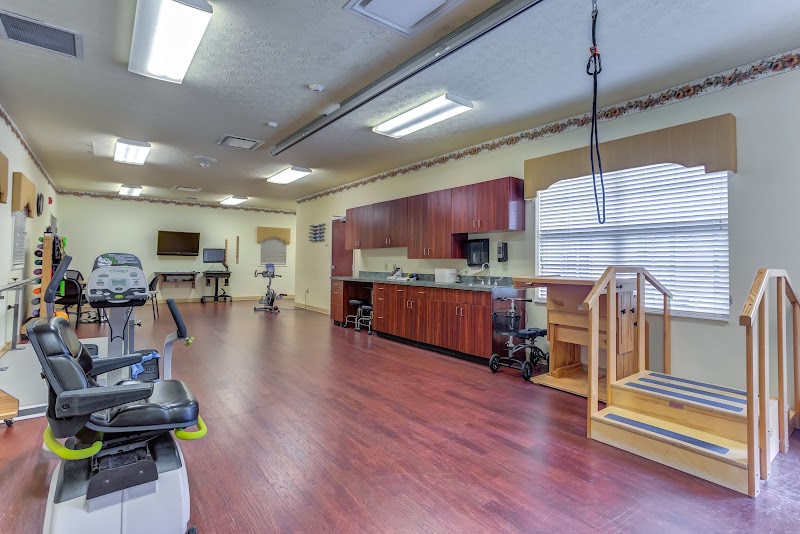
Who Owns and Operates The Willows At Hamburg?

The Willows at Hamburg is owned by a for-profit company. For-profit facilities operate as businesses with obligations to shareholders or private owners. The facility is operated by TRILOGY HEALTH SERVICES, a chain that manages multiple nursing homes. With 64 certified beds and approximately 57 residents (about 89% occupancy), it is a smaller facility located in Lexington, Kentucky.

How Does The Willows At Hamburg Compare to Other Kentucky Nursing Homes?

Compared to the 100 nursing homes in Kentucky, The Willows at Hamburg's overall rating (3 stars) is above the state average of 2.8, staff turnover (28%) is significantly lower than the state average of 46%, and health inspection rating (2 stars) is below the national benchmark.

What Should Families Ask When Visiting The Willows At Hamburg?

Based on this facility's data, families visiting should ask: "What changes have been made since the serious inspection findings, and how are you preventing similar issues?" "Can I visit during a mealtime to observe dining assistance and food quality?" "How do you handle medical emergencies, and what is your hospital transfer rate?" "Can I speak with family members of current residents about their experience?" These questions are particularly relevant given the facility's Immediate Jeopardy citations.

Is The Willows At Hamburg Safe?

Based on CMS inspection data, The Willows at Hamburg has documented safety concerns. Inspectors have issued 2 Immediate Jeopardy citations (the most serious violation level indicating risk of serious injury or death). The facility has a 3-star overall rating and ranks #1 of 100 nursing homes in Kentucky. Families considering this facility should ask detailed questions about what corrective actions have been taken since these incidents.

Do Nurses at The Willows At Hamburg Stick Around?

Staff at The Willows at Hamburg tend to stick around. With a turnover rate of 28%, the facility is 18 percentage points below the Kentucky average of 46%. Low turnover is a positive sign. It means caregivers have time to learn each resident's needs, medications, and personal preferences. Consistent staff also notice subtle changes in a resident's condition more quickly. Registered Nurse turnover is also low at 9%, meaning experienced RNs are available to handle complex medical needs.

Was The Willows At Hamburg Ever Fined?

The Willows at Hamburg has been fined $61,627 across 1 penalty action. This is above the Kentucky average of $33,695. Fines in this range indicate compliance issues significant enough for CMS to impose meaningful financial consequences. Common causes include delayed correction of deficiencies, repeat violations, or care failures affecting resident safety. Families should ask facility leadership what changes have been made since these penalties.

Is The Willows At Hamburg on Any Federal Watch List?

The Willows at Hamburg is not on any federal watch list. The most significant is the Special Focus Facility (SFF) program, which identifies the bottom 1% of nursing homes nationally based on persistent, serious quality problems. Not being on this list means the facility has avoided the pattern of deficiencies that triggers enhanced federal oversight. This is a positive indicator, though families should still review the facility's inspection history directly.