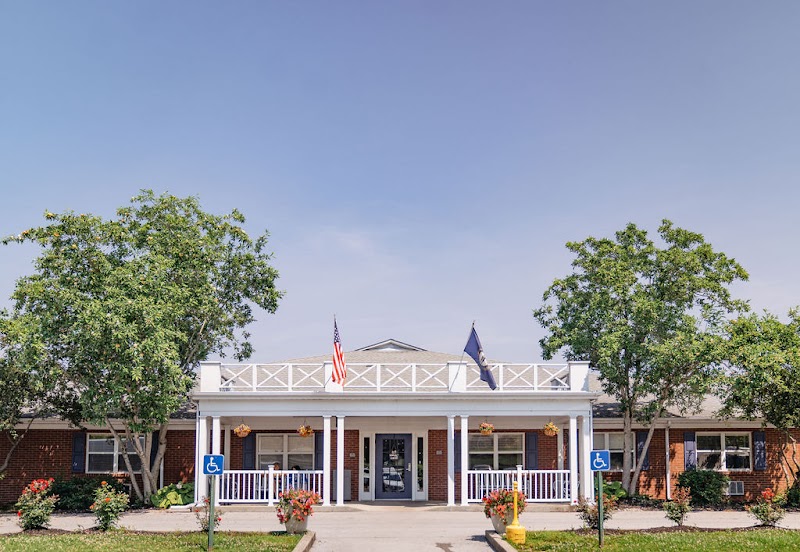
Liberty Care and Rehabilitation Center

616 S Wallace Wilkinson Blvd., Liberty, KY 42539 (606) 787-6889
For profit - Limited Liability company 97 Beds SIGNATURE HEALTHCARE Data: November 2025 4 Immediate Jeopardy citations
Trust Grade
0/100
#235 of 266 in KY
Last Inspection: July 2025

Inspected within the last 6 months. Data reflects current conditions.

Overview

Liberty Care and Rehabilitation Center has received a Trust Grade of F, which indicates significant concerns about the quality of care provided. Ranking #235 out of 266 facilities in Kentucky places it in the bottom half of nursing homes, and as the only option in Casey County, families may find limited alternatives. Although the facility has shown some improvement in reducing issues from 10 in 2024 to 2 in 2025, the overall staffing rating is below average at 2 out of 5 stars, with a high turnover rate of 62%, which is concerning. The facility has incurred $65,196 in fines, higher than 92% of Kentucky facilities, indicating compliance issues. There are serious concerns about resident safety, including multiple incidents of abuse among residents that were not reported to authorities as required, highlighting a lack of effective monitoring and care planning. While RN coverage is average, the presence of critical incidents raises red flags about the overall environment and quality of care.

Trust Score
F
0/100
In Kentucky
#235/266
Bottom 12%
Safety Record
High Risk
Review needed
Inspections
Getting Better
10 → 2 violations
Staff Stability
⚠ Watch
62% turnover. Above average. Higher turnover means staff may not know residents' routines.
Penalties
⚠ Watch
$65,196 in fines. Higher than 81% of Kentucky facilities, suggesting repeated compliance issues.
Skilled Nurses
○ Average
Each resident gets 32 minutes of Registered Nurse (RN) attention daily — about average for Kentucky. RNs are the most trained staff who monitor for health changes.
Violations
⚠ Watch
17 deficiencies on record. Higher than average. Multiple issues found across inspections.
★☆☆☆☆
1.0
Overall Rating
★★☆☆☆
2.0
Staff Levels
★★★☆☆
3.0
Care Quality
★☆☆☆☆
1.0
Inspection Score
Stable
2024: 10 issues
2025: 2 issues

The Good

  • Full Sprinkler Coverage · Fire safety systems throughout facility
  • No fines on record

Facility shows strength in fire safety.

The Bad

1-Star Overall Rating

Below Kentucky average (2.8)

Significant quality concerns identified by CMS

Staff Turnover: 62%

16pts above Kentucky avg (46%)

Frequent staff changes - ask about care continuity

Federal Fines: $65,196

Above median ($33,413)

Moderate penalties - review what triggered them

Chain: SIGNATURE HEALTHCARE

Part of a multi-facility chain

Ask about local staffing decisions and management

Staff turnover is elevated (62%)

14 points above Kentucky average of 48%

The Ugly 17 deficiencies on record

4 life-threatening 2 actual harm
Jul 2025 2 deficiencies
CONCERN (D)

Potential for Harm - no one hurt, but risky conditions existed

Deficiency F0554 (Tag F0554)

Could have caused harm · This affected 1 resident

Based on observation, interview, record review, and facility policy review, the facility failed to ensure 1 (Resident #34) of 5 sampled residents reviewed for unnecessary medications was assessed for ...

Read full inspector narrative →
Based on observation, interview, record review, and facility policy review, the facility failed to ensure 1 (Resident #34) of 5 sampled residents reviewed for unnecessary medications was assessed for self-administration of medication.Findings included: A facility policy titled, Medication Administration Self-Administration by Resident, dated 01/2023, indicated, Residents who desire to self-administer medications are permitted to do so with a prescriber's order and if the nursing care center's interdisciplinary team has determined that the practice would be safe and the medications are appropriate and safe for self-administration. A Resident Face Sheet indicated the facility admitted Resident #34 on 01/10/2023. According to the Resident Face Sheet, the resident had a medical history that included diagnoses of chronic obstructive pulmonary disease (COPD) and acute and respiratory failure with hypoxia. A quarterly Minimum Data Set (MDS), with an Assessment Reference Date (ARD) of 05/12/2025, revealed Resident #34 had a Brief Interview for Mental Status (BIMS) score of 15, which indicated the resident had intact cognition. Resident #34's Care Plan included a problem statement revised 05/19/2025, that indicated the resident was at risk for respiratory issues related to COPD. Resident #34's Physician Oder Report for the timeframe 06/08/2025 - 07/08/2025, revealed an order dated 06/09/2025, for albuterol sulfate aerosol inhaler 90 micrograms per actuation, inhale two puffs four times a day as needed. During a concurrent observation and interview on 07/06/2025 at 1:45 PM, an inhaler was noted on Resident #34's bedside table. Resident #34 stated they requested to keep the inhaler because it was an emergency inhaler and they had to have it when they needed it. During an observation on 07/08/2025 at 12:40 PM, an inhaler was noted on Resident #34's bedside table. In an interview on 07/08/2025 at 12:42 PM, Licensed Practical Nurse (LPN) #1 stated if a resident requested to self-administer medications, nursing would complete an assessment to determine if the resident was safe to self-administer the medication, and nursing would contact the physician to obtain an order for self-administration. LPN #1 stated Resident #34 had self-administered medications in the past but was not currently self-administering their medications. LPN #1 stated if an inhaler was on the resident's bedside table, it would be considered the resident self-administered the medication. LPN #1 stated she was not aware that Resident #34 had an inhaler on their bedside table. In an interview on 07/09/2025 at 9:08 AM, the Director of Nursing (DON) stated that when a resident requested to self-administer medications, staff were expected to complete an assessment to ensure the resident was competent to self-administer their medications then contact the physician for an order. The DON stated Resident #34's inhaler on their bedside table would be indicative the resident self-administered the medication. In an interview on 07/09/2025 at 9:25 AM, the Administrator stated her expectation for residents who wanted to self-administer medications was that an assessment should be completed and the policy should be followed for self-administering medications. The Administrator stated if residents could safely manage their medications, they had the right to self-administer medications.
CONCERN (E)

Potential for Harm - no one hurt, but risky conditions existed

Food Safety (Tag F0812)

Could have caused harm · This affected multiple residents

Based on observation, interview, and facility policy review, the facility failed to maintain 1 (south side nourishment room refrigerator) of 2 nourishment room refrigerators in a clean and sanitary ma...

Read full inspector narrative →
Based on observation, interview, and facility policy review, the facility failed to maintain 1 (south side nourishment room refrigerator) of 2 nourishment room refrigerators in a clean and sanitary manner.Findings included: A facility policy titled, Equipment, revised 09/2017, indicated, All foodservice equipment will be clean, sanitary, and in proper working order. The policy specified, 4. All non-food contact equipment will be clean and free of debris. During an observation of the south side nourishment room on 07/07/2025 at 1:13 PM , the ice machine was noted to be dirty and had a pink and black substance on the interior ice deflector shield. The refrigerator had a dried, sticky dark brown liquid substance that had dripped down the interior back wall of the refrigerator. The bottom left drawer of the refrigerator had a dried, sticky, yellow substance in it. There was an unlabeled black lunch box that contained a dried white substance and an empty carton of milk that was stuck to dried white substance in the lunch box. During an observation of the south side nourishment room on 07/08/2025 at 10:03 AM, the black lunch box was no longer in the refrigerator, the dried, brown sticky substance remained on the back wall of the refrigerator, and the dried, yellow substance remained in the drawer. In an interview on 07/08/2025 at 10:17 AM with the Dietary Manage (DM) and District DM, the DM stated she checked the nourishment refrigerators on the north and south units for expired food items, but that nursing was responsible for cleaning it. The DM stated the maintenance department was responsible for cleaning the ice machine. The District DM stated the pink and black substance on the ice guard was possibly a stain or something had been splashed on it. The District DM stated the dietary department was responsible for checking the ice machine cleanliness monthly. The DM stated she had not been checking the interior of the ice machine. During a concurrent interview and observation on 07/08/2025 at 10:26 AM, the Staff Development Coordinator (SDC) stated the night shift nurse was responsible for cleaning the refrigerator in the nourishment room. The SDC stated the refrigerator did not look the best. The SDC stated she did not know what the dried yellow substance in the drawer could be because there had not been anything in the drawer in a long time. During a concurrent observation and interview on 07/08/2025 at 10:28 AM, the Plant Operations Director observed the ice machine and stated the ice machine needed to be cleaned. In a follow-up interview on 07/08/2025 at 2:54 PM, the DM stated she expected the refrigerators to be cleaned daily. In a telephone interview on 07/08/2025 at 3:50 PM, the Registered Dietitian stated she completed a monthly sanitation review of the kitchen but did not inspect the nourishment rooms. In an interview on 07/09/2025 at 9:08 AM, the Director of Nursing stated she expected the refrigerators and ice machines to be cleaned weekly or as needed to maintain cleanliness. In an interview on 07/09/2025 at 9:25 AM, the Administrator stated she expected resident refrigerators to be checked daily. The Administrator stated the refrigerators should be cleaned weekly and as needed. The Administrator stated the ice machines should be checked and cleaned as needed. The Administrator stated keeping the refrigerators and ice machines clean was important for sanitation.
Jun 2024 10 deficiencies 2 Harm
SERIOUS (G) 📢 Someone Reported This

A family member, employee, or ombudsman was alarmed enough to file a formal complaint

Actual Harm - a resident was hurt due to facility failures

Deficiency F0657 (Tag F0657)

A resident was harmed · This affected 1 resident

**NOTE- TERMS IN BRACKETS HAVE BEEN EDITED TO PROTECT CONFIDENTIALITY** 2. Review of R29's electronic medical record (EMR) Face Sheet, revealed the facility admitted the resident on 04/10/2022 with di...

Read full inspector narrative →
**NOTE- TERMS IN BRACKETS HAVE BEEN EDITED TO PROTECT CONFIDENTIALITY** 2. Review of R29's electronic medical record (EMR) Face Sheet, revealed the facility admitted the resident on 04/10/2022 with diagnoses to include dementia, Alzheimer's disease, and a history of falls. Review of R29's Quarterly Minimum Data Set (MDS), with an Assessment Reference Date (ARD) of 03/08/2024, revealed the facility assessed the resident to have a BIMS score of six (6) out of 15, indicating severe cognitive impairment. Continued review revealed the facility assessed the resident as requiring partial/moderate assistance for tub and shower transfers, toileting, chair to bed transfers, and sit to stand transfers. Additional review revealed R29 wheeled himself in a manual wheelchair after help being seated and had a history of falls. Review of R29's Comprehensive Care Plan (CCP), revised 05/10/2024, revealed the resident was identified as a fall risk with poor safety awareness. The goal revealed the resident would not sustain an injury related to falling. Interventions included safety checks, bathroom light left on at night, non-slip socks as resident allowed, assistance to toilet as needed and limited/partial assistance with transfers. Review of the Progress Note, dated 06/10/2024, revealed Licensed Practical Nurse (LPN) 6 found R29 on his knees beside the closet door. R29 told LPN6 he fell to his knees when searching for something in his closet. Continued review revealed LPN6 noted a skin tear to the resident's right forearm (RFA) with no pain complaints. LPN6 cleaned and covered the skin tear, notified the physician, and notified R29's family. Review of the facility's Event Report, dated 06/10/2024, entered by Licensed Practical Nurse (LPN) 6, revealed R29 sustained an unwitnessed fall. Further review revealed nursing performed an assessment and completed neurological checks; both with no significant findings. Review of R29's Physician's orders, dated 06/10/2024, revealed orders to cleanse skin tear to RFA (right forearm) with normal saline, pat dry. Apply triple antibiotic ointment (TAO) and cover with abdominal (ABD) pad. Wrap area with kerlex daily until healed. However, review of R29's CCP, revealed no updates with new interventions following R29's 06/10/2024 documented fall, in an attempt to reduce the resident's risk of recurrence. Observation of R29 on 06/12/2024 at 10:43 AM, revealed the resident was resting in bed and his right forearm was wrapped with gauze. In an interview with LPN6, on 06/13/2024 at 4:01 PM, she stated she found R29 on the floor by his closet on 06/10/2024. She further stated he was on his knees banging on a drawer. LPN6 stated the resident told her he was trying to get something from his closet. LPN6 further stated the resident sustained a skin tear to the right forearm (RFA), and she notified the physician and R29's family. In continued interview, LPN6 stated she did not know if R29's care plan was updated after the 06/10/2024 fall with new interventions, but if there was a fall, there should be a new intervention placed on the care plan in order to prevent the resident from falling again. She stated changes to a resident's care plan automatically showed in the system, but staff communicated changes verbally. She further stated as soon as nursing made changes to a care plan, those changes showed in the computer system the Certified Nursing Assistants (CNAs) utilized. During an interview with the MDS Nurse, on 06/14/2024 at 1:27 PM, she stated resident care plans received updates with MDS assessments or as needed, such as with resident falls, changes in behavior, or incidents. She further stated care plans were to be updated immediately following a fall in order to prevent recurrence. The MDS Nurse stated all nurses updated care plans, but she typically completed most care plan revisions. She was unaware R29's 06/10/2024 had not been care planned for a new intervention to prevent recurrence. During an interview with the Unit Manager (UM), on 06/13/2024 at 1:55 PM, she stated care plans should be updated immediately with new interventions after a fall in order to prevent recurrence. The UM stated all nurses updated care plans, but the MDS Nurse primarily made revisions. In an interview with the Director of Nursing (DON), on 06/14/2024 at 1:32 PM, she stated the MDS Nurse as well as other nurses could update the care plans and it was her expectation care plans were updated with changes in condition or behavior, or events such as falls. The DON further stated she performed random reviews to ensure staff revised care plans when changes or events occurred. Additionally, she stated she provided education as needed to staff based on concerns identified with the reviews. During an interview with the Administrator on 06/14/2024 at 3:18 PM, she stated it was her expectation nursing staff updated care plans after a fall. 3. Review of R49's electronic medical record (EMR) Face Sheet revealed the facility admitted the resident on 09/28/2023 with diagnoses to include dementia and cognitive communication deficit. Review of R49's Comprehensive Care Plan, dated 12/07/2023, revised 04/17/2024, revealed the resident exhibited behaviors of entering other residents' rooms and had removed personal belongings from those rooms. The goal stated the resident will have decreased episodes of entering others room. Interventions included: resident will become involved in activities; remind resident not to enter others rooms and take their belongings; remind resident where her room is located; and Social work/psych evaluation. All interventions were initiated on 12/07/2023. Review of R49's most recent Quarterly MDS dated 02/23/2024, with an ARD of 10/01/2023 revealed the facility assessed the resident as having a BIMS' score of two (2) out of 15 indicating severe cognitive impairment. Further review revealed the resident could only understand simple, direct phrases and could not recall any of the three (3) words given in the short term memory test. Continued review revealed the facility assessed the resident as not exhibiting wandering behaviors. Review of R49's Progress Note, dated 05/28/2024 at 10:00 AM, revealed she was seen trying to enter the room of another resident. However, review of R49's EMR in the Point of Care (POC) section, revealed the resident had no charted behaviors for the previous month (05/13/2024 through 06/13/2024) Review of R49's Progress Note, dated 05/29/2024 at 9:54 AM, revealed the Interdisciplinary Team met and discussed the event of 05/28/2024. No new orders were implemented. Review of R49's care plan revealed the last conference was on 04/24/2024 and the next care conference was projected for 07/23/2024. No revisions were made to the CCP related to the resident's behaviors of entering other residents' rooms since the initial problem was care planned on 12/07/2023. Observation of R49 on 06/11/2024 at 10:22 AM, revealed the resident was trying to enter R4's room. R49 was redirected away from the entrance of R4's door by staff. Observation of R49 on 06/12/2024 at 2:18 PM, revealed the resident was trying to enter the locked soiled utility room. She was rolling down the hallway in her wheelchair and stopped and tried to push open the door. In an interview with R26, on 06/10/2024 at 2:43 PM, she stated R49 wandered into her room several times per week and would go through her belongings. R26 stated R49 opened a box of cookies and touched them, but did not take or eat them. R26 further stated she threw them away afterwards. In an interview with R4, on 06/12/2024 at 9:44 AM, she stated R49 frequently came in her room, and the last time this occurred was the prior week. She stated she had to hide away her perfumes because R49 was seen trying to take them. In an interview with State Registered Nurse Aide (SRNA) 6, on 06/12/2024 at 11:13 AM, she stated R49 did try to enter other resident rooms, and when she observed this, she would stop and redirect the resident to another area. In an interview with SRNA7, on 06/12/2024 at 11:17 AM, she stated R49 did try to wander into other residents' rooms, and when she observed this she would redirect the resident to another area or activity and sometimes offer the resident food. She stated when she saw R49 repeatedly trying to enter other residents' rooms, she reported the behavior to her nurse. In an interview with Licensed Practical Nurse #1 (LPN1), on 06/12/2024 at 11:29 AM, she stated when R49 was wandering in the hallway, she tried to keep a close eye on her. LPN1 stated when R49 tried to enter another resident's room, she would redirect her and find a diversionary activity. She stated she was unsure what interventions were care planned for R49. Further, she stated R49 had behaviors of wandering and entering other residents' rooms because she had a need that was not met, and she was looking for something that she needed. She stated, for example, after lunch, R49 would sometimes enter someone else's room, and it was most likely because she was looking for a bathroom. During continued interview with LPN1, on 06/12/2024 at 11:29 AM, she stated she watched R49 and then would try and anticipate what needs were not being met and meet those needs to prevent the wandering behavior from increasing. LPN1 stated if R49's behaviors were escalating, she would inform the Unit Manager. In further interview, LPN1 stated it would be up to the Interdisciplinary Team (IDT) and the facility's Medical Director to modify interventions to prevent behaviors. The nurse stated there was one (1) resident who had a stop sign on his door and R49 was not observed trying to enter his room. LPN1 stated the stop sign deterred R49; however, other residents did not like the stop sign on their doors. In an interview with Registered Nurse (RN)1, on 06/12/2024 at 2:28 PM, she stated R49 had to be diverted away from other residents' rooms. RN1 stated R49 wandered into other resident rooms in search of something that she needed. She stated she tried to prevent this wandering behavior when she noted it by trying to find out what R49 needed. In an interview with LPN3/Unit Manager, on 06/13/2024 at 3:37 PM, she stated she had offered the stop signs to residents when R49 entered their rooms, but the residents refused them. She stated current interventions in place to prevent R49 from wandering into the rooms of others and getting into their possessions was to watch R49 and prevent her from entering other residents' rooms, and then redirect her to another area and engage her with a diversionary activity. In an interview with the MDS Nurse, on 06/13/2024 at 2:45 PM, she stated she was not aware R49 was still wandering and entering the rooms of other residents and this was why the resident's CCP had not been revised with new interventions. She stated when she looked in R49's EMR in the Point of Care (POC) section, no behaviors were documented by staff. She stated if she had known R49 was still exhibiting behaviors of entering other residents' rooms she would have had staff do a stop and watch. Per interview, that was when a resident was placed one (1) on one (1) with a staff member to see if and when the behaviors were occurring. She further stated the Administrator, Social Services, and the Psychology Nurse Practitioner along with the IDT would need to work on interventions to prevent R49's behaviors. She stated the stop sign was a deterrent for R49 and offering stop signs to other residents might be an intervention to help prevent R49 from entering their rooms. In an interview with the DON, on 06/14/2024 at 8:41 AM, she stated the facility had tried to get R49 involved in activities to prevent her from wandering, but due to her dementia she had a short attention span, and it was difficult. She further stated if getting R49 to participate in activities was not conducive to keeping her out of other residents' rooms, then she may need to be placed one (1) on one (1) with someone. That individual would watch her and keep her out of other residents' rooms. In continued interview, she stated the facility had spoken with her son to see what things R49 enjoyed, and they had tried to incorporate those into her activities. She further stated the care plan needed to be revised to include other interventions such as new activities in an attempt to prevent the resident from wandering into other residents' rooms. She stated R49 did not enter the room with the stop sign. She said they may have to offer it to residents such as R4 and R 26. In an interview with the Administrator, on 06/14/2024 at 9:08 AM, she stated it was unfair for other residents to have their room entered and their belongings gone through or taken. She stated when the care planned interventions did not work for preventing a resident from entering the rooms of others, the IDT needed to get involved and revise the care plan to address the behavior. She stated R49 would be placed on one (1) on one (1) supervision with a staff member. Based on interview, record review, and review of the facility's policies, the facility failed to review and revise the comprehensive care plan (CCP) for three (3) of 42 sampled residents, (Residents (R), R29, R37, and R49). Although staff was aware R37 had a history of grabbing onto the wheelchair wheels of her Evolution Mobility wheelchair when she did not want to be transported by staff, the facility did not revise her Comprehensive Care Plan (CCP) with safety interventions to prevent injury related to this behavior. On 06/09/2024, R37 was being transported by staff to her room when her hand was caught in the wheel spokes of her wheelchair, causing her to sustain a fracture and lacerations to her left index finger. Additionally, R29 sustained a fall on 06/10/2024 when searching for something in his closet, causing a skin tear to his right forearm (RFA). However, there was no documented evidence the resident's CCP was revised to prevent recurrence. Furthermore, R49's CCP, dated 12/07/2023, revised 04/17/2024, revealed the resident exhibited behaviors of entering other residents' rooms and had removed personal belongings from those rooms. Also, the Progress Note, dated 05/28/2024, revealed the resident was trying to enter the room of another resident. Observation on 06/11/2024 revealed the resident was trying to enter R4's room and on 06/12/2024 the resident was trying to enter the locked soiled utility room. Although resident interviews revealed the resident continued to enter their rooms, and staff interviews revealed they were aware of the resident's behaviors of attempting to enter other residents' rooms; there was no documented evidence the resident's CCP was revised, in an attempt to prevent recurrence. Refer to F689 The findings include: Review of the facility's policy titled, Comprehensive Care Plans, revised 02/09/2024, revealed each resident's care plan was designed to incorporate identified problem areas, incorporate risk factors associated with identified problems, and were to be revised as necessary with changes. 1. Review of R37's electronic medical record (EMR) Face Sheet revealed the facility admitted the resident on 12/09/2022, with diagnoses which included Alzheimer's disease, severe dementia with agitation, mood disturbances, psychotic disturbances, and cognitive communication deficit. Review of R37's Quarterly Minimum Data Set (MDS) with an Assessment Reference Date (ARD) of 05/24/2024, revealed the facility assessed the resident to have a Brief Interview for Mental Status (BIMS) score of two (2) out of fifteen, indicating severe cognitive impairment. Additional review revealed the facility assessed the resident as requiring substantial/maximal assist of two (2) for chair to bed, and bed to chair transfers and as independent with locomotion in a specialized wheelchair. Review of R37's Comprehensive Care Plan (CCP), revised 05/24/2024, revealed a focus of Activities of Daily Living (ADL) with a goal stating the resident will regain ability for locomotion on and off the unit. Interventions related to locomotion included following Physical Therapy's (PT) and Occupational Therapy's (OT) recommendations related to ADLs and the correct use of the resident's mobility chair; and to allow the resident extra time to complete ADLs. However, the care plan interventions did not list PT and OT recommendations for the correct use of the mobility chair. Additional review of R37's CCP, revised 05/24/2024, revealed a focus on behaviors, including demonstrates non-compliance with Physician's Orders and/or plan of care. The long term goal revealed the resident's preferences will be honored to the extent that non- compliance with the plan of care will not result in injury to self or others. Interventions created on 02/11/2024 included encourage resident to actively participate in the care plan and decision making; and encourage the resident's participation with care. Additional review of the CCP revealed the facility did not address the resident's habit of grabbing onto the wheelchair wheels and not moving her feet when being transported by staff in her specialized wheelchair. There were no safety interventions to prevent injury related to this behavior. Review of the facility's Event Report - Change in Condition, dated 06/09/2024 at 12:52 AM, signed by Licensed Practical Nurse (LPN) 5, revealed while staff assisted R37 to her room for routine care, the resident's finger was caught in the wheel spokes of the mobility chair causing injury to her left index finger. LPN5 assessed R37 as having a skin tear with moderate blood noted. The resident's responsible party and physician were notified and the resident was transferred by emergency medical services (EMS) to the Hospital for further evaluation. Review of R37's local Hospital Emergency Department's Progress Note, dated 06/09/2024 at 1:38 AM, revealed physicians found (1) laceration, measuring 2.0 centimeters (cm) which exposed the bone in the proximal region of the finger, and another measuring 1.5 cm which was located at the medial joint. Per the Note, the resident was subsequently transferred to the University Hospital Emergency Department to seek evaluation by a hand specialist. Review of R37's University Hospital Physician Progress Notes, dated 06/09/2024 at 1:38 AM, revealed the patient (resident) presented to the emergency department for a higher level of care from an outside hospital to evaluate the left finger injury. The patient sustained an open fracture to her left index finger, with an approximate 2.0 cm laceration to the metacarpophalangeal joint, with deformity of the left hand noted. Review of R37's University Hospital X-ray findings, dated 06/09/2024, revealed the resident had a significantly displaced comminuted angulated fracture (when the bone is broken at an angle and into several pieces) of the proximal index finger with associated soft tissue swelling and significant soft tissue irregularity which is suggestive of an open fracture (a broken bone that causes an open wound). Continued review of R37's University Hospital's Emergency Department Progress Note, dated 06/09/2024, revealed the emergency department physician applied a bandage and short arm splint to the resident's left hand/arm for stabilization of the fracture. Per the Note, the University Hospital referred the patient to an orthopedic surgeon for follow-up care. On 06/11/2024, after the incident, the facility revised R37's CCP to include an intervention to provide spoke covers to her wheelchair. During an interview with State Registered Nurse Aide (SRNA) 4, on 06/12/2024 at 3:16 PM, she stated she was agency staff and did not directly care for R37 during her shift on 06/09/2024, but noticed the resident needed incontinence care. She stated she informed SRNA10 of this and offered to help. SRNA4 stated SRNA10 initially took hold of the wheelchair handles and began to push the wheelchair forward, and then SRNA10 instructed R37 to remove her hands from the wheel spokes after she tried to push the wheelchair. SRNA4 stated after R37 was instructed to do so, she placed her hands in her lap. SRNA #4 stated R37 tended to grab the spokes part of the wheelchair when she did not want staff to move her. SRNA4 stated it was not until she and SRNA10 had transferred R37 to her bed that she noticed R37's finger was crooked and they called LPN5 to the resident's room. Per interview, R37 was transferred out of the facility per Emergency Medical Services (EMS). During follow up interview with SRNA4, on 06/14/2024 at 1:30 PM, SRNA4 was interviewed about SRNA10's handling of the specialty wheelchair while transporting R37. SRNA4 stated SRNA10 initially pulled the chair backwards toward the resident's room at an angle and then pushed the chair into R37's room. During a telephone interview, with SRNA10, on 06/13/2024 at 4:12 PM, she stated she had worked at the facility for two (2) months as an agency SRNA and did not know R37 well at the time of the incident. SRNA10 stated R37 was sitting in her specialty wheelchair facing the day room, when SRNA4 informed her the resident needed to be changed. SRNA10 stated she saw R37's hands holding on to the wheelchair wheels and asked her to move her hands to her lap, which she did. SRNA10 stated there were no cuts on the resident's hand when R37 placed her arms in her lap. She then stated she pulled the wheelchair backwards toward room [ROOM NUMBER]. SRNA10 stated once she and SRNA4 transferred R37 to her bed, she noticed the resident's finger did not look normal and called for the nurse, who immediately came to the room. She further stated she stayed in the room until EMS left with the resident. In continued telephone interview, on 06/13/2024 at 4:12 PM, with SRNA10, she was interviewed as to why she pulled the chair backward. She explained the chair was hard to push forward, R37 had a boot on her foot, and it was easier for her to pull the wheelchair backward the short distance from room [ROOM NUMBER] to 211. SRNA10 further explained she was afraid the resident would not move her foot, and there were no foot rests on the chair. During an interview with LPN5, on 06/13/2024 at 8:52 AM, she stated after SRNA4 and SRNA10 took R37 to her room on 06/09/2024, she heard them yell, Oh my gosh. Oh my gosh. She explained when she arrived at the resident's room, she observed R37's finger was turned and it looked as though there was one (1) laceration. She further stated she applied a pressure dressing and informed the resident's physician, Hospice, and Family Member (F)1 of the injury. Further, she stated the physician gave an order to send the resident to the hospital by EMS transport for evaluation. In continued interview with LPN5, on 06/13/2024 at 8:52 AM, she stated she was uncertain how the resident's finger was injured, but stated the resident's hand might have been caught in the spokes of the wheelchair. LPN5 stated, before the incident, R37 had been sitting in her specialty wheelchair in the day room. Further, LPN5 stated R37 tended to grip the wheels of her chair tightly when she did not want to move. LPN5 further stated when R37 exhibited the behavior of gripping the wheels, she would get down on her level and encourage her to put her hands in her lap. LPN5 further stated she was unsure if the resident was care planned for this pattern of behavior prior to the incident. However, she stated it would be important for staff to be aware of this behavior in order to ensure the resident did not have her hands in the wheel spokes prior to moving the resident in the chair. LPN5 stated changes to a resident's care plan were automatically updated in the system, and staff communicated changes verbally. She stated as soon as nursing made changes to a care plan, those changes appeared in the computer system used by the SRNAs. During an interview with LPN3/Unit Manager (UM), on 06/13/2024 at 3:43 PM, she stated R37 was often non-verbal and could be very non-compliant due to decreased cognition, especially when staff tried to provide care or transport her in her wheelchair. She stated when R37 did not want to move, staff found it challenging to transport her as she would grab the wheels of the chair to resist being moved. She further stated staff had to encourage R37 to place her hands in her lap. LPN3/UM stated R37 should have been care planned for this behavior of grabbing the wheels, and interventions should have been in place to prevent injury related to this prior to the incident that occurred on 06/09/2024. Additionally, she stated nurses should update care plans immediately with new interventions if increased behaviors were noted that could lead to injury. She stated the MDS Nurse was primarily responsible for making revisions. During an interview with the MDS Nurse, on 06/14/2024 at 1:27 PM, she stated resident care plans reviewed and revisions made with each MDS assessment and as needed, such as when there was an incident such as a resident fall, injury or a change in behavior. The MDS Nurse stated all nurses updated care plans, but she typically completed most care plan revisions. She stated she was made aware of behaviors, falls, injuries, and changes in resident's condition as this was discussed daily at their interdisciplinary meetings. She further stated she was not made aware of R37's tendency to grab the wheels and spokes of her wheelchair and therefore she did not revise the resident's care plan to address this prior to the resident sustaining the injury on 06/09/2024. During an interview with the Director of Nursing (DON), on 06/14/2024 at 9:06 AM, she stated R37 preferred to be in control and could sometimes be non-compliant due to decreased cognition. She stated staff was aware of R37's behaviors as any non-compliance was reported during shift changes. The DON stated she was not aware of the resident's tendency to grip the wheels, place her hands in the spokes, or not move her feet when staff attempted to ambulate her. She stated if a resident exhibited these behaviors, this should be addressed in the care plan. The DON stated it was important for the nurses to ensure care plans included necessary safety interventions and were revised as needed in order to ensure a safe and comfortable environment for the residents. In further interview, she stated this was important to prevent accidents and injury to residents and staff. During an interview with the Administrator, on 06/14/2024 at 3:18 PM, she stated she expected staff to update care plans as needed as this was important in providing resident centered care. The Administrator further stated it was her expectation staff ensure care plans included important safety measures in order to provide a safe and comfortable environment for residents.
SERIOUS (G) 📢 Someone Reported This

A family member, employee, or ombudsman was alarmed enough to file a formal complaint

Actual Harm - a resident was hurt due to facility failures

Accident Prevention (Tag F0689)

A resident was harmed · This affected 1 resident

**NOTE- TERMS IN BRACKETS HAVE BEEN EDITED TO PROTECT CONFIDENTIALITY** 2. Record review revealed the facility admitted Resident #29 (R29) on 04/10/2022 with diagnoses including dementia, Alzheimer's ...

Read full inspector narrative →
**NOTE- TERMS IN BRACKETS HAVE BEEN EDITED TO PROTECT CONFIDENTIALITY** 2. Record review revealed the facility admitted Resident #29 (R29) on 04/10/2022 with diagnoses including dementia, Alzheimer's disease, and a history of falls. Review of R29's Quarterly Minimum Data Set (MDS), with an Assessment Reference Date (ARD) of 03/08/2024, revealed the facility assessed the resident as having a BIMS score of six (6) out of 15, indicating severe cognitive impairment. Further review revealed the facility assessed the resident as requiring partial/moderate assistance for tub and shower transfers, toileting, chair to bed transfers, and sit to stand transfers. Additionally, the facility assessed R29 for wheeling himself in a manual wheelchair after help being seated. Continued review revealed the facility assessed the resident as having a history of falls. Review of R29's Comprehensive Care Plan (CCP), revised on 05/10/2024, revealed the resident was identified as a fall risk with poor safety awareness on 04/10/2022. The goal stated the resident would not sustain an injury related to falls. An intervention for safety checks was initiated on 02/06/2024. Additional interventions in place included: bathroom light left on at night, non-slip socks as resident allowed, assistance to toilet as needed and limited/partial assistance with transfers. Review of R29's Progress Note, dated 06/10/2024, revealed Licensed Practical Nurse (LPN) 6 found the resident on his knees beside the closet door. Per the Note, R29 told LPN6 he fell to his knees when searching for something in his closet. Further review revealed LPN6 noted a skin tear to the resident's right forearm (RFA) with no pain complaints. LPN6 cleaned and covered the skin tear, notified the physician, and notified R29's family. Review of the facility's Event Report, dated 06/10/2024, signed by Licensed Practical Nurse (LPN) 6, revealed R29 sustained an unwitnessed fall. Further review revealed nursing performed an assessment and completed neurological checks; both with no significant findings. Review of R29's Physician's orders, dated 06/10/2024, revealed orders to cleanse skin tear to right forearm with normal saline, pat dry. Apply triple antibiotic ointment (TAO) and cover with abdominal (ABD) pad. Wrap area with kerlex daily until healed. However, review of R29's CCP, revealed no documented evidence of new interventions following R29's 06/10/2024 documented fall in an attempt to reduce the resident's risk of recurrence. Observation on 06/12/2024 at 10:43 AM revealed R29 was resting in bed. The resident's right forearm was wrapped with gauze. An interview was attempted with R29 on 06/13/2024 at 2:00 PM, but the resident did not respond to questions. During an interview with LPN6, on 06/13/2024 at 4:01 PM, she stated she was familiar with R29's care and found him on the floor by his closet on 06/10/2024. LPN6 stated R29 told her he was trying to get something from his closet. She stated she observed a skin tear to the resident's right forearm (RFA), so she notified the physician and R29's family. The nurse stated she cleaned the area with normal saline, repositioned the skin back into place, and covered it with a dressing. She was unaware of any new interventions to prevent recurrence. During an interview with the MDS Nurse, on 06/14/2024 at 1:27 PM, she stated resident care plans received updates with ARD assessments or as needed, such as with resident falls or changes in behavior. She further stated care plans were to be updated immediately following a fall with new interventions in order to prevent recurrence. During an interview with the Unit Manager (UM), on 06/13/2024 at 1:55 PM, she stated R29 often displayed confusion. She stated the resident constantly asked staff, Why am I here? The UM stated resident falls were communicated during shift change to oncoming staff. The UM stated the MDS Nurse or any nurse could update the CCP when resident falls occurred. She stated care plans should be updated immediately with new interventions after a fall in order to attempt to prevent recurrence. During an interview with the Director of Nursing (DON), on 06/14/2024 at 1:32 PM, she stated she performed random reviews to ensure staff revised care plans when changes or events such as falls occurred. She further stated she provided education as needed to staff based on concerns identified with the reviews. In an interview with the Administrator, on 06/14/2024 at 3:18 PM, she stated she expected staff to ensure necessary interventions were in place to ensure resident safety in an attempt to prevent falls. Based on observation, interview, record review, and review of the facility's policy, the facility failed to ensure each resident received adequate supervision and assistive devices to prevent accidents for two (2) of eight (8) sampled residents reviewed for accidents out of a total sample of 42 residents, Resident (R), R29 and R37. On 06/09/2024, during transfer back to R37's room, staff allowed the resident's left hand to become entangled in the Evolution Mobility (brand of wheelchair) wheelchair's wheel spokes. The resident was transferred to the local Hospital Emergency Department and was noted to have two (2) lacerations on the left second finger. One (1) laceration, measured 2.0 centimeters (cm), with exposed bone in the proximal region of the finger, while the other, measured 1.5 cm, and was located at the medial joint. R37 was subsequently transferred to the University Hospital Emergency Department to seek evaluation by a hand specialist where the resident was diagnosed with an open fracture to her left index finger, with an approximate 2.0 cm laceration to the metacarpophalangeal joint. Additionally, R29 sustained a fall on 06/10/2024, while searching for something in his closet, and was found on his knees beside the closet door. The resident sustained a skin tear to the right forearm (RFA). However, there was no documented evidence the facility initiated new interventions to prevent recurrence. Refer to F657 The findings include: Review of the facility's policy titled, Accidents and Incidents, revised 09/15/2023, revealed the facility would provide an environment that was safe free from accidents and incidents that were avoidable. Review of the facility's policy titled, Resident Rights, revised 09/15/2023, revealed all residents will be treated in a manner and in an environment that promotes maintenance or enhancement of quality of life. 1. Review of the Instruction Manual, undated, for the Evolution Mobility Chair, Model S-250 (specialty wheelchair), revealed to avoid injury during transfers be sure the patient's (resident's) arms were inside the armrests during transfer. It is important to observe resident's behavior while moving to ensure they do not pose a risk to themselves or others. Following safety measures is necessary for the safety of both the patient and the caregiver. Before using the chair, caregivers must receive adequate training from an Evolution Mobility Chair medical representative or a trained third party. Additionally, for the patient's safety, the manual stated that anyone who has not received adequate training should not be allowed to use the chair. Review of R37's electronic medical record (EMR) Face Sheet revealed the facility admitted the resident on 12/09/2022, with diagnoses including Alzheimer's disease, severe dementia with agitation, mood disturbances, psychotic disturbances, and cognitive communication deficit. Review of R37's Occupational Therapy Treatment Encounter Note, dated 03/13/2024 at 4:06 PM, revealed the Occupational Therapist (OT) transferred R37 from a conventional wheelchair to the Evolution specialty wheelchair. The resident required maximum assistance to transfer to the chair, but was independent in self-propelling the Evolution wheelchair throughout the facility using bilateral upper extremities and lower extremities. According to the note, the therapist left R37 with the Evolution wheelchair after the resident demonstrated her ability to use the chair and navigate around other patients and obstacles. Review of R37's Quarterly Minimum Data Set (MDS), with an Assessment Reference Date (ARD) of 05/24/2024, revealed the facility assessed the resident to have a Brief Interview for Mental Status (BIMS) score of two (2) out of fifteen, indicating severe cognitive impairment. Further review revealed the facility assessed R37 as requiring substantial/maximal assist of two (2) for chair to bed, and bed to chair transfers. Per the MDS, the resident was independent with locomotion in the specialized wheelchair. Review of R37's Comprehensive Care Plan (CCP), revised 05/24/2024, revealed a focus of Activities of Daily Living (ADL). The goal stated the resident will regain ability for locomotion on and off the unit. Interventions included to follow Physical Therapy (PT) and Occupational Therapy's (OT) recommendations related to ADLs and the correct use of the resident's mobility chair. However, the care plan interventions did not list PT's and OT's recommendations for the correct use of the mobility chair. Further review of R37's CCP, revised 05/24/2024, revealed a focus on behaviors, including demonstrates non-compliance with physician's orders and/or plan of care. The long term goal stated the resident's preferences will be honored to the extent that non- compliance with the plan of care will not result in injury to self or others. Interventions created on 02/11/2024 included: encourage resident to actively participate in the care plan and decision making; and encourage resident participation with care. Further review of the CCP, revealed the facility did not address the resident's habit of grabbing onto the wheels or wheel spokes and not moving her feet when being transported by staff in her specialized wheelchair. (Refer to F657) Review of the facility's Event Report - Change in Condition, dated 06/09/2024 at 12:52 AM, completed by Licensed Practical Nurse (LPN) 5, revealed while staff assisted R37 to her room for routine care, the resident's finger was caught in the wheel spokes of the mobility chair causing injury to her left index finger. Per the report, LPN5 assessed R37 as having a skin tear with moderate blood noted. The resident's responsible party and physician were notified. The resident was transferred by emergency medical services (EMS) to the Hospital for further evaluation. Review of the facility's Event Report - Skin Integrity, dated 06/09/2024 at 1:53 AM, (documented after the resident was transferred to the hospital) completed by LPN5, revealed R37 was assessed as having one (1) laceration with smooth edges on her left index finger, which resulted in moderate bleeding. The resident's pain was rated at a seven (7) out of 10, indicating severe pain, using the Glasgow Pain Scale, with a rating of 10 being the worst. Review of the local Hospital Emergency Department's Progress Note, dated 06/09/2024 at 1:38 AM, revealed physicians assessed R37 and found two (2) lacerations on the left second finger. One (1) laceration, measuring 2.0 centimeters (cm), exposed the bone in the proximal region of the finger, while the other, measuring 1.5 cm, was located at the medial joint. The resident was subsequently transferred to the University Hospital Emergency Department to seek evaluation by a hand specialist. Review of the University Hospital Physician's Progress Note, dated 06/09/2024 at 1:38 AM, revealed R37 presented to the emergency department for a higher level of care from an outside hospital to evaluate the left finger injury. The patient sustained an open fracture to her left index finger, with an approximate 2.0 cm laceration to the metacarpophalangeal joint, with deformity of the left hand noted. The physician could not assess R37's motor and sensation, given the resident's dementia. emergency room (ER) staff administered two (2) milligrams (mg) of intravenous (IV) morphine (narcotic analgesic) to R37 for pain control. Review of the University Hospital X-ray findings, dated 06/09/2024, revealed R37 had a significantly displaced comminuted angulated fracture (when the bone is broken at an angle and into several pieces) of the proximal index finger with associated soft tissue swelling and significant soft tissue irregularity which is suggestive of an open fracture (a broken bone that causes an open wound). Continued review of the University Hospital's Emergency Department Progress Note, dated 06/09/2024, revealed the emergency department physician applied a bandage and short arm splint to R37's left hand/arm for stabilization of the fracture. Per the Note, the University Hospital referred her to an orthopedic surgeon for follow-up care. Review of State Registered Nurse Aide (SRNA) 4's Witness Statement, dated 06/19/2024, revealed R37 was sitting in the hallway in front of the nurse's station. The resident needed to be changed, so she and SRNA10 took R37 back to her room. SRNA10 took hold of the chair and started pulling it backward toward R37's room. Further review revealed after SRNA4 and SRNA10 transferred R37 from the specialty wheelchair to her bed, she observed R37's index finger bleeding and dangling. During an interview with SRNA4, on 06/12/2024 at 3:16 PM, she stated she was agency staff and did not take a report on R37 and did not directly care for her during her shift on 06/09/2024. However, she stated she noticed R37, who was sitting in her wheelchair across from the nurse's station, needed incontinence care. She informed SRNA10 of this and told her she would help. SRNA4 further stated, SRNA10 took hold of the wheelchair handles and began to push the wheelchair. She stated SRNA10 instructed R37 to remove her hands from the wheel spokes after she tried to push the wheelchair. SRNA4 stated after being instructed to do so, R37 placed her hands in her lap. She stated R37 tended to grab the spokes part of the wheelchair when she did not want staff to move her, as the resident did not vocalize her needs. During continued interview with SRNA4, on 06/12/2024 at 3:16 PM, she stated it was not until she and SRNA10 had transferred R37 to her bed that she noticed R37's finger was crooked. She stated R37 did not express pain or cry out. She further stated she did not notice signs of blood on the floor, in the wheelchair, or the hallway. Although SRNA4 stated she did not see any blood initially, she stated she did observe a small amount of blood on R37's shirt. In continued interview, SRNA4 stated R37 did not appear to be in any pain, but when LPN5 arrived in the room, R37 verbally stated it was the worst pain she had ever felt. Further, SRNA4 stated SRNA10 was never abusive toward R37 and she did not know how the injury occurred. She stated SRNA10 did not act in a hateful manner at any point. During an interview with SRNA4, on 06/14/2024 at 1:30 PM, she was interviewed about SRNA10's handling of the specialty wheelchair while transporting resident R37. SRNA4 stated SRNA10 initially pulled the chair backwards toward the resident's room at an angle and then pushed it into R37's room. SRNA4 further stated she stayed in the room with SRNA10 until EMS left the facility with R37. Per interview, SRNA4 stated she provided a written statement about the incident at the request of LPN5. Additionally, she stated the Administrator interviewed her by phone the following day, and she provided a verbal statement. SRNA4 stated LPN5 asked SRNA10 to leave the facility after the incident, but did not ask her (SRNA4) to leave. She stated she completed her shift and clocked out at 7:00 AM. Review of SRNA10's Witness Statement, dated 06/19/2024, revealed she and SRNA4 transferred R37 to her room. SRNA10 wrote in her statement, [I started to push her to her room I seen her hand beside the chair I told her to move her hands and raise her feet so she wouldn't flip out of the chair or hurt her hands she moved them and I started pushing her while talking to the nurse.] Per her statement, once R37 was in her bed, she noticed her finger was broken. During a telephone interview, with SRNA10, on 06/13/2024 at 4:12 PM, she stated she had worked at the facility for two (2) months as an agency SRNA and did not know R37 well prior to the incident. SRNA10 stated R37 was sitting in her specialty wheelchair across from room [ROOM NUMBER] facing the day room, and parallel to the nurse's station when SRNA4 informed her the resident needed to be changed. She stated she saw R37's hands holding on to the wheels, and she asked the resident to move her hands to her lap, which she did. SRNA10 stated there were no cuts on the resident's hand when R37 placed her hands in her lap. She then stated she pulled the wheelchair backwards toward room [ROOM NUMBER]. During continued telephone interview, on 06/13/2024 at 4:12 PM, with SRNA10, she stated nothing seemed out of the ordinary, and while both SRNAs were transporting R37, LPN5 was talking to them and asking why they were taking the resident back to her room. SRNA10 stated once she and SRNA4 transferred R37 to her bed, she noticed her finger did not look normal. She stated she called for the nurse, who immediately came to the room. She further stated she stayed in the room until EMS left with the resident. In continued interview, she stated she took a lunch break, and continued working on the hall until around 5:00 AM, when LPN5 told her she had to leave. SRNA10 stated LPN5 told her, You were the one pushing the chair. During continued telephone interview, on 06/13/2024 at 4:12 PM, with SRNA10, she was asked why she pulled the chair backward. She stated the chair was hard to push forward, the resident had a boot on her foot, and it was easier for her to pull the wheelchair backward the short distance from room [ROOM NUMBER] to 211. SRNA10 further stated she was afraid R37 would not move her foot, and there were no foot rests on the chair. In continued interview, SRNA10 stated she was employed by an outside staffing agency and received education and training on abuse from the agency before working at the facility. She stated she would report any suspected abuse or injuries to her supervisor immediately. Additionally, she stated she was taught in school how to safely transfer residents by wheelchair. However, she stated the facility did not in-service her on how to transfer R37 in her specialty wheelchair. Review of SRNA10's Timesheet, dated 06/08/2024, revealed the SRNA clocked in at 6:34 PM, punched out for lunch at 1:00 AM, punched back in from lunch at 1:30 AM, and clocked out at 5:04 AM. Review of LPN5's Witness Statement, dated 06/19/2024, revealed she was sitting at the nurse's station labeling syringes when she noticed the SRNAs were moving R37 to her room. Per her statement, she heard one of the aides say, [OMG, OMG, we need to get the nurse.] LPN5 then got up and went to R37's room. Per LPN5's statement, when she entered the room, R37 was lying in bed and she noticed her left finger had a laceration and deformity. During an interview with LPN5, on 06/13/2024 at 8:52 AM, she stated she was on the 200 Hall nurse's station when she looked up and saw SRNA4 and SRNA10 taking R37 back to her room. She stated she talked to the aides as they went to get the resident and asked them why they were taking the resident to bed. LPN5 stated SRNA4 replied they were only taking R37 to her room to change her brief. She stated after the aides transported the resident to her room, she heard them yell, Oh my gosh. Oh my gosh. She further stated when she arrived in the room, she observed R37's finger was turned and it looked as though there was one (1)laceration. LPN5 described the laceration as a pretty good size cut. She stated she applied a pressure dressing to the injury. LPN5 further stated the resident was quiet and did not make any sounds, but she appeared to be grimacing. She stated at 1:20 AM, she administered an ordered dose of oral morphine. LPN5 stated she informed the resident's physician, Hospice, and Family Member (F)1 about the incident. Further, the physician gave an order to send the resident to the hospital by Emergency Medical Services (EMS) transport for evaluation. In continued interview with LPN5, on 06/13/2024 at 8:52 AM, she stated she was uncertain about how the resident's finger was injured, but suggested that her hand might have been caught in the spokes of the wheelchair. LPN5 stated, before the incident, R37 had been sitting in her specialty wheelchair in the day room. She stated it was usual for the resident to be awake at night. Additionally, LPN5 stated R37 tended to grip the wheels of her chair tightly when she did not want to move, but stated she had not seen R37 with her hands holding onto the wheel spokes. LPN5 stated when she exhibited the behavior of gripping the wheels, she would get down on her level and encourage her to put her hands in her lap. Observation on 06/12/2024 at 3:57 PM, revealed R37 sitting in her specialty wheelchair and independently propelling the wheelchair in the day room on the 200 Hall. The resident had a large, padded dressing covered by an ace wrap covering her entire hand and forearm. The specialty wheelchair had a cover over the spokes of the wheel. When LPN3 attempted to move the resident out of the way of another resident, R37 grabbed the wheel to prevent herself from being moved. During a telephone interview with Family member (F)1, on 06/12/2024 at 10:04 AM, she stated the facility promptly informed her about R37's s injury. According to F1, a nurse on duty informed her R37 was being pulled in her wheelchair by a staff member to return to her room when she was injured. She stated R37 was taken to the local County Hospital by EMS, and later transferred to the University Emergency Department to see a hand specialist. F1 explained R37 tended to resist staff attempts to move her and preferred to control her wheelchair herself, as she enjoyed self-propelling throughout the facility. Furthermore, she stated R37's nighttime activity was not unusual, considering her 24-year history of working night shifts as a nurse. She stated F1 typically stayed awake during the night for long periods before sleeping for 24 to 36 hours at a time. During a telephone interview with F2, on 06/12/2024 at 10:16 AM, she stated the aides caused a severe injury to R37's left index finger. She further stated staff pushed the wheelchair while R37's hand was between the wheels as she was holding on to the spokes of the wheel, resulting in a significant fracture and laceration to the finger. In continued interview, she stated F1 had informed her the physician stated they had to be going pretty fast with a lot of force to cause the injury. An interview was attempted with R37, on 06/13/2024 at 2:00 PM, but the resident did not respond to questions when asked. During an interview with the Rehabilitation Services Manager (RSM), on 06/14/2024 at 11:09 AM, she stated R37 had been on and off the caseload since her admission to the facility due to issues with positioning and cognition. She stated the facility provided R37 with an Evolution Chair (a specialty wheelchair) due to her decreased cognition and difficulty with posture and positioning. The RSM stated this chair was safer and lower to the ground and the specialty wheelchair had been a good fit for her, improving her mobility around the facility while providing more support, comfort, and preventing falls. In continued interview, the RSM explained R37 tended to put her hands on the wheels when staff tried to move her due to her desire for control with self-ambulation. She stated she was not aware the resident held onto the spokes. The RSM stated if she had been aware of this behavior she would have evaluated the resident and provided spoke covers. When asked if the Rehabilitation Department provided direct care staff with in-service training on specialty wheelchairs, she stated, there was no difference between the Evolution chair and a regular wheelchair, and added, I don't think our staff needs training on wheelchairs. Furthermore, the RSM stated the rehabilitation department assessed all residents who used similar wheelchairs and maintenance placed spoke covers on all three (3) chairs which were similar to R37's wheelchair after the incident. Additionally, she stated after R37's accident, referrals had been made to evaluate the positioning and safety of all residents using wheelchairs. During an interview with the Occupational Therapist, (OT), on 06/14/2024 at 11:25 AM, she stated she evaluated R37 due to her fall risk, mobility issues, and decreased safety awareness. She stated she recommended placing R37 in an Evolution specialty wheelchair and provided staff with an in-service on the safe usage and transfer of residents in wheelchairs. The OT could not state when and to whom she provided the in-service, nor could she provide documentation related to the in-service, but stated it was provided to clinical staff prior to R37's incident. The OT stated before R37's injury she was not aware of any issue with R37's hands going down into the spokes, but stated she was aware R37 tended to put her hands on the wheels when propelled by staff. Additionally, the OT stated after R37's accident, a spoke cover was placed on her chair to prevent her from placing her hands between the wheels and the spokes. Further, the OT stated she evaluated the positioning and safety of all residents using wheelchairs, and maintenance placed spoke covers on wheelchairs similar to R37's after the incident. During an interview with LPN3/Unit Manager, on 06/13/2024 at 3:43 PM, she stated R37 enjoyed self-locomotion throughout the facility. She stated the resident could be very non-compliant due to her decreased cognition, especially when staff tried to provide care or transport her in her wheelchair. LPN3 further stated she was not aware of any issue with R37's hands going down into the spokes, but stated she was aware R37 tended to put her hands on the wheels when propelled by staff. During an interview with the MDS Nurse, on 06/14/2024 at 1:27 PM, she stated resident care plans received updates with MDS assessments or as needed, such as when there was an incident such as a resident fall or a change in behavior. The MDS Nurse stated all nurses updated care plans, but she typically completed most care plan revisions. In further interview, she stated she was not made aware of R37's tendency to grab the wheels and spokes of her wheelchair and therefore she did not revise the resident's care plan to address this prior to the resident sustaining the injury on 06/09/2024. (Refer to F657) During an interview with the Director of Nursing (DON), on 06/14/2024 at 9:06 AM, she stated she was notified of R37's injury by LPN5. The DON stated after the resident was transferred to her bed, staff observed her finger was lacerated and injured, and the injury was caused by the wheelchair. The DON further stated prior to R37's incident staff was trained on the use of all equipment in the facility, including all makes of wheelchairs, and to pay attention to the residents during transport and transfer. However, the DON could not provide any documented evidence staff was trained on the Evolution chair prior to R37's accident. In further interview, the DON stated R37 liked to be in control and was non-compliant at times due to decreased cognition. She further stated staff was aware of this, as behaviors and non-compliance were reported at shift change and were in the resident's care plan. She further stated after the incident, R37's wheelchair spokes were covered by maintenance to prevent her hands from getting caught in the spokes; and maintenance placed spoke covers on all specialty wheelchairs. Additionally, she stated the facility evaluated all residents who used wheelchairs for positioning and safety after the incident. During an interview with the Corporate Nurse Consultant (CNC), on 06/14/2024 at 9:24 AM, she stated she was notified the morning of the incident regarding R37's injury. The CNC stated the resident's finger was injured at some point during her transport to her room to provide care. She stated R37 should have been care planned for grabbing the wheels during transport in order for staff to watch for this. She further stated she expected staff to follow all safety procedures, and watch residents during transport and transfers to avoid injuries. The CNC stated it was important to provide a safe and comfortable environment for residents and to prevent accidents and injury to residents and staff. The State Survey Agency Surveyor attempted to contact the Provider at the University hospital on [DATE] at 7:55 AM. During a conversation with the emergency department's Case Manager, she stated she would have the Provider call. No return call was received. During an interview with the Administrator, on 06/14/2024 at 9:24 AM, she stated she was notified of R37's injury by the DON. The Administrator stated the injury was caused by the wheelchair. She further stated after the incident the facility assessed all residents in wheelchairs for positioning and safety; and spoke covers had been placed on all specialty wheelchairs. The Administrator stated it was her expectation staff ensure important safety measures were in place in order to provide a safe and comfortable environment for residents. She stated this was important to prevent accidents and injury to residents and staff. During an interview with the Medical Director, on 06/14/2024 at 1:10 PM, he stated he was informed about the incident regarding R37. He stated he was told the aide pulled the wheelchair in the opposite direction and the resident's fingers were caught in the wheelchair spokes. He further stated he ordered the resident to be transferred to the ER. The Medical Director stated it was his expectation staff provide for the safety and well-being of the residents.
CONCERN (D)

Potential for Harm - no one hurt, but risky conditions existed

Deficiency F0645 (Tag F0645)

Could have caused harm · This affected 1 resident

**NOTE- TERMS IN BRACKETS HAVE BEEN EDITED TO PROTECT CONFIDENTIALITY** Based on interview, record review, and review of the facility's policy, the facility failed to make the appropriate Level II Pre...

Read full inspector narrative →
**NOTE- TERMS IN BRACKETS HAVE BEEN EDITED TO PROTECT CONFIDENTIALITY** Based on interview, record review, and review of the facility's policy, the facility failed to make the appropriate Level II Preadmission Screening and Resident Review (PASARR) referral based on the positive Level 1 PASARR screening results for one (1) of two (2) sampled residents reviewed for PASARR Screening (Resident (R)19) out of a total sample of forty-two residents. The facility assessed R19 to have a positive Level I PASARR screen at admission on [DATE]. This screening indicated the resident required a Level II Screening; however, the facility failed to ensure a Level II Screening was completed in the required timeframe. The findings include: Review of the facility's policy titled, Pre-admission Screening and Resident Review (PASARR), revised 09/15/2023, revealed a positive Level I screen necessitates an in-depth evaluation of the individual by the state-designated authority, known as PASARR Level II, which must be conducted prior to admission to a nursing facility. PASARR Level II is a comprehensive evaluation by the appropriate state-designated authority and determines the appropriate setting for the individual and recommends what, if any, specialized services and/or rehabilitation services the individual needs. Further review of the facility's policy, revealed the PASARR evaluation should be placed in the resident's Electronic Health Record. Review of R19's Face Sheet in the electronic medical record (EMR), revealed the facility admitted the resident on 06/15/2023 with diagnoses including dementia with psychotic disturbance and Alzheimer's disease. Review of R19's Quarterly Minimum Date Set (MDS) with an Assessment Reference Date (ARD) of 04/18/2024, revealed the facility assessed the resident as having a Brief Interview for Mental Status (BIMS) score of nine (9) out of 15, which indicated moderate cognitive impairment. Review of R19's EMR, revealed a positive Level I PASARR screening with a 06/15/2023 admission date, which indicated the need for referral for a Level II PASARR due to a diagnosis of psychotic disorder. Further review revealed as of 06/11/2024, the facility had not referred R19 for a Level II screening. Review of the Summary received from The Kentucky Level of Care System (KLOCS), revealed R19 failed to meet criteria for Level II; however, the facility failed to follow their policy of necessary Level II evaluations prior to admission. The facility referred R19 for a PASARR Level II screening on 06/12/2024, which was after the required time frame of 30 days after admission or a significant change. In an interview with the Social Services Director (SSD), on 06/14/2024 at 10:21, she stated Level II PASARR referrals had to be completed within 30 days of admission unless a 30-day exemption was received from the physician. She stated referrals were submitted through the state system and a state community health representative made the determination for Level II. The SSD further stated if residents were not referred appropriately, necessary services and/or medication were potentially missed. In further interview, the SSD was unsure of how she missed ensuring the Level II PASARR referral was completed timely for R19. During an interview with the Administrator, on 06/14/2024 at 3:18 PM, she stated it was her expectation Level II PASARR referrals were submitted as soon as possible unless a physician's order for a 30-day exemption was received.
CONCERN (D) 📢 Someone Reported This

A family member, employee, or ombudsman was alarmed enough to file a formal complaint

Potential for Harm - no one hurt, but risky conditions existed

ADL Care (Tag F0677)

Could have caused harm · This affected 1 resident

Based on observation, interview, record review, and review of facility policy, it was determined the facility failed to ensure a resident who was unable to carry out activities of daily living receive...

Read full inspector narrative →
Based on observation, interview, record review, and review of facility policy, it was determined the facility failed to ensure a resident who was unable to carry out activities of daily living received the necessary services to maintain grooming, and personal and oral hygiene for two (2) of 42 sampled residents, Resident #55 and #55 (R55 and R58). R55 complained on 06/12/2024, staff had not brushed her teeth or swabbed her mouth, and she did not receive assistance with mouth care very often. R55 further complained she was given a bed bath twice a week and her privates were washed only when she had a bowel movement. Additionally, observation of R58, on 06/10/2024 and 06/11/2024, revealed his fingernails were long and dirty and he had not been shaved. R58 was wearing the same dark gray shirt both days. The findings include: Review of the facility's policy titled, Activities of Daily Living (ADLs), created on 09/15/2023, revealed ADL assistance would be provided on a level appropriate to the resident's level of functioning and learning and/or the responsible party's level of support and contribution to resident care. For residents who were unable to perform their own activities of daily living, the facility will provide the needed assistance for completion of care. Review of the facility's policy titled, Oral Care, last reviewed on 07/05/2018, gave guidelines for oral and denture care. The policy did not mention the frequency of oral care. 1. Review of R55's electronic medical record (EMR) Face Sheet revealed the facility admitted the resident on 12/27/2023 with diagnoses including essential primary hypertension, depression, and generalized muscle weakness. Review of R55's Quarterly Minimum Data Set (MDS) with an Assessment Reference Date (ARD) of 05/18/2024, revealed the facility assessed the resident as having a Brief Interview for Mental Status (BIMS) score of 13 out of 15, which indicated intact cognition. Further review of the MDS, revealed the facility assessed the resident to be dependent for eating, oral hygiene, toileting hygiene, showering/bathing, dressing her lower body, putting on/taking off footwear, and personal hygiene. Continued review revealed the resident required substantial/maximal assistance for dressing her upper body. Review of R55's Comprehensive Care Plan, dated 05/22/2024, revealed a focus of requiring assistance with ADLs. The goal stated the resident will not further deteriorate related to ADL ability as evidenced by maintaining current ability with potential for improvement. The interventions included: provide extensive assistance with dining and bed mobility; use mechanical lift for transfers; provide total assistance with locomotion in wheelchair; and total assistance with personal hygiene/grooming. R55's Comprehensive Care Plan did not indicate there was a problem of refusing assistance with ADLs. Review of R55's EMR, under the Point of Care (POC) History section, revealed from 05/12/2024 to 06/09/2024, R55 received eight (8) complete bed baths; and two (2) partial bed baths. One (1) refusal for assistance with ADLs was documented on the Non-Compliance-Informed Refusal and Non-Compliance Event Report, during this time. Observation on 06/11/2024 at 8:38 AM, revealed R55 had white crust on her lips and mouth. She smelled of urine and was dressed in a white long-sleeved shirt and a brief only. R55's hair was greasy, tangled and matted. Observation on 06/12/2024 at 10:03 AM, revealed R55 was still dressed in the same white shirt as the day before. She smelled like urine. Her hair was still greasy, tangled, and matted and did not look like it had been combed. Her lips and mouth still had patches of white crust. In an interview with R55, on 06/12/2024 at 10:03 AM, she stated staff had not brushed her teeth or swabbed her mouth, and she did not receive assistance with mouth care very often. R55 stated she was given a bed bath twice a week and her privates were washed only when she had a bowel movement. R55 stated she was bed bound and staff did not take her to the shower. 2. Review of R58's electronic medical record (EMR) Face Sheet revealed the facility re-admitted the resident on 05/24/2024 with diagnoses including congestive heart failure, dementia, and benign prostatic hyperplasia (BPH). Review of R58's admission Minimum Data Set (MDS) with an ARD date of 05/13/2024, revealed the facility assessed the resident as having a BIMS' score of 12 out of 15, indicating moderate cognitive impairment. Further review of the MDS revealed the facility assessed the resident as dependent for transfers from bed to chair and in and out of the shower. Continued review revealed the facility assessed the resident as always incontinent of bowel and bladder. Review of R58's Comprehensive Care Plan, dated 05/24/2024 revealed a focus of requiring assistance with ADLs. The goal stated the resident will not experience any adverse outcomes related to requiring assistance with ADL care through next review. Interventions included: have resident perform as much of his own care as he could, but provide the amount of assistance needed to complete ADLs; total assistance with the mechanical lift for transfers; and assist with showers and incontinence care. Review of R 58's EMR, under the Point of Care (POC) History, revealed from 05/12/2024 to 06/09/2024, the resident received five (5) complete bed baths; and one (1) partial bed bath approximately every three (3) to five (5) days. No refusals were documented. Observation of R58, on 06/10/2024 at 3:02 PM, revealed he had long, dirty fingernails. The resident was wearing a dark gray shirt. Observation of R58 on 06/11/2024 at 9:07 AM, revealed he was still wearing the same shirt as the day before. He was still not shaved, his teeth were covered with a gray film, and his fingernails were still long and dirty. In an interview with R58, on 06/10/2024 at 3:02 PM, he stated he was unable to answer questions related to his care. Interview with State Registered Nurse Aide (SRNA)5, on 06/12/2024 at 10:32 AM, revealed residents were showered twice per week and received bed baths on days they were not showered. Further, oral care was to be performed daily. If a resident refused help or performance of ADLs, she would let the nurse know, and then would try again later or ask another staff member to perform the care. If the resident still refused, she charted the refusal. In an interview with SRNA7, on 06/12/2024 at 11:07 AM, she stated she assisted her assigned residents with a shower according to the daily shower schedule, which she received in the morning report from her nurse. She stated she was not sure how many times per week residents were showered. She further stated she helped residents with their ADLs who wanted to go to breakfast in the dining room first in the morning, and then afterwards moved on to assist residents who ate in their room. In continued interview she stated she ensured residents received oral care daily, and assisted residents with getting dressed and combed their hair every morning. Further, she stated she did rounds on residents every two (2) hours checking for anyone who was incontinent and needed care. In an interview with Licensed Practical Nurse (LPN)1, on 06/12/2024 at 11:29 AM she stated if residents were able to perform some of their ADLs, she allowed them to do as much as they could and would assist with what they were unable to do. She stated residents were to receive showers twice a week unless it was in their care plan for more frequent showers or to only give them a bed bath. Per interview, it was her expectation SRNAs give bed baths on days showers were not performed. She further stated it was her expectation oral care be performed a minimum of once per day, but ideally should be done in the morning, after meals, and at night. In an interview with Registered Nurse #1(RN1)1, on 06/12/2024 at 2:28 PM, she stated each day she gave her SRNAs a printed census of which residents were to be assisted out of bed in the mornings first, because they wanted to go to breakfast in the dining room. She stated the census list also showed which residents were due for a shower that day. Per interview, residents who ate breakfast in their rooms received help with their ADLs later in the morning. Further, she stated residents were to receive two (2) showers a week, and partial baths in between. RN1 stated she assured residents received oral care at least daily, and more frequently if needed. She stated she did now know how often SRNAs did rounds on their residents to check for incontinence, but stated it was frequently. In an interview with LPN3/Unit Manager, on 06/13/2024 at 3:31 PM, she stated the residents' shower schedules were set up upon admission. Showers were to be completed twice a week, but could also be given upon request. She stated residents received bed baths daily or upon request; oral care was performed each shift; nail care was performed every Sunday; and male residents received shaves on shower day or upon request. LPN3/Unit Manager stated refusal of care such as bathing, shaving, or oral care was documented. She further stated it was her expectation SRNAs made rounds on residents every two (2) hours to check for incontinence. Additionally, she stated any refusals of care were charted on a noncompliance form and followed for three (3) days afterwards. LPN3/Unit Manager stated she was unaware R55 and R58 were not receiving assistance needed with ADL care. In an interview with the Directive of Nursing (DON), on 06/14/2024 at 8:22 AM, revealed residents were expected to perform as much of their ADLs as they were able and nursing staff would assist with the rest of the care. She stated residents were to receive showers or baths at least twice a week, but the shower/bath schedule was individualized for each resident. She stated staff was to help residents wash up in between showers. In interview, she stated oral care was to be performed every shift and residents were to have their clothes changed daily, and their hair should be brushed at least daily. Further, she stated male residents should be shaved daily as they would allow. She stated staff was to check on the residents at least every two (2) hours to check for incontinence. In an interview with the Administrator, on 06/14/2024 at 8:58 AM, she stated complete baths or showers were to be given at least twice a week, and residents were to receive partial baths in between their total baths/showers. Further, she stated staff was to assist residents with oral care after each meal, and nail care was to be performed on shower day and as needed. She further stated shaving for male residents depended on the wishes of the resident as some residents preferred not to be shaved every day. The Administrator stated nursing staff was to round on the residents every two (2) hours or more frequently to check to see if incontinence care was needed. Further, she stated residents were to have their hair combed daily and their clothes changed daily unless the resident refused. Any care that was refused was documented on a noncompliance form.
CONCERN (D)

Potential for Harm - no one hurt, but risky conditions existed

Respiratory Care (Tag F0695)

Could have caused harm · This affected 1 resident

Based on observation, interview, and review of the facility's policy, the facility failed to ensure residents requiring respiratory care received care consistent with professional standards of practic...

Read full inspector narrative →
Based on observation, interview, and review of the facility's policy, the facility failed to ensure residents requiring respiratory care received care consistent with professional standards of practice for one (1) resident reviewed for respiratory care out of a total of 42 sampled residents, Resident #58 (R58). Observation on 06/10/2024 and 06/11/2024, revealed R58 was receiving oxygen at two (2) liters per minute per nasal cannula as per Physician's Orders. However, the oxygen tubing was not dated. The findings include: Review of the facility's policy titled, Oxygen Administration Policy, revised 05/30/2024, revealed oxygen tubing was to be changed monthly or as needed. Review of R58's electronic medical record (EMR) Face Sheet, revealed the facility admitted the resident on 05/06/2024 with diagnoses including congestive heart failure, dementia, benign prostatic hyperplasia, and atherosclerotic heart disease. Review of R58's admission Minimum Data Set (MDS), with an Assessment Reference Date (ARD) of 05/13/2024, revealed the resident required continuous oxygen therapy. Review of R58's Physician's Orders, dated 06/11/2024, revealed orders for oxygen at two (2) liters per minute per nasal cannula; and oxygen tubing to be changed monthly. Observation on 06/10/2024 at 3:13 PM; and 06/11/2024 at 9:13 AM, revealed R58 receiving oxygen at two (2) liters per minute per nasal cannula. However, the oxygen tubing was not dated. In an interview with Registered Nurse 1 (RN1), on 06/12/2024 at 2:23 PM, she stated nurse management changed the oxygen tubing. She stated the oxygen tubing should be dated. In an interview with Licensed Practical Nurse (LPN) 3, on 06/13/2024 at 3:36 PM. she stated oxygen tubing was only changed by nursing management once a month. She further stated when the oxygen tubing was changed it should be dated. In an interview with the Director of Nursing (DON), on 06/14/2024 at 8:45 AM, she stated oxygen tubing was changed by nursing management and was changed monthly. She further stated the tubing should be dated with the date it was changed. In continued interview, she stated she had noticed when new admissions were ordered oxygen, the nursing staff set up the oxygen and did not date the tubing. In an interview with the Administrator, on 06/14/2024 at 9:21 AM, she stated nursing management changed the oxygen tubing monthly. She stated oxygen tubing should be dated.
CONCERN (D)

Potential for Harm - no one hurt, but risky conditions existed

Pharmacy Services (Tag F0755)

Could have caused harm · This affected 1 resident

Based on interview, record review, and review of facility policy, the facility failed to have prescribed medications available to administer for one (1) of 42 sampled residents, Resident #332 (R322). ...

Read full inspector narrative →
Based on interview, record review, and review of facility policy, the facility failed to have prescribed medications available to administer for one (1) of 42 sampled residents, Resident #332 (R322). R322's Physician's Orders, dated 06/07/2024, untimed, revealed orders for rifampin 300 milligrams (mg), two (2) tablets, to be administered daily between 7:00 AM and 11:00 AM. However, the medication was not delivered to the facility until 06/10/2024 at 8:15 PM, four (4) days after it was ordered. Refer to F761. The findings include: Review of the facility's policy titled, Medication Administration, General Guidelines, revealed medications were to be prepared only by licensed medical or pharmacy personnel authorized by state regulations to prepare medicine. Review of R322's electronic medical record (EMR) Face Sheet revealed the facility admitted the resident on 06/07/2024 with a diagnosis of latent tuberculosis (TB). Review of R322's Physician's Orders, dated 06/07/2024, untimed, revealed orders for rifampin 300 milligrams (mg), two (2) tablets, to be administered daily between 7:00 AM and 11:00 AM. Review of the Shipping Manifest from the pharmacy, dated 06/07/2024, revealed it did not list the rifampin. Review of the Shipping Manifest from the pharmacy, dated 06/10/2024, revealed thirty (30) rifampin 300 mg tablets, arrived at the facility on that date at 8:15 PM, which was after the scheduled administration time for the medication. Review of 322's Medication Administration Record (MAR), dated June 2024, revealed the resident did not receive the medication on 06/08/2024, 06/09/2024, or 06/10/2024 as the medication was unavailable. In an interview with Registered Nurse (RN)1, on 06/13/2024 at 9:53 AM, revealed R322 did not receive the rifampin on 06/08/2024, 06/09/2024, or 06/10/2024, because the pharmacy was out of the medication. In an interview with the Staff Development/Infection Control RN, on 06/13/2024 at 10:29 AM, she stated the facility was unable to obtain the rifampin medication for R322, until four (4) days after it was ordered. Further interview revealed it would be important to ensure rifampin was administered as ordered for the resident's diagnosis of latent TB. In an interview with the Director of Nursing (DON), on 06/14/2024 at 8:49 AM, and the Administrator on 06/14/2024 at 9:14 AM, they both stated they were unaware of the delay in receiving the prescribed rifampin from their pharmacy for R322.
CONCERN (D)

Potential for Harm - no one hurt, but risky conditions existed

Deficiency F0760 (Tag F0760)

Could have caused harm · This affected 1 resident

Based on observation, interview, record review, and review of the facility's policy, the facility failed to ensure residents were free of significant medication errors for one (1) of 42 sampled reside...

Read full inspector narrative →
Based on observation, interview, record review, and review of the facility's policy, the facility failed to ensure residents were free of significant medication errors for one (1) of 42 sampled residents, Resident 332 (R322). On 06/07/2024, R322 was prescribed two (2), 300 milligram (mg) tablets of rifampin (antibiotic to treat Tuberculosis) to be given once daily. However, R322 received half the dose (1 table, 300 mg) on 06/11/2024, and 06/12/2024. The findings include: Review of the facility's policy titled, Medication Administration General Guidelines, revealed medications were to be administered in accordance with written orders of the prescriber. Further review revealed those giving a medication should verify the medication is correct three (3) times before administering: when pulling the medication package from the medication cart, when the dose was prepared, and before the dose was administered. Review of R322's electronic medical record (EMR) Face Sheet revealed the facility admitted the resident on 06/07/2024 with a diagnosis of latent tuberculosis (TB). Review of R322's Physician's orders, dated 06/07/2024, revealed orders for rifampin 300 milligrams (mg), two (2) tablets, to be given daily between 7:00 AM and 11:00 AM. Review of the Shipping Manifest from the pharmacy, dated 06/10/2024 at 8:15 PM, revealed thirty (30) rifampin tablets, each 300 mg were received on that day. Observation of the medication pass on 06/13/2024 at 9:00 AM with Registered Nurse (RN)1, revealed the nurse only administered R322 one (1) 300 mg rifampin tablet. Observation of the rifampin tablets count on 06/13/2024 at 10:45 AM with the Staff Development/Infection Control RN and RN1, revealed there were twenty-six tablets left. The Medication Administration Record (MAR), dated June 2024, revealed R 322 had been administered his daily dose of rifampin for three (3) days, including 06/11/2024, 06/12/2024, and 06/13/2024. Therefore, the bottle of rifampin should have had six (6) tablets missing to account for the three (3) days of medication administration. However, instead the count was observed to have only four (4) tablets missing. Review of Registered Nurse (RN) 1's employee personnel file, revealed she was an agency nurse and had passed a written medication administration test upon hire as a part of her orientation on 05/23/2024, and also passed a skills check off on medication administration. In an interview with the Staff Development/Infection Control RN, and RN1 on 06/13/2024 at 10:29 AM, they were asked to review R322's orders with the State Survey Agency (SSA) Surveyor. Both nurses verbalized the resident was to receive two (2) of the 300 mg rifampin tablets per day. The Staff Development/Infection Control RN stated if an incorrect dosage of rifampin was administered to R322, the dose might not be therapeutic for treatment of the resident's latent TB. The Staff Development/Infection Control RN stated she would give the second pill of today's dose and contact the physician to notify him of the medication error. In further interview, both nurses verbalized the reason the medication was not sent from pharmacy until 06/10/2024, even though it was ordered on 06/07/2024, was because their pharmacy/supplier was out of the medication. In an interview with the Director of Nursing (DON), on 06/14/2024 at 8:49 AM, she stated medication administration training for new nurses and agency nurses was completed prior to the nurse administering medication at the facility. She stated this included a written medication administration test; and then another staff member observed them on medication pass to make sure they were competent. The DON stated medication errors were to be reported to the Medical Director and the resident observed for any signs of complications. In an interview with the Administrator, on 06/14/2024 at 9:14 AM, she stated newly hired nurses were given a written test for medication administration and then they had to pass a check off competency for medication administration. During further interview she stated medications errors such as this error related to the resident not receiving the scheduled rifampin as ordered was to be reported to the physician and the resident monitored.
CONCERN (D)

Potential for Harm - no one hurt, but risky conditions existed

Deficiency F0761 (Tag F0761)

Could have caused harm · This affected 1 resident

**NOTE- TERMS IN BRACKETS HAVE BEEN EDITED TO PROTECT CONFIDENTIALITY** Based on observation, interview, and review of the facility's policy, the facility failed to ensure drugs and biological's used ...

Read full inspector narrative →
**NOTE- TERMS IN BRACKETS HAVE BEEN EDITED TO PROTECT CONFIDENTIALITY** Based on observation, interview, and review of the facility's policy, the facility failed to ensure drugs and biological's used in the facility were labeled, dated, and stored in accordance with currently accepted professional principles for one (1) of four (4) medication carts. Observation of the North Wing's A-C Medication Cart, on [DATE] at 10:15 AM, revealed two (2) opened vials of Insulin Glargine U100 with no opened date. The findings include: Review of the facility's policy titled, Medication Storage, dated 2007, revealed the purpose of the policy was to ensure medications and biological's were stored properly, following the manufacturer's or the provider's pharmacy recommendations, to maintain their integrity and to support safe effective drug administration. Per the policy, medications should remain in packaging provided by the pharmacy. Observation of the North Wing's A-C Medication Cart, on [DATE] at 10:15 AM, revealed two (2) opened vials of Insulin Glargine U100 which were not marked with the opened date. During an interview with Licensed Practical Nurse #1 (LPN1), on [DATE] at 12:30 PM, revealed the nursing staff was responsible for managing the medication carts and storage rooms. LPN1 stated nursing staff should record the date medication was opened on the insulin vial and box in which in was packaged. The LPN stated if staff find opened medications without an open date or expired medicines, they should dispose of them according to policy. She stated properly labeling and storing medication was essential for the safety of the residents. During interview with LPN3/Unit Manager (UM), on [DATE] at 10:35 AM, she stated the nursing staff was responsible for making sure medications were labeled according to the facility's process, which included recording the opened date on the medication. According to LPN/UM3, the pharmacy provided resources regarding the proper storage of insulin. She stated if a medication was found to be expired, or improperly labeled, the nursing staff should dispose of it according to policy. LPN3/UM stated she routinely conducted audits of all medication carts. Additionally, she stated the importance of storing all medications according to the manufacturer's guidelines was to ensure the safety of the residents. During an interview with the Director of Nursing (DON) on [DATE] at 9:06 AM, she stated the nurses were responsible for stocking the medication carts and ensuring appropriate storage of medications. Per interview, nurses should store all medicines in their original packaging and date them when opened. She stated solutions were to have an opened date and an expiration date on the packaging and the bottle or vial. The DON stated if staff found any medication labeled, stored improperly, or expired, they should discard it. She stated it was important to ensure nurses labeled medications according to facility policy, which included recording the date opened on the packaging and medication container to prevent medication errors, wasting medications, and using potentially expired medicine. During an interview with the Registered Pharmacist (RPH), on [DATE] at 3:16 PM, he stated medications should be stored in their original packaging from pharmacy and according to the manufacturer's guidelines. He further stated nursing staff should follow facility policies regarding dating opened containers to ensure the efficacy of the medications and biological's. During an interview with the Administrator, on [DATE] at 3:18 PM, she stated it was her expectation for medications to be stored and labeled appropriately per the directives from the manufacturer's guidelines and the facility's policies. She further stated it was important to follow guidelines and policies to ensure the safety of the residents.
CONCERN (E)

Potential for Harm - no one hurt, but risky conditions existed

Safe Environment (Tag F0584)

Could have caused harm · This affected multiple residents

**NOTE- TERMS IN BRACKETS HAVE BEEN EDITED TO PROTECT CONFIDENTIALITY** Based on observation, interview, and review of the facility's documents and policies, the facility failed to provide a clean and...

Read full inspector narrative →
**NOTE- TERMS IN BRACKETS HAVE BEEN EDITED TO PROTECT CONFIDENTIALITY** Based on observation, interview, and review of the facility's documents and policies, the facility failed to provide a clean and homelike environment for residents. Observations on 06/10/2024 and 06/11/2024, revealed the facility failed to ensure the interior of the building including residents' room walls and residents' room doors were in good repair. The observations revealed peeling paint or missing paint on the walls and some areas had wood missing from the doors leaving rough edges or gouges. Additionally, residents' rooms and bathrooms had a strong odor of urine. This affected the rooms and/or bathrooms for rooms 216, 217, 218, 219, 220, 221, 222, 223, 224, 225, and 226. Additionally, the shared bathroom between rooms [ROOM NUMBERS] had two (2) open urinals containing urine, hung on the handrail which were not bagged. One (1) of the urinals was not labeled for identification. The findings include: Review of the facility's policy titled, Resident Rights, revised March 2017, revealed the resident had a right to be treated in a manner and live in an environment that promoted enhancement of quality of life. Review of the facility's policy titled, Environmental Services, revised 06/21/2023, revealed the facility was to utilize best practice guidelines in manners pertaining to environmental services. However, the policy did not list the best practice guidelines. Review of the facility's document titled, Quality Control Inspection-Housekeeping, revealed random daily spot checks of 34 residents' bathrooms over a three (3) week period from 05/23/2024 through 06/12/2024. The spot checks showed nine (9) of the inspected bathrooms had to be re-cleaned. Observation on 06/10/2024 at 2:26 PM, revealed the bathroom shared between rooms [ROOM NUMBERS] smelled strongly of urine. Two (2) open urinals containing urine, hung on the handrail and were not bagged. One was labeled with a resident's name and one was not labeled to show identification. Additionally, room [ROOM NUMBER] had peeling paint on the walls and the door had chunks of wood missing. In an Interview with the Director of Nursing (DON), on 06/14/2024 at 8:51 AM, revealed the facility did not have a written policy related to storage of urinals after use. Observation on 06/10/2024 at 2:34 PM, revealed room [ROOM NUMBER]'s door had gouges and rough edges. The walls inside the room had peeling paint. Observation on 06/10/2024 at 2:41 PM, revealed room [ROOM NUMBER]'s walls had peeling paint, and a large, patched area that had not been repainted. The door had chunks of wood missing on its edges. The bathroom smelled strongly of urine. Observation on 06/10/2024 at 2:45 PM, revealed room [ROOM NUMBER]'s walls had chipped paint and gouged marks on the door. Additionally, the bathroom smelled like urine. Observation on 06/10/2024 at 2:47 PM, revealed room [ROOM NUMBER]'s walls had paint that was peeling and the door had chunks of wood missing on the edges. Additionally, the bathroom had a strong odor of urine. Observation on 06/10/2024 at 2:54 PM, revealed room [ROOM NUMBER] had a door with chunks missing out of the edges down to the splintered wood. There were also deep gouges and holes in the front of the bottoms of the door. The walls had chipped paint. There was a place on the wall that had been repaired, but not repainted. The bathroom smelled strongly of urine. Observation on 06/10/2024 at 3:00 PM, revealed room [ROOM NUMBER] and the bathroom both smelled strongly of urine. The walls had peeling paint and the door had missing pieces of wood on the edge. Observation on 06/10/2024 at 3:06 PM, revealed room [ROOM NUMBER] had paint scraped off the walls and peeling paint. The door was missing chunks of wood on the edge. The bathroom smelled like urine. Observation on 06/10/2024 at 3:11 PM, revealed rooms 225's and 226's walls had peeling paint. There was wood chipped out of the door, and a bathroom that smelled like urine. Observation on 06/11/2024 at 8:23 AM revealed both the room and bathroom for room [ROOM NUMBER] smelled strongly of urine. room [ROOM NUMBER] also had peeling paint and missing chunks of wood on the edge of the door. In an interview with Housekeeper (HK) 2, on 06/12/2024 at 10:44 AM, he stated the first thing he did when he cleaned a resident's room was to spray the bathroom and sink to let them soak. He stated he cleaned each room front to back and cleaned the walls and the baseboards. He then wiped down all surfaces such as bedside tables and dressers. During further interview he stated cleaning residents' rooms included taking out the trash, sweeping, and mopping. HK2 stated his training on how and what to clean was provided in his orientation. In an interview with HK1, on 06/12/2024 at 10:51 AM, she stated her supervisor did hands on training with her upon hire. She stated first she cleaned the communal areas, and the offices and resident rooms were done later in the day. She further stated for each resident room she scrubbed the bathroom, dusted, swept, mopped and took out the trash. Further, she stated they also did a deep cleaning on one (1) room per day which consisted of changing out the curtains, wiping down all surfaces including bed and mattress, and moving the furniture and cleaning underneath. In an interview with the Housekeeping Director, on 06/13/2024 at 1:25 PM, she stated resident bathrooms were cleaned daily. She stated she checked the bathrooms multiple times a day to make sure they were clean. She further stated she picked three (3) rooms per day to spot check and she would have her housekeeper go back and reclean anything in a room that was not cleaned properly. The Housekeeping Director stated her staff did not fill out cleaning documentation forms for each room they cleaned. In continued interview, she confirmed that some of the resident rooms and bathrooms smelled of urine and it was difficult to get rid of the urine smell. She stated, for these rooms she had to use bleach-based cleaning products. Further, she stated all her staff were trained on how to clean during their orientation and used a check list to go by when cleaning. In an interview with the Plant Operations Director, on 06/13/2024 at 1:07 PM, he stated he had worked at the facility for several years as the Assistant Maintenance Director and had been in his present position for one (1) year. He stated the vents in the bathroom were attached to a motor that pulled the air from the bathroom. He further stated that many of them had stopped working because maintenance had not been performed properly on them in the past which may contribute to the urine odor. The Plant Operations Director stated he was in the process of replacing the motors and planned to have a preventative maintenance schedule for the new fans. When interviewed related to the peeling paint, and missing wood chunks on the doors, he stated they were in the process of repainting resident rooms and the painting and repair of the doors was on the to do list. In an interview with Licensed Practical Nurse (LPN) 3, on 06/13/2024 at 3:39 PM, she stated housekeeping cleaned the bathrooms daily. She stated it was her expectation nursing staff was to clean the bathrooms if they smelled or were dirty when housekeeping was not there. She stated urinals should be labeled with the resident's name and date and should be placed in a bag after use. In an interview with the Director of Nursing (DON), on 06/14/2024 at 8:51 AM, she stated bathrooms were cleaned daily. Further, she stated nursing staff was expected to let housekeeping know of any bathrooms that were dirty or if it was after hours they were to clean the bathrooms themselves. In further interview, she stated urinals should be emptied, cleaned, and stored in bags when not in use and should always be labeled with the resident's name. In an interview with the Administrator, on 06/14/2024 at 9:10 AM, she stated housekeeping cleaned the residents' bathrooms daily and if there was an odor or someone made a mess in the bathroom, housekeeping was to be notified. She further stated urinals should be labeled, cleaned and stored in a bag either in the bathroom or on the resident's bedside table. In further interview she stated the maintenance staff would be checking resident rooms and making repairs as necessary.
CONCERN (E)

Potential for Harm - no one hurt, but risky conditions existed

Infection Control (Tag F0880)

Could have caused harm · This affected multiple residents

**NOTE- TERMS IN BRACKETS HAVE BEEN EDITED TO PROTECT CONFIDENTIALITY** Based on observation, interview, record review, review of the Centers for Disease Control and Prevention (CDC) guidelines, revie...

Read full inspector narrative →
**NOTE- TERMS IN BRACKETS HAVE BEEN EDITED TO PROTECT CONFIDENTIALITY** Based on observation, interview, record review, review of the Centers for Disease Control and Prevention (CDC) guidelines, review of the Manufacturer's Instructions for use of the Assure Platinum Blood Glucose Monitoring System and review of the facility's policies, the facility failed to develop and implement an ongoing infection prevention and control program (IPCP) to prevent, recognize, and control the onset and spread of infection to the extent possible. The facility failed to develop a water management program based on nationally accepted standards, specific to their building description, in order to prevent, detect and control water-borne contaminants and reduce Legionella growth. This had the potential to affect the entire population of the facility. Observation of a fingersick revealed staff failed to clean the glucometer according to facility policy and the Manufacturer's Instructions. Observation of medication pass revealed that staff failed to clean the shared blood pressure cuff and the shared pulse oximeter after each patient use. Observation of resident care revealed staff failed to don (put on) Personal Protective Equipment (PPE) before entering the room of a resident under contact precautions for shingles and a resident with enhanced barrier precautions. Observation of staff revealed that staff failed to perform hand hygiene prior to resident care and passing out food. Observation of resident care revealed that staff failed to empty a resident's indwelling catheter in a manner to prevent contamination of the catheter spigot and possible infection. The findings include: 1. Review of the facility's policy titled, Water Management Plan, reviewed 01/2020, revealed the facility would have a water management program in place to prevent, detect and control water-borne contaminants. Furthermore, documentation for all aspects of the water management program will be maintained within the maintenance logs. Per policy, the facility would review the Water Management Plan annually. Review of the CDC's Guidelines titled Developing a Water Management Program to Reduce Legionella Growth & Spread in Buildings, reviewed 06/2021, revealed facilities should develop a water management program to reduce Legionella growth and spread that was specific to their building description. Per the guidelines, the facility's plan should include details such as where the building connects to the municipal water supply, how water was distributed throughout the building, to include if applicable, where pools and hot tubs, cooling towers, and water heaters or boilers are located. Review of the facility's document titled, Legionella Water Plan Management, revealed the flow diagram provided by the Plant Operation Director (POD) only depicted the water flow from the building's front entry to the North Wing and South Wing mechanical rooms, but did not include the source of the water (e.g., municipal water company). Furthermore, the plan and flow diagram did not address the distribution of cold water, including ice machines, sinks, or showers, and how hot water flowed through the system to reach sinks and showers throughout the building. Further, the documentation stated Legionella growth was only possible in the water heaters located in the North and South Wings, but did not consider other potential locations such as low use sinks, showers, eye wash stations, kitchen appliances, or ice machines. Additionally, the facility did not outline in the plan how it would address situations where control limits were not met, stating only the Tels Program would be used to intervene. During an interview with the Plant Operations Director (POD), on 06/11/2024 at 1:10 PM, the State Survey Agency (SSA) Surveyor requested a water system process flow diagram. The POD stated the facility did not have a detailed water flow diagram. He further stated he was not aware of the requirement for the facility water plan or the assessment to include the building's water systems flow diagram for identification of Legionella. Furthermore, he stated he was not familiar with the CDC's tool kit to assist facilities to develop and implement a water management program. According to the POD, the Tels Program was a building management system, which tracked preventive maintenance tasks, and kept records of water temperature testing and when to test the water, but it did not identify hazardous conditions. During an interview with the Administrator, on 06/14/2023 at 9:12 AM, she stated it was her expectation the facility followed the CDC's recommendations and guidelines related to infection prevention and control practices. Further, she stated it was important to have a facility water management plan as part of the overall infection control plan, in order to reduce the risk of Legionnaire's disease and to identify potential areas where Legionella could grow and spread. 2. Review of the facility's policy titled, Glucometer Cleaning and Disinfecting, revised 01/2024, revealed the purpose of the policy is to minimize the risk of transmitting blood-borne pathogens. Per policy, licensed staff will follow the manufacturer's guidelines and recommendations for the cleaning and disinfecting of the glucose monitor. Licensed staff will receive education on cleaning and disinfecting the glucose monitors per the manufacturer's guidelines upon hire, and as needed. Furthermore, license staff should always wear the appropriate personal protective equipment (PPE). A review of the Manufacturer's Instructions for the Assure Platinum Blood Glucose Monitoring System, undated, revealed to minimize the risk of transmitting bloodborne pathogens the exterior of the glucometer should be cleaned of all dirt, blood, and bodily fluids before performing the disinfection procedure, which will prevent the transmission of bloodborne pathogens. Per the instructions, the exterior of the glucometer should remain wet for the appropriate contact time according to the disinfectant's instructions. Review of the cleaning and disinfecting instructions for Clorox Healthcare Bleach Germicidal Wipes, undated, revealed to clean and disinfect non-porous surfaces, the user would use disposable gloves and thoroughly clean the surface. Then, wrap the item with wipes, allow surfaces to remain wet for one (1) minute, and let air dry. Review of the facility's Competency Performing A Blood Glucose Test, revealed to properly clean and disinfect the glucometer, the nurse should wear disposable gloves. First, wipe the surface of the glucometer to remove any blood or body fluids. Then use a new wipe to clean the entire surface horizontally and vertically, ensuring the entire surface remains wet for three (3) minutes. Finally, let the glucometer air dry. Review of R30's electronic medical record (EMR) Face Sheet revealed the facility admitted the resident on 02/23/2019, with diagnoses to include type 2 diabetes mellitus, and long-term (current) use of anticoagulants. Observation on 06/11/2024 at 4:17 PM, revealed RN1 was observed at the foot of R30's bed holding a glucometer (blood glucose monitoring device) with a used bloody test strip in her bare hands. RN1 then exited the room and placed the contaminated glucometer on top of a towel on the medication cart, on which sat a water pitcher. She then with her bare hands, disposed of the bloody test strip in the trash container on the medication cart. RN 1 did not perform hand hygiene after disposing of the bloody test strip. Further observation on 06/11/2024 at 4:17 PM revealed RN1 picked up the contaminated glucometer with ungloved hands, walked back into room [ROOM NUMBER], and obtained a pair of gloves from inside the room. The SSA Surveyor could see RN1 from the hallway, and observed she wiped the glucometer, but did not allow for it to dry before putting it in a case and placing it inside the bedside drawer. She then performed hand hygiene. During an interview, on 06/11/2024 at 4:25 PM, RN1 stated she was an agency nurse and had just performed a fingersick (a minimally invasive procedure using a lancet to draw blood from a finger) on R30. She stated she had worn gloves when she performed the fingersick. RN1 stated she should have had gloves on when she disposed of the contaminated test strip. She stated she should not have placed the contaminated glucometer on the medication cart, as she had not yet cleaned/disinfected the glucometer when she placed it there. In further interview with RN1, on 06/11/2024 at 4:25 PM, she stated she cleaned the glucometer and put it in its container, and stored it in the nightstand in R30's room. RN1 stated residents requiring glucose monitoring had individual glucometer's. When interviewed about how she cleaned the glucometer, she showed the State Survey Agency (SSA) Surveyor a bag of Premium Adult Wet Wipes (non-germicidal personal cleaning cloths). She stated per the facility's policy, nurses should wipe the glucometer with the wipe and place it in the case. Additionally, RN1 stated she received online training, literature, and in-person instruction upon hire related to obtaining fingersticks and glucometer cleaning. She further stated she completed a competency checklist for fingersick and disinfection of the glucometer with a return demonstration during orientation. Review of RN1's personnel file, revealed there was no documented evidence she had passed a blood glucose monitoring competency test upon hire or as part of her orientation testing on 05/23/2024. During an interview with Licensed Practical Nurse (LPN) 3/Unit Manager, on 06/13/2024 at 3:41 PM, she stated all staff (agency and in-house) had been trained on how to perform a fingersick and how to clean and disinfect glucometer's. During interview with the Infection Preventionist (IP), on 06/12/2024 at 2:37 PM, she stated staff was to perform hand hygiene prior to and after a procedure and gloves should always be worn when performing a fingersick. Further, she stated the nurses stored glucometer's in an individual storage container in each resident's room and there were no shared glucometer's. She further stated it was facility policy to clean/disinfect the glucometer before and after use with Clorox bleach wipes. The IP stated all nursing staff should have been educated on the use of glucometer's which included obtaining a fingersick, and cleaning and disinfecting the glucometer before and after use. She stated that she and nursing leadership, the Director of Nursing (DON), and the Unit Manager, provided education and training, which required teach-back demonstration related to obtaining fingersticks and disinfecting the glucometer's. She stated this education was documented in the staff's orientation paperwork. During an interview with the Director of Nursing (DON), on 06/14/2024 at 9:06 AM, she stated nurses should adhere to the facility's policies and guidelines related to performing point-of-care finger sticks and cleaning and disinfecting glucometer's. Additionally, she stated proper cleaning and disinfection of glucometer's per manufacturer's instructions was crucial. Further, she stated it was her expectation all staff perform hand hygiene prior to and after performing a procedure such as a fingersick. 3. Review of the CDC's Guidelines provided by the facility titled, Core Infection Prevention and Control Practices for Safe Health Care Delivery in all Settings, reviewed 11/2022, revealed reusable medical equipment should be cleaned and disinfected before use or when soiled. Further review of the guidelines revealed the personnel should be trained in the correct steps for cleaning and disinfection of shared equipment and competencies should be assessed. Review of the facility's policy titled, Infection Control, dated 01/2024, revealed the purpose of the policy is to maintain a safe, sanitary, and comfortable environment to help prevent and manage the transmission of diseases and infection. According to the policy, department heads and managers are responsible for ensuring the implementation and adherence to infection control practices, which includes ensuring the safe cleaning and reprocessing of reusable resident care equipment. In addition, all personnel will receive training on infection prevention and control practices (IPCP) during their hiring process and periodically thereafter. Observation of medication pass, on 06/13/2024 at 9:00 AM, with RN1, revealed she obtained vital signs and then obtained an oxygen saturation using a pulse oxygen monitor on R323. She then without sanitizing the shared blood pressure cuff and pulse oxygen monitor, obtained vital signs and oxygen saturation level for R233. In an interview with RN1, on 06/13/2024 at 9:12 AM, she stated she was to clean the blood pressure cuff and the pulse oxygen monitor between taking vital signs for each resident with a disinfecting wipe. She further stated the dwell (time needed for the solution to remain on the device) time for the disinfection solution was three (3) minutes. In an interview with the Staff Development/Infection Control RN, on 06/13/2024 at 9:30 AM, she stated communal equipment should be cleaned after each use. She further stated the dwell time was three (3) minutes and could be found on the disinfecting wipe package. In an interview with the DON, on 06/14/2024 at 8:49 AM, she stated it was facility policy for staff to clean shared equipment after each use. In an interview with the Administrator, on 06/14/2024 at 9:14 AM, she stated all shared equipment should be cleaned after each use. 4a. Review of the facility's policy titled, Transmission-Based Precautions, dated 09/15/2023, revealed transmission-based precautions were initiated when a resident developed signs and symptoms of a transmissible infection or when the laboratory confirmed infection. Review of R55's electronic medical record (EMR) Face Sheet revealed the facility admitted the resident on 12/27/2023 with diagnoses including shingles, essential primary hypertension, and chronic kidney disease. Review of R55's Quarterly Minimum Data Set (MDS), with an Assessment Reference Date (ARD) date of 05/18/2024, revealed the facility assessed the resident as having a Brief Interview for Mental Status (BIMS) score of 13 out of 15 indicating intact cognition. Review of R55's Physician's orders dated 06/06/2024, revealed orders for contact precautions for localized shingles. Review of R55's Comprehensive Care Plan, dated 06/10/2024, revealed a focus of infection control measures and contact isolation related to shingles. The goal stated the resident's isolation will reduce the spread of the infectious agent and minimize the transmission of the infection. Interventions included: adequate PPE available for staff and visitors, practice good handwashing, and use principles of infection control and universal/standard precautions. Observation of SRNA6, on 06/12/2024 at 9:59 AM, revealed she entered R55's room without performing hand hygiene and donning PPE; although the resident's door had a sign posted stating contact precautions. SRNA5 was then observed exiting R55's room without performing hand hygiene and was noted to have a remote control from R55's television in her hand. She placed the television remote control on the handrail outside R55's room. SRNA 6 was then observed to walk down the hallway to speak with RN1. She then came back to retrieve the remote control and noticed the contact precautions signage on R 55's door. SRNA6, then without performing hand hygiene, took a gown and gloves out of the cart and donned it prior to re-entering R55's room. Review of SRNA 6's personnel file, revealed a document titled, Agency Orientation Guide/Checklist, revealing the SRNA was trained on the topics of infection control and PPE and had signed the document on 05/02/2024. In an interview with SRNA6, on 06/12/2024 at 10:11 AM, she was interviewed related to the signage on R55's. She stated it meant she was to put on a gown and gloves before entering the resident's room. She further stated she should have performed hand hygiene and then donned a gown and gloves before entering R55's room. Further, she stated she should have performed hand hygiene prior to exiting the room and should not have taken the television remote control out of the resident's room as the resident was on contact precautions. In further interview, she stated she had received education related to hand hygiene, isolation precautions, and donning PPE both by her agency and during orientation at the facility. In an interview with Licensed Practical Nurse (LPN)3/Unit Manager, on 06/13/2024 at 3:41 PM, she stated she asked SRNA6 why she did not perform hand hygiene or don PPE prior to entering R55's room, and she stated it was because she chose not to do so. Further, she stated she sent SRNA6 home and she would not be working at the facility again. She further stated hand hygiene should be performed upon entering and prior to exiting a resident's room; and PPE should be donned prior to staff entering a room where a resident was on contact precautions. 4b. Review of R58's electronic medical record (EMR) Face Sheet revealed the facility re-admitted the resident on 05/24/2024 with diagnoses including acute systolic heart failure, dementia, chronic obstructive pulmonary disease (COPD), and benign prostatic hyperplasia (BPH). Review of R58's admission Minimum Data Set (MDS) with an Assessment Reference Date (ARD) date of 05/06/2024, revealed the facility assessed the resident as having a BIMS' score of 12 out of 15, indicating moderate cognitive impairment. Review of R58's Physician's orders dated 05/24/2024, revealed orders for Enhanced Barrier Precautions (EBP). Review of R58's Comprehensive Care Plan, dated 05/24/2024, revealed the resident required Enhanced Barrier Precautions related to a wound. The goal stated the resident will not experience any adverse outcomes related to Enhanced Barrier Precautions. Interventions included: attempt to maintain environment cleanliness; disinfect high touch surfaces as able; encourage social interactions within the limitation of precautions; enhanced barrier protection; personal protective equipment as needed; and report to physician signs and symptoms of infection as needed. Observation of the Scheduler/Kentucky Medicine Aide (KMA), on 06/10/2024 at 5:33 PM, revealed she failed to don PPE prior to entering R58's room to deliver and set up a meal tray. She also failed to perform hand hygiene prior to exiting R58's room. There was signage posted on the resident's door stating, Enhanced Barrier Precautions, and there was a PPE cart beside the door. Scheduler/KMA then returned to the food cart to remove sugar packets from a communal container and took it to resident room [ROOM NUMBER]. In an interview with the Scheduler/KMA, on 06/10/2024 at 5:42 PM, she stated facility policy was to don gown and gloves prior to entering an Enhanced Barrier Precautions room. Further, she stated staff was to sanitize hands after passing each meal tray. 5a. Observation of the Scheduler/KMA, on 06/12/2024 at 10:21 AM, revealed she was passing out snacks to residents in the 200 hallway and entered R58's room. There was still signage posted on the resident's door stating, Enhanced Barrier Precautions, and there was a PPE cart beside the door. Scheduler/KMA failed to don PPE (gown and gloves) prior to entering the room to set up the resident's cereal. Additionally, she failed to perform hand hygiene prior to exiting the room. After exiting the room, she picked up another snack off the cart and delivered it to room [ROOM NUMBER]. In an interview with Licensed Practical Nurse (LPN)3/Unit Manager, on 06/13/2024 at 3:41 PM, she stated PPE should be donned prior to entering a room where a resident was in Enhanced Barrier Precautions (EBP). Further, PPE should be removed prior to exiting the contact/EBP room and hand hygiene performed. She stated this was her expectation for all her staff. In an interview with the Director of Nursing (DON), on 06/14/2024 at 8:47 AM, she stated it was her expectation staff don PPE before entering a resident's room who was in contact precautions. She further stated she expected staff to use hand sanitizer or wash their hands before and after providing care. In an interview with the Administrator, on 06/14/2023 at 9:12 AM, she stated it was her expectation staff don PPE prior to entering a contact precaution room. Further, she stated staff was expected to wash their hands or use hand sanitizer prior to and after resident care. The Administrator stated staff was educated upon hire and periodically when there was an issue related to infection control. She stated house staff and agency staff both received the same training. During interview with the Infection Preventionist (IP), on 06/12/2024 at 2:37 PM, she stated the facility followed CDC guidelines related to infection control, personal protective equipment (PPE), hand hygiene, and contact precautions. Per interview, staff was to perform hand hygiene before donning and after doffing (removing) PPE including gloves. Further, staff was to perform hand hygiene upon entering a resident's room, prior to and after completing a procedure, and prior to exiting a resident room. 5b. Observation on 06/10/2024, starting at 5:10 PM, revealed the Business Office Manager was not performing hand hygiene between passing dinner trays on the 200 hallway for resident rooms 211, 212, 213, 214, 215, and 216. In an interview with the Business Office Manager (BOM), on 06/10/2024 at 5:51 PM, she stated when passing meal trays, staff was to sanitize hands after each tray and wash their hands after every third tray. She further stated she should have been performing hand hygiene in between passing each supper tray. 6. Review of R58's electronic medical record (EMR) Face Sheet revealed the facility admitted the resident on 5/24/2024 with diagnoses including acute systolic heart failure, dementia, chronic obstructive pulmonary disease (COPD), and benign prostatic hyperplasia (BPH). Review of R58's admission Minimum Data Set (MDS) with an ARD date of 05/13/2024, revealed the facility assessed the resident as having a BIMS' score of 12 out of 15, indicating moderate cognitive impairment. Further review revealed the resident had an indwelling urinary catheter. Review of R58's Physician's Orders, dated 05/24/2024, revealed orders for a Foley catheter (brand name of indwelling catheter) related to benign prostatic hyperplasia with lower urinary tract symptoms. Review of R58's Comprehensive Care Plan, dated 06/11/2024, revealed a focus of indwelling catheter. The goal stated the resident will remain free from complications related to use of indwelling urinary catheter. Interventions included: observe for abdominal pain, urinary retention, and changes in urine characteristics; and catheter care as needed. Observation on 06/12/2024 at 11:42 AM, revealed SRNA5 removed a urinal with no identification from the shared bathroom and emptied R58's urine form the urinary catheter drainage bag into the unlabeled urinal. SRNA5 touched the top and inside of the urinal with the tip of the urinary catheter drainage bag spigot. After the urinary catheter drainage bag was emptied, SRNA5 stated the urinal needed to be labeled with R58's name, but she did not have a sharpie marker. SRNA5 then rinsed the urinal and stored it back on the handrail in the bathroom, but did not label or bag the urinal. In an interview with SRNA5, on 06/12/2024 at 11:50 AM, she stated urinals were changed out when soiled and should be dated, and labeled with the resident's name. Further, she stated urinals should be stored in a bag after use. In continued interview, she stated the spigot of the urinary drainage bag should not come in contact with the urinal due to possibility of cross contamination. In an interview with RN1, on 06/12/2024 at 2:22 PM, she stated it was common practice for staff to empty catheters into urinals. She stated urinals were to be labeled with the resident's name and date, and then rinsed after use, and placed in a plastic bag. Further, she stated it was important to not contaminate the urinary drainage bag when emptying it into the urinal. In an interview with the DON, on 06/14/2023 at 8:51 AM, she stated urinals should be emptied and rinsed out after each use and then stored in a bag. Further, she stated urinals should be labeled with the resident's name. Additionally, she stated urinary drainage bags were to be emptied into urinals with care taken to not contaminate the urinary drainage bag. In an interview with the Administrator, on 06/14/2024 at 9:10 AM, she stated urinals should be labeled with the resident's name and stored in a bag in the resident's bedside table or in the bathroom. She stated urinals were to be changed when they became soiled or had an odor. In an interview with the IP, on 06/12/2024 at 2:37 PM, she stated nursing leadership audited staff on their daily rounds and mentored staff as well as observed competencies related to infection control while the staff was working on the floor. The IP stated the staffing agencies trained all agency nurses and the facility was responsible for checking the education of agency staff before they worked the floor. The IP stated if an agency staff was new, a seasoned staff member would work with the staff for five (5) shifts or until their competencies were validated. In an interview with the DON, on 06/14/2023 at 8:51 AM, she stated agency and in-house staff received the same training before starting work. Furthermore, she stated she along with the Managers and the IP, provided training on contact precautions, hand hygiene, and the correct use of personal protective equipment (PPE). Following the training, nursing leadership assessed staff through a return demonstration and a post-test, requiring a score of 100%. She stated while the outside agency educated its staff related to infection control, the facility ensured compliance. She stated nurse leadership made daily rounds and did spot audits to ensure compliance with infection control; however, she stated daily rounds were not documented.
Dec 2023 4 deficiencies 4 IJ
CRITICAL (J) 📢 Someone Reported This

A family member, employee, or ombudsman was alarmed enough to file a formal complaint

Immediate Jeopardy (IJ) - the most serious Medicare violation

Free from Abuse/Neglect (Tag F0600)

Someone could have died · This affected 1 resident

**NOTE- TERMS IN BRACKETS HAVE BEEN EDITED TO PROTECT CONFIDENTIALITY** Based on observation, interview, record review, and review of the facility's policy, it was determined the facility failed to en...

Read full inspector narrative →
**NOTE- TERMS IN BRACKETS HAVE BEEN EDITED TO PROTECT CONFIDENTIALITY** Based on observation, interview, record review, and review of the facility's policy, it was determined the facility failed to ensure residents were protected from abuse, including resident to resident abuse for four (4) of seven (7) sampled residents (Resident #1, Resident #2, Resident #6, and Resident #7). 1. On 09/05/2023, Resident #2 was observed by staff in Resident #1's bed (a resident of the opposite sex) with his/her hand in Resident #1's genital area. In addition, facility staff confined Resident #1 and Resident #2 to their rooms after the incident in order to allow one (1) staff member to monitor both residents at the same time. 2. On 04/16/2023, Resident #2 was observed by staff sitting on Resident #6's bed with his/her hands under a blanket covering Resident #6's lap. 3. On 09/14/2023, Resident #6 was observed by staff to hit Resident #7 in the chest area. The facility's failure to have an effective system in place to ensure residents were free from abuse, has caused or is likely to cause serious injury, harm, impairment, or death to a resident. Immediate Jeopardy (IJ) was identified on 12/06/2023, and determined to exist on 04/16/2023, in the areas of 42 CFR 483.12 Freedom from Abuse, Neglect, and Exploitation (F600 and (F609), both at a Scope and Severity (S/S) of J; 42 CFR 482.21 Comprehensive Resident Centered Care Plan (F656) at a S/S of a J, and 42 CFR 483.70 Administration, (F835) at a S/S of a J. Substandard Quality of Care (SQC) was identified at 42 CFR 483.12 Freedom from Abuse, Neglect, and Exploitation. The facility was notified of the IJ on 12/06/2023. The State Survey Agency (SSA) received an acceptable IJ Removal Plan on 12/11/2023 alleging removal of the IJ on 12/10/2023. The SSA validated the removal of the IJ on 12/10/2023, prior to exit on 12/15/2023, which lowered the S/S to a D while the facility develops and implements a Plan of Correction (PoC) and the facility's Quality Assurance (QA) monitors to ensure compliance with systemic changes. Refer to F609 and F656 The findings include: Review of the facility's policy, titled Abuse, Neglect and Misappropriation of Property, dated 09/15/2023, revealed the facility defined abuse as the willful infliction of injury, unreasonable confinement, intimidation, or punishment with resulting physical harm, pain or mental anguish. It included verbal abuse, sexual abuse, physical abuse, and mental abuse. The policy stated the facility's Administrator or his/her designee would conduct a reasonable investigation of any alleged violation and the Administrator was responsible for reporting all investigation results to applicable State Agencies as required by Federal and State law. Per policy, prevention of abuse included ensuring a safe environment was established that supported a resident's safety, and identification, ongoing assessment, care planning for appropriate interventions, and monitoring of residents with needs and behaviors which might lead to conflict or neglect. 1. Review of the facility's Investigation/Final Report, undated, unsigned, initiated by the Administrator, revealed Resident #2 was observed by a Certified Nursing Assistant (CNA) (the investigation did not specify which CNA) with his/her hand inside Resident #1's private parts. Residents were separated and skin assessments and interviews were performed for both residents with no concerns noted. Further review revealed both residents required redirection earlier in the day due to habitually seeking out contact with one another. (Review of the Initial Report revealed the incident occurred on 09/05/2023. However, the Investigation/Final Report did not include the date of the incident). Review of a witness statement, undated, signed by CNA #2, revealed Resident #1 and Resident #2 were outside Resident #1's room talking earlier in the shift. Continued review revealed at approximately 10:00 PM she looked in Resident #1's bed and saw Resident #1 with his/her legs spread and Resident #2 had his/her fingers inside Resident #1's private parts. Further review revealed she immediately separated the residents, and the nurse was notified. A. Review of Resident #1's Face Sheet revealed the facility admitted the resident on 11/22/2022 with diagnoses including Fracture of Left Femur, dementia with psychotic disturbance, dementia with agitation, dementia with mood disturbance, Alzheimer's disease, Attention and Concentration Deficit, Cognitive Communication Deficit, and other symptoms and signs involving cognitive functions and awareness. Review of Resident #1's Comprehensive Care Plan, dated 12/02/2022, revealed the resident had impaired cognitive skills as evidenced by decision making problems, indecision, inattention, and a Brief Interview for Mental Status (BIMS) less than thirteen (13). The goal stated the resident would improve current level of cognitive function as evidenced by completing as many Activities of Daily Living (ADLs) independently as he/she could. Interventions included providing a home like, therapeutic environment with a consistent routine and safety checks. Further review of Resident #1's Comprehensive Care Plan, dated 12/02/2022, revealed the resident had delirium as the resident had difficulty focusing attention related to dementia. The goal stated the resident would return to pre-delirium status or best potential. Interventions included orienting the resident to person, place, and time and speaking quietly, slowly, and repetitively. Review of Resident #1's Quarterly Minimum Data Set (MDS) Assessment, dated 07/18/2023, revealed the facility assessed the resident as having a Brief Interview for Mental Status (BIMS) score of four (4) out of fifteen (15), indicating severe cognitive impairment. Further review revealed the facility assessed the resident as having verbal behavior symptoms directed toward others (threatening others or screaming or cursing at others). Review of Resident #1's Progress Note, dated 09/06/2023 at 12:01 AM, entered by Licensed Practical Nurse (LPN) #3, revealed the resident had been involved in a resident-to-resident altercation. Further review revealed the resident was removed and assessment including a skin assessment was completed with no complaints or injuries noted. The physician and family were made aware and the resident was in a pleasant mood. Review of Resident #1's Progress Note, dated 09/06/2023 at 12:02 AM, entered by Unit Manager (UM) #1, revealed the resident was placed on every fifteen (15) minute monitoring. Review of Resident #1's Increased Monitoring Form, dated 09/06/2023, revealed it was signed by the same staff members on day shift and night shift that signed Resident #2's continuous one-to-one (1:1) monitoring sheet, indicating both residents were being monitored by the same staff member at the same time. Further review revealed Resident #1 continued to have increased monitoring until 09/20/2023, but 09/06/2023 was the only day in which both residents were observed by the same staff member. B. Review of Resident #2's Face Sheet revealed the facility admitted the resident on 10/25/2022 with diagnoses including Psychosis, unspecified symptoms and signs involving cognitive functions and awareness, and Cognitive Communication Deficits. Review of Resident #2's Comprehensive Care Plan, dated 04/16/2023, revealed the resident exhibited inappropriate sexual behavior. The goal stated the resident's sexual behavior would not affect others. Interventions included keeping the resident away from the personal space of staff when conversing with him/her and provide personal care with a second staff member present. However, there were no care plan interventions to protect other residents related to Resident #2's inappropriate sexual behavior. (Refer to F656) Review of Resident #2's Quarterly Minimum Data Set (MDS) Assessment, dated 07/25/2023, revealed the facility assessed the resident as having a BIMS score of twelve (12) out of fifteen (15), indicating moderate cognitive impairment. No behaviors were noted per the MDS Assessment. Review of Resident #2's Progress Note, dated 09/06/2023 at 12:09 AM, entered by Licensed Practical Nurse (LPN) #3, revealed Resident #2 was involved in a resident-to-resident altercation. Further review revealed the resident was removed and assessed with no complaints or injuries noted. One-to-one (1:1) monitoring was initiated with the resident in a pleasant mood. Review of Resident #2's Increased Monitoring Form, dated 09/06/2023, revealed it was signed by the same staff members on day shift and night shift that signed Resident #1's every fifteen (15) minute monitoring sheet, indicating both residents were being monitored by the same staff member at the same time. Further review revealed Resident #2 continued to have increased monitoring until his/her discharge from the facility on 09/11/2023. Review of Resident #2's Progress Note, dated 09/09/2023 at 12:12 AM, entered by Registered Nurse (RN) #2, revealed an edited note which stated the resident remained one-on-one (1:1) with only one (1) issue; the resident had been reminded he/she had to stay inside his/her room and was not to be on the hall side of the doorway. Review of the revised note with the same date and time revealed the resident continued to be one-on-one (1:1) with no issues noted. During an interview with Resident #1, on 12/04/2023 at 3:40 PM, the resident stated he/she did not remember an altercation with another resident in September. Resident #2 was not interviewed as he/she was discharged from the facility on 09/11/2023. During an interview with LPN #3, on 12/05/2023 at 8:44 AM, he stated staff typically tried to stay near the doorway so residents could not leave their wing to travel to the other wings of the facility. He stated if a resident was not using the common area and was near the doorway leading to the other wing of the facility, staff would try to redirect the resident with television, a snack, or another activity. He stated on 09/05/2023 at approximately 10:00 PM, the CNAs reported to him they were passing ice when they witnessed Resident #2 in Resident #1's room violating [him/her] with his/her fingers. He stated while one (1) CNA came to inform him of the situation, the other CNA was getting Resident #2 out of Resident #1's room. LPN #3 stated he could not recall the CNAs involved. He further stated he checked on both residents and placed Resident #2 on one-on-one (1:1) monitoring with him and notified the Administrator of the incident. In continued interview with LPN #3 on 12/05/2023 at 8:44 AM, the nurse stated when he checked on Resident #1, the resident laughed it off. He stated Resident #1 was able to talk me through it, but now he was not sure if Resident #1 really understood what was going on at the time. LPN #3 stated he notified Resident #2's family of the incident, who had no concerns, and left a voice mail for Resident #1's family. He stated Resident #2 had been told previously he/she could not go into resident rooms of the opposite sex. He further stated he felt like it was definitely a sexual abuse incident because Resident #1 who had a BIMS score of four (4) was not competent to make the decision to be in a sexual situation. He further stated staff tried to monitor residents, but it was impossible to monitor all residents all of the time. During an interview with CNA #2, on 12/05/2023 at 9:35 AM, she stated residents often wandered into other residents' rooms and she tried to monitor them in order to know where they were and what they were doing as much as possible, at least while doing rounds every two (2) hours. She stated if residents were okay with other residents coming into their room, she allowed them to visit unless the visiting resident was of the opposite sex, in which case she removed them from the room. CNA #2 stated on 09/05/2023, she saw Resident #1 and Resident #2 sitting in the hallway outside Resident #1's room talking with each other around 9:00 PM and she told Resident #2 not to enter Resident #1's room. She stated when she went into Resident #2's room about 10:00 PM and realized the resident was not there, she immediately went to Resident #1's room looking for Resident #2. Further interview with CNA #2, on 12/05/2023, at 9:35 AM, she stated when she walked into Resident #1's room, she saw Resident #1 and Resident #2 lying in Resident #1's bed with the covers pushed back to reveal Resident #1's genital area. She stated Resident #1's legs were spread apart and Resident #2's hand was in Resident #1's genital area. CNA #2 stated she told Resident #2 he/she had to leave Resident #1's room and the resident left and went across the hall to his/her own room and slammed the door. She further stated she notified the nurse who checked Resident #1, and the Administrator was notified. CNA #2 stated since Resident #1 had a BIMS score of four (4), she would consider the incident as sexual abuse. During an interview with LPN #1, on 12/04/2023 at 4:00 PM, she stated she was not on duty at the time of the incident between Resident #1 and Resident #2, but when she came in for her next shift, she received information during report that Resident #1 allowed Resident #2 to grope him/her. She stated staff monitored the hallways for resident interactions and could tell by residents' conversations if they wanted to visit each other. She further stated if a resident did not want another resident to visit, the staff tried to distract the other resident, so they did not visit. She further stated if Resident #1 did not want Resident #2 visiting, the staff should have removed Resident #2 before the incident occurred. Additionally, she stated she was familiar with Resident #1 and Resident #2, but had not seen any sexual behaviors between them prior to the incident. She stated staff tried to monitor residents as much as they could, but if they were assisting other residents at the time then a resident could go to another resident's room undetected. During an interview with CNA #1, on 12/04/2023 at 4:17 PM, she stated staff knew who the wandering residents on their halls were and tried to monitor their locations by looking into rooms as they walked up and down the halls. She further stated there was typically one (1) to two (2) staff on each hall and it might take about fifteen (15) to twenty (20) minutes for a staff member to realize a resident was not where they were supposed to be. In further interview, she stated she was familiar with Resident #1 and Resident #2 and was unaware of any sexual behaviors between the two (2) prior to this incident. Additionally, she stated there was not enough staff to monitor residents at all times. During an interview with the Medical Director (MD), on 12/06/2023 at 2:06 PM, he stated he had been told in September there was an allegation of sexual abuse regarding Resident #1 and Resident #2, but had only received the details of the abuse on 12/05/2023. He stated Resident #2 was a special case. He further stated after Resident #2 had an alleged incident with another resident of the opposite sex in April 2023, he would have assumed staff would monitor Resident #2 closely, one-on-one (1:1) constantly to keep other residents safe. However, the MD stated staff may have been unable to monitor Resident #2 one-on-one (1:1) all the time due to being short staffed at times. He further stated, someone like [Resident #2] could not be left alone. The MD stated he felt Resident #2 had a form of mental retardation which was different from dementia and he/she may not have been placed in the correct setting, but small towns had no place for someone with mental retardation to be admitted for assistance with care. During continued interview, he stated Resident #2's behavior was unpredictable, and after this second incident, he/she should have been discharged to a specialty unit or home setting. During an interview with the Psychiatric Advanced Practice Registered Nurse (APRN), on 12/06/2023 at 2:44 PM, she stated she saw Resident #2 on 09/06/2023 and did not consider him/her to be a risk to himself/herself or other residents at that time because he/she was being monitored one-on-one (1:1) by staff, but could be a danger to others if he was not one-on-one (1:1) with a staff member. She stated she diagnosed the resident on 09/06/2023 with Paraphilia (a condition in which the person has a sexual desire or behavior that involved another person's psychological distress, injury or death, or a desire for sexual behaviors involving unwilling persons or persons unable to give legal consent) because of his/her continuous sexual behaviors. She further stated she suspected Resident #2 had intellectual delays. During an interview with CNA #7, on 12/07/2023 at 10:49 AM, she stated Resident #1 and Resident #2's rooms were directly across from each other on 09/05/2023. She stated staff were told at the time the incident occurred to provide increased monitoring for the two (2) residents, with Resident #2 being on one-on-one (1:1) monitoring and Resident #1 being on every fifteen (15) minute checks. She further stated one (1) staff member was required to sit in the hall outside the residents' rooms which were across the hallway from each other, and provide monitoring for both residents at the same time because there was not enough staff for another staff member to provide increased monitoring. Further, CNA #7 stated, if another staff member was available, they could take one (1) of the residents one-on-one (1:1) out of the room, but otherwise the residents were required to stay in their rooms so one (1) staff member could monitor them both at the same time. She was unable to say how long or how many days the residents were confined to their rooms. She stated the night shift consisted of one (1) nurse and two (2) CNAs on each hall. During further interview with CNA #7, on 12/07/2023 at 10:49 AM, she stated the CNAs were required to give baths/showers on night shift and this could take up to an hour at a time, which meant the nurse and an CNA was responsible for the entire wing during that time, and this would cause a problem when residents needed increased monitoring. CNA #7 stated the nurse was often busy giving medications, providing wound treatments, or other things, and the other CNA on the hall would be answering call lights, which left an hour or more at a time that a resident could go unsupervised if he/she wanted to wander into someone else's room. During an interview with Registered Nurse (RN) #2, on 12/08/2023 at 5:27 PM, she stated Resident #2 had a tendency to get into staff and resident personal spaces and she tried to keep an eye on the resident as much as possible. She stated one-on-one (1:1) meant one (1) staff member should only be supervising one (1) resident at a time; however, after the altercation between Resident #1 and Resident #2 on 09/05/2023, the same staff member was assigned to watch Resident #1 and Resident #2 for increased monitoring. She further stated Resident #2 liked to walk a lot and telling him/her to stay in his/her room was asking for trouble because he/she became more upset and agitated when told he/she had to stay in his/her room. RN #2 stated she was told in report, one (1) staff member was to stay in the hallway and monitor Resident #2 one-on-one (1:1) while also monitoring Resident #1 for every fifteen (15) minute checks across the hallway. She stated the only way one (1) staff member could monitor both residents was if they were confined to their rooms, which was what occurred with Resident #1 and Resident #2. RN #2 was unable to state how long the residents were confined to their rooms and was unable to find documentation the residents were confined to their rooms. During an interview with the Director of Nursing (DON), on 12/15/2023 at 4:43 PM, she stated one-on-one (1:1) meant one (1) staff member monitored one (1) resident only. She denied the nursing staff had ever been asked to monitor more than one (1) resident at a time while sitting one-on-one (1:1) with a resident. She further denied the residents were confined to their rooms. The DON stated staff followed the Abuse Policy by reporting the incident to the Administrator who was the Abuse Coordinator, who investigated the incident. Further interview revealed the alleged abuse incident involving Resident #1 and Resident #2 should not have occurred. During an interview with the Administrator, on 12/05/2023 at 1:24 PM, she stated, on 09/05/2023, LPN #3 notified her of the incident involving Resident #1 and Resident #2. She stated she informed LPN #3 to place Resident #2 on one-to-one (1:1) monitoring and perform skin assessments on both residents. She further stated Resident #2 had a prior sexual allegation and staff was aware of Resident #2's history of sexual advances and should have monitored the residents to ensure Resident #2 did not go into Resident #1's room, thus preventing the abuse from occurring. The Administrator further stated, at the time of the incident, everyone was adamant [Resident #1] invited it and when Resident #1's family was called they stated [he/she] probably asked for it and had no concerns. She further stated she felt like staff had caught them in time so no sexual assault exam was needed. However, she stated she was unable to verify by staff statements how much time had elapsed since anyone had seen Resident #1 and Resident #2 prior to the incident. The Administrator denied Resident #1 and Resident #2 being confined to their rooms while staff provided increased monitoring to both residents. 2. Review of the facility's Investigation, undated, unsigned but initiated by the Administrator , revealed Resident #2 was witnessed, by a staff member (CNA #7) passing Resident #6's room, sitting on the edge of Resident #6's bed with both Residents having their feet on the floor, and Resident #2's hands were under the blanket covering Resident #6's lap. However, the investigation did not reveal the date of the incident. The Residents were separated and skin assessments were performed on both residents with no concerns noted. Both residents were placed on one-to-one (1:1) supervision and skin assessments were performed on all residents with a BIMS of seven (7) or below with no concerns noted. All residents with a BIMS of eight (8) or above were interviewed if they felt safe in the facility and if they knew who to report to if an incident occurred with another residents or staff that made them feel uncomfortable. No concerns were noted. Further review of the facility's Investigation, revealed staff abuse education was performed with an emphasis on identifying and reporting suspected abuse per facility policy and protocol. Resident #2 received a psychiatric evaluation on 04/17/2023 with a recommendation to follow the facility monitoring protocol. The Mental Health Nurse Practitioner saw Resident #6 on 04/17/2023 with a recommendation to send referrals to inpatient psychiatric services and begin antidepressant medications. The facility determination of findings revealed there was no evidence Resident #2 touched Resident #6 when his/her hands were under Resident #6's blanket. It further stated there was no substantiated intent to harm and no signs of physical or psychological abuse revealed during the investigation and the facility did not substantiate abuse. Review of Certified Nurse Aide (CNA) #7's witness statement, dated 04/16/2023, revealed she observed Resident #2 sitting on Resident #6's bed with his/her hands under Resident #6's blanket. A. Review of Resident #6's Face Sheet revealed the facility admitted the resident on 01/10/2022 with diagnoses including Dementia without Behavioral Disturbance, Dementia with Mood Disturbance, Dementia with Agitation, and Psychotic Disorder with Delusions. Review of Resident #6's Comprehensive Care Plan, dated 02/16/2022, revealed the resident had a problem of cognitive loss/dementia; decreased memory/recall and understanding others related to his/her Brief Interview for Mental Status (BIMS) score of less than thirteen (13); and inattention and disorganized thinking. The goal stated the resident would improve memory/recall ability as evidenced by recalling staff names, stating he/she was in a nursing home, and recognizing staff faces. Interventions included providing verbal and visual reminders such as directions or pictures. Review of Resident #6's Comprehensive Care Plan, dated 04/22/2022, revealed the facility assessed the resident as having a behavior problem related to exhibiting socially inappropriate disruptive behavioral symptoms; initiating sexual behaviors with other residents of the opposite sex and entering the rooms of other residents of the opposite sex. The goal stated the resident would not perform sexual acts with other residents and not congregate in rooms of residents of the opposite sex. Interventions included assessing the resident's behavior to see if the resident's behaviors endangers the resident and/or others; intervene as necessary and observe and report socially inappropriate/disruptive behaviors when around others. Review of Resident #6's Quarterly MDS Assessment, dated 04/05/2023, revealed the facility assessed the resident to have a BIMS score of seven (7) out of fifteen (15), indicating severe cognitive impairment. The facility assessed Resident #6 to have had delusions, but did not assess him/her with any behavioral symptoms. Review of Resident #6's Progress Note, dated 04/16/2023 at 8:00 PM, entered by Licensed Practical Nurse (LPN) #7, revealed the CNA reported Resident #6 was found sitting on his/her bed with another resident of the opposite sex sitting beside him/her. Resident #6 had a blanket on his/her lap and the other resident had his/her hand under the blanket. The residents were separated, and Resident #6 was placed on one-on-one (1:1) monitoring. Skin assessments were completed on both residents, and Resident #6 was moved to a different unit in the facility. Further review revealed the Administrator, Unit Manager, Physician and Resident #6's Power of Attorney were notified. Review of the facility Safety Check Log, revealed Resident #6 was placed on one-on-on (1:1) monitoring on 04/16/2023 at 8:15 PM and continued through the twenty-four (24) hour period of 04/17/2023. B. Review of Resident #2's Face Sheet revealed the facility admitted the resident on 10/25/2022 with diagnoses including Psychosis, unspecified symptoms and signs involving cognitive functions and awareness, and Cognitive Communication Deficits. Review of Resident #2's Quarterly Minimum Data Set (MDS) dated [DATE], revealed the facility assessed the resident to have a BIMS score of four (4) out of fifteen (15), indicating severe cognitive impairment. Further review revealed the facility did not assess the resident to have any behavioral symptoms. Review of Resident #2's Comprehensive Care Plan, dated 04/16/2023, revealed the resident exhibited inappropriate sexual behavior. The goal stated the resident's sexual behavior would not affect others. Interventions included keeping the resident away from the personal space of staff when conversing with him/her and provide personal care with a second staff member present. However, there were no care plan interventions to protect other residents related to Resident #2's inappropriate sexual behavior. Review of Resident #2's Progress Note, dated 04/16/2023 at 8:00 PM, recorded as a late entry by Registered Nurse (RN) #3, revealed a CNA (CNA #7) reported to the nurse while passing Resident #6's room, she witnessed Resident #6 and Resident #2 sitting on the side of the bed with their feet on the floor and Resident #6's hands under the blanket. The CNA separated the residents and reported to incident to the nurse. Further review revealed the resident was assessed to include a skin assessment. The Physician, Administrator, and Unit Manager were notified and both residents were placed on one-on-one (1:1) monitoring. Resident #2's Emergency contact was informed. Review of the facility's safety check logs revealed Resident #2 was placed on one-on-one (1:1) monitoring on 04/16/2023 at 8:05 PM through 04/19/2023 at 6:00 PM. Resident #2 was unable to be interviewed as he/she was discharged from the facility on 09/11/2023. During an interview with Resident #6, on 12/15/2023 at 4:30 PM, he/she stated he/she did not recall the incident on 04/16/2023. During an interview with CNA #7, on 12/07/2023 at 10:49 AM, she stated Resident #2 liked to go into Resident #6's room because their rooms were directly across the hall from one another. On 04/16/2023, she observed Resident #2 and Resident #6 sitting on the bed with Resident #6 having a blanket covering his/her lap. She further stated Resident #2 had his/her hands under the blanket and CNA #7 could tell Resident #2's hands were in Resident #6's crotch area. She stated she flipped out because Resident #2 knew what he/she was doing, and Resident #6 was confused. CNA #7 further stated she separated the residents and Resident #2 looked ashamed after the incident, as he/she would not look her in the eyes. CNA #7 stated staff had seen Resident #2 and Resident #6 sitting very close together during activities prior to this incident. She stated staff could tell they were hot for each other. She further stated after the incident, Resident #2 was placed on one-on-one (1:1) monitoring and confined to his/her room. CNA #7 stated Resident #2 was required to stay in his/her room until a family member became upset the resident was being held in his/her room; however, she was unable to recall how many days the resident was confined to his/her room. During an interview with LPN #7 on 12/08/2023 at 3:29 PM, she stated Resident #2 and Resident #6 were already separated when she was informed by an aide (could not remember the aide's name) about something related to these two (2) residents and a blanket. She stated she could not recall the details. LPN #7 stated, per the Abuse Policy, she immediately separated Resident #2 and Resident #6 and reported the incident, but could not remember to whom it was reported. She stated she told the aides (could not remember the aide's names) to keep an eye on both Resident #6 and Resident #2. LPN #7 further stated she thought the residents were put on every fifteen (15) minute checks. She stated staff tried to monitor the residents as closely as possible, but were not able to monitor the residents all the time. During an interview with the DON, on 12/15/2023 at 4:43 PM, she stated she was not at the facility in April 2023, but would have expected the staff to follow the Abuse policy related to the alleged abuse. During an interview with the Administrator, on 12/15/2023 at 4:54 PM, she stated she was notified of the incident involving Resident #2 and Resident#6. She further stated, when she investigated, she found there was no evidence Resident #2 was inappropriately touching Resident #6 under the blanket and thought he/she had his/her hand resting on Resident #6's leg as they were talking. During an interview with the Medical Director (MD), on 12/15/2023 at 5:25 PM, he stated, if the notes said he was notified, he was sure he had been, but he could not remember the incident. 3. Review of the facility's Investigation, undated and unsigned, initiated by the Administrator, revealed Resident #6 hit Resident #7 on 09/14/2023 in an effort to stop Resident #7 from yelling. The Residents were separated, and skin assessments and interviews were performed with both residents with no concerns noted. Review of the facility's investigation revealed the incident was witnessed; however, there were no witness statements with the investigation. The investigation further revealed the physician and residents' families were notified. A. Review of Resident #7's Face Sheet revealed the facility admitted the resident on 04/22/2013 with diagnoses including Cerebral Palsy, Blindness in Left and Right Eye, Alzheimer's,
CRITICAL (J) 📢 Someone Reported This

A family member, employee, or ombudsman was alarmed enough to file a formal complaint

Immediate Jeopardy (IJ) - the most serious Medicare violation

Report Alleged Abuse (Tag F0609)

Someone could have died · This affected 1 resident

**NOTE- TERMS IN BRACKETS HAVE BEEN EDITED TO PROTECT CONFIDENTIALITY** Based on interview, record review and review of the facility's policy, it was determined the facility failed to ensure allegatio...

Read full inspector narrative →
**NOTE- TERMS IN BRACKETS HAVE BEEN EDITED TO PROTECT CONFIDENTIALITY** Based on interview, record review and review of the facility's policy, it was determined the facility failed to ensure allegations of abuse were reported to the State Agencies and local law authorities immediately, but no later than two (2) hours, after the allegation was made for four (4) of seven (7) sampled residents (Resident #1, Resident #2, Resident #6, and Resident #7). 1. On 09/05/2023, Resident #2 was observed in Resident #1's bed (a resident of the opposite sex) with his/her hand in Resident #1's genital area. However, the facility failed to notify the appropriate State Agencies and local law authorities. 2. On 04/16/2023, Resident #2 was observed sitting on Resident #6's bed with his/her hands under a blanket covering Resident #6's lap. However, the facility failed to notify the appropriate State Agencies and local law authorities. 3. On 09/14/2023, Resident #6 was observed to hit Resident #7 in the chest area. However, the facility failed to notify the appropriate State Agencies and local law authorities. The facility's failure to have an effective system in place to ensure all alleged violations involving abuse, are reported immediately, but not later than two (2) hours after the allegation is made, if the events that cause the allegation involve abuse has caused or is likely to cause serious injury, harm, impairment, or death to a resident. Immediate Jeopardy (IJ) was identified on 12/06/2023, and determined to exist on 04/16/2023, in the areas of 42 CFR 483.12 Freedom from Abuse, Neglect, and Exploitation (F600 and (F609), both at a Scope and Severity (S/S) of J; 42 CFR 482.21 Comprehensive Resident Centered Care Plan (F656) at a S/S of a J, and 42 CFR 483.70 Administration, (F835) at a S/S of a J. Substandard Quality of Care (SQC) was identified at 42 CFR 483.12 Freedom from Abuse, Neglect, and Exploitation. The facility was notified of the IJ on 12/06/2023. The State Survey Agency (SSA) received an acceptable IJ Removal Plan on 12/11/2023 alleging removal of the IJ on 12/10/2023. The SSA validated the removal of the IJ on 12/10/2023, prior to exit on 12/15/2023, which lowered the S/S to a D while the facility develops and implements a Plan of Correction (PoC) and the facility's Quality Assurance (QA) monitors to ensure compliance with systemic changes. Refer to F600 The findings include: Review of the facility's policy, titled Abuse, Neglect and Misappropriation of Property, dated 09/15/2023, revealed the facility defined abuse as the willful infliction of injury, unreasonable confinement, intimidation, or punishment with resulting physical harm, pain or mental anguish. It included verbal abuse, sexual abuse, physical abuse, and mental abuse. The policy stated the facility's Administrator or his/her designee would conduct a reasonable investigation of any alleged violation and the Administrator was responsible for reporting all investigation results to applicable State Agencies as required by Federal and State law. Per the policy, the facility defined an allegation of abuse as a report, complaint, grievance, statement, incident, or other facts that a reasonable person would understand to mean that abuse was occurring, had occurred, or plausibly might have occurred. Further review revealed all alleged violations involving abuse, neglect, exploitation, or mistreatment were reported immediately, but no later than two (2) hours after the allegation was made. Any abuse allegation must be reported to State within two (2) hours from the time the allegation was received and any reasonable suspicion of a crime with serious bodily injury must be reported to the State and Police. The policy gave an example of a crime as sexual abuse. Additionally, any allegation of neglect, exploitation, mistreatment or misappropriation of a resident's property must be reported to the State Regulatory Agency within twenty-four (24) hours. In the case of neglect, exploitation, mistreatment or misappropriation resulting in serious bodily injury it must be reported to the State Regulatory Agency and Police within two (2) hours. 1. Review of the facility's Investigation/Final Report, undated, revealed Resident #2 was observed by a Certified Nursing Assistant (CNA) with his/her hand inside Resident #1's private parts. The residents were separated and skin assessments and interviews were performed with both residents with no concerns noted. However, further review revealed there was no documented evidence the facility notified the appropriate State Agencies or the Police. Review of the witness statement, undated, signed by CNA #2, revealed Resident #1 and Resident #2 were outside Resident #1's room talking earlier in the shift. At approximately 10:00 PM she looked in Resident #1's bed and saw Resident #1 with his/her legs spread and Resident #2 had his/her fingers inside Resident #1's private parts. Additional review revealed she immediately separated the residents, and the nurse was notified. A. Resident #1's Face Sheet revealed the facility admitted the resident on 11/22/2022. The resident's diagnoses included Fracture of Left Femur, Dementia with Psychotic Disturbance, Dementia with Agitation, Dementia with Mood Disturbance, Alzheimer's disease, Attention and Concentration Deficit, Cognitive Communication Deficit, and other symptoms and signs involving cognitive functions and awareness. Resident #1's Quarterly Minimum Data Set (MDS) Assessment, dated 07/18/2023, revealed the facility assessed the resident to have a Brief Interview for Mental Status (BIMS) score of four (4) out of fifteen (15), which indicated severe cognitive impairment. Further review revealed the facility assessed the resident to have verbal behavior symptoms directed toward others (threatening others or screaming or cursing at others). Resident #1's Progress Note, dated 09/06/2023 at 12:01 AM, entered by Licensed Practical Nurse (LPN) #3, revealed Resident #1 was involved with a resident-to-resident altercation. Further review revealed the resident was removed and a skin assessment was completed. B. Resident #2's Face Sheet revealed the facility admitted the resident on 10/25/2022. The resident's diagnoses included Psychosis, unspecified symptoms and signs involving cognitive functions and awareness, and Cognitive Communication Deficits. Resident #2's Quarterly MDS Assessment, dated 07/25/2023, revealed the facility assessed the resident to have a BIMS score of twelve (12) out of fifteen (15), which indicated moderate cognitive impairment. Resident #2's Progress Note, dated 09/06/2023 at 12:09 AM, entered by LPN #3, revealed Resident #2 was involved with a resident-to-resident altercation. Further review revealed the resident was removed and assessed with no complaints or injuries noted. One-to-one (1:1) monitoring was initiated. Resident #2's Progress Note, dated 09/09/2023 at 12:12 AM, entered by Registered Nurse (RN) #2, revealed an edited note which stated Resident #2 remained one-on-one (1:1) with only one (1) issue; the resident had been reminded he/she had to stay inside his/her room and not be on the hall side of the doorway. The revised note stated the resident continued to be one-on-one (1:1) with no issues identified. During an interview with LPN #3, on 12/05/2023 at 8:44 AM, he stated on 09/05/2023 at approximately 10:00 PM, the CNAs reported to him they were passing ice when they witnessed Resident #2 in Resident #1's room violating [him/her] with [his/her] fingers. He stated while one (1) CNA came to report the incident to him, the other CNA was getting Resident #2 out of Resident #1's room. LPN #3 could not recall which CNAs were involved. LPN #3 further stated he checked on both residents and Resident #2 was placed on one-on-one (1:1) observation with him. Further, he notified the Administrator of the incident. LPN #3 further stated he notified Resident #2's family of the incident, who had no concerns, and left a voice mail for Resident #1's family. LPN #3 stated he felt like this was definitely a sexual abuse incident because a resident with a BIMS score of four (4) was not competent to make the decision to be in a sexual situation. LPN #3 stated he would have expected the Administrator to notify the police after he notified her of the incident. He further stated the Administrator was also to notify state agencies of an allegation of abuse. During an interview with CNA #2, on 12/05/2023 at 9:35 AM, she stated on 09/05/2023, she walked into Resident #1's room, and saw Resident #1 and Resident #2 lying in Resident #1's bed with the covers pushed back to reveal Resident #1's genital area. She stated Resident #1's legs were spread and Resident #2's hand was in Resident #1's genital area. She stated she told Resident #2 he/she had to leave Resident #1's room and he/she left and went across the hall to his/her own room and slammed the door. CNA #2 stated she informed the nurse who checked Resident #1, and the nurse notified the Administrator. She further stated since Resident #1 had a BIMS score of four (4), she would consider the incident as sexual abuse and she would have expected the Administrator, who was the Abuse Coordinator, to notify the police and whoever else was to be notified as per policy. During an interview with the Administrator, on 12/05/2023 at 1:24 PM, she stated, on 09/05/2023, LPN #3 notified her of the incident involving Residents #1 and #2, and she informed him to put Resident #2 on one-to-one (1:1) monitoring and perform skin assessments on both residents. She stated Resident #2 had a prior sexual allegation and staff was aware of Resident #2's history of sexual advances. She further stated at the time of the incident everyone was adamant Resident #1 invited it and when Resident #1's family was called they stated [he/she] probably asked for it and had no concerns which was why she did not notify the police of the incident. She further stated she felt like staff had caught them in time so no sexual assault exam was needed. However, she did state she was unable to verify by staff statements how much time had elapsed since anyone had seen Resident #1 and Resident #2 prior to the incident. Further interview revealed she thought she had notified the State Agencies of the allegation, but had sent an email to an incorrect email address. 2. Review of the facility's Investigation, undated, revealed Resident #2 was witnessed sitting on Resident #6's bed with Resident #2's hands under a blanket covering Resident #6's lap. Further, the Residents were separated, and skin assessments were performed on both residents with no concerns identified. Continued review revealed there was no documented evidence the facility notified the appropriate State Agencies or Police. Review of Certified Nurse Aide (CNA) #7's witness statement, dated 04/16/2023, revealed she observed Resident #2 sitting on Resident #6's bed with his/her hands under Resident #6's blanket. A. Resident #6's Face Sheet revealed the facility admitted the resident on 01/10/2022. The resident's diagnoses included Dementia without Behavioral Disturbance, Dementia with Mood Disturbance, Dementia with Agitation, and Psychotic Disorder with Delusions. Resident #6's Quarterly MDS Assessment, dated 04/05/2023, revealed the facility assessed the resident to have a BIMS score of seven (7) out of fifteen (15), which indicated severe cognitive impairment. Resident #6's Progress Note, dated 04/16/2023 at 8:00 PM, entered by LPN #7, revealed the CNA reported Resident #6 was found sitting on his/her bed with another resident of the opposite sex sitting beside him/her. Further review revealed Resident #6 had a blanket on his/her lap and the other resident had his/her hand under the blanket. The residents were separated, and Resident #6 was placed on one-on-one (1:1) monitoring. Skin assessments were completed on both residents, and Resident #6 was moved to a different unit within the facility. B. Resident #2's Face Sheet revealed the facility admitted the resident on 10/25/2022. The resident's diagnoses included Psychosis, unspecified symptoms and signs involving cognitive functions and awareness, and Cognitive Communication Deficits. Resident #2's Quarterly MDS Assessment, dated 03/08/2023, revealed the facility assessed the resident to have a BIMS score of four (4) out of fifteen (15), which indicated severe cognitive impairment. During interview with CNA #7, on 12/07/2023 at 10:49 AM, she stated on 04/16/2023, she observed Resident #2 and Resident #6 sitting on the bed with Resident #6 having a blanket covering his/her lap. She further stated Resident #2 had his/her hands under the blanket and CNA #7 could tell Resident #2's hands were in Resident #6's crotch area. CNA #7 further stated she separated the residents Resident #2 was placed on one-on-one (1:1) monitoring at that time. During an interview with LPN #7 on 12/08/2023 at 3:29 PM, she stated Resident #2 and Resident #6 were already separated when she was notified by an aide (couldn't remember the aide's name) about something about these two (2) residents and a blanket. LPN #7 stated she could not recall the details. LPN #7 further stated, per the Abuse Policy, she immediately separated Resident #2 and Resident #6 and reported the incident, but could not remember to whom it was reported. She further stated she told the aides (could not remember the aide's names) to keep an eye on both Resident #6 and Resident #2. LPN #7 further stated staff was educated to notify the Abuse Coordinator (the Administrator) immediately for any allegations of abuse and the Abuse Coordinator investigated and reported the incident to the proper agencies. 3. Review of the facility's Investigation, undated, revealed it was determined Resident #6 hit Resident #7 in an effort to stop Resident #7 from yelling. The residents were separated and skin assessments and interviews were performed with both residents with no concerns noted. Further review revealed the incident was witnessed; however, there was no evidence of witness statements with the investigation. Additionally, there was no documented evidence the facility reported the incident to the appropriate State Agencies or Police. A. Resident #7's Face Sheet revealed the facility admitted the resident on 04/22/2013. The resident's diagnoses included Cerebral Palsy, Blindness in Left and Right Eye, Alzheimer's, and Dementia with Mood Disturbance. Resident #7's Quarterly MDS dated [DATE], revealed the facility assessed the resident to have a BIMS score of thirteen (13) out of fifteen (15), which indicated the resident was cognitively intact. Continued review revealed the facility assessed the resident to have behavioral symptoms not directed at others (such as hitting or scratching self, pacing, rummaging, public sexual acts, disrobing in public, throwing or smearing food or bodily wastes, or verbal/vocal symptoms like screaming, disruptive sounds). Resident #7's Progress Notes, dated 09/14/2023, revealed no description of a resident-to-resident altercation. Resident #7's Progress Note, dated 09/14/2023 at 5:13 PM, revealed the resident was placed on every fifteen (15) minute checks related to a resident-to-resident altercation. B. Resident #6's Face Sheet revealed the facility admitted the resident on 01/10/2022 with diagnoses which included Dementia without Behavioral Disturbance, Dementia with Mood Disturbance, Dementia with Agitation, and Psychotic Disorder with Delusions. Resident #6's Quarterly MDS Assessment, dated 04/05/2023, revealed the facility assessed the resident to have a BIMS score of seven (7) out of fifteen (15), which indicated severe cognitive impairment. Resident #6's Progress Note, dated 09/14/2023 at 5:05 PM, entered by LPN #4, revealed Resident #6 walked up to another resident and smacked him/her in the chest, then attempted to smack another resident's face. The other resident (Resident #7) was immediately removed from the situation and brought to safety and Resident #6 was placed on one on-one (1:1) observation. Review of the Incident Report and Resident #6 and Resident #7's Progress Notes, revealed no documentation to indicate who witnessed the resident-to-resident altercation. The State Survey Agency (SSA) attempted to interview LPN #4 on 12/15/2023 at 2:30 PM and 4:10 PM by phone and messages were left; however, LPN #4 did not return phone calls to the SSA. During an interview with the DON, on 12/15/2023 at 4:43 PM, she stated the nursing staff followed the policy and notified the Administrator related to allegations of abuse involving Residents #1, #2, #6 and #7. She further stated the Administrator was the Abuse Coordinator and was to notify law enforcement and state agencies, as well as, investigate the allegations to determine if they were substantiated. During an interview with the Administrator, on 12/15/2023 at 4:54 PM, she stated she investigated the incident involving Residents #2 and #6, and the incident involving Resident #6 and #7 and determined none of them were substantiated as no resident(s) suffered physical or psychological harm. She further stated she thought she had notified the appropriate state agencies but she had an incorrect email address. She further stated she did not notify police because there was no harm to the residents. During an interview with the Medical Director, on 12/15/2023 at 5:25 PM, he stated he would have expected the Administrator to notify the appropriate state agencies and law enforcement regarding alleged abuse situations. The facility provided an acceptable credible Removal of Immediacy Plan on 12/11/2023 that alleged removal of the Immediate Jeopardy (IJ) on 12/10/2023. Review of the Immediacy Plan revealed the facility implemented the following: 1. On 09/11/2023, Resident #2 was discharged from the facility and had not returned as a resident since being discharged . Resident #1 still resides in the facility. Resident #6 still resides in the facility. 2. On 12/07/2023, the Social Services Director (SSD) assessed Residents #1 and #6's psychosocial status with no noted psychosocial concerns with both residents continuing to be at normal baseline. 3. On 12/07/2023, Resident #1 and Resident #6's entire comprehensive care plans were reviewed by the Unit Manager (UM) and Minimum Data Set (MDS) Coordinator to ensure their comprehensive care plans were accurate and reflected each of these residents' current problems and risks. On 12/07/2023, Resident #1 and Resident #6's comprehensive care plans were reviewed by the Director of Regulatory, Assistant Director of Nursing, and Minimum Data Set (MDS) Coordinator to ensure their behavioral care plans were accurate and reflected each of these residents' known sexual behaviors. 4. On 12/07/2023, forty-three (43) residents who had a Brief Interview for Mental Status (BIMS) of seven (7) or less, received a skin assessment by the Consultant/Regional Nurse to determine if there were any signs and symptoms of any type of abuse that may have occurred. There were no concerns with abuse identified. 5. On 12/07/2023, thirty-nine (39) residents who had a BIMS of eight (8) or higher were interviewed by the Consultant Regional Nurse with the question have you had any concerns with anyone inappropriately touching you or attempting to touch you inappropriately or any abuse concerns? This was to determine if they had any concerns with any type of abuse or anyone inappropriately touching them or attempting to inappropriately touch them. No residents voiced any concerns. 6. On 12/07/2023 through 12/08/2023, all eighty-three (83) current facility residents' care plans were reviewed by the MDS Coordinator, ADON, and Director of Regulatory to ensure each resident had a care plan developed and in place to address any resident who had current or a known history of sexual behaviors which put them and others at risk. The facility identified three (3) residents who had inappropriate sexual behaviors care plans that needed additional interventions developed and implemented due to their history of behaviors. This was completed by the ADON and MDS Coordinator. The facility identified six (6) residents who had a history of sexually inappropriate behaviors who needed a care plan developed and implemented to address having had a history of sexually inappropriate behaviors and these care plans were developed by the ADON and MDS Coordinator. 7. On 12/07/2023 through 12/09/2023, the [NAME] President of Clinical Operations, Consultant/Regional Nurse, [NAME] President of Regulatory, Staff Development Coordinator (SDC), or the Facility Administrator, reviewed all current residents' progress notes and events from 04/16/2023 through 12/07/2023 to ensure there were no instances of abuse of any kind that were not reported to the appropriate agencies if occurring. No concerns were identified. 8. On 12/07/2023, the Director of Regulatory provided education to the facility Administrator on the entire facility Abuse Policy, the entire Care Plan Policy, and the entire federal regulation at F600, F609, F656, and F835 from Appendix PP of the State Operations Manual. A posttest was given to the facility Administrator after the education was provided and a score of one hundred (100%) percent was obtained on the posttest by the Administrator. All new Administrators would be required to have all education on federal regulations at F600, F609, F656, F835 from Appendix PP of the State Operations Manual, the facility Abuse Policy, and the facility Care Plan Policy, with a posttest given during orientation by nurse management prior to their working. 9. On 12/07/2023, the Consultant/Regional Nurse educated the acting Director of Nursing (DON)/Assistant Director of Nursing (ADON), Unit Manager (UM), Staff Development Coordinator (SDC), Social Service Director (SSD), Plant Ops, and Activities Director on the entire facility Abuse Policy and the entire federal regulation at F600 and F609 from Appendix PP of the State Operations Manual with a posttest given to these staff members after the education was provided. A score of one hundred (100%) percent was required and anyone who did not receive a one hundred (100%) percent score was reeducated and then provided another posttest. This process continued until a one hundred (100%) percent score was obtained by all staff. 10. Beginning on 12/07/2023 and ending on 12/09/2023, the Consultant/Regional Nurse educated the DON/ADON, UM, SDC, SSD, MDS, Therapy Director, Dietary Manager, Activities Director, and Licensed Nurses on the entire Care Plan Policy regarding the development and implementation of the care plan and on the entire federal regulation from Appendix PP on F656 with a posttest given to these staff members after the education was provided. A score of one hundred (100%) percent was required and anyone who did not receive a one hundred (100%) percent score was reeducated and then provided another posttest. This process continued until a one hundred (100%) percent score was obtained by all staff. If those disciplines did not receive the education during those dates, they would be required to receive the education prior to their next shift. All new staff and all new agency staff would be required to have all education during orientation by nurse management prior to their working with a posttest. 11. On 12/07/2023, the Consultant/Regional Nurse, DON/ADON, UM, SDC, SSD, Plant Ops, Activity Director, Administrator, or Regulatory Director provided education to current facility staff which included Certified Nurse Aides, Kentucky Medication Aides, Licensed Nurses, Therapy Staff, Environmental Staff, Dietary Staff, Activity Staff, Maintenance Staff, and Business Office Staff on the entire facility Abuse Policy and the entire federal regulation at F600 and F609 from Appendix PP of the state operations manual with a posttest given to these staff members after the education was provided. A score of one hundred (100%) percent was required and anyone who did not receive a one hundred (100%) percent score was reeducated and then provided another posttest. This process continued until a one hundred (100%) percent score was obtained by all staff. Any staff not receiving this education and posttest by 12/07/2023 would receive this education and posttest prior to being able to work their next shift. A score of one hundred (100%) percent was required and anyone not receiving a one hundred (100%) percent score would be reeducated and then provided another posttest. This process will continue until one hundred (100%) percent score was obtained by all staff. All new staff and all new agency staff would be required to have all education during orientation by nurse management prior to their working with posttest. 12. On 12/07/2023, an Ad Hoc Quality Assurance Performance Improvement (QAPI) meeting was held with the Medical Director, the Facility Administrator, the Assistant Director of Nursing acting as Interim Director of Nursing, the Staff Development Coordinator, and Consultant/Regional Nurse regarding Immediate Jeopardy (IJ) removal plans that were formulated and implemented at that time. The facility Administrator presented the plan and information at the QAPI meeting. The Facility Medical Director was onsite at the facility and was notified by the facility Administrator of the Immediate Jeopardies and the rationale for being cited with the Immediate Jeopardies. The Medical Director reviewed the entirety of the plan and made no further suggestions. The Medical Director stated the plan was appropriate and would be effective. Starting on 12/08/2023, A Quality Assurance meeting would be held daily for seven (7) days, then would decrease to monthly for recommendations and further follow up regarding the above stated plan. Moving forward the facility Administrator would continue to be the person who presented the information and audits at the QAPI Meetings, and the following members were expected to be present unless unable to attend: Facility Administrator, Medical Director, Director of Nursing, Assistant Director of Nursing, Staff development Coordinator, Plant Ops Director, Social Services Director, Activity Director, Therapy Director, and MDS Coordinator. The QAPI Committee would determine at what frequency any ongoing audits would need to continue. The Administrator was responsible for the implementation of this plan. 13. Beginning 12/08/2023, the DON, ADON, UM, SDC, MDS, or Consultant/Regional Nurse would audit progress notes and events for all current residents for any documented or noted abuse concerns and to ensure if any abuse allegations, they were reported timely to the appropriate agencies per the state and federal regulations. This would be for all residents daily for seven (7) days, then decrease to all residents daily Monday through Friday for two (2) weeks, then decrease to all residents three (3) times a week for six (6) weeks, then decrease to all residents weekly for four (4) weeks. 14. Beginning 12/08/2023, the DON, ADON, UM, SDC, MDS, SCC, VP of Clinical Operations, or VP of Regulatory would audit ten (10) random residents' care plans weekly for four (4) weeks to ensure the care plans were accurate, had been revised as applicable, and reflected the residents' inappropriate sexual behaviors if at risk for such, then this would decrease to five (5) random residents' care plans weekly for four (4) weeks, then to three (3) random residents' care plans weekly for four (4) weeks. 15. Beginning 12/08/2023, the DON, ADON, UM, SDC, MDS, Administrator, [NAME] President of Regulatory, [NAME] President of Clinical Operations, Director of Regulatory, or Consultant/Regional Nurse would observe five (5) random staff members daily for seven (7) days to ensure staff were following the residents' care plans when providing assistance or care to the residents, then decrease to three (3) random staff members three (3) times a week for two (2) weeks, then decrease to two (2) random staff members two (2) times a week for two (2) weeks. 16. Beginning 12/08/2023, the Consultant/Regional Nurse, VP of Clinical Operations, the VP of Operations, or the VP of Regulatory would review each new self-reported facility incidents daily to ensure all agencies had been notified per state and federal guidelines, timely, and appropriately per the guidance. This would be completed daily for two (2) weeks, then daily Monday through Friday for two (2) weeks, then on Monday, Wednesday, and Friday for two (2) weeks, then weekly for four (4) weeks. 17. New sexually inappropriate behaviors would be addressed by the following actions: physician notification would be completed by a licensed nurse; Psychosocial monitoring would be completed for seventy-two (72) hours for all residents who were involved in any sexually inappropriate behaviors by the SSD or a licensed nurse; the Interdisciplinary Team (IDT) (which included the Administrator, DON, ADON, UM, Consultant/Regional Nurse, SDC, and MDS Coordinator) would meet the next business day after the sexual inappropriate behaviors were identified so the IDT could discuss the behaviors and ensure appropriate interventions had been put in place along with appropriate notifications had been completed to the physician, responsible party, and local state agencies per state and federal guidelines. Care plan reviews with revision would be completed by the MDS Coordinator, DON, ADON, UM, SSD, or a licensed nurse; one-to-one (1:1) observation monitoring might need to be implemented and would be completed by a member of the nursing department such as a Certified Nursing Assistant (CNA) or licensed nurse; modifications to care plans were discussed for reevaluations as needed by the IDT and modifications would be completed by a member of the IDT as needed. The State Survey Agency validated the implementation of the facility's Immediate Jeopardy (IJ) Removal Plan as follows: 1. Review of Resident #2's census information revealed the resident was discharged on 09/11/2023 with no return to the facility as a resident. Review of the facility census revealed Resident #1 still resided in the facility. Review of the facility census revealed Resident #6 still resided in the facility. 2. Review of the 12/07/2023 Progress Note, entered by the Social Services Director (SSD), revealed Resident #1 had no noted adverse reaction or changes and remained at baseline with no noted concerns from the incident. Review of the 12/07/2023 Progress Note, entered by the SSD revealed Resident #6 had no adverse reaction or changes and remained at baseline with no concerns from the incident. During an Interview with the SSD, on 12/15/2023 at 2:37 PM, she stated she had interviewed Resident #1 and Resident #6, on 12/07/2023, with no concerns noted. 3. Review of Resident #1 and Resident #6's entire comprehensive care plan revealed accuracy and reflected each of the residents' current problems and risks and the residents' known sexual behaviors. During an interview with the Unit Manager (UM), (who was also the ADON and acting DON), on 12/15/2023 at 4:10 PM, she stated she had reviewed Resident #1 and Resident #6's entire comprehensive care plan on 12/07/2023 to ensure their comprehensive care plans were accurate and reflected each of these residents' current problems and risks and to ensure their behavioral care plans were accurate and reflected each of these residents' known sexual behaviors. During an interview with the Minimum Data Set (MDS) Coordinator, on 12/15/2023 at 3:19 PM, she stated she had reviewed Resident #1 and Resident #6's entire comprehensive care plan on 12/07/2023 to ensure their comprehensive care plans were accurate and reflected each of these residents' current problems and risks and to ensure their behavioral care plans were accurate and reflected each of these residents' known sexual behaviors. During an interview with Director of Regulatory (DOR) #2, on 12/15/2023 at 5:07 PM, she stated she assisted in reviewing Resident [TRUNCATED]
CRITICAL (J) 📢 Someone Reported This

A family member, employee, or ombudsman was alarmed enough to file a formal complaint

Immediate Jeopardy (IJ) - the most serious Medicare violation

Comprehensive Care Plan (Tag F0656)

Someone could have died · This affected 1 resident

**NOTE- TERMS IN BRACKETS HAVE BEEN EDITED TO PROTECT CONFIDENTIALITY** Based on interview, record review, review of the facility's policies, review of the Centers for Medicare and Medicaid Services, ...

Read full inspector narrative →
**NOTE- TERMS IN BRACKETS HAVE BEEN EDITED TO PROTECT CONFIDENTIALITY** Based on interview, record review, review of the facility's policies, review of the Centers for Medicare and Medicaid Services, Resident Assessment Instrument (RAI) Manual 3.0, and review of the Minimum Data Set (MDS) Coordinator Job Description, it was determined the facility failed to ensure a comprehensive person-centered care plan was developed and implemented to meet a resident's medical, nursing, and mental and psychosocial needs for four (4) of seven (7) sampled residents (Resident #1, Resident #2, Resident #6, and Resident #7). 1. On 09/05/2023, Resident #2 was observed in Resident #1's bed (a resident of the opposite sex) with his/her hand in Resident #2's genital area. There was no documented evidence Resident #1's Comprehensive Care Plan (CCP) was implemented related to safety checks on 09/05/2023 prior to the incident with Resident #2, even though both residents required redirection earlier in the day due to habitually seeking out contact with one another. Additionally, Resident #2's CCP was not developed with interventions to protect other residents related to his/her history of inappropriate sexual behavior prior to the incident with Resident #1. 2. On 04/16/2023, Resident #2 was observed sitting on Resident #6's bed with his/her hands under a blanket covering Resident #6's lap. There was no documented evidence Resident #6's CCP was implemented related to staff intervening prior to the incident involving Resident #6 and Resident #2 on 04/16/2023. Additionally, Resident #2's CCP was not developed with interventions to protect other residents related to his/her history of inappropriate sexual behavior prior to the incident with Resident #6. 3. On 09/14/2023, Resident #6 was observed to hit Resident #7 in the chest area. There was no documented evidence Resident #7's care plan intervention was implemented related to assisting the resident away from other residents prior to Resident #7 being hit by Resident #6, even though the facility Investigation revealed Resident #6 hit Resident #7 in an effort to stop Resident #7 from yelling. Additionally, there was no documented evidence Resident #6's CCP was implemented related to assessing the resident's behavior to see if behavior endangers the resident and/or others; and intervening as necessary on 09/14/2023 prior to Resident #6 smacking Resident #7 in his/her in the chest. The facility's failure to have an effective system in place to ensure a comprehensive person-centered care plan was developed and implemented for each resident to meet a resident's medical, nursing, and mental and psychosocial needs has caused or is likely to cause serious injury, harm, impairment, or death to a resident. Immediate Jeopardy (IJ) was identified on 12/06/2023, and determined to exist on 04/16/2023, in the areas of 42 CFR 483.12 Freedom from Abuse, Neglect, and Exploitation (F600 and (F609), both at a Scope and Severity (S/S) of J; 42 CFR 482.21 Comprehensive Resident Centered Care Plan (F656) at a S/S of a J, and 42 CFR 483.70 Administration, (F835) at a S/S of a J. Substandard Quality of Care (SQC) was identified at 42 CFR 483.12 Freedom from Abuse, Neglect, and Exploitation. The facility was notified of the IJ on 12/06/2023. The State Survey Agency (SSA) received an acceptable IJ Removal Plan on 12/11/2023 alleging removal of the IJ on 12/10/2023. The SSA validated the removal of the IJ on 12/10/2023, prior to exit on 12/15/2023, which lowered the S/S to a D while the facility develops and implements a Plan of Correction (PoC) and the facility's Quality Assurance (QA) monitors to ensure compliance with systemic changes. Refer to F600 The findings include: Review of the facility's policy, titled Comprehensive Care Plan, dated 09/15/2023, revealed each resident's Comprehensive Care Plan would be designed to incorporate identified problem areas and incorporate risk factors associated with identified problems. Further review revealed care plan interventions were implemented after consideration of the resident's problem areas and their causes. Interventions addressed the underlying source(s) of the problem area(s) rather than addressing only symptoms or triggers. The interventions would reflect action, treatment, or procedure to meet the objectives toward achieving the residents' goals. Continued review revealed care plans were ongoing and revised as information about the resident and the resident's condition changed. Review of the facility's policy, titled Abuse, Neglect and Misappropriation of Property, dated 09/15/2023, revealed the facility defined abuse as the willful infliction of injury, unreasonable confinement, intimidation, or punishment with resulting physical harm, pain or mental anguish. It included verbal abuse, sexual abuse, physical abuse, and mental abuse. Per the policy, prevention of abuse included a safe environment was established that supported a resident's safety, and identification, ongoing assessment, care planning for appropriate interventions, and monitoring of residents with needs and behaviors which might lead to conflict or neglect. Review of the Centers for Medicare and Medicaid Services (CMS), Resident Assessment Instrument (RAI) Manual 3.0, dated October 2023, revealed the Comprehensive Care Plan was an interdisciplinary communication tool and must include measurable objectives and timeframe's and must describe the services to be furnished to attain or maintain the resident's highest practicable physical, mental,and psychosocial wellbeing. Further review revealed the services provided or arranged must be consistent with each resident's written Plan of Care. Review of the Minimum Data Set (MDS) Coordinator Job Description, dated 03/2021, revealed the MDS Coordinator was responsible for reviewing the Plan of Care at least quarterly and with each Comprehensive Assessment to assure changes during the quarter were included and updated. During an interview with MDS Coordinator #1, on 12/06/2023 at 3:10 PM, she stated one of the MDS Coordinators updated care plans as needed at the daily white board meeting based upon Physician's orders and Nurse's Notes from the previous day. She stated if a resident had an immediate situation, such as a fall or a resident-to-resident altercation, the nurse on duty should put in an immediate intervention on the care plan, and then it was reviewed by the Interdisciplinary Team (IDT) at the next daily white board meeting to see if it was an appropriate intervention. She stated a member of the IDT team changed the intervention if it was found not to be appropriate. 1. Review of the facility's Investigation/Final Report, undated and unsigned, initiated by the Administrator, revealed Resident #2 was observed by a Certified Nursing Assistant (CNA) with his/her hand inside Resident #1's private parts, and residents were immediately separated. Skin assessments and interviews were completed with both residents with no concerns noted. Additional review revealed both residents required redirection earlier in the day due to habitually seeking out contact with one another. CNA #2's witness statement, undated, revealed Resident #1 and Resident #2 were outside Resident #1's room talking earlier in the shift. At approximately 10:00 PM she looked in Resident #1's bed and saw Resident #1 with his/her legs spread and Resident #2 had his/her fingers inside Resident #1's private parts. The Investigation was unsigned. (The facility's Initial Report revealed the date of the incident was 09/05/2023. However, the Final Report did not include the date of the incident.) A. Review of Resident #1's Face Sheet revealed the facility admitted the resident on 11/22/2022 with diagnoses which included including Fracture of Left Femur, Dementia with Psychotic Disturbance, Dementia with Agitation, Dementia with Mood Disturbance, Alzheimer's disease, Attention and Concentration Deficit, Cognitive Communication Deficit, and other symptoms and signs involving cognitive functions and awareness. Review of Resident #1's Comprehensive Care Plan (CCP), dated 12/02/2022, revealed the facility assessed the resident to have impaired cognitive skills as evidenced by decision making problems, indecision, inattention, and a Brief Interview for Mental Status (BIMS) less than thirteen (13). The goal stated the resident would improve current level of cognitive function as evidenced by completing as many Activities of Daily Living (ADLs) independently as possible. Interventions included: provide a home like, therapeutic environment with a consistent routine and safety checks. Review of Resident #1's Quarterly Minimum Data Set (MDS) dated [DATE], revealed the facility assessed the resident as having a Brief Interview for Mental Status (BIMS) score of four (4) out of fifteen (15), indicating severe cognitive impairment. Further review revealed the facility assessed the resident as having verbal behavior symptoms directed toward others (threatening others or screaming or cursing at others). Review of Resident #1's Progress Note, dated 09/06/2023 at 12:01 AM, completed by Licensed Practical Nurse (LPN) #3, revealed Resident #1 was involved with a resident-to-resident altercation. Further review revealed the resident was removed and assessment with a skin assessment completed. There was no documented evidence Resident #1's CCP was implemented related to safety checks on 09/05/2023 prior to the incident with Resident #2, even though both residents required redirection earlier in the day due to habitually seeking out contact with one another as per the facility Investigation. During an interview with LPN #3, on 12/05/2023 at 8:44 AM, he stated staff would try to redirect the residents with television, a snack, or another activity if there was a problem or change in behavior. He further stated he came on shift on 09/05/2023 around 7:00 PM and was not aware of any behaviors earlier in the day which required Resident #1 and Resident #2 being redirected or monitored closely. He stated he had seen Resident #1 and Resident #2 talking in the hallway earlier in the shift, but did not realize there was a problem until he was notified at approximately 10:00 PM of the incident. During an interview with CNA #2, on 12/05/2023 at 9:35 AM, she stated residents often wandered into other residents' rooms and she tried to monitor them in order to know where they were and what they were doing as much as possible, at least while doing rounds every two (2) hours. She stated she allowed them to visit unless the visiting resident was of the opposite sex, in which case she removed them from the room. CNA #2 stated on 09/05/2023, she saw Resident #1 and Resident #2 sitting in the hallway outside Resident #1's room talking with each other around 9:00 PM and she told Resident #2 not to enter Resident #1's room. However, she did not redirect the residents or closely monitor them prior to the incident. B. Review of Resident #2's Face Sheet revealed the facility admitted the resident on 10/25/2022 with diagnoses which included Psychosis, unspecified symptoms and signs involving cognitive functions and awareness, and Cognitive Communication Deficits. Review of Resident #2's Comprehensive Care Plan (CCP), dated 04/16/2023, revealed the resident exhibited inappropriate sexual behavior with a goal stating the resident's sexual behavior would not affect others. Interventions included: keep the resident away from the personal space of staff when conversing with him/her and provide personal care with a second staff member present. However, there were no care plan interventions developed to protect other residents related to Resident #2's inappropriate sexual behavior. Review of Resident #2's Quarterly MDS Assessment, dated 07/25/2023, revealed the facility assessed the resident to have a BIMS score of twelve (12) out of fifteen (15), which indicated moderate cognitive impairment. Review of Resident #2's Progress Note, dated 09/06/2023 at 12:09 AM, completed by LPN #3, revealed Resident #2 was involved with a resident-to-resident altercation. Further review revealed the resident was removed and assessed with no complaints or injuries noted. During an interview with MDS Coordinator #1, on 12/06/2023 at 3:10 PM, she stated Resident #2's Comprehensive Care Plan should have been developed with care plan interventions for increased monitoring to keep other residents safe and to prevent inappropriate sexual behavior toward other residents. Further, she stated the CCP should have been developed with these interventions due to his/her previous resident-to-resident altercation on 04/16/2023. During an interview with the Director of Nursing (DON), on 12/15/2023 at 4:44 PM, she stated she was not sure why Resident #2's CCP was not developed with appropriate interventions due to the resident's history of sexual behavior. During an interview with the Administrator, on 12/05/2023 at 1:24 PM, she stated, on 09/05/2023, LPN #3 notified her of the incident involving Resident #1 and #2. She further stated Resident #2 had a prior sexual allegation, and the staff were aware of Resident #2's history of sexual advances. She stated staff should have been checking the care plans every shift and re-directing residents if needed for a change in behavior. She stated she was unsure why Resident #2 had not been care planned with interventions to prevent inappropriate sexual behaviors toward residents. The Administrator further stated all residents should be redirected when attempting to go into the room of a resident of the opposite sex and some residents required frequent redirection as they were confused to which room was theirs or attempted to visit with other residents to talk. 2. Review of the facility's Investigation, undated and unsigned, initiated by the Administrator, revealed Resident #2 was witnessed by staff sitting on Resident #6's bed and Resident #2's hands were under a blanket covering Resident #6's lap. Further, the residents were then separated and skin assessments were performed with both residents with no concerns noted. However, the facility investigation did not state the date of the incident. CNA #7's witness statement, dated 04/16/2023, revealed she observed Resident #2 sitting on Resident #6's bed with his/her hands under Resident #6's blanket. A. Review of Resident #6's Face Sheet revealed the facility admitted the resident on 01/10/2022 with diagnoses which included Dementia without Behavioral Disturbance, Dementia with Mood Disturbance, Dementia with Agitation, and Psychotic Disorder with Delusions. Review of Resident #6's Comprehensive Care Plan, dated 02/16/2022, revealed the facility assessed the resident to have cognitive loss/dementia; a BIMS score less than thirteen (13), and inattention and disorganized thinking. The goal stated the resident would improve memory/recall ability as evidenced by recalling staff names, stating he/she was in a nursing home, and recognizing staff faces. Interventions included to provide verbal and visual reminders. Review of Resident #6's Comprehensive Care Plan, dated 04/22/2022, revealed the facility assessed the resident with a behavior problem related to exhibiting socially inappropriate disruptive behavioral symptoms by initiating sexual behaviors with other residents of the opposite sex and entering the rooms of other residents of the opposite sex. The goal stated the resident would not perform sexual acts with other residents and not congregate in rooms of residents of the opposite sex. Interventions included assessing the resident's behavior to see if endangers the resident and/or others and intervene as necessary and observe and report socially inappropriate/disruptive behaviors when around others. Review of Resident #6's Quarterly MDS Assessment, dated 04/05/2023, revealed the facility assessed the resident to have a BIMS score of seven (7) out of fifteen (15), indicating severe cognitive impairment. Further, the facility assessed Resident #6 with delusions, but did not assess him/her as having any behavioral symptoms. Review of Resident #6's Progress Note, dated 04/16/2023 at 8:00 PM, completed by LPN #7, revealed the CNA reported Resident #6 was found sitting on his/her bed with another resident of the opposite sex sitting beside him/her. Resident #6 had a blanket on his/her lap and the other resident had his/her hand under the blanket. The residents were separated, and Resident #6 was placed on one-on-one (1:1) monitoring. Skin assessments were completed on both residents and Resident #6 was moved to a different unit in the facility. There was no documented evidence Resident #6's Comprehensive Care Plan was implemented related to staff intervening as necessary prior to the incident involving Resident #6 and Resident #2 on 04/16/2023. During an interview with CNA #7, on 12/07/2023 at 10:49 AM, she stated on 04/16/2023, she observed Resident #2 and Resident #6 sitting on the bed with Resident #6 having a blanket covering his/her lap. Resident #2 had his/her hands under the blanket and CNA #7 could tell Resident #2's hands were in Resident #6's crotch area. CNA #7 stated staff had seen Resident #2 and Resident #6 sitting very close together during activities prior to this incident and staff could tell they were hot for each other. However, she stated she had not intervened to monitor the residents closely prior to the incident as per Resident #6's CCP. B. Review of Resident #2's Face Sheet revealed the facility admitted the resident on 10/25/2022 with diagnoses which included Psychosis, unspecified symptoms and signs involving cognitive functions and awareness, and Cognitive Communication Deficits. Review of Resident #2's Quarterly Minimum Data Set (MDS) Assessment, dated 03/08/2023, revealed the facility assessed the resident to have a BIMS score of four (4) out of fifteen (15), which indicated the resident had severe cognitive impairment. Review of Resident #2's Comprehensive Care Plan, dated 04/16/2023, revealed the resident exhibited inappropriate sexual behavior with a goal stating the resident's sexual behavior would not affect others. Interventions included: keep the resident away from the personal space of staff when conversing with him/her and provide personal care with a second staff member present. During an interview with CNA #7, on 12/07/2023 at 10:49 AM, she stated Resident #2 liked to go into Resident #6's room because their rooms were directly across the hall from one another. Further, on 04/16/2023, she observed Resident #2 and Resident #6 sitting on the bed with Resident #6 having a blanket covering his/her lap. She stated Resident #2 had his/her hands under the blanket and CNA #7 could tell Resident #2's hands were in Resident #6's crotch area. She stated staff had seen Resident #2 and Resident #6 sitting very close together during activities and on the unit together prior to this incident. She further stated staff could tell they were hot for each other. There was no documented evidence Resident #2's CCP was developed with interventions related to preventing inappropriate sexual behavior toward other residents. (Refer to MDS Coordinator #1's interview on 12/06/2023 at 3:10 PM). 3. Review of the facility's Investigation, undated and unsigned, initiated by the Administrator, revealed Resident #6 hit Resident #7 in an effort to stop Resident #7 from yelling. The residents were separated and skin assessments and interviews were performed with both residents with no concerns noted. (Review of the Initial Report, revealed the date of the incident was 09/14/2023; however, the final investigation did not state a date for the incident). A. Review of Resident #7's Face Sheet revealed the facility admitted the resident on 04/22/2013 with diagnoses which included Cerebral Palsy, Blindness in left and right eye, Alzheimer's, and Dementia with mood disturbance. Review of Resident #7's Comprehensive Care Plan, dated 01/03/2023, revealed the resident demonstrated inappropriate behaviors and sexual comments to staff with a goal the resident's behavior would not result in disruption of others' environment. Interventions included assist resident away from other residents as needed and observe for triggers of inappropriate behaviors and alter environment as needed. Review of Resident #7's Comprehensive Care Plan, dated 04/28/2023, revealed the resident was noted to have behaviors of hitting staff and yelling out during care with a goal the resident would not hit staff during care. Interventions included: encourage the resident not to hit during care. Review of Resident #7's Quarterly MDS Assessment, dated 07/24/2023, revealed the facility assessed the resident to have a BIMS score of thirteen (13) out of fifteen (15), which indicated the resident was cognitively intact. Further review revealed the facility assessed the resident to have behavioral symptoms not directed at others (such as hitting or scratching self, pacing, rummaging, public sexual acts, disrobing in public, throwing or smearing food or bodily wastes, or verbal/vocal symptoms like screaming, disruptive sounds). Review of Resident #7's Progress Notes, dated 09/14/2023, revealed no description of the resident-to-resident altercation with Resident #6. Review of Resident #7's Progress Note, dated 09/14/2023 at 5:13 PM, revealed the resident was placed on every fifteen (15) minute checks related to a resident-to-resident altercation. There was no documented evidence Resident #7's care plan intervention was implemented related to assisting the resident away from other residents prior to the resident to resident altercation involving Resident #7 being hit by Resident #6 on 09/14/2023, even though the facility Investigation revealed Resident #6 hit Resident #7 in an effort to stop Resident #7 from yelling. B. Review of Resident #6's Face Sheet revealed the facility admitted the resident on 01/10/2022 with diagnoses which included Dementia without behavioral disturbance, Dementia with mood disturbance, Dementia with agitation, and Psychotic disorder with delusions. Review of Resident #6's Comprehensive Care Plan, dated 02/16/2022, revealed the facility assessed the resident as having cognitive loss/dementia; memory/recall problem; difficulty understanding others related to his/her BIMS score less than thirteen (13), and inattention and disorganized thinking. The goal stated the resident would improve memory/recall ability as evidenced by recalling staff names, stating he/she was in a nursing home, and recognizing staff faces. Interventions included providing verbal and visual reminders such as directions or pictures. Review of Resident #6's Quarterly MDS Assessment, dated 04/05/2023, revealed the facility assessed the resident as having a BIMS score of seven (7) out of fifteen (15), which indicated severe cognitive impairment. Further review revealed the facility assessed the resident as having delusions and wandering behaviors that occurred one (1) to three (3) times during the look back period. Review of Resident #6's Comprehensive Care Plan, dated 04/22/2022, revealed the resident exhibited socially inappropriate disruptive behavioral symptoms by initiating sexual behaviors with other residents of the opposite sex and entering the rooms of residents of the opposite sex. The goal stated the resident would not perform sexual acts with other residents and would not congregate in rooms of residents of the opposite sex. Interventions included assessing the resident's behavior to see if behavior endangers the resident and/or others; intervene as necessary and observe and report socially inappropriate/disruptive behaviors when around others. Review of Resident #6's Progress Note, dated 09/14/2023 at 5:05 PM, completed by LPN #4, revealed Resident #6 walked up to another resident (Resident #7) and smacked him/her in the chest, then attempted to smack another (unknown) resident's face. The other resident (Resident #7) was immediately removed from the situation and brought to safety and Resident #6 was placed on one-on-one observation. Review of the facility investigation, dated 09/14/2023, and Resident #6 and Resident #7's Progress Notes revealed no evidence of who witnessed the resident-to-resident altercation. There was no documented evidence Resident #6's CCP was implemented related to assessing the resident's behavior to see if behavior endangers the resident and/or others; and intervening as necessary on 09/14/2023 prior to Resident #6 smacking Resident #7 in his/her in the chest. The State Survey Agency (SSA) attempted to interview LPN #4 by telephone on 12/15/2023 at 2:30 PM and 4:10 PM as this nurse was assigned to Resident #6 and Resident #7 at the time of the incident. However, LPN #4 did not return the phone calls. During an interview with the DON, on 12/15/2023 at 4:44 PM, she stated she expected staff (nurses and CNAs) to review resident care plans each shift prior to caring for the residents and follow the care plans. She stated CNAs had access to specific care plans and should follow the interventions specified. She further stated she expected staff to develop/update the care plans with changes in residents' condition, physician's orders or after any incidents such as resident to resident altercations. Per interview, the MDS Nurse developed/updated care plans, but any nurse could ensure appropriate interventions were added on the care plans. She further stated the Interdisciplinary Team (IDT) discussed any incidents and care plan interventions during the next morning meeting and someone from the IDT was to ensure appropriate interventions were in place on the care plan. During interview with the Administrator, on 12/05/2023 at 1:24 PM, she stated staff should be checking the care plans every shift and following the care plan interventions. Further, it was her expectation the care plans were developed with appropriate interventions to provide safety for the residents and prevent abuse from occurring. During an interview with the Medical Director, on 12/15/2023 at 5:25 PM, he stated he expected there to be appropriate care plan interventions and for staff to be aware of the residents' care plan interventions and to follow them. The facility provided an acceptable credible Removal of Immediacy Plan on 12/11/2023 that alleged removal of the Immediate Jeopardy (IJ) on 12/10/2023. Review of the Immediacy Plan revealed the facility implemented the following: 1. On 09/11/2023, Resident #2 was discharged from the facility and had not returned as a resident since being discharged . Resident #1 still resides in the facility. Resident #6 still resides in the facility. 2. On 12/07/2023, the Social Services Director (SSD) assessed Residents #1 and #6's psychosocial status with no noted psychosocial concerns with both residents continuing to be at normal baseline. 3. On 12/07/2023, Resident #1 and Resident #6's entire comprehensive care plans were reviewed by the Unit Manager (UM) and Minimum Data Set (MDS) Coordinator to ensure their comprehensive care plans were accurate and reflected each of these residents' current problems and risks. On 12/07/2023, Resident #1 and Resident #6's comprehensive care plans were reviewed by the Director of Regulatory, Assistant Director of Nursing, and Minimum Data Set (MDS) Coordinator to ensure their behavioral care plans were accurate and reflected each of these residents' known sexual behaviors. 4. On 12/07/2023, forty-three (43) residents who had a Brief Interview for Mental Status (BIMS) of seven (7) or less, received a skin assessment by the Consultant/Regional Nurse to determine if there were any signs and symptoms of any type of abuse that may have occurred. There were no concerns with abuse identified. 5. On 12/07/2023, thirty-nine (39) residents who had a BIMS of eight (8) or higher were interviewed by the Consultant Regional Nurse with the question have you had any concerns with anyone inappropriately touching you or attempting to touch you inappropriately or any abuse concerns? This was to determine if they had any concerns with any type of abuse or anyone inappropriately touching them or attempting to inappropriately touch them. No residents voiced any concerns. 6. On 12/07/2023 through 12/08/2023, all eighty-three (83) current facility residents' care plans were reviewed by the MDS Coordinator, ADON, and Director of Regulatory to ensure each resident had a care plan developed and in place to address any resident who had current or a known history of sexual behaviors which put them and others at risk. The facility identified three (3) residents who had inappropriate sexual behaviors care plans that needed additional interventions developed and implemented due to their history of behaviors. This was completed by the ADON and MDS Coordinator. The facility identified six (6) residents who had a history of sexually inappropriate behaviors who needed a care plan developed and implemented to address having had a history of sexually inappropriate behaviors and these care plans were developed by the ADON and MDS Coordinator. 7. On 12/07/2023 through 12/09/2023, the [NAME] President of Clinical Operations, Consultant/Regional Nurse, [NAME] President of Regulatory, Staff Development Coordinator (SDC), or the Facility Administrator, reviewed all current residents' progress notes and events from 04/16/2023 through 12/07/2023 to ensure there were no instances of abuse of any kind that were not reported to the appropriate agencies if occurring. No concerns were identified. 8. On 12/07/2023, the Director of Regulatory provided education to the facility Administrator on the entire facility Abuse Policy, the entire Care Plan Policy, and the entire federal regulation at F600, F609, F656, and F835 from Appendix PP of the State Operations Manual. A posttest was given to the facility Administrator after the education was provided and a score of one hundred (100%) percent was obtained on the posttest by the Administrator. All new Administrators would be required to have all education on federal regulations at F600, F609, F656, F835 from Appendix PP of the State Operations Manual, the facility Abuse Policy, and the facility Care Plan Policy, with a posttest given during orientation by nurse management prior to their working. 9. On 12/07/2023, the Consultant/Regional Nurse educated the acting Director of Nursing (DON)/Assistant Director of Nursing (ADON), Unit Manager (UM), Staff Development Coordinator (SDC), Social Service Director (SSD), Plant Ops, and Activities Director on the entire facility Abuse Policy and the entire federal regulation at F600 and F609 from Appendix PP of the State Operations Manual with a posttest given to these staff members after the education was provided. A score of one hundred (100%) percent was required and anyone who did not receive a one hundred (100%) percent score was reeducated and then provided another posttest. This process continued until a one hundred (100%) percent score was obtained by all staff. 10. Beginning on 12/07/2023 and ending on 12/09/2023, the Consultant/Regional Nurse educated the DON/ADON, UM, SDC, SSD, MDS, Therapy Director, Dietary Manager, Activities Director, and Licensed Nurses on the entire Care Plan Policy regarding the development and implementation of the care plan and on the entire federal regulation from Appendix PP on F656 with a posttest given to these staff members after the education was provided. A score of one hundred (100%) percent was required and anyone who did not receive a one hundred (100%) percent score was reeducated and then provided another posttest. This process continued until a one hundred (100%) percent score was obtained by all staff. If those disciplines did not receive the education during those dates, they would be required to receive the education prior to their next shift. All new staff and all new agency staff would be required to have all education during orientation by nurse management prior to their w[TRUNCATED]
CRITICAL (J) 📢 Someone Reported This

A family member, employee, or ombudsman was alarmed enough to file a formal complaint

Immediate Jeopardy (IJ) - the most serious Medicare violation

Administration (Tag F0835)

Someone could have died · This affected 1 resident

Based on interview, record review, review of the Director of Nursing and Administrator's Job Description, and review of the facility's policies, it was determined the facility failed to ensure it was ...

Read full inspector narrative →
Based on interview, record review, review of the Director of Nursing and Administrator's Job Description, and review of the facility's policies, it was determined the facility failed to ensure it was administered in a manner to use its resources effectively and efficiently to attain or maintain the highest practicable physical, mental, and psychological well-being of each resident and to ensure prevention of abuse. Staff interviews and record review revealed the facility failed to provide adequate supervision to residents to prevent abuse, failed to ensure the Comprehensive Care Plans (CCPs) were developed and implemented to prevent abuse, and failed to notify the appropriate State Agencies and local law authorities of allegations of abuse. The facility's failure to have an effective system in place to ensure it was administered in a manner that enabled it to use its resources effectively and efficiently to attain or maintain the highest practicable physical, mental, and psychosocial well-being of each resident has caused or is likely to cause serious injury, harm, impairment, or death to a resident. Immediate Jeopardy (IJ) was identified on 12/06/2023, and determined to exist on 04/16/2023, in the areas of 42 CFR 483.12 Freedom from Abuse, Neglect, and Exploitation (F600 and (F609), both at a Scope and Severity (S/S) of J; 42 CFR 482.21 Comprehensive Resident Centered Care Plan (F656) at a S/S of a J, and 42 CFR 483.70 Administration, (F835) at a S/S of a J. Substandard Quality of Care (SQC) was identified at 42 CFR 483.12 Freedom from Abuse, Neglect, and Exploitation. The facility was notified of the IJ on 12/06/2023. The State Survey Agency (SSA) received an acceptable IJ Removal Plan on 12/11/2023 alleging removal of the IJ on 12/10/2023. The SSA validated the removal of the IJ on 12/10/2023, prior to exit on 12/15/2023, which lowered the S/S to a D while the facility develops and implements a Plan of Correction (PoC) and the facility's Quality Assurance (QA) monitors to ensure compliance with systemic changes. Refer to F600 The findings include: Review of the Administrator's Job Description, dated 03/2021, revealed the Administrator would lead and direct the overall operations of the facility in accordance with customer needs, government regulations and company policies, with focus on maintaining excellent care for the residents while achieving the facility's business objectives. Further review revealed the Administrator would maintain a working knowledge of and confirm compliance with all governmental regulations. Review of the Director of Nursing's (DON) Job Description, dated 03/2021, revealed the DON would manage the overall operations of the Nursing Department in accordance with Company Policies, standards of nursing practices and governmental regulations so as to maintain excellent care of all residents' needs. Review of the facility's policy, titled Abuse, Neglect and Misappropriation of Property, dated 09/15/2023, revealed the facility defined abuse as the willful infliction of injury, unreasonable confinement, intimidation, or punishment with resulting physical harm, pain or mental anguish. It included verbal abuse, sexual abuse, physical abuse, and mental abuse. The policy stated the facility's Administrator or his/her designee would conduct a reasonable investigation of any alleged violation and the Administrator was responsible for reporting all investigation results to applicable State Agencies as required by Federal and State law. Per the policy, prevention of abuse included a safe environment was established that supported a resident's safety, and identification, ongoing assessment, care planning for appropriate interventions, and monitoring of residents with needs and behaviors which might lead to conflict or neglect. Further review revealed any abuse allegation must be reported to State within two (2) hours from the time the allegation was received and any reasonable suspicion of a crime with serious bodily injury must be reported to the State and Police. 1. The facility failed to provide adequate supervision to ensure Resident #1 was protected from abuse by Resident #2. On 09/05/2023, Resident #2 was observed in Resident #1's bed (a resident of the opposite sex) with his/her hand in Resident #2's genital area. In addition, staff interviews revealed the facility confined Resident #1 and Resident #2 to their rooms after the incident due to not enough staff to have a separate staff members to closely monitor both residents. Resident #1's Comprehensive Care Plan (CCP) was not implemented related to safety checks on 09/05/2023 prior to the incident with Resident #2, even though both residents required redirection earlier in the day due to habitually seeking out contact with one another. Also, Resident #2's CCP was not developed with interventions to protect other residents related to his/her history of inappropriate sexual behavior prior to the incident with Resident #1. Moreover, the facility failed to notify the appropriate State Agencies and local law authorities of the alleged abuse. 2. The facility failed to provide adequate supervision to ensure Resident #6 was protected from abuse by Resident #2. On 04/16/2023, Resident #2 was observed sitting on Resident #6's bed with his/her hands under a blanket covering Resident #6's lap. Resident #6's CCP was not implemented related to staff intervening prior to the incident involving Resident #6 and Resident #2 on 04/16/2023. Additionally, Resident #2's CCP was not developed with interventions to protect other residents related to his/her history of inappropriate sexual behavior prior to the incident with Resident #6. Furthermore, the facility failed to notify the appropriate State Agencies and local law authorities of the alleged abuse. 3. The facility failed to provide adequate supervision to ensure Resident #7 was protected from abuse by Resident #6. On 09/14/2023, Resident #6 was observed to hit Resident #7 in the chest area. Resident #7's care plan intervention was not implemented related to assisting the resident away from other residents prior to the incident on 09/14/2023, even though the facility Investigation revealed Resident #6 hit Resident #7 in an effort to stop Resident #7 from yelling. Additionally, Resident #6's CCP was not implemented related to assessing the president's behavior to see if behavior endangers the resident and/or others; and intervening as necessary prior to Resident #6 smacking Resident #7 in his/her in the chest. Moreover, the facility failed to notify the appropriate State Agencies and local law authorities of the alleged abuse. During an Interview with the DON, on 12/15/2023 at 4:43 PM, she stated she expected all staff to follow the Abuse Policy to ensure residents were protected and safe. Further, she stated it was her expectation staff monitor residents and be aware of any behaviors which may lead to possible abuse. In continued interview, she stated it was her expectation care plan interventions be developed and followed to keep residents free from abuse. Additionally, she stated it was her expectation for the Administrator, as the Abuse Coordinator, to investigate all allegations of abuse and report to the appropriate state agencies and law enforcement. During an interview with the Administrator, on 12/05/2023 at 1:24 PM, she stated she was responsible for making sure the proper notifications were made to the appropriate state agencies and law enforcement with any suspicion of abuse. She further stated she should have notified the proper agencies and law enforcement of the incident between Resident #1 and Resident #2 on 09/05/2023, the incident between Resident #2 and Resident #6 on 04/16/2023, and the incident between Resident #6 and Resident #7 on 09/14/2023. She continued to state it was her expectation that the care plans were developed with appropriate interventions and staff had knowledge of the care plans and followed the interventions for resident safety. Further interview revealed it was her expectation that all staff monitor and supervise residents to prevent abuse and follow the facility Abuse policy. During an Interview with the Medical Director (MD), on 12/15/2023 at 5:25 PM, he stated he expected all staff to be aware of the residents' care plans and follow the interventions. He further stated he was notified on a general basis of any allegations of abuse during the monthly Quality Assurance Performance Improvement (QAPI) meetings, but did not always get the specific details. During further interview, he stated it was his expectation that staff would have followed the Abuse Policy related to protecting residents from abuse, and reporting abuse to the proper agencies and law enforcement. During an Interview with Consultant #1/Regional Nurse, on 12/15/2023 at 5:13 PM, she stated the Administrator was responsible for investigating and reporting all suspicions of abuse and should have reported all abuse allegations to the proper agencies and law enforcement timely. Additionally, she stated it was the facility's responsibility to ensure residents were properly supervised to ensure safety and prevent abuse from occurring. The facility provided an acceptable credible Removal of Immediacy Plan on 12/11/2023 that alleged removal of the Immediate Jeopardy (IJ) on 12/10/2023. Review of the Immediacy Plan revealed the facility implemented the following: 1. On 09/11/2023, Resident #2 was discharged from the facility and had not returned as a resident since being discharged . Resident #1 still resides in the facility. Resident #6 still resides in the facility. 2. On 12/07/2023, the Social Services Director (SSD) assessed Residents #1 and #6's psychosocial status with no noted psychosocial concerns with both residents continuing to be at normal baseline. 3. On 12/07/2023, Resident #1 and Resident #6's entire comprehensive care plans were reviewed by the Unit Manager (UM) and Minimum Data Set (MDS) Coordinator to ensure their comprehensive care plans were accurate and reflected each of these residents' current problems and risks. On 12/07/2023, Resident #1 and Resident #6's comprehensive care plans were reviewed by the Director of Regulatory, Assistant Director of Nursing, and Minimum Data Set (MDS) Coordinator to ensure their behavioral care plans were accurate and reflected each of these residents' known sexual behaviors. 4. On 12/07/2023, forty-three (43) residents who had a Brief Interview for Mental Status (BIMS) of seven (7) or less, received a skin assessment by the Consultant/Regional Nurse to determine if there were any signs and symptoms of any type of abuse that may have occurred. There were no concerns with abuse identified. 5. On 12/07/2023, thirty-nine (39) residents who had a BIMS of eight (8) or higher were interviewed by the Consultant Regional Nurse with the question have you had any concerns with anyone inappropriately touching you or attempting to touch you inappropriately or any abuse concerns? This was to determine if they had any concerns with any type of abuse or anyone inappropriately touching them or attempting to inappropriately touch them. No residents voiced any concerns. 6. On 12/07/2023 through 12/08/2023, all eighty-three (83) current facility residents' care plans were reviewed by the MDS Coordinator, ADON, and Director of Regulatory to ensure each resident had a care plan developed and in place to address any resident who had current or a known history of sexual behaviors which put them and others at risk. The facility identified three (3) residents who had inappropriate sexual behaviors care plans that needed additional interventions developed and implemented due to their history of behaviors. This was completed by the ADON and MDS Coordinator. The facility identified six (6) residents who had a history of sexually inappropriate behaviors who needed a care plan developed and implemented to address having had a history of sexually inappropriate behaviors and these care plans were developed by the ADON and MDS Coordinator. 7. On 12/07/2023 through 12/09/2023, the [NAME] President of Clinical Operations, Consultant/Regional Nurse, [NAME] President of Regulatory, Staff Development Coordinator (SDC), or the Facility Administrator, reviewed all current residents' progress notes and events from 04/16/2023 through 12/07/2023 to ensure there were no instances of abuse of any kind that were not reported to the appropriate agencies if occurring. No concerns were identified. 8. On 12/07/2023, the Director of Regulatory provided education to the facility Administrator on the entire facility Abuse Policy, the entire Care Plan Policy, and the entire federal regulation at F600, F609, F656, and F835 from Appendix PP of the State Operations Manual. A posttest was given to the facility Administrator after the education was provided and a score of one hundred (100%) percent was obtained on the posttest by the Administrator. All new Administrators would be required to have all education on federal regulations at F600, F609, F656, F835 from Appendix PP of the State Operations Manual, the facility Abuse Policy, and the facility Care Plan Policy, with a posttest given during orientation by nurse management prior to their working. 9. On 12/07/2023, the Consultant/Regional Nurse educated the acting Director of Nursing (DON)/Assistant Director of Nursing (ADON), Unit Manager (UM), Staff Development Coordinator (SDC), Social Service Director (SSD), Plant Ops, and Activities Director on the entire facility Abuse Policy and the entire federal regulation at F600 and F609 from Appendix PP of the State Operations Manual with a posttest given to these staff members after the education was provided. A score of one hundred (100%) percent was required and anyone who did not receive a one hundred (100%) percent score was reeducated and then provided another posttest. This process continued until a one hundred (100%) percent score was obtained by all staff. 10. Beginning on 12/07/2023 and ending on 12/09/2023, the Consultant/Regional Nurse educated the DON/ADON, UM, SDC, SSD, MDS, Therapy Director, Dietary Manager, Activities Director, and Licensed Nurses on the entire Care Plan Policy regarding the development and implementation of the care plan and on the entire federal regulation from Appendix PP on F656 with a posttest given to these staff members after the education was provided. A score of one hundred (100%) percent was required and anyone who did not receive a one hundred (100%) percent score was reeducated and then provided another posttest. This process continued until a one hundred (100%) percent score was obtained by all staff. If those disciplines did not receive the education during those dates, they would be required to receive the education prior to their next shift. All new staff and all new agency staff would be required to have all education during orientation by nurse management prior to their working with a posttest. 11. On 12/07/2023, the Consultant/Regional Nurse, DON/ADON, UM, SDC, SSD, Plant Ops, Activity Director, Administrator, or Regulatory Director provided education to current facility staff which included Certified Nurse Aides, Kentucky Medication Aides, Licensed Nurses, Therapy Staff, Environmental Staff, Dietary Staff, Activity Staff, Maintenance Staff, and Business Office Staff on the entire facility Abuse Policy and the entire federal regulation at F600 and F609 from Appendix PP of the state operations manual with a posttest given to these staff members after the education was provided. A score of one hundred (100%) percent was required and anyone who did not receive a one hundred (100%) percent score was reeducated and then provided another posttest. This process continued until a one hundred (100%) percent score was obtained by all staff. Any staff not receiving this education and posttest by 12/07/2023 would receive this education and posttest prior to being able to work their next shift. A score of one hundred (100%) percent was required and anyone not receiving a one hundred (100%) percent score would be reeducated and then provided another posttest. This process will continue until one hundred (100%) percent score was obtained by all staff. All new staff and all new agency staff would be required to have all education during orientation by nurse management prior to their working with posttest. 12. On 12/07/2023, an Ad Hoc Quality Assurance Performance Improvement (QAPI) meeting was held with the Medical Director, the Facility Administrator, the Assistant Director of Nursing acting as Interim Director of Nursing, the Staff Development Coordinator, and Consultant/Regional Nurse regarding Immediate Jeopardy (IJ) removal plans that were formulated and implemented at that time. The facility Administrator presented the plan and information at the QAPI meeting. The Facility Medical Director was onsite at the facility and was notified by the facility Administrator of the Immediate Jeopardies and the rationale for being cited with the Immediate Jeopardies. The Medical Director reviewed the entirety of the plan and made no further suggestions. The Medical Director stated the plan was appropriate and would be effective. Starting on 12/08/2023, A Quality Assurance meeting would be held daily for seven (7) days, then would decrease to monthly for recommendations and further follow up regarding the above stated plan. Moving forward the facility Administrator would continue to be the person who presented the information and audits at the QAPI Meetings, and the following members were expected to be present unless unable to attend: Facility Administrator, Medical Director, Director of Nursing, Assistant Director of Nursing, Staff development Coordinator, Plant Ops Director, Social Services Director, Activity Director, Therapy Director, and MDS Coordinator. The QAPI Committee would determine at what frequency any ongoing audits would need to continue. The Administrator was responsible for the implementation of this plan. 13. Beginning 12/08/2023, the DON, ADON, UM, SDC, MDS, or Consultant/Regional Nurse would audit progress notes and events for all current residents for any documented or noted abuse concerns and to ensure if any abuse allegations, they were reported timely to the appropriate agencies per the state and federal regulations. This would be for all residents daily for seven (7) days, then decrease to all residents daily Monday through Friday for two (2) weeks, then decrease to all residents three (3) times a week for six (6) weeks, then decrease to all residents weekly for four (4) weeks. 14. Beginning 12/08/2023, the DON, ADON, UM, SDC, MDS, SCC, VP of Clinical Operations, or VP of Regulatory would audit ten (10) random residents' care plans weekly for four (4) weeks to ensure the care plans were accurate, had been revised as applicable, and reflected the residents' inappropriate sexual behaviors if at risk for such, then this would decrease to five (5) random residents' care plans weekly for four (4) weeks, then to three (3) random residents' care plans weekly for four (4) weeks. 15. Beginning 12/08/2023, the DON, ADON, UM, SDC, MDS, Administrator, [NAME] President of Regulatory, [NAME] President of Clinical Operations, Director of Regulatory, or Consultant/Regional Nurse would observe five (5) random staff members daily for seven (7) days to ensure staff were following the residents' care plans when providing assistance or care to the residents, then decrease to three (3) random staff members three (3) times a week for two (2) weeks, then decrease to two (2) random staff members two (2) times a week for two (2) weeks. 16. Beginning 12/08/2023, the Consultant/Regional Nurse, VP of Clinical Operations, the VP of Operations, or the VP of Regulatory would review each new self-reported facility incidents daily to ensure all agencies had been notified per state and federal guidelines, timely, and appropriately per the guidance. This would be completed daily for two (2) weeks, then daily Monday through Friday for two (2) weeks, then on Monday, Wednesday, and Friday for two (2) weeks, then weekly for four (4) weeks. 17. New sexually inappropriate behaviors would be addressed by the following actions: physician notification would be completed by a licensed nurse; Psychosocial monitoring would be completed for seventy-two (72) hours for all residents who were involved in any sexually inappropriate behaviors by the SSD or a licensed nurse; the Interdisciplinary Team (IDT) (which included the Administrator, DON, ADON, UM, Consultant/Regional Nurse, SDC, and MDS Coordinator) would meet the next business day after the sexual inappropriate behaviors were identified so the IDT could discuss the behaviors and ensure appropriate interventions had been put in place along with appropriate notifications had been completed to the physician, responsible party, and local state agencies per state and federal guidelines. Care plan reviews with revision would be completed by the MDS Coordinator, DON, ADON, UM, SSD, or a licensed nurse; one-to-one (1:1) observation monitoring might need to be implemented and would be completed by a member of the nursing department such as a Certified Nursing Assistant (CNA) or licensed nurse; modifications to care plans were discussed for reevaluations as needed by the IDT and modifications would be completed by a member of the IDT as needed. The State Survey Agency validated the implementation of the facility's Immediate Jeopardy (IJ) Removal Plan as follows: 1. Review of Resident #2's census information revealed the resident was discharged on 09/11/2023 with no return to the facility as a resident. Review of the facility census revealed Resident #1 still resided in the facility. Review of the facility census revealed Resident #6 still resided in the facility. 2. Review of the 12/07/2023 Progress Note, entered by the Social Services Director (SSD), revealed Resident #1 had no noted adverse reaction or changes and remained at baseline with no noted concerns from the incident. Review of the 12/07/2023 Progress Note, entered by the SSD revealed Resident #6 had no adverse reaction or changes and remained at baseline with no concerns from the incident. During an Interview with the SSD, on 12/15/2023 at 2:37 PM, she stated she had interviewed Resident #1 and Resident #6, on 12/07/2023, with no concerns noted. 3. Review of Resident #1 and Resident #6's entire comprehensive care plan revealed accuracy and reflected each of the residents' current problems and risks and the residents' known sexual behaviors. During an interview with the Unit Manager (UM), (who was also the ADON and acting DON), on 12/15/2023 at 4:10 PM, she stated she had reviewed Resident #1 and Resident #6's entire comprehensive care plan on 12/07/2023 to ensure their comprehensive care plans were accurate and reflected each of these residents' current problems and risks and to ensure their behavioral care plans were accurate and reflected each of these residents' known sexual behaviors. During an interview with the Minimum Data Set (MDS) Coordinator, on 12/15/2023 at 3:19 PM, she stated she had reviewed Resident #1 and Resident #6's entire comprehensive care plan on 12/07/2023 to ensure their comprehensive care plans were accurate and reflected each of these residents' current problems and risks and to ensure their behavioral care plans were accurate and reflected each of these residents' known sexual behaviors. During an interview with Director of Regulatory (DOR) #2, on 12/15/2023 at 5:07 PM, she stated she assisted in reviewing Resident #1 and Resident #6's comprehensive care plans to ensure their behavioral care plans were accurate and reflected each of these residents' known sexual behaviors. 4. Review of the facility census sheet and the facility's assessment of Brief Interview for Mental Status (BIMS) for the residents, revealed on 12/07/2023, forty-three (43) residents were assessed to have a BIMS score of seven (7) or less. Review of the skin assessments revealed on 12/07/2023 these forty-three (43) residents had skin assessments completed by the Consultant/Regional Nurse with no concerns of abuse identified. During an interview with Consultant/Regional Nurse #1, on 12/15/2023 at 5:13 PM, she stated she conducted skin assessments on forty-three (43) residents who had a BIMS of seven (7) or less to determine if there were any signs and symptoms of any type of abuse and no concerns with abuse were identified. 5. Review of the facility census sheet and the facility's assessment of BIMS for the residents, revealed thirty-nine (39) residents were assessed to have a BIMS score of eight (8) or higher on 12/07/2023. Review of the questionnaires revealed they were completed by the Consultant Regional Nurse for these thirty-nine (39) with no concerns of abuse identified. The Questionnaire had a question, have you had any concerns with anyone inappropriately touching you or attempting to touch you inappropriately or any abuse concerns? During an interview with Consultant/Regional Nurse#1, on 12/15/2023 at 5:13 PM, she stated she completed assessments for thirty-nine (39) residents with a BIMS of eight (8) or higher on 12/07/2023 with no concerns identified. 6. Review of the facility census revealed the facility had eighty-three (83) residents in the facility on 12/07/2023. Review of the facility's audits revealed the facility identified three (3) residents who had inappropriate sexual behaviors care plans that needed additional interventions developed and implemented due to their history of behaviors. Further review of the facility's audits revealed six (6) residents who had a history of sexually inappropriate behaviors needed a care plan developed and implemented to address having had a history of sexually inappropriate behaviors. During interviews with the MDS Coordinator, on 12/15/2023 at 3:19 PM; the ADON, on 12/15/2023 at 4:10 PM; and the Director of Regulatory #2, on 12/15/2023 at 5:07 PM, they verbalized assisting in reviewing residents' care plans to ensure each resident had a care plan developed and in place to address any resident who had current or a known history of sexual behaviors which put them and others at risk. Further, they verbalized developing Care plans as needed for some residents and adding additional interventions to some Care plans related to sexual behaviors. 7. Review of a written statement, signed by the [NAME] President (VP) of Regulatory and Consultant/Regional Nurse #2 on 12/09/2023, revealed they reviewed all current residents' progress notes and events from 04/16/2023 through 12/07/2023 to ensure there was no noted instances of abuse of any kind that were not reported to the appropriate agencies. During an interview with the VP of Regulatory, on 12/15/2023 at 10:42 AM, and Consultant/Regional Nurse #2, on 12/15/2023 at 11:01 AM, they verbalized assisting in reviewing all current residents' progress notes and events from 04/16/2023 through 12/07/2023 to ensure there were no noted instances of abuse of any kind that were not reported to the appropriate agencies with no concerns noted. 8. Review of the education and sign in sheet signed by the Administrator on 12/07/2023, revealed the Administrator had been educated on federal regulations at F600, F609, F656, F835 from Appendix PP of the State Operations Manual, the facility Abuse Policy, and the facility Care Plan Policy, by the Director of Regulatory #1. Further review revealed the Administrator had taken a posttest with a score of one hundred percent (100%). During an interview with the Director of Regulatory #1, on 12/15/2023 at 9:51 AM, he stated he had educated the Administrator, on 12/07/2023, on the entire facility Abuse Policy, the entire Care Plan Policy, and the entire federal regulation at F600, F609, F656, and F835 from Appendix PP of the state operations manual. During an interview with the Administrator, on 12/15/2023 at 4:52 PM, she stated she had been educated by the Director of Regulatory #1, on 12/07/2023, on the entire facility Abuse Policy, the entire Care Plan Policy, and the entire federal regulation at F600, F609, F656, and F835 from Appendix PP of the state operations manual. Review of a statement completed by Director of Regulatory #2, undated, revealed all new Administrators would be required to have all education on federal regulations at F600, F609, F656, F835 from Appendix PP of the State Operations Manual, the facility Abuse Policy, and the facility Care Plan Policy, during orientation by nurse management prior to their working with a posttest. During an interview with Director of Regulatory #2, on 12/15/2023 at 5:07 PM, she stated all new Administrators would be required to have all education on federal regulations at F600, F609, F656, F835 from Appendix PP of the State Operations Manual, the facility Abuse Policy, and the facility Care Plan Policy, during orientation by nurse management prior to their working with a posttest. 9. Review of the education and sign in sheet for 12/07/2023, revealed the DON/ADON, UM, SDC, SSD, Plant Operations Manager, and Activities Director were educated by Consultant/Regional Nurse #3 on the entire facility Abuse Policy and the entire federal regulation at F600 and F609 from Appendix PP of the State Operations Manual and had posttests with scores of one hundred percent (100%). During an interview with Consultant/Regional Nurse #3, on 12/15/2023 at 3:59 PM, she stated she had educated the DON/ADON, UM, SDC, SSD, Plant Operations Manager, and Activities Director on the facility Abuse Policy and the entire federal regulation at F600 and F609 from Appendix PP of the state operations manual and each had posttests with scores of one hundred percent (100%). She further stated a score of one hundred (100%) percent was required and anyone who did not receive a one hundred (100%) percent score was reeducated and then provided another posttest. This process continued until a one hundred (100%) percent score was obtained by all staff. 10. Review of the education and sign in sheets revealed Consultant/Regional Nurse #1 educated the DON/ADON, UM, SDC, SSD, MDS, Therapy Director, Dietary Manager, Activities Director, and Licensed Nurses on F656 from Appendix PP of the state operations manual and the facility Care Plan Policy, and posttests were given with a score of one hundred percent (100%). During an interview with the Consultant Regional Nurse #1, on 12/15/2023 at 2:56 PM, she stated she educated the DON/ADON, UM, SSD, MDS, Therapy Director, Dietary Manager, Activities Director, and Licensed Nurses on the entire Care Plan Policy regarding the development and implementation of the care plan and on the entire federal regulation from Appendix PP on F656 with a posttest given to these staff members after the education was provided. A score of one hundred (100%) percent was required and anyone who did not receive a one hundred (100%) percent score was reeducated and then provided another posttest. She stated the process continued until a one hundred (100%) percent score was obtained by all staff and if any of these staff members did not receive the education, they were required to receive the education prior to their next shift. Further, all new staff and all new agency staff would be required to have all education during orientation by nurse management prior to their working with a posttest. 11. Review of the education and sign in sheets revealed starting 12/07/2023, the SCC, DON/ADON, UM, SDC, SSD, Plant Operations Manager, Activities Director, Administrator, or Regulatory Director provided education related to the Abuse Policy and the entire federal regulation at F600 and F609 from Appendix PP of the State Operations Manual to current facility staff which included Certified Nurse Aides, Kentucky Medication Aides, Licensed Nurses, Therapy Staff, Environmental Staff, Dietary Staff, Activity Staff, Maintenance Staff, and Business Office Staff. A posttest was given to
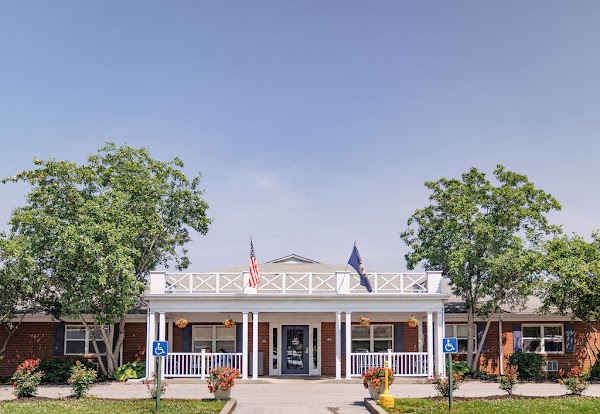
May 2019 1 deficiency
CONCERN (D)

Potential for Harm - no one hurt, but risky conditions existed

Comprehensive Care Plan (Tag F0656)

Could have caused harm · This affected 1 resident

**NOTE- TERMS IN BRACKETS HAVE BEEN EDITED TO PROTECT CONFIDENTIALITY** The facility failed to ensure implementation of the comprehensive care plan for two (2) of twenty (20) sampled residents (Reside...

Read full inspector narrative →
**NOTE- TERMS IN BRACKETS HAVE BEEN EDITED TO PROTECT CONFIDENTIALITY** The facility failed to ensure implementation of the comprehensive care plan for two (2) of twenty (20) sampled residents (Residents #6 and #78). The care plan for Residents #6 and #78 required staff to ensure the resident's urinary catheter bag was covered. However, observations of the residents revealed the residents did not have urinary catheter drainage bag privacy/dignity covers as was care planned for each resident. The findings include: Review of the facility's Comprehensive Care Plan Policy, revised 07/19/18, revealed care plan interventions were implemented after consideration for the resident's problem areas and their causes. The policy further revealed the interventions would reflect the action, treatment, or procedure to meet the objectives toward achieving the resident's goals. 1. Review of Resident #78's medical record revealed the facility admitted the resident on 03/14/16 with diagnoses of Hypertension, Obstructive Uropathy, Dementia without behaviors, Parkinson's disease, and Depression. Review of Resident #78's annual Minimum Data Set (MDS) assessment dated [DATE], revealed the resident was not able to participate in the Brief Interview for Mental Status (BIMS) assessment. The MDS also revealed the resident required extensive assistance of two (2) or more persons with Activities of Daily Living and the resident had an indwelling urinary catheter. Review of the comprehensive care plan for Resident #78 dated 05/04/18 revealed the resident had an indwelling urinary catheter and the facility developed an intervention to place the urinary drainage bag in a privacy bag to protect the resident's dignity. However, observation of Resident #78 on 04/30/19 at 11:06 AM, revealed the resident was in his/her room in a geriatric chair. The resident was observed to have a urinary catheter drainage bag that was without a privacy/dignity cover. Further observation at 12:41 PM revealed the resident was in the dining room for lunch with no urinary drainage bag dignity cover. 2. Review of Resident #6's medical record revealed the facility admitted the resident on 04/18/18 with diagnoses of Hypertension, Neurogenic Bladder, Cerebrovascular Accident, Paraplegia, Seizure Disorder, Spastic Hemiplegia right side, and Anxiety Disorder. Review of Resident #6's quarterly Minimum Data Set (MDS) assessment dated [DATE], revealed the resident had a Brief Interview for Mental Status (BIMS) score of fifteen (15), which indicated the resident was cognitively intact. The MDS also revealed the resident required the extensive assistance of two (2) or more persons for Activities of Daily Living and the resident had an indwelling (suprapubic) urinary catheter. Review of the comprehensive care plan for Resident #6 dated 05/02/18, revealed the facility developed a care plan for the care of the resident's indwelling urinary catheter and included an intervention to Ensure the dignity was in place. However, observation of Resident #6 on 04/30/19 at 10:00 AM, revealed the resident's urinary catheter drainage bag was hanging from the bed frame without a dignity cover. The drainage bag was visible from the hallway. Interview with the Director of Nursing on 05/02/19 at 2:14 PM, revealed she expected staff to implement care plans as directed. She stated she was not aware of any reason why a dignity bag would not be in place as care planned. She further stated nurses and aides should monitor to ensure dignity bags are provided as care planned.
Understanding Severity Codes (click to expand)
Life-Threatening (Immediate Jeopardy)
J - Isolated K - Pattern L - Widespread
Actual Harm
G - Isolated H - Pattern I - Widespread
Potential for Harm
D - Isolated E - Pattern F - Widespread
No Harm (Minor)
A - Isolated B - Pattern C - Widespread

Questions to Ask on Your Visit

  • "What changes have you made since the serious inspection findings?"
  • "Why is there high staff turnover? How do you retain staff?"
  • "Can I speak with families of current residents?"
  • "What's your RN coverage like on weekends and overnight?"

Our Honest Assessment

Strengths
  • • Licensed and certified facility. Meets minimum state requirements.
Concerns
  • • Multiple safety concerns identified: 4 life-threatening violation(s), 2 harm violation(s), $65,196 in fines, Payment denial on record. Review inspection reports carefully.
  • • 17 deficiencies on record, including 4 critical (life-threatening) violations. These warrant careful review before choosing this facility.
  • • $65,196 in fines. Extremely high, among the most fined facilities in Kentucky. Major compliance failures.
  • • Grade F (0/100). Below average facility with significant concerns.
Bottom line: This facility has 4 Immediate Jeopardy findings. Serious concerns require careful evaluation.

About This Facility

What is Liberty Care And Rehabilitation Center's CMS Rating?

CMS assigns Liberty Care and Rehabilitation Center an overall rating of 1 out of 5 stars, which is considered much below average nationally. Within Kentucky, this rating places the facility higher than 0% of the state's 100 nursing homes. A rating at this level reflects concerns identified through health inspections, staffing assessments, or quality measures that families should carefully consider.

How is Liberty Care And Rehabilitation Center Staffed?

CMS rates Liberty Care and Rehabilitation Center's staffing level at 2 out of 5 stars, which is below average compared to other nursing homes. Staff turnover is 62%, which is 16 percentage points above the Kentucky average of 46%. High turnover can affect care consistency as new staff learn residents' individual needs.

What Have Inspectors Found at Liberty Care And Rehabilitation Center?

State health inspectors documented 17 deficiencies at Liberty Care and Rehabilitation Center during 2019 to 2025. These included: 4 Immediate Jeopardy (the most serious level, indicating potential for serious harm or death), 2 that caused actual resident harm, and 11 with potential for harm. Immediate Jeopardy findings are rare and represent the most serious regulatory concerns. They require immediate corrective action.

Who Owns and Operates Liberty Care And Rehabilitation Center?

Liberty Care and Rehabilitation Center is owned by a for-profit company. For-profit facilities operate as businesses with obligations to shareholders or private owners. The facility is operated by SIGNATURE HEALTHCARE, a chain that manages multiple nursing homes. With 97 certified beds and approximately 85 residents (about 88% occupancy), it is a smaller facility located in Liberty, Kentucky.

How Does Liberty Care And Rehabilitation Center Compare to Other Kentucky Nursing Homes?

Compared to the 100 nursing homes in Kentucky, Liberty Care and Rehabilitation Center's overall rating (1 stars) is below the state average of 2.8, staff turnover (62%) is significantly higher than the state average of 46%, and health inspection rating (1 stars) is much below the national benchmark.

What Should Families Ask When Visiting Liberty Care And Rehabilitation Center?

Based on this facility's data, families visiting should ask: "What changes have been made since the serious inspection findings, and how are you preventing similar issues?" "How do you ensure continuity of care given staff turnover, and what is your staff retention strategy?" "Can you walk me through typical staffing levels on day, evening, and night shifts?" "Can I visit during a mealtime to observe dining assistance and food quality?" These questions are particularly relevant given the facility's Immediate Jeopardy citations, the facility's high staff turnover rate, and the below-average staffing rating.

Is Liberty Care And Rehabilitation Center Safe?

Based on CMS inspection data, Liberty Care and Rehabilitation Center has documented safety concerns. Inspectors have issued 4 Immediate Jeopardy citations (the most serious violation level indicating risk of serious injury or death). The facility has a 1-star overall rating and ranks #100 of 100 nursing homes in Kentucky. Families considering this facility should ask detailed questions about what corrective actions have been taken since these incidents.

Do Nurses at Liberty Care And Rehabilitation Center Stick Around?

Staff turnover at Liberty Care and Rehabilitation Center is high. At 62%, the facility is 16 percentage points above the Kentucky average of 46%. High turnover means new staff may not know residents' individual needs, medications, or preferences. It can also be disorienting for residents, especially those with dementia who rely on familiar faces. Families should ask: What is causing the turnover? What retention programs are in place? How do you ensure care continuity during staff transitions?

Was Liberty Care And Rehabilitation Center Ever Fined?

Liberty Care and Rehabilitation Center has been fined $65,196 across 3 penalty actions. This is above the Kentucky average of $33,731. Fines in this range indicate compliance issues significant enough for CMS to impose meaningful financial consequences. Common causes include delayed correction of deficiencies, repeat violations, or care failures affecting resident safety. Families should ask facility leadership what changes have been made since these penalties.

Is Liberty Care And Rehabilitation Center on Any Federal Watch List?

Liberty Care and Rehabilitation Center is not on any federal watch list. The most significant is the Special Focus Facility (SFF) program, which identifies the bottom 1% of nursing homes nationally based on persistent, serious quality problems. Not being on this list means the facility has avoided the pattern of deficiencies that triggers enhanced federal oversight. This is a positive indicator, though families should still review the facility's inspection history directly.