Laurel Heights Home for the Elderly
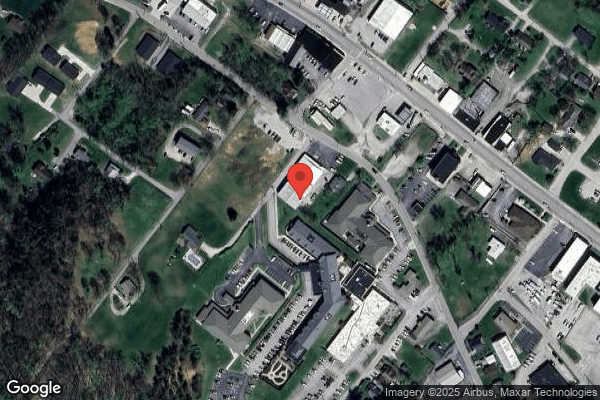

208 WEST 12TH STREET, LONDON, KY 40741 (606) 864-4155
Non profit - Corporation 160 Beds Independent Data: November 2025
Trust Grade
90/100
#20 of 266 in KY
Last Inspection: April 2025

Within standard 12-15 month inspection cycle. Federal law requires annual inspections.

Overview

Laurel Heights Home for the Elderly has received an excellent Trust Grade of A, indicating a high level of care and satisfaction. Ranked #20 out of 266 facilities in Kentucky, they are in the top half of the state, and they are the only nursing home in Laurel County, meaning they have no local competition. The facility is improving, having gone from 2 issues in 2020 to none in 2025, which is a positive trend. Staffing is also strong, with a 4/5 star rating and a turnover rate of 33%, significantly lower than the state average. However, there have been some concerns, such as food not being properly covered before serving and a failure to consistently monitor a resident at risk for falls, which could potentially impact resident safety. Overall, while there are some areas needing attention, the facility excels in many aspects of care.

Trust Score
A
90/100
In Kentucky
#20/266
Top 7%
Safety Record
Low Risk
No red flags
Inspections
Getting Better
2 → 0 violations
Staff Stability
○ Average
33% turnover. Near Kentucky's 48% average. Typical for the industry.
Penalties
✓ Good
No fines on record. Clean compliance history, better than most Kentucky facilities.
Skilled Nurses
✓ Good
Each resident gets 61 minutes of Registered Nurse (RN) attention daily — more than 97% of Kentucky nursing homes. RNs are the most trained staff who catch health problems before they become serious.
Violations
✓ Good
Only 5 deficiencies on record. Cleaner than most facilities. Minor issues only.
★★★★★
5.0
Overall Rating
★★★★☆
4.0
Staff Levels
★★★★☆
4.0
Care Quality
★★★★★
5.0
Inspection Score
Stable
2020: 2 issues
2025: 0 issues

The Good

  • 4-Star Staffing Rating · Above-average nurse staffing levels
  • 4-Star Quality Measures · Strong clinical quality outcomes
  • Full Sprinkler Coverage · Fire safety systems throughout facility
  • No fines on record
  • Staff turnover below average (33%)

    15 points below Kentucky average of 48%

Facility shows strength in staffing levels, quality measures, fire safety.

The Bad

Staff Turnover: 33%

13pts below Kentucky avg (46%)

Typical for the industry

The Ugly 5 deficiencies on record

Mar 2020 2 deficiencies
CONCERN (D)

Potential for Harm - no one hurt, but risky conditions existed

Comprehensive Care Plan (Tag F0656)

Could have caused harm · This affected 1 resident

**NOTE- TERMS IN BRACKETS HAVE BEEN EDITED TO PROTECT CONFIDENTIALITY** Based on observation, interview, record review, policy review, and review of the facility's investigation, it was determined tha...

Read full inspector narrative →
**NOTE- TERMS IN BRACKETS HAVE BEEN EDITED TO PROTECT CONFIDENTIALITY** Based on observation, interview, record review, policy review, and review of the facility's investigation, it was determined that the facility failed to implement the plan of care for one (1) of thirty (30) sampled residents (Resident #130). The facility assessed Resident #130 to be at risk for falls and developed interventions that included placing the resident on the Guardian Angel Falls Program. However, review of the monitoring sheets for the Guardian Angel Falls Program revealed facility staff had failed to sign the Angel monitoring sheets as directed by the facility policy. The findings include: Review of the facility policy titled Guardian Angel Falls Program, revealed the goals of the program are to reduce the number of falls in the facility and to improve residents' quality of life. Further review revealed staff will check on the resident six (6) to eight (8) times per shift and sign the activity sheet that is left in the room. Review of the facility policy titled Care Plans-Comprehensive, dated 01/16/2019, revealed the comprehensive care plan is based on a thorough assessment and identifies the professional services that are responsible for each element of care. Review of Resident #130's medical record revealed the facility admitted the resident on 10/15/2019 with diagnoses including Chronic Obstructive Pulmonary Disease, Unspecified Kyphosis, Age Related Osteoporosis, and History of Falling. Review of the Quarterly Minimum Data Set (MDS) dated [DATE] revealed the facility assessed the resident to have a Brief Interview for Mental Status score of nine (9), which indicated the resident had moderately impaired cognition. Further review revealed the resident was assessed to require extensive assistance with ambulation. Additional review of the MDS revealed the resident had experienced falls since admission to the facility. Review of the comprehensive care plan revealed the facility identified the resident to be at risk for falls, and placed him/her on the Guardian Angel Falls Program. Review of a resident accident/incident report dated 11/18/2019 revealed the resident was placed on the Guardian Angel Falls Program after sustaining a non-injury fall. Review of the facility's Angel Sign Sheet revealed the following: for November 2019, there were seven (7) days that staff failed to initial and document per facility policy for the entire day; December 2019, eighteen (18) days staff failed to initial and document monitoring of the resident; January 2020, twelve (12) days staff failed to document and sign; and for February 2020, (7) seven days staff failed to initial and document. Interview with Resident #130 on 03/05/2020 at 1:29 PM revealed he/she is aware to call for staff when assistance is needed. Per Resident #130, he/she does not want to ask for help all the time. Resident #130 stated he/she was getting exercise to build strength and planned to return home soon. Per the resident, he/she did not get hurt from the fall and he/she is able to care for himself/herself. Interview with SRNA #4 on 03/05/2020 at 4:35 PM revealed staff should review the resident [NAME] to determine the resident's care needs. SRNA #4 was knowledgeable of the Guardian Angel Falls Program and stated any staff member can check on the resident and sign the Angel sign-in sheet. Interview with SRNA #3 on 03/05/2020 at 4:43 PM revealed she had been trained to check on residents who are on the Guardian Angel Falls Program at least hourly if possible. SRNA #3 reported any staff member could check on the resident and document the check. SRNA #3 acknowledged that staff should look at the [NAME] to determine resident's care needs. Interview with Registered Nurse (RN) #2 on 03/05/2020 at 4:50 PM revealed the expectation is that any staff member can check on residents who are on the Guardian Angel Falls Program and sign the sheet. SRNAs and nurses should review the care plan if there is any question about a resident's care needs. The RN stated no concerns had been identified with staff not signing the Guardian Angel check sheet. Interview with RN #3, Unit Manager, on 03/05/2020 at 5:04 PM revealed the expectation is that staff will follow the resident's plan of care when providing care. RN #3 makes rounds daily to monitor resident care and spot checks the sign sheets of Guardian Angel residents and had not identified any concern related to the sign sheets not being completed.
CONCERN (F)

Potential for Harm - no one hurt, but risky conditions existed

Food Safety (Tag F0812)

Could have caused harm · This affected most or all residents

Based on observation, interview, and facility policy review it was determined the facility failed to distribute food in accordance with professional standards for food service safety. The findings in...

Read full inspector narrative →
Based on observation, interview, and facility policy review it was determined the facility failed to distribute food in accordance with professional standards for food service safety. The findings include: Review of the facility policy titled In-Room Dining (Room Service), dated 2019, revealed, All foods should be covered and delivered as soon as possible after plating to maintain food quality and temperature. The facility also presented the policy titled Accuracy and Quality of Tray Line Services, dated 2019; however, it did not address covering of foods. Observation of the lunch tray line on 03/03/2020 at 10:00 AM revealed the resident meal trays were loaded with desserts and bread products that were not covered. Observation on 03/03/2020 at 11:07 AM of the meal cart on the Lower Basement (LB) level revealed meal trays delivered from the kitchen and served to residents with bread and dessert not covered. Observation on 03/03/2020 at 11:38 AM of the main floor dining room revealed meals were delivered to residents with the desserts and bread not covered. Observation on 03/03/2020 at 10:50 AM of meal trays on 2D level and Shepard's Cove revealed the meals were delivered to residents with the desserts and breads not covered. Interview on 03/03/2020 at 3:00 PM with the Dietary Manager revealed she had been the manager for several months. She stated dietary staff cover the residents' food to keep it warm. She further stated that staff put lids on the bowls and cups of liquids to keep them from spilling and agreed the lids also kept anything from falling into the food. She stated that they had always distributed the desserts and bread without covering them, but understood that not covering the dessert and bread could allow contaminants to fall into the food. Interview on 03/04/2020 at 10:30 AM with the Administrator revealed the Dietary Manager had informed her of the issue and was working with her vendor for a solution.
Jan 2019 3 deficiencies
CONCERN (D)

Potential for Harm - no one hurt, but risky conditions existed

Deficiency F0637 (Tag F0637)

Could have caused harm · This affected 1 resident

**NOTE- TERMS IN BRACKETS HAVE BEEN EDITED TO PROTECT CONFIDENTIALITY** Based on observation, interview, record review, facility policy review, and the Long Term Care Facility Resident Assessment Inst...

Read full inspector narrative →
**NOTE- TERMS IN BRACKETS HAVE BEEN EDITED TO PROTECT CONFIDENTIALITY** Based on observation, interview, record review, facility policy review, and the Long Term Care Facility Resident Assessment Instrument 3.0 User's Manual, it was determined the facility failed to complete a Significant Change in Status Minimum Data Set (MDS) assessment for one (1) of thirty-one (31) residents. The facility failed to complete a Significant Change MDS assessment for Resident #81 after he/she experienced a significant change in condition. The findings include: Review of the facility policy titled, Assessment and Care Plan Procedure, dated 02/20/16, revealed whenever a significant change was noted in a resident's condition (either decline or improvement) the nurse in charge would notify the MDS Coordinator. Review of the facility policy titled Assessment and Care Plan Policy, dated 02/20/16, revealed all skilled nursing facility residents will have Significant Change in Status Assessment completed per Centers for Medicare and Medicaid Services regulations. Review of the Long Term Care Facility Resident Assessment Instrument 3.0 User's Manual, the MDS assessment dated [DATE], revealed a Significant Change in Status Assessment would be appropriate if there were two (2) or more areas of decline or two (2) or more areas of improvement. This may include two changes within a particular domain such as two areas of Activities of Daily Living. Further review of the User's Manual revealed if a resident's decision-making skills improve or incontinence pattern improves a Significant Change in Status Assessment should be completed. Review of the medical record for Resident #81 revealed the facility admitted the resident on 10/05/18 with diagnoses that included Aftercare following Joint Replacement Surgery, Ventricular Tachycardia, Atrial Fibrillation, Hypertension, Chronic Obstructive Pulmonary Disease, and Fracture of the Right Tibia and Right Fibula. Review of Resident #81's MDS assessment dated [DATE], revealed the resident had a Brief Interview for Mental Status (BIMS) score of five (5) indicating the resident was severely cognitively impaired. Further review of the MDS assessment revealed the facility assessed the resident to require extensive physical assistance with two plus persons for bed mobility, transferring, and toilet use. In addition, the facility assessed Resident #81 to require extensive physical assistance of one person for eating, and the facility also assessed the resident to be frequently incontinent of urine. Review of Resident #81's MDS assessment dated [DATE], revealed the resident's BIMS score had increased to twelve (12) indicating the resident was moderately cognitively impaired. Further review of the MDS assessment revealed the facility assessed the resident to require only limited physical assistance of one person for bed mobility, transfers, and toilet use. In addition, the facility assessed Resident #81 to require only supervision with setup help only for eating, and the resident was always continent of urine. Interview with the MDS Coordinator on 01/10/19 at 4:27 PM revealed a Significant Change in Status MDS assessment should have been completed for Resident #81 on 11/21/18, instead of a Quarterly MDS assessment. The MDS Coordinator further revealed she was unsure why a Significant Change in Status MDS Assessment was not completed and that it was overlooked. The MDS Coordinator also revealed she had not identified any concerns with Significant Change in Status MDS Assessments being completed when a resident has a Significant Change in Status. Interview with the Director of Nursing (DON) on 01/10/19 at 5:14 PM revealed a Significant Change in Status MDS Assessment should have been completed for Resident #81 on 11/21/18 instead of a Quarterly MDS Assessment. The DON revealed she had not identified any concerns with Significant Change in Status MDS Assessments being completed when residents have a Significant Change in Status.
CONCERN (D)

Potential for Harm - no one hurt, but risky conditions existed

Comprehensive Care Plan (Tag F0656)

Could have caused harm · This affected 1 resident

**NOTE- TERMS IN BRACKETS HAVE BEEN EDITED TO PROTECT CONFIDENTIALITY** Based on observation, interview, facility policy review, and medical record review it was determined the facility failed to deve...

Read full inspector narrative →
**NOTE- TERMS IN BRACKETS HAVE BEEN EDITED TO PROTECT CONFIDENTIALITY** Based on observation, interview, facility policy review, and medical record review it was determined the facility failed to develop a Comprehensive Plan of Care for one (1) of thirty-one (31) sampled residents (Resident #81). Resident #81 was admitted to the facility with orders to utilize an orthopedic boot when out of bed. However, the facility failed to develop a Comprehensive Plan of Care for Resident #81 related to the orthopedic boot. The findings include: Based on the facility policy titled Assessment and Care Plan Policy, dated 02/20/16, revealed all residents would have a Comprehensive Plan of Care completed within twenty-one (21) days of admission to the facility. The policy also stated after reviewing the plan of care for accuracy, the Charge Nurse would then review the care plan for accuracy, sign the document, and implement any new interventions. Review of the medical record for Resident #81 revealed he/she was admitted to the facility on [DATE] with diagnoses including Aftercare following Joint Replacement Surgery, Ventricular Tachycardia, Atrial Fibrillation, Hypertension, Chronic Obstructive Pulmonary Disease, and Fracture of the Right Tibia and Right Fibula. Review of Resident #81's Minimum Data Set (MDS) assessment dated [DATE], revealed the resident had a Brief Interview for Mental Status (BIMS) score of twelve (12) indicating the resident was moderately cognitively impaired. Review of physician orders for Resident #81 dated 10/05/18 and 10/18/18 revealed the resident was to wear an orthopedic boot. Observation and interview with Resident #81 on 01/08/19 at 9:30 AM revealed the resident was wearing the orthopedic boot on the right foot. The resident stated he/she had worn the orthopedic boot on the right foot when out of bed for standing or walking since being admitted to the facility on [DATE]. Review of Resident #81's Comprehensive Care Plan revised on 12/02/18, with focus of Diagnoses of Displaced Right Femoral Neck Fracture and Right Tibia/Fibula Fracture with an Open Reduction and Internal Fixation, revealed no intervention for Resident #81 related to an orthopedic boot. In addition, review of the resident's [NAME] (utilized by State Registered Nurse Aides when providing resident care) revealed no interventions for the boot were included on the care guide. Interview with State Registered Nurse Aide (SRNA) #1 on 01/10/19 at 10:10 AM revealed Resident #81 had worn the boot when transferring, standing, or walking since admission to the facility. SRNA #1 stated she had been told by nursing staff to ensure the resident utilized the boot when standing, walking, or transferring, but stated the [NAME] did not list the boot as an intervention for Resident #81. Interview with Registered Nurse (RN) #1 on 01/10/19 at 9:25 AM revealed Resident #81 had used the boot on his/her right foot since admission to the facility for transferring, standing, or walking. RN #1 further stated the Comprehensive Plan of Care did not have the boot listed as an intervention to be utilized by the resident. Interview with the MDS Coordinator on 01/10/19 at 4:27 PM revealed when a resident was admitted to the facility the MDS Nurse would create a Comprehensive Plan of Care and the [NAME] Report. The MDS Coordinator stated Resident #81's Comprehensive Plan of Care should have had interventions listed for the boot being utilized by the resident. The MDS Coordinator further revealed interventions regarding the boot had been overlooked when reviewing the Comprehensive Plan of Care. Interview with the Director of Nursing (DON) on 01/10/19 at 5:14 PM, revealed she randomly monitors the residents' Comprehensive Plan of Care by making rounds and observing residents and comparing the Comprehensive Plan of Care to the care being received by the resident. The DON stated Resident #81's Comprehensive Plan of Care should have had an intervention for the boot being utilized by the resident. The DON also revealed she had not identified any concerns with the Comprehensive Plan of Care being developed or implemented to reflect care being received by the residents.
CONCERN (D)

Potential for Harm - no one hurt, but risky conditions existed

Deficiency F0657 (Tag F0657)

Could have caused harm · This affected 1 resident

**NOTE- TERMS IN BRACKETS HAVE BEEN EDITED TO PROTECT CONFIDENTIALITY** Based on observation, interview, facility policy review, and medical record review it was determined the facility failed to revi...

Read full inspector narrative →
**NOTE- TERMS IN BRACKETS HAVE BEEN EDITED TO PROTECT CONFIDENTIALITY** Based on observation, interview, facility policy review, and medical record review it was determined the facility failed to review and revise a Comprehensive Plan of Care for one (1) of thirty-one (31) sampled residents (Resident #81) when the resident experienced a change in urinary functioning. The findings include: Review of the facility policy titled The Review and Signing of Care Plans after Each RAI Assessment, dated 02/22/16, revealed the purpose of the policy was to provide a mechanism of structure and process whereby residents' care plans would be reviewed, signed, and correlated with the clinical flow record. Further review revealed care plans would be updated as needed by the unit nurses and quarterly by the Resident Assessment Instrument (RAI) staff when quarterly assessments were done. Review of the medical record for Resident #81 revealed the facility admitted the resident on 10/05/18 with diagnoses that include Aftercare following Joint Replacement Surgery, Ventricular Tachycardia, Atrial Fibrillation, Hypertension, Chronic Obstructive Pulmonary Disease, and Fracture of the Right Tibia and Right Fibula. Review of Resident #81's Quarterly Minimum Data Set (MDS) assessment dated [DATE] revealed the resident was always continent of urine. Interview with Resident #81 on 01/08/19 at 9:30 AM revealed the resident self-toileted without assistance from staff. However, review of the Comprehensive Plan of Care for Resident #81 revealed the resident was frequently incontinent of bladder related to dribbling. Interventions initiated revealed the resident was to be checked for incontinence every two (2) hours and to be provided care after each incontinence episode. Interview with State Registered Nurse Aide (SRNA) #1 on 01/10/19 at 10:10 AM, revealed Resident #81 self-toileted and provided his/her own care after toileting. Interview with Registered Nurse (RN) #1 on 01/10/19 at 9:25 AM revealed Resident #81 did not require assistance with toileting. RN #1 further revealed the Comprehensive Plan of Care should have been revised to show the resident was continent of urine to correlate with the Quarterly MDS Assessment. Interview with the MDS Coordinator on 01/10/19 at 4:27 PM, revealed the Comprehensive Plan of Care for Resident #81 should have been revised when the resident's Quarterly MDS Assessment was completed on 11/21/18. The MDS Coordinator further revealed the Comprehensive Plan of Care should always correlate with the resident's MDS Assessment. The MDS Coordinator had not identified any concerns with Comprehensive Plans of Care being revised for residents as needed. Interview on 01/10/19 at 5:14 PM with the Director of Nursing (DON) revealed the MDS Coordinator and Nurses were responsible for revising the Comprehensive Plan of Care as needed. The DON further revealed the Comprehensive Plan of Care for Resident #81 should have been revised when his/her urinary status changed. The DON also revealed she monitored the Comprehensive Plan of Care for residents randomly and had not identified any concerns with revisions being done as needed.
Understanding Severity Codes (click to expand)
Life-Threatening (Immediate Jeopardy)
J - Isolated K - Pattern L - Widespread
Actual Harm
G - Isolated H - Pattern I - Widespread
Potential for Harm
D - Isolated E - Pattern F - Widespread
No Harm (Minor)
A - Isolated B - Pattern C - Widespread

Questions to Ask on Your Visit

  • "Can I speak with families of current residents?"
  • "What's your RN coverage like on weekends and overnight?"

Our Honest Assessment

Strengths
  • • Grade A (90/100). Above average facility, better than most options in Kentucky.
  • • No major safety red flags. No abuse findings, life-threatening violations, or SFF status.
  • • No fines on record. Clean compliance history, better than most Kentucky facilities.
  • • Only 5 deficiencies on record. Cleaner than most facilities. Minor issues only.
Concerns
  • • No significant concerns identified. This facility shows no red flags across CMS ratings, staff turnover, or federal penalties.
Bottom line: Generally positive indicators. Standard due diligence and a personal visit recommended.

About This Facility

What is Laurel Heights Home For The Elderly's CMS Rating?

CMS assigns Laurel Heights Home for the Elderly an overall rating of 5 out of 5 stars, which is considered much above average nationally. Within Kentucky, this rating places the facility higher than 99% of the state's 100 nursing homes. This rating reflects solid performance across the metrics CMS uses to evaluate nursing home quality.

How is Laurel Heights Home For The Elderly Staffed?

CMS rates Laurel Heights Home for the Elderly's staffing level at 4 out of 5 stars, which is above average compared to other nursing homes. Staff turnover is 33%, compared to the Kentucky average of 46%. This relatively stable workforce can support continuity of care.

What Have Inspectors Found at Laurel Heights Home For The Elderly?

State health inspectors documented 5 deficiencies at Laurel Heights Home for the Elderly during 2019 to 2020. These included: 5 with potential for harm.

Who Owns and Operates Laurel Heights Home For The Elderly?

Laurel Heights Home for the Elderly is owned by a non-profit organization. Non-profit facilities reinvest revenue into operations rather than distributing to shareholders. The facility operates independently rather than as part of a larger chain. With 160 certified beds and approximately 155 residents (about 97% occupancy), it is a mid-sized facility located in LONDON, Kentucky.

How Does Laurel Heights Home For The Elderly Compare to Other Kentucky Nursing Homes?

Compared to the 100 nursing homes in Kentucky, Laurel Heights Home for the Elderly's overall rating (5 stars) is above the state average of 2.8, staff turnover (33%) is significantly lower than the state average of 46%, and health inspection rating (5 stars) is much above the national benchmark.

What Should Families Ask When Visiting Laurel Heights Home For The Elderly?

Based on this facility's data, families visiting should ask: "Can I visit during a mealtime to observe dining assistance and food quality?" "How do you handle medical emergencies, and what is your hospital transfer rate?" "Can I speak with family members of current residents about their experience?"

Is Laurel Heights Home For The Elderly Safe?

Based on CMS inspection data, Laurel Heights Home for the Elderly has a clean safety record: no substantiated abuse findings (meaning no confirmed cases of resident harm), no Immediate Jeopardy citations (the most serious violation level indicating risk of serious injury or death), and is not on the Special Focus Facility watch list (a federal program monitoring the lowest-performing 1% of nursing homes). The facility has a 5-star overall rating and ranks #1 of 100 nursing homes in Kentucky. While no facility is perfect, families should still ask about staff-to-resident ratios and recent inspection results during their visit.

Do Nurses at Laurel Heights Home For The Elderly Stick Around?

Laurel Heights Home for the Elderly has a staff turnover rate of 33%, which is about average for Kentucky nursing homes (state average: 46%). Moderate turnover is common in nursing homes, but families should still ask about staff tenure and how the facility maintains care continuity when employees leave.

Was Laurel Heights Home For The Elderly Ever Fined?

Laurel Heights Home for the Elderly has no federal fines on record. CMS issues fines when nursing homes fail to meet care standards or don't correct problems found during inspections. The absence of fines suggests the facility has either maintained compliance or corrected any issues before penalties were assessed. This is a positive indicator, though families should still review recent inspection reports for the full picture.

Is Laurel Heights Home For The Elderly on Any Federal Watch List?

Laurel Heights Home for the Elderly is not on any federal watch list. The most significant is the Special Focus Facility (SFF) program, which identifies the bottom 1% of nursing homes nationally based on persistent, serious quality problems. Not being on this list means the facility has avoided the pattern of deficiencies that triggers enhanced federal oversight. This is a positive indicator, though families should still review the facility's inspection history directly.