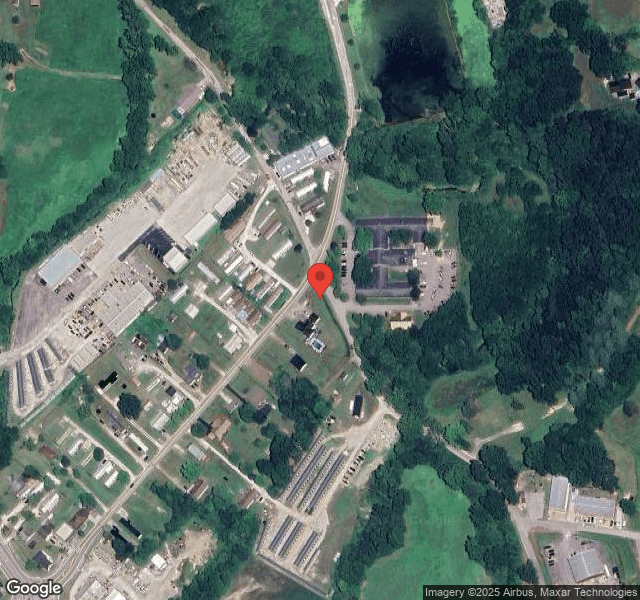
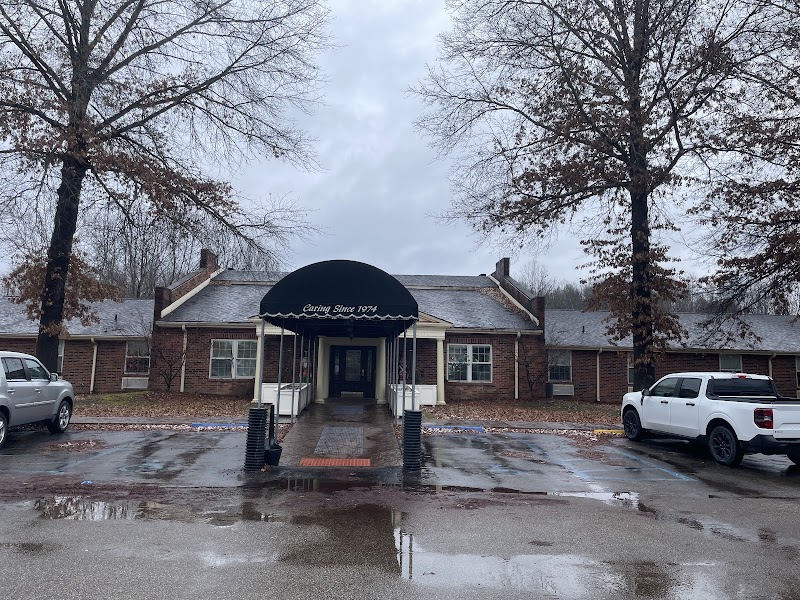
The Jordan Center

270 E CLAYTON LANE, LOUISA, KY 41230 (606) 638-4586
For profit - Limited Liability company 104 Beds Independent Data: November 2025
Trust Grade
60/100
#197 of 266 in KY
Last Inspection: June 2025

Inspected within the last 6 months. Data reflects current conditions.

Overview

The Jordan Center in Louisa, Kentucky has a Trust Grade of C+, which means it is slightly above average but not particularly impressive. It ranks #197 out of 266 facilities in Kentucky, placing it in the bottom half, although it is the only option in Lawrence County. The facility's trend is worsening, with issues increasing from 1 in 2019 to 7 in 2025, which raises concerns about ongoing care standards. Staffing is a strong point, receiving a 5/5 star rating with a turnover rate of 43%, lower than the state average, and more RN coverage than 79% of Kentucky facilities, which helps ensure better care. However, there have been issues such as residents not receiving substantial snacks during long intervals between meals and food safety violations related to unsanitary food storage practices, indicating areas that need significant improvement. Overall, while the staffing is commendable, the facility's increasing number of concerns and food safety issues are significant drawbacks to consider.

Trust Score
C+
60/100
In Kentucky
#197/266
Bottom 26%
Safety Record
Low Risk
No red flags
Inspections
Getting Worse
1 → 7 violations
Staff Stability
○ Average
43% turnover. Near Kentucky's 48% average. Typical for the industry.
Penalties
✓ Good
No fines on record. Clean compliance history, better than most Kentucky facilities.
Skilled Nurses
✓ Good
Each resident gets 62 minutes of Registered Nurse (RN) attention daily — more than 97% of Kentucky nursing homes. RNs are the most trained staff who catch health problems before they become serious.
Violations
○ Average
8 deficiencies on record. Average for a facility this size. Mostly minor or procedural issues.
★★☆☆☆
2.0
Overall Rating
★★★★★
5.0
Staff Levels
★☆☆☆☆
1.0
Care Quality
★★☆☆☆
2.0
Inspection Score
Stable
2019: 1 issues
2025: 7 issues

The Good

  • 5-Star Staffing Rating · Excellent nurse staffing levels
  • Full Sprinkler Coverage · Fire safety systems throughout facility
  • No fines on record
  • Staff turnover below average (43%)

    5 points below Kentucky average of 48%

Facility shows strength in staffing levels, fire safety.

The Bad

2-Star Overall Rating

Below Kentucky average (2.8)

Below average - review inspection findings carefully

Staff Turnover: 43%

Near Kentucky avg (46%)

Typical for the industry

The Ugly 8 deficiencies on record

Jun 2025 7 deficiencies
CONCERN (D)

Potential for Harm - no one hurt, but risky conditions existed

Comprehensive Care Plan (Tag F0656)

Could have caused harm · This affected 1 resident

Based on observation, interview, record review, and review of the facility's policy, the facility failed to develop and implement a comprehensive person-centered care plan for each resident, consisten...

Read full inspector narrative →
Based on observation, interview, record review, and review of the facility's policy, the facility failed to develop and implement a comprehensive person-centered care plan for each resident, consistent with the resident rights, that included measurable objectives and timeframes to meet a resident's medical, nursing, and mental and psychosocial needs that were identified in the comprehensive assessment, for 1 of 24 sampled residents, Resident (R) 81. R81's Comprehensive Care Plan (CCP) stated his preference for individual activities. It did not, however, reflect any history of service-related, post-traumatic stress disorder (PTSD) potential triggers, or how to address them. The findings include: Review of the facility's policy titled, Care Planning - Interdisciplinary Team, revised 09/2013, stated the facility's Care Planning/Interdisciplinary Team was responsible for the development of an individualized comprehensive care plan (CCP) for each resident. Review of R81's admission Record revealed the facility admitted the resident on 03/26/2025 with diagnoses of end stage renal disease (ESRD), diabetes mellitus, and depression. Review of R81's admission Minimum Data Set [MDS], with an Assessment Reference Date (ARD) of 04/07/2025, revealed the facility assessed the resident to have a Brief Interview for Mental Status [BIMS] score of nine of 15, indicating moderate cognitive impairment. No diagnosis of post-traumatic stress disorder (PTSD) was listed. Review of R81's CCP revealed it was initiated on his admission date and most recently updated on 04/15/2025. Per the review, the resident's preference to stay in his room was listed as his activity preference. His treatment of depression and anxiety was documented with pharmacological interventions. No diagnosis of PTSD was listed. Review of R81's Brief Trauma Questionnaire, dated 03/26/2025, revealed two stressful or disturbing events, including military service and a heart attack. The form was not complete and did not address the emotional response or physical injury as a result of the event(s). Review of the facility's document Matrix, dated 06/02/2025, provided to the State Survey Agency (SSA) Surveyors upon survey entry, failed to list PTSD as a diagnosis for R81. Observation on 06/03/2025 at 3:38 PM revealed R81 was sitting in his room. He was in his wheelchair, fully dressed and clean. His affect was pleasant, and he verbally conversed without apparent difficulty. He was watching television and had his cell phone within reach. During an interview on 06/03/2025 at 3:38 PM, R81 stated he preferred activities in his room, he did not like sudden noises, and larger crowds made him uncomfortable. He stated he had service-related PTSD and depression, and he was on medications that helped a little. During an interview on 06/05/2025 at 10:59 AM with the Activities Team Leader, she stated she tried to encourage all the residents to join the group activities or make suggestions of areas they liked. She stated she was aware R81 preferred to have individual activities and preferred to watch movies, so his wife provided an extra online streaming service for him to watch movies and television shows. She stated she received her information about a resident's care from the care plan kept at the nurses' station. She stated she did not participate in any clinical or inter-disciplinary team meetings to discuss updates or concerns. She stated she was not aware of the diagnosis of PTSD and therefore was not aware of specific triggers related to that history. She stated if she had known there were things that made R81 uncomfortable, she could have better planned for those and encouraged him to come out of his room. She stated R81 had told her that he preferred to be alone versus in a crowd and enjoyed movies and television programs. She stated R81's outpatient hemodialysis was scheduled three times a week. During an interview on 06/04/2025 at 10:18 AM with the Minimum Data Set (MDS) Nurse, she stated she was not sure why the diagnosis of PTSD was not on his MDS because she had done a trauma questionnaire with him, which was her responsibility. She stated she was aware this needed to be applied to his MDS assessment. During an interview on 06/05/2025 at 9:00 AM with the Director of Nursing (DON), she stated she was unaware of R81's diagnosis of PTSD. She stated since this information was not available on R81's most recent care plan, dated 04/15/2025, she and the floor staff was likely unaware of any potential triggers. She stated she would follow-up. She stated the harm in not knowing this information would be the lack of prevention of unintended stress or anxiety to the resident. She stated she was aware that R81's preferences included staying in his room and individual versus group activities. She also stated she felt R81's scheduled hemodialysis, three times a week, contributed to his desire not to go out of his room. During an interview on 06/05/2023 at 12:43 PM with the Administrator, he stated it was his expectation that a baseline care plan would be done for all residents, and it would be updated with an intervention as needed. He stated it was important to have this in place so staff would know how best to care for the residents.
CONCERN (D)

Potential for Harm - no one hurt, but risky conditions existed

Accident Prevention (Tag F0689)

Could have caused harm · This affected 1 resident

Based on observation, interview, record review, and review of the U.S. Food and Drug Administration's (FDA) guidelines, the facility failed to ensure the resident environment remained as free of accid...

Read full inspector narrative →
Based on observation, interview, record review, and review of the U.S. Food and Drug Administration's (FDA) guidelines, the facility failed to ensure the resident environment remained as free of accident hazards as was possible to ensure the safety of 1 of 5 residents reviewed for vaping safety. Observation on 06/02/2025 revealed R62 using a vape (e-cigarette) while wearing a nasal cannula that was delivering four liters of oxygen (O2) with R44 exposed to R62's second hand vaping aerosol. The findings include: Review of the facility's policy titled, Electronic Cigarettes Policy [e-cig, vape, vapor pen], undated, revealed the vaping policy did not address oxygen use. Further review revealed there was no provision for the storage of Nicotine liquid (e-juice), and the policy did not address the exposure risk of others to second hand smoke. Review of the U.S. Food and Drug Administration's (FDA) guidelines, Tips to Help Avoid Vape Battery Fires or Explosions, dated 04/12/2024, revealed there could be added dangers, for example, if a vape battery caught fire or exploded near flammable gasses or liquids, such as oxygen. Therefore, per the guidelines, Don't vape around flammable gasses or liquids, such as oxygen, propane, or gasoline. Review of the facility's education to the vaping residents/families provided by the facility revealed it was a copy of an educational handout from the Centers for Disease Control and Prevention (CDC), undated, which was an infographic that was two pages and detailed the dangers of e-cigarettes and vaping. The handout had warnings about nicotine, heavy metals, diacetyl, and other unnamed dangerous chemicals. However, oxygen was not mentioned on the education sheet or any danger paired with oxygen. Review of the facility's document Smokers, updated 06/02/2025, revealed R62 was listed as vapes only. R44 was not on the document. Review of R62's Face Sheet revealed the facility admitted the resident on 10/01/2024 for chronic obstructive pulmonary disease (COPD), chronic kidney disease, and type 2 diabetes mellitus. Review of R62's quarterly Minimum Data Set [MDS], with an Assessment Reference Date (ARD) of 03/31/2025, revealed the facility assessed the resident to have a Brief Interview for Mental Status [BIMS] score of 15 out of 15, indicating intact cognition. Review of R62's Comprehensive Care Plan [CCP], initiated 10/01/2024, revealed the resident used vaping daily for pleasure in room. Interventions included to monitor and report any changes in ability to vape; monitor for any safety concerns, potential risks, and resident's ability to safety vape and manage oxygen; and educate as needed on potential risks of smoking/vaping. Review of the facility's document Resident Safe Smoking Assessment for R62, dated 10/03/2024, revealed she vaped in her room, and staff was to monitor for safety concerns and potential risks. Review of R44's Face Sheet revealed the facility admitted the resident on 08/12/2025 with diagnoses of systemic lupus erythematosus, organ or system involvement unspecified; dysphagia; and type 2 diabetes mellitus Review of R44's quarterly MDS, with an ARD of 04/14/2025, revealed the facility assessed the resident to have a BIMS score of 15 out of 15, indicating intact cognition. Observation on 06/02/2025 at 2:50 PM revealed R62, while in her room, using a vape while wearing a nasal cannula that was delivering four liters of oxygen (O2). R44, who was R62's roommate was present, resting in her own bed in the room. During an interview on 06/04/2025 at 12:35 PM, R62 stated she did not receive education on oxygen and vaping. R62 stated she did use oxygen via the nasal cannula while vaping. The resident stated she had been able to quit cigarettes due to using the vape. In an interview on 06/04/2025 at 12:38 PM, R44 stated she had not been educated on the dangers of second hand smoke from vaping. During an interview on 06/04/2025 at 3:45 PM with Kentucky Medication Aide (KMA) 1, she stated, I thought the rules about O2 use and smoking did not apply to vapes before I was educated on that this morning. I thought the vape would be ok, but I know if I see that occur again, I am to immediately inform the Nurse. During an interview on 06/04/2025 at 3:12 PM with the Director of Nursing (DON), she stated she thought it was okay to vape around oxygen. She stated, while she was not sure of all the dangers of oxygen, she thought the vape was safe with it. She stated, The vape would not alarm me as there is not an open spark or flame. It is safer than a cigarette. During interview with the Administrator on 06/03/2025 at 2:41 PM, he stated a patient should not vape while receiving oxygen. He further stated, As part of their assessment, also in their care plan, we assess them and document that we went through that assessment with each resident. He stated there had been no accidents or incidents in the past year with smoking or vaping.
CONCERN (D)

Potential for Harm - no one hurt, but risky conditions existed

Infection Control (Tag F0880)

Could have caused harm · This affected 1 resident

Based on observation, interview, review of the manufacturers' directions for use (DFU), and review of the facility's policies, the facility failed to establish and maintain an infection prevention and...

Read full inspector narrative →
Based on observation, interview, review of the manufacturers' directions for use (DFU), and review of the facility's policies, the facility failed to establish and maintain an infection prevention and control program designed to provide a safe, sanitary, and comfortable environment and to help prevent the development and transmission of communicable diseases and infections for 1 of 24 sampled residents, Resident (R) 46. Observation on 06/03/2025 revealed R46's tube feeding, tubing, and continuous bladder irrigation tubing were left uncovered when disconnected from the resident. The findings include: Review of the facility's policy titled, Infection Control Program, last review date 08/24/2024, revealed the primary purpose of the facility's infection control program policies and procedures was to establish guidelines to follow to provide a safe and sanitary and comfortable environment and to help prevent the development and transmission of disease and infection. It also stated it was the responsibility of the process improvement (PI) committee, through the Infection Control Preventionist, to ensure that infection control policies and procedures were implemented and followed. Review of the facility's policy titled, Enteral Nutrition, last review date 01/2014, revealed that staff caring for residents with feeding tubes would be trained on the potential adverse effects of tube feeding, such as feeding tube associated complications. Review of the manufacturer's DFU for the [Brand Name] of the tube feeding set with a 1000 milliliter (mL) flush bag, revealed it included a protective cap at the end of the tubing for use when the tubing was disconnected from the resident. Review of the manufacturer's DFU, provided by the facility, for the [Brand Name] Intravenous Administration Set, lot number 186249KS, used in R46's continuous bladder irrigation (CBI), revealed it had a tip protector on each end of the tubing for the protection of the tubing when not in use. Observation on 06/03/2025 at 9:58 AM, revealed R46 was out of her room and both, the tube from her tube feeding and the intravenous (IV) tubing from her CBI, were left connected to the source and with the other end, intended for the resident, open to air and without appropriate covering. During an interview on 06/02/2025 at 3:15 PM with Registered Nurse (RN) 2, she stated she was the nurse for R46, and she was unaware of a specific cover for the tube-feeding or the IV tubing. RN2 stated she was unsure if those were available but acknowledged that some type of covering should have been placed on both tubes. She stated by leaving the ends open and uncovered, they could be exposed to germs and could cause the resident to become ill. She stated she was provided Infection Control training at the facility, in person, by the Infection Preventionist (IP), but she could not recall the date. After the interview, RN2 removed the tubing from the room and subsequently hung new tubing with caps. During an interview on 06/04/2025 at 9:37 AM with the Infection Preventionist Nurse, she stated it was her expectation that staff would follow the policies of the facility. She stated the concern for leaving the tubing without an appropriate covering was an increased risk for infection to the resident. She stated she provided education to staff initially upon employment and again monthly and as needed. During an interview on 06/05/2025 at 10:45 AM with the Director of Nursing (DON), she stated it was her expectation that staff would follow the facility's infection control policies. She stated the concern of leaving the tubing uncovered was the increased risk of infection for the resident. During an interview on 06/05/2025 at 12:43 PM with the Administrator, he stated he expected the staff to follow regulatory guidelines and facility policy regarding infection control.
CONCERN (D)

Potential for Harm - no one hurt, but risky conditions existed

Smoking Policies (Tag F0926)

Could have caused harm · This affected 1 resident

Based on observation, interview, review of a Centers for Disease Control and Prevention (CDC) document, and review of the facility's policy, the facility failed to develop and implement effective poli...

Read full inspector narrative →
Based on observation, interview, review of a Centers for Disease Control and Prevention (CDC) document, and review of the facility's policy, the facility failed to develop and implement effective policies to ensure the smoking safety for all residents that used electronic cigarettes (e-cigarettes or vapes) for 1 of 5 residents that used e-cigarettes, Resident (R) 62 and R44, who was exposed to R62's second hand vaping aerosol. Observation on 06/02/2025 at 2:50 PM revealed R62, with R44 present, using a vape while wearing a nasal canula that was delivering four liters of oxygen (O2), and the facility's vaping policy did not address oxygen use or the exposure risk of others to second hand smoke. Refer to F689 The findings include: Review of the facility's policy titled, Electronic Cigarettes Policy [e-cig, vape, vapor pen], undated, revealed the vaping policy did not address oxygen use. Further review revealed there was no provision for the storage of Nicotine liquid (e-juice), and the policy did not address the exposure risk of others to second hand smoke. Review of a CDC document About E-Cigarettes (Vapes), dated 10/24/2024, revealed e-cigarettes or vapes were battery operated devices that heated a liquid and produced an aerosol that released particles in the air, known as vapor. It stated that bystanders could also breathe in the aerosol from what the smoker breathed out. Per the document, e-cigarettes typically contained nicotine, a very addictive substance. It also stated the aerosol was not harmless and could contain cancer-causing chemicals; heavy metals such as nickel, tin, and lead; tiny particles that could be inhaled deep into the lungs; and volatile organic compounds. Review of the U.S. Food and Drug Administration's (FDA) guidelines, Tips to Help Avoid Vape Battery Fires or Explosions, dated 04/12/2024, revealed there could be added dangers, for example, if a vape battery caught fire or exploded near flammable gasses or liquids, such as oxygen. Therefore, per the guidelines, Don't vape around flammable gasses or liquids, such as oxygen, propane, or gasoline. Observation on 06/02/2025 at 2:50 PM revealed R62, while in her room, using a vape while wearing a nasal cannula that was delivering four liters of oxygen (O2). R44, who was R62's roommate was present, resting in her own bed in the room. During an interview on 06/04/2025 at 12:35 PM, R62 stated she did not receive education on oxygen and vaping. R62 stated she did use oxygen via the nasal cannula while vaping. During an interview on 06/04/2025 at 12:38 PM, R44 stated she did not smoke or vape and had not been educated on the dangers of second hand smoke from vaping. During an interview with Registered Nurse (RN) 2 on 06/04/2025 at 3:50 PM, she stated, We have not really been educated about vapes when used with oxygen. In the outside world we see the vapes being used everywhere and you really don't think about it. But here if you stop and think about it, maybe we should look into updating our policies. During an interview with the Director of Nursing (DON) on 06/04/2025 at 3:12 PM, she stated that while she was not sure of all the dangers of oxygen but thought the vape was safe with it. She stated, The vape would not alarm me as there is not an open spark or flame. It is safer than a cigarette. The DON stated she was part of the policy drafting meetings. She stated they did not discuss second hand exposure to other residents and the healthcare workers. She stated, Most of our workers vape themselves. Going forward we will be more thorough with our assessments. We will update the policy to include no oxygen with use, and more monitoring. During an interview with the Administrator on 06/03/2025 at 2:41 PM, he stated he was unaware of a resident using a vape while on 02, but that should not occur. During an interview with the Medical Director on 06/03/2025 at 3:58 PM, he stated he had not had any instances of treating anyone who had been injured or became sick from the use of the vape. He stated he felt it was a safer alternative to cigarettes. The Medical Director stated, As I examine patients at [the facility], there has been no evidence of anyone suffering significant harm from second hand smoke. If it didn't cause an enormous disruption, I would prefer the nicotine liquid to be kept at the nursing station because misuse instead of intended use would be more of a risk. I would be open to information from staff as to keeping liquid for vapes. It could be overkill to keep at the nurses' station, or less potential for harm. He did not address the issue of a patient on O2 and vaping.
CONCERN (E)

Potential for Harm - no one hurt, but risky conditions existed

Deficiency F0576 (Tag F0576)

Could have caused harm · This affected multiple residents

Based on interview, record review, review of the Postal Service Reform Act of 2022, and review of the facility's policy, the facility failed to ensure residents the right to receive mail, letters, and...

Read full inspector narrative →
Based on interview, record review, review of the Postal Service Reform Act of 2022, and review of the facility's policy, the facility failed to ensure residents the right to receive mail, letters, and packages delivered to the facility. In interviews with Resident Council members, they stated they did not receive mail on Saturdays. This practice had the potential to affect all current 92 residents. The findings include: Review of the facility's policy titled, Resident's Rights For Residents in [State] Long-Term Care Facilities, not dated, revealed the resident had a right to exercise his or her rights as a resident of the facility and as a citizen of the United States. Review of the Postal Service Reform Act of 2022 (PSRA) confirmed mandated six-day mail delivery services (Monday through Saturday). In an interview with Resident (R) 71 during the Resident Council meeting on 06/03/2025 at 10:00 AM, the resident stated there was no one to bring mail to residents on Saturdays. In an interview with R12 during the Resident Council meeting on 06/03/2025 at 10:00 AM, she stated she knew of a resident who was waiting on a package on a Saturday, who was told it could not be delivered on Saturday as there was no staff member present to deliver it. In an interview with the Activities Team Leader (ATL) on 06/03/2025 at 3:01 PM, the ATL stated activities staff delivered resident mail, and there were no activities staff working on weekends, although jobs were posted with the plan to fill two more activities vacancies in order to have activities staff present on weekends. The ATL stated there was no one present to deliver mail on Saturdays, and Saturday's mail was not delivered until Mondays when staff was present to pick up and deliver mail. In an interview with the Social Services Director (SSD) on 06/03/2025 at 3:21 PM, she stated mail was held on the weekends at the post office. The SSD stated previously mail was delivered to the facility on weekends, but as there was no staff present to oversee delivery, residents were going through delivered mail. She stated to prevent potential loss, the facility had the post office start holding mail on Saturdays. She stated it had been that way since some time in 2021. In an interview with the Administrator on 06/05/2025 at 12:35 PM, he stated he was not aware residents were not getting mail on Saturdays. He stated the local post office had stopped delivery due to the pandemic in 2020, and he was not aware that was still in place. The Administrator stated he expected residents to receive uninterrupted mail service.
CONCERN (F)

Potential for Harm - no one hurt, but risky conditions existed

Deficiency F0809 (Tag F0809)

Could have caused harm · This affected most or all residents

**NOTE- TERMS IN BRACKETS HAVE BEEN EDITED TO PROTECT CONFIDENTIALITY** Based on observation, interview, review of the facility's daily bedtime snack list, and review of the scientific article referen...

Read full inspector narrative →
**NOTE- TERMS IN BRACKETS HAVE BEEN EDITED TO PROTECT CONFIDENTIALITY** Based on observation, interview, review of the facility's daily bedtime snack list, and review of the scientific article referenced by the National Institute of Health (NIH), the facility failed to provide substantial snacks to residents who needed assistance at meals as determined by review of the time between supper and breakfast was greater than 14 hours. Review of the facility meal service times, not dated, revealed total assist residents received supper at 4:30 PM and breakfast at 7:00 AM. The findings include: Review of the scientific article referenced by the National Institute of Health (NIH) in Nutrients titled What is Nutritious Snack Food? A Comparison of Expert and Layperson Assessments? 2017 [DATE]; 9(8):874 revealed the definition of a nutritious snack that contained preferred nutrients was food with a high percentage of essential nutrients relative to the energy content. Observation on 06/04/2025 at 8:10 AM revealed there was no ice cream observed in the [NAME] Unit nourishment refrigerator freezer compartment. Observation of the refrigerator on the [NAME] Unit revealed it had resident food items brought by residents' families, and no other snacks were available. In interviews with Resident Council members on 06/03/2025 at 10:00 AM, they voiced concern that snacks were not offered after the supper meal. They stated snacks were available at the nurses' station, but were not passed. Review of the facility's bedtime snacks, not titled or dated, for general residents without specific snacks, revealed Sunday: Peanut butter cracker 8 oz [ounces] milk, Tuesday: ice cream 4 oz, Thursday: banana bread 8 oz milk, and Saturday: Sherbet 4 oz. Review of the facility's bedtime snacks CCHO HS Snack List [controlled carbohydrate at bedtime], not dated, revealed Sunday: 1/2 c sugar free ice cream; Monday: Meat salad ½ sandwich, 8 ounces of milk; Tuesday: 8 ounces of milk and Sugar free cookies; Wednesday: 1/2 of a turkey, ham, or bologna sandwich with 8 ounces of milk; Thursday: sugar free sherbet; Friday: 2 ounces snack type cheese crackers, flavored water: and Saturday: 4 ounces of sugar free Jello. In an interview with the Dietary Manager on 06/05/2025 at 10:11 AM, she stated the breakfast meal was served at 7:20 AM, and the bedtime snack was taken to the unit at 7:30 PM, which was a substantial snack sandwich and milk. She stated not all total assisted residents received a labeled snack at bedtime. She stated extra sandwiches were sent for the residents each night. She stated each unit nourishment refrigerator contained ice cream, sherbet, cookies, and graham crackers for the residents. In an interview with the Registered Dietitian (RD) and Licensed Dietitian (LD) on 06/05/2025 at 10:49 AM, they stated they assumed residents received or were offered a snack at bedtime. In an interview with Licensed Practical Nurse (LPN) 1 on 06/05/2025 at 11:11 AM, she stated the State Registered Nurse Assistant (SRNA) passed the snacks at night. She stated all residents who did not have a snack labeled with their name were offered a snack. She stated there were no snacks available for residents later at night who were hungry. She stated the nourishment refrigerator freezer had ice cream; however, it was not stocked with sandwiches like they used to do. She stated residents who had an assigned snack received the bedtime snack. She stated residents who could not verbally ask for a snack would receive a snack if they had not eaten well that day. In an interview with the Director of Nursing (DON) on 06/05/2025 at 1:04 PM, she stated snacks were sent out around 7:30 PM, and staff passed them to the residents. She stated specific ordered snacks were labeled with the name of the resident, and extra snacks were available throughout the night. She stated ice cream was located in the freezers on the units. She stated her expectation was for all residents to receive a snack. In an interview with the Administrator on 06/05/2025 at 1:26 PM, he stated the best practice was for all the residents to be offered snacks at night.
CONCERN (F)

Potential for Harm - no one hurt, but risky conditions existed

Food Safety (Tag F0812)

Could have caused harm · This affected most or all residents

Based on observation, interview, review of the United States Department of Agriculture (USDA) web site, and review of the facility's policies, the facility failed to store and serve food in a safe man...

Read full inspector narrative →
Based on observation, interview, review of the United States Department of Agriculture (USDA) web site, and review of the facility's policies, the facility failed to store and serve food in a safe manner as determined by observations during the initial tour on 05/02/2025. These observations revealed food not labeled or dated in the dry storage, walk-in refrigerator, and the freezer. In addition, observations of the supper meal tray line on 06/02/2025 at 4:16 PM revealed the Dietary Manger and [NAME] improperly used the food thermometer, and Dietary Aide 1 used open utility carts with a wet top shelf. This had the potential to affect 92 residents that received food from the kitchen. The findings include: Review of the facility's policy titled, Food Storage, dated 2010, revealed all stock must be rotated with each new stock received. Per the policy, rotating stock was essential to ensure the freshness and highest quality of all foods. The policy stated old stock was always used first (first in-first out method), and food should be dated as it was placed onto the shelf. Review of the facility's policy titled, Cleaning Instructions: Food Carts, dated 2010, revealed food carts would be cleaned and sanitized immediately after each use. Review of the United Stated Department of Agriculture (USDA) web site https://www.fsis.usda.gov, undated, revealed the food thermometer should be placed in the thickest part of the food, away from bone, fat or gristle. For thin foods, the food thermometer should be inserted through the side until it reached the center of the food. Always check each piece of food to ensure they had reached the safe internal temperature. Observation during the initial kitchen tour with the Dietary Manager on 06/02/2025 at 1:14 PM revealed foods in the walk-in not dated and labeled, such as heads of lettuce, a large bag with mixed peppers, a case of whole tomatoes left open on the bottom shelf, various frozen food items out of the case not dated, and various foods in dry storage out of the case not dated. Observation of the Dietary Manager on 06/02/2025 at 4:16 PM during the supper meal tray line revealed she pushed the food thermometers through the plastic wrap of the food on the steam table. The [NAME] on 06/02/2025 at 4:26 PM stated the steam table is so hot it melted the plastic as she tried to read the thermometer in the plastic wrap. Continued observation of the Dietary Aide on 06/02/2025 at 4:20 PM revealed she pushed two utility carts with wet top shelves to the other side of the tray line. Observation of the Dietary Aide revealed she placed the food trays onto the wet top shelf of the utility cart going to the [NAME] Unit at 4:36 PM. In an interview with the Dietary Manager on 06/04/2025 at 8:55 AM, she stated to not pierce food with the thermometer through the plastic wrap or foil because there was a potential for cross contamination. She stated all foods should be labeled and dated and food rotated first in and first out (FIFO) to prevent the risk of bacterial growth. In an interview with the [NAME] on 06/05/2025 at 10:31 AM, she stated the proper way to take the food temperature was by pulling back the plastic or foil covering the food. She stated this would prevent the potential cross contamination of the food. In an interview with the Director of Nursing (DON) on 06/05/2025 at 1:09 PM, she stated her expectation was for staff to follow best practices for the food service. In an interview with the Administrator on 06/05/2025 at 1:28 PM, he stated his expectation was for staff to follow best practices for food service.
Jan 2019 1 deficiency
CONCERN (F)

Potential for Harm - no one hurt, but risky conditions existed

Food Safety (Tag F0812)

Could have caused harm · This affected most or all residents

Based on observation, interview and review of the facility's policy, it was determined the facility failed to store, prepare, distribute and serve food under sanitary conditions in accordance with pro...

Read full inspector narrative →
Based on observation, interview and review of the facility's policy, it was determined the facility failed to store, prepare, distribute and serve food under sanitary conditions in accordance with professional standards for food service safety. Observation of the kitchen during tour, on 01/08/19, revealed the ceiling had the appearance of dust and a dark mold like substance around the vents. In addition, the can opener and mixer attachment area was soiled. The findings include: Review of the facility's policy, titled Cleaning Instructions: Food Preparation Appliances, undated, revealed small appliance such as the mixers and food processors would be cleaned and sanitized after each use. Review of the facility's policy, titled Cleaning Instructions: Can Opener, undated, revealed the can opener would be cleaned after each use. Review of the facility's Monthly Cleaning List, dated 12/2018, revealed the overhead lights and vents were to be cleaned every three (3) months. Interview with the Dietary Manager, on 01/11/19 at 8:40 AM, revealed the facility did not have a policy related to cleaning the ceiling or vents. Observation of the kitchen, on 01/08/18 at 4:31 PM, revealed the can opener blade was not clean, and the counter mixer stem was not clean. Continued observation revealed the ceiling vents appeared dusty over the production line, and over the resident cart area. Further observation revealed the ceiling tiles around the vents had a dark substance with a mold like appearance. Observation of the kitchen, on 01/11/19 at 8:40 AM, revealed the ceiling vents remained dusty over the production line, and over the resident cart area. Continued observation revealed the ceiling tiles around the vents had a dark substance with a mold like appearance. Interview with the Dietary Manager, on 01/11/19 at 8:40 AM, revealed the cook and assistant cook should clean the can opener and stand mixer after every use. Continued interview revealed the Dietary Aide was assigned to clean the ceiling monthly. Interview with the Head Cook, on 01/11/19 at 8:50 AM, revealed the stand mixer stem and clean can opener should be cleaned daily. Continued interview revealed she has found the can opener and stand mixer stem left solid. Per interview, the facility's cleaning assignment scheduled the ceiling to be cleaned every three months. Further interview revealed the ceiling dust, above the food production area, could get into the food and contaminate resident food with bacteria. Interview with Assistant Cook, on 01/11/19 at 8:54 AM, revealed the can opener was found not cleaned after use, and the stand mixer stem was found not clean. Continued interview revealed kitchen equipment should be cleaned after each use. Further interview revealed the ceiling dust could contaminate resident food. Per interview, Maintenance or the Dietary cleaning person was assigned to clean the vents. Interview with Maintenance Director, on 01/11/19 at 9:04 AM, revealed the kitchen staff were responsible for maintenance of the ceiling vents. Continued interview revealed the Dietary Department could request assistance as needed with the ceiling vents from maintenance. Further interview revealed the appearance of a dark mold like substance around the ceiling vents could be from past leaks in the ceiling. Interview with the Director of Nursing (DON), on 01/11/19 at 12:54 PM, revealed it was her expectation that staff would keep the kitchen equipment clean and keep the ceiling and vents dusted and clean. Interview with the Administrator, on 01/11/19 at 1:07 PM, revealed it was his expectation for the kitchen equipment and tools to be cleaned. Continued interview revealed it was also his expectation for the ceiling and vents to be clean.
Understanding Severity Codes (click to expand)
Life-Threatening (Immediate Jeopardy)
J - Isolated K - Pattern L - Widespread
Actual Harm
G - Isolated H - Pattern I - Widespread
Potential for Harm
D - Isolated E - Pattern F - Widespread
No Harm (Minor)
A - Isolated B - Pattern C - Widespread

Questions to Ask on Your Visit

  • "Can I speak with families of current residents?"
  • "What's your RN coverage like on weekends and overnight?"

Our Honest Assessment

Strengths
  • • No major safety red flags. No abuse findings, life-threatening violations, or SFF status.
  • • No fines on record. Clean compliance history, better than most Kentucky facilities.
  • • 43% turnover. Below Kentucky's 48% average. Good staff retention means consistent care.
Concerns
  • • No major red flags. Standard due diligence and a personal visit recommended.
Bottom line: Mixed indicators with Trust Score of 60/100. Visit in person and ask pointed questions.

About This Facility

What is The Jordan Center's CMS Rating?

CMS assigns The Jordan Center an overall rating of 2 out of 5 stars, which is considered below average nationally. Within Kentucky, this rating places the facility higher than 0% of the state's 100 nursing homes. A rating at this level reflects concerns identified through health inspections, staffing assessments, or quality measures that families should carefully consider.

How is The Jordan Center Staffed?

CMS rates The Jordan Center's staffing level at 5 out of 5 stars, which is much above average compared to other nursing homes. Staff turnover is 43%, compared to the Kentucky average of 46%. This relatively stable workforce can support continuity of care.

What Have Inspectors Found at The Jordan Center?

State health inspectors documented 8 deficiencies at The Jordan Center during 2019 to 2025. These included: 8 with potential for harm.

Who Owns and Operates The Jordan Center?

The Jordan Center is owned by a for-profit company. For-profit facilities operate as businesses with obligations to shareholders or private owners. The facility operates independently rather than as part of a larger chain. With 104 certified beds and approximately 87 residents (about 84% occupancy), it is a mid-sized facility located in LOUISA, Kentucky.

How Does The Jordan Center Compare to Other Kentucky Nursing Homes?

Compared to the 100 nursing homes in Kentucky, The Jordan Center's overall rating (2 stars) is below the state average of 2.8, staff turnover (43%) is near the state average of 46%, and health inspection rating (2 stars) is below the national benchmark.

What Should Families Ask When Visiting The Jordan Center?

Based on this facility's data, families visiting should ask: "Can I visit during a mealtime to observe dining assistance and food quality?" "How do you handle medical emergencies, and what is your hospital transfer rate?" "Can I speak with family members of current residents about their experience?"

Is The Jordan Center Safe?

Based on CMS inspection data, The Jordan Center has a clean safety record: no substantiated abuse findings (meaning no confirmed cases of resident harm), no Immediate Jeopardy citations (the most serious violation level indicating risk of serious injury or death), and is not on the Special Focus Facility watch list (a federal program monitoring the lowest-performing 1% of nursing homes). The facility has a 2-star overall rating and ranks #100 of 100 nursing homes in Kentucky. While no facility is perfect, families should still ask about staff-to-resident ratios and recent inspection results during their visit.

Do Nurses at The Jordan Center Stick Around?

The Jordan Center has a staff turnover rate of 43%, which is about average for Kentucky nursing homes (state average: 46%). Moderate turnover is common in nursing homes, but families should still ask about staff tenure and how the facility maintains care continuity when employees leave.

Was The Jordan Center Ever Fined?

The Jordan Center has no federal fines on record. CMS issues fines when nursing homes fail to meet care standards or don't correct problems found during inspections. The absence of fines suggests the facility has either maintained compliance or corrected any issues before penalties were assessed. This is a positive indicator, though families should still review recent inspection reports for the full picture.

Is The Jordan Center on Any Federal Watch List?

The Jordan Center is not on any federal watch list. The most significant is the Special Focus Facility (SFF) program, which identifies the bottom 1% of nursing homes nationally based on persistent, serious quality problems. Not being on this list means the facility has avoided the pattern of deficiencies that triggers enhanced federal oversight. This is a positive indicator, though families should still review the facility's inspection history directly.