MADISONVILLE HEALTH AND REHABILITATION, LLC
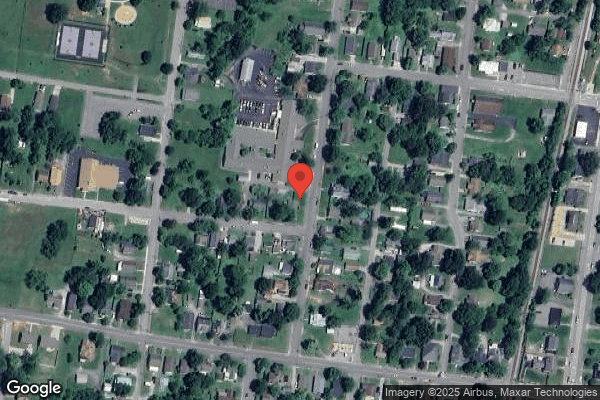

419 NORTH SEMINARY ST, MADISONVILLE, KY 42431 (270) 821-5564
For profit - Corporation 94 Beds SIMCHA HYMAN & NAFTALI ZANZIPER Data: November 2025
Trust Grade
70/100
#117 of 266 in KY
Last Inspection: May 2025

Inspected within the last 6 months. Data reflects current conditions.

Overview

Madisonville Health and Rehabilitation, LLC has a Trust Grade of B, which indicates it is a good choice, not the best but solid. It ranks #117 out of 266 facilities in Kentucky, placing it in the top half, and #5 out of 7 in Hopkins County, meaning only one local option is better. The facility's performance trend has been stable, with 3 issues identified in both 2020 and 2025. While staffing is considered average with a 3/5 rating and a turnover rate of 44%, which is slightly below the state average, the RN coverage is also average, suggesting there is adequate nursing oversight. Families should note that there were no fines recorded, which is a positive sign. However, there are some areas of concern, including reports of maintenance issues like damaged heating elements and a lack of proper infection control practices in the kitchen, where a repairman was observed not wearing a hair net. Additionally, there were findings related to wound care management that did not meet professional standards for one resident, highlighting the need for improvement in quality measures, which received a low rating of 1/5. Overall, while there are strengths in staffing stability and no fines, families should weigh these against the noted deficiencies.

Trust Score
B
70/100
In Kentucky
#117/266
Top 43%
Safety Record
Low Risk
No red flags
Inspections
Holding Steady
3 → 3 violations
Staff Stability
○ Average
44% turnover. Near Kentucky's 48% average. Typical for the industry.
Penalties
✓ Good
No fines on record. Clean compliance history, better than most Kentucky facilities.
Skilled Nurses
⚠ Watch
Each resident gets only 29 minutes of Registered Nurse (RN) attention daily — below average for Kentucky. Fewer RN minutes means fewer trained eyes watching for problems.
Violations
○ Average
7 deficiencies on record. Average for a facility this size. Mostly minor or procedural issues.
★★★☆☆
3.0
Overall Rating
★★★☆☆
3.0
Staff Levels
★☆☆☆☆
1.0
Care Quality
★★★★☆
4.0
Inspection Score
Stable
2020: 3 issues
2025: 3 issues

The Good

  • Full Sprinkler Coverage · Fire safety systems throughout facility
  • No fines on record
  • Staff turnover below average (44%)

    4 points below Kentucky average of 48%

Facility shows strength in fire safety.

The Bad

3-Star Overall Rating

Near Kentucky average (2.8)

Meets federal standards, typical of most facilities

Staff Turnover: 44%

Near Kentucky avg (46%)

Typical for the industry

Chain: SIMCHA HYMAN & NAFTALI ZANZIPER

Part of a multi-facility chain

Ask about local staffing decisions and management

The Ugly 7 deficiencies on record

May 2025 3 deficiencies
CONCERN (D)

Potential for Harm - no one hurt, but risky conditions existed

Quality of Care (Tag F0684)

Could have caused harm · This affected 1 resident

**NOTE- TERMS IN BRACKETS HAVE BEEN EDITED TO PROTECT CONFIDENTIALITY** Based on observation, interview, record review, and review of facility policy, the facility failed to ensure residents received ...

Read full inspector narrative →
**NOTE- TERMS IN BRACKETS HAVE BEEN EDITED TO PROTECT CONFIDENTIALITY** Based on observation, interview, record review, and review of facility policy, the facility failed to ensure residents received treatment and care in accordance with professional standards of practice regarding wound care for 1 of 2 residents sampled for skin assessments out of the total 18 sampled residents, (Resident (R)21). The findings include: Review of the facility policy, Wound Treatment Management, revised on 03/24/2025, revealed the facility's policy was to promote wound healing of various types. Per review, it was the policy of the facility to provide evidence-based treatments in accordance with current standards of practice and physician's orders. Review of R21's facesheet revealed the facility admitted the resident on 10/18/2013, with diagnoses which included, anoxic brain damage, epilepsy, and hemiplegia and hemiparesis following cerebral infarction. Review of the Quarterly Minimum Data Set (MDS) assessment dated [DATE], revealed the facility had not completed the Brief Interview for Mental Status (BIMS) assessment of the resident. Further review of the MDS Assessment revealed under Part C the facility assessed R21 to have severe cognitive impairment and as never/rarely understood. During observation of a skin assessment for R21 on 05/01/2025 at 10:25 AM, Licensed Practical Nurse (LPN) 2 placed a barrier cream onto the excoriated areas on the resident's buttocks, anus, and scrotum. During interview on 05/01/2025 at 2:55 PM, LPN 2 stated she failed to get an order from the provider for the barrier cream prior to applying it on the resident. She stated however, she often independently applied barrier cream or other treatments on residents if a new skin problem was found during a skin assessment. She stated she would then call a provider for orders for the treatment. LPN 2 said the providers did not mind the staff doing that. She further stated she was sure the policy would note to call the provider first for an order; however, she was not sure what the policy said. During interview on 05/01/2025 at 2:01 PM, the Family Nurse Practitioner stated she expected nursing staff to ask her about an order prior to using a treatment for wound care. During interview on 05/01/2025 at 3:51 PM, the Director of Nursing (DON) stated she expected all her nurses to secure an order for any care or treatment requiring an order. She further stated staff were never to give any medication or treatment without a provider order. During interview on 05/01/2025 at 4:18 PM, the Administrator stated she expected all staff to follow physician orders as written and not to give any type of medication (including creams) without an order.
CONCERN (D)

Potential for Harm - no one hurt, but risky conditions existed

Infection Control (Tag F0880)

Could have caused harm · This affected 1 resident

**NOTE- TERMS IN BRACKETS HAVE BEEN EDITED TO PROTECT CONFIDENTIALITY** Based on observation, interview, record review and facility policy review, the facility failed to establish and maintain an infe...

Read full inspector narrative →
**NOTE- TERMS IN BRACKETS HAVE BEEN EDITED TO PROTECT CONFIDENTIALITY** Based on observation, interview, record review and facility policy review, the facility failed to establish and maintain an infection prevention and control program to ensure a sanitary, safe environment or 2 of 18 sampled residents, (Resident (R)62 and R21. The findings included: Review of the facility policy, Hand Hygiene, revised 03/19/2024, revealed all staff were to perform proper hand hygiene procedures to prevent the spread of infection to other personnel, residents, and visitors. Per review, that applied to all staff working in all locations within the facility. Continued review revealed staff were to perform hand hygiene when indicated, using proper technique consistent with accepted standards of practice. Further review revealed the use of gloves would not replace hand hygiene. In addition, review revealed staff were to perform hand hygiene prior to donning gloves, and immediately after removing gloves. 1. Review of the facesheet for R62 revealed the facility admitted the resident on 07/20/2022, with diagnoses which included: psychotic disorder and pressure ulcer of left upper back. Review of the Quarterly Minimum Data Set (MDS) assessment dated [DATE], revealed the facility assessed R62 to have a Brief Interview for Mental Status (BIMS) score of three out of 15 which indicated the resident had severe cognitive impairment. During observation on 05/01/2025 at 1:16 PM, of wound care for R62, with LPN 2, she failed to clean the overbed table and place a barrier down prior to placing the clean wound care supplies on it. Per observation, LPN 2 failed to wash her hands prior to applying gloves, and failed to sanitize her hands during the observation prior to reapplying new gloves. During the observation, LPN 2 was observed to lay soiled gloves and dressings beside her clean supplies on the overbed table. Continued observation revealed LPN 2 also redressed R62's wound, donned more gloves; however, failed to wash her hands. Observation revealed LPN 2 took the disposable measuring tapes she used to measure R62's right great toe and right shoulder wounds, wrote on them, then took the tapes out of the resident's room her desk. Further observation revealed LPN 2 stapled them together and placed them in her desk failing to place them in a sealed barrier. In addition, the LPN failed to wash her hands prior to leaving R62's room, and failed to clean the overbed table where her dressings had been placed. 2. Review of the facesheet for R21 revealed the facility admitted the resident on 10/18/2013, with diagnoses which included, anoxic brain damage, epilepsy, and hemiplegia and hemiparesis following cerebral infarction. Review of the Quarterly MDS assessment dated [DATE], revealed the facility had not completed a BIMS assessment, since the resident could not answer the questions. Further review of Section C of the MDS Assessment revealed, the facility assessed R21 to have severe cognitive impairment and was never/rarely understood. During observation on 05/01/2025 at 10:25 AM, of a skin assessment with LPN 2, for R21 the LPN failed to wash her hands prior to entering the resident's room where she donned gloves. Per observation, while assessing R21's buttocks and anus, LPN 2 observed excoriation. Continued observation revealed LPN 2, with her soiled gloves on, applied a barrier cream on her gloved hand and then applied the cream to R21's inner buttocks and around the anus. Observation revealed the LPN then turned R21 to a supine position, loosened the resident's brief and exposed the frontal perineal area with the same soiled gloves on. Further observation revealed LPN 2 then used the same soiled gloves and placed the barrier cream on her other glove, and applied the cream to R21's scrotum, and re-fastened the brief. In addition, observation further revealed LPN 2 removed the soiled gloves and left R21's room without washing or sanitizing her hands. In interview on 05/01/2025 at 1:16 PM, the Infection Preventionist (IP) stated she watched staff quarterly and annually yearly performing skills, especially hand hygiene. She said she added particular skills as needed, especially hand hygiene related activities. The IP reported she expected staff to use the hand sanitizer in the rooms for easy access instead storing hand sanitizer in their pockets. She stated that prevented them from having to put their dirty hands in their pockets to retrieve sanitizer. The IP said she expected staff to place soiled items in a trash bag at the end of the resident's bed or having a bag hanging off the overbed table. She further stated staff could also use the trash can in the resident's room. The IP additionally stated however, the soiled trash needed to be bagged and removed from the room after staff completed dressing changes, incontinence care, etc. In interview with the Wound Care Nurse on 05/01/2025 at 2:34 PM, she stated she expected staff to follow the resident's wound care orders and the facility's hand washing policy as written. She further stated we have an infection control risk if handwashing was not done properly. During interview with the Director of Nursing (DON) on 05/01/2025 at 2:48 PM, she stated she expected nursing staff to follow the facility's wound care and handwashing policies as written. She further stated she expected staff to place soiled supplies in the trash can or bag and remove it from the resident's room. The DON additionally stated she expected the nurses to be prudent with wound care and hand washing. During interview with the Administrator on 05/01/2025 at 4:18 PM, she stated she expected staff to follow the facility's policies as written for handwashing and wound care. She further stated she also expected staff to follow physician orders as written.
CONCERN (D)

Potential for Harm - no one hurt, but risky conditions existed

Deficiency F0924 (Tag F0924)

Could have caused harm · This affected 1 resident

Based on observation, interview, and review of facility policy, the facility failed to ensure the corridors were equipped with hand rails on each side as required. The findings include: Review of the...

Read full inspector narrative →
Based on observation, interview, and review of facility policy, the facility failed to ensure the corridors were equipped with hand rails on each side as required. The findings include: Review of the facility policy titled, Resident Rights, revised 03/22/2022, revealed the resident had the right to a safe, clean, comfortable, home-like environment, including but not limited to treatments and supports for daily living safety. Review of the facility policy titled, Accidents and Supervision, revised 02/21/2024, revealed the residents' environment was to remain as free of accident hazards as possible. The policy further stated each resident was to receive adequate assistive devices to prevent accidents. Observation on 04/29/2025 at 2:40 PM, revealed the corridor outside of the dayroom had a hand rail secured to only one side with a bookshelf located on the other side. In interview on 05/01/25 at 3:10 PM, the Facility Maintenance Director stated the bookshelf was already located on that wall before he became Maintenance Director in March of this year. He stated he was not aware of the federal regulations regarding side rails being secured on each side in corridors. He further stated the timeline to replace the missing side rail was first thing tomorrow or Monday. In interview with the Administrator on 05/01/25 at 4:13 PM, she stated the hand rails had been off for about three weeks now. The Administrator said she was not aware that federal regulations required hand rails on each side of the corridor. She reported the bookcases had been moved back into the day room and maintenance staff were currently placing the rails back up in the corridor at this time. The Administrator further stated someone could have potentially fallen trying to go down the hallway with only the one rail on one side of the corridor.
Jan 2020 3 deficiencies
CONCERN (D)

Potential for Harm - no one hurt, but risky conditions existed

Deficiency F0761 (Tag F0761)

Could have caused harm · This affected 1 resident

Based on observation and interview, the facility failed to ensure controlled drugs were stored in a permanently affixed compartment as required in one (1) of two (2) refrigerators in the medication ro...

Read full inspector narrative →
Based on observation and interview, the facility failed to ensure controlled drugs were stored in a permanently affixed compartment as required in one (1) of two (2) refrigerators in the medication rooms. Observation of the B Hall medication room revealed the locked narcotic box in the refrigerator was not permanently affixed to the refrigerator. The findings include: Review of the facility policy titled Controlled Substances, with a revision date of December 2019 and a reviewed/revised date of 08/14/2019, revealed that controlled substances must be stored in the medication room in a locked container, separate from containers for any non-controlled medications. The policy did not address that the locked box would be permanently affixed. Observation of the B Hall medication room on 01/16/2020 at 2:45 PM revealed a locked plastic container in the refrigerator that was being utilized for storage of narcotic medications; however, the container was not permanently affixed to the refrigerator and could be easily removed from the refrigerator. Observation of the contents of the narcotic box revealed six (6) Fentanyl Patches, six (6) Hydrocodone/Acetaminophen 5/325 milligram tablets, six (6) Hydrocodone/Acetaminophen 7.5/325 milligram tablets, six (6) Oxycodone ER 10 milligram tablets, six (6) Oxycodone/Acetaminophen 5/325 milligram tablets, and one (1) thirty (30) milliliter bottle of Morphine Sulfate Oral Concentrate 10 mg/0.5 milliliters. Interview with Kentucky Medication Aide (KMA) #1 on 01/16/2020 at 3:59 PM revealed only one medication room refrigerator contained a locked container for narcotics and it was the refrigerator in the B Hall medication room. KMA #1 further revealed the locked container for narcotics had never been permanently affixed to the refrigerator. Interview with the Director of Nursing (DON) on 01/16/2020 at 3:34 PM revealed the narcotics are stored in a zip tie locked plastic box in the medication refrigerator on B Hall and the box is not permanently affixed to the refrigerator. The DON further revealed she was not aware the locked narcotic box should be permanently affixed to the refrigerator. The DON revealed she and the Administrator would immediately correct the incorrect storage of the locked narcotic box.
CONCERN (E)

Potential for Harm - no one hurt, but risky conditions existed

Safe Environment (Tag F0584)

Could have caused harm · This affected multiple residents

**NOTE- TERMS IN BRACKETS HAVE BEEN EDITED TO PROTECT CONFIDENTIALITY** Based on observation, interview, and review of the facility maintenance policy it was determined the facility failed to provide ...

Read full inspector narrative →
**NOTE- TERMS IN BRACKETS HAVE BEEN EDITED TO PROTECT CONFIDENTIALITY** Based on observation, interview, and review of the facility maintenance policy it was determined the facility failed to provide a safe, comfortable, and homelike environment for residents. Observation on 01/14/2020 revealed two (2) of four (4) facility hallways (Round Station and C Hall) had baseboard heaters with missing and/or bent cover panels. In addition, one (1) of eight (8) rooms in the Round Station hallway (room [ROOM NUMBER]) had a broken heating and air-conditioning electrical outlet cover. The findings include: A review of the maintenance policy titled Work Orders and Maintenance Services, undated, revealed maintenance work orders shall be completed in order to establish a priority of maintenance services and the maintenance director was responsible for scheduling preventive maintenance services. Observations conducted on the Round Station hall on 01/14/2020 at 12:20 PM revealed four (4) of six (6) baseboard heaters with bent, loose, and/or missing cover panels. Observation on the C Wing hall on 01/14/2020 at 12:20 PM revealed three (3) of seven (7) heaters with bent, loose, and/or missing cover panels. Observation of room [ROOM NUMBER] on 01/14/2020 at 2:23 PM revealed an electrical outlet for the heating and air-conditioning unit was broken, exposing the outlet wiring. A review of the facility maintenance work orders and a critical/non-critical list of maintenance and remodel projects identified by the facility revealed no evidence the baseboard heaters had been scheduled for removal or remodeling. There was no evidence the electrical outlet plug had a work order submitted for repair/replacement. Interview with the Maintenance Director on 01/16/2020 at 2:05 PM revealed the Maintenance Director made rounds monthly to check for items in need of repair and had not noticed the broken outlet cover in room [ROOM NUMBER] or the baseboard heaters with the bent, loose, and/or missing cover panels. According to the Maintenance Director, the baseboard heaters were in an older section of the building and not connected to the current facility heating system and were no longer used.
CONCERN (E)

Potential for Harm - no one hurt, but risky conditions existed

Food Safety (Tag F0812)

Could have caused harm · This affected multiple residents

Based on observation, interview, and review of the facility policy, it was determined the facility failed to ensure infection control practices were maintained in the kitchen. On 01/14/2020, at 12:03 ...

Read full inspector narrative →
Based on observation, interview, and review of the facility policy, it was determined the facility failed to ensure infection control practices were maintained in the kitchen. On 01/14/2020, at 12:03 PM, during service of the lunch meal, observation revealed a contract repairman working on the dishwasher was not wearing a hair net. The findings include: Review of the facility policy, Personal Hygiene, undated, revealed the key to a safe and sanitary Dietary Department was healthy employees, properly trained in safe food handling, and the practice of good hygiene. The policy also revealed if hair was long and not covered properly by a cap, a hair net must be worn. Observation in the kitchen on 01/14/2020 at 12:03 PM, revealed an individual working on the dishwasher who was not wearing a hair net. Further observation revealed the kitchen staff were plating and serving the lunch meal for the residents. At 12:15 PM, observation revealed the repairman donned a hair net after he stated to the surveyor that he thought he needed a hair net. Interview with the Dietary Manager on 01/16/2020 at 9:31 AM, revealed measures to maintain infection control in the kitchen were to ensure personal hygiene, consistent hand hygiene, including the use of gloves, and the wearing of a hair net. She further stated anyone who entered the kitchen needed to don a hairnet. She also stated there was a repairman in the kitchen on 01/14/2020 during the time lunch was being served. The Dietary Manager stated that individual should have had a hair net on. Interview with the Director of Nursing (DON) on 01/16/2020 at 2:28 PM, revealed the Dietary Manager performed audits in the kitchen to ensure infection control practices were maintained. The DON stated the Dietary Manager provided her with the results of those audits and she was not aware of any issues regarding infection control. She then stated anyone who entered the kitchen would need to wear a hair net and wash their hands. The DON concluded by stating the repairman should have worn a hair net.
Oct 2018 1 deficiency
CONCERN (D)

Potential for Harm - no one hurt, but risky conditions existed

Incontinence Care (Tag F0690)

Could have caused harm · This affected 1 resident

Based on observation, interview, record review, and facility policy review, it was determined the facility failed to ensure one (1) of twenty-two (22) sampled residents who has an indwelling urinary c...

Read full inspector narrative →
Based on observation, interview, record review, and facility policy review, it was determined the facility failed to ensure one (1) of twenty-two (22) sampled residents who has an indwelling urinary catheter is provided appropriate treatment and services in accordance with professional standards (Residents #81). Observations on 10/23/18, revealed Resident #81's urinary indwelling catheter was not secured below the level of the bladder. The findings include: Review of the facility policy, Catheter Care, Urinary, last revised September 2014, revealed in order to maintain unobstructed urine flow the urinary drainage bag must be held or positioned lower than the bladder at all times to prevent the urine in the tubing and drainage bag from flowing back into the urinary bladder. Record review revealed the facility readmitted Resident #81 on 08/10/18 with diagnoses which included Parkinson's Disease, Dementia, Obstructive Uropathy, and Hypertension, Review of the admission MDS assessment, dated 08/17/18, revealed staff were unable to complete a BIMS assessment, as the resident was rarely/never understood. Observation, on 10/23/18 at 1:47 PM and 2:41 PM, revealed Resident #81's urinary indwelling catheter was positioned near the head of the bed and not below the level of the bladder. Interview with Certified Nurse Aide (CNA) #1 on 10/23/18 at 2:42 PM, revealed the catheter should be secured lower on the bed frame and below the level of the bladder to keep the urine from backing up into the bladder. Interview with Registered Nurse (RN) #1 on 10/25/18 at 2:26 PM, revealed the aides should ensure the catheters are secured below the level of the bladder to allow the urine to drain and decrease the risk of infections. Interview with the Director of Nursing (DON) on 10/25/18 at 4:47 PM, revealed she expected the catheter to be placed below the level of the bladder to aid in urine flow and decrease the risk of infections.
Understanding Severity Codes (click to expand)
Life-Threatening (Immediate Jeopardy)
J - Isolated K - Pattern L - Widespread
Actual Harm
G - Isolated H - Pattern I - Widespread
Potential for Harm
D - Isolated E - Pattern F - Widespread
No Harm (Minor)
A - Isolated B - Pattern C - Widespread

Questions to Ask on Your Visit

  • "Can I speak with families of current residents?"
  • "What's your RN coverage like on weekends and overnight?"

Our Honest Assessment

Strengths
  • • No major safety red flags. No abuse findings, life-threatening violations, or SFF status.
  • • No fines on record. Clean compliance history, better than most Kentucky facilities.
  • • 44% turnover. Below Kentucky's 48% average. Good staff retention means consistent care.
Concerns
  • • No major red flags. Standard due diligence and a personal visit recommended.
Bottom line: Mixed indicators with Trust Score of 70/100. Visit in person and ask pointed questions.

About This Facility

What is Madisonville, Llc's CMS Rating?

CMS assigns MADISONVILLE HEALTH AND REHABILITATION, LLC an overall rating of 3 out of 5 stars, which is considered average nationally. Within Kentucky, this rating places the facility higher than 99% of the state's 100 nursing homes. This mid-range rating indicates the facility meets federal standards but may have areas for improvement.

How is Madisonville, Llc Staffed?

CMS rates MADISONVILLE HEALTH AND REHABILITATION, LLC's staffing level at 3 out of 5 stars, which is average compared to other nursing homes. Staff turnover is 44%, compared to the Kentucky average of 46%. This relatively stable workforce can support continuity of care.

What Have Inspectors Found at Madisonville, Llc?

State health inspectors documented 7 deficiencies at MADISONVILLE HEALTH AND REHABILITATION, LLC during 2018 to 2025. These included: 7 with potential for harm.
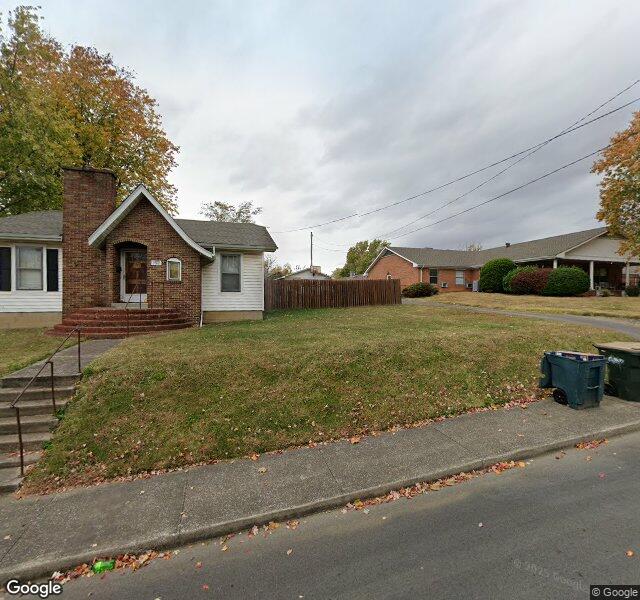
Who Owns and Operates Madisonville, Llc?

MADISONVILLE HEALTH AND REHABILITATION, LLC is owned by a for-profit company. For-profit facilities operate as businesses with obligations to shareholders or private owners. The facility is operated by SIMCHA HYMAN & NAFTALI ZANZIPER, a chain that manages multiple nursing homes. With 94 certified beds and approximately 83 residents (about 88% occupancy), it is a smaller facility located in MADISONVILLE, Kentucky.
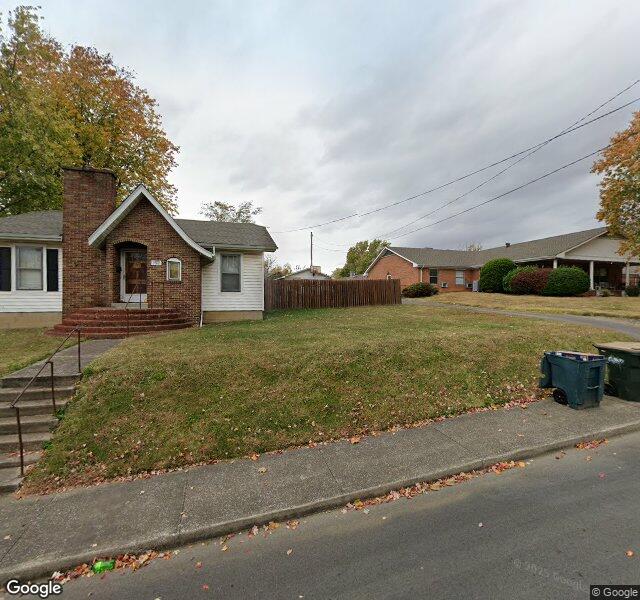
How Does Madisonville, Llc Compare to Other Kentucky Nursing Homes?

Compared to the 100 nursing homes in Kentucky, MADISONVILLE HEALTH AND REHABILITATION, LLC's overall rating (3 stars) is above the state average of 2.8, staff turnover (44%) is near the state average of 46%, and health inspection rating (4 stars) is above the national benchmark.

What Should Families Ask When Visiting Madisonville, Llc?

Based on this facility's data, families visiting should ask: "Can I visit during a mealtime to observe dining assistance and food quality?" "How do you handle medical emergencies, and what is your hospital transfer rate?" "Can I speak with family members of current residents about their experience?"

Is Madisonville, Llc Safe?

Based on CMS inspection data, MADISONVILLE HEALTH AND REHABILITATION, LLC has a clean safety record: no substantiated abuse findings (meaning no confirmed cases of resident harm), no Immediate Jeopardy citations (the most serious violation level indicating risk of serious injury or death), and is not on the Special Focus Facility watch list (a federal program monitoring the lowest-performing 1% of nursing homes). The facility has a 3-star overall rating and ranks #1 of 100 nursing homes in Kentucky. While no facility is perfect, families should still ask about staff-to-resident ratios and recent inspection results during their visit.

Do Nurses at Madisonville, Llc Stick Around?

MADISONVILLE HEALTH AND REHABILITATION, LLC has a staff turnover rate of 44%, which is about average for Kentucky nursing homes (state average: 46%). Moderate turnover is common in nursing homes, but families should still ask about staff tenure and how the facility maintains care continuity when employees leave.

Was Madisonville, Llc Ever Fined?

MADISONVILLE HEALTH AND REHABILITATION, LLC has no federal fines on record. CMS issues fines when nursing homes fail to meet care standards or don't correct problems found during inspections. The absence of fines suggests the facility has either maintained compliance or corrected any issues before penalties were assessed. This is a positive indicator, though families should still review recent inspection reports for the full picture.

Is Madisonville, Llc on Any Federal Watch List?

MADISONVILLE HEALTH AND REHABILITATION, LLC is not on any federal watch list. The most significant is the Special Focus Facility (SFF) program, which identifies the bottom 1% of nursing homes nationally based on persistent, serious quality problems. Not being on this list means the facility has avoided the pattern of deficiencies that triggers enhanced federal oversight. This is a positive indicator, though families should still review the facility's inspection history directly.