PARK GROVE NURSING AND REHABILITATION CENTER
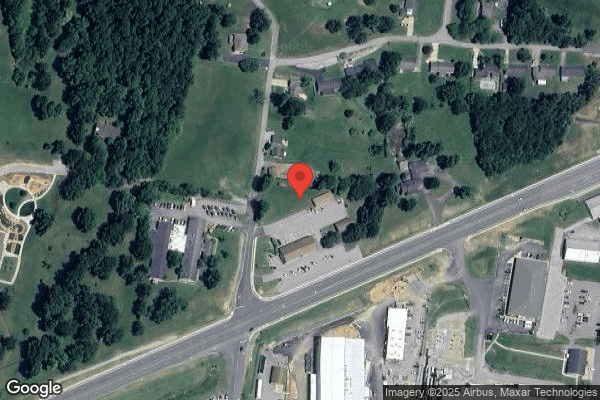

1500 PRIDE AVENUE, MADISONVILLE, KY 42431 (270) 821-1813
For profit - Limited Liability company 71 Beds ENCORE HEALTH PARTNERS Data: November 2025 2 Immediate Jeopardy citations
Trust Grade
9/100
#244 of 266 in KY
Last Inspection: June 2025

Inspected within the last 6 months. Data reflects current conditions.

Overview

Park Grove Nursing and Rehabilitation Center has received a Trust Grade of F, indicating poor performance with significant concerns about the quality of care provided. It ranks #244 out of 266 facilities in Kentucky, placing it in the bottom half of nursing homes in the state, and is last among the seven facilities in Hopkins County. While the facility is showing some improvement in its issues, dropping from 8 in 2024 to 2 in 2025, it still faces serious problems, including two critical incidents where residents were not adequately monitored, leading to risks of harm. Staffing is below average with a turnover rate of 44%, although this is slightly better than the state average. Additionally, the center has incurred fines of $22,630, which is higher than 87% of Kentucky facilities, suggesting ongoing compliance issues.

Trust Score
F
9/100
In Kentucky
#244/266
Bottom 9%
Safety Record
High Risk
Review needed
Inspections
Getting Better
8 → 2 violations
Staff Stability
○ Average
44% turnover. Near Kentucky's 48% average. Typical for the industry.
Penalties
✓ Good
$22,630 in fines. Lower than most Kentucky facilities. Relatively clean record.
Skilled Nurses
✓ Good
Each resident gets 46 minutes of Registered Nurse (RN) attention daily — more than average for Kentucky. RNs are trained to catch health problems early.
Violations
⚠ Watch
19 deficiencies on record. Higher than average. Multiple issues found across inspections.
★☆☆☆☆
1.0
Overall Rating
★★☆☆☆
2.0
Staff Levels
★☆☆☆☆
1.0
Care Quality
★☆☆☆☆
1.0
Inspection Score
Stable
2024: 8 issues
2025: 2 issues

The Good

  • Full Sprinkler Coverage · Fire safety systems throughout facility
  • No fines on record
  • Staff turnover below average (44%)

    4 points below Kentucky average of 48%

Facility shows strength in fire safety.

The Bad

1-Star Overall Rating

Below Kentucky average (2.8)

Significant quality concerns identified by CMS

Staff Turnover: 44%

Near Kentucky avg (46%)

Typical for the industry

Federal Fines: $22,630

Below median ($33,413)

Minor penalties assessed

Chain: ENCORE HEALTH PARTNERS

Part of a multi-facility chain

Ask about local staffing decisions and management

The Ugly 19 deficiencies on record

2 life-threatening 2 actual harm
Jun 2025 2 deficiencies
CONCERN (D)

Potential for Harm - no one hurt, but risky conditions existed

Comprehensive Care Plan (Tag F0656)

Could have caused harm · This affected 1 resident

**NOTE- TERMS IN BRACKETS HAVE BEEN EDITED TO PROTECT CONFIDENTIALITY** Based on observation, interview, record review and facility policy review, the facility failed to implement a comprehensive pers...

Read full inspector narrative →
**NOTE- TERMS IN BRACKETS HAVE BEEN EDITED TO PROTECT CONFIDENTIALITY** Based on observation, interview, record review and facility policy review, the facility failed to implement a comprehensive person-centered care plan to meet mental and psychosocial needs for one (Resident (R) 2) of three residents reviewed for activity care plans. The resident's care plan for the television (TV) to be on at all times was not consistently followed. The findings include: Review of the facility policy, Care Plan Policy, dated 08/04/2024, revealed the policy statement stated, The facility will develop and implement a person-centered care plan for each resident, that includes measurable objectives and time frames to meet a resident's medical, nursing, mental, and psychosocial needs that are identified in the comprehensive assessment. Per the policy, The Licensed Nurses and/or Interdisciplinary Team (IDT) develops and maintains a comprehensive care plan for each resident that identifies the highest level of functioning the resident may be expected to attain . The Comprehensive Care Plan will be person-centered for each resident. Review of R2's medical record revealed she was admitted to the facility on [DATE] with diagnoses which included cerebral palsy and anxiety disorder. Review of the Quarterly Minimum Data Set (MDS) dated [DATE] revealed the resident was severely impaired for decision making regarding tasks of daily life, with both short- and long-term memory loss. Per the MDS, the resident had impairment on both the lower and upper extremities and was dependent on staff for activities of daily living. (ADLs). Review of the Comprehensive Care Plan, dated 08/23/2024, revealed the Focus stated, I exhibit or am at risk for limited meaningful engagement related to cognitive loss/loss of function. I have Cerebral Palsy, severe physical impairment, and anxiety disorder. I require total care per staff. I prefer for my TV to be on at all times. Interventions on the care plan included, I like to watch television in my room and prefer shows that involve animals. Date initiated 04/15/2024. Observation on 06/03/2025 at 9:10 AM revealed R2 was in awake in bed in her room. The resident was observed to not be able to move her arms or legs more than a few inches. Although R2 moved her head in response to the survey team's voice, attempts to interview the resident were unsuccessful. Two TVs were in the resident's room. One TV was directly in front of the resident at the foot of her bed, with the remote for the TV on a table in front of the TV, out of the resident's reach. A second TV was sitting on a chest of drawers in the room. Neither of the two TVs was on at this time. On 06/03/25 3:35 PM, R2 was found in her bed with her eyes open. Another attempt to interview the resident was made at this time. The resident glanced over at the survey team but did not respond. The two TVs were not on at this time. During an observation on 06/04/25 at 10:29 AM, R2 was in bed, and appeared to be asleep. Neither of the two TVs in the room were on. During an observation on 06/05/25 at 8:15 AM, R2 was in bed. The resident's eyes were open, and she blinked her eyes when spoken to, but did not respond verbally to an attempted interview. Neither of the two TVs were on at this time. During an observation on 06/05/25 at 10:25 AM., R2's TV was turned on, and was showing a cartoon (rather than a show that involved animals, as detailed on the care plan.) Certified Nurse Aide (CNA)1 was at the bedside, and she stated she just turned on the TV. Interview with CNA1 revealed she was unaware that the resident's television was supposed to be on at all times. Further interview revealed she was also unaware that the care plan called for the resident's television to be turned to shows that involved animals. On 06/05/25 at 9:27 AM, during an interview with the MDS Director, she stated she expected staff to follow the care plan. Interview on 06/05/25 at 1:47 PM with the Activities Director revealed she has been in this position for two months. She stated she expects for the staff to follow the care plan as written. Further interview with the Activities Director revealed she was not aware that the care plan called for the resident's TV to be on at all times, and was not monitoring to ensure this was done. During an interview with the Director of Nursing (DON) on 06/05/25 at 2:32 PM, she stated that all nursing staff are responsible for ensuring that the Comprehensive Care Plan is followed as written. Additional interview with the DON on 06/05/25 at 3:40 PM confirmed that she expected the care plans to be followed as written. During an interview with the Administrator on 06/05/25 at 4:17 PM, she stated she expected staff to follow care plans as written and to have R2's TV on.
CONCERN (F)

Potential for Harm - no one hurt, but risky conditions existed

Food Safety (Tag F0812)

Could have caused harm · This affected most or all residents

Based on observation, interview, and review of the facility's policy, the facility failed to store food in accordance with professional standards for food service safety. Food was not dated at the tim...

Read full inspector narrative →
Based on observation, interview, and review of the facility's policy, the facility failed to store food in accordance with professional standards for food service safety. Food was not dated at the time of storage. Opened food was not covered and/or sealed to prevent contamination. This failure had the potential to affect 52 of the facility's 52 residents who consumed food from the kitchen. The findings include: Review of the facility's policy titled, Food Storage, dated 2019, revealed food would be stored by methods designed to prevent contamination or cross-contamination. Further review revealed food would be stored in covered containers or wrapped carefully and securely and each item would be clearly labeled and dated before being refrigerated. Additionally, all frozen foods should be covered, labeled, and dated. a. Observation of the kitchen, on 06/03/2025 at 10:07 AM, revealed Refrigerator1's contents included four loaves of bread, one package of hot dog buns, and one package of rolls that were not dated when stored. b. Observation of Freezer1 revealed its contents included one box of hamburger patties, one box of roll dough, one box of frozen cookie dough, and one box of mixed vegetables. Each of these food items were still in their original box/container; however, the food items had been opened, and the containers were not sealed/covered to prevent potential contamination. Interview with Cook2, on 06/05/2025 at 3:00 PM, revealed she worked in the facility for three years as a cook and dietary aide. She stated any food item that was delivered should, prior to storage, be dated with the received date, whether the food was stored in the dry storage pantry, the refrigerator, or the freezer. Cook2 noted that when an item was opened, it should be dated with an open date to provide staff guidance on how long the food item could remain in storage or when it should be discarded. She added that when any food item was opened and kept in its original container, it should be covered securely, and the container should be closed to prevent contamination and/or freezer burn. Interview revealed that all, dietary staff, including Cook2, were responsible for ensuring this occurred. Cook2 stated that when food was opened, it was to be discarded after seven days if unused. Food products that were used were to be discarded within three days, depending on the product. She added that if food was not dated, it should be discarded as there was no way to know how long the food item had been on the shelf or in the refrigerator or freezer. Cook2 stated that if staff failed to follow the facility's policy and guidance on food safety, there was the potential for residents to be served unsafe food that could cause sickness. In an interview with the Dietary Manager, on 06/05/2025 at 3:15 PM, she stated she was new to the position. The Dietary Manager indicated that staff needed reeducation on food safety, including checking dates and ensuring food items were dated when received. She stated that all opened items should be sealed and covered and, if still in the original box, they should also be closed securely. The Dietary Manager said her expectation for all dietary staff was that they ensure residents were served food that was nutritional and not potentially contaminated, adding that the facility was home to all residents, and she would not want to cause them to be sick. In an interview with the Administrator, on 06/05/2025 at 3:55 PM, she stated her expectation was for the dietary department staff to follow the appropriate food safety guidelines and the facility's policy so that residents were served meals that were nutritional and safe.
Apr 2024 8 deficiencies 2 IJ
CRITICAL (J) 📢 Someone Reported This

A family member, employee, or ombudsman was alarmed enough to file a formal complaint

Immediate Jeopardy (IJ) - the most serious Medicare violation

Comprehensive Care Plan (Tag F0656)

Someone could have died · This affected 1 resident

**NOTE- TERMS IN BRACKETS HAVE BEEN EDITED TO PROTECT CONFIDENTIALITY** 3. Review of Resident #52's admission Record revealed the facility admitted the resident on 08/21/2023, with diagnoses to includ...

Read full inspector narrative →
**NOTE- TERMS IN BRACKETS HAVE BEEN EDITED TO PROTECT CONFIDENTIALITY** 3. Review of Resident #52's admission Record revealed the facility admitted the resident on 08/21/2023, with diagnoses to include: myelodysplastic syndrome, major depressive disorder, recurrent, severe with psychotic symptoms, and chronic obstructive pulmonary disease (COPD). Review of the Quarterly MDS Assessment, dated 02/13/2024, revealed the facility assessed Resident #52 to have a BIMS' score of a fifteen (15) out of fifteen (15) indicating the resident was cognitively intact and interviewable. Continued record review revealed no documented evidence the facility developed Resident #52's care plan to include activities or the resident's preferences. During an interview with Resident #52 on 04/03/2024 at 10:27 AM, he stated he did activities in his room most of the time. Resident #52 stated staff did not permit him to go outside and sit in the sun; however, he did not know why. He stated they did not let anyone go outside, which made him feel non-human and like he was just a piece of livestock. During an interview with State Registered Nurse Aide (SRNA) #3 on 04/05/2024 at 4:13 PM, she stated Resident #52 had asked to go outside before; however, had been stopped from doing so by the former Administrator. She stated she had never observed Resident #52 outside the facility. During an interview on 04/05/2024 at 10:03 AM, the Activities Director (AD) stated she was responsible for developing residents' activities/preferences care plans. The AD stated she was not sure why she had not developed Resident #52's care plan to include the resident's preferences related to activities. During an interview on 04/05/2024 at 7:30 PM, the DON stated she expected Activities to follow up with residents to find out what type of activities they enjoyed and to develop the residents' activities/preferences care plan. The DON stated if a care plan was not developed, staff would not know what a resident's activity preferences were unless they asked the resident. 4. Review of the admission Record for Resident #53 revealed the facility admitted the resident on 01/10/2024, with diagnoses to include: acute or chronic diastolic (congestive) heart failure, chronic obstructive pulmonary disease (COPD), and respiratory disorders. Review of the Significant Change MDS Assessment, dated 02/13/2024, revealed the facility assessed Resident #53 to have a BIMS' score of seven (7) out of fifteen (15) indicating the resident was severely cognitively impaired. Continued record review revealed no documented evidence Resident #53's care plan was developed and initiated regarding the resident's psychotropic medications. Review of Resident #53's Physician's Orders revealed the resident was on Clonazepam (a sedative medication) 1 milligram (mg) 3 times a day. During an interview with LPN #1 on 04/05/2024 at 5:39 PM, she stated the admitting nurse should have initiated Resident #53's baseline care plan to include use of a psychotropic medication. LPN #1 further stated the purpose of a resident's care plan was for staff to know how to provide the care a resident needed. During an interview with LPN #7 on 04/05/2024 at 5:56 PM, she stated a baseline care plan was to be initiated upon admission by any nurse. LPN #7 stated she would discuss comprehensive care plans development with the DON. She stated if the care plan was not developed, staff would not know how to provide the proper care for a resident. During an interview with the Assistant Director of Nursing (ADON) on 04/05/2024 at 6:36 PM, she stated staff were expected to follow resident's care plans and if they saw that a necessary care plan was not in place, they should correct the problem. The ADON stated any licensed nurse could initiate a care plan. During continued interview on 04/05/2024 at 7:30 PM, the DON (who had previously been an MDS Nurse) stated if a necessary care plan was not initiated during a resident's comprehensive assessment (MDS Assessment) she expected the MDS Nurse to catch that and make the necessary changes. The DON stated the admitting nurse was to initiate a baseline care plan for new residents and the MDS Nurse should initiate the Comprehensive Care Plan based on the MDS Assessment findings. She stated she expected the MDS Nurse to complete residents' comprehensive care plans to prevent potential problems from occurring. She stated her expectations were for her staff to follow residents' care plans and carry out the interventions because that was what the care plans were for, to provide direction of care of the resident. During an interview with the Administrator on 04/05/2024 at 8:16 PM, she stated if a care plan was not developed, staff would not know what a resident's care needs were. The Administrator stated she expected staff to develop residents' care plan based on their assessed needs. Based on observation, interview, record review, document review, and facility policy review, it was determined the facility failed to ensure residents' comprehensive care plans were developed and implemented for three (3) of eight (8) sampled residents assessed for elopement risk (Residents #13, #40, #52, #53). 1. The facility assessed Resident #13 to be at risk for elopement and was care planned as at risk for elopement and exhibited exit-seeking behavior. However, the resident exited the facility undetected by staff on 03/14/2024 at approximately 4:10 PM and was outside unsupervised for approximately five (5) minutes. 2. Resident #40 stated in interview she had carpal tunnel syndrome in both hands. However, review of Resident #40's care plan revealed the facility failed to develop a care plan related to pain or the potential for pain, with necessary interventions for the resident. 3. The facility failed to develop a care plan for Resident #52 for his activity preferences. 4. The facility failed to develop a care plan for Resident #53's psychotropic medication use. The facility's failure to ensure residents' care plans were developed and interventions implemented to include ensuring residents received adequate supervision and monitoring to prevent elopement has caused or is likely to cause serious injury, harm, impairment, or death to a resident. Immediate Jeopardy (IJ) was identified on 03/29/2024 and was determined to exist on 03/14/2024 in the areas of 42 CFR 483.21 Comprehensive Resident Centered Care Plan, F656; and 42 CFR 483.25 Quality of Care, F 689 at a Scope and Severity (S/S) of a J. Substandard Quality of Care (SQC) was also identified at 42 CFR 483.25 Quality of Care, F689. The facility was notified of the Immediate Jeopardy on 03/29/2024. The facility provided an acceptable Immediate Jeopardy Removal Plan on 04/05/2024 alleging removal of the IJ on 03/24/2024. An Extended Survey was initiated on 04/02/2024, and the State Survey Agency (SSA) validated the facility had removed the immediacy of the Jeopardy on 03/24/2024, as alleged. Refer to F689. The findings include: Review of the facility's policy titled, Care Plans, Comprehensive and Person-Centered, revised 03/01/2022, revealed a comprehensive, person-centered care plan that included measurable objectives and timetables to meet the resident's physical, psychosocial, and functional needs was to be developed and implemented for each resident. The policy also stated assessments of residents were ongoing and care plans were to be revised as information about the resident and the resident's condition changed. Further review revealed when possible, interventions should address the underlying sources of the problem areas not just the symptoms or triggers. 1. Review of the facility's policy titled, Safety and Supervision of Residents, revised 07/01/2017, revealed the facility strived to make the environment as free from accident hazards as possible. Per review of the policy, the care team was to target (residents') interventions to reduce individual risks related to hazards in the environment, including adequate supervision and assistive devices. Review further revealed implementing interventions to reduce accidents and hazards was to include communicating specific interventions to all relevant staff; assigning responsibility for carrying out interventions (to appropriate staff); providing training as necessary; and ensuring interventions were implemented, documented, and monitored. Review of the facility's policy titled, Wandering and Elopements, revised 03/01/2019, revealed the facility was to identify residents who were at risk of unsafe wandering and to strive to prevent harm while maintaining the least restrictive environment for residents. Further review revealed if a resident was identified as at risk for wandering, elopement, or other safety issues, the resident's care plan was to include strategies and interventions to maintain the resident's safety. Record review revealed the facility admitted Resident #13 on 04/14/2023, with diagnoses which included dementia, anxiety disorder, and Alzheimer's Disease. Review of Resident #13's Quarterly Minimum Data Set (MDS) assessment dated [DATE] revealed the facility assessed the resident as having a Brief Interview for Mental Status (BIMS) score of ninety-nine (99) which indicated he/she was rarely or never understood. The interview was not conducted. Review of Resident #13's Elopement Assessment Risk dated 11/17/2023, revealed the facility assessed him/her as being at risk for elopement related to the resident's ability to self-propel in a wheelchair; agitation, restlessness, impulsiveness, and having a history of elopement and wandering. Review of Resident #13's Treatment Administration Record (TAR), revealed the resident's Wanderguard bracelet was to be checked twice a day; once on day shift and once on night shift. Continued review of the TAR revealed Resident #13's Wanderguard bracelet was last checked for placement on 03/13/2024 by the dayshift nurse, and noted as in place. Review of Resident #13's Comprehensive Care Plan (CCP) revised on 02/01/2024, revealed the facility care planned the resident as at risk for elopement related to Alzheimer's Disease, dementia, psychosis, and exit-seeking behavior. Per review, the interventions included redirecting Resident #13 as appropriate if near an exit or doorways, and diverting him/her by giving alternative objects or activities. Continued review revealed the interventions also included utilizing and monitoring a security bracelet as per facility protocol. Further review revealed no documented evidence the facility care planned Resident #13 for increased supervision (even though the facility assessed the resident to be at risk for elopement on 11/17/2023). Review of the facility's investigation documentation dated 03/19/2024 revealed at approximately 4:10 PM on 03/14/2024, Resident #13 eloped from the facility through the exit door on the 400 Hall without staff's knowledge. Review further revealed Resident #13 was located outside near the exit door on the 100 Hall and brought back into the facility by two (2) staff members. In an interview on 04/02/2024 at 11:26 AM, LPN #3 stated she worked day shift on 03/13/2024, Resident #13 had a Wanderguard bracelet in place to his/her left ankle and to the best of her knowledge it had not came off during the time she was working her shift. She stated she checked Resident #13's Wanderguard for placement that day, which she documented. Review of Resident #13's TAR revealed LPN #3 documented the Wanderguard was in place to Resident #13's left ankle as per interview. She further stated if a resident was found not to be wearing a Wanderguard bracelet as they were care planned for, she would replace the bracelet immediately, and check it's function. In an interview on 04/03/2024 at 3:10 PM, LPN # 4 stated he worked the night of 03/13/2024 on the 400 Hall; however, he could not recall if Resident #13 had a Wanderguard bracelet in place or not. He stated he also could not recall what he documented on Resident #13's TAR that day regarding his/her Wanderguard placement. The LPN stated he was not sure who was responsible for updating a resident's care plan. LPN #4 stated he had not thought Resident #13 would elope. He further stated if he found a resident without a Wanderguard bracelet in place as per their care plan, he would immediately notify the Director of Nursing (DON) and place a new Wanderguard bracelet on the resident. In an interview on 04/05/2024 at 11:55 AM, LPN #1 stated she had not received report that Resident #13 did not have a Wanderguard bracelet on from the nightshift nurse in report on the morning of 03/14/2024. She stated when Resident #13 was found after eloping and brought back to the unit he/she was noted to not have a Wanderguard device in place as care planned. LPN #1 stated someone put a Wanderguard bracelet on Resident #13 after the elopement; however, she could not recall who that person had been. She further stated day shift checked the placement of the Wanderguard devices and she could not recall if she had checked Resident #13 for Wanderguard placement before he/she eloped that day. In an additional interview on 04/05/2024 at 5:40 PM, LPN #1 stated she had provided increased supervision of Resident #13 on 03/14/2024, because of the resident's potential risk for falls, not due to the elopement. She stated she received no education in regards to developing residents' care plans with additional interventions which might be necessary. LPN #1 stated the MDS Nurse updated residents' care plans; however, she knew how to update them in the residents' electronic medical record (EMR). In an interview on 04/05/2024 at 6:36 PM, the Assistant Director of Nursing (ADON) stated she expected staff to follow each resident's care plan and if they saw something a resident needed, all they had to do was just add the necessary interventions. The ADON further stated that was something any licensed nurse at the facility could do, as the MDS Nurse worked remotely and was only at the facility two (2) days a week. She stated Resident #13 never gave any indication she would actually elope so she had not felt the need to update the resident's care plan with interventions that included increased supervision. The ADON stated there was no reason for nightshift not to have checked the function and placement of a resident's Wanderguard bracelet unless the resident was not physically in the building. She further stated the potential for harm for a resident was that they would get out of the building if their Wanderguard bracelet was not working properly or was not in place. In an interview on 04/05/2024 at 7:30 PM, the DON stated there was no logical explanation as to why staff would not follow a resident's care plan and check the placement and function of the Wanderguard bracelet as required. In an interview on 04/05/2024 at 8:15 PM, the Administrator stated she expected residents' care plans to be updated and interventions followed according to the facility's policy. She further stated staff should follow residents' care plans as written and she expected the MDS Nurse to code the residents' MDS assessments correctly because that was what drives the care plans. 2. Review of the admission Record for Resident #40 revealed the facility admitted the resident on 12/15/2023, with the following diagnoses: spina bifida, carpal tunnel syndrome bilateral upper limbs, and type 2 diabetes mellitus. Review of the admission MDS assessment dated [DATE], revealed the facility assessed the resident to have a BIMS' score of fifteen (15) out of fifteen (15) indicating no cognitive impairment. Review of Resident #40's Comprehensive Care Plan revealed no documented evidence the facility developed a focus problem related to pain or the potential for pain, with necessary interventions. In an interview on 04/03/2024 at 11:21 AM, Resident #40 stated she had been at the facility since December (2023). The resident stated she had been admitted to the facility from another long term care facility. She stated she wore splints when her hands hurt. Resident #40 stated she had pain medication ordered but had not used any since being at the facility. During interview on 04/05/2024 at 7:34 PM, the DON stated she expected the MDS Nurse to catch if a baseline care plan was not initiated on admission and make the necessary changes. She stated she expected all residents to have a care plan initiated for potential for pain even if they had no current issues with pain. The DON further stated her expectation was for the MDS Nurse to complete residents' comprehensive care plans in order to prevent potential problems from occurring.
CRITICAL (J) 📢 Someone Reported This

A family member, employee, or ombudsman was alarmed enough to file a formal complaint

Immediate Jeopardy (IJ) - the most serious Medicare violation

Accident Prevention (Tag F0689)

Someone could have died · This affected 1 resident

**NOTE- TERMS IN BRACKETS HAVE BEEN EDITED TO PROTECT CONFIDENTIALITY** Based on observation, interview, record review, facility document and policy review, it was determined the facility failed to pr...

Read full inspector narrative →
**NOTE- TERMS IN BRACKETS HAVE BEEN EDITED TO PROTECT CONFIDENTIALITY** Based on observation, interview, record review, facility document and policy review, it was determined the facility failed to provide effective monitoring and supervision to prevent elopement for one (1) of eight (8) sampled residents assessed for elopement risk (Resident #13), out of the total resident sample of twenty-five (25). The facility assessed Resident #13 as at risk for elopement and care planned him/her for the elopement risk, Interventions included utilizing and monitoring a security bracelet for Resident #13 as per protocol. However, on 03/14/2024, facility staff failed to follow the resident's interventions, and allowed Resident #13, whose mobility was per wheelchair, to exit the facility without staffs' knowledge at approximately 4:10 PM. Resident #13 was located unsupervised outside the facility approximately five (5) minutes later. The facility's failure to have an effective system in place to ensure each resident received adequate supervision and monitoring to prevent elopement has caused or is likely to cause serious injury, harm, impairment, or death to a resident. Immediate Jeopardy (IJ) was identified on 03/29/2024 and was determined to exist on 03/14/2024 in the areas of 42 CFR 483.21 Comprehensive Resident Centered Care Plan, F656; and 42 CFR 483.25 Quality of Care, F 689 at a Scope and Severity (S/S) of a J. Substandard Quality of Care (SQC) was also identified at 42 CFR 483.25 Quality of Care, F689. The facility was notified of the Immediate Jeopardy on 03/29/2024. The facility provided an acceptable Immediate Jeopardy (IJ) Removal Plan on 04/05/2024, alleging removal of the IJ on 03/24/2024. An Extended Survey was initiated on 04/05/2024, and the State Survey Agency (SSA) validated the facility's IJ Removal Plan on 04/05/2024. The SSA valiadted the immediacy of the IJ had been removed on 03/24/2024, as alleged. The findings include: Review of the facility's policy titled, Safety and Supervision of Residents, revised 07/01/2017, revealed the facility was to strive to make the (residents') environment as free from accident hazards as possible which was a facility-wide priority. Continued review revealed the safety risks and environmental hazards were to be identified on an ongoing basis through a combination of employee training, employee monitoring, and reporting processes. Further review revealed the safety risks and environmental hazards were also to be identified on an ongoing basis through the Quality Assurance and Performance Improvement (QAPI) reviews of safety and incident/accident data, and a facility-wide commitment to safety at all levels of the organization. Continued review revealed resident supervision was a core component of the facility's systems approach to safety, and the type and frequency of resident supervision was determined by each resident's assessed needs and was to be increased when there were temporary hazards in the environment, (i.e.,construction) or, if there was a change in the resident's condition. Review of the facility policy titled, Wandering and Elopements, revised 03/01/2019, revealed the facility was to identify residents who were at risk of unsafe wandering and strive to prevent harm while maintaining the least restrictive environment for those residents. Continued review revealed if a resident was identified as at risk for wandering, elopement, or other safety issues, the resident's care plan was to include strategies and interventions to maintain the resident's safety. The policy also noted if a resident was missing, the facility was to initiate the elopement/missing resident emergency procedure and upon returning to the facility, the resident was to be examined for injuries by the Director of Nursing Services (DNS) or charge nurse. Staff were to notify the attending physician and report the findings and condition of the resident; notify the resident's legal representative; notify search teams that the resident had been located; complete and file an incident report; and document relevant information in the resident's medical record. Review of the facility's policy titled, Accidents and Incidents-Investigating and Reporting, revised 07/01/2017, revealed all accidents and/or incidents involving residents .occurring on facility premises were to be investigated and reported to the Administrator. Further review of the policy revealed incident and accident reports were to be reviewed by the facility's safety committee for trends related to accident or safety hazards in the facility and to analyze any individual resident vulnerabilities. Review of the facility's Elopement Binder revealed eight (8) residents listed who were noted to be at risk for elopement. 1. Record review revealed the facility admitted Resident #13 on 04/14/2023, with diagnoses to include Alzheimer's Disease, Unspecified Dementia, and Anxiety Disorder. Review of Resident #13's Quarterly Minimum Data Set (MDS) assessment dated [DATE], revealed the facility assessed Resident #13 to have a Brief Interview for Mental Status (BIMS) score of ninety-nine (99) indicating the interview was not conducted as she was rarely or never understood. Further review of the MDS Assessment revealed the facility assessed Resident #13 to require a wheelchair for mobility. Review of Resident #13's Elopement Assessment Risk dated 11/17/2023, revealed the facility assessed the resident as being at risk for elopement based on her ability to self-propel in a wheelchair; restlessness and agitation, impulsiveness; and history of elopement and wandering. Review of the facility's investigation dated 03/19/2024, revealed on 03/14/2024 at approximately 4:10 PM, Resident #13 eloped out the facility from the exit door on the 400 Hall. Continued review revealed Resident #13 was located near the exit door on the 100 Hall and brought back in by two (2) staff members. Review of the Internet weather history for 03/14/2024 at 4:10 PM for the facility's location, revealed it had been cloudy and the temperature was 77 degrees Fahrenheit (F). 2. Record review revealed the facility admitted Resident #1 on 06/07/2023, with diagnoses to include COVID-19, Cognitive Communication Deficit, and Open Wound to Right Lower Leg. Review of Resident #1's Quarterly MDS assessment dated [DATE], revealed the facility assessed Resident #1 to have a BIMS score of fifteen (15) out of fifteen (15), indicating no cognitive impairment. During an interview with Resident #1 on 03/27/2024 at 5:32 PM, the resident stated she had been sitting in her wheelchair at the 100 Hall Nurse's Station on 03/14/2024, and just happened to turn around and saw Resident #13 standing outside through the exit door on 100 Hall. Resident #1 stated Resident #13 was not standing on the porch but had been out in the parking lot very close to the porch. The resident stated she said out loud, Hey that looks like Resident #13 outside, and someone said, no it could not be Resident #13. Resident #1 stated she replied, Yes that is Resident #13 I know him/her. Resident #1 further stated State Registered Nurse Aide (SRNA) #6 went outside at that time and brought Resident #13 back inside the facility. In addition, Resident #1 stated she asked Resident #13 later if she had gotten outside, and all Resident #13 said to her was Yep. In an interview on 04/05/2024 at 12:15 PM, Resident #13's Family Member (FM) stated he was notified of the resident's elopement that day (03/14/2024) by a facility nurse. The FM stated when Resident #13 lived at home with him the resident would frequently elope and on occasion had been found by the neighbors, walking down the street. The neighbors brought her back home. Resident #13's FM further he guessed the resident must have wanted to get outside and get some fresh air the day she eloped. In an interview with Licensed Practical Nurse (LPN) #1 on 03/27/2024 at 11:48 AM, she stated she had only been employed at the facility for approximately thirty (30) days and had been the nurse responsible for Resident #13 on the day she eloped from the facility (03/14/2024). LPN #1 stated she had been providing increased supervision of Resident #13 for her safety because she had been up and down out of her wheelchair all day that day. The LPN stated she had to frequently stop and redirect her back into her wheelchair because she kept standing up. She stated Resident #13 had to be given cues constantly and her behavior could be difficult to manage as she was often non-compliant with taking her medications. In continued interview on 03/27/2024 at 11:48 AM, LPN #1 stated the last time she saw Resident #13 on 03/14/2024, had been around 3:40 PM-3:45 PM, when she had been trying to walk holding onto the nurse's station desk. The LPN stated she immediately engaged Resident #13 at that time and had her sit back down into her wheelchair. She said Resident #13 was sitting right in front of her at the nurse's desk at that time. LPN #1 stated around that time she got a new admission and had been finishing up the paperwork and medications for that resident, when she heard someone say, Where is (Resident #13)? She stated she looked up and saw that Resident #13 was no longer sitting in her wheelchair in front of the desk. She had staff start doing room to room searches and conducted a head count on all residents on the 400 Hall. LPN #1 stated she heard someone state that Resident #13 had been found, (she thought it was SRNA's from the 100 Hall) as they brought the resident back to the unit. She stated Resident #13 was placed on increased supervision at that time, and given a snack to distract her. LPN #1 stated she did not recall the exit door alarm going off and could not recall if Resident #13 was actually wearing her wanderguard bracelet (a device to alert staff when a resident was near an exit door) or not. She stated when a resident eloped they called a Code Golden and the elopement binders were located at each nurse's station and at the receptionist desk for staff to review. In an interview with SRNA #5 on 03/27/2024 at 2:32 PM, she stated she had been in a room on 03/14/2024 providing resident care when SRNA #6 came and asked her to help get a resident back inside the facility. She stated as she exited the room, she looked down the hallway and saw Resident #13 standing outside the facility on the patio by the 100 Hall holding the hand of Resident #33's family. SRNA #5 stated Resident #13 had not said anything, and did not appear to be in any distress, and was at her baseline behavior when located. She stated the weather had been warm outside that day. She stated Resident #13 had been wearing a new pants and top outfit she had received for her birthday. SRNA #5 stated she did not think Resident #13's wanderguard bracelet had been working at the time she got out. She stated she did not recall it alarming when she brought the resident back into the facility. The SRNA stated she notified the Director of Nursing (DON) and Administrator that Resident #13 had eloped and she left shortly after that as it was the end of her shift. She stated she wrote a witness statement and had performed a head count of residents on the 100, 200, and 300 Halls before she left the facility that day. She stated they had an all staff meeting the next day, did inservices and took a post test with the DON and Administrator. In an interview with SRNA #6 on 03/27/2024 at 3:05 PM, she stated around 3:30 PM-4:00 PM on 03/14/2024 she had been walking down the 100 Hall when she saw Resident #13 standing by the door outside. She stated she yelled for SRNA #5 to come and help her get Resident #13 back into the facility. SRNA #6 stated when they got outside, Resident #13 was standing outside with some of Resident #33's family, and she had SRNA #5 stay with the resident while she went back inside and grabbed a wheelchair for the resident. She stated she and SRNA #5 assisted Resident #13 to sit in the wheelchair and took the resident to the 400 Hall, and told LPN #1 the resident had been found outside. SRNA #6 further stated Resident #13 did not have a wanderguard bracelet on at the time she eloped, and the door alarm did not go off when they brought the resident back in. She additionally stated she received education and inservices on elopement from the DON after that, and had taken a post test. In an interview with the Maintenance Director on 03/26/2024 at 3:19 PM, he stated the exit door on the 400 Hall was either partially open or had not closed all the way on the day of Resident #13's elopement (03/14/2024). He stated he had been notified by staff that day, and had made repairs to the door immediately. He stated he checked the door alarms on the days that he worked and did not check the alarms on the weekends unless he got called in to fix something else. The Maintenance Director stated the door checks were logged after being completed. However, review of the door check logs revealed there were days with no documented evidence the checks were completed. He stated he was not sure who all had access to the door codes prior to Resident #13's elopement. The Maintenance Director further stated that since the elopement he had been checking the doors daily and logging the checks in the log book. He stated the security codes on the door were changed monthly and the code was only given to facility staff members. He stated a stop alarm was placed at the 400 Hall exit door, after the resident's elopement, to ensure the alarm was heard clearly by all staff in case they were not in close proximity to the door. In an interview with the Regional Director of Operations on 03/29/2024 at 1:30 PM, she stated the door alarms were checked everyday including on weekends. She stated if maintenance was not at the facility on weekends they were checked by the manager on duty for that weekend. In an interview with the Assistant Director of Nursing (ADON) on 04/05/2024 at 6:36 PM, she stated she left the facility and came back later that night to relieve the DON because they were covering a call-in on the 400 Hall. She stated Resident #13 never gave them any indication she would attempt to elope from the facility, so there was no need to increase her supervision. The ADON stated she had not been aware that the exit door on the 400 Hall was having issues. The ADON further stated before Resident #13's elopement she would take each resident who had a wanderguard bracelet in place close to the exit door and see if it would alarm. She stated she checked wanderguard bracelets on residents, during her shift after Resident #13's elopement, for placement and function, and received education and took a post test from the DON as well. In an interview with the DON on 04/05/2024 at 7:30 PM, she stated she had been informed of Resident #13's elopement by SRNA #5. She stated she immediately went to the 400 Hall and assessed the resident to have no injuries. The DON stated she had not been aware of any issues with the 400 Hall exit door prior to the resident's elopement, and was not aware of any malfunction of the door the day the resident eloped. She stated she suspected someone went out the exit door on the 400 Hall and the door had not closed back all the way, and Resident #13 slipped out the door behind them. The DON stated the door was locked back after Resident #13's elopement, and maintenance put up a stop alarm at that exit. She stated Resident #13 was placed on 1:1 observation after the elopement because she had been the nurse who provided the supervision until the ADON came in and took over the shift from her. She stated night shift nursing staff were to check the wanderguards for placement and function daily. (However, review of the door checks documentation revealed some daily checks had been missed which included the night before and day of Resident #13's elopement). The DON stated she participated in head counts of residents, provided education to staff and gave post tests, attended Ad Hoc meetings after the incident, placed signs at all the exit doors, and also educated the agency staff as well. In an interview with the Administrator on 04/05/2024 at 8:15 PM, she stated she was notified of Resident #13's elopement on 03/14/2024 at approximately 4:22 PM, by facility staff. She stated she initiated an investigation at that time, and notified the facility's Medical Director of the event. The Administrator stated she had not been aware of any issues with the exit door on the 400 Hall. She stated her expectations were for staff to ensure residents were safe and accounted for. She stated nightshift was responsible for ensuring the wanderguard bracelets were checked to ensure they were in place and working. The Administrator stated the exit doors were being checked daily by maintenance prior to Resident #13's elopement. She further stated the first Ad Hoc Meeting had been held on 03/21/2024, during which the elopement incident was discussed along with other triggers of the facility.
CONCERN (D)

Potential for Harm - no one hurt, but risky conditions existed

Resident Rights (Tag F0550)

Could have caused harm · This affected 1 resident

**NOTE- TERMS IN BRACKETS HAVE BEEN EDITED TO PROTECT CONFIDENTIALITY** Based on observation, interview, and review of the facility's policy, the facility failed to treat each resident with respect an...

Read full inspector narrative →
**NOTE- TERMS IN BRACKETS HAVE BEEN EDITED TO PROTECT CONFIDENTIALITY** Based on observation, interview, and review of the facility's policy, the facility failed to treat each resident with respect and dignity and care for each resident in a manner and in an environment that promoted maintenance or enhancement of his or her quality of life, for one (1) of six (6) sampled residents (Resident #1). Observation of Resident #1 on 04/03/2024, revealed the resident's catheter bag had no dignity cover in place. The findings include: Review of the facility's policy titled, Dignity, revised February 2021, revealed each resident was to be cared for in a manner that promoted and enhanced his or her sense of well-being, level of satisfaction with life, and feelings of self-worth and self-esteem. Review of Resident #1s admission Record revealed the facility admitted the resident on 08/21/2023, with diagnoses to include: urinary retention, myelodysplastic syndrome, and major depressive disorder, severe with psychotic symptoms. Review of Resident #1's Quarterly Minimum Data Set (MDS) assessment dated [DATE], revealed the facility assessed the resident to have a Brief Interview for Mental Status (BIMS) score of fifteen (15) out of fifteen (15) indicating the resident was cognitively intact and interviewable. Review of Resident #1's Indwelling Foley (name brand) Catheter Comprehensive Care Plan, dated 06/08/2023, revealed an intervention initiated on 07/17/2023 to provide a privacy bag covering for the catheter bag. During an observation on 04/03/2024 at 4:34 PM, Resident #1's catheter bag was observed anchored to the bed frame facing the door. Further observation revealed the catheter bag did not have a dignity covering in place. During an interview with Resident #1 on 04/03/2023 at 4:40 PM, she stated she did not know her catheter bag should be covered. She stated it was embarrassing for her to know that visitors and other residents could see her urine. During an interview with State Registered Nurse Aide (SRNA) #3 she stated Resident #1 should have had a covering on her catheter bag, as that was a dignity issue. During an interview with SRNA #10 on 04/05/2024 at 4:31 PM, he stated catheter bags should have a dignity cover on them at all times. He stated, We do not want other people to be able to see the resident's catheter bag. During an interview with SRNA #6 on 04/05/2024 at 5:13 PM, she stated any resident with a catheter bag should have a covering on it or that could be a concern for the resident's dignity. During an interview with SRNA #11 on 04/05/2024 at 5:25 PM, she stated catheter bags should be placed in a privacy bag. She stated privacy bags were meant to provide privacy and to be discreet. During an interview with Licensed Practical Nurse (LPN) #7 on 04/05/2024 at 5:56 PM, she stated catheter bags should be covered. LPN #7 stated it was an infection control and dignity issue. During an interview with the Director of Nursing (DON) on 04/05/2024 at 7:30 PM, she stated she expected staff to always use a dignity cover on catheter bags. The DON further stated if a dignity cover was not used, it could cause a dignity issue for a resident. During an interview with the Administrator on 04/05/2024 at 8:16 PM, she stated she expected staff to ensure catheter bags had a dignity cover on at all times to prevent a dignity concern for the resident.
CONCERN (D)

Potential for Harm - no one hurt, but risky conditions existed

Deficiency F0678 (Tag F0678)

Could have caused harm · This affected 1 resident

**NOTE- TERMS IN BRACKETS HAVE BEEN EDITED TO PROTECT CONFIDENTIALITY** Based on interview, record review and review of facility policy, the facility failed to ensure each resident had an active Advan...

Read full inspector narrative →
**NOTE- TERMS IN BRACKETS HAVE BEEN EDITED TO PROTECT CONFIDENTIALITY** Based on interview, record review and review of facility policy, the facility failed to ensure each resident had an active Advance Directive order in place for five (5 ) of 25 sampled residents (Residents #8, #9, #22, #28, and #61). The findings include: Review of the facility's policy titled, Advance Directives, dated 09/2022 revealed residents had the right to formulate an advanced directive, including the right to accept or refuse medical or surgical treatment. Further review revealed Advanced Directives were to be honored by state law and facility policy. Review of the facility's policy titled, Do Not Resuscitate Order, dated 03/2021 revealed Do Not Resuscitate (DNR) orders must be signed by the resident's attending physician on the physician's order sheet and maintained in the resident's medical record. Further review revealed the DNR order form must be completed and signed by the attending Physician and the resident or the resident's legal surrogate as permitted by state law. 1. Review of Resident #8's admission Record revealed the facility admitted the resident on 03/06/2024, with diagnoses to include chronic diastolic congestive heart failure, chronic pain syndrome, and chronic atrial fibrillation unspecified. Review of Resident #8's admission Minimum Data Set (MDS) assessment dated [DATE], revealed the facility assessed the resident to have a Brief Interview for Mental Status (BIMS) score of fifteen (15) out of fifteen (15) indicating he/she was cognitively intact. Review of Resident #8's admission Orders dated 03/06/2024 revealed no documented evidence of an order in place indicating whether the resident was a Do Not Resuscitate (DNR) or a Full Code status. Review of Resident #8's Comprehensive Care Plan dated 03/18/2024 revealed the resident had established an advanced directive and had chosen a full code status. Review of a document titled, Advanced Directives Policy and Record, signed by Resident #8 on 03/07/2024 revealed the resident had not executed an advanced directive, even though his/her care plan noted a full code status. 2. Review of Resident #9's admission Record revealed the facility admitted the resident on 05/03/2023, with diagnoses to include, Parkinson's Disease without dyskinesia (involuntary neurological movement disorder), Type 2 diabetes mellitus with diabetic polyneuropathy and acute and chronic respiratory failure with hypoxia (low levels of oxygen in body tissue). Review of Resident #9's Quarterly MDS assessment dated [DATE], revealed the facility assessed the resident to have a BIMS score of twelve (12) out of fifteen (15) indicating he/she had moderate cognitive impairment. Review of Resident #9's Physician's Orders dated 04/05/2024, revealed no documented evidence of a Physician's Order indicating whether the resident had a DNR or a Full Code Status. Review of Resident #9's Comprehensive Care Plan dated 05/03/2023, revealed the facility care planned the resident as a DNR. 3. Review of Resident #22's admission record revealed the facility admitted the resident on 02/09/2017, with diagnoses to include, quadriplegia C5 to C7 complete, chronic pain syndrome and protein calorie malnutrition. Review of Resident #22's Quarterly MDS assessment dated [DATE], revealed the facility assessed the resident to have a BIMS score of fifteen (15) out of fifteen (15) indicating no cognitive impairment. Review of Resident #22 Physician's Orders dated 04/05/2024, revealed no documented evidence of an order in place to indicate whether the resident had a DNR or a Full Code Status. Review of Resident #22's Comprehensive Care Plan revealed on 6/19/2019, the facility developed a DNR care plan. 4. Review of Resident #28's admission Record revealed the facility admitted the resident on 10/13/2022, with diagnoses to include, hemiplegia and hemiparesis following cerebral infarction affecting right dominant side, severe protein calorie malnutrition, and type 2 diabetes mellitus. Review of Resident #28's Quarterly MDS assessment dated [DATE] revealed the facility assessed the resident to have a BIMS score of fifteen (15) out of fifteen (15) indicating he/she was cognitively intact. Review of Resident #28's Physician's Orders dated 04/05/2024, revealed no documented evidence of a Physician's Order to indicate whether the resident had a DNR or Full Code status. Review of Resident #28's Comprehensive Care Plan dated 10/25/2022, revealed the facility care planned the resident to have established an advanced directive and was a full code. 5. Review of Resident #61's admission Record revealed the facility admitted the resident on 03/11/2024, with diagnoses to include: chronic obstructive pulmonary disease, Type 2 diabetes mellitus, and heart failure unspecified. Review of Resident #61's admission MDS assessment dated [DATE], revealed the facility assessed the resident to have a BIMS score of fourteen (14) out of fifteen (15) indicating no cognitive impairment. Review of Resident #61's Physician's Orders dated 03/15/2024, revealed no documented evidence of an order to indicate whether the resident was a DNR or Full Code Status. Review of Resident #61's Comprehensive Care Plan dated 03/20/2024, revealed the facility had care planned the resident to have established an advanced directive and was a full code. In an interview with Licensed Practical Nurse (LPN) #1 on 04/05/2024 at 4:54 PM, she stated a resident's code status was noted in their electronic record and in the front of their hard chart. LPN #1 stated if a resident did not have a DNR order then they would be a full code even if the DNR had been signed by the resident. She stated a signed Physician's Order was required for a resident's code status. In an interview with LPN #7 on 04/05/2024 at 5:08 PM, she stated she could see if a resident was a DNR or Full Code on their resident profile in the computerized Point Click Care (PCC) system. She stated a resident's code status was also noted in the physical chart. LPN #7 stated a signed Physician's Order was required for a resident's code status. During an interview with the Director of Nursing (DON) on 04/05/2024 at 7:34 PM, she stated she expected Physicians to provide orders for residents' DNR or Full Code status. She stated the resident's code status should have orders entered in the PCC computerized system, and also noted on the resident's physical chart as well. The DON stated a resident's code status was to be obtained on admission. During an interview with the Administrator on 04/05/2024 at 8:16 PM, she stated she expected a resident's code status to be obtained on admission and the order entered in the resident's electronic record.
CONCERN (D)

Potential for Harm - no one hurt, but risky conditions existed

Deficiency F0761 (Tag F0761)

Could have caused harm · This affected 1 resident

Based on observation, interview, record review, and facility document and policy review, the facility failed to implement procedures that addressed and monitored the safe storage and handling of medic...

Read full inspector narrative →
Based on observation, interview, record review, and facility document and policy review, the facility failed to implement procedures that addressed and monitored the safe storage and handling of medications. Review of one (1) of two (2) medication storage refrigerator's, Refrigerator and Freezer Temperature Logs documentation revealed the facility failed to record temperatures for that refrigerator for three (3) days. The findings include: Review of the facility's policy titled, Storage and Expiration Dating of Medications and Biologicals, revised 08/07/2023, revealed the facility was to inspect nursing station storage areas for proper storage compliance on a regularly scheduled basis. Continued review revealed the facility was to ensure medications and biologicals were stored at the appropriate temperatures according to the United States Pharmacopoeia guidelines for temperature ranges. Review further revealed the facility should monitor the temperature of medication storage areas at least once a day, and the temperature of vaccines twice a day. Observation on 04/04/2024 at 10:25 AM of two (2) medication refrigerators revealed they contained various diabetes medications and different types of insulins. Review of the facility's Refrigerator and Freezer Temperature Logs revealed one Log had not been completed for the dates of 04/02/2024, 04/03/2024, and 04/04/2024. Continued review revealed the Log was dated with the incorrect month (March 2024). In an interview with Licensed Practical Nurse (LPN) #4 on 04/04/2024 at 10:30 AM, he stated he was an agency nurse and only worked at the facility as needed. He stated he was not sure what the protocol was for checking the refrigerator temperatures. In an interview with the Assistant Director of Nursing (ADON) on 04/05/2024 at 6:36 PM, she stated medications that required refrigeration were to be stored in a designated refrigerator and temperatures were to be checked by licensed staff at least once a day. She stated that task was primarily the responsibility of the nightshift nurse. However, the task could be completed on any shift. The ADON stated the medications could be ruined if the temperature was out of range and not monitored by staff. She stated there was no reason why staff were not checking the medication refrigerator temperatures as a part of their daily tasks. In an interview with the Director of Nursing (DON) on 04/05/2024 at 7:30 PM, she stated medication storage refrigerator temperatures could be checked on either shift. The DON stated medications could be negatively affected if the refrigerator temperatures were out of range. She stated she expected staff to check the temperatures daily as required. In an interview with the Administrator on 04/05/2024 at 8:15 PM, she stated she expected staff to monitor and record refrigerator temperatures per the facility's policy.
CONCERN (E)

Potential for Harm - no one hurt, but risky conditions existed

Deficiency F0679 (Tag F0679)

Could have caused harm · This affected multiple residents

**NOTE- TERMS IN BRACKETS HAVE BEEN EDITED TO PROTECT CONFIDENTIALITY** Based on observation, interview, record review, and review of the facility's policies, it was determined the facility failed to ...

Read full inspector narrative →
**NOTE- TERMS IN BRACKETS HAVE BEEN EDITED TO PROTECT CONFIDENTIALITY** Based on observation, interview, record review, and review of the facility's policies, it was determined the facility failed to ensure an ongoing program of activities was developed to meet the resident's individual needs for four (4) of six (6) sampled residents (Residents #15, #38, #52, and #53). The facility failed to provide individualized activities based on residents' comprehensive assessments, care plans, and personal preferences. The findings include: Review of the facility's policy titled, Activity Programs, revised June 2018, revealed an activity program was to be designed to meet the interests of and support the physical, mental and psychosocial well-being of each resident. Continued review revealed the activities offered were to be based on the comprehensive resident-centered assessments and the preferences of each resident. 1. Review of Resident #15's admission Record revealed the facility admitted the resident on 03/27/2023, with diagnoses to include: traumatic brain injury, major depressive disorder, anxiety disorder, and paraplegia. Review of Resident #15's Significant Change Minimum Data Set (MDS) assessment dated [DATE] revealed the facility assessed the resident to have a Brief Interview for Mental Status (BIMS) score of fifteen (15) out of fifteen (15) indicating the resident was cognitively intact and interviewable. During an interview with Resident #15 on 04/05/2024 at 11:29 AM, she stated staff did not take the residents outside and did not even ask if they wanted to go outside. Resident #15 stated she would like to go outside if the weather was okay. She stated it bothered her so much not to be able to go outside because it got boring staying inside the facility and when it was nice weather she would like to go outside. 2. Review of Resident #38's admission Record revealed the facility admitted the resident on 09/12/2022, with diagnoses to include: vascular dementia, with other behavioral disturbance, major depressive disorder, severe with psychotic symptoms, and generalized anxiety disorder. Review of Resident #38's Quarterly MDS assessment dated [DATE], revealed the facility assessed the resident to have BIMS score of fifteen (15) out of fifteen (15) indicating the resident was cognitively intact and interviewable. During an interview with Resident #38 on 04/05/2024 at 8:30 AM, she stated staff always said they did not have time to take us outside, even though the residents would like to outside. 3. Review of Resident #52's admission Record revealed the facility admitted the resident on 08/21/2023, with diagnoses to include: myelodysplastic syndrome, major depressive disorder, severe with psychotic symptoms, and chronic obstructive pulmonary disease (COPD). Review of Resident #52's Quarterly MDS assessment dated [DATE] revealed the facility assessed the resident to have a BIMS score of fifteen (15) out of fifteen (15) indicating the resident was cognitively intact and interviewable. During an interview with Resident #52 on 04/03/2024 at 10:27 AM, he stated he did activities in his room most of the time. Resident #52 stated staff did not permit him to go outside and sit in the sun and he did not know why. He stated they did not let anyone go outside, which made him feel non-human and like he was just a piece of livestock. 4. Review of Resident #53's admission Record revealed the facility admitted the resident on 01/10/2024, with diagnoses to include: acute or chronic diastolic (congestive) heart failure, COPD, and respiratory disorders in diseases classified elsewhere. Review of the Significant Change MDS assessment dated [DATE], revealed the facility assessed Resident #53 to have a BIMS score of seven (7) out of fifteen (15) indicating the resident was severely cognitively impaired. During an interview with Family Member (FM) #5, Resident #15's FM, on 04/04/2024 at 5:38 PM, he stated the resident had complained about not getting to go outside. FM #5 stated he would like for Resident #52 to be able to go outside and thought it would be good for the resident. During an interview with Resident #53 on 04/05/2024 at 8:40 AM, she stated staff did not let her go outside. She stated it did not do any good to ask because they (staff) were too busy or would say they did not have time. Resident #53 further stated it made her feel like she was in prison when not allowed to go outside. During an interview with the Activities Director (AD) on 04/05/2024 at 10:03 AM, she stated she did take residents out occasionally if the weather was nice outside. The AD further stated the facility was waiting on the wheelchair ramps and deck to be repaired to make it easier to take residents out who were in wheelchairs or used a walker. During an interview with State Registered Nurse Aide (SRNA) #3 on 04/05/2024 at 4:13 PM, she stated the facility did not offer many activities for residents and never took the residents outside. She stated Resident #52 had asked to go outside before, but the former Administrator had stopped him from being able to go outside. SRNA #3 stated however, she did not know why the former Administrator had done that. She further stated she had never seen Resident #52 outside. During an interview with SRNA #11 on 04/05/2024 at 5:25 PM, she stated activity staff seldom took the residents outside. During an interview with Licensed Practical Nurse (LPN) #1 on 04/05/2024 at 5:39 PM, she stated activities were not being done at the facility. She stated she had never seen residents being taken outside. LPN #1 stated she did not think there was a place the residents could be taken outside safely. During an interview with the Director of Nursing (DON) on 04/05/2024 at 7:30 PM, she stated she expected the facility's Activity department to be following up with residents to find out what type of activities the residents enjoyed. The DON further stated she had not been made aware of any residents complaining about not being able to go outside. During an interview with the Administrator on 04/05/2024 at 8:16 PM, she stated she had only been at the facility for three (3) weeks. She further stated she wanted the facility to have a very robust activity program where residents could go outside.
CONCERN (F)

Potential for Harm - no one hurt, but risky conditions existed

Deficiency F0804 (Tag F0804)

Could have caused harm · This affected most or all residents

Based on observation, interview, review of facility policy, and review of the Kentucky Food Guide 2013 Food Code guidance, the facility failed to provide food at a palatable temperature for two (2) re...

Read full inspector narrative →
Based on observation, interview, review of facility policy, and review of the Kentucky Food Guide 2013 Food Code guidance, the facility failed to provide food at a palatable temperature for two (2) residents (Resident #1 and Resident #52). In addition, the facility failed to ensure point of service temperatures (temps) were within acceptable levels. Observation of the 400 Hall lunch meal on 04/02/2024 revealed the hot foods were below the acceptable levels for the point of service temps. The cold food/beverages were above the acceptable levels for the point of service temps. The findings include: Review of the Kentucky Food Guide 2013 Food Code guidance revealed hot foods should be 135 degrees Fahrenheit (F) or greater and cold food/beverage products should be 41 F degrees or less. Review of the facility's policy titled, Food Preparation and Service, revised November 2022, revealed food and nutrition services employees were to prepare, distribute and serve food in a manner that complied with safe food handling practices. Continued review revealed,Danger Zone meant temperatures above 41 degrees Fahrenheit (F) and below 135 degrees (F). 1. Observation during tray line on 04/03/2024 at 11:50 AM, revealed temperature reading obtained by the cook were as follows: salisbury steak at 165 degrees F; green beans at 168 degrees F; and macaroni and tomatoes at 155 degrees F. Observation of a lunch meal test tray on 04/03/2024 at 12:53 PM, revealed the temperature readings taken by dietary staff were as follows: salsibury steak entree at 118.3 degrees F; hot coffee at 102.9 degrees F; iced tea at 62.1 degrees F; pineapple at 63.1 degrees; green beans at 110.6 degrees F; and macaroni and tomatoes at 116.2 degrees F. Observation revealed the test tray was placed on the food cart at 12:41 PM to be transported to the 400 Hall. During an interview with State Registered Nurse Aide (SRNA) #3 on 03/27/2024 at 10:34 AM, she stated when the facility was short on staff a resident was guaranteed to get a cold meal tray due to the trays being passed out late. In an interview with SRNA #6 on 04/05/2024 at 5:20 PM, she stated residents had complained to her that their meals were cold before, and when that happened she would go warm the meal in the microwave for the residents. SRNA #6 further stated a resident could potentially become sick from eating meals served cold. In an interview with Licensed Practical Nurse (LPN) #1 on 04/05/2024 at 5:40 PM, she stated she thought meals arrived hot to the unit initially. However, they would get cold because it took staff a long time to serve the residents. She further stated it took so long to serve the meal trays because staff were having to care for high acuity residents at the same time. In an interview with the Dietary Manager on 04/05/2024 at 4:59 PM, she stated the point of service temperatures were off. She stated the coffee should have been 160 degrees F. In an interview with the Administrator on 04/05/2024 at 8:15 PM, she stated she was not aware of cold food complaints by residents. She stated she had tested a tray during her second week of working at the facility and the food temps had been in range at that time. She stated depending how long food was kept at the wrong temperature, residents could acquire a food-borne illness as a result. 2(a). Review of Resident #1's admission Record revealed the facility admitted the resident on 06/07/2023, with diagnoses to include: venous Insufficiency, cognitive communication deficit, and anxiety disorder, unspecified. Review of the Quarterly Minimum Data Set (MDS) Assessment for Resident #1 dated 02/15/2024, revealed the facility assessed the resident to have a Brief Interview for Mental Status (BIMS) score of fifteen (15) out of fifteen (15) indicating the resident was cognitively intact and interviewable. During an interview with Resident #1 on 04/03/2024 at 4:23 PM, she stated her food on her meal tray was not hot when it arrived at her room. 2(b). Review of Resident #52's admission Record revealed the facility admitted the resident on 08/21/2023, with diagnoses to include: myelodysplastic syndrome, major depressive disorder, severe with psychotic symptoms, and chronic obstructive pulmonary disease (COPD). Review of the Quarterly MDS Assessment for Resident #52 dated 02/13/2024, revealed the facility assessed the resident to have a BIMS score of fifteen (15) out of fifteen (15) indicating the resident was cognitively intact and interviewable. During an interview with Resident #52 on 04/03/2024 at 10:41 AM, he stated he was one (1) of the last residents to receive a tray and his food was always cold. During an interview with SRNA #3 on 04/05/2024 at 4:13 PM, she stated residents had complained before about food being cold during all meal times. SRNA #3 stated she would take the meal tray to the employee break room and warm it up in the microwave. She stated she had notified kitchen staff; however, it did not do any good and the kitchen did not offer to prepare another tray for the residents. SRNA #3 stated residents could get sick if they ate cold food. She further stated administration staff did not help with passing hall trays. SRNA #3 stated if the administration staff would assist with passing trays, she thought the resident's may get their food in a more timely manner and it may not be cold. During an interview with SRNA #10 on 04/05/2024 at 4:31 PM, he stated residents did sometimes complain of the food on their meal trays being cold. He stated he took the tray to the microwave and warmed it up. During an interview with LPN #1 on 04/05/2024 at 5:39 PM, she stated residents had complained of food being cold and she re-heated their food in the microwave. She further stated the kitchen was well aware of the issue. During an interview with LPN #7 on 04/05/2024 at 5:56 PM, she stated when residents complained of their food being cold, she warmed food up for them or offered to get them a new meal tray. She stated if food was not served at the correct temperature, it could make the resident have stomach issues, diarrhea, or even food poisoning. LPN #7 further stated she made the kitchen aware of the cold food and had them fix a new tray. During an interview with the Dietary Manager on 04/05/2024 at 4:59 PM, she stated some residents had voiced concerns about food being cold. The Dietary Manager stated she had noticed some of the hall cart doors were not being closed between tray removal and she had provided education to staff to ensure they were closing the doors. The Dietary Manager stated if a resident complained about cold food, the kitchen staff should warm their tray, prepare a new tray, or fix the resident something else. The Dietary Manager stated if a resident ate something in the danger zone temperature range, they could become really sick or get food poisoning. In an interview with the Dietary Manager on 04/05/2024 at 4:59 PM, she stated she had talked to the DON about reminding staff to serve residents their meals as soon as possible when the meal carts arrived on the units. She stated she had educated dietary and nursing staff on keeping the meal cart doors closed and not to let the trays sit on the cart for extended periods of time before they were served. She further stated a resident could contract food poisoning if they ate cold food especially if the temperatures were in the danger zone. During an interview with the Assistant Director of Nursing (ADON) on 04/05/2024 at 6:36 PM, she stated she was not aware of any complaints about residents receiving cold food. The ADON stated she expected residents to only be served cold food if it was supposed to be cold and for residents to receive their trays timely and their food to be hot. During an interview with the DON on 04/05/2024 at 7:30 PM, she stated if a resident complained of cold food on their meal tray, she would make sure it was warmed up. The DON stated she had not received any complaints about cold food from residents; however, she had only worked at the facility for six (6) weeks. During an interview with the Administrator on 04/05/2024 at 8:16 PM, she stated she had not been made aware of any resident complaints related to food not being at the appropriative temperatures. She stated she expected dietary to continue to test trays to ensure the temperatures were appropriate. The Administrator stated depending on how long food was kept at the wrong temperature, bacteria could build up and a resident could contract a food-borne illness.
CONCERN (F)

Potential for Harm - no one hurt, but risky conditions existed

Deficiency F0947 (Tag F0947)

Could have caused harm · This affected most or all residents

Based on interview, and facility's policy review, Resident Matrix, and staff personnel files review, the facility failed to provide at least twelve (12) hours of required in-service training for nurse...

Read full inspector narrative →
Based on interview, and facility's policy review, Resident Matrix, and staff personnel files review, the facility failed to provide at least twelve (12) hours of required in-service training for nurse aides including dementia management training and resident abuse prevention training for 5 of 5 State Registered Nurse Aides (SRNA). (SRNA's #4, #9, #10, #12 and #13 ). This had the potential to affect the facility's fifty-eight (58) residents. The findings include: Review of the facility's policy titled, Staffing, Sufficient and Competent Nursing, dated 08/2022, revealed the facility was to provide a sufficient number of nursing staff. Continued review revealed the nursing staff were to have appropriate skills and competency necessary to provide nursing and related care and services for all residents in accordance with resident care plans and the facility's assessment. Per policy review, Competency was a measurable pattern of knowledge, skills, abilities, behaviors, and other characteristics that an individual needed to perform work, roles, or occupational functions successfully. Further review revealed all nursing staff must meet the specific competency requirements of their respective licensure and certification requirements as defined by state law. Review of the Facility Assessment Tool dated 03/01/2024, Staff training, Education and Competencies revealed, the section had been left blank and had no information related to how the facility would educate or train staff. Review of the facility's Resident Matrix completed on 04/03/2024, revealed the facility's census was 58. Continued review revealed 28 of the 58 residents had a diagnosis of Alzheimer's or dementia. Review of personnel files revealed: State Registered Nurse Aide (SRNA) #4 had a date of hire of 02/14/2024; SRNA #9 had a hire date of 03/29/2024; SRNA #10 had a hire date of 08/27/2019; SRNA #12 had a hire date of 02/15/2024; and SRNA #13 had a hire date of 11/21/2023. However, further review of the personnel files for the SRNA's revealed no documented evidence competency checks had been completed as per the facility policy. In an interview with SRNA #8 on 04/04/2024 at 4:08 PM, she stated she had been a SRNA for five (5) years and was a new employee at the facility. She stated it was her first day working on the floor. SRNA #8 stated she had watched some videos and completed a post test. She stated when she took the post test the answer key was provided with it. During an interview with SRNA #10 on 04/05/2024 at 4:33 PM, he stated he thought he had completed inservice education in the last year. He stated the former company (owners) used an online service for education and that most of the inservices and education had been completed on that site. The SRNA further stated he could not recall the last time he completed any competency checks. In an interview with SRNA #11 on 04/05/2024 at 5:24 PM, she stated she had been at the facility for two (2) years. She stated she completed education on hire as well as competency checks. However, she had not completed any since that time. SRNA #11 further stated the facility had random in-services a lot. In an interview with the Director of Nursing (DON) on 04/05/2024 at 7:34 PM, she stated she had been at the facility for about six weeks. She stated the facility was trying to obtain records. She stated she was aware SRNA's required twelve hours but was unsure if the facility had conducted annual in-service training. In an interview with the Administrator on 04/03/2024 at 3:18 PM, she stated the facility had recently changed ownership and the previous owners came in and packed everything up. She stated the facility's Regional [NAME] President of Operations was working on obtaining records and getting access to Vital Learn (an online education portal). During an additional interview with the Administrator on 04/05/2024 at 8:16 PM, she stated she was new to the facility; however, her expectation was that all staff would receive the required information and training required during their orientation period. She stated competency checks should be completed for nursing staff. The Administrator further stated the facility was in process of obtaining in-service and education records from the previous owners.
Feb 2023 9 deficiencies 2 Harm
SERIOUS (G) 📢 Someone Reported This

A family member, employee, or ombudsman was alarmed enough to file a formal complaint

Actual Harm - a resident was hurt due to facility failures

Deficiency F0655 (Tag F0655)

A resident was harmed · This affected 1 resident

**NOTE- TERMS IN BRACKETS HAVE BEEN EDITED TO PROTECT CONFIDENTIALITY** Based on interview, record review, and the facility's policy, it was determined the facility failed to develop and implement a p...

Read full inspector narrative →
**NOTE- TERMS IN BRACKETS HAVE BEEN EDITED TO PROTECT CONFIDENTIALITY** Based on interview, record review, and the facility's policy, it was determined the facility failed to develop and implement a person-centered baseline care plan within forty-eight (48) hours of admission for one (1) of forty-four (44) sampled residents, (Resident #270). 1. The facility admitted the resident on 05/18/2022 and assessed the resident to be a falls risk upon admission. However, the facility failed to ensure the resident was care planned for falls within the forty-eight (48) hours of admission, as per the facility's policy. Subsequently, on 05/29/2022, the resident was found on the floor in the hallway. The resident was transferred to the Emergency Department (ED) and was admitted with a left hip fracture which required surgical intervention. The findings include: Review of the facility's policy, titled Person-Centered Care Plan, dated 11/28/2016 and revised on 10/24/2022, revealed the center must develop and implement a baseline person-centered care plan within forty-eight (48) hours of admission and include the minimum healthcare information necessary to properly care for a patient (resident), for each patient (resident) that included the instructions needed to provide effective and person-centered care that met professional standards of quality of care. Closed record review revealed the facility admitted Resident #270 on 05/18/2022 with diagnoses to include: Chronic Obstructive Pulmonary Disease (COPD), Altered Mental Status and Unspecified Fall, Subsequent Encounter. Review of the admission Minimum Data Set (MDS), dated [DATE], revealed the facility assessed the resident to have a Brief Interview for Mental Status (BIMS) score of nine (9) indicating moderate cognitive impairment. Continued review of the Care Area Assessment (CAA) for falls revealed Resident #270 was assessed to be at risk for falls and a care plan would be developed. Review of the Baseline Care Plan, dated 05/19/2022, revealed no evidence that Resident #270 had a care plan for fall risk developed or implemented on admission. Continued review revealed a fall care plan was initiated on 06/08/2022, two (2) days after Resident #270 was readmitted to the facility. Review of Nursing Documentation Admission/readmission assessment dated [DATE], completed by Licensed Practical Nurse (LPN) #3, revealed Resident #270 had a history of falls, had fallen in the last two (2) to six (6) months and had fallen in the last thirty (30) days. Continued review revealed Resident #270 was assessed as having weakness to all four (4) extremities. Interview with Certified Nursing Assistant (CNA) #12, revealed she could not recall Resident #270. She stated if a resident had fall interventions they would be on the CNA [NAME] (care plan). She stated the [NAME] showed what and how much care a resident needed. She further stated that if the resident's care needs were not on the [NAME], she would ask the nurse to assist with providing information on the resident. Interview with Licensed Practical Nurse (LPN) #1, on 02/15/20223 at 4:34 PM, revealed he could not recall Resident #270's fall and would not have reviewed the resident's care plan. Interview with the Minimum Date Set (MDS) Nurse, on 02/09/2023 at 9:14 AM, revealed the purpose of the care plan was to give a real-time accurate description of the resident and the care they required. The MDS nurse revealed the information obtained for the care plan came from the Minimum Data Set (MDS) Assessment. Further, she stated she was responsible for completing the baseline care plan and it was reviewed the next day by the Interdisciplinary (IDT) Team. She revealed all nurses can update and revise care plans when changes occur, with falls and readmissions. She stated the CNAs review the [NAME] to see how much assistance a resident requires and if the resident did not have a care plan, they would not know how much assistance to provide the resident. Interview with the Director of Nursing (DON), on 02/17/2023 at 10:16 AM, revealed he had never seen Resident #270 make any attempt to try to walk or get up on his/her own. He stated the admitting nurse was responsible for initiating the baseline care plan and it carried over to the clinical team for review and then to the MDS staff, as the development and revision of the care plan was an ongoing process. The DON stated the facility had three (3) opportunities to initiate the care plan and nobody caught it. The DON stated since there was no care plan in place for falls, there were no interventions in place and outcomes would include adverse consequences. Interview with the Administrator, on 02/21/2023 at 4:17 PM, revealed she expected the baseline care plan to be completed utilizing the admissions checklist. Further interview revealed the facility should have completed a follow-up of the admissions paperwork and the MDS nurse should have brought the resident's admission paperwork to the seventy-two (72) hour meeting. Further, the Administrator stated outcomes of residents not having a care plan could be significant. Interview with Administrator, on 04/21/2022 at 4:17 PM, revealed she expected the baseline care plan should be completed using the admission check list. She stated the facility should have been utilizing the admission checklist. She stated the facility does a follow up with that paperwork and it goes forward to the MDS nurse for the seventy-two hour meeting. The Administrator stated outcomes of residents not having a care plan could be significant. She stated if staff were unsure how to take care of a resident she expected them to ask the nurse.
SERIOUS (G) 📢 Someone Reported This

A family member, employee, or ombudsman was alarmed enough to file a formal complaint

Actual Harm - a resident was hurt due to facility failures

Accident Prevention (Tag F0689)

A resident was harmed · This affected 1 resident

**NOTE- TERMS IN BRACKETS HAVE BEEN EDITED TO PROTECT CONFIDENTIALITY** Based on interview, record review and policy review it was determined the facility failed to have an effective system in place t...

Read full inspector narrative →
**NOTE- TERMS IN BRACKETS HAVE BEEN EDITED TO PROTECT CONFIDENTIALITY** Based on interview, record review and policy review it was determined the facility failed to have an effective system in place to ensure each resident received adequate supervision and assistive devices necessary to prevent accidents for one (1) of forty-four (44) sampled residents (Residents #270). The facility assessed the resident as a risk for falls, however, no care plan had been developed and the resident sustained a fall with major injury on 05/29/2022. On 05/18/2022, the facility assessed Resident #270 to be at risk for falls and required the assistance of one (1) staff and a gait belt for transfers and bed mobility. On 05/29/2022 at 10:02 PM, Resident #270 had a fall and was found lying on the floor in the hall. Resident #270 was assessed and transferred to the Emergency Department (ED) for evaluation. Review of the hospital ED record dated 05/29/2022, revealed Resident #270 sustained a left hip fracture and was admitted for surgical intervention. The findings include: Review of the facility's policy titled, Fall Management, revised on 06/15/2022, revealed that patients (residents) would be assessed for risk of falling as part of the nursing assessment process. Further review of the policy revealed interventions to reduce risk and minimize injury would be implemented as appropriate. Closed record review revealed Resident #270 was admitted to the facility on [DATE] with diagnoses to include: Chronic Obstructive Pulmonary Disease, Altered Mental Status and Unspecified Fall, Subsequent Encounter (an encounter after the resident had received active treatment of an injury and received care during the healing phase). Review of the Admission/readmission Assessment, dated 05/18/2022, revealed Resident #270 had a history of falls, had fallen in the last two (2) to six (6) months, and had fallen in the last thirty (30) days. Continued review revealed Resident #270 was assessed as having a weakness to all four (4) extremities and received medications, antidepressant (medication for depression), antihypertensive (medication for blood pressure), and non-narcotic pain medication. Review of the Resident's Baseline Care Plan, dated 05/19/2022, revealed no documentation to support the resident was care planned for risk of falls. The facility, however, failed to ensure its policy was followed to have interventions in place to reduce or minimize the risk of injury. Review of the resident's admission Minimum Data Set (MDS) Assessment, dated 05/23/2022, revealed the facility assessed the resident to have a Brief Interview for Mental Status (BIMS) score of nine (9), which indicated the resident had moderate cognitive impairment. Continued review revealed Resident #270 was assessed to be a risk for falls and required the assistance of one (1) staff and a gait belt for transfers and bed mobility. Review of the Long-Term Care Facility-Self Report initial Incident Form, dated 05/29/2022, revealed the Administrator was notified by the Director of Nursing (DON) that Resident #270 was transferred to the hospital after being located on the floor in the hallway just outside his/her room. The DON informed the Administrator that ten (10) minutes prior to the resident's fall, Resident #270 was in the bed following room check. Continued review of the Long-Term Care Facility-Self Report revealed a visitor, visiting another resident, alerted staff that Resident #270 was on the floor. Licensed Practical Nurse (LPN) #1 and the DON assessed Resident #270 and notified the physician of complaints of left hip pain. Resident #270 was transferred to the Emergency Department (ED) for evaluation and was found to have a left hip fracture which required surgical repair. Further review revealed Resident #270 returned to the facility on [DATE]. Review of the Progress Note, dated 05/29/2022 at 10:02 PM, signed by Licensed Practical Nurse (LPN) #1, revealed Resident #270 was found on the floor in the hallway outside of his/her room. Per the review, the resident was laying on his/her left side with legs curled to his/her chest. Further review revealed that while completing a head-to-toe assessment on the resident, LPN#1 performed a Range of Motion (ROM) to the resident's left leg at which time the resident grimaced and moaned. Continued review of the Note revealed LPN #1 applied a gauze to the resident's small skin tear to control the bleeding and the Medical Director (MD) was called who advised the LPN to send the resident to the Emergency Department (ED) for further evaluation. The State Survey Agency (SSA) Surveyor attempted a telephone interview with the Certified Nursing Assistant (CNA) working on 05/29/2022 without success on 02/09/2023 at 2:18 PM; on 02/15/2023 at 4:45 PM; and 02/16/2023 at 8:37 AM. Interview with Licensed Practical Nurse (LPN) #1 (agency nurse), on 02/15/2023 at 4:34 PM, revealed he could not recall Resident #270's fall. LPN #1 stated that if the resident fell, and he noted any rotation of the resident's hip, or the resident had pain, he would have sent the resident out. Interview with LPN #3, on 02/17/2023 at 2:29 PM, revealed that if the admission assessment triggered the resident to be at risk for falls, then a fall care plan should have been initiated. She further stated she could not answer why the resident's care plan had not been developed to address his/her high risk for falls as she could not recall the resident. Interview with the Minimum Data Set (MDS) Nurse, on 02/09/2023 at 9:14 AM, revealed the purpose of the care plan was to give a real-time accurate description of the resident and the care they required. She stated information for the care plan came from the MDS, nursing staff, and the Certified Nursing Assistant (CNA) documentation. She stated it was the responsibility of the admitting nurse completed the initial care plan and it was reviewed the next day by the clinical team in the clinical meeting. The MDS nurse revealed the CNAs review the [NAME] (a system utilized by the CNAs to assist with resident care) to see how much assistance a resident requires. Continued interview with the MDS nurse revealed that if the residents did not have a care plan, staff would not know how much assistance to provide the residents. Additionally, she stated a resident assessed to be at risk for falls should have had a care plan in place on admission. Interview with the Director of Nursing (DON), on 02/17/2023 at 10:16 AM, revealed he was working as a CNA on 05/29/2023 when Resident #270 fell. He stated he and another CNA had completed room checks approximately ten (10) minutes prior to Resident #270 being found in the hallway. The DON revealed the admitting nurse was responsible for initiating the baseline care plan. Further, he stated the baseline care plan was reviewed during the clinical team meetings, then the MDS staff would review it, as it was an ongoing process. The DON stated the facility had three (3) opportunities to initiate the care plan and nobody caught it. Further, the DON stated since there was no care plan in place for falls, there were no interventions in place and staff would not have known what interventions that were in place for Resident #270. Interview with the Administrator, on 02/21/2022 at 4:17 PM, revealed she expected care plans, related to falls, would be initiated on admission by the admitting nurse.
CONCERN (D) 📢 Someone Reported This

A family member, employee, or ombudsman was alarmed enough to file a formal complaint

Potential for Harm - no one hurt, but risky conditions existed

Deficiency F0602 (Tag F0602)

Could have caused harm · This affected 1 resident

**NOTE- TERMS IN BRACKETS HAVE BEEN EDITED TO PROTECT CONFIDENTIALITY** Based on observation, interview, record review and a review of facility policy, it was determined the facility failed to ensure ...

Read full inspector narrative →
**NOTE- TERMS IN BRACKETS HAVE BEEN EDITED TO PROTECT CONFIDENTIALITY** Based on observation, interview, record review and a review of facility policy, it was determined the facility failed to ensure two (2) of forty-four (44) sampled residents (Residents #79 and #43) were free from misappropriation of narcotic medications. On 04/17/2022 at 6:30 AM, Certified Medication Technician (CMT) #6 and Alleged Perpetrator Registered Nurse (RN) #1 were counting Controlled Medication on Wing One (1) when a discrepancy of two (2) thirty (30) count medication cards were unaccounted for. The findings include: Review of the facility's policy titled, Abuse Prohibition, revision date 10/24/2022, revealed the centers prohibited abuse, mistreatment, neglect, misappropriation of resident/patient property, and exploitation for all patients (residents). Further review of the policy revealed the administrator, or designee, was responsible for the operation, policies, and procedures that prohibit abuse, neglect, involuntary seclusion, injuries of unknown source, exploitation, and misappropriation of property. A continued review of the policy revealed the facility would ensure that all staff were aware of the reporting requirements and must support an environment in which covered individuals reported a reasonable suspicion of a crime. Review of the Police report, dated 04/18/2022 at 11:04 AM, revealed the facility reported RN #1 as a suspect, suspected of stealing sixty (60) narcotic medications. Continued review of the police report revealed the incident was closed. 1. Closed record review revealed the facility admitted Resident #43 to the facility on [DATE], with diagnoses which included Fournier Gangrene and Type 2 Diabetes Mellitus without Complications. Review of the admission Minimum Data Set (MDS) Assessment, dated 04/13/2022, revealed the facility assessed Resident #43 to have a Brief Interview for Mental Status Score (BIMS) of fifteen (15) of fifteen (15), which indicated no cognitive impairment. Review of the facility's Drug Diversion Investigation, dated 04/17/2023, revealed Resident # 43 was missing thirty (30) Hydrocodone/Acetaminophen 10/325 milligrams (mg). Further investigation revealed Resident #43 did not miss a dose of medication and had no change in condition. 2. Closed record review revealed the facility admitted Resident #79, on 09/23/2013, with diagnoses which included Cerebral Infarction and Unspecified Type 2 Diabetes Mellitus without Complications and Dysphagia. Review of the Quarterly Minimum Data Set (MDS) Assessment, dated 03/10/2022, revealed the facility assessed Resident #79 with a Brief Interview for Mental Status Score (BIMS) of ninety-nine (99), which indicated the resident was unable to complete the interview. Observation of four (4) medication carts, on 02/09/2023 at 4:25 PM and on 02/19/2023 at 11:30 AM, revealed medication carts were stored in the medication rooms and were double locked. Further observation noted that refrigerators with narcotics were locked in both medication rooms. Continued observation revealed the narcotic counts on all four (4) carts and refrigerators were correct both times. Review of the facility's Drug Diversion Investigation, dated 04/17/2023, revealed Resident #79 was missing thirty (30) Hydrocodone/Acetaminophen 7.5/325 milligrams (mg). Further investigation revealed Resident #79 did not miss a dose of medication and had no change in condition. Review of the initial report, dated 04/17/2022, revealed the Administrator and Center Director, were immediately notified of sixty (60) missing narcotics by the Assistant Director of Nursing (ADON) who was notified by the Certified Medication Technician (CMT) #6. The Administrator and (ADON) immediately began an investigation. Review of five (5) Day Follow Up/ Final Report, dated 04/27/2022, revealed that on 04/17/2022 at 6:30 AM, the oncoming CMT #6 and RN #1 completed the Controlled substance Inventory count and CMT #6 noted thirty-seven (37) total cards of medication and twenty-five (25) count sheets. Further review of the five (5) day final report revealed the alleged perpetrator, RN #1 had already written down thirty-nine (39) medication cards and twenty-five (25) count sheets prior to CMT #6's arrival. RN #1 and CMT #6 counted the narcotic medications again to confirm there were thirty-seven (37) total cards of medication and twenty-five (25) count sheets. Further, RN #1 and CMT #6 counted the narcotic medications to determine which cards were accounted for. It was determined a thirty (30) count card of 10/325 of Hydrocodone/Acetaminophen of Resident #43 and a thirty (30) count card of 7.5/325 of Hydrocodone/Acetaminophen of Resident #79 were unaccounted for. Further review of the report revealed RN #1 reported no narcotic medication cards had been emptied or removed during her shift. CMT #6 notified pharmacy to confirm the total amount of narcotic medication for each resident that was delivered and the date. Licensed Practical Nurse (LPN) #2, who was working wing two (2) came to complete Wing (1) narcotic count with CMT #6, and it was determined the narcotic medication cards were still unaccounted for. Further review of the Final Report revealed all areas were searched including the medication room cabinets, nurse's station, shred box, wing two (2) medication carts, and narcotics lock boxes. RN #1 verified the Controlled Substance Inventory Count Sheet was correct when completing narcotic medication count on 04/16/2022 at 10:30 PM with Certified Medication Technician (CMT) #1. RN #1 stated she had the medication cart keys during the entire shift and could not account for the missing medications. She stated she did not know what happened because the carts were locked all night and only unlocked during usage. She further stated the resident received their narcotic medications during the night. RN #1 stated she never gave the cart keys to anyone or removed them from her pocket. Further review of the report revealed RN #1 verified with pharmacy that 176 narcotic tablets arrived on 04/15/2022 for Resident #43 and she had logged and verified the narcotic count arrival on 04/15/2022. Certified Medication Technician (CMT) #1, revealed the narcotic medication count sheets and cards were correct for her shift on 04/16/2022 at 2:00 PM and the evening with RN #1 at 10:30 PM. CMT #6, revealed that once the discrepancy was determined, she notified the Assistant Director of Nursing (ADON). Further review revealed RN #1 had stated she would notify the ADON, as she left the facility. CMT #6 and the charge nurse notified the Administrator of the missing medications. Interview with the Certified Medical Technician (CMT) #6, on 02/10/2023 at 1:30 PM, revealed she went to count wing #1 narcotics at change of shift and the medication was not in the cart, and let RN #1 know. CMT #6 stated she ? was unable to recall the chain of events that went on that day due to it being so long ago. Per the interview, she stated she recalled she had counted the narcotic sheets with RN #1 and identified there were two (2) cards of the residents' narcotics missing. CMT #6 stated she notified the charge nurse. She further revealed that nothing like this had ever occurred and she had no prior training on what to do. Further, CMT #6 revealed she remembered this incident occurred on wing one (1) with two (2) different residents. Interview with Licensed Practical Nurse (LPN) #2, 02/28/2023 at 4:23 PM, revealed she observed RN #1 and CMT #6 looking for missing narcotics. LPN #2 stated she had never known any narcotic medications to be missing before or since that incident and received education from the Director of Nursing (DON) and Administrator regarding the counting of narcotic medications The State Survey Agency (SSA) surveyor attempted to contact the alleged perpetrator, Registered Nurse (RN) #1, on 02/10/2023 at 2:24 PM, on 02/13/2023 at 10:09 AM, on 02/21/2023 at 9:00 AM. The attempts; however, were unsuccessful. Review of the facility's investigation, dated 04/18/2022, revealed the Medical Director, Pharmacy Manager, and the local Police Department were notified of the unaccounted narcotic medications and the facility's investigation. On 04/22/2022, the Center Nurse Executive went to obtain the master keys to determine it they were unaccounted for which initiated an immediate call to the pharmacy for locks and keys to be changed on the medication/treatment carts including the narcotic keys. The pharmacy arrived and changed out all locks and keys. The police department completed a drug test on RN #1 on 04/23/2022 with immediate results for being positive for Amphetamines (stimulants that speed up the body's system and are legally prescribed and used to treat attention-deficit hyperactivity disorder (ADHD). The drug test; however, was sent off for complete testing. Resident #43 and Resident # 79 had missed no doses of medication due to diversion per five (5) Day Follow Up/ Final Report. There were no effects on either resident. Further review of the facility's investigation revealed the resident's medications were replaced by the facility for each resident. Review of the facility's Individual Performance Improvement Plan, dated 05/03/2022, revealed RN #1 was notified of her termination for not following the facility's policy and procedures with controlled substance inventory count sheets. RN #1 was made aware that she would be receiving a letter as to the positive drug test for Amphetamines and RN #1 acknowledged understanding. Interview with the Director of Nursing (DON), on 02/21/2023 at 3:30 PM, revealed he was the Assistant Director of Nursing at the time of the incident. The DON stated the narcotic medications were never found. Further, the DON stated it was a very difficult investigation due to conflicting stories. Per the interview, the DON revealed he recalled the alleged perpetrator, RN #1 kept saying over and over, I have no explanation, and left the building. The DON revealed there were no missing keys; however, had all the locks and keys were changed to be safe. He stated he educated staff on the misappropriation of the residents' medications. Per the interview, he stated it was the morning routine to check the medication carts for discrepancies so that an investigation would begin immediately. Interview with the Administrator, on 02/21/2023 at 4:52 PM, revealed that the alleged perpetrator, RN #1, left the building without locating the missing narcotic medication and notifying anyone. The Administrator revealed that once she was notified of the misappropriation, she and the DON were on their way to the facility and once they arrived, they continued to search for the narcotic medication. The Administrator revealed there was no reconciliation of the cart. She stated she notified the authorities and got the alleged perpetrator's statement and interview. Further, she stated the medication from the medication care were still unaccounted for. Per the interview, the Administrator revealed RN #1 was terminated.
CONCERN (D)

Potential for Harm - no one hurt, but risky conditions existed

Assessment Accuracy (Tag F0641)

Could have caused harm · This affected 1 resident

**NOTE- TERMS IN BRACKETS HAVE BEEN EDITED TO PROTECT CONFIDENTIALITY** Based on interview, record review, and review of the Centers for Medicare and Medicaid Services (CMS) Resident Assessment Instru...

Read full inspector narrative →
**NOTE- TERMS IN BRACKETS HAVE BEEN EDITED TO PROTECT CONFIDENTIALITY** Based on interview, record review, and review of the Centers for Medicare and Medicaid Services (CMS) Resident Assessment Instrument (RAI) Version 3.0 User Manual, it was determined the facility failed to ensure its Minimum Data Set (MDS) Assessments accurately reflected the status for two (2) of forty-four (44) sampled residents (Resident #270 and Resident #68). 1. Review of Resident #270 MDS Assessments did not accurately reflect the residents' previous falls. (Refer to F-689) 2. Review of Resident #68's MDS Assessment did not accurately reflect the resident's discharge location. The findings include: Interview with the Administrator, on 02/21/2022 at 4:17 PM, revealed the facility utilized the RAI Manual to complete the MDS Assessments. Review of the CMS RAI Manual, dated 10/01/2019, revealed it was important that information obtained would cover the same observation period as specified by the MDS items on the Assessment. Per review, the information would be validated for accuracy by the Interdisciplinary Team (IDT) completing the assessment. 1. Closed record review revealed the facility admitted Resident #270 to the facility on [DATE] with diagnoses to include Chronic Obstructive Pulmonary Disease (COPD), Altered Mental Status and Unspecified Fall. Review of the Hospital History and Physical (H&P), dated 04/29/2023, revealed Resident #270 was brought to the emergency room from a Personal Care Home after experiencing a ground-level fall. The resident had a large hematoma on the left hip and there were no signs of a fracture. Review of the admission Minimum Data Set (MDS), dated [DATE], revealed the resident was assessed to have a Brief Interview for Mental Status (BIMS) score of nine (9) indicating moderate cognitive impairment. Continued review of the MDS, Section J1700, Fall History on Admission/Entry or Re-entry, revealed the facility assessed the resident to have not fallen prior to admission or reentry. However, review of the hospital record revealed the resident had a fall prior to admission. The State Survey Agency (SSA) surveyor attempted a telephone interview with the former MDS nurse, on 02/20/2023 at 7:23 PM; 02/21/2023 at 11:55 AM; and 02/21/2023 at 5:36 PM. The MDS nurse did not return the SSA surveyor's telephone call. 2. Closed record review revealed the facility admitted Resident #68 on 01/17/2023 with diagnoses that included Covid-19, Agranulocytosis Secondary to Cancer Chemotherapy and Malignant Neoplasm of his/her Rectum. Review of Resident #68's five (5) day assessment, dated 01/21/2023, revealed the facility assessed the resident to have a Brief Interview for Mental Status (BIMS) score of fifteen (15), indicating no cognitive impairment. Review of the resident's progress note, dated 01/23/2023 revealed Resident #68 was discharged home. Review of the resident's Discharge summary, dated [DATE], revealed Resident #68 was discharged home with family. Review of the resident's MDS, dated [DATE], under Section A2100, Discharge, return not anticipated assessment summary, revealed the resident was discharged to an acute hospital. The facility, however, failed to capture the resident's discharge status to home as documented in his/her discharge summary and progress note. Interview with the Minimum Data Set (MDS) Registered Nurse (RN) #3 revealed she was not the MDS coordinator at the time of the resident's discharge. However, she revealed the MDS should have been coded as the resident being discharged home. The State Survey Agency (SSA) surveyor attempted a telephone interview with the former MDS nurse, on 02/20/2023 at 7:23 PM; on 02/21/2023 at 11:55 AM; and on 02/21/2023 at 5:36 PM. The MDS nurse did not return the surveyor's call. Interview with the Director of Nursing (DON), on 02/21/2023 at 3:30 PM, revealed the Minimum Data Set (MDS) and care plan should have been started on admission. Further, the DON revealed staff should follow up with the residents throughout their stay within the facility, to ensure the accuracy of the MDS. Interview with the Administrator on 02/21/2023 at 4:52 PM, revealed on admission the initial Minimum Data Set (MDS) was completed. Further, the Administrator revealed the MDS was further completed Quarterly, Annually, and with any change in the resident's condition. Per the interview, the Administrator revealed the facility had started having meetings seventy-two (72) hours prior to the resident's discharge to ensure the accuracy of the Minimum Data Set (MDS). The Administrator stated that the coding on the MDS was significant and stated that if the coding was incorrect, then resident's care would be affected.
CONCERN (D)

Potential for Harm - no one hurt, but risky conditions existed

Comprehensive Care Plan (Tag F0656)

Could have caused harm · This affected 1 resident

Based on observations, interviews, and record review, it was determined the facility failed to ensure one (1) of forty-four (44) sample residents (Resident #26) care plan was developed to include the ...

Read full inspector narrative →
Based on observations, interviews, and record review, it was determined the facility failed to ensure one (1) of forty-four (44) sample residents (Resident #26) care plan was developed to include the resident's need for Hemodialysis. The findings include: Review of the facility's policy titled, Person-Centered Care Plan, revised on 10/24/2022, revealed the facility would develop and implement a person-centered care that met professional standards of quality care. Further review revealed the care plan would be reviewed and revised by the interdisciplinary team after each assessment, including both the comprehensive and quarterly review assessments, and as needed to reflect the response to changing needs and goals. Review of Resident #26's medical record revealed the facility admitted Resident #26 on 12/23/2022, with diagnoses that included: End-stage renal disease (ESRD), Acquired Absence of Left Leg Below Knee and Dependence on Renal Dialysis. Review of the five (5) Day Minimum Data Set (MDS) Assessment, dated 12/27/2022, revealed the resident was assessed to have a Brief Interview for Mental Status (BIMS) score of thirteen (13) of fifteen (15), which indicated no cognitive impairment. Review of the resident's Comprehensive Care Plan, dated 12/23/2022, revealed Resident #26 had no plan of care in place to guide the facility in the care of the resident should there be complications related to his/her Hemodialysis. Review of Resident #26's Report/Active Orders, dated 02/18/2023, revealed the resident was to receive dialysis on Tuesday, Thursday, and Saturday. Further review revealed the resident would be transported to the dialysis clinic on Tuesday and Thursday, by the transportation service and cab service on Saturdays. Continued review of the active orders revealed the resident's Hemodialysis General Care Orders were that nursing staff may not perform any of the following procedures on external hemodialysis catheters: Infuse medications/solutions; flush catheter; change end caps, remove or repair catheter: obtain blood specimens and change dressing. However, the facility failed to ensure a care plan related to the resident's dialysis care was developed. Observation of Resident #26, on 02/16/2023 at 9:52 AM, revealed he/she was up in a wheelchair dressed and waiting on transportation to the dialysis center. Interview with the Nurse Practice Educator (NPE), on 02/21/2023 at 2:00 PM, revealed she did not remember when Resident #26 was admitted and did not admit the resident. The NPE confirmed a dialysis care plan should have been initiated to ensure proper care of Resident #26. Interview with the Director of Nursing (DON), on 02/21/2023 at 3:30 PM, revealed a baseline care plan should have been started on admission and the resident should have had a dialysis care plan in place. Interview with the Administrator, on 02/21/2023 at 4:52 PM, revealed the initial admission checklist paperwork should have been completed on admission, then a follow-up should have been completed afterward. The Administrator revealed it was important to care plan for the resident's dialysis so that staff would be aware of how to care for the resident.
CONCERN (D)

Potential for Harm - no one hurt, but risky conditions existed

Medication Errors (Tag F0758)

Could have caused harm · This affected 1 resident

Based on interviews, record reviews, and review of facility policies, it was determined the facility failed to ensure one (1) of forty-four (44) sampled residents, (Resident #49) was not administered ...

Read full inspector narrative →
Based on interviews, record reviews, and review of facility policies, it was determined the facility failed to ensure one (1) of forty-four (44) sampled residents, (Resident #49) was not administered a psychotropic medication without an appropriate diagnosis. Resident #49 was administered an antipsychotic for a diagnosis of Agitation, which was not a medication that was appropriate for the given diagnosis. The findings include: Review of the policy titled, Psychotropic Medication Use, revised on 10/24/2022, revealed Psychotropic drugs included but were not limited to antipsychotics, anti-anxiety, antidepressants, or sedative-hypnotics that affect brain activities associated with mental processes and behavior. Further review of the policy revealed the facility would comply with the psychopharmacologic Dosage Guidelines created by the Centers for Medicare and Medicaid Services (CMS), the State Operations Manual, and all other Applicable Law relating to the use of psychopharmacologic medications including gradual dose reductions. A continued review of the policy revealed psychotropic medications that treated behaviors would be used appropriately to address specific underlying medical or psychiatric causes of behavioral symptoms. Further review revealed antipsychotic medications used to treat Behavioral or Psychological Symptoms of Dementia (BPSD) should be clinically indicated, be supported by an adequate rationale for use, and may not be used for a behavior with an unidentified cause. Further review of the facility's policy revealed that where a physician/prescriber orders a psychotropic medication for a resident, the facility would ensure the physician/prescriber had conducted a comprehensive assessment of the resident and had documented in the clinical record that the psychopharmacologic medication was necessary. Additionally, should the physician/prescriber order a psychotropic medication in the absence of a diagnosis, the facility would ensure that the ordering Physician/Prescriber reviewed the medication plan and considered a gradual dose reduction (GDR) of psychotropic medications for the purpose of finding the lowest effective dose unless a GDR was clinically contraindicated. Record review revealed the facility admitted Resident #49 on 09/12/2022 with diagnoses that included: Cerebral Infarction, Unspecified Osteoarthritis and Anxiety Disorder. Review of the Quarterly Minimum Data Set (MDS) Assessment, dated 02/02/2023, revealed the facility assessed the resident to have a Brief Interview of Mental Status (BIMS) score of fifteen (15), which indicated the resident was cognitively intact. Continued review revealed Resident #49 received antipsychotic, antidepressant, and antianxiety medications seven (7) out of seven (7) days during the seven (7)-day assessment period. Review of the resident's Psychiatry Progress Note, dated 10/07/2022, revealed Resident #49 was seen by the Family Nurse Practitioner (FNP) for Anxiety Disorder, Depression and Cerebral Infarction. Further review revealed the resident was ordered medications to include: Seroquel (antipsychotic) 100 milligrams (mg) at bedtime, Ativan (antianxiety) 0.5 (mg) three (3) times a day, Escitalopram (antidepressant) 10 mg daily and Hydroxyzine HCI (antianxiety) 10 mg every eight (8) hours as needed. Further review of the Psychiatry Progress Note, dated 10/07/2022, revealed the resident's medication of Seroquel (antipsychotic) was increased to 100 (mg) twice (2) a day, and his/her Ativan and Escitalopram was discontinued. The resident was started on Xanax (antianxiety) at that time 0.5 mg three (3) times a day and Wellbutrin (antidepressant) 150 mg daily. Review of Resident #49's Physician Orders, dated 10/08/2022, revealed the resident had orders for Alprazolam (an antianxiety medication) 0.5 milligrams (mg), one (1) tablet three (3) times a day for anxiety; Bupropion HCI (XL) (an antidepressant) 150 milligrams (mg) one (1) tablet one (1) time a day for Depression. A continued review of the resident's Physician's Orders, dated 10/11/2022, revealed the resident was ordered Quetiapine Fumarate (an antipsychotic) 100 mg twice (2) daily for Agitation. Review of the Pharmacy Consultation Report, dated 10/24/2022, revealed the pharmacist notified the facility that Resident #49 was receiving an antipsychotic for Agitation without documentation of diagnosis and adequate indication for use in the medical record and the facility Advanced Practice Registered Nurse (APRN) wrote, followed by Psych on the document. Review of the Psychiatry Progress Note, dated 11/04/2022, revealed Resident #49 was seen by the Family Nurse Practitioner (FNP) for Anxiety Disorder, Depression and Cerebral Infarction. Assessment and Plan revealed Resident #49 continued to receive Seroquel 100 mg twice (2) daily and Xanax 0.5 mg three (3) times daily for diagnosis of Anxiety Disorder and Cerebral Infarction. Further review revealed the resident was ordered Wellbutrin 150 mg daily for a history of Depression. Review of Resident #49's Medical Record, dated 12/17/2022 through 12/24/2022, revealed there was no documentation to support the facility monitored the resident for his/her behaviors to indicate the need for any of the psychotropic medications. Additionally, there was no documentation to support the resident exhibited behaviors nor was there documentation to support the facility attempted non-pharmacological interventions. Review of Resident #49's Comprehensive Care Plan, revised 02/09/2023, revealed the resident was care planned for anxiety/fear and sadness/depression. Further review revealed interventions included: to administer psychotropic medications as ordered by the physician; to watch for and document side effects and report to the physician with issues; to consult with the pharmacy; and to complete a Gradual Dose Reduction, as ordered. Further interventions included to complete a psychiatric evaluation as ordered. Interview with the Certified Nursing Assistant (CNA) #10, on 02/21/2023 at 11:15 AM, revealed Resident #49 had severe anxiety and she had never seen Resident #49 agitated or out of character. She stated Resident #49 always wanted someone with him/her and never wanted to be alone. Interview with the FNP, on 02/17/2023 at 10:55 AM, revealed Resident #49 had depression with a history of suicidal ideation and psychosis. The FNP revealed the resident's daughter came to visit the resident often and wanted the resident's medication increased due to Resident #49 calling her and telling her things that were not happening. Continued interview revealed the resident had called his/her daughter up to sixty (60) times daily and many of his/her statements were psychosis related, thus Seroquel was ordered that reason. Further interview revealed the Family Nurse Practitioner (FNP) was made aware the resident did not have a psychosis diagnosis listed within his/her medical record. The FNP stated she did not order Resident #49's medication and revealed the resident's primary physician was responsible for his/her medications. Further, she stated she only made the recommendations. She revealed she could not recall if she made any recommendations to increase the resident's Seroquel or what she had documented related to Resident #49. The FNP revealed she was aware the resident's Seroquel dosage had increased. She further stated she was aware the resident could not be prescribed an antipsychotic without a psychosis diagnosis. Interview with the Director of Nursing (DON), on 02/21/2023 at 3:30 PM, revealed Resident #49 was observed to be nervous with severe anxiety but had never observed the resident express being agitated. Further interview revealed the resident would call his/her daughter up to sixty (60) times a day. She stated the resident had a private sitter and was admitted with Seroquel as one of his/her medications. The DON stated the Seroquel was increased based on the recommendation of the Family Nurse Practitioner and his/her physician approved it without documentation of the resident's behaviors and no diagnosis. The DON revealed the resident was receiving Seroquel for agitation and that was not an indication for that medication. Interview with the Administrator, on 02/21/2023 at 4:52 PM, revealed she had not seen as much agitation from Resident #49 recently, as she had in the past. She revealed the resident was diagnosed with anxiety and agitation. However, revealed it was her expectation that no resident would be administered and/or ordered psychotropic medications without the correct diagnosis and monitoring.
CONCERN (D)

Potential for Harm - no one hurt, but risky conditions existed

Deficiency F0804 (Tag F0804)

Could have caused harm · This affected 1 resident

Based on observation and interview, it was determined the facility failed to provide food and drink that was palatable, attractive, and at a safe and appetizing temperature for the lunch meals served ...

Read full inspector narrative →
Based on observation and interview, it was determined the facility failed to provide food and drink that was palatable, attractive, and at a safe and appetizing temperature for the lunch meals served on 02/14/2023 and 02/15/2023 for four (4) of fourty-four (44) sampled residents (Resident #21, Resident #55, Resident #30, and Resident #29). On 02/14/2023, the State Survey Agency (SSA) Surveyor requested a point of service test tray. The tray was delivered at 1:05 PM and was served an aluminum foil covered pureed tray with tea, because the facility had no regular meals remaining. The SSA Surveyor found the foods on the test tray were below the acceptable temperature and tasted bland. The findings include: Review of the facility policy titled, Food; Quality and Palatability, revision dated 09/2017, revealed foods would be prepared by methods that preserved nutritive value, flavor, and appearance. Further review revealed food would be palatable, attractive, and served at a safe and appetizing temperature. Review of the facility policy titled, Food Preparation, revision dated 09/2017, revealed all foods would be prepared in accordance with the FDA Food Code. Continued review revealed the Dining Service Director/Cook(s) would be responsible for food preparation techniques which minimize the amount of time that food items were exposed to temperatures greater than forty-one (41) degrees Fahrenheit and/or less than one-hundred thirty-five (135) degrees Fahrenheit, or per state regulation. Review of the lunch menu, dated 02/14/2023, revealed the facility served the following items: macaroni and cheese with ham, stewed tomatoes, bread, and a cookie. Further review revealed barbeque (BBQ) chicken was listed as an alternative. Observation of lunch service, on 02/14/2023 at 12:00 PM, revealed the unsweet tea temped at sixty-two (62) degrees Fahrenheit and was not palatable, the pureed mac and cheese with ham temped at eighty (80) degrees Fahrenheit and was lukewarm and lacked flavor and/or seasoning, and the stewed tomatoes temped at seventy-eight (78) degrees Fahrenheit and were lukewarm and tasted extremely sweet. Furthermore, the District Manager had been serving the meal and asked the dietary aide to turn the plate warmer temperature down stating it was too hot. In addition, there was no evidence of BBQ chicken available as an alternative. Review of the lunch menu, dated 02/15/2023, revealed the facility served the following items: chicken pieces, chicken patties, mashed potatoes, gravy, and a vegetable medley. Observation of lunch service, on 02/15/2023 at 12:15 PM, revealed the chicken pieces temped at one hundred (100) degrees Fahrenheit, and was returned to the oven and reheated to one-hundred fifty (150) degrees Fahrenheit, the potatoes temped at one-hundred eighteen (118) degrees Fahrenheit, and reheated on the stove to one-hundred sixty (160) degrees Fahrenheit, the vegetable medley was temped at one-hundred thirty-five (135) degrees Fahrenheit, the gravy temped at one-hundred forty (140) degrees Fahrenheit, and all pureed food was temped at one-hundred forty (140) degrees Fahrenheit. Observation of lunch cart to floor, on 02/15/2023 at 1:18 PM, revealed temperature check completed for point of service (POS) tray at 1:26 PM. Continued observation revealed the chicken patties temped at ninety (90) degrees Fahrenheit and was warm, but tough and hard to cut through, the mashed potatoes temped at one-hundred and nine (109) degrees Fahrenheit and was tasteless, and bland with no seasoning, the vegetable medley temped at one hundred (100) degrees Fahrenheit, and was overcooked and lacked any seasoning, the milk was temped at forty (40) degrees Fahrenheit. There was no dessert provided. Interview with Resident #29, on 02/14/2023 at 9:06 AM, revealed he/she had liked the food, but it could be improved, and with more variety added. Interview with Resident #30, on 02/14/2023 at 9:25 AM, revealed he/she liked to eat breakfast, but nothing else because it had not tasted good, but stated he/she would gladly eat the other foods if the facility made improvements to the food so it would taste good. Interview with Resident #55, on 02/14/2023 at 9:58 AM, revealed food quality depends on the time of the day, and the substitutions offered, but not usually any better than what was originally served. Continued interview at 12:30 PM, revealed as he/she had sat up in bed for lunchtime and expressed dissatisfaction with the meal that was served which included potatoes with cheese, and peaches, but no protein option. In addition, Resident #55 stated he/she requested a cheeseburger when offered a substitution. Continued interview with Resident #55, on 02/14/2023 at 1:10 PM, revealed he/she received the cheeseburger as requested and the meal was satisfactory. Interview with Resident #21, on 02/14/2023 at 1:21 PM, revealed the food in the facility was not very good and the resident very often had food brought to him/her. Interview with the Dietary Manager, on 02/20/2023 at 7:12 PM, revealed she used the recipes provided and that the facility prepared its own food. She stated monthly tray checks were required and that food was temped before staff started serving the meal. She stated she was unaware of any issues with food not being seasoned or bland tasting.
CONCERN (D)

Potential for Harm - no one hurt, but risky conditions existed

Deficiency F0808 (Tag F0808)

Could have caused harm · This affected 1 resident

**NOTE- TERMS IN BRACKETS HAVE BEEN EDITED TO PROTECT CONFIDENTIALITY** The facility failed to follow the physician's orders for one (1) of forty-four (44) sampled residents (Resident #169). Resident ...

Read full inspector narrative →
**NOTE- TERMS IN BRACKETS HAVE BEEN EDITED TO PROTECT CONFIDENTIALITY** The facility failed to follow the physician's orders for one (1) of forty-four (44) sampled residents (Resident #169). Resident #169 had a therapeutic diet order for Pureed Diet with Nectar Thick Liquids. Observation of the resident's meal tray and bedside table revealed the resident had two and one half (2 1/2) glasses of apple juice and two (2) foam cups of water that were not thickened to nectar consistency, as per the physician's orders. The findings include: Review of the facility's policy, Therapeutic Diets, not dated, revealed all residents have a diet order including regular, therapeutic, and texture modification that was prescribed by the attending physician, physician extender, or credentialed practitioner in accordance with applicable regulatory guidelines. Mechanically altered diet means one in which the texture of the diet was altered. Further review revealed that when the texture was modified, the type of texture must be specific and part of the physician's or delegated registered or licensed dietician's order. Review of the facility's policy titled, Thickened liquids, no date listed, revealed thickened liquids of the appropriate consistency as ordered by the physician would be provided for all meals and snack times. A continued review of the policy revealed the purpose was to provide safe and adequate hydration to all residents with therapeutic needs. Further review revealed the medical nutritional supplements and bedside hydration cups would be thickened by nursing staff. An additional review revealed the use of pre-thickened liquids was acceptable for all residents on thickened liquids. Review of Resident #169's medical record revealed the facility admitted the resident on 08/31/2018 with diagnoses to include: Dysphagia, Oropharyngeal Phase, Cognitive Communication Deficit, and Mixed Expressive/Receptive Language Disorder. The resident was diagnosed, on 12/27/2022, to have Malignant Neoplasm of the Esophagus (cancerous condition of the esophagus). Review of the Quarterly Minimum Data Set (MDS), dated [DATE], revealed the resident was assessed to have a Brief Interview for Mental Status (BIMS) score of thirteen (13), which indicated the resident was cognitively intact. Review of the Physician's Order, dated 09/07/2022, revealed the resident was ordered to have a diet of Regular Dysphagia, Puree Texture with Nectar consistency liquids. Review of Resident #169's Comprehensive Care Plan revealed the resident was care planned for a Regular/Liberalized Diet, Dysphagia Puree Texture, Nectar-like thickened consistency, with no salt packet. Continued review revealed the resident was to be supervised at his/her meals, with decreased distractions, remain upright after meals for at least twenty (20) minutes, small sips of liquids with a cup, small bites, which consisted of two (2) bites; one (1) sip ratio, slow rate, and double swallow. Observation on 02/19/2023 at 10:50 AM, revealed the State Survey Agency (SSA) Surveyor noted Resident #169's breakfast was sitting at the nurses' station. Review of the resident's tray card revealed Resident #169 was to have his/her liquids at nectar thick consistency. Further review revealed the meal tray was noted to have a half (1/2) glass of apple juice that was not thickened and a full cup of water with a straw, also not thickened. Continued observation revealed Resident #169 had an additional glass of apple juice in his/her room that contained one and one half (1½) glasses of apple juice, not thickened, and a foam cup of water with a straw, also not thickened. Interview with the Certified Nursing Assistant (CNA) #12, on 02/20/2023 at 9:20 AM, revealed staff were alerted to residents who were to receive thickened liquids by a list that was posted at the nurse's station, and by looking at the meal ticket on the resident's tray. She stated the potential outcome if liquids were not thickened as required was choking and aspiration. She stated she had received training on how to thicken liquids and that she was aware of the process. Interview with Licensed Practical Nurse (LPN) #2, on 02/21/2023 at 3:07 PM, revealed that nursing staff were responsible for thickening the resident's liquids. Per the interview, LPN #2 revealed Resident #169's liquids should have been thickened and was unsure why the resident's liquids were not thickened. Interview with the Dietary Cook, on 02/19/2023 at 1:56 PM, revealed the kitchen did not thicken liquids. Further, the Dietary [NAME] revealed it was the nursing staff's responsibility to thicken the resident's liquids. Interview with the Dietary Manager (DM), on 02/20/2023 at 7:35 PM, revealed the kitchen only served nectar-thickened tea and orange juice. She stated nursing staff were responsible for thickening the resident's liquids on the resident's meal tray. Interview with Director of Nursing (DON), on 02/21/2023 at 3:46 PM, revealed that it was the nursing staff's responsibility to thicken the resident's liquids. She further stated the potential for harm for a resident not receiving thickened liquids as ordered would be possible aspiration. The DON stated that after it was identified that Resident #169 received unthickened liquids, a change of condition was initiated to monitor for signs and symptoms of aspiration and temperature monitoring for the next seventy-two (72) hours.
CONCERN (F)

Potential for Harm - no one hurt, but risky conditions existed

Food Safety (Tag F0812)

Could have caused harm · This affected most or all residents

Based on observation, interview, and facility policy review, it was determined the facility failed to store food in accordance with professional standards for food service safety. Observations reveale...

Read full inspector narrative →
Based on observation, interview, and facility policy review, it was determined the facility failed to store food in accordance with professional standards for food service safety. Observations revealed that opened food items in the facility's pull-out refrigerator were not labeled or dated. Continued observations revealed other food items were not covered. The findings include: Review of the facility's policy titled, Food Storage; Cold Foods, revised 04/2018, revealed all Time/Temperature Control for Safety (TCS) foods, frozen and refrigerated, would be appropriately stored in accordance with the guidelines of the Food and Drug Administration (FDA) food code. Further review revealed all foods would be stored wrapped or in covered containers, labeled, dated, and arranged in a manner to prevent cross-contamination. Observation of the facility's kitchen area with the Dietary Cook, on 02/13/2023 at 11:12 AM, revealed the reach-in refrigerator had one plate of salad with meat, wrapped with plastic but was not labeled or dated, two (2) bowls of labeled applesauce were not dated and a tray on a lower shelf that had six (6) bowls of peaches that were not labeled or dated. Continued observation revealed approximately twenty (20) and a half (½) peanut butter and jelly sandwiches that were not labeled or dated. Further observation revealed there was a container in the refrigerator with an employee's name that contained four (4) sausage patties and three (3) strips of bacon that was labeled and dated. In addition, observation revealed four (4) trays of cake that were not covered and stacked, which allowed the trays to make contact with the uncovered cakes. Interview with the Dietary Cook, on 02/13/2023 at 11:12 AM, revealed all items stored in the reach-in cooler were to be labeled and dated. Further, she stated all items should be dated when opened. The Dietary [NAME] revealed she was aware that staff could not store items in the cooler. Interview with the Dietary Manager (DM), on 02/20/2023 at 7:35 PM, revealed all items placed in the reach-in refrigerator were to be labeled and dated. She further stated the cakes on the trays should have been covered. Further, she stated serving expired or contaminated food could lead to residents becoming sick.
Understanding Severity Codes (click to expand)
Life-Threatening (Immediate Jeopardy)
J - Isolated K - Pattern L - Widespread
Actual Harm
G - Isolated H - Pattern I - Widespread
Potential for Harm
D - Isolated E - Pattern F - Widespread
No Harm (Minor)
A - Isolated B - Pattern C - Widespread

Questions to Ask on Your Visit

  • "What changes have you made since the serious inspection findings?"
  • "Can I speak with families of current residents?"
  • "What's your RN coverage like on weekends and overnight?"

Our Honest Assessment

Strengths
  • • 44% turnover. Below Kentucky's 48% average. Good staff retention means consistent care.
Concerns
  • • Multiple safety concerns identified: 2 life-threatening violation(s), 2 harm violation(s). Review inspection reports carefully.
  • • 19 deficiencies on record, including 2 critical (life-threatening) violations. These warrant careful review before choosing this facility.
  • • $22,630 in fines. Higher than 94% of Kentucky facilities, suggesting repeated compliance issues.
  • • Grade F (9/100). Below average facility with significant concerns.
Bottom line: Trust Score of 9/100 indicates significant concerns. Thoroughly evaluate alternatives.

About This Facility

What is Park Grove's CMS Rating?

CMS assigns PARK GROVE NURSING AND REHABILITATION CENTER an overall rating of 1 out of 5 stars, which is considered much below average nationally. Within Kentucky, this rating places the facility higher than 0% of the state's 100 nursing homes. A rating at this level reflects concerns identified through health inspections, staffing assessments, or quality measures that families should carefully consider.

How is Park Grove Staffed?

CMS rates PARK GROVE NURSING AND REHABILITATION CENTER's staffing level at 2 out of 5 stars, which is below average compared to other nursing homes. Staff turnover is 44%, compared to the Kentucky average of 46%. This relatively stable workforce can support continuity of care. RN turnover specifically is 58%, which is notably high. RNs provide skilled clinical oversight, so turnover in this role can affect medical care quality.

What Have Inspectors Found at Park Grove?

State health inspectors documented 19 deficiencies at PARK GROVE NURSING AND REHABILITATION CENTER during 2023 to 2025. These included: 2 Immediate Jeopardy (the most serious level, indicating potential for serious harm or death), 2 that caused actual resident harm, and 15 with potential for harm. Immediate Jeopardy findings are rare and represent the most serious regulatory concerns. They require immediate corrective action.

Who Owns and Operates Park Grove?

PARK GROVE NURSING AND REHABILITATION CENTER is owned by a for-profit company. For-profit facilities operate as businesses with obligations to shareholders or private owners. The facility is operated by ENCORE HEALTH PARTNERS, a chain that manages multiple nursing homes. With 71 certified beds and approximately 52 residents (about 73% occupancy), it is a smaller facility located in MADISONVILLE, Kentucky.

How Does Park Grove Compare to Other Kentucky Nursing Homes?

Compared to the 100 nursing homes in Kentucky, PARK GROVE NURSING AND REHABILITATION CENTER's overall rating (1 stars) is below the state average of 2.8, staff turnover (44%) is near the state average of 46%, and health inspection rating (1 stars) is much below the national benchmark.

What Should Families Ask When Visiting Park Grove?

Based on this facility's data, families visiting should ask: "What changes have been made since the serious inspection findings, and how are you preventing similar issues?" "Can you walk me through typical staffing levels on day, evening, and night shifts?" "Can I visit during a mealtime to observe dining assistance and food quality?" "How do you handle medical emergencies, and what is your hospital transfer rate?" These questions are particularly relevant given the facility's Immediate Jeopardy citations and the below-average staffing rating.

Is Park Grove Safe?

Based on CMS inspection data, PARK GROVE NURSING AND REHABILITATION CENTER has documented safety concerns. Inspectors have issued 2 Immediate Jeopardy citations (the most serious violation level indicating risk of serious injury or death). The facility has a 1-star overall rating and ranks #100 of 100 nursing homes in Kentucky. Families considering this facility should ask detailed questions about what corrective actions have been taken since these incidents.

Do Nurses at Park Grove Stick Around?

PARK GROVE NURSING AND REHABILITATION CENTER has a staff turnover rate of 44%, which is about average for Kentucky nursing homes (state average: 46%). Moderate turnover is common in nursing homes, but families should still ask about staff tenure and how the facility maintains care continuity when employees leave.

Was Park Grove Ever Fined?

PARK GROVE NURSING AND REHABILITATION CENTER has been fined $22,630 across 4 penalty actions. This is below the Kentucky average of $33,305. While any fine indicates a compliance issue, fines under $50,000 are relatively common and typically reflect isolated problems that were subsequently corrected. Families should ask what specific issues led to these fines and confirm they've been resolved.

Is Park Grove on Any Federal Watch List?

PARK GROVE NURSING AND REHABILITATION CENTER is not on any federal watch list. The most significant is the Special Focus Facility (SFF) program, which identifies the bottom 1% of nursing homes nationally based on persistent, serious quality problems. Not being on this list means the facility has avoided the pattern of deficiencies that triggers enhanced federal oversight. This is a positive indicator, though families should still review the facility's inspection history directly.