Crittenden County Health & Rehabilitation Center
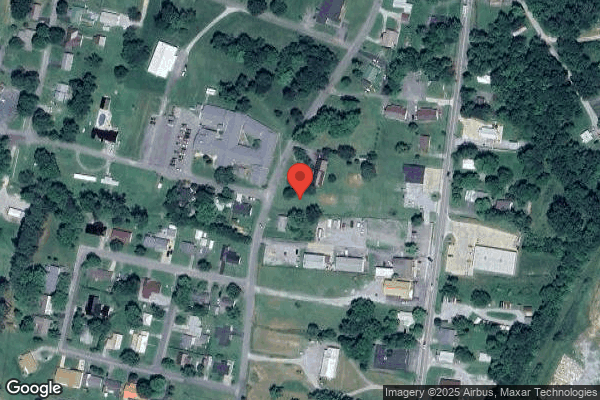

201 Watson Street, Marion, KY 42064 (270) 965-2218
For profit - Corporation 101 Beds ATRIUM CENTERS Data: November 2025
Trust Grade
60/100
#100 of 266 in KY
Last Inspection: February 2025

Within standard 12-15 month inspection cycle. Federal law requires annual inspections.

Overview

Crittenden County Health & Rehabilitation Center has a Trust Grade of C+, indicating it is decent and slightly above average in quality. It ranks #100 out of 266 facilities in Kentucky, placing it in the top half of state options, and it is the only facility in Crittenden County. The facility is improving, with issues decreasing from five in 2024 to four in 2025. However, staffing is a concern, with a rating of 2 out of 5 stars and a turnover rate of 68%, significantly higher than the state average of 46%. On a positive note, there have been no fines reported, which is reassuring. However, the inspector found several concerning issues, including improper food storage and preparation practices that could potentially affect all residents. For instance, food items in the freezer were not labeled or dated, and cold food was not kept at the proper temperature. Additionally, there were lapses in following a resident's care plan for wound care, indicating a need for better adherence to care standards. Overall, while there are strengths, families should be aware of these weaknesses when considering this facility.

Trust Score
C+
60/100
In Kentucky
#100/266
Top 37%
Safety Record
Low Risk
No red flags
Inspections
Getting Better
5 → 4 violations
Staff Stability
⚠ Watch
68% turnover. Above average. Higher turnover means staff may not know residents' routines.
Penalties
✓ Good
No fines on record. Clean compliance history, better than most Kentucky facilities.
Skilled Nurses
⚠ Watch
Each resident gets only 26 minutes of Registered Nurse (RN) attention daily — below average for Kentucky. Fewer RN minutes means fewer trained eyes watching for problems.
Violations
⚠ Watch
14 deficiencies on record. Higher than average. Multiple issues found across inspections.
★★★☆☆
3.0
Overall Rating
★★☆☆☆
2.0
Staff Levels
★★★★☆
4.0
Care Quality
★★★☆☆
3.0
Inspection Score
Stable
2024: 5 issues
2025: 4 issues

The Good

  • 4-Star Quality Measures · Strong clinical quality outcomes
  • Full Sprinkler Coverage · Fire safety systems throughout facility
  • No fines on record

Facility shows strength in quality measures, fire safety.

The Bad

3-Star Overall Rating

Near Kentucky average (2.8)

Meets federal standards, typical of most facilities

Staff Turnover: 68%

22pts above Kentucky avg (46%)

Frequent staff changes - ask about care continuity

Chain: ATRIUM CENTERS

Part of a multi-facility chain

Ask about local staffing decisions and management

Staff turnover is elevated (68%)

20 points above Kentucky average of 48%

The Ugly 14 deficiencies on record

Feb 2025 4 deficiencies
CONCERN (D)

Potential for Harm - no one hurt, but risky conditions existed

Comprehensive Care Plan (Tag F0656)

Could have caused harm · This affected 1 resident

**NOTE- TERMS IN BRACKETS HAVE BEEN EDITED TO PROTECT CONFIDENTIALITY** Based on observation, interview, record review, and facility policy review, the facility failed to implement multiple interventi...

Read full inspector narrative →
**NOTE- TERMS IN BRACKETS HAVE BEEN EDITED TO PROTECT CONFIDENTIALITY** Based on observation, interview, record review, and facility policy review, the facility failed to implement multiple interventions on the comprehensive person-centered care plan for one (Resident (R) 37) of two sampled residents reviewed for wound care. Interventions regarding treatment orders, infection control measures, and odor control were not implemented in accordance with the resident's care plan. The findings include: Review of the facility policy, Resident Assessment Comprehensive Care Plans, updated 05/24/2022, revealed the facility must implement a comprehensive person-centered care plan for each resident. The intent stated, Each resident will have a person-centered comprehensive care plan developed and implemented to meet his other preferences and goals, and address the resident's medical, physical, mental, and psychosocial needs. Review of the facility policy, Comprehensive Care Plans, effective 11/28/2017, revealed, the services provided or arranged by the facility, as outlined by the comprehensive care plan must meet professional standards of quality. Under procedure, it revealed, professional standards of quality means that care and services are provided according to accepted standards of clinical practice. Review of the face sheet revealed R37 was admitted to the facility on [DATE] with diagnoses which included fistula of intestine-enterocolic and colocutaneous, and a colostomy related to megacolon/abdominal surgery. A. Review of the Comprehensive Care Plan, dated 05/09/2023, with a problem of ostomy related to megacolon and abdominal surgery, revealed ostomy care will be managed appropriately. Approaches included enhanced barrier precautions (EBP) during high contact resident care activities. On 02/06/2025 at 2:40 PM, observation revealed Licensed Practical Nurse (LPN) 1 failed to wear a gown (part of the facility's required EBP) while providing wound care (a high contact resident care activity) to R37. (Refer to F880). During an interview with LPN1 on 02/07/2025 at 2:33 PM, he stated he did not take the time to put on a gown (as an EBP) prior to providing care; however, he continued, he should have taken the time. LPN1 stated the Comprehensive Care Plan was used to tell everyone how to care for all the resident sand confirmed he was not following the care plan as written. B. Review of the Comprehensive Care Plan, dated 09/04/2024, revealed the resident had a problem of an open area to the left buttock, which was verified by a medical doctor as a chronic fistula wound. Review of the Comprehensive Care Plan, dated 05/23/2024, revealed the resident also had a problem of an open area to the right buttock. Both care plan problems included a goal to heal skin and prevent infection. Care Plan approaches to meet these goals included for staff to deliver prescribed treatment. Review of the physician-prescribed treatment orders, dated 02/01/2025, revealed an order for wound care, with a start date of 01/18/2025, which included cleansing the buttock wounds with Dial soap and water, as well as the application of Neosporin ointment (triple antibiotic ointment) 3.5 milligrams, to the wounds. An observation on 02/06/2025 at 2:40 PM during wound care revealed LPN1 failed to follow the care plan by delivering the prescribed treatment. LPN1 cleansed the resident's wounds with Dakin's solution, instead of with Dial soap and water. Further observation of the treatment revealed LPN1 failed to apply Neosporin ointment, and instead applied a topical lotion (Dermacil). During an interview with LPN1 on 02/07/2025 at 2:33 PM, he acknowledged that he had not provided the prescribed treatment in accordance with the care plan. (Refer to F684.) C. Review of the Comprehensive Care Plan, dated 07/19/2023, revealed the resident has odor problems related to the ostomy and fistula. The goal was for the resident's room to have a pleasant odor. An approach was that the resident would have a scented plug-in in his room at his request. An observation on 02/06/2025 at 2:40 PM, revealed LPN1 preparing to provide ostomy and wound care During this observation, it was noted that the resident did not have a scented plug-in in his room to control odors. A strong foul odor was noted in the resident's room and could also be smelled throughout his hall and the surrounding halls. An interview with Housekeeper 1 on 02/06/2025 at 10:38 AM revealed that housekeeping staff cleaned R37's room each day while the resident went out to smoke, and no one had mentioned that they needed to obtain a plug in to control the odor in the resident's room. During an interview with the Director of Nursing (DON) on 02/07/2024 at 2:58 PM, she stated she expected all staff to follow the Comprehensive Care Plans as written. She stated the care plans should be person centered, developed, and implemented to meet the resident's preferences and goals, and address the resident's medical, physical, mental, and psychosocial needs.
CONCERN (D)

Potential for Harm - no one hurt, but risky conditions existed

Quality of Care (Tag F0684)

Could have caused harm · This affected 1 resident

**NOTE- TERMS IN BRACKETS HAVE BEEN EDITED TO PROTECT CONFIDENTIALITY** Based on observation, interview, and record review, the facility failed to provide non-pressure wound care in accordance with th...

Read full inspector narrative →
**NOTE- TERMS IN BRACKETS HAVE BEEN EDITED TO PROTECT CONFIDENTIALITY** Based on observation, interview, and record review, the facility failed to provide non-pressure wound care in accordance with the resident's care plan and physician orders for one (Resident (R) 37) of two sampled residents reviewed for wounds. The findings include: Review of R37's face sheet revealed the resident was admitted to the facility on [DATE] with diagnoses which included a fistula of intestine-enterocolic and colocutaneous, and a colostomy related to megacolon/abdominal surgery. Review of the Comprehensive Care Plan, dated 09/04/2024, revealed the resident had a problem of an open area to the left buttock which was verified by the medical doctor as a chronic fistula wound. Review of the Comprehensive Care Plan, dated 05/23/2024, also revealed the resident had an open area to the right buttock. The care plan goal for each wound was to heal skin and prevent infection. An approach to meet this goal was for staff to deliver prescribed treatment. Review of physician orders, dated 02/01/2025, revealed an order for wound care, with a start date of 01/18/2025. The prescribed treatment included: Neosporin ointment (triple antibiotic ointment) 3.5 milligrams, 1 application topical. Special Instructions: buttock wounds, cleanse with Dial soap and water, pat dry. Apply Neosporin to wounds along with lidocaine, cover with gauze island dressing every shift and as needed if soiled or dislodged. During an observation of ostomy care and skin assessment on 02/06/2025 at 2:40 PM, Licensed Practical Nurse (LPN) 1 failed to follow physician orders. LPN1 was observed to cleanse the resident's buttock wounds with Dakin's solution, rather than Dial soap and water as ordered. LPN1 then applied a topical skin lotion (Dermacil), instead of using the physician-ordered triple antibiotic ointment (Neosporin). Interview with LPN1, on 02/07/2025 at 2:33 PM, revealed he was the charge nurse on the floor and that wound care was completed by whichever nurse was working the floor that day. Interview with LPN1 revealed that he was aware that the physician's order called for cleansing the wound with Dial soap and water. However, he failed to follow the order because he thought the Dakin's solution would do a good job of cleaning the wound. Further interview revealed he was also aware that the orders called for applying Neosporin; however, he thought by using the skin lotion, it would help the resident's excoriated skin at the fistula/ostomy sites. LPN1 confirmed he was not following the physician orders as written. An interview with the Director of Nursing (DON) on 02/07/2025 at 2:58 PM revealed her expectation was that nursing staff follow physician orders and provide quality of care per professional standards. During an interview with the Administrator, on 02/07/2025 at 3:30 PM, she stated she expected all nursing staff to follow physician orders as written and to provide quality of care with wound care.
CONCERN (D)

Potential for Harm - no one hurt, but risky conditions existed

Infection Control (Tag F0880)

Could have caused harm · This affected 1 resident

**NOTE- TERMS IN BRACKETS HAVE BEEN EDITED TO PROTECT CONFIDENTIALITY** Based on observation, interview, record review, and policy review, the facility failed to maintain an infection prevention and c...

Read full inspector narrative →
**NOTE- TERMS IN BRACKETS HAVE BEEN EDITED TO PROTECT CONFIDENTIALITY** Based on observation, interview, record review, and policy review, the facility failed to maintain an infection prevention and control program designed to prevent the development and transmission of communicable diseases and infections for one (Resident (R) 37) of two residents reviewed for wound care. Facility staff failed to perform hand hygiene as indicated before, during, and after ostomy and wound care. Staff failed to use enhanced barrier precautions (EBP) designed to reduce transmission of multidrug-resistant organisms even though the resident had wounds that required EBP. Treatment supplies, including scissors and ointment, were handled in a manner that did not prevent the spread of infection. In addition, hand hygiene was not monitored by supervisory staff as planned as part of the facility's surveillance/monitoring activities. The findings included: Review of the facility policy, Infection Control Program, reviewed 01/2025 revealed the purposed of the infection control program in the nursing facility was to minimize the effects of infections on residents and employees, and to educate the staff. The Infection Control Manual, reviewed 01/2025, revealed staff will wash hands before donning gloves for resident care, during care when soiled, between glove changes, and after care is completed before leaving the resident's room. Review of the policy for Isolation-Categories of Transmission-Based Precautions, updated 10/2023 and reviewed 01/2025, revealed EBP for close contact resident care included the use of gloves, a gown, and eye protection if there was a risk of splashing fluids. Review of the policy, Monitoring Infection Control Practices, dated 01/2022, revealed the facility's infection control preventionist will conduct routine monitoring and surveillance to determine compliance with infection control policies and practices. Review of the face sheet revealed R37 was admitted to the facility on [DATE] with diagnoses which included a fistula of intestine-enterocolic and colocutaneous, and a colostomy related to megacolon/abdominal surgery. Observation on 02/06/2025 at 10:09 AM revealed a sign on the right side of the door to R37's room, which noted the resident was on EBP. During an observation of ostomy care and a wound assessment for R37 on 02/06/2025 at 2:40 PM, Licensed Practical Nurse (LPN) 1 failed to use all required EBP during ostomy care to the lower abdomen and wound care to the left and right buttock. LPN1 did not don a gown prior to completing ostomy and wound care. In addition, LPN1 failed to wash his hands prior to, during, and after ostomy care and wound care. Each time he removed his gloves, he did not wash his hands prior to donning another pair of gloves. During ostomy care, he took a topical lotion for external use and used a dirty gloved finger to place the lotion on and around an excoriated area of the resident's fistula/ostomy. LPN1 further took a pair of scissors from his pocket using his dirty gloves and cut out an area of the ostomy wafer before securing it around the fistula and the ostomy. He then used his dirty scissors to cut another wafer to fit on the left side of the abdomen. After placing the new ostomy bags to the abdomen, LPN1 was requested to assess the wounds to the resident's buttocks. Without washing his hands after ostomy care, LPN1 proceeded to don another pair of gloves. He began care of the wounds on the resident's bilateral buttocks by cleansing the areas with Dakin's solution, which was not the ordered care (Refer to F684.) However, LPN1 did not clean all of the dried stool from the wounds before he applied a treatment and dressing. After the procedures were completed, LPN 1 removed his gloves, placed them in a red bag along with the contaminated ostomy bags, and left the open red bag, which had a foul odor at the resident's bedside. LPN1 proceeded to leave the room and go to the nurses' station. He did not perform hand hygiene before he then went into the medication room. During an interview with LPN1 on 02/07/2025 at 2:33 PM, he stated he had a bad habit of not washing his hands. LPN1 added that, There are bad outcomes, from not performing hand hygiene as he could pass bad pathogens back and forth between residents. LPN1 also stated he was aware that R37 was on enhanced barriers due to his ostomy and wounds; however, he confirmed that he failed to put on a gown prior to providing care. He also stated he should have tied up the red bagged contaminated dressing and removed it from the resident's room. During an interview with the Infection Control (IC) Nurse on 02/06/2024 at 3:10 PM, she stated she received her IC certificate in 05/2024. She stated she had not watched LPN1 do wound care. The IC Nurse added that she is supposed to do hand hygiene evaluations two times a week. However, the IC Nurse continued, she could not currently watch all staff for hand hygiene practices as she is working the floor. She stated she expected LPN1, and all staff, to use good hand hygiene practices, use the required personal protective equipment including gowns, and remove all contaminated trash from the room after care, per infection control policy. An interview with the Director of Nursing (DON), on 02/07/2025 at 2:58 PM, revealed her expectation was for nursing staff to follow the infection control policy as written, use good hand hygiene, and use the personal protective equipment provided. During an interview with the Administrator on 02/07/2025 at 3:30 PM, she stated she expected all nursing staff to follow facility policies regarding good infection control practices, which included hand hygiene and removing soiled ostomy bags and dressing. She stated she expected staff to remove the soiled items from the room and replace a clean bag to the trash can.
CONCERN (F)

Potential for Harm - no one hurt, but risky conditions existed

Food Safety (Tag F0812)

Could have caused harm · This affected most or all residents

Based on observation, interview, and review of facility policy, the facility failed to store, prepare, distribute, and serve food in accordance with professional standards for food service safety. Foo...

Read full inspector narrative →
Based on observation, interview, and review of facility policy, the facility failed to store, prepare, distribute, and serve food in accordance with professional standards for food service safety. Food items in the walk-in freezer were not labeled or dated. Staff failed to completely cover their hair while in the kitchen. Staff failed to cover prepared food on the warming table. A cold food was not at the proper temperature for serving. These failures had the potential to affect all 61 of the facility's residents who consumed food from the kitchen. The findings include: 1. Review of the facility's policy titled, Storage Procedures, dated 08/2023, revealed, Food shall be properly stored to preserve flavor, nutritive value, and appearance. Per policy review, all foods in the freezer were to be wrapped in moisture proof wrapping or placed in suitable containers, to prevent freezer burn. In addition, they were to be labeled and dated with use by dates clearly marked. Observation of the walk-in freezer, at 12:11 PM on 02/04/2025, revealed five chicken patties, six hamburger steaks, five chicken fritters, and five chicken cordon bleu were not labeled or dated. Interview with the Dietary Manager, on 02/04/2025 at 12:15 PM, revealed that all left over foods should be labeled and dated before putting into the freezer. She further stated that it could cause residents to become sick if they eat something outdated. 2. Review of the facility's policy titled, Food Temperature Records/Controls, dated 08/2023, revealed, Cold foods should be 41 degrees or less when the temperature is taken in the kitchen, at the time of service. Additionally, per the policy, prepared perishables such as salads, puddings, milk, etc., should be stored in a refrigerator and covered until use. At 11:32 AM on 02/04/2025, observation revealed that various foods were prepared for lunch and were placed on the hot bar, waiting to be plated. Observation of this area revealed that all the foods were covered with plastic, with the exception of two large containers of chicken pot pie. This food remained uncovered until 11:37 AM when [NAME] 2 entered the kitchen and covered the containers of chicken pot pie. After covering the food, [NAME] 2 was observed to take the temperatures of all foods that were to be served for the lunch, with the exception of the mayonnaise-based coleslaw that was being served as a substitute for the scheduled salad. After [NAME] 2 indicated that the foods were ready to be served, the survey team asked [NAME] 2 to check the temperature of the coleslaw. This food, which was supposed to be served cold, measured 57 degrees. After surveyor intervention, the coleslaw was not used for lunch and a substitute was served. Interview with [NAME] 2, on 02/04/2025 at 12:07 PM, revealed she forgot to cover the chicken pot pie before she left the kitchen for a few minutes She added that she had prepared the coleslaw that morning and left the filled containers out, next to the stove, because she was going to serve the coleslaw for lunch. Interview with the Dietary Manager, on 02/04/2025 at 12:15 PM, revealed that food should be covered before leaving it on the warmer. She states that germs or flies could get into the food and cause sickness for the residents. She stated she did not know why the cook left the food uncovered before leaving the kitchen. 3. Review of the facility's policy titled, Dietary Dress Code, dated 08/23, revealed, All dietary service employees will wear clean and safe apparel. Per policy review, hair nets or hair restraints were to be worn, and hair should be completely under the hair restraint with no bangs protruding from any side of one's scalp. An initial tour of the kitchen on 02/04/2025 at 11:31 AM, with the Dietary Manager revealed that food was being prepared for the lunch meal. Observation at this time revealed that the Dietary Manager's hair was pulled back in a bun. The Dietary Manager was wearing a hairnet; however, it only covered the bun portion of her hair and the rest of her hair was uncovered. Additional observation of the Dietary Manager on 02/05/2025 at 1:30 PM, again revealed that only the back portion of her hair was covered. Interview with the Dietary Manager, on 02/05/2025 at 1:30 PM, revealed that she had trouble with her hair covering not staying on/slipping back and the facility was trying to order a different type of hairnet that would hopefully cover all her hair. In interview with the Administrator of the facility on 02/07/2025 at 5:15 PM, she stated her expectation was that all of her staff followed policies. She stated that, If staff do not wear their hairnets properly, hairs could get in the food and that would not be good. The Administrator added that she expected the dietary staff to label and date all leftover foods in the freezer, saying that it could make the residents ill if they ate things that were freezer burnt or outdated. Further interview with the Administrator revealed that she expected foods to be covered and be served at the correct temperature. She stated serving coleslaw at a temperature of 57 degrees was not acceptable and could cause residents to become sick.
Feb 2024 5 deficiencies
CONCERN (D) 📢 Someone Reported This

A family member, employee, or ombudsman was alarmed enough to file a formal complaint

Potential for Harm - no one hurt, but risky conditions existed

Deficiency F0658 (Tag F0658)

Could have caused harm · This affected 1 resident

**NOTE- TERMS IN BRACKETS HAVE BEEN EDITED TO PROTECT CONFIDENTIALITY** Based on interview, record review, and review of facility policy, it was determined the facility failed to ensure the services p...

Read full inspector narrative →
**NOTE- TERMS IN BRACKETS HAVE BEEN EDITED TO PROTECT CONFIDENTIALITY** Based on interview, record review, and review of facility policy, it was determined the facility failed to ensure the services provided or arranged by the facility met professional standards of quality for two (2) of three (3) sampled residents (Resident #40 and Resident #41). Although it was not within the Scope of Practice for a Licensed Practical Nurse to declare death or sign the Provisional Report of Death or Death Certificate, review of Resident #40's Provisional Report of Death, dated [DATE], revealed Licensed Practical Nurse (LPN) #3 completed and signed the form. Additionally, review of Resident #41's Provisional Report of Death, dated [DATE], revealed LPN #3 completed and signed the form. The findings include: Review of a facility policy titled, Provisional Report of Death Form, undated, revealed the facility was responsible for completing and ensuring completion of Sections A, B, and C. Part B was to be completed by the local Registrar, Coroner, or Hospice nurse and it was acceptable for a facility nurse to complete and sign section B as well. Review of an Advisory Opinion Statement from the Kentucky Board of Nursing, approved 02/2008 and revised 10/2019, revealed per KRS 314.021(2), all individuals licensed under provisions of this chapter should be responsible and accountable for making decisions based upon the individual's educational preparation and experience in nursing and should practice nursing with reasonable skill and safety. It further stated it was not within the Scope of Practice for a Licensed Practical Nurse to declare death or sign the Provisional Report of Death or Death Certificate. 1. Review of Resident #40's Face Sheet revealed the facility admitted the resident on [DATE] and the resident expired on [DATE] with diagnoses to include: wedge compression fracture of unspecified thoracic vertebrae, fracture of right shoulder, girdle, part unspecified, sequela prior fracture and unspecified dementia without behavioral disturbance. Review of Resident #40's Provisional Report of Death, dated [DATE], revealed Licensed Practical Nurse (LPN) #3 completed and signed the form. 2. Review of Resident #41's Face Sheet revealed the facility admitted the resident on [DATE] and the resident expired on [DATE] with diagnoses to include: unspecified dementia, unspecified severity, without behavioral disturbance, and psychotic disturbance. Review of Resident #41's Provisional Report of Death, dated 09/13//2021, revealed LPN #3 completed and signed the form. During a telephone interview with LPN #3, on [DATE] at 5:55 PM, she stated she worked at the facility until [DATE] and did not recall if the facility had asked her to sign death certificates. LPN #3 stated she had signed death certificates in the past at the facility but could not remember the last time she signed a death certificate. Further, she stated she did not know the regulation related to LPN's not being able to sign death certificates when she worked at the facility, but she was now aware she was not allowed to sign death certificates as she had been told she was not permitted to do so. During an interview with LPN #2, on [DATE] at 6:30 PM, she stated she had not signed a death report, but had signed as a witness. LPN #2 stated only a Medical Provider, Funeral Home or a Registered Nurse was permitted to sign a death certificate. During an interview with the Director of Nursing (DON), on [DATE] at 2:36 PM, she stated any licensed nurse was permitted to sign a provisional death certificate. The DON stated she expected an LPN to only work within their scope of practice but was unaware an LPN could not sign a death certificate. During an interview with the Administrator, on [DATE] at 3:10 PM, she stated the facility did permit LPNs to sign provisional death certificates and had never had an issue with that before. However, the Administrator stated she did not know if an LPN was qualified to sign a provisional death certificate.
CONCERN (D) 📢 Someone Reported This

A family member, employee, or ombudsman was alarmed enough to file a formal complaint

Potential for Harm - no one hurt, but risky conditions existed

ADL Care (Tag F0677)

Could have caused harm · This affected 1 resident

Based on observation, interview, record review, and facility policy review, it was determined the facility failed to ensure a resident who is unable to carry out Activities of Daily Living (ADL) recei...

Read full inspector narrative →
Based on observation, interview, record review, and facility policy review, it was determined the facility failed to ensure a resident who is unable to carry out Activities of Daily Living (ADL) receives the necessary services to maintain good personal hygiene related to incontinence care for one (1) of forty (40) sampled residents (Resident #17). Observation on 02/20/2024 at 1:20 PM, revealed a strong odor of urine in Resident #17's room, and the resident was noted to be lying in bed with his/her pants and bed linens soiled with a yellow/brown substance. The findings include: Review of the facility policy titled, Activities of Daily Living (ADLs)/Maintain Abilities, dated 03/2023 and reviewed 01/2024, revealed the facility would specify the responsibility to create and sustain an environment that humanizes and individualized each resident's quality of life by ensuring all staff across all shifts and departments understood the principle of quality of life and honor and support those principles for each resident; and that the care and services provided were person-centered and honor and support each resident's preferences, choices, values and beliefs. The facility would provide care and services for: hygiene, elimination and dining. A resident who was unable to carry out ADLs would receive the necessary services to maintain good nutrition, grooming, and personal and oral hygiene. Review of Resident #17's Face Sheet revealed the facility admitted the resident on 01/25/2021 with diagnoses to include: Huntington's disease, Muscle weakness, and Frostbite with tissue necrosis of the left foot. Review of Resident #17's Annual Minimum Data Set (MDS) Assessment, dated 01/17/2024, revealed the facility assessed the resident to have a Brief Interview for Mental Status (BIMS) of six (6) out of fifteen (15), indicating severe cognitive impairment. Review of Resident #17's Comprehensive Care Plan related to frequent bladder incontinence, dated 12/11/2023, revealed the goal the resident would not exhibit skin breakdown, urinary tract infection, impaired social interaction or lowered self-esteem secondary to incontinence. Interventions included: provide assistance for toileting every two (2) hours and as needed and provide incontinence care after each incontinent episode. Observation on 02/20/2024 at 1:02 PM, revealed a strong odor of urine on the 300 hall. Observation on 02/20/2024 at 1:20 PM, revealed a strong odor of urine in Resident #17's room. Upon further observation, Resident #17 was laying in bed and his/her pants were soiled with a yellow/brown substance. The resident's bed linens were also stained with a yellow/brown substance. Continued observation on 02/20/2024 revealed the State Survey Agency attempted to locate the Certified Nurse Aide (CNA) assigned to Resident #17 and was informed by CNA #1 that she was on lunch break. CNA #1 stated he was not assigned but would help with any resident that needed assistance. CNA #1 and SSA went to Resident #17's room and CNA #1 asked Resident #17 if he could provide care. Resident #17 was laying on the bed, stated he/she did not like showers but did sit up on the side of the bed and with assistance from the CNA, walked to the bathroom. CNA #1 proceeded to clean the resident with a washcloth and dressed him/her with clean clothing. The housekeeper removed the soiled linen from the resident's bed and wiped down the mattress with a spray disinfectant cleaner. CNA #1 then applied clean linen on Resident #17's bed and assisted the resident back to bed. During an interview with Certified Nursing Assistant (CNA) #1, on 02/20/2024 at 1:40 PM, he stated Resident #17 was often resistive to care, aggressive and combative towards staff. CNA #1 stated he was unsure when the resident was last provided incontinence care as he was not assigned to the resident but assigned to another hall. CNA #1 stated the CNA assigned to the 300 hall was on her lunch break. CNA #1 further stated the CNA assigned to Resident #17 probably did not want to get hit so she had left the resident like that if he/she was exhibiting combative behaviors. CNA #1 stated a resident had the right to refuse care and should never be forced to do anything he/she didn't want to do. During an interview with CNA #2 on 02/20/2024 at 2:45 PM, she stated she last checked on Resident #17 around 11:00 AM and he/she had refused care at that time. CNA #2 further stated Resident #17 often refused care and she would notify someone in administration to see what she should do. CNA #2 stated she notified the Activities Director to see if she would try to get the resident to allow care to be provided and the Actives Director told her to just pull the resident's curtain shut and leave him/her alone. CNA #2 stated she did what she was instructed to do. During an interview with Licensed Practical Nurse (LPN) #1, on 02/20/2024 at 2:20 PM, he stated he had last checked on Resident #17 before breakfast. LPN #1 stated he did walk through rounds and if everything looked good, he would just keep going. LPN #1 stated CNA #2 was assigned to Resident #17. He stated CNA #2 should have had another staff member attempt to provide care to the resident and if he/she continued to refuse, the nurse should be notified. However, LPN #1 stated he had not been notified that Resident #17 had refused care today. During an interview with the Activities Director (AD), on 02/22/2024 at 2:40 PM, she stated CNA #2 did come to get her earlier in the day to assist with Resident #17 and she told the CNA to get another staff member to try if the resident was agitated. The AD stated she may have told the CNA to pull the curtain and leave the resident alone because he/she was a tough cookie and wanted to be left alone. However, she stated if the resident was soiled in urine or feces, someone should have provided incontinence care. During an interview with CNA #7, on 02/23/2024 at 1:28 PM, she stated Resident #17 did not like staff touching him/her, but she thought it was because of how those staff members approached the resident. CNA #7 stated if Resident #17 refused care, she would notify the nurse and go back and try again a little later. If the resident continued to refuse care, she would just leave the resident like that because he/she could get combative. During an interview with the Director of Nursing (DON), on 02/23/2024 at 2:36 PM, she stated rounds for toileting and incontinent care should be done at least every two (2) hours and she expected the staff to do that. She stated if incontinence care was not provided timely or every two (2) hours, this could result in a write-up for the staff member assigned. The DON stated Resident #17 refused care a lot, but if he/she refused, staff should notify their supervisor and ask someone else to try. She further stated there had been times the resident would not allow any staff to assist him/her. During an interview with the Administrator, on 02/23/2024 at 3:10 PM, she stated she did not know if rounds should be done within an exact timeframe. The Administrator further stated staff were always on the floor making rounds and she expected them to do their job and provide the residents the care that was needed to prevent urinary tract infections or skin breakdown from occurring.
CONCERN (D) 📢 Someone Reported This

A family member, employee, or ombudsman was alarmed enough to file a formal complaint

Potential for Harm - no one hurt, but risky conditions existed

Accident Prevention (Tag F0689)

Could have caused harm · This affected 1 resident

Based on observation, interview, and facility policy review, it was determined the facility failed to ensure the resident environment remains as free of accident hazards as is possible. Observation o...

Read full inspector narrative →
Based on observation, interview, and facility policy review, it was determined the facility failed to ensure the resident environment remains as free of accident hazards as is possible. Observation on 02/22/2024 at 9:00 AM, revealed lancets (a small needle used to puncture the skin of the finger in order to obtain a small drop of blood to test blood sugar) were left unattended on top of a treatment cart on the 500 hallway. The findings include: Review of the facility policy titled, Incidents, dated 11/2019 and reviewed 01/2024, revealed all incidents or accidents occurring on the premises would be investigated and reported to the Administrator and/or the Director of Nursing. Observation on 02/22/2024 at 9:00 AM, 11:05 AM, and 2:25 PM, revealed lancets were sitting in a basket on top of the treatment cart and left unattended on the 500 hallway. During an interview with Licensed Practical Nurse (LPN) #1, on 02/22/2024 at 2:25 PM, he stated he would normally lock the lancets and glucometer supplies inside the cart, but he just had not had time to do so. Observation during this interview revealed LPN #1 immediately took the lancets and locked them inside the Treatment cart. During an interview with Registered Nurse (RN) #1, on 02/22/2024 at 2:00 PM, she stated lancets and glucometer supplies should always be stored inside a locked Treatment cart. During an interview with the Director of Nursing (DON), on 02/23/2024 at 2:26 PM, she stated lancets should not be left on top of a cart because a resident could potentially have access to them and be injured or stuck. During an interview with the Administrator, on 02/23/2024 at 3:10 PM, she stated she expected staff to lock lancets inside the medication cart. The Administrator stated someone could potentially be stuck if the lancets were left on top of the Treatment cart.
CONCERN (D) 📢 Someone Reported This

A family member, employee, or ombudsman was alarmed enough to file a formal complaint

Potential for Harm - no one hurt, but risky conditions existed

Infection Control (Tag F0880)

Could have caused harm · This affected 1 resident

Based on observation, interview, record review and review of the facility policy, it was determined the facility failed to establish and maintain an infection prevention and control program designed t...

Read full inspector narrative →
Based on observation, interview, record review and review of the facility policy, it was determined the facility failed to establish and maintain an infection prevention and control program designed to provide a safe, sanitary and comfortable environment and to help prevent the development and transmission of communicable diseases and infections for one (1) of three (3) sampled residents (Resident #34). Observation on 02/22/2024 at 11:05 AM, revealed Licensed Practical Nurse (LPN) #1 performed a blood glucose finger stick on Resident #34, then doffed his gloves, and failed to perform hand hygiene prior to exiting the room. The findings include: Review of the facility policy titled, Infection Control Program, reviewed 03/2023, revealed the facility would minimize the effects of infections on residents and employees and educate the staff by having an effective Infection Control Program. Review of Resident #34's Face Sheet revealed the facility admitted the resident on 11/21/2023 with diagnoses to include: Depression, Neuromuscular dysfunction of Bladder, and Type two (2) Diabetes Mellitus with hyperglycemia. Review of Resident #34's Quarterly Minimum Data Set (MDS) Assessment, dated 01/10/2024, revealed the facility assessed the resident as having a Brief Interview for Mental Status (BIMS) score of fourteen (14) out of fifteen (15) indicating intact cognition. During an observation on 02/22/2024 at 11:05 AM, Licensed Practical Nurse (LPN) #1 performed a blood glucose finger stick on Resident #34. The LPN then doffed his gloves, but failed to perform hand hygiene and exited Resident #34's room. Further observation revealed LPN #1 sanitized the glucometer with germicidal Sani-Wipes and then proceeded to enter obtained results into the Electronic Medical Record (EMR). During an interview with LPN #1, on 02/22/2024 at 11:10 AM, he stated he should have doffed his gloves, and then washed his hands after providing care to Resident #34 to possibly prevent the spread of infections to other residents. During an interview with the Infection Prevention (IP) Nurse, on 02/23/2024 at 11:00 AM, she stated the facility conducted in-services on handwashing to staff often. She stated all new employees were required to perform an immediate skill check off on handwashing within the first twenty-four (24) hours of beginning work at the facility. During an interview with the Director of Nursing (DON), on 02/23/2024 at 2:36 PM, she stated she expected staff to perform handwashing anytime they doffed their gloves or provided any care to a resident. The DON further stated failure to wash hands after providing care was an Infection control issue. During an interview with the Administrator, on 02/23/2024 at 3:10 PM, she stated she expected staff to always wash their hands before and after resident care.
CONCERN (D) 📢 Someone Reported This

A family member, employee, or ombudsman was alarmed enough to file a formal complaint

Potential for Harm - no one hurt, but risky conditions existed

Deficiency F0919 (Tag F0919)

Could have caused harm · This affected 1 resident

**NOTE- TERMS IN BRACKETS HAVE BEEN EDITED TO PROTECT CONFIDENTIALITY** Based on observation, interview, record review, and review of the facility's Policies, it was determined the facility failed to ...

Read full inspector narrative →
**NOTE- TERMS IN BRACKETS HAVE BEEN EDITED TO PROTECT CONFIDENTIALITY** Based on observation, interview, record review, and review of the facility's Policies, it was determined the facility failed to provide means for resident(s) to directly contact caregivers through a communication system which relays the call directly to a staff member or to a centralized staff work area for three (3) of forty (40) sampled residents (Residents #17, #35, and #36). Observation of Resident room [ROOM NUMBER] on 02/20/2024, revealed the call lights for Residents #17 and #36 did not have a push button on the end resulting in the residents not being unable to call for help if needed. Additionally, Resident 17's call light was hanging on the wall and out of reach. The findings include: Review of the facility policy titled, Standards of Nursing Practices, dated 05/2018 and reviewed 01/2024, revealed staff would respond to resident's request for assistance by answering call lights within a reasonable amount of time, within ten (10) minutes. Review of the facility policy titled, Resident Rights, updated 09/2022 and reviewed 01/2024, revealed the facility would ensure the residents had the right to a dignified existence, self-determination and communication with and access to persons and services inside and outside of the facility. Review of the facility policy titled, Maintenance Services, undated, revealed the facility would provide a safe, sanitary and comfortable environment for residents, staff and the public. The maintenance department was responsible for maintaining the buildings, grounds and equipment in a safe and operable manner. 1. Review of Resident #36's Face Sheet revealed the facility admitted the resident on 08/20/2019 with diagnoses to include: Schizophrenia, unspecified, and Chronic Obstructive Pulmonary Disease (COPD). Review of Resident #36's Quarterly Minimum Data Set (MDS) Assessment, dated 01/10/2024, revealed the facility assessed the resident as having a Brief Interview for Mental Status (BIMS) of a fifteen (15) out of fifteen (15) indicating intact cognition. Observation on 02/20/2024 at 1:20 PM in room [ROOM NUMBER], revealed Resident #36's call light was attached to the bed rail and did not have a push button on the end of it. 2. Review of Resident #17's Face Sheet revealed the facility admitted the resident on 01/25/2021 with diagnoses to include: Huntington's disease, Muscle generalized weakness, and Unsteadiness on feet. Review of Resident #17's Annual Minimum Data Set (MDS) Assessment, dated 01/17/2024, revealed the facility assessed the resident as having a Brief Interview for Mental Status (BIMS) of a six (6) out of fifteen (15) indicating severe cognitive impairment. Observation on 02/20/2024 at 1:20 PM in room [ROOM NUMBER], revealed Resident #17's call light was hanging on the wall by the head of the bed and did not have a push button on the end of it. 3. Review of Resident #35's Face Sheet revealed the facility admitted the resident on 11/03/2021 with diagnoses to include: Major Depressive Disorder, recurrent severe without psychotic features, Difficulty in walking and weakness. Review of Resident #35's Annual Minimum Data Set (MDS) Assessment, dated 12/23/2023, revealed the facility assessed the resident as having a Brief Interview for Mental Status (BIMS) of a fourteen (14) out of fifteen (15) indicating intact cognition. During an observation of Resident #35, on 02/20/2024 at 1:40 PM, he/she was observed yelling Hello from his/her room. When the surveyor entered the room, Resident #35 stated he/she needed a blanket and was cold, but could not reach his/her call light. Further observation revealed the call light was hanging on the wall and attached to the call light cord, but was not within reach for the resident to call for assistance. During an interview with Certified Nursing Assistant (CNA) #1, on 02/20/2024 at 1:40 PM, he stated he was unaware the call lights for Residents #17 and #35 were not functioning. CNA #1 proceeded to test both Bed A and Bed B's call lights for Resident #17 and #35 and determined neither were working. The CNA stated he would write it down in the maintenance book at the nurse's station and would also verbally notify the Maintenance Director in order to have the call lights repaired quicker. During an interview with CNA #2, on 02/20/2024 at 2:45 PM, she stated she did not know the Resident's call lights were not working and did not know what the residents would do if they needed help. During an interview with Licensed Practical Nurse (LPN) #1 on 02/20/2024 at 2:20 PM, he stated he did not know the call lights in room [ROOM NUMBER] for Residents #17 and #36 did not work but maintenance should be notified so they could be repaired. During an interview with the Maintenance Director, on 02/22/2024 at 2:35 PM, he stated anytime equipment was in need of repair, staff should complete a maintenance repair form which was located on the 600 hall, then they should place the form in the file folder located in his office. He further stated a lot of times the staff would just verbally notify him of an issue or if something wasn't working and he would make the repairs. During an interview with the Director of Nursing (DON), on 02/23/2024 at 2:36 PM, she stated she expected the facility to have functioning call lights and for the call lights to be in reach of the residents. The DON stated the facility could supply a bell for Resident #17 and #35 to ring until the call light was repaired. Further, the DON stated staff should be performing more frequent rounding to ensure the call lights were working and in reach of the resident. The DON stated if the resident was left without a means of communication, their needs would not be met. During a telephone interview with the Administrator, on 02/23/2024 at 3:10 PM, she stated if a call light was not functioning, it should be reported immediately to maintenance so the repair could be done. The Administrator stated she expected staff to report anything that was not functioning properly so alternative means could be found. She further stated a resident would not be able to communicate their needs without having access to a call light or a bell.
Dec 2019 1 deficiency
CONCERN (D)

Potential for Harm - no one hurt, but risky conditions existed

Antibiotic Stewardship (Tag F0881)

Could have caused harm · This affected 1 resident

**NOTE- TERMS IN BRACKETS HAVE BEEN EDITED TO PROTECT CONFIDENTIALITY** Based on observation, interview, record review, and facility policy review, it was determined the facility failed to have an eff...

Read full inspector narrative →
**NOTE- TERMS IN BRACKETS HAVE BEEN EDITED TO PROTECT CONFIDENTIALITY** Based on observation, interview, record review, and facility policy review, it was determined the facility failed to have an effective antibiotic stewardship program for one (1) of twenty-two (22) sampled residents (Resident #75). On 11/03/19, Resident #75 was ordered to receive an antibiotic for an infected wound. However, staff interview and review of a Skin McGeer Criteria form (utilized by the facility to determine the eligibility for a resident to receive an antibiotic) revealed the resident did not meet the criteria for antibiotic therapy. However, there was no evidence that Resident #75's physician had been notified that the resident did not meet the criteria for use of an antibiotic. The findings include: Review of the facility's policy titled, Infection Control Program, dated November 2016, revealed the facility would utilize McGeer criteria to assist in the recognition of infections and to ensure antibiotic usage was appropriate as part of their Antibiotic Stewardship Program. Observation of a skin assessment by Licensed Practical Nurse (LPN) #1 and Registered Nurse (RN) #1 for Resident #75 on 12/05/19 at 10:50 AM revealed an unstageable pressure ulcer was observed to the resident's right buttock, which measured 6.5 centimeters (cm) in length, by 4.5 cm in width by 5 cm in depth. Approximately 75 percent of the wound bed was observed to have necrotic tissue with 25 percent of the wound bed observed to have granulation tissue. The pressure ulcer was observed to have a very foul odor. Review of the medical record for Resident #75 revealed the facility admitted the resident on 07/27/15, with diagnoses including Pressure Ulcer to the Right Buttock, Heart Failure, Neuromuscular Dysfunction of the Bladder, and Dementia. The medical record further revealed the resident was to have comfort measures. Review of the most current Minimum Data Set (MDS) annual assessment dated [DATE], revealed the facility had assessed the resident to have severely impaired cognition, and was therefore not interviewable. The MDS also revealed the facility had assessed the resident to have an unhealed unstageable pressure ulcer. In addition, the MDS stated the facility had assessed the resident to require the total assistance of two (2) persons for bed mobility, transfers, and toileting. Review of the comprehensive person-centered care plan for Resident #75 with a revision date of 11/19/19, revealed staff would provide treatment to the pressure ulcer as ordered by the physician, and assess the pressure ulcer for the location, stage, size, presence or absence of granulation tissue and epithelialization, and condition of surrounding tissue. Review of the nurse's notes for Resident #75 by LPN #1 dated 11/03/19 at 12:56 PM, revealed that during the resident's dressing change to the pressure ulcer on the resident's right buttock the wound had opened with a large amount of serosanguineous drainage being observed to the old dressing and draining from the wound. The nurse's note revealed the drainage was observed to be brown and yellow in color and had an odor present. Further review of the nurse's notes revealed an entry by LPN #1 on 11/03/19 at 6:06 PM that an order had been received from Advanced Practice Registered Nurse (APRN) #1. The APRN ordered the resident to receive Bactrim DS 800 milligrams (mg) per 160 mg (antibiotic) twice daily for ten (10) days for an infected wound to the resident's right buttock. Review of Resident #75's physician orders revealed an order dated 11/03/19, for the resident to receive Bactrim DS 800 milligrams (mg) per 160 mg (antibiotic) twice daily for ten (10) days for an infected wound to the resident's right buttock. Review of a Skin McGeer Criteria form completed by the Infection Control Nurse for Resident #75 dated 11/03/19 at 1:59 PM, revealed the resident did not meet the criteria for antibiotic therapy. However, there was no evidence that Resident #75's physician had been notified that the resident did not meet the criteria for use of an antibiotic. Review of the medication administration record (MAR) for Resident #75 revealed the resident had been administered Bactrim DS 800 mg per 160 mg (antibiotic) twice daily from 11/03/19 at 9:00 PM through 11/13/19 at 8:00 AM. Interview conducted with Advanced Practice Registered Nurse (APRN) #1 on 12/05/19 at 2:50 PM, revealed she had given LPN #1 the order for the antibiotic for Resident #75. The APRN stated that if the staff had notified her that the resident had not met the criteria for antibiotic therapy she would have ordered a wound culture. Interview conducted with LPN #1 on 12/05/19 at 2:55 PM, revealed she had notified APRN #1 when she observed the drainage and foul odor on Resident #75's pressure ulcer to the right buttock. The LPN stated the APRN had not requested laboratory testing be done to ensure the appropriate antibiotic was being administered. The LPN stated the responsible party would often refuse venipunctures, but felt the responsible party would have agreed with doing a wound culture if he/she had been asked. Interview conducted with RN #1 on 12/05/19 at 2:59 PM, revealed she was the Unit Manager for the 600 Unit. The RN stated Resident #75's physician should have been notified when the resident did not meet criteria to receive an antibiotic. The RN stated the physician should have been notified to see if perhaps a culture could be completed. Interview conducted with the Infection Control Nurse (ICN) on 12/05/19 at 3:09 PM revealed she had completed the McGeer Skin Criteria form for Resident #75. The ICN stated the resident had not met the appropriate criteria to receive an antibiotic. The ICN stated the physician should have been notified for additional orders after it was determined that the resident had not met the criteria to receive antibiotic therapy. The ICN stated she should have notified the physician and guessed it was just an oversight. The ICN stated all residents with new antibiotic orders, laboratory specimens, and infections were discussed in the morning clinical meeting. The ICN stated she recalled discussing Resident #75 not meeting the requirements for antibiotic therapy; however, she could not recall what had been done. Interview conducted with the Director of Nursing (DON) on 12/05/19 at 3:27 PM, revealed all infections were discussed daily in the morning clinical meeting. The DON revealed all nurse's notes and physician's orders were reviewed in the meeting. The DON stated she had looked at Resident #75 and since the physician had not ordered any laboratory testing they had not questioned the order and she guessed they should have notified the physician.
Sept 2018 4 deficiencies
CONCERN (D)

Potential for Harm - no one hurt, but risky conditions existed

Assessment Accuracy (Tag F0641)

Could have caused harm · This affected 1 resident

**NOTE- TERMS IN BRACKETS HAVE BEEN EDITED TO PROTECT CONFIDENTIALITY** Based on interview, record review, and review of the Resident Assessment Instrument (RAI) Version 3.0 User Manual, it was determ...

Read full inspector narrative →
**NOTE- TERMS IN BRACKETS HAVE BEEN EDITED TO PROTECT CONFIDENTIALITY** Based on interview, record review, and review of the Resident Assessment Instrument (RAI) Version 3.0 User Manual, it was determined the facility failed to ensure one (1) of nineteen (19) sampled residents, (Resident #52), received an accurate assessment reflective of the resident's status at the time of the assessment. Resident #52 was readmitted from the hospital on [DATE]; however, review of the Quarterly Minimum Data Set (MDS) assessment, dated 08/22/18, revealed the facility failed to accurately code, Section I: Active Diagnoses, of the RAI with the resident's diagnoses. The findings include: Review of the RAI Version 3.0 User Manual, Section I: Active Diagnoses, revealed the intent of the items in this section were intended to code diseases that have a direct relationship to the resident's current functional status, cognitive status, mood or behavioral status, medical treatments, nursing monitoring, or risk of death. One of the important functions of the MDS assessment is to generate an updated, accurate picture of the resident's current health status. Record review revealed the facility readmitted Resident #52 on 07/27/18 with diagnosis of Urinary Tract Infection (UTI). Review of the Quarterly MDS assessment, dated 08/22/18, revealed UTI was the only diagnosis coded on the RAI; however, review of Resident #52's Annual MDS, Section I- Active Diagnoses, dated 05/31/18, revealed the following diagnoses were coded; Thyroid Disorder, Alzheimer's Disease, Aphasia, Anxiety Disorder, and Depression (other than Bipolar). Interview with the MDS Coordinator, on 09/21/18 at 2:35 PM, revealed current diagnoses which reflect Resident #52's current status should have been coded on the RAI/MDS. The MDS Coordinator stated she expected the RAI/MDS to reflect an accurate status of Resident #52's status during the assessment and she uses the RAI manual for instructions when conducting MDS assessments. Interview with the Director of Nursing (DON), on 09/21/18 at 2:55 PM, revealed she expected Resident #52's diagnoses to be accurately coded on the RAI/MDS to reflect the resident's current health status. The DON stated she expected the MDS Coordinator to code resident assessments as indicated in the RAI manual.
CONCERN (D)

Potential for Harm - no one hurt, but risky conditions existed

Comprehensive Care Plan (Tag F0656)

Could have caused harm · This affected 1 resident

**NOTE- TERMS IN BRACKETS HAVE BEEN EDITED TO PROTECT CONFIDENTIALITY** Based on observation, interview, record review, and review of the facility's policy and procedures, it was determined the facili...

Read full inspector narrative →
**NOTE- TERMS IN BRACKETS HAVE BEEN EDITED TO PROTECT CONFIDENTIALITY** Based on observation, interview, record review, and review of the facility's policy and procedures, it was determined the facility failed to ensure each resident had a person-centered comprehensive care plan implemented to meet the resident's medical, physical, mental, and psychological needs for two (2) of nineteen (19) sampled residents, (Resident #26, Resident #52). Resident #52 was hospitalized from [DATE] through 07/27/18 with diagnoses which included UTI, Pneumonia, and Sepsis; however, the facility failed to revise the care plan to address the resident's history of UTI and Sepsis. In addition, Resident #26's family repeatedly brought in over the counter medications/treatments for the resident; however, the facility failed to revise the resident's care plan to address the situation. The findings include: Review of the facility's policy and procedures, Comprehensive Resident Care Plan, Chapter 3.5, dated January 2017, reference F656, revealed an individualized comprehensive care plan that includes measurable objectives and timetables to meet the resident's medical, nursing, mental, and psychological needs is developed for resident. The comprehensive care plan is based on a thorough assessment that includes, but is not limited to the Minimum Data Set (MDS). Assessments of residents are ongoing and care plans are revised as information about the resident's condition change. 1. Record review revealed the facility readmitted Resident #52 from the hospital on [DATE] with diagnoses which included UTI, Pneumonia, and Sepsis. However, review of Resident #52's Comprehensive Care Plan, last revised 08/03/18, revealed the facility failed to revise the resident's care plan to address the resident's history of UTI, Pneumonia, and Sepsis. 2. Record review revealed the facility admitted Resident #26 on 06/02/18 with diagnoses which included End Stage Renal Disease. Review of the quarterly Minimum Data Set (MDS) assessment, dated 09/09/18 revealed the facility assessed Resident #26's cognition to be intact with a Brief interview for Mental Status (BIMS) score of fifteen (15) which indicated the resident was interviewable. Observation and interview on 09/19/18 at 9:34 AM revealed there was a tube of lidocaine with no label and a roll of plastic wrap on the end table in Resident #26's room. Resident #26 stated he/she puts lidocaine cream on his/her dialysis shunt site and wraps it in plastic wrap thirty (30) minutes before going to dialysis to prevent pain. Interview with the Unit Manager and Registered Nurse (RN) #1, on 09/21/18 at 11:00 AM revealed the family frequently brings in medications and treatments to Resident #26 without making staff aware, but had been educated on this not being allowed. However, review of Resident #26's Comprehensive Care Plans, dated 07/11/18 revealed there was no care plan developed to address the family's non-compliance related to bringing in over the counter medications/treatments even though this was not the first time the family had brought them in. Interview with the MDS Coordinator, on 09/21/18 at 2:35 PM, revealed resident care plans are implemented based on resident care needs and resident's RAI/MDS. The MDS Coordinator stated Resident #52's comprehensive care plan was reviewed on 08/03/18; however, she failed to implement a care plan related to history of UTI, Pneumonia, and Sepsis. The MDS Coordinator revealed it is her responsibility to ensure the resident's comprehensive care plans are implemented based on the care needs. Interview with the Director of Nursing (DON), on 09/21/18 at 2:55 PM, revealed resident care planning is an Interdisciplinary approach. The DON stated she expected each resident's care plan to be updated as resident's condition change and it was the responsibility of the MDS Coordinator to ensure medical and nursing care needs are on the resident's care plan. The DON further revealed the Social Services Director was responsible to ensure a resident's mental and psychosocial care needs are implemented in the comprehensive care plan.
CONCERN (D)

Potential for Harm - no one hurt, but risky conditions existed

Safe Environment (Tag F0921)

Could have caused harm · This affected 1 resident

Based on observation, interview, record review, and review of Lidocaine/Prilocaine manuafacturer's enclosure, facility policy review, it was determined the facility failed to provide a safe, functiona...

Read full inspector narrative →
Based on observation, interview, record review, and review of Lidocaine/Prilocaine manuafacturer's enclosure, facility policy review, it was determined the facility failed to provide a safe, functional, sanitary, and comfortable environment for one (1) of nineteen (19) sampled residents (Resident #26). Observation on 09/21/18 at 10:34 AM revealed an uncapped tube of lidocaine on the end table by Resident #26's chair that was visible from the hallway. Further observation revealed a confused resident pacing back and forth, going pass Resident #26 The findings include: Review of the Manufacturers ensclosure for Lidocaine and Prilocaine cream revealed it was for topical use only, keep out of the reach of children. Further review revealed Lidocaine and prilocaine cream should be used with caution in patients who may be sensitive to the systemic effects of lidocaine and prilocaine including acutely ill, debilitated, or the elderly. Observation of Resident #26's room on 09/21/18 at 10:34 AM revealed an uncapped tube of lidocaine on the end table and visible from the hallway, just inside the door. Plastic wrap was also noted. Observation on 09/21/18 at 10:40 AM revealed the room next to Resident #26 was occupied by a resident with Dementia that frequently wandered around the facility. Interview with Licensed Practical Nurse (LPN) #1, Charge Nurse on 09/21/18 at 10:45 AM revealed the lidocaine should come from pharmacy and be locked up, but the one in the room did not have a label so he was unaware of where it came from. He stated the tube also had the cap off which made it unsafe for wandering residents. Interview with the Unit Manager on 09/21/18 at 11:00 AM revealed the family frequently brings in medications and treatment to the resident without making staff aware, but had been educated on this not being allowed. She stated this could be a safety hazard because the resident's room is so close to a resident's room that frequently wanders. She further revealed no other resident's that wandered were on the hall but there was one (1) other wandering resident in the facility.
CONCERN (F)

Potential for Harm - no one hurt, but risky conditions existed

Food Safety (Tag F0812)

Could have caused harm · This affected most or all residents

Based on observation, interview, and facility policy review, it was determined the facility failed to ensure food was stored, prepared, distributed and served in accordance with professional standards...

Read full inspector narrative →
Based on observation, interview, and facility policy review, it was determined the facility failed to ensure food was stored, prepared, distributed and served in accordance with professional standards for food service safety. Observations on 09/18/18 revealed a visibly dirty can opener, expired foods, foods not sealed and dated, and improper food handling. Review of the Census and Condition, dated 09/18/18, revealed seventy-one (71) of seventy-one (71) residents received their food from the kitchen. The findings include: 1. Review of facility policy titled, Storage Procedures, last revised November 2017, revealed food should be covered, dated and stored loosely to permit circulation of air. It further stated all foods in the freezer are to be wrapped in a moisture proof wrapping or sutiable container, labeled and dated with use-by dates clearly marked. Observation of the kitchen walk-in freezer on 09/18/18 at 09:43 AM, revealed three (3) packs of soft shell tortillas present with a use by date of January 2018, a large plastic bag of frozen peas open to air with no labeling or date present, and a large bag with large tear in the paper bag exposing the content of the bag which were french fries. 2. Review of facility policy titled Glove Usage By Dietary, last revised July 2016, revealed staff are to never handle food with their bare hands or gloved hand while serving. Observation of lunch tray-line on 09/18/18 at 11:40 AM, revealed Dietary Aide #1 used her gloved hand to place bread on ten (10) different trays she was setting up for the residents after she had touched the tray carts and gathered equipment throughout the kitchen. 3. Observation of the kitchen on 09/18/18 at 11:36 AM, revealed the kitchen's manual can opener was visibly soiled with a blackish brown moist looking buildup on the cutting edge and the area surrounding the cutting edge. Interview with the Dietary Manager on 09/21/18 at 11:16 AM, revealed she expected the staff to ensure foods are labeled appropriately with used by and expired dates. She stated she expected foods to be stored properly with a complete sealing of the item and to have appropriate labeling. She further stated she expected the can opener to be cleaned after each use or when visibly soiled and she expected staff to use utensils when handling foods and to not use their hands for handling foods.
Understanding Severity Codes (click to expand)
Life-Threatening (Immediate Jeopardy)
J - Isolated K - Pattern L - Widespread
Actual Harm
G - Isolated H - Pattern I - Widespread
Potential for Harm
D - Isolated E - Pattern F - Widespread
No Harm (Minor)
A - Isolated B - Pattern C - Widespread

Questions to Ask on Your Visit

  • "Why is there high staff turnover? How do you retain staff?"
  • "Can I speak with families of current residents?"
  • "What's your RN coverage like on weekends and overnight?"

Our Honest Assessment

Strengths
  • • No major safety red flags. No abuse findings, life-threatening violations, or SFF status.
  • • No fines on record. Clean compliance history, better than most Kentucky facilities.
Concerns
  • • 14 deficiencies on record. Higher than average. Multiple issues found across inspections.
  • • 68% turnover. Above average. Higher turnover means staff may not know residents' routines.
Bottom line: Mixed indicators with Trust Score of 60/100. Visit in person and ask pointed questions.

About This Facility

What is Crittenden County Health & Rehabilitation Center's CMS Rating?

CMS assigns Crittenden County Health & Rehabilitation Center an overall rating of 3 out of 5 stars, which is considered average nationally. Within Kentucky, this rating places the facility higher than 99% of the state's 100 nursing homes. This mid-range rating indicates the facility meets federal standards but may have areas for improvement.

How is Crittenden County Health & Rehabilitation Center Staffed?

CMS rates Crittenden County Health & Rehabilitation Center's staffing level at 2 out of 5 stars, which is below average compared to other nursing homes. Staff turnover is 68%, which is 22 percentage points above the Kentucky average of 46%. High turnover can affect care consistency as new staff learn residents' individual needs. RN turnover specifically is 67%, which is notably high. RNs provide skilled clinical oversight, so turnover in this role can affect medical care quality.

What Have Inspectors Found at Crittenden County Health & Rehabilitation Center?

State health inspectors documented 14 deficiencies at Crittenden County Health & Rehabilitation Center during 2018 to 2025. These included: 14 with potential for harm.

Who Owns and Operates Crittenden County Health & Rehabilitation Center?

Crittenden County Health & Rehabilitation Center is owned by a for-profit company. For-profit facilities operate as businesses with obligations to shareholders or private owners. The facility is operated by ATRIUM CENTERS, a chain that manages multiple nursing homes. With 101 certified beds and approximately 60 residents (about 59% occupancy), it is a mid-sized facility located in Marion, Kentucky.

How Does Crittenden County Health & Rehabilitation Center Compare to Other Kentucky Nursing Homes?

Compared to the 100 nursing homes in Kentucky, Crittenden County Health & Rehabilitation Center's overall rating (3 stars) is above the state average of 2.8, staff turnover (68%) is significantly higher than the state average of 46%, and health inspection rating (3 stars) is at the national benchmark.

What Should Families Ask When Visiting Crittenden County Health & Rehabilitation Center?

Based on this facility's data, families visiting should ask: "How do you ensure continuity of care given staff turnover, and what is your staff retention strategy?" "Can you walk me through typical staffing levels on day, evening, and night shifts?" "Can I visit during a mealtime to observe dining assistance and food quality?" "How do you handle medical emergencies, and what is your hospital transfer rate?" These questions are particularly relevant given the facility's high staff turnover rate and the below-average staffing rating.

Is Crittenden County Health & Rehabilitation Center Safe?

Based on CMS inspection data, Crittenden County Health & Rehabilitation Center has a clean safety record: no substantiated abuse findings (meaning no confirmed cases of resident harm), no Immediate Jeopardy citations (the most serious violation level indicating risk of serious injury or death), and is not on the Special Focus Facility watch list (a federal program monitoring the lowest-performing 1% of nursing homes). The facility has a 3-star overall rating and ranks #1 of 100 nursing homes in Kentucky. While no facility is perfect, families should still ask about staff-to-resident ratios and recent inspection results during their visit.

Do Nurses at Crittenden County Health & Rehabilitation Center Stick Around?

Staff turnover at Crittenden County Health & Rehabilitation Center is high. At 68%, the facility is 22 percentage points above the Kentucky average of 46%. Registered Nurse turnover is particularly concerning at 67%. RNs handle complex medical decisions and coordinate care — frequent RN changes can directly impact care quality. High turnover means new staff may not know residents' individual needs, medications, or preferences. It can also be disorienting for residents, especially those with dementia who rely on familiar faces. Families should ask: What is causing the turnover? What retention programs are in place? How do you ensure care continuity during staff transitions?

Was Crittenden County Health & Rehabilitation Center Ever Fined?

Crittenden County Health & Rehabilitation Center has no federal fines on record. CMS issues fines when nursing homes fail to meet care standards or don't correct problems found during inspections. The absence of fines suggests the facility has either maintained compliance or corrected any issues before penalties were assessed. This is a positive indicator, though families should still review recent inspection reports for the full picture.

Is Crittenden County Health & Rehabilitation Center on Any Federal Watch List?

Crittenden County Health & Rehabilitation Center is not on any federal watch list. The most significant is the Special Focus Facility (SFF) program, which identifies the bottom 1% of nursing homes nationally based on persistent, serious quality problems. Not being on this list means the facility has avoided the pattern of deficiencies that triggers enhanced federal oversight. This is a positive indicator, though families should still review the facility's inspection history directly.