GREEN ACRES HEALTHCARE
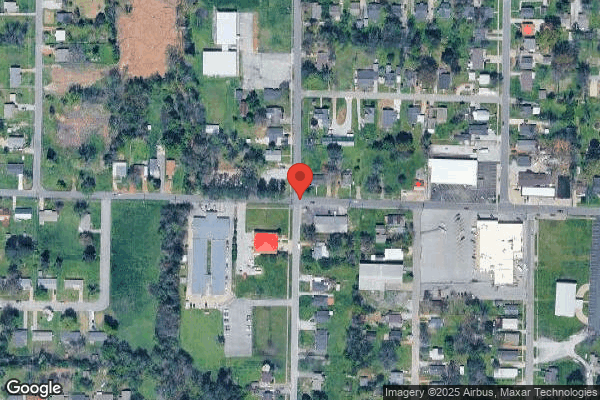

402 W. FARTHING STREET, MAYFIELD, KY 42066 (270) 247-6477
For profit - Corporation 60 Beds SIMCHA HYMAN & NAFTALI ZANZIPER Data: November 2025
Trust Grade
80/100
#54 of 266 in KY
Last Inspection: May 2023

Over 2 years since last inspection. Current conditions may differ from available data.

Overview

Green Acres Healthcare has a Trust Grade of B+, which means it is above average and recommended. It ranks #54 out of 266 facilities in Kentucky, placing it in the top half, and is the best option in Graves County. The facility is improving, with the number of issues decreasing from 4 in 2020 to 2 in 2023. However, staffing is a concern, rated at 2 out of 5 stars, with a turnover rate of 44%, which is slightly better than the state average. Notably, there have been no fines, indicating good compliance with regulations, and the RN coverage is average. While the facility has strengths, such as a good health inspection rating, there are weaknesses to consider. Recent inspections revealed concerning incidents, including conflicting medical records regarding a resident's desired code status, which could lead to unwanted treatment, and failure to develop a proper discharge plan for another resident. Additionally, one resident's dignity was compromised when their medical equipment was not adequately concealed from view. Families should weigh these factors when considering Green Acres Healthcare for their loved ones.

Trust Score
B+
80/100
In Kentucky
#54/266
Top 20%
Safety Record
Low Risk
No red flags
Inspections
Getting Better
4 → 2 violations
Staff Stability
○ Average
44% turnover. Near Kentucky's 48% average. Typical for the industry.
Penalties
✓ Good
No fines on record. Clean compliance history, better than most Kentucky facilities.
Skilled Nurses
○ Average
Each resident gets 32 minutes of Registered Nurse (RN) attention daily — about average for Kentucky. RNs are the most trained staff who monitor for health changes.
Violations
○ Average
9 deficiencies on record. Average for a facility this size. Mostly minor or procedural issues.
★★★★☆
4.0
Overall Rating
★★☆☆☆
2.0
Staff Levels
★★★★☆
4.0
Care Quality
★★★★☆
4.0
Inspection Score
Stable
2020: 4 issues
2023: 2 issues

The Good

  • 4-Star Quality Measures · Strong clinical quality outcomes
  • Full Sprinkler Coverage · Fire safety systems throughout facility
  • No fines on record
  • Staff turnover below average (44%)

    4 points below Kentucky average of 48%

Facility shows strength in quality measures, fire safety.

The Bad

Staff Turnover: 44%

Near Kentucky avg (46%)

Typical for the industry

Chain: SIMCHA HYMAN & NAFTALI ZANZIPER

Part of a multi-facility chain

Ask about local staffing decisions and management

The Ugly 9 deficiencies on record

May 2023 2 deficiencies
CONCERN (D)

Potential for Harm - no one hurt, but risky conditions existed

Deficiency F0578 (Tag F0578)

Could have caused harm · This affected 1 resident

**NOTE- TERMS IN BRACKETS HAVE BEEN EDITED TO PROTECT CONFIDENTIALITY** Based on interviews, record review, and facility policy review, it was determined the facility failed to ensure a resident's med...

Read full inspector narrative →
**NOTE- TERMS IN BRACKETS HAVE BEEN EDITED TO PROTECT CONFIDENTIALITY** Based on interviews, record review, and facility policy review, it was determined the facility failed to ensure a resident's medical record reflected the desired code status (the type of emergent treatment a person would or would not want to receive if their heart or breathing were to stop) of a resident and/or a resident's power of attorney (POA) for one (1) of three (3) residents sampled for advanced directives (Resident #43) of a total sample of sixteen (16) residents. Record review revealed Resident #43's signed advanced directive documents reflected a code status of do not resuscitate (DNR), but the resident's face sheet/medical record reflected a code status of full code. Therefore, documents in the medical record were conflicting and could lead to the resident receiving treatment they did not wish to receive. The findings included: Review of the facility's policy titled, Residents' Rights Regarding Treatment and Advance Directives, revised [DATE], revealed, the facility would support and facilitate a resident's right to request, refuse and/or discontinue medical or surgical treatment and to formulate an advanced directive. Definitions: Advance directive was a written instruction, such as a living will or durable power of attorney for health care, recognized under State law (whether statutory or as recognized by the courts of the State), related to the provision of health care when the individual is incapacitated. The policy further revealed during the care planning process, the facility would identify, clarify, and review with the resident or legal representative whether they desired to make any changes related to any advance directives. Decisions regarding advance directives and treatment would be periodically reviewed as part of the comprehensive care planning process, the existing care instructions and whether the resident wished to change or continue these instructions. Any decision making regarding the resident's choices would be documented in the resident's medical record and communicated to the interdisciplinary team and staff responsible for the resident's care. Review of Resident #43's medical record revealed the facility admitted the resident on [DATE] and readmitted him/her on [DATE] with diagnoses which included Parkinson's Disease, Atrial Fibrillation, Dementia, Anxiety, and Acute Embolism and Thrombosis of Right Peroneal Vein. Further review of the record revealed the resident's code status was Full Code, and indicated a copy was on file. Review of the Significant Change in Status Minimum Data Set (MDS) Assessment, dated [DATE], revealed the facility assessed Resident #43 to have a Brief Interview for Mental Status (BIMS) score of ten (10), which indicated the resident had moderate cognitive impairment. Review of Resident #43's Progress Notes revealed a Health Status Note, dated [DATE] and signed by the Advanced Practice Registered Nurse (APRN), revealed Resident #43 had a Code Status: DNR (do not resuscitate). Review of Resident #43's Advance Directives/Medical Treatment Decisions, dated [DATE], revealed the resident had chosen to formulate and issued the following Advance Directives. Further review revealed Resident #43 initialed Do Not Resuscitate [DNR] as received on [DATE]. The form was signed by Resident #43's Power of Attorney (POA) on [DATE]. Review of Resident #43's Medical Orders for Scope of Treatment [MOST] form, dated [DATE], revealed Section A for, Cardiopulmonary Resuscitation (CPR): Person has no pulse and is not breathing that the box next to Do Not Attempt Resuscitation was checked. The form was signed by Resident #43's POA on [DATE]. Review of Resident #43's medical record revealed there were no other advance directive documents, other than the documents signed on [DATE] indicating Resident #43 was a DNR. A review of Progress Notes for the timeframe from [DATE] through [DATE] revealed a note, dated [DATE], that indicated the resident returned from the hospital and Resident remains Full Code. Another note, dated [DATE], revealed Resident remains Full Code. There were no other Progress Notes which reflected the resident's code status or if/when there was a change to the resident's code status after the resident was initially a DNR on [DATE], except for a Progress Note dated [DATE] (during the survey process). The Progress Note indicated that on [DATE] at 8:16 AM, the facility had a conversation with the resident's POA, who indicated the resident's code status was a DNR. The note indicated the resident's care plan had been revised and the physician's orders had been updated to reflect the DNR status. Review of Resident #43's Comprehensive Care Plan, revealed the care plan was not updated on [DATE] but was updated on [DATE]. Review of Resident #46's care plan revealed the care plan had been initiated on [DATE], with a problem area of advance directives. An approach was initiated on [DATE] that directed staff to withhold CPR in the event that the resident is found without pulse or respirations. In an interview and observation, on [DATE] at 10:19 AM, with State Registered Nurse Assistant (SRNA) #1, she was observed to log into the electronic health record and stated Resident #43's code status was a full code. In an interview on [DATE] at 10:23 AM, with Licensed Practical Nurse (LPN) #2, she stated a resident's code status would be on the face sheet in the electronic medical record. LPN #2 opened the record for Resident #43 and reported the resident was listed as a full code on the face sheet and the physician's orders. In an interview on [DATE] at 10:26 AM, with the Social Service Director (SSD), she stated that when residents were admitted to the facility, the code status was determined. The SSD reviewed Resident #43's electronic record and reported the resident was a full code. The SSD was shown the advanced directive document, dated [DATE], that reflected the resident desired to be a DNR. She stated she would have to check on that form. Further on [DATE] at 10:58 AM, the SSD reported she had contacted the POA, and the resident was supposed to be an DNR. In an interview with the Director of Nursing (DON), on [DATE] at 2:52 PM, she stated the resident's physician orders and the advance directive should all match up. She stated she was not at the facility at the time Resident #43 was interviewed and was not sure how the change in status had been missed.
CONCERN (D)

Potential for Harm - no one hurt, but risky conditions existed

Deficiency F0660 (Tag F0660)

Could have caused harm · This affected 1 resident

Based on interviews, record review, and facility policy review, it was determined the facility failed to address each resident's discharge goals and needs as well as develop and implement a care plan ...

Read full inspector narrative →
Based on interviews, record review, and facility policy review, it was determined the facility failed to address each resident's discharge goals and needs as well as develop and implement a care plan addressing a goal to discharge back to the community for one (1) of three (3) residents sampled for discharge planning (Resident #22) of a total sample of sixteen (16) residents. The findings included: Review of the facility's policy titled, Transfer and Discharge, dated 2022, revealed the comprehensive, person-centered care plan should contain the resident's goals for admission and desired outcomes and should be in alignment with the discharge. The policy further revealed supporting documentation should include evidence of the resident's or resident representative's verbal or written notice of intent to leave the facility, a discharge plan, and documented discussions with the resident and/or resident representative. Review of the medical record revealed the facility admitted Resident #22 on 03/15/2023 with diagnoses which included Myasthenia Gravis, Chronic Pain Syndrome, Visual Loss in the Left Eye, and Fracture of the Lower End of the Right Tibia. Review of the admission Minimum Data Set (MDS) Assessment, dated 03/19/2023, revealed the facility had assessed Resident #22 to have a Brief Interview for Mental Status (BIMS) score of thirteen (13), which indicated Resident #22 was cognitively intact. The MDS further revealed the resident participated in the assessment, and his/her overall goal included the expectation to return to the community. The MDS indicated that active discharge planning had not occurred for the resident to return to the community. Review of the Observation Detail List Report for Resident #22 revealed an admission Observation, completed 03/16/2023, revealed there was no documented information related to the resident's goals for discharge. Further review of the Observation Detail List Report for Resident #22 revealed a Social History Initial Assessment, dated 03/17/2023. This assessment indicated the resident had lived alone with the support of home care services prior to admission, but contained no information related to the resident's goal to discharge back to the community. Review of Resident #22's Comprehensive Care Plan, with a start date of 03/16/2023, revealed no information addressing the resident's goal to discharge back to the community. Review of all Resident Progress Notes, for the timeframe from 03/15/2023 through 05/24/2023, revealed no documented evidence of discussions with Resident #22 regarding his/her goal to return to the community. During an interview on 05/23/2023 at 12:13 PM, Resident #22 stated the facility had not had any conversations with him/her regarding their goal to discharge home. During an interview with the Social Services Director (SSD), on 05/26/2023 at 8:35 AM, she stated discharge planning started during the post-admission conference. The SSD stated Resident #22's goal was to return home and she had continued to check on the resident to see when the resident was ready for discharge. She stated she typically documented discharge discussions with residents in the progress notes. The SSD reviewed the progress notes, social history, and care plan for Resident #22 and verified there were no plans for Resident #22's discharge. The SSD stated she was unaware there had to be a discharge care plan. In an interview with the Administrator, on 05/26/2023 at 2:30 PM, he stated he expected discharge planning to begin as soon as the resident walked in the door of the facility. He stated he expected a discharge care plan to be formulated and for any discussions with the family and/or resident about discharge to be documented in the resident's medical record. In an interview with the Director of Nursing (DON), on 05/26/2023 at 2:54 PM, she stated she expected discharge planning to start soon after admission and should be included on the comprehensive care plan.
Sept 2020 4 deficiencies
CONCERN (D)

Potential for Harm - no one hurt, but risky conditions existed

Resident Rights (Tag F0550)

Could have caused harm · This affected 1 resident

Based on observation, interview, record review, and facility policy review, it was determined the facility failed to treat each resident with respect, dignity, and care in a manner and environment tha...

Read full inspector narrative →
Based on observation, interview, record review, and facility policy review, it was determined the facility failed to treat each resident with respect, dignity, and care in a manner and environment that promotes maintenance or enhancement of his or her quality of life, recognizing each resident's individuality for one (1) of seventeen (17) sampled residents, (Resident #13). Observations revealed the facility failed to ensure Resident #13's urine drainage tubing was not visible by visitors, and other residents in the hallway. The findings include: Review of the facility's policy titled, Promoting/Maintaining Resident Dignity, dated 08/15/2020, revealed it is the practice of this facility to protect and promote resident rights and treat each resident with respect and dignity as well as care for each resident in a manner and in an environment that maintains or enhances resident's quality of life by recognizing each resident's individuality. All staff members are involved in providing care to residents to promote and maintain resident dignity and respect resident rights. Record review revealed the facility admitted Resident #13 on 02/03/18 with diagnoses which included Cerebral Infarction Due unspecified Occlusion or Stenosis of Right Middle Cerebral Artery, Neuromuscular Dysfunction of Bladder, Hypertension, and Flaccid Hemiplegia Affecting Left Nondominent Side. Review of Resident #13's Annual Minimum Data Set (MDS assessment, dated 07/02/2020, revealed the facility assessed Resident #13's cognition as severely impaired with a Brief Interview for Mental Status (BIMS) score of one (1), which indicated the resident was not interviewable. Review of Section H: Bladder and Bowel revealed the resident had an indwelling urinary catheter. Observations on 09/15/20 at 11:04 AM; 09/16/2020 at 8:30 AM and 1:30 PM; 09/17/20 at 9:06 AM and 09/17/20 at 11:06 AM, revealed Resident #13's urine drainage tubing was exposed and visible to visitors and other residents in the hallway on the [NAME] Unit. Resident #13's urine characteristics were straw colored, cloudy, with moderate amount of sediment noted at base of catheter drainage tubing. Observation of Resident #13's catheter care, on 09/17/20 at 11:06 AM, which was performed by State Registered Nurse Aide (SRNA) #2 revealed the resident's catheter tubing was not secured to a leg bag. Interview with SRNA #2 on 09/17/20 at 1:40 PM revealed Resident #2's urine catheter tubing should not be visible for others to see urine in drainage tube. She stated the urine drainage tube should be positioned by staff to ensure others can not see the urine in tubing and should be secured to a leg bag however, the resident refuses to wear a leg bag. Interview with Registered Nurse (RN) #1, on 09/17/20 at 1:45 PM, revealed Resident #13's urine drainage tube should not be visible for others to see and should be positioned under the resident's covers. She stated that all staff performing the resident's care was responsible to ensure the catheter drainage tubing was secured properly and not visible for others to see. Interview with the Director of Nursing (DON), on 09/17/2020 at 3:05 PM, revealed she would expect the residents urine drainage bag to be secured in a dignity bag however, she did not have a concern with the resident's urine drainage tubing being visible to others.
CONCERN (D)

Potential for Harm - no one hurt, but risky conditions existed

Comprehensive Care Plan (Tag F0656)

Could have caused harm · This affected 1 resident

**NOTE- TERMS IN BRACKETS HAVE BEEN EDITED TO PROTECT CONFIDENTIALITY** Based on observation, interview, record review and facility policy review, it was determined the facility failed to implement a ...

Read full inspector narrative →
**NOTE- TERMS IN BRACKETS HAVE BEEN EDITED TO PROTECT CONFIDENTIALITY** Based on observation, interview, record review and facility policy review, it was determined the facility failed to implement a comprehensive person-centered care plan for two (2) of seventeen (17) sampled residents, (Resident #10 and #13). The facility failed to implement the care plan for Resident #10 related to securing the catheter tubing to prevent trauma and pain; and, Resident #13 related to weekly weights. The findings include: Review of the facility policy titled, Care Plans, Comprehensive Person-Centered Policy, last revised December 2016 revealed a comprehensive, person-centered care plan that includes measurable objectives and timetables to meet the resident's physical, psychosocial and functional needs is developed and implemented for each resident. The comprehensive, person-centered care plan will include measurable objectives and timeframe. Record review revealed the facility admitted Resident #10 on 12/10/19 with diagnoses which included Neurogenic Bladder with inability to empty Bladder. Review of the Quarterly Minimum Data Set (MDS) assessment dated [DATE] revealed the facility assessed Resident #10's cognition as moderately impaired with a Brief Interview of Mental Status (BIMS) score of eight (8) which indicated the resident to be interviewable. Review of the Comprehensive Care Plan for Neurogenic Bladder dated 12/17/19 revealed an intervention that the resident will be/remain free from catheter-related trauma; however, observation of catheter care on 09/16/2020 at 3:55 PM revealed there was no device that secured the catheter tubing to the thighs or abdomen. Further observation revealed when the catheter was moved, the resident yelled out in pain and he/she revealed that it hurt when moved. Interview with Resident #10 on 09/17/2020 at 8:44 AM revealed he/she would want the catheter anchored to his/her thigh if it would keep it from hurting. Interview with State Registered Nurse Aide (SRNA) #1 on 09/17/2020 at 1:16 PM revealed she was not sure what the Care Plans for the resident said. Interview with Licensed Practical Nurse (LPN) #1 on 09/17/2020 at 9:10 AM revealed the Care Plan should reflect the care given to the resident. Interview on 09/17/2020 at 2:19 PM with the Assistant Director of Nursing (ADON) revealed the care plan should be followed by staff. Surveyor: [NAME], Beanita 2. Record review revealed the facility admitted Resident #13 on 04/18/18 with diagnoses which included Cerebral Infarction Due unspecified Occlusion or Stenosis of Right Middle Cerebral Artery, Neuromuscular Dysfunction of Bladder, Hypertension, and Flaccid Hemiplegia Affecting Left Nondominent Side. Review of Resident #13's Annual Minimum Data Set (MDS), dated [DATE], revealed the facility assessed Resident #13's cognition as severely impaired with a Brief Interview for Mental Status (BIMS) score of one (1), which indicated the resident was not interviewable. Review of Resident #13's Comprehensive Care Plan titled, Nutritional Problem or Potential Nutritional Problem related to Recent Cerebrovascular Accident (CVA) with Chewing /Swallowing Impairment, dated 02/05/18, revealed an intervention, added by the Registered Dietician, dated 08/05/19, to obtain weekly weights. However, review of Resident #13 weights record revealed there was no documented evidence the resident's weight was obtained after 08/27/2020 through 09/16/2020 (two {2} days shy of three {3} weeks}. Interview with SRNA #2, on 09/17/20 at 1:40 PM, and Assistant Director of Nursing on 09/17/2020 revealed the SRNA's are responsible to obtain resident weights, and the Assistant Director of Nursing (ADON) is responsible to document weights in the resident's medical record. SRNA #2 and ADON stated Resident #13's weight should have been obtained per care plan. The ADON stated she was not sure as to why the weights were not obtained per care plan. Interview with the Director of Nursing (DON), on 09/17/2020 at 3:05 PM, revealed she would expect care plan interventions to be carried out. She stated Nurse Management is responsible to monitor and ensure interventions are implemented.
CONCERN (D)

Potential for Harm - no one hurt, but risky conditions existed

Incontinence Care (Tag F0690)

Could have caused harm · This affected 1 resident

**NOTE- TERMS IN BRACKETS HAVE BEEN EDITED TO PROTECT CONFIDENTIALITY** Based on observation, interview, record review, and facility policy review it was determined the facility failed to provide appr...

Read full inspector narrative →
**NOTE- TERMS IN BRACKETS HAVE BEEN EDITED TO PROTECT CONFIDENTIALITY** Based on observation, interview, record review, and facility policy review it was determined the facility failed to provide appropriate treatment and services for one (1) of four (4) residents with indwelling urinary catheters in the selected sample of seventeen (17) residents. Observation revealed the facility failed to ensure Resident #1's catheter tubing was secured to his/her upper thigh per facility policy to prevent urethra trauma. The findings include: Review of the facility policy, titled, Catheterization of a Male, last revised 08/15/2020 revealed urinary catheterizations will be performed in accordance with current standards of practice to minimize risk for bacterial contamination or urethral trauma. Further review of the policy revealed to secure catheter tubing to the resident's upper thigh. Record review revealed the facility admitted Resident #10 on 12/10/19 with diagnoses which included Neurogenic Bladder with inability to empty Bladder. Review of the Quarterly Minimum Data Set (MDS) assessment dated [DATE] revealed the facility assessed Resident #10's cognition as moderately impaired with a Brief Interview of Mental Status (BIMS) score of eight (8) which indicated the resident to be interviewable. Review of the Comprehensive Care Plan for Neurogenic Bladder dated 12/17/19 revealed interventions to prevent catheter related trauma. Observation of catheter care for Resident #10 by State Registered Nurse Aide (SRNA) #1 on 09/16/2020 at 3:55 PM revealed the urinary catheter tubing was not secured to the resident's thigh per facility policy. Further observation revealed when SRNA #1 moved the catheter, the resident yelled out in pain and he/she revealed that it hurt when moved. Interview with Resident #10 on 09/17/2020 at 8:44 AM revealed if it would help keep the catheter from hurting, he/she would want the catheter anchored to his/her thigh. He/She stated he/she did not know why the tubing holder was not there. Interview SRNA #1 on 09/17/2020 at 1:16 PM revealed she did notice the resident did not have the catheter secured and the resident did not want it secured. She stated she was not sure what the policy stated related to securing urinary catheter tubing but she would ask the Director of Nursing (DON). She further revealed she was supposed to follow the facility policy. Interview with Licensed Practical Nurse (LPN) #1 on 09/17/2020 at 9:10 AM revealed she was one of the nurses on Resident #10's unit and if put in a indwelling urinary catheter, she always secures the tubing to the upper thigh. She revealed it would decrease pain and trauma with movement. Interview with DON on 09/17/2020 at 9:07 AM revealed she was unsure what the policy said but if it requires the tubing to be secured to leg, then she expects the catheter to be anchored per policy.
CONCERN (D)

Potential for Harm - no one hurt, but risky conditions existed

Deficiency F0692 (Tag F0692)

Could have caused harm · This affected 1 resident

**NOTE- TERMS IN BRACKETS HAVE BEEN EDITED TO PROTECT CONFIDENTIALITY** Based on interview, record review, and facility policy review, it was determined the facility failed to ensure one (1) of sevent...

Read full inspector narrative →
**NOTE- TERMS IN BRACKETS HAVE BEEN EDITED TO PROTECT CONFIDENTIALITY** Based on interview, record review, and facility policy review, it was determined the facility failed to ensure one (1) of seventeen (17) sampled residents (Resident #13) maintains acceptable parameters of nutritional status, such as usual body weight or desirable body weight range and electrolyte balance, unless the resident's clinical condition demonstrates that this is not possible or resident preferences indicate otherwise. The facility assessed Resident #13 had a significant weight loss in thirty (30) days; ninety (90) days; and one hundred and eighty (180) days; however, the facility failed to monitor the resident's weights weekly to try to prevent further decline per facility policy. The findings include: Review of the facility's policy titled, Clinically at Risk Program Guidelines dated 12/01/18, revealed every effort will be made to identify those residents who are clinically at risk and provide proactive interventions to manage their medical needs and minimize/eliminate further decline when possible. Criteria for residents who will be followed by the Clinically At Risk (CAR) team include residents who have experienced a significant weight change. Significant weight change is defined as a variance of 5% in 30 days; 7.5% in 90 days; or 10% in 180 days. Record review revealed the facility admitted Resident #13 on 02/03/18 with diagnoses which included Cerebral Infarction Due unspecified Occlusion or Stenosis of Right Middle Cerebral Artery, Neuromuscular Dysfunction of Bladder, Hypertension, and Flaccid Hemiplegia Affecting Left Nondominent Side. Review of Resident #13's Annual Minimum Data Set (MDS), dated [DATE], revealed the facility assessed Resident #13's cognition as severely impaired with a Brief Interview for Mental Status (BIMS) score of one (1), which indicated the resident was not interviewable. Further review of the MDS assessment, Section G: Functional Abilities, revealed the facility assessed the resident required encouragement or cueing to feed self after staff set up his/her meal tray. Review of Resident #13's Physician Orders, dated 01/17/2020, revealed diet order for Regular diet with Puree texture, thin consistency, Frozen Nutritional Cup two (2) times a day with lunch and dinner, ordered on 06/18/2020, and Glucerna 1.5 Cal liquid (Nutritional Supplements) give eight (8) ounces via Gastrostomy Tube (GT) five (5) times a day for supplement, dated 07/14/2020. Review of Resident #13's Comprehensive Care Plan for Nutritional Problem or Potential Nutritional Problem related to recent Cerebrovascular Accident (CVA) with Chewing /Swallowing Impairment, dated 02/05/18, revealed an intervention for weekly weights which was added on 08/05/19 by the Registered Dietician. Review of Resident #13's Nutritional Assessment conducted by the Registered Dietician on 09/06/2020 revealed the resident was consuming only thirty-seven percent (37%) average of his/her pureed diet and thin liquids over past seven (7) days. Further review revealed recommendation to continue with Nutritional Plan of Care (POC) and continue with weekly weights. Review of Resident #13's weights revealed ten (10) percent weight loss in thirty (30) days (May to June 2020); nine (9) percent weight loss in ninety (90) days (June to August 2020); and fifteen (15) percent weight loss in one hundred eighty (180) days (March to August 2020). Further review revealed there was no documented evidence the resident's weights were obtained after 08/27/2020 until 09/16/2020 (19 days) later. Interview with State Registered Nurse Aide (SRNA) #2, on 09/17/20 at 1:40 PM, revealed it is the responsibility of the SRNA's to obtain residents weight. SRNA #2 stated the Assistant Director of Nursing (ADON) notifies the staff of weights needed, and after weights are obtained, the ADON documents the weight in the resident's medical record. Interview with the ADON, on 09/17/20 at 2:26 PM, revealed she is responsible to ensure weekly and monthly weights are obtained. The ADON stated she and/or the Unit Manager are responsible for documenting weights in the medical record. She stated I'm not sure why the weights were not obtained weekly as care planned and recommended by the Registered Dietician. She revealed she expected Resident #13 weights to be obtained and documented weekly because the resident receives bolus tube feedings five (5) times a day for nutritional supplement due to weight loss and was being assessed as Nutritionally At Risk. Interview with the Director of Nursing (DON), on 09/17/2020 at 3:05 PM, revealed she expected Resident #13's weights be obtained and documented in his/her medical record. The DON stated the ADON was responsible for documenting weights in the resident's medical record and weight was not given to the ADON to document. She further revealed the ADON is responsible to provide staff with a list of weights to obtain.
Dec 2018 3 deficiencies
CONCERN (D)

Potential for Harm - no one hurt, but risky conditions existed

Comprehensive Care Plan (Tag F0656)

Could have caused harm · This affected 1 resident

Based on observation, interview, record review, and facility policy review, it was determined the facility failed to implement a comprehensive person-centered care plan for two (2) of seventeen (17) s...

Read full inspector narrative →
Based on observation, interview, record review, and facility policy review, it was determined the facility failed to implement a comprehensive person-centered care plan for two (2) of seventeen (17) sampled residents (Resident #48 and #9). Observations on 12/18/18, revealed staff failed to follow interventions to administer oxygen (O2) at 2 liters per minute (LPM) via nasal cannula for Resident #48 and #9. The findings include: Review of the facility's policy, Development of a Care Plan, not dated, revealed care plan interventions are to be implemented consistently as documented, unless the charge nurse and/or supervisor has been notified of circumstances which prevent implementation. 1. Record review revealed the facility admitted Resident #48 on 03/31/10 with diagnoses which included Chronic Obstructive Pulmonary Disease and Parkinson's Disease. Review of the Quarterly Minimum Data Set (MDS) assessment, dated 11/27/18, revealed the facility assessed Resident #48's cognition as severely impaired with a Brief Interview for Mental Status (BIMS) score of three (3), which indicated the resident was not interviewable. Review of Resident #48's Comprehensive Care Plan, dated 09/23/13, revealed an intervention for O2 per Physician's Orders via nasal cannula related to altered respiratory status and review of the December 2018 Physician's Order revealed to administer O2 at 2 LPM continuously. However, observation on 12/18/18 at 2:35 PM and 4:21 PM, revealed Resident #48's oxygen was on three (3) LPM per nasal cannula. 2. Record review revealed the facility readmitted Resident #9 on 09/20/18, with diagnoses which included Chronic Obstructive Pulmonary Disease and Chronic Pain. Review of the Significant Change MDS assessment, dated 10/04/18, revealed the facility assessed Resident #9's cognition as intact with a BIMS score of thirteen (13), which indicated the resident was interviewable. Review of Resident #9's Comprehensive Care Plan, dated 02/26/18, revealed an intervention for O2 per Physician's Orders via nasal cannula and review of the December 2018 Physician's Order, revealed to administer O2 at 2 LPM continuously. However, observation on 12/18/18 at 3:27 PM, revealed Resident 9's oxygen concentrator was on 3 LPM. Interview with Registered Nurse (RN) #1 on 12/18/18 at 4:52 PM, revealed she expected the oxygen settings to be correct as per the physicians order for Residents #48 and #9. She stated she had not checked the settings on her shift, however, would have expected the settings to be correct. Interview with Licensed Practical Nurse (LPN) #1 on 12/19/18 at 10:18 AM, revealed she had checked Resident's #48 and #9 oxygen concentrators on 12/18/18 around 6:15 AM to 6:30 AM, and both concentrators were on 2 LPM. She stated oxygen should be administered at the prescribed rate. Interview with the Director of Nursing (DON) on 12/20/18 at 12:29 PM, revealed she expected the nurses to follow the care plan and physician orders. .
CONCERN (D)

Potential for Harm - no one hurt, but risky conditions existed

Respiratory Care (Tag F0695)

Could have caused harm · This affected 1 resident

Based on observation, interview, record review, and facility policy review, it was determined the facility failed to provide oxygen (O2) therapy according to the Physician's Order and Care Plan for tw...

Read full inspector narrative →
Based on observation, interview, record review, and facility policy review, it was determined the facility failed to provide oxygen (O2) therapy according to the Physician's Order and Care Plan for two (2) of seventeen (17) sampled residents (Resident #48 and #9). Observations on 12/18/18, revealed staff failed to ensure Resident #48 and #9, received O2 at two (2) liters per minute (LPM) per the Physician's Order and Care Plan. The findings include: Review of the facility's policy, Respiratory Care Services Policy and Procedure, Oxygen Concentrator Management, not dated, revealed oxygen concentrators are used to effectively manage and maintain an electronically driven oxygen delivery system. The policy further revealed a physician's order is to include the liter flow and indications for use and ensure the concentrator dial is on the prescribed flow rate. 1. Record review revealed the facility admitted Resident #48 on 03/31/10 with diagnoses which included Chronic Obstructive Pulmonary Disease and Parkinson's Disease. Review of the Quarterly Minimum Data Set (MDS) assessment, dated 11/27/18, revealed the facility assessed Resident #48's cognition as severely impaired with a Brief Interview for Mental Status (BIMS) score of three (3), which indicated the resident was not interviewable. Review of Resident #48's Comprehensive Care Plan, dated 09/23/13, revealed an intervention for O2 per Physician's Orders via nasal cannula related to altered respiratory status. Review of the Physician's Order, dated December 2018, revealed to administer O2 at 2 LPM continuously and to check O2 saturation each shift. Review of the December 2018 Treatment Administration Record (TAR) revealed to administer O2 at 2 LPM. Further review revealed the TAR had been initialed by Licensed Practical Nurse (LPN) #1 on 12/17-18/18, 7P-7A shift which meant O2 was observed in place at 2 LPM. There were no initials documented by Registered Nurse (RN) #1 for 12/18/18, 7A-7P shift. Observations on 12/18/18 at 2:35 PM and 4:21 PM, revealed Resident #48's oxygen concentrator was on three (3) LPM via nasal cannula. 2. Record review revealed the facility readmitted Resident #9 on 09/20/18, with diagnoses which included Chronic Obstructive Pulmonary Disease and Chronic Pain. Review of the Significant Change MDS assessment, dated 10/04/18, revealed the facility assessed Resident #9's cognition as intact with a BIMS score of thirteen (13), which indicated the resident was interviewable. Review of Resident #9's Comprehensive Care Plan, dated 02/26/18, revealed an intervention for O2 per Physician's Orders via nasal cannula related to altered respiratory status. Review of the Physician's Order, dated December 2018, revealed to administer O2 at 2 LPM continuously and to check O2 saturation each shift. Review of the December 2018 TAR revealed to administer O2 at two (2) LPM via nasal cannula. Further review revealed the TAR had been initialed by LPN #1 on 12/17-18/18, 7P-7A shift which meant O2 was observed in place at 2 LPM. There were no initials documented by RN #1 for 12/18/18, 7A-7P shift. Observation on 12/18/18 at 3:27 PM, revealed Resident 9's oxygen concentrator was on 3 LPM. Interview with RN #1 on 12/18/18 at 4:52 PM, revealed she expected the oxygen settings to be correct as per the physician's order for Residents #48 and #9. She stated she had not checked the setting for her shift, however, would have expected the settings to be correct. Interview with LPN #1 on 12/19/18 at 10:18 AM, revealed the medication nurse is responsible for initialing oxygen settings on the TAR. She stated she had checked Residents #48's and #9's concentrators on 12/18/18 during the morning around 6:15 AM to 6:30 AM, and both concentrators were on 2 LPM. She revealed she initialed the TAR when she completed the treatments/observations and she did not check the concentrators again during her shift. She stated oxygen should be administered at the prescribed rate. Interview with the Director of Nursing (DON) on 12/20/18 at 12:29 PM, revealed she expected the nurses to check the oxygen settings at least once during their shift and periodically as they go in the resident's rooms during their shift. She stated she would expect the nurses to follow the care plan and physician orders.
CONCERN (D)

Potential for Harm - no one hurt, but risky conditions existed

Infection Control (Tag F0880)

Could have caused harm · This affected 1 resident

Based on observation, interview and review of the facility's policy and procedure, it was determined the facility failed to maintain an infection prevention and control program designed to provide a s...

Read full inspector narrative →
Based on observation, interview and review of the facility's policy and procedure, it was determined the facility failed to maintain an infection prevention and control program designed to provide a safe, sanitary and comfortable environment and to help prevent the development and transmission of communicable diseases and infections. Observation on 12/18/18 revealed hand sanitation was not being performed during the lunch meal. The findings include: Review of the facility's policy and procedure, titled Handwashing, not dated, revealed handwashing and hand antisepsis would be regarded by this facility as the single most important means of prevention of the spread of infections. The protocol included: 1. All personnel should follow the established handwashing and hand antisepsis procedures to prevent the spread of infection and disease to other personnel, residents and visitors. Observation of a Lunch meal pass 12/18/18 at 12 PM, revealed Certified Nursing Assistant (CNA) #4 did not wash or sanitize her hands prior to the first tray passed or throughout the remainder of the tray passes for five (5) or more trays. Interview with CNA #4 on 12/20/18 at 12:40 PM revealed she was aware of the facility's policy for appropriate hand hygiene during tray pass. She stated the policy was to wash hands prior to passing the first tray, use hand sanitizer between tray passes, and to wash hands after several tray passes. She stated she was aware she did not wash her hands during tray pass because she was nervous. Interview with the Director of Nursing (DON) on 12/20/18 12:50 PM revealed she expected staff to wash their hands prior to passing the first tray and to use hand sanitizer during tray pass.
Understanding Severity Codes (click to expand)
Life-Threatening (Immediate Jeopardy)
J - Isolated K - Pattern L - Widespread
Actual Harm
G - Isolated H - Pattern I - Widespread
Potential for Harm
D - Isolated E - Pattern F - Widespread
No Harm (Minor)
A - Isolated B - Pattern C - Widespread

Questions to Ask on Your Visit

  • "Can I speak with families of current residents?"
  • "What's your RN coverage like on weekends and overnight?"

Our Honest Assessment

Strengths
  • • Grade B+ (80/100). Above average facility, better than most options in Kentucky.
  • • No major safety red flags. No abuse findings, life-threatening violations, or SFF status.
  • • No fines on record. Clean compliance history, better than most Kentucky facilities.
  • • 44% turnover. Below Kentucky's 48% average. Good staff retention means consistent care.
Concerns
  • • No significant concerns identified. This facility shows no red flags across CMS ratings, staff turnover, or federal penalties.
Bottom line: Generally positive indicators. Standard due diligence and a personal visit recommended.

About This Facility

What is Green Acres Healthcare's CMS Rating?

CMS assigns GREEN ACRES HEALTHCARE an overall rating of 4 out of 5 stars, which is considered above average nationally. Within Kentucky, this rating places the facility higher than 99% of the state's 100 nursing homes. This rating reflects solid performance across the metrics CMS uses to evaluate nursing home quality.

How is Green Acres Healthcare Staffed?

CMS rates GREEN ACRES HEALTHCARE's staffing level at 2 out of 5 stars, which is below average compared to other nursing homes. Staff turnover is 44%, compared to the Kentucky average of 46%. This relatively stable workforce can support continuity of care. RN turnover specifically is 62%, which is notably high. RNs provide skilled clinical oversight, so turnover in this role can affect medical care quality.

What Have Inspectors Found at Green Acres Healthcare?

State health inspectors documented 9 deficiencies at GREEN ACRES HEALTHCARE during 2018 to 2023. These included: 9 with potential for harm.

Who Owns and Operates Green Acres Healthcare?

GREEN ACRES HEALTHCARE is owned by a for-profit company. For-profit facilities operate as businesses with obligations to shareholders or private owners. The facility is operated by SIMCHA HYMAN & NAFTALI ZANZIPER, a chain that manages multiple nursing homes. With 60 certified beds and approximately 56 residents (about 93% occupancy), it is a smaller facility located in MAYFIELD, Kentucky.

How Does Green Acres Healthcare Compare to Other Kentucky Nursing Homes?

Compared to the 100 nursing homes in Kentucky, GREEN ACRES HEALTHCARE's overall rating (4 stars) is above the state average of 2.8, staff turnover (44%) is near the state average of 46%, and health inspection rating (4 stars) is above the national benchmark.

What Should Families Ask When Visiting Green Acres Healthcare?

Based on this facility's data, families visiting should ask: "Can you walk me through typical staffing levels on day, evening, and night shifts?" "Can I visit during a mealtime to observe dining assistance and food quality?" "How do you handle medical emergencies, and what is your hospital transfer rate?" "Can I speak with family members of current residents about their experience?" These questions are particularly relevant given the below-average staffing rating.

Is Green Acres Healthcare Safe?

Based on CMS inspection data, GREEN ACRES HEALTHCARE has a clean safety record: no substantiated abuse findings (meaning no confirmed cases of resident harm), no Immediate Jeopardy citations (the most serious violation level indicating risk of serious injury or death), and is not on the Special Focus Facility watch list (a federal program monitoring the lowest-performing 1% of nursing homes). The facility has a 4-star overall rating and ranks #1 of 100 nursing homes in Kentucky. While no facility is perfect, families should still ask about staff-to-resident ratios and recent inspection results during their visit.

Do Nurses at Green Acres Healthcare Stick Around?

GREEN ACRES HEALTHCARE has a staff turnover rate of 44%, which is about average for Kentucky nursing homes (state average: 46%). Moderate turnover is common in nursing homes, but families should still ask about staff tenure and how the facility maintains care continuity when employees leave.

Was Green Acres Healthcare Ever Fined?

GREEN ACRES HEALTHCARE has no federal fines on record. CMS issues fines when nursing homes fail to meet care standards or don't correct problems found during inspections. The absence of fines suggests the facility has either maintained compliance or corrected any issues before penalties were assessed. This is a positive indicator, though families should still review recent inspection reports for the full picture.

Is Green Acres Healthcare on Any Federal Watch List?

GREEN ACRES HEALTHCARE is not on any federal watch list. The most significant is the Special Focus Facility (SFF) program, which identifies the bottom 1% of nursing homes nationally based on persistent, serious quality problems. Not being on this list means the facility has avoided the pattern of deficiencies that triggers enhanced federal oversight. This is a positive indicator, though families should still review the facility's inspection history directly.