Morgantown Care & Rehabilitation Center
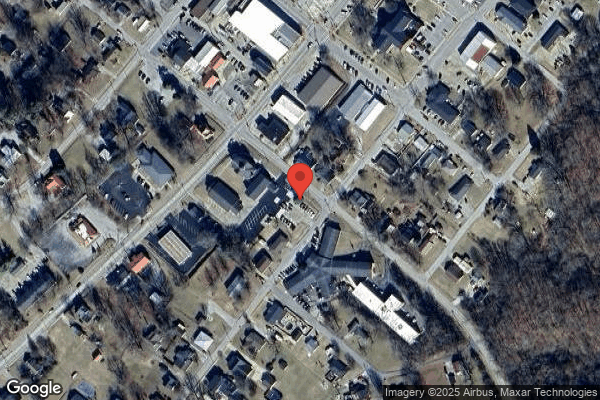

201 SOUTH WARREN STREET, MORGANTOWN, KY 42261 (270) 526-3368
For profit - Limited Liability company 122 Beds SIGNATURE HEALTHCARE Data: November 2025
Trust Grade
80/100
#63 of 266 in KY
Last Inspection: February 2025

Within standard 12-15 month inspection cycle. Federal law requires annual inspections.

Overview

Morgantown Care & Rehabilitation Center has a Trust Grade of B+, indicating it is above average and recommended for families considering care options. It ranks #63 out of 266 facilities in Kentucky, placing it in the top half, and is the only option in Butler County, meaning it stands out locally. However, the facility is experiencing a worsening trend, with issues increasing from 2 in 2024 to 3 in 2025. Staffing is a strength, with a 4 out of 5-star rating and a turnover rate of 41%, which is better than the state average. While there have been no fines recorded, the facility has faced concerns such as improper food storage in the freezer and serving food at unsafe temperatures, which could have affected resident safety. Additionally, some medications were found to be beyond their expiration dates, indicating potential lapses in medication management. Overall, while there are notable strengths, families should weigh these concerns carefully.
Trust Score
B+
80/100
In Kentucky
#63/266
Top 23%
Safety Record
Low Risk
No red flags
Inspections
Getting Worse
2 → 3 violations
Staff Stability
○ Average
41% turnover. Near Kentucky's 48% average. Typical for the industry.
Penalties
✓ Good
No fines on record. Clean compliance history, better than most Kentucky facilities.
Skilled Nurses
✓ Good
Each resident gets 49 minutes of Registered Nurse (RN) attention daily — more than average for Kentucky. RNs are trained to catch health problems early.
Violations
✓ Good
Only 5 deficiencies on record. Cleaner than most facilities. Minor issues only.
★★★★☆
4.0
Overall Rating
★★★★☆
4.0
Staff Levels
★★★☆☆
3.0
Care Quality
★★★★☆
4.0
Inspection Score
Stable
2024: 2 issues
2025: 3 issues

The Good

  • 4-Star Staffing Rating · Above-average nurse staffing levels
  • Full Sprinkler Coverage · Fire safety systems throughout facility
  • No fines on record
  • Staff turnover below average (41%)

    7 points below Kentucky average of 48%

Facility shows strength in staffing levels, fire safety.

The Bad

Staff Turnover: 41%

Near Kentucky avg (46%)

Typical for the industry

Chain: SIGNATURE HEALTHCARE

Part of a multi-facility chain

Ask about local staffing decisions and management

The Ugly 5 deficiencies on record

Feb 2025 3 deficiencies
CONCERN (F)

Potential for Harm - no one hurt, but risky conditions existed

Food Safety (Tag F0812)

Could have caused harm · This affected most or all residents

**NOTE- TERMS IN BRACKETS HAVE BEEN EDITED TO PROTECT CONFIDENTIALITY** Based on observation, interview, and review of facility policy, it was determined the facility failed to store food in a safe an...

Read full inspector narrative →
**NOTE- TERMS IN BRACKETS HAVE BEEN EDITED TO PROTECT CONFIDENTIALITY** Based on observation, interview, and review of facility policy, it was determined the facility failed to store food in a safe and sanitary manner. Observation on 02/25/2025 at 8:50 AM and 02/26/25 2:49 PM, revealed the walk-in freezer had frost and ice accumulated throughout and food particles located on the freezer's floor, which had the potential to affect all residents consuming foods stored there. The findings include: Review of the facility policy titled, Food Storage: Cold Foods, revised 04/01/2018, revealed All Time and Temperature Control for Safety (TCS) foods, frozen and refrigerated, were to be appropriately stored in accordance with guidelines of the Food and Drug Administration (FDA) Food Code. Further policy review revealed all foods were to be wrapped or in covered containers, labeled and dated, and arranged in a manner to prevent cross contamination. Observation of the facility's walk-in freezer on 02/25/2025 at 8:50 AM, revealed it had large piles of frost and ice accumulation throughout the freezer. Further observation revealed food particles lying on the floor of the walk-in freezer. Observation of the facility's walk-in freezer on 02/26/25 at 2:49 PM, revealed the large piles of frost and ice accumulation continued to be present throughout the freezer. Observation additionally revealed the food particles continued to be present lying on the floor of the walk-in freezer. In interview on 02/27/2025 at 8:30 AM, [NAME] 1 stated she had worked at the facility a little over a year. She said she performed other duties such as cleaning, sanitizing dishwashing, as well as, cooking and followed a cleaning schedule. [NAME] 1 reported once the schedule had been completed she turned it into her manager. She stated the cleaning of the walk-in freezer and cooler was done by the kitchen manager and she was not responsible for that task unless it was assigned to her. During interview on 02/25/2025 at 8:50 AM, the Dietary Accounts Manager stated the walk-in freezer had been malfunctioning, and a work order had been placed on Saturday, (02/22/2025). She stated there was nothing they could do to stop the accumulation of the ice in the walk-in, and she was in the process of trying to tidy things up when the State Survey Agency (SSA) Surveyor arrived to inspect the kitchen. The Dietary Accounts Manager reported the walk-in freezer and cooler were scheduled to be cleaned weekly and she was the staff member responsible for cleaning it. She further stated if she ran into a problem with her schedule she assigned the task of cleaning the walk-in freezer and cooler to someone else. During interview with the Regional Dietary Accounts Manager (RDAM) on 02/26/2025 at 2:49 PM, she stated they used a chemical cleaner to get the ice up and that cleaner was specially formulated to not freeze. She said using that chemical cleaner must be done on a regular basis to keep it from allowing ice to build up. The RDAM reported they had been trying to clean the walk-in freezer at least once a week; however, she thought the dietary manger had gotten behind because of being short staffed a couple of days. She said her expectations were for the walk-in freezer to be cleaned at a minimum of once a week for a detailed cleaning. The RDAM explained at that time the problem with the walk-in freezer was that outside air was getting inside and was causing excessive moisture to buildup. She stated a technician from a local service repair company came out and looked at it, then followed up with them on Monday regarding the freezer. The RDAM additionally said the local service repair company's technician let them know the walk-in freezer was beyond repair and the facility planned to replace the freezer. In interview with the facility's Maintenance Director on 02/26/2025 at 4:17 PM, he stated he had been informed on Friday about the walk-in freezer. He said he had someone come out that day to look at the walk-in freezer. The Maintenance Director reported they had another freezer that was next to it they could use if needed. He stated he believed they were now waiting on a part to fix the freezer's issue. The Maintenance Director said he thought air was coming in but he was not for sure. He explained the service technician was supposed to schedule a time when they would come back and fix the walk-in freezer. The Maintenance Director reported he could not recall who came out to look at the freezer. He further stated the normal protocol for was to report to the Administrator his issue before he could get someone else to come and fix freezer issues. In interview with the Registered Dietician (RD) on 02/27/2025 at 8:23 AM, she stated she came to the facility at least one to two days a week and performed a monthly sanitation audit of the kitchen. She stated she last performed the sanitation audit on Friday (02/21/2025) and found nothing unusual during her audit. The RD said the food appeared good, and the floors of the walk-in freezer were just slick and hard to get around on due to the excess moisture that was coming in. She reported the walk-in freezer issue had been an ongoing problem they had been dealing with. The RD stated the Dietary Accounts Manager had been coming in and sweeping out the excess ice and frost accumulation in the walk-in freezer from time to time; however, it just came back so fast it was hard to keep up with. She explained when she was at the facility on Friday and did the sanitary audit she had not seen any food or excess ice on the walk-in freezer floor at that time. The RD said if she had seen the freezer in its current state she would be providing ongoing education with the staff on cleaning and keeping the excess frost and ice swept up. She stated she felt there was not much else they could really do to properly address the situation with the walk-in freezer now as they could not keep the large amount of frost and ice from accumulating inside. The RD additionally stated her expectations were for dietary staff to do more frequent sweeping inside the walk-in freezer, but even then she was not still sure that would help with the issue. In interview with the Service Manager for the contracted Repair Services Company on 02/27/2025 at 9:14 AM, he stated he had been contacted and came out to the facility last week on 02/21/2025. He reported he found large amounts of ice building up because of there being a large amount of outside air coming into the freezer due to the seals and gaskets being compromised. The Service Manager said that caused water to get in between the foam panels and that those panels were most likely full of water. He stated the freezer had probably been doing that for a long time as the freezer was about [AGE] year. The Service Manager reported the seals and gaskets wore out and start going bad after about 10-15 years of usage and start losing their effectiveness. He explained in his opinion the amount of ice inside the walk-in freezer had taken weeks to accumulate that much in there. The Service Manager said, unless there had been a large amount of water inside or a leak of some sort which could have caused that much ice accumulation to be observed in the freezer. He reported if it was just humidity coming in from outside air, that would take a long time for the ice to accumulate the way it had in the freezer. The Service Manager stated in his opinion he thought the ice had to have been there awhile. He also stated he had service men coming back out to the facility today to take measurements for the new freezer that was to be ordered to replace the current one. In interview with the Administrator on 02/27/2025 at 8:00 AM, he stated he would consider the ice accumulation away from the food since it was mainly on the floor and that it posed no risk to the food stored in it at that point. He explained if the ice was accumulating on the food, then he would have it removed and replaced and would use the emergency food supply in the meantime until the replacement food got here. The Administrator further stated his expectations was for the excess ice to be swept out daily, but since it was located on the floor it should be okay.
MINOR (C)

Minor Issue - procedural, no safety impact

Deficiency F0577 (Tag F0577)

Minor procedural issue · This affected most or all residents

Based on observation, interview, record review, and review of the facility's policy, the facility failed to ensure the results of its most recent certification and complaint survey results were readil...

Read full inspector narrative →
Based on observation, interview, record review, and review of the facility's policy, the facility failed to ensure the results of its most recent certification and complaint survey results were readily accessible to residents in an area where residents did not have to request to review the results. The facility's failure directly impacted 4 of 5 residents who attended the resident council meeting (Resident (R) 1, R13, R16, and R52) and had the potential to affect all residents residing in the facility, their family/representatives, and visitors of the facility who had the right to review the facility's survey history. The findings include: Review of the facility's policy titled, Resident Rights, revised 01/31/2025, revealed all residents had the right to be treated with respect and dignity and those rights would be promoted and protected by the facility. Per review of the policy, residents had the right to examine (the facility's) survey results. In a Resident Council Meeting conducted on 02/26/2025 at 2:01 PM, with residents who regularly attended those meetings, all the residents present (R1, R13, R16, and R52) stated they did not know where the facility's survey results book was located. 1. Review of R1's Face Sheet revealed the facility admitted the resident on 04/18/2005. (In interview on 02/25/2025 at 8:24 AM, the Administrator stated R1 was the resident council president.) Review of R1's Annual Minimum Data Set (MDS) Assessment with an Assessment Reference Date (ARD) of 01/14/2025, revealed the facility assessed the resident to have a Brief Interview for Mental Status (BIMS) score of 15 out of 15, indicating intact cognition. 2. Review of R13's Face Sheet revealed the facility admitted the resident on 10/28/2016. Review of R13's Annual MDS Assessment with an ARD of 01/14/2025, revealed the facility assessed the resident to have a BIMS score of 11 out of 15, which indicated the resident was moderately cognitively intact. 3. Review of R16's Face Sheet revealed the facility admitted the resident on 08/03/2022. Review of R16's Significant Change MDS Assessment with an ARD of 02/16/2025, revealed the facility assessed the resident to have a BIMS score of 14 out of 15, which indicated the resident was cognitively intact. 4. Review of R52's Face Sheet revealed the facility admitted the resident on 09/18/2023. Review of R52's Quarterly MDS Assessment with an ARD of 02/07/2025, revealed the facility assessed the resident to have a BIMS score of seven out of 15, which indicated the resident was severely cognitively impaired. Observation on 02/26/2025 at 4:59 PM, revealed the facility's survey (findings) binder was located behind the nursing station. Continued observation and review of the survey binder revealed it was not up to date with the most current facility survey results. Further review of the facility's survey binder revealed the survey results of the Recertification Survey on 09/05/2019 was present; however, the Recertification Survey results from 05/24/2024 were not located in the binder. During interview with the Director of Nursing (DON) on 02/27/2025 at 10:00 AM, she stated the Administrator was responsible for ensuring the facility's survey results binder was accessible to residents (and others) and up to date. The DON further stated she and the Administrator had started working at the facility in August of 2024, and she thought updating the binder had just been forgotten. During interview with the Administrator on 02/27/2025 at 2:13 PM, he stated he was responsible for the facility's survey binder. He stated the binder should have never been stored behind the nursing station and should have been available in a public area. The Administrator reported the facility's survey binder just wasn't up to date, but he did not provide a reason why. He further stated it had now been corrected and a sign with large font had been placed in the front lobby. The Administrator additionally said the binder had been updated and was now accessible for anyone to view.
MINOR (C)

Minor Issue - procedural, no safety impact

Staffing Information (Tag F0732)

Minor procedural issue · This affected most or all residents

Based on observation, interview, and review of the facility's policy, it was determined the facility failed to post staffing data for 2 of the 3 days of the State Survey Agency (SSA) Survey. The find...

Read full inspector narrative →
Based on observation, interview, and review of the facility's policy, it was determined the facility failed to post staffing data for 2 of the 3 days of the State Survey Agency (SSA) Survey. The findings include: Review of the facility's policy titled, Nursing Services, Staffing Policy, revised 01/31/2025, revealed the facility's intent was to ensure nursing staff supported the well-being of its residents. The policy further stated staffing would be allocated and adjusted to deliver quality care considering the number, characteristics, and acuity of the facility's resident population. Observation of the daily staffing posting on 02/26/2025 at 4:52 PM, revealed the staffing posted in a hallway where it was not visible unless a person were walking down that particular hallway. Per review, the staffing posted was dated 01/30/2025 (approximately 27 days prior to the Survey initiation date). Observation of the daily staffing posting on 02/27/2025 at 8:33 AM, revealed the staffing data was not posted. During interview on 02/27/2025 at 9:30 AM, the facility's staffing Scheduler stated she was responsible for posting the staffing data. She reported it was important for the staffing to be posted daily to allow staff to know how the facility would be staffed each day. The Scheduler additionally stated she usually put each day's posting on top of the previous one and she did not know what had happened to the postings. During interview with the Director of Nursing (DON) on 02/27/2025 at 10:00 AM, she stated the Scheduler was responsible for ensuring the staffing data was posted. The DON stated she had discussed the staffing not being posted with the Scheduler yesterday and informed her that task needed to be done daily. She reported going forward, the business office would be assisting when the Scheduler was not at the facility and she (the DON) would also be checking to ensure the staffing was posted daily. The DON further stated she expected the posting to be completed daily as required. During interview with the Administrator on 02/27/2025 at 2:13 PM, he stated the Scheduler was responsible for the daily staffing posting and he expected that to be completed daily (as required).
May 2024 2 deficiencies
CONCERN (D)

Potential for Harm - no one hurt, but risky conditions existed

Deficiency F0761 (Tag F0761)

Could have caused harm · This affected 1 resident

Based on observation, interview, and review of the facility's policy, it was determined the facility failed to ensure drugs and biologicals used in the facility were stored in accordance with the manu...

Read full inspector narrative →
Based on observation, interview, and review of the facility's policy, it was determined the facility failed to ensure drugs and biologicals used in the facility were stored in accordance with the manufacturer's specifications, and accepted professional nursing principles and practices for one (1) of four (4) medication carts audited out of a total of seven (7) medication carts. Observation on 05/24/2024 at 9:40 AM, of the medication cart (Cart 1) that serviced rooms #15-27 on The City hall, revealed seven (7) cards of medications were beyond the expiration date printed on the label as well as the beyond use date identified on the affixed pharmacy-generated label. This affected Residents (R3), R23, R36 and R91. The findings include: Review of the facility's policy titled, Medication Administration, General Guidelines, dated 09/2018, revealed medications are administered as prescribed in accordance with manufacturer's specifications, good nursing principles and practices. Further review revealed the person administering the medication is to, check expiration date on package/container. No expired medications will be administered to a resident. Additional guidelines included, the beyond use dating, which only lists month/year, fall to the last day of the month. Observation on 05/24/2024 at 9:40 AM, of the medication cart (Cart 1) that serviced rooms #15-27 on The City hall, revealed seven (7) cards of medications were beyond the expiration date printed on the label as well as the beyond use date identified on the affixed pharmacy-generated label. The expired medications prescribed to R3, R23, R36 and R91 included the following: Resident (R3) Pantoprazole 20 mg tablets (medication used to treat gastroesophageal reflux disease) expired 03/15/2024 with eight (8) tablets remaining. R23 Meclizine 12.5 mg tablets (antihistamine) expired 04/18/2024 with 25 tablets remaining. Amlodipine 2.5 mg tablets (medication used to treat high blood pressure) expired 05/15/2024 with 25 tablets remaining. R36 Olanzapine 2.5 milligrams (mg) half tablets (antipsychotic) expired 03/14/2024 with 27 tablets remaining. Olanzapine 2.5 mg half tablets expired 04/24/2024 with 30 tablets remaining. R 91 Cetirizine 5 mg tablets (antihistamine) expired 02/28/2024 with 1 tablet remaining. Vitamin D3 50 microgram tablets expired 03/16/2024 with seven (7) tablets remaining. During an interview on 05/24/2024 at 9:40 AM, with Licensed Practical Nurse (LPN) 3, she stated she was not usually on this medication cart, but was assigned to it this day. LPN3 further stated the nurses assigned to the medication cart should check the expiration dates of the medications and remove them if expired. In continued interview, she stated the contracted pharmacy checked for expired medications, but she was unsure of how often pharmacy completed this audit. In an interview with the Assistant Director of Nursing (ADON), on 05/29/2024 at 4:25 PM, she stated it was her expectation medications be removed from the medication cart if expired or discontinued, by the nurses assigned to the carts. The ADON further stated she audited the medication carts as often as every two (2) weeks, monthly, and as needed. In an interview with the Director of Nursing (DON), on 05/29/2024 at 3:06 PM, she stated a representative from the pharmacy checked the medication carts and medication storage monthly. She stated the pharmacy representative tried to get to the facility early enough to check all medication carts and was at the facility just last week. The DON further stated it was her expectation the floor nurses assigned to the medication carts would pull the medication from the cart if it was discontinued or expired. Further, she stated she expected the pharmacy medication cart audits to catch any expired medications.
CONCERN (E)

Potential for Harm - no one hurt, but risky conditions existed

Deficiency F0804 (Tag F0804)

Could have caused harm · This affected multiple residents

Based on observation, interview, review of facility policy, and review of the Kentucky Food Guide 2013 Food Code guidance, it was determined the facility failed to provide foods at a safe and appetizi...

Read full inspector narrative →
Based on observation, interview, review of facility policy, and review of the Kentucky Food Guide 2013 Food Code guidance, it was determined the facility failed to provide foods at a safe and appetizing temperature on 05/24/2024 for the noon meal, to the residents of Serenity Hall. Observation on 05/24/2024 at 12:09 PM, revealed during kitchen tray line for Serenity Hall, the cole slaw, cucumber salad and banana pudding was left out sitting on a tray, and was not placed in an ice bath. Following the completion of the tray line for Serenity Hall, at 12:25 PM, the State Surveyor requested a temperature check on all foods on the tray line and the following temperatures were observed: coleslaw, seven (7) servings at 61 degrees Fahrenheit (F); cucumber and onion salad, two (2) servings at 66 degrees F, and banana pudding 15 servings at 71 degrees F. The findings include: Review of facility policy titled Food Preparation, dated 02/2023, revealed all foods would be prepared in accordance with the Food and Drug Administration (FDA) food code. Continued review revealed all foods will be held at appropriate temperatures of less than 41 degrees Fahrenheit (F) for cold food holding. Review of the Kentucky Food Guide 2013 Food Code, revealed cold foods should be held at 41 degrees F or less. Review of the Service Line Checklist, dated 05/24/2024, revealed temperatures for all hot and cold foods should be taken prior to service and recorded. Temperature of cold food should be at or less than 41 degrees F. Continued review of the Checklist recorded temperatures for the 05/24/2024 noon meal prior to serving, revealed the coleslaw was 33 degrees F, cucumber and onion salad was 36 degrees F and the banana pudding was 35 degrees. Observation on 05/24/2024 at 12:09 PM, revealed during tray line for Serenity Hall, the cole slaw, cucumber salad and banana pudding was left out sitting on a tray, and was not placed in an ice bath. Following the completion of the tray line for Serenity Hall, on 05/24/2024 at 12:25 PM, the State Surveyor requested a temperature check on all foods on the tray line and the following temperatures were observed: coleslaw, seven (7) servings at 61 degrees F; cucumber and onion salad, two (2) servings, at 66 degrees F; and banana pudding 15 servings at 71 degrees F. During an interview with the Dietary Manager on 05/24/2024 at 12:27 PM, she stated the cold foods should be held at 41 degrees F. The Dietary Manager who was assisting with tray line proceeded to replace the coleslaw, salad and pudding and placed these food items in an ice bath. In a follow up interview with the Dietary Manager, on 05/24/2024 at 5:08 PM, she stated the banana pudding was canned and was refrigerated prior to the noon meal being served. She further stated she could not speak to the food temperatures during tray line and the State Surveyor would need to speak to the cook. In an interview with the Dietary Cook, on 05/24/2024 at 5:24 PM, she stated the dining cart for Serenity Hall was the fourth cart that left the kitchen. She stated the trays of pudding, coleslaw and salad were not placed in an ice bath prior to serving. She further stated dietary staff typically used an ice bath for cold food, but they were in a rush because a staff member had to leave due to a family emergency. The Dietary [NAME] stated the banana pudding was canned and they added bananas to the regular diet. She further stated she could not recall what the tray line food temperatures were prior to serving the noon meal. The State Surveyor shared that the recorded temperature for the banana pudding was 35 degrees Fahrenheit (F), the coleslaw was 33 degrees F, and the cucumber and onion salad was 36 degrees F. The cook stated based on those temperatures she would assume the food items had been in the cooler prior to her taking the temperatures. The Dietary [NAME] stated the temperatures taken of the cold foods following the completion of the tray line for Serenity Hall were not at a safe temperature and residents could potentially become sick if foods were not kept at safe temperatures. During an interview with the Director of Nursing (DON), on 05/24/2024 at 4:32 PM, she stated she expected kitchen staff to check food temperatures before and while serving food. She stated the cold foods at the noon meal tray line maybe should have been placed in an ice bath. She further stated she could not provide an answer for potential outcomes if food was served at inappropriate temperatures as she really could not answer a hypothetical question. During an interview with the Administrator, on 05/24/24 at 4:40 PM, he stated he expected cold foods to be kept cold. He stated the food code mentioned food should be palatable and served at a safe temperature.
Understanding Severity Codes (click to expand)
Life-Threatening (Immediate Jeopardy)
J - Isolated K - Pattern L - Widespread
Actual Harm
G - Isolated H - Pattern I - Widespread
Potential for Harm
D - Isolated E - Pattern F - Widespread
No Harm (Minor)
A - Isolated B - Pattern C - Widespread

Questions to Ask on Your Visit

  • "Can I speak with families of current residents?"
  • "What's your RN coverage like on weekends and overnight?"

Our Honest Assessment

Strengths
  • • Grade B+ (80/100). Above average facility, better than most options in Kentucky.
  • • No major safety red flags. No abuse findings, life-threatening violations, or SFF status.
  • • No fines on record. Clean compliance history, better than most Kentucky facilities.
  • • Only 5 deficiencies on record. Cleaner than most facilities. Minor issues only.
Concerns
  • • No significant concerns identified. This facility shows no red flags across CMS ratings, staff turnover, or federal penalties.
Bottom line: Generally positive indicators. Standard due diligence and a personal visit recommended.

About This Facility

What is Morgantown Care & Rehabilitation Center's CMS Rating?

CMS assigns Morgantown Care & Rehabilitation Center an overall rating of 4 out of 5 stars, which is considered above average nationally. Within Kentucky, this rating places the facility higher than 99% of the state's 100 nursing homes. This rating reflects solid performance across the metrics CMS uses to evaluate nursing home quality.
How is Morgantown Care & Rehabilitation Center Staffed?

CMS rates Morgantown Care & Rehabilitation Center's staffing level at 4 out of 5 stars, which is above average compared to other nursing homes. Staff turnover is 41%, compared to the Kentucky average of 46%. This relatively stable workforce can support continuity of care.

What Have Inspectors Found at Morgantown Care & Rehabilitation Center?

State health inspectors documented 5 deficiencies at Morgantown Care & Rehabilitation Center during 2024 to 2025. These included: 3 with potential for harm and 2 minor or isolated issues.

Who Owns and Operates Morgantown Care & Rehabilitation Center?

Morgantown Care & Rehabilitation Center is owned by a for-profit company. For-profit facilities operate as businesses with obligations to shareholders or private owners. The facility is operated by SIGNATURE HEALTHCARE, a chain that manages multiple nursing homes. With 122 certified beds and approximately 111 residents (about 91% occupancy), it is a mid-sized facility located in MORGANTOWN, Kentucky.

How Does Morgantown Care & Rehabilitation Center Compare to Other Kentucky Nursing Homes?

Compared to the 100 nursing homes in Kentucky, Morgantown Care & Rehabilitation Center's overall rating (4 stars) is above the state average of 2.8, staff turnover (41%) is near the state average of 46%, and health inspection rating (4 stars) is above the national benchmark.

What Should Families Ask When Visiting Morgantown Care & Rehabilitation Center?

Based on this facility's data, families visiting should ask: "Can I visit during a mealtime to observe dining assistance and food quality?" "How do you handle medical emergencies, and what is your hospital transfer rate?" "Can I speak with family members of current residents about their experience?"

Is Morgantown Care & Rehabilitation Center Safe?

Based on CMS inspection data, Morgantown Care & Rehabilitation Center has a clean safety record: no substantiated abuse findings (meaning no confirmed cases of resident harm), no Immediate Jeopardy citations (the most serious violation level indicating risk of serious injury or death), and is not on the Special Focus Facility watch list (a federal program monitoring the lowest-performing 1% of nursing homes). The facility has a 4-star overall rating and ranks #1 of 100 nursing homes in Kentucky. While no facility is perfect, families should still ask about staff-to-resident ratios and recent inspection results during their visit.

Do Nurses at Morgantown Care & Rehabilitation Center Stick Around?

Morgantown Care & Rehabilitation Center has a staff turnover rate of 41%, which is about average for Kentucky nursing homes (state average: 46%). Moderate turnover is common in nursing homes, but families should still ask about staff tenure and how the facility maintains care continuity when employees leave.

Was Morgantown Care & Rehabilitation Center Ever Fined?

Morgantown Care & Rehabilitation Center has no federal fines on record. CMS issues fines when nursing homes fail to meet care standards or don't correct problems found during inspections. The absence of fines suggests the facility has either maintained compliance or corrected any issues before penalties were assessed. This is a positive indicator, though families should still review recent inspection reports for the full picture.

Is Morgantown Care & Rehabilitation Center on Any Federal Watch List?

Morgantown Care & Rehabilitation Center is not on any federal watch list. The most significant is the Special Focus Facility (SFF) program, which identifies the bottom 1% of nursing homes nationally based on persistent, serious quality problems. Not being on this list means the facility has avoided the pattern of deficiencies that triggers enhanced federal oversight. This is a positive indicator, though families should still review the facility's inspection history directly.