Robertson County Health Care Facility
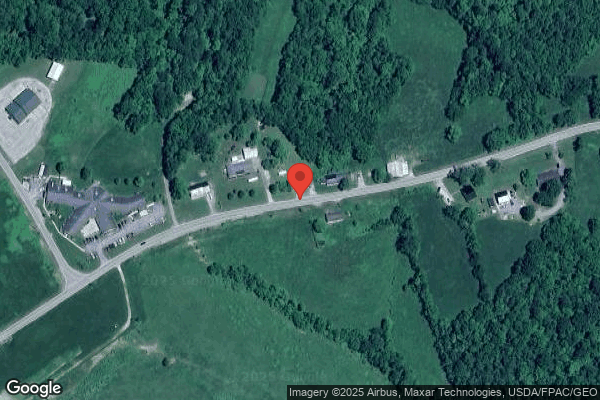
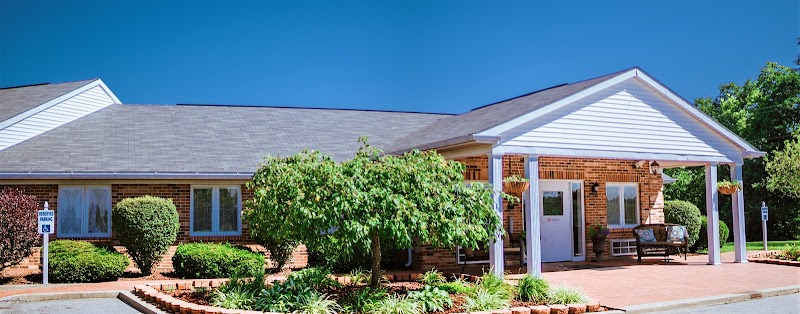
1030 Kentontown Road, Mount Olivet, KY 41064 (606) 724-5020
For profit - Corporation 60 Beds BLUEGRASS HEALTH KY Data: November 2025
Trust Grade
38/100
#182 of 266 in KY
Last Inspection: July 2025

Inspected within the last 6 months. Data reflects current conditions.

Overview

Robertson County Health Care Facility has received a Trust Grade of F, indicating significant concerns and a poor reputation among nursing homes. It ranks #182 out of 266 in Kentucky, placing it in the bottom half of facilities in the state, and is the only option available in Robertson County. The facility is experiencing a worsening trend, with the number of reported issues increasing from 2 in 2020 to 4 in 2025. Staffing is a relative strength, with a turnover rate of 32%, which is lower than the state average, but the overall staffing rating is still only 2 out of 5 stars. However, the facility has faced serious incidents, including a failure to protect residents from abuse, as two residents were involved in multiple altercations, resulting in injuries. Additionally, the facility has been fined $13,520, which is concerning as it is higher than 82% of Kentucky facilities. There is also average RN coverage, but there were failures to ensure proper medication storage and infection control measures, which raises further red flags for potential health risks.

Trust Score
F
38/100
In Kentucky
#182/266
Bottom 32%
Safety Record
High Risk
Review needed
Inspections
Getting Worse
2 → 4 violations
Staff Stability
○ Average
32% turnover. Near Kentucky's 48% average. Typical for the industry.
Penalties
○ Average
$13,520 in fines. Higher than 72% of Kentucky facilities. Some compliance issues.
Skilled Nurses
○ Average
Each resident gets 36 minutes of Registered Nurse (RN) attention daily — about average for Kentucky. RNs are the most trained staff who monitor for health changes.
Violations
○ Average
7 deficiencies on record. Average for a facility this size. Mostly minor or procedural issues.
★★☆☆☆
2.0
Overall Rating
★★☆☆☆
2.0
Staff Levels
★★★☆☆
3.0
Care Quality
★★☆☆☆
2.0
Inspection Score
Stable
2020: 2 issues
2025: 4 issues

The Good

  • Full Sprinkler Coverage · Fire safety systems throughout facility
  • No fines on record
  • Staff turnover below average (32%)

    16 points below Kentucky average of 48%

Facility shows strength in fire safety.

The Bad

2-Star Overall Rating

Below Kentucky average (2.8)

Below average - review inspection findings carefully

Staff Turnover: 32%

14pts below Kentucky avg (46%)

Typical for the industry

Federal Fines: $13,520

Below median ($33,413)

Minor penalties assessed

Chain: BLUEGRASS HEALTH KY

Part of a multi-facility chain

Ask about local staffing decisions and management

The Ugly 7 deficiencies on record

1 actual harm
Jul 2025 2 deficiencies
CONCERN (D)

Potential for Harm - no one hurt, but risky conditions existed

Deficiency F0761 (Tag F0761)

Could have caused harm · This affected 1 resident

Based on observation, interview, record review, review of manufacturer's instructions for use, and review of the facility's policy, it was determined the facility failed to ensure insulin pens that re...

Read full inspector narrative →
Based on observation, interview, record review, review of manufacturer's instructions for use, and review of the facility's policy, it was determined the facility failed to ensure insulin pens that required refrigeration were stored in the refrigerator for 1 of 5 medication carts. The findings include: Review of the facility's policy titled, Medication Storage, dated 08/04/2024, revealed medications requiring refrigeration were stored in the refrigerator. Review of the manufacturer's instructions for the Basaglar KwikPen (insulin glargine, used to decrease blood sugar) at www.insulins.lilly.com/basaglar revealed to store the unopened pen in the refrigerator at 36 degrees Fahrenheit (F) to 46 degrees F until the expiration date and at room temperature for 28 days. It also stated to discard the opened pen after 28 days, even if all the insulin had not been used. Review of the manufacturer's instructions for the insulin glargine pen at www.medlineplus.gov/druginfo/med, revealed to store unopened pens in the refrigerator at 36 degrees F to 46 degrees F until the expiration date and at room temperature for up to 28 days. Observation on 06/30/2025 at 11:22 AM of the G-tube medication cart revealed, in the top drawer, there was an unopened Basaglar pen labeled refrigerate for Resident (R) 7. There was also an unopened glargine insulin pen labeled refrigerate for R41. Review of R7's admission Record revealed the facility admitted R7 on 05/24/2021 with diagnoses to include type 2 diabetes, long term (current) use of insulin, and unspecified malignant neoplasm of the intra-abdominal lymph nodes. Review of R7's Physician's Orders revealed an order, dated 02/14/2025 at 6:08 PM, for administration of the glargine insulin pen. Review of R41's admission Record revealed the facility admitted R41 on 02/02/2024 with diagnoses to include type 2 diabetes with diabetic neuropathy, long term (current) use of insulin, and personal history of other malignant neoplasm of large intestine. Review of R41's Physician's Orders revealed an order, dated 05/29/2025 at 1:03 PM, for administration of the Basaglar KwikPen. During interview with Registered Nurse (RN) 1 at the time of the observation on 06/30/2025 at 11:22 AM, she stated night shift nurses put the medications in the cart. She further stated the insulins should have been refrigerated. She stated the insulin might not be effective if not stored properly. She stated the insulin pens for R7 and R41 would be discarded. During interview with the Director of Nursing (DON) on 07/02/2025 at 8:44 AM, she stated the insulin pens were supposed to be stored in the refrigerator until opened. She further stated the Basaglar insulin pen belonging to R41 and the glargine insulin pen belonging to R7 were discarded. She stated the facility paid for replacements. During telephone interview with the Pharmacist on 07/02/2025 at 9:06 AM, he stated glargine and Basaglar insulin pens were safe to store out of the refrigerator for 28 days. He stated the manufacturer's instructions did not state what effect it would have on the resident if the insulin was not refrigerated. He stated he thought it could cause redness at the injection site. He also stated it could possibly not be effective and cause elevated blood sugar levels. He stated the facility threw the insulin pens away because it was unknown when they were delivered or how long they had not been refrigerated. During interview with Administrator 2 on 07/02/2025 at 12:16 PM, she stated her expectation of staff was to follow manufacturer's instructions and the policy on how to store insulin. She stated the pharmacy did a monthly monitor of the medication carts, and nursing also checked the medication carts. She stated she expected nurses to check the medication carts each time they opened them.
CONCERN (D)

Potential for Harm - no one hurt, but risky conditions existed

Infection Control (Tag F0880)

Could have caused harm · This affected 1 resident

Based on interview, record review, and review of the facility's policy, the facility failed to ensure a system for controlling infections and communicable diseases for all residents, staff, volunteers...

Read full inspector narrative →
Based on interview, record review, and review of the facility's policy, the facility failed to ensure a system for controlling infections and communicable diseases for all residents, staff, volunteers, visitors, and other individuals providing services was maintained for 1 of 5 sampled employees, Assistant Director of Nursing/Registered Nurse (ADON/RN) 2. Review of the [State] Department for Public Health Tuberculosis (TB) Risk Assessment for ADON/RN2 revealed she had not had a TB risk assessment or tuberculin skin test since 06/19/2024. The findings include: Review of the undated facility's policy titled, Tuberculosis Screening for Employees, taken from the Infection Prevention Manual for Long Term Care, revealed its purpose was to promote resident and employee safety and well being by screening employees for tuberculosis and initiating appropriate follow-up. Further review of the policy revealed the frequency of repeat skin testing of the employee would depend on the facility's annual TB risk assessment for the employee. Review of the [State] Department for Public Health Tuberculosis (TB) Risk Assessment forms for Assistant Director of Nursing/Registered Nurse (ADON/RN) 2 revealed ADON/RN2 had not had a TB risk assessment or a tuberculin skin test (TST) since 06/19/2024. Additionally, ADON/RN2's TST documented as administered on 06/19/2024 was not initialed by the person who administered it and was not documented with the determination of a positive or negative test result. Review of the Centers for Disease Control and Prevention's (CDC) Certificate of Completion for Nursing Home Infection Preventionist Training revealed the Infection Preventionist (IP) had completed the course on 06/24/2025, and the ADON/RN2 had completed the course on 04/14/2025. Review of the [State] Association of Health Care Facilities (KAHCF) Certification of Completion for the Nursing Home Infection Prevention Program revealed the Director of Nursing (DON) had completed the course on 02/17/2018, and the Regional Nurse Consultant (RNC) had completed the course on 06/19/2018. During an interview on 07/02/2025 at 11:25 AM with the current IP and the RNC present, the IP stated she had been employed at the facility for one month and was learning the IP's role. She stated the DON and ADON/RN2 were training her, and the RNC was also a resource. The IP stated when she arrived, the infection prevention recordkeeping was not organized, and she was still trying to correct that as well as learn the IP's job duties. The IP stated the staff TB records were kept in a binder, but the records needed to be brought up-to-date. The RNC stated she and the IP needed to have the DON present to explain about the staff TB records because the DON was responsible for the oversight of the staff TB testing. Both the IP and the RNC stated that TB screening was important to make sure staff and residents were free of an active TB infection. During an interview on 07/02/2025 at 11:37 AM with the DON, she stated the previous IP/ADON quit, and she and the ADON/RN2 were responsible for covering the IP tasks. The DON also stated the ADON/RN2 was in charge of the staff TB monitoring and should not have missed the need for her own TB risk assessment or TST. The DON further stated she and the ADON/RN2 were wearing several hats, while the facility had been recruiting a new IP, and continued to assist with the completion of IP tasks and requirements as well as assist the current IP with her training. The DON stated TB surveillance was important for the staff and residents for infection control, and the ADON/RN2 would have her TB risk assessment and skin test completed today. During an interview on 07/02/2025 at 11:43 AM with ADON/RN2, she stated she did not know how she missed her own annual TB skin test. She stated it was important for the TB test to be done for the safety of the residents. During an interview on 07/02/2025 at 11:40 AM with the RNC, she stated she now realized the facility needed a better system for tracking the TB risk assessments and skin tests for staff to ensure the safety of the residents. The RNC stated it was corporate's expectation the required staff annual TB risk assessments/skin tests be completed annually per the facility's policy. During an interview on 07/02/2025 at 12:29 PM with Administrator 2, she stated the prior Administrator was the acting IP, and she had terminated her employment abruptly on 03/25/2025, leaving the facility's IP position vacant. She also stated the DON and the RNC had assisted with completing some audits and outlined the IP tasks that needed to be done for the month as well as the completion of any required reporting until ADON/RN2 completed her IP certification. Administrator 2 further stated it was a joint effort between the DON and the ADON/RN2 to monitor the staff TB annual risk assessments and TST's which would have included the annual tracking. She stated the DON was ultimately responsible for the monitoring and completion of the staff TB annual risk assessments and TST's, recognizing the IP's role was new to the current IP and to ADON/RN2. She also stated there was still a possibility of TB infections happening, and it was her expectation the facility would be kept up-to-date with TB screening and skin tests annually as indicated in the facility's policy.
Apr 2025 2 deficiencies 1 Harm
SERIOUS (G) 📢 Someone Reported This

A family member, employee, or ombudsman was alarmed enough to file a formal complaint

Actual Harm - a resident was hurt due to facility failures

Free from Abuse/Neglect (Tag F0600)

A resident was harmed · This affected 1 resident

Based on interview, record review, and review of the facility's investigation and policy, it was determined the facility failed to protect 2 of 15 sampled residents from resident-to-resident abuse, Re...

Read full inspector narrative →
Based on interview, record review, and review of the facility's investigation and policy, it was determined the facility failed to protect 2 of 15 sampled residents from resident-to-resident abuse, Resident (R) 2 and R5. 1. On 10/13/2024, R2 entered R5's room uninvited and R5 was heard by staff yelling get out of my room. R2 was care planned for wandering, cussing at staff, and physical behaviors. When the State Registered Nurse Aide (SRNA) 5 responded to R5's call for help, she found R2 with her foot on R5's wheelchair. R5 reported R2 swung at her and hit her on the arm causing a skin tear and a bruise. 2. On 10/21/2024, a second incident occurred between R2 and R5. Staff observed R5 following R2 earlier that day [on 10/21/2024] and told the resident to stop. Later that same day, R5 and R2 were observed in a physical altercation in which R5 grabbed R2's arm and two facility staff had to assist with separating the residents. R5 was observed to have twisted R2's arm which resulted in R2 sustaining a broken wrist. The findings include: Review of the facility's policy titled, Reporting Abuse to Facility Management, not dated, revealed the facility did not condone resident abuse by anyone, including staff members, physicians, consultants, volunteers, staff of other agencies serving the residents, family members, legal guardians, sponsors, other residents, friends or other individuals. Further review of the policy revealed it was the policy of the facility that each resident had the right to be free from abuse, neglect, misappropriation, and exploitation. In an interview with the Interim Administrator on 03/26/2025 at 10:45 AM, she stated the facility did not have a policy that addressed residents' behaviors. 1. Review of the Long-Term Care Facility Self-Reported Incident Form Initial Report (IR), dated 03/28/2023 [sic], revealed, on 10/13/2024 at 8:20 PM, the Administrator was notified that a staff member [Kentucky Medication Aide/State Registered Nurse Aide (KMA/SRNA)5] heard yelling coming from R5's room. Upon immediate investigation, she found R2 sitting facing R5 (both in wheelchairs), and R2 had her foot on the wheel of R5's wheelchair. Per the initial report, R5 reported to staff that R2 came into her room uninvited and swung at her, hitting her (R5) in the left upper extremity (LUE), which caused a linear shaped bruise and skin tear. Review of the Long-Term Care Facility Self-Reported Incident Form 5-Day Follow-Up/Final Report (5 Day), dated 10/17/2024, revealed R5 was interviewed by the Administrator on 10/13/2024 at 9:00 PM, and R5 stated R2 entered her room via a wheelchair. R5 stated she told R2 to get out of her room, and R2 began swatting at R5. R5 stated she defended herself and swatted back. a. Review of R2's Face Sheet from her electronic medical record (EMR) revealed the facility admitted the resident on 02/07/2021 with diagnoses which included dementia and legal blindness. Review of R2's annual Minimum Data Set [MDS], with an Assessment Reference Date (ARD) of 10/03/2024, revealed the facility assessed the resident to have a Brief Interview for Mental States [BIMS] score of three of 15, which indicated severe cognitive impairment. Review of R2's Comprehensive Care Plan [CCP], dated 07/09/2024, revealed she was care planned for the focus of behavior problems related to cursing at staff, having physical behaviors, and having frequent confusion regarding the location of her room. The goal was that R2 would have no further physical behaviors through the next review. Interventions placed included if reasonable, staff was to discuss R2's behavior and explain or reinforce why the behavior was inappropriate and/or unacceptable; staff was to minimize the potential for the resident's disruptive behaviors by offering tasks which diverted R2's attention; R2 was to have her behaviors monitored to determine the underlying cause, taking into consideration the time of day, persons involved, and situations that occurred, and the monitoring of the behavior was to be documented along with the potential cause. Review of R2's Nursing Progress Notes, dated 10/13/2024, revealed there was an Incident Note placed that stated a Kentucky Medication Aide (KMA) was in the hallway passing medications and heard R5 yelling get out. Per the note, the KMA noted R2 was sitting in her wheelchair facing R5, and R2 had her foot on R5's wheel on her wheelchair. The note stated the KMA removed R2 from R5's room and noted that R5 had injuries to her arms. R2 was assisted to bed and placed on 15-minute checks. Review of R2's Nursing Progress Notes, dated 10/14/2024, revealed that an Acute Change in Condition Note was placed in R2's EMR stating that R2 had initiated physical aggression toward another resident (R5) and caused injury to R5. The note stated that R2 was in R5's room slapping and kicking at her, and this resulted in a skin tear to R5's left upper extremity. Further review of R2's CCP, dated 10/15/2024, revealed a focus of elopement and wandering, to monitor R2 for wandering and behavior indicators. Continued review of the resident's care plan revealed no documentation to support the resident's 15 minute checks were included on the care plan. Observation of R2 on 03/26/2025 at 3:23 PM revealed that R2 was sitting quietly and calmly in her wheelchair by the nurses' station. In an interview with R2 on 03/25/2025 at 11:00 AM she said that she had no problems other than getting those babies out. Resident (R)2 was unable to answer the State Survey Agency (SSA) Surveyor's questions. In an interview on 03/26/2025 at 11:25 AM with the guardian of R2, F10, he stated that he was made R2's guardian because she had no family. He also stated that he was notified of the incident that occurred on 10/13/2024. Per the interview, F10 stated that when he was contacted, the facility told him that they would have to find another placement for R2. b. Closed record review of R5's Face Sheet from her EMR revealed the facility admitted the resident on 12/05/2022 with diagnoses which included cerebral infarction (stroke), mild cognitive impairment, and anxiety disorder. Review of R5's quarterly MDS, with an ARD of 08/23/2024, revealed the facility assessed the resident to have a BIMS score of 14 of 15, which indicated intact cognition. She was also assessed as having no physical or verbal behavioral symptoms. Review of R5's CCP, dated 02/02/2024, revealed a focus of agitation and an intervention of: before the agitation escalated, guide R5 away from the source of distress. Interventions placed to achieve these goals were for nursing staff to analyze key times, places, circumstances, triggers, and what de-escalated behaviors and to document. On 03/29/2024, R5 was care planned for behaviors of verbal aggression with interventions for staff to intervene before the resident's agitation escalated. Review of R5's Nursing Progress Notes, dated 10/13/2024, revealed there was an Incident Note placed that stated a KMA was in the hallway passing medications and heard R5 yell get out. The KMA noted R2 was sitting in her wheelchair facing R5, and R2 had her foot on R5's wheel on her wheelchair. Per the note, the KMA removed R2 from R5's room and noted that R5 had injuries to her arms, a skin tear on the left upper extremity and dark purple bruising above it. Review of R5's Nursing Progress Notes, dated 10/14/2024, revealed that an Acute Change in Condition Note was placed for R5 stating that R5 had received physical aggression from another resident (R2) that caused injury to R5. The State Survey Agency (SSA) surveyor could not interview R5 as she was discharged from the facility on 10/24/2024 and later passed away. In an interview on 03/26/2025 at 9:33 AM with F3, she stated she was notified of this altercation between R2 and R5. F3 stated the facility staff notified her that R2 went into R5's room and R2 caused R5 to have a skin tear on her arm with bruising. F3 stated the facility did not discuss with her what they were doing to keep both R2 and R5 safe after this incident. She stated she was not a part of the Interdisciplinary Team (IDT) meetings (a multi-disciplinary group where residents' care was discussed) to hear about the resident's care plan interventions. In an interview on 03/26/2025 at 7:49 PM with the Charge Nurse (CN), she stated that on the day the incident occurred, on 10/13/2024, there was adequate staff to supervise and care for the residents. 2. Review of the Long-Term Care Facility Self-Reported Incident Form Initial Report (IR), dated 10/21/2024, revealed that on 10/21/2024 at 3:05 PM, the Administrator was notified [by LPN2] that a staff member [SRNA5]was walking past the family room in the facility and witnessed an altercation between R2 and R5. The staff member [SRNA5] immediately called for assistance and separated R2 and R5. Review of the Long-Term Care Facility Self-Reported Incident Form 5-Day Follow-Up/Final Report (5 Day), dated 10/25/2024, revealed both R2 and R5 were interviewed by the Administrator, and both did not remember the incident. Per the report, R2 obtained an x-ray for her left wrist which showed a fracture, and an orthopedics consult occurred on 10/22/2024. a. Review of R2's Face Sheet from her electronic medical record (EMR) revealed the facility admitted the resident on 02/07/2021 with diagnoses which included dementia and legal blindness. Review of R2's annual Minimum Data Set [MDS], with an Assessment Reference Date (ARD) of 10/03/2024, revealed the facility assessed the resident to have a Brief Interview for Mental States [BIMS] score of three of 15, which indicated severe cognitive impairment. Review of R2's Comprehensive Care Plan [CCP], dated 08/27/2024, revealed that she was care planned for the focus of elopement risk related to wandering and attempting to open a door. The goal for this care plan focus was that R2 would not leave the facility unaccompanied by staff or family. Interventions to achieve this goal was that staff were to provide diversional activities for wandering such as offering coffee, encouraging R2 to go to activities, and providing one to one socialization. Further review revealed R2 was to be monitored for wandering and behavior indicators. Review of the results of R2's mobile x-ray of her left wrist, dated 10/21/2024, revealed a nondisplaced radial styloid (a broken bone near the wrist) fracture of the left wrist. Review of R2's Nursing Progress Notes, dated 10/21/2024, revealed a Behavior Note that stated R2 was in a physical altercation in the television lounge with R5. Resident (R)2 and R5 were separated by staff. Review of R2's Nursing Progress Notes, dated 10/21/2024, revealed an Acute Change in Condition note that detailed the incident in which R5 twisted R2's wrist and broke it. Further review of the note revealed R2 had an abrasion on her left upper lip, top of left hand, and left side of her neck. Review of R2's Orthopedic Specialist Note, dated 10/22/2024, revealed R2 presented to the office with left wrist pain from an altercation with another resident who twisted her arm. Per the note, X-rays were taken at the nursing home the day prior but were retaken at the orthopedic office. The note stated R2 had a nondisplaced radial styloid fracture of the left wrist. Per the note, R2 presented to the orthopedic office wearing a wrist brace since the previous day, 10/21/2024, and had decreased range of motion and discomfort in the left wrist. The note stated there was tenderness with palpation to the left wrist, particularly to the radial styloid. Per the note, the physician placed her into a thumb spica cast for six weeks, at which time there was to be a follow-up and repeated x-rays. In an interview on 03/25/2025 at 11:00 AM, R2 was unable to answer the SSA surveyor's questions. In an interview on 03/26/2025 at 11:25 AM with R2's Guardian (F10), he stated he was notified of the incident that occurred on 10/21/2024. He stated that after this incident, the facility told him the other resident (R5) was the one that had to be moved to a different facility. b. Closed Record Review of R5's Face Sheet from her closed EMR revealed the facility admitted the resident on 12/05/2022 with diagnoses which included cerebral infarction (stroke), mild cognitive impairment, and anxiety disorder. Review of R5's quarterly MDS, with an ARD of 08/23/2024, revealed the facility assessed the resident to have a BIMS score of 14 of 15, which indicated intact cognition. Review of R5's CCP, dated 02/02/2024, revealed a focus of agitation and an intervention of: before the agitation escalated, guide R5 away from the source of distress. Interventions placed to achieve these goals were for nursing staff to analyze key times, places, circumstances, triggers, and what de-escalated behaviors and to document. On 03/29/2024, R5 was care planned for behaviors of verbal aggression with interventions for staff to intervene before the resident's agitation escalated. On 10/22/2024 the focus of behavior symptoms related to an altercation with another resident and having made negative statements was added to her care plan with goals of R5 demonstrating effective coping skills, and demonstrating no further physical behaviors, both through the next review date. Review of R5's Nursing Progress Note, dated 10/21/2024, revealed a Behavior Note that stated R5 was in a physical altercation in the television lounge with R2. The note stated staff separated both residents. Review of R5's Nursing Progress Note, dated 10/22/2024, revealed an IDT Root Cause Analysis Note that stated R5 had a history of aggressive behaviors and confusion and was able to independently ambulate with a wheelchair. Per the note, R5 was separated from R2, placed on one-on-one supervision, and moved to another hallway. The note stated R5 had an immediate BIMS assessment and a head-to-toe assessment after she and R2 were separated. Per the note, R5 could not remember what happened. The State Survey Agency (SSA) Surveyor was unable to observe or interview R5 as she no longer resided at the facility. In an interview on 03/26/2025 at 9:33 AM with Family Member (F) 3, she stated she was notified of the 10/21/2024 altercation between R2 and R5. She stated R5 was moved to a different room on a different hallway after this second altercation between R2 and R5, in which R2's wrist was broken. F3 stated the former Administrator told her that one of the residents had to leave the facility, and it ended up that her family member (R5) was made to leave the facility. F3 stated, after the second incident, R5 had someone with her all the time. In an interview on 03/25/2025 at 3:54 PM with SRNA2, she stated she did not see the altercation between R2 and R5 because she was bathing another resident at that time. She stated, the following day, R2 was sent to the physician due to complaints of wrist pain and came back with a cast on her wrist. SRNA2 stated that R2 was confused and wandered. She stated R5 had been following R2 earlier in the day, and she told R5 to stop. In an interview on 03/26/2025 at 2:46 PM with SRNA4, she stated, on 10/21/2024, she was in the shower room with another SRNA getting a resident out of the whirlpool with the Hoyer Lift when she heard screaming. She stated she could not leave the other SRNA alone with the resident in the lift. She stated she heard yelling for the third time and told the other SRNA she was going to go find out what was going on. She stated she peered into the family room and saw R2 and R5, both in their wheelchairs, hitting each other and fighting. She stated she attempted to separate the two residents but was unable, so she ran to get the nurse (unnamed). She stated she and the nurse got R2 and R5 separated. She stated both residents were upset, and they had experienced previous issues in the past. She stated, earlier that day, the nurse told R5 to stop following R2. In an interview on 03/26/2025 at 10:26 AM with Licensed Practical Nurse (LPN) 2, she stated on 10/21/2024, R2 was going into the day room, and R5 followed R2 into the room, causing a physical altercation. She stated the residents were separated, and the Charge Nurse (CN) assessed the residents and reported the incident to the former Administrator. She stated this time R5 was the aggressor (unlike the first incident several days earlier when R2 was the aggressor). LPN2 stated she was not at the facility when the first incident occurred but heard about it. She stated, with the second incident, she did not remember R5 having any injury, only R2 having scratches and a broken wrist. She stated R2 complained of wrist pain and an outside company came to the facility, took the wrist x-ray, splinted it, and then she went to the orthopedics doctor the next day. She stated she could not remember, prior to these incidents, either R2 or R5 being aggressive or abusive to each other or anyone else. She stated, after the first incident, the facility put stop guards on the door to R5's room. She stated she was not sure about R2's supervision level. She stated the incident occurred later in the day, and she was not sure if staff did any further interventions to keep both residents safe. In an interview on 03/26/2025 at 7:49 PM with the Charge Nurse (CN), she stated she was one of the two nurses at the facility when the altercation occurred on 10/21/2024. The CN stated R5 had gone into the quiet room/family room and grabbed R2 by the arm. She stated, after this incident, R2 complained of arm pain. She stated after she helped the other nurse (LPN2) and SRNA4 separate the two residents, R5 was placed on one-on-one supervision. She stated R2 wandered the facility and tended to call others (staff and residents) names. She stated, earlier in the day, she redirected R5 to stay away from R2. In continued interview with the CN, on 03/26/2025 at 7:49 PM, she stated she did not move R5 to another hallway after the first incident that occurred on 10/13/2024 because R2 wandered the facility, and R5 was often in the hallway and in activities, so they were bound to pass and interact. She stated the day and time of the incident, there were four SRNAs and two nurses working [on 10/21/2024]. She stated she felt this was adequate staff to supervise and care for the residents. In an interview on 03/27/2025 at 10:23 AM with the former Assistant Director of Nursing (ADON), she stated she was not working at the time of the incident on 10/21/2024 when R5 broke R2's wrist. She stated she expected staff to remove a resident from the situation if the resident was exhibiting behaviors and place the resident on one-on-one monitoring. She stated staff was educated on abuse frequently. She stated she expected staff to immediately inform the supervisor if they heard or witnessed abuse. The former ADON stated she expected staff to always know the location of residents that wandered. In an interview with the Director of Nursing (DON) on 03/27/2025 at 10:46 AM, she stated her expectation was for any abuse allegation, staff should make sure the resident(s) were safe and report it immediately. The DON stated R2 wandered and was legally blind. She stated, for this reason, they had to place pink tape around her door after the first incident with R5, to prevent her from entering the wrong room. She stated R2 had accidentally entered R5's room on 10/13/2024, and an altercation occurred where R5 had bruising and a skin tear on her left arm. She stated, when the second altercation occurred on 10/21/2024, staff separated R2 and R5. The DON stated after the first event, she did not think R5 would do anything to R2. She stated she did not know that R5 had been following R2 around the facility earlier on the day of 10/21/2024 when R5 broke R2's wrist. She stated she expected if staff had to redirect R5 multiple times to keep her from pursuing R2, something other than redirection should have been done. She stated staff was educated on abuse upon hire, annually, and in between when needed. She stated it was her expectation that staff kept a close eye on residents that wandered. In an interview on 03/28/2025 at 10:35 AM with R2's Physician, he stated he was notified of both incidents between R2 and R5 (10/13/2024 and 10/21/2024). He stated for the incident on 10/21/2024, he was told R2 and R5 got into a heated argument, and R5 grabbed R2's wrist and broke it. He stated the facility staff told him they separated both residents and put measures in place to keep them apart and safe. He said that R2 later complained of arm pain, and a mobile x-ray came to the facility and found that she had a broken wrist. He stated R2 was splinted at the facility on 10/21/2024, and the following day (10/22/2024), she was sent to an appointment with an orthopedic specialist, who placed her in a spica cast. In an interview on 03/25/2025 at 9:19 AM with the former Administrator, she stated earlier in the week, R2, who was blind and had dementia, had entered R5's room accidentally, prior to the second incident on 10/21/2024. She stated the residents had adjoining rooms. She stated R5 was heard screaming, and when they entered R5's room, she had bruises and scratches on her arm. She stated, a week later, R2 entered the day room and R5 followed her. She stated R5 grabbed R2's arm and twisted it, breaking her wrist. She stated R5 was sent to a psychiatric hospital for medication review and never returned to the facility. In an interview on 03/25/2025 at 10:45 AM with the Interim Administrator, she stated the facility did not have a policy on behaviors, dementia care, supervision or wandering. She stated the reason the facility did not have these policies was that behaviors, dementia care, and supervision was different for each resident, and a policy could not encompass all those differences. She stated she was not the Administrator of the facility at the time of both incidents and had only been the Administrator since the day of the interview [on 03/25/2025]. In another interview with the Interim Administrator on 03/28/2025 at 8:36 PM, she stated it was her expectation that staff report any abuse allegation to her immediately so she could report it to the State Survey Agency (SSA) immediately. She stated staff did abuse training upon hire, annually, and when the need arose (with any allegation of abuse). She stated she expected that SRNAs should report any behaviors to their nurse each time it occurred. She stated she expected nursing staff to implement existing interventions or develop new interventions if those in place did not work to combat the resident's behaviors.
CONCERN (D) 📢 Someone Reported This

A family member, employee, or ombudsman was alarmed enough to file a formal complaint

Potential for Harm - no one hurt, but risky conditions existed

Deficiency F0625 (Tag F0625)

Could have caused harm · This affected 1 resident

**NOTE- TERMS IN BRACKETS HAVE BEEN EDITED TO PROTECT CONFIDENTIALITY** Based on interview, record review, document review, and review of the facility's policy, the facility failed to offer the reside...

Read full inspector narrative →
**NOTE- TERMS IN BRACKETS HAVE BEEN EDITED TO PROTECT CONFIDENTIALITY** Based on interview, record review, document review, and review of the facility's policy, the facility failed to offer the resident and her representative an offer, in writing, of a bed hold before transferring and subsequently discharging Resident (R) 5 from the facility. In addition, the facility failed to recognize the resident's right to have access to a bed hold during her hospital stay for up to 14 days, regardless of the bed hold agreement. The findings include: Review of the facility's document Transfer and Discharge, undated, revealed the bed reservation and bed-hold policy that explained the rights of a resident up to 14 calendar days for hospital admissions. When a resident or responsible party were notified of the exhaustion of the bed hold days, they must specify at the time of their notification whether or not they wished to continue reserving the bed. The document stated both Medicaid and private pay patients [residents] would be notified within 24 hours of the time that payment stopped. Review of the facility's census, dated 10/15/2024 through 11/15/2024, revealed there were beds available each day. Per the census, R5 was marked as a discharge on [DATE] and not as a bed-hold. The census revealed the facility's capacity was 60 residents, and the census averaged 56 residents during that time. The State Survey Agency (SSA) Surveyor requested R5's documentation of discharge planning and R5's Transfer and Discharge form that explained her bed hold, her rights to appeal, and her rights to a bed. However, that was not provided. Review of R5's Face Sheet from her closed electronic medical record (EMR) revealed the facility admitted the resident on 12/05/2022 with diagnoses which included cerebral infarction (stroke), mild cognitive impairment, and anxiety disorder. Further review of R5's EMR revealed she was a Medicaid recipient, and no documentation of the bed hold or transfer discharge agreement was in R5's chart. During an interview with the Ombudsman via telephone on 03/26/2025 at 9:01 AM, she stated she did not believe there were any discussions of a bed hold when R5 was transferred to the hospital on [DATE]. During an interview on 03/26/2025 at 9:40 AM with R5's family member (F) 3, she stated on the date R5 was sent out to the hospital, 10/24/2024, a bed hold was discussed but due to the expected return of the resident from a short stay hospital visit, it was explained to her that should the census require the resident's bed, she would need to begin to pay for a bed hold, otherwise R5's bed would be available upon her return. However, she stated on 10/29/2024, the former Administrator called and told her R5 could not come back because she was too great a risk. During an interview with the Interim Administrator on 03/28/2025 at 8:35 AM, she stated she was not the Administrator when the transfer/discharge occurred and only became the Interim Administrator three days ago, however, believed the policy should have been followed.
Oct 2020 2 deficiencies
CONCERN (D)

Potential for Harm - no one hurt, but risky conditions existed

Deficiency F0657 (Tag F0657)

Could have caused harm · This affected 1 resident

**NOTE- TERMS IN BRACKETS HAVE BEEN EDITED TO PROTECT CONFIDENTIALITY** Interview with the Interim Director of Nursing (DON), Administrator, and Regional Registered Nurse (RN), on 10/29/2020 at 4:15 P...

Read full inspector narrative →
**NOTE- TERMS IN BRACKETS HAVE BEEN EDITED TO PROTECT CONFIDENTIALITY** Interview with the Interim Director of Nursing (DON), Administrator, and Regional Registered Nurse (RN), on 10/29/2020 at 4:15 PM, revealed quality issues or concerns were discussed daily at the morning meetings. They stated meeting participants were facility management staff and clinical leaders, and in this meeting problems were identified, plans were implemented to address concerns, and effectiveness of the plans was determined by auditing results. Additionally, they stated all falls were discussed daily in the Interdisciplinary Team (IDT) Meeting where the root cause of the fall, determined through a root cause analysis (RCA), and individualized interventions were developed and implemented immediately. Continued interview with the Regional RN and Administrator revealed the MDS Coordinator should have added the new and revised fall interventions to the care plans because this was her responsibility, i.e. updating and revising the care plan. They stated the MDS Coordinator was currently on sick leave. Based on observation, interview, record review, and review of the facility's policy, it was determined the facility failed to ensure the Comprehensive Care Plan was revised as determined by the resident's needs after each fall for three (3) of seventeen (17) sampled residents, Resident #13, #22, and #28. Resident #13's Comprehensive Care Plan was not revised to reflect new interventions after falls that occurred, on 09/11/2020, 09/12/2020, 09/18/2020, 10/05/2020, 10/09/2020, 10/14/2020, and 10/16/2020. Resident #22's Comprehensive Care Plan was not revised to reflect new interventions for a fall that occurred, on 10/01/2020. Resident #28's Comprehensive Care Plan was not revised to reflect new interventions for falls that occurred, on 07/03/2020, and 08/09/2020. The findings include: Review of the facility's policy, Care Plans - Comprehensive, dated 08/13/2013, revealed the individualized comprehensive care plan included measurable objectives and timetables to meet the resident's medical, nursing, mental, and psychological needs and was developed for each resident. 1. Review of Resident #13's medical record revealed the facility admitted the resident to the facility, on 11/25/2019, with multiple diagnoses, which included Unspecified Dementia with Behavioral Disturbance, Unspecified Psychosis Not Due to a Substance or Known Physiological Condition, Major Depressive Disorder, Anxiety Disorder, Unspecified Dementia Without Behavioral Disturbance, Muscle Weakness (Generalized), Unsteadiness on Feet, History of Falling, Personal History of Traumatic Brain Injury, Post Traumatic Seizures, and Type 2 Diabetes. Review of Resident #13's Annual Minimum Data Set (MDS) Assessment, dated 10/15/2020, revealed the facility assessed Resident #13 as having a Brief Interview for Mental Status (BIMS) score of ten (10) of fifteen (15), indicating moderately impaired cognition. Continued review of the MDS assessment revealed the facility assessed Resident #13 as requiring one (1) person physical assistance with bed mobility and two (2) person physical assistance with transfers between surfaces. Review of Resident #13's Quarterly Fall Risk Assessment, dated 08/06/2020, along with other Fall Risk Assessments, dated 09/18/2020 through 10/14/2020, revealed the resident was at high risk for a potential fall. Review of Resident #13's Comprehensive Care Plan (CCP), initiated 12/06/2019, revealed a fall risk focus with a goal that Resident #13 would not experience any major injuries related to a fall throughout the next review period. Interventions included: assess for fall risk per facility protocol; bed sensor pad alarm to bed, chair pad sensor alarm to the chair, staff education to ensure all alarms were on working positions, educate resident and provide frequent reminders for safety related to confusion and forgetfulness; ensure adequate lighting in the room and corridors; keep call light within reach and answered promptly and educate the resident on the use of the call bell for assistance with transfers; keep the resident clean, warm, dry and comfortable; keep the room free of clutter and obstruction, may have a low bed-leave control out of the resident's reach related to the resident placing the bed in a high position; and obtain labs, x-rays and diagnostic studies per Physician orders and report findings to the Physician. Continued review of the CCP revealed interventions, initiated on 06/15/2020, which included: one-half side rail for bed mobility and non-skid strips to the left side of the bed. Although Resident #13 fell again on 09/11/2020, 09/12/2020, 09/18/2020, 10/05/2020, 10/09/2020, 10/14/2020, and 10/16/2020, new fall prevention interventions were not updated and revised on the care plan until 10/12/2020 to include: encourage resident to lie down after meals and, on 10/13/2020, anti-roll backs to the wheelchair as ordered. Review of Resident #13's Progress Notes along with a review of the facility's Quality Documents revealed the following: On 09/11/2020 at 3:35 AM, the nurse aide entered the resident's room and noted Resident #13 lying on the floor, next to the bed with his/her head toward the bed's foot. New interventions, after the fall, were to apply a Dycem non-slip pad to the seat of the wheelchair and Physical Therapy (PT) and Occupational Therapy (OT) for bilateral lower extremity strengthening and transfers. The care plan did not reflect these interventions, until 10/13/2020. On 09/12/2020 at 6:32 PM, staff found Resident #13 lying face down on his/her bed with knees on the fall mat. Urine was noted on the floor, and the resident appeared to have spilled the urine after using the urinal. After the fall, a new intervention was to put the resident in bed, lying down, after dinner. This intervention was not reflected in the care plan until 10/12/2020. On 09/18/2020 at 4:34 PM, Resident #13 stated he/she was attempting to transfer from the bed to the chair and said he/she slid out of bed onto the floor. There were no injuries. Interventions included the resident to wear non-skid shoes and the call light to be placed within the resident's reach. The care plan did not reflect these interventions. On 10/05/2020 at 6:46 PM, Resident #13 was found on the floor with the bed alarm in place, but the sound was low. The resident was also trying to use a walker that was in his/her room. Staff removed the walker from the room and replaced the old alarm with a new one. The care plan did not reflect this new intervention. On 10/09/2020 at 7:20 AM, Resident #13 fell when transferring from his/her bed to his/her wheelchair. The bed alarm was sounding, and his/her call bell was within reach; but it was not used by the resident. Interventions, after the fall, included educating staff and the resident on wearing non-skid socks. The care plan did not reflect these interventions. On 10/14/2020 at 6:20 PM, Resident#13 was found on the floor with the alarm sounding. The resident got up without assistance. The resident was continuously educated on safety. There was a small abrasion of the right upper buttock/coccyx area. The resident denied pain. Staff initiated hourly checks as an intervention; but, the care plan did not reflect this intervention. On 10/16/2020 at 3:21 AM, Resident #13 was found sitting on the floor, between the bathroom commode and the wheelchair, with shirt, pants, and non-skid shoes on; the wheelchair alarm was sounding. The resident stated he/she was trying to go to the bathroom. No injuries were noted. Resident #13 was encouraged to ask for assistance before transferring himself. Staff initiated a seventy-two (72) hour bowel and bladder pattern evaluation, on 10/16/2020; but, the care plan did not reflect this new intervention. Interview with State Registered Nurse Aide (SRNA) #2, on 10/29/2020 at 2:30 PM, employed at the facility for twenty-two (22) years, revealed she provided care to Resident #13 frequently. She stated every time Resident #13 fell, the resident said he/she was trying to get to the bathroom. Continued interview with SRNA #2 revealed Resident #13 had a urinary tract infection (UTI) and frequently needed to go to the bathroom. Additionally, she stated when the resident said he/she needed to go, he/she did not go when assisted to the toilet. SRNA #2 stated the resident had a chair and a bed alarm in place. She stated the resident used the urinal in the past. She stated the resident was checked every two (2) hours to see if he/she needed to go to the toilet. SRNA #2 stated she did not recall other interventions implemented after Resident #13's falls, and the nurse updated the aides on new interventions during shift report. Interview with SRNA #3, on 10/29/2020 at 2:39 PM, employed at the facility for seven (7) months, revealed she provided care to Resident #13 frequently. Per interview, Resident #13 had alarms on both his bed and wheelchair, and his bed was at the lowest level. SRNA #3 stated the resident fell trying to go unassisted to the bathroom. Continued interview revealed Resident #13 did not obey commands to call for help, but instead tried to get up alone and slid out of bed. In addition, SRNA #3 stated when the resident was asked if he/she needed to go to the bathroom, he/she would answer no. SRNA #3 stated aides were informed of new or revised fall interventions via the nurse at shift report. Interview with Licensed Practical Nurse (LPN) #1, on 10/29/2020 at 3:25 PM, employed at the facility for four (4) years, revealed she provided care to Resident #13. Per interview, Resident #13 had fall prevention interventions to include low bed to the floor and motion sensors to both the bed and the wheelchair. Additionally, she stated Resident #13 had exhibited symptoms of a UTI, she had notified the Physician, and he had ordered a urinalysis to rule out a UTI. LPN #1 stated a Psychiatrist had seen Resident #13 for behaviors. Continued interview revealed when a fall occurred, the staff looked for causative factors, new orders, and new or revised interventions on the care plan. 2. Review of Resident #28's medical record revealed the facility admitted the resident, on 05/20/2019, with diagnoses including Essential Hypertension, Anxiety, and Epilepsy. Review of Resident #28's Progress Notes, dated 07/03/2020 at 5:46 PM, revealed the resident was found to be lying on the right side of the fall mat with the geriatric (geri) chair noted to be against the resident. The bed was in the lowest position, the call light was within reach, and the motion sensor to the bed was sounding. A head-to-toe assessment was completed, with an abrasion noted to the right side of the back; vitals signs were obtained. Resident #28 stated he/she was not doing anything at the time of the fall. Review of Resident #28's Progress Notes, dated 08/09/2020 at 3:08 PM, revealed the resident was sitting on the floor with his/her back against the bed and legs outstretched. Neurological checks were initiated at this time. A head-to-toe assessment was completed, vital signs were obtained, and the resident was assisted to bed. The Nurse Practitioner started fifteen (15) minute checks to monitor the resident. Review of Resident #28's CCP revealed a focus, undated, stating the resident had impulsive behaviors without safety judgement and a history of seizure activity. The goal, undated, stated the resident would not experience any major injuries related to a fall throughout the next review period. Interventions included: falling star program, initiated 11/08/2019; assess for fall risk per facility protocol, initiated 06/10/2019; bed sensor pad alarm to bed, initiated 06/10/2019; check and change every hour with small incontinent products, initiated 06/26/2020; keep call light within reach and answer promptly, initiated 06/10/2019; keep resident clean, warm, dry and comfortable, initiated 06/10/2019; keep room free of clutter and obstruction, initiated 06/10/2019; may have bilateral side rails times two and padded for seizure activity, initiated 06/11/2019; may have fall mats to the left and the right side of the bed floor, initiated 09/13/2019; pull away alarm while up to the geri chair, initiated 06/10/2019; and resident known to frequently lean forward while in the geri chair and place legs over the arm rest of the geri chair, initiated 11/06/2019. However, there were no new interventions added to the CCP after the resident fell, on 07/03/2020, and 08/09/2020. Additionally, there was no evidence the facility ensured all staff were aware of new interventions to implement after each fall Resident #28 sustained. Interview with SRNA #2, on 10/29/2020 at 2:24 PM, revealed she had cared for Resident #28. She stated she was familiar with the [NAME] noting what interventions were in place for residents that were at risk for falls. She stated she could refer to the [NAME], and it would show if a resident required fall mats like Resident #28 did. She stated all information needed to care for the resident should be on the care plan. 3. Review of Resident #22's medical record revealed the resident was admitted , on 07/06/2017, with diagnoses including Poliomyelitis, Epilepsy, Chronic Obstructive Pulmonary Disease, Hemiplegia, and Hemiparesis. Review of Resident #22's Progress Notes, dated 10/01/2020 at 12:32 PM, revealed the resident was sitting on the floor in front of the wheelchair. Per notes, Resident #22 stated he/she slid out of the wheelchair while attempting to get into the bed. Review of Resident #22's Fall Risk Assessment, dated 08/18/2020, revealed the resident was a fall risk. Review of Resident #22's CCP revealed a focus, undated, stating the resident was a fall risk related to impaired cognition and impaired mobility. The goal, undated, stated the resident would not have any major injuries from falls throughout the next review period. Interventions included: anti-rollbacks to the wheelchair, initiated 10/18/2019; anti-tippers to the wheelchair, initiated 06/05/2018; assess for fall risk per facility protocol, initiated 07/24/2017; educate the resident and provide reminders for safety, initiated 07/24/2017; ensure adequate lighting in room and corridors, initiated 07/24/2017; known to transfer self without waiting for assistance, initiated 09/18/2019; keep call light within reach and answer promptly, initiated 07/24/2017; keep resident clean, warm, dry, and comfortable, initiated 07/24/2017; keep room free of clutter and obstruction, initiated 07/24/2017; Pharmacy to monitor medications and make recommendations, initiated 07/24/2017; and with transfers, extensive assistance with one (1) person, initiated 07/24/2017. No new interventions were added to the CCP, until 10/05/2020, five (5) days after the resident's fall. These new interventions were bed sensor pad alarm to bed, chair pad sensor alarm to chair, falling star program per facility policy, and resident to lie down after meals.
CONCERN (D)

Potential for Harm - no one hurt, but risky conditions existed

Accident Prevention (Tag F0689)

Could have caused harm · This affected 1 resident

Based on observation, interview, record review, and review of the facility's policy, it was determined the facility failed to have a systemic approach with consistent application of implementation of ...

Read full inspector narrative →
Based on observation, interview, record review, and review of the facility's policy, it was determined the facility failed to have a systemic approach with consistent application of implementation of individualized, resident-centered interventions, to reduce individual risks related to hazards in the environment to prevent accidents for three (3) of seventeen (17) sampled residents (Resident #13, #22, and #28). Resident #13 sustained falls on 09/11/2020, 09/12/2020, 09/18/2020, 10/05/2020, 10/09/2020, 10/14/2020, and 10/16/2020. Review of the Comprehensive Care Plan (CCP) revealed the facility did not implement individualized, resident-centered interventions after each fall. Resident #22 had a fall on 10/01/2020. Review of the Comprehensive Care Plan (CCP) revealed the facility did not update the CCP to reflect new interventions after the fall, until 10/05/2020. Resident #28 sustained two (2) falls, on 07/03/2020, and 08/09/2020. Review of the Comprehensive Care Plan (CCP) revealed the facility did not update it to reflect new interventions after each fall. The findings include: Review of the facility's policy, Fall Program, undated, revealed after each fall, the environment would be assessed for causative factors, the care plan would be updated, and all interventions would be documented and personalized. 1. Review of Resident #13's medical record revealed the facility admitted the resident, on 11/25/2019, with multiple diagnoses, which included Unspecified Dementia with Behavioral Disturbance, Unspecified Psychosis Not Due to a Substance or Known Physiological Condition, Major Depressive Disorder, Anxiety Disorder, and Unspecified Dementia Without Behavioral Disturbance. Review of Resident #13's Annual Minimal Data Set (MDS) Assessment, dated 10/15/2020, revealed the facility assessed Resident #13 as having a Brief Interview for Mental Status (BIMS) score of ten (10) of fifteen (15), indicating moderately impaired cognition. Additional review of the MDS assessment revealed the facility assessed Resident #13 as requiring one (1) person physical assistance with bed mobility and two (2) person physical assistance with transfers between surfaces. Review of Resident #13's Comprehensive Care Plan (CCP), initiated 12/06/2019, revealed a fall risk focus with a goal that Resident #13 would not experience any major injuries related to a fall throughout the next review period. Interventions included: assess for fall risk per facility protocol; bed sensor pad alarm to bed, chair pad sensor alarm to the chair, staff education to ensure all alarms were on working positions, educate resident and provide frequent reminders for safety related to confusion and forgetfulness; ensure adequate lighting in the room and corridors; keep call light within reach and answered promptly and educate the resident on the use of the call bell for assistance with transfers; keep the resident clean, warm, dry and comfortable; keep the room free of clutter and obstruction, may have a low bed-leave control out of the resident's reach related to the resident placing the bed in a high position; and obtain labs, x-rays and diagnostic studies per Physician orders and report findings to the Physician. Continued review of the CCP revealed interventions, initiated on 06/15/2020, which included: one-half side rail for bed mobility and non-skid strips to the left side of the bed. Review of Resident #13's Quarterly Fall Risk Assessment, dated 08/06/2020, along with other Fall Risk Assessments, dated 09/18/2020 through 10/14/2020, revealed the resident was at high risk for a potential fall. Review of Resident #13's Progress Notes along with a review of the facility's Quality Documents revealed the following: On 09/11/2020 at 3:35 AM, the nurse aide entered the resident's room and noted Resident #13 lying on the floor, next to the bed with his/her head toward the bed's foot. New interventions, after the fall, were to apply a Dycem non-slip pad to the seat of the wheelchair and Physical Therapy (PT) and Occupational Therapy (OT) for bilateral lower extremity strengthening and transfers. The care plan did not reflect these interventions, until 10/13/2020. On 09/12/2020 at 6:32 PM, staff found Resident #13 lying face down on his/her bed with knees on the fall mat. Urine was noted on the floor, and the resident appeared to have spilled the urine after using the urinal. After the fall, a new intervention was to put the resident in bed, lying down, after dinner. This intervention was not reflected in the care plan until 10/12/2020. On 09/18/2020 at 4:34 PM, Resident #13 stated he/she was attempting to transfer from the bed to the chair and said he/she slid out of bed onto the floor. There were no injuries. Interventions included the resident to wear non-skid shoes and the call light to be placed within the resident's reach. The care plan did not reflect these interventions. On 10/05/2020 at 6:46 PM, Resident #13 was found on the floor with the bed alarm in place, but the sound was low. The resident was also trying to use a walker that was in his/her room. Staff removed the walker from the room and replaced the old alarm with a new one. The care plan did not reflect this new intervention. On 10/09/2020 at 7:20 AM, Resident #13 fell when transferring from his/her bed to his/her wheelchair. The bed alarm was sounding, and his/her call bell was within reach; but it was not used by the resident. Interventions, after the fall, included educating staff and the resident on wearing non-skid socks. The care plan did not reflect these interventions. On 10/14/2020 at 6:20 PM, Resident#13 was found on the floor with the alarm sounding. The resident got up without assistance. The resident was continuously educated on safety. There was a small abrasion of the right upper buttock/coccyx area. The resident denied pain. Staff initiated hourly checks as an intervention; but, the care plan did not reflect this intervention. On 10/16/2020 at 3:21 AM, Resident #13 was found sitting on the floor, between the bathroom commode and the wheelchair, with shirt, pants, and non-skid shoes on; the wheelchair alarm was sounding. The resident stated he/she was trying to go to the bathroom. No injuries were noted. Resident #13 was encouraged to ask for assistance before transferring himself. Staff initiated a seventy-two (72) hour bowel and bladder pattern evaluation, on 10/16/2020; but, the care plan did not reflect this new intervention. However, the facility failed to have a systemic approach with consistent application of implementation of individualized, resident-centered interventions, as there were no new interventions added to the CCP after Resident #13 fell seven (7) times on the dates of 09/11/2020, 09/12/2020, 09/18/2020, 10/05/2020, 10/09/2020, 10/14/2020, and 10/15/2020. Additionally, there was no evidence the facility ensured all staff were aware of new interventions to implement after each fall Resident #13 sustained. 2. Review of Resident #28's medical record revealed the facility admitted the resident, on 05/20/2019, with diagnoses including Essential Hypertension, Anxiety, and Epilepsy. Review of Resident #28's Progress Notes, dated 07/03/2020 at 5:46 PM, revealed the resident was found to be lying on the right side of the fall mat with a geriatric (geri) chair noted to be against the resident. The bed was in the lowest position, the call light was within reach, and the motion sensor to the bed was sounding. A head-to-toe assessment was completed, with an abrasion noted to the right side of the back; vitals signs were obtained. Resident #28 stated he/she was not doing anything when he/she fell. Review of Resident #28's Fall Risk Assessment, dated 07/03/2020, revealed the resident was a high risk for falls. Review of Resident #28's Progress Notes, dated 08/09/2020 at 3:08 PM, revealed the resident was sitting on the floor with his/her back against the bed and legs outstretched. Neurological checks were initiated at this time. A head-to-toe assessment was completed, vital signs obtained, and the resident was assisted to bed. The Nurse Practitioner started fifteen (15) minute checks to monitor the resident. Review of Resident #28's Fall Risk Assessment, dated 08/09/2020, revealed the resident was a high risk for falls. Review of Resident #28's CCP revealed a focus, undated, stating the resident had impulsive behaviors without safety judgement and a history of seizure activity. The goal, undated, stated the resident would not experience any major injuries related to a fall throughout the next review period. Interventions included: falling star program, initiated 11/08/2019; assess for fall risk per facility protocol, initiated 06/10/2019; bed sensor pad alarm to bed, initiated 06/10/2019; check and change every hour with small incontinent products, initiated 06/26/2020; keep call light within reach and answer promptly, initiated 06/10/2019; keep resident clean, warm, dry and comfortable, initiated 06/10/2019; keep room free of clutter and obstruction, initiated 06/10/2019; may have bilateral side rails times two and padded for seizure activity, initiated 06/11/2019; may have fall mats to the left and the right side of the bed floor, initiated 09/13/2019; pull away alarm while up to the geri chair, initiated 06/10/2019; and resident known to frequently lean forward while in the geri chair and place legs over arm rest of the geri chair, initiated 11/06/2019. However, there were no new interventions added to the CCP after the resident fell, on 07/03/2020 and 08/09/2020. Additionally, there was no evidence the facility ensured all staff were aware of new interventions to implement after each fall Resident #28 sustained. 3. Review of Resident #22's medical record revealed the resident was admitted to the facility, on 07/06/2017, with diagnoses which included Poliomyelitis, Epilepsy, Chronic Obstructive Pulmonary Disease, Hemiplegia, and Hemiparesis. Review of Resident #22's Progress Notes, dated 10/01/2020 at 12:32 PM, revealed the resident was sitting on the floor in front of the wheelchair. Resident #22 stated he/she slid out of the wheelchair while attempting to get into bed. Review of Resident #22's Fall Risk Assessment, dated 08/18/2020, revealed the resident was a fall risk. Review of Resident #22's CCP revealed a focus, undated, stating the resident was a fall risk related to impaired cognition and impaired mobility. The goal, undated, stated the resident would not have any major injuries from falls throughout the next review period. Interventions included: anti-rollbacks to the wheelchair, initiated 10/18/2019; anti-tippers to the wheelchair, initiated 06/05/2018; assess for fall risk per facility protocol, initiated 07/24/2017; educate the resident and provide reminders for safety, initiated 07/24/2017; ensure adequate lighting in room and corridors, initiated 07/24/2017; known to transfer self without waiting for assistance, initiated 09/18/2019; keep call light within reach and answer promptly, initiated 07/24/2017; keep resident clean, warm, dry, and comfortable, initiated 07/24/2017; keep room free of clutter and obstruction, initiated 07/24/2017; Pharmacy to monitor medications and make recommendations, initiated 07/24/2017; and with transfers, extensive assistance with one (1) person, initiated 07/24/2017. No new interventions were added to the CCP, until 10/05/2020, five (5) days after the resident's fall. These new interventions were bed sensor pad alarm to bed, chair pad sensor alarm to chair, falling star program per facility policy, and resident to lie down after meals. Interview with the Administrator, on 10/29/2020 at 4:52 PM, revealed management staff reviewed falls in the morning meetings and determined the causative factor for each fall. She stated once this was determined, staff would put an intervention in place to help reduce a resident's risk for falls in the future. She stated, after a fall, these interventions should be updated and implemented onto a resident's CCP as soon as possible and within reason. This way all staff could be made aware of any changes to better care for residents. She stated for these residents, their care plans should have been updated to reflect new interventions. She stated she was unsure of why the CCP's were not updated to reflect changes and new interventions. The Administrator stated the Minimum Data Set Nurse was responsible for adding these updates, during these instances, to the care plan; however, she was on leave due to surgery.
Apr 2019 1 deficiency
CONCERN (D)

Potential for Harm - no one hurt, but risky conditions existed

Medication Errors (Tag F0758)

Could have caused harm · This affected 1 resident

Based on interview, record review and review of the facility's Policy, it was determined the facility failed to ensure PRN (as needed) orders for psychotropic drugs were limited to fourteen (14) days ...

Read full inspector narrative →
Based on interview, record review and review of the facility's Policy, it was determined the facility failed to ensure PRN (as needed) orders for psychotropic drugs were limited to fourteen (14) days except when extended by the physician or prescribing practitioner beyond fourteen (14) days with documented rationale in the resident's medical record for one (1) out of nineteen (19) sampled residents (Resident #157). Record Review revealed no documented evidence of duration or rationale for the use of a PRN Lorazepam order for Resident #157. The findings include: Review of the facility's Policy, titled Medication Monitoring and Management, undated, revealed the policy is to optimize the therapeutic benefit of medication therapy and minimize or prevent potential adverse consequences. Continued review revealed, as needed (PRN) orders would include an indication for use. Per the policy, if the PRN medication is used to modify a behavior, the indication(s) for use is clearly defined in objective terms, e.g., what specific symptom(s) is being addressed. Further review revealed the resident is monitored for the effectiveness of the medication or possible adverse consequence. Results are to be documented in the resident's active record. Record review revealed the facility admitted Resident #157 on 03/27/19 with the diagnoses of Anxiety, Depression, Pain, Congestive Heart Failure and Diabetes. Review of Resident #157's admission Minimum Data Set (MDS) Assessment, dated 04/03/19, revealed the facility assessed the resident to have a Brief Interview for Mental Status (BIMS) score of seven (7) out of fifteen (15), indicating moderate cognitive impairment. Review of Section N, Medications, revealed Resident #157 had received one (1) antianxiety medication during the seven (7) day look back period. Review of Resident #157's Comprehensive Care Plan, with the admission date of 03/27/19, revealed a Focus Area of Psychotropic Medication Use related to the diagnosis of Anxiety and Depression. Continued review revealed a goal that the Psychoactive medications will not result in adverse effects with interventions to include staff should administer medications as ordered, Abnormal Involuntary Movement Scale (AIMS) per the facility's protocol, to assess for the continued need for psychoactive medications through the facility's Gradual Dose Reduction (GDR) process, to notify the Physician of complications, adverse reactions, worsening behavior issues and/or pharmacy recommendations in regards to psychotropic medications, to observe for side effects from medication use such as Headache, Dizziness, Postural Hypotension, Dry Mouth, Tachycardia, Somnolence, Constipation, Tremors, Nausea, Falls, Insomnia and Anxiety, for Pharmacy to review medications and make recommendations and to utilize psychiatric services as needed and per the physician's order. Review of Resident #157's Physician Order Summary Report, dated April 2019, revealed an order for Lorazepam Tablets 0.5 milligram (mg) to be administered one (1) tablet by mouth every six (6) hours as needed for anxiety. Continued review revealed the physician's order was dated on 04/02/19; however there was documented evidence of an end/stop date, renewal date or rational for the medication. Review of Resident #157's Medication Administration Record (MAR), dated April 2019, revealed Resident #157 had received Lorazepam 0.5 milligram (mg) as needed, on 04/03/19 at 7:01 PM, 04/05/19 at 8:30 PM, 04/21/19 at 3:30 PM and on 04/23/19 at 10:18 AM; however there was documented evidence of an end/stop date, renewal date or rational for the medication. Interview with the Facility's Medical Director and Resident #157's Physician, on 04/23/19 at 3:00 PM, revealed he was aware that PRN psychotropic medications should be ordered for only fourteen (14) days and if there was a need to extend the order this needs to be documented on the order to ensure compliance with the new regulations. Continued interview revealed he felt resident #157 did not need to have the medications scheduled; however, he still wanted the resident to have them as needed so he should have indicated a stop date on the order and limited the order to fourteen (14) days. Interview with Licensed Practical Nurse (LPN) #1, on 04/23/19 at 2:00 PM, revealed she was usually assigned to care for resident #157. Continued interview revealed at times, Resident #157 could become very anxious and resistive to care. Per interview, Resident #157 is often not redirectable and is combative with care. LPN #1 stated Resident #157 has received Lorazepam several times on an as needed bases. She stated she would often times be aggressive with staff and argumentative, thinking someone stole her purse and they would not give it back to her. She stated PRN psychotropic medications should only be utilized for fourteen (14) days and if there was a need to continue the dose, the physician should be contacted to renew the script. She stated the doctor needs to be contacted to clarify the order to obtain an end date with a rational for the Lorazepam PRN medication. Interview with the Director of Nursing (DON), on 04/23/19 at 2:30 PM, revealed it was her expectation for PRN psychotropic medications to only be utilized for fourteen (14) days and then only as needed. Continued interview revealed there should be an end date and rational for all psychotropic as needed medications; however, often times doctors are finding this difficult to do and need to be reminded by clarifying the order. Interview with the facility's Administrator, on 04/23/19 at 2:45 PM, revealed it was her expectation that PRN psychotropic medications only be utilized for fourteen (14) days. She stated when this new regulation came into place; she had a long discussion with the facility's Medical Director and their Pharmacy Consultant to ensure compliance. She stated their Medical Director often times would not write stop dates for PRN medications and staff have to catch this and get the order clarified as well as a rational. She stated this is difficult for the staff at times; however, she expects the order to be clarified if not written correctly.
Understanding Severity Codes (click to expand)
Life-Threatening (Immediate Jeopardy)
J - Isolated K - Pattern L - Widespread
Actual Harm
G - Isolated H - Pattern I - Widespread
Potential for Harm
D - Isolated E - Pattern F - Widespread
No Harm (Minor)
A - Isolated B - Pattern C - Widespread

Questions to Ask on Your Visit

  • "What safeguards are in place to prevent abuse and neglect?"
  • "Can I speak with families of current residents?"
  • "What's your RN coverage like on weekends and overnight?"

Our Honest Assessment

Strengths
  • • 32% turnover. Below Kentucky's 48% average. Good staff retention means consistent care.
Concerns
  • • Multiple safety concerns identified: Federal abuse finding, 1 harm violation(s). Review inspection reports carefully.
  • • 7 deficiencies on record, including 1 serious (caused harm) violation. Ask about corrective actions taken.
  • • $13,520 in fines. Above average for Kentucky. Some compliance problems on record.
  • • Grade F (38/100). Below average facility with significant concerns.
Bottom line: This facility has a substantiated abuse finding. Extreme caution advised. Explore alternatives.

About This Facility

What is Robertson County Health Care Facility's CMS Rating?

CMS assigns Robertson County Health Care Facility an overall rating of 2 out of 5 stars, which is considered below average nationally. Within Kentucky, this rating places the facility higher than 0% of the state's 100 nursing homes. A rating at this level reflects concerns identified through health inspections, staffing assessments, or quality measures that families should carefully consider.

How is Robertson County Health Care Facility Staffed?

CMS rates Robertson County Health Care Facility's staffing level at 2 out of 5 stars, which is below average compared to other nursing homes. Staff turnover is 32%, compared to the Kentucky average of 46%. This relatively stable workforce can support continuity of care.

What Have Inspectors Found at Robertson County Health Care Facility?

State health inspectors documented 7 deficiencies at Robertson County Health Care Facility during 2019 to 2025. These included: 1 that caused actual resident harm and 6 with potential for harm. Deficiencies causing actual harm indicate documented cases where residents experienced negative health consequences.

Who Owns and Operates Robertson County Health Care Facility?

Robertson County Health Care Facility is owned by a for-profit company. For-profit facilities operate as businesses with obligations to shareholders or private owners. The facility is operated by BLUEGRASS HEALTH KY, a chain that manages multiple nursing homes. With 60 certified beds and approximately 56 residents (about 93% occupancy), it is a smaller facility located in Mount Olivet, Kentucky.

How Does Robertson County Health Care Facility Compare to Other Kentucky Nursing Homes?

Compared to the 100 nursing homes in Kentucky, Robertson County Health Care Facility's overall rating (2 stars) is below the state average of 2.8, staff turnover (32%) is significantly lower than the state average of 46%, and health inspection rating (2 stars) is below the national benchmark.

What Should Families Ask When Visiting Robertson County Health Care Facility?

Based on this facility's data, families visiting should ask: "What safeguards and monitoring systems are in place to protect residents from abuse or neglect?" "Can you walk me through typical staffing levels on day, evening, and night shifts?" "Can I visit during a mealtime to observe dining assistance and food quality?" "How do you handle medical emergencies, and what is your hospital transfer rate?" These questions are particularly relevant given the substantiated abuse finding on record and the below-average staffing rating.

Is Robertson County Health Care Facility Safe?

Based on CMS inspection data, Robertson County Health Care Facility has documented safety concerns. The facility has 1 substantiated abuse finding (meaning confirmed case of resident harm by staff or other residents). The facility has a 2-star overall rating and ranks #100 of 100 nursing homes in Kentucky. Families considering this facility should ask detailed questions about what corrective actions have been taken since these incidents.

Do Nurses at Robertson County Health Care Facility Stick Around?

Robertson County Health Care Facility has a staff turnover rate of 32%, which is about average for Kentucky nursing homes (state average: 46%). Moderate turnover is common in nursing homes, but families should still ask about staff tenure and how the facility maintains care continuity when employees leave.

Was Robertson County Health Care Facility Ever Fined?

Robertson County Health Care Facility has been fined $13,520 across 1 penalty action. This is below the Kentucky average of $33,214. While any fine indicates a compliance issue, fines under $50,000 are relatively common and typically reflect isolated problems that were subsequently corrected. Families should ask what specific issues led to these fines and confirm they've been resolved.

Is Robertson County Health Care Facility on Any Federal Watch List?

Robertson County Health Care Facility is not on any federal watch list. The most significant is the Special Focus Facility (SFF) program, which identifies the bottom 1% of nursing homes nationally based on persistent, serious quality problems. Not being on this list means the facility has avoided the pattern of deficiencies that triggers enhanced federal oversight. This is a positive indicator, though families should still review the facility's inspection history directly.