SPRING CREEK POST-ACUTE REHABILITATION CENTER
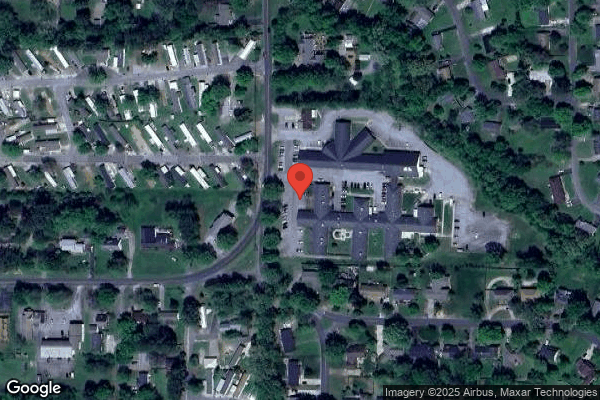
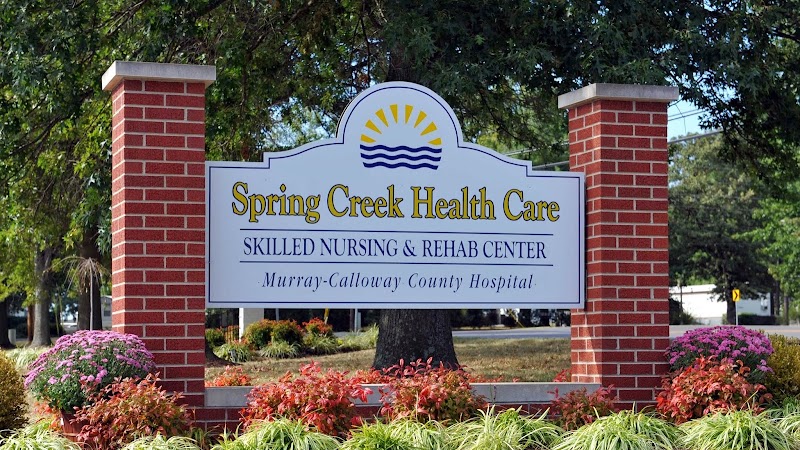
1401 SOUTH 16TH STREET, MURRAY, KY 42071 (270) 752-2900
For profit - Limited Liability company 226 Beds Independent Data: November 2025 3 Immediate Jeopardy citations
Trust Grade
0/100
#255 of 266 in KY
Last Inspection: May 2025

Inspected within the last 6 months. Data reflects current conditions.

Overview

Spring Creek Post-Acute Rehabilitation Center has received a Trust Grade of F, indicating significant concerns with care quality. They rank #255 out of 266 nursing homes in Kentucky, placing them in the bottom half of facilities in the state, and they are the only option in Calloway County. Unfortunately, the facility is worsening, with issues increasing from 4 in 2024 to 7 in 2025. Staffing is a major concern, with a low rating of 1 out of 5 stars and a high turnover rate of 64%, significantly above the state average. There have been serious incidents, including a resident who choked on food not appropriate for their dietary needs and another resident who eloped, raising immediate safety risks. While they have good quality measures, the overall environment and care standards present serious weaknesses that families should consider.

Trust Score
F
0/100
In Kentucky
#255/266
Bottom 5%
Safety Record
High Risk
Review needed
Inspections
Getting Worse
4 → 7 violations
Staff Stability
⚠ Watch
64% turnover. Above average. Higher turnover means staff may not know residents' routines.
Penalties
✓ Good
$52,540 in fines. Lower than most Kentucky facilities. Relatively clean record.
Skilled Nurses
⚠ Watch
Each resident gets only 23 minutes of Registered Nurse (RN) attention daily — below average for Kentucky. Fewer RN minutes means fewer trained eyes watching for problems.
Violations
⚠ Watch
20 deficiencies on record. Higher than average. Multiple issues found across inspections.
★☆☆☆☆
1.0
Overall Rating
★☆☆☆☆
1.0
Staff Levels
★★★★☆
4.0
Care Quality
★☆☆☆☆
1.0
Inspection Score
Stable
2024: 4 issues
2025: 7 issues

The Good

  • 4-Star Quality Measures · Strong clinical quality outcomes
  • Full Sprinkler Coverage · Fire safety systems throughout facility
  • No fines on record

Facility shows strength in quality measures, fire safety.

The Bad

1-Star Overall Rating

Below Kentucky average (2.8)

Significant quality concerns identified by CMS

Staff Turnover: 64%

18pts above Kentucky avg (46%)

Frequent staff changes - ask about care continuity

Federal Fines: $52,540

Above median ($33,413)

Moderate penalties - review what triggered them

Staff turnover is elevated (64%)

16 points above Kentucky average of 48%

The Ugly 20 deficiencies on record

3 life-threatening 2 actual harm
May 2025 7 deficiencies 1 IJ
CRITICAL (J) 📢 Someone Reported This

A family member, employee, or ombudsman was alarmed enough to file a formal complaint

Immediate Jeopardy (IJ) - the most serious Medicare violation

Accident Prevention (Tag F0689)

Someone could have died · This affected 1 resident

**NOTE- TERMS IN BRACKETS HAVE BEEN EDITED TO PROTECT CONFIDENTIALITY** Based on observation, interview, record review, and facility policy review, the facility failed to ensure the residents' environ...

Read full inspector narrative →
**NOTE- TERMS IN BRACKETS HAVE BEEN EDITED TO PROTECT CONFIDENTIALITY** Based on observation, interview, record review, and facility policy review, the facility failed to ensure the residents' environment remained as free of accident hazards as possible and each resident received adequate supervision to prevent accidents for 1 of 26 sampled residents (Resident (R)529). Immediate Jeopardy (IJ) was identified on 05/09/2025 and was determined to exist on 04/18/2025 in the area of §483.25(d) Accidents Hazards, F689. On 05/09/2025, the Administrator was provided a copy of the CMS Immediate Jeopardy (IJ) Template and notified that the failure to ensure residents were provided supervision and protected from elopement is likely to cause serious injury, impairment, or death and constituted IJ at 42 CFR 483.25 F689. The IJ at F689 also constituted Substandard Quality of Care (SQC) at 42 CFR 483.25, Quality of Care. The IJ was determined to exist on 04/18/2025, when the facility discovered R529 had eloped from the building. The facility provided an acceptable plan for the removal of the IJ on 05/10/2025. The plan alleged the IJ was removed, and the deficient practice was corrected on 05/10/2025. The plan provided by the facility alleged the following: On 04/18/2025 at approximately 2:58 PM, R529 was found outside the facility on the loading dock. She was assisted back into the facility by Certified Nurse Aide (CNA) 3. Immediately following the elopement event, the Unit Manager completed a head-to-toe skin assessment and pain evaluation of R529 with no injuries or pain noted. The wander guard to her left ankle was noted to be in place at that time. R529's Physician and family/responsible party were notified of the event. The Maintenance Director inspected the storage door and found the lock to be broken. He immediately repaired the door by placing a keypad lock on it. An Extended Survey and IJ Removal validation was conducted on 05/10/2025, and the State Survey Agency (SSA) validated the facility's IJ Removal Plan on 05/10/2025. The SSA validated the immediacy of the IJ had been removed on 05/10/2025, as alleged. The findings include: Review of the facility's policy, Accidents and Supervision (Copyright 2024 The Compliance Store, LLC) revealed the resident environment was to remain as free of accident hazards as was possible. Per review, each resident was to receive adequate supervision and assistive devices to prevent accidents which included: identifying hazard(s) and risk(s); evaluating and analyzing hazard(s) and risk(s); implementing interventions to reduce hazard(s) and risk(s); monitoring for effectiveness and modifying interventions when necessary; and supervision. Review of the facility's policy, Elopements and Wandering Residents, undated, revealed the facility was to ensure that residents who exhibited wandering behavior and/or were at risk for elopement received adequate supervision to prevent accidents. Per review, residents exhibiting wandering behavior or who were at risk of elopement were to also receive care in accordance with their person-centered plan of care which was to address the unique factors contributing to wandering or elopement risk. Further policy review revealed, Elopement occurred when a resident left the premises or a safe area without authorization (i.e., an order for discharge or leave of absence) and/or any necessary supervision to do so. Review of the facility's Emergency Preparedness Education page for Facility Elopement (Code Brown) revealed the Resident Elopement Information and Protocol, undated, noted wandering residents were at greater risk of injury if they walked away from the facility. Further review revealed Our Code [NAME] policy addressed that issue and outlined the protocol that allowed the facility to quickly find any missing resident. Review of the facility's Elopement Binder titled, Code Brown revealed the facility had assessed 16 residents to be at risk for elopement. The residents were listed in the binder. Review of the closed record Face Sheet for R529 revealed the facility admitted the resident on 04/03/2025, with diagnoses which included mild cognition and alcohol abuse. Review of R529's admission Minimum Data Set (MDS) assessment dated [DATE], revealed the facility assessed the resident to have a Brief Interview for Mental Status (BIMS) score of 14 out of 15, which indicated intact cognition. Review of the facility's Elopement Risk assessment dated [DATE] for R529 revealed the resident scored a 3 which indicated on the Score Key a score of 0-5 was low risk for elopement. Review of the facility's Elopement Risk assessment dated [DATE] for R529 revealed the resident scored 13 which indicated on the Score Key a score of 12 or greater was high risk for elopement. Per review, elopement precautions put in place by the facility included: monitoring placement of wander guard every shift; and reporting to the nurse if unable to locate the resident. Continued review revealed an Elopement Risk Care Plan was initiated on 04/16/2025, with interventions to check exit door alarms daily; check wander alert bracelet daily; and to distract the resident from wandering by offering pleasant diversions, structured activities, food, conversation, television, book. Further review revealed the interventions also included to observe for exit seeking behaviors and patterns; and to redirect the resident from doors and exit as indicated. Review of R529's Elopement Risk assessment dated [DATE] revealed a score of 14 which the Score Key indicated if 12 or greater indicated the resident was a high risk for elopement. However, further review revealed no additional interventions were added to the Elopement Risk Care Plan. Review of the Comprehensive Care Plan revealed the Elopement Risk Care Plan dated 04/16/2025, noted R529 was to be monitored daily for wander guard placement and the function of the wander guard. Per review, the Elopement Risk Care Plan Goal initiated on 04/16/2025, was the resident would not elope. Continued review of the care plan revealed the interventions included: every 15 minute security checks initiated 04/18/2025 (date of elopement) get the resident with a room in an area with high traffic for increased monitoring initiated 04/18/2025; and a wander guard was placed to the resident's left ankle initiated on 04/16/2025. Further review of the Comprehensive Care Plan dated 04/09/2025 for R529 revealed the facility assessed the resident to have behavioral problems related to walking around not clothed, picking at wounds, and taking dressings off her wounds. Per review, the interventions included: anticipating the resident's needs based on wandering triggers and patterns; assisting R529 in developing more appropriate methods of coping and interfacing, and to express her feelings appropriately. Continued review revealed additional interventions included: letting staff know when R529 was getting upset; diverting the resident's attention, and removing her from situations and taking her to another location if needed. Based on video footage of the elopment provided by the facility on 04/18/2025 at approximately 2:58 PM, R529 walked 71 yards from her room through two sets of double doors, into a staff meeting/break room, out a single storage room door and then through a door outside onto the loading dock. R529 was found on the dock, where she found a lift and was raised 81 inches from the pavement below Review of the facility's Word Document titled, Incident, dated 04/18/2025, revealed on that date at approximately 2:59 PM, the Maintenance Director observed R529 standing near an exit out of the station area as reported by a housekeeper. Per review, the resident was on the facility's premises, and was assisted back to Station 2, assessed for injuries with none noted, and the resident's wander guard was in place and functioning. Further review revealed every 15 minute checks were initiated for R529, and the resident was moved to a room in a higher traffic area, with a pathway by the nurse's station, dining, and therapy before going towards Station 3. Continued review revealed maintenance immediately determined the supply area exit door lock was broken (which led outside), and immediately repaired the door lock. Further review revealed upon completion of the investigation, it was determined there had been no failure with facility policies and processes. Additional review revealed the Incident Report had not been signed. Review of the video of the break room at 2:58 PM, revealed HK5 is sitting at a table with her head down looking at her phone and turned away from the door. R529 entered the room and walked straight to the storage room door. R529 opened the door and went through the door. HK5 never looked up from her phone. During interview with HK 5 on 05/08/2025 at 1:59 PM, she stated she worked the AM shift from 8:00 AM to 4:30 PM the day of R529's elopement. She stated she had been taking a break when the incident occurred, and had not looked up to see the resident come into the break room. HK 5 said she had to pick up briefs for a resident after her break, and never saw R529 up on the dock at all. During a telephone (phone) interview on 05/08/2025 at 9:33 AM, HK4 stated it was his second or third day as a new employee working at the facility, and he was moving beds out of Station 3 to be checked by maintenance. He stated, near 3:00 PM, he went outside looking for the Maintenance Director, and when he opened the door he saw R529 out there on the dock. HK4 stated he said Hello to R529, and she started taking a couple of steps backwards. He stated R529 started talking and pointing at the maintenance man's truck, and he did not want to startle the resident or walk towards her, so he told her to hold on one second. HK 4 stated he ran straight to maintenance and told them he thought there was a resident out on the dock, and they all ran out to the dock. He stated the Maintenance Director called a Code Brown. HK 4 further stated the Maintenance Director went up behind R529 and grabbed hold of her sweat shirt and backed her away from the edge of the dock. In interview with the Maintenance Director on 05/07/2025 at 11:11 AM, he stated on 04/18/2025, my assistant and I were in my office, and a housekeeper came to my office and said there was a resident on the dock. He stated We immediately went and saw her (R529) about 12 foot in the air. The Maintenance Director stated he put out on the What's App (a social media, instant messaging application) that there was a resident outside on the dock. He stated he then went around to the back and up to R529 and grabbed hold of the sweat shirt she had on and held her until staff came out to the dock. The Maintenance Director stated there had been a misunderstanding regarding R529's elopement. He stated the Administrator had been told by someone that R529 had not exited the building; however, he took the Administrator out on the dock (during the state survey) on 05/09/2025 and showed her exactly where R529 had been. The Maintenance Director stated after the incident, he changed the door lock over to a combination lock so it could not be left open. He stated R529's wander guard had been working; however, it had not sounded because the service door she exited out of had no alarm on it for the wanderguard. The Maintenance Director stated, We had no work orders for that specific door, so he had no idea the lock was broken. He stated R529's exit out the service door was not discussed the next morning. In interview on 05/07/2025 at 11:50 AM, the Maintenance Assistant stated he had been in the shop with the Maintenance Director discussing work, when a housekeeper came into the office and said there was someone on the dock. He said We jumped up and went out, and saw R529, who had a wanderguard on her ankle. The Maintenance Assistant stated R529 appeared confused and said she needed to get to her truck and pointed to my truck He explained he told the resident that was his truck and she then said her truck was over here. He stated the Maintenance Director went around behind R529 up the steps and he (Maintenance Assistant) stayed below in case the resident fell. The Maintenance Assistant stated R529 had been right on the edge of the dock, up high, probably about 10 to 12 feet. He further stated the Maintenance Director grabbed her sweatshirt from behind and then lowered the hydraulic dock. He stated by that time a Certified Nurse Aide (CNA) came and took the resident back to her room. During interview on 05/08/2025 at 10:26 AM, the MDS Nurse stated (on the day of R529's elopement) she saw a strange message on the Whats App, that said, General Store. Resident needs help. She stated she got up and walked back to the (break room) area where there were several other staff members. The MDS Nurse stated she was told a resident had gotten out the exit door, and at that time they were bringing R529 back in. She stated the door knob on the exit door was similar to a bedroom door where it was turned and pushed. The MDS Nurse stated she was told the exit door lock had not been working. She stated all she heard was that R529 had gotten out and was found on the dock, but she had not personally seen the resident outside. Per the MDS Nurse, she called the DON and told her R529 had gotten out through the break room exit door, and said she was told to do an immediate skin check of the resident. She stated she told a CNA to do one on one (1:1) with R529, and Registered Nurse (RN) 1 did a head count of all residents and all residents were accounted for. The MDS Nurse explained she walked back to the exit door, and observed the door had been repaired with a combination keypad. She further stated when she interviewed R529 for her MDS Assessment the resident had been confused at times. In interview on 05/07/2025 at 11:57 AM, the DON stated she had worked that day, but had gone home early, around 1:30 PM. She stated she received a call sometime after 3:00 PM from the MDS Nurse, who told her a resident had eloped; however, was okay. The DON stated the Unit Coordinator (UC) had been with R529, and she investigated and determined the resident had gone out the storage room door to the outside. Per the DON Housekeeper (HK) 4 had told her that R529 had been out on the loading dock. The DON stated We assessed R529, placed her on every 15 minute checks, and moved her further away from the doors leading into the unit. She stated with the resident being found out on the loading dock, she (DON) would consider that an elopement. During the interview, the DON stated in hindsight yes, that the incident should have reported. She stated she expected staff to keep residents safe, to make sure doors/locks were not broken, and complete the wander assessments. The DON further stated the facility currently had 16 residents who were wanderers. During interview on 05/07/2025 at 2:02 PM, CNA 3 stated she was the restorative aide (RA). She stated she had been at the business office and heard on the Whats app that a resident had been found out on the dock. The CNA stated that she ran back there, and saw the Maintenance Director and Maintenance Assistant standing on each side of R529 and assisting her towards the door. She further she took over from them, assisted R529 into a wheelchair and transported the resident back to her unit. In interview on 05/08/2025 at 1:52 PM, CNA 4 stated she had worked at the facility for three years and worked on Section 2 most of the time. She stated she saw R529 before 3:00 PM, when the resident's call light went off and she went to her room. The CNA stated five to 10 minutes later, CNA 3 rolled R529 onto the unit in a wheelchair, and told her the resident had gotten out onto the dock. She stated she remembered R529 had been more confused that day than usual. During interview on 05/07/2025 at 2:15 PM, the Station 2 UC stated she had been packing up stuff to leave for the day, when she was alerted a resident from Station 2 had gotten outside. She stated she called the DON and Assistant Director of Nursing (ADON), and assessed R529 to make sure she was not hurt. The Station 2 UC stated she sat with R529 and talked to her for 10 to 15 minutes, trying to find out how the elopement happened. She stated R529 was placed on every 15 minute checks. The UC stated she went with maintenance personnel to see exactly what happened. The Station 2 UC stated she took witness statements, and moved R529 from Station 2 to Station 1 where the resident could be more closely monitored. She stated R529 had tried to exit seek before and we did an Elopement Screen and found she was a high elopement risk. The Station 2 UC stated R529 was on a wander guard and had been found at the doors before. She explained R529's cognition had changed drastically and she had gotten more and more confused, and that was why We did several (risk) assessments. The Station 2 UC stated R529 had been on every 15 checks all weekend. During an additional interview on 05/08/2025 at 2:19 PM, the Maintenance Director stated no one had ever mentioned to him that the (break room) exit door lock was broken. He stated the facility used the TELS system (a building management platform) for staff to communicate any maintenance concerns; however, he had not received any communications about the door lock being broken. During interview with the Administrator on 05/07/2025 at 10:15 AM, regarding the elopement of R529, she stated she had not been at the facility when the incident occurred. The Administrator stated she had been told R529 had not gotten out of the facility, and after discussion with the Director of Nursing (DON) it was decided it had not been an elopement. She further stated however, she had not been aware the resident got out of the door and onto the dock. During additional interview with the Administrator on 05/07/2025 at 4:43 PM, she stated she knew the door the resident exited the building was used as housekeeping storage. However, she had not been in that room. She stated she held an ad hoc meeting over the phone with the Maintenance Director and the DON, but had not talked with the Medical Director. In interview on 05/08/2025 at 4:24 PM, the Director of Social Services (DSS) stated, regarding BIMS scores for R529, the resident did have a cognitive impairment when she was first admitted to the facility. The DSS said R529 had shown exit seeking behavior also; however, she had not seen the resident do that. The DSS reported updating the Code Brown book and emailing it to the DON, ADON, Therapy, Maintenance, Housekeeping, UC's, Administration, Dietary and Activities staff. The DSS further stated all the Code Brown binders were on the units and were labeled Code Brown. In a phone interview on 05/08/2025 at 4:46 PM, R529's daughter stated she was aware her mother had gotten out of the building. She stated she got her information from her Mom's sister who called her after she heard about anything going on with her Mom. R529's daughter said since she lived in Georgia, her Aunt took care of her Mom, and her Aunt lived with her Mom in her Mom's house. She stated her Mom would not speak with the SSA Surveyor on the phone.
CONCERN (D)

Potential for Harm - no one hurt, but risky conditions existed

Resident Rights (Tag F0550)

Could have caused harm · This affected 1 resident

**NOTE- TERMS IN BRACKETS HAVE BEEN EDITED TO PROTECT CONFIDENTIALITY** Based on observation, interview, medical record review and facility policy review, the facility failed to ensure residents had a...

Read full inspector narrative →
**NOTE- TERMS IN BRACKETS HAVE BEEN EDITED TO PROTECT CONFIDENTIALITY** Based on observation, interview, medical record review and facility policy review, the facility failed to ensure residents had a right to a dignified existence, self-determination, and communication with and access to persons and services inside and outside the facility related to residents with eating difficulties for four (4) of 26 sampled residents (Resident (R) 32, 106, R122, , R111) and one (1) unsampled resident (R2). The findings include: Review of the facility's policy titled, Promoting/Maintaining Resident Dignity, undated, revealed the facility would protect and promote resident rights and treat each resident with respect and dignity as well as care for each resident in a manner and in an environment, that maintained or enhanced the resident's quality of life by recognizing each resident's individuality. Further review of the policy revealed all staff members were involved in providing care to residents to promote and maintain resident dignity and respect resident rights. 1. Review of Resident R32's Facesheet revealed the facility admitted the resident on 05/20/2019 with diagnoses which included, polyarthritis, muscle wasting and atrophy, and dementia. Review of the Quarterly Minimum Data Set (MDS) assessment for R32 dated 03/20/2025, revealed a Brief Interview for Mental Status (BIMS) score of one (1) out of fifteen (15) which indicated severe cognitive impairment. 2. Review of R106's facesheet revealed the facility admitted the resident on 06/28/2024 with diagnoses which included muscle wasting and atrophy, need for assistance with personal care, and cognitive communication deficit. Review of the Quarterly MDS dated [DATE] revealed a BIMS' score of 9 which indicated the resident had a moderate cognition impairment. 3. Review of R111's facesheet revealed the facility admitted the resident on 01/12/2024 with diagnoses which included: altered mental status, cognitive communication deficit, and need for assistance with personal care. Review of R111's Quarterly MDS dated [DATE] revealed a BIMS' score of 13 which indicated the resident's cognition was intact. 4. Review of R122's facesheet revealed the facility admitted the resident on 03/06/2025 with diagnoses which included chronic pulmonary edema, inappropriate diet and eating habits, adult failure to thrive, and alzheimer's disease with late onset. Review of R122's admission MDS dated [DATE] revealed a BIMS' score of 3 which indicated severe cognitive impairment. During an observation on 05/06/2025 at 12:22 PM in the Station 4 dining room, revealed R32, R106, R111, and R122 were draped with bath towels instead of clothing protectors or napkins. There was a large black plastic container against the wall with a Towels sign above the container. Observation during the dinner meal on 05/06/2025 at 5:15 PM revealed the residents were draped with bath towels again. During an interview with R41 on 05/10/2025 at 2:48 PM, she stated she would like extra napkins but she gets two towels that she lays across her to protect her clothing. R41 stated that she would use a towel because the clothing protectors that the facility looked so raggedy they would not protect anybody's clothing. During an interview on 05/10/2025 at 2:55 PM, R54 stated she always wanted to use something to cover her clothing when eating. During an interview with Certified Nurse Aide (CNA) 9 on 05/09/2025 at 4:32 PM she stated, residents have the right to refuse to use a towel. She stated, We use towels in place of bibs and (they) are used based on BIMS and capabilities. During an interview with Licensed Practical Nurse (LPN) 13 on 05/10/2025 at 2:52 PM, she stated, use of towels for clothing protectors was based on the resident'' ability. She stated, We do not make anybody wear it. During an interview with CNA11, on 05/10/2025 at 4:10 PM she stated, she sometimes offers the residents clothing protectors. When asked to describe it, she stated it looked just like a towel. Don't offer anything else. She stated, there were some residents who prefer to have a napkin in their lap and they do have access to that, stating that it was the paper one that comes on their tray. During an interview with CNA12 on 05/10/2025 at 4:15 PM, she stated she assists with trays. The CNA stated that she offered towels to the residents because she doesn't know where the clothing protectors are, adding she believed they may be on the 400 Hall. CNA12 stated, They have napkins that their utensils are wrapped in. She stated that if she was helping in the dining room she would just go ahead and put a napkin in there lap without asking out of habit. During an interview with the Director of Nursing on 05/09/2025 at 4:38 PM she stated she thought it was fine to use a bath towel as a clothing protector for residents. She stated she was not sure if the facility had clothing protectors and if there were some, there was not enough for all the residents. During an interview with the Administrator on 05/10/2025 at 4:35 PM, she stated, We should ask the residents if they want clothing protectors. Towels are not appropriate at all.
CONCERN (D)

Potential for Harm - no one hurt, but risky conditions existed

Administration (Tag F0835)

Could have caused harm · This affected 1 resident

Based on interview, record review, review of the facility's Director of Nursing (DON) and Administrator's Job Descriptions, and policy review, the facility failed to ensure it was administered in a ma...

Read full inspector narrative →
Based on interview, record review, review of the facility's Director of Nursing (DON) and Administrator's Job Descriptions, and policy review, the facility failed to ensure it was administered in a manner that enabled it to use its resources effectively and efficiently to attain or maintain the highest practicable physical, mental, and psychosocial well-being of each resident related to the facility's Administrator and/or DON failed to notify the state regulatory office on the elopement on 04/18/2025 of R529. The findings include: On 04/18/2025 at approximately 2:58 PM, R529 walked 71 yards from her room through two sets of double doors, into a staff meeting/break room, out a single storage room door and then through a door outside onto the loading dock. R529 was found on the dock, where she found a lift and was raised 81 inches from the pavement below. Review of the facility's policy titled, Governing Body, undated, revealed the facility was to have a governing body or designated persons functioning as a governing body that were legally responsible for establishing and implementing policies regarding the management and operations of the facility. Per review, the governing body was to appoint an Administrator who was licensed by the state where required and responsible for management of the facility. Continued review revealed the governing body was to have a process in place by which the Administrator knew what specific types of problems and information (i.e., survey results, allegations of abuse or neglect, complaints, etc.) were to be reported or not reported to the state agency/agencies. Review of the facility's policy, Elopements and Wandering Residents, undated, under Procedure for Locating Missing Resident, revealed appropriate reporting requirements to the State Survey Agency (SSA) should be conducted. Review of the facility's Administrator Job Description dated 09/10/2020, revealed the Administrator was to plan, coordinate and manage all services and employees of the facility. Per review, the Administrator was responsible for the overall direction, coordination, and evaluation of all care and services provided to the Elders (residents) of the facility. Continued review revealed the facility's Administrator oversaw and maintained quality care, service and culture that was consistent with and exceeded organizational, state and federal regulatory standards as directed by the facility's team. Further review revealed the facility's Administrator was to have the ability to communicate effectively and advocate for Elder centered/directed care to team members, families, and physicians. Additional review of the Administrator Job Description revealed the Administrator was to understand all regulations including, federal, state, and Life Safety Code (LSC) regulations. Review further revealed the Administrator was to ensure all regulations were covered by a facility policy and/or procedure and conversely, to ensure all existing policies and procedures were compliant with said regulations. Review of the facility's DON Job Description, undated, revealed the DON was to manage and direct the day to day functions of the Nursing Department in accordance with established policies, procedures, and practices that complied with federal, state, and local regulations. Per review, the DON was to demonstrate knowledge of the residents' physical, social, emotional, and psychological needs based on the health care required. Continued review revealed the DON was to ensure adequate staffing patterns, and that staff were qualified and trained. Further review revealed the DON's essential functions included: ensuring required documentation was complete and was in compliance with regulations and standards. Additionally, the DON's professional requirements included maintaining regulatory requirements, including all state, federal and local regulations. In interview on 05/07/2025 at 11:57 AM, the DON stated she was not in the facility when R529's elopement took place. She stated she had worked that day, but went home early around 1:30 PM. The DON stayed she received a call sometime after 3:00 PM, from the Minimum Data Set (MDS) Nurse, who told her a resident had eloped. She stated she investigated the incident and determined the resident had gone out the storage room door to the outside. The DON stated she would by definition consider that an elopement. The DON stated she expected staff to keep the residents safe and ensure doors/locks were not broken, and perform wander assessments. When asked by the State Survey Agency (SSA) Surveyor if she should have notified the state of R529's elopement, she stated in hindsight, yes. The DON further stated We will now report that but have not yet. In interview on 05/07/2025 at 10:15 AM, the Administrator stated, regarding the elopement of R529, she had not been there when the elopement happened. She stated she did not report it to the state because she did not think it was an elopement since she was told the resident did not get out of the facility. The Administrator stated she had discussed it with her DON and they decided it was not an elopement. She stated she was unaware the resident got out of the door and onto the dock. The Administrator stated R529 did not get off of the facility's property; however, after the regulation was reviewed with her, she stated it was an elopement and should have been reported to the state agency.
CONCERN (E) 📢 Someone Reported This

A family member, employee, or ombudsman was alarmed enough to file a formal complaint

Potential for Harm - no one hurt, but risky conditions existed

Safe Environment (Tag F0584)

Could have caused harm · This affected multiple residents

**NOTE- TERMS IN BRACKETS HAVE BEEN EDITED TO PROTECT CONFIDENTIALITY** Based on observations, interviews, and review of facility policy, it was determined the facility failed to maintain a safe, clea...

Read full inspector narrative →
**NOTE- TERMS IN BRACKETS HAVE BEEN EDITED TO PROTECT CONFIDENTIALITY** Based on observations, interviews, and review of facility policy, it was determined the facility failed to maintain a safe, clean, comfortable and homelike environment for twenty-six (26) sampled residents. The findings include: Review of the facility's policy titled, Routine Cleaning and Disinfection, not dated, revealed it is the facility's policy to ensure the provision of routine cleaning and disinfection in order to provide a safe, sanitary environment and to prevent the development and transmission of infections to the extent possible. The policy stated routine surface cleaning and disinfection will be conducted with detailed focus on visibly soiled surfaces and high touch areas to include but not limited to toilet flush handles, bed rails, tray tables, call buttons, IV poles, television remotes, and telephones. Review of the facility's policy titled, Resident Environmental Quality,not dated, revealed it was the facility's policy to ensure the facility was designed, constructed, equipped, and maintained to provide a safe, functional, sanitary, and comfortable environment for residents, staff, and the public. The policy stated preventative maintenance schedules for the maintenance of the building and equipment, should be followed to maintain a safe environment. Review of the facility's policy titled, Cleaning and Disinfection of Resident-Care Equipment, not dated, revealed reusable resident care equipment will be cleaned and disinfected in accordance with current Centers for Disease Control and Prevention (CDC) recommendations in order to break the chain of infection. Review of the facility's document titled, Grievance/Concern Form, dated [DATE], revealed concerns regarding overall cleanliness of the facility and floors being stained with what appeared to be fecal matter. Further review of the document revealed the facility concluded the floors and walls were stained, but not by fecal matter and deep cleaning of the rooms was to be done by the housekeeping staff. Observations of the facilty on [DATE] at 9:00 AM, [DATE] at 1:50 PM, and [DATE] at 10:00 AM, revealed the bottom of Resident (R) 65's infusion pole was coated in a dried brown substance. Observations on [DATE] at 9:00 AM, [DATE] at 3:00 PM, [DATE] at 1:50 PM, [DATE] at 10:00 AM, and [DATE] at 8:00 AM, revealed the floors throughout the main corridors were heavily stained with large amounts of wax build up and grime. An additional observation of R65's room on [DATE] at 2:44 PM, revealed the floors appeared to have a yellowish film. Review of Resident 65's Facesheet revealed the facility admitted the resident on [DATE], with diagnoses that included cerebral palsy, dysphagia, and adult failure to thrive. Review of R65's Quarterly Minimum Data Set (MDS) Assessment with an Assessment Reference Date (ARD) of [DATE] revealed a Brief Interview of Mental Status (BIMS) had not been conducted as R65 was rarely or never understood. In an interview with a State Guardian on [DATE] at 9:59 AM, he stated he came to the facility to see his residents and the facility's overall appearance was dirty and unsanitary. He stated some of the walls had areas of chipped paint, feces or something brown was smeared on some of the walls and privacy curtain. The State Guardian stated the floors were dirty and appeared as if they had not been touched. He stated while he was there they did make some room changes for some of those residents (to deep clean), and he returned at a later date to see for himself if there were any changes. He stated some repairs had been completed, and the floor was cleaner. However, it still needed more than what they had done to improve the safety concerns that he was talking about. He stated that the staff members he encountered seemed apathetic and were not very concerned about taking care of the residents right away and that was a concern to him. He stated his goal was to get all of his guardianship residents moved to another facility where they would be better served and he was actively pursuing that at this time. In an interview with Licensed Practical Nurse (LPN) 4 on [DATE] at 2:43 PM, she stated night shift CNAs were assigned to clean medical equipment. LPN4 stated she did not have Resident 65, but she had taken care of him in the past. She stated when she did she would try to make sure the IV (intravenous) infusion pole was clean. In an interview with Licensed Practical Nurse (LPN)12 on [DATE] at 2:44 PM, she stated nightshift CNA staff was responsible for cleaning medical equipment such as wheelchairs and infusion stands. LPN12 stated if the CNA staff addressed it in report they could pass that task on to day shift to complete if needed. In an interview with Housekeeper (HK) 2 on [DATE] at 2:56 PM, he stated in the past, management was very lax and did not enforce rules and standards for the staff and some staff members would not perform their job duties. He stated resident rooms would not get cleaned and the management did not check the rooms. He stated they still have some things to improve on. He stated that the housekeepers deep clean at least once or twice a month. HK 2 stated that he was the facility's second floor tech and would rescrub floors as needed, as they were not getting cleaned like they should. In an interview with the facility's Floor Technician on [DATE] at 4:18 PM, he stated mostly he cleans the floors, but sometimes he does housekeeping. He stated when he worked as the floor technician he tried to do all of the floors daily. He stated that it had been awhile since the floors had been stripped and waxed. During the interview he stated they had been working on the 100 hall doing those floors first and had not done anything to this side of the building in a long time. The Floor Technician stated the floor wax in R65's room had expired, and that was the reason it had turned yellow in color. He stated if people came into the facility and saw the floors they would think that it was an ill ran facility. He stated he would get orders from the director on when to strip the floors and wax them, but the problem was when to do it as it was an all day job to move residents out of the room and into another room prior to refinishing the floors. In an interview with the Former Environmental Services Director (FESD) on [DATE] at 3:36 PM , He stated it was always a problem trying to keep up with maintaining the facility because administration did not want to spend more money to provide the proper services needed by hiring additional staff and order extra cleaning supplies. He stated he was told he was not doing his job although he barely had any resources to do the job. The FESD stated he had a meeting with the owner of the facility and talked to him a long time about what all he needed, but the owner disagreed with him. He stated he was a housekeeper before he became the director, and he always knew what the facility needed, but he simply could not keep up because he did not have enough housekeeping staff. In an interview with the Current Director of Environmental Services on [DATE] at 12:00 PM, she stated she had only been in this position for approximately two weeks and was still attempting to get things sorted out. She stated she tried to ensure that resident rooms were being cleaned by checking the housekeeping staff's work. She stated she was in the process of revising policies and making new documentation for staff to record when they were performing cleaning duties and what was being done. In an interview with the Director of Nursing (DON) on [DATE] at 3:38 PM, she stated nursing staff was responsible for cleaning the extended use medical equipment. She stated if a resident was discharged then Environmental Services would be responsible for cleaning it once the discharge has occurred. She stated it was her expectations that the facility was kept clean to create a homelike environment for the residents. She stated she would delegate monitoring the environment to her supervisors and make sure that they were monitoring to ensure that the rooms were being clean. In an interview with the Administrator on [DATE] at 4:16 PM, she stated she never knew about the IV pole,and she would discuss it with DON. She stated the CNAs should not mess with any medical equipment at all. The Administrator stated she would get with the DON and discuss it and determine who would be responsible for cleaning the medical equpment. She stated she did not think the CNAs should be doing it . If a nurse saw it was dirty they should take care of it regardless. The Administrator stated she had ordered the staff to stop polishing and putting wax down because she noticed they had placed wax on dirty floors. She stated her responsibility was to ensure compliance overall, including the safety of the residents.
CONCERN (E)

Potential for Harm - no one hurt, but risky conditions existed

Infection Control (Tag F0880)

Could have caused harm · This affected multiple residents

2. Continued review of the facility's policy titled, Infection Prevention and Control Program, undated, revealed environmental cleaning and disinfection was to be performed according to the facility's...

Read full inspector narrative →
2. Continued review of the facility's policy titled, Infection Prevention and Control Program, undated, revealed environmental cleaning and disinfection was to be performed according to the facility's policy. Per review, all staff had responsibilities related to the cleanliness of the facility. Review of the facility's policy titled, Routine Cleaning and Disinfection, undated, revealed it was the facility's policy to ensure provision of routine cleaning and disinfection of intravenous (IV) infusion poles in order to provide a safe, sanitary environment and to prevent the development and transmission of infections to the extent possible. Review of the facility's policy titled, Cleaning and Disinfection of Resident-Care Equipment, undated, revealed reusable resident care equipment was to be cleaned and disinfected in accordance with current Centers for Disease Control and Prevention (CDC) recommendations in order to break the chain of infection. Observations on 05/06/2025 at 9:00 AM; 05/08/2025 at 1:50 PM; and 05/09/2025 at 10:00 AM, revealed the bottom of R65's infusion pole was coated in a dried brown substance. In interview on 05/09/2025 at 2:44 PM, LPN 12 stated the night shift Certified Nurse Aide (CNA) staff were responsible for cleaning medical equipment, such as wheelchairs and infusion poles. In interview on 05/09/2025 at 3:38 PM, the DON stated nursing staff was responsible for cleaning the extended use medical equipment, such as infusion poles. She stated if a resident was discharged from the facility then Environmental Services was responsible for cleaning it once the discharge occurred. In interview on 05/10/2025 at 4:16 PM, the Administrator stated she was not aware that the IV pole needed cleaning, and would discuss that further with the DON. 3. Review of the facility's policy titled, Transmission-Based (Isolation) Precautions, undated, revealed the facility would take appropriate precautions to prevent transmission of pathogens, based on the pathogens' modes of transmission. Per review of the policy, healthcare personnel caring for residents on contact precautions were to wear a gown and gloves for all interactions that might involve contact with the resident. Further review revealed healthcare personnel were to don (put on) personal protective equipment (PPE) upon entering the resident's room. Review of the admission Record for R229, revealed the facility admitted the resident on 04/28/2025, with diagnoses to include: unspecified open wound of abdominal wall, colostomy, and non-pressure chronic ulcer of left calf limited to breakdown of skin. Review of the admission Minimum Data Set (MDS) Assessment with a ARD of 05/01/2025, revealed the facility assessed R229 to have a Brief Interview for Mental Status (BIMS) score of 15 out of 15, indicating the resident was cognitively intact. Review of the physician's order dated 04/30/2025 at 9:51 PM, revealed an order for the resident to have isolation contact precautions related to a parasite. Staff were to wear all PPE when entering R229's room. Observation on 05/07/2025 at 4:58 PM, revealed CNA 1 entered R229's room with a lunch tray; however, failed to don the required PPE prior to entering the room. During interview with CNA 1 on 05/06/2025 at 5:05 PM, she stated she worked through an agency. CNA 1 stated she should have donned a gown, gloves and mask when she took R229's lunch tray into his room. She stated she had been in a hurry due to only having 15 minutes to pass lunch trays to the other residents. The CNA stated she should have followed the guidelines to prevent herself from getting an infection. She further stated she had received education related to Transmission Based Precautions prior to starting work at the facility. During interview with the DON on 05/09/2025 at 3:38 PM, she stated she was the facility's acting Infection Prevention (IP) Nurse. She stated staff should wear PPE when providing direct care if a resident was on contact precautions. When the State Survey Agency (SSA) Surveyor asked the DON what the requirements were for residents on contact precautions, she said, staff should wear PPE prior to entering a resident's room who was on contact precautions. The DON stated staff could end up with whatever organism the resident had on their clothing and possibly spread it to other residents and staff. She stated she expected her staff to wear PPE as required. The DON stated education was provided to staff during monthly meetings and online trainings were also assigned for staff to review. She explained agency staff were educated by the agency they were hired through and were not permitted to pick up shifts until the education had been completed. The DON further stated however, she did not verify the staff education had been completed. During interview with the Administrator on 05/10/2025 at 4:15 PM, she stated she expected staff to follow the rules on whatever precautions the resident was placed on. She stated a sign was placed on the outside of the resident's door for the precautions staff were to follow. The Administrator stated she expected staff to follow the facility's policy. She stated she did not know if there would be a negative outcome if staff did not follow the precautions; however, they could spread an illness to others in the facility. Based on observation, interview, record review and facility policy review, the facility failed to establish and maintain an infection prevention and control program designed to provide a safe, sanitary and comfortable environment and to help prevent the development and transmission of communicable diseases and infections for 6 of 26 sampled residents, (Resident (R)32, R65, R106, R111, R122, and R229) The findings include: Review of the facility's policy titled, Infection Prevention and Control Program, undated, revealed the facility was to establish and maintain an infection prevention and control program designed to provide a safe, sanitary, and comfortable environment and to help prevent the development and transmission of communicable diseases and infections as per accepted national standards and guidelines. Per review, all staff should assume all residents were potentially infected or colonized with an organism that could be transmitted during the course of providing resident care services. Continued review revealed hand hygiene should be performed in accordance with the facility's established hand hygiene procedures. Further review of the policy revealed all staff were to use personal protective equipment (PPE) according to established facility policy governing the use of PPE. Review of the facility's policy, Serving a Meal, undated, revealed the Policy Explanation and Compliance Guidelines included: Avoid handling actual unwrapped food items with bare hands. Observation on 05/06/2025 at 5:15 PM, of the dinner meal service, revealed Licensed Practical Nurse (LPN) 14 touched R122, R111, R32, and R106's sandwich buns with her bare hands while cutting their sandwiches in half. Continued observation revealed LPN 14 also touched the residents' straws with her bare hands when placing the straws in the residents' drinks. During interview on 05/09/2025 at 12:15 PM, LPN 14 stated she should have worn gloves when cutting the sandwiches and removing the resident's straw papers as she could pass infections to the residents. In interview on 05/10/2025 at 2:40 PM, the Director of Nursing (DON) stated she expected staff to avoid touching residents' food with their bare hands. She stated straw papers needed to be removed without touching the straw. In interview on 05/10/2025 at 4:35 PM, the Administrator stated she expected staff to wear clean gloves when handling residents' food, and remove the paper from straws without contamination.
CONCERN (F)

Potential for Harm - no one hurt, but risky conditions existed

Food Safety (Tag F0812)

Could have caused harm · This affected most or all residents

Based on observation, interview, and review of facility policy, it was determined the facility failed to ensure food was distributed and served in accordance with professional standards for food servi...

Read full inspector narrative →
Based on observation, interview, and review of facility policy, it was determined the facility failed to ensure food was distributed and served in accordance with professional standards for food service safety for 4 of 26 sampled residents (Resident (R)111, R106, R32, and R122). The findings include: Review of the facility's policy, Serving a Meal, undated, revealed it was the facility's policy to serve meals that met the nutritional needs of residents. Continued review revealed the Policy Explanation and Compliance Guidelines included: Avoid handling actual unwrapped food items with bare hands. Observation of the dinner meal service on 05/06/2025 at 5:15 PM, revealed Licensed Practical Nurse (LPN)14 touched four residents' (R111, R106, R32, and R122's) buns with her bare hands while cutting the residents' sandwiches in half. Further observation revealed LPN14 also touched the residents' straws with her bare hands when placing the straws in the residents' drinks. During interview with LPN14 on 05/09/2025 at 12:15 PM, she stated she honestly should have had gloves on. She stated she thought of the residents as family and had not thought of wearing gloves. In interview on 05/09/2025 at 4:38 PM, the Director of Nursing (DON), stated she expected staff not to touch food and straws with their bare hands. She stated she expected staff to follow the facility's policy. During interview with the Administrator on 05/10/2025 at 4:35 PM, regarding staff using their bare hands with food handling and when opening straws, she stated she expected staff to wear clean gloves when handling food. She stated staff should remove the paper from straws properly, without touching the straw with their bare hands.
CONCERN (F)

Potential for Harm - no one hurt, but risky conditions existed

Deficiency F0838 (Tag F0838)

Could have caused harm · This affected most or all residents

Based on interview, record review, and facility policy review, it was determined the facility failed to review and update the facilitys assessment which had the potential to affect 131 residents. The...

Read full inspector narrative →
Based on interview, record review, and facility policy review, it was determined the facility failed to review and update the facilitys assessment which had the potential to affect 131 residents. The findings include: Review of the facility's policy titled, Facility Assessment, not dated, revealed the facility would conduct and document a facility-wide assessment to determine what resources were necessary to care for their residents competently during both day-to-day operations and emergencies. Further review revealed the Administrator was responsible for ensuring the completion of the facility's assessment and that it would be reviewed and updated as necessary and at least annually. Review of the Facility Assessment, dated 06//26/2023, revealed a review date of 07/11/2023 and it would be reviewed every third Tuesday of every month. The assessment identified it had the capacity to meet the needs of 226 residents. Further review revealed the census at that time averaged 115 residents. During an interview with the Director of Nursing (DON) on 05/10/2025 at 3:38 PM, she stated she had no responsibility related to the facility's assessment and that was the responsibility of the Administrator. Review of a statement from the Administrator, dated 05/06/2025, revealed she began working at the facility on 03/31/2025 and noticed the facility's assessment had not been updated. During an interview with the Administrator on 05/10/2025 at 4:15 PM, she stated one of the first things she looked at when she assumed her position was the facility's assessment. She stated she noticed it had not been completed since 2023. She stated she was currently working on updating the facility's assessment but was waiting on feedback from the residents and/or their representatives. The Administrator stated she was responsible for ensuring the assessment was reviewed and updated. She stated it takes time to complete and she had not had time to get it into place yet.
Mar 2024 4 deficiencies 2 Harm
SERIOUS (G)

Actual Harm - a resident was hurt due to facility failures

Comprehensive Care Plan (Tag F0656)

A resident was harmed · This affected 1 resident

**NOTE- TERMS IN BRACKETS HAVE BEEN EDITED TO PROTECT CONFIDENTIALITY** Based on observation, interview, record review, and review of the facility's policies, it was determined the facility failed to ...

Read full inspector narrative →
**NOTE- TERMS IN BRACKETS HAVE BEEN EDITED TO PROTECT CONFIDENTIALITY** Based on observation, interview, record review, and review of the facility's policies, it was determined the facility failed to implement the comprehensive person-centered care plan for one (1) of twenty-eight (28) sampled residents (Resident #61). Resident #61's Comprehensive Care Plan, revised 01/05/2024, revealed an intervention to utilize the mechanical lift with two (2) staff members for transfers. However, on 02/01/2024, Certified Nursing Assistant (CNA) #7 and CNA #14, transferred Resident #61 from the bed to the wheelchair without using a mechanical lift (device used to transfer residents who require support for mobility beyond the manual support provided by caregivers alone). Resident #61 sustained a laceration to the left lateral calf which required a transfer to the hospital emergency room (ER) for placement of three (3) skin clips (medical metallic device used to close open wounds). Additionally, on 02/21/2024, CNA #13 failed to implement Resident #61's Comprehensive Care Plan related to the intervention to utilize the mechanical lift with two (2) staff members for transfers. CNA #13 transferred Resident #61 without the assistance of another staff member and without using the mechanical lift and caused a skin tear to the resident's left lower leg. Refer to F689 The findings include: Review of the facility policy titled, Care Plans, Comprehensive Person-Centered, undated, revealed a comprehensive, person-centered care plan includes measurable objectives and timetables to meet the resident's physical, psychosocial and functional needs and is developed and implemented for each resident. The policy further stated the care plan interventions were derived from a thorough analysis of the information gathered as part of the comprehensive assessment. The Interdisciplinary team (IDT), in conjunction with the resident and his/her family or legal representative develops and implements a comprehensive, patient-centered care plan for each resident. Review of the facility policy titled Using the Care Plan, undated, revealed the care plan shall be used in developing the resident's daily care routine and would be available to staff personnel who had the responsibility for providing care or services to the resident. The comprehensive, person-centered care plan would, among other things, describe the services that were to be furnished to attain or maintain the resident's highest practicable physical, mental, and psychosocial well-being. Identified problem areas would be incorporated into the care plan and assessments of residents were ongoing. Care plans were revised as information about the residents and resident's conditions changed. Review of Resident #61's medical record revealed the facility admitted the resident on 12/18/2019 with diagnoses including dementia in other diseases classified elsewhere, severe with other behavioral disturbance, contractures to left and right Knee, and hypertensive heart disease without heart failure. Review of Resident #61's Annual Minimum Data Set (MDS) Assessment, dated 11/11/2023, revealed the facility assessed the resident as being unable to interview and as rarely or never understood. Further review revealed the facility assessed Resident #61 as totally dependent on staff for transfers. Review of Resident #61's Comprehensive Care Plan, dated 12/18/2019, revised 01/05/2024, revealed a focus problem for Activities of Daily Living (ADLs) self-care performance deficit related to dementia, late-stage Alzheimer's, and contractures. The care plan goal stated the resident would be neat, clean, and well groomed and would maintain current level of functioning through next review. Interventions included the assistance of two (2) staff with use of a mechanical lift for transfers using a Yellow (Liko) or [NAME] (Proactive) sling. This intervention was initiated on 01/05/2024. Resident #61's Mechanical Lift Evaluation, dated 01/05/2024, revealed the resident was assessed for the correct size of sling to use, the sling size information had been care planned, the care plan was updated to reflect change in transfer ability, and staff was educated on change in transfer and correct sling to use. Review of Resident #61's Point Click Care (PCC, a software program used for charting) record, under the [NAME] (nurse aide care plan) section, revealed transfers required total care with two (2) staff assist with a mechanical lift with use of a yellow Liko or a [NAME] Proactive sling for transfer to the wheelchair. This intervention was tagged to the [NAME] from Resident #61's care plan intervention by the MDS Coordinator on 01/05/2024. Review of Resident #61's Progress Note, dated 02/01/2024 at 11:00 PM, entered by Licensed Practical Nurse (LPN)/ Unit Coordinator (UC) #2, revealed she was notified by the medication nurse, LPN #4, the resident sustained a skin tear to the Left lower extremity. Per the Note, the nurse assessed and documented the wound as a laceration about four to five (4-5) inches wide and deep with bleeding noted. The area was cleansed and the wound edges were approximated (the edges of the wound fit together) and steri-strips (small adhesive strips of wound material) were applied, and covered with a dry dressing. Additional review of the Note, revealed the Nurse Practitioner (NP) was notified and advised LPN/UC #2 she would be in to see Resident #61 before providing new orders. Review of Resident #61's Progress Note, dated 02/01/2024 at 11:56 PM, entered by LPN/UC #2, revealed at 5:05 PM, the CNA notified the nurse the resident received a skin tear during transfer. The nurse immediately cleansed the area and applied a bandage. The Nurse Practitioner and family were notified. Review of Resident #61's Progress Note, dated 02/02/2024 at 3:35 AM, revealed the NP assessed the laceration with LPN/UC #2. Further review revealed the NP gave the order to send Resident #61 to the Emergency Room. Resident #61's Discharge Summary from the local hospital, dated 02/02/2024, at 3:50 AM, revealed the resident sustained a five (5) centimeter (cm) laceration with controlled bleeding and superficial avulsion (the action of pulling or tearing away) located in the lateral aspect of mid leg, described as U-shaped with convex toward shin. Three (3) skin clips were used to close the laceration. Additional review revealed Resident #61 received a Tetanus immunization, and was deemed stable and discharged back to the facility. In an interview with CNA #7, on 03/08/2024 at 3:22 PM, she stated she recalled she (CNA #7) and CNA #14 assisted Resident #61 from the bed to the wheelchair to get the resident ready for supper without the use of a Hoyer lift (mechanical lift). CNA #7 stated after the transfer it was noted the resident's left leg was bleeding. CNA #7 recalled Resident #61's feet did touch the floor with the transfer, but stated she did not know if the resident's leg hit the chair because the resident's leg was bleeding after the transfer. CNA #7 stated Resident #61 did not make any indication that he/she she had sustained an injury and seeing the blood was what indicated an injury. CNA #7 was questioned if she reviewed the Care plan or [NAME] to ensure proper transfer technique prior to this transfer and CNA #7 stated she did not remember checking it, but did recall asking someone how Resident #61 was to be transferred. She could not remember who she had asked. CNA #7 further stated she was unaware Resident #61 required a Hoyer lift for transfer at the time of the transfer on 02/01/2024. During a telephone interview with CNA #14, on 03/08/2024 at 3:31 PM, she stated she no longer worked at the facility. She further stated she (CNA #14) and CNA #7 transferred Resident #61 from the bed to the wheelchair on 02/01/2024 without the use of a Hoyer lift and then they noted the resident's leg was bleeding. CNA #14 stated she recalled Resident #61 required two (2) staff to assist with transfer, but she did not know if the resident required a mechanical lift for transfers. CNA #14 stated she was in orientation on 02/01/2024, at the time of Resident #61's transfer, it was her second or third day on the job, and she did not recall checking the Care plan or [NAME] prior to this transfer. During an interview with LPN #4, she stated she recalled the incident on 02/01/2024 related to Resident #61 sustaining a skin tear. She further stated when the CNAs were transferring the resident from the bed to the wheelchair, Resident #61 sustained a skin tear which was located on the resident's left lower extremity, below the knee on the lateral area of the leg and she wrote it up as an incident. LPN#4 could not recall if it was a large skin tear, but stated she dressed the wound. In further interview, LPN #4 stated she could not recall Resident #61's transfer status at the time of the incident because she floated throughout the facility and was not very familiar with the resident. However, she stated the CNAs were expected to check the Care plan or [NAME] for information related to providing care for residents. She further stated she left at 11:00 PM that night and LPN/UC#2 relieved her and she gave LPN/UC#2 report. In an interview with LPN/UC #2, on 03/07/2024 at 4:41 PM, she stated on 02/01/2024, she worked from 7:00 PM-11:00 PM as House Supervisor and after 11:00 PM she worked as medication nurse. Further, she stated during her shift LPN #4 asked her to check on a resident who had a skin tear. She stated she assessed Resident #61 and notified the Nurse Practitioner who gave orders to send the resident to the Hospital emergency room (ER). In further interview, LPN/UC #2 stated the CNAs were to review the Care plan and [NAME] prior to transferring a resident to ensure they were using the correct transfer technique. LPN/UC #2 stated she was unaware of how Resident #61 was transferred on 02/01/2024 when the resident sustained the skin tear. In an interview with Director of Nursing (DON), on 03/07/2024 at 5:09 PM, she stated she was notified upon arrival to the facility on [DATE], Resident #61 had sustained a laceration. The DON stated she called and obtained a statement from CNA #7 who told her she did not use the mechanical lift because she asked someone else how the resident was transferred and was told Resident #61 was transferred with the assist of two (2) staff. In continued interview with the DON, she stated CNA #7 received Teachable Moment education regarding using the Care Plan and [NAME] prior to providing resident care. Additionally, she stated she was not able to reach CNA #14 for a statement as the CNA did not return to work after 02/01/2024. 2. Further review of Resident #61's medical record revealed a Nurse Progress Note, dated 02/21/2024 at 5:00 AM, entered by LPN #5, which revealed this morning upon getting the resident up, as CNA was transferring the resident from the bed to the wheelchair, the resident's left lower leg was bumped up against the wheelchair causing a skin tear. In an interview with LPN #5, on 03/07/2024 at 8:37 PM, she stated on 02/21/2024, CNA #13 informed her Resident #61 received a skin tear to the left lower leg. She stated the CNA informed her he saw blood on the resident's pants after assisting the resident with a transfer independently and without a mechanical lift. LPN #5 stated the new skin tear was next to the previous skin tear on the Left lower extremity. LPN #5 stated she then instructed CNA #13 to never attempt to lift a resident who required a mechanical lift for transfer and to always check the Care Plan or [NAME] prior to transferring a resident to ensure proper transfer technique. A phone interview with CNA #13 was attempted on 03/07/2024 at 9:01 AM and 03/08/2024 at 10:02 AM and messages were left; however there was no return phone call. CNA #13 no longer worked at the facility. During an interview with the DON, on 03/08/2024 at 6:47 PM, she stated it was her expectation that all nursing staff utilized the Care plan and [NAME] as a reference related to transfer technique. The DON stated the facility would continue to fully educate regarding following the care plan for all residents. In an interview with the Administrator, on 03/08/2024 at 7:09 PM, she stated it was her expectation for staff to discuss the residents in the care plan meetings as a team, follow policy, and procedure related to developing and revising care plans, and provide care according to the care plan for the safety of the residents.
SERIOUS (G) 📢 Someone Reported This

A family member, employee, or ombudsman was alarmed enough to file a formal complaint

Actual Harm - a resident was hurt due to facility failures

Accident Prevention (Tag F0689)

A resident was harmed · This affected 1 resident

**NOTE- TERMS IN BRACKETS HAVE BEEN EDITED TO PROTECT CONFIDENTIALITY** Based on observation, interview, record review, and review of the facility's policies, it was determined the facility failed to ...

Read full inspector narrative →
**NOTE- TERMS IN BRACKETS HAVE BEEN EDITED TO PROTECT CONFIDENTIALITY** Based on observation, interview, record review, and review of the facility's policies, it was determined the facility failed to ensure each resident received adequate supervision and assistance devices to prevent accidents for two (2) of twenty-eight (28) sampled residents (Resident #61 and Resident #74). 1. On 02/01/2024, Certified Nursing Assistant (CNA) #7 and CNA #14, transferred Resident #61 from the bed to the wheelchair without using a Hoyer mechanical lift (device used to transfer residents who require support for mobility beyond the manual support provided by caregivers alone). Resident #61 sustained a laceration to the left lateral calf and required transfer to the hospital emergency room (ER) for placement of three (3) skin clips (medical metallic device used to close open wounds). Subsequently, on 02/21/2024, CNA #13 transferred Resident #61 from the bed to the wheelchair, without the assistance of another staff member and without using the mechanical lift and caused a skin tear to the resident's left lower leg. 2. On 01/10/2024, CNA #2 transferred Resident #74 from the bed to the wheelchair using a Hoyer mechanical lift. After the transfer, it was observed by staff, the Hoyer lift pad was improper fitting in size, resulting in skin-shear injury to the resident's left gluteal fold. (The Hoyer lift requires the use of a lift pad that acts a harness under and surrounding the resident for transfer support, stability, and safety). Refer to F656 The findings include: Review of the facility provided policy titled, Using a Mechanical Lifting Machine, dated 2001, revised December 2023, revealed the purpose of the procedure is to establish the general principles of safe lifting using the mechanical lifting device. It is not a substitute for manufacturer's training or instructions. The document includes provisions for general guidelines and procedural steps, including placing the sling under the resident, and visually checking the size to ensure it is not too large or too small. Continued review revealed at least two (2) staff were needed to safely move a resident with a mechanical lift. Review of the facility's policy titled, Safe Lifting and Movement of Residents, dated 12/2023, revealed in order to protect the safety and well-being of staff and residents, and to promote quality care, this facility uses appropriate techniques and devices to lift and move residents. The policy stated staff must follow manufacturer's guidelines to operate a (Hoyer) mechanical lift. The document stated staff responsible for direct resident care will be trained in the use of manual and mechanical lifting devices. 1. a) Review of Resident #61's Face Sheet revealed the facility admitted the resident on 12/18/2019, with diagnoses to include dementia with other behavioral disturbance, contractures to left and right knee, and hypertensive heart disease without heart failure. Review of Resident #61's Annual Minimum Data Set (MDS) Assessment, dated 11/11/2023, revealed the facility assessed the resident as unable to interview. Continued review of the MDS Assessment, revealed the facility assessed the resident as totally dependent on staff for transfers. Review of Resident #61's Comprehensive Care Plan, dated 12/18/2019, revised 01/05/2024, revealed a focus of Activities of Daily Living (ADLs) self-care performance deficit related to dementia, late-stage Alzheimer's, and contractures. The goal stated the resident will be neat, clean, and well groomed and will maintain current level of functioning through the next review. Interventions for transfers revealed the resident required total care of two (2) staff assist with a mechanical lift using a Yellow Liko or [NAME] Proactive lift pad. The intervention was added by the Minimum Data Set (MDS) Coordinator on 01/05/2024. Review of the Mechanical Lift Evaluation, dated 01/05/2024, revealed Resident #61 was assessed for the correct size of sling to use. Further review of the Evaluation, revealed the care plan was updated to reflect change in transfer ability, and staff were educated on change in transfer and correct sling to use. Review of Resident #61's Point Click Care (PCC, a software program used for charting) record, under the [NAME] (nurse aide care plan) section, revealed transfers required total care with two (2) staff assist with a mechanical lift and the use of a yellow Liko or a [NAME] Proactive sling for transfer to the wheelchair. This intervention was tagged to the [NAME] from Resident #61's care plan intervention added by the MDS Coordinator on 01/05/2024. Review of Resident #61's Progress Note, dated 02/01/2024 at 11:00 PM, entered by Licensed Practical Nurse (LPN)/ Unit Coordinator (UC) #2, revealed she was notified by the medication nurse, LPN #4, about a skin tear to Resident #61's Left lower extremity. LPN/UC #2 assessed Resident #61's left lower extremity and documented the wound as a laceration about four to five (4-5) inches wide and deep with bleeding noted. LPN/UC #2 documented the area was cleansed and the wound edges were approximated (the edges of the wound fit together) and steri-strips (small adhesive strips of wound material) were applied, and covered with a dry dressing. Further review of the Note, revealed the Nurse Practitioner (NP) was notified and advised LPN/UC #2 she would be in the see Resident #61 before providing new orders. Review of Resident #61's Progress Note, dated 02/01/2024 at 11:56 PM, entered by LPN/UC #2, revealed at 5:05 PM, the CNA notified the nurse that the resident received a skin tear during transfer. The nurse immediately cleansed the area and applied a bandage. The Nurse Practitioner and family were notified. Review of Resident #61's Progress Note, dated 02/02/2024 at 3:35 AM, revealed the NP went to Resident #61's room to assess the laceration with LPN/UC #2. The NP gave the order to send Resident #61 to the Emergency Room. Interview with the Nurse Practitioner (NP), on 03/07/2024 at 10:35 AM, regarding Resident #61's injury, confirmed she was notified of the skin injury and advised the caller that she would be in to see Resident #61 the morning of 02/02/2024. The NP confirmed she came to the facility on [DATE] at 3:35 AM to assess Resident #61's wound. However, she stated she did not actually view the wound when she came to the facility. Further, she stated since she trusted the nursing judgement of LPN/UC#2, she went ahead and gave orders to send the resident to the ER. Review of Resident #61's Discharge Summary from the local hospital, dated 02/02/2024, at 3:50 AM, revealed the resident sustained a five (5) centimeter (cm) laceration with controlled bleeding and superficial avulsion (the action of pulling or tearing away) located in the lateral aspect of the mid leg, described as U-shaped with convex toward shin. Three skin clips were used to close the laceration. Further review revealed Resident #61 received a Tetanus immunization, and was deemed stable and discharged back to the facility. During an interview with CNA #7, on 03/08/2024 at 3:22 PM, she stated she recalled that she (CNA #7) and CNA #14 were assisting Resident #61 from the bed to the wheelchair to get the resident ready for supper without the use of a mechanical lift. CNA #7 stated Resident #61's feet touched the floor with the transfer, and after the transfer it was noted the resident's left leg was bleeding. She stated she did not know if the resident's left leg hit the chair with the transfer possibly causing the injury. CNA #7 was asked if she reviewed the [NAME] to ensure proper transfer technique prior to this transfer and CNA #7 stated she did not remember checking it, but did recall asking someone how Resident #61 was to be transferred. She could not recall who she had asked. CNA #7 further stated she was unaware CNA #7 required a mechanical lift for transfer at the time. Further, CNA #7 stated Resident #61 did not indicate he/she had sustained an injury during the transfer, but she (CNA #7) noted the resident's leg was bleeding after the transfer. Review of training revealed CNA #7 completed a Relias training with a certificate for Transfers: Mechanical Lift. However, the facility did not provide training information to indicate CNA #7 was checked off on using the lift with return demonstration. In a telephone interview with CNA #14, on 03/08/2024 at 3:31 PM, she stated she could not recall the last day she worked at the facility. During continued interview with CNA #14, she stated, she (CNA #14) and CNA #7 transferred Resident #61 from the bed to the wheelchair on 02/01/2024 without the use of a mechanical lift and then they saw the resident's leg was bleeding. CNA #14 recalled Resident #61 required two (2) persons to assist with transfer, but she did not know if the resident required a mechanical lift for transfers. CNA #14 stated she was in orientation on 02/01/2024, at the time of Resident #61's transfer and it was her second or third day on the job. Review of the Employee Timecard Report for CNA #14, revealed during the recording period of January 28, 2024 through February 03, 2024, CNA #14 worked on 01/29/2024, 01/31/2024, and 02/01/2024. There were no additional hours worked after 6:57 PM on 02/01/2024. In an interview with LPN #4, she stated she recalled the incident on 02/01/2024. She stated when the CNAs were transferring Resident #61 from the bed to the wheelchair, Resident #61 sustained a skin tear. She stated she dressed the wound which was located on the resident's left lower extremity, below the knee on the lateral area of the leg and wrote it up as an incident. In continued interview LPN #4, she stated she could not recall if the resident had a large skin tear nor the resident's transfer status at the time of the incident because she floated throughout the facility and was not familiar with the resident. She stated she left at 11:00 PM that night and LPN/UC#2 relieved her. During interview with LPN/UC #2 on 03/07/2024 at 4:41 PM, she stated on 02/01/2024, she recalled working from 7:00 PM-11:00 PM as House Supervisor and after 11:00 PM, she worked as the medication nurse. She stated during her shift on that date, another LPN asked her to assess Resident #61 related to a skin tear. Further, she stated she then notified the Nurse Practitioner who gave orders to send the resident to the Hospital emergency room (ER). In continued interview, LPN/UC #2 stated she was unaware of how Resident #61 was transferred on 02/01/2024 when the resident sustained the skin tear. During an interview with the Director of Nursing (DON), on 03/07/2024 at 5:09 PM, she stated she was notified upon arrival to the facility on [DATE], Resident #61 had sustained a laceration overnight. The DON further stated she called and obtained a statement from CNA #7 who told her she did not use the mechanical lift because she asked someone else how the resident was transferred and was told Resident #61 was transferred with the assist of two (2) staff. In further interview with the DON, she stated CNA #7 received a Teachable Moment education regarding using the [NAME]/Care plan prior to providing resident care. Additionally, the DON stated she was not able to reach CNA #14 for a statement as the CNA did not return to work after 02/01/2024. 1 b) Review of the Nurse Progress Note, dated 02/21/2024 at 5:00 AM, entered by LPN #5, revealed this morning upon getting the resident up, as CNA was transferring resident from the bed to the wheelchair, the resident's left lower leg was bumped up against the wheelchair causing a skin tear. In an interview with LPN #5, on 03/07/2024 at 8:37 PM, she stated on 02/21/2024, CNA #13 informed her there was blood on Resident #61's pants after assisting him/her with a transfer. LPN #5 stated she assessed the resident to have a skin tear to the left lower leg. Further, LPN #5 stated the new skin tear was next to the previous skin tear which was sustained on 02/01/2024 to the Left lower extremity. LPN #5 stated she cleansed the wound, and applied a bandage. LPN #5 further stated she completed change of condition documentation in the medical record and made the required notification. In continued interview, LPN #5 stated CNA #13 informed her he had transferred the resident himself independently and without a Hoyer lift. LPN #5 stated she then instructed CNA #13 to never attempt to lift a resident who required a Hoyer lift for transfer. A phone interview with CNA #13 was attempted on 03/07/2024 at 9:01 AM and 03/08/2024 at 10:02 AM and messages were left for the CNA to return the calls; however there was no return phone call. CNA #13 no longer worked at the facility. Review of the training, revealed CNA #13 had been checked off on 01/04/2024 on using the Hoyer lift as evidenced by documented Total Lift Competency Test and a post-test written quiz. Observation on 03/08/2024 at 2:33 PM, revealed Licensed Practical Nurse (LPN) #1 removed the dressing from Resident #61's Left lower extremity which revealed a horseshoe shaped skin area on the lateral calf. The margins of the laceration were well-approximated with no signs or symptoms of infection. Adjacent to the horseshoe shaped skin area was a skin tear of the left shin which appeared to be healing without signs or symptoms of infection with an approximate area of 0.3 centimeters (cm) x 0.3 cm remaining to fully heal. LPN #1 cleansed the wounds of the horseshoe shaped skin area of the lateral calf and the skin tear, and applied a treatment of Medi honey covered with an adhesive bordered gauze as per current orders initiated 02/21/2024. During interview with the Director of Nursing (DON), on 03/07/2024 at 5:09 PM, she stated on 02/21/2024 she was made aware via text message that Resident #61 received a new skin tear to the left lower leg caused by CNA #13 transferring Resident #61 without assistance and without the lift because it was quicker. In further interview, she stated CNA #13 was given a Performance Improvement notice related to the improper transfer. Review of the written Performance Improvement / final notice regarding the improper transfer on 02/21/2024, revealed it was signed by CNA #13, Assistant Director of Nursing (ADON) and DON. 2. Review of Resident #74's Face Sheet revealed the facility admitted the resident on 08/21/2021 with diagnoses including Parkinson's Disease, Type-2 Diabetes, and chronic kidney disease. Review of Resident #74's Quarterly Minimum Data Set (MDS) Assessment, dated 12/29/2023, revealed the facility assessed the resident as having a Brief Interview for Mental Status (BIMS) score of eight (8) out of fifteen (15) indicating moderate cognitive impairment. Further review revealed the facility assessed the resident as being totally dependent on staff for transfers. Review of Resident #74's Comprehensive Care Plan, dated 11/08/2021, revised 01/05/2024, revealed a focus of Activities of Daily Living self-care performance deficit related to Parkinson's Disease and impaired mobility. The goal revealed the resident would maintain current level of function through the review date. Interventions initiated 01/05/2024, included the assistance of two (2) staff with the use of a mechanical lift for transfers and a blue Liko lift pad for transfers with the Hoyer lift. Review of Resident #74's Point Click Care (PCC, a software program used for charting) record, under the [NAME] (nurse aide care plan) section, revealed transfers required the Hoyer lift using the blue Liko lift pad. This intervention was tagged to the [NAME] from Resident #74's care plan intervention added by the MDS Coordinator on 01/05/2024. Review of Resident #74's Nurse's Progress Note, dated 01/10/2024 at 2:44 PM, entered by the Director of Nursing (DON) revealed the resident had a new skin impairment, left gluteal fold shearing from lift pad. Review of Resident #74's Nurse's Progress Note, dated 01/10/2024 at 3:14 PM, entered by LPN #2, revealed the resident had shearing to the left gluteal fold related to the lift pad. The resident was changed to a green lift pad. Treatment nurse applied a collagen sheet to the area and covered with a dressing. Nurse Practitioner notified of a new skin injury. Review of Resident #74's Nurse's Progress Note, dated 01/10/2024, at 4:00 PM, entered by the DON, revealed the nurse reviewed the area to the resident's left leg. No drainage noted. No redness or swelling. Resident reports the area did not cause discomfort at this time. Area cleansed and treatment applied from the treatment nurse. In an interview with LPN #2, on 03/07/2024 at 10:30 AM, she stated she was assigned to Resident #74 on 01/10/2024. She reviewed the Progress Note she entered on 01/10/2024 at 3:14 PM, but stated she was not aware of any specific circumstances that happened on 01/10/2024 to cause a problem. She did state CNA #2 told her they needed to get a different lift pad for the resident. In an interview with CNA #2, on 03/07/2024 at 10:40 AM, she stated Resident #74 required the assistance of two (2) staff members for any movement from the bed because of his/her size and mobility issues. She stated a blue lift pad was used to transfer the resident with the Hoyer lift on 01/10/2024. She further stated this was the correct size of lift pad to use at the time, but stated the resident was complaining and seemed to fit tight in the lift pad when being moved so she assisted the resident to bed and removed the lift pad, noting redness at the gluteal fold. She stated she then notified LPN #2 of the skin issue and the need for a larger lift pad for the resident. CNA #2 stated she did not recall who was assisting her with Resident #74 when transferring the resident with the Hoyer lift on the date of the incident. In continued interview with CNA #2 on 03/07/2024 at 10:40 AM, she stated she recalled when the facility contacted Resident #74's family about the new skin injury related to the Hoyer lift pad, they seemed quite upset, and the DON had to intervene. CNA #2 stated the resident was complaining of pain in that same area (left gluteal fold) while sitting in the shower chair and felt like it was pinching his/her leg so they offered to place the resident on a shower bed to reduce pressure and discomfort and the resident declined. CNA #2 then took the State Agency Surveyor to Resident #74's room and the resident was observed to be resting in bed. It was noted there was a green Hoyer lift pad in the wheelchair for use. However, review of the resident's Care plan and [NAME] revealed the resident was to use the blue Liko lift pad for transfers with the Hoyer lift. Interview with Resident #74's son, on 03/07/2024 at 10:14 AM, revealed he was contacted by a nurse on staff at the facility on 01/10/2024, who stated the wrong size lift or pad for the Hoyer lift had been used on the resident. He was unable to recall the nurse who made the call. In further interview, he stated the facility knew they were using a lift pad which was too small and they needed to order a larger one. He further stated it wasn't a major issue initially, but concerned him later because this resident has mobility issues. Further, he did not recall what the staff was doing when they were moving Resident #74 on the day of the incident, but might have been transferring the resident for therapy, bed changes, showers, dressing, etc. He stated no other lift accidents since that time had occurred to his knowledge. During interview with the DON, on 03/07/2024 at 1:45 PM, she stated, on 01/10/2024, the blue pad was being utilized for Resident #74 which was a Proactive (manufacturer) blue pad. However, she stated after the resident had complications with shear on that day, he/she was switched to the green pad with the blue stripe manufactured by Liko. When the DON was questioned why Resident #74's care plan and [NAME] stated a blue Liko pad should be used for the Hoyer lift transfers instead of the green lift pad, she stated the care plan and [NAME] stated the Liko blue lift should be used; however, the facility did not have a blue Liko pad. She further stated the green lift pad which was made by Liko had a blue stripe on it so they called it the blue one. In further interview, she stated Resident #74's Care plan and [NAME] should be revised to say the Liko green pad with the blue stripe. In ongoing interview with the DON, on 03/07/2024 at 1:45 PM, she was questioned related to the reason the incorrect size lift pad was used to transfer Resident #74 on 01/10/2024. The DON explained the blue or green lift pads could be used on any resident provided they meet the weight requirement. Further, she stated the blue lift pad had a weight limit of 600 pounds which was appropriate for the resident; however, the resident seemed to fit tightly in the lift pad and he/she was complaining of discomfort so the decision was made to have staff use the green Liko pad only. During a subsequent interview with the DON, on 03/08/2024 at 6:47 PM, she stated since starting employment as the Director of Nursing in December 2023, she had ensured all staff members were trained on the use of the Hoyer lift. She further stated it was her expectation that all nursing staff followed the Care plan and [NAME] as a reference related to transfer technique, including whether a Hoyer lift was to be used and what type of lift pad to be used. Further, two (2) staff was to assist with all Hoyer lift transfers. When asked how residents were assessed for sling type per manufacturer's guidelines, she stated height, and weight were used to select the color of the mechanical lift pad. She stated she expected staff to utilize the lift pad according to the color indicated on the care plan/[NAME]. Further, she stated staff could work with a nurse to find the right sling pad for the resident if needed In an interview with the Administrator, on 03/08/2024 at 7:09 PM, she stated it was her expectation for staff to follow policies and procedures for use of the Hoyer lift and to ensure correct transfer technique for the safety of the residents.
CONCERN (D)

Potential for Harm - no one hurt, but risky conditions existed

Assessment Accuracy (Tag F0641)

Could have caused harm · This affected 1 resident

**NOTE- TERMS IN BRACKETS HAVE BEEN EDITED TO PROTECT CONFIDENTIALITY** Based on interview, record review and review of facility policy, it was determined the facility failed to ensure the Minimum Dat...

Read full inspector narrative →
**NOTE- TERMS IN BRACKETS HAVE BEEN EDITED TO PROTECT CONFIDENTIALITY** Based on interview, record review and review of facility policy, it was determined the facility failed to ensure the Minimum Data Set (MDS) Assessments accurately reflected the resident's status for three (3) of twenty-eight (28) sampled residents (Residents #21, #112 and #141). Resident #21's admission Minimum Data Set (MDS) Assessment with an Assessment Reference Date (ARD) of 12/08/2023, was coded under Section N as the resident receiving an anticoagulant; however, the resident did not receive an anticoagulant during the seven (7) day look back period. Additionally, review of Resident #112's MDS Assessment with an ARD date of 03/12/2023, was coded under Section N as the resident receiving an anticoagulant; however, the resident did not receive an anticoagulant during the seven (7) day look back period. Moreover, Resident #141's Discharge MDS Assessment, with an Assessment Reference Date (ARD) date of 12/30/2023 was coded under Section A2105 as the resident being discharged to a Short-term General Hospital (acute hospitals, IPPS). However, according to the resident's Discharge Summary and interview with the Social Services Director, the resident was discharged to an Assisted Living facility. The findings include: Review of the facility policy titled, Resident Assessment, revised 11/2019, revealed a comprehensive assessment of every residents' needs was made at intervals designated by the Resident Assessment Instrument Manual. Continued review revealed the interdisciplinary team used the Minimum Data Set (MDS) form currently mandated by federal and state regulations to conduct the resident assessment. Review of the Centers for Medicare & Medicaid Services Long Term Care Facility Resident Assessment Instrument User's Manual, MDS 3.0, dated October 1, 2023, Section N, revealed check if anticoagulant medication was received by the resident at any time during the seven (7) day look-back period (or since admission/entry or reentry if less than 7 days). Do not code antiplatelet medications such as aspirin/extended release, dipyridamole, or clopidogrel here. 1. Review of Resident #21's medical record revealed the facility admitted the resident on 12/07/2023 with diagnoses including Hypertensive Heart Disease with Heart Failure, Chronic Kidney Disease, and Long Term Use of Aspirin. Review of Resident #21's admission Minimum Data Set (MDS) Assessment with an Assessment Reference Date (ARD) of 12/08/2023, revealed the facility coded Section N as the resident receiving an anticoagulant. Review of Physician's orders, dated 12/2023, revealed Resident #21 was receiving Aspirin Enteric Coated Low dose, delayed release eighty-one (81) milligrams (mg), one (1) tablet by mouth once a day for circulation. However, there was no documented evidence of the resident receiving an anticoagulant drug during the seven (7) day look back period prior to 12/08/2023. 2. Review of Resident #112's medical record revealed the facility admitted the resident on 03/02/2023 with diagnoses to include Rheumatoid Arthritis, Peripheral Vascular Disease and Atherosclerotic Heart Disease of Native Coronary Artery without Angina Pectoris. Review of Resident #112's Quarterly Minimum Data Set (MDS) Assessment with an Assessment Reference Date (ARD) of 03/12/2023, revealed the facility coded Section N as the resident receiving an anticoagulant. Review of Resident #112's Physician's order, dated 03/2023, revealed an order for Aspirin Enteric coated, Low dose Tablet Delayed release 81 mg, give one tablet by mouth once a day for clot prevention. However, there was no documented evidence of the resident receiving an anticoagulant drug during the seven day look back period prior to 03/12/2023. During an interview with the Minimum Data Set (MDS) Nurse #2, on 03/08/2024 at 5:16 PM, she stated medications were to be coded by classification of the drug. She named examples of anticoagulants included Eliquis, Xarelto and Warfarin. She further stated Aspirin was not an anticoagulant, but an antiplatelet and she was aware of the difference. She further stated she could not specifically recall coding aspirin as an anticoagulant. MDS Nurse #2 stated an MDS modification would be initiated. 3. Review of Resident #141's medical record revealed the facility admitted Resident #141 on 12/06/2023 with diagnoses to include Alzheimer's Disease, and Hypertensive Heart Disease without Heart Disease, and Muscle Wasting and Atrophy. Review of Resident #141's Discharge summary, dated [DATE], revealed the resident was to be discharged to an Assisted Living facility on 12/30/2023. Review of Resident #141's Discharge MDS Assessment with an ARD date of 12/30/2023, revealed it was coded under Section A2105 as the resident being discharged to a Short-term General Hospital {acute hospitals, Inpatient Prospective Payment System (IPPS)}. This triggered the hospitalization task in error, on the Recertification Survey. Review of Resident #141's Discharge MDS Assessment, dated 01/08/2024, Section A, revealed the previous discharge location had been modified and updated to reflect the resident was to be discharged to Home/Community which included Assisted Living. In an interview with the Social Services Director (SSD), on 03/08/2024 at 10:10 AM, she stated she had recalled Resident #141 being discharged as she had been responsible for the discharge summary. She stated Resident #141 was listed as discharging to an Assisted Living facility. After the SSD was made aware the MDS dated [DATE], Section A was coded as Resident #141 being discharged to a Short-term General Hospital, she reviewed it in the system, and stated the MDS Section A, had been modified to Home/Community or assisted living location. In an interview with the MDS Nurse #2, on 03/08/2024 at 10:25 AM, she stated she had been new in her position when Resident #141 was discharged . She stated MDS Nurse #1 had reviewed the MDS after information was requested from the Surveyor regarding Resident #141's discharge and had advised her to modify and correct the deficiency after the survey started. She stated she was in-serviced on the MDS deficiency and moving forward would ensure the MDS Assessments had correct information. In an interview with the Director of Nursing (DON), on 03/08/2024 at 6:08 PM, she stated it was her expectation the MDS Nurses would accurately code the MDS Assessment to reflect the residents' status at the time of the assessment. During an interview with the Administrator, on 03/08/2024 at 7:10 PM, she stated it was her expectation the MDS staff would accurately code the MDS Assessment to reflect the residents' current status, and discharge status.
CONCERN (D)

Potential for Harm - no one hurt, but risky conditions existed

Deficiency F0657 (Tag F0657)

Could have caused harm · This affected 1 resident

**NOTE- TERMS IN BRACKETS HAVE BEEN EDITED TO PROTECT CONFIDENTIALITY** Based on observation, interview, record review, and review of facility policy, it was determined the facility failed to ensure t...

Read full inspector narrative →
**NOTE- TERMS IN BRACKETS HAVE BEEN EDITED TO PROTECT CONFIDENTIALITY** Based on observation, interview, record review, and review of facility policy, it was determined the facility failed to ensure the Comprehensive Care Plan (CCP) was reviewed and revised by the interdisciplinary team composed of individuals who have knowledge of the resident and his/her needs for two (2) of twenty-eight (28) sampled residents (Resident #48 for and Resident #74). On 01/10/2024, staff transferred Resident #74 from the bed to the chair using a Hoyer lift (mechanical body lift). After the transfer, it was observed by staff the Hoyer lift pad was poor-fitting in size, resulting in skin-shear injury to the resident's left gluteal fold. After the incident, the resident's lift pad was changed to the green Hoyer lift pad with the blue stripe manufactured by Liko. However, the resident's CCP was not revised to reflect the change in lift pads. Additionally, Resident #48 sustained a 16.2 pound weight loss from 01/19/2024 until 03/04/2024, indicating a 16.2 pound weight loss in less than two (2) months which would be a significant weight loss of 9.3 % (percent). This was a desired weight loss; however, the CCP was not revised to indicate the desired weight loss. Refer to F689 The findings include: Review of the facility policy titled, Care Plans, Comprehensive Person Centered, revised 12/2016, revealed the interdisciplinary team would review and update the care plan when there had been a significant change in the resident's condition, when the desired outcome was not met, when the resident had been re-admitted to the facility from a hospital stay and at least quarterly in conjunction with the required Quarterly Minimum Data Set (MDS) Assessment. 1. Review of Resident #74's medical record revealed the facility admitted the resident on 08/21/2021 with diagnoses to include Parkinson's Disease, Type-2 Diabetes, and chronic kidney disease. Review of Resident #74's Quarterly Minimum Data Set (MDS) Assessment, dated 12/29/2023, revealed the facility assessed the resident to have a Brief Interview for Mental Status (BIMS) score of eight (8) out of fifteen (15) indicating moderate cognitive impairment. Additional review revealed the facility assessed the resident as being totally dependent on staff for transfers. Review of Resident #74's Comprehensive Care Plan (CCP), dated 11/08/2021, revised 01/05/2024, revealed a focus related to Activities of Daily Living self-care performance deficit related to a diagnosis of Parkinson's Disease and impaired mobility. The goal dated 05/16/2022, revealed the resident would maintain at current level of function through the next review date. Interventions initiated on 01/05/2024, included the assistance of two (2) staff with the use of a blue Liko lift pad for transfers with the Hoyer lift. Review of Resident #74's Point Click Care (PCC, a software program used for charting) record, under the [NAME] (nurse aide care plan) section, revealed the resident's transfers required the Hoyer lift using the blue Liko lift pad. This intervention was tagged to the [NAME] from Resident #74's care plan intervention by the MDS Coordinator on 01/05/2024. Resident #74's Nurse's Progress Note, dated 01/10/2024 at 2:44 PM, entered by the Director of Nursing (DON), revealed the resident sustained a new skin impairment, left gluteal fold shearing from lift pad. Resident #74's Nurse's Progress Note, dated 01/10/2024 at 3:14 PM, entered by Licensed Practical Nurse (LPN) #2, revealed the resident had shearing to the left gluteal fold related to the lift pad, and the resident was changed to a green lift pad. Treatment nurse applied a collagen sheet to the area and covered with a dressing; and the Nurse Practitioner was notified of the new skin injury. Resident #74's Nurse's Progress Note, dated 01/10/2024, at 4:00 PM, entered by the DON, revealed the nurse reviewed the area to the resident's left leg. No drainage, redness or swelling noted. Resident reports the area did not cause discomfort at this time. Area cleansed and treatment applied from the treatment nurse. During an interview with LPN #2, on 03/07/2024 at 10:30 AM, she stated she was assigned to Resident #74 on 01/10/2024. She reviewed the Progress Note she entered on 01/10/2024 at 3:14 PM; however, stated she was not aware of any specific circumstances that happened on 01/10/2024 to cause a problem. She did state Certified Nursing Assistant (CNA) #2 informed her they needed to get a different lift pad for the resident. During interview with CNA #2, on 03/07/2024 at 10:40 AM, she stated a blue lift pad was used to transfer Resident #74 with the Hoyer lift on 01/10/2024. Further, she stated this was the correct size lift pad to use at the time, but the resident complained and seemed to fit tight in the lift pad when being moved in the Hoyer lift. She further stated when she assisted the resident to bed and removed the lift pad, she noted redness at the gluteal fold. CNA #2 stated she then notified LPN #2 of the skin issue and the need for a larger lift pad for the resident. CNA #2 did not recall who was assisting her with Resident #74 when transferring the resident with the the Hoyer lift on the date of the incident. During continued interview with CNA #2, on 03/07/2024 at 10:40 AM, she directed the State Agency Surveyor to Resident #74's room and the resident was observed to be resting in bed. Additional observation revealed there was a green Hoyer lift pad in the wheelchair for use. However, review of the resident's CCP and [NAME], revealed the resident required the blue Liko lift pad for transfers with the Hoyer lift. During interview with the DON, on 03/07/2024 at 1:45 PM, she stated, on 01/10/2024, the blue pad was being utilized for Resident #74 which was a Proactive (manufacturer) blue pad. However, she stated after the resident had complications with shear of the skin on that day, it was decided for staff to use the green pad with the blue stripe manufactured by Liko for Hoyer lift transfers for this resident. She stated this was because the resident seemed to fit tightly in the blue lift pad and he/she was complaining of discomfort. The DON was questioned why Resident #74's care plan and [NAME] stated a blue Liko pad should be used for the Hoyer lift transfers instead of the green lift pad. She explained the care plan and [NAME] stated the Liko blue lift should be used; however, the facility did not have a blue Liko pad. She further stated the green lift pad which was made by Liko had a blue stripe on it, so staff called it the blue one. Further, she stated Resident #74's Care plan and [NAME] should have been revised to say the Liko green pad with the blue stripe. 2. Review of Resident #48's medical record revealed the facility admitted the resident on 04/19/2022 with diagnoses to include Type 2 diabetes mellitus with diabetic neuropathy unspecified, Chronic Obstructive Pulmonary Disease (COPD) , and hypertensive heart disease without heart failure. Review of Resident #48's Comprehensive Care Plan (CCP), dated 06/06/2016, revealed a focus related to risk for weight loss related to chronic illness, and overweight as evidenced by a body mass index (BMI) greater than 24.9. The goal initiated on 11/28/2016 stated Resident #48 was to maintain a weight of 170 lbs., by next review. Interventions included feeds self independently, but will provide assist as needed, obtain food preferences and update as needed, history of refusing meals, Dietician to update preferences routinely, initiated 06/06/2016; blood sugar checks as ordered, initiated 04/19/2018; send an evening snack daily, initiated 06/07/2018; monthly weights unless otherwise indicated, initiated 04/09/2021; and medications as ordered, initiated 03/03/2023. Review of Resident #48's Nutrition CCP, dated 11/14/2023, revealed the resident was at risk for impaired nutrition related to chronic illness. The goal stated the resident would maintain a stable weight through next review. Interventions included supplements as ordered, alert the nurse or the dietitian, if not consuming on a routine basis, initiated 11/15/2023; low fat, no added salt diet, regular texture with thin liquids, initiated 12/16/2023; and honor food requests and preferences as applicable and supplements as ordered, initiated 03/05/2024. Review of Resident #48's Physician's orders dated 02/17/2024, revealed orders for a Low Fat, No Added Salt (NAS) diet, regular texture, with large protein portions and house supplement three (3) times daily. Review of Resident #48's Quarterly Minimum Data Set (MDS) with an Assessment Reference Date (ARD) of 02/19/2024, revealed the facility assessed the resident as having a Brief Interview for Mental Status (BIMS) score of fifteen (15) out of fifteen (15) indicating intact cognition. Review of Resident #48's weights revealed on 11/20/2023, the resident weighed 182.2 pounds (lbs.); on 12/07/2023 176.8 lbs.; on 01/19/2024 174 lbs.; on 02/12/2024 157 lbs.; on 02/26/2024 161.6 lbs.; and on 03/04/2024 157.8 lbs. This revealed a 16.2 pound weight loss from 01/19/2024 until 03/04/2024 indicating a 16.2 pound weight loss in less than two (2) months which would be a significant weight loss of 9.3 % (percent). Observation of the Restorative Aide and Licensed Practical Nurse (LPN) #3, obtaining a weight for Resident #48 on 03/07/2024 at 12:07 PM, using a mechanical lift revealed a weight of 157 lbs. In an interview with Resident #48, on 03/07/2024 at 12:15 PM, the resident stated he/she had a desire to lose weight when he/she was first admitted to the facility. He/she was surprised at his/her current weight. Resident #48 then stated he/she would like to lose a few more pounds from his/her belly. The resident stated the Dietician had spoken with him/her about losing weight. Further review of Resident #48's CCP, revealed there was no documented evidence the resident was on a desired weight loss plan. In an interview with the Registered Dietician (RD), on 03/08/2024 at 12:10 PM, she stated Resident #48 had voiced a desire to lose weight. She stated she had requested desserts be removed from his/her tray and more vegetables to be served. She further stated she was new to the facility and was receiving training on reviewing and revising care plans. In further interview, she stated Resident #48 should have had a care plan in place for desired weight loss. During an interview with the Director of Nursing (DON), on 03/08/2023 at 6:47 PM, she stated each department was responsible for updating their own care plans, therefore the RD would be responsible for revising Resident #48's Care plan to indicate the resident was on a weight loss regimen. She further stated during the daily clinical meeting, the Unit Coordinators reviewed and revised the care plans if needed. In continued interview, she stated it was her expectation for Care plans to be updated, reviewed and revised when there had been a change in the resident's status. In an interview with the Administrator, on 03/08/2024 at 7:09 PM, she stated it was her expectation for staff to discuss the residents in the care planning meeting as a team, and follow policy and procedure for updating and revising the care plan. She further stated it was her expectation for staff to review, revise and update the care plans to accurately reflect the resident's status and the appropriate care to be provided.
Oct 2023 4 deficiencies 2 IJ
CRITICAL (J) 📢 Someone Reported This

A family member, employee, or ombudsman was alarmed enough to file a formal complaint

Immediate Jeopardy (IJ) - the most serious Medicare violation

Comprehensive Care Plan (Tag F0656)

Someone could have died · This affected 1 resident

**NOTE- TERMS IN BRACKETS HAVE BEEN EDITED TO PROTECT CONFIDENTIALITY** Based on interview, record review and a review of the facility's policy, it was determined the facility failed to implement the ...

Read full inspector narrative →
**NOTE- TERMS IN BRACKETS HAVE BEEN EDITED TO PROTECT CONFIDENTIALITY** Based on interview, record review and a review of the facility's policy, it was determined the facility failed to implement the resident's Person-Centered Comprehensive Care Plan for one (1) of three (3) sampled residents (Resident #5), who required a specific diet. On 10/10/2023, the Speech Language Pathologist evaluated Resident #5 and determined the resident had a change in his/her condition that led to the resident's therapeutic diet being downgraded to a Dysphagia Level 1, which meant the resident's diet consisted of regular thin liquids, as the resident had difficulty chewing and swallowing his/her foods. The resident's care plan was revised on the same day, to reflect the change in the resident's diet. Staff failed to implement the resident's care plan. Subsequently, on 10/13/2023, Certified Nursing Assistant (CNA) # 6 gave Resident #5 a piece of her cheeseburger, causing the resident to choke. The resident was transported to the emergency room (ER) where he/she was intubated. Review of the physician's ER Discharge Note revealed the resident's condition was unchanged and critical. The resident was placed on the Intensive Care Unit (ICU) where he/she expired on 10/14/2023 at 11:11 PM. The facility's failure to implement the resident's Comprehensive Person-Centered Care Plan related to the resident's therapeutic diet has caused or is likely to cause serious injury, harm, impairment, or death to a resident. Immediate Jeopardy (IJ) was identified on 10/26/2023, and was determined to exist on 10/13/2023, in the areas of 42 CFR §483.21 Comprehensive Person-Centered Care Plans, (F656); and 42 CFR §483.60 Food and Nutrition Services, (F803) all at the highest Scope and Severity (S/S) of a J. The facility was notified of the IJ on 10/26/2023. IJ is ongoing. (Refer to F803) The findings include: Review of the facility's policy titled, Care Plans, Comprehensive Person-Centered, revised December 2016, revealed a comprehensive, person-centered care plan included measurable objectives and timetables that met the resident's physical, psychosocial, and functional needs. Further review of the policy revealed care plans would be developed and implemented for each resident. The care plan interventions were derived from a thorough analysis of the information gathered as part of the comprehensive assessment. Continued review revealed the care plan would incorporate identified problem areas, risk factors associated with identified problems, reflect treatment goals, timetables and objectives in measurable outcomes, aid in preventing or reducing decline in the resident's functional status and/or functional levels and reflect currently recognized standards of practice for problem areas and conditions. Review of the facility's policy titled, Therapeutic Diets, revised October 2023, revealed Therapeutic diets were prescribed by the attending physician to support the resident's treatment and plan of care and in accordance with his or her goals and preferences. The resident ' s attending physician (or non-physician provider) must prescribe a therapeutic diet. The attending physician may delegate this task to a registered or licensed dietitian as permitted by state law. Continued review of the policy revealed a therapeutic diet was considered a diet ordered by a physician, practitioner, or dietitian as part of treatment for a disease or clinical condition, to modify specific nutrients in the diet, or to alter the texture of a diet, for example, altered consistency diet. If a mechanically altered diet was ordered, the provider would specify the texture modifications. Closed record review revealed the facility admitted Resident #5 on 05/26/2023 with diagnoses that included Dysphagia, Oropharyngeal Phase, Delusional Disorders, and Cognitive Communication Deficit. Review of Resident #5's Quarterly Minimum Data Set (MDS) assessment dated [DATE], revealed the resident's cognition was severely impaired. Review of the resident's Aspiration Comprehensive Care Plan, dated 05/29/2023, revealed Resident #5 had a swallowing problem related to dysphagia oropharyngeal phase with interventions for all staff to be informed of his/her special dietary and safety needs, diet to be followed as prescribed, referral to speech therapist for Swallowing Evaluation and watching for shortness of breath, choking, labored respirations, and lung congestion. Review of the Speech Language Pathologist ' s (SLP) form titled, Order Details, dated 10/10/2023 at 10:17 AM, revealed a change in Resident #5's diet. The new diet was a consistent, constant, or controlled carbohydrate diet (CCHO) with no added salt (NAS). Additionally, the resident's Dysphagia diet was downgraded to a Dysphagia Level 1 (most impaired with poor jaw or tongue control, and delayed swallowing). A continued review of the SLP's order revealed the resident was to be provided thin liquids with no straws. Review of Resident #5's Nutrition care plan, updated 10/10/2023, by the Minimum Data Set (MDS) Nurse, indicated a diet change to CCHO, NAS, Dysphagia Level 1, regular thin liquids, and no straws. Review of the CNA [NAME] (CNA Care Plan), initiated on 05/26/2023 with no revision date provided, revealed the resident's diet was changed to CCHO, NAS, Dysphagia Level 1, regular thin liquids with no straws. Review of the facility's five (5) day follow-up investigation, dated 10/24/2023, revealed Resident #5 had reached for a staff's cheeseburger. The staff member, Certified Nursing Assistant (CNA) #6 gave the resident a bite and the resident choked while eating, requiring CPR and was transferred to the emergency room by Emergency Medical Services (EMS). Further review of the investigation revealed the facility staff did not check to see what kind of diet the resident was on prior to feeding him/her part of the{staff's} sandwich. Review of the emergency room (ER) Record, dated 10/13/2023, revealed the resident's chief complaint at triage was that EMS found the resident unresponsive with CPR in progress. The resident was in asystole (when the electrical system that kept the resident's heart beating stopped). Upon arrival to the emergency room Resident #5 was intubated with intravenous access (IV) and had one (1) Epinephrine (the primary drug administered during cardiopulmonary resuscitation (CPR) to reverse cardiac arrest) prior to arrival. The emergency room physician's Discharge Note, dated 10/13/2023, revealed the resident had a cardiac arrest secondary to asystole and respiratory arrest (choked on a hamburger). Further review revealed the resident was admitted to the hospital and was placed on the Intensive Care Unit (ICU). The physician noted the resident's condition was unchanged and critical. Review of the Hospital's Discharge summary, dated [DATE], revealed the resident had expired on 10/14/2023 at 11:11 PM in ICU. In an interview, on 10/24/2023 at 11:17 AM, with Certified Nursing Assistant (CNA) #7, she stated she was working the night Resident #5 choked. She stated she did not know if the nurse checked the resident's diet order before the cheeseburger was given to the resident. CNA #7 stated she knew she had seen the resident eat crackers and sandwiches in the past but was unfamiliar with the resident's care plan related to his/her diet. During an interview with the Nurse Aide (NA) #20, on 10/25/2023 at 3:46 PM, she stated she worked in the facility for about five (5) weeks. She stated she was unsure if anyone had checked the resident's diet prior to feeding the burger to the resident but should have. Further, the NA stated she was not feeling well the night of the incident, 10/13/2023. She stated she was assigned to sit with Resident #5, to prevent the resident from falling. Per the interview, she stated she left the resident at the nurses ' station and went to the bathroom. She stated she heard a commotion and came back out of the bathroom to see what was going on. NA #20 stated she saw CNA #6 sitting to the left of the resident and LPN #5 sitting to the resident's right and she observed the resident to be choking. Further, she stated she saw LPN #5 with a cheeseburger in her hand but was uncertain of the staff member who fed the cheeseburger to the resident. The NA was not sure if anyone had checked the [NAME] or Care Plan for the residents diet. The NA stated the CNAs should have reviewed the residents Care Plan before feeding the resident and added, It was a wrongful death. During a telephonic interview with Licensed Practical Nurse (LPN) #6 (Agency nurse), on 10/24/2023 at 2:20 PM, she stated she had worked at 11:00 PM the night Resident #5 choked. She stated she was assigned to the resident but had been eating at the nurses' station with her back to the resident when someone stated the resident was choking. LPN #6 stated she had checked the resident's Code Status but had not checked the diet order for the resident. In an additional interview with LPN #6, on 10/25/2023 at 5:02 PM, the LPN stated she was unaware Resident #5's diet had recently changed. Further, she stated any new orders would be found in the residents medical record. LPN #6 stated she did not know if anyone had checked Resident #5's diet prior to feeding the resident a burger. In an interview with the Speech Language Pathologist (SLP), on 10/26/2023 at 10:29 AM, she stated the resident's diet changed on 10/10/2023 to Pureed Dysphagia Level 1 texture with thin liquid consistency and no straws. She stated she had recently picked the resident back up on her caseload related to the resident's cognition and problems with Dysphagia. The SLP further stated that after the resident had contracted COVID, the resident had increased swallowing difficulties. She stated that when staff did not follow the residents' care plans, related to their diets, a potential negative outcome would be Aspiration, choking, and pneumonia. In an interview with the Minimum Data Set (MDS) Nurse, on 10/26/2023 at 11:49 AM, she stated when she received notice of Resident #5'a diet from the Speech Therapist (ST), she updated the residents [NAME] (CNA care plan) and his/her Comprehensive Person-Centered Care Plan on 10/10/2023. The MDS nurse stated she educated staff when she made the change to the residents care plans. During a telephonic interview with the resident's Medical Director, on 10/26/2023 at 1:49 PM, he stated it was his expectation that staff would follow the physician's orders, as well as, the resident's Comprehensive Care Plan. Further, the Medical Director stated there could be a bad outcome when resident care plans were not followed. In an interview with the Director of Nursing (DON), on 10/26/2023 at 2:00 PM, she stated when a new order was written the nurse would enter the information on the Care Plan in the morning meeting with the Interdisciplinary Team. She stated her expectation was that the Care Plan / [NAME] would be followed to meet the needs of the resident. In an additional interview with the Director of Nursing (DON), on 10/27/2023 at 12:30 PM, she stated the Assistant Director of Nursing (ADON) informed her of Resident #5's choking incident on 10/13/2023 at 6:16 AM, by text message. She stated she expected staff to be aware of and follow the residents ' diet orders. Further, she stated the residents had a list of their diets posted in the nutrition room on the refrigerator to remind staff of a resident ' s diet. During an interview with the Administrator on 10/27/2023 at 11:38 AM, she stated she was notified of Resident #5's incident when she received a text message from the Assistant Director of Nursing (ADON), on 10/13/2023 at 6:16 AM and was again notified of the incident on 10/16/2023, when NA #20 was waiting on her with a written statement. She stated the more she read the written statement the sicker she got. The Administrator stated an investigation was initiated. Further, she stated someone should have checked the resident's care plan and followed it.
CRITICAL (J) 📢 Someone Reported This

A family member, employee, or ombudsman was alarmed enough to file a formal complaint

Immediate Jeopardy (IJ) - the most serious Medicare violation

Menu Adequacy (Tag F0803)

Someone could have died · This affected 1 resident

**NOTE- TERMS IN BRACKETS HAVE BEEN EDITED TO PROTECT CONFIDENTIALITY** Based on interview, record review, and review of facility policy, it was determined the facility failed to ensure a resident wit...

Read full inspector narrative →
**NOTE- TERMS IN BRACKETS HAVE BEEN EDITED TO PROTECT CONFIDENTIALITY** Based on interview, record review, and review of facility policy, it was determined the facility failed to ensure a resident with Dysphagia (difficulty swallowing food or liquid) and at risk for choking, received food that was appropriate for the residents assessed diet for one (1) of three (3) sampled residents (Resident #5) who were at risk for aspiration and/or choking. On 10/10/2023, the Speech Language Pathologist evaluated Resident #5 and determined the resident had a change in his/her condition that led to the resident's therapeutic diet being downgraded to a Dysphagia Level 1, which meant the resident's diet consisted of regular thin liquids as the resident had difficulty chewing and swallowing his/her foods. On 10/13/2023; however, at approximately 12:50 AM, Certified Nursing Assistant (CNA) # 6 gave Resident #5 a piece of her cheeseburger, causing the resident to choke. Staff initiated the Heimlich maneuver on the resident and was able to dislodge some of the food the resident had consumed; however, the resident became unresponsive and the Emergency Medical Services (EMS) were contacted. The resident was transported to the emergency room (ER) where he/she was intubated. Review of the physician's ER Discharge Note revealed the residents condition was unchanged and critical. The resident was placed on the Intensive Care Unit (ICU) where he/she expired on 10/14/2023. The facility's failure to provide the ordered diet for Resident #5 has caused or is likely to cause serious injury, harm, impairment, or death to a resident. Immediate Jeopardy (IJ) was identified on 10/26/2023, and was determined to exist on 10/13/2023, in the areas of 42 CFR §483.21 Comprehensive Person-Centered Care Plans, (F656); and 42 CFR §483.60 Food and Nutrition Services, (F803) all at the highest Scope and Severity (S/S) of a J. The facility was notified of the IJ on 10/26/2023. IJ is ongoing. (Refer to F656) The findings include: Review of the facility's policy titled, Dysphagia - Clinical Protocol, revised October 2021, revealed facility staff and the physician would identify individuals with a history of swallowing difficulties or related diagnoses such as Dysphagia, as well as, an individual who had difficulty chewing or swallowing food. Review of the facility's policy titled, Therapeutic Diets, revised October 2021, revealed a therapeutic diet was considered a diet ordered by a physician, practitioner, or dietitian as part of (the resident's) treatment for a disease or clinical condition, to modify specific nutrients in the diet, or to alter the texture of a diet, for example: an altered consistency diet. Review of the facility's policy titled, Emergency Procedure - Choking, revised October 2023, revealed that trained staff would assist a choking resident by attempting to expel the foreign body from the resident's airway. Continued review revealed staff were to proceed with cardiopulmonary resuscitation (CPR) immediately if the resident had no pulse or respirations and report information in accordance with facility policy and professional standards of practice. Review of the facility's policy, Change in a Resident's Condition or Status, revised October 2023, revealed a significant change of condition was a major decline or improvement in the resident's status that would not normally resolve itself without intervention by staff or by implementing standard disease-related clinical interventions. Closed record review revealed Resident #5's admission Record revealed the facility admitted the resident on 05/26/2023 with diagnoses that included: Oropharyngeal Dysphagia, Delusional Disorders and Cognitive Communication Deficit. Review of the resident's Aspiration Comprehensive Care Plan, dated 05/29/2023, revealed Resident #5 had a swallowing problem related to Dysphagia oropharyngeal phase with interventions for all staff to be informed of special dietary and safety needs, diet to be followed as prescribed, referral to speech therapist for Swallowing Evaluation and watching for shortness of breath, choking, labored respirations, and lung congestion. Review of Resident #5's Quarterly Minimum Data Set (MDS) dated [DATE], revealed the resident's cognition was severely impaired. Review of the resident's Nutrition Comprehensive Care Plan, updated on 10/10/2023 by the Minimum Data Set (MDS) Nurse revealed the resident had a diet change to a consistent, constant, or controlled carbohydrate diet (CCHO) with no added salt (NAS), Dysphagia Level 1, regular thin liquids and no straws. Review of the Certified Nursing Assistant (CNA) [NAME]/Care Plan, undated revision date, revealed the resident's diet changed to CCHO, NAS, Dysphagia Level 1, regular thin liquids with no straws. Review of the Speech Language Pathologist (SLP) evaluation dated 10/09/2023, revealed Resident #5 was referred to Speech Therapy by the physician due to a decline in the resident's cognitive communication and increased signs and symptoms of Dysphagia. Continued review revealed Resident #5 was on a Dysphagia Level 2 diet, with pureed meat (all meat would be ground, pressed, and/or strained to a soft, smooth, consistency; however, other foods would consist of a soft-texture and easily formed into a bolus. Additionally, this would have required the resident to have the ability to chew). Review of the SLP Note, dated 10/10/2023, revealed Resident #5 participated in Dysphagia treatment. Further review of the Note revealed the SLP directed the resident in his/her therapeutic diet during his/her morning meal which consisted of a Dysphagia Level 2 diet, with pureed meat. The SLP noted Resident #5 had increased impulsive feeding behaviors with rapid stuffing of his/her oral cavity with residue post swallow. Further review revealed Resident #5 had variable alertness level during the therapy session and was falling asleep with food present in his/her mouth. The SLP recommended a diet texture modification to puree. Review of the SLP's form titled, Order Details, dated 10/10/2023 at 10:17 AM, revealed a change in Resident #5's diet. The new diet was a consistent, constant, or controlled carbohydrate diet (CCHO) with no added salt (NAS). Additionally, the resident's Dysphagia diet was downgraded to a Dysphagia Level 1 (most impaired with poor jaw or tongue control, and delayed swallowing). A continued review of the SLP's order revealed the resident was to be provided thin liquids with no straws. A review of the American Dietetic Association, undated, revealed a Dysphagia Level 1 was a diet that consisted of pureed, homogenous, and cohesive foods. Further review revealed the food would be pudding-like with no coarse textures, raw fruits or vegetables, nuts, and so forth allowed. Continued review revealed any food that required bolus formation, controlled manipulation, or mastication were excluded. Review of the facility's five (5) day follow-up investigation, dated 10/24/2023, revealed Resident #5 had reached for a staff's cheeseburger. The staff member, Certified Nursing Assistant (CNA) #6 gave the resident a bite and the resident choked while eating, requiring CPR and was transferred to the emergency room by Emergency Medical Services (EMS). The incident was reported to the State Guardian and next of kin on 10/13/2023. On 10/17/2023, the incident was reported to the Ombudsman, Adult Protective Services (APS) and the State Agency. The facility staff did not check to see what kind of diet the resident was on prior to feeding him/her part of the{staff's} sandwich. CNA #6 and CNA #7 were both suspended on 10/13/2023. Licensed Practical Nurse (LPN) #6 (Agency) was not allowed to return to work in the building. LPN #5 was suspended and then terminated from the facility. LPN #5 was also reported to the nurse licensing board. Review of a Nursing Progress Alert Note, dated 10/13/2023 at 2:10 AM, documented by Licensed Practical Nurse (LPN) #5, revealed Resident #5 was sitting at the nurses ' station eating and talking with the nursing staff. A continued review of the note revealed the resident had asked for something to drink and a staff member (CNA #6) went to get it. Continued review revealed LPN #5 and an Aide (CNA #7) was headed down the hall to assist in the collection of labs from another resident and an Aide (CNA #6) was heard stating, Are you choking? To these words, LPN #5 returned to the nurses' station to help assess. Further review of the Note revealed the resident was trying to cough but was not coughing very hard or forceful. LPN #5 started the Heimlich maneuver, which was unsuccessful, and the resident then went limp in the chair and was not breathing. Continued review of the Note revealed staff checked the code status of the resident and it was noted the resident was a Full Code. The resident was laid flat on the floor and compressions were started as LPN #5 informed the supervisor, Licensed Practical Nurse (LPN) #7, and another Aide (CNA #7) called 911. The supervisor, LPN #7, brought the crash cart and set up the suction. Compressions were continued until EMS arrived; at which time they took over directing the code. The resident's airway was cleared, and a heartbeat was restored. The nursing staff helped load the resident onto the stretcher and into the ambulance. EMS left with the resident at 2:00 AM. Review of the Emergency Medical Services (EMS) Run Sheet, dated 10/13/2023, revealed EMS was dispatched at 1:00 AM and arrived to the facility at 1:04 AM. Further review revealed EMS departed the facility at 1:37 AM, arriving at the emergency room (ER) at 1:42 AM. Review of the emergency room (ER) Record, dated 10/13/2023, revealed the resident's chief complaint at triage was that EMS found the resident unresponsive with CPR in progress. The resident was in asystole (when the electrical system that kept the resident's heart beating stopped). Upon arrival to the emergency room Resident #5 was intubated with intravenous access (IV) and had one (1) Epinephrine (the primary drug administered during cardiopulmonary resuscitation (CPR) to reverse cardiac arrest) prior to arrival. The emergency room physician's Discharge Note, dated 10/13/2023, revealed the resident had a cardiac arrest secondary to asystole and respiratory arrest (choked on a hamburger). Further review revealed the resident was admitted to the hospital and was placed on the Intensive Care Unit (ICU). The physician noted the resident's condition was unchanged and critical. Review of the Hospital's Discharge summary, dated [DATE], revealed the resident had expired on 10/14/2023 at 11:11 PM in ICU. During an interview with Certified Nursing Assistant (CNA) #6, on 10/24/2023 at 10:49 AM, she stated she was working the night Resident #5 choked. Per the interview, she stated Licensed Practical Nurse (LPN ) #5 went to pick up coffee and food from a local fast-food restaurant. The CNA stated that after LPN #5 returned with the coffee and food, she took the cheeseburger out of the wrapper, removed two (2) pickles from the sandwich, and then tore the cheeseburger into smaller pieces. CNA #6 stated she handed a piece of the cheeseburger to the resident and the resident took a bite of the cheeseburger. Further, she stated the resident told her he/she wanted something to drink. She stated that when she turned her back from the resident to get the resident something to drink, she heard someone say, The resident was choking. CNA #6 stated two (2) different staff had tried to get the food up while performing the Heimlich maneuver without success. In further interview with Certified Nursing Assistant (CNA) #6, on 10/24/2023 at 10:49 AM, she stated the resident became unresponsive in his/her wheelchair and staff eased the resident onto the floor. She stated she did a finger sweep in the resident's mouth to see if there was food that could be removed, but she did not feel any food. Per the interview, she stated she initiated CPR on the resident while CNA #7 called 911 and the nursing supervisor. The CNA stated the nursing supervisor arrived with the crash cart and started setting up the portable suction machine. She stated the Emergency Medical Service (EMS) arrived and began working on the resident's airway while the facility staff continued CPR as instructed. CNA #6 stated EMS was able to clear the resident's airway by removing a pickle and a piece of the cheeseburger. The resident was intubated by EMS staff and the resident's pulse returned. CNA #6 stated she did not check the resident's diet before giving the resident the cheeseburger to eat but should have. Further, she stated the resident's care plan should have been reviewed as the potential for harm was choking. In an interview, on 10/24/2023 at 11:17 AM, with CNA #7, she stated she was working the night Resident #5 choked. Per the interview, the CNA stated she did not know if LPN #6 was familiar with the resident's diet before the cheeseburger was provided to the resident. CNA #7 stated she knew she had seen the resident eat crackers and sandwiches in the past. She stated that when the resident started to choke LPN #5 attempted the Heimlich maneuver on the resident without success. She stated the resident became unresponsive and CNA #6 and CNA #7 eased the resident to the floor. She further stated CPR was started until EMS arrived with further instructions. CNA #7 stated she thought EMS was able to retrieve the resident's pulse prior to being transported on the ambulance. CNA #7 stated that the staff that worked that night were unfamiliar with the resident's diet and no one had checked the resident's diet order. During a telephone interview with Licensed Practical Nurse (LPN) #6 (Agency nurse), on 10/24/2023 at 2:20 PM, she stated she had worked the 11:00 PM shift, the night Resident #5 choked. Further, she stated she was assigned to the resident; however, was eating with her back to the resident. She stated she then heard someone say, The resident was choking. LPN #6 stated she got up to check the resident's Code Status but had not checked the resident's diet order. She stated she performed CPR on the resident when the resident became unresponsive. In an additional interview with LPN #6, on 10/25/2023 at 5:02 PM, the LPN stated she was not aware of Resident #5's recent diet change. Per the interview, she stated any new orders would be found in the medical record. The LPN stated she did not know if anyone had checked Resident #5's diet prior to feeding the resident the cheeseburger. In an interview with LPN #5, on 10/24/2023 at 3:18 PM, the LPN stated she was working the night Resident #5 choked. She stated she was heading down the hall to get a urinalysis from a resident when she heard someone say, he's/she's choking. She stated she returned to the nurses' station and initiated the Heimlich maneuver on the resident. Per the interview, she stated she was able to dislodge some of the food the resident had consumed; however, the resident became unresponsive and 911 was contacted. Further, she stated the nursing supervisor had been called and when EMS arrived, facility staff continued to assist with compressions while EMS secured the resident's airway. Per the interview, LPN #5 stated the resident's pulse returned and compressions were discontinued. LPN #5 stated she was not familiar with Resident #5's ordered diet; however, stated she had bought the cheeseburger for CNA #6, not for the resident to consume. During an interview with the Nurse Aide (NA) #20, on 10/25/2023 at 3:46 PM, she stated the night of the choking event with Resident #5, the NA was assigned to watch Resident #5 to keep him/her from falling. According to the NA, LPN #5, LPN #6, CNA #6, and CNA #7 were all at the nurses' station when she went to the bathroom because she was sick. NA #20 stated she heard a commotion; she went back to the nurses' station where she saw CNA #6 sitting to the left of Resident #5 and LPN #5 to the right of the resident. She reported she saw the cheeseburger in LPN #5's hand and heard her say, he/she is choking as the LPN pulled the burger away from the resident's mouth. She was unsure if anyone had checked the resident's diet prior to feeding the burger to the resident. The Nurse Aide stated LPN #5 attempted the Heimlich maneuver but was not successful in bringing up the foreign body. Per the interview, she stated LPN #5 and CNA #7 began CPR when the resident became unresponsive, and the nursing supervisor brought the crash cart with the suction machine. In continued interview with Nurse Aide (NA) #20, on 10/25/2023 at 3:46 PM, she stated EMS had arrived and was managing the resident's airway while the facility staff continued CPR. Further, the NA stated that while EMS suctioned the resident's airway, a pickle from the airway was removed. The NA stated Resident #5's heartbeat started before he/she left the facility with EMS. The NA stated that after the incident occurred, LPN #7, Nursing Supervisor, told the staff to retrieve all the food wrappers and trash together and put it all in a separate bag. NA #20 stated the Nursing Supervisor told the staff, No one was to say anything about this or you will be in a lot of trouble. The NA stated she did not know what the Nursing Supervisor was referring to, whether it was the fast food, trash, or the choking incident. Further, the NA stated she reported the incident to the Administrator and discovered she was the only staff who reported the incident. The NA stated the CNA should have reviewed the resident's Care Plan before feeding the resident and added, it was a wrongful death. In an interview with Licensed Practical Nurse (LPN) #7/Nursing Supervisor, on 10/24/2023 at 2:49 PM, she stated she was called by staff (could not recall the staff member) to assist with Resident #5 when he/she got choked on the cheeseburger. LPN #7 stated she grabbed the crash cart as soon as the incident was reported to her. Per the interview, she stated she recalled the resident was choking and had become unresponsive at which time staff initiated CPR. LPN #7 stated she did not know the resident's diet prior to the resident choking on the cheeseburger. In an additional interview with LPN #7 (the nursing supervisor), on 10/25/2023 at 4:40 PM, she stated she did not inform staff they would get in trouble for reporting the incident. She stated she notified the Assistant Director of Nursing (ADON) about the incident on the morning of 10/13/2023. In an interview with the Speech Language Pathologist (SLP), on 10/26/2023 at 10:29 AM, she stated on 10/10/2023, the resident's diet was downgraded to Pureed Dysphagia Level 1 texture with thin liquids consistency and no straws. Further, she stated she had recently picked the resident back up on her caseload due to the resident's cognition and problems with his/her Dysphagia. The SLP further stated the resident had contracted COVID and had a change in condition, in which the resident had more swallowing difficulties. She stated a potential outcome of not following the resident's diet would be Aspiration, choking, and pneumonia. The SLP stated it would have been her expectation that staff would have sought out information on the resident if they were unsure of the resident's diet either in the chart or the care plan. In a telephonic interview with the Medical Director, on 10/26/2023 at 1:49 PM, he stated the resident's diet order would be found in the physician's orders, as well as, on the Care Plan. He stated he was made aware of the incident and his expectation was for staff to follow the physician's orders and the resident's Plan of Care. In an interview with the Director of Nursing (DON), on 10/27/2023 at 12:30 PM, she stated the Assistant Director of Nursing (ADON) informed her of Resident #5's choking incident on 10/13/2023 at 6:16 AM, by text message. She stated she expected staff to be aware of and follow the residents' diet orders. Further, she stated the residents had a list of their diets posted in the nutrition room on the refrigerator to remind staff of the resident's diet. During an interview with the Administrator, on 10/27/2023 at 11:38 AM, she stated she had been the Administrator since May of 2023. She stated she was notified of Resident #5's incident when she received a text message from the Assistant Director of Nursing on 10/13/2023 at 6:16 AM that said, Resident #5 had choked on some food around 12:50 AM and staff did the Heimlich maneuver until the resident coded. The text further stated CPR was initiated and 911 was called. Further, EMS was able to revive Resident #5 and he/she was transported to the hospital. In further interview with the Administrator, she stated on Monday 10/16/2023, NA #20 was waiting on her with a written statement. She stated the more she read the sicker she got. The Administrator stated she watched the facility's video, of the night the incident occurred, and stated, It was horrible. Per the interview, the video was not available for the State Survey Agency (SSA) to review as it re-recorded every seventy-two (72) hours. The Administrator stated it was her expectation that staff would follow the resident's diet orders. She stated staff should have been made aware of Resident #5's diet change. She further stated someone should have checked the current order or the care plan and followed it.
CONCERN (D) 📢 Someone Reported This

A family member, employee, or ombudsman was alarmed enough to file a formal complaint

Potential for Harm - no one hurt, but risky conditions existed

Deficiency F0568 (Tag F0568)

Could have caused harm · This affected 1 resident

Based on interview, record review, and review of the facility's policy, it was determined the facility failed to maintain a system that accepted accounting principles and proper bookkeeping techniques...

Read full inspector narrative →
Based on interview, record review, and review of the facility's policy, it was determined the facility failed to maintain a system that accepted accounting principles and proper bookkeeping techniques, in order to maintain the ongoing balance for each resident's personal funds entrusted to the facility on the resident's behalf for two (2) of eighteen (18) sampled residents (Resident #6 and Resident #8). Additionally, the facility failed to refund the resident's representative upon the death or discharge of a resident (Resident #8). The findings include: Review of the facility's policy titled, Resident Funds Policy and Procedure, not dated, revealed the purpose of the policy was to ensure the facility's residents had access to and were able to manage their personal funds. The facility would keep track of such funds through an established system in order to document the date, time, and the amount of funds received from or dispersed. The policy further stated the facility would ensure through established systems in place that it would safeguard against misappropriation of resident's funds. Continued review of the policy revealed proper bookkeeping techniques included an individual record established for each resident on which only those transactions involving his or her personal funds were recorded and maintained. Further, the record would have information on when the transactions occurred, what they were, and maintain the ongoing balance for every resident. For each transaction, the resident would be given a receipt and the facility would retain a copy. Review of the facility's admission Packet, section titled, Resident admission and Financial Agreement, revealed when a resident was discharged and did not return to the facility, a refund would be made to the resident, the resident's responsible party, or to the estate within thirty (30) days from the resident's date of discharge from the facility. Review of the facility's policy titled Resident funds, not dated, revealed the facility's residents had the right to manage his/her own financial affairs. This included the right to know, in advance, what charges the facility may impose against a resident's personal funds. Section IV revealed conveyance upon discharge, eviction, or death of a resident with a personal fund, the facility should covey within thirty (30) days the resident's funds and a final accounting of those funds to the resident or in the case of death, the individual or probate jurisdiction administering the resident's estate, in accordance with State law. Review of page four (4) of the Facility's admission Packet, revised 09/01/2023, revealed that if the resident had a trust account, the facility would provide to the resident and or the resident's responsible party a quarterly statement reflecting the activity in the trust account. 1) Record review of Resident #6's admission record revealed the facility admitted the resident on 05/17/2016 with diagnoses to include Polyneuropathy, and Anemias. Review of Resident #6's Quarterly Minimum Data Set (MDS) Assessment, dated 10/07/2023, revealed the facility assessed the resident to have a Brief Interview for Mental Status (BIMS) score of fifteen (15) out of fifteen (15), indicating the resident was cognitively intact. Record review of Resident #6's transaction history with the Kentucky Guardianship Fiduciary Information System (KYGFIS) revealed on 02/21/2022, Resident #6 had two hundred and forty ($240) dollars transferred from his/her account to the facility for extra personal needs. Further record review revealed on 02/22/2022 he/she had sixteen ($16) dollars transferred from his/her account to the facility for a phone plus tax. In an interview with Resident #6, on 10/23/2023 at 4:05 PM, he/she stated he/she had resided within the facility for the last several years. Resident #6 stated he/she never received any of the money he/she had requested for the phone he/she was trying to purchase, and no one has been able to tell him/her anything about it. The resident further stated he/she had no idea what his/her access to his/her money entailed. In an interview with Resident #6's State Guardian, on 10/23/2023 at 3:20 PM, he stated that Resident #6 stated that he/she wanted to purchase a cell phone. He stated that he was okay with Resident #6 having a cell phone so he sent money to the facility through the state fiduciary on 02/21/2022 in the amount of two hundred and forty ($240) dollars as extra personal funds to cover the cost of the cell phone service for one (1) year, and on 02/22/2022 in the amount of sixteen ($16) to cover the cost of the cell phone plus any sales tax. State Guardian stated that Social Services Director (SSD) #2 at that time was assisting Resident #6 with acquiring his/her phone. Per the interview, the State Guardian stated he never received any receipts that Resident #6 received his/her phone or where the money went. He further stated that when he inquired about the transactions with the facility, the facility stated to him that they did not know anything about it despite his documentation of the cleared bank transactions. In an interview with the former Social Services Director (SSD) #2, on 10/23/2023 at 3:30 PM, she stated that she was the Social Service Worker who was assisting Resident #6 with getting a cell phone because he/she wanted to try and locate his/her children. She stated Resident #6 stated to her that he/she had his/her state guardian send money to the facility for a cell phone, but when she checked with the Business Office, the former Business Office Manager would never give her a direct answer as to where the money went, and eventually told her that it was never sent. The Social Services Director (SSD) #2 stated that she contacted Resident #6's state guardian and the state guardian told her that he had sent the money. She also stated Resident #6 would always have issues with getting his/her money from the facility from time to time. SSD #2 further stated she resigned from her position at the facility in November of 2022 and at the time of her resignation, the missing money had not been located. During an interview with the facility's Chief Operations Officer (COO), on 10/25/2023 at 4:15 PM, he stated that he would have the business office issue a refund to Resident #6 in the amount of two hundred and fifty-six ($256) dollars. He also stated that he would try to contact the former owners of the facility to find out where the resident's money went. During an interview with the facility's current Business Office Manager (BOM), on 10/23/2023 at 5:10 PM, she stated she had been at the facility for approximately three (3) weeks. She stated that the residents had a Resident Funds Management Services (RFMS) account. and their money goes into and the facility handles missing money by investigating when and where it was brought in and who it was given to. Further, she stated the facility would trace back the steps of the missing money. In a continued interview, she stated that there were no records during the time period that Resident #6's money went missing because the facility had a different owner, and she did not have access to any records from them. In an interview with the Director of Nursing (DON), on 10/26/2023 at 4:09 PM, she stated missing money and items were reported to Social Services, then they filled out a grievance. She also stated that anyone could fill out a grievance, but the Social Service Department would handle the process of investigating and following it through. She stated she was not the DON during this time period but the process now was that the residents would report their concerns and social service would file a grievance on their behalf. Further, she stated an investigation would be started, and a third-party billing office would assist in the investigation. (did we contact the third-party billing office of an additional interview?) In an interview with the Accounts Receivable Director at the third-party billing company, on 10/27/2023 at 9:00 AM, she stated the resident's money may be held until all outstanding balances were paid. She also stated she thinks there was a breakdown in communication due to the change in Business Office Manager staff that caused Resident #6's money to become unaccounted for. In interviews with the Administrator on 10/25/2023 at 3:56 PM and also on 10/27/2023 at 11:30 AM, she stated she was not aware that Resident #6 did not receive his/her money for his/her cell phone. She stated that most of the facility's documentation was destroyed when the ice storm occurred, causing pipes in the office area to burst and the office was flooded. She further stated the facility had no access to any of the previous owner's records. The Administrator stated the previous business office manager was not performing her job duties as required and was temporarily restricted from seeing any of the Business Office Records. She stated she now had a new office manager who was more experienced. Further, the Administrator stated she was confident the new Business Office Manager would ensure that all deposits would be made timely and that residents had access to their money. 2) Closed record review of Resident #8's admission record revealed the facility admitted the resident on 10/26/2022 with diagnoses to include: Unspecified dementia, unspecified severity, with other behavioral disturbance, Cognitive communication deficit and unspecified Osteoarthritis, unspecified site. Further review of Resident #8's record revealed the resident was discharged on 05/16/2023, due to his/her death. Review of Resident #8's Quarterly Minimum Data Set (MDS) Assessment, dated 03/31/2023, revealed a Brief Interview for Mental Status (BIMS) score of ninety-nine (99), which indicated the resident was severely cognitively impaired and not interviewable. Review of Resident #8's resident ledger effective 01/01/2022 through 11/30/2023 revealed a credit of four thousand one hundred sixty dollars and zero cents ($4160.00). In an interview with Resident #8's daughter, on 10/24/2023 at 10:38 AM, she stated she had contacted the facility directly requesting a refund on the monies she had paid for her family member's stay and was not given a reason as to why the money had not been refunded. In further interview with the resident's family, she stated she could not recall who she spoke with related to not receiving a refund after the resident's death. In an interview with the Business Office Manager (BOM) on 10/24/2023 at 2:21 PM, she stated she had only been at the facility for three (3) weeks. The BOM stated a resident and/or resident's family should be refunded any due credits within thirty (30) days of discharge or death. In an interview with the Chief Operations Officer (COO), on 10/24/2023 at 2:40 PM, he stated he did not know why the resident's funds had not been refunded unless it was because the facility was waiting on an insurance payment. He stated the family had not contacted the facility requesting a refund to his knowledge. The COO stated he had already spoken to the corporate office and the facility would issue the refund today, on 10/24/2023. In an interview with the Administrator, on 10/25/2023 at 3:56 PM, she stated she thought the issue of the funds not being refunded to Resident #8's family started when the previous BOM was at the facility. Per the interview, the Administrator stated the previous BOM resigned, and her last day was 07/18/2023. However, the facility was in the process of terminating her due to her poor job performance. The Administrator stated another employee who had business office experience had helped until they could get someone hired and trained. Further, she stated the facility utilized a third-party vendor that provided oversight of the residents' accounts. The administrator stated she would expect all resident accounts to be monitored and addressed timely and that the facility's policy would be followed.
CONCERN (D) 📢 Someone Reported This

A family member, employee, or ombudsman was alarmed enough to file a formal complaint

Potential for Harm - no one hurt, but risky conditions existed

Accident Prevention (Tag F0689)

Could have caused harm · This affected 1 resident

**NOTE- TERMS IN BRACKETS HAVE BEEN EDITED TO PROTECT CONFIDENTIALITY** Based on interviews, record review, and review of facility policy, it was determined the facility failed to ensure one (1) of ei...

Read full inspector narrative →
**NOTE- TERMS IN BRACKETS HAVE BEEN EDITED TO PROTECT CONFIDENTIALITY** Based on interviews, record review, and review of facility policy, it was determined the facility failed to ensure one (1) of eighteen (18) sampled residents' environment remained free from accident hazards (Resident #3). On 06/11/2023, Resident #3 reported to Certified Nursing Assistant (CNA) #14 that CNA #16 had grabbed his/her upper inner left arm while repositioning him/her in bed, resulting in two (2) bruises on the resident's left upper arm. The findings include: Review of the facility's policy, Falls, revision dated 11/08/2022, revealed the intent of this requirement was to ensure the facility provided an environment that was free from accident hazards over which the facility had control and provided supervision and assistive devices to each resident to prevent avoidable accidents. Further review revealed definitions were provided to clarify terms related to providing supervision and other interventions to prevent accidents where Accident had referred to any unexpected or unintentional incident which resulted or may have resulted in injury or illness to a resident. Review of the Long-Term Care Facility-Self Reported Incident Form, dated 06/11/2023, revealed Resident #3 had reported CNA #16 was rough when providing care. CNA #16 was suspended pending investigation. All residents with a Brief Interview of Mental Status (BIMS) score of eight (8) or higher were interviewed. Residents with a BIMS below eight (8) had skin assessments completed. Review of the Investigation Summary for the incident on 06/11/2023, undated, revealed the facility had not found any reasonable cause to believe the alleged abuse occurred toward Resident #3. Review of the facility's document, untitled, dated 06/11/2023 and completed by Registered Nurse (RN) #2, revealed a skin assessment was completed for Resident #3. Further review revealed a BIMS of fourteen (14), and a diagram with a notation of a bruise on Resident #3's upper left arm, with a written statement indicating an observation of two (2) bruises to the left upper arm. Review of the Nurse's Progress Notes, dated 06/11/2023 at 3:20 PM, completed by Licensed Practical Nurse (LPN) #15, revealed RN #2 had reported Resident #3's skin assessment noted two (2) purple bruises measuring 1½ inch in length times two (2) centimeters wide (round) to his/her left inner arm. Review of Certified Nursing Assistants (CNA) #16's signed witness statement, dated 06/11/2023 at 8:00 AM, revealed her statement revealed she had answered Resident #3's call light around 4:00 AM, when he/she had asked for a drink of water. Further review revealed CNA #16 then stated she had sat Resident #3 up in the bed slightly and gave him/her a drink until he/she had stopped drinking. Continued review revealed CNA #16 had answered Resident #3's call light again at approximately 5:30 AM and gave the resident his/her cell phone. Additional review revealed CNA #16 had stated, I did not touch the resident. Review of Resident #3's pictures, dated 06/11/2023 and timestamped at 12:42 PM, provided by Family Member #2, revealed two (2) purple marks that bore a resemblance of two (2) fingers. Review of Resident #3's closed medical record revealed the facility admitted the resident, on 06/06/2023, with diagnoses that included: Diverticulosis and and age-related physical debility. Review of Resident #3's admission Minimum Data Set (MDS) Assessment, dated 06/12/2023, revealed the resident was assessed to have a Brief Interview for Mental Status (BIMS) score of fourteen (14) of fifteen (15), which indicated no cognitive impairment. Further review of the MDS assessment revealed Resident #3 required extensive assistance of two (2) staff for bed mobility needs. Review of Resident #3's Activities of Daily Living (ADL) Care Plan, dated 06/07/2023, revealed Bed Mobility required one (1) to two (2) staff to turn and reposition in bed. Further review revealed a cancellation date of 06/30/2023 when Resident #3 was discharged from the facility. However; the MDS Assessment revealed the resident required an extensive assistance of two (2) staff for bed mobility needs. Review of Resident #3's admission Progress Note, dated 06/08/2023, completed by the Advanced Practice Registered Nurse (APRN) #1, revealed Resident #3 had orders to continue Aspirin 81 milligrams (MG)by mouth every other day. Further review of Resident #3's physical exam indicated no abnormal bruising. In an interview with Family Member #2, on 10/25/2023 at 7:12 PM, he stated Resident #3 had told him that Certified Nursing Assistant (CNA) #16 left a bruise when moving him/her up in the bed. Family Member #2 stated this was an isolated incident. He stated Resident #3 had been a two (2) person assist to his knowledge, and CNA #16 had adjusted Resident #3 alone. He stated the Administrator had assured him that CNA #16 would no longer be assisting Resident #3, and an investigation would be completed. Family Member #2 stated Resident #3 had no bruising on his/her upper arm prior to the incident. He further stated he had taken pictures the day of the incident which had clearly shown two (2) purple marks on Resident #3's upper left arm. In an interview with Certified Nursing Assistant (CNA) #14, on 10/25/2023 at 4:40 PM, she stated she was working the morning shift when Resident #3 had shown her bruises on the inner part of his/her upper left arm. Resident #3 stated it was caused by CNA #16 who grabbed his/her arm too hard while moving him/her up in the bed. She stated CNA #16 was the only staff working the night shift on Station 2 where Resident #3 resided on 06/11/2023. Certified Nursing Assistant (CNA) #14 stated she was aware of the importance of following facility policy. She stated the facility and staff were there to protect residents, ensure they were safe, and provided a comfortable homelike environment. The State Survey Agency (SSA) surveyor attempted a telephonic Interview with Certified Nursing Assistant (CNA) #16, on 10/24/2023 at 1:40 PM. The call was unsuccessful and the SSA surveyor was unable to leave a message. In an interview with Registered Nurse (RN) #2, on 10/25/2023 at 4:50 PM, she stated she had been a weekend supervisor on the day Resident #3 told her that CNA #16 answered his/her call light and had been rough with him/her causing a bruise to the inside of Resident #3's upper left inner arm. RN #2 stated she had observed the bruises on Resident #3's arm and documented the findings. She stated she completed Resident #3's skin assessment and reported the incident to the Assistant Director of Nursing (ADON). She stated the ADON, DON, and Administrator had taken over the investigation from that point. She stated the administrative staff had arrived immediately after the incident and she believed that the facility's policy had been implemented properly. She stated having something in place to ensure resident's rights were respected and their safety had been a priority. In an interview with the Assistant Director of Nursing (ADON), on 10/26/2023 at 3:57 PM, she stated review of Resident #3's admission MDS had shown no noted bruising prior to the incident. She stated staff members should not attempt to move any resident by themselves if residents were care planned as a two assist. The ADON stated she believed Resident #3 had an updated care plan that changed to one-assist. She stated there was always a potential for harm to the residents when staff had not followed the care plan. The ADON stated her expectations were for all staff to follow the residents' care plans. She stated staff should prioritize safety for the residents they were caring for, and in all situations if assistance was needed, they should ask for it. In an interview with the Director of Nursing (DON) #1, on 10/27/2023 at 10:15 AM, she stated that CNAs would have access to the [NAME] (CNA care plan), and the resident's comprehensive care plan which would have shown if Resident #3 was a one (1) or two (2) assist with bed mobility. She stated the admission MDS had shown two (2) assist but was certain that had changed to one (1) assist before the incident had occurred. Review of the resident's care plan; however, revealed the resident was care planned to have a one (1) to two (2) person assist with bed mobility. Further, the resident's MDS assessment revealed the resident was assessed as requiring an extensive assistance of two (2) staff, which was different from the resident's care plan that stated the resident required 1-2 staff assistance. In a further interview with the Director of Nursing (DON), on 10/27/2023 at 10:15 AM, she stated the facility's policy, care plans, and resident rights were essential and were created to protect the residents. She further stated she expected all staff to utilize the guidance provided to ensure they were providing appropriate care to the residents. In an interview with the Administrator, on 10/27/2023 at 11:30 AM, she stated she expected all staff to follow the facility policy and protocols. She stated it was her responsibility to ensue the residents received the best care possible, were safe in the facility, and free from harm or injury.
Feb 2019 5 deficiencies
CONCERN (D)

Potential for Harm - no one hurt, but risky conditions existed

Resident Rights (Tag F0550)

Could have caused harm · This affected 1 resident

Based on observation, interview, record review and facility policy review, it was determined the facility failed to treat each resident with respect, dignity and care for each resident in a manner and...

Read full inspector narrative →
Based on observation, interview, record review and facility policy review, it was determined the facility failed to treat each resident with respect, dignity and care for each resident in a manner and an environment that promotes maintenance or enhancement of his/her quality of life, recognizing each resident's individuality for one (1) of thirty-three (33) sampled residents (Resident #109) and one (1) unsampled resident (Resident #59). Observations on 02/06/19 and 02/07/19 revealed staff failed to ensure Resident #109 and #59's clothing fit properly, allowing the residents' bare shoulders to be exposed while out in the hallway. The findings include: Review of the facility policy titled,, Promoting/Maintaining Resident Dignity, last revised November 2018, revealed the facility will promote care for patients in a manner and in an environment that maintains or enhances each patient's dignity and respect in full recognition of his/her individuality. Compliance Guidelines: 1. All staff members are involved in providing care to residents to promote and maintain resident dignity and respect resident rights. 2. Groom and dress residents according to resident preference. 3. Maintain resident privacy. 1, Record review revealed the facility admitted Resident #59 on 12/11/18, with diagnoses which Cognitive Communication Deficit and Unspecified Lack of Coordination. Review of the admission Minimum Data Set (MDS) assessment, dated 12/18/18 , revealed the facility assessed Resident #59's cognition as severely impaired with a Brief Interview for Mental Status (BIMS) score of six (6), which indicated the resident was not interviewable. Observation on 02/07/19 at 10:28 AM, revealed Resident #59 sitting up in a wheelchair in the hallway near the 100 Nurse's station. Further observation revealed Resident #59's top was hanging off his/her shoulder, leaving his/her shoulder and neck area exposed. Interview with Certified Nurse Aide (CNA) #1 on 02/07/19 at 2:25 PM, revealed if she saw a resident's shirt falling off their shoulders she would fix it or if the shirt fit too loose she would change the resident's shirt. She stated it could be a dignity issue if the clothes do not fit properly. Interview with Registered Nurse (RN) #1 on 02/07/19 at 10:30 AM, revealed she would expect any staff member to adjust a resident's clothing if the resident's bare shoulders are exposed. She further stated if the top is too large for the resident the aides should change the shirt. 2. Record review revealed the facility admitted Resident #109 on 10/12/18, with diagnoses which included Diabetes Mellitus and Hypertension. Review of the Significant Change MDS assessment, dated 01/16/19, revealed the facility assessed Resident #109's cognition as severely impaired with a BIMS score of three (3), which indicated the resident was not interviewable. Observations on 02/06/19 at 9:01 AM, 9:06 AM, and 9:43 AM, revealed Resident #109 was self-propelling in a wheelchair in the hallway with his/her shirt falling off his/her right shoulder, exposing the resident's shoulder and neck area. Further observation revealed at least four (4) staff members walked by the resident and did not attempt to adjust his/her clothing. Interview with Licensed Practical Nurse (LPN) #1 on 02/06/19 at 9:46 AM, revealed she would expect staff to pull the resident's shirt up or change his/her clothes so that the bare shoulder was not exposed. She stated it is a dignity issue. Interview with the Director of Nursing (DON) on 02/07/19 at 3:33 PM, revealed the aides and all staff are trained during orientation on resident rights and dignity. She stated if staff see a resident's clothes not fitting properly they should change them. She further stated staff should be monitoring residents while they are out and about in the facility to ensure the residents' body parts are not exposed.
CONCERN (D)

Potential for Harm - no one hurt, but risky conditions existed

Comprehensive Care Plan (Tag F0656)

Could have caused harm · This affected 1 resident

**NOTE- TERMS IN BRACKETS HAVE BEEN EDITED TO PROTECT CONFIDENTIALITY** 2. Record review revealed the facility admitted Resident #7 on 05/08/17 with diagnoses which included generalized muscle weaknes...

Read full inspector narrative →
**NOTE- TERMS IN BRACKETS HAVE BEEN EDITED TO PROTECT CONFIDENTIALITY** 2. Record review revealed the facility admitted Resident #7 on 05/08/17 with diagnoses which included generalized muscle weakness and Ataxia unspecified. Review of the Quarterly MDS assessment dated [DATE], revealed the facility assessed Resident #7's cognition as moderately impaired with a BIMS score of twelve (12) indicating the resident was interviewable. Further review revealed Resident #7 required extensive assistance of two (2) staff for transfers and was mobile via wheelchair off the unit with extensive assistance of one (1). Review of the Resident #7's Comprehensive Care Plan for activities of daily living (ADL) self-care performance deficit and Nurse Assistant [NAME] (CNA Care Plan) revealed an intervention for assist of two (2) for transfers. However, review of the facility's fall investigation report, dated 12/01/18 at 11:45 AM, completed by Licensed Practical Nurse (LPN) #3, revealed Resident #7 was being assisted with a transfer from the bed to the wheel chair by CNA #5 (one (1) person assist). The resident had to be lowered to the floor with no injuries noted. Two (2) attempts to interview CNA #5 via telephone on 02/07/19 at 9:00 AM and at 9:49 AM were unsuccessful due to no response to the calls. Interview with LPN #3 on 02/07/19 at 11:25 AM, revealed she did not witness Resident #7's fall; however, the investigations revealed the fall was a result of the CNA not following the care plan for transfers. She stated the resident was supposed to be transferred with two (2) assist, but there was only one (1) staff member attempting to transfer him/her. Interview with RN #3, Unit Manager on 02/07/19 at 8:15 AM revealed Resident #7's 12/01/18 fall was due to the CNA transferring the resident with only one (1) assist when the resident was a two (2) person assist. RN #3 stated the CNA lowered the resident to the floor with no injuries. RN #3 further stated she expected the CNA's to follow the care plans. Interview with the DON on 02/07/19 at 3:35 PM revealed she expected the CNA's to follow the care plans. Based on observation, interview, record review and review of facility policy, it was determined the facility failed to implement the comprehensive person-centered care plan for two (2) of thirty-three (33) sampled residents (Residents #7 and #105). The facility failed to implement the care plan for Resident #7 related to two (2) staff to assist with transfers on 12/01/18. One staff transferred the resident from the bed to the wheel chair and it became necessary to lower the resident to the floor. The resident sustained no injury. Resident #105 was care planned to wear a heel lift boot on right foot and to float heels when in bed; however, observations revealed the resident's heels were not floated and no heel lift boot was on the resident's right foot. The findings include: Review of the facility policy titled Resident Care Plan, last revised May, 2017, revealed the interdisciplinary team will develop and implement a comprehensive person-centered care plan for each resident from information on the Minimum Data Set, the resident's medical record and observations made while interviewing the resident and, if applicable, the resident's representative. It is the policy of this facility to provide appropriate treatment and services to maintain or improve the resident's abilities. Staff not following the plan of care will receive appropriate counseling up to and/or including suspension and/or termination. Review of the facility policy titled, Nursing Assistant [NAME], last revised June 2017, revealed to ensure all services are furnished to attain or maintain the residents highest practicable physical, mental, and psychosocial well-being. It is the responsibility of each employee to follow the resident's plan of care. 1. Record review revealed the facility admitted Resident #105 on 12/31/18 with diagnoses which included Gout, Diabetes, Peripheral Vascular Disease, and reduced mobility. Review of an admission Minimum Data Set (MDS) assessment dated [DATE] revealed the facility assessed Resident #105's cognition as intact with a Brief Interview for Mental Status (BIMS) score of thirteen (13), which indicated the resident was interviewable. Review of a Comprehensive Care Plan for Resident #105 initiated on 01/07/19 revealed the resident had an unstageable pressure ulcer to the right heel with interventions to keep heels pressure free and use heel lift boot to right foot when in bed. However, observations on 02/06/19 at 8:28 AM, and on 02/07/19 at 9:37 AM revealed Resident #105 lying in bed, heels not elevated, and no heel lift boot on right foot. Interview with Registered Nurse (RN) #2 (Treatment Nurse ) on 02/07/19 at 10:00 AM revealed she was aware Resident #105 was to have a right heel lift boot on when in bed as it was on the resident's Care Plan, but she was not aware it had not been on the resident all the time when resident was in bed. She stated nurses were responsible for making sure the heel lift boot was on when the resident was in bed. RN #2 informed Certified Nurse Aide (CNA) #2 the lift boot should be on the CNA care plan/quick reference form; however, when CNA #2 reviewed the quick reference form, and it was not on the form. Interview with CNA #2 on 02/07/19 at 12:00 PM revealed he looked at his quick reference form he carries with him when providing care to know what care to provide to the residents. CNA #2 stated he was aware Resident #105 was to wear the heel lift boot but was not aware it was to be on at all times when in bed or feet to be elevated on pillow. Interview with the Unit Coordinator on 02/07/19 at 10:20 AM revealed she was Resident #105 should have a heel lift boot on the right foot when in bed and she was responsible for putting it on the CNA care plan/quick reference form, and it got missed. She stated she and all the nurses were responsible for making sure the CNA's put on the heel lift boot when the resident was in bed. Further interview on 02/07/19 at 2:55 PM with Unit Coordinator #1 revealed she expected nurses to ensure CNA's follow the Care Plans. Interview with Assistant Director of Nursing (ADON) on 02/07/19 at 2:50 PM revealed staff should follow the Care Plan related to Resident #105 wearing heel lift boot. Interview with Director of Nursing (DON) on 02/07/19 at 3:40 PM revealed she expected staff to follow the Care Plan and if heel lift boots were care planned to be on a resident when in bed, the heel lift boot would be on. She stated the nurses should ensure the CNA's were putting the boot on.
CONCERN (D)

Potential for Harm - no one hurt, but risky conditions existed

Accident Prevention (Tag F0689)

Could have caused harm · This affected 1 resident

**NOTE- TERMS IN BRACKETS HAVE BEEN EDITED TO PROTECT CONFIDENTIALITY** Based on interview, record review and review of facility policy, it was determined the facility failed to ensure each resident r...

Read full inspector narrative →
**NOTE- TERMS IN BRACKETS HAVE BEEN EDITED TO PROTECT CONFIDENTIALITY** Based on interview, record review and review of facility policy, it was determined the facility failed to ensure each resident received adequate supervision and assistive devices to prevent accidents for one (1) of thirty-three (33) sampled residents (Residents #7). Resident #7 had two (2) falls on 12/01/18, at 11:45 AM and 6:30 PM. Both falls were avoidable and the direct results of staff not following the care plan and standards of practice for transfers. There was no injury as a result of the first fall, however, the second fall resulted in a fracture to the left fifth metacarpal. The findings include: Review of the facility policy titled, Fall Prevention Protocol, not dated, revealed the facility will ensure that the resident environment remains as free of accident hazards as is possible and each resident receives adequate supervision and assistance devices to prevent avoidable accidents. Avoidable Accident is defined as an accident occurred because the facility failed to: identify environmental hazards and/or assess individual resident risk of an accident, including the need for supervision and/or assistive devices; and/or evaluate/analyze the hazards and risks and eliminate them. 1. Record review revealed the facility admitted Resident #7 on 05/08/17 with diagnoses which included Generalized Muscle Weakness and Ataxia unspecified. Review of the Quarterly Minimum Data Set (MDS) assessment dated [DATE], revealed the facility assessed Resident #7's cognition as moderately impaired with a Brief Interview of Mental Status (BIMS) score of twelve (12) indicating the resident was interviewable. Further review revealed Resident #7 required extensive assistance of two (2) staff for transfers and was mobile via wheelchair off the unit with extensive assistance of one (1). Review of the Comprehensive Care Plan, last revised 05/19/17 revealed Resident #7 had an activities of daily living (ADL) self-care performance deficit related to fatigue, decreased mobility, dementia, and decreased safety awareness with an interventions to transfer with assist of two (2). Review of Resident #7's Nurse Assistant [NAME] (Certified Nurse Assistant care plan) revealed he/she required assist of two (2) staff for transfers. Review of the facility's Fall Investigation Report, dated 12/01/18 at 11:45 AM, completed by Licensed Practical Nurse (LPN) #3, revealed Resident #7 was being assisted with a transfer from the bed to the wheel chair with a one (1) person assist even though the resident was assessed and care planned to have two staff for transfers. Further review of the report revealed the Resident had to be lowered to the floor with no injuries noted. The root cause of the fall was staff transferring with less assistance than the care plan called for. The immediate intervention listed on the fall investigation report was to re-educate staff to follow the care plan. There was no documentation in the nurse's progress notes regarding this fall. Review of the facility's fall investigation report, dated 12/01/18 at 6:30 PM, completed by LPN #3, revealed Resident #7 fell from the wheel chair while being transported from the dining room. CNA #3 was transporting two (2) residents at the same time. While pushing another resident's wheelchair, she was pulling Resident #7's wheel chair backwards. Resident #7 did not have foot rests on his/her wheel chair at that time, and was holding his/her feet up while the CNA pulled him/her. The root cause of the fall was the resident's feet became tired from holding them up during transport and he/she lowered them to the floor causing him/her to fall from the wheelchair. The immediate intervention was to place foot pedals on the wheel chair for the resident's use while up in the wheel chair. There was no immediate injury noted on the fall investigation. However, review of the Nursing Progress Note dated 12/01/18 at 7:24 PM (a late entry for 6:20 PM) by LPN #3 revealed the resident had bruising and swelling to the right knee and the resident stated its a little sore. Further review of the Nursing Progress Notes dated 12/02/18 at 5:36 AM revealed Resident #7 complained of pain to left hand and fifth finger, also right knee noted to have swelling and bruising. Additionally, on 12/02/18 at 1:21 PM (late entry for 11:00 AM) bruising was noted to left hand and fourth and fifth fingers. Decreased range of motion was observed and Resident #7 complained of increased pain. The Advanced Practice Nurse Practitioner (APRN) was notified and orders were received to transport the Resident to the emergency room for evaluation and treatment of left hand. Review of Resident #7's Radiology Report dated 12/02/18 at 12:34 PM revealed there was a very subtle, nondisplaced fracture involving the distal shaft of the little finger metacarpal. No other fracture or dislocation was identified. The resident returned to the facility on [DATE] at 3:48 PM with a splint to left wrist/hand. Review of the Physician's Progress Note revealed the ER Physician wrote orders on 12/02/18 to transfer Resident #7 back to the long term care facility; elevate left hand; and follow up with Orthopedic Physician on 12/04/18. Further review revealed the Orthopedic Physician saw the resident on 12/04/18 for left fifth metacarpal neck fracture, no surgery; and wrote orders to loosely buddy tape fifth to fourth finger for four (4) weeks; may use hand for ADLs; occupational therapy for gentle finger stretching; two (2) week follow up with left hand x-ray before visit. The resident was seen by the APRN on 12/18/18 with orders to continue buddy taping; follow up in two (2) to three (3) weeks with repeat left hand x-ray just prior; may continue to use hand for ADL's. On 01/10/19, the Resident was again seen by the APRN with orders to resume normal activities with follow up on an as needed basis. Interview with Resident #7 on 02/07/18 at 8:10 AM revealed he/she remembered the two (2) falls on 12/01/18 and that he/she had a fractured finger as a result of one of the falls. However, the resident stated he/she did not remember the specifics of the falls. Two (2) attempts to interview CNA #5 via telephone on 02/07/19 at 9:00 AM and at 9:49 AM were unsuccessful due to no response to the calls. Interview with CNA #3 on 02/07/19 at 8:54 AM revealed prior to Resident #7's fall, CNA #3 had never been instructed not to transport two (2) residents at the same time. CNA #3 stated she now realizes it was not safe to do, but was transporting the two (2) residents at the same time because it was easier and quicker. Interview with LPN #3 on 02/07/19 at 11:25 AM, revealed she did not witness either of Resident #7's falls. However, LPN #3 stated the investigations revealed the fall at 11:45 AM was a result of the CNA not following the care plan for transfers. She stated the resident was suppose to be transferred with two (2) assist, but there was only one (1) staff member attempting to transfer him/her. LPN #3 further stated the fall at 6:30 PM was a result of CNA #3 transporting two (2) residents at the same time and should have been transporting one (1) resident at a time. The LPN stated she thinks the CNA was in a hurry to get the residents to their rooms so she could go home. Interview with Registered Nurse #3, Unit Manager on 02/07/19 at 8:15 AM revealed Resident #7's first fall was due to the CNA transferring the resident with only one (1) assist when the resident was a two (2) person assist. RN #3 stated the CNA lowered the resident to the floor with no injuries. The RN further revealed the second fall was related to a CNA transporting two (2) residents at once. RN #3 stated the CNA was pushing one resident and pulling Resident #7. Resident #7 lifted his/her feet up but became weak and had to lower his/her feet and when he/she did, the resident toppled out of the wheelchair. The RN stated she reeducated the CNA to follow the care plan when providing care and the CNA #3 was educated regarding only transferring one (1) resident at a time. RN #3 stated she expected the CNA's to follow the care plans and expects them to transfer one resident at a time. Interview with the Director of Nursing (DON) on 02/07/19 at 3:35 PM revealed she expected the CNA's to follow the care plans and for staff to do things the right way by transferring one resident at a time, not two.
CONCERN (D)

Potential for Harm - no one hurt, but risky conditions existed

Medical Records (Tag F0842)

Could have caused harm · This affected 1 resident

Based on interview, record review and review of facility policy, it was determined the facility failed to In accordance with accepted professional standards and practices, maintain medical records on ...

Read full inspector narrative →
Based on interview, record review and review of facility policy, it was determined the facility failed to In accordance with accepted professional standards and practices, maintain medical records on each resident that are complete and accurately documented for one (1) of thirty-three (33) sampled residents (Resident #118). Staff failed to accurately document Resident #118's history of falls on the residents Fall Risk Assessments dated 11/22/18, 12/13/18, and 01/11/19. The findings Include: Review of the facility policy titled, Documentation Guidelines for the Point Click Care/Point of Care System, last revised May 2017, revealed Licensed and Unlicensed staff will utilize the Point Click Care and Point of Care System for the majority of their documentation. Point Click Care and Point of Care will be performed at the Nurses station or just outside the patient's room. Point of Care documentation is used in the following areas: Nursing, Social Services, Dietary, MDS Department and Activities. The MDS Department will be able to review the assessment schedule by the resident and station, create a new assessment, enter assessment data using entry options and legends, review errors and warnings while entering data, review assessment functions, and generate clinical assessment reports. This section will be utilized by the licensed staff for daily charting of resident clinical assessments. Record review revealed the facility admitted Resident #118 on 11/16/18 with diagnoses which included Chronic Obstructive Pulmonary Disease, Congestive Heart Failure, End Stage Renal Disease and Anxiety Disorder. Review of Resident #118's Fall Risk Assessments completed on 11/22/18, 12/13/18, and 01/11/19, were marked as no falls had occurred in the last 90 days; however, further record review revealed the resident sustained a fall on 11/17/18. Interview with MDS Coordinator on 02/07/19 at approximately 2:30 PM revealed the Fall Risk Assessments were not completed correctly and it was the MDS Coordinator's expectation that the assessments be completed accurately to reflect the resident's status at the time the assessment was completed. Interview with Director of Nursing (DON), on 02/07/19 at approximately 3:30 PM revealed the she expected all Falls Risk Assessments to be completed accurately and reflect the resident's status at the time the Assessment was completed.
CONCERN (F)

Potential for Harm - no one hurt, but risky conditions existed

Food Safety (Tag F0812)

Could have caused harm · This affected most or all residents

Based on observation, interview, and facility policy review, it was determined the facility failed to ensure food was stored, in accordance with professional standards for food service safety. Kitchen...

Read full inspector narrative →
Based on observation, interview, and facility policy review, it was determined the facility failed to ensure food was stored, in accordance with professional standards for food service safety. Kitchen observations on 02/05/19, revealed food stored in the walk-in refrigerator and walk-in freezer was not sealed after opening; the top cook's oven had a large build up of dry black crusted material and brown moist material; seventeen (17) cartons of whole milk stored in the milk cooler were not labeled with dates or use by dates; and, a large container of crushed graham crackers with a used by date of 01/16/19 was still stored in the pantry. Review of the Census and Condition, dated 02/05/19, revealed one hundred twenty-five (125) of one hundred twenty-seven (127) residents received their food from the kitchen. The findings include: 1. Review of facility policy titled, Food Safety Guidelines, last revised 8/2017, revealed all food safety guidelines recommended by state and/or federal codes will be followed. Further review of this policy revealed, all foods are to be labeled with a receiving date either by the supplier sticker or by staff when checking them in. Observation of the kitchen on 02/05/19 at 10:05 AM revealed there was an open plastic bag of sausage links open to air in the walk-in cooler. Observation of the kitchen on 02/05/19 at 10:08 AM revealed there was an open bag of french toast was open to air in the walk-in freezer. Observation of the kitchen on 02/05/19 at 10:21 AM, revealed were seventeen (17) cartons of whole milk with no dates or use by dates on the cartons, in the milk cooler. Observation of the kitchen on 02/05/19 at 10:26 AM, revealed there was a large container of crushed graham crackers with a use by date of 01/16/19 labeled on the container, in the pantry. Interview with Dietary Manager on 02/05/19 at 10:10 AM, 10:23 AM, and 10:27 AM revealed she expected all foods being stored in the refrigerators and freezers to be covered and sealed completely. She stated staff should have caught there were milk cartons with no dates or used by dates on them and discarded them. She further stated the container of graham crackers was out of date and should not have been available for use. 2. Observation of the kitchen on 02/05/19 at 10:16 AM, revealed there was a large build up of dry, crusty, black material and a buildup of brown, moist material in the top cook oven. Interview with Dietary Manager on 02/05/19 at 10:17 AM, revealed she expects the oven to be cleaned after any spills and the oven should not be that soiled with the buildup of material.
Understanding Severity Codes (click to expand)
Life-Threatening (Immediate Jeopardy)
J - Isolated K - Pattern L - Widespread
Actual Harm
G - Isolated H - Pattern I - Widespread
Potential for Harm
D - Isolated E - Pattern F - Widespread
No Harm (Minor)
A - Isolated B - Pattern C - Widespread

Questions to Ask on Your Visit

  • "What changes have you made since the serious inspection findings?"
  • "Why is there high staff turnover? How do you retain staff?"
  • "Can I speak with families of current residents?"
  • "What's your RN coverage like on weekends and overnight?"

Our Honest Assessment

Strengths
  • • Licensed and certified facility. Meets minimum state requirements.
Concerns
  • • Multiple safety concerns identified: 3 life-threatening violation(s), 2 harm violation(s), $52,540 in fines, Payment denial on record. Review inspection reports carefully.
  • • 20 deficiencies on record, including 3 critical (life-threatening) violations. These warrant careful review before choosing this facility.
  • • $52,540 in fines. Extremely high, among the most fined facilities in Kentucky. Major compliance failures.
  • • Grade F (0/100). Below average facility with significant concerns.
Bottom line: This facility has 3 Immediate Jeopardy findings. Serious concerns require careful evaluation.

About This Facility

What is Spring Creek Post-Acute Rehabilitation Center's CMS Rating?

CMS assigns SPRING CREEK POST-ACUTE REHABILITATION CENTER an overall rating of 1 out of 5 stars, which is considered much below average nationally. Within Kentucky, this rating places the facility higher than 0% of the state's 100 nursing homes. A rating at this level reflects concerns identified through health inspections, staffing assessments, or quality measures that families should carefully consider.
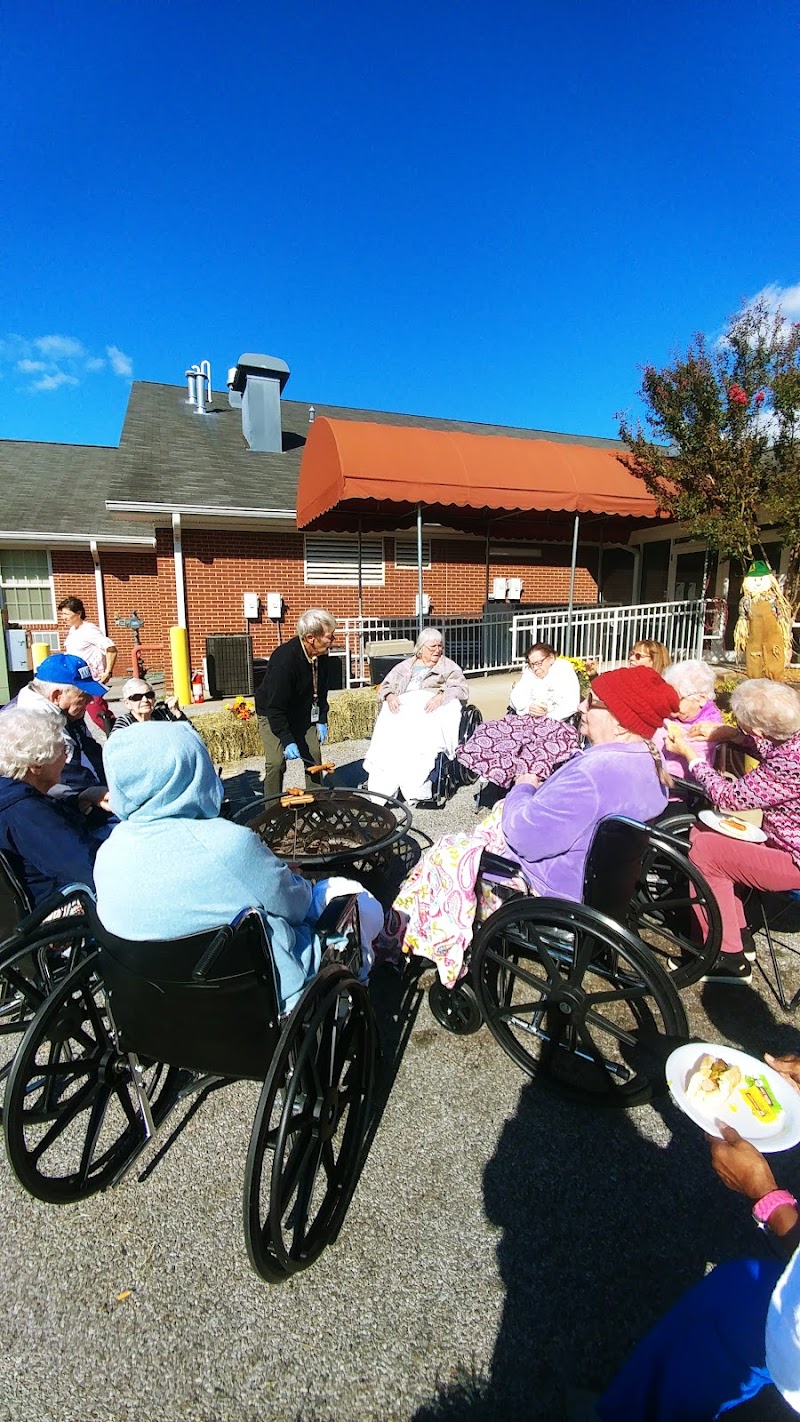
How is Spring Creek Post-Acute Rehabilitation Center Staffed?

CMS rates SPRING CREEK POST-ACUTE REHABILITATION CENTER's staffing level at 1 out of 5 stars, which is much below average compared to other nursing homes. Staff turnover is 64%, which is 18 percentage points above the Kentucky average of 46%. High turnover can affect care consistency as new staff learn residents' individual needs. RN turnover specifically is 81%, which is notably high. RNs provide skilled clinical oversight, so turnover in this role can affect medical care quality.

What Have Inspectors Found at Spring Creek Post-Acute Rehabilitation Center?

State health inspectors documented 20 deficiencies at SPRING CREEK POST-ACUTE REHABILITATION CENTER during 2019 to 2025. These included: 3 Immediate Jeopardy (the most serious level, indicating potential for serious harm or death), 2 that caused actual resident harm, and 15 with potential for harm. Immediate Jeopardy findings are rare and represent the most serious regulatory concerns. They require immediate corrective action.
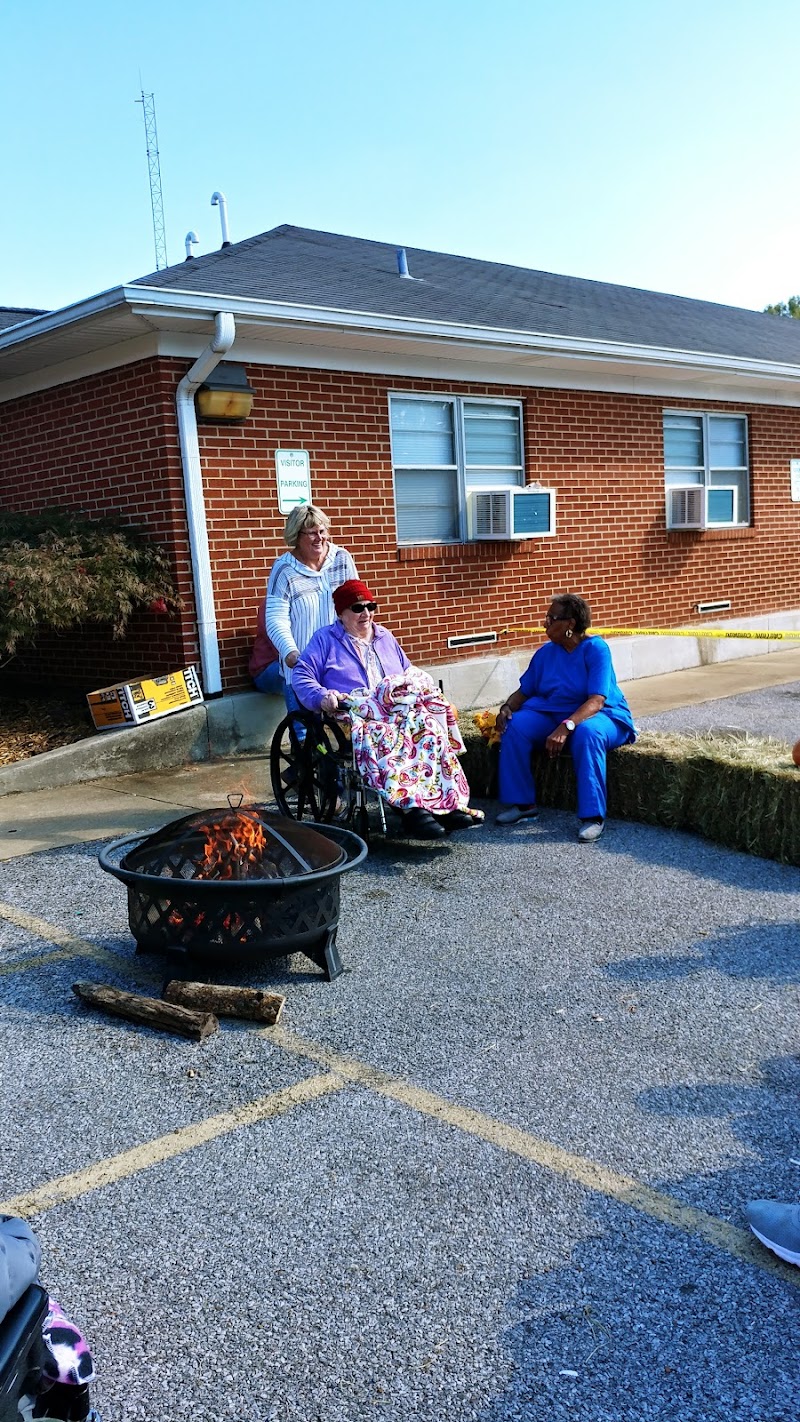
Who Owns and Operates Spring Creek Post-Acute Rehabilitation Center?

SPRING CREEK POST-ACUTE REHABILITATION CENTER is owned by a for-profit company. For-profit facilities operate as businesses with obligations to shareholders or private owners. The facility operates independently rather than as part of a larger chain. With 226 certified beds and approximately 130 residents (about 58% occupancy), it is a large facility located in MURRAY, Kentucky.
How Does Spring Creek Post-Acute Rehabilitation Center Compare to Other Kentucky Nursing Homes?

Compared to the 100 nursing homes in Kentucky, SPRING CREEK POST-ACUTE REHABILITATION CENTER's overall rating (1 stars) is below the state average of 2.8, staff turnover (64%) is significantly higher than the state average of 46%, and health inspection rating (1 stars) is much below the national benchmark.

What Should Families Ask When Visiting Spring Creek Post-Acute Rehabilitation Center?

Based on this facility's data, families visiting should ask: "What changes have been made since the serious inspection findings, and how are you preventing similar issues?" "How do you ensure continuity of care given staff turnover, and what is your staff retention strategy?" "Can you walk me through typical staffing levels on day, evening, and night shifts?" "Can I visit during a mealtime to observe dining assistance and food quality?" These questions are particularly relevant given the facility's Immediate Jeopardy citations, the facility's high staff turnover rate, and the below-average staffing rating.

Is Spring Creek Post-Acute Rehabilitation Center Safe?

Based on CMS inspection data, SPRING CREEK POST-ACUTE REHABILITATION CENTER has documented safety concerns. Inspectors have issued 3 Immediate Jeopardy citations (the most serious violation level indicating risk of serious injury or death). The facility has a 1-star overall rating and ranks #100 of 100 nursing homes in Kentucky. Families considering this facility should ask detailed questions about what corrective actions have been taken since these incidents.

Do Nurses at Spring Creek Post-Acute Rehabilitation Center Stick Around?

Staff turnover at SPRING CREEK POST-ACUTE REHABILITATION CENTER is high. At 64%, the facility is 18 percentage points above the Kentucky average of 46%. Registered Nurse turnover is particularly concerning at 81%. RNs handle complex medical decisions and coordinate care — frequent RN changes can directly impact care quality. High turnover means new staff may not know residents' individual needs, medications, or preferences. It can also be disorienting for residents, especially those with dementia who rely on familiar faces. Families should ask: What is causing the turnover? What retention programs are in place? How do you ensure care continuity during staff transitions?

Was Spring Creek Post-Acute Rehabilitation Center Ever Fined?

SPRING CREEK POST-ACUTE REHABILITATION CENTER has been fined $52,540 across 5 penalty actions. This is above the Kentucky average of $33,604. Fines in this range indicate compliance issues significant enough for CMS to impose meaningful financial consequences. Common causes include delayed correction of deficiencies, repeat violations, or care failures affecting resident safety. Families should ask facility leadership what changes have been made since these penalties.

Is Spring Creek Post-Acute Rehabilitation Center on Any Federal Watch List?

SPRING CREEK POST-ACUTE REHABILITATION CENTER is not on any federal watch list. The most significant is the Special Focus Facility (SFF) program, which identifies the bottom 1% of nursing homes nationally based on persistent, serious quality problems. Not being on this list means the facility has avoided the pattern of deficiencies that triggers enhanced federal oversight. This is a positive indicator, though families should still review the facility's inspection history directly.