PARKVIEW NURSING & REHABILITATION CENTER
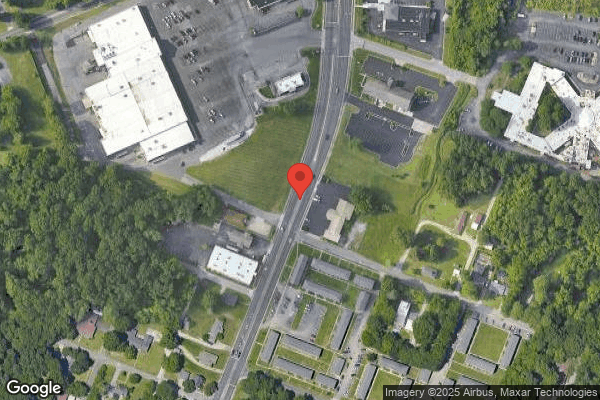
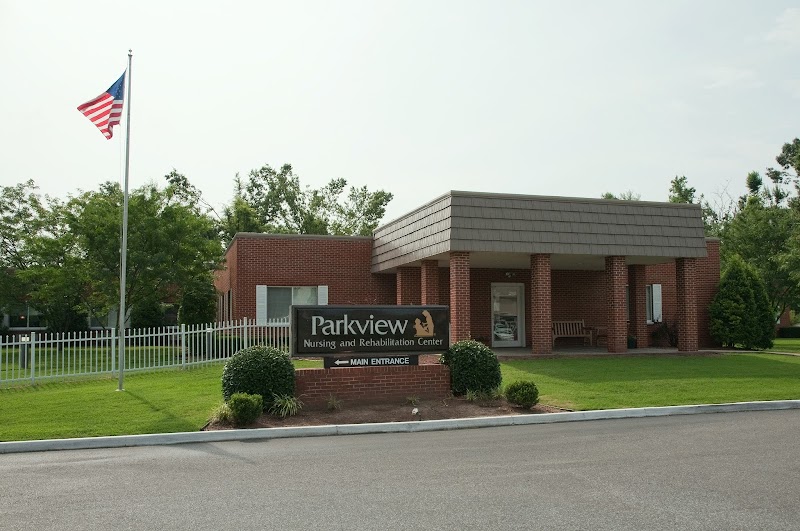
544 LONE OAK ROAD, PADUCAH, KY 42003 (270) 443-6543
For profit - Corporation 228 Beds LIFE CARE CENTERS OF AMERICA Data: November 2025
Trust Grade
63/100
#125 of 266 in KY
Last Inspection: March 2025

Within standard 12-15 month inspection cycle. Federal law requires annual inspections.

Overview

Parkview Nursing & Rehabilitation Center has a Trust Grade of C+, indicating it is slightly above average but not exceptional in quality. It ranks #125 out of 266 facilities in Kentucky, placing it in the top half, and is the best option among the four nursing homes in McCracken County. Unfortunately, the facility is experiencing a worsening trend, with the number of issues increasing from 2 in 2024 to 4 in 2025. Staffing is a concern, rated at 2 out of 5 stars with a turnover rate of 43%, which is below the state average but still indicates some instability. While the center has incurred $8,490 in fines, which is within average range, there are notable deficiencies in food safety and infection control. For example, food was held at improper temperatures for too long, potentially compromising nutrition for all residents, and staff failed to follow proper infection control procedures, such as using the correct personal protective equipment. Overall, while there are strengths like good quality measures, the identified weaknesses need to be taken into consideration when evaluating this facility.

Trust Score
C+
63/100
In Kentucky
#125/266
Top 46%
Safety Record
Low Risk
No red flags
Inspections
Getting Worse
2 → 4 violations
Staff Stability
○ Average
43% turnover. Near Kentucky's 48% average. Typical for the industry.
Penalties
✓ Good
$8,490 in fines. Lower than most Kentucky facilities. Relatively clean record.
Skilled Nurses
○ Average
Each resident gets 34 minutes of Registered Nurse (RN) attention daily — about average for Kentucky. RNs are the most trained staff who monitor for health changes.
Violations
⚠ Watch
17 deficiencies on record. Higher than average. Multiple issues found across inspections.
★★★☆☆
3.0
Overall Rating
★★☆☆☆
2.0
Staff Levels
★★★★☆
4.0
Care Quality
★★★☆☆
3.0
Inspection Score
Stable
2024: 2 issues
2025: 4 issues

The Good

  • 4-Star Quality Measures · Strong clinical quality outcomes
  • Full Sprinkler Coverage · Fire safety systems throughout facility
  • No fines on record
  • Staff turnover below average (43%)

    5 points below Kentucky average of 48%

Facility shows strength in quality measures, fire safety.

The Bad

3-Star Overall Rating

Near Kentucky average (2.8)

Meets federal standards, typical of most facilities

Staff Turnover: 43%

Near Kentucky avg (46%)

Typical for the industry

Federal Fines: $8,490

Below median ($33,413)

Minor penalties assessed

Chain: LIFE CARE CENTERS OF AMERICA

Part of a multi-facility chain

Ask about local staffing decisions and management

The Ugly 17 deficiencies on record

Mar 2025 4 deficiencies
CONCERN (D)

Potential for Harm - no one hurt, but risky conditions existed

Deficiency F0583 (Tag F0583)

Could have caused harm · This affected 1 resident

Based on observation, interview, record review, and facility policy review, the facility failed to promote residents' personal privacy for 1 of 5 residents sampled for wound care, out of the total sam...

Read full inspector narrative →
Based on observation, interview, record review, and facility policy review, the facility failed to promote residents' personal privacy for 1 of 5 residents sampled for wound care, out of the total sampled residents of 33, (Resident (R)87). During observation of wound care for R87 on 03/20/2025, the wound care nurse failed to close the window blind, exposing R87 to view by anyone outside within sight of the resident's window. The findings include: Review of the facility policy titled, Resident Rights, reviewed 11/19/2024, revealed the resident had a right to be treated with respect and dignity. Review of the admission Record for R87 revealed the facility admitted the resident on 09/28/2022, with diagnoses to include: paraplegia, limitation of activities due to disability, and neuromuscular dysfunction of bladder. Record review revealed R87 had wounds requiring treatment to her buttock and foot. Review of the Quarterly Minimum Data Set (MDS) Assessment with a Assessment Reference Date (ARD) of 02/01/2025, revealed the facility assessed R87 to have a Brief Interview for Mental Status (BIMS) score of a 14 out of 15, indicating the resident was cognitively intact. During observation of R87's wound care on 03/20/2025 at 9:20 AM, the wound care (WC) nurse failed to close the resident's window blinds which exposed her to view of anyone near the window while in the facility's main entrance parking lot. During interview with the WC nurse on 03/20/2025 at 9:50 AM, she stated she should have pulled the window blind closed to protect R87's privacy. She further stated R87 often refused to have the window blind closed; however, she failed to ask the resident if it was okay to close it. During interview with R87 on 03/20/2025 at 11:00 AM, she stated it did not make her feel very good knowing the window blind was left open. R87 stated anyone could look through her window and see her (exposed). She further stated there was a lot of people walking by and they could have seen her (exposed). During interview with the Director of Nursing (DON) on 03/20/2025 at 4:49 PM, she stated she expected staff to provide privacy for residents all the way around. The DON reported staff should knock before entering a resident's room, close the privacy curtain and close the window blinds prior to performance of care. She further stated it was a dignity issue because someone could have walked by (R87's window) and observed the resident exposed. During interview with the Administrator on 03/20/2025 at 5:02 PM, he stated R87's window blind should have been pulled closed. He stated it was a big dignity issue with the nurse exposing her (R87) to the public.
CONCERN (D)

Potential for Harm - no one hurt, but risky conditions existed

Quality of Care (Tag F0684)

Could have caused harm · This affected 1 resident

Based on observation, interview, record review, and facility policy review, the facility failed to ensure treatment and care in accordance with professional standards of practice for 1 of 7 residents ...

Read full inspector narrative →
Based on observation, interview, record review, and facility policy review, the facility failed to ensure treatment and care in accordance with professional standards of practice for 1 of 7 residents sampled during medication pass out of the total sample of 33, (Resident (R)4). Observation revealed medication observed under R4's bed, lying on her bedside table, and lying in her hand while she was lying on her bed with eyes closed. The findings include: Review of the facility policy, Administration of Medications, reviewed 09/16/2024, revealed the facility was to ensure medications were administered safely and appropriately. Review revealed the definition of a medication error was noted as the observed or identified preparation or administration of medications or biologicals which were not in accordance with . 3. Accepted professional standards and principles which applied to professionals providing services. Per review , the facility procedure included medication administration was the responsibility of individuals, who through certification and licensure, were authorized to administer medications in a skilled nursing facility. Continued policy review revealed staff responsible for medication administration were to adhere to the 10 Rights of Medication Administration, which included ensuring: right drug; right resident; right dose; right route; right time and frequency; right documentation; right assessment; right to refuse; right evaluation/response; and right education and information. Review of R4's electronic medical record (EMR) revealed the facility admitted the resident on 07/26/2019, with diagnoses which included: multiple sclerosis, attention-deficit hyperactivity disorder, and Parkinson's Disease. Review of the Minimum Data Set (MDS) Assessment for R4, with an Assessment Reference Date (ARD) of 12/27/2024, revealed the facility assessed with a Brief Interview for Mental Status (BIMS) score of 15/15, indicating the resident was cognitively intact. Review of R4's comprehensive care plan (CCP) documentation revealed the facility had not identified an intervention for the resident being able to take her medications unsupervised. Observation on 03/17/2025 at 1:03 PM, revealed a circular white tablet lying under R4's bed. During interview with R4, at the time of observation, she stated the nurse set her medication cup on her bedside table that morning, told her There they are, and walked away. R4 stated she accidentally knocked the medication cup over. The resident reported an aide came into her room later, and picked the medication up off the floor. She said the aide returned the medication (from off the floor) back into the medication cup, and placed the cup on her bedside table. R4 reported she took the medication at that time. Review of the facility' Electronic Medication Administration Record (eMAR) for R4, located in the EMR, under the Reports tab, revealed the resident's ordered medications listed. Continued review revealed the following medications were documented as administered as AM meds, with no specific time, to R4: Buspirone HCl (used to treat anxiety) 5 milligram (mg); Bupropion HCl (an antidepressant) 150 mg; Duloxetine HCl (used to treat anxiety, depression and nerve damage from diabetes) 60 mg; Duloxetine HCl 30 mg; Dapagliflozin Propanediol (to treat diabetes) 5 mg; Aldactone (diuretic to treat high blood pressure and heart failure) 25 mg; Folic Acid (B vitamin supplement) 800 micrograms (mcg); Furosemide (diuretic) 40 mg; Metformin (to treat diabetes) HCl 500 mg; Aspirin (blood thinner) 81 mg; Docusate Sodium (stool softner) 250 mg; Ferrous Sulfate (iron supplement) 325 mg; Omeprazole (to treat gastrointestinal reflux disease [GERD] and heartburn) 20 mg; Potassium Chloride (to treat low potassium levels) 20 milliequivalents (meq); Pramipexole Dihydrocholride (to treat Parkinson's disease) 0.5 mg; and Vitamin B-12 1000 mcg. In interview on 03/17/2025 at 1:10 PM, Registered Nurse (RN) 2 stated the nurse who had completed the morning medication pass for R4 was at lunch. The State Survey Agency (SSA) Surveyor notified RN 2 of there being a white tablet under R4's bed, and he retrieved the tablet. The RN identified the tablet as Metformin 500 mg and then disposed of the tablet. In interview on 3/17/2025 at 3:39 PM, Licensed Practical Nurse (LPN) 2 she stated she was responsible for that morning's med pass which included R4's medications. LPN 2 further stated R4 took all the medication in the medication cup and implied it was while she (the LPN) was present in the room. She further stated she was unaware of one of the medications dropping (on the floor. In interview on 03/17/2025 at 3:43 PM, Certified Nursing Assistant (CNA) 3 stated he entered the room of R4 at about 11:00 AM to assist her, and noticed several pills lying on the floor. He stated he picked the pills up, put them in a medicine cup, and then placed the cup on the resident's bedside table. The CNA reported he witnessed R4 consume the pills after he put the cup on the bedside table. He stated, I must have missed one if there was one under the bed. CNA 3 said he did not notify anyone of the medication being on the floor. When the SSA Surveyor asked him what he should have done when he saw the medication on the floor, he stated I should have told the nurse. Continued review of R4's medical record revealed LPN 2 had placed an Alert Note in the Progress Notes section of the EMR. Per review, at 4:03 PM on 03/17/2025, LPN 2 documented this nurse went into residents [sic] room to give medication, medication placed in residents [sic] hand. This nurse was unaware that resident did not take medication. This nurse was alerted that resident spilled medication and did not take medication, alerted aprn [sic] and alerted POA about change in condition. Further review revealed the LPN noted no new orders at this time, and R4 was assessed for pain and denied having any pain. In addition, review revealed LPN 2 noted No adverse reactions noted at this time. Will continue plan of care. Observation on 03/20/2025 at 9:41 AM, revealed R4 lying on her bed with eyes closed with a medicine cup containing multiple medications in her left hand and a white tablet lying on the overbed table. The SSA Surveyor was joined in observation by another SSA Surveyor. Observation revealed R4 woke up and said she was very sleepy that morning, then proceeded to close her eyes again and fell back to sleep. The SSA Surveyors asked LPN 9, who completed the morning medication pass, and LPN 10, the Unit Coordinator, to join their observation of R4 and the medications located in the resident's hand. Observation further revealed LPN 9 woke R4 up and witnessed the resident take all the medications located in the medication cup and from the overbed table. In interview on 03/20/2025 at 9:50 AM, LPN 9 stated she was normally very cautious when passing residents' medication; however, might have gotten busy and failed to watch R4 take her medication. Review of R4's eMAR, in conjunction with LPN 9 and LPN 10, revealed the following medications had been documented as administered to the resident that morning: Buspirone HCl 5 mg; Bupropion HCl 150 mg; Duloxetine HCl 60 mg; Duloxetine HCl 30 mg; Dapagliflozin Propanediol 5 mg; Aldactone 25 mg; Folic Acid 800 mcg; Furosemide 40 mg; Metformin HCl 500 mg; Aspirin 81 mg; Docusate Sodium 250 mg; Ferrous Sulfate 325 mg; Omeprazole 20 mg; Potassium Chloride 20 meq; Pramipexole Dihydrochloride 0.5 mg; and Vitamin B-12 1000 mcg. In interview on 03/20/2025 at 9:52 AM, LPN 10/Unit Coordinator stated LPN 9 was a young nurse. She reported she would educate LPN 9 (on proper medication administration). In interview on 03/20/2025 at 4:40 PM, the Assistant Infection Prevention (IP) Nurse stated residents ingesting medication off the floor was unacceptable. In interview on 03/20/2025 at 4:50 PM, the Director of Nursing (DON) stated she expected nurses to observe residents taking their medications. She said the nurses were trained during their orientation on how to properly pass (residents') medication. The DON reported if a CNA found medication on the floor they should give it to the nurse immediately. She further stated she did not condone residents consuming medications off the floor. In interview on 03/20/2025 at 5:13 PM, the facility's Administrator stated he expected the nurses to watch residents taking their medications. He stated it would have been possible for anyone to have taken the medication when it was lying on the floor if it was not witnessed as being taken during the medication pass.
CONCERN (E)

Potential for Harm - no one hurt, but risky conditions existed

Infection Control (Tag F0880)

Could have caused harm · This affected multiple residents

Based on observation, interview, record review, and review of the facility policy, it was determined the facility failed to ensure infection control procedures to prevent the spread of infection were ...

Read full inspector narrative →
Based on observation, interview, record review, and review of the facility policy, it was determined the facility failed to ensure infection control procedures to prevent the spread of infection were followed for 1 of 33 sampled residents, (Resident (R)139); and for all residents residing on the 900 hall/unit who used ice from the ice cooler. 1. Observation on 03/19/2025 revealed staff failed to use appropriate Personal Protective Equipment (PPE) when providing care for R139 who required Enhanced Barrier Precautions (EBP). 2. Observation on 03/18/2025 revealed staff, after overfilling a resident's used cup with ice, and then to proceed to pour the excess ice, off the top of the cup, back into the clean cooler of ice. The findings include: 1. Review of the facility policy titled, Enhanced Barrier Precautions, revised 06/03/2024, revealed the facility should use Enhanced Barrier Precautions (EBP) during high-contact resident care activities. Per review, the high-contact resident care activities included: wound and/or indwelling medical devices even if the resident was not known to be infected or colonized with a Multidrug Resistant Organism (MDRO). Record review revealed the facility admitted R139 initially on 01/22/2024, with diagnosis which included: hemiplegia and hemiparesis affecting the left non-dominant side following cerebral infarction; Type 2 diabetes mellitus; and peripheral vascular disease. Further review of the record revealed R139 was admitted with a gastrostomy tube (g-tube) in place at the time of admission due to dysphagia following cerebral infarction. Additionally, review of R139's record revealed the resident had a foley catheter (indwelling catheter), a stage 4 pressure wound to the coccyx: and the g-tube. Review of R139's comprehensive care plan dated 11/25/2024, revealed the facility developed a care plan for urinary catheter which noted enhanced precautions were indicated. Observation of foley catheter care for R139 on 03/19/2025 at 10:39 AM, revealed Certified Nursing Assistant (CNA) 8 and CNA 9 failed to don necessary PPE (a gown) while providing the resident's catheter care. Observation of wound care for R139 on 03/19/2025 at 2:19 PM, revealed Registered Nurse (RN) 3 and CNA 10 entered the resident's room to complete wound care without donning necessary PPE (gowns). Continued observation revealed RN 3 and CNA 10 proceeded with performance of R139's wound care without donning a gown prior to completion of the procedure. Observation of g-tube site care for R139 on 03/19/2025 at 2:40 PM, revealed RN 3 failed to don the necessary PPE (a gown) prior to or when performing the g-tube site care. In interview on 03/19/2025 at 11:52 AM, CNA 9 stated she had been nervous and failed to put a gown on. The CNA said the signage was above R139's bed indicated EBP were necessary, and the PPE was kept in the bottom drawer of the resident's dresser. CNA 9 further stated PPE was used to prevent the spread of infection. In interview on 03/19/2025 at 11:25 AM, CNA 8 assigned to R139's care, stated he was from another state and had not been trained to wear gowns. He said he had worked here (at the facility) for six months. The CNA reported being trained on EBP at the facility; however, did not recall being trained that a gown was needed when performing catheter care. CNA 8 stated he would wear a gown when residents had Contact / Barriers precautions. He said he was not aware of anything being in the room that communicate EBP was needed for R139. The CNA further stated he received information through shift report or from the CNA care plan that said he needed to wear a gown with catheter care. In interview on 03/19/2025 at 11:30 AM, Licensed Practical Nurse (LPN) 8 regarding EBP, stated EBP was used for residents who had a catheter, tracheostomy, wounds and/or a feeding tube. She said she was to use gowns and gloves when providing care for residents with any of those. The LPN reported the PPE was kept in all the residents' rooms in the drawers, which were labeled EBP. She further stated there was a sign over those residents' beds to communicate the necessity of EBP for staff. In interview on 03/19/2025 at 2:53 PM, RN 3 stated she observed EBP (when providing resident care), which included handwashing and use of gloves. She reported she did not know if gowns were included in EBP and said EBP was new to her. The RN said she had been employed (at the facility) approximately two weeks and had just gotten out of orientation. She further stated the purpose of EBP was to decrease contamination and the spread of infection. In interview on 03/20/2025 at 4:33 PM, Infection Prevention (IP) Nurse 4 stated high contact tasks included g-tube, wound, and foley catheter care. She said it was her expectation that staff wear PPE during those high contact tasks to prevent the spread of infection. IP 4 reported the PPE was checked daily by the IP Nurses, who also noted the levels of gowns to reflect usage of the gowns. She stated the IP's rounded daily and observed staff for compliance with PPE. The IP Nurse explained staff were educated in mandatory monthly in-services and through video presentation with explanation during new hire orientation. She said everyone sees the video and the IP Nurses reviewed, signed, and went into depth with explaining infection control to new hires. IP Nurse 4 stated staff were also educated by the IP Nurses on where the PPE was located in the resident's room. She reported additional PPE was available in the designated stock room on the 200 hall that could be accessed by all nurses at any time. The IP Nurse further stated the audit findings were reported in the facility's Quality Assurance Performance Improvement (QAPI) Committee meetings. In interview on 03/20/2025 at 4:53 PM, the Director of Nursing (DON) stated the high contact tasks included g-tube, wound, and foley catheter care. She said it was her expectation staff wear PPE during those high contact tasks to prevent the spread of infection. The DON further stated the IP Nurses shared the findings of their audits and if a systemic problem was identified, a focused education would be completed. In interview with the Administrator on 03/20/2025 at 5:13 PM, he stated he expected staff to follow the facility's policy for EBP to prevent the spread of infection. 2. Review of the facility policy, Ice Chests, reviewed on 06/03/2024, revealed all ice handlers were educated to not return unused iced to an ice storage chest. However, observation on 03/18/2025 at 9:39 AM, revealed CNA 5 was delivering fresh ice to residents on the 900 hall/unit. Per observation, CNA 5 filled a used resident's cup (R29's) over the opened cooler of clean ice. Further observation revealed after overfilling the used cup she then poured the excess ice from the top of the cup back into the clean ice in the cooler. In interview on 03/18/2025 at 9:40 AM, CNA 5 stated she should been more cautious. RN 3, who was also present during the interview with CNA 5, immediately removed the cooler with ice from use to empty it and clean it. In interview on 03/20/2025 at 4:40 PM, the Assistant IP Nurse stated ice should never be dumped back into a cooler of clean ice. In interview on 03/20/2025 at 4:50 PM, the DON stated she expected the facility's, Ice Chest policy to be followed by staff. In interview on 03/20/2025 at 5:13 PM, the Administrator stated he expected the facility's, Ice Chest policy to be followed by staff.
CONCERN (F)

Potential for Harm - no one hurt, but risky conditions existed

Deficiency F0804 (Tag F0804)

Could have caused harm · This affected most or all residents

Based on observation, interview, and facility policy review, the facility failed to assure the nutritive value of food was not compromised and destroyed because of prolonged holding on a steam table. ...

Read full inspector narrative →
Based on observation, interview, and facility policy review, the facility failed to assure the nutritive value of food was not compromised and destroyed because of prolonged holding on a steam table. The deficient practice had the potential to affect 163 of the facility's 163 residents who consumed food from the kitchen. Observation on 03/17/2025 at 3:20 PM, revealed macaroni and cheese and greens were placed on the steam table an hour and ten minutes prior to the evening meal being served. The findings include: Review of the facility policy titled, Food Temperature Control, revised 06/28/2024, revealed the food temperatures were to be maintained during mealtimes to ensure residents received safe food served at acceptable temperatures. Continued review revealed food was to be prepared by methods that conserved the nutritive value, flavor, and appearance. Review of the facility policy titled, Cleaning Schedule, reviewed on 04/30/2024, revealed food was not to be placed on the steam table more than 30 minutes before a meal service began. Observation on 03/17/2025 at 3:20 PM, during the initial tour of the kitchen, revealed macaroni and cheese and greens stored on the steam table for that evening's dinner meal. In interview on 03/17/2025 at 3:21 PM, the Dietary Manager (DM) stated she was not aware food had already been stored on the steam table for that evening's meal. In interview on 03/17/2025 at 3:30 PM, the Dietary [NAME] confirmed placing the macaroni and cheese and greens on the steam table at approximately 3:10 PM. He stated however, the evening dinner meal was not scheduled to be initiated until 4:30 PM (an hour and 20 minutes after the macaroni and cheese and greens were placed on the steam table).
Mar 2024 1 deficiency
CONCERN (D) 📢 Someone Reported This

A family member, employee, or ombudsman was alarmed enough to file a formal complaint

Potential for Harm - no one hurt, but risky conditions existed

Deficiency F0559 (Tag F0559)

Could have caused harm · This affected 1 resident

Based on interview, record review, and review of the facility policy, it was determined the facility failed to ensure the residents responsible party received a written notice, including the reason fo...

Read full inspector narrative →
Based on interview, record review, and review of the facility policy, it was determined the facility failed to ensure the residents responsible party received a written notice, including the reason for the change, before the resident's room or roommate in the facility was changed for one of six (6) sampled residents (Resident #1). The findings include: Review of a facility policy titled, Resident Room Relocation, dated 08/09/2023, revealed the Social Services staff would provide an explanation in writing to the resident, family, and/or resident representative of why the move was required. Review of Resident #1's admission Record revealed the facility admitted the resident on 02/04/2019 with diagnoses to include: Hemiplegia and Hemiparesis following cerebral infarction affecting left non-dominant side, Dysphagia following cerebral infarction, and Aphasia following cerebral infarction. Review of Resident #1's Quarterly Minimum Data Set (MDS) Assessment, dated 02/12/2024, revealed the resident was assessed to have a Brief Interview of Mental Status (BIMS) score of eleven (11) out of fifteen (15) indicating the resident was cognitively intact. Review of a Nursing Progress Note, dated 12/15/2023, revealed Resident #1 was transferred to another room due to his roommate testing positive for COVID-19. During an interview with Family Member (FM) #1 on 03/19/2024 at 9:50 AM, he stated the family was not notified of Resident #1's room change. He stated they came to visit with the resident and found he was no longer in the same room. FM #1 stated he was told by staff that Resident #1 was moved due to his roommate testing positive for COVID. During an interview with Registered Nurse (RN) #2 on 03/21/2024 at 10:40 AM, she stated the Charge Nurse or Social Services would notify the family or guardian of a room change but normally someone from the social services office should make that notification. She stated this information would typically be documented in a nursing progress note. During an interview with Social Services on 03/21/2024 at 11:30 AM, she stated per facility policy, they would notify a resident's responsible party of a room change. She stated she could not recall if Resident #1's responsible party was notified of his room change. Social Services also stated that typically the social services office was responsible to make a room change notification unless it was after hours or on the weekends and whoever was doing the room change should make the notification. During an interview with the Director of Nursing (DON) on 03/21/2024 at 12:25 PM, she stated the nurse that was assigned to Resident #1 on 12/15/2023 should have made Resident #1' responsible party aware of the room change and documented the notification in a nursing progress note. The DON stated she had attempted to call the Licensed Practical Nurse (LPN) assigned to Resident #1 to see if she could remember making the notification and had just forgotten to document it. She further stated her attempts were unsuccessful. The DON stated she expected staff to follow facility policy on notifications and document accordingly. During an interview with the Administrator on 03/21/2024 at 1:45 PM, he stated social services was responsible for room change notifications. He stated he expected families/guardians to be notified of resident room changes. The Administrator further stated it was very important that proper notification be made because it could be disruptive to the resident.
Feb 2024 1 deficiency
CONCERN (D) 📢 Someone Reported This

A family member, employee, or ombudsman was alarmed enough to file a formal complaint

Potential for Harm - no one hurt, but risky conditions existed

Comprehensive Care Plan (Tag F0656)

Could have caused harm · This affected 1 resident

Based on interview, record review and facility policy review, it was determined the facility failed to develop and implement a comprehensive person-centered care plan which included measurable objecti...

Read full inspector narrative →
Based on interview, record review and facility policy review, it was determined the facility failed to develop and implement a comprehensive person-centered care plan which included measurable objectives and timeframe's to meet a resident's medical, nursing and mental and psychosocial well-being for one (1) of (3) three sampled residents (Resident #1). Review of Resident #1's medical record revealed the resident had an behaviors of cursing, yelling, and wandering into other resident's rooms, however, there was no behavior care plan initiated. The findings include: Review of the facility's policy, Comprehensive Care Plan, dated 08/23/2023, revealed the facility would ensure the timeliness of each resident's person-centered, comprehensive care plan, and ensure that the comprehensive care plan was reviewed and revised by an interdisciplinary team composed of individuals who have knowledge of the resident and his/her needs, and that each resident and resident representative, if applicable, was involved in developing the care plan and making decisions about his/her care. The policy further revealed the resident should be monitored to help identify changes in the resident condition that may warrant an update to the person-centered plan of care. Closed record review of Resident #1's admission Record revealed the facility admitted the resident on 01/11/2024 with diagnoses which included Acute on Chronic Combined Systolic and Diastolic Congestive Heart Failure, Unspecified Dementia, Type II Diabetes Mellitus with other Circulatory Complications, Generalized Anxiety Disorder and Cognitive Communication Deficit. Review Resident #1's Minimum Data Set (MDS) Assessment, dated 01/15/2024, revealed the facility was unable to complete a Brief Interview Mental Status (BIMS) assessment. Further review of the record revealed a staff assessment for Mental Status was completed and revealed the resident was unable to recall the current season, location of room, staff names and faces or if he/she was in a nursing home. Review of Resident #1's Behavior/Intervention Monthly Flow Record, dated January 2024, revealed an onset of behaviors of yelling, combativeness with care, and anxiousness were documented on January 14, 21, 22, 23, 26, and 27. Review of Resident #1's Progress or Nurses's Notes, dated 01/21/2024, revealed the resident was in his/her room singing loudly and calling out for his/her spouse. Further review revealed staff redirected the resident to sing quietly. Review of Resident #1's Progress Note dated 01/22/2024 and 01/23/2024, revealed the resident was cursing and yelling at staff and other residents; however was easily redirected by asking resident to sing a song. Further review of the notes, dated 01/27/2024, revealed the resident was yelling, cursing and going from room to room looking for his/her spouse. Staff were unable to redirect him/her and a call to the provider was initiated. Review of Resident #1's medical record and care plan revealed there was no care plan initiated for behaviors. In an interview with Registered Nurse (RN) Minimum Data Status (MDS) Nurse #1, on 02/07/2024 at 10:36 AM, she stated care plans were initiated upon the resident's admission. She further stated a behavior care plan should be initiated at the onset of behaviors and revised with any new changes for the resident. In an interview with Registered Nurse (RN) #1 on 02/06/2024 at 2:28 PM, she stated she was aware Resident #1 was having behaviors of yelling, cursing and wandering into other resident's room. She stated the resident should have had a Behavior Care Plan initiated on the first date of onset of behaviors. In an interview with Licensed Practical Nurse (LPN) #6 on 02/06/2024 at 2:48 PM, she stated if a resident had a new onset of behaviors, a behavior care plan should be initiated. In an interview with the Social Services Director on 02/07/2024 at 11:02 AM, she stated when residents were admitted with behaviors or certain diagnoses such as Depressions, these were indications a behavior care plan needs to be initiated. She stated she also reviews hospital records for indications of behaviors and uses the information in development of care plans. In an interview with the Director of Nursing (DON) on 02/07/2024 at 9:59 AM, she stated the comprehensive care plan documentation should start with a baseline and as behaviors started with Resident #1, the care plan should have been initiated. She further stated when the nurses observes a resident exhibit behaviors the nurses should update the care plan if needed, follow care plan interventions, document, call the provider and call psychiatric services, if directed by the provider. In an interview with the Executive Director on 02/07/2024 at 10:10 AM revealed he/she expects the nursing staff to initiate and follow resident care plans as per the facility policy. He/She stated Resident #1 should have had a behavior care plan initiated with onset of behaviors.
Jan 2020 1 deficiency
CONCERN (D)

Potential for Harm - no one hurt, but risky conditions existed

Deficiency F0698 (Tag F0698)

Could have caused harm · This affected 1 resident

**NOTE- TERMS IN BRACKETS HAVE BEEN EDITED TO PROTECT CONFIDENTIALITY** Based on observation, interview, medical record review, and review of the facility's policy, it was determined the facility fail...

Read full inspector narrative →
**NOTE- TERMS IN BRACKETS HAVE BEEN EDITED TO PROTECT CONFIDENTIALITY** Based on observation, interview, medical record review, and review of the facility's policy, it was determined the facility failed to develop and implement a person-centered comprehensive care plan for one (1) of thirty-five (35) sampled residents. Resident #163 was receiving dialysis three (3) times per week. Interventions implemented related to receiving dialysis included communication with the dialysis center. However, there was no documented evidence that the facility coordinated care with the dialysis center for ten (10) of fifteen (15) treatments received at the dialysis center. The findings include: Review of the facility's care plan policy, revised 07/23/2009, revealed the Care Plan should address, to the extent possible, interventions for preventing avoidable declines in functioning or functional levels, resident-specific interventions, and standards of current professional practice. Review of Resident #163's medical record revealed the facility admitted the resident on 11/28/2018, with diagnoses including Diabetes Mellitus, Hypertensive Chronic Kidney Disease, and Hemodialysis Dependence. Review of Resident #163's Minimum Data Set (MDS) assessment dated [DATE] revealed the facility assessed the resident to have a Brief Interview for Mental Stats (BIMS) score of fifteen (15), which indicated the resident was cognitively intact. The MDS also revealed the resident was receiving dialysis services. Review of Resident #163's physician orders dated 01/09/2020, revealed the resident was to receive outpatient hemodialysis three (3) times per week, on Tuesday, Thursday, and Saturday. Review of Resident #163's care plan dated 11/06/2019 revealed interventions including coordinating the resident's care in collaboration with the dialysis center and communication with the dialysis center regarding medication, diet, and lab results. Review of a list received from the dialysis center revealed Resident #163 had received dialysis at an off-site center fifteen (15) times from 12/03/2019 through 01/09/2020. However, review of the communication sheets between the facility and the dialysis center revealed no evidence of any communication taking place between the facility and the dialysis provider for ten (10) of those visits. Further review of the communication sheets revealed three (3) of the five (5) communication sheets were not completed and contained no post dialysis vital signs or assessment of the access site. Observation of Resident #163 revealed the resident was in his/her room, alert, and able to answer questions appropriately. The resident stated the facility gets me ready for dialysis and gave me a notebook to take with me to the dialysis center. Interview on 01/09/2020 at 5:17 PM with the Unit Manager revealed the nurses are responsible for filling out the communication forms and placing them in the binder and sending the binder with the resident to the dialysis center. She stated Resident #163 had a binder that had several communication forms inside that were incomplete. Further review with the Unit Manager revealed she had never followed up to see if the communication forms were filled out completely. The Unit Manager stated she understood the importance of having complete communications with the dialysis center. The Unit Manager further stated she should have identified that the communication forms were not being returned and were not being completed. Interview on 01/09/2020 at 5:23 PM with the Director of Nursing (DON) revealed a communication form was required to be sent with every resident who went to the dialysis center. The DON stated the dialysis center was then responsible to fill out the form and send it back to the facility, and the facility nurse was then responsible to complete the post dialysis section. The DON stated the communication forms were part of the medical record and should be placed in the resident's record once completed. The DON stated she had not identified any concerns with the forms not being completed.
Oct 2018 10 deficiencies
CONCERN (D)

Potential for Harm - no one hurt, but risky conditions existed

Resident Rights (Tag F0550)

Could have caused harm · This affected 1 resident

Based on observation, interview, record review, and review of the facility policy/procedure, it was determined the facility failed to ensure residents were treated with respect and dignity in a manner...

Read full inspector narrative →
Based on observation, interview, record review, and review of the facility policy/procedure, it was determined the facility failed to ensure residents were treated with respect and dignity in a manner that promoted maintenance or enhancement of his/her quality of life for one (1) of thirty-five (35) sampled residents (Resident #33). Observation, on 10/09/18, revealed Certified Nurse Aide (CNA) #5 was standing over Resident #33 while assisting the resident with his/her lunch. The findings include: Review of the facility policy, Dignity, last revised 06/17/08, revealed all residents will be treated in a manner and in an environment that maintains and enhances each resident's dignity and respect in full recognition of his/her individuality. Further review of the policy revealed treating residents with dignity and respect maintains and enhances each resident's self-worth and improves his/her psychosocial well-being and quality of life. Review of the facility policy, Feeding A Resident, last revised October 2008, revealed it is the responsibility of all nursing staff to provide assistance to residents who are unable to feed themselves. Further review of the policy revealed staff should sit while feeding residents. Record review revealed the facility readmitted Resident #33 on 05/31/18, with diagnoses which included Cerebral Ishemia, Edema, Anemia, and Chronic Kidney Disease. Review of the Quarterly Minimum Data Set (MDS) assessment, dated 07/27/18, revealed the facility assessed Resident #33's cognition as severely impaired with a Brief Interview for Mental Status (BIMS) score of six (6), which indicated the resident was not interviewable. Observation, on 10/09/18 at 12:23 PM, revealed CNA #5 standing over Resident #33, assisting him/her with lunch as the resident was sitting up in bed. Interview with Certified Nurse Aide (CNA) #5, on 10/09/18 at 3:00 PM, revealed she should have been sitting down to feed the resident during lunch so that she was not hovering over him/her. She stated the resident's family member who visited sometimes fed Resident #33 while standing and she thought it was acceptable. Interview with Registered Nurse (RN) #4, on 10/09/18 at 3:03 PM, revealed she expected the aides to feed residents while sitting down because it could be considered a dignity issue if the aide stood over the resident. Interview with the Director of Nursing (DON), on 10/11/18 at 5:34 PM, revealed she expected staff to feed the residents while sitting down and be at eye level with the resident.
CONCERN (D)

Potential for Harm - no one hurt, but risky conditions existed

Notification of Changes (Tag F0580)

Could have caused harm · This affected 1 resident

Based on observation, interview, record review, and facility policy review, it was determined the facility failed to assure services being provided meet professional standards of quality related to co...

Read full inspector narrative →
Based on observation, interview, record review, and facility policy review, it was determined the facility failed to assure services being provided meet professional standards of quality related to condition change and Physician notification for one (1) of thirty-five (35) sampled residents (Resident #69). Resident #69 was placed on oxygen (O2) related to a decrease in O2 saturation, and on three (3) different days, had a temperature greater than 101 degrees Fahrenheit (F) without Physician notification. According to the facility policy, the Physician should have been notified with a change in the resident's physical status. The findings include: Review of the facility policy titled Change in the Resident's Condition, not dated, revealed all changes in the resident's condition will be recorded in the resident's medical record. Such changes or conditions include, but are not limited to any accident/incident involving the resident and any changes in the resident's mental, physical, or emotional status. The attending Physician will be notified of any incident, accident, or changes in the resident's medical condition. The resident's next of kin or representative will be notified of all changes in the resident's condition or status by nursing. Record review revealed the facility admitted Resident #69 on 05/14/18 with diagnoses which included Hypertension, Encephalopathy, need with assistance with personal care, Altered Mental Status, unspecified, a history of Chronic Obstructive Pulmonary Disease (COPD) and Parkinson Disease. Review of the Significant Change Minimum Data Set (MDS) assessment, dated 07/30/18, revealed the facility assessed Resident #69's cognition to be intact with a Brief Interview for Mental Status (BIMS) score of fifteen (15), which indicated the resident was interviewable. Further review of the MDS revealed the resident did not require O2 at the time of the assessment. Review of Progress Notes, dated 10/07/18 at 2:28 PM, revealed it was reported the resident felt hot and at that time his/her temperature was 101.6 degrees F, Tylenol administered. At 2:20 PM, the temperature was 98.9 F. Review of Progress Notes, dated 10/08/18 at 3:56 PM, revealed Resident in bed resting at present time. Temperature elevated today 101.6 F, Tylenol given. New temp 98.6 F. 02 saturation (sat) was 88 percent (%) on room air (RA). Received new order for resident to receive 02 at two (2) liters per minute (lpm) per nasal cannula. Review of the Physician's Progress Notes, dated 10/08/18, revealed the resident was seen on this day for elevation of a chronic condition, and the resident reported he/she had a history of coronary artery bypass grafting and only one (1) lung that worked, but denied any other acute complaints, and was in no apparent distress. Further review revealed an order was received to start supplemental O2 to maintain 02 saturation (sats) greater than 90%. Review of Progress Notes, dated 10/09/18 at 11:25 AM, revealed he/she was resting in bed, high temperature, Tylenol given, resting quietly, respirations even and unlabored, skin warm and dry with no signs or symptoms of pain or distress. 02 per nasal cannula, will continue to monitor. Review of vital signs at that time revealed the resident to have a temperature of 101.4 degrees F, indicating a change of condition. No documentation of a follow-up temperature was noted. Review of Progress Notes, dated 10/10/18 at 2:43 AM, revealed Late entry from 10/09/18, only time recorded was 7p-7a. Resident notes no signs/symptoms of acute distress. Resident's speech clear. Some forgetfulness noted. Resident redirected. Resident observed with no respiratory distress/shortness of air observed. Respirations even and non-labored. 02 via nasal cannula intact and flowing at two (2) lpm. Resident afebrile at this time (98.2 F). There was no evidence of documentation or assessment noted after this date. Interview and observation of Resident #69, on 10/09/18 at 3:23 PM, revealed he/she did not feel good and felt he/she had the flu and stated he/she had a fever and had to be started on 02. Further interview and observation, on 10/10/18 at 9:48 AM, revealed the resident was confused and stated I need something but do not remember what, he/she also stated I feel like I have the flu. On 10/11/18 at 9:00 AM, the resident stated I wish I could say I felt better, but I do not. Review of Physician's Orders, dated 10/11/18, revealed a new order for a chest X-ray, breathing treatments for five (5) days, and blood work to be obtained the next morning (10/12/18) for fever and cough. Interview with Licensed Practical Nurse (LPN) #5, on 10/11/18 at 3:00 PM, revealed if a resident presented with symptoms of a fever and cough, she would alert the Physician about the temperature, and initiate alert charting. Interview with Registered Nurse (RN) #5, on 10/11/18 at 3:15 PM, revealed she would notify the Physician about the signs and symptoms, and if unable to get the attending Physician, would contact the Medical Director. Interview with the Advanced Registered Nurse Practitioner (ARNP), on 10/11/18 at 4:07 PM, revealed when he saw Resident #69 on 10/08/18, that was the first time he had seen the resident, and ordered O2, for a history of COPD and other lung issues. He stated he would have expected to be notified of the elevated temperature, especially after it happened for the second time; however, he stated he was not notified. Interview with the Director of Nursing (DON), on 10/11/18 at 4:30 PM, revealed since Tylenol was given, the temperature returned to normal, and stated the nursing staff did what they needed to do.
CONCERN (D)

Potential for Harm - no one hurt, but risky conditions existed

Report Alleged Abuse (Tag F0609)

Could have caused harm · This affected 1 resident

Based on interview, record review, and facility policy/procedure review, it was determined the facility failed to immediately report an allegation of physical abuse for one (1) of thirty-five (35) sam...

Read full inspector narrative →
Based on interview, record review, and facility policy/procedure review, it was determined the facility failed to immediately report an allegation of physical abuse for one (1) of thirty-five (35) sampled residents (Resident #186). The facility's Social Worker failed to report this allegation to the Director of Nursing (DON) or Administrator in a timely manner. On 10/09/18, the Social Worker had received report of an allegation from Resident #186 at approximately 1:30 PM or 2:00 PM, and left a message on the DON's voicemail. The DON revealed she did not receive the message until 4:30 PM, on 10/09/18. The findings include: Review of the facility policy titled, Reporting Alleged Abuse, not dated, revealed all facility personnel are mandated to promptly report suspected resident abuse and/or neglect to their immediate supervisor and/or facility representative. All alleged or suspected violations involving mistreatment, abuse, neglect, injuries of unknown origin (bruising, skin tears) will be promptly reported to the Administrator and/or DON. Facilities must ensure that all alleged violations involving abuse, neglect, exploitation or mistreatment, including injuries of unknown source and misappropriation of resident property, are reported immediately, but not later than two (2) hours after the allegation is made, if the events that cause the allegation involve abuse or result in serious bodily injury, or not later than 24 hours if the events that cause the allegation do not involve abuse and do not involve serious bodily injury, to the Administrator of the facility and to other officials (including the State Survey Agency and Adult Protective Services) where state law provides for jurisdiction in long-term care facilities in accordance with State law through established procedures. Failure to do so will mean the facility is not in compliance with the Federal regulations. Facilities must satisfy the federal requirement to report the results of an investigation with five (5) working days from the date of the incident (or knowledge of the incident). Record review revealed the facility admitted Resident #186 on 09/18/18 with diagnoses which included Neurogenic Bladder, Anxiety, and Hemiplegia. Review of an admission Minimum Data Set (MDS) assessment, dated 09/25/18, revealed the facility assessed Resident #186's cognition as intact with a Brief Interview for Mental Status (BIMS) score of fifteen (15), which indicated the resident was interviewable Interview with Resident #186, on 10/09/18 at 5:08 PM, revealed last night (10/08/18), he/she asked Certified Nurse Aide (CNA) #4 to put his/her legs back on the bed and the CNA was rough with him/her. Resident #186 stated My left foot has had spasms since that time. Resident #186 stated he/she reported the 10/08/18 incident to Social Worker #1 today (10/09/18) around 1:00 PM or 1:30 PM, and stated he/she felt like he/she was abused. He/she stated, I did not report this right away as I felt the nurse from last night would not take me seriously. Interview with CNA #4, on 10/09/18 at 5:20 PM, revealed she worked 10/08/18 from 11:00 PM - 3:00 AM and it was her first time to take care of Resident #186; and from 3:00 AM on, she was on another hall. CNA #4 stated, from 11:00 PM -12:30 AM, he/she had his/her light on, wanting to be up in bed, wanting his/her Foley catheter emptied, wanting his/her legs up in the bed, and the light turned off. CNA #4 stated the resident's legs were off the bed, and the resident did not want the bed lowered to get him/her up in the bed. She stated she went to the nurse as the resident seemed to be aggravated. She stated CNA #3 went in the room with her and they assisted the resident up in the bed, as he/she cannot do it for himself/herself. CNA #4 stated the resident was having leg spasms, and she took the resident's legs under his/her lower calves and put his/her legs in the bed. She stated there were two (2) pillows in the bed, and afterward she left the room. CNA #4 stated the resident's light came on in a few minutes and he/she wanted me to empty his/her Foley catheter, and when she went to empty the catheter bag, she had CNA #3 to stand outside the door when she emptied the bag. Further interview revealed CNA #4 did not willfully demean, or try to get back at Resident #186. She stated she went to the nurse about him/her; however, the nurse did not provide any guidance. Interview with CNA #3, on 10/09/18 at 6:43 PM, revealed around 11:15 PM last night,(10/08/18), CNA #4 was in Resident #186's room and I went in another room when a call light went off. When I came out of that room and heard a scream, Licensed Practical Nurse (LPN) #3 was at the nursing station desk and she heard it, I looked at her and said What was that? I went toward the sound and Resident #186 was in his/her bed, with no covers on. CNA #4 was standing at the foot of the bed, asking the resident what he/she wanted. She stated Resident #186's feet were in the bed by the time she went in the room and the resident was telling CNA #4 that he/she wanted CNA #4 to use the draw sheet to pull him/her up in bed. CNA #3 stated I walked out and told LPN #3 the resident was real emotional. LPN #3 went to the room and I left. CNA #3 revealed fifteen (15) to twenty (20) minutes later, on the same night (10/08/18), CNA #4 asked her to help her with Resident #186 as he/she wanted everything a certain way. She stated we go in two (2) at a time as he/she was a two (2) assist, but not because he/she was difficult or a problem. Interview with LPN #3, on 10/09/18 at 6:18 PM, revealed she worked 10/08/18 and CNA #4 was on shift from 11:00 PM - 3:00 AM. She stated CNA #3 and CNA #4 said they could not understand what Resident #186 wanted, that the resident could not explain what he/she wanted and was aggravated. LPN #3 stated she went to the resident's room, assisted him/her in the bed and fixed his/her legs. She stated the resident did not seem agitated or aggravated when she came in the room. He/she never said anything about not wanting the CNA's to take care of him/her. She stated It was after 11:00 PM and before 1:00 AM when CNA #3 and CNA #4 told me this information. The resident can get aggravated, especially about being paralyzed. She stated the resident isn't paralyzed, but thinks he/she is paralyzed. He/she did not say anything about the CNA's jerking his/her legs around. LPN #3 stated she did not give the CNA's any guidance as she did not see the resident agitated. She revealed the CNA's did go in together as he/she has had a problem with other CNA's. LPN #3 stated if CNA #3 and CNA #4 had told me the resident was being rude, sarcastic, upset with care, I would have had someone else take care of him/her. She stated she has had no concerns with CNA #4 being insubordinate or regarding resident care. She stated the resident was not having spasms in his/her legs last night nor any spasms later when the CNA came in. She revealed the resident did not ask for anything for pain that night. Interview with LPN #4, on 10/09/18 at 7:03 PM, revealed Resident #186 has leg spasms and yells out. She stated she was at the nursing station and heard a scream. She revealed LPN #3 was at the desk and after hearing the scream, she turned to LPN #3 and said What was that? and LPN #3 said That would be Resident #186. The CNA's were already going to the resident's room, but they were not in the room when he/she yelled. Interview with LPN #7, on 10/09/18 at 7:20 PM revealed she gave Resident #186 pain medication around 10:30 PM on the night of 10/08/18, and she worked that hall from 9:00 PM - 11:00 PM. Review of the Medication Administration Record (MAR) revealed the resident received no more pain medication after 9:30 PM on 10/08/18. Interview with Social Worker #1, on 10/10/18 at 2:30 PM, revealed, on 10/09/18, she tried to find the DON to tell her about the allegation of abuse, but could not find her, and also tried to find the Administrator, but could not find her either. She stated she left a voicemail about 2:40 PM for the DON. She revealed she has had abuse training, and was aware of the need to report in two (2) hours if there was an allegation of abuse. She stated she did not try to page the DON or the Administrator, and in hind sight, she probably should have paged someone. Interview with the DON, on 10/11/18 at 9:22 AM and at 5:25 PM, revealed she first received report of the incident as a voicemail message at 4:30 PM on 10/09/18. She stated Social Worker #1 should have immediately tried to find her and tell her about the allegation from Resident #186, by paging or doing whatever it took to locate her and tell her. She stated both Social Worker #1 and CNA #4 were on suspension, pending results of the facility's investigation.
CONCERN (D)

Potential for Harm - no one hurt, but risky conditions existed

Assessment Accuracy (Tag F0641)

Could have caused harm · This affected 1 resident

Based on observation, interview, record review, and review of the Resident Assessment Instrument (RAI) Version 3.0 User Manual, it was determined the facility failed to ensure one (1) of thirty-five (...

Read full inspector narrative →
Based on observation, interview, record review, and review of the Resident Assessment Instrument (RAI) Version 3.0 User Manual, it was determined the facility failed to ensure one (1) of thirty-five (35) sampled residents received an accurate assessment, reflective of the resident's status at the time of the assessment (Resident #132). Review of the Quarterly Minimum Data Set (MDS) assessment revealed staff had coded a two (2), indicating the resident to be highly involved and staff providing guided maneuvering of limbs or other non-weight bearing assistance while eating, however, observation of the resident during the survey revealed he/she received his/her nutrition through a feeding tube. The findings include: Review of the RAI Version 3.0 User Manual on Coding instructions for Section G Functional Status, revealed total dependence (4) should be coded if full staff performance occurred every time during the entire 7-day look back period for Activities of Daily Living Self-Performance. Record review revealed the facility readmitted Resident #132 on 08/07/18 with diagnoses to include Hemiplegia and Hemiparesis affecting the left non-dominant side, Dysphagia, and Gastrostomy Status. Review of the Quarterly MDS assessment, dated 09/04/18, revealed a Brief Interview for Mental Status (BIMS) was not completed because the resident is rarely/never understood and C1000 completed by staff revealed the resident's cognition was severely impaired. Review of the Physician Order dated 08/07/18, revealed to provide Osmolite 1.5 Cal (calorie) per gram tube at sixty-six (66) millitiers (ml) per hour, continous, and may turn off for two (2) hours per day for therapy and Activities of Daily Living (ADL's). Further review of the 09/04/18 quarterly MDS assessment, Section G Functional Status, part H Eating, revealed staff had coded a two (2), indicating the resident to be highly involved and staff providing guided maneuvering of limbs or other non-weight bearing assistance in eating. However, observation of Resident #132, on 10/09/18 at 3:29 PM, revealed Osmolite tube feeding infusing at seventy (75) milliliters (ml) an hour, per Gastrostomy tube which indicated the resident was receiving his/her nutrition through feeding tube and he/she did not participate in eating Interview with the MDS Coordinator, on 10/11/18 at 10:23 AM, revealed the facility follows the RAI for coding Section G of the MDS. She stated Section G of the MDS related to eating was coded inaccurately for Resident #132. She stated Resident #132 is totally dependent upon staff for nutritional needs. Interview with the Director of Nursing (DON), on 10/11/18 at 5:34 PM, revealed she expected the MDS to be coded accurately to reflect the residents current status.
CONCERN (D)

Potential for Harm - no one hurt, but risky conditions existed

Deficiency F0657 (Tag F0657)

Could have caused harm · This affected 1 resident

**NOTE- TERMS IN BRACKETS HAVE BEEN EDITED TO PROTECT CONFIDENTIALITY** Based on interview, record review, and facility policy review, it was determined the facility failed to revise the Comprehensive...

Read full inspector narrative →
**NOTE- TERMS IN BRACKETS HAVE BEEN EDITED TO PROTECT CONFIDENTIALITY** Based on interview, record review, and facility policy review, it was determined the facility failed to revise the Comprehensive Care Plan for one (1) of thirty-five (35) sampled residents (Resident #115) to include the assessed needs of the resident related to toileting. The findings include: Interview with the Registered Nurse (RN) Minimum Data Set (MDS) Coordinator #1, on 10/11/18 at 10:23 AM, revealed the facility follows the RAI Manual for coding Activities of Daily Living (ADL's) in Section G of the Minimum Data Set (MDS) assessment. Review of the RAI Manual, revealed the information in the MDS constitutes the core of the required CMS-specified Resident Assessment Instrument (RAI). Based on assessing the resident, the MDS identifies actual or potential areas of concern. The remainder of the RAI process supports the efforts of nursing home staff, health professionals, and practitioners to further assess these triggered areas of concern in order to identify, to the extent possible, whether the findings represent a problem or risk requiring further intervention, as well as the causes and risk factors related to the triggered care area under assessment. These conclusions then provide the basis for developing an individualized care plan for each resident. Review of the facility policy titled, Care Planning and Interventions, last revised 07/23/09, revealed the facility interdisciplinary team meets on a scheduled basis and develops an individualized care plan. Further review of the policy revealed the Care Plan addresses, to the extent possible: the resident's goals and choices, interventions for preventing avoidable declines in functioning or functional levels, and resident-specific interventions. Record review revealed the facility admitted Resident #115 on 01/22/15, with diagnoses which included Hypertension, Unspecified Urinary Incontinence, and Major Depressive Disorder. Review of the Annual Minimum Data Set (MDS) assessment dated [DATE], revealed the facility assessed Resident #115's cognition as intact with a Brief Interview for Mental Status (BIMS) score of fourteen (14) which indicated the resident was interviewable. Further review of Section H0400 revealed the facility assessed the resident was frequently incontinent of bowel and bladder. Review of the Annual MDS, dated [DATE], Section G0110: Activities of Daily Living (ADL) Assistance, revealed Resident #115 was coded as needing one person physical assist (2) for toileting needs. However, review of Resident #115's Care Directive, dated October 2018, revealed resident was independent for toileting. Interview with MDS Coordinator #1, on 10/11/18 at 10:23 AM, revealed according to the most recent MDS assessment completed on 08/28/18, Resident #115 was coded two (2) for self-performance and coded two (2) for support for toileting, which indicated assistance of one (1) person for physical assist for toileting. She stated the resident's care plan should be a reflection of the MDS assessment; however; the resident does not always require assistance and based on the seven (7) day look back the assessment had to reflect the highest level of assistance. She stated the care plan was also developed based on the seven (7) day look back period which showed how many staff were required to provide the care during that period. She revealed some resident's may require more assistance at various times of the day, depending on how they are doing for the day. She revealed the facility does not actually base the care on the MDS Assessment, the facility looks back at the seven (7) day look back period and then develops the care plan as a team, based on the information the CNA's entered into the ADL system. Interview with the Director of Nursing (DON), on 10/11/18 at 5:34 PM, revealed she expected care plans to be updated based on the MDS assessments for staff assistance with ADL's.
CONCERN (D)

Potential for Harm - no one hurt, but risky conditions existed

Pressure Ulcer Prevention (Tag F0686)

Could have caused harm · This affected 1 resident

Based on observation, interview, record review, and facility policy review, it was determined the facility failed to ensure a resident with pressure ulcers receives necessary treatment and services, t...

Read full inspector narrative →
Based on observation, interview, record review, and facility policy review, it was determined the facility failed to ensure a resident with pressure ulcers receives necessary treatment and services, to promote healing, and prevent infection for one (1) of thirty-five (35) sampled residents (Resident #62). Observation, on 10/11/18, revealed the licensed staff failed to clean the overbed table and/or place a barrier prior to placing his/her supplies on the table, and failed to wash/sanitize hands after removing dirty gloves and prior to donning clean gloves. The findings include: Review of the facility policy titled, Treatment of Wounds, dated 08/07/15 revealed, it is the intent of this center that a patient having a wound receives necessary medical treatment to prevent infection, deterioration or development of wounds in keeping with the patient's medical condition. Regarding management of infection; effective wound cleansing and debridement should minimize colonization. Adherence of infection control practices within the center should prevent the likelihood of cross-contamination. Record review revealed the facility admitted Resident #62 on 02/16/18 with diagnoses which included Atrial Fibrillation, Muscle Weakness, Type II Diabetes Mellitus with Diabetic Neuropathy, and Gastric Ulcer. Review of the Quarterly Minimum Data Set (MDS) assessment, dated 07/27/18, revealed the facility assessed Resident #62's cognition as intact with a Brief Interview for Mental Status (BIMS) score of fifteen (15) which indicated the resident was interviewable. Observation of wound care for Resident #62, on 10/11/18 at 11:02 AM, by Licensed Practical Nurse (LPN) #1 revealed she washed her hands after placing the supplies on the over bed table without cleaning the table and not putting a barrier down. She then proceeded to remove the old dressing and placed it in a trash bag, removed her gloves and immediately donned another pair of gloves without washing her hands. She then cleaned the wound with wound cleaner, opened the dressing on the bed without a barrier, folded the new dressing and placed it into wound and covered with outer dressing. Interview with LPN #1, on 10/11/18 at 11:15 AM, revealed she did not have any concerns about the wound care; however, she only washed her hands upon entering the room and after the care was performed. She stated she should have cleaned the overbed table and placed a barrier down for supplies. She also revealed she should have washed her hands after changing gloves each time. Interview with the Director of Nursing (DON), on 10/11/18 at 3:10 PM, revealed she expected nursing staff to follow the facility policy for wound care and by using correct hand hygiene.
CONCERN (D)

Potential for Harm - no one hurt, but risky conditions existed

Incontinence Care (Tag F0690)

Could have caused harm · This affected 1 resident

3. Review of the facility's policy and procedure, Daily Suprapubic Catheter Care, dated 08/10/17, revealed daily catheter care is provided to minimize the risk of infection. Procedural Steps included ...

Read full inspector narrative →
3. Review of the facility's policy and procedure, Daily Suprapubic Catheter Care, dated 08/10/17, revealed daily catheter care is provided to minimize the risk of infection. Procedural Steps included stabilize the catheter using non-dominant hand and remove the site dressing. 7. Continue stabilizing the catheter with your non-dominant hand. Use your dominant hand to clean the skin around the catheter insertion site, moving outward in concentric circles. 10. Clean the base of the catheter gently, moving up and away from the catheter insertion site Record review revealed the facility readmitted Resident #26 on 06/08/18 with diagnoses which included Urinary Tract Infection (UTI), Gastrostomy status, Cerebral Infarct, Nontraumatic Intracranial Hemorrhage, unspecified, and Hemiplegia following cerebral infarct. Review of the Quarterly MDS assessment, dated 10/04/18, revealed the facility assessed Resident #26 cognition as intact with a BIMS score of thirteen (13), which indicated the resident was interviewable. Review of Resident #26's Care Plan, At risk for developing a UTI due to catheter use and recurring UTI's, revised 07/30/18, revealed provide catheter care per policy. Observation of suprapubic catheter care, on 10/11/18 at 9:23 AM, performed by Registered Nurse (RN) #3 revealed she donned gloves without washing her hands and removed the dressing from the catheter insertion site. A small amount of brown colored substance was noted on the catheter tubing and at the suprapubic catheter insertion site. RN #3 removed her gloves, applied another pair of gloves without washing/sanitizing her hands. She then proceeded to perform catheter site care with soap, water, and washcloth, cleansing the catheter tubing using up and down motion rather than circular motion moving away from the catheter insertion site. Observation revealed RN #3 failed to change the site of the washcloth while cleansing providing catheter care. Interview with RN #3, on 10/11/18 at 9:20 AM, revealed she failed to wash her hands prior to performing suprapubic catheter care. RN #3 stated she failed to change sites of the washcloth while providing catheter care. RN #3 further stated, I should have washed my hands before starting catheter care, after I removed the dressing because it was visibly soiled, and put on another pair of gloves before applying a clean dressing. She revealed Resident #26 was currently being treated for a UTI and improper catheter care could increase greater risk of further infection. Interview with the SDC, on 10/11/18 at 4:10 PM, revealed she expected the nurse to wash hands before performing any care to residents. The SDC stated she expected the nurse to either rotate sites of the washcloth or change the washcloth all together. She revealed she also expected the nurse to wash her hands and change gloves before she applied a clean dressing to the suprapubic catheter site after care was provided. Interview with the DON, on 10/11/18 at 4:10 PM, revealed she expected the nurse to follow the facility's policy and procedures when providing suprapubic catheter care to minimize increased risk of infection. Based on observation, interview, record review, and facility policy review, it was determined the facility failed to ensure three (3) of thirty-five (35) sampled residents who has a indwelling urinary catheter is identified, assessed, and provided appropriate treatment and services in accordance with professional standards (Residents #26, #161 and #195). Observation, on 10/10/18, revealed the licensed staff failed to remove and reinsert Resident #161's urinary catheter using sterile techniques and failed to ensure Resident #195's urinary catheter bags was hanging below his/her bladder on 10/09/18. Observation of suprapubic catheter care for Resident #26, on 10/11/18, revealed licensed staff failed to wash her hands and change her gloves appropriately during catheter care. The findings include: Review of the facility policy titled, Foley Catheter Insertion-Female Resident, not dated, revealed a Foley Catheter Insertion procedure was created to provide the following: Assure the flow of urine, provide for and maintain constant urinary drainage, and monitor the kidney functions of the seriously ill residentcatheters should be placed below the level of the bladder. Further review of the policy revealed, Procedural Steps-Insertion 1. Follow hand hygiene protocol. Place sterile towel, underpad, under the resident's buttocks. Avoid contamination. Place the catheter tray on the sterile towel, underpad, and open the lubricant container. Avoid contamination. Place the sterile drape over the pubic area. Separate the labia with your thumb and forefinger to expose the meatus. The glove is now contaminated . Attach the drainage bag to the frame of the bed, secure the drainage tube to the bedding, and to keep the drainage bag off the floor. Further review revealed the catheter is to be secured to the resident's thigh and attach the tubing to the drainage bag and to make sure that the collection bag is lower than the bladder. 1. Record review revealed the facility admitted Resident #161 on 08/17/18 with diagnoses which included Malignant Neoplasm of Endometrium, Fracture of Thoracic Vertebra and Pressure Ulcer of Sacrum. Review of the admission Minimum Data Set (MDS) assessment, dated 08/24/18, revealed the facility assessed Resident #161's cognition as intact with a Brief Interview for Mental Status (BIMS) score of fifteen (15), which indicated the resident was interviewable. Observation of Resident #161's urinary catheter removal and reinsertion by Licensed Practical Nurse (LPN) #2, on 10/10/18 at 10:00 AM, revealed she used an in and out catheter tray, individual catheter, two (2) saline syringes and leg strap. Further observation revealed she washed her hands, put a barrier on the bed side table and proceeded to get her supplies out. She opened the individual catheter at the top of the package, but did not remove it from the packaging. She placed the barrier under the resident's legs and peri area. She then washed her hands, donned sterile gloves, and began to open the sterile cleaning sticks, etc. A Certified Nurse Aide (CNA) positioned the resident. LPN #2 then proceeded catheter care. She separated the labia with her left hand, contaminating that glove, and then cleaned the urinary meatus and let go of the area which re-contaminated the area. She then picked up her unsterile catheter package and removed the sterile catheter rolling the catheter up in her hand and placing it in the catheter tray. She then placed her left hand on the peri area and spread the labia so that she could see the urinary meatus; however, she did not reclean the area or put on another pair of sterile gloves. She then picked up the catheter, rolling the tip in lubricant and then inserted the catheter with instant return of clear yellow urine. Interview with LPN #2, on 10/10/18 at 10:15 AM, revealed she should have used a Foley catheter tray instead of using an in and out tray with a separate catheter which caused her to contaminate the procedure. She stated she could not find all the supplies she needed and pieced it together. Interview with the Staff Development Coordinator (SDC), on 10/10/18 at 5:08 PM, revealed she educated staff on sterile technique at least once a year but at times completed more education if concerns arise. She stated she expected the nurse to gather the correct tools for the procedure and follow the sterile technique of removing and reinserting the catheter. 2. Record review revealed the facility readmitted Resident #195 on 09/21/18 with diagnoses which included Sepsis, Acute Kidney Failure, Urinary Tract Infection and Chronic Kidney Disease. Review Resident #195's admission MDS assessment, dated 09/28/18, revealed staff were unable to complete a BIMS assessment, as the resident was rarely/never understood and staff were unable to complete. Observation, on 10/09/18 at 10:51 AM and 12:21 PM, revealed Resident #195's urinary indwelling catheter was secured up near the head of the bed and not below the level of the bladder. Interview with CNAs #5 and #7, on 10/09/18 at 3:00 PM, revealed catheters should be placed below the level of the bladder to allow urine to drain and decrease the risk for bladder infections. Interview with the Director of Nursing (DON), on 10/11/18 at 5:34 PM, revealed she expected staff to ensure catheters were placed below the level of the bladder to decrease the risk of infections.
CONCERN (D)

Potential for Harm - no one hurt, but risky conditions existed

Respiratory Care (Tag F0695)

Could have caused harm · This affected 1 resident

Based on observation, interview, record review, and facility policy review, it was determined the facility failed to provide oxygen therapy according to the physician's order and care plan for one (1)...

Read full inspector narrative →
Based on observation, interview, record review, and facility policy review, it was determined the facility failed to provide oxygen therapy according to the physician's order and care plan for one (1) of thirty- Observation, on 10/10/18 at 10:07 AM, revealed staff failed to ensure Resident #33 was receiving oxygen at 3 liters a minute (lpm) per the physician's orders and care plan. The findings include: Review of the facility policy, Oxygen Use, General, last revised February 2011, revealed oxygen therapy is administered five (35) sampled residents (Resident #33). by way of an oxygen mask or nasal cannula. Further review of the policy revealed oxygen therapy is administered to the resident only upon written orders of a licensed physician. Record review revealed the facility re-admitted Resident #33, on 05/31/18, with diagnoses to include Cerebral Ishemia, Edema, Anemia, and Chronic Kidney Disease. Review of the Quarterly Minimum Data Set (MDS) assessment, dated 07/27/18, revealed the facility assessed Resident #33's cognition as severely impaired with a Brief Interview for Mental Status (BIMS) score of six (6), which indicated the resident was not interviewable. Review of Resident #33's Comprehensive Care Plan, dated 05/31/18, revealed an intervention to administer oxygen as ordered and check oxygen saturation every shift. Review of the Physician's Order, dated October 2018, revealed an order to administer oxygen at 3 lpm and monitor oxygen saturation every shift to keep above 90%. Observation, on 10/10/18 at 10:07 AM, revealed Resident 33's oxygen was on 2 liters via nasal cannula. Interview with Registered Nurse (RN) #5, on 10/10/18 at 10:57 AM, revealed Resident #33's oxygen should be on at 3 liters and she had not checked the settings yet on her shift. She stated the Certified Nurse Aides (CNAs) can't adjust oxygen settings. She further stated the care plan and physician's order should be followed for each resident. She stated she checked Resident #33's oxygen saturation and noted it to be at 89% and after turning the oxygen up to 3 lpm, Resident #33's oxygen level came up to 94-95%. Interview with the Director of Nursing (DON), on 10/11/18 at 5:34 PM, revealed she expected the nurses to follow the care plan and monitor the resident's oxygen saturation and settings.
CONCERN (E)

Potential for Harm - no one hurt, but risky conditions existed

Comprehensive Care Plan (Tag F0656)

Could have caused harm · This affected multiple residents

Based on observation, interview, record review, and facility policy review, the facility failed to ensure each resident's comprehensive care plan is developed and implemented to meet his/her preferenc...

Read full inspector narrative →
Based on observation, interview, record review, and facility policy review, the facility failed to ensure each resident's comprehensive care plan is developed and implemented to meet his/her preferences and goals, and address the resident's medical, physical, mental and psychosocial needs for four (4) of thirty-five (35) sampled residents (Residents #22, #33, #195, and #34). Staff failed to implement interventions on the care plan for Resident #33 related to oxygen, Resident #195 related to urinary catheter, and Resident #34 related to the use of hand rolls for contractures. In addition, the facility failed to develop interventions to address Resident #22's picking at skin causing wounds. The findings include: Review of the facility policy titled, Care Planning and Interventions, last revised 07/23/09, revealed the facility interdisciplinary team meets on a scheduled basis and develops an individualized care plan. Further review of the policy revealed the Care Plan addresses, to the extent possible the resident's goals and choices, interventions for preventing avoidable declines in functioning or functional levels, and resident-specific interventions. 1. Record review revealed the facility admitted Resident #34 on 08/17/17 with diagnoses which included Diabetes Mellitus, Acute Kidney Failure, Unspecified Osteoarthritis, Cardiomegaly, and Unspecified Intellectual Disabilities. Review of the Annual Minimum Data Set (MDS) assessment, dated 07/31/18, revealed the facility assessed Resident #34's cognition as intact with a Brief Interview for Mental Status (BIMS) score of fifteen (15), which indicated the resident was interviewable. Further review revealed the resident was receiving restorative splint or brace assistance. Review of Resident #34's Comprehensive Care Plan, dated 07/31/18, revealed to place rolled washcloths in each hand after supper daily, and remove before breakfast (roll 2 washcloths together for each hand). Observation, on 10/09/18 at 4:40 PM, revealed Resident #34 had contractures to the bilateral upper extremities; however, there were no rolled washcloths observed. Interview and observation with Resident #34, on 10/10/18 at 5:30 PM, revealed no rolled washcloths were observed in the resident's hands and when the resident was asked if the staff used rolled washcloths in his/her hands the resident stated they did until about three (3) weeks ago but did not anymore. Interview with Certified Nurse Aide (CNA) #2, on 10/10/18 at 5:25 PM, revealed she worked from 3:00 PM until 11:00 PM and had been working at the facility for about three (3) weeks. She stated she was not aware Resident #34 required hand rolls in his/her hands even though the intervention was on the CNA care plan, and she did not know what that intervention meant. She revealed she had never put the hand rolls in place. Interview with CNA #1, on 10/10/18 at 5:30 PM, revealed she was still new to the facility and had been working Wing 4 with Resident #34, but was unaware of the hand rolls and the CNA that oriented her to the unit did not make her aware of the hand rolls. When asked how she knew how to care for any certain resident she was to care for, she stated she was supposed to review the CNA care plan for each resident prior to working the unit, but did not have time and would, at times, review it while on her break. Interview with the Charge Nurse/Registered Nurse (RN) #3 on Wing 4, on 10/10/18 at 5:40 PM, revealed she did not recall if the hand rolls were put on in the morning or the afternoon, but would have to check the Treatment Administration Record (TAR). Interview with the Staff Development Coordinator (SDC), on 10/10/18 at 5:45 PM, revealed all newly hired CNA's were taught to look at the resident's CNA care plan prior to working the floor because it changed daily. She stated it was the responsibility of the charge nurse to ensure the resident's care plan was followed. Interview with the Director of Nursing (DON), on 10/11/18 at 5:45 PM, revealed she expected all CNA's to review the care plan prior to caring for a resident, and to follow the plan of care. 2. Record review revealed the facility readmitted Resident #33 on 05/31/18, with diagnoses which included Cerebral Ishemia, Edema, Anemia, and Chronic Kidney Disease. Review of the Quarterly MDS assessment, dated 07/27/18, revealed the facility assessed Resident #33's cognition as severely impaired with a BIMS score of six (6), which indicated the resident was not interviewable. Review of Resident #33's Comprehensive Care Plan, dated 05/31/18, revealed an intervention to administer oxygen as ordered and check oxygen saturation every shift. Review of the Physician's Order, dated October 2018, revealed an order to administer oxygen at 3 liters per minute (lpm) and monitor oxygen saturation every shift to keep above ninety percent (90%). However, observation, on 10/10/18 at 10:07 AM, revealed Resident 33's oxygen was on 2 lpm via nasal cannula. Interview with RN #5, on 10/10/18 at 10:57 AM, revealed Resident #33's oxygen should be on 3 lpm and she had not checked the settings yet on her shift. She stated the CNAs can't adjust oxygen settings. She further stated the care plan and physician's order should be followed for each resident. She stated she checked Resident #33's oxygen saturation and noted it to be at 89% and after turning the oxygen up to 3 lpm, Resident #33's oxygen level came up to 94%-95%. 3. Record review revealed the facility readmitted Resident #195 on 09/21/18 with diagnoses which included Sepsis, Acute Kidney Failure, Urinary Tract Infection and Chronic Kidney Disease. Review Resident #195's admission MDS assessment, dated 09/28/18, revealed the facility assessed Resident #195 as rarely/never understood and staff were unable to complete the BIMS. Review of Resident #195's Comprehensive Care Plan, dated 10/04/18, revealed an intervention to keep the catheter drainage bag below the level of the bladder; however, observations, on 10/09/18 at 10:51 AM and 12:21 PM, revealed Resident #195's urinary indwelling catheter was secured up near the head of the bed and not below the level of the bladder. Interview with CNAs #5 and #7, on 10/09/18 at 3:00 PM, revealed catheters should be placed below the level of the bladder to allow urine to drain and decrease the risk for bladder infections. Interview with the DON, on 10/11/18 at 5:34 PM, revealed she expected staff to follow each resident's care plan. She stated catheters should be placed below the level of the bladder to decrease the risk of infections. She further stated she expected the nurses to follow the care plan and monitor the residents' oxygen saturations and settings. 4. Record review revealed the facility readmitted Resident #22 on 09/24/18 with diagnoses which included Chronic Obstructive Pulmonary Disease, Acute/Chronic Respirator Failure with Hypoxia, Atrial Fibrillation and Muscle Weakness. Review of the Quarterly MDS assessment, dated 07/09/18, revealed the facility assessed Resident #22's cognition as intact with a BIMS score of fourteen (14), which indicated the resident was interviewable. Review of the Comprehensive Care Plan, Risk for Impaired Skin Integrity, dated 02/06/18, revealed the resident would pick at wounds; however, there was no documented evidence as the care plan did not have interventions to address the resident picking at wounds. Observation, on 10/09/18 at 10:13 AM, revealed Resident #22 had skin abrasions which were dime size on his/her right cheek and a pea size abrasion to her chin. Resident #22 stated he/she picked at his/her skin out of habit and caused it to bleed. The resident had a tissue he/she was compressing on the wounds. Interview with the Wound Care Nurse, on 10/10/18 at 9:15 AM, related to wounds to Resident #22's face revealed the resident picked at skin causing the wounds. She stated Resident #22 also had wounds on his/her bilateral lower extremities. She revealed both wounds on his/her bilateral lower extremities were caused by Resident #22 picking at his/her skin. She stated the resident does it all the time and wounds should be covered so he/she could not pick at the wounds and worsen them. She revealed she was not aware of any approaches used to hinder the resident from picking at the wounds. She revealed she was not aware of anything on the Care Plan to modify the resident's picking at his/her wounds. Observation of wound care, on 10/11/18 at 9:16 AM, and interview with the Wound Care Nurse during care, revealed an evulsion/skin tear to Resident #22's left lower extremity below the knee. The Wound Care Nurse stated the resident had sustained the injury when he/she fell at the hospital. She stated the wound was sutured and not covered; and, the resident proceeded to pick the sutures out causing the wound to heal without sutures. Wound care was also completed to the right leg with an abrasion to the top of the right shin and top of the right foot. Interview with RN #1, on 10/11/18 at 12:33 PM, regarding the care plan for the resident's history of picking at wounds, revealed there were no interventions on the care plan. Interview with the DON, on 10/11/18 at 3:10 PM, revealed she expected the Care Plans to reflect the resident's behavior regarding picking at wounds with interventions developed.
CONCERN (F)

Potential for Harm - no one hurt, but risky conditions existed

Food Safety (Tag F0812)

Could have caused harm · This affected most or all residents

Based on observation, interview, and facility policy/audit review, it was determined the facility failed to ensure food was stored, prepared, distributed and served in accordance with professional sta...

Read full inspector narrative →
Based on observation, interview, and facility policy/audit review, it was determined the facility failed to ensure food was stored, prepared, distributed and served in accordance with professional standards for food service safety. Observation of the kitchen, on 10/09/18, revealed dishes were not being stored properly and kitchen equipment was visibly soiled/dirty. Review of the facility Census and Condition, dated 10/09/18, revealed two hundred-five (205) of two hundred-nine (209) residents received their meals from the kitchen. The findings include: Review of facility policy Sanitation and Maintenance, last revised 11/11/16, revealed the Director of Food and Nutrition Services is responsible for ensuring the department is maintained according to the standards of sanitation and in compliance with federal, state and local regulations. Review of the Registered Dietician Monthly Visit Check list, not dated, revealed all equipment in the kitchen including doors, tables, carts floors, ceiling, vents, can opener, hoods/vents, doors and walls are clean. Further review of this checklist revealed dishware is to be stored to prevent contamination by either storing them inverted or covered. 1. Observation of the kitchen, on 10/09/18 11:38 AM, revealed a manual can opener with a moist buildup of black material all over the cutting edge and area surrounding the cutting edge. 2. Review of the kitchen's checklist for Equipment, last revised 09/29/08, revealed ovens are to be clean and the fryer is to be clean and covered when not in use. Observation of the kitchen, on 10/09/18 at 9:44 AM, revealed the Cooks reach-in refrigerator had a thick build up of black and brown crusted material on the door latch area; the two stack ovens had a build up of brown crusted material on the door handles and the knobs; and the fryers had a build up of a greasy brownish/yellow material all over the outside area of the fryers. 3. Review of the kitchen's checklist for dish room/pots and pans area, last revised 09/29/08, revealed dishes, pots and pans are to be stored dry and inverted. Observation of the kitchen, on 10/09/18 at 10:01 AM , revealed dishes/bowls stored upright and not inverted or covered. The dishes had food remnants in them from staff dishing up pieces of cake. Observation of the kitchen, on 10/09/18 at 11:19 AM, revealed a large plastic box containing divided plates, being stored at the trayline area, in the box right side up. The plates were not inverted or covered and the plates had food remnants that had spilled down on the plates from the lunch trayline. Interview with Dietary Manager, on 10/09/18 at 11: 43 AM, revealed she expected the Cooks reach in refrigerator to not have a build up of material on the latch area. She stated all dishes should be stored in an inverted manner or covered to prevent contamination. She stated she expects staff to clean the manual can opener after each use to prevent buildup.
Understanding Severity Codes (click to expand)
Life-Threatening (Immediate Jeopardy)
J - Isolated K - Pattern L - Widespread
Actual Harm
G - Isolated H - Pattern I - Widespread
Potential for Harm
D - Isolated E - Pattern F - Widespread
No Harm (Minor)
A - Isolated B - Pattern C - Widespread

Questions to Ask on Your Visit

  • "Can I speak with families of current residents?"
  • "What's your RN coverage like on weekends and overnight?"

Our Honest Assessment

Strengths
  • • No major safety red flags. No abuse findings, life-threatening violations, or SFF status.
  • • 43% turnover. Below Kentucky's 48% average. Good staff retention means consistent care.
Concerns
  • • 17 deficiencies on record. Higher than average. Multiple issues found across inspections.
Bottom line: Mixed indicators with Trust Score of 63/100. Visit in person and ask pointed questions.

About This Facility

What is Parkview Nursing & Rehabilitation Center's CMS Rating?

CMS assigns PARKVIEW NURSING & REHABILITATION CENTER an overall rating of 3 out of 5 stars, which is considered average nationally. Within Kentucky, this rating places the facility higher than 99% of the state's 100 nursing homes. This mid-range rating indicates the facility meets federal standards but may have areas for improvement.
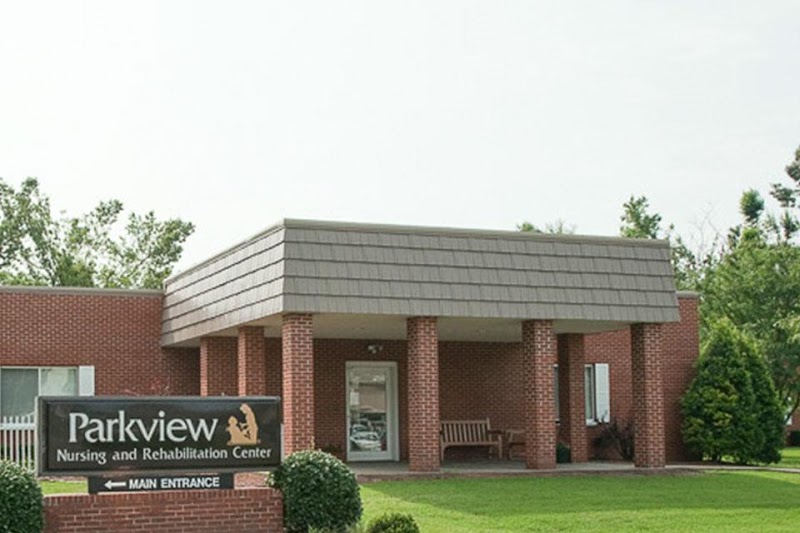
How is Parkview Nursing & Rehabilitation Center Staffed?

CMS rates PARKVIEW NURSING & REHABILITATION CENTER's staffing level at 2 out of 5 stars, which is below average compared to other nursing homes. Staff turnover is 43%, compared to the Kentucky average of 46%. This relatively stable workforce can support continuity of care.

What Have Inspectors Found at Parkview Nursing & Rehabilitation Center?

State health inspectors documented 17 deficiencies at PARKVIEW NURSING & REHABILITATION CENTER during 2018 to 2025. These included: 17 with potential for harm.
Who Owns and Operates Parkview Nursing & Rehabilitation Center?

PARKVIEW NURSING & REHABILITATION CENTER is owned by a for-profit company. For-profit facilities operate as businesses with obligations to shareholders or private owners. The facility is operated by LIFE CARE CENTERS OF AMERICA, a chain that manages multiple nursing homes. With 228 certified beds and approximately 163 residents (about 71% occupancy), it is a large facility located in PADUCAH, Kentucky.
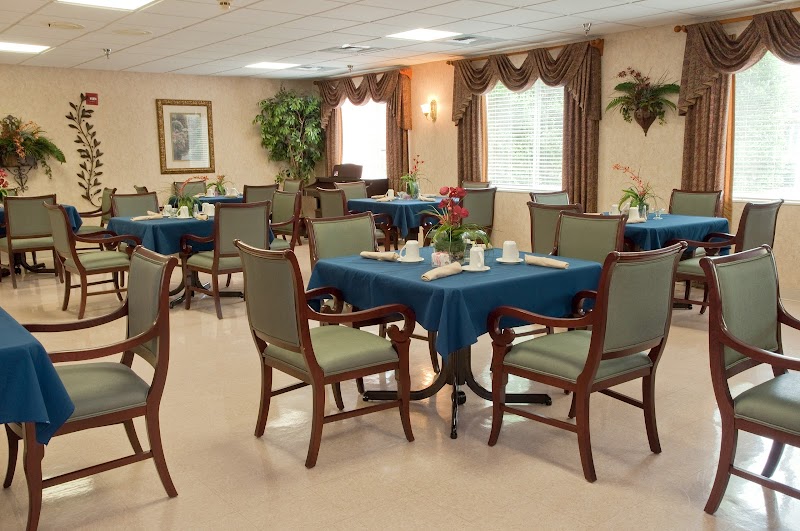
How Does Parkview Nursing & Rehabilitation Center Compare to Other Kentucky Nursing Homes?

Compared to the 100 nursing homes in Kentucky, PARKVIEW NURSING & REHABILITATION CENTER's overall rating (3 stars) is above the state average of 2.8, staff turnover (43%) is near the state average of 46%, and health inspection rating (3 stars) is at the national benchmark.

What Should Families Ask When Visiting Parkview Nursing & Rehabilitation Center?

Based on this facility's data, families visiting should ask: "Can you walk me through typical staffing levels on day, evening, and night shifts?" "Can I visit during a mealtime to observe dining assistance and food quality?" "How do you handle medical emergencies, and what is your hospital transfer rate?" "Can I speak with family members of current residents about their experience?" These questions are particularly relevant given the below-average staffing rating.

Is Parkview Nursing & Rehabilitation Center Safe?

Based on CMS inspection data, PARKVIEW NURSING & REHABILITATION CENTER has a clean safety record: no substantiated abuse findings (meaning no confirmed cases of resident harm), no Immediate Jeopardy citations (the most serious violation level indicating risk of serious injury or death), and is not on the Special Focus Facility watch list (a federal program monitoring the lowest-performing 1% of nursing homes). The facility has a 3-star overall rating and ranks #1 of 100 nursing homes in Kentucky. While no facility is perfect, families should still ask about staff-to-resident ratios and recent inspection results during their visit.

Do Nurses at Parkview Nursing & Rehabilitation Center Stick Around?

PARKVIEW NURSING & REHABILITATION CENTER has a staff turnover rate of 43%, which is about average for Kentucky nursing homes (state average: 46%). Moderate turnover is common in nursing homes, but families should still ask about staff tenure and how the facility maintains care continuity when employees leave.

Was Parkview Nursing & Rehabilitation Center Ever Fined?

PARKVIEW NURSING & REHABILITATION CENTER has been fined $8,490 across 1 penalty action. This is below the Kentucky average of $33,164. While any fine indicates a compliance issue, fines under $50,000 are relatively common and typically reflect isolated problems that were subsequently corrected. Families should ask what specific issues led to these fines and confirm they've been resolved.

Is Parkview Nursing & Rehabilitation Center on Any Federal Watch List?

PARKVIEW NURSING & REHABILITATION CENTER is not on any federal watch list. The most significant is the Special Focus Facility (SFF) program, which identifies the bottom 1% of nursing homes nationally based on persistent, serious quality problems. Not being on this list means the facility has avoided the pattern of deficiencies that triggers enhanced federal oversight. This is a positive indicator, though families should still review the facility's inspection history directly.