PIKEVILLE NURSING AND REHAB CENTER
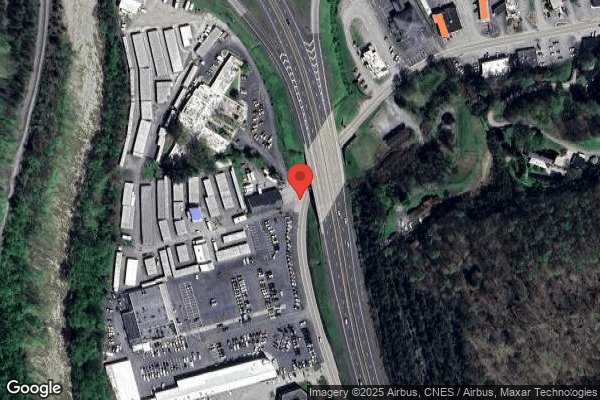
260 South Mayo Trail, Pikeville, KY 41501 (606) 437-7327
For profit - Individual 106 Beds EMERALD HEALTHCARE Data: November 2025
Trust Grade
83/100
#66 of 266 in KY
Last Inspection: October 2024

Within standard 12-15 month inspection cycle. Federal law requires annual inspections.

Overview

Pikeville Nursing and Rehab Center has received a Trust Grade of B+, indicating it is above average and recommended for families considering care options. It ranks #66 out of 266 facilities in Kentucky, placing it in the top half, and is #1 out of 4 in Pike County, meaning it stands out among local choices. The facility is improving, reducing its issues from 9 in 2018 to just 3 in 2024. Staffing is reasonably strong with a 3-star rating and a turnover rate of 29%, which is well below the state average, suggesting that employees are stable and experienced. However, there are some concerns, including recent findings about unsafe conditions like protruding plumbing and uneven flooring, which indicate that maintenance issues need to be addressed to ensure a safe environment for residents.

Trust Score
B+
83/100
In Kentucky
#66/266
Top 24%
Safety Record
Low Risk
No red flags
Inspections
Getting Better
9 → 3 violations
Staff Stability
✓ Good
29% annual turnover. Excellent stability, 19 points below Kentucky's 48% average. Staff who stay learn residents' needs.
Penalties
✓ Good
No fines on record. Clean compliance history, better than most Kentucky facilities.
Skilled Nurses
○ Average
Each resident gets 41 minutes of Registered Nurse (RN) attention daily — about average for Kentucky. RNs are the most trained staff who monitor for health changes.
Violations
⚠ Watch
12 deficiencies on record. Higher than average. Multiple issues found across inspections.
★★★★☆
4.0
Overall Rating
★★★☆☆
3.0
Staff Levels
★★☆☆☆
2.0
Care Quality
★★★★☆
4.0
Inspection Score
Stable
2018: 9 issues
2024: 3 issues

The Good

  • Low Staff Turnover (29%) · Staff stability means consistent care
  • Full Sprinkler Coverage · Fire safety systems throughout facility
  • No fines on record
  • Staff turnover is low (29%)

    19 points below Kentucky average of 48%

Facility shows strength in staff retention, fire safety.

The Bad

Chain: EMERALD HEALTHCARE

Part of a multi-facility chain

Ask about local staffing decisions and management

The Ugly 12 deficiencies on record

Oct 2024 3 deficiencies
CONCERN (D)

Potential for Harm - no one hurt, but risky conditions existed

Deficiency F0761 (Tag F0761)

Could have caused harm · This affected 1 resident

Based on observation, interview, and review of the facility's policy, it was determined the facility failed to ensure all medications were securely stored to restrict access to only authorized personn...

Read full inspector narrative →
Based on observation, interview, and review of the facility's policy, it was determined the facility failed to ensure all medications were securely stored to restrict access to only authorized personnel as evidenced by one (1) of two (2) treatment carts observed unlocked, and unattended by staff on the North Main Hallway. The findings include: Review of the facility's policy, Storage of Medications revised date December 15, 2018, and the facility's Medication Administration policy revised on April 2019, revealed compartments containing medications were required to be locked when not in use: and trays or carts used to transport such items are not left unattended if unlocked. Observation, on 10/28/2024 at 10:22AM, revealed a treatment cart on the North Main Hallway unlocked and unattended by Registered Nurse (RN)1. RN1 was standing at the medication cart, which was approximately 12-15 feet away from the treatment cart. RN1 stated on 10/28/2024 at 10:25AM, he had been using the treatment cart but had entered a resident's room to administer medications thus leaving the treatment cart unattended and unlocked. During an interview, on 10/28/2024 at 10:25AM, RN1 stated it was not acceptable for a medication cart to be unlocked when not in use. RN1 stated medications should be securely stored because the facility would not want residents to have access to the contents of the cart. RN1 stated if the cart was not in use by one of the nurses, it should be locked. RN1 acknowledged there were cognitively impaired residents nearby who were independently mobile and could pass by the carts. RN1 stated it was important to lock the cart to prevent harm or injury to residents and visitors. During an interview, on 10/28/2024 at 10:40AM, with Licensed Practical Nurse/Unit Manager1(LPN/UM1) stated her expectations were for staff to provide a safe environment for residents. She stated treatment carts were to remain locked when not attended by staff because the facility had residents who might wander. LPN/UM1 further stated she would report any concerns to the administrator. During an interview, on 10/28/2024 at 1:30PM, the Director of Nursing (DON) stated securing medications via locked storage was the facility's policy and was in place to prevent residents from having access to the contents of the carts. The DON stated the carts should always be locked when not in use. The DON stated it was important to prevent residents from coming by and getting a hold of and possibly ingesting some of the medications which could cause harm. The DON stated it was her desire to keep all residents safe. During an interview, on 10/30/2024 at 9:30AM, the Administrator stated the treatment cart should be locked when not in use. The Administrator stated this was important because of the potential harm for any resident. The Administrator stated she and her staff strive to provide a safe and happy home life for the residents and to attain as much quality of life as possible. She further stated all staff were her responsibility and the issues would be addressed immediately.
CONCERN (D)

Potential for Harm - no one hurt, but risky conditions existed

Infection Control (Tag F0880)

Could have caused harm · This affected 1 resident

**NOTE- TERMS IN BRACKETS HAVE BEEN EDITED TO PROTECT CONFIDENTIALITY** 2. Observation of the bathroom in room [ROOM NUMBER] on 10/27/2024 at 1:47 PM revealed one unlabeled, uncovered bed pan sitting ...

Read full inspector narrative →
**NOTE- TERMS IN BRACKETS HAVE BEEN EDITED TO PROTECT CONFIDENTIALITY** 2. Observation of the bathroom in room [ROOM NUMBER] on 10/27/2024 at 1:47 PM revealed one unlabeled, uncovered bed pan sitting on the floor. Observation of the bathroom in room [ROOM NUMBER] on 10/27/2024 at 2:36 PM revealed two unlabeled, uncovered bed pans and one unlabeled, uncovered wash basin sitting on the floor beside the commode. Observation of the bathroom in room [ROOM NUMBER] on 10/27/2024 at 2:53 PM revealed one unlabeled, uncovered bed pan sitting on the floor. Observation of the bathroom in room [ROOM NUMBER] on 10/27/2024 at 4:15 PM revealed one unlabeled, uncovered bed pan sitting on the floor beside the commode. In an interview with Certified Nursing Assistant (CNA) 1 on 10/27/2024 at 2:00 PM, she stated bedpans and wash basins were to be labeled with resident room number and bed number and had to be covered and placed in the bottom drawer in resident rooms. CNA1 stated if not labeled and stored properly it became an infection control issue and bacteria could be spread from resident to resident. CNA1 stated the bedpans and wash basin would be thrown away to prevent the spread of bacteria. In an interview with Licensed Practical Nurse (LPN) 1 on 10/29/2024 at 9:52 AM, he stated bedpans and wash basins were to be labeled and covered in a bag and stored in bottom drawer in a resident room to prevent the spread of infection. In an interview with the Assistant Director of Nursing (ADON)/Infection Preventionist (IP) on 10/30/2024 at 10:18 AM, the ADON/IP stated she did infection tracking every Monday and did a walk through daily to make sure there were no infection control issues such as items on medication carts or nursing counters. The ADON/IP stated all bedpans were to be stored labeled and in a bag in the bottom drawers of resident rooms. Also, the ADON/IP stated the wash basins were treated the same way and should be labeled and in a bag. The ADON/IP stated labeling should include the resident room number and the bed number. The ADON/IP stated it was her expectation that any staff member who found a bedpan or wash basin unlabeled or uncovered, then that item would be thrown away as it was an infection control issue, which would cause germs to be passed from resident to resident or germs could be spread to a staff member. The ADON/IP stated infection control trainings occurred at least quarterly but usually something regarding infection control was reviewed monthly with staff as during her daily walk through of the facility she found little things that needed to be re-educated on. In an interview with the DON on 10/30/2024 at 3:29 PM, the DON stated she did rounds on the hallway during room rounds to look for any infection control concerns such as foley catheters without dignity bag, bedpans not stored properly, and issues with enhanced barrier precautions. The DON stated it was her expectation that bedpans and wash basins be stored in a plastic bag in bottow drawers in resident rooms with appropriate labeling on it. The DON stated it was her expectation that if it was found unlabeled or uncovered, then it would be thrown away to prevent the spread of infection. The DON stated her IP would re-educate on the spot if any issues with infection control was found in the facility. In an interview with the Administrator on 10/30/2024 at 3:49 PM, the Administrator stated she completed room rounds daily but did not go into resident bathrooms on room rounds. The Administrator stated it was her expectation that bedpans and wash basins be labeled and covered and stored in bottow drawers. The Administrator stated she would not expect bedpans, urinals, or wash basins to be left lying on the bathroom floors as it could potentially spread infection to other residents or other staff members. The Administrator stated infection control issues were discussed in quality assurance performance improvement (QAPI) meetings and any issues with infection control was discussed and plans were implemented during that time. The Administrator stated the DON and the IP did audits and education over infection control at least quarterly but as needed if any issues arose that needed attention. 1a) Review of Resident (R) 7's admission Record revealed the facility admitted the resident on 02/23/2023. Further review revealed R7's diagnoses on 10/27/2024 included Alzheimer's dementia, gastrostomy status, and adult failure to thrive. Review of the Orders tab in R7's electronic health record revealed the physician ordered enhanced barrier precautions. Observation 10/29/24 10:13 AM revealed Registered Nurse (RN)2 failed to don a gown while performing tube site care for R7. Further observation revealed a sign on R7's door for enhanced barrier precautions, as well as a container of PPE, including gowns and gloves. In an interview on 10/29/2024 at 10:57 AM, RN2 stated she thought the sign on R7's door indicated the resident had a history of a multi-drug resistant organism. She further stated she needed to ask her manager if she was supposed to wear PPE while providing care to R7. b) Review of R2's admission Record revealed the facility admitted the resident on 08/23/2000. Further review revealed R2's diagnoses as of 10/28/2024 included cerebral palsy, gastrostomy status, and dysphagia. Observation on 10/29/24 10:50 AM revealed RN2 failed to don a gown while performing G-tube site care for R2. Further observation revealed there was no sign for enhanced barrier precautions (EBP) on R2's door, though appropriate PPE, including gowns, were available in the container hung on the door. In interview on 10/29/24 at 10:57 AM, RN2 stated she did not know why R2 had gowns hanging in a container on her door. She further stated there was no sign, so she did not know why the PPE was there or when staff were expected to wear PPE for R2. In an interview on 10/29/24 at 2:15 PM the South Unit Manager (SUM) stated the facility implemented enhanced barrier precautions (EBP) for residents colonized with multi-drug resistant organisms (MDROs), as well as for residents with indwelling devices, such as G-tubes and urinary catheters. In further interview, the SUM stated she expected staff to wear a gown and gloves for a resident in EBP any time they came into contact with the resident's bodily fluids or provided care to the G-tube or catheter. Per interview, RN2 asked the SUM if she needed to wear PPE for R2 because the sign had fallen off the door, so she did not know why the PPE was hanging on the door. In an interview on 10/29/24 at 2:23 PM, the Assistant Director of Nursing/Infection Preventionist (ADON/IP) stated the facility implemented EBP for every resident with a feeding tube, chronic wound, or foley catheter because those residents were at higher risk for developing infections. She further stated her expectations were for staff to wear a gown and gloves when providing care to a G-tube. In an interview on 10/29/24 at 2:31 PM, the Director of Nursing (DON) stated the facility policy was for staff to wear PPE, including gown and gloves when providing high-contact care, especially caring for a wound, G-tube, or other indwelling device. In an interview on 10/29/24 at 2:39 PM, the Administrator stated she expected staff to wear PPE, including gowns whenever providing care for an indwelling device, changing linens, or other high contact care. She further stated the facility maintained signage on the residents in EBP to alert staff to the PPE they needed to wear for care activities. In continued interview, the Administrator stated the importance of EBP was to protect vulnerable residents from potential bacteria on staff member clothing. Based on observation, interview, and review of facility policy, the facility failed to maintain an infection control program to help prevent the development and transmission of communicable diseases and infections related to enhanced barrier precautions for 2 of 3 residents investigated for tube feeding care, Resident (R2 and R7). Additionally, observations revealed four unlabeled bed pans and one unlabeled wash basin lying in the bathroom floors were uncovered. The findings include:. Review of the facility policy, MDRO [multi-drug resistant organism] PPE [personal protective equipment]- Enhanced Barrier Precautions, dated 01/2024, revealed facility staff were to wear gowns and gloves when performing high-contact care for a resident with an indwelling device, such as a feeding tube. Review of the facility's policy, titled Infection Control, revised 03/2020, revealed the facility was committed to providing a safe and healthy environment for residents and to minimize or prevent the spread of infections.
CONCERN (E)

Potential for Harm - no one hurt, but risky conditions existed

Safe Environment (Tag F0921)

Could have caused harm · This affected multiple residents

**NOTE- TERMS IN BRACKETS HAVE BEEN EDITED TO PROTECT CONFIDENTIALITY** Based on observation, interview, review of the facility's job descriptions, review of the facility's policies, and food establis...

Read full inspector narrative →
**NOTE- TERMS IN BRACKETS HAVE BEEN EDITED TO PROTECT CONFIDENTIALITY** Based on observation, interview, review of the facility's job descriptions, review of the facility's policies, and food establishment inspection reports, it was determined the facility failed to provide a safe, functional, sanitary, and comfortable environment for residents, staff, and the public. Observations from 10/27/2024 through 10/30/2024, revealed blunt, metal plumbing protruding from the wall above the toilet in two bathrooms shared by four resident rooms, flooring was uneven in hallways, and resident bathrooms; lighting issues in resident bathrooms and the kitchen, odors permeating from the floor in resident bathrooms, leaking pipes from equipment in the kitchen, chipped and peeling paint/drywall in resident rooms as well as the kitchen, peeling paint on the floor in the kitchen, rust on the door frames in resident rooms, large scuff marks on doors and walls in resident rooms and bathrooms, and a crack in the glass of the main entrance door. These identified issues provided potential impalement concerns, fall risks, and did not provide a comfortable homelike environment for residents, staff, and visitors. The findings include: Review of the facility's Homelike Environment, policy undated, revealed residents would be provided with a safe, clean, comfortable, and homelike environment. Facility staff and management would maximize the characteristics of the facility that included a clean, sanitary, and orderly environment, comfortable yet adequate lighting, and pleasant, neutral scents. Additionally, the facility staff and management were to minimize, to the extent possible, the characteristics of the facility that reflect a depersonalized, institutional setting which included institutional odors and institutional signage. Review of the facility's job description for the Environmental Supervisor dated 03/18/2016, revealed the Environmental Supervisor was responsible for ensuring the facility and grounds were maintained and safe for all residents, staff, and visitors. The Environmental Supervisor would recognize, remove, and/or report potential hazards. Review of the Maintenance Assistant Job Description dated 11/09/2016, revealed the Maintenance Assistant would collect and review maintenance requisitions from all units and departments of the facility. The Maintenance Assistant would maintain adequate and comfortable lighting level, appropriate for tasks. Review of the facility's document, titled Job Description: Environmental Supervisor, revised 03/08/2016, revealed the Environmental Supervisor had the following administrative responsibilities to supervise housekeeping staff with all aspects of maintaining the facility interior and grounds to ensure resident rooms were clean, safe, and comfortable. Continued review of the facility's document revealed the Environmental Supervisor would supervise maintenance staff and ensure the facility and grounds were maintained and safe for all residents, staff, and visitors by ensuring all maintenance staff comply with all life safety regulations. Review of the facility's health department inspections, dated 01/09/2024 and 07/26/2024, revealed observations from the Health Department to include paint coming off the floor, the wall at the garbage disposal is not clean to sight or touch, and poor lighting. Continued review of the inspection report revealed these are repeat violations dating back to 12/18/2019. 1. Observation on, 10/27/2024 at 1:30 PM, revealed the facility's entry door had a crack in the glass in the lower right corner. Observation on 10/27/2024 at 1:50 PM, revealed the kitchen area had paint chipping on the floor under and in-front of the three-compartment sink, the piping for the ice machine was leaking, the sink drain for the garbage disposal had cracked and was leaking into a bin below the garbage disposal, and the dishwasher was leaking and had a bin below it catching water. Continued observation revealed, the wall behind the garbage disposal had residue buildup that had leaked from a chemical dispenser and was coating the wall. The wall behind the garbage disposal had several areas where paint was chipping off. A door from the dining area to the kitchen had rust at the bottom. Additionally, the hood above the cooking area was missing 2 light bulbs. Observation on, 10/27/2024 at 2:35 PM, revealed a bathroom shared between Resident rooms [ROOM NUMBERS] had plumbing protruding from the wall behind the toilet, a broken toilet paper dispenser, cracked and chipping drywall at the base of a grab bar, scuffed and chipped paint on the door, and rust around the door frames leading into the bathroom. Observation on, 10/27/2024 at 3:32 PM, in resident room [ROOM NUMBER] revealed lighting in the bathroom to be extremely low, making it difficult to see. The flooring was uneven and was raised beginning at the base of the toilet and continued around the wall on the opposite side of the bathroom, measuring 1-foot-wide X 3 feet long. Baseboards were separating from the wall behind the toilet measuring 4 feet. A urine splash guard located behind the toilet was separated from the wall. Observation on, 10/28/2024 at 4:05 PM, in the bathroom of resident room [ROOM NUMBER] revealed a gap in vinyl plank flooring that measured 7.5 inches. Drywall was peeling and scuffed on the wall opposite of the toilet measuring 2.5 feet in length. Continued observation revealed both doors into the bathroom have rust and scuff marks. Additionally, a light switch in R5's room revealed a missing status indicator light. In an interview on, 10/27/2024 at 2:37 PM, with Resident (R)59 he stated because of the broken toilet paper dispenser the toilet paper will sometimes be placed on the floor by someone else using the bathroom and when that happens, he will have to use the call bell and wait for nursing staff to come and assist him because he is unable to reach the toilet paper in the floor. R59 stated that this was frustrating, and he knew staff were aware because of how often they had to assist him. In an interview on, 10/27/2024 at 3:45 PM, R74 stated that the bathroom light was too dim, and he had notified the nurses. R74 stated that he would sometimes have to leave the door open so he can see what he was doing while in the bathroom. R74 stated that he felt like the lighting should be brighter so he could close the door while in the bathroom and still be able to see. 3. Observation of the North Main Hallway on 10/27/2024 at 1:40 PM revealed the brown flooring had loosened adhesive and uneven flooring around the clean out covers, which caused cracked areas and gaps in the brown flooring. Observation of Resident (R) 79 on 10/27/2024 at 1:44 PM revealed R79's call light was lying on the floor and out of reach of R79. Observation of the bathroom in room [ROOM NUMBER] on 10/27/2024 at 1:47 PM revealed the bathroom had a strong urine odor. Observation of R58 on 10/27/2024 at 1:56 PM revealed R58's call light was lying on the floor under his bed and out of reach of R58. Continued observation revealed the brown flooring outside R58's room had loosened adhesive which caused the flooring to rise up from its base causing a trip hazard. Observation of room [ROOM NUMBER] on 10/27/2024 at 2:04 PM revealed scuffed, chipped paint on the door facing and door leading into resident room [ROOM NUMBER]. Observation of the bathroom in room [ROOM NUMBER] on 10/27/2024 at 2:08 PM revealed a strong urine odor with an unflushed commode. Observation of R73 on 10/27/2024 at 2:53 PM revealed R73 was lying in the bed with call light lying on the floor. Observation of R73's bathroom revealed the bathroom door had scuffed, chipped paint on both the door and the door facing. Further observations on 10/28/2024 at 8:44 AM and on 10/29/2024 at 3:16 PM revealed the issues remained with no signs of staff addressing the issues. In an interview on, 10/27/2024 at 2:00 PM, the Dietary Account Manager stated that she used a computerized reporting program to notify the Administrator and Maintenance Director of work orders for the kitchen. The Dietary Account Manager stated that she had reported the leaking pipes, chipped floors, and walls needing painting on this system. The Dietary Manager provided open and in progress work order requests submitted through the computerized reporting system dating back to 2023. The Dietary Manager stated that she followed the reporting process that was in place for her and would report issues multiple times to try to get them addressed. In an interview on, 10/27/2024 at 6:15 PM, the District Manager of Dining Services stated that when work orders were submitted through the computer reporting system the Dietary Account Manager also made him aware of the work order and he compiles a report that is given to the Administrator. In an interview on, 10/28/2024 at 4:50 PM, the Maintenance Director stated that he and his assistant were responsible for the upkeep of the facility and grounds. The Maintenance Director stated he was unaware of the scuffs on resident doors, the broken toilet paper dispenser, the lighting issues, the plumbing protruding from walls, and the flooring issues in resident rooms and halls. The Maintenance Director stated that the crack in the entry door has been there for over a year and happened when a resident kicked it. He stated he was unsure if anyone had communicated with the appropriate parties to have it repaired or replaced. Continued interview with Maintenance Director revealed the uneven flooring could cause injury to residents, staff, or the public who walked on it. Additionally, the Maintenance Director stated that the plumbing sticking out from the walls could be hazardous to anyone in the bathroom if they fell into it. The Maintenance Director stated he believed the lighting in the bathroom of room [ROOM NUMBER] was too low of a wattage to provide adequate lighting. The Maintenance Director stated that he did not access work orders in the computerized reporting system. In an interview on, 10/27/2024 at 6:15 PM, the District Manager of Dining Services stated that when work orders were submitted through the computer reporting system the Dietary Account Manager also made him aware of the work order and he compiles a report that is given to the Administrator. In an interview on, 10/28/2024 at 4:50, the Maintenance Director stated that he and his assistant were responsible for the upkeep of the facility and grounds. The Maintenance Director stated he was unaware of the scuffs on resident doors, the broken toilet paper dispenser, the lighting issues, the plumbing protruding from walls, and the flooring issues in resident rooms and halls. The Maintenance Director stated that the crack in the entry door has been there for over a year and happened when a resident kicked it. He stated he was unsure if anyone had communicated with the appropriate parties to have it repaired or replaced. Continued interview with Maintenance Director revealed the uneven flooring could cause injury to residents, staff, or the public who walked on it. Additionally, the Maintenance Director stated that the plumbing sticking out from the walls could be hazardous to anyone in the bathroom if they fell into it. The Maintenance Director stated he believed the lighting in the bathroom of room [ROOM NUMBER] was too low of a wattage to provide adequate lighting. The Maintenance Director stated that he did not access work orders in the computerized reporting system. During an interview on 10/29/2024 at 2:16 PM with Licensed Practical Nurse (LPN)1 revealed the staff working the floor utilized the maintenace repair log, located at the nurse's station, to alert the Maintenance Director of needed repairs. LPN1 further stated she had not thought about the pipe protruding from the wall in the bathroom being an accident hazard. In an interview with the Environmental Services Director (ESD) on 10/30/2024 at 9:12 AM, the ESD stated her contracted staff were not allowed to touch bed pans and her staff knew to let the aides or nurses know so they could remove the bed pans and then the housekeeping staff would clean the bathrooms. The ESD stated the contracted company would not let her staff remove trash if it had soiled briefs in them. The ESD stated she was aware of the odors in some of the bathrooms and her staff cleaned those bathrooms at least twice a day but she believed the odors were in the flooring and she had told the facility Administrator but the flooring had not been replaced. The ESD stated she was aware of the uneven flooring but stated the area had flooded in the past and felt like water had gotten under the adhesive, which caused it to loosen. The ESD stated it was a safety hazard and could cause a resident or staff member to trip and fall, which could lead to injuries. In an interview on, 10/30/2024 at 3:30 PM, the Director of Nursing (DON) stated it was her expectation for the residents to live in a safe, clean, friendly, homelike environment. The DON stated that she was aware of uneven flooring in the hallways and that drain grates were sinking in the flooring. Continued interview with the DON revealed, that someone could get a puncture wound or a head injury if they fell into the visible plumbing sticking out from the wall. The DON stated occasionally she could smell odors but expected all odors not to linger in a homelike environment. In an interview on, 10/30/2024 at 3:50, the Administrator stated that she did room rounding every day but did not go into resident bathrooms during the rounds. The Administrator described a homelike environment as being free from odor, and flooring should be free of debris and cracks. Continued interview revealed the Administrator was unaware of issues with the flooring in resident rooms and hallways until 10/29/2024. Additionally, the Administrator stated that the uneven flooring could cause a tripping hazard to residents. The Administrator stated that she had access to the computerized reporting system but did not access it. Continued interview with the Administrator she stated she was not aware of the impalement issues in the bathrooms until it was brought to her attention yesterday and continued to state if a person fell into the areas it could cause injury. She further stated the nurses round twice daily and the Maintenance is to be rounding, but the Administrator was not sure there was a rounding log maintained. The Administrator further stated the Maintenance Director was required to be in the morning meeting every morning and reported to her on what repair or project he was working on for the day. The Administrator stated she followed up on larger repair projects, and the Maintenance Director makes her aware of the project he was working on. The Administrator stated with smaller jobs she normally does not follow up on their completion. 2. Observation on 10/27/2024 at 2:15 PM of the bathroom between rooms [ROOM NUMBERS], revealed two metal plumbing pipes, by and just to the right of the commode, protruding 2 1/2 inches from the wall and 2 inches in diameter that could cause an impalement hazard to residents. Resident (R) 6 and R 29 both utilized this bathroom. Review of R6's admission Record revealed R6 was admitted on [DATE] with diagnoses of congestive heart failure, scoliosis, osteoarthritis, and osteoporosis. Review of R6's Quarterly Minimum Data Set (MDS) with an Assessment Reference Date (ARD) date of 09/01/2024 revealed a Brief Interview for Mental Status (BIMS) score of 12 of 15 which indicated R6 was cognitively intact. Further review of the MDS revealed R6 was independent with transfers from the wheelchair to the commode. Review of R6's Care Plan revealed a focus for at risk for Falls related to weakness, debility, difficulty walking and lack of coordination, initiated on 05/30/2019, and revised on 05/30/2019, and on 09/18/2024. Review of R29's admission Record revealed R29 was admitted to the facility on [DATE] with diagnoses of Parkinson's Disease, Tremors, and vascular dementia. Review of R29's MDS with an ARD date of 09/13/2024 revealed a BIMS score of nine of 15, which indicated R29 was moderately cognitively impaired. Further review of the MDS revealed R29 was independent with transfers from the wheelchair to the commode. Review of R29's Care Plan revealed a focus for at risk for falls related to dementia, tremors, and a history of falls initiated on 09/20/2024. During an interveiw on 10/29/2024 at 1:57 PM with the Maintenance Director he stated he rarely looked at the (Technology Solutions and Services) TELS system (an electronic system used by facilities for communication for repairs). The Maintenance Director stated the only thing he did on TELS system was the routine tasks. The Maintenance Director stated he mainly looked at the maintenance book that was kept at each nursing station and they did work orders on paper. The Maintenance Director stated the staff would fill out what needed repaired, and then the Maintenance staff would write on the paper work order on what they fixed and how they fixed it. The Maintenance Director stated he does a walk through daily and would look at the books at the nursing station every morning and sometimes more, and would do those tasks first unless something bigger needed to be fixed. The Maintenance Director stated he was not aware of the flooring being raised up down the North Main hallway or outside room [ROOM NUMBER]. The Maintenance Director stated there was a 30 feet part of the flooring that a contracted company had repaired but the area continues to need repair. The Maintenance Director stated the uneven flooring, the clean out covers being cracked, and the uneven flooring was a hazard risk to both residents and staff that could cause injury. The Maintenance Director further stated the odor in the bathroom was where water had hooved up the flooring around the base of the commode, even though the odor was a strong urine odor. Observation on 10/29/2024 at 2:15 PM of the maintenance repair log at the North Nurses station revealed needed repairs. There was no documented evidence of missing drywall, chipped paint, and/or impalement areas listed. Surveyor: [NAME], [NAME]
Jul 2018 9 deficiencies
CONCERN (D)

Potential for Harm - no one hurt, but risky conditions existed

Notification of Changes (Tag F0580)

Could have caused harm · This affected 1 resident

Based on observation, interview, record review, and review of the facility's policy, it was determined the facility failed to notify the responsible party for one (1) of twenty-one (21) sampled reside...

Read full inspector narrative →
Based on observation, interview, record review, and review of the facility's policy, it was determined the facility failed to notify the responsible party for one (1) of twenty-one (21) sampled residents (Residents #48 and #83) when there was a need to transfer the resident. The facility failed to notify Resident #48's responsible party of a physician appointment for treatment of Parkinson's Disease and memory loss. The facility transferred the resident to the appointment unaccompanied by family or staff. The findings include: Review of the medical record for Resident #48 revealed the facility admitted the resident on 09/03/13 with diagnoses of Atrial Fibrillation, Heart Failure, Hypertension, Diabetes Mellitus, Dementia, Anxiety Disorder, Depression and Manic Depression, and Psychotic Disorder. Review of an Order of Appointment of Guardian, dated 11/05/15, revealed two family members, one of which was Family Member #2, were appointed guardianship of Resident #48. Review of the Minimum Data Set (MDS) quarterly assessment for Resident #48 dated 06/18/18, revealed the facility assessed the resident to have a Brief Interview for Mental Status (BIMS) score of eight (8), which indicated the resident had moderate cognitive impairment. The MDS also revealed the resident exhibited behavioral symptoms, not directed at others, such as hitting, scratching self, pacing, disrobing in public, tantrums, throwing food, etc. Further review of the MDS revealed the resident required extensive assistance of two (2) or more persons for bed mobility, transferring, dressing, toilet use, and personal hygiene, and was totally dependent for bathing. The MDS also revealed Resident #48 was nonambulatory. Review of the comprehensive plan of care dated 06/11/18, revealed Resident #48 had self-care deficits and required assistance with all activities of daily living (ADLs). The care plan also revealed the resident had impaired cognitive skills related to Dementia and Delirium and required interventions such as brief, simple, and consistent words; and cues and statements. Observation of Resident #48 on 07/17/18 at 12:00 PM, revealed the resident was in the dining room, having lunch, and feeding himself/herself. Observation of Resident #48 on 07/18/18 at 11:24 AM, revealed the resident was self-propelling in a wheelchair in the hall, and was observed to ask staff where his/her room was located. Interview with Resident #48 on 07/18/18 at 11:27 AM, revealed the resident was not able to answer questions appropriately and the interview attempt was unsuccessful. Review of a Progress Notes Report dated 07/16/18 at 8:00 AM, revealed Resident #48 left the facility per a transport company for an appointment at a physician's office. Record review revealed the facility sent a copy of the resident's face sheet and medication administration record with the resident on the transfer. Review of the documentation revealed there was no documented evidence that anyone accompanied the resident for the appointment. Phone interview with Registered Nurse (RN) #3 on 07/19/18 at 3:08 PM, revealed she was assigned to Resident #48 on 07/16/18, the day of the physician appointment. She stated the decision as to whether or not a resident was accompanied to an appointment was dependent upon how much assistance the resident may require and the resident's mental status. According to RN #3, she believed Resident #48 was cognitively alert enough to go to the physician by himself/herself sometimes. She stated whoever took off the order for an appointment usually called the resident's family to let them know the date and time of the appointment. RN #3 further stated she believed Resident 48's family was going to meet the resident at the physician's office, although there was no confirmation. According to RN #3, she did not know whether Resident #48's family was aware of the appointment and stated she did not contact the family regarding the appointment. Review of the physician's office note, dated 07/16/18, revealed the resident was seen for Parkinson's disease and memory loss. Review of the note revealed the physician's office documented, [The resident] must have family that knows [the resident's] history or a nurse must be with [the resident] that knows and takes care of [the resident]. Interview with Family Member #2 on 07/17/18 at 11:45 AM, revealed the facility had transferred Resident #48 to a neurologist appointment on three (3) separate occasions and the facility had not notified Family Member #2 or any other family member about the appointments. The Family Member stated she was upset that Resident #48 was alone at the physician's office from approximately 8:00 AM until 10:30 AM, and had spoken to the Administrator. However, the Administrator or the Director of Nursing (DON) could not guarantee the Family Member it would not happen again. Interview with the Director of Nursing (DON) on 07/19/18 at 05:56 PM, revealed the facility's process was to encourage the family of the residents to accompany the resident to physician appointments. She also stated Resident #48's family had never said anything to her regarding their wishes to go with the resident to physician appointments. She further stated it was thought to be a safe bet that someone from the family would have met the resident at the physician's office. However, the DON agreed there was no documentation that revealed the family had been contacted regarding the appointment.
CONCERN (D)

Potential for Harm - no one hurt, but risky conditions existed

Assessment Accuracy (Tag F0641)

Could have caused harm · This affected 1 resident

**NOTE- TERMS IN BRACKETS HAVE BEEN EDITED TO PROTECT CONFIDENTIALITY** Based on observation, interview, record review, and review of the facility's policy, it was determined the facility failed to en...

Read full inspector narrative →
**NOTE- TERMS IN BRACKETS HAVE BEEN EDITED TO PROTECT CONFIDENTIALITY** Based on observation, interview, record review, and review of the facility's policy, it was determined the facility failed to ensure Minimum Data Set (MDS) assessments were accurately completed for two (2) of twenty-one (21) sampled residents. The facility documented that Resident #48 had received insulin on a quarterly assessment; however, the resident was not prescribed and did not receive insulin. In addition, the facility documented Resident #73 developed a pressure ulcer on 06/19/18; however, the resident had the pressure ulcer upon admission to the facility and the date the pressure ulcer developed was not known. The findings include: Review of the facility policy, Resident Assessment Instrument, Version 3.0, revealed assessments were required to accurately reflect the resident's status. 1. Observation of Resident #48 on 07/17/18 at 12:00 PM, revealed the resident was observed in the dining room, feeding himself/herself. Review of the medical record for Resident #48 revealed the resident was admitted to the facility on [DATE], with diagnoses of Atrial Fibrillation, Heart Failure, Hypertension, Diabetes Mellitus, Dementia, Anxiety Disorder, Depression and Manic Depression, and Psychotic Disorder. Review of Resident #48's quarterly Minimum Data Set (MDS) assessment dated [DATE], revealed the facility assessed the resident to have a Brief Interview for Mental Status (BIMS) score of eight (8), which indicated the resident had moderate cognitive impairment. The MDS also revealed the resident had received insulin injections for the past seven (7) days. Review of Resident #48's medication administration record (MAR) and physician orders for June 2018 revealed the resident did not have an order for any type of insulin and there was no documentation that insulin was administered to the resident during June 2018. Interview with MDS Nurse #3 on 07/19/18 at 10:57 AM, revealed she completed the assessment for Resident #48 and documented that the resident received insulin. However, after reviewing the resident's electronic medical record (EMR) and MAR, she stated it was a documentation error because the resident did not receive any insulin during the timeframe. 2. Record review for Resident #73 revealed the resident was admitted to the facility on [DATE], with diagnoses that include Chronic Obstructive Pulmonary Disease, Hypertension, Peripheral Vascular Disease, and Cognitive Communication Deficit. Further review of the medical record revealed the resident had two (2) Stage I pressure ulcers, one (1) Stage II pressure ulcer, a Stage IV pressure ulcer, and one (1) unstageable pressure ulcer. Review of the admission Minimum Data Set (MDS) Assessment for Resident #73 completed on 07/13/18, Section M, revealed the resident had a Stage II pressure ulcer that was present upon admission. The MDS further revealed the date of the oldest Stage II pressure ulcer was 06/27/18. However, an interview with the MDS Nurse on 07/21/18 at 5:30 PM, revealed Resident #73's Stage II pressure ulcer was present upon admission to the facility and the date the pressure ulcer was acquired was unknown. The MDS Nurse stated she documented the date the pressure ulcer was acquired in error and should have documented dashes indicating the date was unknown. Interview with the Director of Nursing (DON) on 07/21/18 at 5:45 PM revealed she did not monitor MDS assessments for accuracy. The DON stated the MDS Nurse was responsible for monitoring MDS assessments.
CONCERN (D)

Potential for Harm - no one hurt, but risky conditions existed

Comprehensive Care Plan (Tag F0656)

Could have caused harm · This affected 1 resident

**NOTE- TERMS IN BRACKETS HAVE BEEN EDITED TO PROTECT CONFIDENTIALITY** Based on observation, interview, record review, and facility policy review, it was determined the facility failed to implement t...

Read full inspector narrative →
**NOTE- TERMS IN BRACKETS HAVE BEEN EDITED TO PROTECT CONFIDENTIALITY** Based on observation, interview, record review, and facility policy review, it was determined the facility failed to implement the plan of care for one (1) of twenty-one (21) sampled residents (Resident #6). Resident #6's comprehensive care plan required staff to administer pain medication as needed for pain. However, interview with Resident #6 revealed on 07/17/18, the resident had right ear pain and the facility failed to administer pain medication. The findings include: Review of the facility's Care Plans-Comprehensive policy with a revision date of 10/31/17, revealed a person-centered comprehensive care plan that included measurable objectives and timetables to meet the resident's medical, nursing, mental, and psychological needs was developed for each resident. The policy stated the care plan would assist the resident to meet their needs, goals, and preferences; and care plan interventions would be implemented after consideration of the resident's problem areas and their causes. According to the policy, the care plan interventions would reflect actions, treatments, or procedures to meet the objectives toward achieving the resident's goals. A review of the medical record for Resident #6 revealed the facility admitted the resident on 06/12/09, with diagnoses that included Alzheimer's Dementia, Diabetes Mellitus, Anxiety, and Hypertension. A review of a quarterly Minimum Data Set (MDS) assessment dated [DATE], revealed the facility assessed Resident #6 to have a Brief Interview for Mental Status (BIMS) score of twelve (12), which indicated the resident was interviewable. The MDS also revealed the facility had assessed the resident to have occasional pain and required pain medication as needed. A review of Resident #6's care plan with a revision date of 05/13/18, revealed the facility developed an intervention to administer pain medication to the resident as ordered by the physician. A review of Resident #6's physician's orders revealed an order dated 12/21/16, for the resident to receive Norco (narcotic pain medication) 10/325 milligrams one (1) tablet every six (6) hours as needed for pain. Observation of and interview with Resident #6 on 07/17/18 at 10:48 AM and 1:00 PM, revealed the resident's right ear was hurting. The resident stated he/she had informed the nurse. An interview conducted with Resident #6 on 07/18/18 at 9:30 AM, revealed the resident's right ear did not stop hurting until 7:00 PM the night before. The resident stated he/she notified LPN #5 on three (3) occasions on 07/17/18, that his/her right ear was hurting on 07/17/18; however, LPN #5 did not offer the resident anything for pain. A review of Resident #6's medication administration record (MAR) for July 2018 revealed Resident #6 had not received any pain medication since 07/13/18 at 5:33 PM. An interview conducted with LPN #5 on 07/19/18 at 1:15 PM, revealed she was required to check resident care plans daily and as needed. The LPN stated she was aware Resident #6 had a care plan to address his/her pain and stated she should have asked the resident if he/she had wanted pain medication. LPN #5 stated she just assumed the resident would ask if he/she needed anything for pain. An interview conducted with the Director of Nursing (DON) on 07/19/18 at 5:55 PM, revealed she had not identified any concerns with staff not providing care as directed by their care plans.
CONCERN (D)

Potential for Harm - no one hurt, but risky conditions existed

Deficiency F0657 (Tag F0657)

Could have caused harm · This affected 1 resident

**NOTE- TERMS IN BRACKETS HAVE BEEN EDITED TO PROTECT CONFIDENTIALITY** Based on observation, interview, record review, and facility policy review, it was determined the facility failed to ensure the ...

Read full inspector narrative →
**NOTE- TERMS IN BRACKETS HAVE BEEN EDITED TO PROTECT CONFIDENTIALITY** Based on observation, interview, record review, and facility policy review, it was determined the facility failed to ensure the care plan for one (1) of twenty-one (21) sampled residents (Resident #11) was developed by an interdisciplinary team that included the resident's family. Interviews revealed the facility failed to include Resident #11's family in care plan meetings. The findings include: Review of the facility's policy entitled Care Plans - Comprehensive, revealed that the comprehensive care plan was prepared by an interdisciplinary team including at least: the attending physician/nurse practitioner/physician assistant; Registered Nurse; Nurse Aide; member of the food/nutrition services team; the resident; and the resident representative to the extent practicable. Interview with Resident #11's Responsible Party (RP #3) on 07/18/18 at 10:12 AM, revealed he/she had not received notification that a care plan meeting was being held for Resident #11 in approximately one year. The Responsible Party stated he/she would have attended the meetings had he/she been aware of when they were held. Review of the medical record for Resident #11 revealed the facility admitted the resident on 10/14/16, with diagnoses of Cerebral Vascular Accident, Seizure Disorder, and Psychotic Disorder. Further review of Resident #11's medical record revealed a letter addressed to Whom it may concern inviting the family to meet on 12/05/17 at 2:00 PM to discuss Resident #11's care. There was no evidence that the letter was delivered or that the representative responded to the letter. Further record review revealed there was no evidence of any correspondence to the resident's representative since December 2017. Review of a quarterly Minimum Data Set (MDS) assessment dated [DATE], revealed the resident had been assessed to have a Brief Interview for Mental Status (BIMS) score of zero (0), which indicated the resident had severely impaired cognition. Further review revealed the facility conducted an MDS assessment on 02/11/18. Review of Resident #11's care plan revealed the facility met after each MDS assessment and revised the resident's care plan. However, there was no documented evidence that the facility invited Resident #11's family and no evidence that the resident's family attended the care plan meetings. Interview conducted on 07/18/18 at 1:00 PM with the Administrator revealed the facility Social Worker sent invitations to care plan meetings to residents' families. Interview with the Corporate Consultant on 07/18/18 at 1:05 PM, revealed the last care plan meeting that Resident #11's family attended was in December 2017; however, she was not able to produce documentation regarding the care plan meeting. The Corporate Consultant further stated the facility was unable to produce documentation for any care plan meeting in 2018. According to the Corporate Consultant, the facility's facility Social Worker was new and inadvertently did not send out a care plan meeting invitation for the resident's March/April meeting.
CONCERN (D)

Potential for Harm - no one hurt, but risky conditions existed

Deficiency F0697 (Tag F0697)

Could have caused harm · This affected 1 resident

**NOTE- TERMS IN BRACKETS HAVE BEEN EDITED TO PROTECT CONFIDENTIALITY** Based on observation, interview, record review, and facility policy review, it was determined the facility failed to ensure pain...

Read full inspector narrative →
**NOTE- TERMS IN BRACKETS HAVE BEEN EDITED TO PROTECT CONFIDENTIALITY** Based on observation, interview, record review, and facility policy review, it was determined the facility failed to ensure pain management was provided consistent with the resident's care plan and the resident's goals and preferences for one (1) of twenty-one (21) sampled residents (Resident #6). On 07/17/18, Resident #6 informed staff that he/she was having right ear pain. However, the facility failed to treat the resident's pain with physician ordered Norco (narcotic pain medication). The findings include: Review of the facility's Pain Management policy with a revision date of 02/15/18, revealed each resident would have a monitoring system and a comprehensive person-centered plan of care to address pain management. The policy stated the facility was committed to helping each resident attain or maintain their highest reasonable level of well-being and to prevent or manage pain to the extent possible. According to the policy, if a resident complained of pain, staff were required to assess the pain for the onset, presence, duration, and characteristics of the pain. The policy also stated a pain scale would be completed with zero (0) being no pain and ten (10) being the worst pain. Review of Resident #6's medical record revealed the facility admitted the resident on 06/12/09, with diagnoses that included Diabetes Mellitus, Anxiety, Alzheimer's Dementia, and Hypertension. Review of a quarterly Minimum Data Set (MDS) assessment dated [DATE], revealed the facility assessed Resident #6 to have a Brief Interview for Mental Status (BIMS) score of twelve (12), which indicated the resident had moderately impaired cognition, indicating the resident was interviewable. The MDS also revealed the facility had assessed the resident to have occasional pain and required pain medication as needed. Review of Resident #6's care plan, revised 05/13/18, revealed the facility identified that the resident had pain and developed an intervention to administer pain medication as ordered by the physician. Review of physician's orders for Resident #6 revealed an order dated 12/21/16, to administer Norco 10/325 milligrams (mg) one (1) tablet every six (6) hours as needed for pain. Interview with Resident #6 on 07/17/18 at 10:48 AM, revealed the resident stated his/her right ear was hurting very badly. The resident stated he/she had informed the nurse that he/she needed something for pain. Resident #6 further stated he/she did not feel like talking because the resident's right ear was just hurting too bad. Observation and interview of Resident #6 on 07/17/18 at 1:00 PM, revealed the resident's call light was on. The resident stated his/her right ear was still hurting very badly and the resident was going to notify the nurse of the ear pain again. In addition, the surveyor also reported the information to the nurse. However, a review of Resident #6's July 2018 Medication Administration Record (MAR) revealed the resident did not receive any pain medication on 07/17/18. In addition, LPN #5 documented that the resident had no pain. Interview conducted with Resident #6 on 07/18/18 at 9:30 AM, revealed the resident did not receive anything for pain and the resident's right ear did not quit hurting until approximately 7:00 PM on 07/17/18. The resident stated he/she notified LPN #5 three (3) times on 07/17/18, that his/her right ear was hurting. However, Resident #6 stated the LPN never offered the resident anything for pain. Interview with Licensed Practical Nurse (LPN) #5 on 07/19/18 at 1:15 PM, revealed the LPN acknowledged that Resident #6 reported having ear pain on 07/17/18. LPN #5 revealed she did not assess Resident #6's pain according to the facility's policy. She further stated that she documented in error that the resident had no pain. LPN #5 stated she should have asked the resident if he/she wanted pain medication, but just assumed the resident would ask if he/she needed anything for pain. Interview with the Director of Nursing (DON) on 07/19/18 at 5:55 PM, revealed when any resident reported pain, the nurse was required to see if pain medication was due or could be given. If pain medication was not ordered or could not be given, the nurse was required to notify the physician. The DON stated the LPN should have administered Resident #6's Norco when the resident complained of pain.
CONCERN (D)

Potential for Harm - no one hurt, but risky conditions existed

Deficiency F0760 (Tag F0760)

Could have caused harm · This affected 1 resident

**NOTE- TERMS IN BRACKETS HAVE BEEN EDITED TO PROTECT CONFIDENTIALITY** Based on observation, interview, record review, and review of the facility's policy, it was determined the facility failed to en...

Read full inspector narrative →
**NOTE- TERMS IN BRACKETS HAVE BEEN EDITED TO PROTECT CONFIDENTIALITY** Based on observation, interview, record review, and review of the facility's policy, it was determined the facility failed to ensure one (1) of twenty-one (21) sampled residents was free of significant medication errors. On 07/19/18, Resident #83's Midodrine medication (a medication to treat orthostatic hypotension, which is when an individual experiences low blood pressure when sitting or standing) was observed on the floor in the hallway. Interview with the resident revealed he/she did not receive the medication as ordered at 9:00 AM on 07/19/18. At 1:00 PM on 07/19/18, the resident's blood pressure was low (91/50) and staff failed to administer the medication again because the staff believed the medication was used to treat high blood pressure. The findings include: Review of the facility's Medication Administration policy dated May 2016 revealed personnel authorized to administer medications should do so only after they had familiarized themselves with the medication. Observation on 07/19/18 at 10:08 AM, revealed a light purple to lavender-colored pill with the number 10 on it was observed lying on the floor on South Hall A. The Regional Consultant identified the pill as Midodrine and stated the medication was ordered for Resident #83, the only person on the hallway that was prescribed the medication. Review of the medical record revealed Resident #83 was admitted to the facility on [DATE], with diagnoses that included Quadriplegia and Orthostatic Hypotension. Review of Resident #83's admission Minimum Data Set (MDS) assessment dated [DATE], revealed the facility assessed the resident to have a Brief Interview for Mental Status (BIMS) score of fifteen (15), indicating the resident was cognitively intact. Review of Resident #83's Medication Administration Record (MAR) and physician orders dated July 2018 revealed Midodrine 10 milligrams (mg) was ordered by the resident's physician on 06/29/18, and was required to be administered three (3) times a day for orthostatic hypotension. Further review revealed staff documented that the medication was administered on 07/19/18 at 9:00 AM and was due again at 1:00 PM. However, an interview with Resident #83 on 07/19/18 at 1:25 PM, revealed the resident had not received Midodrine that day. The resident stated Midodrine was purple-like and was used to treat low blood pressure. Resident #83 stated his/her blood pressure was acceptable that morning (top number above 120), and he/she did not receive the medication with his/her other morning medications. However, further interview revealed the resident's blood pressure at 1:00 PM was low at 91/50 (normal blood pressure is less than 120/80), and the resident had not received any Midodrine. However, an interview with the Kentucky Medication Aide (KMA) on 07/19/18 at 1:15 PM, revealed she administered Resident #83's Midodrine medication at 9:00 AM, but did not administer the resident's 1:00 PM dose of medication because the resident's blood pressure was too low (91/50). Further interview revealed the KMA believed the medication was used to treat high blood pressure and held the resident's 1:00 PM dose. Interview with Licensed Practical Nurse (LPN) #4 and observation on 07/19/18 at 1:32 PM, revealed the KMA reported Resident #83's blood pressure was 91/50 and the KMA was not going to administer the resident's Midodrine. LPN #4 replied okay and stated she would inform the resident's physician that the medication was being held. Further interview with the LPN revealed she was aware a pill was found on the floor, but further interview revealed the LPN was not aware the medication was used to treat low blood pressure and did not connect the resident's low blood pressure with failure to receive physician-ordered medication. Interview with the Assistant Director of Nursing (ADON) on 07/19/18 at 3:45 PM, revealed she had spoken with Resident #83 who verified that he/she did not receive Midodrine with his/her other medication at 9:00 AM. Interview with the Director of Nursing (DON) on 07/19/18 at 6:05 PM, revealed upon discovery of the medication being found on the floor, an investigation should have been initiated, and staff responsible for administering medication and the resident should have been interviewed to ensure the resident received medication as prescribed.
CONCERN (E)

Potential for Harm - no one hurt, but risky conditions existed

Safe Environment (Tag F0584)

Could have caused harm · This affected multiple residents

**NOTE- TERMS IN BRACKETS HAVE BEEN EDITED TO PROTECT CONFIDENTIALITY** 5. Observation of the bathroom in resident room [ROOM NUMBER] on 07/18/18 at 4:30 PM, revealed the bathroom was hot. Observation...

Read full inspector narrative →
**NOTE- TERMS IN BRACKETS HAVE BEEN EDITED TO PROTECT CONFIDENTIALITY** 5. Observation of the bathroom in resident room [ROOM NUMBER] on 07/18/18 at 4:30 PM, revealed the bathroom was hot. Observation and interview with State Registered Nurse Aide (SRNA) #2 revealed the light and heater were connected on the same switch; therefore, when the light was turned on, the heater also came on. Interview with Maintenance Staff Member #9 on 07/18/18 at 4:40 PM, revealed the light switch was connected to the heater. He stated they were wired that way in the bathrooms on the end of each hallway so they would be warm. He stated he usually disconnected them during the summer, but had not disconnected them yet. Based on observation and interview, the facility failed to maintain a safe, clean, comfortable home-like environment. Observation revealed damage to the floors/walls in the facility hallways and shower rooms, a toilet in the shower room that was loose from the floor, a missing/unrepaired shower curtain in the North Hall shower room, and Resident #41's overbed table padding was in disrepair. In addition, the facility failed to maintain a comfortable temperature in the bathroom in resident room [ROOM NUMBER]. The findings include: 1. Observation during the initial tour on 07/17/18, revealed a damaged area to the wallboard located at the corner of North A and North B Hallways across from the nurses' station. The damage included a section of the wallboard missing, approximately 3 inches in length by 2 inches in width, close to the baseboard, and two smaller sections of missing wallboard above the larger section. Observation of the North A Hallway revealed a damaged area to the corner of the wall at the end of the North A Hallway next to room [ROOM NUMBER]. The damage included a section of beadboard paneling that had pulled away from the wall and had multiple torn areas and sections of the beadboard paneling missing. Interview with Maintenance Staff Member #2 on 07/19/18 at 10:55 AM, revealed staff were aware of the areas of damage to the hallway walls; however, they were waiting to get approval from their corporate office to finish the repairs. 2. Interview with Resident #11's family on 07/17/18 at 12:05 PM revealed the shower room on the North Hallway of the facility was dirty and had a dirty shower curtain. Further interview revealed the family assisted Resident #11 with his/her shower and had observed the shower room during Resident #11's personal care. Observation on 07/18/18 at 8:03 AM, of the shower room located on the North Hallway revealed the shower floor had multiple large areas of chipped paint missing and areas where the top layer of concrete was chipped with jagged edges. In addition, observation revealed a shower curtain was not in place in the shower room for privacy. Further observation on 07/19/18 at 11:05 AM, with the maintenance staff revealed a shower curtain was hanging in the shower room, but was only secured with three curtain hooks and sections of the curtain were hanging down from the shower rod. In addition, a brown stained section was present on the curtain. Observation of the South Hallway shower room on 07/19/18 at 10:55 AM, revealed the commode in the shower room was not stable and could be moved from side to side. A rust-colored bolt was exposed on the right side of the commode base. In addition, the floor at the base of the commode had multiple chipped areas and the base of the commode was not flush with the floor. The floor in the shower room on the South Hallway had multiple areas of chipped paint. Interview on 07/19/18 at 10:55 AM, with Maintenance Staff Member #2 revealed that he had tightened the commode in the South shower room approximately one month ago, but had not done any maintenance on the floors. 3. Observation of Resident #41 on 07/17/18 at 12:42 PM, revealed the resident was sitting in a wheelchair at the resident's overbed table. Resident #41's meal tray was on the table and Resident #41 was feeding himself/herself. Observation revealed the overbed table had padding around the edge and the padding was loose and hanging down on each end of the table. Further observation on 07/17/18 at 3:01 PM revealed Resident #41 was in bed with his/her eyes closed. The overbed table was sitting next to the bed and a two-inch gap was observed in the padding. Interview with Maintenance Staff Member #2 on 07/19/18 at 10:55 AM, revealed padding was placed on the overbed table at the request of the nursing staff because residents were at risk for falls, and was replaced when nursing staff requested replacement. 4. Observation of room [ROOM NUMBER] on 07/17/18 at 11:45 AM during the initial tour revealed multiple chipped paint areas on the wall above Bed A and Bed B. Observation revealed the wall behind the beds was painted a blue-green color and the areas where the paint was missing was white. Interview with Maintenance Staff Member #2 on 07/19/18 at 11:20 AM, revealed paint was available to repair the chipped/missing paint in the room, but Maintenance staff had not made the repairs.
CONCERN (E)

Potential for Harm - no one hurt, but risky conditions existed

Food Safety (Tag F0812)

Could have caused harm · This affected multiple residents

Based on observation, interview, and review of the facility's policy, it was determined the facility failed to ensure food was distributed and served in accordance with professional standards for food...

Read full inspector narrative →
Based on observation, interview, and review of the facility's policy, it was determined the facility failed to ensure food was distributed and served in accordance with professional standards for food service safety. Observation of the three-compartment sink revealed the facility failed to ensure sanitizing solution was added to the water to ensure cooking utensils were sanitized. In addition, the facility failed to ensure two ice scoops stored in a container beside the ice machine were covered. The findings include: 1. Review of the Pots and Pans Sanitizing Solution policy (dated 07/12/16) revealed to ensure pots and pans were sanitized they must be immersed in water with a sanitizing agent for at least two (2) minutes or per manufacturer guidelines. Observation in the kitchen at 10:45 AM on 07/17/18, revealed the third (sanitizing) compartment of the pot/pan sink was filled with water and contained several pots, pans, and other cooking utensils. Facility staff tested the water in the third compartment of the sink for sanitizer solution accuracy. According to the sanitizing test strip, there was no sanitizing solution in the third compartment of the sink. The Dietary Manager (DM) checked the sanitizer solution dispenser, and stated there was no sanitizing solution being dispensed into the sink. Observation revealed the sanitizing solution container was empty. Interview with the [NAME] at 10:50 AM on 07/17/18, revealed the sanitizing solution container for the third compartment had been empty since she came to work that morning. According to another staff member, the sanitizing solution ran out last night, on 07/16/18. 2. Review of the Ice Machines and Ice Storage Chests policy (dated January 2012) revealed staff were required to keep the ice scoop/bin in a covered container when not in use. Observation at 10:40 AM on 07/17/18, revealed two (2) ice scoops were stored inside a container with no cover on the container. Interview with the Dietary Manager revealed the facility did not have a cover for the ice scoop container. She also stated she was not aware the scoops were supposed to be covered.
CONCERN (E)

Potential for Harm - no one hurt, but risky conditions existed

Deficiency F0925 (Tag F0925)

Could have caused harm · This affected multiple residents

Based on observation, interview, and review of the facility's policy, it was determined the facility failed to maintain an effective pest control program. Review of a pest control report dated 06/21/1...

Read full inspector narrative →
Based on observation, interview, and review of the facility's policy, it was determined the facility failed to maintain an effective pest control program. Review of a pest control report dated 06/21/18, revealed action was required to prevent entry of pests; however, the facility failed to make the repairs and flies were observed in the facility. The findings include: Review of the facility's Pest Policy, dated January 2005, revealed the facility maintained an ongoing pest control program to ensure the building was free of insects and rodents. Further review revealed the facility had contracted a company to provide pest control. Observation on 07/17/18 at 12:24 PM, revealed Resident #72 sitting up in bed with a fly swatter lying on the bed. Further observation revealed two flies on the resident's bed. Resident #72 was observed to be hard of hearing and unable to be interviewed. However, Resident #72 stated, I don't like these flies. Observation of Resident #72 on 07/18/18 at 11:38 AM, revealed the resident was lying in bed with his/her eyes closed with a fly swatter on the resident's bed. Review of the facility's Pest Control Customer Service Report dated 06/21/18 revealed concerns were identified that included holes/gaps under the exit doors and the facility needed new door sweeps. Further review of the report revealed action was needed to seal the doors to prevent pest entry or harborage. Observation on 07/19/18 at 10:55 AM, revealed sunlight was visible inside the hallway at the bottom of the double metal exit doors at the end of the North Hallway. Observation of the exterior of the double doors revealed the door sweeps at the base of the doors had areas of the rubber sweep missing and gaps in the sweep. Interview with Maintenance Staff Member #2 on 07/19/18 at 10:55 AM, revealed the facility had the supplies to replace the door sweeps; however, the sweeps had not been replaced.
Understanding Severity Codes (click to expand)
Life-Threatening (Immediate Jeopardy)
J - Isolated K - Pattern L - Widespread
Actual Harm
G - Isolated H - Pattern I - Widespread
Potential for Harm
D - Isolated E - Pattern F - Widespread
No Harm (Minor)
A - Isolated B - Pattern C - Widespread

Questions to Ask on Your Visit

  • "Can I speak with families of current residents?"
  • "What's your RN coverage like on weekends and overnight?"

Our Honest Assessment

Strengths
  • • Grade B+ (83/100). Above average facility, better than most options in Kentucky.
  • • No major safety red flags. No abuse findings, life-threatening violations, or SFF status.
  • • No fines on record. Clean compliance history, better than most Kentucky facilities.
  • • 29% annual turnover. Excellent stability, 19 points below Kentucky's 48% average. Staff who stay learn residents' needs.
Concerns
  • • 12 deficiencies on record. Higher than average. Multiple issues found across inspections.
Bottom line: Generally positive indicators. Standard due diligence and a personal visit recommended.

About This Facility

What is Pikeville Nursing And Rehab Center's CMS Rating?

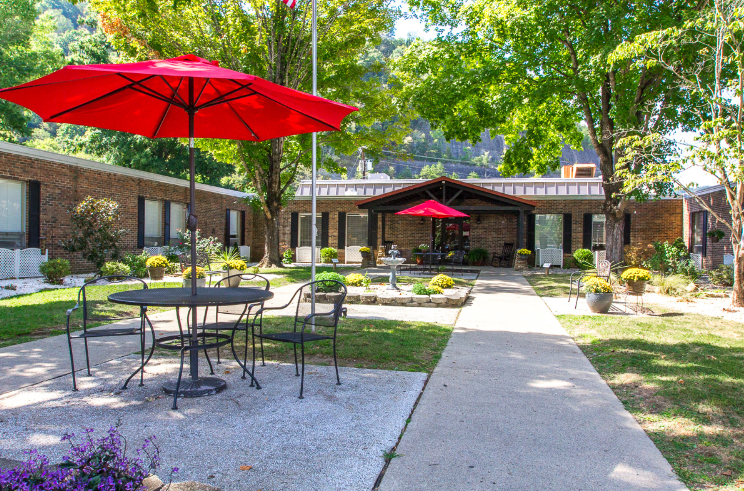
CMS assigns PIKEVILLE NURSING AND REHAB CENTER an overall rating of 4 out of 5 stars, which is considered above average nationally. Within Kentucky, this rating places the facility higher than 99% of the state's 100 nursing homes. This rating reflects solid performance across the metrics CMS uses to evaluate nursing home quality.
How is Pikeville Nursing And Rehab Center Staffed?

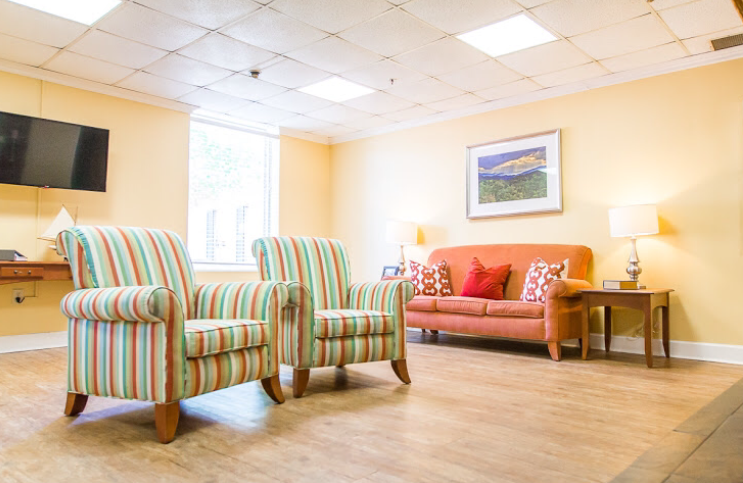
CMS rates PIKEVILLE NURSING AND REHAB CENTER's staffing level at 3 out of 5 stars, which is average compared to other nursing homes. Staff turnover is 29%, compared to the Kentucky average of 46%. This relatively stable workforce can support continuity of care.

What Have Inspectors Found at Pikeville Nursing And Rehab Center?

State health inspectors documented 12 deficiencies at PIKEVILLE NURSING AND REHAB CENTER during 2018 to 2024. These included: 12 with potential for harm.
Who Owns and Operates Pikeville Nursing And Rehab Center?

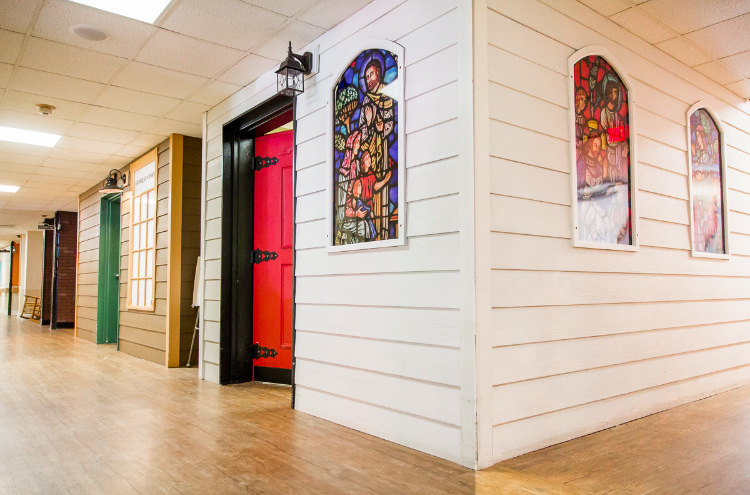
PIKEVILLE NURSING AND REHAB CENTER is owned by a for-profit company. For-profit facilities operate as businesses with obligations to shareholders or private owners. The facility is operated by EMERALD HEALTHCARE, a chain that manages multiple nursing homes. With 106 certified beds and approximately 92 residents (about 87% occupancy), it is a mid-sized facility located in Pikeville, Kentucky.
How Does Pikeville Nursing And Rehab Center Compare to Other Kentucky Nursing Homes?

Compared to the 100 nursing homes in Kentucky, PIKEVILLE NURSING AND REHAB CENTER's overall rating (4 stars) is above the state average of 2.8, staff turnover (29%) is significantly lower than the state average of 46%, and health inspection rating (4 stars) is above the national benchmark.

What Should Families Ask When Visiting Pikeville Nursing And Rehab Center?

Based on this facility's data, families visiting should ask: "Can I visit during a mealtime to observe dining assistance and food quality?" "How do you handle medical emergencies, and what is your hospital transfer rate?" "Can I speak with family members of current residents about their experience?"

Is Pikeville Nursing And Rehab Center Safe?

Based on CMS inspection data, PIKEVILLE NURSING AND REHAB CENTER has a clean safety record: no substantiated abuse findings (meaning no confirmed cases of resident harm), no Immediate Jeopardy citations (the most serious violation level indicating risk of serious injury or death), and is not on the Special Focus Facility watch list (a federal program monitoring the lowest-performing 1% of nursing homes). The facility has a 4-star overall rating and ranks #1 of 100 nursing homes in Kentucky. While no facility is perfect, families should still ask about staff-to-resident ratios and recent inspection results during their visit.

Do Nurses at Pikeville Nursing And Rehab Center Stick Around?

Staff at PIKEVILLE NURSING AND REHAB CENTER tend to stick around. With a turnover rate of 29%, the facility is 16 percentage points below the Kentucky average of 46%. Low turnover is a positive sign. It means caregivers have time to learn each resident's needs, medications, and personal preferences. Consistent staff also notice subtle changes in a resident's condition more quickly.

Was Pikeville Nursing And Rehab Center Ever Fined?

PIKEVILLE NURSING AND REHAB CENTER has no federal fines on record. CMS issues fines when nursing homes fail to meet care standards or don't correct problems found during inspections. The absence of fines suggests the facility has either maintained compliance or corrected any issues before penalties were assessed. This is a positive indicator, though families should still review recent inspection reports for the full picture.

Is Pikeville Nursing And Rehab Center on Any Federal Watch List?

PIKEVILLE NURSING AND REHAB CENTER is not on any federal watch list. The most significant is the Special Focus Facility (SFF) program, which identifies the bottom 1% of nursing homes nationally based on persistent, serious quality problems. Not being on this list means the facility has avoided the pattern of deficiencies that triggers enhanced federal oversight. This is a positive indicator, though families should still review the facility's inspection history directly.