PRINCETON NURSING & REHABILITATION
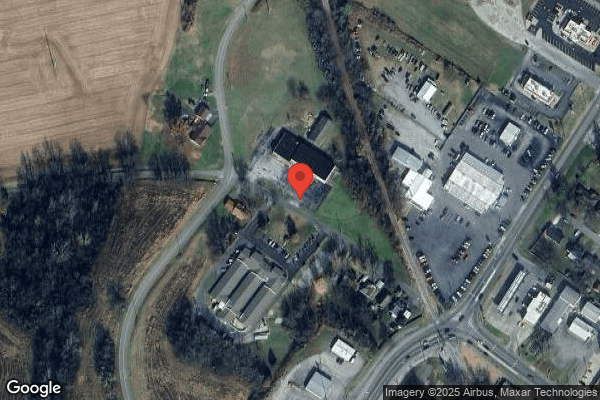

1333 WEST MAIN STREET, PRINCETON, KY 42445 (270) 365-3541
For profit - Limited Liability company 104 Beds SIMCHA HYMAN & NAFTALI ZANZIPER Data: November 2025
Trust Grade
40/100
#246 of 266 in KY
Last Inspection: September 2024

Within standard 12-15 month inspection cycle. Federal law requires annual inspections.

Overview

Princeton Nursing & Rehabilitation has received a Trust Grade of D, indicating below-average performance with some notable concerns. In Kentucky, it ranks #246 out of 266 facilities, placing it in the bottom half, but it is the only nursing home in Caldwell County. The facility's trend is improving somewhat, as the number of issues has decreased from 8 in 2019 to 7 in 2024. Staffing is a mixed bag, rated 2 out of 5 stars, with a turnover rate of 47%, slightly above the state average. While the facility has not incurred any fines, there have been multiple concerns identified, such as unsafe food handling practices, including unlabeled and undated food items, which could pose risks to residents. Additionally, there have been issues with mail delivery, as residents did not receive their mail on weekends, impacting their communication rights. Overall, while there are some strengths, such as no fines and a trend toward improvement, the facility has significant weaknesses that families should carefully consider.

Trust Score
D
40/100
In Kentucky
#246/266
Bottom 8%
Safety Record
Low Risk
No red flags
Inspections
Getting Better
8 → 7 violations
Staff Stability
⚠ Watch
47% turnover. Above average. Higher turnover means staff may not know residents' routines.
Penalties
✓ Good
No fines on record. Clean compliance history, better than most Kentucky facilities.
Skilled Nurses
○ Average
Each resident gets 35 minutes of Registered Nurse (RN) attention daily — about average for Kentucky. RNs are the most trained staff who monitor for health changes.
Violations
⚠ Watch
21 deficiencies on record. Higher than average. Multiple issues found across inspections.
★☆☆☆☆
1.0
Overall Rating
★★☆☆☆
2.0
Staff Levels
★☆☆☆☆
1.0
Care Quality
★★☆☆☆
2.0
Inspection Score
Stable
2019: 8 issues
2024: 7 issues

The Good

  • Full Sprinkler Coverage · Fire safety systems throughout facility
  • No fines on record

Facility shows strength in fire safety.

The Bad

1-Star Overall Rating

Below Kentucky average (2.8)

Significant quality concerns identified by CMS

Staff Turnover: 47%

Near Kentucky avg (46%)

Higher turnover may affect care consistency

Chain: SIMCHA HYMAN & NAFTALI ZANZIPER

Part of a multi-facility chain

Ask about local staffing decisions and management

The Ugly 21 deficiencies on record

Sept 2024 7 deficiencies
CONCERN (D)

Potential for Harm - no one hurt, but risky conditions existed

Comprehensive Care Plan (Tag F0656)

Could have caused harm · This affected 1 resident

**NOTE- TERMS IN BRACKETS HAVE BEEN EDITED TO PROTECT CONFIDENTIALITY** Based on observation, interview, record review and review of facility policy, it was determined the facility failed to develop a...

Read full inspector narrative →
**NOTE- TERMS IN BRACKETS HAVE BEEN EDITED TO PROTECT CONFIDENTIALITY** Based on observation, interview, record review and review of facility policy, it was determined the facility failed to develop and implement a comprehensive person-centered care plan for each resident, consistent with resident rights, with measurable objectives and timeframes to meet a resident's medical, nursing, and mental and psychosocial needs as identified in the comprehensive assessment for two (2) of three (3) sampled residents. (Resident (R)38), and R26. The facility care planned R38 for alteration in nutritional status related to receiving enteral (tube) feedings, with interventions that included elevating the head of bed (HOB) during feedings, and maintaining the resident in an upright posture to decrease aspiration risk. However, observation on 09/10/24 at 5:00 PM, revealed R38 lying on the bed with the HOB flat and the bed elevated while the resident's enteral tube feeding was hanging and infusing. The findings include: Review of the facility policy titled, Comprehensive Care Plans, revised 02/01/2024 revealed it was the facility's policy to develop and implement a comprehensive person-centered care plan for each resident to meet their medical, physical, mental, and psychosocial needs. Review of the facility policy titled, Resident Rights, revised 03/22/2022, revealed residents had the right to receive the items and/or services included in their plan of care. Review of the facility policy titled, Nursing Services and Sufficient Staff , revised 02/20/2024, revealed the facility must ensure the nursing assistants were able to demonstrate competency in skills and techniques necessary to care for residents' needs as identified through their assessments and as described in the plan of care. Review of the facility's Face Sheet for R38 revealed the resident was admitted on [DATE], with diagnoses which included Malignant Neoplasm of the bladder, Alzheimer's Disease, Stage 3 Chronic Kidney Disease and a history of gastrostomy tube (g-tube) placement with enteral feedings. Review of R38's Quarterly Minimum Data Set (MDS) Assessment with an Assessment Reference Date (ARD) of 06/08/2024, revealed the facility assessed the resident with a Brief Interview for Mental Status (BIMS) of zero (00) out of fifteen (15), which indicated she was severely cognitively impaired. Review of R38's Comprehensive Care Plan dated 11/23/2022, revealed the facility care planned the resident for alterations with nutritional status related to protein calorie malnutrition, requiring feeding tube with oral food intake diet, and failure to thrive. Continued review revealed the goal was for lessening potential signs of complications from bolus feedings or enteral feeding solution. Review further revealed interventions that included maintaining R38 in an upright posture and elevating the head of bed (HOB) 30-45 degrees during feedings to decrease the risk for aspiration. Observation on 09/10/2024 at 5:00 PM, of R38 revealed the resident's tube feeding was hanging and infusing. Continued observation revealed R38 was lying flat on the bed and the bed was elevated. In interview on 09/12/2024 at 10:42 AM, Certified Nursing Assistant (CNA) 16 stated she typically got information on the residents in her care from the night shift CNA's. She said depending on who's working, they would update them with information. CNA 16 stated if nightshift staff did not tell them they just usually had to figure it out. She said she could access residents' care plan in Matrix (facility's electronic charting system) to get the information on how to care for her residents if she needed to do that. The CNA stated however, most times she got information in report from the off-going shift. She further stated after assisting CNA 17 with R38's care she had left the resident's room where CNA 17 was still with the resident. CNA 16 also stated she assumed CNA 17 was going to raise the head of R38's bed back up. In interview on 09/12/2024 at 3:31 PM, CNA 5 stated she got residents' care information from the care plan on the computer. She further stated if she could not find information on the resident in the computer she would look at the [NAME] or Binder. In interview on 09/10/2024 at 5:00 PM, Licensed Practical Nurse (LPN) 1 stated R38 needed to have the head of her bed raised and bed lowered for her safety. The LPN stated R38 could potentially aspirate if left in a lying flat position. She stated she had two new CNA's working that had provided care for R38 and they must have forgotten to place the resident back into the appropriate position. LPN 1 said she had last checked on R38 around 3:00 PM or so and the resident had been sitting in the correct position at that time. She additionally stated she did not know why the CNA's had not implemented R38's care plan interventions; however, would educate the two CNA's on the proper positioning for R38. In interview on 09/12/2024 at 3:32 PM, Registered Nurse (RN) 1 stated nurses had books they could go to for reference if needed. She stated when she was working she had morning huddles with her nursing staff and discussed care expectations and tasks. The RN said she had the staff members sign off that they attended huddle, and she did walking rounds and checked on residents on the hall to ensure they were being cared for (as per their care plan). In interview on 09/12/2024 at 3:24 PM, RN 2 stated she looked at a resident's care plan and admit information to find out what care staff needed to provide for the resident. She stated she checked up on the CNA's by looking over their charting and different things to ensure they were providing resident care according to the residents' care plans. The RN further stated the MDS Nurse, and Social Services Director (SSD) were responsible for updating residents' care plans. She additionally stated facility staff should implement residents' care plan interventions as ordered. In interview on 09/12/2024 at 2:13 PM, the MDS Coordinator stated care plans were updated after an MDS Assessment had been performed. She stated she also updated residents' care plans daily as she got new orders. The MDS Coordinator stated usually information was attached to the care profile (CNA Care Plan/[NAME]) and nurses' care plan. She stated they verified residents' care plan were implemented by staff by visually observing resident care and confirmed staff were following the residents' care profile or were implementing residents' care plans. The MDS Coordinator also stated floor nurses could update residents' care plans when they got a new order for something. She further stated she went back over residents' care plans and checked them to make sure that it had been updated. In interview on 09/12/2024 at 3:15 PM, the Director of Nursing (DON) stated her expectations was for her staff to follow R38's care plan interventions. In interview on 09/13/2024 at 10:19 AM, the Administrator stated she was a member of the facility's Interdisciplinary Team (IDT) team, who confirmed interventions were in place by going to check after the IDT meeting to make sure interventions were done. She stated she expected staff to follow residents' care plans, and a potential outcome for not following the care plan was a resident might not receive the care they were supposed to be getting. The Administrator further stated, regarding R38, that staff should have followed the resident's care plan interventions.
CONCERN (D)

Potential for Harm - no one hurt, but risky conditions existed

Deficiency F0657 (Tag F0657)

Could have caused harm · This affected 1 resident

**NOTE- TERMS IN BRACKETS HAVE BEEN EDITED TO PROTECT CONFIDENTIALITY** Based on observation, interview, record review, and review of the facility policies, the facility failed to ensure the comprehen...

Read full inspector narrative →
**NOTE- TERMS IN BRACKETS HAVE BEEN EDITED TO PROTECT CONFIDENTIALITY** Based on observation, interview, record review, and review of the facility policies, the facility failed to ensure the comprehensive care plan was reviewed and revised by its Interdisciplinary Team (IDT following a fall with major injury for 1 of 22 sampled residents, Resident (R)26. On 06/23/2024 a perimeter defining mattress (PDM) was recommended as an intervention by the IDT for R26, and a PDM was placed on the resident's bed. The PDM was removed at R26's request; however, was not added to the resident's falls care plan to accurately reflect the resident's plan of care. In addition, R26's falls care plan noted a high rise mattress r/t fall from bed remained as an active intervention, but was not observed to be in use. The findings include: Review of the facility policy titled, Comprehensive Care Plans revised 02/2024, revealed it was the policy of the facility to develop and implement a comprehensive, patient-centered care plan for each resident to meet the resident's medical, physical, mental, and psychosocial needs. Further policy review revealed the care plan was to include resident specific interventions that reflected the resident's needs and preferences and was to include factors identified by the IDT. Review of the facility policy titled, Falls revised 03/22/2022, revealed care plan interventions should be implemented that address the resident's risk factors. Continued review revealed the care plan interventions were to reduce risk of repeat episode. Further review revealed any orders received from the Physician were to be noted and the resident care plan should be updated to reflect any new or change in interventions. Review of the facility's medical record for R26 revealed the facility admitted the resident on 05/31/2016, with diagnoses of history of malignant neoplasm of the breast, primary generalized (osteo)arthritis, and hypertensive chronic kidney disease (CKD). Review of R26's Quarterly Minimum Data Set (MDS) assessment dated [DATE], revealed the facility assessed the resident as having a Brief Interview for Mental Status (BIMS) score of 15 out of 15, which indicated the resident cognition was intact. Per MDS review, the facility assessed R26's functional abilities as requiring substantial to maximal assistance for rolling left to right. Further review revealed the facility further assessed R26 as dependent for all transfers and wheelchair mobility. Review of R26's Significant Change in Status MDS assessment dated [DATE], revealed the facility assessed the resident as having a BIMS score of 6/15, which indicated severe cognitive impairment. Per MDS review, the facility also assessed R26 to be dependent for rolling left and right; and dependent for chair/bed and bed/chair transfers and wheelchair mobility. Review of the facility's comprehensive care plan developed for R26 revealed a falls care plan with start date of 11/15/2022, for the resident's risk for falls due to incontinence of bowel and bladder, psychoactive drug use, and impaired functional status and mobility. Continued review revealed the falls care plan goal was to lessen R26's potential for falls/injury through the review date, and a target goal date of 10/18/2024. Per care plan review, there were three discontinued interventions that included an intervention for an x-ray of R26's right leg and send out to the emergency room (ER) for evaluation which had a start and end date of 06/25/2024. Review also revealed a discontinued intervention for a body pillow to provide R26 an extra reminder of bed edges with a start date of 6/24/2024 and end date of 7/02/2024. Care plan review revealed an additional discontinued intervention for a urinalysis (U/A) to be obtained due to R26's confusion related to fall and for therapy to evaluate and treat that had a start and end date of 6/24/2024. Further review of the falls care plan revealed it included active interventions for assuring R26's glasses were clean and in good repair and making sure she wore the glasses; encouraging use of 1/2 side rails for bed mobility and transfers dated 6/28/2023; and keeping personal and frequently used items in reach. Additionally, review of the falls care plan revealed however, no current or historical/resolved interventions related to a specialized mattress or for the resident's bed to be in a low position. Review of R26's comprehensive care plan additionally revealed a care plan for pressure ulcer/injury related to the resident being at risk for skin integrity alterations due to impaired mobility. Further review revealed interventions which included a pressure reduction high rise mattress with a start date of 06/28/2023, which had not been discontinued and was still an active intervention. Review of the Physician's orders dated 03/29/2023, revealed a high rise mattress related to falls from bed, which had a discontinued date of 09/11/2024. Review of the facility's investigation titled, Incident Fall with Major Injury with a date of 06/23/2024, for R26's fall which revealed a brief review of the incident. Continued review revealed the investigation noted What was the new intervention placed on the care plan/[NAME] at time of incident? with a response for R26's bed to be in low position, perimeter defined mattress. Review of the IDT's review in the progress notes dated 06/27/2024 at 12:22 PM, revealed, Care plan revision perimeter defined mattress. Observation on 09/10/2024 at 5:04 PM ,and on 09/11/2024 at 10:51 AM and at 11:05 AM, of R26's mattress, revealed a standard pressure reduction mattress in place on the resident's bed. In interview on 09/11/2024 at 2:03 PM, Certified Nursing Assistant (CNA) 11 stated the CNA's accessed residents' care plans on Matrix (facility's electronic health record) all day every day. She stated that was where the CNA knew to find information on residents' transfer status; whether they were continent or incontinent; their behaviors; and how to bathe the resident. CNA 11 stated sometimes it did say if a resident had an intervention like bed low to the ground. She said she was not able to see the full nursing care plan in Matrix, but received report from the previous shift CNA and got any new information that report. In interview on 09/11/2024 at 2:20 PM, the CCN stated the CNA care plan in Matrix showed the level of assistance a resident required. In interview on 09/11/2024 at 10:51 AM, Registered Nurse (RN) 2 stated she did not participate in residents' care plan meetings. She further stated however, she had been asked for updates on residents for their care plans. In interview on 09/12/2024 at 2:14 PM, MDS Coordinator 10 stated the MDS Coordinators were responsible to update residents' care plans when doing their MDS Assessment and daily with any new orders. MDS Coordinator 10 stated the floor nurses were supposed to assist in updating residents' care plans. She stated she checked the care plans to make sure interventions were there (on the care plan). The MDS Coordinator stated once the care plan was updated staff could see the updates. She said interventions were attached to the care profile for the CNA's and everyone could see residents' care plans. The MDS Coordinator stated she was not really sure what a high rise mattress but thought it was like a perimeter mattress that was used to keep the body in the bed. In interview on 9/12/2024 at 9:31 AM, the Director of Nursing (DON) stated the nurses should put interventions on residents' care plans that they came up with, and the IDT added something else which the MDS Coordinator usually made the changes to on the care plan. She stated the IDT reviewed falls in the morning meetings where the fall event was discussed, and the care plan reviewed and updated. In an additional interview on 09/13/2024 at 10:18 AM, the DON stated she expected residents' care plans to be up to date and reflect the care being provided to the resident. When the State Survey Agency (SSA) Surveyor asked the DON if audits were completed to ensure the care plan interventions were in use, she stated audits were completed periodically; however, did not specify a frequency of the auditing. She stated she did not know when the last audit was completed and would have to look, then she stated maintenance did bed audits. The DON she told us it got done and the nurse and CNA would know in regards to care plan intervention implementation. She stated residents' care plan were reviewed in the IDT meetings to see if additional interventions needed to be added, with the additions usually made by the MDS Coordinator. In interview on 09/13/2024 at 10:20 AM, the Administrator stated she led a daily morning meeting with facility managers where incidents were discussed with the IDT at that time to review the incident report and resident's care plan. She stated it was her expectation for the care plan to be changed when an intervention was added or removed and, a progress note documented if needed to reflect the current care to be provided for a resident. The Administrator further stated, in regards to the PDM for R26, she expected the care plan intervention to be removed if it was discontinued.
CONCERN (D)

Potential for Harm - no one hurt, but risky conditions existed

Quality of Care (Tag F0684)

Could have caused harm · This affected 1 resident

**NOTE- TERMS IN BRACKETS HAVE BEEN EDITED TO PROTECT CONFIDENTIALITY** Based on observation, interview, record review, and review of facility policy, the facility failed to ensure medical provider or...

Read full inspector narrative →
**NOTE- TERMS IN BRACKETS HAVE BEEN EDITED TO PROTECT CONFIDENTIALITY** Based on observation, interview, record review, and review of facility policy, the facility failed to ensure medical provider orders were entered upon receipt for 1 of 22 sampled residents, Resident (R)26. On 06/25/2024 at 11:11 AM, Registered Nurse (RN) 3 contacted the Advanced Practice Registered Nurse (APRN) 1 to report R26 had right leg pain, scattered bruising of the right leg and swelling of the right knee. RN 3 said APRN 1 ordered an x-ray of R26's right leg the previous night. Review of the medical record revealed no documented evidence of an x-ray order or documentation of the nurse's communication with APRN 1 on 06/24/2024. The findings include: Review of the facility policy titled, Verbal Orders, with a revision date of 03/23/2020 revealed Physician orders might be received by a licensed nurse or registered health care specialist who was legally authorized to do so. Per review, verbal orders were given to the nurse by the Physician or extender in person or by telephone. Further review of the policy revealed the orders were to be entered into the resident's medical record and were to be followed through with by making appropriate contact or notification (eg. lab or pharmacy). Review of R26's electronic health record (EHR), revealed the facility admitted the resident on 05/31/2016 with primary diagnoses of Hypertensive Chronic Kidney Disease (CKD), Unspecified Convulsions, personal history of malignant neoplasm of the breast, and primary generalized (osteo)arthritis. Review of R26's Significant Change in Status Minimum Data Set (MDS) assessment dated [DATE], revealed the facility assessed the resident to have a Brief Interview for Mental Status (BIMS) score of six out of 15 indicating the resident had severe cognitive impairment. Review of R26's comprehensive care plan revealed the facility developed a problem for Falls, with a start date of 11/15/2022. Review of the Falls care plan revealed R26 was at risk for falling related impaired mobility and functional status, incontinent of bowel and bladder (B&B), and psychoactive drug use. Per review, the target goal date was 10/18/2024, with the goal noted as to lessen potential for falls/injury through the review date. Review of the care plan approaches/interventions revealed three interventions had been discontinued that included one on 06/25/2024, with the same date as the end date, to x-ray R26's right leg, and send out to the emergency room (ER) for evaluation. Continued review revealed the second discontinued approach, with a start date of 06/24/2024 and an end date of 07/02/2024, which noted, Body pillow to provide resident extra reminder of bed edges. Care plan review revealed the third discontinued approach, with a start date of 06/24/2024, with the same end date, revealed therapy was to evaluate and treat, and a urinanalysis (U/A) was to be obtained related to confusion from a fall. Review of the nursing progress note dated 06/23/2024 at 12:55 AM, revealed R26 experienced a fall from the bed on that date at 12:15 AM, with an abrasion identified at the time but no other injury identified. Per review of the note, the Physician was notified and no new orders were received at that time. Review of the nursing progress notes from 06/24/2024 through early on 06/25/2024, revealed the resident was monitored; however, there was no documented evidence of R26 reporting pain or other abnormalities. Review of a progress note 06/25/2024 at 9:30 AM, revealed RN 3 had contacted APRN 1 due to R26 having, Right leg pain and scattered bruising and Right knee Swollen. In addition, revealed APRN 1 ordered an x-ray of R26's right leg and foot. Review of the progress notes further revealed the x-ray was obtained and results reported to the APRN (APRN 2) on 06/25/2024 at 1:30 PM, with a new order received to send out the resident. Review of the x-ray report results received on 06/25/2024 revealed R26 had a Fracture of the distal femur. In an phone interview with RN 3 on 09/11/2024 at 2:52 PM, she stated she had received report and was told about R26 sustaining a fall. She stated she assessed R26 on 06/25/2024, during incontinence care and found bruising to the resident's leg down to her foot and the resident complained of pain in the right leg. RN 3 stated she contacted APRN 1 who said she gave an order the previous night to obtain an x-ray of R26's right lower extremity. She said however, no order had been entered for R26's x-ray and so she contacted the Unit Manager (UM) who had worked the day prior (06/24/2024) to ask about the order. The RN stated the UM reported an order was received the night before but the UM had not had a chance to enter the order into the computer yet. RN 3 stated she entered the x-ray order on 06/25/2024 at 9:30 AM, and the x-ray was completed at 11:11 AM. She stated the x-ray results were received at 1:30 PM, and reported to APRN 2 who gave an order to send the resident out to the ER for evaluation. In an interview with APRN 1 on 09/11/2024 at 3:12 PM, she stated she recalled the situation involving R26 and the x-ray. She said she gave an order for the x-ray the night before RN 3 contacted her (06/24/2024). APRN 1 stated the UM had contacted her on 06/24/2024, to report redness of R26's leg and so she gave the order for the x-ray. Per continued interview, APRN did not indicate the x-ray order was a stat (immediate) order. She stated she worked on Monday, Wednesday, and Friday and she had not examined the resident. APRN 1 stated staff probably entered the order into the Trident System, (a computerized order entry system used to enter Physician/provider orders for x-rays) and they don't come until the next day. In a phone interview with the UM on 09/12/2024 at 10:20 AM, she stated she recalled that R26 had experienced a fall. She said she recalled contacting APRN 1 due to the resident having complaints of pain, but did not recall if the UM reported whether the pain was constant or intermittent. The UM stated APRN 1 gave an order for an x-ray; however, she could not recall if she entered the order into the system or not. She stated the x-ray order was received at shift change, and she might have passed it on in report to the next nurse to enter the order. The UM said she would have to look at R26's record to see. The UM further stated there was no guarantee the mobile x-ray provider would come and do the x-ray on the same day if the order had been entered on 06/24/2024. In an interview with a Representative from the mobile x-ray provider on 09/12/2024 at 10:49 AM, she stated if an order was entered at 7:00 PM, and was entered as a stat order, the mobile x-ray provider's policy was to complete the order within four to six hours from the time the order was received. She stated the policy was to include a report of the results of the x-ray within the required timeframe. The mobile x-ray Representative said if the x-ray order was entered as a routine order, the provider had eight to 24 hours to complete and result the x-ray. She stated depending upon the volume of x-rays to be completed, the test might be done the following day. The Representative said a call was to be placed to the facility to notify them the x-ray would not be completed the same day. In addition, she said she had been unable to locate an order in their electronic system requesting an x-ray for R26 on 06/24/2024. She further stated the only x-ray that had been obtained was on 06/25/2024, with the results reported on 06/25/2024. In an interview with the Director of Nursing (DON) on 09/12/2024 at 9:31 AM, she stated it was her expectation that orders were entered into the facility's system before the nurse left their shift. The DON stated she did not think the mobile x-ray provider would have completed the x-ray until probably the next morning, unless it was a stat order. She further stated if there was any delay in receiving the x-ray, she would expect the delay to only be one to two at most to get the x-ray In an interview with the Administrator on 09/13/2024 at 10:20 AM, she stated an order was to be noted in the system when it was obtained. She stated any negative outcomes for a resident would depend on what the order was for, in determining the negative outcome. The Administrator stated that had the x-ray order been entered as a stat order, she did not think it still would have been completed on the same day by the mobile x-ray provider. She further stated if we thought a resident needed a stat order we would send that resident to the ER for evaluation.
CONCERN (D)

Potential for Harm - no one hurt, but risky conditions existed

Accident Prevention (Tag F0689)

Could have caused harm · This affected 1 resident

**NOTE- TERMS IN BRACKETS HAVE BEEN EDITED TO PROTECT CONFIDENTIALITY** Based on observation, interview, record review, and review of facility policy, the facility failed to ensure the use of assistiv...

Read full inspector narrative →
**NOTE- TERMS IN BRACKETS HAVE BEEN EDITED TO PROTECT CONFIDENTIALITY** Based on observation, interview, record review, and review of facility policy, the facility failed to ensure the use of assistive devices to prevent injury for 1 of 3 sampled residents, Resident (R)26. Review of the Physician's Order History revealed an order with a start date of 03/29/2023 and a discontinue date of 9/11/2024 for High rise mattress as intervention r/t falls from bed. However, observation of R26's bed mattress revealed a standard mattress was in place, not the ordered high rise mattress. Therefore, on 6/23/2024 R26 sustained a fall from the bed that resulted in a comminuted impacted extra-articular (bone broken into multiple pieces with the ends driven into each other) right distal femur fracture with lateral displacement that required surgical repair. The findings include: Review of the facility policy titled, Falls with a revised date of 03/22/2022, revealed the purpose of the policy was to maintain a hazard free environment, mitigate fall risk factors and implement preventative measures. Per review, care plan interventions were to be implemented that addressed the resident's risk factors with interventions to reduce risk of repeated episodes. Continued review revealed any orders received from the Physician should be noted and carried out. Further review revealed the resident's care plan should be updated to reflect any new or change in interventions. Review of the facility policy titled, Accidents and Supervision, revised 02/21/2024, revealed each resident was to receive adequate supervision and assistive devices to prevent accidents. Continued review of the policy revealed Fall as a potential accident with a definition of a fall. Further review revealed a section titled, Policy Explanation and Compliance Guidelines which noted ensuring interventions are put into action. Review of R26's record revealed the facility admitted the resident on 05/31/2016 with primary diagnoses of primary generalized (osteo)arthritis, hypertensive chronic kidney disease (CKD), unspecified convulsions, and history of malignant neoplasm of the breast. Review of the Quarterly Minimum Data Set (MDS) Assessment for R26 dated 04/04/2024, revealed the facility assessed the resident to have a Brief Interview for Mental Status (BIMS) score of 15/15, indicating the resident was cognitively intact. Continued review of the MDS revealed for R26's functional abilities and goals, the facility assessed the resident to require substantial/maximal assistance for rolling left to right; as dependent for all transfers; and as dependent for wheelchair mobility. Review of the Significant Change in Status MDS Assessment for R26 dated 07/05/2024, revealed the resident with a BIMS score of six out of 15, indicating the resident had severe cognitive impairment. Further review of the MDS revealed for R26's functional abilities and goals, the facility assessed the resident as: dependent for rolling left and right; dependent for chair to bed and bed to chair transfers; and dependent for wheelchair mobility. Review of the Physician's Order History for R26 revealed an order with a start date of 03/29/2023 and a discontinue date of 9/11/2024, for a high rise mattress as an intervention related to falls from bed. Review of R26's comprehensive care plan revealed the facility developed a care plan for falls with a problem start date of 11/15/2022, related to the resident being at risk for falls due to impaired functional status and mobility, incontinence of bowel and bladder (B&B), and psychoactive drug use. Per review, the falls care plan target goal date was 10/18/2024, and the goal was to lessen potential for falls/injury through the review date. Continued review revealed the interventions included three discontinued interventions which x-ray of right leg and send out to the emergency room (ER) for evaluation with a start and end date of 6/25/2024. The falls care plan review also revealed a second discontinued intervention with a start date of 6/24/2024 and end date of 7/02/2024, for R26 to have a body pillow to provide the resident extra reminder of bed edges. Further review revealed a third discontinued approach with a start and end date of 6/24/2024, noting therapy was to evaluate and treat R26 and for a urinalysis (U/A) to be obtained due to confusion related to fall. Additionally, review revealed active intervention included: keeping personal and frequently used items in reach dated 3/10/2024; assuring R26 wore her glasses, and ensuring the glasses were clean and in good repair; and encouraging use of 1/2 side rails for bed mobility and transfers dated 6/28/2023. Further review of R26's comprehensive care plan revealed the facility developed a care plan titled, Category: Pressure Ulcer/Injury related to the resident being at risk for alterations in skin integrity due to impaired mobility. Per care plan review, the interventions included an approach for a pressure reduction high rise mattress with a start date of 6/28/2023, that was still an active intervention and had not been discontinued. Review of the Matrix Care (an electronic medical records [EMR] system used for charting) Resident Profile (the care guide utilized for the Certified Nursing Assistants [CNA's] with no print date), provided after request on 09/11/2024, revealed a Last Updated Date of 08/27/2024 at 8:53 AM. Further review revealed no documentation noting a mattress specified for R26's use. Review of the facility's progress note dated 06/23/2024 at 12:55 AM, revealed R26 had been found lying on the floor at 12:15 AM. Per review, R26 was assessed and found to have an abrasion to the right lower extremity with wound care provided. Ongoing review of the progress note revealed documentation noting R26's range of motion (ROM on the bilateral lower extremities (BLE) was decreased per norm. Review of the facility's progress notes dated 06/23/2024 through 06/25/2024, revealed documentation noting R26 was being monitored, had no complaints of pain, and indicated no problems until the resident was assessed by Registered Nurse (RN) 3 on 06/25/2024 at 11:11 AM. Review of the 06/25/2024 at 11:11 AM, progress note documented by RN 2, revealed R26 had right leg pain and scattered bruising, with a swollen right knee. Per review, RN 3 contacted Advanced Practice Registered Nurse (APRN) 1 who ordered an x-ray of R26's right leg and foot. Further review of the progress notes revealed the x-ray was obtained and resulted on 06/25/2024 at 1:30 PM, and was shown to APRN 2 with a new order received to send R26 out to the ER. Additionally progress note review revealed R26 left the facility at 1:55 PM. Review of the x-ray report results dated 06/25/2024, revealed R26 had a fracture of the distal femur. Review of the After Visit Summary from the hospital revealed R26 was hospitalized on [DATE] related to injury sustained from a fall from her bed. Review of the After Visit Summary with dates of 06/25/2024 through 06/29/2024, revealed R26 had been hospitalized with a comminuted impacted extra-articular right distal femur fracture with lateral displacement. Further review revealed R26 underwent surgery for repair of the fracture. Review of the facility's Interdisciplinary Team (IDT) documentation for review of R26's fall dated 06/27/2024 at 12:12 PM, revealed the possible root cause of the resident's fall was poor safety awareness and thinks she can walk. Continued review revealed the IDT referral section noted the team would look at after R26's return from the hospital. Further review revealed the IDT's recommended interventions included a care plan revision for R26 to have a perimeter defined mattress and noted the resident's care plan was reviewed and updated. Review of the facility's monthly bed audits dated May 2024; June 2024; July, 2024; and August 16, 2024, revealed R26's mattress was documented as a regular mattress in May 2024, June 2024, July 2024 and August 2024. In an interview with RN 2 on 09/11/2024 at 10:51 AM, the RN stated a high rise mattress was higher on the edges which was the same as a perimeter mattress. In additional interview on 09/11/2024 at 11:05 AM, RN 2 stated that neither a high rise mattress or perimeter mattress was on R26's bed. The RN further stated maintenance was responsible to change out residents' mattresses and maintenance would be notified by a phone call or a work order. In an interview with the Director of Maintenance (DOM) on 09/11/2024 at 2:51 PM, he stated he was responsible for replacing mattresses. He stated a high rise mattress had bolsters built into an overlay that was zipped over the mattress. The DOM said staff placed work orders for maintenance requests/issues into the facility's, TELS, electronic system (used for communicating day-to-day maintenance requests). He stated if staff verbally reported a request for a resident's mattress change, that request was verified with the Director of Nursing (DON) to ensure the request was valid and had been care planned before placement of the mattress. The DOM stated there was a record of completed work orders through the facility's TELS system. The DOM provided a work order requesting placement of a perimeter mattress for R26, with a created date of 06/27/2024 and completion date of 6/28/2024. No further work orders regarding R26 were provided by the facility. In an interview with the MDS Coordinator on 09/12/2024 at 2:13 PM, she stated she and two other MDS Nurses were responsible for updating residents' care plans with all new Physician's orders from the previous day. She said they also updated residents' care plans when reviewing the MDS. The State Survey Agency (SSA) Surveyor asked the MDS Coordinator to define the high rise mattress intervention on R26's care plan. The MDS Coordinator stated she was not really sure, but thought a high rise mattress was like a perimeter mattress, to keep the resident's body in the bed. She stated if there was a Physician's order a specialty mattress would be noted on the resident's care plan, and if there was not an order the specialty mattress wound not be on the care plan. The MDS Coordinator further stated to ensure staff were following a resident's care plan, visualization, observation and review of what was checked off were all items reviewed. In an interview with the DON on 09/12/2024 at 9:31 AM, she stated the nurse on duty at the time of a resident's fall was to look for root cause of the fall and put an immediate intervention in place. She said the fall would then be reviewed in the morning meeting that was attended by the IDT members which included: herself, the Administrator, Assistant Director of Nursing (ADON), Unit Manager (UM), MDS Coordinator, Therapy Manager, Business Office Manager (BOM), Social Services Director (SSD), Housekeeping Manager, and Dietary Manager. The DON also stated at that time of a fall care plans were reviewed and revised based on discussion of the fall and the MDS Coordinator usually made the changes needed in the resident's care plan. In continued interview on 09/12/2024 at 9:31 AM, the DON stated a high rise mattress was raised up on the sides a little, but was not full sides, like a perimeter mattress. She stated she was not sure why the Physician's order for the high rise mattress was discontinued on 9/11/2024, but would wonder if it was not on the bed. The DON stated periodic audits were done to ensure the residents' interventions in place matched their care plans. She stated however, she did not know when the last time that audit occurred. The DON said maintenance audited residents' beds for the type of bed, type of mattress, type of rail, gap assessment of the side rails, and a general safety assessment to ensure the appropriate bed and mattress were in use for the weight of the resident, the mattress was affixed to the bed, bed rails were firmly attached, and the bed rails latched appropriately. She further stated if an intervention was added to a resident's care plan and was implemented, the nurses and CNA's would know and would tell us it had gotten done. In addition, the DON said maintenance would notify staff when a request was completed. In an interview with the Administrator on 09/13/2024 at 10:20 AM, she stated that a morning meeting was held daily and falls and interventions were reviewed. She stated if changes were needed it was her expectation that the care plan was changed (updated) during the morning meeting and a note made in the resident's record if needed. The Administrator stated she was trying to put in the work orders because verbal requests got forgotten and there was no record that a request had been completed. She stated after the morning meeting we check to ensure (necessary) interventions were in place and maintenance will let her know a task had been completed. The Administrator additionally stated they would follow up. In continued interview on 09/13/2024 at 10:20 AM, the Administrator stated a high rise mattress could be an overlay or perimeter mattress. Per interview, the Administrator described the edges of the high rise or perimeter mattress as raised. She stated she recalled at some point after the perimeter mattress was placed on R26's bed, following the resident's fall in June 2024, R26 complained she did not like the mattress and did not want it on her bed anymore, so the mattress was changed out. The Administrator stated however, no work order was entered but she knew it was changed out and said it just was not in black and white that they had done that. She further stated if an intervention was discontinued, she expected it to be removed from the resident's care plan.
CONCERN (D)

Potential for Harm - no one hurt, but risky conditions existed

Tube Feeding (Tag F0693)

Could have caused harm · This affected 1 resident

Based on observation, interview, record review, and review of the facility policy, the facility failed to ensure a resident who was fed by enteral (tube) feedings, received the appropriate treatment a...

Read full inspector narrative →
Based on observation, interview, record review, and review of the facility policy, the facility failed to ensure a resident who was fed by enteral (tube) feedings, received the appropriate treatment and services to prevent complications of enteral feeding including but not limited to aspiration pneumonia for 1 of ?? sampled residents, Resident (R)38. 1. Review of the manufacturer's instruction manual for R38's feeding system revealed the feeding set should be replaced after 24 hours from initiation of the feeding to prevent bacterial growth that could be a hazard to the patient. However, observation on 09/09/2024 at 12:49 PM, revealed R38's enteral (tube) feeding bottle had been hanging for greater than 24 hours, and included a 4 hour holding of the feeding solution. 2. Review of R38's care plan revealed the head of the resident's bed was to be elevated during enteral feedings. Observation on 09/10/2024 at 5:00 PM and on 09/11/2024 at 5:00 PM, revealed R38 lying flat on the bed while her enteral feeding was infusing. The findings include: Review of the facility policy titled, Assisted Nutrition and Hydration, revised 02/21/2024, revealed the facility was to ensure each resident fed by enteral means received appropriate treatment and services to prevent complications of enteral feeding. Further review revealed the complications included, but were not limited to, aspiration pneumonia, diarrhea, vomiting, dehydration, metabolic abnormalities, and nasal-pharyngeal ulcers. Review of the facility policy titled, Appropriate Use of Feeding Tubes, revised 05/31/2023, revealed feeding tubes were to be utilized in accordance with current clinical standards of practice with interventions to prevent complications to the extent possible. 1. Review of the manufacturer's instruction manual titled, Kangaroo OMNI Enteral Feeding Pump, revealed the feeding set should be replaced after 24 hours from initiation of the feeding. Continued review revealed replacing the feeding set ensured the enteral feeding pump was operating within the specified parameters and prevented bacterial growth that could be a hazard to the patient. Review of the facility's Face Sheet for R38, revealed the facility admitted the resident on 05/07/2021, with diagnoses to include Alzheimer's Disease, Stage 3 Chronic Kidney Disease, and Malignant Neoplasm of the bladder. Review of R38's Quarterly Minimum Data Set (MDS) Assessment with an Assessment Reference Date (ARD) of 06/08/2024, revealed the facility assessed the resident to have a Brief Interview for Mental Status (BIMS) score of zero (00) out of 15, indicating R38 had severe cognitive impairment. Review of Resident 38's Comprehensive Care Plan dated 11/23/2022, revealed the facility care planned the resident for alteration with nutritional status related to failure to thrive and protein calorie malnutrition. Continued review revealed R38 required a feeding tube along with an oral food intake diet with a goal of lessening potential signs of complications from bolus feedings or enteral feeding solution. Further review revealed interventions which included elevating the head of bed (HOB) 30-45 degrees during (tube) feedings, and maintaining an upright posture to decrease aspiration risk. Observation on 09/09/2024 at 12:49 PM, of R38's enteral feeding bottle revealed it was dated 09/08/2024 at 8:18 AM, indicating the feeding had been hanging for 27 hours, and contained a 4 hour holding of the feeding solution. In an interview with Licensed Practical Nurse (LPN) 1 on 09/09/2024 at 1:00 PM, she stated enteral tube feeding was good for 48 hours. She further stated to her knowledge that was the facility's standard of practice. In an interview with Registered Nurse (RN) 1 on 09/12/2024 at 3:32 PM, she stated tube feeding systems should be changed every 24 hours. In an interview with the Director of Nursing (DON) on 09/09/2024 at 5:36 PM, she stated she thought tube feedings were good for 24 hours, but she was going to check on the facility's policy. In an additional interview on 09/12/2024 at 9:31 AM, the DON stated the (standard of) practice was to change the entire enteral feeding system every 24 hours. She additionally stated that was the protocol she expected all the nurses to follow. In an interview with the Administrator on 09/13/2024 at 10:19 AM, she stated the tube feeding systems needed to be changed every 24 hours. She stated it used to be changed every 48 hours, but with the new feeding system they had been using for the last few months it was to be done every 24 hours. The Administrator further stated they were starting to educate staff on that information now. 2. Review of the facility policy titled, Nursing Services and Sufficient Staff, revised 02/20/2024, revealed the facility must ensure nursing assistants were able to demonstrate competency in skills and techniques necessary to care for residents needs as identified through resident assessments and as described in the plan of care. Observation on 09/11/2024 at 5:00 PM revealed Resident 38 lying on her bed with her head of bed (HOB) flat while the resident's enteral tube feeding was hanging and infusing. In an interview with Certified Nursing Assistant (CNA) 16 on 09/12/2024 at 10:42 AM, she stated she helped CNA 17 change Resident 38's brief earlier, but did not recall what position the resident was in when being changed. She stated she left R38's room where CNA 17 remained and assumed they had left the resident lying flat. CNA 16 said she assumed that because afterwards the nurse came and got her and talked to both her and CNA 17 about how R38 had been lying and she assumed there must have been an issue with how the resident had been left lying. She stated they were both educated about positioning of R38, but were never told anything specifically about the resident's need for sitting up. The CNA stated she was taught how to clean the feeding tube, but not much else. She further stated now, if she saw a resident on tube feeding, she would raise the HOB to make sure the resident did not aspirate. In additional interview on 09/10/2024 at 5:00 PM, LPN 1 stated R38 needed to have her HOB raised as the resident could potentially aspirate if left in the lying flat position. She stated she last checked on R38 around 3:00 PM or so, and the resident had been sitting up in the correct position. LPN 1 stated she had two new CNA's caring for residents, that came in and provided care for R38 and they must have forgotten to put the resident back into the appropriate position. She further stated she would educate the CNA's on the proper positioning for R38. In an interview with Registered Nurse (RN) 1 on 09/12/2024 at 3:32 PM, she stated R38 should have had the head of her bed elevated to prevent aspiration, pneumonia, or an anxiety attack. In a follow-up interview on 09/12/2024 at 9:31 AM, the DON stated a potential negative outcome that could occur for R38 being left lying flat would be that the feeding could back up and the resident could aspirate it. In additional interview on 09/13/2024 at 10:19 AM, the Administrator stated a resident on tube feeding should have the head of their bed elevated, because they could potentially aspirate the feeding solution.
CONCERN (D)

Potential for Harm - no one hurt, but risky conditions existed

Infection Control (Tag F0880)

Could have caused harm · This affected 1 resident

**NOTE- TERMS IN BRACKETS HAVE BEEN EDITED TO PROTECT CONFIDENTIALITY** 2. Observation of meal tray pass on Wing 100, on 09/08/2024 at 12:50 PM, revealed CNA 1 serving meal trays to residents. CNA 1 w...

Read full inspector narrative →
**NOTE- TERMS IN BRACKETS HAVE BEEN EDITED TO PROTECT CONFIDENTIALITY** 2. Observation of meal tray pass on Wing 100, on 09/08/2024 at 12:50 PM, revealed CNA 1 serving meal trays to residents. CNA 1 was observed to exit room [ROOM NUMBER] and retrieve a meal tray from the food cart without using hand sanitizer or washing her hands. Per observation, CNA 1 then re-entered room [ROOM NUMBER] with another meal tray, returning to the food cart and pulled another meal tray again without sanitizing her hands prior to removing the tray and entering room [ROOM NUMBER] to serve the next tray. Further observation revealed CNA 1 delivered the tray, exited room [ROOM NUMBER] and went into room [ROOM NUMBER] to assist another CNA with readjusting a resident in the bed for dining without using hand sanitizer or washing her hands to prevent the spread of germs. In an interview with CNA 1 on 09/08/2024 at 1:10 PM, she stated she had worked in the facility for about 2-3 weeks. She stated she was aware she was required to sanitize her hands in between each resident's room when delivering meal trays and was to wash her hands after after every third resident room. CNA 1 further stated she was aware she was not practicing proper hand hygiene when going in and out of residents' rooms without following the guidelines which could be potentially harmful to residents. In an interview with CNA 6 working on Wing 200, on 09/13/2024 at 9:00 AM, she stated the facility's policy on hand hygiene required handwashing with soap and water before serving meal trays. She stated hand sanitizing was to occur between residents' rooms and handwashing required after entering every third room. CNA 6 further stated if staff had not followed the facility's policy and procedures for hand hygiene there was potential for harm of a resident if germs were carried into other residents' rooms. In an interview with CNA 16, working on Wing 300, on 09/13/2024 at 9:15 AM, she stated when passing meal trays staff were to use hand sanitizer between residents; rooms, and wash their hands with soap and water after entering the third room. She further stated there was always a potential to spread germs from resident to resident if staff did not followed the facility's policy and procedures for proper hand hygiene to prevent harm to residents. In an interview with Licensed Practical Nurse (LPN) 1 on 09/08/2024 at 1:20 PM, she stated she was Unit Manager (UM) of Wing 100, and had worked in the facility for 30 years. She stated she had not observed CNA 1 not using proper hand hygiene. LPN 1 stated CNA 1 was a good worker and new to her position, but she would use the incident as a teachable moment to re-educate CNA 1 on infection control procedures. In an interview with the Assistant Director of Nursing (ADON) on 09/08/2024 at 1:25 PM, she stated expectations were that all staff were to practice proper hand hygiene by sanitizing between residents' rooms and residents. She further stated staff should practice proper hand hygiene whenever a situation required it. During an interview with the DON on 09/12/2024 at 10:06 AM, she stated expectations for direct care staff were for them to follow facility policy and procedures when assisting with distribution of meal trays in resident rooms. She further stated all staff should be sanitizing their hands in between residents' rooms and handwashing after the third room to prevent the spread of germs. In interview with the Administrator on 09/12/2024 at 11:20 AM, she stated she expected all staff to follow the facility policies regarding hand washing and indwelling catheter care. Based on observation, interview, record review, and review of facility policy, the facility failed to establish and maintain an infection prevention and control program designed to provide a safe, sanitary and comfortable environment and to help prevent the development and transmission of communicable diseases and infections for 1 of 2 sampled residents, Resident (R)2. Observation revealed staff failed to follow infection control guidelines related to catheter care, clean linen placement, and hand hygiene for R2. Additionally, staff failed to perform proper hand hygiene while passing residents' meal trays. The findings include: Review of the facility policy titled, Hand Hygiene, revised 03/22/2024, revealed all staff were to perform proper hand hygiene procedures to prevent the spread of infection to residents, other personnel, and visitors. Per policy review, that applied to all staff working in all locations within the facility. Continued review revealed hand hygiene was a term for cleaning your hands by handwashing with soap and water or through use of an antiseptic hand rub. Review revealed hand hygiene was indicated and was to be performed under the following conditions: when hands were visibly dirty; soiled with blood or other body fluids; before and after eating; after using a restroom; and between resident contacts. Further policy review revealed hand hygiene was additionally to be performed: after handling contaminated objects; before and after applying personal protective equipment (PPE) including use of gloves; before performing resident care procedures; and when during resident care, moving from a contaminated body site to a clean body site. 1. Review of the facility policy titled, Catheter Care revised 02/20/2024, revealed it was the policy of the facility to ensure residents with indwelling catheters received appropriate catheter care and their dignity and privacy was maintained when indwelling catheters were in use. The policy review revealed for catheter care of a female resident, the cleansing was to include gently separating the labia to expose the urinary meatus, using a new part of the cloth or different cloth for each side. Further review revealed the process for female residents' catheter care also included cleansing of the catheter included using a new moistened cloth and starting at the urinary meatus moving out and making sure to hold the catheter in place so the catheter would not pull on the meatus. Review of R2's medical record revealed the facility admitted the resident on 03/08/2022, with diagnoses which included obstructive and reflux uropathy, retention of urine, and neuromuscular dysfunction of bladder. Review of the Annual Minimum Data Set (MDS) assessment dated [DATE], revealed the facility assessed R2 to have a Brief Interview for Mental Status (BIMS) score of 15 out of 15, which indicated the resident was cognitively intact. Observation on 09/11/2024 at 10:42 AM, of Certified Nursing Assistant (CNA) 11 and CNA 12 conducting indwelling catheter care for R2, revealed clean linens sitting at end of the roommate's bed. Per observation, CNA 12 pulled the overbed table with R2's belongings on it over, pushing the belongings to one side and placing a towel over the table without cleaning the table first. Observation revealed CNA 12 obtained a bath basin, ran water in it and placed it on the overbed table, and then picked up washcloths from the roommate's bed and placed them in the water. Continued observation revealed the two CNA's washed their hands, donned gloves and removed R2's soiled brief then initiated the resident's catheter care. Observation revealed neither CNA washed their hands after removing the soiled brief and prior to beginning the catheter care. In continued observation on 09/11/2024 at 10:42 AM, of CNA 11 and CNA 12 providing R2's catheter care, revealed during the cleansing of the catheter tubing the CNA's started at the resident's pubis and cleaned down; however, the CNA did not reposition the cloth to clean areas. Per observation, the CNA did the separate the labia to cleanse the meatus, and only cleaned down the catheter tubing approximately four inches from meatus. Continued observation revealed when R2 was turned to the side, stool was observed at the anus, and the CNA's started cleaning the stool off the resident. Observation revealed the CNA did not have cleansing wipes, so she used wash cloths and began cleaning R2's anal area contaminating the sleeve of her barrier/gown with stool. Further observation revealed after completing the catheter care and cleansing R2, the CNA's did not remove their dirty gloves prior to placing a clean brief on the resident. In addition, they were observed to reposition R2 up in the bed, touching the resident's bed clothes and overbed table with their contaminated gloves. Observation further revealed after ensuring R2 was comfortable, the CNA's placed the soiled laundry in bags, removed their gloves, washed their hands, picked up the dirty laundry and trash and left the room. During an interview on 09/11/2024 at 9:48 AM, CNA 12 stated she should have done a better job of cleaning R2, but since the resident had stool, it had caused some issues. CNA 12 stated she should have used a different technique when cleaning R2's catheter tubing by changing the site of the wash cloth to ensure it was clean each time. She further stated she should have washed her hands and changed gloves more frequently during the catheter care and when cleaning the stool from R2. During an interview with the Director of Nursing (DON) on 09/12/2024 at 10:05 AM, she stated she expected staff to use a clean technique procedure when providing catheter care. She also stated she expected staff to follow the facility's policy as written for indwelling catheter care and hand washing. The DON further stated the CNA was a new CNA who had just passed her test, who would need more education which was an ongoing process. During an interview on 09/11/2024 at 11:18 AM with the facility's Infection Preventionist, she stated there were skills fair during which certain areas were taught and check offs were completed for competency. She stated education was ongoing with staff. The IP also stated she made rounds to ensure staff were washing their hands appropriately and using proper infection control practices. She further stated she expected staff to follow the facility policy.
CONCERN (F)

Potential for Harm - no one hurt, but risky conditions existed

Food Safety (Tag F0812)

Could have caused harm · This affected most or all residents

Based on observation, interview, and review of facility policy, the facility failed to store, prepare, distribute, and serve food in accordance with professional standards for food service safety. Ob...

Read full inspector narrative →
Based on observation, interview, and review of facility policy, the facility failed to store, prepare, distribute, and serve food in accordance with professional standards for food service safety. Observation on 09/08/2024 of the reach-in cooler revealed multiple food items which had been opened; however, were not labeled and undated. The facility's failure had the potential to affect 96 of the facility's 98 residents who consumed food from the kitchen. The findings include: Review of the facility documents titled,Safe Standards and Procedures, Food Handling, dated 03/08/2024, from the facility's contracted kitchen services provider, revealed, foods, intended for storage beyond 24 hours, must be labeled. Further review revealed the food labels were to include: the item name; the preparation date and a use by date within seven days of preparation or opening; and the employees initials. Review of the facility policy, Food Storage - Cold, dated 10/2019, revealed it was the facility's policy to ensure all time and temperature control for safety (TCS), frozen and refrigerated food items be appropriately stored in accordance with the guidelines of the FDA Food Code. Further review revealed the Dining Services Director or cook were to ensure all food items were stored properly in covered containers, labeled and dated, and arranged in a manner to prevent cross contamination. Review of the United States Department of Agricultural Food Safety and Inspection Services for Food Safety Information Basics for Handling Food Safely, revealed safe steps in food handling, cooking, and storage were essential to prevent food borne illness. Continued review revealed leftover food was to be used within four days. Observation, with the Dietary Manager (DM), during the initial tour of the kitchen on 09/08/2024 at 11:30 AM, of the reach-in cooler, revealed a large container of breakfast gravy 3/4 full not labeled or dated; 2 large containers of sausage patties dated 09/09/2024; a plastic bag containing 5 dinner rolls dated 9/05/2024. Continued observation of the reach-in cooler revealed a small bowl of yogurt, not labeled or dated; 17 prepared sandwiches of various types, dated 09/06-09/13; a small bowl of chicken soup, not labeled or dated; and packaged flour tortillas with an expiration date of 08/10/2024. Further observation revealed packaged ham slices containing six slices dated 08/26/2024. In addition, observation of the walk-in freezer contained 1 pint of ice cream with an expiration date of 06/30/2024. In an interview with the Dietary Manager on 09/08/2024 at 11:47 AM, during the initial kitchen tour, she stated food products were good for seven days after being opened. She stated she expected dietary staff to label and date all items as required. The Dietary Manager further stated food items should contain two dates, the date the item was placed in the cooler and the date it should be removed. In an interview with the Director of Nursing (DON) on 09/12/2024 at 10:15 AM, she stated she would expect the kitchen staff, from a contracted company, to follow their polices and procedures related to food storage. During an interview with the Administrator on 09/13/2024 at 10:35 AM, she stated the dietary department was a contract company and had their own policies. She stated she expected the dietary staff to follow their policies and ensure all items placed in the coolers were labeled and dated.
Sept 2019 8 deficiencies
CONCERN (D)

Potential for Harm - no one hurt, but risky conditions existed

Free from Abuse/Neglect (Tag F0600)

Could have caused harm · This affected 1 resident

Based on interview, record review, and facility policy review, it was determined the facility failed to ensure two (2) of eighteen (18) sampled residents were free from abuse (Residents #42 and #4). C...

Read full inspector narrative →
Based on interview, record review, and facility policy review, it was determined the facility failed to ensure two (2) of eighteen (18) sampled residents were free from abuse (Residents #42 and #4). Certified Nurse Aide (CNA) #1 and #2 stated they witnessed Certified Medication Technician (CMT) #1 state, You're acting like a f****** child. to Resident #42, and lunge at Resident #4 stating, Shut up. The findings include: Review of the facility policy titled, Alleged Abuse/Potential Neglect/Exploitation/Investigation, revealed the definition of abuse is defined as the willful infliction of injury, unreasonable confinement, intimidation, or punishment with resulting physical harm, pain or mental anguish/injury. It includes deprivation by an individual including a care taker, of goods or services necessary to attain or maintain physical, mental, and psycho-social wellbeing. Also verbal abuse, sexual abuse, physical abuse, and mental abuse, including abuse facilitated or enabled through use of technology. An intentional act that could reasonably be expected to result in physical or psychological injury to an elderly person or disabled adult. Willful as used in this definition of abuse, means an individual must have acted deliberately, not that the individual must have intended to inflict injury or harm. Verbal abuse of oral, written, or gestured language that is intended to be disparaging to a resident regardless of their age, ability to comprehend, or disability. Record review revealed the facility re-admitted Resident #42 on 09/06/18 with diagnoses, which included Alzheimer's disease. Review of a Quarterly Minimum Data Set (MDS) assessment, dated 04/13/19, revealed the facility assessed Resident #42's cognition as severely impaired with a Brief Interview for Mental Status (BIMS) score of three (3), which indicated the resident was not interviewable. Record review revealed the facility re-admitted Resident #4 on 08/14/19 with diagnoses, which included Alzheimer's disease. Review of a Entry MDS assessment, dated 08/14/19, revealed the facility assessed Resident #4 cognition as severely impaired with a BIMS score of three (3), which indicated the resident was not interviewable. Review of Facility Investigation dated 07/26/19 revealed on 07/25/19, CNA #1 and CNA #2 reported they observed CMT #1 in Resident #42's room giving medication to him/her. Both staff heard CMT #1 say to resident You're acting like a f***** two (2) year old as CMT #1 left Resident #42's room. CNA #2 stated when CMT #1 walked out of Resident #42's room she asked CMT #1 who she was talking to and she stated Resident #42. When CNA #2 was interviewed later by facility staff she stated that she felt like CMT #1's remark was abusive. Interview with CNA #1 on 09/12/19 at approximately 8:35 AM revealed on 07/25/19 she along with CNA #2 were standing in the hallway by the showers when she heard CMT #1 say from inside Resident #42's room You're acting like a f****** child. CNA #1 stated she believed Resident #42 spit out his/her medication after CMT #1 gave them to him/her because he/she had a habit of doing that. CNA #1 revealed she was standing with CNA #2 at the time and both her and CNA #2 were upset by the remark and decided they would report it to the Social Services Director (SSD) before their shift was over. CNA #1 stated a few hours later she and CNA #2 were both in Resident #4's room providing care to him/her and Resident #4 was being verbally aggressive and yelling at them which was normal for him/her. CNA #1 revealed at some point CMT #1 came into the room and told Resident #4 to Shut up. CNA #1 stated when she and CNA #2 wheeled Resident #4 out of his/her room into the hallway, CMT #1 was in the hallway and told Resident #4 if he/she did not shut up the yelling, staff would not be taking him/her anywhere. CNA #1 revealed she was not aware of any other incidents in which CMT #1 was rude or said something inappropriate to a resident. CNA #1 stated they reported it that day. Interview with CNA #2 on 09/12/19 at approximately 10:40 AM revealed she was in the hallway up a few doors from Resident #42's room with CNA #1 and she observed CMT #1 in Resident #42's room and heard CMT #1 say you're acting like a f******two (2) year old as CMT #1 was coming out of Resident #42's room. CNA #2 stated she looked at CNA #1 and they both decided that the incident needed to be reported to the Social Services Director before their shifts ended that day. CNA #2 revealed a little later in the day, she was in Resident #4's room along with CNA #1 providing care. CNA #2 stated Resident #4 was yelling and complaining which was common behavior for Resident #4 when CMT #1 came into the room and lunged at Resident #4 and stated Shut up and to stop yelling. CNA #2 stated it happened so fast that it scared her, so she was certain that it had to scare Resident #4 too. CNA #2 stated that she does not usually work with CMT #1 but those were the only incidents that she has ever observed CMT #1 being abusive towards a resident. Interview with CMT #1 on 09/12/19 at approximately 2:20 PM revealed on the day before the incident occurred 07/24/19 when some aides were giving Resident #42 a shower she observed the aides were having issues with the resident. CMT #1 said she told CNA #1 that Resident #42 reminded her of a two (2) year old. CMT #1 revealed Resident #42 did not hear this statement and there were no other residents around that could have heard. CMT #1 stated on the day of the alleged incident on 07/25/19 she was in a good mood and did not get frustrated with any of the residents that day. CMT #1 stated when the incident occurred later that day with Resident #4 she heard Resident #4 cussing and screaming at the aides when they were trying to provide care while she was standing in the hallway. The CMT stated she stuck her head into Resident #4's room and explained to Resident #4 that she needed to quiet down since staff and other residents could hear her. CMT #1 denied ever approaching the resident or being intimidating towards the resident. Interview with CNA #3 on 09/12/19 at approximately 11:20 AM revealed based on her experience of working with CMT #1 that she feels like CMT #1 was hostile with staff during working hours. CNA #3 stated that MT #1 was mouthy and has a very bad attitude. CNA #3 revealed she has never observed CMT #1 being directly hostile to residents but CNA #3 stated there have been times when CMT #1 was hostile with staff and residents observed and witnessed these inappropriate interactions. Interview with CNA #5 on 09/13/19 at approximately 10:00 AM revealed he was providing care to Resident #35 a while ago when he observed CMT #1 giving medication to Resident #35 and Resident #35 spit out the medication. CNA #5 stated CMT #1 said to Resident #35, I don't know why I even give you the medicine. CNA #5 revealed a family member was in the process of approaching him and was about to ask something when CMT #1 made the remark and CNA #5 stated he could tell in the family member's face that they heard the remark too and were bothered by it. CNA #5 stated the family member's facial expression completely changed and they turned around and walked away. CNA #5 stated he reported that incident to the charge nurse at the time. Interview with Director of Nursing (DON) on 09/13/19 at approximately 11:55 AM revealed the facility conducted an investigation and determined CMT #1's behavior was inappropriate but did not rise to the level of abuse. She stated she expected staff to treat every resident with respect and dignity.
CONCERN (D)

Potential for Harm - no one hurt, but risky conditions existed

Assessment Accuracy (Tag F0641)

Could have caused harm · This affected 1 resident

**NOTE- TERMS IN BRACKETS HAVE BEEN EDITED TO PROTECT CONFIDENTIALITY** Based on interview, record review, and review of the Resident Assessment Instrument (RAI) Minimum Data Set (MDS) User's Manual, ...

Read full inspector narrative →
**NOTE- TERMS IN BRACKETS HAVE BEEN EDITED TO PROTECT CONFIDENTIALITY** Based on interview, record review, and review of the Resident Assessment Instrument (RAI) Minimum Data Set (MDS) User's Manual, it was determined the facility failed to accurately assess one (1) of eighteen (18) sampled residents to reflect his/her status (Resident #43). The findings include: Review of the RAI MDS 3.0 Manual revealed steps for assessment of weight: upon admission, weigh the resident and record results. For subsequent assessments, check the medical record and enter the weight taken within thirty (30) days of the Assessment Reference Date (ARD) of the assessment. Record review revealed the facility admitted Resident #43 on 05/06/19, with diagnoses which include Low Back Pain and Insomnia. Review of Section K-Swallowing/Nutritional Status of the admission MDS assessment, dated 05/13/19 , revealed a weight of one-hundred and forty-nine (149) pounds. Review of the Quarterly MDS assessment dated [DATE], revealed a weight of one-hundred and eighty-six (186) pounds which indicated the resident had a thirty-seven pound weight gain. However, further review of the Quarterly MDS assessment dated [DATE], box K0300 revealed weight loss was checked, indicating the resident had a weight loss during this assessment period. Interview with the MDS Coordinator on 09/12/19 at 3:05 PM, revealed she did not complete section K of the MDS assessment for Resident #43. She stated the Dietary Manager had completed the section. The MDS Coordinator stated the residents' weights are reviewed and the section should have reflected no weight loss for Resident #43. Interview with the Dietary Manager on 09/12/19 at 3:34 PM, revealed she answered the question in Section K of the MDS assessment incorrectly, as Resident #43 actually had a weight gain and not a weight loss. Interview with the Director of Nursing (DON) on 09/13/19 at 11:53 AM, revealed she would expect staff to review the resident's weights when completing resident MDS assessments to ensure it was completed accurately.
CONCERN (D)

Potential for Harm - no one hurt, but risky conditions existed

Deficiency F0698 (Tag F0698)

Could have caused harm · This affected 1 resident

**NOTE- TERMS IN BRACKETS HAVE BEEN EDITED TO PROTECT CONFIDENTIALITY** Based on observation, interview, record review, and facility policy review, it was determined the facility failed to ensure one ...

Read full inspector narrative →
**NOTE- TERMS IN BRACKETS HAVE BEEN EDITED TO PROTECT CONFIDENTIALITY** Based on observation, interview, record review, and facility policy review, it was determined the facility failed to ensure one (1) of one (1) sampled resident who required dialysis in a sampled of eighteen residents received services consistent with professional standards of practice (Resident #61). Resident #61 was a dialysis patient and had a Arteriovenous (artery connected to a vein in the arm, to create a fistula) Fistula (a blood vessel made wider and stronger by a surgeon to handle the needles that allow blood to flow out to and return from a dialysis machine). Review of the original Physician's Orders revealed to check the shunt to the left upper extremity for a thrill (a rumbling sound that you can feel) and bruit (a rumbling sound you can hear) every shift; however, the order was not carried over to the July, August, and September 2019 Physician's Orders. This caused the order not to be carried over to the July, August. and September Medication Administration Records (MAR) or Treatment Administration Record (TAR) which resulted in no validation or reminder for the nurse to check the site every shift as ordered. The findings include: Review of the facility policy titled, Hemodialysis, last revised 04/17/13 revealed it is the policy of the facility to analyze and monitor the condition of the residents receiving hemodialysis. The procedure revealed orders will be obtained from the attending physician for resident receiving hemodialysis, and residents receiving hemodialysis will be monitored pre and post hemodialysis services. Record review revealed the facility admitted Resident #61 on 06/12/19 with diagnoses which included End Stage Renal Disease with Dependence on Renal Dialysis. Review of the 5-day Medicare Minimum Data Assessment (MDS) dated [DATE] revealed the facility assessed Resident #61's cognition was intact with a Brief Interview for Mental Status (BIMS) score of thirteen (13) which indicated the resident was interviewable. Review of the original admission Physician Orders, dated 06/12/19 revealed to check for thrill and bruit every shift. Review of Resident #61's Dialysis Comprehensive Care Plan, dated 08/23/19, revealed to check the AV (Arteriovenous) fistula; palpate gently over area with fingertips or palm of hand and feel for bruit or thrill. Auscultate over fistula with stethoscope to detect bruit. Assess for signs of infection, bleeding or sensation impairment around fistula/entire extremity. Review of the September 2019 MAR/TAR and Physician Orders revealed there was no order to check the site for a thrill and bruit every shift and no documented evidence the assessment was completed. Interview with Resident #61, on 09/11/19 at 1:52 PM revealed he/she goes to dialysis on Monday, Wednesday and Friday; and, he/she did not have any concerns with the care he/she was receiving at the facility. The resident stated he/she did not understand what it meant to check the site but felt it was not being done, especially two (2) times a day. Interview with Registered Nurse (RN) #2 on 09/12/19 at 3:05 PM, revealed with her background she knew to check the AV site for thrill and bruit, but there was no where to document it. She stated the order being added to the MAR as a reminder, is very helpful and it does need to be on the MAR/TAR for a reminder and documentation. Interview with RN #1 on 09/13/19 at 10:29 AM revealed the order to check the AV site every shift should have been on the MAR or TAR, and she knew it was originally because she had taken off the orders. She stated it was a helpful reminder to check the site as ordered. Interview with the Director of Nursing (DON) on 09/12/19 at 2:45 PM revealed she investigated the omission on the MAR to check the site and feels the pharmacy failed to carry the order to the next month (from June to July 2019) orders, which caused it not to be documented on the MAR. She stated she expected the nurses to check the site every shift and if no thrill or bruit, to notify the physician, document it was performed, and also, to follow the resident's care plan.
CONCERN (D)

Potential for Harm - no one hurt, but risky conditions existed

Deficiency F0761 (Tag F0761)

Could have caused harm · This affected 1 resident

Based on observation, interview, and review of the facility's policy and procedure, it was determined the facility failed to ensure drugs used in the facility are labeled in accordance with currently ...

Read full inspector narrative →
Based on observation, interview, and review of the facility's policy and procedure, it was determined the facility failed to ensure drugs used in the facility are labeled in accordance with currently accepted professional principles. Observation on 09/19/19 revealed staff failed to ensure medications on two (2) of four (4) medication carts on Wing 1 and Wing 2, were dated when opened. The findings include: Review of the facility's policy titled, Storage and Expiration Dating of Medications, Biological's, Syringes and Needles, revised 07/23/19, revealed facility staff should record the date opened on the primary medication container (vial, bottle, inhaler) when the medication has a shortened expiration date once opened. Observation of the Wing 2 medication cart, on 09/10/19 at 10:36 AM, revealed an opened bottle of Valproic Acid not dated, with approximately one-fourth (1/4) of liquid remaining. Observation of the Wing 1 medication care on 09/10/19 at 10:50 AM, revealed a bottle of Milk of Magnesia, not dated, with approximately one-half (1/2) of liquid remaining. Interview with Licensed Certified Medication Aide (CMA) #1, on 09/10/19 at 11:00 AM, revealed all liquid medications should be dated when opened. Interview with the Director of Nursing (DON), on 09/13/19 at 11:53 AM, revealed she expected the nurses and medication aides to date liquid medications when opened to ensure it is not used beyond the expiration date.
CONCERN (D)

Potential for Harm - no one hurt, but risky conditions existed

Food Safety (Tag F0812)

Could have caused harm · This affected 1 resident

Based on observation, interview, record review, and facility policy review, it was determined the facility failed to serve food in accordance with professional standards for food service safety. Obse...

Read full inspector narrative →
Based on observation, interview, record review, and facility policy review, it was determined the facility failed to serve food in accordance with professional standards for food service safety. Observation on 09/10/19 revealed a Certified Nurse Aide (CNA) handled a residents' bread with her bare hands. The findings include: Review of the facility policy, Dietary: Responsibilities for Meal Services, revealed both Nursing and Dietary personnel with assistance of other designated staff as assigned were responsible for meal service. Nursing and/or Dietary personnel pass trays, maintaining proper infection control and food handling practices. Areas of utensils, glasses, cups, etc. that come in contact with the resident's mouth should not be touched by the server. Observation of a lunch meal pass on 09/10/19 at 12:06 revealed CNA #8 removed the resident's bread from the package and touched the bread slices with her bare hands. She then removed the paper covering of the drinking straw and touched it with her bare hands. CNA #8 was not interviewed due to her starting leave on 09/10/19. Interview with CNA #2, on 09/12/19 at 2:25 PM revealed staff should not touch the residents' food with their bare hands. She stated if touched, the food should be discarded and the food should be replaced for the resident. Interview with the Assistant Director of Nursing (ADON) on 09/12/19 at 2:27 PM revealed she expected staff to open foods, drinks and utensils without touching with their bare hands. She stated staff should also use good hand washing technique.
CONCERN (E)

Potential for Harm - no one hurt, but risky conditions existed

Deficiency F0576 (Tag F0576)

Could have caused harm · This affected multiple residents

Based on interview and review of the facility policy, it was determined the facility failed to ensure residents received mail delivery on the weekends. The findings include: Review of the facility p...

Read full inspector narrative →
Based on interview and review of the facility policy, it was determined the facility failed to ensure residents received mail delivery on the weekends. The findings include: Review of the facility policy, Resident Rights, not dated, revealed the resident has the right to send and receive mail, and to receive letters, packages, and other materials delivered to the Center for the resident through a means other than the postal service. The resident has a right to privacy of such communications and access to stationary, postage, and writing implements at the resident's own expense. Interview with Resident Council members during a Resident Council meeting, on 09/11/19 at 2:00 PM, revealed the facility had not delivered mail to the residents on the weekends for some time. Interview with the Activities Director on 09/11/19 at 2:30 PM, revealed she was made aware the residents had not been receiving their mail on the weekends since August 2019 and had failed to assign someone to do so. She stated she would now ensure one of the Restorative Aides would be responsible for passing resident mail to them on the weekends. Interview with the Administrator on 09/12/19 at, revealed she was not aware of the issue of the residents not receiving mail on the weekends, until the Activities Director made her aware. The Administrator stated she knew it was a regulation and would ensure the issue was addressed.
CONCERN (E)

Potential for Harm - no one hurt, but risky conditions existed

Comprehensive Care Plan (Tag F0656)

Could have caused harm · This affected multiple residents

**NOTE- TERMS IN BRACKETS HAVE BEEN EDITED TO PROTECT CONFIDENTIALITY** 2. Record review revealed the facility admitted Resident #38 on 08/29/18 with diagnoses which included Dementia. Review of the A...

Read full inspector narrative →
**NOTE- TERMS IN BRACKETS HAVE BEEN EDITED TO PROTECT CONFIDENTIALITY** 2. Record review revealed the facility admitted Resident #38 on 08/29/18 with diagnoses which included Dementia. Review of the Annual MDS assessment, dated 07/18/19 revealed the facility assessed Resident #38's cognition as moderately impaired with a BIMS score of nine (9) which indicated the resident was interviewable. Further review of the last full MDS on 07/18/19 revealed Section F for Preference for Customary and Routine Activities revealed an interview was not completed due to resident was rarely/never understood. Further review of Section F revealed staff assessed resident's daily activities of snacks between meals, staying up past 8:00 PM, use of private phone, listening to music, being around pets, and taking part in favorite activity. However, review of the Activities Care Plan dated 07/22/19 revealed an intervention to offer snacks but did not specify the resident's favorite snacks, and an intervention to invite the resident to scheduled activities with no listed documentation of residents' favorite activities. In addition, there was an intervention to turn on TV, or music in room to provide sensory stimulation; however, there was no documented evidence of resident's favorite music or TV programs. Review of 60 day MDS dated [DATE] revealed Resident #38 had behaviors of hitting, scratching self, verbal vocal behaviors, likes to scream, disruptive sounds, and rejects care. However, review of the resident's care plan for resident has diagnosis of Dementia with Behaviors, dated 08/08/19 revealed there were no interventions that addressed what staff should do if resident had these specific behaviors except to turn on sound machine. In addition, further review of these care plans revealed there were no measurable goals and timeframe's to meet the resident's medical, nursing, mental and psychosocial needs in these areas. Review of the Nurse Aide Data Sheet for Resident #38, not dated revealed no directions for caring for the resident with Dementia and no documented evidence the resident had any special preferences or choices. Observation and interview with Resident #38 on 09/10/19 at 11:03 AM revealed the resident lying on back. Resident #38 stated he/she liked music; however there was no music playing and TV was off. Interview with the MDS Coordinator on 09/12/19 at 10:27 AM revealed Social Services developed the Comprehensive Care Plan for residents with dementia and the care plan was usually based on diagnosis or medications the resident was taking. She stated she made sure the medications were correct with diagnosis. Interview with the Social Services Director (SSD) on 09/12/19 at 11:49 AM revealed she did not initiate the Comprehensive Care Plan for residents with Dementia. The SSD stated the care plans were completed by MDS. Further interview with the MDS Coordinator on 09/12/19 at 12:05 revealed she initiated the Comprehensive Care Plans for residents with Dementia; however, most all updates were completed by the SSD. Interview with MDS Coordinator on 09/12/19 at 3:19 PM revealed she does develop the dementia care plans; however, reviewing residents' care plans revealed these was not a person centered care plan. She stated the care plan should have measurable goals and timeframes to meet the resident's medical, nursing, mental and psychosocial needs. She also revealed likes and dislikes should always be on the Care Plan. Interview with the Charge Nurse on 09/12/19 at 1:14 PM revealed the nurses initiate the CNA care plan. She stated if changes are made, it is usually when a CNA comes to the nurses with information that a resident needs less assistance or more assistance. Also if special needs are needed, the information is added by the nurse. Interview with DON, on 09/12/19 at 2:47 PM revealed she expected dementia care plans to be person-centered and reflect the resident's goals and to maximize the resident's dignity, autonomy, privacy, socialization, independence and choice. When she reviewed this resident's Dementia Care Plan, she stated it was not person centered. She further revealed she expected the CNA care plans to reflect care for dementia. 3. Record review revealed the facility admitted Resident #31 on 07/22/19 with diagnoses which included Atherosclerotic Heart Disease, Gastrointestinal Hemorrhage, Muscle Weakness, Urinary Incontinence, and Reduced Mobility. Review of the admission MDS assessment, dated 07/29/19 revealed the facility assessed Resident #31's cognition as intact with a BIMS score of ten (10) which indicated the resident was interviewable. Review of the Interdisciplinary Care Plan for Activity of Daily Living (ADL's) dated 07/22/19 revealed an intervention for one (1) staff to assist Resident #31 for bathing; and review of the Nurse Aide Data Sheet, not dated, revealed the resident required Physical Assistance of one (1) for bathing and will receive two (2) full baths/showers per week. However, review of Resident #31's ADL Tracking Log for September 2019 revealed the resident did not receive a full bath/shower from 09/01/19 through 09/09/19; he/she received bed baths. Interview with Resident #31 on 09/10/19 at 9:13 AM revealed the resident appeared to have clean clothing in place; however, his/her hair appeared very dirty and oily. The resident stated, Look at me, I haven't had a shower in over a week. The resident revealed he/she preferred to have a shower or whirlpool bath instead of a bed bath. Interview with Certified Nurse Aide (CNA) #6 on 09/11/19 at 2:06 PM revealed she had worked on Resident #31's hall last week and she recorded the resident had bed baths and no showers. She stated the resident refused showers for several days and wanted bed baths instead; however, there was no documented evidence the resident refused showers/baths. Interview with CNA #7 on 09/11/19 at 2:15 PM revealed she had given Resident #31 a whirlpool bath and shave on 09/10/19. CNA #7 stated the resident had never refused a shower or bath with her. She revealed when a resident refuses a shower, bath, or bed bath, she documents the refusal in the ADL CNA charting book and tells the charge nurse. Interview with Licensed Practical Nurse (LPN)/Charge Nurse for Hall one and two, on 09/11/19 at 2:22 PM revealed the CNA did not tell her the resident refused his/her showers. She stated if she was told a resident refused, she would go speak with resident to confirm, then record in nurses notes. Further interview with the DON, on 09/11/19 at 2:55 PM revealed she expected all nursing staff to follow the Comprehensive Care Plans and CNA care plans as written. Based on observation, interview, record review and facility policy review, it was determined the facility failed to develop and/or implement a comprehensive person-centered care plan for three (3) of eighteen (18) sampled residents (Resident #61, #38, and #31). Resident #61 was care planned for staff to check the resident's Arteriovenous (AV) Fistula, however, further review of the record revealed there was no documented evidence staff conducted assessments of the AV fistula. Resident #38 was assessed for behaviors, favorite activities, etc; however, the facility failed to develop a Person Centered Comprehensive Care Plan to include the resident's choices and goals. Resident #31 was care planned for shower twice a week; however, the resident was provided bed baths instead of a shower/full bath for eight (8) days. The findings include: Review of the facility policy titled, Nursing Care Plan, last revised 11/20/17, revealed it is the facility policy that residents will have a person-centered plan of care that supports the resident in making their own choices, having control of their daily lives, and addresses their assessed needs. Further review of the policy revealed the facility will honor the resident's rights regarding the development and implementation of the plan of care. Record review revealed the facility admitted Resident #61 on 06/12/19 with diagnoses which included End Stage Renal Disease with Dependence on Renal Dialysis. Review of the 5-day Medicare Minimum Data Assessment (MDS) assessment, dated 09/02/19 revealed the facility assessed Resident #61's cognition as intact with a Brief Interview for Mental Status (BIMS) score of thirteen (13) which indicated the resident was interviewable. Review of Resident #61's Dialysis Comprehensive Care Plan, dated 08/23/19, revealed to check the AV fistula; palpate gently over area with fingertips or palm of hand and feel for bruit (a rumbling sound that you can hear) or thrill (a rumbling sensation that you can feel). Auscultate over fistula with stethoscope to detect bruit. Assess for signs of infection, bleeding or sensation impairment around fistula/entire extremity. However, review of the July, August and September 2019 Medication Administration Records (MARS) and Treatment Administration Records (TAR's) revealed there was no documented evidence staff assessed the resident's AV fistula per care plan. Interview with Resident #61, on 09/11/19 at 1:52 PM revealed he/she did not understand what it meant to check the site but felt it was not being done. Interview with Registered Nurse (RN) #2 on 09/12/19 at 3:05 PM, and RN #1 on 09/13/19 at 10:29 AM revealed the AV assessment should also be on a Physician's Order so it would be added to the MAR. The RN's stated this would be a reminder to nurses to complete the assessment every shift, and a place to document the assessment was completed. RN #1 stated she knows she completed an assessment of the AV fistula site when the resident returned from dialysis. Interview with the Director of Nursing (DON) on 09/12/19 at 2:45 PM revealed she expected the nurses to check the site every shift and if no thrill or bruit, to notify the physician. She stated they should document the assessment was performed, and also, follow the resident's care plan.
CONCERN (E)

Potential for Harm - no one hurt, but risky conditions existed

ADL Care (Tag F0677)

Could have caused harm · This affected multiple residents

2. Record review, revealed the facility admitted Resident #36 on 05/24/17 Review of Quarterly MDS assessment, dated 07/31/19, revealed the facility assessed Resident #36's cognition as severely impair...

Read full inspector narrative →
2. Record review, revealed the facility admitted Resident #36 on 05/24/17 Review of Quarterly MDS assessment, dated 07/31/19, revealed the facility assessed Resident #36's cognition as severely impaired with a BIMS score of three (3), which indicated the resident was not interviewable. Review of the Monthly Shower Log for October 2019 revealed Resident #36 was scheduled to receive showers on Monday and Friday of each week. However, further review revealed there was only documented evidence Resident #36 received two (2) showers in a twelve (12) day period. 3. Record review, revealed the facility admitted Resident #62 on 08/09/19. Review of Quarterly MDS assessment, dated 07/31/19, revealed the facility assessed Resident #62's cognition as severely impaired with a BIMS score of three (3), which indicated the resident was not interviewable. Review of the Monthly Shower Log for October 2019 revealed Resident #62 was scheduled to receive showers on Monday and Friday of each week. However, further review revealed there was no documented evidence Resident #36 received a shower in a twelve (12) day period. 4. Record review, revealed the facility admitted Resident #6 on 06/16/19 Review of Quarterly MDS assessment, dated 07/31/19, revealed the facility assessed Resident #6's cognition as intact with a BIMS score of fifteen (15), which indicated the resident was interviewable. Review of the Monthly Shower Log for October 2019 revealed Resident #6 was scheduled to receive showers on Monday and Friday of each week. However, further review revealed there was only documented evidence Resident #6 received one (1) shower in a twelve (12) day period. Interview with Resident #6 on 09/10/19 at approximately 9:21 AM revealed he/she was concerned that he/she was not receiving her showers every week like she was supposed to. Resident #6 stated she has not had a shower in a while. 5. Record review, revealed the facility admitted Resident #24 on 10/13/17 Review of Quarterly MDS assessment, dated 07/22/19, revealed the facility assessed this resident's BIMS score as a fifteen (15), which indicated the resident was interviewable. Review of the Monthly Shower Log for October 2019 revealed Resident #24 was scheduled to receive showers on Monday and Wednesday of each week. However, further review revealed there was only documented evidence the resident received two (2) showers in a twelve (12) day period. Interview with Resident #24 on 09/10/19 at approximately 10:02 AM revealed she is not receiving her showers every week like she is supposed to. Resident #24 stated she has only had one (1) shower in the last week. Interview with CNA #2 on 09/12/19 at approximately 10:45 AM revealed the only reason that a resident should not receive a shower on their scheduled days is if they refuse. CNA #2 stated most times the facility is short staffed and staff are unable to make sure the residents get their showers on their scheduled days. CNA #2 revealed if a resident refuses the CNA's are supposed to report it to the charge nurse, and the resident should be asked again by another staff member. CNA #2 further stated each day at the end of the shift, staff are supposed to report to the charge nurse how many showers were given and how many were not. Interview with CNA #3 on 09/12/19 at approximately 11:20 AM revealed each resident has scheduled days their supposed to receive a shower. CNA #3 stated not all residents get their showers on the day scheduled because there is not always enough staff to give showers and sometimes staff are not doing their jobs. CNA #3 revealed if a resident does not get a shower and they did not refuse, then the CNA is supposed to report it to the charge nurse and the nurse is supposed to talk with the resident and see if they will take their shower. CNA #3 stated these issues have been reported to nursing staff but the issue does not get fixed because there is no organization. Interview with CNA #4 on 09/12/19 at approximately 1:45 PM revealed if staff on their shift do not give showers to all the residents scheduled they should report it to the next shift so they can try to get their shower done for that day. CNA #4 stated if a resident refuses a shower then staff should notify the nurse so they can talk with the resident and offer them another opportunity to take a shower. CNA #4 revealed the facility has a lot of call-ins and a lot of times there is not enough staff to get everything done. CNA #4 revealed there used to be a Unit Manager who oversaw things but there was not currently anyone in that position. Interview with CNA #5 on 09/12/19 at approximately 2:00 PM revealed if a resident refuses their shower the CNA is supposed to tell the nurse and staff are supposed to ask more than one time. CNA #5 stated at the end of the shift staff are supposed to inform the nurse if any residents did not get their scheduled showers during that shift. CNA #5 revealed there was an issue with call-ins and being short staffed a lot was usually the reason residents were not receiving their showers. Interview with RN #2 Charge Nurse on 09/13/19 at approximately 10:10 AM revealed the facility use to have a unit coordinator but there is no longer anyone in that position who would oversee the shower schedule. RN #2 stated that CNA staff update the shower schedule and the charge nurses are responsible for checking that it is completed. RN #2 revealed she was not aware that showers were not being given to residents and that the shower schedules were not being checked daily like they were supposed to be. RN #2 stated if a resident refuses a shower the CNA's were supposed to tell a nurse and the nurse was supposed to talk with the resident and try to see if they will take their shower. If after several attempts by staff the resident still refuses then the CNA is supposed to document the refusal on the shower logs. RN #2 revealed in addition to the log, CNA's were supposed to report to the charge nurse any residents that did not receive their showers for that shift. RN #2 stated the charge nurse (herself included) were supposed to look at the shower log book documentation every shift and report to the ADON if showers were not given. RN #2 stated she was unaware that so many residents were not receiving their showers because the shower logs are not being checked regularly like they were supposed to be. Interview with the Assistant Director of Nursing (ADON) on 09/12/19 at approximately 3:00 PM revealed CNA staff were responsible for updating the shower log and ensuring its accuracy. The ADON stated that nursing staff were supposed to be checking the shower logs and making sure they were current and reflected the residents shower schedule, type, and preference. The ADON revealed there was not any administrative staff overseeing the nursing staff to ensure that this was being done. The ADON further stated there was not any type of check and balance system in place to ensure that shower logs were being tracked and that residents were receiving their showers as scheduled. The ADON revealed she believed a big part of the reason was the CNA staff were charting incorrectly but the ADON did state that a part of the issue was the facility being short staffed. Interview with the DON on 09/13/19 at approximately 11:55 AM revealed she just became aware that the showers were not being given and that she had already spoken with the ADON. She stated she expected the showers to be provided according to the Comprehensive Care Plans, CNA care plans and shower logs. 2. Record review, revealed the facility admitted Resident #36 on 05/24/17 Review of Quarterly MDS assessment, dated 07/31/19, revealed the facility assessed Resident #36's cognition as severely impaired with a BIMS score of three (3), which indicated the resident was not interviewable. Review of the Monthly Shower Log for October 2019 revealed Resident #36 was scheduled to receive showers on Monday and Friday of each week. However, further review revealed there was only documented evidence Resident #36 received two (2) showers in a twelve (12) day period. 3. Record review, revealed the facility admitted Resident #62 on 08/09/19. Review of Quarterly MDS assessment, dated 07/31/19, revealed the facility assessed Resident #62's cognition as severely impaired with a BIMS score of three (3), which indicated the resident was not interviewable. Review of the Monthly Shower Log for October 2019 revealed Resident #62 was scheduled to receive showers on Monday and Friday of each week. However, further review revealed there was no documented evidence Resident #36 received a shower in a twelve (12) day period. 4. Record review, revealed the facility admitted Resident #6 on 06/16/19 Review of Quarterly MDS assessment, dated 07/31/19, revealed the facility assessed Resident #6's cognition as intact with a BIMS score of fifteen (15), which indicated the resident was interviewable. Review of the Monthly Shower Log for October 2019 revealed Resident #6 was scheduled to receive showers on Monday and Friday of each week. However, further review revealed there was only documented evidence Resident #6 received one (1) shower in a twelve (12) day period. Interview with Resident #6 on 09/10/19 at approximately 9:21 AM revealed he/she was concerned that he/she was not receiving her showers every week like she was supposed to. Resident #6 stated she has not had a shower in a while. 5. Record review, revealed the facility admitted Resident #24 on 10/13/17 Review of Quarterly MDS assessment, dated 07/22/19, revealed the facility assessed this resident's BIMS score as a fifteen (15), which indicated the resident was interviewable. Review of the Monthly Shower Log for October 2019 revealed Resident #24 was scheduled to receive showers on Monday and Wednesday of each week. However, further review revealed there was only documented evidence the resident received two (2) showers in a twelve (12) day period. Interview with Resident #24 on 09/10/19 at approximately 10:02 AM revealed she is not receiving her showers every week like she is supposed to. Resident #24 stated she has only had one (1) shower in the last week. Interview with CNA #2 on 09/12/19 at approximately 10:45 AM revealed the only reason that a resident should not receive a shower on their scheduled days is if they refuse. CNA #2 stated most times the facility is short staffed and staff are unable to make sure the residents get their showers on their scheduled days. CNA #2 revealed if a resident refuses the CNA's are supposed to report it to the charge nurse, and the resident should be asked again by another staff member. CNA #2 further stated each day at the end of the shift, staff are supposed to report to the charge nurse how many showers were given and how many were not. Interview with CNA #3 on 09/12/19 at approximately 11:20 AM revealed each resident has scheduled days their supposed to receive a shower. CNA #3 stated not all residents get their showers on the day scheduled because there is not always enough staff to give showers and sometimes staff are not doing their jobs. CNA #3 revealed if a resident does not get a shower and they did not refuse, then the CNA is supposed to report it to the charge nurse and the nurse is supposed to talk with the resident and see if they will take their shower. CNA #3 stated these issues have been reported to nursing staff but the issue does not get fixed because there is no organization. Interview with CNA #4 on 09/12/19 at approximately 1:45 PM revealed if staff on their shift do not give showers to all the residents scheduled they should report it to the next shift so they can try to get their shower done for that day. CNA #4 stated if a resident refuses a shower then staff should notify the nurse so they can talk with the resident and offer them another opportunity to take a shower. CNA #4 revealed the facility has a lot of call-ins and a lot of times there is not enough staff to get everything done. CNA #4 revealed there used to be a Unit Manager who oversaw things but there was not currently anyone in that position. Interview with CNA #5 on 09/12/19 at approximately 2:00 PM revealed if a resident refuses their shower the CNA is supposed to tell the nurse and staff are supposed to ask more than one time. CNA #5 stated at the end of the shift staff are supposed to inform the nurse if any residents did not get their scheduled showers during that shift. CNA #5 revealed there was an issue with call-ins and being short staffed a lot was usually the reason residents were not receiving their showers. Interview with RN #2 Charge Nurse on 09/13/19 at approximately 10:10 AM revealed the facility use to have a unit coordinator but there is no longer anyone in that position who would oversee the shower schedule. RN #2 stated that CNA staff update the shower schedule and the charge nurses are responsible for checking that it is completed. RN #2 revealed she was not aware that showers were not being given to residents and that the shower schedules were not being checked daily like they were supposed to be. RN #2 stated if a resident refuses a shower the CNA's were supposed to tell a nurse and the nurse was supposed to talk with the resident and try to see if they will take their shower. If after several attempts by staff the resident still refuses then the CNA is supposed to document the refusal on the shower logs. RN #2 revealed in addition to the log, CNA's were supposed to report to the charge nurse any residents that did not receive their showers for that shift. RN #2 stated the charge nurse (herself included) were supposed to look at the shower log book documentation every shift and report to the ADON if showers were not given. RN #2 stated she was unaware that so many residents were not receiving their showers because the shower logs are not being checked regularly like they were supposed to be. Interview with the Assistant Director of Nursing (ADON) on 09/12/19 at approximately 3:00 PM revealed CNA staff were responsible for updating the shower log and ensuring its accuracy. The ADON stated that nursing staff were supposed to be checking the shower logs and making sure they were current and reflected the residents shower schedule, type, and preference. The ADON revealed there was not any administrative staff overseeing the nursing staff to ensure that this was being done. The ADON further stated there was not any type of check and balance system in place to ensure that shower logs were being tracked and that residents were receiving their showers as scheduled. The ADON revealed she believed a big part of the reason was the CNA staff were charting incorrectly but the ADON did state that a part of the issue was the facility being short staffed. Interview with the DON on 09/13/19 at approximately 11:55 AM revealed she just became aware that the showers were not being given and that she had already spoken with the ADON. She stated she expected the showers to be provided according to the Comprehensive Care Plans, CNA care plans and shower logs. Based on interview, record review and review of facility policy, it was determined the facility failed to ensure five (5) of eighteen (18) sampled residents who were unable to carry out activities of daily living received the necessary services related to weekly showers (Residents #31, 36, 62, #6, and #24). Residents #31, 36, 62, #6, and #24 were assessed and care planned for staff to assist with showers two (2) times a week; however, the facility failed to ensure the residents received the showers. The findings include: Interview with the Director of Nursing (DON) on 09/11/19 at 3:00 PM revealed the facility did not have a policy regarding Activities of Daily Living or Bathing. She revealed the staff used the Eighth Edition of Clinical Nursing Skills Basic to Advanced Skills for procedures regarding hygienic care. Review of the Eight Edition of Clinical Nursing Skills (no date noted) regarding bathing revealed routine bathing is an essential component of daily care. Its is essential to prevent body odor, because excessive perspiration interacts with bacteria to cause odor. Dead skin cells can lead to infection if impaired skin integrity occurs. Bathing promotes a feeling of self-worth by improving the person's appearance. Relaxation and improved circulation are benefits of bathing and play a therapeutic role in the care of residents' bedrest. In addition to the therapeutic effects, the bath affords the nurse time to communicate with and assess the client. Assessment of skin conditions, mobility, and self-care deficits can be detected while bathing the client. Record review revealed the facility admitted Resident #31 on 07/22/19 with diagnoses which included Atherosclerotic Heart Disease, Gastrointestinal Hemorrhage, Muscle Weakness, Urinary Incontinence, and Reduced Mobility. Review of the admission Minimum Data Set (MDS) assessment, dated 07/29/19 revealed the facility assessed Resident #31's cognition as intact with a Brief Interview for Mental Status (BIMS) score of ten (10) which indicated the resident was interviewable. Further review of the MDS revealed the resident required extensive assist of one staff for bathing. Review of the Interdisciplinary Care Plan for Activity of Daily Living (ADL's) dated 07/22/19 revealed the Resident #31 required assist with ADL's secondary to diagnosis of Generalized Weakness. The Short Term Goal was for the resident to be able to increase his/her assisting in the ADL's. The resident required one (1) staff assist for bathing; however, the level of care was not circled. Review of the Nurse Aide Data Sheet, not dated, revealed the resident required Physical Assistance of one (1) for bathing and will receive two (2) full baths/showers per week. Review of Resident #31's ADL Tracking Log for September 2019 revealed there was no documented evidence the resident had a shower or bath from 09/01/19 through 09/09/19; however, there was documentation the resident received bed baths during this time. There was documentation the resident was assisted with a shower on 09/10/19. Interview with Resident #31 on 09/10/19 at 9:13 AM revealed he/she had not had a shower in over a week. The resident appeared to have clean clothing in place; however, his/her hair appeared very dirty and oily. The resident stated he/she always wanted a shower or whirlpool bath instead of a bed bath. Interview with Certified Nurse Aide (CNA) #6 on 09/11/19 at 2:06 PM revealed she had worked on Resident #31's hall last week and she recorded the resident had bed baths and no showers. She stated the resident refused showers for several days and wanted bed baths instead; however, there was no documented evidence the resident refused showers during this time. Further interview revealed she was not able to provide an explanation as to why there was no documentation that the resident had refused a shower/bath. Interview with CNA #7 on 09/11/19 at 2:15 PM revealed she had given Resident #31 a whirlpool bath and shave on 09/10/19. She stated when a resident refuses a shower or bed bath, she tells the charge nurse. She further revealed the nurse charts the refusal and she would chart in the ADL CNA charting book if the resident refused (ADL tracking log). Interview with Licensed Practical Nurse (LPN)/Charge Nurse for Hall one and two, on 09/11/19 at 2:22 PM revealed the CNA did not tell her Resident #31 was refusing showers. She stated if she was told a resident refused, she would go speak with resident to confirm, then record in nurses notes.
Jun 2018 6 deficiencies
CONCERN (D)

Potential for Harm - no one hurt, but risky conditions existed

Resident Rights (Tag F0550)

Could have caused harm · This affected 1 resident

Based on observation, interview, record review, and review of the facility policy and procedure, it was determined the facility failed to ensure residents were treated with respect and dignity in a ma...

Read full inspector narrative →
Based on observation, interview, record review, and review of the facility policy and procedure, it was determined the facility failed to ensure residents were treated with respect and dignity in a manner that promoted maintenance or enhancement of his/her quality of life for two (2)) of seventeen (17) sampled residents (Resident #2 and Resident #20). Observations on 06/13/18 revealed two Certified Nurse Aides (CNA's) were observed standing over Residents #2 and Resident #20, while assisting the residents with their lunch. The findings include: Review of the facility policy, Privacy, Dignity, and Confidentiality, dated September 2017, revealed all residents will be addressed and treated with dignity and respect. Further review of the policy revealed it is the policy of the facility to respect and enhance the resident's quality of life by protecting the resident's right for privacy, dignity, and confidentiality. 1. Record review revealed the facility re-admitted Resident #20 on 03/14/18, with diagnoses to include Encounter for Palliative Care, Hypothyroidism, Major Depressive Disorder, and Chronic Obstructive Pulmonary Disease. Review of the Quarterly Minimum Data Set (MDS) assessment, dated 04/03/18, revealed the facility assessed Resident #20's cognition as severely impaired with a Brief Interview for Mental Status (BIMS) score of three (3), which indicted the resident was not interviewable. Observation on 06/13/18 at 12:20 PM revealed CNA #1 standing over Resident #20, assisting him/her with lunch as Resident #20 was sitting up in bed. 2. Record review revealed the facility admitted Resident #2 on 01/28/15, with diagnoses to include Unspecified Dementia, Anemia, and Gastro-esophageal Reflux Disease. Review of the Annual Minimum Data Set (MDS) assessment, dated 03/12/18, revealed the facility assessed Resident #2's was rarely/never understood which resulted in no Brief Interview for Mental Status (BIMS) conducted. Observation on 06/13/18 at 12:29 PM, revealed CNA #2 standing over Resident #2 assisting him/her with lunch as Resident #2 sat up in bed. Interview with Certified Nurse Aide's (CNA) #1 and #2 on 06/13/18 at 1:57 PM, revealed they should have been sitting down to feed the resident during meals in order to see the resident swallow and so that staff were not hovering over them. Interview with Registered Nurse (RN) #1 on 06/14/18 at 1:19 PM, revealed she would expect the aides to be sitting while feeding residents so they have direct eye contact because it's a dignity issue if they are standing over the resident while assisting them with meals. Interview with the Director of Nursing (DON) on 06/15/18 at 11:03 AM, revealed she expected staff to feed the residents while sitting down and at eye level with the resident.
CONCERN (D)

Potential for Harm - no one hurt, but risky conditions existed

Deficiency F0658 (Tag F0658)

Could have caused harm · This affected 1 resident

Based on observation, interview and record review it was determined the facility failed to ensure care and services were provided according to accepted standards of clinical practice for one (1) of se...

Read full inspector narrative →
Based on observation, interview and record review it was determined the facility failed to ensure care and services were provided according to accepted standards of clinical practice for one (1) of seventeen (17) sampled residents (Resident #44). Observation on 06/12/18 revealed a licensed staff failed to obtain a heart rate and blood pressure for Resident #44 prior to administering Metoprolol (antihypertensive) per standing Physician orders. The findings include: Review of the facility's policy and procedure, titled General Dose Preparation and Medication Administration, last revised 01/01/13, revealed facility staff should obtain vital signs if necessary before administering a medication. Record review revealed the facility admitted Resident #44 on 04/24/18, with diagnoses which included Chronic Obstructive Pulmonary Disease, Essential Hypertension, and Dysphagia. Review of Resident #44's Physician standing order for monitoring heart rate and blood pressures prior to administering the medication, dated 01/13/17, revealed the nurse was to contact the physician if the resident's blood pressure was less than eighty (80) (systolic) millimeters of mercury (mm HG) and fifty (50) mm HG diastolic or greater than one-hundred eight (180) mm HG systolic and one-hundred ten (110) mm HG diastolic. Review of the Physician Order, dated 04/24/18, revealed to administer Metoprolol Tart, twenty-five (25) milligrams (mgs) by mouth twice a day. Review of the June 2018 Medication Administration Record (MAR) revealed the resident was to receive Metoprolol 25 mgs twice a day for Hypertension and review of the back of the MAR revealed the resident's blood pressure was low and did not receive the antihypertensive for twelve (12) days from 06/03/18 through 06/14/18 due to low blood pressure and decreased heart rates. Observation of a medication pass, on 06/12/18 at 7:30 PM, with Registered Nurse (RN) #1 revealed she did not obtain a heart rate and blood pressure for Resident #44 prior to administering Metoprolol which required a blood pressure and pulse to be obtained prior to administration. Interview with RN #1, on 06/12/18 at 7:35 PM, revealed she forgot to take Resident #44's blood pressure and stated it should have been written on the MAR somewhere to do that. Further interview on 06/14/18 at 4:03 PM, revealed she was trained to always look at the parameters and normally if a blood pressure was getting close to one-hundred (100) to one-hundred five (105) systolic then she would not have given the blood pressure medication. She stated she was trained on day shift for three (3) days and came in on night shift one (1) night prior to being on her own and the night she was observed during medication pass was the first night by herself and she was really nervous; however, she stated she should have checked the blood pressure prior to administering the medication. Interviews on 06/14/18 with Medication Technician (Med Tech) #1 at 1:19 PM, Med Tech #2 at 1:26 PM, Licensed Practical Nurse (LPN) #1 at 3:15 PM, RN #3 at 1:00 PM, RN #2 at 1:05 PM, and RN #4 at 3:08 PM revealed if a resident was receiving Metoprolol they should have a blood pressure and pulse obtained prior to administration. Interview with Resident #44's Physician, on 06/14/18 at 2:38 PM, revealed she expected the nursing staff to follow the parameters for blood pressure and contact her if the resident's blood pressure was consistently low or high to know the medication may need to be changed. She stated she expected the blood pressure and pulse to be taken prior to administration of Metoprolol especially for Resident #44 with his/hers running consistently low. Interview with the Director of Nursing (DON), on 06/15/18 11:05 AM, revealed she expected the nursing staff to follow facility policies and would perform as a prudent nurse would.
CONCERN (D)

Potential for Harm - no one hurt, but risky conditions existed

Deficiency F0761 (Tag F0761)

Could have caused harm · This affected 1 resident

Based on observation, interview and review of the facility's policy and procedure, it was determined the facility failed to ensure drugs and biological's used in the facility must be labeled in accord...

Read full inspector narrative →
Based on observation, interview and review of the facility's policy and procedure, it was determined the facility failed to ensure drugs and biological's used in the facility must be labeled in accordance with currently accepted professional principles, and include the appropriate accessory and cautionary instructions, and the expiration date when applicable for two (2) medications in one (1) of two (2) medication carts observed. Observation on, 06/13/18 revealed Unsampled Resident 40's and Resident #50's eye drops were not dated when opened. The findings include: Review of the facility's policy and procedure, titled Storage and Expiration of Medications, Biological's, Syringes and Needles, last revised 10/31/16, revealed once any medication or biological package was opened, the facility should follow the manufacturer/supplier guidelines with respect to expiration dates for opened medications. Facility staff should record the date opened on the medication container when the medication has a shortened expiration date once opened. Observation of one medication cart on 06/13/18 at 9:35 AM, revealed a bottle of Refresh Eye Drops and a bottle of Timolol eye drops, not dated when opened. Interviews on 06/14/18 with Registered Nurse (RN) #1 at 12:55 PM, RN #2 at 1:05 PM, Medication Technician (Med Tech) #1 at 1:19 PM, Med Tech #2 at 1:26 PM, RN #4 at 3:08 PM and Licensed Practical Nurse (LPN) #1 at 3:15 PM, revealed they were all trained that eye drop medications should be dated when opened. Interview with the Director of Nursing (DON), on 06/15/18 at 11:05 PM, revealed she expected the nursing staff to date eye drop medications when they were opened. She stated the nurse who opened the medications should be the one to date them when opened.
CONCERN (D)

Potential for Harm - no one hurt, but risky conditions existed

Deficiency F0807 (Tag F0807)

Could have caused harm · This affected 1 resident

**NOTE- TERMS IN BRACKETS HAVE BEEN EDITED TO PROTECT CONFIDENTIALITY** Based on observation, interview and record review it was determined the facility failed to ensure drinks, including water and ot...

Read full inspector narrative →
**NOTE- TERMS IN BRACKETS HAVE BEEN EDITED TO PROTECT CONFIDENTIALITY** Based on observation, interview and record review it was determined the facility failed to ensure drinks, including water and other liquids were consistent with resident needs and preferences for one of seventeen (17) sampled residents (Resident #44). Observation on 06/12/18 revealed Registered Nurse (RN) #1 was observed administering medications with thin liquids to Resident #44 who was supposed to have thickened liquids only. Observation revealed a sign over the bed in the room of Resident #44 that stated Thickened liquids only. The findings included: Review of the facility's policy and procedure titled, Nutritional Non-Compliance, last revised 09/29/14, revealed the facility will not provide the foods/fluids that deviate from the physician ordered diet texture or fluid consistency. Record review revealed the facility admitted Resident #44 on 04/24/18 with diagnoses which included Dysphagia, Bibasilar Pneumonia, End Stage Lung Disease, Chronic Obstructive Pulmonary Disease and Dementia. Review of the initial Minimum Data Set (MDS), dated [DATE], revealed the facility assessed Resident #44's cognition as moderately impaired with a Brief Interview for Mental Status (BIMS) score of eleven (11) which indicated the resident was interviewable. Review of Speech Therapy documentation, dated 06/02/18, revealed Resident #44 required cues to implement safe swallow strategies consistently. The resident tolerated nectar thick liquids with no signs or symptoms of aspiration. The diagnosis for treatment was Dysphagia, oral phase. Review of a Physician's Order, dated 05/29/18, revealed an order for chopped meat and nectar thickened liquids. Review of dietary documentation, dated 05/30/18, revealed an order was received on 05/29/18 for a diet clarification: mechanical soft diet with chopped meats and nectar thick liquid. Review of the Comprehensive Care Plan, last revised 06/01/18, revealed an intervention to provide nectar thick liquids. Observation of a medication pass, on 06/12/18 at 7:30 PM, revealed Registered Nurse (RN) #1 administering medications with thin liquids to Resident #44 who was supposed to have thickened liquids only. The resident appeared to be experiencing difficulty swallowing the medication with thin liquids. Further observation revealed there was a sign over the bed in the room of Resident #44 that stated Thickened liquids only and two (2) other glasses of thin water on the resident's over the bed table. Interview with RN #1, on 06/12/18 at 7:35 PM, revealed she was not aware of the resident requiring thickened liquids and failed to notice the sign over the resident's bed that stated Thickened liquids only. Interviews on 06/14/18 with RN #1 at 12:55 PM, RN #2 at 1:05 PM, Medication Technician (Med Tech) #1 at 1:19 PM, Med Tech #2 at 1:26 PM, RN #4 at 3:08 PM and Licensed Practical Nurse (LPN) #1 at 3:15 PM revealed if a resident was on thickened liquids, then thin liquids should not be available to the resident and a nurse should be aware of a resident being on thickened liquids. Interview with Resident #44's Physician on 06/14/18 at 2:38 PM, revealed she expected nursing staff to follow the care plan and physician's orders related to providing nectar thickened liquids. Interview with the Director of Nursing (DON) on 06/15/18 at 11:05 PM, revealed she expected nursing staff to perform as prudent nurses.
CONCERN (D)

Potential for Harm - no one hurt, but risky conditions existed

Infection Control (Tag F0880)

Could have caused harm · This affected 1 resident

Based on observation, interview and review of the facility's policy and procedure, it was determined the facility failed to ensure it must establish and maintain an infection prevention and control pr...

Read full inspector narrative →
Based on observation, interview and review of the facility's policy and procedure, it was determined the facility failed to ensure it must establish and maintain an infection prevention and control program designed to provide a safe, sanitary and comfortable environment and to help prevent the development and transmission of communicable diseases and infections for one (1) of seventeen (17) sampled residents (Resident #44). Observation on 06/12/18 revealed a nurse coughed in her hand and placed a medication in that hand and placed it in the medication cup with other medications and did not wash her hands. In addition, she was observed licking her fingers to turn the pages of the Medication Administration Record (MAR) and did not wash her hands prior to preparing medications for administration. The findings include: Review of the facility's policy and procedure titled Infection Prevention and Control, last revised 01/04/18, revealed it was the policy of the facility to provide a safe, sanitary and comfortable environment. The facility would investigate, control and attempt to prevent the development and transmission of infections. The Infection prevention and control program would identify, investigate and control infections and communicable diseases for all residents, staff, volunteers, visitors and other contracted individuals. Observation of a medication pass, on 06/12/18 at 7:30 PM, revealed Registered Nurse (RN) #1 preparing medication to be administered. She was observed to cough in her left hand, push the pill from the medication card with her right hand and place the pill in the left hand prior to placing it in the administration cup. Additionally, she was observed licking her fingers while turning the pages of the MAR and did not wash or sanitize her hands prior to preparing medications for administration. Interview with RN #1 on 06/14/18 at 4:03 PM, revealed she knew she should have washed her hands after coughing in one and licking her fingers on the other. Interviews on 06/14/18 with RN #1 at 12:55 PM, RN #2 at 1:05 PM, Medication Technician (Med Tech) #1 at 1:19 PM, Med Tech #2 at 1:26 PM, RN #4 at 3:08 PM and Licensed Practical Nurse (LPN) #1 at 3:15 PM revealed if their hands became soiled for any reason they would stop and sanitize/wash their hands before preparing or administering any more medication. Interview with the Director of Nursing (DON), on 06/14/18 at 11:05 AM, revealed she would have expected the nurse to wash and/or sanitize her hands before preparing medications for administration and after administration.
CONCERN (F)

Potential for Harm - no one hurt, but risky conditions existed

Food Safety (Tag F0812)

Could have caused harm · This affected most or all residents

Based on observation, interview, record review and review of the facility's policy and procedure it was determined the facility failed to ensure it stored, prepared, distributed and served food in acc...

Read full inspector narrative →
Based on observation, interview, record review and review of the facility's policy and procedure it was determined the facility failed to ensure it stored, prepared, distributed and served food in accordance with professional standards for food service safety. Observation of the kitchen refrigerators on 06/12/18 at 8:15 PM revealed two (2) bowls of pureed tuna with no dates, a package of cheese, and a container of shredded chicken salad not dated when opened. Additionally, observation revealed the ice machine with mold spots on the inside front top of the machine and the filter to the juice machine was caked with dirt and grease. Review of the facility Census and Condition, dated 06/12/18 revealed fifty-two (52) of 52 residents received their meals from the kitchen. The findings include: 1. Review of the facility's policy and procedure titled, Dietary Sanitation; Clinical Practice Guidelines, dated 11/28/16, revealed opened food packages and left over foods in the refrigerators were to be sealed and dated. Observation during initial tour of the kitchen, on 06/12/18 at 8:15 PM, revealed two (2) bowls of pureed tuna with no dates, a package of cheese and a container of shredded chicken salad not dated when opened in the reach in refrigerator. Interview with Dietary Aide #1 on 06/14/18 at 12:24 PM, revealed when she opened any food or anything it was supposed to be dated when opened. She stated if she were to find something in the refrigerator or freezer that wasn't labeled when opened she would consult with the dietary manager to get approval to throw it away. Additionally, she stated even when we pour juices up and have extra we put plastic wrap over it and put the date on it. 2. Review of the facility's policy and procedure titled, Cleaning Fixed Equipment, not dated, revealed when cleaning fixed equipment (e.g., mixers, slivers and other equipment that cannot readily be immersed in water), the removable parts are washed and sanitized and non-removable parts are cleaned with detergent and hot water, rinsed and air-dried and sprayed with a sanitizing solution. The equipment is then reassembled and any food contact surfaces that may have been contaminated during the process are re-sanitized. Review of the facility's daily cleaning schedule, not dated, revealed a Sunday through Saturday schedule of cleaning equipment, sweeping and mopping floors, cleaning sinks, cleaning wall around work area, cleaning the cabinet where the mixer sat, cleaning refrigerators, cleaning utility carts, cleaning coil on juice machine, cleaning tea dispenser, food storage bins, milk carts after dinner and condiment holders. Observation of the ice machine on 06/12/18 at 8:15 PM revealed there were mold spots on the inside front top of the ice machine. In addition, observation of the juice machine revealed the filter to the juice machine was caked with dirt and grease. Interview with Dietary [NAME] #1, on 06/14/18 at 12:33 PM, revealed staff were supposed to label and date all foods when opened and prepared and are supposed to follow a cleaning schedule for kitchen equipment. Interview with the Dietary Manager on 06/14/18 at 8:29 AM, revealed she expected all foods and drinks to be labeled and dated when opened and/or made and the cleaning schedule should be followed as assigned on the list. Interview with the Administrator, on 06/15/18 at 10:54 AM, revealed she expected the dietary staff to follow the cleaning schedule and policy and procedures.
Understanding Severity Codes (click to expand)
Life-Threatening (Immediate Jeopardy)
J - Isolated K - Pattern L - Widespread
Actual Harm
G - Isolated H - Pattern I - Widespread
Potential for Harm
D - Isolated E - Pattern F - Widespread
No Harm (Minor)
A - Isolated B - Pattern C - Widespread

Questions to Ask on Your Visit

  • "Can I speak with families of current residents?"
  • "What's your RN coverage like on weekends and overnight?"

Our Honest Assessment

Strengths
  • • No major safety red flags. No abuse findings, life-threatening violations, or SFF status.
  • • No fines on record. Clean compliance history, better than most Kentucky facilities.
Concerns
  • • 21 deficiencies on record. Higher than average. Multiple issues found across inspections.
  • • Grade D (40/100). Below average facility with significant concerns.
Bottom line: Trust Score of 40/100 indicates significant concerns. Thoroughly evaluate alternatives.

About This Facility

What is Princeton Nursing & Rehabilitation's CMS Rating?

CMS assigns PRINCETON NURSING & REHABILITATION an overall rating of 1 out of 5 stars, which is considered much below average nationally. Within Kentucky, this rating places the facility higher than 0% of the state's 100 nursing homes. A rating at this level reflects concerns identified through health inspections, staffing assessments, or quality measures that families should carefully consider.

How is Princeton Nursing & Rehabilitation Staffed?

CMS rates PRINCETON NURSING & REHABILITATION's staffing level at 2 out of 5 stars, which is below average compared to other nursing homes. Staff turnover is 47%, compared to the Kentucky average of 46%. RN turnover specifically is 73%, which is notably high. RNs provide skilled clinical oversight, so turnover in this role can affect medical care quality.

What Have Inspectors Found at Princeton Nursing & Rehabilitation?

State health inspectors documented 21 deficiencies at PRINCETON NURSING & REHABILITATION during 2018 to 2024. These included: 21 with potential for harm.
Who Owns and Operates Princeton Nursing & Rehabilitation?

PRINCETON NURSING & REHABILITATION is owned by a for-profit company. For-profit facilities operate as businesses with obligations to shareholders or private owners. The facility is operated by SIMCHA HYMAN & NAFTALI ZANZIPER, a chain that manages multiple nursing homes. With 104 certified beds and approximately 97 residents (about 93% occupancy), it is a mid-sized facility located in PRINCETON, Kentucky.
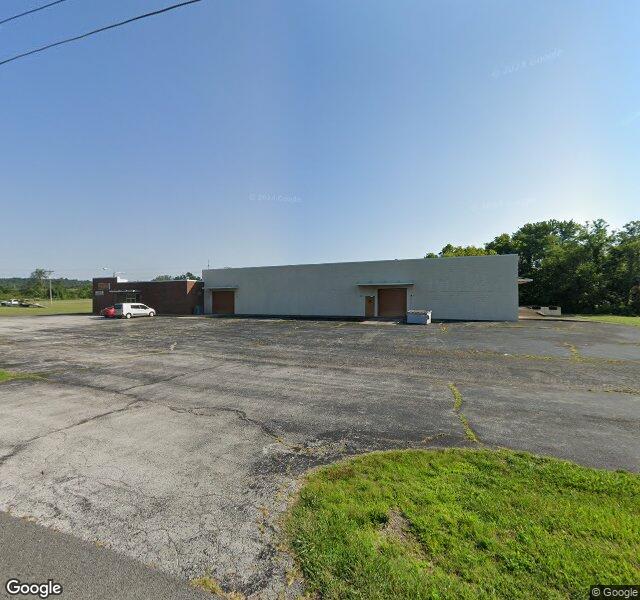
How Does Princeton Nursing & Rehabilitation Compare to Other Kentucky Nursing Homes?

Compared to the 100 nursing homes in Kentucky, PRINCETON NURSING & REHABILITATION's overall rating (1 stars) is below the state average of 2.8, staff turnover (47%) is near the state average of 46%, and health inspection rating (2 stars) is below the national benchmark.

What Should Families Ask When Visiting Princeton Nursing & Rehabilitation?

Based on this facility's data, families visiting should ask: "Can you walk me through typical staffing levels on day, evening, and night shifts?" "Can I visit during a mealtime to observe dining assistance and food quality?" "How do you handle medical emergencies, and what is your hospital transfer rate?" "Can I speak with family members of current residents about their experience?" These questions are particularly relevant given the below-average staffing rating.

Is Princeton Nursing & Rehabilitation Safe?

Based on CMS inspection data, PRINCETON NURSING & REHABILITATION has a clean safety record: no substantiated abuse findings (meaning no confirmed cases of resident harm), no Immediate Jeopardy citations (the most serious violation level indicating risk of serious injury or death), and is not on the Special Focus Facility watch list (a federal program monitoring the lowest-performing 1% of nursing homes). The facility has a 1-star overall rating and ranks #100 of 100 nursing homes in Kentucky. While no facility is perfect, families should still ask about staff-to-resident ratios and recent inspection results during their visit.

Do Nurses at Princeton Nursing & Rehabilitation Stick Around?

PRINCETON NURSING & REHABILITATION has a staff turnover rate of 47%, which is about average for Kentucky nursing homes (state average: 46%). Moderate turnover is common in nursing homes, but families should still ask about staff tenure and how the facility maintains care continuity when employees leave.

Was Princeton Nursing & Rehabilitation Ever Fined?

PRINCETON NURSING & REHABILITATION has no federal fines on record. CMS issues fines when nursing homes fail to meet care standards or don't correct problems found during inspections. The absence of fines suggests the facility has either maintained compliance or corrected any issues before penalties were assessed. This is a positive indicator, though families should still review recent inspection reports for the full picture.

Is Princeton Nursing & Rehabilitation on Any Federal Watch List?

PRINCETON NURSING & REHABILITATION is not on any federal watch list. The most significant is the Special Focus Facility (SFF) program, which identifies the bottom 1% of nursing homes nationally based on persistent, serious quality problems. Not being on this list means the facility has avoided the pattern of deficiencies that triggers enhanced federal oversight. This is a positive indicator, though families should still review the facility's inspection history directly.