Signature Healthcare at North Hardin Rehab & Welln
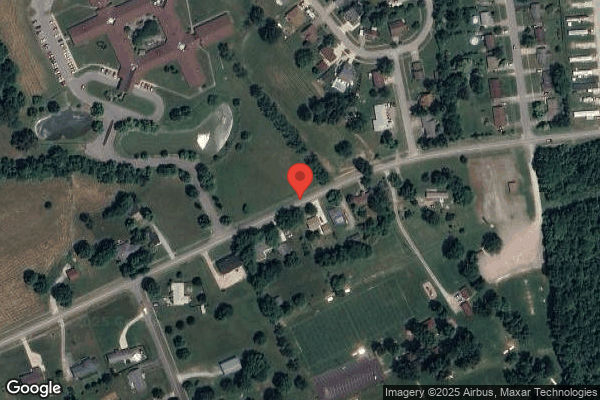
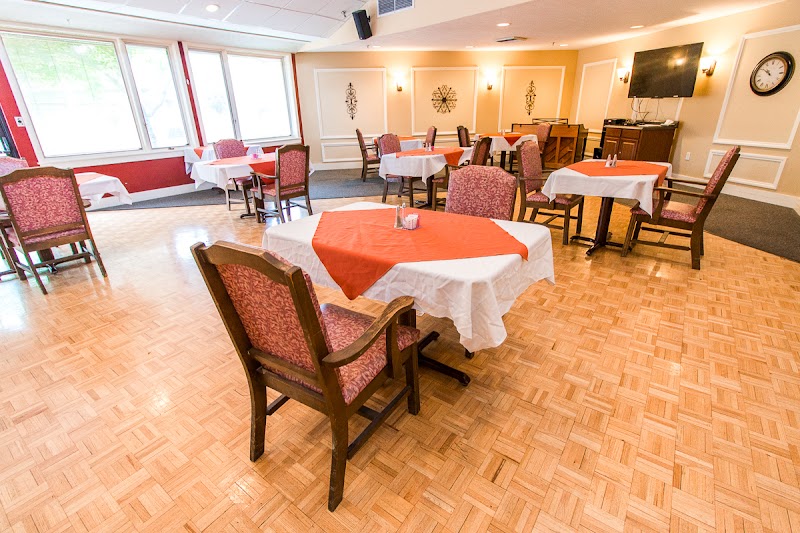
599 Rogersville Road, Radcliff, KY 40160 (270) 351-2999
For profit - Limited Liability company 148 Beds SIGNATURE HEALTHCARE Data: November 2025
Trust Grade
45/100
#187 of 266 in KY
Last Inspection: May 2025

Inspected within the last 6 months. Data reflects current conditions.

Overview

Signature Healthcare at North Hardin Rehab & Wellness has a Trust Grade of D, which indicates below-average quality and raises some concerns about care. They rank #187 out of 266 facilities in Kentucky, placing them in the bottom half of the state's nursing homes, and #5 out of 7 in Hardin County, meaning only two local options are worse. The facility is experiencing a worsening trend, with issues increasing from 2 in 2024 to 9 in 2025. While staffing is a weakness here, with a turnover rate of 61% that is significantly higher than the state average, they have received no fines, which is a positive aspect. Specific incidents include failures in food safety, such as a dusty dish machine and improperly sized meal portions that could affect residents' nutrition, as well as inadequate food storage practices that pose a potential health risk. Overall, while there are some strengths like no fines, the high turnover and troubling inspection findings raise significant concerns for prospective residents and their families.

Trust Score
D
45/100
In Kentucky
#187/266
Bottom 30%
Safety Record
Low Risk
No red flags
Inspections
Getting Worse
2 → 9 violations
Staff Stability
⚠ Watch
61% turnover. Above average. Higher turnover means staff may not know residents' routines.
Penalties
✓ Good
No fines on record. Clean compliance history, better than most Kentucky facilities.
Skilled Nurses
○ Average
Each resident gets 39 minutes of Registered Nurse (RN) attention daily — about average for Kentucky. RNs are the most trained staff who monitor for health changes.
Violations
⚠ Watch
28 deficiencies on record. Higher than average. Multiple issues found across inspections.
★★☆☆☆
2.0
Overall Rating
★★☆☆☆
2.0
Staff Levels
★★★☆☆
3.0
Care Quality
★★☆☆☆
2.0
Inspection Score
Stable
2024: 2 issues
2025: 9 issues

The Good

  • Full Sprinkler Coverage · Fire safety systems throughout facility
  • No fines on record

Facility shows strength in fire safety.

The Bad

2-Star Overall Rating

Below Kentucky average (2.8)

Below average - review inspection findings carefully

Staff Turnover: 61%

15pts above Kentucky avg (46%)

Frequent staff changes - ask about care continuity

Chain: SIGNATURE HEALTHCARE

Part of a multi-facility chain

Ask about local staffing decisions and management

Staff turnover is elevated (61%)

13 points above Kentucky average of 48%

The Ugly 28 deficiencies on record

May 2025 8 deficiencies
CONCERN (D)

Potential for Harm - no one hurt, but risky conditions existed

Deficiency F0583 (Tag F0583)

Could have caused harm · This affected 1 resident

Based on observation, interview, and facility policy review, the facility failed to ensure the personal privacy and confidentiality of residents' personal health information (PHI) for 1 of 57 sampled ...

Read full inspector narrative →
Based on observation, interview, and facility policy review, the facility failed to ensure the personal privacy and confidentiality of residents' personal health information (PHI) for 1 of 57 sampled residents (Resident (R)112). The findings include: Review of the facility policy titled, Safeguard: Safeguarding and Storing Protected Health Information, reviewed 01/31/2025, revealed all stakeholders (facility staff) were responsible for the security of the residents' active medical records at the nursing stations or other designated areas within the facility. Per review, that included, but was not limited to, making sure computer screens were not left unattended while displaying residents' PHI. Review of the Resident Face Sheet for R112 revealed the facility admitted the resident on 04/21/2025 and readmitted the resident on 05/26/2025. Continued review revealed R112's diagnoses included: hemiplegia and hemiparesis following cerebral infarction (stroke) affecting left dominant side; dysphagia (difficulty swallowing) following cerebral infarction; congestive heart failure; aphasia (language disorder) following cerebral infarction; epilepsy and epileptic syndromes; and chronic kidney disease. Review of the admission Minimum Data Set (MDS) Assessment, with an Assessment Reference Date (ARD) of 04/30/2025, revealed the facility assessed R112 to have a Brief Interview for Mental Status (BIMS) score of nine out of 15, which indicated the resident had moderate cognitive impairment. Observation on 05/27/2025 at 8:17 AM revealed a computer screen open that had R112's PHI displayed. Continued observation revealed information visible on the computer screen included the resident's name, date of birth , allergies, diagnoses, diet, and code status. Further observation revealed the open computer screen was visible to individuals in the hallway. During interview on 05/27/2025 at 8:26 AM, Unit Manager (UM) 6 acknowledged the computer screen had been left open and unlocked. She stated anyone walking by would be able to see R112's PHI which included: medications, diagnoses, birthdate, and diet. UM 6 further stated the computer screen should have been locked to protect R112's PHI as required. In observation and interview on 05/27/2025 at 8:30 AM, Licensed Practical Nurse (LPN) 3 was observed to return to the computer. She stated stated she was the person responsible for logging out when she stepped away; however, should have ensured the computer was locked when she left to protect the resident's PHI. During interview on 05/27/2025 at 10:21 AM, UM 5 stated nurses were trained to lock the computer screens when stepping away to prevent unauthorized access to residents' PHI. During interview on 05/28/2025 at 10:01 AM, the Director of Nursing (DON) stated computer screens must be locked, and no resident PHI should be left visible to others. The DON further stated nursing staff were expected to protect residents' PHI as required.
CONCERN (D)

Potential for Harm - no one hurt, but risky conditions existed

Deficiency F0658 (Tag F0658)

Could have caused harm · This affected 1 resident

Based on observation, interview, and facility policy review, the facility failed to ensure staff provided care within professional standards for 1 of 3 residents sampled during medication (med) pass o...

Read full inspector narrative →
Based on observation, interview, and facility policy review, the facility failed to ensure staff provided care within professional standards for 1 of 3 residents sampled during medication (med) pass out of the total sample of 57 Residents, (Resident (R)54). The findings include: Review of the facility policy titled, Medication Administration, revised 06/24/2024, revealed medications were administered as prescribed in accordance with manufacturers' specifications, good nursing principles and practices and only by persons legally authorized to do so. Continued review revealed, 6. Medications should be administered at the time they are prepared. 7. The person who prepares the dose for administration should be the person who administers the dose. Review of the Resident Face Sheet for R54 revealed the facility admitted the resident on 11/06/2019, with diagnoses that included: hypertension, major depression, and diabetes mellitus. Review of the quarterly Minimum Data Set (MDS) Assessment, with an Assessment Reference Date (ARD) of 02/25/2025, revealed the facility assessed R54 as having a Brief Interview for Mental Status (BIMS) score of 15 out of 15, which indicated the resident had intact cognition. Review of R54's Care Plan, revealed the facility had identified a problem area edited 03/09/2025, which noted the resident was at risk for cardiovascular complications related to diagnoses of hypertension and hyperlipidemia. Continued review revealed the interventions directed staff to administer medications as ordered. Per review of the Care Plan revealed the facility identified a problem area edited 03/09/2025 that indicated the resident had a diagnosis of diabetes and was at risk for adverse events. Further review revealed the facility identified R54 a problem area edited 05/22/2025, that indicated the resident had the potential for a nutrition risk related to vitamin D deficiency, hypertension, and dry mouth. Review of R54's Physician Order Report, for the timeframe from 04/27/2025 through 05/27/2025, revealed the following orders: an order dated 02/21/2025, for Biotene dry mouth oral rinse 30 milliliters (ml), with instructions to swish in mouth for 30 seconds twice daily; an order dated 02/21/2025, for diltiazem hydrochloride (HCI) extended release (blood pressure med) 300 milligrams (mg), to be administered by mouth once a day; an order dated 02/21/2025, for metformin (diabetic med) 500 mg, administer one tablet twice a day; an order dated 03/05/2025, for vitamin D3 50 micrograms (mcg), administer 50 mcg once a day; and an order dated 03/17/2025, for medroxyprogesterone (hormone) 10 mg, with instructions to administer 10 mg once a day. Observation of medication pass on 05/27/2025 at 7:37 AM, revealed CMA 7 prepared R54's Biotene, metformin, diltiazem, vitamin D3, and medroxyprogesterone for administration. Per observation, CMA 7 entered R54's room, placed the medications on the resident's bedside table and left the room, without observing the resident take the medications and returned to sign the medications off as given. In interview at the time of observation, CMA 7 said R54 was alert, oriented, and was able to take his/her medication without being watched. During a follow-up interview on 05/27/2025 at 7:47 AM, CMA 7 said she could not be sure if R54 had taken all of his/her medications as she had not watched the resident take them as required. CMA 7 stated she had received medication training and knew to watch residents. In interview on 05/27/2025 at 8:55 AM, R54 stated the nurses usually left his/her medications at his/her bedside for him/her to take. R54 further stated he/she was not opposed to being observed consuming the medications and said he/she did not wish to self-administer the medications. In interview on 05/27/2025 at 10:21 AM, Unit Manager (UM) 5 said nurses should never leave medications with residents. The UM further stated staff administering medications should watch residents take their medications before signing the medications off as given. In interview on 05/27/2025 at 10:35 AM, UM 6 stated nurses must watch residents take their medications to ensure nothing was left behind and prevent incidents like choking. In interview on 05/28/2025 at 10:00 AM, the Director of Nursing (DON) said nurses must stay with residents until they took their medication to verify the medications as taken. The DON stated if medications were not taken, the doctor should be notified, and medications should never be left unattended for the residents' safety. The DON further stated nurses were responsible for making sure medications were taken before signing the medications off. In interview on 05/29/2025 at 12:59 PM, the Administrator stated staff must follow the facility's policy by making sure residents took their medication before signing them off.
CONCERN (D)

Potential for Harm - no one hurt, but risky conditions existed

ADL Care (Tag F0677)

Could have caused harm · This affected 1 resident

Based on observation, interview, record review, and facility document and policy review, the facility failed to ensure residents received necessary assistance to carry out their activities of daily li...

Read full inspector narrative →
Based on observation, interview, record review, and facility document and policy review, the facility failed to ensure residents received necessary assistance to carry out their activities of daily living (ADLs) for 2 of 6 residents sampled for ADLs out of the total sample of 57 Residents, (Residents (Rs)73 and 224). The findings include: Review of the facility policy titled, Activities of Daily Living (ADLs), reviewed 01/31/2025, revealed ADL assistance was to be provided on a level appropriate to the resident's level of functioning and learning and/or the responsible party's level of support and contribution to resident care. Per review, direct healthcare staff were to assist, support and encourage the resident to maintain adequate ADLs while attempting to allow the resident to maintain as much independence as possible with their ADLs, such as bathing and grooming. Further review revealed, For those residents who are unable to perform their own activities of daily living, the facility will provide the needed assistance for completion of cares. 1. Review of the Resident Face Sheet for R73 revealed the facility admitted R73 on 12/17/2022, with a diagnosis of need for assistance with personal care. Review of the quarterly Minimum Data Set (MDS) Assessment, with an Assessment Reference Date (ARD) of 03/22/2025, revealed the facility assessed the resident to have a Brief Interview for Mental Status (BIMS) score of 10, indicating the resident was moderately cognitively impaired. Further review revealed the facility assessed R73 as dependent upon staff for showers/baths and personal hygiene. Review of R73's Care Plan revealed the facility identified a problem area with a start date of 07/04/2024, that indicated the resident had a self-care deficit related to impaired physical functioning and medical conditions as evidenced by the need for staff assistance for adequate completion of ADL cares. Further review revealed the interventions included an approach started on 07/04/2024, directing staff to provide the amount of assistance the resident needed for the completion of ADL care. Review of the facility document titled, Tuesday & Friday Shower List revealed R73 was scheduled to receive showers on Tuesdays and Fridays. Observation on 05/26/2025 at 3:50 PM, revealed R73 had long, dirty fingernails on both hands. In interview at the time of observation R73 stated he/she had not received a shower/bath, and no one had trimmed his/her fingernails. Observation on 05/27/2025 at 4:18 PM, revealed R73's fingernails remained long and dirty with a dirt-like substance under the nails. During interview on 05/27/2025 at 4:20 PM, R73 stated he/she had been promised by staff for weeks that they would clean and trim his/her fingernails; however, no one had done so. The resident further stated he/she would love for staff to trim and clean his/her nails and have a bath/shower. Review of R73's Point of Care History, for the timeframe from 05/01/2025 through 05/29/2025, revealed documentation reflected R73 had last been provided a bath on 05/22/2025. During interview on 05/28/2025 at 1:40 PM, Certified Nursing Assistant (CNA) 1 stated R73 was scheduled to receive a shower/bath on Tuesday, 05/27/2025, The CNA further stated however, R73 had not received a shower/bath the CNA had been busy and had not gotten to the resident. During a follow-up interview on 05/28/2025 at 1:59 PM, CNA 1 stated she was usually the designated shower aide. She stated a list was maintained at the nurses' station that reflected which days each resident was to receive their baths/showers. CNA 1 reported the CNAs assigned to resident care should ask the shower aide if any residents still needed showers and if so, they should provide them, if needed. She further stated trimming and cleaning nails were part of routine ADL care, but she also checked nails during showers. In interview on 05/28/2025 at 1:55 PM, Certified Medication Aide (CMA) 2 stated residents' showers/baths and nail care were part of their ADL care. CMA 2 reported if he saw a resident with long or dirty fingernails he would offer to trim them, but he had never offered to trim or clean R73's fingernails. He observed and confirmed R73's fingernails were long and dirty. CMA 2 further stated the facility had a shower aide and he was not sure what day R73 was scheduled to receive showers/baths, but he had not offered to shower or bathe the resident in the past week. Observation on 05/28/2025 at 2:03 PM, revealed Licensed Practical Nurse (LPN) 3 observed R73's fingernails and confirmed the resident's fingernails were long and dirty. LPN 3 said the resident's nails needed to be trimmed and cleaned. She reported it was very important to keep residents' nails trimmed and clean to prevent the residents from scratching themselves or staff. LPN 3 further stated she was not aware R73 had not received his/her bath/shower as scheduled. 2. Review of the Resident Face Sheet for R224 revealed the facility admitted the resident on 04/11/2025, with a diagnosis of need for assistance with personal care. Review of the admission MDS Assessment with an ARD of 04/20/2025, revealed the facility assessed R224 to have a BIMS score of 14 out of 15, which indicated the resident had intact cognition. Continued review of the MDS revealed the facility assessed R224 as dependent on staff for personal hygiene. Further review revealed the facility noted showers/baths had not been attempted during the assessment look-back period due to the resident's medical condition or safety concern. Review of R224's Care Plan revealed the facility identified a problem area with a start date of 04/11/2025, that noted the resident had a self-care deficit related to impaired physical functioning and medical conditions as evidenced by the need for staff assistance for adequate completion of ADL cares. Further review revealed the facility developed an approach, started on 04/11/2025, which directed staff to provide the amount of assistance the resident needed for completion of all ADL cares. Review of the facility document titled, Wednesday & Saturday Shower List revealed R224 was scheduled to receive showers on Wednesdays and Saturdays. Review of R224's Point of Care History for the timeframe from 05/01/2025 through 05/29/2025, revealed documentation noting the resident received partial bed baths on 05/02/2025 and 05/05/2025, a shower on 05/06/2025, a complete bed bath on 05/07/2025. Further review revealed R224 was noted to have received showers on 05/09/2025 and 05/17/2025, partial bed baths on 05/18/2025 and 05/20/2025, and a complete bed bath on 05/21/2025. Observation on 05/26/2025 at 11:30 AM, revealed R224's hair appeared oily, and the resident had noticeable body odor. In interview at the time of observation, R224 stated he/she had not had a bath or shower since they were moved into their current room approximately two weeks ago. During a follow-up interview on 05/27/2025 at 8:10 AM, R224 again stated they had not yet received a bath/shower since moving into his/her new room. The resident stated staff had not mentioned anything about a bed bath or a shower, and the resident was not sure what days he/she was scheduled to receive baths/showers. During an additional interview on 05/29/2025 at 12:41 PM, R224 stated he/she still had not received a bath or shower. During interview on 05/28/2025 at 1:55 PM, CMA 2 stated ADL care included showers/baths. CMA 2 reported the facility had a shower aide to do residents' showers/baths. He said he was not sure what day R224 was scheduled to receive his/her showers/baths. The CMA further stated he had not offered to shower or bathe R224 in the past week. During interview on 05/28/2025 at 1:59 PM, CNA 1 stated she was usually the designated shower aide. She stated a list was maintained at the nurses' station that reflected which days each resident was to receive baths/showers. CNA 1 reported the CNAs assigned to each resident's care should ask the shower aide if any residents still needed showers and they should provide them, if needed. During a follow-up interview on 05/29/2025 at 2:00 PM, CNA 1 stated R224 was on the schedule to receive a bath or shower the day prior, on Wednesday, 05/28/2025; however, she had not provided the resident one. During interview on 05/29/2025 at 2:13 PM, the DON stated she expected staff to provide baths/showers in accordance with the shower schedule and expected staff to provide ADL care daily, including ensuring residents received their showers/baths. She further stated she expected staff to provide ADL care daily, including nail care and ensuring residents received their showers/baths.
CONCERN (D)

Potential for Harm - no one hurt, but risky conditions existed

Deficiency F0685 (Tag F0685)

Could have caused harm · This affected 1 resident

Based on observation, interview, record review, and facility document and policy review, the facility failed to ensure residents received proper treatment and assistive devices to maintain hearing abi...

Read full inspector narrative →
Based on observation, interview, record review, and facility document and policy review, the facility failed to ensure residents received proper treatment and assistive devices to maintain hearing abilities for 1 of 1 residents sampled for communication and sensory problems out of a total sample of 57, (Resident (R) 3). The findings include: Review of the facility policy titled, Vision and Hearing, revised 06/24/2024, revealed the facility was to ensure residents received proper treatment and assistive devices to maintain vision and hearing abilities. Per review, the facility must, if necessary, assist the resident in making appointments. Continued review revealed the facility was to assist residents and their representatives in locating and utilizing any available resources such as, Medicare or Medicaid program payments, local health organizations offering items and services which were available and free to the community for the provision of the services the residents needed. Further review revealed that included making appointments and arranging transportation to obtain needed services. In addition, the policy revealed in situations where the resident had lost their assistive device, the facility was to assist residents and/or their representative in locating resources, as well as in making appointments, and arranging for transportation to replace the lost device(s). Review of the facility policy titled, Social Services, revised 06/24/2024, revealed the facility was to provide medically-related social services (SS) to attain or maintain the highest practical physical, mental and psychosocial well-being of each resident. Per policy review, the facility was to identify the need for medically-related SS for residents and ensure those services were provided. Review of the policy further revealed examples of medically related SS included, but were not limited to the following: Making referrals and obtaining needed services from outside entities. Review of the Resident Face Sheet for R3 revealed the facility admitted the resident on 09/05/2014, with a diagnosis of needing for assistance with personal care. Review of the quarterly Minimum Data Set (MDS) Assessment, with an Assessment Reference Date (ARD) of 03/19/2025, revealed the facility assessed R3 as having a Brief Interview for Mental Status (BIMS) score of 15 out of 15, which indicated the resident had intact cognition. Further review of the MDS revealed the facility assessed R3 as having adequate ability to hear with hearing aids or other appliance use. Review of R3's Care Plan, revealed the facility identified a problem initiated on 08/18/2022, that indicated the resident had impaired communication as it related to hearing impairment. Continued review revealed the interventions included staff to assist and encourage R3 to use hearing aids and for staff to report changes in communication status to the physician. Review of R3's provider notes for an Ear Care Visit dated 04/08/2025, revealed the resident had been seen by a nurse practitioner (NP) for hearing loss. Per review of the note, R3 presented with chronic hearing loss and wanted to have his/her ears checked for wax buildup. Continued review revealed R3 had hearing aids which had been lost and the resident was interested in obtaining new hearing aids. Further review revealed R3 was assessed and found to have a diagnosis of bilateral unspecified hearing loss. In addition, review of the note revealed the Patient Plan indicated the provider recommended an audiology referral at that time for an evaluation for R3. Review further revealed in was noted R3 wished to pursue the referral, and under the Follow Up section it was documented, Refer to Audiologist. During interview on 05/27/2025 at 10:42 AM, R3 stated he/she could not hear because his/her hearing aids had been lost. During the interview R3 answered multiple questions with I can't hear. During interview on 05/27/2025 at 1:49 PM, Licensed Practical Nurse (LPN) 10 stated a vendor typically came to the facility and dealt with residents' hearing issues. LPN 10 said if a resident lost their hearing aids, she would notify the physician, SS, the Director of Nursing (DON), Administrator, and the unit manager (UM), then fill out a grievance form. She further stated the grievance forms would then go to SS, who took over from there. During interview on 05/27/2025 at 1:59 PM, the Social Service Assistant (SSA) stated if a resident needed services, SS staff spoke with the vendor after nursing staff or the resident's family let them know of the need. During an additional interview on 05/28/2025 at 8:34 AM, the SSA stated SS set up appointments with the contracted vendor for residents, and the contracted vendor did their own follow-up for in-house appointments. She said any outside appointments were typically scheduled by nursing or the UM. The SSA further stated she was not aware of the recommended contracted vendor visit for R3 on 04/08/2025. She additionally stated the contracted vendor typically let them know about any recommendations. During interview on 05/28/2025 at 8:56 AM, UM 6 stated SS received referrals or recommendations and let her know of those. She said she would then get approval from the NP, would document the information in the resident's notes, check for insurance, and find an appropriate vendor. The UM further stated that she was not aware of the 04/08/2025 recommendation for R3 to have an audiologist referral. During interview on 05/28/2025 at 9:26 AM, the Medical Records Director (MRD) stated R3 had one outside appointment scheduled for April 2025, and no outside appointments scheduled for May 2025. She said she was not aware R3 needed to be seen by audiology. The MRD provided the State Survey Agency (SSA) Surveyor R3's Resident Calendar for April and May 2025, that noted the resident had a pulmonologist appointment on 04/16/2025, and no entries documented for May. During interview on 05/29/2025 at 2:18 PM, the Administrator stated, related to ancillary services, the facility was to schedule the services with the provider, and if it were an outside setting, the facility scheduled transportation if the family did not want to use their own transport. She said recommendations were reviewed with the clinical team and the NP and then put in place. The Administrator reported she had not been in the clinical meeting, so she was not aware of the recommendations for R3. She further stated however, the clinical team should have followed the facility's procedures. The Administrator additionally said her expectation was for the facility's policy and procedure to be followed. During interview on 05/29/2025 at 3:22 PM, the DON stated her expectation was that if a recommendation was made for a resident, staff should set up the appointment and send the resident to the appropriate vendor. She said she expected the contracted vendor to communicate with the facility at the time of their exit to include communication of all recommendations and follow-up as needed. The DON further stated staff were to follow up on all recommendations right away.
CONCERN (D)

Potential for Harm - no one hurt, but risky conditions existed

Pharmacy Services (Tag F0755)

Could have caused harm · This affected 1 resident

Based on observation, interview, and facility policy review, the facility failed to ensure staff disposed of medication appropriately for 1 of 3 residents observed during medication administration, (R...

Read full inspector narrative →
Based on observation, interview, and facility policy review, the facility failed to ensure staff disposed of medication appropriately for 1 of 3 residents observed during medication administration, (Resident (R)86). The findings include: Review of the facility policy titled, Disposal of Medication, Syringes and Needles Disposal of Medications, dated 01/2024, revealed the appropriate method for non-controlled medication destructions was as follows: Mixing medications with an undesirable substance, such as a commercially available chemical dissolution system, used coffee grounds or kitty litter, and putting them in impermeable, non-descript containers, such as empty cans or sealable bags; will further ensure the drugs are not diverted. Review of the Resident Face Sheet for R86 revealed the facility admitted the resident on 05/17/2025, with diagnoses of heart failure and hypertension. Review of the quarterly Minimum Data Set (MDS) Assessment, with an Assessment Reference Date (ARD) of 04/12/2025, revealed the facility assessed R86 with a Brief Interview for Mental Status (BIMS) score of 10 out of 15, which indicated the resident had moderate cognitive impairment. Review of R86's Physician Order Report, for the timeframe from 04/27/2025 through 05/27/2025, revealed an order dated 05/17/2025 for Ramipril (medication used to treat high blood pressure, heart failure, and diabetic kidney disease) 5 milligrams (mg), with instructions to administer 5 mg once a day. Observation on 05/27/2025 at 10:17 AM, of a medication pass with Certified Medication Aide (CMA) 8 revealed the CMA dropped R86's Ramipril 5 mg capsule, which landed on the medication cart. Continued observation revealed CMA 8 picked the capsule up and threw it in the trash can located on the side of the medication cart. In interview at the time of observation, CMA 8 stated she should have disposed of the capsule properly because it was hazardous. She said she had been trained on the proper disposal of medications. Unit Manager (UM) 5, who was also present during the observation and observed the CMA dispose of the medication in the trash can, said disposing of medication in regular trash cans was not the proper way to dispose of the medication. The UM stated it was hazardous to dispose of that way, and the capsule could be retrieved by someone from the trash. In interview on 05/28/2025 at 10:04 AM, the Director of Nursing (DON) stated the dropped medication should have been disposed of in the drug buster (a medication disposal system). The DON further stated proper disposal was important for the safety of others, and facility staff had been trained on that, and must follow the facility policy. In interview on 05/29/2025 at 1:08 PM, the Administrator stated staff were expected to follow the facility's policy and procedures for medication waste disposal.
CONCERN (D)

Potential for Harm - no one hurt, but risky conditions existed

Deficiency F0761 (Tag F0761)

Could have caused harm · This affected 1 resident

Based on observation, interview, and facility policy review, the facility failed to ensure staff secured all medications in a locked storage area/cart for 1 of 5 residents reviewed for accident hazard...

Read full inspector narrative →
Based on observation, interview, and facility policy review, the facility failed to ensure staff secured all medications in a locked storage area/cart for 1 of 5 residents reviewed for accident hazards, (Resident (R)28). The findings include: Review of the facility policy titled, Medication Storage, dated 01/2025, revealed The medication supply shall be accessible only to licensed nursing personnel, pharmacy personnel, or staff members lawfully authorized to administer medications. Review of the Resident Face Sheet for R28 revealed the facility admitted the resident on 02/22/2021, with diagnoses of chronic respiratory failure with hypoxia, acute and chronic respiratory failure with hypercapnia-secondary to chronic obstructive pulmonary disease (COPD) exacerbation, bacterial pneumonia, and pneumonia. Review of the Significant Change in Status Minimum Data Set (MDS) Assessment, with an Assessment Reference Date (ARD) of 04/01/2025, revealed the facility assessed R28 to have a Brief Interview for Mental Status (BIMS) score of 15 out of 15, which indicated the resident had intact cognition. Continued review of the MDS revealed the facility assessed R28 to experienced shortness of breath or trouble breathing with exertion and when lying flat. Further review revealed the facility assessed R28 to receive oxygen therapy and hospice care. Review of R28's Care Plan, revealed the facility identified a problem area edited on 03/27/2025, that noted the resident had impaired oxygen gas exchange (hypoxia, respiratory failure, and hypercapnia). Continued review revealed the interventions directed staff to offer and encourage the resident's medications, nebulizers, and Puffers (inhalers) as needed. Further review revealed however, no documented evidence the care plan indicated R28 was safe to self-administer medications or to have medications left at the bedside. Review of R28's Physician Order Report, dated 05/29/2025, revealed an order dated 03/26/2025, for albuterol sulfate hydrofluoroalkane (HFA) aerosol inhaler 90 micrograms (mcg) per actuation, with instructions to administer two puffs for shortness of air every four hours as needed. Continued review of the Physician Order Report revealed an order dated 04/16/2025, for Flonase Allergy Relief (fluticasone propionate) spray, suspension, 50 mcg per actuation, with instructions to administer two sprays in the resident's nostrils for seasonal allergies once a day. Further review of the Physician Order Report revealed no documented evidence of an order(s) to allow R28 to self administer any of his/her medications or to be allowed to keep medications at his/her bedside. Observation on 05/26/2025 at 1:03 PM, revealed R28 leaving the bathroom with his/her supplemental oxygen on. Continued observation revealed an over-the-bed table beside R28's bed which had an albuterol sulfate inhaler and a bottle of Flonase nasal spray on it. During the observation, Certified Medication Aide (CMA) 8 brought in two pills to administer to R28; however, the CMA did not take the inhaler or nasal spray from the resident's over-the-bed table when she left. Observation on 05/27/2025 at 1:15 PM, revealed R28 lying on his/her bed, with the inhaler and nasal spray remaining on the over-the-bed table. During interview on 05/27/2025 at 1:35 PM, R28 stated he/she usually took those medications (the albuterol sulfate HFA aerosol inhaler and Flonase Allergy Relief), but did not remember who brought the medication in. R28 stated she did not want to administer her own medication. R28 further stated she did not remember if the staff administered the medication (located on the over-there-bed table) that morning. During interview on 05/27/2025 at 1:36 PM, CMA 8 stated she had not administered R28's inhalers that morning, an agency nurse had administered the morning medications on R28's wing that morning. She said she only passed medications on R28's hall that afternoon. She said she would only leave medications at the resident's bedside if they had an order for the medication to be kept at bedside, and that was rare. CMA 8 reported she had not known R28's inhaler and the nasal spray had been left in the resident's room. In observation at the time of interview, CMA 8 went to R28's room and confirmed the resident's Flonase and albuterol had been left in the resident's room. During interview on 05/27/2025 at 3:33 PM, Registered Nurse (RN) 14 stated she completed the morning medication pass for R28. RN 14 said she talked to R28 after hearing that medications had been left in the resident's room. She reported when she administered medications such as Flonase and inhalers, she usually brought out whatever medications she took into a resident's room. During interview on 05/29/2025 at 11:39 AM, Unit Manager (UM) 5 stated staff should take the medications out of a resident's room when they left the room. UM 5 further stated nurses and CMA's should not leave medications in R28's room. During interview on 05/29/2025 at 2:35 PM, the Director of Nursing (DON) stated staff should not have left the medications at R28's bedside. The DON further stated the staff should have taken the medications back to the medication cart. During interview on 05/29/2025 at 3:13 PM, the Administrator stated medications should be stored in the medication cart. The Administrator further stated staff should not leave medications in the resident's room.
CONCERN (D)

Potential for Harm - no one hurt, but risky conditions existed

Deficiency F0806 (Tag F0806)

Could have caused harm · This affected 1 resident

Based on observation, interview, record review, and facility document and policy review, the facility failed to ensure a resident received meals in accordance with their food preferences and meal tick...

Read full inspector narrative →
Based on observation, interview, record review, and facility document and policy review, the facility failed to ensure a resident received meals in accordance with their food preferences and meal ticket for 1 of 11 sampled residents reviewed for food preferences, (Resident (R)68). The findings include: Review of the facility document titled, In-Service Attendance Record Dining Services Department, dated 03/19/2025, revealed the Food Service Manager (FSM) was to educate dietary staff on the facility's policy titled, Dining and Food Preferences. Review of the policy revealed, Individual dining, food, and beverage preferences are identified for all residents/patients. Further review of the policy revealed 6. The individual tray assembly ticket will identify all food items appropriate for the resident based on his/her diet order, allergies, intolerances and preferences. Review of the Resident Face Sheet for R68 revealed the facility admitted the resident on 12/31/2021 and most recently readmitted the resident on 03/09/2025. Review of the quarterly Minimum Data Set (MDS) Assessment, with an Assessment Reference Date (ARD) of 05/07/2025, revealed the facility assessed R68 to have a Brief Interview for Mental Status (BIMS) score of 14 out of 15, which indicated the resident had intact cognition. Review of R68's Care Plan for nutritional risk initiated on 01/10/2022, revealed the facility noted the resident was at nutritional risk related to dementia, dysphagia (difficulty swallowing), transient ischemic attack (TIA), hyperlipidemia, and gastroesophageal reflux disease (GERD). Further review revealed the interventions included an approach dated 01/10/2022 directing staff to honor the resident's food preferences. Review of R68's diet assembly ticket specified, all gravy on side not on food. During interview on 05/26/2025 at 10:57 AM, R68 stated he/she did not like gravy on his/her meat. R68 said gravy was supposed to be served on the side; however, his/her gravy was always served on top of his/her meat. In observation on 05/27/2025 at 1:40 PM, revealed R68's lunch tray included mashed potatoes, corn, a roll, and ground chicken which was topped with gravy. In interview at the time of observation, R68 again stated he/she always got gravy on top of his/her food. During observation on 05/27/2025 at 1:44 PM, the FSM looked at R68's meal tray and reviewed the resident's diet assembly ticket. In interview at the time of observation, the FSM confirmed R68 received gravy on top of his/her ground chicken which was not consistent with the resident's listed preferences. During interview on 05/29/2025 at 2:13 PM, the Director of Nursing (DON) stated she expected staff to provide the residents' meals based upon their preferences. During interview on 05/29/2025 at 2:54 PM, the Administrator stated she expected staff to follow the residents' diet preferences.
CONCERN (F)

Potential for Harm - no one hurt, but risky conditions existed

Food Safety (Tag F0812)

Could have caused harm · This affected most or all residents

Based on observation, interview, and facility policy review, the facility failed to ensure its dish machine and range hood grates were free of dust accumulation, which had the potential to affect 111 ...

Read full inspector narrative →
Based on observation, interview, and facility policy review, the facility failed to ensure its dish machine and range hood grates were free of dust accumulation, which had the potential to affect 111 of 111 residents receiving meals from the kitchen. The findings include: Review of the facility policy titled, Equipment, revised 09/2017, revealed, All food service equipment will be clean, sanitary, and in proper working order. Further review revealed all non-food contact equipment will be clean and free of debris. Observations during the initial tour of the kitchen on 05/26/2025 at 9:07 AM, revealed the top of the dish machine was covered with dust. In addition, observation further revealed dust on two range hood grates, located over a six-burner stove and a convection oven/steamer/fryer. During interview on 05/28/2025 at 11:51 AM, the Food Service Manager (FSM) stated that the kitchen should have been maintained in a clean manner to include the dish machine and range hood grates. During interview on 05/29/2025 at 2:34 PM, the Administrator stated she expected staff to follow the facility's infection and sanitation policies.
Jan 2025 1 deficiency
CONCERN (D) 📢 Someone Reported This

A family member, employee, or ombudsman was alarmed enough to file a formal complaint

Potential for Harm - no one hurt, but risky conditions existed

Report Alleged Abuse (Tag F0609)

Could have caused harm · This affected 1 resident

Based on interview, record review, and review of the facility policy, the facility failed to ensure an allegation of abuse was reported to the Administrator and to the State Survey Agency within 2 hou...

Read full inspector narrative →
Based on interview, record review, and review of the facility policy, the facility failed to ensure an allegation of abuse was reported to the Administrator and to the State Survey Agency within 2 hours for one of seven sampled residents, Resident (R)1. On 01/08/2025, a Certified Nurse Aide (CNA) reported to facility leadership an allegation of abuse involving R1 which allegedly occurred on 01/07/2025, approximately twenty-four hours prior the CNA reporting the allegation. The findings include: Review of the facility policy Abuse, Neglect and Misappropriation of Property last reviewed 09/13/2024, revealed the facility intended to prevent occurrence of abuse and assure all alleged violations of federal and state laws which involve abuse were reported immediately to the Administrator and State Survey Agency. The facility would include reporting to provide protection for the health, welfare, and rights of each resident. Every Stakeholder must intervene immediately, protect the alleged victim, and integrity of the investigation. If a Stakeholder observes any form of abuse, the Stakeholder will intervene immediately and assure the resident's safety. Further review of the policy, revealed every Stakeholder shall immediately report any allegation of abuse to the Administrator. Review of the facility policy Resident Rights last reviewed 09/13/2024, revealed all residents had the right to be treated with respect and dignity. These rights would be protected by the facility. Further review of the policy revealed the facility will make every effort to assure the resident was treated with respect, kindness, and dignity. Review of the facility investigation revealed on 01/08/2025 at 10:30 PM, the Administrator was notified a staff member voiced a care concern related to evening care provided to R1. The CNA reported redirection approaches to prevent the R1 from falling while the resident was agitated. CNA2 reported the following occurred: CNA9 pulled R1 down by his gown when the resident attempted to stand; CNA8 and CNA10 held the resident's gown and sat him back down when he stood up; CNA8 tapped R1 on the back of his head; and Licensed Practical Nurse (LPN)2 put R1's medications in yogurt, and placed the medications in the resident's mouth after he refused to take medication from the Certified Medication Technician (CMT). Continued review of the facility investigation revealed CNA2's witness statement dated 01/08/2025, revealed she had witnessed the above incidents with R1 on 01/07/2025. Further review of the investigation revealed the facility reported an allegation of abuse to the State Survey Agency on 01/08/2025, with date and time confirmation, on 01/09/2025 at 12:23 AM. The allegation was reported by Certified Nurse Aide (CNA)2 and alleged concerns against CNA8, CNA9, CNA10, and an agency Licensed Practical Nurse, (LPN)2. Review of a Stakeholder Suspension Form dated 01/08/2025 revealed CNA2 was suspended from working, pending the facility's completed investigation. Review of the facility staffing schedule revealed CNA9 was not scheduled to work on 01/07/2025 but all the staff (CNA8, CNA9, CNA10 and LPN2) which CNA2 reported abused R1 were scheduled to work on 01/06/2025. Additionally, CNA2 also was scheduled to work on 01/06/2025. In interview on 01/21/2025 at 8:11 AM and on 01/23/2025 at 7:01 AM, CNA2 stated she reported to the Weekend Manager allegation involving R1. CNA2 stated she failed to report the alleged incident timely and reported approximately 24-hours after the event occurred. CNA2 stated she was trained on abuse when she was employed in October 2024 and understood that allegations of abuse were to be reported immediately. CNA2 stated she was also suspended for not reporting timely. She further stated she did not report the allegation earlier as CNA8 told her to keep my mouth shut. Per CNA2, the purpose of reporting timely was to keep all residents safe. In interview on 01/23/2025 at 1:04 PM, the Director of Nursing (DON) stated CNA2 reported to the Weekend Manager, who then called her (the DON). She stated she (the DON) and the Administrator came in to talk with CNA2 as the aide did not feel comfortable speaking on the phone. The DON stated the CNA witnessed the incidents with R1 several days prior to voicing to anyone. The DON further stated CNA2 was suspended from work for not reporting allegations immediately. She also stated CNA2 was re-educated on timeliness of reporting abuse and to whom to report. The DON stated the purpose of reporting timely was to have an intervention in place for the resident's safety. Interview with Weekend Manager on 01/23/2025 at 1:45 PM revealed CNA2 called her on Wednesday (01/08/2025) to report abuse of R1 which CNA2 reported happened the night before. She stated she asked CNA2 why she did not call the Administrator when it happened, and the aide told her she did not know what to do. The Weekend Manager further stated she told CNA2 the facility had 2 hours to act, and she immediately called the DON. She stated the purpose of reporting in 2 hours was for the protection and safety of the elders (residents). She also stated an obligation to report as soon as staff see it (alleged abuse). In interview on 01/23/2025 at 1:59 PM, the Administrator stated CNA2 was suspended for failure to report timely. Per the Administrator, CNA2 reported the allegation about one day after the incident allegedly occurred. She stated staff were trained on abuse and that abuse allegations should be reported to herself and the DON immediately. She further stated the purpose of reporting in 2 hours was to perform an investigation and ensure the resident's safety.
May 2024 2 deficiencies
CONCERN (F) 📢 Someone Reported This

A family member, employee, or ombudsman was alarmed enough to file a formal complaint

Potential for Harm - no one hurt, but risky conditions existed

Menu Adequacy (Tag F0803)

Could have caused harm · This affected most or all residents

Based on observation, interview, and review of the Diet Guide Sheet, it was determined the facility failed to ensure menu items were served in the recommended portion sizes which were approved to meet...

Read full inspector narrative →
Based on observation, interview, and review of the Diet Guide Sheet, it was determined the facility failed to ensure menu items were served in the recommended portion sizes which were approved to meet the nutritional needs of the residents. Staff failed to follow the portion sizes on the menu guide which was approved by a Registered Dietician. Observation on 05/02/2024 during the noon meal revealed, pureed meal tray portions were small and the server was using a blue-handled scoop. The server stated the scoop was 2 ounces. Continued observation revealed 2 ounces of the meatless entrée and 2 ounces of pureed bread being placed on the plate. The findings include: Review of week 2 of the Diet Guide Sheet, for the noon meal, revealed the pureed meal consisted of pureed cheese lasagna, 8 ounces; pureed marinated mixed vegetables, 3.25 ounces; pureed potato salad, 4 ounces; pureed garlic bread 4 ounces and fruit cocktail 3 ounces. Review of the facility policy Therapeutic Diets, revised 10/2022, revealed all residents would have a diet order including regular therapeutic and texture modification, prescribed by the attending physician in accordance with the applicable regulatory guidelines. Continued review revealed diets would be prepared in accordance with guidelines in the approved Diet Manual and the individualized care plan. Continued review revealed a mechanically altered diet was one in which the texture of the diet was altered. During an interview with the Interim Dietary Manager on 05/02/2024 at 4:17 PM, she stated someone at the corporate level completed the menus. She stated for portion size the recipe printed specifics such as what size scoop to use. She stated they followed what it said. She stated the blue handled scoop was two (2) ounces. She stated she would have to look at the guidelines about the portion sizes. In an interview with the Regional Dietician on 05/02/2024 at 4:33 PM, she stated corporate dieticians aproved the menus. She stated she would have to check the guideline for portion size and production size. She stated she could not speak to 2 ounces of a meatless entree and would have to check the guidelines. She further stated portion sizes can change daily. In an interview with the District Manager on 05/03/2024 at 1:57 PM, he stated a Registered Dietician at corporate signed off on the menus. He stated the menu guide translates to what the diet is and creates the meal ticket. He stated traditionally, residents would have been served 6-8 ounces of a meatless entree. He further stated the menus were created to equal out nurtients for the day. Additionally, he stated this was only the second week of using the new menus In an interview with the Director of Operation on 05/03/2024 at 2:08 PM, she stated residents receiving a pureed diet should have received eight (8) ounces of the entrée. She stated potential outcomes of not receiving correct portion sizes could be residents may want more food. She stated this was an isolated incident and there were no potentials for weight loss. She further stated there were always snacks available for the residents. In an interview with the Director of Nursing (DON) on 05/03/2024 at 3:22 PM, she stated she expected dietary to follow the physicians order for meals. She stated a resident could still be hungry if they received small portions. She stated there were snacks available. In an interview with the Administrator on 05/03/2024 at 4:08 PM, he stated he expected dietary to follow the guidelines on portion sizes. He stated the diet guide was developed and it should be used and followed. The Administrator did not speak to outcomes for residents.
CONCERN (F)

Potential for Harm - no one hurt, but risky conditions existed

Food Safety (Tag F0812)

Could have caused harm · This affected most or all residents

Based on observation, interview and review of facility policy, it was determined the facility failed to store food in accordance with professional standards for food service safety related to food ite...

Read full inspector narrative →
Based on observation, interview and review of facility policy, it was determined the facility failed to store food in accordance with professional standards for food service safety related to food items opened, not dated, and/or labeled. This had the potential to affect 115 of 120 residents. Observation during the initial kitchen tour on 04/30/2024 at 9:40 AM, revealed assorted food items/containers not labeled, dated, or expired in both walk-in cooler #1 and walk-in cooler #2. The findings include: Review of the facility policy Food Storage, Dry Goods, revised 10/2022, revealed all dry goods would be appropriately stored in accordance with the FDA food code. All items would be stored on shelves at least 6 inches above the floor. Review of the facility policy Labeling and Dating, dated 2017, revealed proper labeling and dating ensured all foods were stored and rotated. All foods would be dated upon receipt before being stored. Leftovers must be labeled and dated with the date they were prepared and the use-by date. All ready-to-eat foods held for more than 24 hours at a temperature of 40 degrees Fahrenheit or less would be labeled and dated with a prepared date being day one (1) and a use-by date, day seven (7). Always defer to state and local regulations as they supersede general guidelines. Observation during the initial kitchen tour walk-in cooler #1, revealed a gallon size plastic container that was 1/2 full of sliced bologna, that was not labeled or dated, a plastic container dated 04/22/2024 with 7 cooked chicken strips, not labeled or dated, a metal container that was ½ full of mechanical soft chicken, not labeled or dated, a plastic container containing 3 cooked pork chops, not labeled or dated, a container of beef base ½ full dated 03/20/2024 and ½ gallon of milk that was expired with a date of 04/28/2024. Continued observation of walk-in cooler #2 revealed 4 boxes of produce items sitting on the floor, 2 containers of thickened orange juice were opened, not labeled, or dated, 1 container of whipped topping, was opened, not labeled, or dated and ½ bag of shredded cheese opened, not labeled, or dated. In an interview with the Interim Dietary Manager on 04/30/2024 at 9:45 AM, she stated the produce was sitting on the floor because it was delivered the previous day and she had not had time to put it away. She stated she was aware items could not be sitting on the floor. Continued interview revealed she expected all food to be labeled and dated before placing in the coolers. She stated there were signs posted everywhere in the kitchen. The DM stated there were no potentials related to residents becoming ill as the dietary staff would not serve outdated food. She stated she checks the cooler daily and she had not had a chance to check them when surveyors came in. In an interview with the District Manager on 05/03/2024 at 11:18 AM, he stated all items were to be labeled and dated before storing. He stated there were no potential outcomes as staff would not serve foods that were not dated. In an interview with the Director of Nursing (DON) on 05/03/2024 at 3:22 PM she stated she would expect the kitchen staff to label and date items before storing. She stated she would hope that there would be no potential outcomes for the residents. In an interview with the Administrator on 05/03/2024 at 4:08 PM, he stated he expected staff to follow policies and guidelines related to labeling and dating foods and leftovers. He stated he could not speak to outcomes or what-ifs; he stated the kitchen strived to label and date foods in the kitchen to the best of their abilities.
Jun 2019 17 deficiencies
CONCERN (D)

Potential for Harm - no one hurt, but risky conditions existed

Resident Rights (Tag F0550)

Could have caused harm · This affected 1 resident

Based on observation, interview, record review, and facility policy review, it was determined the facility failed to ensure one (1) of thirty-three (33) sampled residents (Resident #97) was treated wi...

Read full inspector narrative →
Based on observation, interview, record review, and facility policy review, it was determined the facility failed to ensure one (1) of thirty-three (33) sampled residents (Resident #97) was treated with dignity and respect. During observation of wound care on 06/04/19 at 2:15 PM, Licensed Practical Nurse (LPN) #8 opened the door to the hallway and exposed Resident #97's nude buttocks. The findings include: Review of the facility policy titled Resident Rights, revised 08/16/18, revealed the facility would ensure that all residents would be treated with respect and dignity. The policy further stated that residents would be treated in a manner and in an environment that promoted maintenance or enhancement of quality of life. Review of the medical record for Resident #97 revealed the facility admitted the resident on 05/10/19 with diagnoses that included Bacteremia, Infected Wound, Immobility Syndrome, and Metabolic Encephalopathy. Review of the most recent quarterly Minimum Data Set (MDS) assessment for Resident #97 dated 05/17/19, revealed the resident had a Brief Interview for Mental Status (BIMS) score of eleven (11), which indicated the resident was interviewable. On 06/04/19 at 2:15 PM during observation of wound care for a pressure ulcer to Resident #97's sacrum (bottom), LPN #8 opened the door leading to the hallway while the resident's buttocks were exposed. Resident #97 was turned away from the door and was not aware that the door was open. Interview conducted with LPN #8 on 06/07/19 at 10:10 AM revealed she should have covered Resident #97 prior to opening the door. LPN #8 acknowledged that all residents should be treated with dignity and respect. Interview with the Director of Nursing (DON) on 06/07/19 at 11:30 AM revealed the expectation was that staff would treat all residents in a manner that promoted dignity and respect. The DON stated LPN #8 should have ensured that Resident #97 was covered prior to opening the door. The DON reported that she made rounds throughout the day and had not identified any concerns with staff not treating residents with dignity and respect.
CONCERN (D)

Potential for Harm - no one hurt, but risky conditions existed

Safe Environment (Tag F0584)

Could have caused harm · This affected 1 resident

Based on observation and interview, it was determined that the facility failed to maintain the interior in good repair for one (1) of thirty-three (33) sampled residents (Resident #114). Observation r...

Read full inspector narrative →
Based on observation and interview, it was determined that the facility failed to maintain the interior in good repair for one (1) of thirty-three (33) sampled residents (Resident #114). Observation revealed multiple holes in the wall below the window in Resident #114's room. The findings include: Observation on 06/04/19 at 8:46 AM of Resident #114's room revealed multiple holes and damage to the drywall located below the window and next to the heater unit. Interview with Resident #114 revealed the resident backed his/her motorized wheelchair into the wall while trying to open the blinds. According to interview with Resident #114, the damage to the wall occurred a few months ago. Further observation revealed a typed sign next to the window to remind staff to open the blinds for the resident. Interview on 06/06/19 at 2:40 PM with the Maintenance Director revealed he/she was not aware of the damage and holes to the wall in Resident #114's room. Further interview revealed that the staff had a maintenance log on the unit to communicate any needed repairs to the Maintenance Department. Interview on 06/06/19 at 3:07 PM with LPN #3, the Unit Coordinator on the East Wing, revealed Unit Coordinators made daily rounds and visited residents that they were assigned to monitor. According to interview, the damaged area on the wall below the window was not present when he/she rounded last week. Interview on 06/06/19 at 2:55 PM with the Administrator revealed she was not aware of a problem with the wallboard being damaged in Resident #114's room. According to interview, the staff frequently called the Maintenance Director for repairs, and they had a log to communicate with the Maintenance Director for any necessary repairs.
CONCERN (D)

Potential for Harm - no one hurt, but risky conditions existed

Deficiency F0637 (Tag F0637)

Could have caused harm · This affected 1 resident

**NOTE- TERMS IN BRACKETS HAVE BEEN EDITED TO PROTECT CONFIDENTIALITY** Based on observation, interview, record review, and review of the Resident Assessment Instrument (RAI) User's Manual, it was det...

Read full inspector narrative →
**NOTE- TERMS IN BRACKETS HAVE BEEN EDITED TO PROTECT CONFIDENTIALITY** Based on observation, interview, record review, and review of the Resident Assessment Instrument (RAI) User's Manual, it was determined the facility failed to complete Minimum Data Set (MDS) assessments for one (1) of thirty-three (33) sampled residents (Resident #9). Resident #9 was admitted to hospice on 05/16/19; however, the facility failed to conduct a Significant Change in Status MDS assessment. The findings include: Interview with the Director of Nursing (DON) on 06/07/19 at 9:11 AM revealed the facility utilized the Long Term Care Facility Resident Assessment Instrument 3.0 User's Manual, dated October 2018, as a resource for completion of MDS assessments. Review of the Long Term Care Facility Resident Assessment Instrument 3.0 User's Manual, page 2-23, revealed a Significant Change in Status Assessment is required to be completed when a terminally ill resident enrolls in a hospice program and remains a resident in the facility. The manual stated that the assessment must be completed within fourteen (14) days from the effective date of hospice election. Further review revealed the Significant Change in Status Assessment requires Section O, Line 0100K to be checked, indicating hospice election has occurred. A review of Resident #9's medical record revealed the facility readmitted the resident on 05/16/19, with diagnoses that included Alzheimer's disease, Advanced Dementia with Dysphasia, Anorexia, and Sepsis. Review of the Nursing admission Assessment completed on 05/16/19 revealed the resident was admitted to hospice on 05/16/19 upon discharge from the hospital and before returning to the facility on [DATE]. Review of Resident #9's medical record revealed no documented evidence that the facility had completed a Significant Change MDS assessment on or before 05/29/19, fourteen days after hospice election. Interview with the MDS Coordinator on 06/07/19 at 9:46 AM, revealed a Significant Change MDS assessment should have been completed and hospice should have been coded for Resident #9 on or before 05/29/19. The MDS Coordinator stated it was an oversight. Interview with the Director of Nursing (DON) on 06/07/19 at 9:11 AM, revealed she was not responsible for ensuring the timeliness/accuracy of MDS assessments. The DON revealed the person completing the MDS assessment was responsible for its accuracy and timeliness.
CONCERN (D)

Potential for Harm - no one hurt, but risky conditions existed

Deficiency F0638 (Tag F0638)

Could have caused harm · This affected 1 resident

Based on interview and record review, it was determined that the facility failed to ensure each resident is assessed using the standardized Quarterly Review assessment tool no less than once every 3 m...

Read full inspector narrative →
Based on interview and record review, it was determined that the facility failed to ensure each resident is assessed using the standardized Quarterly Review assessment tool no less than once every 3 months between comprehensive assessments for one (1) of 33 (thirty-three) sampled residents (Resident #2). Review of Resident #2's Minimum Data Set (MDS) assessments revealed the facility completed a quarterly assessment on 01/22/19, but failed to complete another quarterly MDS assessment until 05/24/19, forty-one (41) days late. The findings include: Interview on 06/07/19 at 8:15 AM with the facility Administrator revealed the facility did not have a policy regarding MDS assessments, but followed the Resident Assessment Instrument (RAI) Instruction manual for completion of MDS assessments. Review of the Resident Assessment Instrument (RAI) 3.0 Instruction Manual revealed a Quarterly Review Assessment is an OBRA '87-required, non-comprehensive assessment that must be completed at least every 92 days following the previous OBRA assessment of any type. It is used to track a resident's status between comprehensive assessments to ensure critical indicators of gradual change in a resident's status are monitored. Review of Resident #2's medical record revealed the facility admitted the resident on 12/06/16. Review of the resident's Quarterly MDS assessment revealed the facility completed the assessment on 01/22/19. However, there was no documented evidence the facility completed another Quarterly MDS assessment until 05/24/19, 133 days later. Interview on 06/06/19 at 3:34 PM with the MDS Coordinator and MDS nurse #2 confirmed Resident #2's quarterly assessment was completed late. The staff stated that the nurse who completed the assessment was no longer employed at the facility.
CONCERN (D)

Potential for Harm - no one hurt, but risky conditions existed

MDS Data Transmission (Tag F0640)

Could have caused harm · This affected 1 resident

Based on interview and record review it was determined that the facility failed to transmit a completed discharge record for one (1) of thirty-three (33) sampled residents (Resident #1). The facility ...

Read full inspector narrative →
Based on interview and record review it was determined that the facility failed to transmit a completed discharge record for one (1) of thirty-three (33) sampled residents (Resident #1). The facility completed a 14-day discharge assessment for Resident #1 on 01/13/19; however, the facility failed to transmit the discharge information as required. The findings include: Interview on 06/07/19 at 8:15 AM with the facility Administrator revealed the facility utilized the Resident Assessment Instrument (RAI) 3.0 Instruction Manual (RAI) to complete a MDS assessment. Review of the Resident Assessment Instrument (RAI) 3.0 Instruction Manual (RAI) revealed Transmitted means electronically transmitting to the Quality Improvement Evaluation System (QIES) Assessment Submission and Processing (ASAP) System, within 14 days of the final completion date of the record. Within 14 days after a facility completes a resident's assessment, a facility must electronically transmit encoded, accurate, and complete MDS data to the CMS (The Centers for Medicare and Medicaid Services) System, including following a subset of items upon a resident's transfer, reentry, discharge, and death. Review of Resident #1's medical record revealed the facility admitted the resident on 12/28/18 and the resident was discharged on 01/13/19. Review of Resident #1's MDS record revealed the facility completed a 14-day/discharge return not anticipated assessment on 01/13/19; however, there was no evidence that the facility transmitted the discharge information as required by CMS. Interview on 06/06/19 at 3:34 PM with the MDS Coordinator and MDS Nurse #2 confirmed that the assessment was completed; however, the discharge assessment was never transmitted. They stated the nurse who completed the assessment was no longer employed at the facility.
CONCERN (D)

Potential for Harm - no one hurt, but risky conditions existed

Assessment Accuracy (Tag F0641)

Could have caused harm · This affected 1 resident

**NOTE- TERMS IN BRACKETS HAVE BEEN EDITED TO PROTECT CONFIDENTIALITY** The facility failed to ensure Minimum Data Set (MDS) assessments accurately reflected the status of two (2) of thirty-three (33)...

Read full inspector narrative →
**NOTE- TERMS IN BRACKETS HAVE BEEN EDITED TO PROTECT CONFIDENTIALITY** The facility failed to ensure Minimum Data Set (MDS) assessments accurately reflected the status of two (2) of thirty-three (33) sampled residents (Resident #60 and #68). The facility failed to ensure Resident #68's admission MDS assessment stated that the resident required tracheostomy care, suctioning, and dialysis. In addition, the facility failed to ensure Resident #60's admission MDS stated that the resident utilized an indwelling urinary catheter. The findings include: Review of the Resident Assessment Instrument (RAI) 3.0 manual, dated October 2018, revealed Medicare and Medicaid participating long term care (LTC) facilities are required to conduct comprehensive, accurate, standardized, and reproducible assessments of each resident's functional capacity and health status. 1. Review of the medical record revealed Resident #68 was admitted to the facility on [DATE] with diagnoses of Atrial Fibrillation, Hypertension, Heart Failure, End Stage Renal Disease, Pneumonia, Quadriplegia, Anxiety, Chronic Obstructive Pulmonary Disease, Acute Respiratory Failure with Hypoxia, and Dysphagia. Further review of Resident #68's medical record revealed the resident was sent out of the facility on Monday, Wednesday, and Friday to receive hemodialysis. Review of Resident #68's admission physician orders dated 04/19/19 revealed an order to suction the resident as needed. Further review revealed an order dated 04/29/19 to perform tracheostomy care every shift and as needed. Review of the MDS admission assessment, dated 04/23/19, revealed Resident #68 was totally dependent on staff for transfers and eating. Further review of the MDS revealed no documented evidence that the facility identified and documented on the MDS that the resident had a tracheostomy, which required care and suctioning nor did the MDS reveal the resident was receiving hemodialysis treatment.2. Review of the medical record for Resident #60 revealed the facility admitted the resident on 03/22/19 and readmitted the resident on 05/02/19, with diagnoses including Cerebral Infarction, Pneumonia, Retention of Urine, Diabetes Mellitus Type II, and Epilepsy. Observation of Resident #60 on 06/04/19 at 8:50 AM, revealed the resident had an indwelling urinary catheter to a bedside drainage bag. Review of the physician orders dated 03/22/19 for Resident #60 revealed an order for indwelling urinary catheter care every shift. Review of Resident #60's Treatment Administration Record (TAR) for March 2019 revealed the resident received catheter care every shift from 03/22/19, the date of admission, through 03/31/19. Interview with Licensed Practical Nurse (LPN) #4, the Unit Manager, on 06/07/19 at 10:15 AM, revealed Resident #60 had an indwelling urinary catheter upon admission to the facility and continued to utilize an indwelling urinary catheter for elimination. However, a review of Resident #60's admission Minimum Data Set (MDS) assessment dated [DATE] revealed the facility documented in Section H, Sub-Section H0100 that the resident did not have an indwelling urinary catheter upon admission. Further review of the MDS revealed the resident was severely cognitively impaired and was not interviewable. Interview with the MDS Coordinator on 06/07/19 at 9:48 AM revealed Resident #60's admission MDS should have reflected the use of an indwelling urinary catheter. The MDS Coordinator stated the nurse who completed the assessment was no longer employed at the facility. Interview with the Director of Nursing (DON) on 06/07/19 at 9:11 AM confirmed the admission MDS assessment for Resident #60 should have stated that the resident utilized an indwelling urinary catheter for elimination. The DON further revealed the MDS Coordinator was responsible for ensuring the accuracy of the MDS assessment.
CONCERN (D)

Potential for Harm - no one hurt, but risky conditions existed

Deficiency F0655 (Tag F0655)

Could have caused harm · This affected 1 resident

**NOTE- TERMS IN BRACKETS HAVE BEEN EDITED TO PROTECT CONFIDENTIALITY** Based on observation, interview, and record review, it was determined that the facility failed to develop the baseline care plan...

Read full inspector narrative →
**NOTE- TERMS IN BRACKETS HAVE BEEN EDITED TO PROTECT CONFIDENTIALITY** Based on observation, interview, and record review, it was determined that the facility failed to develop the baseline care plan to include the minimum health care information necessary to properly care for one (1) of thirty-three (33) sampled residents (Resident #370). Record review revealed Resident #370's State Registered Nurse Aide (SRNA) care plan was blank and failed to identify the resident's care needs. In addition, the resident's Baseline Care Plan did not address the resident's hydration/nutrition needs, interventions to prevent falls, or comfort measures the resident required. The findings include: Interview on 06/07/19 at 8:15 AM with the facility Administrator revealed the facility provided a Comprehensive Care Plans policy when a policy regarding Baseline Care Plans was requested. Review of the policy revealed it did not address Baseline Care Plans. Review of Resident #370's medical record revealed the resident was admitted to the facility on [DATE] with diagnoses that included Unspecified Dementia, Hypertension, and Type II Diabetes. Review of Resident #370's admission Physician orders revealed an order for comfort measures and an order for the dietitian to evaluate and treat. Review of Resident #370's Nutrition Risk Review dated 05/24/19 revealed the resident was not always meeting his/her hydration and nutrition. Review of Resident #370's Progress Notes Report dated 05/25/19 and 05/26/19 revealed the resident required one (1) staff person's assistance with all care. Further review revealed on 05/29/19 the resident had a fall with no injury and on 05/30/19, the Interdisciplinary Team (IDT) documented that the resident would be moved closer to the nurses' station to reduce fall related occurrences. Review of Resident #370's five-day admission Minimum Data Set (MDS) dated [DATE] revealed the resident had a Brief Interview for Mental Status (BIMS) Score of two (2), indicating the resident was severely cognitively impaired. Further review revealed the resident required extensive assistance of two persons for bed mobility, transfers, toilet use, and personal hygiene. The MDS also revealed the resident had sustained one (1) fall since admission with no injury. However, a review of Resident #370's Baseline admission Care Plan dated 05/22/19 revealed no documented evidence that the facility identified that the resident was at nutrition and/or hydration risk; that an intervention had been implemented to move the resident closer to the nursing station; or that the resident was receiving comfort measures. Review of Resident #370's State Registered Nursing Assistant (SRNA) Care Plan revealed the care plan was blank in the areas of activities of daily living, fall risks, toileting plan, and nutrition/fluid needs. Interviews on 06/04/19 at 10:01 AM with State Registered Nurse Aide (SRNA) #3 and on 06/05/19 at 1:21 PM with SRNA #2 revealed residents' care needs were listed on the SRNA care plan. However, further interview revealed the SRNAs could not communicate Resident #370's care needs because the resident's care plan was blank. Interview on 06/05/19 at 1:57 PM with the Director of Nursing (DON) revealed staff utilized a care plan to determine resident care needs. She stated the admitting nurse should initiate the baseline care plan and Licensed Practical Nurse (LPN) #4, the Unit Supervisor, was responsible for updating SRNA care plans. The DON stated Resident #370's care plan should have been updated to reflect his/her care needs and stated it was a problem that the resident's SRNA Care Plan was blank. Interview on 06/06/19 at 3:02 PM with LPN #4, the Unit Supervisor, revealed she had been on vacation, but stated someone should have updated Resident #370's care plan.
CONCERN (D)

Potential for Harm - no one hurt, but risky conditions existed

Comprehensive Care Plan (Tag F0656)

Could have caused harm · This affected 1 resident

**NOTE- TERMS IN BRACKETS HAVE BEEN EDITED TO PROTECT CONFIDENTIALITY** Based on observation, interview, record review, and facility policy review, it was determined that the facility failed to develo...

Read full inspector narrative →
**NOTE- TERMS IN BRACKETS HAVE BEEN EDITED TO PROTECT CONFIDENTIALITY** Based on observation, interview, record review, and facility policy review, it was determined that the facility failed to develop a comprehensive plan of care for one (1) of thirty-three (33) sampled residents (Resident #60). The facility failed to develop a comprehensive plan of care with interventions to care for Resident #60's Peripherally Inserted Central Catheter (PICC) line (a catheter that is inserted into a large vein for long-term intravenous (IV) therapy). The findings include: Review of the facility's Comprehensive Care Plans policy, with a revised date of 07/19/18, revealed the Comprehensive Care Plan would be person-centered and would include goals to address the resident's medical needs. Review of the medical record for Resident #60 revealed the facility admitted the resident on 03/22/19, with diagnoses that included Cerebral Infarction (stroke), Diabetes Mellitus Type II, Pneumonia, and Epilepsy. Review of Resident #60's Annual Minimum Data Set assessment dated [DATE] revealed the resident was severely cognitively impaired and not interviewable. Review of Resident #60's physician orders dated 04/11/19 revealed Resident #60 was diagnosed with a complicated Urinary Tract Infection. The physician ordered PICC line placement with weekly dressing changes per facility protocol and Meropenem (antibiotic) one gram IV every eight (8) hours for fourteen days. Observation of Resident #60 on 06/03/19, 06/04/19, 06/05/19, 06/06/19, and 06/07/19 revealed the resident did not have a PICC line. Review of Resident #60's Comprehensive Care Plan initiated on 04/02/19 revealed no documented evidence that the facility developed interventions to care for the resident's PICC line or when the PICC line was discontinued. Interview with LPN #4, the Unit Manager, on 06/07/19 at 10:15 AM, revealed a care plan should have been developed for Resident #60 for PICC line care. Interview with the Director of Nursing (DON) on 06/07/19 at 9:11 AM, revealed Resident #60's Comprehensive Plan of Care should have been updated if the resident received a PICC line. The DON further revealed she had not identified any concerns with Comprehensive Plans of Care not being revised when needed.
CONCERN (D)

Potential for Harm - no one hurt, but risky conditions existed

Deficiency F0657 (Tag F0657)

Could have caused harm · This affected 1 resident

**NOTE- TERMS IN BRACKETS HAVE BEEN EDITED TO PROTECT CONFIDENTIALITY** Based on observation, interview, record review, and review of facility policy, it was determined that the facility failed to ens...

Read full inspector narrative →
**NOTE- TERMS IN BRACKETS HAVE BEEN EDITED TO PROTECT CONFIDENTIALITY** Based on observation, interview, record review, and review of facility policy, it was determined that the facility failed to ensure the care plan was reviewed and revised for one (1) of thirty-three (33) sampled residents. Review of Resident #27's comprehensive care plan revealed the facility failed to revise the care plan when an increased need for assistance with activities of daily living was identified during a 03/19/19 comprehensive assessment. The findings include: Review of the facility's Comprehensive Care Plans policy, revised 07/19/18, revealed care plans are ongoing and revised as information about the resident and the resident's condition change. The policy also revealed the care plan should reflect the current status of the resident and be updated with changes in the resident's status. Observation of Resident #27 on 06/03/19 during the initial tour, at approximately 3:00 PM, revealed the resident was sitting in a wheelchair at the nurses' station. Review of Resident #27's medical record revealed the facility admitted the resident on 10/26/15 with diagnoses of Dysphagia, Cerebral Palsy, Repeated Falls, Pneumonitis due to inhalation of solids and liquids, Severe Intellectual Disabilities, Expressive Language Disorder, and the Need for Assistance with Personal Care. Review of Resident #27's quarterly Minimum Data Set (MDS) assessment dated [DATE], revealed the facility assessed the resident to have severe cognitive impairment. The MDS further revealed the resident required extensive assistance of two (2) or more persons for bed mobility, transfers, eating, toilet use, and bathing. However, a review of Resident #27's care plan initiated on 06/28/18 revealed the facility developed an intervention that required one person to assist the resident with transfers. In addition, a review of the resident's nurse aide care plan, undated, revealed Resident #27 required one (1) person to assist with transfers. Interview with the Director of Nursing (DON) on 06/07/19 at 9:13 AM, revealed that anyone can update a resident's care plan. She stated care plans were reviewed in morning clinical meetings and updates/revisions could be done during the meeting. The DON stated resident care plans should be updated/revised to be able to safely and correctly care for residents.
CONCERN (D)

Potential for Harm - no one hurt, but risky conditions existed

ADL Care (Tag F0677)

Could have caused harm · This affected 1 resident

**NOTE- TERMS IN BRACKETS HAVE BEEN EDITED TO PROTECT CONFIDENTIALITY** Based on record review and interview, it was determined the facility failed to ensure that a resident who was unable to carry ou...

Read full inspector narrative →
**NOTE- TERMS IN BRACKETS HAVE BEEN EDITED TO PROTECT CONFIDENTIALITY** Based on record review and interview, it was determined the facility failed to ensure that a resident who was unable to carry out activities of daily living (ADLs) received the necessary services to maintain good grooming and personal hygiene for one (1) of thirty-three (33) sampled residents (Resident #27). The facility failed to ensure Resident #27 received a shower/bath. There was no documented evidence that the resident received a shower from 11/08/18 to 11/15/18. The findings include: An interview with the Administrator on 06/05/19 revealed the facility did not have a policy related to Activities of Daily Living (ADL) provision, shower scheduling, or a policy/protocol when showers were not provided. The findings include: Observation of Resident #27 on 06/03/19, during the initial tour, and on 06/04/19 at 5:02 PM, revealed the resident was clean and well groomed. Review of Resident #27's medical record revealed the facility admitted the resident on 10/26/15 with diagnoses of Dysphagia, Cerebral Palsy, Repeated Falls, Pneumonitis due to inhalation of solids and liquids, Severe Intellectual Disabilities, Expressive Language Disorder, and the Need for Assistance with Personal Care. Review of Resident #27's quarterly Minimum Data Set (MDS) assessment dated [DATE], revealed a Brief Interview for Mental Status (BIMS) was not conducted due to the inability of the resident to make him/herself understood. The staff assessment revealed the resident had severe cognitive impairment and required extensive assistance of two (2) or more persons for bed mobility, transfers, eating, toilet use, and bathing. Interview with Licensed Practical Nurse (LPN) #1 on 06/06/19 at 2:57 PM, revealed Resident #27 refused to shower at times. Review of Resident #27's care plan revealed the facility identified that the resident had an ADL deficit and had problem behaviors; however, there was no documented evidence that the resident refused to shower/bathe. Review of Resident #27's Shower/Skin records and the Bathing Report, revealed staff were required to assist the resident with a shower on Mondays and Tuesdays. Further review revealed the resident received a shower on Thursday, 11/08/18; however, there was no documented evidence that the resident received another shower until Thursday, 11/15/18, seven days later. There was no documentation regarding why the resident did not receive a shower for seven days. Interview with Resident #27's family/friend on 06/06/19 at 1:49 PM, revealed she visited the resident on 11/12/18. She stated the resident's hair was greasy and the resident had a strong body odor.
CONCERN (D)

Potential for Harm - no one hurt, but risky conditions existed

Pressure Ulcer Prevention (Tag F0686)

Could have caused harm · This affected 1 resident

**NOTE- TERMS IN BRACKETS HAVE BEEN EDITED TO PROTECT CONFIDENTIALITY** Based on observation, interview, record review, and policy review, it was determined the facility failed to ensure one (1) of th...

Read full inspector narrative →
**NOTE- TERMS IN BRACKETS HAVE BEEN EDITED TO PROTECT CONFIDENTIALITY** Based on observation, interview, record review, and policy review, it was determined the facility failed to ensure one (1) of thirty-three (33) sampled residents (Resident #97) received care and treatment consistent with professional standards of practice to promote healing and prevent infection. Observations of pressure ulcer care on 06/04/19 at 2:15 PM revealed Licensed Practical Nurse (LPN) #8 failed to follow the facility's policy and utilized a dirty urinary incontinence brief to dry the pressure ulcer. The findings include: Review of the facility's Pressure Ulcer (Injury) Treatment policy, with a revision date of 02/15/18, revealed that staff were expected to clean a pressure ulcer with normal saline (unless otherwise specified by the physician) and pat the area dry using disposable cloths. Review of the medical record for Resident #97 revealed the facility admitted the resident on 05/10/19 with diagnosis that included Bacteremia, Infected Wound, Immobility Syndrome, and Metabolic Encephalopathy. Review of a Nurse Practitioner's note dated 05/10/19 revealed the resident had a Stage IV pressure ulcer to the sacral region (bottom) that was described as a bone thickness wound with tunneling. Review of Resident #97's Minimum Data Set (MDS) assessment dated [DATE] revealed the resident had a Brief Interview for Mental Status (BIMS) score of eleven (11), which indicated the resident was interviewable. Further review of the MDS revealed the facility identified that the resident had a Stage IV pressure ulcer, and was at risk for pressure ulcers. Review of the comprehensive care plan dated 05/22/19 for Resident #97 revealed the facility identified the resident's risk of skin breakdown and revised the care plan to include interventions for the resident's Stage IV pressure ulcer. Review of a physician order dated 05/20/19 revealed orders to irrigate the sacral pressure ulcer with normal saline prior to applying topical medications and a dressing. Observation of wound care on 06/04/19 at 2:10 PM revealed LPN #8 irrigated Resident #97's pressure area with normal saline, and then utilized the back of the resident's incontinence brief to dry the pressure ulcer. Further observation revealed LPN #8 left the resident's brief in place until she completed the wound care. Interview conducted with LPN #8 on 06/07/19 at 10:10 AM revealed she had been educated regarding wound care and stated she should not have dried the resident's pressure ulcer with the urinary incontinence brief. LPN #8 stated she was real nervous and was not thinking about what she was doing. Interview with the Director of Nursing (DON) on 06/07/19 at 11:30 AM revealed the expectation was for staff to follow the facility policy when providing pressure ulcer/wound care. The DON stated LPN #8 was a good nurse and she was unsure why the LPN failed to clean the pressure ulcer appropriately. The DON further stated she made several rounds throughout the facility daily and had not identified any concerns related to pressure ulcer care.
CONCERN (D)

Potential for Harm - no one hurt, but risky conditions existed

Incontinence Care (Tag F0690)

Could have caused harm · This affected 1 resident

**NOTE- TERMS IN BRACKETS HAVE BEEN EDITED TO PROTECT CONFIDENTIALITY** 2. Review of the medical record for Resident #97 revealed the facility admitted the resident on 05/10/19 with diagnoses that inc...

Read full inspector narrative →
**NOTE- TERMS IN BRACKETS HAVE BEEN EDITED TO PROTECT CONFIDENTIALITY** 2. Review of the medical record for Resident #97 revealed the facility admitted the resident on 05/10/19 with diagnoses that included MRSA Bacteremia, Infected Wound, Immobility Syndrome, and Metabolic Encephalopathy. Review of Resident #97's Minimum Data Set (MDS) assessment dated [DATE], revealed the resident had a Brief Interview for Mental Status (BIMS) score of eleven (11), which indicated the resident was interviewable. Review of Resident #97's comprehensive care plan dated 05/22/19 revealed the facility identified that the resident had a urinary catheter due to an unstageable pressure area to the sacrum. Further review revealed the facility developed an intervention for staff to provide catheter care as indicated and to keep the catheter tubing free of kinks. Observation of Resident #97 on 06/04/19 at 2:15 PM during wound care with the Assistant Director of Nursing (ADON) and Licensed Practical Nurse (LPN) #8 revealed the resident's indwelling urinary catheter was not secured. Further observation revealed a device to secure the catheter was on the catheter tubing, but was not secured to the resident to prevent pulling/pressure on the tubing. Interview conducted with the ADON on 06/04/19 at 03:15 PM revealed that Resident #97's catheter should have been secured to the resident's thigh to decrease the risk of injury to the resident. Interview with LPN #8 on 06/07/19 at 10:10 AM revealed the catheter secure device should have been applied to Resident #97's thigh to decrease the risk of injury to the resident. Based on observation, interview, record review, and facility policy review, it was determined the facility failed to ensure two (2) of thirty-three (33) sampled residents (Resident #60 and Resident #97) received appropriate treatment and services for indwelling urinary catheters. Observations of Resident #60 and Resident #97 revealed the facility failed to ensure the residents' catheters were secured to prevent injury to the residents. The findings include: Review of the facility's policy titled Catheter Care Procedure, revised 09/07/17, revealed after a catheter change, staff were required to reapply a catheter securement device. The policy further revealed staff were required to routinely check to ensure that catheter tubing was secured. 1. Review of the medical record for Resident #60 revealed the resident was originally admitted by the facility on 03/22/19 and readmitted to the facility on [DATE], with diagnoses including Cerebral Infarction, Pneumonia, Diabetes Mellitus Type II, Epilepsy, and Retention of Urine. Review of the admission Minimum Data Set (MDS) assessment for Resident #60 dated 03/29/19, revealed the resident was severely cognitively impaired and not interviewable. Review of the Comprehensive Care Plan dated 05/02/19, revealed Resident #60 had an indwelling urinary catheter, and staff were to provide catheter care per facility policy. Observation of indwelling urinary catheter care for Resident #60 on 06/04/19 at 11:21 AM revealed State Registered Nurse Aide (SRNA) #5 and Licensed Practical Nurse (LPN) #2 provided the care. The observation revealed Resident #60's indwelling urinary catheter was not secured prior to catheter care being conducted. Further observation revealed SRNA #5 and LPN #2 did not secure the catheter after the care was completed. Interview with SRNA #5 on 06/05/19 at 2:41 PM, revealed the facility's procedure was for nurses to apply a device to secure indwelling urinary catheters. SRNA #5 stated SRNAs were not allowed to apply an indwelling urinary catheter secure device. SRNA #5 further revealed residents with indwelling urinary catheters usually had a device to secure their catheters and she was unsure why Resident #60's catheter was not secured. Interview conducted with LPN #2 on 06/05/19 at 4:08 PM revealed Resident #60's indwelling urinary catheter should have had a device to secure the catheter. LPN #2 further revealed she did not know why the catheter was left unsecured. She stated it was an oversight. Interview with the Director of Nursing (DON) on 06/07/19 at 9:11 AM, revealed indwelling urinary catheters should be secured using a secure device. The DON further revealed it was the responsibility of the nurses to ensure that the indwelling urinary catheters were secured; however, SRNAs should report to nurses when the catheters were not secured. The DON stated she had not identified any concerns with indwelling urinary catheters not being secured.
CONCERN (D)

Potential for Harm - no one hurt, but risky conditions existed

Deficiency F0692 (Tag F0692)

Could have caused harm · This affected 1 resident

**NOTE- TERMS IN BRACKETS HAVE BEEN EDITED TO PROTECT CONFIDENTIALITY** Based on observation, interview, and facility policy review it was determined that the facility failed to offer sufficient fluid...

Read full inspector narrative →
**NOTE- TERMS IN BRACKETS HAVE BEEN EDITED TO PROTECT CONFIDENTIALITY** Based on observation, interview, and facility policy review it was determined that the facility failed to offer sufficient fluid intake to maintain proper hydration and health for one (1) of thirty-three (33) sampled residents (Resident #370). The resident was observed on numerous occasions to be without a glass or facility pitcher in which to place drinks in. The findings include: Review of the facility's Hydration Policy, revised 06/27/18, revealed residents would receive sufficient amounts of fluid to maintain proper hydration. According to the policy, the facility would offer fluids to residents between meals, during activities, and before bedtime (unless contraindicated). The policy further revealed that water was made available at mealtime, at the bedside, and on a hydration cart, unless contraindicated. In addition, the policy stated that drinking containers were refreshed each night. Review of Resident #370's medical record revealed the resident was admitted to the facility on [DATE] after a hospital stay from 05/16/19 to 05/22/19 due to acute kidney injury/acute renal failure, kidney stones, and dehydration. Resident #370's admitting diagnoses also included Unspecified Dementia, Hypertension, and Type II Diabetes. Review of Resident #370's admission Physician Orders revealed orders for comfort measures and for a dietitian to evaluate and treat the resident. Review of the Dietitian's assessment of Resident #370 dated 05/24/19 revealed the resident did not have a fluid restriction and was estimated to need 2235 cubic centimeters (cc) of fluid per day. According to the dietitian, the resident was not always meeting his/her hydration needs. Review of Resident #370's five-day admission Minimum Data Set (MDS) dated [DATE] revealed the resident had a Brief Interview for Mental Status Score of two (2), indicating the resident was severely cognitively impaired. Further review of the MDS revealed the resident required limited assistance with eating, and only required someone to set up his/her food/fluids. Review of Resident #370's Baseline admission Care Plan dated 05/22/19 revealed nothing was documented regarding the resident's nutrition/hydration needs. In addition, a review of the resident's State Registered Nurse Aide (SRNA) Care Plan revealed the care plan was incomplete. Review of Resident #370's Meal Report for 05/23/19 thru 06/05/19 revealed no fluids were documented for some of the resident's meals and the resident only averaged approximately 900 cc of fluids per day, approximately 1335 cc less than the resident was assessed to require. Observation of Resident #370 on 06/03/19 at 3:08 PM and 5:00 PM, on 06/04/19 at 10:12 AM, and on 06/05/19 at 8:42 AM revealed the resident was in his/her room. No water pitcher was observed in the resident's room during the observation. On 06/03/19 at 5:00 PM, the resident had a meal tray; however, the resident only received a cup of milk with the meal. On 06/05/19 at 8:42 AM an observation revealed the resident's breakfast meal was on the overbed table with a coffee cup turned upside down and a cup of milk and container of orange juice that were unopened. Interview on 06/04/19 at 10:01 AM with SRNA #3 revealed the hospitality aide had given residents ice/fluids and she had not filled anyone's pitchers that day. She stated that she gave ice/fluids to any resident that had a facility cup or was allowed thin fluids. She said she would know what kind of fluids the resident was getting by looking at the care plan. When asked about Resident #370, SRNA #3 was unable to state what the resident should receive because the resident's SRNA care plan was blank. Interview on 06/05/19 at 10:58 AM with SRNA #1 revealed she was aware that Resident #370 required staff to set up his/her meals, which included opening all lids on juices, etc. SRNA #1 stated she had not given the resident a water pitcher/cup to keep at the bedside, but had offered the resident a cup of water to drink that day and the resident drank the water. Interview on 06/05/19 at 1:21 PM with SRNA #2 revealed staff cared for residents based on the SRNA care plan; however, Resident #370's care plan was blank. According to the SRNA, she had mentioned to the nurse that morning that the resident did not have a pitcher, but had not given the resident any ice/water that day. Interview on 06/05/19 at 1:53 PM with the Hospitality Aide revealed he only gave ice/liquids to residents who had a facility cup. He stated he did not know who was allowed to have thin liquids, so only residents with facility cups were offered thin liquids. He stated he did not remember giving Resident #370 any ice/liquids. Interview on 06/05/19 at 1:45 PM with Licensed Practice Nurse (LPN) #1 revealed she had been in Resident's #370's room earlier that day, but had not noticed anything out of the ordinary. According to LPN #1, she did not notice that the resident did not have anything to drink and stated that she did not know whether the resident was allowed to have thin liquids or not. Interview with the Director of Nursing (DON) on 06/05/19 at 1:57 PM revealed staff reviewed resident care plans to determine what kind of care a resident required. The DON stated that LPN #4, the Unit Supervisor, was responsible for updating SRNA care plans and stated it was a problem if Resident #370's SRNA Care Plan was left blank. The DON further stated Resident #370 should have had a pitcher or cup to provide hydration.
CONCERN (D)

Potential for Harm - no one hurt, but risky conditions existed

Deficiency F0694 (Tag F0694)

Could have caused harm · This affected 1 resident

**NOTE- TERMS IN BRACKETS HAVE BEEN EDITED TO PROTECT CONFIDENTIALITY** Based on facility policy review, record review, observation, and interview, it was determined the facility failed to ensure care...

Read full inspector narrative →
**NOTE- TERMS IN BRACKETS HAVE BEEN EDITED TO PROTECT CONFIDENTIALITY** Based on facility policy review, record review, observation, and interview, it was determined the facility failed to ensure care to an intravenous (IV) line insertion site was consistent with the facility's policy and physician orders for one (1) of thirty-three (33) sampled residents (Resident #60). The facility failed to ensure the dressing to Resident #60's Peripherally Inserted Central Catheter (PICC) site was completed as required by the facility's policy and as ordered by the resident's physician. The findings include: Review of the facility's policy titled, Dressing Change for Vascular Access Devices, dated August 2016, revealed PICC line dressings were required to be changed every seven (7) days and as needed. Review of the medical record for Resident #60 revealed the facility admitted the resident on 03/22/19, with diagnoses that included Cerebral Infarction, Diabetes Mellitus Type II, Pneumonia, and Epilepsy. Review of Resident #60's Minimum Data Set assessment dated [DATE], revealed the resident was severely cognitively impaired and not interviewable. Review of Resident #60's physician orders dated 04/11/19, revealed the resident was diagnosed with a complicated Urinary Tract Infection and a PICC line placement was ordered to administer IV antibiotics. In addition, the physician ordered PICC line dressing changes to be completed weekly per facility protocol. Review of a Treatment Administration Record dated 04/01/19 through 04/30/19 for Resident #60 revealed no documented evidence that the resident's PICC line was treated/dressing changed. In addition a review of the resident's Electronic Medical Record from 04/12/19 (date of PICC line insertion physician's order) through 04/24/19 (date of readmission to the hospital) revealed no documented evidence that care was provided to the resident's PICC line. Observation of Resident #60 on 06/03/19, 06/04/19, 06/05/19, 06/06/19, and 06/07/19 revealed the resident did not have a PICC line. Interview with Licensed Practical Nurse (LPN) #2 on 06/05/19 at 11:10 AM and with LPN #4, the Unit Manager, on 06/07/19 at 10:15 AM, revealed PICC line dressings should be changed every seven (7) days. The LPNs stated they were not aware of any residents' PICC lines not being cared for as required. Interview with the Director of Nursing (DON) on 06/07/19 at 9:11 AM, revealed PICC line dressing changes should be done every seven (7) days.
CONCERN (D)

Potential for Harm - no one hurt, but risky conditions existed

Respiratory Care (Tag F0695)

Could have caused harm · This affected 1 resident

Based on observation, interview, record review, and review of the facility policy, it was determined the facility failed to ensure respiratory care was provided to one (1) of thirty-three (33) sampled...

Read full inspector narrative →
Based on observation, interview, record review, and review of the facility policy, it was determined the facility failed to ensure respiratory care was provided to one (1) of thirty-three (33) sampled residents (Resident #68). Review of documentation dated May and June 2019 revealed tracheostomy care was not provided, as ordered by the physician, to Resident #68 on multiple occasions during night shift. The findings include: Interview with the Administrator on 06/06/19 at 10:45 AM, revealed the facility did not have a policy for following physician orders. The Administrator further stated they did not have a policy for tracheostomy care. Review of Resident #68's medical record revealed the facility admitted the resident on 04/16/19 with diagnoses of Acute Hypoxic Respiratory Failure, Pneumonia, Congestive Heart Failure, End Stage Renal Disease, Hypertension, Atrial Fibrillation, and Quadriparesis. Further review of the resident's medical record revealed the resident also required hemodialysis. Review of Resident #68's Minimum Data Set (MDS) admission assessment, dated 05/03/19, revealed a Brief Interview for Mental Status (BIMS) score of seven (7), indicating the resident was cognitively impaired. The MDS further revealed the resident required tracheostomy care and had a feeding tube. Observation of Resident #68 on 06/04/19 at 9:01 AM revealed the resident was lying in bed and the resident's spouse was at the bedside visiting. The resident had a tracheostomy, which was plugged, and was wearing oxygen via nasal cannula. Review of Resident #68's admission physician order summary revealed an order, dated 04/29/19, for staff to provide tracheostomy care every shift and as needed. The surveyor requested to observe tracheostomy care on Resident #68 on 06/06/19; however, while the surveyor was out of the facility the resident required suctioning and tracheostomy care was provided at that time. Review of Resident #68's Treatment Administration Record (TAR) for May 2019 revealed tracheostomy care was listed on the TAR to be performed every shift and as needed for Resident #68. Further review of the TAR revealed the 7PM-7AM shift had no documentation of the care being performed on 05/03/19, 05/08/19, 05/09/19, 05/10/19, 05/13/19, 05/17/19, 05/21/19, 05/22/19, 05/23/19, 05/27/19, and 05/29/19. Review of the resident's June 2019 TAR revealed no documentation that tracheostomy care was provided to the resident on the 7PM-7AM shift on 06/04/19 and 06/05/19. Interview with Licensed Practical Nurse (LPN) #7 on 06/07/19 at 12:05 PM, revealed she worked the 7PM to 7AM shift and was routinely assigned to care for Resident #68. The LPN stated she could not remember the specific dates that tracheostomy care had not been documented for the resident, but the LPN stated at times she had performed tracheostomy care but did not have time to document it. Interview with the Assistant Director of Nursing (ADON) on 06/06/19 at 1:26 PM, revealed the blank areas on the TAR for Resident #68's tracheostomy care would mean either the nurse did not document the care when provided or the care was not provided. Interview with the Director of Nursing (DON) on 06/07/19 at 9:08 AM, revealed if care was not documented she would assume it was not done. The DON further stated the procedure for monitoring blank areas on the TAR was an omission report. The DON explained the report was auto-generated by the electronic medical record system. The DON was uncertain as to who exactly was receiving the report and therefore was not certain as to who was monitoring to ensure care was being provided as ordered.
CONCERN (D)

Potential for Harm - no one hurt, but risky conditions existed

Deficiency F0761 (Tag F0761)

Could have caused harm · This affected 1 resident

Based on observation, interview, record review, and review of the facility's policy, it was determined the facility failed to ensure drugs and biologicals were stored in accordance with currently acce...

Read full inspector narrative →
Based on observation, interview, record review, and review of the facility's policy, it was determined the facility failed to ensure drugs and biologicals were stored in accordance with currently accepted professional standards in two (2) of two (2) medication carts on the 500 Hall. Observations on 06/06/19 revealed the packaging of Resident #43's Xanax and Resident #109's Ativan was compromised. In addition, liquid Ativan was stored at room temperature; however, the manufacturer's label indicated the liquid Ativan was to be stored in the refrigerator. The findings include: Review of the facility policy titled Controlled Medication and Drug Diversion, dated 06/26/19, revealed medications included in the Drug Enforcement Administration's (DEA) classification as controlled substances were subject to special handling, storage, and disposal. The policy further stated at each shift change or when keys passed from one staff member to another, two staff members would conduct a physical inventory of the controlled medication count. Observation of the 500 Hall medication cart on 06/06/19 at 8:36 AM revealed Resident #43's Xanax 0.25 mg count was correct; however, the back of the package had an opening at slot 27 and slot 28. Although the storage of the medication was compromised, the pills were present in the package. Continued observation of the 500 Hall medication cart revealed Resident #109's Ativan 0.5 mg count was correct; however, the back of the package had an opening at slot 6 and slot 7. Although the storage of the medication was compromised, the pills were present in the package. Additional observation of the 500 Hall narcotic storage box revealed liquid Ativan was stored at room temperature. However, the manufacturer labeling indicated the liquid Ativan was to be refrigerated. Interview with Registered Nurse (RN) #2 on 06/06/19 at 08:40 AM revealed two (2) nurses count the narcotics at each shift change. The RN stated that during the narcotic count the nurses were responsible to observe the front and back of the narcotic packages to ensure the packaging was intact. RN #2 further stated that anytime the integrity of a narcotic package was compromised the medication should be wasted appropriately and the supervisor should be notified. Interview with LPN #9 on 06/06/19 at 8:45 AM revealed she had conducted the narcotic count with the previous shift. LPN #9 stated she did look at the front and back of the narcotic packages during the count, and did not recall the packages being compromised. LPN #9 acknowledged that when a narcotic package was compromised the medication should be wasted appropriately and the supervisor notified. LPN #9 also stated the liquid Ativan should have been stored in the refrigerator as indicated on the manufacturer's label, but could not say why the medication was not stored properly. Interview with the Assistant Director of Nursing (ADON) on 06/06/19 at 9:00 AM revealed staff were responsible to ensure the packaging of narcotic medications was intact during medication counts. The DON further stated that when a narcotic medication package was compromised, the medication should be disposed of appropriately and the supervisor notified.
CONCERN (E)

Potential for Harm - no one hurt, but risky conditions existed

Infection Control (Tag F0880)

Could have caused harm · This affected multiple residents

**NOTE- TERMS IN BRACKETS HAVE BEEN EDITED TO PROTECT CONFIDENTIALITY** Based on observation, interview, record review, and policy review it was determined the facility failed to maintain infection co...

Read full inspector narrative →
**NOTE- TERMS IN BRACKETS HAVE BEEN EDITED TO PROTECT CONFIDENTIALITY** Based on observation, interview, record review, and policy review it was determined the facility failed to maintain infection control practices to prevent the development and transmission of communicable diseases and infections for three (3) of thirty-three (33) sampled residents (Residents #46, #97, and #171). On 06/04/19 at 10:06 AM a wound care observation of Resident #171 revealed staff failed to follow appropriate infection control practices and hand hygiene. On 06/03/19, Resident #46's urinary catheter drainage bag was observed to be leaking urine, which was draining into another open plastic bag. In addition, observations on 06/04/19, revealed staff failed to use personal protective equipment (PPE) when providing care to Resident #97, who had Methicillin Resistant Staph Aureus present in a decubitus wound. The findings include: Review of the facility's policy, Infection Control, dated July 2014, revealed the facility's infection control practices were intended to facilitate maintaining a safe, sanitary, and comfortable environment and to help prevent and manage transmission of diseases and infections. Further review of the policy revealed that all personnel would be trained on the infection control policy and practices and the depth of the training would be appropriate to the degree of direct resident contact and job responsibilities. The findings include: 1. Review of the facility's policy, Handwashing/Hand Hygiene, dated August 2015, revealed all personnel would follow the handwashing/hand hygiene procedures to prevent the spread of infections to other personnel, residents, and visitors. Further review of the policy revealed the staff would perform hand hygiene before handling clean or soiled dressings, after contact with a resident's intact skin, and after contact with blood or bodily fluids. Review of Resident #171's medical record revealed the facility admitted the resident on 05/21/19 with diagnoses including Cellulitis of Left Lower Limb, Chronic Venous Ulcer, Peripheral Venous Insufficiency, Muscle Weakness, and Diabetes Mellitus. Review of physician orders for the resident dated 05/20/19 revealed staff were to apply Triamcinolone 0.5% cream to the resident's left foot twice daily. Review of Resident #171's Minimum Data Set (MDS) assessment dated [DATE] revealed the resident had cellulitis (bacterial skin infection) of the left foot. Review of Resident #171's care plan dated 05/21/19 revealed the facility identified Resident #171 to have impaired skin integrity related to cellulitis of the left foot. Further review of the care plan revealed a goal that the resident's wound would show evidence of healing and be free from infection. Observation on 06/04/19 at 10:06 AM of wound care provided to Resident #171 revealed LPN #3 washed hands, donned gloves, and removed ace wrap and gauze dressing from the resident's left lower leg. Observation of the soiled gauze revealed a small amount of dried blood and yellow-tinged substance on the gauze. Further observation revealed LPN #3 placed the ace wrap and soiled gauze directly on the carpeted floor in the resident's room. Further observation of the wound care revealed LPN #3 removed her soiled gloves, washed her hands, applied clean gloves, and applied Triamcinolone Acetonide cream to the resident's skin on the lower leg. Further observation revealed LPN #3 picked up the clean gauze lying on the overbed table with the soiled gloves and wrapped the resident's lower leg with the clean gauze. Further observation revealed LPN #3 then picked up the ace wrap and wrapped the resident's lower leg with the ace wrap. Interview on 06/04/19 at 10:20 AM with LPN #3 revealed the LPN stated she should have had a garbage bag available to place the soiled dressings in, instead of placing the soiled dressings on the carpeted floor. Further interview revealed she did not wash her hands and change gloves between applying the cream to the affected area and prior to applying the clean gauze. Interview on 06/05/19 at 1:44 PM with the Assistant Director of Nursing (ADON) revealed the staff should place soiled dressing in a garbage bag or biohazard bag at the bedside and should not lay a soiled dressing on the resident's floor. Further interview revealed the LPN should have washed her hands and changed gloves after applying cream to the affected area and prior to applying a clean dressing. Interview on 06/07/19 at 9:00 AM with the Director of Nursing (DON) revealed the staff were expected to place soiled dressing in a disposable bag or biohazard bag and it was not acceptable to place the soiled dressing on the floor. Further interview revealed the DON expected staff to remove soiled gloves and wash their hands after applying cream to the wound and prior to applying the gauze over the area. 2. Review of the facility's policy, Catheter Care Procedure, revised 09/07/17, revealed urinary drainage bags were to be positioned in a manner that allowed the urine to flow freely into the bag and should be emptied every three (3) to six (6) hours. Review of Resident #46's medical record revealed the facility admitted the resident to the facility on [DATE] with diagnoses of Hypertension, Neurogenic Bladder, Diabetes Mellitus, End Stage Renal Disease, Dependence on Renal Dialysis, Chronic Atrial Fibrillation, and Depression. Review of Resident #46's Minimum Data Set (MDS) assessment, dated 04/03/19, revealed a Brief Interview for Mental Status (BIMS) score of fifteen (15), which indicated the resident was cognitively intact. Further review of the MDS revealed the resident had an indwelling catheter and required extensive assistance of two (2) or more persons for the activities of bed mobility, transfer, dressing, toilet use, and personal hygiene. Observation and interview with Resident #46 on 06/03/19 during the initial tour at approximately 3:00 PM revealed the resident was in bed with his/her catheter draining into a connected drainage bag, which was placed inside a large plastic bag. Further observation revealed urine had leaked out of the connected drainage bag and into the plastic bag in which it was placed. Interview with the resident revealed the urinary catheter bag had been leaking since he/she returned from dialysis on 06/01/19. The resident also stated he/she had informed staff that the catheter collection bag was leaking and did not know why it had not been changed. Observation and interview with Resident #46 on 06/04/19 at 11:24 AM, revealed the resident had a new drainage bag hanging on the bedside. The resident stated it had been replaced last evening after his/her son-in-law pitched a fit. Interview with State Registered Nurse Aide (SRNA) #6 on 06/05/19 at 10:21 AM, revealed she had just completed catheter care on Resident #46. She stated she was not aware of the catheter bag leaking on 06/01/19, 06/02/19, and 06/03/19. She also stated she was not usually assigned to work the unit where Resident #46 resided. Interview with Certified Medical Technician (CMT) #1 on 06/05/19 at 2:18 PM, revealed she did not work the past weekend or on Monday, 06/03/19, and did not have knowledge that Resident #46's catheter bag was leaking. Interview with Registered Nurse (RN) #2 on 06/06/19 at 8:55 AM, revealed she had worked on 06/01/19, 06/02/19, and 06/03/19. However, she stated she did not recall anyone informing her that the resident's catheter bag was leaking. She stated she became aware of the bag leaking and draining into another bag when the resident's family member complained about it. Interview with LPN #5 on 06/06/19 at 4:57 PM, revealed she worked 06/01/19 and 06/02/19 and started her shift at 6:30 PM. She stated the first she knew of the catheter bag leaking was on the evening of Monday, 06/03/19, when she came on to start her shift. She stated when she changed the bag it was draining into another plastic bag. She also stated she had no idea who placed the drainage bag into the plastic bag. Interview with the Assistant Director of Nursing on 06/06/19 at 1:10 PM, revealed she worked the unit where Resident #46 resided on 06/01/19 starting at 6:30 PM. She stated no one informed her the catheter bag was leaking. She further stated the urinary drainage bag draining into another open bag was a break in infection control. Interview with the Director of Nursing (DON) on 06/07/19 at 8:59 AM, revealed she was unsure who the infection control nurse was, and was not sure when education related to infection control had last been provided to the staff. The DON also stated the leaking catheter bag was an infection control problem due to it no longer being a closed system. She further stated she was not able to identify who placed the bag into the plastic bag. 3. Review of the facility's policy titled Isolation-Initiating Transmission-Based Precautions, not dated, revealed transmission-based precautions would be used only when the spread of infection could not be reasonably prevented by less restrictive measures. The policy further stated that appropriate equipment (i.e., gloves, gowns, and mask) would be maintained outside the resident's room so that anyone entering the room could apply the equipment. Review of the medical record for Resident #97 revealed the facility admitted the resident on 05/10/19 with diagnoses that included Bacteremia, Infected Wound, Immobility Syndrome, and Metabolic Encephalopathy. Review of the most recent quarterly Minimum Data Set (MDS) assessment for Resident #97 dated 05/17/19, revealed the resident had a Brief Interview for Mental Status (BIMS) score of eleven (11), which indicated the resident was interviewable. Review of a physician's progress note for Resident #97 dated 05/10/19 revealed the resident had a diagnosis of Methicillin Resistant Staphylococcus Aureus infection to a sacral decubitus wound. Observation on 06/04/19 at 8:30 AM revealed personal protective equipment (PPE) was stored in a cart outside of Resident #97's room, including gowns, masks, and gloves. Signage on the resident's door indicated staff were to don the PPE prior to entering the resident's room. During the observation, LPN #8 stated Resident #97's sacral decubitus ulcer was infected with Methicillin Resistant Staph Auras (MRSA). Observation on 06/04/19 at 2:01 PM, 2:05 PM, and 2:09 PM revealed State Registered Nurse Aide (SRNA) #12 entered Resident #97's room, but failed to don the PPE. Observation on 06/04/19 at 2:06 PM revealed SRNA #13 who was providing care to Resident #97 was not wearing the PPE. Interview with SRNA #13 on 06/05/19 at 10:20 AM revealed she had been trained to use PPE when providing care to Resident #97. However, SRNA #13 stated she was busy and forgot to wear the PPE. Interview with SRNA #12 on 06/05/19 at 10:54 AM revealed she was aware that PPE was available for use when entering or providing care to Resident #97. SRNA #12 stated she was just busy and forgot to wear the PPE. Interview with LPN #10 on 06/05/19 at 1:35 PM revealed the expectation was that staff would wear appropriate PPE when entering Resident #97's room and when providing care. LPN #10 stated she monitored staff to ensure compliance with the use of PPE and had not identified any concerns. Interview with the Director of Nursing (DON) on 06/07/19 at 11:30 AM revealed staff were expected to follow the facility policy regarding PPE use. The DON stated she made rounds several times per day and monitored to ensure resident care was provided appropriately. The DON stated she had not identified any concerns regarding staff's failure to use PPE.
Understanding Severity Codes (click to expand)
Life-Threatening (Immediate Jeopardy)
J - Isolated K - Pattern L - Widespread
Actual Harm
G - Isolated H - Pattern I - Widespread
Potential for Harm
D - Isolated E - Pattern F - Widespread
No Harm (Minor)
A - Isolated B - Pattern C - Widespread

Questions to Ask on Your Visit

  • "Why is there high staff turnover? How do you retain staff?"
  • "Can I speak with families of current residents?"
  • "What's your RN coverage like on weekends and overnight?"

Our Honest Assessment

Strengths
  • • No major safety red flags. No abuse findings, life-threatening violations, or SFF status.
  • • No fines on record. Clean compliance history, better than most Kentucky facilities.
Concerns
  • • 28 deficiencies on record. Higher than average. Multiple issues found across inspections.
  • • Grade D (45/100). Below average facility with significant concerns.
  • • 61% turnover. Above average. Higher turnover means staff may not know residents' routines.
Bottom line: Trust Score of 45/100 indicates significant concerns. Thoroughly evaluate alternatives.

About This Facility

What is Signature Healthcare At North Hardin Rehab & Welln's CMS Rating?

CMS assigns Signature Healthcare at North Hardin Rehab & Welln an overall rating of 2 out of 5 stars, which is considered below average nationally. Within Kentucky, this rating places the facility higher than 0% of the state's 100 nursing homes. A rating at this level reflects concerns identified through health inspections, staffing assessments, or quality measures that families should carefully consider.
How is Signature Healthcare At North Hardin Rehab & Welln Staffed?

CMS rates Signature Healthcare at North Hardin Rehab & Welln's staffing level at 2 out of 5 stars, which is below average compared to other nursing homes. Staff turnover is 61%, which is 15 percentage points above the Kentucky average of 46%. High turnover can affect care consistency as new staff learn residents' individual needs. RN turnover specifically is 67%, which is notably high. RNs provide skilled clinical oversight, so turnover in this role can affect medical care quality.

What Have Inspectors Found at Signature Healthcare At North Hardin Rehab & Welln?

State health inspectors documented 28 deficiencies at Signature Healthcare at North Hardin Rehab & Welln during 2019 to 2025. These included: 28 with potential for harm.
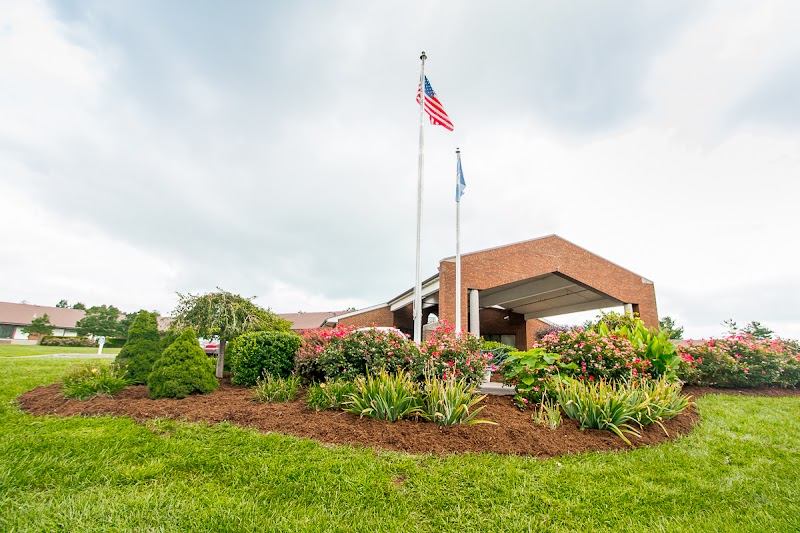
Who Owns and Operates Signature Healthcare At North Hardin Rehab & Welln?

Signature Healthcare at North Hardin Rehab & Welln is owned by a for-profit company. For-profit facilities operate as businesses with obligations to shareholders or private owners. The facility is operated by SIGNATURE HEALTHCARE, a chain that manages multiple nursing homes. With 148 certified beds and approximately 117 residents (about 79% occupancy), it is a mid-sized facility located in Radcliff, Kentucky.
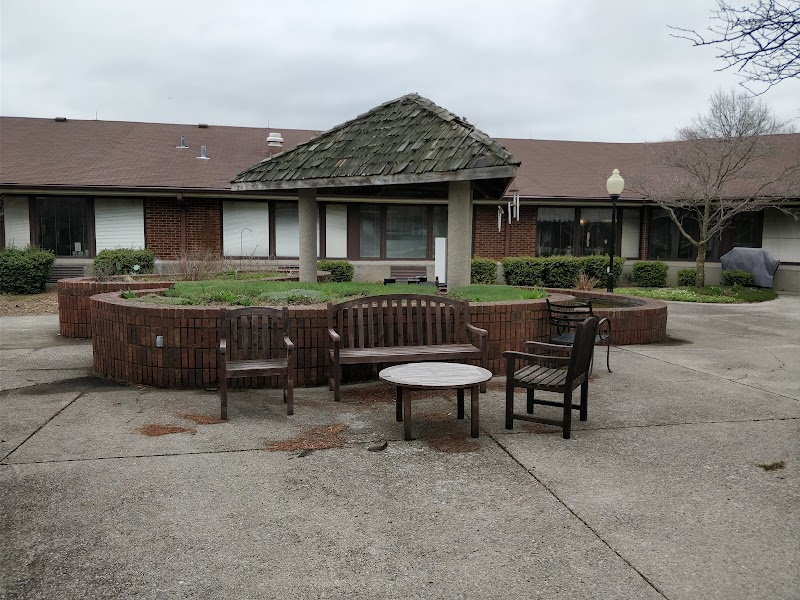
How Does Signature Healthcare At North Hardin Rehab & Welln Compare to Other Kentucky Nursing Homes?

Compared to the 100 nursing homes in Kentucky, Signature Healthcare at North Hardin Rehab & Welln's overall rating (2 stars) is below the state average of 2.8, staff turnover (61%) is significantly higher than the state average of 46%, and health inspection rating (2 stars) is below the national benchmark.

What Should Families Ask When Visiting Signature Healthcare At North Hardin Rehab & Welln?

Based on this facility's data, families visiting should ask: "How do you ensure continuity of care given staff turnover, and what is your staff retention strategy?" "Can you walk me through typical staffing levels on day, evening, and night shifts?" "Can I visit during a mealtime to observe dining assistance and food quality?" "How do you handle medical emergencies, and what is your hospital transfer rate?" These questions are particularly relevant given the facility's high staff turnover rate and the below-average staffing rating.

Is Signature Healthcare At North Hardin Rehab & Welln Safe?

Based on CMS inspection data, Signature Healthcare at North Hardin Rehab & Welln has a clean safety record: no substantiated abuse findings (meaning no confirmed cases of resident harm), no Immediate Jeopardy citations (the most serious violation level indicating risk of serious injury or death), and is not on the Special Focus Facility watch list (a federal program monitoring the lowest-performing 1% of nursing homes). The facility has a 2-star overall rating and ranks #100 of 100 nursing homes in Kentucky. While no facility is perfect, families should still ask about staff-to-resident ratios and recent inspection results during their visit.

Do Nurses at Signature Healthcare At North Hardin Rehab & Welln Stick Around?

Staff turnover at Signature Healthcare at North Hardin Rehab & Welln is high. At 61%, the facility is 15 percentage points above the Kentucky average of 46%. Registered Nurse turnover is particularly concerning at 67%. RNs handle complex medical decisions and coordinate care — frequent RN changes can directly impact care quality. High turnover means new staff may not know residents' individual needs, medications, or preferences. It can also be disorienting for residents, especially those with dementia who rely on familiar faces. Families should ask: What is causing the turnover? What retention programs are in place? How do you ensure care continuity during staff transitions?

Was Signature Healthcare At North Hardin Rehab & Welln Ever Fined?

Signature Healthcare at North Hardin Rehab & Welln has no federal fines on record. CMS issues fines when nursing homes fail to meet care standards or don't correct problems found during inspections. The absence of fines suggests the facility has either maintained compliance or corrected any issues before penalties were assessed. This is a positive indicator, though families should still review recent inspection reports for the full picture.

Is Signature Healthcare At North Hardin Rehab & Welln on Any Federal Watch List?

Signature Healthcare at North Hardin Rehab & Welln is not on any federal watch list. The most significant is the Special Focus Facility (SFF) program, which identifies the bottom 1% of nursing homes nationally based on persistent, serious quality problems. Not being on this list means the facility has avoided the pattern of deficiencies that triggers enhanced federal oversight. This is a positive indicator, though families should still review the facility's inspection history directly.