Creekwood Nursing & Rehabilitation
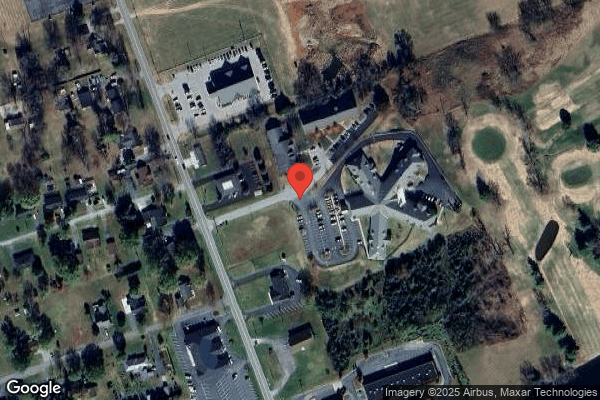

107 Boyles Drive, Russellville, KY 42276 (270) 726-9049
For profit - Corporation 104 Beds SIMCHA HYMAN & NAFTALI ZANZIPER Data: November 2025
Trust Grade
55/100
#158 of 266 in KY
Last Inspection: October 2024

Within standard 12-15 month inspection cycle. Federal law requires annual inspections.

Overview

Creekwood Nursing & Rehabilitation has received a Trust Grade of C, meaning it is average compared to other nursing homes, placing it in the middle of the pack. In Kentucky, it ranks #158 out of 266 facilities, indicating it is in the bottom half, and it is the second option out of two in Logan County, with only one local alternative being better. Unfortunately, the facility is worsening, as the number of issues found increased from one in 2019 to four in 2024. Staffing is relatively stable, with a turnover rate of 35%, which is good compared to the state average of 46%, though the staffing rating is still below average at 2 out of 5 stars. There have been no fines, which is promising, and RN coverage is average, meaning RNs are available, but not as extensively as in other facilities. Specific incidents reported include unsafe food storage practices that could affect most residents, as food items were found unsealed and not dated, raising concerns about food safety. Additionally, there were past findings of residents not receiving care with dignity, such as a urinary catheter bag not being properly covered and soiled clothing on another resident. While the facility has strengths in staffing stability and no fines, the overall health and safety practices and the increasing number of issues are concerning for families considering this home for their loved ones.

Trust Score
C
55/100
In Kentucky
#158/266
Bottom 41%
Safety Record
Low Risk
No red flags
Inspections
Getting Worse
1 → 4 violations
Staff Stability
○ Average
35% turnover. Near Kentucky's 48% average. Typical for the industry.
Penalties
✓ Good
No fines on record. Clean compliance history, better than most Kentucky facilities.
Skilled Nurses
⚠ Watch
Each resident gets only 28 minutes of Registered Nurse (RN) attention daily — below average for Kentucky. Fewer RN minutes means fewer trained eyes watching for problems.
Violations
⚠ Watch
18 deficiencies on record. Higher than average. Multiple issues found across inspections.
★★☆☆☆
2.0
Overall Rating
★★☆☆☆
2.0
Staff Levels
★☆☆☆☆
1.0
Care Quality
★★★☆☆
3.0
Inspection Score
Stable
2019: 1 issues
2024: 4 issues

The Good

  • Full Sprinkler Coverage · Fire safety systems throughout facility
  • No fines on record
  • Staff turnover below average (35%)

    13 points below Kentucky average of 48%

Facility shows strength in fire safety.

The Bad

2-Star Overall Rating

Below Kentucky average (2.8)

Below average - review inspection findings carefully

Staff Turnover: 35%

11pts below Kentucky avg (46%)

Typical for the industry

Chain: SIMCHA HYMAN & NAFTALI ZANZIPER

Part of a multi-facility chain

Ask about local staffing decisions and management

The Ugly 18 deficiencies on record

Oct 2024 4 deficiencies
CONCERN (D)

Potential for Harm - no one hurt, but risky conditions existed

Quality of Care (Tag F0684)

Could have caused harm · This affected 1 resident

Based on observation, interview, record review, and review of facility policy, it was determined the facility failed to ensure that residents received treatment and care in accordance with professiona...

Read full inspector narrative →
Based on observation, interview, record review, and review of facility policy, it was determined the facility failed to ensure that residents received treatment and care in accordance with professional standards of practice for one of one residents (Resident (R) 81) reviewed who received tube feeding. Observation and interview on 10/30/2024 at 3:02 PM revealed Certified Nurse Aide (CNA) 2 had detached and placed R81's feeding pump on hold while she gave resident care which was not within her job description. The findings include: Review of the facility policy, Care and Treatment of Feeding Tubes, revised 05/31/2023, revealed It was a policy of this facility to utilize feeding tubes in accordance with current clinical standards of practice, with interventions to prevent complications to the extent possible. Review of the Certified Nursing Assistant Job Description, dated 2018 revealed a commitment to promoting wellness, healing, and independence for all the lives a CNA touches. The summary included to perform direct resident care duties under the supervision of licensed nursing personnel. Review of essential duties and responsibilities revealed the CNA was to assist nursing staff with the basics of aseptic and sterile techniques to avoid infection of residents. Further review revealed the CNA's responsibilities did not include detaching and/or placing on hold a resident's feeding tube/pump. Review of the CNA 2's current learning/education list revealed no education on the use of feeding tube pumps or with resident tube feedings. Review of R81's medical record revealed the facility admitted the resident on 08/28/2024 with diagnoses which included cerebral ischemia (stroke), acute respiratory failure, persistent vegetative state after a traumatic brain injury from a motor vehicle accident, and gastrostomy (feeding tube) status. Review of the admission Minimum Data Set (MDS) with Assessment Reference Date of 09/01/2024 revealed the resident was of a persistent vegetative state. On 10/30/2024 at 3:02 PM, CNA2 and CNA12 were observed performing incontinent care for R81. The resident was in a supine position with the head of bed flat. The resident's gastrostomy tube (G-tube) was detached from the resident. Observation revealed the tubing was coiled on top the feeding tube pump with no cap in place at the end of the tubing and the pump was set on hold. CNA2 stated the nurse had unhooked the feeding tube. As the pump started to alarm, CNA2 stated it would alarm until the nurse hooked the pump tubing back up to the resident. During an interview on 10/30/2024 at 3:06 PM with Registered Nurse (RN) 1 at the nurses station, she stated she did not detach R81's gastrostomy tube and she was the only nurse working this unit. She also stated when she detaches a gastrostomy tube, she caps the end of the tubing so it stays clean. During an interview 10/30/2024 at 3:12 PM, CNA2 stated she had unhooked R81's feeding tube. CNA2 stated she knew the nurse was busy and did not want to bother her so she unhooked it herself. She further stated she had not been educated on unhooking the tube feeding or on the use of the feeding tube. CNA2 stated she knew she was not supposed to detach the tube or place the pump on hold. During an interview on 10/31/24 at 12:30 PM, Licensed Practical Nurse (LPN) Staff Development Coordinator (SDC) stated she had been working as the SDC since the end of August 2024. She stated the orientation packet for CNAs did not include anything about gastrostomy tube care because CNAs are unable to care for the gastrostomy tubes. LPN/SDC further stated she verbally told them during orientation that residents with G-Tubes (Gastrostomy tubes) were to have their head of bed (HOB) elevated 30 to 45 degrees and if there was any concern about the tube to tell their nurse. She stated her expectations was for the CNA to keep the resident's HOB elevated and to watch for any complications of the tube; however, CNAs are not to touch the tube. During an interview with the Director of Nursing (DON) on 10/31/2024 at 2:48 PM, she stated she expected the CNAs to follow the facility policy and the CNA job description which does not include the care of gastrostomy tubes. She further stated only nurses could change, continue, or terminate feedings. Per the DON, staff receive inservices and orientation regarding management of feeding tubes. The DON stated CNAs were educated to not touch the tube or turn it off/on. During an interview on 10/31/24 at 3:57 PM, the Administrator stated CNAs should not touch or turn off a feeding tube per the facility policy.
CONCERN (D)

Potential for Harm - no one hurt, but risky conditions existed

Pharmacy Services (Tag F0755)

Could have caused harm · This affected 1 resident

**NOTE- TERMS IN BRACKETS HAVE BEEN EDITED TO PROTECT CONFIDENTIALITY** Based on observation, interview, record review, and review of facility policy, it was determined the facility failed to ensure a...

Read full inspector narrative →
**NOTE- TERMS IN BRACKETS HAVE BEEN EDITED TO PROTECT CONFIDENTIALITY** Based on observation, interview, record review, and review of facility policy, it was determined the facility failed to ensure an account of all controlled drugs was maintained and reconciled for two of 14 residents (Residents (R) 3 and R41) who received narcotic medications in the facility. The findings include: Review of the facility policy, Medication Administration revised 02/20/2024, revealed medications were administered by licensed nurses, or other staff who are legally authorized to do so in the state, as ordered by the physician and in accordance with professional standards of practice, in a manner to prevent contamination or infection. The policy further revealed that if the medication were a controlled substance, staff were to sign the narcotic book. Per the policy, staff were to correct any discrepancies and report to the nurse manager. Review of the facility policy, Disposal of Medications and Medication-Related Supplies revealed Medications included in the Drug Enforcement Administration (DEA) classification as controlled substances are subject to special handling, storage, disposal, and record keeping in the facility in accordance with federal and state laws and regulations. The Director of Nursing, in collaboration with the consultant pharmacist is responsible for the facility's compliance with federal and state laws and regulations in the handling of controlled medications. Only authorized licensed nursing and pharmacy personnel have access to controlled medications. When a dose of a controlled medication was removed from the container for administration but refused by the resident or not given for any reason, it was not placed back in the container. The medication would be destroyed in the presence of a licensed nurse and disposal was documented on the accountability record/book on the line representing that dose. Review of R41's facility face sheet revealed the resident was admitted on [DATE] with diagnoses which included, chronic obstructive pulmonary disease, rheumatoid arthritis and traumatic subdural hemorrhage. Review of the physician order with a start date of 08/27/2024 revealed an order for Tramadol 50 milligrams (a schedule IV narcotic) to be taken every six hours as needed for pain. Review of the Medication Administration Record (MAR) for R41 revealed the Tramadol 50 milligrams was administered to R41 at 9:00 PM on 10/29/2024. On 10/30/2024 at 3:18 PM an observation with Kentucky Medical Assistant (KMA) 4 with medication cart 300 B (the 300 unit had 2 medication carts. A and B) revealed a discrepancy with the narcotic count for R41. The count of the Tramadol 50 milligrams was twenty-two tablets; however, the count sheet or sign out record showed there were twenty-three available. KMA4 stated she must have overlooked that count at 2:00 PM today when she and KMA1 counted. During further interview, KMA4 stated when she did the count at 2:00 PM on 10/30/2024 with KMA1, she should have noted the discrepancy. She stated she was looking at the medications and KMA1 was reviewing the sign out records for the narcotics. She stated it was hard to see the tablets in the medication card especially when the medication was the same color as the card and when the tablets were small. During an interview on 10/31/2024 at 9:40 AM, KMA1 stated she counted narcotics with RN2 at 6:00 AM on 10/30/2024; however, she did not notice the discrepancy at that time. She further revealed she counted with KMA6 at 2:00 PM when she left the facility and neither of them noted the discrepancy. Review of R3's medical record revealed the facility admitted the resident on 04/25/2022 with diagnoses which included, schizophrenia, osteoarthritis, and lumbosacral pain. Further review revealed the resident was presently receiving palliative care. Review of R3's physician orders revealed an order for Ativan (lorazepam a Schedule IV drug) 0.5 milligrams per tablet, one tablet three times a day for anxiety. During the observation of Medication cart 300 B with KMA4, the lorazepam 0.5 milligram tablet count was incorrect. The count of tablets were four (4); however, the narcotic count sheet showed there were five (5) tablets available. KMA4 stated, Oh, I wasted one earlier when I dropped it on the floor, headed to the resident's room and I haven't signed it out yet. The surveyor asked whom she wasted it with, she stated, I just picked it up and automatically threw it in the sharps box. She stated she was supposed to waste it with a licensed nurse; however, she just planned to have one sign it later. During an interview on 10/30/2024 at 3:24 PM, the Director of Nursing (DON) stated she expected the staff administering the medication to sign out the medication as the medication was given. She also stated during the narcotic counts, she expected staff to ensure the count and the medication monitoring/control record have the same count. The DON further stated she expected all nursing staff giving narcotic medications to follow the narcotic waste policy as written and to ensure a licensed nurse was used to waste and cosign the narcotic count sheet. During an interview with the Administrator on 10/31/2024 at 3:24 PM, she stated she expected all nursing personnel counting narcotics to ensure the counts match the sign out sheets and if there is a discrepancy, to notify the DON immediately. She further stated she expected nursing staff administering narcotics to follow the facility policy for wasting narcotics as written.
CONCERN (D)

Potential for Harm - no one hurt, but risky conditions existed

Infection Control (Tag F0880)

Could have caused harm · This affected 1 resident

Based on observation, interview, record review and review of the facility policy, it was determined the facility failed to establish and maintain an infection prevention and control program to help pr...

Read full inspector narrative →
Based on observation, interview, record review and review of the facility policy, it was determined the facility failed to establish and maintain an infection prevention and control program to help prevent the development and transmission of infections for one of 18 sampled residents (Resident (R) 81). Observation and interview on 10/30/2024 revealed Certified Nurse Aide (CNA) 2 detached R81's tube feeding and placed the uncovered/uncapped end on top of the feeding tube pump. The findings include: Review of the facility policy titled Infection Prevention and Control Program, revised on 02/21/2024, revealed the facility had established and maintained an infection prevention and control program designed to provide a safe, sanitary, and comfortable environment and to help prevent the development and transmission of communicable diseases and infections. The policy explanations and compliance guidelines revealed all staff were responsible for following all policies and procedures related to the program. Staff included employees. All staff shall assume that all residents are potentially infected or colonized with an organism that could be transmitted during the course of providing resident care services. Per the policy, all staff shall receive training, relevant to their specific roles and responsibilities regarding the facility's infection prevention and control program, including policies and procedures related to their job function. Review of the Certified Nursing Assistant Job Description, dated 2018 revealed a commitment to promoting wellness, healing, and independence for all lives touched. The summary included that the CNA will perform direct resident care duties under the supervision of licensed nursing personnel. Review of essential duties and responsibilities revealed the CNA was to assist nursing staff with the basics of aseptic and sterile techniques to avoid infection of residents. Review of R81's medical record the facility admitted the resident on 08/28/2024 with diagnoses which included cerebral ischemia (stroke), acute respiratory failure, persistent vegetative state after a traumatic brain injury from a motor vehicle accident, gastrostomy (feeding tube) status. Review of R81's admission Minimum Data Set (MDS) with Assessment Reference Date of 09/01/2024 revealed the resident was in a persistent vegetative state. On 10/30/2024 at 3:02 PM, CNA2 and CNA12 were observed performing incontinent care for R81. The resident was in a supine position with the head of bed flat. The resident's gastrostomy tube (G-tube) was detached from the resident. The tubing was coiled on top the feeding tube pump with no cap in place at the end of the tubing and the pump was set on hold. CNA2 stated the nurse had unhooked the feeding tube. During an interview on 10/30/2024 at 3:06 PM with Registered Nurse (RN) 1 at the nurses station, she stated she did not detach R81's gastrostomy tube and she was the only nurse working this unit. She also stated when she detaches a gastrostomy tube, she caps the end of the tubing so it stays clean. During a second interview on 10/30/2024 at 3:12 PM, CNA2 stated she had unhooked R81's feeding tube. She stated she knew the nurse was busy and didn't want to bother her so she did it herself. Per CNA2, she had not been educated on use of the feeding tube. She further stated she did not know the tube was to be capped when detached. In an interview on 10/31/24 at 12:30 PM with Licensed Practical Nurse (LPN) Staff Development Coordinator (SDC) she stated she had been working as the SDC since the end of August 2024. She stated the orientation packet for CNAs did not include anything about gastrostomy tube care because CNAs are unable to care for the gastrostomy tubes. She stated she verbally told them during orientation that residents with G-Tubes were to have their head of bed (HOB) elevated 30 to 45 degrees and if there was any concern about the tube to tell their nurse. She stated her expectations was for the CNA to keep the resident's HOB elevated and to watch for any complications of the tube; however, CNAs are not to touch the tube. During an interview on 10/31/2024 at 2:48 PM, the Director of Nursing (DON) stated she expected the CNAs to follow the facility policy and the CNA job description which does not include the care of gastrostomy tubes. She also stated only nurses could change, continue, or terminate feedings. She further stated staff were provided in-services and orientation regarding management of feeding tubes. Per the DON, CNAs are educated to not touch the tube or turn it off and on. The DON stated she expected all nursing staff to cap the end of a gastrostomy tube when temporarily detaching the tubing. She stated this would ensure no contamination of the tubing. On 10/31/24 at 3:57 PM, an interview with the Administrator revealed CNAs should not touch or turn off a feeding tube per the facility policy and should follow the infection control policy as written.
CONCERN (F)

Potential for Harm - no one hurt, but risky conditions existed

Food Safety (Tag F0812)

Could have caused harm · This affected most or all residents

Based on observation, interview, and review of the facility's policy, the facility failed to store, prepare, distribute, and serve food in accordance with professional standards for food service safet...

Read full inspector narrative →
Based on observation, interview, and review of the facility's policy, the facility failed to store, prepare, distribute, and serve food in accordance with professional standards for food service safety, which had the potential to affect 85 of the facility's 86 residents who consumed food from the kitchen. Observation of the walk-in freezer revealed multiple food items in their original containers but were not sealed or dated when opened. The findings include: Review of facility's undated policy titled, Food Receiving and Storage, revealed foods should be received and stored in a manner that complies with safe food handling practices. Further review revealed all foods stored in the refrigerator or freezer would be covered, labeled, and dated (use-by date). Continued review revealed wrappers of frozen foods must remain intact until thawing. Observation of the kitchen, on 10/29/2024 at 11:20 AM, with the Dietary Manager (DM) of the walk-in freezer revealed the food items were in the original boxes and packaged inside large plastic bags. However, the boxes and packages had been opened but were not sealed or dated when opened. These opened items included bulk foods of cookie dough, broccoli, western style beef patties, and mixed vegetables (which had a scoop lying inside the box on top of the vegetables). Further observation revealed multiple bags of tater tots in its original container with one package that had been opened and half of the bag used, but was not sealed or dated when opened replaced into the original container. During an interview on 10/29/2024 at 11:50 AM, the DM stated he was aware that food items were to be labeled, dated, and sealed to ensure there was no contamination. He further stated that residents could get sick from exposed food items and could be worse for residents who had compromised immune systems. The DM stated he would use the situation as a teachable moment for all dietary staff to ensure they were educated on the facility's policy and procedure related to proper food storage and how resident's health could be affected if those policies were not followed. During an interview on 10/31/2024 at 11:30 AM with [NAME] (C) 2, she stated she worked in the facility in the dietary department for eight years. She stated when foods were stored in the freezer and the open boxes should include the opened date and use-by-date. C2 stated if the box contained individually sealed packages. those opened packages were resealed and dated when opened as well as sealing the box. She further stated when bulk items were opened and stored back in the freezer, the plastic bag and the box were both resealed. Per C2, she was aware that if staff were not following the facility's policy on food storage that resident's could get sick. She further stated food could be freezer burned and residents had complained before about food not tasting good. She stated she did not want to provide food that the residents did not like. In an interview on 10/31/2024 at 11:40 AM, C3 stated she had been a cook at the facility for four years. She stated all open boxes should be sealed and dated when the boxes/packages were opened. She stated the staff had used scoops to get the amount needed but staff should never leave a scoop in with the food to prevent potential cross contamination. She stated all food items were to be rotated which was why the dates were important to ensure they were serving quality meals. She stated resident could get sick if staff had not followed the facility's policy and procedures related to food storage and the resident would be unhappy with food that had been freezer burned. She stated the facility had wanted to serve residents the best food and ensure any concerns with their meals were resolved because it was all about the residents receiving the best quality care. During a second interview with DM, on 10/31/2024 at 11:50 AM, he stated his expectations was for staff to ensure the boxes that were opened had been properly sealed and dated when opened. He further stated that moving forward he would ensure the staff understood the importance of residents receiving quality food service. In an interview with the Administrator, on 10/31/2024 at 4:05 PM, she stated her expectations for dietary staff would be to follow the protocols the facility had established for food safety.
Sept 2019 1 deficiency
CONCERN (D)

Potential for Harm - no one hurt, but risky conditions existed

Infection Control (Tag F0880)

Could have caused harm · This affected 1 resident

Based on observation, interview, record review, and facility policy review, it was determine the facility failed to provide a sanitary environment to help prevent the development of infection one (1) ...

Read full inspector narrative →
Based on observation, interview, record review, and facility policy review, it was determine the facility failed to provide a sanitary environment to help prevent the development of infection one (1) of twenty-five (25) sampled residents (Resident #50). Observation revealed Certified Nurse Aide #1 used poor technique with incontinent care which contaminated an open area to the sacral area. The findings include: Review of the facility policy titled, Infection Prevention, Infection Prevention and Control, last revised 01/04/18 revealed it is the policy of this facility to provide a safe, sanitary, and comfortable environment. This facility will attempt to prevent the development and transmission of infections. The facility will provide precautionary measures to prevent the spread of potential infection, while monitoring resident's progress. Review of the facility's Incontinence Care check sheet, not dated, revealed to turn resident on side and clean the buttocks/rectal area from front to back. Record review revealed the facility admitted Resident #50 on 06/01/17 with diagnoses which included Chronic Obstructive Pulmonary Disease, Heart Failure, and Type II Diabetes Mellitus. Review of the a Quarterly Minimum Data Set (MDS) assessment, dated 08/16/19 revealed the facility assessed Resident #50's cognition as intact with a Brief Interview for Mental Status (BIMS) score of seven (7) which indicated the resident was not interviewable. Further review of the MDS revealed the resident was assessed at risk for developing pressure ulcers/injuries and had a Stage II pressure ulcer. Observation of Resident #50's incontinent care provided by Certified Nurse Aide (CNA) #1 on 09/25/19 at 10:10 AM revealed she contaminated an open area to the right buttock when doing incontinent care. She wiped the soiled cloth with a smear of feces from the rectum over the open area while cleaning. She then patted the area dry from the rectum to the open area. Observation of the buttock revealed there was a small amount of bloody discharge (dime size) on the brief and the area was approximately a quarter size circular area with open area. The tissue around the wound was pink and blanchable. Certified Nurse Aide (CNA) #1 placed barrier cream to the area. Interview with CNA #1 on 09/25/19 at 10:25 AM revealed she realized she had contaminated the wound after she completed the care. She stated she did not usually work with this resident and was unaware of the wound. The CNA stated she would inform the charge nurse of the wound. Interview with the Charge Nurse on 09/25/19 at 10:28 AM, revealed CNA #2 noted the wound during the resident's shower this AM. She stated she was aware of the wound but had not yet assessed the wound. Interview with CNA #2, on 09/25/19 at 10:55 AM revealed she noted the wound to right buttock this morning around 6:00 AM during the resident's shower. When asked the size of the wound she held up her hand and made a circle with her thumb and pointer finger that was approximately quarter size and stated, it was about that size. She further revealed the resident would frequently have wounds to buttocks that would open and close depending on if the resident would lay on bottom. She stated the resident was non-compliant related to turning onto sides and wanted to lay on his/her back most of time. CNA #2 stated she would clean the peri area from front to back making sure not to contaminate the open area. Interview with CNA #3 on 09/25/19 at 2:45 PM revealed when cleaning a resident that is soiled with a wound, she would make sure to clean in the appropriate direction and not wipe across the wound when cleaning so that contamination does not occur. Interview with Administrator and Director of Nursing, on 09/25/19 at 2:00 PM revealed the Nurse Practitioner had evaluated the wound earlier and it was not open. The Administrator requested that this surveyor go and look at the wound again with the DON. Observation of Resident #50's wound with DON, Administrator, and Survey Team Leader, on 09/25/19 at 2:08 PM revealed the wound on the right buttock was open with red bloody drainage noted on the brief. During the assessment, the resident complained of pain when gloved hand touched the open area. Interview with the DON on 09/25/19 at 2:21 PM revealed she expected staff to not go over a wound with a soiled cloth which would contaminate the wound.
Jul 2018 13 deficiencies
CONCERN (D)

Potential for Harm - no one hurt, but risky conditions existed

Notification of Changes (Tag F0580)

Could have caused harm · This affected 1 resident

**NOTE- TERMS IN BRACKETS HAVE BEEN EDITED TO PROTECT CONFIDENTIALITY** Based on interview, record review, and facility policy review, it was determined the facility failed to consult with the residen...

Read full inspector narrative →
**NOTE- TERMS IN BRACKETS HAVE BEEN EDITED TO PROTECT CONFIDENTIALITY** Based on interview, record review, and facility policy review, it was determined the facility failed to consult with the resident's physician; for a significant change in the resident's physical, mental, or psychosocial status for two (2) of eighteen (18) sampled residents (Resident #37 and #54). On spproximately 04/18/18 through 04/22/18, Resident #37 had a significant change in condition with him/her becoming lethargic, having a decline in intake, and refusing medication; however, the facility failed to call the physician until 04/23/18 when the resident was identified as having an Oxygen Saturation (O2 sat) level of seventy-eight percent (78%) on room air; blood pressure was unattainable with any electronic equipment; manual blood pressure was faint at 60/40 (resident's baseline blood pressure 153/69); and resident was lethargic. The resident was transferred to the hospital and admitted to the Intensive Care Unit with diagnoses of Severe Sepsis; Urinary Tract Infection, probably the source of the sepsis; Severe Dehydration, Hyperkalemia, and Chronic Renal Failure, Stage IV. On 04/18/18, Resident #54 weight 139 pounds and on 05/18/18 the resident weighed 124.2 pounds which was a 14.8 pound weight loss (10.65 percent) in one month; however, the Physician was not notified of the significant weight loss until 05/23/18 (five {5} days later). The findings include: 1. Review of the facility policy, Nursing Weight and Height Monitoring, dated January 2007, revealed weights will be reviewed to identify weight changes, trends, or significant changes. The policy further revealed the physician will be notified of significant changes in weight and residents will be referred to the Nutritionally At Risk (NAR) for further review, as indicated. Record review revealed the facility readmitted Resident #54 on 04/09/18, with diagnoses which included Chronic Obstructive Pulmonary Disease (COPD), Anemia, and Dementia Without Behavioral Disturbance. Review of the quarterly Minimum Data Set (MDS) assessment, dated 06/04/18, revealed the facility assessed Resident #46's cognition as severely impaired with a Brief Interview of Mental Status (BIMS) score of six (6), which indicated the resident was not interviewable. Review of Resident #54's Weight Record revealed the resident weighed 139.0 pounds on 04/18/18 and weighed 124.2 pounds on 05/18/18, which was a significant weight loss of 10.65 percent in one (1) month. However, review of the Registered Dietician's Notes, dated 06/01/18, revealed the Physician was not notified of the significant weight loss until 05/23/18. Interview with the Registered Dietitian (RD) on 07/03/18 at 1:08 PM, revealed Resident #54's current weight was 126.4 pounds. She stated the physician should be notified timely of significant weight changes. Interview with the Assistant Director of Nursing (ADON) on 07/03/18 at 1:40 PM, revealed she would have expected the physician to be notified in a more timely manner and if the resident has a significant weight loss they should be placed on weekly weights. Interview with the Director of Nursing (DON) on 07/03/18 at 1:55 PM, revealed she would have expected the Physician to be notified sooner than five days of a significant weight loss. 2. Review of the facility policy titled, Notification Requirements, last revised 8/22/17, revealed it is the policy of the facility to notify the resident's attending physician of changes in the resident's condition. The facility should notify the resident's attending physician when there is a significant change in the resident's physical, mental, or psychosocial status. All notifications will be documented in the resident's medical record. Record review revealed the facility admitted Resident #37 on 07/01/16 with diagnoses which included Parkinson's Disease, Muscle Weakness, and Unspecified Dementia. Review of the Quarterly Minimum Data Set (MDS) assessment dated [DATE], revealed the facility assessed Resident #37's cognition as severely impaired with a BIMS score of four (4) which indicated the resident was not interviewable. In addition, the resident was always incontinent of bowel and bladder; required extensive assistance of two (2) staff with toileting and extensive assist of one (1) staff for personal hygiene. Review of the Nurse's Notes dated 04/20/18 at 9:35 PM, revealed Resident #37 was lethargic for the past few days. Review of the twenty-four (24) hour Condition Report Summaries on 04/20/18 during day shift and night shift, Resident #37 was lethargic. On 04/21/18, documentation indicated the resident was lethargic on night shift. On 04/22/18, documentation indicated the resident was lethargic with decreased oral intake on night shift, and on day shift the resident was lethargic, had decreased oral intake and refused his/her medications. However, further review of the Nurse's Notes 04/20/18-04/22/18 nightshift revealed there was no documented evidence the Physician was notified of the resident's continuing lethargy, decreased intake, and refusal of medication. Review of a Nursing Note, dated 04/23/18 at 2:00 PM revealed Resident #37's Oxygen Saturation (O2 sat) level was seventy-eight (78) percent on room air; blood pressure was unattainable with any electronic equipment; manual blood pressure was faint at 60/40 (resident's baseline blood pressure 153/69); and resident was lethargic. Review of the hospital History and Physical dated 04/23/18 revealed Resident #37 was admitted to the Intensive Care Unit with diagnoses of Sepsis, UTI, probably the source of sepsis; severe dehydration and Hyperkalemia. The resident was treated with fluids and antibiotics. Interview with Licensed Practical Nurse (LPN) #2 on 07/03/18 at 10:30 AM revealed he/she called the hospital for a status update on the resident after he/she was sent to the hospital. The LPN stated he/she did not recognize a change in the resident before being sent to the hospital. The LPN further stated he/she remembered charting on the 24 Hour Report that resident was lethargic. Interview with Registered Nurse (RN) #3 on 07/03/18 at 10:54 AM revealed Resident #37's lethargy had been going on for a while. When asked how long is a while she replied, Oh I don't know, a while. The RN further stated this is a change that she would normally notify the physician for, however, I thought the previous day shift had notified the doctor of the change. Interview with Assistant Director of Nursing (ADON) on 07/03/18 at 1:40 PM revealed staff should have notified the physician regarding resident's change in condition. She stated if there was an immediate change in condition, she would expect immediate notification. Interview with the Director of Nursing (DON) on 07/03/18 at 1:55 PM revealed the physician should be notified immediately of significant change in status. The DON further stated this is unacceptable.
CONCERN (D)

Potential for Harm - no one hurt, but risky conditions existed

Safe Environment (Tag F0584)

Could have caused harm · This affected 1 resident

Based on observation, interview, and facility policy review, it was determined the facility failed to ensure the resident environment was comfortable and homelike to the extent possible for the mainte...

Read full inspector narrative →
Based on observation, interview, and facility policy review, it was determined the facility failed to ensure the resident environment was comfortable and homelike to the extent possible for the maintenance of comfortable sound levels related to excessive loud, frequent overhead paging. The findings include: Review of the facility policy, Rights of Nursing Home Residents, revealed residents have the right to a safe, clean, comfortable, and homelike environment, to include the maintenance of comfortable sound levels. Observations on 07/01/18 at 3:22 PM, 3:43 PM, 3:57 PM, 3:58 PM and 4:22 PM revealed multiple pages for staff over the load speaker related to phone calls. Further observation on 07/02/18 at 9:19 AM and 10:34 AM, revealed staff paging over the facility load speaker for related to phone calls. Interview with Assistant Director of Nursing (ADON) on 07/03/18 at 2:43 PM, revealed she expected staff to only page in emergencies, otherwise they can walk to find the person. She stated with the previous phone system staff could page through the phones and with this new system they we are still monitoring the pages and the need to educate staff. Interview with the Director of Nursing (DON) on 07/03/18 at 2:51 PM, revealed she would expect staff to keep the paging to a minimum. Interview with the Administrator on 07/03/18 at 2:54 PM, revealed the facility normally does not page that much but they recently obtained a new phone system and was working on an alternate method to keep the volume down and through the phones instead of the loud speaker.
CONCERN (D)

Potential for Harm - no one hurt, but risky conditions existed

Comprehensive Care Plan (Tag F0656)

Could have caused harm · This affected 1 resident

**NOTE- TERMS IN BRACKETS HAVE BEEN EDITED TO PROTECT CONFIDENTIALITY** Based on interview, record review, and facility policy review, it was determined the facility failed to develop a Comprehensive ...

Read full inspector narrative →
**NOTE- TERMS IN BRACKETS HAVE BEEN EDITED TO PROTECT CONFIDENTIALITY** Based on interview, record review, and facility policy review, it was determined the facility failed to develop a Comprehensive Care Plan for two (2) of eighteen (18) sampled residents (Resident #27 and Resident #37). Resident #37 was hospitalized in April, 2018 for eight (8) days with diagnoses which included Severe Sepsis with Urinary Tract Infection (UTI) as probable source, Clostridium Deficile (C-Diff), Chronic Renal Failure, Stage IIIA and Dehydration. However, upon the resident's return to the facility, care plans were not developed to address these diagnoses. Resident #27 was treated with an antibiotic for an UTI in April, 2018; however, there was not a care plan developed for prevention of further UTIs. The Findings include: Review of the facility policy titled, Care Plan, last revised 11/20/17 revealed it is the facility policy that residents will have a person-centered plan of care that supports the resident in making their own choices, having control of their daily lives, and addresses their assessed needs. The plan will address care needs identified through the comprehensive assessment. The care plan should be revised as conditions develop, change or improve requiring a change in the plan. 1. Record review revealed the facility admitted Resident #37 on 07/01/16 with diagnoses which included Parkinson's Disease, Muscle Weakness, and abnormal posture. Review of the Quarterly Minimum Data Set (MDS) assessment dated [DATE], revealed facility assessed Resident #37's cognition as severely impaired with a Brief Interview of Mental Status (BIMS) score of four (4) which indicated the resident was not interviewable. Further review revealed the resident was always incontinent of bowel and bladder; required extensive assistance of two (2) staff with toileting and extensive assist of one (1) staff for personal hygiene; had a diagnosis of UTI and was taking antibiotics for seven (7) of seven (7) day look back period. Review of the hospital Discharge Summary revealed Resident #37 was hospitalized from [DATE] to 04/29/18. The discharge diagnoses included UTI with Escherichia Coli; Chronic Renal Failure (CRF), Stage IIIA; Clostridium Difficile (C-Diff); and Dehydration. However, review of the comprehensive care plans initiated 10/23/17 and last reviewed 05/14/18, revealed there was no documented evidence a UTI care plan, a CRF care plan, a C-Diff care plan, nor a Dehydration care plan had been initiated. 2. Record review revealed the facility admitted Resident #27 on 04/05/18 with diagnoses which included Type II Diabetes Mellitus, History of Transient Ischemic Attack; and Cerebral Infarction without Residual Deficits. Review of the admission MDS assessment dated [DATE], revealed the facility assessed Resident #27's cognition as moderately impaired with a BIMS score of twelve (12) which indicated the resident was interviewable. Further review revealed the resident was occasionally incontinent of urine and always continent of bowel and required extensive assistance of two (2) staff for toileting and personal hygiene. Review of the Physician Order revealed Resident #27 was treated with Antibiotics for ten (10) days for UTI, starting on 04/17/18. However, review of the Comprehensive Care Plans, initiated on 04/16/18, revealed there was no documented evidence a UTI care plan had been initiated. Interview with the MDS Coordinator on 07/03/18 at 3:56 PM revealed he/she was responsible for initiating care plans for CRF, history of sepsis, UTI , and dehydration and I just didn't do those. He/she further stated, I didn't pick up on that, and I didn't do the care plans. Interview with the Assistant Director of Nursing (ADON) on 07/03/18 at 3:55 PM, revealed a care plan for CRF, history of UTI, history of sepsis, and dehydration should have been initiated when the resident returned from the hospital with these diagnoses. The ADON stated a care plan should have also been initiated when the antibiotic was ordered for the UTI.
CONCERN (D)

Potential for Harm - no one hurt, but risky conditions existed

Quality of Care (Tag F0684)

Could have caused harm · This affected 1 resident

**NOTE- TERMS IN BRACKETS HAVE BEEN EDITED TO PROTECT CONFIDENTIALITY** Based on observation, interview, record review and facility policy review, it was determined the facility failed to ensure resid...

Read full inspector narrative →
**NOTE- TERMS IN BRACKETS HAVE BEEN EDITED TO PROTECT CONFIDENTIALITY** Based on observation, interview, record review and facility policy review, it was determined the facility failed to ensure residents receive treatment and care in accordance with professional standards of practices, the comprehensive person-centered care plan, and the residents' choices for one (1) of eighteen (18) sampled residents (Resident #37). On 04/17/18 through 04/22/18, Resident #37 exhibited symptoms of lethargy and decreased oral intake; however, there was no evidence the licensed staff assessed the resident or made the physician aware of the change in condition. On 04/23/18, Resident #37 was found with Oxygen Saturation (O2 sat) level of seventy-eight (78) percent on room air; blood pressure was unattainable with any electronic equipment; manual blood pressure was faint at 60/40 (resident's baseline blood pressure 153/69); and resident was lethargic. The resident was admitted to the Intensive Care Unit with diagnoses of Severe Sepsis; Urinary Tract Infection, probably the source of the sepsis; Severe Dehydration, Hyperkalemia, and Chronic Renal Failure, Stage IV. The findings Include: Review of the facility policy titled, Notification Requirements, last revised 08/22/17, revealed it is the policy of the facility to notify the resident's attending physician of changes in the resident's condition. The facility should notify the resident's attending physician when there is a significant change in the resident's physical, mental, or psychosocial status. All notifications will be documented in the resident's medical record. Record review revealed the facility admitted Resident #37 on 07/01/16 with diagnoses which included Parkinson's Disease, Muscle Weakness, and Unspecified Dementia. Review of the Quarterly Minimum Data Set (MDS) assessment dated [DATE], revealed the facility assessed Resident #37's cognition as severely impaired with a Brief Interview of Mental Status (BIMS) score of four (4) which indicated the resident was not interviewable. Further review revealed the resident was always incontinent of bowel and bladder; required extensive assistance of two (2) staff with toileting and extensive assist of one (1) staff for personal hygiene. Observation on 07/03/18 at 10:26 AM revealed Resident #37 was up in high backed wheelchair, watching TV in the commons area of hall 400. Is pleasant and talkative, but confused. Review of the Nurse's Notes dated 04/20/18 at 9:35 PM, revealed Resident #37 was lethargic for past few days. Review of the twenty-four (24) hour Condition Report Summary revealed on 04/20/18 during day shift and night shift, the resident was lethargic. On 04/21/18, documentation indicated the resident was lethargic on night shift. On 04/22/18, documentation indicated the resident was lethargic with decreased oral intake on night shift, and on day shift the resident was lethargic, had decreased oral intake and refused his/her medications. On 04/23/18, night shift, it was documented that the resident continued to be lethargic, had decreased oral intake and refused medications. However, further review revealed there was no evidence the nursing staff assessed the resident to determine the cause of the resident's condition and to notify the physician. Review of a Nursing Note, dated 04/23/18 at 2:00 PM revealed Resident #37's Oxygen Saturation (O2 sat) level was seventy-eight (78) percent on room air; blood pressure was unattainable with any electronic equipment; manual blood pressure was faint at 60/40 (resident's baseline blood pressure 153/69); and resident was lethargic. Review of the hospital History and Physical revealed Resident #37 was admitted to ICU on 04/23/18 with diagnoses of Sepsis, UTI, probably the source of sepsis; severe dehydration and Hyperkalemia. Review of the admission lab report dated 04/23/18, revealed lab values as follows: white blood count 19.4 (4.3-11.0); Potassium 6.1 (3.5-5.1); BUN 68.0 (7-18); Creatinine 2.36 (0.60-1.0), positive blood in the stool, Urine was very dark and cloudy. Urinalysis dated 04/23/18 revealed Resident had blood and protein in the urine (normal=negative); Bacteria 3+ (None); Mucus 3+ (None). During the Resident's stay at the hospital he/she began having diarrhea, which tested positive for Clostridium Defficile. During the hospitalization, the resident was treated with fluids and antibiotics. Review of the Discharge summary dated [DATE] revealed Resident #37 was discharged from the hospital and returned to the facility 04/29/18 with orders to continue Zosyn (antibiotic) 3.375 milligrams every six (6) hours for one (1) week and Flagyl (antibiotic and antiprotozoal) 500 milligrams every eight (8) hours for one (1) week. Interview with Registered Nurse (RN) #3 on 07/03/18 at 10:54 AM revealed Resident #37's lethargy had been going on for a while. When asked how long is a while she staled Oh I don't know, a while. The RN further stated this is a change that she would normally notify the physician for, however, I thought the previous day shift had notified the doctor of the change. Interview with Licensed Practical Nurse (LPN) #2 on 07/03/18 at 10:30 AM revealed he/she called the hospital for a status update on the resident after he/she was sent to the hospital. The LPN stated he/she did not recognize a change in the resident before being sent to the hospital. The LPN further stated he/she remembered charting on the 24 Hour Report that resident was Lethargic. Interview with Assistant Director of Nursing (ADON) on 07/03/18 at 1:40 PM revealed staff should have notified the physician regarding resident's change in condition. She stated for an immediate change in condition, she would expect immediate physician notification. Interview with the Director of Nursing (DON) on 07/03/18 at 1:55 PM revealed the physician should be notified immediately of significant change in status. The DON stated this is unacceptable.
CONCERN (D)

Potential for Harm - no one hurt, but risky conditions existed

Deficiency F0692 (Tag F0692)

Could have caused harm · This affected 1 resident

**NOTE- TERMS IN BRACKETS HAVE BEEN EDITED TO PROTECT CONFIDENTIALITY** Based on interview, record review, and facility policy review, it was determined the facility failed to ensure one (1) of eighte...

Read full inspector narrative →
**NOTE- TERMS IN BRACKETS HAVE BEEN EDITED TO PROTECT CONFIDENTIALITY** Based on interview, record review, and facility policy review, it was determined the facility failed to ensure one (1) of eighteen (18) sampled residents maintained acceptable parameters of nutritional status (Resident #54). On 05/18/18, the facility identified a significant weight loss of 10.65% for Resident #54, however, the facility failed to place Resident #54 on weekly weights after identifying a significant weight loss. The findings include: Review of the facility policy, Nursing Weight and Height Monitoring, dated 01/2007, revealed weights will be reviewed to identify weight changes, trends, or significant changes. The policy further revealed the physician will be notified of significant changes in weight and residents will be referred to NAR (Nutritionally At Risk) for further review, as indicated. Review of the facility policy, Weight and Height Monitoring, Clinical Practice Guidelines, dated 01/2007, revealed the Qualified Dietician or designee will perform a month to month review of resident weights . Further review revealed, residents showing significant weight changes or trends will be reviewed to determine the need for weekly weight monitoring and to document if weight changes are planned/expected or unplanned/unexpected as it relates to resident condition and MD orders Record review revealed the facility readmitted Resident #54 on 04/09/18, with diagnoses which included Chronic Obstructive Pulmonary Disease (COPD), Anemia, and Dementia Without Behavioral Disturbance. Review of the Quarterly Minimum Data Set (MDS) assessment, dated 06/04/18, revealed the facility assessed Resident #46's cognition as severely impaired with a Brief Interview of Mental Status (BIMS) score of six (6), which indicated the resident was not interviewable. Further review of the MDS, Section K-Swallowing/Nutritional Status, part K0300, revealed the resident had been identified as having a weight loss of five percent or more in the last month and was not on a physician-prescribed weight-loss regimen. Review of Resident #54's Comprehensive Care Plan for Care Plan for Nutritionally at Risk due to diagnoses of COPD, Anemia, and Dementia dated 04/18/18, revealed a goal for the resident's weight to remain within five (5) percent of current weight through next review period with interventions to provide diet as ordered, weights per facility policy, and Registered Dietician (RD) to evaluate and treat as needed. Review of Resident #54's Weight Record revealed the resident weighed 139.0 pounds on 04/18/18 and weighed 124.2 pounds on 05/18/18, which was a significant weight loss of 10.65 percent in one (1) month. However, review of Registered Dietician's (RD) Notes, dated 06/01/18, revealed the Physician was not notified of the significant weight loss until 05/23/18 (five days later); was not added to the Nutritionally At Risk (NAR) list until 06/01/18 which would have resulted in the resident being placed on weekly weights). Further review of the Weight Record revealed resident weight was not obtained again until 06/18/18 (one month later) at which time the resident weighed 128.4 pounds. Review of the Registered Dietician's assessment dated [DATE], revealed a weight loss of 10.8 percent was noted. Further review of the notes revealed the resident had reported having a good appetite and ensure supplements were added to snack pass twice daily. Interview with Restorative Aide (RA) #1 on 07/03/18 at 3:21 PM, revealed the ADON gives her a list of weekly weights and she was not sure why Resident #54 was not on the list and she had just recently taken the position. Interview with the Registered Dietitian (RD) on 07/03/18 at 1:08 PM, revealed when a resident is added to the NAR they should be placed on weekly weights and the Physician should be notified timely of significant weight changes. She stated the ADON tracks the weekly and monthly weights and provides the restorative aides with an updated list. Interview with the Assistant Director of Nursing (ADON) on 07/03/18 at 1:40 PM, revealed she would have expected the physician to be notified in a more timely manner and if the resident had a significant weight loss they should be placed on weekly weights. She stated she adds NAR residents to the weekly weight list and was not sure how Resident #54 was overlooked and not added to the list when the weight loss was identified. Interview with the Director of Nursing (DON) on 07/03/18 at 1:55 PM, revealed she would have expected the Physician to be notified sooner than five days after a significant weight loss. She stated when a resident is placed on NAR, weekly weights are obtained. She stated the ADON adds them to the list and the list is given to the restorative aide who obtains the weights.
CONCERN (D)

Potential for Harm - no one hurt, but risky conditions existed

Deficiency F0744 (Tag F0744)

Could have caused harm · This affected 1 resident

Based on observation, interview and record review the facility failed to ensure a resident who displays or is diagnosed with dementia, receives the appropriate treatment and services to attain or main...

Read full inspector narrative →
Based on observation, interview and record review the facility failed to ensure a resident who displays or is diagnosed with dementia, receives the appropriate treatment and services to attain or maintain his or her highest practicable physical, mental, and psychosocial well-being for one (1) resident of eighteen (18) sampled residents (Resident #67). Resident #67 was diagnosed with Dementia; however, there was no evidence of a individualized dementia care program in place. The findings include: Interview on 07/03/18 at 02:29 PM with the facility Administrator, revealed she called the corporate office and they do not have a Dementia care plan policy or procedure. He stated the facility follows the Federal and State guidelines. Record review revealed the facility admitted Resident #67 on 01/13/15 with diagnoses which include Unspecified Dementia without Behavioral Disturbances. Review of the Minimum Data Set (MDS) Assessment, dated 06/08/18, revealed the facility assessed Resident #67's cognition as intact with a Brief Interview for Mental Status (BIMS) score of thirteen (13), which indicated the resident was interviewable. Review of Section I, under active diagnoses, revealed a diagnosis of Non-Alzheimer's Dementia. Review of Resident #67's Comprehensive Care Plans and Certified Nurse Aide Care Plans, revealed no documented evidence a Dementia Care program had been implemented. Observations on 07/03/18 at 1:45 PM, revealed Resident #67 was lying in bed with eyes closed. The resident was well groomed and fully clothed; and, call light and personal items with in reach. Interview with MDS Coordinator on 07/03/18 at 01:39 PM, revealed he was aware of the new regulations regarding a Dementia Care Program but he had not implemented Dementia care plan for Resident #67 based on a diagnosis of Dementia. He stated each care plan should have been specific to the care needs of the individual resident with the diagnosis of Dementia and it was a failure on his part. Interview on 07/03/18 at 4:12 PM with CNA #9, revealed the resident's CNA care plan is not very specific and does not really tell how to care for a resident with Dementia. She stated it would be nice if the CNA care plan would give me some ideas on how to approach a resident with Dementia. Interview on 07/03/18 at 3:52 PM at 3:52 PM with CNA #10, revealed the nurse aide care plan is not very specific to how to care for a resident with Dementia. She stated she just knows to approach them a little more casually. Interview on 07/03/18 at 3:43 PM with CNA #4, revealed she does not recall any specific care needs addressed on any nurse aide care plans, regarding Dementia. She stated she would treat all her residents the same, according to their basic needs and she was unsure who had a diagnosis of dementia on her unit. Interview on 07/03/18 at 4:02 PM with Certified Nurse Aide (CNA) #1, revealed the CNA care plans for residents with Dementia are not very specific in the care needs that would be appropriate for a resident with dementia. Interview on 07/03/18 at 4:16 PM with Licensed Practical Nurse (LPN )#2, revealed she would expect resident's care plan's to be specific in the care needed for a resident with Dementia. Further interview revealed she would also expect the Nurse Aide care plan to be specific to the care needs as this would let the nurse aides know how to provide specific care to a resident with Dementia. Interview on 07/03/18 at 4:08 PM with LPN #1, revealed the resident care plans are not specific regarding a resident with the diagnosis of dementia, and it would be very helpful if the CNA's care plan was dementia specific as well, because the nurse aides really provide the bulk of the care for the residents. Interview on 07/03/18 at 6:06 PM with Social Services Director, revealed she heard about the new Dementia care requirements but at this time she has not been able to establish a complete Dementia care training program as far as training and education. She stated she did recall a conversation with the Regional Director talked to her about implementing a Dementia care program; however; she has not had time to implement the program as of yet. Interview with Director of Nursing (DON) on 07/03/18 at 02:52 PM and 6:04 PM, revealed she was aware of the new Centers for Medicare and Medicaid (CMS) Dementia innovative process, requiring all resident's with a diagnosis of Dementia to have specific care plans related to their diagnosis and would expect all resident's with the diagnosis to have a care plan specific to the care needs of a resident with Dementia. She stated she does not recall the facility providing the staff with specific training regarding residents with the diagnosis of Dementia. However, she does recall it being discussed when the Interim Administrator was here back in the spring. She revealed the education and training had not been started, as required by the new guidance. Interview on 07/03/18 at 6:15 PM with the facility Administration revealed, she was aware of the new Dementia care regulation; however, there has been no Dementia training in the last year provided to the staff regarding Dementia care, nor has there been a Dementia care program established. The Administrator stated they were just now starting the Hands Program and have not set the Dementia care program in place.
CONCERN (D)

Potential for Harm - no one hurt, but risky conditions existed

Medication Errors (Tag F0758)

Could have caused harm · This affected 1 resident

**NOTE- TERMS IN BRACKETS HAVE BEEN EDITED TO PROTECT CONFIDENTIALITY** Based on interview and record review it was determined the facility failed to ensure Indications for use is identified and the d...

Read full inspector narrative →
**NOTE- TERMS IN BRACKETS HAVE BEEN EDITED TO PROTECT CONFIDENTIALITY** Based on interview and record review it was determined the facility failed to ensure Indications for use is identified and the documented clinical rationale for administering an antipsychotic was consistent with manufacturer's recommendations and/or medication references, for one (1) of eighteen sampled residents (Resident #49). Resident #49 was receiving Zyprexa (antipsychotic); however, there was no evidence the resident had an appropriate diagnosis for the use of antipsychotic medication. The findings include: Interview with facility Administrator on 07/03/18 at 5:45 PM, revealed the facility did not find a specific policy on the use of Antipsychotic medications and follows the state and federal guidelines related to the use of antipsychotic medication. Review of CFR §483.45(e)(1), revealed residents who have not used psychotropic drugs are not given these drugs unless the medication is necessary to treat a specific condition as diagnosed and documented in the clinical record. Review of the Geriatric Dosage Handbook 12th Edition by Lexi-comp, revealed Zyprexa/ Olanzapine is an Atypical Antipsychotic medication and it is used for the treatment of the manifestations of Schizophrenia or for the treatment of acute mania episodes with Bipolar one (1) disorder. It further states the unlabeled/investigational use is to treat psychotic symptoms. Further review, revealed this medication has a U.S. Boxed Warning as follows: Patients with dementia-related behavioral disorders treated with atypical antipsychotic's are at an increased risk of death. Review of the Manufacturer of 'Zyprexa' Guidelines, revised 1/19/18, revealed the indications for use are for treatment of Schizophrenia and/or the acute treatment of manic or mixed episodes associated with Bipolar one (1) disorder and maintenance treatment of Bipolar one (1). Further review of the manufacturer guidelines, revealed a warning of increased mortality in elderly patients with Dementia-Related Psychosis. It further states: elderly patients with dementia-related psychosis treated with antipsychotic drugs are at an increased risk of death and it also states Zyprexa is not approved for the treatment of patients with dementia-related psychosis. Record review revealed the facility admitted Resident #49 to the facility on [DATE]. Review of Resident #49's Quarterly Minimum Data Set (MDS) assessment dated [DATE], revealed the facility assessed Resident #49's cognition as severely impaired with a Brief Interview for Mental Status (BIMS) score of three (3) which indicated the resident was not interviewable. Review of Resident #49's Monthly Physician's Orders Sheet (POS), dated 07/01/18, revealed Resident #49 had a current order for Zyprexa (antipsychotic) 2.5 milligrams (mg) to be given by mouth at bedtime and it was ordered initially on 04/30/18. Review of Resident #49's Medication Administration Records for June 2018 and July 2018, revealed this resident was being administered and receiving Zyprexa as per the physician's orders. However, further review of Resident #49's POS, revealed this resident had diagnoses of Dementia, Hypertension, Depression and Anxiety with no evidence of having diagnoses of Schizophrenia or Bipolar one (1). Interview with facility Assistant Director of Nursing (ADON) on 07/03/18 at 2:39 PM, revealed she would expect any resident receiving Antipsychotic medications to have an appropriate diagnosis for use of medication. She stated she could not find an appropriate diagnosis for Resident #49 to be receiving Zyprexa. Interview with the facility Director of Nursing (DON) on 07/03/18 at 2:47 PM, revealed she would expect any resident in the facility who has a Antipsychotic medication in use to have any appropriate diagnosis. She stated herself and the ADON work together on trying to make sure the resident's have an appropriate diagnosis for the use of antipsychotic medication, but they were unable to find an appropriate diagnosis for Resident #49 to be receiving Zyprexa. Interview (Post Survey) with Advanced Practice Registered Nurse (APRN) #1 on 07/16/18 at 3:39 PM, revealed she would expect an appropriate diagnosis to be in place for any resident who receives antipsychotic medication and it would not be acceptable for a resident to have antipsychotic medication in place without an appropriate supporting diagnosis. She stated she would expect the facility to notify her if they notice a resident is on an antipsychotic medication without an appropriate supporting diagnosis for the medication. She also stated antipsychotic medication is not appropriate to treat dementia related behaviors.
CONCERN (D)

Potential for Harm - no one hurt, but risky conditions existed

Deficiency F0804 (Tag F0804)

Could have caused harm · This affected 1 resident

Based on observation, interview, and facility policy review, it was determined the facility failed to ensure recipes were being followed for meals being developed in the kitchen for the facility resid...

Read full inspector narrative →
Based on observation, interview, and facility policy review, it was determined the facility failed to ensure recipes were being followed for meals being developed in the kitchen for the facility residents during supper meal preparation. The findings include: Review of the facility policy titled Dietary Services, last revised 11/28/16, revealed the facility provides residents with nourishing, palatable, well balanced diet that meets their nutritional and therapeutic dietary needs. It further states food served is prepared by methods to conserve nutritional values. Observation of the lunch trayline on 07/01/18 at 12:18 PM, revealed Dietary Aide (DA) #1 was making bean soup for the residents' supper meal without using a recipe and adding ingredients without a recipe. Interview with DA #1 on 07/01/18 at 12:18 PM, revealed she was making the bean soup from her head which is how she had made the soup at other places she has worked and was not using a recipe from the kitchen. Interviews on 07/01/18 with the Dietary Manager at 12:20 PM, and facility Registered Dietician at 12:22 PM revealed they expected recipes to be followed for everything that is made in the kitchen for the residents.
CONCERN (D)

Potential for Harm - no one hurt, but risky conditions existed

Safe Environment (Tag F0921)

Could have caused harm · This affected 1 resident

**NOTE- TERMS IN BRACKETS HAVE BEEN EDITED TO PROTECT CONFIDENTIALITY** Based on observation, interview, and facility policy review, it was determined the facility failed to provide a safe, functional...

Read full inspector narrative →
**NOTE- TERMS IN BRACKETS HAVE BEEN EDITED TO PROTECT CONFIDENTIALITY** Based on observation, interview, and facility policy review, it was determined the facility failed to provide a safe, functional, sanitary, and comfortable environment for residents related bath basins being stored uncovered in the bathroom floors of three (3) residents' bathrooms, a covered bed pan being stored in the bathroom floor of one (1) resident's bathroom, and heavily soiled/stained privacy curtains smeared with brown matter in one (1) resident's room. The findings include: Review of the facility's policy titled Equipment Cleaning and Storing, dated 11/20/17, revealed The proper cleaning, disinfection, and storage of resident care items and equipment used for both personal needs and medical treatment are essential to promoting health and preventing pathogen transportation. Equipment should be stored to prevent damage, contamination and pathogen transmission. Further review of the facility's policy titled Housekeeping Services, last revised 06/27/13, revealed It is the policy of this facility to provide housekeeping services to maintain a sanitary, orderly and comfortable environment for residents, staff and visitors. Cleaning will be performed in accordance with current standards. Observation, on 07/01/18 at 9:32 AM and 4:32 PM, and on 07/02/18 at 9:06 AM, revealed bath basins in the bathroom floor of room [ROOM NUMBER], 412, and 413, uncovered. Observation, on 07/02/18 at 9:06 AM, revealed a fracture pan in a plastic bag on the bathroom floor of room [ROOM NUMBER]. Observations, on 07/01/18 at 10:57 AM and 4:32 PM, revealed a heavily soiled privacy curtain hanging in room [ROOM NUMBER]-A with smears of brown matter. Interview on 07/02/18 at 9:22 AM with Certified Nurse Assistant (CNA) #4 revealed he/she is unsure to whom a soiled privacy curtain would be reported. Stated he/she would report it to a housekeeper. Further interview with CNA #4 revealed bath basins and bed pans should be stored in plastic bags and not on the bathroom floors. Interview on 07/02/18 at 9:13 AM with Housekeeper #5 revealed if housekeeper noticed a stain on the curtain, Maintenance was notified to change the curtain. Interview on 07/02/18 at 9:19 AM with Housekeeping Supervisor (HKS) revealed Environmental Services changed the privacy curtains. HKS stated the curtains were normally changed every three (3) months or as needed. HKS further stated whoever noticed the soiled curtain, would notify Environmental Services and the curtain would be changed. Interview on 07/02/18 at 9:40 AM with RN #1 revealed the bed pan and bath basins should have been stored in a plastic bag and in a drawer, not on the bathroom floors. Interview on 07/03/18 at 1:40 PM with the Assistant Director of Nursing (ADON) revealed bed pans and bath basins need to be covered and stored properly, either on the sink, back of toilet, or in the drawer of the bedside table. ADON states he/she expects staff to cover and store these properly. Further interview revealed the ADON expects staff to report soiled privacy curtains to housekeeping to get the curtain replaced. Interview on 07/03/18 at 1:55 PM with the Director of Nursing (DON) revealed bed pans and bath basins in the floor is not acceptable. The DON stated he/she expects these items to be bagged and stored properly. Stated it is not appropriate to place these on the bathroom floor.
CONCERN (E)

Potential for Harm - no one hurt, but risky conditions existed

Resident Rights (Tag F0550)

Could have caused harm · This affected multiple residents

Based on observation, interview, record review and facility policy review, it was determined the facility failed to provide care for two (2) of eighteen (18) sampled residents (Residents #10 and #46))...

Read full inspector narrative →
Based on observation, interview, record review and facility policy review, it was determined the facility failed to provide care for two (2) of eighteen (18) sampled residents (Residents #10 and #46)). Observations on 07/01/18 revealed Residents #10's urinary catheter bag was not in a dignity bag. In addition, observations on 07/01/18 and 07/02/18 revealed Resident #46's blue bunny boots were soiled and stained, The findings include: Review of the facility's policy, Rights of Nursing Home Residents, dated 08/15/17, revealed the facility promotes and protects the rights of each resident and the residents have the right to be treated with respect and dignity and to make choices about how they want to live their lives and receive care. Further review revealed the nursing home must provide its residents with the necessary care and services to attain their highest practicable level of physical, mental, and social well-being. 1. Record review revealed the facility admitted Resident #10 on 10/14/16 with diagnoses of Diabetes, Dementia, Hypertension, and Obstructive Uropathy. Review of a Quarterly MDS assessment, dated 04/01/18, revealed the facility coded Resident #10's BIMS score as 99, which indicated the resident was severely cognitively impaired and not interviewable. Observation of Resident #10 on 07/01/18 at 10:23 AM, 11:42 AM and 12:00 noon, revealed the resident's catheter bag was no in a dignity bag and was facing the doorway, visible to any residents, staff or visitors passing by the door. Interview with Certified Nursing Assistants (CNA's) #11 and #12 on 07/03/18 at 1:55 PM revealed the catheter dignity bag covers for Residents #10 was overlooked but, should have been on the catheter bags. Interview with Assistant Director of Nursing (ADON) on 07/03/18 at 2:40 PM revealed she expected staff to have catheter bags in dignity bags. Interview with Director of Nursing (DON) on 07/03/18 at 2:52 PM revealed she expected staff to keep dignity bag covers over all urinary catheters bags. 2. Record review revealed the facility admitted Resident #46 on 09/16/16 with diagnoses which included Dementia, Parkinson's Disease, and Schizophrenia. Review of the Quarterly MDS assessment, dated 05/22/18, revealed the facility assessed Resident #46's cognition as severely impaired with a BIMS score of seven (7), which indicated the resident was not interviewable. Observations on 07/01/18 at 12:44 PM and 3:26 PM, revealed Resident #46 was up in a chair wearing blue bunny boots with brown, dried stains on them. Observation on 07/02/18 at 9:13 AM, revealed Resident #46 was up in chair and was wearing the blue bunny boots that were visibly stained with a brown, dry substance. Interview with CNA #1 on 07/03/18 at 2:03 PM, revealed the soiled bunny boots should have been washed prior to placing on Resident #46. She stated there are extra pairs located in the supply closet accessible to staff. Interview with Licensed Practical Nurse (LPN) #1 on 07/02/18 at 11:06 AM, revealed she would not have expected the aides to use the soiled boots because they were dirty and should have been sent to be washed. She stated the boots were currently being washed and she was not sure if the resident had a back-up pair. Interview with the DON on 07/03/18 at 2:51 PM, revealed she would have expected the soiled boots to be replaced on Resident #46. She stated clean pairs of boots are located in the supply closet assessable to staff.
CONCERN (E)

Potential for Harm - no one hurt, but risky conditions existed

Deficiency F0883 (Tag F0883)

Could have caused harm · This affected multiple residents

**NOTE- TERMS IN BRACKETS HAVE BEEN EDITED TO PROTECT CONFIDENTIALITY** Based on interview and facility policy review it was determined the facility failed to ensure each resident is offered an influe...

Read full inspector narrative →
**NOTE- TERMS IN BRACKETS HAVE BEEN EDITED TO PROTECT CONFIDENTIALITY** Based on interview and facility policy review it was determined the facility failed to ensure each resident is offered an influenza immunization from October 1 through March 31 annually, unless the immunization is medically contraindicated or the resident has already been immunized during this time period and/or a pneumoccocal immunization to four (4) of eighteen (18) sampled residents (Residents #32, #37, #11, and #10). The findings include: Review of facility policy titled, Immunizations, dated 11/20/17, revealed it is the policy of the facility that residents are encouraged to accept immunizations and/or vaccinations that help to prevent infectious diseases, unless medically contraindicated. Further, residents are encouraged to accept influenza and pneumonia vaccines in accordance with current accepted clinical practice standards. Residents should be offered a pneumonia vaccine upon admission unless otherwise ordered by his/her physician, declined by the resident, or his/her resident representative, or has already been immunized. The following guidelines should be utilized for which residents are candidates for the Pneumococcal Vaccines: Age nineteen (19) to sixty-four (64) with chronic or immuno-suppressed medical condition, including asthma, and those residents in this age group that smoke cigarettes. All residents who are sixty-five (65) years of age who have never received the vaccine or at least five (5) years have past since they received the vaccine if it was given prior to [AGE] years of age. 1. Record review revealed the facility admitted Resident #10 on 10/14/16 with diagnoses which included Diabetes, Dementia, and Hypertension. Further record review revealed there was no documented evidence the resident had received a pneumoccocal immunization. In addition, there was documentation the resident received a flu immunization on 10/04/16, but no evidence it was provided for 2017. 2. Record review revealed the facility admitted Resident #11 on 11/03/17 with diagnoses which included Diabetes, Hypertension and Chronic Obstructive Pulmonary Disease (COPD). Further record review revealed there was no documented evidence the resident received a pneumoccocal immunization. Interview with Administrator on 07/03/18 at 2:55 PM revealed they could not find the documentation Resident #10 and #11 had received their Pneumococcal immunizations on admission or Flu immunizations for 2017. 3. Record review revealed the facility admitted Resident #32 on 04/28/15 with diagnoses which included Type II Diabetes Mellitus, Cerebrovascular disease. Resident was a former smoker. Further review of the Quarterly Minimum Data Set (MDS) assessment, dated 05/09/18 revealed the facility assessed Resident #32's cognition as intact with a Brief Interview of Mental Status (BIMS) score of fifteen (15) which indicated the resident was interviewable. Review of the Resident's Immunization Record revealed the date of last known pneumonia vaccine was 09/17/12. 4. Record review revealed the facility admitted Resident #37 on 07/01/16 with diagnoses which included Parkinson's Disease, Dementia, and muscle weakness. Review of the quarterly MDS assessment, dated 05/06/18 revealed the facility assessed Resident #37's cognition as severely impaired with a BIMS score of four (4) which indicated the resident was not interviewable. Review of the Resident's Immunization Record revealed Resident #37 had received a Pneumonia vaccine, but it was over five (5) years ago. Interview on 07/03/18 at 1:40 PM with the Assistant Director of Nursing (ADON) revealed he/she expected pneumonia vaccines to be offered to all residents on admission, especially if it has been over five (5) years since the resident received the last vaccine. Interview on 07/03/18 at 1:55 PM with the Director of Nursing (DON) revealed he/she expected all residents to be up to date on their immunizations.
CONCERN (F)

Potential for Harm - no one hurt, but risky conditions existed

Food Safety (Tag F0812)

Could have caused harm · This affected most or all residents

Based on observation, interview, and facility policy review, it was determined the facility failed to ensure food was stored, prepared, distributed and served in accordance with professional standards...

Read full inspector narrative →
Based on observation, interview, and facility policy review, it was determined the facility failed to ensure food was stored, prepared, distributed and served in accordance with professional standards for food service safety. Observation of the kitchen, on 07/01/18 and on 07/02/18, revealed food being stored in the walk-in refrigerator which had passed their used by dates; foods being stored in the walk-in refrigerator and in the Cook's refrigerator with no dates present on them; and opened and unsealed foods being stored in the walk-in freezer. In addition, there was dirty kitchen equipment. Review of the Census and Condition, dated 07/01/18, revealed eighty-eight (88) of eighty-nine (89) residents received their food from the kitchen. The findings include: Review of facility policy titled, Dietary Sanitation, last revised 11/20/17, revealed the facility will store, prepare and distribute and serve food in accordance with professional standards for food service safety. It further states food service staff are to follow procedures that reduce potential for food borne pathogens, in storing, preparing and serving food. Review of the facility policy titled, Dietary Sanitation-Clinical Practice Guidelines, dated 11/20/17, revealed when food products are delivered to the facility, the facility staff must inspect the items for safe transport and quality upon receipt and ensure their proper storage, keeping track of when to discard all perishable foods and covering, labeling and dating all potentially hazardous food and time/temperature control for safety foods and storing in the refrigerator or freezer as indicated. The policy also states, the dry food storage room is maintained in a clean, dry and orderly manner, free from contaminants and all food is in sealed packaging or containers with tight fitting lids. Further review of this policy, revealed opened food packages and left over foods stored in the refrigerators are sealed and dated and left over foods should be used within three (3) days or discarded. Continued review of the policy, revealed fixed equipment - when cleaning items like mixers, slicer's and other equipment that can't be immersed in water, the removable parts are to be washed and sanitized and the non-removable parts to be cleaned per manufacturer guidelines. 1. Observation of the kitchen in the walk-in refrigerator, on 07/01/18 at 9:32 AM, revealed there was a container of low fat cottage cheese with no use by date; a plastic container of small curd cottage cheese with no dates present on the container as to when the use by date was, and a container of chocolate syrup with an expiration date of 06/30/18. 2. Observation of the walk-in freezer on 07/01/18 at 9:39 AM, revealed a box of beef steak fritters open to air and not sealed; a box of ground beef patties open to air and not sealed; and a box of peas and carrots in a box open to air and not sealed. 3. Observation of the dried storage/pantry room on 07/01/18 at 9:42 AM, revealed a package of lemon cake mix that was split open and the package was being stored in a open canister with the cake mix package sitting on top of some of the cake mix in the canister. Further observation revealed the cake mix was visibly spilled all over floor and boxes beside the canister the cake mix package was being stored in. In addition, there was a canister of corn flakes with a used by date of 09/25/17 being stored next to the other breakfast cereal. 4. Observation of the Cook's refrigerator on 07/01/18 at 9:45 AM, revealed a bowl of boiled eggs, a bowl of salad, and a small bowl of cottage cheese with no dates on them when they were placed in the bowls or when their use by date was. In addition, there was a canister of small curd cottage cheese with no date of when opened or when the used by date was. 5. Observation of the kitchen on 07/01/18 at 9:53 AM, revealed the can opener was visibly soiled and dirty with a build up of black and brown material on the cutting edge, all over the handle, and the holder the manual can opener was in. In addition, the meat slicer had a visible build up a dry, crusty and yellowish material all over the cutting blade area. Interview with the Dietary Manager on 07/01/18 at 11:10 AM, revealed she expected all foods in the refrigerators and freezers to be sealed completely and labeled with open dates, delivery date and best by/used by date. She stated she expected staff to clean the can opener as they go and run it through the dishwasher at least every shift. She revealed the meat slicer should be cleaned after each use and taken apart and washed. Interview with the facility Registered Dietician on 07/02/18 at 02:04 PM, revealed she expected all foods to be labeled with an open on date and a used by date. She stated anything that is put in different containers are to be labeled, dated and sealed in a air tight container. She revealed she expected the meat slicer and manual can opener to be cleaned after each use.
MINOR (C)

Minor Issue - procedural, no safety impact

Staffing Information (Tag F0732)

Minor procedural issue · This affected most or all residents

Based on interview, review of staff posting, and facility policy review revealed the facility failed to ensure staffing information was posted in a prominent place readily accessible to residents and ...

Read full inspector narrative →
Based on interview, review of staff posting, and facility policy review revealed the facility failed to ensure staffing information was posted in a prominent place readily accessible to residents and visitors and staffing information was accurate and or current. Observations on 07/01/18 and on 07/02/18, revealed either the incorrect date of staffing posted or no staffing posted. The findings include: Interview with facility Administrator on 07/03/18 at 5:45 PM, revealed she stated the facility did not have a specific policy related to Nursing Staff Information being posted, but the facility followed the State and Federal guidelines. Review of §483.35(g) Nurse Staffing Information, revealed at §483.35(g)(1) Data requirements - The facility must post the following information on a daily basis: (i) Facility name. (ii) The current date. (iii) The total number and the actual hours worked by the following categories of licensed and unlicensed nursing staff directly responsible for resident care per shift: (A) Registered nurses. (B) Licensed practical nurses or licensed vocational nurses (as defined under State law). (C) Certified nurse aides. (iv) Resident census. §483.35(g)(2) Posting requirements. (i) The facility must post the nurse staffing data specified in paragraph (g)(1) of this section on a daily basis at the beginning of each shift. (ii) Data must be posted as follows: (A) Clear and readable format. (B) In a prominent place readily accessible to residents and visitors. Observation of the posted daily staffing on 07/01/18 at 11:08 AM, revealed it was dated 06/29/18. There was no current nursing staffing information posted for the current day and shift. Observation on 7/2/18 at 11:09 AM, revealed there was no daily nursing staffing information posted. Interview with the Assistant Director of Nursing (ADON) on 07/01/18 at 11:08 AM, revealed she should have got the staffing information posted for the current day and shift. Further interview with the ADON on 07/02/18 at 11:11 AM, revealed she thought someone must of removed the posting. Interview with Facility Administrator on 07/03/18 at 5:45 PM, revealed she expected the Nurse Staffing Information to be posted as per the federal regulations/guidelines.
Understanding Severity Codes (click to expand)
Life-Threatening (Immediate Jeopardy)
J - Isolated K - Pattern L - Widespread
Actual Harm
G - Isolated H - Pattern I - Widespread
Potential for Harm
D - Isolated E - Pattern F - Widespread
No Harm (Minor)
A - Isolated B - Pattern C - Widespread

Questions to Ask on Your Visit

  • "Can I speak with families of current residents?"
  • "What's your RN coverage like on weekends and overnight?"

Our Honest Assessment

Strengths
  • • No major safety red flags. No abuse findings, life-threatening violations, or SFF status.
  • • No fines on record. Clean compliance history, better than most Kentucky facilities.
  • • 35% turnover. Below Kentucky's 48% average. Good staff retention means consistent care.
Concerns
  • • 18 deficiencies on record. Higher than average. Multiple issues found across inspections.
  • • Grade C (55/100). Below average facility with significant concerns.
Bottom line: Mixed indicators with Trust Score of 55/100. Visit in person and ask pointed questions.

About This Facility

What is Creekwood Nursing & Rehabilitation's CMS Rating?

CMS assigns Creekwood Nursing & Rehabilitation an overall rating of 2 out of 5 stars, which is considered below average nationally. Within Kentucky, this rating places the facility higher than 0% of the state's 100 nursing homes. A rating at this level reflects concerns identified through health inspections, staffing assessments, or quality measures that families should carefully consider.

How is Creekwood Nursing & Rehabilitation Staffed?

CMS rates Creekwood Nursing & Rehabilitation's staffing level at 2 out of 5 stars, which is below average compared to other nursing homes. Staff turnover is 35%, compared to the Kentucky average of 46%. This relatively stable workforce can support continuity of care.

What Have Inspectors Found at Creekwood Nursing & Rehabilitation?

State health inspectors documented 18 deficiencies at Creekwood Nursing & Rehabilitation during 2018 to 2024. These included: 17 with potential for harm and 1 minor or isolated issues.

Who Owns and Operates Creekwood Nursing & Rehabilitation?

Creekwood Nursing & Rehabilitation is owned by a for-profit company. For-profit facilities operate as businesses with obligations to shareholders or private owners. The facility is operated by SIMCHA HYMAN & NAFTALI ZANZIPER, a chain that manages multiple nursing homes. With 104 certified beds and approximately 94 residents (about 90% occupancy), it is a mid-sized facility located in Russellville, Kentucky.

How Does Creekwood Nursing & Rehabilitation Compare to Other Kentucky Nursing Homes?

Compared to the 100 nursing homes in Kentucky, Creekwood Nursing & Rehabilitation's overall rating (2 stars) is below the state average of 2.8, staff turnover (35%) is significantly lower than the state average of 46%, and health inspection rating (3 stars) is at the national benchmark.

What Should Families Ask When Visiting Creekwood Nursing & Rehabilitation?

Based on this facility's data, families visiting should ask: "Can you walk me through typical staffing levels on day, evening, and night shifts?" "Can I visit during a mealtime to observe dining assistance and food quality?" "How do you handle medical emergencies, and what is your hospital transfer rate?" "Can I speak with family members of current residents about their experience?" These questions are particularly relevant given the below-average staffing rating.

Is Creekwood Nursing & Rehabilitation Safe?

Based on CMS inspection data, Creekwood Nursing & Rehabilitation has a clean safety record: no substantiated abuse findings (meaning no confirmed cases of resident harm), no Immediate Jeopardy citations (the most serious violation level indicating risk of serious injury or death), and is not on the Special Focus Facility watch list (a federal program monitoring the lowest-performing 1% of nursing homes). The facility has a 2-star overall rating and ranks #100 of 100 nursing homes in Kentucky. While no facility is perfect, families should still ask about staff-to-resident ratios and recent inspection results during their visit.

Do Nurses at Creekwood Nursing & Rehabilitation Stick Around?

Creekwood Nursing & Rehabilitation has a staff turnover rate of 35%, which is about average for Kentucky nursing homes (state average: 46%). Moderate turnover is common in nursing homes, but families should still ask about staff tenure and how the facility maintains care continuity when employees leave.

Was Creekwood Nursing & Rehabilitation Ever Fined?

Creekwood Nursing & Rehabilitation has no federal fines on record. CMS issues fines when nursing homes fail to meet care standards or don't correct problems found during inspections. The absence of fines suggests the facility has either maintained compliance or corrected any issues before penalties were assessed. This is a positive indicator, though families should still review recent inspection reports for the full picture.

Is Creekwood Nursing & Rehabilitation on Any Federal Watch List?

Creekwood Nursing & Rehabilitation is not on any federal watch list. The most significant is the Special Focus Facility (SFF) program, which identifies the bottom 1% of nursing homes nationally based on persistent, serious quality problems. Not being on this list means the facility has avoided the pattern of deficiencies that triggers enhanced federal oversight. This is a positive indicator, though families should still review the facility's inspection history directly.