Elliott Nursing and Rehabilitation

20 Howards Creek Road, Sandy Hook, KY 41171 (606) 738-9400
For profit - Limited Liability company 75 Beds DAVID MARX Data: November 2025 3 Immediate Jeopardy citations
Trust Grade
2/100
#223 of 266 in KY
Last Inspection: April 2025

Within standard 12-15 month inspection cycle. Federal law requires annual inspections.

Overview

Elliott Nursing and Rehabilitation in Sandy Hook, Kentucky has received a Trust Grade of F, which indicates significant concerns about the care provided. Ranking #223 out of 266 facilities in Kentucky places them in the bottom half, while their county rank of #1 out of 1 suggests they are the only option available locally. The facility is showing improvement, with critical issues decreasing from five in 2024 to two in 2025. However, staffing is a notable weakness, with a poor rating of 1 out of 5 stars and a concerning $12,844 in fines, higher than 79% of other Kentucky facilities. Specific incidents include failures in infection control, such as not disinfecting shared medical equipment, and inadequate protections against sexual abuse, highlighting serious safety concerns for residents.

Trust Score
F
2/100
In Kentucky
#223/266
Bottom 17%
Safety Record
High Risk
Review needed
Inspections
Getting Better
5 → 2 violations
Staff Stability
○ Average
38% turnover. Near Kentucky's 48% average. Typical for the industry.
Penalties
⚠ Watch
$12,844 in fines. Higher than 83% of Kentucky facilities, suggesting repeated compliance issues.
Skilled Nurses
⚠ Watch
Each resident gets only 29 minutes of Registered Nurse (RN) attention daily — below average for Kentucky. Fewer RN minutes means fewer trained eyes watching for problems.
Violations
○ Average
9 deficiencies on record. Average for a facility this size. Mostly minor or procedural issues.
★☆☆☆☆
1.0
Overall Rating
★☆☆☆☆
1.0
Staff Levels
★★★☆☆
3.0
Care Quality
★★☆☆☆
2.0
Inspection Score
Stable
2024: 5 issues
2025: 2 issues

The Good

  • Full Sprinkler Coverage · Fire safety systems throughout facility
  • No fines on record
  • Staff turnover below average (38%)

    10 points below Kentucky average of 48%

Facility shows strength in fire safety.

The Bad

1-Star Overall Rating

Below Kentucky average (2.8)

Significant quality concerns identified by CMS

Staff Turnover: 38%

Near Kentucky avg (46%)

Typical for the industry

Federal Fines: $12,844

Below median ($33,413)

Minor penalties assessed

Chain: DAVID MARX

Part of a multi-facility chain

Ask about local staffing decisions and management

The Ugly 9 deficiencies on record

3 life-threatening 2 actual harm
Apr 2025 2 deficiencies
CONCERN (D)

Potential for Harm - no one hurt, but risky conditions existed

Deficiency F0806 (Tag F0806)

Could have caused harm · This affected 1 resident

**NOTE- TERMS IN BRACKETS HAVE BEEN EDITED TO PROTECT CONFIDENTIALITY** Based on observation, interview, record review, and review of the facility's documents and policy, the facility failed to honor ...

Read full inspector narrative →
**NOTE- TERMS IN BRACKETS HAVE BEEN EDITED TO PROTECT CONFIDENTIALITY** Based on observation, interview, record review, and review of the facility's documents and policy, the facility failed to honor resident food preferences for 2 of 10 sampled residents, Resident (R) 6 and R61. In an interview with R6, who had diabetes mellitus and was on a special diet, she stated she had requested no bread, pasta, or desserts because these foods raised her blood sugar levels, but still received them on her trays. In an interview with R61, she voiced concern she was still receiving broccoli and cauliflower on her meal trays. The findings include: Review of the facility's policy titled, Dining and Food Preferences, dated 10/2022, revealed individual dining food and beverage preferences were identified for all residents. The registered dietitian or other clinically qualified nutrition professional would review, and after consultation with the resident, adjust the individual meal plan to ensure adequate fluid volume and appropriate nutritional content for residents that did not consume certain food or food groups. Per the policy, the individual tray assembly ticket would identify all food items appropriate for the resident based on diet order, allergies, intolerances, and preferences. The policy stated, upon meal service, any resident with expressed or observed refusal of food and or beverage would be offered an alternate selection of comparable nutritional value. 1. Observation of the posted dining room menu on 04/07/2024 at 12:15 PM, revealed cornflake crusted tilapia fillet, tomatoes [NAME], rice pilaf, dinner roll, and carrot cake with cream cheese frosting were served at lunch. Review of the facility's form Resource: Menu Substitution Form, dated 04/07/2025, the cornflake crusted tilapia substituted with breaded fish; the [NAME] tomatoes substituted with peas; and the rice pilaf substituted with white rice. 2. Observation of the posted dining room menu, on 04/09/2025 at 12:00 PM, revealed roast turkey, honey roasted carrots, cornbread dressing, dinner roll/bread brown sugar, and glazed angel food cake. Observation of the resident tray line on 04/09/2025 at 12:05 PM, revealed the honey roasted carrots were cooked carrots. In an interview with Resident Council members on 04/08/2025 at 11:00 AM, they stated the food sucks. They stated the posted menu for lunch on 04/07/2025 was not followed as residents received fish squares and not the cornflake crusted tilapia. They stated the food on the meal tray was always a surprise because the posted menu in the dining room was not always followed. They stated residents were not given a choice; however, a substitution list was available. They stated it had been a year or more since residents were asked about their food preferences. They stated they were served the same breakfast every day and were served a lot of fish and chicken. They stated residents were given snacks of cookies, vanilla wafers, chips, and popcorn, which they did not consider healthy. 3. Review of R6's admission Record revealed the facility admitted the resident 03/05/2021 with diagnoses including major depression, diabetes mellitus type 2, and anxiety. Review of R6's quarterly Minimum Data Set [MDS], with an Assessment Reference Date (ARD) of 02/27/2025, revealed the facility assessed the resident as having a Brief Interview for Mental Status [BIMS] score of 13 out of 15, which indicated intact cognition. Review of R6's Menu Ticket, dated 04/10/2025, did not list food dislikes. The morning breakfast food items included toast; the lunch menu included thin crust cheese pizza and garlic bread; and dinner included macaroni and cheese and a dinner roll. Review of the facility's computer printout Resident Dislikes Report, dated 04/10/2025 at 1:23 PM, revealed R6 was on a carbohydrate-controlled diet, with no salt packet and an allergy to strawberries. The food preference list included bread items. In an interview with R6 on 04/07/2025 at 10:57 AM, she stated she had concerns with the food served at meals. She stated she was trying to control her blood sugar levels by taking oral medication and did not want to take insulin. She stated when her blood sugar was elevated, she had a headache, and her stomach became upset. She stated she had talked with the Registered Dietitian and other staff about her food preferences. She stated she preferred no bread, rolls, pasta, cheese, and desserts, unless sugar free. 4. Review of R61's admission Record revealed the facility admitted the resident on 02/21/2024 with diagnoses including major depression and anxiety. Review of R61's quarterly MDS, dated 03/10/2025, revealed the facility assessed the resident as having a BIMS score of 13 out of 15, which indicated intact cognition. Review of R61's Menu Ticket, dated 04/10/2025, listed an allergy to strawberries. The dinner meal listed winter vegetable blend which included broccoli and cauliflower. Review of the facility's computer printout Resident Dislikes Report, dated 04/10/2025 at 1:23 PM, revealed R61 was on a carbohydrate-controlled diet, with no salt packet and no dislike list. The food preference list included broccoli, cauliflower, and many other types of vegetables. In an interview with R61 on 04/08/2025 at 11:15 AM, she voiced concern she was still receiving broccoli and cauliflower on her meal trays. She stated she had expressed her food preferences to staff. In an interview with [NAME] 1 on 04/09/2025 at 9:15 AM, she stated she did not have the tilapia available and substituted with the fish square; did not have the tomatoes [NAME] and substituted with peas; and did not have the rice pilaf and substituted with white rice. She stated she always asked the Account Manager before she made a substitution. She stated what was she to do since she did not have the ingredients for the tomatoes [NAME] or the rice pilaf. She stated soup, sandwiches, and baked potatoes were always available to residents. In an interview with the Account Manager on 04/09/20205 at 9:47 AM, she stated many residents did not like the tilapia and wanted the fish squares. She stated she met with the food committee once a month to discuss the menus with the residents. She stated residents did not like the shrimp alfredo, so she removed the shrimp alfredo from the menu with approval from the Registered Dietitian (RD). She stated many of the residents did not like tomatoes [NAME] or tomato products and green peppers. She stated residents preferred biscuits and gravy, fried or scrambled eggs, and hot cereal for breakfast. She stated residents' food preferences were on-going, with changes by the RD or Account Manager. She stated any diet changes went through the clinical morning meeting and then passed onto her. She stated she entered the diet changes into the computer. In an interview with the RD on 04/09/2025 at 10:43, 04/10/2025 at 11:30 AM, and 04/10/2025 at 2:00 PM, she stated she signed and reviewed the menus. She stated the residents did not like shrimp and seafood and preferred beans, cornbread, ham, the breaded fish squares, and for the summer menu, hot dogs. She stated she did not visit residents for food preferences. She stated the Account Manager visited residents quarterly and at the Resident Council meeting. She stated she would communicate any food preferences she was made aware of to the Account Manager, who entered the food preferences into the system. She stated the meal tracker program replaced food items residents did not like on the menu. She stated she provided education to the resident concerning food that would elevate the blood sugar. However, she stated she did not remember talking with R6 about her food preferences. In an interview with the Food Service District Manager (FSDM) on 04/10/2025 at 11:05 AM, the FSDM stated resident food preferences were taken upon admission, quarterly, and as needed. The FSDM stated nursing staff was mainly responsible to communicate food preferences to the kitchen, and family members provided the food preferences for residents who could not communicate. The FSDM stated the menu needed to be updated with changes, if possible. The FSDM stated staff tried different ways of preparing fish, and the residents did not like the cornflake crusted tilapia. The FSDM stated food always available included sandwiches, soup, salad, and baked potatoes. The FSDM stated side items available were a fruit cup, yogurt, and the chef's dessert of choice. The FSDM stated the meal tracker program would not recognize broccoli or cauliflower in mixed vegetables, and staff needed to enter the specific mixed vegetables to avoid. In an interview with the Registered Nurse (RN) Director of Nursing (DON) on 04/10/2025 at 4:02 PM, she stated her expectation was that residents' food preferences were met. She stated she expected the RD to follow facility policy for resident preferences. She stated clinical staff should share with Dietary any food preferences voiced by residents; however, the Account Manager and RD were responsible to talk with residents about food preferences. In an interview with the Executive Director on 04/10/2025 at 4:45 PM, she stated the RD consulted for food preferences concerning weight loss. She stated clinical nursing staff should report any resident food preferences to the Account Manager. However, she stated clinical nursing staff were not solely responsible to visit residents for food preferences. She stated she expected staff to follow the facility's policy concerning resident food preferences.
CONCERN (E)

Potential for Harm - no one hurt, but risky conditions existed

Deficiency F0761 (Tag F0761)

Could have caused harm · This affected multiple residents

Based on observation, interview, record review, review of the manufacturer's instructions, review of the Food and Drug Administration (FDA) article, and review of the facility's policy, the failed to ...

Read full inspector narrative →
Based on observation, interview, record review, review of the manufacturer's instructions, review of the Food and Drug Administration (FDA) article, and review of the facility's policy, the failed to ensure appropriate storage of residents' oral, ophthalmic, otic, and injectable medications. Unopened insulin was stored below the recommended temperature range of 36 degrees Fahrenheit (F) to 46 degrees F in 1 of 2 medication refrigerators. Observation of 2 of 5 medication carts on the 100, 200, and 300 Halls revealed Cart 1 was not maintained in a sanitary manner, insulin pens in use were not stored in a sanitary manner, and medications were not labeled and dated correctly. Cart 2 contained medications that were expired. The findings include: Review of the facility's policy, titled Storage of Medications, most recently revised 08/2024, revealed medications and biologicals were stored safely, securely, and properly, following manufacturers recommendations or those of the supplier. Review further revealed orally administered medications were stored separately from externally used medications and treatments such as suppositories, ointments, creams, vaginal products, et cetera. Eye medications were stored separately per facility policy. Continued review revealed, except for those requiring refrigeration or freezing, medications intended for internal use were stored in a medication cart or other designated area. Medications labeled for individual residents were stored separately from floor stock medications when not in the medication cart. Policy review also revealed outdated, contaminated, or deteriorated medications and those in containers that were cracked, soiled or without secure closures were immediately removed from inventory, and disposed of according to procedures for medication disposal, and reordered from the pharmacy if a current order existed. Additional review revealed medication storage areas were kept clean, well lit, and free of clutter and extreme temperatures and humidity. Further review revealed medication storage conditions were monitored on a regular basis by the consultant pharmacist and corrective action was taken if problems were identified. Additional review revealed refrigerated medications were kept in closed and labeled containers, with internal and external medications separated from each other and from fruit juices, applesauce and other foods used in administering medications. Review of the policy also revealed all medications were maintained within the temperature ranges recommended in the United States Pharmacopoeia (USP) and by the Centers for Disease Control and Prevention (CDC). Further review revealed for refrigerated medications, the temperature range was 36 degrees F to 46 degrees F, using the thermometer to allow temperature monitoring. Medications requiring storage in a cool place were refrigerated, unless otherwise directed on the label, and controlled substances that required refrigeration were stored within a locked box within the refrigerator that was attached to the inside of the refrigerator or in accordance with state regulations and facility policy. Additional review revealed the facility should maintain a temperature log in the storage area to record temperatures at least once a day or in accordance with facility policy. Further review revealed the facility should check the refrigerator or freezer in which vaccines were stored at least two times a day, per CDC guidelines. Additional review revealed expiration dates or beyond use dates of dispensed medication shall be determined by the pharmacist at the time of dispensing. Further review revealed certain medications or package types, such as injectable vials and ophthalmics required an expiration date shorter than the manufacturer's expiration date, once opened to ensure medication purity and potency. Subsequent review revealed no expired medications would be administered to a resident, and all expired medications would be removed from the active supply and destroyed in accordance with facility policy, regardless of amount remaining. Review of the Food and Drug Administration (FDA) article Pharmaceutical Quality Resources, Expiration Dates - Questions and Answers, dated 01/21/2025, Expiration Dates - Questions and Answers | FDA revealed drug expiration dates reflected the period of time in which the medication was known to remain stable. Further review revealed the stability meant the medication retained strength, quality, and purity when it was stored according to its labeled storage conditions. Continued review revealed there were potential harms that could occur if expired medications were taken, including the medication not providing the intended benefit because it had less strength than intended. Additional review revealed when a drug degraded, it could yield toxic compounds that could cause unintended side effects. Review of bisacodyl rectal suppositories package insert revealed they should be stored at room temperature, between 59 degrees F and 86 degrees F, not exceeding 86 degrees F. Review of the manufacturer's package insert, for insulin lispro (Humalog 100 unit (u)/milliliter (ml), dated 07/21/2023, and insulin lispro (Admelog 100 u/ml), undated, revealed the necessity to store all unopened (unused) pens or vials in the original carton in a refrigerator at 36 degrees F to 46 degrees F. Further review revealed insulin lispro instruction to not freeze and to not use if it had been frozen. Continued review revealed to keep unopened insulin in the refrigerator or at room temperature below 86 degrees F for up to 28 days and to discard an opened vial after 28 days of use, even if there was insulin left in the vial. Further review revealed unopened vials could be used until the expiration date on the carton and label, if the medicine had been stored in a refrigerator. Continued review revealed for cartridge and prefilled pens, to keep at room temperature below 86 degrees F for up to 28 days, and to not store a cartridge or prefilled pen that was in use in the refrigerator. The insert stated to throw away a used cartridge or prefilled pen after 28 days, even if there was insulin left in the cartridge or the pen. Review of the manufacturers' package inserts for insulin glargine (300 u/ml), Lantus (insulin glargine 100 u/ml), dated 2023, the package insert for Basaglar (insulin glargine 100u/ml), dated 08/2022, revealed unused insulin should be stored in a refrigerator between 36 degrees F and 46 degrees F. Further review revealed instructions not to freeze insulin and to discard if frozen. Continued review revealed, once opened, to store up to 28 days at room temperature, up to 86 degrees F. Review of insulin glargine (Toujeo Solostar 300 u/ml pen) package insert, dated 8/29/2024, revealed storage was the same except could be stored after opening, up to 86 degrees F, for 56 days. Review of the manufacturer's instructions for insulin aspart 100 u/ml), revealed it should not be frozen, nor used if having been frozen. Further review revealed an instruction to store unused insulin in a refrigerator between 36 degrees F and 46 degrees F. Review of the manufacturer's instructions for insulin degludec (Tresiba 100 u/ml FlexTouch pen), copyrighted and revised 07/2022, revealed guidance to store unused pens in the refrigerator at 36 degrees F to 46 degrees F and to not freeze the pens nor use them if having been frozen. Review of the semaglutide Wegovy 2.5 milligram (mg)/0.5 ml pen package insert revealed it must be stored in the refrigerator between 36 degrees F to 46 degrees F and should not be frozen. Further review revealed, if frozen, or if out of the refrigerator for 28 days or longer, the pens must be discarded. Review of the dulaglutide Trulicity 0.75 mg/0.5 ml and 1.5 mg/0.5 ml pens package insert revealed the pens should be stored in the refrigerator between 36 degrees F and 46 degrees F and could be stored at room temperature for up to a total of 14 days. Further review revealed if a pen was frozen, it must be discarded. Review of insulin isophane human (Humulin 100 u/ml 10 ml vial or KwikPen) package insert revealed the vials and KwikPens should not be frozen and, if frozen, should be discarded. Further review revealed an unopened vial could be stored from 36 degrees F to 46 degrees F until expiration date or at room temperature, up to 86 degrees F, for 31 days. Continued review revealed after opening, the vial could be stored refrigerated or at room temperature for 31 days. Additional review revealed unopened pens could be stored refrigerated from 36 degrees F to 46 degrees F until expiration date or at room temperature for up to 14 days and should not be refrigerated after in use. Review of Xalatan (latanoprost 0.005% 50 nanograms/ml) eye drops package insert revealed unopened bottles should be refrigerated from 36 degrees F to 46 degrees F and at room temperature up to 77 degrees F after opening for six weeks. Review of Tuberculin Purified Protein Derivative (PPD) (Aplisol 5 Tuberculin Units (TU)/0.1 ml injection) package insert revealed it should be stored at 36 degrees F to 46 degrees F and protected from light and should not be in use for more than 30 days due to possible oxidation and degradation which may affect potency. 1. Observation of the main medication storage room Main Unit refrigerator on 04/08/2025 at 2:38 PM revealed the temperature at that time, per the thermometer, was 50 degrees F. During interview at the time of the observation, Licensed Practical Nurse (LPN) 1 stated she was not aware of anyone being in the refrigerator prior to beginning observation and review that would have caused warming. In further interview, LPN1 could not state the correct temperature range of 36 degrees F to 46 degrees F. Review of the Temperature Log, for April 2025, revealed documented temperatures of 30 degrees F, 32 degrees F and 34 degrees F from 4/01/2025 through 4/07/2025. Further review of the log revealed neither the correct parameters nor the actions to take for temperatures out of range were referenced. Observation of the top shelf of the Main Unit refrigerator on 04/08/2025 at 2:38 PM revealed the Emergency Box which included insulin lispro, two pens, 100 u/ml; insulin glargine, two pens, 100 u/ml; and insulin aspart, two pens, 100 u/ml. Further observation revealed Bisacodyl, 609 suppositories, including 21 for Resident 73 (R73), who was discharged on 3/14/2025, and 28 for R24, which expired on 03/12/2025. Observation of the bottom shelf of the Main Unit refrigerator on 04/08/2025 at 3:05 PM revealed the following: Insulin lispro pen 100 u/ml x1 Insulin lispro pen 100 u/ml x5 Insulin lispro pen (Humalog Kwik pen) 100 u/ml x10 Insulin lispro pen (Humalog Kwik pen) 100 u/ml x4 Insulin lispro pen (Humalog Kwik pen) 100 u/ml x2 Insulin lispro pen (Humalog Kwik pen) 100 u/ml x2 Insulin lispro pen (Humalog Kwik pen) 100 u/ml x1 Insulin lispro pen (Lyumjev Kwikpen) 100 u/ml x2 Insulin lispro pen (Lyumjev Kwikpen) 100 u/ml x2 Insulin lispro pen (Admelog Solostar) 100 u/ml x2 Insulin lispro vial, 100 u/ml vial x1 Insulin lispro vial (Humalog)100 u/ml x1 Insulin lispro vial (Humalog)100 u/ml x1, contained in small plastic bag that was soaking wet Insulin glargine pen, 100 u/ml x1 Insulin glargine pen, 100 u/ml x3 Insulin glargine pen, 300 u/ml x2 Insulin glargine pen (Toujeo Solostar pen) 100 u/ml x1 Insulin glargine pen (Toujeo Solostar) 300 u/ml x1 Insulin glargine pen (Toujeo Solostar) 300 u/ml x1 Insulin glargine pen (Lantus Solostar) 100 u/ml x8 Insulin glargine pen (Lantus Solostar) 100 u/ml x2 Insulin glargine pen (Lantus Solostar) 100 u/ml x7 Insulin glargine pen (Lantus Solostar) 100 u/ml x2 Insulin glargine pen (Lantus Solostar) 100 u/ml x2 Insulin glargine pen (Basaglar Kwik Pen) 100 u/ml x4 Insulin glargine vial (Lantus) 100 u/ml x2 Insulin degludec pen (Tresiba Flextouch) 100 u/ml x1 Insulin degludec pen (Tresiba Flextouch) 100 u/ml x4 Humulin NPH Kwikpen 100 u/ml x1 Humulin insulin vial 100 u/ml x1 Wegovy insulin pen 0.25mg/0.5 ml x2 Trulicity insulin pen 0.75 mg/0.5 ml pen x3 Trulicity insulin pen 1.5 mg/0.5ml pen x1 Levemir insulin pen 100 u/ml x5 Insulin aspart flex pen 100 u/ml x1 Observation of the Main Unit refrigerator door storage on 04/08/2025 at 3:31 PM revealed the following: Insulin glargine (Lantus vial) 100 u/ml x1 Latanoprost vials 0.005% ophthalmic solution x9 Tuberculin (PPD) (Aplisol ) labeled as facility house stock x 4 days, dated 02/28/2025 During telephone interview with LPN3 on 04/09/2025 at 7:48 PM, she stated the night shift was responsible to check the medication refrigerator temperature but could not state with certainty about the expected temperature range. During interview with Registered Nurse (RN) 2 on 04/09/2025 at 7:18 PM, she stated they did the refrigerator temperature log on night shift. However, she could not state the appropriate temperature range with certainty. 2. Observation on 04/08/2025 at 3:40 PM of Medication Cart 1 revealed its drawers were visibly dirty with trash and spilled liquids. Further observation revealed medications were not separated from equipment such as glucometers, blood pressure (BP) cuff, scissors, and clippers. Additional observation of Cart 1 revealed one loose loperamide tablet with no resident label and one each opened Systane Ultra solution vial and prednisone 1% ophthalmic solution without recorded open dates. Observation also revealed an ofloxacin otic solution 0.3% package labeled for a different resident than the bag in which it was stored. Continued observation revealed ketorolac 0.4% ophthalmic solution was stored with otic solutions. Additional observation revealed Systane Ophthalmic drops with an expiration date of 11/30/2024. Additionally, 12 insulin pens were not stored in a sanitary manner. The pens were stored lying together in a single section of the drawer with other pens and a glucometer and were not stored in individual bags. Those included: Humalog Kwik Pen, 100u/ml x3, two with handwritten name on the cartridge and no original pharmacy label. Lantus pens, 100u/ml x3 Lyumjev Kwik Pen, 100u/ml x2 Insulin glargine pen, 300u/ml x1 Basaglar insulin pen,100u/ml x1 Admelog Solstar pen, 100u/ml x1 Tresiba FlexTouch pen, 100u/ml x1 Observation of Cart 2 revealed one bottle of nitroglycerin sublingual tablets 0.4 mg, with expiration date of 09/2023 and one bottle of acetaminophen 500 mg tablets, with expiration date of 12/12/2024. During interview with LPN 1 on 04/08/2025 at 3:50 PM, he stated there were two medication carts each for 100 Hall and 200 Hall and one for 300 Hall. He stated he was not certain about the proper temperature range for refrigerated medications. He also stated expired medications should be discarded as they might not be as effective, and the nurse on duty was responsible to audit for expired medications. He stated he was not familiar with appropriately storing insulin pens in separate bags, nor separating ophthalmic and otic medications. He stated Cart 1 and Cart 2 served the 100 Hall, Cart 3 and Cart 4 served the 200 Hall and Cart 5 was for the 300 Hall. He further stated Cart 2 contained overflow medications. During interview with the Infection Preventionist (IP) Nurse on 04/09/2025 at 3:55 PM, she stated they took pride in keeping the carts clean, neat, and up-to-date and audited them regularly. She was not able to state the appropriate temperature range with confidence nor the need to store insulin pens separately from other items and in individual bags. She stated expired medications should be discarded by the expiration dates, and this was to ensure the medications were effective. She also stated otic and ophthalmic medications should be stored separately, and all medications should be labeled and dated. During interview with the Director of Nursing (DON) on 04/08/2025 at 4:00 PM, she stated she was not confident to state the correct temperature range for medication storage, but night shift nurses were responsible to check the refrigerator temperatures. She also was not able to state the necessity to store insulin pens in separate bags. She stated expired medications should be discarded and otic and ophthalmic medications should be stored separately. She stated medications past the expiration date might not be as effective and separating otic and ophthalmic medications could prevent errors in using a solution by the incorrect route. She stated medications should always be labeled and have use by or expiration dates During telephone interview with the Consultant Pharmacist on 04/09/2025 at 3:23 PM, she stated the typical accepted range of temperatures for refrigerated medications was 36 degrees F to 46 degrees F for most medications, and one could consult the package inserts for clarification. She further stated that range was generally accepted. She stated she believed if a medication required a different temperature, it would be marked, but she was not certain about that. She stated insulin was not kept at freezing temperatures. She stated she would have to assume that it would not work after being frozen. She stated she would go with recommended ranges. She also stated she would not use an insulin that had been frozen, and she would go by manufacturer's guidelines. She stated she had seen medication items stored in the refrigerator door but did not have the answer for whether that was unacceptable. The Consultant Pharmacist stated she audited floor carts, during monthly visits to the facility, for expiration dates and ensured the cards were with the correct resident's section in the cart. She also stated she reviewed for opened dates on inhalers, storage for drugs sensitive to light, and whether anything was in the cart that should be in cart. During followup telephone interview with the Pharmacist Consultant on 04/10/2025 at 8:47 AM, she stated insulins were supposed to be stored at 36 degrees F to 46 degrees F. She stated according to the insulin pen manufacturer's package insert, the pens should not be used if frozen. She stated all medications in the main medication room refrigerator were returned, and there would be no penalty to the resident. During subsequent interview with the DON on 04/10/2025 at 4:17 PM, she stated she believed the nurses all understood about the use-by-date, and now all have been labeled with it. She stated each insulin pen was in a zip bag with a label. She stated her expectation was that staff followed the facility's policy for labeling and storage. She further stated it was important for all the nurses to know the right temperature because they all gave medications. She stated both day and night shift nurses must check the refrigerator temperatures, and it was important to manage the temperature range so the medications remained effective. During interview with the Executive Director on 04/10/2025 at 3:53 PM, she stated her expectation was that staff followed the facility's policy and manufacturer's guidelines for safe medication storage. She stated this was important so medication was effective and worked the way it was supposed to.
Apr 2024 5 deficiencies 1 IJ
CRITICAL (J)

Immediate Jeopardy (IJ) - the most serious Medicare violation

Infection Control (Tag F0880)

Someone could have died · This affected 1 resident

Based on observation, interview, record review, review of the facility's policy, review of manufacturer's guidelines, and review of the Environmental Protection Agency (EPA) disinfectant registry, the...

Read full inspector narrative →
Based on observation, interview, record review, review of the facility's policy, review of manufacturer's guidelines, and review of the Environmental Protection Agency (EPA) disinfectant registry, the facility failed to ensure staff cleaned and disinfected the blood glucose monitor (glucometer) after obtaining a blood glucose reading on 1 of 7 residents who shared the glucometer on the 100 hall, to include Resident (R57) and R24. On 04/18/2024 at 6:05 PM, the survey team provided a copy of the Immediate Jeopardy (IJ) Template to the Executive Director and notified her that staff failure to disinfect the glucometer after obtaining Resident 57's blood glucose measurement constituted IJ at 42 CFR §483.80 F880 Infection Prevention & Control. The survey team determined the IJ first existed on 04/18/2024, when surveyors observed Licensed Practical Nurse (LPN) 3 failed to disinfect the glucometer on the 100 Hall, where six residents shared the glucometer with one resident (R24) diagnosed with viral hepatitis (a bloodborne illness). This failure created the potential for the shared glucometer, which had not been properly disinfected, to transmit a bloodborne illness to the six uninfected residents. The facility provided an acceptable IJ removal plan on 04/20/2024 at 10:35 AM. The survey team validated through observations, interviews, and record reviews that the facility removed the IJ on 04/19/2024, following the facility's implementation of the IJ removal plan. The deficient practice remained at a D (no actual harm, with the potential for more than minimal harm) scope and severity following removal of the IJ. The findings include: Review of the facility's policy titled, Blood Glucose Monitoring, dated 2023, revealed facility staff members were to disinfect shared glucometers per manufacturer's recommendation after each use. Review of the manufacturer's guidelines for the glucometer EvenCare ProView Blood Glucose Monitoring System, dated 2018, revealed facility staff members were to use an EPA registered disinfectant to sanitize the glucometer. Further, it stated disinfection should occur after use on each patient (resident). Review of the EPA registry of disinfectants from https://www.epa.gov/pesticide-registration/epas-registered-antimicrobial-products-effective-against-bloodborne#products, as of 04/18/2024, revealed the list did not include Medline alcohol swabs. Review of the facility's Census, dated 04/16/2024, revealed seven residents on the 100 Hall received blood glucose checks (which would have used the shared glucometer), including R57 and R24. Review of the facility's list of Residents with Bloodborne Illnesses, dated 04/18/2024, revealed R24, residing on the 100 Hall, had viral hepatitis. 1. Review of R24's admission Record revealed the facility admitted the resident on 03/09/2020 with diagnoses including viral hepatitis C, viral hepatitis B, and type 2 diabetes. Further review revealed R24 lived on the 100 Hall. 2. Review of R57's admission Record revealed the facility admitted the resident on 03/29/2024 with diagnoses including type 2 diabetes, chronic kidney disease, and unspecified dementia. Further review revealed R57 lived on the 100 Hall. Observations of LPN3 on 04/18/2024 at 12:47 PM, revealed LPN3 placed the glucometer on R57's bedside table without a barrier. Further observation revealed LPN3 used the glucometer on R57. The LPN took the glucometer from R57's room and placed it back in the medication cart drawer with the second glucometer and testing supplies without disinfecting the soiled glucometer. In an immediate interview, on 04/18/2024 at 12:50 PM, LPN3 stated she had not thought about it until asked, but she should have cleaned the glucometer prior to placing it back in the medication cart drawer after use. She proceeded to wipe the glucometer down with a Medline alcohol swab and replaced it in the same drawer without a barrier. LPN3 stated she received training during orientation to disinfect the glucometer after every use, but she forgot to do so in this instance. In further interview, LPN3 was unable to state which wipes the facility management trained her to use to disinfect the glucometer. Per interview, LPN3 stated disinfection was important to prevent cross contamination. In an interview on 04/18/2024 at 12:55 PM, Registered Nurse (RN) 1 stated she typically used the Micro-Kill wipes to disinfect the glucometer after use, but she believed the Medline alcohol swabs were also acceptable to use for disinfection. In an interview on 04/18/2024 at 1:59 PM, the Infection Preventionist/Assistant Director of Nursing Services (IP/ADNS) stated she expected staff to clean the glucometers with one Micro-Kill wipe and then wrap the glucometer in a second Micro-Kill wipe for one (1) minute, which was the disinfection time listed by the manufacturer. In continued interview, the IP/ADNS stated the facility did not have an auditing process to ensure compliance with the glucometer cleaning policy after nursing staff completed orientation. In an interview on 04/20/2024 at 11:48 AM, the Director of Nursing Services (DNS) stated she expected staff to clean the glucometers after each use according to policy and the glucometer's manufacturer's guidelines. In an interview on 04/20/2024 at 12:18 PM, the Executive Director (ED) stated she expected staff to follow the facility's policy on glucometer cleaning and disinfection. In further interview, the ED stated the facility investigation into LPN3's actions after measuring R57's blood glucose found that LPN3 failed to disinfect the glucometer according to the facility's policy.
SERIOUS (G)

Actual Harm - a resident was hurt due to facility failures

Comprehensive Care Plan (Tag F0656)

A resident was harmed · This affected 1 resident

Based on observation, interview, record review, and review of the Resident Assessment Instrument (RAI) manual, the facility failed to develop and implement comprehensive, person-centered care plans fo...

Read full inspector narrative →
Based on observation, interview, record review, and review of the Resident Assessment Instrument (RAI) manual, the facility failed to develop and implement comprehensive, person-centered care plans for 2 of 31 sampled residents, Resident (R) 9 and 65. R9 developed a facility acquired stage 3 pressure ulcer. Observation and documentation revealed R9 was not repositioned routinely as per the intervention on the care plan. R65 expressed a preference for taking her blood pressure medication at 8:00 AM. However, the resident stated she often did not receive it until two to three hours later. The facility failed to develop the resident's care plan to include this preference. (Cross Reference F561 and F686) The findings include: In an interview on 04/18/2024 at 8:37 AM, the Executive Director (ED) stated the facility did not have a care planning policy; they followed the Resident Assessment Instrument (RAI) manual in lieu of a policy. Review of the RAI manual, dated 10/2023, revealed the resident care plan must include measurable objectives and time frames to describe the services the facility provided for the resident. Further review revealed the facility was to assess the resident for the resident's preferences and care plan interventions to accommodate those preferences. Continued review revealed the facility was to assess the resident for pressure ulcer risk factors and develop and implement interventions based directly on the resident's individual risks, including monitoring for effectiveness of the interventions. 1. Review of R9's admission Record revealed the facility admitted the resident on 02/17/2020 with diagnoses including hemiplegia (paralysis of one side of the body) following cerebral infarction (stroke), type 2 diabetes, and cognitive communication disorder. Review of R9's quarterly Minimum Data Set (MDS), with an assessment reference date (ARD) of 12/15/2023, revealed the facility assessed the resident as dependent on staff to roll from side to side and back to a supine position. Further review revealed the facility assessed the resident as at risk for the development of pressure ulcers. During this assessement, the facility documented R9 was free of pressure ulcers. Review of R9's Care Plan, revised 02/01/2024, revealed the facility identified the resident as at risk for altered skin integrity and included the intervention for staff to assist with bed mobility to turn and reposition routinely, which was added to the care plan on 02/17/2020. Further review of the care plan revealed R9 required extensive assistance of two staff members for bed mobility. Review of the facility's document Pressure Ulcer-Weekly Observation-V2, dated 01/17/2024 revealed that date was the first time the facility identified the stage 3 pressure ulcer on R9's lower back. Review of the Tasks tab documentation in the electronic medical record, under Monitor-Turn and Reposition, dated 01/01/2024 through 01/17/2024, revealed no documented evidence facility staff turned R9 according to the care plan. Further review revealed facility staff charted turning R9 fewer than eight times per day on 11 of 17 sampled days with no documented refusals. Review of R9's quarterly MDS, with an ARD of 03/08/2024, revealed the facility assessed the resident to have a Brief Interview for Mental Status (BIMS) score of three out of 15, indicating the resident was severely cognitively impaired. Further review revealed the facility assessed the resident as dependent on staff to roll from side to side and back to a supine position. Continued review revealed the facility assessed the resident as having a stage 3 pressure ulcer that was not present on admission/reentry to the facility. Observations on 04/19/2024 from 8:35 AM through 11:48 AM, revealed facility staff failed to reposition R9 during those three hours and 13 minutes. During the observation time frame, the State Survey Agency (SSA) Surveyor observed the resident lying in a supine position, placing her weight on the pressure wound. Continued observation at 11:48 AM revealed R9 complained of pain on her sacrum when staff repositioned her. In an interview on 04/19/2024 at 2:32 PM, State Registered Nurse Aide (SRNA) 6 stated she was assigned to care for R9 that day. SRNA6 stated she failed to turn R9 every two hours as she should have that morning because she was very busy. She stated that repositioning a dependent resident according to the care plan was important to prevent development or worsening of pressure ulcers. In an interview on 04/19/2024 at 2:46 PM, Registered Nurse (RN) 2 stated repositioning should have been completed every two hours to promote tissue perfusion and prevent breakdown. In an interview on 04/19/2024 at 3:58 PM, the Registered Nurse Assessment Coordinator (RNAC) stated the care planned intervention for turning and repositioning R9 was vague because residents' care needs were different. She further stated routinely did not inform staff what frequency R9 needed to be repositioned based on her over all condition. In an interview on 04/19/2024 at 5:44 PM, the Director of Nursing Services (DNS) stated the care plan intervention to reposition a resident routinely meant staff were to turn a resident at risk for a pressure ulcer every two hours. 2. Review of R65's admission Record revealed the facility admitted the resident on 01/29/2024 with diagnoses including congestive heart failure, atrial fibrillation, and primary hypertension. Review of R65's admission MDS, with an ARD of 02/06/2024, revealed the facility assessed the resident to have a BIMS score of eight of 15, indicating the resident was moderately cognitively impaired. Review of R65's Care Plan, dated 01/31/2024, revealed the facility assessed the resident as at risk for cardiac dysfunction and included the intervention to administer medications as ordered. Further review revealed no interventions that mentioned honoring R65's preference to receive her blood pressure medicine at 8:00 AM. Review of R65's Medication Administration Record (MAR) for 04/2024, revealed no information specifying the time the resident received blood pressure medication each day. Review of R65's Blood Pressure Summary from the electronic medical record, dated 04/16/2024 through 04/19/2024, revealed facility staff measured R65's blood pressure between 9:00 AM and 10:45 AM each morning. In an interview on 04/16/2024 at 11:17 AM, R65 stated she wanted her blood pressure medication at 8:00 AM but often had to wait until 10:00 AM and 11:00 AM. She further stated she had expressed this preference to a couple of staff members who administered medications; however, R65 did not recall the names of the staff members. In an interview on 04/18/2024 at 4:40 PM, Kentucky Medication Aide (KMA) 5 stated she did not believe the resident had a care plan intervention to specify when staff should complete R65's medication administration. In further interview, KMA5 stated resident preferences should be included in the care plan and followed by staff. Per interview, KMA5 stated she could modify her routine for medication administration to give R65 her medication earlier, since the resident appeared to want her medications earlier than she had been getting them. In an interview on 04/19/2024 at 3:58 PM, the RNAC stated any nurses in the facility could add interventions, including resident preferences, to the resident's care plan. Per interview, the RNAC preferred staff to tell her about their added intervention so she could review it to make sure the new intervention was appropriate. In further interview, the RNAC stated she was not aware of R65 expressing preferences regarding medication administration times. In an interview on 04/20/2024 at 11:48 AM, the DNS stated the process for accommodating resident preferences for medication administration was for facility staff to ask the resident if they had any preferences on timing of medications. She further stated most residents were fine with flexible medication administration times and did not express a desire for staff to administer medications at specific times. Per interview, the DNS was not aware of R65 expressing a preference for administration of her morning medications. In an interview on 04/20/2024 at 12:18 PM, the Executive Director (ED) stated facility staff asked residents and families during the admission process if they had any preferences with medication administration changes. She further stated if residents were confused upon admission but later expressed to staff they wanted their medication earlier or later, the staff member should ensure that preference was documented on the care plan. The ED stated she was not aware of R65 expressing a preference for medication administration times. The ED stated she expected the facility to develop and implement individualized care plans because each resident had specific needs.
SERIOUS (G)

Actual Harm - a resident was hurt due to facility failures

Pressure Ulcer Prevention (Tag F0686)

A resident was harmed · This affected 1 resident

Based on observation, interview, record review, and review of the American Nurse Journal, the facility failed to ensure residents received care consistent with professional standards for 1 of 4 sample...

Read full inspector narrative →
Based on observation, interview, record review, and review of the American Nurse Journal, the facility failed to ensure residents received care consistent with professional standards for 1 of 4 sampled residents (Resident (R) 9) who were at risk for developing pressure ulcers. R9 developed a stage 3 pressure ulcer, and staff failed to turn and repostion the resident every two hours to prevent the pressure ulcer. (Cross Reference F656) The findings include: In an interview on 04/19/2024 at 5:44 PM, the Executive Director stated the facility did not have a policy on skin care and pressure ulcer prevention. Review of the American Nurse Journal, volume 16, number 7, as published by the American Nurse's Association, dated 07/2021, revealed nursing staff were to turn residents every two hours when the resident was in bed to prevent pressure injury to the skin. Review of R9's admission Record revealed the facility admitted the resident on 02/17/2020 with diagnoses including hemiplegia (paralysis of one side of the body) following cerebral infarction (stroke), type 2 diabetes, and cognitive communication disorder. Review of R9's quarterly Minimum Data Set (MDS), with an assessment reference date (ARD) of 12/15/2023, revealed the facility assessed the resident as dependent on staff to roll from side to side and back to a supine (laying on the back) position while in bed. Further review revealed the facility assessed the resident as at risk for the development of pressure ulcers. Continued review revealed the facility assessed R9 as free from pressure ulcers at the time of assessment. Review of R9's Care Plan, revised 02/01/2024, revealed the facility identified the resident as at risk for altered skin integrity and included the intervention for staff to assist with bed mobility to turn and reposition routinely, which was added to the care plan on 02/17/2020. Further review of the care plan revealed R9 required extensive assistance of two staff members for bed mobility. Review of the Tasks tab documentation in the electronic medical record, under Monitor-Turn and Reposition, dated 01/01/2024 through 01/17/2024 (17 sampled days), revealed no documented evidence the facility staff turned R9 according to the care plan. Further review revealed facility staff charted turning R9 fewer than eight times per day, ranging from one hour to seven hours between documented turns, on 11 of 17 sampled days with no documented refusals. Review of the facility's document Pressure Ulcer-Weekly Observation-V2, dated 01/17/2024, revealed that date was the first time the facility identified the stage 3 pressure ulcer on R9's sacrum (lower part of the back). Review of the facility's document IDT [interdisciplinary team] Risk Review-v 10, dated 01/25/2024, revealed the facility assessed contributing factors to the development of R9's wound, including incontinence and decreased food intake. Further review revealed no documented evidence the facility discussed or investigated staff compliance with care planned interventions, including repositioning the resident. Review of R9's quarterly MDS, with an ARD of 03/08/2024, revealed the facility assessed the resident with a Brief Interview for Mental Status (BIMS) score of three out of 15, indicating the resident was severely cognitively impaired. Further review revealed the facility assessed the resident as dependent on staff to roll from side to side and back to a supine position in bed. Continued review revealed the facility assessed the resident as having a stage 3 pressure ulcer that was not present on admission/reentry to the facility. Review of the Physicia's Wound Care Orders, dated 04/11/2024, revealed cleanse area to sacrum with wound cleaner, pat dry, apply calcium alginate and cover with foam dressing one time per day for wound healing. Continuous observation of R9 on 04/19/2024 from 8:35 AM through 11:48 AM revealed facility staff failed to reposition R9 during those three hours and 13 minutes. During the observation time frame, the surveyor observed the resident laying in a supine position, placing her weight on the pressure wound. Continued observation at 11:48 AM revealed State Registered Nurse Aide (SRNA) 7 and SRNA8 came to change R9 and R9 complained of pain on her backside (location of the pressure ulcer) when staff repositioned her. Observation on 04/19/2024 at 12:02 PM revealed Registered Nurse (RN) 2 completed a dressing change for R9. The wound had tissue loss, appeared to be a stage 3 pressure ulcer with no redness or signs of infection. In an interview on 04/19/2024 at 2:32 PM, SRNA6 stated she was assigned to care for R9 that day. In further interview, SRNA6 stated she failed to turn R9 every two hours as she should have that morning because she was very busy. She continued to state that repositioning a dependent resident according to the care plan was important to prevent development or worsening of pressure ulcers. In interview on 04/19/2024 at 2:46 PM, RN2 stated she was R9's nurse that day. In further interview, RN2 stated the nurse's role in pressure ulcer treatment and prevention was to change the dressings and administer supplements as ordered. She continued to state SRNAs were responsible for turning and repositioning. Additionally, RN2 stated repositioning should have been completed every two hours to promote tissue perfusion and prevent breakdown. In an interview on 04/19/2024 at 5:44 PM, the Director of Nursing Services (DNS) stated she expected staff to turn a resident at risk for a pressure ulcer every two hours. Per interview, the DNS stated she believed staff turned the residents in a timely fashion most of the time because if they did not everyone would have pressure ulcers. The DNS further stated turning and repositioning was not the only way to prevent a pressure ulcer. The DNS stated the facility did not perform audits of resident repositioning as part of a root cause analysis into development of a facility acquired pressure ulcer. Per interview, the DNS trusted staff members to comply with turning and repositioning standards of care because they knew her expectations. In an interview on 04/19/2024 at 7:32 PM, the Medical Director stated she defined an unavoidable wound as one that developed despite appropriate offloading, repositioning, and nutrition interventions. Per interview, the Medical Director stated she did not consider R9's pressure wound to be unavoidable because the resident had not significantly declined from her baseline. The Medical Director stated she had not identified a particular root cause of R9's wound but had noted the resident was in her wheelchair for long periods of time, and the IDT (members included the Activities Director, Dietary Manager, Infection Preventionist/Assistant Director of Nursing Services (IP/ADNS), DNS, and Executive Director (ED)) needed to evaluate encouraging the resident to take breaks from the wheelchair, even with a pressure redistribution cushion. In an interview on 04/19/2024 at 5:44 PM, the Executive Director (ED) stated she expected staff to follow a resident's care planned interventions to prevent pressure ulcers. She further stated routine repositioning meant every two hours. Per interview, the ED stated the facility's process to evaluate a resident who developed a pressure ulcer was to look at all the aspects of the resident's care, including nutrition and psychosocial needs, to determine what interventions would best help the resident. She further stated the IDT met once per week to discuss residents with pressure ulcers, and they had not identified any staff noncompliance with repositioning interventions. The ED stated the IDT did not determine if a wound was unavoidable; that was the role of the Medical Director.
CONCERN (D)

Potential for Harm - no one hurt, but risky conditions existed

Deficiency F0561 (Tag F0561)

Could have caused harm · This affected 1 resident

Based on observation, interview, record review, and review of the facility's policy, the facility failed to accommodate the resident's right to set her own daily schedule with respect to medication ad...

Read full inspector narrative →
Based on observation, interview, record review, and review of the facility's policy, the facility failed to accommodate the resident's right to set her own daily schedule with respect to medication administration for 1 out of 31 sampled residents, Resident (R) 65. The findings include: Review of the facility's policy titled, Home-Like Medication Regimen, dated 03/01/2009, revealed facility staff members were to honor the residents' right to set their own daily schedule with respect to medication administration. Further review revealed the facility expected staff to administer morning medications when the resident got out of bed in the morning. Review of R65's admission Record revealed the facility admitted the resident on 01/29/2024 with diagnoses including congestive heart failure, atrial fibrillation, and primary hypertension. Review of R65's admission Minimum Data Set (MDS), with an assessment reference date (ARD) of 02/06/2024, revealed the facility assessed the resident to have a Brief Interview for Mental Status (BIMS) score of eight of 15, indicating the resident was moderately cognitively impaired. Review of R65's Medication Administration Record (MAR) for 04/2024, revealed no information specifying the time the resident received blood pressure medication each day. Review of R65's Blood Pressure Summary from the electronic medical record, dated 04/16/2024 through 04/19/2024, revealed facility staff measured R65's blood pressure taken between 9:00 AM and 10:45 AM each morning. In an interview on 04/16/2024 at 11:17 AM, R65 stated she wanted her blood pressure medication at 8:00 AM but often had to wait between 10:00 AM and 11:00 AM. She further stated she had expressed this preference to a couple of staff members who administered medications. However, R65 did not recall the names of the staff members. Observation on 04/18/2024 at 9:49 AM revealed R65 standing in the doorway to her room, dressed and groomed for the day, looking back and forth in the hallway. Continued observation revealed R65 pacing in her room and coming back to the doorway to look in the hall. Further observation at 9:58 AM revealed R65 asked State Registered Nurse Aide (SRNA) 4 where the nurse was because she was waiting for her medicine. Per observation, R65 told SRNA4 that she asked for her medication when the Kentucky Medication Aide (KMA) measured her blood pressure earlier that morning, but the KMA had not returned yet. Additional observation at 10:01 AM revealed KMA5 administered R65's morning medication. In an interview on 04/18/2024 at 4:40 PM, KMA 5 stated she was assigned to administer medications for the 300 and 400 Halls. She further stated R65 often stood in the doorway waiting on her medication because the resident was anxious to get her medications. Per interview, KMA5's process was to administer medications to the residents in the 400 Hall first because they had more disruptive behaviors than residents on the 300 Hall. KMA5 further stated it was her process to take blood pressures on all residents on the 300 Hall who received blood pressure medication and then go down the hall and administer the medication. In continued interview, KMA5 stated she preferred that process because she had to document the blood pressure reading before administering the medication, and she did not feel it was efficient to go back and forth to the medication cart between taking blood pressure measurements and preparing medications for administration for each resident. In an interview on 04/20/2024 at 11:48 AM, the Director of Nursing Services (DNS) stated she expected residents to receive medications when they wanted them, as long as it was medically safe to do so. In further interview, the DNS stated R65 was confused on admission and did not express preferences during the admission process. The DNS further stated R65 was more alert and aware after acclimating to life in the facility, but the DNS was not aware of the resident expressing a desire to receive medications at a specific time. In an interview on 04/20/2024 at 12:18 PM, the Executive Director (ED) stated she expected staff to follow the home-like medication policy and administer medications according to the resident's preference. Per interview, the ED was not aware of R65 expressing a preference for medication administration times.
CONCERN (D) 📢 Someone Reported This

A family member, employee, or ombudsman was alarmed enough to file a formal complaint

Potential for Harm - no one hurt, but risky conditions existed

Free from Abuse/Neglect (Tag F0600)

Could have caused harm · This affected 1 resident

Based on interview, record review, review of the facility's incident report, and review of the facility's policy, the facility failed to ensure residents were free from abuse for 2 of 31 sampled resid...

Read full inspector narrative →
Based on interview, record review, review of the facility's incident report, and review of the facility's policy, the facility failed to ensure residents were free from abuse for 2 of 31 sampled residents (Residents (R) 48 and 64a). On 02/17/2024, R48 reported that R64a hit him in the chest area and punched him in the nose, causing his nose to bleed. The findings include: Review of the facility's policy titled, Abuse, Neglect, and Exploitation Policy, undated, revealed the facility was to provide protections for the health, welfare, and rights of each resident by developing and implementing written policies and procedures that prohibit and prevent abuse, neglect, exploitation, and misappropriation of resident property. Abuse was defined as .willful infliction of injury, unreasonable confinement, intimidation or punishment with resulting physical harm, pain or mental anguish . and instances of abuse of all residents, irrespective of any mental or physical condition, cause physical harm, pain or mental anguish. Review of the facility's Incident Report, dated 02/17/2024, revealed on 02/17/2024 at 6:30 PM, R48 reported that R64a hit him in the nose. Per the report, R48 reported that he heard R64a in his bathroom and stated he told R64a that it was not the resident's bathroom. R48 stated R64a hit him in the nose and stomach. R48 suffered a bloody nose and was sent to the hospital emergency room for evaluation and treatment. The report stated his nose was not broken per the hospital record and both residents were eventually returned to the facility. Psychiatric consultations were initiated for R48 and R64a. 1. Review of R64a's closed record Face Sheet revealed the facility admitted the resident on 01/19/2024 with diagnoses that included severe dementia with other behavioral disturbances, anxiety disorder, and a history of alcohol abuse. Review of R64a's quarterly Minimum Data Set (MDS), with an assessment reference date (ARD) of 01/26/2024, revealed the facility assessed the resident as having a Brief Interview for Mental Status (BIMS) score of three out of 15. This score indicated severe cognitive impairment. Review of R64a's admission Care Plan, dated 01/20/2024, revealed the resident rejected care and made inappropriate comments, exhibited delusional thoughts, and had auditory hallucinations. Further review revealed R64a startled easily. Review of R64a's Incident Note, dated 02/17/2024 at 8:30 PM, revealed R64a .hit another resident in the nose and kicked him in the chest. Further review of the Note revealed the resident was unable to recall the event. He was put on 1:1 supervision immediately. Skin assessment complete. Interview with R64a was not obtained as the resident was not in the facility during the time of the State Survey Agency (SSA) survey. 2. Review of R48's Face Sheet revealed the facility admitted the resident on 02/04/2022 with diagnoses of altered mental status, moderate dementia without behavioral disturbance, psychotic disturbance, mood disturbance, anxiety, and depression. Review of R48's quarterly MDS, with an ARD of 02/05/2024, revealed the facility assessed the resident as having a BIMS score of 12 out of 15. This score indicated the resident was cognitively intact. Review of R48's Incident Note, dated 02/18/2024, revealed R48 stated, I was kicked in the stomach and punched in the nose. R48 reported when he told R64a that it was not his bathroom, R64a then became agitated and proceeded to kick him in the chest, and punch him in the nose. During an interview with R48 on 04/16/2024 at 10:30 AM, he stated R64a used to wander all the time. From the day of the incident, R48 recalled hearing the door handle to his room wiggle and he opened the door. R48 stated R64a was standing there so he said Boo and closed it back. R48 stated the next thing he knew R64a was in his bathroom and he told R64a he was in the wrong room. R48 stated R64a told him that he (R48) was not going to tell him (R64a) what to do, and then R64a started kicking R48. R48 stated, I was in the wheelchair so he [R64a] kicked me in the chest. I grabbed the door handle to help me from rolling back. He [R64a] lost his balance and couldn't use his feet anymore and punched me in the nose. R48 stated he got a bloody nose, the facility sent him to the hospital emergency room to make sure it was not broken, and it was not. During an interview with State Registered Nurse Aide (SRNA) 7 on 04/18/2024 at 12:00 PM, she stated she was the first to observe the incident. She stated she had been in another room and came out to see R48 covered in blood from a nosebleed and reported that R64a had kicked him in the chest area and then punched him in the nose. She stated she requested the help of Kentucky Medication Aide (KMA) 8. She further stated R48 and R64a were immediately separated, and Licensed Practical Nurse (LPN) 3 was notified. During a telephone interview with LPN3 on 04/17/2024 at 7:40 PM, she stated she was at the facility on the day of the incident. She stated she did not see what happened but came back to help after she was notified. During an interview with the Executive Director on 04/20/2024 at 8:25 AM, she stated she spoke to the staff that responded first, SRNA7, and confirmed R64a was on one-to-one supervision. She stated that per her interview with R48, the resident (R64a) had been wandering around as if in a cloud, or someone who was lost. She stated both R48 and R64a were sent to the hospital for evaluation, and no residual injuries were noted. She stated she expected that abuse would be reported immediately and the safety of the residents would be ensured.
May 2022 2 deficiencies 2 IJ
CRITICAL (J)

Immediate Jeopardy (IJ) - the most serious Medicare violation

Free from Abuse/Neglect (Tag F0600)

Someone could have died · This affected 1 resident

Based on interview, record review and review of the facility's policy it was determined the facility failed to ensure residents were protected from sexual abuse and failed to develop policies, procedu...

Read full inspector narrative →
Based on interview, record review and review of the facility's policy it was determined the facility failed to ensure residents were protected from sexual abuse and failed to develop policies, procedures, and protocols that identified when, how, and by whom determinations of capacity to consent to sexual contact would be made and where this determination would be recorded for three (3) of nineteen (19) sampled residents (Residents #68, #13, and #63). Review of the Facility's Allegation Report and Investigation, dated 01/08/2022, revealed Licensed Practical Nurse (LPN) #2 heard Resident #13 making pleasurable noises in the community room near the nursing station. LPN #2 went to investigate and observed Resident #68 with his/her hand down Resident #13's pajama pants and Resident #13 had his/her arm around Resident #68. Review of the Facility's Allegation Report and Investigation, Final Report, dated 03/05/2022, revealed LPN # 6 observed Resident #68 in the room of Resident #63. Resident #63 was in the bed with the covers on, behind the privacy curtain. Resident #68's hands were moving back and forth over Resident #63 under the covers. Resident #63 stated Resident #68 had his/her hands in his/her (Resident #63) brief while in bed. Resident #62 stated he/she told Resident #68 to stop, and it made him/her feel uncomfortable. The facility's failure to have an effective system in place to ensure each resident remained free from abuse and to ensure the facility developed policies, procedures, and protocols that identified when, how, and by whom determinations of capacity to consent to a sexual contact would be made has caused or likely to cause serious injury, harm, impairment, or death. Immediate Jeopardy (IJ) was identified on 04/22/2022 and was determined to exist on 01/08/2022, in the areas of 42 CFR 483.12 Freedom from Abuse, Neglect, and Exploitation, F-600 at a S/S of a J along with Substandard Quality of Care; and at 42 CFR 483.21 Comprehensive Person-Centered Care Planning, F-657 Care Plan Timing and Revision at a Scope and Severity (S/S) of a J. The facility was notified of the Immediate Jeopardy (IJ) on 04/22/2022. The facility provided an acceptable Immediate Jeopardy Removal Plan, on 05/03/2022, alleging removal of the IJ on 04/26/2022. The State Survey Agency determined the IJ had been removed on 04/26/2022, as alleged, prior to exit on 05/04/2022 with remaining noncompliance in the areas of 42 CFR 483.12 Freedom from Abuse, Neglect, and Exploitation, F-600 at a S/S of a D and 42 CFR 483.21 Comprehensive Person-Centered Care Planning, F-657 Care Plan Timing and Revision at a S/S of a D while the facility develops and implements a Plan of Correction and the facility's Quality Assurance (QA) monitors to ensure compliance with systemic changes. The findings include: Review of the facility's policy titled, Resident Abuse Prevention, dated 2019, revealed every resident might be at risk for abuse and/or neglect due to the potential for diminished capacity, and would have care planned interventions designed to reduce the threat of abuse or neglect. The facility's policy stated that all residents had the right to be free from willful physical and/or emotional injury, punishment, intimidation, or unreasonable confinement. The facility defined sexual abuse as including but not limited to: sexual harassment, sexual coercion, or sexual assault. Interview with the Director of Social Services (SS), who was identified as the primary person for initiating and updating behavioral care plans, on 04/20/2022 at 9:04 AM, revealed there was no policy specific to residents and capacity to consent to sexual activity. Review of Resident #68's clinical record revealed the facility admitted the resident, on 04/16/2021, with diagnoses that included Rhabdomyolysis (a potentially life threatening syndrome resulting from the breakdown of skeletal muscle fibers whose contents were released into the bloodstream). The diagnosis of Vascular Dementia with Behavioral Disturbance was added on 06/23/2021. Further review revealed on 09/29/2021, Resident #68 received an order for Cimetidine 200 milligrams (mgs) twice per day for increased sexual behavior, due to comments made to female staff. Review of the Quarterly Minimum Data Set (MDS) Assessment, dated 01/07/2022, revealed the facility assessed Resident #68 with a score of thirteen (13) of fifteen (15) on the Brief Interview for Mental Status (BIMS) examination. This score indicated the resident's cognition was intact. Review of Resident #68's CCP (Comprehensive Care Plan), revealed a behavioral care plan, initiated on 11/02/2021, for sexually inappropriate and disruptive behaviors. Interventions included: removing the resident from the situation; psychiatric services as ordered; and, medication as ordered. 1. Review of Resident #13's clinical record revealed the facility admitted the resident, on 02/03/2021, with diagnoses that included Down Syndrome Unspecified (a genetic disorder with mild to moderate intellectual disability), Anxiety, and Epigastric Pain. The facility assessed Resident #13, in a Quarterly Minimum Data Set (MDS) Assessment, dated 10/27/2021, with a score of five (5) of fifteen (15) on the Brief Interview for Mental Status examination (BIMS), indicating severe cognitive impairment. Record review revealed the facility assessed Resident #13 to exhibit behaviors. Review of Resident #13's Comprehensive Care Plan (CCP), revealed a behavioral care plan, initiated on 12/14/2021, which identified the problem: sexually inappropriate behaviors that included flashing other residents and shaking his/her breasts at others. Interventions included maintaining a safe environment for the resident, redirection as needed, and encourage resident to wear pants. Review of the Facility's Allegation Report and Investigation, dated 01/08/2022, revealed Licensed Practical Nurse (LPN) #2 heard Resident #13 making pleasurable noises in the community room near the nursing station. LPN #2 observed Resident #68 with his/her hand down Resident #13's pajama pants. Resident #13 had his/her arm around Resident #68. Interview with Resident #68, on 04/20/2022 at 9:11 AM, revealed he/she remembered the incident involving Resident #13. Resident #68 stated that he/she and Resident #13 never kissed or hugged, and nothing happened. Interview with Resident #13, on 04/20/2022 at 10:30 AM, revealed he/she remembered the incident involving Resident #68. Resident #13 stated that Resident #68 put his/her hands down his/her (Resident #13's) pants, and Resident #68 grabbed Resident #13's breast (pointed to breast). Resident #13 stated this had never occurred before. Also, Resident #13 stated this did not make him/her feel uncomfortable, and he/she felt safe in the facility. Interview with LPN #2, on 04/19/2022 at 12:56 PM, revealed she remembered the incident with Resident #68 and Resident #13. She stated she had been observing Resident #13 closely because the resident had been sitting in the family room in a chair with his/her legs spread and was wearing a nightgown with pants on underneath. LPN #2 stated she had been sitting at the nurses' station for four (4) to five (5) minutes, when she heard Resident #13 making a commotion in the family room. She stated she responded and observed Resident #13 sitting in a chair making pleasurable noises. LPN #2 stated Resident #68 had his/her hands down Resident 13's pants. The LPN explained that by the time she got to the residents, they had separated; both denied anything had happened, and neither resident was in distress. She stated she did a BIMS assessment on both residents and recalled Resident #13's score was five (5) of fifteen, indicating severe cognitive impairment. LPN #2 stated she did another BIMS assessment a few minutes later, and the score was eight (8) of fifteen, indicating moderately impaired cognition. LPN #2 stated the family room was a community or common room. She stated she was not sure how long Resident #68 had been in the family room. Interview with LPN #2, on 04/19/2022 at 12:56 PM, revealed Resident #13 could make some of his/her own choices, such what to wear, when to shower, and where he/she wanted to go. LPN #2 stated Resident #13 could remember names and faces very well and could tell a staff member if someone hurt him/her. The LPN stated that after this incident, there had been no change in Resident #13's demeanor or behavior. LPN #2 stated Resident #13 and Resident #68 would talk for three (3) or four (4) minutes at the most when Resident #68 walked past the nurses' station. She stated Resident #13 wanted to know where Resident #68 was, and Resident #13 was always looking for Resident #68. LPN #2 explained that Resident #13 would get fixated on a person of the opposite sex and want to talk to or be close to him/her. She stated she could not recall any other incidents with Resident #13 and Resident #68. Interview with the Director of Social Services (SS), on 04/20/2022 at 9:11 AM, revealed Resident #13 was his/her own responsible party and could make his/her own choices, which included being competent to consent to sexual activity. Also, she stated Resident #68 was his/her own person and was capable of consenting to sexual activity. Interview with the Executive Director (ED), on 04/19/2022 at 11:56 PM, revealed the facility did not have a policy on sexual relations or consenting. She stated the facility consulted an outside psychiatric agency to make the determination on consent, if facility staff had questions about whether someone was able to give consent. She stated, since the incident with Resident #13 and Resident #68, the facility would get this assessment with a resident's increased sexual behaviors or if an interest was shown. The ED stated Resident #13 was assessed by the outside psychiatric agency, on 01/11/2022, and the assessment determined Resident #13 was capable of making choices about sexual behavior. The ED explained she had tried to get Resident #13 a state guardian last week. The ED stated Resident #13's parent was in the hospital recently and coded (heart and respirations stopped and resuscitative procedures were begun), which was successful, but that was why she was exploring Resident #13's legal status. She stated during the process, Adult Protective Services, the Ombudsman, and the Guardianship office were called, and they all said Resident #13 was his/her own person. Interview with the Advanced Practice Nurse Practitioner (APRN), on 04/20/2022 at 1:18 PM, revealed she worked for the contracted psychiatric services provided at the facility. She stated she was scheduled to be at the facility, on 01/11/2022. She stated she contacted Social Services (SS), who mentioned the incident that the Facility had reported between Resident #13 and Resident #68. The APRN stated SS requested that she speak with Resident #13 regarding his/her understanding and consent. She stated she met privately with Resident #13. She stated Resident #13 identified Resident #68 as his/her boyfriend, and that they were making out on the couch. The APRN stated that Resident #13 told her that Resident #68 touched him/her and that was what the resident wanted. The APRN stated Resident #13 verbalized understanding of the incident with Resident #68, and the resident told the APRN that he/she had experienced sexual engagement before the incident. The APRN stated she felt Resident #13 was a high functioning individual with Down Syndrome and was able to give consent to sexual behavior. She stated Resident #13 was able to tell her what he/she would do if he/she did not consent, such as alert a nurse immediately. Interview with the APRN, on 04/20/2022 at 1:18 PM, revealed she had received training through her master's degree in determining competency. She stated to determine competency, the BIMS score and the interview were reviewed. The APRN stated she felt confidently that Resident #13 was capable of giving consent. Also, she stated the facility did not request her to speak with Resident #68 about this incident. She stated she did see Resident #68, on 01/11/2022, to talk about anger issues because he/she had experienced combativeness with another resident. Further interview revealed she was never made aware of any prior sexual behaviors, sexual assault, or anything like that. The APRN stated Resident #68 was high functioning, and she did not see the need to assess him/her for capacity to consent. 2. Review of the Facility's Allegation Report and Investigation, Final Report, dated 03/05/2022, revealed LPN # 6 observed Resident #68 in Resident #63's room. Resident #63 was behind the privacy curtain lying in the bed with covers on, and Resident #68's hands were moving back and forth over Resident #63 under the covers. In an interview with Resident #63, the resident stated Resident #68 had his/her hands in Resident #63's brief while in bed. Resident #63 stated he/she told Resident #68 to stop, as it made him/her feel uncomfortable. Continued review of the Facility's Allegation Report and Investigation, Final Report, dated 03/05/2022, revealed Resident #68 consistently denied touching Resident #63 other than to awaken him/her. Per the report, statements by Resident #63 were inconsistent with what was observed by LPN #6, as Resident #63 indicated Resident #68 had removed the covers as well as his/her brief. The report stated both Resident #63 and Resident #68 were seen by in-house psychiatric services, with no psychosocial distress noted. Review of a Kentucky Incident Based Reporting System (KYIBRS) Report, dated 03/06/2022, revealed police responded to the incident reported at 10:45 PM on 03/05/2022. The report revealed in the interview with police, Resident #63 alleged Resident #68 had touched his/her private area, and Resident #63 asked Resident #68 to stop and he/she did not. Per the report, Resident #68 denied touching Resident #63 and stated he/she did not know why Resident #63 would make the accusation. Included as part of the police report were written interviews conducted by LPN #6 with Resident #63, which corroborated what he/she had told the officers. Resident #68's interview also remained consistent regarding no touching and just talking. Review of Resident #63's clinical record revealed the facility admitted the resident, on 01/15/2021, with diagnoses to include Other Intervertebral Disc Degeneration Lumbar Region, Bipolar Disorder, Depression, Anxiety, and Severe Intellectual Disabilities. The facility assessed Resident #63 in an Annual MDS Assessment, dated 01/12/2022 as a twelve (12) of fifteen (15) on the BIMS assessment, indicating moderate cognitive impairment. Review of Resident #63's Comprehensive Care Plan revealed a behavioral care plan for sexually inappropriate and disruptive behaviors, dated 02/05/2021, which was updated following the 03/05/2022 incident to include fifteen (15) minute checks, Physician visits as needed, and visit by the Licensed Clinical Social Worker (LCSW) from psychiatric services. Interview with Resident #68, on 04/20/2022 at 9:20 AM, revealed Resident #68 remembered the incident involving resident #63. Resident #68 stated he did not do anything, and Resident 63 had invited him/her to look at pictures. Interview with Resident #63, on 04/21/2022 at 1:02 PM, revealed Resident #68 touched Resident #63 down there (pointed to his/her perineal area), and Resident #68 would not stop when asked. Resident #63 stated the Nurse put Resident #68 in another room. Also, Resident #63 stated that this made him/her feel uncomfortable. Interview with LPN #6, on 04/20/2022 at 1:43 PM, revealed she was administering medications, and Resident #68 was in Resident #63's room. She stated Resident #63 was lying on his/her side facing the bathroom; Resident #68 was facing the door. LPN #6 stated the privacy curtain was pulled, and she could not see where Resident #68's hand was, but it was moving. She stated Resident #68 said they were just talking. She stated she removed Resident #68 from the room and reported the incident to the Director of Nursing Services (DON). LPN #6 stated Resident #63 told her Resident #68 was trying to finger me out. LPN #6 stated Resident #63 was not crying and did not seem upset. Interview with the Advanced Practice Nurse Practitioner (APRN), on 04/20/2022 at 1:18 PM, revealed she was aware of the incident with Resident #63 and stated she heard family members had been made aware and did not want to pursue the matter. She stated she was not aware of who the other resident was. The APRN stated she did see Resident #63, 03/16/2022, as they made a report. She stated she knew a nurse saw a resident at Resident #63's bedside, and the nurse noticed a scratch on Resident #63's abdomen. The APRN stated a Psychologist recently saw Resident #63, and the resident was happy and overall calm when speaking about the incident. Interview with the Director of Nursing Services (DON), on 04/22/2022 at 5:36 PM, revealed she did not feel the situation with Resident #68 and Resident #13 was sexual abuse. She stated she expected that anyone that suspected abuse would report it to her or the ED (Executive Director) immediately and would intervene immediately to protect residents. She stated she felt the nurses that observed the incidents did the appropriate interventions as soon as they were witnessed. The DON stated she thought the resident would typically be treated as competent until the resident was deemed incompetent. She stated the incident with Resident #13 and #68 was reported because of Resident #13's low BIMS score. Regarding Resident #68 and Resident #63, the DON stated when she interviewed Resident #63, she felt like it was sexual abuse, and that was why she called law enforcement and took additional steps. The DON stated she did not think Resident #63 should have been assessed for competency, as he/she was not voluntarily participating. In addition, she stated she was not sure whether or not Resident #68 was or should have assessed for capacity to consent. Interview with the Executive Director (ED), on 04/21/2022 at 1:56 PM, revealed she did not agree that the incidents, with Residents #68, #13, and #63, were sexual abuse. The ED stated she felt Resident #13 was cognitive enough to give consent; he/she was his/her own person. She stated she reported the incident due to Resident #13's low BIMS' score. She stated her only concern was it took place in the community/family room, but there were no other residents in the area. The ED stated, as an intervention for the incident with Resident #63, Resident #68 was placed on a secure unit, without members of the opposite sex. Additional interview with the ED, on 04/22/2022 at 5:18 PM, revealed Resident #13 had been care planned for sexual tendencies, but he/she did not show any interest in having a sexual relationship prior to this incident. She stated her expectation was that residents would be kept safe from abuse and neglect, and if something happened, staff would protect them. Regarding Resident #68 and Resident #63, the ED stated, if that truly happened it was sexual abuse, but the facility could not substantiate that. She stated the nurse did not see any of that because the residents were blocked from view behind the privacy curtain; therefore, the facility could only substantiate that Resident #68 was in Resident #63's room. The ED stated she did not feel there was a question of consent for Resident #63 because if it did happen, he/she was not a voluntary participant, as se/he said no. The ED stated facility staff did follow Resident #68's behavioral care plan, initiated on 11/02/2021, for sexually inappropriate and disruptive behaviors. She stated the facility's staff did behavior meetings, talked to the physician, and talked to the nurse practitioner every day; and, the staff did put interventions in place. The ED explained that the health care provider determined whether residents were competent, and that was why staff reported the incident with Resident #13. In addition, she stated staff did not make the determination of capacity to consent on admission because a resident would not be asked about consent if he/she had never shown any interest in a sexual relationship. Regarding Resident #68, she stated, staff went by the BIMS score, which showed intact cognition, and the resident did not have a POA or guardian. The ED stated there was no question that Resident #68 was competent. The facility provided an acceptable Immediate Jeopardy Removal Plan, on 05/03/2022, that alleged removal of the Immediate Jeopardy (IJ) on 04/26/2022. The facility implemented the following: 1. Resident #13 was immediately placed on fifteen (15) minute checks after the incident, on 01/08/2022, with Resident #68. Once the determination of capacity to consent was made regarding Resident #13, the fifteen (15) minute checks were discontinued. 2. Resident #13 was assessed by the contracted behavioral Advanced Practice Registered Nurse (APRN) on 01/11/2022 to determine if the resident had capacity and could give consent in regard to sexual activity. 3. On 03/06/2022, Resident #68 was placed on one-to-one (1:1) observation following the incident with Resident #63, and it was not discontinued until Resident #68 was moved to a same gender secured unit that evening. 4. On 04/22/2022, an AdHoc Quality Assurance Performance Improvement (QAPI) meeting was held with the Executive Director (ED), Director of Nursing Services (DON), and Vice-President (VP) of Operations. This meeting reviewed the alleged deficiency, IJ Removal Plan, and education for all care team members to review the facility's policy on Resident Abuse Prevention. This training would include definitions of sexual abuse and reporting abuse and neglect and would be conducted by the ED, DON, and ADON. In addition, this education, with all care team members was initiated on 04/22/2022. 5. The entire Comprehensive Care Plans (CCP) for Resident #13, Resident #63, and Resident #68 were reviewed by the Regional Registered Nurse (RN)/MDS Specialist, on 04/22/2022, to ensure current interventions were up-to-date. 6. A new policy titled, Resident Sexual Expression, related to determination of capacity to consent to sexual contact, was developed and reviewed and implemented on 04/25/2022. Education regarding this new policy was conducted by a Director of Social Services of a contracted consulting company, with the ED, DON, Director of Social Services, VP of Operations, VP of Clinical Services, and outside legal counsel on 04/25/2022. Additional members of the IDT, consisting of the ADON, MDS Coordinator, Director of Dietary Services, Care Plan Nurse, Director of Activities, and the Director of Medical Records also received this education on 04/25/2022. This education included review of the occurrence, the documentation required after the review, and that all required documentation was present and completed. In addition, education was provided on the types of abuse, action(s) to be taken immediately, and the consent process. 7. On 04/25/2022, all residents with a BIMS score of eight (8) or greater were interviewed by the facility's Director of Social Services or the ED regarding if any resident entered their rooms without permission or attempted to bother them/touch them in any way that made them uncomfortable. All residents responded NO to the question, denying anyone had bothered them in any way. 8. On 04/25/2022, all residents with a BIMS score less than eight (8) had skin assessments completed by the Wound Care Nurse. Any injuries not documented, prior to 04/25/2022, were documented in the Electronic Medical Record (EMR) and the causative factor was identified. Any injuries where the causative factor could not be determined were reported, as required, to the Office of Inspector General (OIG)/(State Survey Agency) and investigated. 9. On 04/25/2022, all allegations of abuse, neglect, and exploitation, occurring since 01/01/2022, were reviewed by the VP of Operations or the Clinical Consultant to ensure the interventions enacted by the facility were appropriate for the allegation. This review produced no negative findings as all were thoroughly investigated. 10. On 04/25/2022, all nursing and ancillary staff were educated by the DON, ADON, and/or ED on the Resident Sexual Expression policy related to the process of reporting to the Nurse Supervisor, DON, or ED if it was unclear that sexual expression that was observed, witnessed, or heard involving residents was between consenting adults. The training instructed staff that residents should be separated immediately until determination of their capacity to consent was verified. This determination was made by the residents' physicians regarding the residents' capacity to make decisions related to sexual participation. This education was completed for seventy-eight (78) of seventy-nine (79) of the facility's care team members. Any staff not educated on 04/26/2022 will not be allowed to perform direct resident care until they have received this education. 11. On 04/25/2022, an AdHoc QAPI meeting was held with the ED, DON, Medical Director, and Director of Social Services. This meeting reviewed the actions, education and audit tools that would be performed by the facility after 04/25/2022 regarding the alleged deficiencies. The Medical Director reviewed and approved the education and audit tools. A weekly AdHoc QAPI meeting will be held for the next four (4) weeks or until removal of the IJ has been validated by the State Survey Agency. 12. On 04/25/2022, education was provided by the Regional Clinical Reimbursement Specialist (by a contracted company) on reviewing and updating residents' Comprehensive Care Plans, per the RAI manual, to the IDT, which included the ED, DON, Care Plan Nurse, the MDS Coordinator, SS, Dietary Manager, and Director of Activities. Then, on 04/25/2022, all residents' Comprehensive Care Plans were reviewed by the IDT to identify any determination of sexual behavior. If identified, the IDT reviewed and updated the resident's Comprehensive Care Plan. 13. By 04/25/2022, the Comprehensive Care Plans of Resident #68, Resident #13, and Resident #63 were updated to reflect a comprehensive resident centered plan of care for each resident including determination of capacity to consent by the physician and subsequent care plan interventions. For Resident #68, the care plan was updated to include to offer privacy as needed or desired and a care plan for sexual expression was added. For Resident #13, the care plan was updated to include to offer privacy as needed. Also disrobing and self-pleasuring were added to the behavior care plan. For Resident #63, the care plan was updated to include the resident seeks attention of others and enjoys being helpful to staff. 14. On 04/25/2022, Resident #68 was assessed by the behavioral APRN and by a PhD Psychologist; on 04/26/2022, a post evaluation case review was completed. This determination was also discussed with the attending physician and the IDT on 04/26/2022, at which time it was determined that Resident #68 had the capacity to consent to all sexual expressions, except sexual intercourse. 15. On 04/25/2022, Resident #63 was assessed by the behavioral APRN and, on 04/26/2022 by a PhD Psychologist; on 04/26/2022, a post evaluation case review was completed. This determination was also discussed with the attending physician and the IDT on 04/26/2022, at which time it was determined that Resident #63 had the capacity to consent to all sexual expressions, except sexual intercourse. 16. On 04/26/2022, Resident #13 was assessed by a PhD Psychologist; a post evaluation case review was completed on 04/26/2022. This determination was also discussed with the attending physician and the IDT on 04/26/2022, at which time it was determined that Resident #13 had the capacity to consent to all sexual expressions, except sexual intercourse. 17. The seven (7) residents that had some mention of sexual expression in their Comprehensive Care Plans were reviewed and updated on 04/25/2022 by the IDT. They were also assessed by the behavioral APRN, on 04/25/2022, and by a PhD Psychologist on 04/26/2022. Some examples of personalized care plans included: offer privacy as needed or desired and/or sexual expressions such as exhibits self-pleasuring and/or provide positive feedback for good behavior and/or emphasize the positive aspects of appropriate behavior. 18. On 04/26/2022, education was provided to all nursing staff and ancillary staff by the DON, ADON, and/or ED on reviewing, updating, and revising the residents' comprehensive care plans. This education also included accessing the Kardex, which is the electronic care guide for direct care nursing team members. 19. On 04/26/2022, an AdHoc QAPI meeting was held with the ED, DON, Regional Nurse Consultant, and VP of Operations which determined that the actions, education, and audit tools were effective and that they removed the immediacy of the alleged deficiencies. 20. All new hire staff and agency staff will be educated by the DON or ADON on the above items (Resident Abuse Prevention and Resident Sexual Expression policies) before providing care to the residents. Newly hired staff will be educated by the DON or ADON during the orientation process. 21. Audits will be completed to ensure that the education provided was effective via a series of questions related to the education. Five (5) questionnaires will be completed daily until the IJ removal has been validated by the State Survey Agency. These audits will be completed by the DON, ADON, ED, or the Senior Clinical Consultant to ensure understanding of reporting suspected sexual abuse without appropriate consent. 22. Members of the IDT to include the ED, DON, ADON, MDS Coordinator, Care Plan Nurse, SS, Director of Dietary Services, and Director of Activities will review one-hundred percent (100%) of the Nurse's Progress Notes daily during the Clinical Meeting until IJ removal has been validated by the State Survey Agency. The review will include the documentation for any residents for signs and/or symptoms of new, worsening and/or increased behavior and follow up for any form of sexual expression that might have occurred and not have been immediately reported. The IDT will discuss any notes with behavior documentation, decide upon an action or actions needed related to the behavior including update care plans timely, referral to the contracted behavioral/psychiatric services for new onset sexual behaviors or notification of the contracted services related to any resident on caseload for worsening or increased sexual behaviors. Any incidents will be discussed by the IDT, and if necessary, an investigation will be conducted by the DON and/or ADON. The State Survey Agency validated the implementation of the facility's IJ Removal Plan as follows: 1. Review of the facility's investigation into the 01/08/2022 incident confirmed Resident #13 was placed on fifteen (15) minute checks immediately following the incident, and Resident #13 was seen by the facility's nurse practitioner on 01/12/2022. Review of Resident #13's Comprehensive Care Plan revealed these interventions were not added until 04/25/2022. 2. Review of Resident #13's Comprehensive Care Plan revealed the resident was seen by the behavioral APRN, on 01/11/2022, who determined the resident was mentally capable to consent to sexual activity at that time. 3. Review of the facility's investigation into the 03/05/2022 incident confirmed Resident #68 was placed on one-to-one (1:1) observation following the incident. Review of Resident #68's Comprehensive Care Plan revealed a behavioral care plan for sexual behaviors was updated on 03/08/2022, which included the one-to-one (1:1) observation, which was discontinued on 03/06/2022, and a room change to a secure unit, was care planned as occurring on 03/06/2022. Interview with State Registered Nurse Aide (SRNA) #10, [TRUNCATED]
CRITICAL (J)

Immediate Jeopardy (IJ) - the most serious Medicare violation

Deficiency F0657 (Tag F0657)

Someone could have died · This affected 1 resident

Based on interview, record review, and review of the Centers for Medicare and Medicaid's (CMS) Long-Term Care Facility Resident Assessment Instrument (RAI) 3.0 User's Manual, it was determined the fac...

Read full inspector narrative →
Based on interview, record review, and review of the Centers for Medicare and Medicaid's (CMS) Long-Term Care Facility Resident Assessment Instrument (RAI) 3.0 User's Manual, it was determined the facility failed to have an effective system in place to ensure care plans were reviewed and revised for two (2) of nineteen (19) sampled residents (Resident #13, Resident #63 and Resident #68). Residents #13 and #68 had a sexual encounter in the facility's family room, on 01/08/2022, which was witnessed by Licensed Practical Nurse (LPN) #2. Resident #13 was overheard making pleasurable sounds in the family room, and LPN #2 observed Resident #68 quickly removing his/her hand from Resident #13's pajama pants. The residents were separated, and the facility initiated an investigation. Resident #13 was placed on fifteen (15) minute monitoring pending a psychiatric evaluation. Review of Resident #68's care plan revealed Resident #68 had been previously care planned for sexually inappropriate/disruptive behaviors at times, with interventions to maintain a safe environment for the resident, and to redirect the resident as needed. However, Resident #68's care plan was not updated to include increased supervision for safety of the resident and others following the incident on 01/08/2022. Resident #68's care plan was not revised regarding capacity to consent following this increase in sexual behaviors. Review of Resident #13's care plan revealed it addressed inappropriate sexual behaviors. However, after the incident, on 01/08/2022, there was no documented evidence the facility revised the care plan with interventions to address the increase in sexual behavior; the resident's capacity to consent, or monitoring of the behaviors. On 03/05/2022, LPN #6 observed Resident #68 in Resident #63's room. Resident #63 was in the bed behind the privacy curtain, and Resident #68's hands were under the covers, moving back and forth over Resident #63's body. In interview with Resident #63, the resident stated Resident #68 had his/her hands in his/her brief while he/she was in bed. Per the interview, Resident #63 stated Resident #68 made him/her feel uncomfortable. Resident #63 stated he/she told Resident #68 to stop. The facility's failure to have an effective system in place to ensure residents' care plans were updated to prevent resident-to-resident sexual abuse has caused or is likely to cause serious injury, harm, impairment, or death. Immediate Jeopardy (IJ) was identified on 04/22/2022 and was determined to exist on 01/08/2022, in the areas of 42 CFR 483.12 Freedom from Abuse, Neglect, and Exploitation, F-600 at a S/S of a J along with Substandard Quality of Care; and at 42 CFR 483.21 Comprehensive Person-Centered Care Planning, F-657 Care Plan Timing and Revision at a Scope and Severity (S/S) of a J. The facility was notified of the Immediate Jeopardy (IJ) on 04/22/2022. The facility provided an acceptable Immediate Jeopardy Removal Plan, on 05/03/2022, alleging removal of the IJ on 04/26/2022. The State Survey Agency determined the IJ had been removed on 04/26/2022, as alleged, prior to exit on 05/04/2022 with remaining noncompliance in the areas of 42 CFR 483.12 Freedom from Abuse, Neglect, and Exploitation, F-600 at a S/S of a D and 42 CFR 483.21 Comprehensive Person-Centered Care Planning, F-657 Care Plan Timing and Revision at a S/S of a D while the facility develops and implements a Plan of Correction and the facility's Quality Assurance (QA) monitors to ensure compliance with systemic changes. The findings include: Interview with the facility's Regional Clinical Reimbursement Specialist RAI (Resident Assessment Instrument), on 04/22/2022 at 4:14 PM, revealed the facility did not have a policy regarding care plans and followed the RAI manual regarding care planning. Review of the Long-Term Care Facility Resident Assessment Instrument (RAI) 3.0 User's Manual, Version 1.16, dated October 2018, revealed the comprehensive care plan was an interdisciplinary communication tool that should be revised on an ongoing basis to reflect changes in the resident and the care that the resident was receiving. The manual revealed the overall care plan should be oriented toward individualized interventions that honored the resident's preferences, and managed risk factors to the extent possible or indicated the limits of such interventions. Review of the Facility's Five Day Allegation Report and Investigation, dated 01/14/2022, revealed on 01/08/2022, LPN (Licensed Practical Nurse) #2 observed Resident #68 in the family room with his/her hand in Resident #13's pajama pants. LPN #2 was at the nurses station across from the family room when she overheard Resident #13 making pleasurable noises from the family room. LPN #2 observed Resident #68 quickly pull his/her hands out of Resident #13's pajama pants when he/she saw LPN #2 entering the area. The LPN observed that Resident #13 had his/her arm around Resident #68's neck with his/her head resting on Resident #68's shoulder. The residents were immediately separated, and both denied any nonconsensual behavior. Review of Resident #13's clinical record revealed the facility admitted the resident, on 02/03/2021, with diagnoses that included Down Syndrome Unspecified (a genetic disorder with mild to moderate intellectual disability) and Epigastric Pain. The facility assessed Resident #13, in a Quarterly Minimum Data Set (MDS) Assessment, dated 10/27/2021, with a score of five (5) of fifteen (15) on the Brief Interview for Mental Status (BIMS) examination, indicating severe cognitive impairment. Review of Resident #13's Comprehensive Care Plan (CCP), revealed a behavioral care plan, initiated on 12/14/2021, identifying the resident as having Down Syndrome and exhibiting child-like tendencies which included playing with baby dolls, Barbie dolls, and watching cartoons. The behavioral care plan stated as a problem: inappropriate verbalizations toward other residents to include telling others to shut up and that they were ugly; and sexually inappropriate behaviors that included flashing other residents and shaking his/her breasts at others. Interventions included maintaining a safe environment for the resident, redirection as needed, and encourage resident to wear pants. Further review of Resident #13's behavioral care plan, dated 12/14/2021, revealed there was no evidence it was revised following the 01/08/2022 incident to include fifteen (15) minute monitoring or an evaluation by psychiatric services as indicated in the facility's investigation. There was also no assessment regarding the resident's ability to consent to sexual activity. Review of Resident #68's clinical record revealed the facility admitted the resident, on 04/16/2021, with diagnoses to include Rhabdomyolysis (a potentially life threatening syndrome resulting from the breakdown of skeletal muscle fibers whose contents were released into the bloodstream). Vascular Dementia with Behavioral Disturbance was added on 06/23/2021. The facility assessed Resident #68, in a Quarterly MDS Assessment, dated 01/07/2022, with a score of thirteen (13) of fifteen (15) on the BIMS, indicating intact cognition. Review of this MDS Assessment revealed Resident #68 had verbal and other behaviors directed towards others, as well as rejection of care, one (1) to three (3) days of the seven (7) day look-back period. Review of Resident #68's CCP, revealed a behavioral care plan, initiated on 11/02/2021, for sexually inappropriate and disruptive behaviors. Interventions included removing the resident from the situation, psychiatric services as ordered, and medication as ordered. Further review of Resident #68's behavioral care plan, dated 11/02/2021, revealed there was no evidence this care plan was revised following the 01/08/2022 incident, to include any assessment regarding the resident's ability to consent to sexual activity. Review of the Facility's Five Day Allegation Report and Investigation, Final Report, dated 03/11/2022, revealed on 03/05/2022, LPN #6 entered Resident #63's room and found Resident #68 in Resident #63's room partially obscured by the privacy curtain. Resident #68's arm was beneath the bed covers where Resident #63 was lying. The report stated Resident #68's right hand was moving back and forth over Resident #63's lower body. Upon LPN #6 entering Resident #63's room, Resident #68 pulled his/her arm away. The report stated Resident #68 told LPN #6 that he/she and Resident #63 were not doing anything but talking. The report stated LPN #6 directed Resident #68 back to his/her room, placed Resident #68 on one-to-one (1:1) supervision, and placed Resident #63 on fifteen (15) minute supervision. The report stated an investigation was started and law enforcement was contacted. The facility determined Resident #68 had been trying to awaken Resident #63 when LPN #6 entered and was unable to substantiate any sexual abuse. Interview with the Director of Social Services (SS), who was identified as the primary person for initiating and updating behavioral care plans, on 04/20/2022 at 9:04 AM, revealed she did not recall very much about the 01/08/2022 situation between Resident #13 and Resident #68. However, she stated in such situations she would ensure the residents were safe and update the residents' care plans, as needed, to include observing for any psychosocial needs. Interview with the Care Plan Nurse, on 04/22/2022 at 4:20 PM, revealed she was responsible for writing and updating residents' care plans. She explained she followed residents throughout their stay at the facility, with any behaviors, wounds, or anything out of the ordinary that was reviewed in the morning meeting with the Interdisciplinary Team (IDT), which could prompt a care plan change. She stated all members of the IDT, (members included the Executive Director (ED), Director of Nursing Services (DON), Assistant Director of Nursing Services (ADON), Minimum Data Set (MDS) Coordinator, Director of Social Services (SS), Director of Dietary Services, Care Plan Nurse, Director of Activities, and the Director of Medical Records) could update care plans. Further interview regarding resident behaviors, revealed the SS usually updated those; but, resident behaviors were discussed with all members of the IDT. She stated, unless there were other interventions already in place, care plans for Resident #13 and Resident #68 should have been updated following the incident on 01/08/2022. She stated she thought psychiatric services were involved in that situation, and the residents were observed more closely afterwards to see if there were any psychosocial issues. Additional interview with the SS, on 04/22/2022 at 4:34 PM, revealed she updated care plans specific to resident behaviors; however, as the incident between Resident #13 and Resident #68 was consensual, she did not feel there needed to be any care plan updates. Regarding the public location of the encounter between Resident #68 and Resident #13, she stated the family room was a common area that all residents had the right to use, and Resident #68 and Resident #13 might have considered that to be a private place. Interview with the Executive Director (ED), on 04/22/2022 at 5:49 PM, revealed Resident #13 had not shown any interest in having a sexual relationship, prior to 01/08/2022, and had been care planned for sexual tendencies prior to the incident. She stated the residents might have felt they were in a private place. The ED explained the determination regarding capacity to consent was not made on admission and was only considered after a resident had shown an interest in a sexual relationship. She stated the health care provider made the determination whether residents were capable of consenting or not. The ED stated her expectation was that residents would be kept safe from abuse and neglect, and if something happened, staff protected them. The facility provided an acceptable Immediate Jeopardy Removal Plan, on 05/03/2022, that alleged removal of the Immediate Jeopardy (IJ) on 04/26/2022. The facility implemented the following: 1. Resident #13 was immediately placed on fifteen (15) minute checks after the incident, on 01/08/2022, with Resident #68. Once the determination of capacity to consent was made regarding Resident #13, the fifteen (15) minute checks were discontinued. 2. Resident #13 was assessed by the contracted behavioral Advanced Practice Registered Nurse (APRN) on 01/11/2022 to determine if the resident had capacity and could give consent in regard to sexual activity. 3. On 03/06/2022, Resident #68 was placed on one-to-one (1:1) observation following the incident with Resident #63, and it was not discontinued until Resident #68 was moved to a same gender secured unit that evening. 4. On 04/22/2022, an AdHoc Quality Assurance Performance Improvement (QAPI) meeting was held with the Executive Director (ED), Director of Nursing Services (DON), and Vice-President (VP) of Operations. This meeting reviewed the alleged deficiency, IJ Removal Plan, and education for all care team members to review the facility's policy on Resident Abuse Prevention. This training would include definitions of sexual abuse and reporting abuse and neglect and would be conducted by the ED, DON, and ADON. In addition, this education, with all care team members was initiated on 04/22/2022. 5. The entire Comprehensive Care Plans (CCP) for Resident #13, Resident #63, and Resident #68 were reviewed by the Regional Registered Nurse (RN)/MDS Specialist, on 04/22/2022, to ensure current interventions were up-to-date. 6. A new policy titled, Resident Sexual Expression, related to determination of capacity to consent to sexual contact, was developed and reviewed and implemented on 04/25/2022. Education regarding this new policy was conducted by a Director of Social Services of a contracted consulting company, with the ED, DON, Director of Social Services, VP of Operations, VP of Clinical Services, and outside legal counsel on 04/25/2022. Additional members of the IDT, consisting of the ADON, MDS Coordinator, Director of Dietary Services, Care Plan Nurse, Director of Activities, and the Director of Medical Records also received this education on 04/25/2022. This education included review of the occurrence, the documentation required after the review, and that all required documentation was present and completed. In addition, education was provided on the types of abuse, action(s) to be taken immediately, and the consent process. 7. On 04/25/2022, all residents with a BIMS score of eight (8) or greater were interviewed by the facility's Director of Social Services or the ED regarding if any resident entered their rooms without permission or attempted to bother them/touch them in any way that made them uncomfortable. All residents responded NO to the question, denying anyone had bothered them in any way. 8. On 04/25/2022, all residents with a BIMS score less than eight (8) had skin assessments completed by the Wound Care Nurse. Any injuries not documented, prior to 04/25/2022, were documented in the Electronic Medical Record (EMR) and the causative factor was identified. Any injuries where the causative factor could not be determined were reported, as required, to the Office of Inspector General (OIG)/(State Survey Agency) and investigated. 9. On 04/25/2022, all allegations of abuse, neglect, and exploitation, occurring since 01/01/2022, were reviewed by the VP of Operations or the Clinical Consultant to ensure the interventions enacted by the facility were appropriate for the allegation. This review produced no negative findings as all were thoroughly investigated. 10. On 04/25/2022, all nursing and ancillary staff were educated by the DON, ADON, and/or ED on the Resident Sexual Expression policy related to the process of reporting to the Nurse Supervisor, DON, or ED if it was unclear that sexual expression that was observed, witnessed, or heard involving residents was between consenting adults. The training instructed staff that residents should be separated immediately until determination of their capacity to consent was verified. This determination was made by the residents' physicians regarding the residents' capacity to make decisions related to sexual participation. This education was completed for seventy-eight (78) of seventy-nine (79) of the facility's care team members. Any staff not educated on 04/26/2022 will not be allowed to perform direct resident care until they have received this education. 11. On 04/25/2022, an AdHoc QAPI meeting was held with the ED, DON, Medical Director, and Director of Social Services. This meeting reviewed the actions, education and audit tools that would be performed by the facility after 04/25/2022 regarding the alleged deficiencies. The Medical Director reviewed and approved the education and audit tools. A weekly AdHoc QAPI meeting will be held for the next four (4) weeks or until removal of the IJ has been validated by the State Survey Agency. 12. On 04/25/2022, education was provided by the Regional Clinical Reimbursement Specialist (by a contracted company) on reviewing and updating residents' Comprehensive Care Plans, per the RAI manual, to the IDT, which included the ED, DON, Care Plan Nurse, the MDS Coordinator, SS, Dietary Manager, and Director of Activities. Then, on 04/25/2022, all residents' Comprehensive Care Plans were reviewed by the IDT to identify any determination of sexual behavior. If identified, the IDT reviewed and updated the resident's Comprehensive Care Plan. 13. By 04/25/2022, the Comprehensive Care Plans of Resident #68, Resident #13, and Resident #63 were updated to reflect a comprehensive resident centered plan of care for each resident including determination of capacity to consent by the physician and subsequent care plan interventions. For Resident #68, the care plan was updated to include to offer privacy as needed or desired and a care plan for sexual expression was added. For Resident #13, the care plan was updated to include to offer privacy as needed. Also disrobing and self-pleasuring were added to the behavior care plan. For Resident #63, the care plan was updated to include the resident seeks attention of others and enjoys being helpful to staff. 14. On 04/25/2022, Resident #68 was assessed by the behavioral APRN and by a PhD Psychologist; on 04/26/2022, a post evaluation case review was completed. This determination was also discussed with the attending physician and the IDT on 04/26/2022, at which time it was determined that Resident #68 had the capacity to consent to all sexual expressions, except sexual intercourse. 15. On 04/25/2022, Resident #63 was assessed by the behavioral APRN and, on 04/26/2022 by a PhD Psychologist; on 04/26/2022, a post evaluation case review was completed. This determination was also discussed with the attending physician and the IDT on 04/26/2022, at which time it was determined that Resident #63 had the capacity to consent to all sexual expressions, except sexual intercourse. 16. On 04/26/2022, Resident #13 was assessed by a PhD Psychologist; a post evaluation case review was completed on 04/26/2022. This determination was also discussed with the attending physician and the IDT on 04/26/2022, at which time it was determined that Resident #13 had the capacity to consent to all sexual expressions, except sexual intercourse. 17. The seven (7) residents that had some mention of sexual expression in their Comprehensive Care Plans were reviewed and updated on 04/25/2022 by the IDT. They were also assessed by the behavioral APRN, on 04/25/2022, and by a PhD Psychologist on 04/26/2022. Some examples of personalized care plans included: offer privacy as needed or desired and/or sexual expressions such as exhibits self-pleasuring and/or provide positive feedback for good behavior and/or emphasize the positive aspects of appropriate behavior. 18. On 04/26/2022, education was provided to all nursing staff and ancillary staff by the DON, ADON, and/or ED on reviewing, updating, and revising the residents' comprehensive care plans. This education also included accessing the Kardex, which is the electronic care guide for direct care nursing team members. 19. On 04/26/2022, an AdHoc QAPI meeting was held with the ED, DON, Regional Nurse Consultant, and VP of Operations which determined that the actions, education, and audit tools were effective and that they removed the immediacy of the alleged deficiencies. 20. All new hire staff and agency staff will be educated by the DON or ADON on the above items (Resident Abuse Prevention and Resident Sexual Expression policies) before providing care to the residents. Newly hired staff will be educated by the DON or ADON during the orientation process. 21. Audits will be completed to ensure that the education provided was effective via a series of questions related to the education. Five (5) questionnaires will be completed daily until the IJ removal has been validated by the State Survey Agency. These audits will be completed by the DON, ADON, ED, or the Senior Clinical Consultant to ensure understanding of reporting suspected sexual abuse without appropriate consent. 22. Members of the IDT to include the ED, DON, ADON, MDS Coordinator, Care Plan Nurse, SS, Director of Dietary Services, and Director of Activities will review one-hundred percent (100%) of the Nurse's Progress Notes daily during the Clinical Meeting until IJ removal has been validated by the State Survey Agency. The review will include the documentation for any residents for signs and/or symptoms of new, worsening and/or increased behavior and follow up for any form of sexual expression that might have occurred and not have been immediately reported. The IDT will discuss any notes with behavior documentation, decide upon an action or actions needed related to the behavior including update care plans timely, referral to the contracted behavioral/psychiatric services for new onset sexual behaviors or notification of the contracted services related to any resident on caseload for worsening or increased sexual behaviors. Any incidents will be discussed by the IDT, and if necessary, an investigation will be conducted by the DON and/or ADON. The State Survey Agency validated the implementation of the facility's IJ Removal Plan as follows: 1. Review of the facility's investigation into the 01/08/2022 incident confirmed Resident #13 was placed on fifteen (15) minute checks immediately following the incident, and Resident #13 was seen by the facility's nurse practitioner on 01/12/2022. Review of Resident #13's Comprehensive Care Plan revealed these interventions were not added until 04/25/2022. 2. Review of Resident #13's Comprehensive Care Plan revealed the resident was seen by the behavioral APRN, on 01/11/2022, who determined the resident was mentally capable to consent to sexual activity at that time. 3. Review of the facility's investigation into the 03/05/2022 incident confirmed Resident #68 was placed on one-to-one (1:1) observation following the incident. Review of Resident #68's Comprehensive Care Plan revealed a behavioral care plan for sexual behaviors was updated on 03/08/2022, which included the one-to-one (1:1) observation, which was discontinued on 03/06/2022, and a room change to a secure unit, was care planned as occurring on 03/06/2022. Interview with State Registered Nurse Aide (SRNA) #10, on 04/21/2022 at 5:20 PM, revealed Resident #68 had been moved to the secure unit more than a month ago following an incident with another resident. The SRNA stated Resident #68 had not exhibited any sexual behaviors or said anything inappropriate to her since placement on the unit. 4. Review of the AdHoc Quality Assessment and Performance Improvement (QAPI) Meeting Minutes Note Form, dated 04/22/2022, confirmed the ED, DON, and VP of Operations attended the meeting, with topics which included Capacity to Consent, Resident Rights, and Resident Abuse. Interview with the ADON, on 05/04/2022 at 2:16 PM, revealed staff were educated on sexual abuse on 04/22/2022. She revealed staff education continued, and included education on the new policy titled, Resident Sexual Expression, once it was finalized on the evening of 04/25/2022. Interview with the DON, on 05/04/2022 at 3:17 PM, revealed education was initiated with nursing staff on the evening of 04/22/2022 regarding the facility's abuse policy with a focus on sexual abuse. Interview with the ED, on 05/04/2022 at 3:32 PM, revealed that she, the DON, and the ADON initiated training on sexual abuse on the evening of 04/22/2022 and continued education with staff throughout the weekend. 5. Interview with the Clinical Reimbursement Consultant, on 05/04/2022 at 3:13 PM, revealed she assisted the IDT team in reviewing and updating as necessary the care plans for every resident in the building. Review of a statement signed by the Clinical Reimbursement Consultant, revealed she had reviewed care plans for Resident #68, Resident #13, and Resident #63 to ensure the current care plan interventions were up to date. Review of Resident #63's CCP revealed the resident's behavioral care plan was updated on 04/22/2022, to include interventions detailing previous visits that had been conducted by the Medical Director on 03/10/2022; the behavioral APRN on 03/16/2022; and the Doctor of Philosophy (PhD) of Psychology on 03/18/2022. 6. Review of the AdHoc QAPI Meeting Minutes Note Form, dated 04/25/2022 confirmed the new Resident Sexual Expression policy was reviewed by the ED, DON, Director of Social Services, the VP of Operations, the VP of Clinical Services, the Medical Director, and outside legal counsel. Review of Inservice Documentation & Sign In Sheet, dated 04/25/2022, revealed the Director of Social Services conducted an in-service on the Resident Sexual Expression policy for the IDT, with all members signing in attendance which included the ED, DON, ADON, MDS Coordinator, Director of Social Services, Director of Dietary Services, Care Plan Nurse, Director of Activities, and the Director of Medical Records. Interview with the MDS Coordinator, on 05/04/2022 at 1:43 PM, revealed she had received training as a member of the IDT on the Resident Sexual Expression Policy. She stated staff discussed what sexual expression was, and what to do if staff saw two (2) residents showing sexual expression. Interview with the DON, on 05/04/2022 at 3:17 PM, confirmed she had received education on the Resident Sexual Expression policy, on 04/25/2022, which covered determining the resident's capacity to consent. She stated, after management staff received education, they began the process of educating the rest of the facility staff. Interview with the Director of Social Services for contracted Consulting Group, on 05/04/2022 at 2:51 PM, revealed a new policy was developed, the Resident Sexual Expression policy. She stated her consulting group wanted to be sure leadership understood the policy and how to follow up. She revealed she presented the policy, and as a team, spoke with the Medical Director a few times over the week to ensure the policy aligned with the Medical Director's understanding. She revealed the procedure to determine someone's capacity to consent was clarified, as was the definition of sexual expression and what it would look like for someone cognitively intact as well as someone cognitively impaired. Finally, she stated she presented the policy to the resident council, as she felt it was important to ensure the rights of residents were recognized and respected in a safe and healthy manner. 7. Review of the resident interview sheets revealed residents had been interviewed regarding the question, Has any resident entered your room without permission or attempted to bother/touch you in anyway that made you feel uncomfortable? Review of residents' responses revealed no response indicative of any sexual abuse. Interview with the Director of Social Services (SS), on 05/04/2022 at 2:05 PM, revealed she conducted some resident interviews, asking if they felt safe, if anyone ever touched them inappropriately, and if they felt safe reporting. She revealed no residents expressed any concerns to her on the interviews she conducted. 8. Review of resident Shower Sheets, dated 04/25/2022, revealed residents were assessed by the Wound Care Nurse, with no injuries identified consistent with physical or sexual abuse. Interview with RN #4, the Wound Care Nurse, on 05/03/2022 at 4:14 PM, revealed she assessed all residents with BIMS' scores less than eight (8), on 04/25/2022, with only one (1) concern identified, which was ecchymosis (bruising) to the arm of one (unsampled) resident, who was on blood thinners that previously had not been identified. She stated, regarding sexual abuse, she would expect to possibly find signs of irritation or injury, to include scratches and/or bruises. 9. Review of a typed note, dated 04/25/2022 and signed by the Clinical Nurse Consultant revealed she had reviewed all allegations of abuse, neglect, and exploitation reported by the facility since 01/01/2022 to ensure interventions were appropriate for the allegation. She reported all allegations had been investigated thoroughly, with no investigations identified related to resident capacity to consent. 10. Review of Inservice Documentation & Sign In Sheet, dated 04/25/2022 and continued through 04/26/2022, revealed direct care nursing staff and ancillary staff were educated on the Resident Sexual Expression and Resident Abuse Prevention policies related to the process of reporting any observed, witnessed, or heard sexual expression. Education included the importance of separating residents for safety, which included cases of sexual behaviors until determination of the residents' competency to consent. Review of sign in sheets and facility employee listing revealed seventy-eight (78) of seventy-nine (79) employees had been educated, with the only exception being one (1) employee on family medical leave. Interview with Activities #1 (also a KMA), on 05/03/2022 at 2:55 PM, revealed if she observed any resident touching another resident or saying anything inappropriate, she would make sure both were safe, separate them, then report it to the nurse. Interview with RN #2, on 05/04/2022 at 12:56 PM, revealed the Medical Director and the IDT were responsible for making the determination regarding residents' ability to consent to sexual activity, and this information was documented in residents' care plans. She revealed she received education on where information was in the chart, if consenting, and steps to take, as well as when not consenting. She stated Resident Sexual Expression policies had been printed off and were available throughout the facility for staff to read and familiarize themselves with them. Interview with Dietary Aide #1, on 05/04/2022 at 1:23 PM, revealed she had received education recently on the facility's sexual abuse policy. She stated if she was to observe intimate contact - to include hugging, kissing, or other things - she would report it immediately to her supervisor, a nurse on the floor, or the ED, whoever was closest. Interview with [NAME] #1, on 05/04/2022 at 1:35 PM, revealed if she observed any residents engaged in any intimate contact, she would alert the ED. She stated the ED educated her on the facility's resident sexual abuse policy. Interview with SRNA #3, on 05/04/2022 at 8:54 AM; SRNA #2, on 05/04/2022 at 9:18 AM; and SRNA #17, on 05/04/2022 at 11:00 AM revealed they all had recent education on the Resident Sexual Expression and Resident Abuse Prevention policies, which included written inservices and testing. They stated they would separate residents and report to their immediate supervisor if they observed sexual behavior and were uncertain if it was between res[TRUNCATED]
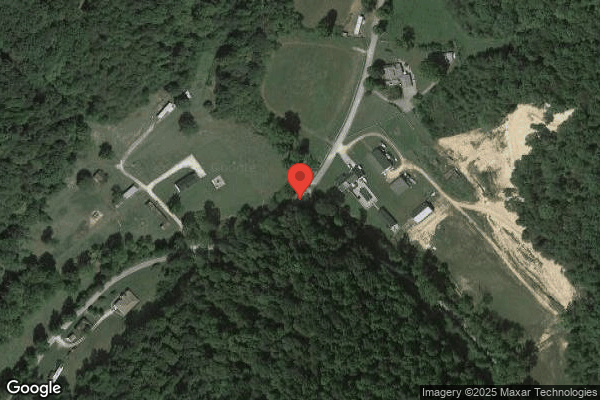
Understanding Severity Codes (click to expand)
Life-Threatening (Immediate Jeopardy)
J - Isolated K - Pattern L - Widespread
Actual Harm
G - Isolated H - Pattern I - Widespread
Potential for Harm
D - Isolated E - Pattern F - Widespread
No Harm (Minor)
A - Isolated B - Pattern C - Widespread

Questions to Ask on Your Visit

  • "What changes have you made since the serious inspection findings?"
  • "Can I speak with families of current residents?"
  • "What's your RN coverage like on weekends and overnight?"

Our Honest Assessment

Strengths
  • • 38% turnover. Below Kentucky's 48% average. Good staff retention means consistent care.
Concerns
  • • Multiple safety concerns identified: 3 life-threatening violation(s), 2 harm violation(s), Payment denial on record. Review inspection reports carefully.
  • • 9 deficiencies on record, including 3 critical (life-threatening) violations. These warrant careful review before choosing this facility.
  • • $12,844 in fines. Above average for Kentucky. Some compliance problems on record.
  • • Grade F (2/100). Below average facility with significant concerns.
Bottom line: This facility has 3 Immediate Jeopardy findings. Serious concerns require careful evaluation.

About This Facility

What is Elliott Nursing And Rehabilitation's CMS Rating?

CMS assigns Elliott Nursing and Rehabilitation an overall rating of 1 out of 5 stars, which is considered much below average nationally. Within Kentucky, this rating places the facility higher than 0% of the state's 100 nursing homes. A rating at this level reflects concerns identified through health inspections, staffing assessments, or quality measures that families should carefully consider.

How is Elliott Nursing And Rehabilitation Staffed?

CMS rates Elliott Nursing and Rehabilitation's staffing level at 1 out of 5 stars, which is much below average compared to other nursing homes. Staff turnover is 38%, compared to the Kentucky average of 46%. This relatively stable workforce can support continuity of care.

What Have Inspectors Found at Elliott Nursing And Rehabilitation?

State health inspectors documented 9 deficiencies at Elliott Nursing and Rehabilitation during 2022 to 2025. These included: 3 Immediate Jeopardy (the most serious level, indicating potential for serious harm or death), 2 that caused actual resident harm, and 4 with potential for harm. Immediate Jeopardy findings are rare and represent the most serious regulatory concerns. They require immediate corrective action.

Who Owns and Operates Elliott Nursing And Rehabilitation?

Elliott Nursing and Rehabilitation is owned by a for-profit company. For-profit facilities operate as businesses with obligations to shareholders or private owners. The facility is operated by DAVID MARX, a chain that manages multiple nursing homes. With 75 certified beds and approximately 72 residents (about 96% occupancy), it is a smaller facility located in Sandy Hook, Kentucky.

How Does Elliott Nursing And Rehabilitation Compare to Other Kentucky Nursing Homes?

Compared to the 100 nursing homes in Kentucky, Elliott Nursing and Rehabilitation's overall rating (1 stars) is below the state average of 2.8, staff turnover (38%) is near the state average of 46%, and health inspection rating (2 stars) is below the national benchmark.

What Should Families Ask When Visiting Elliott Nursing And Rehabilitation?

Based on this facility's data, families visiting should ask: "What changes have been made since the serious inspection findings, and how are you preventing similar issues?" "Can you walk me through typical staffing levels on day, evening, and night shifts?" "Can I visit during a mealtime to observe dining assistance and food quality?" "How do you handle medical emergencies, and what is your hospital transfer rate?" These questions are particularly relevant given the facility's Immediate Jeopardy citations and the below-average staffing rating.

Is Elliott Nursing And Rehabilitation Safe?

Based on CMS inspection data, Elliott Nursing and Rehabilitation has documented safety concerns. Inspectors have issued 3 Immediate Jeopardy citations (the most serious violation level indicating risk of serious injury or death). The facility has a 1-star overall rating and ranks #100 of 100 nursing homes in Kentucky. Families considering this facility should ask detailed questions about what corrective actions have been taken since these incidents.

Do Nurses at Elliott Nursing And Rehabilitation Stick Around?

Elliott Nursing and Rehabilitation has a staff turnover rate of 38%, which is about average for Kentucky nursing homes (state average: 46%). Moderate turnover is common in nursing homes, but families should still ask about staff tenure and how the facility maintains care continuity when employees leave.

Was Elliott Nursing And Rehabilitation Ever Fined?

Elliott Nursing and Rehabilitation has been fined $12,844 across 1 penalty action. This is below the Kentucky average of $33,207. While any fine indicates a compliance issue, fines under $50,000 are relatively common and typically reflect isolated problems that were subsequently corrected. Families should ask what specific issues led to these fines and confirm they've been resolved.

Is Elliott Nursing And Rehabilitation on Any Federal Watch List?

Elliott Nursing and Rehabilitation is not on any federal watch list. The most significant is the Special Focus Facility (SFF) program, which identifies the bottom 1% of nursing homes nationally based on persistent, serious quality problems. Not being on this list means the facility has avoided the pattern of deficiencies that triggers enhanced federal oversight. This is a positive indicator, though families should still review the facility's inspection history directly.