CAL TURNER REHAB AND SPECIALTY CARE
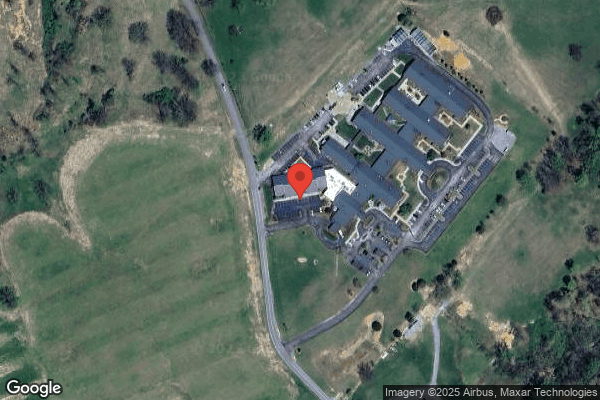
456 BURNLEY ROAD, SCOTTSVILLE, KY 42164 (270) 622-2800
Non profit - Other 110 Beds Independent Data: November 2025
Trust Grade
56/100
#97 of 266 in KY
Last Inspection: March 2025

Within standard 12-15 month inspection cycle. Federal law requires annual inspections.

Overview

Cal Turner Rehab and Specialty Care in Scottsville, Kentucky has a Trust Grade of C, indicating that it is average compared to other facilities. It ranks #97 out of 266 in the state, placing it in the top half of Kentucky nursing homes, and is the only option in Allen County. The facility has been improving over the years, with issues decreasing from 7 in 2020 to just 2 in 2025. Staffing is a strong point, with a 4 out of 5-star rating and a low turnover rate of 28%, which is significantly better than the state average of 46%. However, there are concerns, as the facility has faced $5,519 in fines, and serious incidents include a resident suffering a femoral neck fracture after being transferred without proper assistance, highlighting potential gaps in care. Additionally, there were issues with food safety practices noted in the kitchen, showing that while there are strengths, there are also critical areas that need attention.

Trust Score
C
56/100
In Kentucky
#97/266
Top 36%
Safety Record
Moderate
Needs review
Inspections
Getting Better
7 → 2 violations
Staff Stability
✓ Good
28% annual turnover. Excellent stability, 20 points below Kentucky's 48% average. Staff who stay learn residents' needs.
Penalties
○ Average
$5,519 in fines. Higher than 62% of Kentucky facilities. Some compliance issues.
Skilled Nurses
○ Average
Each resident gets 41 minutes of Registered Nurse (RN) attention daily — about average for Kentucky. RNs are the most trained staff who monitor for health changes.
Violations
⚠ Watch
16 deficiencies on record. Higher than average. Multiple issues found across inspections.
★★★☆☆
3.0
Overall Rating
★★★★☆
4.0
Staff Levels
★★★☆☆
3.0
Care Quality
★★★☆☆
3.0
Inspection Score
Stable
2020: 7 issues
2025: 2 issues

The Good

  • 4-Star Staffing Rating · Above-average nurse staffing levels
  • Low Staff Turnover (28%) · Staff stability means consistent care
  • Full Sprinkler Coverage · Fire safety systems throughout facility
  • No fines on record
  • Staff turnover is low (28%)

    20 points below Kentucky average of 48%

Facility shows strength in staffing levels, staff retention, fire safety.

The Bad

3-Star Overall Rating

Near Kentucky average (2.8)

Meets federal standards, typical of most facilities

Federal Fines: $5,519

Below median ($33,413)

Minor penalties assessed

The Ugly 16 deficiencies on record

2 actual harm
Mar 2025 2 deficiencies
CONCERN (D)

Potential for Harm - no one hurt, but risky conditions existed

Deficiency F0761 (Tag F0761)

Could have caused harm · This affected 1 resident

**NOTE- TERMS IN BRACKETS HAVE BEEN EDITED TO PROTECT CONFIDENTIALITY** Based on observation, interview, record review and facility policy review, the facility failed to ensure drugs and biologicals u...

Read full inspector narrative →
**NOTE- TERMS IN BRACKETS HAVE BEEN EDITED TO PROTECT CONFIDENTIALITY** Based on observation, interview, record review and facility policy review, the facility failed to ensure drugs and biologicals used in the facility were current for use and/or labeled in accordance with currently accepted professional principles, including the expiration date when applicable. Insulin was opened but not labeled or dated and expired medication was available for use. This failure involved one of two medication carts reviewed (out of a total of four carts), as well as one medication storage room reviewed (out of a total of two medication storage rooms), and affected two (Resident (R) 35 and R8) residents, The findings include: 1. Review of a facility policy titled, Formulary Management, reviewed 04/2014, revealed medications acquired from a wholesaler, another pharmacy, or manufacturer would be stored in the pharmacy according to manufacturer guidelines. Review of a facility policy titled, Administration of Medication, revised 09/2019, revealed all multi-dose vials/pens should be marked with the date to be discarded (beyond use date). The policy further revealed all multi-dose vials/pens should be discarded 28 days after the initial puncture of the vial, or less if recommended by the manufacturer. Review of R8's Face Sheet revealed that the resident was admitted to the facility on [DATE] with medical diagnoses including type 2 diabetes mellitus with diabetic neuropathy. Review of R8's electronic Medication Administration Record (MAR) revealed that the resident was ordered and administered Basaglar insulin, 40 units subcutaneously nightly at bedtime for type 2 diabetes mellitus. Observation on 03/11/2025 at 1:10 PM of the medication storage room on C-hall revealed one package with two opened 10 milliliter (ml) vials of R8's Basaglar insulin inside the medication refrigerator that were not dated. In an interview with Registered Nurse (RN) 1 on 03/11/2025 at 1:45 PM, she stated that for medications that require refrigeration, such as insulins, it is the nursing staff's responsibility to write the date the bottle was opened on the package or vial. Interview with RN3, on 03/13/2025 at 2:35 PM, revealed that if she opened a new vial of insulin, she needed to write the beyond use date on the vial, which was 28 days from the date that the vial was opened. She stated that if she were to find a vial of insulin in the refrigerator without a beyond-use date, she would dispose of the vial and contact the pharmacy to order more insulin for the resident. She stated that a possible negative outcome of giving a resident undated insulin would be decreased effectiveness of the insulin. Interview with Pharmacy Technician 1, on 03/13/2025 at 3:05 PM, confirmed that when nurses open new vials of insulin, they are expected to write a beyond use date of 28 days after the date it was opened, unless the expiration date of the insulin is before the beyond use date. Pharmacy Technician 1 said that when she comes to restock the medication rooms, she checks for expired medicines or medicines without a date written on them, and if there are any, she takes them out of the refrigerator. She added that there was not a specific policy that states this task is assigned to pharmacy technicians, but she attempts to take care of it when she comes up to the med room. Further interview with Pharmacy Technician 1 revealed that a possible negative outcome of giving undated insulin to a resident could be that the insulin would not be as effective and could cause harm to the resident, but she stated it would depend on how outdated the insulin was. In an interview with the Director of Nursing (DON) on 03/13/25 at 4:33 PM, she stated that her expectation of staff after they opened a new vial of insulin, would be for them to date the medication with a use by date. In addition, she stated that she expected her staff to check expiration dates on medications before giving the medications to the residents. Interview with the Administrator on 03/13/25 at 4:39 PM revealed her expectation of the nursing staff was that they put dates on medications after opening the medication. 2. Review of an admission Record revealed the facility admitted R35 on 08/01/2022 with diagnoses including anxiety disorder and unspecified dementia with agitation. Review of current physician orders revealed the resident had an order for hydroxyzine pam (medication which can be used to treat anxiety) as needed (PRN). Observation of the B hall medication cart, on 03/12/2025 at 1:10 PM, with RN1 and Licensed Practical Nurse (LPN) 1, revealed R35 had a blister pack containing ten tablets of hydroxyzine pam 50 milligrams (mg) tablets, with a preprinted expiration date of 01/2025. During an interview with RN1 on 03/12/2025 at 1:13 PM, she the stated night shift nurses were responsible to check the medication carts for expired medications. She stated the hydroxyzine should have been caught, disposed of and reordered. During an interview with LPN5 on 03/13/2025 at 10:16 AM, she stated anyone assigned to the medication cart should audit for expired medications. LPN5 stated if she saw an expired medication, she would send it back to the pharmacy and reorder the medication. She stated anyone on the cart was responsible and should observe for expired medications during their shift. During an interview with RN3 on 03/13/2025 at 2:41 PM, she stated she attempts to check the medication cart every shift. RN3 stated expired medications should not be administered and should be placed in the medication room with a note attached to notify the pharmacy to pick it up. RN3 further stated the medication should then be reordered. RN 3 stated if an expired medication was administered, it probably would not be as effective. During an interview with LPN2 on 03/13/2025 at 2:56 PM, she stated she works night shift, and the nurse or medication technician assigned to the cart is responsible for checking the medication carts for expired medications. LPN2 stated night shift usually had more time to do that than day shift. However, LPN2 further stated that anyone assigned to the medication cart could check for expired medications. She stated the expired medication should be placed in the medication room for pharmacy to pick up, the medication should be reordered. She stated if an expired medication was administered it would not be as effective as an in-date medication and it may lose it potency. During an interview with the DON on 03/13/2025 at 4:33 PM, she stated she expected expired medications to be caught prior to being given. The DON stated the night shift nurse or Certified Medication Technician (CMT) puts the bulk of the pills away and would be responsible for checking the cart for expired medications. The DON stated she would expect for the staff to check medication expiration dates prior to administration to prevent a possible negative outcome. During an interview with the Administrator on 03/13/2025 at 4:38 PM, she stated she expected nursing staff to review all of the medications in the cart to ensure they were active and not expired.
MINOR (C)

Minor Issue - procedural, no safety impact

Deficiency F0577 (Tag F0577)

Minor procedural issue · This affected most or all residents

Based on observation, interview, and review of the facility's policy, the facility failed to post survey results in a place readily accessible, where individuals wishing to examine survey results did ...

Read full inspector narrative →
Based on observation, interview, and review of the facility's policy, the facility failed to post survey results in a place readily accessible, where individuals wishing to examine survey results did not have to ask to see them. The facility's failure affected 10 residents who attended the resident council meeting (Resident (R)2, R21, R25, R37, R39, R40, R50, R62, R63, R85) and had the potential to affect all residents residing in the facility, as well as family/representatives, and visitors of the facility who had the right to review the facility's survey history. The findings include: Review of a facility policy titled, Rights and Responsibilities of Residents, reviewed 06/2024, revealed each resident and resident representative had the right to have access to all inspection reports at the facility. A meeting was conducted on 03/12/2025 at 1:03 PM, with residents who regularly attend Resident Council meetings. During the meeting, interview with the residents who were present (R2, R21, R25, R37, R39, R40, R50, R62, R63, and R85) revealed they did not know where the survey book (results of the facility's surveys) was located. Observation on 03/11/2025 at 11:00 AM revealed a sign in the main entrance hallway stating that State Law KRS 216.457 required state inspection reports on the facility to be made available to you upon request and to ask a representative of the facility. Further observation in this area, as well as throughout the facility, revealed no evidence that the required survey reports were present and/or accessible for independent review. During an interview with the Director of Nursing (DON) on 03/12/2025 at 4:40 PM, she stated her belief that the survey binder results were located behind each nursing station, but she would have to confirm that was correct. Additional interview with the DON, on 03/12/2025 at 4:54 PM, revealed the survey binder results were located behind the B-hall nursing station. The DON stated the facility added glass dividers to the nursing stations and the binder had been moved behind the nursing station during that time and had never been placed back out into view. She indicated the facility needed to move the binder back to the other side of the glass so residents and visitors would have access to the survey results. During an interview with the Minimum Data Set (MDS) Coordinator on 03/13/2025 at 2:40 PM, she confirmed that the facility survey binder had been behind the B-hall nursing station desk until yesterday. She stated if someone asked to see the binder, she would have informed the nursing supervisor. During an interview with Registered Nurse (RN) 3 on 03/13/2025 at 2:41 PM, she stated the facility survey results binder was kept behind the B-hall nursing station along with other binders. RN 3 stated residents and/or visitors would have had to ask to see the binder. Additional interview with the DON, on 03/13/2025 at 2:56 PM, revealed the facility survey results binder should be visible to allow anyone to look at it at any time. During an interview with the Administrator on 03/13/2025 at 4:38 PM, she stated she expected that, according to regulations, the facility survey results binder should be accessible for family members or residents to view any of the facility's survey findings.
Feb 2020 7 deficiencies 2 Harm
SERIOUS (G)

Actual Harm - a resident was hurt due to facility failures

Comprehensive Care Plan (Tag F0656)

A resident was harmed · This affected 1 resident

**NOTE- TERMS IN BRACKETS HAVE BEEN EDITED TO PROTECT CONFIDENTIALITY** Based on interview, record review, facility investigation and policy review, and hospital record review, it was determined the f...

Read full inspector narrative →
**NOTE- TERMS IN BRACKETS HAVE BEEN EDITED TO PROTECT CONFIDENTIALITY** Based on interview, record review, facility investigation and policy review, and hospital record review, it was determined the facility failed to implement the Comprehensive Care Plan for one (1) of twenty-two (22) sampled residents (Resident #14). Resident #14 was care planned for two (2) assist with transfers. On 02/03/2020, a Certified Nurse Aide (CNA) attempted to transfer the resident from the toilet to resident's wheel chair without the assistance of another staff, which resulted in the resident falling. Because of the fall, the resident sustained a Right Femoral Neck Fracture that required surgery (Right Anterior total hip replacement). The findings include: Review of the facility policy titled. Person-Centered Care Plans, last revised January 2020, revealed the objective is to provide consistent, continuous care; comprehensive person-centered care, and care that is interdisciplinary. Staff is expected to follow the Plan of Care for each resident. 1. Record review revealed the facility admitted Resident #14 on 12/14/2018 with diagnoses, which included Hemiplegia and Hemiparesis following Cerebral Infarction Affecting Right Dominate Side, Muscle Weakness, Difficulty in Walking, Abnormalities of Gait and Mobility, and Lack of Coordination. Review of the quarterly Minimum Data Set (MDS) assessment, dated 11/18/19 revealed the facility assessed Resident #14's cognition as severely impaired with a Brief Interview for Mental Status (BIMS) score of four (4) , which indicated the resident was not interviewable. Review of Resident #14's Comprehensive Care Plan for Activities of Daily Living (ADL's), dated 11/11/19; and Visual/Bedside [NAME] Report, printed 02/13/2020, revealed the resident required extensive assistance of two (2) staff for toileting and to move between surfaces, as necessary; initiated on 12/27/2018. However, review of Nurses Note dated 02/03/2020 at 7:18 AM, and facility investigation dated 02/03/2020 revealed the resident was assisted to transfer off the toilet by one (1) CNA and the resident started to lean to the right. The CNA tried to assist resident to floor but was unable to and the resident landed on floor on right side by the toilet. The resident complained of hip and shoulder pain; and there was a hematoma to right side on head. The resident was sent to Emergency Department (ED). The CNA failed to ensure there were two staff to assist with transfer. Review of Hospital Operative Note, dated 02/03/2020, revealed the resident was diagnosed to have a right femoral neck fracture and a right anterior total hip replacement was performed. Interview with CNA #12 on 02/13/2020 at 3:37 PM, revealed she assisted Resident #14 up off the toilet and attempted to transfer the resident back into the wheel chair without anyone assisting her and the resident fell. She stated, in hindsight, she should have waited for help, or went to get help to assist the resident with the transfer. She stated, she was not one-hundred percent (100%) sure what the resident's care plan read, until after the resident had fallen and her supervisor and the DON made her aware the resident was a two (2) assist. She stated she did not look at the care plan before taking care of the resident and was unaware the resident was a (2) assist until after the fall. Interview with Certified Medication Technician (CMT) #1 on 02/13/20 at 3:15 PM, revealed Resident #14 had a previous right sided stroke, had weakness on the right side, and was care planned for an assist of two (2) staff for transfer, toileting and bed mobility. Interview with Licensed Practical Nurse (LPN) #3 on 02/13/2020 at 3:25 PM, revealed she was fairly new as she had just started on the night shift in December 2019, but she was fairly certain the resident was a two (2) assist with transfer and care. Interview with Nursing Supervisor on 02/13/2020 at 1:52 PM, revealed was made of Resident #14's fall on 02/03/2020, when LPN #3 came to give her the incident report. She stated LPN #3 made her aware CNA #12 had transferred Resident #14 off the toilet by herself and had not used a gait belt, which is the facility's practice. She revealed Resident #14 was transported to a local hospital and required surgical intervention of the right hip and was still in the hospital (02/13/2020). She stated CNA #12 was reeducated on following the care plan and was given a written counseling on 02/03/2020. Interview with the Physician on 02/13/2020 at 3:54 PM revealed Resident #14 required surgical intervention of his/her right hip, and had a right total hip replacement. She stated the resident had a history of a previous stroke and had right sided weakness. She further revealed she expected staff to follow the care guide when providing care for the resident and if staff followed the care guide, this fall could have been prevented as well as preventing surgical intervention. Interviews on 02/13/2020 with CNA #7 at 2:45 PM; CNA #8 at 2:53 PM; CNA #9 at 2:55 PM; CNA #10 at 3:08 PM and CNA #11 at 3:13 PM, revealed Resident #14 was care planned for two (2) assist with transfers, bed mobility and toileting. Interview with the Director of Nursing (DON) on 02/13/2020 at 4:45 PM, revealed the Nursing Supervisor notified her of Resident #14's fall. The DON stated the facility determined the root cause of the fall was improper use transfer; and failure to follow the care plan. She revealed CNA #12 failed to follow the care plan related to two (2) assist with transfers and did not use the gait belt which is the facility's practice. She revealed Resident #14 was transported out to the ER for evaluation and treatment and required surgical intervention of a total hip replacement. The DON further revealed the Nursing Supervisor reeducated CNA #12 that morning and later that day. The DON stated CNA #12 was educated regarding to use the gait belt because that is a facility practice. Interview (Post Survey) with the Administrator on 02/21/2020 at 10:43 AM, revealed it was her understanding from the DON that all staff had been educated on the proper use of the gait belt as well as following the care plan. However, surveyor interviews on 02/13/2020 with CNA #7 at 2:45 PM; CNA #8 at 2:53 PM; CNA #9 at 2:55 PM; CNA #10 at 3:08 PM and CNA #11 at 3:13 PM, revealed they were educated on using the gait belt and did not recall any education being presented regarding following the resident's care plan. Further interview with the Administrator revealed there was no documentation specific to staff education on care plans, however, there was documentation the staff were educated on the proper use of gait belts. She stated they are currently in the process of re-educating all the staff on following the care plans.
SERIOUS (G)

Actual Harm - a resident was hurt due to facility failures

Accident Prevention (Tag F0689)

A resident was harmed · This affected 1 resident

**NOTE- TERMS IN BRACKETS HAVE BEEN EDITED TO PROTECT CONFIDENTIALITY** Based on interview, record review, facility policy and investigation review, and hospital record review, it was determined the f...

Read full inspector narrative →
**NOTE- TERMS IN BRACKETS HAVE BEEN EDITED TO PROTECT CONFIDENTIALITY** Based on interview, record review, facility policy and investigation review, and hospital record review, it was determined the facility failed to ensure adequate supervision and assistive devices to prevent accidents were provided for one (1) of three (3) residents with falls in the selected sample of twenty-two (22) residents (Resident #14). The facility assessed and care planned Resident #14 required two (2) staff assist with transfer. In addition, the facility's protocol was for staff to use gait belt during transfers. However, on 02/03/2020, one (1) Certified Nurse Aide (CNA) attempted to transfer the resident off the toilet into the resident's wheel chair without assistance, which resulted in a fall. Resident #14's fall resulted in a Right Femoral Neck Fracture, which required a right anterior total hip replacement. The findings include: Review of facility policy titled, Fall Risk Assessment and Intervention last revised August 2018, revealed the purpose of the policy was to ensure that each resident receives adequate supervision and assistance devices to prevent falls, to ensure that a resident's individualized plan of care adequately address's fall prevention measures, and at the same time, focuses on maintaining the residents highest possible level of independence. The facility will support and promote a culture of safety that focuses on each and every employee playing his/her part in fall prevention. Record review revealed the facility admitted Resident #14 on 12/14/18 with diagnoses, which included Hemiplegia and Hemiparesis following Cerebral Infarction Affecting Right Dominate Side, Muscle Weakness, Difficulty in Walking, Abnormalities of Gait and Mobility, and Lack of Coordination. Review of the quarterly Minimum Data Set (MDS) assessment, dated 11/18/19, revealed the facility assessed Resident #14's cognition as severely impaired with a Brief Interview for Mental Status (BIMS) score of four (4) which indicated the resident was not interviewable. Further review of the MDS revealed the facility assessed Resident #14 required extensive assistance of two (2) persons for bed mobility, transfers and toileting. Review of Resident #14's quarterly Fall assessment dated [DATE] revealed a score of sixty (60), which indicated the resident was at high risk for falls. Review of Resident #14's Comprehensive Care Plan for Activities of Daily Living (ADL's) Self-care Performance Deficit related to Hemiplegia and Hemiparesis following Cerebral Infarction affecting right dominate side, dated 11/11/19; and the Visual/Bedside [NAME] report, printed 02/13/2020; revealed interventions that the resident required extensive assistance of two (2) staff for toileting and to move between surfaces as necessary. Review of Nurses Notes dated 02/03/2020 at 7:18 AM, revealed Resident #14 was being transferred off the toilet to wheel chair and was holding on to bathroom bar with left hand; however, when the resident stood up the resident started to lean to the right side. The CNA tried to assist resident to floor but was unable to maintain resident in sitting position and resident landed on floor on right side by the toilet. Further review of the note revealed the resident was assessed, complained of hip and shoulder pain, and there was a hematoma to right side on head. The resident was sent to the Emergency Department (ED). Review of Hospital Operative Note, dated 02/03/2020, revealed Resident #14's preoperative diagnosis was Right Femoral Neck Fracture. Further review revealed the procedure performed was a right anterior total hip replacement. Review of the facility Investigative Preliminary Report, dated 02/03/2020, revealed Resident #14 was on the toilet and finished voiding, the resident stood up with CNA in bathroom, and grabbed grab bar with left hand. The CNA reached to get wheel chair behind resident and the resident started leaning towards the right side. The CNA attempted to lower the resident to the ground; however, the resident fell on his/her right side by the toilet. Further review of the Summary of Investigator's Findings, dated 02/03/2020 revealed, Resident was assisted on to the toilet by CNA and the resident was assessed to be transferred with two (2) staff members. CNA assisted resident to stand and utilize the grab bar with his/her unaffected left hand. While CNA was placing the wheel chair behind the resident, the resident started to lean to his/her right affected side. The CNA did not have a gait belt on and attempted to assist the resident to the ground. The resident landed on his/her left side in the bathroom floor. The findings were discussed with the CNA and the CNA was re-educated on following the care plan and utilizing the gait belt for safe transfers. The CNA was scheduled to meet with Director of Nursing (DON). Interview with CNA #12 on 02/13/2020 at 3:37 PM, revealed she assisted Resident #14 up off the toilet by herself and had attempted to transfer the resident back into the wheel chair. CNA #12 stated she instructed the resident to grab hold of the grab bar with his/her good hand, then the resident started to lean and became very heavy for her to hold on to. She revealed as she was reaching for the wheel chair, she lost control of the resident, and the resident started too leaned over and became to heavy for her to hold. The resident fell to the floor hitting his/her head on the floor, and landed on his/her right side. She stated the resident yelled out in pain, and was holding his/her right leg and yelling out. She revealed she yelled out the door for assistance and Certified Medication Technician (CMT) #1 came to the room, and went and told the nurse. She further stated, in hindsight, she should have waited for help, or went to get help to assist the resident with the transfer. She stated she was not one-hundred percent (100%) sure of what the resident's care plan read, until after the resident had fallen and her supervisor and the DON made her aware the resident was a two (2) assist. She revealed she did not look at the care plan before taking care of the resident and was unaware the resident was a (2) assist until after the fall. She further revealed she thought she was just in trouble for not using the gait belt when she transferred the resident, because staff are required to use a gait belt with all transfers, no matter if they are a one (1) assist or a two (2) assist. She stated she was not told in report the resident was a (2) assist with transfers, and she does not review the resident's care plans before providing care to the residents. She further stated, she had been re-educated on 02/03/2020 regarding the safe transfer with a gait belt and to always follow the resident's care plan. Interview with CMT #1 on 02/13/20 at 3:15 PM, revealed she was working on the medication cart, not too far from Resident #14's room, when she heard CNA #12 yell out for help. CMT #1 stated she immediately went and saw Resident #14 on the bathroom floor, yelling in pain and pointing to his/her leg. She immediately went and got the nurse. Interview with Licensed Practical Nurse (LPN) #3 on 02/13/2020 at 3:25 PM, revealed CNA #12 was providing care for Resident #14 on 02/03/2020. LPN #3 stated it was early in morning about 5:00 AM on 02/03/2020 when CMT #1 came and told her the resident had fallen in the bathroom. She stated she grabbed the vital sign machine and went to the resident's room, and when she arrived to the room, Resident #14 was lying in the bed. She revealed Resident #14 complained of pain to the right hip and was pointing to his/her right hip, and there was a Hematoma to the right side of his/her head. She stated after she completed her assessment of the resident, she called the physician and the family to make them aware of the fall. The physician ordered the resident to be sent out to the emergency room (ER) for evaluation and treatment. She further stated she was fairly new as she had just started on the night shift in December 2019, and was fairly certain the resident was a two (2) assist with transfer and . She stated she was aware the resident had a stroke in the past and had a lot weakness. She revealed she filled out a incident report, and told her nursing supervisor about the fall. Interview with Nursing Supervisor on 02/13/2020 at 1:52 PM, revealed she became aware of Resident #14's fall the morning of 02/03/2020, when LPN #3 came to give her the incident report. She stated LPN #3 made her aware of all the details of the fall, which included that CNA #12 had transferred Resident #14 off the toilet by herself and had not used a gait belt, which is the facility's practice. She revealed Resident #14 was transported to a local hospital and required surgical intervention of the right hip and was still in the hospital (02/13/2020). She stated CNA #12 was reeducated on following the care plan and was given a written counseling on 02/03/2020. Interview with the Physician on 02/13/2020 at 3:54 PM revealed the facility called and made her aware of Resident #14's fall, and she ordered the resident to be sent out to the ER for evaluation and treatment. She stated Resident #14 required surgical intervention of his/her right hip, and had a right total hip replacement. She further revealed, the resident had a history of a previous stroke and had right sided weakness. She stated she expected staff to follow the care guide when providing care for the resident and if staff followed the care guide, this fall could have been prevented as well as prevented surgical intervention. Interview with the Director of Nursing (DON) on 02/13/2020 at 4:45 PM, revealed the Nursing Supervisor notified her of Resident #14's fall. The DON stated the facility determined the root cause of the fall was improper use transfer; and failure to follow the care plan. She revealed CNA #12 failed to follow the care plan related to two (2) assist with transfers and did not use the gait belt which is the facility's practice. She revealed Resident #14 was transported out to the ER for evaluation and treatment and required surgical intervention of a total hip replacement. The DON further revealed the Nursing Supervisor reeducated CNA #12 that morning, and later that day she called CNA #12 back, and asked her why the incident occurred and why she did not follow the care plan or use the gait belt. She stated CNA #12 replied to her she just did not do it. She also asked CNA #12 what she learned from this incident and CNA #12 indicated she learned a valuable lesson, and realized she had made a grave mistake. The DON stated CNA #12 was educated regarding to use the gait belt because that is a facility practice, she said she did not use the gait belt, nor did she follow the resident's care plan. Interview (Post Survey) with the Administrator on 02/21/2020 at 10:43 AM, revealed members of the Interdisciplinary Team (IDT) met the morning of the fall (02/03/2020) during their morning meeting to discuss Resident #14's fall. The Administrator stated the morning after the fall (02/04/2020), all members of their Quality Assurance (QA) team met except the Medical Director who was unable to attend; however, he was already aware of the fall with injury. She stated they discussed the fall with injury, and the failures of the CNA not using the gait belt and following the care plan. She revealed the facility had not had an official QA meeting since 01/30/2020. She further stated it was her understanding from the DON that all staff had been educated on the proper use of the gait belt as well as following the care plan. However, surveyor interviews on 02/13/2020 with CNA #7 at 2:45 PM; CNA #8 at 2:53 PM; CNA #9 at 2:55 PM; CNA #10 at 3:08 PM and CNA #11 at 3:13 PM, revealed they were educated on using the gait belt; however they did not recall any education being presented regarding following the resident's care plan. Further interview with the Administrator revealed there was no documentation specific to staff education on care plans, however, there was documentation the staff were educated on the proper use of gait belts. She stated they are currently reviewing, auditing, and monitoring care plans, and are in the process of re-educating all the staff on following the care plans.
CONCERN (D)

Potential for Harm - no one hurt, but risky conditions existed

Resident Rights (Tag F0550)

Could have caused harm · This affected 1 resident

2. Record review revealed the facility admitted Resident #25 on 03/17/16 with diagnoses, which included Alzheimer's disease with Late Onset, and Dementia in other diseases classified elsewhere with be...

Read full inspector narrative →
2. Record review revealed the facility admitted Resident #25 on 03/17/16 with diagnoses, which included Alzheimer's disease with Late Onset, and Dementia in other diseases classified elsewhere with behavioral disturbance. Review of the Quarterly MDS assessment, dated 11/21/2019, revealed the facility assessed Resident #25's cognition as intact with a BIMS score of twelve (12), however, multiple attempts to interview Resident #25 revealed the resident was not interviewable. Observations on 02/11/2020 at 10:22 AM, revealed Resident #25 was lying in bed on his/her back with dark brown food matter on abdomen area of shirt and perimeter of mouth. Observations on 02/11/2020 at 10:51 AM revealed Resident #25 lying in bed on his/her back with same soiled shirt on with dark brown food matter on abdomen area of shirt. However, further observation revealed the resident's perimeter of mouth had been cleaned Observations on 02/11/2020 at 12:04 PM revealed Resident #25 had a white food substance on same shirt as earlier in AM with white food matter on perimeter of mouth after lunch. Observations on 02/12/2020 at 8:21 AM revealed Resident #25 had brown colored food substance on perimeter of mouth and had on a clean shirt. Interview with CNA #1, 02/13/2020 at 11:35 AM, revealed facility policy states it is a dignity issue for residents to have a dirty mouth or food droppings on clothes. She stated Resident #25 often leaves the dining room before the aides finish feeding other residents and she may not have been able to address wiping his/her mouth before Resident #25 left the dining area. Interview with CNA #6 on 2/13/2020 at 1:39 PM, revealed it is a dignity issue for Resident #25 to not have clean mouth after meals and the soiled shirt changed. She stated she tries to make sure to clean his/her face and shirt after meals. Interview with Licensed Practical Nurse (LPN) #2 on 02/13/2020 at 1:43 PM, revealed it is a dignity issue if Resident #25 needed mouth cleaned after administering medications or eating and residents should have their shirt replaced if soiled. Interview with DON, on 02/13/2020 at 4:34 PM, revealed she expected staff to follow facility policy for Resident Rights and that included wiping residents' mouths after meals and medication pass; and changing residents' shirts when they become soiled with food. She stated Resident #25's behavior does not always allow for prompt hygiene to face or changing clothing because he/she sometimes becomes combative when CNA's try to provide care. Based on observation, interview, record review, and facility policy review, it was determined the facility failed to treat each resident with respect, dignity and care in a manner and in an environment that promotes maintenance or enhancement of his/her quality of life, recognizing each resident's individuality for two (2) of twenty-two (22) sampled residents, (Resident #25 and #55). Staff failed to respond to Resident #55's call light timely when the resident needed to use the bedpan and failed to ensure Resident #25's face and shirt were clean after eating meals and receiving medications. The findings include: Review of the facility's policy titled, Rights and Responsibilities of Residents, last revised April 2017, revealed to treat each resident with consideration, respect and full recognition of his dignity, and individuality, including privacy in treatment and in care for his/her personal needs. 1. Record review revealed the facility admitted Resident #55 on 09/16/19 with diagnoses, which included Peripheral Vascular Disease, Acquired Absence of Left and Right Leg below the Knee, Diabetes Type 2, and Anxiety Disorder. Review of the Quarterly Minimum Data Set (MDS) assessment, dated 12/18/19, revealed the facility assessed Resident #55's cognition as intact with a Brief Interview of Mental Status (BIMS) score of fifteen (15) which indicated the resident was interviewable. Observation on 02/11/2020 at 11:58 AM revealed Resident #55 turned on call light at 11:46 AM at his/her bedside. Staff members were in the hallway and passed by resident's room; however, staff did not enter the room to offer assistance. A staff member answered the call light from the desk over the call light system stating can I help you, can I help you; however, Resident #55 was not able hear the staff's reply due to the high volume of the television in the room and the resident was hard of hearing. Further observation revealed the call light was no longer activated and no one came to assist either resident in the room. Interview with Resident #55, on 02/11/2020 at 12:10 PM, revealed there is an ongoing problem with staff responding to his/her call light in a timely manner. Resident #55 stated he/she has had episodes of bowel incontinence waiting for staff to answer his/her call light. Resident #55 stated, I can feel the urge to go but it takes a while for someone to get me on the bed pan then I soil myself; and I don't like if I soil myself and someone has to clean me up. The resident further revealed he/she uses the urinal independently but he/she was unable to put him/herself on the bedpan. Interview with Certified Nursing Assistant (CNA) #4, on 02/12/2020 at 9:37 AM, revealed Resident #55 tells staff when he/she needs to have a bowel movement. CNA #4 stated, Sometimes may have an accident if staff not available to get him/her on the bedpan in time. CNA #4 also revealed Resident #55 was continent of urine and able to use urinal independently. Interview with CNA #5, on 02/12/2020 at 4:19 PM, revealed Resident #55 is always continent of bladder and bowel with occasional bowel incontinence during evening and/or night shift. CNA #5 stated Resident #55 always uses the call light to let staff know of need to have a bowel movement and the resident gets upset if not assisted timely on the bedpan and is incontinent of bowels. Interview with Nursing Supervisor, on 02/13/2020 at 10:29 AM, revealed Resident #55 uses call light frequently. She stated the resident uses the urinal independently however, occasionally requires help positioning it. She stated a Care Conference with the resident's son revealed the resident does not have patience and perception of time is not always accurate. Interview with the Director of Nursing (DON), on 02/13/2020 at 11:16 AM, revealed she expected staff to go to the resident's room if call light is on and when the resident does not respond when staff offers assistance from desk call system. The DON stated she expected staff to maintain the resident's dignity, including privacy while meeting their care needs.
CONCERN (D)

Potential for Harm - no one hurt, but risky conditions existed

Deficiency F0658 (Tag F0658)

Could have caused harm · This affected 1 resident

**NOTE- TERMS IN BRACKETS HAVE BEEN EDITED TO PROTECT CONFIDENTIALITY** Based on observation, interview, record review, and facility policy review, it was determined the facility failed to ensure one ...

Read full inspector narrative →
**NOTE- TERMS IN BRACKETS HAVE BEEN EDITED TO PROTECT CONFIDENTIALITY** Based on observation, interview, record review, and facility policy review, it was determined the facility failed to ensure one (1) of three (3) residents with tube feedings, in the selected sample of twenty-two (22) residents, received care in accordance with professional standards of practice (Resident #61). Licensed staff failed to ensure Resident #61's tube feeding container of Vital 1.2 was labeled with the date and time the feeding was hung. The findings include: Review of the facility's policy titled, Tube Feeding - Continuous and intermittent, dated January 2019, revealed .the feeding container and tubing should be changed every eight (8) hours unless ordered otherwise. Ready to hang bags can hang up to forty-eight hours however; spike sets should be changed every twenty-four (24) hours. Label the pump set with the date and time of hanging. Record review revealed the facility re-admitted Resident #61 on 12/24/19 with diagnoses which included Partial Intestinal Obstruction, Unspecified as to Cause, Aphasia, Dysphagia, Hemiplegia Affecting Right Dominant Side following Cerebral Infarction, and Gastrostomy. Review of the Quarterly Minimum Data Set (MDS), dated [DATE], revealed the facility assessed Resident #61's cognition as severely impaired with Brief Interview for Mental Status (BIMS) score of zero (0), which indicates the resident was not interviewable. Review of Resident #61's Physician Orders, dated 02/07/2020, revealed an order for Vital 1.2, 75 milliliters (ml) per hour with 25 ml per hour free flush. Document amounts, if amount does not reach 750 ml fed per day shift, flush to equal a total of 250 ml for day. Bolus remaining amount two (2) times a day for supplemental nutrition. Observation on 02/12/2020 at 11:04 AM revealed Resident #61's tube feeding container of Vital 1.2 was infusing; however, further observation revealed the container of feeding was not labeled with the date and time it was hung per professional standards. Interview with Registered Nurse (RN) #1, on 02/13/20 at 3:24 PM, revealed the licensed staff is expected to label, date, and time all tube feeding nutrients that were hung. RN #1 stated the policy does not necessarily indicate that, however, it is the facility's expectation that any tube feeding contents be labeled with content, date, and time feeding was hung. Interview with the Director of Nursing (DON), on 02/13/20 at 4:35 PM, revealed she expected each tube-feeding container to be labeled with the date and time the feeding was hung. The DON stated the date and time hung should be recorded on the tube-feeding container.
CONCERN (D)

Potential for Harm - no one hurt, but risky conditions existed

Pressure Ulcer Prevention (Tag F0686)

Could have caused harm · This affected 1 resident

**NOTE- TERMS IN BRACKETS HAVE BEEN EDITED TO PROTECT CONFIDENTIALITY** Based on observation, interview, record review, and facility policy review, it was determined the facility failed to ensure a re...

Read full inspector narrative →
**NOTE- TERMS IN BRACKETS HAVE BEEN EDITED TO PROTECT CONFIDENTIALITY** Based on observation, interview, record review, and facility policy review, it was determined the facility failed to ensure a resident receives pressure ulcer care, consistent with professional standards of practice, to promote healing, and prevent infection for one (1) of four (4) resident with pressure ulcers, in the selected sample of twenty-two (22) residents (Resident #85). Licensed staff failed to provide pressure ulcer care for Resident #85 according to professional standards of practice, which resulted in the nurse contaminating the wound. The findings include: Review of facility policy titled, Routine Skin Care and Pressure Ulcer Management, last revised on September 2019 revealed the purpose of the policy was to provide guidelines for the prevention and treatment of pressure ulcers and that the nurse should initiate appropriate skin care plan for the prevention and treatment of pressure ulcers. Review of the facility policy, Infection Prevention last revised February 2020 revealed, the facility will ensure that Standard Precautions shall be practiced to reduce the risk of transmission of communicable and infectious diseases in the long term care setting. Record review revealed the facility admitted Resident #85 on 06/04/2019 with diagnoses which included Pressure Ulcer of Right Heel, unstageable, and Pressure Ulcer of Sacral Region, unstageable. Review of the Quarterly Minimum Data Set (MDS) assessment, dated 01/15/2020 revealed the facility assessed Resident #85's cognition as severely impaired with a Brief Interview of Mental Status (BIMS) score of three (3), which indicated the resident was not interviewable. However, interview of Resident #85 revealed the resident was able to display awareness and to have appropriate cognitive communication, and able to call surveyor's name each time presented. Review of a Comprehensive Care Plan for actual skin impairment, dated 01/06/2020 revealed Resident #85 has actual impairment to skin integrity related to, fragile skin with the potential for further skin breakdown due to use of right heel to push and reposition self; and, immobility, and incontinence. A Suspected Deep Tissue Injury (SDTI) to right lateral heel was changed to an unstageable as of 08/14/19 and on 12/05/19; a Stage II was identified to the resident's sacrum. Further review of the care plan revealed the resident was readmitted on [DATE] from the hospital with an unstageable pressure wound to sacrum and interventions for staff to follow facility protocols for treatment of injury, and to use low air loss mattress for pressure reduction, Review of Physician Order, dated 12/24/2019 revealed to cleanse pressure injury to right heel with Normal Saline (NS), apply NS moistened gauze, cover with dry gauze, and secure with kerlix daily every day shift for unstageable pressure injury. Further review of Physicians Orders revealed an order received on 01/06/2020, to use Dakin's (1/2) strength) solution 0.25%, applied to sacral wound topically every day shift for pressure injury. Cleanse with normal saline, then apply Dakin's moistened gauze, cover with Abdominal Pad, and Secure with Hypefix and Tegaderm. Observation of wound care on 02/13/2020 at 8:56 AM revealed the Wound Care Nurse/Registered Nurse (RN) #3 and Licensed Practical Nurse (LPN) #1 failed to provide wound care according to professional standards of practice. RN #3 failed to provide a barrier or to clean the bedside table prior to laying down supplies for wound care and failed to put a barrier down before placing foot on the heel boot after taking old bandage off of right heel. In addition, RN #3 picked up the 4x4 gauze she placed on top of a trash liner bag on bed and proceeded to squeeze the extra saline solution out before using on the resident's wound on the right heel. RN #3 then removed the dressing to sacral area. The removed dressing was contaminated with dark colored rings resembling stool stains, which contaminated the sacral wound with feces. Interview with RN #3 on 02/13/2020 at approximately 9:30 AM revealed she did not use a barrier or clean the worktable, prior to putting down supplies for wound care. RN #3 stated she placed Resident #85's heel down on the boot after taking soiled bandage off. She further stated she removed the 4x4 bandage off the trash bag she had placed on the bed prior to beginning the dressing changes to the right heel and used it on the heel wound. RN #3 revealed she failed to provide wound care according to professional standards of practice. Interview with Director of Nursing (DON) on 02/13/20 at 4:34 PM revealed she expected staff to use professional standards of practice when changing wound dressings to prevent infection. She stated this would include using barriers or cleaning workspace prior to laying supplies down on an unclean surface and using a barrier after taking the dressing off a resident's wound and before placing wound down on bedding or other unclean surface. She further revealed staff not using clean to dirty technique with the trash bag does not help to effectively treat and prevent or heal Pressure Ulcers.
CONCERN (D)

Potential for Harm - no one hurt, but risky conditions existed

Medical Records (Tag F0842)

Could have caused harm · This affected 1 resident

Based on interview, record review, and facility policy review, it was determined the facility failed to ensure medical records, were complete and accurately documented for one (1) unsampled resident n...

Read full inspector narrative →
Based on interview, record review, and facility policy review, it was determined the facility failed to ensure medical records, were complete and accurately documented for one (1) unsampled resident not in the selected sampled of twenty-two (22) residents (Resident #1). The facility failed to ensure medical record were complete for Resident #1 related to the placement, assessments, and removal of heparin (hep) lock. The findings include: Review of facility policy titled, Documentation, last revised August 2018, revealed the purpose was to provide a complete and accurate record that reflects observations regarding resident status, nursing care provided to the resident, the effectiveness of nursing interventions, medical treatment ordered, and discharge preparation activities and to specify the individuals authorized to document in the medical record to include routine procedures and observations. Record review revealed the facility admitted Resident #1 on 10/24/19 with diagnoses, which included Hemiplegia and Hemiparesis following Cerebral Infarction Affecting Right Dominant Side. Observation of Resident #1 on 02/11/2020 at 2:39 PM revealed an Intravenous (IV) hep lock to the left forearm that was not dated. Interview with Resident #1 and Registered Nurse (RN) #2 at this time revealed the hep lock was placed yesterday at the acute center for some testing of blood work for resident. Observation of Resident #1's Left Forearm on 02/12/20 at 1:45 PM, revealed the IV hep lock was no longer in place on the resident's left forearm. However, review of Resident #1's Nursing notes, dated 02/11/2020 and 02/12/2020 revealed there was no documentation showing an IV hep lock was placed in the left forearm, shift assessments of hep lock were completed, and the removal of the IV hep lock to the left forearm. Interview with RN #2 on 02/13/20 at 11:28 AM, revealed she removed the IV hep lock from Resident #1's left forearm but did not remember if she documented the removal in the nursing notes. She stated it was facility policy to document on IV's every shift and when It is removed from resident. Interview with Nursing Supervisor and Registered Nurse (RN) #1 on 02/13/20 at 11:04 AM, revealed they were aware it was the facility's policy to document the removal of IV's in a resident's nursing progress note. They stated RN #2 had removed the IV hep lock yesterday and had failed to document in nursing note. Interview with LPN #2 on 02/13/20 01:43 PM, revealed she acknowledges facility policy of assessing and documenting of IV hep locks during every shift and that it is policy to document IV assessments in each resident's nursing notes. Interview with Director of Nursing (DON) on 02/13/20 at 4:34 PM, revealed she expected nursing to document every shift assessments of IV hep lock and the discontinuation of IV hep lock for any resident that has one in order to have complete and accurate medical records for each resident.
CONCERN (D)

Potential for Harm - no one hurt, but risky conditions existed

Infection Control (Tag F0880)

Could have caused harm · This affected 1 resident

2. Record review revealed the facility admitted Resident #48 on 01/31/19 with diagnoses, which included Chronic Kidney Disease, and Neuromuscular Dysfunction of the Bladder. Observation on 02/11/2020...

Read full inspector narrative →
2. Record review revealed the facility admitted Resident #48 on 01/31/19 with diagnoses, which included Chronic Kidney Disease, and Neuromuscular Dysfunction of the Bladder. Observation on 02/11/2020 at 10:16 AM, on 02/12/2020 at 8:32 AM, and on 02/13/2020 at 9:08 AM revealed Resident #48's catheter bag was laying on the floor. Interview with Certified Nurse Aide (CNA) #2 on 02/13/2020 at 9:08 AM revealed the catheter bag was not supposed to be on the floor. Interview with the Charge Nurse on 02/13/2020 at 10:11 AM revealed the indwelling catheter bag should not be laying on the floor. Interview with the DON, on 02/13/2020 at 11:05 AM revealed catheter bags should be off the floor. She stated she expected staff to follow facility policies as written. Based on observation, interview, record review, and facility policy review, it was determined the facility failed to maintain an infection prevention and control program designed to provide a safe, sanitary and comfortable environment and to help prevent the development and transmission of communicable diseases and infections for two (2) of twenty-two (22) sampled residents (Residents #85 and #48) A Licensed Nurse failed to ensure standard precautions were followed while performing wound care for Resident #85. In addition, staff failed to ensure Resident #48's catheter bag was kept off the floor. The findings include: Review of the facility policy, Infection Prevention last revised February 2020 revealed, the facility will ensure that Standard Precautions shall be practiced to reduce the risk of transmission of communicable and infectious diseases in the long term care setting. 1. Record review revealed the facility admitted Resident #85 on 06/04/2019 with diagnoses which included Pressure Ulcer of Right Heel, unstageable, Pressure Ulcer of Sacral Region, unstageable, and Osteomyelitis, unspecified. Observation of wound care for Resident #85 on 02/13/2020 at 8:56 AM revealed RN #3 failed to provide a barrier or to clean the bedside table prior to laying down supplies for wound care and RN #3 failed to put a barrier down before placing foot on the heel boot after taking old bandage off of right heel. In addition, RN #3 picked up the 4x4 gauze she placed on top of trash liner bag on bed and used it on the resident's wound on the right heel. RN #3 then removed the dressing to coccyx, which had stool on it, and contaminated the coccyx wound with feces. Interview with RN #3 on 02/13/2020 at approximately 9:00 AM revealed she did not use a barrier or clean the worktable. RN #3 stated she put Resident #85's heel down on the boot after taking soiled bandage off and she removed the 4x4 bandage out of the trash bag and used it on heel wound. RN #3 further revealed she did not provide wound care according to professional standards of practice to prevent infection. Interview with Director of Nursing (DON) on 02/13/2020 at 4:34 PM revealed she expected staff to use standard precautions for infection control when changing wound dressing. She stated she expected staff to use barriers or to clean work space prior to laying supplies down on an unclean surface and to use a barrier after taking the dressing off a resident's wound and before placing wound down on bedding or other unclean surface. She further revealed picking up an item from the trash bag to use on a wound is not acceptable infection control standards of care.
Dec 2018 7 deficiencies
CONCERN (D)

Potential for Harm - no one hurt, but risky conditions existed

Deficiency F0583 (Tag F0583)

Could have caused harm · This affected 1 resident

Based on observation, interview, and review of facility policy, it was determined the facility failed to ensure health information was maintained in a private and confidential manner for one (1) of tw...

Read full inspector narrative →
Based on observation, interview, and review of facility policy, it was determined the facility failed to ensure health information was maintained in a private and confidential manner for one (1) of twenty (20) sampled residents (Resident #37). On 12/05/18, Resident #37's Medication Administration Record (MAR) was observed unattended and exposed to public view. The findings include: Review of the facility policy, Confidentiality, last revised 08/07/18, revealed the facility will use reasonable care to assure confidentiality and privacy of all Commonwealth Health Corporation information including data in Commonwealth Health Corporation information systems and data in paper records. Record review revealed the facility admitted Resident #37 on 08/06/18, with diagnoses to include Dementia, and End Stage Renal Disease. Review of the Quarterly Minimum Data Set (MD'S), dated 10/01/18, revealed the facility assessed Resident #37's cognition as moderately impaired with a Brief Interview for Mental Status (BIMS) score of twelve (12), which indicated the resident was interviewable. Observation, on 12/05/18 at 9:16 AM, revealed an unattended medication cart on C-Hall, in front of a resident's room. Further observation revealed Resident #37's MAR was visible on the computer screen and in plain view. Four (4) Certified Nurse Aides (CNA's) were observed to pass by the medication cart. Interview with Certified Med Tech (CMT) #1, on 12/05/118 at 9:20 AM, revealed she should not have left the resident's MAR pulled up on the computer screen, because health information should be kept confidential. Interview with the Director of Nursing (DON), on 12/06/18 at 3:33 PM, revealed she would have expected the computer screen containing confidential health information to be locked when staff are not present.
CONCERN (D)

Potential for Harm - no one hurt, but risky conditions existed

Assessment Accuracy (Tag F0641)

Could have caused harm · This affected 1 resident

Based on interview, record review, and review of the Resident Assessment Instrument (RAI) Version 3.0 User Manual, it was determined the facility failed to ensure one (1) of (20) sampled residents rec...

Read full inspector narrative →
Based on interview, record review, and review of the Resident Assessment Instrument (RAI) Version 3.0 User Manual, it was determined the facility failed to ensure one (1) of (20) sampled residents received an accurate assessment, reflective of the resident's status at the time of the assessment (Resident #96). Resident #96 was admitted from another nursing home/swing bed, on 11/14/18, however, review of the Minimum Data Set (MDS) assessment. revealed staff inaccurately coded Section E of the admission MDS Assessment as a 0, indicating Resident #'96's behavior was the same as compared to the previous assessment when there was no previous assessment. The findings include: Interview with Social Services on 12/06/18 at 3:26 PM, revealed she used the RAI manual for instructions on completing the MDS assessments for residents. Review of the RAI Version 3.0 User Manual on Coding instructions for E1100, Changes in Behavior or Other Symptoms, revealed prior to coding in this section all of the symptoms assessed in items E0100 through E 1000 should be considered. Further review of the instructions for Section E1100 revealed a 3 should be coded if there is no prior MDS assessment for comparison. Record review revealed the facility admitted Resident #96 on 11/14/18, with diagnoses to include Asthma, Hypertension, and Atrial Fibrillation. Review of Resident #96's admission MDS Assessment, dated 11/21/18, revealed Section E1100 was coded 0, indicating the residents behaviors were the same. However, there was no prior MDS assessment for comparison. Further interview with Social Services on 12/06/18 at 3:26 PM, revealed she had made an error when coding Resident #96''s behaviors as being the same, as it should have been coded a three (3) because there was no prior assessment for comparison. Interview with the Director of Nursing (DON), on 12/06/18 at 3:33 PM, revealed she expected the resident assessments to be coded per the RAI manual.
CONCERN (D)

Potential for Harm - no one hurt, but risky conditions existed

Comprehensive Care Plan (Tag F0656)

Could have caused harm · This affected 1 resident

**NOTE- TERMS IN BRACKETS HAVE BEEN EDITED TO PROTECT CONFIDENTIALITY** Based on interview, record review and review of facility policy, it was determined the facility failed to develop or implement a...

Read full inspector narrative →
**NOTE- TERMS IN BRACKETS HAVE BEEN EDITED TO PROTECT CONFIDENTIALITY** Based on interview, record review and review of facility policy, it was determined the facility failed to develop or implement a comprehensive person-centered care plan for four (4) of twenty (20) sampled residents (Residents #11 #35, #4, and #96). The facility failed to provide one to one (1:1) activities consistently to Resident #4, and failed to ensure two (2) staff transferred Resident #35 using a Viking Lift on 12/05/18. In addition, the facility failed to create a care plan for pain for Resident #96. The findings include: Review of the facility policy titled, Person-Centered Care Plan, last revised August 2018, revealed staff are expected to follow the plan of care for each resident. Further review of the policy revealed all residents will be assessed by a Registered Nurse (RN) or Licensed Practical Nurse (LPN) and a baseline care plan will be devised from the resident assessment and interview, and history and physical. 1. Record review revealed the facility admitted Resident #4 on 11/10/16, with diagnoses to include Hypertension, Contracture of the Right Knee, Major Depressive Disorder, and Generalized Anxiety Disorder. Review of the Quarterly Minimum Data (MDS) assessment dated [DATE], revealed the resident was unable to complete the Brief Interview for Mental Status (BIMS) interview. Review of Resident #4's Comprehensive Plan of Care, dated 11/17/16 , revealed Interventions to provide the resident with an activity calendar, and 1:1 bedside/in-room visits and activities. Review of Resident #4's Activity Participation Roster, dated 11/01/18 through 12/11/18, revealed the resident received five (5) activity/socialization interactions during the forty-one (41) day report period. The activities included (5) 1:1 activities/visits. Observation on 12/05/18 at 9:04 AM, 10:31 AM, and 2:20 PM, and on 12/06/18 at 9:54 AM revealed Resident #4 lying in bed, with no staff present. Interview with the Activity Coordinator on 12/06/18 at 9:28 AM, revealed there has been a new activity aide hired and Resident #4 does receive one to one visits in his/her room. She stated she failed to document the visits and is unable to recall how frequent the visits were. She further stated she would expect the documentation to reflect one to one visits per the resident's care plan and as needed. Interview with Program Assistant #1 on 12/06/18 at 1:13 PM, revealed she is new to the position and responsible for conducting visits for Resident #4. She stated she failed to document the visits and was unable to recall how often she conducted the visits. Interview with the Manager of Specialty Services on 12/06/18 at 12:14 PM, revealed she had reviewed the Activity logs for Resident #4 and there were no regular documented one to one visits for Resident #4 for the last forty-one days. She stated all staff interact with the resident, however, could not recall how often. Interview with the Director of Nursing (DON) on 12/06/18 at 3:33 PM, revealed she expected all residents to be offered activities per the residents care plan. She stated she would expect the documentation of activities to be complete. 2. Record review revealed the facility readmitted Resident #35 on 05/28/18 with diagnoses which included Hypertension; and Hemiplegia and Hemiparesis following a Cerebral Infarction. Review of the Quarterly Minimum Data Sets (MDS) assessment, dated 09/27/18, revealed the facility assessed Resident #35's cognition as intact with a Brief Interview for Mental Status (BIMS) score of fifteen (15), indicating the resident was interviewable. Further review of the MDS assessment revealed the facility assessed the resident required extensive assistance of two (2) staff for transfers. Review of Resident #35's Comprehensive Care Plan dated 05/22/18, revealed the resident had an Activities of Daily Living (ADL) self-care performance deficit care plan with interventions to transfer with a Hoyer lift with assist of two (2) staff with transfers. However, observation on 12/05/18 at 9:08 AM, revealed Certified Nurse Aide (CNA) #1 transferred Resident #35 from the bed to his/her wheelchair with the use of a Hoyer lift without the assistance of a second staff member. Interview with CNA #1 on 12/15/18 at 1:47 PM, revealed she should have followed the care plan for the resident because the resident could have fallen. She stated it was easier to do it alone rather than wait for help. Interview with the DON, on 12/06/18 at 3:33 PM, revealed she would have expected the care plan to be followed as it is written. She stated CNA #1 was no longer employed by the facility. 3. Record review revealed the facility admitted Resident #96 on 11/14/18 with diagnoses to include Acute Respiratory Distress and Hypertension. Review of the admission MDS assessment dated [DATE], revealed the facility assessed Resident #96's cognition as intact with a Brief Interview for Mental Status (BIMS) score of eleven (11), indicating the resident was interviewable. Review of Resident #96's Pain Interview, dated 11/21/18. revealed Resident #96 experienced frequent pain within the last five days. Further review of the assessment revealed Resident #96 rated his/her pain intensity as a nine (9) on a scale of zero (0) to ten (10). However, review of Resident #96's care plan revealed no specific care plan for pain. Interview with the Minimum Data Set (MDS) coordinator #1 on 12/06/18 at 2:59 PM, revealed she had completed the pain interview for Resident #96, but failed to create a care plan for pain. She further stated Resident #96's pain was related to headaches and Tylenol was ordered on an as needed basis for any complaints of pain. Interview with the DON on 12/06/18 at 3:33 PM, revealed she would have expected a care plan to be created for Resident #96 related to pain based on the residents interview. 4. Record review revealed the facility admitted Resident #11 on 03/29/18 with diagnoses which include Acute Kidney Failure, Legionnaires' Disease, Type two (2) Diabetes Mellitus without Complications, Unspecified Dementia without Behaviors, Hypertension, Benign Prostatic Hyperplasia with lower Urinary Symptoms, Cognitive Communication Deficit, Weakness, other Malaise and Anorexia. Review of the admission Minimum Data Set (MDS) assessment dated , 04/05/18, Section M0150, revealed Resident #11 was at risk of developing Pressure ulcer's; however, review of the Comprehensive Care Plan revealed the facility failed to develop a care plan to address the resident's risk for pressure sores. Review of Wound-Weekly observation tool, dated 07/05/18, revealed staff identified Resident #11 had a facility acquired pressure ulcer on 06/22/2018 and it was located on the right outer ankle. Further review of the observation tool revealed the pressure ulcer was Stage II and measured 2.5 centimeters (cm) by 2.1 (cm) by 0.1 (cm). Interview with Registered Nurse (RN) #1, on 12/06/18 at 3:20 PM after reviewing Resident #11's care plans revealed there was no care plan developed for risk for skin breakdown on admission. RN #1 stated a care plan was not developed until 06/22/18, when the resident acquired the area to his/her right (R) outer ankle. She further stated she was not the who developed care plans on admission; however, there should have been a skin integrity care plan developed. Interview on with MDS Coordinator#1, on 12/06/18 at 4:03 PM, revealed there was no initial care plan developed for resident for skin integrity. She stated there should have been one developed on admission and it was an over site when creating the admission care plans. Interview with the Director of Nursing (DON) on 12/06/18 at 3:28 PM, revealed as the clinical director she would have expected to see a skin integrity care plan created on admission for Resident #11.
CONCERN (D)

Potential for Harm - no one hurt, but risky conditions existed

Deficiency F0679 (Tag F0679)

Could have caused harm · This affected 1 resident

**NOTE- TERMS IN BRACKETS HAVE BEEN EDITED TO PROTECT CONFIDENTIALITY** Based on observation, interview, record review, and review of facility policy, it was determined the facility failed to ensure a...

Read full inspector narrative →
**NOTE- TERMS IN BRACKETS HAVE BEEN EDITED TO PROTECT CONFIDENTIALITY** Based on observation, interview, record review, and review of facility policy, it was determined the facility failed to ensure an ongoing program to support one (1) of twenty (20) sampled residents in their choice of activities, designed to meet the interests of and support the physical, mental, and psychosocial well-being of the resident (Resident #4). The facility failed to provide resident centered one to one (1:1) activites to meet the interests and support the physical, mental, and psychological well-being of Resident #4. The findings include: Review of the facility policy titled, Activity Program last revised July 2016, revealed the facility must provide services that will enhance the quality of life for each resident and the activity program provided must be appropriate to the needs and interests of the residents. Further review of the policy revealed one on one daily activities will be provided for all residents in the facility as needed. A daily participation record is maintained on each resident to reflect participation in the activity program. Record review revealed the facility admitted Resident #4 on 11/10/16, with diagnoses to include Hypertension, Contracture of the Right Knee, Major Depressive Disorder, and Generalized Anxiety Disorder. Review of the Quarterly Minimum Data (MDS) assessment dated [DATE], revealed the resident was unable to complete the Brief Interview for Mental Status (BIMS) interview. Review of Resident #4's Comprehensive Plan of Care, dated 11/17/16 , revealed a focus area of the residents dependence on staff for meeting emotional, intellectual, physical, and social needs related to the residents requiring assistance with mobility, his/her decreased endurance to sit up in a wheelchair and to participate in events and his/her preferring to stay in his/her room and engaging in 1;1 discussions. The Goals included: maintain involvement in cognitive stimulation, participation in activities of choice 2-3 times weekly. Interventions to accomplish the goals included providing the resident with an activity calendar, 1:1 bedside/in-room visits and activities. Review of Resident #4's Activity Participation Roster, dated 11/01/18 through 12/11/18, revealed the resident received five (5) activity/socialization interactions during the forty-one (41) day report period. The activities included (5) 1:1 activities/visits. Observation on 12/05/18 at 9:04 AM, 10:31 AM, and 2:20 PM, revealed Resident #4 lying in bed, on left side, eyes closed. Observation on 12/06/18 at 9:54 AM, revealed Resident #4 lying in bed, eyes open, and no staff present. Interview with the Activity Coordinator on 12/06/18 at 9:28 AM, revealed there has been a new activity aide hired and Resident #4 does receive one to one visits in his/her room. She stated she failed to document the visits and is unable to recall how frequent the visits were. She further stated she would expect the documentation to reflect one to one visits per the residents care plan and as needed. Interview with Program Assistant #1 on 12/06/18 at 1:13 PM, revealed she is new to the position and responsible for conducting visits for Resident #4. She stated she failed to document the visits and was unable to recall how often she conducted the visits. Interview with the Manager of Specialty Services on 12/06/18 at 12:14 PM, revealed she had reviewed the Activity logs for Resident #4 and there were no regular documented one to one visits for Resident #4 for the last forty-one days. She stated all staff interact with the resident, however, could not recall how often. Interview with the Director of Nursing (DON) on 12/06/18 at 3:33 PM, revealed she expected all residents to be offered activities per the residents care plan. She stated she would expect the documetaion of activities to be complete.
CONCERN (D)

Potential for Harm - no one hurt, but risky conditions existed

Pressure Ulcer Prevention (Tag F0686)

Could have caused harm · This affected 1 resident

**NOTE- TERMS IN BRACKETS HAVE BEEN EDITED TO PROTECT CONFIDENTIALITY** Based on observation, interview, record review and review of facility policy, it was determined the facility failed to ensure a ...

Read full inspector narrative →
**NOTE- TERMS IN BRACKETS HAVE BEEN EDITED TO PROTECT CONFIDENTIALITY** Based on observation, interview, record review and review of facility policy, it was determined the facility failed to ensure a resident does not develop pressure ulcers unless clinically unavoidable for one (1) of twenty (20) sampled residents {Resident #11}. Resident #11 was assessed at risk for skin breakdown with no care plan with intervention to prevent skin breakdown in place. On 06/22/18, Resident #11 was identified to have developed a Stage II pressure sore to his/her right outer ankle The findings include: Review of the facility's policy titled,Routine Skin Care and Pressure Ulcer Management, last revised November 2018, revealed it is the facility's purpose to identify predisposing factors for pressure ulcer, evaluate clinical conditions and pressure ulcer risks factors, to provide guidelines for the prevention and treatment for pressure ulcers, to accurately describe pressure ulcers by stage, location, size, color and exudates (amount, color and odor) and to assure prompt intervention to promote tissue healing, prevent infection, and reduce the risk of new pressure ulcers from developing. Record review revealed the facility admitted Resident #11 on 03/29/18 with diagnoses which include Acute Kidney Failure, Legionnaires' Disease, Type two (2) Diabetes Mellitus without Complications, Unspecified Dementia without Behaviors, Hypertension, Benign Prostatic Hyperplasia with lower Urinary Symptoms, Cognitive Communication Deficit, Weakness, other Malaise and Anorexia. Review of admission Minimum Data Set (MDS) assessment dated [DATE], revealed the facility assessed Resident #11 to be at risk for pressure ulcers according to Section M 0150. Review of the Comprehensive Care Plans for Resident #11 revealed there was no care plan developed for at risk for skin breakdown, Review of Wound-Weekly observation tool, dated 07/05/18, revealed the facility identified the resident had an acquired pressure sore on 06/22/2018 located on right outer ankle. The facility assessed the pressure sore to be a Stage II pressure ulcer measuring 2.5 centimeters (cm) by 2.1 cm. by 0.1 cm. Observations on 12/05/18 at 4:31 PM, of wound care provided for Resident #11, revealed the pressure area on the right outer ankle measured 1.1 cm by 0.7 cm x 0.0 cm. The area was cleansed with normal saline, and Mepliex border 4x4 dressing applied. Interview on 12/06/18 at 3:20 PM with Registered Nurse (RN) #1, revealed she had reviewed the medical record for Resident #11 in its entirety and was unable to locate any documentation of the initial skin assessment that was completed on 06/22/18, and was not sure of Resident #11's actual measurements. According to the clinical record the first documentation of the facility acquired was recorded on 07/05/18. RN #1 stated the facility went to Point Click Care charting system, and she was unable to locate the skin assessment for 06/22/18, to locate the measurements of the facility acquired pressure ulcer. RN #1 further revealed the resident was admitted with no pressure ulcers or skin conditions and she saw no diagnoses that would put him/her at risk for developing a pressure ulcer after admission, and she was unsure how the pressure area actually occurred. Interview with the Director of Nursing (DON) on 12/06/18 at 3:28 PM, revealed as the clinical director she saw no where in Resident #11's medical record where a stage two (2) pressure ulcer was avoidable. The DON stated Resident #11 has diabetes and the pressure ulcer is taking longer to heal than normal. The DON stated there was nothing in the medical record that would have indicated the resident was high risk for obtaining a pressure ulcer. She was unable to locate the initial wound assessment for the date on 06/22/18, and the wound nurse who completed the wound assessment was no longer an employee.
CONCERN (D)

Potential for Harm - no one hurt, but risky conditions existed

Accident Prevention (Tag F0689)

Could have caused harm · This affected 1 resident

Based on observation, interview, record review, and facility policy review, it was determined the facility failed to ensure one (1) of twenty (20) residents received adequate supervision to prevent ac...

Read full inspector narrative →
Based on observation, interview, record review, and facility policy review, it was determined the facility failed to ensure one (1) of twenty (20) residents received adequate supervision to prevent accidents (Resident #35). Resident #35 was assessed and care planned to require supervision/assistance of two (2) staff for transfers using a Viking Lift; however, observation on 12/05/18 revealed Certified Nurse Aide (CNA) #1 transferred the resident with a Viking Lift without the assistance of another staff. The findings include: Review of the facility policy titled, Lift, Mechanical, last revised December 2011, revealed a mechanical lift is used to transfer residents who are unable to safely transfer by any other method. Further review of the policy revealed a minimum of two (2) staff members will be utilized to transfer residents while using a mechanical lift. Record review revealed the facility readmitted Resident #35 on 05/28/18 with diagnoses which included Hypertension; and Hemiplegia and Hemiparesis following a Cerebral Infarction. Review of the Quarterly Minimum Data Sets (MDS) assessment, dated 09/27/18, revealed the facility assessed Resident #35's cognition as intact with a Brief Interview for Mental Status (BIMS) score of fifteen (15), indicating the resident was interviewable. Further review of the MDS assessment revealed the facility assessed the resident required extensive assistance of two (2) staff for transfers. Review of Resident #35's Comprehensive Care Plan dated 05/22/18, revealed the resident had an Activities of Daily Living (ADL) self-care performance deficit related to Hemiplegia. Further review of the care plan revealed a goal to improve current level of function in personal care through next review date with an intervention to transfer with a Hoyer lift with assist of two (2) staff with transfers. Observation on 12/05/18 at 9:08 AM, revealed Certified Nurse Aide (CNA) #1 transferred Resident #35 from the bed to his/her wheelchair with the use of a Hoyer lift without the assistance of a second staff member. Interview with CNA #1 on 12/15/18 at 1:47 PM, revealed she should have followed the care plan for the resident because the resident could have fallen. She stated it was easier to do it alone rather than wait for help. Interview with the Director of Nursing (DON) on 12/06/18 at 3:33 PM, revealed she would have expected the care plan to be followed as it is written. She stated CNA #1 was no longer employed by the facility.
CONCERN (F)

Potential for Harm - no one hurt, but risky conditions existed

Food Safety (Tag F0812)

Could have caused harm · This affected most or all residents

Based on observation, interview, and facility policy review, it was determined the facility failed to ensure food was stored, prepared, distributed and served in accordance with professional standards...

Read full inspector narrative →
Based on observation, interview, and facility policy review, it was determined the facility failed to ensure food was stored, prepared, distributed and served in accordance with professional standards for food service safety. Observation of the kitchen, on 12/05/18 and on 12/06/18, revealed there were no sanitation buckets with sanitation solution present, meat being thawed inappropriately, and dishes not stored properly. Review of the facility Census and Condition, dated 12/05/18, revealed ninety (90) of ninety-eight (98) residents received their meals from the kitchen. The findings include: 1. Review of facility policy Sanitizing Food Contact Surfaces, last revised January 2017, revealed each work area shall be equipped with sanitizing solution. Observation of the kitchen on 12/04/18 at 3:33 PM, revealed no sanitation buckets in use or present with sanitizing solution. Interview with Dietary Aide #1 on 12/04/18 at 3:33 PM, revealed there were no sanitation buckets in use and they were all dumped out and she did not know they needed to be refilled for use. 2. Review of facility policy Storage of Pots, Dishes, Flatware, Utensils, last revised April 2017, revealed pots, dishes, and flatware are stored in such a way as to prevent contamination by splash, dust, pests or other means. It further stated to invert the top plate, bowel or any dish of any stacks of dishes. Observation of the kitchen on 12/04/18 at 3:36 PM, revealed stacks of bowls being stored on a multi-level rack cart, not inverted with white flaky material noted in the top bowls. 3. Review of facility policy Food Handling Guidelines, last revised November 2018, revealed frozen meat, poultry or seafood is to be thawed under refrigeration, as part of the cooking process in a microwave, or under running water at a water temperature of 70 degrees Fahrenheit or below. Observation of the kitchen on 12/05/18 at 4:00 PM, revealed chicken breasts were being thawed under running steaming hot water in the sink. The Food Services Director checked the water at that time and confirmed the water was too hot to be used for thawing the chicken breasts. Interview with Director of Food and Nutrition Services on 12/06/18 at 12:33 PM, revealed sanitizing solution needed to be present in the buckets and in place in the kitchen for use. She stated bowls/dishes needed to be stored in an inverted manner and frozen meats should not be thawed under hot water but under cold or cool water. She also stated she expected the kitchen staff to follow facility policy and procedures.
Understanding Severity Codes (click to expand)
Life-Threatening (Immediate Jeopardy)
J - Isolated K - Pattern L - Widespread
Actual Harm
G - Isolated H - Pattern I - Widespread
Potential for Harm
D - Isolated E - Pattern F - Widespread
No Harm (Minor)
A - Isolated B - Pattern C - Widespread

Questions to Ask on Your Visit

  • "Can I speak with families of current residents?"
  • "What's your RN coverage like on weekends and overnight?"

Our Honest Assessment

Strengths
  • • 28% annual turnover. Excellent stability, 20 points below Kentucky's 48% average. Staff who stay learn residents' needs.
Concerns
  • • 16 deficiencies on record, including 2 serious (caused harm) violations. Ask about corrective actions taken.
  • • Grade C (56/100). Below average facility with significant concerns.
Bottom line: Mixed indicators with Trust Score of 56/100. Visit in person and ask pointed questions.

About This Facility

What is Cal Turner Rehab And Specialty Care's CMS Rating?

CMS assigns CAL TURNER REHAB AND SPECIALTY CARE an overall rating of 3 out of 5 stars, which is considered average nationally. Within Kentucky, this rating places the facility higher than 99% of the state's 100 nursing homes. This mid-range rating indicates the facility meets federal standards but may have areas for improvement.
How is Cal Turner Rehab And Specialty Care Staffed?

CMS rates CAL TURNER REHAB AND SPECIALTY CARE's staffing level at 4 out of 5 stars, which is above average compared to other nursing homes. Staff turnover is 28%, compared to the Kentucky average of 46%. This relatively stable workforce can support continuity of care.

What Have Inspectors Found at Cal Turner Rehab And Specialty Care?

State health inspectors documented 16 deficiencies at CAL TURNER REHAB AND SPECIALTY CARE during 2018 to 2025. These included: 2 that caused actual resident harm, 13 with potential for harm, and 1 minor or isolated issues. Deficiencies causing actual harm indicate documented cases where residents experienced negative health consequences.
Who Owns and Operates Cal Turner Rehab And Specialty Care?

CAL TURNER REHAB AND SPECIALTY CARE is owned by a non-profit organization. Non-profit facilities reinvest revenue into operations rather than distributing to shareholders. The facility operates independently rather than as part of a larger chain. With 110 certified beds and approximately 101 residents (about 92% occupancy), it is a mid-sized facility located in SCOTTSVILLE, Kentucky.
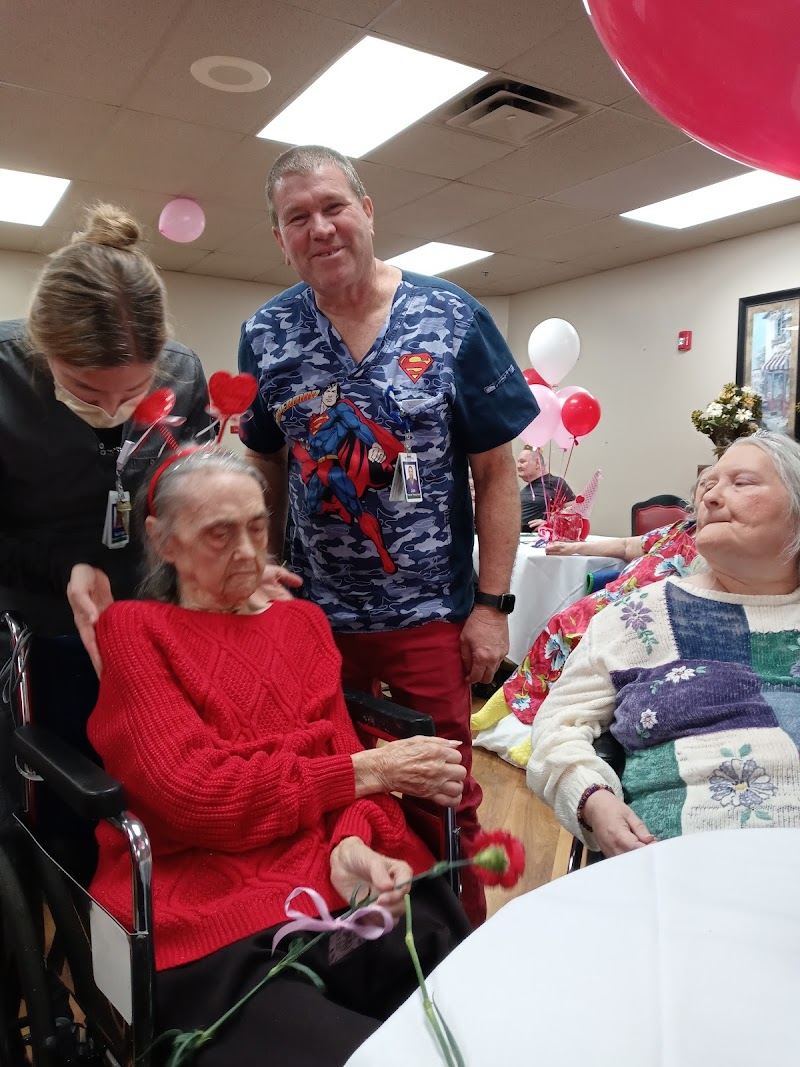
How Does Cal Turner Rehab And Specialty Care Compare to Other Kentucky Nursing Homes?

Compared to the 100 nursing homes in Kentucky, CAL TURNER REHAB AND SPECIALTY CARE's overall rating (3 stars) is above the state average of 2.8, staff turnover (28%) is significantly lower than the state average of 46%, and health inspection rating (3 stars) is at the national benchmark.

What Should Families Ask When Visiting Cal Turner Rehab And Specialty Care?

Based on this facility's data, families visiting should ask: "Can I visit during a mealtime to observe dining assistance and food quality?" "How do you handle medical emergencies, and what is your hospital transfer rate?" "Can I speak with family members of current residents about their experience?"

Is Cal Turner Rehab And Specialty Care Safe?

Based on CMS inspection data, CAL TURNER REHAB AND SPECIALTY CARE has a clean safety record: no substantiated abuse findings (meaning no confirmed cases of resident harm), no Immediate Jeopardy citations (the most serious violation level indicating risk of serious injury or death), and is not on the Special Focus Facility watch list (a federal program monitoring the lowest-performing 1% of nursing homes). The facility has a 3-star overall rating and ranks #1 of 100 nursing homes in Kentucky. While no facility is perfect, families should still ask about staff-to-resident ratios and recent inspection results during their visit.

Do Nurses at Cal Turner Rehab And Specialty Care Stick Around?

Staff at CAL TURNER REHAB AND SPECIALTY CARE tend to stick around. With a turnover rate of 28%, the facility is 18 percentage points below the Kentucky average of 46%. Low turnover is a positive sign. It means caregivers have time to learn each resident's needs, medications, and personal preferences. Consistent staff also notice subtle changes in a resident's condition more quickly. Registered Nurse turnover is also low at 27%, meaning experienced RNs are available to handle complex medical needs.

Was Cal Turner Rehab And Specialty Care Ever Fined?

CAL TURNER REHAB AND SPECIALTY CARE has been fined $5,519 across 1 penalty action. This is below the Kentucky average of $33,134. While any fine indicates a compliance issue, fines under $50,000 are relatively common and typically reflect isolated problems that were subsequently corrected. Families should ask what specific issues led to these fines and confirm they've been resolved.

Is Cal Turner Rehab And Specialty Care on Any Federal Watch List?

CAL TURNER REHAB AND SPECIALTY CARE is not on any federal watch list. The most significant is the Special Focus Facility (SFF) program, which identifies the bottom 1% of nursing homes nationally based on persistent, serious quality problems. Not being on this list means the facility has avoided the pattern of deficiencies that triggers enhanced federal oversight. This is a positive indicator, though families should still review the facility's inspection history directly.