Maple Grove Senior Living LLC
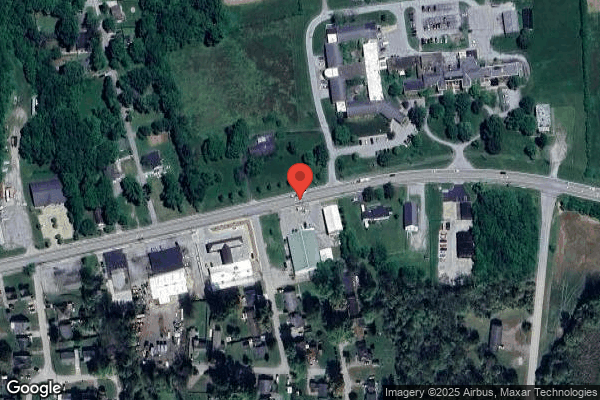

711 Frankfort Road, Shelbyville, KY 40066 (502) 633-3486
Non profit - Other 117 Beds ECC TRUST Data: November 2025
Trust Grade
70/100
#120 of 266 in KY
Last Inspection: August 2024

Within standard 12-15 month inspection cycle. Federal law requires annual inspections.

Overview

Maple Grove Senior Living LLC in Shelbyville, Kentucky, has a Trust Grade of B, indicating it is a good choice for families seeking care, as it falls in the good range of performance. It ranks #120 out of 266 facilities in Kentucky, placing it in the top half, but is #2 out of 2 in Shelby County, meaning there is only one other local option available. The facility's trend is worsening, with issues increasing from 1 in 2019 to 3 in 2024, which raises some concerns. Staffing is a strength with a 4/5 star rating; however, the 48% turnover rate is average compared to the state. Notably, there have been no fines reported, which is a positive sign, but recent inspections uncovered issues such as improper food safety practices and lapses in infection control during medical procedures, which could potentially harm residents.

Trust Score
B
70/100
In Kentucky
#120/266
Top 45%
Safety Record
Low Risk
No red flags
Inspections
Getting Worse
1 → 3 violations
Staff Stability
⚠ Watch
48% turnover. Above average. Higher turnover means staff may not know residents' routines.
Penalties
✓ Good
No fines on record. Clean compliance history, better than most Kentucky facilities.
Skilled Nurses
○ Average
Each resident gets 38 minutes of Registered Nurse (RN) attention daily — about average for Kentucky. RNs are the most trained staff who monitor for health changes.
Violations
✓ Good
Only 4 deficiencies on record. Cleaner than most facilities. Minor issues only.
★★★☆☆
3.0
Overall Rating
★★★★☆
4.0
Staff Levels
★★★★☆
4.0
Care Quality
★★★☆☆
3.0
Inspection Score
Stable
2019: 1 issues
2024: 3 issues

The Good

  • 4-Star Staffing Rating · Above-average nurse staffing levels
  • 4-Star Quality Measures · Strong clinical quality outcomes
  • Full Sprinkler Coverage · Fire safety systems throughout facility
  • No fines on record

Facility shows strength in staffing levels, quality measures, fire safety.

The Bad

3-Star Overall Rating

Near Kentucky average (2.8)

Meets federal standards, typical of most facilities

Staff Turnover: 48%

Near Kentucky avg (46%)

Higher turnover may affect care consistency

Chain: ECC TRUST

Part of a multi-facility chain

Ask about local staffing decisions and management

The Ugly 4 deficiencies on record

Aug 2024 3 deficiencies
CONCERN (D)

Potential for Harm - no one hurt, but risky conditions existed

Infection Control (Tag F0880)

Could have caused harm · This affected 1 resident

**NOTE- TERMS IN BRACKETS HAVE BEEN EDITED TO PROTECT CONFIDENTIALITY** Based on observation, staff interview, record review and policy review, it was determined the facility failed to observe infecti...

Read full inspector narrative →
**NOTE- TERMS IN BRACKETS HAVE BEEN EDITED TO PROTECT CONFIDENTIALITY** Based on observation, staff interview, record review and policy review, it was determined the facility failed to observe infection control guidelines during a wound care dressing change for one of 21 sampled residents (Resident (R) 64) and during tracheostomy care for one of one facility residents (R3) with a tracheostomy. These failures had the potential to spread infections and/or cause the residents to potentially take antibiotics for infections that could have been prevented. The findings include: 1. Review of R64's undated Face Sheet, located under the Face Sheet tab in the electronic medical record (EMR), revealed R64 was admitted to the facility on [DATE] with the diagnosis of pressure ulcer of left buttock. Review of R64's quarterly Minimum Data Set (MDS) with an Assessment Reference Date (ARD) of 06/18/2024 revealed R64 had a Brief Interview for Mental Status (BIMS) score of 15 out of 15 which represented the resident was cognitively intact. R64 was also coded for a stage four pressure ulcer. Review of R64's Physician's Orders, provided by the facility and dated 05/21/2024, revealed Anasept (a broad-spectrum antimicrobial cleanser) 0.057% topical gel twice a day apply to left ischium (lower and back region of the hip bone) with calcium alginate and collagenase powder. Apply skin prep to entire bottom prior to applying bordered gauze. Review of R64's Care Plan, dated 04/25/2024 and located under the Care Plan tab in the EMR, revealed a Problem stating [R64] has area of concern to her l. [sic] (left) buttock with pressure properties stage 4. The interventions in place were 1. Complete weekly skin assessment. 2. Complete [NAME] Scale Risk Assessment on admission, quarterly, and as needed. 3. Treatment care as ordered, see current treatment record and physician's orders; monitor effectiveness of and response to treatment as ordered. 4. Monitor for pain related to alteration in skin integrity and medicate as needed per physician's orders. During wound care observation on 07/31/2024 at 1:46 PM with Registered Nurse (RN) 1, the following failures were noted: 1. RN1 took his clipboard into R64's room with the clean dressing supplies on top of it which RN1 worked from. 2. The overbed table contained personal items of R64. RN1 moved these to one side and placed his clipboard that had his clean dressing supplies beside these items. RN1 did not clean the overbed table nor place a barrier down before he placed the clipboard with the dressing supplies on the table. 3. RN1 attempted to clean the wound but had to place weight from his hand on the bed so that the linen would not touch the exposed wound. Once the hand was removed and RN1 turned to get the clean supplies to dress the wound, the linens on the bed touched the wound that had been cleaned. 5. Clean gloves were placed in RN1's pocket and were taken out when new gloves were needed. 6. After cleaning the wound, RN1 removed the Anasept ointment container from its bag, touching the container. RN1 then removed ointment from the container and replaced the ointment in its bag. Without changing gloves. RN1 cleaned the wound and placed a new dressing on the wound. 7. The clipboard taken in R64's room was returned to the wound care cart and RN1 did not clean the clipboard with a disinfectant wipe. During an interview on 07/31/2024 at 2:12 PM, RN1 stated, I always take my clipboard into the resident's room with their meds [medicines] or dressing supplies on it. When asked if this was best practice, RN1 replied I guess not . I did not realize that I did not change my gloves before I put on the new dressing. I should have wiped the table down, but I did not. The tube of Anasept was almost gone so I took it in the room with me. When asked if he cleaned the tube of medication with a bleach wipe, he stated, No. RN1 also stated, I did not think I needed something on the sheets because I did not think they would be touching the wound. But I see that I should have. During an interview on 07/31/2024 at 5:15 PM, the Infection Preventionist (IP), who was also the Staff Development nurse, stated, A nurse is not to take their clipboard in the resident's rooms. The IP confirmed the overbed table should be wiped with a disinfectant wipe before a barrier is put on the table and the nurse should change their gloves after cleaning a wound and before applying the new dressing to the resident's wound. During an interview on 07/31/2024 at 5:30 PM, the Director of Nursing (DON) stated, A nurse should not use their clipboard to place medicines or dressing supplies on and take it into the resident's room. The overbed tables should be wiped down with the bleach wipe and place a barrier down on it to lay your clean supplies on. The DON confirmed the nurse should change gloves between cleaning the wound and applying a new dressing to the wound. 2. Review of R3's undated Face Sheet, located under the Face Sheet tab in the EMR, revealed R3 was admitted to the facility on [DATE] with the diagnosis of chronic respiratory failure and tracheostomy and a new onset of shingles. Review of R3's quarterly MDS with an ARD of 05/23/2024 revealed R3 was coded as having a tracheostomy. Review of R3's Physician Orders provided by the facility revealed an order dated 07/27/2024 which was for contact isolation due to the resident having shingles to her left shoulder blade. During an observation on 07/31/2024 at 8:25 AM, RN1 was observed taking a personal clipboard in R3's room and laying it on the overbed table. RN1 performed tracheostomy care as ordered by the physician. When returning to the hallway, RN1 took the clipboard into the hallway and the clipboard was not cleaned. During an interview on 07/31/2024 at 5:15 PM, the IP stated, The nurse should not take a clipboard in the contact isolation room and if they do, they are to clean it with a bleach wipe. During an interview on 07/31/2024 at 5:30 PM, the DON stated, The nurse should not take any personal items into the isolation room,
CONCERN (E)

Potential for Harm - no one hurt, but risky conditions existed

Deficiency F0883 (Tag F0883)

Could have caused harm · This affected multiple residents

**NOTE- TERMS IN BRACKETS HAVE BEEN EDITED TO PROTECT CONFIDENTIALITY** Based on record review, interview, and policy review, it was determined the facility failed to have documentation of pneumococca...

Read full inspector narrative →
**NOTE- TERMS IN BRACKETS HAVE BEEN EDITED TO PROTECT CONFIDENTIALITY** Based on record review, interview, and policy review, it was determined the facility failed to have documentation of pneumococcal vaccines being offered and/or given for three of five residents (Resident (R) 3, R13, and R27) reviewed for immunizations out of a total sample of 21 residents. This failure of not being able to provide documentation increased the risk of infection against pneumonia. The findings include: Review of facility policy, Pneumococcal Vaccine, dated 03/2024 revealed Policy Statement: All residents will be offered pneumococcal vaccines to aid in preventing pneumococcal infections. Staff will be offered pneumococcal vaccine upon hire and ongoing as indicated by the CDC [Centers for Disease Control and Prevention] guidelines. Policy Interpretation and Implementation: 1. Residents/staff will be reviewed for eligibility to receive the pneumococcal vaccine series, and when indicated, will be offered the vaccine series unless medically contraindicated or the resident/staff have already been vaccinated. 2. Before receiving a pneumococcal vaccine, the resident or legal representative/staff shall receive information and education regarding the benefits and potential side effects of the pneumococcal vaccine . 4. Residents/representatives/staff have the right to refuse vaccination. Refusals or administration will be documented in the medical record for residents and in the employee file for staff. 5. Administration of the pneumococcal vaccines or revaccinations will be made in accordance with current CDC recommendations at the time of the vaccination. Review of the CDC website Pneumococcal Vaccination: Summary of Who and When to Vaccinate, reviewed 09/22/2023, indicated . CDC recommends pneumococcal vaccination for all adults 65 years or older . For adults 65 years or older who have only received a PPSV23 [Pneumococcal Polysaccharide Vaccine], CDC recommends you . May give 1 dose of PCV [Pneumococcal Conjugate Vaccine] 15 or PCV20 . The PCV15 or PCV20 dose should be administered at least one year after the most recent PPSV23 vaccination. Regardless of if PCV15 or PCV20 is given, an additional dose of PPSV23 is not recommended since they already received it. For adults 65 years or older who have only received PCV13, CDC recommends you . Give PPSV23 as previously recommended . For adults who have received PCV13 but have not completed their recommended pneumococcal vaccine series with PPSV23, one dose of PCV20 may be used if PPSV23 is not available. If PCV20 is used, their pneumococcal vaccinations are complete . 1. Review of R3's undated Face Sheet located in the electronic medical record (EMR) under the Face sheet tab revealed the facility admitted R3 on 12/02/2020 and was older than [AGE] years of age at the time of admission. Review of R3's Vaccines located on the facility provided document Masonic Homes of Kentucky Immunization Record revealed R3 received Pneumococcal Conjugate Vaccine (PCV) 13 on 12/02/2021. There was no documentation that follow-up doses of pneumonia vaccinations were, administered, refused, or received outside of the facility. 2. Review of R13's undated Face Sheet located in the EMR under the Face sheet tab revealed the facility admitted R13 on 11/16/2022 and was older than [AGE] years of age at the time of admission. Review of R13's Vaccines located on the facility provided document Masonic Homes of Kentucky Immunization Record revealed R13 received Pneumococcal Polysaccharide (PPSV) 23 on 11/16/2022. There was no documentation that follow-up doses of pneumonia vaccinations had been offered, administered, refused, or received outside of the facility. 3. Review of R27's undated Face Sheet located in the EMR under the Face sheet tab revealed the facility admitted R27 on 10/12/2017 and was older than [AGE] years of age at the time of admission. Review of R27's Vaccines located on the facility provided document Masonic Homes of Kentucky Immunization Record revealed R27 received PPSV23 on 10/09/2020. There was no documentation that follow-up doses of pneumonia vaccinations had been offered, administered, refused, or received outside of the facility. During an interview on 08/01/2024 at 10:15 AM, the Infection Preventionist stated, I was not aware that we needed to offer follow-up pneumococcal vaccinations if they only received one dose. I thought they only needed the one dose. During an interview on 08/01/2024 at 10:35 AM, the Director of Nursing (DON) stated, We were not aware that we needed to offer additional doses of the pneumococcal vaccines to the residents.
CONCERN (F)

Potential for Harm - no one hurt, but risky conditions existed

Food Safety (Tag F0812)

Could have caused harm · This affected most or all residents

Based on observation, staff interview, and facility policy review, it was determined the facility failed to ensure kitchen staff properly used beard guards to restrain hair while in a food prep area o...

Read full inspector narrative →
Based on observation, staff interview, and facility policy review, it was determined the facility failed to ensure kitchen staff properly used beard guards to restrain hair while in a food prep area of the kitchen; clean pans were air dried prior to storage; and fans used in the dishwashing area of the kitchen were free of dust/contaminants. These failures had the potential to increase the risk of foodborne illness and had the potential to affect 70 of 72 residents (two residents received nutrition exclusively via tube feedings) in the facility who received dietary services. The findings include: 1. Review of the facility policy, Dietary Employee Sanitation Policy, dated 07/2024, revealed, Policy: All local, state and federal standards and regulations will be followed in order to assure a safe and sanitary food and nutrition services department . Hair restraints are required and should cover all hair on the head. [NAME] nets are required when facial hair is visible . During an observation and interview on 07/29/2024 at 9:03 AM, the Dietary [NAME] (DC) was observed in the food preparation area of the kitchen with a full beard approximately 0.50 inch in length wearing only a surgical mask for COVID-19 prevention but failed to wear a beard restraint. The surgical mask failed to cover the sides of the face and failed to cover the entire beard. The DC confirmed he was not wearing a beard guard to contain his beard, I should have a beard guard on, not just the mask. During an observation and interview on 07/29/2024 at 9:15 AM, the Dietary Manager (DM) confirmed Dietary Staff (DS) 2 was in a food prep area of the kitchen wearing only a surgical mask and he failed to be wearing a beard guard while having a full beard approximately 0.50 inches in length. The surgical mask failed to cover the sides of the face and failed to cover the entire beard. This had the potential to allow hair to fall onto the food being prepared. The DM stated, he should be wearing a beard guard. During an interview on 08/01/2024 at 11:55 AM, the Administrator stated, it's my expectation . that beards need to be covered . 2. Review of the facility policy, Washing Instructions on Pots and Pans, dated 07/2024, revealed, Process: . Pots and pans should be inverted when drying to allow for drain. Allow pots and pans to air dry. Pots and pans are not to be stacked or 'nested' when drying. During an observation and interview on 07/29/2024 at 9:15 AM, Dietary Staff (DS) 1 confirmed five pans six inches by six inches by six inches deep, four pans six inches by six inches by four inches deep, two pans 12 inches by 18 inches by four inches deep, three pans 12 inches x 24 inches x four inches deep, and three pans 12 inches x 24 inches x six inches deep clean and ready for use were still wet when they were unstacked. The pans were found to have been stacked wet and not allowed to air dry. DS1 stated, they should be dry before they are put away, they are supposed to air dry before stacking. During an interview on 08/01/2024 at 11:55 AM, the Administrator stated, it's my expectation that . pots and pans should be air dried . 3. During an observation and interview on 07/29/2024 at 9:15 AM, the Dietary Manager (DM) confirmed the two fans operating in the dishwashing area, blowing over the clean dishes were dirty. The cages covering the fan blades were noted to be covered with dirt and dust. This had the potential to allow the dirt and or dust to be blown onto the clean items. The DM stated, they need to be cleaned so the dirt doesn't blow onto anything. During an interview on 08/01/24 at 11:55 AM, the Administrator stated, it's my expectation that . the fans should be clean and not blowing dirt.
Apr 2019 1 deficiency
CONCERN (D)

Potential for Harm - no one hurt, but risky conditions existed

Deficiency F0761 (Tag F0761)

Could have caused harm · This affected 1 resident

Based on observation, interview, and facility policy review, it was determined the facility failed to ensure discontinued controlled medication, awaiting destruction, were kept double-locked and in a ...

Read full inspector narrative →
Based on observation, interview, and facility policy review, it was determined the facility failed to ensure discontinued controlled medication, awaiting destruction, were kept double-locked and in a permanently affixed compartment. The findings include: Review of the facility's policy, Narcotic/Scheduled Drug Tracking Policy, revised June 2017, revealed discontinued medication would be removed from the medication cart and stored in the Director of Nursing's (DON) office under double-lock. Interview with the DON, on 04/11/19 at 11:45 AM, revealed when the facility discharged a resident, or if the medication order changed, the resident's controlled medications were removed from the medication cart and put in a cabinet in her office. Observation of the DON's office, on 04/11/19 at 12:15 PM, revealed controlled medication, awaiting to be destroyed, was stored in a two (2) drawer metal cabinet with a single lock and not permanently affixed. The cabinet contained 28 tablets of Lyrica, 80 tablets of Oxycodone 5 milligram (mg), 20 tablets of Temazepam 15 mg, 13 tablets of Ambien 5 mg, 36 tablets of Clonazepam 0.5 mg, 326 tablets of Norco 5-325 mg, 82 tablets of Norco 7.5-325 mg, 8 tablets of Tranxene 3.75 mg, 19 tablets of Xanax 0.25 mg, 30 tablets of Lorazepam 0.5 mg, 15 tablets of Ativan 1 mg, 147 tablets of Ultram 50 mg, 45 capsules of Librium 5 mg, 131 capsules of Neurontin 300 mg, 5 Fentanyl 25 microgram patches, 91 milliliters (ml) of Morphine 20 mg/1 ml, 270 ml of Hycet 15 mg/1 ml, and 135.5 ml of Lorazepam 2 mg/1 ml. Interview with the Administrator, on 04/12/19 at 4:52 PM, revealed when controlled medications were discontinued, the nurse took them out of the medication cart, and then they were locked in the DON's office. She did not know if the cabinet in the DON's office was permanently affixed to anything.
Understanding Severity Codes (click to expand)
Life-Threatening (Immediate Jeopardy)
J - Isolated K - Pattern L - Widespread
Actual Harm
G - Isolated H - Pattern I - Widespread
Potential for Harm
D - Isolated E - Pattern F - Widespread
No Harm (Minor)
A - Isolated B - Pattern C - Widespread

Questions to Ask on Your Visit

  • "Can I speak with families of current residents?"
  • "What's your RN coverage like on weekends and overnight?"

Our Honest Assessment

Strengths
  • • No major safety red flags. No abuse findings, life-threatening violations, or SFF status.
  • • No fines on record. Clean compliance history, better than most Kentucky facilities.
  • • Only 4 deficiencies on record. Cleaner than most facilities. Minor issues only.
Concerns
  • • No major red flags. Standard due diligence and a personal visit recommended.
Bottom line: Mixed indicators with Trust Score of 70/100. Visit in person and ask pointed questions.

About This Facility

What is Maple Grove Senior Living Llc's CMS Rating?

CMS assigns Maple Grove Senior Living LLC an overall rating of 3 out of 5 stars, which is considered average nationally. Within Kentucky, this rating places the facility higher than 99% of the state's 100 nursing homes. This mid-range rating indicates the facility meets federal standards but may have areas for improvement.

How is Maple Grove Senior Living Llc Staffed?

CMS rates Maple Grove Senior Living LLC's staffing level at 4 out of 5 stars, which is above average compared to other nursing homes. Staff turnover is 48%, compared to the Kentucky average of 46%.

What Have Inspectors Found at Maple Grove Senior Living Llc?

State health inspectors documented 4 deficiencies at Maple Grove Senior Living LLC during 2019 to 2024. These included: 4 with potential for harm.
Who Owns and Operates Maple Grove Senior Living Llc?

Maple Grove Senior Living LLC is owned by a non-profit organization. Non-profit facilities reinvest revenue into operations rather than distributing to shareholders. The facility is operated by ECC TRUST, a chain that manages multiple nursing homes. With 117 certified beds and approximately 79 residents (about 68% occupancy), it is a mid-sized facility located in Shelbyville, Kentucky.

How Does Maple Grove Senior Living Llc Compare to Other Kentucky Nursing Homes?

Compared to the 100 nursing homes in Kentucky, Maple Grove Senior Living LLC's overall rating (3 stars) is above the state average of 2.8, staff turnover (48%) is near the state average of 46%, and health inspection rating (3 stars) is at the national benchmark.

What Should Families Ask When Visiting Maple Grove Senior Living Llc?

Based on this facility's data, families visiting should ask: "Can I visit during a mealtime to observe dining assistance and food quality?" "How do you handle medical emergencies, and what is your hospital transfer rate?" "Can I speak with family members of current residents about their experience?"

Is Maple Grove Senior Living Llc Safe?

Based on CMS inspection data, Maple Grove Senior Living LLC has a clean safety record: no substantiated abuse findings (meaning no confirmed cases of resident harm), no Immediate Jeopardy citations (the most serious violation level indicating risk of serious injury or death), and is not on the Special Focus Facility watch list (a federal program monitoring the lowest-performing 1% of nursing homes). The facility has a 3-star overall rating and ranks #1 of 100 nursing homes in Kentucky. While no facility is perfect, families should still ask about staff-to-resident ratios and recent inspection results during their visit.

Do Nurses at Maple Grove Senior Living Llc Stick Around?

Maple Grove Senior Living LLC has a staff turnover rate of 48%, which is about average for Kentucky nursing homes (state average: 46%). Moderate turnover is common in nursing homes, but families should still ask about staff tenure and how the facility maintains care continuity when employees leave.

Was Maple Grove Senior Living Llc Ever Fined?

Maple Grove Senior Living LLC has no federal fines on record. CMS issues fines when nursing homes fail to meet care standards or don't correct problems found during inspections. The absence of fines suggests the facility has either maintained compliance or corrected any issues before penalties were assessed. This is a positive indicator, though families should still review recent inspection reports for the full picture.

Is Maple Grove Senior Living Llc on Any Federal Watch List?

Maple Grove Senior Living LLC is not on any federal watch list. The most significant is the Special Focus Facility (SFF) program, which identifies the bottom 1% of nursing homes nationally based on persistent, serious quality problems. Not being on this list means the facility has avoided the pattern of deficiencies that triggers enhanced federal oversight. This is a positive indicator, though families should still review the facility's inspection history directly.