Signature Healthcare of Spencer County
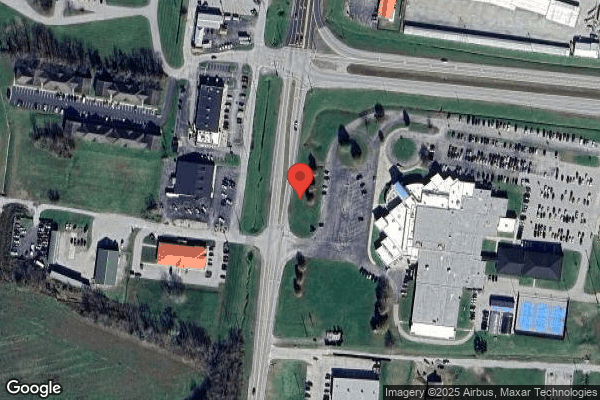
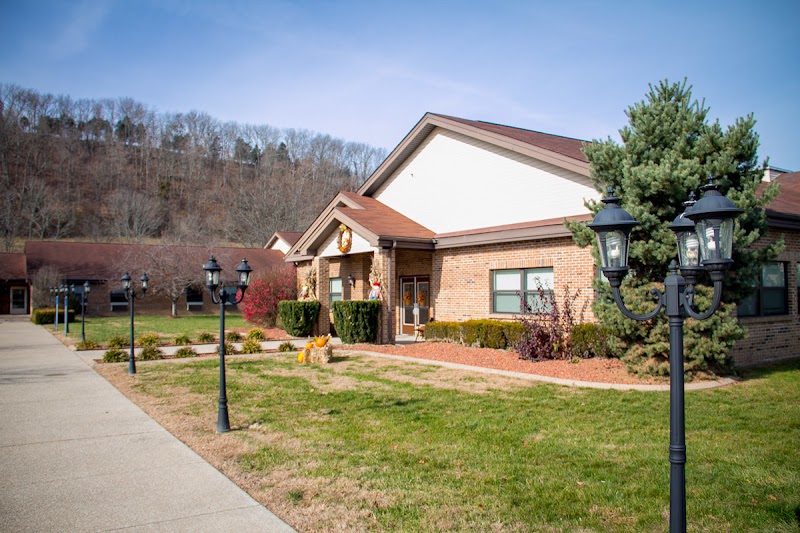
625 Taylorsville Road, Taylorsville, KY 40071 (502) 477-8838
For profit - Limited Liability company 120 Beds SIGNATURE HEALTHCARE Data: November 2025
Trust Grade
40/100
#261 of 266 in KY
Last Inspection: August 2024

Within standard 12-15 month inspection cycle. Federal law requires annual inspections.

Overview

Signature Healthcare of Spencer County has a Trust Grade of D, indicating below-average performance with significant concerns. It ranks #261 out of 266 facilities in Kentucky, placing it in the bottom half, while it is the only nursing home in Spencer County. Unfortunately, the facility is worsening, with the number of identified issues increasing from 4 in 2019 to 8 in 2024. Staffing is a weak point, with a 2/5 star rating and a troubling turnover rate of 64%, which is higher than the state average. However, the facility does have good RN coverage, exceeding that of 88% of Kentucky nursing homes. Specific incidents include staff not washing hands or wearing gloves while preparing food, and a contractor cleaning a fish tank with bare hands before entering the kitchen, both raising significant concerns about infection control. Overall, while there are some positive aspects, such as RN coverage, the facility has several serious weaknesses that families should consider.
Trust Score
D
40/100
In Kentucky
#261/266
Bottom 2%
Safety Record
Low Risk
No red flags
Inspections
Getting Worse
4 → 8 violations
Staff Stability
⚠ Watch
64% turnover. Above average. Higher turnover means staff may not know residents' routines.
Penalties
✓ Good
No fines on record. Clean compliance history, better than most Kentucky facilities.
Skilled Nurses
✓ Good
Each resident gets 56 minutes of Registered Nurse (RN) attention daily — more than average for Kentucky. RNs are trained to catch health problems early.
Violations
⚠ Watch
16 deficiencies on record. Higher than average. Multiple issues found across inspections.
★☆☆☆☆
1.0
Overall Rating
★★☆☆☆
2.0
Staff Levels
★☆☆☆☆
1.0
Care Quality
★★☆☆☆
2.0
Inspection Score
Stable
2019: 4 issues
2024: 8 issues

The Good

  • Full Sprinkler Coverage · Fire safety systems throughout facility
  • No fines on record

Facility shows strength in fire safety.

The Bad

1-Star Overall Rating

Below Kentucky average (2.8)

Significant quality concerns identified by CMS

Staff Turnover: 64%

18pts above Kentucky avg (46%)

Frequent staff changes - ask about care continuity

Chain: SIGNATURE HEALTHCARE

Part of a multi-facility chain

Ask about local staffing decisions and management

Staff turnover is elevated (64%)

16 points above Kentucky average of 48%

The Ugly 16 deficiencies on record

Aug 2024 8 deficiencies
CONCERN (D) 📢 Someone Reported This

A family member, employee, or ombudsman was alarmed enough to file a formal complaint

Potential for Harm - no one hurt, but risky conditions existed

Resident Rights (Tag F0550)

Could have caused harm · This affected 1 resident

**NOTE- TERMS IN BRACKETS HAVE BEEN EDITED TO PROTECT CONFIDENTIALITY** Based on interview, record review and facility policy review it was determined the facility failed to treat each resident with r...

Read full inspector narrative →
**NOTE- TERMS IN BRACKETS HAVE BEEN EDITED TO PROTECT CONFIDENTIALITY** Based on interview, record review and facility policy review it was determined the facility failed to treat each resident with respect and dignity and care for each resident in a manner and in an environment that promoted, maintained or enhanceed his or her quality of life, recognizing each resident's individuality for one of 34 sampled residents (Resident (R) 13). The facility must protect and promote the rights of the resident. The findings include: Review of R13's admission Record revealed the facility admitted the resident on 05/13/2024 with diagnoses including cervical disc disorder with myelopathy, quadriplegia, and cervical fusion. Review of R13's admission Miminum Data Set (MDS) dated [DATE] revealed a Brief Interview for Mental Status (BIMS) score of fourteen of fifteen, which indicated R13 was cognitively intact. Review of R13's Baseline Care Plan completed on 05/13/2024 revealed a communication goal for R13 that communication with staff would be understood. Triggers for the need for communication assistance indicated the Resident's communication was not understood and Resident was hearing impaired. Desired approaches for the goal included a communication board, interpreter if needed, facing the resident and speaking directly to them. During an interview on 07/31/2024 at 5:30 PM with R13's Family Member (FM) 1, she stated R13 had been in the facility approximately 3 days when she was contacted by him via video call on his I-Pad. FM1 stated R13 appeared upset, and he communicated to her via speech and sign language he had been abused - he had not had his call light all night. When she and another family member came and spoke with R13 he communicated to them 2 State Registered Nurse Aides (SRNA)'s came into his room after he rang his call light for assistance. He further communicated to the family members he needed assistance rolling over and was unable to make the SRNA's understand. After he was able to communicate his needs to the SRNA's they did assist the resident to turn and reposition. When they left the room he reported he could not find his call light, He further reported to his family he did not have access to the call light all night. Continued interview with FM1 revealed upon admission to the facility she and another family member went to the facility with R13 and informed the staff of R13's deafness, and that he communicated via sign language often. In addition, R13 used a communication book, a white board, and his I-PAD. She further stated she informed staff that if any issues with communication arose, they could contact her or other family member to assist. She further stated their numbers were in R13's IPAD and he could contact them. FM1 further stated initially R13 could not write very much due to the recent surgery and his weakness. During an interview on 08/01/2024 at 2:30 PM with the Occupational Therapist (OT) she stated on the morning of 05/16/2024 when she entered R13's room, he was frustrated and signing. OT stated she handed R13 his IPAD, which was across the room on a table. OT stated R13 pointed to family member's picture on the IPAD and she assisted with video calling. During the call OT was informed by the family member that R13 was signing he had been abused. OT stated she immediately reported to the Nurse on staff and the Social Worker. During an interview on 08/02/2024 at 3:00 PM with the Social Worker (SW) she stated when she was notified of the abuse allegation she notified the daughters and discussed the options. R13 was moved the same day to a different hall. SW stated she spoke with R13 and he stated he felt safe in the facility. SW further stated initially the first few days staff had a hard time with communicating with R13 but communication is better now and R13 and family are very pleased with the facility. During an interview on 08/02/2024 at 4:44 PM with the Assistant Director of Nursing she stated she would expect R13 would have been able to effectively to communicate with staff on arrival to the facility. She stated communication with residents was necessary to assess health needs for the residents. During an interview on 08/02/2024 at 5:25 PM with the Director of Nursing (DON) she stated she was contacted by FM1 regarding the incident and met with 2 family members immediately. R#13 was moved to another hall, all staff were educated on use of the communication board, and other ways to communicate with R13. The DON further stated there had been no further issues. She further stated she expected all resident needs be addressed initially and care planned to be able to meet all resident needs and rights. During an interview on 08/02/2024 at 5:55 PM with the Administrator she stated as soon as the incident was reported an investigation was initiated and needs of R13 were addressed, a room change was made in order to position resident with his left side towards the wall rather than the right, due to left sided weakness. She further stated it was very important for each resident to be able to communicate with staff to avoid the resident feeling isolated, alone and not hinder getting their needs met quickly.
CONCERN (D) 📢 Someone Reported This

A family member, employee, or ombudsman was alarmed enough to file a formal complaint

Potential for Harm - no one hurt, but risky conditions existed

Safe Environment (Tag F0584)

Could have caused harm · This affected 1 resident

Based on observation, interview, and facility policy review, the facility failed to provide a safe, clean, comfortable, and homelike environment for three of 34 sampled residents (Resident [R]29, R44,...

Read full inspector narrative →
Based on observation, interview, and facility policy review, the facility failed to provide a safe, clean, comfortable, and homelike environment for three of 34 sampled residents (Resident [R]29, R44, and R67). The findings include: Review of the facility's policy, titled Resident Rights, effective 06/20/2005, revealed a resident had the right to care in an environment that promoted maintenance or enhancement of each resident's quality of life. Continued review of the facility's policy revealed the resident had the right to a safe, clean, comfortable, and homelike environment, including, but not limited to receiving treatment and support for daily living safely. Observation during initial facility rounds on 07/30/2024 at 10:50 AM, revealed R29 and R44's room shared a bathroom with R67 ' s room. A strong urine odor was noted in the bathroom. Observation of R29 and R44 and R67's shared bathroom on 07/31/2024 at 11:36 AM and on 08/01/2024 at 2:56 PM revealed a strong odor of urine was still present in the shared bathroom. During an interview with the Social Services Director (SSD) on 08/02/2024 at 3:19 PM, she stated the department heads did ambassador rounds daily in resident rooms. The SSD stated the ambassador rounds covered things such as foul odors, clean rooms, and checking for ice in water. The SSD stated she believed all residents had the right to a clean, homelike environment, which meant rooms, especially bathrooms, should not stink. The SSD stated she felt the strong urine odor in the bathroom was caused by the urine being soaked into the floor. During an interview with the Environmental Services Director (ESD) on 08/02/2024 at 3:45 PM, she stated she did not normally smell odors in the facility but had noticed the shared bathroom between R29 and R44's room and R67's room did have urine smell at times. The ESD stated the housekeepers cleaned the bathroom at least twice a day to keep the odors down but stated it did not always work very well. During an interview with the Director of Nursing (DON) on 08/02/2024 at 5:24 PM, she stated she was aware of the bathroom issue but had housekeeping cleaning the room daily and as needed for any urine odors. The DON stated the strong urine odor was where the male resident missed the commode and it hit the floor. During an interview with the Administrator on 08/02/2024 at 5:53 PM, she stated she expected all rooms to be comfortable and homelike for all residents in her facility. The Administrator stated she expected the facility to be free from odors and did not expect any odors during resident care to linger. The Administrator stated she had smelled the urine odor in the shared bathroom and considered it to be a lingering odor. The Administrator stated housekeeping had an ongoing issue with the shared bathroom and cleaned it a couple of times a day.
CONCERN (D) 📢 Someone Reported This

A family member, employee, or ombudsman was alarmed enough to file a formal complaint

Potential for Harm - no one hurt, but risky conditions existed

Deficiency F0804 (Tag F0804)

Could have caused harm · This affected 1 resident

Based on observation, interview, and review of facility policy, the facility failed to provide food at palatable temperature for hot foods and at a palatable point of service temperature for three of ...

Read full inspector narrative →
Based on observation, interview, and review of facility policy, the facility failed to provide food at palatable temperature for hot foods and at a palatable point of service temperature for three of 34 sampled residents (Residents [R]19, R60 and R13). A test tray was requested on 08/02/2024 and the eggs were 90.7 degrees Fahrenheit (F). The findings include: Review of the facility policy, titled Meal Distribution, revised 02/2023 revealed foods were to be transported to the dining locations in a manner that ensures proper temperature maintenance, protected against contamination, and are delivered in a timely and accurate manner. Interview with R19 on 07/31/2024 at 3:40 PM revealed the food was okay but was often cold. Review of admission record revealed the facility admitted R19 on 07/11/2013 with a diagnoses of cerebral palsy. Review of Minimum Data Set (MDS) with a Assessment Reference Date (ARD) of 01/21/2024 revealed a Brief Interview for Mental Status (BIMS) score of 15 of 15 which indicated resident was cognitively intact. During an interview with R60 on 08/01/2024, at 11:45 AM, the resident stated the food was fair but was frequently cold. Review of R60's Quarterly MDS with an ARD date of 05/23/2024, revealed a BIMS score of 11 of 15 which indicated moderately impaired cognition. Interview with R13 on 08/01/2024 at 12:00 PM revealed the resident was hard of hearing but he was able to communicate that the food was often cold. Review of R13's admission record revealed the facility admitted the resident on 05/13/2024 with diagnosis of cervical disc disorder with myelopathy, quadriplegia, and cervical fusion. Review of R13's admission MDS with ARD dated 05/31/2024 revealed a Brief Interview for Mental Status (BIMS) score of fourteen of fifteen, which indicated R13 was cognitively intact. A test tray was requested and observation on 08/02/2024 at 8:26 AM revealed the last food cart was loaded by dietary staff and taken to the 300 Wing. At 8:35 AM, the last resident tray was served and the test tray was removed by the District Dietary Manager (DDM). The tray was immediately placed at the nurse's station and temperatures checked by the DDM. The food was noted to be served in a Styrofoam container with lids. The temperatures were as follows: Scrambled eggs 90.7 degrees Fahrenheit (F), Oatmeal 129.3 degrees F, muffin 104.8 degrees F milk 37.9 degrees F, coffee 146 degrees, and orange juice 37 degrees. During an interview with the DDM on 08/02/2024 at 8:35 AM she stated the food should be served at a temperature that is palatable to the residents. She is not sure why the eggs temperatures were so low. She further stated that food that was not kept at appropriate temperatures could cause foodborne illnesses. Interview on 08/02/2024 at 5:55 PM, with the Administrator, revealed she did a test tray every two weeks for two different meals and had not identified any concerns. She stated she expected foods to be at an appropriate temperature when foods were served to the residents. She further stated she expected the dietary staff to be trained, educated and to follow the food code policy to ensure safety with food served to the residents.
CONCERN (E)

Potential for Harm - no one hurt, but risky conditions existed

Accident Prevention (Tag F0689)

Could have caused harm · This affected multiple residents

Based on observation, interview, and review of the facility's policy, it was determined the facility failed to ensure the resident environment remained free of accident hazards. On 07/30/2024, chemica...

Read full inspector narrative →
Based on observation, interview, and review of the facility's policy, it was determined the facility failed to ensure the resident environment remained free of accident hazards. On 07/30/2024, chemical products were noted underneath the sink of two bathrooms located near the back nurse's station. Additionally, the doors to both bathrooms were noted to be open with eight residents sitting in wheelchairs near the bathrooms and other residents walking near the bathrooms. The findings include: The facility did not produce an Accident/Supervision Policy upon request from the Administrator on 08/02/2024 10:54 AM . Review of the facility's Resident Rights Policy, revised 09/15/2023, revealed it was the facility's policy all residents would be treated in a manner and in an environment that promoted maintenance or enhancement of quality of life. Observation, on 07/30/2024 at 9:05 AM, revealed two public bathrooms near the back nurse's station with open doors. Further observation revealed chemical products underneath the sinks of both bathrooms. These products included Dermafungal cream, Hydrogel wound gel, and Disinfectant Wipes. Further observation revealed eight residents sitting in wheelchairs near the bathrooms and other residents walking near the bathrooms. No staff were observed at the nursing station. Review of the Safety Data Sheet (SDS) for the Dermafungal cream, issued 08/18/2014, revealed health hazards could occur including irritation if the product was placed in the eyes or ingested. Further review revealed an emergency and first aid procedure to flush eyes with water for 15 minutes; if ingested, drink large amounts of water and notify the physician. Review of the SDS for the Hydrogel wound gel, issued 08/18/2014, revealed health hazards could occur including irritation if the product was placed in the eyes or ingested. Further review revealed an emergency and first aid procedure to flush eyes with water. Interview with the Administrator, on 08/02/2024 at 10:54 AM, revealed the facility was unable to provide SDS sheets as an exact match for the disinfectant wipes. Review of the disinfectant wipes, located on the store website, effective date of 07/21/2020, revealed a hazard statement that it may cause an allergic skin reaction. Further review revealed if on skin, wash with plenty of water; if skin irritation or rash occurs, get medical advice/attention; wash contaminated clothing before reuse; contaminated work clothing must not be allowed out of the workplace, dispose of contents/container to hazardous or special waste collection point, in accordance with local, regional, national, and/or international regulation. Continued review revealed first aid measures after skin contact to remove affected clothing and wash all exposed skin area with mild soap and water, followed by warm water rinse; if skin irritation or rash occur, rinse skin with water/shower; get medical advice if skin irritation persists. Additionally, after eye contact, rinse eyes with water as a precaution; if eye irritation persists, get medical advice/attention. Further review revealed first aid measures after ingestion were to rinse mouth, do not induce vomiting, if feeling unwell, seek medical advice. During an interview with the Environmental Services Director (ESD), on 08/02/2024, at 3:45 PM, she stated housekeeping sometimes checks under the common bathroom sinks, probably once every two weeks, and if chemicals are present, they should be poured out and thrown away because they would be harmful and could kill a resident. She further stated her department is not responsible for any creams, lotions or disinfectant wipes. During an interview with the Administrator, on 08/02/2024 at 5:55 PM, she stated the facility should have SDS for all chemicals in the building. She further stated the chemicals found under the sinks were not products that should be stored there and must have been left by staff members in the common bathrooms. She continued to state the chemicals could be hazardous to residents including making them sick or causing death.
CONCERN (E)

Potential for Harm - no one hurt, but risky conditions existed

Deficiency F0925 (Tag F0925)

Could have caused harm · This affected multiple residents

Based on observation, interview, and facility policy review, the facility failed to ensure the facility was free of pest in for four of 34 sampled residents (Resident [R]11, R29, R44, and R67). The f...

Read full inspector narrative →
Based on observation, interview, and facility policy review, the facility failed to ensure the facility was free of pest in for four of 34 sampled residents (Resident [R]11, R29, R44, and R67). The findings include: Review of the facility's policy, titled Pest Control, undated, revealed the facility would establish a program for the control of insects and rodents and all areas would be monitored regularly for any signs of pest/vermin. Observation during initial facility rounds on 07/30/2024 at 10:50 AM, in the room shared by R29 and R44 and in R67's room revealed multiple gnats flying around in the room. Continued observation during facility rounds on 07/30/2024 at 11:01 AM revealed R29 and R44's room shared a bathroom with R67 and there were multiple gnats flying in the bathroom. Observation of Resident (R)11's room on 07/31/2024 at 9:18 AM revealed one gnat flying around the breakfast tray while R11 was attempting to eat breakfast. Observation of R29 and R44's room, R67's room and the shared bathroom between the rooms on 07/31/2024 at 11:36 AM and on 08/01/2024 at 2:56 PM revealed gnats still in the room. During an interview with Licensed Practical Nurse (LPN)3 on 07/31/2024 at 8:52 AM, she stated the gnat issue had been bad in the past. LPN3 stated the pest company came and sprayed in resident rooms, but the gnats kept coming back into resident rooms. During an interview with the Social Services Director (SSD) on 08/02/2024 at 3:19 PM, she stated the department heads did ambassador rounds daily in resident rooms. The SSD stated the ambassador rounds covered things such as foul odors, clean rooms, and checking for ice in water. The SSD stated she saw gnats every once in a while, but it was due to residents leaving food items opened and not in a sealed container. During an interview with the Environmental Services Director (ESD) on 08/02/2024 at 3:45 PM, stated she saw gnats every now and then but did not consider it to be a major issue. The ESD stated the housekeepers used a product called Finito, which was sprayed daily to prevent gnats and flies from being in the facility. During an interview with the Plant Operation Director (POD) on 08/02/2024 at 4:00 PM, he stated gnats and flies have been issues. The POD stated he had seen gnats and flies in the facility over the past week and had notified the pest company to come and spray the facility. The POD stated the spray Finito should kill gnats and flies, but stated the residents kept opened food in the facility, which drew gnats and flies to those areas. The POD stated he would not want gnats to be flying around resident's food during meals. During an interview with the Director of Nursing (DON) on 08/02/2024 at 5:24 PM, she stated she expected the residents to have a homelike environment, which meant no gnats or flies in the facility. The DON stated she did not expect to see gnats and flies in the facility. During an interview with the Administrator on 08/02/2024 at 5:53 PM, she stated she expected all rooms to be comfortable and homelike for all residents in her facility. The Administrator stated gnats and flies had been seen some this week.
CONCERN (F) 📢 Someone Reported This

A family member, employee, or ombudsman was alarmed enough to file a formal complaint

Potential for Harm - no one hurt, but risky conditions existed

Food Safety (Tag F0812)

Could have caused harm · This affected most or all residents

Based on observation, interview, and review of the facility's policy, it was determined the facility failed to prepare, distribute, and serve food in a sanitary manner and in accordance with professio...

Read full inspector narrative →
Based on observation, interview, and review of the facility's policy, it was determined the facility failed to prepare, distribute, and serve food in a sanitary manner and in accordance with professional standards for food service safety. Dietary staff failed to wash hands and wear gloves prior to cooking resident foods and checking food temperatures on the steam table during the lunch meal on 07/30/2024. A cook, who was crying, was observed to stand at the tray line for approximately five minutes with no face covering and a contract staff member, who was not wearing a hair net, walked through the kitchen three times by the food cart which was being filled with resident food trays. The findings include: Review of the facility's policy titled Food: Preparation revised 02/2023, revealed all foods were prepared in accordance with the Food and Drug Administration (FDA) Food Code. Per the policy, all staff would practice proper hand washing techniques and glove use and the staff would be responsible for food preparation procedures that avoid contamination by potentially harmful physical, biological, and chemical contamination. Observation on 07/30/2024 at 11:55 AM in kitchen revealed [NAME] 1 was at the tray line and began plating foods for the lunch meal. [NAME] 1 informed the District Dietary Manager (DDM), that he did not have mashed potatoes prepared yet. The DDM, without first washing her hands, went to the back of the kitchen, brought back a kettle of water and placed it on the stove to boil. She also brought out a plastic bag of potato flakes. The tray line was held up while waiting on the mashed potatoes to be cooked. Continued observation revealed the DDM poured the potato flakes from the bag into the container that she had pulled from steam table and added boiling water, stirred, and placed the mashed potatoes onto the steam table. All tasks were completed without handwashing or gloves. After mixing the potatoes with the boiling water, the DDM checked the temperature of the potatoes. Continued observation at the steam table revealed [NAME] 1 started to cry while standing in front of the tray line while serving food. He had no mask covering his mouth or tears on his face. After approximately five minutes, another staff member came and relieved him. On 07/30/2024 at 12:15 PM, after some resident meals had been plated, the surveyor requested the food temperatures for the foods on the steam table for the lunch meal. The DDM was unable to find or provide the food temperatures. The DDM, without wearing gloves, proceeded to check the food temperatures for the foods on the steam table. Observation on 07/30/2024 at 12:40 PM in the kitchen revealed a contract staff member who services the fish tank entered the kitchen without wearing a hair net. The contact staff was carrying a five-gallon bucket and he passed by a resident food cart which was currently being filled with foods from the tray line. He was noted to fill the bucket in the washroom area of the kitchen three times and take the bucket of water out of the kitchen. Further observation revealed he was noted to be filling the fish tank. An attempt to interview the contract staff was unsuccessful as the contract staff had already left the facility. Interview on 08/02/2024 at 3:45 PM, with the DDM, revealed the facility's dietary manager was responsible for oversight to ensure that staff were wearing appropriate personal protective equipment (PPE) and abiding by guidelines to ensure appropriate food service to residents. Per the DDM, the dietary manager had quit on Sunday prior to the survey and the DDM was currently filling in. She further stated she was in the facility last month but had not been to the facility until 07/30/2024 upon arrival of SSA. Per the DDM, she expected staff to follow the food handling guidelines to ensure safety of food served to residents. She further stated hand washing should be completed anytime a staff member stepped away from the steam table while serving or touched anything else not directly on the steam table. She further stated if appropriate guidelines were not followed the resident goals for nutrition would not be met and could cause an adverse effect to the resident. Interview on 08/02/2024 at 5:55 PM, with the Administrator, revealed she expected the kitchen supervisory staff to educate all the food service staff on sanitation, and handwashing policy and procedures. She stated she expected the Dietary Manager to ensure all the kitchen staff followed the facility's and food code policy and to maintain a clean and sanitary kitchen environment. She further stated the facility has a contract with the fish tank cleaning company and he comes monthly to clean the fish tank. She stated she was not aware he had been utilizing the kitchen area to fill the buckets to refill the fish tank.
CONCERN (F)

Potential for Harm - no one hurt, but risky conditions existed

Infection Control (Tag F0880)

Could have caused harm · This affected most or all residents

Based on observation, interview, and facility policy review, it was determined the facility failed to maintain an infection prevention and control program designed to provide a safe, sanitary, and com...

Read full inspector narrative →
Based on observation, interview, and facility policy review, it was determined the facility failed to maintain an infection prevention and control program designed to provide a safe, sanitary, and comfortable environment and to help prevent the development and transmission of communicable diseases and infections. The facility failed to follow the Legionella Water Management Plan. Additionally, laundry staff were observed on 08/01/2024 to fold linen which touched the laundry room floor and the laundry worker's body. A contractor was observed, on 07/30/2024, cleaning the inside of a fish tank with bare hands, then carrying a bucket into the kitchen to obtain water while meal trays were being prepared. The findings include: Review of facility policy Infection Control, dated 01/23/2024, revealed the facility infection control policies and practices were intended to facilitate maintaining a safe, sanitary, and comfortable environment and to help prevent and manage transmission of diseases and infections. Further review revealed facility infection control polices and procedures applied equally to all personnel, consultants, and contractors. 1. Review of facility policy Legionella Water Management Plan, dated 01/26/2024, revealed the facility had identified areas where Legionella could grow and Spread to include the Unit Two (2) ice machine. Further review revealed the control measures and monitoring included weekly and monthly testing. However, there was no evidence the Unit Two ice machine had been monitored between 01/05/2024 and 07/06/2024. Review of facility policy Water Management Program, dated 07/24/2024, revealed the facility identified areas where biofilms might be present and areas where opportunistic pathogens of premise plumbing might grow and spread to include ice machines. Further review revealed the facility had identified residents that were immunocompromised, at-risk, taking drugs that weaken the immune system, had renal disease, had diabetes, or had chronic lung disease in the facility. Continued review revealed the facility assessed the need to operate ice machines solenoid valves to check hammer arrester monthly and replace as needed. Additionally, the facility assessed the need to clean and disinfect the ice machines no less than quarterly. However, there was no evidence the facility assessed the Unit Two (2) ice machine between 01/05/2024 and 07/06/2024. During an interview with the Plant Operation Director (POD), on 08/02/2024 at 4:00 PM, he stated he checked all required areas for Legionella either weekly or monthly and documents on the checklist. However, he was unable to provide any evidence on his weekly or monthly checklists that he checked the Unit Two ice machine. He further stated it was important to monitor water sources identified by the facility as areas where biofilms might be present because biofilms could cause residents to become sick. During an interview with the Administrator, on 08/02/2024 at 5:55 PM, she stated she expected all staff to follow the facility's policies and procedures. She further stated if the policies and procedures for checking water were not followed, it could lead to bacteria in the water and residents could get sick. 2. Review of the job description for Laundry Worker, undated, revealed the laundry worker performed laundry activities within well established guidelines to ensure that quality standards, safety guidelines and customer service expectations were met. Further review revealed an essential function of the job was to follow infection control and universal precautions policies and procedures to ensure that a sanitary environment was maintained at all times. Observation, on 08/01/2024 at 3:30 PM, revealed Laundry Worker #1 (LW1), folding a sheet by holding it in the air and folding it. Further observation revealed the edge of the sheet touched the laundry room floor and LW1's body while folding the sheet. During an interview with the Environmental Services Director (ESD), on 08/02/2024 at 3:45 PM, she stated laundry staff should utilize the folding table to fold linens and it was not appropriate to allow the linens to touch the floor or a worker's body while folding the linen. She further stated the floor could have dirt or bacteria on it which could cause bacteria to get on the linen, allowing it to be transferred to a resident and potentially making them sick. She continued to state laundry workers did not typically change clothes throughout the shift and could have bacteria from another room or resident on their clothing, which could transfer to the linen. During an interview with the Administrator, on 08/02/2024 at 5:55 PM, she stated she expected all staff, including contractors, to follow the facility's policies and procedures. She further stated if the policies and procedures for proper laundering were not followed, it could lead to bacteria getting on the linens, transferring to residents, and potentially causing the residents to become ill. 3. Observation, on 07/30/2024 at 12:40 PM, revealed a person contracted by the facility to maintain the facility's fish tank, used a cloth and no gloves to clean the inside of the fish tank, then entered the kitchen with a bucket to obtain water. Further observation revealed he did not wash his hands or put on a hair net when entering the kitchen. Continued observation revealed the kitchen was preparing meal trays for facility residents and he walked by a food cart containing resident trays. However, he exited the facility prior to being able to obtain an interview. During an interview with the Administrator, on 08/02/2024 at 5:55 PM, she stated contracted staff were given education on facility Infection Control Policies and Procedures. However, she stated the facility had not provided education to the contracted persons who maintained the fish tank. She further stated they should have been educated on infection control to prevent the spread of germs from the fish tank to the kitchen. She continued to state he should have used a different water source and not entered the kitchen to fill the water bucket.
CONCERN (F)

Potential for Harm - no one hurt, but risky conditions existed

Deficiency F0922 (Tag F0922)

Could have caused harm · This affected most or all residents

**NOTE- TERMS IN BRACKETS HAVE BEEN EDITED TO PROTECT CONFIDENTIALITY** Based on observation, interview and review of facility policy, the facility failed to ensure that safe drinking water was availa...

Read full inspector narrative →
**NOTE- TERMS IN BRACKETS HAVE BEEN EDITED TO PROTECT CONFIDENTIALITY** Based on observation, interview and review of facility policy, the facility failed to ensure that safe drinking water was available when there was a loss of normal water supply for all residents. The census was 89 residents. The findings include: Review of the Dietary Services Agreement dated [DATE], revealed the contracted company was responsible for following state guidelines, for maintaining an adequate supply of emergency water. Review of the contracted company policy titled Guidelines for Water, not dated, revealed the contract company was to establish a contract with a local vendor to supply bottled water. The inventory guide revealed for non-potable water the amount was to be one gallon per person per day. Observation on [DATE] at 4:20 PM of the facility's emergency water supply revealed the emergency potable water was stored in an approximate 10 foot by 10 foot metal storage building located outside to the back of the facility. The storage building did not have a locking device and floor of the building was a dirt floor covered with gravel. Observation inside the storage building revealed numerous boxes of plastic gallon jugs of water. The boxes of water were sitting on the gravel/dirt flooring of the building. The cardboard boxes were torn open, not intact, with gallon jugs of water lying in different areas of the building, and partially covered with a tarp. The water was not expired; however, there was no heating or cooling device noted to control the temperature of the building. Interview on [DATE] at 9:00 AM with the Maintenance Director revealed the contract company for the kitchen was responsible for provision of non-potable water. He further stated he was not responsible for anything to do with the non-potable water. The Maintenance Director stated he only knew the water had always been stored in the outside building. Interview on [DATE] at 5:55 PM with the Administrator revealed the emergency water was provided by the contracted dietary company but the facility was responsible for the storage of the water. The water should have been in a temperature controlled environment due to the potential for harm of the plastic being to hot or cold which could contaminate the drinking water.
May 2019 4 deficiencies
CONCERN (D)

Potential for Harm - no one hurt, but risky conditions existed

Free from Abuse/Neglect (Tag F0600)

Could have caused harm · This affected 1 resident

Based on interview, facility policy review, and review of an abuse investigation, it was determined the facility failed to ensure residents remained free from abuse for one (1) of forty (40) residents...

Read full inspector narrative →
Based on interview, facility policy review, and review of an abuse investigation, it was determined the facility failed to ensure residents remained free from abuse for one (1) of forty (40) residents, Resident #47. Resident #47's roommate, Resident #41, threatened to kill the resident. The findings include: Review of the facility's policy, Abuse, Neglect, and Misappropriation of Property, revised May 2019, revealed it is the organization's intention to prevent the occurrence of abuse, neglect, exploitation, injuries of unknown origin, and misappropriation of resident property. The policy defined abuse as the willful infliction of injury, unreasonable confinement, intimidation, or punishment, with resulting physical harm, pain, or mental anguish. Abuse included physical abuse, mental abuse, verbal abuse, and sexual abuse. Verbal abuse was the use of oral, written, or gestured language that included any threat, or any frightening, disparaging, or derogatory language, to a resident or their families, or within hearing distance, regardless of age, ability to comprehend, or disability. Review of the facility's Resident Rights, revised 08/08/18, revealed all residents had the right to be treated with respect and dignity. All residents would be treated in a manner and in an environment, which promoted maintenance or enhancement of quality of life. The facility would make every effort to support each resident in exercising his/her right to ensure the residents were always treated with respect, kindness, and dignity. Review of a facility Investigation, dated 05/13/19, revealed Resident #41 yelled out to staff and was unable to calm himself/herself. Resident #47 asked Resident #41 to be quiet and Resident #41 verbally threatened Resident #47. The investigation further detailed Resident #41 was on Keppra for seizures and had multiple Keppra changes and recurring seizures for Epilepsy. Interview with Resident #47, on 05/28/19 at 3:16 PM, revealed he/she and Resident #41 used to be roommates. Resident #47 stated Resident #41 had a fit, talked about killing people, even his/her sister, and yelled and cursed at staff. He/she stated Resident #41 said he/she was going to kill Resident #47 while he/she slept. Interview with Resident #41, on 05/29/19 at 8:25 AM, revealed he/she did not remember the verbal altercation with Resident #47. Resident #41 stated he/she was upset because Resident #47 talked to his/her sister about him/her and Resident #41 did not want anyone talking about him/her. Resident #41 stated he/she was going to kill Resident #47, but he/she did not mean it. Interview with the Certified Occupational Therapist Assistant (COPT), on 05/29/19 at 8:29 AM, revealed he/she had worked with Resident #41 recently and had seen Resident #41 agitated by raising his/her voice. Resident #41 spoke about situations involving his/her death, but never killing anyone or himself/herself. The COPT did not know anything about the incident between Resident #41 and #47. Interview with Certified Nursing Assistant (CNA) #3, on 05/29/19 at 8:47 AM, revealed she felt Resident #41 had some mental health concerns due to the fact the resident would yell out loudly using foul language at no particular person or for any reason. CNA #3 stated on the day of the incident between Resident #41 and #47, Resident #41 had been using foul language and yelling toward Resident #47. CNA #3 stated Resident #41 became easily agitated after having a seizure and that was when the foul language began. Interview with CNA #2, on 05/29/19 at 9:22 AM, revealed she had witnessed Resident #41 in the past yelling and randomly cursing staff. Interview with the Social Worker (SW), on 05/29/19 at 3:37 PM, revealed Resident #41 yelled and cursed at staff and expressed a lot of disruptive behavior. The SW stated Resident #41 had some medication changes, which could have contributed to the agitation and cursing at staff. The SW revealed Resident #41 had an unstable relationship with his/her sister and got very upset after her visits. Interview with Family Member #2, on 05/31/19 at 3:47 PM, reveal it was not unusual for Resident #41 to cuss and yell at staff. Resident #41 was upset with her for putting him/her in a nursing home. Interview with Register Nurse (RN) #1, on 05/30/19 at 8:53 AM, revealed Resident #41 had a seizure and medication changes, which could have contributed to Resident #41's increased agitation. Interview with the Director of Nursing (DON), on 05/30/19 at 10:22 AM, revealed staff heard Resident #41 threaten to kill Resident #47. Interview with the Administrator, on 05/30/19 at 1:55 PM, revealed he was responsible to ensure the safety and wellbeing of residents and staff. The Administrator stated he received a call from the DON explaining the situation involving Resident #41 and #47. He called the facility and spoke with RN #1, who told him Resident #47 told her he/she was verbally threatened by Resident #41.
CONCERN (D)

Potential for Harm - no one hurt, but risky conditions existed

Deficiency F0635 (Tag F0635)

Could have caused harm · This affected 1 resident

**NOTE- TERMS IN BRACKETS HAVE BEEN EDITED TO PROTECT CONFIDENTIALITY** Based on interview, record review, and facility policy review, it was determined the facility failed to obtain physician orders ...

Read full inspector narrative →
**NOTE- TERMS IN BRACKETS HAVE BEEN EDITED TO PROTECT CONFIDENTIALITY** Based on interview, record review, and facility policy review, it was determined the facility failed to obtain physician orders for care of a resident's Mediport upon re-admission to the facility for one (1) of forty (40) residents, Resident #79. The findings included: Review of the facility's policy, Vascular Access Devices: Accessing/De-Accessing an Implanted Port, dated August 2016, revealed if the port was not in use, it must be accessed, flushed, and de-accessed at a minimum of once every thirty (30) days. Staff was to document the procedure and resident tolerance in the nurses' notes or flow sheet. Review of the clinical record for Resident #79 revealed the facility re-admitted the resident from the hospital on [DATE], with diagnoses of Acute Right Ankle Pain, Peripheral Vascular Disease (PVD), Coronary Artery Disease (CAD), and Chronic Kidney Disease (CKD). Further review revealed the resident had a Mediport. Review of Resident #79's admission Orders, dated 02/25/19, revealed no orders for the maintenance care of the Mediport. Review of Resident #79's current Physician Orders, as of 05/28/19, revealed no orders for the Mediport's maintenance care. Review of Resident #79's electronic Medication Administration Records (MAR) and Treatment Administration Records (TAR), dated February 2019, March 2019, April 2019, and May 2019, revealed no orders for care of the Mediport. However, the facility produced a handwritten MAR for a Mediport flush completed on 04/28/19. Interview with Registered Nurse (RN) #3, on 05/31/19 at 4:12 PM, revealed she completed Resident #79's admission assessment and was familiar with the resident and his/her needs. She stated she did an assessment but did not identify or address the resident's Mediport. She was aware the resident had a Mediport, which was used for his/her cancer treatments. She stated she did not address the Mediport since it was not accessed and did not obtain orders to continue the maintenance of the Mediport. Interview with the Director of Nursing (DON), on 05/31/19 at 3:50 PM, revealed Mediports were to be flushed every thirty (30) days, which required a physician order to flush. She stated the facility did not obtain the order for continued flushes, upon review of the chart. The DON stated the order should have been obtained and placed on the MAR or the TAR.
CONCERN (D)

Potential for Harm - no one hurt, but risky conditions existed

Comprehensive Care Plan (Tag F0656)

Could have caused harm · This affected 1 resident

**NOTE- TERMS IN BRACKETS HAVE BEEN EDITED TO PROTECT CONFIDENTIALITY** Based on observation, interview, record review, review of the facility's policy, and review of the Centers for Medicare and Medi...

Read full inspector narrative →
**NOTE- TERMS IN BRACKETS HAVE BEEN EDITED TO PROTECT CONFIDENTIALITY** Based on observation, interview, record review, review of the facility's policy, and review of the Centers for Medicare and Medicaid Services (CMS) Resident Assessment Instrument (RAI) Manual, it was determined the facility failed to develop and implement a care plan for three (3) of forty (40) residents, Resident #69, #71, and #79. The facility failed to develop and implement a care plan to ensure Resident #69 and #71's safety while smoking. In addition, the facility failed to develop a care plan for Resident #79's Mediport. The findings include: Review of the facility's policy, Comprehensive Care Plans, revised 07/19/18, revealed a person-centered comprehensive care plan that included measurable objectives and timetables to meet the resident's medical, nursing, mental, and psychological needs, was developed for each resident. The care plan would include how the facility would assist the resident to meet their needs, goals, and preferences. The comprehensive care plan was based on a thorough assessment that included, but was not limited to, the RAI. Review of the CMS RAI Manual 3.0, dated October 2018, revealed the Comprehensive Care Plan was an interdisciplinary communication tool and must include measurable objectives and time frames and must describe the services to be furnished to attain or maintain the resident's highest practicable physical, mental, and psychosocial well-being. Further review revealed the services provided or arranged must be consistent with each resident's written plan of care. 1. Review of the clinical record revealed the facility admitted Resident #69 on 01/21/19, with diagnoses to include Heart Failure, Vascular Dementia without Behavior Disturbance, Chronic Atrial Fibrillation, Chronic Obstructive Pulmonary Disease, and Atherosclerotic Heart Disease of Native Coronary Artery without Angina Pectoris. Review of Resident #69's Quarterly Minimum Data Set (MDS), dated [DATE], revealed the facility assessed the resident with a Brief Interview for Mental Status (BIMS) score of thirteen (13) out of fifteen (15) and determined the resident was interviewable. Observation of Resident #69, on 05/28/19 at 2:50 PM, revealed the resident sitting in a wheelchair smoking a cigarette in the courtyard outside. Review of Resident #69's Safe Smoking Evaluation, dated 01/22/19, revealed the facility assessed the resident as a safe smoker and needed constant supervision. Review of Resident #69's Care Plan, dated 01/29/19, revealed safe smoking was not addressed. Continued review of the Care Plan revealed safe smoking was not initiated until 05/28/19, during the survey. Review of Resident #69's Daily Participation Logs, dated March 2019 and April 2019, revealed the resident smoked on 03/21/19, 04/10/19, 04/17/19, 04/26/19, 04/28/19, and 05/30/19. Interview, on 05/31/19 at 10:30 AM, with the MDS Coordinator revealed she was not aware Resident #69 was a smoker. She stated nursing staff completed the safe smoking evaluation; however, a care plan was not developed for safe smoking. She stated it was an oversight on her part but nursing staff and the Social Services Director (SSD) could update a care plan. Interview with the SSD, on 05/31/19 at 10:58 AM, revealed she was responsible for completing the safe smoking care plans. The SSD stated the facility process was to check for a completed smoking assessment by nursing staff and if the resident was identified as a smoker, then a smoking care plan would be initiated. Further interview revealed Resident #69 did not smoke until March 2019 and the care plan should have been developed and implemented in March 2019 when the resident smoked in the courtyard. Interview, on 05/31/19 at 2:54 PM, with the Director of Nursing (DON) revealed a care plan should have been developed related to safe smoking for Resident #69. 2. Review of the clinical record revealed the facility admitted Resident #71 on 06/21/18, with diagnoses to include Chronic Respiratory Failure with Hypoxia, Cerebral Infarction, Paroxysmal Atrial Fibrillation, Presence of Cardiac Pacemaker, Peripheral Vascular Disease, and Chronic Systolic (congestive) Heart Failure. Review of Resident #71's Annual MDS, dated [DATE], revealed the facility assessed the resident with a BIMS score of fifteen (15) out of fifteen (15) and determined the resident was interviewable. Continued review of the MDS revealed the facility coded the resident had used tobacco in some form during the 7-day look-back period. Review of Resident #71's Safe Smoking Evaluations, dated 10/11/18, 12/07/18, 02/04/19, 04/30/19, and 05/14/19, revealed the facility assessed the resident as a safe smoker and needed constant supervision. Review of Resident #71's Care Plan, dated 07/05/18, revealed a focus area of Congestive Heart Failure, Chronic Obstructive Pulmonary Disease, Chronic Respiratory Failure with Hypoxia, and Smoker. Interventions included a nicotine patch per order (initiated 09/28/18, 11/05/18, and 12/04/18), and encourage smoking cessation (initiated on 10/10/18). However, there was no documented evidence a care plan was developed and implemented for safe smoking until 05/30/19, during the survey. Interview with the SSD, on 05/31/19 at 1:17 PM revealed nursing staff completed Resident #71's safe smoking evaluation; however, a care plan was not developed for smoking. She stated it was her responsibility to develop the smoking care plan and she missed it. Continued interview, on 05/31/19 at 2:54 PM, with the DON revealed a care plan should have been developed related to safe smoking for Resident #71. 3. Review of the facility's policy, Vascular Access Devices: Accessing/De-Accessing an Implanted Port, dated August 2016, revealed if the port was not in use, it must be accessed, flushed, and de-accessed at a minimum of once every thirty (30) days. Review of the clinical record for Resident #79 revealed the facility re-admitted the resident from the hospital on [DATE], with diagnoses of Acute Right Ankle Pain, Peripheral Vascular Disease (PVD), Coronary Artery Disease (CAD), and Chronic Kidney Disease (CKD). Further review revealed the resident had a Mediport. Review of Resident #79's Care Plan, for admission date 02/25/19, revealed no plan to address the care of the resident's Mediport. Interview with the MDS Coordinator, on 05/31/19 at 3:47 PM, revealed the MDS Nurse reviewed Resident#79's clinical record and did not see any indication he/she had a Mediport, therefore, she did not develop a care plan for maintenance care of the port after the resident returned from the hospital. She stated there was nothing in any of the assessments to identify the resident had a Mediport. Interview with Registered Nurse (RN) #3, on 05/31/19 at 4:12 PM, revealed she re-admitted Resident #79 when he/she returned from the hospital and assessed the resident, but did not identify or address the resident's Mediport. She stated she was aware the resident utilized a Mediport for cancer treatments last year. Interview with the DON, on 05/31/19 at 4:50 PM, revealed Mediports were to be flushed every thirty (30) days. She reviewed Resident #79's record and stated there was nothing in any of the assessments to identify the resident had a Mediport. Upon review of the resident's old care plan, admit date [DATE], she stated she had de-accessed his/her site in October 2018, and she drew a line through the care plan and wrote D/C (discontinued) instead of updating the interventions for monthly flushes.
CONCERN (D)

Potential for Harm - no one hurt, but risky conditions existed

Infection Control (Tag F0880)

Could have caused harm · This affected 1 resident

Based on observation, interview, record review, and facility policy review, it was determined the facility failed to maintain an effective infection control program to prevent the transmission of infe...

Read full inspector narrative →
Based on observation, interview, record review, and facility policy review, it was determined the facility failed to maintain an effective infection control program to prevent the transmission of infections for one (1) of forty (40) residents, Resident #87. Observation revealed Resident #87 was on contact isolation precautions and staff failed to utilized appropriate Personal Protective Equipment (PPE) while in the resident's room. The findings include: Review of the facility's In-service Training, Isolation, Personal Protective Equipment, and Infection Control, dated 05/28/19, revealed Contact Precautions signs were posted on resident doors with instructions for everyone to clean hands when entering and leaving the room; doctors and staff must gown and glove at the door; and doctors and staff were to use patient dedicated or disposable equipment, and clean and disinfect shared equipment. If the patient had diarrhea (Clostridium difficile), use contact Enteric Precautions, which included washing or sanitizing hands when entering and exiting the room, and using a gown and gloves (mask and eye cover were used on an as needed bases). Review of the facility's policy, Clostridium Difficile, revised October 2018, revealed measures were taken to prevent the occurrence of Clostridium difficile infections among residents. Steps toward prevention and early intervention included frequent handwashing with soap and water by staff and residents, and increased awareness of symptoms and risk factors among staff, residents, and visitors, and universal glove use. Observation of Resident #87's room, on 05/28/19 at 8:48 AM, revealed a contract precaution sign on the door. The nurse at the nurse's desk signified the resident had diarrhea (Clostridium difficile) and physicians, staff, and visitors were to use contact precautions, which included washing or sanitizing hands when entering and exiting the room, and wearing a gown and gloves. Observation, on 05/28/19 at 12:12 PM, revealed the Speech Therapist in Resident #87's room without wearing PPE. Interview with the Speech Therapist, on 05/28/19 at 12:17 PM, revealed she was not aware of the sign posted at Resident #87's room. The Speech Therapist stated Resident #87 was not in contact isolation before he/she left for the hospital and she did not notice the sign when the resident returned. The Speech Therapist also stated since she did not see the sign, she did not wear the required PPE, and she did not know why the resident was in contact isolation. The Speech Therapist explained without wearing the appropriate PPE, it could cause a widespread infection in the facility and put other residents' health at risk. According to the Speech Therapist, she should have checked with the nurse about Resident #87's diagnosis and worn the appropriate PPE. Interview with Certified Nursing Assistant (CNA) #3, on 05/29/19 at 8:47 AM, revealed resident room doors had a label to identify contact isolation and to contact the nurse for more information. The CNA stated staff was to don the appropriate PPE before entering a resident's isolation room and remove the PPE upon exiting. Interview with Registered Nurse (RN) #1, on 05/29/19 at 9:43 AM, revealed staff was to perform hand hygiene and don PPE prior to entering a contact isolation room. Interview with the Assistance Director of Nursing (ADON), on 05/30/19 at 9:31 AM, revealed staff was to don gloves and gown prior to entering a contact isolation room, and remove the PPE prior to exiting, along with performing hand hygiene. Interview with the Director of Nursing (DON), on 05/30/19 at 10:22 AM, revealed staff was to abide by the policies and procedures for using PPE and all staff had taken training, either face to face or on the computer, regarding PPE. According to the DON, PPE was kept in the center of each hallway and staff was to take the needed PPE to the resident's door and put it on prior to entering the room. Interview with the Staff Development, on 05/30/19 at 11:15 AM, revealed if a resident had a sign on the door that they were in contact isolation, the sign informed staff and others what to put on or told them to see a nurse at the nurses' station. Staff sanitized hands and put on PPE prior to entering the room, and removed the PPE prior to exiting. She stated staff was trained on infection control face-to-face and via the computer. Interview with the Administrator, on 05/30/19 at 1:55 PM, revealed staff should follow the policy and procedures for using PPE when attending to residents in contact isolation
Apr 2018 4 deficiencies
CONCERN (D)

Potential for Harm - no one hurt, but risky conditions existed

Deficiency F0604 (Tag F0604)

Could have caused harm · This affected 1 resident

**NOTE- TERMS IN BRACKETS HAVE BEEN EDITED TO PROTECT CONFIDENTIALITY** Based on observation, interview, record review, and facility policy review, it was determined the facility failed to assess or r...

Read full inspector narrative →
**NOTE- TERMS IN BRACKETS HAVE BEEN EDITED TO PROTECT CONFIDENTIALITY** Based on observation, interview, record review, and facility policy review, it was determined the facility failed to assess or re-evaluate the use of a restraint for one (1) of twenty-one (21) sampled residents, Resident #8. Resident #8 had an activity tray attached to the wheelchair that was not removed during meals or when the resident was not engaged in activities. Per interviews, the tray was to prevent the resident from standing; however, the facility did not assess the tray as a restraint. The findings include: Review of the facility's policy, Use of Restraints, revised 11/22/16, revealed restraints were only used for the safety and well-being of the resident(s), and only after consideration, evaluation, and the use of all other viable alternatives. A physical restraint was any manual method, or physical or mechanical device, material, or equipment attached or adjacent to the resident's body that an individual could not remove easily and which restricted the resident's freedom of movement or normal access to his/her body. Examples of devices that might be considered physical restraints included lap cushions and trays that a resident could not remove. An order from the Physician was to be obtained and was not to be written for an as needed basis. Guidelines to follow for residents using restraints included residents would have restraint free times, which included during meal times. The documentation for use of a restraint included resident symptoms, conditions of the associated environment, and how the device benefited the resident by addressing the medical symptom. Further review revealed the resident care plan was to include interventions that not only addressed the medical symptom, but also the underlying problem, and include measures taken to systematically reduce or eliminate the need for restraint use. The facility would regularly review residents using restraints to determine whether reduction of restraint use, least restrictive methods, or total restraint elimination could be achieved. Review of Resident #8's clinical record revealed the facility re-admitted the resident on 04/17/17, with diagnoses of Anxiety, Muscle Weakness, Dementia without Behavioral Disturbance, Difficulty in Walking, and Wandering. Review of Resident #8's annual Minimum Data Set (MDS), dated [DATE], revealed the facility assessed the resident was rarely/never understood and his/her cognitive skills for daily decision making were severely impaired. According to the MDS, the resident did not have physical restraints, and had two (2) non-injury falls and one (1) fall with injury. Review of a Physician Order, dated 10/04/17, revealed an order for Resident #8 to have an activity tray as needed. Review of Resident #8's Care Plan, dated 04/25/16, revealed the resident had a self-care deficit with an intervention added on 10/04/17, for an activity tray as needed for sensory input. Review of Resident #8's Certified Nursing Assistant (CNA) Care Plan, not dated, revealed to place the tray to the wheelchair as tolerated as need for activities. Check every thirty (30) minutes and release every two (2) hours. Observation, on 04/03/18 at 8:48 AM, revealed Resident #8 in a wheelchair with an activity tray attached in front of the resident. Resident #8 was at the dining table and attempted to reach over the tray to acquire the breakfast bowls on the table. The Activity Director moved the food up to the edge of the table for Resident #8 to reach. At 10:00 AM, Resident #8 was in the dining hall not engaged in an activity, and was in the wheelchair with the activity tray secured to the chair. At 1:06 PM, Resident #8 was in the wheelchair with the activity tray secured to the wheelchair while sitting at the dining table. Resident #8 attempted to reach over the tray to acquire cups of food and drink. At 2:51 PM, the resident was pushing against the activity tray in an outward motion on both sides of the tray for one (1) minute. Staff was supervising several residents and did not remove the activity tray when Resident #8 was physically pushing the tray outward. Review of Resident #8's Physical Restraint Elimination Review, dated 01/15/18, revealed the activity tray was used as a diversional activity when the resident displayed increased anxiety, and placed and removed as the resident requested. Staff assessed the activity tray was not a restraint. Interview with CNA #1, on 04/04/18 at 9:10 AM, revealed Resident #8 had the activity tray because Resident #8 continued to attempt to stand up from the wheelchair and fall despite staff supervision and chair alarms. Interview with the Assistant Director of Nursing (ADON), on 04/04/18 at 9:10 AM, revealed Resident #8 would become anxious and attempt to stand up. She stated Resident #8 continually attempted to stand up, which was one reason for the attachment of the activity tray to the wheelchair. Interview with Resident #8's Daughter, on 04/05/18 at 9:58 AM, revealed Resident #8 had the activity tray attached to the wheelchair because the resident wanted to stand up and kept falling. The Daughter stated the facility had used the tray for several months. She stated Resident #8 had the activity tray in place all the time, even when the resident was at the dining table during meals. She further stated she requested the facility to put something in front of Resident #8 to prevent falls. Continued interview with CNA #1, on 04/05/18 at 9:20 AM, revealed activity trays were to be removed during meals and residents were to be able to release the tray or it was considered a restraint. Interview with CNA #2, on 04/05/18 at 9:35 AM, revealed activity trays were to be removed during meals. She stated the trays were to be used during activities such as crafts. She stated any tray, which the resident could not remove, was considered a restraint. She stated the CNA care plan for Resident #8 was for as needed use, and the CNAs were not able to document the reason for the placement of the tray, monitoring, or release of the tray. Interview with Registered Nurse (RN) #3, on 04/05/18 at 10:40 AM, revealed as needed orders for an activity tray were not to be written on any document. She stated the activity tray needed to be removed during meals and was not to remain on the wheelchair except during activities. She stated the use of an activity tray for anxiety was a restraint. She further stated the use of the activity tray was to be defined by a physician's order. Interview with RN #1, on 04/05/18 at 11:30 AM, revealed any type of tray that could be considered a restraint was to be constantly re-evaluated for the resident's care and services. She stated an order of need and use was to be obtained from the physician. She stated the facility used activity trays with Dementia residents to decrease anxiety. She further stated activity trays should not be left in front of a resident when not in an activity or having anxiety because then it became a restraint. Interview with the Staff Development Director, on 04/05/18 at 11:15 AM, revealed the facility was a restraint free facility and staff was to use the least restrictive manner to keep residents safe. She stated the facility had one (1) activity tray in the building and it was to be used for participation in activities. She stated the tray was not to be used during meals, and was to assist the resident to complete activities. She further stated the resident was to be able to remove the activity tray. Interview with the Activity Director, on 04/05/18 at 1:30 PM, revealed activity trays were used to assist residents with range of motion, cognition, and other physical issues to aide with participation of a scheduled activity. She stated the CNAs or nurses placed the activity tray on Resident #8 wheelchair during periods of anxiety. She stated the tray was to be removed at meal times and she was not responsible to remove or monitor the tray when it was secured to the wheelchair. Interview with the 600 Unit Manager (UM), on 04/05/18 at 1:40 PM, revealed the activity tray was used as needed with Resident #8 for activity participation and when Resident #8 became anxious to provide sensory input. She stated trays were to be removed during meals and she expected nursing staff to take the tray off. She stated the use of the activity tray needed a physician's order and monitored when on a resident's wheelchair. Continued interview with the ADON, on 04/05/18 at 1:55 PM, revealed an activity tray was to be ordered that included parameters for use, monitored, and care planned appropriately. She stated the activity tray was not to be used as needed and was to be removed for meals. Interview with the Director of Nursing (DON), 04/05/18 at 2:10 PM, revealed any type of tray placed in front of a resident was to be care planned specific to the resident needs, monitored, and required a physician order for the intended use. She stated Resident #8 had anxiety and the tray was placed in front of the resident to keep him/her calm. She stated staff had not used the tray recently on Resident #8 and she was not sure why the tray was in use on 04/03/18. She stated the facility was to uphold the no restraint policy, which was the facility's core belief. She stated staff was to remove trays before meals, and if they did not, it was considered a restraint. She stated she audited devices to aide in movement alerts or for safety by completing walking rounds on the floor. She further stated if there was a question about the use of a device, it was discussed in the morning meeting with all management staff for its appropriateness. Interview with the Administrator, on 04/05/18 at 3:00 PM, revealed the facility was to be restraint free. He stated it was nurse managements responsibility to monitor devices that might be restraints. He stated during morning meetings, alarms, activity trays, or like devices were tracked on the white board and discussions included the use and need of the device. He stated a device became a restrictive device when it prevented a resident from standing up. He stated he was unsure if activity trays were to be removed during meals.
CONCERN (D)

Potential for Harm - no one hurt, but risky conditions existed

Deficiency F0657 (Tag F0657)

Could have caused harm · This affected 1 resident

**NOTE- TERMS IN BRACKETS HAVE BEEN EDITED TO PROTECT CONFIDENTIALITY** 2. Review of the facility's policy, Full Life Conference, revealed the conference was conducted to demonstrate to the resident, ...

Read full inspector narrative →
**NOTE- TERMS IN BRACKETS HAVE BEEN EDITED TO PROTECT CONFIDENTIALITY** 2. Review of the facility's policy, Full Life Conference, revealed the conference was conducted to demonstrate to the resident, family, and resident representative that the facility was dedicated to the provision of person-centered care to achieve the resident's highest practicable well-being and outcomes of the resident's on-going health and safety concerns. The policy stated the team would encourage the resident and resident representative to include any personal and cultural preferences to be incorporated into the goals of care. In addition, the Full Life Conference could be used as the initial care plan conference when information from the conference was used to generate the resident's plan of care. Review of the clinical record revealed the facility admitted Resident #31 on 01/26/18, with diagnoses to include Alzheimer's disease, Transient Ischemic Attacks, History of Falling, and Age-Related Osteoporosis. Review of the admission MDS, dated [DATE], revealed the facility assessed Resident #31 with a Brief Interview for Mental Status (BIMS) score of three (3) out of fifteen (15) and determined the resident not interviewable. The resident was occasionally incontinent of urine and incontinent of bowel and required extensive assistance of one (1) person for toileting. Review of the Care Plan Conference Summary, dated 01/30/18, revealed Resident #31 would get up one (1) time during the night around 4:00 AM to use the bathroom and would usually sleep until around 8:00 AM. Review of Resident #31's Bowel and Bladder Incontinence Care Plan, dated 02/08/18, revealed the resident would be kept clean, dry, and comfortable daily. There was no intervention to include the resident's preference to toilet at 4:00 AM according to his/her Care Plan Conference Summary. Review of Resident #31's CNA Care Plan, undated, revealed the resident required assistance of one (1) person for toileting on the commode and was incontinent of bladder and bowel. Observation, on 04/04/18 at 11:46 AM, revealed Resident #31 seated in a wheelchair located in the Unit 2 common area. There was an alarm attached to the resident's clothing and the wheelchair. Interview with Licensed Practical Nurse (LPN) #1, on 04/05/18 at 2:14 PM, revealed Resident #31 would stand up unassisted from the wheelchair and get out of bed unassisted at night. The LPN revealed a wheelchair and bed alarm were placed to ensure safety and notified staff when the resident got up and needed supervision. Interview with CNA #2, on 04/05/18 at 10:10 AM, revealed Resident #31 was not on a toileting schedule. The CNA stated the resident would forget where the bathroom was and revealed he/she was discovered early in the morning of 04/05/18 with his/her pants down sitting on a urine soaked bed. The CNA revealed the purpose of the care plan was to communicate resident needs to assist staff when providing care. Interview with LPN #6, on 04/05/18 at 9:30 AM, revealed Resident #31 was not on a toileting schedule because he/she was able to alert staff when needed. The LPN revealed the Unit Manager (UM) was responsible for revising the care plan with new interventions. She further revealed the purpose of the care plan was to establish the resident's care needs. Interview with the 600 UM, on 04/05/18 at 11:25 AM, revealed she was responsible for updating the care plan as needed. The UM revealed the care plan communicated resident needs and preferences. According to the UM, staff was still trying to figure out the resident's preferences. Interview with the DON, on 04/05/18 at 3:05 PM, revealed she had not identified any concerns with care plans. Interview with the Administrator, on 04/05/18 at 3:00 PM, revealed care plan review was part of the daily clinical meeting. He stated he expected the nurse managers to make sure the care plans were correct. He further stated he was not aware of issues with care plans not being up to date. The Administrator stated he was responsible for all aspects of care for the residents within the facility. Based on observation, interview, record review, and facility policy review, it was determined the facility failed to revise the care plan for two (2) of twenty-one (21) sampled residents, Resident #8 and #31. Per staff interviews, an activity tray was attached to Resident #8's wheelchair to prevent falls and anxiety; however, was not part of the resident's fall and anxiety care plan. In addition, the facility did not revise Resident #31's care plan to include the resident's preference related to toileting. The findings include: Review of the facility's policy, Care Plans-Comprehensive, dated 10/31/17, revealed the resident care plan was to have measurable objectives to meet the physical and mental needs of the resident. The care plan was to include how the facility would assist the resident to meet the goals. Further review revealed care plans were implemented after review of the residents' problem areas, causes, and interventions to reflect action, treatment, or procedure to meet the resident goals. Continued review revealed care plans were ongoing and revised as information about the resident, and resident's condition changed. The care plan was to reflect the current status of the resident and be updated with the changes of the resident. 1. Review of the facility's policy, Use of Restraints, revised 11/22/16, revealed restraints were only used for the safety and well-being of the resident(s), and only after consideration, evaluation, and the use of all other viable alternatives. A physical restraint was any manual method, or physical or mechanical device, material, or equipment attached or adjacent to the resident's body that an individual could not remove easily and which restricted the resident's freedom of movement or normal access to his/her body. Examples of devices that might be considered physical restraints included lap cushions and trays that a resident could not remove. An order from the Physician was to be obtained and was not to be written for an as needed basis. Guidelines to follow for residents using restraints included residents would have restraint free times, which included during meal times. The documentation for use of a restraint included resident symptoms, conditions of the associated environment, and how the device benefited the resident by addressing the medical symptom. Further review revealed the resident care plan was to include interventions that not only addressed the medical symptom, but also the underlying problem, and include measures taken to systematically reduce or eliminate the need for restraint use. The facility would regularly review residents using restraints to determine whether reduction of restraint use, least restrictive methods, or total restraint elimination could be achieved. Review of Resident #8's clinical record revealed the facility re-admitted the resident on 04/17/17, with diagnoses of Anxiety, Muscle Weakness, Dementia without Behavioral Disturbance, Difficulty in Walking, and Wandering. Review of Resident #8's annual Minimum Data Set (MDS), dated [DATE], revealed the facility assessed the resident was rarely/never understood and his/her cognitive skills for daily decision making were severely impaired. According to the MDS, the resident did not have physical restraints, and had two (2) non-injury falls and one (1) fall with injury. The facility had not administered medication for anxiety in the last seven (7) days. Review of a Physician Order, dated 10/04/17, revealed an order for Resident #8 to have an activity tray as needed. Review of Resident #8's Care Plan, dated 04/25/16, revealed the resident had a self-care deficit with an intervention added on 10/04/17, for an activity tray as needed for sensory input. The resident was at risk for anxiety with interventions to allow resident to verbalize feeling of depression and provide one to one when he/she was distress. Review of Resident #8's Certified Nursing Assistant (CNA) Care Plan, not dated, revealed to place the tray to the wheelchair as tolerated as need for activities. Check every thirty (30) minutes and release every two (2) hours. Observation, on 04/03/18 at 8:48 AM, revealed Resident #8 in a wheelchair with an activity tray attached to the wheelchair in front of the resident. Resident #8 was at the dining table and attempted to reach over the tray to acquire the breakfast bowls on the table. The Activity Director moved the food up to the edge of the table for Resident #8 to reach. At 10:00 AM, Resident #8 was in the dining hall not engaged in an activity, and was in the wheelchair with the activity tray secured to the chair. At 1:06 PM, Resident #8 was in the wheelchair with the activity tray secured to the wheelchair while sitting at the dining table. Resident #8 attempted to reach over the tray to acquire cups of food and drink. At 2:51 PM, the resident was pushing against the activity tray in an outward motion on both sides of the tray for one (1) minute. Staff was supervising several residents and did not remove the activity tray when Resident #8 was physically pushing the tray outward. Review of Resident #8's Physical Restraint Elimination Review, dated 01/15/18, revealed the activity tray was used as a diversional activity when the resident displayed increased anxiety, and placed and removed as the resident requested. Staff assessed the activity tray was not a restraint. Interview with CNA #1, on 04/04/18 at 9:10 AM, revealed Resident #8 had the activity tray attached to the chair because Resident #8 continued to attempt to stand up from the wheelchair and fall despite staff supervision and chair alarms. She further stated it was also used when she/he was anxious. Interview with the Assistant Director of Nursing (ADON), on 04/04/18 at 9:10 AM, revealed Resident #8 would become anxious and attempt to stand up, which was why an activity tray was affixed to the wheelchair. Interview with Resident #8's Daughter, on 04/05/18 at 9:58 AM, revealed Resident #8 had the activity tray attached to the wheelchair because the resident wanted to stand up and kept falling. She further stated she requested the facility put something in front of Resident #8 to prevent falls. Continued review of Resident #8's Care Plan revealed the resident was at risk for fall related injury; however, there was not an intervention to use the activity tray for fall prevention nor for when the resident expressed anxiety. In addition, the care plan did not direct staff to remove the activity tray during meals. Review of Resident #8's Progress Notes, dated 10/04/17 through 04/05/18, revealed no documented increase in anxiety that required placement of the activity tray to promote a sense of security with diversion activity, as noted in the 01/15/18 Restraint Elimination Review. Interview with CNA #3, on 04/05/18 at 9:20 AM, revealed nurses updated the CNA care plans and CNAs reviewed the care plans with shift report. She stated an activity tray had to be on the residents' care plan for use. She further stated an activity tray was to be used for activities, and the care plan should reflect exactly why the tray was used, parameters, and the tray was to be removed during meals. She further stated Resident #8 became anxious frequently and the tray was an effective tool to calm the resident. Interview with Registered Nurse (RN) #3, on 04/05/18 at 10:40 AM, revealed care plans were updated with additions of safety devices, falls, and equipment used to care for the resident. The care plan should reflect the reason the device was added, when it was to be used, and to include least restrictive interventions first. She further stated activity trays were not to be used as needed. She stated any nurse could update resident care plans. Interview with RN #1, on 04/05/18 at 11:30 AM, revealed care plans were to be updated with new orders, changes in condition, falls, and with the addition of safety interventions. She stated the activity trays were used for residents with high anxiety to keep the residents in a small enclosure to make the residents feel safe. She stated activity trays were to be care planned in any identified area of need after an order was obtained, with clear parameters, and monitoring initiated. Interview with the Staff Development Director, on 04/05/18 at 11:15 AM, revealed staff was educated on resident care planning upon hire and on an as needed basis. She stated the facility audited care plans as a team during morning meetings if an event occurred, or quarterly with care plan review, MDS assessments, and when reviewing care with the resident or family. She stated activity tray use should be placed under the problem identified, the reason for the tray use, and parameters of use. She stated nurses could update care plans and the nurse managers were to ensure the care plans were up to date. Interview with the 600 Unit Manager (UM), on 04/05/18 at 1:40 PM, revealed care plans were used for planning resident care. The care plan was to have specific reasons for the use of an activity tray, parameters, and monitoring of the device. She stated Resident #8 had the activity tray under the Activities of Daily Living Care for sensory input. She stated the family had requested a device be placed in front of Resident #8 to aide with safety due to the increased number of falls in a short period of time, which was not care planned nor were there documented attempts to try least restrictive alternatives. She stated she audited care plans during morning meetings and quarterly with MDS assessments. Continued interview with the ADON, on 04/05/18 at 1:55 PM, revealed she monitored care plans during the team meeting every morning if an event occurred, and reviewed the new interventions initiated by the nurse. She stated she also helped review care plans quarterly with the MDS assessments. She stated it was the nurses and nurse management's responsibility to update the care plans. The ADON stated care plans were essential for directing resident care and safety. Interview with the Director of Nursing (DON), on 04/05/18 at 2:10 PM, revealed nurses and nurse management were responsible to ensure care plans matched how the residents were cared for in the facility. She stated nurse management was to ensure the picture of care was up to date.
CONCERN (D)

Potential for Harm - no one hurt, but risky conditions existed

Deficiency F0761 (Tag F0761)

Could have caused harm · This affected 1 resident

Based on observation, interview, and review of the facility's policy, it was determined the facility failed to ensure all medications were securely stored to restrict access to only authorized personn...

Read full inspector narrative →
Based on observation, interview, and review of the facility's policy, it was determined the facility failed to ensure all medications were securely stored to restrict access to only authorized personnel as evidenced by one (1) of eight (8) medication carts observed unlocked, and unattended by staff on the 200 Hallway. The findings include: Review of the facility's policy, Storage of Medications, 4.1, dated November 2017, revealed in order to limit access to prescription medications, only licensed nurses, pharmacy staff, and those lawfully authorized to administer medications were allowed access to the medication carts. Medication rooms, cabinets, and medication supplies should remain locked when not in use or attended by persons with authorized access. Observation, on 04/04/18 at 11:40 AM, revealed a medication cart on the 200 Hallway unlocked and unattended by staff. The cart remained unlocked and unattended for at least thirteen (13) minutes. At 11:53 AM, Licensed Practical Nurse (LPN) #2 walked up and locked the medication cart. Interview, on 04/05/18 at 1:40 PM, with LPN #5 revealed it was not acceptable for a medication cart to be unlocked when not in use. She stated medications should be securely stored because the facility would not want residents, or anyone else not unauthorized to administer medications, to have access to the contents of the cart. She stated if the cart was not in use by one of the nurses, it should be locked. LPN #5 stated there were cognitively impaired residents who might be independently mobile and could pass by the carts. In addition, she stated after 5:00 PM, the exit and entrance nearest the 200 Hallway was the only access into and out of the building for visitors. Therefore, she stated visitors could pass by the medication carts stationed on the 200 Hallway, as they made their way to other hallways and commons areas of the building. Interview, on 04/05/18 at 1:45 PM, with LPN #2 revealed she did not realize the medication cart was unlocked when she approached it on 04/04/18 at 11:53 AM. She stated medication carts were to remain locked when not attended by staff because the facility had residents who might wander. LPN #2 stated she might have been nervous since surveyors were in the building. LPN #2 stated the keys to a mediation cart should remain with the nurse assigned to the cart and that nurse should be the only individual with access to the medications in the cart. She stated if the medication cart was unlocked, then anyone in the building could access the contents of the cart. Interview, on 04/05/18 at 2:15 PM, with the Assistant Director of Nursing (ADON) revealed only nurses or persons otherwise authorized to administer medications or audit the medication carts should have access to the contents of the carts. She stated securing of medications via locked storage was the facility's policy and was in place to prevent residents, family members, contractors, vendors, or others from having access to the contents of the carts. She stated the carts should always be locked when not in use. She stated even if a nurse was at the nurses' station, he/she might be called away from the nurses' station to provide resident care, or could be otherwise occupied, and not able to see the cart from the nurses' station. The ADON stated she monitored locked medication carts by making rounds on the units and if she discovered an unlocked medication or treatment cart, she immediately re-educated the nurse assigned to the cart.
CONCERN (D)

Potential for Harm - no one hurt, but risky conditions existed

Infection Control (Tag F0880)

Could have caused harm · This affected 1 resident

**NOTE- TERMS IN BRACKETS HAVE BEEN EDITED TO PROTECT CONFIDENTIALITY** Based on observation, interview, record review, and facility policy review, it was determined the facility failed to maintain an...

Read full inspector narrative →
**NOTE- TERMS IN BRACKETS HAVE BEEN EDITED TO PROTECT CONFIDENTIALITY** Based on observation, interview, record review, and facility policy review, it was determined the facility failed to maintain an effective infection control program for two (2) of twenty-one (21) sampled residents, Resident #60 and #70. Resident #60 and #70's urine collection bags were on the floor. In addition, Resident #60's urine collection bag was positioned higher than the resident's bladder not allowing urine to drain. The findings include: Review of the facility's Infection Prevention and Control Program, revised 09/28/17, revealed the facility was to educate staff on proper technique and procedures to prevent infections. Further review revealed staff was to be assessed for compliance of the policies and procedures for the infection control program. Review of the facility's policy, Catheterization, dated June 2015, revealed the facility was to ensure the urine collection bag hung on the bed frame to avoid the bag from touching the floor. Review of the facility's policy, Catheterization Care, revised 09/07/17, revealed the facility was to routinely check the catheter tube and collection bag to ensure it was not positioned above the bladder, which would ensure the urine flowed freely into the drainage bag. Review of Resident #60's clinical record revealed the facility re-admitted the resident on 07/28/17, with diagnoses of Parkinson's Disease, Chronic Kidney Disease Stage Three (3), Type Two (2) Diabetes Mellitus, Prostatic Hyperplasia, and Retention of Urine. Review of Resident #60's Physician Order Sheet, dated 01/31/18, revealed Resident #60 had a urinary catheter for the diagnosis of Urinary Retention. Review of Resident #60's Quarterly Minimum Data Set (MDS), dated [DATE], revealed the resident had a Urinary Tract Infection in the last thirty (30) days. Observation of Resident #60, on 04/02/18 at 6:14 PM, revealed the urinary drainage bag was on the floor to the right of the resident. The urinary drainage bag was not covered and the drainage urine spout of the bag was in direct contact with the floor. Observation of Resident #60, on 04/03/18 at 11:00 AM, revealed the resident in a recliner chair with the urinary drainage bag attached to the side rail of the bed and above the resident's bladder. Review of the clinical record for Resident #70 revealed the facility admitted the resident on 10/02/15, with diagnoses of Obstructive Uropathy and Diabetes Mellitus. Resident #70 had a urinary catheter in place. Observation, on 04/03/18 at 8:10 AM, revealed Resident #70 seated on the side of his/her bed eating breakfast. The resident's urinary catheter drainage bag was in a dignity cover but the bag laid on the floor beside the resident's bed. Observation, on 04/03/18 at 3:07 PM, revealed Resident #70 in bed and the urinary catheter drainage bag was in a dignity cover but laid on the floor beside the resident's bed. Interview with Certified Nursing Assistant (CNA) #3, on 04/05/18 at 9:20 AM, revealed urinary drainage bags were never to be on the floor and should be placed below the bladder to allow urine to drain. She stated the residents' urine could become infected with bacteria from the floor or stagnated urine in the bladder could cause an infection. Interview with CNA #2, on 04/05/18 at 9:35 AM, revealed urinary drainage bags were to be placed at the resident's side, below the level of the bladder, and not on the floor. She stated the floor had bacteria and could cause an infection. She further stated if urine were not allow to drain properly, it could cause an infection for the resident. Interview with Registered Nurse (RN) #3, on 04/05/18 10:40 AM, revealed urinary catheter bags were to be placed on a secured fixture and not on the floor. She stated the floor could cause the urine to become contaminated with bacteria. She stated all urinary bags were to be lower than the catheter entry point, and if the bag were higher than the bladder, the urine could start to grow bacteria in the bladder, which could cause an infection. Interview with RN #1, on 04/05/18 at 11:30 AM, revealed drainage bags were to be lower than the entry point to encourage urine drainage from the bladder. She stated the drainage bags were never to be placed on the floor. She further stated either situation could cause a urinary tract infection. Interview with the Staff Development Director (SDD), on 04/05/18 at 11:15 AM, revealed the facility educated staff in orientation and in-serviced on infection control with indwelling catheters attached to drainage bags. She stated urinary collection bags were not to be placed on the floor and should be positioned lower than the residents' bladder to promote drainage and prevent urinary infections. She stated the facility audited in a team effort by making observations during walking rounds. Interview with the 600 Unit Manager, on 04/05/18 at 1:40 PM, revealed catheter bags were to be placed below the resident's bladder to promote drainage and were not to be on the floor, even with a dignity bag in place. She stated those two (2) issues frequently caused bladder infections. She further stated she did not audit staffs' adherence to infection control care and policy for urinary drainage bag placement. Interview with the Assistant Director of Nursing (ADON), on 04/05/18 at 1:55 PM, revealed the facility audited infection control with urinary devices by completing walking rounds. She stated she did not audit residents with urinary catheters attached to bedside drainage bags to ensure staff followed infection control. She stated urinary drainage bags were to be off the floor or in a basin and lower than the entry point of the catheter to prevent infection. Interview with the Director of Nursing (DON), on 04/05/18 at 2:10 PM, revealed she completed random walking rounds with the SDD to monitor infection control. She stated the facility would focus on a unit with trends of increased rates of infections. She stated urine collection bags were not to be on the floor without a basin or above the bladder level as these were direct causes of infection for the residents. Interview, on 04/05/18 at 2:47 PM, with the Administrator revealed he could not recall the facility having to address issues with breaks in infection control or a high rate of Urinary Tract Infections. He stated nurse leadership, the DON and ADON, had their own domain for monitoring, discovering, and reporting any pattern of breaks in infection control. He stated he relied on his Infection Control Coordinator to gather information, track trends, and report to him monthly. The Administrator stated the Staff Development Nurse provided direct care staff with hands on education to ensure they understood how to best care for residents who had urinary catheters and drainage bags.
Understanding Severity Codes (click to expand)
Life-Threatening (Immediate Jeopardy)
J - Isolated K - Pattern L - Widespread
Actual Harm
G - Isolated H - Pattern I - Widespread
Potential for Harm
D - Isolated E - Pattern F - Widespread
No Harm (Minor)
A - Isolated B - Pattern C - Widespread

Questions to Ask on Your Visit

  • "Why is there high staff turnover? How do you retain staff?"
  • "Can I speak with families of current residents?"
  • "What's your RN coverage like on weekends and overnight?"

Our Honest Assessment

Strengths
  • • No major safety red flags. No abuse findings, life-threatening violations, or SFF status.
  • • No fines on record. Clean compliance history, better than most Kentucky facilities.
Concerns
  • • 16 deficiencies on record. Higher than average. Multiple issues found across inspections.
  • • Grade D (40/100). Below average facility with significant concerns.
  • • 64% turnover. Above average. Higher turnover means staff may not know residents' routines.
Bottom line: Trust Score of 40/100 indicates significant concerns. Thoroughly evaluate alternatives.

About This Facility

What is Signature Healthcare Of Spencer County's CMS Rating?

CMS assigns Signature Healthcare of Spencer County an overall rating of 1 out of 5 stars, which is considered much below average nationally. Within Kentucky, this rating places the facility higher than 0% of the state's 100 nursing homes. A rating at this level reflects concerns identified through health inspections, staffing assessments, or quality measures that families should carefully consider.
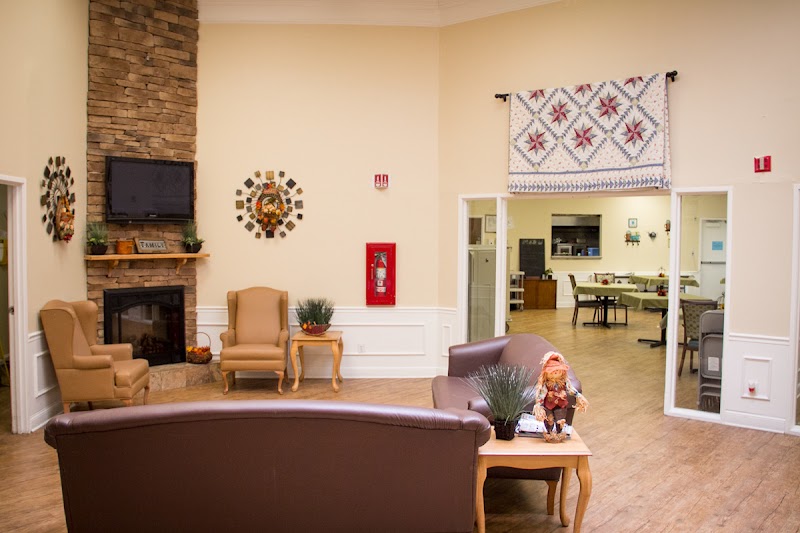
How is Signature Healthcare Of Spencer County Staffed?

CMS rates Signature Healthcare of Spencer County's staffing level at 2 out of 5 stars, which is below average compared to other nursing homes. Staff turnover is 64%, which is 18 percentage points above the Kentucky average of 46%. High turnover can affect care consistency as new staff learn residents' individual needs. RN turnover specifically is 65%, which is notably high. RNs provide skilled clinical oversight, so turnover in this role can affect medical care quality.

What Have Inspectors Found at Signature Healthcare Of Spencer County?

State health inspectors documented 16 deficiencies at Signature Healthcare of Spencer County during 2018 to 2024. These included: 16 with potential for harm.
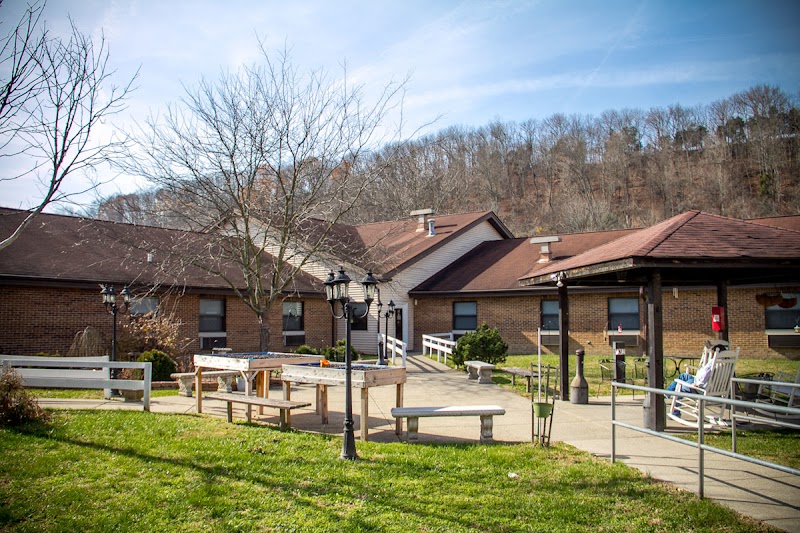
Who Owns and Operates Signature Healthcare Of Spencer County?

Signature Healthcare of Spencer County is owned by a for-profit company. For-profit facilities operate as businesses with obligations to shareholders or private owners. The facility is operated by SIGNATURE HEALTHCARE, a chain that manages multiple nursing homes. With 120 certified beds and approximately 88 residents (about 73% occupancy), it is a mid-sized facility located in Taylorsville, Kentucky.

How Does Signature Healthcare Of Spencer County Compare to Other Kentucky Nursing Homes?

Compared to the 100 nursing homes in Kentucky, Signature Healthcare of Spencer County's overall rating (1 stars) is below the state average of 2.8, staff turnover (64%) is significantly higher than the state average of 46%, and health inspection rating (2 stars) is below the national benchmark.

What Should Families Ask When Visiting Signature Healthcare Of Spencer County?

Based on this facility's data, families visiting should ask: "How do you ensure continuity of care given staff turnover, and what is your staff retention strategy?" "Can you walk me through typical staffing levels on day, evening, and night shifts?" "Can I visit during a mealtime to observe dining assistance and food quality?" "How do you handle medical emergencies, and what is your hospital transfer rate?" These questions are particularly relevant given the facility's high staff turnover rate and the below-average staffing rating.

Is Signature Healthcare Of Spencer County Safe?

Based on CMS inspection data, Signature Healthcare of Spencer County has a clean safety record: no substantiated abuse findings (meaning no confirmed cases of resident harm), no Immediate Jeopardy citations (the most serious violation level indicating risk of serious injury or death), and is not on the Special Focus Facility watch list (a federal program monitoring the lowest-performing 1% of nursing homes). The facility has a 1-star overall rating and ranks #100 of 100 nursing homes in Kentucky. While no facility is perfect, families should still ask about staff-to-resident ratios and recent inspection results during their visit.

Do Nurses at Signature Healthcare Of Spencer County Stick Around?

Staff turnover at Signature Healthcare of Spencer County is high. At 64%, the facility is 18 percentage points above the Kentucky average of 46%. Registered Nurse turnover is particularly concerning at 65%. RNs handle complex medical decisions and coordinate care — frequent RN changes can directly impact care quality. High turnover means new staff may not know residents' individual needs, medications, or preferences. It can also be disorienting for residents, especially those with dementia who rely on familiar faces. Families should ask: What is causing the turnover? What retention programs are in place? How do you ensure care continuity during staff transitions?

Was Signature Healthcare Of Spencer County Ever Fined?

Signature Healthcare of Spencer County has no federal fines on record. CMS issues fines when nursing homes fail to meet care standards or don't correct problems found during inspections. The absence of fines suggests the facility has either maintained compliance or corrected any issues before penalties were assessed. This is a positive indicator, though families should still review recent inspection reports for the full picture.

Is Signature Healthcare Of Spencer County on Any Federal Watch List?

Signature Healthcare of Spencer County is not on any federal watch list. The most significant is the Special Focus Facility (SFF) program, which identifies the bottom 1% of nursing homes nationally based on persistent, serious quality problems. Not being on this list means the facility has avoided the pattern of deficiencies that triggers enhanced federal oversight. This is a positive indicator, though families should still review the facility's inspection history directly.