CRITICAL
(J)
📢 Someone Reported This
A family member, employee, or ombudsman was alarmed enough to file a formal complaint
Immediate Jeopardy (IJ) - the most serious Medicare violation
Comprehensive Care Plan
(Tag F0656)
Someone could have died · This affected 1 resident
**NOTE- TERMS IN BRACKETS HAVE BEEN EDITED TO PROTECT CONFIDENTIALITY** Based on observation, interview, record review, and facility policy review, it was determined the facility failed to ensure the ...
Read full inspector narrative →
**NOTE- TERMS IN BRACKETS HAVE BEEN EDITED TO PROTECT CONFIDENTIALITY** Based on observation, interview, record review, and facility policy review, it was determined the facility failed to ensure the comprehensive person-centered care plan was developed and implemented with interventions necessary for monitoring a resident with behaviors of wandering, who was at risk for elopement for one (1) of five (5) residents (Resident #20).
The facility admitted Resident #20 with a history of wandering and elopement at home. The facility assessed Resident #20 to have wandering behaviors and care planned the resident as an elopement risk due to disorientation to place and impaired safety awareness. The facility's interventions for Resident #20 included observing for unmet needs and redirecting the resident when wandering, wearing a Wander Guard bracelet, checking the placement and function of the Wander Guard. However, on [DATE], even though Resident #20 had the Wander Guard bracelet in place, the resident was allowed to exit the facility and elope approximately 1.5 miles away from the facility without staff's knowledge.
The facility's failure to ensure the comprehensive person-centered care plan was developed and implemented with necessary interventions for monitoring residents at risk for elopement has caused or is likely to cause serious injury, serious harm or death to other residents in the facility.
Immediate Jeopardy was identified on [DATE] and determined to exist on [DATE] in the areas of 42 CFR 483.25 Quality of Care, F689; and 42 CFR 483.21 Comprehensive Centered Care Plans, F656 both at a Scope and Severity (S/S) of a J. The facility was notified of the Immediate Jeopardy on [DATE].
The facility provided an acceptable Immediate Jeopardy Removal Plan on [DATE], alleging removal of the Immediate Jeopardy on [DATE]. The State Survey Agency validated the facility's IJ Removal Plan and found the facility removed the immediacy on [DATE], as alleged, prior to exit on [DATE]. The facility remained out of compliance in the area of 42 CFR 483.25 Quality of Care, F689, at a Scope and Severity (S/S) of D while the facility developed and implemented a Plan of Correction and monitored for the effectiveness of the systemic changes.
In addition, the facility failed to ensure the use of chewing tobacco was addressed on the care plans of Resident #15 and Resident #7. Resident #15 and Resident #7 were both observed using chewing tobacco.
The findings include:
1. Review of the facility's policy titled, Elopements and Wandering Residents, dated [DATE], revealed residents were to be assessed for risk of elopement and unsafe wandering upon admission and throughout their stay by the interdisciplinary team (IDT). The interdisciplinary team was to evaluate factors contributing to the risk in order to develop a person-centered care plan. Further interview revealed interventions were to be implemented to modify the resident's behavior, or to minimize risks associated with hazards were to be added to the resident's care plan and communicated to appropriate staff.
Review of an admission Record revealed the facility admitted Resident #20 on [DATE] with diagnoses that included vascular dementia with behavioral disturbance, major depressive disorder, and cognitive communication deficit.
Review of the Quarterly Minimum Data Set (MDS) Assessment, dated [DATE], revealed the facility assessed Resident #20 to have a Brief Interview for Mental Status (BIMS) score of fourteen (14) which indicated the resident was cognitively intact. Continued review of the MDS Assessment revealed Resident #20 wandered on one (1) to three (3) days during the seven (7) day assessment period. Review further revealed Resident #20 used a wander/elopement alarm daily.
Review of Resident #20's Nursing Admission/readmission Evaluation, dated [DATE] at 2:30 PM, revealed under Care Planning the resident was checked as a new admission. Further review under the Focus: Rehabilitation Potential/Special Services/Procedures, revealed an intervention for Elopement Risk which had not been selected to be addressed.
Review of the Social Service Progress Review for MDS Documentation, dated [DATE] and signed [DATE], revealed the facility identified Resident #20 to have displayed wandering and elopement behaviors and refused care on one (1) to three (3) days during the assessment period. Per review, Resident #20 had been looking for exits in the facility, and had a Wander Guard alarm for safety. Further review revealed Resident #20 had a diagnosis of Dementia and wanted to go home.
Interview, with the Social Worker (SW) on [DATE] at 12:04 PM, revealed the family had told her on [DATE], of Resident #20's elopement and wandering history when at home which included the resident wandering outside the home to neighboring houses. The SW stated the family member informed her Resident #20's guardianship had been relinquished to the State because of the resident's wandering and elopement behaviors from the home. She stated the care plan interventions for a Wander Guard alarm, redirection, and anticipating the resident's needs were put in place to address his/her wandering and elopement behavior concerns. Continued interview revealed the SW acknowledged no other supervision was put in place upon Resident #20's admission. The SW stated she had not received any reports from staff of Resident #20 exit seeking or wandering, and she had never seen the resident exit seeking or wandering.
Review of Resident #20's Order Summary Report revealed a Physician's Order, with a start date of [DATE], for a Wander Guard alarm to Resident #20's right ankle and for staff to check the functioning and placement of the Wander Guard every shift.
Review of Resident #20's Care Plan revised [DATE], revealed the facility care planned the resident as an elopement risk due to disorientation to place and impaired safety awareness. Continued review revealed the interventions included: observing for unmet needs when the resident was wandering/exit seeking; placing the resident's profile in an elopement book; providing structured activities; redirecting the resident when exit seeking or wandering, and checking the placement and function of the resident's Wander Guard. Further review revealed Resident #2's Care Plan did not include additional interventions for monitoring the resident related to his/her elopement and wandering behaviors.
An interview was conducted, on [DATE] at 1:39 PM, with an Anonymous Complainant, who called the facility requesting to speak with a State Survey Agency (SSA) Surveyor already on site for the Recertification Survey. The Anonymous Complainant stated Resident #20 had eloped from the facility through a window and got six (6) miles away from the facility. Further interview revealed Resident #20's elopement had not been reported.
Telephone interview with Resident #20's Emergency Contact #2, on [DATE] at 4:20 PM, revealed the Emergency Contact had no knowledge of the resident eloping from the facility, and had not been made aware of any exit seeking or wandering behaviors while the resident was residing at the facility. Per interview, Emergency Contact #2 stated guardianship had been sought from the State due to Resident #20's elopement behaviors from the Emergency Contact's home, and the Emergency Contact not being able to provide the level of supervision the resident needed at home.
Interview with the Director of Nursing Services (DNS) on [DATE] at 4:42 PM, revealed the facility had no elopements in the past six (6) months.
Telephone interview with Licensed Practical Nurse (LPN) #5 on [DATE] at 12:04 PM, Resident #20 had eloped from the facility one (1) day the previous week, on either [DATE] (Tuesday) or [DATE] (Wednesday). She stated the only thing she had been told by LPN #17, the nurse on duty at the time of elopement, was that the resident had been spotted walking down Main Street by facility's State Registered Nurse Aides (SRNA) coming to work. Per LPN #5, she was not working at the time Resident #20 eloped, and when she reported for her shift the day after the elopement, the resident had one-to-one (1:1) staff supervision until he/she was discharged from the facility.
Telephone interview was attempted with LPN #17 on [DATE] at 7:20 PM; however, the attempt was unsuccessful. A voicemail was left, with no return call received.
Interview with State Registered Nurse Aide (SRNA) #13, on [DATE] at 12:26 PM, revealed on [DATE] around 6:40 PM, a night shift SRNA came to work early and frantically asked her if Resident #20 had left the facility. SRNA #13 told the night shift SRNA no the resident had not left the facility. However, the night shift SRNA told her she and another SRNA had seen Resident #20 on the street. Continued interview revealed the two (2) SRNAs went to Resident #20's room and discovered the resident was not there. She stated a night shift nurse also came in to work and reported also seeing Resident #20 in town. SRNA #13 stated she and the night shift SRNA left the facility to search for Resident #20 and found him/her near a pizzeria. According to SRNA #13, Resident #20 had a blue bag packed and told the staff he/she was going to Interstate 75 to hitchhike. Further interview revealed Resident #20 was returned to the facility; however, she did not know how the resident got out of the facility in the first place.
Interview with the Director of Nursing Services (DNS), on [DATE] at 4:26 PM, revealed Resident #20 had left the facility, and acknowledged elopement was when a resident left the facility without authorization or supervision, regardless of his/her cognitive abilities. According to the DNS, residents' care plans should reflect the level of supervision they needed if they were an elopement risk and should be updated for any behavioral changes.
A follow-up interview with the Executive Director (ED) on [DATE] at 4:33 PM, revealed residents' care plans should be revised as needed, such as during care plan meetings, when issues were identified, and with any significant changes. Further interview revealed if a resident was exit-seeking, pushing on doors, pacing, stating they wanted to go home, or they had a successful exit, their care plan should be updated to address the behavior.
2. Interview with the ED on [DATE] at 9:37 AM, revealed the facility had no policy or assessment process regarding residents who used chewing tobacco.
(a). Review of Resident #15's admission Record revealed the facility admitted the resident with with diagnoses of Muscle Weakness, Acute Kidney Failure, Diabetes Mellitus, and Methicillin Resistant Staphylococcus Aureus (MRSA) infection.
Review of the five (5) day MDS Assessment, dated [DATE], revealed the facility assessed Resident #15 to have a Brief Interview for Mental Status (BIMS) score of thirteen (13), which indicated intact cognition. Continued review of the MDS Assessment revealed the facility assessed Resident #14 as independent with set-up help when eating.
Interview, on [DATE] at 12:25 PM, with Resident #15 revealed he/she chewed tobacco, and had no concerns related to the facility. Observation at the time of interview revealed loose chewing tobacco lying on the resident's bedside table.
Review of Resident #15's initial Care Plan, dated [DATE], revealed no documented evidence the facility had care planned the resident for his/her use of tobacco. Further review additionally revealed no documented evidence the facility care planned how Resident #15's tobacco was to be stored or secured, nor of any monitoring to be provided related to the resident's tobacco use.
(b). Review of Resident #7's admission Record revealed the facility admitted the resident with diagnoses which included Dysphagia, Dementia without behaviors, Major Depressive Disorder, and muscle weakness.
Review of the Quarterly MDS Assessment, dated [DATE], revealed the facility assessed Resident #7 to have a BIMS' score of six (6),which indicated severe cognitive impairment. Continued review revealed Resident #7 was independent with set-up help only for eating, was on a mechanical soft diet, and was assessed to have no signs or symptoms of a swallowing disorder.
Observation of Resident #7, on [DATE] at 9:03 AM, revealed the resident had a large wad of chewing tobacco in his/her mouth with tobacco stains on his/her bed sheets. Further observation revealed loose chewing tobacco on the floor surrounding Resident #7, and a bag of chewing tobacco lying on the resident's bedside table.
Review of Resident #7's Care Plan revised on [DATE], revealed no documented evidence the facility developed his/her care plan to address the resident's chewing tobacco use. Additional care plan review revealed no documented evidence the facility care planned how Resident #7's chewing tobacco was to be stored or secured, nor evidence of any monitoring to be provided related to the resident's tobacco use.
Telephone interview with Licensed Practical Nurse (LPN) #5 on [DATE] at 12:04 PM, revealed a resident's tobacco use should be addressed on their care plan.
Interview, with State Registered Nurse Aide (SRNA) #13, on [DATE] at 12:26 PM, revealed the SRNA Kardex was the closest thing to a care plan the SRNAs had to reference. SRNA #13 further stated residents' chewing tobacco use and habits were not information included on the Kardex.
Interview, with the Executive Director (ED) and DNS on [DATE] at 4:29 PM, revealed the DNS stated chewing tobacco use should be included on a resident's care plan. The DNS stated the risks of chewing tobacco and the resident's preferences should also be included as interventions on their care plan. During the interview, the DNS reviewed the residents' care plans and confirmed the facility had not care planned the residents' use of chewing tobacco.
The facility provided an acceptable Immediate Jeopardy Removal Plan on [DATE], alleging removal of the Immediate Jeopardy on [DATE]. Review of the Immediate Jeopardy Removal Plan revealed the facility implemented the following:
1(a). Resident #20's wander/elopement assessment and care plan were reviewed with no identified changes needed. This action was completed, on [DATE], by Social Services and Medical Records.
(b). Resident #20's MDS and any associated Care Area Assessments (CAAs) were reviewed with no identified changes needed. This action was completed on [DATE] by Social Services.
(c). The Physician and responsible party were notified, and no new orders were received. The physician was notified on [DATE] and attempts to contact the responsible party were made on [DATE]. On [DATE], the responsible party was notified via telephone. This action was completed on [DATE] by the Executive Director.
(d). The physician stated Resident #20 was alert and oriented x 4 and seemed able to make the resident's own informed decisions. This action was completed on [DATE]. The physician was aware the resident had a court appointed guardian. However, guardianship was appointed while the resident was in the hospital and the resident's daughter was refusing to provide care. The Medical Director had multiple visits with the resident and felt the resident was more than capable of making his/her own decisions.
(e). The facility placed Resident #20 on 1:1 until the investigation was completed. This action was completed on [DATE]. The Executive Director initiated 1:1 supervision until the investigation was completed. The ADNS/DNS reeducated the SRNAs, along with all staff, on the policy and procedures related to alarm sounding and checking outside.
2(a). An immediate head count of all residents in the facility was completed and all residents were accounted for. This action was completed by the LPN on duty on [DATE].
(b). New Elopement Risk Assessments were completed, and care plans updated for current residents. This was initiated and completed on [DATE], for anyone identified by the IDT to be at risk. The Director of Nursing, Medical Records, and Social Services completed the elopement risk assessments and reviewed the care plans. There was one resident who was identified at risk and a WanderGuard device was placed on the resident.
(c). All code alert alarm bracelets currently in use on [DATE] were checked for placement and function and the expiration date. No issues were found. This audit was completed by Medical Records and a licensed nurse, on [DATE].
(d). Audits of the Elopement Binders were completed by the SSD/Executive Director to validate that all current residents at risk have a picture that accurately reflects the resident's current appearance and their identification information. This action was completed on [DATE] by the SSD and Executive Director.
(e). Maintenance completed assessment of all exit doors to verify the doors, windows, door alarms, and panels were functioning appropriately. This action was completed on [DATE].
(f). On [DATE], the Maintenance Director completed assessments of the alarm systems and doors to determine if they all were functioning as per manufacturer's guidelines.
(g). The facility's ED/DNS/Maintenance completed an elopement drill on different shifts to evaluate staff on response to the WanderGuard alarms on [DATE]. All staff were involved in elopement drills and no issues were identified beginning on [DATE].
(h). On [DATE], the IDT audited all elopement assessments, elopement books, and photos to ensure they were complete and accurate. This action was completed on [DATE] by the IDT.
(i). All code alert alarm bracelets currently in use, on [DATE], were checked for placement and function by Medical Records, who was a licensed nurse.
(j). All residents were reassessed for elopement and new wandering assessments were completed by the IDT clinical team on [DATE].
(k). Each resident that was found to be at risk for elopement had appropriate interventions in place. This was completed by the SSD on [DATE].
(l). SSD reviewed the care plan to ensure those at risk were reflected on the comprehensive care plan and KARDEX Care plans; and the Kardex was reviewed by Social Services on [DATE]
(m). If a Code Alert Bracelet was appropriate, the order was reviewed for accuracy. Medical Records completed an audit on all code alert bracelets and no issues were identified. This was completed on [DATE].
3(a). All staff including contract team members (Nurses, SRNAs, Dietary, Housekeeping, Laundry, Therapy, Maintenance, Administrative Office Staff) were re-educated to the Elopement Policy Procedure and the new policy regarding supervision and monitoring on [DATE] by the ADNS/DNS/ED . The training included: code alert placement and function, elopement risk evaluations to identify residents at risk of leaving the facility unattended. Education was provided to staff that included: the elopement books, care plans, Kardex and reporting. Upon admission, the IDT will contact the resident's guardian requesting approval or denial to allow the resident to leave the facility unsupervised and chart approval or denial from the guardian in the medical record.
(b). Staff were checked off to a master list generated by payroll by the Nursing Home Executive Director to ensure all staff had been reeducated. As of [DATE], no team member, to include agency, worked without being educated. Based on the elopement risk audit and guardianship status, the IDT will determine which residents will be safe to leave the facility unsupervised.
(c). The IDT will review all nursing notes and all new admissions during the Daily Clinical Start-up meeting five (5) days a week (M-F) and on weekends ongoing for three (3) months to ensure there were no new findings related to exit seeking behaviors and that all elopement assessments were completed per policy. If new findings were noted during the reviews, those residents' care plans will be reviewed to ensure revisions have been made appropriately. This review began on [DATE] and will be continued by the Director of Nursing and Assistance Director of Nursing for three (3) months.
(d). VP [Vice President] of Clinical Operations educated the Regional Director of Operations on the most current elopement definition on [DATE].
(e). The Regional Director of Operations educated the ED, DNS, and ADNS regarding the most current elopement definition, elopement guidelines, policy and procedure and required reporting, the necessity to follow and update the care plan following the identification of at-risk residents per the elopement assessments; how to complete the elopement assessments; elopement signs, supervision of the residents and necessity of staff to be available and respond to alarms. This action was completed on [DATE] by the Regional Director of Operations.
(f). The ADNS completed education with all staff regarding the most recent definition of elopement, elopement drill response and procedure; signs of potential elopement risk and supervision of residents, necessity to update the care plan following the identification of at-risk residents per the elopement assessments; how to complete the elopement assessments; and necessity of staff to be available and respond to alarms. Staff education to be continued until complete with no staff working that was not educated after [DATE] to include agency.
4(a). The Director of Nursing Services and Assistant Director of Nursing will audit the residents at risk on the elopement assessment to determine appropriate interventions were in place for every resident identified at risk seven (7) days a week for the next three (3) months. This action will be ongoing for three (3) months and will be completed by Director of Nursing, Assistant Director of Nursing.
(b). Code alert alarm bracelets were checked for placement, expiration date, and function each shift beginning on [DATE]. This was checked every shift by the nurse on duty and recorded on the TAR. Additionally, checks will be conducted weekly by DNS and ADNS for three (3) months. Results will be provided to the ED and reviewed in QAPI at least monthly.
(c). Each resident identified by IDT as at risk for elopement had a code alert bracelet in place, which was fully functioning and not expired. Code alerts were checked by Medical Records on [DATE]. The results of continuing audits will be brought to QAPI, and results will be discussed.
(d). Each resident at risk for wandering/exit seeking/elopement risk has a current care plan and reflects the resident person-centered interventions. Nine (9) residents were identified to be at risk. The SSD reviewed current care plans and results of the audits were brought to QAPI for review.
(e). Maintenance performed function and expiration date checks on all code alert bracelets on [DATE]. The DNS/ADNS/Nurse Management Team will continue to do so weekly for three (3) months, then monthly x four (4) months. Function checks, expiration date, and placement will be documented by the Director of Nursing on a form not part of the medical record. This action was completed on [DATE] by the Maintenance Director. Nurses on shift will check placement, expiration, and function each shift on weekdays and weekends and document completion on the MAR.
(f). Elopement drills will be conducted by the ED/DNS/ADNS or Maintenance 3 x per week for 4 weeks on alternating shifts and weekends, then monthly indefinitely, until the staff's response was satisfactory. This action was completed on [DATE] by maintenance.
(g). Door alarm functioning audits will be conducted 3 x a week for 4 weeks, then weekly x 4 weeks, including weekends, if no issues are noted by the Maintenance Director/ED. The DNS/ADNS will conduct weekly audits for three (3) months, which will include observation of placement, expiration date, and checking of function for all residents with WanderGuard orders, ongoing. This action was completed on [DATE] by the Maintenance Director and will be ongoing.
(h). The DNS/ADNS/Floor Nurse and/or Nurse Management team will conduct 1 x a week audits of the code alert system. The audit will include weekends and observation of placement, expiration date, and checking of function for all residents with orders.
(i). All audits will be forwarded to the Executive Director after completion of audits for review by the Center's QAPI (Quality Assurance Performance Improvement) committee (Executive Director, Medical Director, Director of Nursing Services, and a minimum of three {3} department managers) weekly for four (4) weeks, then bi-weekly for four (4) weeks and monthly for three (3) months.
(j). A QAPI Meeting was held to discuss all audit results and corrective actions on [DATE], and again on [DATE], with the Medical Director, Director of Nursing, Assistant Director of Nursing and Executive Director, with no concerns noted.
(k). All audit results were reviewed and will continue to be reviewed in monthly QAPI until the Immediate Jeopardy has been abated.
(l). The Director of Nursing Services/Assistant Director of Nurses/Medical Records will audit the residents at risk of elopement to determine the following items will be in place. She reviewed: Each resident at risk for elopement has an appropriate intervention. The Care Plan to ensure those at risk were reflected on the comprehensive care plan and Kardex. Each resident was care planned with interventions to monitor their whereabouts with appropriate interventions such as redirecting resident or offering activities. If a Code Alert Bracelet was appropriate, the order was reviewed. This action was completed by the Director of Nursing/Assistant Director of Nursing and Medical Records on [DATE].
(m). An Ad Hoc QAPI [Quality Assurance/Performance Improvement] meeting was held with the Executive Director, Director of Nursing, Social Services and Assistant Director of Nursing and Medical Director to review the incident, action plan, and findings. This action was completed by the Executive Director on [DATE].
(n). All audits will be forwarded to the Executive Director after completion of the audits for review by the Center's QAPI committee (Executive Director, Medical Director, Director of Nursing Services, and a minimum of three {3} department managers) weekly for four (4) weeks and then bi-weekly for four (4) weeks and monthly x three (3) months.
(o). A QAPI Meeting was held on [DATE] to discuss all audit results and corrective actions with the Medical Director, Director of Nursing, Assistant Director of Nursing and Executive Director, with no concerns noted.
(p). All audits will be forwarded to the Executive Director for review by the Center's QAPI committee (Executive Director, Medical Director, Director of Nursing Services, and a minimum of 3 department managers) monthly at a minimum of 3 months to ensure that solutions were sustained, beginning [DATE] and ongoing.
(q). QA meetings will continue once a week for four (4) weeks and then will occur bi-weekly for four (4) weeks and monthly thereafter.
The State Survey Agency (SSA) verified the facility implemented the following corrective actions with the removal of the Immediate Jeopardy on [DATE]:
1(a). On [DATE], after Resident #20 was returned to the facility, a wander/elopement assessment was completed for him/her and all other others that wandered. This was completed the night of [DATE] by Social Services and Medical Records.
Resident #20's care plan was updated on [DATE], after the resident's elopement on [DATE]. Resident #20 was discharged on [DATE].
(b). Review of Resident #20's MDS, dated [DATE], revealed the resident was a wander risk and had a wander guard in place. No changes were made to the resident's MDS after the elopement on [DATE].
(c). During a follow up interview with Resident #20's State appointed Guardian, on [DATE] at 9:31 AM, he stated the facility notified him of the resident exiting the facility and being found in the downtown area. He stated he held full guardianship over Resident #20 which included, medical, financial, and legal decision making. He stated the resident could refuse care, medications, and treatment while in the facility but, he/she could not decide where to live or make any decisions about his/her care or treatment.
(d). A Physician's Note, dated [DATE], revealed the resident had a high BIMS' score, was alert and oriented, and could make decisions for himself/herself. However, according to the Court papers the resident had a State Appointed Guardian and could not make his/her decisions.
(e). Review of a Body Audit form and documentation of one on one (1:1) supervision revealed Resident #20 was checked for injury upon his/her return to the facility on [DATE]. The facility provided 1:1 supervision for Resident #20, until the resident was discharged and transported to another facility on [DATE] at 6:15 PM.
Review of the Record of Inservice, dated [DATE], revealed nursing staff, on the day and night shift on [DATE] were re-educated related to the facility's elopement policies and procedures and participated in an elopement drill.
Interviews, with nursing staff on [DATE] and [DATE] revealed once a resident was missing, a Code Silver would be called over the intercom, staff would initiate a head count and a search, and management would be notified. If the resident was not found, the police, the physician, and the resident's representative would be notified, and the search would be expanded into the community.
Interviews, with SRNA #11, SRNA #12, and SRNA #13 on [DATE] revealed they were present the night of the elopement. They stated they received training about the facility's policy and procedure regarding resident elopements and participated in an elopement drill the night Resident #20 eloped.
LPN #18, the LPN on shift during the elopement, was not able to be reached by telephone and was not present during survey activity as she worked for the facility on an as needed basis.
During interviews with the DNS and ED on [DATE] they stated all staff on shift received training and participated in an elopement drill the night Resident #20 eloped, after the resident returned to the facility. They stated no injury was found to the resident. The resident was put on 1:1 supervision. A facility wide audit was completed, and the door alarms were found to be in working order.
2(a). LPN #18, the LPN on Day Shift during the elopement and was not able to be reached by telephone and was not present during survey.
(b). Review of the nine (9) residents the facility assessed to be at risk had current elopement assessments completed [DATE]. During interviews with the Medical Records Nurse, SSD, DNS, and ED, on [DATE], they stated elopement risk assessments were completed upon admission and any time a nurse needed to initiate one. Continued interview revealed any time a resident displayed wandering or exit seeking behavior an assessment could be completed. The Medical Records Nurse stated she completed new elopement assessments of all residents on [DATE] after Resident #20 eloped. The SSD stated she reviewed and updated all residents' Care Plans who were an elopement risk.
During the Care Plan and Elopement assessment review Resident #45 was identified as an elopement risk and required a wander guard. No other concerns were identified.
(c). Review of the Resident Monitoring System logs, revealed no concerns were identified related to the wander guard bracelets or the door alarm systems on [DATE] after Resident #20 eloped. During an interview with the Medical Records Nurse, on [DATE], she s[TRUNCATED]
CRITICAL
(J)
📢 Someone Reported This
A family member, employee, or ombudsman was alarmed enough to file a formal complaint
Immediate Jeopardy (IJ) - the most serious Medicare violation
Accident Prevention
(Tag F0689)
Someone could have died · This affected 1 resident
**NOTE- TERMS IN BRACKETS HAVE BEEN EDITED TO PROTECT CONFIDENTIALITY** Based on observation, interview, record review, facility document and policy review, it was determined, the facility failed to e...
Read full inspector narrative →
**NOTE- TERMS IN BRACKETS HAVE BEEN EDITED TO PROTECT CONFIDENTIALITY** Based on observation, interview, record review, facility document and policy review, it was determined, the facility failed to ensure adequate and necessary supervision was provided for one (1) of five (5) sampled residents reviewed for elopement (Resident #20).
Resident #20 eloped from the facility on 01/04/2023, without staff's knowledge and was found approximately 1.6 miles from the facility. Even though the facility's door alarmed when Resident #20 exited, facility staff failed to investigate and determine why the door alarm was sounding or initiate a search outside to ensure no residents had exited the facility without staff's knowledge. The facility failed to identify Resident #20's exiting the facility as an actual elopement due to the resident's intact cognition, and therefore, no investigation was conducted and documented. Staff had not been trained regarding what to do when there was no identified reason for a door alarm sounding. At the time of the Survey, there were nine (9) residents identified as at risk for elopement residing in the facility.
The facility's failure to ensure adequate supervision and necessary monitoring were provided for residents with behaviors of wandering, who were at risk for elopement, has caused or is likely to cause serious injury, serious harm or death to residents in the facility.
Immediate Jeopardy was identified on 01/23/2023 and determined to exist on 01/04/2023 in the areas of 42 CFR 483.25 Quality of Care, F689; and 42 CFR 483.21 Comprehensive Centered Care Plans, F656 both at a Scope and Severity (S/S) of a J. The facility was notified of the Immediate Jeopardy on 01/23/2023.
The facility provided an acceptable Immediate Jeopardy Removal Plan on 01/25/2023, alleging removal of the Immediate Jeopardy on 01/25/2023. The State Survey Agency validated the facility's IJ Removal Plan and found the facility removed the immediacy on 01/25/2023, as alleged, prior to exit on 01/25/2023. The facility remains out of compliance in the area of 42 CFR 483.25 Quality of Care, F689, at a Scope and Severity (S/S) of D while the facility developed and implemented a Plan of Correction and monitored for the effectiveness of the systemic changes.
In addition, the facility failed to provide adequate supervision of residents using smokeless tobacco for two (2) sampled residents, Resident #7 and Resident #15, who used smokeless tobacco, Resident #7 and Resident #15. The facility failed to assess Resident #15 and Resident #7 for their ability to safely use smokeless (chewing) tobacco. In addition, the facility failed to ensure the smokeless tobacco was stored in a secure location and the use, storage, and necessary monitoring related to the tobacco use was addressed on the care plans for Resident #15 and Resident #7.
The findings include:
1. Review of the facility's policy titled, Elopements and Wandering Residents, dated October 2022, revealed the facility ensured residents who exhibited the behavior of wandering and/or were at risk for elopement received adequate supervision to prevent accidents, and received care in accordance with their person-centered plan of care addressing the unique factors contributing to the wandering or elopement risk. Review of the policy revealed the facility was to monitor and manage residents at risk for elopement or unsafe wandering through evaluation and analysis of hazards and risks, implementing interventions to reduce the hazards and risks, and monitoring for the effectiveness and modify interventions when necessary. Continued review revealed residents were to be assessed for risk of elopement and unsafe wandering upon admission and throughout their stay by the interdisciplinary care plan team. Review further revealed the interdisciplinary team (IDT) was to evaluate the unique factors contributing to residents' risk in order to develop a person-centered care plan, and interventions to increase staffs' awareness of the resident's risk, modify the resident's behavior, or to minimize risks associated with hazards were to be added to the resident's care plan and communicated to appropriate staff. Further review revealed adequate supervision was to be provided to help prevent accidents or elopements.
Review of an Inservice sheet and In-Service Attendance Record: Signature Sheet, dated 11/23/2022 at 2:00 PM, revealed twenty-nine (29) employees attended a training that covered multiple topics which included elopement.
Review of Resident #20's admission Record, revealed the facility admitted the resident on 09/16/2022 with diagnoses that included Vascular Dementia with behavioral disturbance, Major Depressive Disorder, and Cognitive Communication Deficit.
Review of Resident #20's medical record revealed a Disability Judgment, notarized on 08/23/2022, which noted the resident had been judged to be wholly disabled in managing both his/her financial and personal affairs, and a guardian and a conservator were to be appointed. Continued review of the record revealed an Order of Appointed Guardian, notarized on 08/23/2022, which noted a State Agency had been appointed as Resident #20's guardian. Per review of the order, the guardian's powers and duties included determining the resident's living arrangements, and consenting to medical procedures, with an expiration date of the ruling as indefinite.
Review of the Social Service Progress Review for MDS Documentation, dated 09/17/2022 and signed 09/23/2022, revealed the facility identified Resident #20 as displaying wandering behaviors and refusing care on one (1) to three (3) days during the assessment period. Continued review revealed Resident #20 had been looking for exits within the facility, and the resident had a Wander-Guard alarm (a device worn to alert staff when a resident was in close proximity to an exit door equipped with a Wander-Guard sensor) placed for his/her safety. Further review revealed Resident #20 was noted to have a diagnosis of Dementia and wanted to go home.
Review of the Quarterly Minimum Data Set (MDS) Assessment, dated 12/21/2022, revealed the facility assessed Resident #20 as having a Brief Interview for Mental Status (BIMS) score of fourteen (14), which indicated the resident was cognitively intact. Continued review of the MDS revealed the facility assessed Resident #20 to have rejected care and noted he/she wandered on one (1) to three (3) days during the seven (7) day assessment period. The MDS review further revealed the facility assessed Resident #20 to require supervision with locomotion and ambulation and to use a wander/elopement alarm daily.
Review of the Wandering/Elopement Risk Scale document, dated 12/20/2022, revealed the facility assessed Resident #20: at high risk to wander; ambulatory; able to follow directions; able to communicate; to have a history of wandering; and diagnoses of Dementia and cognitive impairment.
Review of Resident #20's Care Plan, dated 09/22/2022, revealed the facility care planned the resident as an elopement risk due to disorientation to place and impaired safety awareness. Continued review revealed the interventions included observing Resident #20 for unmet needs when wandering/exit seeking; placing the resident's profile in the elopement book; providing structured activities; redirecting the resident when exit seeking or wandering and checking the placement and function of the resident's wander alert bracelet. Further review revealed however, the facility had not addressed Resident #20's need for monitoring and supervision of the resident to prevent elopement.
Review of an Order Summary Report for Resident #20 revealed a Physician's Order, dated 09/17/2022, for a Wander-Guard bracelet to be placed on the resident's right ankle. Continued review revealed the order included to check the functioning and placement of the Wander-Guard every shift.
Interview, on 01/11/2023 at 1:39 PM, with an anonymous complainant, who called the facility requesting to speak with the State Survey Agency (SSA) Surveyor, who was on site for the Recertification Survey, revealed Resident #20 had eloped from the facility and had gotten six (6) miles away from the facility. They stated the resident was caught smoking in his/her room the day before the elopement. The Anonymous Complainant stated the elopement was not reported as required.
Review of the Progress Notes for Resident #20 for dates from 12/20/2022 through 01/05/2023, revealed no documented evidence of the resident having eloped from the facility.
Additional review of Resident #20's Care Plan revealed a revision, dated 01/04/2023, which noted the resident exhibited behavioral symptoms of refusal to shower, to take medication, to allow staff to change linens, and to be weighed. Continued review of Resident #20's Care Plan revealed the resident exhibited signs of cognitive impairment related to the diagnosis of Dementia, and exhibited a psychosocial well-being problem related to ineffective coping skills.
Review of the Wandering/Elopement Risk Scale, dated 01/04/2023, revealed the facility assessed Resident #20 as a high wander risk who: had a history of wandering; could follow directions; was ambulatory; could communicate; and had diagnoses of Dementia and cognitive impairment.
Review of the facility's, Record of Inservice, dated 01/04/2023 at 11:30 PM, revealed staff had received training on elopement. Continued review revealed the training on elopement included an elopement drill and review of the facility's policy. Further review revealed the Record of Inservice listed twenty-two (22) staff as having attended the training.
Observation of five (5) residents' rooms, on 01/11/2023 at 2:11 PM, on the hallway where Resident #20 previously resided, revealed the outside window frame of Resident #20's former room had a screw inserted to prevent the window from opening. Continued observation revealed the window screen was present, and no screw was located on the inside of the window of Resident #20's former room. Observation revealed however, a hole was observed in the window frame, two (2) to three (3) inches from the sliding window panel. Per observation, Resident #20's former room was on ground level, and the sidewalk outside the window was approximately three (3) feet below the window ledge. Observation of the other four (4) rooms revealed each window had a screw on the inside window frame, allowing the window to be opened two (2) to three (3) inches.
Telephonic (Phone) interview with Resident #20's Emergency Contact #2, on 01/11/2023 at 4:20 PM, revealed Emergency Contact #2 had no knowledge of Resident #20 having eloped from the facility. Continued interview revealed Emergency Contact #2 had sought State guardianship due to Resident #20's elopement behaviors when residing in the Emergency Contact's home. Per interview, the Emergency Contact was unable to provide the level of supervision Resident #20 needed for his/her safety. Further interview revealed the facility had not made Emergency Contact #2 aware of any exit seeking or wandering behaviors by Resident #20 while he/she had been residing there.
Interview with the Director of Nursing Services (DNS) on 01/11/2023 at 4:42 PM, revealed the facility had no elopements in the past six (6) months.
Telephone interview with the Ombudsman, on 01/12/2023 at 10:15 AM, revealed she had not been notified of any resident elopements from the facility. She stated the nursing staff guarded the doors pretty well. Per the Ombudsman, on her last visit to the facility on [DATE], she knew the code for the exit doors. Further interview revealed however, when she visited the facility again on 01/10/2023, the code to the exit doors had been changed, and the nurse told her they would have to let her out of the facility.
Interview with Resident #20's State Appointed Guardian, on 01/12/2023 at 11:02 AM, revealed the Guardian had no knowledge of the resident eloping from the facility. Further interview revealed the Guardian had been in the facility the previous week (week of 01/01/2023) to check on Resident #20's billing matters, and had no concerns at the time of that visit.
Telephone interview with Licensed Practical Nurse (LPN) #5 on 01/12/2023 at 12:04 PM, revealed Resident #20 had eloped from the facility one (1) day the previous week (week of 01/01/2023 through 01/07/2023). Per LPN #5, Resident #20 had eloped on either 01/03/2023 (Tuesday) or 01/04/2023 (Wednesday). She stated the only thing she was told by LPN #17 (the nurse on duty at the time of the incident) was that Resident #20 had been spotted walking down Main Street by a couple of the facility's State Registered Nurse Aides (SRNA), as they were coming in to work their shift. Continued interview revealed LPN #5 had been told different things from different staff as to how Resident #20 exited the facility; first it was through a window, and then she was told the resident exited through the front door. According to the LPN, she had been told no injuries were sustained by Resident #20 during the time he/she was out of the facility. She stated Resident #20 was identified as a wander/elopement risk from the wandering assessment and had a Wander-Guard in place. Further interview revealed LPN #5 had not been at work when Resident #20 eloped. She stated when she reported to work for her shift the day after the elopement occurred, the resident had one-to-one (1:1) staff supervision until he/she was discharged from the facility. LPN #5 stated she was not provided the reason for the facility discharging Resident #20.
Telephone interview was attempted with LPN #17 on 01/12/2023 at 7:20 PM; however, this was unsuccessful. A voicemail was left and no return call received.
Interview with Maintenance #1, on 01/11/2023 at 3:58 PM, revealed Maintenance #1 stated a window audit had been requested through the facility's TELS system (a computerized system to communicate maintenance concerns). Maintenance #1 stated the TELS system which was used for all work orders and requests for maintenance services. Per Maintenance #1, he completed the window audit when it was requested and found no concerns with the windows, screens, or screws in the window frames that restricted the window opening further than three (3) inches. According to Maintenance #1, the screws had been in the window frames ever since he started his employment at the facility in September 2022. Maintenance #1 stated no concerns of a resident being able to remove the screws had been brought to his attention. Continued interview revealed Maintenance #1 stated a few of the facility's windows had been sealed completely by the former Maintenance Director, but he did not know why. Maintenance #1 stated he checked the Wander-Guard sensors and doors weekly and had no concerns regarding the functioning of the system. Maintenance #1 further stated he knew Resident #20 and that the resident had been discharged from the facility, but he did not know why.
Review of the facility's, Resident Monitoring System logs, dated 11/15/2022, 11/21/2022, 11/28/2022, 12/09/2022, 12/14/2022, 12/23/2022, 12/28/2022, and 01/04/2023, revealed inspections had been completed to check the operation of the door monitors and the patient wandering system (Wander-Guard system). Continued review of the logs, revealed the system had passed all the inspections. Further review of the logs revealed the locations checked included the ambulance (front) entrance, downstairs elevator, downstairs exit, downstairs stairwell, upstairs elevator, upstairs stairwell, and workers' entrance.
Interview, with LPN #10 on 01/12/2023 at 1:49 PM, revealed she had worked at the facility for three (3) years. She stated Resident #20 had been a wanderer and elopement risk, when he/she came from the previous facility with those behaviors documented. Per LPN #10, Resident #20 had eloped from the facility during the month of January 2023; however, she was not sure of the specific date and had not working at the time of the incident. She stated the facility was not sure how Resident #20 got out. LPN #10 stated the resident had been discharged when she returned to work again. Further interview revealed Resident #20 had not had previous elopement attempts, and she had never witnessed the resident lingering near the doors.
Interview, with SRNA #8 on 01/12/2023 at 3:05 PM, revealed Resident #20 was no longer residing in the facility and had been discharged elsewhere after an elopement a couple of weeks ago. She stated Resident #20 had been found five (5) or six (6) miles away from the facility. Per SRNA #8, she had been told Resident #20 left the facility either through a door or a window; however, no one was sure. Continued interview revealed SRNA #8 had not been working when Resident #20 eloped from the facility, but heard the resident was found at a pizza restaurant on the outskirts of town. She further stated staff coming in to work for the night shift had called the facility to check on whether Resident #20 had been discharged because they had seen the resident walking along the road.
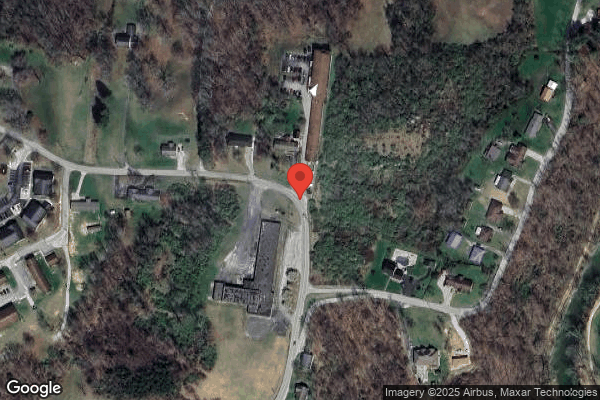
Review of map directions revealed the distance from the facility to the pizza restaurant was 1.6 miles from the facility. Review of the route from the facility to the pizza restaurant included a road that had several steep hills and sharp curves.
Telephone interview was attempted with Resident #20 on 01/12/2023 at 3:35 PM; however, this was unsuccessful. A voicemail was left the resident, with no return call received.
Interview with SRNA #11, on 01/13/2023 at 10:45 AM, revealed she had worked at the facility for five (5) years. She stated she knew Resident #20 was an elopement/wander risk and that he/she had successfully eloped from the facility. Per SRNA #11, she had been working another area of the facility the day of the elopement, which was on either 01/04/2023 or 01/05/2023. She stated around 6:35 PM to 6:40 PM, the day of Resident #20's elopement, a night shift worker reported for night shift, and told the day shift staff they had seen Resident #20 walking the streets on their way to the facility. Continued interview revealed SRNA #11 stated staff searched for Resident #20 and contacted the DNS and Executive Director (ED). She stated two (2) SRNAs left the facility to go retrieve Resident #20, and after the resident was returned to the facility, he/she was shown to his/her room, where vital signs were taken, and no injuries were found. According to SRNA #11, Resident #20 was then to 1:1 supervision by a staff member. Interview revealed she had been told Resident #20 eloped through a door; however, no one was 100% sure how the resident eloped. She stated Resident #20 remained in the facility the night of the elopement and the following day until around 6:00 PM, when the resident was discharged and transferred to a different facility. SRNA #11 revealed Resident #20 had a Wander-Guard alarm bracelet in place the day of his/her elopement and it had been working to her knowledge. Further interview revealed if a door alarm was triggered the evening of the elopement, she did not hear it sounding, nor had she heard any door alarms go off that day. She further stated she had not observed/witnessed Resident #20 lingering at the doors the evening of his/her elopement.
Telephone interview was attempted with LPN #18 on 01/13/2023 at 2:15 PM; however, the phone rang for three (3) minutes with no answer, and there was no option to leave a voicemail.
Interview with SRNA #12, on 01/13/2023 at 11:32 AM, revealed she had worked at the facility since December 2008. She stated, I reckon Resident #20 did successfully elope. Per SRNA #12, she had been working in the lobby area by the front entrance around supper time, the day of Resident #20's elopement, picking up trays after residents had finished eating. She stated she saw a group of staff gathered at the nurse's station and could tell something was wrong. Continued interview revealed she went to ask what was wrong and was informed Resident #20 was gone and could not be found. She stated staff started a search for Resident #20 after the nurse received a call from a night shift staff member coming to work stating they saw Resident #20 walking downtown as they made their way in to work. SRNA #12 stated she did not recall the exact day of Resident #20's elopement; however, she knew it was within the last two (2) weeks on a weekday. She stated she had a family member waiting to pick her up from work in the facility's parking lot, and had asked her family member if they had seen a resident in a plaid shirt walk by the vehicle. Per SRNA #12, her family member confirmed seeing such a person and told her the person had been carrying a bag. Interview revealed SRNA #12's family member stated the person had walked up the facility driveway from the parking lot on the side of the facility, and onto the road heading towards the hospital. According to SRNA #12, her family member told her it was still daylight when they witnessed the resident walking by their car. She stated SRNA #13 and another SRNA left the facility to search for Resident #20 in town, and she recalled hearing the resident was found by a pizza restaurant. Further interview revealed SRNA #12 denied having heard any door alarms sounding the evening Resident #20 eloped, until she opened the front door to speak to her family member who had been waiting in the parking lot. The SRNA stated Resident #20 had to have planned his/her escape because he/she had a bag packed.
Interview, with SRNA #13 on 01/13/2023 at 12:26 PM, revealed she had worked at the facility since April 2022. SRNA #13 stated on 01/04/2023 around 6:40 PM, a night shift SRNA showed up early for work and frantically asked her if Resident #20 had left the facility, and she told the other SRNA No. Per SRNA #13, the night shift SRNA then told her they had seen Resident #20 on the street. According to SRNA #13, she and the night shift SRNA then went to Resident #20's room and the resident was not there. She stated a night shift nurse came in to work and also reported seeing Resident #20 in town. Continued interview revealed she and the night shift SRNA left the facility to drive into town and search for Resident #20. Per interview, they found Resident #20 at a karate studio next to the pizza restaurant. The SRNA stated Resident #20 had a blue bag packed with him/her and told the SRNAs he/she was going to Interstate 75 (I-75) to hitchhike. She stated she offered Resident #20 a ride, and the resident accepted it and Resident #20 was taken back to the facility. Interview revealed Resident #20 had been a little upset upon being returned to the facility and told staff he/she thought he/she was going to I-75. She stated she did not know how Resident #20 got out of the facility; however, she recalled the resident had been moved to a different room the day before the elopement which had been at ground level with a window that opened a couple of inches. SRNA #13 revealed she and another staff member went into Resident #20's room to check the window, and the screw was missing from the window which allowed the window to open all the way. She stated the window screen was also missing when she observed the window, and she was pretty sure the screen had been in place before Resident #20 eloped. Further interview revealed however, a screen had not been found outside the facility, so it could have already been missing when Resident #20 moved into that room. According to SRNA #13, since Resident #20's admission, the resident had not wanted to be there at the facility, and would beg his/her family to take him/her out of the facility. She further stated the door alarms at the front of the facility went off anytime those doors were opened, even if the code was entered; however, she had not heard alarms sounding the evening of Resident #20's elopement. In addition, she stated Resident #20 was discharged before the end of her shift the day after the elopement.
Interview with the Medical Records Nurse, on 01/13/2023 at 2:38 PM, revealed she had worked at the facility for almost thirteen (13) years. She stated Resident #20 had eloped from the facility the previous week and was transferred to another facility a day or two (2) after the elopement. Continued interview revealed she received a call at home about Resident #20's elopement, and by the time she made it to the facility, the resident had been returned. Per the Medical Records Nurse, facility management started trying to make sense of what happened to see if something needed to be done at the facility. She stated she completed an elopement assessment of Resident #20 upon admission and after the elopement when he/she returned to the facility. Further interview revealed facility staff thought Resident #20 eloped through the facility's front door. The Medical Records Nurse further stated Resident #20 had been moved to a new room prior to the elopement because he/she had not been compatible with his/her roommate. In addition, she stated Resident #20's new room had been closer to the nurse's station so the resident could be observed more closely by staff.
Interview, with the ED and DNS on 01/13/2023 at 4:29 PM, revealed the facility had no elopements in the past six (6) months. Per the ED, she had not considered Resident #20's exit from the facility to be an elopement. She stated an elopement was when a resident exited the facility without intent or purpose and did not have the ability to make the decision to go. The ED stated she considered Resident #20's elopement a leave of absence violation because he/she wanted to leave, had been alert and oriented, and knew what he/she was doing. Interview revealed Resident #20 had been alert and oriented, and had known his/her rights as a resident and chose to leave without informing staff, even though the resident had been asked to inform the facility before leaving. However, she acknowledged Resident #20 was not his/her own responsible party and had a State Appointed Guardian. Continued interview revealed the ED stated Resident #20 had a right to go outside. The ED stated the investigation had not determined how Resident #20 got out, and none of the staff recalled if an alarm had sounded. According to the ED, Resident #20 had been able to read and had known the front door would open if held for fifteen (15) seconds. The ED stated Resident #20 had been smart enough to watch and get the door code as people left. Interview revealed the ED stated she did not know if the door alarms had failed to sound when Resident #20 eloped, so a Wander Guard sensor check had been completed, and everything was found to be in working order. She stated the screen in Resident #20's new room had been reported as missing after a storm which preceded the resident's elopement. Per the ED, the ledge of the window in Resident #20's new room was high off the ground, and it was unlikely the resident exited through the window without sustaining a scratch or injury. Further interview revealed Resident #20 told her that he/she had eloped out of the front door. The ED stated she had no reason to believe the resident had been lying. Interview revealed the facility had no documentation of the investigation that was completed because Resident #20 leaving the facility had not been considered an elopement.
Follow-up interview with Resident #20's State-Appointed Guardian, on 01/17/2023 at 9:31 AM, revealed the guardian held full guardianship over Resident #20, which included medical, financial, and legal decision making. Per interview, Resident #20 could not decide where to live or make any decisions about his/her care or treatment. The Guardian stated Resident #20 was now residing in a State Psychiatric hospital. Further interview revealed Resident #20 had the cognitive ability to fabricate a story to meet his/her wants and needs. In addition, the Guardian denied Resident #20 had a Wander-Guard during his/her stay at the facility and denied being notified regarding the resident had a violation of leave.
Review of an encrypted email sent from the DNS to the Surveyor on 01/18/2023 at 6:43 PM, revealed the DNS noted Resident #20 had been alert and oriented and exited the facility with the intent to go outside to smoke and walk around. Per review of the email, Resident #20 had a BIMS score of fourteen (14) and made the decision on his/her own to exit the facility without signing out or notifying staff. According to the email, the resident's primary Physician stated Resident #20 had been alert and oriented and capable of making his/her own decisions. Review of the email revealed Resident #20 failed to alert staff he/she was exiting the facility which resulted in a failure to follow the facility's leave of absence policy. Continued review of the email revealed Resident #20 had been fully mentally and physically capable of exiting the facility, without supervision and competent to make decisions inside and outside the facility. Review of the email revealed Guardianship allowed Resident #20 to vote, and he/she would have to be competent to vote. The email review revealed Guardianship gave permission for medical procedures; however, did not state that Resident #20 could not go outside if he/she chooses. Further review of the email revealed Resident #20 had intent and wanted to leave the facility and could easily have exited the door by entering the code by figuring out the pattern by watching staff or family. In addition, review further revealed Resident #20 had been alert and oriented and had a right to exit the building, and the email was signed by the ED.
Telephone interview with the DNS on 01/18/2023 at 1:42 PM, revealed no formal investigation of Resident #20's exiting the facility had been found, it had been scribbled onto various notes, and that was why the ED wrote the email she sent to the Surveyor. The DNS stated the facility investigated all avenues of possible exit by Resident #20, and as the resident had been alert and oriented and showed facility staff which door he/she went out of, which was the front door. Continued interview revealed the SRNAs told management the front door alarm went off the day of the incident, and they had seen a staff member reset the code; however, the DNS had not been able to identify which staff member reset the door code. She stated the door alarm to the front door went off and no reason for the alarm was found at that time. Per the DNS, Resident #20 had a Wander-Guard at the time the resident exited the facility; however, it would not have set the alarm off on that door. She stated the front door alarm triggered any time the door was opened, whether a code was entered or not. Interview revealed the DNS did not know if the Medical Director (MD) could overrule the State Guardianship's parameters, but the Medical Director had assessed Resident #20 as alert and oriented and last saw the resident on either 01/01/2023 or at the end of November 2022. According to the DNS, if a resident with a Wander-Guard got close to a sensor on the other doors, the alarm started beeping, and if someone without a Wander-Guard went out the front door, it sounded the loud alarm. She stated she understood a Guardian had been appointed to make Resident #20's decisions after an acute illness and hospitalization, as the resident had not been capable of making decisions at that time. Further interview revealed if Resident #20 had remained residing in the facility, they would have petitioned for the resident to regain his/her decision-making rights to be his/her own responsible party.
Interview with the ED on 01/24/2023 at 10:22 AM and at 11:02 AM, revealed Resident #20 and his/her family had requested the resident reside closer to family, therefore, the facility had transferred him/her to be closer to his/her family. She stated she had no knowledge that Resident #20 had a history of elopement prior to his/her ad[TRUNCATED]
CONCERN
(D)
Potential for Harm - no one hurt, but risky conditions existed
Transfer Notice
(Tag F0623)
Could have caused harm · This affected 1 resident
Based on interview, record review, and facility policy review, it was determined the facility failed to notify the resident and the resident's representative in writing of a transfer to the hospital a...
Read full inspector narrative →
Based on interview, record review, and facility policy review, it was determined the facility failed to notify the resident and the resident's representative in writing of a transfer to the hospital and provide a copy of the written notice to the Long-Term Care (LTC) Ombudsman for one (1) of one sampled residents reviewed for hospitalization (Resident #45).
The findings include:
Review of the facility's policy titled, Discharge Plan and Notice of Transfer, dated 07/2018, revealed the Notice of Transfer or Discharge and Ombudsman Notification for facility-initiated transfers or discharges of a resident, the facility must notify the resident and the resident's representative(s) of the transfer or discharge and the reason for the move in writing and in a language and manner they understand. Additionally, the facility must send a copy of the notice of transfer or discharge to the State LTC (Long Term Care) Ombudsman. Continued review revealed the medical record of a resident being transferred or discharged must contain evidence that the notice was sent to the LTC Ombudsman. Per review of the policy, Emergency Transfers, when a resident was temporarily transferred on an emergency basis to an acute care facility, this was considered a facility-initiated transfer and a notice of transfer must be provided to the resident and resident representative as soon as practicable. The policy further revealed Copies of notices for emergency transfers must also still be sent to the Ombudsman, but they may be sent when practicable, such as in a list of residents on a monthly basis.
Review of Resident #45's admission Record revealed the facility admitted the resident with diagnoses that included Dementia with Behavioral Disturbance and COVID-19. Further review of the admission Record revealed Resident #45 had a Responsible Party - Guardian noted with contact information listed.
Review of Resident #45's Progress Notes revealed the facility transferred the resident to the hospital via emergency medical services (EMS) on 11/25/2022 at 6:49 PM. However, review of Resident #45's electronic health record (EHR) revealed no documented evidence that a written notice was provided to the resident or his/her representative regarding the resident's transfer to the hospital.
Interview, on 01/10/2023 at 10:14 AM, with the District (LTC) Ombudsman revealed the facility had not notified her when a resident was transferred or discharged from the facility. She stated the only notification she had received from the facility was related to an involuntary discharge of a resident. Further interview revealed the LTC facilities within the State were required to notify the State Ombudsman when a resident was transferred or discharged , and the State Ombudsman then forwarded the information to the District Ombudsman.
Interview, on 01/12/2023 at 11:15 AM, with Licensed Practical Nurse (LPN) #5 revealed when a resident was transferred to the hospital, the family and/or guardian were notified via telephone only, not through written documentation. LPN #5 further stated she was not aware of any letter that was sent to the resident's representative regarding a transfer.
Interview, on 01/12/2023 at 12:51 PM, with LPN #9 revealed when a resident was transferred to the hospital, the facility notified the resident's family via telephone. The LPN stated the facility did not notify the resident's representative in writing. Further interview revealed LPN #9 did not know how to go about sending such a letter.
Interview, on 01/13/2023 at 3:59 PM, with the Director of Nursing Services (DNS) revealed when a resident was transferred to the hospital, the facility notified the responsibility party who was listed on the resident's admission Record via telephone. The DNS stated if the responsible party was in the facility, the facility verbally informed a resident's responsible party of the transfer. Further interview with the DNS revealed the facility had not ever notified the responsible party or the Ombudsman in writing of a resident's transfer.
Interview, on 01/13/2023 at 5:42 PM, with the Executive Director (ED) revealed when a resident was transferred to the hospital, if the resident had a responsible party the facility notified the responsibly party. The ED stated the responsible party was either notified via telephone or, if they were in the facility, they notified the responsible party verbally. Further interview revealed the ED stated she did not think the facility ever notified the Ombudsman of transfers.
CONCERN
(D)
Potential for Harm - no one hurt, but risky conditions existed
Deficiency F0625
(Tag F0625)
Could have caused harm · This affected 1 resident
Based on interview, record review, and facility policy review, it was determined the facility failed to provide written information regarding the facility's bed-hold policy to a resident and their rep...
Read full inspector narrative →
Based on interview, record review, and facility policy review, it was determined the facility failed to provide written information regarding the facility's bed-hold policy to a resident and their representative when the resident was transferred to the hospital for one (1) of one (1) residents sampled for hospitalization (Resident #45).
The findings include:
Review of the facility's policy titled, Discharge Plan and Notice of Transfer, dated 07/2018, revealed emergency transfers, when a resident was temporarily transferred on an emergency basis to an acute care facility, was considered to be a facility-initiated transfer. Further review revealed for emergency transfers a notice of transfer must be provided to the resident and the resident's representative as soon as practicable. Review of the policy further revealed a copy of the facility's Bed Hold Policy was also to be provided.
Review of the medical record for Resident #45 revealed the facility admitted the resident with diagnoses which included COVID-19 and Dementia with Behavioral Disturbance. Continued review revealed Resident #45 had a responsible party noted and the contact information was listed for the responsible party.
Review of Resident #45's Progress Notes revealed on 11/25/2022 at 6:49 PM, the resident was transferred to the hospital via emergency medical services (EMS). Further review of Resident #45's medical record revealed no documented evidence the facility provided the resident and his/her representative with written information of the facility's bed-hold policy before or at the time of Resident #45's transfer to the hospital.
Interview, on 01/12/2023 at 12:51 PM, with Licensed Practical Nurse (LPN) #9 revealed the facility had not provided a copy of the facility's bed hold policy to the resident and/or resident representative when the resident was transferred to the hospital.
Interview, on 01/13/2023 at 3:59 PM, with the Director of Nursing Services (DNS) revealed the Business Office Manager sent the resident's representative a bed hold letter when a resident was transferred to the hospital.
Interview, on 01/13/2023 at 5:21 PM, with the BOM revealed she only went over the bed hold policy with a resident and their representatives upon the resident's admission to the facility. Further interview revealed she did not send out a copy of the policy to a resident and/or his/her representative when a resident was transferred to the hospital.
Interview, on 01/13/2023 at 5:42 PM, with the Executive Director (ED) revealed when a resident was transferred to the hospital, the facility did not provide a copy of the bed hold policy to the resident and/or resident representative.
CONCERN
(D)
Potential for Harm - no one hurt, but risky conditions existed
Infection Control
(Tag F0880)
Could have caused harm · This affected 1 resident
Based on observation, interview, record review, and facility policy review, it was determined the facility failed to ensure staff changed their gloves that were contaminated during incontinent and wou...
Read full inspector narrative →
Based on observation, interview, record review, and facility policy review, it was determined the facility failed to ensure staff changed their gloves that were contaminated during incontinent and wound care for one (1) of three (3) sampled resident reviewed for pressure ulcers (Resident #13). Additionally, the facility failed to ensure wound care supplies were not contaminated to reduce the risk of infection for Resident #13.
The findings include:
Review of the facility's policy titled, Clean Dressing Change, undated, revealed the policy did not indicate what staff should do if their gloves or wound care supplies became contaminated during a dressing change.
Review of Resident #13's medical record revealed the facility admitted the resident with diagnoses that included Parkinson's Disease, Dementia, Polyosteoarthritis (arthritis in multiple joints), and palliative care (care given to improve quality of life for individuals with a serious or life-threatening disease).
Review of the Annual Minimum Data Set (MDS) Assessment, dated 12/13/2022, revealed the facility assessed Resident #13 as severely cognitively impaired, and required extensive assistance for bed mobility and personal hygiene. Further review of the MDS Assessment revealed the facility assessed Resident #13 to be at risk for pressure ulcer/injury; to have one (1) unstageable pressure ulcer, and skin tear(s); and moisture associated skin damage (MASD).
Review of Resident #13's care plan, dated 01/11/2023, revealed the facility care planned the resident as at risk for impaired skin integrity. Continued review of the care plan revealed on 12/06/2022, it was revised to include Resident #13 having a skin tear and MASD to his/her gluteal fold and an unstageable pressure wound to the coccyx. Further review revealed the interventions included to complete Resident #13's treatments as ordered, observe his/her skin daily, and notify the nurse of any changes.
Review of the Order Summary Report for Resident #13 revealed a Physician's Order to cleanse the MASD to the resident's left gluteal fold with wound cleanser, apply hydrogel gauze, and cover with a bordered gauze daily and as needed.
Observation, on 01/11/2023 at 11:52 AM, revealed the Assistant Director of Nursing Services (ADNS) and State Registered Nurse Aide (SRNA) #19 provided wound care for Resident #13. Observation revealed the ADNS and SRNA #19 both washed their hands and donned (put on) gloves prior to providing the wound care for Resident #13. Continued observation revealed SRNA #19 removed pillows from underneath Resident #13's legs and rolled the resident over onto his/her left side, with a small amount of light brown feces observed around the resident's anus. Per observation, no dressing was in place to the MASD area. Interview with the ADNS, at the time of he observation, revealed she had completed a dressing change for the area on Resident #13 yesterday, (01/10/2023) and stated sometimes the dressing fell off when staff provided care. Observation revealed the ADNS, using gauze and wound cleanser, removed the feces from the resident's anal skin, changed her gloves, then measured the wound to Resident #13's left buttock. The ADNS was observed to apply Hydrogel to a gauze and place the gauze on the wound bed of Resident #13's wound area. Continued observation revealed Resident #13 started having a bowel movement, and feces got on the gauze the ADNS had just covered the wound bed with. Further observation revealed the ADNS removed the gauze, changed her gloves, and checked Resident #13's room for perineal wipes to cleanse the bowel movement from the resident. Additional observation revealed while searching for perineal wipes the ADNS hit the overbed table that contained the wound care supplies, causing the wound cleanser bottle and the Hydrogel bottle to fall to the floor.
Continued observation revealed at 11:58 AM, the ADNS removed her gloves, sanitized her hands, and left the room to get obtain perineal wipes. Observation revealed at 12:01 PM, the ADNS returned to the room with the perineal wipes and fresh gauze, and again donned gloves and cleaned the bowel movement off of Resident #13's skin. The ADNS was observed to apply a clean incontinence pad underneath Resident #13, while wearing the same gloves. She was then observed to change her gloves and pick up the uncapped Hydrogel bottle and the wound cleanser bottle up off the floor. Observation revealed without cleansing the wound cleanser bottle or Hydrogel bottle or getting new bottles from the treatment cart, she again applied Hydrogel to a gauze and applied the gauze to the resident's wound, and then applied a bordered dressing. Further observation at 12:10 PM, revealed after completing the treatment, the ADNS noticed a new, reddened area on Resident #13's leg, measured the area, then cleansed the wound cleanser bottle and hydrogel bottle with wipes. Interview at 12:19 PM with the ADNS revealed she acknowledged knocking the wound treatment supplies off the overbed table onto the floor and stated she should have gotten all new stuff. Continued interview revealed the ADNS stated she should have cleansed the Hydrogel bottle after she picked it up off the floor. The ADNS further stated she should have changed her gloves when performing incontinent care and before changing the resident's brief.
Interview, on 01/13/2023 at 3:59 PM, with the Director of Nursing Services (DNS) revealed staff should always change their gloves when going from dirty to clean tasks. She stated if wound supplies fell to the floor, the staff should dispose of those supplies, unless it was something that could be cleaned, such as wound cleanser bottle or scissors.
Interview, on 01/13/2023 at 5:42 PM, with the Executive Director (ED) revealed staff should always change their gloves when the gloves got dirty or were potentially contaminated. The ED stated if treatment supplies fell to the floor, staff should pick them up and cleanse them, depending on the treatment. She further stated if the item was something like an open Band-Aid, staff should get a new Band-Aid.