

Letcher Manor

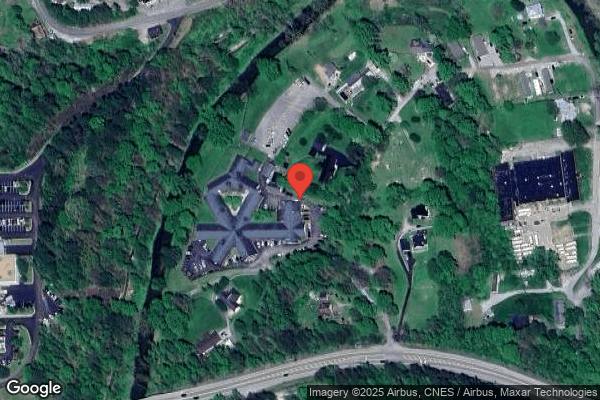
73 Piedmont Drive, Whitesburg, KY 41858 (606) 633-1434
For profit - Corporation 142 Beds BLUEGRASS HEALTH KY Data: November 2025
Trust Grade
70/100
#114 of 266 in KY
Last Inspection: February 2025

Within standard 12-15 month inspection cycle. Federal law requires annual inspections.

Overview

Letcher Manor in Whitesburg, Kentucky has a Trust Grade of B, indicating it is a good choice among nursing homes, though not the best. It ranks #114 out of 266 facilities in Kentucky, placing it in the top half, and #1 in Letcher County, meaning it is the only option available locally. However, the facility is experiencing a worsening trend, with issues increasing from 2 in 2024 to 5 in 2025. Staffing received a below-average rating of 2 out of 5 stars, with a turnover rate of 46%, which is on par with the state average. Despite having no fines, which is a positive sign, there were concerning incidents reported, including the misappropriation of medications from eight residents and delays in properly documenting discharge assessments, highlighting some areas needing improvement.

Trust Score
B
70/100
In Kentucky
#114/266
Top 42%
Safety Record
Low Risk
No red flags
Inspections
Getting Worse
2 → 5 violations
Staff Stability
⚠ Watch
46% turnover. Above average. Higher turnover means staff may not know residents' routines.
Penalties
✓ Good
No fines on record. Clean compliance history, better than most Kentucky facilities.
Skilled Nurses
⚠ Watch
Each resident gets only 27 minutes of Registered Nurse (RN) attention daily — below average for Kentucky. Fewer RN minutes means fewer trained eyes watching for problems.
Violations
⚠ Watch
11 deficiencies on record. Higher than average. Multiple issues found across inspections.
★★★☆☆
3.0
Overall Rating
★★☆☆☆
2.0
Staff Levels
★★☆☆☆
2.0
Care Quality
★★★☆☆
3.0
Inspection Score
Stable
2024: 2 issues
2025: 5 issues

The Good

  • Full Sprinkler Coverage · Fire safety systems throughout facility
  • No fines on record

Facility shows strength in fire safety.

The Bad

3-Star Overall Rating

Near Kentucky average (2.8)

Meets federal standards, typical of most facilities

Staff Turnover: 46%

Near Kentucky avg (46%)

Higher turnover may affect care consistency

Chain: BLUEGRASS HEALTH KY

Part of a multi-facility chain

Ask about local staffing decisions and management

The Ugly 11 deficiencies on record

Feb 2025 5 deficiencies
CONCERN (D)

Potential for Harm - no one hurt, but risky conditions existed

MDS Data Transmission (Tag F0640)

Could have caused harm · This affected 1 resident

**NOTE- TERMS IN BRACKETS HAVE BEEN EDITED TO PROTECT CONFIDENTIALITY** Based on interview, record review, and review of the Centers for Medicare and Medicaid Services (CMS) Resident Assessment Instru...

Read full inspector narrative →
**NOTE- TERMS IN BRACKETS HAVE BEEN EDITED TO PROTECT CONFIDENTIALITY** Based on interview, record review, and review of the Centers for Medicare and Medicaid Services (CMS) Resident Assessment Instrument (RAI) Manual, the facility failed to electronically transmit the discharge assessment within 14 days as required for 1 of 31 sampled residents, (Resident (R)82). R82 was discharged on 10/07/2024; however, the resident's Discharge Minimum Data Set (MDS) Assessment was not transmitted as of 02/27/2025. The findings include: Review of the CMS RAI Manual, dated 10/2024, revealed the MDS completion date must be no later than 14 days for a Discharge Assessment, whether return anticipated or not anticipated. Further review of the RAI Manual revealed the MDS Assessment should be submitted within 14 days of the completion date. Review of R82's Face Sheet revealed the facility admitted the resident on 08/28/2024, with diagnoses which included muscle wasting and atrophy, chronic kidney disease, anxiety, and anemia. Review of R82's electronic medical record (EMR) revealed the last documented MDS Assessment had an ARD of 10/07/2024, noting discharge return anticipated. Per review, the MDS assessment dated [DATE], revealed it had been signed by the MDS Coordinator on 10/10/2024 as verification that the assessment had been completed. However, review further revealed the MDS Assessment was listed as Exported but not Accepted, which indicated the MDS had not been transmitted and accepted as required by the RAI guidelines. In interview with MDS Nurse 1 and MDS Nurse 2, on 02/27/2025 at 10:17 AM, they stated it was important to follow the guidelines in the (CMS) RAI Manual for transmitting a MDS Assessment for tracking purposes. The two MDS Nurses further stated R82's Discharge MDS Assessment should have been transmitted within 14 days of R82's discharge date of 10/07/2024, as required. They additionally stated R82's MDS Assessment would be transmitted on 02/27/2025. They further stated that it had not been transmitted due to an oversight. In interview with the Administrator on 02/27/2025 at 3:25 PM, she stated she expected her MDS staff to complete and transmit a discharged resident's Assessment timely, according to the RAI Manual.
CONCERN (D)

Potential for Harm - no one hurt, but risky conditions existed

Comprehensive Care Plan (Tag F0656)

Could have caused harm · This affected 1 resident

Based on observation, interview, record review, and facility policy review, the facility failed to develop and/or implement a comprehensive person-centered care plan to meet the needs of 1 of 31 sampl...

Read full inspector narrative →
Based on observation, interview, record review, and facility policy review, the facility failed to develop and/or implement a comprehensive person-centered care plan to meet the needs of 1 of 31 sampled residents, (Resident (R) 88). R88 was noted to have numerous refusals of wound care; however, the facility failed to develop the resident's comprehensive care plan to address her refusals The findings include: Review of the facility policy, Care Plan- Comprehensive H5MAPL0110, dated 09/2022, revealed the facility was to develop an individualized comprehensive care plan for each resident to meet the resident's medical, nursing, mental, and psychosocial needs. Continued review revealed each resident's comprehensive care plan was to incorporate identified problem areas, incorporate risk factors associated with identified problems, and reflect the resident's expressed wishes regarding care and treatment goals. Further review revealed assessments of residents were to be ongoing and care plans were to be revised as information about the resident and the resident's condition changed. Review of R88's electronic medical record (EMR) revealed the facility admitted the resident on 09/03/2024, with diagnoses that included osteoarthritis, difficulty in walking, and muscle wasting and atrophy. Review of R88's Comprehensive Care Plan revealed the facility identified a problem for alteration in skin integrity with a deep tissue injury (DTI) to the coccyx on 11/15/2024. Continued review revealed the facility assessed the pressure ulcer to R88's coccyx as a stage three. Further review revealed the interventions included: providing treatment as ordered; and to monitor the area to the coccyx for signs and symptoms of infection, decline, or improvement. Additionally, the review revealed the interventions included to notify the physician of any change every shift for wound care. Review R88's physician's orders revealed an order, dated 11/21/2024, to clean the pressure ulcer to the resident's coccyx with normal saline, pat dry, apply collagen particles to the wound bed, and cover with a bordered gauze dressing every day shift. Observation, on 02/26/2027 at 2:30 PM, revealed R88 had a bariatric bed. Further review of R88's physician's orders revealed no documented evidence of an order for a specialty air mattress. In addition, further review of R88's alteration in skin integrity care plan revealed no documented evidence that a specialty air mattress had been ordered or a care plan developed to address an intervention for a specialty mattress to assist with healing of the pressure ulcer. Review of R88's February 2025 Medication Administration Record/Treatment Administration Record (MAR/TAR) revealed the resident refused wound care to her coccyx on 02/01/2025, 02/09/2025, 02/19/2025, 02/22/2025, 02/25/2025, and 02/26/2025. Review of R88's Progress Notes revealed the resident refused wound care to her coccyx on 02/22/2025, 02/25/2025, 02/26/2025 and 02/27/2025. Review of Advanced Practice Registered Nurse (APRN) 1's note, dated 02/18/2025, revealed R88 was noncompliant with wound care. Observation, on 02/26/2025 at 2:30 PM and 02/27/2025 at 10:30 AM, revealed R88 refused wound care to her coccyx. Further review of R88's Comprehensive Care Plan revealed no documented evidence the facility had care planned the resident's refusals or noncompliance with wound care to her coccyx. During interview with R88, on 02/26/2025 at 10:05 AM, she stated she did not feel well and did not wish to have the wound care done on that date. She further stated she had not allowed the wound care to be performed on 02/25/2025. During interview with MDS Coordinator 1, on 02/27/2025 at 10:17 AM, she stated behavior comprehensive care plans related to the residents refusal of wound care were completed by an MDS Nurse or the Social Services Director (SSD). She stated it was important to write a care plan to determine what interventions had been attempted and the effectiveness of those interventions regarding the resident allowing wound care. She further stated the comprehensive care plan was a guide for staff to know how to take care of residents. During interview with MDS Coordinator 2, also on 02/27/2025 at 10:17 AM, she stated wound care refusals should be care planned to show the different interventions attempted to encourage the resident to allow wound care in order to keep the wound from getting worse.
CONCERN (D) 📢 Someone Reported This

A family member, employee, or ombudsman was alarmed enough to file a formal complaint

Potential for Harm - no one hurt, but risky conditions existed

Accident Prevention (Tag F0689)

Could have caused harm · This affected 1 resident

**NOTE- TERMS IN BRACKETS HAVE BEEN EDITED TO PROTECT CONFIDENTIALITY** Based on observation, interview, record review and review of facility policy, the facility failed to provide adequate supervisio...

Read full inspector narrative →
**NOTE- TERMS IN BRACKETS HAVE BEEN EDITED TO PROTECT CONFIDENTIALITY** Based on observation, interview, record review and review of facility policy, the facility failed to provide adequate supervision and assistance devices to ensure the safety of its residents for 1 of 31 sampled residents (Resident (R)39). The facility allowed R39 to roam freely into other residents' hallways and rooms without providing adequate supervision of the resident to ensure the safety and well-being of all residents. The findings include: Review of the facility's investigation initiated on 09/22/2024, revealed on 09/22/2024, R8 followed R39 down the hall, with both residents being in wheelchairs. Per review, R8 was yelling, Hey, hey at R39 and making motions with his hands. Continued review revealed R8 grabbed R39's arm and wheelchair, and Registered Nurse (RN) 1 immediately separated the residents. Further review of the investigation revealed both residents were placed on one to one (1:1) supervision while the investigation was being completed. 1. Review of R8's Face Sheet revealed the facility admitted the resident on 10/21/2015, with diagnoses of aphasia following cerebral infarction, anxiety, and hemiplegia. Review of R8's Annual Minimum Data Set (MDS) Assessment with an Assessment Reference Date (ARD) of 10/23/2024, revealed the facility assessed the resident to have a Brief Interview for Mental Status (BIMS) score of eight out of 15, which indicated moderate cognitive impairment. 2. Review of R39's Face Sheet revealed the facility admitted the resident on 03/02/2017, with diagnoses of vascular dementia, bipolar disorder, and Moyamoya disease (a rare condition affecting the blood vessels of the brain). Review of R39's Annual MDS Assessment with an ARD of 07/08/2024, revealed the facility assessed the resident to have a BIMS score of nine of 15, indicating moderate cognitive impairment. Review of R39's Care Plan revealed a focus for elopement risk related to wandering, initiated 10/01/2018, with a goal that R39 would remain safe in the facility. Per review, the interventions included when R39 exhibited increased wandering, staff were to implement diversional activities. Observation on 02/24/2025 at 5:12 PM, revealed R39 wheeling himself into the doorway of another resident's room (room [ROOM NUMBER]). R8 (who was sitting in the hallway just outside his room [ROOM NUMBER]), told R39 to get out of room [ROOM NUMBER], and informed R39 he had no business in that room. Continued observation revealed R39 going down a hallway, out the door of that hallway, around and up another hall, and neither hallway was the hallway where R39's room was located. Further observation revealed R39 made multiple trips past R8's room. (During the observation, staff were not observed to be providing diversional activities as per the resident's care plan). During interview on 02/25/2025 at 10:15 AM, R8 stated R39 had taken smokeless tobacco from his room, and another resident had seen R39 do it; however, he could not recall who that resident was. (R8 had speech difficulties related to a prior stroke). Observation during the interview revealed R8 became visibly angry when discussing R39 taking his tobacco. During interview on 02/25/2025 at 10:27 AM, Registered Nurse (RN) 1 stated she witnessed the incident between R8 and R39 on 09/22/2025. She stated R8 had been wheeling down the hall and R39 was wheeling behind him yelling at R8. The RN reported she saw R8 grab R39's arm and wheelchair nearly tipping the wheelchair over, and staff intervened. RN 1 further stated three cans of smokeless tobacco had been tucked under R39's leg in the wheelchair. She additionally stated R39 had been moved to a room on a different hall, and R8 had been placed on 1:1 supervision. During interview on 02/26/2025 at 12:30 PM, Licensed Practical Nurse (LPN) 1 stated she was the nurse for the hall R39 resided on. She stated R39 wandered through the facility all the time via his wheelchair. The LPN stated if R39 was seen in an area where he should not be located, such as other residents' rooms, he was redirected by staff. She said no specific orders were noted for R8 for increased supervision; however, all residents should be checked on hourly. LPN 1 further stated there was no specific order or documentation to increase supervision for R39, however she stated the information to increase monitoring for R39 due to his wondering had been passed along in report at shift change. During interview on 02/26/2025 at 1:15 PM, the Social Services Director (SSD) stated she was aware of the incident between R8 and R39, and that R8 alleged R39 had stolen his cigarettes. She said she completed conflict resolution with R39 and R8. The SSD stated anytime R39 was observed in areas where he should not be, or attempting to go into other residents' rooms R39 was to be redirected. During interview on 02/26/2025 at 3:30 PM, State Registered Nursing Assistant (SRNA) 9 stated she often redirected R39 if she saw him in areas he should not be in. She further stated there was no specific order for increased supervision of R39 but it was passed along in report at shift change to redirect R39 if he was wandering in other residents' rooms. During interview on 02/27/2025 at 9:25 AM, the Administrator stated she remembered the incident that occurred involving R8 and R39. She reported she understood it was cigarettes that R39 was upset about during the incident, and he was informed his cigarettes were locked up at the facility. The Administrator further stated R39 had an ankle alarm on and had been placed on 1:1 supervision while the facility investigated the incident. In addition, she stated R39 had been moved to another hall.
CONCERN (D)

Potential for Harm - no one hurt, but risky conditions existed

Food Safety (Tag F0812)

Could have caused harm · This affected 1 resident

Based on observation, interview, and review of the facility's policy, it was determined the facility failed to prepare and serve food in a sanitary manner and in accordance with professional standards...

Read full inspector narrative →
Based on observation, interview, and review of the facility's policy, it was determined the facility failed to prepare and serve food in a sanitary manner and in accordance with professional standards for food service safety. Observation of a test tray on 02/25/2025, with the Dietary Manager (DM) and Dietary Aide (DA) 1 revealed hot food temperatures (temps) were below 130 degrees Fahrenheit (F), and cold food items were above 41 degrees F. The failure had the potential to affect all residents of the facility who consumed food prepared in the kitchen. The findings include: Review of the facility's, Timely Meal Service policy, undated, revealed food was to be delivered promptly to assure safe, palatable, and high-quality food served at the proper temperature. Continued review revealed food was to be served at preferable temperatures (hot food hot and cold foods cold) as discerned by the residents and customary practice. Review of the facility's, Food Temperatures policy, undated, revealed all hot items must be cooked to appropriate internal temperatures, held and served at a temperature of at least 135 degrees F. Per policy review, hot food items must not fall below 135 degrees F after cooking. Further review of the policy revealed all cold food items must be stored and served at a temperature of 41 degrees F or below. 1. Observation during a routine test tray temperature (temp) check on 02/25/2025 at 1:05 PM, revealed the food items were not within the required temperature standards, with hot foods below the required 135 degrees F, and cold food/drink above the required 41 degrees F or below. Per observation, the turkey was temped at 102.5 degrees F, mashed potatoes 129.7 degrees F, carrots 110.9 degrees F, and milk 43.7 degrees F. During interview on 02/25/2025 at 1:09 PM, the DM stated the meal service times were normal, and she was not sure what caused the food temperatures to be out of range. 2. Observation on 02/24/2025 at 4:00 PM; 02/25/2025 at 11:40 AM; and 02/26/2025 at 9:20 AM, revealed two stacks of plates sitting on the hot bar outside of the plate warmer. Continued observation revealed dietary staff removed stacks of plates from the plate warmer and placed them on the hot bar for use in the meal tray line. During interview on 02/26/2025 at 9:25 AM, the DM stated the plate warmer was not big enough to hold all the plates the facility used during meal service. The DM reported the cooks who were serving food pulled several plates from the warmer and stacked them on the side of the hot bar, allowing them to cool. In continued interview the DM said she felt the plates not being warm was the issue for the reduced temperatures of food items being served. The DM stated that if residents were served food items outside of the safe temperature range, it could lead to food poisoning, making the residents sick. The DM further stated it was important to serve residents foods at the right temperatures to give them a homelike experience. During interview on 02/27/2025 at 3:25 PM, the Administrator stated serving food outside of the safe handling zone could cause salmonella, gastrointestinal (GI) symptoms, food poisoning, or other illnesses. The Administrator said it was her expectation for warm foods to be served warm and cold foods to be cold. The Administrator further stated she wanted the food served to residents to be warm and something the residents enjoyed eating.
CONCERN (D)

Potential for Harm - no one hurt, but risky conditions existed

Infection Control (Tag F0880)

Could have caused harm · This affected 1 resident

Based on observation, interview, record review, and review of the facility's policy, the facility failed to maintain an infection prevention and control program designed to provide a safe, sanitary, a...

Read full inspector narrative →
Based on observation, interview, record review, and review of the facility's policy, the facility failed to maintain an infection prevention and control program designed to provide a safe, sanitary, and comfortable environment and to help prevent the development and transmission of communicable diseases and infections for 4 of 31 sampled residents, (Resident (R)37, R95, R100, and R113). The findings include: Review of the facility's policy, Infection Prevention Program Overview, undated, revealed the goals of the infection prevention program were to decrease the risk of infection to residents. Per review, the goals also included maintaining compliance with state and federal regulations relating to infection prevention. Further review revealed the prevention of spread of infections was accomplished by use of hand hygiene, standard precautions and other barriers, and appropriate treatment and follow-up. Review of the facility's policy, Oxygen Use, revealed the oxygen tubing was to be kept off the floor. 1. Review of R37's admission Record revealed the facility admitted the resident on 03/21/2022, with diagnoses which included diabetes, muscle weakness, and overactive bladder. Observation on 02/24/2025 at 4:00 PM, and on 02/27/2025 at 1:54 PM, revealed opened packages of adult protective briefs and individual briefs lying on the bathroom floor of R37's room. 2. Review of R95's admission Record revealed the facility admitted the resident on 10/11/2024, with diagnoses which included diabetes, muscle wasting, and chronic kidney disease. Observation on 02/24/2025 at 4:20 PM, revealed R95's oxygen nasal cannula lying on the floor uncovered. Further observation revealed R95's nebulizer tubing lying on the resident's bedside table uncovered. 3. Review of R100's admission Record revealed the facility admitted the resident on 07/19/2024, with diagnoses which included diabetes, malignant neoplasm of the colon, and chronic obstructive pulmonary disease. Observation on 02/27/2025 at 1:54 PM, revealed opened packages of briefs and individual briefs lying on the bathroom floor of R100's room. 4. Review of R113's admission Record revealed the facility admitted the resident on 11/25/2024, with diagnoses which included malnutrition, lack of coordination, and muscle wasting. Observation on 02/24/2025 at 4:25 PM, revealed R113's nebulizer tubing lying on R113's beside table uncovered. During interview on 02/27/2025 at 1:15 PM, the Infection Preventionist (IP) stated oxygen and nebulizer tubing should be stored in bags when not in use to prevent bacteria from growing and traveling into the resident's lungs. He said the tubing should not be dropped on the floor and then used for the resident as the tubing would have germs on it. The IP stated residents' incontinent supplies should be kept in the residents' closets or dressers and not left lying on the residents' bathroom floors or stored under the bathroom sink because that was a damp, dark place and you don't know what's growing. He additionally stated residents' individual briefs were to be thrown away because it was unknown what they (briefs) had touched, and therefore, could be a source of infection. The IP further stated residents' rooms should be checked every shift to ensure their briefs were stored appropriately in closets and dressers. During interview on 02/27/2025 at 3:25 PM, the Administrator stated incontinent supplies were to be kept in the resident's closet or bedside table and should never be left lying on the bathroom floor or under the bathroom sink. She stated the incontinent supplies in the bathroom floor would be an infection control issue and could cause the resident to have an infection. The Administrator further stated she expected staff to check the residents' rooms every two (2) hours and not allow incontinent supplies to be left lying on the floor.
Apr 2024 2 deficiencies
CONCERN (D)

Potential for Harm - no one hurt, but risky conditions existed

Unnecessary Medications (Tag F0759)

Could have caused harm · This affected 1 resident

Based on observation, interview, record review, manufacturer ' s recommendations, and review of the facility's policy, it was determined the facility failed to ensure it was free of a medication error...

Read full inspector narrative →
Based on observation, interview, record review, manufacturer ' s recommendations, and review of the facility's policy, it was determined the facility failed to ensure it was free of a medication error rate of five percent or greater. During the medication pass observation of 69 opportunities for administration of medication, there were nine opportunities in which medications were not administered according to manufacturer ' s recommendations and/or the facility ' s medication policy, resulting in an error rate of 13.04%. The failure affected two (Resident (R) 25 and R113) of 19 sampled residents. R25 ' s insulin injection was not prepared correctly and R113 failed to receive the full value of eight crushed medications. The findings include: 1. Review of the manufacturer's recommendations for Tresiba insulin, dated 07/2022, revealed the insulin should not be removed from its flex pen by using a syringe. This could cause an incorrect dose resulting in low or high glucose (blood sugar). Review of R25's medical record revealed the resident had diagnoses including diabetes and chronic kidney disease. Review of R25's Comprehensive Care Plan (CCP), initiated on 02/15/2024, revealed the resident was at risk for hyperglycemia (elevated blood sugar) and hypoglycemia (low blood sugar.) Interventions included for staff to administer diabetic medications as ordered by the medical doctor. Review of R25's Physician's Orders, dated 03/26/2023, revealed an order for Tresiba (insulin), inject 22 units subcutaneously two times a day for diabetes Mellitus. Review of R25's Medication Administration Record (MAR) dated 03/01/2024 to 03/31/2024 and 04/01/2024 revealed R25 received 22 units of Tresiba twice a day as ordered. Observation during medication pass on 04/02/2024 at 9:25 AM revealed Licensed Practical Nurse (LPN) 3 removed the cap from the Tresiba flex pen and wiped the tip with an alcohol pad. She then pulled up the insulin from the prefilled Tresiba flex pen using a regular insulin syringe (rather than an adaptor designed for use with the flex pen.) LPN3 next knocked on R25's door and went in to administer the medication to R25. Although LPN3 was prepared to administer the medication, R25 refused the insulin and told LPN3 that they took the long-acting insulin at a different time. LPN3 then called the physician and left a message that R25 refused the morning insulin. During an interview with LPN3 on 04/02/2024 at 9:30 AM, she stated she cleaned the prefilled syringe site with an alcohol wipe to prevent the spread of infection. LPN3 stated she knew there were special adapters for use with the prefilled flex pens, but she did not have any of those on her medication cart and was not aware of where to go to get the special adapters. LPN3 stated she was not aware she could not use a syringe to pull up insulin from an insulin pen and was unaware of possible adverse reactions, including hypoglycemia, related to using a syringe to draw up the insulin from a flex pen. During interview with the Director of Nursing (DON) on 04/04/2024 at 9:25 AM, she stated staff were educated in orientation to use the needle that goes with the flex pen to administer insulin. She further stated that she was not aware of any staff drawing up insulin from the flex pens using a syringe. She stated she expected nursing staff to always administer medications properly per the physician orders, facility policies, and best practice. Continued interviewed revealed the proper technique for administering insulin from a flex pen was to use the needle adapters that go with the flex pen. During an interview with Pharmacist (RPh)1 on 04/04/2024 at 10:17 AM, he stated Tresiba should only be administered using the needle adapters for the flex pens. If a syringe were used, an incorrect dose could occur, causing the resident to experience an adverse reaction. During interview with the Administrator on 04/05/2024 at 4:22 PM, she stated she expected staff to follow established policies related to medication administration. 2. Review of the facility's policy, titled, MedWiz, dated 11/2021, revealed that when medications are crushed for oral administration and placed in food, the entire content of the food must be consumed to assure the entire dose of medication has been consumed. Review of R113's Physician's Orders, dated 02/19/2024, revealed orders included: a. Omeprazole 40 milligrams (mg), give one capsule by mouth two times a day for Gastro/esophageal reflux disease (GERD). b. Metoprolol 50 mg give one tablet by mouth two times a day for hypertension. c. Sertraline 50 mg give two tablets by mouth one time a day for mood stabilizer. d. Irbesartan 300 mg give one tablet by mouth one time a day for hypertension. e. Divalproex 125 mg give one tablet by mouth one time a day for mood stabilizer. f. Fexofenadine 180 mg give one tablet by mouth one time a day for allergies. g. Sennosides 25 mg give one tablet by mouth one time a day for bowel care. h. Multivitamin Tablet give one tablet by mouth one time a day for supplement. Further review of R113's orders, dated 09/15/2023, revealed that staff May crush medications (or open capsules) as indicated per pharmacy protocol. Observation on 04/03/2024 at 8:45 AM revealed LPN3 crushed the eight ordered medications in a small plastic bag. She then scooped up applesauce, put it in a 30 milliliter (ml) plastic cup, poured the crushed medications into the cup, and stirred the medications. LPN3 then went into R113's room and explained she had the resident's medications. She then placed the spoon with the crushed medications into R113's mouth. The resident closed their mouth and swallowed applesauce with the medications mixed in it. LPN3 then removed the spoon, which still contained approximately 25 % (percent) of the crushed medications and applesauce from the resident ' s mouth. LPN3 put the spoon back in the cup and then threw it in the trash container located next to the resident's bed. During interview with LPN3 at the time of the observation on 04/03/2024 at 8:45 AM, she said she thought R113 received all the medications and stated that failure to receive all the medication as ordered could result in a bad health outcome. When the surveyor asked LPN3 to check the medications in the trash can, LPN3 looked and stated there could be some medications left in the cup. LPN3 then continued with the medication pass without ensuring that the resident received all of the quantity of each of the eight medications ordered. During interview with the DON on 04/04/2024 at 9:25 AM, she stated staff were educated in orientation on administering crushed medications. She further stated staff should follow the facility policy and assure that all the medications that are crushed are taken by the resident. She also stated she was not aware of a staff member not giving all the crushed medications. During interview with the Administrator on 04/05/2024 at 4:22 PM, she stated she expected the DON to assure that the staff were following the facility's policies.
CONCERN (E) 📢 Someone Reported This

A family member, employee, or ombudsman was alarmed enough to file a formal complaint

Potential for Harm - no one hurt, but risky conditions existed

Deficiency F0602 (Tag F0602)

Could have caused harm · This affected multiple residents

**NOTE- TERMS IN BRACKETS HAVE BEEN EDITED TO PROTECT CONFIDENTIALITY** Based on interview, record review, and review of the facility's policies, it was determined the facility failed to ensure reside...

Read full inspector narrative →
**NOTE- TERMS IN BRACKETS HAVE BEEN EDITED TO PROTECT CONFIDENTIALITY** Based on interview, record review, and review of the facility's policies, it was determined the facility failed to ensure residents were free from misappropriation of property. Controlled substances/medications were misappropriated without authorization from eight (Resident (R) 4, R10, R11, R13, R45, R78, R86 and R90) of 89 sampled residents. The findings include: Review of the facility's undated policy titled, Resident Rights, revealed each resident had the right to receive treatment and supports for daily living safely. Per the policy, the facility shall exercise reasonable care for the protection of the resident's property from loss or theft. Review of the facility's policy titled, Resident Protection Plan, dated 09/15/2022, revealed each resident had the right to be free from abuse, neglect, misappropriation of resident property, and exploitation. The policy revealed Misappropriation of property was defined as deliberate misplacement, exploitation, or wrongful, temporary, or permanent use of a resident's belongings without the resident's consent. Review of the facility's policy titled, Master Control Log for Scheduled Drugs Sheet, last revision 06/2011, revealed a master control log would be utilized for all controlled drugs in the facility. The procedures indicated during narcotic count, the nurse would verify the count sheets matched the Master Control Log before accepting the narcotic keys. In addition, daily, the Director of Nursing (DON) would make a copy of the master Control Log to be maintained in a notebook in their office. However, the policy did not provide the procedure for controlled substance shift count, discrepancies and/or proper security procedures of narcotic keys. Review of a facility investigation revealed an investigation was initiated on 03/17/2024 at 9:50 PM. Staff interviews revealed that on 03/17/2024, there was reasonable suspicion that Licensed Practical Nurse (LPN) 1 was under the influence and, as a result, was removed from taking care of residents. LPN1 agreed to a drug screen and was suspended. As part of the investigation, interviewable residents on the hall assigned to LPN 1 were asked by the DON if they had received their medication. Although some residents could not remember for sure, others said no, they had not. During the facility investigation, narcotic count and cart counts were checked twice by the DON and Registered Nurse (RN)1. The investigation found that the narcotic count was accurate when LPN1 accepted the medication cart at the beginning of first shift on 03/17/2024. However, the Controlled Drug Count and cart review conducted on 03/17/2024 at approximately 6:30 PM (in response to the allegations against LPN1), revealed 12 narcotics/controlled substance medications were now unaccounted for and missing without a signature to indicate that they had been signed out for administration. The controlled drug reconciliation sheet revealed the following missing medications: a. R4 was missing one hydrocodone/APAP (Norco-a narcotic opioid used to treat pain) 5/325 milligram (mg) tablet, and one Lorazepam (Ativan - a benzodiazepine used to treat anxiety) 0.5 mg tablet. b. R10 was missing one hydrocodone/APAP 5/325 mg tablet, and one clonazepam (a benzodiazepine used to treat anxiety) 1 mg tablet. c. R11 was missing one gabapentin (Neurontin-a narcotic used to treat nerve pain) 600 mg tablet. d. R13 was missing one gabapentin 600 mg tablet. e. R45 was missing one clonazepam 0.5 mg tablet. f. R78 was missing one hydrocodone/APAP 5/323 mg tablet, and one alprazolam (a benzodiazepine used to treat anxiety and panic disorder) 0.5 mg tablet. g. R86 was missing one dronabinol (Marinol-a cannabinoid used to control nausea and vomiting) 10 mg. h. R90 was missing two gabapentin 100 mg tablets. Interviews with residents whose medications were missing included: a. Review of R10's Quarterly Minimum Data Set (MDS) assessment, dated 02/06/2024, revealed the facility assessed the resident to have a Brief Interview for Mental Status (BIMS) score of 14/15, indicating resident was cognitively intact. During an interview with R10 on 04/01/2024 at 12:20 PM, the resident recalled not receiving pain medication all day but did not experience any issues of uncontrolled pain. b. Review of R13's Quarterly MDS assessment, dated 03/14/2024, revealed the facility assessed the resident to have a BIMS score of 13/15, indicating the resident was cognitively intact. During an interview with R13 on 04/01/2024 at 1:25 PM, the resident stated, No, I did not get my Neurontin that morning. The resident said they had not experienced any issues with medication administration, such as not receiving narcotic medications, prior to the incident. c. Review of R78's Quarterly MDS assessment, dated 02/13/2024, revealed the facility assessed the resident to have a BIMS score of 10/15, indicating the resident was moderately impaired in cognition. During an interview with R78 on 04/01/2024 at 1:50 PM, the resident stated, No, I don't think I got my pain medication that day. R88 stated they were shocked regarding the misappropriation of their medication. d. Review of R86's Annual MDS assessment, dated 01/15/2024, revealed the facility assessed the resident to have a BIMS score of 15/15, indicating the resident was cognitively intact. During an interview with R86 on 04/01/2024 at 2:10 PM, the resident stated, I had taken a nap earlier in the day, but I'm pretty sure that I did not get my Marinol. e. Review of R90's Quarterly MDS assessment, dated 02/27/2024, revealed the facility assessed the resident to have a BIMS score of 15/15, indicating the resident was cognitively intact. During an interview with R90 on 04/01/2024 at 2:36 PM, the resident stated, No, I did not get my pain medication [Neurontin] that morning. The State Survey Agent (SSA) attempted a telephonic interview with LPN1, on 03/29/2024 at 2:55 PM and again on 03/30/2024 at 9:45 AM. LPN1 did not answer or return the surveyor's call. During an interview on 04/05/2024 at 2:28 PM, State Registered Nurse Aide (SRNA) 6 stated that at approximately 3:30 PM on 03/17/2024, they noticed something was not right. LPN1 was observed falling asleep at the nurse's station and slumped over the medication cart. During an interview on 04/05/2024 at 2:36 PM, with SRNA13, she stated on 03/17/2024 at approximately 4:30 - 5:00 PM, she observed LPN1 dozing off at the nurses' station and stated that when staff asked LPN1 if she was okay, she would eventually respond, back hurting. SRNA13 added that during evening medication pass, she observed LPN1 standing at the med room door, jiggling the doorknob, and then fidgeting in her pocket with keys for at least thirty (30) minutes. However, she added, LPN1 never entered nor tried to use the keys to open the med room door during this time. During an interview on 04/05/2024 at 2:16 PM with Kentucky Medication Aide (KMA) 2, she stated that at approximately 4:30 PM, around last med pass, something was wrong with LPN1, who could not comprehend, and just stood there in a daze and could hardly hold herself up. KMA2 stated she was concerned for the residents because a staff with an impaired judgement could cause a detrimental resident outcome. KMA2 stated none of the staff felt comfortable performing a narcotic count, because of the unknown outcome related to LPN1 ' s appearance and actions. KMA2 was not aware of the facility policy/procedure related to narcotic count and/or taking over of narcotic keys with a staff involved in this type of situation. During an interview on 04/04/2024 at 1:38 PM, LPN2 stated she worked as the Unit Coordinator on 03/17/2024 at approximately 10:20 AM and observed LPN1 on their first break, with normal appearance and clear speech. However, at approximately 4:30 PM, staff approached LPN2, saying that LPN1 was acting inappropriately, was under the influence, and was unable to perform work duties. LPN1 was observed passing out and asleep on her med cart. LPN2 contacted the Administrator and informed her of staff concerns and was instructed to remove LPN1 from resident care. LPN2 stated LPN1 was not coherent enough to count narcotics, let alone provide safe and adequate care to residents. During an interview on 03/22/2024 at 2:00 PM, RN4 stated that when she saw LPN1 at 3:00 PM, she contacted the Administrator immediately related to LPN1's appearance and actions. During an interview on 03/29/2024 at 11:00 AM. the DON stated that on 03/17/2024 at approximately 4:50 PM, she was notified by telephone per the Administrator regarding staff concerns related to LPN1 ' s behavior and was informed of the urgency to get to the facility, ensure resident safety and the immediacy to initiate an investigation. The DON stated on her arrival to the facility, she observed LPN1 sitting outside at the smoke [NAME], slumped over on her knees with eyes closed and slow to respond. The DON stated LPN1 had just been released from her primary physician to return to work duties related to a back injury, and LPN1 admitted to the DON that she had taken a self-prescribed narcotic earlier in the week. However, per the DON, LPN1 was never asked about the misappropriation of resident narcotic medications. The DON stated LPN1 informed her that she had completed the evening medication pass but had not signed off the medications. However, resident interviews and review of the facility's investigation revealed the residents stated they did not receive their medications. The DON stated, that after conducting the investigation, the facility found that LPN1 failed to ensure residents were free from misappropriation of property and the diversion of their medications. Per the DON, LPN1 was terminated after failing to promote a safe comfortable environment for all residents and for violation of facility policies. Interview with the Administrator on 04/03/2024 at 9:46 AM revealed her expectation was that each nurse must perform a narcotic count with the off-going nurse before their shift and prior to possession of the narcotic cart keys. During an additional interview on 04/05/2024 at 2:25 PM with the Administrator, she stated LPN1 was removed from resident care immediately upon staff notification of the LPN's apparent impairment and inability to perform work duties. The Administrator stated the Interdisciplinary Team (IDT) decided prior to receipt of LPN 1's drug screen results, that the facility would not continue her employment, based on residents not receiving their medication. The Administrator stated her expectation of all nursing staff, specifically with the administration of medications would be to follow the facility's policies and procedures related to Resident Rights policy, and Freedom from Misappropriation policy. Review of the facility's Employee File for LPN1 revealed a hire date of 01/12/2021. The Screening Report/State Criminal background checks, dated 01/13/2021 and 07/15/2023, revealed a cleared status for employment. LPN1 had a Kentucky Board of Nursing (KBN) validation, dated 03/20/2024, which showed a valid/current licensure, with no restrictions on the license. Further review of the employee file revealed a Negative urine drug screen result, dated 03/20/2024. An employee Termination Form dated 03/22/2024, noted the LPN was terminated related to standards of conduct violation. Additionally, LPN1's employee file revealed a letter of receipt from the KBN, addressed to the facility, with a subpoena record request, dated 03/20/2024, which noted acknowledgement of receipt of information submitted regarding the allegation of Missing Narcotics and nursing practice by LPN1.
Nov 2019 4 deficiencies
CONCERN (D)

Potential for Harm - no one hurt, but risky conditions existed

Comprehensive Assessments (Tag F0636)

Could have caused harm · This affected 1 resident

**NOTE- TERMS IN BRACKETS HAVE BEEN EDITED TO PROTECT CONFIDENTIALITY** Based on observation, interview, and resident record review it was determined the facility failed to accurately complete an asse...

Read full inspector narrative →
**NOTE- TERMS IN BRACKETS HAVE BEEN EDITED TO PROTECT CONFIDENTIALITY** Based on observation, interview, and resident record review it was determined the facility failed to accurately complete an assessment for one (1) of twenty-nine (29) sampled residents (Resident #110) related to the resident's range of motion. Resident #110 was determined to have limited range of motion (ROM) to bilateral hands; however, the facility failed to identify/assess the limitations in range of motion to the resident's hands. The findings include: Review of the facility policy, Resident Assessment Instrument - Basic Process, dated 08/01/13, revealed The Interdisciplinary Assessment Team must use the MDS (Minimum Data Set) form currently mandated by Federal and State regulations to conduct the resident assessment. Review of the Resident Assessment Instrument, Section G0400, revealed instructions on assessing range of motion in residents. For each hand, instruct the resident to make a fist and then open the hand .If assessing upper extremity ROM by observing the resident, making a fist mimics useful actions for grasping and letting go of utensils. Review of Resident #110's record revealed the resident was admitted to the facility on [DATE] with diagnoses including Unspecified Abnormalities of Gait and Mobility, Age-Related Osteoporosis, Type II Diabetes, and Alzheimer's Disease. Further review of the resident's record revealed the resident was receiving therapy on 04/24/19 through 05/07/19 for passive range of motion (PROM) to bilateral hands and bilateral upper extremities. Review of a therapy note dated 05/02/19 revealed Resident #110 had difficulty using the call light and a paddle-type call light was ordered to improve the resident's ability to make needs known. Review of Resident #110's Minimum Data Set (MDS) assessment dated [DATE], revealed the resident had a Brief Interview for Mental Status (BIMS) score of 6, indicating severe cognitive impact. Further review of the resident's MDS revealed the resident required extensive assistance with all Activities of Daily Living (ADLs). Review of the resident's MDS, Section G0400 (Functional Limitation in Range of Motion), revealed the resident was coded as having 0 impairment in upper extremity and lower extremity range of motion. Review of Resident #110's State Registered Nursing Assistant [NAME] revealed the resident was receiving restorative nursing for range of motion to the affected extremity, but the plan failed to mention which extremity. Observation and interview with Resident #110 on 11/05/19 at 4:17 PM revealed the resident was alert and able to answer questions appropriately. When asked if the resident had braces to be worn on their hands the resident answered sometimes. No braces were in place during this observation. Further observations on 11/06/19 at 9:55 AM, 11/06/19 at 4:02 PM, and 11/07/19 at 7:03 PM revealed the resident not to be wearing braces. Observation on 11/06/19 at 4:02 PM revealed the resident was unable to make a fist with either hand. Interview on 11/06/19 at 5:02 PM with Resident #110's family revealed the resident was fed by the staff at the facility. The family member further revealed the family brought food in to the resident and fed him/her because the resident had a hard time feeding himself/herself. Interview with State Registered Nursing Assistant (SRNA) #1 on 11/06/19 at 9:29 AM revealed the resident is fed via staff and the staff assist with all activities of daily living (ADLs). The SRNA stated that the resident was unable to dress himself/herself due to not being able to lift his/her arms. Interview with the Therapy Director on 11/07/19 at 2:16 PM revealed the resident had been picked up on caseload for therapy in April through May 2019. He stated they tried splints on the resident at that time. He further stated that the resident had limitations in range of motion to both hands. Record review of Occupational Therapy Treatment Encounter Notes(s) revealed on 04/30/19 Patient and Caregiver Training: Patient educated regarding treatment techniques for improving bilateral hand range of motion/joint mobility to improve independence with self-feeding. Interview with the MDS Coordinator on 11/07/19 at 6:53 PM revealed the resident is able to close [his/her] hands when they want to, they pick up a Vienna [sausage] and eat it. Interview with the Director of Nursing on 11/07/19 at 7:12 PM revealed she did not monitor MDS's for accuracy.
CONCERN (D)

Potential for Harm - no one hurt, but risky conditions existed

Deficiency F0661 (Tag F0661)

Could have caused harm · This affected 1 resident

**NOTE- TERMS IN BRACKETS HAVE BEEN EDITED TO PROTECT CONFIDENTIALITY** Based on interview, record review, and facility policy review it was determined the facility failed to ensure the discharge summ...

Read full inspector narrative →
**NOTE- TERMS IN BRACKETS HAVE BEEN EDITED TO PROTECT CONFIDENTIALITY** Based on interview, record review, and facility policy review it was determined the facility failed to ensure the discharge summary included a recapitulation of the resident's stay that included pertinent information regarding the resident's course of illness/treatment or therapy, and pertinent radiology and consultation results for one (1) of two (2) closed records reviewed (Resident #115). The findings include: Review of the facility policy titled Discharge Summary and Plan, dated 08/01/13, revealed the discharge summary would include a recapitulation of the resident's stay at the facility. Review of the closed record for Resident #115 revealed the resident was admitted to the facility on [DATE] for rehab services due to a fracture of the left and right wrist that required surgery. Further review of the record for Resident #115 revealed the resident was discharged on 08/26/19 to a Personal Care Home (PCH). Review of a document titled Medical - Nursing Discharge Summary, dated 08/26/19, revealed the time and date that the resident was discharged as well as the resident's condition at discharge were included on the form. The Medical - Nursing Discharge Summary included a section titled Complete Summary from admission to Discharge that stated that the resident had completed rehab services and the fracture was healed. Further review of the discharge summary revealed no evidence of a recapitulation of the resident's stay at the facility that included pertinent radiology reports/results, consultation results, or pertinent information regarding the resident's treatment/therapy during his/her stay at the facility. Interview with the Social Services Director (SSD) on 11/07/19 at 4:40 PM revealed the resident was discharged back to the PCH on 08/26/19 where the resident previously resided. The SSD stated that the discharge summary was completed by nursing staff and he does not complete the summary. Interview with the Unit Coordinator on 11/07/19 at 5:56 PM revealed that the area of the discharge summary that addresses the recapitulation of the resident's stay would be the area titled Complete Summary from admission to Discharge. Interview with Registered Nurse (RN) #1 on 11/07/19 at 5:56 PM and 7:11 PM with the Unit Coordinator present during the interview revealed she completed the Medical - Nursing Discharge Summary for Resident #115 when the resident was discharged on 08/26/19. RN #1 stated that she was not trained to give any details about the resident's stay at the facility when filling out the summary of a resident's stay or to do a recapitulation of the resident's stay.
CONCERN (D)

Potential for Harm - no one hurt, but risky conditions existed

Respiratory Care (Tag F0695)

Could have caused harm · This affected 1 resident

**NOTE- TERMS IN BRACKETS HAVE BEEN EDITED TO PROTECT CONFIDENTIALITY** Based on observation, interview, medical record review, and review of the facility's policy, it was determined the facility fail...

Read full inspector narrative →
**NOTE- TERMS IN BRACKETS HAVE BEEN EDITED TO PROTECT CONFIDENTIALITY** Based on observation, interview, medical record review, and review of the facility's policy, it was determined the facility failed to ensure two (2) of twenty-nine (29) sampled residents (Resident #68 and Resident #94) who were provided respiratory care (oxygen therapy) received care according to the person-centered comprehensive care plan. Review of the comprehensive person-centered care plan for Resident #68 and Resident #94 revealed the residents had an intervention for the facility to provide oxygen as ordered by the physician. However, the person-centered comprehensive care plan did not address actual liter flow of the oxygen nor the route of the oxygen to be administered to the resident. The findings include: Review of the facility's policy titled, Nursing Guidelines: Devices Used In The Delivery Of Oxygen, Humidity, And Aerosols, dated 1996, revealed staff would apply the oxygen per nasal cannula or tracheostomy collar on the resident and would then monitor for signs of oxygen-induced hypoventilation such as shallow respirations, dyspnea, confusion, restlessness, and tremors. The policy did not address who was responsible for developing the care plan related to oxygen therapy. 1. Observation of Resident #68 on 11/06/19 at 4:15 PM revealed the resident was observed lying in bed on his/her back and was receiving oxygen at two (2) liters via nasal cannula. Review of Resident #68's medical record revealed the resident was admitted by the facility on 06/17/16, with diagnoses that include Cerebral Infarction with Residual Deficits and Chronic Obstructive Pulmonary Disease. Review of the most current quarterly Minimum Data Set (MDS) assessment dated [DATE], revealed Resident #68 had been assessed to have a Brief Interview for Mental Status (BIMS) score of fifteen (15). The MDS revealed the facility had assessed the resident to be interviewable. The MDS also indicated the resident received oxygen. Review of Resident #68's monthly physician's orders dated 12/26/18, revealed an order for the resident to have oxygen at two (2) liters per nasal cannula. Review of the comprehensive care plan for Resident #68 dated 09/24/19, revealed interventions for oxygen that included obtaining oxygen saturation levels every week on room air, encouraging oxygen at all times, and observing for signs and symptoms of respiratory deficits. However, the person-centered comprehensive care plan did not address actual liter flow of the oxygen nor the route of the oxygen to be administered to the resident. 2. Observation of Resident #94 on 11/06/19 at 11:17 AM revealed the resident was observed lying in bed on his/her back and was receiving oxygen at two (2) liters via tracheostomy mask. Review of Resident #94's medical record revealed the resident was readmitted by the facility on 04/12/19, with diagnoses that include Respiratory Failure, Tracheostomy, and Chronic Obstructive Pulmonary Disease. Review of the most current significant change MDS assessment dated [DATE], revealed Resident #94 had been assessed to have a Brief Interview for Mental Status (BIMS) score of fifteen (15). The MDS revealed the facility had assessed the resident to be interviewable. The MDS also indicated the resident received oxygen, suctioning, and had a tracheostomy. Review of Resident #94's monthly physician's orders dated 09/03/19 revealed an order for the resident to have oxygen at two (2) liters per tracheostomy mask. Review of the comprehensive care plan for Resident #94 dated 02/12/19 revealed interventions for oxygen that included encouraging oxygen at all times via tracheostomy, and obtaining oxygen saturation levels every week on room air if on oxygen. However, the person-centered comprehensive care plan did not address actual liter flow of the oxygen to be administered to the resident. Interview with Registered Nurse (RN) #1 on 10/30/19 at 2:25 PM, revealed she made rounds on her residents at least every two (2) hours and checked oxygen during her rounds to ensure the residents were receiving oxygen as directed by the care plan. The RN stated the care plan was where the information was kept regarding the care needs of the residents. Interview conducted with MDS Coordinator #1 on 11/07/19 at 5:15 PM, revealed she had been responsible for developing the person-centered comprehensive plan of care for Resident #68 and Resident #94. The MDS Coordinator revealed she had not been aware she was required to develop interventions related to the liter flow of oxygen to be delivered and the route. Interview conducted with the Director of Nursing (DON) on 11/07/19 at 5:32 PM, revealed she made rounds daily to ensure residents were being provided the care they require. The DON stated she monitored to ensure residents were being provided oxygen as directed by the physician. The DON stated she had not been aware person-centered care plans were required to have the liter flow of oxygen to be administered as well as the route to be used. The DON stated she had not identified any concern with oxygen administration.
CONCERN (E)

Potential for Harm - no one hurt, but risky conditions existed

Comprehensive Care Plan (Tag F0656)

Could have caused harm · This affected multiple residents

**NOTE- TERMS IN BRACKETS HAVE BEEN EDITED TO PROTECT CONFIDENTIALITY** 3. Review of the Resident Assessment Instrument, Section G0400, revealed instructions on assessing range of motion in residents....

Read full inspector narrative →
**NOTE- TERMS IN BRACKETS HAVE BEEN EDITED TO PROTECT CONFIDENTIALITY** 3. Review of the Resident Assessment Instrument, Section G0400, revealed instructions on assessing range of motion in residents. For each hand, instruct the resident to make a fist and then open the hand .If assessing upper extremity ROM by observing the resident, making a fist mimics useful actions for grasping and letting go of utensils. Review of Resident #110's record revealed the resident was admitted to the facility on [DATE] with diagnoses including Unspecified Abnormalities of Gait and Mobility, Age-Related Osteoporosis, Type II Diabetes, and Alzheimer's Disease. Further review of the resident's record revealed the resident was receiving therapy on 04/24/19 through 05/07/19 for passive range of motion (PROM) to bilateral hands and bilateral upper extremities. Review of a therapy note dated 05/02/19 revealed Resident #110 had difficulty using a call light and a paddle-type call light was ordered to improve the resident's ability to make his/her needs known. Review of Resident #110's Minimum Data Set (MDS) assessment dated [DATE], revealed the resident had a Brief Interview for Mental Status (BIMS) score of 6, indicating severe cognitive impairment. Further review of the resident's MDS revealed they needed extensive assistance with all Activities of Daily Living (ADLs). Review of the resident's MDS, Section G0400 (Functional Limitation in Range of Motion), revealed the resident was coded as having 0 impairment in upper extremity and lower extremity range of motion. Review of Resident #110's Care Plan, no revision date, revealed the resident was receiving restorative nursing of passive range of motion due to weakness. Interventions in place for this focus were: 1) Restorative nursing program for Range of Motion (ROM); 2) Active/Passive ROM to affected extremity 10 reps, one set; 3) Trapeze on bed when indicated to assist resident with independent bed mobility; and 4) Allow resident sufficient time to move independently. Further review of the resident's care plan revealed the resident required extensive assistance with bed mobility, dressing, grooming, and bathing and total assistance with locomotion, transfers, and eating. Review of Resident #110's State Registered Nursing Assistant [NAME] revealed the resident was receiving restorative nursing for range of motion to the affected extremity, but failed to mention which extremity. Further review of the [NAME] revealed under the heading of Mobility two interventions: 1) Encourage and assist turning and repositioning every (Q) 4 hours and PRN (as needed). Use positioning device as needed or indicated; and 2) Encourage to elevate legs related to edema. Observation and interview with Resident #110 on 11/05/19 at 4:17 PM revealed the resident was alert and oriented and able to answer questions appropriately. When asked if the resident had braces he/she wore on his/her hands the resident answered sometimes. No braces were in place during this observation. Further observations on 11/06/19 at 9:55 AM, 11/06/19 at 4:02 PM, and 11/07/19 at 7:03 PM revealed the resident was not wearing braces. Observation on 11/06/19 at 4:02 PM revealed the resident was unable to make a fist with either hand. Interview with Resident #110's family on 11/06/19 at 5:02 PM revealed the resident was fed by the staff at the facility. Interview with State Registered Nursing Assistant (SRNA) #1 on 11/06/19 at 9:29 AM revealed the resident was fed via staff and the staff assisted with all activities of daily living (ADLs). The SRNA stated that the resident was unable to dress himself/herself due to not being able to lift his/her arms. Interview with the Therapy Director on 11/07/19 at 2:16 PM revealed the resident had been picked up on caseload for therapy in April through May 2019. He stated they tried splints on the resident at that time. He further stated that the resident had limitations in his/her range of motion to both hands. Interview with the MDS Coordinator on 11/07/19 at 6:53 PM revealed the resident is able to close [his/her] hands when they want to; they pick up a Vienna [sausage] and eat it. Further interview with the MDS nurse revealed they would develop a care plan related to concerns identified. Interview with the Director of Nursing on 11/07/19 at 7:12 PM revealed they review care plans when the resident is admitted to the facility and then periodically thereafter. She further revealed she had identified no concerns with care plans. Based on observation, interview, medical record review, and review of the facility's policy, it was determined the facility failed to develop and implement a person-centered comprehensive care plan for three (3) of twenty-nine (29) sampled residents (Resident #68 and Resident #94 related to respiratory care (oxygen therapy), and Resident #110 related to range of motion). Review of the comprehensive person-centered care plan for Resident #68 and Resident #94 revealed the person-centered comprehensive care plan did not address actual liter flow of the oxygen nor the route of the oxygen to be administered to the resident for Resident #68 and the actual liter flow for Resident #94. In addition, the facility failed to specifically address the limitations in range of motion (ROM) to Resident #110's hands and plan interventions to prevent further declines in ROM. The findings include: Review of the facility's care plan policy, not dated, revealed an individualized comprehensive care plan that included measurable objectives and timetables to meet the resident's medical, nursing, mental, and psychological needs was developed for each resident. The policy stated care plan interventions were designed after careful consideration of the relationship between the resident's problem areas and their causes. Each resident's comprehensive care plan was designed to incorporate identified problem areas; risk factors associated with identified problems; build on the resident's strengths, reflect treatment goals, timetables, and objectives in measurable outcomes; and aid in preventing or reducing declines in the resident's functional status and/or functional levels. 1. An observation of Resident #68 on 11/06/19 at 4:15 PM revealed the resident was observed lying in bed on his/her back and was receiving oxygen at two (2) liters via nasal cannula. A review of Resident #68's medical record revealed the resident was admitted by the facility on 06/17/16 with diagnoses that include Chronic Obstructive Pulmonary Disease and Cerebral Infarction with Residual Deficits. Review of the most current quarterly Minimum Data Set (MDS) assessment dated [DATE] revealed Resident #68 had been assessed to have a Brief Interview for Mental Status (BIMS) score of fifteen (15). The MDS revealed the facility had assessed the resident to be interviewable. The MDS also indicated the resident received oxygen. The medical record also revealed a physician's order dated 12/26/18, for the resident to have oxygen at two (2) liters per minute via nasal cannula. A review of Resident #68's comprehensive care plan dated 09/24/19 revealed interventions for oxygen that included obtaining oxygen saturation levels every week on room air, encouraging oxygen at all times, and observing for signs and symptoms of respiratory deficits. However, the person-centered comprehensive care plan did not address actual liter flow of the oxygen nor the route of the oxygen to be administered to the resident. An interview with Registered Nurse (RN) #1 on 10/30/19 at 2:25 PM, revealed she made rounds on her residents at least every two (2) hours and checked oxygen during her rounds to ensure the residents were receiving oxygen as directed by the care plan. The RN stated the care plan was where the information was kept regarding the care needs of the residents and she was required to check it at least every shift she worked. 2. An observation of Resident #94 on 11/06/19 at 11:17 AM, revealed the resident was observed lying in bed on his/her back and was receiving oxygen at two (2) liters via tracheostomy mask. A review of Resident #94's medical record revealed the resident was readmitted by the facility on 04/12/19, with diagnoses that include Chronic Obstructive Pulmonary Disease, Respiratory Failure, and Tracheostomy. Review of the most current significant change MDS assessment dated [DATE] revealed Resident #94 had been assessed to have a Brief Interview for Mental Status (BIMS) score of fifteen (15). The MDS revealed the facility had assessed the resident to be interviewable. The MDS also indicated the resident received oxygen, suctioning, and had a tracheostomy. A review of Resident #94's monthly physician's orders dated 09/03/19 revealed an order for the resident to have oxygen at two (2) liters per tracheostomy mask. A review of the comprehensive care plan for Resident #94 dated 02/12/19 revealed interventions for oxygen that included encouraging oxygen at all times via tracheostomy, obtaining oxygen saturation levels every week on room air if on oxygen. However, the person-centered comprehensive care plan did not address actual liter flow of the oxygen to be administered to the resident. An interview conducted with MDS Coordinator #1 on 11/07/19 at 5:15 PM, revealed she was responsible for developing the person-centered comprehensive plans of care for Resident #68 and Resident #94. The MDS Coordinator revealed she had not been aware she was required to develop interventions related to the liter flow of oxygen to be delivered and the route. Interview conducted with the Director of Nursing (DON) on 11/07/19 at 5:32 PM, revealed she attended care plan meetings where residents' comprehensive care plans were reviewed and had not identified any concerns with residents' comprehensive care plans. The DON stated she had not been aware person-centered care plans were required to have the liter flow of oxygen to be administered as well as the route to be used.
Understanding Severity Codes (click to expand)
Life-Threatening (Immediate Jeopardy)
J - Isolated K - Pattern L - Widespread
Actual Harm
G - Isolated H - Pattern I - Widespread
Potential for Harm
D - Isolated E - Pattern F - Widespread
No Harm (Minor)
A - Isolated B - Pattern C - Widespread

Questions to Ask on Your Visit

  • "Can I speak with families of current residents?"
  • "What's your RN coverage like on weekends and overnight?"

Our Honest Assessment

Strengths
  • • No major safety red flags. No abuse findings, life-threatening violations, or SFF status.
  • • No fines on record. Clean compliance history, better than most Kentucky facilities.
Concerns
  • • 11 deficiencies on record. Higher than average. Multiple issues found across inspections.
Bottom line: Mixed indicators with Trust Score of 70/100. Visit in person and ask pointed questions.

About This Facility

What is Letcher Manor's CMS Rating?

CMS assigns Letcher Manor an overall rating of 3 out of 5 stars, which is considered average nationally. Within Kentucky, this rating places the facility higher than 99% of the state's 100 nursing homes. This mid-range rating indicates the facility meets federal standards but may have areas for improvement.

How is Letcher Manor Staffed?

CMS rates Letcher Manor's staffing level at 2 out of 5 stars, which is below average compared to other nursing homes. Staff turnover is 46%, compared to the Kentucky average of 46%. This relatively stable workforce can support continuity of care.

What Have Inspectors Found at Letcher Manor?

State health inspectors documented 11 deficiencies at Letcher Manor during 2019 to 2025. These included: 11 with potential for harm.

Who Owns and Operates Letcher Manor?

Letcher Manor is owned by a for-profit company. For-profit facilities operate as businesses with obligations to shareholders or private owners. The facility is operated by BLUEGRASS HEALTH KY, a chain that manages multiple nursing homes. With 142 certified beds and approximately 119 residents (about 84% occupancy), it is a mid-sized facility located in Whitesburg, Kentucky.

How Does Letcher Manor Compare to Other Kentucky Nursing Homes?

Compared to the 100 nursing homes in Kentucky, Letcher Manor's overall rating (3 stars) is above the state average of 2.8, staff turnover (46%) is near the state average of 46%, and health inspection rating (3 stars) is at the national benchmark.

What Should Families Ask When Visiting Letcher Manor?

Based on this facility's data, families visiting should ask: "Can you walk me through typical staffing levels on day, evening, and night shifts?" "Can I visit during a mealtime to observe dining assistance and food quality?" "How do you handle medical emergencies, and what is your hospital transfer rate?" "Can I speak with family members of current residents about their experience?" These questions are particularly relevant given the below-average staffing rating.

Is Letcher Manor Safe?

Based on CMS inspection data, Letcher Manor has a clean safety record: no substantiated abuse findings (meaning no confirmed cases of resident harm), no Immediate Jeopardy citations (the most serious violation level indicating risk of serious injury or death), and is not on the Special Focus Facility watch list (a federal program monitoring the lowest-performing 1% of nursing homes). The facility has a 3-star overall rating and ranks #1 of 100 nursing homes in Kentucky. While no facility is perfect, families should still ask about staff-to-resident ratios and recent inspection results during their visit.

Do Nurses at Letcher Manor Stick Around?

Letcher Manor has a staff turnover rate of 46%, which is about average for Kentucky nursing homes (state average: 46%). Moderate turnover is common in nursing homes, but families should still ask about staff tenure and how the facility maintains care continuity when employees leave.

Was Letcher Manor Ever Fined?

Letcher Manor has no federal fines on record. CMS issues fines when nursing homes fail to meet care standards or don't correct problems found during inspections. The absence of fines suggests the facility has either maintained compliance or corrected any issues before penalties were assessed. This is a positive indicator, though families should still review recent inspection reports for the full picture.

Is Letcher Manor on Any Federal Watch List?

Letcher Manor is not on any federal watch list. The most significant is the Special Focus Facility (SFF) program, which identifies the bottom 1% of nursing homes nationally based on persistent, serious quality problems. Not being on this list means the facility has avoided the pattern of deficiencies that triggers enhanced federal oversight. This is a positive indicator, though families should still review the facility's inspection history directly.