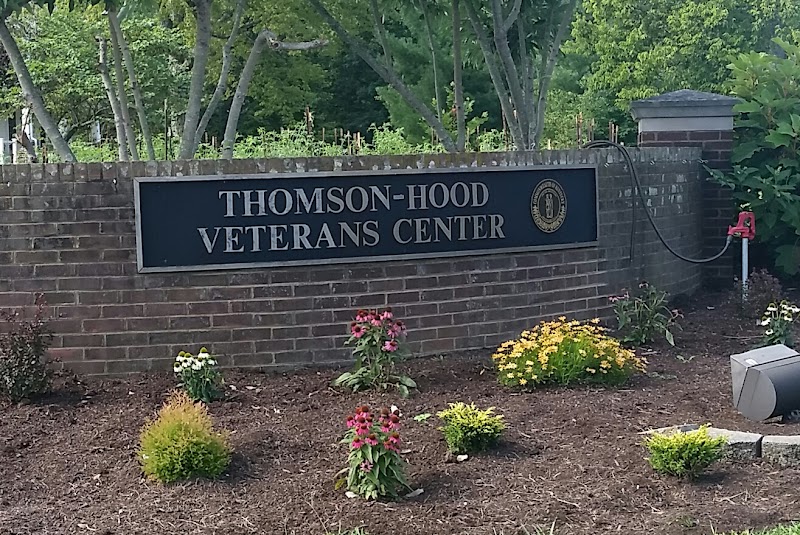
Thomson-Hood Veterans Center
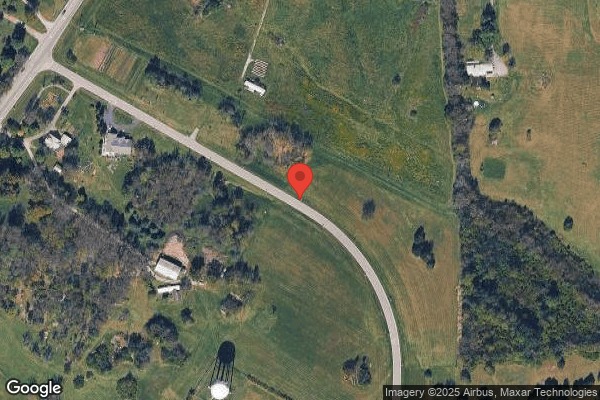
100 Veterans Drive, Wilmore, KY 40390 (859) 858-2814
Government - State 285 Beds Independent Data: November 2025
Trust Grade
95/100
#41 of 266 in KY
Last Inspection: March 2025

Within standard 12-15 month inspection cycle. Federal law requires annual inspections.

Overview

Thomson-Hood Veterans Center has an impressive Trust Grade of A+, indicating it is an elite facility with top-tier care. It ranks #41 out of 266 nursing homes in Kentucky, placing it in the top half of the state, and is the best option among the two facilities in Jessamine County. However, the facility is experiencing a worsening trend, with issues increasing from 1 in 2019 to 3 in 2025. Staffing is a strong point, boasting a 5/5 star rating and only 21% turnover, well below the state average, while there have been no fines recorded, which is promising. On the downside, recent inspections revealed concerns such as residents receiving cold and unpalatable food and improper food storage practices in nourishment rooms, which could lead to safety and hygiene issues.
Trust Score
A+
95/100
In Kentucky
#41/266
Top 15%
Safety Record
Low Risk
No red flags
Inspections
Getting Worse
1 → 3 violations
Staff Stability
✓ Good
21% annual turnover. Excellent stability, 27 points below Kentucky's 48% average. Staff who stay learn residents' needs.
Penalties
✓ Good
No fines on record. Clean compliance history, better than most Kentucky facilities.
Skilled Nurses
✓ Good
Each resident gets 48 minutes of Registered Nurse (RN) attention daily — more than average for Kentucky. RNs are trained to catch health problems early.
Violations
○ Average
8 deficiencies on record. Average for a facility this size. Mostly minor or procedural issues.
★★★★★
5.0
Overall Rating
★★★★★
5.0
Staff Levels
★★★★★
5.0
Care Quality
★★★☆☆
3.0
Inspection Score
Stable
2019: 1 issues
2025: 3 issues

The Good

  • 5-Star Staffing Rating · Excellent nurse staffing levels
  • 5-Star Quality Measures · Strong clinical quality outcomes
  • Low Staff Turnover (21%) · Staff stability means consistent care
  • Full Sprinkler Coverage · Fire safety systems throughout facility
  • No fines on record
  • Staff turnover is low (21%)

    27 points below Kentucky average of 48%

Facility shows strength in staffing levels, quality measures, staff retention, fire safety.

The Bad

No Significant Concerns Identified

This facility shows no red flags. Among Kentucky's 100 nursing homes, only 1% achieve this.

The Ugly 8 deficiencies on record

Mar 2025 3 deficiencies
CONCERN (D) 📢 Someone Reported This

A family member, employee, or ombudsman was alarmed enough to file a formal complaint

Potential for Harm - no one hurt, but risky conditions existed

Free from Abuse/Neglect (Tag F0600)

Could have caused harm · This affected 1 resident

**NOTE- TERMS IN BRACKETS HAVE BEEN EDITED TO PROTECT CONFIDENTIALITY** Based on observation, interview, record review, and facility policy review, the facility failed to protect residents from abuse ...

Read full inspector narrative →
**NOTE- TERMS IN BRACKETS HAVE BEEN EDITED TO PROTECT CONFIDENTIALITY** Based on observation, interview, record review, and facility policy review, the facility failed to protect residents from abuse for 1 of 5 residents investigated for abuse, Resident (R) 134. Review of the facility's investigation revealed the facility determined, on 02/14/2025, R117 entered R134's room and struck him, causing a laceration on R134's forehead that required evaluation at the hospital and closure with steri-strips. The findings include: Review of the facility's policy titled, Resident to Resident Altercations, dated 09/11/2023, revealed facility staff was to monitor residents for aggressive or inappropriate behavior toward other residents. Further review revealed the facility was to identify what might have led to aggressive conduct on the part of one or more residents involved in the altercation. Continued review revealed the facility was to analyze risk factors and care plan appropriate interventions. Review of the facility's investigation, dated 02/14/2025, revealed the facility determined on 02/14/2025, R117 entered R134's room and struck him, causing a laceration on R134's forehead that required evaluation at the hospital and closure with steri-strips. 1. Review of R117 's admission Record revealed the facility admitted the resident on 04/10/2024 with diagnoses including Alzheimer's disease, dementia with mood disturbance, agitation, and unspecified insomnia. Review of R117's quarterly Minimum Data Set [MDS], with an Assessment Reference Date (ARD) of 01/07/2025, revealed the facility assessed the resident to have a Brief Interview for Mental Status [BIMS] score of four out of 15, indicating severe cognitive impairment. Review of R117's Comprehensive Care Plan [CCP], dated 04/24/2024, revealed the facility identified the resident had an actual behavior problem of wandering into other residents' rooms and lying in their beds. Further review revealed the facility identified R117 was involved in a resident-to-resident altercation on 07/01/2024. Per the CCP, on 02/14/2025, R117 entered another resident's room and hit him several times. Continued review revealed the facility included initial interventions on 04/24/2024 such as provide the resident with meaningful activities, provide a calm atmosphere, anticipate and meet the resident's needs, provide redirection as needed, provide one-on-one if needed, and provide medications as ordered. Additional review of the CCP revealed the facility added the interventions to engage the resident in activities such as watering tomatoes or helping nursing, educating the family on the progressive nature of dementia, and providing a room change as needed on 07/05/2024. Review of R117's Nursing Progress Note, effective date 02/14/2025 at 8:59 PM and written by the Nurse Shift Program Supervisor, stated, Staff was alerted to co-residents' [R134] room after commotion. Resident [R117] was noted to be having an altercation with co-resident [R134]. Resident [R117] immediately removed from co-residents and assessed by nursing staff. Provider notified and order given to send resident out to ER [Emergency Room] for evaluation. Family notified and will take Resident [R117] to ER. Resident [R117] remains one-on-one with staff member until family arrives. Observations on 03/24/2025 at 4:50 PM, 03/25/2025 at 9:45 AM, and 03/27/2025 at 2:38 PM revealed R117 wandered throughout the common areas of the [NAME] Unit. Further observations revealed that staff, including the Unit Manager, redirected R117 by providing him with snacks and activities. Per observation, R117 did not attempt to enter any other residents' rooms. Interview with R117 was attempted on 03/24/2025 at 4:34 PM. However, R117 did not respond to the State Survey Agency (SSA) Surveyor's questions. In an interview on 03/25/2025 at 10:07 AM, R117's resident representative stated she believed R117 might have been defending himself, and since no one had seen the altercation begin, it could not be ruled out. She further stated R117's triggers for behaviors included being told what to do instead of being asked. She stated that when she visited, she observed residents who wandered away from the dining room/activity area that were not supervised. 2. Review of R134's admission Record revealed the facility admitted the resident on 12/05/2024 with diagnoses including Alzheimer's disease, dementia with psychotic disturbance, and violent behavior. Review of R134's annual MDS, with an ARD of 12/11/2024, revealed the facility assessed the resident to have a BIMS score of eight out of 15, indicating moderate cognitive impairment. Review of R134's CCP, dated 12/06/2024, revealed the resident received medication for a diagnosis of psychosis and included interventions of monitoring the resident for behaviors. Review of R134's Nursing Note, effective date 02/14/2025 at 7:20 PM and written by a Licensed Practical Nurse (LPN) stated, This nurse was sitting at desk and heard [sic] rsd [resident, R134] yelling out. [NAME]'s on duty ran to rsd room [R134's room] and explained to this nurse that they found co-rsd [R117] on top of rsd on the ground hitting him. [Sic] Rsd's [Residents] immediately separated and rsd assessed for injury. Bleeding/laceration noted to right eyebrow and bruise noted to left forearm. No other obvious signs of injury noted. Co-rsd assigned to staff member to observe him. Rsd's vitals assessed and WNL [within normal limits], no deficits noted. House charge contacted directly after event who notified physician and family/RP [responsible party]. Observation on 03/25/2025 at 2:01 PM revealed R134 sitting in a recliner in his room on the [NAME] Unit. Further observation revealed no signs of distress. In an interview on 03/25/2025 at 2:03 PM, R134 stated he did not recall a time another resident came into his room. He further stated he did not recall having any verbal disagreements or physical altercations with another resident. Per the interview, R134 stated he felt safe in the facility. In an interview on 03/27/2025 at 3:02 PM, the Nurse Aide State Registered ([NAME]) 14 stated R117 was prone to wandering and was known to wander into other residents' rooms. NASR14 stated staff would redirect a resident who was wandering and would reapproach the resident if they became combative and resisted redirection. Per the interview, NASR14 stated R117 had a history of being combative with staff during care. In further interview, NASR14 stated R117 had not been agitated or resistant to care during the day on 02/14/2025. In continued interview with NASR14, on 03/27/2025 at 3:02 PM, he stated he did not witness R117 enter any other resident's room. However, NASR14 stated, on the evening of 02/14/2025, he had just finished assisting a resident to bed when he heard a commotion and ran toward the noise. NASR14 stated when he arrived at R134's room, he found R117 sitting on top of R134, who was on the floor. In continued interview, NASR14 stated he assisted R117 to his feet and out of the room. Per interview, NASR14 observed a cut on R134's forehead, and R117 had some minor skin tears on his arms. NASR14 stated the facility maintained one-on-one supervision on R117 until the resident's wife came to take him to the hospital. NASR14 stated staff maintained close supervision on R117 when he came back from the hospital, and R117 was more pleasant and easily redirected. In interview on 03/27/2025 at 1:29 PM, NASR11 stated on the evening of 02/14/2025, she was assisting a resident with getting ready for bed when she heard some raised voices in the next room, followed by the sound of something hitting the floor. Per interview, NASR11 ran next door and found R117 on top of R134, who was lying on the ground. She stated NASR14 then entered the room and removed R117, while she assisted R134, got vital signs, and cleaned up R134. In further interview, NASR11 stated R117 liked to wander through the locked unit, and staff would give him activities to redirect him. She stated R117 liked the interactive projector table in the dining room, as well as having a washcloth he could use to dust the counters. Per interview, NASR11 was not aware that R117 had wandered into other residents' rooms and had not seen him in another resident's room prior to 02/14/2025. In an interview on 03/27/2025 at 3:24 PM, NASR12 stated she saw R117 hit R134 while R117 was sitting on top of R134, who was lying on the ground. She stated R117 had not been agitated or given any warning signs that day; however, she knew he was a wanderer. In further interview, NASR12 stated R134 was upset immediately after the altercation and told her that he was shocked someone had hit him in his own room. In an interview on 03/27/2025 at 3:18 PM, Registered Nurse (RN) 1 stated she was working as the house supervisor on 02/14/2025 and responded when staff alerted her to the altercation between R134 and R117. She stated when she arrived at R134's room, staff was assisting R134 off the floor. Per interview, she assessed R134 and notified the physician the resident needed to go to the hospital for evaluation of a laceration to his head, as well as to rule out any internal injuries. In an interview on 03/27/2025 at 10:12 AM, the [NAME] Unit Manager ([NAME]) stated she expected residents on [NAME] to be able to wander freely, even into other residents' rooms. Although, she stated if a particular resident was bothered by that, they could put up Stop signs. She stated the staff took turns as hall monitors to watch for wandering residents. However, she stated there was no hall monitor watching at the time of the altercation. In an interview on 03/27/2025 at 3:47 PM, the Director of Nursing (DON) stated she expected residents on the [NAME] Unit to be allowed to wander freely unless another resident became upset by someone being in their room. She stated if a resident was upset by another resident being in their room, the facility would use Stop signs across the door and redirect the wandering resident away from that room. In a further interview, the DON stated it was very important to supervise wandering residents and prevent altercations. She stated residents with dementia had poor impulse control, which increased the risk for resident-to-resident altercations. Additionally, the DON stated it was important to protect residents from abuse because no one would want to be hit, and no one would want to hear their family member had been hit. In an interview on 03/27/2025 at 4:29 PM, the Administrator stated when residents in the [NAME] Unit wandered into other residents' rooms, it was her expectation to allow residents freedom of movement unless another resident complained. She further stated that most residents would not know if someone walked in their room during the day because most residents stayed engaged in activities in the dining room all day long. The Administrator stated residents being in other residents' room, especially lying in their beds, could cause an issue and raise the risk of a resident-to-resident altercation. The Administrator further stated if a resident complained or if there was a resident-to-resident altercation with a wandering resident, her expectations were for facility staff to supervise the wandering resident and offer them a snack, music, or another favorite activity. The Administrator stated she was notified on the evening of 02/14/2025 of R117 hitting R134 in R134's room. She stated staff did not witness the beginning of the altercation and could not determine exactly what caused it.
CONCERN (E)

Potential for Harm - no one hurt, but risky conditions existed

Food Safety (Tag F0812)

Could have caused harm · This affected multiple residents

**NOTE- TERMS IN BRACKETS HAVE BEEN EDITED TO PROTECT CONFIDENTIALITY** Based on observation, interview, and review of the facility's policy, the facility failed to store food in a safe manner in 3 ou...

Read full inspector narrative →
**NOTE- TERMS IN BRACKETS HAVE BEEN EDITED TO PROTECT CONFIDENTIALITY** Based on observation, interview, and review of the facility's policy, the facility failed to store food in a safe manner in 3 out of 5 nourishment rooms, on the [NAME], [NAME], and [NAME] Units. Observations on 03/24/2025 and 03/25/2025 of their nourishment rooms revealed unlabeled and undated food and an unclean refrigerator. The findings include: Review of the facility's policy titled, Sanitation Safety, dated 07/2015, revealed food storage areas were to always be clean. Further review revealed stored foods were to be covered, labeled, and dated with the discard date. 1. Observation of the [NAME] Unit Nourishment Room freezer on 03/24/2025 at 5:10 PM revealed one opened container of sherbet that was dated but had no resident identification. In an interview with the Registered Nurse (RN) Manager of the [NAME] Unit on 03/27/2025 at 3:48 PM, she stated she and the volunteer aide checked foods to ensure they were labeled and dated. She stated she expected the nourishment refrigerator to be clean and sanitary, with foods labeled and dated. 2. Observation of the [NAME] Unit Nourishment Room refrigerator on 03/24/2025 at 5:20 PM revealed one popsicle which appeared opened and partially eaten in the top shelf of the freezer door which was not dated or labeled. Additionally, the observation revealed a brown substance under the clear plastic drawers on the bottom shelf of the refrigerator. In an interview with the RN [NAME] Unit Supervisor on 03/27/2025 at 9:03 AM, the Supervisor stated a volunteer aide cleaned the refrigerator, and he assisted as needed. He stated he checked the food items for dates and any outdated food. He stated an unclean refrigerator presented a potential for cross-contamination. 3. Observation of the [NAME] Unit Nourishment Room refrigerator on 03/25/2025 at 8:10 AM revealed a large clear zip lock bag of saltine crackers not dated or labeled. In an interview with the RN Unit Supervisor of the [NAME] Unit on 03/27/2025 at 8:27 AM, she stated the volunteer aide cleaned the refrigerator and completed the temperature logs. She stated she checked that food was dated and not expired, labeled, and the temperature logs to ensure the temperature was in the acceptable range. She stated she expected residents to receive fresh food that was safe to eat. In an interview with the Food Service Operations Manager on 03/26/2025 at 9:08 AM, she stated nursing staff was responsible for the nourishment rooms and refrigerators. She stated it was the volunteer aides' and the managers' responsibility to check the nourishment room refrigerators. In an interview with the Administrator on 03/27/2025 at 4:50 PM, she stated she expected all food to be dated and labeled, and the nourishment rooms to be clean and sanitary.
CONCERN (F)

Potential for Harm - no one hurt, but risky conditions existed

Deficiency F0804 (Tag F0804)

Could have caused harm · This affected most or all residents

**NOTE- TERMS IN BRACKETS HAVE BEEN EDITED TO PROTECT CONFIDENTIALITY** Based on observation, interview, review of the Dome lid manufacturer's webpage, review of the United States Department of Agricu...

Read full inspector narrative →
**NOTE- TERMS IN BRACKETS HAVE BEEN EDITED TO PROTECT CONFIDENTIALITY** Based on observation, interview, review of the Dome lid manufacturer's webpage, review of the United States Department of Agriculture (USDA) guidance webpage, and review of the facility's documents, the facility failed to provide residents with palatable foods and deliver meals in a timely manner to 1 of 1 resident units sampled for food service, the [NAME] Unit. Observation of the breakfast meal on 03/26/2025 revealed food was not served timely to the resident rooms on the [NAME] Unit. The breakfast test tray on 03/26/2025 revealed hot foods were not palatable and measured 90 degrees Fahrenheit (F) to 110 degrees F. In interviews with residents on the [NAME] Unit, they reported receiving cold and unpalatable food, and the times for meal service varied daily. The findings include: Review of the United States Department of Agriculture (USDA) guidance webpage at https://www.fsis.usda.gov/food-safety/safe-food-handling-and-preparation, not dated, revealed to hold hot foods at 140 degrees F. Per the guidance, bacteria grew most rapidly in the range of temperatures between 40 degrees F and 140 degrees F, with the bacteria doubling in number in as little as 20 minutes. The guidance stated this range of temperatures was often called the Danger Zone, and if the temperature was above 90 degrees F, food should not be left out more than one hour. Review of the Dome lid manufacturer webpage at https://www.cambro.com/Products/meal-service/healthcare/camduction-complete-heat-system/, undated, revealed a heated base, combined with a properly heated plate, covered with an insulated dome would maintain hot foods at safe temperatures of 140 degrees F or higher for 60 minutes. This offered a convenient, consistent solution for transporting and delivering meals at the temperature they were plated. Review of the facility's document Facility Mealtimes, not dated, revealed the breakfast tray line began at 6:45 AM, and the breakfast tray carts on the [NAME] Unit were delivered at 8:30 AM; the lunch tray line began at 10:45 AM, and the lunch tray carts on the [NAME] Unit were delivered at 12:30 PM; and the dinner tray line began at 4:45 PM, and the dinner tray carts on the [NAME] Unit were delivered at 6:30 PM. Review of the facility's form Test Tray, dated 12/12/2024 at 6:00 PM, for dinner on the [NAME] Unit, revealed hamburger at 110 degrees F; green beans at 130 degrees F; baked potato at 160 degrees F; spice cake at 40 degrees F; milk at 40 degrees F; and juice at 38 degrees F. Review of the comment for the test tray revealed it appeared good, tasted well, and was up to temperature at the time of service on the [NAME] Unit. The listed target time for hot foods was 110 degrees F. Review of the facility's form Wednesday Day 4 Breakfast, dated 03/26/2025, revealed the tray line start time was 6:50 AM, and the end time was 8:30 AM. The form stated for bacon, the starting temperature was 170 degrees F, and the ending temperature was 146 degrees F; for sausage patties, the starting temperature was 170 degrees F, and the ending temperature was 150 degrees F; for fried egg, the temperature was 168 degrees F with no ending temperature documented; for western scrambled egg, the starting temperature was 170 degrees F with no ending temperature documented; for hot oatmeal, the starting temperature was 180 degrees F with no ending temperature documented; and for country gravy, the starting temperature was 180 degrees F with no ending temperature documented. Observation of the short [NAME] Unit enclosed resident tray cart on 03/26/2025 at 8:23 AM revealed it was located in the hallway in front of the resident tray line. The tall enclosed resident tray cart for the [NAME] Unit was filled and taken with the short enclosed tray cart to the [NAME] Unit at 8:37 AM. The dining room residents were served first, and then both tray carts were taken to the residents on the [NAME] Unit at 9:02 AM, with the final tray served at 9:11 AM. Observation of the test tray on 03/26/2025 at 8:35 AM on the [NAME] Unit with the Prep Center Coordinator revealed the toast was warm, soft, and bendable; the fried egg was at 108 degrees F; the scrambled egg was at 118 degrees F; sausage was at 105 degrees F; bacon was warm and crisp; oatmeal was at 110 degrees F; gravy was at 90 degrees F, and the biscuit was at 98 degrees F. The cold food of milk was at 42 degrees F, and orange juice was at 45 degrees F. In an interview with the Prep Center Coordinator on 03/24/2025 at 4:45 PM and on 03/26/2025 at 8:37 AM, she stated the staff placed the food in the steam table at 3:30 PM, and the dinner was served at 4:45 PM. She stated she assisted with test trays and checked temperatures only. She stated she did not taste the food on the test tray. In an interview with [NAME] 2 who had the position title of Cook One on 03/26/2025 at 8:31 AM, he stated the breakfast tray line for the small cart for the [NAME] Unit was set-up from 6:15 AM to 6:30 AM. In an interview with Resident (R) 79 on 03/24/2025 at 3:45 PM, who resided on the [NAME] Unit, he stated eggs were all they had at breakfast every morning. He stated they needed to have something other than eggs. In an interview with R120 on 03/25/2025 at 2:10 PM, who resided on the [NAME] Unit, he stated the food was average. He stated the meat was overcooked, the fried egg was rubbery, and the sausage was overcooked. He stated the longer he waited to be served, the food became cold and the vegetables became watered down. He stated he survived on the canned fruit served with every meal. In an interview with R106 on 03/25/2025 at 4:03 PM, who resided on the [NAME] Unit, he stated the food was not well prepared. He stated he received food last, which was cold or at room temperature. He stated the food was not appetizing, and the meat was tough and chewy because it had been prepared too fast and at a high temperature. He stated the meat always had a sauce or some type of covering over it. He stated the menu had bazaar foods, such as a lot of chicken and was covered with sauce. He stated the mealtimes were always changing and got later and later at night. He stated he received supper on 03/24/2025 at 7:00 PM and not 6:30 PM, referring to the time listed and posted in his room as 6:30 PM. He stated the time posted near the dining room was 6:30 PM for dinner, but they do not seem to have enough staff, with no cooks. In an interview with R47 on 03/25/2025 at 10:20 AM, who resided on the [NAME] Unit, he stated the food was slop, and the grilled cheese sandwich was just two pieces of cheese placed on bread. He stated he only ate breakfast, i.e. eggs, bacon, or sausage. He stated he had frozen meals for lunch and dinner because the food was horrible. In an interview with the Food Service Operations Manager on 03/26/2025 at 9:08 AM, she stated she liked food to be held at 140 degrees F, but did not have a point of service temperature. She stated she had not completed a test tray since 12/12/2024. She stated dietary staff went to lunch break prior to the supper meal service and placed food onto the tray line at 3:30 PM. She stated placing food early onto the steam table had the potential for the vegetables to become mushy and the meat to overcook and become tough. She stated her expectations were for the meat to be tender and the vegetables to be crisp. In an interview with the Registered Nurse (RN) Manager on 03/27/2025 at 3:48 PM, the RN Manager stated the expectation was that food would be served at an acceptable temperature range so residents would enjoy their meals. In an interview with the Administrator on 03/27/2025 at 4:50 PM, she stated she expected residents to eat what they liked, for foods to be palatable, and to receive hot foods hot.
Sept 2019 1 deficiency
CONCERN (D)

Potential for Harm - no one hurt, but risky conditions existed

Resident Rights (Tag F0550)

Could have caused harm · This affected 1 resident

**NOTE- TERMS IN BRACKETS HAVE BEEN EDITED TO PROTECT CONFIDENTIALITY** Based on observation, interview, record review and review of the facility's Policies, it was determined the facility failed to t...

Read full inspector narrative →
**NOTE- TERMS IN BRACKETS HAVE BEEN EDITED TO PROTECT CONFIDENTIALITY** Based on observation, interview, record review and review of the facility's Policies, it was determined the facility failed to treat each resident with respect and dignity and care for each resident in a manner and in an environment that promotes maintenance or enhancement of his or her quality of life, recognizing each resident's individuality while protecting and promoting the rights of the resident for one (1) of thirty-six (36) sampled residents (Resident #43). Observation on 09/05/19 at 3:28 PM, revealed Licensed Practical Nurse (LPN) #9 was standing at Resident #43's bedroom door, on the [NAME] Unit, calling out, Come on (calling resident by first name), it's time to go check your sugar. Further observation revealed LPN #9 failed to provide for privacy as she performed an accucheck on Resident #43 in front of other residents and staff in the hallway. LPN #9 was then observed to tell the resident aloud, the results of the blood glucose testing while in the hallway, just as multiple residents, staff and volunteers entered and exited the [NAME] Unit. The findings include: Review of the facility Residents' Rights for Residents in Kentucky Long-Term Care Facilities, Policy, undated, revealed the facility would ensure each resident would be treated with consideration, respect and with full recognition of his/her dignity and individuality, including privacy in treatment and care for his/her personal needs. Further review revealed the facility would ensure Resident Rights were protected and promoted including the residents' right to a dignified existence and self-determination. Review of the facility Insulin Dependent Diabetic Resident Clinical Monitoring Policy, revised 10/2017, revealed licensed nurses would ensure routine and as needed blood glucose monitoring of veterans with insulin dependent diabetes. Further Policy review revealed licensed staff would perform blood glucose monitoring while providing for resident privacy. Review of Resident #43's clinical record revealed the facility admitted the resident on 02/16/94 with diagnoses including Type II Diabetes Mellitus, and Alcohol-Induced Dementia. Review of the Annual Minimum Data Set (MDS) Assessment, dated 06/24/19, revealed the facility assessed the resident as having a Brief Interview for Mental Status (BIMS) score of eleven (11) out of fifteen (15), indicating moderate cognitive impairment. Review of Resident #43's September 2019 Physician's Orders, revealed an active order, with start date of 05/11/17, for accucheck (method of obtaining blood glucose sample by pricking fingertip) as needed related to diagnosis of Diabetes, Type II. Please notify provider for any blood sugar less than sixty (60) or greater than four-hundred and one (401) and do recheck and document in follow up section of Medication Administration Record (MAR). Further review of Physician's Orders dated September 2019, revealed active orders with start date of 05/13/17, for before meals related to Diabetes, Type II. Please notify provider for any blood sugar less than sixty (60) or greater than four-hundred and one (401) and do recheck and document in follow up section of MAR. Review of Resident #43's Comprehensive Care Plan, initiated on 05/09/13, revised on 09/05/19, revealed a focus of diagnosis of Diabetes Mellitus requiring insulin. The goal stated the resident would exhibit no complications related to Diabetes through next quarter with target date of 09/20/19. Interventions included administration of ordered Diabetes medication; provide resident/family education regarding medications and importance of compliance; and report signs and symptoms of hypoglycemia (low blood sugar) and/or hyperglycemia (high blood sugar) to the provider. Observation on the [NAME] Unit, on 09/05/19 at 3:28 PM, revealed Licensed Practical Nurse (LPN) #9 was standing at Resident #43's bedroom door, on the Team I hallway, calling out, Come on (calling resident by first name), it's time to go check your sugar. Further observation revealed Resident #43 propelled himself/herself in the wheelchair out of the bedroom, as LPN #9 escorted him/her down Team I hallway to the medication cart. The medication cart was located by the [NAME] Units nurse's station, at the top of the ramp by the double doors that separated the unit from the Multi-Purpose Room. The double doors to the Multi-Purpose Room were open, allowing flow of traffic through the [NAME] Unit. Continued observation revealed LPN #9 performed an accucheck for Resident #43 in front of other residents and staff. Additional observation revealed LPN #9 looked at the glucometer (medical device for determining the approximate concentration of glucose in the blood) and told the resident, aloud, the result of the blood glucose testing, just as multiple residents, staff and volunteers entered and exited the [NAME] Unit by way of the ramp. Interview with LPN #9, on 09/05/19 at 3:35 PM, revealed blood sugar testing was not an invasive procedure and it was fine to do it wherever the resident may be located at the time. Further interview revealed she had been employed with the facility for eight (8) months and had never received any educational material, training or orientation related to Residents' Rights, or Privacy/Dignity/Confidentiality. Additional interview revealed she had received no guidance or directive in relation to when/where staff were permitted or forbidden to perform accuchecks. LPN #9 stated it was her belief that as long as the resident was agreeable to do it, it was permissible to do. Continued interview with LPN #9, revealed, When residents live in a nursing home together, there's no way to control what one resident does or does not know about another resident. Everyone knows everything about everyone. LPN #9 stated she did not know the reason she requested Resident #43 to come out of his/her room for blood glucose monitoring. Per interview, she just had a habit of bringing the residents to the medication cart for accuchecks and to administer residents' medications. Interview with Resident #43, on 09/05/19 at 3:45 PM, revealed he/she preferred to have blood sugar testing performed in his/her room or in another private area. Further interview revealed the nurses usually tested his/her blood sugar in his/her room, but LPN #9 always checked his/her blood sugar at the medication cart, in the corridor/hallway. Continued interview revealed he/she did not appreciate other residents, volunteers, and staff who were not providing care for him/her, knowing his/her diagnoses. Resident #43 stated he/she did come out to the medication cart for blood sugar testing when LPN #9 requested him/her to do so. Interview with the [NAME] Unit Manager (UM), on 09/05/19 at 3:55 PM, revealed LPN #9 had been employed with the facility through agency for the last eight (8) or nine (9) months. Further interview revealed the behavior displayed by LPN #9 did not represent the beliefs and values of the facility staff, nor did it honor the resident's right to privacy, confidentiality, or dignity. Continued interview revealed LPN #9 had received educational material, training, and completed competency testing on the facility's policies including, Insulin Dependent Diabetic Clinical Monitoring as well as Resident Rights. Additional interview with the UM, revealed LPN #9 should have taken the medication cart with glucose monitoring supplies to the hallway by the door of Resident #43's room, and performed the accucheck in the resident's room. Per interview, LPN #9 should not have requested the resident to leave his/her room for the accucheck or talked about the resident's blood sugar in hearing distance of others, as this violated the resident's right to privacy and confidentiality. The UM stated it was her expectation for all procedures, whether invasive or non-invasive, to be performed in the resident's room or another private location. Per interview, other residents, staff who was not caring for the resident, visitors, volunteers, and others should not have access or knowledge of the resident's condition, diagnosis, medication or treatment. Interview on 09/06/19 at 02:04 PM, with the Staff Development Coordinator (SDC), revealed staff was trained to honor and maintain the resident's right to privacy, confidentiality and dignity by performing all procedures, whether invasive or noninvasive, (i.e. administering medications, performing dressing changes, checking blood sugar) in the resident's room or in another discreet location. Further interview revealed the SDC provided all newly hired staff (agency and facility) copies of the Residents' Rights booklet, which contained the facility's Residents Rights Policy during the first day of orientation. The SDC stated she specifically and extensively reviewed and tested staff's knowledge of residents' privacy, confidentiality and dignity and submitted documented evidence of competencies completed by LPN #9 for review. Continued interview with the SDC, revealed she often reminded staff during facility rounds to pull privacy curtains, shut resident doors and window blinds when providing direct care, to knock on resident doors to announce presence before entering as well as not to discuss or perform resident care in hallways. The SDC stated it was her expectation for all staff to honor and respect the resident's right to privacy, confidentiality and dignity by adhering to the facility's policies and procedures while providing care to the residents. Interview with the Director of Nursing (DON), on 09/06/19 at 2:36 PM, revealed it was her expectation for staff to perform all procedures, non-invasive or invasive, (i.e. checking blood sugar, administering medications/insulins, performing treatments) in the resident's room or another private area. Further interview revealed she expected staff to meet the resident's care needs while ensuring the resident's privacy, confidentiality and dignity was preserved and maintained. Continued interview revealed LPN #9 should have performed Resident #43's accucheck in his/her room or in another discreet location, and not in the corridor/hallway, as this was a violation of the resident's privacy and confidentiality. Additionally, the DON stated she expected staff to ensure resident's rights were honored at all times and not to discuss their blood sugar results in front of others. Interview on 09/06/19 at 2:59 PM with the Administrator, revealed it was his expectation staff provide care for residents while fostering independence, and preserving dignity at all times. Further interview revealed the residents at his facility were special human beings, as they were the nation's heroes/veterans and Staff was expected to treat them that way. Continued interview revealed the Administrator expected staff to follow facility Policies at all times.
Dec 2018 4 deficiencies
CONCERN (D)

Potential for Harm - no one hurt, but risky conditions existed

Notification of Changes (Tag F0580)

Could have caused harm · This affected 1 resident

Based on interview, record review and review of the facility policy, it was determined the facility failed to notify the Medical Provider when there was a potential need to alter a medical treatment f...

Read full inspector narrative →
Based on interview, record review and review of the facility policy, it was determined the facility failed to notify the Medical Provider when there was a potential need to alter a medical treatment for one (1) of thirty-one (31) sampled residents (Resident #114). The facility failed to notify the physician on 11/16/18 and 11/18/18 when Resident #114's blood glucose levels were above four hundred (400). The findings Review of the facility policy titled, Insulin Dependent Diabetic Resident Clinical Monitoring, dated 10/20/17, revealed licensed nurses would ensure routine and as needed (PRN) blood glucose monitoring of resident with insulin dependent diabetes. Continued review revealed licensed nurses would observe the resident for signs or symptoms of hyperglycemia (high blood glucose levels) and if symptoms were present, would inform the Medical Provider as well as document the following in Point Click Care: (1) the assessment; (2) the interventions; and (3) the evaluation of effectiveness. Further review revealed If the reading of a finger stick blood glucose was 401 or greater, staff would inform the Medical Provider via the secure communication in Point Click Care (PCC). Review of Resident #114's medical record revealed the facility admitted Resident #114 on 10/30/18 with diagnoses to include Diabetes Mellitus type 2, Alzheimer's disease, Hypertension and Peripheral Vascular Disease. Review of the admission Minimum data Set (MDS) Assessment, dated 11/05/18, revealed the facility assessed Resident #114 as having a Brief Interview for Mental Status (BIMS) score of twelve (12 ) out of fifteen (15), indicating the resident was moderately cognitively impaired. Review of a Physician's order, dated 10/30/18, revealed a verbal order was given for Accu Checks (blood glucose monitoring) to be performed two (2) times each day for health maintenance related to Type Two (2) Diabetes Mellitus without complication. Review of Resident #114's Medication Administration Record (MAR), dated November 2018, revealed the resident was schedule to have Accu Checks (blood glucose monitoring) performed before each meal each day beginning 11/09/18, for health maintenance related to Type Two (2) Diabetes Mellitus without complications. Continued review of the MAR revealed on 11/16/18 Resident #114's blood glucose level was three hundred thirty-four (334) at 7:00 AM, five hundred sixty-seven (567) at 11:30 AM and five hundred twenty-three (523) at 5:00 PM; however, there was no documented evidence the physician was notified of the elevated levels. Further review revealed on 11/18/18, the resident's blood glucose level was four hundred and ten (410) at 7:00 AM, HI at 11:30 AM and four hundred thirty-five (435) at 5:00 PM; however, there was no documented evidence the physician was notified of the elevated levels. Review of the Nursing Notes, dated 11/16/18, revealed no documented evidence the secure communication system in Point Click Care was activated per the facility's policy. There was no documented evidence the physician was notified of the elevated blood glucose levels. Review of the Point Click Care progress notes, dated 11/16/18 and 11/18/18, revealed the box to inform the Medical Provider via the secure communication in Point Click Care, was not checked for the Medical Provider to be notified of the elevated blood glucose levels. There was no documented evidence the physician was notified of the elevated blood glucose readings, per the facility's policy. Review of the Nursing Note, dated 11/18/18 at 12:44 PM, and signed by Licensed Practical Nurse (LPN) #1, revealed Resident #114's blood glucose was checked two (2) times and read out to be HI each time. Per the note, the resident had no signs or symptoms of hyperglycemia, insulin was given and the resident was encourage to drink water and eat a low sugar diet. There was no documented evidence the secure communication system in Point Click Care was activated to notify the physician of the elevated blood glucose readings, per the facility's policy. Interview with Resident #114, on 12/04/18 at 10:15 AM, revealed he/she only received insulin once each daily, and no extra insulin was given. Continued interview revealed he/she expressed concern with knowing his/her blood sugar levels were too high, and he/she feels high in the clouds when his/her blood sugar is elevated. Further interview revealed he/she would like to know how to control the high blood sugars levels other than with diet. Interview with Licensed Practical Nurse (LPN) #1, on 12/05/18 at 1:45 PM, revealed Resident #114's blood glucose levels do run high and the process was to flag the information in Point Click Care (PCC) for the Medical Provider to review the blood sugar levels. Further interview revealed the Medical Doctor (MD) should be notified when a resident was symptomatic and the blood sugars were high; however, he was not aware of what the facility's policy was. Additional interview revealed he did not know why the high blood glucose levels on 11/16/18 and 11/18/18 were not flagged for the MD to review. Per interview, the MD should be made aware of the high levels so changes in medications could be made. Interview with LPN #2, on 12/05/18 at 1:55 PM, revealed Resident #114 was a new admission and his/her blood glucose levels have been running high. Per interview, notification of the high levels was sent to the MD by checking the box in PCC and staff should call the MD when the resident was symptomatic and blood sugars are running high. Interview with Roosevelt Unit Manager, on 12/05/18 at 2:15 PM, revealed the nurse checks the box in PCC to notify MD of the high blood glucose levels. Per interview, it was her expectation that the box be check to notify the MD of the high levels to initiate medication changes as needed, per the facility policy. Interview with the Advance Practice Registered Nurse (APRN), on 12/06/18 at 10:45 AM, revealed she runs a twenty-four (24) hour daily report from the information entered into the PCC. Per interview, this report notifies her to review the elevated glucose levels, when the notification box is checked. Per interview, if staff do not mark the box for the MD to review, it will not be on the report and she would not be notified to evaluate the elevated level and titrate or change the medications as the resident needed. Continued interview revealed it was her expectation that staff would call her for blood glucose levels above four hundred (400) to ensure the resident's needs were met. Interview with Director of Nursing (DON), on 12/06/18 at 10:56 AM, revealed the facility policy states for blood glucose levels greater than four hundred (400), with symptoms, that staff should call the Medical Provider to report the findings. Continued interview revealed for asymptomatic residents with a high glucose level, staff should enter the information into PCC and check the box, which notifies the Medical Provider of the high level via the secure communication in PCC. Per interview, it was her expectation for staff to follow the facility's policy and mark the box in PCC to indicate the high glucose level so the physician would be alerted to the abnormal value to allow for any medication changes to be made in a timely manner. Interview with Administrator, on 12/06/18 at 10:45 AM, revealed it was his expectation was for staff to follow the facility's policy and to report high blood glucose levels to the Medical Provider so they could address the abnormal values for the health and well-being of the residents.
CONCERN (D)

Potential for Harm - no one hurt, but risky conditions existed

Deficiency F0657 (Tag F0657)

Could have caused harm · This affected 1 resident

**NOTE- TERMS IN BRACKETS HAVE BEEN EDITED TO PROTECT CONFIDENTIALITY** Based on observation, record review, and interview it was determined the facility failed to develop and implement a comprehensiv...

Read full inspector narrative →
**NOTE- TERMS IN BRACKETS HAVE BEEN EDITED TO PROTECT CONFIDENTIALITY** Based on observation, record review, and interview it was determined the facility failed to develop and implement a comprehensive person-centered care plan for two (2) of thirty-one (31) sampled residents (Resident #35 and Resident #114). Resident #35 exhibited refusal and rejection of care; however, there was no documented evidence the facility revised the Comprehensive Care Plan to address the resident's refusal of care. Resident #114 had elevated blood glucose levels (Hyperglycemia); however, there was no documented evidence the facility revised the Comprehensive Care Plan to address the resident's Hyperglycemia. The findings include: Review of the facility's policy titled Care Plans - Comprehensive revised 03/18/15 revealed an individualized comprehensive care plan that includes measurable objectives and timetables to meet the resident's medical, nursing, mental, and psychological needs is developed for each resident. Further review revealed the resident's comprehensive care plan is designed to: incorporate identified problem areas and incorporate risk factors associated with identified problems. Additionally the policy indicated the Care Planning/Interdisciplinary Team was responsible for the review and updating of the car plans including when there had been a significant change in the resident's condition. 1) Review of Resident #35 medical record revealed the facility admitted the resident on 02/17/16 with the diagnoses which included Muscle Weakness, Anxiety Disorder, Chronic Kidney Disease, and Squamous Cell Carcinoma of Skin. Review of Resident #35's Quarterly Minimum Data Set (MDS) dated [DATE] revealed Resident's Brief Interview for Mental Status to be thirteen (13) out of fifteen (15) indicating Resident #35's cognitive status was intact. Observation of Resident #35 on 12/05/18 at 9:00AM revealed the resident was refusing breakfast. Review of Resident #35's nurse's notes revealed a recent history of the resident refusing care and medications as follows: Nurse's notes dated 10/02/18 at 3:12PM stated resident will only take medication or allow care if he/she believes God wants him/her to; Nurse's notes dated 10/08/18 at 2:14 PM stated resident #35 was compliant with flu vaccine and antibiotic medication, but refused some of his other medications; Nurse's notes dated 10/15/18 at 12:55 AM stated Resident #35 refuses to go to bed; this is not normal behavior for this resident; Nurse's notes dated 10/19/18 at 6:11 AM stated Resident #35 was refusing to let Nursing Assistants State Registered ([NAME])s change his/her brief and was refusing to take any medications; Nurse's notes dated 10/25/18 at 2:00 AM stated Resident #35's pants were wet but resident was refusing care and at 4:10 PM resident continues to refuse care; Nurse's notes dated 10/27/18 at 2:24 AM stated Resident #35 continues to refuse care and medications; Nurse's notes dated 10/31/18 at 4:51 PM stated Resident #35 continues refusal of by mouth medications, food, and fluids at times; Nurse's notes dated 11/13/18 at 2:41 PM stated Resident #35 continues to refuse medications at times, stating that he/she no longer needs them; Nurse's notes dated 12/04/18 at 2:47 PM stated Resident #35 refused breakfast and lunch; refused medications. Review of Resident #35's Comprehensive Care Plan, undated, no documented evidence the facility revised Resident #35's Care Plan to include the problem, goal and interventions to address his/her refusal of care, meals, medications and treatment. Interview with Nurse #7 on 12/06/18 at 9:30 AM revealed the behaviors Resident #35 was exhibiting and experiencing had been occurring for the past few months and during those months he/she had been refusing medications as well as some care. She stated the Resident was care planned for his/her delusional behaviors but no for his/her refusal of care. Interview with the Unit Manager on the unit in which Resident #35 resided, on 12/06/18 at 9:00 PM revealed Resident #35 just develop these behaviors within the past few months and the refusal of care, medications and treatments was something new within the last few months. She further stated the care plan should have been revised to include this problem and interventions developed to address the problem. Interview with the Director of Nursing (DON) on 12/06/18 at 10:00 AM revealed residents' care plan should reflect their current condition. She also stated refusal and rejection of care should be care planned and Resident #35's care plan should have been revised. Interview with the facility's Administrator on 12/06/18 at 9:45 AM revealed refusal and rejection of care should be care planned. 2) Review of the facility policy titled, Insulin Dependent Diabetic Resident Clinical Monitoring, dated 10/20/17, revealed licensed nurses would ensure routine and as needed (PRN) blood glucose monitoring of resident with insulin dependent diabetes. Continued review revealed licensed nurses would observe the resident for signs or symptoms of hyperglycemia (high blood glucose levels) and if symptoms were present, would inform the Medical Provider as well as document the following in Point Click Care: (1) the assessment; (2) the interventions; and (3) the evaluation of effectiveness. Further review revealed If the reading of a finger stick blood glucose was 401 or greater, staff would inform the Medical Provider via the secure communication in Point Click Care (PCC). Review of Resident #114's medical record revealed the facility admitted Resident #114 on 10/30/18 with diagnoses to include Diabetes Mellitus type 2, Alzheimer's disease, Hypertension and Peripheral Vascular Disease. Review of the admission Minimum data Set (MDS) Assessment, dated 11/05/18, revealed the facility assessed Resident #114 as having a Brief Interview for Mental Status (BIMS) score of twelve (12 ) out of fifteen (15), indicating the resident was moderately cognitively impaired. Interview with Resident #114, on 12/04/18 at 10:15 AM, revealed he/she only received insulin once each daily, and no extra insulin was given. Continued interview revealed he/she expressed concern with knowing his/her blood sugar levels were too high, and he/she feels high in the clouds when his/her blood sugar is elevated. Further interview revealed he/she would like to know how to control the high blood sugars levels other than with diet. Review of Resident #114's Physician's order, dated 10/30/18, revealed a verbal order was given for Accu Checks (blood glucose monitoring) to be performed two (2) times each day for health maintenance related to Type Two (2) Diabetes Mellitus without complication. Review of Resident #114's Medication Administration Record (MAR), dated 11/01/18-11/30/18, revealed Resident #114's Accu-Check (blood glucose monitoring) on 11/14/18 at 1130 AM was four hundred thirty-seven (437), on 11/15/18 at 5:00 PM was five hundred twenty-eight (528), 11/16/18 at 1130 was five hundred sixty-seven (567), and at 5:00 PM it was five hundred twenty-three (523), on 11/17/18 at 7:00 AM it ws four hundred and two (402), at 5:00 PM it read out High, 11/18/18 at 7:00 AM it was four hundred and ten (410), at 11:30 AM it read out High, at 5:00 PM it was four hundred thirty-five (435) and on 11/19/18 at 11:30 AM it was four hundred and fifty-eight (458). Review of Resident #114's Comprehensive Care Plan, initiated on 11/02/18, identified a focus area of Diabetes Mellitus with a goal to have no complications related to diabetes throughout the review date. The facility implemented the intervention, dated 11/02/18 for diabetes medications as ordered by the doctor; however, there was no documented evidence the facility revised Resident #114's Care Plan to include monitoring the blood glucose levels and to notify the physician for the high or hyperglycemic levels to allow the physician to change or modify the diabetic medications per the resident's needs. Interview with Licensed Practical Nurse (LPN) #1, on 12/05/18 at 1:45 PM, revealed Resident #114's blood glucose levels do run high. Continued interview revealed the resident's care plan should reflect the resident to have elevated glucose levels with appropriate interventions in place so the care provided would be consistent and meet the resident's needs. Interview with Roosevelt Unit Manager, on 12/05/18 at 2:15 PM, revealed the nurse checks the box in PCC to notify MD of the high blood glucose levels. Per interview, the comprehensive care plan should be resident centered to meet the resident's needs. Per interview, it was her expectation that the care plan be revised as needed to accurately reflect the resident's needs per the facility's policy. Interview with MDS Coordinator, on 12/05/18 at 2:30 PM, revealed Resident #114's care plan was not updated to reflect the resident's hyperglycemia, and medication adjustments. Continued interview revealed the care plan addressed a general plan for diabetes and needed to be more specific to reflect the current care needs of the resident and to be resident centered. Interview with Director of Nursing (DON), on 12/06/18 at 10:56 AM, revealed the Comprehensive Care Plan reflects the residents' interventions and current clinical condition. Continue interview revealed the care plan should be revised as needed to provide consistent care to the resident to meet their needs. Per interview, it was her expectation the Comprehensive Care Plans would be devloped and updated/revised to meet the needs of the resident per the facility's policy. Interview with Administrator, on 12/06/18 at 10:45 AM, revealed it was his expectation for staff to follow the facility's policy related to care plans. Continued interview revealed the Comprehensive Care Plan should be updated and revised to address each resident's specific needs.
CONCERN (D)

Potential for Harm - no one hurt, but risky conditions existed

Quality of Care (Tag F0684)

Could have caused harm · This affected 1 resident

Based on interview, record review and review of the facility's policy, it was determined the facility failed to provide treatment and care to one (1) of thirty-one (31) sampled residents (Resident #11...

Read full inspector narrative →
Based on interview, record review and review of the facility's policy, it was determined the facility failed to provide treatment and care to one (1) of thirty-one (31) sampled residents (Resident #114). Resident #114 had elevated blood glucose levels on 11/16/18 and 11/18/18 that were not marked in the Point Click Care documentation system for the physician's timely notification to adjust the medication regimen. The findings include: Review of the facility policy titled, Insulin Dependent Diabetic Resident Clinical Monitoring, dated 10/20/17, revealed licensed nurses would ensure routine and as needed (PRN) blood glucose monitoring of resident with insulin dependent diabetes. Continued review revealed licensed nurses would observe the resident for signs or symptoms of hyperglycemia (high blood glucose levels) and if symptoms were present, would inform the Medical Provider as well as document the following in Point Click Care: (1) the assessment; (2) the interventions; and (3) the evaluation of effectiveness. Further review revealed If the reading of a finger stick blood glucose was 401 or greater, staff would inform the Medical Provider via the secure communication in Point Click Care (PCC). Review of the medical record revealed the facility admitted Resident #114 on 10/30/18 with diagnoses including Diabetes Mellitus type 2, Alzheimer's disease, Hypertension and Peripheral Vascular Disease. Review of the admission Minimum data Set (MDS) Assessment, dated 11/05/18, revealed the facility assessed the resident as having a Brief Interview for Mental Status (BIMS) score of twelve (12 ) out of fifteen (15), indicating the resident was moderately cognitively impaired. Review of the Physician's order, dated 10/30/18, revealed a verbal order was given for Accu Checks (blood glucose monitoring) to be performed two (2) times each day for health maintenance related to Type Two (2) Diabetes Mellitus without complication. Review of the Medication Administration Record, dated November 2018, revealed Resident #114 was schedule to have Accu Checks performed before meals each day beginning 11/09/18, for health maintenance related to Type Two (2) Diabetes Mellitus without complications. Continued review revealed on 11/16/18 the resident's blood glucose level was three hundred thirty-four (334) at 7:00 AM, five hundred sixty-seven (567) at 11:30 AM and five hundred twenty-three (523) at 5:00 PM. Further review revealed on 11/18/18, the resident's blood glucose level was four hundred and ten (410) at 7:00 AM, HI at 11:30 AM and four hundred thirty-five (435) at 5:00 PM. Review of the Nursing Notes, dated 11/16/18, revealed no documented evidence the secure communication system in Point Click Care was activated to notify the physician of the elevated blood glucose readings, per the facility's policy. Review of the Point Click Care progress notes dated 11/16/18 and 11/18/18, revealed the box, to inform the Medical Provider via secure communication in Point Click Care, was not checked for the Medical Provider to be notified of the elevated blood glucose levels. There was no documented evidence the physician was notified of the elevated blood glucose readings, per the facility's policy. Review of the Nursing Note, dated 11/18/18 at 12:44 PM, and signed by Licensed Practical Nurse (LPN) #1, revealed Resident #114's blood glucose was checked two (2) times and read out to be HI each time. Per the note, there was no sign or symptoms of hyperglycemia, insulin was given and the resident was encourage to drink water and eat a low sugar diet. There was no documented evidence the secure communication system in Point Click Care was activated to notify the physician of the elevated blood glucose readings, per the facility's policy. Interview with Resident #114, on 12/04/18 at 10:15 AM, revealed he/she only receives insulin once daily, and no extra insulin was given. Continued interview revealed he/she expressed concern with knowing his/her blood sugar levels were high, and he/she feels high in the clouds when the blood sugar is elevated. Further interview revealed he/she would like to know how to control the high blood sugars levels other than with diet. Interview with Licensed Practical Nurse (LPN) #1, on 12/05/18 at 1:45 PM, revealed Resident #114 was not a well-controlled diabetic at home prior to admission to the facility. Continued interview revealed Resident #114's blood glucose levels do run high and the process was to flag the information in Point Click Care (PCC) for the Medical Provider to review the blood sugar levels. Further interview revealed the Medical Doctor (MD) should be notified when a resident was symptomatic and the blood sugars were high; however, he was not aware of what the facility's policy was. Additional interview revealed he did not know why the high blood glucose levels were not flagged for the MD to review on 11/16/18 or 11/18/18. Interview with LPN #2, on 12/05/18 at 1:55 PM, revealed Resident #114 was a new admission and his/her blood glucose levels have been running high. Per interview, notification of the high levels was sent to the MD by checking the box in PCC and staff should call the MD when the resident was symptomatic and blood sugars are running high. Interview with Roosevelt Unit Manager, Registered Nurse (RN), on 12/05/18 at 2:15 PM, revealed the nurse checks the box in PCC to notify MD of the high blood glucose levels. Per interview, it was her expectation that the box be check to notify the MD of the high levels to initiate medication changes as needed, per the facility policy. Interview with the Advance Practice Registered Nurse (APRN), on 12/06/18 at 10:45 AM, revealed she runs a twenty-four (24) hour daily report from the information entered into the PCC. Per interview, this report notifies her, when the notification box is checked, to review the elevated glucose levels so medications could be titrated in a timely manner. Per interview, if staff don't mark the box for the MD to review, it will not be on the report and she would not be notified to evaluate the elevated level and titrate or change the medications as the resident needed. Continued interview revealed it was her expectation that staff would call her for blood glucose levels above four hundred (400). Interview with Director of Nursing (DON), on 12/06/18 at 10:56 AM, revealed the facility policy states for blood glucose levels greater than four hundred (400), with symptoms, staff should call the Medical Provider. Continued interview revealed for asymptomatic residents with a high glucose level, staff should enter the information into PCC and check the box, which notifies the Medical Provider of the high level. Per interview, it was her expectation for staff to follow the facility's policy and mark the box in PCC to indicate the high glucose level so the physician would be alerted to the abnormal value to allow for any medication changes to be made in a timely manner. Interview with Administrator, on 12/06/18 at 10:45 AM, revealed his expectation was for staff to follow the policy to report high blood glucose levels to the Medical Provider so they could address the abnormal values for the health and well-being of the residents.
CONCERN (E)

Potential for Harm - no one hurt, but risky conditions existed

Food Safety (Tag F0812)

Could have caused harm · This affected multiple residents

**NOTE- TERMS IN BRACKETS HAVE BEEN EDITED TO PROTECT CONFIDENTIALITY** Based on observation, interview and review of the facility policy, it was determined the facility failed to store and distribut...

Read full inspector narrative →
**NOTE- TERMS IN BRACKETS HAVE BEEN EDITED TO PROTECT CONFIDENTIALITY** Based on observation, interview and review of the facility policy, it was determined the facility failed to store and distribute food in a safe manner. Observations on 11/03/18 of the [NAME] and [NAME] Unit resident nourishment refrigerators, revealed staff did not rotate food products according to date, did not discard outdated food products and resident food items were not identification or dated. The findings include: Review of Facility policy titled, Foods Brought by Family/Visitors, dated 07/2015, revealed food items in the pantry refrigerator, must be covered, labeled with resident name, and a discard date. Continued review revealed food would be discarded within seven (7) days of preparation or opening. Further review revealed foods would be discarded by the date on the package if that date were sooner than the seven (7) days the food is received. Review of Facility policy titled, Food Storage, dated 07/2015, revealed Refrigerated ready-to-eat and potentially hazardous foods must be marked to indicate the date by which the food must be consumed or discarded. Further review revealed opened food items should be dated seven (7) calendar days after the original package is opened. Further review of the policy revealed food items with a specific expiration date unopened or opened are discarded by the original package expiration date. Observation of the [NAME] unit nourishment refrigerator, on 12/03/18 at 12:21 PM, revealed a clear container of Thickened Liquid Water, two (2) cottage cheese containers not identified with a resident name or date that contained green beans and greens. Continued observations of the nourishment refrigerator revealed a large plate of food in a plastic grocery bag dated 11/22/18 with no resident name. Further observation revealed a large grocery bag of grapes with no resident label. Observations of the [NAME] unit nourishment refrigerator, on 12/03/18 at 12:39 PM, revealed eight (8) expired milk cartons dated 12/01/18 and seven expired milk cartons dated 12/02/18. Continue observation of the nourishment refrigerator revealed one (1) resident sandwich not dated. Interview with Nurse Aide #1, on 12/05/18 at 10:35 AM, revealed she places the order and stocks the refrigerators on the [NAME] unit. Continued interview revealed she is responsible to rotate and checks dates. Further interview revealed she was in the process of cleaning out the refrigerator and had to stop to go to an appointment with a resident. Interview with Registered Nurse/[NAME] Unit Nurse Manager #3, on 12/05/18 at 10:40 AM, revealed it was the responsibility of the aides to maintain the nourishment refrigerator. Continued interview revealed food items should be labeled with Resident's name, date and time received. Further interview revealed all food items brought in by the family and stocked food items should be dated. Interview with Aide #2, on 12/05/18 at 1:00 PM, revealed she is responsible for ordering resident nourishments each Thursday on the [NAME] unit. She further revealed she is responsible to rotate food stock and throw out outdated food items. Interview with Aide #3, on 12/05/18 at 1:05 PM, revealed she was responsible for ordering food items on Monday for the [NAME] Unit. Continued interview revealed food items were not rotated and the outdated food items were not removed from the refrigerator. She further revealed she did not know about the cottage cheese containers; however, the containers needed to be discarded. Interview with Registered Nurse/[NAME] Nurse Manager #4, on 12/05/18 at 1:15 PM, revealed Aide #3 takes the lead on stocking the refrigerator. Continued interview revealed food was stocked daily, rotated and discarded timely within the week. Interview with Director of Nursing, on 12/06/18 at 12:52 PM, revealed it was her expectation for anything stored in the kitchenette to be labeled and dated per the facility's policy with the resident's name and date. Further interview revealed food items should be discarded per the facility's policy. Interview with the Administrator, on 12/06/18 at 12:45 PM, revealed it was his expectation for staff to follow the facility's policy related to the storage of food items.
Understanding Severity Codes (click to expand)
Life-Threatening (Immediate Jeopardy)
J - Isolated K - Pattern L - Widespread
Actual Harm
G - Isolated H - Pattern I - Widespread
Potential for Harm
D - Isolated E - Pattern F - Widespread
No Harm (Minor)
A - Isolated B - Pattern C - Widespread

Questions to Ask on Your Visit

  • "Can I speak with families of current residents?"
  • "What's your RN coverage like on weekends and overnight?"

Our Honest Assessment

Strengths
  • • Grade A+ (95/100). Above average facility, better than most options in Kentucky.
  • • No major safety red flags. No abuse findings, life-threatening violations, or SFF status.
  • • No fines on record. Clean compliance history, better than most Kentucky facilities.
  • • 21% annual turnover. Excellent stability, 27 points below Kentucky's 48% average. Staff who stay learn residents' needs.
Concerns
  • • No significant concerns identified. This facility shows no red flags across CMS ratings, staff turnover, or federal penalties.
Bottom line: Generally positive indicators. Standard due diligence and a personal visit recommended.

About This Facility

What is Thomson-Hood Veterans Center's CMS Rating?

CMS assigns Thomson-Hood Veterans Center an overall rating of 5 out of 5 stars, which is considered much above average nationally. Within Kentucky, this rating places the facility higher than 99% of the state's 100 nursing homes. This rating reflects solid performance across the metrics CMS uses to evaluate nursing home quality.
How is Thomson-Hood Veterans Center Staffed?

CMS rates Thomson-Hood Veterans Center's staffing level at 5 out of 5 stars, which is much above average compared to other nursing homes. Staff turnover is 21%, compared to the Kentucky average of 46%. This relatively stable workforce can support continuity of care.

What Have Inspectors Found at Thomson-Hood Veterans Center?

State health inspectors documented 8 deficiencies at Thomson-Hood Veterans Center during 2018 to 2025. These included: 8 with potential for harm.

Who Owns and Operates Thomson-Hood Veterans Center?

Thomson-Hood Veterans Center is owned by a government entity. Government-operated facilities are typically run by state, county, or municipal agencies. The facility operates independently rather than as part of a larger chain. With 285 certified beds and approximately 139 residents (about 49% occupancy), it is a large facility located in Wilmore, Kentucky.

How Does Thomson-Hood Veterans Center Compare to Other Kentucky Nursing Homes?

Compared to the 100 nursing homes in Kentucky, Thomson-Hood Veterans Center's overall rating (5 stars) is above the state average of 2.8, staff turnover (21%) is significantly lower than the state average of 46%, and health inspection rating (3 stars) is at the national benchmark.

What Should Families Ask When Visiting Thomson-Hood Veterans Center?

Based on this facility's data, families visiting should ask: "Can I visit during a mealtime to observe dining assistance and food quality?" "How do you handle medical emergencies, and what is your hospital transfer rate?" "Can I speak with family members of current residents about their experience?"

Is Thomson-Hood Veterans Center Safe?

Based on CMS inspection data, Thomson-Hood Veterans Center has a clean safety record: no substantiated abuse findings (meaning no confirmed cases of resident harm), no Immediate Jeopardy citations (the most serious violation level indicating risk of serious injury or death), and is not on the Special Focus Facility watch list (a federal program monitoring the lowest-performing 1% of nursing homes). The facility has a 5-star overall rating and ranks #1 of 100 nursing homes in Kentucky. While no facility is perfect, families should still ask about staff-to-resident ratios and recent inspection results during their visit.

Do Nurses at Thomson-Hood Veterans Center Stick Around?

Staff at Thomson-Hood Veterans Center tend to stick around. With a turnover rate of 21%, the facility is 25 percentage points below the Kentucky average of 46%. Low turnover is a positive sign. It means caregivers have time to learn each resident's needs, medications, and personal preferences. Consistent staff also notice subtle changes in a resident's condition more quickly. Registered Nurse turnover is also low at 12%, meaning experienced RNs are available to handle complex medical needs.

Was Thomson-Hood Veterans Center Ever Fined?

Thomson-Hood Veterans Center has no federal fines on record. CMS issues fines when nursing homes fail to meet care standards or don't correct problems found during inspections. The absence of fines suggests the facility has either maintained compliance or corrected any issues before penalties were assessed. This is a positive indicator, though families should still review recent inspection reports for the full picture.

Is Thomson-Hood Veterans Center on Any Federal Watch List?

Thomson-Hood Veterans Center is not on any federal watch list. The most significant is the Special Focus Facility (SFF) program, which identifies the bottom 1% of nursing homes nationally based on persistent, serious quality problems. Not being on this list means the facility has avoided the pattern of deficiencies that triggers enhanced federal oversight. This is a positive indicator, though families should still review the facility's inspection history directly.