LANDMARK OF BATON ROUGE
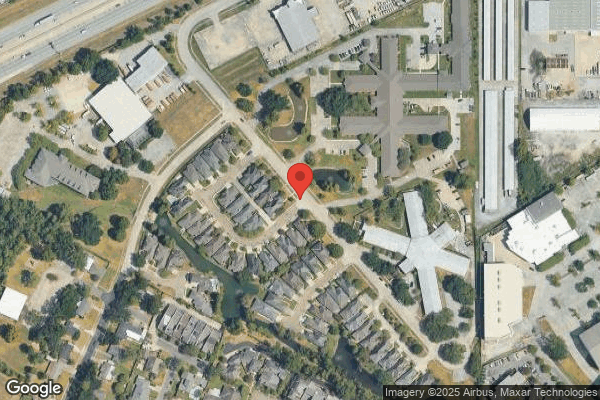

9105 OXFORD PLACE DRIVE, BATON ROUGE, LA 70809 (225) 293-1003
For profit - Corporation 144 Beds THE BEEBE FAMILY Data: November 2025
Trust Grade
68/100
#44 of 264 in LA
Last Inspection: February 2025

Within standard 12-15 month inspection cycle. Federal law requires annual inspections.

Overview

Landmark of Baton Rouge has a Trust Grade of C+, indicating it is slightly above average, but not outstanding. It ranks #44 out of 264 nursing homes in Louisiana, placing it in the top half, and #3 out of 25 in East Baton Rouge County, meaning there are only two other local options that are better. The facility is improving, with reported issues decreasing from 8 in 2024 to just 3 in 2025. However, staffing is a concern, rated at 3 out of 5 stars, with a turnover rate of 59%, which is higher than the state average. Additionally, the facility has faced some specific issues; for instance, it did not allow residents to choose their bathing preferences and failed to provide timely hygiene care for two residents, raising concerns about the quality of care.

Trust Score
C+
68/100
In Louisiana
#44/264
Top 16%
Safety Record
Low Risk
No red flags
Inspections
Getting Better
8 → 3 violations
Staff Stability
⚠ Watch
59% turnover. Above average. Higher turnover means staff may not know residents' routines.
Penalties
○ Average
$3,250 in fines. Higher than 53% of Louisiana facilities. Some compliance issues.
Skilled Nurses
⚠ Watch
Each resident gets only 17 minutes of Registered Nurse (RN) attention daily — below average for Louisiana. Fewer RN minutes means fewer trained eyes watching for problems.
Violations
⚠ Watch
16 deficiencies on record. Higher than average. Multiple issues found across inspections.
★★★★☆
4.0
Overall Rating
★★★☆☆
3.0
Staff Levels
★★★☆☆
3.0
Care Quality
★★★★☆
4.0
Inspection Score
Stable
2024: 8 issues
2025: 3 issues

The Good

  • Full Sprinkler Coverage · Fire safety systems throughout facility
  • No fines on record

Facility shows strength in fire safety.

The Bad

Staff Turnover: 59%

13pts above Louisiana avg (46%)

Frequent staff changes - ask about care continuity

Federal Fines: $3,250

Below median ($33,413)

Minor penalties assessed

Chain: THE BEEBE FAMILY

Part of a multi-facility chain

Ask about local staffing decisions and management

Staff turnover is elevated (59%)

11 points above Louisiana average of 48%

The Ugly 16 deficiencies on record

Feb 2025 3 deficiencies
CONCERN (D)

Potential for Harm - no one hurt, but risky conditions existed

Assessment Accuracy (Tag F0641)

Could have caused harm · This affected 1 resident

**NOTE- TERMS IN BRACKETS HAVE BEEN EDITED TO PROTECT CONFIDENTIALITY** Based on interviews and record reviews, the facility failed to ensure the MDS assessment accurately reflected the resident's sta...

Read full inspector narrative →
**NOTE- TERMS IN BRACKETS HAVE BEEN EDITED TO PROTECT CONFIDENTIALITY** Based on interviews and record reviews, the facility failed to ensure the MDS assessment accurately reflected the resident's status for 3 (#5, #60 and #122) residents out of a total of 27 sampled residents. The facility failed to ensure: 1. Resident #5 was coded correctly for PASRR (Pre-admission Screening and Resident Review); 2. Resident #60 was coded correctly for pressure ulcers; and 3. Resident #122 was coded correctly for discharge. Findings: 1. Resident #5 Review of Resident #5's Clinical Record revealed she was admitted to the facility on [DATE]. Review of Resident #5's OBH-Level II Evaluation Summary & Determination Notice dated 07/17/2024 revealed under recommendations: The individual has a serious mental illness and nursing home admission was recommended. Review of Resident #5's most recent Annual Minimum Data Set (MDS) with an Assessment Reference Date (ARD) of 10/17/2024 revealed Section A1500 PASRR: Is the resident currently considered by the state Level II PASRR process to have serious mental illness and/or intellectual disability or a related condition, was coded as 0. No. On 02/25/2025 at 2:50 p.m. an interview was conducted with S3MDS. S3MDS stated she was responsible for completing resident's MDS assessments. She reviewed Resident #5's PASRR Level II dated 07/17/2024 indicating she had a serious mental illness. S3MDS reviewed Resident #5's Annual MDS with an ARD of 10/17/2024. S3MDS confirmed Resident #5 was not coded accurately for having a serious mental illness and should have been. On 02/26/2025 at 1:40 p.m., an interview was conducted with S2DON and S11CRP. They reviewed Resident #5's information listed above. She confirmed Resident #5 was not coded accurately for having a serious mental illness and should have been. 2. Resident #60 Review of Resident #60's Clinical Record revealed he was readmitted to the facility on [DATE] with diagnoses, which included the following, in part: pressure ulcer of sacral region unstageable. Review of Resident #60's most recent Quarterly MDS with an ARD of 02/07/2025 revealed Section M0210 Unhealed Pressure Ulcers/Injuries, and Section M0300 Current Number of Unhealed Pressure Ulcers/Injuries at Each Stage A-G were blank. Review of Resident #60'a Physician Orders revealed the following in part: Reopened stage 4 pressure ulcer to sacrum; clean with wound cleanser, pat dry, apply santyl then calcium alginate and cover with a bandage daily until resolved, every day shift. Start date: 12/26/2024. On 02/25/2025 at 10:25 a.m., an interview was conducted with S8WCN. She confirmed Resident #60 had an unhealed stage 4 pressure ulcer to his sacrum. On 02/26/2025 at 8:55 a.m., an interview was conducted with S5MDS. S5MDS reviewed Resident #60's physician orders and confirmed Resident #60 had a stage 4 pressure ulcer to his sacrum that he had been receiving care for since 12/26/2024. S5MDS reviewed Resident #60's Quarterly MDS with an ARD of 02/07/2025 and confirmed Section M was blank, and not accurately coded for pressure ulcers and should have been. On 02/26/2025 at 12:45 p.m., an interview was conducted with S2DON. S2DON reviewed Resident #60's physician orders and confirmed he had a stage 4 pressure ulcer that was being treated since 12/26/2024. S2DON reviewed Resident #60's Quarterly MDS dated [DATE], and confirmed the resident was not accurately coded under section M for pressure ulcers and should have been. 3. Resident #122 Review of Resident #122's Clinical Record revealed she was admitted to the facility on [DATE] and left the facility without signing AMA on 12/14/2024. Review of Resident #122's Discharge MDS with an ARD of 12/14/2024 revealed Section A2105 Discharge Status: Short Term Acute Hospital. Review of Resident #122's 148 Discharge Form revealed the following, in part: Resident was discharged on 12/14/2024 to her own home. On 02/26/2025 at 11:45 a.m., an interview was conducted with S4MDS. She reviewed the above documentation and confirmed Resident #122 should have been coded as having a discharge location for Home and not Short Term General Hospital. On 02/26/2025 at 1:40 p.m., an interview was conducted with S2DON and S11CRP. They reviewed Resident #122's information listed above. She confirmed Resident #122 was not coded accurately for discharge home, and should have been.
CONCERN (D)

Potential for Harm - no one hurt, but risky conditions existed

Deficiency F0645 (Tag F0645)

Could have caused harm · This affected 1 resident

**NOTE- TERMS IN BRACKETS HAVE BEEN EDITED TO PROTECT CONFIDENTIALITY** Based on record review and interviews, the facility failed to ensure a resident with mental disorders had an accurate Pre-admiss...

Read full inspector narrative →
**NOTE- TERMS IN BRACKETS HAVE BEEN EDITED TO PROTECT CONFIDENTIALITY** Based on record review and interviews, the facility failed to ensure a resident with mental disorders had an accurate Pre-admission Screening for 1 (#118) of 5 (#5, #6, #10, #63, and #118) residents reviewed for Pre admission Screening and Resident Review (PASRR). Findings: Review of Resident #118's Clinical Record revealed he was admitted to the facility on [DATE] with diagnosis, which included Bipolar Disorder. Review of Resident #118's admission Minimum Data Set (MDS) with an Assessment Reference Date (ARD) of 02/13/2025, revealed the following: Review of Section A1500 - Identification Information revealed Resident #118 was not considered for a Level II PASRR for having a serious mental illness. Review of Section I - Active Diagnoses revealed Resident #118 had a triggered diagnosis of Bipolar Disorder listed. Review of Resident #118's Level I Pre-admission Screening and Resident Review completed by a social worker at a local hospital dated 01/31/2025, indicated Resident #118 did not presently have or at any point a mental disorder, which could have led to chronic disability. Review of Resident #118's preadmission records revealed a diagnosis of Bipolar Disorder. Review of Resident #118's Care Plan revealed the following: Focus: The Resident has Bipolar Disorder On 02/26/2025 at 11:36 a.m., an interview was conducted with Office of Behavioral Health spokesperson. She stated in the event of a Level I PASRR being inaccurately submitted the facility would be required to resubmit a resident review form to accurately reflect the residents' current diagnoses. She stated on 02/21/2025, a fax was sent to the facility requesting for additional documentation for Resident #118 with no response to date. On 02/26/2025 at 11:50 a.m., an interview was conducted with S12SSD. She stated she was responsible for submitting resident review forms for Level II evaluation. She reviewed the Level I PASRR and confirmed it was inaccurately coded to reflect Resident #118 diagnosis of Bipolar Disorder. She confirmed a resident review form had not been submitted to the Office of Behavioral Health and should have been. On 02/26/2025 at 1:37 p.m., an interview was conducted with S1ADM. He reviewed Resident #118 Level I PASRR and confirmed it was inaccurately coded to reflect diagnosis of Bipolar Disorder. He confirmed a resident review form should have been resubmitted for Level II evaluation and was not.
CONCERN (D)

Potential for Harm - no one hurt, but risky conditions existed

Infection Control (Tag F0880)

Could have caused harm · This affected 1 resident

**NOTE- TERMS IN BRACKETS HAVE BEEN EDITED TO PROTECT CONFIDENTIALITY** Based on observations, interviews, and record reviews, the facility failed to implement and maintain an infection prevention and...

Read full inspector narrative →
**NOTE- TERMS IN BRACKETS HAVE BEEN EDITED TO PROTECT CONFIDENTIALITY** Based on observations, interviews, and record reviews, the facility failed to implement and maintain an infection prevention and control program designed to provide a safe, sanitary, and comfortable environment to help prevent the development and transmission of communicable diseases and infections for 2 (#55 and #60) of 2 (#55 and #60) residents observed with catheters. The facility failed to ensure: 1. Staff used proper hand hygiene and infection control techniques when providing catheter care for Resident #55; and 2. Resident #60's catheter bag remained off of the floor. Findings: Resident #55 Review of Resident #55's Clinical Record revealed he was admitted to the facility on [DATE] with diagnoses, which included the following, in part: Urinary Tract Infection. On 02/26/2025 at 9:00 a.m., an observation was made of S9CNA performing catheter care for Resident #55. S9CNA applied gloves and then used one disposable cleansing wipe to wipe from the tip of the penis outward. S9CNA then turned the resident to his left side, and used a second wipe to remove stool from the resident's buttocks. S9CNA then emptied the resident's urine collection bag into a urinal, opened the bathroom door by touching the handle, and emptied the urinal into the toilet. S9CNA did not change gloves at any time between the above steps. On 02/26/2025 at 9:15 a.m., an interview was conducted with S9CNA. S9CNA stated she should have changed her gloves after wiping stool from Resident #55's buttocks, before emptying the catheter bag, and before touching the door handle to the bathroom and did not. On 02/26/2025 at 9:30 a.m., an interview was conducted with S2DON. She confirmed staff should have changed her gloves after wiping stool from Resident #55's buttocks, before emptying the catheter bag, and before touching the door handle to the bathroom and did not. 2. Resident #60 Review of Resident #60's Clinical Record revealed he was readmitted to the facility on [DATE] with diagnoses, which included the following, in part: Need for Assistance with Personal Care, Urinary Tract Infection, and Other Specified Disorders of Bladder. On 02/24/2025 at 10:30 a.m., an observation was made of Resident #60's suprapubic catheter bag on the floor. On 02/25/2025 at 10:31 a.m., an observation was made of Resident #60's suprapubic catheter bag on the floor. On 02/25/2025 at 10:38 a.m., an observation and interview was conducted with S8WCN. She confirmed Resident #60's catheter bag was lying on the floor and should not have been. On 02/26/2025 at 9:09 a.m., an observation was made of Resident #60's suprapubic catheter bag on the floor. On 02/26/2025 at 9:46 a.m., an observation and interview was conducted with S10CNA. She confirmed Resident #60's catheter bag was lying on the floor and should not have been. On 02/26/2025 at 12:45 p.m., an interview was conducted with S2DON. S2DON confirmed indwelling catheter bags should be kept off of the floor.
Mar 2024 4 deficiencies
CONCERN (D) 📢 Someone Reported This

A family member, employee, or ombudsman was alarmed enough to file a formal complaint

Potential for Harm - no one hurt, but risky conditions existed

Accident Prevention (Tag F0689)

Could have caused harm · This affected 1 resident

**NOTE- TERMS IN BRACKETS HAVE BEEN EDITED TO PROTECT CONFIDENTIALITY** Based on observation, interviews, and record review, the facility failed to ensure each resident received adequate supervision t...

Read full inspector narrative →
**NOTE- TERMS IN BRACKETS HAVE BEEN EDITED TO PROTECT CONFIDENTIALITY** Based on observation, interviews, and record review, the facility failed to ensure each resident received adequate supervision to prevent accidents during a Hoyer Lift transfer for 1 (#R6) of 3 (#2, #R4, and #R6) residents reviewed who required a Hoyer Lift for transfers. Findings: Review of Resident #R6's Clinical Record revealed he was admitted to the facility on [DATE] and had diagnoses, which included Hemiplegia and Hemiparesis Following Cerebral Infarction Affecting Right Dominant Side. Review of Resident #R6's admission MDS with an ARD of 01/21/2024 revealed he had a BIMS of 99, which indicated the BIMS could not be completed. Review of Resident #R6's Lifting Plan revealed STOP - total lift. Further review of the lifting plan revealed a question and answer for staff, which stated, If lift is needed, how many staff are to be in attendance? Two. An observation was made of S13CNA entering Resident #R6's room with a Hoyer lift on 03/25/2024 at 9:53 a.m. S13CNA exited the room with the Hoyer lift at 10:01 a.m. An interview was conducted with S13CNA on 03/25/2024 at 10:01 a.m. She confirmed she assisted Resident #R6 out of bed into his wheelchair with the use of the Hoyer Lift independently. She stated there should always be two staff members when transferring a resident with the Hoyer lift. An observation was made of Resident #R6 on 03/25/2024 at 10:06 a.m. He was seated at the foot of his bed in his wheelchair with the lift pad under him. An interview was conducted with S4CNAS on 03/25/2024 at 2:38 p.m. She stated all Hoyer lift transfers required assistance of two staff members to prevent accidents, and it was never acceptable to have one staff member present while utilizing a Hoyer lift. An interview was conducted with S2DON on 03/26/2024 at 4:33 p.m. She reviewed Resident #R6's Clinical Record and confirmed he required assistance of two staff members for Hoyer lift transfers. She confirmed two staff members should have been present for Resident #R6's Hoyer lift transfer.
CONCERN (E) 📢 Someone Reported This

A family member, employee, or ombudsman was alarmed enough to file a formal complaint

Potential for Harm - no one hurt, but risky conditions existed

Deficiency F0561 (Tag F0561)

Could have caused harm · This affected multiple residents

**NOTE- TERMS IN BRACKETS HAVE BEEN EDITED TO PROTECT CONFIDENTIALITY** Based on interviews and record reviews, the facility failed to promote and facilitate resident self-determination through suppor...

Read full inspector narrative →
**NOTE- TERMS IN BRACKETS HAVE BEEN EDITED TO PROTECT CONFIDENTIALITY** Based on interviews and record reviews, the facility failed to promote and facilitate resident self-determination through support of resident choice for 1 (#2 and #R4) of 3 (#1, #2, and #R4) residents reviewed for resident rights. The facility failed to ensure: 1. Residents #2 and #R4 were able to choose the type of bath they received; and 2. Resident #R4 was able to choose when she wanted to get back in bed. Findings: Review of the facility's policy revised in January 2024 titled, Bathing revealed the following, in part: Processes: Inquire with the resident concerning bathing preferences (Ex - type of bathing: shower, bed bath, etc.) Resident #2 Review of Resident #2's Clinical Record revealed she was admitted to the facility on [DATE] and had diagnoses, which included Cerebral Infarction, Unspecified Dementia, Aphasia Following Cerebral Infarction, and Flaccid Hemiplegia Affecting Right Dominant Side. Review of Resident #2's Quarterly MDS with an ARD of 12/27/2024 revealed a BIMS of 99, which indicated the BIMS assessment was unable to be completed. An interview was conducted with Resident #2's family member on 03/26/2024 at 9:09 a.m. She stated Resident #2 was supposed to receive a shower in the shower room by the facility on Tuesdays, Thursdays, and Saturdays. She stated facility staff would give Resident #2 a bed bath on her scheduled bath days instead of taking her to the shower room. An interview was conducted with S16CNA on 03/26/2024 at 2:34 p.m. She stated she was the only CNA assigned to the hall and did not have a whirlpool aide. She stated when she was by herself and did not have a whirlpool aide, she was unable to bring the residents to the shower room. She stated on Saturday, Resident #2 was supposed to go on the gurney to the shower room because that was what her family wanted. She stated she gave her a bed bath, which was against her family's wishes. She confirmed it was the residents' right to choose which type of bath they received. Resident #R4 Review of Resident #R4's Clinical Record revealed she was admitted to the facility on [DATE] with diagnoses, which included Bilateral Primary Osteoarthritis of Knee, Muscle Wasting and Atrophy, Age-Related Physical Debility, and Morbid Obesity. Review of Resident #R4's Quarterly MDS with an ARD of 02/15/2024 revealed a BIMS of 15, which indicated intact cognition. An interview was conducted with Resident #R4 on 03/25/2024 at 1:30 p.m. She stated she required a Hoyer Lift for transfers. She stated S14CNA told her last Wednesday she could get her up but she could not put her back to bed before the end of her shift at 6:00 p.m. because she had other things to complete. She stated she decided to stay in bed because she did not want to have to wait for the night shift to put her back to bed. She stated the last three months there had been a staffing shortage and she did not understand what was going on. She stated she had a care plan meeting, and it was decided for her to go to the shower room on Wednesdays and a bed bath Mondays and Fridays. She stated about one month ago she started getting only bed baths every Monday, Wednesday, and Friday related to staffing. She explained it took two CNAs to get her onto the shower gurney. She stated she wanted to go to the shower room at least once per week. An interview was conducted with S14CNA on 03/25/2024 at 2:05 p.m. She stated Resident #R4 was scheduled for baths on Mondays, Wednesdays, and Fridays. She stated the shower aide was supposed to give the bath but if there was not a shower aide, she was responsible. She stated Resident #R4 had to have two staff for the shower gurney. She stated when she was responsible for Resident #R4's bath, she gave her a bed bath instead of putting her on the shower gurney. She stated one day last week, Resident #R4 asked to get out of bed after lunch. She stated she explained to Resident #R4 she was able to get her up but she would have to go back to bed on the 6:00 p.m. shift because there were not enough staff. She stated Resident #R4 decided not to get up because she did not want to wait for the next shift to put her back to bed. An interview was conducted with S4CNAS on 03/26/2024 at 11:01 a.m. She stated when it was a resident's bath day, they should be offered to be brought to the shower room. She stated Resident #2 had scheduled baths by the facility every Tuesday, Thursday, and Saturday, and she should have been brought to the whirlpool room. She stated Resident #R4 should have been brought to the shower room every Wednesday. She confirmed the residents should be able to choose when to get out of bed, go back to bed, and the type of bath they wanted to receive. An interview was conducted with S2DON on 03/26/2024 at 4:33 p.m. She confirmed if there was not a shower aide, the CNA assigned to the resident should still bring the resident in the shower room if it was their choice. She confirmed residents had the right to choose when to get out of bed and when to go back to bed.
CONCERN (E) 📢 Someone Reported This

A family member, employee, or ombudsman was alarmed enough to file a formal complaint

Potential for Harm - no one hurt, but risky conditions existed

ADL Care (Tag F0677)

Could have caused harm · This affected multiple residents

**NOTE- TERMS IN BRACKETS HAVE BEEN EDITED TO PROTECT CONFIDENTIALITY** Based on interviews and record reviews, the facility failed to ensure residents who were unable to carry out activities of daily...

Read full inspector narrative →
**NOTE- TERMS IN BRACKETS HAVE BEEN EDITED TO PROTECT CONFIDENTIALITY** Based on interviews and record reviews, the facility failed to ensure residents who were unable to carry out activities of daily living received necessary services to maintain good hygiene for 2 (#R4, and #R5) of 5 (#1, #2, #3, #R4, and #R5) residents reviewed for ADLs. The facility failed to ensure: 1. Residents #R4 and #R5 received baths as scheduled; and 2. Resident #R4 was provided incontinence care timely after calling for assistance. 1. Resident #R4 Review of Resident #R4's Clinical Record revealed she was admitted to the facility on [DATE] and had diagnoses which included Muscle Wasting and Atrophy, Age-Related Physical Debility, and Morbid Obesity. Review of Resident #R4's Quarterly MDS with an ARD of 02/15/2024 revealed, in part, she had a BIMS of 15, which indicated intact cognition. Further review of the MDS revealed she was dependent on staff for showers/baths. Review of Resident #R4's current Care Plan revealed the following, in part: Problem: Self-care deficit; and Requires assistance with meeting ADLs and maintaining hygiene. Review of Resident #R4's Bath Documentation dated 03/21/2024 through 03/25/2024 revealed no documentation she received a bath. An interview was conducted with Resident #R4 on 03/25/2024 at 1:30 p.m. She stated she had not received a bath since Wednesday of last week. She stated she should have received a bath this past Friday because her bath days were Monday, Wednesday, and Friday. An interview was conducted with S11CNA on 03/25/2024 at 3:25 p.m. She confirmed she was assigned to Resident #R4 on Friday, 03/22/2024, from 6:00 a.m. to 6:00 p.m. She stated Resident #R4's scheduled bath days were Mondays, Wednesdays, and Fridays. She stated she was unsure if she or the shower aide were responsible for Resident #R4's bath on Friday. She confirmed she did not bathe Resident #R4 on 03/22/2024. An interview was conducted with S4CNAS on 03/26/2024 at 11:01 a.m. She stated Resident #R4's shower days were Mondays, Wednesdays, and Fridays. She stated she and S11CNA were responsible for Resident #R4's bath on 03/22/2024. She confirmed she did not give Resident #R4 a bath on 03/22/2024. An interview was conducted with S9CNA on 03/25/2024 at 1:19 p.m. She stated she was assigned to Hall B. She stated sometimes she had a shower aide for the hall and sometimes she did not. She stated when there was a shower aide, the shower aid was not always able to complete all baths and she was responsible for the incomplete baths. She stated sometimes she would be unable to complete the baths and they would not get done. She stated she would try to complete the bath the following day, but that did not always happen. Resident #R5 Review of Resident #R5's Clinical Record revealed he was admitted to the facility on [DATE] with diagnoses which included Muscle Weakness, Cognitive Communication Deficit, and Paroxysmal Atrial Fibrillation. Review of Resident #R5's Quarterly MDS with an ARD of 02/01/2024 revealed, Resident #R5 had a BIMS of 7, which indicated severe cognitive impairment. Further review revealed he was dependent on staff for showers/baths. The facility failed to provide evidence of bath documentation for Resident #R5's bath on 03/23/2024. An interview was conducted with Resident #R5 on 03/26/2024 at 10:15 a.m. He stated he had not had a bath in 5 days and wants to get in the whirlpool. An interview was conducted with S6CNA on 03/26/2024 at 3:41 p.m. She stated Resident #R5's bath days were Tuesday, Thursday, and Saturday. She confirmed on 03/23/2024 she did not bathe Resident #R5 and should have since it was his bath day. An interview was conducted with S2DON on 03/26/2024 at 4:30 p.m. She confirmed residents should receive their baths on the scheduled bath day. 2. Resident #R4 Review of Resident #R4's Clinical Record revealed she was admitted to the facility on [DATE] and had diagnoses which included Muscle Wasting and Atrophy, Age-Related Physical Debility, and Morbid Obesity. Review of Resident #R4's Quarterly MDS with an ARD of 02/15/2024 revealed she had a BIMS of 15, which indicated intact cognition. Further review of the MDS revealed she was dependent on staff for toileting hygiene. Review of Resident #R4's current Care Plan revealed the following, in part: Problem: Incontinent of bowel and bladder Interventions: Peri-care after each incontinent episode. An interview was conducted with Resident #R4 on 03/25/2024 at 1:30 p.m. She stated this past Friday night, on 03/22/2024, her call light was on for two hours before she received assistance with incontinence care after having a bowel movement. She stated during the time her call light was on, she called the facility phone from her cell phone five times. She showed surveyor her call log, which revealed she made calls to the facility on [DATE] at 6:15 p.m., 6:20 p.m., 6:51 p.m., 8:08 p.m., and 8:09 p.m. She stated she initiated her call light at 6:10 p.m. and it was answered at 8:15 p.m. She stated S7WC answered the phone and verified the call light had been going off for two hours. An interview was conducted with S7WC on 03/25/2024 at 3:10 p.m. He stated he was the ward clerk from 2:00 p.m. to 10:00 p.m. on Friday, 03/22/2024. He confirmed, on the evening of 03/22/2024, Resident #R4 initiated her call light and called the facility phone five times asking to be cleaned up after having a bowel movement. He confirmed Resident #R4 waited two hours to be changed after initiating her call light. An interview was conducted with S8CNA on 03/26/2024 at 2:53 p.m. She confirmed she was assigned to Resident #R4 on 03/22/2024 from 6:00 p.m. to 6:00 a.m. She stated toward the beginning of her shift, she was notified by S7WC Resident #R4 had her light on and needed to be changed. She stated she was on another hall and had to finish her rounds before going to assist Resident #R4. She stated she was unaware the call light had been on for two hours. A telephone interview was conducted with S12LPN on 03/26/2024 at 3:53 p.m. She confirmed she was assigned to Resident #R4 on Friday night, 03/22/2024. She stated she was unaware Resident #R4 had initiated her call light to be changed. She stated a call light being on 2 hours was excessive. An interview was conducted with S3ADON on 03/26/2024 at 4:01 p.m. She stated a reasonable call light response time was twenty minutes. She confirmed two hours for a resident to wait to be changed was an extended period of time. An interview was conducted with S2DON on 03/26/2024 at 4:33 p.m. She stated a reasonable call light response time was twenty minutes. She stated a two hour call light wait time was an extended amount of time. She stated Resident #R4 should not have had to wait two hours for incontinence care.
CONCERN (E) 📢 Someone Reported This

A family member, employee, or ombudsman was alarmed enough to file a formal complaint

Potential for Harm - no one hurt, but risky conditions existed

Deficiency F0725 (Tag F0725)

Could have caused harm · This affected multiple residents

**NOTE- TERMS IN BRACKETS HAVE BEEN EDITED TO PROTECT CONFIDENTIALITY** Based on record review, interviews, and observations, the facility failed to have sufficient certified nursing assistant staff t...

Read full inspector narrative →
**NOTE- TERMS IN BRACKETS HAVE BEEN EDITED TO PROTECT CONFIDENTIALITY** Based on record review, interviews, and observations, the facility failed to have sufficient certified nursing assistant staff to provide direct care and related services to maintain the highest practicable physical, mental, and psychosocial well-being of each resident for 4 (#1, #2, #R4 and #R5) of 6 (#1, #2, #3, #R4, #R5, and #R6) residents reviewed for staffing. Findings: Review of the facility's PBJ Staffing Data Report for Fiscal Year 2024 Quarter 1 (October 1 - December 31), with a run date of 03/22/2024 revealed the facility had a 1-star staffing rating. Review of the facility's CNA Staffing Assignment Sheet dated 03/22/2024 revealed, in part, from 6:00 a.m. to 6:00 p.m. 1 CNA was assigned to Hall A, 1 CNA was assigned to Hall B, and 1 CNA was assigned to Hall C; 1 CNA was assigned to the shower room for Hall A and Hall B; and from 6:00 p.m. to 6:00 a.m. 1 CNA was assigned to Hall A and the odd numbered rooms of Hall B and 1 CNA was assigned to Hall C and the even numbered rooms of Hall B. Review of the facility's CNA Staffing Assignment Sheet dated 03/23/2024 revealed, in part, from 6:00 a.m. to 6:00 p.m. 1 CNA was assigned to each Hall A, Hall B, and Hall C; and from 6:00 p.m. to 6:00 a.m. 1 CNA was assigned to Hall A, 1 CNA was assigned to Hall B, and 1 CNA was assigned to Hall C. Further review revealed, on 03/23/2024, from 6:00 a.m. to 6:00 p.m. there was no shower aide assigned to Hall A, Hall B, and Hall C. Review of the facility's CNA Staffing Assignment Sheet dated 03/24/2024 revealed, in part, from 6:00 a.m. to 6:00 p.m., 1 CNA was assigned to Hall A, 1 CNA was assigned to Hall B, and 1 CNA was assigned to Hall C; and from 6:00 p.m. to 6:00 a.m. 1 CNA was assigned to Hall A, 1 CNA was assigned to Hall B, and 1 CNA was assigned to Hall C. Review of the facility's CNA Staffing Assignment Sheet dated 03/25/2024 revealed, in part, from 6:00 a.m. to 6:00 p.m. 1 CNA was assigned to each Hall A, Hall B, and Hall C; and from 6:00 p.m. to 6:00 a.m. 1 CNA was assigned to each Hall A, Hall B, and Hall C. Resident #1 Review of Resident #1's Clinical Record revealed she was admitted to the facility on [DATE] with a diagnoses which included Muscle Weakness, and Unspecified Atrial Fibrillation. Review of Resident #1's MDS with an ARD of 01/30/2024 revealed Resident #1 had a BIMS score of 9, which indicated she had moderate cognitive impairment. Further review revealed she was always incontinent of bowel and bladder and required partial/moderate assistance with eating and was dependent with shower/bath. On 03/26/2024 at 10:54 a.m., an interview was conducted with Resident #1's RP. She stated she visited every other day in the afternoon from 2:00 p.m. until after dinner to feed Resident #1. She stated if Resident #1 was not fed she would not eat. She stated hospice bathes Resident #1 every other day and the facility does not bathe Resident #1 on the other days. She stated Resident #1 would prefer a whirlpool bath on the opposite days of her hospice bed bath. Resident #2 Review of Resident #2's Clinical Record revealed she was admitted to the facility on [DATE] with diagnoses, which included Cerebral Infarction, Unspecified Dementia, Aphasia Following Cerebral Infarction, and Flaccid Hemiplegia Affecting Right Dominant Side. Review of Resident #2's Quarterly MDS with an ARD of 12/27/2023 revealed she had a BIMS score of 99, which indicated she was unable to complete a BIMS assessment. Further review revealed she was dependent on staff for toileting and bathing. On 03/26/2024 at 9:09 a.m., an interview was conducted with Resident #2's family member. She stated Resident #2 was supposed to receive a shower in the shower room by the facility on Tuesdays, Thursdays, and Saturdays. She stated the facility staff would give Resident #2 a bed bath on her scheduled bath days instead of taking her to the shower room or she would not get a bath at all. On 03/26/2024 at 2:34 p.m., an interview was conducted with S16CNA. She confirmed she was assigned to Resident #2 from 6:00 a.m. to 6:00 p.m. on 03/22/2024, 03/23/2024, and 03/24/2024. She stated on 03/23/2024, Resident #2 was unable to shower in the shower room because there were not enough staff to get Resident #2 on the shower gurney. Resident #R4 Review of Resident #R4's Clinical Record revealed she was admitted to the facility on [DATE] with diagnoses, which included Bilateral Primary Osteoarthritis of Knee, Muscle Wasting and Atrophy, Age-Related Physical Debility, and Morbid Obesity. Review of Resident #R4's Quarterly MDS with an ARD of 02/15/2024 revealed she had a BIMS of 15, which indicated she was cognitively intact. Further review of the MDS revealed she was dependent on staff for toileting hygiene and bathing. On 03/25/2024 at 1:30 p.m., an interview was conducted with Resident #R4. She stated she required a Hoyer Lift for transfers. She stated, on 03/20/2024, S14CNA told her S14CNA could get her up, but she could not put Resident #R4 back to bed before the end of her shift at 6:00 p.m. because she had other tasks to complete. She stated she decided to stay in bed because she did not want to have to wait for the night shift to put her back to bed. She stated, on the night of 03/22/2024, her call light was on for two hours before she received assistance with incontinence care after having a bowel movement. She stated she initiated her call light at 6:10 p.m. and it was answered at 8:15 p.m. She stated being left soiled in feces for two hours made her feel anxious, helpless, and frustrated. She stated in the last three months, she had been missing baths due to short staffing. On 03/25/2024 at 3:10 p.m., an interview was conducted with S7WC. He stated he was the ward clerk from 2:00 p.m. to 10:00 p.m. on 03/22/2024. He confirmed, on the evening of 03/22/2024, Resident #R4 initiated her call light asking to be cleaned up after having a bowel movement. He confirmed Resident #R4 waited two hours to be changed after initiating her call light. He stated there were only two CNAs for Hall A, Hall B, and Hall C on 03/22/2024 from 6:00 p.m. to 6:00 a.m. On 03/26/2024 at 2:53 p.m., an interview was conducted with S8CNA. She confirmed she was assigned to Resident #R4 on 03/22/2024 from 6:00 p.m. to 6:00 a.m. She stated toward the beginning of her shift, she was notified by S7WC Resident #R4 had her light on and needed to be changed. She stated she was on another hall and had to finish her rounds before going to assist Resident #R4. She stated she was unable to provide timely care to the residents that night because there was not enough staff. On 03/25/2024 at 2:05 p.m., an interview was conducted with S14CNA. She stated she regularly was assigned to Resident #R4, and Resident #R4 was scheduled for baths on Mondays, Wednesdays, and Fridays. She stated the shower aide was supposed to give the bath but if there was not a shower aide, she was responsible. She stated Resident #R4 required the gurney for baths, which required assistance of two staff members. She stated when there was not a shower aide, she would have to give Resident #R4 a bed bath because of staffing. She stated Resident #R4 required a Hoyer lift for transfers. She stated one day last week, Resident #R4 asked to get out of bed after lunch. She stated she told her she was able to get her up but she would have to go back to bed on the 6:00 p.m. shift because of the amount of tasks there were for her to complete between 4:00 p.m. and 6:00 p.m. when the next shift arrived. She stated Resident #R4 decided not to get up that day because she did not want to wait for the next shift to put her back to bed. Resident #R5 Review of Resident #R5's Clinical Record revealed he was admitted to the facility on [DATE] with diagnoses which included Muscle Weakness, Cognitive Communication Deficit, and Paroxysmal Atrial Fibrillation. Review of Resident #R5's MDS with an ARD of 02/01/2024 revealed, he was always incontinent of bowel and bladder and was dependent with toileting hygiene and bathing. On 03/26/2024 at 10:15 a.m., an interview was conducted with Resident #R5. He stated he had not had a bath in 5 days and wanted to get in the whirlpool tub. On 03/25/2024 at 9:05 a.m., an interview was conducted with S9CNA. She stated she was responsible for all the residents on Hall B, which was 16 residents. She stated she had trouble completing her tasks for all the residents. She stated residents have missed baths. She stated she had 6 residents who required total feeding assistance, and she would often have to let the oncoming shift know who had not eaten yet for the oncoming staff to complete the task. On 03/25/2024 at 1:19 p.m., an interview was conducted with S9CNA. She stated there was sometimes an assigned shower aide for Hall A, Hall B, and Hall C. She stated when there was one shower aide for Halls A, B, and C, the shower aide was not able to complete all baths, and she would be responsible for the baths the shower aide was unable to complete. She stated that would cause her to have to rush to feed residents and rush to give a bath. She stated sometimes the bath did not happen that day, and she would try to get it done the following day. She stated sometimes she was unable to complete the bath following day as well. She stated she was assigned to more total care residents than independent. She stated she had reported the staffing concerns to S4CNAS. On 03/25/2024 at 10:20 a.m., an interview was conducted with S10CNA. She stated she was responsible for Hall C. She stated most days, residents would wait up to an hour to be changed. On 03/25/2024 at 2:05 p.m., an interview was conducted with S14CNA. She stated she was assigned to Hall A, which currently housed 19 residents. She stated she almost always was assigned to the hall by herself. She stated there were also days when she was on the hall by herself and there was not a shower aide. She stated she completed the tasks she could. She stated when there was no shower aide, she provided bed baths for the scheduled baths. She stated it was impossible to do rounds every two hours on all of her residents. She stated she was unable to complete her charting with the current amount of workload and staff. She stated there were 13 residents who were incontinent or who required assistance to the bathroom on her hall. She stated there were 3 residents on the hall that had to be fed. She stated there were 4 residents who utilized a stand-up lift or Hoyer lift, which required two staff members. She stated sometimes the residents who required two staff members for transfers and assistance had to wait a while to get up because she could not find another staff or they were busy. She stated she reported to S4CNAS multiple times there was not enough staff to complete all of her tasks. On 03/25/2024 at 3:10 p.m., an interview was conducted with S7WC. He stated when the facility was short staffed, the call lights would go off for thirty minutes to an hour. He stated on 03/22/2024 , a CNA called in and was not replaced so residents had to wait a long time for their call light to be answered. On 03/26/2024 at 9:32 a.m., an interview was conducted with S15CNA. She stated there was supposed to be two shower aides to split Hall A, Hall B, and Hall C, a split hall CNA then 1 CNA for Hall A, 1 CNA for Hall B, and 1 CNA for Hall C. She stated there had not been a split hall CNA so the hall CNAs were assigned to the whole hall independently, and they were unable to complete their tasks timely. She stated the residents were not being checked and changed every two hours. On 03/26/20124 at 2:34 p.m., an interview was conducted with S16CNA. She confirmed she was assigned to Hall B from 6:00 a.m. to 6:00 p.m. on 03/22/2024, 03/23/2024, and 03/24/2024 . She stated she was the only CNA assigned to Hall B, and she did not have a shower aide. She stated when she was by herself and did not have a shower aide, she was unable to bring the residents to the shower room. On 03/26/2024 at 3:41 p.m., an interview was conducted with S6CNA. She stated when there was no shower aide, residents did not get a bath because it was impossible to perform baths and make rounds every two hours. She stated residents have waited longer than two hours between rounds for incontinence care. She stated there was no shower aide on Saturday, 03/23/2024, and she could not complete all the baths scheduled on 03/23/2024 on Hall C and make rounds to assist residents with ADL tasks. She stated Resident #R5's bath days were Tuesday, Thursday, and Saturday. She confirmed on 03/23/2024 she did not bathe Resident #R5 and should have since it was his bath day. On 03/26/2024 at 1:14 p.m., an interview was conducted with S4CNAS. She stated there was not enough CNAs scheduled to care for the residents on Hall A, Hall B, and Hall C. She stated today there was 53 total residents. She stated they should have had 4 CNAs working the floor on Hall A, Hall B, and Hall C, which was one CNA per hall and one split CNA. She stated today, Hall A, Hall B, and Hall C each had 1 CNA which was not enough to care for all the residents. She stated most of the dependent residents resided on Halls A, B, and C. She stated it was not staffed with enough CNAs on day shift. She stated when there were no shower aides, the hall CNAs were responsible for baths and sometimes had to perform bed baths instead of showers to be able to get it completed. She stated some of the CNAs had communicated with her they did not have enough time to complete their tasks, such as baths and documentation. She stated she lost 4 CNAs in the last 2 weeks due to the workload. She stated S2DON was aware of the CNA staffing concerns. On 03/26/2024 at 4:30 p.m., an interview was conducted with S2DON. She confirmed there was no shower aide on 03/23/2024. She also confirmed there was 1 CNA assigned to Hall A, 1 CNA assigned to Hall B, and 1 CNA assigned to Hall C on 03/22/2024, 03/23/2024, and 03/24/2024 from 6:00 a.m. to 6:00 p.m. and there should have been 4 CNAs. She confirmed on 03/22/2024 from 6:00 p.m. to 6:00 a.m. 1 CNA was assigned to Hall A and the odd numbered rooms of Hall B and 1 CNA was assigned to Hall C and the even numbered rooms of Hall B; and there should have been 3 CNAs from 6:00 p.m. to 6:00 a.m.
Jan 2024 4 deficiencies
CONCERN (D)

Potential for Harm - no one hurt, but risky conditions existed

Comprehensive Care Plan (Tag F0656)

Could have caused harm · This affected 1 resident

**NOTE- TERMS IN BRACKETS HAVE BEEN EDITED TO PROTECT CONFIDENTIALITY** Based on record review and interviews, the facility failed to implement a comprehensive person-centered care plan for 1 (#35) of...

Read full inspector narrative →
**NOTE- TERMS IN BRACKETS HAVE BEEN EDITED TO PROTECT CONFIDENTIALITY** Based on record review and interviews, the facility failed to implement a comprehensive person-centered care plan for 1 (#35) of 25 residents reviewed in the final sample. The facility failed to ensure specialty consult appointments were scheduled as ordered by the physician. Findings: A review of Resident #35's Clinical Record revealed she was admitted to the facility on [DATE] with diagnoses, which included, in part; UTI, Retention of Urine, and Chronic Kidney Disease. A review of Resident #35's most recent MDS, with an ARD of 01/17/2023, indicated resident had a BIMS of 15, which indicated resident was cognitively intact. A review of Resident #35's Physician Orders revealed, in part, the following orders: 05/22/2023 - Schedule f/u appointment with resident's Urologist; and 08/02/2023 - Schedule f/u appointment with resident's Nephrologist. A review of Resident #35's current Care Plan revealed, in part, the following: Problem: Alteration in Elimination Pattern. Approach: Refer to Urology per Physician Orders. A review of the facility's 2023 and 2024 Appointment Book revealed, in part, the following: No documentation of an appointment scheduled for Resident #35 with Nephrology; and One appointment scheduled for Resident #35 on 06/13/2023 at 2:45 p.m. with Urology. An interview was conducted on 01/22/2024 at 4:10 p.m. with Resident #35. She stated she had not seen any specialty providers over the past year and never refused to attend any outside appointments or consults. An interview was conducted on 01/22/2024 at 3:25 p.m. with S8WC. She reviewed the facility's 2023 and 2024 Appointment Book. She confirmed Resident #35 did not have any appointments scheduled with Nephrology and had one appointment scheduled with Urology on 06/13/2023. She stated she did not attend the Urology appointment due to being sent to the hospital for an unrelated issue. She confirmed the missed Urology appointment was not rescheduled. An interview was conducted on 01/22/2024 at 1:55 p.m. with the Scheduling Department of Resident #35's Urology Clinic. She confirmed the only appointment Resident #35 was scheduled for was on 06/13/2023, but she did not show up. She confirmed the appointment was not rescheduled. An interview was conducted on 01/22/2023 at 2:05 p.m. with the Scheduling Department of Resident #35's Nephrology Clinic. She confirmed Resident #35 had not been scheduled for an appointment with their office in over three years. An interview was conducted on 01/23/2024 at 9:30 a.m. with S7NP. She confirmed Resident #35 had a physician's order written on 05/22/2023 to consult Urology and an order written on 08/02/2023 to consult Nephrology. She confirmed she would have expected the appointments to be scheduled and if an appointment was missed, she would expect the appointment to be rescheduled. She confirmed if an order was written for a resident to receive a specialty provider consult, she would expect the facility to ensure it was done as ordered. An interview was conducted on 01/22/2023 at 2:13 p.m. with S1DON. She confirmed Resident #35 had a physician's order written on 05/22/2023 to consult Urology. She confirmed Resident #35 did not attend her scheduled Urology appointment on 06/13/2023, and the appointment was not rescheduled but should have been. She confirmed Resident #35 had a physician's order written on 08/02/2023 to consult Nephrology and the appointment was not scheduled but should have been. She confirmed she would expect staff to follow all physician's orders.
CONCERN (D)

Potential for Harm - no one hurt, but risky conditions existed

Pharmacy Services (Tag F0755)

Could have caused harm · This affected 1 resident

**NOTE- TERMS IN BRACKETS HAVE BEEN EDITED TO PROTECT CONFIDENTIALITY** Based on record reviews, observations, and interviews, the facility failed to provide pharmaceutical services, including procedu...

Read full inspector narrative →
**NOTE- TERMS IN BRACKETS HAVE BEEN EDITED TO PROTECT CONFIDENTIALITY** Based on record reviews, observations, and interviews, the facility failed to provide pharmaceutical services, including procedures that assure the accurate dispensing and administering of all drugs and biologicals, to meet the needs of each resident. The facility failed to ensure the correct medication was prepared prior to medication administration for 1 (#22) of 5 (#22, #23, #34, #69, and #319) residents observed during medication administration. Findings: Review of Resident #22's Clinical Record revealed she was admitted to the facility on [DATE] and had diagnoses which included Type 2 Diabetes Mellitus. Review of Resident #22's current Physician Orders revealed the following, in part: Humalog 100 unit/mL Kwik pen before meals and bedtime administer SQ per sliding scale 201-250 - 4 units Levemir Flextouch 100 unit/mL inject 20 units subcutaneously twice a day at 5:00 a.m. and 8:00 p.m. An observation was made of medication administration for Resident #22 on 01/18/2024 at 11:39 a.m. with S2LPN. S2LPN obtained a blood glucose level from Resident #22, which read 238 mg/dL. S2LPN then reviewed Resident #22's Humalog Insulin order and sliding scale. S2LPN removed Resident #22's Levemir 100 unit/mL insulin pen from her medication cart and dialed up 4 units. S2LPN did not review the insulin pen label to verify the insulin she obtained from the medication drawer was the insulin ordered. S2LPN walked into Resident #22's room to administer the insulin. Prior to administration, an interview was conducted with S2LPN. S2LPN stated she was unsure if she had the correct insulin and returned to her medication cart. S2LPN then reviewed Resident #22's insulin medication order on the MAR and confirmed she prepared and was going to administer Levemir instead of the ordered Humalog. S2LPN confirmed if surveyor had not intervened, she would have administered 4 units of Levemir to Resident #22 instead of the ordered 4 units of Humalog per sliding scale. S2LPN confirmed she did not check the medication label prior to going to administer the insulin to Resident #22 and should have. An interview was conducted with S1DON on 01/18/2024 at 1:56 p.m. She was made aware of the above observations. She confirmed the nurse should always compare the medication label to the current Physician Order prior to preparing the medication for administration. An interview was conducted with S5NP on 01/23/2024 at 9:15 a.m. She confirmed Resident #22 was Diabetic and received Humalog before meals and bedtime per sliding scale. She confirmed Levemir was a long acting insulin and Humalog was a rapid acting insulin, and the two medications could not be interchanged. She stated nurses should always verify the medication matched the Physician Order prior to preparing and administering medication.
CONCERN (D)

Potential for Harm - no one hurt, but risky conditions existed

Deficiency F0761 (Tag F0761)

Could have caused harm · This affected 1 resident

**NOTE- TERMS IN BRACKETS HAVE BEEN EDITED TO PROTECT CONFIDENTIALITY** Based on record review, observations, and interviews, the facility failed to ensure drugs and biologicals used in the facility w...

Read full inspector narrative →
**NOTE- TERMS IN BRACKETS HAVE BEEN EDITED TO PROTECT CONFIDENTIALITY** Based on record review, observations, and interviews, the facility failed to ensure drugs and biologicals used in the facility were labeled in accordance with currently accepted professional principles for 2 (Cart A and Cart B) of 3 (Cart A, Cart B, and Cart C) medication carts observed. The facility failed to ensure: 1. Insulin pens were labeled with the date opened and 2. Insulin pens were discarded 28 days after the date opened. Findings: Review of the facility's policy titled, Medication Storage revealed the following, in part: Storage, supplies, and equipment necessary for appropriate temperatures and conditions per the manufacturer's specifications. Review of the Levemir (Insulin Detemir) Flex Pen Manufacturer Insert revealed the following, in part: 16.2 Storage: Store at room temperature for up to 42 days once opened Review of the Lantus (Insulin Glargine) Solostar Manufacturer Insert revealed the following, in part: 16.2 Storage: Store at room temperature for 28 days once opened Review of the NovoLog Flexpen's Manufacturer Insert revealed the following, in part: Storage Conditions: Store at room temperature for up to 28 days Review of the Humalog (Insulin Lispro) Kwikpen's Manufacturer's Insert revealed the following, in part: Storage: Store pens at room temperature for up to 28 days Cart A: Resident #37 Review of Resident #37's Clinical Record revealed she was admitted to the facility on [DATE] and had diagnoses which included Type 2 Diabetes Mellitus. Review of Resident #37's current Physician Orders revealed the following, in part: Insulin Glargine 100 unit/mL pen administer 18 units SQ at night daily Insulin Lispro 100 unit/mL pen SQ per sliding scale. Accuchecks before meals and at bedtime. Resident #65 Review of Resident #65's Clinical record revealed she was admitted to the facility on [DATE] and had diagnoses which included Type 2 Diabetes Mellitus. Review of Resident #65's current Physician Orders revealed the following, in part: Novolog 100 unit/mL flexpen SQ per sliding scale. Accucheck before meals and bedtime. Resident #80 Review of Resident #80's Clinical Record revealed he was admitted to the facility on [DATE] and had diagnoses which included Type 2 Diabetes Mellitus. Review of Resident #80's current Physician orders revealed the following, in part: Levemir Flexpen 100 unit/mL solution give 10 units SQ at bedtime An observation was made of Cart A on 01/17/2024 at 2:05 p.m. with S3LPN who confirmed the below observation: Resident #37 - Insulin Glargine insulin pen was open, in use, and not dated to indicate when the insulin pen was opened. Resident #37 - Insulin Lispro insulin pen was open, in use, and labelled with an open date of 12/09/2023. Resident #65 - Novolog insulin pen was open, in use, and labelled with an open date of 12/01/2023. Resident #80 - Levemir insulin pen was open, in use, and not dated to indicate when the insulin pen was opened. An interview was conducted with S3LPN following the above observation. S3LPN stated insulin pens should have been labeled with the open date and discarded 28 days after opening and they were not. Cart B: Resident #7 Review of Resident #7's Clinical Record revealed she was admitted on [DATE] and had diagnoses which included Type 2 Diabetes Mellitus. Review of Resident #7's current Physician Orders revealed the following, in part: Lantus Solostar 100 unit/mL inject 10 units SQ at morning Lantus Solostar 100 unit/mL inject 10 units SQ at bedtime Humalog 100unit/mL SQ per sliding scale. Accuchecks 3 x daily. Resident #20 Review of Resident #20's Clinical record revealed he was admitted to the facility on [DATE] and had diagnoses which included Type 2 Diabetes Mellitus. Review of Resident #20's current Physician Order revealed the following, in part: Humalog 100 unit/mL flexpen SQ accucheck before meals and at bedtime per sliding scale Resident #31 Review of Resident #31's Clinical record revealed she was admitted to the facility on [DATE] and had diagnoses which included Type 2 Diabetes Mellitus. Review of Resident #31's current Physician Orders revealed the following, in part: Novolog 100 units/mL flexpen SQ twice a day before meals Lantus Solostar U-100 insulin 100 unit/mL (3mL) inject 20 units SQ twice daily Resident #36 Review of Resident #36's Clinical record revealed she was admitted to the facility on [DATE] and had diagnoses which included Type 2 Diabetes Mellitus. Review of Resident #36's current Physician orders revealed the following, in part: Novolog 100 unit/mL flexpen SQ twice daily per sliding scale Resident #110 Review of Resident #110's Clinical Record revealed she was admitted to the facility on [DATE] and had diagnoses which included Type 2 Diabetes Mellitus. Review of Resident #110's current Physician Orders revealed the following, in part: Lantus Solostar 100 unit/mL give 10 units SQ daily An observation was made of Cart B on 01/17/2024 at 2:13 p.m. with S4LPN who confirmed the below observation: Resident #7 - Humalog insulin pen was open, in use, and labelled with an open date of 12/01/2023. Resident #7 - Lantus insulin pen was open, in use, and not dated to indicate when the insulin pen was opened. Resident #20 - Humalog insulin pen was open, in use, and not dated to indicate when the insulin pen was opened. Resident #31 - Novolog insulin pen was open, in use, and labelled with an open date of 12/01/2023. Resident #31 - Lantus insulin pen was open, in use, and not dated to indicate when the insulin pen was opened. Resident #36 - Novolog insulin pen was open, in use, and not dated to indicate when the insulin pen was opened. Resident #110 - Lantus insulin pen was open, in use, and not dated to indicate when the insulin pen was opened. An interview was conducted with S4LPN on 01/17/2024 at 2:25 p.m. She stated insulin pens should have been labeled with the open date and discarded 28 days after opening and they were not. An interview was conducted with S1DON on 01/18/2024 at 1:56 p.m. She stated insulin pens should be labeled with the open date and discarded 28 days after opening.
CONCERN (D)

Potential for Harm - no one hurt, but risky conditions existed

Infection Control (Tag F0880)

Could have caused harm · This affected 1 resident

Based on record reviews, observations, and interviews, the facility failed to ensure an infection prevention and control program was maintained to provide a safe and sanitary environment and to help p...

Read full inspector narrative →
Based on record reviews, observations, and interviews, the facility failed to ensure an infection prevention and control program was maintained to provide a safe and sanitary environment and to help prevent the development and transmission of communicable diseases and infections by failing to ensure nursing staff sanitized insulin pen stoppers prior to attaching an insulin pen needle for 2 (#22 and #34) of 3 (#22, #23, and #34) residents reviewed for insulin administration. Findings: Review of the facility's policy titled, Injections revealed the following, in part: Preparation: 5. Prepare syringe as follows. f. If medication is in a vial. i. Remove protective cap. ii. Wipe the rubber stopper with an alcohol pad and allow surface to dry. Review of the Humalog Kwikpen Manufacturer's Insert revealed the following, in part: Preparing your Pen: Step 1: Pull the Pen Cap straight off. Wipe the Rubber Seal with an alcohol swab. Step 2: Check the liquid in the pen Step 3: Select a new needle. Step 4: Push the capped Needle straight onto the Pen and twist the Needle on until it is tight. Resident #22 Review of Resident #22's current Physician Orders revealed, in part, an order for Humalog 100 unit/mL Kwik pen before meals and bedtime SQ per sliding scale. An observation was made of S2LPN administering Resident #22's Humalog insulin on 01/18/2024 at 11:39 a.m. S2LPN removed Resident #22's Humalog insulin pen cap and attached the insulin pen needle without sanitizing the insulin pen stopper. S2LPN administered Resident #22's insulin. Resident #34 Review of Resident #34's current Physician Orders revealed, in part, an order for Humalog 100 unit/mL Kwik pen before meals and bedtime SQ per sliding scale. An observation was made of S2LPN administering Resident #34's Humalog insulin on 01/18/2024 at 11:33 a.m. S2LPN removed Resident #34's Humalog insulin pen cap and attached the insulin pen needle without sanitizing the insulin pen stopper. S2LPN administered Resident #34's insulin. An interview was conducted with S2LPN on 01/18/2024 at 11:43 a.m. She confirmed she did not sanitize Resident #22 and #34's insulin pen stoppers prior to applying the insulin pen needles. S2LPN stated she was unaware the insulin pen stopper had to be sanitized prior to applying the needle. An interview was conducted with S1DON on 01/18/2024 at 1:56 p.m. She confirmed all insulin pen stoppers should have been sanitized prior to applying the insulin pen needle.
Sept 2023 1 deficiency
CONCERN (D) 📢 Someone Reported This

A family member, employee, or ombudsman was alarmed enough to file a formal complaint

Potential for Harm - no one hurt, but risky conditions existed

Deficiency F0676 (Tag F0676)

Could have caused harm · This affected 1 resident

Based on interviews and record review, the facility failed to ensure each resident was given the appropriate treatment and services to maintain his or her ability to carry out activities of daily livi...

Read full inspector narrative →
Based on interviews and record review, the facility failed to ensure each resident was given the appropriate treatment and services to maintain his or her ability to carry out activities of daily living for 1 (#1) of 5 (#1, #2, #3, #4, and #5) residents reviewed for ADLs. The facility failed to ensure Resident #1 was provided toileting when requested. Findings: Review of the facility's policy titled, Toileting Residents revealed the following, in part: Purpose: Residents are toileted safely on a routine basis in a timely manner according to their individualized plan of care. Review of the facility's policy titled, Call Light/Bell: revealed the following, in part: Procedure: 2. All applicable staff are responsible to answer a call light within a reasonable time. 4. Ascertain the resident's needs and requests 5. Respond to the requests. If the item is not available or you are unable to assist, explain to the resident and notify the charge nurse for further instructions. Review of Resident #1's Clinical Record revealed an admission date of 06/14/2023 and diagnoses, which included Cerebral Infarction due to Unspecified Occlusion or Stenosis of Left Posterior Cerebral Artery, Other transient Cerebral Ischemic Attacks, Other Lack of Coordination, Hemiplegia Following Cerebral Infarction Affecting Left Nondominant Side, Hemiplegia Following Cerebral Infarction Affecting Right Dominant Side, Dysphagia - Oropharyngeal Phase, and Generalized Muscle Weakness. Review of Resident #1's Quarterly MDS with an ARD of 07/12/2023 revealed a BIMS of 3, which indicated she was severely cognitively impaired. Further review of the MDS revealed she required extensive assistance of one person for toileting and was occasionally incontinent of bowel and bladder. Review of the Grievance/Complaint Report for Resident #1 dated 06/24/2023 revealed the following, in part: Name of person making complaint: Resident #1's family member Explanation/Nature of Complaint: 1. Family stated they put on resident #1's call light at 5:30 p.m., and they waited 15 minutes and someone came with the resident's tray, turned off the call light, and stated they would come back when they finished passing out trays. Resident #1's family stated nobody had come back by 6:05 p.m., so they put on the call light and went to the nurses' station for help. Summary of pertinent findings or conclusions: 1. The nurses stated the CNA had already clocked out and gone home. An interview was conducted with S4CNA on 09/12/2023 at 6:14 p.m. She stated Resident #1 was continent and required assistance for toileting. She stated she recalled an incident, on 06/24/2023, when Resident #1's call light was initiated around supper time. S4CNA stated when she walked in the room with Resident #1's supper tray, she addressed the call light. She stated Resident #1's sons were in the room, and one of her sons requested for Resident #1 to be transferred to the bathroom and put in bed. She stated the request was during meal time so she told Resident #1 and her sons she had to finish with the meal then would assist Resident #1, and she turned off the call light. She confirmed she did not report to another staff member Resident #1 needed to go to the bathroom. She stated when the meal was over, she did not return to assist Resident #1 and left the facility. She stated she should have gone back to assist Resident #1 once the meal trays were picked up and she did not. An interview was conducted with S3LPN on 09/13/2023 at 9:09 a.m. She stated Resident #1 required one person assistance for toileting, and she was mostly continent. She stated Resident #1 utilized her call light to summon staff for toileting. She stated she remembered a time when S4CNA went into Resident #1's room and turned the call light off and told her she would come back to assist her, however, she never returned. She stated her and another CNA assisted Resident #1 when the family made her aware Resident #1 was not assisted by S4CNA. She stated S4CNA left the facility without assisting Resident #1. An interview was conducted with S2DON on 09/13/2023 at 2:43 p.m. She stated a staff member should be present to answer call lights and assist residents during meal time. She stated nurses could assist residents with toileting during meal time. She stated Resident #1 could have been transferred to the bathroom by another staff member. An interview was conducted with S1ADM on 09/13/2023 at 2:59 p.m. She stated the recalled the incident with Resident #1 and S4CNA turning her call light off and not assisting the resident. He stated he expected S4CNA would have answered Resident #1's light and left the call light on until the task was performed. He stated he would have expected S4CNA assist Resident #1 to the bathroom as soon as all the meal trays were passed out. He confirmed Resident #1 was continent and could have been assisted to the bathroom at that time.
Feb 2023 4 deficiencies
CONCERN (D)

Potential for Harm - no one hurt, but risky conditions existed

Deficiency F0578 (Tag F0578)

Could have caused harm · This affected 1 resident

**NOTE- TERMS IN BRACKETS HAVE BEEN EDITED TO PROTECT CONFIDENTIALITY** Based on record review and interviews, the facility failed to ensure all medical records regarding the resident's code status co...

Read full inspector narrative →
**NOTE- TERMS IN BRACKETS HAVE BEEN EDITED TO PROTECT CONFIDENTIALITY** Based on record review and interviews, the facility failed to ensure all medical records regarding the resident's code status consistently reflected the resident's wishes for 1 (#30) of 32 residents reviewed in the initial pool for advanced directives. Findings: Review of Facility Policy Revealed; in part: Cardiac Resuscitation Policy (DNR or No Code) Should a resident be discovered without a pulse and/or respirations, the resident's chart will be checked for NS-696 Resident-Family Consent for Cardiopulmonary Resuscitations and the Physician orders to identify code status and determine actions. Resident #30 Review of Resident #30's clinical record revealed she was admitted to the facility on [DATE]. Her diagnosis included, in part: Unspecified Cerebrovascular Disease, Dysphagia, Cerebral Infarction, and Chronic Kidney Disease. Review of Resident #30's [DATE] physician orders revealed: Full Code. Review of Resident #30's Resident/Family Consent for Cardiopulmonary Resuscitation revealed: Boxed checked: I understand that CPR constitutes an extraordinary measure and SHOULD be done on this resident. However, I wish that other interventions be performed unless specifically noted in advance directives this not be done. * Document was signed by Resident Representative: [NAME] Review of Computer Home Screen revealed, in part: Resident #30 DNR Review of Resident #30's care plan revealed, in part: Problem onset: [DATE], Resident has an Advance Directive: DNR Status. Target Date: Honor Resident Wishes/Honors [DATE] Approaches: Review Advance Directive with Resident/Family on Admission, Re-Review Code Status Quarterly, Honor Resident/Family Advance Directive Request, Maintain Appropriate Resident Code Status Identification, Resident is DNR, DNR On [DATE] at 11:53 a.m., an interview was conducted with S7LPN. She pulled up her home screen and verified Resident #30 had DNR on the home screen. She verified Resident #30's advance directive stated Full Code and the home screen stated DNR. She stated in the case of two different documents, she would have to verify which one of the documents was correct. On [DATE] at 12:45 p.m., an interview was conducted with S11CNA. She stated if a resident was not breathing or did not have a heartbeat, she would look at the computer home screen if they were a DNR and notify the nurse. On [DATE] at 9:00 a.m., an interview was conducted with S10LPN. She stated when a new admit entered the facility, the admission nurse obtained the resident's signed advance directive, and either she or medical records placed the document in the resident's chart and in the computer. The MDS nurse entered the advanced directive in the care plan. She confirmed Resident #30's home screen and care plan stated DNR, and was incorrect. She confirmed the hall nurse should always verify the advance directive on the chart. On [DATE] at 9:15 a.m., an interview was conducted with S6LPN. She confirmed Resident #30's computer home screen and care plan stated the resident was a DNR, and it was incorrect. She stated nurses should check the advance directives on the resident's chart. On [DATE] at 10:25 a.m., an interview was conducted with S9LPN. She stated if a resident coded, she would go to a computer's home screen to verify if they were a full code or a DNR. She stated if it wasn't listed on the home screen, she would check the advanced directives in the chart. On [DATE] at 12:20 p.m., an interview was conducted with S1DON. She confirmed all code status records in the resident medical record should match the advanced directives. She stated all nurses should check the resident's signed advanced directives and not rely on the computer's home screen code status. She confirmed Resident #30's computer home screen code status and care plan did not match the resident's signed advanced directive and it should have.
CONCERN (D)

Potential for Harm - no one hurt, but risky conditions existed

Deficiency F0655 (Tag F0655)

Could have caused harm · This affected 1 resident

Based on record review and interview, the facility failed to develop and implement a baseline care plan for 1 (#304) resident of 32 sampled residents reviewed for care plans. The facility failed to de...

Read full inspector narrative →
Based on record review and interview, the facility failed to develop and implement a baseline care plan for 1 (#304) resident of 32 sampled residents reviewed for care plans. The facility failed to develop and implement a base line care plan for Resident #304 within 48 hours of admit. Findings: Review of Resident #304's record revealed an admit date of 02/10/2023 with diagnoses which included, in part: Cerebral Infarction, Dysphagia, and Heart Disease. Review of Resident #304's Electronic Medical Record and paper chart revealed no care plan in place. Review of the facility's policy on care plan revealed, in part; Care Plan Process: The facility shall develop and implement a Baseline Careplan and Summary NS-813 for each resident that includes the instructions needed to provide effective and person-centered care of the resident that meets professional standards of quality care. The baseline care plan shall: Be developed within 48 hours of a resident's admission Include the minimum healthcare information necessary to properly care for a resident immediately upon their admission, which addresses resident-specific health and safety concerns, including: Initial goals based on admission orders Physician orders Dietary orders Therapy orders Social services PASARR recommendation, if applicable On 02/14/2023 at 9:50 a.m., an interview was conducted with S3RN. She confirmed Resident # 304 did not have a baseline care plan in her chart and should have. On 02/14/2023 at 10:25 a.m., an interview was conducted with S9LPN. She verified a care plan was not in the record for Resident # 304. She confirmed it was hard to provide care to a resident without a care plan. On 02/14/2023 at 10:40 a.m., an interview was conducted with S2CM. She presented the baseline care plan that was started on 02/14/2023. She confirmed Resident # 304 should have had a baseline care plan on her chart within 48 hours of admit date , 02/10/2023, and did not. On 02/15/2023 at 12:20 p.m., an interview was conducted with S1DON. She confirmed a base line care plan was not on Resident #304's record and should be in the resident's record within 48 hours of admit.
CONCERN (D)

Potential for Harm - no one hurt, but risky conditions existed

ADL Care (Tag F0677)

Could have caused harm · This affected 1 resident

**NOTE- TERMS IN BRACKETS HAVE BEEN EDITED TO PROTECT CONFIDENTIALITY** Based on observations, interviews, and record review, the facility failed to ensure a resident who was unable to carry out ADLs ...

Read full inspector narrative →
**NOTE- TERMS IN BRACKETS HAVE BEEN EDITED TO PROTECT CONFIDENTIALITY** Based on observations, interviews, and record review, the facility failed to ensure a resident who was unable to carry out ADLs received the necessary services to maintain good grooming and personal hygiene for 1 (#32) of 25 residents reviewed in the final sample . The facility failed to provide fingernail care for Resident #32. Findings: Review of the facility's policy titled, Nail Care revealed the following, in part: Purpose: To promote cleanliness, safety and a neat appearance Procedure: 10. If nails are too hard or too thick to cut easily, report to the charge nurse or physician. Review of the Clinical Record for Resident #32 revealed he was admitted to the facility on [DATE] and had diagnoses of Acquired Absence of Right and Left Leg above Knee, Muscle Weakness, and Age Related Physical Debility. Review of the quarterly MDS with an ARD of 12/07/2022 revealed Resident #32 had a BIMS of 15, which indicated he was cognitively intact. Further review revealed Resident #32 was totally dependent for bathing and required two person physical assistance. Review of the current Care Plan for Resident #32 revealed, in part, the following: Problem - Resident needs assistance with ADLs. Goal - Resident will be assisted with ADLs. Review of the MAR for Resident #32 revealed the following, in part: 02/26/2022 Nail care weekly, check condition and clean PRN On 02/12/2023 at 1:10 p.m., an observation was conducted of Resident #32. His fingernails on both hands were thick, yellow and extended approximately one inch past his fingertips. On 02/13/2023 at 10:43 a.m., an observation was conducted of Resident #32. His fingernails on both hands were thick, yellow and extended approximately one inch past his fingertips. A scratch was noted below Resident #32's left eye. Resident #32 stated he scratched below his left eye and his nail cut him. Resident #32 stated he would like his fingernails trimmed. On 02/14/2023 at 9:50 a.m., an observation was conducted of Resident #32. His fingernails on both hands were observed thick, yellow and extended approximately one inch past his fingertips. Resident #32 stated he would like his fingernails trimmed. On 02/14/2023 at 9:52 a.m., an interview was conducted with S11CNA. She stated the treatment nurse would be responsible for trimming the resident's nails. She stated she reported to the nurse that Resident #32 requested his nails clipped. On 02/14/2023 at 10:14 a.m., an interview was conducted with S4RN. She stated nurses can complete nail care but for diabetics, the treatment nurse completed nail care. She stated floor staff would verbally inform her or it would be requested on the 24 hour report. She confirmed it had not been reported that Resident #32 needed nail care. On 02/14/2023 at 12:45 p.m., an interview was conducted with S7LPN. She confirmed S11CNA reported Resident #32 requested his nails to be trimmed and it was reported to the treatment nurse. On 02/14/2023 at 1:31 p.m., an interview was conducted with S12CNA. She stated Resident #32 requested the treatment nurse complete his nail care. She confirmed Resident #32's nails needed to be trimmed. She confirmed she reported it to the nurse. On 02/15/2023 at 8:51 a.m., an interview was conducted with S4RN. She stated Resident #32 was not on the 24 hour report for nail care. She confirmed she was not aware Resident #32 needed his fingernails trimmed. On 02/15/2023 at 9:46 a.m., an interview was conducted with S5RN. She stated she had not received any request to complete nail care for Resident #32. On 02/15/2023 at 9:13 a.m., an interview was conducted with S1DON. She stated if a CNA, floor nurse or treatment nurse can perform nail care. She stated if the CNA was not comfortable performing nail care, she should inform the nurse. She confirmed if the nurse was not comfortable performing nail care, she would expect the nurse to request to the treatment care nurse to complete the nail care. She further confirmed Resident #32's fingernails needed to be trimmed.
CONCERN (D) 📢 Someone Reported This

A family member, employee, or ombudsman was alarmed enough to file a formal complaint

Potential for Harm - no one hurt, but risky conditions existed

Infection Control (Tag F0880)

Could have caused harm · This affected 1 resident

**NOTE- TERMS IN BRACKETS HAVE BEEN EDITED TO PROTECT CONFIDENTIALITY** Based on observations, interviews, and record review, the facility failed to implement appropriate infection control practices b...

Read full inspector narrative →
**NOTE- TERMS IN BRACKETS HAVE BEEN EDITED TO PROTECT CONFIDENTIALITY** Based on observations, interviews, and record review, the facility failed to implement appropriate infection control practices by failing to ensure staff appropriately changed gloves and performed hand hygiene for 1 (#32) of 6 (#6, #12, #32, #45, #60, #85) residents reviewed in the final sample for incontinence care. Findings: Review of the Facility's policy titled Perineal Care revealed the following, in part: Procedure: Preparing for care 6. Perform hand hygiene and apply gloves Review of the Clinical Record for Resident #32 revealed he was admitted to the facility on [DATE] and had diagnoses which included Acquired Absence of Right and Left Leg above Knee, Muscle Weakness, and Age Related Physical Debility. Review of the Quarterly MDS with an ARD of 12/07/2022 revealed Resident #32 had a BIMS of 15, which indicated he was cognitively intact. Further review revealed Resident #32 required two person physical assistance for bed mobility and personal hygiene and was always incontinent of bowel and bladder. On 12/14/2023 at 12:57 p.m., an observation was made of S11CNA performing incontinent care on Resident #32. S11CNA applied gloves and did not use hand sanitizer. She unfastened Resident #32's soiled brief and cleaned the feces off of Resident #32. S11CNA did not remove her soiled gloves or perform hand hygiene. She placed a clean brief under Resident #32. S11CNA retrieved a tube of skin cream, opened and dispensed the cream into her soiled gloves. S11CNA applied the cream on the resident. S11CNA removed her soiled gloves and applied a new pair of gloves on without using hand sanitizer. On 02/14/2023 at 1:38 p.m., an interview was conducted with S11CNA. She confirmed she did not use hand sanitizer prior to applying gloves and performing incontinent care for Resident #32. She confirmed she should have changed her gloves and performed hand hygiene before applying a clean brief and before touching the skin cream tube, but did not. On 02/15/2023 at 3:08 p.m., an interview was conducted with S1DON. She confirmed she would expect staff to complete hand hygiene prior to applying gloves and performing incontinent care. She confirmed if S11CNA's gloves were visibly soiled, she should have changed her gloves and performed hand hygiene before applying a clean brief and before touching the skin cream tube.
Understanding Severity Codes (click to expand)
Life-Threatening (Immediate Jeopardy)
J - Isolated K - Pattern L - Widespread
Actual Harm
G - Isolated H - Pattern I - Widespread
Potential for Harm
D - Isolated E - Pattern F - Widespread
No Harm (Minor)
A - Isolated B - Pattern C - Widespread

Questions to Ask on Your Visit

  • "Why is there high staff turnover? How do you retain staff?"
  • "Can I speak with families of current residents?"
  • "What's your RN coverage like on weekends and overnight?"

Our Honest Assessment

Strengths
  • • No major safety red flags. No abuse findings, life-threatening violations, or SFF status.
  • • $3,250 in fines. Lower than most Louisiana facilities. Relatively clean record.
Concerns
  • • 16 deficiencies on record. Higher than average. Multiple issues found across inspections.
  • • 59% turnover. Above average. Higher turnover means staff may not know residents' routines.
Bottom line: Mixed indicators with Trust Score of 68/100. Visit in person and ask pointed questions.

About This Facility

What is Landmark Of Baton Rouge's CMS Rating?

CMS assigns LANDMARK OF BATON ROUGE an overall rating of 4 out of 5 stars, which is considered above average nationally. Within Louisiana, this rating places the facility higher than 99% of the state's 100 nursing homes. This rating reflects solid performance across the metrics CMS uses to evaluate nursing home quality.
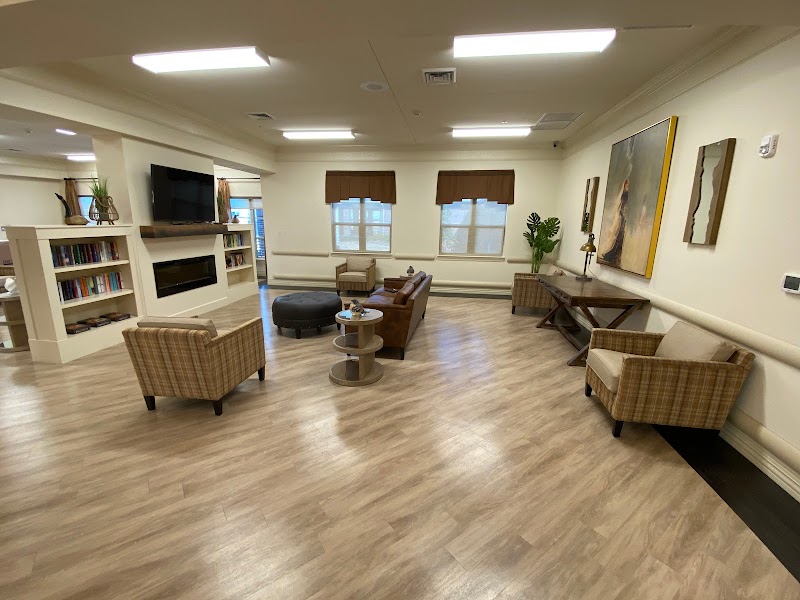
How is Landmark Of Baton Rouge Staffed?

CMS rates LANDMARK OF BATON ROUGE's staffing level at 3 out of 5 stars, which is average compared to other nursing homes. Staff turnover is 59%, which is 13 percentage points above the Louisiana average of 46%. High turnover can affect care consistency as new staff learn residents' individual needs.

What Have Inspectors Found at Landmark Of Baton Rouge?

State health inspectors documented 16 deficiencies at LANDMARK OF BATON ROUGE during 2023 to 2025. These included: 16 with potential for harm.
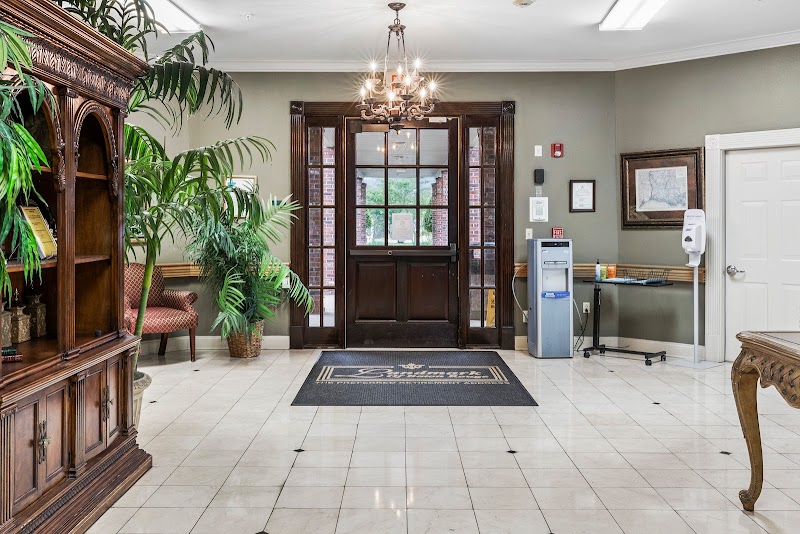
Who Owns and Operates Landmark Of Baton Rouge?

LANDMARK OF BATON ROUGE is owned by a for-profit company. For-profit facilities operate as businesses with obligations to shareholders or private owners. The facility is operated by THE BEEBE FAMILY, a chain that manages multiple nursing homes. With 144 certified beds and approximately 119 residents (about 83% occupancy), it is a mid-sized facility located in BATON ROUGE, Louisiana.

How Does Landmark Of Baton Rouge Compare to Other Louisiana Nursing Homes?

Compared to the 100 nursing homes in Louisiana, LANDMARK OF BATON ROUGE's overall rating (4 stars) is above the state average of 2.4, staff turnover (59%) is significantly higher than the state average of 46%, and health inspection rating (4 stars) is above the national benchmark.

What Should Families Ask When Visiting Landmark Of Baton Rouge?

Based on this facility's data, families visiting should ask: "How do you ensure continuity of care given staff turnover, and what is your staff retention strategy?" "Can I visit during a mealtime to observe dining assistance and food quality?" "How do you handle medical emergencies, and what is your hospital transfer rate?" "Can I speak with family members of current residents about their experience?" These questions are particularly relevant given the facility's high staff turnover rate.

Is Landmark Of Baton Rouge Safe?

Based on CMS inspection data, LANDMARK OF BATON ROUGE has a clean safety record: no substantiated abuse findings (meaning no confirmed cases of resident harm), no Immediate Jeopardy citations (the most serious violation level indicating risk of serious injury or death), and is not on the Special Focus Facility watch list (a federal program monitoring the lowest-performing 1% of nursing homes). The facility has a 4-star overall rating and ranks #1 of 100 nursing homes in Louisiana. While no facility is perfect, families should still ask about staff-to-resident ratios and recent inspection results during their visit.

Do Nurses at Landmark Of Baton Rouge Stick Around?

Staff turnover at LANDMARK OF BATON ROUGE is high. At 59%, the facility is 13 percentage points above the Louisiana average of 46%. High turnover means new staff may not know residents' individual needs, medications, or preferences. It can also be disorienting for residents, especially those with dementia who rely on familiar faces. Families should ask: What is causing the turnover? What retention programs are in place? How do you ensure care continuity during staff transitions?

Was Landmark Of Baton Rouge Ever Fined?

LANDMARK OF BATON ROUGE has been fined $3,250 across 1 penalty action. This is below the Louisiana average of $33,111. While any fine indicates a compliance issue, fines under $50,000 are relatively common and typically reflect isolated problems that were subsequently corrected. Families should ask what specific issues led to these fines and confirm they've been resolved.

Is Landmark Of Baton Rouge on Any Federal Watch List?

LANDMARK OF BATON ROUGE is not on any federal watch list. The most significant is the Special Focus Facility (SFF) program, which identifies the bottom 1% of nursing homes nationally based on persistent, serious quality problems. Not being on this list means the facility has avoided the pattern of deficiencies that triggers enhanced federal oversight. This is a positive indicator, though families should still review the facility's inspection history directly.