ST CLARE MANOR NURSING AND REHABILITATION
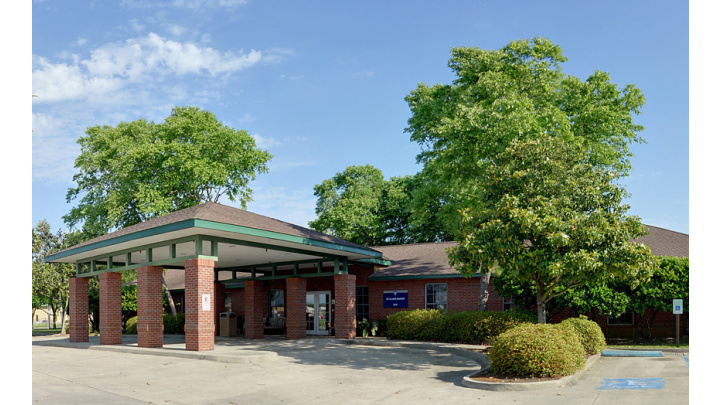
7435 BISHOP OTT DRIVE, BATON ROUGE, LA 70806 (225) 216-3604
For profit - Limited Liability company 184 Beds Independent Data: November 2025 2 Immediate Jeopardy citations
Trust Grade
9/100
#245 of 264 in LA
Last Inspection: May 2025

Inspected within the last 6 months. Data reflects current conditions.

Overview

St. Clare Manor Nursing and Rehabilitation has received a Trust Grade of F, which indicates significant concerns and is considered poor overall. They rank #245 out of 264 facilities in Louisiana, placing them in the bottom half, and #23 out of 25 in East Baton Rouge County, meaning only two local options are worse. The facility is worsening, with issues increasing from 8 in 2024 to 11 in 2025. Staffing is a concern with a rating of 2 out of 5 stars and a high turnover rate of 67%, which is above the state average of 47%. While they have had $20,227 in fines, which is average, the nursing home has less RN coverage than 97% of Louisiana facilities, potentially impacting the quality of care. Specific incidents include failures in infection control, such as not maintaining proper hand hygiene and glove use during catheter care, which raises concerns about resident safety. Overall, while there are some strengths, the significant issues and poor ratings indicate that families should carefully consider their options.

Trust Score
F
9/100
In Louisiana
#245/264
Bottom 8%
Safety Record
High Risk
Review needed
Inspections
Getting Worse
8 → 11 violations
Staff Stability
⚠ Watch
67% turnover. Above average. Higher turnover means staff may not know residents' routines.
Penalties
⚠ Watch
$20,227 in fines. Higher than 84% of Louisiana facilities, suggesting repeated compliance issues.
Skilled Nurses
⚠ Watch
Each resident gets only 6 minutes of Registered Nurse (RN) attention daily — below average for Louisiana. Fewer RN minutes means fewer trained eyes watching for problems.
Violations
⚠ Watch
31 deficiencies on record. Higher than average. Multiple issues found across inspections.
★☆☆☆☆
1.0
Overall Rating
★★☆☆☆
2.0
Staff Levels
★☆☆☆☆
1.0
Care Quality
★★☆☆☆
2.0
Inspection Score
Stable
2024: 8 issues
2025: 11 issues

The Good

  • Full Sprinkler Coverage · Fire safety systems throughout facility
  • No fines on record

Facility shows strength in fire safety.

The Bad

1-Star Overall Rating

Below Louisiana average (2.4)

Significant quality concerns identified by CMS

Staff Turnover: 67%

21pts above Louisiana avg (46%)

Frequent staff changes - ask about care continuity

Federal Fines: $20,227

Below median ($33,413)

Minor penalties assessed

Staff turnover is elevated (67%)

19 points above Louisiana average of 48%

The Ugly 31 deficiencies on record

2 life-threatening
May 2025 8 deficiencies
CONCERN (D)

Potential for Harm - no one hurt, but risky conditions existed

Assessment Accuracy (Tag F0641)

Could have caused harm · This affected 1 resident

**NOTE- TERMS IN BRACKETS HAVE BEEN EDITED TO PROTECT CONFIDENTIALITY** Based on interviews and record reviews, the facility failed to ensure the MDS (Minimum Data Set) assessment accurately reflected...

Read full inspector narrative →
**NOTE- TERMS IN BRACKETS HAVE BEEN EDITED TO PROTECT CONFIDENTIALITY** Based on interviews and record reviews, the facility failed to ensure the MDS (Minimum Data Set) assessment accurately reflected the resident's status for 1 (#95) of 24 sampled residents by failing to ensure resident was coded correctly for Active Diagnosis. Review of Resident #95's Clinical Record revealed he was admitted to the facility on [DATE] with diagnoses which included in part: Dementia, Psychotic Disturbance, Mood Disturbance, and Anxiety. Review of Resident #95's Quarterly MDS, with ARD of 04/30/2025, revealed no BIMS due to severe cognitive impairment. Further review revealed Section I Active Diagnosis, Section I2500 Wound Infection other than foot - checked Yes. On 05/29/2025 at 9:05 a.m., an interview was conducted with S10CNA. S10CNA confirmed she provided ADL (Activities of Daily Living) care to Resident #95. She stated Resident #95 did not have a wound. On 05/29/2025 AT 9:07 a.m., an interview was conducted with S8LPN. S8LPN stated Resident #95 did not have a wound. On 05/29/2025 at 9:10 a.m., an interview was conducted with S18WC. S18WC stated Resident #95 is not receiving wound care services. She reviewed all of Resident #95's documentation from admission and stated the resident had never had a wound. On 05/29/2025 at 9:15 a.m., an interview was conducted with Wound Care Nurse Practitioner. He reviewed records for all wound care and stated they have not provided care for Resident #95. On 05/29/2025 at 9:45 a.m., an interview was conducted with S3MDS. She confirmed Resident #95's MDS was coded for I Active Diagnosis I2500 Wound Infection, and should not have been. On 05/292025 at 9:45 a.m., an interview was conducted with S2DON. She reviewed the MDS and confirmed Resident #95 was coded for I Active Diagnosis I2500 Wound Infection, and should not have been.
CONCERN (D)

Potential for Harm - no one hurt, but risky conditions existed

PASARR Coordination (Tag F0644)

Could have caused harm · This affected 1 resident

**NOTE- TERMS IN BRACKETS HAVE BEEN EDITED TO PROTECT CONFIDENTIALITY** Based on interviews and record reviews, the facility failed to ensure a resident with an identified mental health diagnosis was ...

Read full inspector narrative →
**NOTE- TERMS IN BRACKETS HAVE BEEN EDITED TO PROTECT CONFIDENTIALITY** Based on interviews and record reviews, the facility failed to ensure a resident with an identified mental health diagnosis was referred for a Preadmission Screening and Resident Review (PASRR) Level II evaluation as required for 2 (#7 and #72) of 5 (#7, #31, #41, #67, and #72) sampled residents reviewed for PASRR. Findings: Resident #7 Review of the Clinical Record revealed Resident #7 was admitted to the facility on [DATE] with diagnoses upon admit, which included Schizophrenia. Review of Resident #7's Level 1 PASRR dated 02/05/2025 revealed Section III: Mental Illness did not have Schizophrenia selected as a diagnosis. Resident #72 Review of the Clinical Record revealed Resident #72 was admitted to the facility on [DATE] with diagnoses upon admit, which included Delusional Disorder. Review of Resident #72's Level 1 PASRR dated 02/17/2023 revealed Section III: Mental Illness did not have Delusional Disorder selected as a diagnosis. On 05/28/2025 at 11:55 a.m., an interview was conducted with S6SS. She stated she did not review admission paperwork to ensure accuracy of Level 1 PASRRs. She stated S7ADS reviewed admission paperwork for residents. She stated she would only submit paperwork to OBH for a Level II PASRR evaluation if told to do so. On 05/28/2025 at 12:20 p.m., an interview was conducted with S7ADS and S1AA. S7ADS stated she was not responsible for reviewing residents' Level 1 PASRR's upon admission to ensure mental illness diagnoses were accurate. S1AA stated there was not one staff member responsible for reviewing Level 1 PASRR's to ensure accuracy of the mental illness section. She reviewed Resident #7 and #72's Level 1 PASRRs and confirmed they indicated the residents did not have a mental illness, which was not accurate. She confirmed both Resident #7 and Resident #72's PASRR Level 1's had not been resubmitted to OBH with the accurate mental illness diagnoses selected for Level II evaluation.
CONCERN (D)

Potential for Harm - no one hurt, but risky conditions existed

Comprehensive Care Plan (Tag F0656)

Could have caused harm · This affected 1 resident

**NOTE- TERMS IN BRACKETS HAVE BEEN EDITED TO PROTECT CONFIDENTIALITY** Based on interviews and record review, the facility failed to develop and implement a comprehensive, person-centered care-plan t...

Read full inspector narrative →
**NOTE- TERMS IN BRACKETS HAVE BEEN EDITED TO PROTECT CONFIDENTIALITY** Based on interviews and record review, the facility failed to develop and implement a comprehensive, person-centered care-plan to meet the psychosocial needs for 1 (#67) of 2 (#18 and #67) residents reviewed for mood/behavior. Findings: Review of Resident #67's Clinical Record revealed he was admitted to the facility on [DATE] with a diagnosis of PTSD. Review of Resident #67's Significant Change MDS with an ARD of 04/04/2025 revealed a BIMS of 15, which indicated he was cognitively intact. Review of Resident #67's most recent Care Plan revealed he was not care planned for triggers, behaviors, and interventions specific to his PTSD diagnosis. On 05/27/2025 at 10:50 a.m., an interview was conducted with Resident #67. He confirmed his diagnosis of PTSD, and stated he was triggered by acts of aggression due to the physical abuse he experienced during his childhood. On 05/29/2025 at 8:17 a.m., an interview was conducted with S11LPN. She stated she was aware of Resident #67's diagnosis of PTSD, but was unaware of his potential triggers, behaviors, and interventions to prevent re-traumatization. On 05/29/2025 at 10:33 a.m., an interview was conducted with S3MDS. She stated she was responsible for completing Resident #67's care plan assessments. She reviewed Resident #67's most recent care plan and confirmed Resident #67 was not care planned for triggers, behaviors, and interventions specific to his PTSD diagnosis. She stated she was unaware of the reasons for Resident #67's PTSD diagnosis and his associated triggers. On 05/29/2025 at 12:06 p.m., an interview was conducted S2DON. She confirmed Resident #67 was not care planned for his PTSD diagnosis. She further stated she expected care plans to feature resident-specific interventions for psychiatric behaviors.
CONCERN (D)

Potential for Harm - no one hurt, but risky conditions existed

Deficiency F0761 (Tag F0761)

Could have caused harm · This affected 1 resident

Based on observations, interviews and record review the facility failed to ensure all drugs and biologicals were stored in accordance with currently accepted professional principles. The facility fail...

Read full inspector narrative →
Based on observations, interviews and record review the facility failed to ensure all drugs and biologicals were stored in accordance with currently accepted professional principles. The facility failed to ensure a multi dose vial of insulin was dated upon opening. This deficient practice had the ability to affect any of the 129 residents who received medications in the facility. Findings: Review of the facility's policy titled, Medication Labeling and Storage with a revised date of February 2023, revealed the following, in part: Medication Labeling: 5. Multi-dose vials that have been opened or accessed are dated. An observation and interview was conducted on 05/27/2025 at 10:34 a.m., of refrigerator in Med Room A with S9LPN. Observed was an opened and undated multi-dose vial of Lispro Insulin for subcutaneous injection. S9LPN confirmed the insulin multi-dose vial was opened and undated, and stated it should have been dated upon opening. An interview was conducted on 05/28/2025 at 1:45 p.m., with S2DON and S1AA. S2DON and S1AA confirmed multi-dose insulin vials should be dated as soon as they are opened. S2DON confirmed the insulin in Med Room A refrigerator was not dated upon opening, and should have been.
CONCERN (D)

Potential for Harm - no one hurt, but risky conditions existed

Food Safety (Tag F0812)

Could have caused harm · This affected 1 resident

Based on record review and interviews the facility failed to store food in accordance with professional standards for food service safety by failing to: 1. Properly document temperatures daily for R...

Read full inspector narrative →
Based on record review and interviews the facility failed to store food in accordance with professional standards for food service safety by failing to: 1. Properly document temperatures daily for Refrigeration units and; 2. Properly maintain and document chemical sanitation checks for the dishwasher at least once per shift. This deficient practice had the ability to affect 131 residents who consumed food from the facility. Findings: Review of Facility policy titled Food Receiving and Storage with a revised date of November 2022, revealed the following, in part: Refrigerated/ Frozen Storage: 5. Functioning of the refrigeration and food temperatures are monitored daily and at designated intervals throughout the day by the food and nutrition services manager or designee and documented according to state specific requirements. 1. Review of the walk in Refrigerator Temperature Logs for May 2025 revealed no temperature checks documented for 5/24/2025 and 5/25/2025. 2. Review of the Dish Machine Log revealed no documented evidence the chemical solution was assessed and maintained at the correct concentration for the following dates and shifts: 05/03/2025- no breakfast, lunch or dinner chemical concentrations documented; 05/04/2025- no breakfast, lunch or dinner chemical concentrations documented; 05/10/2025- no breakfast, lunch or dinner chemical concentrations documented; 05/11/2025- no breakfast, lunch or dinner chemical concentrations documented; 05/20/2025- no dinner chemical concentrations documented; 05/21/2025- no lunch or dinner chemical concentrations documented; 05/23/2025- no lunch chemical concentrations documented; 05/25/2025- no lunch or dinner chemical concentrations documented; 05/26/2025- no lunch or dinner chemical concentrations documented An interview was conducted on 05/27/2025 at 11:00 a.m., with S13DMT and S14DDM. S13DMT and S14DDM reviewed May 2025 refrigerator temperature logs and dish machine logs and confirmed they were not completed as required. Both confirmed the kitchen should maintain daily documentation of refrigerator temperatures as well as documentation of chemical concentrations for the dishwasher each shift. An interview was conducted on 05/28/2025 at 1:45 p.m., with S17ADM. S17ADM confirmed the kitchen should maintain daily documentation of refrigerator temperatures as well as chemical concentrations for the dishwasher.
CONCERN (D)

Potential for Harm - no one hurt, but risky conditions existed

Deficiency F0849 (Tag F0849)

Could have caused harm · This affected 1 resident

**NOTE- TERMS IN BRACKETS HAVE BEEN EDITED TO PROTECT CONFIDENTIALITY** Based on interviews and record reviews, the facility failed to meet Hospice requirements by failing to maintain a system to ensu...

Read full inspector narrative →
**NOTE- TERMS IN BRACKETS HAVE BEEN EDITED TO PROTECT CONFIDENTIALITY** Based on interviews and record reviews, the facility failed to meet Hospice requirements by failing to maintain a system to ensure a hospice resident's Clinical Binder contained documentation of Hospice Nurse Visit Notes for 1 (#63) of 1 resident reviewed for hospice care. This deficient practice had the potential to affect any of the residents receiving hospice services in the facility. Findings: A review of Resident #63's Clinical Record revealed she was admitted to the facility on [DATE]. Further review revealed Resident #63 was a patient of a local hospice agency with Certification Period of 01/24/2025 through 04/23/2025; and recertification on 04/14/2025 for current plan of care. A review of Resident #63's Hospice Nurse Visit Notes, performed on 05/28/2025 revealed, in part, the most recent Hospice Nurse Visit Note present in the Hospice Binder was created on 03/12/2025. On 05/28/2025 at 8:10 a.m., an interview was conducted with S9LPN. S9LPN reviewed the hospice binder and confirmed the last Hospice Nurse Visit Note was dated 03/12/2025. On 05/28/2025 at 8:10 a.m., an interview was conducted with S5MR. S5MR reviewed the hospice binder and confirmed the last Hospice Nurse Visit note was dated 03/12/2025. S5MR confirmed the Hospice Nurse Visit notes were not up to date and should have been. On 05/28/2025 at 9:25 a.m., an interview was conducted with Hospice Nurse. She confirmed she was the nurse caring for Resident #63. She stated Resident #63 was seen weekly. She stated she was not aware hospice staff should leave written communication related to the visit in the hospice binder. On 05/29/2025 at 1:20 p.m., an interview was conducted with S2DON. S2DON confirmed visit notes from the Hospice Nurse should have been placed in Resident #63's hospice binder, and were not.
CONCERN (D)

Potential for Harm - no one hurt, but risky conditions existed

Infection Control (Tag F0880)

Could have caused harm · This affected 1 resident

**NOTE- TERMS IN BRACKETS HAVE BEEN EDITED TO PROTECT CONFIDENTIALITY** Based on observation, interviews, and record review, the facility failed to maintain an infection prevention and control program...

Read full inspector narrative →
**NOTE- TERMS IN BRACKETS HAVE BEEN EDITED TO PROTECT CONFIDENTIALITY** Based on observation, interviews, and record review, the facility failed to maintain an infection prevention and control program designed to provide a safe, sanitary environment to help prevent the development and transmission of infection for 1 (#63) of 4 (#14, #18, #28, and #63) residents reviewed for infection control. The facility failed to ensure staff wore proper PPE (Personal Protective Equipment) while providing ADL (Activities of Daily Living) care to a resident who was on Enhanced Barrier Precautions (EBP). Findings: Review of the facility's policy titled Enhanced Barrier Precautions revised 12/2024, revealed the following, in part: 8. Examples of high-contact resident care activities requiring the use of gown and gloves for EBP's include: b. Bathing/Showering Review of Resident #63's Clinical Record revealed he was admitted to the facility on [DATE] with diagnoses that included, in part: Dementia and Colostomy Status. Review of Resident #63's current Physician Orders revealed the following, in part: EBP: Utilize gown and gloves during high contact activities for residents with chronic wounds or indwelling medical devices. An observation was made on 05/28/2025 at 9:00 a.m. of the EBP sign posted on Resident #63's door and above her bed. The sign revealed the following, in part: Providers and staff must also: Wear gloves and a gown for the following high-contact resident care activities. In addition to standard precautions, everyone must gown and glove for these resident care activities - Bathing/Showering. An observation was made on 05/28/2025 at 9:00 a.m. of Hospice CNA (Certified Nursing Assistant) providing bed bath to Resident #63. CNA did not wear a gown while providing bed bath to Resident #63. An interview was conducted on 05/28/2025 at 9:05 a.m. with Hospice CNA. Hospice CNA verified Resident #63 was on EBP. She confirmed she did not wear a gown when providing bed bath to Resident #63, and should have. An observation and interview was conducted on 05/28/2025 at 9:10 a.m. with S9LPN. S9LPN observed Hospice CNA bathing Resident #63 without wearing a gown, and confirmed Hospice CNA should have been wearing a gown. An interview was conducted on 05/28/2025 at 1:30 p.m. with S2DON. S2DON confirmed Resident #63 was on EBP due to colostomy. S2DON confirmed staff should wear a gown when bathing a resident on EBP.
CONCERN (D)

Potential for Harm - no one hurt, but risky conditions existed

Safe Environment (Tag F0921)

Could have caused harm · This affected 1 resident

Based on observations and interviews the facility failed to ensure a safe, sanitary environment. The facility failed to ensure Room B remained sanitary. Findings: Review of the facility's policy titl...

Read full inspector narrative →
Based on observations and interviews the facility failed to ensure a safe, sanitary environment. The facility failed to ensure Room B remained sanitary. Findings: Review of the facility's policy titled, Homelike Environment with a revised date of February 2021 revealed in part, the following: 2. The facility staff and management maximizes, to the extent possible, the characteristics of the facility that reflect a personalized, homelike setting. These characteristics include: a. clean, sanitary and orderly environment. An observation was made on 05/27/2025 at 1:50 p.m. of Room B. The observation revealed the following: several soiled linen towels on the floor behind the door, one soiled blue glove on the shower gurney, a dried yellow substance on the shower gurney, a brown bug on the floor close to the shower drain, used paper towel on the floor closer to the shower, 1/2 bar used solid bar of soap on the floor in the shower, and multiple spots of dry yellow substance on the shower chair. An interview was conducted on 05/27/2025 at 2:00 p.m. with S15IP. She observed Room B and confirmed the above findings. She stated Room B was not appropriately sanitized after prior use and should have been. An observation and interview were conducted on 05/28/2025 at 10:10 a.m. with S16HS. She observed a used bar soap on the floor by the shower drain, shower chair with multiple spots of a dried yellow substance on the shower chair, and dried yellow substance on the shower gurney. She confirmed Room B was not properly sanitized after prior use and should have been. An interview was conducted on 05/28/2025 at 1:45 p.m. with S1AA and S17ADM informing them of the above observations made. S1AA and S17ADM stated the facility should always be maintained to promote a clean homelike and sanitary environment. S1AA and S17ADM confirmed the observations made were not considered sanitary to promote a safe, clean or homelike environment.
Feb 2025 3 deficiencies
CONCERN (D) 📢 Someone Reported This

A family member, employee, or ombudsman was alarmed enough to file a formal complaint

Potential for Harm - no one hurt, but risky conditions existed

Menu Adequacy (Tag F0803)

Could have caused harm · This affected 1 resident

Based on observations, interviews, and record reviews, the facility failed to ensure menus were followed to meet the nutritional needs of residents by failing to ensure the correct portion sizes order...

Read full inspector narrative →
Based on observations, interviews, and record reviews, the facility failed to ensure menus were followed to meet the nutritional needs of residents by failing to ensure the correct portion sizes ordered were provided for 1 (#2) of 3 (#2,#5,#R1) residents reviewed for dining. This had the potential to affect 126 residents who received meals from the facility's kitchen. Findings: Review of the facility's policy, titled Tray Identification, dated 04/2007, revealed, in part: 3. Nursing staff shall check each food tray for the correct diet before serving the residents. Review of Resident #2's clinical record revealed an admission date of 12/11/2024, with diagnoses which included, Mild Protein-Calorie Malnutrition and Hypokalemia. Review of Resident #2's physician's orders dated 12/11/2024 to 02/17/2025 revealed: 1. Double Portions Diet-Regular texture, thin consistency, no rice, no grits. On 02/17/2025 at 11:36 a.m., an observation was made of Resident #2's lunch tray, revealed: 1 serving of mashed potatoes with gravy 1 serving of creole tomatoes 1 serving of red beans no rice 1 square of cornbread 1 frosted cake 1 cup of red juice 1 cup of water On 02/17/2025 at 11:37 a.m., an observation was made of Resident #2's tray ticket. The tray ticket revealed: Diet- Regular; Texture -Regular; Diet Intervention-Double Portions. On 02/17/2025 at 11:38 a.m., an interview was conducted with S7LPN. S7LPN observed the contents of Resident #2's lunch tray and confirmed the lunch tray served did not have double portions. On 02/17/2025 at 11:41 a.m., an interview was conducted with S6DTM. S6DTM observed the contents of Resident #2's lunch tray. S6DTM confirmed the lunch tray served did not have double portions. On 02/17/2025 at 11:44 a.m., an interview was conducted with S1ADM. S1ADM confirmed Resident #2 should have double portions every meal and the lunch tray served on 02/17/2025 did not have double portions.
CONCERN (D) 📢 Someone Reported This

A family member, employee, or ombudsman was alarmed enough to file a formal complaint

Potential for Harm - no one hurt, but risky conditions existed

Deficiency F0806 (Tag F0806)

Could have caused harm · This affected 1 resident

**NOTE- TERMS IN BRACKETS HAVE BEEN EDITED TO PROTECT CONFIDENTIALITY** Based on observation, interviews, and record review, the facility failed to ensure a resident received meals to accommodate into...

Read full inspector narrative →
**NOTE- TERMS IN BRACKETS HAVE BEEN EDITED TO PROTECT CONFIDENTIALITY** Based on observation, interviews, and record review, the facility failed to ensure a resident received meals to accommodate intolerances for 1 (#5) of 3 (#2, #5, and #R1) residents reviewed for dietary services. Findings: Review of the facility's undated policy titled, Tray Identification revealed the following, in part: Policy Interpretation and Implementation: 2. The food service manager or supervisor will check trays for corrects diets before the food carts are transported to their designated areas. 3. Nursing staff shall check each food tray for the correct diet before serving the resdients. Review of Resident #5's Clinical Record revealed she was admitted to the facility on [DATE]. Review of Resident #5's Alert tab in her physical chart revealed the following: Allergies: Lactose Intolerance Review of Resident #5's current Care Plan revealed the following, in part: Focus: I am lactose intolerant Interventions: avoid allergen Review of Resident #5's Breakfast Meal Ticket dated 02/20/2025 revealed the following, in part: Beverage: 8 fluid ounces lactose free milk An observation was made of S9CNA feeding Resident #5 breakfast on 02/20/2025 at 10:03 a.m. Resident #5's meal ticket read lactose free milk. Resident #5 had an 8 ounce pre-packaged container of whole milk on her breakfast tray. S9CNA confirmed Resident #5 was served whole milk and should have been served lactose free milk. An interview was conducted with S4ADON on 02/20/2025 at 10:08 a.m. She reviewed Resident #5's breakfast meal ticket dated 02/20/2025 and confirmed it read lactose free milk. An interview was conducted with S3ADM on 02/20/2025 at 4:00 p.m. She confirmed a resident who was lactose intolerant and whose meal ticket read lactose free milk should not have been served whole milk.
CONCERN (D) 📢 Someone Reported This

A family member, employee, or ombudsman was alarmed enough to file a formal complaint

Potential for Harm - no one hurt, but risky conditions existed

Medical Records (Tag F0842)

Could have caused harm · This affected 1 resident

Based on observation, record reviews, and interviews, the facility failed to ensure a resident's Medication Administration Record (MAR) was accurately documented for 1 (#2) of 5 (#2, #3, #4, #5, and #...

Read full inspector narrative →
Based on observation, record reviews, and interviews, the facility failed to ensure a resident's Medication Administration Record (MAR) was accurately documented for 1 (#2) of 5 (#2, #3, #4, #5, and #R2) residents sampled for pharmaceutical services. This had the potential to affect 126 residents residing in the facility. Findings: Review of the facility's policy, titled Documentation of Medication Administration, dated 11/2022, revealed, in part: 1. A nurse or certified medication aide documents all medications administered to each resident on the resident's MAR. 2. Administration of medication is documented immediately after it is given. Review of Resident #2's clinical record revealed an admission date of 12/11/2024, with diagnoses which included, Pain in Left Shoulder, Lymphedema, and Malignant Neoplasm of Breast. Review of Resident #2's physician's orders dated 12/11/2024 to 02/17/2025 revealed, in part: 1. Fentanyl Transdermal Patch 12 micrograms/hour (mcg/hr). Apply 1 patch transdermal in the morning every 3 days related to pain. On 02/19/2025 at 8:47 a.m., an observation was made of a Fentanyl patch to Resident #2's right chest wall. The patch revealed 2/16 KN. There were no other patches observed on Resident#2. On 02/19/2025 at 8:48 a.m., an interview was conducted with S10LPN, who confirmed the aforementioned observation. S10LPN stated the Fentanyl patch was applied on 02/16/2025. S10LPN confirmed the Fentanyl patch is ordered to be changed every 3 days, and a new patch should have been applied on 02/19/2025 at 6:00 a.m. Review of Resident #2's February MAR revealed the following: 1. 02/19/2025 at 5:59 a.m. Fentanyl patch removed, with a check mark, electronically signed by S8LPN. 2. 02/19/2025 at 6:00 a.m. Fentanyl patch applied, with a check mark, electronically signed by S8LPN. Upon further review, according to MAR Chart Codes, a check mark indicated the medication had been administered. On 02/19/2025 at 9:31 a.m., an interview was conducted with S8LPN, who stated she was the night nurse for Resident#2 on 02/18/2025. S8LPN stated, during medication administration for Resident #2 on 02/19/2025, at 6:00 a.m., she documented the Fentanyl patch was given, then was distracted by another situation and forgot to return to Resident #2 to apply the new Fentanyl patch. S8LPN stated the process is to give the medication first, then document medication as given on the MAR. S8LPN confirmed documenting medication as administered on the MAR when medication has not been administered is inaccurate documentation. On 02/19/2025 at 9:33 a.m., an interview was conducted with S2DON. S2DON confirmed all medications should be given according to physician orders, and all documentation of medication administration should be accurate. S2DON confirmed the documentation of Resident #2's Fentanyl patch was not accurate and should have been.
Jul 2024 2 deficiencies
CONCERN (D) 📢 Someone Reported This

A family member, employee, or ombudsman was alarmed enough to file a formal complaint

Potential for Harm - no one hurt, but risky conditions existed

Medical Records (Tag F0842)

Could have caused harm · This affected 1 resident

**NOTE- TERMS IN BRACKETS HAVE BEEN EDITED TO PROTECT CONFIDENTIALITY** Based on interviews and record review, the facility failed to maintain accurate medical records for 1 (#1) of 5 (#1, #2, #3, #4 ...

Read full inspector narrative →
**NOTE- TERMS IN BRACKETS HAVE BEEN EDITED TO PROTECT CONFIDENTIALITY** Based on interviews and record review, the facility failed to maintain accurate medical records for 1 (#1) of 5 (#1, #2, #3, #4 and #5) residents reviewed. S9LPN inaccurately transcribed the diagnosis for a new medication in Resident #1's clinical record. Findings: Review of Resident #1's Clinical Record revealed resident was admitted to the facility on [DATE] with diagnoses, which included Dementia with Behavioral Disturbance, Psychotic Disturbance, and Anxiety. Review of Resident #1's telephone order sheet dated 05/23/2024 revealed: Start Ativan 0.5 mg tablet; take one by mouth twice a day with diagnosis Dementia with Behavioral Disturbance. Review of Resident #1's Progress Note dated 05/23/2024 created by S6PNP revealed, in part: Resident #1 seen today for anxiety, pain, and follow up. Plan/orders-Anxiety Ativan sent to pharmacy. Review of Resident #1's May and June 2024 Medication Administration Record revealed Ativan 0.5 mg tablet one tablet by mouth twice a day was administered for Dementia with Behavioral Disturbance. On 07/03/2024 at 3:44 p.m., a telephone interview was conducted with S6PNP. S6PNP stated Ativan was started for Resident #1 to treat the diagnosis of Anxiety not Dementia. On 07/10/2024 at 10:12 a.m., a telephone interview was conducted with S7PSY. S7PSY stated Dementia was not an appropriate diagnosis for Ativan. On 07/11/2024 at 10:59 a.m., an interview was conducted with S2DON. S2DON verbalized it was expected that all physician telephone orders were accurately transcribed in the resident's Clinical Record.
CONCERN (D) 📢 Someone Reported This

A family member, employee, or ombudsman was alarmed enough to file a formal complaint

Potential for Harm - no one hurt, but risky conditions existed

Infection Control (Tag F0880)

Could have caused harm · This affected 1 resident

**NOTE- TERMS IN BRACKETS HAVE BEEN EDITED TO PROTECT CONFIDENTIALITY** Based on record review, observation, and interviews, the facility failed to maintain an infection control program designed to pr...

Read full inspector narrative →
**NOTE- TERMS IN BRACKETS HAVE BEEN EDITED TO PROTECT CONFIDENTIALITY** Based on record review, observation, and interviews, the facility failed to maintain an infection control program designed to provide a safe and sanitary environment to help prevent the development and transmission of communicable diseases and infection. The facility failed to ensure staff changed a resident's PICC (Peripherally Inserted Central Catheter) line dressing consistent with accepted standards of practice for 1of 1 (#4) sampled resident reviewed with a PICC line. Findings: Review of the facility's policy titled, Peripheral and Midline IV (Intravenous) Dressing Changes , dated 2001, revealed the following, in part: Purpose: The purpose of this procedure is to prevent complications associated with intravenous therapy, including catheter-related infections associated with contaminated, loosened or soiled catheter-site dressings. General Guidelines: 4. Change the dressing if it becomes damp, loosened or visibly soiled and: a. at least every 7 days for transparent semi-permeable membrane dressing. Review of Resident #4's Clinical Record revealed a readmission date of 06/30/2024 with diagnosis which included Sepsis, Unspecified Organism. Review of Resident #4's current Physician Orders revealed the following, in part: -Order date: 06/30/2024. Start date: 07/03/2024. Change PICC line dressing to left upper arm weekly and PRN (As needed). One time a day every Wednesday and every 12 hours as needed. Review of Resident #4's TAR (Treatment Administration Record) dated 06/30/2024 to 07/09/2024 revealed no documented evidence Resident #4's PICC line dressing was changed. Review of Resident #4's nurse's notes dated May 2024 through July2024 revealed the following, in part: 06/30/2024 PICC line, double lumen to left upper extremity placed on June 28, 2024. Further review revealed no documentation Resident #4's PICC line dressing was changed. An observation was made on 07/09/2024 at 12:10 p.m. of Resident #4, which revealed a PICC line located in her left upper extremity covered with a transparent dressing dated 06/28/2024. S2DON confirmed the aforementioned observation. An interview was conducted on 07/10/2024 at 10:38 a.m. with S10RN. S10RN confirmed RNs were responsible for changing PICC line dressings. S10RN stated she did not change Resident #4's PICC line dressing on 06/30/2024 and 07/03/2024. She stated a PICC line dressing dated 06/28 should be changed every seven days, which would have been due on 07/05/2024. S10RN confirmed no documented evidence of Resident #4's PICC line dressing change from 06/30/2024 to 07/09/2024 on the TAR meant the dressing change was not done. An interview was conducted on 07/10/2024 at 1:46 p.m., with S11RN. S11RN confirmed RNs were responsible for changing PICC line dressings. S11RN stated she did not change Resident #4's PICC line dressing on 07/04/2024. S11RN stated a PICC line dressing dated 06/28/2024 should be changed every seven days, which would have been due on 07/05/2024. An interview was conducted on 07/09/2024 at 4:37 p.m. with S2DON. S2DON stated Resident #4 returned from the hospital on [DATE], and she expected the RNs to follow physician orders and facility policy to change the PICC line dressing every seven days and PRN for soiled dressing. S2DON stated she did not change Resident #4's PICC line dressing on 07/01/2024, 07/02/2024, 07/03/2024 or 07/05/2024. S2DON confirmed the aforementioned observation of Resident #4's PICC line dressing dated 06/28/2024. S2DON further confirmed there was no documented evidence of Resident #4's PICC line dressing change from 06/30/2024 to 07/09/2024 on the TAR, which meant the dressing change was not done.
May 2024 1 deficiency
CONCERN (D) 📢 Someone Reported This

A family member, employee, or ombudsman was alarmed enough to file a formal complaint

Potential for Harm - no one hurt, but risky conditions existed

Report Alleged Abuse (Tag F0609)

Could have caused harm · This affected 1 resident

**NOTE- TERMS IN BRACKETS HAVE BEEN EDITED TO PROTECT CONFIDENTIALITY** Based on record review and interviews, the facility failed to ensure an injury of unknown origin was reported immediately, but n...

Read full inspector narrative →
**NOTE- TERMS IN BRACKETS HAVE BEEN EDITED TO PROTECT CONFIDENTIALITY** Based on record review and interviews, the facility failed to ensure an injury of unknown origin was reported immediately, but not later than 2 hours after the incident, to the facility Administrator and to the State Survey Agency within the specified timeframe for 1 (#1) of 3 (#1, #2, and #3) residents reviewed for accidents. Findings: Review of the facility's policy titled, Abuse, Neglect, Exploitation or Misappropriation-Reporting and Investigating, dated 09/2022, revealed the following, in part: Policy: All reports of resident abuse (including injuries of unknown origin) . are reported to local, state and federal agencies (as required by current regulations) . Policy Interpretation and Implementation: Reporting Allegations to the Administrator . 1. If resident abuse .or injury of unknown source is suspected, the suspicion must be reported immediately to the administrator and to other officials according to state law. 2. The administrator or the individual making the allegation immediately reports his or her suspicion to the following persons or agencies: The state licensing/certification agency responsible for surveying/licensing the facility. 3.Immediately is defined as: a. within two hours of an allegation involving abuse or result in serious bodily injury. Review of Resident #1's Clinical Record revealed she was admitted to the facility on [DATE] with diagnoses, which included Unspecified Dementia and Primary Generalized Osteoarthritis. Review of Resident #1's Quarterly MDS with ARD 04/03/2024, revealed she had a BIMS of 00, which indicated she was severely cognitively impaired. Review of Resident #1's Nurses Notes dated April 2024 revealed the following, in part: 04/19/2024 at 5:42 p.m. Resident #1 in bed, swelling and edema noted to left lower leg. On call Nurse Practitioner called, new orders noted to x-ray extremity to rule out fracture. Signed by S10LPN. 04/20/2024 at 3:54 a.m. Resident #1 x-ray results in, Resident #1 has a fracture to her left leg. On call Nurse Practitioner (NP) notified, order given to send Resident #1 to a local hospital. Resident #1's . results report called to Registered Nurse at 8:59 p.m. Resident #1 left facility via ambulance. Signed by S9LPN. Review of Resident #1's Mobile X-ray Report dated 04/19/2024 at 8:01 p.m. revealed the following, in part: Impression: The bones are osteopenic. Acute fracture of the distal tibia and proximal fibula. Further review revealed the mobile radiology company notified the nurse at the facility at 04/19/2024 at 8:07 p.m. Receipt of report was confirmed and read back was given. Review of Resident #1's Hospital Records dated 04/19/2024-04/22/2024 revealed the following, in part: Resident #1 was admitted to a local hospital on [DATE] at 10:51 p.m. with chief complaint of left leg pain and had an x-ray obtained at the facility that showed a proximal fibular fracture and a distal tibia fracture. Repeat x-rays revealed a closed left tibia and fibula fracture. An interview was attempted with Resident #1 on 05/08/2024 at 1:00 p.m. Resident was unable to hold a conversation due to impaired cognitive status. An interview was conducted with S10LPN on 05/09/2024 at 10:25 a.m. She said Resident #1 had dementia, was nonverbal, and required total assistance with ADL's. She verified she worked on 04/19/2024 from 7:00 a.m. to 7:00 p.m. and was assigned to Resident #1. She said on the afternoon of 04/19/2024, S8CNA called her to Resident #1's room. She said S8CNA removed Resident #1's covers to reposition her in bed and noticed her left leg was swollen. She said she assessed Resident #1's left leg and observed discoloration and swelling. She stated she called the nurse practitioner on call and received an order for a left lower leg x-ray to rule out a fracture. She contacted the mobile radiology company, but did not receive the radiology report prior to the end of her shift. She said she reported her observations of Resident #1's left lower extremity to S9LPN during shift change. She said Resident #1 had no known falls or injuries that could have caused the injury to her left leg. A telephone interview was conducted with S8CNA on 05/09/2024 at 1:48 p.m. She said on 04/19/2024, she noticed Resident #1's left leg was swollen. She said she immediately notified S10LPN who came and assessed Resident #1's leg. She said an x-ray of Resident #1's left leg was done during her shift. She said Resident #1 was transferred to the hospital during her shift on 04/19/2024. She said she did not know how Resident #1 could have fractured her left leg. A telephone interview was conducted with S9LPN on 05/09/2024 at 2:00 p.m. She said on 04/19/2024 during shift change, S10LPN reported to her x-ray results were pending for Resident #1's left swollen leg. She said S10LPN reported it was unknown how Resident #1's left leg was injured. She said S4ADON called her with Resident #1's x-ray results which revealed a fracture to her left leg. She stated the physician was notified and Resident #1 was transferred to the hospital. An interview was conducted with S4ADON on 05/09/2024 at 2:17 p.m. She said on 04/19/2024, she was the on call nurse for the facility. She said she was aware Resident #1 had an injury of unknown origin and a mobile x-ray revealed a fracture to her left leg. She said Resident #1's fracture and injury of unknown origin should be reported to the State agency within 2 hours of the discovery. She said S1ADM was responsible for reporting injuries of unknown origin to the State agency. S4ADON confirmed she had not notified S1ADM on 04/19/2024 when Resident #1's fracture and injury of unknown origin was identified. An interview was conducted with S3DON on 05/09/2024 at 2:40 p.m. She said she received a phone call from S4ADON on 04/19/2024 around 9:00 p.m. that Resident #1's x-ray results revealed a fracture to her left leg and she was sent to the hospital. S3DON said she did not report Resident #1's fracture to S1ADM on 04/19/2024. An interview was conducted with S1ADM on 05/09/2024 at 3:20 p.m. He reviewed the facility's investigative report filed with the state dated 04/20/2024 at 9:43 a.m. for Resident #1. He said he was notified by S3DON on the morning of 04/20/2024, Resident #1 had a left leg fracture and was sent to the hospital. He said Resident #1 had a BIMS of 0 and was unable to tell staff what happened. He said he was not aware of Resident #1's injury of unknown origin and x-ray results until 04/20/2024.
Apr 2024 3 deficiencies
CONCERN (E)

Potential for Harm - no one hurt, but risky conditions existed

Deficiency F0847 (Tag F0847)

Could have caused harm · This affected multiple residents

**NOTE- TERMS IN BRACKETS HAVE BEEN EDITED TO PROTECT CONFIDENTIALITY** Based on interviews and record review, the facility failed to ensure residents understood the binding arbitration agreement sign...

Read full inspector narrative →
**NOTE- TERMS IN BRACKETS HAVE BEEN EDITED TO PROTECT CONFIDENTIALITY** Based on interviews and record review, the facility failed to ensure residents understood the binding arbitration agreement signed on admission or were given the right to rescind the agreement within 30 calendar days for 3 (#89, #101, and #267) of 3 (#89, #101, and #267) residents reviewed for arbitration. Findings: Review of the facility's form titled admission Agreement on page 13 of 35 revealed an arbitration agreement was included in the admission Agreement. This agreement revealed in part, the following: Binding Arbitration Provision. -If the parties to this agreement do not wish to include the following arbitration provision please indicate so by marking an X through the provision. -The parties expressly waive any right to jury trial and expressly waive any right to file a court action for any controversies, claims, or causes of action related to the admission Agreement, or the breach thereof, or arising out of or related to the resident's stay, care, or rights at the facility. Further review revealed no documentation of the resident's right to rescind the agreement within 30 calendar days. Resident #89 Review of Resident #89's Clinical Record revealed he was admitted to the facility on [DATE]. Review of Resident #89's Clinical Record revealed a form titled, admission Agreement. The admission Agreement form was dated and signed by Resident #89's RP and S4AC on 02/15/2024. Further review revealed a binding arbitration agreement was included without an X marked through the provision. An interview was conducted on 04/01/2024 at 12:26 p.m. with Resident #89's RP. She stated she was not educated by the facility on what an arbitration agreement was prior to signing the admission agreement. She stated she would not have signed the arbitration agreement had she been educated and understood what it meant. Resident #101 Review of Resident #101's Clinical Record revealed she was admitted to the facility on [DATE]. Further review revealed Resident #101 was her own responsible party. Review of Resident #101's Quarterly MDS with an ARD of 01/23/2024 revealed the resident had a BIMS of 15, which indicated intact cognition. Review of Resident #101's Clinical Record revealed a form titled, admission Agreement. The admission Agreement form was dated and signed by Resident #101 and S4AC on 10/19/2023. Further review revealed a binding arbitration agreement was included without an X marked through the provision. An interview was conducted on 04/01/2024 at 12:24 p.m. with Resident #101. Resident #101 was able to answer questions appropriately, alert and oriented. She stated she was not educated by the facility on what an arbitration agreement was prior to signing the admission agreement. She stated she would not have signed the arbitration agreement had she been educated and understood what it meant. Resident #267 Review of Resident #267's Clinical Record revealed she was admitted to the facility on [DATE]. Review of Resident #267's record revealed a form titled, admission Agreement. The admission Agreement form was dated and signed by Resident #267's RP and S4AC on 01/08/2024. Further review revealed a binding arbitration agreement was included without an X marked through the provision. An interview was conducted on 04/01/2024 at 12:27 p.m. with Resident #267's RP. She stated she was not educated by the facility on what an arbitration agreement was prior to signing the admission agreement. She stated she would not have signed the arbitration agreement had she been educated and understood what it meant. An interview was conducted on 04/01/2024 at 12:17 p.m. with S4AC. She reviewed Resident #89, #101, and #267's signed admission Agreements and confirmed all 3 residents' agreements included an arbitration agreement. She stated she did not know the admission Agreement included an arbitration agreement if an X was not placed on the section in the admission Agreements. She confirmed the residents or their RPs had not been educated on what an arbitration agreement was. She stated she was responsible for educating the residents and RPs of the admission agreement upon admission. She stated she should have educated them on what an arbitration agreement was and did not.
CONCERN (E)

Potential for Harm - no one hurt, but risky conditions existed

Deficiency F0848 (Tag F0848)

Could have caused harm · This affected multiple residents

**NOTE- TERMS IN BRACKETS HAVE BEEN EDITED TO PROTECT CONFIDENTIALITY** Based on interviews and record review, the facility failed to ensure required components of an arbitration agreement were includ...

Read full inspector narrative →
**NOTE- TERMS IN BRACKETS HAVE BEEN EDITED TO PROTECT CONFIDENTIALITY** Based on interviews and record review, the facility failed to ensure required components of an arbitration agreement were included for 3 (#89, #101, and #267) of 3 (#89, #101, and #267) residents reviewed for arbitration. Findings: Review of the facility's form titled admission Agreement on page 13 of 35 revealed an arbitration agreement was included in the admission Agreement. This agreement revealed in part, the following: Binding Arbitration Provision. -If the parties to this agreement do not wish to include the following arbitration provision please indicate so by marking an X through the provision. -The parties expressly waive any right to jury trial and expressly waive any right to file a court action for any controversies, claims, or causes of action related to the admission Agreement, or the breach thereof, or arising out of or related to the resident's stay, care, or rights at the facility. Further review revealed no documentation for the selection of a neutral arbitrator agreed upon by both parties and the selection of a venue. Resident #89 Review of Resident #89's Clinical Record revealed he was admitted to the facility on [DATE]. Review of Resident #89's Clinical Record revealed a form titled, admission Agreement. The admission Agreement form was dated and signed by Resident #89's RP and the S4AC on 02/15/2024. Further review revealed a binding arbitration agreement was included without an X marked through the provision. An interview was conducted on 04/01/2024 at 12:26 p.m. with Resident #89's RP. She stated she was not educated by the facility on what an arbitration agreement was prior to signing the admission agreement. She stated she would not have signed the arbitration agreement had she been educated and understood what it meant. Resident #101 Review of Resident #101's Clinical Record revealed she was admitted to the facility on [DATE]. Further review revealed Resident #101 was her own responsible party. Review of Resident #101's Quarterly MDS with an ARD of 01/23/2024 revealed the resident had a BIMS of 15, which indicated intact cognition. Review of Resident #101's Clinical Record revealed a form titled, admission Agreement. The admission Agreement form was dated and signed by Resident #101 and S4AC on 10/19/2023. Further review revealed a binding arbitration agreement was included without an X marked through the provision. An interview was conducted on 04/01/2024 at 12:24 p.m. with Resident #101. Resident #101 was able to answer questions appropriately, alert and oriented. She stated she was not educated by the facility on what an arbitration agreement was prior to signing the admission agreement. She stated she would not have signed the arbitration agreement had she been educated and understood what it meant. Resident #267 Review of Resident #267's Clinical Record revealed she was admitted to the facility on [DATE]. Review of Resident #267's record revealed a form titled, admission Agreement. The admission Agreement form was dated and signed by Resident #267's RP and S4AC on 01/08/2024. Further review revealed a binding arbitration agreement was included without an X marked through the provision. An interview was conducted on 04/01/2024 at 12:27 p.m. with Resident #267's RP. She stated she was not educated by the facility on what an arbitration agreement was prior to signing the admission agreement. She stated she would not have signed the arbitration agreement had she been educated and understood what it meant. An interview was conducted on 04/01/2024 at 12:17 p.m. with S4AC. She reviewed Resident #89, #101, and #267's signed admission Agreements and confirmed all 3 residents' agreements included an arbitration agreement. She stated she did not know the admission Agreement included an arbitration agreement if an X was not placed on the section in the admission Agreements. She confirmed the residents or their RPs had not been educated on their right for the selection of a neutral arbitrator agreed upon by both parties and the selection of a venue. She stated she was responsible for educating the residents and RPs of the admission agreement upon admission.
CONCERN (E)

Potential for Harm - no one hurt, but risky conditions existed

Infection Control (Tag F0880)

Could have caused harm · This affected multiple residents

**NOTE- TERMS IN BRACKETS HAVE BEEN EDITED TO PROTECT CONFIDENTIALITY** Based on observations, interviews and record review, the facility failed to maintain an infection prevention and control program...

Read full inspector narrative →
**NOTE- TERMS IN BRACKETS HAVE BEEN EDITED TO PROTECT CONFIDENTIALITY** Based on observations, interviews and record review, the facility failed to maintain an infection prevention and control program designed to provide a safe and sanitary environment to help prevent the development and transmission of infection. The facility failed to ensure: 1. S8CNA wore proper Personal Protective Equipment while providing care for Resident #89 who was on Enhanced Barrier Precautions. 2. Resident #72 had a Central Venous Catheter dressing intact. Findings: Review of facility's policy, titled Enhanced Barrier Precautions, reviewed on 04/02/2024, dated 08/2022, revealed the following, in part: Policy Statement: Enhanced barrier precautions are utilized to prevent the spread of multi-drug resistant organisms to residents. 1. Enhanced barrier precautions are used as an infection prevention and control intervention to reduce the spread of multi-drug resistant organisms to residents. 2. Enhanced barrier precautions employ targeted gown and glove use during high contact resident care activities when contact precautions do not otherwise apply. a. Gloves and gown are applied prior to performing the high contact resident care activity. 3. Examples of high-contact resident care activities requiring the use of gown and gloves for enhanced barrier precautions include: b. Transferring 1. Review of Resident #89's Clinical Record revealed he was admitted to the facility on [DATE] and had a diagnosis which included Stage 3 Pressure Ulcer of the Left Ankle. On 04/03/24 at 8:25 a.m., an observation was made of Resident #89 sitting in his wheelchair in his room. S8CNA entered Resident #89's room and transferred the resident from the wheelchair to the toilet without proper PPE on. On 04/03/24 at 8:28 a.m., an interview was conducted with S8CNA. S8CNA confirmed the above observations. She verbalized she did not have on a gown when she transferred Resident #89 from his wheelchair to the toilet and should have. On 04/02/24 at 9:26 a.m., an interview was conducted with S7ICN. She said Enhanced Barrier Precautions should be used on residents with wounds, catheters, peg tubes, and tracheostomies. She further stated staff should wear barriers to protect residents when providing care such as bathing, dressing, and transferring a resident with wounds, catheters, peg tubes, and tracheostomies. She expected staff to have on proper PPE for residents identified as Enhanced Barrier Precautions. 2. Review of Resident #72's Clinical Record revealed he was admitted to the facility on [DATE] and has a diagnosis which included End Stage Renal Disease. On 04/02/24 at 8:47 a.m., an interview was conducted with Resident #72. When asked to view his dialysis access, he pulled aside his button down shirt and revealed a Right Subclavian Central Venous Catheter. The insertion site of the Central Venous Catheter did not have a dressing covering it. He stated the Central Venous Catheter site dressing, had been removed by a staff member. On 04/02/24 at 9:39 a.m., an interview was conducted with S6LPN. S6LPN confirmed Resident #72's right Subclavian Central Venous Catheter did not have a dressing and should have. On 04/02/24 at 4:15 p.m., an interview was conducted with S3DON. She stated the CVC should not be left open to air as this would allow bacteria to enter the CVC site and cause infection. She stated she expected the CVC site to have a dressing at all times.
Feb 2024 2 deficiencies 2 IJ
CRITICAL (J) 📢 Someone Reported This

A family member, employee, or ombudsman was alarmed enough to file a formal complaint

Immediate Jeopardy (IJ) - the most serious Medicare violation

Report Alleged Abuse (Tag F0609)

Someone could have died · This affected 1 resident

Deficiency Text Not Available

Read full inspector narrative →
Deficiency Text Not Available
CRITICAL (J) 📢 Someone Reported This

A family member, employee, or ombudsman was alarmed enough to file a formal complaint

Immediate Jeopardy (IJ) - the most serious Medicare violation

Deficiency F0841 (Tag F0841)

Someone could have died · This affected 1 resident

Deficiency Text Not Available

Read full inspector narrative →
Deficiency Text Not Available
Nov 2023 1 deficiency
CONCERN (E) 📢 Someone Reported This

A family member, employee, or ombudsman was alarmed enough to file a formal complaint

Potential for Harm - no one hurt, but risky conditions existed

Deficiency F0692 (Tag F0692)

Could have caused harm · This affected multiple residents

**NOTE- TERMS IN BRACKETS HAVE BEEN EDITED TO PROTECT CONFIDENTIALITY** Based on interviews and record reviews the facility failed to maintain acceptable parameters of nutrition status by failing to i...

Read full inspector narrative →
**NOTE- TERMS IN BRACKETS HAVE BEEN EDITED TO PROTECT CONFIDENTIALITY** Based on interviews and record reviews the facility failed to maintain acceptable parameters of nutrition status by failing to implement recommendations from the Registered Dietician for 1 (#2) of 4 (#2, #3, #4, and #5) residents reviewed for nutrition. Findings: Review of the facility's policy titled Nutritional Management revealed in part: 5. e.) Nutritional recommendations may be made by the dietician based on the resident's preferences, goals, clinical condition or other factors and followed up with the physician/ practitioner for orders as per facility policy, if indicated. Review of Clinical Record for Resident #2 revealed he was readmitted to the facility on [DATE] with diagnoses of Hemiplegia following CVA Non Dominant Side, Altered Mental Status, Aphasia following CVA, and Dysphagia. Review of the current Care Plan for Resident #2 revealed the following, in part: Problem: Potential for altered nutrition and hydration. Goal: Resident will tolerate current diet as ordered with no signs or symptoms of weight loss. Approaches: supplements as ordered. Review of the weight history for Resident #2 from June 2023 to August 2023 revealed the following: 06/01/2023- 183.6 pounds 06/13/2023- 180.4 pounds 06/22/2023- 176.8 pounds 07/05/2023- 176.8 pounds 08/04/2023- 170.0 pounds Review of S5RD's assessment dated [DATE] revealed the following, in part: Two Cal 4 oz. served chilled BID with med passes to provide additional 480 kcal daily to prevent further weight loss. Review of S5RD's assessment dated [DATE] revealed the following, in part: Two Cal 4 oz. served chilled BID with med passes to provide additional 480 kcal daily to prevent further weight loss. Review of the Physician Orders for Resident #2 dated June, July and August of 2023 revealed no order for Two Cal 4 oz. served chilled BID with med passes to provide additional 480 kcal daily to prevent further weight loss. Review of the MARs from June 2023 to August 2023 revealed no evidence Resident #2 received Two Cal 4 oz. served chilled BID with med passes to provide additional 480 kcal daily to prevent further weight loss. On 10/31/2023 at 10:20 a.m., an interview was conducted with Resident #2's Registered Dietician. She stated she would approve recommendations sent to her from S5RD. She confirmed she was not notified in June and July of any recommendations made per S5RD. She reported that nursing staff was responsible for communicating any recommendations. On 10/31/2023 at 11:00 a.m., an interview was conducted with S5RD. She stated she recommended Two Cal 4 oz. BID on 06/01/2023 and again on 07/13/2023. She stated she would have expected the interventions she recommended to have been implemented to try to prevent further weight loss for Resident #2. On 10/31/2023 at 12:22 p.m., an interview was conducted with Resident #2's Nurse Practitioner. She reported she was not aware of S5RD's recommendations in June or July 2023 for Resident #2. On 11/02/2023 at 10:00 a.m., an interview was conducted with S2AADM. She reported S3ADON and S4DON were responsible for implementing registered dietician recommendations. She confirmed there was no documentation for 06/01/2023 and 07/13/2023 of S5RD's recommendation being communicated to Resident #2's providers. She further confirmed the supplement was not ordered, and resident did not receive the supplement in June, July, or August 2023. On 11/02/2023 at 12:43 p.m., an interview was conducted with S3ADON. She confirmed that she did not have any documentation that she communicated S5RD's recommendations for Resident #2 to the resident's providers. She further confirmed the supplement was not ordered, and resident did not receive the supplement in June, July, or August 2023. On 11/02/2023 at 2:55 p.m., an interview was conducted with S4DON and S1ADM who confirmed they would expect staff to communicate any dietician recommendations to the resident's provider to implement further orders. Both confirmed Resident #2 did not receive the recommended supplement as recommended.
Apr 2023 1 deficiency
CONCERN (D) 📢 Someone Reported This

A family member, employee, or ombudsman was alarmed enough to file a formal complaint

Potential for Harm - no one hurt, but risky conditions existed

Free from Abuse/Neglect (Tag F0600)

Could have caused harm · This affected 1 resident

**NOTE- TERMS IN BRACKETS HAVE BEEN EDITED TO PROTECT CONFIDENTIALITY** Based on interviews and record review, the facility failed to protect the residents' right to be free from neglect for 2 (#1, #2...

Read full inspector narrative →
**NOTE- TERMS IN BRACKETS HAVE BEEN EDITED TO PROTECT CONFIDENTIALITY** Based on interviews and record review, the facility failed to protect the residents' right to be free from neglect for 2 (#1, #2) of 5 (#1, #2, #3, #4, #5) sampled residents reviewed for neglect. The facility failed to provide the treatment and services based on assessments and care planning necessary to attain and maintain physical, mental and psychosocial well-being as evidenced by the following: 1. Nursing staff failed to supervise, monitor, and ensure the safety of Resident #1 while on the outdoor patio in accordance with his care plan. 2. Nursing staff failed to provide incontinent care for Resident #2 for a ten hour period. The facility implemented corrective actions which were completed prior to the State Agency's investigation, thus it was determined to be a Past Noncompliance citation. Findings: Review of the facility's policy, Routine Resident Checks revealed the following, in part: Policy Statement: Staff shall make resident checks to help maintain resident safety and well-being. 2. CNA staff shall make a routine check on each assigned resident at least every two hours. 3. Routine resident checks include entering the resident room and / or identifying the resident elsewhere on the unit to determine if the resident's needs are being met, identifying any change in the resident's condition, identifying whether the resident has any concerns, to see if the resident is sleeping, needs toileting, incontinent care, etc. Review of the facility's policy, Abuse and Neglect - Clinical Protocol revealed the following, in part: Neglect as defined at 483.5 mean, the failure of the facility, its employees or service providers to provide good and services to a resident that are necessary to avoid physical harm, pain, mental anguish or emotional distress. Resident #1 Review of Medical Records revealed Resident #1 was admitted to the facility on [DATE] with Diagnosis of HIV, Peripheral Vascular Disease, Major Depressive Disorder, Type 2 Diabetes, Other specified Disorders of the Brain, Cerebral Infarction, Unspecified symptoms of Cognitive Dysfunction, and Vascular Dementia. Review of Quarterly MDS with an ARD of 04/04/2023 revealed Resident #1 had a BIMS of 6, indicating severe cognitive impairment. Further review revealed Resident #1 was total dependent on staff for bathing and required extensive assistance for toileting. Review of the current Care Plan for Resident #1, revealed the following, in part: Date initiated: 03/23/2022 Problem: The resident has wandering behavior, and is at risk for elopement due to secondary disorders of the brain. Interventions included: Place resident in area where constant observation is possible. Alert staff to residents wandering behavior. Date initiated: 03/03/2022 Problem: Increase risk for impaired decision making. Interventions: Use appropriate safety measures to protect resident from injury On 04/17/2023 at 10:45 a.m., an interview was conducted with S8CNA. S8CNA stated on the morning of 02/26/2023, she arrived for her shift and noticed Resident #1 outside in the courtyard. She stated Resident #1 could not tell her what happened, did not appear to be hurt, was saturated with urine, had multiple mosquito bites and appeared he had been there all night. Keep the verbiage the same throughout if possible like below On 04/17/2023 at 10:50 a.m., an interview was conducted with S4LPN. She confirmed on 02/26/2023 she reported for her day shift and noticed Resident #1 was in the courtyard. She confirmed Resident #1 could not tell her what happened, did not appear to be hurt, was saturated with urine, had multiple mosquito bites and he had been there all night. On 04/17/2023 at 12:00 p.m., an interview was conducted with S2DIR. She confirmed Resident #1 went outside at 9:22 p.m. on 02/25/2023 to the enclosed patio and the surveillance video indicated he was discovered at 7:22 am on 02/26/2023. She further confirmed staff did not monitor Resident #1 on the night shift of 02/26/2023. She stated that Resident #1 was immediately assessed, which revealed he had 4 mosquito bites and was saturated in urine. S2DIR stated they initiated locking the doors from 9pm-6am, placed alarms on the doors. The facility also installed door bells on the outside courtyard doors, trees were trimmed, dirt added for leveling, and installed additional lighting in the courtyard. She further confirmed all staff were in-serviced on rounding q2h, staff reporting any non-compliant resident behaviors, monitoring tool, courtyard safety including if resident wants to go into courtyard from 9p.m.-6 a.m. they must be monitored by team member, and implemented hourly monitoring on Resident #1. 04/19/2023 at 8:15 a.m., an interview was conducted with S2DIR. She confirmed Resident #1 was not monitored on 02/25/2023 and should have been. She further confirmed a resident not being monitored and left in the courtyard overnight from 9:22 p.m. to 7:22 a.m. was neglect. Resident #2 Review of Medical Records revealed Resident #2 was admitted to the facility on [DATE] with Diagnoses, which included Alzheimer's Disease, Prostatic Hyperplasia, Cognitive Communication Deficit, and Cognitive Deficits. Review of the Quarterly MDS with an ARD of 01/17/2023 revealed Resident #2 had a BIMS of 8, which indicated the resident was moderately cognitively impaired. Further review revealed Resident #2 was totally dependent on two-person staff assistance for bed mobility, transfers, dressing, toileting, and bathing. Resident was always incontinent and unable to state when he had used the bathroom and needed to be changed. Review of the current Care Plan for Resident #2 revealed the following, in part: Date Initiated: 07/28/2021 Problem: Resident was total dependent and required two person assist for toileting. Interventions: Peri-Care with each brief change. Review of the Facility's Investigation Report revealed the following, in part: Event Discovered: 03/10/2023 at approximately 10:00 a.m. Resident#2's RP notified S3SW that Resident #2 did not receive incontinent care on 03/09/2023 between 5:00 a.m. and 4:00 p.m. Review of Nurse's Notes for Resident #2 revealed the following, in part: 03/10/2023 at 3:50 p.m. - RP informed S3SW Resident #2 was not changed on 03/09/2023 from 5 a.m. to 4 p.m. Review of the Facility's Video Footage for 03/09/2023 from 7:00 a.m. to 5:00 p.m. revealed the following: 7:06 a.m. S7CNA entered Resident #2's room and exited the room immediately 7:46 a.m. S11CNA entered Resident #2's room and exited at 7:47 a.m. 7:48 a.m. S11CNA entered Resident #2's room and exited at 7:50 a.m. 7:52 a.m. Housekeeping staff entered Resident #2's room and exited at 7:53 a.m. 8:06 a.m. S11CNA entered Resident #2's room and exited immediately with a food tray. 8:28 a.m. S7CNA entered Resident #2's room and exited immediately with a bag of trash 9:56 a.m. Activity staff entered Resident #2's room and exited with Resident #2 in the wheelchair. Resident #2 was escorted to Church services 11:03 a.m. Resident #2 entered the dining room for lunch 2:06 p.m. S7CNA escorted Resident #2 back to his room 2:06 p.m. S7CNA entered Resident #2's room and exited at 2:08 p.m. 3:48 p.m. S7CNA entered Resident #2's room and exited at 3:50 p.m. 3:51 p.m. S7CNA entered Resident #2's room with supplies and exited at 3:52 p.m. 3:57 p.m. S7CNA entered Resident #2's room and exited immediately 4:02 p.m. S7CNA entered Resident #2's room with the Hoyer Lift and exited at 4:06 p.m. with the Hoyer Lift. 4:07 p.m. S7CNA entered Resident #2's room and exited at 4:22 p.m. with her hands full of linen. On 04/17/2023 at 7:30 a.m., an interview was conducted with S5LPN. She stated night staff got Resident #2 up in his wheelchair at 5:00 a.m. and he required a Hoyer lift with 2 people to assist. On 04/17/2023 at 9:08 a.m., an interview was conducted with S3SW. She stated Resident #2's RP notified her on 03/10/2023 that in room video showed Resident #2 did not receive incontinent care from 5:00 a.m. and 4:00 p.m. on 03/09/2023. She confirmed she reported the allegation of neglect to administration immediately on 03/10/2023. On 04/17/2023 at 9:39 a.m., an interview was conducted with Resident #2's RP. She stated she had a video camera in Resident #2's room. She confirmed on 03/09/2023 the video recording showed the resident did not receive incontinent care from 5:00 a.m. to 4:00 p.m. She stated on the video recording she observed the lift pad was soaked during the transfer with the Hoyer lift at 4:00 p.m. On 04/17/2023 at 10:45 a.m., an interview was conducted with S9CNA. She confirmed she did not assist S7CNA with the lift or incontinence care for Resident #2 on 03/09/2023. On 04/17/2023 at 10:54 a.m., an interview was conducted with S6LPN. She stated she worked day shift on 03/09/2023. She confirmed S7CNA was assigned to Resident #2 on 03/09/2023 and she did not assist with Resident #2's transfer or incontinence care. On 04/17/2023 at 11:14 a.m., an interview was conducted with S11CNA. She stated Resident #2 got up in the wheelchair on the night shift between 5:00 a.m. and 5:30 a.m. everyday. She confirmed she did not assist S7CNA transfer or complete incontinence care for Resident #2 on 03/09/2023. On 04/17/2023 at 11:56 a.m., an interview was conducted with S2DIR. She confirmed S3SW reported an allegation of neglect on 03/10/2023 and she reviewed the facility video footage. She stated the video footage from 7:00 a.m. to 5:00 p.m. on 03/09/2023 revealed the following: 7:06 a.m. S7CNA entered Resident #2's room and exited the room immediately 7:46 a.m. S11CNA entered Resident #2's room and exited at 7:47 a.m. 7:48 a.m. S11CNA entered Resident #2's room and exited at 7:50 a.m. 7:52 a.m. Housekeeping staff entered Resident #2's room and exited at 7:53 a.m. 8:06 a.m. S11CNA entered Resident #2's room and exited immediately with a food tray. 8:28 a.m. S7CNA entered Resident #2's room and exited immediately with a bag of trash 9:56 a.m. Activity staff entered Resident #2's room and exited with Resident #2 in the wheelchair. Resident #2 was escorted to Church services 11:03 a.m. Resident #2 entered the dining room for lunch 2:06 p.m. S7CNA escorted Resident #2 back to his room 2:06 p.m. S7CNA entered Resident #2's room and exited at 2:08 p.m. 3:48 p.m. S7CNA entered Resident #2's room and exited at 3:50 p.m. 3:51 p.m. S7CNA entered Resident #2's room with supplies and exited at 3:52 p.m. 3:57 p.m. S7CNA entered Resident #2's room and exited immediately 4:02 p.m. S7CNA entered Resident #2's room with the Hoyer Lift and exited at 4:06 p.m. with the Hoyer Lift. 4:07 p.m. S7CNA entered Resident #2's room and exited at 4:22 p.m. with her hands full of linen. On 04/18/2023 at 12:35 p.m., an interview was conducted with S1ADM and S2DIR. They both stated they expected staff to complete incontinent care every 2 hours on all incontinent residents and not conducting incontinent care for 10 hours was considered neglect. S2DIR confirmed the facility immediately provided care and support to Resident #2, an incident report was completed, reported to the state agency and S7CNA was placed on Administrative leave pending a completed investigation. She stated care rounds were completed on Resident #2's hall and no additional residents were affected. Resident #2 was placed on hourly monitoring with administration supervision. All staff received in-services on Abuse/Neglect Prevention Program, Investigating Abuse/Neglect, immediate reporting of any statement made by a resident/family of abuse or neglect, and rounding at least every 2 hours for every resident whether in activities, day room, etc. She confirmed on 03/17/2023, the plan of correction was completed.
Feb 2023 10 deficiencies
CONCERN (D)

Potential for Harm - no one hurt, but risky conditions existed

Deficiency F0582 (Tag F0582)

Could have caused harm · This affected 1 resident

**NOTE- TERMS IN BRACKETS HAVE BEEN EDITED TO PROTECT CONFIDENTIALITY** Based on records review and interviews the facility failed to notify and explain to the resident/responsible party, via the CMS-...

Read full inspector narrative →
**NOTE- TERMS IN BRACKETS HAVE BEEN EDITED TO PROTECT CONFIDENTIALITY** Based on records review and interviews the facility failed to notify and explain to the resident/responsible party, via the CMS-10055 (Skilled Nursing Facility Advanced Beneficiary Notice), a resident was no longer receiving Medicare Part A services for 1(#17) of 1(#17) resident sampled for Advanced Beneficiary Notice. Findings: A review of the Advanced Beneficiary Notice Worksheet revealed one resident (Resident #17) listed as discharged within the last six months. A review of the Skilled Nursing Facility Beneficiary Protection Notification Review Form revealed Medicare Part A skilled services episode start date on 11/22/2022 and last covered day of Part A Service on 12/23/2022. It further revealed the facility did not provide Form CMS-10055 (Advanced Beneficiary Notice) to Resident #17. A review of the clinical record for Resident #17 revealed she was admitted to the facility on [DATE]. On 02/02/23 at 2:42 p.m. an interview was conducted with Resident #17. She stated she was not aware of the Advanced Beneficiary Notice options. On 02/02/23 at 3:34 p.m. an interview was conducted with S4MDS. She confirmed the Skilled Nursing Facility Advanced Beneficiary Notice was not provided to Resident #17 and should have been provided to Resident #17. On 02/02/23 at 3:20 p.m. an interview was conducted with S1ADM. She confirmed the Skilled Nursing Facility Advanced Beneficiary Notice was not provided to Resident #17 and should have been provided to Resident #17.
CONCERN (D)

Potential for Harm - no one hurt, but risky conditions existed

Deficiency F0638 (Tag F0638)

Could have caused harm · This affected 1 resident

Based on record review and interview, the facility failed to complete quarterly assessments for 1 (Resident #33) of 4 (Resident #33, Resident #28, Resident #22, and Resident #84) residents reviewed fo...

Read full inspector narrative →
Based on record review and interview, the facility failed to complete quarterly assessments for 1 (Resident #33) of 4 (Resident #33, Resident #28, Resident #22, and Resident #84) residents reviewed for resident assessment. Findings: Review of Resident #33's most recent Quarterly Minimum Data Set (MDS) with an Assessment Reference Date (ARD) of 12/20/2022 revealed no completion date. Further review revealed the completion date was more than 14 days after the ARD. On 02/02/2023 at 10:20 a.m., an interview was conducted with S4MDS. She said she was responsible for completing MDS assessments. She confirmed Resident #33's MDS Assessment was not complete. She said Resident #33's assessment started on 12/20/2022 by previous MDS coordinator but was not completed. She confirmed Resident #33's MDS was missing two sections. Last assessment was completed on 09/20/2022. She said she missed it and was not aware it had not been completed until now. On 02/02/23 at 01:59 p.m., an interview was conducted with S2DON. She confirmed they had not been completed and she expected MDS' to be transmitted and completed in accordance with current OBRA(Omnibus Budget Reconciliation Act) regulations governing the transmission of MDS data.
CONCERN (D)

Potential for Harm - no one hurt, but risky conditions existed

ADL Care (Tag F0677)

Could have caused harm · This affected 1 resident

**NOTE- TERMS IN BRACKETS HAVE BEEN EDITED TO PROTECT CONFIDENTIALITY** Based on observations, interviews and record review, the facility failed to ensure a resident who was unable to carry out activi...

Read full inspector narrative →
**NOTE- TERMS IN BRACKETS HAVE BEEN EDITED TO PROTECT CONFIDENTIALITY** Based on observations, interviews and record review, the facility failed to ensure a resident who was unable to carry out activities of daily living (ADL's) received assistance with personal care for 1 (#87) of 2 (#26, #87) residents reviewed for ADL's. The facility failed to ensure Resident (#87) was checked on frequently by staff to prevent the resident from becoming overly soiled with urine. Findings: Review of the facility's policy Activities of Daily Living (ADLs), Supporting revealed the following, in part: Policy Statement: Residents who are unable to carry out activities of daily living independently will receive the services necessary to maintain good grooming and personal hygiene. Policy Interpretation and Implementation: 2. Appropriate care and services will be provided for residents who are unable to carry out ADLs independently, with the consent of the resident and in accordance with the plan of care, including appropriate support and assistance with: c. Elimination (toileting) Review of the clinical record for Resident #87 revealed she was admitted to the facility on [DATE] with diagnoses which included Urinary Tract Infection, Personal History of Transient Ischemic Attack and Cerebral Infarction without Residual Deficits and Spastic Hemiplegia Affecting Left Non Dominant Side. Review of the admission MDS with an ARD of 11/14/2022 revealed Resident #87 had a BIMS of 14, which indicated she was cognitively intact. Further review of the MDS revealed Resident #87 was incontinent of bowel and bladder, and required total dependence of two staff members for bed mobility, transfers, and toileting. Review of the current Care Plan for Resident #87 revealed the following, in part: Problem Onset: 11/14/2022 Problem: Self-care deficit: Needs assistance with hygiene and toileting related to impaired mobility, secondary to Cerebral Vascular Accident with left side hemiparesis. Approaches: Provide good peri-care after each incontinent episode. Problem Onset: 11/14/2022 Problem: Risk for skin breakdowns/infections related to incontinence of bowel and bladder related to impaired mobility, secondary to Cerebral Vascular Accident with left side hemiparesis. Approaches: Incontinent care every 2 hours and as needed. On 01/31/2023 at 12:34 p.m., an interview was conducted with Resident #87. She said she was incontinent, and she had to wait 3 to 4 hours frequently for staff to change her brief. She confirmed staff had not checked on her since 10:00 a.m. this morning when staff changed her brief, and transferred her into her chair. On 01/31/2023 at 1:02 p.m., an observation was made of Resident #87 pressing the call light, S9LPN answered, and Resident #87 requested her brief be changed. On 01/31/2023 at 2:05 p.m., an interview was conducted with Resident #87. She said she was still soiled with urine and needed a brief change. Resident #87's pants were observed wet in the front and a strong urine odor was noted. On 01/31/2023 at 2:12 p.m., an interview was conducted with S9LPN. She said S12CNA was assigned to Resident #87 and was currently on break. She did not know if staff had assisted Resident #87 with incontinent care. On 01/31/2023 at 2:15 p.m., an interview was conducted with S12CNA. She verified she was assigned to Resident #87. She said S9LPN told her to change Resident #87 every four hours throughout the shift because she required two staff assist with the mechanical lift. She confirmed Resident #87 called for incontinence care while she was on lunch break. She confirmed she provided incontinence care to Resident #87 around 10 a.m. She confirmed Resident #87 called for assistance over an hour ago, and it had been more than 4 hours since she provided the resident incontinence care. On 01/31/2023 at 2:25 p.m., an interview was conducted with S9LPN. She verified she told S12CNA to provide incontinence care to Resident #87's every 3 to 4 hours because she required 2 person assist with the mechanical lift. She said she would have expected S12CNA to provide incontinence care to Resident #87 by now. She confirmed Resident #87 had a recent Urinary Tract Infection (UTI) and providing incontinence care every 3 to 4 hours could contribute to UTI's. 01/31/2023 at 2:45 p.m., an observation was made of S11CNA and S12CNA providing incontinence care to Resident #87. The resident's pants appeared heavily wet, and were light yellow in color. A strong urine odor was noted in the room. Resident #87's brief was observed heavily wet with a large amount of light yellow urine. On 01/31/2023 at 2:53 p.m., an interview was conducted with S12CNA. She verified Resident #87's pants and brief were heavily wet with a strong urine odor in the room. She confirmed Resident #87 should have been changed more frequently during her shift. On 02/01/2023 at 4:17 p.m., an interview was conducted with S2DON. She said the CNAs should round on residents every 2 hours and as needed. She was informed of the findings on 01/31/2023 and verified Resident #87 should have been provided incontinence care and checked on more frequently during the day shift. She further stated she would not expect staff to wait 3 to 4 hours to provide incontinence care because the resident required a mechanical lift for transfers. She said the other staff on the hall should have provided incontinence care to Resident #87 while the assigned CNA was on break.
CONCERN (D)

Potential for Harm - no one hurt, but risky conditions existed

Accident Prevention (Tag F0689)

Could have caused harm · This affected 1 resident

**NOTE- TERMS IN BRACKETS HAVE BEEN EDITED TO PROTECT CONFIDENTIALITY** Based on record review and interviews, the facility failed to ensure a resident's environment remained free of accident hazards ...

Read full inspector narrative →
**NOTE- TERMS IN BRACKETS HAVE BEEN EDITED TO PROTECT CONFIDENTIALITY** Based on record review and interviews, the facility failed to ensure a resident's environment remained free of accident hazards for 1 (#87) of 3 (#28, #87, and #93) residents reviewed for accidents. The facility failed to ensure 2 staff were present when Resident (#87) was transferred with a mechanical lift as identified in the plan of care. Findings: Review of the facility's policy Lifting Machine, Using a Mechanical revealed the following, in part: Purpose: The purpose of this procedure is to establish the general principles of safe lifting using a mechanical lifting device. General Guidelines: 1. At least two (2) nursing assistants are needed to safely move a resident with a mechanical lift. Review of the clinical record for Resident #87 revealed she was admitted to the facility on [DATE] with diagnoses which included Personal History of Transient Ischemic Attack Cerebral Infarction without Residual Deficits, and Spastic Hemiplegia Affecting Left Non Dominant Side. Review of the admission MDS with an ARD of 11/14/2022 revealed Resident #87 had a BIMS of 14, which indicated she was cognitively intact. Further review of the MDS revealed Resident #87 required total dependence of two staff members for bed mobility and transfers. Review of the current Physician Orders for Resident #87 revealed the following, in part: Order Date: 11/02/2022 Mechanical lift transfers 2 person assist. Review of the current Care Plan for Resident #87 revealed the following, in part: Problem Onset: 11/14/2022 Problem: Potential for falls/injury, related to impaired physical mobility, secondary to Cerebral Vascular Accident (CVA) with left side hemiplegia. Approaches: Mechanical lift transfers 2 person assist. On 01/30/2023 at 12:15 p.m., an interview was conducted with Resident #87. She said in the evenings, at times only one CNA transferred her with the mechanical lift from the chair to the bed. On 01/31/2023 at 12:40 p.m., a telephone interview was conducted with Resident #87's spouse. He confirmed on multiple occasions when he visited Resident #87 in the evenings, there was only one staff member present when she was transferred with the mechanical lift. On 01/31/2023 at 2:25 p.m., an interview was conducted with S9LPN. She verified Resident #87 required 2 person staff assist with mechanical lift transfers. She confirmed at times one staff member transferred Resident #87 using the mechanical lift. She verified Resident #87 was care planned for mechanical lift transfers with two staff assist. She further stated to ensure Resident #87 was transferred safely with the mechanical lift the transfers should be done by two staff members. On 01/31/2023 at 2:55 p.m., an interview was conducted with S11CNA. She said Resident #87 required two staff assist to transfer her using the mechanical lift. She said in the evening's at times, only one staff member transferred Resident #87 from the chair to the bed using the mechanical lift. On 01/31/2023 at 4:00 p.m., an interview was conducted with S2DON. She said two staff were required to transfer all residents with the mechanical lift. She confirmed transferring any resident with a mechanical lift without 2 staff members was an accident hazard.
CONCERN (D)

Potential for Harm - no one hurt, but risky conditions existed

Respiratory Care (Tag F0695)

Could have caused harm · This affected 1 resident

**NOTE- TERMS IN BRACKETS HAVE BEEN EDITED TO PROTECT CONFIDENTIALITY** Based on observations, interviews, and record review, the facility failed to ensure the oxygen tubing and the oxygen humidificat...

Read full inspector narrative →
**NOTE- TERMS IN BRACKETS HAVE BEEN EDITED TO PROTECT CONFIDENTIALITY** Based on observations, interviews, and record review, the facility failed to ensure the oxygen tubing and the oxygen humidification bottle were labeled with the date for 1 (#37) of 1 residents reviewed for respiratory care out of a total investigation sample of 24 residents. Findings: Review of the facility's policy Departmental (Respiratory Therapy)-Prevention of Infection revealed the following, in part: Purpose: The purpose of this procedure is to guide prevention of infection associated with respiratory therapy tasks and equipment among residents and staff. Infection Control Considerations Related to Oxygen Administration: 2. Use distilled water for humidification per facility policy. 3. [NAME] bottle with date and initials upon opening. 7. Change the oxygen cannula and tubing every seven (7) days, or as needed. Review of the clinical record for Resident #37 revealed she was admitted to the facility on [DATE] with diagnoses which included Simple Chronic Bronchitis, Unspecified Chronic Obstructive Pulmonary Disease, Unspecified Dyspnea, Unspecified Heart Failure, and Unspecified Acute Bronchitis. Review of the quarterly MDS with an ARD of 01/24/2023 revealed Resident #37 had a BIMS of 15, which indicated she was cognitively intact. Review of the current Physician Orders for Resident #37 revealed the following, in part: Order Date: 05/11/2021 Start Date: 05/11/2021-Oxygen at 2 liters/minute PRN via nasal cannula for Shortness of Breath due to (COPD) Chronic Obstructive Pulmonary Disease. Order date: 05/27/2021 Start Date: 05/30/2021-Every Sunday night change the humidifier bottle and the nasal cannula. Review of the current Care Plan for Resident #37 revealed the following, in part: Problem Onset: 07/28/2022 Problem: Risk for Upper Respiratory Infection, Shortness of Breath, Wheezing related to diagnosis of Allergic Rhinitis, Cough, Chronic Obstructive Pulmonary Disease (COPD) and Sjogren's Syndrome. Approaches: Every Sunday night change the humidifier bottle and the nasal cannula. Oxygen as ordered. On 01/30/2023 at 10:15 a.m., an observation was made of Resident #37's half empty oxygen humidifier bottle and nasal cannula tubing with no date. On 01/30/2023 at 10:16 a.m., an interview was conducted with Resident #37. She said she used her oxygen every day, mostly at night, and when needed for shortness of breath. She said she did not know the last time the oxygen humidifier bottle and the nasal cannula tubing were changed. On 01/31/2023 at 9:47 a.m., an observation was made of Resident #37's half empty oxygen humidifier bottle and nasal cannula tubing with no date. On 02/01/2023 at 8:45 a.m., an observation was made of Resident #37's half empty oxygen humidifier bottle and nasal cannula tubing with no date. On 02/01/2023 at 10:16 a.m., an interview was conducted with S9LPN. She verified Resident #37 was ordered oxygen at two liters via nasal cannula as needed. She said Resident #37 wore her oxygen daily as needed for shortness of breath. She said she kept Resident #37's oxygen machine on so the resident could use it as she needed. She said the oxygen humidifier bottle and the nasal cannula were changed on Sunday nights and should be labeled and dated when changed. She observed Resident #37's oxygen humidifier bottle and nasal cannula tubing and confirmed there was no date present and should have been. On 02/01/2023 at 10:58 a.m., an interview was conducted with S2DON. She verified a resident's oxygen tubing and humidifier bottle were scheduled to be changed weekly on Sunday nights. She confirmed Resident #37's oxygen tubing and humidifier bottle should have been labeled and dated.
CONCERN (E)

Potential for Harm - no one hurt, but risky conditions existed

Deficiency F0567 (Tag F0567)

Could have caused harm · This affected multiple residents

**NOTE- TERMS IN BRACKETS HAVE BEEN EDITED TO PROTECT CONFIDENTIALITY** Based on interviews and record review, the facility failed to ensure residents' personal funds were available during non-banking...

Read full inspector narrative →
**NOTE- TERMS IN BRACKETS HAVE BEEN EDITED TO PROTECT CONFIDENTIALITY** Based on interviews and record review, the facility failed to ensure residents' personal funds were available during non-banking hours for 1 (#3) of 1 residents reviewed for personal funds out of a total investigation sample of 24 residents. This failed practice had the potential to affect any resident who deposited funds in the residents' trust fund. Findings: Review of the clinical record for Resident #3 revealed he was admitted to the facility on [DATE]. Review of the Quarterly Minimum Data Set (MDS) with an Assessment Reference Date (ARD) of 12/06/2022 revealed Resident #3 had a Brief Interview for Mental Status (BIMS) of 15, which indicated the resident was cognitively intact. On 01/30/2023 at 3:30 p.m., an interview was conducted with Resident #3. He said there was no one at the facility to give him money from his personal funds after 4:30 p.m. on Monday-Friday, on Saturday, or on Sunday. On 02/01/2023 at 10:01 a.m., an interview was conducted with S9LPN. She said S13DBO issued petty cash to residents from their personal funds accounts Monday-Friday from 8:00 a.m. - 4:30 p.m. She verified petty cash was not available after 4:30 p.m. on Monday-Friday or on the weekends. On 02/01/2023 at 12:55 p.m., an interview was conducted with S13DBO. She said she was responsible for providing residents with petty cash that had an account with the facility. She said she worked Monday through Friday 8 a.m. to 4:30 p.m. She verified petty cash was not available outside of business hours, after 4:30 p.m. on Monday-Friday or on the weekends. On 02/01/2023 at 3:56 p.m., an interview was conducted with S1ADM. She said S13DBO was responsible for issuing petty cash to residents who had accounts at the facility. She further stated S13DBO worked Monday-Friday 8:00 a.m. to 4:30 p.m. She verified residents could not get petty cash after 4:30 p.m. on Monday-Friday or at all on Saturday or Sunday.
CONCERN (E)

Potential for Harm - no one hurt, but risky conditions existed

MDS Data Transmission (Tag F0640)

Could have caused harm · This affected multiple residents

Based on interviews and record reviews, the facility failed to ensure MDS (Minimum Data Set) was submitted within 14 days of completion for 4 (Resident #33, Resident #28, Resident #22, and Resident #8...

Read full inspector narrative →
Based on interviews and record reviews, the facility failed to ensure MDS (Minimum Data Set) was submitted within 14 days of completion for 4 (Resident #33, Resident #28, Resident #22, and Resident #84) of 4 residents reviewed for MDS submission timeframe. Findings: On 02/02/2023 at 10:20 a.m., an interview was conducted with S4MDS. She said she was responsible for transmitting MDS upon completion. She revealed the following: Resident #22's assessment was completed on 12/27/2022 and signed by the RN on 12/28/2022; it was transmitted late on 01/30/2023. Resident #22's previous assessment was transmitted on 09/27/2022. Resident #28's assessment was completed on 12/27/2022 and signed by the RN on 12/28/2022; there were no record of transmission. Resident #28's Previous MDS was transmitted on 09/27/2022. Resident #33's assessment was started on 12/20/2022; there were no record of transmission. Resident #33's previous assessment was completed on 09/20/2022. Resident #84's assessment was completed on 12/20/2022 and signed by the RN on 12/23/2022; it was transmitted late on 01/30/2023. Resident 84's previous assessment was transmitted on 09/20/2022. On 02/02/2023 at 01:59 p.m., an interview was conducted with S2DON. She confirmed they had not been completed and she expected MDS' to be transmitted and completed in accordance with current OBRA (Omnibus Budget Reconciliation Act) regulations governing the transmission of MDS data.
CONCERN (E)

Potential for Harm - no one hurt, but risky conditions existed

Deficiency F0645 (Tag F0645)

Could have caused harm · This affected multiple residents

**NOTE- TERMS IN BRACKETS HAVE BEEN EDITED TO PROTECT CONFIDENTIALITY** Based on record review and interviews, the facility failed to ensure residents had Preadmission screenings (Level 1 and/or Level...

Read full inspector narrative →
**NOTE- TERMS IN BRACKETS HAVE BEEN EDITED TO PROTECT CONFIDENTIALITY** Based on record review and interviews, the facility failed to ensure residents had Preadmission screenings (Level 1 and/or Level 2) completed for 3 (#10, #26, and #60) of 3 residents reviewed for PASARR screenings. Findings: Review of the facility's policy titled admission Criteria revealed the following, in part: 9. All new admissions and readmissions are screened for mental disorders (MD), intellectual disabilities (ID) or related disorders (RD) per the Medicaid Pre-admission Screening and Resident Review (PASARR) process. 9. a. The facility conducts a Level 1 PASARR screen for all potential admissions, regardless of payer source, to determine if the individual meets the criteria for a MD, ID, or RD. 9. b. If the Level 1 screen indicates that the individual may meet the criteria for a MD, ID, or RD, he or she is referred to the state PASARR representative for the Level 2 (evaluation and determination) screening process. Resident #10 Review of the clinical record for Resident #10 revealed she was admitted to the facility on [DATE] with diagnoses which included Cerebrovascular Accident with Hemiplegia, Type 2 Diabetes, Major Depressive Disorder, Dementia, Alzheimer's Disease, and Vascular Dementia. Review of Resident #10's record revealed no documentation a Level 1 or Level 2 PASARR screening had been completed. Resident #26 Review of the clinical record for Resident #26 revealed she was admitted to the facility on [DATE] with diagnoses which included Mild Cognitive, Recurrent Major Depressive Disorder, and Dementia. Review of Resident #26's record revealed no documentation a Level 1 or Level 2 PASARR screening had been completed. Resident #60 Review of the clinical record for Resident #60 revealed she was admitted to the facility on [DATE] with diagnoses which included Chronic Kidney Disease Stage 4, Occlusion and Stenosis of Unspecified Carotid Artery, Chronic Diastolic Congestive Heart Failure, Metabolic Encephalopathy, and Aphasia. Review of Resident #60's record revealed no documentation a Level 1 or Level 2 PASARR screening had been completed. On 02/02/23 at 3:08 p.m. an interview was conducted with S16BDS. She stated she was responsible for admission paperwork and was familiar with Level 1 and Level 2 PASARR screenings. She confirmed no Level 1 or Level 2 PASARR screenings were on file for Resident #10, Resident #26, or Resident #60. On 02/02/2023 at 3:15 p.m. an interview was conducted with S1ADM. She confirmed no Level 1 or Level 2 PASARR screenings were on file for Residents #10, #26, or #60 and she confirmed they should have been.
CONCERN (E)

Potential for Harm - no one hurt, but risky conditions existed

Medication Errors (Tag F0758)

Could have caused harm · This affected multiple residents

**NOTE- TERMS IN BRACKETS HAVE BEEN EDITED TO PROTECT CONFIDENTIALITY** Based on record reviews and interviews, the facility failed to ensure PRN (as needed) orders for psychotropic drugs were limited...

Read full inspector narrative →
**NOTE- TERMS IN BRACKETS HAVE BEEN EDITED TO PROTECT CONFIDENTIALITY** Based on record reviews and interviews, the facility failed to ensure PRN (as needed) orders for psychotropic drugs were limited to 14 days. The facility failed to indicate the duration for PRN orders for 3 (#3, #25, and #44) of 5 (#3, #10, #25, #44 and #73) residents reviewed for unnecessary medications. Findings: Review of the facility's policy titled Antipsychotic Medication Use revealed the following: Policy Statement: Antipsychotic medications will be prescribed at the lowest possible dosage for the shortest period of time and are subject to gradual dose reduction and re-review. 14. The need to continue PRN orders for psychotropic medications beyond 14 days requires that the practitioner document the rationale for the extended order. The duration of the PRN order will be indicated in the order. 15. PRN orders for antipsychotics medications will not be renewed beyond 14 days unless the healthcare practitioner has evaluated the resident for the appropriateness of that medication. Resident #3 Review of the clinical record for Resident #3 revealed he was admitted to the facility on [DATE] with diagnoses which included Unspecified Major Depressive Disorder Single Episode, Unspecified Anxiety Disorder, Other Chronic Pain, and Unspecified Quadriplegia. Review of the quarterly MDS with an ARD of 12/06/2022 revealed Resident #3 had a BIMS of 15 which indicated he was cognitively intact. Review of the current Physician Orders for Resident #3 revealed the following, in part: Order Date: 11/16/2022 Start Date: 11/16/2022-Clonazepam 1mg tablet administer one tablet orally three times daily as needed. There was no documented duration or discontinue date for the PRN medication, Clonazepam 1mg. Review of the December 2022 MAR for Resident #3 revealed he continued to receive Clonazepam after the prn order was written for more than 14 days. Clonazepam 1mg orally (3) times daily as needed was administered on the following dates and times: 12/02/2022 at 9:52 a.m. and 6:13 p.m. 12/03/2022 at 9:59 a.m. and 9:44 p.m. 12/04/2022 at 10:03 a.m. and 9:18 p.m. 12/05/2022 at 8:54 a.m. and 10:06 p.m. 12/06/2022 at 9:03 a.m. 12/07/2022 at 9:01 a.m. 12/08/2022 at 8:20 a.m. 12/09/2022 at 8:00 p.m. 12/10/2022 at 8:32 a.m. 12/11/2022 at 8:29 a.m. 12/12/2022 at 8:59 a.m. 12/13/2022 at 8:46 a.m. 12/14/2022 at 8:59 a.m. 12/16/2022 at 8:15 a.m. and 9:24 p.m. 12/17/2022 at 5:56 a.m. 12/18/2022 at 8:56 a.m. 12/19/2022 at 4:37 p.m. 12/21/2022 at 8:32 a.m. and 8:21 p.m. 12/22/2022 at 8:54 a.m. 12/24/2022 at 8:22 p.m. 12/25/2022 at 9:12 a.m. 12/26/2022 at 8:55 a.m., 12:15 p.m., and 8:56 p.m. 12/27/2022 at 8:50 a.m. and 7:59 p.m. 12/28/2022 at 8:43 p.m. 12/30/2022 at 9:39 a.m. and 8:35 p.m. 12/31/2022 at 10:37 p.m. Review of the January 2023 MAR for Resident #3 revealed he continued to receive Clonazepam after the prn order was written for more than 14 days. Clonazepam 1mg orally (3) times daily as needed was administered on the following dates and times: 01/01/2023 at 8:52 p.m. 01/02/2023 at 9:23 a.m. and 9:06 p.m. 01/03/2023 at 8:58 a.m. 01/04/2023 at 8:33 p.m. 01/05/2023 at 9:40 a.m. 01/07/2023 at 8:58 a.m. and 10:24 p.m. 01/08/2023 at 9:51 a.m. 01/11/2023 at 10:27 a.m. and 8:58 p.m. 01/12/2023 at 8:33 a.m. and 9:37 p.m. 01/13/2023 at 9:06 a.m. 01/14/2023 at 9:27 a.m. 01/15/2023 at 8:54 a.m. 01/16/2023 at 10:17 a.m. 01/17/2023 at 8:41 a.m. 01/18/2023 at 10:23 a.m. and 8:32 p.m. 01/19/2023 at 9:07 a.m. 01/20/2023 at 9:22 a.m. and 8:29 p.m. 01/21/2023 at 9:21 a.m. 01/22/2023 at 8:54 a.m. 01/23/2023 at 9:02 a.m. and 8:31 p.m. 01/24/2023 at 9:11 a.m. 01/26/2023 at 9:01 a.m. 01/27/2023 at 9:01 a.m. and 9:09 p.m. 01/28/2023 at 8:42 a.m. 01/29/2023 at 9:46 a.m. 01/30/2023 at 8:43 p.m. 01/31/2023 at 7:32 p.m. On 02/02/2023 at 10:15 a.m., an interview was conducted with S9LPN. She said Resident #3 was prescribed Clonazepam 1mg three times daily as needed for anxiety. She said the Clonazepam as needed was available for use and she would administer it to Resident #3 for anxiety if needed. She further stated she typically administered the Clonazepam to Resident #3 twice daily on her shift. She verified the Clonazepam was ordered as needed and had no duration or discontinue date. Resident #25 Review of the clinical record for Resident #25 revealed she was admitted to the facility on [DATE] with diagnoses which included Cerebrovascular Accident, Senile Degeneration of Brain, Alzheimer's Disease with Late Onset, Dementia in Other Disease Classified Elsewhere with Unspecified Severity without Behavior/Psych/Mood. Review of the annual MDS with an ARD of 1/10/2023 revealed Resident #25 had a BIMS of 5, which indicated she was severely cognitively impaired. Review of the current Physician's Orders for Resident #25 revealed the following, in part: Order date: 04/06/2021, Start date: 04/06/2021-Lorazepam 1mg tablet, give one tablet by mouth every 4 hours as needed for anxiety, insomnia, nausea or shortness of breath (SOB). There was no documented duration or discontinue date for the PRN medication Lorazepam 1mg. Review of the MARs dated September 2023 - present for Resident #25 revealed Lorazepam 1mg was ordered and available to be administered starting on 04/06/2021 with no stop date. On 02/02/2023 at 10:05 a.m. an interview was conducted with S15LPN. She said she was caring for Resident #25 today. She confirmed Resident # 25 had a current order for Lorazepam 1mg prn for anxiety, nausea, SOB, and insomnia without a duration or stop date. She confirmed Lorazepam 1mg was available for use and if Resident #25 had any anxiety, nausea, SOB, or insomnia she would administer Lorazepam 1mg. Resident #44 Review of the clinical record for Resident #44 revealed she was admitted to the facility on [DATE] with diagnosis which included Alzheimer's Disease, Dementia with Behavioral Disturbances, Generalized Anxiety, and Major Depressive Disorder. Review of the current Physician Orders for Resident #44 revealed the following, in part: Order date: 12/28/2022 Start Date: 12/28/2022-Lorazepam 0.5mg, give one table every 8 hours as needed for anxiety. There were no documented duration or discontinue date for the PRN medication, Lorazepam 0.5mg. Review of the January 2023 MAR for Resident #44 revealed she continued to receive Lorazepam 0.5mg after the prn order was written for more than 14 days. Lorazepam 0.5mg po prn was administered on the following dates and times: 01/12/2023 at 1:41 p.m. 01/13/2023 at 9:26 a.m. 01/14/2023 at 9:05 a.m. 01/15/2023 at 3:17 p.m. 01/17/2023 at 4:26 p.m. 01/18/2023 at 8:57 p.m. 01/19/2023 at 10:15 a.m. 01/20/2023 at 1:36 p.m. 01/23/2023 at 8:35 a.m. 01/24/2023 at 10:09 a.m. and 6:27 p.m. 01/27/2023 at 9:38 a.m. 01/28/2023 at 9:38 a.m. On 02/02/2023 at 9:26 a.m., an interview was conducted with S14LPN. She said Resident #44's Lorazepam was changed to PRN on 12/28/2022. She said there were no stop date and the resident continued to receive the Lorazepam 0.5mg if needed and she would administer it. On 02/02/2023 at 1:11 p.m., a telephone interview was conducted with the facility's pharmacist. He said he began rounding at the facility last month. He said PRN psychotropic medication orders were good for 14 days then the resident must be seen by the MD/NP for continued use. He said PRN psychotropic medications required a discontinue date and duration. He said in December 2022, he addressed every resident in the facility's psychotropic medication orders and found PRN psychotropic medications were ordered without a duration or discontinue date. He said he made medication recommendations, but it was up to the facility's physician and DON to correct the orders and ensure PRN psychotropic medications had a duration and discontinue date no longer than 14 days. On 02/02/2023 at 1:20 p.m., an interview was conducted with S2DON. She reviewed Resident #3's clinical record and verified Clonazepam 1mg tablet administer one tablet orally three times daily as needed for anxiety was ordered on 11/16/2022 and did not have a duration or stop date. She reviewed Resident #25's clinical record and verified Lorazepam 1mg tablet give one by mouth every 4 hours as needed for anxiety, insomnia, nausea, and shortness of breath was ordered on 04/06/2021 and did not have a duration or stop date. She reviewed Resident #44's clinical record and verified Lorazepam 0.5mg give one by mouth every 8 hours as needed for anxiety, hold for excess sedation and respiratory depression was ordered on 12/28/2022 and did not have a duration or stop date. She confirmed PRN psychotropic medications should be limited to 14 days and should be reevaluated by the physician for continued use.
CONCERN (F)

Potential for Harm - no one hurt, but risky conditions existed

Infection Control (Tag F0880)

Could have caused harm · This affected most or all residents

**NOTE- TERMS IN BRACKETS HAVE BEEN EDITED TO PROTECT CONFIDENTIALITY** Based on observations, interviews and record review, the facility failed to maintain an infection prevention and control program...

Read full inspector narrative →
**NOTE- TERMS IN BRACKETS HAVE BEEN EDITED TO PROTECT CONFIDENTIALITY** Based on observations, interviews and record review, the facility failed to maintain an infection prevention and control program designed to provide a safe, sanitary, and comfortable environment and to help prevent the development and transmission of communicable diseases and infections by failing to ensure: 1. Staff practiced appropriate hand hygiene and glove use during the provision of perineal and catheter care for 2 (#21 and #29) of 3 (#21, #29, and #87) residents reviewed for urinary tract infections; and, 2. The implementation of a Water Management Program which contained an assessment tool and documented preventive measures to prevent the spread and growth of Legionella and/or opportunistic waterborne pathogens; a description of the building water system with diagrams or text for identification; and monitoring methods with corrective measures taken when control limits are not met. Findings: 1. Review of the facility's policy titled Catheter Care, Urinary revealed, in part: Purpose: The purpose of this procedure is to prevent urinary catheter-associated complications, including urinary tract infections. Infection Control: 1. Use aseptic technique when handling or manipulating the drainage system. Review of facility's policy titled Handwashing/Hand Hygiene revealed, in part: Policy statement: This facility considers hand hygiene the primary means to prevent the spread of infections. Policy Interpretation and Implementation: 2. All personnel shall follow the handwashing/hand hygiene procedures to help prevent the spread of infections to other personnel, residents, and visitors. 7. Use an alcohol-based hand rub containing at least 62% alcohol or, alternatively, soap (antimicrobial or non-antimicrobial) and water for the following situations: a. Before and after direct contact with residents. g. Before handling clean or soiled dressings, gauze pads, etc. h. Before moving from a contaminated body site to a clean body site during resident care; i. After contact with a resident's intact skin, after contact with blood or bodily fluids, etc. m. After removing gloves Applying and Removing Gloves: 1. Perform hand hygiene before applying non-sterile gloves 4. Hold the removed glove in the gloved hand and remove the other glove by rolling it down the hand and folding it into the first glove. 5. Perform hand hygiene. Resident #21 Review of the Clinical Record of Resident #21 revealed she was admitted to the facility on [DATE] and had diagnoses which included Urinary Tract Infection and Pressure Ulcer of Sacral Region. Review of Resident #21's Quarterly MDS with an ARD of 01/10/2023 revealed Resident #21 was unable to complete the BIMS interview. Further review revealed the resident was always incontinent. Review of Resident #21's current Physician Orders revealed the following, in part: 11/29/2023 - Foley catheter care every shift. Review of the facility's Infection Log for January 2023 revealed Resident #21 was treated for a Urinary Tract Infection with a symptom onset date of 01/27/2023. An observation was conducted of S8LPN performing catheter care for Resident #21 on 02/01/2023 at 1:31 p.m. S8LPN applied a pair of clean gloves, adjusted Resident #21's linens, set up her supplies, and removed her gloves. S8LPN applied a pair of clean gloves, cleaned Resident #21's perineal area and removed her gloves. S8LPN applied a pair of clean gloves, dried Resident #21's perineal area, and removed her gloves. S8LPN applied a pair of clean gloves, cleaned Resident #21's catheter tubing, and removed her gloves. S8LPN applied a pair of clean gloves, dried Resident #21's catheter tubing, and removed her gloves. S8LPN did not perform hand hygiene between any of the above glove changes. An interview was conducted with S8LPN on 02/01/2023 at 1:50 p.m. S8LPN confirmed during catheter care for Resident #21, she did not perform hand hygiene between glove changes and should have. An interview was conducted with S2DON on 02/02/2023 at 11:05 a.m. S2DON was presented with the observation of catheter care for Resident # 21. She confirmed hand hygiene should have been performed between glove changes. Resident #29 Review of the Clinical Records for Resident #29 revealed she was admitted to the facility on [DATE] and had diagnoses which included Chronic Kidney Disease, Stage 3a; Urinary Tract Infection; Acute Kidney Failure. Review of Resident #29's Quarterly MDS with an ARD of 11/08/2022 revealed Resident #29 had a BIMS of 6 which indicated severe cognitive impairment. Review of Resident #29's current Physician Orders revealed the following, in part: 03/02/2020 - Urinary tract infection-Liberalize water intake. 03/19/2020 - Change Foley catheter every month and as needed. 08/19/2020 - Foley catheter care every shift. Clean with soap and warm water. Review of Facility Infection Log dated July 2022 to January 2023 revealed Resident #29 was treated for a Urinary Tract Infection with a symptom onset date of 10/31/2022 (Resolved) and a Urinary Tract Infection (E-coli) with a symptom onset date of 08/26/2022 (Resolved). An observation was conducted of S10CNA and S6LPN performing catheter care for Resident #29 on 02/01/2023 at 12:49 p.m. S10CNA performed hand hygiene, applied gloves, cleaned the catheter and perineal area, applied a clean diaper, closed the top of wipes container, pulled up the resident's sheets, opened privacy curtain, and removed her gloves. She did not perform hand hygiene until after leaving the room. An interview was conducted with S6LPN on 02/01/23 at 2:58 p.m. S6LPN was present during catheter care for Resident #29. She confirmed that S10CNA should have removed gloves, performed hand hygiene, and applied clean gloves before putting on the clean diaper and before touching the privacy curtain, sheets, and wipe container top. An interview was conducted with S7LPN on 02/02/23 at 8:37 a.m. She stated hand hygiene should be performed before gloving. She stated, that after cleaning the perineal area, dirty gloves should be removed, hand hygiene should be performed and clean gloves applied. She stated hand hygiene is performed after removing gloves. An interview was conducted with S2DON on 02/02/2023 at 11:08 a.m. S2DON was presented with the observation of catheter care for Resident #29. She confirmed that S10CNA should have changed her gloves and performed hand hygiene after cleaning Resident #29's catheter/perineal and before putting on the clean diaper and touching anything in the room. 2. Review of the Facility Water Management Policy includes the following, in part, under Listing of the Water Management Plan Elements: There are seven (7) basic components of the Water Management Plan. 1) Establish a Water Management Program Team 2) Describing the building water systems using test and/or flow diagrams. 3) Identifying areas where Legionella could grow and spread. 4) Deciding where control measures should be applied and how to monitor them. An interview was conducted with S5MM on 01/31/2023 at 2:56 p.m. He stated he was unaware of any Legionella water management program. He stated he is not aware of any water flow chart/diagram related to water sources for potential pathogens. He stated he is not currently testing water temperatures or pH levels, in regards to Legionella. An interview was conducted with S5MM on 02/01/2023 at 8:27 a.m. He stated he had a water temperature check log and the facility policy for water management. He stated there was not a facility water flow chart. He stated he did not know how to monitor for Legionella or implement respective interventions. He stated he and his maintenance employee only check water temperatures. An interview was conducted with S1ADM on 02/02/2023 at 9:56 a.m. She stated she did not know any of the facility procedures for Legionella monitoring, specific interventions, or of any water flow diagram for potential source areas. She stated she was aware of some new procedures implemented but was unfamiliar with them. She confirmed the facility should have followed the required water management guidelines.
Understanding Severity Codes (click to expand)
Life-Threatening (Immediate Jeopardy)
J - Isolated K - Pattern L - Widespread
Actual Harm
G - Isolated H - Pattern I - Widespread
Potential for Harm
D - Isolated E - Pattern F - Widespread
No Harm (Minor)
A - Isolated B - Pattern C - Widespread

Questions to Ask on Your Visit

  • "What changes have you made since the serious inspection findings?"
  • "Why is there high staff turnover? How do you retain staff?"
  • "Can I speak with families of current residents?"
  • "What's your RN coverage like on weekends and overnight?"

Our Honest Assessment

Strengths
  • • Licensed and certified facility. Meets minimum state requirements.
Concerns
  • • Multiple safety concerns identified: 2 life-threatening violation(s). Review inspection reports carefully.
  • • 31 deficiencies on record, including 2 critical (life-threatening) violations. These warrant careful review before choosing this facility.
  • • $20,227 in fines. Higher than 94% of Louisiana facilities, suggesting repeated compliance issues.
  • • Grade F (9/100). Below average facility with significant concerns.
Bottom line: Trust Score of 9/100 indicates significant concerns. Thoroughly evaluate alternatives.

About This Facility

What is St Clare Manor Nursing And Rehabilitation's CMS Rating?

CMS assigns ST CLARE MANOR NURSING AND REHABILITATION an overall rating of 1 out of 5 stars, which is considered much below average nationally. Within Louisiana, this rating places the facility higher than 0% of the state's 100 nursing homes. A rating at this level reflects concerns identified through health inspections, staffing assessments, or quality measures that families should carefully consider.
How is St Clare Manor Nursing And Rehabilitation Staffed?

CMS rates ST CLARE MANOR NURSING AND REHABILITATION's staffing level at 2 out of 5 stars, which is below average compared to other nursing homes. Staff turnover is 67%, which is 21 percentage points above the Louisiana average of 46%. High turnover can affect care consistency as new staff learn residents' individual needs.

What Have Inspectors Found at St Clare Manor Nursing And Rehabilitation?

State health inspectors documented 31 deficiencies at ST CLARE MANOR NURSING AND REHABILITATION during 2023 to 2025. These included: 2 Immediate Jeopardy (the most serious level, indicating potential for serious harm or death) and 29 with potential for harm. Immediate Jeopardy findings are rare and represent the most serious regulatory concerns. They require immediate corrective action.
Who Owns and Operates St Clare Manor Nursing And Rehabilitation?

ST CLARE MANOR NURSING AND REHABILITATION is owned by a for-profit company. For-profit facilities operate as businesses with obligations to shareholders or private owners. The facility operates independently rather than as part of a larger chain. With 184 certified beds and approximately 129 residents (about 70% occupancy), it is a mid-sized facility located in BATON ROUGE, Louisiana.
How Does St Clare Manor Nursing And Rehabilitation Compare to Other Louisiana Nursing Homes?

Compared to the 100 nursing homes in Louisiana, ST CLARE MANOR NURSING AND REHABILITATION's overall rating (1 stars) is below the state average of 2.4, staff turnover (67%) is significantly higher than the state average of 46%, and health inspection rating (2 stars) is below the national benchmark.

What Should Families Ask When Visiting St Clare Manor Nursing And Rehabilitation?

Based on this facility's data, families visiting should ask: "What changes have been made since the serious inspection findings, and how are you preventing similar issues?" "How do you ensure continuity of care given staff turnover, and what is your staff retention strategy?" "Can you walk me through typical staffing levels on day, evening, and night shifts?" "Can I visit during a mealtime to observe dining assistance and food quality?" These questions are particularly relevant given the facility's Immediate Jeopardy citations, the facility's high staff turnover rate, and the below-average staffing rating.

Is St Clare Manor Nursing And Rehabilitation Safe?

Based on CMS inspection data, ST CLARE MANOR NURSING AND REHABILITATION has documented safety concerns. Inspectors have issued 2 Immediate Jeopardy citations (the most serious violation level indicating risk of serious injury or death). The facility has a 1-star overall rating and ranks #100 of 100 nursing homes in Louisiana. Families considering this facility should ask detailed questions about what corrective actions have been taken since these incidents.

Do Nurses at St Clare Manor Nursing And Rehabilitation Stick Around?

Staff turnover at ST CLARE MANOR NURSING AND REHABILITATION is high. At 67%, the facility is 21 percentage points above the Louisiana average of 46%. High turnover means new staff may not know residents' individual needs, medications, or preferences. It can also be disorienting for residents, especially those with dementia who rely on familiar faces. Families should ask: What is causing the turnover? What retention programs are in place? How do you ensure care continuity during staff transitions?

Was St Clare Manor Nursing And Rehabilitation Ever Fined?

ST CLARE MANOR NURSING AND REHABILITATION has been fined $20,227 across 1 penalty action. This is below the Louisiana average of $33,281. While any fine indicates a compliance issue, fines under $50,000 are relatively common and typically reflect isolated problems that were subsequently corrected. Families should ask what specific issues led to these fines and confirm they've been resolved.

Is St Clare Manor Nursing And Rehabilitation on Any Federal Watch List?

ST CLARE MANOR NURSING AND REHABILITATION is not on any federal watch list. The most significant is the Special Focus Facility (SFF) program, which identifies the bottom 1% of nursing homes nationally based on persistent, serious quality problems. Not being on this list means the facility has avoided the pattern of deficiencies that triggers enhanced federal oversight. This is a positive indicator, though families should still review the facility's inspection history directly.