ST JAMES PLACE NURSING CARE CENTER
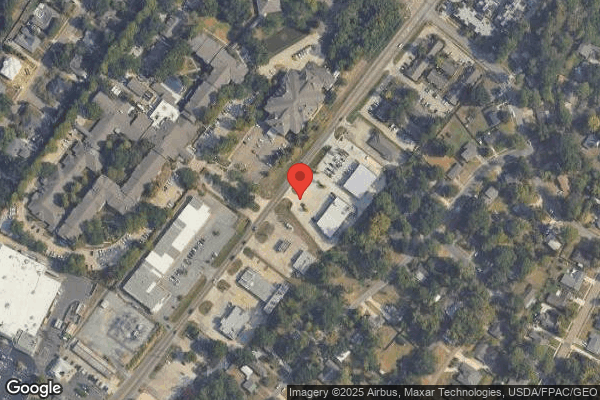

333 LEE DRIVE, BATON ROUGE, LA 70808 (225) 490-3252
Non profit - Corporation 90 Beds Independent Data: November 2025 3 Immediate Jeopardy citations
Trust Grade
4/100
#159 of 264 in LA
Last Inspection: June 2025

Inspected within the last 6 months. Data reflects current conditions.

Overview

St. James Place Nursing Care Center has received a Trust Grade of F, indicating significant concerns about the quality of care provided. They rank #159 out of 264 facilities in Louisiana, placing them in the bottom half, and #12 out of 25 in East Baton Rouge County, meaning there are better local options available. The facility is showing signs of improvement, having reduced the number of issues from 13 in 2024 to 7 in 2025. Staffing is a relative strength, with a rating of 4 out of 5 stars and a turnover rate of 39%, which is below the state average. However, the facility has accumulated $72,485 in fines, which is concerning and suggests ongoing compliance issues. Notably, there have been several critical incidents, including a failure to notify physicians about significant changes in residents' health, such as low blood glucose levels, which poses serious risks. Additionally, there were lapses in implementing care protocols for residents with diabetes, resulting in immediate jeopardy situations. While St. James Place has some positive aspects, families should weigh these serious deficiencies when considering this facility for their loved ones.

Trust Score
F
4/100
In Louisiana
#159/264
Bottom 40%
Safety Record
High Risk
Review needed
Inspections
Getting Better
13 → 7 violations
Staff Stability
○ Average
39% turnover. Near Louisiana's 48% average. Typical for the industry.
Penalties
✓ Good
$72,485 in fines. Lower than most Louisiana facilities. Relatively clean record.
Skilled Nurses
⚠ Watch
Each resident gets only 18 minutes of Registered Nurse (RN) attention daily — below average for Louisiana. Fewer RN minutes means fewer trained eyes watching for problems.
Violations
⚠ Watch
21 deficiencies on record. Higher than average. Multiple issues found across inspections.
★★☆☆☆
2.0
Overall Rating
★★★★☆
4.0
Staff Levels
★★☆☆☆
2.0
Care Quality
★★☆☆☆
2.0
Inspection Score
Stable
2024: 13 issues
2025: 7 issues

The Good

  • 4-Star Staffing Rating · Above-average nurse staffing levels
  • Full Sprinkler Coverage · Fire safety systems throughout facility
  • No fines on record
  • Staff turnover below average (39%)

    9 points below Louisiana average of 48%

Facility shows strength in staffing levels, fire safety.

The Bad

2-Star Overall Rating

Near Louisiana average (2.4)

Below average - review inspection findings carefully

Staff Turnover: 39%

Near Louisiana avg (46%)

Typical for the industry

Federal Fines: $72,485

Well above median ($33,413)

Moderate penalties - review what triggered them

The Ugly 21 deficiencies on record

3 life-threatening
Jun 2025 7 deficiencies
CONCERN (D)

Potential for Harm - no one hurt, but risky conditions existed

Assessment Accuracy (Tag F0641)

Could have caused harm · This affected 1 resident

Based on record review and interviews, the facility failed to ensure the Minimum Data Set (MDS) assessments accurately reflected the resident's status for 1 (#41) of 15 sampled residents reviewed for ...

Read full inspector narrative →
Based on record review and interviews, the facility failed to ensure the Minimum Data Set (MDS) assessments accurately reflected the resident's status for 1 (#41) of 15 sampled residents reviewed for MDS. Findings: Review of Resident #41's Clinical Record revealed an admission date of 05/21/2024 with diagnoses which included Bipolar, Depression, and Anxiety. Review of Resident #41's Annual MDS with an Assessment Reference Date (ARD) of 05/21/2025 revealed in part, the following: Section N0415: Medications: Antipsychotic: No. Review of Resident #41's current Physician Orders revealed in part, the following: Start date: 04/01/2025, Risperidone 0.5mg tablet, give 1 tablet by mouth every night. An interview was conducted on 06/24/2025 at 2:00 p.m. with S4MDS. She reviewed Resident #41's Annual MDS with ARD of 05/21/2025. She confirmed Section N0415 was coded as Resident #41 not taking an antipsychotic, which was coded inaccurately. An interview was conducted on 06/25/2025 at 12:45 p.m. with S2DON. She confirmed all residents' MDS should be accurately coded for the medications they received.
CONCERN (D)

Potential for Harm - no one hurt, but risky conditions existed

Deficiency F0849 (Tag F0849)

Could have caused harm · This affected 1 resident

**NOTE- TERMS IN BRACKETS HAVE BEEN EDITED TO PROTECT CONFIDENTIALITY** Based on interviews and record review, the facility failed to meet the following Hospice requirements by failing to maintain a s...

Read full inspector narrative →
**NOTE- TERMS IN BRACKETS HAVE BEEN EDITED TO PROTECT CONFIDENTIALITY** Based on interviews and record review, the facility failed to meet the following Hospice requirements by failing to maintain a system to ensure a resident's Hospice Binder contained the most recent Hospice Plan of Care for 1(#8) of 2 (#8 and #41) residents reviewed for Hospice care. Findings: A review of Resident #8's Clinical Record revealed she was admitted to the facility on [DATE]. Further review revealed Resident #8 was a patient of a local Hospice agency with an admission Date of [DATE]. A review of Resident #8's Hospice Plan of Care on file revealed the most current Plan of Care present in the Hospice Binder was from previous certification period dated [DATE] thru [DATE]. An interview was conducted on [DATE] at 1:50 p.m. with S2DON. S2DON stated she was responsible for working with hospice representatives to coordinate care to the resident provided by the facility. S2DON reviewed Resident #8 Hospice Binder. S2DON confirmed the current Plan of Care on file was expired with certification period date of [DATE] thru [DATE]. She confirmed Resident #8 Hospice Binder should contain the most current and up to date Plan of Care and did not.
CONCERN (D)

Potential for Harm - no one hurt, but risky conditions existed

Infection Control (Tag F0880)

Could have caused harm · This affected 1 resident

**NOTE- TERMS IN BRACKETS HAVE BEEN EDITED TO PROTECT CONFIDENTIALITY** Based on observations, interviews, and record review, the facility failed to implement and maintain an infection prevention and ...

Read full inspector narrative →
**NOTE- TERMS IN BRACKETS HAVE BEEN EDITED TO PROTECT CONFIDENTIALITY** Based on observations, interviews, and record review, the facility failed to implement and maintain an infection prevention and control program designed to provide a safe, sanitary, and comfortable environment to help prevent the development and transmission of communicable diseases and infections for 1 (#254) of 2 (#48 and #254) residents observed with catheters. The facility failed to ensure Resident #254's catheter bag and tubing remained off of the floor. Findings: Review of the facility's policy titled, Catheter Insertion and Removal with a revision date of 07/2024 revealed the following, in part: Catheter Placement: Check placement of drainage bag to ensure bag does not touch floor and is below bladder level. Secure drainage bag when applicable to prevent accidental contamination. Avoid allowing any part of urinary catheter system to touch floor. Review of Resident #254's Clinical Record revealed he was admitted to the facility on [DATE]. Review of Resident #254's current Physician Orders revealed Foley Catheter care every shift with a start date of 06/18/2025. Review of Resident #254's current Care Plan revealed the following, in part: Problem: Resident requires an external catheter related to urinary retention. Approach: Do not allow tubing or any part of the drainage system to touch the floor. On 06/23/2025 at 9:50 a.m., an observation was made of Resident #254 in her room sitting in her wheelchair, catheter tubing was observed resting on the floor. On 06/24/2025 at 2:45 p.m., an observation was made of Resident #254's indwelling catheter bag and tubing resting on the floor. On 06/24/2025 at 3:40 p.m., an observation and interview was conducted with S3LPN. Upon entering Resident #254's room, S3LPN observed Resident #254's indwelling catheter bag and tubing on the floor. S3LPN confirmed the indwelling catheter bag and tubing were lying on the floor and should not have been. On 06/25/2025 at 12:10 p.m., an interview was conducted with S2DON. S2DON confirmed indwelling catheter bags and tubing should be kept off of the floor as it can increase the risk of infection.
CONCERN (D)

Potential for Harm - no one hurt, but risky conditions existed

Deficiency F0883 (Tag F0883)

Could have caused harm · This affected 1 resident

Based on interviews and record review, the facility failed ensure 1 (#11) of 5 (#1, #10, #11, #16, and #254) residents' records reviewed for immunizations had documentation indicating: 1. Resident or ...

Read full inspector narrative →
Based on interviews and record review, the facility failed ensure 1 (#11) of 5 (#1, #10, #11, #16, and #254) residents' records reviewed for immunizations had documentation indicating: 1. Resident or resident representative received education regarding the benefits and potential side effects of Pneumococcal and Influenza immunization; and 2. Resident either received, did not receive, or refused the Pneumococcal and Influenza immunization due to medical contraindication. Findings: Review of the facility's policy, titled Infection Control Policies And Procedures, reviewed on 06/24/2024, revised 04/11/2025, revealed, in part: Policy: The Advisory Committee on Immunizations Practices (ACIP) recommends that an Influenza vaccine be provided annually to all residents of nursing communities, prior to Influenza season. Procedure: B. If the resident/authorized representative refuses the vaccine, this will be documented .in the Electronic Health Record. C. If the resident consents to the vaccine, the procedure will be explained .the resident or resident representative will sign and date in the Electronic Health Record. Review of Resident #11's clinical record from 10/01/2024 to 06/24/2025 revealed no documentation of pneumococcal and influenza immunization status. On 06/24/2025 at 11:55 a.m., an interview was conducted with S2DON. She stated she was responsible for the infection control program since 03/2025.She stated the most recent vaccine consent form for Resident #11 was dated 11/01/2023. She confirmed she was responsible for ensuring complete documentation of obtaining consents, education was provided, and administration of pneumococcal and influenza vaccines for all residents beyond admission process. She reported the pneumococcal and influenza vaccines were available for administration if requested. S2DON confirmed all pneumococcal and influenza immunization administration and documentation was not complete for Resident #11 at this time and she had no evidence annual immunization process was followed for Resident #11.
CONCERN (D)

Potential for Harm - no one hurt, but risky conditions existed

Deficiency F0887 (Tag F0887)

Could have caused harm · This affected 1 resident

**NOTE- TERMS IN BRACKETS HAVE BEEN EDITED TO PROTECT CONFIDENTIALITY** Based on interviews and record review, the facility failed to implement policies and procedures for COVID-19 immunizations for 1...

Read full inspector narrative →
**NOTE- TERMS IN BRACKETS HAVE BEEN EDITED TO PROTECT CONFIDENTIALITY** Based on interviews and record review, the facility failed to implement policies and procedures for COVID-19 immunizations for 1 (#11) of 5 (#1, #10, #11, #16 and #254) resident's records reviewed for immunizations. The facility failed to ensure the residents' medical records included documentation that indicated: 1. Residents or resident representatives received education regarding the benefits and potential side effects of COVID-19 immunization; and 2. Residents either received the COVID-19 immunization or did not receive the COVID-19 immunization due to medical contraindication or refusal. The deficient practice had the potential to affect any of the 58 Residents residing in facility who required education and consents for immunizations. Findings: Review of Resident #11's medical record revealed he was admitted to the facility on [DATE]. Further review revealed Resident #11 was not vaccinated with the COVID-19 vaccine nor any documentation of a rationale for the resident not receiving the COVID-19 vaccine and no documentation of education regarding the benefits and potential side effects related to the COVID-19 vaccine for year 2024. On 06/24/2025 at 11:55 a.m., an interview was conducted with S2DON. She stated she was responsible for infection control program since March 20205. She confirmed the COVID-19 vaccinations were available for the facility to administer. She further confirmed Resident #11 was offered the COVID-19 vaccination in 2023. She confirmed there was no COVID-19 vaccination consent declination nor documentation in Resident #11's record of education provided to resident or resident's representative regarding benefits or side effects related to COVID-19 vaccinations, and should have been.
CONCERN (E)

Potential for Harm - no one hurt, but risky conditions existed

Medical Records (Tag F0842)

Could have caused harm · This affected multiple residents

**NOTE- TERMS IN BRACKETS HAVE BEEN EDITED TO PROTECT CONFIDENTIALITY** Based on record reviews and interviews, the facility failed to maintain accurate records in accordance with accepted professiona...

Read full inspector narrative →
**NOTE- TERMS IN BRACKETS HAVE BEEN EDITED TO PROTECT CONFIDENTIALITY** Based on record reviews and interviews, the facility failed to maintain accurate records in accordance with accepted professional standards and practices for 1 (#32) of 3 (#1, #10, and #32) residents reviewed for Pressure Ulcer/Injury. The facility failed to ensure nursing staff accurately documented Resident #32's weekly body audits. Findings: Review of the facility's policy Documentation in Clinical Record, revised 10/2024, revealed the following, in part: Procedure: Ensure documentation provides an accurate reflection of nursing care and activities of daily living assistance for each resident, including assessments, treatments, changes in clinical status, pertinent information, which supports deliverance of quality resident care by the multidisciplinary team. Review of Resident #32's Clinical Record revealed he was admitted to the facility on [DATE]. Review of Resident #32's Quarterly Minimum Data Set (MDS), with an Assessment Reference Date (ARD) of 05/14/2025, revealed he had one unhealed Stage II pressure ulcer/injury. Review of the facility's Wound Log dated March 2025 to June 2025 revealed Resident #32 had a right heel pressure ulcer, Stage III, identified on 11/11/2024 and healed on 05/02/2025. Further review revealed Resident #32 had a left heel pressure ulcer, Stage II, identified 03/06/2025, with most recent documentation dated 06/17/2025 as stable, with measurements 1.3 x 0.5 x 0.3 (Length x Width x Depth) centimeters (cm). Review of the Resident #32's current Physician Orders revealed Resident #32 should receive weekly body audits every Saturday. Further review revealed an order to discontinue wound care to the right heel on 05/14/2025, with note right heel has resolved. Review of Nurses' Note dated 05/10/2025, 05/24/2025, 06/07/2025, and 06/21/2025 revealed weekly body audits documenting the presence of pressure ulcer/injury to both the right and left heel as follows: 05/10/2025 10:11 a.m., weekly body audit . He does have a right heel stage II pressure wound, with no drainage at this time, and a left heel stage II. Will continue to use cleanser, pat dry, and wrap with kerlix daily. Signed S10LPN. 05/24/2025 2:52 p.m., weekly body audit . He does have a right heel stage II pressure wound with scant brownish drainage at this time, and a left heel scab. Will continue to use cleanser, pat dry, calcium alginate and wrap with kerlix daily. Signed S10LPN. 06/07/2025 10:11 a.m., weekly body audit . He does have a right heel stage II pressure wound with scant brownish drainage at this time, and a left heel scab. Will continue to use cleanser, pat dry, calcium alginate and wrap with kerlix daily. Signed S10LPN. 06/21/2025 01:44 p.m., weekly body audit . He does have a right heel stage II pressure wound with scant brownish drainage at this time, and a left heel scab. Will continue to use cleanser, pat dry, calcium alginate and wrap with kerlix daily. S10LPN. Between the dates of 06/23/2025 and 06/25/2025, multiple attempts made via telephone to contact S10LPN were unsuccessful. On 06/24/2025 at 3:03 p.m., an interview was conducted with S9CNA. S9CNA stated Resident #32 no longer had any pressure injuries on his heels. On 06/25/2025 at 9:17 a.m., an interview was conducted with S2DON. S2DON stated the facility's wound care nurse was unavailable. S2DON confirmed she was familiar with Resident #32's care. S2DON reviewed Resident #32's medical record and confirmed Resident #32 had a Stage III pressure ulcer/injury to his right heel healed on 05/02/2025. S2DON confirmed any documentation past 05/02/2025 noting Resident #32 to have a pressure ulcer/injury to his right heel was inaccurate. S2DON confirmed she expected staff's documentation to reflect an accurate picture of the resident's current condition.
CONCERN (F)

Potential for Harm - no one hurt, but risky conditions existed

Food Safety (Tag F0812)

Could have caused harm · This affected most or all residents

Based on observations, interviews, and policy review, the facility failed to store serving dishes and prepare food under sanitary conditions by failing to ensure ceiling vents in two kitchen locations...

Read full inspector narrative →
Based on observations, interviews, and policy review, the facility failed to store serving dishes and prepare food under sanitary conditions by failing to ensure ceiling vents in two kitchen locations remained free of thick fluffy gray substance. The deficiency had the potential to affect 58 residents who were served meals from the kitchen. Findings: Review of Policy, dated 05/2012, DS Cleaning and Maintenance of Kitchen revealed: Policy Guidelines and Procedures: Ceilings, Vents, and Lights, Ceiling tiles, vents, and lights must be cleaned monthly and maintained in good condition. Ceiling tiles and vents must be dust free . When ceiling tiles, vents, and lights require cleaning, a work order will be placed with Environmental Services. Findings: On 06/23/2025 at 11:40 a.m., an observation was made with S8CS of Kitchen A which revealed ceiling vent covering above the sanitation machine had excessive fluffy gray substance visible above the clean dish rack. S8CS stated she did not know when vents were cleaned last. On 06/23/25 at 12:00 p.m., an interview and observation of Kitchen B was conducted with S7DS. S7D verified observations of ceiling vent covering with large amount of fluffy gray substance and stated the vent did not appear to be clean. She stated she did not know who was responsible or when kitchen vent coverings were last cleaned or replaced. On 06/24/25 at 08:31 a.m., an observation was made of Kitchen B vent directly above clean dish rack completely covered with thick clumps of fluffy gray substance and unable to view openings of vent due to excessive debris. On 06/24/25 at 09:55 a.m., an interview and observation of Kitchen A and Kitchen B ceiling vents was conducted with S5DM. He verified and confirmed both Kitchen A and Kitchen B ceiling vent coverings were completely covered with thick fluffy gray substance, unable to visualize vent holes due to excessive debris and not clean. He stated he was not sure when vents were last cleaned or if monitored by Maintenance Department, nor who was responsible to clean them. On 06/24/2025 at 01:30 p.m., an interview was conducted with S6PSM. After observing Kitchen A and Kitchen B ceiling vents, he confirmed observations of vent coverings completely covered with thick fluffy gray substance and were not clean. He stated he was responsible for monitoring of all ceiling vent coverings in the facility. He further stated that the kitchen vents were not on a regular cleaning, maintenance check schedule and had not been monitored for cleaning or vent covering change needs. He confirmed he had no documentation of when the ceiling vent coverings were last cleaned or changed and he should have.
Oct 2024 1 deficiency
CONCERN (E) 📢 Someone Reported This

A family member, employee, or ombudsman was alarmed enough to file a formal complaint

Potential for Harm - no one hurt, but risky conditions existed

Medical Records (Tag F0842)

Could have caused harm · This affected multiple residents

**NOTE- TERMS IN BRACKETS HAVE BEEN EDITED TO PROTECT CONFIDENTIALITY** Based on record review and interviews, the facility failed to maintain accurate records in accordance with accepted professional...

Read full inspector narrative →
**NOTE- TERMS IN BRACKETS HAVE BEEN EDITED TO PROTECT CONFIDENTIALITY** Based on record review and interviews, the facility failed to maintain accurate records in accordance with accepted professional standards for 3 of 3 (#1, #2, and #3) sampled residents reviewed for baths. Findings: Review of the Facility's Policy titled, Documentation in Clinical Record, dated October 2023, revealed the following, in part: Procedure: Documentation on skilled residents is required every shift with evidence supporting the skilled service. Documentation must be completed every shift for assistance with activities of daily living (ADL) by assigned CNA. Ensure documentation provides an accurate reflection of nursing care and ADL assistance for each resident, including assessments, treatments, changes in clinical status, pertinent information, which supports deliverance of quality resident care by the multidisciplinary team. Resident #1 Review of Resident #1's Clinical Record revealed the resident was admitted to the facility on [DATE]. Review of Resident #1's Care Plan revealed Resident #1 should be offered a bath of choice at least three days a week. Review of Resident #1's September 2024 Bath/Shower Logs revealed no documentation for a bath or shower given on 09/05/2024, 09/10/2024, 09/14/2024, 09/19/2024, 09/24/2024, and 09/28/2024. An interview was conducted on 10/04/2024 at 10:59 a.m. with S2FCNA. S2FCNA stated she gave Resident #1 a shower on 09/05/2024 and did not document the care. An interview was conducted on 10/04/2024 at 10:40 a.m. with S3CNA. S3CNA confirmed she gave Resident #1 a shower on 09/14/2024 and did not document the care. An interview was conducted on 10/04/2024 at 10:27 a.m. with S4CNA. S4CNA confirmed she gave Resident #1 a bed bath on 09/19/2024 and 09/28/2024 and did not document the bed bath. Resident #2 Review of Resident #2's Clinical Record revealed the resident was admitted to the facility on [DATE]. Review of Resident #2's Care Plan revealed Resident #2 should be offered a bath of choice at least three days a week. Review of Resident #2's September 2024 Bath/Shower Logs revealed no documentation for a bath or shower given on 09/10/2024, 09/14/2024, 09/19/2024, 09/24/2024, 09/26/2024, and 09/28/2024. An interview was conducted on 10/04/2024 at 10:37 a.m. with S3CNA. S3CNA confirmed she gave Resident #2 a bath on 09/14/2024 and did not document the bath. An interview was conducted on 10/04/2024 at 10:27 a.m. with S4CNA. S4CNA confirmed she gave Resident #2 a shower on 09/19/2024 and did not document the care. S4CNA stated Resident #2 refused a shower on 09/28/2024 and confirmed she did not document the refusal. Resident #3 Review of Resident #3's Clinical Record revealed the resident was admitted to the facility on [DATE]. Review of Resident #3's Care Plan revealed Resident #3 should be offered a bath of choice at least three days a week. Review of Resident #3's September 2024 Bath/Shower Logs revealed no documentation for a bath or shower given on 09/10/2024, 09/12/2024, 09/14/2024, 09/17/2024, 09/19/2024, 09/21/2024, 09/24/2024, and 09/28/2024. An interview was conducted on 10/04/2024 at 9:22 a.m. with S5CNA. S5CNA confirmed she gave Resident #3 a bath on 09/12/2024 and did not document the bath. An interview was conducted on 10/04/2024 at 10:00 a.m. with S6CNA. S6CNA confirmed she gave Resident #3 a bath on 09/24/2024 and did not document the bath. An interview was conducted on 10/04/2024 at 10:17 a.m. with S7CNA. S7CNA confirmed she gave Resident #3 a bath on 09/28/2024 and did not document the bath. An interview was conducted on 10/04/2024 at 12:51 p.m. with S1DON. She confirmed there was no documentation for the aforementioned dates for baths or showers for Resident #1, Resident #2, and Resident #3 and there should have been.
May 2024 12 deficiencies 3 IJ
CRITICAL (J)

Immediate Jeopardy (IJ) - the most serious Medicare violation

Notification of Changes (Tag F0580)

Someone could have died · This affected 1 resident

**NOTE- TERMS IN BRACKETS HAVE BEEN EDITED TO PROTECT CONFIDENTIALITY** Based on interviews and record reviews, the facility failed to ensure nursing staff communicated a significant change in status ...

Read full inspector narrative →
**NOTE- TERMS IN BRACKETS HAVE BEEN EDITED TO PROTECT CONFIDENTIALITY** Based on interviews and record reviews, the facility failed to ensure nursing staff communicated a significant change in status to the resident's physician or family for 2 (#48, #46) of 4 (#6, #32, #46, and #48) residents reviewed for notification of change. The facility failed to ensure: 1. Nursing staff notified Resident #48's physician after low blood glucose readings were obtained, a change in breath sounds was noted, or a change in level of consciousness occurred; and 2. Nursing staff notified Resident # 46's family after a low blood glucose readings were obtained This deficient practice resulted in an Immediate Jeopardy situation on [DATE] at 5:15 a.m., when S4LPN failed to implement the standing orders for Hypoglycemic Protocol when Resident #48's blood glucose level was 49 mg/dL. S4LPN administered approximately 2 ounces of sugar water via oral swab to the resident. Upon rechecking Resident #48's blood glucose level, the reading was 53 mg/dL. S4LPN did not notify the physician of the low readings. On [DATE] at 6:00 a.m., S5LPN observed Resident #48 and found the resident had gurgled breathing and was unable to be aroused. S5LPN failed to notify Resident #48's physician or assess vital signs to include a blood glucose reading at that time. At 6:30 a.m., S5LPN found Resident #48 unresponsive, without a pulse or breath sounds. S1ADM and S2DON were notified of the Immediate Jeopardy situation on [DATE] at 5:37 p.m. The Immediate Jeopardy was removed on [DATE] at 3:53 p.m., as confirmed by onsite verification through observations, interviews, and record reviews. The facility implemented an acceptable Plan of Removal (POR) prior to the survey exit. The deficient practice continued at more than minimal harm for the remaining 49 residents residing in the facility. Findings: 1. Resident #48 Review of the facility document presented as the Hypoglycemic Protocol titled Signs and Symptoms of Hypoglycemia In Adults signed by S16MD on [DATE] revealed the following, in part: Whenever hypoglycemia is suspected the following steps are to be taken: 2. Follow hypoglycemia treatment, notify physician of CBG value unless otherwise ordered. Review of the facility policy titled Diabetes Mellitus Resident Care revised 05/2013 revealed the following, in part: Policy Guidelines and Procedures: Monitoring of blood sugar levels is done as ordered by MD, and PRN per nursing judgement. MD is notified for any change in condition. Review of Resident #48's Clinical Record revealed she was admitted to the facility on [DATE] and had diagnoses, which included Type 2 Diabetes Mellitus. Review of Resident #48's Physician orders revealed the following, in part: [DATE] Hypoglycemia Protocol: follow hypoglycemia protocol as listed then notify MD if CBG is less than 74 mg/dL or unless otherwise instructed by physician. Review of Resident #48's Care Plan revealed the following, in part: Problem: Nutrition - Resident #48 has a diagnosis of Diabetes. Interventions: accu checks as ordered, notify MD of abnormals and treat as ordered Review of Resident #48's Nurse's Notes revealed the following, in part: [DATE] at 7:06 a.m. by S4LPN: [DATE] at 05:15 a.m. routine blood sugar checked initial result was 49 fasting resident was given sweetener on sponge to tongue and cheeks. Blood sugar rechecked after 30 minutes results 53 will alert AM nurse to result again in 30 minutes. [DATE] at 6:43 a.m. by S5LPN: 6:30 a.m.: Upon entering resident's room, resident was found lying in her bed. O2 via nasal cannula at 2 Liters/min. Resident was not breathing, resident had no pulse, O2 sats unobtainable. No heart sounds upon auscultation. On [DATE] at 9:01 a.m., an interview was conducted with S20CNA. S20CNA stated her shift started at 6:00 p.m. on [DATE]. S20CNA stated Resident #48 did not have gurgled breathing during her shift. On [DATE] at 2:42 p.m., an interview was conducted with S4LPN. S4LPN confirmed Resident #48 was a Diabetic. S4LPN stated on [DATE] at approximately 5:15 a.m., Resident #48's blood glucose reading was 49 and she administered about a teaspoon of sugar on and under the tongue and placed the remaining sugar in approximately 2 ounces of water and administered about ¾ of the solution to the resident's mouth using a pink sponge stick. S4LPN stated she rechecked Resident #48's blood sugar 20 - 25 minutes later and it was 53. S4LPN stated once the blood sugar came up to 53, Resident #48 was more alert. S4LPN stated she did not notify the doctor because the blood glucose was not super low, and she was attempting to get it up with sugar water. S4LPN stated there were standing orders to notify the doctor if a blood glucose was under a certain value but she did not know the value. S4LPN stated she had not looked at the standing order for hypoglycemia. S4LPN confirmed blood glucose readings of 49 and 53 were abnormal. On [DATE] at 8:59 a.m., an interview was conducted with S5LPN. S5LPN confirmed Resident #48 was a Diabetic. S5LPN stated she observed Resident #48 on [DATE] at approximately 6:00 a.m. and again around 6:15 a.m. S5LPN said Resident #48 was unresponsive with gurgled breathing. She stated the resident would not wake up to verbal stimulation when her name was called or when she physically shook her.S5LPN stated she received report that Resident #48 was declining, so she was not concerned when the resident was unresponsive with gurgled breathing. S5LPN stated when she next observed Resident #48 at 6:30 a.m., the resident was unresponsive, without a pulse, and stopped breathing. She explained she did not call the doctor to notify them of Resident #48's status at either 6:00 a.m. or 6:15 a.m. because the resident expired before she got a chance to. On [DATE] at 10:35 a.m., an interview was conducted with S16MD. S16MD stated there was a Hypoglycemic Protocol in place for nurses to follow when a blood glucose reading was less than 60. S16MD stated the nurse should have called the on-call physician immediately when Resident #48's blood glucose reading of 49 was received. On [DATE] at 11:13 a.m., an interview was conducted with S2DON. S2DON confirmed S4LPN did not follow the Hypoglycemic Protocol. S2DON confirmed the physician should have been notified as soon as there was a change in Resident #48's condition. S2DON stated the physician should have been notified upon receipt of the 49 blood glucose reading. S2DON stated when Resident #48 was unresponsive to verbal and physical stimuli and had gurgled respirations, S5LPN should have assessed the resident, obtained vital signs and notified the physician. S2DON stated S5LPN should have automatically sent the resident to the hospital and notified the physician of the reason. 2. Resident #46 Review of Resident #46's clinical record revealed Resident #46 was admitted to the facility on [DATE] with diagnoses, which included Type 2 Diabetes Mellitus. Review of Resident #46's Nurse's Notes revealed the following, in part: [DATE] at 4:20 a.m. Resident #46's blood glucose was noted to be 24 mg/dL. Further review revealed there was no documentation Resident #46's family was notified of the blood glucose level. A telephone interview was conducted on [DATE] at 11:54 a.m. with Resident #46's Responsible Party. He stated he was not notified when Resident #46 had a low blood sugar. An interview was conducted on [DATE] at 11:28 a.m. with S2DON. S2DON stated family should be notified of low blood sugar levels once treatment was provided and the blood sugar was stable. A telephone interview was conducted on [DATE] at 12:07 p.m. with S18LPN. S18LPN stated on [DATE] when Resident #46's blood sugar was 24 mg/dL and she did not call the family.
CRITICAL (J)

Immediate Jeopardy (IJ) - the most serious Medicare violation

Quality of Care (Tag F0684)

Someone could have died · This affected 1 resident

**NOTE- TERMS IN BRACKETS HAVE BEEN EDITED TO PROTECT CONFIDENTIALITY** The facility failed to ensure a resident received treatment and care according to the resident's plan of care and physician's or...

Read full inspector narrative →
**NOTE- TERMS IN BRACKETS HAVE BEEN EDITED TO PROTECT CONFIDENTIALITY** The facility failed to ensure a resident received treatment and care according to the resident's plan of care and physician's orders in accordance with professional standards of practice by failing to provide needed services. The facility failed to ensure: 1. S4LPN and S5LPN implemented the hypoglycemic protocol for 1 (#48) of 3 (#32, #46, and #48) residents reviewed with Diabetes; and 2. S5LPN assessed an unresponsive resident with gurgled breathing for 1 (#48) of 3 (#32, #46, and #48) residents reviewed with Diabetes. This deficient practice resulted in an Immediate Jeopardy situation on [DATE] at 5:15 a.m., when S4LPN failed to implement the standing orders for Hypoglycemic Protocol when Resident #48's blood glucose level was 49 mg/dL. S4LPN administered approximately 2 ounces of sugar water via oral swab to the resident. Upon rechecking Resident #48's blood glucose level, the reading was 53 mg/dL. S4LPN did not notify the physician of the low readings. On [DATE] at 6:00 a.m., S5LPN observed Resident #48 and found the resident had gurgled breathing and was unable to be aroused. S5LPN failed to notify Resident #48's physician or assess vital signs to include a blood glucose reading at that time. At 6:30 a.m., S5LPN found Resident #48 unresponsive, without a pulse or breath sounds. S1ADM and S2DON were notified of the Immediate Jeopardy situation on [DATE] at 5:37 p.m. The Immediate Jeopardy was removed on [DATE] at 3:53 p.m., as confirmed by onsite verification through observations, interviews, and record reviews. The facility implemented an acceptable Plan of Removal (POR) prior to the survey exit. The deficient practice continued at more than minimal harm for the remaining 49 residents residing in the facility. Findings: Review of the facility policy titled Diabetes Mellitus Resident Care revised 05/2013 revealed the following, in part: Policy Guidelines and Procedures: Monitoring of blood sugar levels is done as ordered by MD, and PRN per nursing judgement. MD is notified for any change in condition. In the event of emergency or acute change in status, assess the resident for the following: Not able to awaken, Personality Change, Unconsciousness and obtain a blood glucose reading. In the event of low blood sugar, follow physician standing order. If the resident who has low blood sugar remains unresponsive after initiation of standing order, activate EMS system and transfer to the emergency room. Notify MD and obtain order for transfer. Repeat blood glucose testing as indicated to monitor efficacy of emergency treatments. Notify MD of any initiation of standing order for low blood sugar, including resident response to treatment. Review of Resident #48's Clinical Record revealed she was admitted to the facility on [DATE] and had diagnoses, which included Type 2 Diabetes Mellitus. Review of Resident #48's Physician's Orders revealed the following, in part: [DATE] Hypoglycemia Protocol: follow hypoglycemia protocol as listed then notify MD if CBG is less than 74 mg/dL or unless otherwise instructed by physician. Review of the facility document presented as the Hypoglycemic Protocol titled Signs and Symptoms of Hypoglycemia In Adults signed by S16MD on [DATE] revealed the following, in part: Whenever hypoglycemia is suspected the following steps are to be taken: 1. Verify results by repeated CBG 2. Follow hypoglycemia treatment, notify physician of CBG value unless otherwise ordered. 3. Treat according to appropriate level or protocol Level II: CBG 50-65 mg/dl with or without mild/moderate symptoms Give 8 oz of juice. If juice is not tolerated, give 16oz Skim or Low Fat milk; go to #4 4. Retest CBG after 15-20 minutes after treatment. If CBG less than 74 mg/dl, give another 4 ounces juice or 8 oz of milk. Review of Resident #48's Care Plan revealed the following, in part: Problem: Nutrition - Resident #48 has a diagnosis of Diabetes. Interventions: Notify MD of abnormal and treat as ordered. Problem: Metabolism-Diabetes- Resident #48 has a diagnosis of Diabetes and is at risk for unstable blood sugar levels. Interventions: Evaluate, assess, and monitor hypoglycemia signs and symptoms. Review of Resident #48's Nurse's Notes revealed the following, in part: On [DATE] at 7:06 a.m. by S4LPN: [DATE] 5:15 a.m. routine blood sugar checked, initial result was 49 fasting and resident was given sweetener on sponge to tongue and cheeks. Blood sugar rechecked after 30 minutes results 53 will alert a.m. nurse to result again in 30 minutes. On [DATE] at 6:43 a.m. by S5LPN: 6:30 a.m. Upon entering resident's room, resident was found lying in her bed. Resident was not breathing, resident had no pulse, O2 sats unobtainable. No heart sounds upon auscultation. On [DATE] at 9:01 a.m., an interview was conducted with S20CNA. S20CNA stated her shift started at 6:00 p.m. on [DATE]. S20CNA stated Resident #48 did not have gurgled breathing during her shift. On [DATE] at 2:42 p.m., an interview was conducted with S4LPN. S4LPN confirmed Resident #48 was a Diabetic. S4LPN stated on [DATE] at approximately 5:15 a.m., Resident #48's blood glucose reading was 49 and she administered about a teaspoon of sugar on and under the tongue and placed the remaining sugar in approximately 2 ounces of water and administered about ¾ of the solution to the resident's mouth using a pink sponge stick. S4LPN stated she rechecked Resident #48's blood sugar 20 - 25 minutes later and it was 53. S4LPN stated once the blood sugar came up to 53, Resident #48 was more alert. S4LPN stated she administered Resident #48 three additional sponges of sugar water from the same cup to the resident. S4LPN stated she planned to recheck the resident's blood sugar again in 15-30 minutes but never did. S4LPN stated the resident did not have a hypoglycemic protocol to follow in her record. S4LPN explained she thought about giving the resident juice but had received report that the resident was not eating. S4LPN stated she did not consider administering glucagon. S4LPN stated she did not notify the doctor because the blood glucose was not super low, and she was attempting to get it up with sugar water. S4LPN stated there were standing orders to notify the doctor if a blood glucose was under a certain value but she did not know the value. S4LPN stated she had not looked at the standing order for hypoglycemia. On [DATE] at 8:59 a.m., an interview was conducted with S5LPN. S5LPN confirmed Resident #48 was a Diabetic. S5LPN stated she observed Resident #48 on [DATE] at approximately 6:00 a.m. and again around 6:15 a.m. S5LPN said Resident #48 was unresponsive with gurgled breathing. She stated the resident would not wake up to verbal stimulation when her name was called or when she physically shook her. She confirmed she did not assess the residents vital signs or check blood glucose levels at either 6:00 a.m. or 6:15 a.m. S5LPN stated she received report that Resident #48 was declining, so she was not concerned when the resident was unresponsive with gurgled breathing. S5LPN stated when she next observed Resident #48 at 6:30 a.m., the resident was unresponsive, without a pulse, and stopped breathing. She explained she did not call the doctor to notify them of Resident #48's status at either 6:00 a.m. or 6:15 a.m. because the resident expired before she got a chance to. She further confirmed she did not notify EMS. S5LPN stated she did not know the resident had low blood glucose readings beginning at 5:15 a.m. and would have checked her blood sugar and followed the hypoglycemic protocol if she did. On [DATE] at 10:35 a.m., an interview was conducted with S16MD. S16MD stated there was a Hypoglycemic Protocol in place for nurses to follow when a blood glucose reading was less than 60. S16MD stated the nurse should have called the on-call physician immediately when Resident #48's blood glucose reading of 49 was received. S16MD stated if Resident #48 was unable to drink the sugar water, then Glucagon would have been the better option to treat Resident #48's hypoglycemia. On [DATE] at 11:13 a.m., an interview was conducted with S2DON. S2DON stated she expected nurses to follow the Hypoglycemic Protocol. S2DON stated the Hypoglycemic Protocol was the standing doctor's orders for a Diabetic resident and was located at the nurse's station. S2DON stated if Resident #48 was unable to drink enough sugar water, Glucagon should have been administered. S2DON confirmed S4LPN did not follow the Hypoglycemic Protocol. S2DON confirmed the physician should have been notified as soon as there was a change in Resident #48's condition. S2DON stated the physician should have been notified upon receipt of the 49 blood glucose reading. S2DON stated when Resident #48 was unresponsive to verbal and physical stimuli and had gurgled respirations, S5LPN should have assessed the resident, obtained vital signs and notified the physician. S2DON stated S5LPN should have automatically sent the resident to the hospital and notified the physician of the reason.
CRITICAL (J)

Immediate Jeopardy (IJ) - the most serious Medicare violation

Deficiency F0726 (Tag F0726)

Someone could have died · This affected 1 resident

**NOTE- TERMS IN BRACKETS HAVE BEEN EDITED TO PROTECT CONFIDENTIALITY** Based on interviews and record reviews, the facility failed to ensure licensed nurses had the necessary competencies and skill s...

Read full inspector narrative →
**NOTE- TERMS IN BRACKETS HAVE BEEN EDITED TO PROTECT CONFIDENTIALITY** Based on interviews and record reviews, the facility failed to ensure licensed nurses had the necessary competencies and skill sets to care for a resident's needs. The facility failed to ensure: 1. S4LPN and S5LPN implemented the hypoglycemic protocol for 1 (#48) of 3 (#32, #46, and #48) residents reviewed with Diabetes; and 2. S5LPN assessed an unresponsive resident with gurgled breathing for 1 (#48) of 3 (#32, #46, and #48) residents reviewed with Diabetes. This deficient practice resulted in an Immediate Jeopardy situation on [DATE] at 5:15 a.m., when S4LPN failed to implement the standing orders for Hypoglycemic Protocol when Resident #48's blood glucose level was 49 mg/dL. S4LPN administered approximately 2 ounces of sugar water via oral swab to the resident. Upon rechecking Resident #48's blood glucose level, the reading was 53 mg/dL. S4LPN did not notify the physician of the low readings. On [DATE] at 6:00 a.m., S5LPN observed Resident #48 and found the resident had gurgled breathing and was unable to be aroused. S5LPN failed to notify Resident #48's physician or assess vital signs to include a blood glucose reading at that time. At 6:30 a.m., S5LPN found Resident #48 unresponsive, without a pulse or breath sounds. S1ADM and S2DON were notified of the Immediate Jeopardy situation on [DATE] at 12:50 p.m. The Immediate Jeopardy was removed on [DATE] at 3:53 p.m., as confirmed by onsite verification through observations, interviews, and record reviews. The facility implemented an acceptable Plan of Removal (POR) prior to the survey exit. The deficient practice continued at more than minimal harm for the remaining 49 residents residing in the facility. Findings: Review of the facility policy titled Diabetes Mellitus Resident Care revised 05/2013 revealed the following, in part: Policy Guidelines and Procedures: Monitoring of blood sugar levels is done as ordered by MD, and PRN per nursing judgement. MD is notified for any change in condition. In the event of emergency or acute change in status, assess the resident for the following: Not able to awaken, Personality Change, Unconsciousness and obtain a blood glucose reading. In the event of low blood sugar, follow physician standing order. If the resident who has low blood sugar remains unresponsive after initiation of standing order, activate EMS system and transfer to the emergency room. Notify MD and obtain order for transfer. Repeat blood glucose testing as indicated to monitor efficacy of emergency treatments. Notify MD of any initiation of standing order for low blood sugar, including resident response to treatment. Review of the facility policy titled Physician Contact, revised 11/2004, revealed the following, in part: Policy Summary and Objective: Effective communication with the resident's MD is necessary in order to plan for and deliver high quality resident service. Policy Guidelines and Procedures: Prior to calling a MD to report a change in condition or status update, you should have: A complete set of vital signs and any follow up vital signs to show response to interventions to this point Chief complaint of the resident including signs and symptoms Nursing assessment of resident complaint Results of lab work Report any outstanding issues to on-coming shift for continued assessment/intervention Notify the Director of Nursing or Nurse Manager on call for any unstable residents Review of Resident #48's Clinical Record revealed she was admitted to the facility on [DATE] and had diagnoses, which included Type 2 Diabetes Mellitus. Review of Resident #48's Physician's Orders revealed the following, in part: [DATE] Hypoglycemia Protocol: follow hypoglycemia protocol as listed then notify MD if CBG is less than 74 mg/dL or unless otherwise instructed by physician. Review of the facility document presented as the Hypoglycemic Protocol titled Signs and Symptoms of Hypoglycemia In Adults signed by S16MD on [DATE] revealed the following, in part: Whenever hypoglycemia is suspected the following steps are to be taken: 1. Verify results by repeated CBG 2. Follow hypoglycemia treatment, notify physician of CBG value unless otherwise ordered. 3. Treat according to appropriate level or protocol Level II: CBG 50-65 mg/dl with or without mild/moderate symptoms Give 8 oz of juice. If juice is not tolerated, give 16oz Skim or Low Fat milk; go to #4 4. Retest CBG after 15-20 minutes after treatment. If CBG less than 74 mg/dl, give another 4 ounces juice or 8 oz of milk. Review of Resident #48's Nurse's Notes revealed the following, in part: On [DATE] at 7:06 a.m. by S4LPN: [DATE] 5:15 a.m. routine blood sugar checked, initial result was 49 fasting and resident was given sweetener on sponge to tongue and cheeks. Blood sugar rechecked after 30 minutes results 53 will alert a.m. nurse to result again in 30 minutes. On [DATE] at 6:43 a.m. by S5LPN: 6:30 a.m. Upon entering resident's room, resident was found lying in her bed. Resident was not breathing, resident had no pulse, O2 sats unobtainable. No heart sounds upon auscultation. On [DATE] at 9:01 a.m., an interview was conducted with S20CNA. S20CNA stated her shift started at 6:00 p.m. on [DATE]. S20CNA stated Resident #48 did not have gurgled breathing during her shift. On [DATE] at 2:42 p.m., an interview was conducted with S4LPN. S4LPN confirmed Resident #48 was a Diabetic. S4LPN stated on [DATE] at approximately 5:15 a.m., Resident #48's blood glucose reading was 49 and she administered about a teaspoon of sugar on and under the tongue and placed the remaining sugar in approximately 2 ounces of water and administered about ¾ of the solution to the resident's mouth using a pink sponge stick. S4LPN stated she rechecked Resident #48's blood sugar 20 - 25 minutes later and it was 53. S4LPN stated once the blood sugar came up to 53, Resident #48 was more alert. S4LPN stated she administered Resident #48 three additional sponges of sugar water from the same cup to the resident. S4LPN stated she did not consider administering glucagon. S4LPN stated she did not notify the doctor because the blood glucose was not super low, and she was attempting to get it up with sugar water. S4LPN stated there were standing orders to notify the doctor if a blood glucose was under a certain value but she did not know the value. S4LPN stated she did not look at the standing order for hypoglycemia. S4LPN confirmed blood glucose readings of 49 and 53 were abnormal. On [DATE] at 8:59 a.m., an interview was conducted with S5LPN. S5LPN confirmed Resident #48 was a Diabetic. S5LPN stated she observed Resident #48 on [DATE] at approximately 6:00 a.m. and again around 6:15 a.m. S5LPN said Resident #48 was unresponsive with gurgled breathing. She stated the resident would not wake up to verbal stimulation when her name was called or when she physically shook her. She confirmed she did not assess the residents vital signs or check blood glucose levels at either 6:00 a.m. or 6:15 a.m. S5LPN stated she received report that Resident #48 was declining, so she was not concerned when the resident was unresponsive with gurgled breathing. S5LPN stated when she next observed Resident #48 at 6:30 a.m., the resident was unresponsive, without a pulse, and stopped breathing. She explained she did not call the doctor to notify them of Resident #48's status at either 6:00 a.m. or 6:15 a.m. because the resident expired before she got a chance to. S5LPN stated she did not know the resident had low blood glucose readings beginning at 5:15 a.m. On [DATE] at 10:35 a.m., an interview was conducted with S16MD. S16MD stated there was a Hypoglycemic Protocol in place for nurses to follow when a blood glucose reading was less than 60. S16MD stated the nurse should have called the on-call physician immediately when Resident #48's blood glucose reading of 49 was received. S16MD stated if Resident #48 was unable to drink the sugar water, then Glucagon would have been the better option to treat Resident #48's hypoglycemia. On [DATE] at 11:13 a.m., an interview was conducted with S2DON. S2DON stated she expected nurses to follow the Hypoglycemic Protocol. S2DON stated the Hypoglycemic Protocol was the standing doctor's orders for a Diabetic resident and was located at the nurse's station. S2DON stated this information is included in orientation. S2DON stated if Resident #48 was unable to drink enough sugar water, Glucagon should have been administered. S2DON confirmed S4LPN did not follow the Hypoglycemic Protocol. S2DON confirmed the physician should have been notified as soon as there was a change in Resident #48's condition. S2DON stated the physician should have been notified upon receipt of the 49 blood glucose reading. S2DON stated when Resident #48 was unresponsive to verbal and physical stimuli and had gurgled respirations, S5LPN should have assessed the resident, obtained vital signs and notified the physician. S2DON stated S5LPN should have automatically sent the resident to the hospital and notified the physician of the reason. Review of the document titled RN / LPN Skills Orientation Check List revealed no documentation of the Hypoglycemic Protocol.
CONCERN (D)

Potential for Harm - no one hurt, but risky conditions existed

Deficiency F0582 (Tag F0582)

Could have caused harm · This affected 1 resident

Based on record review and interview, the facility failed to issue a Notice of Medicare Non-Coverage (NOMNC) to a resident or her responsible party for 1 (#6) of 3 (#6, #200 and #201) residents review...

Read full inspector narrative →
Based on record review and interview, the facility failed to issue a Notice of Medicare Non-Coverage (NOMNC) to a resident or her responsible party for 1 (#6) of 3 (#6, #200 and #201) residents reviewed for Beneficiary Notification. Review of Resident #6's SNF Beneficiary Notification Review Form completed by the facility revealed the following, in part: Medicare Part A Skilled Services episode start date: 02/08/2024 Last covered day of Part A Service: 02/28/2024 How was the Medicare Part A Service Termination/Discharge determined? The facility/provider initiated the discharge from Medicare Part A Services when benefit days were not exhausted. Was a NOMNC, Form CMS-10123 provided to the resident? No An interview was conducted with S2DON on 05/30/2024 at 12:32 p.m. She confirmed a NOMNC was never issued to Resident #6 and/or her responsible party and should have been.
CONCERN (D)

Potential for Harm - no one hurt, but risky conditions existed

Accident Prevention (Tag F0689)

Could have caused harm · This affected 1 resident

**NOTE- TERMS IN BRACKETS HAVE BEEN EDITED TO PROTECT CONFIDENTIALITY** Based on observations, interviews, and record review, the facility failed to ensure a resident received adequate supervision and...

Read full inspector narrative →
**NOTE- TERMS IN BRACKETS HAVE BEEN EDITED TO PROTECT CONFIDENTIALITY** Based on observations, interviews, and record review, the facility failed to ensure a resident received adequate supervision and assistance devices to prevent accidents by failing to utilize a Hoyer Lift with the assistance of two staff members for transfers for 1 (#28) of 3 (#28, #33, and #36) residents reviewed with Hoyer Lift transfers. Findings: Review of Resident #28's Clinical Record revealed she was admitted to the facility on [DATE] and had diagnoses, which included Dementia, Generalized Muscle Weakness, Other Lack of Coordination, and Abnormal Posture. Review of Resident #28's Quarterly MDS with an ARD of 03/13/2024 revealed she had a BIMS of 8, which indicated moderate cognitive impairment. Further review of the MDS revealed she was dependent on staff for transfers. Review of Resident #28's current Physician Orders revealed Hoyer Lift x 2 for transfers with a start date of 05/16/2023. Review of Resident #28's current Care Plan revealed the following, in part: Problem: Routine care needs - Resident #28 requires extensive assistance with transfers Approach: 05/16/2023 - transfer status Hoyer Lift x 2 staff members Review of Resident #28's nursing referral screen to rehab dated 05/05/2023 revealed the following, in part: Rehab comments/recommendation: Recommend Hoyer Lift transfer x 2 person for safety and proper positioning. An observation was made of S12CNA transferring Resident #28 from her bed to geri-chair on 05/29/2024 at 9:02 a.m. S12CNA transferred Resident #28 into her geri-chair independently without any lift device. An observation was made of Resident #28's care plan in her room following the above observation. Resident #28's lift care plan on the bulletin board in her room revealed she required a Hoyer Lift with two staff members for transfers. An interview was conducted with S12CNA on 05/29/2024 at 9:13 a.m. She stated each resident's ADL charting revealed how much assistance each resident required for a particular ADL, including transfers. She stated she was able to transfer Resident #28 independently and had never used a Hoyer Lift. She confirmed she got Resident #28 out of bed this morning independently, got her back in bed for catheter care independently, and transferred her back to her geri-chair independently while surveyor was observing. She reviewed Resident #28's ADL care plan at that time and confirmed Resident #28 required a Hoyer Lift with two staff members' assistance for transfers. She stated therapy completed transfer assessments on each resident to determine how much assistance each resident required. An interview was conducted with S15LPN on 05/29/2024 at 10:25 a.m. She confirmed she was assigned to Resident #28. She stated Resident #28 should always be transferred with the Hoyer Lift and the assistance of two staff members. She stated staff should never transfer Resident #28 with any other method. An interview was conducted with S14RTD on 05/29/2024 at 12:04 p.m. She confirmed Resident #28 was assessed by therapy to need a Hoyer Lift for transfers, which was the safest way to transfer Resident #28. She stated the expectation was for staff to always use the Hoyer Lift for transfers. An interview was conducted with S2DON on 05/29/2024 at 10:44 a.m. She stated therapy was responsible for making the determination on a resident's transfer status. She stated there was a transfer list at each kiosk and each resident's room had an ADLs care plan, which alerted staff to each residents' transfer status. She confirmed Resident #28 was assessed by therapy and required a Hoyer Lift for transfers. She stated the staff should never transfer Resident #28 independently without a Hoyer Lift.
CONCERN (D)

Potential for Harm - no one hurt, but risky conditions existed

Respiratory Care (Tag F0695)

Could have caused harm · This affected 1 resident

**NOTE- TERMS IN BRACKETS HAVE BEEN EDITED TO PROTECT CONFIDENTIALITY** Based on observation, interviews, and record review, the facility failed to provide necessary care and services for the provisio...

Read full inspector narrative →
**NOTE- TERMS IN BRACKETS HAVE BEEN EDITED TO PROTECT CONFIDENTIALITY** Based on observation, interviews, and record review, the facility failed to provide necessary care and services for the provision of respiratory care in accordance with professional standards. The facility failed to ensure oxygen tubing and humidifier bottle were properly labeled for 1(#21) of 8 (#5, #18, #21, #30, #41, #46, #250, #251) residents reviewed with oxygen therapy. Findings: Review of the facility policy titled, Oxygen Administration, dated 10/2016, revealed, in part: Replace oxygen tubing, mask/cannula and humidification solution weekly. Review of clinical record for Resident #21 revealed she was admitted to the facility on [DATE] and had diagnosis which included Chronic Obstructive Pulmonary Disease, Asthma, Atrial Fibrillation, Heart Failure and Obstructive Sleep Apnea. Review of current Physicians Orders for Resident #21 revealed the following, in part: Start date: 05/15/2024 Shortness of breath with new onset of dyspnea begin on 1 liter O2, titrate to 2L to keep O2 saturation more than 92%. Start date: 05/19/2024 Change nasal cannula and label weekly on Sunday and as needed. Start date: 05/19/2024 Humidifier bottle change and label weekly on Sunday. An observation was made of Resident #21 on 05/28/2024 at 9:15 a.m., sleeping in recliner with O2 nasal cannula with humidifier in use. The oxygen tubing and humidification bottle were not labeled with a date indicating when changed. An interview was conducted with S17LPN on 05/28/2024 at 10:16 a.m. S17LPN stated Resident #21 utilized oxygen via nasal cannula often as prescribed. S17LPN confirmed Resident #21's oxygen tubing and humidification bottle was not labeled with a date and should have been. An interview was conducted with S2DON on 05/29/2024 at 1:51 p.m. S2DON confirmed all oxygen tubing and humidifiers should be changed weekly and labeled with a date when changed. An interview was conducted with S1ADM on 05/29/2024 at 1:52 p.m. S1ADM confirmed all oxygen tubing and humidification systems should be labeled with a date when changed.
CONCERN (D)

Potential for Harm - no one hurt, but risky conditions existed

Infection Control (Tag F0880)

Could have caused harm · This affected 1 resident

Based on record review, observation, and interview, the facility failed to ensure a Certified Nursing Assistant (CNA) used Personal Protective Equipment (PPE) for a resident on Enhanced Barrier Precau...

Read full inspector narrative →
Based on record review, observation, and interview, the facility failed to ensure a Certified Nursing Assistant (CNA) used Personal Protective Equipment (PPE) for a resident on Enhanced Barrier Precautions during a bed bath for 1 (#251) of 6 (#7, #24, #28, #39, #40, and #251) residents reviewed for Enhanced Barrier Precautions. Findings: Review of Resident #251's Physician Order dated 05/13/2024 revealed, in part, an order for Enhanced Barrier Precautions until discontinued by physician. An observation was made on 05/28/2024 at 9:40 a.m. of an Enhanced Barrier Precaution sign on Resident #251's door. Further review of the Enhanced Barrier Precaution sign revealed to wear a gown and gloves when performing the following high-contact resident care activities: Dressing, Bathing/showering, Transferring, Providing hygiene, Changing linens, Changing briefs or assisting with toileting. Further observation revealed, a hospice CNA was performing a bed bath on Resident #251 without wearing a gown. There was no documented evidence of an Enhanced Barrier Precaution Policy and the facility failed to provide any documented evidence. An interview was conducted on 05/31/2024 at 12:23 p.m. with S2DON. S2DON stated all staff, including hospice staff, providing care to residents should wear a gown and gloves when touching linens, bathing a resident, or changing a resident for residents on Enhanced Barrier Precautions. S2DON confirmed staff not wearing a gown while bathing a resident was not appropriate for a resident on Enhanced Barrier Precautions.
CONCERN (E)

Potential for Harm - no one hurt, but risky conditions existed

Deficiency F0558 (Tag F0558)

Could have caused harm · This affected multiple residents

**NOTE- TERMS IN BRACKETS HAVE BEEN EDITED TO PROTECT CONFIDENTIALITY** Based on interviews and record reviews, the facility failed to ensure residents received services in the facility with reasonabl...

Read full inspector narrative →
**NOTE- TERMS IN BRACKETS HAVE BEEN EDITED TO PROTECT CONFIDENTIALITY** Based on interviews and record reviews, the facility failed to ensure residents received services in the facility with reasonable accommodation of resident needs and preferences by failing to respond to call lights in an appropriate time frame for 2 of 2 (#27 and #33) residents reviewed for call light response. Findings: Resident #27 Review of Resident #27's clinical record revealed the resident was admitted to the facility on [DATE] and had diagnoses which included Parkinson's Disease, Muscle Weakness (Generalized), and Unsteadiness on Feet. Review of Resident #27's Annual MDS with an ARD of 03/27/2024 revealed the resident had a BIMS of 15 which indicated the resident had intact cognition. Further review revealed Resident #27 required partial/moderate to substantial/maximum assistance with ADLs with the exception of eating. Review of the call light log for Resident #27 from 03/28/2024 to 05/28/2024 revealed the following, in part: 03/28/2024 Occurred: 4:31p.m. Responded: 5:20 p.m. Response Time: 48 minutes 04/01/2024 Occurred: 10:23 p.m. Responded: 11:42 p.m. Response Time: 78 minutes 04/05/2024 Occurred: 12:44 p.m. Responded: 1:29 p.m. Response Time: 44 minutes 05/16/2024 Occurred: 10:22 p.m. Responded: 10:59 p.m. Response Time: 37 minutes 05/17/2024 Occurred: 6:27 p.m. Responded: 7:06 p.m. Response Time: 39 minutes 05/17/2024 Occurred: 9:06 p.m. Responded: 9:54 p.m. Response Time: 48 minutes 05/19/2024 Occurred: 7:58 p.m. Responded: 8:44 p.m. Response Time: 45 minutes On 05/28/2024 at 9:54 a.m., an interview was conducted with Resident #27. Resident #27 stated sometimes she has to wait up to an hour for a call light response. Resident #27 stated this has happened several times a day. Resident #33 Review of Resident #33's clinical record revealed the resident was admitted to the facility on [DATE] and had diagnoses which included Repeated Falls, Personal History of TIA, and CVA. Review of Resident #33's Quarterly MDS with an ARD of 04/10/2024 revealed a BIMS of 11 which indicated the resident had moderate cognitive impairment. Further review revealed Resident #33 was dependent or required substantial/maximum assistance with all ADLs with the exception of eating. Review of Resident #33's current Care Plan revealed the following, in part: Problem: ADL Function and Rehab: Mobility, Impaired physical Interventions: Instruct Resident #33 frequently to use the pull cord for assistance. Review of the call light log for Resident #33 from 03/28/2024 to 05/28/2024 revealed the following, in part: 03/29/2024 Occurred: 5:53 p.m. Responded: 6:56 p.m. Response Time: 62 minutes 04/01/2024 Occurred: 4:00 p.m. Responded: 4:45 p.m. Response Time: 45 minutes 04/01/2024 Occurred: 9:41 p.m. Responded: 11:43 p.m. Response Time: 121 minutes 04/02/2024 Occurred: 1:51 p.m. Responded: 2:33 p.m. Response Time: 41 minutes 04/12/2024 Occurred: 8:32 p.m. Responded: 9:14 p.m. Response Time: 41 minutes 04/15/2024 Occurred: 6:33 p.m. Responded: 7:17 p.m. Response Time: 44 minutes 04/26/2024 Occurred: 5:36 p.m. Responded: 6:13 p.m. Response Time: 37 minutes 04/27/2024 Occurred: 10:25 a.m. Responded: 11:20 a.m. Response Time: 54 minutes 04/28/2024 Occurred: 9:01 a.m. Responded: 9:37 a.m. Response Time: 36 minutes 04/28/2024 Occurred: 10:21 a.m. Responded: 11:39 a.m. Response Time: 77 minutes 05/04/2024 Occurred: 11:24 a.m. Responded: 12:34 p.m. Response Time: 70 minutes 05/05/2024 Occurred: 4:47 a.m. Responded: 5:52 a.m. Response Time: 65 minutes 05/11/2024 Occurred: 8:52 p.m. Responded: 9:57 p.m. Response Time: 64 minutes 05/14/2024 Occurred: 3:57 a.m. Responded: 5:23 a.m. Response Time: 85 minutes 05/17/2024 Occurred: 12:21 p.m. Responded: 1:23 p.m. Response Time: 61 minutes 05/17/2024 Occurred: 8:16 p.m. Responded: 9:14 p.m. Response Time: 58 minutes 05/21/2024 Occurred: 4:29 a.m. Responded: 5:16 a.m. Response Time: 47 minutes 05/28/2024 Occurred: 8:22 p.m. Responded: 9:16 p.m. Response Time: 54 minutes On 05/28/2024 at 11:13 a.m., an interview was conducted with Resident #33. Resident #33 stated the call light wait is more than 30 minutes for response. On 05/31/2024 at 12:23 p.m., an interview was conducted with S2DON. S2DON stated call lights should be answered timely and within 15 minutes. S2DON stated a 20 minute response time would be unreasonable but things happen. S2DON reviewed and confirmed the aforementioned findings for Resident #27 and #33. S2DON confirmed the call light response was horrible and the response times were not appropriate.
CONCERN (E)

Potential for Harm - no one hurt, but risky conditions existed

Deficiency F0757 (Tag F0757)

Could have caused harm · This affected multiple residents

**NOTE- TERMS IN BRACKETS HAVE BEEN EDITED TO PROTECT CONFIDENTIALITY** Based on record review and interview, the facility failed to ensure adequate monitoring for side effects with the use of anticoa...

Read full inspector narrative →
**NOTE- TERMS IN BRACKETS HAVE BEEN EDITED TO PROTECT CONFIDENTIALITY** Based on record review and interview, the facility failed to ensure adequate monitoring for side effects with the use of anticoagulant medication was completed for 2 (#32 and #250) of 5 (#11, #32, #36, #47, and #250) residents reviewed for unnecessary medications. Findings: Resident #32 Review of Resident #32's clinical record revealed, in part, Resident #32 was admitted to the facility on [DATE] with diagnoses of Metabolic Encephalopathy, Cognitive Communication Deficit, Type 2 Diabetes, Vascular Dementia, and Chronic Embolism. Review of Resident #32's MDS with an ARD of 05/14/2024 revealed, in part, Resident #32 received anticoagulant medication in the previous 7 days. Review of Resident #32's physician orders dated May 2024 revealed, in part, an order dated 05/08/2024 for Xarelto 15 mg at dinner for acute embolism. There was no documentation of monitoring for anticoagulant side effects for Resident #32 and the facility failed to provide documentation. Resident #250 Review of Resident #250's medical record revealed, Resident #250 was admitted to the facility on [DATE] with diagnoses, in part, bipolar disorder and heart condition. Review of Resident #250's physician orders revealed, in part, an order dated 05/21/2024 for Eliquis 5 mg by mouth twice daily for unspecified atrial fibrillation. Review of Resident #250's MAR dated 05/2024 revealed, in part, Eliquis administered as ordered for atrial fibrillation. Further review revealed there was no documentation of monitoring for side effects of Eliquis. An interview was conducted on 5/31/2024 at 10:18 a.m. with S2DON. S2DON confirmed there was no documentation of monitoring for side effects of the anticoagulant medication for Resident #32 and Resident #250. She confirmed monitoring for side effects of the anticoagulant medication should have been completed every shift.
CONCERN (E)

Potential for Harm - no one hurt, but risky conditions existed

Medication Errors (Tag F0758)

Could have caused harm · This affected multiple residents

**NOTE- TERMS IN BRACKETS HAVE BEEN EDITED TO PROTECT CONFIDENTIALITY** Based on interview and record review, the facility failed to ensure residents' drug regimens were free from unnecessary psychotr...

Read full inspector narrative →
**NOTE- TERMS IN BRACKETS HAVE BEEN EDITED TO PROTECT CONFIDENTIALITY** Based on interview and record review, the facility failed to ensure residents' drug regimens were free from unnecessary psychotropic medications by failing to ensure an antipsychotic medication was used only when there was an acceptable diagnosis; and ensure adequate monitoring for effectiveness and side effects of psychotropic medication was completed for 2 (#32 and #250) of 5 (#11, #32, #36, #47, and #250) residents reviewed for unnecessary medications. Findings: Resident #32 Review of Resident #32's clinical record revealed, in part, Resident #32 was admitted to the facility on [DATE] with diagnoses of Metabolic Encephalopathy, Cognitive Communication Deficit, Type 2 Diabetes, Vascular Dementia, and Chronic Embolism. Review of Resident #32's MDS with an ARD of 05/14/2024 revealed, in part, Resident #32 received antipsychotic medication, antianxiety medication, and antidepressant medication in the previous 7 days. Review of Resident #32's physician orders dated May 2024 revealed, in part, an order dated 05/08/2024 for Clonazepam 2mg tablet at bedtime for Radiculopathy, Quetiapine 25 mg twice daily for Vascular Dementia, and Viibryd 20mg every morning before breakfast for Depressive Episode. Review of Resident #32's MAR dated May 2024 revealed, in part, Resident #32 received the above medications as ordered. There was no documentation of monitoring for target behaviors or side effects of psychotropic medication for Resident #32 and the facility failed to provide documentation since the medication was started on 05/08/2024. Resident #250 Review of Resident #250's medical record revealed, Resident #250 was admitted to the facility on [DATE] with diagnoses, in part, Bipolar Disorder. Review of Resident #250's physician orders revealed, in part, an order dated 05/21/2024 for Fluoxetine 10 mg capsule by mouth daily for Depressive Disorder; Clonazepam 0.5mg by mouth hour of sleep for Spondylosis; and Risperdal 0.5 mg by mouth hour of sleep for Spondylosis. Review of Resident #250's MAR dated May 2024 revealed, in part, Resident #250 received the above medication as ordered. There was no documentation of monitoring for target behaviors or side effects of psychotropic medication for Resident #250 and the facility failed to provide documentation. An interview was conducted on 5/31/2024 at 10:18 a.m. with S2DON. S2DON confirmed Vascular Dementia was not an appropriate indication for use of Quetiapine, Radiculopathy and Spondylosis was not an appropriate indication for use of Clonazepam, and Spondylosis was not an appropriate indication for use of Risperdal. She also confirmed there was no monitoring of target behaviors or monitoring of side effects for the above medications for Resident #32 and Resident #250 and there should have been.
CONCERN (E)

Potential for Harm - no one hurt, but risky conditions existed

Food Safety (Tag F0812)

Could have caused harm · This affected multiple residents

Based on record review, observations, and interviews, the facility failed to store food in accordance with professional standards for food service safety. This had the potential to effect the 49 resid...

Read full inspector narrative →
Based on record review, observations, and interviews, the facility failed to store food in accordance with professional standards for food service safety. This had the potential to effect the 49 residents who were served meals from the kitchen. Findings: Review of the facility's undated policy titled Food Receiving and Storage Policy revealed in part, the following: After receiving order from delivery driver, all items are to be dated and labeled with a received date. All items in the food storage areas will be labeled, whether opened or un-opened. If opened, date the opening date and then date a use-by date of no more than three days from the opening date. Remove any product that has been opened longer than three days, and remove any un-open product if it is on or passed the expiration date. On 05/28/2024 at 8:54 a.m., an observation of Kitchen A revealed the following: 1. Five unsealed sausage patties, unlabeled and not dated in Freezer C; 2. Two uncooked hamburger patties, unlabeled and not dated in Freezer C; 3. Two pieces of uncooked chicken, unlabeled and not dated in Freezer C; 4. Two small Styrofoam containers of scooped orange sherbet, unlabeled and not dated in Freezer D; 5. Five small glass containers of scooped vanilla ice cream, unlabeled and not dated in Freezer D; 6. Three and ½ bunches of lettuce with portions discolored, unlabeled and not dated in Refrigerator E; 7. Two small Styrofoam containers of melted cheese, unlabeled and not dated in Refrigerator E; and 8. Two small quart size containers of tuna salad date 05/19/2024 in Refrigerator E. On 05/28/2024 at 9:30 a.m., an observation of Kitchen B revealed the following: 1. Five, 7 ¼ ounce cans of cream of mushroom soup with an expiration date of in the walk-in pantry; 2. Twenty three, 5 ounce cans of tomato juice with an expiration date of 03/29/2023 in the walk-in pantry. On 05/28/2024 at 10:25 a.m., an observation of the main kitchen revealed one opened, ¾ full, gallon container of salad dressing, not dated in the walk-in cooler. On 05/28/2024 at 9:35. a.m., an interview was conducted with S6ESC. She confirmed the findings observed on Kitchen A and Kitchen B. She stated she would expect staff to label all food in the refrigerators and freezers. She stated all food should be discarded 3 days after the open date and food with an expired date should be discarded. On 05/29/2024 at 9:30 a.m., an interview was conducted with S7KM. He stated all stored foods should be labeled and dated once opened. He also stated food with an expired date should be removed and not available for consumption. On 05/29/2024 at 11:26 a.m., an interview was conducted with S1ADM. He stated all stored food should be labeled and dated and food with an expired dated should be removed and not available for consumption.
CONCERN (F)

Potential for Harm - no one hurt, but risky conditions existed

Staffing Information (Tag F0732)

Could have caused harm · This affected most or all residents

Based on observations and interviews, the facility failed to post the required nurse staffing information on a daily basis for 4 of 4 (Nurse's Station a, b, c, and d) Nurse's Stations reviewed for nur...

Read full inspector narrative →
Based on observations and interviews, the facility failed to post the required nurse staffing information on a daily basis for 4 of 4 (Nurse's Station a, b, c, and d) Nurse's Stations reviewed for nurse staffing information. Findings: An observation of the staffing data posted at Nursing Station a revealed it did not include the resident census, the total number and the actual hours worked for resident care per shift for Registered Nurses, Licensed Practical Nurses, and Certified Nursing Assistants on the following dates and times: 05/28/2024 at 8:45 a.m., 05/28/2024 at 1:40 p.m., and 05/29/2024 at 8:25 a.m. An observation of the staffing data posted at Nursing Station b revealed it did not include the resident census, the total number and the actual hours worked for resident care per shift for Registered Nurses, Licensed Practical Nurses, and Certified Nursing Assistants on the following dates and times: 05/28/2024 at 11:15 a.m., 05/28/2024 at 3:20 p.m., and 05/29/2024 at 11:15 a.m. An observation of the staffing data posted at Nursing Station c revealed it did not include the resident census, the total number and the actual hours worked for resident care per shift for Registered Nurses, Licensed Practical Nurses, and Certified Nursing Assistants on the following dates and times: 05/28/2024 at 9:00 a.m., 05/28/2024 at 1:43 p.m., and 05/29/2024 at 9:00 a.m. An observation of the staffing data posted at Nursing Station d revealed it did not include the resident census, the total number and the actual hours worked for resident care per shift for Registered Nurses, Licensed Practical Nurses, and Certified Nursing Assistants on the following dates and times: 05/28/2024 at 9:05 a.m., 05/28/2024 at 1:45 p.m., and 05/29/2024 at 9:20 a.m. An interview was conducted on 05/31/2024 at 11:05 a.m. with S8SD. S8SD stated she was responsible for posting the staffing assignment sheet. S8SD confirmed she did not include the resident census, the total number and the actual hours worked for resident care per shift for Registered Nurses, Licensed Practical Nurses, and CNAs when she posted the staffing assignment sheet. An interview was conducted on 05/31/2024 at 11:08 a.m. with S1ADM. S1ADM stated he was not aware of the required data that should have been posted regarding the staffing assignment sheet.
Apr 2023 1 deficiency
CONCERN (E)

Potential for Harm - no one hurt, but risky conditions existed

Infection Control (Tag F0880)

Could have caused harm · This affected multiple residents

**NOTE- TERMS IN BRACKETS HAVE BEEN EDITED TO PROTECT CONFIDENTIALITY** Based on observations, interviews and record review, the facility failed to maintain an infection prevention and control program...

Read full inspector narrative →
**NOTE- TERMS IN BRACKETS HAVE BEEN EDITED TO PROTECT CONFIDENTIALITY** Based on observations, interviews and record review, the facility failed to maintain an infection prevention and control program designed to provide a safe, sanitary, and comfortable environment and to help prevent the development and transmission of communicable diseases and infections by failing to ensure: 1. S3PTA, S4PT, and S5PT wore mask when treating 15 residents on 04/11/2023 and 04/12/2023 during a COVID-19 outbreak; and 2. A Water Management Program was implemented to prevent the spread and growth of Legionella's and/or opportunistic waterborne pathogens. This had the potential to affect all of the 58 residents residing in the facility. Findings: 1. Review of the most recent CMS Memo qso-20-39-nh-revised; last revised 09/23/2022; revealed the following, in part: Core Principles of COVID-19 Infection Prevention: Face covering or mask (covering mouth and nose); and Appropriate staff use of Personal Protective Equipment (PPE) These core principles are consistent with the Centers for Disease Control and Prevention (CDC) guidance for nursing homes, and should be adhered to at all times. Entry of Healthcare Workers and Other Providers of Services: We remind facilities that all staff, including individuals providing services under arrangement, should adhere to the core principles of COVID-19 infection prevention. Review of the CDC Guidance the facility indicated as their current policy and procedure regarding the COVID-19 outbreak revealed, in part, the following: CDC's Infection Prevention and Control Recommendations for Healthcare Personnel During the Coronavirus Disease 2019 (COVID-19) Pandemic, updated 09/23/2022. Implement source control measures: Review of the Acknowledgment Letter for an Exemption request for S3PTA, signed and dated on 09/29/2021, revealed the following, in part: As a condition of this accommodation, we request that you agree to do the following: You will be required to wear an approved and appropriately fitting mask at all times while on campus. In the event the mask mandate is lifted, you may still be required to continue wearing a mask while at work. This will, of course, be determined by the level of risk due to the virus spread rate either at St. [NAME] Place or the community at large. Also to be considered in the level of risk is your job as it pertains to close personal contact with the residents. Review of the Acknowledgment Letter for an Exemption request for S4PT, signed and dated on 10/14/2021, revealed the following, in part: As a condition of this accommodation, we request that you agree to do the following: You will be required to wear an approved and appropriately fitting mask at all times while on campus. In the event the mask mandate is lifted, you may still be required to continue wearing a mask while at work. This will, of course, be determined by the level of risk due to the virus spread rate either at St. [NAME] Place or the community at large. Also to be considered in the level of risk is your job as it pertains to close personal contact with the residents. Review of the physical therapy schedule dated 04/11/2023-04/12/2023 revealed: 04/11/2023- 11 residents were treated in the physical therapy gym; and 04/12/2023- 10 residents were treated in the physical therapy gym. Resident #43 Review of Resident #43's Clinical Record revealed she was admitted to the facility on [DATE]. Review of Resident #43's MDS with an ARD of 03/15/2023 revealed a BIMS of 15, which indicated she was cognitively intact. Resident #59 Review of Resident #59's Clinical Record revealed he was admitted to the facility on [DATE]. Review of Resident #59's MDS with an ARD of 03/23/2023 revealed a BIMS of 15, which indicated he was cognitively intact. Resident #5 Review of Resident #5's Clinical Record revealed she was admitted to the facility on [DATE]. Review of Resident #5's MDS with an ARD of 03/22/2023 revealed a BIMS of 14, which indicated she was cognitively intact. On 04/11/2023 at 11:30 a.m., an observation was made of the physical therapy gym with S3PTA, S4PT, and S5PT and one random resident present. No staff members or the random resident were observed wearing masks. On 04/11/2023 at 11:32 a.m., an interview was conducted with S6RD. She verified the facility had a recent COVID-19 outbreak. She said staff were not required to wear a mask in the therapy gym. She confirmed the physical therapy staff did not wear masks at all times during the outbreak. She confirmed the residents and physical therapy staff in the gym were not currently wearing masks. On 04/11/2023 at 11:42 a.m., an interview was conducted with S3PTA. She was observed in the therapy gym without a mask in use while working with a random resident. She said she did not have to follow additional precautions or wear a mask at all times in the building. She said the therapy staff was not directed by the facility to wear masks during the outbreak. On 04/12/2023 at 9:20 a.m., an observation was made of the physical therapy gym. S3PTA, S4PT, and S5PT were observed not wearing a mask while four random residents were receiving treatment. During the observation, S3PTA stated therapy staff had not received any new directives from the facility to let them know if they should be wearing masks or not. On 04/12/2023 at 9:30 a.m., an interview was conducted with S6RD. She confirmed the physical therapists did not always wear face masks during resident treatments during the recent COVID-19 outbreak. She verified the observation of S3PTA, S4PT and S5PT not wearing masks during resident treatments. On 04/12/2023 at 10:35 a.m., an interview was conducted with S1ADM and S2DON. S2DON said the COVID-19 outbreak started on 03/15/2023 and the last positive case was on 03/31/2023. She verified the facility was still in outbreak status until 04/14/2023. S1ADM said therapy staff should wear a mask in the therapy gym if residents were present. S1ADM said therapy staff not wearing masks while treating residents in the therapy gym could potentially contribute to the spread of the COVID-19 infection. On 04/12/2023 at 11:20 a.m., an observation was made of the physical therapy gym. S3PTA, S4PT, and S5PT and four random residents were observed in the therapy room. No staff members or random residents were observed wearing masks. On 04/12/2023 at 11:55 a.m., an interview was conducted with Resident #43. She verified she went to the physical therapy gym this morning. She stated she did not wear a mask and the therapist did not wear a mask. She said she had not been required to wear a mask during the recent COVID-19 outbreak and the therapist did not always wear masks in the gym. On 04/12/2023 at 12:45 p.m., an interview was conducted with Resident #59. He said went to the physical therapy gym five days a week for the last 3-4 weeks. He said he did not wear a mask in the therapy gym and sometimes the therapist did not wear a mask when treating him. On 04/12/2023 at 12:50 p.m., an interview was conducted with Resident #5. She said she went to physical therapy gym two days a week. She said she did not wear a mask and sometimes the physical therapist did not wear a mask. She verified she went to the physical therapy gym yesterday and the therapist had not worn a mask. On 04/13/2023 at 10:00 a.m., an interview was conducted with S6RD. She verified S3PTA, S4PT and S5PT worked with 15 residents in the therapy gym without a mask on Tuesday 04/11/2023 and Wednesday 04/12/2023. She said staff with COVID-19 vaccination exemptions should wear a mask at all times. She confirmed S3PTA and S4PT had exemptions and did not wear their mask at all times but should have been. On 04/13/2023 at 10:15 a.m., an interview was conducted with S4PT. She said she did not have to follow additional precautions or wear a mask at all times in the building. She confirmed she worked on Tuesday 04/11/2023 and Wednesday 04/12/2023, treated residents and did not have on a mask. On 04/13/2023 at 10:22 a.m., an interview was conducted with S5PT. She verified she worked on Tuesday 04/11/2023 and Wednesday 04/12/2023, treated residents and did not wear a mask. On 04/13/2023 at 10:30 a.m., an interview was conducted with S1ADM. She confirmed all staff, including the therapist should wear a mask at all times during a COVID-19 outbreak. 2. Review of facility's policy titled Legionella Water Management Program revealed the following, in part: Policy: Our facility is committed to the prevention, detection and control of water-borne-contaminants, including Legionella. Policy Guidelines and Procedures: The water management program includes the following elements: a. An interdisciplinary water management team; b. A detailed description and diagram of the water system in the facility; c. The identification of areas in the water system that could encourage the growth and spread of Legionella or other waterborne bacteria; d. The identification of situations that can lead to Legionella growth; and e. Specific measures used to control the introduction and/or spread of legionella (e.g.; temperature, disinfectants). On 04/11/2023 at 12:24 p.m., an interview was conducted with S7DC. She said in February 2023, she had a meeting with S1ADM and S8DBG to discuss finding a contractor for the water management program. She stated S8DBG was responsible for setting up the contract for the water management program. On 04/12/2023 at 1:11 p.m., an interview was conducted with S1ADM. She said S8DBG was responsible for obtaining a contract for the water management program to assess for water borne illnesses and Legionella. She said as of today, S8DBG reported he had not secured a contract for Legionella testing. She said she was aware there were new guidelines for water management so she met with S7DC and S8DBG on 02/14/2023 to find a contractor to do the testing. She confirmed the facility should have followed the required water management guidelines. On 04/12/2023 at 1:20 p.m., an interview was conducted with S8DBG with S1ADM present. He said he was responsible for obtaining a contract for the water management program to assess for water borne illnesses and Legionella. He said he had been unable to find anyone local to do the testing. He confirmed the facility did not have a water management program at this time. A copy of the facility's water flow chart/ diagram was requested at this time. He was unaware if the facility had a water flow chart/diagram related to water sources for potential pathogens. He stated he was not currently testing the water temperatures or pH levels, in regards to Legionella. He confirmed the facility had not been assessed, monitored or interventions implemented for potential source areas. On 04/13/2023 at 10:30 a.m., an interview was conducted with S1ADM. She verified S8DBG had not produced a water flow chart/diagram for the facility. She confirmed the facility should have followed the required water management guidelines.
Understanding Severity Codes (click to expand)
Life-Threatening (Immediate Jeopardy)
J - Isolated K - Pattern L - Widespread
Actual Harm
G - Isolated H - Pattern I - Widespread
Potential for Harm
D - Isolated E - Pattern F - Widespread
No Harm (Minor)
A - Isolated B - Pattern C - Widespread

Questions to Ask on Your Visit

  • "What changes have you made since the serious inspection findings?"
  • "Can I speak with families of current residents?"
  • "What's your RN coverage like on weekends and overnight?"

Our Honest Assessment

Strengths
  • • 39% turnover. Below Louisiana's 48% average. Good staff retention means consistent care.
Concerns
  • • Multiple safety concerns identified: 3 life-threatening violation(s), $72,485 in fines, Payment denial on record. Review inspection reports carefully.
  • • 21 deficiencies on record, including 3 critical (life-threatening) violations. These warrant careful review before choosing this facility.
  • • $72,485 in fines. Extremely high, among the most fined facilities in Louisiana. Major compliance failures.
  • • Grade F (4/100). Below average facility with significant concerns.
Bottom line: This facility has 3 Immediate Jeopardy findings. Serious concerns require careful evaluation.

About This Facility

What is St James Place Nursing's CMS Rating?

CMS assigns ST JAMES PLACE NURSING CARE CENTER an overall rating of 2 out of 5 stars, which is considered below average nationally. Within Louisiana, this rating places the facility higher than 0% of the state's 100 nursing homes. A rating at this level reflects concerns identified through health inspections, staffing assessments, or quality measures that families should carefully consider.

How is St James Place Nursing Staffed?

CMS rates ST JAMES PLACE NURSING CARE CENTER's staffing level at 4 out of 5 stars, which is above average compared to other nursing homes. Staff turnover is 39%, compared to the Louisiana average of 46%. This relatively stable workforce can support continuity of care.

What Have Inspectors Found at St James Place Nursing?

State health inspectors documented 21 deficiencies at ST JAMES PLACE NURSING CARE CENTER during 2023 to 2025. These included: 3 Immediate Jeopardy (the most serious level, indicating potential for serious harm or death) and 18 with potential for harm. Immediate Jeopardy findings are rare and represent the most serious regulatory concerns. They require immediate corrective action.

Who Owns and Operates St James Place Nursing?

ST JAMES PLACE NURSING CARE CENTER is owned by a non-profit organization. Non-profit facilities reinvest revenue into operations rather than distributing to shareholders. The facility operates independently rather than as part of a larger chain. With 90 certified beds and approximately 53 residents (about 59% occupancy), it is a smaller facility located in BATON ROUGE, Louisiana.

How Does St James Place Nursing Compare to Other Louisiana Nursing Homes?

Compared to the 100 nursing homes in Louisiana, ST JAMES PLACE NURSING CARE CENTER's overall rating (2 stars) is below the state average of 2.4, staff turnover (39%) is near the state average of 46%, and health inspection rating (2 stars) is below the national benchmark.

What Should Families Ask When Visiting St James Place Nursing?

Based on this facility's data, families visiting should ask: "What changes have been made since the serious inspection findings, and how are you preventing similar issues?" "Can I visit during a mealtime to observe dining assistance and food quality?" "How do you handle medical emergencies, and what is your hospital transfer rate?" "Can I speak with family members of current residents about their experience?" These questions are particularly relevant given the facility's Immediate Jeopardy citations.

Is St James Place Nursing Safe?

Based on CMS inspection data, ST JAMES PLACE NURSING CARE CENTER has documented safety concerns. Inspectors have issued 3 Immediate Jeopardy citations (the most serious violation level indicating risk of serious injury or death). The facility has a 2-star overall rating and ranks #100 of 100 nursing homes in Louisiana. Families considering this facility should ask detailed questions about what corrective actions have been taken since these incidents.

Do Nurses at St James Place Nursing Stick Around?

ST JAMES PLACE NURSING CARE CENTER has a staff turnover rate of 39%, which is about average for Louisiana nursing homes (state average: 46%). Moderate turnover is common in nursing homes, but families should still ask about staff tenure and how the facility maintains care continuity when employees leave.

Was St James Place Nursing Ever Fined?

ST JAMES PLACE NURSING CARE CENTER has been fined $72,485 across 1 penalty action. This is above the Louisiana average of $33,804. Fines in this range indicate compliance issues significant enough for CMS to impose meaningful financial consequences. Common causes include delayed correction of deficiencies, repeat violations, or care failures affecting resident safety. Families should ask facility leadership what changes have been made since these penalties.

Is St James Place Nursing on Any Federal Watch List?

ST JAMES PLACE NURSING CARE CENTER is not on any federal watch list. The most significant is the Special Focus Facility (SFF) program, which identifies the bottom 1% of nursing homes nationally based on persistent, serious quality problems. Not being on this list means the facility has avoided the pattern of deficiencies that triggers enhanced federal oversight. This is a positive indicator, though families should still review the facility's inspection history directly.