ACADIA ST LANDRY NURSING & REHABILITATION CENTER
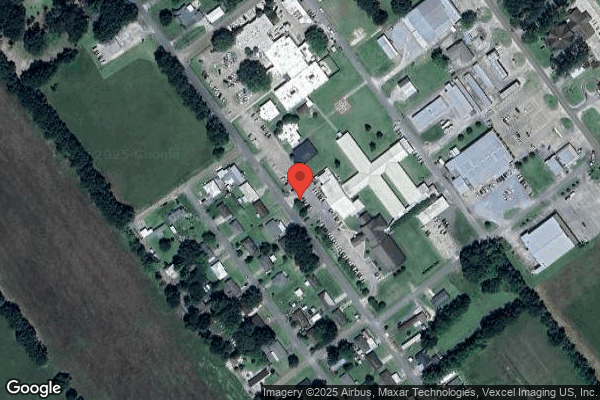
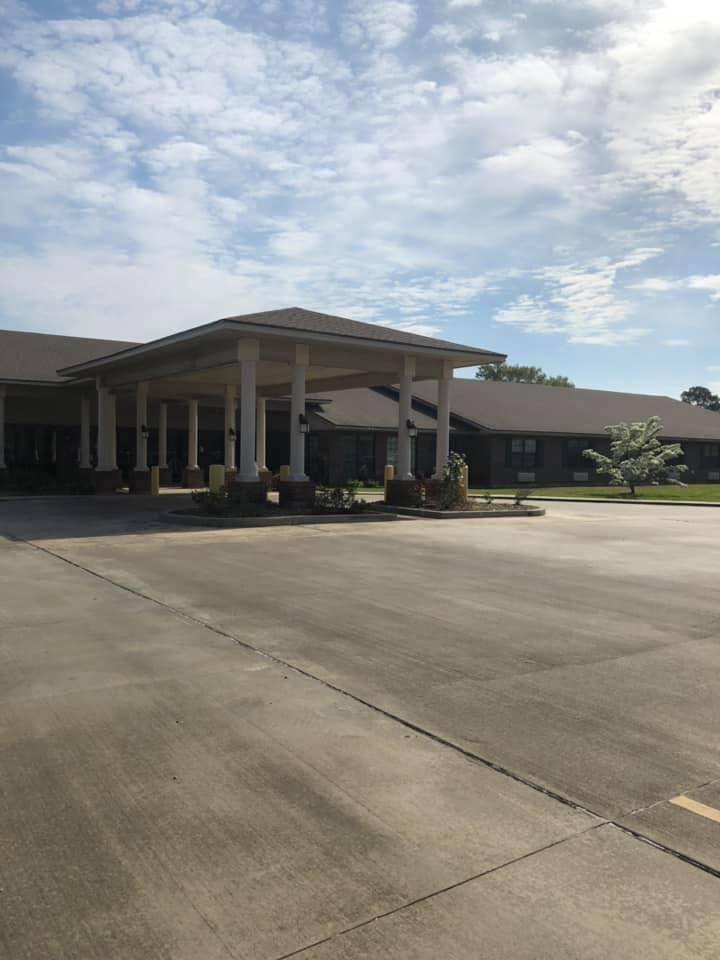
830 S. BROADWAY, CHURCH POINT, LA 70525 (337) 684-6316
For profit - Limited Liability company 134 Beds Independent Data: November 2025
Trust Grade
0/100
#174 of 264 in LA
Last Inspection: February 2025

Within standard 12-15 month inspection cycle. Federal law requires annual inspections.

Overview

Acadia St Landry Nursing & Rehabilitation Center has received a Trust Grade of F, indicating significant concerns about the facility's quality of care. It ranks #174 out of 264 nursing homes in Louisiana, placing it in the bottom half of facilities in the state, and #4 out of 5 in Acadia County, meaning only one local option is better. While the facility has shown improvement in its trend, reducing issues from 18 in 2024 to 13 in 2025, it still faces serious challenges, including $268,528 in fines, which is concerning and higher than 94% of Louisiana facilities. Staffing is a mixed bag; although the turnover rate of 36% is better than the state average of 47%, the facility has less RN coverage than 79% of state facilities, which impacts the quality of care. Specific incidents of concern include a resident falling and getting injured due to improper transfer methods, and another resident not receiving appropriate diabetic foot care, leading to serious skin issues. Overall, families should weigh these strengths and weaknesses carefully when considering this facility.

Trust Score
F
0/100
In Louisiana
#174/264
Bottom 35%
Safety Record
High Risk
Review needed
Inspections
Getting Better
18 → 13 violations
Staff Stability
○ Average
36% turnover. Near Louisiana's 48% average. Typical for the industry.
Penalties
⚠ Watch
$268,528 in fines. Higher than 76% of Louisiana facilities, suggesting repeated compliance issues.
Skilled Nurses
⚠ Watch
Each resident gets only 9 minutes of Registered Nurse (RN) attention daily — below average for Louisiana. Fewer RN minutes means fewer trained eyes watching for problems.
Violations
⚠ Watch
46 deficiencies on record. Higher than average. Multiple issues found across inspections.
★☆☆☆☆
1.0
Overall Rating
★★☆☆☆
2.0
Staff Levels
★☆☆☆☆
1.0
Care Quality
★☆☆☆☆
1.0
Inspection Score
Stable
2024: 18 issues
2025: 13 issues

The Good

  • Full Sprinkler Coverage · Fire safety systems throughout facility
  • No fines on record
  • Staff turnover below average (36%)

    12 points below Louisiana average of 48%

Facility shows strength in fire safety.

The Bad

1-Star Overall Rating

Below Louisiana average (2.4)

Significant quality concerns identified by CMS

Staff Turnover: 36%

Near Louisiana avg (46%)

Typical for the industry

Federal Fines: $268,528

Well above median ($33,413)

Significant penalties indicating serious issues

The Ugly 46 deficiencies on record

4 actual harm
Feb 2025 13 deficiencies 1 Harm
SERIOUS (G)

Actual Harm - a resident was hurt due to facility failures

Free from Abuse/Neglect (Tag F0600)

A resident was harmed · This affected 1 resident

**NOTE- TERMS IN BRACKETS HAVE BEEN EDITED TO PROTECT CONFIDENTIALITY** Based on interviews and record reviews, the facility failed to protect the resident's right to be free from neglect for 1 (#105)...

Read full inspector narrative →
**NOTE- TERMS IN BRACKETS HAVE BEEN EDITED TO PROTECT CONFIDENTIALITY** Based on interviews and record reviews, the facility failed to protect the resident's right to be free from neglect for 1 (#105) of 39 sampled residents. S8CNA failed to obtain the appropriate number of persons required to utilize a mechanical lift to transfer Resident #105. This deficient practice resulted in actual harm for Resident #105 on 09/13/2024 at approximately 6:35 AM when S8CNA (Certified Nursing Assistant) moved the resident from a lying position to sitting position in preparation to transfer him into a chair without the assistance of a second person or a mechanical lifter as required by his plan of care. When S8CNA turned away from the resident to get his chair, he fell on the floor and hit his head resulting in a laceration to his right eyebrow and right cheek that required stitches. Findings: Review of Resident #105's clinical records revealed an admit date of 04/08/2024 with diagnoses which included but were not limited to unspecified dementia, psychotic disturbance and anxiety, and repeated falls. Review of Resident #105's State Optional MDS dated [DATE] revealed the following: Section G: Section G0110 A - Bed mobility Two + persons physical assist. B. Transfer - how resident moves between surfaces including to or from: bed, chair, wheelchair, standing position (excludes to/from bath/toilet) Two + persons Physical assist. Review of Resident #105's quarterly MDS (Minimum Data Set) dated 01/01/2025 revealed in Section C, his BIMS (Basic Interview of Mental Status) interview was unable to be completed and his cognitive skills for daily decision making were severely impaired. Further review revealed in Section GG that the resident was dependent in chair/bed transfer, and the ability to move from lying on the back to sitting on the side of the bed with no back support was not attempted due to medical condition and safety concerns. Review of Resident #105's care plan revealed a focus problem of ADL self-care performace related to limited mobility and limited range of motion intiated 07/01/2024 and revised on 07/22/2024. Interventions included the resident has contractures of the right and left knee and right and left hand .requires mechancial lift with 2 staff assistance for transfers. Review of the facility's investigative report revealed in part that on 09/13/2024 at 6:35 AM, S24LPN (Licensed Practical Nurse) was called into Resident #105's room by S8CNA and observed the resident lying on his right side on the floor with hematoma under Resident #105's right eye and laceration on right forehead. Bleeding noted. Further review revealed a witness statement written by S8CNA on 09/13/2024 which read in part, I S8CNA sat Resident #105 on side of bed and then turned around to put chair closer to transfer him into chair. When I turned back to him, he had leaned on his side and rolled onto the floor . Review of the hospital records dated 9/13/2024 at 7:30 AM, revealed the resident arrived at the ED (Emergency Department) on 09/13/2024 at 6:57 AM with chief complaint of laceration to right eyebrow and right cheek. Treatment: Suture repair, tissue adhesive closure - 5 sutures. Head CT (cat scan), normal, no abnormalities noted. discharged in stable condition. During a phone interview with S8CNA on 02/11/2025 at 2:45 PM, she confirmed that she was caring for Resident #105 when he fell on [DATE]. S8CNA stated that she was trying to transfer the resident from his bed to his chair. She stated she sat him at the side of the bed then turned away to grab the chair. She explained that the resident was on the floor when she turned back around. S8CNA was asked how she knew how to transfer the resident and she stated it is on a dot that indicated his transfer needs over Resident #105's bed but she didn't check it because it is usually the same. S8CNA stated that she did not bring the lifter to Resident #105's room to transfer him nor did she have another CNA in the room to help her. She stated that she had asked S22CNA to help her, but she was helping another resident. S8CNA stated she wanted to get her work done and decided to transfer Resident #105 by herself when he fell. During an interview and review of Resident #105's MDS with S2DON and S3IP on 02/12/2025 at 10:22 AM, S2DON and S1IP both agreed that because Resident #105 was coded in the MDS as not attempted transfer from lying to sitting at bedside due to safety concerns. Both confirmed that S8CNA should not have transferred the resident by herself. During a follow-up interview on 02/12/2025 at 4:41 PM, with S2DON, and S3IP. S2DON stated that S8CNA had been working at the facility since 1996 and should have known better. She stated S8CNA should not have gotten the resident from his bed to sit at the side of the bed without assistance of another person. S2DON and S3IP both stated that S8CNA should have waited for assistance before getting the resident out of bed.
CONCERN (D)

Potential for Harm - no one hurt, but risky conditions existed

Deficiency F0582 (Tag F0582)

Could have caused harm · This affected 1 resident

Based on interview and record review, the facility failed to provide form CMS (Centers for Medicare and Medicaid Services) 10123- Notice of Medicare Non Coverage (NOMNC) as required for 1 Resident (#9...

Read full inspector narrative →
Based on interview and record review, the facility failed to provide form CMS (Centers for Medicare and Medicaid Services) 10123- Notice of Medicare Non Coverage (NOMNC) as required for 1 Resident (#97) out of 3 (#13, #97 and #107) residents reviewed for SNF (Skilled Nursing Facility) Beneficiary Notification. The facility had a census of 121 residents. A review of Resident #97's SNF Beneficiary Notification Review form revealed that the facility initiated the resident's discharge from Medicare Part A services when benefit days were not exhausted. Resident #97 was discharged from Medicare Part A services on 1/31/2025. Further review of Resident #97's EHR failed to reveal that a Notice of Medicare Non Coverage (NOMNC) form was provided to the resident. On 02/12/2025 at 3:19 PM, an interview was conducted with S19MDS/LPN (Minimum Data Set/Licensed Practical Nurse). S19MDS/LPN stated Resident #97's discharge was facility initiated, and the resident also had skilled benefit days remaining at the time of the discharge. S19MDS/LPN confirmed she did not provide Resident #97 a NOMNC form, and Resident #97 did not sign a NOMNC form.
CONCERN (D)

Potential for Harm - no one hurt, but risky conditions existed

Deficiency F0676 (Tag F0676)

Could have caused harm · This affected 1 resident

**NOTE- TERMS IN BRACKETS HAVE BEEN EDITED TO PROTECT CONFIDENTIALITY** Based on observations, interviews, and record review, the facility failed to provide the necessary care and services to provide ...

Read full inspector narrative →
**NOTE- TERMS IN BRACKETS HAVE BEEN EDITED TO PROTECT CONFIDENTIALITY** Based on observations, interviews, and record review, the facility failed to provide the necessary care and services to provide a communication aid for 1 (#88) out of 3 (#65, #88, and #115) residents reviewed for communication. Findings: A review of Resident #88's admission record revealed he was admitted to the facility on [DATE] with diagnoses that included in part, heart failure, hypertension, and atrial fibrillation. A review of Resident #88's most recent quarterly Minimum Data Set (MDS) dated [DATE] revealed the resident's Brief Interview for Mental Status (BIMS) score was 13, which indicated the resident was cognitively intact. A review of Resident #88's care plan initiated on 06/03/2024, revealed the resident had the potential for communication difficulties or declines due to speaks Spanish. Interventions included that read in part, use communication board or chart when needed/ordered for resident with difficulty in communication (initiated on 06/03/2024). On 02/10/2025 at 10:03 AM, an observation was conducted of Resident #88. Resident #88 pointed to different items in the room and on himself. Resident #88 was observed not speaking English. At this time, there was no communication aid/board to assist in communication with the resident in his room. On 02/10/2025 at 10:10 AM, an observation and interview was conducted with Resident #88 and S5LPN/Adm (Licensed Practical Nurse/Admissions). S5LPN/Adm stated the resident was Spanish speaking only and did not speak any English. She stated she was Spanish-speaking and could translate for the staff when she worked on Monday - Friday, 8:00 a.m. - 4:00 p.m. She confirmed there was no communication aid/board to assist in communication with the resident when she was not working. She translated to Resident #88 in Spanish how he communicates his needs to staff when she is not here, and the resident stated to her that he tries to point to stuff, but they do not understand him. On 02/12/2025 at 9:03 AM, an interview was conducted with S6CNA (Certified Nursing Assistant). She stated Resident #88 is Spanish-speaking only and is only able to say yes and hello in English. She stated the staff communicates with him through S5LPN/Adm who is Spanish-speaking. She stated when S5LPN/Adm is not here she will make hand gestures to the resident. She confirmed there was no communication aid at the bedside to assist in communication with the resident. On 02/12/2025 at 9:05 AM, an observation of Resident #88's room revealed that no communication aid was present to assist in communication with the resident. On 02/12/2025 at 9:09 AM, an interview was conducted with S4LPN (Licensed Practical Nurse). She stated Resident #88 speaks Spanish 90% of the time and they communicate to him with S5LPN/Adm. She stated when S5LPN/Adm was not working they communicate to him with body language. She confirmed there was no communication aid at the bedside to assist in communication with the resident. On 02/12/2025 at 10:20 AM, an observation of Resident #88's room revealed that no communication aid was present to assist in communication with the resident. On 02/12/2025 at 11:04 AM, an interview was conducted with S2DON (Director of Nursing). S2DON stated that Resident #88 was only Spanish-speaking, and he barely speaks any English. She stated that they communicate with the resident with S5LPN/Adm, who was Spanish-speaking. She confirmed that there was no communication aid at the bedside to assist in communication with the resident. On 02/15/2025 at 1:01 PM, S2DON stated there was not a policy and procedure related to communication/translation services.
CONCERN (D)

Potential for Harm - no one hurt, but risky conditions existed

Deficiency F0698 (Tag F0698)

Could have caused harm · This affected 1 resident

**NOTE- TERMS IN BRACKETS HAVE BEEN EDITED TO PROTECT CONFIDENTIALITY** Based on record reviews and interviews, the facility failed to ensure ongoing communication and collaboration with the dialysis ...

Read full inspector narrative →
**NOTE- TERMS IN BRACKETS HAVE BEEN EDITED TO PROTECT CONFIDENTIALITY** Based on record reviews and interviews, the facility failed to ensure ongoing communication and collaboration with the dialysis facility through use of dialysis communication forms for 1 (#8) out of 2 (#8 and #223) residents sampled for dialysis services. Findings: On 02/12/2025, a review of the facility's agreement with the Contracted Dialysis Agency with an effective date of 01/01/2011 read in part, Collaboration of Care - Both parties shall ensure that there is documented evidence of collaboration of care and communication between the Nursing Facility and ESRD (End-Stage Renal Disease) Dialysis Unit. A review of Resident #8's admission record revealed an admission date of 11/27/2023 with diagnoses that included, but were not limited to, dependence on renal dialysis and chronic kidney disease. A review of Resident #8's most recent quarterly Minimum Data Set (MDS) assessment dated [DATE] revealed the resident had a Brief Interview for Mental Status (BIMS) score of 12 indicating his cognition was moderately impaired. Section O - Special Treatments, Procedures, and Programs revealed the resident was receiving dialysis. A review of Resident #8's care plan initiated on 08/15/2024 revealed the resident was at risk for complications of renal failure/ESRD requiring dialysis. Interventions read in part, dialysis on Tuesdays, Thursdays, & Saturdays at a contracted dialysis agency. A review of Resident #8's dialysis communication record form located in the resident's paper medical record from January 2025 to the present was reviewed. The paper medical record revealed no documented evidence of a dialysis communication record form on 01/09/2025, 01/11/2025, 01/28/2025, 01/30/2025, and 02/04/2025. On 02/12/2025 at 9:10 AM, an interview was conducted with S4LPN (Licensed Practical Nurse). S4LPN stated there was a dialysis communication record form that was sent back and forth between the facility and the contracted dialysis agency on all dialysis days. She stated the dialysis communication record form was how the nurses and the dialysis nurses communicated with one another about the resident's needs and care. The dialysis communication record form include the resident's vital signs before and after dialysis treatment, how much fluid was removed from the resident, and any labs or medication(s) changes. S4LPN further stated upon the resident's return from dialysis, the dialysis communication record form was reviewed and then placed in the resident's paper medical record. On 02/12/2025 at 10:53 AM, a record review and interview was conducted with S2DON (Director of Nursing). She stated that a dialysis communication form is was completed before and after every dialysis visit. S2DON then walked to the nurse's station to see if communication forms were in Resident #8's s paper medical record. She confirmed there were no dialysis communication forms on 01/09/2025, 01/11/2025, 01/28/2025, 01/30/2025, and 02/04/2025 and should have been. On 02/12/2025 at 2:39 PM, an interview was conducted with S20ADON (Assistant Director of Nursing). S20ADON provided two envelopes with dialysis communication forms from 01/28/2025 and 01/30/2025 and stated they were in Resident #8's backpack. She confirmed they were not in the resident's electronic or paper medical record for staff to review.
CONCERN (D)

Potential for Harm - no one hurt, but risky conditions existed

Deficiency F0919 (Tag F0919)

Could have caused harm · This affected 1 resident

**NOTE- TERMS IN BRACKETS HAVE BEEN EDITED TO PROTECT CONFIDENTIALITY** Based on observation and interview, the facility failed to ensure that residents who were capable of using call bells were able ...

Read full inspector narrative →
**NOTE- TERMS IN BRACKETS HAVE BEEN EDITED TO PROTECT CONFIDENTIALITY** Based on observation and interview, the facility failed to ensure that residents who were capable of using call bells were able to reach the call bell for 1 (#60) of 39 sampled residents. Findings: Resident #60 was admitted to the facility on [DATE] with diagnoses which included, but were not limited, to major depressive disorder and repeated falls. A review of Resident #60's quarterly MDS (Minimum Data Set) dated 10/30/2024, revealed in Section GG that she had no upper extremity impairments. On 02/10/2025 at 9:46 AM, an observation was made of Resident #60 in her room. The resident was lying in her bed and her call bell was on the night stand at the foot of her bed. The call bell was outside of the resident's reach. When asked, Resident #60 stated that she did not know where her call bell was. During an observation and interview with S18LPN (Licensed Practical Nurse) on 02/10/2025 at 9:50 AM, she confirmed the resident's call bell was out of Resident #60's reach. S18LPN stated Resident #60 was capable of using her call bell, and it should have been pinned to the resident's bed where she can reach it and not placed on the night stand at the foot of bed where the resident was unable to reach it.
CONCERN (E)

Potential for Harm - no one hurt, but risky conditions existed

Notification of Changes (Tag F0580)

Could have caused harm · This affected multiple residents

**NOTE- TERMS IN BRACKETS HAVE BEEN EDITED TO PROTECT CONFIDENTIALITY** Based on record review, observation, and interviews, the facility failed to ensure a resident's change in condition was immediat...

Read full inspector narrative →
**NOTE- TERMS IN BRACKETS HAVE BEEN EDITED TO PROTECT CONFIDENTIALITY** Based on record review, observation, and interviews, the facility failed to ensure a resident's change in condition was immediately reported for 2 (#43, #82) of 2 (#43, #82) residents as evidenced by: 1. Staff failing to report bilateral lower extremity edema for Resident #43 and; 2. S10T (Transportation) failing to notify the physician of failed attempts to complete a consult for Resident #82's left shoulder pain. Findings: Review of the facility's policy titled Change in Resident's Condition or Status, with a last reviewed date of 05/2017, read in part . Policy Statement: Our facility shall promptly notify the resident, his or her Attending Physician, and representative (sponsor) of changes in the resident's medical/mental condition and/or status. 1. The nurse will notify the resident's Attending Physician, or physician on call when there has been a(n): d. significant change in the resident's physical, emotional, mental condition. 2. A significant change of condition is a major decline or improvement in the resident's status that: a. Will not normally resolve itself without intervention by staff or by implementing standard disease related clinical interventions (is not self- limiting); 4. Unless otherwise instructed by the resident, a nurse will notify the resident's representative when: b. There is a significant change in the resident's physical, mental, or psychosocial status. 1. Resident #43 Review of Resident #43's EHR (Electronic Health Record) revealed she was admitted to the facility on [DATE] with diagnoses that included in part, atherosclerotic heart disease, and coronary artery without angina pectoris. Review of Resident #43's most recent admission Minimum Data Set (MDS) assessment dated [DATE] revealed the resident's Brief Interview for Mental Status (BIMS) score was 12, indicating moderate cognitive impairment. Review of Resident #43's physician orders dated 02/2025 did not reveal interventions or medications related to edema. Review of Resident #43's care plan dated 12/03/2024 did not reveal any interventions for edema. Review of the facility's progress notes dated 12/16/2024 per S9LPN (Licensed Practical Nurse) read in part .resident had a 2+ pitting edema to her bilateral lower legs. Further review of S9LPN's progress note dated 02/06/2025 read in part .resident had a 2+ pitting edema to her bilateral lower legs. Review of S11MD's (Medical Doctor) progress note dated 12/17/2024 read in part .Extremities: edema was absent. Further review of S11MD progress noted dated 02/06/2025 read in part .Extremities: edema was absent. On 02/11/2025 at 12:12 PM, an interview was conducted with S9LPN who stated she had observed Resident #43's bilateral lower extremities with 2+ pitting edema and confirmed she had not made the physician aware of the new onset of edema. On 02/12/2025 at 3:20 PM, an interview was conducted with S11MD who confirmed that staff had not made him aware of Resident #43's bilateral lower extremity edema and he should have been notified. 2. Resident #82 Review of Resident #82's EHR (Electronic Health Record) revealed he was admitted to the facility on [DATE] with diagnoses that included in part, peripheral vascular disease, neuropathy, and left shoulder pain secondary to a fall. Review of Resident #82's most recent OBRA (Omnibus Budget Reconciliation Act) Minimum Data Set (MDS) assessment dated [DATE] revealed the resident's Brief Interview for Mental Status (BIMS) score was 12, indicating moderate cognitive impairment. Review of Resident #82's physician order dated 02/05/2025 read in part .consult (local orthopedic physician) for left shoulder pain. On 02/11/2025 at 12:00 PM, an interview was conducted with Resident #82 who stated he had xray's completed on his left shoulder and he was told it was arthritis. The resident went on to state that his shoulder hurts with movement and his movement was limited to his left arm. He stated no one had told him what the doctors were going to do about his left shoulder pain. On 02/11/2025 at 3:00 PM, an interview was conducted with S13WC (Ward Clerk) who stated she had received the consult orders from the physician for Resident #82, and then sent the consult to S10T/SSA (Transportation/Social Services Assistant), so that they could make the appointment. On 02/11/2025 at 3:04 PM, an interview was conducted with S10T/SSA who stated she received the consult and the information to arrange an appointment for the resident with the local orthopedic physician. She added the local orthopedic physician's nurse stated the resident could not be seen while he was in rehab. S10T/SSA was asked if she notified the nurse that the consult could not be completed and she stated she tried to call the nurse on 02/07/2025, but the nurse didn't respond. When asked if she tried again to notify the nurse that the consult could not be completed, she stated no. On 02/11/2025 at 3:12 PM, an interview was conducted with S11MD (Medical Doctor) who stated he was not aware that the consult was not completed and staff should have informed him of that so that he could have made different arrangements.
CONCERN (E)

Potential for Harm - no one hurt, but risky conditions existed

PASARR Coordination (Tag F0644)

Could have caused harm · This affected multiple residents

**NOTE- TERMS IN BRACKETS HAVE BEEN EDITED TO PROTECT CONFIDENTIALITY** Based on record review and interview, the facility failed to refer residents with newly diagnosed mental disorders or had a sign...

Read full inspector narrative →
**NOTE- TERMS IN BRACKETS HAVE BEEN EDITED TO PROTECT CONFIDENTIALITY** Based on record review and interview, the facility failed to refer residents with newly diagnosed mental disorders or had a significant change in their mental condition to the appropriate state-designated authority for Level II PASARR (Preadmission Screening and Resident Review) for evaluation and determination for 2 (#22, #74) of 3 (#22, #74 and #89) residents investigated for PASARR in a final sample of 39 residents. Findings: Resident #22 Review of Resident #22's Electronic Health Record (EHR) revealed the resident was admitted to the facility on [DATE] with the following pertinent diagnoses: Insomnia and Anxiety Disorder. Review of Resident #22's EHR revealed a Level I PASARR screening was completed on 02/07/2023 by the hospital case manager that the resident was admitted from. Further review of Resident #22's EHR revealed the resident was later diagnosed with Unspecified Psychosis on 12/08/2023. Review of Resident #22's February 2025 physician's orders revealed an order dated 02/15/2024 for an antipsychotic medication of Olanzapine tab (tablet) 5 MG (milligrams)- Give 1 tablet by mouth at bedtime related to Unspecified Psychosis. Review of Resident #22's EHR failed to reveal evidence that the facility referred the resident to the appropriate state-designated authority for Level II PASARR after being diagnosed with psychosis. On 02/12/2025 at 3:20 PM, an interview was conducted with S15LPN (Licensed Practical Nurse). She stated that she was responsible for the Resident Review and confirmed she only completed the Resident Review Form if the resident was readmitted to the facility from a Mental Health Hospital. S15LPN further stated she was not aware that a new Level II resident review diagnosed with serious mental disorder, intellectual disability, or a related condition. S15LPN confirmed no Level II review was completed after the new diagnosis of psychosis for Resident #22.Resident #74 Review of Resident #74's Electronic Health Record (EHR) revealed the resident was admitted to the facility on [DATE] with the following pertinent diagnosis: Psychosis. Review of Resident #74's EHR revealed a PASARR Level I was completed on 08/02/2024 and indicated Resident #74 had not been diagnosed as having a mental illness. Review of Resident #74's Order Summary Report dated 02/12/2025 revealed an order for Quetiapine Fumarate 50mg give 1 tablet by mouth at bedtime for Unspecified Mood Disorder with an order date of 08/27/2024. Review of Resident #74's EHR failed to reveal evidence that the facility referred the resident to the appropriate state-designated authority for Level II PASARR after being diagnosed with psychosis. On 02/12/2025 at 3:09 PM, an interview was conducted with S14AADM. She confirmed Resident #74 did not have a PASARR Level II review. On 02/12/2025 at 3:17 PM, an interview was conducted with S15LPN. S15LPN confirmed no Level II review was completed after the new diagnosis of psychosis for Resident #74. On 02/12/2025 at 5:10 PM, S5LPN/Adm confirmed the facility did not have a PASARR policy.
CONCERN (E)

Potential for Harm - no one hurt, but risky conditions existed

Comprehensive Care Plan (Tag F0656)

Could have caused harm · This affected multiple residents

**NOTE- TERMS IN BRACKETS HAVE BEEN EDITED TO PROTECT CONFIDENTIALITY** Based on record review and interviews, the facility failed to ensure a resident's plan of care was implemented for 1 (#107) out ...

Read full inspector narrative →
**NOTE- TERMS IN BRACKETS HAVE BEEN EDITED TO PROTECT CONFIDENTIALITY** Based on record review and interviews, the facility failed to ensure a resident's plan of care was implemented for 1 (#107) out of 1 (#107) resident out of 39 sampled residents. The facility failed to ensure Resident #107's weekly weights were completed as ordered. Findings: A review of Resident #107's admission Record, revealed she was admitted to the facility on [DATE] with diagnoses that included in part, gastrostomy status and acute kidney failure. A review of Resident #107's most recent quarterly Minimum Data Set (MDS), dated [DATE], revealed the resident's Brief Interview for Mental Status (BIMS) score was 8, which indicated the resident's cognition was moderately impaired. A review of Resident #107's Order Summary Report revealed a physician's order, dated 09/20/2024 that read, weekly weight Q (every) Friday every evening shift every Friday. A review of Resident #107's weights in the EHR (Electronic Health Record) failed to reveal weekly weights on 10/04/2024, 10/11/2024, 10/18/2024, 11/01/2024, 11/08/2024, 11/15/2024, 11/22/2024, 12/06/2024, 12/13/2024, 12/20/2024, 01/03/2025, 01/10/2025, 01/17/2025, 01/24/2025, and 02/07/2025 On 02/12/2025 at 9:20 AM, an interview was conducted with S7ResCNA Restorative Certified Nursing Assistant. She stated residents' weights are documented in a book, then put into the kiosk, and then the nurse puts them into the EHR. A record review of Resident #107's weights conducted at this time with S7ResCNA and weekly weights from October 2024 to February 2025 were not completed. She stated she was never notified about the resident being on weekly weights. On 02/12/2025 at 10:46 AM, an interview and record review were conducted with S2DON (Director of Nursing) She stated Resident #107's weights were ordered weekly by the physician. After reviewing the resident's medical records she confirmed Resident #107's weights were not completed weekly from October 2024 to February 2025 and should have been.
CONCERN (F)

Potential for Harm - no one hurt, but risky conditions existed

Deficiency F0576 (Tag F0576)

Could have caused harm · This affected most or all residents

**NOTE- TERMS IN BRACKETS HAVE BEEN EDITED TO PROTECT CONFIDENTIALITY** Based on record reviews and interviews, the facility failed to ensure the residents received mail on Saturdays. The deficient pr...

Read full inspector narrative →
**NOTE- TERMS IN BRACKETS HAVE BEEN EDITED TO PROTECT CONFIDENTIALITY** Based on record reviews and interviews, the facility failed to ensure the residents received mail on Saturdays. The deficient practice had the potential to affect 121 residents residing in the facility. Findings: A review of Resident #55's Quarterly MDS (Minimum Data Set) dated 11/27/2024 revealed she had a BIMS (Brief Interview for Mental Status) of 12, indicating she had moderately impaired cognition. A review of Resident #63's Quarterly MDS dated [DATE] revealed she had a BIMS of 13, indicating her cognition was intact. A review of Resident #99's Quarterly MDS dated [DATE] revealed she had a BIMS of 15, indicating her cognition was intact. On 02/10/2025 at 02:46 PM, during the resident council meeting, Resident #55, Resident #63, and Resident #99 stated they did not receive or were unsure if they received mail on Saturdays. On 02/11/2025 at 12:50 PM, an interview was conducted with S10T/SSA (Transportation/Social Services Assistant). S10T/SSA confirmed she is responsible for delivering mail to residents Monday through Friday. S10T/SSA confirmed she does not work on Saturday and Saturday's mail is held and delivered on Monday.
CONCERN (F)

Potential for Harm - no one hurt, but risky conditions existed

Deficiency F0761 (Tag F0761)

Could have caused harm · This affected most or all residents

Based on observations and interviews, the facility failed to ensure drugs were stored in accordance with currently accepted professional principles by: 1. having loose pills in 2 (Cart A and Cart B) o...

Read full inspector narrative →
Based on observations and interviews, the facility failed to ensure drugs were stored in accordance with currently accepted professional principles by: 1. having loose pills in 2 (Cart A and Cart B) of 2 medication carts checked for safe and secure storage; 2. failing to ensure expired medications were not available for administration to residents in 2 (Cart A and Cart B) of 2 medication carts checked for safe and secure storage; and 3. failing to ensure medications were stored at the proper temperatures to preserve their integrity. This deficient practice had the potential to affect 121 residents residing in the facility. Findings: On 02/12/2025, a review of the facility's undated policy entitled, Storage of Medications, revealed, in part, drugs are stored at the proper temperature. Drugs are stored in the packaging, containers or other dispensing systems in which they are received. Nursing staff is responsible for maintaining medication storage areas in a safe manner. Outdated drugs are returned to the pharmacy or destroyed. Medications requiring refrigeration are stored in the refrigerator. Observation of Cart A on 02/11/2025 at 9:38 AM with oversight from S25LPN (Licensed Practical Nurse) revealed 3 unidentified and loose tablets in the bottom of the 2nd drawer of the cart. Observation revealed 1 bottle of Folic Acid 1000mg (milligram) tablets with an expiration date of 10/2024 and 1 bottle of Vitamin B6 100mg tablets with an expiration date of 11/2024. An interview was conducted with S25LPN at this time who confirmed the loose tablets and expired medications were in the medication cart and should not have been. Observation of Medication Storage Room A on 02/11/2025 at 10:15 AM with oversight from S25LPN revealed two unopened boxes Latanoprost solution 0.005% eye drops labeled refrigerate in an unrefrigerated drawer. S25LPN confirmed the two medications labeled refrigerate should have been stored in the refrigerator but were not. Observation of Cart B on 02/11/2025 at 11:30 AM with oversight from S26LPN revealed 4 unidentified and loose tablets in the bottom of the 2nd drawer of the cart. Observation revealed 1 bottle of Nasal Moisturizing Spray with an expiration date of 01/2025, 1 bottle of Lutein 15mg tablets with an expiration date of 12/2024, and one bottle of Vitamin E 450mg tablets with an expiration date of 10/2024. An interview was conducted with S26LPN at this time who confirmed the loose tablets and expired medications were in the medication cart but should not have been. An interview on 02/11/2025 at 2:55 PM was conducted with S2DON (Director of Nursing). She confirmed loose tablets and expired medications should not be in the medication carts. She confirmed medications labeled refrigerate should have been stored in the refrigerator.
CONCERN (F)

Potential for Harm - no one hurt, but risky conditions existed

Food Safety (Tag F0812)

Could have caused harm · This affected most or all residents

Based on observations and interviews, the facility failed to maintain a clean and sanitary kitchen to prevent the likelihood of foodborne illnesses and store and serve meals in accordance with profess...

Read full inspector narrative →
Based on observations and interviews, the facility failed to maintain a clean and sanitary kitchen to prevent the likelihood of foodborne illnesses and store and serve meals in accordance with professional standards for food service safety. The deficient practice had the potential to effect the 118 residents who consumed meals prepared from the facility's kitchen. On 02/10/2025 at 8:35 AM, an initial tour of the kitchen was conducted with S17DM (Dietary Manager) and revealed the following: 1. Food storage: A. Refrigerated items: 1. One bottle of lemon juice with an expiration date of 12/14/2024 2. One bottle of barbecue sauce with an expiration date of 09/11/2024 3. One bottle of whipped topping with an expiration date of 06/27/2024 4. One container of sour cream with an expiration date of 01/27/2025 5. One container of sour cream with an expiration date of 01/27/2025 6. One bag of cabbage with an expiration date of 01/19/2025 7. A freezer burned box of pies 8. Opened and undated beef B. Dry storage: 1. Ten individually packed soft baked cookies with an expiration date of 09/25/2024 2. Three individually packed soft baked cookies with an expiration date of 10/19/2024 3. One individually packed soft baked cookie with an expiration date of 12/03/2024 4. One dead cockroach under a shelf 5. Crumbs and dirt on the floor under shelving units 6. Dried substances on the light switches and face plate over the light switches 7. Dried substances on a double light switch outside of the door C. Food preparation station: 1. Dried food debris on the facing of a drawer under the table 2. Dusty dishes and dish covers on the counter 3. Dried food debris on a wall over the station 4. Crumbs on the bottom shelf 2. Equipment: A. Dirt and trash debris on a maintenance double shelved rolling cart B. Yellow particles in a watery liquid in the collection tray of the steamer C. [NAME] debris on the ice scoop D. [NAME] debris on the bottom of the ice scoop container E. Dirt and dried food debris on the bottom exterior edges of the large, rolling, warming cart F. Food debris and dirt on the bottom interior and orange shelving of the large, rolling, warming cart G. Dried food debris on the front facing of the large, rolling, warming cart H. Dried food debris on the front facing of the microwave oven I. Dried food debris and crumbs inside the microwave oven J. Dried food debris and crumbs on the waffle maker K. Crumbs on a blender L. Crumbs and dust on a food scale M. Dust on an electric can opener N. Dried food debris and grease on the fryer O. Dried food debris on the faces of the ovens P. Dried food debris on the front and side facing of the refrigerator Q. Dust and crumbs on the bottom ventilation cover of the refrigerator R. Orange, dried, food debris on the face plate of the mixer S. Crumbs and dried food debris on the slicer T. Black substance on a return ventilation cover 3. Unopened Items: A. Two bags of hamburger buns, opened and not dated B. Two bags sliced bread, opened and not dated C. Two bags of hot dog buns opened and not dated 4. Storage Containers: A. Dust, dirt, and debris on the lid of the frosting mix storage container B. Dust, dirt, and debris on the lid of the white/yellow cake storage container C. Dust, dirt, and debris on the lid of the frosting mix storage container D. Dust, dirt, and debris on the lid of the cornbread mix storage container E. Dust, dirt, and debris on the lid of the blueberry muffin/brownie mix storage container F. Dust, dirt, and debris on the lid of the blueberry muffin/brownie mix storage container G. Dust, dirt, and debris on the lid of the grits storage container H. Dust on the lid of the cheese cake mix/chocolate cake mix storage container I. Dust on the lid of the pancake mix storage container J. Crumbs and dust on the lid of the sliced potatoes storage container K. Crumbs and dust on the lid of the diet cake mix storage container L. Crumbs and dust on the lid of the diet cheese cake/lemon cake/ gingerbread mix storage container M. Crumbs and dust on the lid of the cookies storage container N. Dried brown food residue on the side of the flour storage bin O. Dried brown food residue on the side of the sugar storage bin P. Crumbs on the lid of the rice storage bin 5. Dishwashing station: A. Dried, yellow food debris on the left adjacent wall to the three compartment sink B. Black substance resembling mold/dirt on the wall over the backsplash in the dish washing room C. [NAME] and brown debris on the floor underneath the automatic dishwasher D. A thick, black substance was on the floor and baseboards of the dishwashing room E. A box on the lower shelf of the three compartment sink contained pot holders with a plunger on top of the potholders. 6. Other surfaces: A. Crumbs on stored, clean serving containers B. Crumbs on a shelf storing clean pots and pans C. Dirty floor underneath the pots and pans storage shelf D. Crumbs on a tray holding clean utensils 7. Food temperatures served from mobile food cart on Hall A: A. [NAME] with sausage served at 129 degrees B. Black eyed peas served at 108 degrees C. Collard greens served at 109 degrees D. Milk served at 51 degrees S17DM confirmed findings during the tour. On 02/10/2025 at 12:10 PM, an interview was conducted with S17DM. She stated that there were no specific cleaning schedules documented for review. She stated that the cook and one dietary aid were responsible for cleaning the pots, pans, and serving dishes and the dietary aids were responsible for cleaning the food carts after meals. She stated that these were the only specific cleaning duties assigned. She was unaware of any policies related to cleanliness in the kitchen. On 02/10/25 at 12:27 PM, an interview and observation was conducted with S17DM on HallA. Food temperatures of the last tray served on Hall A were taken by S17DM which included: rice with sausage at 129 degrees; black eyed peas at 108 degrees; collard greens at 109 degrees; and milk at 51 degrees. S17DM confirmed that these were not appropriate temperatures to serve.
CONCERN (F)

Potential for Harm - no one hurt, but risky conditions existed

Administration (Tag F0835)

Could have caused harm · This affected most or all residents

Based on observation, interview, and record review, the facility failed to be administered in a manner that enabled it to use its resources effectively and efficiently to ensure the well-being of resi...

Read full inspector narrative →
Based on observation, interview, and record review, the facility failed to be administered in a manner that enabled it to use its resources effectively and efficiently to ensure the well-being of residents by failing to provide oversight of the kitchen's cleanliness, sanitation, and practices for safe food service. The deficient practice had the potential to effect the 118 residents who consumed meals prepared from the facility's kitchen. Findings: Cross Reference F812 On 02/10/2025 at 8:35 AM, an tour of the facility's kitchen revealed surfaces with an accumulation dust, dirt, food residue and other debris and expired food items. In addition, a meal was served at temperatures that were not within an appropriate range during distribution of hall trays. Review of the facility's State of Louisiana Department of Health, Office of Public Health, Retail Food Notice of Violations dated 05/13/2024 at 12:30 PM, read in part: Non-Critical Items: Description of Violations: Non-food contact surfaces of equipment have an accumulation of dust, dirt, food residue and other debris. Food carts are not clean. Floors are not clean. (Corrected). Floors along the walls under the dishwashing machine and in the dishwashing room are not clean. (Repeated) Review of the facility's State of Louisiana Department of Health, Office of Public Health, Retail Food Notice of Violations dated 12/03/2024 at 10:00 AM, read in part: Non-food contact surfaces of equipment have an accumulation of dust, dirt, food residue and other debris. Inside the microwave oven and seasoning cabinet are not clean. (Repeat). Floors are not clean. Floors are not clean along the walls under the shelves in the walk in cooler, walk in freezer and the dishwashing area (Repeat). On 02/10/25 at 4:30 PM, an interview was conducted with S1ADM (Administrator). S1ADM confirmed the presented findings in the kitchen. On 02/11/2025 at 9:43 AM, an interview was conducted with S1ADM. He stated he was unaware of any inspection performed by OPH (Office of Public health) since 2023. S1ADM stated that S17DM had been notified of the results but had not relayed those results to him. He stated that S17DM (Dietary Manager) was responsible for all activities in the kitchen, including ensuring cleanliness, however, he had total oversite of the kitchen.
CONCERN (F)

Potential for Harm - no one hurt, but risky conditions existed

Infection Control (Tag F0880)

Could have caused harm · This affected most or all residents

**NOTE- TERMS IN BRACKETS HAVE BEEN EDITED TO PROTECT CONFIDENTIALITY** Based on observation, interview, and record review, the facility failed to establish and maintain an infection prevention and co...

Read full inspector narrative →
**NOTE- TERMS IN BRACKETS HAVE BEEN EDITED TO PROTECT CONFIDENTIALITY** Based on observation, interview, and record review, the facility failed to establish and maintain an infection prevention and control program designed to provide a safe, sanitary, and comfortable environment to help prevent the development and transmission of communicable diseases and infections by failing to ensure contact precautions were followed for 1 (#74) of 4 (#21, #27, #74 and #273) residents on contact precautions. Findings: On 02/13/2025, a review of the facility's policy titled Application of Transmission-Based Precautions with a revised date of 11/05/2024, read in part .Contact Precautions: Intended to prevent transmission of infectious agents that are spread by direct or indirect contact with the resident or the resident's environment. Staff caring for residents on Contact Precautions should wear gown and gloves for all interactions that may involve contact with the resident or potentially contaminated areas in the resident's environment. Resident # 74 was admitted to the facility on [DATE] with diagnoses which included, but were not limited to urinary tract infection, and benign prostatic hyperplasia with lower urinary tract symptoms. A review of Resident #74's quarterly MDS dated [DATE] revealed he had an indwelling catheter. A review of Resident #74's care plan revealed a focus area dated 01/28/2025 for Contact Isolation precaution. Interventions included in part, signs placed outside of resident's room to alert staff visitors to check with nurse before entering room and proper PPE (Personal Protective Equipment) required before entering room. On 02/10/2025 at 10:20 AM, an observation was made of Resident #74's room. A large sign was observed on the door that read in part: Contact Precautions Everyone Must .Providers and staff must also: Put on gloves before room entry. Discard gloves before room exit. Put on gown before room entry. Discard gown before room exit . During an interview with S7ResCNA (Restorative Certified Nursing Assistant) on 02/10/2025 at 10:20 AM, S7ResCNA stated that Resident #74 was at therapy. When asked if the resident still went to therapy while on contact precautions, she stated He has been going to therapy. S7ResCNA opened the resident's door and confirmed he was not in the room. On 02/10/2025 at 10:28 AM, an observation was made of the therapy room. S21PTTech (Physical Therapy Tech) was pushing the resident in his wheelchair and was not wearing gown or gloves. S21PTTech stated she was taking the resident back to his room. When asked stated she was unaware he was on Contact Precautions. On 02/10/2025 at 11:06 AM S22CNA (Certified Nursing Assistant) was observed in Resident #74's room without gown or gloves. She was pushing the resident in his wheelchair towards his door. S3IP (Infection Preventionist) confirmed S22CNA did not have a gown or gloves on while in the resident's room. On 02/10/2025 at 11:09 AM, Resident #74's was asked who took him to therapy in the morning, and he stated S7ResCNA took him to therapy. During an interview with on 02/10/2025 at 10:58 AM with S3IP, she confirmed Resident #74 was on Contact Precautions. She stated that he had ESBL (Extended spectrum beta-lactamase) in his urine and was on antibiotics. S3IP stated the resident should not have gone to therapy due to risk of contamination. During a follow-up interview with S7ResCNA on 02/11/2025 at 10:50 AM, stated that she was aware the resident was on Contact Precautions but confused it for enhanced barrier. S7ResCNA stated she should not have taken the resident out his room because he was on Contact Precautions. During an interview with S23OT (Occupational therapist) on 02/11/2025 at 2:10 PM, she stated Resident #74 received physical, occupational and speech therapy. She stated that therapy staff never goes to his room to get him, so they were unaware that he was on contact precautions and were not using gown or gloves. She further stated that the infection preventionist usually makes them aware, but she did not.
Dec 2024 4 deficiencies 3 Harm
SERIOUS (G) 📢 Someone Reported This

A family member, employee, or ombudsman was alarmed enough to file a formal complaint

Actual Harm - a resident was hurt due to facility failures

Comprehensive Care Plan (Tag F0656)

A resident was harmed · This affected 1 resident

**NOTE- TERMS IN BRACKETS HAVE BEEN EDITED TO PROTECT CONFIDENTIALITY** Based on record review and interviews, the facility failed to develop a comprehensive person-centered care plan for foot care an...

Read full inspector narrative →
**NOTE- TERMS IN BRACKETS HAVE BEEN EDITED TO PROTECT CONFIDENTIALITY** Based on record review and interviews, the facility failed to develop a comprehensive person-centered care plan for foot care and treatment for a diabetic resident for 1 (Resident #3) of 6 (Resident #1, #2, #3, #R1, #R2, and #R3) sampled residents reviewed. This deficient practice resulted in an actual harm for Resident #3, a cognitively impaired diabetic with neuropathy to the lower extremities. Resident #3 was admitted on [DATE] without preventative food care ordered. On 11/19/2024 the resident's skin evaluation assessment by S2LPN/TN (Licensed Practical Nurse/Treatment Nurse) revealed left & right 2nd (second) & 5th (fifth) toes are black . Resident #3 was assessed by S3NP (Nurse Practitioner) on 11/22/2024, who evaluated the second digit of the right foot and noted Resident #3 had a fungus skin/nail over the nail bed. S3NP removed the fungus skin/nail and observed a foul smell from the second digit of the right foot, and bone of the second digit knuckle; dry hard skin to the right lateral heel SDTI (Suspected Deep Tissue Injury); and hard dry skin to left heel SDTI. S3NP transferred Resident #3 to Center A on 11/22/2024 due to the condition of her feet. Center A's notes revealed in part, the resident was prescribed antibiotics and consults were made to Center A's wound care center for prompt follow up regarding the toe infection. Resident #3 returned to the nursing home on [DATE]. On 11/27/2024 Resident #3 was evaluated by Center B's physician whose note read in part, that the resident would need an amputation on the right toe. Findings: Cross Reference: F-658 and F-687. Review of Resident #3's medical record revealed an admission date of 06/07/2023 and diagnoses including Type 2 Diabetes Mellitus, Neuralgia and Neuritis, and Idiopathic Neuropathy. Review of Resident #3's Quarterly MDS (Minimum Data Set) dated 10/09/2024 indicated Resident #3 had a BIMS (Brief Interview Mental Status) score of 07, which indicated severe cognitive impairment. Review of Resident #3's physician orders failed to reveal orders to consult a podiatrist, orders to provide nail care, nor orders for proper shoe fitting and assessment. Review of Resident #3's nurse's progress notes failed to show evidence of routine nail care, proper shoe fitting assessment, or routine preventive foot care treatment and/or assessments. Review of Resident #3's care plan failed to reveal evidence a care plan had been developed for treatment and prevention of complications from conditions such as diabetes, and or providing foot care. There were no interventions for assisting the resident in making necessary appointments with qualified healthcare providers such as podiatrists and arranging for transportation to and from such appointments if applicable. On 12/09/2024 at 11:26 a.m., an interview was conducted with S1DON (Director of Nursing). She confirmed Resident #3's was diabetic and her medical records failed to include evidence that proper measures were taken to provide Resident #3 with the necessary foot care and treatment needed for a diabetic resident.
SERIOUS (G) 📢 Someone Reported This

A family member, employee, or ombudsman was alarmed enough to file a formal complaint

Actual Harm - a resident was hurt due to facility failures

Deficiency F0658 (Tag F0658)

A resident was harmed · This affected 1 resident

**NOTE- TERMS IN BRACKETS HAVE BEEN EDITED TO PROTECT CONFIDENTIALITY** Based on interviews, record review,and observation the facility failed to ensure services provided met professional standards of...

Read full inspector narrative →
**NOTE- TERMS IN BRACKETS HAVE BEEN EDITED TO PROTECT CONFIDENTIALITY** Based on interviews, record review,and observation the facility failed to ensure services provided met professional standards of quality by failing to ensure nursing staff identified skin changes timely for 1 (Resident #3) of 6 (Residents #1, #2, #3, #R1, #R2, and #R3) sampled residents. This deficient practice resulted in an actual harm for Resident #3, a diabetic with neuropathy to the lower extremities. Review of the resident's weekly skin evaluations 9/1/2024 through 11/18/2024 revealed the resident did not have any skin issues. On 11/19/2024 the resident's skin evaluation assessment by S2LPN/TN (Licensed Practical Nurse/Treatment Nurse) revealed left & right 2nd (second) & 5th (fifth) toes are black . Resident #3 was assessed by S3NP (Nurse Practitioner) on 11/22/2024, who evaluated the second digit of the right foot and noted Resident #3 had a fungus skin/nail over the nail bed. S3NP removed the fungus skin/nail and observed a foul smell from the second digit of the right foot, and bone of the second digit knuckle; dry hard skin to the right lateral heel SDTI (Suspected Deep Tissue Injury); and hard dry skin to left heel SDTI. S3NP transferred Resident #3 to Center A on 11/22/2024 due to her condition. Center A's notes revealed in part, the resident was prescribed antibiotics and consults were made to Center A's wound care center for prompt follow up regarding the toe infection. Resident #3 returned to the nursing home on [DATE]. On 11/27/2024 Resident #3 was evaluated by Center B's physician whose note read in part, that the resident would need an amputation on the right toe. Findings: Review of Resident #3's medical record revealed an admission date of 06/07/2023 and diagnoses including Type 2 Diabetes Mellitus, Neuralgia and Neuritis, and Idiopathic Neuropathy. Review of Resident #3's Quarterly MDS (Minimum Data Set) dated 10/09/2024 indicated Resident #3 had a BIMS (Brief Interview Mental Status) score of 07, which indicated severe cognitive impairment. Review of Resident #3's care plan revealed in part .Problem: risk for skin breakdown r/t (related to) diabetes mellitus, intervention weekly body audits to address any skin problems, notify MD of abnormal findings as needed. Review of Resident #3's weekly skin evaluations for September 2024 - October 2024 revealed the resident did not have any skin issues. Further review of Resident #3's weekly skin evaluations conducted by S2LPN/TN revealed in part: 11/04/2024: Skin warm & dry, skin color WNL (within normal limits), mucous membranes moist, turgor normal. No current skin issues noted at this time. Skin note: No skin issues. 11/11/2024: Skin warm & dry, skin color WNL, mucous membranes moist, turgor normal. No current skin issues noted at this time. Skin note: No current skin issues. 11/18/2024: Skin warm & dry, skin color WNL, mucous membranes moist, turgor normal. No current skin issues noted at this time. Skin note: no skin issues. 11/19/2024: Skin warm & dry, skin color WNL, mucous membranes moist, turgor normal. Resident has current skin issues. Skin Issue: Discoloration. Skin issue location: right 2nd & 5th toe. Skin Issue: Discoloration. Skin issue location: left 2nd & 5th toe Skin note: left & right 2 & 5th toes are black not sure why will have S3NP look at them. On 12/04/2024 at 11:52 a.m., an interview was conducted with S2LPN/TN. S2LPN/TN confirmed she conducted Resident #3's assessments every Monday of every week. She then proceeded to say she had conducted a skin evaluation for Resident #3 on 11/18/2024, and she stated the residents bilateral feet, toes, and heel did not have a skin color changes. S2LPN/TN stated on 11/19/2024 she had been informed by the shower aide to examine Resident #3's right foot. She reported upon evaluation, she observed the skin on the right second toe was black, which was not observed the previous day on 11/18/2024 when she performed the resident's skin evaluation. She further stated she notified S3NP to evaluate the change in skin condition. She stated when S3NP evaluated the Resident #3's feet on 11/22/2024, S3NP had removed the skin/nail from the resident's second toe on the right foot. S2LPN/TN noted there was foul smell and you could see the bone on the second toe was visible. Review of Resident #3's Wound Assessment Details Report, dated 11/22/2024 read in part . date identified: 11/19/2024, wound: right 2nd toe, classification: infectious, and source: facility-acquired. Photo for Resident #3's right 2nd toe was attached to the report. Review of Resident #3's Wound Assessment Details Report, dated 11/28/2024 read in part . date identified: 11/22/2024, wound: right lateral heel, classification: callous, source: facility-acquired, and size cm (centimeters): 1.50 x 1.60 x 0.00 (L (length)x W (width)x D (depth)). Photo for Resident #3's right lateral heel was attached to the report. Review of Resident #3's Wound Assessment Details Report, dated 11/28/2024 read in part . date identified: 11/22/2024, wound: left heel, classification: Callous, source: facility-acquired, and size cm 2.50 x 7.00 x 0.00 (L x W x D). Photo for Resident #3's left heel was attached to the report. Review of S3NP progress note dated 11/22/2024 at 12:00 p.m., read in part . notified per nursing staff that resident had nail avulsion to right foot second digit and toe was dark in color, resident seen and examined, she had thick, long, fungused nails. When S3NP trimmed 2nd digit right foot nail to be avulsed and toe with necrosis and foul smelling. Right heel with dry skin to lateral heel and feels boggy. Left heel with dry, hard skin is dark in color and boggy. Review of nursing progress notes dated 11/22/2024 at 11:30 a.m. read in part . VORB (Verbal Order Read Back) S3NP Rounding on resident looking at residents discolored feet send to hospital (Center A) for eval (evaluation) & treat of necrotic 2nd digit of right foot (not sure how long toe has been necrosis. Will need Osteo (osteomyelitis) workup & arterial U/S's (ultrasounds) of BLE's (bilateral lower extremities) has dry hard skin to left heel SDTI & hard dry skin to R (right) lateral heel SDTI. Review of Resident #3's Center A Medical Records with a date of 11/22/2024 revealed the following in part: Physician Assistants Note: Patient presented with right toe pain. The onset unknown . The character of symptoms is discoloration, macerated, exudate . brought to the ED (Emergency Department) by RP (responsible party) for evaluation of a black toe/toe wound to the right second toe. XR (X-Ray) Right foot: impression nonvisualization of second toe distal phalangeal region as described above. Clinical correlation and for concerns regarding osteomyelitis. Further review revealed the ED prescribed the resident antibiotics and required prompt follow-up with wound care prior to discharge. The resident returned to the nursing home the same day of the ED visit on 11/22/2024. On 12/04/2024 at 12:48 p.m., an interview was conducted with S3NP. S3NP stated prior to 11/19/2024 she was not notified of the Resident having any type of wounds, or discoloration to feet. S3NP stated she had received a communication sheet on 11/19/2024 that noted Resident #3 had a toe that was discolored on the right and left foot, but she stated there was no mention of the severity. During her rounds on 11/22/2024, she evaluated Resident #3 and observed discoloration on the second digit of the right foot, which she initially suspected was onychomycosis. She noted that the skin/nail on the second digit of the right foot overlapped the toe, so she removed the skin and toe nail. Upon removal, she observed a foul odor from the right toe wound where nail/skin was removed, and an open wound exposing the bone in the second digit. She also stated the second digit on the right toe was red, warm, and edematous (indicating an active infection). Due to these findings, she transferred Resident #3 to Center A on 11/22/2024 for evaluation of both of feet and a work up for osteomyelitis. S3NP expressed that she believed she should have been notified of the resident's foot condition before 11/19/2024. She stated that, in her professional opinion, the appearance of the feet and osteomyelitis would have taken weeks or months to develop. Review of Resident #3's Center B Medical Records with a date of 11/27/2024 revealed the following in part: Doctors Note: it appeared the tuft of the second right toe is completely dissolved by osteomyelitis. Arterial ultrasounds show poor visualization of the right anterior tibial artery. Assessment: 1. Type 2 diabetes mellitus with foot ulcer, 2. Non-pressure chronic ulcer of other part of unspecified foot with unspecified severity. Plan consult cardiologist as soon as possible, the patient will need an amputation. Review of Resident #3's Center C Medical Records with a date of 12/03/2024 revealed the following in part: Cardiologist Note: may proceed with amputation if warranted. 2. Osteomyelitis- plan for possible right toe amputation. On 12/04/2024 at 3:21 p.m., S3NP stated that per the cardiologist's recommendation, she reassessed the resident's feet. Her findings included dry skin on the left heel, and the left toes had a dark cuticle bed. She also noted the right heel had a DTI (deep tissue injury), and the right lateral foot had dried dark callus. On 12/04/2024 at 3:35 p.m., Resident #3 was observed in her room. When attempting to speak to her she made eye contact briefly, but did not respond. On 12/05/2024 at 12:00 p.m., Resident #3 was observed in her room. When attempting to interview the resident, she made eye contact briefly, but did not respond verbally. On 12/09/2024 at 9:13 a.m., phone interview was conducted with S6MD (Medical Doctor), he stated he was very familiar with Resident #3. S6MD confirmed he saw the Resident in his clinic twice in the past two weeks. He stated the second toe on the right foot its distal phalange lacked blood flow. S6MD stated he referred Resident #3 to a cardiologist to assess blood flow to the right foot to determine the extent of the amputation required. He identified diabetes mellitus as the resident's primary contributing factor. When asked if the facility should have identified the condition sooner, he stated, it was picked up when it was picked up, and declined to provide a definitive answer. On 12/09/2024 at 1:09 p.m., an interview was conducted with S1DON. She stated that S3NP had informed her on 11/22/2024 about the condition of Resident #3's feet. She stated there was a discrepancy, as S2LPN/TN had reported no issues during the 11/18/2024 skin evaluation but had identified significant issues on 11/19/2024.
SERIOUS (G) 📢 Someone Reported This

A family member, employee, or ombudsman was alarmed enough to file a formal complaint

Actual Harm - a resident was hurt due to facility failures

Deficiency F0687 (Tag F0687)

A resident was harmed · This affected 1 resident

**NOTE- TERMS IN BRACKETS HAVE BEEN EDITED TO PROTECT CONFIDENTIALITY** Based on interviews and record reviews, the facility failed to ensure that residents received preventative foot care to avoid co...

Read full inspector narrative →
**NOTE- TERMS IN BRACKETS HAVE BEEN EDITED TO PROTECT CONFIDENTIALITY** Based on interviews and record reviews, the facility failed to ensure that residents received preventative foot care to avoid complications from the resident's medical condition such as diabetes and circulatory disorders. The facility failed to provide appropriate preventative foot care for 1 (Resident #3) of 6 (#Resident #1, #2, #3, #R1, #R2, and #R3) sampled residents. This deficient practice resulted in an actual harm for Resident #3, a cognitively impaired diabetic with neuropathy to the lower extremities. Resident #3 was admitted on [DATE] without preventative food care ordered. On 11/19/2024 the resident's skin evaluation assessment by S2LPN/TN (Licensed Practical Nurse/Treatment Nurse) revealed left & right 2nd (second) & 5th (fifth) toes are black . Resident #3 was assessed by S3NP (Nurse Practitioner) on 11/22/2024, who evaluated the second digit of the right foot and noted Resident #3 had a fungus skin/nail over the nail bed. S3NP removed the fungus skin/nail and observed a foul smell from the second digit of the right foot, and bone of the second digit knuckle; dry hard skin to the right lateral heel SDTI (Suspected Deep Tissue Injury); and hard dry skin to left heel SDTI. S3NP transferred Resident #3 to Center A on 11/22/2024 due to the condition of her feet. Center A's notes revealed in part, the resident was prescribed antibiotics and consults were made to Center A's wound care center for prompt follow up regarding the toe infection. Resident #3 returned to the nursing home on [DATE]. On 11/27/2024 Resident #3 was evaluated by Center B's physician whose note read in part, that the resident would need an amputation on the right toe. Findings: A review of the facility's policy Diabetic Skin and Foot Care, with a last review date of 12/05/2024, revealed in part .Skin and Foot Care 5. Encourage the use of non-constricting well-fitting shoes, slippers and hose. 7. Toenails should only be trimmed by personnel qualified to do so (this can be regular associates, and does not have to be by a podiatrist). Review of Resident #3's medical record revealed an admission date of 06/07/2023 and diagnoses including Type 2 Diabetes Mellitus, Neuralgia and Neuritis, and Idiopathic Neuropathy. Review of Resident #3's Quarterly MDS (Minimum Data Set) dated 10/09/2024 indicated Resident #3 had a BIMS (Brief Interview Mental Status) score of 07, which indicated severe cognitive impairment. Review of Resident #3's physician orders failed to reveal orders to consult a podiatrist, orders to provide nail care, nor orders for proper shoe fitting and assessment. Review of Resident #3's care plan failed to reveal evidence a care plan had been developed for treatment and prevention of complications from conditions such as diabetes, and or providing foot care. Review of Resident #3's nurse's progress notes and assessments from 06/07/2023 to November 2024 failed to show evidence of a shoe fitting assessment, routine toe nail care, or routine preventive foot care treatment and/or assessments. Review of Resident #3's TAR (treatment administration records) failed to show evidence of routine nail care, proper shoe fitting assessment, or routine preventive foot care treatment and/or assessments. Review of Resident #3's Wound Assessment Details Report, dated 11/22/2024 read in part . date identified: 11/19/2024, wound: right 2nd toe, classification: infectious, and source: facility-acquired. Photo for Resident #3's right 2nd toe was attached to the report. Review of Resident #3's Wound Assessment Details Report, dated 11/28/2024 read in part . date identified: 11/22/2024, wound: right lateral heel, classification: callous, source: facility-acquired, and size cm (centimeters): 1.50 x 1.60 x 0.00 (L (length)x W (width)x D (depth)). Photo for Resident #3's right lateral heel was attached to the report. Review of Resident #3's Wound Assessment Details Report, dated 11/28/2024 read in part . date identified: 11/22/2024, wound: left heel, classification: Callous, source: facility-acquired, and size cm 2.50 x 7.00 x 0.00 (L x W x D). Photo for Resident #3's left heel was attached to the report. Review of nursing progress notes dated 11/22/2024 at 11:30 a.m. read in part . VORB (Verbal Order Read Back) S3NP Rounding on resident looking at residents discolored feet send to hospital for eval (evaluation) & treat of necrotic 2nd digit of right foot (not sure how long toe has been necrosis. Will need Osteo (osteomyelitis) workup & arterial U/S's (ultrasounds) of BLE's (bilateral lower extremities) has dry hard skin to left heel SDTI & hard dry skin to R (right) lateral heel SDTI. On 12/04/2024 at 11:52 a.m., an interview was conducted with S2LPN/TN (Licensed Practical Nurse/Treatment Nurse). She stated on 11/19/2024 she had been informed by the shower aide to examine Resident #3's right foot. She reported upon evaluation, she observed the skin on the right second toe was black. She stated when S3NP (Nurse Practitioner) evaluated the Resident #3's feet on 11/22/2024, S3NP had removed the skin/nail from the resident's second toe on the right foot. S2LPN/TN noted there was foul smell and you could see the bone on the second toe was visible. On 12/04/2024 at 12:48 p.m., an interview was conducted with S3NP. S3NP stated she had received a communication sheet on 11/19/2024 that said Resident #3 had a toe that was discolored on the right and left foot, but she stated there was no mention of the severity of it. During her rounds on 11/22/2024, she evaluated Resident #3 and observed discoloration on the second digit of the right foot, which she initially suspected was onychomycosis. She noted that the skin/nail on the second digit of the right foot overlapped the toe, so she removed the skin and toe nail. Upon removal, she observed a foul odor from the right toe wound where nail/skin was removed, and an open wound exposing the bone in the second digit. She also stated the second digit on the right toe was red, warm, and edematous (indicating an active infection). S3NP stated that she believed she should have been notified of the resident's foot condition before 11/19/2024. She stated that, in her professional opinion, the osteomyelitis would have taken weeks or months to develop. S3NP stated she was unsure if the resident was receiving routine foot care/assessments/ or nail trimmings, she recalled trimming Resident #3's toenails over 3 months ago, but she stated she hadn't documented it. On 12/05/2024 at 12:00 p.m., an interview was conducted with Resident #3's RP (Responsible Party) in the resident's room. He stated he is unsure when the issues with the resident's feet had started. Resident #3's RP stated the resident would wear socks and tennis shoes almost every time he would come see her, though he did not believe the shoes were properly fitted. He also stated he was unaware of the last time her toenails had been trimmed. On 12/05/2024 at 2:02 p.m., an interview was conducted with S5RN (Registered Nurse) and S1DON (Director of Nursing). S5RN stated she was responsible for performing toe nail trimmings for diabetic residents in the facility. S5RN state she had never trimmed Resident #3's toe nails. S1DON was then asked if she knew when the last time the residents toe nails had been trimmed and she stated she was unsure. S1DON stated the resident frequently wore shoes, even while napping or in bed. When questioned about whether the resident had received proper shoe fitting, S1DON stated she was unsure. On 12/09/2024 at 9:13 a.m., phone interview was conducted with S6MD (Medical Doctor), he stated he was very familiar with Resident #3. S6MD confirmed he saw the Resident in his clinic twice in the past two weeks. He stated the second toe on the right foot its distal phalange lacked blood flow. S6MD stated he referred Resident #3 to a cardiologist to assess blood flow to the right foot to determine the extent of the amputation required. He identified diabetes mellitus as the resident's primary contributing factor. When asked if the facility should have identified the condition sooner, he stated, it was picked up when it was picked up, and declined to provide a definitive answer. On 12/09/2024 at 11:26 a.m., an interview was conducted with S1DON. She confirmed there was no proper shoe fitting assessment for Resident #3, and that Resident #3 had not been seen by a podiatrist, and that the date of the resident's last toenail trimming was unknown. She confirmed Resident #3's was diabetic and her medical records failed to include evidence that proper measures were taken to provide Resident #3 with the necessary foot care and treatment needed for a diabetic resident.
CONCERN (D) 📢 Someone Reported This

A family member, employee, or ombudsman was alarmed enough to file a formal complaint

Potential for Harm - no one hurt, but risky conditions existed

Notification of Changes (Tag F0580)

Could have caused harm · This affected 1 resident

Based on interviews and record review, the facility failed to notify the resident's Responsible Party (RP) of a change in skin condition for 1 (Resident #3) of 6 (Resident #1,#2, #3, #R1, #R2, and #R3...

Read full inspector narrative →
Based on interviews and record review, the facility failed to notify the resident's Responsible Party (RP) of a change in skin condition for 1 (Resident #3) of 6 (Resident #1,#2, #3, #R1, #R2, and #R3) sampled residents. Findings: A review of the facility's policy Diabetic Skin and Foot Care, with a last review date of 12/05/2024, revealed in part . 2. Notify MD (Medical Doctor) and responsible party on any changes in skin integrity. Review of nurse's progress note dated 11/19/2024 at 12:34 p.m. written by S2LPN/TN (Licensed Practical Nurse/Treatment Nurse) read in part . Resident has current skin issues. Skin note: left & right 2nd & 5th toes are black not sure why will have NP (Nurse Practitioner) look at them. Further review of Resident #3's nurse's progress notes failed to show evidence the RP was notified of the skin changes to the residents left and right toes. Review of the facility's grievances dated 11/25/2024, revealed in part: Resident #3's RP stated he was upset for not being called in a timely manner about a wound on Resident #3's toe, and discoloration to the resident's toes that was identified on 11/19/2024 by S2LPN/TN. On 12/04/2024 at 10:41 a.m., an interview was conducted with Resident #3's RP. He stated that the staff did not notify him that Resident #3 had discoloration, and changes in skin integrity to both of her feet that was initially identified by S2LPN/TN on 11/19/2024. On 12/04/2024 at 11:52 a.m., an interview was conducted with S2LPN/TN. She confirmed she initially identified the changes to Resident #3's feet on 11/19/2024 but did not inform the Resident's RP. S2LPN/TN stated she was later informed by S1DON, that she should have called Resident #3's RP with change in skin condition. On 12/05/2024 at 1:52 p.m., an interview was conducted with S1DON (Director of Nursing). She confirmed that Resident #3's RP was not notified of the findings and acknowledged that notification to the Resident's RP regarding a change in skin condition was warranted.
May 2024 2 deficiencies
CONCERN (D) 📢 Someone Reported This

A family member, employee, or ombudsman was alarmed enough to file a formal complaint

Potential for Harm - no one hurt, but risky conditions existed

Comprehensive Care Plan (Tag F0656)

Could have caused harm · This affected 1 resident

**NOTE- TERMS IN BRACKETS HAVE BEEN EDITED TO PROTECT CONFIDENTIALITY** Based on record review and interviews the facility failed to ensure physician orders/plan of care were implemented as ordered fo...

Read full inspector narrative →
**NOTE- TERMS IN BRACKETS HAVE BEEN EDITED TO PROTECT CONFIDENTIALITY** Based on record review and interviews the facility failed to ensure physician orders/plan of care were implemented as ordered for monitoring a bed alarm for proper functioning Q (every) shift for 1 (#2) of 4 (#1-#4)sampled residents. Findings: Review of Facility Policy titled, Policy for Fall Alarm, received and reviewed on 05/29/2024 read in part: 3. Alarms will be monitored every shift for proper functioning. Review of Resident #2's health record revealed an admission date of 10/18/2021 with diagnoses which included, but were not limited to, Alzheimer's disease, Depression, Schizoaffective Disorder, and Insomnia. Review of Resident #2's Quarterly Minimum Data Set (MDS) assessment dated [DATE], revealed the resident had a Brief Interview for Mental Status (BIMS) score of 0 indicating the resident's cognition was severely impaired. Review of Resident #2's physician's orders revealed an order dated 01/16/2023 that read: Bed alarm while in bed monitor for proper functioning Q shift. Review of Resident #2's comprehensive plan of care revealed a problem of: Resident at Risk for Falls/Injury with an intervention that included, Bed alarm ordered while in bed. Monitor for proper functioning q shift. Review of Resident #2's March, April and May 2024 eTARs (Electronic Treatment Administration Records) revealed a treatment order for: Bed alarm while in bed, monitor for proper functioning Q shift. Further review of Resident #2's March, April and May 2024 eTARs revealed the treatment order to monitor the resident's bed alarm for proper functioning remained blank for the following dates: Day shift on March 9, 15, 24; April 6, 7, 20, 21, 28; May 4 and 19 Evening shift on March 4, 6, 7, 8, 11, 12, 13, 14, 18, 19, 20, 25, 26, 28 and April 1, 2, 4, 7, 8, 9, 25, 26, 30 and May 6, 9, 14, 16, 21, 23, 24, 26, 27 Night shift on March 6, 7, 8, 9, 10, 25, 29 and April 27 and May 3, 16, 17, 19, 26. On 05/28/202 at 1:45 p.m., an interview was conducted with S5CNA (Certified Nursing Assistant) in Resident #2's room. S5CNA stated that the only way to know if the resident's bed alarm was working was to test it by turning the resident and when the resident's weight was not detected, the bed alarm would signal a noise. S5CNA turned Resident #2, who was observed lying in bed, and when the resident's weight was taken off of the bed alarm pad, the bed alarm did not sound. S5CNA confirmed that the alarm was not working. On 05/28/202 at 1:50 p.m., an interview and observation of Resident #2 was conducted with S3LPN (Licensed Practical Nurse). S3LPN stated that she was the nurse assigned to Resident #2. She verified Resident #2 had a bed alarm that was checked once a week by the restorative aides. She verified that the bed alarm was not functioning appropriately. On 05/28/2024 at 2:00 p.m., an interview and record review was conducted with S1DON (Director of Nursing). She reported that the treatment nurses and the restorative aids were responsible for monitoring the working conditions of resident's alarms. Record review revealed multiple blanks on the eTARs for March, April, and May of 2024. S1DON verified that these blanks should have contained nursing signatures indicating staff were monitoring the resident's bed alarm.
CONCERN (E) 📢 Someone Reported This

A family member, employee, or ombudsman was alarmed enough to file a formal complaint

Potential for Harm - no one hurt, but risky conditions existed

Menu Adequacy (Tag F0803)

Could have caused harm · This affected multiple residents

Based on observations, interview, and menu review, the facility's kitchen staff failed to follow the menu to ensure residents were served the appropriate portion/serving size of food during meals in o...

Read full inspector narrative →
Based on observations, interview, and menu review, the facility's kitchen staff failed to follow the menu to ensure residents were served the appropriate portion/serving size of food during meals in order to meet the nutritional needs of the residents as evidenced by kitchen staff failing to use the correct serving utensils for pureed, mechanically soft, and non-mechanically altered foods. This deficient practice had the potential to contribute to an unpleasant dining experience, decreased intake, altered nutritional needs and weight loss for the 111 residents who consumed meals from the facility's kitchen. Findings: On 05/29/2024, a review of the facility's policy, Policy on Dietary Serving Sizes, revealed: Policy Purpose: To serve the appropriate portion/size of foods for meals. Procedure: 1. Use dietary menus provided by food supply company to provide the portion spread as recommended for each diet/texture using portion control information which is provided in dietary. Review of the lunch menu for 05/28/2024 revealed the following recommended serving portions: Carrot Souffle- ½ cup for Regular, Puree and Mechanical soft diets Mashed Potatoes- ½ cup for Puree diets Mechanical Soft Fried chicken- 4 oz (ounces) Pureed Fried Chicken- ½ cup Bite Size (Finger Food) - 4 oz On 05/28/2024 at 11:06 a.m., an observation was made of the kitchen staff serving meal trays. S2DM (Dietary Manager) provided menus of each food item served at lunch. Individual menus were reviewed, which indicated specific portion sizes to be served as listed above. Kitchen staff were observed serving incorrect portions as follows: Carrot soufflé- #12 scoop (green) used (1/3 cup) Mashed potatoes-#12 scoop (green) used (1/3 cup) Chopped chicken - Red serving spoon used (2oz) Pureed fried chicken-Red serving spoon (1/4 cup) Bite sized Chicken- not measured, used tongs Review of the lunch menu for 05/29/2024 revealed the following recommended serving portions for: Pureed Potato Salad- ½ cup for Regular, and Mechanical soft diets Steamed rice- ½ cup for Regular diets On 05/29/2024 at 11:00 a.m., an observation was made of the kitchen staff serving meal trays. S2DM provided menus of each food item served at this mealtime. Individual menus were reviewed, which indicated specific portion sizes to be served as listed above. Kitchen staff were observed serving incorrect portions as follows: Pureed potato salad- #12 scoop (green) used (1/3 cup) Steamed Rice- #12 scoop (green) used (1/3 cup) On 05/29/2024 at 11:45 a.m. an interview was conducted with S4COOK. She stated she was responsible for the lunch served today and for determining which serving utensils would be used for all meals served. She stated she knew which serving utensils to use from memory. She was unable to state how many ounces of food each serving utensils served. A review of the lunch menu with S4COOK conducted. She verified that she did not know how to utilize the menu to ensure the appropriate serving size was served for each menu item. S4COOK was unable to verify the serving size of each utensil. On 05/29/2024 at 11:50 a.m. an interview was conducted with S2DM. S2DM stated that the cooks were responsible for determining which serving utensils to use when serving portions of food. She referenced a chart on the wall in the kitchen which she said staff should use to determine which serving utensil to use for each portion size. She verified that incorrect serving utensils were used for both meals observed on 05/28/2024 and 05/29/2024 per the menus. She verified that bite sized meats should be measured per the menu for a mechanically soft diet and not served using tongs.
Jan 2024 12 deficiencies
CONCERN (D)

Potential for Harm - no one hurt, but risky conditions existed

Deficiency F0568 (Tag F0568)

Could have caused harm · This affected 1 resident

**NOTE- TERMS IN BRACKETS HAVE BEEN EDITED TO PROTECT CONFIDENTIALITY** Based on record review and interview, the facility failed to maintain a system of accounting of each resident's personal funds e...

Read full inspector narrative →
**NOTE- TERMS IN BRACKETS HAVE BEEN EDITED TO PROTECT CONFIDENTIALITY** Based on record review and interview, the facility failed to maintain a system of accounting of each resident's personal funds entrusted to the facility on the resident's behalf by failing to provide quarterly statements for 1 (# 54) of 3 (#48, #54, and #109) residents investigated for personal funds. Findings: A review of the facility's policy titled Accounting and Records of Resident Funds, read in part. Policy Statement. Our facility maintains accounting records of resident funds on deposit with the facility. Policy Interpretation and Implementation .5. Individual accounting records are made available to the resident through quarterly statements and upon request . Resident #54 was admitted to the facility on [DATE] with diagnoses including: Major Depressive Disorder and Schizophrenia. A review of the resident's admission MDS (Minimum Data Set) dated 12/28/2023 revealed that she had a BIMS (Brief Interview for Mental Status) of 14, indicating that her cognition was intact. On 01/08/24 at 09:49 a.m., an interview was conducted with Resident #54. The resident stated the facility keeps her funds and she had not been receiving quarterly statements. On 01/11/2024 at 8:32 a.m., an interview was conducted with S9AccRec (Accounts Receivable) clerk. S9AccRec clerk stated that quarterly statements are mailed or handed to RP (Responsible Party) or resident based on the way the trust fund is set up. A review of Resident #54's trust fund with S9AccRec clerk during the interview revealed that it was set up for quarterly statements to be sent to the resident. S9AccRec clerk confirmed that Resident #54 should have been receiving quarterly statements and was not.
CONCERN (D)

Potential for Harm - no one hurt, but risky conditions existed

Deficiency F0583 (Tag F0583)

Could have caused harm · This affected 1 resident

Based on observations and interviews, the facility failed to maintain privacy and confidentiality of residents' medical records for 2 out of 6 residents observed during medication pass. The facility h...

Read full inspector narrative →
Based on observations and interviews, the facility failed to maintain privacy and confidentiality of residents' medical records for 2 out of 6 residents observed during medication pass. The facility had a total census of 118 residents. Findings: Review of the facility's document titled, Security of Medication Cart, read in part: When EMAR (Electronic Medication Administration Record) is not being used, computer screen must be turned into privacy screen or laptop must be closed. On 01/08/2024 at 12:15 p.m., an observation of medication pass was conducted on Hall 1 with S15LPN (Licensed Practical Nurse). S15LPN was observed entering Resident #35's room to administer her medication. Further observation revealed that Resident #35's private medical information was visible on the laptop mounted on top of the medication cart. On 01/08/2024 at 12:17 p.m., an interview was conducted with S15LPN, who confirmed that she should have initiated the privacy screen before she left the medication cart to administer Resident #35's medication. On 01/09/2024 at 8:37 a.m., an observation of medication pass was conducted on Hall 2 with S14LPN. S14LPN was observed entering Resident #66's room to administer her medications. Further observation revealed that Resident #66's private medical information was visible on the laptop on med cart, and Resident #176 was waiting by the med cart for his medication. On 01/09/2024 at 8:38 a.m., an interview was conducted with S14LPN, who confirmed that she should have initiated the privacy screen prior to leaving her medication cart unattended. On 01/11/2024 at 11:08 a.m., S1DON (Director of Nursing) confirmed that the privacy screen should always be initiated before leaving the medication cart unattended.
CONCERN (D)

Potential for Harm - no one hurt, but risky conditions existed

Safe Environment (Tag F0584)

Could have caused harm · This affected 1 resident

**NOTE- TERMS IN BRACKETS HAVE BEEN EDITED TO PROTECT CONFIDENTIALITY** Based on observation and interview the facility failed to provide residents with a safe, clean and homelike environment for 2 (#...

Read full inspector narrative →
**NOTE- TERMS IN BRACKETS HAVE BEEN EDITED TO PROTECT CONFIDENTIALITY** Based on observation and interview the facility failed to provide residents with a safe, clean and homelike environment for 2 (#13 and # 34) out of 2 (#13 and #34) residents investigated for environment out of a total sample of 55 residents. Findings: Review of Policy titled Routine Resident Checks read in part, 1. To ensure the safety and well-being of our residents, designated staff shall make a routine resident and room check on each unit at least once per week. Review of the Supervisor Rounds log with each resident's room dated 01/03/2024 at 4:00 a.m. revealed a checklist that included in part checks for toilets and refrigerators. Resident #13 and Resident #34 were included in this log and marked that these items had been checked with no issues identified. Review of Resident #13's clinical record revealed she was admitted to the facility on [DATE] with diagnoses that included Diabetes Mellitus without complication, Unspecified Macular degeneration, Hyperlipidemia, Hypertension and Glaucoma. Review of Resident #13's MDS (Minimum Data Set) dated 11/29/2023 revealed a BIMS of 12, indicating she was cognitively intact. On 01/08/2024 at 9:12 a.m., an observation was made of Resident #13's refrigerator. Upon opening the door, a molded wash cloth was noted inside the refrigerator. Resident #13 stated that she was unaware the wash cloth was in her refrigerator. On 01/10/2024 at 8:25 a.m., a second observation was made of Resident #13's refrigerator and the molded wash cloth remained in the refrigerator. 01/10/2024 8:52 a.m., an observation and interview was conducted with S1DON. S1DON verified that there was a molded wash cloth in Resident #13's refrigerator. She lifted the molded wash cloth and there was a black imprint inside the refrigerator where the wash cloth was sitting. S1DON agreed that this should not have been in the Resident's #13's refrigerator. Resident #34 Review of Resident #34 clinical record revealed she was admitted on [DATE] with diagnoses that included Major Depressive Disorder, Anxiety Disorder, Chronic Obstructive Pulmonary Disease, Cerebral Infarction and Hypertension. Review of Resident #34's MDS dated [DATE] revealed a BIMS (Brief Interview of Mental Status) of 14, indicating she was cognitively intact. Further review of this MDS in Section GG0130 #5. OBRA (Omnibus Budget Reconciliation Act)/Interim Performance revealed Resident #34 had a score of 06 in toileting hygiene. According to the definition of code 06, this meant that the resident completed the activity by themselves with no assistance from a helper. On 01/08/2024 8:56 a.m., an observation was made of Resident #34's toilet in room [ROOM NUMBER]A. The bowl of the toilet was noted to be very loose and had much movement with a gentle nudge. Resident #34 stated she was not aware her toilet bowl was loose. On 01/10/2024 at 1:15 p.m., an interview and observation was conducted with S1DON (Director of Nursing), she confirmed that Resident #34's toilet bowl was loose and could cause safety issues for Resident #34.
CONCERN (D)

Potential for Harm - no one hurt, but risky conditions existed

Deficiency F0642 (Tag F0642)

Could have caused harm · This affected 1 resident

**NOTE- TERMS IN BRACKETS HAVE BEEN EDITED TO PROTECT CONFIDENTIALITY** Resident #54: A review of Resident #54's Discharge MDS (Minimum Data Set) with an ARD (Assessment Reference Date) of 12/15/2023,...

Read full inspector narrative →
**NOTE- TERMS IN BRACKETS HAVE BEEN EDITED TO PROTECT CONFIDENTIALITY** Resident #54: A review of Resident #54's Discharge MDS (Minimum Data Set) with an ARD (Assessment Reference Date) of 12/15/2023, revealed a status of Opened, indicating that the Resident's assessment was not completed. Further review of Resident #54's MDS assessment revealed in section Z500 that the RN (Registered Nurse) Signature was missing. On 01/10/2024 at 2:39 p.m., an interview and review of the resident's MDS was conducted with S8LPNMDS2 (Licensed Practical Nurse/Minimum Data Set 2). She confirmed that Resident #54's Discharge MDS was opened and not signed by the RN Assessment Coordinator and should have been signed and transmitted. Resident #276 Review of Resident #276's clinical record revealed he was admitted on [DATE] with diagnoses that included Dementia, Bladder Disorder, Hypertension, Paroxysmal Atrial Fibrillation, Dysphagia, Chronic Systolic Heart Failure, Schizoaffective Disorder, Major Depressive Disorder, Malignant Neoplasm of Head, Face, and Neck, Alzheimer's Disease, Anxiety and Acute Kidney Failure. Review of Resident #276's MDS (Minimum Data Set) with an ARD (Assessment Reference Date) of 12/31/2023, revealed a status of opened, indicating that the resident's assessment was not completed. Further review of Resident # 276's MDS assessment revealed section Z Assessment Administration, Z0400 Signature of Persons Completing the Assessment or Entry/Death Reporting did not include a signature of a Registered Nurse. On 01/11/2024 at 8:55 a.m., an interview and record review was conducted with S8LPNMDS2 (Licensed Practical Nurse Minimum Data Set). She confirmed that the reentry MDS dated [DATE] was open and not signed by the RN. She stated that it should have been signed on 01/07/2024 by the Registered Nurse. On 01/11/2024 at 9:19 a.m., an interview and record review with S1DON was conducted. She confirmed that Resident #276's reentry MDS dated [DATE] should have been signed by the RN on 01/07/2024 and it was not signed. Based on record review and interview, the facility failed to have an RN (Registered Nurse) conduct/coordinate each assessment with other health care professionals; certify that assessments are complete; sign and certify the accuracy of the assessment for 3 (#45, #54 and #276) residents of 55 total sampled residents. Findings: Review of the facility's policy titled, MDS (Minimum Data Set) Completion and Submission Timeframes, read in part .Our facility will conduct and submit resident assessments in accordance with current federal and state submission timeframes. 1. The assessment coordinator or designee is responsible for ensuring that resident assessment are submitted to CMS's (Centers for Medicare & Medicaid Services) assessment submission and processing (ASAP) system in accordance with current federal and state guidelines. Resident #45 Review of Resident #45's MDS with an ARD (Assessment Reference Date) of 11/08/2023 revealed a status of opened, indicating the Resident's assessment was not completed. Further review of Resident #45's MDS assessment revealed section Z500-Signature of RN Assessment was blank with no signature. On 01/10/2024 at 10:00 a.m., an interview was conducted with S1DON (Director of Nursing). She reviewed Section Z0500 of Resident #45's Quarterly MDS dated [DATE]. She confirmed the RN Assessment Coordinator had not signed and certified the accuracy of assessment.
CONCERN (D)

Potential for Harm - no one hurt, but risky conditions existed

Respiratory Care (Tag F0695)

Could have caused harm · This affected 1 resident

**NOTE- TERMS IN BRACKETS HAVE BEEN EDITED TO PROTECT CONFIDENTIALITY** Based on observation, interviews, and record reviews, the facility failed to ensure residents who need respiratory care were pro...

Read full inspector narrative →
**NOTE- TERMS IN BRACKETS HAVE BEEN EDITED TO PROTECT CONFIDENTIALITY** Based on observation, interviews, and record reviews, the facility failed to ensure residents who need respiratory care were provided care consistent with professional standards for 1 (#29) of 2 (#29 and #56) residents investigated for respiratory care out of a total of 55 sampled residents, by failing to ensure that the resident's oxygen tubing was stored in a sanitary manner when not in use. Findings: A review of the facility's policy titled Departmental (Respiratory therapy)-Prevention of Infection read in part, Purpose. The purpose of this procedure is to guide prevention of infection associated with respiratory therapy tasks and equipment .Steps in the Procedure Infection Control Considerations Related to Oxygen Administration .8. Keep the oxygen cannula and tubing used PRN (as needed) in a plastic bag when not in use . Resident #29 was admitted to the facility on [DATE] with diagnoses including: Chronic Obstructive Pulmonary Disease and Atherosclerotic Heart Disease. A review of the physician's orders revealed an order written on 11/09/2023 at 2:25 p.m. for O2 (oxygen) per (delivered by) NC (nasal Cannula) at 3 ml/min (milliliters per minute) prn SOB (shortness of breath) or wheezing. On 01/09/24 at 8:14 a.m., an observation was conducted of Resident #29's room. Her O2 tubing was connected to an oxygen concentrator with the tubing and exposed nasal cannula wrapped around the handle of the oxygen concentrator. On 01/09/2024 at 8:17 a.m., an interview was conducted with S6CNA (Certified Nursing Assistant). S6CNA stated she did not see a bag to place the tubing in so she left it exposed. On 01/09/2024 at 8:20 a.m., an interview was conducted with S7LPNTX2 (Licensed Practical Nurse/Treatment Nurse 2). S7LPNTX2 stated she was responsible for changing and caring for the respiratory equipment. She confirmed that the tubing was not in a bag and stated that it should have been.
CONCERN (D)

Potential for Harm - no one hurt, but risky conditions existed

Unnecessary Medications (Tag F0759)

Could have caused harm · This affected 1 resident

**NOTE- TERMS IN BRACKETS HAVE BEEN EDITED TO PROTECT CONFIDENTIALITY** Based on observations, record review and interviews, the facility failed to ensure its medication error rate was not 5 percent o...

Read full inspector narrative →
**NOTE- TERMS IN BRACKETS HAVE BEEN EDITED TO PROTECT CONFIDENTIALITY** Based on observations, record review and interviews, the facility failed to ensure its medication error rate was not 5 percent or greater, as evidenced by a calculated medication error rate of 33.33 percent. Findings: Review of a facility document titled, Administering Medications, read in part: Medications are administered in a safe and timely manner and as prescribed . 4. Medications are administered in accordance with prescriber orders, including any required time frame . 7. Medications are administered within one (1) hour of their prescribed time, unless otherwise specified (for example, before and after meal orders). Resident #19 Resident #19 was admitted to the facility on [DATE] with diagnoses in part: Stage 3 Chronic kidney disease, Polyneuropathy, Psychoactive substance abuse, Peripheral vascular disease, Dry eye syndrome, and Chronic pain syndrome. Review of Resident #19's January 2024 physician's orders revealed: Hydrocodone 7.5 mg (Milligrams) -acetaminophen 325 mg table, take 1 every 8 hours every day; Cholecalciferol 25 mcg (Micrograms) one tab twice daily; Timoptic 0.5% eye drops one drop both eyes twice daily; Thera tears 0.25% give one drop both eyes twice daily; and Docusate sodium 100 mg one tab twice daily. Review of Resident #19's eMAR (Electronic Medication Administration Record) revealed the following medications were administered at 7:55 a.m. on 01/09/2024: Hydrocodone 7.5 mg (Milligrams) -acetaminophen 325 mg tablet day due at 6:00 a.m., 2:00 p.m. Cholecalciferol 25 mcg (Micrograms) one tab due at 6:30 a.m. Timoptic 0.5% eye drops one drop both eyes due at 6:30 a.m. Thera tears 0.25% give one drop both eyes twice daily due at 6:30 a.m. Docusate sodium 100 mg one tab twice daily due at 6:30 a.m. Resident #176: Resident #176 was admitted to the facility on [DATE] with diagnoses in part: Paroxysmal atrial fibrillation, Type 2 diabetes mellitus, and Retention of urine. Review of Resident #176's physician orders dated January 2024 read in part: Breo elilipta 100 mcg-25 mcg/dose powder for inhalation. Review of Resident #176's eMAR(Electronic Medication Administration Record) revealed the following medications were not administered at 8:05 a.m., on 01/09/2024: Breo elilipta 100 mcg-25 mcg/dose powder inhalation due at 6:30 a.m. Resident #70: Resident #70 was admitted to the facility on [DATE] with diagnoses in part: Alzheimer's disease, Hypothyroidism, and Type 2 diabetes mellitus. Review of Resident #70's physician orders for January 2024 read in part: Levothyroxine 50 mcg one tab before breakfast daily. Review of Resident #70's eMAR(Electronic Medication Administration Record) revealed the following medication was administered at 8:25 a.m., on 01/09/2024: Levothyroxine 50 mcg one tab before breakfast daily due at 6:00 a.m. Resident #66: Resident #66 was admitted to the facility on [DATE] with diagnoses in part: Vascular dementia, Hypokalemia, and Polyosteoarthritis. Review of Resident #66's physician orders dated January 2024 read in part: Levothyroxine 75 mcg one tab daily; Buspirone 5 mg one tab three times daily; and Prednisolone AC moxiflox nepafenac 1-0.5.1% one drop in right eye four times daily. Review of Resident #70's eMAR(Electronic Medication Administration Record) revealed the following medication were administered at 8:31 a.m., on 01/09/2024: Levothyroxine 75 mcg one tab due at 6:30 a.m. Buspirone 5 mg one tab due at 7:30 a.m. Further review of Resident #70's eMAR revealed Prednisolone AC moxiflox nepafenac 1-5.5.1% one drop in right eye due at 6:30 a.m., was not administered. Resident #93: Resident #93 was admitted to the facility on [DATE] with diagnoses in part: Dependence on renal dialysis, Cerebral infarction, and Hyperlipidema. Review of Resident #93's physician orders dated January 2024 read in part: Bumetanide 2 mg one tab twice daily Muro 128 5% eye drops give 4 drops in both eyes four times per day Proteinex 15 gram (Grams)- 60 KCAL/30 ml (Milliliters) oral liquid daily Metoclopramide 10 mg before meals and at bedtime Pepcid 20 mg one tab before breakfast Review of Resident #93's eMAR(Electronic Medication Administration Record) revealed the following medication were administered at 8:40 a.m., on 01/09/2024: Bumetanide 2 mg one tab due at 6:30 a.m. Metoclopramide 10 mg tab before meals and at bedtime every day due at 6:00 a.m. Pepcid 20 mg one tab before breakfast due at 6:00 a.m. Further review of Resident #93's eMAR revealed the following medications were administered: Muro 128 5% eye drops 4 drops in both eyes due at 7:30 a.m. Proteinex 15 Gram-60 KCAL/30 ml oral liquid due at 7:30 a.m. On 01/09/2024 at 7:55 a.m., an observation of medication pass was conducted with S14LPN (Licensed Practical Nurse) on Halls 2 and 3. S14LPN confirmed that she was aware that Resident #19's, Resident #66, Resident #70, Resident #93, and Resident #176's medications were late. She stated she should have administered the medications earlier. S14LPN also confirmed that she failed to administer Resident #66's Prednisolone AC moxiflox nepafenac eye drops, Resident #93's Proteinex and Muro eye drops, and Resident #176's Breo inhalaer. On 01/10/2024 at 11:08 a m., an interview was conducted with S1DON(Director of Nursing) who stated that S14LPN not administering medications to three different residents is concerning, and confirmed that the medication was to be given one hour before it was due and one hour after it was due.
CONCERN (D)

Potential for Harm - no one hurt, but risky conditions existed

Deficiency F0761 (Tag F0761)

Could have caused harm · This affected 1 resident

Based on observations, interviews, and record reviews, the facility failed to ensure medications were stored properly and not left unattended on top of the medication cart while administering medicati...

Read full inspector narrative →
Based on observations, interviews, and record reviews, the facility failed to ensure medications were stored properly and not left unattended on top of the medication cart while administering medications. Findings: Review of the facility's policy titled, Administering Medications revealed, in part: No medications are kept on top of the cart. The cart must be inaccessible to residents or others passing by. On 01/09/2024 at 8:05 a.m., an observation of medication pass on Hall 1 was conducted with S14LPN (Licensed Practical Nurse), who was preparing to administer Resident #176's medication. After preparing the resident's medications, S14LPN entered Resident #176's room and left three medications on top of the medication cart unattended. Further review revealed that the medications were Pantoprazole 40 mg (Milligrams), Potassium chloride 10 meq (Milequivalant), and Amiodarone 200 mg. On 01/09/2024 at 8:07 a.m., an interview was conducted with S14LPN who confirmed that she left Pantoprazole, Potassium, and Amiodarone on top of the medication cart unattended and should not have. On 01/10/2024 at 11:08 a.m., an interview was conducted with S1DON (Director of Nursing) who confirmed medications should not be left on top of an unattended medication cart.
CONCERN (D)

Potential for Harm - no one hurt, but risky conditions existed

Deficiency F0838 (Tag F0838)

Could have caused harm · This affected 1 resident

**NOTE- TERMS IN BRACKETS HAVE BEEN EDITED TO PROTECT CONFIDENTIALITY** Based on record review and interview, the facility failed to ensure the facility-wide assessment included any ethnic, cultural, ...

Read full inspector narrative →
**NOTE- TERMS IN BRACKETS HAVE BEEN EDITED TO PROTECT CONFIDENTIALITY** Based on record review and interview, the facility failed to ensure the facility-wide assessment included any ethnic, cultural, or religious factors that may potentially affect the care provided by the facility. This deficient practice affected 1 resident (#105) with a potential to affect a census of 118 residents currently residing in the facility. Findings: Review of the facility's policy, Facility Assessment, revealed in part, the following: Policy Statement: A facility assessment is conducted annually to determine and update our capacity to meet the needs of and competently care for our resident during day-to-day operations. Determining our capacity to meet the needs of and care for our residents during emergencies is included in this assessment. Policy Interpretation and Implementation: . d. Religious, ethnic or cultural factors that affect the delivery of care and services, such as: . (4) Language translation requirements. Review of the Facility assessment dated [DATE] - 12/01/2023 included a profile titled, Resident Race/Ethnicity, which revealed 0% of the resident population was Hispanic or Latino. Resident #105 Review of Resident #105's record revealed he was admitted to the facility on [DATE]. Review of the resident's demographics profile revealed the resident's ethnicity was Hispanic or Latino and Birthplace was [NAME]. On 01/09/2024 at 4:01 p.m., a review of the facility's assessment was conducted with S1DON (Director of Nursing). She confirmed that when the facility assessment was completed Resident #105 resided in the facility. She further confirmed that Resident #105 was Hispanic and that the facility's assessment failed to include any ethnic or cultural factors that affected the delivery of his care.
CONCERN (E)

Potential for Harm - no one hurt, but risky conditions existed

MDS Data Transmission (Tag F0640)

Could have caused harm · This affected multiple residents

**NOTE- TERMS IN BRACKETS HAVE BEEN EDITED TO PROTECT CONFIDENTIALITY** Based on record review and interview, the facility failed to electronically transmit a completed Minimum Data Set (MDS) to the C...

Read full inspector narrative →
**NOTE- TERMS IN BRACKETS HAVE BEEN EDITED TO PROTECT CONFIDENTIALITY** Based on record review and interview, the facility failed to electronically transmit a completed Minimum Data Set (MDS) to the CMS (Center for Medicare and Medicaid Services) system within 14 days after completion for 10 (#11, #21, #32, #37, #45, #54, #110, #113, #114 and #115) out of 11 (#11, #21, #32, #37, #45, #54, #110, #113, #114, #115 and #276) resident's investigated for resident assessment submission activities as evidenced by: Failing to submit a Quarterly MDS assessment for Resident #45 and submit Discharge MDS assessments for Residents #11, #21, #32, #37, #45, #54, #110, #113, #114, and #115. Findings: Resident #54: Resident #54 was admitted to the facility on [DATE] with diagnoses including: Major Depressive Disorder and Schizophrenia. A review of Resident #54's Discharge MDS (Minimum Data Set) assessment with an ARD (Assessment Reference Date) of 12/15/2023, revealed a status of opened, indicating the resident's assessment had not been completed. On 01/10/2024 at 2:39 p.m., an interview and review of the resident's MDS assessment was conducted with S8LPNMDS2 (Licensed Practical Nurse/Minimum Data Set 2). She confirmed that Resident #54's Discharge MDS assessment was open and stated that it should have been signed then transmitted by S20ADON. Residents # 11, #21, #32, #37, #45, #110, #113, #114, and #115 A review of Resident #11's electronic clinical record revealed an admission date of 12/09/2009. Further review of the record revealed a Discharge MDS assessment dated [DATE]. The assessment history revealed open indicating the MDS had not been submitted. A review of Resident #21's electronic clinical record revealed an admission date of 08/17/2023. Further review of the record revealed a Discharge MDS assessment dated [DATE]. The assessment history revealed open indicating the MDS had not been submitted. A review of Resident #32's electronic clinical record revealed an admission date of 05/24/2023. Further review of the record revealed a Discharge MDS assessment dated [DATE]. The assessment history revealed open indicating the MDS had not been submitted. A review of Resident #37's electronic clinical record revealed an admission date of 07/14/2023. Further review of the record revealed a Discharge MDS assessment dated [DATE]. The assessment history revealed a Discharge MDS had not been initiated. A review of Resident #45's electronic clinical record revealed an admission date of 03/14/2009. Further review of the record revealed a Quarterly MDS assessment dated [DATE]. The assessment history revealed open indicating the MDS had not been submitted. A review of Resident #110's electronic clinical record revealed an admission date of 02/20/2023. Further review of the record revealed a Discharge MDS assessment dated [DATE]. The assessment history revealed open indicating the MDS had not been submitted. A review of Resident #113's electronic clinical record revealed an admission date of 07/20/2023. Further review of the record revealed a Discharge MDS assessment dated [DATE]. The assessment history revealed open indicating the MDS had not been submitted. A review of Resident #114's electronic clinical record revealed an admission date of 05/24/2023. Further review of the record revealed a Discharge MDS assessment dated [DATE]. The assessment history revealed the Discharge MDS had not been initiated. A review of Resident #115's electronic clinical record revealed an admission date of 08/23/2023. Further review of the record revealed a Discharge MDS assessment dated [DATE]. The assessment history revealed open indicating the MDS had not been submitted. On 01/11/2024 at 10:35 a.m., an interview was conducted with S1DON. S1DON stated S20ADON, who was not available, was responsible for reviewing and transmitting all MDS assessments. S1DON reviewed the above residents' MDS assessments in question and confirmed: a) Resident #11's Discharge MDS dated [DATE] was open and had not been transmitted; b) Resident #21's Discharge MDS dated not open corrected, section A not coded correctly; c) Resident #32's Discharge MDS dated [DATE] was open and had not been transmitted; d) Resident #37's Discharge MDS had not been initiated; e) Resident #45's Quarterly MDS dated [DATE], was open and had not been transmitted; f) Resident #110's Discharge MDS dated [DATE] was open and had not been transmitted; g) Resident #113's Discharge MDS had not been initiated; h) Resident #114's Discharge MDS dated [DATE] was open and had not been transmitted; i) Resident #115's Discharge MDS dated [DATE], was open and had not been transmitted; S1DON also confirmed the MDS's should have been transmitted after completion.
CONCERN (E)

Potential for Harm - no one hurt, but risky conditions existed

Comprehensive Care Plan (Tag F0656)

Could have caused harm · This affected multiple residents

**NOTE- TERMS IN BRACKETS HAVE BEEN EDITED TO PROTECT CONFIDENTIALITY** Based on observation, interviews, and record reviews, the facility failed to implement the residents' plan of care by not follow...

Read full inspector narrative →
**NOTE- TERMS IN BRACKETS HAVE BEEN EDITED TO PROTECT CONFIDENTIALITY** Based on observation, interviews, and record reviews, the facility failed to implement the residents' plan of care by not following physician orders and the care plan for 3 (#15, #53, #72) out of a finalized sample of 55 residents as evidenced by: 1.Failing to monitor and document for adverse reactions to an anticoagulant for Resident #15 and Resident #53. 2.Failing to apply hand splint as ordered for Resident #72. This deficient practice had the potential to affect a total census of 118 residents. Findings: Resident #53 Review of the facility's policy titled Anticoagulation-Clinical Protocol revealed; #5 The staff and physician will monitor for possible complications in individuals who are being anticoagulated. Review of Resident #53's records revealed an admission date of 07/21/2023 with diagnoses that included Cerebral Infarction and Atherosclerotic Heart Disease of the Native Coronary Artery. Review of Resident #53's EMAR (Electronic Medication Administration Record) revealed Resident #53 was receiving an anticoagulant (blood thinner) called Eliquis 5mg twice a day. Further review of the EMAR revealed there was no monitoring of adverse effects. Review of Resident #53's Care Plan revealed, in part, an intervention to address Resident #53's anticoagulant use to observe for bruising or signs of bleeding and notify MD. On 01/11/2024 9:03 a.m., an interview was conducted with S2LPN. S2LPN confirmed Resident #53 takes an anticoagulant. She also confirmed that adverse side effects for anticoagulants are monitored every shift and should be documented on the EMAR. S2LPN confirmed the resident does not have monitoring on the EMAR and should. On 01/11/2024 at 10:15 a.m., an interview was conducted with S1DON. S1DON stated that adverse side effect monitoring for anticoagulants were monitored every shift and documented on the EMAR. S1DON viewed the resident's EMAR and confirmed there is no documentation of monitoring and there should be. Resident #15 Review of Resident #15's clinical record revealed he was admitted on [DATE] with diagnoses that included Anemia, Atrial Fibrillation, Heart Failure, Hypertension, Thyroid Disorder and Depression. Review of Resident #15's physician orders revealed an order dated 11/04/2023 for Warfarin 6 mg (milligrams) tablet: Give 1 tablet by mouth at bedtime every day. Review of Resident #15's current plan of care dated 02/04/2023 revealed he was at risk for bleeding related to anticoagulant/blood thinner use. One of the interventions included in this problem read, observe for bruising or signs of bleeding and notify MD (Medical Doctor). Review of Resident #15's MAR (Medical Administration Record) for December 2023 and January 2024 revealed he received Warfarin as ordered. There was no evidence in the resident's record of monitoring for bleeding/bruising in December 2023 or January 2024. On 01/11/2024 at 8:45 a.m., an interview and record review was conducted with S15LPN (Licensed Practical Nurse). S15LPN confirmed that Resident #15 was on an anticoagulant and should be monitored for bleeding/bruising every shift. S15LPN confirmed nurses document the monitoring on the MAR. S15LPN confirmed there was no evidence in the resident's record that he was monitored for bleeding/bruising every shift. On 01/11/2024 at 12:01 p.m., an interview and record review was conducted with S1DON (Director of Nursing). S1DON confirmed that Resident #15 received anticoagulant medication and should be monitored for bruising/bleeding. She stated the nurses should assess the resident for signs/symptoms of bleeding then document their assessment findings on the MAR. S1DON confirmed there was no evidence in the resident's record that the nurses monitored Resident #15 for bruising/bleeding for December 2023 and January 2024. Resident #72 Review of Resident # 72's record revealed he was admitted to the facility on [DATE] with the following pertinent diagnoses: Anxiety, Unspecified fracture of lower end of the right humerus and subsequent encounter for fracture with routine healing. Review of Resident #72's Quarterly MDS (Minimum Data Set) dated 12/13/2023 revealed a BIMS (Brief Interview for Mental Status) score of 05, indicating the resident had severe cognitive impairment. Review of Resident # 72's January 2024 physician's orders revealed an order dated 07/19/2023 for Right hand splint for contracture every shift; monitor for skin integrity; apply once every on each shift every day; record skin inspection. Review of Resident # 72's comprehensive plan of care revealed in part: 07/17/2023 -problem - contracture to right hand; goal - free of pain/complications related to contractures; interventions - hand roll in right hand at all times. Review of Resident #72's January 2024 eTAR (Electronic Treatment Administration Record) revealed right hand splint for contracture every shift. Monitor for skin integrity; apply once on each shift every day. There was no documentation/signature the treatment had been performed on 01/08/2024 and 01/10/2024 for evening shift and 01/08/2024 for the night shift. On 01/08/2024 at 10:00 a.m., an observation of Resident #72 revealed she had a right hand contracture. There was no splint or hand roll in place for the contracture to the right hand. On 01/09/2024 at 8:15 a.m., an observation was made of Resident #72 in a wheelchair at her bedside. There was no splint or hand roll in place for the contracture to her right hand. On 01/09/2024 at 8:25 a.m., an interview was conducted with S15LPN. S15LPN confirmed Resident #72 did not have a hand roll in right hand nor a splint to the right hand. She also confirmed the resident should have had one in place as per the physician orders. On 01/10/2024 at 10:00 a.m., an interview was conducted with S1DON, she confirmed Resident #72 had a contracture to her right hand. She stated the staff should follow physician orders, to ensure the right hand splint should be in place at all times.
CONCERN (E)

Potential for Harm - no one hurt, but risky conditions existed

Menu Adequacy (Tag F0803)

Could have caused harm · This affected multiple residents

Based on observations, record review, and interview, the facility failed to ensure recipes for pureed meals were available for staff. This failure had the potential to contribute to an unpleasant dini...

Read full inspector narrative →
Based on observations, record review, and interview, the facility failed to ensure recipes for pureed meals were available for staff. This failure had the potential to contribute to an unpleasant dining experience, decreased intake, altered nutritional needs, and weight loss for 3 (#28, #35, and #81) out of 3 (#28, #35, and #81) residents who received pureed meals. Findings: Review of the manufacturer's instructions for the pureed rice in the facility's kitchen read in part: 6 servings = 3 cups water and 1/2 cup of rice 12 servings = 6 cups water and 1 cup of rice 24 servings =12 cups of water and 2 cups of rice Review of the manufacturer's instructions for the pureed meatloaf in the facility's kitchen read in part: Prepare on Stove top or conventional oven. On 01/08/2024 at 9:50 a.m., S16C (Cook) was observed preparing pureed rice. S16C boiled 8 cups (64 fluid ounces) of water then added two 8 ounce scoops (equal to 2 cups) of pureed rice. S16C should have used 3 cups of water and ½ cup of puree rice. On 01/09/2024 at 3:30 p.m., an observation was conducted in the kitchen with S18DS (Dietary Staff) who was observed preparing pureed meatloaf. S18DS was observed putting an unmeasured amount of meatloaf inside the blender. After turning the blender on, she was observed adding an unmeasured amount of water to the meatloaf. On 01/11/2024 at 9:00 a.m., an observation in the kitchen was conducted with S17DS. S17DS was observed placing 8 meatloaf patties into a 1/2 gallon of boiling water. S17DS stated that she was preparing pureed meatloaf for the lunch meal. S17DS was not aware of how long the patties were supposed to boil, so S19DS stated that the patties should boil for approximately 15 - 20 minutes. On 01/11/2024 at 9:30 a.m., a follow up observation was conducted in the kitchen. Upon further observation, it was revealed that the pureed meatloaf patties were still boiling on the stove top. On 01/08/2024 at 08:55 a.m., an interview was conducted with S12DM (Dietary Manager) who stated that the facility did not have a recipe for pureed diets. She added that she never heard of recipes for pureed diets. On 01/08/2024 at 9:51 a.m., an interview was conducted with S16C who stated that she did not know how much water or pureed rice she was supposed to add. S16C stated that she just guessed the measurements. On 01/09/2024 at 3:31 p.m., an interview was conducted with S18DS who stated that she did not know how much meatloaf and water she had added to the blender. She stated that she just guessed the measurements. S18DS stated that when she prepared the pureed rice, she used 1 liter (4.25 cups) of water and 1 cup (8 ounces) of pureed rice. She stated that she did not have any instructions and just guessed the measurements. On 01/11/2024 at 9:01 a.m., an interview was conducted with S17DS who stated that she did not know how much water she needed to boil the pureed meatloaf nor how long the patties needed to boil. S17DS stated that she just guessed and confirmed that she did not follow any recipes for puree diets. On 01/11/2024 at 9:30 a.m., an interview was conducted with S13RD (Registered Dietician) who stated that she allowed the cooks to prepare the puree diets the way they have always prepared the puree diets. S13RD stated that the staff boiled the patties to soften them for pureeing. S13RD stated she did not think that boiling the puree meatloaf patties took away any vital nutrients from the food. S13RD was asked about the manufactures' recommendation that the puree patties should be cooked on stove top or in a convention oven. It would be better to say here that she wasn't aware of the instructions if you have that interview. S13RD confirmed that the facility did not have recipes for puree diets.
CONCERN (E)

Potential for Harm - no one hurt, but risky conditions existed

Food Safety (Tag F0812)

Could have caused harm · This affected multiple residents

Based on observations, record review and interviews, the facility failed to serve food in a sanitary manner as evidenced by: 1. staff failing to wear gloves while handling raw meat; and 2. staff fai...

Read full inspector narrative →
Based on observations, record review and interviews, the facility failed to serve food in a sanitary manner as evidenced by: 1. staff failing to wear gloves while handling raw meat; and 2. staff failing to discard contaminated meat. This deficient practice had the potential to affect 109 residents who consumed meals from the kitchen. The facility's census was 118. Findings: Review of a facility document titled, Preventing Foodborne Illness - Employee Hygiene and Sanitary Practices, read in part: 6. Employees must wash their hands: e. After handling raw meat and when switching between working with raw food and working with ready to eat food. 8. Contact between food and bare (ungloved) hands is prohibited. Review of a facility document titled Food Safety Requirements read in part: 2. Any suspicious or obviously contaminated food will be checked and discarded immediately. On 01/08/2024 at 8:35 a.m., an observation was made of the kitchen. Upon further observation it was revealed that S16C (Cook) was handling sausage without wearing gloves. S16C was observed rinsing her hands. She did not wash her hands using soap and water. On 01/08/2024 at 9:30 a.m., S16C was observed handling raw pureed ground meat without wearing gloves. On 01/08/2024 at 9:35 a.m., S16C was observed removing the skin from cut sausage without wearing gloves. S16C then placed the peeled skin from the sausage into a white plastic container. She proceeded to empty the peeled skin from the sausage into the trash can. S16C tapped the white plastic container inside the trash can to dislodge any excess sausage skin into the trash. She placed the container on the counter top without washing it and washed the sink area. S16C put her ungloved hands into a round silver bowl that contained a red sauce and sausage. She then removed sausage from the silver bowel then placed it into the same contaminated, unwashed white plastic container that she previously tapped inside the trashcan. Further observations revealed some of the cut pieces of sausage fell inside the sink and drain. S16C was observed retrieving the contaminated sausage pieces from the drain then adding it to the contaminated white plastic container. S16C placed the contaminated pieces of sausage into the blender to make pureed and chopped meat for residents' consumption. On 01/08/2024 at 9:55 a.m., an interview was conducted with S16C who confirmed that she should have worn gloves while handling foods. On 01/08/2024 at 10:00 a.m., an interview was conducted with S12DM (Dietary Manager) who stated that S16C should have worn gloves while handling food. S16C should not have used the contaminated unwashed bowl to prepare meats. She further stated the meat that fell inside the sink and drain should have been discarded and not served to residents.
Nov 2023 2 deficiencies
CONCERN (D) 📢 Someone Reported This

A family member, employee, or ombudsman was alarmed enough to file a formal complaint

Potential for Harm - no one hurt, but risky conditions existed

Free from Abuse/Neglect (Tag F0600)

Could have caused harm · This affected 1 resident

**NOTE- TERMS IN BRACKETS HAVE BEEN EDITED TO PROTECT CONFIDENTIALITY** Based on record review and interview, the facility failed to ensure 1 (#3) of 3 (#1, #2, #3) residents were free from abuse as e...

Read full inspector narrative →
**NOTE- TERMS IN BRACKETS HAVE BEEN EDITED TO PROTECT CONFIDENTIALITY** Based on record review and interview, the facility failed to ensure 1 (#3) of 3 (#1, #2, #3) residents were free from abuse as evidenced by the facility failing to protect Resident #3 from physical and verbal abuse by S6CNA (Certified Nursing Assistant). The deficient practice had the potential to affect a census of 117. Findings: Review of Resident #3's electronic health records revealed she was admitted on [DATE] with diagnoses that included, CVA (Cerebrovascular Accident), Convulsions, Dementia, Bipolar Disorder, Anxiety Disorder, Type 2 Diabetes Mellitus and Hypertension. Review of Resident #3's MDS (Minimum Data Set) revealed a BIMS (Brief Interview for Mental Status) score of 5, indicating severe cognitive impairment. The MDS also revealed Resident #3's Functional Status as requiring supervision with bed mobility and limited assistance with transfer and locomotion. Review of Resident #3's progress notes dated 10/13/2023 at 10:54 a.m. revealed a Late Entry 10/11/2023 per S4ALPN (Agency Licensed Practical Nurse): S7CNA summoned me concerning resident. S7CNA reported S6CNA physically pushed Resident #3. S5CNA intervened and removed Resident #3 from the environment. Also, they both (S7CNA and S5CNA) stated S6CNA verbally stated, I will put your head through the wall. As I was standing at my cart, I witnessed S6CNA telling her fellow aides, Resident #3 tried to stand up on me, I pushed that bit*h out my way and I bet that bit*h will not try me again. I told Resident #3 that I am not in the mood today because my mind not stable. S6CNA stated she was trying to get into Resident #3's room and she would not move. I pushed her wheelchair out my way so I could get to her roommate. On 11/06/2023 at 12:30 p.m., an interview was conducted with Resident #3. She could not remember the incident. and appeared to be confused at times. There was no signs of harm noted. On 11/06/2023 at 01:00 p.m., an interview was conducted with S5CNA who stated that she was near the nurses' station when she could hear S6CNA tell Resident #3 to get out of the way. Resident #3 started arguing with S6CNA. Resident #3 was in her doorway when S6CNA roughly pushed Resident #3 into the hall in her wheelchair. Resident #3's wheelchair was going towards the wall when she (S5CNA) ran to try to stop the resident from hitting the wall. S6CNA started telling Resident #3 she would hit her head in the wall. On 11/07/2023 at 01:55 p.m., an interview was conducted with S9CNAS (Certified Nursing Assistant Supervisor) who confirmed that she was the CNA Supervisor on duty at the time of the incident. She stated that she did not witness the incident. She stated that S7CNA reported to her that she had witnessed S6CNA forcefully push Resident #3's wheelchair into the hall. On 11/07/2023 at 02:05 p.m., an interview was conducted with S7CNA who stated that on 10/12/2023, she was sitting near the nurses' station on the hall when she saw S6CNA go down the hall and get the lifter to put Resident #3's roommate in bed. Resident #3 was in the doorway. S6CNA asked Resident #3 to move, but the resident didn't move. S6CNA told Resident #3 to, Get the fu*k out the way. The resident still didn't move, so S6CNA told Resident #3,I told you to get the fu*k out the way and forcefully pushed the resident's wheelchair into the hall. S5CNA went down the hall and got Resident #3 before her wheelchair hit the wall and brought the resident on the hall where she was working. S7CNA stated that she told S9CNAS what S6CNA did to Resident #3. S9CNAS told her to inform S4ALPN, who was the nurse on duty on the hall that day. S7CNA stated that S4ALPN overheard S6CNA bragging to S8CNA, about what she had done to Resident #3. S7CNA stated that S4ALPN confronted S6CNA. S6CNA confirmed to S4ALPN that it was true what S4ALPN had overheard. On 11/07/2023 at 02:20 p.m., a phone interview was conducted with S4ALPN who confirmed that she was the nurse on duty on 10/12/2023 at the time of the incident. She stated that she was informed by S7CNA that she had witnessed S6CNA trying to get into Resident #3's room with a lifter because she needed to put the Resident #3's roommate back in bed. S4ALPN stated that S7CNA informed her S6CNA forcefully pushed the resident's wheelchair into the hall because Resident #3 would not move out of the doorway. S7CNA informed her that S6CNA had cursed and threatened Resident #3. S4ALPN stated that she also overheard S6CNA telling the other CNAs on the hall about what she had done and said to Resident #3, referring to the Resident #3 as a bit*h. On 11/07/2023 at 02:33 p.m. an interview was conducted with S2DON who stated that S4ALPN notified her on 10/12/2023 that S7CNA had witnessed S6CNA being verbally and physically abusive to Resident #3. She stated that she confirmed the details of the incident with S7CNA and S5CNA who witnessed the abuse. S2DON confirmed that Resident #3 was abused by S6CNA.
CONCERN (E) 📢 Someone Reported This

A family member, employee, or ombudsman was alarmed enough to file a formal complaint

Potential for Harm - no one hurt, but risky conditions existed

QAPI Program (Tag F0867)

Could have caused harm · This affected multiple residents

Based on record review and interview, the facility failed to make efforts to demonstrate diligence and a genuine attempt to develop and implement appropriate plans of action to ensure residents were f...

Read full inspector narrative →
Based on record review and interview, the facility failed to make efforts to demonstrate diligence and a genuine attempt to develop and implement appropriate plans of action to ensure residents were free from verbal and physical abuse in a timely manner after S6CNA (Certified Nursing Assistant) abused 1 (#3) out of 3 (#1, #2, #3) sampled residents. Findings: Cross Reference F600 Review of Resident #3's progress notes dated 10/13/2023 at 10:54 a.m. revealed a late entry on 10/11/2023 per S4ALPN (Agency Licensed Practical Nurse): S7CNA summoned me concerning resident. S7CNA reported S6CNA physically pushed Resident #3. S5CNA intervened and removed Resident #3 from the environment. Also, they both (S7CNA and S5CNA) stated S6CNA verbally stated (to the resident), I will put your head through the wall. As I was standing at my cart, I witnessed S6CNA telling her fellow aides, (Resident #3) tried to stand up on me, I pushed that b**ch out my way and I bet that b**ch will not try me again. I told (Resident #3) that I am not in the mood today because my mind not stable. S6CNA stated she was trying to get into (Resident #3's) room and she would not move. I pushed her wheelchair out my way so I could get to her roommate. Review of the facility's corrective plan revealed in part: 1. Protective actions included: S6CNA was terminated due to verbal abuse to a resident that occurred on 10/12/2023. 2. Re-inservice staff on abuse/neglect at next in-service training. 3. QA (Quality Assurance) Summary Report: 10/27/23-resident council meeting was held to discuss the different types of abuse and if they witnessed, experienced or suspected any abuse. To report them immediately to DON (Director of Nursing), QA nurse, SSD (Social Services Director) and Administration so an investigation could be conducted. Review of the staff in-service documentation revealed in-services were not conducted until 11/01/2023, which was 3 weeks after the incident. Staff were given a 15 minute video on Abuse, Neglect, Exploitation and Misappropriation of Property to view. Review of the sign-in sheet for the video revealed that all staff were not in-serviced as of 11/06/2023. Further review of the facility's corrective plan and QA documentation revealed no evidence that the facility discussed abuse with any of the other residents residing in the facility to determine if any other resident was abused by S6CNA. On 11/06/2023 at 01:00 p.m., an interview was conducted with S5CNA who stated that on 10/12/2023, she was near the nurse's station when she heard S6CNA tell Resident #3 to get out of the way. Resident #3 started arguing with S6CNA. Resident #3 was in her doorway when S6CNA roughly pushed Resident #3 into the hall in her wheelchair. Resident #3's wheelchair was going towards the wall when she (S5CNA) ran to try to stop the resident from hitting the wall. S6CNA started telling Resident #3 she would hit her head in the wall. S5CNA stated that the staff had to watch a video on abuse and they had a short meeting prior to their shift at the nurse's station with the DON where they discussed the proper way to treat and talk to a residents. On 11/06/2023 at 01:15 p.m., an interview was conducted with S8CNA who stated that she was working with S6CNA on 10/12/23 when the incident occurred and had heard about S6CNA and Resident #3. S8CNA stated that she did not attend any in-servicing related to abuse after the incident. On 11/06/2023 at 03:54 p.m., an interview was conducted with S2DON (Director of Nursing). She stated that after the incident, all facility staff should have been in-serviced on abuse. A review of the in-service sign-in was conducted and S2DON was asked why all of the staff not in-serviced on abuse. She stated, there is usually two in-services for those who missed the first in-service. She stated that she didn't have the opportunity to do it on Friday (11/03/2023). She confirmed that all staff in-services had not been completed. On 11/07/2023 at 09:15 a.m., an interview was conducted with S3QAD (Quality Assurance Director). She confirmed that she was responsible for conducting the Quality Assurance (QA) process. She stated that after the incident with the Resident #3, a resident council meeting was held and the different types of abuse were discussed. S3QAD confirmed that not all of the residents in the facility were at this meeting. She stated that they had not conducted any one-on-one interviews with other residents that had not attended the resident council meeting to discuss abuse or asked if they had witnessed any abuse. On 11/07/2023 at 11:00 a.m., an interview with S2DON (Director of Nurses) and S3QAD (Quality Assurance Director). S2DON stated that she was attempting to but had completed the abuse in-service with all of the employees since the incident. S3QAD confirmed that the facility had not conducted ongoing monitoring of the residents and/or staff to ensure that no incidents of abuse would or had occurred. She stated any re-evaluation that would be done would be conducted in the next quarterly QA meeting which was at the end of the year in December. S2DON agreed that the in-servicing and ongoing monitoring should have been completed prior to 11/06/2023. On 11/07/2023 at 11:10 a.m., an interview was conducted with S3QAD and she stated that the next Quality Assurance meeting would not be until December 2023, which was the facility's last quarterly meeting. She stated that this was when the findings of the investigation would be re-evaluated. When asked if the facility had conducted any monitoring of the residents and/or staff for signs of abuse since the incident with Resident #3, she stated that no monitoring of the resident and/or staff was conducted. On 11/07/2023 at 02:33 p.m., an interview was conducted with S2DON who stated that S4ALPN notified her on 10/12/2023 that S7CNA had witnessed S6CNA being verbally and physically abusive to Resident #3. She stated that S7CNA and S5CNA witnessed the incident. S2DON confirmed S6CNA abused Resident #3. S1Administrator was present in this interview. S1ADM added that they did speak to staff and that no additional monitoring was needed because facility already had effective monitoring in place.
Aug 2023 3 deficiencies
CONCERN (D) 📢 Someone Reported This

A family member, employee, or ombudsman was alarmed enough to file a formal complaint

Potential for Harm - no one hurt, but risky conditions existed

Deficiency F0657 (Tag F0657)

Could have caused harm · This affected 1 resident

**NOTE- TERMS IN BRACKETS HAVE BEEN EDITED TO PROTECT CONFIDENTIALITY** Based on record review and interview, the facility's nursing staff failed to revise the resident's care plan upon return from th...

Read full inspector narrative →
**NOTE- TERMS IN BRACKETS HAVE BEEN EDITED TO PROTECT CONFIDENTIALITY** Based on record review and interview, the facility's nursing staff failed to revise the resident's care plan upon return from the hospital and after a medication change for 1 (#5) of 5 (#1-#5) sampled residents. Findings: Review of Resident #5's record revealed he was admitted to the facility on [DATE] with diagnoses including Alzheimer's disease, Dementia, and Benign Prostatic Hyperplasia. Review of the resident's progress notes revealed he was transferred to the hospital on [DATE] where he was diagnosed with dehydration. The resident was discharged from the hospital on [DATE]. Review of the resident's physician orders revealed in part: Order dated 07/05/2023 Hydrochlorothiazide (HCTZ) 12.5 mg (milligram) capsule give 1 capsule oral once daily every day. Discontinued 08/21/2023; Order dated 07/05/2023 Furosemide (Lasix) 20 mg tablet give 1 tablet oral once daily every other day. Monitor for signs and symptoms of dehydration. Discontinued 07/27/2023. Review of MAR (Medication Administration Record) July 2023 - [DATE] revealed resident did not receive any diuretic medication after 08/21/2023. Review of Resident #5's care plan revealed in part that the resident had the potential for dehydration related to diuretic use dated 07/05/2023. Further review revealed the listed interventions were dated 07/05/2023 which included obtaining I&Os (Intake and Output) daily every shift. Further review revealed no evidence that the resident's care plan had been revised upon return to the facility on [DATE] after he received treatment for dehydration at the hospital. The care plan did not reflect that the resident was no longer taking a diuretic as of 08/21/2023, but still required interventions to prevent dehydration due to his history of dehydration. On 08/28/2023 at 3:21 p.m., an interview was conducted with Resident #5's nurse, S2ALPN (Agency Licensed Practical Nurse), who stated that she was familiar with the resident's plan of care. S2ALPN further stated that she was not sure if Resident #5 required I&Os. She stated that the CNAs (Certified Nursing Assistants) were responsible for obtaining I&Os which included all fluid intake and output for a 24 hour period. A review of the resident's electronic record was conducted with S2ALPN as this time. S2ALPN confirmed that there was no record of I&Os in Resident #5's record. On 08/28/2023 at 3:33 p.m., an interview was conducted with S4CNA who stated that she was Resident #5's aide. She stated that Resident #5 did not require I&Os. On 08/29/2023 at 9:58 a.m., a review of Resident #5's record was conducted with S6MDS (Minimum Data Set nurse) and S7MN (Medicare Nurse) who stated that they were both responsible for Resident #5's care plan. They stated that resident #5 was admitted to the facility on [DATE] on the diuretics Lasix and HCTZ. The resident was care planned for the potential for dehydration related to diuretic use with I&Os inputted as an intervention to prevent dehydration. The Lasix was discontinued on 07/27/2023 and HCTZ was discontinued on 08/21/2023. Resident #5's care plan should have been updated to after he returned from the hospital on [DATE]. S6MDS stated that staff were still expected to implement Resident #5's the care plan to prevent dehydration including recording his I&Os daily every shift due to his history of treatment for dehydration at the hospital. S6MDS and S7MN confirmed that they failed to revise Resident #5's care plan to reflect that the resident was no longer on a diuretic, but still required continued interventions to prevent dehydration. On 08/29/2023 at 11:08 a.m., S1DON stated that Resident #5 had care plan interventions in place due to the resident's potential for dehydration related to diuretic use since 07/05/2023. S1DON stated that Resident #5 was diagnosed and treated for dehydration in the hospital from [DATE] - 07/26/2023. She confirmed the resident was no longer taking diuretic medication as 08/21/2023. She confirmed Resident #5's care plan had not been revised since 07/05/2023. S1DON confirmed that Resident #5's care plan should have been revised on 07/26/2023 when the resident returned from hospital and again on 08/21/2023 to reflect that the resident was no longer on a diuretic, but still required continued interventions to prevent dehydration.
CONCERN (E) 📢 Someone Reported This

A family member, employee, or ombudsman was alarmed enough to file a formal complaint

Potential for Harm - no one hurt, but risky conditions existed

Comprehensive Care Plan (Tag F0656)

Could have caused harm · This affected multiple residents

**NOTE- TERMS IN BRACKETS HAVE BEEN EDITED TO PROTECT CONFIDENTIALITY** Based on record review and interview, the facility's nursing staff failed to implement the residents' plan of care for obtaining...

Read full inspector narrative →
**NOTE- TERMS IN BRACKETS HAVE BEEN EDITED TO PROTECT CONFIDENTIALITY** Based on record review and interview, the facility's nursing staff failed to implement the residents' plan of care for obtaining intake and output (I&Os) daily every shift for 3 (#1, #4, #5) of 3 residents care planned for dehydration in a sample of 5 (#1-#5) residents. Findings: Resident #1 Resident #1 was admitted on [DATE] with diagnoses that included Major Depressive Disorder, Unspecified Mood Disorder, Dementia, Congestive Heart Failure, Multiple Myeloma, Psychotic Disorder with Delusions, and Acute Pulmonary Edema. Review of Resident #1's physician orders dated 05/16/2023 revealed, in part, an order for Torsemide (Diuretic) 20 mg (milligrams) tablet oral once daily every day. Review of Resident #1's Care Plan revealed, in part, a problem for Potential for dehydration related to diuretic use due to edema. One of the interventions for this problem included I & O (Intake and Output) recorded every shift. Review of Resident #1's electronic health record and paper chart did not reveal any records of I & O from 05/16/2023 to present, 08/28/2023. Review of Resident #1's MAR (Medication Administration Record) revealed Resident #1 had received Torsemide at least daily beginning 05/16/2023. On 08/28/2023 at 3:45 p.m., an interview was conducted with S9CNA (Certified Nursing Assistant), she stated that she was familiar with Resident #1 and worked with him frequently. She stated that Resident #1 was not on I & O monitoring. She also stated that if Resident # 1 required monitoring of his I & O, it would be recorded in the binder kept at the nurse's station. On 08/28/2023 at 3:55 p.m., an interview was conducted with S2ALPN (Agency Licensed Practical Nurse), she stated that resident was not on I & O, but provided me with a copy of Resident #1's intake of what he drank at breakfast, lunch and dinner. She stated that there was nothing else recorded other than what she provided. She stated that if Resident #1 drinks water, or any other fluids, it was not recorded. On 08/29/2023 at 1:39 p.m., a request to review the I & O binder was made to S10WC (Ward Clerk). She stated that there were no I & O records for Resident #1 located in the binder. On 08/29/2023 at 02:45 p.m., an interview was conducted with S1DON (Director of Nurses) who provided copies of Resident #1's recorded intake at meal times and recorded output as determined by answering yes or no if Resident #1 had a bowel movements and if he had voided during the shift, (not how many times). She confirmed that Resident #1 did not have recorded I&Os in the binder that was kept at the nurse's station. S1DON further confirmed that Resident #1 was not being monitored nor having his I&Os recorded from 05/16/2023 through 08/28/2023 and should have. Resident #4 Resident #4 was admitted on [DATE] with a diagnoses that included Alzheimer's Disease, Dementia, Depression, Chronic Atrial Fibrillation, Hypertension, Hypothyroidism, Dehydration and Urinary Tract Infection. Review of Resident #4's medical records revealed she was admitted to the hospital on [DATE] and required treatment for the diagnoses of Dehydration and Urinary Tract Infection. Resident #4 was discharged from the hospital on [DATE]. Review of Resident #4's Care Plan, revealed in part, a problem for Potential for dehydration related to recent hospital stay with an intervention that included I & O (Intake and Output) recorded every shift. Further review of Resident #4's paper chart and electronic health record did not reveal evidence that her I & Os were recorded. On 08/28/2023 at 4:00 p.m., an interview was conducted with S5CNA (Certified Nursing Assistant), she stated that she was familiar with Resident #4 and that Resident #4 was monitored for incontinence every two hours and as needed. S5CNA stated that Resident #4 was not monitored for I & Os; therefore did not have I&Os recorded. S5CNA explained that there was a binder that contained those residents who required recordings of their I&Os per physician orders and was kept at the nurses station. On 08/28/2023 at 4:15 p.m., an interview was conducted with S3LPN (Licensed Practical Nurse), who stated that she was familiar with Resident #4 and her current assignment included caring for Resident #4. She stated that Resident #4 had been hospitalized recently for a Urinary Tract Infection. S3LPN stated that she did not believe that Resident #4 required her I&Os to be recorded. She reviewed the I&Os binder kept in the nurse's station and confirmed that there was no I & O record for Resident #4. On 08/29/2023 at 10:00 a.m., S1DON provided a copy of Resident #4's fluid intake from breakfast, lunch and dinner for the month of August 2023. She also provided documentation that recorded Resident #4's output, as determined by answering yes or no to the question if the resident had a bowel movement and if the resident had voided during the shift, (not how many times) for August 2023. S1DON also provided a copy of completed care details with the question Did the resident void bladder and this was signed every shift with yes/no answers by the CNAs. S1DON confirmed that Resident #4's I&Os were not being recorded per the resident's care plan and should have. Resident #5 Review of Resident #5's record revealed he was admitted the facility on 07/05/2023 with diagnoses including Alzheimer's Disease, Dementia, and Benign Prostatic Hyperplasia. Review of the resident's progress notes revealed he was transferred to the hospital on [DATE] where he was diagnosed with dehydration. The resident was discharged from the hospital on [DATE]. Review of the resident's physician orders revealed in part: Order dated 07/05/2023 Hydrochlorothiazide (HCTZ) 12.5 mg (milligrams) capsule give 1 capsule oral once daily every day. Discontinued 08/21/2023; Order dated 07/05/2023 Furosemide (Lasix) 20 mg tablet give 1 tablet oral once daily every other day. Monitor for signs and symptoms of dehydration. Discontinued 07/27/2023. Review of Resident #5's care plan revealed, in part, that the resident had the potential for dehydration related to diuretic use with an intervention of I&Os every shift. Review of MAR (Medication Administration Record) July 2023 - August 2023 revealed Resident #5 received HCTZ and Lasix as ordered. He did not receive any diuretic medication after 08/21/2023. There was no documentation of the resident's I&Os every shift. Further review of the resident's electronic and hard copy records revealed no record of the resident's I&Os. On 08/28/2023 at 3:21 p.m., an interview was conducted with Resident #5's nurse, S2ALPN (Agency Licensed Practical Nurse), who stated that she was familiar with the resident's plan of care. She stated that I&Os records are maintained in a binder at the nursing station. She reviewed the I&O binder and stated that there was no documentation of Resident #5's I&Os. S2ALPN further stated that she was not sure if Resident #5 required I&Os. She stated that the CNAs (Certified Nursing Assistants) were responsible for obtaining I&Os which included all fluid intake and output for a 24 hour period. A review of the resident's electronic record was conducted with S2ALPN, at this time, which revealed recordings of Resident #5's fluid intake amount for only breakfast, lunch, and dinner for the last 30 days. S2ALPN stated that there was no record of the output amount in the resident's record. On 08/28/2023 at 3:33 p.m., an interview was conducted with S4CNA who stated that she was Resident #5's aide. She stated that she was responsible for obtaining I&Os which was documented in the I&O binder. S4CNA further stated that Resident #5 was not on I&Os because he was not listed in the I&O binder. S4CNA stated that she only recorded the resident's fluid intake during meals and did not measure his output. On 08/29/2023 at 9:15 a.m., a review of Resident #5's record was conducted with S1DON. S1DON stated that Resident #5 had care plan interventions in place due to the resident's potential for dehydration related to diuretic use since 07/05/2023. S1DON confirmed that Resident #5 returned from the hospital on [DATE] where he was diagnosed and treated for dehydration. She confirmed that I&Os should be recorded every shift per his care plan. She presented a copy of what she said was Resident #5's I&O record. Review of the record revealed recordings of the resident's fluid intake for breakfast, lunch, and dinner from 07/05/2023 through 08/29/2023. Further review revealed documentation of the resident's bowel movements. There was no evidence presented of the resident's urinary output. On 08/29/2023 at 9:58 a.m., a review of Resident #5's record was conducted with S6MDS (Minimum Data Set nurse) and S7MN (Medicare Nurse) who stated that they were both responsible for Resident #5's care plan. They stated that resident #5 was admitted to the facility on [DATE] on the diuretics Lasix and HCTZ. The resident was care planned for the potential for dehydration related to diuretic use with I&Os inputted as an intervention to prevent dehydration. S6MDS confirmed that Resident #5 was diagnosed and treated for dehydration while in the hospital. S6MDS stated that staff were still implementing Resident #5's care plan for dehydration including recording his I&Os daily every shift. S6MDS confirmed that only fluid intake during meals was documented and that there was no record of Resident #5's urinary output. She confirmed that all of Resident #5's daily fluid intake and output should have been assessed. On 08/29/2023 at 10:09 a.m., S1DON entered the room during the interview conducted with S6MDS and S7MN. S1DON, S6MDS and S7MN confirmed that I&Os consisted of calculating the amount of all fluid intake and output in a 24 hour period, not just during meals. S1DON stated there was no facility policy or procedure for obtaining and monitoring I&Os. S1DON and S6MDS confirmed that nursing staff utilized a binder for CNAs to document I&Os, but that system was not implemented for all residents who required I&Os. S1DON stated that the facility did not have a list of residents requiring I&Os, therefore could not provide it as requested. S1DON then provided a copy of Resident #5's bladder void records dated 07/05/2023 - 08/29/2023 which revealed responses yes or no to if the resident voided bladder and/or was provided perineal care. There was no actual amount of daily output voided. There were no totals for intake and output in 24 hour periods. S1DON confirmed that I&Os were not obtained for Resident #5 and that the provided records were not actual I&Os. S1DON and S6MDS confirmed that Resident #5 was at risk for dehydration and that nurses and CNAs had not obtained I&Os since 07/05/2023 per the resident's care plan.
MINOR (C) 📢 Someone Reported This

A family member, employee, or ombudsman was alarmed enough to file a formal complaint

Minor Issue - procedural, no safety impact

Staffing Information (Tag F0732)

Minor procedural issue · This affected most or all residents

Based on observations, interviews and record reviews, the facility failed to ensure the posted nurse staffing information was current with the actual hours worked and posted on a daily basis at the be...

Read full inspector narrative →
Based on observations, interviews and record reviews, the facility failed to ensure the posted nurse staffing information was current with the actual hours worked and posted on a daily basis at the beginning of each shift. The facility's census was 121. Findings: On 08/28/2023 at 8:00 a.m., an observation of the nurse staffing information posted on a cork board near the facility's main entrance revealed nurse staffing information for Tuesday 08/22/2023, Wednesday 08/23/2023, and Thursday 08/24/2023. There was no staffing data posted for 08/25/2023 through 08/28/2023. On 08/28/2023 at 3:52 p.m., another observation of the nurse staffing information posted at front entrance again revealed nurse staffing data for 08/22/2023 through 08/24/2023. There was no current nurse staffing data posted. On 08/28/2023 at 3:57 p.m., an interview and review of the nurse staffing information posted at the facility's main entrance was conducted with S1DON (Director of Nursing). S1DON stated that S8RFAM (Resident Funds Accounts Manager) was responsible for posting nurse staffing information. S1DON stated that she was not sure if the nurse staffing information should be posted daily. She stated that S8RFAM was not at work today and that there was no one else responsible for posting nurse staffing information in S8RFAM's absence. S1DON stated that the main entrance was the only location in which staffing information was posted in the facility. She confirmed the staffing information posted was for 08/22/2023, 08/23/2023, and 08/24/2023. She confirmed the posted information was not the most current staffing data. On 08/29/2023 at 8:10 a.m., an observation of the nurse staffing information posted at the facility's main entrance failed to reveal current nurse staffing information. On 08/29/2023 at 10:53 a.m., an interview was conducted with S8RFAM who stated that she was responsible for reviewing the nursing staff schedules, calculating the actual nursing hours worked, and posting the nurse staffing data at the main entrance. She stated that the facility's main entrance was the only location she posted the data. S8RFAM stated that she worked Monday - Friday 8:00 a.m. - 4:00 p.m. and did not work weekends. She stated that she posted the nurse staffing hours daily at 8:30 a.m. with the exception of the weekends since she was off. She stated that she posted the scheduled hours for the upcoming Saturday, Sunday, and Monday on Fridays before she leaves. She stated that the actual hours worked over the weekends were calculated on Mondays when she returned to work. She stated that she was the only staff responsible for posting the nurse staffing data and that there was no staff assigned to assume this responsibility in her absence or on the weekends. She confirmed that nurse staffing data was not posted on a daily basis with the current actual hours worked. On 08/29/2023 at 11:08 a.m., a review of the nurse staffing information regulatory requirements was conducted with S1DON. S1DON confirmed that S8RFAM did not work on the weekends and that no one else was assigned to ensure nurse staffing data was posted on a daily basis in S8RFAM's absence. S1DON confirmed that the nursing shifts for LPNs (Licensed Practical Nurses) and CNAs (Certified Nursing Assistants) assigned to provide direct care began at 5:00 a.m. daily. S1DON confirmed that nurse staffing information should be posted on a daily basis at the beginning of each shift and that the information posted must be current.
Jun 2023 1 deficiency
CONCERN (D) 📢 Someone Reported This

A family member, employee, or ombudsman was alarmed enough to file a formal complaint

Potential for Harm - no one hurt, but risky conditions existed

Comprehensive Care Plan (Tag F0656)

Could have caused harm · This affected 1 resident

**NOTE- TERMS IN BRACKETS HAVE BEEN EDITED TO PROTECT CONFIDENTIALITY** Resident #5 Resident #5 was admitted to the facility on [DATE] with diagnoses in part: Hemiplegia and Hemiparesis following Cere...

Read full inspector narrative →
**NOTE- TERMS IN BRACKETS HAVE BEEN EDITED TO PROTECT CONFIDENTIALITY** Resident #5 Resident #5 was admitted to the facility on [DATE] with diagnoses in part: Hemiplegia and Hemiparesis following Cerebral Infarction Affecting Right Non dominant Side, Bilateral Osteoarthritis of Knee, Spondylolisthesis lumbar region, Anxiety Disorder, and Low Back Pain. Review of Resident #5's MDS (Minimum Data Set) dated 05/15/2023 revealed she had a BIMS (Brief Interview for Mental Status) score of 4, indicating the resident had severe cognitive impairment. Review of Resident #5's Plan of Care revealed the resident was at risk for falls/injury r/t (related to) Hx (history of) CVA (Cerebrovascular Accident) with left hemiparesis. The interventions included, in part . (Voice Activated) Bed Alarm while in bed. Monitor for proper functioning q (every) shift. Review of Resident #5's current Physician's Orders revealed an order beginning on 11/30/2022 at 12:42 p.m. for a bed alarm while in bed (voice activated), monitor for proper function q shift. On 06/05/2023 at 2:22 p.m., an observation was made of Resident #5's room. The resident was lying in bed and her bed alarm was blinking a red light and not making a sound when activated. On 06/05/2023 at 2:33 p.m., an observation and interview was conducted with S3CNA. S3CNA attempted to turn the alarm back on and it kept beeping. S3CNA changed the batteries and the alarm kept beeping, then she changed the bed pad connected to the alarm and it stopped beeping and blinked a green light. S3CNA confirmed the bed alarm was not on while the resident was in bed. S3CNA further stated that the alarm should be on at all times when the resident was in bed. On 06/05/2023 at 2:50 p.m., an interview was conducted with S1DON (Director of Nursing). S1DON confirmed that the bed sensor alarm should have been on while the resident was in bed, and should have been reported to the nurse if it's not working. On 06/05/2023 at 2:55 p.m., an interview was conducted with S2LPN (Licensed Practical Nurse). S2LPN stated she did not put the resident's bed alarm on hold, and no one told her it was not working. S2LPN confirmed the resident's bed alarm was supposed to be on at all times when she was in bed. Based on observation, interview, and record review, the facility failed to ensure that services were provided as outlined in the comprehensive plan of care for 2 (#1 and #5 ) of 5 (#1, #2, #3, #4, and #5) sampled residents by failing to ensure that: 1. Resident #1's bed, wheelchair and recliner alarms were checked for proper functioning every shift. 2. Resident #5's bed alarm was on while the resident was in bed. Findings: Review of the facility's policy subject Policy for Fall Risk Alarms read in part, staff will observe and monitor interventions related to resident specific risk for falls .1. The use of alarms will be monitored for efficacy .3. Alarms will be monitored Q (every) shift for proper functioning. Resident #1 Resident #1 was admitted to the facility on [DATE] with the following diagnoses in part: Non-displaced Fracture of Shaft of Left Clavicle, Unspecified Fracture of Second Lumbar Vertebra, Presence of Cardiac Pacemaker, Heart Failure and Presence of Prosthetic Heart Valve. Review of QM5 (Quarterly 5-day scheduled Minimum Data Set) assessment dated [DATE] revealed a re-entry date of 05/15/2023 to the facility from an acute hospital with a BIMS (Brief Interview for Mental Status) score of 10 indicating the resident had moderately impaired cognition for daily decision making. Further review of QM5 assessment dated [DATE] under section P revealed alarms to the resident's bed and chair were used daily. Review of Resident #1's Plan of Care revealed the resident was care planned for being at risk for falls/injury with interventions added on 05/03/2023 for the resident to have a chair alarm while up in wheelchair, a chair alarm while in recliner and a bed alarm while in bed. The alarms were to be monitored for proper functioning every shift. Review of Resident #1's eTAR (electronic Treatment Administration Record) for May 2023 revealed there was no information that the resident had the alarms ordered for his bed, wheelchair and recliner. Review of June 2023 eTAR revealed the alarms were ordered for his bed, wheelchair and recliner; alarms were to be monitored for proper functioning every shift (day, evening and night) with monitoring being implemented on 06/05/2023. On 06/06/2023 at 2:45 p.m., an interview was conducted with S4LPN who stated she was responsible for monitoring Resident #1's alarms to his bed, wheelchair and recliner for the morning shift. S4LPN also stated she added the order for the alarms on yesterday, 06/05/2023. S4LPN was unsure why the order for the alarms were not added for May 2023. An interview was conducted on 06/06/2023 at 3:05 p.m. with S1DON (Director of Nursing). S1DON explained Resident #1 had a fall on 05/03/2023 with a head injury that required inpatient hospital treatment and was discharged from the hospital and returned to the facility on [DATE]. She confirmed a bed alarm, wheelchair alarm and recliner alarm were ordered on 05/03/2023 which included to monitor for proper functioning once every shift. S1DON confirmed there was no documentation present in Resident #1's health record ensuring that the alarms were being checked for proper functioning upon resident's return to facility on 05/15/2023 until 06/05/2023.
Dec 2022 9 deficiencies
CONCERN (D)

Potential for Harm - no one hurt, but risky conditions existed

Assessment Accuracy (Tag F0641)

Could have caused harm · This affected 1 resident

**NOTE- TERMS IN BRACKETS HAVE BEEN EDITED TO PROTECT CONFIDENTIALITY** Based on record review and interviews, the facility failed to ensure a resident's dialysis status was accurately coded on the MD...

Read full inspector narrative →
**NOTE- TERMS IN BRACKETS HAVE BEEN EDITED TO PROTECT CONFIDENTIALITY** Based on record review and interviews, the facility failed to ensure a resident's dialysis status was accurately coded on the MDS (Minimum Data Set) after the initiation of dialysis treatment for 1 (Resident #20) out 1 (Resident #20) resident reviewed for dialysis. This deficient practice has the potential to affect a census of 106 residents. Findings: Record review of resident #20's care plan effective date 09/12/22 titled, At risk for complications of renal failure/ESRD requiring dialysis treatment .dialysis on Tuesdays, Thursday, and Saturdays at (dialysis center). Record review of resident #20's December 2022 physician's orders also confirmed that the resident was ordered to attend dialysis on Tuesday, Thursday, and Saturday. Record review of resident #20's 5-day quarterly assessment dated [DATE] under Section O revealed that dialysis was not coded either while not a resident or while a resident. Review of resident #20's 5-day quarterly assessment dated [DATE] under section O revealed that dialysis while a resident was not coded. On 12/13/22 10:04 a.m., an interview was conducted with S21CNA, confirmed that the facility brought the resident to dialysis days on Tuesday, Thursday and Saturday. On 12/13/22 1:07 p.m., an interview and care plan review was conducted with S22LPN. She confirmed that the resident's dialysis start date was 09/12/22. She also confirmed that MDS assessments dated 9/18/22 and 10/23/22 were not accurately coded for the resident's dialysis status.
CONCERN (D)

Potential for Harm - no one hurt, but risky conditions existed

ADL Care (Tag F0677)

Could have caused harm · This affected 1 resident

Based on observations, record review, and interviews the facility failed to ensure 1 (#22) of 32 sampled residents' slippers were clean and sanitary out of a census of 106 Residents. Findings: Record...

Read full inspector narrative →
Based on observations, record review, and interviews the facility failed to ensure 1 (#22) of 32 sampled residents' slippers were clean and sanitary out of a census of 106 Residents. Findings: Record review of the facility's policy titled, Dressing and Undressing, assisting the Resident with read in part, 3. Report clothing needs and repairs to the Staff/Charge Nurse .Steps in the Procedure .9. Discard all soiled clothing and linen into the soiled laundry container. Record review of Resident #22's Care Plan read in part, Self Care Deficit r/t (related to) personal hygiene: .provide supervision/setup assistance with personal hygiene daily and PRN (as needed) .Observe for any decline in personal hygiene, notify MD (Medical Doctor) of significant change. On 12/12/2022 at 10:53 a.m., an observation revealed Resident #22's slippers were covered by a gray ash. At this time Resident #22 stated staff had not asked him if he wanted to wash his slippers. He stated he would like to have his slippers washed. On 12/13/2022 at 08:54 a.m., an observation revealed Resident #22 slippers were covered by a gray ash. At 8:56 a.m., S7CNA confirmed Resident #22's slippers were dirty and needed to be cleaned. On 12/13/2022 at 09:07 a.m., S8LPN confirmed Resident #22's slippers were dirty and needed to be cleaned. On 12/13/22 at 10:36 a.m., S3CN (Charge Nurse) confirmed Resident #22's slippers were dirty and laundry should have picked up his slippers and washed them.
CONCERN (D)

Potential for Harm - no one hurt, but risky conditions existed

Deficiency F0726 (Tag F0726)

Could have caused harm · This affected 1 resident

**NOTE- TERMS IN BRACKETS HAVE BEEN EDITED TO PROTECT CONFIDENTIALITY** Based on observation, interviews and record review, the facility's nursing services failed to demonstrate appropriate competenci...

Read full inspector narrative →
**NOTE- TERMS IN BRACKETS HAVE BEEN EDITED TO PROTECT CONFIDENTIALITY** Based on observation, interviews and record review, the facility's nursing services failed to demonstrate appropriate competencies and skill sets when providing nursing and related services involving assessing, evaluating, planning and implementing resident care. The nursing staff failed to identify and address a wound on 1 (Resident #71) of 48 sampled residents in a facility with a census of 106 residents. Findings: Review of Resident #71's medical record revealed an admit date of 09/28/2020 and diagnosis which consisted of Diabetes, Anxiety, Depression, Bipolar Disorder, and Gastric Esophageal Reflux Disease. The Minimum Data Set (MDS), dated [DATE], coded the Resident as requiring extensive assistance from staff for bed mobility, transfer, dressing and personal hygiene. The Resident was coded as totally dependent on staff assistance for locomotion on and off the unit and for toileting. Section M for Skin Conditions coded the Resident with receiving Skin/Ulcer/Injury Treatments to an old surgical wound. This wound was identified in the Plan of Care as status post fracture repair of the right distal humorous from 12/02/2020. Review of the facility's Wound Assessment Details Report dated 12/08/2022 by S11Licensed Practical Nurse (LPN) and the Weekly Wound Audit/Skin assessment dated [DATE] signed by S12LPN revealed the only wound Resident #71 had was the ongoing right elbow post-surgical wound. During an observation and interview, on 12/12/2022 at 09:22 a.m., Resident #71 was in her bed with dried blood and an adhesive bandage on the fourth finger of her right hand. Resident #71 was verbal, stated her full name, and said she did not remember what happened to her right hand. She did not remember by whom or when the adhesive bandage was applied to her right 4th finger. On 12/13/2022 at 9:46 a.m., review of Resident #71's record and interview with S11LPN/Treatment Nurse and S13LPN revealed the only wound Resident #71 had was the right elbow post-surgical wound. The two staff said the record showed no other wound and they had no knowledge of any other wound. On 12/13/22 at 10:08 a.m., an observation of Resident #71 was conducted with S11LPN and she confirmed Resident #71 had dried blood and an adhesive bandage to her right 4th finger. S11LPN removed the adhesive bandage and revealed a skin tear to the right 4th finger which started bleeding. Additional interview and record review with S12LPN/Treatment Nurse and S14 Certified Nursing Assistant (CNA) on 12/13/2022 at 10:24 a.m. revealed they had no knowledge of any wound or bandage to Resident #71's right finger. S12LPN verified her signature on the 12/12/2022 Weekly Wound Audit/skin assessment and verified she did not identify any wound or bandage on the resident's right hand or right fingers when she performed the head to toe skin assessment of Resident #71 yesterday (12/12/2022). S12LPN said her documentation on the Weekly Wound Audit dated 12/12/2022 only captured the Resident's right elbow wound. On 12/13/22 11:00 a.m., additional staff interviews revealed the following: S15CNA said she had no knowledge of any wound or bandage to the resident's right 4th finger. She said Resident #71 was turned and repositioned Q 2 hours. S16CNA/Shower Aide said she showered the Resident yesterday (12/12/2022) between 6 a.m. and 6:30 a.m. and did not remember any bandage or wound to the right hand/finger. On 12/13/2022 at 4:26 p.m., an interview and record review was conducted with S3Charge Nurse (CN). S3CN said Resident #71 did not go out of facility in the past 2 days. She said the Resident's clinical record had no evidence of any current wound/skin issue involving the resident's right hand or fingers. S3CN said she interviewed all care givers who cared for Resident #71 and no staff had knowledge of the resident's right 4th finger wound or the applied bandage to the affected finger. S2CN said Resident #71's care staff should have noticed the wound, reported the wound, and addressed Resident #71's wound on her right fourth finger in the plan of care.
CONCERN (D)

Potential for Harm - no one hurt, but risky conditions existed

Deficiency F0805 (Tag F0805)

Could have caused harm · This affected 1 resident

**NOTE- TERMS IN BRACKETS HAVE BEEN EDITED TO PROTECT CONFIDENTIALITY** Based on record review, observation, and interview, the facility failed to ensure the resident received a mechanically soft chop...

Read full inspector narrative →
**NOTE- TERMS IN BRACKETS HAVE BEEN EDITED TO PROTECT CONFIDENTIALITY** Based on record review, observation, and interview, the facility failed to ensure the resident received a mechanically soft chopped meats diet as ordered for 1 (#79) of 3 (#48, #63, #79) residents investigated for food concerns in a final sample of 32 residents. Findings: Resident #79 Review of the resident's record revealed he was admitted to the facility on [DATE]. His diagnoses included Emphysema, Dyspnea, Chronic Respiratory Failure with Hypoxia, and Dysphagia oropharyngeal phase. Review of the resident's nursing notes revealed: 11/11/22 10:45 a.m. resident's O2 (oxygen) saturation was at 79%. Nurse went to check/assess resident. Resident with O2 on at 3L (liters) per nasal cannula in progress. HOB (head of bed) elevated O2 sat 82%. MD notified and stated to send resident to ER (emergency room). 11/16/22 6:08 p.m. resident returned to facility . Diet: mechanical soft with thin liquids. Diagnosis Acute Respiratory Failure with Hypoxia with Hypercapnia. Review of the Speech Therapy Diet Consistency Recommendation form dated 11/18/22 revealed ST recommended Chopped Meats/Mechanical Soft. Review of the Speech Therapy (ST) Evaluation form certification period 11/18/22 - 12/17/22 revealed: Dysphagia, oropharyngeal phase onset 11/11/22. Treatment of swallowing dysfunction and/or oral function for feeding 5 times/week for 8 weeks daily during certification period. Review of the resident's physician orders for December 2022 revealed an order dated 11/18/22, mechanical soft chopped meats and thin liquids. Review of the resident's care plan revealed Problem: At potential nutritional risk r/t (related to) all food are mechanical soft. Interventions included: serve all meats chopped as ordered; serve diet as ordered. Review of the resident's comprehensive 5-day MDS (Minimum Data Set) dated 11/22/22 revealed the resident had a BIMS score of 15 indicating resident was cognitively intact. Further review revealed the resident had a swallowing disorder and required a mechanically altered diet which meant he required a change in texture of food or liquids. On 12/12/22 at 09:27 a.m., an interview was conducted with Resident #79 who stated that he was sent out to the hospital because he had difficulty breathing and was deemed an aspiration risk. He stated that sometimes he is served whole meats and other times his food is served chopped. On 12/12/22 at 11:33 a.m., Resident #79 was observed eating lunch in his room with no staff present. The resident's meal tray was observed with a whole chicken thigh on his plate. Review of the resident's meal ticket on the tray revealed MS (mechanical soft), chopped meats. Resident #79 stated that sometimes they serve him regular textured food and other times the food was chopped. On 12/15/22 at 08:06 a.m., an interview was conducted with Resident #79's nurse S17LPN. S17LPN stated that Resident #79 was sent to hospital where he was placed on a ventilator. The resident's diet was changed to MS chopped meats when he returned to the NH. She reviewed his December 2022 orders and confirmed the resident should receive chopped meats. On 12/15/22 08:32 a.m., an interview was conducted with S18ST (Speech Therapist) who stated that Resident #79 was still in therapy to work on respiratory support and swallowing efficiency. Resident #79's diet was downgraded while he was in the hospital because he had trouble tolerating regular meats. She recommended that his diet be upgraded to regular texture this week as resident had been doing fine during his trials with her, but the doctor had not yet approved the recommendation to change the resident's diet order. She stated that the resident should not eat regular textured meats without the supervision of a speech therapist. She further stated that the resident should receive chopped meats until the physician signs the order. On 12/15/22 at 12:21 p.m., an interview was conducted with S5DM who stated that Resident #79 was evaluated by speech therapy for difficulty swallowing. His diet order was changed to MS chopped meats upon his return from the hospital. She confirmed Resident #79 should be served his diet as ordered.
CONCERN (D)

Potential for Harm - no one hurt, but risky conditions existed

Deficiency F0919 (Tag F0919)

Could have caused harm · This affected 1 resident

Based on observations, record review and interviews the facility failed ensure 1 (#22) of a 32 sampled residents observed for call lights were working at bedside in a facility with a census of 106 Res...

Read full inspector narrative →
Based on observations, record review and interviews the facility failed ensure 1 (#22) of a 32 sampled residents observed for call lights were working at bedside in a facility with a census of 106 Residents. Findings: Record review of the facilities policy titled, Call Light read in part, Purpose: 2.To assure call system is in properly working .1. Bedside call light in functioning order .3. For bedside call lights, a light and sound will appear and be heard over the residents' room and on the board at the nursing station .10. Check all call lights daily and report any defective call lights to the charge nurse immediately. On 12/12/22 at 10:53 a.m., surveyor pushed Resident #22's call light and it did not work. On 12/13/22 at 8:54 a.m., surveyor pushed Resident #22's call light and it did not work. At 08:56 a.m., S7CNA confirmed the resident's call light did not work. On 12/13/22 at 09:07 a.m., S8LPN confirmed Resident #22's call light was not working. She stated the call light should be working. On 12/13/22 at 10:36 a.m., S3CN (Charge Nurse) confirmed Resident #22's call light was not working and stated it should be checked daily to ensure it worked.
CONCERN (E)

Potential for Harm - no one hurt, but risky conditions existed

Safe Environment (Tag F0584)

Could have caused harm · This affected multiple residents

Based on observations, record review and interviews the facility failed to ensure 6 (#21,#22, #43, #49, #64, and #68) of 62 residents that utilized wheelchairs in the facility were clean and sanitary ...

Read full inspector narrative →
Based on observations, record review and interviews the facility failed to ensure 6 (#21,#22, #43, #49, #64, and #68) of 62 residents that utilized wheelchairs in the facility were clean and sanitary out of a census of 106 Residents. Findings: Record review of the facility's policy titled, Wheelchair Cleaning read in part, Purpose: To assure the cleaning of wheelchairs .General Guidelines: The ward Clerks will post a list of chairs to be cleaned daily for the 9 p.m. to 5 a.m. shift .The Certified Nursing Assistant 9 p.m. to 5 a.m. cleans the chair and returns it to the resident. On 12/12/22 at 10:53 a.m., an observation of Resident #22's wheelchair revealed a layer of gray dust, fibers and other brown foreign particles stuck to the lower frame of the wheelchair. On 12/13/22 at 8:51 a.m., an observation of Resident #22 wheelchair revealed a layer of gray dust, fibers and other brown foreign particles stuck to the lower frame of the wheelchair. On 12/13/22 at 8:56 a.m., an observation of Resident #49, #64, and #68 wheelchair with S7CNA She confirmed the resident's wheelchairs lower tubing was covered with dirt and grime. She stated the staff at night were to clean the resident's wheelchairs. On 12/13/22 at 9:07 a.m., S8LPN observed resident #22's wheelchair and confirmed his wheelchair was dirty. She stated the night staff were to clean the wheelchairs weekly. On 12/13/22 at 9:28 a.m., S9CNA observed Resident #21's wheelchair and confirmed it was dirty and needed to be cleaned. On 12/13/22 at 9:31 a.m., S10TT (Therapy Tech) observed Resident #43's Wheelchair and confirmed that it was dirty. On 12/13/22 at 10:36 a.m., S3CN (Charge Nurse) observed Resident #21, #22, #49, #64 and #68's wheelchairs and confirmed the residents' wheelchairs were dirty and should have been cleaned. She stated the residents' wheel chairs should be cleaned daily by the night CNA's.
CONCERN (E)

Potential for Harm - no one hurt, but risky conditions existed

Deficiency F0646 (Tag F0646)

Could have caused harm · This affected multiple residents

**NOTE- TERMS IN BRACKETS HAVE BEEN EDITED TO PROTECT CONFIDENTIALITY** Based on record review and interview, the facility failed to refer a resident who demonstrated increased behavioral, psychiatric...

Read full inspector narrative →
**NOTE- TERMS IN BRACKETS HAVE BEEN EDITED TO PROTECT CONFIDENTIALITY** Based on record review and interview, the facility failed to refer a resident who demonstrated increased behavioral, psychiatric, or mood-related symptoms to the appropriate state-designated authority for Level II PASARR (Preadmission Screening and Resident Review) evaluation and determination for 1 (#51) of 1 resident investigated for PASARR in a final sample of 32 residents. Findings: Review of the facility's policy titled, Policy PASRR read in part, Preadmission screening and Resident Review (PASRR) is a federal requirement to help ensure that individuals are not inappropriately placed in nursing homes for long term care. PASRR requires that: 1. All applicants to a Medicaid-certified nursing facility be evaluated for serious mental illness (SMI) and/or intellectual disability; 2. Be offered the most appropriate setting for their needs (in the community, a nursing facility, or acute care settings); 3. Receive the services they need in those settings. The Office of Behavioral Health (OBH) - PASRR Program is the Level II PASRR authority that makes placement and services recommendation and authorization for payment for those individuals suspected of having a mental illness wishing to reside in a nursing home. Resident #51 Review of Resident #51's clinical record revealed she was initially admitted to the facility on [DATE]. The resident's diagnoses included mild Senile Dementia, Anxiety, Depression, and Insomnia. The resident was diagnosed with Bipolar Disorder on 8/13/21. Review of the resident's Level I PASARR Pre-admission Screening dated 11/15/21 revealed in part, Section III Mental Illness diagnosis of Bipolar Disorder selected. Further review revealed the resident showed serious difficulty interacting appropriately and communicating effectively. Resident received inpatient psychiatric treatment on 11/1/21-present. Review of an attached Medication Administration record revealed the resident was receiving antianxiety, antidepressants, and antipsychotic medications. There was no evidence that information had been submitted for a Level II recommendation. Review of the resident's nursing notes revealed in part: 9/19/22 at 5:20 (am or pm was not designated in the record) Resident #51 was verbally harassing a Certified Nursing Assistant (CNA) and using profanity aloud in the hall towards the CNA. This loud antagonizing behavior continued on for several minutes until the resident approached desk to get cup of coffee and at that point she is noted speaking to other patients and employees in an exceptionally kind manner, giving complements, telling people how beautiful and sweet they were nurse continued to document that she heard resident yelling out BITCH BITCH BITCH BITCH BITCH BITCH in an attempt to get a reaction from the CNA she was harassing previously . 9/19/22 at 11:00 (am or pm was not designated in the record) entry per S20SSD, resident mentioned lye poisoning which is something that has been spoken about and addressed many, many times .Resident said that the CNA called her doctor and got her sent to the psychiatric hospital. The resident stated the doctor at (psychiatric hospital) said to her that someone reported you and said you are crazy, but you are smarter than me and the person who reported you and that the doctor cried with resident and told her she did not need to be there . 9/20/22 at 6:13 (am or pm was not designated in the record) resident told the CNA you'll be sent to (psychiatric hospital) like you tried to do me .the bitch twisting her ass up and down the hall now like she is looking for sex! Bitch, the Bitch! This behavior continued each time she saw the CNA .resident propelled herself in her wheelchair towards the CNA yelling until the CNA had to close herself into the weight room . 9/21/22 9:54 (am or pm was not designated in the record) resident continued calling CNA a bitch. Resident could not be reasoned with, was crying and still carrying on. Review of the form, State of Louisiana Department of Health and Hospitals Office of Behavioral Health Physician Emergency Certificate dated 9/22/22 at 9:00 a.m., signed by the examining physician revealed in part, resident needed immediate outpatient psychiatric treatment in a treatment facility because he/she is seriously mentally ill .dangerous to others, gravely disabled, unwilling to seek voluntary admission. Further review of the resident's record revealed the resident was admitted to the psychiatric hospital on 9/22/22 and returned to the nursing home on 9/29/22. There was no evidence that a referral had been made the appropriate state-designated authority for Level II PASARR. On 12/12/22 at 1:03 p.m., S20SSD stated S19AssistADM was responsible for PASARRs. She stated that she looked through the files and did not find a Level II PASARR for Resident #51. On 12/12/22 at 1:44 p.m., a record review and interview was conducted with S19AssistADM who stated that she was responsible for admissions PASARR assessments only. She stated she did not reassess residents after admission to see if they were eligible for Level II services. She stated she was not sure who was responsible for doing re-evaluations for Level IIs, but would find out. She stated that typically if a resident is sent out to the hospital they would require level II evaluation. She stated she assumed the hospital would do the Level II. She reviewed Resident #51's PASARR records and confirmed a Level II PASARR request had not been submitted in 2021 when the resident was diagnosed with Bipolar Disorder. On 12/13/22 at 1:38 p.m., a follow-up interview was conducted with S19AssistADM. She confirmed Resident #51 demonstrated increased behavioral and psychiatric symptoms that required in-patient treatment at the psychiatric hospital in September 2022. She stated that the psychiatric hospital had not completed a Level II PASARR and confirmed that it was the nursing home's responsibility to complete it when the resident returned on 9/29/22. She confirmed a PASARR level II request should have been submitted upon the resident's readmission to the nursing home.
CONCERN (E)

Potential for Harm - no one hurt, but risky conditions existed

Food Safety (Tag F0812)

Could have caused harm · This affected multiple residents

Based on observation, record review and interviews, the facility failed to accurately monitor the temperature of cold food and hot foods. This deficient practice had the potential to affect 101 reside...

Read full inspector narrative →
Based on observation, record review and interviews, the facility failed to accurately monitor the temperature of cold food and hot foods. This deficient practice had the potential to affect 101 residents who ate from the facility's kitchen. Findings: Record review of the facilities policy titled, Preventing Foodborne illness-Food Handling read in part, 1. This facility recognizes that the critical factors implicated in foodborne illness are: b. Inadequate cooking and improper holding temperatures; .6. Potentially hazardous foods will be cooked to the appropriate internal temperatures and held at those temperatures for the appropriate length of time to destroy pathogenic microorganisms. Record review of temperature logs for meals served revealed the following: Breakfast: October 2022-Regular food, Puree or Blended Chopped meat was documented as 180F degrees and milk was 40F degrees each day from 10/01/22 to 10/30/22. November 2022-Regular food, Puree or Blended Chopped meat was documented as 180 degrees and milk was 40F degrees each day from 11/01/22 to 11/31/22. December 2022-Regular food, Puree or Blended Chopped meat was documented as 200 degrees and milk was 40 degrees each day from 12/01/22 to 12/12/2022. Lunch: October 2022-Regular food, Puree or Blended Chopped meat was documented as 200F degrees and milk was 40F degrees each day from 10/01/22 to 10/31/2022. November 2022-Regular food, Puree or Blended Chopped meat was documented as 180F degrees and milk was 40F degrees each day from 11/01/22 to 11/30/22. December 2022-Regular food, Puree or Blended Chopped meat was documented as 200F degrees and milk was 40 degrees each day from 12/01/22 to 12/11/22. Supper: October 2022-Regular food, Puree or Blended Chopped meat was documented 200F degrees and milk was 40F degrees each day from 10/01/22 to 10/31/22. November 2022-Regular food, Puree or Blended Chopped meat was documented as 180F degrees and milk was 40F degrees each day from 11/01/22 to 11/31/22. December 2022-Regular food, Puree or Blended Chopped meat was documented as 180F degrees and milk was 40 degrees from 12/01/22 to 12/11/22. On 12/12/22 at 11:45 a.m., S5DM (Dietary Manager) reviewed steam table temperature log and confirmed that the temperatures on the logs were exactly the same for multiple days in a row and did not look accurate. She stated these temperatures looked like the staff were not taking the temperatures and just put all the same temperatures on the log. On 12/13/22 at 10:03 a.m., S5DM confirmed the cook did not check the temperatures on the steam table this morning for breakfast. She also stated the staff had informed her that they don't check the temperatures on the serving line at all times. On 12/13/22 at 10:58 a.m., S6Cook confirmed she did not check the temperatures on the serving line for breakfast this morning (10/13/2022). She also stated when she forgot to take the temperatures on the serving line she just documented the temperatures from the previous day's temperatures. On 12/13/2022 at 3:00 p.m., S3Charge Nurse confirmed the kitchen staff should take food temperatures on the steam table and document their findings for breakfast, lunch and dinner each day.
CONCERN (E)

Potential for Harm - no one hurt, but risky conditions existed

Deficiency F0868 (Tag F0868)

Could have caused harm · This affected multiple residents

Based on record review and interview, the facility failed to maintain an Infection Preventionist as part of the quality assessment and assurance committee. This had the potential to affect the 106 res...

Read full inspector narrative →
Based on record review and interview, the facility failed to maintain an Infection Preventionist as part of the quality assessment and assurance committee. This had the potential to affect the 106 residents that reside in the facility. Findings: Review of the Quarterly QAPI (Quality Assurance Performance Improvement) committee meetings dated 01/03/2022, 03/09/2022, 07/19/2022 and 10/21/2022 revealed no documentation that the Infection Preventionist had attended the meetings. On 12/15/22 at 11:49 a.m., S4QA (Quality Assurance) reviewed the QAPI Quarterly meeting documents and confirmed S3CN (Charge Nurse) was the Infection Preventionist and had not attended any of the Quarterly QAPI meetings.
Understanding Severity Codes (click to expand)
Life-Threatening (Immediate Jeopardy)
J - Isolated K - Pattern L - Widespread
Actual Harm
G - Isolated H - Pattern I - Widespread
Potential for Harm
D - Isolated E - Pattern F - Widespread
No Harm (Minor)
A - Isolated B - Pattern C - Widespread

Questions to Ask on Your Visit

  • "What safeguards are in place to prevent abuse and neglect?"
  • "Can I speak with families of current residents?"
  • "What's your RN coverage like on weekends and overnight?"

Our Honest Assessment

Strengths
  • • 36% turnover. Below Louisiana's 48% average. Good staff retention means consistent care.
Concerns
  • • Multiple safety concerns identified: Federal abuse finding, 4 harm violation(s), $268,528 in fines. Review inspection reports carefully.
  • • 46 deficiencies on record, including 4 serious (caused harm) violations. Ask about corrective actions taken.
  • • $268,528 in fines. Extremely high, among the most fined facilities in Louisiana. Major compliance failures.
  • • Grade F (0/100). Below average facility with significant concerns.
Bottom line: This facility has a substantiated abuse finding. Extreme caution advised. Explore alternatives.

About This Facility

What is Acadia St Landry Nursing & Rehabilitation Center's CMS Rating?

CMS assigns ACADIA ST LANDRY NURSING & REHABILITATION CENTER an overall rating of 1 out of 5 stars, which is considered much below average nationally. Within Louisiana, this rating places the facility higher than 0% of the state's 100 nursing homes. A rating at this level reflects concerns identified through health inspections, staffing assessments, or quality measures that families should carefully consider.

How is Acadia St Landry Nursing & Rehabilitation Center Staffed?

CMS rates ACADIA ST LANDRY NURSING & REHABILITATION CENTER's staffing level at 2 out of 5 stars, which is below average compared to other nursing homes. Staff turnover is 36%, compared to the Louisiana average of 46%. This relatively stable workforce can support continuity of care.

What Have Inspectors Found at Acadia St Landry Nursing & Rehabilitation Center?

State health inspectors documented 46 deficiencies at ACADIA ST LANDRY NURSING & REHABILITATION CENTER during 2022 to 2025. These included: 4 that caused actual resident harm, 41 with potential for harm, and 1 minor or isolated issues. Deficiencies causing actual harm indicate documented cases where residents experienced negative health consequences.

Who Owns and Operates Acadia St Landry Nursing & Rehabilitation Center?

ACADIA ST LANDRY NURSING & REHABILITATION CENTER is owned by a for-profit company. For-profit facilities operate as businesses with obligations to shareholders or private owners. The facility operates independently rather than as part of a larger chain. With 134 certified beds and approximately 120 residents (about 90% occupancy), it is a mid-sized facility located in CHURCH POINT, Louisiana.

How Does Acadia St Landry Nursing & Rehabilitation Center Compare to Other Louisiana Nursing Homes?

Compared to the 100 nursing homes in Louisiana, ACADIA ST LANDRY NURSING & REHABILITATION CENTER's overall rating (1 stars) is below the state average of 2.4, staff turnover (36%) is near the state average of 46%, and health inspection rating (1 stars) is much below the national benchmark.

What Should Families Ask When Visiting Acadia St Landry Nursing & Rehabilitation Center?

Based on this facility's data, families visiting should ask: "What safeguards and monitoring systems are in place to protect residents from abuse or neglect?" "Can you walk me through typical staffing levels on day, evening, and night shifts?" "Can I visit during a mealtime to observe dining assistance and food quality?" "How do you handle medical emergencies, and what is your hospital transfer rate?" These questions are particularly relevant given the substantiated abuse finding on record and the below-average staffing rating.

Is Acadia St Landry Nursing & Rehabilitation Center Safe?

Based on CMS inspection data, ACADIA ST LANDRY NURSING & REHABILITATION CENTER has documented safety concerns. The facility has 1 substantiated abuse finding (meaning confirmed case of resident harm by staff or other residents). The facility has a 1-star overall rating and ranks #100 of 100 nursing homes in Louisiana. Families considering this facility should ask detailed questions about what corrective actions have been taken since these incidents.

Do Nurses at Acadia St Landry Nursing & Rehabilitation Center Stick Around?

ACADIA ST LANDRY NURSING & REHABILITATION CENTER has a staff turnover rate of 36%, which is about average for Louisiana nursing homes (state average: 46%). Moderate turnover is common in nursing homes, but families should still ask about staff tenure and how the facility maintains care continuity when employees leave.

Was Acadia St Landry Nursing & Rehabilitation Center Ever Fined?

ACADIA ST LANDRY NURSING & REHABILITATION CENTER has been fined $268,528 across 2 penalty actions. This is 7.5x the Louisiana average of $35,764. Fines at this level are uncommon and typically indicate a pattern of serious deficiencies, repeated violations, or failure to correct problems promptly. CMS reserves penalties of this magnitude for facilities that pose significant, documented risk to resident health or safety. Families should request specific documentation of what issues led to these fines and what systemic changes have been implemented.

Is Acadia St Landry Nursing & Rehabilitation Center on Any Federal Watch List?

ACADIA ST LANDRY NURSING & REHABILITATION CENTER is not on any federal watch list. The most significant is the Special Focus Facility (SFF) program, which identifies the bottom 1% of nursing homes nationally based on persistent, serious quality problems. Not being on this list means the facility has avoided the pattern of deficiencies that triggers enhanced federal oversight. This is a positive indicator, though families should still review the facility's inspection history directly.