Forest Manor Nursing and Rehabilitation Center
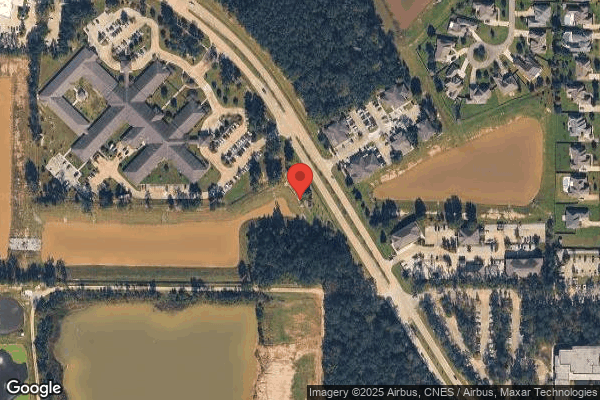
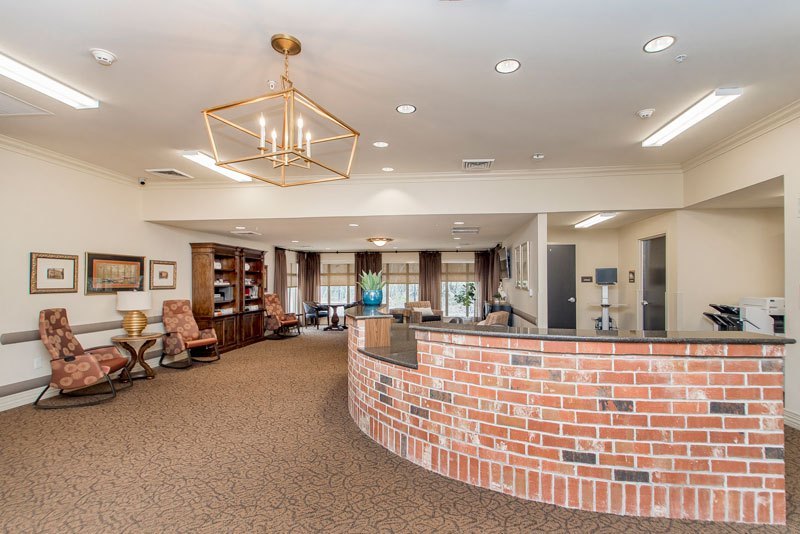
1330 OCHSNER BLVD, COVINGTON, LA 70433 (985) 892-6900
For profit - Limited Liability company 172 Beds THE BEEBE FAMILY Data: November 2025 1 Immediate Jeopardy citation
Trust Grade
56/100
#71 of 264 in LA
Last Inspection: January 2025

Within standard 12-15 month inspection cycle. Federal law requires annual inspections.

Overview

Forest Manor Nursing and Rehabilitation Center has a Trust Grade of C, which means it is average and falls in the middle of the pack compared to other facilities. It ranks #71 out of 264 nursing homes in Louisiana, placing it in the top half, while locally in St. Tammany County, it is #4 out of 8, indicating only three other options are better. The facility's performance has been stable, with the same number of issues reported in both 2024 and 2025. Staffing is rated average with a 3/5 score and a turnover rate of 48%, which is close to the state average. However, there have been some concerning incidents, such as a failure to accurately reflect a resident's end-of-life wishes in their medical records, which posed a serious risk during emergencies, as well as delays in administering insulin to residents before meals, resulting in medication errors above the acceptable rate. Overall, while Forest Manor has some strengths, notably its average RN coverage, the identified issues suggest families should carefully consider these factors when making a decision.
Trust Score
C
56/100
In Louisiana
#71/264
Top 26%
Safety Record
High Risk
Review needed
Inspections
Holding Steady
6 → 6 violations
Staff Stability
⚠ Watch
48% turnover. Above average. Higher turnover means staff may not know residents' routines.
Penalties
○ Average
$13,625 in fines. Higher than 52% of Louisiana facilities. Some compliance issues.
Skilled Nurses
⚠ Watch
Each resident gets only 14 minutes of Registered Nurse (RN) attention daily — below average for Louisiana. Fewer RN minutes means fewer trained eyes watching for problems.
Violations
⚠ Watch
12 deficiencies on record. Higher than average. Multiple issues found across inspections.
★★★☆☆
3.0
Overall Rating
★★★☆☆
3.0
Staff Levels
★★☆☆☆
2.0
Care Quality
★★★☆☆
3.0
Inspection Score
Stable
2024: 6 issues
2025: 6 issues

The Good

  • Full Sprinkler Coverage · Fire safety systems throughout facility
  • No fines on record

Facility shows strength in fire safety.

The Bad

3-Star Overall Rating

Above Louisiana average (2.4)

Meets federal standards, typical of most facilities

Staff Turnover: 48%

Near Louisiana avg (46%)

Higher turnover may affect care consistency

Federal Fines: $13,625

Below median ($33,413)

Minor penalties assessed

Chain: THE BEEBE FAMILY

Part of a multi-facility chain

Ask about local staffing decisions and management

The Ugly 12 deficiencies on record

1 life-threatening
Jan 2025 6 deficiencies
CONCERN (D)

Potential for Harm - no one hurt, but risky conditions existed

Assessment Accuracy (Tag F0641)

Could have caused harm · This affected 1 resident

**NOTE- TERMS IN BRACKETS HAVE BEEN EDITED TO PROTECT CONFIDENTIALITY** Based on record review and interviews, the facility failed to ensure the Minimum Data Set (MDS) assessment accurately reflected ...

Read full inspector narrative →
**NOTE- TERMS IN BRACKETS HAVE BEEN EDITED TO PROTECT CONFIDENTIALITY** Based on record review and interviews, the facility failed to ensure the Minimum Data Set (MDS) assessment accurately reflected the resident's status for 1(#106) of 31 sampled residents by failing to ensure Resident #106 was coded correctly for a urinary tract infection (UTI). Findings: Review of Resident #106's Clinical Record revealed admission date of 06/15/2021, with diagnoses which included History of UTI. Review of Resident #106's Annual MDS with an Assessment Reference Date (ARD) of 12/30/2024, revealed Section I: Infections, Line I2300-UTI in last 30 days coded No by S4LPN on 12/31/2024. Review of Resident #106's Physician's Orders revealed Doxycycline 100 mg by mouth twice a day for 5 days related to History of UTI with an onset date of 12/23/2024. Review of Resident #106's Nurse's Notes revealed on 12/23/2024 the writer noted new order Doxycycline 100 mg by mouth twice a day for 5 days. Review of Resident #106's Physician's Progress note dated 12/23/2024 History of Present Illness section revealed, in part: Resident #106 presented to local hospital emergency department on 12/20/2024 after nursing staff reported patient was having uncontrolled shaking and had altered mental status. Labs obtained unremarkable, urine analysis consistent with acute cystitis. Patient placed on Meropenem for UTI and left lower extremity cellulitis. Resident #106 was instructed to discharge on Doxycycline. Review of Resident #106's Hospital Discharge summary dated [DATE] revealed, in part: Resident #106 was hospitalized with a primary diagnosis of UTI. Further review revealed Resident #106 was to start Doxycycline 100 mg one capsule by mouth every 12 hours for 5 days. On 01/29/2025 at 11:58 a.m., an interview was conducted with S5CM. She stated the process was to utilize nurse's notes and hospital discharge paperwork to complete MDS assessments. She stated for an Annual Assessment some sections required a 30 day look back period which was 30 days prior to ARD. She confirmed she was aware Resident #106 was diagnosed with an UTI on 12/23/2024. S5CM reviewed Resident #106's Annual MDS with ARD of 12/30/2024, and confirmed Section I: Infections -Line I2300 asked UTI in last 30 days was coded as No on MDS. She stated the coding was not stating Resident #106 did not have a UTI in the last 30 days she was using her own discretion by coding no because of not having enough documentation. On 01/30/2025 at 1:56 p.m., an interview was conducted with S1DON. She stated she expected staff to accurately code and complete MDS Assessments. S1DON reviewed Resident #106's Annual MDS with ARD of 12/30/2024, and confirmed Section I: Infections -Line I2300 which asked UTI in last 30 days was coded No. S1DON reviewed Section I: Infections-LineI2300 instructions from Resident Assessment Instrument manual with surveyor and confirmed the above MDS should not have been coded No, because of staff's own discretion for not having enough documentation. S1DON then reviewed Resident #106's 12/23/2024 Nurse's Note, Progress Note, and Hospital Discharge Summary, and confirmed Line I2300 should have been coded as Yes, and was not.
CONCERN (D)

Potential for Harm - no one hurt, but risky conditions existed

Comprehensive Care Plan (Tag F0656)

Could have caused harm · This affected 1 resident

**NOTE- TERMS IN BRACKETS HAVE BEEN EDITED TO PROTECT CONFIDENTIALITY** Based on observations, interviews and record review, the facility failed to develop and implement a comprehensive person-centere...

Read full inspector narrative →
**NOTE- TERMS IN BRACKETS HAVE BEEN EDITED TO PROTECT CONFIDENTIALITY** Based on observations, interviews and record review, the facility failed to develop and implement a comprehensive person-centered care plan to meet the needs of 1 (#134) resident out of 31 total sampled residents. The facility failed to ensure Resident #134 was care planned for nutritional assistance in which she required supervision with meals. Findings: Review of Resident #134's Clinical Record revealed she was admitted on [DATE] with diagnoses which included Parkinson's Disease and Dysphagia. Review of Resident #134's Quarterly MDS with ARD of 12/06/2024 revealed Section GG: Eating was coded as supervision or touching assistance with one person physical assistance. Review of Resident #134's most recent Care Plan failed to reveal any interventions for activities of daily living related to eating nor any interventions for nutritional assistance needed. Review of Resident #134's Speech Therapy (ST) Discharge summary dated [DATE] revealed in part ST educated Resident #134 and staff on how to implement compensatory strategies with Resident #134 during meals to improve safety, as Resident #134 was unable to implement strategies independently. Review of #134's Occupational Therapy (OT) Discharge summary dated [DATE] revealed, in part: Resident #134 feeding was self-feeding with stand by assistance due to upper extremity muscle weakness limiting independence in self-feeding. Self-feeding was impacted by lack of postural alignment during meals. On 01/29/2025 at 7:48 a.m., an observation was made of Resident #134. Resident #134 could not been seen from doorway because privacy curtain was pulled. Once around privacy curtain, Resident #134 was noted sitting up in wheel chair, and feeding herself breakfast with no staff nor family present. On 01/29/2025 at 7:59 a.m., an observation was made Resident #134 sitting up in wheel chair, and feeding herself breakfast with no staff nor family present. On 01/29/2025 at 8:20 a.m., an observation was made Resident #134 sitting up in wheel chair, and feeding herself breakfast with no staff nor family present. On 01/29/2025 at 8:46 a.m., an interview was conducted with S14CNA. She stated she was currently Resident #134's aide. She stated Resident #134 was not a resident that required to be fed but required supervision of meals, so she does not stay the entire meal, but monitor's resident periodically. S14CNA was informed of multiple aforementioned observations of Resident #134 not having anyone supervising her while she ate. S14CNA confirmed she was supposed to have someone observing her eat and did not. On 01/30/2025 at 11:09 a.m., an interview was conducted with S16CNA. She stated she took care of Resident #134 often, and she required monitoring during meals. She stated she referenced to the Kiosk to learn the level of assistance a resident required and intervention for meals/nutrition. She attempted to show surveyor where the level of care was in kiosk, but was not successful and asked S14CNA for help. S16CNA nor S14CNA, who was working the same hall, could find the documentation. S16CNA stated in this case she would go talk with the nurse to determine the level of assistance a resident required for meals/nutrition. On 01/29/2025 at 3:09 p.m., an interview was conducted with S17LPN. She stated she was Resident #134's nurse. She stated to find a resident's level of assistance required and intervention for meals/nutritional she referred to the care plan. On 01/30/2025 at 11:02 a.m., an interview was conducted with S11LPN. He stated he was Resident #134's nurse. He stated to find a resident's level of assistance required and interventions for meals/nutritional he referred to the care plan. On 01/29/2025 at 11:31 a.m., an interview was conducted with S15TD. She stated Resident #134 was discharged from ST services last week. She stated Resident #134 could feed herself, but required assistance with set up and meal supervision. She stated staff was made aware by resident's nutritional assistance need by the ST and OT Discharge Summary. She reviewed Resident #134's ST and OT Discharge summary dated [DATE], and confirmed stand by assistance meant a person could perform a task independently but required support or supervision in case of difficulty. On 01/29/2025 at 11:36 a.m., an interview was conducted with S5CM. She confirmed she was responsible for care plans. She stated activities of daily living interventions related to eating was not something she usually care planned. She stated at this facility they do not generally care plan level of assistance for feeding. She stated staff was made aware of level of assistance a resident required via verbal report. She reviewed Resident #134's Quarterly MDS with ARD of 12/06/2024, and confirmed Section GG: Eating was coded as supervision or touching assistance with one person physical assist. She stated Resident #134 did not require that level of assistance with meals anymore. She was informed of the aforementioned observations of Resident #134 eating breakfast without supervision, OT & ST Discharge summary dated [DATE] recommendations, and inconsistency with staff interviews. She reviewed Resident #134's most recent Care Plan, and confirmed she was not care planned for nutritional assistance, and should have been. On 01/30/2025 at 1:56 p.m., an interview was conducted with S1DON. She was informed of the aforementioned observations of Resident #134 eating breakfast without supervision, OT & ST Discharge summary dated [DATE] recommendations, and inconsistency with staff interviews. S1DON could not provide documentation of Resident #134 ever being care planned for nutritional assistance.
CONCERN (E)

Potential for Harm - no one hurt, but risky conditions existed

Deficiency F0658 (Tag F0658)

Could have caused harm · This affected multiple residents

**NOTE- TERMS IN BRACKETS HAVE BEEN EDITED TO PROTECT CONFIDENTIALITY** Based on observations, interviews, and record reviews, the facility failed to ensure services provided by the facility met profe...

Read full inspector narrative →
**NOTE- TERMS IN BRACKETS HAVE BEEN EDITED TO PROTECT CONFIDENTIALITY** Based on observations, interviews, and record reviews, the facility failed to ensure services provided by the facility met professional standards of quality. The facility failed to ensure accuchecks were completed timely and insulin was administered before meals as ordered for 2 (#81, #93) of 4 (#8, #76, #81, and #93) residents reviewed for insulin administration. Findings: Review of the facility's policy titled, Administration of Medications revealed the following, in part: Purpose: To administer medications in accordance with best practice. Procedure: 2. Administration of any drug requires a physician's order. Resident #81 Review of Resident #81's Clinical Record revealed he was re-admitted to the facility on [DATE] and had diagnoses, which included Type 2 Diabetes Mellitus with Diabetic Neuropathy. Review of Resident #81's current Physician Orders revealed the following, in part: Novolog Flex Pen U-100 Insulin Apart 100 units/mL subcutaneous Pen-injector: administer 4 units subcutaneously before each meal as per sliding scale 201-250. An observation was made on 01/28/2025 at 11:38 a.m. of meal trays being delivered by direct care staff to residents on Hall 600. S10LPN was observed performing Resident 81's blood sugar check without administering insulin. An interview with S10LPN and documentation of Medication Administration Record revealed Resident #81's accucheck was 220 at 01/28/2025 11:38a.m. Review of Medication Administration Audit Report dated 01/28/2025 revealed Insulin was administered subcutaneously at 12:09 p.m. to Resident #81 by S10LPN. Resident #93 Review of Resident #93's Clinical Record revealed she was admitted to the facility on [DATE] and had diagnoses, which included Type 2 Diabetes Mellitus. Review of Resident #93's January 2025 Physician Orders revealed the following, in part: Novolog Pen Injector administer 6 Units subcutaneously per Sliding Scale for 251-300 blood glucose before each meal. An observation was made on 1/28/2025 at 12:12 p.m. of S10LPN. S10LPN administered 6 Units of Novolog insulin medication to Resident #93, who was observed to be seated in hallway with her lunch meal already 95% eaten. An interview was conducted with S10LPN on 01/28/2025 at 12:15 p.m. She stated Resident #81 and Resident #93's Novolog insulin was ordered to be administered before meals. She confirmed she administered Resident #81 and Resident #93's insulin after they had consumed lunch and should have administered the insulin before lunch as ordered. An interview and observation was conducted 01/30/25 11:35 a.m. with S12LPN on 500 Hall. S12LPN stated she had 8 residents on the hall who required blood sugar checks and insulin prior to meals. She stated meals were delivered to Residents' rooms between 11:00 a.m. - 11:30 a.m. S12LPN stated it was not possible to complete blood sugar checks and administer insulin prior to meals. An interview was conducted with S1DON on 01/30/2025 at 12:08 p.m. S1DON confirmed Resident #81 and Resident #93 had orders for insulin subcutaneously before meals per sliding scale. S1DON stated Residents #81 and #93's insulin should have been administered before meals as ordered. S1DON confirmed untimely blood sugar checks and insulin administration was not an acceptable nursing staff practice. S1DON further stated that sliding scale insulin should have been given prior to meals, per physician orders.
CONCERN (E)

Potential for Harm - no one hurt, but risky conditions existed

Unnecessary Medications (Tag F0759)

Could have caused harm · This affected multiple residents

**NOTE- TERMS IN BRACKETS HAVE BEEN EDITED TO PROTECT CONFIDENTIALITY** Based on observations, interviews, and record review, the facility failed to ensure the medication error rate was less than 5% f...

Read full inspector narrative →
**NOTE- TERMS IN BRACKETS HAVE BEEN EDITED TO PROTECT CONFIDENTIALITY** Based on observations, interviews, and record review, the facility failed to ensure the medication error rate was less than 5% for 3 (#88, #81 and #93) of 7 (#7, #8, #13, #76, #88, #81, and #93) residents observed during medication administration. A total of 26 opportunities were observed with 3 medication errors, which resulted in a medication error rate of 11.54%. The facility failed to ensure: 1. Resident #88's Eliquis was given as ordered; and 2. Resident #81's Insulin was administered before meals as ordered. 3. Resident #93's Insulin was administered before meals as ordered. Findings: Review of the facility's policy titled, Administration of Medications revealed the following, in part: Purpose: To administer medications in accordance with best practice. Procedure: 2. Administration of any drug requires a physician's order. 3. Drugs and biologicals are administered nor more than one hour before and no more than one hour after dosage time on order. Resident #88 Review of Resident #88's Clinical Record revealed she was admitted to the facility on [DATE] and had diagnoses which included Chronic Systolic Congestive Heart Failure. Review of Resident #88's current Physician Orders revealed the following, in part: Eliquis oral tablet by mouth two times a day related to paroxysmal atrial fibrillation. Start date 06/03/2024. An observation was made of S11LPN administering medications to Resident #88 on 01/29/2025 at 9:11 a.m. Resident #88 had an order for Eliquis oral tablet by mouth two times a day at 8:00 a.m. S11LPN did not administer Resident #88's Eliquis. An interview was conducted with S11LPN on 01/29/2025 at 9:35 a.m. S11LPN stated Resident #88's Eliquis was missing and not available for administration. S11LPN confirmed Resident #88 missed her morning 8:00 a.m. dose of Eliquis. Resident #81 Review of Resident #81's Clinical Record revealed he was re-admitted to the facility on [DATE] and had diagnoses which included Type 2 Diabetes Mellitus with Diabetic Neuropathy. Review of Resident #81's current Physician Orders revealed the following, in part: Novolog Flex Pen U-100 Insulin Aspart 100 units/mL subcutaneous Pen-injector: administer 4 units subcutaneously before each meal as per sliding scale 201-250. An observation was made of Resident #81 on 01/28/2025 at 12:07 p.m. He was in his room and had completely finished eating his lunch. An interview was conducted with S10LPN on 01/28/2025 at 12:09 p.m. She stated she would administer Resident #81's sliding scale insulin after lunch, based on her previous accu-check reading of 220 she performed at 11:30 a.m. S10LPN stated Resident #81's 11:30 a.m. accucheck reading was 220, and she would administer his insulin after lunch. Resident #93 Review of Resident #93's Clinical Record revealed she was admitted to the facility on [DATE] and had diagnoses which included Type 2 Diabetes Mellitus and Dementia. Review of Resident #93's current Physician Orders revealed the following, in part: Novolog Flex Pen U-100 Insulin Aspart 100 units/mL subcutaneous: administer 6 units subcutaneously before. Novolog Pen Injector 6 Units per Sliding Scale for 251-300 blood glucose before each meal. An observation was made of Resident #93 seated in wheelchair with lunch tray 95% consumed 01/29/2025 at 12:12 p.m. S10LPN administered Resident #93's insulin. S10LPN stated Resident #93's 11:30 a.m. accucheck reading was within 251-300 blood glucose range, and she would administer her insulin after lunch. An interview was conducted with S10LPN on 01/29/2025 at 12:15 p.m. S10LPN stated Resident #81 and Resident #93's Novolog insulin was ordered before meals. She confirmed she administered Resident #81 and Resident #93's insulin after they had consumed lunch and should have administered the insulin before lunch as ordered. An interview was conducted with S1DON on 01/30/2025 at 12:08 p.m. S1DON confirmed Resident #88 had an order to administer Eliquis tab twice daily and it should have been administered as ordered. S1DON further confirmed a medication not given within one hour prior to or one hour following scheduled administration time was a medication error. S1DON confirmed Resident #81 and Resident #93 had an orders for Novolog insulin subcutaneously before meals per sliding scale. S1DON stated Residents' #81 and 93's Novolog insulin should have been administered before meals as ordered. S1DON confirmed omission of Eliquis and administration of insulin after a meal when ordered before meals were medication errors.
CONCERN (E)

Potential for Harm - no one hurt, but risky conditions existed

Deficiency F0760 (Tag F0760)

Could have caused harm · This affected multiple residents

**NOTE- TERMS IN BRACKETS HAVE BEEN EDITED TO PROTECT CONFIDENTIALITY** Based on observations, interviews and record review, the facility failed to ensure it was free of significant medication errors ...

Read full inspector narrative →
**NOTE- TERMS IN BRACKETS HAVE BEEN EDITED TO PROTECT CONFIDENTIALITY** Based on observations, interviews and record review, the facility failed to ensure it was free of significant medication errors for 3 (#88, #81 and #93) of 7 (#7, #8, #13, #76, #88, #81, and #93) residents reviewed for medications. The deficient practice had the potential to effect the 158 residents residing in the facility who received medications. Findings: Review of the facility's policy titled, Administration of Medications revealed the following, in part: Purpose: To administer medications in accordance with best practice. Procedure: 2. Administration of any drug requires a physician's order. 3. Drugs and biologicals are administered no more than one hour before and no more than one hour after dosage time on order. Resident #88 Review of Resident #88's Clinical Record revealed she was admitted to the facility on [DATE] and had diagnoses, which included Chronic Systolic Congestive Heart Failure. Review of Resident #88's January 2025 Physician Orders revealed the following, in part: Eliquis 5mg one tablet by mouth two times a day related to Paraoxymal Atrial Fibrillation. Start date 06/03/2024. Review of Resident #88's current Medication Administration Record revealed the following, in part: Eliquis 5mg one tablet by mouth two times a day timed for 8:00 a.m. and 8:00 p.m. Review of Medication Administration Audit Report for Resident #88 dated 01/27/2025 - 01/30/2025 revealed documented administration of Eliquis 5mg one tablet by mouth on 01/29/2025 at 9:57 a.m. Resident #81 Review of Resident #81's Clinical Record revealed he was re-admitted to the facility on [DATE] and had diagnoses, which included Type 2 Diabetes Mellitus with Diabetic Neuropathy. Review of Resident #81's current Physician Orders revealed the following, in part: Novolog FlexPen U-100 Insulin Aspart 100 units/mL subcutaneous Pen-injector: administer 4 units subcutaneously before each meal as per sliding scale 201-250. An observation was made of Resident #81 on 01/28/2025 at 12:07 p.m. He was in his room and had completely finished eating his lunch. Review of Medication Administration Audit Report dated 01/28/2025 revealed Insulin was administered subcutaneously at 12:09 p.m. to Resident #81 by S10LPN. Resident #93 Review of Resident #93's Clinical Record revealed she was admitted to the facility on [DATE] and had diagnoses, which included Type 2 Diabetes Mellitus. Review of Resident#93's Clinical Record Quarterly MDS with ARD 11/20/2024, section N revealed Resident #92 required insulin medication administration. Review of Resident #93's January 2025 Physician Orders revealed the following, in part: Novolog FlexPen U-100 Insulin Aspart 100 units/mL subcutaneous: administer 6 units. Novolog Pen Injector administer 6 Units subcutaneously per Sliding Scale for 251-300 blood glucose before each meal. An observation was made on 1/28/2025 at 12:12 p.m. of S10LPN. S10LPN administered 6 Units of Novolog insulin medication to Resident #93, who was observed to be seated in hallway with her lunch meal already 95% eaten. An interview was conducted with S10LPN on 01/28/2025 at 12:15 p.m. She stated Resident #81 and Resident #93's Novolog insulin was ordered to be administered before meals. She confirmed she administered Resident #81 and Resident #93's insulin after they had consumed lunch and should have administered the insulin before lunch as ordered. An interview was conducted with S1DON on 01/28/25 at 2:11 p.m. S1DON stated late medication administration of insulin was not acceptable practice for nursing. She confirmed blood glucose checks and insulin ordered prior to meals should be performed in conjunction with Medication Administration Review and physician orders. An interview was conducted with S1DON on 01/30/2025 at 12:08 p.m. S1DON confirmed Resident #88 had an order to administer Eliquis one tab twice daily by mouth and it was not administered timely as ordered. S1DON further confirmed a medication not given within one hour prior to or one hour following scheduled administration time was a medication error. S1DON confirmed Resident #81 and Resident #93 had orders for Novolog insulin subcutaneously before meals per sliding scale. S1DON stated Residents' #81 and #93's Novolog insulin should have been administered before meals as ordered. S1DON confirmed medications were not administered in a timely manner and as ordered by the physician.
CONCERN (E)

Potential for Harm - no one hurt, but risky conditions existed

Infection Control (Tag F0880)

Could have caused harm · This affected multiple residents

**NOTE- TERMS IN BRACKETS HAVE BEEN EDITED TO PROTECT CONFIDENTIALITY** Based on observations, interviews, and record reviews, the facility failed to implement and maintain an infection prevention and...

Read full inspector narrative →
**NOTE- TERMS IN BRACKETS HAVE BEEN EDITED TO PROTECT CONFIDENTIALITY** Based on observations, interviews, and record reviews, the facility failed to implement and maintain an infection prevention and control program designed to provide a safe, sanitary, and comfortable environment to help prevent the development and transmission of communicable diseases and infections. The facility failed to ensure: 1. A resident's catheter remained off of the floor for 1(#91) of 3 (#24, #91, and #407) residents observed with an indwelling catheter; and 2. Staff properly utilized Enhanced Barrier Precaution (EBP) Personal Protective Equipment (PPE) during care for 4 of 4 (#24, #91, #407, and #409) residents whom required EBP. Findings: 1. Review of Resident #91's Clinical Record revealed she was readmitted to the facility on [DATE] with diagnoses, which included the following, in part: Personal History of Urinary Tract Infections, Retention of Urine, and Urgency of Urination. Review of Resident #91's current Physician Orders revealed Catheter-Foley 18F with an onset date of 05/31/2024. On 01/27/2025 at 12:24 p.m., an observation was made of Resident #91's indwelling catheter bag on the floor. On 01/27/2025 at 12:27 p.m., an observation and interview was conducted with S3LPN. Upon entering Resident #91's room, S3LPN observed Resident #91's indwelling catheter bag on the floor. S3LPN confirmed the indwelling catheter bag was lying on the floor and should not have been. On 01/30/2025 at 1:32 p.m., an interview was conducted with S1DON. S1DON confirmed the indwelling catheter bag should be kept off of the floor as that is an increased risk of infection. 2. Review of the facility's policy with a revised date of 03/2024, titled Enhanced Barrier Precautions revealed the following, in part: Policy: Enhanced Barrier Precautions are an infection control intervention designed to reduce transmission of multidrug-resistant organisms (MDROs) in nursing homes. Enhanced Barrier Precautions involve gown and glove use during high-contact resident care activities for residents known to be colonized or infected with a MDRO as well as those at increased risk of MDRO acquisition (e.g., residents with wounds or indwelling medical devices). Enhanced Barrier Precautions require the use of gown and gloves only for high-contact resident care activities. Resident #24 Review of Resident #24's Clinical Record revealed she was admitted to the facility on [DATE] with diagnoses which included the following, in part: Urinary Tract Infection, Extended Spectrum Beta-Lactamases Resistance and Urge Incontinence. Review of Resident #24's care plan revealed the following: Focus: The resident has history of Multiple Drug Resistance Organism Interventions: Enhanced Barrier Precautions On 01/29/2025 at 10:19 a.m., an observation was conducted of S6CNA providing incontinence care for Resident #24. An Enhanced Barrier Precautions sign was observed to be posted on the door and above the head of Resident #24's bed. S6CNA failed to don a gown prior to providing high contact resident care. On 01/29/2025 at 11:15 a.m., an interview was conducted with S6CNA. She stated Resident #24 no longer required Enhanced Barrier Precautions due to indwelling device recently being removed. On 01/30/2025 at 1:33 p.m., an interview was conducted with S2ADON. She stated Resident #24 remained on Enhanced Barrier Precautions due to a history of Multiple Drug Resistance Organism. S2ADON stated staff should have donned PPE prior to providing high contact resident care to Resident #24. Resident #91 Review of Resident #91's Clinical Record revealed she was admitted to the facility on [DATE] with diagnoses which included the following, in part: Personal History of Urinary Tract Infections, Retention of Urine, and Urgency of Urination. Review of Resident #91's current Physician Orders revealed Catheter-Foley 18F with an onset date of 05/31/2024. Review of Resident #91's current Care Plan revealed the following, in part: Focus: The resident has indwelling Foley Catheter Interventions: Enhanced Barrier Precautions On 01/29/2025 at 9:25 a.m., a sign was observed on Resident #91's door that read EBP which included instructions to wear gown and gloves during high contact resident care activity. On 01/29/2025 at 3:12 p.m., an observation was made of S8CNA performing catheter care on Resident #91. S8CNA failed to properly utilize PPE by not donning a gown while performing catheter care. On 01/29/2025 at 3:27 p.m., an interview was conducted with S8CNA following catheter care observation. She stated an EBP sign on a resident's door indicated staff were to dress out with gloves and gown prior to performing high contact resident care. She confirmed Resident #91 had an EBP sign on her door. She stated she did not notice the sign on the door prior to entering the room to perform catheter care. S8CNA confirmed she did not don a gown prior to performing catheter care on Resident #91 and should have. Resident #407 Review of Resident #407's Clinical Record revealed he was admitted to the facility on [DATE] with diagnoses which included the following, in part: Urinary Tract Infection, Benign Prostatic Hyperplasia, and Retention of Urine. Review of Resident #407's current Physician Orders revealed Catheter-Foley 16F with an onset date of 01/11/2025. On 01/30/2025 at 10:05 a.m., an observation was made of S13CNA performing catheter care on Resident #407. An Enhanced Barrier Precautions sign was observed on Resident#407's door. S13CNA failed to properly utilize PPE by not donning a gown while performing catheter care. On 01/30/2025 at 10:23 a.m., an interview was conducted with S13CNA following catheter care observation. She confirmed Resident #407 had an EBP sign on his door and stated she did not notice the sign on the door prior to entering the room to perform catheter care. She stated an EBP sign on a resident's door indicated staff were to dress out with gloves and gown prior to performing high contact resident care. S13CNA confirmed she did not don a gown prior to performing catheter care on Resident #407 and should have. Resident #409 Review of Resident #409's Clinical Record revealed he was admitted to the facility on [DATE] with diagnoses which included the following, in part: Neuromuscular Dysfunction of Bladder and Personal History of Urinary Tract Infections. Review of Resident #409's current Physician Orders revealed Catheter-Foley 16F with an onset date of 01/08/2025. Review of Resident #409's current Care Plan revealed the following, in part: Focus: The resident has indwelling Foley catheter Interventions: Enhanced Barrier Precautions On 01/29/2025 at 10:49 a.m., an observation was conducted of S7CNA providing catheter care for Resident #409. An Enhanced Barrier Precautions sign was observed on Resident#409's door and above the head of the bed. S7CNA failed to properly utilize PPE by not donning a gown prior to providing high contact resident care. On 01/29/2025 at 10:51 a.m., an interview was conducted with S7CNA. She stated Resident #409 was on Enhanced Barrier Precautions due to having an indwelling device. S7CNA confirmed she did not apply a gown prior to providing high contact resident care and should have. On 01/30/2025 at 1:32 p.m., an interview was conducted with S1DON. S1DON was notified of the above observations related to EBP. She stated if a resident had an Enhanced Barrier Precaution sign on the outside of their door, staff were required to wear proper PPE which included gloves and a gown prior to providing high contact resident care.
Feb 2024 6 deficiencies 1 IJ
CRITICAL (J)

Immediate Jeopardy (IJ) - the most serious Medicare violation

Deficiency F0578 (Tag F0578)

Someone could have died · This affected 1 resident

**NOTE- TERMS IN BRACKETS HAVE BEEN EDITED TO PROTECT CONFIDENTIALITY** Based on interviews and record reviews, the facility failed to ensure an effective system was in place for advanced directives. ...

Read full inspector narrative →
**NOTE- TERMS IN BRACKETS HAVE BEEN EDITED TO PROTECT CONFIDENTIALITY** Based on interviews and record reviews, the facility failed to ensure an effective system was in place for advanced directives. The facility failed to ensure a resident's medical records accurately reflected the residents' wishes for emergency basic life support for 1 (#9) of 34 reviewed for Advanced Directives. This deficient practice resulted in an Immediate Jeopardy situation on [DATE], when Resident #9 was admitted to Hospice care and her code status changed from receiving CPR (Cardiopulmonary Resuscitation) to DNR (Do Not Resuscitate). Resident #9 had a physician's order in the Electronic Medical Record revealing end of life wishes were DNR, which did not match the Advanced Directive wishes in the Physical Medical Chart, to receive CPR. Interviews with staff revealed the facility's procedure was to follow the Physical Medical Chart to verify resident code status in case of an emergency. Due to the system breakdown, this deficient practice had the likelihood to cause harm to newly admitted residents and resident's with a change to their advanced directive. S1ADM was notified of the Immediate Jeopardy situation on [DATE] at 7:12 p.m. The Immediate Jeopardy was removed on [DATE] at 4:23 p.m., as confirmed by onsite verification through observations, interviews, and record reviews the facility implemented an acceptable Plan of Removal (POR) prior to the survey exit. Findings: Review of the facility's Advance Directive Policy and Procedure revealed the following: Purpose: To support the implementation of the Patient Self-Determination Act within the framework of state and federal law and facility policies. Policy: Valid Advanced Directives, such as Living Wills, Durable [NAME] of Attorney for Health Care and DNR (Do Not Resuscitate) orders will be followed to the extent permitted and required by law. Procedure: If an Advanced Directive has been completed, the admitting staff must obtain a copy of the Advanced Directive so it may be placed in the medical record. LA POST -If the POST conflicts with the resident's previously expressed health care instructions or the advanced directive, then, to the extent of the conflict, the most recent expression of the resident's wishes are honored. Procedure: Place the original POST form in a prominent and appropriate section of the medical record . Review of the Clinical Record revealed Resident #9 was admitted to the facility on [DATE] with diagnoses which included Non- Alzheimer's Dementia, Parkinson's, Mass of Upper Lobe of Right Lung. Review of Resident #9's current Physician Orders revealed, in part, the following: [DATE]- Admit to Hospice, DX: Parkinson's [DATE]- No Code- DNR Review of Resident #9's Advanced Directives, signed by the resident's representative on [DATE] revealed the resident indicated she would like to receive CPR. Review of Resident #9's Hospice Interim Plan of Care dated [DATE] revealed Code Status: DNR. Review of Resident #9's most recent Care Plan revealed, in part, the following: Problem Onset [DATE]: Resident is on Hospice Services Goals: Resident will have wishes honored Approach: Respect and Honor Resident Wishes Problem Onset [DATE]: Resident is a DNR Status Goals: Respect and comply with resident and family request and wishes for DNR everyday Approach: Flag Chart, Notify Caregivers of status, Do Not Resuscitate On [DATE] at 1:50 p.m., an interview was conducted with S13LPN. She stated in the event of an emergency, she would refer to the resident's Physical Medical Chart in the Nurses' Station under the Advanced Directive section to determine code status. She verified Resident #9's advanced directive revealed her code status was CPR, so in an emergency, she would follow Resident #9's wishes and would have provided CPR. On [DATE] at 4:56 p.m., an interview was conducted with S18LPN. She stated in the event of an emergency, she would refer to the residents' Physical Medical Chart in the Nurses' Station under the Advanced Directive section to determine code status. She stated the facility's protocol was to have a second nurse verify code status in the Physical Medical Chart. She stated she would not refer to the Electronic Medical Record to determine code status for any resident. On [DATE] at 4:59 p.m., an interview was conducted with S24LPN. She stated in the event of an emergency, she would refer to the resident's Physical Medical Chart in the Nurses' Station under the Advance Directive section to determine code status. She stated the facility's protocol was to have a second nurse verify code status in the physical medical chart. She stated she would not refer to the electronic medical record to determine code status for any resident. On [DATE] at 5:20 p.m. an interview was conducted with Resident #9's family representative. She stated Resident #9's end of life wishes was to be a DNR. She stated Resident #9 recently was admitted to Hospice in [DATE], and her code status changed from receiving CPR to a DNR. On [DATE] at 11:35 a.m., an interview was conducted with S2DON. She stated when a resident was admitted to Hospice, it was procedure for end of life wishes to be discussed. S2DON stated if and when a resident's code status changed when admitted to Hospice, the Hospice nurse handed the updated LAPost /Advanced Directive to Medical Records so the document could be uploaded into the Electronic Chart and a copy placed on the hard chart. She stated the new order was placed in the Electronic Medical Record at that time. She stated when a code status change occurred, it was communicated to the nursing staff by the MD, NP or Hospice nurse via open communication. On [DATE] at 5:15 p.m., an interview was conducted with S2DON. She stated in the event of an emergency, the nursing staff were expected to check the Physical Medical Chart under the Advanced Directive section for a resident's code status. S2DON showed the surveyor Resident #9's Physical Medical Chart and pointed out the advanced directive section where she would expect nursing staff to verify a resident's code status. She confirmed Resident #9's most recent Advanced Directive, dated [DATE], on the Physical Medical Chart revealed Resident #9 was to receive CPR. S2DON confirmed Resident #9's Advanced Directive on the Physical Medical Chart should have matched the physician's order for Resident #9's code status of DNR and did not. S2DON also confirmed Resident #9's updated LaPost/Advanced Directive code status of a DNR status should have been on the Physical Medical Chart and was not.
CONCERN (D)

Potential for Harm - no one hurt, but risky conditions existed

Deficiency F0697 (Tag F0697)

Could have caused harm · This affected 1 resident

**NOTE- TERMS IN BRACKETS HAVE BEEN EDITED TO PROTECT CONFIDENTIALITY** Based on record review and interviews, the facility failed to ensure pain management was provided to residents who require such ...

Read full inspector narrative →
**NOTE- TERMS IN BRACKETS HAVE BEEN EDITED TO PROTECT CONFIDENTIALITY** Based on record review and interviews, the facility failed to ensure pain management was provided to residents who require such services, consistent with professional standards of practice, the comprehensive person-centered care plan, and the residents' goals and preferences. The facility failed to ensure a resident had pain medication available when necessary for 1 (#63) of 32 residents reviewed in the final sample. Findings: Review of the facility's policy titled, Pain Screen and Management revealed, in part: All residents who experience routine pain receive a comprehensive pain screening and a treatment plan until acceptable level of relief is achieved. 4. Acute onset of pain: a. A pain screen is completed when a resident has a new onset of pain, a new type of pain, new pain medication or treatment, or when a resident has not experienced an acceptable level of pain relief. b. When documenting regarding pain, the following elements should be addressed: Date and time of onset, location of pain, character, severity (use pain scale), alleviation factors (what makes it better), exacerbation (what makes it worse), treatment and medications, and responses. Review of medical record for Resident #63 revealed the resident was admitted on [DATE], with diagnoses including Osteoarthritis and Possible Septic Joint of Left Shoulder. Review of the Quarterly Minimum Data Set with ARD of 12/13/2023 revealed the resident had a BIMS of 7 which meant the resident had severe cognitive impairment. Review of April 2023 MAR and physician orders revealed no order for pain medication for Resident #63. Review of the care plan revealed: Resident was at risk for pain related to dx: Osteoarthritis- Interventions- Notify MD of any unrelieved pain, reposition for comfort as needed, Observe onset, location, severity, and duration of pain. A review of nurse's notes revealed, in part: 04/26/2023 at 12:30 p.m., resident c/o left shoulder pain upon movement, noted slight redness to left shoulder, slight warm to touch, called MD, received order for XRAY. Doxycycline 100mg BID x's 7 days with probiotics, CBC, CMP, and Procalcitonin, called RP and notified of conditions and orders. 04/26/2023 at 4:40 p.m., received order from NP to send resident to ER to evaluate for possible Septic Joint of the Left Shoulder. The shoulder was red hot, painful, decreased range of motion. Called ambulance to bring resident to ER. On 02/08/2024 at 1:25 p.m., an interview was conducted with S14LPN. He stated he was the nurse working on 04/26/2023 with Resident #63. He said Resident #63 complained of left shoulder pain and he notified the doctor of his symptoms. He stated the resident didn't have an order pain medication on 04/26/2023. He stated he didn't remember asking the physician for pain medication. He stated he didn't remember giving him pain medication. He verified there was no documentation of pain medication given on 04/26/2023 on the MAR or in the nurse's note. He verified there was nothing documented on the MAR or in the nurse's notes of Resident #63 receiving pain medication before being transferred to the hospital. On 02/08/2024 at 4:18 p.m., an interview was conducted with S2DON. She reviewed the medical record for Resident #63. She confirmed there was no documentation of pain interventions for Resident #63 when he complained of pain on 04/26/2023. She stated she expected staff to address pain and document it.
CONCERN (E)

Potential for Harm - no one hurt, but risky conditions existed

Deficiency F0658 (Tag F0658)

Could have caused harm · This affected multiple residents

**NOTE- TERMS IN BRACKETS HAVE BEEN EDITED TO PROTECT CONFIDENTIALITY** Based on interviews and record review, the facility failed to ensure services were provided to meet quality professional standa...

Read full inspector narrative →
**NOTE- TERMS IN BRACKETS HAVE BEEN EDITED TO PROTECT CONFIDENTIALITY** Based on interviews and record review, the facility failed to ensure services were provided to meet quality professional standards for 2 (#4 and #98) of 32 residents reviewed in the final sample. The facility failed to ensure the following: 1. Nursing staff accurately documented the administration of oxygen therapy services and application of orthopedic walking boot for Resident #4, and 2. Nursing staff accurately documented administration of oxygen therapy services for Resident #98. Findings: Review of the facility's policy titled, Oxygen Administration, Concentrator, Storage, Assemblage revealed the following, in part: Procedure: 1. Obtain appropriate physician's order. Resident #4 Review of Resident #4's clinical record revealed Resident #4 was admitted to the facility on [DATE]. Diagnoses included Displaced Oblique Fracture of Shaft of Right Fibula, Chronic Diastolic Congestive Heart Failure, and Atrial Fibrillation. Review of Resident #4's MDS with an ARD of 01/17/2024 revealed a BIMS of 14, which indicated she was cognitively intact. Review of Resident #4's current Physician Orders revealed no order for oxygen therapy services or an orthopedic walking boot. Review of Resident #4's Medication Administration Record dated January 2024 and February 2024 revealed no documentation Resident #4 received oxygen therapy services or an orthopedic walking boot. On 02/06/2024 at 10:35 a.m., an observation was made of Resident #4. Resident #4 had an orthopedic walking boot on her right lower extremity and an oxygen concentrator at her bedside. An interview was conducted with Resident #4 at that time. She stated she received oxygen therapy services as needed and wore an orthopedic walking boot due to a recent fibula fracture. On 02/06/2024 at 1:42 p.m., an observation was made of Resident # 4 wearing oxygen via nasal cannula, and she had a walking boot secured to her right lower extremity. On 02/07/2024 at 8:33 a.m., an interview was conducted with S14LPN. He reviewed Resident #4's Physician Orders and confirmed there was not an order for oxygen or an orthopedic walking boot. He confirmed an order for oxygen therapy services and an orthopedic walking boot order should have been transcribed into Resident #4's electronic health record. On 02/08/24 at 8:03 a.m., an interview was conducted with S2DON. She confirmed if residents received oxygen therapy services or had an orthopedic walking boot, an order should have been transcribed into the electronic health record to reflect the services and specialty devices being provided to the resident. Resident #98 Review of Resident #98's clinical record revealed Resident #98 was admitted to the facility on [DATE] with diagnosis of personal history of COVID-19. Review of Resident #98's MDS with an ARD of 01/19/2024 revealed a BIMS of 1, which indicated severe cognitive impairment. Review of Resident #98's current Physician Orders revealed no order for oxygen therapy services. Review of Resident #98's Medication Administration Record dated January 2024 and February 2024 revealed no documentation oxygen therapy services were provided. Review of Resident #98's progress note dated 1/25/2024 revealed oxygen therapy services were implemented due to low oxygen saturations. Signed by S12LPN On 02/07/2024 at 4:15 p.m., an interview was conducted with S12LPN. She stated Resident #98 had been receiving oxygen therapy services for two weeks now. She stated she applied it after assessing Resident #98's oxygen levels being critically low. She stated the facility had a standing order to initiate oxygen via nasal cannula. She reviewed Resident #98's electronic health record at that time and confirmed there was no current order transcribed for oxygen therapy services. She confirmed she should have transcribed the facility standing order for oxygen therapy services into Resident #98's physician orders and did not. On 02/08/2024 at 12:50 p.m., an interview was conducted with S2DON. She stated she expected staff to transcribe facility standing orders into the resident's electronic health record. She confirmed Resident #98's Physician Orders and Medication Administration Record did not accurately reflect oxygen therapy services were being provided and should have.
CONCERN (E)

Potential for Harm - no one hurt, but risky conditions existed

Accident Prevention (Tag F0689)

Could have caused harm · This affected multiple residents

**NOTE- TERMS IN BRACKETS HAVE BEEN EDITED TO PROTECT CONFIDENTIALITY** Based on interviews and record review, the facility failed to ensure a resident received adequate supervision to prevent an acci...

Read full inspector narrative →
**NOTE- TERMS IN BRACKETS HAVE BEEN EDITED TO PROTECT CONFIDENTIALITY** Based on interviews and record review, the facility failed to ensure a resident received adequate supervision to prevent an accident for 1 (#125) of 6 (#9, #92, #94, #125, #128, and #137) residents reviewed for accidents. Findings: Review of Resident #125's Clinical Record revealed he was admitted to the facility on [DATE] and had diagnoses which included Urinary Tract Infection, Lack of Coordination, Abnormal Gait and Mobility, and History of Falls. Review of Resident #125's Quarterly MDS with an ARD of 01/05/2024 revealed he had a BIMS of 9, which indicated he was moderately cognitively impaired. Further review of the MDS revealed he required supervision or touching assistance with ambulation. Review of Resident #125's Care Plan revealed the following, in part: Problem Onset: 04/28/2023 Problem: Risk for falls related to history of falls. Approaches, in part: Bright sign placed in bathroom, on 09/20/2023 added bright tape to bathroom call light for visual cue. Problem Onset: 01/10/2024 Problems: At risk for further falls related to history of falls. Approaches: Bright tape added to resident's wheelchair locks, on 01/15/2024 added bright tape to room call light, on 01/17/2024 added bright sign in room to help remind resident to call for assistance. Review of the Facility's Incident Log dated September 2023-current revealed Resident #125 fell on [DATE], 01/10/2024, 01/15/2024, and 01/17/2024. On 02/08/2024 at 8:47 a.m., an interview was conducted with S20CNA. She stated Resident #125 was very forgetful. S20CNA stated he had not been using the call light and had increased confusion. On 02/08/2024 at 8:50 a.m., an interview was conducted with Resident #125. Resident #125 was unable to recall what the bright tape was for on his call light. On 02/08/2024 at 10:28 a.m., an interview was conducted with S11LPN. She confirmed Resident #125 had fallen during her shift on 01/10/2024, 01/15/2024, and 01/17/2024. S11LPN stated Resident #125 was very forgetful, can answer questions, but he needed cueing. She stated the bright tape and bright signs were not effective interventions for Resident #125 to prevent him from falling. On 02/08/2024 at 4:08 p.m., an interview was conducted with S2DON. S2DON stated she expected the staff to update a resident's care plan after each fall. S2DON confirmed there should be a new intervention added to the care plan after each fall if current interventions are not effective.
CONCERN (E)

Potential for Harm - no one hurt, but risky conditions existed

Deficiency F0761 (Tag F0761)

Could have caused harm · This affected multiple residents

**NOTE- TERMS IN BRACKETS HAVE BEEN EDITED TO PROTECT CONFIDENTIALITY** Based on record review, observations, and interviews, the facility failed to ensure drugs and biologicals used in the facility ...

Read full inspector narrative →
**NOTE- TERMS IN BRACKETS HAVE BEEN EDITED TO PROTECT CONFIDENTIALITY** Based on record review, observations, and interviews, the facility failed to ensure drugs and biologicals used in the facility were labeled and stored in accordance with currently accepted professional principles. The facility failed to ensure: 1. Narcotic medication was stored appropriately in 1 (Cart D) out of 8 (Cart A, Cart B, Cart C, Cart D, Cart E, Cart F, Cart G, and Cart H) medication carts observed, and 2. Medications were stored in a locked compartment and not available to unauthorized staff or residents to access for 1 (#159) of 8 (#81, #105, #111, #121, #129, #142, #159 and #513) residents reviewed for medication administration. Findings: 1. An observation was made of Cart D on 02/05/2024 at 3:00 p.m. with S13LPN with one loose, white, oblong pill stamped with M367 in an unlabeled medication cup. An interview was conducted on 02/05/2024 at 3:29 p.m. with S13LPN following the above observation. She confirmed the loose, white, oblong pill stamped with M367 was hydrocodone 10mg. She stated, a while ago, she removed the hydrocodone 10mg pill from the blister packet, placed in unlabeled medication cup and then placed into the locked narcotic drawer on the medication cart. She confirmed the required process was to write down the medication in the narcotic book, remove the pill from the blister packet, and give to the resident immediately. She stated she should have followed the required Narcotic administration and did not. She stated she should have followed the wasting process to waste the hydrocodone 10mg medication immediately to prevent incorrect medication storage and did not. An interview was conducted on 02/08/2024 at 4:00 p.m. with S2DON. She stated the nurses should not remove a medication from its container until time of administration. She stated if there was a loose narcotic with no label, she expected staff to notify DON or ADON immediately so the medication could be wasted per their policy. 2. Resident #159 Review of Resident #159's Clinical Record revealed she was admitted to the facility on [DATE] and had diagnoses which included Cognitive Communication Deficit. Review of Resident #159's current Physician Orders revealed the following, in part: Order date 01/03/2024 Deep Sea Nasal 0.65% spray aerosol: Administer one spray in both nostrils as needed every 8 hours as needed for congestion. On 02/05/2024 at 8:36 a.m., an observation was made of prescription Saline at Resident # 159's bedside. On 02/06/2024 at 9:00 a.m., an observation was made of prescription Saline at Resident # 159's bedside. On 02/07/2024 at 8:16 a.m., an observation was made of prescription Saline at Resident #159's bedside. On 02/08/2024 at 2:45 p.m., an interview was conducted with S15LPN. He stated a resident needed a physician's order to store prescription medications at bedside. S15LPN verified a prescription saline bottle at Resident #159's bedside labeled, Deep Sea Nasal 0.65% spray for Resident #159. He stated Resident #159 did not have a physician order to store medication at bedside and should not have medication at the bedside. On 02/08/2024 at 3:30 p.m. an interview was conducted with S2DON. She stated a resident needed an assessment and an MD order to store prescription medications at bedside. She confirmed Resident #159 did not have an order to store medications at bedside. She stated prescription saline should not be accessible and stored at Resident #159 bedside. She confirmed the prescription medication should be locked up in the medication cart or in the medication room.
CONCERN (E)

Potential for Harm - no one hurt, but risky conditions existed

Infection Control (Tag F0880)

Could have caused harm · This affected multiple residents

**NOTE- TERMS IN BRACKETS HAVE BEEN EDITED TO PROTECT CONFIDENTIALITY** Based on observations, interviews, and record review, the facility failed to maintain an infection prevention and control progra...

Read full inspector narrative →
**NOTE- TERMS IN BRACKETS HAVE BEEN EDITED TO PROTECT CONFIDENTIALITY** Based on observations, interviews, and record review, the facility failed to maintain an infection prevention and control program designed to provide a safe and sanitary environment and to help prevent the development and transmission of communicable diseases and infection. The facility failed to ensure: 1. Staff practiced proper glove use and hand hygiene during meal service. This had the potential to affect all of the 163 residents residing in the facility. 2. Oxygen tubing remained off the floor and covered when not is use for 2 (#4 and #81) of 5 (#4, #24, #81, #92 and #112) residents reviewed for oxygen. Findings: 1. Review of facility's policy titled Hand Hygiene revealed, in part: Purpose - To cleanse hands to prevent transmission of infection or other conditions. - To provide clean, health environment for residents, staff and visitors. Indication for hand washing 3. Before and after procedures. 9. Wearing gloves does not replace the need to perform hand hygiene. Selecting Hand Washing Method: 2. When to wash with soap and water. i. Before and after handling food. k. If working in a food serving area. Review of facility's policy titled Infection Control Dietary Department Guidelines revealed, in part: The Facility: -The dietary department will be maintained in a clean and sanitary manner to prevent foodborne illness. -Handwashing sinks will be available, and all employees will be required to wash hands on entering the dietary department and as frequently as needed between tasks. On 02/06/2024 at 11:35 a.m., an observation was made of S21KA in the kitchen on the serving line with arms crossed, resting on chest with gloved hands touching her clothing. Further observation revealed, S21KA touched her hair and face with gloved hands, and without changing her soiled gloves or performing hand hygiene, touched a resident's tray, placed a roll on the tray, and placed the tray aside for delivery. An interview was conducted on 02/06/2024 at 11:35 a.m. with S21KA. She stated the process of hand hygiene would be to change gloves and wash hands with soap and water after touching hair, face and clothing. S21KA confirmed she did not change her soiled gloves and wash hands with soap and water after touching her hair, face and clothing and before she touched the resident's tray and roll, and she should have. An interview was conducted on 02/06/2024 at 12:02 p.m. with S4FSS. She confirmed S21KA should have washed her hands with soap and water and changed her gloves after she touched her clothes hair, face, and she did not. 2. Review of facility's policy titled Oxygen administration, concentrator, storage, assemblage revealed, in part: Procedure: 14. Discard equipment or return it to the appropriate location. Review of facility's policy titled Infection Control Oxygen Equipment Cleaning revealed, in part: 10. When not in use, store the mask/cannula in a plastic bag clearly labeled with the resident's name and date. Resident #81 Review of Resident #81's Clinical Record revealed Resident #81 was admitted to the facility on [DATE] with diagnosis which, included Wheezing and COVID. Review of Resident #81's active Physician's orders revealed an order date of 12/12/2023 document oxygen saturation every shift. Administer oxygen at 2 liters per nasal cannula as needed for saturations less than 88%. On 02/05/2024 at 9:00 a.m., an observation was made of Resident #81's oxygen tubing on floor, near her bed, uncovered or stored in a plastic bag. On 02/06/2024 at 11:10 a.m., an observation was made of Resident #81's oxygen tubing coiled up and on top of oxygen concentrator uncovered or stored in a plastic bag. On 02/07/2024 at 8:10 a.m., an observation was made of Resident #81's oxygen tubing noted in resident's bed uncovered or stored in a plastic bag. On 02/07/2024 at 11:30 a.m., an observation was made of S11LPN. She was observed checking Resident #81's pulse oxygen saturation and observed applying the nasal cannula on Resident #81. Resident #4 Review of Resident #4's Clinical Record revealed Resident #4 was admitted on [DATE]. Diagnosis included Chronic Diastolic Congestive Heart Failure and Atrial Fibrillation. Review of Resident's discharge order dated 01/10/2024 from the post acute hospital revealed, in part, discharge to patient to skilled nursing facility. Continue 2 liters nasal cannula to maintain oxygen saturation over 92%. On 02/05/2024 at 10:03 a.m., an observation was made of Resident #4's oxygen tubing on the floor under her bed, uncovered, with date of 01/28/2024. On 02/06/2024 at 10:35 a.m., an observation was made of Resident #4's oxygen tubing on the floor under her bed, uncovered, with date of 01/28/2024. On 02/06/24 at 1:42 p.m., an observation made of Resident #4 sitting in her wheelchair in her room with her oxygen per nasal cannula in progress. Her oxygen tubing was dated 01/28/2024. On 02/07/2024 at 8:07 a.m., an observation made of Resident #4's oxygen tubing on the side of bedrail, uncovered, with date of 01/28/2024. On 02/07/2024 at 8:33 a.m., an observation and interview was conducted with S14LPN. He verified Resident #4's oxygen tubing was not stored properly and should have been placed in a bag when not in use. He verified if oxygen tubing was found on the floor, the tubing should be changed. On 02/08/2024 at 8:03 a.m., an interview was conducted with S2DON. She confirmed oxygen tubing should not be on the floor and when not in use, it should be properly stored.
Understanding Severity Codes (click to expand)
Life-Threatening (Immediate Jeopardy)
J - Isolated K - Pattern L - Widespread
Actual Harm
G - Isolated H - Pattern I - Widespread
Potential for Harm
D - Isolated E - Pattern F - Widespread
No Harm (Minor)
A - Isolated B - Pattern C - Widespread

Questions to Ask on Your Visit

  • "What changes have you made since the serious inspection findings?"
  • "Can I speak with families of current residents?"
  • "What's your RN coverage like on weekends and overnight?"

Our Honest Assessment

Strengths
  • • Licensed and certified facility. Meets minimum state requirements.
Concerns
  • • Multiple safety concerns identified: 1 life-threatening violation(s), Payment denial on record. Review inspection reports carefully.
  • • 12 deficiencies on record, including 1 critical (life-threatening) violation. These warrant careful review before choosing this facility.
  • • $13,625 in fines. Above average for Louisiana. Some compliance problems on record.
  • • Grade C (56/100). Below average facility with significant concerns.
Bottom line: Mixed indicators with Trust Score of 56/100. Visit in person and ask pointed questions.

About This Facility

What is Forest Manor Nursing And Rehabilitation Center's CMS Rating?

CMS assigns Forest Manor Nursing and Rehabilitation Center an overall rating of 3 out of 5 stars, which is considered average nationally. Within Louisiana, this rating places the facility higher than 99% of the state's 100 nursing homes. This mid-range rating indicates the facility meets federal standards but may have areas for improvement.
How is Forest Manor Nursing And Rehabilitation Center Staffed?

CMS rates Forest Manor Nursing and Rehabilitation Center's staffing level at 3 out of 5 stars, which is average compared to other nursing homes. Staff turnover is 48%, compared to the Louisiana average of 46%. RN turnover specifically is 62%, which is notably high. RNs provide skilled clinical oversight, so turnover in this role can affect medical care quality.

What Have Inspectors Found at Forest Manor Nursing And Rehabilitation Center?

State health inspectors documented 12 deficiencies at Forest Manor Nursing and Rehabilitation Center during 2024 to 2025. These included: 1 Immediate Jeopardy (the most serious level, indicating potential for serious harm or death) and 11 with potential for harm. Immediate Jeopardy findings are rare and represent the most serious regulatory concerns. They require immediate corrective action.
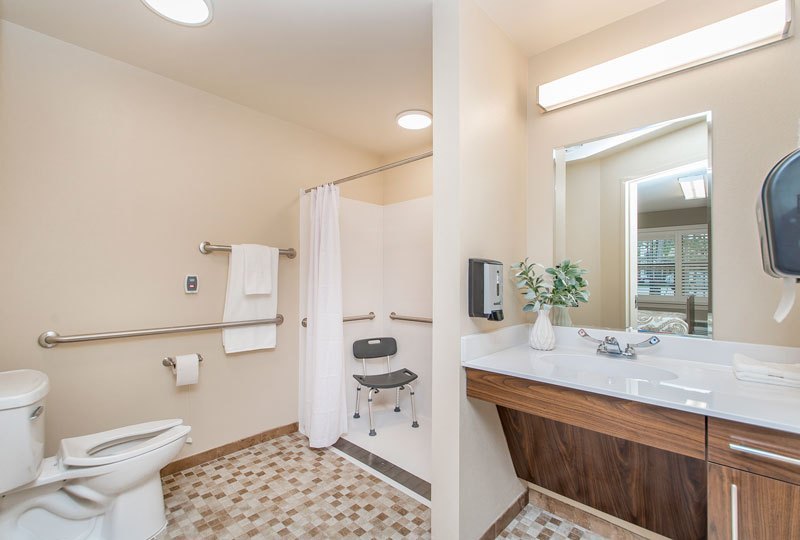
Who Owns and Operates Forest Manor Nursing And Rehabilitation Center?

Forest Manor Nursing and Rehabilitation Center is owned by a for-profit company. For-profit facilities operate as businesses with obligations to shareholders or private owners. The facility is operated by THE BEEBE FAMILY, a chain that manages multiple nursing homes. With 172 certified beds and approximately 160 residents (about 93% occupancy), it is a mid-sized facility located in COVINGTON, Louisiana.

How Does Forest Manor Nursing And Rehabilitation Center Compare to Other Louisiana Nursing Homes?

Compared to the 100 nursing homes in Louisiana, Forest Manor Nursing and Rehabilitation Center's overall rating (3 stars) is above the state average of 2.4, staff turnover (48%) is near the state average of 46%, and health inspection rating (3 stars) is at the national benchmark.

What Should Families Ask When Visiting Forest Manor Nursing And Rehabilitation Center?

Based on this facility's data, families visiting should ask: "What changes have been made since the serious inspection findings, and how are you preventing similar issues?" "Can I visit during a mealtime to observe dining assistance and food quality?" "How do you handle medical emergencies, and what is your hospital transfer rate?" "Can I speak with family members of current residents about their experience?" These questions are particularly relevant given the facility's Immediate Jeopardy citations.

Is Forest Manor Nursing And Rehabilitation Center Safe?

Based on CMS inspection data, Forest Manor Nursing and Rehabilitation Center has documented safety concerns. Inspectors have issued 1 Immediate Jeopardy citation (the most serious violation level indicating risk of serious injury or death). The facility has a 3-star overall rating and ranks #1 of 100 nursing homes in Louisiana. Families considering this facility should ask detailed questions about what corrective actions have been taken since these incidents.

Do Nurses at Forest Manor Nursing And Rehabilitation Center Stick Around?

Forest Manor Nursing and Rehabilitation Center has a staff turnover rate of 48%, which is about average for Louisiana nursing homes (state average: 46%). Moderate turnover is common in nursing homes, but families should still ask about staff tenure and how the facility maintains care continuity when employees leave.

Was Forest Manor Nursing And Rehabilitation Center Ever Fined?

Forest Manor Nursing and Rehabilitation Center has been fined $13,625 across 1 penalty action. This is below the Louisiana average of $33,215. While any fine indicates a compliance issue, fines under $50,000 are relatively common and typically reflect isolated problems that were subsequently corrected. Families should ask what specific issues led to these fines and confirm they've been resolved.

Is Forest Manor Nursing And Rehabilitation Center on Any Federal Watch List?

Forest Manor Nursing and Rehabilitation Center is not on any federal watch list. The most significant is the Special Focus Facility (SFF) program, which identifies the bottom 1% of nursing homes nationally based on persistent, serious quality problems. Not being on this list means the facility has avoided the pattern of deficiencies that triggers enhanced federal oversight. This is a positive indicator, though families should still review the facility's inspection history directly.