TRINITY TRACE COMMUNITY CARE CENTER
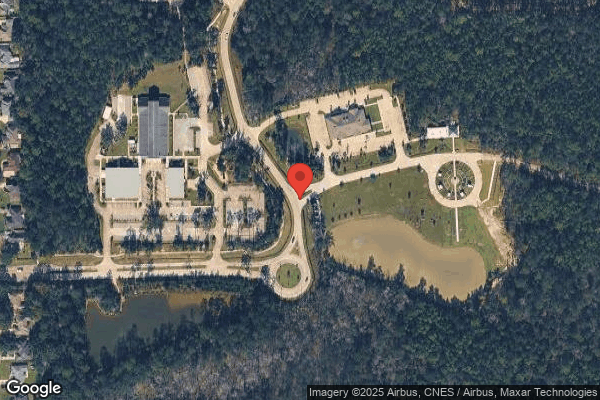
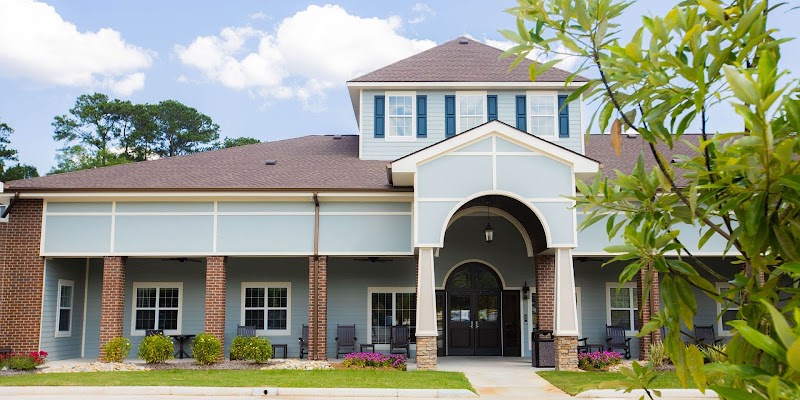
612 HOLY TRINITY DRIVE, COVINGTON, LA 70433 (985) 643-5630
Non profit - Corporation 116 Beds COMMCARE CORPORATION Data: November 2025 2 Immediate Jeopardy citations
Trust Grade
51/100
#53 of 264 in LA
Last Inspection: September 2024

Within standard 12-15 month inspection cycle. Federal law requires annual inspections.

Overview

Trinity Trace Community Care Center has a Trust Grade of C, indicating it is average among nursing homes, sitting in the middle of the pack. It ranks #53 out of 264 facilities in Louisiana, placing it in the top half, and #3 out of 8 in St. Tammany County, meaning only two other local options are better. The facility is improving, having reduced its issues from 4 in 2024 to 2 in 2025, although staffing turnover is concerning at 58%, which is higher than the state average. Notably, there were critical incidents where the facility failed to follow residents' advance directives, leading to an Immediate Jeopardy situation, and issues with infection control practices, such as improper hand hygiene during care. However, it has no fines on record, indicating a good compliance history, and overall, it provides decent RN coverage, which is beneficial for resident care.

Trust Score
C
51/100
In Louisiana
#53/264
Top 20%
Safety Record
High Risk
Review needed
Inspections
Getting Better
4 → 2 violations
Staff Stability
⚠ Watch
58% turnover. Above average. Higher turnover means staff may not know residents' routines.
Penalties
✓ Good
No fines on record. Clean compliance history, better than most Louisiana facilities.
Skilled Nurses
⚠ Watch
Each resident gets only 17 minutes of Registered Nurse (RN) attention daily — below average for Louisiana. Fewer RN minutes means fewer trained eyes watching for problems.
Violations
⚠ Watch
12 deficiencies on record. Higher than average. Multiple issues found across inspections.
★★★★☆
4.0
Overall Rating
★★★☆☆
3.0
Staff Levels
★★★★☆
4.0
Care Quality
★★★★☆
4.0
Inspection Score
Stable
2024: 4 issues
2025: 2 issues

The Good

  • 4-Star Quality Measures · Strong clinical quality outcomes
  • Full Sprinkler Coverage · Fire safety systems throughout facility
  • No fines on record

Facility shows strength in quality measures, fire safety.

The Bad

Staff Turnover: 58%

12pts above Louisiana avg (46%)

Frequent staff changes - ask about care continuity

Chain: COMMCARE CORPORATION

Part of a multi-facility chain

Ask about local staffing decisions and management

Staff turnover is elevated (58%)

10 points above Louisiana average of 48%

The Ugly 12 deficiencies on record

2 life-threatening
Apr 2025 1 deficiency
CONCERN (E) 📢 Someone Reported This

A family member, employee, or ombudsman was alarmed enough to file a formal complaint

Potential for Harm - no one hurt, but risky conditions existed

Infection Control (Tag F0880)

Could have caused harm · This affected multiple residents

**NOTE- TERMS IN BRACKETS HAVE BEEN EDITED TO PROTECT CONFIDENTIALITY** Based on observations, interviews, and record review, the facility failed to implement and maintain an infection prevention and ...

Read full inspector narrative →
**NOTE- TERMS IN BRACKETS HAVE BEEN EDITED TO PROTECT CONFIDENTIALITY** Based on observations, interviews, and record review, the facility failed to implement and maintain an infection prevention and control program designed to provide a safe, sanitary, and comfortable environment and to help prevent the development and transmission of communicable diseases and infections. The facility failed to ensure staff: 1. Properly utilized Enhanced Barrier Precaution (EBP) Personal Protective Equipment (PPE) during incontinence care for 2 (#2 and #R1) of 3 (#2, #3 and #R1) residents whom required EBP; and 2. Performed appropriate hand hygiene during incontinence care for 1 (#2) of 3 (#2, #3 and #R1) residents observed for incontinence care. Findings: Review of the facility's policy with a revised date of 04/2024, titled, Enhanced Barrier Precautions revealed the following, in part: Enhanced barrier precautions are utilized to prevent the spread of multidrug resistant organisms (MDROs) to residents. 2. EBP employ targeted gown and glove use during high contact resident care activities, when contact precautions do not otherwise apply. a. Gloves and gown are applied prior to performing the high contact resident care activity. 3. Examples of high contact resident care activities requiring the use of gown and gloves for EBP .include transferring, providing hygiene, changing linens, changing brief. 4. EBP are indicated when contact precautions do not otherwise apply for residents colonized with Vancomycin-resistant Enterococci (VRE). Review of the facility's sign titled Enhanced Barrier Precautions revealed the following instructions, in part: Enhanced Barrier Precautions .providers and staff must clean their hands when entering and when leaving the room. Wear gloves and a gown for the following high contact resident care activities: Transferring, changing linens, providing hygiene, and changing briefs. 1. Resident #2 Review of Resident #2's Clinical Record revealed she was admitted to the facility on [DATE] with diagnoses, which included Personal History of Urinary Tract Infections with VRE. Review of Resident #2's current Physician Orders revealed the following, in part: Start date-02/03/2025 Enhanced Barrier Precautions related to history of VRE. Review of Resident #2's current Care Plan revealed the following, in part: Problem: I am at risk for developing MDRO infections related to colonized MDRO-VRE. I require the use of EBP. Intervention: PPE as required. An observation was made on 04/14/2025 at 5:25 a.m. of Resident #2's door to her room. A sign was observed on the door which read EBP with the above facility sign instructions, along with a caddy of gloves and gowns. An observation was made on 04/14/2025 at 5:25 a.m. of S3CNA providing incontinence care for Resident #2. S3CNA applied gloves and entered Resident #2's room without a gown. S3CNA changed Resident #2's urine and feces soiled brief, provided perineal care, removed gloves and then exited Resident #2's room. S3CNA applied gloves and entered Resident #2's room again without a gown. S3CNA repositioned her from side to side to place the mechanical lift pad underneath Resident #2. S3CNA removed gloves and exited the room. An interview was conducted on 04/14/2025 at 5:45 a.m. with S3CNA. S3CNA confirmed Resident #2 had an EBP sign and caddy with gowns and gloves on her door. S3CNA stated she did not wear a gown during incontinence care and placement of the lift pad underneath Resident #2 because she did not know she required the EBP PPE precautions. Resident #R1 Review of Resident #R1's Clinical Record revealed she was admitted to the facility on [DATE] with diagnoses, which included Personal History of Urinary Tract Infections with VRE. Review of Resident # R1's current Physician Orders revealed the following, in part: Start date-03/25/2025 Enhanced Barrier Precautions related to MDRO. Review of Resident # R1's current Care Plan revealed the following, in part: Problem: I am at risk for developing MDRO infections related to colonized MDRO-VRE. I require the use of EBP. Intervention: PPE as required. An observation was made on 04/14/2025 at 5:10 a.m. of Resident #R1's door to her room. A sign was observed on the door which read EBP with the above facility sign instructions, along with a caddy of gloves and gowns. An observation was made on 04/14/2025 at 5:10 a.m. of S4CNA providing incontinence care for Resident #R1. S4CNA applied gloves and entered Resident #R1's room without a gown. S4CNA changed Resident #R1's urine soiled brief, provided perineal care, removed gloves and then exited Resident #R1's room. An interview was conducted on 04/14/2025 at 5:23 a.m. with S4CNA. S4CNA confirmed Resident #R1 had an EBP sign and caddy with gowns and gloves on her door. S4CNA confirmed she did not wear a gown during incontinence care because she did not think it was required. 2. Review of facility's policy revised date 08/2015 and titled Handwashing/Hand Hygiene revealed the following, in part: This facility considers hand hygiene the primary means to prevent the spread of infections. 2. All personnel shall follow the handwashing/hand hygiene procedures to help prevent the spread of infections to other personnel, residents, and visitors. 7. Use an alcohol-based hand rub or, alternatively, soap and water for the following situations: b. Before and after direct contact with residents; h. Before moving from a contaminated body site to a clean body site during resident care; j. After contact with bodily fluids; and m. After removing gloves. 8. Hand hygiene is the final step after removing and disposing of PPE. 9. The use of gloves does not replace hand washing/hand hygiene. Review of Resident #2's Quarterly Minimum Data Set (MDS) with an Assessment Reference Date (ARD) of 03/10/2025 revealed that the resident was incontinent with urinary and bowel. An observation was made on 04/14/2025 at 5:25 a.m. of S3CNA providing incontinence care for Resident #2. S3CNA applied gloves and entered Resident #2's room. S3CNA changed Resident #2's urine and feces soiled brief and cleaned her perineal area with wipes. S3CNA then, with the same soiled gloves and no hand hygiene performed, retrieved a clean brief and applied it to Resident #2, touched Resident #2's clean linen, bed railing and her hand to remove it from the bed rail, and repositioned resident in the bed. S3CNA removed gloves and then exited Resident #2's room with a trash bag, removed trash can lid and disposed the trash bag. After, S3CNA retrieved the mechanical lift from the hallway, applied gloves and entered Resident #2's room again and repositioned Resident #2 from side to side to place the mechanical lift pad underneath Resident #2. S3CNA, with assistance, used the mechanical lift remote and transferred Resident #2 by touching Resident #2 to guide her into the wheelchair. S3CNA removed gloves and exited the room. S3CNA did not perform hand washing or hand sanitizer. An interview was conducted on 04/14/2025 at 5:45 a.m., with S3CNA, S3CNA confirmed she did not change her gloves or perform hand hygiene after she performed incontinence care and before touching clean items in the room and Resident #2, and should have. S3CNA confirmed she did not perform hand hygiene after she removed her gloves and exited the room to discard the trash bag and/or before and after retrieving the mechanical lift and performing the transfer for Resident #2, and should have. An interview was conducted on 04/15/2025 at 1:15 p.m., with S1DON. S1DON confirmed Resident #2 and Resident #R1 were on EBP precautions because of a history of MDRO. S1DON stated Resident #2 and Resident #R1 had EBP signage on their door, which the staff should follow and wear a gown and gloves during high contact resident care activities. S1DON stated after handling urine and feces soiled diaper and providing perineal care for residents, she would expect the staff to remove soiled gloves and perform hand hygiene before handling a clean diaper, touching other clean linens and resident. S1DON stated she expected nursing staff to perform hand hygiene immediately after direct care with resident and before touching equipment and/or providing care for residents.
Feb 2025 1 deficiency
CONCERN (D) 📢 Someone Reported This

A family member, employee, or ombudsman was alarmed enough to file a formal complaint

Potential for Harm - no one hurt, but risky conditions existed

Assessment Accuracy (Tag F0641)

Could have caused harm · This affected 1 resident

Based on record review and interviews, the facility failed to ensure an accurate Minimum Data Set assessment for 1 (#1) of 3 (#1, #2 and #3) Residents sampled for falls. The facility failed to ensure ...

Read full inspector narrative →
Based on record review and interviews, the facility failed to ensure an accurate Minimum Data Set assessment for 1 (#1) of 3 (#1, #2 and #3) Residents sampled for falls. The facility failed to ensure falls were accurately coded for Resident #1. Findings: Review of Resident #1's Clinical Record revealed an admission date of 04/20/2023. Review of Resident #1's Quarterly Minimum Data Set (MDS) with an Assessment Reference Date (ARD) of 12/03/2024 revealed a Brief Interview for Mental Status (BIMS) of 14, which indicated she was cognitively intact. Further review revealed the following, in part: Section J Health Conditions J1800-Any falls since admission/entry or reentry or prior assessment. Marked No J1900-Number of falls since admission/entry or reentry or prior assessment. This section was disabled due to No marked on the previous section (J1800). Review of the facility's incident log dated 11/11/2024 - 02/11/2025 revealed Resident #1 had an unwitnessed fall on 11/26/2024, which she did not report to staff until 11/27/2024. Review of the nurse's notes for Resident #1 dated 11/11/2024 - 02/11/2025 revealed on 11/27/2024 at 6:00 p.m., Resident #1 self-reported she fell in her room on 11/26/2024. Review of the facility's Post Fall Evaluation dated 11/27/2024 at 6:00 p.m. revealed Resident #1 was evaluated for an unwitnessed fall in her bedroom. On 02/13/2025 at 9:38 a.m., an interview was conducted with S2LPN. S2LPN stated she was responsible for completing MDS assessments for Resident #1. S2LPN reviewed Resident #1's Clinical Record, including the Quarterly MDS with an ARD of 12/03/2024. S2LPN confirmed Resident #1 had a fall since her previous MDS assessment. S2LPN confirmed she did not correctly code the Quarterly MDS with an ARD of 12/03/2024 for Resident #1's fall and should have. On 02/14/2025 at 10:14 a.m., an interview was conducted with S3RN. S3RN confirmed she was responsible for reviewing and signing off on Resident #1's MDS assessments completed by S2LPN. S3RN reviewed Resident #1's Clinical Record, including the Quarterly MDS with an ARD of 12/03/2024, in which S3RN had signed off on. S3RN confirmed Resident #1 had a fall since her previous MDS assessment. S3RN confirmed Resident #1's fall was not correctly coded on the Quarterly MDS with an ARD of 12/03/2024 and this should have been corrected prior to her (S3RN) signing off on the MDS. On 02/14/2025 at 11:45 a.m., an interview was conducted with S1DON. S1DON reviewed Resident #1's Clinical Record, including the Quarterly MDS with an ARD of 12/03/2024 and confirmed it was not coded correctly for Resident #1's fall on 11/26/2024 and should have been.
Sept 2024 3 deficiencies
CONCERN (D)

Potential for Harm - no one hurt, but risky conditions existed

Deficiency F0761 (Tag F0761)

Could have caused harm · This affected 1 resident

Based on observations and interviews, the facility failed to ensure drugs and biologicals used in the facility were stored in accordance with currently accepted professional principles. The facility f...

Read full inspector narrative →
Based on observations and interviews, the facility failed to ensure drugs and biologicals used in the facility were stored in accordance with currently accepted professional principles. The facility failed to ensure: 1. Temperatures were documented for the medication refrigerator in 1 of 1 (Med Room a) medication storage rooms observed; and 2. Expired medications were not available for administration to residents in 1 (Med Cart c) of 4 (Med Cart a, Med Cart b, Med Cart c, and Med Cart d) medication carts observed. Findings: An observation was made of Med Room a on 09/23/2024 at 9:33 a.m. with S1DON. Review of the Daily Refrigerator Task Log dated September 2024 for the refrigerator located in Med Room a revealed the only dates in which temperatures were documented were on 09/02/2024, 09/03/2024, 09/04/2024, 09/08/2024, 09/14/2024, 09/15/2024, and 09/21/2024. An interview was conducted on 09/23/2024 at 9:37 a.m. with S1DON. She reviewed the Daily Refrigerator Task Log and confirmed the temperatures of the medication refrigerator should have been documented daily by the night shift nurses, and were not. An observation was made of Med Cart c on 09/23/2024 at 9:44 a.m. with S2LPN. An observation was made of a box of Artificial Tear eye drops with an open date of 08/01/2024. There was an expiration date of 03/2024 on both the bottle and the box of the Artificial Tears. The bottle of the Artificial Tears was observed to be ¾ empty. An interview was conducted on 09/23/2024 at 9:46 a.m. with S2LPN. She verified there was an expiration date of 03/2024 on the box and bottle of the Artificial Tears eye drops. She verified there was a written open date on the Artificial Tears of 08/01/2024, and the eye drops were available for use. She stated the nurse who opened the Artificial Tears should have checked the expiration date before administering the eye drops. She confirmed expired medications, including eye drops, should be discarded and not administered to residents. An interview was conducted on 09/23/2024 at 10:25 a.m. with S1DON. She was notified of the above findings. She confirmed expired eye drops should be discarded and not be administered to residents. .
CONCERN (E)

Potential for Harm - no one hurt, but risky conditions existed

Assessment Accuracy (Tag F0641)

Could have caused harm · This affected multiple residents

**NOTE- TERMS IN BRACKETS HAVE BEEN EDITED TO PROTECT CONFIDENTIALITY** Based on interviews and record reviews, the facility failed to ensure the MDS assessment accurately reflected the resident's st...

Read full inspector narrative →
**NOTE- TERMS IN BRACKETS HAVE BEEN EDITED TO PROTECT CONFIDENTIALITY** Based on interviews and record reviews, the facility failed to ensure the MDS assessment accurately reflected the resident's status for 2 (#1 and #107) residents out of a total of 25 sampled residents by failing to ensure: 1. Resident #1 was coded correctly for the use of an antidiuretic; and 2. Resident #107 was coded correctly for discharge. Findings: 1. Review of Resident #1's Clinical Record revealed she was admitted to the facility on [DATE]. Review of Resident #1's Quarterly MDS with an ARD of 07/23/2024 revealed Section N:G: Diuretic: No. Review of Resident #1's Physician Orders revealed the following: Start date: 05/21/2024, End Date: 09/08/2024: Furosemide 20 mg Give 20 mg by mouth two times a day. On 09/24/2024 at 9:48 p.m., an interview was conducted with S4CCC. She stated she was responsible for the July 2024 Quarterly MDS assessment. She verified Resident #1 had a Physician's Order for Furosemide 20 mg twice daily with a start date of 05/21/2024. She reviewed Resident #1's Quarterly MDS and confirmed Section N:G was not coded for taking a diuretic and should have been. On 09/25/2024 at 3:00 p.m., an interview was conducted with S1DON. She confirmed if Resident # 1 was taking Furosemide during the look back period then the Quarterly MDS should have been coded for it. 2. Review of Resident #107's Clinical Record revealed she was admitted to the facility on [DATE] and discharged on 08/26/2024. Review of Resident #107's Discharge MDS with an ARD of 08/26/2024 revealed Section A2105 Discharge Status: Short Term General Hospital. Review of Resident #107's Discharge summary dated [DATE] revealed the resident was discharged to a local assisted living facility. On 09/24/2024 at 12:38 p.m., an interview was conducted with S3CCC. She stated she was responsible for the MDS Assessments. She verified Resident #107 she was discharged to an assisted living facility. She reviewed Resident #107's Discharge MDS and confirmed Section A2105 indicated the resident was discharged to the hospital, and should have been coded for discharge to assisted living. On 09/24/2024 at 12:55 p.m., an interview was conducted with S1DON. She verified Resident #107 was discharged to a local assisted living facility. She reviewed Resident #107's MDS and confirmed she was coded for being discharged to the hospital and should have been coded for discharge to an assisted living facility.
CONCERN (E)

Potential for Harm - no one hurt, but risky conditions existed

Pharmacy Services (Tag F0755)

Could have caused harm · This affected multiple residents

Based on record review, observations, and interviews, the facility failed to provide pharmaceutical services, including procedures that assure the dispensing and administering of all drugs and biologi...

Read full inspector narrative →
Based on record review, observations, and interviews, the facility failed to provide pharmaceutical services, including procedures that assure the dispensing and administering of all drugs and biologicals, to meet the needs of each resident. The facility failed to ensure insulin pens were primed prior to administration of insulin per manufacturer's guidelines for 3 of 3 (#11, #30, and #76) residents observed for insulin administration. Findings: Review of the facility's policy titled Insulin/Insulin Flexpens and Insulin Documentation dated 01/29/2013, revealed the following, in part: FlexPen Insulin Administration 7. Air Shot steps: turn the device dose selector to 2U, holding pen with needle up, tap cartridge a few times to move any air bubbles to the top of the device, complete air shot by pressing the injector push button all the way in (the dose selector will return to 0), a drop of insulin should be present on the needle tip. Review of the manufacturer's insert for Insulin Aspart FlexPen (Novolog) revealed the following, in part: Giving the airshot before each injection- Before each injection small amounts of air may collect in the cartridge during normal use. To avoid injecting air and to ensure proper dosing: E. Turn the dose selector to select 2 units F. Hold your Novolog Flexpen with the needle pointing up. Tap the cartridge gently with your finger a few times to make any air bubbles collect at the top of the cartridge G. Keep the needle pointing upwards, press the push button all the way in. The dose selector returns to 0. A drop of insulin should appear at the needle tip. Resident #11 Review of Resident #11's current Physician Orders revealed, in part, an order for Insulin Aspart FlexPen Solution Pen-Injector 100Unit/ML(InsulinAspart) Inject as per sliding scale. On 09/24/2024 at 11:16 a.m., an observation was made of S7LPN preparing and administering Resident #11's Insulin Aspart FlexPen. S7LPN dialed the Insulin Aspart FlexPen to 6 units. S7LPN did not prime the Insulin Aspart FlexPen prior to administration to Resident #11. On 09/24/2024 at 11:17 a.m., an interview was conducted with S7LPN. S7LPN confirmed she did not prime the Insulin Aspart FlexPen prior to administration. S7LPN stated she was unaware the Insulin Aspart FlexPen needed to be primed prior to administration. Resident #30 Review of Resident #30's current Physician Orders revealed, in part, an order for Insulin Aspart Subcutaneous Solution Pen-injector 100Unit/ML(InsulinAspart) Inject as per sliding scale. On 09/24/2024 at 10:59 a.m., an observation was made of S6LPN preparing and administering Resident #30's Insulin Aspart. S6LPN dialed the Insulin Aspart FlexPen to 2 units and administered it to Resident #30. S6LPN did not prime the Insulin Aspart FlexPen prior to administering to Resident #30. On 09/24/2024 at 11:00 a.m., an interview was conducted with S6LPN. S6LPN confirmed she did not prime the Insulin Aspart FlexPen prior to dialing the insulin dose. S6LPN stated she was unaware the Insulin Aspart FlexPen needed to be primed prior to administration. Resident #76 Review of Resident #76's current Physician Orders revealed, in part, an order for Novolog Injection Solution 100 Unit/ML(Insulin Aspart) Inject as per sliding scale. Remove space On 09/24/2024 at 10:27 a.m., an observation was made of S8LPN preparing and administering Resident #76's Novolog (Insulin Aspart). S8LPN dialed the Insulin Aspart FlexPen to 2 units and administered it to Resident #76. S8LPN did not prime the Insulin Aspart FlexPen prior to administering to Resident #76. On 09/24/2024 at 10:28 a.m., an interview was conducted with S8LPN. S8LPN confirmed she did not prime the Insulin Aspart FlexPen prior to dialing the insulin dose. S8LPN stated she was unaware the Insulin Aspart FlexPen needed to be primed prior to administration. On 09/24/2024 at 1:00 p.m., an interview was conducted with S1DON. She reviewed the manufacturer's insert for Insulin Aspart FlexPen and confirmed it required a priming of 2 units of insulin prior to administering each dose. On 09/24/2024 at 1:05 p.m., an interview was conducted with S5QI. She confirmed Insulin Aspart FlexPen required a priming of 2 units of insulin prior to administering each dose.
Jul 2024 1 deficiency
CONCERN (D) 📢 Someone Reported This

A family member, employee, or ombudsman was alarmed enough to file a formal complaint

Potential for Harm - no one hurt, but risky conditions existed

Transfer Requirements (Tag F0622)

Could have caused harm · This affected 1 resident

**NOTE- TERMS IN BRACKETS HAVE BEEN EDITED TO PROTECT CONFIDENTIALITY** Based on record reviews and interviews, the facility failed to ensure a resident's facility discharge had the required physician...

Read full inspector narrative →
**NOTE- TERMS IN BRACKETS HAVE BEEN EDITED TO PROTECT CONFIDENTIALITY** Based on record reviews and interviews, the facility failed to ensure a resident's facility discharge had the required physician documentation in the medical record identifying the residents needs that could not be met by the facility for 1 (#1) of 2 (#1, #R1) residents reviewed for emergency transfers. Findings: Review of the medical records for Resident #1 revealed the resident was admitted to the facility on [DATE] and discharged on 06/24/2024. Review of the facility's Action Summary revealed Resident #1 was transferred from the nursing home to a local hospital on [DATE] and did not return to the facility. Review of the facility's Discharge Instruction and Summary for Resident #1 revealed the facility discharged the resident on 06/24/2024 after an emergency transfer to a local hospital. Further review of the Discharge Instruction and Summary revealed this resident had abusive behaviors. Review of Resident #1's medical record, physician notes, and nursing notes revealed no documentation justifying the reason for discharge. On 07/30/2024 at 9:34 a.m. a telephone interview was conducted with the emergency room physician at the local hospital. He stated he treated Resident #1 on 06/24/2024. He stated the resident was later discharged to home on [DATE] after S2DON said the resident could not return to the facility due to her abusive behavior. On 07/30/2024 at 9:57 a.m. a telephone interview was conducted with the Triage Nurse at the local hospital. He stated on 06/24/2024, S2DON told him as a result of Resident #1's family members making threats to staff and Resident #1's behaviors she could not return to the facility. He stated the hospital later discharged the patient to home. On 07/31/2024 at 11:50 a.m. an interview was conducted with S2DON. She confirmed there was no documentation justifying the reason for discharge of Resident #1 by the Medical Director. She stated Resident #1 exhibited abusive behaviors and the resident left the facility via ambulance to the local hospital on her own accord. She stated her abusive behaviors put the safety of other residents at risk. On 07/31/2024 at 12:01 p.m. an interview was conducted with S1ADM. He confirmed he had no documentation justifying the reason for discharge of Resident #1 by the Medical Director. On 07/31/2024 at 12:01 p.m. an interview was conducted with S3MD. He confirmed he did not document the reason Resident #1 was for discharged from the facility in the medical record. He stated Resident #1 exhibited abusive behaviors and the resident left the facility via ambulance to the local hospital on her own accord. He stated her abusive behaviors put the safety of other residents at risk.
Nov 2023 1 deficiency
CONCERN (D) 📢 Someone Reported This

A family member, employee, or ombudsman was alarmed enough to file a formal complaint

Potential for Harm - no one hurt, but risky conditions existed

Comprehensive Care Plan (Tag F0656)

Could have caused harm · This affected 1 resident

Deficiency Text Not Available

Read full inspector narrative →
Deficiency Text Not Available
Aug 2023 3 deficiencies
CONCERN (D)

Potential for Harm - no one hurt, but risky conditions existed

PASARR Coordination (Tag F0644)

Could have caused harm · This affected 1 resident

**NOTE- TERMS IN BRACKETS HAVE BEEN EDITED TO PROTECT CONFIDENTIALITY** Based on interviews and record review, the facility failed to ensure that a resident with an identified mental health diagnosis ...

Read full inspector narrative →
**NOTE- TERMS IN BRACKETS HAVE BEEN EDITED TO PROTECT CONFIDENTIALITY** Based on interviews and record review, the facility failed to ensure that a resident with an identified mental health diagnosis was referred for a Preadmission Screening and Resident Review (PASARR) Level II evaluation as required for 2(#1 and #77) of 5 (#1, #12, #22, #37 #77) sampled residents reviewed for PASARR Level II. Findings: Resident #1 Review of the Clinical Record revealed Resident #1 was admitted to the facility on [DATE] with diagnoses which included: Bipolar 1 Disorder and Depression. Further review revealed additional medical diagnosis of Borderline Personality Disorder on 10/05/2022 and Delusional Disorder on 04/20/2023. On 08/30/2023 at 9:00 a.m., an interview was conducted with S2DON. She stated the clinical coordinator was responsible for submitting a Resident Review Form when a resident received a new mental illness diagnosis. S2DON confirmed Resident #1 did not have a Resident Review submitted to the state when Resident #1 received a new diagnosis of Personality Disorder and Delusional Disorder, and should have. She stated she was unaware of Resident #1 having these diagnoses. Resident #77 Review of the Clinical Record revealed Resident #77 was admitted to the facility on [DATE] with diagnoses which included: Major Depressive Disorder. Further review revealed additional medical diagnoses of Schizophrenia on 08/04/2022. On 08/29/23 at 2:12 p.m., an interview was conducted with S3RN. She confirmed Resident #77 did not have a Resident Review submitted to the State when she was diagnosed with Schizophrenia on 08/04/2023 and she should have. On 08/30/2023 at 8:45 a.m., an interview was conducted with S1NFA. He confirmed a resident review was not completed on Resident # 77 and they have scheduled one.
CONCERN (D)

Potential for Harm - no one hurt, but risky conditions existed

Deficiency F0657 (Tag F0657)

Could have caused harm · This affected 1 resident

**NOTE- TERMS IN BRACKETS HAVE BEEN EDITED TO PROTECT CONFIDENTIALITY** Based on record review and interviews the facility failed to ensure the Care Plan was revised for safe smoking for 1 (#52) of 22...

Read full inspector narrative →
**NOTE- TERMS IN BRACKETS HAVE BEEN EDITED TO PROTECT CONFIDENTIALITY** Based on record review and interviews the facility failed to ensure the Care Plan was revised for safe smoking for 1 (#52) of 22 sampled residents reviewed for care plans. Findings: Review of the policy titled Care Plans, Comprehensive Person-Centered revealed, in part: 3. The care plan intervention are derived from a thorough analysis of the information gathered as part of the comprehensive assessment. 4. Each resident's comprehensive person-centered care plan is consistent with the resident's rights to participate in the development and implementation of his or her plan of care, including the right to: g. receive the services and /or items included in the plan of care 9. Care plan interventions are chosen only after data gathering, proper sequencing of events, careful consideration of the relationship between the resident's problem areas and their causes, and relevant clinical decision making. 11. Assessments of residents are ongoing and care plans are revised as information about the residents' condition change. 12. The interdisciplinary team reviews and updates the care plan: d. at least quarterly Review of Resident #52's Smoking assessment dated [DATE] revealed Resident #52 was safe to smoke with staff assistance and supervision. Smoking supplies to be kept at nursing station. Review of Resident #52's Smoking assessment dated [DATE] revealed Resident #52 was safe to smoke without supervision and is able to store own items. Review of Resident #52's most recent Care Plan dated 08/15/2023 revealed Resident #52 was a smoker and needed supervision while smoking and required smoking supplies to be stored at the nurse's station. An interview was conducted on 08/29/2023 at 4:00 p.m. with S2DON. She stated the Clinical Coordinator was responsible for updating the resident's Care Plan at least quarterly and when a resident had any changes. After S2DON reviewed Resident #52's current Care Plan dated 08/15/2023 and most current Smoking assessment dated [DATE], she confirmed Resident #52's Care Plan did not reflect the most current Smoking Assessment data. She stated the current Care Plan, dated 08/15/23, should have been updated to reveal Resident #52 was a safe smoker without supervision and it was not.
CONCERN (D)

Potential for Harm - no one hurt, but risky conditions existed

Deficiency F0761 (Tag F0761)

Could have caused harm · This affected 1 resident

Deficiency Text Not Available

Read full inspector narrative →
Deficiency Text Not Available
Sept 2022 2 deficiencies 2 IJ (2 affecting multiple)
CRITICAL (K)

Immediate Jeopardy (IJ) - the most serious Medicare violation

Deficiency F0678 (Tag F0678)

Someone could have died · This affected multiple residents

**NOTE- TERMS IN BRACKETS HAVE BEEN EDITED TO PROTECT CONFIDENTIALITY** Based on record reviews and interviews, the facility failed to have effective system in place to ensure residents' advanced dire...

Read full inspector narrative →
**NOTE- TERMS IN BRACKETS HAVE BEEN EDITED TO PROTECT CONFIDENTIALITY** Based on record reviews and interviews, the facility failed to have effective system in place to ensure residents' advanced directives were correctly initiated for 1 resident (#106), and ensure residents' medical records reflected the residents' wishes for emergency basic life support for 3 (#7, #103, and #106) of 32 (#7, #10, #11, #23, #36, #42, #43, #49, #51, #54, #58, #62, #65, #71, #79, #82, #84, #91, #92, #101, #103, #104, #106, #107, #306, #405, #406, #407, #408, #409, #410, and #411) sampled residents reviewed for Advance Directives. The deficient practice resulted in an Immediate Jeopardy situation on [DATE] for Resident #106 when she was found unresponsive, and CPR was not initiated by S5LPN as requested in Resident #106's Advanced Directive. The physical chart revealed a full code status, meaning this resident required CPR, while the electronic medical record revealed a DNR (Do Not Resuscitate) code status. S5LPN indicated she discovered and reported the discrepancy to S2DON on [DATE]. The facility failed to put corrective actions in place after the discrepancy in code status was discovered for Resident #106. The Immediate Jeopardy situation ended for Resident #106 when the resident expired on [DATE] but continued for Resident #7 and Resident #103 when their code statuses were also found with discrepancies. Resident #7, who had a diagnosis which included Acute and Chronic Respiratory Failure with Hypoxia, Atrial Fibrillation, and Chronic Diastolic Congestive Heart Failure, wished to have a DNR code status, but the electronic medical record revealed a full code status. Resident #103 who had a diagnosis which included Essential Hypertension and Atherosclerosis of Aorta, wished to have a full code status, but the electronic medical record revealed a DNR code status. S1ADMN was notified of the Immediate Jeopardy on [DATE] at 7:40 p.m. when record reviews revealed Resident #7 and Resident #103 had discrepancies related to code status. The Immediate Jeopardy was removed on [DATE] at 3:59 p.m. when the provider presented an acceptable plan of removal. Through interviews and record reviews, the surveyors confirmed the following components of the plan of removal had been initiated and/or implemented prior to exit. The Immediate Jeopardy Plan of removal included the following information: 1. Corrective actions taken for Residents #7 and #103 found to have been affected by the deficient practice are as follows: a. On [DATE], discrepancies of Residents #7 and #103 advanced directive were corrected to reflect current status. b. On [DATE], all current active residents' medical records were checked to ensure advanced directives, care plans, EMR, and physician orders were accurate. c. On [DATE], in-services were conducted with Medical Records Supervisor, Nurse Practitioner, and Admissions Coordinator related to accuracy of inputting resident advance directives into electronic medical record as well as verifying admission advanced directive orders. d. On [DATE], all residents' closed death records were audited from [DATE] to present, to verify physician orders related to code status for accuracy. e. On [DATE], facility educated all professional nursing staff of the process to verify code status of a resident by use of Consent for Cardiopulmonary Resuscitation, physician order, and patient face sheet. f. On [DATE], over bed care plans for all residents had been audited to ensure reflection of correct code status. g. On [DATE], audit of all current resident face sheets performed to ensure accurate code status. h. On [DATE], a root cause analysis was completed, and QA initiated with medical director notified. 2. Residents identified as having the potential to be affected by the deficient practice were identified. 3. The following measures were implemented in an effort to achieve substantial compliance: a. As of [DATE], upon admission of a new resident, a copy of Consent for Cardiopulmonary Resuscitation will be presented for verification. b. As of [DATE], DON or designee will review all current resident electronic medical records monthly to ensure the residents advanced directives and physician orders are accurate. c. As of [DATE], changed or revocated advanced directives must be submitted in writing to the administrator. 4. Quality Assurance measures put into place to ensure continued compliance are: a. As of [DATE], during facility daily stand up/QA meeting, NFA and/or DON will verify new admission code status was accurate per patient wishes. b. As of [DATE], monthly audit of all resident code status will be conducted by DON or designee. c. As of [DATE], any changes to a resident's advanced directive will be presented to the NFA in writing prior to DON or designee reviewing and updating the resident's chart. d. As of [DATE], DON or designee will monitor verification process upon admission and any changes of code status. e. As of [DATE], during facility stand up/QA meeting all new admissions advanced directive orders will be verified for accuracy. f. As of [DATE], results of audits will be reviewed with QA committed on a quarterly basis. 5. Proposed substantial compliance will be achieved on or before [DATE]. Findings: Review of the facility's policy, Advance Directives, revealed the following, in part: Information about whether or not the resident had executed an advance directive shall be displayed prominently in the medical record. A resident will not be treated against his or her own wishes. Review of the facility's policy, Emergency Procedure-Cardiopulmonary Resuscitation, revealed the following, in part: If the resident's DNR status was unclear, CPR will be initiated until it was determined there was a DNR. Resident #106 Review of Clinical Records for Resident #106 revealed she was admitted to the facility on [DATE] with diagnoses, which included Aftercare Following Joint Replacement Surgery. Review of the MDS with an ARD of [DATE] revealed Resident #106 had a BIMS of 15, which indicated she was cognitively intact. Record review revealed Resident #106 had an advanced directive dated [DATE] which stated CPR should be done on this resident in case of extreme emergency. Review of the physician's orders for Resident #106 revealed an order, which stated Do Not Resuscitate and was initiated on [DATE]. In addition, a review of Miscellaneous Document Tab in the electronic medical record revealed the Resident/Family Consent for CPR was signed by the resident representative on [DATE] for the resident to be a Full Code was labeled as a DNR. Review of Progress/Nurses Notes for Resident #106 dated [DATE] revealed S5LPN stated Resident was found this morning at 3:20 a.m. by nurse unresponsive. Vital signs unable to be established. Resident was listed DNR as of August of 2022. Protocols were followed thereafter. An interview was conducted on [DATE] at 4:15 p.m. with S10CNA. She stated she went into Resident #106's room at 1:30 a.m. to assist the resident to the bathroom. S10CNA stated Resident #106 stated she was ok, and there were no concerns noted. She stated at 3:20 a.m. S5LPN called her into Resident #106's room. She stated S5LPN listened to Resident #106's heart with her stethoscope, and tried to obtain vital signs. She stated CPR was not initiated and a code was not called because Resident #106 was a DNR. She stated she checked the electronic medical record to verify the resident's code status. An interview was conducted on [DATE] at 4:30 p.m. with S5LPN. She stated on [DATE] at 3:20 a.m. she went into Resident #106's room and found her unresponsive. She stated she was unable to obtain vital signs on the resident. She stated the electronic medical record indicated Resident #106 was a DNR. She stated she did not call a code and did not initiate CPR. She stated while charting, she found the physical chart had a code status of full code, and the electronic medical record had a code status of DNR, which was her normal process. She stated she checked with S2DON about the discrepancy and S2DON recommended not initiating CPR because she believed the resident was a DNR. She confirmed she did not return to initiate CPR. An interview was conducted on [DATE] at 5:39 p.m. with S6LPN, a floor nurse. She verified her name was located on Resident #106's physician orders as verified, but could not recall this resident's accurate code status. She stated when a resident was admitted , she would activate a resident's code status order in the electronic medical record without checking the accuracy on the physical chart. An interview was conducted on [DATE] at 5:43 p.m. with S2DON. She confirmed Resident #106 should had been a full code status, and verified the physician orders and care plan stated the resident was a DNR. She stated on [DATE], she reviewed the call from S5LPN regarding Resident #106's death. She stated she asked S5LPN what the resident's code status was, and was told she was a DNR. She stated she did not know Resident #106 was a full code until [DATE]. Resident #7 Review of current Clinical Records for Resident #7 revealed she was admitted to the facility on [DATE] with diagnoses, which included Acute and Chronic Respiratory Failure with Hypoxia, Atrial Fibrillation, and Chronic Diastolic Congestive Heart Failure. Review of the MDS with an ARD of [DATE] revealed Resident #7 had a BIMS of 13, which indicated she was cognitively intact. Review of Resident #7's Advanced Directive titled Resident/Family Consent for Cardiopulmonary Resuscitation form located on the resident's physical chart stated the resident was to receive CPR in case of extreme emergency. This was signed by Resident #7's Responsible Party on [DATE]. Review of the facesheet located on the electronic medical record revealed Resident #7 had a DNR status. Review of the Physician orders for Resident #7 revealed an order for a DNR code status dated [DATE]. Review of Resident #7's current Care Plan revealed resident had a DNR code status. An interview was conducted on [DATE] at 11:15 a.m. with S12LPN. She stated to find a resident's code status she would locate it in the physical chart. She stated Resident #7 was Full Code status per documentation in the physical chart. She stated she was responsible for Resident #7's admit orders. She stated when a resident was admitted , orders are cued from administration, and then she was responsible for activating the orders. She confirmed she did not double check the orders with the resident's advance directive. An interview was conducted on [DATE] at 5:43 p.m. with S2DON. S2DON stated an incorrect code status was brought to her attention on [DATE] for Resident #7, and the facility started to conduct chart audits on all residents residing in the facility. An interview was conducted on [DATE] at 9:52 a.m. with Resident #7. When asked about her code status wishes, she stated her wishes for her code status were to be a DNR. Resident #103 Review of current Clinical Records for Resident #103 revealed she was admitted to the facility on [DATE] with diagnoses, which included Type 2 Diabetes, Essential Hypertension, and Atherosclerosis of Aorta. Review of the MDS with an ARD of [DATE] revealed Resident #103 had a BIMS of 15, which indicated she was cognitively intact. Record review revealed Resident #103 had an advanced directive dated [DATE], which stated CPR should be done on this resident in case of extreme emergency, located in the resident's physical chart. Review of Resident #103's physician orders revealed an order which stated Do Not Resuscitate and was initiated on [DATE]. On [DATE], a revision was made to the physician orders to initiate Full Code status. An interview was conducted on [DATE] at 10:00 a.m. with Resident #103. She stated she was a full code, and wished for CPR to be initiated. An interview was conducted on [DATE] at 11:28 a.m. with S8MR. She stated she was responsible for entering all residents' code status and advanced directives. She stated S9AC completed all new admit packets in the facility's computer system. Once the packet was completed, S8MR opened the document titled CPR Patient Family Consent, and then saved the document into the resident's EMR (Electrical Medical Record). She stated she made the physical chart and placed the code status on the chart. She stated she then added orders under the physician orders for the resident, which includes the resident's code status. She stated the orders were placed in the order section on the EMR for the nurse to verify the order. She stated verification should include looking at the physician order and comparing it to the resident's advanced directive to make sure it was accurate. She stated if it was inaccurate, the nurse should not activate the order, and it should be brought to S8MR's attention for change. She stated she entered Resident #103's code status as a DNR on [DATE], and revised it on [DATE]. She stated a chart audit was conducted on [DATE], when the facility realized Resident #103's code status was incorrect. She confirmed Resident #103's code status should had been Full Code. She confirmed Resident #7 and Resident #106's code statuses were also incorrect and put in by error by herself. S8MR verified her credentials did not include any certifications of nursing. An interview was conducted on [DATE] at 5:02 p.m. with S9AC. She stated she was responsible for all admissions, which included documentation of Advanced Directives. She stated when a resident was admitted , she spoke with the resident or the resident representative in regards to their code status. She stated she explained to them what each code status meant, and once the decision was made, she had the resident representative or resident to sign the advanced directive. She stated she signed as a witness on the advanced directive. An interview was conducted on [DATE] at 5:33 p.m. with S7NP. She stated when she saw an order for a code status for her to sign, she did not check the advance directive to ensure the order and the advanced directive matched for accuracy. She stated she signed the order without questioning if it was correct. She could not verify if she was responsible for verifying orders on Residents #7, #103, #106. An interview was conducted on [DATE] at 5:43 p.m. with S2DON. She stated S9AC was in charge of contacting the family, and explaining to them the difference between full code and DNR status. She stated once the family or resident had made the decision on what code status they wished for, the Resident/Family Consent for Cardiopulmonary Resuscitation form was signed by the Resident Representative or resident, and then witnessed by S9AC with her signature. S2DON stated after the form was completed, it was uploaded to the electronic medical record, where S8MR then saw the form, and put in an order under physician orders stating the resident's code status. She stated the order showed up on the nurses' computers to check for accuracy. She stated nurses were responsible for checking the advance directive and the order to make sure it was accurate. She stated the nurse then verified the order if accurate, and should report to S8MR if inaccurate. She stated the doctor or nurse practitioner would see the verified order by the nurse. She stated the doctor or nurse practitioner would then verify the order matched the advance directive prior to signing the order. S2DON stated an incorrect code status was brought to her attention on [DATE] for Resident #7, and the facility started to conduct chart audits on all residents residing in the facility. She stated she was aware of Resident #103's code status being incorrect in the system. She confirmed this could have had the potential for harm. An interview was conducted on [DATE] at 6:30 p.m. with S1ADMN. He stated the advanced directive process started with S8MR entering the orders. He stated the floor nurses were responsible for verifying the orders. He stated the orders for code status then go to the doctor or nurse practitioner to sign after they also verify the accuracy of the orders. He confirmed there were discrepancies with Resident #7, #103, and #106 related to code status.
CRITICAL (K)

Immediate Jeopardy (IJ) - the most serious Medicare violation

Administration (Tag F0835)

Someone could have died · This affected multiple residents

**NOTE- TERMS IN BRACKETS HAVE BEEN EDITED TO PROTECT CONFIDENTIALITY** Based on record reviews and interviews, the facility failed to be administered in a manner which enabled it to use its resources...

Read full inspector narrative →
**NOTE- TERMS IN BRACKETS HAVE BEEN EDITED TO PROTECT CONFIDENTIALITY** Based on record reviews and interviews, the facility failed to be administered in a manner which enabled it to use its resources effectively and efficiently to ensure an effective system was in place to ensure advance directives were followed for 3 (#7, #103, and #106) of 32 (#7, #10, #11, #23, #36, #42, #43, #49, #51, #54, #58, #62, #65, #71, #79, #82, #84, #91, #92, #101, #103, #104, #106, #107, #306, #405, #406, #407, #408, #409, #410, and #411) sampled residents reviewed for Advanced Directives. The deficient practice resulted in an Immediate Jeopardy situation on [DATE] for Resident #106 when she was found unresponsive, and CPR was not initiated by S5LPN as requested in Resident #106's Advanced Directive. The physical chart revealed a full code status, meaning this resident required CPR, while the electronic medical record revealed a DNR (Do Not Resuscitate) code status. S5LPN indicated she discovered and reported the discrepancy to S2DON on [DATE]. The facility failed to put corrective actions in place after the discrepancy in code status was discovered for Resident #106. The Immediate Jeopardy situation ended for Resident #106 when the resident expired on [DATE] but continued for Resident #7 and Resident #103 when their code statuses were also found with discrepancies. Resident #7, who had a diagnosis which included Acute and Chronic Respiratory Failure with Hypoxia, Atrial Fibrillation, and Chronic Diastolic Congestive Heart Failure, wished to have a DNR code status, but the electronic medical record revealed a full code status. Resident #103 who had a diagnosis which included Essential Hypertension and Atherosclerosis of Aorta, wished to have a full code status, but the electronic medical record revealed a DNR code status. S1ADMN was notified of the Immediate Jeopardy on [DATE] at 7:40 p.m. when record review revealed Resident #7 and Resident #103 had discrepancies related to code status. The Immediate Jeopardy was removed on [DATE] at 3:59 p.m. when the provider presented an acceptable plan of removal. Through interviews and record reviews, the surveyor confirmed the following components of the plan of removal had been initiated and/or implemented prior to exit. The Immediate Jeopardy Plan of removal included the following information: 1. Corrective actions taken for Residents #7 and #103 found to have been affected by the deficient practice are as follows: a. On [DATE], discrepancies of Residents #7 and #103 advanced directive were corrected to reflect current status. b. On [DATE], all current active resident's medical record were checked to ensure advanced directives and physician orders matched related to code status in resident electronic record as well as chart. c. On [DATE], in-service conducted with Medical Records Supervisor, Nurse Practitioner, and Admissions Coordinator related to accuracy of inputting resident advance directives into electronic medical record as well as verifying admission advanced directive orders. d. On [DATE], all resident's closed death records were audited back to [DATE], to verify physician orders related to code status for accuracy. e. On [DATE], over bed care plans for all residents have been audited to ensure reflection of correct code status. f. On [DATE], audit of all current resident face sheets performed to ensure accurate code status. g. On [DATE], a root cause analysis was completed, and QA initiated with medical director notified. 2. Residents identified as having the potential to be affected by the deficient practice were identified. 3. The following measures were implemented in an effort to achieve substantial compliance: a. As of [DATE], upon admission of a new resident, a copy of Consent for Cardiopulmonary Resuscitation will be presented to NFA for verification. b. As of [DATE], DON or designee will review all current resident electronic medical records monthly to ensure the residents advanced directives match current physician orders. c. As of [DATE], changes or revocations of advanced directives must be submitted in writing to the administrator. d. As of [DATE], during facility stand up/QA meeting all new admission advanced directive orders will be verified for accuracy. e. As of [DATE], results of audits will be reviewed with QA committed on a quarterly basis. 4. Quality Assurance measures put into place to ensure continued compliance are: a. As of [DATE], during facility daily stand up/QA meeting, NFA and/or DON will verify new admission code status was accurate per patient wishes. b. As of [DATE], monthly audit of all resident code status will be conducted by DON or designee. c. As of [DATE], any changes to a resident's advanced directive will be presented to the NFA in writing prior to DON or designee reviewing and updating the resident's chart. d. As of [DATE], DON or designee will monitor verification process upon admission and any changes of code status. 5. Proposed substantial compliance will be achieved on or before [DATE]. Findings: Cross Reference F678 Review of the facility's policy, Advance Directives, revealed the following, in part: Information about whether or not the resident had executed an advance directive shall be displayed prominently in the medical record. A resident will not be treated against his or her own wishes. Review of the facility's policy, Emergency Procedure-Cardiopulmonary Resuscitation, revealed the following, in part: If the resident's DNR status was unclear, CPR will be initiated until it was determined there was a DNR. An interview was conducted on [DATE] at 4:15 p.m. with S10CNA. She stated she went into Resident #106's room at 1:30 a.m. to assist the resident to the bathroom. S10CNA stated Resident #106 stated she was ok, and there were no concerns noted. She stated at 3:20 a.m. S5LPN called her into Resident #106's room. She stated S5LPN listened to Resident #106's heart with her stethoscope, and tried to obtain vital signs. She stated CPR was not initiated and a code was not called because Resident #106 was a DNR. She stated she checked the electronic medical record to verify the resident's code status. An interview was conducted on [DATE] at 4:30 p.m. with S5LPN. She stated on [DATE] at 3:20 a.m. she went into Resident #106's room and found her unresponsive. She stated she was unable to obtain vital signs on the resident. She stated the electronic medical record indicated Resident #106 was a DNR. She stated she did not call a code and did not initiate CPR. She stated while charting, she found the physical chart had a code status of full code, and the electronic medical record had a code status of DNR, which was her normal process. She stated she checked with S2DON about the discrepancy and S2DON recommended not initiating CPR because she believed the resident was a DNR. She confirmed she did not return to initiate CPR. An interview was conducted on [DATE] at 5:39 p.m. with S6LPN, a floor nurse. She verified her name was located on Resident #106's physician orders as verified, but could not recall this resident's accurate code status. She stated when a resident was admitted , she would activate a resident's code status order in the electronic medical record without checking the accuracy on the physical chart. An interview was conducted on [DATE] at 11:15 a.m. with S12LPN. She stated to find a resident's code status she would locate it in the physical chart. She stated Resident #7 was Full Code status per documentation in the physical chart. She stated she was responsible for Resident #7's admit orders. She stated when a resident was admitted , orders are cued from administration, and then she was responsible for activating the orders. She confirmed she did not double check the orders with the resident's advance directive. An interview was conducted on [DATE] at 11:28 a.m. with S8MR. She stated she was responsible for entering all residents' code status and advanced directives. She stated S9AC completed all new admit packets in the facility's computer system. Once the packet was completed, S8MR opened the document titled CPR Patient Family Consent, and then saved the document into the resident's EMR (Electrical Medical Record). She stated she made the physical chart and placed the code status on the chart. She stated she then added orders under the physician orders for the resident, which includes the resident's code status. She stated the orders were placed in the order section on the EMR for the nurse to verify the order. She stated verification should include looking at the physician order and comparing it to the resident's advanced directive to make sure it was accurate. She stated if it was inaccurate, the nurse should not activate the order, and it should be brought to S8MR's attention for change. She stated she entered Resident #103's code status as a DNR on [DATE], and revised it on [DATE]. She stated a chart audit was conducted on [DATE], when the facility realized Resident #103's code status was incorrect. She confirmed Resident #103's code status should had been Full Code. She confirmed Resident #7 and Resident #106's code statuses were also incorrect and put in by error by herself. S8MR verified her credentials did not include any certifications of nursing. An interview was conducted on [DATE] at 5:02 p.m. with S9AC. She stated she was responsible for all admissions, which included documentation of Advanced Directives. She stated when a resident was admitted , she spoke with the resident or the resident representative in regards to their code status. She stated she explained to them what each code status meant, and once the decision was made, she had the resident representative or resident to sign the advanced directive. She stated she signed as a witness on the advanced directive. An interview was conducted on [DATE] at 5:33 p.m. with S7NP. She stated when she saw an order for a code status for her to sign, she did not check the advance directive to ensure the order and the advanced directive matched for accuracy. She stated she signed the order without questioning if it was correct. She could not verify if she was responsible for verifying orders on Residents #7, #103, #106. An interview was conducted on [DATE] at 5:43 p.m. with S2DON. She stated S9AC was in charge of contacting the family, and explaining to them the difference between full code and DNR status. She stated once the family or resident had made the decision on what code status they wished for, the Resident/Family Consent for Cardiopulmonary Resuscitation form was signed by the Resident Representative or resident, and then witnessed by S9AC with her signature. S2DON stated after the form was completed, it was uploaded to the electronic medical record, where S8MR then saw the form, and put in an order under physician orders stating the resident's code status. She stated the order showed up on the nurses' computers to check for accuracy. She stated nurses were responsible for checking the advance directive and the order to make sure it was accurate. She stated the nurse then verified the order if accurate, and should report to S8MR if inaccurate. She stated the doctor or nurse practitioner would see the verified order, verified with the advance directive and order to make sure it was correct, and then signed the order. S2DON stated an incorrect code status was brought to her attention on [DATE] for Resident #7, and the facility started to conduct chart audits on all residents residing in the facility. She stated she was aware of Resident #103's code status being incorrect in the system. She confirmed this could have had the potential for harm. S2DON confirmed Resident #106 should had been a full code status, and verified the physician orders and care plan stated the resident was a DNR. She stated on [DATE], she reviewed the call from S5LPN regarding Resident #106's death. She stated she asked S5LPN what the resident's code status was, and was told she was a DNR. She stated she did not know Resident #106 was a full code until [DATE]. She stated it was the responsibility of Medical Records, the nurses, and the Nurse Practitioner and/or Physician to verify accuracy of all orders including Code Status. S2DON confirmed the facility failed to ensure all staff members who were responsible for entering, verifying, and signing Code Status orders were comparing both the physical signed Advanced Directive with the EMR for accuracy. An interview was conducted on [DATE] at 6:30 p.m. with S1ADMN. He stated the advanced directive process started with S8MR entering the orders. He stated the floor nurses were responsible for verifying the orders. He stated the orders for code status then go to the doctor or nurse practitioner to sign after they also verify the accuracy of the orders. He confirmed there were discrepancies with Resident #7, #103, and #106 related to code status.
Understanding Severity Codes (click to expand)
Life-Threatening (Immediate Jeopardy)
J - Isolated K - Pattern L - Widespread
Actual Harm
G - Isolated H - Pattern I - Widespread
Potential for Harm
D - Isolated E - Pattern F - Widespread
No Harm (Minor)
A - Isolated B - Pattern C - Widespread

Questions to Ask on Your Visit

  • "What changes have you made since the serious inspection findings?"
  • "Why is there high staff turnover? How do you retain staff?"
  • "Can I speak with families of current residents?"
  • "What's your RN coverage like on weekends and overnight?"

Our Honest Assessment

Strengths
  • • No fines on record. Clean compliance history, better than most Louisiana facilities.
Concerns
  • • Multiple safety concerns identified: 2 life-threatening violation(s). Review inspection reports carefully.
  • • 12 deficiencies on record, including 2 critical (life-threatening) violations. These warrant careful review before choosing this facility.
  • • Grade C (51/100). Below average facility with significant concerns.
  • • 58% turnover. Above average. Higher turnover means staff may not know residents' routines.
Bottom line: Mixed indicators with Trust Score of 51/100. Visit in person and ask pointed questions.

About This Facility

What is Trinity Trace Community's CMS Rating?

CMS assigns TRINITY TRACE COMMUNITY CARE CENTER an overall rating of 4 out of 5 stars, which is considered above average nationally. Within Louisiana, this rating places the facility higher than 99% of the state's 100 nursing homes. This rating reflects solid performance across the metrics CMS uses to evaluate nursing home quality.
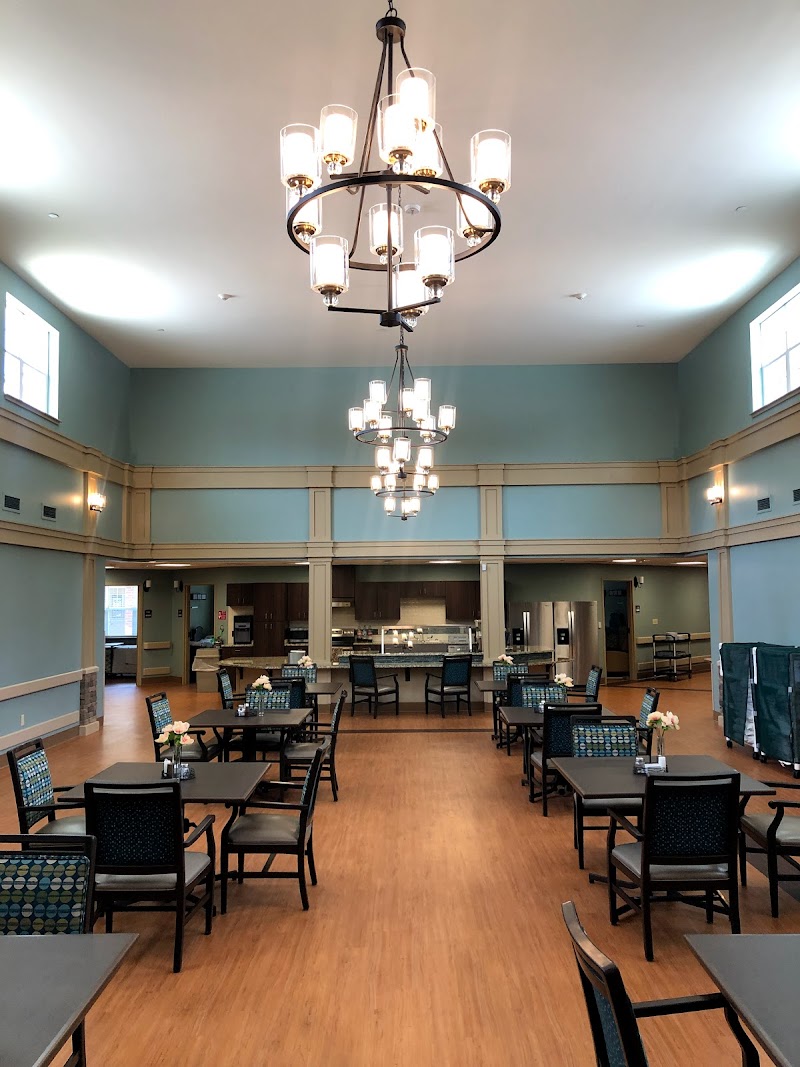
How is Trinity Trace Community Staffed?

CMS rates TRINITY TRACE COMMUNITY CARE CENTER's staffing level at 3 out of 5 stars, which is average compared to other nursing homes. Staff turnover is 58%, which is 12 percentage points above the Louisiana average of 46%. High turnover can affect care consistency as new staff learn residents' individual needs.

What Have Inspectors Found at Trinity Trace Community?

State health inspectors documented 12 deficiencies at TRINITY TRACE COMMUNITY CARE CENTER during 2022 to 2025. These included: 2 Immediate Jeopardy (the most serious level, indicating potential for serious harm or death) and 10 with potential for harm. Immediate Jeopardy findings are rare and represent the most serious regulatory concerns. They require immediate corrective action.
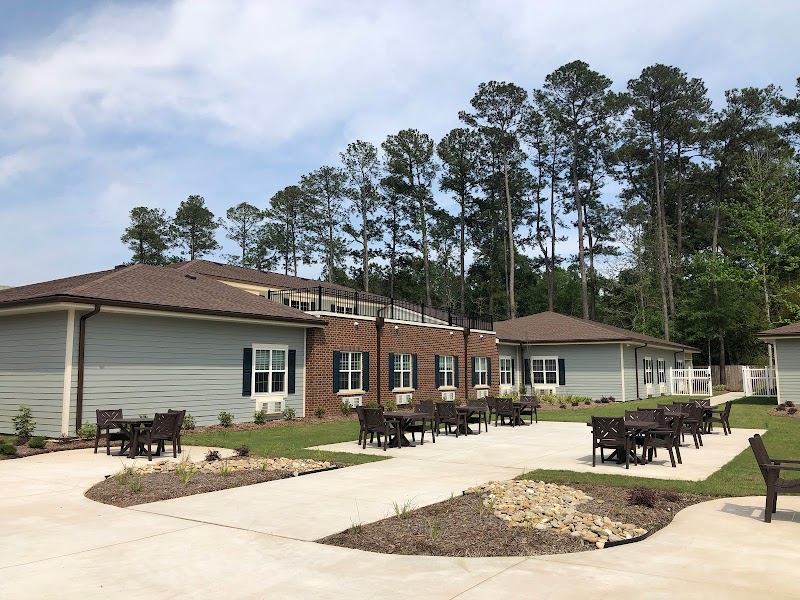
Who Owns and Operates Trinity Trace Community?

TRINITY TRACE COMMUNITY CARE CENTER is owned by a non-profit organization. Non-profit facilities reinvest revenue into operations rather than distributing to shareholders. The facility is operated by COMMCARE CORPORATION, a chain that manages multiple nursing homes. With 116 certified beds and approximately 107 residents (about 92% occupancy), it is a mid-sized facility located in COVINGTON, Louisiana.

How Does Trinity Trace Community Compare to Other Louisiana Nursing Homes?

Compared to the 100 nursing homes in Louisiana, TRINITY TRACE COMMUNITY CARE CENTER's overall rating (4 stars) is above the state average of 2.4, staff turnover (58%) is significantly higher than the state average of 46%, and health inspection rating (4 stars) is above the national benchmark.

What Should Families Ask When Visiting Trinity Trace Community?

Based on this facility's data, families visiting should ask: "What changes have been made since the serious inspection findings, and how are you preventing similar issues?" "How do you ensure continuity of care given staff turnover, and what is your staff retention strategy?" "Can I visit during a mealtime to observe dining assistance and food quality?" "How do you handle medical emergencies, and what is your hospital transfer rate?" These questions are particularly relevant given the facility's Immediate Jeopardy citations and the facility's high staff turnover rate.

Is Trinity Trace Community Safe?

Based on CMS inspection data, TRINITY TRACE COMMUNITY CARE CENTER has documented safety concerns. Inspectors have issued 2 Immediate Jeopardy citations (the most serious violation level indicating risk of serious injury or death). The facility has a 4-star overall rating and ranks #1 of 100 nursing homes in Louisiana. Families considering this facility should ask detailed questions about what corrective actions have been taken since these incidents.

Do Nurses at Trinity Trace Community Stick Around?

Staff turnover at TRINITY TRACE COMMUNITY CARE CENTER is high. At 58%, the facility is 12 percentage points above the Louisiana average of 46%. High turnover means new staff may not know residents' individual needs, medications, or preferences. It can also be disorienting for residents, especially those with dementia who rely on familiar faces. Families should ask: What is causing the turnover? What retention programs are in place? How do you ensure care continuity during staff transitions?

Was Trinity Trace Community Ever Fined?

TRINITY TRACE COMMUNITY CARE CENTER has no federal fines on record. CMS issues fines when nursing homes fail to meet care standards or don't correct problems found during inspections. The absence of fines suggests the facility has either maintained compliance or corrected any issues before penalties were assessed. This is a positive indicator, though families should still review recent inspection reports for the full picture.

Is Trinity Trace Community on Any Federal Watch List?

TRINITY TRACE COMMUNITY CARE CENTER is not on any federal watch list. The most significant is the Special Focus Facility (SFF) program, which identifies the bottom 1% of nursing homes nationally based on persistent, serious quality problems. Not being on this list means the facility has avoided the pattern of deficiencies that triggers enhanced federal oversight. This is a positive indicator, though families should still review the facility's inspection history directly.