GOOD SAMARITAN LIVING CENTER
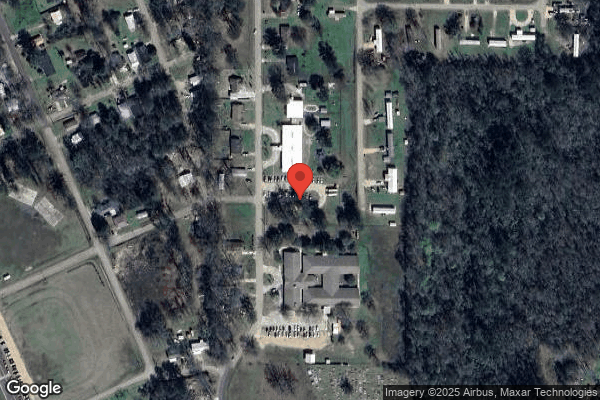
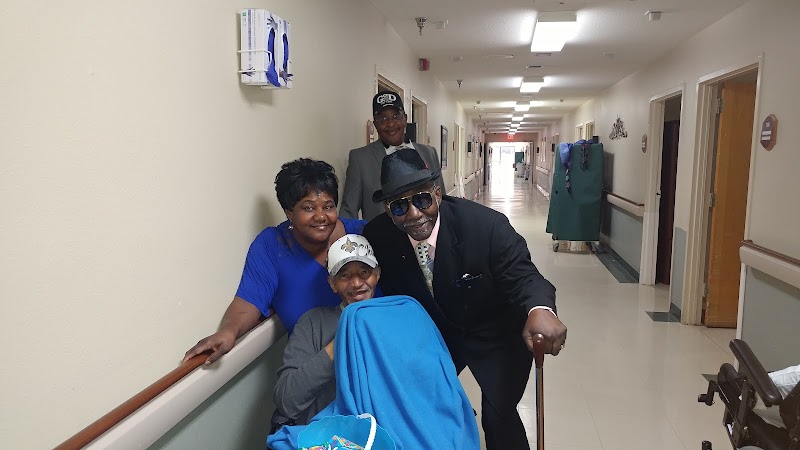
605 HILLTOP AVENUE, FRANKLINTON, LA 70438 (985) 839-6706
Non profit - Church related 84 Beds Independent Data: November 2025 3 Immediate Jeopardy citations
Trust Grade
0/100
#202 of 264 in LA
Last Inspection: May 2025

Inspected within the last 6 months. Data reflects current conditions.

Overview

Good Samaritan Living Center in Franklinton, Louisiana, has received a Trust Grade of F, indicating significant concerns about care quality. With a state rank of #202 out of 264, they are in the bottom half of Louisiana facilities, and they rank #3 out of 3 in Washington County, meaning there are no better local options. The facility's trend is stable, with 3 issues reported in both 2024 and 2025. While staffing turnover is impressively low at 0%, the facility has been fined $168,630, which is higher than 94% of Louisiana facilities, suggesting ongoing compliance issues. There are critical incidents reported, including failure to communicate a significant change in a resident's condition after a fall, which led to an Immediate Jeopardy situation and ultimately the resident's death. Overall, while staffing retention is a strength, the facility has serious deficiencies in care and management that are concerning for potential residents and their families.

Trust Score
F
0/100
In Louisiana
#202/264
Bottom 24%
Safety Record
High Risk
Review needed
Inspections
Holding Steady
3 → 3 violations
Staff Stability
○ Average
Turnover data not reported for this facility.
Penalties
⚠ Watch
$168,630 in fines. Higher than 91% of Louisiana facilities. Major compliance failures.
Skilled Nurses
○ Average
RN staffing data not reported for this facility.
Violations
⚠ Watch
11 deficiencies on record. Higher than average. Multiple issues found across inspections.
★☆☆☆☆
1.0
Overall Rating
★☆☆☆☆
1.0
Staff Levels
★☆☆☆☆
1.0
Care Quality
★★★☆☆
3.0
Inspection Score
Stable
2024: 3 issues
2025: 3 issues

The Good

  • Full Sprinkler Coverage · Fire safety systems throughout facility
  • No fines on record

Facility shows strength in fire safety.

The Bad

1-Star Overall Rating

Below Louisiana average (2.4)

Significant quality concerns identified by CMS

Federal Fines: $168,630

Well above median ($33,413)

Significant penalties indicating serious issues

The Ugly 11 deficiencies on record

3 life-threatening
May 2025 3 deficiencies
CONCERN (D)

Potential for Harm - no one hurt, but risky conditions existed

Deficiency F0578 (Tag F0578)

Could have caused harm · This affected 1 resident

**NOTE- TERMS IN BRACKETS HAVE BEEN EDITED TO PROTECT CONFIDENTIALITY** Based on record reviews and interviews, the facility failed to ensure all medical records regarding the resident's code status r...

Read full inspector narrative →
**NOTE- TERMS IN BRACKETS HAVE BEEN EDITED TO PROTECT CONFIDENTIALITY** Based on record reviews and interviews, the facility failed to ensure all medical records regarding the resident's code status reflected the resident's wishes for 1 (#14) of 16 residents reviewed in the initial screening for advanced directives. Findings: Review of Resident #14's clinical record revealed she was admitted to the facility on [DATE]. Review of Resident #14's Minimum Data Set (MDS) with an Assessment Reference Date (ARD) of [DATE] revealed a BIMS (Brief Interview for Mental Status) of 15, indicating he was cognitively intact. Review of Resident #14's Lousiana Physician Orders for Scope of Treatment (LaPOST) in physical hard chart, dated [DATE], revealed the following, in part: Cardiopulmonary Resuscitation (CPR): Box checked-DNR/Do not attempt Resuscitation Signed by Resident #14. Review of Resident #14's [DATE] Physician Orders revealed: [DATE] DNR (Do Not Resuscitate) Review of Resident #14's Care Plan dated [DATE] revealed the following, in part: Problem: Resident #14 had a LaPOST related to wishes to be a DNR. Review of Resident #14's physical hard chart revealed Resident #14 had two charts. Resident #14's physical hard chart #1 indicated he was a Full Code and physical hard chart #2 indicated he was a DNR. On [DATE] at 9:56 a.m., an interview was conducted with S7WC. S7WC stated she is responsible for constructing the charts, including placement of Full Code or DNR stickers on the outside of the charts. She verified the information for the stickers was taken from the [NAME] Record Worksheet and the admission orders. She stated the code status is listed on the admission Record Worksheet. She stated it was her responsibility to update chart code status. S7WC reviewed Resident 14's chart #1 and chart #2. S7WC confirmed chart #1 had a sticker indicating he was Full Code and chart #2 had a sticker indicating he was a DNR. She confirmed chart #1 was incorrect and should have been updated. On [DATE] at 3:06 p.m., an interview was conducted with S4LPN. She stated in the event of an emergency she would refer to the LaPOST to determine a resident's code status. S4LPN confirmed Resident #14's physical hard chart #1 indicated he was a Full Code and physical hard chart #2 indicated he was a DNR. She stated she would have followed Resident #14's LaPOST, and not perform CPR. On [DATE] at 3:14 p.m., an interview was conducted with S6LPN. S6LPN stated in the event of an emergency she would refer to the LaPOST to determine a resident's code status. S6LPN confirmed Resident #14's LaPOST indicated he was a DNR. She stated she would have followed Resident #14's LaPOST, and not perform CPR. On [DATE] at 10:12 a.m., an interview was conducted with S3ADON. S3ADON confirmed Resident #14 had two physical hard charts. She reviewed both of Resident 14's chart #1 and chart #2. S3ADON confirmed chart #1 had a Full Code sticker and chart #2 had a DNR sticker. She confirmed chart #1 was incorrect and needed updating. She confirmed the incorrect stickers could cause confusion during an emergency. On [DATE] at 3:11 p.m., an interview was conducted with S2DON. S2DON confirmed Resident #14's LaPOST revealed he was a DNR, and the electronic health record reflected he was a DNR. S2DON stated the physical hard chart was not updated with Resident #14's most recent code status wishes and should have been. S2DON confirmed the LaPOST and the physical hard chart should match to accurately reflect the resident's end of life wishes and did not. S2DON stated she would expect nursing staff to look in the resident's chart for the LaPOST for resident's current code status.
CONCERN (E)

Potential for Harm - no one hurt, but risky conditions existed

Deficiency F0658 (Tag F0658)

Could have caused harm · This affected multiple residents

**NOTE- TERMS IN BRACKETS HAVE BEEN EDITED TO PROTECT CONFIDENTIALITY** Based on record review, observations, and interviews, the facility failed to ensure services were provided to meet quality profe...

Read full inspector narrative →
**NOTE- TERMS IN BRACKETS HAVE BEEN EDITED TO PROTECT CONFIDENTIALITY** Based on record review, observations, and interviews, the facility failed to ensure services were provided to meet quality professional standards by failing to: 1. Transcribe physician's orders accurately for 1 (#2) of 5 (#2, #14, #18, #34, and #36) residents reviewed for medication administration; and 2. Follow physician orders for 1 (#9) of 12 residents reviewed in the final sample. Findings: 1. Review of the facility's policy titled, Medication and Treatment Orders dated July 2016, revealed the following in part: Policy Statement Orders for medication and treatments will be consistent with principles of safe and effective order writing. Policy Interpretation and Implementation 9. Orders for medication must include: c. dosage and frequency of administration Review of Resident #2's clinical record revealed he was admitted to the facility on [DATE] with diagnoses, which included Pneumonia. Review of Resident #2's physician's orders in the Electronic Health Record (EHR) revealed the following: Start date 05/06/2025 - Ceftriaxone Sodium Injection Solution Reconstituted 2 grams. Use 2 grams intravenously (IV) two times a day related to Pneumonia for 10 days. On 05/13/2025 at 10:10 a.m., an observation was made of S4LPN preparing to administer an IV antibiotic to Resident #2. An observation was made of the label on the IV bag. The label read the following: Ceftriaxone 2 grams IV @ 100 ml/hr every 12 hours x 10 days. On 05/13/2025 at 1:11 p.m., an interview was conducted with S3ADON. She stated Resident #2 returned from the hospital on [DATE] with an order for Ceftriaxone 2 grams IV. She stated S5LPN modified the order in the Electronic Health Chart and did not include a rate at which the antibiotic should have been infused. S3ADON stated she was responsible for reviewing the physician's orders and must have missed the error. She confirmed the rate of the IV antibiotic was part of the medication order and should have been entered in the Electronic Health Chart to reflect the full and correct order and was not. On 05/13/2025 at 3:52 p.m., an interview was conducted with S5LPN. She stated she recalled Resident #2 returned from the hospital on [DATE] with new orders. She stated she contacted Resident #2's physician to verify if it was okay to proceed with all new orders. She stated she forgot to clarify the rate of the Ceftriaxone 2 grams IV and should have. She stated she did not place a rate for the IV antibiotic in the Electronic Health Chart and should have. On 05/13/2025 at 1:15 p.m., an interview was conducted with S2DON. She reviewed Resident #2's Electronic Health Chart and stated he had an order placed for Ceftriaxone 2 grams IV twice a day. She verified and confirmed the IV antibiotic order did not consist of a rate and should have. 2. Review of Resident #9's clinical record revealed she was admitted to the facility on [DATE] with diagnoses, which included Gastrostomy. Review of Resident #9's physician's orders in the Electronic Health Record (EHR) revealed the following: Start date 05/05/2025 - Singulair Oral Tablet 10 mg, give 10 mg by mouth one time a day. Start date 04/02/2025 - Sodium Bicarbonate Oral Tablet 650 mg, give 650 mg by mouth one time a day. Review of Resident #9's Medication Administration Record dated May 2025 revealed the following: Singulair Oral Tablet 10 mg, give 10 mg by mouth one time a day. Administered at 5:00 a.m. by S8LPN on 05/12/2025 and 05/13/2025. Sodium Bicarbonate Oral Tablet 650 mg, give 650 mg by mouth one time a day. Administered at 5:00 a.m. by S8LPN on 05/12/2025 and 05/13/2025. On 05/13/2025 at 4:30 p.m., an interview was conducted with S8LPN. She stated she administered Singulair and Sodium Bicarbonate to Resident #9 via PEG tube on 05/12/2025 and 05/13/2025. She stated she was aware Singulair and Sodium Bicarbonate physician orders stated to give by mouth, however she gave the two medications via PEG tube with Resident #9's other 5:00 a.m. medications. On 05/14/2025 at 9:30 a.m., an interview was conducted with S2DON. She reviewed Resident #9's current physician orders and Medication Administration Record for May 2025. She confirmed Resident #9's physician orders for Singulair and Sodium Bicarbonate stated to give by mouth and were being given via PEG tube.
CONCERN (E)

Potential for Harm - no one hurt, but risky conditions existed

Food Safety (Tag F0812)

Could have caused harm · This affected multiple residents

Based on observations and interviews, the facility failed to store food under sanitary conditions by failing to ensure food was properly labeled and stored in unit refrigerators. This deficient practi...

Read full inspector narrative →
Based on observations and interviews, the facility failed to store food under sanitary conditions by failing to ensure food was properly labeled and stored in unit refrigerators. This deficient practice had the potential to affect 40 residents who were able to store and consume food in the facility's unit refrigerator. Findings: Review of the facility's policy titled Use and Storage of Food Brought in by Family or Visitors, undated, revealed the following, in part: Policy Explanation and Compliance Guidelines: 2. All food items that are already prepared by the family or visitor brought in must be labeled with content and dated. On 05/12/2025 at 12:15 p.m., an observation was made of the residents' unit refrigerator which contained the following items: 2 brown paper bags containing food items with no date; and 2 small to-go Styrofoam boxes containing food items with no date. The freezer contained the following items: 1 pint of ice cream with no name or date; and 1 gallon of ice cream with no name or date. On 05/12/2025 at 12:19 p.m., an interview was conducted with S2DON. She stated staff should label all outside food items with the resident's name and a date when stored in the residents' unit refrigerator. S2DON observed and confirmed the above mentioned items were not properly labeled and should have been. On 05/13/2025 at 3:00 p.m., an interview was conducted with S1ADM. S1ADM was made aware of the above named food items stored in the residents' unit refrigerator with no name and date. He confirmed all outside food brought into the facility and stored in the residents' unit refrigerator, should be labeled with a name and date.
Apr 2024 3 deficiencies
CONCERN (D)

Potential for Harm - no one hurt, but risky conditions existed

Deficiency F0801 (Tag F0801)

Could have caused harm · This affected 1 resident

Based on interviews and record review, the facility failed to employ staff with appropriate competencies and skills sets to carry out the functions of the food and nutrition service by failing to have...

Read full inspector narrative →
Based on interviews and record review, the facility failed to employ staff with appropriate competencies and skills sets to carry out the functions of the food and nutrition service by failing to have a certified dietary manager on staff. Findings: Review of S7DM's food service management and safety certification revealed an expiration date of 08/29/2023. On 04/11/2024 at 10:03 a.m., an interview was conducted with S7DM. S7DM stated her food service management and safety certification expired on 08/29/2023. She stated she or any other staff in the facility did not have a certificate or degree for food service or dietary management. On 04/11/2024 at 10:50 a.m., an interview was conducted with S1ADM. He stated he realized today S7DM's food service management and safety certification had expired. He stated he or any other staff in the facility did not have a certificate or degree for food service or dietary management.
CONCERN (D)

Potential for Harm - no one hurt, but risky conditions existed

Menu Adequacy (Tag F0803)

Could have caused harm · This affected 1 resident

**NOTE- TERMS IN BRACKETS HAVE BEEN EDITED TO PROTECT CONFIDENTIALITY** Based on observations, interviews, and record review, the facility failed to ensure that the food items served from the menu met...

Read full inspector narrative →
**NOTE- TERMS IN BRACKETS HAVE BEEN EDITED TO PROTECT CONFIDENTIALITY** Based on observations, interviews, and record review, the facility failed to ensure that the food items served from the menu met the resident's personal dietary choices for 1 (#15) of 16 sampled residents reviewed in the initial pool. Findings: Review of the Clinical Record revealed Resident #15 was admitted to the facility on [DATE] with diagnoses which included Anorexia, Irritable bowel syndrome with Constipation, Gastro-esophageal Reflux Disease without Esophagitis, Vitamin Deficiency, Nausea, and Dysphagia. Review of the Quarterly MDS with an ARD of 02/02/2024 revealed Resident #15 had a BIMS of 15, which indicated she was cognitively intact. On 04/07/2024 at 10:32 a.m., an interview was conducted with Resident #15. She stated the rice served at the facility was not good. She stated she would prefer mashed potatoes every day, but the facility did not accommodate her preference. She stated she told S7DM about her preferences a while ago, but she was still receiving rice, which was not her preference. On 04/08/2024 at 11:59 a.m., an observation was made of Resident #15's lunch tray. Her lunch tray consisted of a pork chop with rice and gravy, cornbread and okra. Resident #15 ate 0% of lunch. On 04/08/2024 at 12:01 p.m., an interview was conducted with Resident #15. She stated she did not touch her tray today because she did not like the rice. She stated she had previously told S7DM of her preferences not to be served rice, and she would prefer mashed potatoes. She stated she did not tell the CNA today because she had already informed staff and it never changed. At this time, an observation of Resident #15's meal ticket revealed dislikes, which included rice. Further review revealed special notes which included will eat potato salad and cheesy potatoes. On 04/09/2024 at 11:44 a.m., an observation of Resident #15's lunch tray revealed chicken and dumplings with rice. Resident #15 ate 10% of her lunch tray. On 04/09/24 at 11:51 a.m., an interview was conducted with S9CNA. She stated she picked up Resident #15's tray for lunch today, and Resident #15 requested a substitute. She stated she told Resident #15 the substitute was bell peppers, and Resident #15 stated she did not want the substitute. She stated she did not offer Resident #15 anything else as a substitute to accommodate her preferences. On 04/09/2024 2:22 p.m., an interview was conducted with S7DM. She was made aware of the observations of Resident #15's meal tickets for lunch on 04/08/2024 and 04/09/2024 and the food Resident #15 was served. She stated according to the meal tickets for Resident #15, rice should not have been served on her tray and another preferred substitute should have been provided. On 04/11/2024 at 2:49 p.m., an interview was conducted with S1ADM. He stated he would expect staff to honor resident food preferences for their likes and dislikes. He stated if the likes and dislikes are on the meal ticket and the resident received a dislike on their tray it would not be acceptable.
CONCERN (E)

Potential for Harm - no one hurt, but risky conditions existed

Infection Control (Tag F0880)

Could have caused harm · This affected multiple residents

**NOTE- TERMS IN BRACKETS HAVE BEEN EDITED TO PROTECT CONFIDENTIALITY** Based on observations, interviews and record review, the facility failed to maintain an infection prevention and control program...

Read full inspector narrative →
**NOTE- TERMS IN BRACKETS HAVE BEEN EDITED TO PROTECT CONFIDENTIALITY** Based on observations, interviews and record review, the facility failed to maintain an infection prevention and control program designed to provide a safe and sanitary environment to help prevent the development and transmission of infection. The facility failed to ensure: 1. S6CNA wore proper Personal Protective Equipment (PPE) while providing care for Resident #15 who was on Enhanced Barrier Precautions (EBPs); and 2. S4LPN used appropriate hand hygiene between administering medications to 5 (#1, #3, #5, #16 and #29) of 5 (#1, #3, #5, #16 and #29) resident's observed during medication pass. Findings: 1. Review of the facility's policy dated 08/2022, titled, Enhanced Barrier Precautions, revealed, in part: 1. Enhanced barrier precautions (EBPs) are used as an infection control intervention to reduce the spread of multi-drug resistant organisms to residents. 2. EBPs employ targeted gown and glove use during high contact resident care activities when contact precautions do not otherwise apply. 3. Examples of high-contact resident care activities requiring the use of gown and gloves for EBP's include: c. transferring d. providing hygiene f. changing briefs or assisting with toileting 5. EBPs are indicated .for residents with wounds . regardless of Multidrug Resistant Organism colonization. 6. EBPs remain in place for the duration of the resident's stay or until resolution of the wound . 9. Staff are trained prior to caring for residents on EBPs. Review of the Clinical Record revealed Resident #15 was admitted to the facility on [DATE] with diagnoses which included Pressure Ulcer of Left Heel Stage 3. On 04/11/2024 at 9:40 a.m., an observation was made of Resident #15. S6CNA transferred the resident from the wheelchair to the toilet using a stand-up lift. S6CNA did not have a gown on during the transfer. On 04/11/2024 at 9:45 a.m., an interview was conducted with S6CNA. She stated Resident #15 was not on EBPs. She confirmed she did not use a gown during the transfer. On 04/11/2024 at 11:42 a.m., an interview was conducted with S3ADON. She stated Resident #15 was on EBPs because of her stage 3 heel wound. She stated the process for residents on EBP was to don gloves and gown for any kind of direct contact care for the residents. She confirmed transferring a resident to the toilet was considered direct contact care. On 04/11/2024 at 2:27 p.m., an interview was conducted with S2DON. She stated Resident #15 had an active stage 3 wound on her heel and was on EBPs for direct contact care of the resident. She stated nursing staff should wear gloves and a gown when transferring Resident #15 from the wheelchair to the toilet. 2. Review of the facility's policy revised on 08/2015 titled, Handwashing/Hand Hygiene, revealed, in part: This facility considers hand hygiene the primary means to prevent the spread of infections. 7. Use an alcohol-based hand rub .for the following situations: . b. Before and after direct contact with residents. c. Before preparing or handling medications . Review of the facility's policy revised on 04/2019 titled, Administering Medications, revealed, in part: 25. Staff follows established facility infection control procedures (e.g. handwashing, antiseptic technique, gloves .) for the administration of medications . On 04/09/2024 at 8:20 a.m., an observation was made of S4LPN during medication administration. S4LPN did not use hand sanitizer or wash hands after administering medication to Resident #16 and before medication preparation for Resident #1. Further observation revealed S4LPN did not use hand sanitizer or wash hands in the hallway or the room before, during and after administering medication to Resident #1. On 04/09/2024 at 8:22 a.m., an observation was made of S4LPN preparing medication's for administration to Resident #5. S4LPN entered Resident #5's room, administered the medication's to the resident by handing a cup of pills to Resident #5 to take by mouth. S4LPN exited the room without performing hand hygiene. On 04/09/2024 at 8:27 a.m., an observation was made of S4LPN preparing medication's for administration to Resident #3. S4LPN entered Resident #3's room, administered the medication's to the resident by handing a cup of pills to Resident #3 to take by mouth. S4LPN exited the room without performing hand hygiene. On 04/09/2024 at 8:30 a.m., an observation was made of S4LPN not using hand sanitizer or washing hands before preparation of medication for Resident #29. On 04/09/24 at 8:45 a.m., an interview was conducted with S4LPN. She confirmed she did not use hand sanitizer or wash her hands before or after medication administration in between Residents #1, #3, #5, and #16 and before medication administration for Resident #29. On 04/09/24 at 2:28 p.m., an interview was conducted with S2DON. She stated during medication administration she expected the nurses to sanitize or wash hands before the nurse entered residents' rooms and after they exited residents' rooms.
Nov 2023 3 deficiencies 3 IJ
CRITICAL (J) 📢 Someone Reported This

A family member, employee, or ombudsman was alarmed enough to file a formal complaint

Immediate Jeopardy (IJ) - the most serious Medicare violation

Notification of Changes (Tag F0580)

Someone could have died · This affected 1 resident

**NOTE- TERMS IN BRACKETS HAVE BEEN EDITED TO PROTECT CONFIDENTIALITY** Based on record reviews and interviews, the facility failed to ensure Resident #1's significant change in condition was communic...

Read full inspector narrative →
**NOTE- TERMS IN BRACKETS HAVE BEEN EDITED TO PROTECT CONFIDENTIALITY** Based on record reviews and interviews, the facility failed to ensure Resident #1's significant change in condition was communicated to the physician after having a fall with head injury for 1 (#1) of 4 (#1, #2, #3, and #R5) residents reviewed for notification of change. This deficient practice resulted in an Immediate Jeopardy situation for Resident #1, a cognitively intact resident without confusion, on [DATE] at 7:46 a.m., when the resident returned from the emergency room after a fall and exhibited new onset signs of confusion. Nursing staff verbalized and documented Resident #1's increased confusion from [DATE] through [DATE] and failed to identify the change as a potential for head injury, implement new interventions, or notify the physician. On [DATE] at 5:00 a.m., Resident #1 fell and was transported to the emergency room where CT scan revealed a large Acute on Chronic Subdural bleed. Resident #1 expired on [DATE] at 10:19 a.m. S1ADM was notified of the Immediate Jeopardy situation on [DATE] at 7:30 p.m. The Immediate Jeopardy was removed on [DATE] at 5:12 p.m., as confirmed by onsite verification through observations, interviews, and record reviews. The facility implemented an acceptable Plan of Removal (POR) prior to the survey exit. This deficient practice continued at a potential for more than minimal harm for the other 38 residents who resided in the facility and had the potential for a change in condition. Findings: Review of the facility's Change in Resident's Condition or Status policy revealed the following, in part: Policy Statement: Our facility shall promptly notify the resident, his or her Attending Physician, and representative (sponsor) of changes in the resident's medical/mental condition and/or status. Policy Interpretation and Implementation 1. The nurse will notify the resident's Attending Physician or physician on call when there has been (an): d. Significant change in the resident's physical/emotional/mental condition; i. Specific instruction to notify the Physician of changes in the resident condition. 2. A significant change of condition is a major decline or improvement in the resident's status that: a.Will not normally resolve itself without intervention by staff or by implementing standard disease-related clinical interventions (is not self-limiting) Review of the facility's Routine Resident Checks policy revealed the following, in part: Policy Statement: Staff shall make routine resident checks to help maintain resident safety and well-being. Policy Interpretations and Implementation 3. The person conducting the routine check shall report promptly to the Nurse Supervisor/Charge Nurse any changes in the resident's condition. Review of the facility's Falls- Clinical Protocol procedure revealed the following, in part: Assessment and Recognition Monitoring and Follow- Up 1. The staff, with the physician's guidance, will follow up on any fall with associated injury until the resident is stable and delayed complications such as a late fracture or subdural hematoma have been ruled out or resolved. a. Delayed complication such as while signs of subdural hematomas or other intracranial bleeding could occur up to several weeks after a fall. Review of the facility's Acute Condition Changes- Clinical Protocol procedure revealed the following, in part: 2. Direct Care staff, including nursing assistants will be trained in recognizing subtle but significant changes in the resident and how to communicate these to the nurse. A review of the clinical records revealed Resident #1 was admitted to the facility on [DATE] with diagnoses which included, Other Lack of Coordination; Muscle Weakness; Age Related Physical Disability; Repeated Falls; Difficulty in Walking; Muscle Wasting and Atrophy; Myasthenia Gravis, Without Exacerbation; Myalgia; Unsteadiness on Feet; Abnormalities of Gait and Mobility; Tremor. A review of the admission Minimum Data Set (MDS) with an Assessment Reference Date (ARD) of [DATE] revealed Resident #1 had a Brief Interview for Mental Status (BIMS) of 15, which indicated Resident #1 was cognitively intact. Review of Resident #1's Nurse's Notes dated [DATE] revealed at 8:00 p.m. Resident #1 was alert, awake, and oriented times 3. Signed by S16LPN. Review of Resident #1's Nurse's Note dated [DATE] revealed at 2:31 a.m. Resident #1 fell, hematoma noted to left side of forehead. Signed by S14LPN. A review of the emergency room Report dated [DATE] revealed Resident #1 presented to the emergency room following a fall. The ER physician documented Resident #1 was alert and oriented to person, place, time and situation. Normal sensory, motor, speech and coordination was observed. Resident #1 was discharged back to the nursing facility with education concerning adult head injuries and when to get help. A review of the emergency room discharge education from [DATE] titled Head Injury, Adult revealed to get help right away if: you have a very bad headache, weakness in your arms/legs, more confusion or more grumpy moods, your symptoms get worse, you are sleepier than normal, you lose your balance or your speech is slurred. The education stated, Do not wait to see if symptoms go away. Get medical help right away. Review of Resident #1's Nurse's Notes dated [DATE] revealed the following, in part: [DATE] at 7:46 a.m. Resident #1 returned from hospital, awake but confused. Signed by S6LPN. A review of Resident #1's Neurological Assessments dated [DATE] revealed the following: [DATE] at 8:30 a.m., Resident #1's speech was unclear, unable to grasp hands and was disoriented but conversed. [DATE] at 9:30 a.m., Resident #1 continued to be disoriented and unable to grasp hands. [DATE] at 9:00 p.m. Resident has been lethargic/sleepy and unable to take pain medication. Oriented x2, confused. Signed by S14LPN. [DATE] at 11:49 a.m. Physical Therapy reported resident is more confused than the morning and also from the previous Friday when assessed. Signed by S5LPN. [DATE] at 8:00 p.m. Resident has been lethargic and sleepy and unable to take pain medication. Resident is oriented X2 and confused. Signed by S14LPN. Review of Resident #1's Physical Therapy notes dated [DATE] revealed the following: [DATE], Resident #1 refused to get out of bed due to feeling very weak. Nursing notified. Signed by S7PTA. [DATE], Resident #1 presented with continued confusion and nursing notified. Resident refused to get out of bed. Signed by S7PTA. Review of Resident #1's Nurse's Note dated [DATE] revealed at 5:00 a.m. Heard yelling and found Resident #1 on floor between bed and window. Assessed resident and noticed a golf ball sized knot to back of her head. Alert and oriented x 2 with intermittent confusion. Signed by S14LPN. A review of the emergency room Report dated [DATE] revealed Resident #1 presented to the emergency room at 6:09 a.m. following a fall at the nursing facility. A CT scan of the head was performed and revealed a large acute on chronic subdural hematoma causing a mass effect and a midline shift. Resident #1 was found without respirations at 7:31 a.m. and the time of death was pronounced at 10:19 a.m. A review of the Physician Communication Fax Sheets dated from [DATE] through [DATE] revealed no records of any communication faxed to Resident #1's physician regarding Resident #1's change in status. On [DATE] at 11:36 a.m., an interview was conducted with S14LPN. She stated Resident #1 fell on [DATE], hit her head, and was sent to the ER. She stated prior to her fall she was alert and oriented x 3. She stated Resident #1 started to become confused after her return from the ER. She confirmed Resident #1 had a change in condition after a fall, but did not notify the MD because she worked night shifts. She stated the nursing staff were all aware of Resident #1's new onset confusion after the fall on [DATE]. On [DATE] at 4:35 p.m., an interview was conducted with S3LPN/UM. She stated for neurological changes, staff should notify the doctor. She stated Resident #1 was Awake Alert and Oriented x 3 and had a BIMS of 15 upon admit in [DATE]. She stated when Resident #1 returned confused from hospital on [DATE], staff should have notified the doctor. On [DATE] at 8:59 a.m., an interview was conducted with S6LPN. She stated on [DATE] Resident #1 returned from the hospital confused and disoriented. She stated this was not Resident #1's normal mental status. She stated while taking care of Resident#1 she did not realize she was exhibiting symptoms of a head injury, but should have notified the doctor and did not. On [DATE] at 9:25 a.m., an interview was conducted with S10MD. He stated he last assessed Resident #1 on [DATE] and her mental status was alert and oriented with no confusion. He stated nursing staff did not notify him of Resident #1's new onset of confusion after returning from the ER on [DATE]. He stated the nurse should have notified him of Resident #1's change in mental status and he would have sent Resident #1 back to the ER for another evaluation. He stated he would have considered this a significant change which he should be notified for. He confirmed a CT result reading Acute on Chronic Subdural Hematoma meant there was some blood present which had worsened. He confirmed no notifications of Resident #1's change was conveyed to him at any time from [DATE] through [DATE] and should have. On [DATE] at 1:25 p.m., an interview was conducted with S5LPN. She stated on a day-to-day basis Resident #1 was very alert and able to hold a conversation. She stated Physical Therapy made her aware Resident #1 was more confused on [DATE]. She stated she was aware of the signs and symptoms of a brain bleed following a head injury. She stated after her assessment of Resident #1 she used her nursing judgment and did not call the doctor. On [DATE] at 4:47 p.m. an interview was conducted S4PADON. She stated she was aware of Resident#1's falls on [DATE] and [DATE]. She stated she was not made aware of a significant change of Resident #1's mental status. She stated if Resident #1 returned from the emergency room confused, she would have considered it to be a significant change and the MD should have been notified. On [DATE] at 2:31 p.m., an interview was conducted with S1ADM. He stated Resident #1 was admitted to the facility with a BIMS of 15. S1ADM stated he was not aware Resident #1 returned [DATE] with increased confusion and was also not aware Resident #1's physician was not notified of this change. He confirmed the physician should have been notified when the change was identified by the nursing staff. On [DATE] at 4:39 p.m. an interview was conducted with S2DON. She stated it was the nurse's responsibility to report changes in a resident's conditions to the physician and to the DON. The DON would then report changes in resident conditions to the administrator.
CRITICAL (J) 📢 Someone Reported This

A family member, employee, or ombudsman was alarmed enough to file a formal complaint

Immediate Jeopardy (IJ) - the most serious Medicare violation

Free from Abuse/Neglect (Tag F0600)

Someone could have died · This affected 1 resident

**NOTE- TERMS IN BRACKETS HAVE BEEN EDITED TO PROTECT CONFIDENTIALITY** Based on interviews and record reviews, the facility failed to ensure each resident remained free from neglect for 1 (#1) of 3 (...

Read full inspector narrative →
**NOTE- TERMS IN BRACKETS HAVE BEEN EDITED TO PROTECT CONFIDENTIALITY** Based on interviews and record reviews, the facility failed to ensure each resident remained free from neglect for 1 (#1) of 3 (#1, #2, and #3) residents reviewed for falls with major injury. The facility failed to ensure: 1. Nursing staff identified a change in condition for Resident #1 after a fall with head injury. 2. Nursing staff implemented appropriate interventions after Resident #1 began showing signs of a change in status after a fall with head injury; 3. Nursing Staff communicated the change in condition with Resident #1's physician. This deficient practice resulted in an Immediate Jeopardy situation for Resident #1, a cognitively intact resident without confusion, on [DATE] at 7:46 a.m., when the resident returned from the emergency room after a fall and exhibited new onset signs of confusion. Nursing staff verbalized and documented Resident #1's increased confusion from [DATE] through [DATE] and failed to identify the change as a potential for head injury, implement new interventions, or notify the physician. On [DATE] at 5:00 a.m., Resident #1 fell and was transported to the emergency room where CT scan revealed a large Acute on Chronic Subdural bleed. Resident #1 expired on [DATE] at 10:19 a.m. S1ADM was notified of the Immediate Jeopardy situation on [DATE] at 7:30 p.m. The Immediate Jeopardy was removed on [DATE] at 5:12 p.m., as confirmed by onsite verification through observations, interviews, and record reviews. The facility implemented an acceptable Plan of Removal (POR) prior to the survey exit. This deficient practice continued at a potential for more than minimal harm for the other 38 residents residing in the facility. Findings: Review of the facility's Change in Resident's Condition or Status policy revealed the following, in part: Policy Statement: Our facility shall promptly notify the resident, his or her Attending Physician, and representative (sponsor) of changes in the resident's medical/mental condition and/or status. Policy Interpretation and Implementation 1. The nurse will notify the resident's Attending Physician or physician on call when there has been (an): d. Significant change in the resident's physical/emotional/mental condition; i. Specific instruction to notify the Physician of changes in the resident condition. 2. A significant change of condition is a major decline or improvement in the resident's status that: a. Will not normally resolve itself without intervention by staff or by implementing standard disease-related clinical interventions (is not self-limiting) Review of the facility's Routine Resident Checks policy revealed the following, in part: Policy Statement: Staff shall make routine resident checks to help maintain resident safety and well-being. Policy Interpretations and Implementation 3. The person conducting the routine check shall report promptly to the Nurse Supervisor/Charge Nurse any changes in the resident's condition. Review of the facility's Falls- Clinical Protocol procedure revealed the following, in part: Assessment and Recognition Monitoring and Follow- Up 1.The staff, with the physician's guidance, will follow up on any fall with associated injury until the resident is stable and delayed complications such as a late fracture or subdural hematoma have been ruled out or resolved. a. Delayed complication such as while signs of subdural hematomas or other intracranial bleeding could occur up to several weeks after a fall. Review of the facility's Acute Condition Changes- Clinical Protocol procedure revealed the following, in part: 2.Direct Care staff, including nursing assistants will be trained in recognizing subtle but significant changes in the resident and how to communicate these to the nurse. A review of the clinical records revealed Resident #1 was admitted to the facility on [DATE] with diagnoses which included, Other Lack of Coordination; Muscle Weakness; Age Related Physical Disability; Repeated Falls; Difficulty in Walking; Muscle Wasting and Atrophy; Myasthenia Gravis, Without Exacerbation; Myalgia; Unsteadiness on Feet; Abnormalities of Gait and Mobility; Tremor. A review of the admission Minimum Data Set (MDS) with an Assessment Reference Date (ARD) of [DATE] revealed Resident #1 had a Brief Interview for Mental Status (BIMS) of 15, which indicated Resident #1 was cognitively intact. Review of Resident #1's Nurse's Notes dated [DATE] revealed at 8:00 p.m. Resident #1 was alert, awake, and oriented times 3. Signed by S16LPN. Review of Resident #1's Nurse's Note dated [DATE] revealed at 2:31 a.m. Resident #1 fell, hematoma noted to left side of forehead. Signed by S14LPN. A review of the emergency room Report dated [DATE] revealed Resident #1 presented to the emergency room following a fall. The ER physician documented Resident #1 was alert and oriented to person, place, time and situation. Normal sensory, motor, speech and coordination was observed. Resident #1 was discharged back to the nursing facility with education concerning adult head injuries and when to get help. A review of the emergency room discharge education from [DATE] titled Head Injury, Adult revealed to get help right away if: you have a very bad headache, weakness in your arms/legs, more confusion or more grumpy moods, your symptoms get worse, you are sleepier than normal, you lose your balance or your speech is slurred. The education stated, Do not wait to see if symptoms go away. Get medical help right away. Review of Resident #1's Nurse's Notes dated [DATE] revealed the following, in part: [DATE] at 7:46 a.m. Resident #1 returned from hospital, awake but confused. Signed by S6LPN. [DATE] at 9:00 p.m. Resident has been lethargic/sleepy and unable to take pain medication. Oriented x2, confused. Signed by S14LPN. [DATE] at 11:49 a.m. Physical Therapy reported resident is more confused than the morning and also from the previous Friday when assessed. Signed by S5LPN. [DATE] at 8:00 p.m. Resident has been lethargic and sleepy and unable to take pain medication. Resident is oriented X2 and confused. Signed by S14LPN. A review of Resident #1's Neurological Assessments dated [DATE] revealed the following: [DATE] at 8:30 a.m., Resident #1's speech was unclear, unable to grasp hands and was disoriented but conversed. [DATE] at 9:30 a.m., Resident #1 continued to be disoriented and unable to grasp hands. Review of Resident #1's Physical Therapy notes dated [DATE] revealed the following: [DATE], Resident #1 refused to get out of bed due to feeling very weak. Nursing notified. Signed by S7PTA. [DATE], Resident #1 presented with continued confusion and nursing notified. Resident refused to get out of bed. Signed by S7PTA. Review of Resident #1's Nurse's Note dated [DATE] revealed at 5:00 a.m. Heard yelling and found Resident #1 on floor between bed and window. Assessed resident and noticed a golf ball sized knot to back of her head. Alert and oriented x 2 with intermittent confusion. Signed by S14LPN. A review of the emergency room Report dated [DATE] revealed Resident #1 presented to the emergency room at 6:09 a.m. following a fall at the nursing facility. A CT scan of the head was performed and revealed a large acute on chronic subdural hematoma causing a mass effect and a midline shift. Resident #1 was found without respirations at 7:31 a.m. and the time of death was pronounced at 10:19 a.m. A review of the Physician Communication Fax Sheets dated from [DATE] through [DATE] revealed no records of any communication faxed to Resident #1's physician regarding Resident #1's change in status. On [DATE] at 10:55 a.m., an interview was conducted with Resident #R6. Resident #R6 was observed to be awake, alert and oriented x4. She stated she was Resident #1's roommate. She stated she knew Resident #1 well, and she was completely coherent before she fell on [DATE]. She stated Resident #1 complained of head pain after her fall with head injury on [DATE]. She stated sometimes she would hold her head it hurt so badly. On [DATE] at 11:07 a.m., an interview was conducted with S12LPN. She stated upon admission to the facility, Resident #1 was cognitively intact and awake, alert, and oriented times 4 without signs of confusion She stated she did not care for the resident after the fall. On [DATE] at 11:36 a.m., an interview was conducted with S14LPN. She stated Resident #1 fell on [DATE], hit her head, and was sent to the ER. She stated prior to her fall she was alert and oriented x 3. She stated Resident #1 started to become confused after her return from the ER. She confirmed Resident #1 had a change in condition after a fall, but did not notify the MD because she worked night shifts. She stated the nursing staff were all aware of Resident #1's new onset confusion after the fall on [DATE]. She stated Resident #1 was very confused the morning of [DATE] prior to her next fall. She stated she was aware of the signs and symptoms of complications of a head injury and she should have notified the doctor and did not. On [DATE] at 4:35 p.m., an interview was conducted with S3LPN/UM. She stated for neurological changes, staff should notify the doctor. She stated Resident #1 was AAOx3 and had a BIMS of 15 upon admit in [DATE]. She stated when Resident #1 returned confused from hospital on [DATE], staff should have notified the doctor. On [DATE] at 8:59 a.m., an interview was conducted with S6LPN. She stated on [DATE] Resident #1 returned from the hospital confused and disoriented. She stated this was not Resident #1's normal mental status. She stated while taking care of Resident#1 she did realize she was exhibiting symptoms of a head injury, but should have notified the doctor and did not. On [DATE] at 9:25 a.m., an interview was conducted with S10MD. He stated he last assessed Resident #1 on [DATE] and her mental status was alert and oriented with no confusion. He stated nursing staff did not notify him of Resident #1's new onset of confusion after returning from the ER on [DATE]. He stated the nurse should have notified him of Resident #1's change in mental status and he would have sent Resident #1 back to the ER for another evaluation. He stated he would have considered this a significant change which he should be notified for. He confirmed a CT result reading Acute on Chronic Subdural Hematoma meant there was some blood present which had worsened. He confirmed no notifications of Resident #1's change was conveyed to him at any time from [DATE] through [DATE] and should have. On [DATE] at 9:53 a.m., an interview was conducted with S7PTA. She stated on [DATE], after returning from the hospital, Resident #1 was confused. She stated Resident #1 complained of pain and nausea and refused to get out of bed. She stated she reported Resident #1's confusion and complaints to S5LPN. She stated this was not Resident's #1's normal mental status. She stated she again notified S5LPN on [DATE] regarding Resident #1's increased confusion. She stated Resident #1 participated in therapy prior to her fall on [DATE]. She stated after the fall on [DATE], she could no longer participate in therapy. On [DATE] at 11:45 a.m., an interview was conducted with S9PT. She stated Resident #1 was alert and oriented on admission to the facility. She stated when Resident #1 returned from the ER on [DATE] she was confused which was not her normal mental status. She stated nursing staff was notified on [DATE] and [DATE]. She stated Resident #1 was able to participate in therapy and ambulate with assistance prior to her fall on [DATE]. On [DATE] at 1:25 p.m., an interview was conducted with S5LPN. She stated on a day-to-day basis Resident #1 was very alert and able to hold a conversation. She stated Physical Therapy made her aware Resident #1 was more confused on [DATE]. She stated she was aware of the signs and symptoms of a brain bleed following a head injury. She stated after her assessment of Resident #1 she used her nursing judgment and did not call the doctor. On [DATE] at 2:48 p.m., an interview was conducted with S13CNA. He stated on [DATE] he noticed Resident #1 had increased confusion which was not her baseline. He stated Resident #1's baseline was alert and oriented x3. He stated he reported it to S14LPN. He stated S14LPN noticed the confusion as well and did not call the doctor. He stated Resident #1 fell on the morning of [DATE] at 5:00 a.m. He stated Resident #1 stated she hit her head on the floor and was sent to the ER. On [DATE] at 4:47 p.m. an interview was conducted S4PADON. She stated she notified S15PDON and S1ADM of Resident#1's falls on [DATE] and [DATE]. She stated the falls were discussed in the daily morning meetings. She stated she was not aware of a significant change of Resident #1's mental status nor was she made aware of the change by the nursing staff. She stated Resident #1's normal mental status was awake, alert, oriented x3, and weak, but not confused. She stated if Resident #1 returned from the emergency room confused, she would have considered it to be a significant change and the MD should have been notified. She stated if Physical Therapy would have communicated concerns of increased confusion to the nursing staff, she would expect them to contact the MD and to communicate these mental status changes to her and they did not. On [DATE] at 2:31 p.m., an interview was conducted with S1ADM. He stated Resident #1 was admitted to the facility with a BIMS of 15. S1ADM stated he was not aware Resident #1 returned [DATE] with increased confusion and was also not aware Resident #1's physician was not notified of this change. He confirmed the physician should have been notified on [DATE] and again on [DATE] when Physical Therapy notified nursing of Resident #1's increased confusion. He stated he would expect staff to notify the doctor with any significant change in condition including increased confusion after a fall with head injury.
CRITICAL (J) 📢 Someone Reported This

A family member, employee, or ombudsman was alarmed enough to file a formal complaint

Immediate Jeopardy (IJ) - the most serious Medicare violation

Administration (Tag F0835)

Someone could have died · This affected 1 resident

**NOTE- TERMS IN BRACKETS HAVE BEEN EDITED TO PROTECT CONFIDENTIALITY** Based on record reviews and interviews, the facility failed to be administered in a manner that enabled it to use its resources ...

Read full inspector narrative →
**NOTE- TERMS IN BRACKETS HAVE BEEN EDITED TO PROTECT CONFIDENTIALITY** Based on record reviews and interviews, the facility failed to be administered in a manner that enabled it to use its resources effectively and efficiently to attain or maintain the highest practicable physical, mental and psychosocial well-being of each resident. The facility failed to ensure a system was in place for nursing staff to identify, intervene and communicate a change of condition in Resident #1. This deficient practice resulted in an Immediate Jeopardy situation for Resident #1, a cognitively intact resident without confusion, on [DATE] at 7:46 a.m., when the resident returned from the emergency room after a fall and exhibited new onset signs of confusion. Nursing staff verbalized and documented Resident #1's increased confusion from [DATE] through [DATE] and failed to identify the change as a potential for head injury, implement new interventions, or notify the physician. On [DATE] at 5:00 a.m., Resident #1 fell and was transported to the emergency room where CT scan revealed a large Acute on Chronic Subdural bleed. Resident #1 expired on [DATE] at 10:19 a.m. S1ADM was notified of the Immediate Jeopardy situation on [DATE] at 7:30 p.m. The Immediate Jeopardy was removed on [DATE] at 5:12 p.m., as confirmed by onsite verification through observations, interviews, and record reviews. The facility implemented an acceptable Plan of Removal (POR) prior to the survey exit. This deficient practice continued at a potential for more than minimal harm for the other 38 residents residing in the facility. Findings: Cross Reference F684 Cross Reference F580 Review of the facility's Routine Resident Checks policy revealed the following, in part: Policy Statement: Staff shall make routine resident checks to help maintain resident safety and well-being. Policy Interpretations and Implementation 1. The person conducting the routine check shall report promptly to the Nurse Supervisor/Charge Nurse any changes in the resident's condition. Review of Resident #1's Nurse's Notes dated [DATE] revealed the following, in part: [DATE] at 8:00 p.m. Resident #1 was alert, awake, and oriented times 3. Signed by S16LPN. [DATE] at 8:18 a.m. Resident #1 requested to go to the ER for an evaluation related to weakness. [DATE] at 2:31 a.m. Resident #1 fell, hematoma noted to left side of forehead. Signed by S14LPN. [DATE] at 7:46 a.m. Resident #1 returned from hospital, awake but confused. Signed by S6LPN. [DATE] at 9:00 p.m. Resident has been lethargic/sleepy and unable to take pain medication. Oriented x2, confused. Signed by S14LPN. [DATE] at 11:49 a.m. Physical Therapy reported resident is more confused than the morning and also from the previous Friday when assessed. Signed by S5LPN. [DATE] at 8:00 p.m. Resident has been lethargic and sleepy and unable to take pain medication. Resident is oriented X2 and confused. Signed by S14LPN. Review of Resident #1's Physical Therapy notes dated [DATE] revealed the following: [DATE], Resident #1 refused to get out of bed due to feeling very weak. Nursing notified. Signed by S7PTA. [DATE], Resident #1 presented with continued confusion and nursing notified. Resident refused to get out of bed. Signed by S7PTA. Review of Resident #1's Nurse's Note dated [DATE] revealed at 5:00 a.m. Heard yelling and found Resident #1 on floor between bed and window. Assessed resident and noticed a golf ball sized knot to back of her head. Alert and oriented x 2 with intermittent confusion. Signed by S14LPN. Review of the emergency room records dated [DATE] revealed Resident #1 suffered from a large Acute on Chronic Subdural bleed. Resident #1 expired on [DATE] at 10:19 a.m. On [DATE] at 3:44 p.m., an interview was conducted with S6DOR. She stated S7PTA reported Resident #1's new increased confusion on [DATE] and [DATE] to S5LPN. She stated Resident #1's increased confusion was communicated in the daily meeting and the weekly meetings to S4LPN and S15PDON. She stated it was the responsibility of S4LPN and S15PDON to communicate to the Administrator. On [DATE] at 3:50 p.m. an interview was conducted with S3LPN/UM. She stated a meeting was held weekly with the interdisciplinary team. She stated any significant changes discussed in these weekly meetings would be brought to the DON/ADON and MDS nurses immediately. She stated changes in mental status or a new state of confusion would be considered a significant change. On [DATE] at 4:00 p.m. an interview was discussed with S1ADM. He stated S15PDON was responsible for notifying him of significant changes in a resident's condition. He stated he was never notified of Resident #1's change in mental status and should have. On [DATE] at 4:39 p.m. an interview was conducted with S2DON. She stated it was the nurse's responsibility to report changes in a resident's conditions to the physician and to the DON. The DON would then report changes in resident conditions to the administrator. On [DATE] at 4:35 p.m. an interview was conducted with S1ADM. He stated after the incident with Resident #1 on [DATE] S15PDON completed an in-service pertaining to fall prevention with staff. He stated no in-services were completed pertaining to notification of change in a resident's condition. On [DATE] at 4:47 p.m. an interview was conducted S4PADON. She confirmed working at the facility in [DATE]. She stated she notified S15PDON and S1ADM of Resident#1's falls on [DATE] and [DATE]. She stated falls were discussed in the daily morning meetings. She stated she was not aware of a significant change of Resident #1's mental status nor was she made aware of the change by the nursing staff. She stated Resident #1's normal mental status was alert and oriented x3 and weak, but not confused. She stated if Resident #1 returned from the emergency room confused, she would have considered it to be a significant change and the MD should have been notified. She stated if Physical Therapy would have communicated concerns of increased confusion to the nursing staff, she would expect them to contact the MD and to communicate these mental status changes to her and they did not. On [DATE] at 1:00 p.m., an interview was conducted with S1ADM. He stated the DON was responsible for supervising the nursing staff. He stated the DON was responsible and expected to report any changes in resident's status to him and the LPN should notify the physician. He confirmed the DON/ADON never communicated to him Resident #1 had increased confusion or a significant change and should have.
Apr 2023 2 deficiencies
CONCERN (D)

Potential for Harm - no one hurt, but risky conditions existed

Accident Prevention (Tag F0689)

Could have caused harm · This affected 1 resident

Based on record reviews and interviews, the facility failed to ensure the residents remained as free of accident hazards as possible for each resident who was transported in the facility's van via whe...

Read full inspector narrative →
Based on record reviews and interviews, the facility failed to ensure the residents remained as free of accident hazards as possible for each resident who was transported in the facility's van via wheelchair for 1 (#8) of 4 (#8, #18, #32, and #33) residents reviewed for transportation/accidents. The facility failed to secure Resident #8 safely during transport as recommended by manufacture guidelines. The facility implemented corrective actions which were completed prior to the State Agency's investigation, thus it was determined to be a Past Noncompliance citation. Findings: Review of the facility's policy titled, Non-Emergency Facility Transpiration revealed the following: Policy Statement: Procedure for safe transport of facility residents in facility provided transportation for non-emergency purposes. Policy Interpretation and Implementation: Drivers will not transport residents in any chair that cannot be properly secured or maintain position for the purposes of safety securement. This includes: All electric and self-propelled chairs and scooters, any wheelchair identified by driver in disrepair or with malfunctioning breaking system, any chair that lacks secure anchor points to accommodate vehicle securement system. Only securement and safety devices specifically designed and approved for use in facility vehicles will be used in the transport of residents. Review of Q'Straint QRT-360 4-point Wheelchair Securement System Use and Care Manual revealed the following: Compliant Shoulder and Pelvic Belt Restraint must go across occupant's shoulder and pelvis (lap), and not be worn twisted or held away from the occupant's body by wheelchair components. We recommend using both a pelvic and shoulder belt together and not individually since it will compromise the performance of the system. J-Hooks must be attached to the WC19 compliant chair securement points or a solid wheelchair frame for all other wheelchairs (no spokes or movable components) at an approximate 45 degree angle with floor. Make sure shoulder belt does not rub against the occupant's neck. This system is a complete integrated system, do not alter or modify it in any way and do not interchange or substitute any components. Any deviation from these recommendations is the responsibility of the installer. Review of the Facility's Incident Log dated 12/02/2022 through 04/03/2023 revealed the following incident involving Resident #8.: Incident date: 03/23/2023 at 11:40 a.m. Incident type: Fall/no head injury Type of injury: Skin tear Location: Facility vehicle Equipment: wheelchair-motorized Narrative of incident and description of injuries: 11:40 a.m. van driver called and reported that resident slid out of his wheelchair in the van. 11:50 a.m. van driver pulled up to the side entrance. Resident noted sitting up in wheelchair in van. Resident states he slid out of the wheelchair. Denies pain. Small skin tear to left elbow noted. Resident states he does not want to go to the emergency room for evaluation. Immediate Actions taken: Assessed and provided wound care. Review of the MDS with an ARD of 02/16/2023 for Resident #8 revealed a BIMS of 14, which indicated he was cognitively intact. Further review revealed he was totally dependent on two staff members for transfers and mobility, was wheelchair bound, and he utilized a motorized wheelchair. On 04/03/2023 at 1:39 p.m., an interview was conducted with Resident #8. Resident #8 stated on 03/23/2023 after dialysis was completed, he was placed in the facility's transportation van in his motorized wheelchair. Resident #8 stated the van driver slammed on the brakes at a red light and he was thrown out of his wheelchair. Resident #8 stated his wheelchair was not locked and no lap or shoulder strap was in use. On 04/04/2023 at 1:01 p.m., an interview was conducted with S2DON. S2DON stated she was notified of the incident involving Resident #8. She stated she met the transport van at the entrance of the facility. She stated she observed Resident #8 seated in his wheelchair, in the van, in the locked position with a shoulder and lap seat belt, along with a blue soft lap belt, in place. She stated Resident #8 could not recall how he slipped out of the wheelchair. S2DON confirmed all passengers riding in the facility transport van should be restrained in the transport van with a lap and shoulder strap seat belt while the transport van is moving. On 04/05/2023 at 9:43 a.m., an interview was conducted with S4LPN. S4LPN stated she was assigned to Resident #8 the morning of the accident. S4LPN stated she received a telephone call from S6NT on 03/23/2023 around 11:30 a.m. reporting the incident. S4LPN stated she went to the transport van when it returned to the facility. S4LPN stated she spoke to Resident #8, and he reported the driver had come to a stop and he slid out from under a blue soft belt that was around waist. S4LPN stated when she arrived at the transport van, Resident #8 was sitting in his motorized wheelchair, wheelchair was locked, and a blue soft belt was in place. On 04/05/23 at 11:56 a.m., an interview was conducted with S7NT. S7NT stated on 03/23/2023, he received a call from S6NT requesting his assistance. S7NT stated he arrived on scene approximately 5 minutes later. S7NT stated the facility's transport van was pulled over to the side of the road. S7NT stated he found Resident #8 sitting on the floor of the transport van in front of his motorized wheelchair. S7NT stated Resident #8's wheelchair was locked in place. S7NT stated he could not recall if the wheelchair was strapped in or if the seat belt was in use. On 04/05/23 at 12:48 p.m., an interview was conducted with S6NT. S6NT stated he picked up Resident #8 up from the dialysis center on 03/23/2023. He stated Resident #8 was in his personal motorized wheelchair. S6NT stated he set Resident # up in the rear of the van. S6NT stated he secured the two back hooks to the right and left legs of the wheelchair and walked to the front and anchored the two front hooks. S6NT stated Resident #8 had a soft, blue belt with a white nylon strap around his stomach area, which secured him to the wheelchair. S6NT stated he did not use the manufacturer's shoulder and lap seat belt. S6NT stated, during transportation, he saw a red light and proceeded to stop. He stated he heard something behind him, and he turned and saw Resident #8 sitting on the van floor. On 04/06/23 at 09:47 a.m., a telephone interview was conducted with the Senior Account Manager for a local supply company. The Senior Account Manager stated he handled the supply account for the facility. The Senior Account Manager stated the blue soft belt-foam padded product was product #34170. The Senior Account Manager stated product #34170's intended use was for additional trunk support while in a wheelchair or geri-chair. The Senior Account Manager stated product #31470 was not designed to be used as a restraint or primary seat belt while in a moving vehicle. On 04/04/2023 at 1:01 p.m., an interview was conducted with S2DON. S2DON stated she was notified of the incident involving Resident #8. She stated she met the transport van at the entrance of the facility. She stated she observed Resident #8 seated in his wheelchair, in the van, in the locked position with a shoulder and lap seat belt, along with a blue soft lap belt, in place. She stated Resident #8 could not recall how he slipped out of the wheelchair. S2DON confirmed all passengers riding in the facility transport van should be restrained in the transport van with a lap and shoulder strap seat belt while the transport van is moving. The facility has implemented the following actions to correct the deficient practice: 1. Staff educated on appropriate wheelchair to use for transportation. Staff educated on ensuring the resident is properly secured in the van. Staff re-educated on securement devices. Education was provided by verbal, videos, and demonstration, return demonstration. Education was reinforced with practice demonstration, return demonstration. 2. The resident was evaluated by therapy and provided an appropriate wheelchair for transportation. 3. Message board in Electronic Medical Record was updated to notify nursing staff of resident's transportation status. 4. Security belt (soft belt) utilized during the transportation was taken out of use, and replaced with manufacture's seatbelt. 5. Monitoring to be performed to ensure compliance. 6. Describe how other residents that have the potential to be affected by the deficient practice will be identified; and what will be done for them. a. All residents that are transported by facility transportation have the potential to be affected b. Monitoring will be conducted for compliance. 7. The measure that will be put in place or the system changes that will be made to ensure that the deficient practice will not recur. a. Staff education provided on proper securement of residents during transportation, including training videos, verbal instruction, demonstration with return demonstration, continued follow up practice of demonstration and return demonstration. b. No motorized wheelchairs will be used for transportation. c. All residents will use appropriate wheelchairs for transportation d. All residents will use the new seatbelt with transportation e. Monitoring will be conducted for compliance. 8. Policy and procedure updated to reflect proper wheelchairs to be used for transportation, and chairs that are not to be used for transportation including motorized wheelchairs. Policy also updated reflect use of appropriate seatbelt and securement devices, and eliminating the use of the soft belt for transportation. Staff educated on policy. a. Monitoring will be conducted for compliance 9. Indicate how the facility plans to monitor its performance to make sure that solutions are sustained. The facility must develop a plan for ensuring that correction is achieved and sustained. Indicate how the corrective measures will be monitored. What quality assurance program will be put into place? Monitoring must include who how and how often and what will be does if problems are discovered. a. Education provided for proper seatbelt use and securement, education provided for proper wheelchairs to be used for transportation, education provided on policy b. Visual monitoring of securement of residents being transported. Monitoring will be conducted by Administrative staff/designee c. Monitoring will be conducted twice a week for 4 weeks, then weekly ongoing to ensure sustained compliance, starting 3/23/23 d. All monitoring will be evaluated by QAPI team at regularly scheduled meetings e. Any issues identified will be addressed immediately by administrative staff, and any re-education or modified monitoring will be put into place f. Any policy and procedures will be updated as needed 10. Include dates when corrective action will completed. a. Corrective action was completed on 3/23/23
CONCERN (F)

Potential for Harm - no one hurt, but risky conditions existed

Food Safety (Tag F0812)

Could have caused harm · This affected most or all residents

Based on observations and interviews, the facility failed to store, prepare, distribute and serve all foods under sanitary conditions by failing to ensure dishes were properly sanitized prior to use. ...

Read full inspector narrative →
Based on observations and interviews, the facility failed to store, prepare, distribute and serve all foods under sanitary conditions by failing to ensure dishes were properly sanitized prior to use. This deficient practice had the potential to affect 41 residents who were served meals from the facility's kitchen. Findings: Review of the facility's policy, titled Sanitization, revealed the following: POLICY: The food service area shall be maintained in a clean and sanitary manner. 9. Manual washing and sanitizing will employ a three-step process for washing, rinsing and sanitizing: a. Scrape food particles and wash using hot water and detergent, b. Rinse with hot water to remove soap residue, and c. Sanitize with chemical sanitizing solution. PROCEDURE: Using a Three-Compartment Sink Follow these steps to clean and sanitize items in a three-compartment sink. 1. Rinse, scrape, or soak the items before washing them. 2. Clean the items in the first sink. 3. Rinse the item in the second sink. -Dip them in water. 4. Sanitize the items in the third sink. -Soak them in a sanitizer solution as directed. -NEVER rinse items after sanitizing them. This could contaminate the surfaces. 5. Air-dry the items. On 04/06/2023 at 9:40 a.m., an observation was made of the three- compartment sink washing process with S8FSS. All three sinks were filled with water. The sinks were clearly labeled Wash, Rinse, and Sanitize. The Wash sink contained dirty dishes with noticeable bubbles. The middle sink, labeled Rinse, had visibly hot water with steam coming from it. S8FSS tested the third sink, labeled Sanitize, with the sanitizing concentration testing strip. The concentration testing strip did not register. At that time, an interview was conducted with S8FSS, and she stated the strip should have turned color, which would have indicated the sanitizer was 200units. S8FSS confirmed there was no sanitizing solution in the sanitizer sink. S8FSS stated the staff may have accidently put the sanitizer in the wrong sink to clean it. S8FSS then tested the middle sink, labeled Rinse, with the test strip. The test strip registered at 200units. At that time, the surveyor noted the sanitizer dispensing tube entering the rinse sink. S8FSS stated the correct method using a three-compartment sink was to Wash, Rinse and Sanitize. She stated she does not know why the sanitizer was being dispensed into the rinse sink. She stated the sanitizer should have been dispensed only in the sanitizer sink. On 04/06/2023 at 09:40 a.m. an interview was conducted with S9DC. She stated she was responsible for hand washing dishes. She stated she used the three-compartment sink process. She stated she was the only employee who washed the pots and pans yesterday and today. She stated her process was always to wash, rinse and sanitize. She stated she followed those three steps and followed the bins in order. She stated she had never moved the sanitizing dispensing tube.
Understanding Severity Codes (click to expand)
Life-Threatening (Immediate Jeopardy)
J - Isolated K - Pattern L - Widespread
Actual Harm
G - Isolated H - Pattern I - Widespread
Potential for Harm
D - Isolated E - Pattern F - Widespread
No Harm (Minor)
A - Isolated B - Pattern C - Widespread

Questions to Ask on Your Visit

  • "What changes have you made since the serious inspection findings?"
  • "Can I speak with families of current residents?"
  • "What's your RN coverage like on weekends and overnight?"

Our Honest Assessment

Strengths
  • • Licensed and certified facility. Meets minimum state requirements.
Concerns
  • • Multiple safety concerns identified: 3 life-threatening violation(s), $168,630 in fines. Review inspection reports carefully.
  • • 11 deficiencies on record, including 3 critical (life-threatening) violations. These warrant careful review before choosing this facility.
  • • $168,630 in fines. Extremely high, among the most fined facilities in Louisiana. Major compliance failures.
  • • Grade F (0/100). Below average facility with significant concerns.
Bottom line: This facility has 3 Immediate Jeopardy findings. Serious concerns require careful evaluation.

About This Facility

What is Good Samaritan Living Center's CMS Rating?

CMS assigns GOOD SAMARITAN LIVING CENTER an overall rating of 1 out of 5 stars, which is considered much below average nationally. Within Louisiana, this rating places the facility higher than 0% of the state's 100 nursing homes. A rating at this level reflects concerns identified through health inspections, staffing assessments, or quality measures that families should carefully consider.
How is Good Samaritan Living Center Staffed?

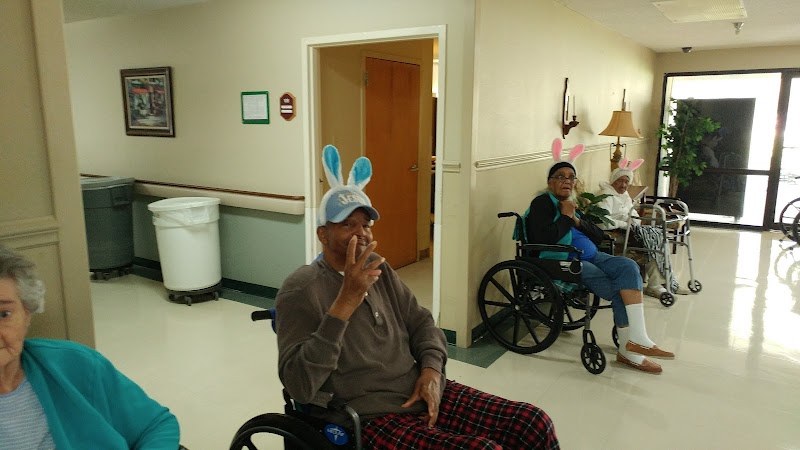
CMS rates GOOD SAMARITAN LIVING CENTER's staffing level at 1 out of 5 stars, which is much below average compared to other nursing homes.

What Have Inspectors Found at Good Samaritan Living Center?

State health inspectors documented 11 deficiencies at GOOD SAMARITAN LIVING CENTER during 2023 to 2025. These included: 3 Immediate Jeopardy (the most serious level, indicating potential for serious harm or death) and 8 with potential for harm. Immediate Jeopardy findings are rare and represent the most serious regulatory concerns. They require immediate corrective action.
Who Owns and Operates Good Samaritan Living Center?

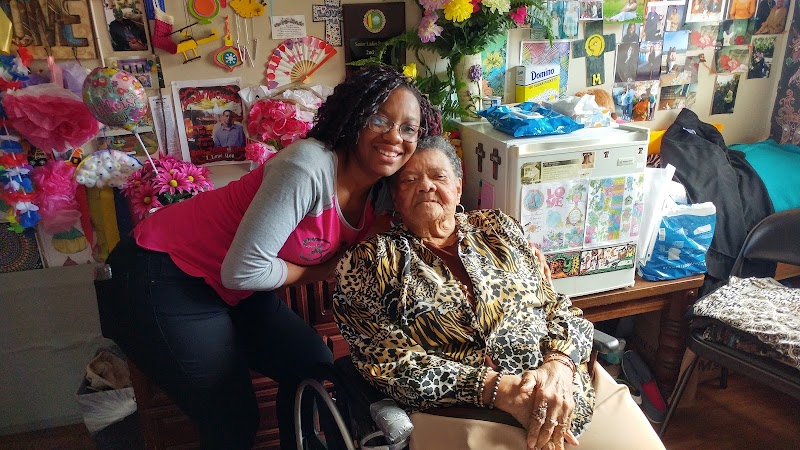
GOOD SAMARITAN LIVING CENTER is owned by a non-profit organization. Non-profit facilities reinvest revenue into operations rather than distributing to shareholders. The facility operates independently rather than as part of a larger chain. With 84 certified beds and approximately 40 residents (about 48% occupancy), it is a smaller facility located in FRANKLINTON, Louisiana.
How Does Good Samaritan Living Center Compare to Other Louisiana Nursing Homes?

Compared to the 100 nursing homes in Louisiana, GOOD SAMARITAN LIVING CENTER's overall rating (1 stars) is below the state average of 2.4 and health inspection rating (3 stars) is at the national benchmark.

What Should Families Ask When Visiting Good Samaritan Living Center?

Based on this facility's data, families visiting should ask: "What changes have been made since the serious inspection findings, and how are you preventing similar issues?" "Can you walk me through typical staffing levels on day, evening, and night shifts?" "Can I visit during a mealtime to observe dining assistance and food quality?" "How do you handle medical emergencies, and what is your hospital transfer rate?" These questions are particularly relevant given the facility's Immediate Jeopardy citations and the below-average staffing rating.

Is Good Samaritan Living Center Safe?

Based on CMS inspection data, GOOD SAMARITAN LIVING CENTER has documented safety concerns. Inspectors have issued 3 Immediate Jeopardy citations (the most serious violation level indicating risk of serious injury or death). The facility has a 1-star overall rating and ranks #100 of 100 nursing homes in Louisiana. Families considering this facility should ask detailed questions about what corrective actions have been taken since these incidents.

Do Nurses at Good Samaritan Living Center Stick Around?

GOOD SAMARITAN LIVING CENTER has not reported staff turnover data to CMS. Staff turnover matters because consistent caregivers learn residents' individual needs, medications, and preferences. When staff frequently change, this institutional knowledge is lost. Families should ask the facility directly about their staff retention rates and average employee tenure.

Was Good Samaritan Living Center Ever Fined?

GOOD SAMARITAN LIVING CENTER has been fined $168,630 across 1 penalty action. This is 4.9x the Louisiana average of $34,765. Fines at this level are uncommon and typically indicate a pattern of serious deficiencies, repeated violations, or failure to correct problems promptly. CMS reserves penalties of this magnitude for facilities that pose significant, documented risk to resident health or safety. Families should request specific documentation of what issues led to these fines and what systemic changes have been implemented.

Is Good Samaritan Living Center on Any Federal Watch List?

GOOD SAMARITAN LIVING CENTER is not on any federal watch list. The most significant is the Special Focus Facility (SFF) program, which identifies the bottom 1% of nursing homes nationally based on persistent, serious quality problems. Not being on this list means the facility has avoided the pattern of deficiencies that triggers enhanced federal oversight. This is a positive indicator, though families should still review the facility's inspection history directly.