LANDMARK NURSING CENTER HAMMOND
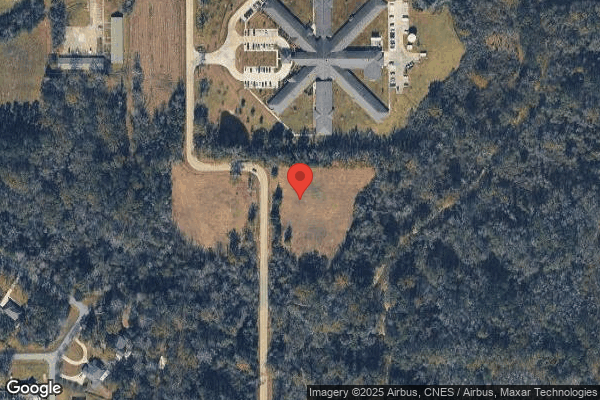

42250 NORTH OAKS DR, HAMMOND, LA 70403 (985) 542-8570
For profit - Limited Liability company 150 Beds THE BEEBE FAMILY Data: November 2025 2 Immediate Jeopardy citations
Trust Grade
31/100
#84 of 264 in LA
Last Inspection: January 2025

Within standard 12-15 month inspection cycle. Federal law requires annual inspections.

Overview

Landmark Nursing Center in Hammond, Louisiana, has received a Trust Grade of F, indicating significant concerns regarding care quality. Ranking #84 out of 264 facilities in Louisiana places it in the top half, but it is still one of the lower-rated options in the area, at #4 out of 6 in Tangipahoa County. The facility is showing signs of improvement, having reduced its issues from 7 in 2024 to 2 in 2025. Staffing is a relative strength with a rating of 4 out of 5 stars and a turnover of 45%, which is slightly below the state average. However, the facility has incurred $186,220 in fines, indicating compliance issues that are concerning and higher than 86% of Louisiana nursing homes. There are also critical incidents related to infection control, including failures to prevent the spread of rashes among residents, suggesting some serious shortcomings in care. Overall, while there are positive aspects like good staffing levels, the significant fines and critical health concerns are red flags for families considering this facility.

Trust Score
F
31/100
In Louisiana
#84/264
Top 31%
Safety Record
High Risk
Review needed
Inspections
Getting Better
7 → 2 violations
Staff Stability
⚠ Watch
45% turnover. Above average. Higher turnover means staff may not know residents' routines.
Penalties
✓ Good
$186,220 in fines. Lower than most Louisiana facilities. Relatively clean record.
Skilled Nurses
⚠ Watch
Each resident gets only 20 minutes of Registered Nurse (RN) attention daily — below average for Louisiana. Fewer RN minutes means fewer trained eyes watching for problems.
Violations
⚠ Watch
12 deficiencies on record. Higher than average. Multiple issues found across inspections.
★★★☆☆
3.0
Overall Rating
★★★★☆
4.0
Staff Levels
★★☆☆☆
2.0
Care Quality
★★★☆☆
3.0
Inspection Score
Stable
2024: 7 issues
2025: 2 issues

The Good

  • 4-Star Staffing Rating · Above-average nurse staffing levels
  • Full Sprinkler Coverage · Fire safety systems throughout facility
  • No fines on record

Facility shows strength in staffing levels, fire safety.

The Bad

3-Star Overall Rating

Above Louisiana average (2.4)

Meets federal standards, typical of most facilities

Staff Turnover: 45%

Near Louisiana avg (46%)

Higher turnover may affect care consistency

Federal Fines: $186,220

Well above median ($33,413)

Significant penalties indicating serious issues

Chain: THE BEEBE FAMILY

Part of a multi-facility chain

Ask about local staffing decisions and management

The Ugly 12 deficiencies on record

2 life-threatening
Jan 2025 2 deficiencies
CONCERN (D)

Potential for Harm - no one hurt, but risky conditions existed

Assessment Accuracy (Tag F0641)

Could have caused harm · This affected 1 resident

**NOTE- TERMS IN BRACKETS HAVE BEEN EDITED TO PROTECT CONFIDENTIALITY** Based on interviews and record review, the facility failed to ensure the MDS assessment accurately reflected the resident's stat...

Read full inspector narrative →
**NOTE- TERMS IN BRACKETS HAVE BEEN EDITED TO PROTECT CONFIDENTIALITY** Based on interviews and record review, the facility failed to ensure the MDS assessment accurately reflected the resident's status for 1 (#70) resident out of a total of 28 sampled residents. The facility failed to ensure: 1.) Resident #70 was coded accurately for Restraints and Alarms; 2.) Resident #70 was coded accurately for current services provided by the facility. Findings: Review of Resident #70's Annual Minimum Data Set (MDS) with an Assessment Reference Date (ARD) of 12/11/2024 revealed the following: Section O0110: Special Treatments, Procedures and Programs: K1- Hospice Care- b. While a Resident Section P0200: Restraints and Alarms: E. Wander/Elopement Alarm- 0-Not Used Review of Resident #70's Clinical Record revealed she was admitted to the facility on [DATE]. Further review of the electronic health record revealed Resident #70 had a security bracelet placed on 09/12/2024. Review of the Physician Order's from admission to present revealed no order for Hospice services being provided. On 01/15/2025 at 3:45 p.m. an interview was conducted with S4MDS. S4MDS confirmed Resident #70 currently had a security bracelet as part of the plan of care. S4MDS further confirmed Resident #70 had never received Hospice services. S4MDS reviewed the above MDS and confirmed it was coded inaccurately on the aforementioned Assessment Reference Date. On 01/15/2025 at 3:55 p.m. an interview was conducted with S1CN and S2DON. S1CN and S2DON reviewed the above MDS and Physician Orders and stated Resident #70 should have been coded for having a security bracelet in place and should not have been coded for receiving Hospice services. S1CN and S2DON confirmed the MDS was inaccurately coded to reflect the current services being provided.
CONCERN (D)

Potential for Harm - no one hurt, but risky conditions existed

Comprehensive Care Plan (Tag F0656)

Could have caused harm · This affected 1 resident

**NOTE- TERMS IN BRACKETS HAVE BEEN EDITED TO PROTECT CONFIDENTIALITY** Based on observations, interviews, and record reviews, the facility failed to ensure interventions for falls were implemented as...

Read full inspector narrative →
**NOTE- TERMS IN BRACKETS HAVE BEEN EDITED TO PROTECT CONFIDENTIALITY** Based on observations, interviews, and record reviews, the facility failed to ensure interventions for falls were implemented as identified on the care plan for 1 (#31) of 2 (#31 and #105) residents reviewed for falls. Findings: Review of Resident #31's Clinical Record revealed she was admitted to the facility on [DATE]. Further review revealed the resident had diagnoses which included Unsteadiness on Feet and Encounter for Orthopedic Aftercare. Review of Resident #31's Significant Change MDS with an ARD of 10/16/2024 revealed a BIMS of 10, which indicated she was moderately cognitively impaired. Review of Resident #31's current Care Plan revealed the following: Problem: Potential for further falls related to lack of coordination. Intervention: 01/06/2025 fall in room-turn bed against the wall On 01/14/2025 at 12:30 p.m., an interview was conducted with Resident #31's family member. He stated Resident #31 fell out of her bed last week and had to have surgery on her hip. On 01/14/2025 at 9:47 a.m., an observation was made of Resident #31 in her room. Her bed was not turned against the wall. On 01/15/2025 at 8:33 a.m., an observation was made of Resident #31 in her room. Her bed was not turned against the wall. On 01/15/2025 at 11:27 a.m., an observation was made of Resident #31 in her room. Her bed was turned against the wall. On 01/15/2025 at 12:13 p.m., an interview was conducted with S7CNA. She stated Resident #31 had a history of falling. She stated the nurses were responsible for implementing care plan interventions. She confirmed Resident #31's bed was not placed against the wall until today. On 01/15/2025 at 12:37 p.m., an interview was conducted with S6LPN. She stated Resident #31 had a history of falling. She verified the resident had a fall on 01/06/2025. She stated S3ADON was responsible for adding interventions to residents' care plans who were a fall risk, then S3ADON implemented them. She confirmed Resident #31's bed was not placed against the wall until today. On 01/15/2025 at 12:51 p.m., an interview was conducted with S3ADON. She stated she was responsible for adding fall interventions to residents' care plans, and she implemented the interventions. She stated she was aware Resident #31 had a fall on 01/06/2025. She stated the intervention put into place on 01/06/2025 was to move the resident's bed against the wall. She confirmed the intervention was not put into place until today, and should have been implemented when the resident returned from the hospital on [DATE]. On 01/15/2025 at 1:33 p.m., an interview was conducted with S2DON. S2DON stated care plan interventions should be implemented as soon as possible for a resident. She reviewed Resident #31's current care plan and verified she had a fall on 01/06/2025 with an intervention of placing her bed against the wall. She was notified the bed was not placed against the wall until 01/15/2025. S2DON confirmed Resident #31's bed should have been placed against her wall after she returned from the hospital on [DATE].
Aug 2024 3 deficiencies 2 IJ (2 affecting multiple)
CRITICAL (K) 📢 Someone Reported This

A family member, employee, or ombudsman was alarmed enough to file a formal complaint

Immediate Jeopardy (IJ) - the most serious Medicare violation

Administration (Tag F0835)

Someone could have died · This affected multiple residents

Based on interviews and record reviews, the administration failed to use its resources effectively and efficiently to attain or maintain the highest practicable physical well-being of each resident. T...

Read full inspector narrative →
Based on interviews and record reviews, the administration failed to use its resources effectively and efficiently to attain or maintain the highest practicable physical well-being of each resident. The administration failed to implement a system to help prevent the development and/or transmission of infections by failing to: 1 Utilize its Infection Control and Prevention Program, follow its policies and procedures to surveil, and isolate known clusters of rashes for 5 of 5 (#1, #2, #3, #4 and #R1) residents reviewed for rashes; and 2 Ensure 4 of 4 (S17CNA, S20LPN, S4HK and S10HK) staff adhered to proper infection control practices when providing care for 1 of 1 (#R2) of residents reviewed for Enhanced Barrier Precautions (EBP). This deficient practice resulted in an Immediate Jeopardy (IJ) situation on 06/10/2024 when Resident #4 presented with generalized itching and a rash. Resident #2 presented with a similar rash on 07/16/2024. Resident #3 presented with a similar rash on 07/24/2024. On 07/26/2024, Residents #1 and #R1 presented with similar rashes. On 07/31/2024, Resident #4 was treated for Scabies. The facility failed to identify Resident's #1, #2, #3, #4, and #R1 similar rashes as a potentially transmittable skin infection and did not take precautions to prevent the spread of the rash from resident to resident S1ADM was notified of the Immediate Jeopardy situation on 08/07/2024 at 6:00 p.m. The Immediate Jeopardy situation was removed on 08/09/2024 at 1:32 p.m., as confirmed by onsite verification through observations, interviews, and record reviews. The facility implemented an acceptable Plan of Removal (POR) prior to the survey exit. The deficient practice continued at more than minimal harm for the remaining 137 residents residing in the facility. Findings: Cross Reference F-880 1 Observations were made of Resident's #1, #2, #3, #4 and #R1 rashes on 08/06/2024 and 08/07/2024. The rashes had similar characteristics and remained unresolved on 08/07/2024. The rashes were sporadic to diffuse, red with papules, pustules, and crusted areas which were located on their torsos, arms and legs. On 08/06/2024 at 3:27 p.m., an interview was conducted with S11WCN. S11WCN confirmed the rashes for Resident's #2, #3, #4 and R1 appeared similar. On 08/06/2024 at 1:35 p.m., an interview was conducted with S7IPN. S7IPN confirmed she was the infection preventionist nurse for the facility and was responsible for surveillance of possible infections within the facility. S7IPN confirmed she was aware Resident #4 started receiving treatment for Scabies on 07/31/2024 as ordered by a local Dermatologist. S7IPN confirmed she was aware Residents #1, #2, #3, #4 and #R1 had similar and persistent rashes. S7IPN confirmed Residents #2, #3, #4 and #R1 resided on Hall b and Resident #1 resided on Hall a, but received care from the same Hospice Nurse as Resident #3. S7IPN confirmed she did not implement surveillance and tracking for the similar skin rashes and should have. S7IPN stated she had not identified the rashes of these residents' rashes as having a potential for spreading or being a possible transmittable disease or infection and should have. S7IPN confirmed the failure to surveil and track these rashes resulted in a failure to recognize the clustering and increasing rate. S7IPN confirmed the aforementioned residents were not placed on Contact Isolation Precautions but should have been due to their rashes presenting and persisting with similarities within a short timeframe and within a close proximity. On 08/06/2024 at 10:16 a.m., an interview was conducted with S2DON. S2DON confirmed she was aware of Residents #1, #2, #3, #4 and #R1 had similar rashes and Residents #2, #3, #4 and #R1 resided on Hall b and Resident #1 resided on Hall a, but received care from the same Hospice Nurse as Resident #3. S2DON confirmed these residents' rashes should have been surveilled and tracked by S7IPN for the possibility of transmittable conditions. S2DON confirmed the aforementioned residents were not placed on contact isolation precautions. S2DON confirmed she was aware Resident #4 was receiving treatment for Scabies. After reviewing the facility's policy and procedure on Isolation Precautions, S2DON confirmed Resident #4 should have been placed on Contact Isolation Precautions after receiving new orders from the dermatologist to treat for Scabies on 07/31/2024. On 08/07/2024 at 11:50 a.m., an interview was conducted with S8NP after he assessed Residents #1, #2, #3, #4 and #R1's skin rashes. S8NP stated Resident #4's rash was consistent with Scabies and should continue treatment for Scabies as well as being put on Contact Isolation Precautions. He confirmed he could not rule out a transmittable condition for the aforementioned rashes. S8NP confirmed Resident #2, #3, #4 and #R1 should have been and should now be placed on Contact Isolation Precautions due to their rashes being similar in nature and located on Hall b. On 08/07/2024 at 7:22 p.m., S1ADM confirmed Resident's #1, #2, #3, #4, and #R1 should have been placed on Contact Isolation Precautions when each presented with similar rashes. On 08/08/2024 at 9:08 a.m., an interview was conducted with S5MD. S5MD confirmed Residents #1, #2, #3, #4 and #R1 should have been placed on Contact Isolation Precautions after each rash was identified with similarities and given the close proximity of the resident's rooms. On 08/08/2024 at 9:08 a.m., an interview was conducted with S5MD. S5MD confirmed Residents #1, #2, #3, #4 and #R1 should have been placed on Contact Isolation Precautions following the identification of similarities in the rashes and with the close proximity of the resident's rooms. S5MD confirmed any resident with suspected or known scabies must be placed on contact isolation precautions. S5MD stated scabies is most commonly diagnosed by visual assessment and signs and symptoms. S5MD confirmed it was hard to get a definitive diagnosis/confirmation of the presence of scabies by skin scraping or biopsy because they are not seen with the naked eye and a mite would have to present in the exact location of the tested area, which is very small. 2 On 08/06/2024 at 1:35 p.m., and interview was conducted with S7IPN. S7IPN confirmed she was the infection preventionist nurse for the facility and trained the staff on infection control practices. S7IPN confirmed Resident #R2 was on EBP. S7IPN confirmed that the gowns used at the facility for EBP were one time use, then laundered and reused. S7IPN confirmed the gowns should never be used more than once without laundering. S7IPN confirmed the gowns should be removed prior to exiting the room and placed in a yellow barrel which should be inside the resident's room. S7IPN confirmed the yellow barrels at the nurses' station were used for housing residents' laundry if they were not on any precautions. On 08/06/2024 at 10:16 a.m., an interview was conducted with S2DON. S2DON stated the gowns used for EBP should not to be used more than once before being laundered. S2DON stated gowns should not be removed after exiting a resident's room. S2DON confirmed gowns should be removed within the resident's room prior to exiting and placed in the proper receptacle in the Resident's room. S2DON confirmed the laundry receptacles located at the nurses' station were for housing dirty laundry of residents that were not on any precautions.
CRITICAL (K) 📢 Someone Reported This

A family member, employee, or ombudsman was alarmed enough to file a formal complaint

Immediate Jeopardy (IJ) - the most serious Medicare violation

Infection Control (Tag F0880)

Someone could have died · This affected multiple residents

**NOTE- TERMS IN BRACKETS HAVE BEEN EDITED TO PROTECT CONFIDENTIALITY** Based on observations, interviews and record review, the facility failed to help prevent the development and/or transmission of ...

Read full inspector narrative →
**NOTE- TERMS IN BRACKETS HAVE BEEN EDITED TO PROTECT CONFIDENTIALITY** Based on observations, interviews and record review, the facility failed to help prevent the development and/or transmission of infections by failing to: 1 Implement a system for controlling and preventing the spread of transmittable infections for 5 of 5 (#1, #2,#3, #4, and #R1) residents reviewed for rashes; and 2 Ensure 4 of 4 (S17CNA, S20LPN, S4HK and S10HK) staff adhered to proper infection control practices when providing care for 1 of 1 (#R2) of residents reviewed for Enhanced Barrier Precautions(EBP). This deficient practice resulted in an Immediate Jeopardy (IJ) situation on 06/10/2024 when Resident #4 presented with generalized itching and a rash. Resident #2 presented with a similar rash on 07/16/2024. Resident #3 presented with a similar rash on 07/24/2024. On 07/26/2024, Residents #1 and #R1 presented with similar rashes. On 07/31/2024, Resident #4 was treated for Scabies. The facility failed to identify Resident's #1, #2, #3, #4, and #R1 similar rashes as a potentially transmittable skin infection and did not take precautions to prevent the spread of the rash from resident to resident S1ADM was notified of the Immediate Jeopardy situation on 08/07/2024 at 6:00 p.m. The Immediate Jeopardy situation was removed on 08/09/2024 at 1:32 p.m., as confirmed by onsite verification through observations, interviews, and record reviews. The facility implemented an acceptable Plan of Removal (POR) prior to the survey exit. The deficient practice continued at more than minimal harm for the remaining 137 residents residing in the facility. Findings: 1 Review of the facility's policy titled Infection Prevention and Control Program with a revision date of 08/21 (no year listed) revealed the following, in part: The facility has developed and maintains an infection prevention and control program that provides a safe, sanitary and comfortable environment to help prevent the development and transmission of infection. This program will: Develop prevention, surveillance, and control measures to protect residents and personnel from healthcare-associated infections. Perform surveillance activities to monitor and investigate causes of infection and manner of spread in order to prevent infections in the facility. Analyze, in a timely manner, clusters or trends of infection, changes in prevalent organisms, and any increase in the rate of infection. Develop procedures to be applied in certain individual residents, such as isolation. Develop specific policies and procedures governing such activities as aseptic technique, outbreak investigation, wound care . Review of the facility's policy titled Procedure for Isolation: Isolation Precautions with a revision date of 08/21 (no year listed) revealed the following, in part: 3. Contact Precautions: use for residents known or suspected to be infected with microorganisms that can be easily transmitted by direct or indirect contact. This includes other transmissible conditions such as scabies and conditions such as rash of unknown origin. Review of the Center for Disease Control's (CDC) webpage article titled Scabies and Public Health Strategies for Scabies Outbreaks in Institutional Settings at www.cdc.gov revealed the following, in part: Overview: Early detection, treatment, and implementation of appropriate isolation and infection control practices are essential in preventing scabies outbreaks, especially when providing hands-on care to patients/residents who might have scabies. Establish surveillance. Have an active program for early detection of infested patients/residents and staff. Maintain a high index of suspicion that scabies may be the cause of undiagnosed skin rash; evaluate and confirm suspected cases by obtaining skin scrapings. Signs and Symptoms: The most common symptoms of scabies are intense itching, especially at night, and a pimple-like skin rash. Crusted scabies?: Crusted scabies is a severe form of scabies that is very contagious. It spreads quickly and easily, even from limited direct contact or from contaminated bedding, clothing, or furniture. Delayed diagnosis and treatment of crusted scabies can often cause outbreaks. Risk Factors: Places where scabies outbreaks more commonly occur include Nursing homes. How it spreads: Direct, extended, skin-to-skin contact with a person who has scabies or Less commonly, sharing clothing, towels, or bedding used by an infected person. You may need retreatment if itching is present more than 2 to 4 weeks after treatment, new burrows appear, or new pimple-like rashes appear. Resident #4 Review of Resident #4's Clinical Record revealed she was admitted to the facility on [DATE]. Review of Resident #4's Nurses Notes dated 06/10/2024 through 08/06/2024 revealed a rash was identified on 06/10/2024 and had not resolved. Review of Resident #4's local Dermatologist's Physician Consultation Report dated 07/31/2024 revealed findings of erythematous heme crusted papules scattered especially to truck but extending down all extremities with significant scaling to hands and interweb spaces. To cover for Scabies if not done in past 4 weeks: Ivermectin 15mg X 1, then repeat in 1 week. Permethrin 5 % cream apply to entire body, leave on overnight and wash off in the morning; repeat in 1 week. Review of Resident #4's physician's orders revealed the following: 07/31/2024 Permethrin 5% cream; apply to the entire body and leave on overnight Stop date: 08/07/2024. 07/31/2024 Ivermectine 3mg tablet; give 5 tablets by mouth (15mg) total X 1 dose. Stop date: 08/07/2024 08/06/2024 Allegra 180mg tablet; one tablet by mouth every morning 08/08/2024 Ivermectin 3 milligram tablet; give 5 tablets oral (15mg total dose) at night every Thursday for 2 doses. Stop date: 08/22/2024 08/08/2024 Permethrin 5% topical cream; topical at night every Thursday for 2 doses. Apply to the entire body below the neck, leave on overnight and wash off in the AM X 2. Stop date: 08/22/2024. On 08/06/2024 at 1:05 p.m., an interview was conducted with S15LPN. S15LPN confirmed Resident #4 resided on Hall b and had a rash for over a month. S15LPN stated Resident #4 was always itching and was being treated for Scabies. She stated Resident #4 had not been placed on Contact Isolation Precautions. S15LPN confirmed Resident #4's rash looked similar to Resident #3 and #2's rashes. On 08/06/2024 at 3:10 p.m., an observation was made of S11WCN assessing Resident #4's rash, assisted by S12CNA. Resident #4's rash was diffuse to the back and sporadic to the backs of the legs abdomen and both arms. The rash was red with pustules and papules; some were crusted and more linear in nature. Resident #4 verbalized the rash caused itching and the rash/itching had been ongoing for more than a month. An observation was made of Resident #4 actively scratching her right arm. Resident #4 was not placed on Contact Isolation Precautions. On 08/07/2024 at 10:31 a.m., an interview was conducted with S6NP. S6NP confirmed she was aware Resident #4 had a persistent rash and itching for months. S6NP stated she was aware Resident #4 was being treated for Scabies. S6NP confirmed Resident #4 should have been put on Contact Isolation Precautions for the duration of the treatment for Scabies. On 08/07/2024 at 11:45 a.m., an observation was made of S8NP assessing Resident #4's skin rash. S8NP stated Resident #4's skin rash was consistent with Scabies. He stated Resident #4 should have been placed on Contact Isolation Precautions. Resident #2 Review of Resident #2's Clinical Record revealed the resident was admitted to the facility on [DATE]. Review of Resident #2's Nurses Notes dated 07/16/2024 through 08/01/2024 revealed a rash was identified on 07/16/2024 and had not resolved. On 08/06/2024 at 12:05 p.m., an observation and interview was conducted with Resident #2. Resident #2 stated there were bugs which climbed on him at night, and he had bites all on his chest. Resident #2 stated the rash was all over his shoulders and on his right leg. Resident #2 stated the facility ordered him medications, which helped with the itching but it did not help with the bugs crawling on him. Resident #2 stated the itching was off and on for the last 6 weeks. Observations of Resident #2 revealed a splotchy, raised red rash to his right and left hand, and a discolored raised patch to his right posterior thigh. Resident #2 was not on Contact Isolation Precautions. On 08/06/2024 at 1:05 p.m., an interview was conducted with S15LPN. S15LPN confirmed Resident #2 resided on Hall b. S15LPN confirmed Resident #2 had a rash and was being treated with a cream. S15LPN stated the rash started on Resident #2's right side and treated with a Clotrimazole-Betamethasone cream, but it did not help. S15LPN stated Resident #2 was currently taking Bactrim and Mupirocin cream, but they were not effective. S15LPN stated Resident #2 had complaints of the rash itching and reported it feels like something was biting him. S15LPN stated Resident #2's rash was red raised bumps on the right side of his torso, right thigh, and the back of the right thigh. Resident #3 Review of Resident #3's Clinical Record revealed the resident was admitted to the facility on [DATE]. Review of Resident #3's MDS with an ARD of 06/17/2024 revealed a blank BIMS score, which indicated the interview could not be completed. Review of Resident #3's Nurses Notes dated 07/24/2024 through 08/02/2024 revealed a rash was identified on 07/24/2024 and had not resolved. Review of Resident #3's visit note report from Hospice visits dated 07/18/2024 through 08/06/2024 revealed a rash was identified on 07/28/2024 and had not resolved. On 08/06/2024 at 1:05 p.m., an interview was conducted with S15LPN. S15LPN confirmed Resident #3 resided on Hall b. S15LPN stated Resident #3 had red raised bumps all over. S15LPN stated the rash started as a few little red pustules/raised areas on the on the resident's right side. S15LPN stated it was reported to the Hospice Nurse and she was instructed to monitor the rash. S15LPN stated the rash had gotten worse and Hospice ordered a Triamcinolone cream. S15LPN stated Resident #3 had a rash of raised bumps on her entire back, her shoulders, around her ankles, arm pit to the breast. S15LPN stated Resident #3 was started on Triamcinolone cream on 07/25/2024 and was now on a Medrol Dose pack, Doxycycline, and Benadryl PRN. S15LPN stated Resident #3's rash was not resolving and had spread all over her back and shoulders. On 08/06/2024 at 3:00 p.m., an observation was made of Resident #3 with S11WCN. Resident #3 was noted to have a raised red rash on her bilateral arms, upper thighs, right and left torso, the left shoulder, and the right neck. S11WCN described the red raised bumps as pustules. Resident #3's back was observed to be covered in a diffuse bright red rash with some raised areas and some areas of opened skin. Resident #3 was not on Contact Isolation Precautions. On 08/06/2024 at 2:36 p.m., an interview was conducted with Resident #3's Hospice Nurse. She stated Resident #3's rash started about 2 weeks ago and originally looked like 5-6 small ant bites. She stated Resident #3's rash had spread and worsened as of today. On 08/07/2024 at 9:33 a.m., an interview was conducted with Resident #3's Responsible Party. He stated Resident #3 had the rash for a few weeks. He stated the rash initially looked like few insect bites on her back and had got progressively worse. Resident #1 Review of Resident #1's Clinical Record revealed she was admitted to the facility on [DATE]. Review of Resident #1's quarterly MDS with an ARD of 06/25/2024 revealed Resident #1 had a BIMS of 9, which indicated she was moderately cognitively impaired. Review of Resident #1's Nurses Notes dated 07/01/2024 through 08/06/2024 revealed a rash was identified on 07/26/2024 and had not resolved. On 08/06/2024 at 12:48 p.m., a telephone interview was conducted with Resident #1's Hospice nurse. She confirmed she was the Hospice nurse for Residents #1 and #3 She stated on 07/26/2024 she identified Resident #1 had a rash of unknown origin similar to Resident #3's rash. She stated the rash on Resident #1 was sporadic over the torso, arms and thighs with some pustules and patches or plaques and had not improved as of today. On 08/06/2024 at 12:36 p.m., an interview was conducted with S9LPN. S9LPN stated she was the nurse for Resident #1. S9LPN confirmed Resident #1 was nonverbal and resided on Hall a. S9LPN confirmed Resident #1 had a rash to her left upper outer arm and left upper thigh. S9LPN stated she received a new order from Resident #1's Hospice Nurse to restart the Triamcinolone cream due to an unresolved rash. S9LPN confirmed Resident #1 was not placed on Contact Isolation Precautions. On 08/06/2024 at 3:27 p.m., an observation was made of S11WCN assessing Resident #1's rash, assisted by S21CNA. An observation was made of Resident #1's rash on her left elbow, left shoulder, legs, back of knees, face and left abdomen. The rash was sporadic, red, contained papules, pustules, nodules and some crusted dark brown areas. Resident #1 was not on Contact Isolations Precautions. Resident #R1 Review of Resident #R1's Clinical Record revealed the resident was admitted to the facility on [DATE]. Review of Resident #R1's MDS with an ARD of 05/17/2024 revealed a BIMS score of 11, which indicated moderately impaired cognition. Review of Resident #R1's Nurses Notes dated 07/26/2024 through 08/07/2024 revealed a rash was identified on 07/26/2024 and had not resolved. On 08/06/2024 at 1:05 p.m., an interview was conducted with S15LPN. S15LPN stated confirmed Resident #R1 resided on Hall b. S15LPN stated Resident #R1 had a red rash on him that started the first of August and he was receiving Hydrocortisone cream twice a day. S15LPN reported the rash was not improving. S15LPN stated his rash was a red circle area like a little mosquito bite. S15LPN stated Resident #4's rash looked similar to Resident #3 and Resident #2's rashes. On 08/06/2024 at 3:10 p.m., an observation was made of Resident #R1 with S11WCN. Resident #R1 stated the rash itched more at night when he was in bed. Resident #R1 stated he was treated with a medication cream and Benadryl, but it does not help. Resident #R1's rash was red and raised to his right torso, small of his back, and his left abdomen. Resident #1 was not on Contact Isolation Precautions. On 08/06/2024 at 3:27 p.m., an interview was conducted with S11WCN. S11WCN confirmed the rashes for Resident's #2, #3, #4 and R1 appeared similar. On 08/06/2024 at 1:35 p.m., an interview was conducted with S7IPN. S7IPN confirmed she was the infection preventionist nurse for the facility and was responsible for monitoring for possible infections within the facility. S7IPN confirmed she was aware Residents #1, #2, #3, #4 and #R1 had similar rashes and Residents #2, #3, #4 and #R1 resided on Hall b. S7IPN confirmed Resident #1 resided on Hall a, but received care from the same Hospice Nurse as Resident #3. S7IPN confirmed the aforementioned residents were not placed on Contact Isolation Precautions but should have been. S7IPN stated she had not identified the rashes of these residents as having a potential for spreading or a possible transmittable disease or infection and should have. S7IPN confirmed Resident #4 started receiving treatment for Scabies on 07/31/2024 as ordered by a local Dermatologist. On 08/06/2024 at 10:16 a.m., an interview was conducted with S2DON. S2DON confirmed she was aware of Residents #1, #2, #3, #4 and #R1 had similar rashes. S2DON confirmed these residents were not placed on Contact Isolation Precautions. S2DON confirmed these residents' rashes should have been tracked by S7IPN for the possibility of transmittable conditions. S2DON confirmed she was aware Resident #4 was receiving treatment for Scabies. After reviewing the facility's policy and procedure on Isolation Precautions, S2DON confirmed Resident #4 should have been placed on Contact Isolation Precautions after receiving new orders from the dermatologist to treat for Scabies on 07/31/2024. On 08/07/2024 at 11:50 a.m., an interview was conducted with S8NP after he assessed Residents #1, #2, #3, #4 and #R1's skin rashes. He confirmed he could not rule out a transmittable condition for the aforementioned rashes. S8NP confirmed Resident #2, #3, #4 and #R1 should have been placed on Contact Isolation Precautions due to their rashes being similar in nature and located on the same hall (Hall b). On 08/07/2024 at 7:22 p.m., S1ADM confirmed Resident's #1, #2, #3, #4 and #R1 should have been placed on Contact Isolation Precautions when each presented with similar rashes. On 08/08/2024 at 9:08 a.m., an interview was conducted with S5MD. S5MD confirmed Residents #1, #2, #3, #4 and #R1 should have been placed on Contact Isolation Precautions following the identification of similarities in the rashes with the close proximity of the resident's rooms. S5MD confirmed any resident with suspected or known scabies must be placed on contact isolation precautions. S5MD stated scabies is most commonly diagnosed by visual assessment and signs and symptoms. S5MD confirmed it was hard to get a definitive diagnosis/confirmation of the presence of scabies by skin scraping or biopsy because they are not seen with the naked eye and a mite would have to present in the exact location of the tested area, which is very small. 2 A review of the facility's policy titled Enhanced Barrier Precautions, dated 03/24 (no year) revealed the following, in part: Enhanced Barrier Precautions (EBP) involve gown and glove use during high-contact resident care activities. Changing linen is considered a high contact resident care activity; facilities should remember to have an appropriate disposal container available in the resident's room to allow for removal of Personal protective equipment (PPE) inside the room. A review of the facility's procedure titled Removing PPE, dated 08/21 (no year) revealed the following, in part: Remove PPE at doorway before leaving patient room Gown Unfasten neck, then waist ties Remove gown using a peeling motion, pull gown from each shoulder toward the same hand Gown will turn inside out Hold removed gown away from body, roll into a bundle and discard into waste or linen receptacle On 08/06/2024 at 9:35 a.m., an interview was conducted with S17CNA. S17CNA stated she had just completed incontinence care for Resident #R2. S17CNA stated she did not wear a gown while performing incontinence care on Resident #R2 whom was on EBP. S17CNA stated the gowns used for EBP were reusable and the used gowns were placed in a yellow barrel down the hall near the nurse's station for laundering. S17CNA confirmed Resident #R2's room did not have a yellow barrel in it. On 08/06/2024 at 9:42 a.m., an observation was made of S4HK prior to entering Resident #R2's room. S4HK confirmed Resident #R2 was on EBP. S4HK reached into the metal box on the door and pulled out a gown that was already tied at the neck. S4HK stated this was her gown which she reuses. S4HK confirmed she had previously worn this gown to enter Resident #R2's room. S4HK stated she had placed the used gown it back into the metal box for later use. She stated I save my gowns. An observation was made of S4HK slipping the previously tied gown over her head. S4HK stated she was unaware the gowns could not be used more than once prior to laundering. On 08/06/2024 at 9:46 a.m., an observation was made of Resident #R2's room. The room did not contain a yellow barrel to house used gowns. On 08/06/2024 at 9:48 a.m., an interview was conducted with S20LPN. S20LPN stated she was the nurse for Resident #R2. S20LPN confirmed Resident #R2 was on EBP. S20LPN stated for Enhanced Barrier Precautions, used gowns were to be discarded into a yellow barrel for laundering. S20LPN stated a yellow barrel should be located right outside the resident's room. She stated the gown was to be removed prior to exiting the resident's room. On 08/06/2024 at 9:58 a.m., an interview was conducted with S10HK. S10HK stated after exiting a resident's room, whom was on EBP, the gown was removed in the hallway and placed in a yellow bucket by the nursing station. S10HK confirmed she was unaware the gown should be removed in the resident's room and placed in a receptacle in the resident's room. On 08/06/2024 at 1:35 p.m., and interview was conducted with S7IPN. S7IPN confirmed she was the infection preventionist nurse for the facility and trained the staff on infection control practices. S7IPN confirmed Resident #R2 was on EBP. S7IPN confirmed that the gowns used at the facility for EBP were one time use, then laundered and reused. S7IPN confirmed the gowns should never be used more than once without laundering. S7IPN confirmed the gowns should be removed prior to exiting the room and placed in a yellow barrel which should be inside the resident's room. S7IPN confirmed the yellow barrels at the nurses' station were used for housing residents' laundry if they were not on any precautions. On 08/06/2024 at 10:16 a.m., an interview was conducted with S2DON. S2DON stated the gowns used for EBP should not to be used more than once before being laundered. S2DON stated gowns should not be removed after exiting a resident's room. S2DON confirmed gowns should be removed within the resident's room prior to exiting and placed in the proper receptacle in the Resident's room. S2DON confirmed the laundry receptacles located at the nurses' station were for housing dirty laundry of residents that were not on any precautions.
CONCERN (D) 📢 Someone Reported This

A family member, employee, or ombudsman was alarmed enough to file a formal complaint

Potential for Harm - no one hurt, but risky conditions existed

Pharmacy Services (Tag F0755)

Could have caused harm · This affected 1 resident

**NOTE- TERMS IN BRACKETS HAVE BEEN EDITED TO PROTECT CONFIDENTIALITY** Based on interviews and record review, the facility failed to ensure medications were administered to meet the needs of each res...

Read full inspector narrative →
**NOTE- TERMS IN BRACKETS HAVE BEEN EDITED TO PROTECT CONFIDENTIALITY** Based on interviews and record review, the facility failed to ensure medications were administered to meet the needs of each resident by failing to ensure orders were entered correctly and administered for 1 (#2) of 5 (#1, #2, #3, #4, and #R1) residents reviewed for rashes. Findings: Review of the facility policy titled, Elements of a Medication Order with a revision date of 11/2017 revealed the following, in part: Medication orders should specify the following: d. Time or frequency of administration PRN (as needed) clearly states the reason/condition for which they are being administered. Review of Resident #2's clinical record revealed the resident was admitted to the facility on [DATE] and had diagnoses which included Pruritus and Disorder of the Skin and Subcutaneous Tissue, Unspecified. Review of Resident #2's Physician Order's revealed the following, in part: 08/01/2024 Mupirocin 2% cream apply to affected area twice daily and as needed. Review of Resident #2's Medication Administration Record (MAR) from 08/01/2024 to 08/07/2024 revealed the following, in part: Mupirocin 2% cream apply to affected area twice daily and as needed. Further review of Resident #2's MAR revealed the record did not have scheduled times for administration and the following doses were administered: 08/01/2024 at 7:09 p.m. - Administered 08/02/2024 at 8:43 p.m. - Administered 08/05/2024 at 8:18 a.m. - Administered 08/05/2024 at 9:18 p.m. - Administered 08/06/2024 at 5:39 p.m. - Administered On 08/09/2024 at 11:41 a.m., an interview was conducted with S16LPN. S16LPN confirmed she worked a double shift on 08/03/2024 and 08/04/2024. S16LPN stated if Resident #2's Mupirocin 2% cream was entered on the MAR as a scheduled medication she would have administered the medication. S16LPN stated if the medication was entered as a PRN medication, the resident would have to request it for it to be administered. S16LPN stated if there was an order for a medication to be administered at a scheduled time and PRN two separate orders would have to be entered in the MAR. S16LPN confirmed if a medication was not signed out on the MAR it was not administered. On 08/09/2024 at 12:44 p.m., an interview was conducted with S15LPN. S15LPN confirmed she entered Resident #2's Mupirocin 2% order. S15LPN confirmed she entered the order as a PRN order to be applied twice daily. S15LPN stated she should have entered the medication order as twice daily and an additional order for as needed. S15LPN confirmed she did not administer Resident #2's morning dose on 08/02/2024. S15LPN further confirmed if the medication was not marked off on the MAR the medication was not administered. On 08/09/2024 at 1:44 p.m., an interview was conducted with S2DON. S2DON reviewed Resident #2's MAR and confirmed Mupirocin 2% order had been entered wrong. S2DON confirmed the order should have been entered a scheduled order and as a PRN order. S2DON confirmed the resident did not get administered scheduled doses of the medication because the order was entered as PRN. S2DON confirmed Resident #2's Mupirocin 2% was not administered as ordered.
Jun 2024 1 deficiency
MINOR (B) 📢 Someone Reported This

A family member, employee, or ombudsman was alarmed enough to file a formal complaint

Minor Issue - procedural, no safety impact

Staffing Information (Tag F0732)

Minor procedural issue · This affected multiple residents

Based on observation, interviews, and record review, the facility failed to ensure nurse staffing data, including actual hours worked for licensed and unlicensed nursing staff, was posted daily in a p...

Read full inspector narrative →
Based on observation, interviews, and record review, the facility failed to ensure nurse staffing data, including actual hours worked for licensed and unlicensed nursing staff, was posted daily in a prominent location readily accessible to residents and visitors. This deficient practice had the potential to affect any of the 139 residents residing in the facility. Findings: Review of the facility's policy dated October 2022 and titled Posting of Staff revealed in part, the following: As required by Federal mandate, on a daily basis, the facility must post the following data: 6. Actual time worked for the specified categories of nursing staff. At the end of each shift the actual hours worked will be entered on the form. An observation was made on 06/17/2024 at 7:00 a.m. of the staffing data sheets dated 06/14/2024 - 06/16/2024. Further review revealed no documentation of the actual hours worked by registered nurses, licensed practical nurses or licensed vocational nurses, and certified nurse aides. An interview was conducted on 06/17/2024 at 7:05 a.m. with S2DON. She reviewed the nurse staffing data sheets dated 06/14/2024 - 06/16/2024. She confirmed the staffing data sheets should include actual hours worked by registered nurses, licensed practical nurses or licensed vocational nurses, and certified nurse aides, and it did not. An interview was conducted on 06/17/2024 at 8:30 a.m. with S1ADM. He reviewed the nurse staffing data sheets dated 06/14/2024 - 06/16/2024. He confirmed the staffing data sheets should include actual hours worked by registered nurses, licensed practical nurses or licensed vocational nurses, and certified nurse aides, and it did not.
Jan 2024 3 deficiencies
CONCERN (D) 📢 Someone Reported This

A family member, employee, or ombudsman was alarmed enough to file a formal complaint

Potential for Harm - no one hurt, but risky conditions existed

Comprehensive Care Plan (Tag F0656)

Could have caused harm · This affected 1 resident

**NOTE- TERMS IN BRACKETS HAVE BEEN EDITED TO PROTECT CONFIDENTIALITY** Based on observations, interviews and record review, the facility failed to ensure interventions for falls were implemented as i...

Read full inspector narrative →
**NOTE- TERMS IN BRACKETS HAVE BEEN EDITED TO PROTECT CONFIDENTIALITY** Based on observations, interviews and record review, the facility failed to ensure interventions for falls were implemented as identified on the care plan for 1(#26) of 4 (#26, #27, #103 and #105) residents reviewed for falls. Findings: Review of the clinical record for Resident #26 revealed the resident was admitted to the facility on [DATE]. The resident had diagnoses that included Displaced Fracture of Lesser Trochanter of Right Femur, Muscle Weakness, and Lack of Coordination. Review of Resident #26's Yearly MDS revealed an ARD of 12/22/2023 and a BIMS of 15, which indicated he was cognitively intact. Review of the most current Care Plan revealed the following: Problem: 07/23/2022- Potential for further falls r/t history of falls. Intervention: 10/13/2023- non-skid tape to floor in front of recliner. On 01/22/24 at 8:48 a.m., an observation was made of Resident #26's room. There was no non-skid tape to floor in front of recliner. On 01/22/24 at 8:58 a.m., an interview and observation was conducted with S7CNA. She said she was not aware that Resident #26 required non-skid tape in front of his recliner and verified no non-skip tape was present on the floor in front of his recliner at this time. On 01/22/24 at 9:04 a.m., an interview was conducted with S6LPN. She said Resident #26 was considered high risk for falls and had a recent history of falls. She reviewed his care plan and verified his intervention of non-skid tape in front of his recliner. On 01/22/24 at 9:10 a.m., an observation was made of Resident #26's room with S6LPN, she verified there were no non-skid tape on Resident #26's floor in front of his recliner. She verified it should've been there. 01/22/24 at 9:10 a.m., an interview was conducted with S4ADON. She verified there was no non-skid tape in front of Resident #26's recliner and should have been. On 01/23/24 at10:53 a.m., an interview was conducted with S3DON. She reviewed Resident #26's care plan and confirmed Resident #26 should have non-skid tape in front of his recliner. She confirmed staff should ensure all care plan interventions are in place.
CONCERN (E)

Potential for Harm - no one hurt, but risky conditions existed

Food Safety (Tag F0812)

Could have caused harm · This affected multiple residents

Based on record review, observations, and interviews, the facility failed to store food in accordance with professional standards for food service safety. This had the potential to effect 141 resident...

Read full inspector narrative →
Based on record review, observations, and interviews, the facility failed to store food in accordance with professional standards for food service safety. This had the potential to effect 141 residents who were served meals from the kitchen. Findings: Review of the facility's policy titled Food Storage Labeling revealed in part, the following: Policy: The facility will ensure the safety and quality of food by following good storage and labeling procedures. d. Product Placement Food is stored in containers that are durable, leak proof and can be tightly sealed or covered. An observation was made on 01/17/2024 at 12:12 p.m. of the facility's walk-in pantry with S2FNS which included: -One opened, unsealed, ¼ full, 42 ounce box of quick oats, with no open date; -One opened, unsealed, ½ full, 42 ounce box of quick oats, with no open date; and -One opened, ¾ full, 128 ounce container of lemon juice with a label, which read, refrigerate after opening. An observation was made on 01/17/2024 at 12:20 p.m. of the facility's walk-in refrigerator with S2FNS which included, one opened, unsealed, ¼ used, 5 pound block of sliced Swiss cheese. An interview was conducted on 01/17/2024 at 12:21 p.m. with S2FNS. She confirmed the above observations. She confirmed all food items should have been sealed and labeled with the opened date. She confirmed food items which required refrigeration after opening should have been stored in the refrigerator. An interview was conducted on 01/23/2024 at 10:00 a.m. with S1ADM. He stated all food items which required refrigeration after opening should have been stored in the refrigerator. He confirmed all opened food items should have a label with the opened date.
MINOR (B) 📢 Someone Reported This

A family member, employee, or ombudsman was alarmed enough to file a formal complaint

Minor Issue - procedural, no safety impact

Assessment Accuracy (Tag F0641)

Minor procedural issue · This affected multiple residents

**NOTE- TERMS IN BRACKETS HAVE BEEN EDITED TO PROTECT CONFIDENTIALITY** Based on interviews and record review, the facility failed to ensure resident assessments accurately reflected the resident's st...

Read full inspector narrative →
**NOTE- TERMS IN BRACKETS HAVE BEEN EDITED TO PROTECT CONFIDENTIALITY** Based on interviews and record review, the facility failed to ensure resident assessments accurately reflected the resident's status for 2 (#80 and #86) of 32 residents reviewed for MDS. Findings: Resident #80 Review of Resident #80's Clinical Record revealed she was admitted to the facility on [DATE] with diagnoses, which included Anemia in Chronic Kidney Disease, Urinary Tract Infection (UTI), and Acute Cystitis without Hematuria. Review of Resident #80's Diagnosis Sheet revealed UTI's on 01/12/2023, 02/23/2023, 09/27/2023, and 12/08/2023. Review of Resident #80's Urinalysis dated 11/28/2023 revealed a positive culture for Citrobacter freundii. Review of Resident #80's Medical Records revealed she was admitted to a long term acute hospital on [DATE] for Multi Drug Resistant Organism Urine, UTI, and Acute Kidney Injury. Review of Resident #80's Quarterly MDS with an ARD of 12/14/2023 revealed a BIMS of 15, which indicated she was cognitively intact. Further review revealed UTI's were not coded as active diagnosis in Section I. On 01/17/24 at 2:55 p.m., an interview was conducted with Resident #80. She stated she had frequent UTI's. She stated she was admitted to the hospital recently several times for UTIs. On 01/23/2024 at 9:15 a.m., an interview was conducted with S4ADON. S4ADON verified Resident #80 complained of pain and had a positive urine culture. S4ADON confirmed UTI's should have been coded as an active diagnosis on Resident #80's Quarterly MDS. Resident #86 Review of Resident #86's Clinical Record revealed he was admitted to the facility on [DATE] with diagnoses, which included Post-Traumatic Stress Disorder (PTSD). Review of Resident #86's Diagnosis Sheet revealed an active diagnosis of PTSD with an onset date of 07/27/2018. Review of Resident #86's Quarterly MDS with an ARD of 12/07/2023 revealed a BIMS of 15, which indicated he was cognitively intact. Further review revealed Resident #86's Quarterly MDS with an ARD of 08/25/2023 and his Quarterly MDS with an ARD of 11/14/2023 revealed PTSD was not coded as an active diagnosis in Section I. On 01/18/2024 at 1:00 p.m., an interview was conducted with Resident #86. He stated he had a history of PTSD from being abused as a child. On 01/23/2024 at 4:15 p.m., an interview was conducted with S5AN. She stated she was responsible for the MDS Assessments for Resident #86. She stated she was aware Resident #86 had a diagnosis of PTSD. She reviewed Resident #86's Quarterly MDS dated [DATE] and his Quarterly MDS 11/14/2023. After review, S5AN confirmed PTSD was not coded as an active diagnosis for Resident #86 and should have been. On 01/23/2024 at 4:25 p.m., an interview was conducted with S3DON. She reviewed the MDS assessments mentioned above for Resident #80 and #86. She verified if a resident had an active diagnosis, the MDS should be coded correctly with those diagnoses. She confirmed Resident #80's MDS should have reflected an active diagnosis of UTIs, and Resident #86's MDS's should have reflected an active diagnosis of PTSD, and they did not.
Feb 2023 3 deficiencies
CONCERN (D) 📢 Someone Reported This

A family member, employee, or ombudsman was alarmed enough to file a formal complaint

Potential for Harm - no one hurt, but risky conditions existed

Deficiency F0804 (Tag F0804)

Could have caused harm · This affected 1 resident

Based on observation and interviews the facility failed to ensure food was palatable and appetizing for 1(#98) of 5 (#98, #112, #446, and #447) residents reviewed for food. Findings: On 02/06/23 at11:...

Read full inspector narrative →
Based on observation and interviews the facility failed to ensure food was palatable and appetizing for 1(#98) of 5 (#98, #112, #446, and #447) residents reviewed for food. Findings: On 02/06/23 at11:42 a.m., an interview was conducted with Resident #98. He stated he doesn't like the food and has issues with food being cold, and not appealing. On 02/07/23 at 10:20 a.m., an interview was conducted with S11LPN. She stated Resident #98 complained often regarding his food. On 02/09/2023 at 8:45 a.m., an interview was conducted with Resident #98. He stated he was served cold food for breakfast. He stated he was told that the microwave on the food cart on his hall was broken, and stated the CNA did not offer to reheat his food, so he refused to eat. On 02/09/2023 at 8:50 a.m., an observation/interview was conducted with S10CNA. She stated the microwave had been dropped from the cart and was not working. Observation of the microwave on the hall cart revealed the microwave electric cord only had 2 out of 3 prongs and couldn't be used. She confirmed she had not offered to reheat Resident #98's food or reported the broken microwave to anyone. On 02/09/2023 at 8:55 a.m., an interview was conducted with S12DM. She stated the CNA's are expected to reheat any resident's food tray on their assigned halls if they complained their food was cold. She stated the hall carts are equipped with microwaves for use when residents do not come to the dining room for meals. She stated all staff should notify her of any broken microwaves as soon as possible, so she can replace it. She stated no staff had reported any broken microwaves. On 02/09/2023 at 11:20 a.m., an interview was conducted with S1DON. She stated it was expected any CNA or nursing staff reheat a resident's food tray at the residents request if their food is cold. She stated staff should use an alternate microwave or bring the tray back to dietary to have it reheated if a microwave was broken on a hall dining cart. She stated staff should report any non-working equipment so it could be replaced. She was informed of the interviews of a resident being served cold food, and a CNA not offering to reheat the resident's breakfast tray. She confirmed if a resident requested their food tray to be reheated, the CNA should have reheated it.
CONCERN (E)

Potential for Harm - no one hurt, but risky conditions existed

Deficiency F0760 (Tag F0760)

Could have caused harm · This affected multiple residents

**NOTE- TERMS IN BRACKETS HAVE BEEN EDITED TO PROTECT CONFIDENTIALITY** Based on record review and interviews the facility failed to ensure it was free of significant medication errors for 2 (#9, #32)...

Read full inspector narrative →
**NOTE- TERMS IN BRACKETS HAVE BEEN EDITED TO PROTECT CONFIDENTIALITY** Based on record review and interviews the facility failed to ensure it was free of significant medication errors for 2 (#9, #32) of 7 (#5, #8, #9, #32, #64, #118, #125) residents reviewed for medications. The deficient practice had the potential to effect the 145 residents residing in the facility receiving medications. Resident #9 A review of Resident #9's clinical record revealed she was admitted on [DATE] with a diagnosis of Congestive Heart Failure. A review of Resident's #9's Quarterly MDS with ARD of 01/17/2023 revealed a BIMS of 9, which indicated she had moderate cognitive impairment. A review of Resident #9's Physician Orders dated February 2023 included, in part: 02/11/2022 Document edema using scale as follows: 0=none, 1=trace, 2=minimal edema, 3=moderate edema, 4=severe edema. A review of Resident #9's MAR dated February 2023 revealed the following: Lasix 20mg tablet by mouth daily for chronic diastolic (congestive) heart failure with a start date of 02/11/2022. A further review of Resident #9's MAR revealed Lasix 20mg was not administered on 02/02/2023, 02/03/2023, 02/05/2023, 02/06/2023, and 02/07/2023. A review of Resident #9's most recent Care Plan revealed the appropriate identification of problems, goals and approaches pertinent to the resident's condition and diagnosis. Approaches included, in part, the following: Problem: Resident has a diagnosis of heart failure and hypertension. Approaches: Vital signs as ordered, instruct resident to notify nurse of any chest pains, headaches, or other changes, diet as ordered, administer medication as ordered, observe for effectiveness of medications, notify MD of any complications, weights as ordered. A review of the facility's Medication Reorder binder dated February 1, 2023-February 9, 2023 revealed the reorder for Resident #9's Lasix was requested from pharmacy once on February 6, 2023. A review of the facility's Emergency Kit List revealed Lasix was available for use in the emergency kit. On 02/06/2023 at 8:55 a.m., an observation was made of Resident #9. She was sitting in her wheelchair with legs hanging down. Edema noted to bilateral ankles and lower legs. On 02/06/2023 at 12:30 p.m., an observation was made of Resident #9. She was sitting in her wheelchair with legs hanging down. Edema noted to bilateral ankles and lower legs. On 02/07/2023 at 10:50 a.m., an observation was made of Resident #9. She was sitting in her wheelchair with legs hanging down. Edema noted to bilateral ankles and lower legs. On 02/08/2023 at 9:47 a.m., an interview was conducted with S6CNA. She stated she was taking care of Resident #9. She stated since she had been a CNA at the facility, she had observed swelling to Resident #9's legs and ankles. On 02/08/2023 at 10:30 a.m., an interview was conducted with S3LPN. She stated she worked the 6 a.m. to 2 p.m. shift. She stated she was aware of Resident #9's edema, and when she first started working at the facility it was one of her biggest concerns. She stated Resident #9 had Lasix ordered at 5:00 a.m. She confirmed Resident #9's Lasix was not given several times since the beginning of February and stated she did not see the reason why it was not given documented. On 02/08/2023 at 11:50 a.m., a telephone interview was conducted with S4LPN. She stated she was working the night shift on Saturday 02/04/2023 and Sunday 02/05/2023. She verified she took care of Resident #9 on those shifts. She stated she did not give the 5:00 a.m. dosages of Lasix on the mornings of Sunday 02/05/2023 and Monday 02/06/2023 because Resident #9's Lasix was not available. On 02/08/2023 at 12:37 p.m., a telephone interview was conducted with S2LPN. She stated she was working the night shift on Wednesday 02/01/2023 and Monday 02/06/2023. She verified she took care of Resident #9 on those shifts. She stated she did not give the 5:00 a.m. dosages of Lasix on the mornings of Thursday 02/02/2023 and on Tuesday 02/07/2023. She stated on the morning of Thursday 02/02/2023 she could not find Resident #9's Lasix on the medication cart or in Resident #9's bin in the medication room. She stated she did not notify anyone Resident #9's Lasix was unavailable on the morning of Thursday 02/02/2023. She said Resident #9 had Lasix ordered because she had fluid retention in her legs from sitting in her wheelchair during the day. She said Lasix helped decrease the swelling in her legs. She said on the morning of Tuesday 02/07/2023 she did not give Resident #9's Lasix because it was still unavailable. She said she could not remember if she faxed a request to pharmacy on Tuesday 02/07/2023 when she realized Lasix was still unavailable. She said she did not notify anyone at the facility Resident #9 was out of Lasix. She said there was an emergency kit at the facility which contained certain medications in the event a resident ran out of an important medication. She said when she looked at the list of drugs in the emergency kit, she overlooked Lasix on the list. She confirmed she should have administered the Lasix from the emergency kit to Resident #9. On 02/08/2023 at 2:18 p.m., an interview was conducted with S1DON. She stated when a resident's medication got low, the nurse should peel off the sticker on the medication card, which contained the name of the medication and the name of the resident. The nurse should fax it to the pharmacy to reorder. She stated if a medication was not available, the facility had an emergency medication kit. She stated this kit contained certain medications that could be administered to residents if their medication was unavailable. She said Lasix was one of the medications included in the emergency kit. She reviewed Resident #9's MAR and confirmed Lasix had not been given on 02/02/2023, 02/03/2023, 02/05/2023, 02/06/2023, or 02/07/2023. She stated staff should have notified her if Lasix was unavailable for Resident #9. She stated she had not been notified on 02/02/2023, 02/03/2023, 02/05/2023, 02/06/2023, or 02/07/2023 related to Lasix not being available. She confirmed if Lasix was not available in Resident #9's bin or in the medication cart, Lasix should have been pulled from the emergency kit and administered. Resident #32 A review of Resident #32's clinical record revealed he was admitted on [DATE] with a diagnosis that included left femur fracture. A review of Resident's #32's Quarterly MDS with ARD of 01/23/2023 revealed a BIMS of 12, which indicated he had moderate cognitive impairment. A review of Resident #32's Physician Orders dated February 2023 included, in part: 01/17/2023 Enoxaparin 30mg/0.3mL syringe, inject 0.3mLs into the skin every 12 hours X 4 weeks. A review of Resident #32's MAR dated February 2023 revealed the following: Enoxaparin 30mg/0.3mL syringe, inject 0.3mLs into the skin every 12 hours X 4 weeks for prevention of blood clots with a start date of 01/17/2023. A further review of Resident #32's MAR revealed Enoxaparin 30mg/0.3mL was not administered as ordered on 02/03/2023, 02/04/2023, 02/05/2023, and 02/06/2023. A review of Resident #32's most recent Care Plan revealed the appropriate identification of problems, goals and approaches pertinent to the resident's condition and diagnosis. Approaches included, in part, the following: Problem: Potential for injury related to anticoagulant. Approaches: Medications as ordered. A review of the facility's Medication Reorder binder dated 02/03/2023 through 02/06/2023 revealed the reorder for Resident #32's Enoxaparin was not requested from pharmacy. A review of Nurse's Notes revealed no entries for reason Resident #32 was not given Enoxaparin on 02/03/2023 through 02/06/2023. On 02/08/2023 at 11:49 a.m., an interview was conducted with Resident #32. He stated he was not given his Enoxaparin injection for 4 days in a row. He stated the nurses told him Enoxaparin was out of stock in the facility. On 02/08/2023 at 11:51 a.m., a telephone interview was conducted with S4LPN. She stated she performed care for Resident #32 on 02/03/2023. She stated Resident #32 received Enoxaparin due to his recent procedure to reduce the chance of blood clots, and he should have received Enoxaparin as ordered every 12 hours. She stated Enoxaparin was used to prevent blood clots in post-operative residents. She stated at 7 a.m. on 02/03/2023 Enoxaparin was not available. She stated she did not call S1DON or pharmacy to try to locate the medication. She stated she understood by Resident #32 not receiving Enoxaparin injections, he could have thrown a blood clot. On 02/08/2023 at 2:18 p.m., an interview was conducted with S1DON. She stated Resident #32's Enoxaparin was misplaced when the medication was placed in the wrong resident's medication bin. She stated she was made aware of the medication issue with Resident #32 on 02/06/2023 when day shift's S8LPN notified her Enoxaparin was not located in the resident's medication bin for his 02/06/2023 7 a.m. dose. She confirmed the nurses working on 02/03/2023 through 02/05/2023 should have notified her or the on call supervisor if they could not locate Resident #32's Enoxaparin. She stated Enoxaparin was a very important medication, especially for a post-operative resident. On 02/08/2023 at 2:46 p.m., a telephone interview was conducted with S9LPN. She stated she performed care for Resident #32 on 02/04/2023 and 02/05/2023. She stated Resident #32 received Enoxaparin due to his recent procedure to reduce the chance of blood clots, and he should have received this medication as ordered twice daily. She stated during her shift on 02/04/2023 she did not see Enoxaparin available in Resident #32's medication bin. She stated she should have called S1DON and did not. She stated she was not sure if any other staff notified S1DON.
CONCERN (E)

Potential for Harm - no one hurt, but risky conditions existed

Infection Control (Tag F0880)

Could have caused harm · This affected multiple residents

Based on observations, interviews, and record review, the facility failed to establish and maintain an infection prevention and control program designed to help prevent the development and transmissio...

Read full inspector narrative →
Based on observations, interviews, and record review, the facility failed to establish and maintain an infection prevention and control program designed to help prevent the development and transmission of communicable diseases and preventing and controlling COVID-19 infections as evidenced by the following: 1. The facility failed to ensure staff appropriately changed gloves and performed hand hygiene for 3 (#1, #53, and #66) of 3 (#1, #53, and #66) residents observed for perineal care; and 2. The facility failed to ensure staff were appropriately wearing mask during a COVID-19 outbreak on Hall a. Findings: Review of the facility's policy entitled Hand Hygiene revealed the following, in part: Purpose Statement To cleanse hands to prevent transmission of infection or other conditions. To provide clean, health environment for residents, staff, and visitors. Procedure Indications for Hand Washing 2. Hand hygiene should be performed between all contact with residents or when entering and exiting a resident's room. 3. Before and after procedures 4. Before and after applying gloves 9. Wearing gloves does not replace the need to perform hand hygiene Selecting Hand Washing Method 1. When to use alcohol-based hand rub b. After contact with a resident's intact skin; c. After contact with inanimate objects (including medical equipment) e. Before entering a resident's room f. Before exiting a resident's room Review of the facility's policy entitled Coronavirus (COVID-19) Policy Widespread COVID-19 Outbreak is 3 or more COVID-19 cases in HCP. Review of the facility's policy entitled Coronavirus (COVID-19)-Section(s): Outbreak Prevention and Investigation revealed the following: Prevent the spread of respiratory germs WITHIN your facility: Hand hygiene before and after visits and as needed when touching surfaces or people (use of alcohol-based hand rub is preferred). Well-fitted face mask that covers mouth and nose when community transmission levels are high. 1. Resident #1 On 02/08/2023 at 10:37 a.m., an observation was made of S7CNA performing incontinent care on Resident #1. S7CNA donned gloves, unclasped the soiled brief, tucked it between Resident #1's legs, and cleaned urine from Resident #1's perineal area using wipes. She then, without removing her soiled gloves or performing hand hygiene, turned Resident #1 on his side, removed the draw pad from Resident #1, and touched the bottle of spray cleanser on the bed side table. Using her soiled gloves, she placed a clean brief under the resident, moved Resident # 1's peg feeding tubing, straightened his gown, touched Resident #1 and his draw sheet. S7CNA proceeded to roll Resident #1 on his side, place a wedge pillow under him, assist the resident in rolling back over, and adjusted his sheets, peg feeding tubing, bed controls, pillow, sheets, and blanket. S7CNA failed to change gloves or perform hand hygiene until after she completed perineal care for Resident #1. On 02/08/2023 at 10:45 a.m., an interview was conducted with S7CNA. The above observation was reviewed with S7CNA. S7CNA stated she should have changed gloves and applied hand sanitizer after cleaning the urine from Resident #1 and before touching anything else in the resident's room. She confirmed she did not change her gloves or performed hand hygiene during incontinent care for Resident #1 and should have. Resident #66 On 02/07/2023 at 5:10 a.m., an observation was made of S5CNA performing incontinent care for Resident #66. S5CNA donned gloves, unclasped Resident #66's soiled brief, turned the resident on her left side, removed the soiled brief, touched the dresser drawer handle and retrieved a wipe packet from the drawer. S5CNA cleaned urine from Resident #66 using one wipe. Without removing her soiled gloves or performing hand hygiene, S5CNA placed a clean brief under the resident, touched Resident #66's sheet and blanket, bed pillow, and bed control. S5CNA then removed and discarded the left hand glove into the trash. S5CNA proceeded to pick up the trash bag with the right soiled gloved hand, touched the resident's hallway door handle and exited the room. S5CNA touched the gray barrel lid in the hallway with the soiled glove on her right hand, closed the barrel lid with the left ungloved hand S5CNA failed to perform hand hygiene during incontinent care for Resident #66. Resident #53 On 02/07/2023 at 5:15 a.m., an observation was made of S5CNA performing incontinent care for Resident #53. S5CNA donned gloves, unclasped the Resident #53's soiled brief, turned her on her right side, removed the soiled brief, touched the dresser drawer handle and retrieved a wipe packet from the bed side dresser. She then cleaned urine and feces from Resident #53 using one wipe. Without changing her soiled gloves or performing hand hygiene, she placed a clean brief under the resident, straightened Resident #53's gown, touched Resident #53 and her sheet. She adjusted the resident's blanket, bed controls, and pillow. S5CNA removed the soiled glove from left hand, picked up the trash bag with her right soiled gloved hand, and touched the resident's hallway door handle and exited the room. S5CNA touched the gray barrel lid in the hallway with the soiled glove on her right hand, closed the barrel lid with the ungloved left hand S5CNA then proceeded to enter Resident #53's room. She entered Resident #66's room without performing hand hygiene. On 02/07/2023 at 5:18 a.m., an interview was conducted with S5CNA. The above observations were reviewed with S5CNA. She confirmed she did not perform hand hygiene prior to applying gloves during incontinent care on Resident #53 and Resident #66. S5CNA confirmed she did not change gloves after soiled or prior to touching clean items in Resident #53 and Resident #66's rooms. She confirmed she did not perform hand hygiene after soiled gloves were removed. S5CNA stated if the resident is heavily soiled with feces she would change her gloves before she touched any clean items in the resident's room, but if not, she wouldn't change her gloves. She stated she only washed her hands every 3-4 rooms unless visibly soiled. On 02/07/2023 at 5:25 a.m., an interview was conducted with S2LPN. She stated she expected CNAs to perform hand hygiene prior to applying clean gloves, after soiling gloves during incontinent care, and to apply clean gloves prior to touching anything clean in the resident's room. She confirmed the CNAs should have performed hand hygiene before and after donning and doffing gloves. She confirmed gloves should be changed between soiled and clean items touched in the resident's rooms, and prior to entering another residents room. On 02/09/2023 at 8:40 a.m., an interview was conducted with S1DON. She stated she expected all staff to perform hand hygiene prior to placing clean gloves on to provide incontinent care. She confirmed staff should remove soiled gloves and perform hand hygiene prior to touching any clean items in a resident's room. She confirmed staff should perform hand hygiene before exiting a room and before entering another resident's room. She confirmed the CNAs should have performed hand hygiene or glove changes during incontinent care from soiled to clean resident contact. 2. Review of the facility's policy entitled Coronavirus (COVID-19) Policy revealed the following, in part: Widespread COVID-19 Outbreak is 3 or more COVID-19 cases in HCP. Review of the facility's policy entitled Coronavirus (COVID-19)-Section(s): Outbreak Prevention and Investigation revealed the following: Prevent the spread of respiratory germs WITHIN your facility: Hand hygiene before and after visits and as needed when touching surfaces or people (use of alcohol-based hand rub is preferred). Well-fitted face mask that covers mouth and nose when community transmission levels are high. On 02/07/2023 at 5:05 a.m., an observation of the facility revealed all staff wearing a face mask except S5CNA on Hall a. Signage posted at the front entrance screening station revealed a Red sign stating the facility's Transmission rate was HIGH and face mask required. On 02/07/2023 at 5:18 a.m., an interview was conducted with S5CNA. S5CNA stated she hadn't worn a facemask during any of her shifts since she started working at the facility full-time in January 2023. She stated the facility does not have COVID positive residents on Hall a, so she didn't have to mask. On 02/07/2023 at 5:25 a.m., an interview was conducted with S2LPN. She stated staff were expected to wear a facemask during a COVID outbreak. S5LPN confirmed S5CNA was not wearing a face mask while providing care to residents on Hall a and should have been. On 02/09/2023 at 8:40 a.m., an interview was conducted with S1DON. She reported Ten (10) COVID-19 positive residents were on Droplet Precautions in the facility as of 02/09/2023. She stated since the parish transmission rate is high and the facility is currently in a COVID outbreak, all staff are to wear a face mask during their shift. She confirmed S5CNA should have worn a face mask during her shift.
Understanding Severity Codes (click to expand)
Life-Threatening (Immediate Jeopardy)
J - Isolated K - Pattern L - Widespread
Actual Harm
G - Isolated H - Pattern I - Widespread
Potential for Harm
D - Isolated E - Pattern F - Widespread
No Harm (Minor)
A - Isolated B - Pattern C - Widespread

Questions to Ask on Your Visit

  • "What changes have you made since the serious inspection findings?"
  • "Can I speak with families of current residents?"
  • "What's your RN coverage like on weekends and overnight?"

Our Honest Assessment

Strengths
  • • Licensed and certified facility. Meets minimum state requirements.
Concerns
  • • Multiple safety concerns identified: 2 life-threatening violation(s), $186,220 in fines. Review inspection reports carefully.
  • • 12 deficiencies on record, including 2 critical (life-threatening) violations. These warrant careful review before choosing this facility.
  • • $186,220 in fines. Extremely high, among the most fined facilities in Louisiana. Major compliance failures.
  • • Grade F (31/100). Below average facility with significant concerns.
Bottom line: Trust Score of 31/100 indicates significant concerns. Thoroughly evaluate alternatives.

About This Facility

What is Landmark Nursing Center Hammond's CMS Rating?

CMS assigns LANDMARK NURSING CENTER HAMMOND an overall rating of 3 out of 5 stars, which is considered average nationally. Within Louisiana, this rating places the facility higher than 99% of the state's 100 nursing homes. This mid-range rating indicates the facility meets federal standards but may have areas for improvement.
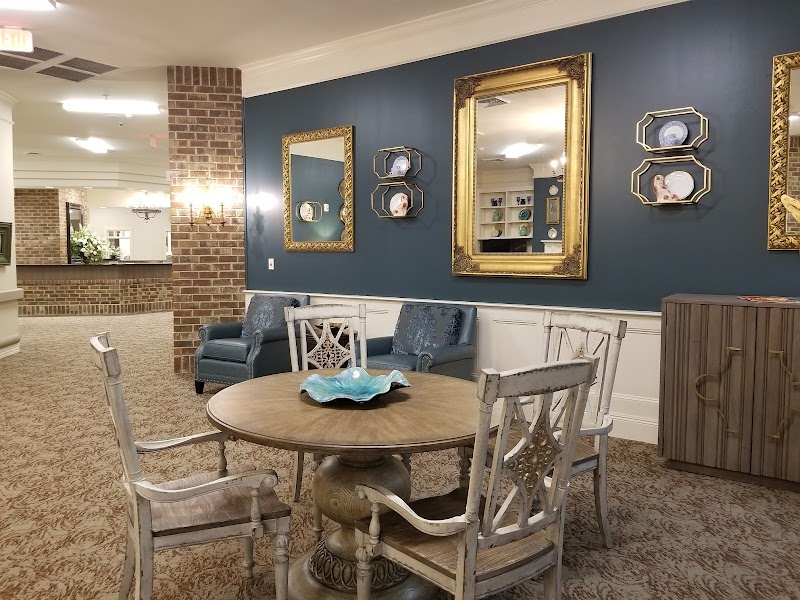
How is Landmark Nursing Center Hammond Staffed?

CMS rates LANDMARK NURSING CENTER HAMMOND's staffing level at 4 out of 5 stars, which is above average compared to other nursing homes. Staff turnover is 45%, compared to the Louisiana average of 46%. This relatively stable workforce can support continuity of care.

What Have Inspectors Found at Landmark Nursing Center Hammond?

State health inspectors documented 12 deficiencies at LANDMARK NURSING CENTER HAMMOND during 2023 to 2025. These included: 2 Immediate Jeopardy (the most serious level, indicating potential for serious harm or death), 8 with potential for harm, and 2 minor or isolated issues. Immediate Jeopardy findings are rare and represent the most serious regulatory concerns. They require immediate corrective action.
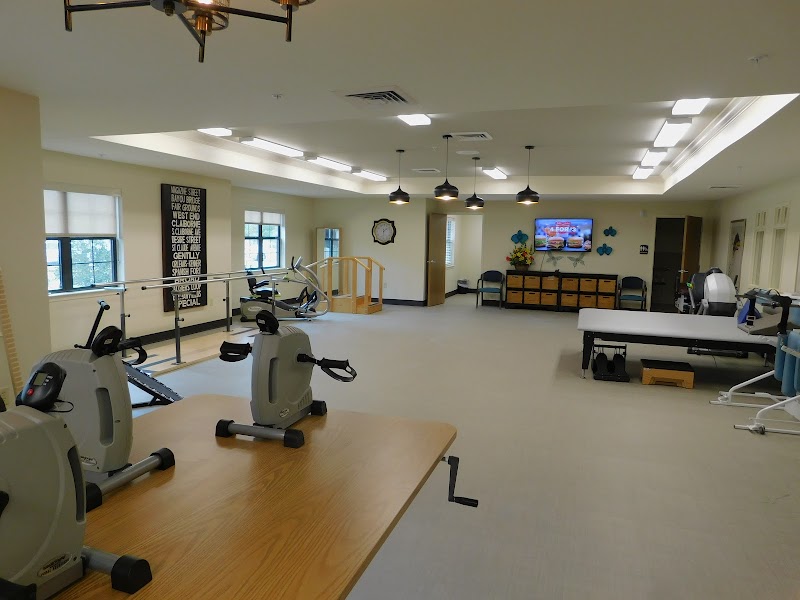
Who Owns and Operates Landmark Nursing Center Hammond?

LANDMARK NURSING CENTER HAMMOND is owned by a for-profit company. For-profit facilities operate as businesses with obligations to shareholders or private owners. The facility is operated by THE BEEBE FAMILY, a chain that manages multiple nursing homes. With 150 certified beds and approximately 137 residents (about 91% occupancy), it is a mid-sized facility located in HAMMOND, Louisiana.
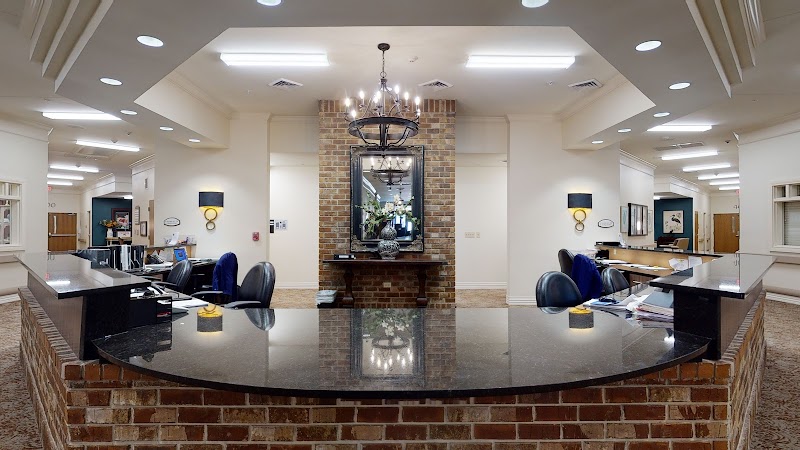
How Does Landmark Nursing Center Hammond Compare to Other Louisiana Nursing Homes?

Compared to the 100 nursing homes in Louisiana, LANDMARK NURSING CENTER HAMMOND's overall rating (3 stars) is above the state average of 2.4, staff turnover (45%) is near the state average of 46%, and health inspection rating (3 stars) is at the national benchmark.

What Should Families Ask When Visiting Landmark Nursing Center Hammond?

Based on this facility's data, families visiting should ask: "What changes have been made since the serious inspection findings, and how are you preventing similar issues?" "Can I visit during a mealtime to observe dining assistance and food quality?" "How do you handle medical emergencies, and what is your hospital transfer rate?" "Can I speak with family members of current residents about their experience?" These questions are particularly relevant given the facility's Immediate Jeopardy citations.

Is Landmark Nursing Center Hammond Safe?

Based on CMS inspection data, LANDMARK NURSING CENTER HAMMOND has documented safety concerns. Inspectors have issued 2 Immediate Jeopardy citations (the most serious violation level indicating risk of serious injury or death). The facility has a 3-star overall rating and ranks #1 of 100 nursing homes in Louisiana. Families considering this facility should ask detailed questions about what corrective actions have been taken since these incidents.

Do Nurses at Landmark Nursing Center Hammond Stick Around?

LANDMARK NURSING CENTER HAMMOND has a staff turnover rate of 45%, which is about average for Louisiana nursing homes (state average: 46%). Moderate turnover is common in nursing homes, but families should still ask about staff tenure and how the facility maintains care continuity when employees leave.

Was Landmark Nursing Center Hammond Ever Fined?

LANDMARK NURSING CENTER HAMMOND has been fined $186,220 across 2 penalty actions. This is 5.3x the Louisiana average of $34,941. Fines at this level are uncommon and typically indicate a pattern of serious deficiencies, repeated violations, or failure to correct problems promptly. CMS reserves penalties of this magnitude for facilities that pose significant, documented risk to resident health or safety. Families should request specific documentation of what issues led to these fines and what systemic changes have been implemented.

Is Landmark Nursing Center Hammond on Any Federal Watch List?

LANDMARK NURSING CENTER HAMMOND is not on any federal watch list. The most significant is the Special Focus Facility (SFF) program, which identifies the bottom 1% of nursing homes nationally based on persistent, serious quality problems. Not being on this list means the facility has avoided the pattern of deficiencies that triggers enhanced federal oversight. This is a positive indicator, though families should still review the facility's inspection history directly.