MAISON TECHE NURSING CENTER
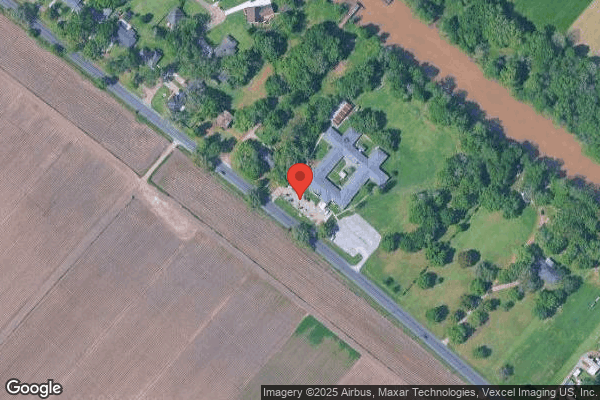

7307 OLD SPANISH TRAIL, JEANERETTE, LA 70544 (337) 276-4514
For profit - Limited Liability company 121 Beds Independent Data: November 2025
Trust Grade
40/100
#226 of 264 in LA
Last Inspection: December 2024

Within standard 12-15 month inspection cycle. Federal law requires annual inspections.

Overview

Maison Teche Nursing Center has received a Trust Grade of D, which indicates below-average performance and raises some concerns. Ranked #226 out of 264 facilities in Louisiana, they are in the bottom half, and they are the lowest-ranked of five facilities in Iberia County. While the facility is showing improvement in its issues, decreasing from 14 to 12, it still has a significant number of concerns-30 in total, all classified as potential harm. Staffing is a relative strength, with a turnover rate of 0%, but the overall rating for staffing is just 1 out of 5 stars, indicating a need for improvement. Notably, there have been specific incidents, such as residents not receiving mail on Saturdays, a lack of monitoring for side effects of prescribed medications, and failure to provide quarterly statements for residents’ personal funds, which could affect their financial management. Overall, while there are some positive aspects, families should carefully consider these weaknesses when researching this nursing home.

Trust Score
D
40/100
In Louisiana
#226/264
Bottom 15%
Safety Record
Low Risk
No red flags
Inspections
Getting Better
14 → 12 violations
Staff Stability
○ Average
Turnover data not reported for this facility.
Penalties
✓ Good
No fines on record. Clean compliance history, better than most Louisiana facilities.
Skilled Nurses
○ Average
RN staffing data not reported for this facility.
Violations
⚠ Watch
30 deficiencies on record. Higher than average. Multiple issues found across inspections.
★☆☆☆☆
1.0
Overall Rating
★☆☆☆☆
1.0
Staff Levels
★☆☆☆☆
1.0
Care Quality
★★★☆☆
3.0
Inspection Score
Stable
2023: 14 issues
2024: 12 issues

The Good

  • Full Sprinkler Coverage · Fire safety systems throughout facility
  • No fines on record

Facility shows strength in fire safety.

The Bad

1-Star Overall Rating

Below Louisiana average (2.4)

Significant quality concerns identified by CMS

The Ugly 30 deficiencies on record

Dec 2024 8 deficiencies
CONCERN (D)

Potential for Harm - no one hurt, but risky conditions existed

Deficiency F0583 (Tag F0583)

Could have caused harm · This affected 1 resident

**NOTE- TERMS IN BRACKETS HAVE BEEN EDITED TO PROTECT CONFIDENTIALITY** Based on record review, interviews, and observations, the facility failed to ensure a resident's rights to personal privacy for ...

Read full inspector narrative →
**NOTE- TERMS IN BRACKETS HAVE BEEN EDITED TO PROTECT CONFIDENTIALITY** Based on record review, interviews, and observations, the facility failed to ensure a resident's rights to personal privacy for 2 (#2, #39) of 2 (#2, #39) residents out of a total sample of 36 residents investigated for Activities of Daily Living by failing to ensure: 1. Resident #2 had privacy while in the bathroom; and 2. Resident #39 had the room door and bathroom door closed prior to staff providing personal care. Findings: 1. Resident #2 Review of Resident #2's Electronic Medical Record (EMR) revealed she was admitted to the facility on [DATE] with diagnoses of Dementia, Paranoid Schizophrenia, and Anxiety. Review of Resident #2's Brief Interview for Mental Status (BIMS) revealed a score of 15, which indicated normal cognition. On 12/02/2024 at 9:15 a.m., Resident #2 stated Resident #54, who resided in the next room, made comments to her when she was in the bathroom. She stated if she passed gas in the bathroom, Resident #54 would state he heard that and laugh at her. She added that Resident #54 also would say he heard her diarrhea, or stated she was constipated. She stated she told S8LPN (Licensed Practical Nurse) about what Resident #54 was doing when she used the bathroom, but nothing was done about it. She stated it made her feel bad, but she had to learn to ignore Resident #54. On 12/02/2024 at 9:25 a.m., an interview was conducted with S8LPN. S8LPN stated she did not recall Resident #2 complaining about Resident #54 making comments about her while she was in the bathroom. On 12/02/2024 at 9:43 a.m., an interview was conducted with Resident #54 who stated he hears Resident #2 while she is in the bathroom farting and it's pretty funny. He stated it's funny to hear someone farting in the bathroom. He confirmed that he did make comments to Resident #2 while she used the bathroom. He added that Resident #2 did not say anything to him, but it's pretty funny to him. 2. Resident #39 Review of Resident #39's Electronic Medical Record (EMR) revealed she was admitted to the facility on [DATE] with diagnoses of Cerebral Infarction, Heart Failure, and Overactive Bladder. Review of Resident #39's Brief Interview Mental Status revealed a score of 12, indicating moderate cognitive impairment. On 12/02/2024 at 10:00 a.m., upon entrance to Resident #39's room, it was observed the room door was opened and the bathroom door was opened. When the surveyor knocked on the room door prior to entrance, S9CNA (Certified Nursing Assistant) stated patient care. S9CNA was observed standing in the bathroom, and Resident #39 was observed pulling up her pants. Further observation revealed Resident #39's roommate who was seated in her wheelchair was in line of site of the bathroom. On 12/02/2024 at 10:03 a.m., an interview was conducted with S9CNA confirmed she should have closed the room door and bathroom door prior to assisting Resident #39 with personal care. On 12/03/02024 at 9:14 a.m., a follow up observation was conducted which revealed the resident's door was closed. Upon knocking prior to entering, the bathroom door was opened, the resident's roommate was seated in her wheelchair in the line of site of the bathroom. S10CNA was observed standing in the bathroom with Resident #39 who was observed pulling up her adult brief and pants. On 12/03/2024 at 9:17 a.m., an interview was conducted with S10CNA who confirmed she was supposed to protect the resident's privacy at all times and she should have closed the bathroom door prior to assisting Resident #39 with personal care. On 12/03/2024 at 12:50 p.m., an interview was conducted with Resident #39 who stated she was not comfortable when staff left the bathroom door opened while she was using the bathroom.
CONCERN (D)

Potential for Harm - no one hurt, but risky conditions existed

Safe Environment (Tag F0584)

Could have caused harm · This affected 1 resident

**NOTE- TERMS IN BRACKETS HAVE BEEN EDITED TO PROTECT CONFIDENTIALITY** Based on observation and interview, the facility failed to provide a homelike environment for 1 (#35) out of 5 (#18, #35, #36, #...

Read full inspector narrative →
**NOTE- TERMS IN BRACKETS HAVE BEEN EDITED TO PROTECT CONFIDENTIALITY** Based on observation and interview, the facility failed to provide a homelike environment for 1 (#35) out of 5 (#18, #35, #36, #46 and #60) residents investigated for environment, out of a total sample of 36 residents. Findings: Review of a facility policy titled, Safe and Homelike Environment, reviewed 01/2024, indicated Policy: In accordance with the residents' rights, the facility will provide a safe, clean, comfortable and homelike environment .Policy Explanation and Compliance Guidelines: 3. Housekeeping and maintenance services will be provided as necessary to maintain a sanitary, orderly and comfortable environment. Resident #35 was admitted to the facility on [DATE] with diagnoses that included, but were not limited to, Parkinsonism and End Stage Renal Disease. Review of Resident #35's MDS (Minimum Data Set) with an ARD (Assessment Reference Date) of 09/17/2024 revealed he had a BIMS (Brief Interview for Mental Status) of 15, indicating his cognition was intact. During an observation and interview on 12/02/2024 at 9:36 a.m., a hole the size of the door knob was observed in the sheetrock on the right wall immediately after entering Resident #35's room. The resident stated it had been there about a month and the nurses and maintenance had been notified. Further observation revealed there was no door stopper to prevent the door knob from slamming into the wall. During an interview on 12/03/2024 at 12:54 p.m., S4Maint (Maintenance Director) stated that he was not aware of the hole in Resident #35's wall. During an interview on 12/03/2024 at 2:25 p.m., S1ADM (Administrator) stated that all staff members were responsible for checking the residents' rooms and notifying maintenance of identified problems so they can be addressed.
CONCERN (D)

Potential for Harm - no one hurt, but risky conditions existed

PASARR Coordination (Tag F0644)

Could have caused harm · This affected 1 resident

**NOTE- TERMS IN BRACKETS HAVE BEEN EDITED TO PROTECT CONFIDENTIALITY** Based on record review and interview, the facility failed to refer a resident with a newly diagnosed mental disorder to the appr...

Read full inspector narrative →
**NOTE- TERMS IN BRACKETS HAVE BEEN EDITED TO PROTECT CONFIDENTIALITY** Based on record review and interview, the facility failed to refer a resident with a newly diagnosed mental disorder to the appropriate state-designated authority for Level II PASARR (Preadmission Screening and Resident Review) evaluation and determination for 1 (#31) of 3 (#3, #31, #54) residents investigated for PASARR in a final sample of 36 residents. Findings: A review of Resident #31's medical record revealed she was admitted to the facility on [DATE]. Further review revealed she was diagnosed with Schizoaffective Disorder on 12/14/2022. A review of the Resident #31's physician's orders for December 2024 revealed resident had been prescribed the antipsychotic medication Aripiprazole 2mg (milligrams) related to the diagnosis of Schizoaffective Disorder. Further review of Resident #31's record revealed a Level 1 PASARR (Preadmission Screening and Resident Review) dated 07/21/2022. There was no evidence that a new review or a Level II PASARR had been submitted to the appropriate state-designated authority after the new diagnosis of Schizoaffective Disorder on 12/14/2022. On 12/04/2024 at 4:13 p.m., an interview and review of Resident #31's diagnosis list was conducted with S2SSD (Social Service Director). She confirmed that Resident #31 received a new diagnosis of Schizoaffective Disorder on 12/14/2022 and that a Level II PASARR had not been submitted for this new diagnosis and should have been.
CONCERN (D)

Potential for Harm - no one hurt, but risky conditions existed

Deficiency F0688 (Tag F0688)

Could have caused harm · This affected 1 resident

**NOTE- TERMS IN BRACKETS HAVE BEEN EDITED TO PROTECT CONFIDENTIALITY** Based on interview, observation and record review, the facility failed to provide treatment/services to prevent further avoidabl...

Read full inspector narrative →
**NOTE- TERMS IN BRACKETS HAVE BEEN EDITED TO PROTECT CONFIDENTIALITY** Based on interview, observation and record review, the facility failed to provide treatment/services to prevent further avoidable reduction of Range of Motion (ROM) and mobility as evidenced by a resident being unable to use his left leg prosthetic limiting his ability to walk for 1 (Resident #60) of 2 (#36 and #60) residents investigated for positioning and mobility in a final sample of 36 residents. Findings: Review of Resident #60's admission Record indicated the facility admitted the resident on 02/16/2023 with diagnoses that included acquired absence of left leg below the knee with an onset date of 07/23/2019, other specified Depressive episodes and Generalized Anxiety disorder. Review of the list of residents with current wounds in the facility provided by S3DON (Director of Nursing) on 12/02/2024 at approximately 10:00 a.m. indicated Resident #60 had a facility acquired non pressure ulcer to his left stump that was acquired on 05/14/2024. Review of Resident #60's current physician's orders as of 05/31/2024 revealed the following orders dated: 11/20/2023 FYI (For Your Information) steps to put prosthetic leg on: 1st tangel (rubber) on skin, 2nd 3 ply or 5 ply sock, 3rd prosthetic leg and roll brown sleeve all the way up onto thigh; 05/23/2024 for open area to left stump: cleanse with wc (wound cleanser), apply ca (Calcium) alg (Alginate), cover with clean/dry dressing daily and PRN (as needed) soiling/peeling. On 12/04/2024 at 8:12 a.m., an interview was conducted with S13TxRN (Treatment Registered Nurse) who explained that Resident #60 had a wound to his left BKA that started out as an intact blister on 05/14/2024 which has deteriorated to 100% slough with bone exposure that was last assessed on 11/28/2024. S13TxRN further explained the facility participated in a special event offsite and Resident #60 was a participant in a dance contest. One of the therapy aides had assisted Resident #60 in the bathroom and noticed that the resident's left leg prosthetic sleeve/stocking was applied in the wrong order causing friction during the time that the resident was wearing his prosthesis. S13TxRN stated Resident #60 had not been able to wear his prosthetic leg currently due to the presence of an unhealed wound that subsequently developed. Review of Physical Therapy (PT) Discharge summary dated [DATE] revealed the resident was seen for 2 days during the 07/25/2023- 07/27/2023 progress period. PT's discharge recommendations included an exercise program and prosthesis. PT established an ambulation program and evaluated the resident as currently able to walk to the dining room, walk in corridor and negotiate steps and balance is steady. Review of PT Evaluation and Plan of Treatment dated 06/03/2024 revealed reason for therapy indicated recurrent falls with pressure ulcer noted to L (left) residual limb with L BK (below knee) prosthesis not being worn, negatively impacting functional mobility tasks as he is requiring increased assistance. Resident presents with generalized weakness/fatigue, decreased balance, decreased standing tolerance and decreased endurance/activity tolerance. Review of Resident #60's quarterly MDS (Minimum Data Set), with an ARD (Assessment Reference Date), of 03/26/2024 revealed the resident's functional abilities and goals were assessed as the resident requiring max assistance putting on/taking off footwear and getting in and out of a tub/shower. The resident required partial/moderate assistance to shower/bathe self and with upper body dressing. The resident required supervision or touching assistance with toileting hygiene, lower body dressing and transferring to and from a bed to a chair (or wheelchair).The resident required set up assistance when transferring from sitting to standing and maintaining his personal hygiene The resident was able to independently roll from left and right, sit to lying, lying to sitting on side of bed, and get on and off a toilet or commode. Review of Resident #60's quarterly MDS, with an ARD of 06/18/2024, revealed the resident's Brief Interview for Mental Status (BIMS) score was 15 indicating intact cognition. The resident's functional abilities and goals revealed the resident now required partial/moderate assistance with showering/bathing self, upper and lower body dressing, personal hygiene, putting on/taking off footwear. The resident was also coded as needing partial/moderate assistance for mobility moving from sit to stand, chair/bed-to-chair transfer, toilet transfer and tub/shower transfer. On 12/04/2024 at 2:10 p.m., an interview was conducted with S5PT (Physical Therapist). S5PT explained Resident #60 was present at the offsite special event and recalled the resident was complaining of pain during his dancing contest. One of the former therapy aides assisted the resident in the bathroom and observed the resident's prosthetic leg was incorrectly applied and observed he had breakdown on his left knee stump. S5PT evaluated Resident #60 on 06/03/2024 because the resident was experiencing a functional decline since he could no longer wear his leg prosthetic. S5PT explained the resident was mobile, able to walk without assistance using is prosthesis, and did not use his wheelchair prior to 05/14/2024. On 12/04/2024 at 2:45 p.m., an interview was conducted with Resident #60 who was observed in his bed, and stated he was able to put on and wear his leg prosthetic prior to the event on 05/14/2024. Resident #60 was unable to recall which therapy staff assisted him the morning of 05/14/2024 with putting on his prosthetic leg. Resident #60 confirmed he went to the event offsite and participated in a dancing contest. He stated while he was at the event, he began to feel pain to his in his left leg. One of the therapy aides helped him get out of his costume which is when the therapy aide saw that his left thigh stocking and sleeve were put on incorrectly. Resident #60 expressed feeling sad about not being able to walk anymore and could not wear his leg prosthesis until the wound healed.
CONCERN (D)

Potential for Harm - no one hurt, but risky conditions existed

Respiratory Care (Tag F0695)

Could have caused harm · This affected 1 resident

**NOTE- TERMS IN BRACKETS HAVE BEEN EDITED TO PROTECT CONFIDENTIALITY** Based on observations, interviews, and record review, the facility failed to provide respiratory care consistent with profession...

Read full inspector narrative →
**NOTE- TERMS IN BRACKETS HAVE BEEN EDITED TO PROTECT CONFIDENTIALITY** Based on observations, interviews, and record review, the facility failed to provide respiratory care consistent with professional standards of practice for 1 (#42) out of 2 (#8 and #42) residents investigated for respiratory care, by failing to label and properly store Oxygen tubing, and safely store Oxygen tanks. The total sample size was 36 residents. Findings: On 12/04/2024, a review of the facility's policy titled Oxygen Administration with a revision date of 06/01/2024, indicated Policy: Oxygen is administered to residents who need it, consistent with professional standards of practice .5. e. Keep delivery devices covered in a black IFP (infection prevention) bag when not in use. On 12/04/2024, a review of the facility's policy titled Oxygen Safety with a revision date of 06/01/2024, indicated Policy: It is the policy of this facility to provide a safe environment for residents, staff, and the public .Policy Explanation and Compliance guidelines: 4. Oxygen storage - a. Oxygen storage locations shall be in an enclosure or within an enclosed interior space of noncombustible or limited-combustible construction, with doors or gates that can be secured against unauthorized entry. Resident #42 was admitted to the facility on [DATE] with diagnoses which included, but were not limited to Chronic Obstructive Pulmonary Disease and Chronic Respiratory Failure with Hypoxia. During an observation on 12/02/2024 at 10:44 a.m., Two Oxygen tanks were observed on a rack by the door in Resident #42's room. Another Oxygen tank was in a hanger on the back of the resident's wheelchair with a nasal cannula tubing attached and wrapped around the back of the wheelchair. The tubing was not dated and/or stored in a bag. During an interview on 12/02/2024 at 10:52 a.m., S7LPN (Licensed Practical Nurse) stated that as long as the oxygen tanks are on a rack they can be stored in the resident's room. S7LPN confirmed the O2 tubing was undated and opened to air on the back of the resident's chair and stated it should have been labeled and in a bag. During an interview on 12/03/2024 at 10:51 a.m., S3DON (Director of Nursing) stated that the Oxygen tanks should not have been stored in the resident's room. She stated that they should have been placed on a rack in a separate room.
CONCERN (D)

Potential for Harm - no one hurt, but risky conditions existed

Unnecessary Medications (Tag F0759)

Could have caused harm · This affected 1 resident

Based on observations, interviews and record reviews, the facility failed to ensure their medication error rate was less than five percent. Findings: Observations of morning med pass were conducted o...

Read full inspector narrative →
Based on observations, interviews and record reviews, the facility failed to ensure their medication error rate was less than five percent. Findings: Observations of morning med pass were conducted on 12/03/2024. S6LPN (Licensed Practical Nurse) administered Carafate Oral Tablet 1 GM (gram) and Ferrous Sulfate Oral Tablet 325 MG (milligram) to Resident #15 after the resident ate breakfast. Review of Resident #15's EHR (Electronic Health Record) revealed Physician Orders, for the month of December 2024, including the following orders dated 11/19/2024: 1. Carafate Oral Tablet 1 GM (gram) (Sucralfate). Give 1 tablet by mouth before meals . 2. Ferrous Sulfate Oral Tablet 325 (65 Fe) MG (milligram) (Ferrous Sulfate) Give 1 tablet by mouth before meals . During an interview on 12/03/2024 at 9:03 a.m., S6LPN stated that the resident had eaten breakfast in the dining room then came back to Hall W for medication administration. S6LPN checked the orders for Ferrous Sulfate and Sucralfate in the resident's EHR and confirmed that the orders were written to be given before meals and were not administered before the resident ate breakfast. A total of 30 opportunities for medication pass were conducted during the survey with two errors observed. The facility's calculated medication error rate was 6.67%).
CONCERN (E)

Potential for Harm - no one hurt, but risky conditions existed

Deficiency F0576 (Tag F0576)

Could have caused harm · This affected multiple residents

Based on record review and interviews, the facility failed to ensure residents received mail on Saturdays. This had the potential to affect 90 residents residing in the facility. Findings: On 12/03/2...

Read full inspector narrative →
Based on record review and interviews, the facility failed to ensure residents received mail on Saturdays. This had the potential to affect 90 residents residing in the facility. Findings: On 12/03/2024 at 2:49 p.m., during the resident council meeting, Resident #51 stated residents did not receive mail on Saturdays. On 12/04/2024 at 9:15 a.m., an interview was conducted with S12CNASUP (Certified Nursing Assistant Supervisor) and S11HR (Human Resources). S12CNASUP stated the mail was delivered to the residents on Monday through Friday, but not on Saturdays. She stated the office was closed on weekends, and staff were not available to distribute mail on Saturdays. S11HR confirmed the residents received mail Monday through Friday but the mail carrier holds the mail on the weekend until the following Monday. S11HR stated that the facility does not have staff in the office to deliver the mail to the residents on the weekends. S11HR stated that she was not aware that it was regulatory for the residents to receive mail on the weekend. S12CNASUP confirmed she was aware residents were supposed to receive mail on the weekend, and they had not received mail on the weekend for some time now.
CONCERN (E)

Potential for Harm - no one hurt, but risky conditions existed

Comprehensive Care Plan (Tag F0656)

Could have caused harm · This affected multiple residents

**NOTE- TERMS IN BRACKETS HAVE BEEN EDITED TO PROTECT CONFIDENTIALITY** Resident #76 Review of Resident #76's electronic health record revealed she was admitted to the facility on [DATE] with diagnose...

Read full inspector narrative →
**NOTE- TERMS IN BRACKETS HAVE BEEN EDITED TO PROTECT CONFIDENTIALITY** Resident #76 Review of Resident #76's electronic health record revealed she was admitted to the facility on [DATE] with diagnoses which included, but were not limited to, Atrial Fibrillation, Dementia, Psychotic Disturbance and Anxiety. A review of Resident #76's physician orders for December 2024 revealed the following orders dated 08/26/2024: Eliquis (an anticoagulant) 2.5 mg (milligram), give 1 tablet by mouth two times a day; Trazodone (an antidepressant) 50 mg, give 1 tablet by mouth at bedtime; and Zyprexa (an antipsychotic) 2.5 mg, give 1 tablet by mouth one time a day. A further review of Resident #76's physician orders failed to reveal orders to monitor behaviors or side effects of anticoagulant, antidepressant and antipsychotic medications. A review of Resident #76's care plan revealed the following, in part .Potential for Bruising and Bleeding r/t (related to) Anticoagulant Use. Interventions included, in part .Monitor for bleeding/DVT (Deep Vein Thrombosis) Blood Clot q (every) shift .Report any increased s/sx (sign and symptom) of bleeding: Bruising, Hematuria, Melana, Coughing or Spitting up blood, Coffee ground emesis, Headache, Pale appearance. Further review of the care plan revealed the following, in part .At Risk for Increased Complications from Psych History, Anxiety, and Insomnia. Interventions included, in part .Assess for changes in mood status .Assess for increased s/sx of Depression .Monitor for side effects and behaviors r/t psych med usage. A review of Resident #76's November 2024 and December 2024 Medication Administration Record (MAR) revealed documentation that the resident received Eliquis 2.5 mg (milligram), give 1 tablet by mouth two times a day, Trazodone 50 mg, give 1 tablet by mouth at bedtime, and Zyprexa 2.5 mg, give 1 tablet by mouth one time a day, November 1, 2024-December 3, 2024. Further review of the MAR revealed no documentation that the resident was monitored for behaviors or side effects of anticoagulant, antidepressant and antipsychotic medications. On 12/04/2024 at 2:22 p.m., a record review and interview was conducted with Sl4LPN (Licensed Practical Nurse). She confirmed the resident had physician orders dated 08/26/2024 for Eliquis 2.5 mg, Trazodone 50 mg, and Zyprexa 2.5 mg. S14LPN further reviewed Resident #76's November 2024 and December 2024 MAR and confirmed that there was no documentation that behaviors, or side effects of anticoagulant, antidepressant and antipsychotic medications were monitored each shift and they should have been. On 12/04/2024 at 2:28 p.m., an interview and record review was conducted with S3DON (Director of Nursing). She stated that residents on anticoagulant, antidepressant and antipsychotic medications are monitored for behaviors and side effects of each medication. S3DON reviewed Resident #76's electronic medical record and confirmed that there was no documented evidence that behaviors or side effects of medications were monitored every shift. Based on interview, and record review, the facility failed to develop and implement a comprehensive plan of care for 3 (#15, #39, #76) residents out of a total sample of 36 residents as evidenced by failing to: 1. Administer Resident #15's medications before meals; 2. apply compression stockings daily for Resident #39; and 3. monitor behaviors and side effects of anticoagulant, antidepressant and antipsychotic medications for Resident #76. Findings: Resident #15 On 12/04/2024, a review of the facility's policy titled Medication Administration with a revision date of 06/01/2024, read in part, Medications are administered by licensed nurses, or other staff .Policy Explanation and Compliance Guidelines: 12. Compare medication source (bubble pack, vial etc.) with MAR (Medication Administration Record) to verify resident name, medication name, form, dose, route, and time .Administer within 60 minutes prior to or after scheduled time unless otherwise ordered by physician . A review of Resident #15's EHR (Electronic Health Record) revealed an admission date of 06/28/2024 and Diagnoses which included, but were not limited to Gastro-Esophageal Reflux Disease without Esophagitis and Iron Deficiency Anemia. Further review of Resident #15's EHR revealed Physician Orders, for the month of December 2024, which included the following orders dated 11/19/2024: 1. Carafate Oral Tablet 1 GM (gram) (Sucralfate). Give 1 tablet by mouth before meals . 2. Ferrous Sulfate Oral Tablet 325 (65 Fe) MG (milligram) (Ferrous Sulfate) Give 1 tablet by mouth before meals . During an observation of morning medication pass on 12/03/2024 at 7:50 a.m., S6LPN (Licensed Practical Nurse) administered medications to Resident #15 after the resident returned from having breakfast in the dining room. S6LPN scanned the single dose medication blister packets which included the medications above, and administered them to the resident. During an interview on 12/03/2024 at 9:03 a.m., S6LPN stated that the resident had eaten breakfast in the dining room then came back to Hall W for medications. S6LPN checked the orders for Ferrous Sulfate and Sucralfate and confirmed that the orders were written to be given before meals for GERD and were not offered before the resident ate breakfast. S6LPN stated the blister packets should have been compared with the physician orders and were not. Resident #39 Review of Resident #39's Electronic Medical Record (EMR) revealed she was admitted to the facility on [DATE] with diagnoses of Cerebral Infarction, Heart Failure, Peripheral Vascular Disease, and Overactive Bladder. Review of Resident #39's Brief Interview Mental Status revealed a score of 12, indicating moderately intact cognition. Review of Physician Orders dated 08/01/2024, read in part .compression stocking on daily, remove at night. On 12/02/2024 at 10:12 a.m., an observation of Resident #39 was conducted. The resident was observed sitting in her wheelchair with Christmas socks on bilateral feet, no compression stockings were noted. On 12/02/2024 at 3:00 p.m., a follow up observation and interview was conducted with Resident #39 who stated that staff had not applied her compression stockings that morning. On 12/03/2024 at 1:00 p.m., another observation and interview was conducted with Resident #39 who was observed without compression stockings on. The resident stated that staff had not applied her compression stockings, and she had not refused to have them applied. On 12/04/0224 at 1:00 p.m., an interview was conducted with S10CNA (Certified Nursing Assistant) who stated she was not aware Resident #39 was to have compression stockings applied daily. On 12/04/2024 at 1:05 p.m., an interview was conducted with S9CNA who confirmed the resident was to have compression stockings applied daily by staff. She stated they should have been applied.
Nov 2024 2 deficiencies
CONCERN (D) 📢 Someone Reported This

A family member, employee, or ombudsman was alarmed enough to file a formal complaint

Potential for Harm - no one hurt, but risky conditions existed

Grievances (Tag F0585)

Could have caused harm · This affected 1 resident

Based on record review and interviews, the facility failed to initiate a grievance for 1 (Resident #1) of 3 (#1, #2, #3) sampled residents. Findings: Review of the facility policy and procedure titled...

Read full inspector narrative →
Based on record review and interviews, the facility failed to initiate a grievance for 1 (Resident #1) of 3 (#1, #2, #3) sampled residents. Findings: Review of the facility policy and procedure titled, Resident and Family Grievances read in part .it is the policy of the facility to support each resident's family members right to voice grievances without discrimination reprisal or fear of discrimination or reprisal .Policy Explanation and Compliance Guidelines: 3. A resident or family member may voice grievances with respect to care and treatment which has been furnished as well as that which has not been furnished, the behavior of staff and other residents, and other concern regarding their facility stay. Review of Resident #1's Electronic Medical Record (EMR) record revealed an admit date of 08/14/2024 with diagnoses that included but not limited to Malignant neoplasm of colon, Hemiplegia affecting right dominant side, Type 2 diabetes mellitus with diabetic nephropathy, Paraplegia, Moderate protein calorie malnutrition, Pressure Ulcer Stage 2, and Physical debility. Review of Resident #1's admission MDS (Minimum Data Set) dated 08/23/2024 revealed Resident #1 had a BIMS (Brief Interview of Mental Status) score of 06 indicating severely impaired cognition. Review of nurse's notes dated 08/24/2024 at 16:25 p.m., read in part family called ambulance to pick up resident and take to a local hospital. Family stated they felt resident was not being taken care of. Review of Care Plan dated 08/24/2024 read in part family visiting and upset, yelling at staff. Review of facility Grievance Log for 08/2024 did not reveal a filed grievance for Resident #1. Multiple attempts were made to interview the family, but calls went unanswered. On 11/06/2024 at 2:27 p.m., an interview was conducted with S1ADM (Administrator) who stated that she tried to communicate with the family about their concerns, but did not receive a call back from the family. She stated that she took no further steps to resolve the grievance or find out why the family of Resident #1 was upset. S1ADM was not able to provide any documented evidence that she took steps to resolve the issue. S1ADM stated there was no documented evidence of her attempts to call the resident's family. On 11/06/2024 at 2:45 p.m., during exit conference S1ADM and S2DON (Director of Nursing) stated they did not complete a grievance report, because they did not know what the grievance was about. S1ADM stated the family stated they were not satisfied with the care. S2DON added the facility did not know what the family meant by not being satisfied with the care. They didn't know what care the family was talking about nor did they make an attempt to find out why to resolve the matter.
CONCERN (D) 📢 Someone Reported This

A family member, employee, or ombudsman was alarmed enough to file a formal complaint

Potential for Harm - no one hurt, but risky conditions existed

Pharmacy Services (Tag F0755)

Could have caused harm · This affected 1 resident

**NOTE- TERMS IN BRACKETS HAVE BEEN EDITED TO PROTECT CONFIDENTIALITY** Based on record review and interviews, the facility failed to ensure as needed narcotic pain medication was documented as admini...

Read full inspector narrative →
**NOTE- TERMS IN BRACKETS HAVE BEEN EDITED TO PROTECT CONFIDENTIALITY** Based on record review and interviews, the facility failed to ensure as needed narcotic pain medication was documented as administered on the Medication Administration Record (MAR) for 1 (#1) of 3 (#1, #2, #3) residents reviewed for pain management. Findings: Review of facility policy and procedure with no revision date for Controlled Substance Administration and Accountability read in part .Policy Explanation and Compliance Guidelines: 1. General Protocols: g. In all cases, the dose noted on the usage form or entered into the automated dispensing system must match the dose recorded on the Medication Administration record (MAR). H. The controlled drug record (or other specified form) serves the dual purpose of recording both narcotic disposition and patient administration. I. The controlled drug record is a permanent medical record document and in conjunction with the MAR is the source for documenting any patient-specific narcotic dispensed from the pharmacy. Review of Resident #1's Electronic Medical Record (EMR) revealed he was admitted to the facility on [DATE] and had diagnoses, which included Malignant Neoplasm of colon, Hemiplegia affecting right dominant side, Type 2 diabetes mellitus with diabetic nephropathy, Paraplegia, and Physical debility. Review of Resident #1's Physician Orders dated 08/2024, read in part: Start: 08/13/2024, Alprazolam 0.25 mg (Milligrams) 1 tab via PEG Tube every 8 hours as needed for pain. Start: 08/13/2024 Oxycodone 5 mg 1 tab via PEG-Tube every 4 hours as needed for pain. Review of Resident #1's Individual Narcotic Record for Alprazolam 0.25 mg revealed the following, in part: 08/15/2024 at 5:50 p.m. - 1 tab given. 08/17/2024 at 00:09 a.m. - 1tab given and at 23:00 1 tab given. 08/19/2024 at 23:54 p.m. - 1 tab given. 08/20/2024 at non-legible time - 1tab given and 23:00 1 tab given. 08/21/2024 at 17:30 p.m. - 1 tab given. Review of Resident #1's MAR dated 08/2024 revealed documentation Resident #1 received Alprazolam 0.25 mg on the following dates and times: 08/18/2024 at 23:54 p.m. 08/20/2024 at 23:00 p.m. Only one dose that day was documented on the MAR. Review of Resident #1's Individual Narcotic Record for Oxycodone 5 mg revealed the following, in part: 08/15/2024 at 5:50 p.m. - 1 tab given 08/20/2024 time was not legible - 1 tab given and at 23:00 1 tab given 08/21/2024 at 17:30 p.m. - 1 tab given 08/22/2024 at 23:15 p.m. - 1 given 08/24/2024 at 15:35 - 1 tab given Review of Resident #1's MAR dated 08/2024 revealed documentation Resident #1 received Oxycodone 5 mg on the following dates and times: 08/20/2024 at 04:32 p.m. No dose was documented on MAR for the 23:00 dose. There was no evidence on the MAR that the resident recieved the doses of these medications as documented on the resident's narcotic record. On 11/06/2024 at 1:06 p.m., an interview was conducted with S3LPN (Licensed Practical Nursing) who stated that when a narcotic is administered to a resident, the nurse signs the medication out in the narcotic book, and then administers the medication to the resident . She added the last step is to scan the medication in the computer to document the administration on the MAR. She stated that the narcotic count book and the MAR should match one another, but stated they did not match in Resident #1's records. On 11/06/2024 at 2:37 p.m., a review of Resident #1's narcotic count sheet and 08/2024 MAR was conducted with S2DON (Director of Nursing). S2DON stated the MAR and resident's narcotic count sheet should match one another. She stated that some time entries on the narcotic count sheets were not legible. She confirmed nursing staff did not scan the medication after it was administered into the computer as per facility policy and procedure.
Oct 2024 1 deficiency
CONCERN (D) 📢 Someone Reported This

A family member, employee, or ombudsman was alarmed enough to file a formal complaint

Potential for Harm - no one hurt, but risky conditions existed

Comprehensive Care Plan (Tag F0656)

Could have caused harm · This affected 1 resident

Based on record review and interview, the facility failed to implement the comprehensive person-centered care plan for 1 (#1) of 3 ( #1, #2, #3) sampled residents as evidenced by staff failing to ensu...

Read full inspector narrative →
Based on record review and interview, the facility failed to implement the comprehensive person-centered care plan for 1 (#1) of 3 ( #1, #2, #3) sampled residents as evidenced by staff failing to ensure a third person was available to observe a resident that was transferred back to the bed using a mechanical lift. The facility has a census of 92 residents. Findings: Resident #1: A review of Resident #1's record revealed an admission date of 07/23/2019 with diagnoses including but not limited to Metabolic encephalopathy, Muscle wasting, Peripheral vascular disease, Cognitive communication deficit, Dysphagia, Alzheimer's disease. and Aphasia. A review of her care plan revealed a problem: Self-care deficit, needs assistance with ADLs (Activities of Daily Living) r/t (related to), decreased mobility, lack of coordination, and muscle weakness. An intervention dated 09/3/2023 read .Transfer assistance: Resident is a 3 person assist using mechanical lift, (Third Person for Observation). A review of a facility incident report dated 10/10/2024 revealed Resident #3 was observed to have a bruise under her left eye which was discovered at 2:18 p.m. Review of the investigation data collected and the video surveillance captured during the time the mechanical lift was used to transfer the resident back into her bed on 10/10/2024 at 12:43 p.m., revealed several staff were in the line of site at the door but denied witnessing the transfer. The CNAs (Certified Nursing Assistants) that performed the transfer denied noticing any hazard that may have caused the bruise. On 10/15/24 at 2:30 p.m., during an interview, S3CNA stated she was asked to assist in the transfer of resident #1, but the third CNA stepped out to get supplies and denied she witnessed or observed the transfer of Resident #1. On 10/15/24 at 3:55 p.m., during an interview S1 Administrator (Adm) and S2 Director of Nursing (DON) both confirmed that according to the interviews collected during the investigation the intervention for a third person assist for observation in the transfer of Resident #1 was not implemented.
May 2024 1 deficiency
CONCERN (D) 📢 Someone Reported This

A family member, employee, or ombudsman was alarmed enough to file a formal complaint

Potential for Harm - no one hurt, but risky conditions existed

Deficiency F0726 (Tag F0726)

Could have caused harm · This affected 1 resident

**NOTE- TERMS IN BRACKETS HAVE BEEN EDITED TO PROTECT CONFIDENTIALITY** Based on observations, interviews and record reviews, the facility failed to ensure that nursing aides possessed the competencie...

Read full inspector narrative →
**NOTE- TERMS IN BRACKETS HAVE BEEN EDITED TO PROTECT CONFIDENTIALITY** Based on observations, interviews and record reviews, the facility failed to ensure that nursing aides possessed the competencies and skill sets necessary to provide nursing services to meet the residents' needs safely and attain or maintain the highest practicable physical well-being as evidenced by S3Transportation failing to demonstrate the correct procedure for securing a resident in the facility's transportation van. Findings: Review of facility training and in-service records revealed an attestation signed by S3Transportation on 03/17/2023, attesting that she had watched the training videos for the use of the Q-straint Restraint System and [NAME] Wheelchair Lifts. Further review of facility training and in-service records revealed a van wheelchair in-service was conducted with all transportation drivers on 04/10/2024. S3Transportation's signature was on the sign-in sheet. Review of the van wheelchair in-service read in part: When transporting resident via wheelchair/power chair in transport van, ensure all straps are secured on an immobile part of the wheelchair/power chair. All 4 straps should be in place and secured on the chair, wheelchair must be locked, and seatbelt must be placed across lap and chest, then secured. Review of the Braunability Rear entry Manual Foldout built on the [NAME] Voyager operator's manual revealed the following instructions for wheelchair and occupant restraint in part: QRT Retractor Strap Attachments: 3. Attach the four tiedown hooks to solid frame members or weldments, near the seat level. Ensure tiedowns are fixed at approximately 45 degrees, and are within angles shown in Figure 2 on page 34. Do not attach hooks to wheels, plastic or removable parts of wheelchair. On 05/02/2024 at 10:30 a.m., an interview was conducted with S1ADM (Administrator) who stated that an in-service with return demonstration for competency was conducted with all van drivers on 04/10/2024. On 05/02/2024 at 11:30 a.m., a mock observation was conducted of S3Transportation secure S2DON (Director of Nursing) in the facility's small transportation van. S3Transportation wheeled S2DON into the back of the van, locked the wheelchair, and secured the tiedown hooks to the back of the wheelchair. S3Transportation proceeded to secure the front tiedown straps and hooked the tiedown hooks on the lower portion of the wheelchair, above the wheels, but not closest to the seat cushion. The tiedowns were at approximately 90 degrees and not at a 45-degree angle per the instruction manual. S2DON confirmed that the straps were not at a 45- degree angle. On 05/02/2024 at 11:52 a.m. during a second mock observation with S1ADM, it was revealed that S3Transportation had not hooked the tiedown hooks in the correct position so that the tiedown straps could be at a 45-degree angle. S3Transportation confirmed she had not hooked the tiedown hooks closest to the seat cushion and had them hooked lower on the wheelchair.
Nov 2023 13 deficiencies
CONCERN (D)

Potential for Harm - no one hurt, but risky conditions existed

Safe Environment (Tag F0584)

Could have caused harm · This affected 1 resident

**NOTE- TERMS IN BRACKETS HAVE BEEN EDITED TO PROTECT CONFIDENTIALITY** Resident #8: Resident # 8 was admitted to the facility on [DATE] with diagnoses in part: Functional Quadriplegia, Spastic Hemipl...

Read full inspector narrative →
**NOTE- TERMS IN BRACKETS HAVE BEEN EDITED TO PROTECT CONFIDENTIALITY** Resident #8: Resident # 8 was admitted to the facility on [DATE] with diagnoses in part: Functional Quadriplegia, Spastic Hemiplegia Affecting Right Dominant Side, Muscle Wasting and Atrophy, Hx (History of) of Traumatic Brain Injury, Lack of Coordination, and Stiffness of right knee. On 10/30/2023 at 10:10 a.m., an observation was conducted of Resident #8's room. The resident's door was closed. There was a strong smell of urine as the door was opened. The resident was in his bed. The floor was dirty, littered with cereal flakes, and was cluttered. A Styrofoam bowl and a paper cup were on the floor beside his bed. Two empty urinals were hanging on his trash can at his bedside. His over bed table was full of assorted items including cola bottles with water, straws, and Styrofoam bowls. The resident stated he could not remember the last time his room was cleaned. On 10/31/2023 at 9:23 a.m., an observation was conducted Resident #8's room. The resident's room door was closed. There is a strong smell of urine as the door was opened. The resident was in his bed. Two urinals, one full and the other half full were hanging on the resident's garbage can. The resident was asked how often the urinals are emptied and he stated if he barks loud enough someone will come in to empty them. A Styrofoam bowl and three paper cups were on the floor beside the resident's bed. The floor was littered with cereal flakes and the floor was dirty and cluttered. The resident's over bed table was cluttered with straws, three coke bottles with water, an empty frosted flake box, two styrofoam bowls and other items. His blanket had brown stains in multiple areas. Resident stated that it's been a long time since they changed his sheets. On 10/31/2023 at 9:48 a.m., an observation of Resident #8's room and interview were conducted with S8HSKPSup (Housekeeping Supervisor). S8HSKPSup confirmed that the resident's room was dirty and in an unacceptable condition. She stated that resident's rooms are supposed to be cleaned daily. On 10/31/2023 at 9:53 a.m., an interview was conducted with S10HSKP (Housekeeper) with S8HSKPSup present. S10HSKP confirmed that she did not clean the resident's room the previous day and should have. Based on interviews and observations, the facility failed to maintain a homelike environment for 2 (#8 and #58) out of 4 (#8, #37, #43, and #58) residents investigated for a safe, clean, comfortable, and homelike environment. This deficient practice had the potential to affect all the residents residing in the facility. The facility's census was 83. Findings: Review of the facility's policy, Safe and Homelike Environment revealed, in part, the following: Policy Statement: In accordance with residents' rights, the facility will provide a safe, clean, comfortable and homelike environment .This includes ensuring that the resident can receive care and services safely and that the physical layout of the facility maximizes the resident independence and does not pose a safety risk . Policy Explanation and Compliance Guidelines: . 3. Housekeeping and maintenance services will be provided as necessary to maintain a sanitary, orderly and comfortable environment. Resident #58: Review of Resident #58's record revealed he was admitted to the facility on [DATE] with diagnoses which included, but were not limited to, Vascular Dementia, Cerebral Infarction, and Cognitive Social or Emotional Deficit. Review of Resident #58's most recent Quarterly Minimum Data Set (MDS) dated [DATE], revealed the resident had a Brief Interview for Mental Status (BIMS) of 3 indicating his cognition was severely impaired. Observation on 10/30/2023 at 11:06 a.m., revealed baseboards were missing from the wall and a hole noted in the wall where the baseboards were missing from Resident #58's room. A follow up observation on 10/31/2023 at 11:10 a.m., revealed baseboards were missing from the wall and a hole noted in the wall where the baseboards were missing from Resident #58's room. On 10/31/2023 at 3:30 p.m., an interview and observation was conducted with S9MaintSupervisor (Maintenance Supervisor). S9MaintSupervisor stated that his responsibility is to maintain the building for the facility and fix any issues for the residents. S9MaintSupervisor denied having a maintenance log. S9MaintSupervisor stated that nursing or administration staff will tell him verbally if something is wrong with the condition of resident's room. S9MaintSupervisor stated I pop my head into resident's rooms randomly to see if anything needs to be fixed. Observation of Resident #58's room conducted with S9MaintSupervisor who confirmed the baseboards missing from the wall and the hole in the wall needed to be repaired, and these issues did not provide a homelike environment for Resident #58.
CONCERN (D)

Potential for Harm - no one hurt, but risky conditions existed

MDS Data Transmission (Tag F0640)

Could have caused harm · This affected 1 resident

**NOTE- TERMS IN BRACKETS HAVE BEEN EDITED TO PROTECT CONFIDENTIALITY** Based on record review and interview, the provider failed to electronically transmit a completed Minimum Data Set (MDS) Discharg...

Read full inspector narrative →
**NOTE- TERMS IN BRACKETS HAVE BEEN EDITED TO PROTECT CONFIDENTIALITY** Based on record review and interview, the provider failed to electronically transmit a completed Minimum Data Set (MDS) Discharge assessment and Modification MDS Entry assessment to the CMS (Center for Medicare and Medicaid Services) system within 14 days after completion for 2 (#55 and #56) out of 2 (#55 and #56) resident's investigated for resident assessment submission activities. Findings: A review of Resident #55's electronic clinical record revealed an admission date of 05/11/2023. Further review of the record revealed an Entry MDS assessment dated [DATE], and in the assessment history revealed the assessment had been modified and was accepted on 10/27/2023. A review of Resident #56's electronic clinical record revealed an admission date of 06/05/2023. Further review of the record revealed a Discharge Return Not Anticipated MDS assessment dated [DATE] and accepted on 10/27/2023. On 11/01/2023 at 3:15 p.m. an interview and record review was conducted with S3MDS, who confirmed Resident #55's Entry MDS dated [DATE] and Resident #56's Discharge MDS dated [DATE] were never transmitted to CMS. S3MDS stated when she assumed responsibility of the facility's MDS department she transmitted the assessments and confirmed the assessments should have been transmitted after completion.
CONCERN (D)

Potential for Harm - no one hurt, but risky conditions existed

Assessment Accuracy (Tag F0641)

Could have caused harm · This affected 1 resident

**NOTE- TERMS IN BRACKETS HAVE BEEN EDITED TO PROTECT CONFIDENTIALITY** Based on observations, records reviewed and interviews the provider failed to ensure 2 (#49 and #50) out of 38 sampled residents...

Read full inspector narrative →
**NOTE- TERMS IN BRACKETS HAVE BEEN EDITED TO PROTECT CONFIDENTIALITY** Based on observations, records reviewed and interviews the provider failed to ensure 2 (#49 and #50) out of 38 sampled residents received an accurate assessment as evidenced by failing to: 1. indicate Resident #49 required wander/elopement alarm and 2. indicate Resident #50 received hospice services Findings: Resident # 49 Review of Resident # 49's quarterly MDS (Minimum Data Set) assessment dated [DATE] revealed the resident was admitted to the facility on [DATE] and under section P, Restraints and Alarms, was coded as 0. Not used for wander/elopement alarm. Review of Resident #49's current orders revealed a start date of 04/03/2023 that resident is an elopement risk and must wear wander alert bracelet at all times. Review of Resident #49's current care plan revealed the resident was an elopement risk with interventions, in part, to check alert bracelet for proper function weekly and to place wander alert bracelet on person. On 11/01/2023 at 3:30 p.m., an interview was conducted with S3MDS. S3MDS confirmed Resident #49 had a current order for a wander alert bracelet. S3MDS confirmed Resident #49's quarterly MDS dated [DATE] was inaccurately coded to reflect the resident's current use of the wander alert bracelet. Resident # 50 Review of Resident #50's Annual MDS assessment dated [DATE] revealed an admit date of 06/23/2021. Review of Section J, titled Health Conditions, revealed the resident had a prognosis result in life expectancy of less than 6 months. However, Section O, titled Special Treatments, Procedures, and Programs revealed K hospice care was not checked. Review of Resident #50's current orders revealed an order entry dated 03/09/2023 to Admit to hospice, Dx (Diagnosis): CVA (Cerebrovascular Accident-Stroke), CAD (Coronary Artery Disease), Unstable Angina (Chest Pain) and essential HTN (Hypertension). Review of Resident #50's current care plan revealed the resident was receiving hospice care for CVA, CAD, Unstable Angina (chest pain) and essential HTN. On 11/01/2023 at 3:30 p.m., an interview was conducted with S3MDS. She confirmed that Resident #50 was currently receiving hospice services. S3MDS further confirmed the resident's Annual MDS dated [DATE] was inaccurately coded and failed to reflect the resident's current orders to receive hospice services.
CONCERN (D)

Potential for Harm - no one hurt, but risky conditions existed

Comprehensive Care Plan (Tag F0656)

Could have caused harm · This affected 1 resident

**NOTE- TERMS IN BRACKETS HAVE BEEN EDITED TO PROTECT CONFIDENTIALITY** Based on record review and interviews, the facility failed to ensure physician orders were implemented as ordered for weighing r...

Read full inspector narrative →
**NOTE- TERMS IN BRACKETS HAVE BEEN EDITED TO PROTECT CONFIDENTIALITY** Based on record review and interviews, the facility failed to ensure physician orders were implemented as ordered for weighing resident weekly for 1 (#17) of 38 sampled residents. Findings: Review of Resident #17's record revealed that he was admitted to the facility on [DATE] with diagnoses which included, but were not limited to, Vitamin D Deficiency, Muscle Weakness, Vascular Dementia, and Mild Protein-Calorie Malnutrition. Review of resident's comprehensive care plan revealed a focus of potential for fluid volume deficit, malnutrition or significant weight change with an intervention that included weight every month unless otherwise ordered, record weight. Review of the resident's October 2023 physician's orders revealed an order entry date 07/25/2023 for weekly weights until stable one time a day every 7 day(s) for weight loss. Review of the resident's weight summary revealed weights on the following dates: 08/20/2023, 09/19/2023, 10/25/2023 and 10/31/2023. On 11/01/2023 at 11:59 a.m., an interview was conducted with S5CNASupervisor (Certified Nursing Assistant Supervisor). She stated resident's that are ordered for weekly weights is coordinated by the S2DON (Director of Nursing). S5CNASupervisor stated that the night shift nurses will would notify the CNA to take resident's weights and the CNA updates the nurse of what the weight is and puts it into the EHR (Electronic Health Record). She stated she is unsure which residents need weekly weights she only coordinates monthly weights. On 11/01/2023 12:06 p.m., an interview was conducted with S2DON. She stated that weights are completed by the night nurses and CNA's for residents that are on weekly weights. She stated after the weights are taken the nurse submits the weight into the EHR. S2DON reviewed Resident #17's physician's orders and confirmed Resident has been on weekly weights since 07/25/2023. S2DON reviews resident number 17's weights and confirmed that weekly weights were not completed for this resident as ordered by the physician.
CONCERN (D)

Potential for Harm - no one hurt, but risky conditions existed

Deficiency F0657 (Tag F0657)

Could have caused harm · This affected 1 resident

**NOTE- TERMS IN BRACKETS HAVE BEEN EDITED TO PROTECT CONFIDENTIALITY** Based on record review and interview, the facility failed to ensure that a resident's care plan was accurately updated with the ...

Read full inspector narrative →
**NOTE- TERMS IN BRACKETS HAVE BEEN EDITED TO PROTECT CONFIDENTIALITY** Based on record review and interview, the facility failed to ensure that a resident's care plan was accurately updated with the appropriate interventions to reflect the resident's current use of an anticoagulant, a blood thinner medication, for 1 (#32) out of 5 (#10, #31, #32, #47 and #49) sampled residents investigated for unnecessary medication review. Findings: Resident #32 was admitted to the facility on [DATE] with diagnoses including Chronic Obstructive Pulmonary Disease, Major Depressive Disorder, Cognitive Communication Deficit, Generalized Anxiety Disorder, Muscle Wasting and Atrophy, Type 2 Diabetes Mellitus, and Schizoaffective Disorder. Review of Resident #32's October 2023 physician orders revealed an order for Eliquis (a blood thinner medication) oral tablet 2.5mg (milligram) take one tablet by mouth twice a day, for DVT (Deep Vein Thrombosis). Order date and start date 05/04/2023. Review of Resident #32's MAR (Medication Administration Record) failed to reveal that the resident was being monitored for bleeding with the use of an anticoagulant. Review of Resident #32's care plan revealed that the resident was care planned for Medication Administration and Lab Orders .5/4/23-eliquis 2.5mg bid. Further review of the care plan revealed that an intervention was not included to monitor the resident for bleeding with the use of an anticoagulant. On 10/31/2023 at 3:17 p.m., an interview was conducted with S3MDS who stated that she was responsible for completing and updating the care plans for residents in the facility. A review of Resident #32's care plan was conducted with S3MDS. S3MDS confirmed that the resident's care plan had not been updated and/or revised to include an intervention to monitor the resident for bleeding with the use of an anticoagulant. She confirmed that the intervention should have been added to the resident's care plan which would have populated to the resident's MAR so the nurses could conduct the monitoring.
CONCERN (D)

Potential for Harm - no one hurt, but risky conditions existed

ADL Care (Tag F0677)

Could have caused harm · This affected 1 resident

**NOTE- TERMS IN BRACKETS HAVE BEEN EDITED TO PROTECT CONFIDENTIALITY** Based on observation, interview, and record review, the facility failed to ensure a resident who required assistance with activi...

Read full inspector narrative →
**NOTE- TERMS IN BRACKETS HAVE BEEN EDITED TO PROTECT CONFIDENTIALITY** Based on observation, interview, and record review, the facility failed to ensure a resident who required assistance with activities of daily living received the necessary services to maintain good personal hygiene for 1 (#8) out of 3 residents (#5, #8, and #50) investigated for activities of daily living care out of a total sampled of 38. Findings: Resident #8 was admitted to the facility on [DATE] with diagnoses in part: Functional Quadriplegia, Spastic Hemiplegia Affecting Right Dominant Side, Muscle Wasting and Atrophy, Hx (History of) of Traumatic Brain Injury, Lack of Coordination, and Stiffness of right knee A review of section GG of Resident #8's quarterly MDS (Minimum Data Set) assessment with an ARD (Assessment Reference Date) of 09/08/2023 revealed that he scored a 3 in transfer, toilet hygiene, and shower/bathe self, indicating that the resident required help to lift or hold his trunk or limbs. A review of Resident #8's plan of care revealed that he required direct care and two people to assist him to transfer due to his diagnoses. On 10/30/2023 at 10:10 a.m., an interview and observation was conducted of Resident #8 in his room. There was a strong odor of urine as the door was opened. Two empty urinals were hanging on his trash can at his bedside. His over bed table was full of assorted items including coke bottles with water, straws, and styrofoam bowls. The resident stated he could not remember the last time his room was cleaned. On 10/31/2023 at 9:23 a.m., an interview and observation was conducted of Resident #8 in his room. There was a strong odor of urine on entering his room. Observed two urinals, one was full and covered and the other was half full of urine, were hanging on the resident's garbage can. The resident was asked how often the urinals are emptied and he stated that if he barks loud enough someone will come in to empty them. His blanket had brown stains in multiple areas. The resident stated that it had been a long time since his sheets were changed. He also stated that he did not receive a bath yesterday. On 10/31/2023 at 9:57 at a.m., an observation of Resident #8's room was conducted with S12CNA (Certified Nursing Assistant). In a subsequent interview conducted with S12CNA, she stated that the resident's linen should be changed every Monday, Wednesday, and Friday. S12CNA confirmed that the resident's room smelled like urine, and that there was a urinal full of urine and another urinal half full of urine hanging on the resident's trash can. She also confirmed that his sheets were dirty and had brown stains and should have been changed. On 10/31/2023 at 10:15 a.m., an interview was conducted with S13CNAWP (CNA whirlpool) who confirmed that Resident #8 did not receive a whirlpool or shower yesterday. On 10/31/2023 at 10:43 a.m., an observation of Resident #8's room was conducted with S5CNASupervisor. S5CNASupervisor stated that the residents go to whirlpool every Monday, Wednesday and Friday unless they refuse. She also stated that if a resident refused a whirlpool bath, the staff is responsible for reporting it to her immediately and no one reported that Resident #8 refused his whirlpool bath yesterday. S5CNASupervisor stated that even though the resident has two urinals, they should be checked and emptied every two hours. S5CNASupervisor confirmed the resident's room smelled like urine, his sheets were dirty with brown stains, and that the resident had one full urinal and one half full urinal hanging on his trash can by his bedside. She stated that the resident should have received a bath yesterday and confirmed that he was in an unacceptable condition.
CONCERN (D)

Potential for Harm - no one hurt, but risky conditions existed

Accident Prevention (Tag F0689)

Could have caused harm · This affected 1 resident

**NOTE- TERMS IN BRACKETS HAVE BEEN EDITED TO PROTECT CONFIDENTIALITY** Based on observations, interviews and record reviews, the facility failed to ensure the resident's environment remained as free ...

Read full inspector narrative →
**NOTE- TERMS IN BRACKETS HAVE BEEN EDITED TO PROTECT CONFIDENTIALITY** Based on observations, interviews and record reviews, the facility failed to ensure the resident's environment remained as free of accident hazards as possible and each resident received adequate supervision to prevent avoidable accident hazards for 1 (#49), who was care planned for unsafe smoking, out of 1 (#49) residents investigated for safe smoking. Findings: Review of the facility's policy and procedure titled, 'Smoking Policy - Residents', revealed in part .This facility shall establish and maintain safe resident smoking practices .3. If the resident is a smoker it should be noted in the care plan. 4. The facility may impose smoking restrictions on residents at any time if it is determined that the resident cannot smoke safely with the available levels of support and supervision . The facility's policy and procedure titled, Smoking Policy - Residents, failed to include information on how the facility determined whether or not a resident that smokes was considered a safe or unsafe smoker, designated smoking location and designated smoking times. Review of the facility's list of residents that smoke revealed a total of 11 smokers. Resident #49 was identified as an unsafe smoker. Review of Resident # 49's Quarterly MDS assessment dated [DATE] revealed the resident was admitted to the facility on [DATE] and had a (BIMS) of 09, indicating that Resident # 49's cognition was moderately impaired. Resident #49 required limited assistance/one person physical assist with bed mobility, transfers and locomotion. Review of Resident # 49's electronic clinical record revealed the following pertinent diagnoses: Unsteadiness on Feet, Repeated Falls, Schizophrenia, Insomnia, Chronic Obstructive Pulmonary Disease (COPD) and Chronic Respiratory Failure. Review of Resident # 49's electronic clinical record failed to include any smoking assessments. Further Review of the resident's electronic clinical record revealed Resident #49 was care planned as having the Potential for injury r/t (related to) smoking, she is an unsafe smoker and is noted to take cigarettes off staff members desk, other resident's room, or take smoked butts off the ground or out of ashtrays. Interventions read in part .Resident is an unsafe smoker: Cigarettes and lighter cannot be kept on person, must be kept in designated area and resident must be supervised in designated smoking area was created on 05/06/2023. The interventions were revised on 10/31/2023 to include resident must be supervised in designated smoking area while smoking. On 10/30/2023 at 1:45 pm, Resident # 49 was observed sitting in her wheelchair in the designated smoking area outside unsupervised with other individuals smoking cigarettes. On 10/31/2023 at 2:00 p.m., Resident # 49 was observed sitting in her wheelchair in the designated smoking area with other residents who were smoking cigarettes. There were no staff supervising Resident # 49. On 10/31/2023 at 2:05 p.m., an interview was conducted with S14CNA (Certified Nursing Assistant) who stated Resident # 49 liked to go outside in the designated smoking area a lot to sit in her wheelchair and visit with safe smoking residents who were able to smoke independently. S14CNA further stated Resident # 49 was an unsafe smoker because the resident had a history of asking others in the smoking area for cigarettes outside of designated smoking times and attempted to pick up used cigarette butts off of the ground to smoke. S14CNA accompanied surveyor to designated smoking area and confirmed Resident # 49 was sitting in her wheelchair unsupervised with other residents who were smoking. On 10/31/2023 at 2:15 p.m., an interview was conducted with S5CNASupervisor who explained unsafe smokers were allowed to smoke while supervised in the facility's designated smoking area. She stated designated smoke times were 9:00 a.m., 12:00 p.m., 2:00 p.m. and 4:00 p.m. S5CNASupervisor stated Resident # 49 was an unsafe smoker and required staff supervision when in the designated smoking area and when smoking. S5CNASupervisor further stated Resident # 49 liked to sit outside a lot and had a history of asking others for cigarettes and picking up used cigarette butts off the ground to attempt to smoke. On 10/31/2023 at 2:32 p.m. S2DON (Director of Nursing) stated Resident # 49 was an unsafe smoker because in the past the resident would take cigarette butts from outside off the ground to smoke as well as ask others smoking outside for cigarettes. S2DON explained unsafe smokers had designated smoking times at 9:00 a.m., 12:00 p.m., 3:00 p.m. and 6:00 p.m. Safe smokers were able to smoke at their leisure. S2DON confirmed Resident #49 should be supervised by staff when in designated smoking area since resident was an unsafe smoker. On 11/01/2023 at 3:30 p.m., an interview was conducted with S3MDS who stated she was responsible for care plans. S3MDS stated that yesterday afternoon on 10/31/2023, S2DON called her and instructed her to revise the wording of the 0-5/06/2023 intervention of being supervised in designated smoking area and add the words while smoking. S3MDS explained she did not question S2DON and revised Resident # 49's smoking care plan. S3MDS confirmed the smoking care plan prior to 10/31/2023 read the resident must be supervised while in designated smoking area.
CONCERN (D)

Potential for Harm - no one hurt, but risky conditions existed

Incontinence Care (Tag F0690)

Could have caused harm · This affected 1 resident

**NOTE- TERMS IN BRACKETS HAVE BEEN EDITED TO PROTECT CONFIDENTIALITY** Based on record review and interviews, the facility failed to provide appropriate treatment and care, for 2 (#3 and #43) of 4 re...

Read full inspector narrative →
**NOTE- TERMS IN BRACKETS HAVE BEEN EDITED TO PROTECT CONFIDENTIALITY** Based on record review and interviews, the facility failed to provide appropriate treatment and care, for 2 (#3 and #43) of 4 residents (#3, #32, #43, and #50) investigated for Urinary Catheter or UTI (Urinary Tract Infection) out of 38 sampled residents. Findings: Resident #3: Resident #3 was admitted to the facility on [DATE] with diagnoses in part: Urinary Tract Infection, Neuro Muscular Dysfunction of Bladder, Overactive Bladder, Complete Lesion of T2-T6 of Thoracic Spinal Cord, and Osteomyelitis of Vertebra. A review of Resident # 3's Annual MDS (Minimum Data Set) dated 09/19/2023 revealed that she had an indwelling catheter and was always incontinent of bowel. A review of the resident's physician's orders revealed an order written on 04/20/2023 to ensure Foley catheter is secure with leg band, and/or tape every day and night shift, and another on 04/21/2023 for urinary catheter care every day and night shift. A review of Resident #3's October 2023 TAR (Treatment Administration Record) revealed that there was no documentation for Foley catheter care on the following dates: October 4th on the day and night shift, and October 5th, 6th, 10th, 12th, 13th, 14th, 24th, and 26th on the night shift. Further review revealed that staff did not document that they ensured that the resident's Foley catheter was secured to her leg on the following dates: October 4th on the night shift, and on October 5th, 6th, 10th, 12th, 13th, 14th, 24th, and 26th. On 10/30/2023 at 10:21 a.m., an observation was conducted of resident in her room. The resident had a Foley catheter with sediment noted in the drainage tubing. On 10/31/2023 at 4:26 p.m., an interview and review of Resident #3's October 2023 TAR was conducted with S2DON (Director of Nursing). S2DON confirmed that there was no documentation for Foley catheter care on the following dates: October 4th on the day and night shift, and October 5th, 6th, 10th, 12th, 13th, 14th, 24th, and 26th on the night shift. She also confirmed that there was no documentation that staff ensured that the resident's Foley catheter was secured to her leg on the following dates: October 4th on the night shift, and on October 5th, 6th, 10th, 12th, 13th, 14th, 24th, and 26th. S2DON stated that if the care was provided, it would have been documented on the resident's TAR.Resident #43: Review of Resident #43's record revealed he was admitted to the facility on [DATE] with diagnoses which included, but were not limited to, Retention of Urine, Cognitive Communication Deficit, and Acute Kidney Failure. Review of Resident #43's most recent Quarterly Minimum Data Set (MDS) dated [DATE], revealed the resident had a Brief Interview for Mental Status (BIMS) of 5, indicating his cognition was severely impaired. Section H-Bladder and Bowel revealed the resident required an indwelling catheter. Review of the resident's physician's orders revealed an order entry date 05/02/2023 that read: Urinary catheter: change catheter anchor, ensure Foley catheter is secure with leg band, anchor, or tape every morning and at bedtime. Review of Resident #43's October 2023 TAR (Treatment Administration Record) revealed no documentation for urinary catheter: change catheter anchor, ensure Foley catheter is secure with leg band, anchor, or tape every morning and at bedtime for the night shift on October 5th, 6th, 7th, 10th, 13th, 17th, and 26th, 2023 and for day shift on October 19th and 25th, 2023. On 10/31/2023 at 4:03 p.m., an interview and record review was conducted with S2DON (Director of Nursing). A review of Resident #43's TAR was conducted. S2DON confirmed there was no documentation for urinary catheter: change catheter anchor, ensure Foley catheter is secure with leg band, anchor, or tape for night shift on October 5th, 6th, 7th, 10th, 13th, 17th, and 26th, 2023 and day shift on October 19th and 25th, 2023. S2DON stated that if the order was completed it would have been documented on the resident's TAR.
CONCERN (D)

Potential for Harm - no one hurt, but risky conditions existed

Respiratory Care (Tag F0695)

Could have caused harm · This affected 1 resident

**NOTE- TERMS IN BRACKETS HAVE BEEN EDITED TO PROTECT CONFIDENTIALITY** Resident #58: Review of Resident #58's record revealed he was admitted to the facility on [DATE] with diagnoses which included, ...

Read full inspector narrative →
**NOTE- TERMS IN BRACKETS HAVE BEEN EDITED TO PROTECT CONFIDENTIALITY** Resident #58: Review of Resident #58's record revealed he was admitted to the facility on [DATE] with diagnoses which included, but were not limited to, Acute and Chronic Respiratory Failure with Hypercapnia, Chronic Obstructive Pulmonary Disease with Acute Exacerbation, and Vascular Dementia. Review of Resident #58's most recent Quarterly Minimum Data Set (MDS) dated [DATE], revealed the resident had a Brief Interview for Mental Status (BIMS) of 3 indicating his cognition was severely impaired. Section O-Special Treatments, Procedures, and Programs revealed the resident required oxygen therapy. Review of the resident's physician's orders revealed an order entry date 03/24/2023 oxygen: change oxygen tubing and humidifier every week on Wednesday. Observation on 10/30/2023 at 10:07 a.m., revealed Resident #58's oxygen tubing was in use and not dated. A follow up observation on 10/31/2023 at 8:28 a.m., revealed Resident #58's oxygen tubing was in use and not dated. On 10/31/2023 at 8:37 a.m., an interview and observation was conducted with S11LPN (Licensed Practical Nurse). S11LPN confirmed there was not a date on the oxygen tubing. She stated she is unsure when Resident #58's oxygen tubing was changed due to no date labeled on the oxygen tubing. S11LPN confirmed that oxygen tubing should be labeled with the date. Based on observation, interview, and record review, the facility failed to ensure residents who needed respiratory care were provided care consistent with professional standards of practice for 3 (#57, #58, #60) out of 3 (#57, #58, #60) residents investigated for respiratory care as evidenced by: 1. Failing to ensure oxygen equipment was stored appropriately when not in use for Resident #57 and Resident #60; 2. Failing to ensure oxygen equipment was changed for Resident #57 and Resident #60 ; 3. Failing to change infection prevention pouch for Resident #60 and; 4. Failing to label oxygen equipment for Resident #58. Findings: Review of the facility's policy titled Maintenance and Cleaning of Oxygen and Nebulizer Equipment read in part: a. Change and label oxygen tubing and mask/cannula weekly and as needed if it becomes soiled or contaminated. Review of the facility's policy titled Nursing (Infection Control) read in part: 1. The facility will utilize an infection prevention product (e.g. IP-Pouch) that will be replaced once per month or as needed. 2. The facility will utilize an infection prevention product to protect the patients, staff, and the facility from cross contamination, always store nasal cannulas and hand-held nebulizers, etc. inside the product when not in use. 1. Resident #57 was admitted to the facility on [DATE]. Resident #57's diagnoses included Cerebral Infarction, Cystitis with Hematuria, Generalized depression, and Acute Bronchitis due to Other Specified Organisms. Review of Resident #57's October 2023 physician's orders revealed the following orders: -Change infection pouches Q (every) 30 days, prn (as needed) soilage one time a day every 30 days with an order date of 04/15/2023 and; -Ipratropium/Solution Albuterol - 1 vial, Inhale orally via nebulizer 2 times a day related to Acute Bronchitis due to Other Specified Organisms with an or date of 04/03/2023. Resident #60 was admitted to the facility on [DATE]. Resident #60's diagnoses included COPD (Chronic Obstructive Pulmonary Disease), Acute Respiratory Failure, and Acute on Chronic Heart Failure. Review of Resident #60's October 2023 physician's orders revealed the following orders: -Albuterol Sulfate Inhalation Nebulization Solution (2.5 mg/3ml) 0.083% three times a day for COPD with an order date of 10/27/2023; -Change infection pouches Q 30 days, PRN soilage one time a day every 30 days with an order date 04/15/2023; -Change O2 tubing and water bottle q week, Clean filter on O2 concentrator weekly with warm water, remove excess water and replace at bedtime every Wednesday with an order date of 06/14/2023; - Budesonide inhalation suspension 0.5 mg/2ml (Budesonide inhalation) 1 vial inhale orally two times a day for COPD with an order date of 08/09/2023; -Infection prevention pouch in use to store respiratory supplies two times a day with an order date of 04/03/2023 and; - Oxygen at 2L (liters) per NC (nasal cannula) continuous two times a day for ARF (Acute Respiratory Failure) with an order date of 07/18/2023. On 10/30/23 at 11:18 a.m., an observation was made of Resident #57 and Resident #60's shared room. Resident #60's nebulizer mask was laid on the top of a rolling cart next to his bed. There was dust and debris on the top of the cart. Resident #60's oxygen concentrator was then observed. There was a black infection prevention pouch taped to the oxygen concentrator with a date of 08/05/2023. Further observation of the room revealed Resident #57's nebulizer mask on the bedside table to the right of his bed. Resident #57's nebulizer mask was not in a bag or infection prevention pouch. On 10/30/2023 at 2:25 p.m., a second observation was made of Resident #57 and Resident #60's shared room. Resident # 60's oxygen concentrator was on, with the nasal cannula attached. Resident #60 put on the nasal cannula. Further observation was made of Resident #60's nebulizer mask. The mask remained on the top of the rolling cart and was not in a bag or infection prevention pouch. Resident #60 stated that the nurse applies the mask for him and takes it off when he is done with his treatment. The date on the nebulizer mask was 09/27/2023. Further observation was made of the oxygen concentrator. Resident #60's nasal cannula was attached to the humidifier. There was a label on the nasal cannula that read change Wednesday 09/27/223. Further observation was made of Resident #57's nebulizer mask with a date of 09/27/23. The resident's nebulizer mask remained on the bedside table and was not in a bag or infection prevention pouch. On 10/30/2023 at 2:36 p.m., an observation was conducted of Resident #57 and Resident #60's shared room with S4IPTX (Infection Preventionist/Treatment Nurse). S4IPTX confirmed that both residents' nebulizers should have been in infection prevention pouches because they were not in use, and the nurses were responsible for putting them in the pouches. S4IPTX looked for Resident #57's pouch, but there was not one in the room. S4IPTX also confirmed that the date on Resident #60's infection prevention pouch was 08/05/2023 and should have been changed, and that both residents' nebulizer masks were dated 09/27/2023 and should have been changed. S4IPTX further confirmed that Resident #60's nasal cannula had a change date of 09/27/2023 and should have been changed.
CONCERN (D)

Potential for Harm - no one hurt, but risky conditions existed

Deficiency F0726 (Tag F0726)

Could have caused harm · This affected 1 resident

**NOTE- TERMS IN BRACKETS HAVE BEEN EDITED TO PROTECT CONFIDENTIALITY** 2. On 11/01/2023 at 11:54 p.m., an interview was conducted with S2DON. S2DON stated that the facility did not verify competencie...

Read full inspector narrative →
**NOTE- TERMS IN BRACKETS HAVE BEEN EDITED TO PROTECT CONFIDENTIALITY** 2. On 11/01/2023 at 11:54 p.m., an interview was conducted with S2DON. S2DON stated that the facility did not verify competencies for agency staff before they worked at the facility. S2DON further stated that they can get them upon request, but they do not routinely verify the agency nurse aides' competencies or trainings. Based on interview and record review, the facility failed to ensure that the licensed nurses and agency staff have specific competencies and skills sets necessary to care for residents' needs as evidenced by: 1. The nurse failing to demonstrate the correct method to administer the correct dosage of a topical cream medication and; 2. Failing to ensure that agency nurse aides had the required competencies to care for residents' needs. Findings: 1. Resident #48 was admitted to the facility on [DATE]. Her diagnoses included in part, Atherosclerosis of left leg, Type 2 Diabetes mellitus, Pain left shoulder, Acquired absence of right and left great toe and Muscle wasting and atrophy of right/left shoulder, right/left upper arm and Right/left lower leg. On 10/31/23 at 12:00 p.m., a medication administration observation was conducted with S6LPN. A medication cup with a white substance was observed in S6LPN's hand. She stated that this was a topical cream for Resident #48 to apply to her feet. The order for Declofenac gel 1% (a topical pain medication) was reviewed in the resident's electronic MAR (Medication Administration Record) on S6LPN's computer. S6LPN then took a medication box out of the medication cart. The medication was then verified with the order. She verified that the order was to administer 1 gram transdermally (through the skin) to the top of both of the resident's feet. S6LPN was asked how she knew she had 1 gram of medication in the medication cup. S6LPN had no response, she could not say how she determined the correct dose. She pulled a plastic dosage card out of the Diclofenac gel box. She confirmed that she did not use the dosage card. She confirmed that using the plastic dosage card was the correct method to determine the dosage prescribed. S6LPN proceeded to administer the cream to the resident's feet without knowing if she had the correct dose of the medication. Review of the resident's October 2023 physician order revealed an order for Diclofenac gel 1%. Apply 1 gram transdermally three times a day for pain--apply to top of both feet TID (three times a day) On 10/31/2023 at 1:30 p.m., an interview was conducted with S2DON (Director of Nursing) who stated that S6LPN should have use the dosage card that came with the Diclofenac gel in order to administer the correct prescribed dose of the medication. S2DON agreed that S6LPN did not use the correct method of dosing the medication.
CONCERN (E)

Potential for Harm - no one hurt, but risky conditions existed

Deficiency F0568 (Tag F0568)

Could have caused harm · This affected multiple residents

**NOTE- TERMS IN BRACKETS HAVE BEEN EDITED TO PROTECT CONFIDENTIALITY** Based on record review and interview, the facility failed to maintain a system of accounting of each resident's personal funds e...

Read full inspector narrative →
**NOTE- TERMS IN BRACKETS HAVE BEEN EDITED TO PROTECT CONFIDENTIALITY** Based on record review and interview, the facility failed to maintain a system of accounting of each resident's personal funds entrusted to the facility on the resident's behalf by failing to provide quarterly statements for 1 (# 2) of 1 resident investigated for personal funds. The facility was entrusted with personal funds for 75 residents. Findings: A review of the facility's policy titled Resident's Account, read in part: Residents shall have the right to the following options regarding their personal financial affairs. 1. They shall be allowed to manage their personal financial affairs or to designate someone to assume this responsibility for them .3. The resident or his/her legal representative shall have access through quarterly statements . Resident #2 was admitted to the facility on [DATE]. The resident had a BIMS (Brief Interview of Mental Status) of 15, indicating that her cognition was intact. On 10/30/2023 at 09:38 a.m., an interview was conducted with Resident #2. The resident stated she had been living at the facility for 11 years and the facility kept her funds. She further stated that she had never received a statement of her account from the facility. On 10/31/2023 at 11:05 a.m., an interview was conducted with S5BOM (Business Office Manager). S5BOM stated the reason the resident doesn't receive a statement is because it is sent to her RP (Responsible Party). On 10/31/2023 at 11:22 a.m., a phone interview was conducted with Resident #2's RP. She stated that she had received account statements from the facility but hasn't received one since the pandemic two years ago. On 10/31/2023 at 11:36 a.m., a follow up interview was conducted with S5BOM. She confirmed that she had not sent a statement of account to Resident #2 or her RP in two years and should have. She also confirmed that she had not sent quarterly statements to any of the residents or their RPs in two years and should have.
CONCERN (E)

Potential for Harm - no one hurt, but risky conditions existed

Infection Control (Tag F0880)

Could have caused harm · This affected multiple residents

Based on observations and interviews, the facility failed to provide a sanitary environment during a meal observation. This deficient practice was evident when the CNA (Certified Nurse Assistant) fail...

Read full inspector narrative →
Based on observations and interviews, the facility failed to provide a sanitary environment during a meal observation. This deficient practice was evident when the CNA (Certified Nurse Assistant) failed to perform appropriate hand hygiene while feeding residents. This deficient practice had the potential to affect the 10 residents who eat in the dining room that required assistance with feeding. Findings: On 10/30/2023 at 11:27 a.m. to 11:40 a.m., a meal observation was conducted. A hand sanitizer dispenser was noted on the wall next to the feeder table. S7CNA was observed at a feeder table in the dining room feeding four residents. During the observation, she cleaned one of the resident's mouth with his bib after he coughed then picked up a different resident's serving utensil without applying hand sanitizer. She was observed wiping another resident's mouth with his bib after the resident stated he was finished with his meal. Then she placed the resident's face mask on his face. She unlocked his wheelchair, grabbed the wheelchair handle, and pulled the resident's wheelchair away from the feeder table. 7CNA sat back down at the feeder table to resume feeding the other three resident without performing hand hygiene. S7CNA was stopped immediately. At 11:40 a.m., an interview was conducted with S7CNA who was asked if she should have used hand sanitizer between feeding residents; when she touched one of the resident's bib to wipe his mouth after he coughed; when she wiped the another resident's mouth and picked up his used mask to place on his face, placed his helmet on his head, then touched his wheel chair. She stated that she should have used hand sanitizer each time she needed to pick up a different resident's feeding utensil. S7CNA stated that she should have also used hand sanitized after she touched the resident's mask, his helmet, and wheelchair before she attempted to resume feeding the other residents at the table. S7CNA stated she did not have hand sanitizer in her pocket. She confirmed that there was a sanitizer dispenser mounted on the wall next to the feeder table where she was feeding the residents, but she did not get up to use it. S7CNA stated a bottle of hand sanitizer was placed on each feeder table, but they are just props because no one really used them like they supposed to. On 10/30/2023 at 12:22 p.m., an interview was conducted with S5CNASupervisor. She stated that bottles of hand sanitizers are handed out each morning. S5CNA Supervisor stated that she personally walked around the building each morning and handed out hand sanitizer to the CNA staff. She stated that if a CNA did not get a bottle of hand sanitizer when she give them out, it was that CNA's responsibility to come to her and let her know. She stated when a CNA is assigned to assist with feeding at a feeder table, which requires to feed multiple residents, the CNA should sanitizer her hands before she picks up a different resident's spoon and if they have to touch anything while feeding.
CONCERN (E)

Potential for Harm - no one hurt, but risky conditions existed

Smoking Policies (Tag F0926)

Could have caused harm · This affected multiple residents

Based on observation, record review and interview, the facility failed to ensure the smoking policy included the use of e (electronic)-cigarettes for 1 (#44) out of a total of 11 smokers who resided i...

Read full inspector narrative →
Based on observation, record review and interview, the facility failed to ensure the smoking policy included the use of e (electronic)-cigarettes for 1 (#44) out of a total of 11 smokers who resided in the facility. Findings: Review of the facility's policy and procedure titled Smoking Policy-Residents failed to include e-cigarettes. On 11/01/2023 at 3:05 p.m., Resident #44 was observed sitting in his wheelchair, outside in the designated smoking area, smoking his personal e-cigarette. On 11/01/2023 at 3:09 p.m., an interview was conducted with S2DON (Director of Nursing) who stated she was unsure if the facility had a policy on e-cigarettes. On 11/01/2023 at 5:00 p.m., S1ADM (Administrator) confirmed the facility failed to include the use of e-cigarettes in the smoking policy.
Sept 2023 1 deficiency
CONCERN (D) 📢 Someone Reported This

A family member, employee, or ombudsman was alarmed enough to file a formal complaint

Potential for Harm - no one hurt, but risky conditions existed

Comprehensive Care Plan (Tag F0656)

Could have caused harm · This affected 1 resident

**NOTE- TERMS IN BRACKETS HAVE BEEN EDITED TO PROTECT CONFIDENTIALITY** Based on record review and interview, the facility failed to ensure that services were provided as outlined in the comprehensive...

Read full inspector narrative →
**NOTE- TERMS IN BRACKETS HAVE BEEN EDITED TO PROTECT CONFIDENTIALITY** Based on record review and interview, the facility failed to ensure that services were provided as outlined in the comprehensive plan of care by failing to follow physician orders for the administration of IV (Intravenous) fluids for 1 (#1) out of 3 (#1, #2,and #3) sampled residents. Finding Resident #1 was admitted to the facility on [DATE]. Her diagnoses include in part, Peripheral Vascular Disease, Dysphagia, Hypertension, Alzheimer's Disease, amd Aphasia. Review of the Resident #1's plan of care revealed the resident was care planned for dehydration or potential for fluid deficit related to poor intake. Further review revealed an intervention dated 09/08/2023 for IV (intravenous) fluids 1000 cc (cubic centimeter) to be given as ordered. Review of the blood test completed on 09/08/2023 revealed an elevated BUN (blood urea nitrogen) of 50.3 mg/dl (milligram per deciliter) and an elevated Creatinine of 1.78 mg/dl. The normal range for the BUN is 9.8-20.1 mg/dl and the normal range for the Creatinine is 0.55-1.02 mg/dl. At the bottom of the form, an order written by S2ADON per the physician for IV fluids read, 1 L (liter) of D5 (5% dextrose) 1/2NS (normal saline) at slow rate-40cc (cubic centimeter)/hr. Review of the resident's September 2023 Medication Administration Record (MAR) revealed an order that on 09/10/2023 at 0006 (12:06 a.m.), S3LPN started the IV fluids. Review of the nurse's note dated 09/10/2023 at 5:50 a.m read, Resident received 1 bag of D51/2NS to right outer forearm. On 09/26/23 at 11:10 a.m., an interview was conducted with S2ADON (Assistant Director of Nursing). S2ADON stated that she was responsible for reviewing labs before sending then to the physician. She confirmed that the physician order for IV fluids on the bottom of the blood test dated 09/08/2023 was taken by her. At that time, S1DON stated that this was an order from the physician because the form was signed by the physician. On 09/26/2023 at 3:41 p.m., an interview was conducted with S1DON. She confirmed again that the order written by the ADON on the lab form dated 09/08/2023 was an order for IV fluids from the physician. She confirmed that the resident was to have one liter of D51/2NS at 40cc/hr. S1DON was asked if there was an IV flow sheet used that would indicate when the IV fluids were started and completed. She stated that no but the resident's MAR would tell when the IV was started. She stated that when the nurse enters a time and their initials on the MAR, it indicates the time that medication was administered. S1DON provided a copy of the resident's MAR. A review of the MAR was conducted with S1DON which reveled on 09/10/2023 a time of 0006 (12:06 a.m.) by CN. She verified that according to the MAR, the IV fluids were started at 12:06 a.m. on 09/10/2023 and the nurse was S3LPN. On 09/26/2023 at 4:10 pm, an interview was conducted with S3LPN (Licensed Practical Nurse). She confirmed that she was the nurse who started the IV fluids on the resident. She verified that the intitials CN on the MAR was her initials. When asked if she started the IV fluids at 0006, she stated no. She stated that this was when she took off the order. When asked when you put a time and your initial on the MAR, does it indicate that you gave a medication at that time? She stated yes. When asked what time did she start the IV fluids, she stated about 7 p.m. A review of the nurse's note written by S3LPN dated 09/10 /2023 at 5:50 a.m. was reviewed with S3LPN. The note read the resident's IV fluids was completed by 5:50 a.m., which would indicated that the IV fluids was not given according to the prescribed rate (40cc/hr). She stated that was not what she meant in the note and that she only put the note in to let them know that the IV fluids had been delivered to the facility. When asked if the IV fluids were completed when she ended her shift at 7AM on 09/10/2023, she stated, no. A review of the September MAR and the nurse's notes revealed no documented evidence by the 7AM oncoming nurse on 09/10/2023 that the resident was still receiving IV fluids. On 09/26/2023 at 4:30 p.m., an interview was conducted with S1DON. The nurse's note entered by S3LPN on 09/10/2023 at 5:50 a.m. was reviewed with S1DON. She confirmed that according to the nurse's note, the resident received the IV fluids by 5:50 a.m. on 09/10/2023. S1DON agreed that if the IV fluid rate was ordered at 40cc/hr, the IV fluids should have infused for more than 24 hours. She agreed that according to the time that S3LPN indicated on the MAR that she started the IV fluids and her nurse's note on 09/10/2023 at 5:50a.m., the resident did not receive the IV fluids at the rate ordered by the physician.
Oct 2022 4 deficiencies
CONCERN (D)

Potential for Harm - no one hurt, but risky conditions existed

MDS Data Transmission (Tag F0640)

Could have caused harm · This affected 1 resident

**NOTE- TERMS IN BRACKETS HAVE BEEN EDITED TO PROTECT CONFIDENTIALITY** Based on record review and interview, the facility failed to complete and transmit a discharge MDS (Minimum Data Set) assessment...

Read full inspector narrative →
**NOTE- TERMS IN BRACKETS HAVE BEEN EDITED TO PROTECT CONFIDENTIALITY** Based on record review and interview, the facility failed to complete and transmit a discharge MDS (Minimum Data Set) assessment within 14 days after a resident was discharged from the facility for 3 (#1, #2, and #3) out of 3 residents investigated for Facility Assessment. The total census was 84. Findings: Review of Resident #1's face sheet revealed she was admitted on [DATE] and discharged [DATE]. Review of Resident #2's face sheet revealed she was admitted on [DATE], readmitted on [DATE], and discharged [DATE]. Review of Resident #3's face sheet revealed she was admitted on [DATE] and discharged on 09/09/2022. On 10/19/22 at 3:01 p.m., an interview and observation record review was conducted with S2MDS. She stated discharge MDS assessments are transmitted 14 days after a resident is discharged from the facility. A review of the MDS assessments for Residents #1, #2, and #3 was conducted with S2MDS. S2MDS confirmed that Resident #1's discharge MDS was not done, Resident #2's discharge MDS was open and not completed and Resident #3's MDS was also open and not completed.
CONCERN (D)

Potential for Harm - no one hurt, but risky conditions existed

Comprehensive Care Plan (Tag F0656)

Could have caused harm · This affected 1 resident

**NOTE- TERMS IN BRACKETS HAVE BEEN EDITED TO PROTECT CONFIDENTIALITY** Based on observation, interview and record review, the facility failed to ensure that services were provided as outlined in the ...

Read full inspector narrative →
**NOTE- TERMS IN BRACKETS HAVE BEEN EDITED TO PROTECT CONFIDENTIALITY** Based on observation, interview and record review, the facility failed to ensure that services were provided as outlined in the plan of care and physician orders by failing to apply a resident's (#55) splint to his right hand for 4-6 hours a day for 1 (#55) out of 6 (#17, #55, #56, #62, #67 and #69) final sampled residents investigated for limited range of motion. The total census was 84. Findings: Review of Resident #55's clinical record revealed he was admitted to the facility on [DATE]. His diagnoses included in part, Cerebral Infarction Due to Thrombosis of other Cerebral Artery, Hemiplegia following Cerebral Infarction Affecting Right Dominant Side and Muscle Wasting and Atrophy, multiple sites. Review of Resident #55's physician orders for October 2022 revealed an order dated 8/4/2022 that read, Right resting hand splint for 4-6 hours a day to decrease contracture risk. Resident #55's plan of care read in part, ADL's (Activities Of Daily Living) .Hemiplegia .Intervention: Right resting hand splint for 4-6 hours a day to decrease contracture risk-start date: 8/4/2022. On 10/17/2022 at 2:24 p.m., Resident #55 was observed sitting his wheelchair. Decreased ROM observed to the right side of his body. His right hand was contracted and no splinting device was noted. On 10/18/2022 at 10:54 a.m., Resident #55 was observed sitting in his wheelchair. No splinting device was observed on his right hand. Resident #55 stated that he does not have a splint on because he does not have one. On 10/18/2022 at 11:00 a.m., an observation was conducted of the resident's room with S3LPN. S3LPN searched in all of the resident's dresser drawers and clothing cabinet. She confirmed that she was unable to find the resident's splint. S3LPN confirmed that the resident should wear a splint on his right hand for 4-6 hours daily. A review of Resident #55's MAR (Medication Administration Record) revealed that S3LPN initialed that the splint was applied to the resident's right hand on 10/17/2022 and 10/18/2022. On 10/18/2022 at 11:10 a.m., an interview was conducted with S3LPN who confirmed that she had initialed the MAR on 10/17/2022 and 10/18/2022 without making sure that the resident's splint had been applied. On 10/18/2022 at 12:00 p.m., an interview and record review of the Resident #55's physician orders and MAR was conducted with S1DON. She confirmed, according to the physician order, the resident should wear a splint 4-6 hours daily. She stated that the CNAs (Certified Nursing Assistant) were responsible for applying the splint and the nurse's initials on the MAR indicated the nurse verified that the splint was applied. She confirmed that the nurses should not initial the MAR before verifying that the resident's splint was applied.
CONCERN (D)

Potential for Harm - no one hurt, but risky conditions existed

ADL Care (Tag F0677)

Could have caused harm · This affected 1 resident

Based on observation, record review, and interview, the provider failed to ensure that a resident who was unable to carry out (ADLs) Activities of Daily Living received the necessary services to maint...

Read full inspector narrative →
Based on observation, record review, and interview, the provider failed to ensure that a resident who was unable to carry out (ADLs) Activities of Daily Living received the necessary services to maintain good personal hygiene as evidenced by the nurses failing to clean and trim the fingernails for 1 (#13) of 2 (#13, #39) residents sampled for ADLs, of a total sample of 39 residents. Findings: A review of Resident #13's record revealed an admit date of 5/20/2021 and had diagnoses including Diabetes, CVA (Cerebral Vascular Accident); Stroke-Subarachnoid Hemorrhage Affecting Right Dominant Side, and lack of coordination. A review of Resident #13's Care plan revealed that he required assistance for all ADLs due to CVA with right sided weakness. The care plan included that the resident allowed staff to do nail care. A review of the quarterly MDS (Minimum Data Set) assessment conducted by the facility on 7/7/2022 revealed a BIMS (Brief Interview of Mental Status) assessment of 10, indicating the resident's cognition was moderately impaired. Behavior-Rejection of Care was assessed as 0, indicating that the resident had not rejected care. Resident #13 was assessed as 2/2 (requiring limited assistance by one person) with personal hygiene. On 10/17/22 at 12:18 p.m., an observation of Resident #13 was made. His fingernails were long and a brown sediment was noted under the nails. On 10/19/22 at 3:45 p.m., and observation and interview were conducted with Resident #13. His fingernails were very long and a substantial amount of brown substance was noted under the majority of the fingernails. Resident #13 stated that he had Diabetes. He stated that he wanted his fingernails cleaned and cut because they were too long, and further stated that he could not do this himself. On 10/19/2022 at 3:50 p.m., and interview was conducted with S5LPN. She stated that Resident #13 was unable to cut his fingernails himself, and that because he was a diabetic the wound care nurse cut his nails. During the interview, S5LPN made an observation of Resident #13's fingernails and confirmed that there was a buildup of a brown substance under his nails, and that they needed to be cleaned. She also confirmed that his fingernails were very long and needed to be trimmed. When S5LPN asked Resident #13 if he would like his fingernails trimmed he responded Yes, I will let you do whatever you want for me. On 10/19/2022 at 4:00 p.m., an interview was conducted with S4WC (wound care). She stated that any nurse could cut Resident #13's nails. On 10/19/2202 at 4:17 p.m., an interview was conducted with S1DON. She stated that Resident #13 was diabetic and that the wound care nurse was responsible for cutting his fingernails. She further stated that the resident frequently got bowel material under his nails. During the interview, an observation was conducted of Resident #13. S1DON confirmed that his fingernails had a brown substance under them and needed to be cleaned. She confirmed that his fingernails were long and needed to be cut. She asked Resident #13 if he would let the staff trim his nails and he responded that his fingernails were long and he wanted them trimmed. S1DON confirmed that the staff failed to ensure that the brown substance was cleaned from under Resident #13's fingernails and the nurse had failed to ensure his nails were trimmed.
CONCERN (D)

Potential for Harm - no one hurt, but risky conditions existed

Respiratory Care (Tag F0695)

Could have caused harm · This affected 1 resident

Based on observation, interview, and record review, the facility failed to ensure that respiratory care equipment was appropriately dated for 1 resident (#83) out of 39 total sampled residents. Findi...

Read full inspector narrative →
Based on observation, interview, and record review, the facility failed to ensure that respiratory care equipment was appropriately dated for 1 resident (#83) out of 39 total sampled residents. Findings: Review of the facility's policy titled Nursing Services: Maintenance and Cleaning of Oxygen and Nebulizer Equipment read in part . 1. Nursing Responsibilities: a. Change and label oxygen tubing and mask/cannula weekly and as needed if it becomes soiled or contaminated. Review of the resident's physician orders for October 2022 revealed the following orders: 1.Ipratropium Bromide/Albuterol Sulfate 0.5-3(2.5) MG/3 ML nebulizer (Breathing Treatment) three times a day for a diagnosis of Pneumonia. 2.Oxygen-2 Liters per minute via nasal cannula as needed for shortness of breath. 3.Change oxygen tubing and humidifier bottle every week on Wednesday Review of the resident's eMAR (Electronic Medical Administration Record) revealed the resident received Ipratropium Bromide/Albuterol Sulfate 0.5-3(2.5) MG/3 ML nebulizer three times per day. On 10/18/2022 at 3:55 p.m., an observation was made in Resident # 83's room. There was a set of drawers to the left of the resident's bed. There was a black pouch on top of the set of drawers. There was a nasal cannula and a nebulizer mask with oxygen tubing attached to the nebulizer mask inside of the pouch. The nasal cannula tubing and nebulizer mask tubing were not labeled with the date, time, or nurse's initials. On 10/18/2022 at 4:15 p.m., an interview was conducted with S1DON. S1DON stated the resident received nebulizer treatments using the nebulizer mask, and received oxygen as needed. She stated the tubing is changed every Wednesday on the night shift, and the nurses put a label on the tubing with the date and time. S1DON confirmed the resident's nebulizer mask tubing and nasal cannula tubing were not labeled and should have been labeled with the date, time, and nurse's initials.
Understanding Severity Codes (click to expand)
Life-Threatening (Immediate Jeopardy)
J - Isolated K - Pattern L - Widespread
Actual Harm
G - Isolated H - Pattern I - Widespread
Potential for Harm
D - Isolated E - Pattern F - Widespread
No Harm (Minor)
A - Isolated B - Pattern C - Widespread

Questions to Ask on Your Visit

  • "Can I speak with families of current residents?"
  • "What's your RN coverage like on weekends and overnight?"

Our Honest Assessment

Strengths
  • • No major safety red flags. No abuse findings, life-threatening violations, or SFF status.
  • • No fines on record. Clean compliance history, better than most Louisiana facilities.
Concerns
  • • 30 deficiencies on record. Higher than average. Multiple issues found across inspections.
  • • Grade D (40/100). Below average facility with significant concerns.
Bottom line: Trust Score of 40/100 indicates significant concerns. Thoroughly evaluate alternatives.

About This Facility

What is Maison Teche Nursing Center's CMS Rating?

CMS assigns MAISON TECHE NURSING CENTER an overall rating of 1 out of 5 stars, which is considered much below average nationally. Within Louisiana, this rating places the facility higher than 0% of the state's 100 nursing homes. A rating at this level reflects concerns identified through health inspections, staffing assessments, or quality measures that families should carefully consider.
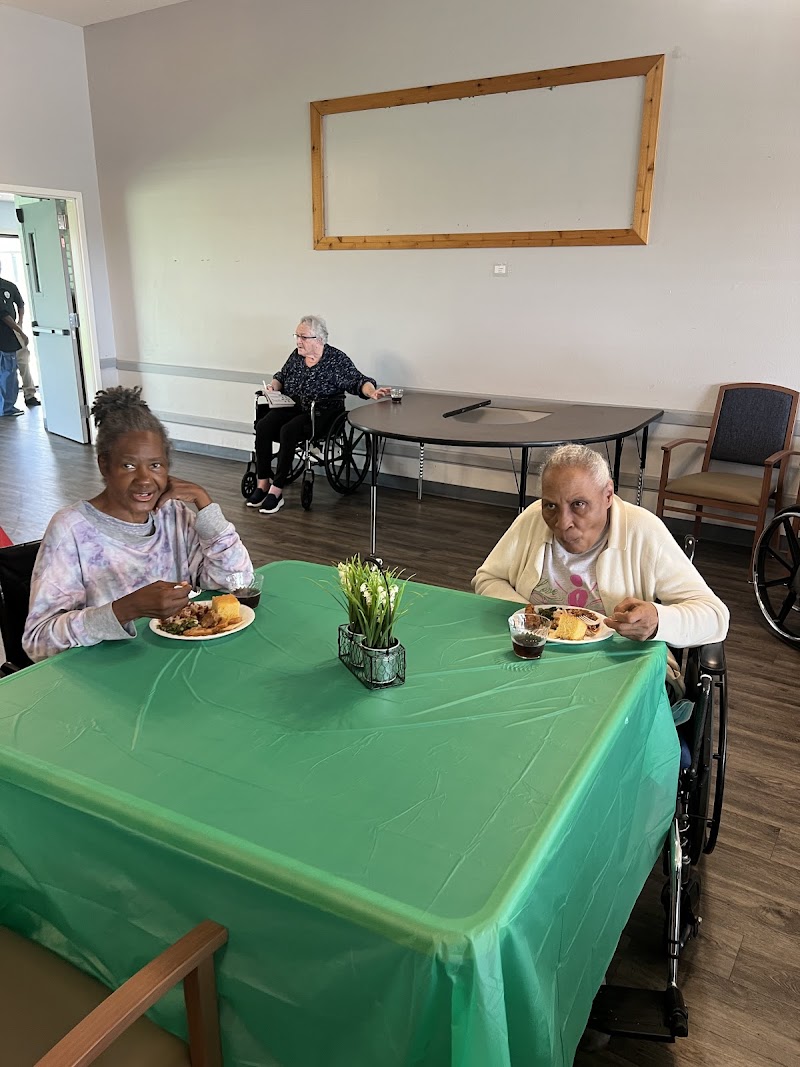
How is Maison Teche Nursing Center Staffed?

CMS rates MAISON TECHE NURSING CENTER's staffing level at 1 out of 5 stars, which is much below average compared to other nursing homes.

What Have Inspectors Found at Maison Teche Nursing Center?

State health inspectors documented 30 deficiencies at MAISON TECHE NURSING CENTER during 2022 to 2024. These included: 30 with potential for harm.
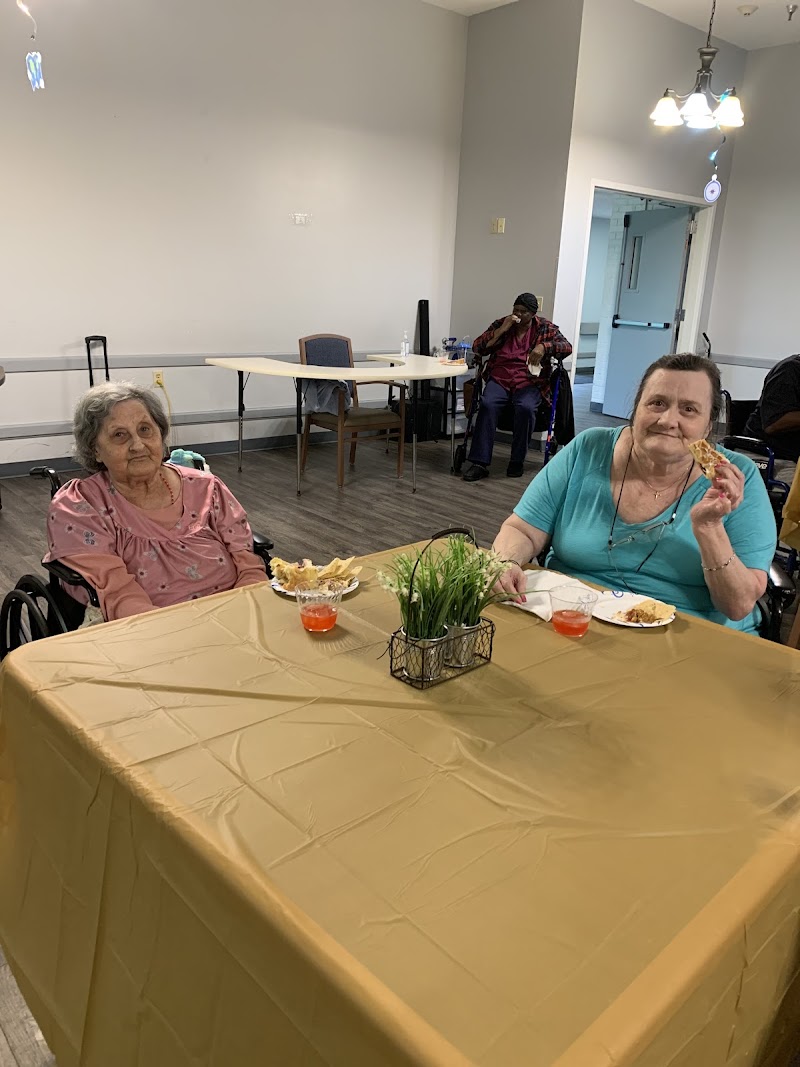
Who Owns and Operates Maison Teche Nursing Center?

MAISON TECHE NURSING CENTER is owned by a for-profit company. For-profit facilities operate as businesses with obligations to shareholders or private owners. The facility operates independently rather than as part of a larger chain. With 121 certified beds and approximately 89 residents (about 74% occupancy), it is a mid-sized facility located in JEANERETTE, Louisiana.
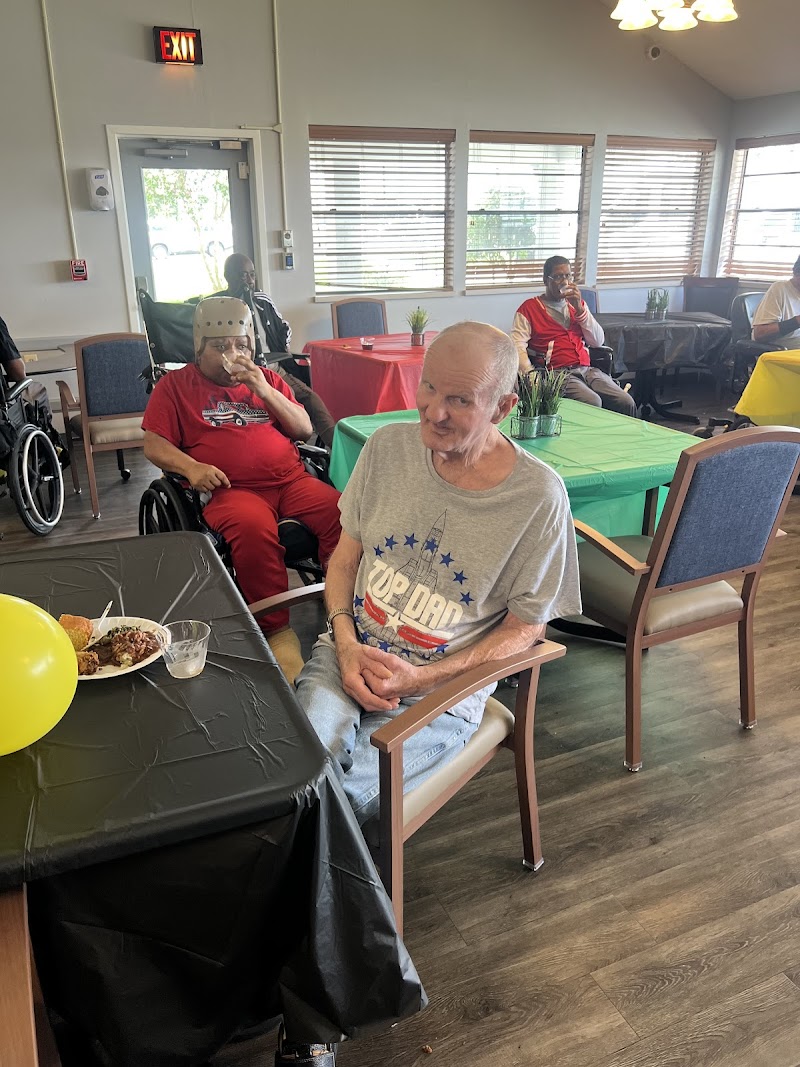
How Does Maison Teche Nursing Center Compare to Other Louisiana Nursing Homes?

Compared to the 100 nursing homes in Louisiana, MAISON TECHE NURSING CENTER's overall rating (1 stars) is below the state average of 2.4 and health inspection rating (3 stars) is at the national benchmark.

What Should Families Ask When Visiting Maison Teche Nursing Center?

Based on this facility's data, families visiting should ask: "Can you walk me through typical staffing levels on day, evening, and night shifts?" "Can I visit during a mealtime to observe dining assistance and food quality?" "How do you handle medical emergencies, and what is your hospital transfer rate?" "Can I speak with family members of current residents about their experience?" These questions are particularly relevant given the below-average staffing rating.

Is Maison Teche Nursing Center Safe?

Based on CMS inspection data, MAISON TECHE NURSING CENTER has a clean safety record: no substantiated abuse findings (meaning no confirmed cases of resident harm), no Immediate Jeopardy citations (the most serious violation level indicating risk of serious injury or death), and is not on the Special Focus Facility watch list (a federal program monitoring the lowest-performing 1% of nursing homes). The facility has a 1-star overall rating and ranks #100 of 100 nursing homes in Louisiana. While no facility is perfect, families should still ask about staff-to-resident ratios and recent inspection results during their visit.

Do Nurses at Maison Teche Nursing Center Stick Around?

MAISON TECHE NURSING CENTER has not reported staff turnover data to CMS. Staff turnover matters because consistent caregivers learn residents' individual needs, medications, and preferences. When staff frequently change, this institutional knowledge is lost. Families should ask the facility directly about their staff retention rates and average employee tenure.

Was Maison Teche Nursing Center Ever Fined?

MAISON TECHE NURSING CENTER has no federal fines on record. CMS issues fines when nursing homes fail to meet care standards or don't correct problems found during inspections. The absence of fines suggests the facility has either maintained compliance or corrected any issues before penalties were assessed. This is a positive indicator, though families should still review recent inspection reports for the full picture.

Is Maison Teche Nursing Center on Any Federal Watch List?

MAISON TECHE NURSING CENTER is not on any federal watch list. The most significant is the Special Focus Facility (SFF) program, which identifies the bottom 1% of nursing homes nationally based on persistent, serious quality problems. Not being on this list means the facility has avoided the pattern of deficiencies that triggers enhanced federal oversight. This is a positive indicator, though families should still review the facility's inspection history directly.