JEFF DAVIS LIVING CENTER, LLC


1338 NORTH CUTTING AVENUE, JENNINGS, LA 70546 (337) 824-3165
For profit - Limited Liability company 120 Beds Independent Data: November 2025
Trust Grade
70/100
#78 of 264 in LA
Last Inspection: April 2025

Within standard 12-15 month inspection cycle. Federal law requires annual inspections.

Overview

Jeff Davis Living Center in Jennings, Louisiana has a Trust Grade of B, indicating it is a good choice for families, meaning its performance is solid but not outstanding. It ranks #78 out of 264 facilities in the state, placing it in the top half, but it is last in the county at #4 of 4, indicating limited local competition. The facility's trend is stable, with 11 concerns noted consistently over the past two years, suggesting ongoing issues that need attention. Staffing is a weakness, with a rating of 1 out of 5 stars and a concerning lack of RN coverage compared to 94% of state facilities, which means fewer registered nurses are available to catch potential problems. However, the center has no fines, which is a positive sign, but specific incidents include failures in pain management that led to a resident suffering a shoulder dislocation and issues with food safety practices, underscoring the need for improvement in care standards.

Trust Score
B
70/100
In Louisiana
#78/264
Top 29%
Safety Record
Low Risk
No red flags
Inspections
Holding Steady
4 → 4 violations
Staff Stability
○ Average
40% turnover. Near Louisiana's 48% average. Typical for the industry.
Penalties
✓ Good
No fines on record. Clean compliance history, better than most Louisiana facilities.
Skilled Nurses
⚠ Watch
Each resident gets only 6 minutes of Registered Nurse (RN) attention daily — below average for Louisiana. Fewer RN minutes means fewer trained eyes watching for problems.
Violations
⚠ Watch
11 deficiencies on record. Higher than average. Multiple issues found across inspections.
★★★☆☆
3.0
Overall Rating
★☆☆☆☆
1.0
Staff Levels
★★☆☆☆
2.0
Care Quality
★★★★☆
4.0
Inspection Score
Stable
2024: 4 issues
2025: 4 issues

The Good

  • Full Sprinkler Coverage · Fire safety systems throughout facility
  • No fines on record
  • Staff turnover below average (40%)

    8 points below Louisiana average of 48%

Facility shows strength in fire safety.

The Bad

3-Star Overall Rating

Above Louisiana average (2.4)

Meets federal standards, typical of most facilities

Staff Turnover: 40%

Near Louisiana avg (46%)

Typical for the industry

The Ugly 11 deficiencies on record

Apr 2025 4 deficiencies
CONCERN (D)

Potential for Harm - no one hurt, but risky conditions existed

Assessment Accuracy (Tag F0641)

Could have caused harm · This affected 1 resident

Based on interview and record review, the facility failed to ensure that the Minimum Data Set (MDS) assessment accurately reflected the resident's status, for 1(#24) of 32 sampled residents Findings: ...

Read full inspector narrative →
Based on interview and record review, the facility failed to ensure that the Minimum Data Set (MDS) assessment accurately reflected the resident's status, for 1(#24) of 32 sampled residents Findings: A review of Resident #24's medical records revealed an admission date of 07/26/2017 with diagnoses which included but were not limited to Major Depressive Disorder and Bipolar Disorder. A review of Resident #24's Pre admission Screening and Assessment Resident Review (PASRR) revealed a Level II determination that read, The individual has a serious mental illness and is recommended nursing home admission. A review of Resident #24's annual MDS with an ARD (Assessment Reference Date) of 02/06/2025 revealed the following: Section A1500 -Is the resident currently considered by the state Level II PASRR process to have serious mental illness and/or intellectual disability or a related condition? The answer was coded 0 for no. On 04/29/2025 at 1:04 p.m., an interview and review of Resident #24's MDS was conducted with S2DON (Director of Nursing). She confirmed that the PASRR was incorrectly coded and did not reflect that the resident was considered by the state Level II PASRR process to have serious mental illness, and should have.
CONCERN (D)

Potential for Harm - no one hurt, but risky conditions existed

Comprehensive Care Plan (Tag F0656)

Could have caused harm · This affected 1 resident

**NOTE- TERMS IN BRACKETS HAVE BEEN EDITED TO PROTECT CONFIDENTIALITY** Based on observations and interviews and record review, the facility failed to ensure a resident's plan of care was implemented ...

Read full inspector narrative →
**NOTE- TERMS IN BRACKETS HAVE BEEN EDITED TO PROTECT CONFIDENTIALITY** Based on observations and interviews and record review, the facility failed to ensure a resident's plan of care was implemented for 1 (#41) out of 1 (#41) residents investigated for positioning out of a total sample of 32 residents. Findings: A review of Resident #41's Electronic Medical Record (EMR) revealed she was admitted to the facility on [DATE] with diagnoses that included in part, cerebral infarction, cerebrovascular disease, and hemiplegia and hemiparesis. A review of Resident #41's Care Plan revealed a care plan intervention initiated on 10/11/2022 that read, staff instructed to check on resident's body alignment when passing by room and or after care and turning and repositioning her. Further review of the resident's care plan dated 08/15/2022 read in part .provide pressure reduction/relief mattress on bed. Assist positioning for comfort. Monitor frequently, at least every two hours for pressure redistribution and assist with repositioning as indicated. Review of the air mattress manufactures manual read in part .Note- this product is only one element of care in the prevention and treatment of pressure ulcers by medical professionals and skilled caregivers to assist in the treatment and prevention of pressure ulcers. This product is not designed to and cannot replace good caregiving practices and treatment, including but not limited to: frequent positioning. On 04/28/2025 at 10:00 a.m., an observation was made of Resident #41 in her room. Resident was observed lying on her back. Subsequent observation of the resident at 12:35 p.m., revealed the resident was lying on her back. On 04/28/2025 at 12:36 p.m., an interview was conducted with S8CNA/T (Certified Nursing Assistant/Transportation) who stated that she had not repositioned the resident. She confirmed the resident should have been repositioned every two hours. On 04/28/2025 at 12:37 p.m., an interview was conducted with S7LPN (Licensed Practical Nurse) who stated that she had not repositioned the resident, and the resident did not need to be repositioned because she was on an air mattress. On 04/28/2025 at 4:03 p.m., an interview was conducted with S6CNASUP (Certified Nursing Assistant Supervisor) who stated Resident #41 should have been repositioned every two hours. On 04/29/2025 at 9:30 a.m., an interview was conducted with S5TX (Treatment Nurse) stated Resident #41 should have been turned and repositioned every two hours.
CONCERN (D)

Potential for Harm - no one hurt, but risky conditions existed

Infection Control (Tag F0880)

Could have caused harm · This affected 1 resident

Based on observations, record review and interviews, the facility failed to implement policies and procedures for Enhanced Barrier Precautions (EBP) for 1 (#11) of 2 (#11, #27) residents sampled for w...

Read full inspector narrative →
Based on observations, record review and interviews, the facility failed to implement policies and procedures for Enhanced Barrier Precautions (EBP) for 1 (#11) of 2 (#11, #27) residents sampled for wound care, with a total sample of 32 residents. Findings: Review of the facility's EBP policy revised on 03/2024 revealed the following, in part: EBP are used as in infection prevention and control intervention to reduce the transmission of multi-drug resistant organisms (MDROs) to residents. Review of the medical record for Resident #11 revealed an admission date of 12/22/2025 with diagnoses including peripheral vascular disease, and type 2 diabetes mellitus. Review of the March 2025 Physician's orders revealed an order dated 07/15/2024 which read in part enhanced barrier precautions. Further review revealed an order dated 03/26/2025, which read in part .venous stasis ulcer anterior right lateral lower leg: clean with normal saline, apply hydrofer blue dressing then cover. On 04/28/2025 at 10:20 a.m., an observation of wound care was conducted with S2DON (Director of Nursing) and S4TX (Treatment Nurse). Prior to S4TX beginning wound care, the resident was observed sitting in her recliner with her legs elevated. The resident had a brown colored covering over her chair that was visibly soiled. Further observation revealed the resident right lateral lower leg did not have a dressing, and the wound was exposed and resting on the brown colored soiled chair covering. A small amount of serosangenious fluid was observed on the wound. On 04/28/2025 at 10:30 a.m., an interview with S4TX confirmed she should have placed a protective barrier under the resident's right leg to prevent the open wound from touching the soiled chair covering. On 04/28/2025 at 10:30 a.m., S2DON confirmed that Resident #11 should have placed a protective barrier under her right leg, and the exposed wound should not have been touching the soiled chair covering.
CONCERN (F)

Potential for Harm - no one hurt, but risky conditions existed

Deficiency F0727 (Tag F0727)

Could have caused harm · This affected most or all residents

Based on record review and interview, the facility failed to ensure a Registered Nurse (RN) provided services for 8 consecutive hours a day, 7 days a week and ensure the DON (Director of Nursing) did ...

Read full inspector narrative →
Based on record review and interview, the facility failed to ensure a Registered Nurse (RN) provided services for 8 consecutive hours a day, 7 days a week and ensure the DON (Director of Nursing) did not serve as a charge nurse when the facility had an average daily census over 60 residents. Findings: Review of RN staffing timesheets from 10/01/2024-04/27/2025 revealed the RN did not work 8 consecutive hours the following dates: 11/10/2024 7.75 hours worked 11/23/2024 7.75 hours worked 12/31/2024 7.75 hours worked 01/03/2025 7.32 hours worked 01/28/2025 no RN hours worked 02/05/2025 6.75 hours worked 02/28/2025 7.92 hours worked 03/28/2025 7.88 hours worked 04/15/2025 5.75 hours worked On 04/28/2025 at 10:00 a.m., an interview was conducted with S2DON and S3RN. S2DON stated that on Saturday and Sunday the weekend RN is scheduled to work an 8 hour shift each day. S2DON stated that Monday through Friday, S3RN is scheduled to work an 8 hour shift each day. S2DON and S3RN reported that when S3RN is not present in the facility for her scheduled weekday 8 hour shift, S2DON serves as the RN. S3RN stated that she was off on 01/28/2025, and came to work late and did not work for the 8 hours on 02/05/2025 and 04/15/2025. S2DON stated she was present on those days and served as the RN, but is salaried and does not utilize the electronic clock in/out reporting system. On 04/28/2025 at 10:20 a.m., an interview, review of S3RN's time sheets, and review of the facility census was conducted with S4ACCT (Accounting). She confirmed on 01/28/2025 there was no RN hours worked by S3RN, and on 02/05/2025 and 04/15/2025 S3RN worked less than 8 hours. She stated on those dates S2DON was classified as working under the DON role. She confirmed the census on 01/28/2025 was 79, on 02/05/2025 was 79, and on 04/15/2025 was 74. S4ACCT stated it had been years since the facility census was below 60. On 04/28/2025 at 1:10 p.m., an interview and review of RN staffing time sheets from 10/01/2024-04/27/2025 was conducted with S4ACCT. She confirmed the RN hours did not meet the requirement of 8 consecutive hours on the above listed dates. On 04/28/2025 at 1:20 p.m., an interview was conducted with S2DON, with S1ADM (Administrator) present. S2DON acknowledged the provider did not meet the requirement when RN staff provided less than 8 consecutive hours worked. S2DON and S1ADM verbalized they were unaware that S2DON could not act dually as the RN and DON if the facility census was greater than 60. They acknowledged the facility census had been greater than 60 since October 2024 through April 2025.
Mar 2024 4 deficiencies
CONCERN (D)

Potential for Harm - no one hurt, but risky conditions existed

Comprehensive Assessments (Tag F0636)

Could have caused harm · This affected 1 resident

**NOTE- TERMS IN BRACKETS HAVE BEEN EDITED TO PROTECT CONFIDENTIALITY** Based on interviews and record review, the facility failed to ensure the residents' assessment accurately reflected the status o...

Read full inspector narrative →
**NOTE- TERMS IN BRACKETS HAVE BEEN EDITED TO PROTECT CONFIDENTIALITY** Based on interviews and record review, the facility failed to ensure the residents' assessment accurately reflected the status of 2 (# 53 and # 59) residents out of a total of 30 sampled residents by failing to ensure that: 1. Resident # 53 was coded correctly for anticoagulant use. 2. Resident # 59 was coded correctly for dialysis treatment. Findings 1. Review of Resident # 53's electronic health record revealed she was admitted to the facility on [DATE] with diagnoses that included, but were not limited to Anemia, Schizoaffective Disorder, Bipolar Disorder, Cardiac Pacemaker and Aphasia. Review of Resident # 53's Quarterly MDS (Minimum Data Set) assessment with an ARD (Assessment Reference Date) of 11/23/2023 revealed in Section N - High-Risk Drug Classes: Use and Indication Drug Class E. Anticoagulant (e.g., Warfarin, Heparin, or low-molecular weight Heparin) was checked for 1. Is taking. Review of Resident # 53's November 2023 physician's ordered revealed no orders for use of anticoagulants. On 03/11/2024 at 11:10 a.m., an interview was conducted with S11LPN (Licensed Practical Nurse). She verified that Resident # 53 was not on an anticoagulant. On 03/11/2024 at 11:41 a.m., an interview was conducted with S8MDS nurse and she confirmed the MDS assessment with an ARD of 11/23/2023 was coded to reflect Resident # 53 used the high risk medication of an anticoagulant. She reviewed the resident's electronic health record and confirmed the resident was on an antiplatelet and not anticoagulant. She confirmed Resident # 53 should not have been coded as using an anticoagulant in Section N of the quarterly MDS assessment dated [DATE]. 2. Review of Resident #59's medical record revealed he admitted to the facility on [DATE] with diagnosis of End stage renal disease with dependence on renal dialysis. Review of Resident #59's physician orders effective on 09/08/2023 revealed: Dialysis every Tuesday, Thursday, and Saturday. Review of Resident #59's Dialysis Communication Forms revealed he had received Dialysis on 1/23/24, 1/25/24, and 1/27/24. Review of Resident #59's Significant Change MDS, with an ARD date of 01/29/2024 revealed Section O0110. Special treatments, Procedures, and Programs .Dialysis .B. while a resident, and within the last 14 days .was not checked. On 03/12/2024 at 12:00 p.m., an interview was conducted with S8MDS. She confirmed Resident #59 had received Dialysis during the assessment reference dates for his Significant Change MDS on 01/29/2024. She stated it should have been checked on his MDS that he had received Dialysis, and had been coded incorrectly.
CONCERN (D)

Potential for Harm - no one hurt, but risky conditions existed

Pharmacy Services (Tag F0755)

Could have caused harm · This affected 1 resident

Based on observations and interviews, the facility failed to ensure routine medications were disposed of when expired. The deficiency had the potential to affect a census of 77 residents. Findings: ...

Read full inspector narrative →
Based on observations and interviews, the facility failed to ensure routine medications were disposed of when expired. The deficiency had the potential to affect a census of 77 residents. Findings: Review of the facility's policy on 03/12/2024, titled, Medication Labeling and Storage, with a policy revised date of February 2023, read in part: . 3. If the facility has discontinued, outdated or deteriorated medications or biologicals, the dispensing pharmacy is contacted for instructions regarding returning or destroying these items. On 03/12/2024 at 9:30 a.m., an observation of the facility's Hall A medication storage room was conducted with S9LPN (Licensed Practical Nurse). On 03/12/2024 at 9:58 a.m., an interview was conducted with S9LPN, who confirmed the following expired medications were present/identified in the residents' storage bins Phenergan 25mg (milligrams) suppository (6 suppositories) with an expiration date of 03/2023 Losartan K+ 50mg (30 tablets) with an expiration date of 01/31/2024 Amantadine 100mg (30 tablets) with an expiration date of 08/31/2022 Citalopram 20mg (30 tablets) with an expiration date of 02/28/2023 Trazadone 50mg (½ tablets) (30 1/2 tablets) with an expiration date of 12/31/2023 Famotidine 20mg (30 tablets) with an expiration date of 11/30/2023 Levothyroxine 100mcg (micrograms) (30 tablets) with an expiration date of 12/31/2023 Donepezil 10mg (30 tablets) with an expiration date of 01/31/2024 Meclizine 25mg (30 tablets) with an expiration date of 12/31/2023 Trazadone 50mg (1/2 tablets) (30 1/2 tablets) with an expiration date of 02/29/2024 Omeprazole 40mg (7 tablets) with an expiration date of 10/30/2023 Tamsulosin 0.4mg (30 capsules) with an expiration date of 01/31/2024 Glimepiride 2mg (29 tablets) with an expiration date of 05/31/2023 Amlodipine 10mg (8 tablets) with an expiration date of 01/31/2023 Lisinopril 10mg (30 tablets) with an expiration date of 04/30/2023 Meclizine 25mg (30 tablets) with an expiration date of 06/30/2023 Oxybutynin 5mg (9 tablets) with an expiration date of 03/31/2023 Lisinopril 20mg (14 tablets) expiration date of 12/31/2023 Preservision (30 capsules) with an expiration date of 12/31/2023 Preservision (5 capsules) with an expiration date of 07/31/2023 On 03/12/2024 at 10:10 a.m., a review of the facility's Hall B medication storage room with S10LPN, she observed the review of medications. S10LPN reported the medications are checked weekly for expired medications. S10LPN confirmed there were expired medication as listed below and should have discarded when they expired. Expired medications in residents' bins, identified in Hall B medication storage room: Influenza Vaccine vial (5milliliters (ml)) with an expiration date of 06/30/2023 Hydroxyzine 25mg (21 tablets) with an expiration date of 12/31/2022 Meclizine 25mg (30 tablets) with an expiration date of 12/31/2023 Bupropion 150mg (30 tablets) with an expiration date of 02/29/2024 Diltiazem 180mg (30 tablets) with an expiration date of 02/28/2023 Losartan K+(Potassium) 25mg (30 tablets) with an expiration date of 06/30/2023 Losartan K+ 25mg (30 tablets) with an expiration date of 05/31/2023 Tizanidine 2mg (30 tablets) with an expiration date of 11/30/2022 Amlodipine Besylate 5mg (30 tablets) with an expiration date of expired 05/31/2021 On 03/12/2024 at 10:15 a.m., an interview was conducted with S2DON (Director of Nursing), she reviewed the medication cards from the above list and confirmed a total of 663 pills, 5 ml's in a vial and 6 suppositories were expired and should have been discarded when the medications had expired.
CONCERN (D)

Potential for Harm - no one hurt, but risky conditions existed

Menu Adequacy (Tag F0803)

Could have caused harm · This affected 1 resident

Based on observation, interview, and record review, the facility failed to ensure menus met the nutritional needs of the residents and were followed as evidenced by kitchen staff failing to have knowl...

Read full inspector narrative →
Based on observation, interview, and record review, the facility failed to ensure menus met the nutritional needs of the residents and were followed as evidenced by kitchen staff failing to have knowledge of recipes to be followed when preparing pureed foods. This deficient practice had the potential to contribute to an unpleasant dining experience, decreased intake, altered nutritional needs and weight loss for the 3 residents who consumed pureed diets. Findings: On 03/12/2024 at 9:25 a.m., an observation was made of S6DC (Dietary Cook) preparing pureed lunch meals. S6DC prepared an unmeasured amount of ham by blending the pieces of ham into the blender and added an unmeasured amount of water. Next, S6DC was observed transferring an unmeasured amount of green bean casserole from the container to the blender and then added and unmeasured amount of water and blended all the ingredients. There were no recipe(s) present during the observed pureed lunch meal preparation by S6DC. On 03/12/2024 at 9:35 a.m., an interview was conducted with S6DC who confirmed she was one of the cooks at the facility and she often prepared puree meals. She stated there were 3 residents in the building that required pureed meals. She stated that she was never notified that she had to follow a recipe when preparing puree meals. She stated I just know how much food is needed for 3 puree residents. On 03/12/2024 at 9:40 a.m., an interview was conducted with S4DM. S4DM stated she had received recipes for puree diets and the recipes were currently kept are in a binder in her office. She confirmed that she and the dietary cooks had never followed recipes while preparing puree meals. She confirmed that they prepared puree meals for residents by eyeballing it. On 03/12/2024 at 9:45 a.m., a phone interview was conducted with S3RD (Registered Dietician). She stated that the menu for the therapeutic diets also came with a recipe. She confirmed that when the dietary cooks or dietary manager were preparing puree meals, a puree recipe should be followed to ensure the nutritional needs were met for the residents who consumed puree meals.
CONCERN (E)

Potential for Harm - no one hurt, but risky conditions existed

Food Safety (Tag F0812)

Could have caused harm · This affected multiple residents

Based on observations, review of policy and procedure and interviews, the facility failed to store, distribute, and serve food in accordance with professional standards for food service safety by fail...

Read full inspector narrative →
Based on observations, review of policy and procedure and interviews, the facility failed to store, distribute, and serve food in accordance with professional standards for food service safety by failing to follow appropriate food handling practices as evidenced by: 1. Failing to ensure staff present in the kitchen covered their facial hair. 2. Food storage: A. Refrigerated items: 1. A container of peaches not labeled with the date it had been prepared. 2. A bag of mozzarella cheese and cheddar cheese opened and not labeled with the date it had been opened or placed in a closed bag. 3. A container of ranch dressing with an expiration date of 11/2023. 4. A container of honey mustard with an expiration date of 09/2023. B. Dry Storage 1. One dented canned good in the dry storage room. C. Walk-in freezer: 1. One box of boneless chicken on the floor. 2. One box of hot dog buns on the floor. 3. No thermometer noted on the inside. 4. No record of daily temperatures. The total amount of residents that ate out of the kitchen was 74 residents. Findings: Review of the facility's policy, Food Storage, last reviewed on 01/18/2024, revealed in part, the following, Policy Statement: Food storage area shall be maintained in a clean, safe, and sanitary manner . Policy Interpretation and Implementation: . 3. All food stored in walk-in refrigerators and freezers will be stored on shelves, racks, dollies, or other surfaces that facilitate thorough cleaning . 5. Prepared food stored in the refrigerator until service shall be dated with an expiration date. Such food will tightly sealed with plastic wrap, foil, or a lid . 9. Note: There is an accurate thermometer in each refrigerator and freezer and in storerooms used for perishable foods. 10. The food service manager, or his/her designee, will check refrigerators and freezers daily for proper temperatures. The food services manager will maintained record of such information. Review of the facility's policy, Refrigerators and Freezers, last reviewed on 01/18/2024, revealed in part, the following, Policy Statement: This facility will ensure safe refrigerator and freezer maintenance, temperatures, and sanitation and will observe food expirations guidelines. Policy Interpretation and Implementation: . 2. Monthly tracking sheets for all refrigerators and freezers will be posted to record temperatures . 4. Food service supervisors or designated employees will check and record refrigerator and freezer temperatures daily . 8. Supervisors will be responsible for ensuring food items in pantry, refrigerators, and freezers are not expired . Review of the facility's policy, Food Services, last reviewed on 01/18/2024, revealed in part, the following, Hair Nets: 15. Hair nets or caps and/or beard restraints are worn when cooking, preparing, or assembling food to keep hair from contacting exposed food, clean equipment, utensils, and linens . On 03/10/2024 at 8:56 a.m., an initial tour of the facility's kitchen was conducted with S5DC (Dietary Cook). S7DA (Dietary Aide) was observed in the kitchen without facial hair covering in place. S5DC confirmed the above mentioned items were not labeled or dated and should have been, expired items should have been removed from the refrigerator and dented canned goods should not be stored in the dry storage room. On 03/10/2024 at 9:50 a.m., continued initial tour of the facility's kitchen with S4DM (Dietary Manager). An observation was made of S7DA preparing food for lunch without facial hair covering in place. An observation was made of the walk-in freezer with S4DM. S4DM confirmed that there was not a thermometer inside the walk-in freezer and there was no record of daily temperatures for the walk-in freezer. S4DM confirmed all kitchen staff must wear a separate covering for facial hair. S4DM also confirmed all foods stored in the freezer must be labeled and dated, expired items should have been removed from the refrigerator, boxes containing food in it should not be on the floor in the freezer, and dented canned good items should not be stored in the dry storage room.
Jul 2023 1 deficiency
CONCERN (E) 📢 Someone Reported This

A family member, employee, or ombudsman was alarmed enough to file a formal complaint

Potential for Harm - no one hurt, but risky conditions existed

Deficiency F0697 (Tag F0697)

Could have caused harm · This affected multiple residents

Based on interview and record review, the facility failed to ensure pain management is provided, consistent with professional standards of practice by failing to thoroughly assess, investigate, and ad...

Read full inspector narrative →
Based on interview and record review, the facility failed to ensure pain management is provided, consistent with professional standards of practice by failing to thoroughly assess, investigate, and adequately intervene when the resident reported increased pain to her left shoulder. The resident was later diagnosed with a left shoulder dislocation and humerus fracture for 1 (#2) of 5 (#1, #2, #3, #4, #5) sampled residents. Findings: Review of policy Pain Assessment and Management read in part, Purpose: the purpose of this procedure are to help the staff identify pain in the resident and to develop interventions that are consistent with the resident's goals and needs and that address the underlying cause of pain . Assessing Pain. 5. During the pain assessment gather the following information as indicated from the resident (or legal representative): c. Characteristics of pain: (1) Location of pain; (2) Intensity of pain (as measured on a standardized pain scale); (3) Characteristics of pain (e.g., aching burning, crushing, numbness, burning, etc.); (4) Pattern of pain (e.g., constant or intermittent); and (5) Frequency, timing and duration of pain; A review of Resident #2's record revealed an admission date of 03/22/2022. The resident's diagnoses included: Cerebral infarction, Epilepsy, Hemiplegia and Hemiparesis following Non-Traumatic Subarachnoid Hemorrhage Affecting Left Side. A review of Resident #2's annual MDS (Minimum Data Set) assessment, dated 3/1/2023, revealed the resident had a BIMS (Brief Interview for Mental Status) score of 10 (moderately impaired). Resident did not reject care, she had responded Yes to the question regarding having pain, and that she had occasional, moderate pain in the last 5 days. A review of Resident #2's care plan revealed she was at risk for pain to left arm, left shoulder, left leg, left side pain (stroke side). Interventions included administer pain medication per MD (Medical Doctor) orders, monitor and document for effectiveness on MAR (Medication Administration Record), encourage resident to report or point at area of onset of pain to handle gently when moving or repositions left arm, (Resident #2) will hold arm up to chest when assisting with turning and or transferring, support left shoulder with pillows as needed/ as requested by resident A review of physician orders revealed the following orders: 10/12/2022 Acetaminophen 325mg (milligrams) give two by mouth every 4 hours as needed mild pain. 03/22/2023 Oxycodone HCL (narcotic) 5mg by mouth twice a day as needed for pain. 05/02/2023 an x-ray to left shoulder for c/o (complaints of) pain. Review of incident report completed on 05/03/2023 revealed the following: It was noted that on 05/02/2023 Resident #2 complained to her primary MD that was making rounds that her left shoulder had been hurting her. She reported that she has been having pain in that shoulder since her stroke, but she has noted an increase in pain in the area. She reported that it's been about three weeks since the pain has increased. S6MD ordered an x-ray of the left shoulder for 05/03/2023. X-ray results received and it showed the following: 3 views of the left shoulder show a non-displaced but minimally impacted humeral (upper arm bone) neck fracture with associated inferior dislocation of the humerus compared to the glenoid fossa. Impression: non-displaced impacted humeral neck fracture with associated shoulder dislocation as above. S6MD was notified of the results and has ordered a consultation with orthopaedics. After reviewing her nurses notes it appears that on 04/09/2023 Resident #2 went out on pass with her family for Easter Sunday and upon her returning she requested Oxycodone for pain. Prior to this she was requesting Tylenol for pain. It is noted that oxycodone is effective in relieving that pain. Resident #2's spouse was made aware of the x-ray results and was questioned if she has complained of an increase in pain to him on 04/09/2023 or if anything may have had happened while she was out on pass for the day or while transferring her to and from the car. Resident #2's spouse reported that she had a good day and that she was transferred with no problem that he knows of; that she did complain of shoulder pain but that was not uncommon because that this her stroke side and has had pain in that arm and shoulder since .Then she (Resident #2) remembered that on the night of 04/08/2023, somehow during the night her arm fell to the side of the bed A review of nurse's notes revealed the following: 04/09/2023 7:11 a.m. OOP (out on pass) with family 04/09/2023 5:19 p.m. returned from OOP 04/09/2023 5:30 p.m. Oxycodone 5mg given returned from OOP and c/o (complaints of) pain 04/10/2023 5:36 a.m. headache and neck pain Oxycodone given 04/10/2023 5:02 p.m. Oxycodone given at 5pm for left arm pain stated that her stroke arm and when she was in therapy PT lifted under her arm to transfer, arm elevated on pillow 04/11/2023 4:01pm oxycodone 5mg given left shoulder/arm pain 04/11/2023 5:05pm oxycodone was providing some relief 04/11/2023 10:17p.m. Informed by CNA (certified nursing assistant) when entering residents room, resident had CPAP (continuous positive airway pressure) sitting on stomach. When CNA asked why CPAP was removed resident stated CPAP was blowing air on her arm and it was causing pain to L (left) shoulder. When I entered residents room, CPAP was lying on residents stomach. I went on to inform resident she needs to let me know if she does not want CPAP on and proper documentation is needed. Resident was also informed that the air that is blowing from the CPAP mask cannot be stopped. CPAP was placed back on residents head and resident was re position so air was not hitting shoulder. Residents husband was notified about incident and that resident was removing CPAP when staff is leaving the room. Residents husband stated he will talk to wife in am. 05/01/2023 oxycodone 5mg for generalized pain 05/02/2023 acetaminophen 325mg for generalized body pain 05/02/2023 MD made rounds today with new orders noted for an x-ray to left shoulder for c/o pain 05/03/2023 oxycodone given for left shoulder pain 05/03/2023 xray results are left shoulder shows a nondisplaced but minimally Impacted humeral neck fracture associated with inferior dislocation of the humerus compared to the glenoid fossa. Impression: nondisplaced impacted humeral neck fracture with associated shoulder dislocation. Physician notified. Further review of the nurse's notes revealed there was no complete assessment of the resident's pain to include: location of pain, intensity of pain, characteristics of pain, pattern of pain, and frequency, timing and duration of pain A review of physical therapy notes revealed the following: 04/10/2023- pain 8/10, location- LUE (left upper extremity) 04/12/2023- pain at rest 8/10- location- LUE. Patient stated her LUE was hurting her to much today and she would want to skip therapy. 04/15/2023 refused therapy pain 8/10: location: lower back and LUE A review of Resident #2's MARs (medication administration record) revealed the following: March 2023 - resident was not administered Oxycodone for the entire month. April 2023- resident was administered oxycodone on April 7th, 9th, 10th, 11th, 13th, 14th, and 18th May 2023- resident was administered Oxycodone on May 1st, 3rd, 6th, and 7th June 2023- resident was administered Oxycodone on June 24th July 2023- resident was administered Oxycodone on July 9th, 12th, and 19th Further review of the March through July 2023 MARs revealed no complete assessment to include: location of pain, intensity of pain, characteristics of pain, pattern of pain, and frequency, timing and duration of pain On 7/19/2023 at 12:53 p.m., Resident #2 was observed and interviewed in her room with family and spouse noted at her bedside. Resident #2's spouse stated resident was bedridden, and unsure how the fracture occurred. Resident #2 stated her left arm was paralyzed from the stroke and sometimes it just fell. Her spouse reported that on 4/9/2023 that resident was out of the facility with him and she had complained right away that her left shoulder was hurting. She was not able to make the day with her due to her pain and asked to be brought back to the facility. When he brought her back, he stated that he told S3LPN that her left shoulder was hurting and that she needed pain medication. Resident #2 stated she remembered the night of 4/8/2023 she woke up to her left arm being stuck between the bed railing and mattress, she stated she jerked her arm out and did not notify staff about the incident. On 7/19/2023 at 1:20 p.m., an interview was conducted with S5PTA. She stated she has worked with the resident since admit. When the resident first came in with the stroke, she usually complained of pain and described the pain as, not shoulder pain, but more of a numbness and tingling pain to the left arm. She stated on Easter, the resident went out to her family's home. When she returned, they asked her How did it go this weekend? and the resident stated she had to come back because of her left arm pain. Resident #2 was on physical therapy workload during dates: 2/17/23-5/8/23. On 7/19/2023 at 1:32 p.m., an interview was conducted with S3LPN. She stated she was familiar with the resident. Resident was capable of making her wants and needs known since her BIMS was 10. She stated the resident having pain to the left side was not an uncommon pain for her to experience. When the resident had complaints of left shoulder pain, the resident never stated it was bad enough to her needing pain medication. S3LPN reported that the resident never made it seem like it was a severe pain and would just ask for pain medications which is not uncommon for her to do. On 7/19/2023 at 3:42 p.m., an interview was conducted with S6MD. He stated Resident #2 and her spouse were complaining of shoulder pain. Her spouse was said that her shoulder was hurting and that is what warranted him to order an x-ray to see what the cause was. He stated he was unsure if she had any type of shoulder pain prior to this and does not recall a nurse calling him to notify him of any shoulder pain. On 7/20/2023 10:02 a.m. interview was conducted with S2DON. She stated she assisted in completing the investigation report for Resident #2. S2DON stated that the nurses should have identified the new pain onset and location sooner and notified the physician. She stated that the physician would have ordered an x-ray sooner. On 7/20/2023 at 11:07 a.m., an additional interview was conducted with S3LPN. She stated when a resident complained of pain she only asked them where they were hurting and the pain level. She continued to say that when resident retuned on Easter with the family, the resident's spouse came to the front and said she was hurting and needed a pain pill. S3LPN stated she did not ask the resident specifically where she was hurting. S3LPN reviewed the policy and stated she had not follow the pain policy for assessing pain prior to administering the resident's pain medication. On 7/20/2023 at 11:28 a.m., a telephone interview was conducted with S4LPN. She said the night of 4/11/2023 Resident #2 complained that the air from the CPAP machine was making her left shoulder hurt. She stated that she had found it unusual that she was complaining of left shoulder pain and informed S2DON the following morning on 4/12/2023. However, she did not give her any pain medications that night. She stated did not follow the policy by asking the resident the intensity, characteristics, and pattern of her pain. On 7/20/2023 at 11:52 a.m., an additional interview was conducted with Resident #2. The resident stated staff ask her everyday if she is in pain and where the pain is located. Staff do not ask her any other questions about the pain. She stated that she had been telling the nurses that she was having left shoulder pain. On 7/20/23 at 12:09 p.m., an interview was conducted with S2DON. S2DON confirmed nursing staff had not conducted a full and thorough pain assessment per the facility's policy and therefore did not identify the increase in severity and location of the resident's pain.
Feb 2023 2 deficiencies
CONCERN (D)

Potential for Harm - no one hurt, but risky conditions existed

Food Safety (Tag F0812)

Could have caused harm · This affected 1 resident

Based on observation and interview, the provider failed to ensure dinnerware sanitization was achieved when dishwasher temperatures failed to reach the minimally required temperature and chemical used...

Read full inspector narrative →
Based on observation and interview, the provider failed to ensure dinnerware sanitization was achieved when dishwasher temperatures failed to reach the minimally required temperature and chemical used to sanitize dishware during the process failed to be delivered into the system. This deficient practice had the potential to effect 71 residents that consumed meals and/or beverage prepared and served from the facility kitchen. Findings: On 02/05/2023 at 8:35 a.m. a tour of the facility's kitchen was conducted. During this time, S4DA (Dietary Aid) was asked to demonstrate use of the dishwasher, including confirmation of the sterilization process by litmus paper test. S4DA initiated three consecutive wash cycles, all of which failed to reach the minimally required temperature of 120 degrees Fahrenheit. Additionally, S4DA attempted three chemical sterilization tests using litmus paper; all failed to register any color change, indicating sterilization had not been achieved. S4DA examined the small, clear hose used to deliver liquid sterilizing agent into the system and discovered it was completely occluded. On 02/05/2023 at 9:12 a.m., during an interview with S5DM (Dietary Manager), she acknowledged the dishwashing machine must reach a minimal temperature of 120 degrees Fahrenheit and an adequate, measured amount of sterilizing agent must be delivered during the process in order to achieve a proper wash cycle and ensure clean and sterilized dishware. She confirmed that the sterilization process was measured by litmus paper test with a minimal reading of 50 ppm (parts per million).
CONCERN (E)

Potential for Harm - no one hurt, but risky conditions existed

Antibiotic Stewardship (Tag F0881)

Could have caused harm · This affected multiple residents

Based on interview and record review, the facility failed to implement an antibiotic stewardship program to ensure antibiotic use was being monitored and trending was being performed for residents rec...

Read full inspector narrative →
Based on interview and record review, the facility failed to implement an antibiotic stewardship program to ensure antibiotic use was being monitored and trending was being performed for residents receiving antibiotics. Findings: Review of the facility's Antibiotic Stewardship Program Policy revealed in part: Tracking: Process measures: Collect, review and report types of antibiotics ordered. Who ordered the antibiotic (attending, on call physician or nurse practitioner), Review and track whether appropriate tests such as cultures were obtained prior to prescribing antibiotics, are cultures (C&S) results communicated as soon as possible and changes in antibiotic therapy during course of treatment. Review of the Antibiotic Stewardship binder on 02/07/2023 revealed the tracking and trending of infections and antibiotic use for the months November 2022, December 2022 and January 2023, were incomplete. The logs revealed the following: 1. November 2022 Infection Control Log revealed 11 reported infections. 3 did not have a date the physician was notified, and 5 did not have a stop date of the antibiotic. 2. December 2022 Infection Control Log revealed 19 reported infections. None of the reported infections had an antibiotic start or stop date, and 6 did not have a completed culture. 3. January 2023 Infection control log revealed 18 reported infections. None of the reported infections had an antibiotic start or stop date, and 1 did not have a completed culture. On 02/07/2023 at 10:45 a.m., an interview was conducted with S3ICP, she reported S2RN was responsible for the Antibiotic Stewardship Program including monitoring, tracking, trending and reporting. On 02/06/2023 at 3:10 p.m., an interview was conducted with S2RN (Registered Nurse). She confirmed she was responsible for keeping the Infection Control Log current and complete monthly for residents on antibiotics. She also confirmed the Infection Control Log for November 2022, December 2022 and January 2023 were incomplete. On 2/07/2023 at 1:30 p.m., an interview was conducted with S1DON (Director of Nursing). She reported the Antibiotic Stewardship Program was conducted by S2RN. She stated the procedure was for S2RN to receive a copy of physicians' orders daily for tracking and trending the use of antibiotics. S2RN was also responsible for completing the Infection Control Log daily with resident name, date doctor notified, date treatment began, date resolved, site of infection, infection related diagnosis, cultured, organism and antibiotic. She confirmed the Infection Control Log was incomplete for November 2022, December 2022 and January 2023.
Understanding Severity Codes (click to expand)
Life-Threatening (Immediate Jeopardy)
J - Isolated K - Pattern L - Widespread
Actual Harm
G - Isolated H - Pattern I - Widespread
Potential for Harm
D - Isolated E - Pattern F - Widespread
No Harm (Minor)
A - Isolated B - Pattern C - Widespread

Questions to Ask on Your Visit

  • "Can I speak with families of current residents?"
  • "What's your RN coverage like on weekends and overnight?"

Our Honest Assessment

Strengths
  • • No major safety red flags. No abuse findings, life-threatening violations, or SFF status.
  • • No fines on record. Clean compliance history, better than most Louisiana facilities.
  • • 40% turnover. Below Louisiana's 48% average. Good staff retention means consistent care.
Concerns
  • • 11 deficiencies on record. Higher than average. Multiple issues found across inspections.
Bottom line: Mixed indicators with Trust Score of 70/100. Visit in person and ask pointed questions.

About This Facility

What is Jeff Davis Living Center, Llc's CMS Rating?

CMS assigns JEFF DAVIS LIVING CENTER, LLC an overall rating of 3 out of 5 stars, which is considered average nationally. Within Louisiana, this rating places the facility higher than 99% of the state's 100 nursing homes. This mid-range rating indicates the facility meets federal standards but may have areas for improvement.

How is Jeff Davis Living Center, Llc Staffed?

CMS rates JEFF DAVIS LIVING CENTER, LLC's staffing level at 1 out of 5 stars, which is much below average compared to other nursing homes. Staff turnover is 40%, compared to the Louisiana average of 46%. This relatively stable workforce can support continuity of care.

What Have Inspectors Found at Jeff Davis Living Center, Llc?

State health inspectors documented 11 deficiencies at JEFF DAVIS LIVING CENTER, LLC during 2023 to 2025. These included: 11 with potential for harm.

Who Owns and Operates Jeff Davis Living Center, Llc?

JEFF DAVIS LIVING CENTER, LLC is owned by a for-profit company. For-profit facilities operate as businesses with obligations to shareholders or private owners. The facility operates independently rather than as part of a larger chain. With 120 certified beds and approximately 74 residents (about 62% occupancy), it is a mid-sized facility located in JENNINGS, Louisiana.
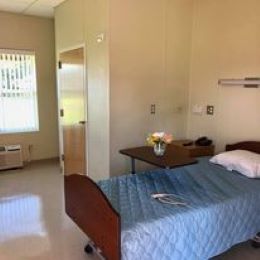
How Does Jeff Davis Living Center, Llc Compare to Other Louisiana Nursing Homes?

Compared to the 100 nursing homes in Louisiana, JEFF DAVIS LIVING CENTER, LLC's overall rating (3 stars) is above the state average of 2.4, staff turnover (40%) is near the state average of 46%, and health inspection rating (4 stars) is above the national benchmark.

What Should Families Ask When Visiting Jeff Davis Living Center, Llc?

Based on this facility's data, families visiting should ask: "Can you walk me through typical staffing levels on day, evening, and night shifts?" "Can I visit during a mealtime to observe dining assistance and food quality?" "How do you handle medical emergencies, and what is your hospital transfer rate?" "Can I speak with family members of current residents about their experience?" These questions are particularly relevant given the below-average staffing rating.

Is Jeff Davis Living Center, Llc Safe?

Based on CMS inspection data, JEFF DAVIS LIVING CENTER, LLC has a clean safety record: no substantiated abuse findings (meaning no confirmed cases of resident harm), no Immediate Jeopardy citations (the most serious violation level indicating risk of serious injury or death), and is not on the Special Focus Facility watch list (a federal program monitoring the lowest-performing 1% of nursing homes). The facility has a 3-star overall rating and ranks #1 of 100 nursing homes in Louisiana. While no facility is perfect, families should still ask about staff-to-resident ratios and recent inspection results during their visit.

Do Nurses at Jeff Davis Living Center, Llc Stick Around?

JEFF DAVIS LIVING CENTER, LLC has a staff turnover rate of 40%, which is about average for Louisiana nursing homes (state average: 46%). Moderate turnover is common in nursing homes, but families should still ask about staff tenure and how the facility maintains care continuity when employees leave.

Was Jeff Davis Living Center, Llc Ever Fined?

JEFF DAVIS LIVING CENTER, LLC has no federal fines on record. CMS issues fines when nursing homes fail to meet care standards or don't correct problems found during inspections. The absence of fines suggests the facility has either maintained compliance or corrected any issues before penalties were assessed. This is a positive indicator, though families should still review recent inspection reports for the full picture.

Is Jeff Davis Living Center, Llc on Any Federal Watch List?

JEFF DAVIS LIVING CENTER, LLC is not on any federal watch list. The most significant is the Special Focus Facility (SFF) program, which identifies the bottom 1% of nursing homes nationally based on persistent, serious quality problems. Not being on this list means the facility has avoided the pattern of deficiencies that triggers enhanced federal oversight. This is a positive indicator, though families should still review the facility's inspection history directly.