LAKE CHARLES CARE CENTER
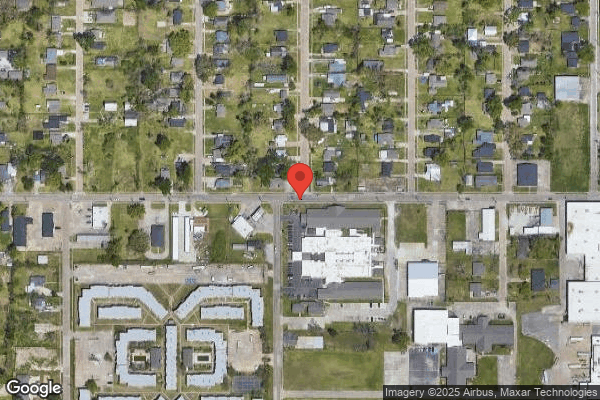

2701 ERNEST STREET, LAKE CHARLES, LA 70601 (337) 439-0336
For profit - Limited Liability company 182 Beds Independent Data: November 2025
Trust Grade
60/100
#81 of 264 in LA
Last Inspection: May 2025

Inspected within the last 6 months. Data reflects current conditions.

Overview

Lake Charles Care Center has a Trust Grade of C+, which means it is slightly above average but not particularly outstanding. It ranks #81 out of 264 facilities in Louisiana, placing it in the top half, and #3 out of 10 in Calcasieu County, indicating there are only two options better in the area. Unfortunately, the facility is worsening, as the number of issues increased from 4 in 2024 to 5 in 2025. Staffing is average with a rating of 3 out of 5 stars and a turnover rate of 56%, which is higher than the state average. While the center has no fines on record, which is positive, it struggles with RN coverage, providing less than 99% of facilities in Louisiana. Recent inspection findings highlight some concerning practices, such as failure to follow proper recipes for preparing pureed foods, which could negatively affect residents' nutrition, and issues with food safety standards, including not labeling food items and maintaining cleanliness in the kitchen. Overall, while there are some strengths like the absence of fines, the facility has significant areas for improvement that families should consider.

Trust Score
C+
60/100
In Louisiana
#81/264
Top 30%
Safety Record
Low Risk
No red flags
Inspections
Getting Worse
4 → 5 violations
Staff Stability
⚠ Watch
56% turnover. Above average. Higher turnover means staff may not know residents' routines.
Penalties
✓ Good
No fines on record. Clean compliance history, better than most Louisiana facilities.
Skilled Nurses
⚠ Watch
Each resident gets only 5 minutes of Registered Nurse (RN) attention daily — below average for Louisiana. Fewer RN minutes means fewer trained eyes watching for problems.
Violations
⚠ Watch
13 deficiencies on record. Higher than average. Multiple issues found across inspections.
★★★☆☆
3.0
Overall Rating
★★★☆☆
3.0
Staff Levels
★☆☆☆☆
1.0
Care Quality
★★★★☆
4.0
Inspection Score
Stable
2024: 4 issues
2025: 5 issues

The Good

  • Full Sprinkler Coverage · Fire safety systems throughout facility
  • No fines on record

Facility shows strength in fire safety.

The Bad

3-Star Overall Rating

Above Louisiana average (2.4)

Meets federal standards, typical of most facilities

Staff Turnover: 56%

Near Louisiana avg (46%)

Frequent staff changes - ask about care continuity

Staff turnover is elevated (56%)

8 points above Louisiana average of 48%

The Ugly 13 deficiencies on record

May 2025 5 deficiencies
CONCERN (D)

Potential for Harm - no one hurt, but risky conditions existed

Comprehensive Care Plan (Tag F0656)

Could have caused harm · This affected 1 resident

**NOTE- TERMS IN BRACKETS HAVE BEEN EDITED TO PROTECT CONFIDENTIALITY** Based on observation, record review and interviews, the facility failed to implement the comprehensive person-centered care plan...

Read full inspector narrative →
**NOTE- TERMS IN BRACKETS HAVE BEEN EDITED TO PROTECT CONFIDENTIALITY** Based on observation, record review and interviews, the facility failed to implement the comprehensive person-centered care plan for 1 (#90) of 42 sampled residents as evidenced by staff failing to ensure Resident #90's bed was in the lowest position. The facility had a census of 123 residents. Findings: Review of Resident #90's electronic medical record revealed she was admitted to the facility on [DATE] with diagnoses that included, but were not limited to, Bipolar Disorder, Unspecified, Schizoaffective Disorder (Bipolar Type), Schizoaffective Disorder (Depressive Type) and Anxiety Disorder. Review of Resident #90's Significant Change MDS (Minimum Data Set) with an ARD (Assessment Reference Date) of 03/27/2025 revealed she had a BIMS (Brief Interview for Mental Status) of 04, indicating she was severely, cognitively impaired. Review of Resident #90's Care Plan Report included a Focus of Potential for falls related to history of falls, decreased mobility, medication effects and confusion. This focus included an intervention dated 02/06/2025 that read in part, ensure bed in lowest position at all times. On 05/14/2025 at 08:35 a.m., Resident #90 was observed in her room lying in bed. Her bed was not in the lowest position. At this time, an interview and observation was conducted with S13CNA (Certified Nursing Assistant). S13CNA stated she had just fed Resident #90 and had put her bed up and had not lowered it to the lowest position. She confirmed that Resident #90's bed was not in the lowest position and should have been. On 05/14/2025 at 08:40 a.m., an interview was conducted with S12LPN (Licensed Practical Nurse). She stated that Resident #90's bed should be in the lowest position at all times due to multiple falls.
CONCERN (D)

Potential for Harm - no one hurt, but risky conditions existed

Respiratory Care (Tag F0695)

Could have caused harm · This affected 1 resident

**NOTE- TERMS IN BRACKETS HAVE BEEN EDITED TO PROTECT CONFIDENTIALITY** Based on observation, interviews, and record reviews, the facility failed to ensure residents who need respiratory care were pro...

Read full inspector narrative →
**NOTE- TERMS IN BRACKETS HAVE BEEN EDITED TO PROTECT CONFIDENTIALITY** Based on observation, interviews, and record reviews, the facility failed to ensure residents who need respiratory care were provided care consistent with professional standards for 1 (#272) of 1 resident investigated for respiratory care out of a total of 42 sampled residents, by failing to ensure that the resident's oxygen humidifier or tubing was labeled with a date. Findings: A review of the facility's policy titled Oxygen Administration with a review date of March 2025, read in part: Purpose. The purpose of this procedure is to guide prevention of infection associated with respiratory therapy tasks and equipment among residents and staff. General Guidelines: 1. Pre-filled water reservoir packs used in respiratory therapy must be dated when opened and discarded every 7 days, or when the water level becomes low. Resident #272 was admitted to the facility on [DATE] with diagnoses including: senile generation of brain, cerebral infarction and congestive heart failure. A review of the physician's orders revealed an order written on 05/05/2025 for O2 (oxygen) per (delivered by) NC (nasal cannula) at 2 l/min (liters per minute) continuous. On 05/12/2025 at 9:30 a.m., Resident #272 was observed receiving oxygen per NC at 2 liters. An observation of the oxygen tubing revealed the tubing and humidifier were not labeled with a date. On 05/12/2025 at 12:30 p.m., a second observation of Resident #272's oxygen tubing revealed the tubing still did not contain a date of initiation. On 05/12/2025 at 12:52 p.m., an observation and interview was conducted with S1LPN (Licensed Practical Nurse), of Resident #272 oxygen set-up. S1LPN confirmed the oxygen tubing and humidifier container were not labeled with the date and should have been.
CONCERN (E)

Potential for Harm - no one hurt, but risky conditions existed

Menu Adequacy (Tag F0803)

Could have caused harm · This affected multiple residents

Based on observation, interview, and recipe review, the facility failed to follow the recipe in order to meet the nutritional needs of the residents as evidenced by kitchen staff failing to use the ap...

Read full inspector narrative →
Based on observation, interview, and recipe review, the facility failed to follow the recipe in order to meet the nutritional needs of the residents as evidenced by kitchen staff failing to use the appropriate recipe to prepare pureed food items. This deficient practice had the potential to contribute to decreased intake, altered nutritional needs, and weight loss for the 14 residents who consumed pureed diets. Findings: A review of the facility's policy Preparation of Puree Food, with a last review date of 03/13/2025, revealed in part: Policy Statement: To ensure all residents requiring a puree texture diet receive meals that are safe, nutritious, palatable, and meet individual dietary needs. Preparation: 2. Use standardized recipes to ensure nutritional adequacy. Review of the recipe Rice Pureed Instant Mix revealed in part, 2 ½ (half) cups of rice mix and 2 quarts of boiled water were required for 15 servings. Review of the recipe for Pureed Beans [NAME] Northern Dry Ham Buffet, revealed in part, 5 lbs (pounds) and 10 oz (ounces) of Beans [NAME] Northern Dry Ham Buffet and 1 cup of milk or appropriate liquid were required for 15 servings. The number of portions served should equal the same number of portions pureed. Review of the recipe for Parslied Carrots, revealed in part, 1 ¾ quarts of carrot sliced parslied and 1 cup of milk or appropriate liquid were required for 15 servings. The number of portions served should equal the same number of portions pureed. On 05/12/2025 at 10:30 a.m., an observation of S2DC (Dietary Cook) preparing pureed foods was conducted. S2DC prepared instant pureed rice without using a measuring container for the rice mixture or boiled water. S2DC prepared pureed Beans [NAME] Northern Dry Ham Buffet, ham and beans separately, without use of a measuring container for the ham. S2DC prepared pureed Parslied Carrots, using 2 (4 cup) containers of carrots. On 05/12/2025 at 12:20 p.m., an interview and review of pureed recipes was conducted with S2DC (Dietary Cook). S2DC stated that she was unsure how to use the pureed menus including measuring the quantities indicated. She confirmed that she should have measured the ingredients for the pureed rice and did not use the recipe to measure the required amount of Parslied Carrots. She stated that she eyeballed it when determining quantities. She also confirmed that she should have pureed the beans and ham together with the indicated measurements per the recipe for pureed Beans [NAME] Northern Dry Ham Buffet. On 05/12/2025 at 12:30 p.m., and interview was conducted with S3DM (Dietary Manager). S3DM confirmed that the pureed recipes should be followed including required measurements when preparing pureed food items. On 05/12/2025 at 2:00 p.m., a phone interview was conducted with S4RD (Registered Dietician). S4DM confirmed that pureed recipes should be utilized to prepare pureed food items.
CONCERN (E)

Potential for Harm - no one hurt, but risky conditions existed

Food Safety (Tag F0812)

Could have caused harm · This affected multiple residents

Based on observations, policy review, and interviews, the facility failed to maintain professional standards for food service safety by failing to: 1. Label and date food items in the kitchen refrige...

Read full inspector narrative →
Based on observations, policy review, and interviews, the facility failed to maintain professional standards for food service safety by failing to: 1. Label and date food items in the kitchen refrigerator and freezer, 2. Keep a food item in a proper storage container after opening, 3. Maintain cleanliness of floor, walls, and equipment in the kitchen, 4. Remove dented cans from the dry storage area, 5. Wear proper hair restraints in the kitchen, and 6. Label and date food items in the unit refrigerators. The facility's census was 123. Findings: A review of the facility's policy titled Preventing Foodborne Illness-Employee Hygiene and Sanitary Practices with a last review date of 03/13/2025, read in part, Policy Statement: Food Service employees shall follow appropriate hygiene and sanitary procedures to prevent the spread of foodborne illness. Policy Interpretation and Implementation .12. Hair nets or caps and/or beard restraints must be worn to keep hair from contacting exposed food, clean equipment, utensils and linens. A review of the facility's policy titled Food Receiving and Storage with a last review date of 03/13/2025, read in part, Policy Statement: Food shall be received and stored in a manner that complies with safe food handling practices. Refrigerated/Frozen Storage 1. All foods stored in the refrigerator or freezer are covered, labeled and dated, 7. Refrigerated foods are labeled and dated so they are used prior to expiration, frozen, or discarded. Foods and Snack Kept on Nursing Units 2. All foods belonging to residents are labeled with the resident's name, and dated. A review of the facility's policy titled Foods Brought by Family/Visitors with a last review date of 03/13/2025, read in part, Policy Statement: Food brought to the facility by visitors and family is permitted. Facility staff will strive to balance resident choice and a homelike environment with the nutritional and safety needs of residents. Policy Interpretation and Implemenation.1. Family members and visitors are asked to inform nursing staff when foods are brought for a resident. 5. Food brought by family/visitors that is left with the resident to consume later is labeled and stored in a manner that is clearly distinguishable from facility-prepared food. b. Perishable foods are stored in re-sealable containers with tightly fitting lids in a refrigerator. Containers are labeled with the resident's name, the item and the use by date. On 05/12/2025 at 8:20 a.m., an initial tour of the kitchen was made with S3DM (Dietary Manager). The following were identified: 1. Dry storage- 1 can of diced pears and 1 can of lemon pudding, both dented on the rim. 2. Walk in cooler- 1 bag of sliced pepperoni, open, and not dated or placed in a sealed container. 3. Walk in freezer- a. Dirt and debris noted on the floors under shelving. b. Bag of sealed hot dog weaners not dated. 4. Stand up cooler- 8 bowls of reported pureed bread not labeled or dated. 5. Oil and food debris noted on the sides of the fryer as well as the side of the adjacent oven and wall. S3DM confirmed all findings. On 05/12/2025 at 11:05 a.m., an observation and interview was conducted with S3DM of S5DA (Dietary Aid) and S6DC (Dietary Cook). S5DA was observed with facial hair on his chin not covered with a facial hair restraint. S6DC was observed with his side burns out of his facial hair restraint. S3DM confirmed that both S5DA and S6DC's facial hair should have been covered with a facial hair restraint. On 05/12/2025 at 2:10 p.m., an observation of the Unit A Refrigerator and the Unit B Refrigerator, and an interview was conducted with S7ADON (Assistant Director of Nursing.) The following were identified. 1. Unit A Refrigerator a. 3 breakfast sausage biscuits, not dated b. 1 plastic container of corn, not dated c. 1 cake square, not dated 2. Unit B Refrigerator a. 1 container of macaroni and cheese, not labeled or dated b. Sliced cheese, not labeled or dated c. Container of baked chicken, not labeled or dated d. 1 Rotisserie chicken, not labeled or dated e. 2 mangos, not labeled or dated f. 1 bag of grapes, not labeled or dated g. Sliced watermelon, not labeled or dated S7ADON confirmed all findings. On 05/13/2025 at 3:34 p.m., an interview was conducted with S8DON (Director of Nursing) and S7ADON. S8DON confirmed that all food items in the Unit A and Unit B refrigerators should have been labeled and dated per facility policy.
CONCERN (E)

Potential for Harm - no one hurt, but risky conditions existed

Safe Environment (Tag F0921)

Could have caused harm · This affected multiple residents

Based on observations and interviews, the facility failed to provide a sanitary and comfortable environment for the residents. This had the potential to affect the 123 Resident that reside in the faci...

Read full inspector narrative →
Based on observations and interviews, the facility failed to provide a sanitary and comfortable environment for the residents. This had the potential to affect the 123 Resident that reside in the facility. Findings: On 05/12/2025 at 1:22 p.m., an observation in Resident #113's room revealed her Pacemakers Communication Device was laying on the floor by the headboard and was covered by dust. Under the resident #113 and her roommate's bed and along the wall, near the two beds' headboard, was a white substance, dust and particles. On 05/13/2025 at 3:51 p.m., an observation with S9LPN (Licensed Practical Nurse) in Resident #113's room confirmed her Pacemakers Communication Device was covered by dust and the floor under her and her roommate's bed and along the wall was covered with a white substance, dusty and particles On 05/14/2025 at 9:33 a.m., an observation of Rooms A, B, C, D and E with S10CN (Charge Nurse) confirmed under along the wall by the head boards and under the beds were covered with dust and particles. On 05/14/2025 at 9:44 a.m., an observation in rooms #A, B, C, D and E with S11HKS (House Keeping Supervisor) confirmed that in these rooms the house keeper did not clean along the wall near the headboards and under the beds. She stated the house keepers are to move the beds from the wall and clean under them daily. At 10:00 a.m., an observation with S11HKS, she also confirmed that in Resident #75's room his fan was covered with lint. She stated it was the house keeper's job to clean the resident's fan of lint.
May 2024 4 deficiencies
CONCERN (D)

Potential for Harm - no one hurt, but risky conditions existed

Assessment Accuracy (Tag F0641)

Could have caused harm · This affected 1 resident

Based on record review and interview, the facility failed to accurately code the resident's Minimum Data Set (MDS) assessment for use of antibiotics for 1 (#11) of 63 sampled residents whose records w...

Read full inspector narrative →
Based on record review and interview, the facility failed to accurately code the resident's Minimum Data Set (MDS) assessment for use of antibiotics for 1 (#11) of 63 sampled residents whose records were reviewed. The deficient practice had the potential to affect a facility census of 127 residents. Findings: A review of Resident #11's EMR (Electronic Medical Record) revealed an admission date of 04/13/2021 with diagnoses that included Encephalopathy and Urinary Tract Infection. A review of resident #11's MAR (Medication Administration Record) for April 2024 revealed she received Xifaxan (an antibiotic) from 04/12/2024 through 04/30/2024. Further review of resident #11's medical record revealed a Discharge MDS with an ARD (Assessment Reference Date) of 04/24/2024, read in part .Section N. Medications .High Risk Drug Classes Use and Indication .antibiotics was not indicated. On 05/07/24 at 1:30 p.m., an interview was conducted with S2MDS (Minimal Data Set). S2MDS confirmed Resident #11 received an antibiotic during the timeframe of 04/12/2024 through 04/30/2024. She reviewed the referenced MDS, confirmed the antibiotics were not indicated and should have been.
CONCERN (D)

Potential for Harm - no one hurt, but risky conditions existed

Tube Feeding (Tag F0693)

Could have caused harm · This affected 1 resident

Based on observation, interviews, and record review the facility failed to ensure that a resident's enteral feeding was properly labeled for 1 (#71) out of 1 (#71) resident investigated for tube feedi...

Read full inspector narrative →
Based on observation, interviews, and record review the facility failed to ensure that a resident's enteral feeding was properly labeled for 1 (#71) out of 1 (#71) resident investigated for tube feeding. This deficient practice had the potential to affect the 4 residents in the facility who received tube feedings. Findings: On 05/08/2024, a review of the facility's policy titled Enteral Feedings-Safety Precautions, with a reviewed date of 01/25/2024, read in part .Preventing errors in administration 2. On the formula label document initials, date and time the formula was hung. A review of Resident #71's clinical record revealed an admission date of 10/29/2021 with diagnoses that included Dysphagia Following Cerebral Infarction and Encounter for Attention to Gastrostomy. A review of Resident #71's current Physician's Orders revealed a diet order for Enteral feed of Isosource (formula) 1.5 at 57 ml /hr. (milliliters per hour) continuously. On 05/06/2024 at 11:23 a.m., an observation of Resident #71's enteral feeding delivery system revealed a disposable enteral feeding bag containing a light brown liquid infusing at 57 ml/hr. The disposable bag contained no label with the contents of the bag, the date and time, the contents were placed in the bag, nor the initials of who initiated the feeding. On 05/06/2024 at 11:23 a.m., during an interview and observation of Resident #71's enteral feeding delivery system with S3LPN (Licensed Practical Nurse), she confirmed the disposable bag did not have a label indicating the contents of the bag. She stated the bag should have a label with the date, time, contents of the bag, and initials of the nurse that completed the task. She reported the enteral feedings for Resident #71 were changed on the night shift. On 05/07/2024 at 1:55 p.m., an interview was conducted with S8DON (Director of Nursing). She confirmed disposable enteral feeding bags should be dated, timed, initialed, and labeled with the contents of the bag when the bag was prepared for the resident.
CONCERN (D)

Potential for Harm - no one hurt, but risky conditions existed

Deficiency F0838 (Tag F0838)

Could have caused harm · This affected 1 resident

**NOTE- TERMS IN BRACKETS HAVE BEEN EDITED TO PROTECT CONFIDENTIALITY** Based on record review and interview, the facility failed to ensure the facility-wide assessment included a detailed review of f...

Read full inspector narrative →
**NOTE- TERMS IN BRACKETS HAVE BEEN EDITED TO PROTECT CONFIDENTIALITY** Based on record review and interview, the facility failed to ensure the facility-wide assessment included a detailed review of facility Cuban population's ethnic, cultural, and/or preferred language factors that may potentially affect the care provided by the facility. This deficient practice affected 1 resident (#61) with a potential to affect a census of 127 residents currently residing in the facility. Findings: On 05/08/2024, a review of the facility's policy, Facility Assessment, with a revision date of 01/25/2024 revealed in part, the following: Policy Statement: A facility assessment is conducted annually to determine and update our capacity to meet the needs of and competently care for our resident during day-to-day operations . Policy Interpretation and Implementation: . 3. The facility assessment includes a detailed review of the resident population. This part of the assessment includes: d. Religious, ethnic or cultural factors that affect the delivery of care and services, such as: . (4) Language translation requirements. Review of the Facility assessment dated [DATE] with an assessment date of 01/18/2024 failed to identify any resident population of Cuban descent, Spanish as a preferred language nor the use of an interpreter. Review of Resident #61's record revealed he was admitted to the facility on [DATE] with diagnoses that included Coronary Artery Disease, Hypertension, and Diabetes Mellitus. Review of Resident #61's MDS (Minimal Data Set) dated 03/27/2024, Section N revealed ethnicity of Cuban and the preferred language of Spanish. On 05/08/2024 at 10:00 a.m., a review of the facility's assessment was conducted with S1ADM (Administrator). He confirmed that Resident #61 was Cuban and his preferred language was Spanish. He also confirmed that the facility's assessment failed to include any ethnic, cultural factors, or language perforation that affected the delivery of his care.
CONCERN (F)

Potential for Harm - no one hurt, but risky conditions existed

Menu Adequacy (Tag F0803)

Could have caused harm · This affected most or all residents

Based on observation, interview, and record review, the facility failed to follow the recipe in order to meet the nutritional needs of the residents as evidenced by kitchen staff failing to: 1) Use th...

Read full inspector narrative →
Based on observation, interview, and record review, the facility failed to follow the recipe in order to meet the nutritional needs of the residents as evidenced by kitchen staff failing to: 1) Use the appropriate recipe to prepare a pureed food item 2) Ensure the appropriate sized scoops were used to serve pureed and non-mechanically altered foods. This deficient practice had the potential to contribute to an unpleasant dining experience, decreased intake, altered nutritional needs and weight loss for the 15 residents who consumed pureed diets and the 113 residents that consumed non mechanically altered meals from the kitchen. 128 residents consumed meals from the facility's kitchen. Findings: On 05/08/2024, a review of the facility's policy Kitchen Weights and Measures,, with a last review date of 01/2024, revealed in part: Policy Statement: Food services staff will be trained in proper use of cooking and serving measurements to maintain portion control. Policy Interpretation and Implementation: 1. [NAME] and Food Services staff will be trained in weights and measures, volume and weights, appropriate utensil use, and food can sizes. 6. Staff will be trained in the appropriate measurement and type of serving utensil to use for each food. Signs or posters explaining coded measurement indicators (e.g., color-coded) on utensils will be prominently displayed for reference. 1. Review of the recipe for pureed butter rice revealed whole milk was the required liquid to be used. Review of the recipe for pureed instant rice revealed water was the required liquid to be used. On 05/06/2024 at 10:15 a.m., an observation of S4DC preparing pureed foods was performed. S4DC prepared a container of butter rice utilizing the recipe for pureed instant rice instead of pureed butter rice. S4DC used water instead of the required liquid of milk. On 05/08/2024 at 10:30 a.m. an interview with S6RD was conducted. The menu for pureed butter rice was reviewed. She confirmed that the butter rice prepared on 05/06/2024 should have been pureed with milk and not water. 2. Review of recipes for 05/06/2024 food items revealed the following listed the utensils required for correct sized portions: White beans and ham- 6 oz (ounce) spoodle Steamed rice - #8 dipper (4oz) Mixed vegetables (substituted for green beans) - #8 scoop (4oz) Pureed mixed vegetables (substituted for green beans) - #12 scoop (2 2/3 oz) Pureed white beans and ham- 6 oz spoodle Pureed rice- #8 scoop (4oz) On 05/06/2024 at 11:07 a.m., an observation was made of the kitchen staff serving meal trays. An interview with S5DS was conducted. S5DS provided menus of each food item served at this mealtime. Individual menus were reviewed, which indicated specific serving utensils to be used. The following utensils were used instead of the utensils listed on each recipe. White beans and ham- #8 gray scoop (4oz) Steamed rice- #12 [NAME] scoop (2 2/3 oz) Mixed vegetables (substituted for green beans) used - Red slotted scoop (2 oz) Pureed mixed vegetables (substituted for green beans) - #16 Blue scoop (2 oz) Pureed white beans and ham- Red scoop (2 oz) Pureed rice- #16 Blue scoop (2 oz) Review of recipe for 05/07/2024 food item revealed the following utensils required for correct sized portions: Bell Pepper Casserole -6 oz spoodle On 05/07/2024 at 11:30 a.m. an observation of the meal service was performed with S6RD. S6RD provided menus of each food item served at this mealtime. Individual menus were reviewed which indicated specific serving utensil to be used. The following utensils were used compared to the indicated utensils listed on each menu. Bell pepper casserole with tomatoes- #8 grey scoop (4oz) Bell pepper casserole without tomatoes - #8 grey scoop (4oz) On 05/06/2024 at 02:44 p.m., a phone interview with S6RD was conducted. She reported that recipes are used on an as needed basis for preparation of food or reviewed at the time of a new menu cycle. Kitchen staff have a book with recipes that they can refer to for measurements, but they are familiar with what serving utensil to use for preparation and what scoops to use for serving. She stated the sign for scoop measurements is located on the steam table. She further stated that S7PM and/or S5DS were responsible for monitoring the scoops used in serving food. On 05/07/2024 at 11:45 a.m., an interview was conducted with S5DS and S4DC. Both confirmed that the scoops used to serve the two bell pepper casseroles on 05/07/2024 were not the appropriate size as listed on the recipe. On 05/08/2024 at 10:30 a.m., a face to face interview with S6RD was conducted during which the surveyor observations of the incorrect utensil size use on 05/06/2024 and 05/07/2024 were discussed. S6RD confirmed that appropriate sized serving utensils were not used for those two days during lunch meal service. She stated that the serving sizes were inadequate. The scoop sign posted on the kitchen bulletin board was reviewed with S6RD, and she verified that this was the sign the staff should utilize for proper serving utensils. On 05/08/2024 at 03:00 p.m., an interview with S7PM was conducted. S7PM reported that she had been working at the facility for two years. She stated she or the S5DS are responsible for ensuring the correct serving scoops were being used.
Apr 2023 2 deficiencies
CONCERN (D)

Potential for Harm - no one hurt, but risky conditions existed

Assessment Accuracy (Tag F0641)

Could have caused harm · This affected 1 resident

**NOTE- TERMS IN BRACKETS HAVE BEEN EDITED TO PROTECT CONFIDENTIALITY** Based on record reviews and staff interviews, the facility failed to accurately code the residents' Minimum Data Set (MDS) asses...

Read full inspector narrative →
**NOTE- TERMS IN BRACKETS HAVE BEEN EDITED TO PROTECT CONFIDENTIALITY** Based on record reviews and staff interviews, the facility failed to accurately code the residents' Minimum Data Set (MDS) assessments for 2(#89, #123) out of 38 sampled residents. This deficient practice had the potential to affect a census of 129. Findings: Resident #89 Resident #89 was admitted on [DATE] with diagnoses that included in part: Cerebrovascular Disease, Alzheimer's Disease, Anorexia, and Mild Protein-Calorie Malnutrition. A review of Resident #89's Minimum Data Set (MDS) Annual Assessment with an Assessment Reference Date (ARD) of 04/05/2023, read in part under Section K-Swallowing/nutritional Status for weight loss revealed the resident was coded as 0 which indicated No loss of 5% or more in the last month or loss of 10% or more in last 6 months. A review of Resident #89's progress notes revealed a Nutritional Status note written by on 04/11/23 that read, in part: Current weight is 128.4 pounds (lbs.) from 4/5/23 . Weight loss triggers: 5.0% change (Comparison weight 03/01/23, 136.2 lbs., -5.7%, -7.8 lbs.) .and 10% change (Comparison weight 11/2/22, 147.4 lbs., -12.9%, -19 lbs.). On 04/25/23 at 1:38 p.m., an interview and record review was conducted with S4MDS. She reviewed Resident #89's weights and progress notes and confirmed that Resident #89 had a weight loss of 5.7% in the last month and a weight loss of 12.9% in the last six months. S4MDS reviewed Resident #89's Annual MDS, with an ARD of 04/05/2023, and confirmed his weight loss status indicated no weight loss. Resident #123 A review of Resident #123's medical record revealed he admitted to the facility on [DATE] and discharged on 03/03/2023. Resident #123's nursing progress note, dated 03/03/2023 at 3:51 p.m., indicated he had discharged to his home. A review of the Facility Transfer Log for March 2023 revealed Resident #123's location of transfer on 03/03/2023 was home. A review of Resident #123's Discharge Minimum Data Set Assessment (MDS) with an Assessment Reference Date (ARD) of 03/03/2023 revealed a planned discharge, return not anticipated assessment was completed. Section A-Identification Information, A2100 Discharge Status was coded 03, indicating acute hospital. On 04/26/2023 at 8:40 a.m., an interview and record review was conducted with S3MDS Nurse. She confirmed that Resident #123 was discharged from the facility on 03/03/2023 to his home. S3MDS reviewed Resident #123's Discharge MDS, with an ARD of 03/03/2023, and confirmed his discharge status indicated he was discharged to an acute hospital instead of the community (private home).
CONCERN (D)

Potential for Harm - no one hurt, but risky conditions existed

Deficiency F0645 (Tag F0645)

Could have caused harm · This affected 1 resident

**NOTE- TERMS IN BRACKETS HAVE BEEN EDITED TO PROTECT CONFIDENTIALITY** Based on record review and interview, the facility failed to ensure residents identified with Mental Disorder and/or Intellectua...

Read full inspector narrative →
**NOTE- TERMS IN BRACKETS HAVE BEEN EDITED TO PROTECT CONFIDENTIALITY** Based on record review and interview, the facility failed to ensure residents identified with Mental Disorder and/or Intellectual Disability had an accurate (PASARR) Pre-admission Screening and Resident Review Level I and/or Level II for 1 (#92) of 5 (#1, #13, #37, #64, #92) residents reviewed for PASAAR screening. Findings: Review of the facility's policy titled admission Criteria read in part: 7. All new admissions and readmissions are screened for mental disorders (MD), intellectual disabilities (ID) or related disorders (RD) per the Medicaid Pre-admission Screening and Resident (PASARR) process. a. The facility conducts a Level I PASARR screen for all potential admissions, regardless of payer source, to determine if the individual meets the criteria for a MS, ID or RD. b. If the Level I screen indicates that the individual may meet the criteria for a MD, ID, or RD, he or she is referred to the state PASARR representative for the Level II (evaluation and determination) screening process. c. Upon completion of the Level II evaluation, the state PASARR representative determines if the individual has a physical or mental condition, what specialized or rehabilitative serves he or she needs, and whether placement in the facility is appropriate. Review of Resident #92's clinical record revealed he was admitted on [DATE] with diagnoses that include: Essential Hypertension, Alcohol Dependence, Major Depressive Disorder, Anxiety Disorder, and Paranoid Schizophrenia. Review of Resident #92's admission MDS (Minimum Data Set) assessment, dated 03/22/2023, revealed a BIMS (Brief Interview for Mental Status) of 14 indicating intact cognition, and a diagnosis of Schizophrenia. Resident #92's admission MDS, dated [DATE], also revealed a diagnosis of Schizophrenia. Review of Resident #92's care plan in part: Focus; Alteration in behavior related to diagnosis of Anxiety, Diagnosis of Schizophrenia, and Diagnosis of Alcohol Dependence. Further review revealed no plan to receive PASARR Level II services. Review of Resident #92's PASARR, dated 02/18/2021, revealed it was completed by the resident's previous facility and did not reflect his current psychiatric diagnoses. Section III Mental Illness section revealed a question that read, Do you suspect the applicant has, or has the applicant ever been diagnosed as having a mental illness? The response checked was, no, indicating the resident did not have a mental illness. The OBH-PASRR (Office of Behavioral Health Preadmission Screening and Resident Review), dated 06/03/2021, determination results revealed Level II not required, diagnosis of MDD (Major Depressive Disorder) and Anxiety. No behavioral health claims. Further review revealed Schizophrenia was not listed as a diagnosis. On 04/25/23 at 4:41 p.m., an interview was conducted with S5SSD, who was responsible for PASARR screening, and she agreed that the PASARR was not accurate because it did not reflect Resident #92's diagnosis of Schizophrenia on admission. She also confirmed that a Level II should have been done for Resident #92 when he was admitted on [DATE] with the diagnosis of Schizophrenia.
Dec 2022 2 deficiencies
CONCERN (D) 📢 Someone Reported This

A family member, employee, or ombudsman was alarmed enough to file a formal complaint

Potential for Harm - no one hurt, but risky conditions existed

Deficiency F0655 (Tag F0655)

Could have caused harm · This affected 1 resident

**NOTE- TERMS IN BRACKETS HAVE BEEN EDITED TO PROTECT CONFIDENTIALITY** Based on record review and interview, the facility failed to develop and implement a baseline care plan for Resident #10 that in...

Read full inspector narrative →
**NOTE- TERMS IN BRACKETS HAVE BEEN EDITED TO PROTECT CONFIDENTIALITY** Based on record review and interview, the facility failed to develop and implement a baseline care plan for Resident #10 that included the instructions needed to provide effective and person centered care of the resident that meet professional standards of quality care within 48 hours of the resident's admission. This deficient practice was identified for 1 (#10) of 15 sampled residents. Findings: Resident #10 was admitted on [DATE] with diagnoses that included End Stage Renal Disease, Hypertension, Nephrostomy tube Status/Post Cholecystectomy and Chronic Obstructive Pulmonary Disease. Review of Resident #10's electronic clinical record revealed that a baseline care plan was not developed. On 12/05/22 at 2:30 p.m., during an interview S1MDS confirmed that a baseline care plan was not developed and that one should have been done within 48 hours of admission.
CONCERN (D) 📢 Someone Reported This

A family member, employee, or ombudsman was alarmed enough to file a formal complaint

Potential for Harm - no one hurt, but risky conditions existed

Deficiency F0761 (Tag F0761)

Could have caused harm · This affected 1 resident

**NOTE- TERMS IN BRACKETS HAVE BEEN EDITED TO PROTECT CONFIDENTIALITY** Based on record reviews, observations, and interviews, the facility failed to ensure medication was properly stored and not avai...

Read full inspector narrative →
**NOTE- TERMS IN BRACKETS HAVE BEEN EDITED TO PROTECT CONFIDENTIALITY** Based on record reviews, observations, and interviews, the facility failed to ensure medication was properly stored and not available for improper resident use as evidenced by medication left unattended at the resident bedside for 4 (#7, #8, #9, #10) of 15 sampled residents. Findings: Review of the facility's policy, Storage of Medication, revealed in part: the facility shall store all drugs in a safe, secure and orderly manner. Resident #7 Resident #7 was admitted on [DATE] with diagnoses that included Hypertension, Anxiety, Depression, Chronic Pain, Anemia, Malnutrition, Cerebral Vascular Accident and Peripheral Vascular Disease. Review of Resident #7's Minimum Data Set (MDS), dated [DATE], revealed the resident's Brief Interview for Mental Status (BIMS) was 13 which indicated that he was cognitively intact. Review of Resident #7's physician orders summary report dated December 2022 revealed the following medication orders: Percocet 7.5/325mg (milligrams) orally every 8 hours as needed for pain Aspirin enteric coated 81 mg orally (po) daily Buspirone 10 mg give 2 tab po TID (3 times a day) Eliquis 5 mg po BID (twice a day) Gabapentin 300mg po TID Lipitor 20 mg po QHS (every night at bedtime) Norvasc 10mg po daily Plavix 75mg po daily Super B-complex po daily Thera M 1 tablet po daily Trazodone 50mg give ½ tablet QHS Zoloft 100mg po daily On 12/05/22 at 10:43 a.m., an observation of resident #7' in his room, revealed he was lying in bed with a bottle of Debrox ear wash solution and a blub syringed observed on the bedside. An interview was conducted with Resident #7 and he stated that someone, had given it to him, to help with his ears. Resident #7 was unable to recall who had placed the Debrox ear solution at his bedside. On 12/05/22 at 10:50 a.m., an interview was conducted at Resident #7 bedside with S2LPN (Licensed Practical Nurse), she confirmed with surveyor, resident #7 had a bottle of Debrox ear solution with a bulb syringe at the bedside. She also confirmed the resident did not have an order for Debrox ear wash and no medication should be left at a resident's bedside. Resident #8 Resident #8 was admitted to the facility on [DATE] with diagnoses that included Hypertension, Urinary Tract Infection, Depression, Dementia, Alcoholism, Bi-polar, Anemia and Atrial-fibrillation. Review of Resident #8's MDS, dated [DATE], revealed the resident #8's BIMS was 15 which indicated that he was cognitively intact. Review of Resident #8's physician orders summary report dated December 2022 revealed in part, the following medications: Flonase suspension 50mcg (micrograms) 2 sprays in both nostrils daily for allergic rhinitis On 12/05/22 at 10:45 a.m., an observation and interview with resident #8 revealed a bottle Flonase nasal spray on the bedside table with the resident's name on the bottle. Resident #8 reported she had taken it earlier today and the nurse had not come back to pick it up. Resident #8 stated the nurse left the medication for her to self-administer the Flonase spray. On 12/05/22 at 10:50 a.m., an interview was conducted at resident's bedside, with S2LPN. S2LPN confirmed with surveyor, the Flonase nasal spray was left at Resident #8's bedside and confirmed no medication should be left at a resident's bedside. Resident #9 Resident #9 was admitted to the facility on [DATE] with diagnoses that included Chronic Obstructive Pulmonary Disease, Anxiety and Gastroesophageal Reflux Disease. Review of Resident #9's MDS, dated [DATE], revealed the resident's BIMS was 13, which indicated that she was cognitively intact. Review of Resident #9's physician orders summary report for December 2022 revealed in part, the following medications: Budesonide Suspension 0.5mg/2ml (milliliter) 1 vial BID, rinse mouth after use On 12/05/22 at 10:46 a.m., an observation and interview with Resident #9 revealed, a closed bullet of Budesonide solution 0.5mg/2ml was on the bedside table. Resident #9 stated that she does her nebulizer when she wants so the nurse will leave the medication at the bedside for use when she is ready to take the breathing treatment. On 12/05/22 at 10:50 a.m., an interview was conducted at Resident #9's bedside with S2LPN. S2LPN confirmed the medication vial of Budesonide solution for inhalation treatment was left on the bedside table for the resident to self-administrator when Resident #9 was ready for breathing treatment. S2LPN confirmed medication should not be left at the resident's bedside. Resident #10 Resident #10 was admitted to the facility on [DATE] with diagnoses that included End Stage Renal Disease, Nephrostomy tube, and Hypertension. On 12/05/22 at 11:20 a.m., an observation made of resident #10's bedside table revealed a medication box labeled as lidocaine 2.5% (percent) & prilocaine 2.5% cream. On 12/05/22 at 11:30 a.m., during an interview conducted at Resident #10's bedside S3LPN confirmed the medication on Resident #10's bedside table should not be left unattended in the room.
Understanding Severity Codes (click to expand)
Life-Threatening (Immediate Jeopardy)
J - Isolated K - Pattern L - Widespread
Actual Harm
G - Isolated H - Pattern I - Widespread
Potential for Harm
D - Isolated E - Pattern F - Widespread
No Harm (Minor)
A - Isolated B - Pattern C - Widespread

Questions to Ask on Your Visit

  • "Why is there high staff turnover? How do you retain staff?"
  • "Can I speak with families of current residents?"
  • "What's your RN coverage like on weekends and overnight?"

Our Honest Assessment

Strengths
  • • No major safety red flags. No abuse findings, life-threatening violations, or SFF status.
  • • No fines on record. Clean compliance history, better than most Louisiana facilities.
Concerns
  • • 13 deficiencies on record. Higher than average. Multiple issues found across inspections.
  • • 56% turnover. Above average. Higher turnover means staff may not know residents' routines.
Bottom line: Mixed indicators with Trust Score of 60/100. Visit in person and ask pointed questions.

About This Facility

What is Lake Charles's CMS Rating?

CMS assigns LAKE CHARLES CARE CENTER an overall rating of 3 out of 5 stars, which is considered average nationally. Within Louisiana, this rating places the facility higher than 99% of the state's 100 nursing homes. This mid-range rating indicates the facility meets federal standards but may have areas for improvement.

How is Lake Charles Staffed?

CMS rates LAKE CHARLES CARE CENTER's staffing level at 3 out of 5 stars, which is average compared to other nursing homes. Staff turnover is 56%, which is 10 percentage points above the Louisiana average of 46%. High turnover can affect care consistency as new staff learn residents' individual needs.

What Have Inspectors Found at Lake Charles?

State health inspectors documented 13 deficiencies at LAKE CHARLES CARE CENTER during 2022 to 2025. These included: 13 with potential for harm.
Who Owns and Operates Lake Charles?

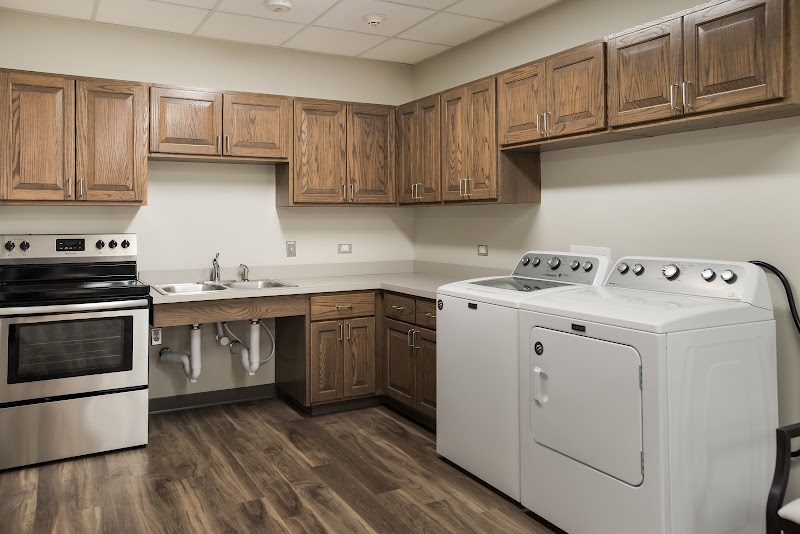
LAKE CHARLES CARE CENTER is owned by a for-profit company. For-profit facilities operate as businesses with obligations to shareholders or private owners. The facility operates independently rather than as part of a larger chain. With 182 certified beds and approximately 124 residents (about 68% occupancy), it is a mid-sized facility located in LAKE CHARLES, Louisiana.
How Does Lake Charles Compare to Other Louisiana Nursing Homes?

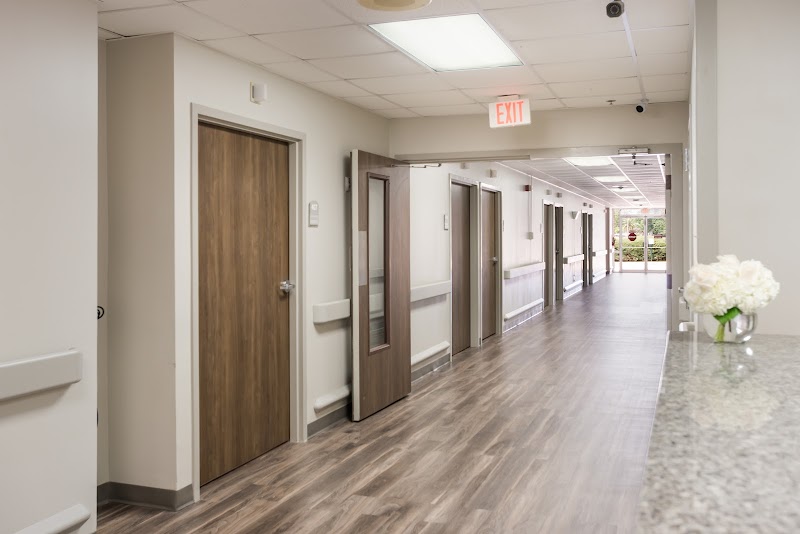
Compared to the 100 nursing homes in Louisiana, LAKE CHARLES CARE CENTER's overall rating (3 stars) is above the state average of 2.4, staff turnover (56%) is near the state average of 46%, and health inspection rating (4 stars) is above the national benchmark.

What Should Families Ask When Visiting Lake Charles?

Based on this facility's data, families visiting should ask: "How do you ensure continuity of care given staff turnover, and what is your staff retention strategy?" "Can I visit during a mealtime to observe dining assistance and food quality?" "How do you handle medical emergencies, and what is your hospital transfer rate?" "Can I speak with family members of current residents about their experience?" These questions are particularly relevant given the facility's high staff turnover rate.

Is Lake Charles Safe?

Based on CMS inspection data, LAKE CHARLES CARE CENTER has a clean safety record: no substantiated abuse findings (meaning no confirmed cases of resident harm), no Immediate Jeopardy citations (the most serious violation level indicating risk of serious injury or death), and is not on the Special Focus Facility watch list (a federal program monitoring the lowest-performing 1% of nursing homes). The facility has a 3-star overall rating and ranks #1 of 100 nursing homes in Louisiana. While no facility is perfect, families should still ask about staff-to-resident ratios and recent inspection results during their visit.

Do Nurses at Lake Charles Stick Around?

Staff turnover at LAKE CHARLES CARE CENTER is high. At 56%, the facility is 10 percentage points above the Louisiana average of 46%. High turnover means new staff may not know residents' individual needs, medications, or preferences. It can also be disorienting for residents, especially those with dementia who rely on familiar faces. Families should ask: What is causing the turnover? What retention programs are in place? How do you ensure care continuity during staff transitions?

Was Lake Charles Ever Fined?

LAKE CHARLES CARE CENTER has no federal fines on record. CMS issues fines when nursing homes fail to meet care standards or don't correct problems found during inspections. The absence of fines suggests the facility has either maintained compliance or corrected any issues before penalties were assessed. This is a positive indicator, though families should still review recent inspection reports for the full picture.

Is Lake Charles on Any Federal Watch List?

LAKE CHARLES CARE CENTER is not on any federal watch list. The most significant is the Special Focus Facility (SFF) program, which identifies the bottom 1% of nursing homes nationally based on persistent, serious quality problems. Not being on this list means the facility has avoided the pattern of deficiencies that triggers enhanced federal oversight. This is a positive indicator, though families should still review the facility's inspection history directly.