The Woodlands Healthcare Center
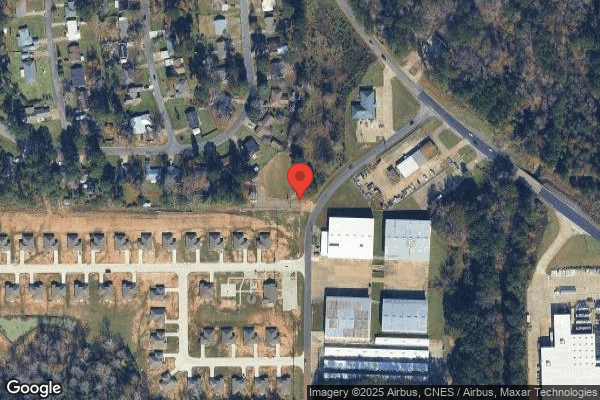
144 THAD BAILES RD, LEESVILLE, LA 71446 (337) 239-6578
For profit - Limited Liability company 152 Beds PRIORITY MANAGEMENT Data: November 2025
Trust Grade
65/100
#109 of 264 in LA
Last Inspection: September 2025

Inspected within the last 6 months. Data reflects current conditions.

Overview

The Woodlands Healthcare Center in Leesville, Louisiana has a Trust Grade of C+, indicating it is slightly above average but still has room for improvement. It ranks #109 out of 264 facilities in Louisiana, placing it in the top half, and #2 of 2 in Vernon County, meaning only one local option is better. Unfortunately, the facility's performance is worsening, with issues increasing from 2 in 2024 to 11 in 2025. Staffing is a significant concern here, with a rating of 1 out of 5 stars and a turnover rate of 44%, which is below the state average but still indicates less stability than ideal. While the center has no fines on record and offers more RN coverage than 88% of Louisiana facilities, recent inspections revealed concerning incidents such as medication errors where residents did not receive their prescribed medications, inadequate infection control procedures, and issues with food temperature and quality. Overall, there are both strengths and weaknesses to consider when evaluating this facility for your loved one.

Trust Score
C+
65/100
In Louisiana
#109/264
Top 41%
Safety Record
Low Risk
No red flags
Inspections
Getting Worse
2 → 11 violations
Staff Stability
○ Average
44% turnover. Near Louisiana's 48% average. Typical for the industry.
Penalties
✓ Good
No fines on record. Clean compliance history, better than most Louisiana facilities.
Skilled Nurses
⚠ Watch
Each resident gets only 19 minutes of Registered Nurse (RN) attention daily — below average for Louisiana. Fewer RN minutes means fewer trained eyes watching for problems.
Violations
⚠ Watch
19 deficiencies on record. Higher than average. Multiple issues found across inspections.
★★★☆☆
3.0
Overall Rating
★☆☆☆☆
1.0
Staff Levels
★★☆☆☆
2.0
Care Quality
★★★★☆
4.0
Inspection Score
Stable
2024: 2 issues
2025: 11 issues

The Good

  • Full Sprinkler Coverage · Fire safety systems throughout facility
  • No fines on record
  • Staff turnover below average (44%)

    4 points below Louisiana average of 48%

Facility shows strength in fire safety.

The Bad

3-Star Overall Rating

Above Louisiana average (2.4)

Meets federal standards, typical of most facilities

Staff Turnover: 44%

Near Louisiana avg (46%)

Typical for the industry

Chain: PRIORITY MANAGEMENT

Part of a multi-facility chain

Ask about local staffing decisions and management

The Ugly 19 deficiencies on record

Sept 2025 9 deficiencies
CONCERN (D) 📢 Someone Reported This

A family member, employee, or ombudsman was alarmed enough to file a formal complaint

Potential for Harm - no one hurt, but risky conditions existed

Resident Rights (Tag F0550)

Could have caused harm · This affected 1 resident

Based on observation, interview and record review, the facility failed to ensure a resident was treated with respect and dignity and cared for in a manner that promoted maintenance or enhancement of h...

Read full inspector narrative →
Based on observation, interview and record review, the facility failed to ensure a resident was treated with respect and dignity and cared for in a manner that promoted maintenance or enhancement of his or her own quality of life for 2 (Resident #2 and Resident #27) of 39 sampled residents. The facility failed to:1. Ensure Resident #2 received incontinence care before meal service, and2. Ensure Resident #27 received her meal along with the other residents at the lunch table. Findings: Review of a facility policy titled “Assistance with Meals” on 09/04/2025 at 10:48 a.m. revealed in part… facility staff will serve resident trays and will help residents who require assistance with eating for dining room residents and residents who cannot feed themselves will be fed with attention to safety, comfort and dignity. Resident #27 Record review revealed an admission date of 03/06/2025 with admitting diagnosis of Unspecified Protein –calorie malnutrition, cognitive communication deficit, other lack of coordination, unspecified dementia moderate without behavioral disturbance, psychotic disturbance, mood disturbance, and anxiety; altered mental status, unspecified. Review of the resident’s Quarterly MDS (Minimum Data Set) dated 08/07/2025 revealed the resident required substantial/maximal assistance for eating. The resident did not have a BIMS (Brief Interview Mental Status) due to unable to interview due to rarely or never understood. On 09/03/2025 at 11:05 a.m., a dining observation was conducted during lunch on Hall X. Resident #27 was observed sitting at a table throughout the meal service. Residents were observed being served, eating, and then exiting the dining area, while Resident #27 remained un-served. On 09/03/2025 at 11:40 a.m., an interview was conducted with S13CNA. When asked if she was finished serving the Hall X, she stated, “We have to feed Resident #27, so her tray is fixed last.” On 09/03/2025 at 11:48 a.m., an interview was conducted with S12LPN who stated she was unaware Resident #27 had not been served with the other residents at her table. S12 LPN confirmed that all residents seated at the table with Resident #27 had been served and completed their meal and Resident #27 had not been served. Resident #2 Review of Resident #2’s medical record revealed an admission date of 06/02/2023 with diagnoses including, in part…Memory Deficit Following Cerebral Infarction, Parkinson's Disease, Depression, Alzheimer's Disease, Dementia, Muscle Wasting And Atrophy, and Protein-Calorie Malnutrition. Review of Resident #2’s Significant Change MDS with an ARD of 07/14/2025 revealed a BIMS Score of 3, indicating severe cognitive impairment. Resident #2 required substantial/maximal assistance with eating and was always incontinent of bowel and bladder. Observation of Resident #2 on 09/04/2025 at 7:50 a.m. revealed the resident was lying in bed, uncovered, and turned slightly to the left. Resident #2’s brief was bulging posteriorly. There was a strong odor of feces in the room. Observation of Resident #2 on 09/04/2025 at 8:19 a.m. revealed the resident was lying in bed, uncovered, and turned slightly to the left. Resident #2’s brief was bulging posteriorly. There was a strong odor of feces in the room. Interview with S10CNA on 09/04/20225 8:25 a.m. revealed she had just attempted to feed Resident #2 breakfast and stated Resident #2 “did not eat anything”. Observation of Resident #2 on 09/04/2025 at 8:30 a.m. revealed the resident was lying in bed, uncovered, and turned slightly to the left. Resident #2’s brief was bulging posteriorly. There was a strong odor of feces in the room. Observation of resident #2 on 09/04/2025 at 8:35 a.m. accompanied by S9LPN revealed Resident #2’s brief contained feces and there was a strong odor of feces in the room. S9LPN confirmed Resident #2 should have received incontinence care prior to being served/fed his breakfast, but had not been. S9LPN revealed the presence of feces could have contributed to Resident #2 not consuming breakfast, stating “I wouldn’t want to eat if I was sitting in that”. S9LPN confirmed Resident #2’s dignity had not been maintained, but should have been. Interview with S2DON on 09/04/2025 at 2:00 p.m. confirmed Resident #2 should have been provided with incontinence care prior to staff attempting to feed resident breakfast.
CONCERN (D)

Potential for Harm - no one hurt, but risky conditions existed

Deficiency F0578 (Tag F0578)

Could have caused harm · This affected 1 resident

**NOTE- TERMS IN BRACKETS HAVE BEEN EDITED TO PROTECT CONFIDENTIALITY** Number of residents sampled: Number of residents cited: [NAME], RUBY (7) Ford, [NAME] - Advance Directives No NotesBRITT, RUBY (...

Read full inspector narrative →
**NOTE- TERMS IN BRACKETS HAVE BEEN EDITED TO PROTECT CONFIDENTIALITY** Number of residents sampled: Number of residents cited: [NAME], RUBY (7) Ford, [NAME] - Advance Directives No NotesBRITT, RUBY (7) Ford, [NAME] - RESIDENT NOTE [DATE] 1:42 PM Record Review: Res admitted on [DATE] and re-entered on [DATE], DOB [DATE], 93yo, W/F, DNR with selective treatment code status, DX: Traumatic Subdural Hemorrhage without Loss of Consciousness, subsequent encounterDX in part:Transient Cerebral Ischemic Attack, Unspecified, Unspecified Dementia, severe, without behavioral disturbance, psychotic disturbance, mood disturbance, and anxiety; Cognitive Communication DeficitMDS:Annual MDS with ARD date of [DATE] revealed in part.Section C: BIMS 99, indicating severe impaired cognitionSection E: No behaviorsSection GG: Eating-setup or clean-up assistance; oral hygiene-dependent; toileting hygiene-dependent; shower/bathe self-dependent; upper body assistance-substantial/maximal assistance; lower body assistance-dependent; putting on/taking off footwear-dependent; personal hygiene-supervision or touching assistance; roll left to right- substantial/maximal assistance; sit to lying-partial/moderate assistance; lying to sitting on side of bed-substantial/maximal assistance; sit to stand-substantial/maximal assistance; chair/bed to chair transfer-substantial/maximal assistance; tubs/shower transfer-substantial/maximal assistance; wheel 50 feet with two turns-partial/moderate assistance; wheel 150 feet-partial/moderate assistanceCare Plan:Date initiated on [DATE] and next review date of [DATE].XXX[DATE]-Care Plan reviewed and revealed in part.Problem: Resident/RP has elected a FULL CODE status Interventions:Inform all Care givers of FULL CODE status Notify MD and family as soon as possible begin CPR and call 911 Review code status with family Q and each CP changeOrders:[DATE]-DNR (DO NOT RESUSCITATE) *WITH SELECTIVE TREATMENT*every shiftMDS nurse, LPN Interview on [DATE] @ 2:46 p.m.[NAME] stated resident has a code status of DNR. She also viewed the Care Plan section in resident electronic chart showed resident had a Full Code status. She acknowledged the code status recently changed to DNR status and the Care Plan was incorrect.
CONCERN (D)

Potential for Harm - no one hurt, but risky conditions existed

Comprehensive Care Plan (Tag F0656)

Could have caused harm · This affected 1 resident

Based on interview and record review, the facility failed to develop and implement a comprehensive person-centered care plan for 1 (Resident #9) of 39 sampled residents. Review of Resident #9's medica...

Read full inspector narrative →
Based on interview and record review, the facility failed to develop and implement a comprehensive person-centered care plan for 1 (Resident #9) of 39 sampled residents. Review of Resident #9's medical record revealed an admission date of 11/16/2023 with diagnoses including Dysphagia, Cerebral Infarction, and Unspecified Convulsions.Review of Resident #9's Significant Change MDS with an ARD of 08/13/2025 revealed a BIMS score of 3, indicating severe cognitive impairment. Resident #9 experienced coughing or choking during meals or when taking medications. Review of Resident #9's Physician's Orders revealed the following, in part. 08/08/2025 May perform oral suctioning.Review of Resident #9's Care Plan revealed Resident #9 was not care planned for suctioning.Interview with S2DON on 09/04/2025 at 2:00 p.m. confirmed Resident #9 should have been care planned for suctioning, but was not.
CONCERN (D)

Potential for Harm - no one hurt, but risky conditions existed

Deficiency F0657 (Tag F0657)

Could have caused harm · This affected 1 resident

Based on record review and staff interviews, the facility failed to ensure the plan of care had been revised for 1 (Resident #7) of 39 resident care plans reviewed. Findings: Review of facility's Adva...

Read full inspector narrative →
Based on record review and staff interviews, the facility failed to ensure the plan of care had been revised for 1 (Resident #7) of 39 resident care plans reviewed. Findings: Review of facility's Advance Directives policy on 09/03/2025 at 2:38 p.m. revealed the following in part.The plan of care for each resident will be consistent with his or her documented treatment preferences and/or advance directive. Resident #7Record review revealed an admission date of 06/21/2021 and re-entered on 12/14/20222 with admitting diagnosis of Traumatic Subdural Hemorrhage without Loss of Consciousness, subsequent encounter. Annual MDS (Minimum Data Set) dated 08/01/2025 revealed a BIMS (brief interview of mental status) score of 99 which indicated Resident #7's cognition was severely impaired. Review of Resident #7 Care Plan with initiate date of 06/20/2023 and next review date of 11/07/2025 revealed a problem of Resident #7 had elected a Full Code status with an intervention to inform all caregivers of full code status.Review of Resident #7 Physician Orders on 09/03/2025 at 1:42 p.m., revealed an order of DNR (Do Not Resuscitate) with selective treatment every shift started on 06/03/2025.During an Interview on 09/03/2025 at 2:46 p.m. with S15LPN (Licensed Practical Nurse) revealed Resident was a DNR status. After reviewing the care plan S15LPN confirmed Resident #7's care plan had not been updated to reflect the DNR status ordered on 06/03/2025.
CONCERN (D)

Potential for Harm - no one hurt, but risky conditions existed

Deficiency F0658 (Tag F0658)

Could have caused harm · This affected 1 resident

Based on observation, interview and record review the facility failed to ensure all care and services were provided according to accepted professional standards of clinical practice. The facility fail...

Read full inspector narrative →
Based on observation, interview and record review the facility failed to ensure all care and services were provided according to accepted professional standards of clinical practice. The facility failed to:1. Ensure proper physician orders were obtained for oxygen therapy requirements for 1 (Resident #100) of 2 (Resident #73 and Resident #100) residents reviewed for respiratory care; and 2. Ensure a wound dressing was properly labeled with the date/time of the treatment and initials of who performed the wound care for 1 (Resident #100) of 2 (Resident #63 and Resident #100) residents review for skin conditions. Findings: Review of a facility policy on 09/03/2025 at 3:17 p.m. titled, Oxygen Administration with a revision date of 02/2025 revealed the following in part .The purpose of this procedure is to provide guidelines for safe oxygen administration, and infection prevention associated with respiratory therapy goals. Preparation; 1. Verify that there is a physician's order for this procedure. Equipment and Supplies: 2. Nasal cannula, nasal catheter, mask (as ordered). Review of an undated facility policy on 09/03/2025 at 3:30 p.m. titled, Wound Care revealed the following in part . The purpose of this procedure is to provide guidelines for the care of wounds to promote healing. Steps in the Procedure: 12. Dress wound. Pick up sponge and apply directly to the area. [NAME] tape with initials, time, and date and apply to the dressing. Review of Resident #100's medical record revealed an admission date of 07/03/2025, which included diagnoses in part . Hemiplegia and Hemiparesis Following Cerebral Infarction Affecting Left Non-Dominant Side, Unspecified Protein-Calorie Malnutrition, Personal History of other Malignant Neoplasm of Skin, Hypoxemia, and Chronic Diastolic (Congestive) Heart Failure. Review of Resident #100's Annual MDS with an ARD of 07/10/2025 revealed a BIMS of 13, which indicated intact cognition. Resident #100 required partial/moderate assistance with eating and oral hygiene and substantial/maximal assistance with toileting hygiene, personal hygiene, and shower/bathing. Resident #100 was at risk for developing pressure ulcers and had skin tears present at the time of this assessment. Review of Resident #100's current physician's orders (as of 09/03/2025) revealed the following active orders .(Start date: 07/15/2025) Respiratory: oxygen at 2 liters per nasal cannula as needed for shortness of breath (SOB)/hypoxia as needed related to Chronic Diastolic Congestive Heart Failure. No other current/active oxygen physician orders viewed at this time. (Start date: 09/05/2025) Laceration to posterior left lower extremity/calf, steri-strips in place: cleanse wound cleanser, pat dry, apply triple antibiotic ointment, cover with non-adherent dressing and wrap with kerlix every day shift every 3 day(s). Review of Resident #100's plan of care revealed the following in part . (Initial date: 07/03/2025) Focus: The resident has a cerebral vascular accident affecting the left side. Interventions: Oxygen as ordered. (Initial date: 07/03/2025) Focus: The resident has shortness of breath related to hypoxia and Congestive Heart Failure. Interventions: 07/15/2025- Resident noted with shortness of breath and decreased oxygen saturation. New order received for oxygen at 2 liters per nasal cannula PRN (as needed) for shortness of breath/hypoxia. (Initial date: 07/03/2025) Focus: The resident is at risk for impaired skin integrity related to fragile skin. Interventions: 09/02/2025- skin tear to left lateral lower leg- treatment as ordered. Review of Resident #100's medical record revealed nursing progress notes in part .08/22/2025: A nurse wrote: Resident continues on oxygen continuously. The resident received oxygen therapies on the following dates: 08/20/2025, 08/21/2025, 08/22/2025, 8/23/2025, 8/24/2025, 08/25/2025, 08/26/2025, 08/27/2025, 08/28/2025, 08/29/2025, 08/31/2025, 09/01/2025, and 09/02/2025. In an interview on 09/02/2025 at 10:00 a.m., Resident #100 revealed he used oxygen continuously. Observed oxygen in progress and oxygen concentrator set at 3 liters via nasal cannula. Resident #100's daughter was at the bedside and showed the surveyor Resident #100's wound dressing to the left lower leg. Observed the left lower leg (shin area) wound dressing wrapped loosely with gauze, undated, unlabeled, and soaked with red blood. Observed wet red blood on the bed linens where Resident #100's left leg was placed in the bed. In an interview on 09/03/2025 at 12:30 p.m., Resident #100 revealed the staff did not change his wound dressing to his left lower leg today (09/03/2025). Observed the left lower leg and viewed an undated/unlabeled, loose fitting gauze dressing with a moderate amount of dried bright red blood. Observed resident with oxygen in progress and the oxygen concentrator set at 3 liters running continuously. Resident #100 stated he wore oxygen throughout the evening and all day long. Resident #100 stated he was blind and bedbound and unable to adjust the oxygen settings himself. In an interview on 09/03/2025 at 12:45 p.m., S4 LPN accompanied the surveyor to Resident #100's room. S4 LPN confirmed Resident #100's left lower wound dressing was loose and saturated with dried red blood. S4 LPN assessed the dressing further and confirmed it was unlabeled/undated and had no initials of the nurse who performed the treatment. S4 LPN stated all wound dressings should be labeled and dated at the time of treatment and initialed by the nurse who performed the treatment, but Resident #100's wound dressing was not. S4 LPN confirmed Resident #100's oxygen concentrator was set at 3 liters via nasal cannula and had oxygen applied to him all day today (09/03/2025). In a interview and record review on 09/03/2025 at 12:57 p.m., S4 LPN confirmed Resident #100 had oxygen orders for 2 liters oxygen for shortness of breath PRN (as needed). S4 LPN confirmed there were no other oxygen orders at this time and Resident #100 should not have had the oxygen set to continuously run at 3 liters, per current physician orders. S4 LPN stated she needed to re-assess the resident's oxygen needs and obtain new orders in this situation. S4 LPN confirmed the laceration to the left lower limb was ordered to be treated every 3 days; however, she could not determine when the dressing was completed due to it being saturated, and unlabeled/undated. S4 LPN confirmed Resident #100's left lower leg wound treatment should be performed again and properly labeled and dated, but was not. In an interview on 09/03/2025 at 1:13 p.m., S5 TX Nurse revealed that she and the floor nurses are both responsible for the treatment of resident wounds. S5 TX Nurse stated that all wound dressings should be dated at the time of treatment and initialed with the name of the nurse who completed the treatment. S5 TX Nurse stated if a wound dressing became dislodged or soil, or was undated/unlabeled, she expected the floor nurses to perform this treatment again or notify her to treat the resident wound. In an interview on 09/04/2025 at 1:20 p.m., S2 DON revealed all nurses are aware to properly label and date treatment dressings. S2 DON confirmed she expected all resident treatment dressings to be labeled and dated at the time of the treatment. S2 DON revealed oxygen orders are obtained by the physician prior to placement on the resident and should be followed as stated in the medical record. S2 DON confirmed that if an oxygen order needed to be revised to meet the needs of a residents, she expected the nurse to obtain the correct oxygen orders prior to application of oxygen.
CONCERN (D) 📢 Someone Reported This

A family member, employee, or ombudsman was alarmed enough to file a formal complaint

Potential for Harm - no one hurt, but risky conditions existed

Respiratory Care (Tag F0695)

Could have caused harm · This affected 1 resident

Based on observation, interview, and record review the facility failed to provide respiratory care consistent with professional standards for 1(#73) of 1 resident reviewed for respiratory care. The fa...

Read full inspector narrative →
Based on observation, interview, and record review the facility failed to provide respiratory care consistent with professional standards for 1(#73) of 1 resident reviewed for respiratory care. The facility failed to ensure respiratory equipment was properly labeled, and stored. Findings: Review of the Facility's Oxygen Administration policy with a revision dated of 02/2025 read in part . the purpose of this procedure is to provide guidelines for safe oxygen administration, and infection prevention, associated with respiratory therapy task. Steps in the procedure: 5. Store in a covered device (i.e. plastic bag, kangaroo pouch) between use. Review of Resident #73's 09/2025 Physician Orders read in part.08/26/2025: Oxygen at 2 liters per nasal cannula as needed for shortness of breath and hypoxia. Observation on 09/02/2025 at 12:30 p.m. revealed Resident #73's nasal cannula lying on the floor, without a bag. Observation on 09/03/2025 at 10:26 a.m. revealed Resident #73's nasal cannula lying on the floor, without a bag. Resident #73 stated that he used the oxygen last night on 09/02/2025. An interview on 09/03/2025 at 10:34 a.m. with S11 LPN confirmed that Resident #73's oxygen tubing was lying in the floor without a bag. S11 LPN stated that all oxygen tubing should be dated and kept in a bag when not in use, but had not been.
CONCERN (D)

Potential for Harm - no one hurt, but risky conditions existed

Unnecessary Medications (Tag F0759)

Could have caused harm · This affected 1 resident

Based on observation and interview the facility failed to maintain a medication error rate below 5%. A total of 29 medication administration opportunities were observed. This practice had the potentia...

Read full inspector narrative →
Based on observation and interview the facility failed to maintain a medication error rate below 5%. A total of 29 medication administration opportunities were observed. This practice had the potential to affect all 145 residents that receive medications in the facility. Observation of medication administration with S9LPN on 09/03/2025 at 7:50 a.m. revealed the following: Pantoprazole DR 40mg tablet was crushed and provided po; Tolterodine ER 4mg capsule was opened and the contents were provided po; and Potassium Chloride ER 10meQ tablet was crushed and provided po.Interview with S9 LPN on 09/03/2025 at 12:40 p.m. confirmed she had crushed a Pantoprazole DR 40mg tablet and a Potassium Chloride ER 10meQ tablet and provided the crushed tablets to a resident. S9 LPN confirmed she had opened a Tolterodine ER 4mg capsule and provided the contents to a resident.Interview with the facility's contract pharmacist on 09/04/2025 at 2:39 p.m. revealed ER and DR medications should not have been crushed or opened and he had not provided any documentation stating that crushing the medication would not adversely affect a resident. The contract pharmacist confirmed the Pantoprazole DR 40mg tablet, Tolterodine ER 4mg capsule, and Potassium Chloride 10meQ tablet should not have been crushed or opened and provided to a resident.
CONCERN (D)

Potential for Harm - no one hurt, but risky conditions existed

Deficiency F0761 (Tag F0761)

Could have caused harm · This affected 1 resident

Based on observations and interviews, the facility failed to ensure drugs and biologicals were stored in accordance with currently accepted professional principles. The facility failed to ensure:1. Nu...

Read full inspector narrative →
Based on observations and interviews, the facility failed to ensure drugs and biologicals were stored in accordance with currently accepted professional principles. The facility failed to ensure:1. Nursing carts were free of loose pills for 1 (Cart A) of 3 (Cart A, Cart B, and Cart D) carts reviewed; and2. Medications were labeled with the date they were opened.Observation of Cart A on 09/03/2025 at 12:45 p.m., with oversight from S9LPN, revealed the following, in part. 2 unidentified and loose tablets in the bottom of the 2nd drawer of the cart; 3 unidentified and loose tablets in the bottom of the 3rd drawer of the cart; 1 opened Albuterol 90mcg/inh inhaler without an open date; and 1 opened Trelegy Ellipta 100mcg/62.5mcg/23mcg inhaler without an open date.Interview with S9 LPN during the observation confirmed there were 5 unidentified and loose tablets in Cart A, but there should not have been. S9LPN confirmed the Albuterol and Trelegy Ellipta inhalers had been opened and used, but were not labeled with the date they were opened. Interview with the facility's contract pharmacist on 09/04/2025 at 2:39 p.m. revealed Albuterol inhalers are to be discarded 12 months after opened, and Trelegy Ellipta inhalers are to be discarded 6 weeks after opened. The facility's contract pharmacist confirmed the Albuterol and Trelegy Ellipta inhalers should have been labeled with the date they were opened.
CONCERN (D)

Potential for Harm - no one hurt, but risky conditions existed

Infection Control (Tag F0880)

Could have caused harm · This affected 1 resident

Based on observation, interview and record review, the facility failed to maintain an infection prevention and control program designed to provide a safe, sanitary and comfortable environment and to h...

Read full inspector narrative →
Based on observation, interview and record review, the facility failed to maintain an infection prevention and control program designed to provide a safe, sanitary and comfortable environment and to help prevent the development and transmission of communicable diseases and infections. The facility failed to:1. Ensure Enhanced Barrier Precautions (EBP) were utilized from 1 (Resident #102) of 3 (Resident #1, Resident #76, and Resident #102) residents reviewed for infection control;2. Ensure proper hand hygiene and gloving was followed during meal service on Hall Z;3. Ensure staff followed proper infection prevention and control practices during wound care for 1 (Resident #2) of 3 (Resident #2, Resident #3, and Resident #103) residents reviewed for pressure ulcers. Findings: Review of a facility policy on 09/03/2025 at 2:15 p.m. titled, “Implementation of Standard and Transmission-Based Precautions” dated 03/2024 revealed the following in part…Infection control measures are implemented in attempts to prevent the spread of communicable diseases. 3. Enhanced-Barrier Precautions (EBP): Expand the use of PPE and refer to the use of gown and gloves during high-contact resident care activities that provide opportunities to transfer MDRO to staff hands and clothing. I. Examples of Enhanced-Barrier Precautions residents: indwelling medical devices-include central lines, urinary catheters, feeding tubes, and tracheostomies/vents. II. Enhanced-Barrier Precautions are indicated during: dressing, bathing/showering, etc. Review of a facility policy on 09/03/2025 at 3:17 p.m. titled, ‘Handwashing/Hand Hygiene” with a revision date of 12/22/2023 revealed the following in part…This facility considers hand hygiene the primary means to prevent the spread of infections. 7. Use an alcohol-based hand rub containing at least 60%-90% alcohol; or soap (antimicrobial or non-antimicrobial) and water for the following situations: M. After removing gloves. O. Before and after eating or handling food. 8. Hand hygiene is the final step after removing and disposing of personal protective equipment. 1. Resident #102 Review of Resident #102’s medical record revealed an admission date of 06/05/2009, with diagnoses that included in part… Aphasia Following Cerebral Infarction, Moderate Protein-Calorie Malnutrition, Dementia, Severe, Without Behavioral Disturbance, and Gastrostomy Status. Review of Resident #102’s Quarterly MDS with an ARD of 08/07/2025 revealed a BIMS score of 99, which indicated severe cognitive impairment. Resident #102 was dependent on staff for oral hygiene, toileting hygiene, and shower/bathing. Eating was not attempted for Resident #102 due to medical condition or safety concerns. Resident #102 received 51% or more of proportion of total calories through a tube feeding. Review of Resident #102’s plan of care revealed in part . (Initial Date: 03/29/2024) Focus: At risk for EBP, at increased risk of MDRO acquisition due to peg tube. Interventions: Post clear signage on the door or wall outside of the room indicating the type of precautions and required PPE. Provide patient standard precautions using gowns and gloves during dressing, bathing transferring providing hygiene, changing linens, changing briefs, assisting with toileting, etc. Observation on 09/02/2025 at 9:32 a.m. revealed an EBP sign posted on the wall of the doorway of Resident 102’s room. In an interview on 09/03/2025 at 1:05 p.m., S4 LPN revealed that residents with EBP require the use of gown and gloves with direct care. These residents included those with a peg tube. S4 LPN stated that staff are to observe the resident’s doorway and note the EBP signage/requirements, obtain PPE supplies (gown and gloves) from the clean linen closet, and then provide direct care to that resident after the gown and gloves are applied. In an interview on 09/03/2025 at 1:43 p.m., S6 CNA revealed she provided care to Resident #102 from 7:00 a.m. – 7:00 a.m. today. S6 CNA stated that she provided a bed bath to Resident #102 every day and during the bed bath she provided oral care, brief change, and a linen change. S6 CNA revealed she worn only gloves when she provided all of the above care to Resident #102 this morning. S6 CNA accompanied the surveyor to the doorway of Resident #102’s room and observed the EBP signage posted. S6 CNA stated, “Oh yeah, I should have worn a gown and gloves when I gave her a bath this morning, but I didn’t.” After further interview, S6 CNA revealed she did not wear the correct PPE (gown and gloves) for all of the EBP residents on her assigned hall (Hall Y) because the PPE was not stored outside of their room door and she did not know where to obtain the PPE supplies. There was a total of 14 residents on the S6 CNA’s assigned hall (Hall Y) who required EBP with direct care. In an interview on 09/03/2025 at 1:58 p.m., S3 IP Nurse revealed that all staff had been educated on the policy and procedures for the use of EBP. S3 IP Nurse stated she expected all staff to wear gown and gloves when direct/physical care is provided to these residents such as bathing, incontinent care, etc. S3 IP Nurse revealed the PPE is stored in the clean linen closet or the rounding cart, which all staff have access to and are aware of. S3 IP Nurse confirmed the CNA should have worn both gown and gloves when providing a bath to Resident #102 and all other residents who had EBP requirement signage posted at their doorway, but did not. In an interview and record review on 09/03/2025 at 3:17 p.m., S3 IP Nurse confirmed there were a total of 14 residents on Hall Y which required EBP PPE during direct/physical care. In an interview on 09/04/2025 at 1:20 p.m., S2 DON confirmed that the CNAs are aware of where to find the PPE for all residents who require EBP and the staff should wear both gown and gloves when providing direct/physical care to those residents. 2. Dining observation on 09/02/2025 at 12:03 p.m. in Hall Z revealed the following in part . S7 CNA observed serving and preparing resident meals with gloves on. Observed S7 CNA, with gloved hands, touch the upper shelves and doors x2 (located behind her), then gather multiple clean plates, gather clean utensils, touch the countertops, touch four lids on each item of food, touch multiple meal tickets, touch her apron, touch her mask, and rinse dishes in the sink .S7 CNA grabbed a bread roll directly and placed it on a resident’s plate. During this observation, S7 CNA had the same gloved hands and no hand hygiene or glove change was observed throughout the process. S7 CNA was observed eight times touching the bread rolls directly with the same contaminated gloves and serving the bread rolls to the residents. Continued observation revealed the following part .S7 CNA removed her gloves and disposed of them. No hand hygiene observed after disposal of the gloves. S7 CNA took her unwashed bare hands and got clean utensils for the remaining residents to use for meal time. S7 CNA obtained gloves out of her co-workers pocket, applied these contaminated gloves, and finished serving and plating resident meals. S7 CNA was observed touching the bread rolls directly with her contaminated gloves three more times and served the residents their meals. No hand hygiene observed throughout dining procedures observed. In an interview on 09/02/2025 at 1:15 p.m., S7 CNA confirmed all the above findings. S7 CNA confirmed she did not wash her hands, change her gloves, or wash her hands in between touching different surfaces, before touching the bread rolls directly and served the rolls to the residents. S7 CNA confirmed she should have washed her hands after she disposed of her gloves, but did not. S7 CNA confirmed she should not use gloves that came out of her co-worker’s pocket and use them for meal services, but did. S7 CNA confirmed she served 11 total residents without using proper hand hygiene and gloving practices during meal services, but should have. In an interview on 09/03/2025 at 1:39 p.m., S8 DM revealed the following in part .CNAs are educated on proper serving, plating, gloving, and hand hygiene during meal services prepared on the hallways. S8 DM stated the CNAs are to follow the same practices as the dietary staff. S8 DM stated that during meal service, the server is to stay in a front facing field .if the server has to turn around at any point, they are to remove their gloves, wash their hands, and apply new clean gloves before continuing the serving process. S8 DM stated that the CNA who served the meal should use tongs to serve the bread rolls and not touch the bread rolls directly with contaminated gloves. S8 DM stated that if the server touches their face, mask, apron, the counter tops, or cabinets .the server should stop, dispose of their gloves, provide hand hygiene, and reapply clean gloves (not from a co-worker’s pocket) before beginning meal service again. In an interview on 09/04/2025 at 1:20 p.m., S2 DON confirmed the above dining observations and procedures. S2 DON confirmed the CNA serving the meal should have practiced good hand hygiene and gloving by: properly disposing of her gloves, wash her hands, and reapply clean gloves during meal service and before touching the resident’s bread rolls directly, but did not. S2 DON confirmed the CNA serving the meal should not have used gloves that came out of their co-worker’s pocket due to unsanitary issues, but did not. Resident #2 Review of Resident #2’s medical record revealed an admission date of 06/02/2023 with diagnoses including, in part…Alzheimer’s Disease, Dementia, Chronic Kidney Disease, Muscle Wasting and Atrophy, and Malnutrition. Review of Resident #2’s Significant Change MDS with an ARD of 07/14/2025 revealed a BIMS Score of 3, indicating severe cognitive impairment. Resident #2 had a functional limitation in range of motion and was at risk for development of pressure ulcers. Review of Resident #2’s active Physician’s Orders revealed the following, in part… 08/19/2025 Pressure Ulcer of Sacral Region, Unspecified Stage: cleanse with wound cleanser, apply Santyl ointment, calcium alginate, and cover with composite dressing every day; and 08/20/2025 Left upper arm blisters: cleanse with wound cleanser, pat dry, apply triple antibiotic ointment and composite dressing every day. Observation of wound care for Resident #2 with S5 Tx Nurse on 09/04/2025 at 10:45 a.m. revealed she used her gloved hands to move the bedside table, then picked up calcium aginate and placed it onto Resident #2’s pressure ulcer of the sacral region, without changing her gloves. S5 Tx Nurse changed her gloves, then used her gloved hands to move the bedside table, lift her gown, and reach into the pockets of her clothing. S5 Tx Nurse proceeded with wound care of Resident #2’s left upper arm blisters without performing hand hygiene or changing her gloves. Interview with S5 Tx Nurse on 09/04/2025 at 11:00 a.m. confirmed she used her gloved hands to touch the resident’s bedside table, her gown, and her clothing, then performed Resident #2’s wound care without performing hand hygiene or changing her gloves, but should not have.
Jul 2025 1 deficiency
CONCERN (D) 📢 Someone Reported This

A family member, employee, or ombudsman was alarmed enough to file a formal complaint

Potential for Harm - no one hurt, but risky conditions existed

Free from Abuse/Neglect (Tag F0600)

Could have caused harm · This affected 1 resident

Deficiency Text Not Available

Read full inspector narrative →
Deficiency Text Not Available
Jan 2025 1 deficiency
CONCERN (D) 📢 Someone Reported This

A family member, employee, or ombudsman was alarmed enough to file a formal complaint

Potential for Harm - no one hurt, but risky conditions existed

Deficiency F0761 (Tag F0761)

Could have caused harm · This affected 1 resident

Based on observation and interview, the facility failed to ensure drugs and biologicals used in the facility were stored in accordance with current accepted professional principles by failing to store...

Read full inspector narrative →
Based on observation and interview, the facility failed to ensure drugs and biologicals used in the facility were stored in accordance with current accepted professional principles by failing to store all drugs and biologicals in locked compartment, and failed to permit only authorized personnel to have access to the keys. The facility failed to ensure an unattended medication cart (Cart A) was locked appropriately and failed to ensure medication keys were inaccessible to unauthorized personnel. This deficient practice has the potential to effect 137 residents currently residing in the facility. Findings: Review of the facility's policy titled Storage of Medications with a revised date of April 2019 revealed the following in part . Policy Statement: The facility stores all drugs and biologicals in a safe and secure manner . 1. Drugs and biologicals used in the facility are stored in locked compartments . 9. Unlocked medication carts are not left unattended . Review of the facility's policy titled Administering Medications with a revised date of April 2019 revealed the following in part . 15. The medication cart is kept closed and locked when out of sight of the medication nurse . On 01/27/2025 at 2:45 p.m., an observation was made of Cart A on the entrance of a high-traffic area on X Hall. Observation revealed residents commuted throughout X Hall in front of Cart A. Observation revealed Cart A was unlocked and unattended with the medication keys rested on top of Cart A. On 01/27/2025 at 2:50 p.m., an observation and interview made with S3 LPN revealed Cart A was located on entrance of X Hall. S3 LPN confirmed that Cart A was unlocked, unattended, and the medication keys were placed on top of the medication cart. S3 LPN stated that she was not sure who the cart belonged to but they should not have left their medication cart unlocked and unattended. S3 LPN revealed that the nurse should have kept her medication keys with her. On 01/27/2025 at 2:58 p.m., an interview made with S2 RN revealed that she was responsible for Cart A. S2 RN stated she went into a nursing room on X Hall and left Cart A outside the closed door unattended. S2 RN confirmed that she left Cart A unattended, out of site, and unlocked with her medication keys on top of the cart and should not have. On 01/29/2025 at 10:37 a.m., an interview made with S1 DON confirmed that a medication cart should always be locked while unattended. S1 DON confirmed that medication keys should not be left unattended on top of a medication cart accessible to others.
Jun 2024 2 deficiencies
CONCERN (E)

Potential for Harm - no one hurt, but risky conditions existed

Unnecessary Medications (Tag F0759)

Could have caused harm · This affected multiple residents

Based on observation, interview, and record review the facility failed to maintain a medication error rate below 5% by failing to give two medications as ordered, and administering a discontinued medi...

Read full inspector narrative →
Based on observation, interview, and record review the facility failed to maintain a medication error rate below 5% by failing to give two medications as ordered, and administering a discontinued medication for 1 (#37) of 3 (#37, #96, and #101) residents observed during medication administration. A total of 30 opportunities were observed which included 3 medication errors for a medication error rate of 10%. Findings: Review of the facility's policy on 06/25/2024 titled, Administering Medications with revision date April 2019 revealed the following, in part: . 3. Medications are administered in accordance with prescriber orders, including any required time frame. 9. The individual administering the medication checks the label THREE (3) times to verify the right resident, right medication, right dosage, right time and right method (route) of administration before giving the medication Observation on 06/24/2024 at 8:31 a.m. revealed S4 LPN prepared and administered the following medications for Resident #37: Aspirin 81mg 1 tablet by mouth Zyrtec 10mg 1 tablet by mouth Docusate Sodium 100mg 1 tablet by mouth Ferrous Sulfate 325mg 1 tablet by mouth Potassium 10meq 1 tablet by mouth Lasix 10mg ½ tablet by mouth Lasix 20mg 1 tablet by mouth Coreg 3.125mg 1 tablet by mouth Oxycodone 10mg 1 tablet by mouth 8.5 tablets were administered to Resident #37 by S4 LPN. Record review of the current physician orders for Resident #37 revealed the following medication orders: Lasix (Diuretic) Oral Tablet 20 mg. Give 1 tablet by mouth one time a day. Order date 06/09/2024 Lasix Oral Tablet 10 mg. Give ½ tablet by mouth one time a day. Discontinue date 06/08/2024 Ticagrelor (Antiplatelet) Oral Tablet 90 mg. Give 1 tablet by mouth two times a day. Order date 05/29/2024. Lansoprazole (Antacid) Oral Capsule Delayed Release 30 mg. Give 1 capsule by mouth one time a day. Order date 05/29/2024. Record review of Resident #37's 06/2024 EMAR revealed the following medications were documented as administered on 06/24/2024 during surveyor observation: Ticagrelor 90 mg Lansoprazole 30 mg Lasix 10mg was not documented as administered on the EMAR. Observation on 06/24/2024 at 8:31 a.m. of medicine administered to Resident #37 by S4 LPN revealed Ticagrelor and Lansoprazole were not administered as ordered, and Lasix 30 mg (1.5 tablets) was administered. Interview on 06/24/2024 at 9:30 a.m. with S4 LPN confirmed that she did not administer to Resident #37, Ticagrelor 90 mg and Lansoprazole 30 mg as ordered, but should have. S4 LPN confirmed she administered Lasix 20 mg, and Lasix 10 mg to Resident #37. S4 LPN stated she was unaware Lasix 10 mg was discontinued on 06/08/2024, and confirmed Lasix 10 mg should not have been administered to Resident #37.
CONCERN (E)

Potential for Harm - no one hurt, but risky conditions existed

Infection Control (Tag F0880)

Could have caused harm · This affected multiple residents

**NOTE- TERMS IN BRACKETS HAVE BEEN EDITED TO PROTECT CONFIDENTIALITY** Based on observation, record review, and interview, the facility failed to maintain an infection prevention and control program ...

Read full inspector narrative →
**NOTE- TERMS IN BRACKETS HAVE BEEN EDITED TO PROTECT CONFIDENTIALITY** Based on observation, record review, and interview, the facility failed to maintain an infection prevention and control program designed to provide a safe, sanitary, and comfortable environment, and to help prevent the development of communicable diseases and infections for 1 of 1 resident reviewed for pressure ulcers (#292), and 1 (#292) of 43 residents reviewed for Enhanced Barrier Precautions. The facility failed to: 1. Perform proper hand hygiene during wound care for Resident #292; and 2. Ensure signage was used to communicate to staff those residents who required the use of Enhanced Barrier Precautions (EBP) and Personal Protective Equipment (PPE) before high contact care activities were provided for Resident #292. Findings: 1. Review of the facility's policy on 06/25/2024 titled Wound Care, with a revision date 11/2017, read in part . 4. Put on exam glove. Loosen tape and remove dressing. 5. Pull glove over dressing and discard into appropriate receptacle. Wash and dry hands thoroughly. 6. Put on Gloves . Review of Resident #292's medical record revealed Resident #292 was admitted to the facility on [DATE], and had diagnoses that included in part .Lack of Coordination, Age Related Debility, and Generalized Muscle Weakness. Review of Resident #292's admission MDS with an ARD of 05/24/2024, revealed Resident #292 had a BIMS of 13 (Cognition intact). Review of Resident #292's Comprehensive Person Centered Care Plan revealed the following in part . Pressure ulcers to right heel and right lateral malleolus. Interventions included in part . EBP care should be maintained for resident's entire stay, or until wounds have healed. Post clear signage on the door or wall outside of room indicating the type of precautions and required PPE. Review of Resident #292's 06/2024 physician orders revealed the following: Right heel pressure wound: cleanse with wound cleanser, apply Santyl ointment then calcium alginate to wound bed, apply Xeroform gauze to peri wound skin, then wrap with kerlix and secure with paper tape daily. Observation on 06/25/2024 at 9:41 a.m. revealed S1 Treatment Nurse performed wound care to Resident #292's right heel. S1 Treatment Nurse put on gloves and removed Resident #292's old dressing to her right heel. S1 Treatment Nurse held Resident # 292's right foot off the bed with her left hand and discarded the soiled dressing with her right hand. S1 Treatment Nurse continued to hold Resident #292's right foot with her left hand, then reached into the clean field with her right hand to grab supplies, and proceeded to clean Resident #292's wound. S1 Treatment Nurse did not remove gloves or sanitize her hands after removing the soiled dressing, before cleaning the wound. Interview on 06/25/2024 at 9:53 a.m. with S1 Treatment Nurse, revealed she should remove gloves and sanitize hands after removing the old dressing, and before cleaning the wound. Interview on 06/25/2024 at 10:30 a.m. with S2 DON, confirmed gloves should be changed and hands sanitized after removing a dressing, and before cleaning the wound. 2. Review of the facility's policy on 06/25/2024 titled Implementation of Standard and Transmission-Based Precautions, dated 03/2024 read in part . 3. Enhanced Barrier Precautions (EBP) . I. Examples of Enhanced-Barrier Precaution Residents: Wounds-Include chronic wounds, but are not limited to pressure ulcers, diabetic ulcers, unhealed surgical wounds and venous stasis ulcers; . Signage will be used to communicate to staff which residents require the use of EBP and PPE before high contact care activities are provided. Observation on 06/24/2024 at 10:52 a.m. revealed Resident #292 with a dressing on her right foot. Interview with Resident #292 at that time revealed she had a wound on her right foot for a while (unable to determine how long). Observation revealed no Enhanced Barrier Precaution signage in or outside of Resident # 292's room. Observation on 06/25/2024 at 9:35 a.m. revealed no EBP signage in or outside of Resident # 292's room. Interview on 06/25/2024 at 10:14 a.m. with S3 Infection Preventionist, revealed she was responsible to ensure staff was aware of residents who require EBP. S3 Infection Preventionist stated that residents with Peg tubes, Foley Catheters, and wounds should be on Enhanced Barrier Precautions. S3 Infection Preventionist stated she puts EBP signage next to the resident's door to indicate to staff that Enhanced Barrier Precautions was required, so that direct care staff would be aware and take the necessary precautions before high contact care activities are provided to residents. Observation of Resident #292's room on 06/25/2024 at 10:20 a.m., with S3 Infection Preventionist, revealed no EBP signage. S3 Infection Preventionist confirmed there was no signage to alert direct care staff that Resident #292 was on Enhanced Barrier Precautions. S3 Infection Preventionist confirmed Resident #292 should have signage alerting staff to use Enhanced Barrier Precautions.
Oct 2023 3 deficiencies
CONCERN (D) 📢 Someone Reported This

A family member, employee, or ombudsman was alarmed enough to file a formal complaint

Potential for Harm - no one hurt, but risky conditions existed

Deficiency F0565 (Tag F0565)

Could have caused harm · This affected 1 resident

Based on interview and review, the Facility failed to ensure that a response and rationale for grievances reported during the Resident Council Meetings were addressed for 1 (06/28/2023) of 4 (06/28/20...

Read full inspector narrative →
Based on interview and review, the Facility failed to ensure that a response and rationale for grievances reported during the Resident Council Meetings were addressed for 1 (06/28/2023) of 4 (06/28/2023, 07/26/2023, 08/31/2023, and 09/27/2023) Resident Council Meeting minutes reviewed. Findings: Review of the Facility's Policy and Procedure titled Resident Council read in parts . 5. A Resident Council Response Form will be utilized to track issues and their resolution. The facility department related to any issues will be responsible for addressing the item(s) of concern. 6. The Quality of Assurance and Performance Improvement (QAPI) Committee will review information and feedback from the Resident Council as part of their quality review. Review of the Facility's Resident Council meeting minutes dated 06/28/2023 revealed residents voiced concerns of cold food being served from the hall's serving station. Interview on 10/24/2023 at 3:05 p.m. with R#1 revealed at a previous Resident Council meeting, Resident's voiced concerns to S10 Activity Director about the cold temperature of food served on the hall's serving stations. R#1 stated S3 Dietary Manager nor Administration addressed the cold food concerns voiced by the Resident Council. Interview on 10/25/2023 at 11:00 a.m. with S10 Activity Director revealed during the 06/28/2023 Resident Council meeting, resident's complained of food being served cold on Hall B, Hall C and Hall D. S10 Activity Director stated the meeting minutes were emailed to S1 Administrator for follow up to the concerns. Interview on 10/25/2023 at 11:50 a.m. with S3 Dietary Manager revealed she had not addressed the cold food concerns received from the Resident Council. Interview on 10/25/2023 at 1:30 p.m. with S1 Administrator revealed she was aware of the Resident Council's complaint of cold food being served from the hall's serving stations. S1 Administrator confirmed there was no response or rationale concerning the complaint of cold food, but there should have been.
CONCERN (E) 📢 Someone Reported This

A family member, employee, or ombudsman was alarmed enough to file a formal complaint

Potential for Harm - no one hurt, but risky conditions existed

Deficiency F0804 (Tag F0804)

Could have caused harm · This affected multiple residents

**NOTE- TERMS IN BRACKETS HAVE BEEN EDITED TO PROTECT CONFIDENTIALITY** Based on record review, observation, and interview, the facility failed to ensure food served to residents was palatable and at ...

Read full inspector narrative →
**NOTE- TERMS IN BRACKETS HAVE BEEN EDITED TO PROTECT CONFIDENTIALITY** Based on record review, observation, and interview, the facility failed to ensure food served to residents was palatable and at an appetizing temperature for 1 (Resident #6) of 5 (Resident #1, Resident #2, Resident #3, Resident #5, and Resident #6) residents reviewed for dietary services. Findings: Review of the facility's policy titled Food Holding and Service revealed in part . Policy: To ensure that all food served by the facility is of good quality and safe for consumption. Procedure: Serve all hot foods at a temperature of 135 degrees Fahrenheit or greater. If hot foods drop below 135 degrees Fahrenheit, reheat to 165 degrees. Review of Resident #6's EHR (Electronic Health Record) revealed he was admitted to the facility on [DATE], admitting diagnoses included COPD (Chronic Obstructive Pulmonary Disease), Quadriplegia, Essential (primary) Hypertension, and Major Depressive Disorder. Review of Resident #6's Annual MDS (Minimum Data Set) with an ARD (Assessment Reference Date) of 07/20/2023 revealed a BIMS (Brief Interview for Mental Status) of 15 (cognitively intact). Observation of Resident #6 on 10/24/2023 at 11:35 a.m. revealed Resident #6 at Hall A's serving station with a plate of food in front of him. Observation of the untouched plate revealed a chicken drumstick separated from the bone, macaroni & cheese stirred around, mixed vegetables and apple crisp. Interview on 10/24/2023 at 11:40 a.m. with Resident #6 stated he couldn't eat the food because it was too cold. Resident #6 stated most of the hot foods were often served cold. Review of the daily temperature log binder for Hall A revealed temperature monitoring for 10/23/2023 and 10/24/2023 revealed in part . 10/23/2023- breakfast eggs (scramble & boiled) -130 degrees, lunch entrée (sausage) -125 degrees starch (rice) -125 degrees, vegetable (field peas & snaps)-100 degrees and dinner starch- potato soup- 125 degrees and vegetable sticks- 100 degrees. 10/24/2023- breakfast entrée meat (sausage)-100 degrees, starch (eggs)-125 degrees, lunch entrée (chicken) -125 degrees, starch (macaroni & cheese)-120 degrees, and vegetable(mix) -120 degrees. Review of additional food temperature monitoring for Hall A provided on 10/24//2023 at 3:15 p.m. by S3 Dietary Manager revealed in part . 10/12/2023- lunch starch (rice) - 30 degrees. 10/14/2023- dinner entrée (meatballs)-30 degrees, starch (rice)-70 degrees and vegetable (mix)-35 degrees. 10/16/2023- dinner entrée vegetable (hash brown)-37 degrees. 10/20/2023- dinner entrée vegetable (broccoli) -37 degrees. Interview on 10/24/2023 at 12:05 p.m. with S11 CNA revealed she had checked the breakfast and lunch food temperatures on 10/24/2023. S11 CNA stated all hot foods were to be served at 120 degrees or above. Interview on 10/24/2023 at 2:25 p.m. with S9 RN after reviewing the food temperature log, confirmed on 10/23/2023 and 10/24/2023, hot foods served on Hall A serving station were below 135 degrees Fahrenheit. S9 RN confirmed the food items should have been returned to the kitchen to be reheated and they were not. Interview on 10/25/2023 at 1:30 p.m. with S1 Administrator stated the Infection Preventionist Nurse and the CNA Supervisor were responsible for monitoring the food temperature logs on the hall's serving station. S1 Administrator stated an in-service training was conducted on 07/05/2023 and only the CNAs who worked on that day attended the in-service. S1 Administrator confirmed all CNAs should have been in-serviced on food temperature monitoring and they were not. S1 Administrator confirmed the temperatures recorded by the CNAs on the dates of 10/12/2023, 10/14/203, 10/16/2023, 10/20/2023, 10/23/2023, and 10/24/2023 were below 135 degrees. S1 Administrator confirmed the food should have been returned to the kitchen to be re-heated and not served to the residents.
CONCERN (E) 📢 Someone Reported This

A family member, employee, or ombudsman was alarmed enough to file a formal complaint

Potential for Harm - no one hurt, but risky conditions existed

Food Safety (Tag F0812)

Could have caused harm · This affected multiple residents

Based on observation and interview the facility failed to store and serve food in accordance with professional standards for food service safety. The facility failed to ensure expired food was not ava...

Read full inspector narrative →
Based on observation and interview the facility failed to store and serve food in accordance with professional standards for food service safety. The facility failed to ensure expired food was not available for resident consumption and failed to appropriately date and label food that was opened and available for use. This failed practice had the potential to affect all residents who receive meals prepared by the facility's kitchen. Findings: Review of the facility policy titled, Food Storage, revealed in part .To ensure that all food served by the facility is off good quality and safe for consumption, all food will be stored according to the state, federal and US Food Codes and HACCP guidelines. To ensure freshness, store opened and bulk items in tightly covered containers. All containers must be labeled and dated. Use all leftovers within 72 hours. Discard items that are over 72 hours old. Observation of the facility cooler on 10/23/2023 at 11:10 a.m. accompanied by S8 [NAME] Help, revealed the following items on shelves for use: 1 (24ct) box of cucumbers which were noted to be soft to touch, with areas of mold and mildew, 1 opened (24ct) box of 118ml Thick and Clear ice teas with an expiration date of 10/18/2023, 1 crate containing (25) 118ml apple juices with mildew noted outside of all cartons in the crate, and 1 clear container of broccoli soup covered with plastic wrap and dated 10/19/2023. Findings confirmed with S8 [NAME] Help at the time of observations. Observation of the facility dry storage area on 10/23/2023 at 11:20 a.m. accompanied by S8 [NAME] Help, revealed the following items on the shelf for use: (3) dented 7lb cans of baked beans and 1 opened, undated packet of commercial size tea bags. Findings confirmed with S8 [NAME] Help at the time of observations. Observation of the facility freezer on 10/23/2023 at 11:25 a.m. accompanied by S8 [NAME] Help, revealed an opened, undated pack of pressed flour tortillas with a large block of ice attached, on the shelf for use. Findings confirmed with S8 [NAME] Help at the time of observation.
Jun 2023 2 deficiencies
CONCERN (D)

Potential for Harm - no one hurt, but risky conditions existed

Deficiency F0658 (Tag F0658)

Could have caused harm · This affected 1 resident

**NOTE- TERMS IN BRACKETS HAVE BEEN EDITED TO PROTECT CONFIDENTIALITY** Based on observation, interview and record review the facility failed to ensure services were provided to meet professional stan...

Read full inspector narrative →
**NOTE- TERMS IN BRACKETS HAVE BEEN EDITED TO PROTECT CONFIDENTIALITY** Based on observation, interview and record review the facility failed to ensure services were provided to meet professional standards of quality by failing to obtain a physician's order to administer a nebulizer treatment for 1 (#121) of 4 (#108, #136, #76 and #121) residents reviewed for respiratory care out of a total sample of 47. Findings: Review of the policy titled Medication and Treatment Orders revealed in part . 1. Medications shall be administered only upon the written order of a person duly licensed and authorized to prescribe such medications in this state. Observation on 06/13/2023 at 11:41 a.m. revealed Resident #121 seated in a wheelchair in her room. A nebulizer treatment was in progress at that time. Review of the Medical Record revealed Resident #121 was admitted to the facility on [DATE]. Resident #121 had diagnoses that included COPD, Congestive Heart Failure, Cardiomyopathy and Essential Hypertension. Review of Resident #121's Physicians Orders revealed no order for nebulizer treatments. Review of Resident #121's Quarterly MDS with an ARD of 02/22/2023 revealed a BIMS of 15 indicating Resident #121 was cognitively intact and required oxygen therapy. Interview on 06/13/2023 at 2:17 p.m. with S2 DON revealed Resident #121 did not currently have an order for nebulizer treatments. S2 DON stated the order for nebulizer treatments was discontinued in April 2023. S2 DON stated the nurses gave Resident #121 the medication to put in the nebulizer and shouldn't have without an order for nebulizer treatments in place. Observation on 06/13/2023 at 2:30 p.m. of the medication cart for the 100 hallway revealed a box with 15 ampules of Duo-neb nebulizer treatments labeled for Resident #121. Interview at that time with S3 LPN revealed she was the nurse for Resident #121. S3 LPN stated Resident #121's nebulizer treatments were ordered as needed. S3 LPN stated Resident #121 does not request the nebulizer treatments often. S3 LPN stated she thought the order for the nebulizer treatment was still in effect.
CONCERN (D)

Potential for Harm - no one hurt, but risky conditions existed

Respiratory Care (Tag F0695)

Could have caused harm · This affected 1 resident

Based on observation, interview, and record review, the facility failed to provide respiratory care consistent with professional standards of practice for 2 (Resident #108 and Resident #136) of 4 (Res...

Read full inspector narrative →
Based on observation, interview, and record review, the facility failed to provide respiratory care consistent with professional standards of practice for 2 (Resident #108 and Resident #136) of 4 (Resident #72, Resident #108, Resident #121, and Resident #136) residents investigated for respiratory care out of a total sample of 47 residents. Findings: Review of the facility's policy titled Oxygen Administration revealed in part . The purpose of this procedure is to provide guidelines for safe oxygen administration. 5. Date and initial humidified water bottle and oxygen tubing. 12. Change oxygen tubing and humidified water bottle weekly and prn. Review of the facility's policy titled Administering Medications through a Small Volume (Handheld) Nebulizer revealed in part The purpose of this procedure is to safely and aseptically administer aerosolized particles of medication into the resident's airway. 26. When equipment is completely dry, store in a plastic bag with the resident's name and the date on it. 27. Change equipment and tubing every seven days. Resident #108 Review of Resident #108's Medical Record revealed an admit date of 03/10/2023 with diagnoses that included: Chronic Respiratory Failure with Hypoxia, Congestive Heart Failure, Sleep Apnea, Type 2 Diabetes Mellitus, and Chronic Kidney Disease. Review of Resident #108's admission MDS with an ARD of 03/22/2023 revealed a BIMS score of 14, indicating intact cognition. Resident #108 was total dependence with 2+ persons physical assistance with transfer and bathing. Resident #108 required extensive 2+ persons physical assistance with bed mobility. Review of Resident #108's Care Plan with a Target Date of 07/05/2023 revealed a problem of potential for alteration in cardiac output related to obesity, Diabetes Mellitus, and sleep apnea with interventions that included: observe for signs and symptoms of altered cardiac output (chest pain, shortness of breath, dyspnea) and administer oxygen PRN as ordered. Resident #108 had a problem of shortness of breath upon exertion/activity and lying flat with interventions that included: administer oxygen therapy as ordered, obtain and record oxygen saturation levels as ordered, and assess respiratory status. Resident #108 requires oxygen therapy and C-PAP while sleeping per MD order with interventions that included: administer oxygen as ordered, change tubing per protocol, provide humidification, observe for changes in symptoms that may indicate worsening respiratory status and report to physician. Review of Resident #108's Physician orders for 06/2023 revealed no order for oxygen therapy. Observation on 06/11/2023 at 10:02 a.m. revealed Resident #108 lying in bed with 3 liters per minute of oxygen via nasal cannula in progress by oxygen concentrator. The humidified water bottle was not attached to the concentrator and held onto the oxygen concentrator by being pushed into the back of her nightstand. There was no date on the humidified water bottle or the nasal cannula. Observation on 06/12/2023 at 8:49 a.m. revealed Resident #108 sitting on the side of her bed with 3.5 liters per minute of oxygen via nasal cannula in progress by oxygen concentrator. The humidified water bottle was not attached to the oxygen concentrator and held onto the concentrator by being pushed into the back of her nightstand. There was no date on the humidified water bottle or the nasal cannula in use. A nasal cannula dated 05/11/2023 was draped over the back of Resident #108's wheelchair open to air and uncovered. Interview at that time with Resident #108 revealed she got in her wheelchair every day and she used that nasal cannula. Resident #108 reported her oxygen was ordered for 2 liters per minute. Interview on 06/12/2023 at 9:13 a.m. with S2 LPN confirmed the humidified water bottle was being held to the concentrator by being pushed against the resident's nightstand, but should have been attached to the concentrator. S2 LPN confirmed there was no date on the nasal cannula or the humidified water, but there should have been. S2 LPN reported the nasal cannula and the humidified water were supposed to be changed every Thursday. S2 LPN reported the resident had an order for 2 liters per minute of oxygen via nasal cannula. S2 LPN confirmed the oxygen was set at 3.5 liters, but should not have been. S2 LPN reported nasal cannulas over the wheelchairs were never covered and were to be wrapped around one handle when not in use. S2 LPN confirmed the nasal cannula that was draped over the wheelchair was dated 05/11/2023, and should have been changed every Thursday but was not. Interview on 06/13/2023 at 2:13 p.m. with S1 DON revealed Resident #108's physician had provided a standing order for oxygen at 2 liters per minute as needed. S1 DON stated staff did not contact Resident #108's physician for oxygen orders and therefore oxygen was not included on the MAR to sign off. S1 DON confirmed staff should have contacted Resident #108's physician, obtained orders for oxygen, and signed off oxygen as administered on the MAR. Interview on 06/13/2023 at 2:48 p.m. with S1 DON confirmed nasal cannulas should be bagged when not in use. S1 DON confirmed nasal cannulas and humidified water bottles were to be changed and dated every week on Thursday night. Resident #136 Review of Resident #136's Medical Record revealed an admit date of 04/24/2023 with diagnoses that included: Hemiplegia and Hemiparesis following Cerebral Infarction affecting Right Dominant Side, other Nonspecific Abnormal Finding of Lung Field, and Dysphagia. Review of Resident #136's admission MDS with an ARD of 05/01/2023 revealed a BIMS score of 99, indicating Resident #136 was unable to complete interview. Resident #136 had problems with short-term and long-term memory, and had moderately impaired cognitive skills for daily decision making. Resident #136 required extensive 2+ persons physical assistance with bed mobility, transfer, and toilet use. Review of Resident #136's Care Plan with a Target Date of 08/01/2023 revealed a problem of potential for alteration in cardiac output with interventions that included: administer medications as ordered, and observe for signs and symptoms of altered cardiac output (chest pain, shortness of breath, etc.) Review of Resident #136's 06/2023 Physician orders revealed the following order: Nebulizer: tubing and mask change night shift every Thursday Observation on 06/11/2023 at 11:58 a.m. revealed a nebulizer machine with a mask on Resident #136's nightstand. The mask was open to air, uncovered, and dated 06/01/2023. Observation on 06/12/2023 at 8:37 a.m. revealed a nebulizer machine with a mask on Resident #136's nightstand. The mask was open to air, uncovered, and dated 06/01/2023. Interview on 06/12/2023 at 9:08 a.m. with S2 LPN confirmed the nebulizer mask was open to air and uncovered, but should not have been. S2 LPN stated they were to be placed in zip lock bags when not in use. S2 LPN confirmed the mask was dated 06/01/2023, but it should have been changed on 06/08/2023. S2 LPN stated they were to be changed every Thursday.
Dec 2022 1 deficiency
CONCERN (D) 📢 Someone Reported This

A family member, employee, or ombudsman was alarmed enough to file a formal complaint

Potential for Harm - no one hurt, but risky conditions existed

Deficiency F0625 (Tag F0625)

Could have caused harm · This affected 1 resident

**NOTE- TERMS IN BRACKETS HAVE BEEN EDITED TO PROTECT CONFIDENTIALITY** Based on interview and record review the facility failed to ensure a resident/resident representative received written notice of...

Read full inspector narrative →
**NOTE- TERMS IN BRACKETS HAVE BEEN EDITED TO PROTECT CONFIDENTIALITY** Based on interview and record review the facility failed to ensure a resident/resident representative received written notice of the bed-hold and return policy when a resident was transferred to a Rehab Center, for 1 (#1) of 5 (#1, #2, #3, #4 and #5) sampled residents. Findings: Review of the facility's Bed-Hold and Returns Policy revealed in part . prior to transfers and therapeutic leaves, residents or resident representatives will be informed in writing of the bed-hold and return policy. When a resident is transferred to the hospital, or goes out therapeutic leave, a copy of this form (notice) is sent with the resident, and the resident representative will be notified specifying the duration of the bed-hold according to the state plan and the facility's policy regarding bed-hold periods. In case of emergency transfer, notice at the time of transfer means that the family or resident representative are provided with written notification within 48 hours of the transfer. Review of Resident # 1's Face Sheet revealed an admission date of 11/08/2021, and a re-admission date of 08/27/2022. Resident #1's Face Sheet revealed return was anticipated. Telephone interview on 2/27/2022 at 9:34 a.m. with Resident #1's daughter/POA revealed her mother was transferred to a Rehabilitation Center on 10/05/2022. Resident #1's daughter/POA stated she did not receive a Notice of Hospital Transfer when her mother was transferred to the Rehabilitation Center. Interview on 12/27/2022 at 1:24 p.m. with S2 Business Office Manager revealed she was responsible for sending the Notice of Hospital Transfer/Therapeutic Leave forms to the Responsible Party and Resident. S2 Business Office Manager stated she would normally send the forms through certified mail. However, when Resident #1 was sent to the Rehabilitation Center, she did not have the required certification cards to send the forms by certified mail. So, she mailed a Notice of Hospital Transfer form to the POA's address using regular mail. S2 Business Office Manager could not confirm if the POA received the forms. Interview on 12/27/2022 at 3:00 p.m. with S1 Administrator revealed anytime a resident was transferred to the hospital or a Rehabilitation Center, they should receive a Notice of Hospital Transfer/Therapeutic Leave Form. S1 Administrator stated she instructed the forms to be sent to the Responsible Party via certified mail, if the form was not signed before leaving the facility. S1 Administrator revealed S2 Business Office Manager did not have any slips to send the Notice of Hospital Transfer through certified mail as instructed. S1 Administrator confirmed Resident #1's did not receive a copy of the Notice of Hospital Transfer when she was transferred to the Rehab hospital on [DATE], as instructed in their policy. S1 Administrator confirmed a Notice of Hospital Transfer was not sent to Resident #1's POA via certified mail as instructed, so she could not ascertain that the Notice of Hospital Transfer was received by Resident #1's POA.
Understanding Severity Codes (click to expand)
Life-Threatening (Immediate Jeopardy)
J - Isolated K - Pattern L - Widespread
Actual Harm
G - Isolated H - Pattern I - Widespread
Potential for Harm
D - Isolated E - Pattern F - Widespread
No Harm (Minor)
A - Isolated B - Pattern C - Widespread

Questions to Ask on Your Visit

  • "Can I speak with families of current residents?"
  • "What's your RN coverage like on weekends and overnight?"

Our Honest Assessment

Strengths
  • • No major safety red flags. No abuse findings, life-threatening violations, or SFF status.
  • • No fines on record. Clean compliance history, better than most Louisiana facilities.
  • • 44% turnover. Below Louisiana's 48% average. Good staff retention means consistent care.
Concerns
  • • 19 deficiencies on record. Higher than average. Multiple issues found across inspections.
Bottom line: Mixed indicators with Trust Score of 65/100. Visit in person and ask pointed questions.

About This Facility

What is The Woodlands Healthcare Center's CMS Rating?

CMS assigns The Woodlands Healthcare Center an overall rating of 3 out of 5 stars, which is considered average nationally. Within Louisiana, this rating places the facility higher than 99% of the state's 100 nursing homes. This mid-range rating indicates the facility meets federal standards but may have areas for improvement.

How is The Woodlands Healthcare Center Staffed?

CMS rates The Woodlands Healthcare Center's staffing level at 1 out of 5 stars, which is much below average compared to other nursing homes. Staff turnover is 44%, compared to the Louisiana average of 46%. This relatively stable workforce can support continuity of care.

What Have Inspectors Found at The Woodlands Healthcare Center?

State health inspectors documented 19 deficiencies at The Woodlands Healthcare Center during 2022 to 2025. These included: 19 with potential for harm.

Who Owns and Operates The Woodlands Healthcare Center?

The Woodlands Healthcare Center is owned by a for-profit company. For-profit facilities operate as businesses with obligations to shareholders or private owners. The facility is operated by PRIORITY MANAGEMENT, a chain that manages multiple nursing homes. With 152 certified beds and approximately 136 residents (about 89% occupancy), it is a mid-sized facility located in LEESVILLE, Louisiana.

How Does The Woodlands Healthcare Center Compare to Other Louisiana Nursing Homes?

Compared to the 100 nursing homes in Louisiana, The Woodlands Healthcare Center's overall rating (3 stars) is above the state average of 2.4, staff turnover (44%) is near the state average of 46%, and health inspection rating (4 stars) is above the national benchmark.

What Should Families Ask When Visiting The Woodlands Healthcare Center?

Based on this facility's data, families visiting should ask: "Can you walk me through typical staffing levels on day, evening, and night shifts?" "Can I visit during a mealtime to observe dining assistance and food quality?" "How do you handle medical emergencies, and what is your hospital transfer rate?" "Can I speak with family members of current residents about their experience?" These questions are particularly relevant given the below-average staffing rating.

Is The Woodlands Healthcare Center Safe?

Based on CMS inspection data, The Woodlands Healthcare Center has a clean safety record: no substantiated abuse findings (meaning no confirmed cases of resident harm), no Immediate Jeopardy citations (the most serious violation level indicating risk of serious injury or death), and is not on the Special Focus Facility watch list (a federal program monitoring the lowest-performing 1% of nursing homes). The facility has a 3-star overall rating and ranks #1 of 100 nursing homes in Louisiana. While no facility is perfect, families should still ask about staff-to-resident ratios and recent inspection results during their visit.

Do Nurses at The Woodlands Healthcare Center Stick Around?

The Woodlands Healthcare Center has a staff turnover rate of 44%, which is about average for Louisiana nursing homes (state average: 46%). Moderate turnover is common in nursing homes, but families should still ask about staff tenure and how the facility maintains care continuity when employees leave.

Was The Woodlands Healthcare Center Ever Fined?

The Woodlands Healthcare Center has no federal fines on record. CMS issues fines when nursing homes fail to meet care standards or don't correct problems found during inspections. The absence of fines suggests the facility has either maintained compliance or corrected any issues before penalties were assessed. This is a positive indicator, though families should still review recent inspection reports for the full picture.

Is The Woodlands Healthcare Center on Any Federal Watch List?

The Woodlands Healthcare Center is not on any federal watch list. The most significant is the Special Focus Facility (SFF) program, which identifies the bottom 1% of nursing homes nationally based on persistent, serious quality problems. Not being on this list means the facility has avoided the pattern of deficiencies that triggers enhanced federal oversight. This is a positive indicator, though families should still review the facility's inspection history directly.