Luling Living Center
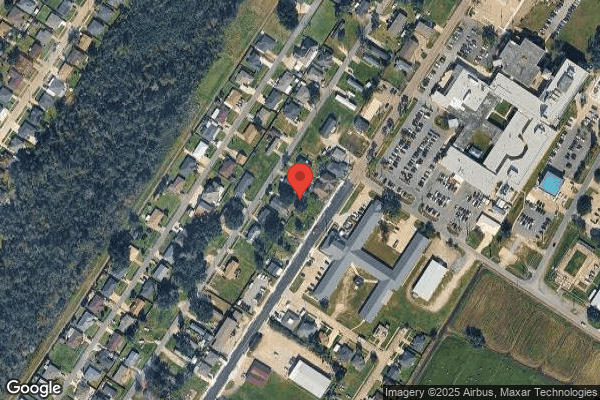
1125 PAUL MAILLARD RD, LULING, LA 70070 (985) 785-8271
For profit - Limited Liability company 117 Beds Independent Data: November 2025
Trust Grade
50/100
Last Inspection: March 2025

Within standard 12-15 month inspection cycle. Federal law requires annual inspections.

Overview

Luling Living Center has received a Trust Grade of C, which means it is average compared to other nursing homes. It does not rank among the top facilities in Louisiana or St. Charles County, indicating limited local competition. The facility is newly inspected and has a concerning trend, as it reported six potential harm issues during its first review. Staffing is a positive aspect, with a turnover rate of 0%, which is well below the state average, but the RN coverage is only average. While there have been no fines recorded, the inspector's findings highlighted several areas of concern, such as failing to provide necessary catheter care for two residents and not ensuring staff received effective communication training, which could impact resident care.

Trust Score
C
50/100
In Louisiana
#112/223
Top 50%
Safety Record
Low Risk
No red flags
Inspections
Too New
0 → 8 violations
Staff Stability
○ Average
Turnover data not reported for this facility.
Penalties
✓ Good
No fines on record. Clean compliance history, better than most Louisiana facilities.
Skilled Nurses
⚠ Watch
Each resident gets only 17 minutes of Registered Nurse (RN) attention daily — below average for Louisiana. Fewer RN minutes means fewer trained eyes watching for problems.
Violations
○ Average
8 deficiencies on record. Average for a facility this size. Mostly minor or procedural issues.
☆☆☆☆☆
0.0
Overall Rating
☆☆☆☆☆
0.0
Staff Levels
☆☆☆☆☆
0.0
Care Quality
☆☆☆☆☆
0.0
Inspection Score
Stable
: 0 issues
2025: 8 issues

The Good

  • Full Sprinkler Coverage · Fire safety systems throughout facility
  • No fines on record

Facility shows strength in fire safety.

The Bad

No Significant Concerns Identified

This facility shows no red flags. Among Louisiana's 100 nursing homes, only 0% achieve this.

The Ugly 8 deficiencies on record

Aug 2025 7 deficiencies
CONCERN (D) 📢 Someone Reported This

A family member, employee, or ombudsman was alarmed enough to file a formal complaint

Potential for Harm - no one hurt, but risky conditions existed

Deficiency F0838 (Tag F0838)

Could have caused harm · This affected 1 resident

**NOTE- TERMS IN BRACKETS HAVE BEEN EDITED TO PROTECT CONFIDENTIALITY** Based on interview and record review, the facility failed to ensure the facility assessment included active involvement from dir...

Read full inspector narrative →
**NOTE- TERMS IN BRACKETS HAVE BEEN EDITED TO PROTECT CONFIDENTIALITY** Based on interview and record review, the facility failed to ensure the facility assessment included active involvement from direct care staff, residents, and residents' representatives in its development and the current number of residents in the facility at the time of the assessment. Findings:Review of the facility's facility assessment dated [DATE] revealed, in part, direct care staff, including a Registered Nurse (RN), Licensed Practical Nurse (LPN) and a Certified Nursing Assistant (CNA), a resident and resident representatives were not included in the development of the facility's assessment. Further review revealed the average daily census was not documented. In an interview on 08/27/2025 at 1:20PM, S1Administrator confirmed the facility assessment was not developed with direct care staff, including a RN, a LPN, and a CNA, a resident and resident representatives. S1Administrator further indicated he could offer no further explanation as to why an accurate census was not included in the facility's facility assessment dated [DATE].
CONCERN (D) 📢 Someone Reported This

A family member, employee, or ombudsman was alarmed enough to file a formal complaint

Potential for Harm - no one hurt, but risky conditions existed

Infection Control (Tag F0880)

Could have caused harm · This affected 1 resident

Based on observations, interviews, and record reviews, the facility failed to ensure staff wore proper personal protective equipment (PPE) and completed hand hygiene while performing incontinence and/...

Read full inspector narrative →
Based on observations, interviews, and record reviews, the facility failed to ensure staff wore proper personal protective equipment (PPE) and completed hand hygiene while performing incontinence and/or wound care for residents on Enhanced Barrier Precautions (EBP) for 2 (Resident #1, Resident #3) of 2 (Resident #1, Resident #3) sampled residents observed for incontinence and/or wound care. Findings: Review of the facility's undated Enhanced Barrier Protection policy and procedure, revealed, in part, EBP consisted of, at a minimum, gloves and gown. Further review revealed EBP was indicated for residents with indwelling devices. Review of the facility's Handwashing/Hand Hygiene policy and procedure, revised 12/2009, revealed, in part, all personnel shall follow the handwashing/hand hygiene procedures to help prevent the spread of infections to other personnel, residents, and visitors. Further review revealed, employees must wash their hands with soap and water or sanitize using alcohol based hand sanitizer after handling soiled or used linens, dressings, catheters, and urinals, after removing gloves, before moving from a contaminated body site to a clean body site during resident care, and before and after direct resident contact. Resident #1 Review of the Centers for Disease Control and Prevention (CDC)'s October 2022 Guidelines for Hand Hygiene in Health-Care Settings revealed, in part, staff should decontaminate their hands if moving from a contaminated body site to a clean body site during patient care. Review of Resident #1's August 2025 physician's orders revealed, in part, an order for EBP: gown and gloves to be worn during high contact resident care activities such as dressing, hygiene, toileting, chronic wound care, and urinary catheter care every shift. Observation of Resident #1's door on 08/25/2025 at 1:15PM revealed a sign for EBP which indicated gloves and gown shall be worn for resident activity involving changing briefs and hygiene. Further observation of the EBP sign revealed everyone must clean their hands including before entering and when leaving the room. Observation on 08/25/2025 at 1:17PM revealed S10Certified Nursing Assistant (CNA) and S11CNA entered Resident #1's room to perform incontinence care. S10CNA and S11CNA had direct resident contact during incontinence care, without wearing gowns. S10CNA removed Resident #1's soiled diaper, and wiped Resident #1's buttocks and perineal area. S10CNA then reached her gloved hand into a container of Resident #1's barrier cream and applied the cream to Resident #1's buttocks without changing her gloves and performing hand hygiene. S10CNA then changed her gloves without performing hand hygiene and placed a clean brief on Resident #1. S10CNA, without a gown, emptied Resident #1's urine catheter drainage bag. S10CNA and S11CNA removed their gloves, did not perform hand hygiene, and exited Resident #1's room. S10CNA exited Resident #1's room carrying a bag of dirty trash from Resident #1's incontinence care. Further observation revealed S10CNA walked down the hallway and threw the bag of dirty trash into the soiled trash room and did not perform hand hygiene. Further observation revealed S11CNA entered Resident R4's room, took Resident R4's water cup, filled it with ice from the ice machine and then returned it to Resident R4 without performing hand hygiene after assisting with Resident #1's incontinence care. In an interview on 08/25/2025 at 1:45PM, S10CNA indicated Resident #1 was on EBP. S10CNA further indicated she and S11CNA did not wear a gown during incontinence care, did not change her gloves and perform hand hygiene after removing Resident #1's soiled diaper, did not perform hand hygiene before leaving Resident #1's room and should have. In an interview on 08/27/2025 at 11:55AM, S4Infection Preventionist (IP) indicated residents with indwelling devices should be on EBP. S4IP further indicated staff who performed incontinence care should have worn gloves and a gown, and should have changed their gloves and performed hand hygiene when they moved from a contaminated body site to a clean body site during resident care and prior to leaving resident's room. In an interview on 08/27/2025 at 12:45PM, S2Director of Nursing (DON) confirmed S10CNA and S11CNA should have worn a gown when they performed Resident #1's incontinence care. S2DON further indicated S10CNA should have performed hand hygiene when she moved from a contaminated body area to a clean body area, and S10CNA and S11CNA should have performed hand hygiene before they exited Resident #1's room. S2DON further indicated S11CNA should not have entered another resident's room without performing hand hygiene. In an interview on 08/27/2025 at 1:20PM, S1Administrator was presented with the above mentioned findings and offered no further explanation to dispute the above mentioned deficient practice. Resident #3Review of Resident #3's medical record revealed, in part, Resident #3 had an ileostomy (a surgical opening in the lower abdomen that allows stool to completely bypass the large intestine and rectum and collect into an external pouch). Observation of Resident #3's door on 08/25/2025 at 12:30PM revealed a sign for EBP which indicated gloves and gown shall be worn for any resident activity involving wound care and/or dressings. Observation on 08/26/2025 at 10:09AM revealed S8Licensed Practical Nurse (LPN) entered Resident #3's room to secure Resident #3's ostomy dressing and did not wear a gown. Further observation revealed S8LPN completed Resident #3's dressing securement without a gown. In an interview on 08/26/2025 at 10:11AM, S8LPN indicated Resident #3 was on EBP. S8LPN confirmed she provided wound care for Resident #3's ostomy site and did not wear a gown. S8LPN further indicated a gown was not needed when wound care was performed on Residents who were on EBP. In an interview on 08/27/2025 at 11:55AM, S4IP indicated residents with indwelling devices should be on EBP. S4IP further indicated the securement of an ostomy dressing was considered wound care and staff should have worn gloves and a gown for a resident on EBP. In an interview on 08/27/2025 at 12:45PM, S2DON confirmed the securement of an ostomy dressing was considered wound care, and S8LPN should have worn a gown while she secured Resident #3's ostomy dressing. In an interview on 08/27/2025 at 1:20PM, S1Administrator was presented with the above mentioned findings and offered no further explanation to dispute the above mentioned deficient practice.
CONCERN (E) 📢 Someone Reported This

A family member, employee, or ombudsman was alarmed enough to file a formal complaint

Potential for Harm - no one hurt, but risky conditions existed

Incontinence Care (Tag F0690)

Could have caused harm · This affected multiple residents

Based on observations, interviews, and record reviews, the facility failed to ensure:1. A resident's indwelling catheter tubing and bag were changed as needed (Resident #1); 2. Residents with an indwe...

Read full inspector narrative →
Based on observations, interviews, and record reviews, the facility failed to ensure:1. A resident's indwelling catheter tubing and bag were changed as needed (Resident #1); 2. Residents with an indwelling urinary catheter received catheter care as ordered (Resident #1, Resident #2); and,3. A resident's urinary catheter order was completed (Resident #2).This deficient practice was identified for 2 (Resident #1, Resident #2) of 2 (Resident #1, Resident #2) sampled residents investigated for urinary catheter care and Urinary Tract Infections (UTI). Findings: Review of the facility's Indwelling Catheter policy and procedure, revised on 09/23/2024, revealed, in part, catheter care shall be provided every shift for residents with an indwelling catheter. Review of the facility's undated Floor Nurse/Licensed Practical Nurse (LPN) Job Description, revealed, in part, the LPN shall initiate the orders of physician's and carry out any treatment and procedures outlined in the patient's plan. Resident #1Review of Resident #1's August 2025 physician's orders revealed, in part, an order for a suprapubic catheter (a tube inserted directly into the bladder through an incision in the lower abdomen). Further review revealed an order to change Resident #1's catheter drainage bag and tubing every month and as needed. Further review also revealed an order to provide suprapubic catheter care every shift. Observation on 08/25/2025 at 1:30PM revealed Resident #1's suprapubic catheter tubing and collection bag contained cloudy urine with sediment and a thick white substance which adhered to the inside wall of the tubing. Observation on 08/26/2025 at 11:30AM revealed Resident #1's suprapubic catheter tubing and collection bag contained cloudy urine with sediment and a thick white substance which adhered to the inside wall of the tubing. Observation on 08/27/2025 at 12:30PM revealed Resident #1's suprapubic catheter tubing and collection bag contained cloudy urine with sediment and a thick white substance which adhered to the inside wall of the tubing. In an interview on 08/25/2025 at 1:45PM, S10Certified Nursing Assistant (CNA) indicated she was the CNA assigned to Resident #1. S10CNA further indicated she did not perform catheter care every shift on Resident #1. S10CNA further indicated she thought it was the nurse's responsibility to perform catheter care on residents with a suprapubic catheter. In an interview on 08/25/2025 at 1:52PM, S7LPN indicated she was the nurse assigned to Resident #1. S7LPN further indicated she did not perform Resident #1's catheter care during the 6:00AM to 2:00PM shift as ordered. In an interview on 08/27/2025 at 12:45PM, S2Director of Nursing (DON) confirmed Resident #1's suprapubic catheter tubing had sediment and a think white substance throughout the drainage tubing. S2DON further indicated that Resident #1's catheter bag and tubing should have been changed out when the sediment and thick white substance were first observed and the date written on the collection bag. S2DON further indicated that Resident #1's catheter care should have been performed every shift as ordered. In an interview on 08/27/2025 at 1:20PM, S1Administrator was presented with the above mentioned findings and offered no further explanation to dispute the above mentioned deficient practice. Resident #2Review of Resident #2's August 2025 physician's orders revealed, in part, an order for Resident #2 to receive catheter care to Resident #2's suprapubic catheter every shift. Further review revealed an order for Resident #2's suprapubic catheter anchor (a device that securely attaches the catheter tubing to the resident's upper leg) to be changed out weekly. Review of Resident #2's Minimum Data Set with an Assessment Reference Date of 06/11/2025 revealed, in part, Resident #2 had a Brief Interview for Mental Status (BIMS) summary score of 15, which indicated Resident #2 was cognitively intact. Review of Resident #2's July 2025 and August 2025 electronic Treatment Administration Record (eTAR) revealed, in part, no documentation Resident #2's urinary catheter anchor was applied and/or changed to secure Resident #2's suprapubic catheter tubing as ordered weekly in July 2025 nor August 2025. Observation on 08/25/2025 at 11:30AM revealed Resident #2's suprapubic catheter did not have an anchoring device as ordered, and Resident #2's suprapubic catheter was not secured to Resident #2's body. Further observation revealed Resident #2's catheter tubing had a dried drainage on it near the insertion site. In an interview on 08/26/2025 at 11:30AM, S9CNA indicated she did not perform suprapubic catheter care on Resident #2. S9CNA further indicated Resident #2's nurse was responsible to perform catheter care. Observation on 08/26/2025 at 12:40PM revealed Resident #2's suprapubic catheter did not have an anchoring device as ordered, and Resident #2's suprapubic catheter was not secured to Resident #2's body. Further observation revealed Resident #2's catheter tubing had a dried drainage on it near the insertion site. In an interview on 08/26/2025 at 12:45PM, Resident #2 indicated catheter care was not performed every day. Resident #2 further indicated that he had not received catheter care today (08/26/2025) or yesterday (08/25/2025). In an interview on 08/26/2025 at 12:50PM, S6LPN indicated catheter care was only done on the night shift. S6LPN further indicated she had not performed catheter care on Resident #2 during the day shift. S6LPN further indicated she did not know catheter care was ordered every shift. Observation on 08/27/2025 at 11:00AM revealed Resident #2's suprapubic catheter did not have an anchoring device as ordered, and Resident #2's suprapubic catheter was not secured to Resident #2's body. Further observation revealed Resident #2's catheter tubing had a dried drainage on it near the insertion site. In an interview on 08/27/2025 at 11:30AM, Resident #2 indicated nobody came to clean his catheter or the insertion site yesterday (08/26/2025). Resident #2 further indicated he had not had a catheter anchoring device placed in months. In an interview on 08/27/2025 at 12:45PM, S2DON confirmed Resident #2's catheter care should have been performed every shift as ordered. S2DON further confirmed Resident #2 did not have a catheter anchoring device as ordered and should have. In an interview on 08/27/2025 at 1:20PM, S1Administrator was presented with the above mentioned findings and offered no further explanation to dispute the above mentioned deficient practice.
CONCERN (E) 📢 Someone Reported This

A family member, employee, or ombudsman was alarmed enough to file a formal complaint

Potential for Harm - no one hurt, but risky conditions existed

Medical Records (Tag F0842)

Could have caused harm · This affected multiple residents

Based on observation, interviews and record reviews, the facility failed to ensure a resident's medical record was accurately documented for 2 (Resident #1, Resident #2) of 3 (Resident #1, Resident #2...

Read full inspector narrative →
Based on observation, interviews and record reviews, the facility failed to ensure a resident's medical record was accurately documented for 2 (Resident #1, Resident #2) of 3 (Resident #1, Resident #2, Resident #3) sampled residents investigated for accurate medical record documentation. Findings:Review of the facility's undated Floor Nurse/Licensed Practical Nurse (LPN) job description revealed, in part, the LPN must accurately document the care they provide for a patient. Resident #1Review of Resident #1's August 2025 physician's orders revealed, in part, an order for suprapubic catheter (a tube inserted directly into the bladder through an incision in the lower abdomen) care to be performed every shift. Review of Resident #1's August 2025 electronic Medication Administration Record (eMAR) revealed, in part, S7LPN documented on 08/25/2025 Resident #1's catheter care was completed. In an interview on 08/25/2025 at 1:52PM, S7LPN indicated she was the nurse assigned to Resident #1. S7LPN further indicated she did not perform Resident #1's catheter care during her shift as ordered. Resident #2Review of Resident #2's August 2025 physician's orders revealed, in part, an order for suprapubic catheter care to be performed every shift. Further review revealed an order for a pressure relieving cushion to be in placed on Resident #2's wheelchair to prevent skin breakdown every shift. Review of Resident #2's Minimum Data Set with an Assessment Reference Date of 06/11/2025 revealed, in part, Resident #2 had a Brief Interview for Mental Status (BIMS) summary score of 15, which indicated Resident #2 was cognitively intact. Review of Resident #2's August eMAR revealed, in part, S6LPN documented she performed catheter care on Resident #2's suprapubic catheter on the following 6:00AM to 2:00PM shifts:- 08/01/2025;- 08/04/2025 through 08/08/2025; - 08/11/2025 through 08/15/2025;- 08/18/2025;- 08/22/2025;- 08/25/2025; and,- 08/26/2025.Further review revealed the following nurses documented a pressure relieving cushion was in place on Resident #2's wheelchair on the following 6:00AM to 2:00PM shifts:- S6LPN on 08/01/2025;- S9LPN on 08/02/2025 and 08/03/2025;- S6LPN on 08/04/2025 through 08/08/2025;- S9LPN on 08/09/2025 and 08/10/2025;- S6LPN on 08/11/2025 through 08/15/2025;- S9LPN on 08/16/2025 and 08/17/2025;- S6LPN on 08/18/2025 and 08/19/2025;- S7LPN on 08/20/2025 and 08/21/2025;- S6LPN on 08/22/2025;- S6LPN on 08/23/2025 and 08/24/2025; and,- S9LPN on 08/25/2025 and 08/26/2025. Observation on 08/25/2025 at 11:30AM revealed Resident #2 was sitting in his wheelchair without a pressure relieving cushion in place. In an interview on 08/26/2025 at 12:45PM, Resident #2 indicated he has not had a pressure relieving cushion on his wheelchair in months. In an interview on 08/26/2025 at 12:50PM, S6LPN indicated she documented on Resident #2's eMAR that catheter care had been performed, even though she had not performed Resident #2's catheter care. S6LPN further indicated she did not check to see if Resident #2 had a pressure relieving cushion in place, but S6LPN documented in Resident #2's eMAR that Resident #2's pressure relieving cushion was in place and should not have. In an interview on 08/27/2025 at 12:45PM, S2Director of Nursing confirmed the above mentioned documentation in Resident #2's eMAR was inaccurate and should not have been. In an interview on 08/27/2025 at 1:20PM, S1Administrator was presented with the above mentioned findings and offered no further explanation to dispute the above mentioned deficient practice.
CONCERN (E) 📢 Someone Reported This

A family member, employee, or ombudsman was alarmed enough to file a formal complaint

Potential for Harm - no one hurt, but risky conditions existed

Deficiency F0941 (Tag F0941)

Could have caused harm · This affected multiple residents

Based on record reviews and interviews, the facility failed to ensure direct care staff were provided effective communication training for 5 (S10Certified Nursing Assistant [CNA], S13CNA, S14CNA, S15C...

Read full inspector narrative →
Based on record reviews and interviews, the facility failed to ensure direct care staff were provided effective communication training for 5 (S10Certified Nursing Assistant [CNA], S13CNA, S14CNA, S15CNA, S16CNA) of 5 (S10CNA, S13CNA, S14CNA, S15CNA, S16CNA) sampled direct care staff investigated for training requirements. Findings:Review of S10CNA's personnel record revealed, in part, S10CNA had a date of hire of 04/01/2025. Further review revealed S10CNA did not receive effective communication training as required. Review of S13CNA's personnel record revealed, in part, S13CNA had a date of hire of 02/25/2025. Further review revealed S13CNA did not receive effective communication training as required. Review of S14CNA's personnel record revealed, in part, S14CNA had a date of hire of 03/03/2025. Further review revealed S14CNA did not receive effective communication training as required. Review of S15CNA's personnel record revealed, in part, S15CNA had a date of hire of 07/15/2025. Further review revealed S15CNA did not receive effective communication training as required. Review of S16CNA's personnel record revealed, in part, S16CNA had a date of hire of 04/10/2025. Further review revealed S16CNA did not receive effective communication training as required. In an interview on 08/26/2025 at 11:45AM, S3CNA Supervisor indicated she was responsible for providing training for new hire orientation and in-services to staff. S3CNA Supervisor further indicated effective communication training was not included in orientation training or in-services. In an interview on 08/27/2025 at 12:45PM, S2Director of Nursing confirmed S10CNA, S13CNA, S14CNA, S15CNA, and S16CNA did not have effective communication training.
CONCERN (E) 📢 Someone Reported This

A family member, employee, or ombudsman was alarmed enough to file a formal complaint

Potential for Harm - no one hurt, but risky conditions existed

Deficiency F0944 (Tag F0944)

Could have caused harm · This affected multiple residents

Based on record reviews and interviews, the facility failed to ensure direct care staff were provided Quality Assurance and Performance Improvement (QAPI) training for 5 (S10Certified Nursing Assistan...

Read full inspector narrative →
Based on record reviews and interviews, the facility failed to ensure direct care staff were provided Quality Assurance and Performance Improvement (QAPI) training for 5 (S10Certified Nursing Assistant [CNA], S13CNA, S14CNA, S15CNA, S16CNA) of 5 (S10CNA, S13CNA, S14CNA, S15CNA, S16CNA) sampled direct care staff investigated for training requirements. Findings:Review of S10CNA's personnel record revealed, in part, S10CNA had a date of hire of 04/01/2025. Further review revealed S10CNA did not receive QAPI training as required. Review of S13CNA's personnel record revealed, in part, S13CNA had a date of hire of 02/25/2025. Further review revealed S13CNA did not receive QAPI training as required. Review of S14CNA's personnel record revealed, in part, S14CNA had a date of hire of 03/03/2025. Further review revealed S14CNA did not receive QAPI training as required. Review of S15CNA's personnel record revealed, in part, S15CNA had a date of hire of 07/15/2025. Further review revealed S15CNA did not receive QAPI training as required. Review of S16CNA's personnel record revealed, in part, S16CNA had a date of hire of 04/10/2025. Further review revealed S16CNA did not receive QAPI training as required. In an interview on 08/26/2025 at 11:45AM, S3CNA Supervisor indicated she was responsible for providing training for new hire orientation and in-services to staff. S3CNA Supervisor further indicated QAPI training was not included in orientation training or in-services. In an interview on 08/27/2025 at 12:45PM, S2Director of Nursing confirmed S10CNA, S13CNA, S14CNA, S15CNA, and S16CNA did not receive QAPI training.
MINOR (B) 📢 Someone Reported This

A family member, employee, or ombudsman was alarmed enough to file a formal complaint

Minor Issue - procedural, no safety impact

Staffing Information (Tag F0732)

Minor procedural issue · This affected multiple residents

Based on observations and interviews, the facility failed to post the required nurse staffing information at the beginning of each shift daily for 3 (08/25/2025, 08/26/2025, 08/27/2025) of 3 (08/25/20...

Read full inspector narrative →
Based on observations and interviews, the facility failed to post the required nurse staffing information at the beginning of each shift daily for 3 (08/25/2025, 08/26/2025, 08/27/2025) of 3 (08/25/2025, 08/26/2025, 08/27/2025) days observed for nurse staffing information. Findings:Observation on 08/25/2025 at 10:30AM revealed the facility's posted nurse staffing information dated 08/25/2025 did not include the facility's daily census or the actual hours worked by Registered Nurses (RN), Licensed Practical Nurses (LPN), and Certified Nursing Assistants (CNA). Observation on 08/26/2025 at 9:47AM revealed the facility's posted nurse staffing information dated 08/26/2025 did not include the facility's daily census or the actual hours worked by RNs, LPNs, and CNAs. Observation on 08/27/2025 at 11:51AM revealed the facility's posted nurse staffing information dated 08/27/2025 did not include the facility's daily census or the actual hours worked by RNs, LPNs, and CNAs. In an interview on 08/27/2025 at 12:45PM, S2Director of Nursing confirmed the above mentioned staffing reports did not contain the facility's daily census or the actual hours worked by RNs, LPNs, and CNAs. In an interview on 08/27/2025 at 1:20PM, S1Administrator was presented with the above mentioned findings and offered no further explanation to dispute the above mentioned deficient practice.
Mar 2025 1 deficiency
MINOR (C)

Minor Issue - procedural, no safety impact

Deficiency F0882 (Tag F0882)

Minor procedural issue · This affected most or all residents

Based on interviews, the facility failed to ensure that the individual designated as the Infection Preventionist had completed specialized infection prevention and control training. Findings: In an i...

Read full inspector narrative →
Based on interviews, the facility failed to ensure that the individual designated as the Infection Preventionist had completed specialized infection prevention and control training. Findings: In an interview on 03/03/2025 at 10:15AM, S1Administrator indicated S3Infection Control/Licensed Practical Nurse (LPN) was the facility's designated Infection Preventionist. S1Administrator further indicated S3Infection Control/LPN did not have an Infection Preventionist certificate or specialized infection prevention and control training. In an interview on 03/10/2025 at 2:30PM, S3Infection Control/LPN indicated she had not completed any specialized infection prevention and control training.
Understanding Severity Codes (click to expand)
Life-Threatening (Immediate Jeopardy)
J - Isolated K - Pattern L - Widespread
Actual Harm
G - Isolated H - Pattern I - Widespread
Potential for Harm
D - Isolated E - Pattern F - Widespread
No Harm (Minor)
A - Isolated B - Pattern C - Widespread

Questions to Ask on Your Visit

  • "Can I speak with families of current residents?"
  • "What's your RN coverage like on weekends and overnight?"

Our Honest Assessment

Strengths
  • • No major safety red flags. No abuse findings, life-threatening violations, or SFF status.
  • • No fines on record. Clean compliance history, better than most Louisiana facilities.
Concerns
  • • Grade C (50/100). Below average facility with significant concerns.
Bottom line: Mixed indicators with Trust Score of 50/100. Visit in person and ask pointed questions.

About This Facility

What is Luling Living Center's CMS Rating?

Luling Living Center does not currently have a CMS star rating on record.

How is Luling Living Center Staffed?

Detailed staffing data for Luling Living Center is not available in the current CMS dataset.

What Have Inspectors Found at Luling Living Center?

State health inspectors documented 8 deficiencies at Luling Living Center during 2025. These included: 6 with potential for harm and 2 minor or isolated issues.

Who Owns and Operates Luling Living Center?

Luling Living Center is owned by a for-profit company. For-profit facilities operate as businesses with obligations to shareholders or private owners. The facility operates independently rather than as part of a larger chain. With 117 certified beds and approximately 32 residents (about 27% occupancy), it is a mid-sized facility located in LULING, Louisiana.

How Does Luling Living Center Compare to Other Louisiana Nursing Homes?

Comparison data for Luling Living Center relative to other Louisiana facilities is limited in the current dataset.

What Should Families Ask When Visiting Luling Living Center?

Based on this facility's data, families visiting should ask: "Can I visit during a mealtime to observe dining assistance and food quality?" "How do you handle medical emergencies, and what is your hospital transfer rate?" "Can I speak with family members of current residents about their experience?"

Is Luling Living Center Safe?

Based on CMS inspection data, Luling Living Center has a clean safety record: no substantiated abuse findings (meaning no confirmed cases of resident harm), no Immediate Jeopardy citations (the most serious violation level indicating risk of serious injury or death), and is not on the Special Focus Facility watch list (a federal program monitoring the lowest-performing 1% of nursing homes). The facility has a 0-star overall rating and ranks #100 of 100 nursing homes in Louisiana. While no facility is perfect, families should still ask about staff-to-resident ratios and recent inspection results during their visit.

Do Nurses at Luling Living Center Stick Around?

Luling Living Center has not reported staff turnover data to CMS. Staff turnover matters because consistent caregivers learn residents' individual needs, medications, and preferences. When staff frequently change, this institutional knowledge is lost. Families should ask the facility directly about their staff retention rates and average employee tenure.

Was Luling Living Center Ever Fined?

Luling Living Center has no federal fines on record. CMS issues fines when nursing homes fail to meet care standards or don't correct problems found during inspections. The absence of fines suggests the facility has either maintained compliance or corrected any issues before penalties were assessed. This is a positive indicator, though families should still review recent inspection reports for the full picture.

Is Luling Living Center on Any Federal Watch List?

Luling Living Center is not on any federal watch list. The most significant is the Special Focus Facility (SFF) program, which identifies the bottom 1% of nursing homes nationally based on persistent, serious quality problems. Not being on this list means the facility has avoided the pattern of deficiencies that triggers enhanced federal oversight. This is a positive indicator, though families should still review the facility's inspection history directly.