CHATEAU ST. JAMES REHAB AND RETIREMENT
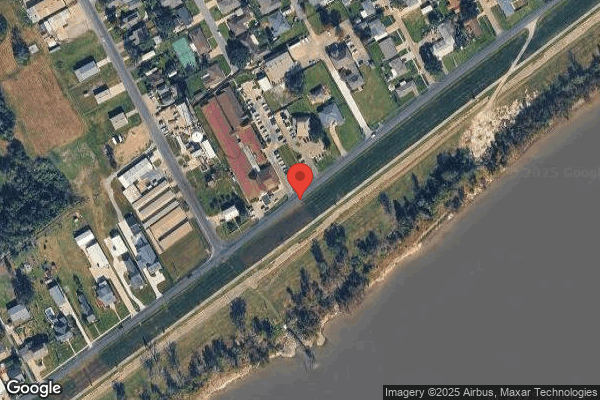
1980 JEFFERSON HWY, LUTCHER, LA 70071 (225) 869-5725
For profit - Individual 116 Beds PRIORITY MANAGEMENT Data: November 2025 2 Immediate Jeopardy citations
Trust Grade
6/100
#183 of 264 in LA
Last Inspection: November 2024

Within standard 12-15 month inspection cycle. Federal law requires annual inspections.

Overview

Chateau St. James Rehab and Retirement has a Trust Grade of F, indicating significant concerns about the facility's care. It ranks #183 out of 264 in Louisiana, placing it in the bottom half of all nursing homes in the state, although it is the only option in St. James County. The facility's trend is improving, with issues decreasing from 7 in 2024 to 2 in 2025. Staffing is a strength, with a turnover rate of 0%, significantly lower than the state average, but the overall star rating is just 1 out of 5, reflecting poor performance in various areas. However, there are serious weaknesses to consider. For instance, a critical incident involved a resident with a known choking risk who was left unsupervised while eating and subsequently died after choking on a sandwich. Another serious issue reported involved a resident being improperly positioned, leading to a fall and a fractured tooth. While there have been improvements, the facility has faced $48,562 in fines, which suggests ongoing compliance issues, and only average RN coverage, indicating that some critical needs might be missed. Families should weigh these strengths and weaknesses carefully when considering this facility.

Trust Score
F
6/100
In Louisiana
#183/264
Bottom 31%
Safety Record
High Risk
Review needed
Inspections
Getting Better
7 → 2 violations
Staff Stability
○ Average
Turnover data not reported for this facility.
Penalties
✓ Good
$48,562 in fines. Lower than most Louisiana facilities. Relatively clean record.
Skilled Nurses
⚠ Watch
Each resident gets only 13 minutes of Registered Nurse (RN) attention daily — below average for Louisiana. Fewer RN minutes means fewer trained eyes watching for problems.
Violations
⚠ Watch
32 deficiencies on record. Higher than average. Multiple issues found across inspections.
★☆☆☆☆
1.0
Overall Rating
★☆☆☆☆
1.0
Staff Levels
★★★★☆
4.0
Care Quality
★★☆☆☆
2.0
Inspection Score
Stable
2024: 7 issues
2025: 2 issues

The Good

  • 4-Star Quality Measures · Strong clinical quality outcomes
  • Full Sprinkler Coverage · Fire safety systems throughout facility
  • No fines on record

Facility shows strength in quality measures, fire safety.

The Bad

1-Star Overall Rating

Below Louisiana average (2.4)

Significant quality concerns identified by CMS

Federal Fines: $48,562

Above median ($33,413)

Moderate penalties - review what triggered them

Chain: PRIORITY MANAGEMENT

Part of a multi-facility chain

Ask about local staffing decisions and management

The Ugly 32 deficiencies on record

2 life-threatening 1 actual harm
May 2025 2 deficiencies
CONCERN (D) 📢 Someone Reported This

A family member, employee, or ombudsman was alarmed enough to file a formal complaint

Potential for Harm - no one hurt, but risky conditions existed

Deficiency F0657 (Tag F0657)

Could have caused harm · This affected 1 resident

Based on observations, interviews, and record reviews the facility failed to ensure a resident's care plan was revised to reflect a resident's individualized needs following a significant change in co...

Read full inspector narrative →
Based on observations, interviews, and record reviews the facility failed to ensure a resident's care plan was revised to reflect a resident's individualized needs following a significant change in condition. This deficient practice was identified for 1 (Resident #2) of 5 (Resident #1, Resident #2, Resident #3, Resident #4, Resident #5) sampled residents reviewed for quality of care. Findings: Review of Resident #2's Quarterly MDS (Minimum Data Set) with ARD (Assessment Reference Date) of 03/20/2025 revealed, in part, Resident #2 no wandering behaviors noted and required a walker or wheelchair for locomotion. Further review revealed Resident #2 required supervision or touching assistance with eating, performing oral hygiene, personal hygiene, bathing or showering, and partial and moderate assistance with toileting hygiene. Review of Resident #2's Significant change MDS (Minimum Data Set) with an ARD (Assessment Reference Date) of 05/02/205 revealed, in part, Resident #2 had no wandering behaviors noted and required substantial or maximal assistance performing personal hygiene, bathing or showering, chair to bed transfers, toileting transfers, and toileting hygiene. Review of Resident #2's Physician's Orders revealed, in part, on 01/02/2025 Resident #2 had an order to place a wander guard to Resident #2's right ankle due to wandering and exit seeking. Further review revealed on 04/24/2025 Resident #2 had an order to remove his wander guard due to Resident #2's status changed to being bedbound. Resident #2 was at risk for falls which included interventions for a fall mat at bedside, encourage Resident #2 to utilize walker while ambulating, ensure resident has on proper footwear when up out of bed, and ensure the call light was within reach. Review of Resident #2's Care Plan header revealed, in part, a special instructions warning which indicated Resident #2 was a fall risk and required rounding every hour, a fall mat at the bedside while Resident #2 was in bed, and that Resident #2 was a wanderer and had a wander guard on Resident #2's right ankle. Further review revealed, this care plan header was also visible to nursing staff on Resident #2's profile in his electronic record. Observation on 05/27/2025 at 3:23PM, Resident was noted lying in bed and had no fall mat at bedside and call light/button was on the floor behind Resident #2's bed on the floor out of reach. Resident #2 was unable to state if he had any falls recently or how to call for staff when he needs assistance, Resident #2 could not say where his call light/button was. In an interview on 05/27/2025 at 3:25PM, S6Certified Nursing Assistant (CNA) indicated Resident #2 did not remember to ask for assistance, she stated he use to have a fall mat but was unsure if he still required one. In an interview on 05/27/2025 at 4:05PM, S2Assistant Director of Nursing (ADON) indicated Resident #2's order for a fall mat by bedside while Resident #2 was in bed should have been discontinued because Resident #2 was now bed bound and was no longer mobile. In an interview on 05/28/2025 at 2:55PM, S4Licensed Practical Nurse indicated that Resident #2 was unable to use the call bell to call for assistance, and will call out for assistance and was bedbound now. In an interview on 05/28/2025 at 3:51PM, S5Licensed Practical Nurse indicated Resident #2's care plan should be updated and revised with all significant changes and quarterly assessments. S5 Licensed Practical Nurse further indicated Resident #2's care plan should have been updated and revised with individual interventions.
CONCERN (D) 📢 Someone Reported This

A family member, employee, or ombudsman was alarmed enough to file a formal complaint

Potential for Harm - no one hurt, but risky conditions existed

Respiratory Care (Tag F0695)

Could have caused harm · This affected 1 resident

Based on observations, interviews, and record reviews, the facility failed to: 1) obtain settings for Continuous Positive Airway Pressure (CPAP) administration (Resident #1); and, 2) follow a physici...

Read full inspector narrative →
Based on observations, interviews, and record reviews, the facility failed to: 1) obtain settings for Continuous Positive Airway Pressure (CPAP) administration (Resident #1); and, 2) follow a physician's order for oxygen administration (Resident #2). This deficient practice was identified for 2 (Resident #1, Resident #2) of 3 (Resident #1, Resident #2, Resident #5) sampled residents reviewed for respiratory care in a total sample of 5. Findings: 1. Review of the facility's CPAP/bi-level positive airway pressure (BPAP) Support policy and procedure revised on 03/2015 revealed, in part, the purpose was to improve oxygenation in residents with respiratory insufficiency, obstructive sleep apnea, or obstructive lung disease. Further review revealed staff was to review the physician's order to determine the oxygen concentration and flow, and the positive end-expiratory pressure (PEEP). Further review revealed staff was to set mode for CPAP settings on the machine as prescribed. Review of Resident #1's Minimum Data Set with an assessment reference date of 03/09/2025 revealed, in part, Resident #1 had a medical history of chronic respiratory failure, chronic obstructive pulmonary disease (a group of lung diseases that block airflow and make it difficult to breathe) and received oxygen therapy. Review of Resident #1's May 2025 Physician's Orders revealed, in part, staff were to check and fill Resident #1's CPAP canister with distilled water at bedtime. Further review revealed no documented evidence, and the facility was unable to present any evidence Resident #1 had a physician order which included settings for oxygen concentration, flow, and pressure for the CPAP to be administered. In an interview on 05/28/2025 at 1:19PM, S1Quality Improvement (QI) Nurse confirmed Resident #1 did not have a physician order which included settings for oxygen concentration, flow, and pressure for CPAP administration as required. 2. Review of facility's Oxygen Administration policy and procedure with a revision date of February 2025, revealed, in part, staff was to review physician's orders to determine the proper flow of oxygen to be administered for safe oxygen administration, and infection prevention associated with respiratory therapy tasks. Review of Resident #2's Physician's Orders dated 05/15/2025 revealed, in part, Resident #2's oxygen was to be administered at 2 Liters per minute (LPM) via nasal cannula (a device that gives you additional oxygen through your nose). Observation on 05/27/2025 at 3:23PM revealed, Resident #2 was lying in bed with oxygen set to be administered at 3LPM via nasal cannula. Observation on 05/27/2025 at 4:02PM revealed, Resident #2 was lying in bed with oxygen set to be administered at 3LPM via nasal cannula. Further observation revealed Resident #2's nasal cannula was not positioned correctly over both nares. In an interview on 05/27/2025 at 4:05PM, S2Assistant Director of Nursing (ADON) verified that Resident #2's oxygen was not set at 2LPM via nasal cannula. In an interview on 05/27/2025 at 4:07PM, S3Licensed Practical Nurse confirmed Resident #2's oxygen was to be administered at 2LPM via nasal cannula, and was not.
Nov 2024 6 deficiencies
CONCERN (D)

Potential for Harm - no one hurt, but risky conditions existed

Food Safety (Tag F0812)

Could have caused harm · This affected 1 resident

Based on interview, observation, and record review, the facility failed to perform proper hand hygiene while preparing coffee for residents. Findings: Review of the facility's Policy and Procedure for...

Read full inspector narrative →
Based on interview, observation, and record review, the facility failed to perform proper hand hygiene while preparing coffee for residents. Findings: Review of the facility's Policy and Procedure for Preventing Foodborne Illness - Employee Hygiene and Sanitary Practice, last updated October 2008, revealed, in part, all employees who handled, prepared, or served food were trained in the practice of safe food handling and preventing foodborne illness by performing hand hygiene before coming into contact with any food surfaces and after being engaged in other activities that contaminate their hands. Observation on 11/06/2024 at 11:00 a.m., revealed S13Dietary Aide (DA) performed hand hygiene in the facility's kitchen sink, obtained paper towels, used the paper towels to dry her hands, and then lifted kitchen garbage bin lid with her bare hands to dispose of the above mentioned paper towels. Further observation revealed S13DA did not perform hand hygiene after touching the garbage can lid, picked up a container of coffee, brought the coffee to the facility dining room, and then proceeded to prepare coffee for resident consumption without performing hand hygiene. In an interview on 11/06/2024 at 11:01 a.m., S13DA indicated she should not have lifted the facility's kitchen garbage bin lid with her bare hands after she performed hand hygiene and should not have touched the container of coffee without performing hand hygiene. In an interview on 11/06/2024 at 11:05 a.m., S12Dietary Manager indicated S13DA should not have lifted the facility's kitchen garbage bin lid with her bare hands after she performed hand hygiene and should not have touched the container of coffee without performing hand hygiene. In an interview on 11/06/2024 at 11:25 a.m., S1Administrator indicated S13DA should have used proper hand hygiene before she touched the container of coffee.
CONCERN (D)

Potential for Harm - no one hurt, but risky conditions existed

Infection Control (Tag F0880)

Could have caused harm · This affected 1 resident

Based on record reviews, and interviews the facility failed to identify and include the infection-causing organism for resident infections into their infection control surveillance for 4 (Resident #38...

Read full inspector narrative →
Based on record reviews, and interviews the facility failed to identify and include the infection-causing organism for resident infections into their infection control surveillance for 4 (Resident #38, Resident #41, Resident #66, and Resident #75) of 5 (Resident #30, Resident #38, Resident #41, Resident #66, and Resident #75) sampled resident reviewed for infection surveillance. Findings: Review of the facility's Surveillance for Infections policy and procedure with a revision date of September 2017, revealed, in part, the purpose of the surveillance of infections was to identify individual cases and trends of epidemiologically significant organisms and Healthcare-Associated Infections. Further review of the policy revealed infections included in routine surveillance include evidence of transmissibility, processes, and procedures which prevent the spread of infection, and pathogens associated with serious outbreaks. Review revealed the surveillance should include a review of all information to identify possible indicators of infections: laboratory records, infection documentation records, and antibiotic review. Review further revealed the surveillance system was designed to capture epidemiologically. Review further revealed to collect the following data: identifying information, diagnosis, the date of onset of the infection, date of the positive diagnostic test, infection site, pathogens, and risk. Review of the facility's September 2024 infection tracking and trending documentation revealed, in part, four residents (Resident #38, Resident #41, Resident #66, and Resident #75) resided on hall A whom received care from the same assigned staff, and was diagnosed with a urinary tract infection (UTI). Further review revealed no documented evidence, and the facility presented no documented evidence, that the infection-causing organism was identified in the facility's infection surveillance documentation. Review of Resident #38's Urine Analysis (UA) Culture and Sensitivity (C/S) report dated 08/28/2024, revealed a diagnosis of urinary tract infection (UTI) with Staphylococcus (S. Aureus) (bacteria which causes urinary tract infections) identified as the primary pathogen. Review of Resident #41's UA C/S report dated 09/16/2024 revealed gram negative rods were identified as the pathogen. Review of Resident #66's UA C/S report dated 09/30/2024 revealed UTI with Klebsiella Pneumonia (bacteria associated with pneumonia) was identified as the pathogen. Review of Resident #75's UA C/S report dated 09/26/2024 revealed Resident #75 was admitted to a local hospital with a diagnosis of UTI and Klebsiella Pneumonia was identified as the pathogen. There was no documented evidence, and the facility did not produce any documented evidence, infection-causing organisms for resident infections were included as part of the facility's infection control surveillance for 4 (Resident #38, Resident #41, Resident #66, and Resident #75) of 5 (Resident #30, Resident #38, Resident #41, Resident #66, and Resident #75) residents reviewed for infection surveillance. In an interview on 11/07/2024 at 8:30 a.m., S6Infection Preventionist (IP) indicated she had not received any culture results for the above mentioned residents, and was unaware the results were placed in the resident's medical records. S6IP further indicated she was unaware the facility had placed the results in the residents' medical records, and S6IP further indicated she failed to follow-up on culture results as part of the infection surveillance process. In an interview on 11/07/2024 at 8:45 a.m. S2Director of Nursing (DON) indicated she had instructed S6IP on multiple occasions to follow-up on culture results and incorporate the final results into the infection surveillance program. S2DON confirmed the pathogens should have been identified on the Facility Infection Report: Tracking and Trending and it was not.
CONCERN (E)

Potential for Harm - no one hurt, but risky conditions existed

Accident Prevention (Tag F0689)

Could have caused harm · This affected multiple residents

**NOTE- TERMS IN BRACKETS HAVE BEEN EDITED TO PROTECT CONFIDENTIALITY** Based on observations, interviews, and record reviews, the facility failed to: 1. Ensure residents identified as unsafe smokers ...

Read full inspector narrative →
**NOTE- TERMS IN BRACKETS HAVE BEEN EDITED TO PROTECT CONFIDENTIALITY** Based on observations, interviews, and record reviews, the facility failed to: 1. Ensure residents identified as unsafe smokers did not have access to smoking materials while not being supervised (Resident #36); and, 2.Implement new individualized fall prevention interventions and/or increase supervision to prevent future falls for 1 (Resident #1) of 4 (Resident #1, Resident #34, Resident #35, and Resident #56) sampled residents reviewed for falls. Findings: Resident #36 Review of the facility's Resident's Smoking Policy dated 03/08/2023 revealed, in part, residents were not be permitted to keep cigarettes, e-cigarettes, pipes, tobacco, and other smoking articles in their possession if they were determined to have smoking restrictions or identified as an unsafe smoker unless under supervision. Further review revealed the facility maintained the right to confiscate smoking articles found in violation of the smoking policies. Review of Resident #36's Minimum Data Set (MDS) with an Assessment Reference Date (ARD) of 09/17/2024 revealed, in part, a Brief Interview for Mental Status (BIMS) score of 14, which indicated Resident #36 was cognitively intact. Review of Resident #36's Care Plan revealed, in part, Resident #36 was assessed and identified as being an unsafe smoker with an intervention for Resident #36 to follow the facility's protocol for safe smoking. Review of Resident #36's Safe Smoking assessment dated [DATE] revealed, in part, Resident #36 was assessed as being an unsafe smoker and required supervision by staff while smoking. Further review revealed Resident #36's cigarettes and lighters were to be secured at the nurse's station. Observation on 11/06/2024 at 10:37 a.m. revealed Resident #36's purple cigarette lighter was located on the top of his bedside dresser in his room. Observation on 11/06/2024 at 11:06 a.m. revealed Resident #36's purple cigarette lighter was located on the top of his bedside dresser in his room. Observation on 11/06/2024 at 3:06 p.m. revealed Resident #36's purple cigarette lighter was located on the top of his bedside dresser in his room. Observation on 11/07/2024 at 10:07 a.m. revealed Resident #36's purple cigarette lighter was located on the top of his bedside table in his room. Observation on 11/08/2024 at 8:28 a.m. revealed Resident #36's purple cigarette lighter was located on the top of his bedside table in his room. Observation on 11/08/2024 at 8:34 a.m. with S2Director of Nursing (DON) present, revealed Resident #36's purple cigarette lighter was located on top of his bedside table in his room. In an interview on 11/08/2024 at 8:35 a.m., S2DON indicated Resident #36 was an unsafe smoker. S2DON further indicated Resident #36's cigarette lighter was unattended in an accessible area, and should not have been available for use. In an interview on 11/08/2024 at 10:14 a.m., when S4Clinical Quality Assurance (QA) Nurse was presented with the facility's smoking policy, S4Clinical QA Nurse indicated Resident #36's smoking materials were not to be kept with Resident #36 if he was assessed as being an unsafe smoker unless under supervision. In an interview on 11/08/2024 at 10:45 a.m., S1Administrator indicated Resident #36 having his cigarette lighter nearby in his room was not a safety concern since Resident #36 did not have access to his cigarettes. S1Administrator indicated Resident #36 did not have one on one supervision while he stayed inside his room with his cigarette lighter. S1Administrator did not offer an explanation as to why the above mentioned policy did not apply to Resident #36. Resident #1 Review of Resident #1's medical record revealed, in part, Resident #1 was admitted to the facility on [DATE] with diagnoses of, in part, mixed incontinence and cognitive communication deficit. Review of Resident #1 Quarterly Minimum Data Set (MDS) with an Assessment Reference Date (ARD) of 10/05/2024 revealed, in part, Resident #1 had a brief interview for mental status (BIMS) score of 00, which revealed Resident #1 had severe cognitive impairment. Further review revealed Resident #1 used a manual wheelchair for ambulation and was totally dependent on staff for all activities of daily living. Review of the facility's Incident Log dated 04/05/2024 revealed, in part, Resident #1 had an un-witnessed fall with injury on 04/05/2024 and unwitnessed falls on 05/12/2024, 05/27/2024, 07/14/2024, 08/16/2024, 09/11/2024, and 10/18/2024. Review of Resident #1's Care Plan revealed, in part, Resident #1 was at risk for falls related to impaired mobility, cognitive impairment, and required extensive to total assistance with transfers. Further review revealed Resident #1's care plans were not updated with new individualized interventions and/or had supervision increased to prevent future falls after the above mentioned falls occurred. In an interview on 11/07/2024 at 8:56 a.m., S2DON indicated Resident #1's care plan for falls which occurred was not updated with a new fall prevention intervention following Resident #1's falls on 04/05/2024, 5/12/2024, 05/27/2024, 08/16/2024, 09/11/2024, and 10/18/2024, but should have been. In an interview on 11/07/2024 at 1:30 a.m., S4Clinical QA Nurse indicated Resident #1's care plan should have been updated with new individualized interventions after the above mentioned falls to prevent future falls.
MINOR (B)

Minor Issue - procedural, no safety impact

Deficiency F0574 (Tag F0574)

Minor procedural issue · This affected multiple residents

**NOTE- TERMS IN BRACKETS HAVE BEEN EDITED TO PROTECT CONFIDENTIALITY** Based on interviews and record review, the facility failed to publicly post the required contact information for the current Sta...

Read full inspector narrative →
**NOTE- TERMS IN BRACKETS HAVE BEEN EDITED TO PROTECT CONFIDENTIALITY** Based on interviews and record review, the facility failed to publicly post the required contact information for the current State Long-Term Care Ombudsman. Findings: In an interview on [DATE] at 10:10 a.m., Resident #66, the Resident Council President, indicated the facility's Ombudsman had died many months ago. Resident #66 further indicated she did not know the name of, or how to contact, the facility's newly assigned Ombudsman. Review of publicly posted contact information for the facility's Ombudsman revealed the name and contact information of the facility's previously assigned Ombudsman. There was no evidence, and the facility could not provide any documented evidence, the name or contact information had been publically posted for the facility's currently assigned Ombudsman. In an interview on [DATE] at 11:10 a.m., S1Administrator confirmed that information for the facility's current Ombudsman was not posted, and it should have been.
MINOR (B)

Minor Issue - procedural, no safety impact

Deficiency F0577 (Tag F0577)

Minor procedural issue · This affected multiple residents

Based on observation, record review, and interview, the facility failed to post the results of previous surveys in an area accessible to residents and/or resident's responsible parties. Findings: In a...

Read full inspector narrative →
Based on observation, record review, and interview, the facility failed to post the results of previous surveys in an area accessible to residents and/or resident's responsible parties. Findings: In an interview on 11/06/2024 at 10:10 a.m., Resident #66, the Resident Council President, indicated she did not know where the results of previous state surveys were posted or how to access them. Observation on 11/06/2024 at 11:15 a.m. revealed the facility's previous survey results were located in a binder behind the receptionist's desk, not accessible to residents and/or residents' representatives. There was no evidence, and the facility did not present evidence, the previous survey results had been posted in an area readily accessible to residents, family members and legal representatives. In an interview on 11/07/2024 at 2:06 p.m., S1 Administrator indicated the previous survey results with plans of corrections were kept in a binder on a counter behind the front desk inaccessible to the public, and confirmed they were available only upon request.
MINOR (B)

Minor Issue - procedural, no safety impact

Staffing Information (Tag F0732)

Minor procedural issue · This affected multiple residents

Based on observation and interview, the facility failed to ensure their daily posted nurse staffing information included the required information for 5 of 5 daily nurse staffing information postings r...

Read full inspector narrative →
Based on observation and interview, the facility failed to ensure their daily posted nurse staffing information included the required information for 5 of 5 daily nurse staffing information postings revealed for nurse staffing information requirements. Findings: Observation on 11/04/2024 at 9:18 a.m. revealed the facility's nurse staffing information was posted on a document entitled Daily Staff Report. Further observation revealed it did not include the facility's name or the facility's daily census. Review of the facility's Daily Staff Reports for November 2024 revealed no documented evidence, and the facility did not produce any evidence, the above daily nurse staffing information posted included the name of the facility, the facility's daily census, and/or the total nursing hours provided on 11/02/2024, 11/03/2024, 11/04/2024, 11/05/2024 and 11/06/2024. In an interview on 11/07/2024 at 10:42 a.m., S8Certified Nursing Assistant indicated she was responsible for documenting and posting the daily nurse staffing information on week days. S8CNA indicated she did not document the total nursing hours provided by the facility on the Daily Staff Reports on 11/04/2024, 11/05/2024, and 11/06/2024 as required, and should have. In an interview on 11/07/2024 at 12:20 p.m., S1Administrator further indicated he was not aware the Daily Staff Report did not include the required information.
Apr 2024 1 deficiency
CONCERN (D) 📢 Someone Reported This

A family member, employee, or ombudsman was alarmed enough to file a formal complaint

Potential for Harm - no one hurt, but risky conditions existed

ADL Care (Tag F0677)

Could have caused harm · This affected 1 resident

Based on observation, record review, and interviews, the facility failed to ensure a resident dependent on staff for activities of daily living (ADL) received nail care. This deficient practice was id...

Read full inspector narrative →
Based on observation, record review, and interviews, the facility failed to ensure a resident dependent on staff for activities of daily living (ADL) received nail care. This deficient practice was identified for 1 (Resident #3) of 3 (Resident #1, Resident #2, and Resident #3) sampled residents. Findings: Review of Resident #3's Minimum Data Set (MDS) with an Assessment Reference Date (ARD) of 03/26/2024 revealed, in part, Resident #3 had a Brief Interview for Mental Status (BIMS) score of 00, which indicated severe cognitive impairment. Further review revealed, Resident #3 was dependent upon staff with personal hygiene. Review of Resident #3's care plan revealed, in part, Resident #3 required assistance from staff with all ADLs (activities related to personal care). Observation on 04/22/2024 at 12:18 p.m. revealed, Resident #3's left thumb nail and left second finger nail were approximately one-fourth of an inch long. Further observation revealed, Resident #3's right first finger nail was also long. In an interview on 04/24/2024 at 8:36 a.m., S2CNA indicated she has never attempted to trim or clean Resident #3's fingernails due to Resident #3 sometimes having combative behaviors. Observation with S1Assistant Director of Nursing (ADON) on 04/24/2024 at 10:10 a.m., revealed, in part, Resident #3 had a black unknown substance under her left first finger nail. Further observation revealed, Resident #3's left thumb nail and left second finger nail were approximately one-fourth of an inch long, and Resident #3's right thumb nail was about one-half of an inch long. Further observation revealed, Resident #3's right first finger nail and right third finger nail had an unknown brown substance underneath the nails. In an interview on 04/24/2024 at 10:10 a.m., S1ADON indicated Resident #3's finger nails should not have appeared as they currently did.
Dec 2023 8 deficiencies
CONCERN (D)

Potential for Harm - no one hurt, but risky conditions existed

Resident Rights (Tag F0550)

Could have caused harm · This affected 1 resident

Based on observations and interviews, the facility failed to protect a resident's dignity during personal care for 3 (Resident #18, Resident #59, Resident #75) of 3 (Resident #18, Resident #59, Reside...

Read full inspector narrative →
Based on observations and interviews, the facility failed to protect a resident's dignity during personal care for 3 (Resident #18, Resident #59, Resident #75) of 3 (Resident #18, Resident #59, Resident #75) sampled residents investigated for resident privacy. Findings: Observation on 12/11/23 at 10:00 a.m., revealed Resident #75, who resided in semi-private room, had her incontinence brief (diaper) changed by a Certified Nursing Assistant (CNA). Further observation revealed the privacy curtain to one side of Resident #75's bed and the half-wall to the other side of Resident #75's bed did not completely block visualization of Resident #75's personal care, and a CNA could be seen fastening Resident #75's incontinence brief and pulling up her pants from the entrance of the room. In an interview on 12/12/2023 at 9:42 a.m., S21CNA stated she provided for a resident's dignity by ensuring privacy when personal care was being performed. Observation on 12/12/2023 at 10:10 a.m., revealed Resident #18, who resided in a semi-private room, did not have a curtain to provide privacy when he received personal care. In an interview on 12/12/2023 at 10:10 a.m., Resident #18 non-verbally confirmed through gestures and sounds, that he did not have a privacy curtain. Resident #18 further non-verbally confirmed through gestures and sound, the facility's staff only closed the door to the hallway when providing him with personal care. Resident #18 further shrugged his shoulders in a I don't know manner, when questioned how staff provide him with privacy and respect his dignity during personal care, since he has a roommate and no privacy curtain. In an interview on 12/12/2023 at 10:10 a.m., Resident #18's caregiver stated the residents did not have privacy in Resident #18's room. Resident #18's caregiver further stated was uncomfortable when she would go to visit Resident #18, and she could see other resident's in the room receiving personal care. Observation on 12/12/2023 at 11:57 a.m., revealed S21CNA was preparing to perform incontinence care to Resident #75, and Resident #75's nightgown was pulled up, exposing her incontinence brief. Further observation revealed there was no barrier or curtain preventing visualization of Resident #75's personal care if someone were to enter the semi-private room. Observation on 12/12/2023 at 12:02 p.m., revealed S7Laundry opened the door to Resident #75's room and walked into Resident #75's section of her semi-private room to hang clothes. Further observation revealed as S7Laundry was hanging clothes in Resident #75's closet, Resident #75's vaginal area was exposed. Further observation revealed, at no point did S21CNA stop to cover Resident #75's vaginal area while S7Laundry was in Resident #75's room or ask S7Laundry to wait outside until she was done performing incontinence care for Resident #75. Observation on 12/12/2023 at 12:15 p.m. revealed no curtain was pulled around Resident #59's bed while S17CNA was providing catheter and peri-care to Resident #59. Observation on 12/12/2023 at 2:10 p.m., revealed S21CNA performed incontinence care for Resident #18. Further observation revealed, there was no privacy curtain to block visualization of Resident #18's incontinence care being performed from anyone entering Resident #18's room. Further observation revealed S22CNA opened the door to Resident #18's room and poked her head into the room to speak to S21CNA while she was performing Resident #18's incontinence care. Further observation revealed at no point did S21CNA stop to cover Resident #18 while S22CNA was speaking to her or ask S22CNA to wait outside until she was done performing incontinence care for Resident #18. In an interview on 12/12/2023 at 2:15 p.m., S21CNA confirmed that anyone could see into Resident #75's and Resident #18's rooms during their personal care because their privacy curtains do not provide total visual privacy. S21CNA further stated that S7Laundry and S22CNA should not have been able to visualize the resident's while she was providing incontinence care. In an interview on 12/12/2023 at 2:50 p.m., S20Quality Improvement Nurse stated the CNAs should have ensured residents had privacy to maintain their dignity when they were providing personal care, and other staff members should not be going into resident's room while residents were receiving personal care unless absolutely necessary. In an interview on 12/12/2023 at 2:52 p.m., S27Resource Staff confirmed that Resident #18 did not have a curtain to provide privacy during personal care in his room. In an interview on 12/12/2023 at 3:20 p.m., S1Administrator stated CNAs should maintain a resident's dignity and privacy when they performed catheter and incontinence care.
CONCERN (D)

Potential for Harm - no one hurt, but risky conditions existed

ADL Care (Tag F0677)

Could have caused harm · This affected 1 resident

**NOTE- TERMS IN BRACKETS HAVE BEEN EDITED TO PROTECT CONFIDENTIALITY** Based on observation, interview, and record review, the facility failed to ensure a dependent resident was provided with inconti...

Read full inspector narrative →
**NOTE- TERMS IN BRACKETS HAVE BEEN EDITED TO PROTECT CONFIDENTIALITY** Based on observation, interview, and record review, the facility failed to ensure a dependent resident was provided with incontinence care for 1 (Resident #18) of 6 (Resident #9, Resident #18, Resident #19, Resident #20, Resident #27, and Resident #140) sampled residents investigated for activities of daily living. Review of Resident #18's Electronic Medical Record (EMR) revealed, in part, Resident #18 had hemiplegia (paralysis to one side of the body) following a cerebral infarction (disruption in blood supply to a part of the brain causing tissue to die) affecting the right dominant side and hemiplegia following cerebral infarction affecting the left non dominant side. Review of Resident #18's Minimum Date Set (MDS) with an Assessment Reference Date (ARD) of 11/21/2023 revealed, in part, Resident #18 had a Brief Interview for Mental Status (BIMS) score of 14 which indicated he was cognitively intact. Further review revealed Resident #18 was dependent on staff for toileting hygiene, dependent on staff for personal hygiene, and was always incontinent of bowel and bladder. Review of Resident #18's plan of care revealed, in part, an intervention that staff were to provide incontinence care every two hours and as needed to Resident #18. In an interview on 12/11/2023 at 10:41 a.m., Resident #18's caregiver stated Resident #18 was unable to independently perform his own personal care due to being paralyzed. Resident #18's caregiver further stated Resident #18 was lucky if staff would come to change him two times a day. In an interview on 12/12/2023 at 12:15 p.m., S21Certified Nursing Assistant (CNA) stated she had not changed Resident #18 incontinence brief yet today and would be changing him after lunch. Review of S21CNA's time sheet revealed, in part, S21CNA's start time was 5:25 a.m. on 12/12/2023. In an interview on 12/13/2023 at 9:50 a.m., Resident #18 communicated non-verbally through gestures, sounds, and pointing to the clock, the facility's staff had not changed his incontinence brief since before 8 a.m. Observation on 12/13/2023 from 10:00 a.m. until 12:20 p.m. revealed no staff went into Resident #18's room to change his incontinence brief or to ask if Resident #18 wanted his incontinence brief to be changed. In an interview on 12/13/2023 at 10:45 a.m., Resident #18's caregiver stated there was a problem with the CNAs not changing Resident #18 often enough. Resident #18's caregiver further stated she knew staff did not change Resident #18 as often as they should because she washes his clothes, and sometimes, they [NAME] of urine. In an interview on 12/13/2023 at 1:10 p.m., Resident #18 communicated non-verbally through gestures and sounds, he still had not had his incontinence brief changed today, and no one had come to check if his incontinence brief was wet. Resident #18 further communicated non-verbally through gestures and sounds, he was upset that no one had come to change him despite Resident #18 communicating to a staff member in the hall that he wanted to be changed. In an interview on 12/13/2023 at 1:34 p.m., Resident #18 communicated non-verbally through gestures and sounds, he had not had his incontinence brief changed. In an interview on 12/13/2023 at 1:50 p.m., S21CNA stated she had not changed Resident #18's incontinence brief since she had started her shift today. S21CNA further stated she had not asked Resident #18 if he needed his incontinence brief to be changed today. S21CNA confirmed she had not provided incontinence care and/or had not checked to see if Resident #18 was in need of incontinence care at least every two hours. Review of S21CNA's time sheet revealed, in part, S21CNA's start time was 6:08 a.m. on 12/13/2023. In an interview on 12/13/2023 at 2:27 p.m., S20Quality Improvement Nurse stated if Resident #18 was care planned for incontinence care every two hours, and Resident #18 had communicated to a staff member that he wanted to be changed, then Resident #18 should have been changed. S20Quality Improvement Nurse further stated the CNA's should at least be asking residents if they need to have their incontinence briefs changed every two hours.
CONCERN (D) 📢 Someone Reported This

A family member, employee, or ombudsman was alarmed enough to file a formal complaint

Potential for Harm - no one hurt, but risky conditions existed

Deficiency F0725 (Tag F0725)

Could have caused harm · This affected 1 resident

Based observation, interview, and record review the facility failed to ensure staff was available at all times to provide care and services to meet the residents' needs for 1 [S23Certfied Nursing Assi...

Read full inspector narrative →
Based observation, interview, and record review the facility failed to ensure staff was available at all times to provide care and services to meet the residents' needs for 1 [S23Certfied Nursing Assistant (CNA)] of 4 (S23CNA, S24CNA, S25CNA, and S26CNA) CNAs observed on the night shift from 10:00 p.m. to 6:00 a.m. on 12/12/2023. Findings: Review of the Shift Assignment Sheet dated 12/12/2023 revealed, in part, S23CNA was assigned to provide services to residents on the night shift from 10:00 p.m. to 6:00 a.m. on 12/12/2023. Observation on 12/13/2023 at 5:05 a.m. revealed S23CNA was sitting in the chair in Resident #25's room with her head leaned against the wall, with her eyes closed, and snoring. Further observation revealed Resident #25 was sleeping and in no distress. Observation on 12/13/2023 at 5:07 a.m. revealed the white female dressed in a maroon polo shirt with S23CNA embroidered on the shirt that was sitting in the chair with her head leaned against the wall and eyes closed snoring in Resident #25's room jumped up and stated oh shit! In an interview on 12/13/2023 at 5:08 a.m., S23CNA was asked why she was snoring in Resident #25's room, and S23CNA did not respond/answer the surveyor's questions. In an interview on 12/13/2023 at 1:35 p.m., S1Administrator stated staff should not have been asleep in any resident rooms. S1Administrator further stated he would review the surveillance footage to determine the length of time S23CNA spent in Resident #25's room on 12/12/2023 during the 10:00 p.m. to 6:00 a.m. shift. Review of S23CNA Employee Warning Report dated 12/13/2023 revealed, in part, S23CNA was found sleeping in a resident's room on 12/13/2023 at 5:05 a.m. In an interview on 12/14/2023 at 8:45 a.m., S1Administrator stated he reviewed the surveillance footage and was not able to identify how long S23CNA was in Resident #25's room on 12/12/2023 during the 10:00 p.m. to 6:00 a.m. shift, but S23CNA was terminated due to sleeping in a resident's room on 12/12/2023 during the 10:00 p.m. to 6:00 a.m. shift.
CONCERN (D)

Potential for Harm - no one hurt, but risky conditions existed

Deficiency F0761 (Tag F0761)

Could have caused harm · This affected 1 resident

Based on observation, interview, and record review, the facility failed to ensure a medication cart was locked when unattended for 1 (Medication Cart w) out of 3 medication carts (Medication Cart w, M...

Read full inspector narrative →
Based on observation, interview, and record review, the facility failed to ensure a medication cart was locked when unattended for 1 (Medication Cart w) out of 3 medication carts (Medication Cart w, Medication Cart x, and Medication Cart y) observed. Findings: Review of the facility's Storage of Medications Policy revealed, in part, unlocked medication carts should not be left unattended. Observation on 12/13/2023 at 5:21 a.m. revealed Medication Cart w was unlocked and unattended while S10Agency Licensed Practical Nurse (LPN) was in Resident #56's room. Observation on 12/13/2023 at 5:25 a.m. revealed Medication Cart w unlocked and unattended while S10Agency LPN was in Resident #12's room. Observation on 12/13/2023 at 5:29 a.m. revealed Medication Cart w was unlocked and unattended while S10Agency LPN was in Resident #71's room. Observation on 12/13/2023 at 5:33 a.m. revealed Medication Cart w was unlocked and unattended while S10Agency LPN was in Resident #49's room. Observation on 12/13/2023 at 5:37 a.m. revealed S10Agency LPN left Medication Cart w unlocked and unattended when she entered Resident #53's room. In an interview on 12/13/2023 at 6:00 a.m., S10Agency LPN stated she should have locked Medication Cart w every time she walked away from Medication Cart w. In an interview on 12/13/2023 at 10:30 a.m., S11Director of Nursing (DON) stated medication carts should be locked when the carts were unattended.
CONCERN (E)

Potential for Harm - no one hurt, but risky conditions existed

Transfer Notice (Tag F0623)

Could have caused harm · This affected multiple residents

**NOTE- TERMS IN BRACKETS HAVE BEEN EDITED TO PROTECT CONFIDENTIALITY** Based on record reviews and interviews, the facility failed to ensure the Ombudsman was notified of hospital transfers/discharge...

Read full inspector narrative →
**NOTE- TERMS IN BRACKETS HAVE BEEN EDITED TO PROTECT CONFIDENTIALITY** Based on record reviews and interviews, the facility failed to ensure the Ombudsman was notified of hospital transfers/discharges by failing to complete and submit the Emergency (ER) Transfer Log to the Ombudsman in a timely manner as required for 2 (Resident #44 and Resident #50) of 3 (Resident #44, Resident #50, and Resident #73) residents reviewed for hospitalizations. Findings: Resident #44 Review of Resident #44's medical record revealed Resident #44 was transferred to an acute care hospital from [DATE] to 04/23/2023. Review of the facility's Emergency Transfer Log dated April 2023 revealed, in part, a notification of hospital transfers/discharges was sent to the Ombudsman on 06/12/2023. In an interview on 12/14/2023 at 12:15 p.m., S13SocialWorker stated the emergency transfer logs should be sent to the Ombudsman by the 15th of the following month. S13SocialWorker stated April 2023's log should have been sent in May 2023 and it was not. In an interview on 12/14/2023 at 12:48 p.m., S1Administrator stated he did not have any additional information on the April 2023 transfer log being sent to the Ombudsman in May 2023. Resident #50 Review of Resident #50's MDS (Minimum Data Set) tracker revealed, in part, Resident #50 was discharged from the facility to an acute care hospital on [DATE] and returned to the facility on [DATE] from an acute care hospital. Review of the facility's October 2023 Emergency Transfer Log revealed there was no documented proof the Ombudsman was notified of transfers/discharges for October 2023. In an interview on 12/13/2023 at 2:40 p.m., S13SocialWorker stated he did not have verification of e-mail notification of the Ombudsman of the facility's transfers/discharges for October 2023. S13SocialWorker further stated the Emergency Transfer Logs had not been sent to the Ombudsman as required since August 2023, and they should have been sent by the 15th of each month. In an interview on 12/13/2023 at 2:50 p.m. S1Administrator confirmed the Ombudsman had not been notified by the facility of the facility's transfers/discharges due to a change in staff. S1Administrator confirmed the Ombudsman should have been notified in writing of transfers/discharges by the 15th of each month. In an interview on 12/14/2023 at 7:42 a.m. S14Ombudsman confirmed she had not received e-mail notifications of transfers/discharges from the facility in about 2 months.
CONCERN (E) 📢 Someone Reported This

A family member, employee, or ombudsman was alarmed enough to file a formal complaint

Potential for Harm - no one hurt, but risky conditions existed

Quality of Care (Tag F0684)

Could have caused harm · This affected multiple residents

Based on record review and interviews, the facility failed to: 1. Administer a resident's insulin per physician's order for 1 (Resident #44) of 5 (Resident #12, Resident #27, Resident #40, Resident #4...

Read full inspector narrative →
Based on record review and interviews, the facility failed to: 1. Administer a resident's insulin per physician's order for 1 (Resident #44) of 5 (Resident #12, Resident #27, Resident #40, Resident #44, and Resident #75) sampled residents reviewed for unnecessary medications, and 2. Coordinate care and communicate changes in a resident's condition for 1 (Resident #140) of the 1 (Resident #140) residents sampled residents reviewed for hospice care services. Findings: Resident #44 Review of Resident #44's Care Plan revealed, in part, Resident #44 was care planned for the potential of hyperglycemia (high blood sugar) and hypoglycemia (low blood sugar) related to Diabetes and to perform blood glucose levels daily. Review of Resident #44 October, November, and December 2023 Physician's Orders revealed, in part, an order dated 07/06/2023 for Novolog (a medication used to lower blood sugar levels) 100 units/mL (units per milliliter) subcutaneous (injection under the skin) sliding scale administer 0 units and give orange juice for a blood glucose of 0-60 mg/dL (milligrams per deciliter); administer 0 units for blood glucose of 61-150 mg/dL; administer 2 units for blood glucose of 151-200 mg/dL; administer 4 units for a blood glucose level of 201-250 mg/dL; administer 6 units for blood glucose level of 251-300 mg/dL; administer 8 units for blood glucose level of 301-350 mg/dL; administer 12 units for blood glucose level of 351-400 mg/dL; and administer 14 units for blood glucose level of 401mg/dL. Review of Resident #44's EMAR (Electronic Medication Administration Record) for October, November, and December 2023 revealed, in part, Resident #44 was administered Novolog insulin subcutaneously on the following dates as a result of Resident #44's capillary blood glucose reading: On 10/15/2023 at 4:30 p.m. Resident #44 capillary blood glucose reading: 376 mg/dl, and Resident #44 was administered 10 Units of Novolog insulin; On 10/28/2023 at 4:30 p.m. Resident #44 capillary blood glucose reading: 373 mg/dl, and Resident #44 was administered 10 Units of Novolog insulin; On 10/30/2023 at 4:30 p.m. Resident #44 capillary blood glucose reading: 400 mg/dl, and Resident #44 was administered 10 Units of Novolog insulin; and On 11/03/2023 at 4:30 p.m. Resident #44 capillary blood glucose reading: 154 mg/dl, and Resident #44 was not administered Novolog insulin per physician order sliding scale; and On 11/04/2023 at 11:30 a.m. Resident #44 capillary blood glucose reading: 391 mg/dl, and Resident #44 was administered 10 Units of Novolog insulin. In an interview on 12/14/2023 at 9:45 a.m., S11Director of Nursing stated Resident #44's Novolog insulin was not administered as ordered and Resident #44's should have received 2 units of Novolog for capillary blood glucose level of 154 on 11/03/2023. S11Director of Nursing further confirmed the nurse should be administering insulin per the physician's sliding scale for Novolog. Resident #140 Review of Resident #140's admission Minimum Data Set (MDS) with an Assessment Reference Date of 10/10/2023 revealed, in part, Resident #140's Brief Interview Mental Status (BIMS) was unable to be assessed due to cognitive status and Resident #140 received hospice care. Review of Resident #140's comprehensive care plan developed by the facility on 09/29/2023 revealed, in part, a plan of care was developed for the selection of hospice care with an intervention for the facility to coordinate care with the hospice team. In an interview on 12/13/2023 at 9:15 a.m., S15LicensedPracticalNurse (LPN) stated Resident #140 received hospice care. S15LPN further stated she was not sure how often or what disciplines Resident #140 received from hospice. She further stated she could not locate Resident #140's hospice binder or plan of care. In an interview on 12/13/2023 at 9:20 a.m., S16NurseAuditor stated she could not locate Resident #140's hospice binder and the only information she had was Resident #140's hospice admission paperwork from 09/29/2023. In an interview on 12/13/2023 at 9:30 a.m., S17Certified Nursing Assistant (CNA) stated Resident #140 received ADL (activities of daily living) care from hospice services 3 days per week. S17CNA further stated she did not know the scheduled times of hospice visits. She stated she did not get a report and did not give a report to the hospice staff. Review of Resident #140's record revealed there was no documentation from the hospice company regarding Resident #140's plan of care or on-going treatment. In an interview on 12/13/2023 at 11:48 a.m., S19HospiceLiaison stated the hospice company meets as a team every 2 weeks regarding Resident #140's care. S19HospiceLiasson further stated the nursing facility staff did not participate in Resident #140's care meetings. The facility was unable to locate or present Resident #140's hospice binder, hospice nursing notes, certified aide documentation, or a current hospice plan of care. There was no documented evidence and the facility did not present any documented evidence that facility and hospice staff coordinated Resident #140's care for current care, skin assessments, treatments, and frequency of hospice staff visits. In an interview on 12/13/2023 at 3:10 p.m., S11Director of Nursing confirmed Resident #140's care was not being coordinated by facility and hospice staff and it should have been.
CONCERN (E)

Potential for Harm - no one hurt, but risky conditions existed

Accident Prevention (Tag F0689)

Could have caused harm · This affected multiple residents

**NOTE- TERMS IN BRACKETS HAVE BEEN EDITED TO PROTECT CONFIDENTIALITY** Based on observations, interviews, and record reviews, the facility failed to ensure: 1. Hot water temperatures were maintained...

Read full inspector narrative →
**NOTE- TERMS IN BRACKETS HAVE BEEN EDITED TO PROTECT CONFIDENTIALITY** Based on observations, interviews, and record reviews, the facility failed to ensure: 1. Hot water temperatures were maintained below 120 degrees Fahrenheit for 4 (Room r, Room t, Room u, Room v) of 20 (Room a', Room b, Room c, Room d, Room e, Room f, Room g, Room h, Room i, Room j, Room k, Room l, Room m, Room r, Room s, Room t, Room u, Room v, Room aa, and Room bb) resident rooms observed for hot water temperatures; and 2. Hot water temperatures were maintained below 120 degrees Fahrenheit for 1 (Shower Room p) of 3 (Shower Room n, Shower Room o, and Shower Room p) facility shower rooms observed. Findings: Review of the facility's policy and procedure titled, Safety of Water Temperatures last revised in December 2009, revealed, in part, water heaters that service resident rooms, bathrooms, common areas, and tub/shower areas shall be set to temperatures of no more than 120 degrees Fahrenheit. Review of the census prepared by the facility on 12/11/2023 revealed, in part, Resident #35 was capable of washing their hands in the sink of Room v, Resident #45 was capable of washing their hands in the sink of Room t, and Resident #81 were capable of washing their hands in the sink of Room s. Further review revealed Resident #7, Resident #83, Resident #191, Resident #192, Resident #193, and Resident #194 had impaired skin. Review of Resident #7's Annual Review Assessment with a reference date of 10/03/2023 revealed, in part, that Resident #7 had severe cognitive impairment and was assessed as being at high risk for pressure ulcer development. Review of Resident #35's Quarterly Review Assessment with a reference date of 10/19/2023 revealed, in part, Resident #35 was assessed as being at high risk for pressure ulcer development. Further review revealed Resident #35 had an active diagnosis of Diabetes Mellitus (medical condition which can cause a decrease in pain sensation to the lower limbs). Review of Resident #45's Quarterly Review Assessment with a reference date of 10/06/2023 revealed, in part, that Resident #45 was assessed as being at high risk for pressure ulcer development. Review of Resident #81's Quarterly Review Assessment with a reference date of 10/24/2023 revealed, in part, that Resident #81 was assessed as being at high risk for pressure ulcer development. Further review revealed Resident #81 had an active diagnosis of Peripheral Vascular Disease and/or Peripheral Artery Disease, and Diabetes Mellitus (medical conditions which can cause a decrease in pain sensation to the lower limbs). Review of Resident #83's Quarterly Review Assessment with a reference date of 11/12/2023 revealed, in part, that Resident #83 had severe cognitive impairment, and had four unstageable pressure ulcers. Review of Resident #191's Entry Tracking Record revealed, in part, that she was admitted to the facility on [DATE]. Observation on 12/11/2023 at 11:05 a.m., revealed Resident #191 was not interviewable during screening. Review of Resident #192's Entry Tracking Record revealed, in part, that she was admitted to the facility on [DATE]. Observation on 12/11/2023 at 10:40 a.m., revealed Resident #192 was not interviewable during screening. Review of Resident #193's admission Assessment with a reference date of 12/06/2023 revealed, in part, that Resident #193 was assessed as being at high risk for pressure ulcer development. Further review revealed Resident #193 had an active diagnosis of Hemiplegia or Hemiparesis (a condition which can result in a decrease in pain sensation to the affected area). Review of Resident #194's admission Review Assessment with a reference date of 11/21/2023 revealed, in part, that Resident #194 had moderate cognitive impairment and was assessed as being at high risk for pressure ulcer development. Review of the Facility's weekly inspection checklist dated 09/08/2023 revealed, in part, one of the facility's shower rooms had a hot water temperature of 121 degrees Fahrenheit. Further review revealed the weekly inspection checklist did not identify which shower room had the above mentioned temperature. In an interview on 12/11/2023 at 1:25 p.m., S2Maintenance Director stated hot water temperatures should be below 120 degrees Fahrenheit to prevent burns to resident's skin. In an interview on 12/11/2023 at 4:25 p.m., S3Cluster Leader confirmed the new thermometer being used had been calibrated. Observation on 12/11/2023 at 4:27 p.m., revealed S1Administrator tested the hot water temperature in the sink of Shower Room p. Further observation revealed the temperature of the hot water in the sink of Shower Room p was 126.3 degrees Fahrenheit. In interview on 12/11/2023 at 5:00 p.m., S3Cluster Leader acknowledged that he could not say with certainty that Shower Room p was not being used because it was unlocked, had no signage, and was accessible for resident use. In interview on 12/11/2023 at 5:02 p.m., S4Regional [NAME] President acknowledged that she could not ensure that Shower Room p was not currently being used by the residents that resided on the same hall as Shower Room p. Observation on 12/11/2023 at 4:29 p.m. revealed S1Administrator tested the hot water temperature in the sink of Room r. Further observation revealed the temperature of the hot water in the sink of Room r was 130.6 degrees Fahrenheit. Observation on 12/11/2023 at 4:32 p.m., revealed S1Administrator tested the hot water temperature in the sink of Room u. Further observation revealed the temperature of the hot water in the sink of Room u was 131.1 degrees Fahrenheit. Observation on 12/11/2023 at 4:36 p.m., revealed S1Administrator tested the hot water temperature in the sink of Room t. Further observation revealed the temperature of the hot water in the sink of Room t was 131.6 degrees Fahrenheit. Observation on 12/11/2023 at 4:44 p.m., revealed S1Administrator tested the hot water temperature in the sink of Room v. Further observation revealed the temperature of the hot water in the sink of Room v was 125.5 degrees Fahrenheit. In an interview on 12/11/2023 at 4:29 p.m., S1Administrator stated the hot water temperatures in Shower Room p, Room r, Room s, Room t, Room u, and Room v were too hot, and could cause burns to residents.
CONCERN (E)

Potential for Harm - no one hurt, but risky conditions existed

Infection Control (Tag F0880)

Could have caused harm · This affected multiple residents

Based on observations and interviews the facility failed to ensure: 1. Linen was handled and stored per facility policy; 2. Staff performed hand hygiene during peri-care for 1 (Resident #59) of 4 (Res...

Read full inspector narrative →
Based on observations and interviews the facility failed to ensure: 1. Linen was handled and stored per facility policy; 2. Staff performed hand hygiene during peri-care for 1 (Resident #59) of 4 (Resident #3, Resident #18, Resident #59, and Resident #75) sampled residents observed for peri-care; and 3. Staff performed hand hygiene during medication administration for 1 (S10Agency Licensed Practical Nurse) of 2 (S10Agency Licensed Practical Nurse and S28Licensed Practical Nurse) nurses observed for medication administration. Findings: 1. Review of the facility's Laundry and Bedding, Soiled Policy revealed, in part, clean linen should be stored separately, away from soiled linens, at all times. Observation of the laundry room on 12/11/2023 at 10:26 a.m. revealed clean clothes were being stored on a rack in the same room where dirty linen/clothing was being stored. In an interview on 12/11/2023 at 10:45 a.m., S5Laundry stated clean clothes should not be stored in the same room where dirty linen/clothing was being stored. Observation of the laundry room on 12/13/2023 at 9:21 a.m. revealed clean clothes were being stored on a rack in the same room where dirty linen/clothing was being stored. In an interview on 12/13/2023 at 9:21 a.m., S7Laundry stated clean clothes should not be stored in the same room where dirty linen/clothing was being stored. In an interview on 12/13/2023 at 9:26 a.m., S8Housekeeping Laundry Supervisor confirmed clean clothing was being stored in the same room as dirty linen/clothing and this should not happen. Review of the facility's Laundry and Bedding, Soiled Policy revealed, in part, all used laundry should be handled as potentially contaminated using standard precautions (which means gloves and gowns need to be used when sorting). Observation on 12/11/2023 at 10:48 a.m. revealed S6Housekeeping was carrying dirty clothing with her bare hands, and without a laundry bag or a pair of gloves on. In an interview on 12/11/2023 at 10:48 a.m., S6Housekeeping stated she should have had on gloves and the clothing should have been in a laundry bag. In an interview on 12/13/2023 at 9:26 a.m., S8Housekeeping Laundry Supervisor confirmed housekeepers should not transport dirty clothing without gloves. S8Housekeeping Laundry Supervisor further confirmed dirty laundry should be transported in a laundry bag. 2. Observation on 12/12/2023 at 12:15 p.m. revealed S17Certified Nursing Assistant (CNA) entered Resident #59's room to provide peri-care. Observation further revealed S17CNA did not perform hand hygiene prior to applying clean gloves. S17CNA then opened Resident #59's brief, cleansed the suprapubic site with a wipe, then obtained a clean wipe, and cleansed catheter tubing. Observation further revealed S17CNA disposed of soiled wipe, obtained a clean wipe, and cleansed the left groin. Observation further revealed S17CNA disposed of the soiled wipe, obtained a clean wipe, and cleansed the right groin. Observation further revealed S17CNA disposed of soiled wipe, obtained a clean wipe, cleansed head of penis by pulling the foreskin back, then cleansed shaft of penis, and disposed of the soiled wipe. S17CNA then turned Resident #59, obtained a clean wipe, cleansed sacrum, disposed of the soiled wipe, obtained clean wipe, cleansed buttocks, disposed of wipe, removed brief and disposed of brief, then removed gloves without performing hand hygiene. Observation further revealed S17CNA applied clean gloves without performing hand hygiene, placed a clean brief under resident, repositioned Resident #59, and secured the brief. Observation further revealed S17CNA removed gloves, removed garbage bag with soiled brief and wipes, exited Resident #59's room without performing hand hygiene. In an interview on 12/12/2023 at 12:20 p.m., S17CNA stated she should have performed hand hygiene before and after she completed peri-care. In an interview on 12/14/2023 at 9:52 a.m., S11Director of Nursing (DON) stated during peri-care hand hygiene should be performed prior to starting care, between glove changes, and after care was completed. S11DON confirmed S17CNA should have performed hand hygiene between glove changes during peri-care. 3. Review of the facility's Hand Hygiene Policy revealed, in part, use an alcohol-based hand rub containing at least 62% alcohol; or, alternatively, soap (antimicrobial or non-antimicrobial) and water before preparing or handling medications. Observation on 12/13/2023 at 5:21 a.m. revealed S10Agency Licensed Practical Nurse (LPN) prepared medication for Resident #56, entered Resident #56's room, administered medication, then exited Resident #56's room without performing hand hygiene. Observation on 12/13/2023 at 5:25 a.m. revealed S10Agency LPN prepared medication for Resident #12 without performing hand hygiene, administered medication to Resident #12, then exited room without performing hand hygiene. Observation on 12/13/2023 at 5:29 a.m. revealed S10Agency LPN prepared medication for Resident #71 without performing hand hygiene, entered Resident #71's room, administered medication, then exited Resident #71's room without performing hand hygiene. Observation on 12/13/2023 at 5:33 a.m. revealed S10Agency LPN prepared medication for Resident #49 without performing hand hygiene. Observation further revealed, S10Agency LPN provided Resident #49 with a cup to spit mouth wash in, applied gloves without performing hand hygiene, then cleansed Resident #49's mouth after she spit the mouthwash in the cup. Further observation revealed, S10Agency LPN removed gloves and exited Resident #49's room without performing hand hygiene. Observation on 12/13/2023 at 5:37 a.m. revealed S10Agency LPN prepared medication for Resident #53 without performing hand hygiene. Further observation revealed, S10Agency LPN entered Resident #53's room, administered medication, and then exited Resident #53's room without performing hand hygiene. In an interview on 12/13/2023 at 6:00 a.m., S10Agency LPN stated she should have performed hand hygiene after administering medication to residents. In an interview on 12/13/2023 at 10:30 a.m., S11DON stated during medication administration hand hygiene should be performed prior to medication preparation and after administering medication to a resident.
Jun 2023 1 deficiency
CONCERN (D) 📢 Someone Reported This

A family member, employee, or ombudsman was alarmed enough to file a formal complaint

Potential for Harm - no one hurt, but risky conditions existed

Notification of Changes (Tag F0580)

Could have caused harm · This affected 1 resident

**NOTE- TERMS IN BRACKETS HAVE BEEN EDITED TO PROTECT CONFIDENTIALITY** Based on record review and interview the facility failed to notify the responsible party of medication changes for 1 (Resident #...

Read full inspector narrative →
**NOTE- TERMS IN BRACKETS HAVE BEEN EDITED TO PROTECT CONFIDENTIALITY** Based on record review and interview the facility failed to notify the responsible party of medication changes for 1 (Resident #1) of 5 sampled residents. Findings: Review of the facilities policy titled: Change in Resident's Condition or Status revealed, in part, Policy Statement: Our facility shall promptly notify the resident's representative of changes in the resident's medical/mental condition and/or status (e.g., changes in level of care) 4. Unless otherwise instructed by the resident, a nurse will notify the resident's representative when: b. There is a significant change in the resident's physical, mental, or psychosocial status. Review of Resident #1's record revealed, in part, diagnosis of Major Depressive Disorder, Generalized Anxiety Disorder, and Psychosis. Review of record revealed Resident #1 was admitted on [DATE]. Review of Resident #1's Minimum Data Set (MDS) assessment dated [DATE] revealed, in part, a Brief Interview of Mental Status (BIMS) score of 8 which indicated Resident #1 was moderately cognitively impaired. Review of the physician's orders dated 04/26/2023 revealed, in part, Resident #1 was prescribed Zyprexa 2.5mg by mouth at bedtime and Prozac 10mg by mouth daily. Further review of physician's orders revealed, in part, a check off box on the physician's order sheet indicating the family was notified of the medication changes for Resident #1 was not checked. Review of nursing notes for Resident #1 dated 04/26/2023 revealed no documentation of the notification of the responsible party being communicated of the changes to Resident #1 daily medication orders. In an interview on 06/27/2023 at 9:47 a.m., S2Social Worker stated it was the responsibility of Resident #1's nurse to notify the responsible party that Resident #1 was prescribed Zyprexa and Prozac on 04/26/2023. S2Social Worker further stated the responsible party should have been notified of medication changes dated 04/26/2023. S2Social Worker acknowledged the responsible party was not notified of medication changes made for Resident #1 on 04/26/2023. In an interview on 06/27/2023 at 9:59 a.m., S1Director of Nursing stated the responsible party should have been notified of any medication changes for Resident #1. S1Director of Nursing further acknowledged that the nurse did not notify the responsible party of the medication changes for Resident #1 on 04/26/2023.
Apr 2023 1 deficiency 1 Harm
SERIOUS (G) 📢 Someone Reported This

A family member, employee, or ombudsman was alarmed enough to file a formal complaint

Actual Harm - a resident was hurt due to facility failures

Accident Prevention (Tag F0689)

A resident was harmed · This affected 1 resident

Based on interview and record review the facility failed to ensure a resident was free from accident after S4Certified Nursing Assistant (CNA) failed to ensure a client's safety while turning a reside...

Read full inspector narrative →
Based on interview and record review the facility failed to ensure a resident was free from accident after S4Certified Nursing Assistant (CNA) failed to ensure a client's safety while turning a resident in order to provide personal care per facility policy for 1 (Resident #1) of 5 sampled residents (Resident #1, Resident #2, Resident #3, Resident #4, and Resident #5) reviewed for accident. This deficient practice resulted in an actual harm on 02/08/2023 when S4CNA disregarded Resident #1's request to stop turning him in bed due to safety concerns and failed to position a resident properly in the bed prior to turning a resident. This caused Resident #1 to roll out of bed onto the floor where Resident #1 sustained a fractured tooth. Resident #1 required dental services, lost a tooth, received stiches to his mouth, sustained pain, required antibiotic use, sustained a contusion to the head, a cut lip, and skin tears to both arms. Resident #1 indicated he had difficulty eating, and was cautious for a while when CNAs were assisting him with turning/personal care after the incident. Findings: Review of the facility's Abuse and Neglect policy revealed, in part, neglect means the failure of the facility, its employees, or service providers to provide goods and services to a resident that are necessary to avoid physical harm, pain, mental anguish or emotional distress. Further review revealed, in part, neglect includes cases where the facility's disregard for resident care, comfort, or safety, resulted in or could have resulted in, physical harm, pain, mental anguish, or emotional distress. Review of the facility's turning a resident on his side procedure revealed, in part, slide the resident's shoulders, buttocks, and feet toward you then cross the resident's arms over his chest and the resident's leg nearest you over the leg farthest from you to gently turn the resident away from you. Review of Resident #1's Minimum Data Set (MDS) with an Assessment Reference Date (ARD) of 03/07/2023 revealed, in part, Resident #1 had a Brief Interview for Mental Status score (BIMS) of 7, which indicated Resident #1had severe cognitive impairment. Further review revealed, in part, Resident #1 required extensive assistance with bed mobility Review of the facility's incident report dated 02/08/2023 revealed, in part, staff were called to Resident #1's room and observed Resident #1 was bleeding from his nose and mouth with skin tears to right and left arm. Further review revealed, in part, during care S4CNA rolled Resident #1 to the edge of the bed, where Resident #1 rolled off the bed onto the floor sustaining skin tears to the right and left arm, and hitting his mouth causing him to lose a tooth. Further review revealed, Resident #1 was provided wound care to skin tears, oral hygiene and nasal cleansing then sent to a hospital emergency room. Resident #1 returned to the facility on an antibiotic due to the missing tooth. Further review revealed, in part, Resident #1 stated S4CNA did not stop turning him when he asked and was rushing while providing care. Review of Resident #1's Nursing Home Visit note dated 02/09/2023 revealed, in part, Resident #1 had upper lip swelling and scabbing, bandages to both arms with skin tears, and discharged from the emergency room with an antibiotic due to a dental fracture. Further review revealed, Resident #1 presented with a diagnosis of fracture of tooth (traumatic), a contusion to the head, and an abrasion of the forearm. In a telephone interview on 04/04/2023 at 1:42 p.m., S4CNA stated she went in to Resident #1's room to assist with changing Resident #1's brief and turned him onto his side. S4CNA stated Resident #1was holding onto the bedside dresser. S4CNA stated Resident #1 told her she was pushing too hard. S4CNA stated she held Resident #1's hip to attempt to prevent him from falling, but Resident #1 rolled out of bed. S4CNA further stated she did not reposition Resident #1 in bed before turning him. In an interview on 04/03/2023 at 12:19 p.m., Resident #1 stated S4CNA rolled him to his side and he fell out of bed. Resident #1 stated he requested S4CNA stop rolling him and she did not. Resident #1 further stated he had skin tears to his right and left arm, discoloration to his right and left eye, and a broken tooth after the fall. In an interview on 04/05/2023 at 9:08 a.m., Resident #1 stated immediately after the fall he had severe pain in his mouth. Resident #1 stated when he returned to the facility the severe pain in his mouth was still present. In an interview on 04/05/2023 at 10:27 a.m., S3Licensed Practical Nurse (LPN) stated she cared for Resident #1 the day after the incident of him falling out of bed. S3LPN also Resident #1 was awake, alert, and oriented and able to make his needs known. S3LPN stated the day after the incident she sent Resident #1 out to the dentist on 02/09/2023 with his daughter. S3LPN stated Resident #1 received prescribed pain medication on 02/10/2023, 02/13/2023, and 02/14/2023 for pain related to his fractured tooth and a laceration to his lip. In an interview on 04/05/2023 at 10:07 a.m., S2Director of Nursing (DON) stated S4CNA should have stopped and assessed Resident #1's position in bed or called for assistance before continuing to care for Resident #1. Review of S4CNA's personnel file revealed, in part, an employee warning report dated 02/09/2023. Further review of type of violation revealed, carelessness and failure to listen to resident. In an interview on 04/05/2023 at 11:20 a.m., S5Regional Nurse Consultant (RNC) stated she was the DON at time of Resident #1's above mentioned incident. S5RNC stated S4CNA disregarded Resident #1's request to stop turning him due to safety concerns which caused Resident #1 to roll out of bed onto the floor which resulted in a fractured tooth. S5RNC further stated Resident #1 experienced harm as a result of the incident.
Dec 2022 13 deficiencies 2 IJ
CRITICAL (J) 📢 Someone Reported This

A family member, employee, or ombudsman was alarmed enough to file a formal complaint

Immediate Jeopardy (IJ) - the most serious Medicare violation

Accident Prevention (Tag F0689)

Someone could have died · This affected 1 resident

**NOTE- TERMS IN BRACKETS HAVE BEEN EDITED TO PROTECT CONFIDENTIALITY** Based on observation, interview, and record review the facility failed to ensure a resident with a known history of choking and ...

Read full inspector narrative →
**NOTE- TERMS IN BRACKETS HAVE BEEN EDITED TO PROTECT CONFIDENTIALITY** Based on observation, interview, and record review the facility failed to ensure a resident with a known history of choking and severe cognitive impairment was supervised during meals. This deficient practice was identified for 1 (Resident #91) of 2 (Resident #91 and Resident #43) sampled residents identified as having dysphagia, requiring assistance from staff with eating, and that were investigated for accident hazards in a total sample of 26. This deficient practice resulted in an Immediate Jeopardy situation on 09/25/2022 when Resident #91, a resident with severe cognitive impairment and an identified risk for choking and had a habit of grabbing food and placing things into his mouth, was provided a sandwich wrapped in plastic by a Certified Nursing Assistant (CNA) and left unsupervised. Resident #91 was then found choking by staff, the Heimlich maneuver was performed unsuccessfully, and became unresponsive on 09/25/2022 at 7:30 p.m. Cardiopulmonary Resuscitation (CPR) was initiated by facility staff beginning at 7:30 p.m. and ended at 8:34 p.m., by emergency medical services staff. Resident #91 was pronounced dead at 8:34 p.m. The Immediate Jeopardy situation for Resident #91 ended on 9/25/2022 at 8:34 p.m. when Resident #91 expired after CPR was performed. The Immediate Jeopardy situation continued for 24 residents identified as having impaired cognition and dysphagia because the facility failed to take action to identify other cognitively impaired residents at risk for choking and/or provided supervision to ensure their environment was safe from potential accidents and hazards. This deficient practice had the likelihood to cause serious harm to the remaining 24 residents identified with dysphagia and impaired cognition by the facility. S1Administrator was notified of the Immediate Jeopardy on 12/20/2022 at 5:18 p.m. The Immediate Jeopardy was removed on 12/21/2022 at 7:27 p.m., after it was determined through observations, interviews, and record reviews, the facility implemented an acceptable Plan of Removal, prior to the survey exit, which included: IJ Plan of Removal: 1. The identified risk for the alleged deficient practice was no longer active on Resident #91 due to Resident #91's death on 09/25/2022 related to the choking incident. 2. On 12/20/2022 at 5:15 p.m., S2Director of Nursing (DON)/Designee completed facility wide chart audit to identify any other resident at risk due to the facility failing to assist and/or supervise a cognitively impaired resident with eating who had been identified at risk for choking. 24 residents were identified with dysphagia (difficulty swallowing) and impaired cognition, which made them at risk to be affected by facility failing to assist and/or supervise cognitively impaired residents who had dysphagia with eating. 3. On 12/20/2022 at 5:20 p.m., a room sweep was performed by administrative staff for each of the 24 identified residents at risk to ensure there were no accessible items/food items that could pose harm or injury to the residents at risk. No other potential for harm or injury to cognitively impaired residents were identified during the initial room sweeps, which were completed by 12/20/2022 at 7:35 p.m. 4. The deficient practice had the potential to affect 24 residents. 5. On 12/20/2022 at 5:30 p.m. S2DON/Designee initiated an in-service to facility staff regarding a safe environment, free of accidents and hazards, specific to residents with cognitive impairments and dysphagia. Education included the process to improve resident priority rounds (RPP) by including the evaluation of the resident room environment for accessible items that could cause harm. Education also included identifying residents with a new diagnosis of dysphagia or dementia through the daily clinical review. This information will be reviewed by S1Administrator in the Daily Stand up meeting Monday through Friday at 9:00 a.m., by the S2DON or Designee during daily clinical quality assurance on Monday through Friday at 9:30 a.m., and weekly by S2DON in the High Risk on Thursdays at 2:00 p.m. 6. On 12/20/2022 at 5:35 p.m., S16Social Services and the activities department provided education material to residents and families as an added measure to reduce the amount of items brought in that could be made accessible to cognitively impaired residents. This was completed by 12/20/2022 at 7:35 p.m. 7. On 12/20/2022 at 5:40 p.m., the administrative nursing team added to the resident care guide communication and intervention board a risk for choking for the 24 residents identified as at risk. This will continue to be updated by the administrative nursing team as new residents risk are identified. 8. On 12/21/2022 at 4:30p.m., all in-services, audits and education were completed except on employee S27Licensed Practical Nurse (LPN). S27LPN was removed from the schedule and will be in-serviced on 12/24/2022 at 7:00 a.m., prior to the beginning of her shift by S2DON or Designee. S27LPN will not be allowed to work in the event she does not complete the in-service on 12/24/2022 at 7:00 a.m. 9. On 12/20/2022 at 5:13 p.m., S2DON/Designee initiated a Quality Assurance Performance Improvement (QAPI) for assisting and supervising residents with cognitive impairments and an identified risk for choking and reporting and investigating Abuse/Neglect. Monitoring tools for supervising residents with cognitive impairments and identified choking risk were initiated and will be completed 3 times a week for 4 weeks on Mondays, Wednesdays, and Fridays. The monitoring tools for supervising, reporting and investigating Abuse/Neglect were initiated 3 times a week for 4 weeks on Mondays, Wednesdays, and Fridays and will be performed by S1Administrator. The Week Day stand up Facility Administrator Quality Meeting Tool was updated to include the review of residents with a new diagnosis of dementia or dysphagia and this will be performed by S1Administrator Monday through Friday at 9:00 a.m. The Week Day Clinical Quality tool was updated to include the review of residents for a new diagnosis of dementia and dysphagia, and this will be performed every Thursday at 2:00 p.m. by S2DON or Designee. S1Administrator will monitor for new diagnoses of dementia and dysphagia with daily stand up, S2DON to monitor new diagnoses of dementia and dysphagia with Daily Clinical tool and Weekly High Risk. S1Administrator will monitor compliance of verification of new diagnosis of dementia and dysphagia via QAPI monitoring tool. The monitoring was initiated on 12/21/2022 at 4:30 p.m. The Regional [NAME] President will monitor the facility administration for compliance with supervising the investigation and reporting of abuse and neglect 1 time a week for 4 weeks. 10. The likelihood for serious harm or injury to any resident no longer existed as of 12/21/2022 at 4:30 p.m. Findings: 1. Review of Resident #91's face sheet revealed, in part, Resident #91 was admitted to the facility on [DATE] with diagnoses of Dementia without behavioral disturbance, Dysphagia following unspecified cerebrovascular disease, and Hemiplegia (paralysis on one side of the body) following cerebrovascular affecting dominant side. Review of Resident #91's Minimum Data Set (MDS) with an Assessment Reference Date (ARD) of 09/01/2022 revealed, in part, a Brief Interview for Mental Status score of 99, which indicated the resident was unable to complete the interview due to cognitive impairment. Further review revealed Resident #91 required extensive assistance of one staff member for eating and a mechanically altered diet. Review of Resident #91's September 2022 Physician's Orders revealed, in part, an order for a Mechanical Soft diet and a nighttime snack. In an interview on 12/20/2022 at 12:10 p.m., S15MDS Nurse verified that Resident #91 had severe cognitive impairment, required extensive assistance by one person for eating, and required a mechanically altered diet. Review of Resident #91's Comprehensive Care Plan initiated on 08/10/2017 with a target date of 10/12/2022 revealed Resident #91 suffered a choking episode on 04/07/2021. Review revealed, on 04/07/2021, interventions were added that Resident #91 must be in an upright position when eating and staff were in-serviced to follow Resident #91's proper diet texture. Further review revealed interventions that Resident #91 required assistance with meals, required cuing to eat small bites with sips of liquids in between, and required cuing to eat at slower rates. Review of Resident #91's Departmental Notes revealed, in part, on 04/07/2021 at 10:41 p.m., Resident #91 choked on a sandwich which required the Heimlich maneuver, Cardiopulmonary Resuscitation (CPR), and a hospital emergency department evaluation. Review of Resident #91's Nurse's Notes, dated 09/25/2022 revealed, in part, Resident #91 choked on a sandwich, which required an unsuccessful Heimlich maneuver (a first aid procedure for choking). Further review revealed Resident #91 then became unresponsive and CPR was initiated by facility staff at 7:30 p.m. and continued by emergency medical services upon their arrival until Resident #91's time of death was pronounced at 8:34 p.m. In an interview on 12/20/2022 at 10:40 a.m., S8CNA (Certified Nursing Assistant) indicated she was working with Resident #91 on the night on 09/25/2022. S8CNA indicated she placed a sandwich on the bedside table of Resident #91 and left Resident #91 unattended to assist his roommate with incontinent care. S8CNA indicated the privacy curtain was closed and she was not able to see Resident #91. S8CNA further indicated another staff member entered the room and noticed Resident #91 was chocking. S8CNA further indicated Resident #91 had a history of choking and needed assistance with meals. S8CNA indicated her plan was to assist Resident #91 with eating the sandwich because he required assistance with meals. In an interview on 12/20/2022 at 1:15 p.m., S5LPN indicated she was the nurse assigned to Resident #91 on the night of 09/25/2022. S5LPN indicated she was notified by a CNA that Resident #91 was choking. S5LPN indicated S8CNA reported that a sandwich was left on Resident #91's bedside table, Resident #91 was left unsupervised, and then Resident #91 ingested the sandwich wrapped in plastic. S5LPN further indicated Resident #91 was at risk for choking and required assistance with meals due to his risk and history of choking. In an interview on 12/21/2022 at 7:38 a.m., S10CNA indicated she entered Resident #91's room on the night of 09/25/2022 and noticed he was choking. S10CNA indicated S8CNA was in the room assisting Resident #91's roommate with incontinent care and could not see Resident #91 due to privacy curtain being closed. S10CNA further indicated S8CNA stated she left a sandwich on Resident #91's bed side table and Resident #91 ate it without assistance. S10CNA indicated Resident #91 had a history of choking and required assistance with meals. In an interview on 12/20/2022 at 4:10 p.m., S1Adminitrator indicated the facility failed to provide supervision to Resident #91 while he was eating even though he was known to have cognitive deficits and a history of choking. In interview on 12/20/2022 at 3:20 p.m., S2DON indicted she was aware of Resident's #91 choking episode. S2DON indicated Resident #91 was at risk for choking and required assistance with meals and a mechanical soft diet. S2DON further indicated S8CNA was aware of Resident's #91 risk for choking and failed to provide assistance with meals. S2DON further indicated S8CNA was reprimanded. Review of Employee Warning Report completed by S2DON for S8CNA dated 09/30/2022 revealed, in part, S8CNA actions on 09/25/2022 resulted in harm for Resident #91. There was no documented evidence and the facility did not present any documented evidence the facility took immediate action after Resident #91 expired on 09/25/2022 to develop and implement a system in place which identified other cognitively impaired residents at risk for choking and provided supervision to ensure their environment was safe from potential accidents and hazards until 12/21/2022. In interview on 12/20/2022 at 4:10 p.m., S1Administrator indicated the facility failed to provide supervision to Resident #91 while he was eating even though he was known to have cognitive deficits and a history of choking. S1Administrator further indicated a system was not put in place to identify other cognitively impaired residents at risk for choking and provided supervision to ensure their environment was safe from potential accidents and hazards. 2. Based on record review, interviews, and observations, the facility failed to ensure a resident with a known history of falls and severe cognitive impairment was provided an assessment, supervision, and resident centered interventions following falls for 1 (Resident #43) of 3 (Resident #43, Resident #27, and Resident #56) sampled residents investigated for accidents. Findings: Review of Resident #43's medical record revealed she admitted to the facility on [DATE]. Review of Resident #43's Minimum Data Set (MDS) with an Assessment Reference date of 11/10/2022 revealed, in part, Resident #43's Brief Interview of Mental Status score was 99 indicating resident was unable to complete the interview. Staff assessment for mental status revealed, in part, Resident #1 had short and long-term memory problems, poor decision making skills, and disorganized thinking that fluctuated. Further review of Resident #43's MDS revealed, in part, no falls since previous assessment. Review of Resident #43's face sheet revealed, in part, Resident #43 had diagnoses including a history of falling, the need for assistance with personal care, unspecified dementia, and primary generalized osteoarthritis. Review of Resident #43's Care Plan, initiated on 06/29/2018, revealed, in part, Resident #43 was a high risk for falls with an intervention initiated on 12/11/2022 for staff to encourage Resident #43 to use her call light to call for assistance. Review of Resident #43's incident report dated 12/05/2022 revealed, in part, Resident #43 had an unwitnessed fall in her room with no injury. Review of Resident #43's 12/05/2022 flowsheet for neurological observations which was initiated after Resident #43 sustained an unwitnessed fall, revealed, in part, 8 neurological assessments were not documented as being completed for Resident #43. There was no documented evidence and the facility did not present any documented evidence of that the 8 neurological assessments that were missing from the above mentioned flowsheet were performed after 12/05/2022 fall. Review of Resident #43's incident report dated 12/11/2022 revealed, in part, Resident #43 had a witnessed fall from her wheelchair as a CNA was pushing her on the hallway. Further review revealed Resident #43 was leaning forward in her wheelchair when she fell to the floor and a lump was noted to the left side of Resident #43's forehead. Resident #43 was not sent to the emergency room for evaluation. Resident #43 received a range of motion assessment without concerns, ice packs were placed on her forehead, hourly rounds were continued by staff, and staff educated to report any changes in condition. Review of Resident #43's medical record revealed no documented evidence and the facility did not present any documented evidence that neurological assessments were completed on 12/11/2022 after Resident #43's fall with head injury. Review of the facility's Neurological Assessment Policy, revised October 2010, revealed, in part, neurological assessments are indicated following a fall or other accident/injury involving head trauma or when indicated by residents condition. Review of the facility's Falls Clinical Protocol revealed, in part, if underlying causes cannot be readily identified or corrected, staff will try various relevant interventions based on assessment of the nature or category of falling. In an interview on 12/20/2022 at 10:27 a.m., S2DON stated all falls were discussed in the administrative morning meetings, interventions were discussed as a team, and the interventions were placed in the care plan by the MDS nurse. S2DON stated Resident #43 was not able to follow commands or use a call light to ask for assistance, and encouraging the use of the call light was not an appropriate intervention for Resident #43's fall from her wheelchair while in the hallway. S2DON confirmed there were no appropriate interventions for staff to implement for Resident #43's following her fall from her wheelchair on 12/11/2022. In an interview on 12/20/2022 at 12:15 p.m., S15MDS Nurse stated she was familiar with Resident #43's recent fall from her wheelchair on 12/11/2022, but she was not aware of the interventions that were put in place. S15MDS Nurse confirmed the intervention documented on Resident #43's care plan to encourage the use of the call light was not an appropriate intervention for Resident #43's fall from her wheelchair while in the hallway. S15MDS nurse acknowledged a pommel cushion could have been placed in her wheelchair as a more appropriate intervention following fall. In an interview with 12/21/2022 at 3:29 p.m., S2Director of Nursing confirmed Resident #43's neurological assessment flowsheet documentation following Resident #43's fall on 12/05/2022 was incomplete. S2Director of Nursing also acknowledged Resident #43 should have had neurological assessments completed after Resident #43's fall with a head injury on 12/11/2022. 3. Based on record review, interviews, and observations, the facility failed to ensure a resident with a known history of unsafe smoking and moderate cognitive impairment was supervised while smoking for 1 (Resident #27) of 2 (Resident #27 and Resident #78) sampled residents investigated for unsafe smoking. Findings: Review of the facility's Smoking Policy revealed, in part, residents will not be permitted to keep cigarettes, e-cigarettes, pipes, tobacco, and other smoking articles in their possession if they are determined to have smoking restrictions or deemed an unsafe smoker unless they were provided direct supervision. Review also revealed residents with smoking restrictions shall have the direct supervision of a staff member, family member, visitor or volunteer worker at all times while smoking. Further review revealed any smoking-related privileges, restrictions, and concerns shall be noted on the care plan, and all personnel caring for the resident shall be alerted to these issues. Review of the Resident #27's MDS with an ARD of 10/19/2022 revealed, in part, Resident #27's BIMS score was 12, which indicated Resident #27 had moderate cognitive impairment. Review of Resident #27's comprehensive Care Plan revealed, in part, Resident #27 had a potential for injury related to her smoking habit, and on 07/05/2021 Resident #27 was determined to be an unsafe smoker. Further review revealed, Resident #27 should smoke in designated smoke areas, be instructed on safe smoking measures, and may need her cigarettes and lighter given to her by facility staff when Resident #27 needed to smoke. Review of Resident #27's Assessment for Safe Smoking dated 08/30/2022 revealed, in part, Resident #27 was an unsafe smoker. Further review revealed Resident #27 had a history of smoking in non-designated smoking areas. Review also revealed Resident #27 required supervision by staff for safety during smoking. Observation on 12/18/22 at 10:06 a.m. revealed Resident #27 was sitting outside of the temporary main entrance smoking unattended and unsupervised. Observation revealed a red and black sign near the entrance door that read, No smoking in this area, smoking area noted on side of building. Observation revealed a green pack of Kool brand cigarettes and a red lighter in Resident #27's purse. Further Observation revealed, Resident #27 returned into the facility at 10:11 a.m. In an interview on 12/18/22 at 1:05 p.m., Resident #27 stated she often went into the temporary main entrance to smoke. Resident #27 also stated she was not supervised by staff, and she was allowed to keep her cigarettes and lighter with her. Observation on 12/20/2022 at 10:45 a.m. revealed S4LPN gave Resident #27 a cigarette from the medication cart. Observation then revealed Resident #27 was approached by S28Therapist about attending therapy, and Resident #27 stated she wanted to smoke first. Observation revealed Resident #27 approached the temporary main entrance and was let outside by S14Ward Clerk. Observation also revealed S22Laundry Personnel exited the facility and lit Resident #27's cigarette for her. S22Laundry Personnel then encouraged Resident #27 to go to the facility's designated smoking area and then left Resident #27 unsupervised. Observation then revealed Resident #27 propelled herself down the side walk, unattended and unsupervised, with a visibly lit cigarette in her mouth. Observation revealed S29Corporate MDS approached Resident #27 and asked Resident #27 if she wanted to come with her and Resident #27 stated no. At this time S29Corporate MDS then continued walking on the side walk, leaving Resident #27 unattended and unsupervised. Lastly, observation revealed Resident #27 continued to smoke a visibly lit cigarette unattended and unsupervised while sitting on the side walk near the side parking lot of the facility until 10:52 a.m. In an interview on 12/20/2022 at 11:00 a.m., S16Social Worker confirmed Resident #27 was an unsafe smoker. In an interview on 12/20/2022 at 11:02 a.m., S1Administrator stated the facility only has two unsafe smokers which are, Resident #27 and Resident #78. S1Administrator stated Resident #78 does not get out of bed at this time and is not smoking. S1Administrator stated her definition of supervision was supervision only to ensure Resident #27 made it to the proper smoking area and did not return into the facility with smoking materials. S1Adminstrator stated Resident #27 did not require direct 1 on 1 staff supervision when smoking. S1Administrator stated Resident #27 should not have passed through multiple facility staff members from multiple departments without someone ensuring Resident #27 arrived to the designated smoking area. S1Administrator also stated staff should be aware of Resident #27's unsafe smoking status.
CRITICAL (J) 📢 Someone Reported This

A family member, employee, or ombudsman was alarmed enough to file a formal complaint

Immediate Jeopardy (IJ) - the most serious Medicare violation

Administration (Tag F0835)

Someone could have died · This affected 1 resident

Based on interview and record review the Administrator failed to: 1.) Take steps to ensure a resident with a known history of choking and severe cognitive impairment was supervised during meals (Resi...

Read full inspector narrative →
Based on interview and record review the Administrator failed to: 1.) Take steps to ensure a resident with a known history of choking and severe cognitive impairment was supervised during meals (Resident #91); and 2.) Ensure a system was put in place to identify other cognitively impaired residents at risk for choking and provided supervision to ensure their environment was safe from potential accidents and hazards. to identify other cognitively impaired residents at risk for choking and provided supervision to ensure their environment was safe from potential accidents and hazards (Resident #91). This deficient practice was identified for 1 (Resident #91) of 2 (Resident #91 and Resident #43) sampled residents identified as having dysphagia, requiring assistance from staff with eating, and that were investigated for accident hazards in a total sample of 26. This deficient practice resulted in an Immediate Jeopardy situation on 09/25/2022 when Resident #91, a resident with severe cognitive impairment and an identified risk for choking and had a habit of grabbing food and placing things into his mouth, was provided a sandwich wrapped in plastic by a Certified Nursing Assistant (CNA) and left unsupervised. Resident #91 was then found choking by staff, the Heimlich maneuver was performed unsuccessfully, and became unresponsive on 09/25/2022 at 7:30 p.m. Cardiopulmonary Resuscitation (CPR) was initiated by facility staff beginning at 7:30 p.m. and ended at 8:34 p.m., by emergency medical services staff. Resident #91 was pronounced dead at 8:34 p.m. The Immediate Jeopardy situation for Resident #91 ended on 9/25/2022 at 8:34 p.m. when Resident #91 expired after CPR was performed. The Immediate Jeopardy situation continued for 24 residents identified as having impaired cognition and dysphagia because the facility failed to take action to identify other cognitively impaired residents at risk for choking and/or provided supervision to ensure their environment was safe from potential accidents and hazards. This deficient practice had the likelihood to cause serious harm to the remaining 24 residents identified with dysphagia and impaired cognition by the facility. S1Administrator was notified of the Immediate Jeopardy on 12/20/2022 at 5:18 p.m. The Immediate Jeopardy was removed on 12/21/2022 at 7:27 p.m., after it was determined through observations, interviews, and record reviews, the facility implemented an acceptable Plan of Removal, prior to the survey exit, which included: IJ Plan of Removal: 1. The identified risk for the alleged deficient practice was no longer active on Resident #91 due to Resident #91's death on 09/25/2022 related to the choking incident. 2. On 12/20/2022 at 5:15 p.m., S2Director of Nursing (DON)/Designee completed an audit to identify any other resident at risk due to the facility failing to assist and/or supervise a cognitively impaired resident with eating who had been identified at risk for choking. 24 residents were identified with dysphagia (difficulty swallowing) and impaired cognition, which made them at risk to be affected by facility failing to assist and/or supervise cognitively impaired residents who had dysphagia with eating. 3. On 12/20/2022 at 5:20 p.m., a room sweep was performed by administrative staff for each of the 24 identified residents at risk to ensure there were no accessible items/food items that could pose harm or injury to the residents at risk. No other potential for harm or injury to cognitively impaired residents were identified during the initial room sweeps, which were completed by 12/20/2022 at 7:35 p.m. 4. The deficient practice had the potential to affect 24 residents. 5. On 12/20/2022 at 5:30 p.m. S2DON/Designee initiated an in-service to facility staff regarding a safe environment, free of accidents and hazards, specific to residents with cognitive impairments and dysphagia. Education included the process to improve resident priority rounds (RPP) by including the evaluation of the resident room environment for accessible items that could cause harm. Education also included identifying residents with a new diagnosis of dysphagia or dementia through the daily clinical review. This information will be reviewed by S1Administrator in the Daily Stand up meeting Monday through Friday at 9:00 a.m., by the S2DON or Designee during daily clinical quality assurance on Monday through Friday at 9:30 a.m., and weekly by S2DON in the High Risk on Thursdays at 2:00 p.m. S1Administrator was educated via verbal lecture and handouts regarding supervising, abuse/neglect reporting, and investigation practices. 6. On 12/20/2022 at 5:35 p.m., S16Social Services and the activities department provided education material to residents and families as an added measure to reduce the amount of items brought in that could be made accessible to cognitively impaired residents. This was completed by 12/20/2022 at 7:35 p.m. 7. On 12/20/2022 at 5:40 p.m., the administrative nursing team added to the resident care guide communication and intervention board a risk for choking for the 24 residents identified as at risk. This will continue to be updated by the administrative nursing team as new residents risk are identified. 8. On 12/21/2022 at 4:30p.m., all in-services, audits and education were completed except on employee S27Licensed Practical Nurse (LPN). S27LPN was removed from the schedule and will be in-serviced on 12/24/2022 at 7:00 a.m., prior to the beginning of her shift by S2DON or Designee. S27LPN will not be allowed to work in the event she does not complete the in-service on 12/24/2022 at 7:00 a.m. 9. On 12/20/2022 at 5:13 p.m., S2DON/Designee initiated a Quality Assurance Performance Improvement (QAPI) for assisting and supervising residents with cognitive impairments and an identified risk for choking and reporting and investigating Abuse/Neglect. Monitoring tools for supervising residents with cognitive impairments and identified choking risk were initiated and will be completed 3 times a week for 4 weeks on Mondays, Wednesdays, and Fridays. The monitoring tools for supervising, reporting and investigating Abuse/Neglect were initiated 3 times a week for 4 weeks on Mondays, Wednesdays, and Fridays and will be performed by S1Administrator. The Week Day stand up Facility Administrator Quality Meeting Tool was updated to include the review of residents with a new diagnosis of dementia or dysphagia and this will be performed by S1Administrator Monday through Friday at 9:00 a.m. The Week Day Clinical Quality tool was updated to include the review of residents for a new diagnosis of dementia and dysphagia, and this will be performed every Thursday at 2:00 p.m. by S2DON or Designee. S1Administrator will monitor for new diagnoses of dementia and dysphagia with daily stand up, S2DON to monitor new diagnoses of dementia and dysphagia with Daily Clinical tool and Weekly High Risk. S1Administrator will monitor compliance of verification of new diagnosis of dementia and dysphagia via QAPI monitoring tool. The monitoring was initiated on 12/21/2022 at 4:30 p.m. The Regional [NAME] President will monitor the facility administration for compliance with supervising the investigation and reporting of abuse and neglect 1 time a week for 4 weeks. 10. The likelihood for serious harm or injury to any resident no longer existed as of 12/21/2022 at 4:30 p.m. Findings: Cross Reference F689 There was no documented evidence and the facility did not present any documented evidence S1Administrtor took immediate action after Resident #91 expired on 09/25/2022 to develop and implement a system in place which identified other cognitively impaired residents at risk for choking and provided supervision to ensure their environment was safe from potential accidents and hazards until 12/21/2022. In interview on 12/20/2022 at 4:10 p.m., S1Administrator indicated failed to provide supervision to Resident #91 while he was eating even though he was known to have cognitive deficits and a history of choking. S1Administrator further indicated she did not take steps to ensure a system was put in place to identify other cognitively impaired residents at risk for choking and provided supervision to ensure their environment was safe from potential accidents and hazards.
CONCERN (D) 📢 Someone Reported This

A family member, employee, or ombudsman was alarmed enough to file a formal complaint

Potential for Harm - no one hurt, but risky conditions existed

Resident Rights (Tag F0550)

Could have caused harm · This affected 1 resident

Based on record review, observation, and interview, the facility failed to ensure a Certified Nursing Assistant (CNA) was not using their personal cellular phone during resident care for 1 of 4 meal o...

Read full inspector narrative →
Based on record review, observation, and interview, the facility failed to ensure a Certified Nursing Assistant (CNA) was not using their personal cellular phone during resident care for 1 of 4 meal observations completed. Findings: Review of the facility's Resident's Rights policy revealed, in part, employees shall treat all residents with dignity. Review of the facility's Employee Use of Telephones policy revealed, in part, cellular phones are to be used for personal calls and text messaging only when the employee is on authorized meal and break periods. Further review revealed employee cell phones will remain off and/or silent during all other work hours. Review of the facility's Resident Council Meeting Minutes from 11/17/2022 revealed, in part, residents had expressed concerns with CNAs being on their phones while providing care to residents, and the residents felt it was disrespectful. Observation on 12/19/2022 at 12:02 p.m. revealed S23CNA entered three resident's rooms to deliver lunch trays while talking on her personal cellphone. In an interview on 12/19/2022 at 12:54 p.m., S23CNA confirmed she was using her cellphone while delivering meal trays to residents, and she should not have been. In an interview on 12/19/2022 at 1:18 p.m., S12CNA Supervisor stated staff should not utilize their cellphones while providing care to residents. In an interview on 12/20/2022 at 11:19 a.m., S1Administrator and S24Corporate Nurse confirmed staff should not utilize their cellphones for private conversations during resident care.
CONCERN (D) 📢 Someone Reported This

A family member, employee, or ombudsman was alarmed enough to file a formal complaint

Potential for Harm - no one hurt, but risky conditions existed

Report Alleged Abuse (Tag F0609)

Could have caused harm · This affected 1 resident

**NOTE- TERMS IN BRACKETS HAVE BEEN EDITED TO PROTECT CONFIDENTIALITY** Based on interview and record review the facility failed to ensure an alleged violation of neglect was reported immediately to t...

Read full inspector narrative →
**NOTE- TERMS IN BRACKETS HAVE BEEN EDITED TO PROTECT CONFIDENTIALITY** Based on interview and record review the facility failed to ensure an alleged violation of neglect was reported immediately to the state agency as required for 1 (Resident #91) of 2 (Resident #91, Client #56) sampled residents identified as having an alleged violation involving neglect. Findings: Review of the facility's Policy and Procedures for Reporting Abuse revealed in part, an initial abuse/neglect allegation must be reported to Louisiana Department of Health (LDH) through the Statewide Incident Management System (SIMS) web-based application, within 2-hours of discovery, and a completed SIMS report is due within 5 days of the incident report. Review of the facility policy and procedures for Reportable Incidents revealed, in part, the Administrator and the DON have access to complete a SIMS Report when SIMS reportable incidents which includes, but not limited to, neglect, serious, injuries where facility was at fault, and fatalities. Further review revealed a SIMS report for a reportable incident must be reported through the SIMS web-based application within two hours. Review of Resident #91's face sheet revealed, in part, Resident #91 was admitted to the facility on [DATE] with a diagnoses in part; Dementia without behavioral disturbance, Dysphagia following unspecified cerebrovascular disease, and Hemiplegia (paralysis on one side of the body) following cerebrovascular affecting the dominant side. Review of Resident #91's Minimum Data Set (MDS) with an Assessment Reference Date (ARD) of 09/01/2022 revealed, in part, a Brief Interview for Mental Status score of 99, which indicated the resident was unable to complete the interview due to cognitive impairment. Further review revealed Resident #91 required extensive assistance of one staff member for eating and an order for a mechanically altered diet. Review of Resident #91's September 2022 Physician's Orders revealed, in part, an order for a Mechanical Soft diet and a nighttime snack. In an interview on 12/20/2022 at 10:40 a.m., S8Certified Nursing Assistant indicated she was working with Resident #91 on the night shift on 09/25/2022. S8CNA indicated Resident #91 had a history of choking and needed assistance with meals. S8CNA further indicated she placed a sandwich on the bedside table of Resident #91 and left Resident #91 unattended to assist his roommate with incontinent care. S8CNA indicated the privacy curtain was closed and she was not able to see Resident #91. S8CNA further indicated another staff member entered the room and noticed Resident #91 was chocking. In an interview on 12/20/2022 at 12:10 p.m., S15MDS Nurse verified that Resident #91 had severe cognitive impairment, required extensive assistance by one person for eating, and required a mechanically altered diet. Review of Resident #91's Department Notes dated 04/07/2021 revealed, in part, at 10:41 p.m., Resident #91 choked on a sandwich, which required the Heimlich maneuver, Cardiopulmonary Resuscitation, and an Emergency Department evaluation. Review of Resident #91's Comprehensive Care Plan, updated on 4/7/2021 revealed, in part, Resident #91 required assistance with eating and suffered a choking episode while eating a sandwich. In an interview on 12/20/2022 at 1:15 p.m., S5LPN indicated she was the nurse assigned to Resident #91 on the night shift of 09/25/2022. S5LPN indicated she was notified by a CNA that Resident #91 was choking. S5LPN indicated S8CNA reported that a sandwich was left on a Resident #91's bedside table, Resident #91 was left unsupervised, and Resident #91 ingested the sandwich wrapped in plastic. S5LPN further indicated Resident #91 was at risk for choking and required assistance with meals due to his risk and history of choking. In an interview on 12/20/2022 at 1:15 p.m., S1Administrator indicated she was aware Resident #91 choked on a sandwich wrapped in plastic, but did not feel the incident or death was suspicious because the facility knew the cause of death and decided not to report the incident. S1Administrator further indicated the incident was not reported to LDH and a SIMS report was not completed after being advised by corporate that it was not a reportable incident. In interview on 12/20/2022 at 3:20 p.m., S2DON indicted she was aware of Resident's #91 choking episode. S2DON indicated Resident #91 was at risk for choking and required assistance with meals and a mechanical soft diet. S2DON further indicated S8CNA was aware of Resident's #91 risk for choking and failed to provide assistance with meals. S2DON further indicated S8CNA was reprimanded. Review of Employee Warning Report completed by S2DON for S8CNA dated 9/30/2022 revealed, in part, S8CNA actions on 09/25/2022 resulted in harm for Resident #91. In an interview on 12/20/2022 at 4:10 p.m., S1Adminitrator indicated the facility failed to provide supervision to Resident #91 while he was eating even though he was known to have cognitive deficits and a history of choking. In an interview on 12/21/2022 at 7:38 a.m., S10CNA indicated she entered Resident #91's room on the night shift of 09/25/2022 and noticed he was choking. S10CNA indicated S8CNA was in the room assisting Resident #91's roommate with incontinence care and could not see Resident #91 due to the privacy curtain being closed. S10CNA further indicated S8CNA stated she left a sandwich on Resident #91's bed side table and Resident #91 ate it without assistance. S10CNA indicated Resident #91 had a history of grabbing food in front of him, putting it in his mouth, and required assistance with meals.
CONCERN (D) 📢 Someone Reported This

A family member, employee, or ombudsman was alarmed enough to file a formal complaint

Potential for Harm - no one hurt, but risky conditions existed

Deficiency F0645 (Tag F0645)

Could have caused harm · This affected 1 resident

Based on record review and interview, the facility failed to ensure a Level 1 Pre-admission Screening and Resident Review (PASARR) was completed to reflect a resident's mental illness diagnosis for 1 ...

Read full inspector narrative →
Based on record review and interview, the facility failed to ensure a Level 1 Pre-admission Screening and Resident Review (PASARR) was completed to reflect a resident's mental illness diagnosis for 1 (Resident #15) of 3 (Resident #15, Resident #18, and Resident #55) sampled residents reviewed for PASARR. Findings: Review of the facility's Admissions policy revealed, in part, prior to or upon the resident's admission, the resident's PASARR will be completed. Review of Resident #15's face sheet revealed, in part, an admit date of 06/03/2022 and diagnoses of schizophrenia and major depressive disorder. Review of Resident #15's Minimum Data Set with an Assessment Reference Date of 11/02/2022 revealed, in part, Resident #15 had diagnoses of schizophrenia and depression and required daily antidepressant and antipsychotic medications. Review of Resident #15's care plan for schizophrenia, with an onset date of 06/03/2022, revealed Resident #15 was to be administered her medications as ordered and monitored for moods and behaviors. Review of Resident #15's Nurse Practitioner's progress note dated 11/08/2022 revealed, in part, Resident #15 had a primary diagnosis of schizophrenia and was documented to get anxious and loud at times. Review of Resident #15's Level 1 PASARR assessment completed on 06/02/2022 revealed, in part, Resident #15 was documented to not have been diagnosed with a mental illness. Further review revealed no psychiatric diagnosis was selected/identified on the above mentioned assessment. In an interview on 12/19/2022 at 12:36 p.m., S3Assistant Director of Nursing stated Resident #15 did have psychiatric diagnoses and had behaviors. S3ADON further stated Resident #15 had diagnoses of schizophrenia and depression. In an interview on 12/19/2022 at 2:16 p.m., S16Social Worker stated when residents were admitted , she only ensured the Level 1 PASARR assessments were completed, but she did not review them for accuracy. In an interview on 12/20/2022 at 8:49 a.m., S1Administrator confirmed Resident #15 had a diagnosis of schizophrenia and major depressive disorder. In an interview on 12/20/2022 at 11:19 a.m., S24Corporate Nurse stated the admissions nurse should have ensured Resident #15 had an accurate Level 1 PASARR assessment. S24Corporate Nurse further confirmed the Level 1 PASARR assessment revealed Resident #15 did not have any mental illness diagnoses, but Resident #15 did have a diagnosis of schizophrenia. S24Corporate Nurse additionally stated the admissions nurse should have followed up on the Level 1 PASARR assessment completed on 06/02/2022.
CONCERN (D) 📢 Someone Reported This

A family member, employee, or ombudsman was alarmed enough to file a formal complaint

Potential for Harm - no one hurt, but risky conditions existed

Pressure Ulcer Prevention (Tag F0686)

Could have caused harm · This affected 1 resident

**NOTE- TERMS IN BRACKETS HAVE BEEN EDITED TO PROTECT CONFIDENTIALITY** Based on record review, observation and interview, the facility failed to: 1.) Ensure residents received wound care consistent w...

Read full inspector narrative →
**NOTE- TERMS IN BRACKETS HAVE BEEN EDITED TO PROTECT CONFIDENTIALITY** Based on record review, observation and interview, the facility failed to: 1.) Ensure residents received wound care consistent with professional standards of practice for 2 (Resident #4 and #36) of 3 (Resident #4, Resident #36, and Resident #56) records reviewed for pressure ulcers and; 2.) Ensure a resident (Resident #36) received vitamins and supplements recommended by the facility dietician for wound healing Findings: Review of facility Wound Care Policy revealed, in part, a disposable cloth or wax paper should be used to establish a clean field on a surface. Further review revealed all items to be used during the procedure should be placed on the clean field. Further review revealed, liquids should be poured directly on gauze sponges. Resident #4 Review of Resident #4's medical record revealed, in part, Resident #4 had an unstageable pressure ulcer (a wound that cannot be staged due to being covered by necrotic tissue to his right posterior leg/calf. Review of Resident #4's December 2022 Physician Orders revealed, in part, an order to cleanse wound to right posterior leg with normal saline, apply santyl, and cover with clean dry dressing every other day and as needed until resolved. Observation on 12/19/2022 at 11:55 a.m., revealed S6Treatment Nurse performed wound care to Resident #4's posterior leg wound. During observation S6Treatment Nurse removed a pair of medical gloves from her uniform pocket and placed them on her hands. Further observation revealed S6Treatment Nurse removed a dirty bandage from Resident #4's right posterior leg wound and then removed clean gauze from the area considered clean with the same gloves she used to remove the dirty bandage. Further observation revealed S6Treatment Nurse sprayed Resident #4's right posterior leg wound directly with wound cleanser. Further observation revealed S6Treatment Nurse used a pair of medical gloves that she removed from her uniform pocket to apply a clean dressing to Resident #4's right posterior leg wound. Resident #36 Review of Resident #36's face sheet revealed, in part, Resident #36 was admitted on [DATE] with a diagnosis of a Stage 2 pressure ulcer (a wound caused by pressure that has broken the top layer of skin) of the sacral region. Review of Resident #36's Minimal Data Set with an Assessment Reference Date of 10/10/2022 revealed, in part, Resident #36 had a diagnosis of Malnutrition. Review of Resident #36's Care plan revealed, in part, Resident #36 was at risk for impaired skin integrity related to impaired mobility and had the potential for altered nutrition related to a diagnosis of malnutrition. Further review revealed interventions in place included Resident #36 was to receive vitamins and supplements as ordered. Review of the facility's Nutrition Recommendation Form completed by the facility Dietician on 11/28/2022 revealed, in part, Zinc 220mg every day, Vitamin C 500mg twice daily, Prostat 30ml three times daily was recommended to help aid in Resident #36's wound healing. Review of Resident #36's December 2022 physician orders revealed, in part, no orders for Zinc 220mg, Vitamin C 500mg, or Prostat (a medication used to increase protein intake in a resident) 30ml. Observation on 12/19/2022 at 2:06 p.m. revealed S6Treatment Nurse entered Resident #36's room, performed pericare on Resident #36, removed visibly soiled gloves, and used hand sanitizer. S6Treatment Nurse then placed her hand in the front right pocket of her uniform, removed a pair of gloves, placed the gloves on her hands, placed a clean brief on top of Resident #36's dirty brief. S6Treatment Nurse removed gloves and exited Resident #36's room because she was unable to locate the gauze needed to provide wound care. S6Treatment Nurse then entered Resident #36's room with gauze visibly unwrapped in bare hand and placed on clean barrier located at end of Resident #36's bed near the foot board. S6Treatment Nurse then performed hand hygiene with hand sanitizer, removed a pair of gloves from right front pocket of her uniform, placed the gloves on her hands, sprayed wound cleanser directly onto Resident #36's wound, wiped wound clean with gauze, discarded the gauze into the red biohazard bag, removed gloves and used hand sanitizer to perform hand hygiene. In an interview on 12/19/2022 at 2:32 p.m., S6Treatment Nurse confirmed she removed gloves from her pocket and she sprayed wound cleanser directly on Resident #4 and Resident#36's wounds when performing wound care and she shouldn't have. In an interview on 12/21/2022 at 2:54 p.m., S2Director of Nursing stated the recommendations were received on 12/8/2022 and they have not been addressed yet.
CONCERN (D) 📢 Someone Reported This

A family member, employee, or ombudsman was alarmed enough to file a formal complaint

Potential for Harm - no one hurt, but risky conditions existed

Deficiency F0698 (Tag F0698)

Could have caused harm · This affected 1 resident

**NOTE- TERMS IN BRACKETS HAVE BEEN EDITED TO PROTECT CONFIDENTIALITY** Based on record review and interview, and the facility failed to: 1.) ensure nursing staff were knowledgeable of a resident's d...

Read full inspector narrative →
**NOTE- TERMS IN BRACKETS HAVE BEEN EDITED TO PROTECT CONFIDENTIALITY** Based on record review and interview, and the facility failed to: 1.) ensure nursing staff were knowledgeable of a resident's dialysis access location (Resident #39) and 2.) ensure a resident's dialysis access location was assessed and monitored per their plan of care (Resident #39). This deficient practice was identified for 1 of 1 sampled residents reviewed for dialysis (Resident #39) Findings: Review of the facility's End-Stage Renal Disease (ESRD) Care of a Resident Policy revealed, in part, staff caring for residents with ESRD shall be trained in the type of assessment data that is to be gathered about the resident's condition on a daily or per shift basis and the care of grafts and fistulas. Further review of the policy revealed the resident's comprehensive care plan will reflect the resident's needs related to ESRD/dialysis care. Review of Resident #39's December 2022 physician's orders revealed, in part, an order for hemodialysis every Monday and Friday. Review of Resident #39's care plan revealed, in part, Resident #39 required hemodialysis with interventions for staff to monitor Resident #39's shunt for patency and to check Resident #39's shunt site every shift for bruit(a swooshing sound that can be heard with a stethoscope over a dialysis access) and thrill(a strong vibration of blood that can be felt on a dialysis access site). Review of Resident #39's medical record revealed, in part, no documented evidence and the facility was unable to present any documented evidence that Resident #39's dialysis access site was assessed and monitored for patency or a thrill and bruit every shift. Review of Resident #39's Dialysis Communication Sheet revealed, in part, Resident #39 arrived to dialysis on 12/16/2022 at 10:10 a.m. with no dressing covering Resident #39's central venous catheter dialysis access. Further review revealed documentation from the dialysis clinic for the facility to make sure the access site was clean and covered. Review of Resident #39's nurse's note from 12/19/2022 at 6:24 a.m. revealed, in part, the nurse was notified by a certified nursing assistant that Resident #39 had tubes sticking out. Further review of the nurse's note revealed upon assessment by the nurse, it was noted that Resident #39's dialysis port was detached. Further review also revealed the nurse practitioner was notified, and Resident #39 was sent to the hospital for evaluation. In an interview on 12/19/2022 at 11:22 a.m., S25Licensed Practical Nurse (LPN) stated that Resident #39's dialysis shunt was obstructed and resident #39 was sent to a local hospital emergency room on [DATE] at 6:24 a.m. In an interview on 12/19/2022 at 1:46 p.m., S25LPN stated Resident #39 had a dialysis access site to her left arm. S25LPN stated that she assess the dressing to Resident #39's dialysis site whenever Resident #39 returns from dialysis. S25LPN further stated that the wound care nurse was responsible for assessing the dialysis access site and performing dialysis site care. In an interview on 12/19/2022 at 3:11 p.m., S6Treatment Nurse stated that Resident #39's dialysis access site was located on the chest wall. S6Treatment Nurse further stated that care for a dialysis access site was the responsibility of floor nurses and the dialysis center staff. S6Treatment Nurse further stated that dialysis access site monitoring and care was completed every shift and documented on the electronic medication administration record. In an interview on 12/20/2022 at 9:27 a.m., S2Director of Nursing stated that nurses are responsible for the assessment of bruit and thrill of dialysis shunts. S2Director of Nursing further stated that nursing staff informed her that on 12/19/2022, Resident #39's right jugular dialysis access came out. In an interview on 12/20/2022 at 9:45 a.m., S3Assistant Director of Nursing confirmed that she did not find any documentation for assessing or monitoring dialysis site care by the nursing staff.
CONCERN (D) 📢 Someone Reported This

A family member, employee, or ombudsman was alarmed enough to file a formal complaint

Potential for Harm - no one hurt, but risky conditions existed

Staffing Information (Tag F0732)

Could have caused harm · This affected 1 resident

Based on observation, interview, and record review the facility failed to post the nurse staffing information on a daily basis. Findings: Observation on 12/18/2022 at 8:15 a.m. revealed the nurse staf...

Read full inspector narrative →
Based on observation, interview, and record review the facility failed to post the nurse staffing information on a daily basis. Findings: Observation on 12/18/2022 at 8:15 a.m. revealed the nurse staffing information sheet was posted in the hallway near the time clock closest to the dining room. Review of the nurse staffing information sheet revealed a date of Friday, December 16, 2022. In an interview on 12/18/2022 at 10:00 a.m., with S2Director of Nursing stated staffing should be posted daily. In an interview on 12/18/2022 at 2:00 p.m., S1Administrator stated the weekend ward clerk was responsible for completing and posting the daily staffing information sheet for the facility. The surveyor presented the most recent posting of the nurse staffing information sheet dated 12/16/2022 and asked who was responsible for posting the required information on Saturdays and Sundays. S1Administrator stated she was unsure of the protocol and she would get back to the surveyor with that information. In an interview on 12/19/2022 at 3:00 p.m., S1Administrator stated, per facility protocol on Mondays whoever is working as the secretary should calculate the total nursing hours from the previous Saturday and Sunday and complete a staffing sheet for those dates. S1Administrator confirmed the last posted staffing for the facility was for Friday, 12/16/2022 and it should have been posted daily.
CONCERN (D) 📢 Someone Reported This

A family member, employee, or ombudsman was alarmed enough to file a formal complaint

Potential for Harm - no one hurt, but risky conditions existed

Food Safety (Tag F0812)

Could have caused harm · This affected 1 resident

Based on observations, interviews, and review of facility's policies, the facility failed to store, prepare, and serve food in accordance with professional standards for food service by failing to: 1)...

Read full inspector narrative →
Based on observations, interviews, and review of facility's policies, the facility failed to store, prepare, and serve food in accordance with professional standards for food service by failing to: 1) wear gloves and hair coverings during meal preparation and serving, and; 2) properly check temperatures of food and log temperatures of food before being served and; 3) ensure expired food items were not available to serve and; 4) properly check temperatures of dish machines and log temperatures during each use Findings: Observation on 12/18/2022 at 8:20 a.m., revealed S19Dietary Aide serving breakfast without wearing gloves or a hair covering. Observation on 12/18/2022 at 8:20 a.m., revealed S20Dietary Aide in the preparation and serving area without wearing a hair covering. In interview on 12/18/2022 at 8:25 a.m., S19Dietary Aide stated she should have been wearing gloves and hair coverings when serving. S19Dietary Aide further stated she always forgets to wear gloves and a hair covering. Review of the facility's Holding and Service policy revealed, in part, dietary staff should take and record temperatures of all hot foods and cold foods at the beginning and at mid-point of tray service if tray service is greater than 30 minutes. Review of daily temperature logs for 12/12/2022 to 12/17/2022 revealed there were no temperatures documented for meals prior to serving on 12/16/2022 for Dinner and 12/17/2022 for Dinner. Review of facility's policy Mechanical Cleaning and Sanitizing of Utensils and Portable Equipment policy revealed, in part, temperatures must be monitored and recorded during each wash/rinse cycle. Review of daily temperature logs for 12/12/2022 to 12/17/2022 revealed there were no dish machine temperatures documented prior to use of machine for: - Lunch on 12/12/2022 - Breakfast on 12/13/2022 - Lunch on 12/13/2022 - Breakfast on 12/14/2022 - Dinner on 12/14/2022 - Lunch on 12/15/2022 - Dinner on 12/15/2022 - Breakfast on 12/16/2022 - Lunch on 12/16/2022 - Dinner on 12/16/2022 - Breakfast on 12/17/2022 - Lunch on 12/17/2022 - Dinner on 12/17/2022 In interview on 12/18/2022 at 8:40 a.m., S21Cook indicated the dish machine is used after each meal to wash dishes. S21Cook further indicated hair coverings and gloves should have been worn during preparing and serving meals, food temperatures should have been obtained and recorded prior to serving, and dish machine temperatures should have been obtained and recorded prior to use. Observation of cooler on 12/18/2022 at 8:45 a.m., revealed a clear plastic container with 18 boiled eggs dated 12/14/2022. Further observation revealed the container with the boiled eggs was filled with yellowish tinged liquid with a foamy white substance. Further observation also revealed a clear plastic container with sliced tomatoes with no date. In interview on 12/18/2022 at 8:50 a.m., S21Cook indicated left over food should be dated, labeled, and discarded after 2-3 days. S21Cook further confirmed the eggs should have been discarded 3 days after 12/14/2022 and the tomatoes should have been dated after they were sliced and stored. Review of facility's Food Storage policy reveled, in part, dietary staff should date, label and tightly seal all refrigerated foods using clean, nonabsorbent, covered containers that are approved for food storage, and leftovers should be used or discarded within 72 hours. In interview on 12/18/2022 at 3:40 p.m., S18Dietary Manager confirmed hair coverings and gloves should be worn during preparation and serving of food and food items should be labeled before storing and discarded after 3 days. S18Dietary Manager also indicated food temperatures should be obtained and recorded before food is served, and dish machine temperatures should be obtained and recorded with each use.
CONCERN (E) 📢 Someone Reported This

A family member, employee, or ombudsman was alarmed enough to file a formal complaint

Potential for Harm - no one hurt, but risky conditions existed

ADL Care (Tag F0677)

Could have caused harm · This affected multiple residents

Based on observation, interview, and record review the facility failed to: 1.) Assist a resident who required assistance from staff with personal hygiene was assisted with facial hair removal (Reside...

Read full inspector narrative →
Based on observation, interview, and record review the facility failed to: 1.) Assist a resident who required assistance from staff with personal hygiene was assisted with facial hair removal (Resident #15); and 2.) Assist a resident who required assistance from staff with personal hygiene was assisted with nail care (Resident #59). This deficient practice was identified for 2 (Resident #15 and Resident #59) of 4 sampled residents (Resident #15, Resident #56, Resident #59, and Resident #72) reviewed for activities of daily living. Findings: 1. Review of Resident #15's medical record revealed, in part, diagnoses of a need for assistance with personal care and muscle weakness. Review of Resident #15's Minimum Data Set (MDS) with an Assessment Reference Date (ARD) of 11/02/2022 revealed, in part, Resident #15 was assessed to require extensive assistance by one person to complete personal hygiene activities. Review of Resident #15's care plan revealed, in part, Resident #15 required assistance with ADLs with interventions including staff will assist Resident #15 with personal hygiene as needed. Observation on 12/18/2022 at 12:47 p.m. revealed Resident #15 had thick, coarse, gray hair on her chin about 0.5 inches long. Observation on 12/19/2022 at 12:10 p.m. revealed Resident #15 had thick, coarse, gray hair on her chin about 0.5 inches long. In an interview on 12/19/2022 at 4:51 p.m., S3Assistant Director of Nursing stated that Resident #15 required assistance from staff to complete ADLs such as personal hygiene. Observation on 12/19/2022 at 4:53 p.m. revealed Resident #15 had thick, coarse, gray hair on her chin about 0.5 inches long. Observation on 12/20/2022 at 7:36 a.m. revealed Resident #15 had thick, coarse, gray hair on her chin about 0.5 inches long. In an interview on 12/20/2022 at 7:37 a.m., S23Certified Nursing Assistant (CNA) stated if a female resident had facial hair, she would assist them by getting a razor or clipper to remove the facial hair. S23CNA confirmed that Resident #15's hair on her chin was too long, and needed to be trimmed or shaved. In an interview on 12/20/2022 at 7:46 a.m., S2Director of Nursing (DON) stated if a female resident had facial hair and was not cognitive, the facility should contact a responsible party to determine the resident's wishes regarding trimming the facial hair. S2DON confirmed Resident #15 was not cognitive, and stated she would attempt to contact Resident #15's family. Observation on 12/21/2022 at 9:32 a.m. revealed Resident #15 had thick, coarse, gray facial hair on her chin about 0.5 inches long. In an interview on 12/21/2022 at 4:30 p.m., S2DON stated the facility was unable to contact Resident #15's family to determine if she would want her facial hair removed, so a CNA shaved Resident #15's face. 2. Review of Resident #59's care plan revealed, in part, he was care planned for requiring assistance with activities of daily living and staff was to check and clean Resident #59's fingernails and toenails daily. Review of Resident #59's Minimum Data Set(MDS) with an Assessment Reference date of 11/25/2022, in part, Resident #15 was totally dependent on 1 person for personal hygiene. Further review of Resident #15's MDS revealed he had moderate cognitive impairment. Observation on 12/18/2022 at 12:02 p.m., revealed Resident #59 to have long toenails which curled at the ends. Observation on 12/19/2022 at 11:50 a.m., revealed Resident #59's long toenails and long fingernails extending past the nail beds with a dark unknown substance underneath the nails. Observation on 12/20/2022 at 9:05 a.m., revealed Resident #59 lying in bed with long toenails which curled at the ends. Observation further revealed long fingernails extending past the nail beds with a dark unknown substance underneath all the nails on both of his hands. Observation on 12/20/2022 at 10:48 a.m., revealed Resident #59 had long fingernails extending past the nail beds with a dark unknown substance underneath all the nails on both hands. In an interview on 12/20/2022 at 1:03 p.m., S4Licensed Practical Nurse stated Resident #59's fingernails and toenails need to be cut. In an interview on 12/20/2022 at 1:12 p.m., S2Director of Nursing confirmed Resident #59 needs to have his fingernails cleaned and cut and his toenails need to be addressed by a podiatrist.
CONCERN (E) 📢 Someone Reported This

A family member, employee, or ombudsman was alarmed enough to file a formal complaint

Potential for Harm - no one hurt, but risky conditions existed

Deficiency F0678 (Tag F0678)

Could have caused harm · This affected multiple residents

**NOTE- TERMS IN BRACKETS HAVE BEEN EDITED TO PROTECT CONFIDENTIALITY** Based on observations, record reviews and interviews, the facility failed to: 1. Have an effective system in place and implement...

Read full inspector narrative →
**NOTE- TERMS IN BRACKETS HAVE BEEN EDITED TO PROTECT CONFIDENTIALITY** Based on observations, record reviews and interviews, the facility failed to: 1. Have an effective system in place and implemented to ensure a resident's and/or responsible party's (RP) request for a change in advanced directives was immediately communicated to the physician for 1 (Resident #91) of 3 (Resident #91, Resident #1, and Resident #15) sampled residents reviewed for advance directives; and, 2. Ensure a resident's medical record reflected the resident's medical treatment wishes following a cardiopulmonary arrest for 3 (Resident #91, Resident #1, and Resident #15) of 3 (Resident #91, Resident #1, and Resident #15) sampled residents reviewed for advance directives. Findings: Review of the facility's Advance Directives policy revealed, in part, the following: 1. The plan of care for each resident will be consistent with his or her documented treatment preferences and/or advance directive; 2. If the resident is incapacitated and unable to receive information about his or her right to formulate an advance directive, the information may be provided to the resident's legal representative; 3. Information about whether or not the resident had executed an advance directive shall be displayed prominently in the medical record and a resident will not be treated against his or her own wishes; 4. The Interdisciplinary Team (IDT) will review annually with the resident his or her advance directives to ensure that such directives are still the wishes of the resident, and such reviews will be made during the annual assessment process and recorded on the resident assessment instrument; 5. Changes or revocations of a directive must be submitted to the Administrator, and the Care Plan Team will be informed of such change and/or revocations so that appropriate changes can be made in the resident assessment and care plan. 6. The Director of Nursing Services or designee will notify the attending physician of the advance directives so that appropriate orders can be documented in the resident's medical record and plan of care. Resident #91 Review of Resident #91's face sheet revealed, in part, Resident #91 was admitted to the facility on [DATE] with a diagnoses of Dementia without behavioral disturbance, Dysphagia following unspecified cerebrovascular disease, and Hemiplegia (paralysis on one side of the body) following cerebrovascular affecting dominant side. Review of Resident #91's LaPOST revealed, in part, cardiopulmonary resuscitation (CPR) was selected as the choice of medical treatment following a cardiopulmonary arrest. Further review revealed Resident #91's LaPOST was signed by Resident #91's sole RP on [DATE]. Review of Resident #91's Minimum Data Set (MDS) with an Assessment Reference Date (ARD) of [DATE] revealed, in part, Resident #91 had a Brief Interview for Mental Status score of 99, which indicated the interview was not able to be completed due to cognitive impairment related to diagnosis of Dementia without behavioral disturbances. Review of Resident #91's Care Plan Review, completed on [DATE] at 2:05 p.m., revealed documentation that a care plan meeting was conducted via telephone with Resident #91's sole RP. Review of Resident #91's Social Services Departmental Notes revealed, in part, on [DATE] Resident #91's sole RP requested to change Resident #91's full code status to a DNR status. Review of Resident #91's Physician's Progress Note, dated [DATE] at 2:45 p.m., revealed, in part, Resident #91's physician had no documentation regarding the notification of a request for a code status change for Resident #91 from full code to DNR. Review of Resident #91's Nurse's Notes, dated [DATE] revealed, in part, Resident #91 choked on a sandwich, which required an unsuccessful Heimlich maneuver (a first aid procedure for choking). Further review revealed Resident #91 then became unresponsive and CPR was initiated by facility staff at 7:30 p.m. and continued by emergency medical services upon their arrival until Resident #91's time of death was pronounced at 8:34 p.m. In an interview on [DATE] at 1:15 p.m., S5Licensed Practical Nurse (LPN) indicated she was the nurse assigned to Resident #91 on the night of [DATE]. S5LPN indicated she was notified by nursing assistance staff that Resident #91 was choking, she proceeded to perform the Heimlich maneuver unsuccessfully, and then CPR was initiated. S5LPN indicated CPR was performed on Resident #91 based on the code status of full code listed on Resident #91's physician orders and LaPOST. In an interview on [DATE] at 11:20 a.m., S16Social Worker indicated Resident #91's RP requested to change Resident #91's code status from a full code to a DNR during a care plan meeting held on [DATE]. S16Social Worker indicated the process regarding changing a code status required the RP to complete the LaPOST form in person. S16Social Worker indicated she informed Resident's #91's RP that she had to come in person to complete the LaPOST form. S16Social Worker indicated the receptionist informed her on [DATE] that Resident's 91's RP had not come in to complete the required LaPOST paperwork to change Resident #91's code status. S16 Social Worker also indicated Resident's #91's physician was not contacted regarding the request to change the code status to DNR. In an interview on [DATE] at 1:10 p.m., S2DON indicated the process for honoring a resident and/or RP's request for a code status change was to contact the resident's physician after discussing the code status change request in the morning QA meeting. S2DON further indicted she was not aware that Resident's #91's RP requested to change Resident's #91's code status from full code to DNR was discussed in the morning Quality Assurance (QA) meeting, and was not aware if Resident #91's physician was contacted regarding the request for a code status change. In an interview on [DATE] at 3:10 p.m., S1Administrator indicated the facility's process for a resident's code status change was for the resident's nurse to call the physician to inform him of the resident's and/or RP's request, and obtain an order for the new code status. Resident #1 Review of Resident #1's medical records revealed, in part, Resident #1 was admitted to the facility on [DATE] with a diagnosis of chronic respiratory failure with hypoxia. Review of Resident #1's MDS with an ARD of [DATE] revealed, in part, Resident #1 had a BIMS (Brief Interview of Mental Status) score of 7, which indicated Resident #1 had severely impaired cognition. Review of Resident #1's LaPOST revealed, in part, Resident #1's RP had elected DNR in the event of a cardiopulmonary arrest. Further review revealed the LaPOST was dated [DATE] and signed by Resident #1's physician and Resident #1's RP, whom also had legal Power of Attorney. Review of Resident #1's [DATE] physician's orders revealed, in part, Resident #1 had an order with a start date of [DATE], to be a full code. Review of Resident #1's care plan revealed, in part, Resident #1 had elected to be a full code with interventions for staff to honor Resident #1's and RP's wishes, begin CPR and inform care givers of Resident #1's full code status. In an interview on [DATE] at 4:00 p.m., S3Assistant Director of Nursing (ADON) acknowledged Resident #1's code status was inaccurate and she was responsible. S3Assistant Director of Nursing further explained she was responsible for responsible for placing the code status orders for all residents upon admission into the facility. S3Assistant Director of Nursing stated all residents received a full code status on admission until the facility received their LaPOST and/or a DNR order signed by the physician. S3Assistant Director of Nursing confirmed Resident #1's LaPOST had DNR status selected and was signed by the physician on [DATE], but the document must have been filed by the ward clerk into Resident #1's chart before it was reviewed by the nursing department. Resident #15 Review of Resident #15's face sheet revealed, in part, an admission date of [DATE] and was identified as having a full code status. Review of Resident #15's LaPOST revealed, in part, Resident #15 chose DNR/Do Not Attempt Resuscitation (Allow Natural Death) to be carried out in the event of a cardiopulmonary arrest. Further review revealed Resident #15's LaPOST was signed by Resident #15's RP and physician and was dated [DATE]. Review of Resident #15's Advance Directives Status, dated [DATE], revealed, in part, documentation that advance directives rights and policies had been explained and provided to Resident #15 and/or Resident #15's Responsible Party. Further review revealed DNR order had been selected as yes. Review of Resident #15's Resident/Family Consent for Cardiopulmonary Resuscitation revealed, in part, documentation that CPR constituted an extraordinary measure and should not be done on Resident #15. Further review revealed the document was signed by Resident #15's responsible party and a witness on [DATE]. Review of Resident #15's care plan revealed, in part, Resident #15 elected to be a full code with an onset date of [DATE] and a goal to have Resident #15's wishes respected through [DATE]. Further review revealed the interventions in place included for staff to honor Resident #15's wishes, inform care givers of full code status, and as soon as possible begin CPR and call 911. Review of Resident #15's admission Orders, dated [DATE], revealed a code status of No CPR selected. Review of Resident #15's physician orders for code status revealed, in part, the following: [DATE] code status of full code with start date of [DATE]; [DATE] code status of full code; [DATE] code status of full code; [DATE] code status of full code; [DATE] code status of full code; [DATE] code status of full code; and, [DATE] code status of full code with a discontinue date of [DATE] and a DNR code status order with a start date of [DATE]. Review of Resident #15's electronic Medication Administration Record revealed, in part, the following: [DATE] - documentation of full code status twice a day; [DATE] - documentation of full code status twice a day; [DATE] - documentation of full code status twice a day; [DATE] - documentation of full code status twice a day; [DATE] - documentation of full code status twice a day; [DATE] - documentation of full code status twice a day; and, [DATE] - documentation of full code status twice a day from [DATE] through [DATE]. In an interview on [DATE] at 12:21 p.m., S3Assistant Director of Nursing stated Resident #15 was a full code. In an interview on [DATE] at 7:37 a.m., S26Licensed Practical Nurse stated Resident #15 was a full code. In an interview on [DATE] at 10:56 a.m., S24Corporate Nurse stated Resident #15's LaPOST revealed Resident #15 elected Do Not Resuscitate as her code status. S24Corporate Nurse further stated Resident #15's current physician's order for code status did not reflect the code status chosen on Resident #15's LaPOST, admission orders, or advance directive admission paperwork. S24Corporate Nurse stated she had to correct Resident #15's orders because they were incorrect.
CONCERN (E) 📢 Someone Reported This

A family member, employee, or ombudsman was alarmed enough to file a formal complaint

Potential for Harm - no one hurt, but risky conditions existed

Deficiency F0726 (Tag F0726)

Could have caused harm · This affected multiple residents

Based on record review and interview, the facility failed to ensure that Certified Nursing Assistants (CNA) completed annual competencies as required for 4 (S9CNA, S10CNA, S11CNA, S13CNA) of 5 CNAs re...

Read full inspector narrative →
Based on record review and interview, the facility failed to ensure that Certified Nursing Assistants (CNA) completed annual competencies as required for 4 (S9CNA, S10CNA, S11CNA, S13CNA) of 5 CNAs reviewed. Findings: Review of S9CNA's personnel file revealed, in part, the last documented skills and performance competency was completed on 09/30/2020. Review of S10CNA's personnel file revealed, in part, the last documented skills and performance competency was completed on 10/01/2020. Review of S11CNA's personnel file revealed, in part, the last documented skills and performance competency was completed on 09/10/2020. Review of S13CNA's personnel file revealed, in part, the last documented skills and performance competency was completed on 09/10/2020. In an interview on 12/19/2022 at 3:09 p.m., S17Human Resources stated she was never given up to date competencies to file. S17Human Resources further stated the last competencies she has on file are from 2020. In an interview on 12/19/2022 at 5:09 p.m., S1Administrator confirmed she is unable to present up to date staff competencies at this time. S1Administrator further confirmed the Certified Nursing Assistants have not had annual competencies completed and all direct care staff should have up to date competencies completed prior to performing direct care to residents. The facility was unable to provide any documented evidence of competencies completed since the above mentioned dates.
CONCERN (E) 📢 Someone Reported This

A family member, employee, or ombudsman was alarmed enough to file a formal complaint

Potential for Harm - no one hurt, but risky conditions existed

Deficiency F0761 (Tag F0761)

Could have caused harm · This affected multiple residents

Based on record review, observations, and interviews, the facility failed to ensure: 1.) Medication and treatment carts were locked when unattended for 1 (Medication Cart c) of 3 medication carts and...

Read full inspector narrative →
Based on record review, observations, and interviews, the facility failed to ensure: 1.) Medication and treatment carts were locked when unattended for 1 (Medication Cart c) of 3 medication carts and 3(Treatment cart a, b, and c) of 3 treatment carts observed 2.) Medications were labeled properly for 1(Medication cart c) of 3 medication carts observed 3.) Expired medications were not available for administration to residents for 1 of 1 medication storage refrigerators observed; and 4.) Medications were stored separately from food for 1 of 1 medication storage refrigerators observed Findings: Review of the facility's Medication Storage Policy revealed, in part, unlocked medication carts should not be left unattended and should be locked when not in use. Further review revealed drug containers that have missing, incomplete, improper, or incorrect label should be returned to the pharmacy for proper labeling before storing. Further review revealed outdated drugs or biologicals should be returned to the pharmacy or destroyed. Further review revealed medications should be stored separately from food. Observation on 12/19/2022 at 8:05 a.m. revealed Treatment Cart b was unattended and unlocked. Observation on 12/19/2022 at 8:08 a.m. revealed Treatment Cart b contained betadine (a liquid medication used to clean wounds), santyl (an ointment used to debride wounds), and bandages. Observation on 12/19/2022 at 11:35 a.m. revealed a Treatment cart a unattended and unlocked with wound cleanser on top of the treatment cart. Further observation revealed during this time two residents passed the Treatment Cart a. In an interview on 12/19/2022 at 11:37 a.m., S6Treatment Nurse stated the lock for Treatment cart a had been broken for a few days and she was unable to lock it. S6Treatment Nurse stated the treatment cart should be locked at all times and she should have transferred her supplies to another cart with a lock. Observation on 12/19/2022 at 11:39 a.m. revealed, S6Treatment Nurse left Treatment Cart a unlocked and unattended with a resident sitting in a wheelchair approximately 3 feet from Treatment Cart a. Observation on 12/19/2022 at 11:43 a.m. revealed, Treatment Cart a contained one pair of scissors, 2 bottles of Dakins solution (a liquid medication used to clean wounds that contains bleach), 1 bottle of betadine, antifungal powder (a powder medication used to treat yeast on the skin), antifungal cream ( a cream used to treat yeast on the skin), along with multiple bandages. Observation on 12/19/2022 at 11:47 a.m. revealed Treatment Cart a unlocked and unattended. Observation on 12/19/2022 at 12:08 p.m. revealed Treatment Cart d unlocked and unattended. Further observation revealed a housekeeper and a certified nursing assistant (CNA) were present on the hall at the time Treatment Cart d was left unlocked and unattended. Observation on 12/19/2022 at 12:32 p.m. revealed Treatment Cart d was unlocked and unattended. Further observation revealed a CNA walked in front of Treatment Cart d while it was unlocked and unattended. Observation on 12/19/2022 at 12:50 p.m. revealed the Treatment Cart d was unlocked and unattended. Further observation revealed a CNA and a housekeeper walked in front of the unlocked and unattended treatment cart. Observation on 12/20/2022 at 7:36 a.m., revealed Medication Cart c' unlocked and unattended. During this time two certified nursing assistants, two residents, and a housekeeper were present on the hall while Medication Cart c was unattended and unlocked. In an interview on 12/20/2022 at 7:38 a.m., S25Licensed Practical Nurse (LPN) stated her cart should be locked at all times. Observation on 12/20/2022 at 7:40 a.m. revealed a box of fluticasone 50micrograms per spray nose spray without an open date, Neomycin - polymycin eye ointment without an open date, and a bottle of lantaprost 0.005% liquid eye drops without an open date in the top drawer of Medication Cart c. In an interview on 12/20/2022 at 7:41 a.m., S25LPN stated the facility protocol process for eye drops and ointments and nose sprays is to place an open date on each individual medication once it is opened. S25LPN stated the eye drops, eye ointment, and nose spray were not dated with an open date and they should have been. In an interview on 12/20/2022 at 7:50 a.m., S2Director of Nursing confirmed the medication and treatment carts should be locked at all times. She further stated eye drops, nose sprays, and insulins should be labeled with an open date once opened for use and placed on the medication cart. Observation on 12/19/2022 at 1:10 p.m. revealed a package of three white chocolate Reese's candies and a pint of chocolate fudge ice cream in the freezer of the medication only refrigerator located in Medication Room e. Further observation revealed, two 30 ml boxes of Lorazepam ( a medication used for anxiety) 2 milligrams (mg)/ Milliliter (ml) with an expiration date of 12/15/2022 on the first box and an expiration date of 11/09/2022 on the second box in the medication refrigerator located in Medication Room e. In an interview on 12/19/2022 at 1:15 p.m., S4LPN confirmed the white chocolate Reese's and chocolate ice cream were in the freezer were of the medication only refrigerator and they should not have been. S4LPN confirmed the two bottles of lorazepam were expired. S4LPN stated the refrigerator in the medication room is for medications on and is not supposed to have food in it at any time. In an interview on 12/19/2022 at 1:20 p.m., S2Director of Nursing (DON) confirmed food should not be kept in the medication room refrigerator at any time. S2DON further confirmed expired medication should not be kept in the medication room refrigerator at any time.
Understanding Severity Codes (click to expand)
Life-Threatening (Immediate Jeopardy)
J - Isolated K - Pattern L - Widespread
Actual Harm
G - Isolated H - Pattern I - Widespread
Potential for Harm
D - Isolated E - Pattern F - Widespread
No Harm (Minor)
A - Isolated B - Pattern C - Widespread

Questions to Ask on Your Visit

  • "What changes have you made since the serious inspection findings?"
  • "Can I speak with families of current residents?"
  • "What's your RN coverage like on weekends and overnight?"

Our Honest Assessment

Strengths
  • • Licensed and certified facility. Meets minimum state requirements.
Concerns
  • • Multiple safety concerns identified: 2 life-threatening violation(s), 1 harm violation(s), $48,562 in fines. Review inspection reports carefully.
  • • 32 deficiencies on record, including 2 critical (life-threatening) violations. These warrant careful review before choosing this facility.
  • • $48,562 in fines. Higher than 94% of Louisiana facilities, suggesting repeated compliance issues.
  • • Grade F (6/100). Below average facility with significant concerns.
Bottom line: Trust Score of 6/100 indicates significant concerns. Thoroughly evaluate alternatives.

About This Facility

What is Chateau St. James Rehab And Retirement's CMS Rating?

CMS assigns CHATEAU ST. JAMES REHAB AND RETIREMENT an overall rating of 1 out of 5 stars, which is considered much below average nationally. Within Louisiana, this rating places the facility higher than 0% of the state's 100 nursing homes. A rating at this level reflects concerns identified through health inspections, staffing assessments, or quality measures that families should carefully consider.

How is Chateau St. James Rehab And Retirement Staffed?

CMS rates CHATEAU ST. JAMES REHAB AND RETIREMENT's staffing level at 1 out of 5 stars, which is much below average compared to other nursing homes.

What Have Inspectors Found at Chateau St. James Rehab And Retirement?

State health inspectors documented 32 deficiencies at CHATEAU ST. JAMES REHAB AND RETIREMENT during 2022 to 2025. These included: 2 Immediate Jeopardy (the most serious level, indicating potential for serious harm or death), 1 that caused actual resident harm, 26 with potential for harm, and 3 minor or isolated issues. Immediate Jeopardy findings are rare and represent the most serious regulatory concerns. They require immediate corrective action.
Who Owns and Operates Chateau St. James Rehab And Retirement?

CHATEAU ST. JAMES REHAB AND RETIREMENT is owned by a for-profit company. For-profit facilities operate as businesses with obligations to shareholders or private owners. The facility is operated by PRIORITY MANAGEMENT, a chain that manages multiple nursing homes. With 116 certified beds and approximately 76 residents (about 66% occupancy), it is a mid-sized facility located in LUTCHER, Louisiana.
How Does Chateau St. James Rehab And Retirement Compare to Other Louisiana Nursing Homes?

Compared to the 100 nursing homes in Louisiana, CHATEAU ST. JAMES REHAB AND RETIREMENT's overall rating (1 stars) is below the state average of 2.4 and health inspection rating (2 stars) is below the national benchmark.

What Should Families Ask When Visiting Chateau St. James Rehab And Retirement?

Based on this facility's data, families visiting should ask: "What changes have been made since the serious inspection findings, and how are you preventing similar issues?" "Can you walk me through typical staffing levels on day, evening, and night shifts?" "Can I visit during a mealtime to observe dining assistance and food quality?" "How do you handle medical emergencies, and what is your hospital transfer rate?" These questions are particularly relevant given the facility's Immediate Jeopardy citations and the below-average staffing rating.

Is Chateau St. James Rehab And Retirement Safe?

Based on CMS inspection data, CHATEAU ST. JAMES REHAB AND RETIREMENT has documented safety concerns. Inspectors have issued 2 Immediate Jeopardy citations (the most serious violation level indicating risk of serious injury or death). The facility has a 1-star overall rating and ranks #100 of 100 nursing homes in Louisiana. Families considering this facility should ask detailed questions about what corrective actions have been taken since these incidents.

Do Nurses at Chateau St. James Rehab And Retirement Stick Around?

CHATEAU ST. JAMES REHAB AND RETIREMENT has not reported staff turnover data to CMS. Staff turnover matters because consistent caregivers learn residents' individual needs, medications, and preferences. When staff frequently change, this institutional knowledge is lost. Families should ask the facility directly about their staff retention rates and average employee tenure.

Was Chateau St. James Rehab And Retirement Ever Fined?

CHATEAU ST. JAMES REHAB AND RETIREMENT has been fined $48,562 across 2 penalty actions. The Louisiana average is $33,564. While any fine indicates a compliance issue, fines under $50,000 are relatively common and typically reflect isolated problems that were subsequently corrected. Families should ask what specific issues led to these fines and confirm they've been resolved.

Is Chateau St. James Rehab And Retirement on Any Federal Watch List?

CHATEAU ST. JAMES REHAB AND RETIREMENT is not on any federal watch list. The most significant is the Special Focus Facility (SFF) program, which identifies the bottom 1% of nursing homes nationally based on persistent, serious quality problems. Not being on this list means the facility has avoided the pattern of deficiencies that triggers enhanced federal oversight. This is a positive indicator, though families should still review the facility's inspection history directly.